

Poems in this topic
Life and Existence
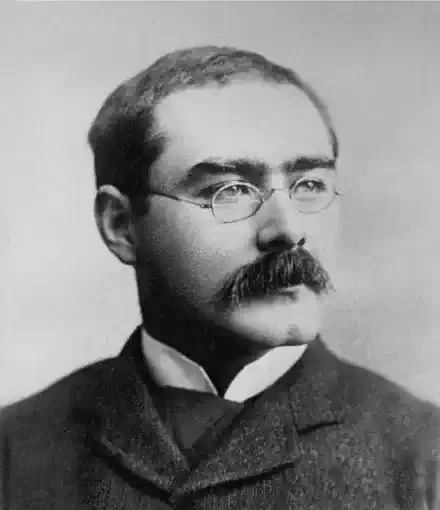
Rudyard Kipling
Kim
Kim
Unto whose use the pregnant suns are poised,
With idiot moons and stars retracting stars?
Creep thou between -- thy coming's all unnoised.
Heaven hath her high, as Earth her baser, wars.
Heir to these tumults, this affright, that fray
(By Adam's, fathers', own, sin bound alway);
Peer up, draw out thy horoscope and say
Which planet mends thy threadbare fate, or mars.
Unto whose use the pregnant suns are poised,
With idiot moons and stars retracting stars?
Creep thou between -- thy coming's all unnoised.
Heaven hath her high, as Earth her baser, wars.
Heir to these tumults, this affright, that fray
(By Adam's, fathers', own, sin bound alway);
Peer up, draw out thy horoscope and say
Which planet mends thy threadbare fate, or mars.
379
Rudyard Kipling
Kim
Kim
Unto whose use the pregnant suns are poised,
With idiot moons and stars retracting stars?
Creep thou between -- thy coming's all unnoised.
Heaven hath her high, as Earth her baser, wars.
Heir to these tumults, this affright, that fray
(By Adam's, fathers', own, sin bound alway);
Peer up, draw out thy horoscope and say
Which planet mends thy threadbare fate, or mars.
Unto whose use the pregnant suns are poised,
With idiot moons and stars retracting stars?
Creep thou between -- thy coming's all unnoised.
Heaven hath her high, as Earth her baser, wars.
Heir to these tumults, this affright, that fray
(By Adam's, fathers', own, sin bound alway);
Peer up, draw out thy horoscope and say
Which planet mends thy threadbare fate, or mars.
379
Rudyard Kipling
Kim
Kim
Unto whose use the pregnant suns are poised,
With idiot moons and stars retracting stars?
Creep thou between -- thy coming's all unnoised.
Heaven hath her high, as Earth her baser, wars.
Heir to these tumults, this affright, that fray
(By Adam's, fathers', own, sin bound alway);
Peer up, draw out thy horoscope and say
Which planet mends thy threadbare fate, or mars.
Unto whose use the pregnant suns are poised,
With idiot moons and stars retracting stars?
Creep thou between -- thy coming's all unnoised.
Heaven hath her high, as Earth her baser, wars.
Heir to these tumults, this affright, that fray
(By Adam's, fathers', own, sin bound alway);
Peer up, draw out thy horoscope and say
Which planet mends thy threadbare fate, or mars.
379
Rudyard Kipling
Jubal and Tubal Cain
Jubal and Tubal Cain
Canadian
Jubal sang of the Wrath of God
And the curse of thistle and thorn--
But Tubal got him a pointed rod,
And scrabbled the earth for corn.
Old--old as that early mould,
Young as the sprouting grain--
Yearly green is the strife between
Jubal and Tubal Cain!
Jubal sang of the new-found sea,
And the love that its waves divide--
But Tubal hollowed a fallen tree
And passed to the further side.
Black-black as the hurricane-wrack,
Salt as the under-main-
Bitter and cold is the hate they hold--
Jubal and Tubal Cain!
Jubal sang of the golden years
Uhen wars and wounds shall cease--
But Tubal fashioned the hand-flung spears
And showed his neighbours peace
New--new as Nine-point-Two
Older than Lamech's slain--
Roaring and loud is the feud avowed
Twix'' Jubal and Tubal Cain!
Jubal sang of the cliffs that bar
And the peaks that none may crown--
But Tubal clambered by jut and scar
And there he builded a town.
High-high as the snowsheds lie,
Low as the culverts drain--
Wherever they be they can never agree--
Jubal and Tubal Cain!
Canadian
Jubal sang of the Wrath of God
And the curse of thistle and thorn--
But Tubal got him a pointed rod,
And scrabbled the earth for corn.
Old--old as that early mould,
Young as the sprouting grain--
Yearly green is the strife between
Jubal and Tubal Cain!
Jubal sang of the new-found sea,
And the love that its waves divide--
But Tubal hollowed a fallen tree
And passed to the further side.
Black-black as the hurricane-wrack,
Salt as the under-main-
Bitter and cold is the hate they hold--
Jubal and Tubal Cain!
Jubal sang of the golden years
Uhen wars and wounds shall cease--
But Tubal fashioned the hand-flung spears
And showed his neighbours peace
New--new as Nine-point-Two
Older than Lamech's slain--
Roaring and loud is the feud avowed
Twix'' Jubal and Tubal Cain!
Jubal sang of the cliffs that bar
And the peaks that none may crown--
But Tubal clambered by jut and scar
And there he builded a town.
High-high as the snowsheds lie,
Low as the culverts drain--
Wherever they be they can never agree--
Jubal and Tubal Cain!
577
Rudyard Kipling
Jubal and Tubal Cain
Jubal and Tubal Cain
Canadian
Jubal sang of the Wrath of God
And the curse of thistle and thorn--
But Tubal got him a pointed rod,
And scrabbled the earth for corn.
Old--old as that early mould,
Young as the sprouting grain--
Yearly green is the strife between
Jubal and Tubal Cain!
Jubal sang of the new-found sea,
And the love that its waves divide--
But Tubal hollowed a fallen tree
And passed to the further side.
Black-black as the hurricane-wrack,
Salt as the under-main-
Bitter and cold is the hate they hold--
Jubal and Tubal Cain!
Jubal sang of the golden years
Uhen wars and wounds shall cease--
But Tubal fashioned the hand-flung spears
And showed his neighbours peace
New--new as Nine-point-Two
Older than Lamech's slain--
Roaring and loud is the feud avowed
Twix'' Jubal and Tubal Cain!
Jubal sang of the cliffs that bar
And the peaks that none may crown--
But Tubal clambered by jut and scar
And there he builded a town.
High-high as the snowsheds lie,
Low as the culverts drain--
Wherever they be they can never agree--
Jubal and Tubal Cain!
Canadian
Jubal sang of the Wrath of God
And the curse of thistle and thorn--
But Tubal got him a pointed rod,
And scrabbled the earth for corn.
Old--old as that early mould,
Young as the sprouting grain--
Yearly green is the strife between
Jubal and Tubal Cain!
Jubal sang of the new-found sea,
And the love that its waves divide--
But Tubal hollowed a fallen tree
And passed to the further side.
Black-black as the hurricane-wrack,
Salt as the under-main-
Bitter and cold is the hate they hold--
Jubal and Tubal Cain!
Jubal sang of the golden years
Uhen wars and wounds shall cease--
But Tubal fashioned the hand-flung spears
And showed his neighbours peace
New--new as Nine-point-Two
Older than Lamech's slain--
Roaring and loud is the feud avowed
Twix'' Jubal and Tubal Cain!
Jubal sang of the cliffs that bar
And the peaks that none may crown--
But Tubal clambered by jut and scar
And there he builded a town.
High-high as the snowsheds lie,
Low as the culverts drain--
Wherever they be they can never agree--
Jubal and Tubal Cain!
577
Rudyard Kipling
In the Matter of One Compass
In the Matter of One Compass
When, foot to wheel and back to wind,
The helmsman dare not look behind,
But hears beyond his compass-light,
The blind bow thunder through the night,
And, like a harpstring ere it snaps,
The rigging sing beneath the caps;
Above the shriek of storm in sail
Or rattle of the blocks blown free,
Set for the peace beyond the gale,
This song the Needle sings the Sea;
Oh, drunken Wave! Oh, driving Cloud!
Rage of the Deep and sterile Rain,
By love upheld, by God allowed,
We go, but we return again!
When leagued about the 'wildered boat
The rainbow Jellies fill and float,
And, lilting where the laver lingers,
The Starfish trips on all her fingers;
Where, 'neath his myriad spines ashock,
The Sea-egg ripples down the rock,
An orange wonder dimly guessed
From darkness where the Cuttles rest,
Moored o'er the darker deeps that hide
The blind white Sea-snake and his bride,
Who, drowsing, nose the long-lost Ships
Let down through darkness to their lips --
Safe-swung above the glassy death,
Hear what the constant Needle saith:
Oh, lisping Reef! Oh, listless Cloud,
In slumber on a pulseless main!
By Love upheld, by God allowed,
We go, but we return again!
E'en so through Tropic and through Trade,
Awed by the shadow of new skies,
As we shall watch old planets fade
And mark the stranger stars arise,
So, surely, back through Sun and Cloud,
So, surely, from the outward main
By Love recalled, by God allowed,
Shall we return -- return again!
Yea, we return -- return again!
When, foot to wheel and back to wind,
The helmsman dare not look behind,
But hears beyond his compass-light,
The blind bow thunder through the night,
And, like a harpstring ere it snaps,
The rigging sing beneath the caps;
Above the shriek of storm in sail
Or rattle of the blocks blown free,
Set for the peace beyond the gale,
This song the Needle sings the Sea;
Oh, drunken Wave! Oh, driving Cloud!
Rage of the Deep and sterile Rain,
By love upheld, by God allowed,
We go, but we return again!
When leagued about the 'wildered boat
The rainbow Jellies fill and float,
And, lilting where the laver lingers,
The Starfish trips on all her fingers;
Where, 'neath his myriad spines ashock,
The Sea-egg ripples down the rock,
An orange wonder dimly guessed
From darkness where the Cuttles rest,
Moored o'er the darker deeps that hide
The blind white Sea-snake and his bride,
Who, drowsing, nose the long-lost Ships
Let down through darkness to their lips --
Safe-swung above the glassy death,
Hear what the constant Needle saith:
Oh, lisping Reef! Oh, listless Cloud,
In slumber on a pulseless main!
By Love upheld, by God allowed,
We go, but we return again!
E'en so through Tropic and through Trade,
Awed by the shadow of new skies,
As we shall watch old planets fade
And mark the stranger stars arise,
So, surely, back through Sun and Cloud,
So, surely, from the outward main
By Love recalled, by God allowed,
Shall we return -- return again!
Yea, we return -- return again!
445
Rudyard Kipling
In the Matter of One Compass
In the Matter of One Compass
When, foot to wheel and back to wind,
The helmsman dare not look behind,
But hears beyond his compass-light,
The blind bow thunder through the night,
And, like a harpstring ere it snaps,
The rigging sing beneath the caps;
Above the shriek of storm in sail
Or rattle of the blocks blown free,
Set for the peace beyond the gale,
This song the Needle sings the Sea;
Oh, drunken Wave! Oh, driving Cloud!
Rage of the Deep and sterile Rain,
By love upheld, by God allowed,
We go, but we return again!
When leagued about the 'wildered boat
The rainbow Jellies fill and float,
And, lilting where the laver lingers,
The Starfish trips on all her fingers;
Where, 'neath his myriad spines ashock,
The Sea-egg ripples down the rock,
An orange wonder dimly guessed
From darkness where the Cuttles rest,
Moored o'er the darker deeps that hide
The blind white Sea-snake and his bride,
Who, drowsing, nose the long-lost Ships
Let down through darkness to their lips --
Safe-swung above the glassy death,
Hear what the constant Needle saith:
Oh, lisping Reef! Oh, listless Cloud,
In slumber on a pulseless main!
By Love upheld, by God allowed,
We go, but we return again!
E'en so through Tropic and through Trade,
Awed by the shadow of new skies,
As we shall watch old planets fade
And mark the stranger stars arise,
So, surely, back through Sun and Cloud,
So, surely, from the outward main
By Love recalled, by God allowed,
Shall we return -- return again!
Yea, we return -- return again!
When, foot to wheel and back to wind,
The helmsman dare not look behind,
But hears beyond his compass-light,
The blind bow thunder through the night,
And, like a harpstring ere it snaps,
The rigging sing beneath the caps;
Above the shriek of storm in sail
Or rattle of the blocks blown free,
Set for the peace beyond the gale,
This song the Needle sings the Sea;
Oh, drunken Wave! Oh, driving Cloud!
Rage of the Deep and sterile Rain,
By love upheld, by God allowed,
We go, but we return again!
When leagued about the 'wildered boat
The rainbow Jellies fill and float,
And, lilting where the laver lingers,
The Starfish trips on all her fingers;
Where, 'neath his myriad spines ashock,
The Sea-egg ripples down the rock,
An orange wonder dimly guessed
From darkness where the Cuttles rest,
Moored o'er the darker deeps that hide
The blind white Sea-snake and his bride,
Who, drowsing, nose the long-lost Ships
Let down through darkness to their lips --
Safe-swung above the glassy death,
Hear what the constant Needle saith:
Oh, lisping Reef! Oh, listless Cloud,
In slumber on a pulseless main!
By Love upheld, by God allowed,
We go, but we return again!
E'en so through Tropic and through Trade,
Awed by the shadow of new skies,
As we shall watch old planets fade
And mark the stranger stars arise,
So, surely, back through Sun and Cloud,
So, surely, from the outward main
By Love recalled, by God allowed,
Shall we return -- return again!
Yea, we return -- return again!
445
Rudyard Kipling
If
If
If you can keep your head when all about you
Are losing theirs and blaming it on you;
If you can trust yourself when all men doubt you,
But make allowance for their doubting too:
If you can wait and not be tired by waiting,
Or, being lied about, don't deal in lies,
Or being hated don't give way to hating,
And yet don't look too good, nor talk too wise;
If you can dream---and not make dreams your master;
If you can think---and not make thoughts your aim,
If you can meet with Triumph and Disaster
And treat those two impostors just the same:.
If you can bear to hear the truth you've spoken
Twisted by knaves to make a trap for fools,
Or watch the things you gave your life to, broken,
And stoop and build'em up with worn-out tools;
If you can make one heap of all your winnings
And risk it on one turn of pitch-and-toss,
And lose, and start again at your beginnings,
And never breathe a word about your loss:
If you can force your heart and nerve and sinew
To serve your turn long after they are gone,
And so hold on when there is nothing in you
Except the Will which says to them: "Hold on!"
If you can talk with crowds and keep your virtue,
Or walk with Kings---nor lose the common touch,
If neither foes nor loving friends can hurt you,
If all men count with you, but none too much:
If you can fill the unforgiving minute
With sixty seconds' worth of distance run,
Yours is the Earth and everything that's in it,
And---which is more---you'll be a Man, my son!
If you can keep your head when all about you
Are losing theirs and blaming it on you;
If you can trust yourself when all men doubt you,
But make allowance for their doubting too:
If you can wait and not be tired by waiting,
Or, being lied about, don't deal in lies,
Or being hated don't give way to hating,
And yet don't look too good, nor talk too wise;
If you can dream---and not make dreams your master;
If you can think---and not make thoughts your aim,
If you can meet with Triumph and Disaster
And treat those two impostors just the same:.
If you can bear to hear the truth you've spoken
Twisted by knaves to make a trap for fools,
Or watch the things you gave your life to, broken,
And stoop and build'em up with worn-out tools;
If you can make one heap of all your winnings
And risk it on one turn of pitch-and-toss,
And lose, and start again at your beginnings,
And never breathe a word about your loss:
If you can force your heart and nerve and sinew
To serve your turn long after they are gone,
And so hold on when there is nothing in you
Except the Will which says to them: "Hold on!"
If you can talk with crowds and keep your virtue,
Or walk with Kings---nor lose the common touch,
If neither foes nor loving friends can hurt you,
If all men count with you, but none too much:
If you can fill the unforgiving minute
With sixty seconds' worth of distance run,
Yours is the Earth and everything that's in it,
And---which is more---you'll be a Man, my son!
669
Rudyard Kipling
Hunting Song of the Seeonee Pack
Hunting Song of the Seeonee Pack
As the dawn was breaking the Sambhur belled
Once, twice, and again!
And a doe leaped up -- and a doe leaped up
From the pond in the wood where the wild deer sup.
This I, scouting alone, beheld,
Once, twice, and again!
As the dawn was breaking the Sambhur belled
Once, twice, and again!
And a wolf stole back -- and a wolf stole back
To carry the word to the waiting Pack;
And we sought and we found and we bayed on his track
Once, twice, and again!
As the dawn was breaking the Wolf-pack yelled
Once, twice, and again!
Feet in the jungle that leave no mark!
Eyes that can see in the dark -- the dark!
Tongue -- give tongue to it! Hark! O Hark!
Once, twice, and again!
His spots are the joy of the Leopard: his horns are the Buffalo's pride --
Be clean, for the strength of the hunter is known by the gloss of his hide.
If ye find that the Bullock can toss you, or the heavy-browed Sambhur can gore;
Ye need not stop work to inform us; we knew it ten seasons before.
Oppress not the cubs of the stranger, but hail them as Sister and Brother,
For though they are little and fubsy, it may be the Bear is their mother.
"There is none like to me!" says the Cub in the pride of his earliest kill;
But the Jungle is large and the Cub he is small. Let him think and be still.
As the dawn was breaking the Sambhur belled
Once, twice, and again!
And a doe leaped up -- and a doe leaped up
From the pond in the wood where the wild deer sup.
This I, scouting alone, beheld,
Once, twice, and again!
As the dawn was breaking the Sambhur belled
Once, twice, and again!
And a wolf stole back -- and a wolf stole back
To carry the word to the waiting Pack;
And we sought and we found and we bayed on his track
Once, twice, and again!
As the dawn was breaking the Wolf-pack yelled
Once, twice, and again!
Feet in the jungle that leave no mark!
Eyes that can see in the dark -- the dark!
Tongue -- give tongue to it! Hark! O Hark!
Once, twice, and again!
His spots are the joy of the Leopard: his horns are the Buffalo's pride --
Be clean, for the strength of the hunter is known by the gloss of his hide.
If ye find that the Bullock can toss you, or the heavy-browed Sambhur can gore;
Ye need not stop work to inform us; we knew it ten seasons before.
Oppress not the cubs of the stranger, but hail them as Sister and Brother,
For though they are little and fubsy, it may be the Bear is their mother.
"There is none like to me!" says the Cub in the pride of his earliest kill;
But the Jungle is large and the Cub he is small. Let him think and be still.
499
Rudyard Kipling
How the Camel Got His Hump
How the Camel Got His Hump
The Camel's hump is an ugly lump
Which well you may see at the Zoo;
But uglier yet is the hump we get
From having too little to do.
Kiddies and grown-ups too-oo-oo,
If we haven't enough to do-oo-oo,
We get the hump--
Cameelious hump--
The hump that is black and blue!
We climb out of bed with a frouzly head,
And a snarly-yarly voice.
We shiver and scowl and we grunt and we growl
At our bath and our boots and our toys;
And there ought to be a corner for me
(And I know' there is one for you)
When we get the hump--
Cameelious hump--
The hump that is black and blue!
The cure for this ill is not to sit still,
Or frowst with a book by the fire;
But to take a large hoe and a shovel also,
And dig till you gently perspire;
And then you will find that the sun and the wind,
And the Djinn of the Garden too,
Have lifted the hump--
The horrible hump--
The hump that is black and blue!
I get it as well as you-oo-oo--
If I haven't enough to do-oo-oo!
We all get hump--
Cameelious hump--
Kiddies and grown-ups too!
The Camel's hump is an ugly lump
Which well you may see at the Zoo;
But uglier yet is the hump we get
From having too little to do.
Kiddies and grown-ups too-oo-oo,
If we haven't enough to do-oo-oo,
We get the hump--
Cameelious hump--
The hump that is black and blue!
We climb out of bed with a frouzly head,
And a snarly-yarly voice.
We shiver and scowl and we grunt and we growl
At our bath and our boots and our toys;
And there ought to be a corner for me
(And I know' there is one for you)
When we get the hump--
Cameelious hump--
The hump that is black and blue!
The cure for this ill is not to sit still,
Or frowst with a book by the fire;
But to take a large hoe and a shovel also,
And dig till you gently perspire;
And then you will find that the sun and the wind,
And the Djinn of the Garden too,
Have lifted the hump--
The horrible hump--
The hump that is black and blue!
I get it as well as you-oo-oo--
If I haven't enough to do-oo-oo!
We all get hump--
Cameelious hump--
Kiddies and grown-ups too!
486
Rudyard Kipling
Heriot's Ford
Heriot's Ford
"What's that that hirples at my side?"
The foe that you must fight, my lord.
"That rides as fast as I can ride?"
The shadow of your might, my lord.
"Then wheel my horse against the foe!"
He's down and overpast, my lord.
You war against the sunset-glow,
The judgment follows fast, my lord!
"Oh, who will stay the sun's descent?"
King Joshua he is dead, my lord.
"I need an hour to repent!"
'Tis what our sister said, my lord.
"Oh, do not slay me in my sins!"
You're safe awhile with us, my lord.
"Nay, kill me ere my fear begins!"
We would not serve you thus, my lord.
"Where is the doom that I must face?"
Three little leagues away, my lord.
"Then mend the horses' laggard pace!"
We need them for next day, my lord.
"Next day--next day! Unloose my cords!"
Our sister needed none, my lord.
You had no mind to face our swords,
And--where can cowards run, my lord?
"You would not kill the soul alive?"
'Twas thus our sister cried, my lord.
"I dare not die with none to shrive."
But so our sister died, my lord.
"Then wipe the sweat from brow and cheek."
It runnels forth afresh, my lord.
"Uphold me--for the flesh is weak."
You've finished with the Flesh, my lord!
"What's that that hirples at my side?"
The foe that you must fight, my lord.
"That rides as fast as I can ride?"
The shadow of your might, my lord.
"Then wheel my horse against the foe!"
He's down and overpast, my lord.
You war against the sunset-glow,
The judgment follows fast, my lord!
"Oh, who will stay the sun's descent?"
King Joshua he is dead, my lord.
"I need an hour to repent!"
'Tis what our sister said, my lord.
"Oh, do not slay me in my sins!"
You're safe awhile with us, my lord.
"Nay, kill me ere my fear begins!"
We would not serve you thus, my lord.
"Where is the doom that I must face?"
Three little leagues away, my lord.
"Then mend the horses' laggard pace!"
We need them for next day, my lord.
"Next day--next day! Unloose my cords!"
Our sister needed none, my lord.
You had no mind to face our swords,
And--where can cowards run, my lord?
"You would not kill the soul alive?"
'Twas thus our sister cried, my lord.
"I dare not die with none to shrive."
But so our sister died, my lord.
"Then wipe the sweat from brow and cheek."
It runnels forth afresh, my lord.
"Uphold me--for the flesh is weak."
You've finished with the Flesh, my lord!
454
Rudyard Kipling
Gods of the East
Gods of the East
Because I sought it far from men,
In deserts and alone,
I found it burning overhead,
The jewel of a Throne.
Because I sought--I sought it so
And spent my days to find--
It blazed one moment ere it left
The blacker night behind.
We be the Gods of the East--
Older than all--
Masters of Mourning and Feast--
How shall we fall?
* * * * *
This I saw when the rites were done,
And the lamps were dead and the Gods alone,
And the grey snake coiled on the altar stone--
Ere I fled from a Fear that I could not see,
And the Gods of the East made mouths at me.
Because I sought it far from men,
In deserts and alone,
I found it burning overhead,
The jewel of a Throne.
Because I sought--I sought it so
And spent my days to find--
It blazed one moment ere it left
The blacker night behind.
We be the Gods of the East--
Older than all--
Masters of Mourning and Feast--
How shall we fall?
* * * * *
This I saw when the rites were done,
And the lamps were dead and the Gods alone,
And the grey snake coiled on the altar stone--
Ere I fled from a Fear that I could not see,
And the Gods of the East made mouths at me.
462
Rudyard Kipling
Giffen's Debt
Giffen's Debt
Imprimis he was "broke." Thereafter left
His Regiment and, later, took to drink;
Then, having lost the balance of his friends,
"Went Fantee" -- joined the people of the land,
Turned three parts Mussulman and one Hindu,
And lived among the Gauri villagers,
Who gave him shelter and a wife or twain.
And boasted that a thorough, full-blood sahib
Had come among them. Thus he spent his time,
Deeply indebted to the village shroff
(Who never asked for payment), always drunk,
Unclean, abominable, out-at-heels;
Forgetting that he was an Englishman.
You know they dammed the Gauri with a dam,
And all the good contractors scamped their work
And all the bad material at hand
Was used to dam the Gauri -- which was cheap,
And, therefore, proper. Then the Gauri burst,
And several hundred thousand cubic tons
Of water dropped into the valley, flop,
And drowned some five-and-twenty villagers,
And did a lakh or two of detriment
To crops and cattle. When the flood went down
We found him dead, beneath an old dead horse,
Full six miles down the valley. So we said
He was a victim to the Demon Drink,
And moralised upon him for a week,
And then forgot him. Which was natural.
But, in the valley of the Gauri, men
Beneath the shadow of the big new dam,
Relate a foolish legend of the flood,
Accounting for the little loss of life
(Only those five-and-twenty villagers)
In this wise: -- On the evening of the flood,
They heard the groaning of the rotten dam,
And voices of the Mountain Devils. Then
And incarnation of the local God,
Mounted upon a monster-neighing horse,
And flourishing a flail-like whip, came down,
Breathing ambrosia, to the villages,
And fell upon the simple villagers
With yells beyond the power of mortal throat,
And blows beyond the power of mortal hand,
And smote them with his flail-like whip, and drove
Them clamorous with terror up the hill,
And scattered, with the monster-neighing steed,
Their crazy cottages about their ears,
And generally cleared those villages.
Then came the water, and the local God,
Breathing ambrosia, flourishing his whip,
And mounted on his monster-neighing steed,
Went down the valley with the flying trees
And residue of homesteads, while they watched
Safe on the mountain-side these wondrous things,
And knew that they were much beloved of Heaven.
Wherefore, and when the dam was newly built,
They raised a temple to the local God,
And burnt all manner of unsavoury things
Upon his altar, and created priests,
And blew into a conch and banged a bell,
And told the story of the Gauri flood
With circumstance and much embroidery. . . .
So hi, the whiskified Objectionable,
Unclean, abominable, out-at-heels,
Became the tutelary Deity
Of all the Gauri valley villages,
And may in time become a Solar Myth.
Imprimis he was "broke." Thereafter left
His Regiment and, later, took to drink;
Then, having lost the balance of his friends,
"Went Fantee" -- joined the people of the land,
Turned three parts Mussulman and one Hindu,
And lived among the Gauri villagers,
Who gave him shelter and a wife or twain.
And boasted that a thorough, full-blood sahib
Had come among them. Thus he spent his time,
Deeply indebted to the village shroff
(Who never asked for payment), always drunk,
Unclean, abominable, out-at-heels;
Forgetting that he was an Englishman.
You know they dammed the Gauri with a dam,
And all the good contractors scamped their work
And all the bad material at hand
Was used to dam the Gauri -- which was cheap,
And, therefore, proper. Then the Gauri burst,
And several hundred thousand cubic tons
Of water dropped into the valley, flop,
And drowned some five-and-twenty villagers,
And did a lakh or two of detriment
To crops and cattle. When the flood went down
We found him dead, beneath an old dead horse,
Full six miles down the valley. So we said
He was a victim to the Demon Drink,
And moralised upon him for a week,
And then forgot him. Which was natural.
But, in the valley of the Gauri, men
Beneath the shadow of the big new dam,
Relate a foolish legend of the flood,
Accounting for the little loss of life
(Only those five-and-twenty villagers)
In this wise: -- On the evening of the flood,
They heard the groaning of the rotten dam,
And voices of the Mountain Devils. Then
And incarnation of the local God,
Mounted upon a monster-neighing horse,
And flourishing a flail-like whip, came down,
Breathing ambrosia, to the villages,
And fell upon the simple villagers
With yells beyond the power of mortal throat,
And blows beyond the power of mortal hand,
And smote them with his flail-like whip, and drove
Them clamorous with terror up the hill,
And scattered, with the monster-neighing steed,
Their crazy cottages about their ears,
And generally cleared those villages.
Then came the water, and the local God,
Breathing ambrosia, flourishing his whip,
And mounted on his monster-neighing steed,
Went down the valley with the flying trees
And residue of homesteads, while they watched
Safe on the mountain-side these wondrous things,
And knew that they were much beloved of Heaven.
Wherefore, and when the dam was newly built,
They raised a temple to the local God,
And burnt all manner of unsavoury things
Upon his altar, and created priests,
And blew into a conch and banged a bell,
And told the story of the Gauri flood
With circumstance and much embroidery. . . .
So hi, the whiskified Objectionable,
Unclean, abominable, out-at-heels,
Became the tutelary Deity
Of all the Gauri valley villages,
And may in time become a Solar Myth.
499
Rudyard Kipling
Gentleman-rankers
Gentleman-rankers
To the legion of the lost ones, to the cohort of the damned,
To my brethren in their sorrow overseas,
Sings a gentleman of England cleanly bred, machinely crammed,
And a trooper of the Empress, if you please.
Yea, a trooper of the forces who has run his own six horses,
And faith he went the pace and went it blind,
And the world was more than kin while he held the ready tin,
But to-day the Sergeant's something less than kind.
We're poor little lambs who've lost our way,
Baa! Baa! Baa!
We're little black sheep who've gone astray,
Baa--aa--aa!
Gentlemen-rankers out on the spree,
Damned from here to Eternity,
God ha' mercy on such as we,
Baa! Yah! Bah!
Oh, it's sweet to sweat through stables, sweet to empty kitchen slops,
And it's sweet to hear the tales the troopers tell,
To dance with blowzy housemaids at the regimental hops
And thrash the cad who says you waltz too well.
Yes, it makes you cock-a-hoop to be "Rider" to your troop,
And branded with a blasted worsted spur,
When you envy, O how keenly, one poor Tommy being cleanly
Who blacks your boots and sometimes calls you "Sir".
If the home we never write to, and the oaths we never keep,
And all we know most distant and most dear,
Across the snoring barrack-room return to break our sleep,
Can you blame us if we soak ourselves in beer?
When the drunken comrade mutters and the great guard-lantern gutters
And the horror of our fall is written plain,
Every secret, self-revealing on the aching white-washed ceiling,
Do you wonder that we drug ourselves from pain?
We have done with Hope and Honour, we are lost to Love and Truth,
We are dropping down the ladder rung by rung,
And the measure of our torment is the measure of our youth.
God help us, for we knew the worst too young!
Our shame is clean repentance for the crime that brought the sentence,
Our pride it is to know no spur of pride,
And the Curse of Reuben holds us till an alien turf enfolds us
And we die, and none can tell Them where we died.
We're poor little lambs who've lost our way,
Baa! Baa! Baa!
We're little black sheep who've gone astray,
Baa--aa--aa!
Gentlemen-rankers out on the spree,
Damned from here to Eternity,
God ha' mercy on such as we,
Baa! Yah! Bah!
To the legion of the lost ones, to the cohort of the damned,
To my brethren in their sorrow overseas,
Sings a gentleman of England cleanly bred, machinely crammed,
And a trooper of the Empress, if you please.
Yea, a trooper of the forces who has run his own six horses,
And faith he went the pace and went it blind,
And the world was more than kin while he held the ready tin,
But to-day the Sergeant's something less than kind.
We're poor little lambs who've lost our way,
Baa! Baa! Baa!
We're little black sheep who've gone astray,
Baa--aa--aa!
Gentlemen-rankers out on the spree,
Damned from here to Eternity,
God ha' mercy on such as we,
Baa! Yah! Bah!
Oh, it's sweet to sweat through stables, sweet to empty kitchen slops,
And it's sweet to hear the tales the troopers tell,
To dance with blowzy housemaids at the regimental hops
And thrash the cad who says you waltz too well.
Yes, it makes you cock-a-hoop to be "Rider" to your troop,
And branded with a blasted worsted spur,
When you envy, O how keenly, one poor Tommy being cleanly
Who blacks your boots and sometimes calls you "Sir".
If the home we never write to, and the oaths we never keep,
And all we know most distant and most dear,
Across the snoring barrack-room return to break our sleep,
Can you blame us if we soak ourselves in beer?
When the drunken comrade mutters and the great guard-lantern gutters
And the horror of our fall is written plain,
Every secret, self-revealing on the aching white-washed ceiling,
Do you wonder that we drug ourselves from pain?
We have done with Hope and Honour, we are lost to Love and Truth,
We are dropping down the ladder rung by rung,
And the measure of our torment is the measure of our youth.
God help us, for we knew the worst too young!
Our shame is clean repentance for the crime that brought the sentence,
Our pride it is to know no spur of pride,
And the Curse of Reuben holds us till an alien turf enfolds us
And we die, and none can tell Them where we died.
We're poor little lambs who've lost our way,
Baa! Baa! Baa!
We're little black sheep who've gone astray,
Baa--aa--aa!
Gentlemen-rankers out on the spree,
Damned from here to Eternity,
God ha' mercy on such as we,
Baa! Yah! Bah!
466
Rudyard Kipling
Four-Feet
Four-Feet
I have done mostly what most men do,
And pushed it out of my mind;
But I can't forget, if I wanted to,
Four-Feet trotting behind.
Day after day, the whole day through --
Wherever my road inclined --
Four-feet said, "I am coming with you!"
And trotted along behind.
Now I must go by some other round, --
Which I shall never find --
Somewhere that does not carry the sound
Of Four-Feet trotting behind.
I have done mostly what most men do,
And pushed it out of my mind;
But I can't forget, if I wanted to,
Four-Feet trotting behind.
Day after day, the whole day through --
Wherever my road inclined --
Four-feet said, "I am coming with you!"
And trotted along behind.
Now I must go by some other round, --
Which I shall never find --
Somewhere that does not carry the sound
Of Four-Feet trotting behind.
482
Rudyard Kipling
Follow Me 'Ome
Follow Me 'Ome
There was no one like 'im, 'Orse or Foot,
Nor any o' the Guns I knew;
An' because it was so, why, o' course 'e went an' died,
Which is just what the best men do.
So it's knock out your pipes an' follow me!
An' it's finish up your swipes an' follow me!
Oh, 'ark to the big drum callin',
Follow me -- follow me 'ome!
'Is mare she neighs the 'ole day long,
She paws the 'ole night through,
An' she won't take 'er feed 'cause o' waitin' for 'is step,
Which is just what a beast would do.
'Is girl she goes with a bombardier
Before 'er month is through;
An' the banns are up in church, for she's got the beggar hooked,
Which is just what a girl would do.
We fought 'bout a dog -- last week it were --
No more than a round or two;
But I strook 'im cruel 'ard, an' I wish I 'adn't now,
Which is just what a man can't do.
'E was all that I 'ad in the way of a friend,
An' I've 'ad to find one new;
But I'd give my pay an' stripe for to get the beggar back,
Which it's just too late to do.
So it's knock out your pipes an' follow me!
An' it's finish off your swipes an' follow me!
Oh, 'ark to the fifes a-crawlin'!
Follow me -- follow me 'ome!
Take 'im away! 'E's gone where the best men go.
Take 'im away! An' the gun-wheels turnin' slow.
Take 'im away! There's more from the place 'e come.
Take 'im away, with the limber an' the drum.
For it's "Three rounds blank" an' follow me,
An' it's "Thirteen rank" an' follow me;
Oh, passin' the love o' women,
Follow me -- follow me 'ome!
There was no one like 'im, 'Orse or Foot,
Nor any o' the Guns I knew;
An' because it was so, why, o' course 'e went an' died,
Which is just what the best men do.
So it's knock out your pipes an' follow me!
An' it's finish up your swipes an' follow me!
Oh, 'ark to the big drum callin',
Follow me -- follow me 'ome!
'Is mare she neighs the 'ole day long,
She paws the 'ole night through,
An' she won't take 'er feed 'cause o' waitin' for 'is step,
Which is just what a beast would do.
'Is girl she goes with a bombardier
Before 'er month is through;
An' the banns are up in church, for she's got the beggar hooked,
Which is just what a girl would do.
We fought 'bout a dog -- last week it were --
No more than a round or two;
But I strook 'im cruel 'ard, an' I wish I 'adn't now,
Which is just what a man can't do.
'E was all that I 'ad in the way of a friend,
An' I've 'ad to find one new;
But I'd give my pay an' stripe for to get the beggar back,
Which it's just too late to do.
So it's knock out your pipes an' follow me!
An' it's finish off your swipes an' follow me!
Oh, 'ark to the fifes a-crawlin'!
Follow me -- follow me 'ome!
Take 'im away! 'E's gone where the best men go.
Take 'im away! An' the gun-wheels turnin' slow.
Take 'im away! There's more from the place 'e come.
Take 'im away, with the limber an' the drum.
For it's "Three rounds blank" an' follow me,
An' it's "Thirteen rank" an' follow me;
Oh, passin' the love o' women,
Follow me -- follow me 'ome!
396
Rudyard Kipling
For To Admire
For To Admire
The Injian Ocean sets an' smiles
So sof', so bright, so bloomin' blue;
There aren't a wave for miles an' miles
Excep' the jiggle from the screw.
The ship is swep', the day is done,
The bugle's gone for smoke and play;
An' black agin' the settin' sun
The Lascar sings, "~Hum deckty hai!~" ["I'm looking out."]
For to admire an' for to see,
For to be'old this world so wide --
It never done no good to me,
But I can't drop it if I tried!
I see the sergeants pitchin' quoits,
I 'ear the women laugh an' talk,
I spy upon the quarter-deck
The orficers an' lydies walk.
I thinks about the things that was,
An' leans an' looks acrost the sea,
Till spite of all the crowded ship
There's no one lef' alive but me.
The things that was which I 'ave seen,
In barrick, camp, an' action too,
I tells them over by myself,
An' sometimes wonders if they're true;
For they was odd -- most awful odd --
But all the same now they are o'er,
There must be 'eaps o' plenty such,
An' if I wait I'll see some more.
Oh, I 'ave come upon the books,
An' frequent broke a barrick rule,
An' stood beside an' watched myself
Be'avin' like a bloomin' fool.
I paid my price for findin' out,
Nor never grutched the price I paid,
But sat in Clink without my boots,
Admirin' 'ow the world was made.
Be'old a crowd upon the beam,
An' 'umped above the sea appears
Old Aden, like a barrick-stove
That no one's lit for years an' years!
I passed by that when I began,
An' I go 'ome the road I came,
A time-expired soldier-man
With six years' service to 'is name.
My girl she said, "Oh, stay with me!"
My mother 'eld me to 'er breast.
They've never written none, an' so
They must 'ave gone with all the rest --
With all the rest which I 'ave seen
An' found an' known an' met along.
I cannot say the things I feel,
And so I sing my evenin' song:
For to admire an' for to see,
For to be'old this world so wide --
It never done no good to me,
But I can't drop it if I tried!
The Injian Ocean sets an' smiles
So sof', so bright, so bloomin' blue;
There aren't a wave for miles an' miles
Excep' the jiggle from the screw.
The ship is swep', the day is done,
The bugle's gone for smoke and play;
An' black agin' the settin' sun
The Lascar sings, "~Hum deckty hai!~" ["I'm looking out."]
For to admire an' for to see,
For to be'old this world so wide --
It never done no good to me,
But I can't drop it if I tried!
I see the sergeants pitchin' quoits,
I 'ear the women laugh an' talk,
I spy upon the quarter-deck
The orficers an' lydies walk.
I thinks about the things that was,
An' leans an' looks acrost the sea,
Till spite of all the crowded ship
There's no one lef' alive but me.
The things that was which I 'ave seen,
In barrick, camp, an' action too,
I tells them over by myself,
An' sometimes wonders if they're true;
For they was odd -- most awful odd --
But all the same now they are o'er,
There must be 'eaps o' plenty such,
An' if I wait I'll see some more.
Oh, I 'ave come upon the books,
An' frequent broke a barrick rule,
An' stood beside an' watched myself
Be'avin' like a bloomin' fool.
I paid my price for findin' out,
Nor never grutched the price I paid,
But sat in Clink without my boots,
Admirin' 'ow the world was made.
Be'old a crowd upon the beam,
An' 'umped above the sea appears
Old Aden, like a barrick-stove
That no one's lit for years an' years!
I passed by that when I began,
An' I go 'ome the road I came,
A time-expired soldier-man
With six years' service to 'is name.
My girl she said, "Oh, stay with me!"
My mother 'eld me to 'er breast.
They've never written none, an' so
They must 'ave gone with all the rest --
With all the rest which I 'ave seen
An' found an' known an' met along.
I cannot say the things I feel,
And so I sing my evenin' song:
For to admire an' for to see,
For to be'old this world so wide --
It never done no good to me,
But I can't drop it if I tried!
411
Rudyard Kipling
En-Dor
En-Dor
Behold there is a woman that hath a familiar spirit at En-dor. -- I Samuel, xxviii.
The road to En-dor is easy to tread
For Mother or yearning Wife.
There, it is sure, we shall meet our Dead
As they were even in life.
Earth has not dreamed of the blessing in store
For desolate hearts on the road to En-dor.
Whispers shall comfort us out of the dark--
Hands--ah God!--that we knew!
Visions .and voices --look and hark!--
Shall prove that the tale is true,
An that those who have passed to the further shore
May' be hailed--at a price--on the road to En-dor.
But they are so deep in their new eclipse
Nothing they say can reach,
Unless it be uttered by alien lips
And I framed in a stranger's speech.
The son must send word to the mother that bore,
'Through an hireling's mouth. 'Tis the rule of En-dor.
And not for nothing these gifts are shown
By such as delight our dead.
They must twitch and stiffen and slaver and groan
Ere the eyes are set in the head,
And the voice from the belly begins. Therefore,
We pay them a wage where they ply at En-dor.
Even so, we have need of faith
And patience to follow the clue.
Often, at first, what the dear one saith
Is babble, or jest, or untrue.
(Lying spirits perplex us sore
Till our loves--and their lives--are well-known at
En-dor). . . .
Oh the road to En-dor is the oldest road
And the craziest road of all!
Straight it runs to the Witch's abode,
As it did in the days of Saul,
And nothing has changed of the sorrow in store
For such as go down on the road to En-dor!
Behold there is a woman that hath a familiar spirit at En-dor. -- I Samuel, xxviii.
The road to En-dor is easy to tread
For Mother or yearning Wife.
There, it is sure, we shall meet our Dead
As they were even in life.
Earth has not dreamed of the blessing in store
For desolate hearts on the road to En-dor.
Whispers shall comfort us out of the dark--
Hands--ah God!--that we knew!
Visions .and voices --look and hark!--
Shall prove that the tale is true,
An that those who have passed to the further shore
May' be hailed--at a price--on the road to En-dor.
But they are so deep in their new eclipse
Nothing they say can reach,
Unless it be uttered by alien lips
And I framed in a stranger's speech.
The son must send word to the mother that bore,
'Through an hireling's mouth. 'Tis the rule of En-dor.
And not for nothing these gifts are shown
By such as delight our dead.
They must twitch and stiffen and slaver and groan
Ere the eyes are set in the head,
And the voice from the belly begins. Therefore,
We pay them a wage where they ply at En-dor.
Even so, we have need of faith
And patience to follow the clue.
Often, at first, what the dear one saith
Is babble, or jest, or untrue.
(Lying spirits perplex us sore
Till our loves--and their lives--are well-known at
En-dor). . . .
Oh the road to En-dor is the oldest road
And the craziest road of all!
Straight it runs to the Witch's abode,
As it did in the days of Saul,
And nothing has changed of the sorrow in store
For such as go down on the road to En-dor!
530
Rudyard Kipling
En-Dor
En-Dor
Behold there is a woman that hath a familiar spirit at En-dor. -- I Samuel, xxviii.
The road to En-dor is easy to tread
For Mother or yearning Wife.
There, it is sure, we shall meet our Dead
As they were even in life.
Earth has not dreamed of the blessing in store
For desolate hearts on the road to En-dor.
Whispers shall comfort us out of the dark--
Hands--ah God!--that we knew!
Visions .and voices --look and hark!--
Shall prove that the tale is true,
An that those who have passed to the further shore
May' be hailed--at a price--on the road to En-dor.
But they are so deep in their new eclipse
Nothing they say can reach,
Unless it be uttered by alien lips
And I framed in a stranger's speech.
The son must send word to the mother that bore,
'Through an hireling's mouth. 'Tis the rule of En-dor.
And not for nothing these gifts are shown
By such as delight our dead.
They must twitch and stiffen and slaver and groan
Ere the eyes are set in the head,
And the voice from the belly begins. Therefore,
We pay them a wage where they ply at En-dor.
Even so, we have need of faith
And patience to follow the clue.
Often, at first, what the dear one saith
Is babble, or jest, or untrue.
(Lying spirits perplex us sore
Till our loves--and their lives--are well-known at
En-dor). . . .
Oh the road to En-dor is the oldest road
And the craziest road of all!
Straight it runs to the Witch's abode,
As it did in the days of Saul,
And nothing has changed of the sorrow in store
For such as go down on the road to En-dor!
Behold there is a woman that hath a familiar spirit at En-dor. -- I Samuel, xxviii.
The road to En-dor is easy to tread
For Mother or yearning Wife.
There, it is sure, we shall meet our Dead
As they were even in life.
Earth has not dreamed of the blessing in store
For desolate hearts on the road to En-dor.
Whispers shall comfort us out of the dark--
Hands--ah God!--that we knew!
Visions .and voices --look and hark!--
Shall prove that the tale is true,
An that those who have passed to the further shore
May' be hailed--at a price--on the road to En-dor.
But they are so deep in their new eclipse
Nothing they say can reach,
Unless it be uttered by alien lips
And I framed in a stranger's speech.
The son must send word to the mother that bore,
'Through an hireling's mouth. 'Tis the rule of En-dor.
And not for nothing these gifts are shown
By such as delight our dead.
They must twitch and stiffen and slaver and groan
Ere the eyes are set in the head,
And the voice from the belly begins. Therefore,
We pay them a wage where they ply at En-dor.
Even so, we have need of faith
And patience to follow the clue.
Often, at first, what the dear one saith
Is babble, or jest, or untrue.
(Lying spirits perplex us sore
Till our loves--and their lives--are well-known at
En-dor). . . .
Oh the road to En-dor is the oldest road
And the craziest road of all!
Straight it runs to the Witch's abode,
As it did in the days of Saul,
And nothing has changed of the sorrow in store
For such as go down on the road to En-dor!
530
Rudyard Kipling
Eddi's Service
Eddi's Service
(A.D. )
Eddi, priest of St. Wilfrid
In his chapel at Manhood End,
Ordered a midnight service
For such as cared to attend.
But the Saxons were keeping Christmas,
And the night was stormy as well.
Nobody came to service,
Though Eddi rang the bell.
"'Wicked weather for walking,"
Said Eddi of Manhood End.
"But I must go on with the service
For such as care to attend."
The altar-lamps were lighted, --
An old marsh-donkey came,
Bold as a guest invited,
And stared at the guttering flame.
The storm beat on at the windows,
The water splashed on the floor,
And a wet, yoke-weary bullock
Pushed in through the open door.
"How do I know what is greatest,
How do I know what is least?
That is My Father's business,"
Said Eddi, Wilfrid's priest.
"But -- three are gathered together --
Listen to me and attend.
I bring good news, my brethren!"
Said Eddi of Manhood End.
And he told the Ox of a Manger
And a Stall in Bethlehem,
And he spoke to the Ass of a Rider,
That rode to Jerusalem.
They steamed and dripped in the chancel,
They listened and never stirred,
While, just as though they were Bishops,
Eddi preached them The World,
Till the gale blew off on the marshes
And the windows showed the day,
And the Ox and the Ass together
Wheeled and clattered away.
And when the Saxons mocked him,
Said Eddi of Manhood End,
"I dare not shut His chapel
On such as care to attend."
(A.D. )
Eddi, priest of St. Wilfrid
In his chapel at Manhood End,
Ordered a midnight service
For such as cared to attend.
But the Saxons were keeping Christmas,
And the night was stormy as well.
Nobody came to service,
Though Eddi rang the bell.
"'Wicked weather for walking,"
Said Eddi of Manhood End.
"But I must go on with the service
For such as care to attend."
The altar-lamps were lighted, --
An old marsh-donkey came,
Bold as a guest invited,
And stared at the guttering flame.
The storm beat on at the windows,
The water splashed on the floor,
And a wet, yoke-weary bullock
Pushed in through the open door.
"How do I know what is greatest,
How do I know what is least?
That is My Father's business,"
Said Eddi, Wilfrid's priest.
"But -- three are gathered together --
Listen to me and attend.
I bring good news, my brethren!"
Said Eddi of Manhood End.
And he told the Ox of a Manger
And a Stall in Bethlehem,
And he spoke to the Ass of a Rider,
That rode to Jerusalem.
They steamed and dripped in the chancel,
They listened and never stirred,
While, just as though they were Bishops,
Eddi preached them The World,
Till the gale blew off on the marshes
And the windows showed the day,
And the Ox and the Ass together
Wheeled and clattered away.
And when the Saxons mocked him,
Said Eddi of Manhood End,
"I dare not shut His chapel
On such as care to attend."
478
Rudyard Kipling
Death of a Believer
Death of a Believer
Yet at the last, ere our spearmen had found him,
Yet at the last, ere a sword-thrust could save,
Yet at the last, with his masters around him,
He spoke of the Faith as a master to slave.
Yet at the last, though the Kafirs had maimed him,
Broken by bondage and wrecked by the reiver,
Yet at the last, tho' the darkness had claimed him,
He called on Allah, and died a Believer!
Yet at the last, ere our spearmen had found him,
Yet at the last, ere a sword-thrust could save,
Yet at the last, with his masters around him,
He spoke of the Faith as a master to slave.
Yet at the last, though the Kafirs had maimed him,
Broken by bondage and wrecked by the reiver,
Yet at the last, tho' the darkness had claimed him,
He called on Allah, and died a Believer!
441
Rudyard Kipling
Covenant
Covenant
We thought we ranked above the chance of ill.
Others might fall, not we, for we were wise--
Merchants in freedom. So, of our free-will
We let our servants drug our strength with lies.
The pleasure and the poison had its way
On us as on the meanest, till we learned
That he who lies will steal, who steals will slay.
Neither God's judgment nor man's heart was turned.
Yet there remains His Mercy--to be sought
Through wrath and peril till we cleanse the wrong
By that last right which our forefathers claimed
When their Law failed them and its stewards were bought.
This is our cause. God help us, and make strong
Our will to meet Him later, unashamed!
We thought we ranked above the chance of ill.
Others might fall, not we, for we were wise--
Merchants in freedom. So, of our free-will
We let our servants drug our strength with lies.
The pleasure and the poison had its way
On us as on the meanest, till we learned
That he who lies will steal, who steals will slay.
Neither God's judgment nor man's heart was turned.
Yet there remains His Mercy--to be sought
Through wrath and peril till we cleanse the wrong
By that last right which our forefathers claimed
When their Law failed them and its stewards were bought.
This is our cause. God help us, and make strong
Our will to meet Him later, unashamed!
406
Rudyard Kipling
By the Hoof of the Wild Goat
By the Hoof of the Wild Goat
By the Hoof of the Wild Goat uptossed
From the cliff where she lay in the Sun
Fell the Stone
To the Tarn where the daylight is lost,
So she fell from the light of the Sun
And alone!
Now the fall was ordained from the first
With the Goat and the Cliff and the Tarn,
But the Stone
Knows only her life is accursed
As she sinks from the light of the Sun
And alone!
Oh Thou Who hast builded the World,
Oh Thou Who hast lighted the Sun,
Oh Thou Who hast darkened the Tarn,
Judge Thou
The sin of the Stone that was hurled
By the goat from the light of the Sun,
As she sinks in the mire of the Tarn,
Even now--even now--even now!
By the Hoof of the Wild Goat uptossed
From the cliff where she lay in the Sun
Fell the Stone
To the Tarn where the daylight is lost,
So she fell from the light of the Sun
And alone!
Now the fall was ordained from the first
With the Goat and the Cliff and the Tarn,
But the Stone
Knows only her life is accursed
As she sinks from the light of the Sun
And alone!
Oh Thou Who hast builded the World,
Oh Thou Who hast lighted the Sun,
Oh Thou Who hast darkened the Tarn,
Judge Thou
The sin of the Stone that was hurled
By the goat from the light of the Sun,
As she sinks in the mire of the Tarn,
Even now--even now--even now!
502
Rudyard Kipling
Buddha at Kamakura
Buddha at Kamakura
Oye who treated the Narrow Way
By Tophet-flare to Judgment Day,
Be gentle when "the heathen" pray
To Buddha at Kamakura!
To him the Way, the Law, apart,
Whom Maya held beneath her heart,
Ananda's Lord, the Bodhisat,
The Buddha of Kamakura.
For though he neither burns nor sees,
Nor hears ye thank your Deities,
Ye have not sinned with such as these,
His children at Kamakura,
Yet spare us still the Western joke
When joss-sticks turn to scented smoke
The little sins of little folk
That worship at Kamakura --
The grey-robed, gay-sashed butterflies
That flit beneath the Master's eyes.
He is beyond the Mysteries
But loves them at Kamakura.
And whoso will, from Pride released,
Contemning neither creed nor priest,
May feel the Soul of all the East
About him at Kamakura.
Yea, every tale Ananda heard,
Of birth as fish or beast or bird,
While yet in lives the Master stirred,
The warm wind brings Kamakura.
Till drowsy eyelids seem to see
A-flower 'neath her golden htee
The Shwe-Dagon flare easterly
From Burmah to Kamakura,
And down the loaded air there comes
The thunder of Thibetan drums,
And droned -- "Om mane padme hums" --
A world's-width from Kamakura.
Yet Brahmans rule Benares still,
Buddh-Gaya's ruins pit the hill,
And beef-fed zealots threaten ill
To Buddha and Kamakura.
A tourist-show, a legend told,
A rusting bulk of bronze and gold,
So much, and scarce so much, ye hold
The meaning of Kamakura?
But when the morning prayer is prayed,
Think, ere ye pass to strife and trade,
Is God in human image made
No nearer than Kamakura?
Oye who treated the Narrow Way
By Tophet-flare to Judgment Day,
Be gentle when "the heathen" pray
To Buddha at Kamakura!
To him the Way, the Law, apart,
Whom Maya held beneath her heart,
Ananda's Lord, the Bodhisat,
The Buddha of Kamakura.
For though he neither burns nor sees,
Nor hears ye thank your Deities,
Ye have not sinned with such as these,
His children at Kamakura,
Yet spare us still the Western joke
When joss-sticks turn to scented smoke
The little sins of little folk
That worship at Kamakura --
The grey-robed, gay-sashed butterflies
That flit beneath the Master's eyes.
He is beyond the Mysteries
But loves them at Kamakura.
And whoso will, from Pride released,
Contemning neither creed nor priest,
May feel the Soul of all the East
About him at Kamakura.
Yea, every tale Ananda heard,
Of birth as fish or beast or bird,
While yet in lives the Master stirred,
The warm wind brings Kamakura.
Till drowsy eyelids seem to see
A-flower 'neath her golden htee
The Shwe-Dagon flare easterly
From Burmah to Kamakura,
And down the loaded air there comes
The thunder of Thibetan drums,
And droned -- "Om mane padme hums" --
A world's-width from Kamakura.
Yet Brahmans rule Benares still,
Buddh-Gaya's ruins pit the hill,
And beef-fed zealots threaten ill
To Buddha and Kamakura.
A tourist-show, a legend told,
A rusting bulk of bronze and gold,
So much, and scarce so much, ye hold
The meaning of Kamakura?
But when the morning prayer is prayed,
Think, ere ye pass to strife and trade,
Is God in human image made
No nearer than Kamakura?
490