

Poems in this topic
Life and Existence

Robert W. Service
A Bachelor
A Bachelor
'Why keep a cow when I can buy,'
Said he, 'the milk I need,'
I wanted to spit in his eye
Of selfishness and greed;
But did not, for the reason he
Was stronger than I be.
I told him: ''Tis our human fate,
For better or for worse,
That man and maid should love and mate,
And little children nurse.
Of course, if you are less than man
You can't do what we can.
'So many loving maids would wed,
And wondrous mothers be.'
'I'll buy the love I want,' he said,
'No squally brats for me.'
. . . I hope the devil stoketh well
For him a special hell.
'Why keep a cow when I can buy,'
Said he, 'the milk I need,'
I wanted to spit in his eye
Of selfishness and greed;
But did not, for the reason he
Was stronger than I be.
I told him: ''Tis our human fate,
For better or for worse,
That man and maid should love and mate,
And little children nurse.
Of course, if you are less than man
You can't do what we can.
'So many loving maids would wed,
And wondrous mothers be.'
'I'll buy the love I want,' he said,
'No squally brats for me.'
. . . I hope the devil stoketh well
For him a special hell.
233
Robert W. Service
A Cabbage Patch
A Cabbage Patch
Folk ask if I'm alive,
Most think I'm not;
Yet gaily I contrive
To till my plot.
The world its way can go,
I little heed,
So long as I can grow
The grub I need.
For though long overdue,
The years to me,
Have taught a lesson true,
--Humility.
Such better men than I
I've seen pass on;
Their pay-off when they die;
--Oblivion.
And so I mock at fame,
With books unread;
No monument I claim
When I am dead;
Contented as I see
My cottage thatch
That my last goal should be
--A cabbage patch.
Folk ask if I'm alive,
Most think I'm not;
Yet gaily I contrive
To till my plot.
The world its way can go,
I little heed,
So long as I can grow
The grub I need.
For though long overdue,
The years to me,
Have taught a lesson true,
--Humility.
Such better men than I
I've seen pass on;
Their pay-off when they die;
--Oblivion.
And so I mock at fame,
With books unread;
No monument I claim
When I am dead;
Contented as I see
My cottage thatch
That my last goal should be
--A cabbage patch.
234
Robert W. Service
?
"?"
If you had the choice of two women to wed,
(Though of course the idea is quite absurd)
And the first from her heels to her dainty head
Was charming in every sense of the word:
And yet in the past (I grieve to state),
She never had been exactly "straight".
And the second -- she was beyond all cavil,
A model of virtue, I must confess;
And yet, alas! she was dull as the devil,
And rather a dowd in the way of dress;
Though what she was lacking in wit and beauty,
She more than made up for in "sense of duty".
Now, suppose you must wed, and make no blunder,
And either would love you, and let you win her --
Which of the two would you choose, I wonder,
The stolid saint or the sparkling sinner?
If you had the choice of two women to wed,
(Though of course the idea is quite absurd)
And the first from her heels to her dainty head
Was charming in every sense of the word:
And yet in the past (I grieve to state),
She never had been exactly "straight".
And the second -- she was beyond all cavil,
A model of virtue, I must confess;
And yet, alas! she was dull as the devil,
And rather a dowd in the way of dress;
Though what she was lacking in wit and beauty,
She more than made up for in "sense of duty".
Now, suppose you must wed, and make no blunder,
And either would love you, and let you win her --
Which of the two would you choose, I wonder,
The stolid saint or the sparkling sinner?
53
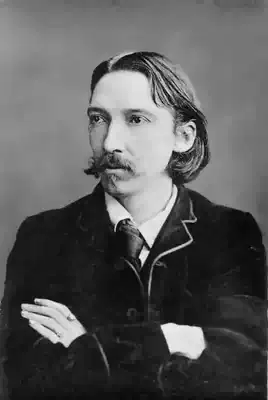
Robert Louis Stevenson
You Looked So Tempting In The Pew
You Looked So Tempting In The Pew
YOU looked so tempting in the pew,
You looked so sly and calm -
My trembling fingers played with yours
As both looked out the Psalm.
Your heart beat hard against my arm,
My foot to yours was set,
Your loosened ringlet burned my cheek
Whenever they two met.
O little, little we hearkened, dear,
And little, little cared,
Although the parson sermonised,
The congregation stared.
YOU looked so tempting in the pew,
You looked so sly and calm -
My trembling fingers played with yours
As both looked out the Psalm.
Your heart beat hard against my arm,
My foot to yours was set,
Your loosened ringlet burned my cheek
Whenever they two met.
O little, little we hearkened, dear,
And little, little cared,
Although the parson sermonised,
The congregation stared.
202
Robert Louis Stevenson
What Man May Learn, What Man May Do
What Man May Learn, What Man May Do
WHAT man may learn, what man may do,
Of right or wrong of false or true,
While, skipper-like, his course he steers
Through nine and twenty mingled years,
Half misconceived and half forgot,
So much I know and practise not.
Old are the words of wisdom, old
The counsels of the wise and bold:
To close the ears, to check the tongue,
To keep the pining spirit young;
To act the right, to say the true,
And to be kind whate'er you do.
Thus we across the modern stage
Follow the wise of every age;
And, as oaks grow and rivers run
Unchanged in the unchanging sun,
So the eternal march of man
Goes forth on an eternal plan.
WHAT man may learn, what man may do,
Of right or wrong of false or true,
While, skipper-like, his course he steers
Through nine and twenty mingled years,
Half misconceived and half forgot,
So much I know and practise not.
Old are the words of wisdom, old
The counsels of the wise and bold:
To close the ears, to check the tongue,
To keep the pining spirit young;
To act the right, to say the true,
And to be kind whate'er you do.
Thus we across the modern stage
Follow the wise of every age;
And, as oaks grow and rivers run
Unchanged in the unchanging sun,
So the eternal march of man
Goes forth on an eternal plan.
252
Robert Louis Stevenson
What Man May Learn, What Man May Do
What Man May Learn, What Man May Do
WHAT man may learn, what man may do,
Of right or wrong of false or true,
While, skipper-like, his course he steers
Through nine and twenty mingled years,
Half misconceived and half forgot,
So much I know and practise not.
Old are the words of wisdom, old
The counsels of the wise and bold:
To close the ears, to check the tongue,
To keep the pining spirit young;
To act the right, to say the true,
And to be kind whate'er you do.
Thus we across the modern stage
Follow the wise of every age;
And, as oaks grow and rivers run
Unchanged in the unchanging sun,
So the eternal march of man
Goes forth on an eternal plan.
WHAT man may learn, what man may do,
Of right or wrong of false or true,
While, skipper-like, his course he steers
Through nine and twenty mingled years,
Half misconceived and half forgot,
So much I know and practise not.
Old are the words of wisdom, old
The counsels of the wise and bold:
To close the ears, to check the tongue,
To keep the pining spirit young;
To act the right, to say the true,
And to be kind whate'er you do.
Thus we across the modern stage
Follow the wise of every age;
And, as oaks grow and rivers run
Unchanged in the unchanging sun,
So the eternal march of man
Goes forth on an eternal plan.
252
Robert Louis Stevenson
What Man May Learn, What Man May Do
What Man May Learn, What Man May Do
WHAT man may learn, what man may do,
Of right or wrong of false or true,
While, skipper-like, his course he steers
Through nine and twenty mingled years,
Half misconceived and half forgot,
So much I know and practise not.
Old are the words of wisdom, old
The counsels of the wise and bold:
To close the ears, to check the tongue,
To keep the pining spirit young;
To act the right, to say the true,
And to be kind whate'er you do.
Thus we across the modern stage
Follow the wise of every age;
And, as oaks grow and rivers run
Unchanged in the unchanging sun,
So the eternal march of man
Goes forth on an eternal plan.
WHAT man may learn, what man may do,
Of right or wrong of false or true,
While, skipper-like, his course he steers
Through nine and twenty mingled years,
Half misconceived and half forgot,
So much I know and practise not.
Old are the words of wisdom, old
The counsels of the wise and bold:
To close the ears, to check the tongue,
To keep the pining spirit young;
To act the right, to say the true,
And to be kind whate'er you do.
Thus we across the modern stage
Follow the wise of every age;
And, as oaks grow and rivers run
Unchanged in the unchanging sun,
So the eternal march of man
Goes forth on an eternal plan.
252
Robert Louis Stevenson
To Willie and Henrietta
To Willie and Henrietta
If two may read aright
These rhymes of old delight
And house and garden play,
You too, my cousins, and you only, may.
You in a garden green
With me were king and queen,
Were hunter, soldier, tar,
And all the thousand things that children are.
Now in the elders' seat
We rest with quiet feet,
And from the window-bay
We watch the children, our successors, play.
"Time was," the golden head
Irrevocably said;
But time which one can bind,
While flowing fast away, leaves love behind.
If two may read aright
These rhymes of old delight
And house and garden play,
You too, my cousins, and you only, may.
You in a garden green
With me were king and queen,
Were hunter, soldier, tar,
And all the thousand things that children are.
Now in the elders' seat
We rest with quiet feet,
And from the window-bay
We watch the children, our successors, play.
"Time was," the golden head
Irrevocably said;
But time which one can bind,
While flowing fast away, leaves love behind.
379
Robert Louis Stevenson
To Willie and Henrietta
To Willie and Henrietta
If two may read aright
These rhymes of old delight
And house and garden play,
You too, my cousins, and you only, may.
You in a garden green
With me were king and queen,
Were hunter, soldier, tar,
And all the thousand things that children are.
Now in the elders' seat
We rest with quiet feet,
And from the window-bay
We watch the children, our successors, play.
"Time was," the golden head
Irrevocably said;
But time which one can bind,
While flowing fast away, leaves love behind.
If two may read aright
These rhymes of old delight
And house and garden play,
You too, my cousins, and you only, may.
You in a garden green
With me were king and queen,
Were hunter, soldier, tar,
And all the thousand things that children are.
Now in the elders' seat
We rest with quiet feet,
And from the window-bay
We watch the children, our successors, play.
"Time was," the golden head
Irrevocably said;
But time which one can bind,
While flowing fast away, leaves love behind.
379
Robert Louis Stevenson
To Willie and Henrietta
To Willie and Henrietta
If two may read aright
These rhymes of old delight
And house and garden play,
You too, my cousins, and you only, may.
You in a garden green
With me were king and queen,
Were hunter, soldier, tar,
And all the thousand things that children are.
Now in the elders' seat
We rest with quiet feet,
And from the window-bay
We watch the children, our successors, play.
"Time was," the golden head
Irrevocably said;
But time which one can bind,
While flowing fast away, leaves love behind.
If two may read aright
These rhymes of old delight
And house and garden play,
You too, my cousins, and you only, may.
You in a garden green
With me were king and queen,
Were hunter, soldier, tar,
And all the thousand things that children are.
Now in the elders' seat
We rest with quiet feet,
And from the window-bay
We watch the children, our successors, play.
"Time was," the golden head
Irrevocably said;
But time which one can bind,
While flowing fast away, leaves love behind.
379
Robert Louis Stevenson
To My Mother
To My Mother
You too, my mother, read my rhymes
For love of unforgotten times,
And you may chance to hear once more
The little feet along the floor.
You too, my mother, read my rhymes
For love of unforgotten times,
And you may chance to hear once more
The little feet along the floor.
304
Robert Louis Stevenson
To Charles Baxter
To Charles Baxter
OUR Johnie's deid. The mair's the pity!
He's deid, an' deid o' Aqua-vitae.
O Embro', you're a shrunken city,
Noo Johnie's deid!
Tak hands, an' sing a burial ditty
Ower Johnie's heid.
To see him was baith drink an' meat,
Gaun linkin' glegly up the street.
He but to rin or tak a seat,
The wee bit body!
Bein' aye unsicken on his feet
Wi' whusky toddy.
To be aye tosh was Johnie's whim,
There's nane was better teut than him,
Though whiles his gravit-knot wad clim'
Ahint his ear,
An' whiles he'd buttons oot or in
The less ae mair.
His hair a' lang about his bree,
His tap-lip lang by inches three -
A slockened sort 'mon,' to pree
A' sensuality -
A droutly glint was in his e'e
An' personality.
An' day an' nicht, frae daw to daw,
Dink an' perjink an' doucely braw,
Wi' a kind o' Gospel ower a',
May or October,
Like Peden, followin' the Law
An' no that sober.
Whusky an' he were pack thegether.
Whate'er the hour, whate'er the weather,
John kept himsel' wi' mistened leather
An' kindled spunk.
Wi' him, there was nae askin' whether -
John was aye drunk.
The auncient heroes gash an' bauld
In the uncanny days of auld,
The task ance fo(u)nd to which th'were called,
Stack stenchly to it.
His life sic noble lives recalled,
Little's he knew it.
Single an' straucht, he went his way.
He kept the faith an' played the play.
Whusky an' he were man an' may
Whate'er betided.
Bonny in life - in death - this twae
Were no' divided.
An' wow! but John was unco sport.
Whiles he wad smile about the Court
Malvolio-like - whiles snore an' snort
Was heard afar.
The idle winter lads' resort
Was aye John's bar.
What's merely humorous or bonny
The Worl' regairds wi' cauld astony.
Drunk men tak' aye mair place than ony;
An' sae, ye see,
The gate was aye ower thrang for Johnie -
Or you an' me.
John micht hae jingled cap an' bells,
Been a braw fule in silks an' pells,
In ane o' the auld worl's canty hells
Paris or Sodom.
I wadnae had him naething else
But Johnie Adam.
He suffered - as have a' that wan
Eternal memory frae man,
Since e'er the weary worl' began -
Mister or Madam,
Keats or Scots Burns, the Spanish Don
Or Johnie Adam.
We leuch, an' Johnie deid. An' fegs!
Hoo he had keept his stoiterin' legs
Sae lang's he did's a fact that begs
An explanation.
He stachers fifty years - syne plegs
To's destination.
OUR Johnie's deid. The mair's the pity!
He's deid, an' deid o' Aqua-vitae.
O Embro', you're a shrunken city,
Noo Johnie's deid!
Tak hands, an' sing a burial ditty
Ower Johnie's heid.
To see him was baith drink an' meat,
Gaun linkin' glegly up the street.
He but to rin or tak a seat,
The wee bit body!
Bein' aye unsicken on his feet
Wi' whusky toddy.
To be aye tosh was Johnie's whim,
There's nane was better teut than him,
Though whiles his gravit-knot wad clim'
Ahint his ear,
An' whiles he'd buttons oot or in
The less ae mair.
His hair a' lang about his bree,
His tap-lip lang by inches three -
A slockened sort 'mon,' to pree
A' sensuality -
A droutly glint was in his e'e
An' personality.
An' day an' nicht, frae daw to daw,
Dink an' perjink an' doucely braw,
Wi' a kind o' Gospel ower a',
May or October,
Like Peden, followin' the Law
An' no that sober.
Whusky an' he were pack thegether.
Whate'er the hour, whate'er the weather,
John kept himsel' wi' mistened leather
An' kindled spunk.
Wi' him, there was nae askin' whether -
John was aye drunk.
The auncient heroes gash an' bauld
In the uncanny days of auld,
The task ance fo(u)nd to which th'were called,
Stack stenchly to it.
His life sic noble lives recalled,
Little's he knew it.
Single an' straucht, he went his way.
He kept the faith an' played the play.
Whusky an' he were man an' may
Whate'er betided.
Bonny in life - in death - this twae
Were no' divided.
An' wow! but John was unco sport.
Whiles he wad smile about the Court
Malvolio-like - whiles snore an' snort
Was heard afar.
The idle winter lads' resort
Was aye John's bar.
What's merely humorous or bonny
The Worl' regairds wi' cauld astony.
Drunk men tak' aye mair place than ony;
An' sae, ye see,
The gate was aye ower thrang for Johnie -
Or you an' me.
John micht hae jingled cap an' bells,
Been a braw fule in silks an' pells,
In ane o' the auld worl's canty hells
Paris or Sodom.
I wadnae had him naething else
But Johnie Adam.
He suffered - as have a' that wan
Eternal memory frae man,
Since e'er the weary worl' began -
Mister or Madam,
Keats or Scots Burns, the Spanish Don
Or Johnie Adam.
We leuch, an' Johnie deid. An' fegs!
Hoo he had keept his stoiterin' legs
Sae lang's he did's a fact that begs
An explanation.
He stachers fifty years - syne plegs
To's destination.
358
Robert Louis Stevenson
To Any Reader
To Any Reader
As from the house your mother sees
You playing round the garden trees,
So you may see, if you will look
Through the windows of this book,
Another child, far, far away,
And in another garden, play.
But do not think you can at all,
By knocking on the window, call
That child to hear you. He intent
Is all on his play-business bent.
He does not hear; he will not look,
Nor yet be lured out of this book.
For, long ago, the truth to say,
He has grown up and gone away,
And it is but a child of air
That lingers in the garden there.
As from the house your mother sees
You playing round the garden trees,
So you may see, if you will look
Through the windows of this book,
Another child, far, far away,
And in another garden, play.
But do not think you can at all,
By knocking on the window, call
That child to hear you. He intent
Is all on his play-business bent.
He does not hear; he will not look,
Nor yet be lured out of this book.
For, long ago, the truth to say,
He has grown up and gone away,
And it is but a child of air
That lingers in the garden there.
374
Robert Louis Stevenson
To Any Reader
To Any Reader
As from the house your mother sees
You playing round the garden trees,
So you may see, if you will look
Through the windows of this book,
Another child, far, far away,
And in another garden, play.
But do not think you can at all,
By knocking on the window, call
That child to hear you. He intent
Is all on his play-business bent.
He does not hear; he will not look,
Nor yet be lured out of this book.
For, long ago, the truth to say,
He has grown up and gone away,
And it is but a child of air
That lingers in the garden there.
As from the house your mother sees
You playing round the garden trees,
So you may see, if you will look
Through the windows of this book,
Another child, far, far away,
And in another garden, play.
But do not think you can at all,
By knocking on the window, call
That child to hear you. He intent
Is all on his play-business bent.
He does not hear; he will not look,
Nor yet be lured out of this book.
For, long ago, the truth to say,
He has grown up and gone away,
And it is but a child of air
That lingers in the garden there.
374
Robert Louis Stevenson
The Wind Is Without There And Howls In The Trees
The Wind Is Without There And Howls In The Trees
THE wind is without there and howls in the trees,
And the rain-flurries drum on the glass:
Alone by the fireside with elbows on knees
I can number the hours as they pass.
Yet now, when to cheer me the crickets begin,
And my pipe is just happily lit,
Believe me, my friend, tho' the evening draws in,
That not all uncontested I sit.
Alone, did I say? O no, nowise alone
With the Past sitting warm on my knee,
To gossip of days that are over and gone,
But still charming to her and to me.
With much to be glad of and much to deplore,
Yet, as these days with those we compare,
Believe me, my friend, tho' the sorrows seem more
They are somehow more easy to bear.
And thou, faded Future, uncertain and frail,
As I cherish thy light in each draught,
His lamp is not more to the miner - their sail
Is not more to the crew on the raft.
For Hope can make feeble ones earnest and brave,
And, as forth thro' the years I look on,
Believe me, my friend, between this and the grave,
I see wonderful things to be done.
To do or to try; and, believe me, my friend,
If the call should come early for me,
I can leave these foundations uprooted, and tend
For some new city over the sea.
To do or to try; and if failure be mine,
And if Fortune go cross to my plan,
Believe me, my friend, tho' I mourn the design
I shall never lament for the man.
THE wind is without there and howls in the trees,
And the rain-flurries drum on the glass:
Alone by the fireside with elbows on knees
I can number the hours as they pass.
Yet now, when to cheer me the crickets begin,
And my pipe is just happily lit,
Believe me, my friend, tho' the evening draws in,
That not all uncontested I sit.
Alone, did I say? O no, nowise alone
With the Past sitting warm on my knee,
To gossip of days that are over and gone,
But still charming to her and to me.
With much to be glad of and much to deplore,
Yet, as these days with those we compare,
Believe me, my friend, tho' the sorrows seem more
They are somehow more easy to bear.
And thou, faded Future, uncertain and frail,
As I cherish thy light in each draught,
His lamp is not more to the miner - their sail
Is not more to the crew on the raft.
For Hope can make feeble ones earnest and brave,
And, as forth thro' the years I look on,
Believe me, my friend, between this and the grave,
I see wonderful things to be done.
To do or to try; and, believe me, my friend,
If the call should come early for me,
I can leave these foundations uprooted, and tend
For some new city over the sea.
To do or to try; and if failure be mine,
And if Fortune go cross to my plan,
Believe me, my friend, tho' I mourn the design
I shall never lament for the man.
555
Robert Louis Stevenson
The Wind Is Without There And Howls In The Trees
The Wind Is Without There And Howls In The Trees
THE wind is without there and howls in the trees,
And the rain-flurries drum on the glass:
Alone by the fireside with elbows on knees
I can number the hours as they pass.
Yet now, when to cheer me the crickets begin,
And my pipe is just happily lit,
Believe me, my friend, tho' the evening draws in,
That not all uncontested I sit.
Alone, did I say? O no, nowise alone
With the Past sitting warm on my knee,
To gossip of days that are over and gone,
But still charming to her and to me.
With much to be glad of and much to deplore,
Yet, as these days with those we compare,
Believe me, my friend, tho' the sorrows seem more
They are somehow more easy to bear.
And thou, faded Future, uncertain and frail,
As I cherish thy light in each draught,
His lamp is not more to the miner - their sail
Is not more to the crew on the raft.
For Hope can make feeble ones earnest and brave,
And, as forth thro' the years I look on,
Believe me, my friend, between this and the grave,
I see wonderful things to be done.
To do or to try; and, believe me, my friend,
If the call should come early for me,
I can leave these foundations uprooted, and tend
For some new city over the sea.
To do or to try; and if failure be mine,
And if Fortune go cross to my plan,
Believe me, my friend, tho' I mourn the design
I shall never lament for the man.
THE wind is without there and howls in the trees,
And the rain-flurries drum on the glass:
Alone by the fireside with elbows on knees
I can number the hours as they pass.
Yet now, when to cheer me the crickets begin,
And my pipe is just happily lit,
Believe me, my friend, tho' the evening draws in,
That not all uncontested I sit.
Alone, did I say? O no, nowise alone
With the Past sitting warm on my knee,
To gossip of days that are over and gone,
But still charming to her and to me.
With much to be glad of and much to deplore,
Yet, as these days with those we compare,
Believe me, my friend, tho' the sorrows seem more
They are somehow more easy to bear.
And thou, faded Future, uncertain and frail,
As I cherish thy light in each draught,
His lamp is not more to the miner - their sail
Is not more to the crew on the raft.
For Hope can make feeble ones earnest and brave,
And, as forth thro' the years I look on,
Believe me, my friend, between this and the grave,
I see wonderful things to be done.
To do or to try; and, believe me, my friend,
If the call should come early for me,
I can leave these foundations uprooted, and tend
For some new city over the sea.
To do or to try; and if failure be mine,
And if Fortune go cross to my plan,
Believe me, my friend, tho' I mourn the design
I shall never lament for the man.
555
Robert Louis Stevenson
The Vagabond
The Vagabond
Give to me the life I love,
Let the lave go by me,
Give the jolly heaven above
And the byway nigh me.
Bed in the bush with stars to see,
Bread I dip in the river -
There's the life for a man like me,
There's the life for ever.
Let the blow fall soon or late,
Let what will be o'er me;
Give the face of earth around
And the road before me.
Wealth I seek not, hope nor love,
Nor a friend to know me;
All I seek, the heaven above
And the road below me.
Or let autumn fall on me
Where afield I linger,
Silencing the bird on tree,
Biting the blue finger.
White as meal the frosty field -
Warm the fireside haven -
Not to autumn will I yield,
Not to winter even!
Let the blow fall soon or late,
Let what will be o'er me;
Give the face of earth around,
And the road before me.
Wealth I ask not, hope nor love,
Nor a friend to know me;
All I ask, the heaven above
And the road below me.
Give to me the life I love,
Let the lave go by me,
Give the jolly heaven above
And the byway nigh me.
Bed in the bush with stars to see,
Bread I dip in the river -
There's the life for a man like me,
There's the life for ever.
Let the blow fall soon or late,
Let what will be o'er me;
Give the face of earth around
And the road before me.
Wealth I seek not, hope nor love,
Nor a friend to know me;
All I seek, the heaven above
And the road below me.
Or let autumn fall on me
Where afield I linger,
Silencing the bird on tree,
Biting the blue finger.
White as meal the frosty field -
Warm the fireside haven -
Not to autumn will I yield,
Not to winter even!
Let the blow fall soon or late,
Let what will be o'er me;
Give the face of earth around,
And the road before me.
Wealth I ask not, hope nor love,
Nor a friend to know me;
All I ask, the heaven above
And the road below me.
392
Robert Louis Stevenson
The Summer Sun Shone Round Me
The Summer Sun Shone Round Me
THE summer sun shone round me,
The folded valley lay
In a stream of sun and odour,
That sultry summer day.
The tall trees stood in the sunlight
As still as still could be,
But the deep grass sighed and rustled
And bowed and beckoned me.
The deep grass moved and whispered
And bowed and brushed my face.
It whispered in the sunshine:
"The winter comes apace."
THE summer sun shone round me,
The folded valley lay
In a stream of sun and odour,
That sultry summer day.
The tall trees stood in the sunlight
As still as still could be,
But the deep grass sighed and rustled
And bowed and beckoned me.
The deep grass moved and whispered
And bowed and brushed my face.
It whispered in the sunshine:
"The winter comes apace."
358
Robert Louis Stevenson
The Swing
The Swing
How do you like to go up in a swing,
Up in the air so blue?
Oh, I do think it the pleasantest thing
Ever a child can do!
Up in the air and over the wall,
Till I can see so wide,
River and trees and cattle and all
Over the countryside--
Till I look down on the garden green,
Down on the roof so brown--
Up in the air I go flying again,
Up in the air and down!
How do you like to go up in a swing,
Up in the air so blue?
Oh, I do think it the pleasantest thing
Ever a child can do!
Up in the air and over the wall,
Till I can see so wide,
River and trees and cattle and all
Over the countryside--
Till I look down on the garden green,
Down on the roof so brown--
Up in the air I go flying again,
Up in the air and down!
339
Robert Louis Stevenson
The Land of Story-Books
The Land of Story-Books
At evening when the lamp is lit,
Around the fire my parents sit;
They sit at home and talk and sing,
And do not play at anything.
Now, with my little gun, I crawl
All in the dark along the wall,
And follow round the forest track
Away behind the sofa back.
There, in the night, where none can spy,
All in my hunter's camp I lie,
And play at books that I have read
Till it is time to go to bed.
These are the hills, these are the woods,
These are my starry solitudes;
And there the river by whose brink
The roaring lions come to drink.
I see the others far away
As if in firelit camp they lay,
And I, like to an Indian scout,
Around their party prowled about.
So when my nurse comes in for me,
Home I return across the sea,
And go to bed with backward looks
At my dear land of Story-books.
At evening when the lamp is lit,
Around the fire my parents sit;
They sit at home and talk and sing,
And do not play at anything.
Now, with my little gun, I crawl
All in the dark along the wall,
And follow round the forest track
Away behind the sofa back.
There, in the night, where none can spy,
All in my hunter's camp I lie,
And play at books that I have read
Till it is time to go to bed.
These are the hills, these are the woods,
These are my starry solitudes;
And there the river by whose brink
The roaring lions come to drink.
I see the others far away
As if in firelit camp they lay,
And I, like to an Indian scout,
Around their party prowled about.
So when my nurse comes in for me,
Home I return across the sea,
And go to bed with backward looks
At my dear land of Story-books.
395
Robert Louis Stevenson
The Land of Counterpane
The Land of Counterpane
When I was sick and lay a-bed,
I had two pillows at my head,
And all my toys beside me lay,
To keep me happy all the day.
And sometimes for an hour or so
I watched my leaden soldiers go,
With different uniforms and drills,
Among the bed-clothes, through the hills;
And sometimes sent my ships in fleets
All up and down among the sheets;
Or brought my trees and houses out,
And planted cities all about.
I was the giant great and still
That sits upon the pillow-hill,
And sees before him, dale and plain,
The pleasant land of counterpane.
When I was sick and lay a-bed,
I had two pillows at my head,
And all my toys beside me lay,
To keep me happy all the day.
And sometimes for an hour or so
I watched my leaden soldiers go,
With different uniforms and drills,
Among the bed-clothes, through the hills;
And sometimes sent my ships in fleets
All up and down among the sheets;
Or brought my trees and houses out,
And planted cities all about.
I was the giant great and still
That sits upon the pillow-hill,
And sees before him, dale and plain,
The pleasant land of counterpane.
348
Robert Louis Stevenson
The Dumb Soldier
The Dumb Soldier
When the grass was closely mown,
Walking on the lawn alone,
In the turf a hole I found
And hid a soldier underground.
Spring and daisies came apace;
Grasses hid my hiding-place;
Grasses run like a green sea
O'er the lawn up to my knee.
Under grass alone he lies,
Looking up with leaden eyes,
Scarlet coat and pointed gun,
To the stars and to the sun.
When the grass is ripe like grain,
When the scythe is stoned again,
When the lawn is shaven clear,
Then my hole shall reappear.
I shall find him, never fear,
I shall find my grenadier;
But, for all that's gone and come,
I shall find my soldier dumb.
He has lived, a little thing,
In the grassy woods of spring;
Done, if he could tell me true,
Just as I should like to do.
He has seen the starry hours
And the springing of the flowers;
And the fairy things that pass
In the forests of the grass.
In the silence he has heard
Talking bee and ladybird,
And the butterfly has flown
O'er him as he lay alone.
Not a word will he disclose,
Not a word of all he knows.
I must lay him on the shelf,
And make up the tale myself.
When the grass was closely mown,
Walking on the lawn alone,
In the turf a hole I found
And hid a soldier underground.
Spring and daisies came apace;
Grasses hid my hiding-place;
Grasses run like a green sea
O'er the lawn up to my knee.
Under grass alone he lies,
Looking up with leaden eyes,
Scarlet coat and pointed gun,
To the stars and to the sun.
When the grass is ripe like grain,
When the scythe is stoned again,
When the lawn is shaven clear,
Then my hole shall reappear.
I shall find him, never fear,
I shall find my grenadier;
But, for all that's gone and come,
I shall find my soldier dumb.
He has lived, a little thing,
In the grassy woods of spring;
Done, if he could tell me true,
Just as I should like to do.
He has seen the starry hours
And the springing of the flowers;
And the fairy things that pass
In the forests of the grass.
In the silence he has heard
Talking bee and ladybird,
And the butterfly has flown
O'er him as he lay alone.
Not a word will he disclose,
Not a word of all he knows.
I must lay him on the shelf,
And make up the tale myself.
326
Robert Louis Stevenson
The Dumb Soldier
The Dumb Soldier
When the grass was closely mown,
Walking on the lawn alone,
In the turf a hole I found
And hid a soldier underground.
Spring and daisies came apace;
Grasses hid my hiding-place;
Grasses run like a green sea
O'er the lawn up to my knee.
Under grass alone he lies,
Looking up with leaden eyes,
Scarlet coat and pointed gun,
To the stars and to the sun.
When the grass is ripe like grain,
When the scythe is stoned again,
When the lawn is shaven clear,
Then my hole shall reappear.
I shall find him, never fear,
I shall find my grenadier;
But, for all that's gone and come,
I shall find my soldier dumb.
He has lived, a little thing,
In the grassy woods of spring;
Done, if he could tell me true,
Just as I should like to do.
He has seen the starry hours
And the springing of the flowers;
And the fairy things that pass
In the forests of the grass.
In the silence he has heard
Talking bee and ladybird,
And the butterfly has flown
O'er him as he lay alone.
Not a word will he disclose,
Not a word of all he knows.
I must lay him on the shelf,
And make up the tale myself.
When the grass was closely mown,
Walking on the lawn alone,
In the turf a hole I found
And hid a soldier underground.
Spring and daisies came apace;
Grasses hid my hiding-place;
Grasses run like a green sea
O'er the lawn up to my knee.
Under grass alone he lies,
Looking up with leaden eyes,
Scarlet coat and pointed gun,
To the stars and to the sun.
When the grass is ripe like grain,
When the scythe is stoned again,
When the lawn is shaven clear,
Then my hole shall reappear.
I shall find him, never fear,
I shall find my grenadier;
But, for all that's gone and come,
I shall find my soldier dumb.
He has lived, a little thing,
In the grassy woods of spring;
Done, if he could tell me true,
Just as I should like to do.
He has seen the starry hours
And the springing of the flowers;
And the fairy things that pass
In the forests of the grass.
In the silence he has heard
Talking bee and ladybird,
And the butterfly has flown
O'er him as he lay alone.
Not a word will he disclose,
Not a word of all he knows.
I must lay him on the shelf,
And make up the tale myself.
326
Robert Louis Stevenson
The Clock's Clear Voice Into The Clearer Air
The Clock's Clear Voice Into The Clearer Air
THE cock's clear voice into the clearer air
Where westward far I roam,
Mounts with a thrill of hope,
Falls with a sigh of home.
A rural sentry, he from farm and field
The coming morn descries,
And, mankind's bugler, wakes
The camp of enterprise.
He sings the morn upon the westward hills
Strange and remote and wild;
He sings it in the land
Where once I was a child.
He brings to me dear voices of the past,
The old land and the years:
My father calls for me,
My weeping spirit hears.
Fife, fife, into the golden air, O bird,
And sing the morning in;
For the old days are past
And new days begin.
THE cock's clear voice into the clearer air
Where westward far I roam,
Mounts with a thrill of hope,
Falls with a sigh of home.
A rural sentry, he from farm and field
The coming morn descries,
And, mankind's bugler, wakes
The camp of enterprise.
He sings the morn upon the westward hills
Strange and remote and wild;
He sings it in the land
Where once I was a child.
He brings to me dear voices of the past,
The old land and the years:
My father calls for me,
My weeping spirit hears.
Fife, fife, into the golden air, O bird,
And sing the morning in;
For the old days are past
And new days begin.
381