

Poems in this topic
Life and Existence
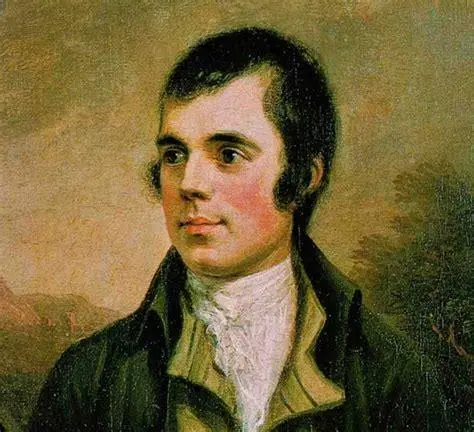
Robert Burns
Winter: A Dirge
Winter: A Dirge
The wintry west extends his blast,
And hail and rain does blaw;
Or the stormy north sends driving forth
The blinding sleet and snaw:
While, tumbling brown, the burn comes down,
And roars frae bank to brae;
And bird and beast in covert rest,
And pass the heartless day.
"The sweeping blast, the sky o'ercast,"
The joyless winter day
Let others fear, to me more dear
Than all the pride of May:
The tempest's howl, it soothes my soul,
My griefs it seems to join;
The leafless trees my fancy please,
Their fate resembles mine!
Thou Power Supreme, whose mighty scheme
These woes of mine fulfil,
Here firm I rest; they must be best,
Because they are Thy will!
Then all I want-O do Thou grant
This one request of mine!-
Since to enjoy Thou dost deny,
Assist me to resign.
The wintry west extends his blast,
And hail and rain does blaw;
Or the stormy north sends driving forth
The blinding sleet and snaw:
While, tumbling brown, the burn comes down,
And roars frae bank to brae;
And bird and beast in covert rest,
And pass the heartless day.
"The sweeping blast, the sky o'ercast,"
The joyless winter day
Let others fear, to me more dear
Than all the pride of May:
The tempest's howl, it soothes my soul,
My griefs it seems to join;
The leafless trees my fancy please,
Their fate resembles mine!
Thou Power Supreme, whose mighty scheme
These woes of mine fulfil,
Here firm I rest; they must be best,
Because they are Thy will!
Then all I want-O do Thou grant
This one request of mine!-
Since to enjoy Thou dost deny,
Assist me to resign.
276
Robert Burns
To A Louse
To A Louse
On Seeing One on a Lady's Bonnet at Church
Ha! whare ye gaun' ye crowlin ferlie?
Your impudence protects you sairly;
I canna say but ye strunt rarely
Owre gauze and lace,
Tho faith! I fear ye dine but sparely
On sic a place.
Ye ugly, creepin, blastit wonner,
Detested, shunn'd by saunt an sinner,
How daur ye set your fit upon her---
Sae fine a lady!
Gae somewhere else and seek your dinner
On some poor body.
Swith! in some beggar's hauffet squattle;
There ye may creep, and sprawl, and sprattle;
Wi' ither kindred, jumping cattle;
In shoals and nations;
Whare horn nor bane ne'er daur unsettle
Your thick plantations.
Now haud you there! ye're out o' sight,
Below the fatt'rils, snug an tight,
Na, faith ye yet! ye'll no be right,
Till ye've got on it---
The vera tapmost, tow'rin height
O' Miss's bonnet.
My sooth! right bauld ye set your nose out,
As plump an grey as onie grozet:
O for some rank, mercurial rozet,
Or fell, red smeddum,
I'd gie you sic a hearty dose o't,
Wad dress your droddum!
I wad na been surpris'd to spy
You on an auld wife's flainen toy
Or aiblins some bit duddie boy,
On's wyliecoat;
But Miss's fine Lunardi! fye!
How daur ye do't?
O Jeany, dinna toss your head,
An set your beauties a' abread!
Ye little ken what cursed speed
The blastie's makin!
Thae winks an finger-ends, I dread,
Are notice takin!
O wad some Power the giftie gie us
To see oursels as ithers see us!
It wad frae monie a blunder free us
An foolish notion:
What airs in dress an gait wad lea'es us,
An ev'n devotion!
On Seeing One on a Lady's Bonnet at Church
Ha! whare ye gaun' ye crowlin ferlie?
Your impudence protects you sairly;
I canna say but ye strunt rarely
Owre gauze and lace,
Tho faith! I fear ye dine but sparely
On sic a place.
Ye ugly, creepin, blastit wonner,
Detested, shunn'd by saunt an sinner,
How daur ye set your fit upon her---
Sae fine a lady!
Gae somewhere else and seek your dinner
On some poor body.
Swith! in some beggar's hauffet squattle;
There ye may creep, and sprawl, and sprattle;
Wi' ither kindred, jumping cattle;
In shoals and nations;
Whare horn nor bane ne'er daur unsettle
Your thick plantations.
Now haud you there! ye're out o' sight,
Below the fatt'rils, snug an tight,
Na, faith ye yet! ye'll no be right,
Till ye've got on it---
The vera tapmost, tow'rin height
O' Miss's bonnet.
My sooth! right bauld ye set your nose out,
As plump an grey as onie grozet:
O for some rank, mercurial rozet,
Or fell, red smeddum,
I'd gie you sic a hearty dose o't,
Wad dress your droddum!
I wad na been surpris'd to spy
You on an auld wife's flainen toy
Or aiblins some bit duddie boy,
On's wyliecoat;
But Miss's fine Lunardi! fye!
How daur ye do't?
O Jeany, dinna toss your head,
An set your beauties a' abread!
Ye little ken what cursed speed
The blastie's makin!
Thae winks an finger-ends, I dread,
Are notice takin!
O wad some Power the giftie gie us
To see oursels as ithers see us!
It wad frae monie a blunder free us
An foolish notion:
What airs in dress an gait wad lea'es us,
An ev'n devotion!
345
Robert Burns
The Gloomy Night Is Gath'ring Fast
The Gloomy Night Is Gath'ring Fast
The gloomy night is gath'ring fast,
Loud roars the wild inconstant blast;
Yon murky cloud is filled with rain,
I see it driving o'er the plain;
The hunter now has left the moor,
The scatt'red coveys meet secure;
While here I wander, prest with care,
Along the lonely banks of Ayr.
The Autumn mourns her rip'ning corn
By early Winter's ravage torn;
Across her placid, azure sky,
She sees the scowling tempest fly;
Chill runs my blood to hear it rave:
I think upon the stormy wave,
Where many a danger I must dare,
Far from the bonie banks of Ayr.
'Tis not the surging billows' roar,
'Tis not the fatal, deadly shore;
Tho' death inev'ry shape appear,
The wretched have no more to fear:
But round my heart the ties are bound,
That heart transpierc'd with many a wound;
These bleed afresh, those ties I tear,
To leave the bonie banks of Ayr.
Farewell, old Coila's hills and dales,
Her heathy moors and winding vales;
The scenes where wretched Fancy roves,
Pursuing past, unhappy loves!
Farewell my friends! Farewell my foes!
My peace with these, my love with those--
The bursting tears my heart declare,
Farewell, my bonie banks of Ayr.
The gloomy night is gath'ring fast,
Loud roars the wild inconstant blast;
Yon murky cloud is filled with rain,
I see it driving o'er the plain;
The hunter now has left the moor,
The scatt'red coveys meet secure;
While here I wander, prest with care,
Along the lonely banks of Ayr.
The Autumn mourns her rip'ning corn
By early Winter's ravage torn;
Across her placid, azure sky,
She sees the scowling tempest fly;
Chill runs my blood to hear it rave:
I think upon the stormy wave,
Where many a danger I must dare,
Far from the bonie banks of Ayr.
'Tis not the surging billows' roar,
'Tis not the fatal, deadly shore;
Tho' death inev'ry shape appear,
The wretched have no more to fear:
But round my heart the ties are bound,
That heart transpierc'd with many a wound;
These bleed afresh, those ties I tear,
To leave the bonie banks of Ayr.
Farewell, old Coila's hills and dales,
Her heathy moors and winding vales;
The scenes where wretched Fancy roves,
Pursuing past, unhappy loves!
Farewell my friends! Farewell my foes!
My peace with these, my love with those--
The bursting tears my heart declare,
Farewell, my bonie banks of Ayr.
240
Robert Burns
The Death and Dying Words of Poor Mailie
The Death and Dying Words of Poor Mailie
The Author's Only Pet Yowe
An Unco Mournfu' Tale
As Mailie, an' her lambs thegither,
Was ae day nibbling on the tether,
Upon her cloot she coost a hitch,
An owre she warsl'd in the ditch:
There, groaning, dying, she did lie,
When Hughoc he cam doytin by.
Wi' glowrin een, and lifted han's
Poor Hughoc like a statue stan's;
He saw her days were near-hand ended,
But, wae's my heart! he could na mend it!
He gaped wide, but naething spak,
At length poor Mailie silence brak.
"O thou, whase lamentable face
Appears to mourn my woefu' case!
My dying words attentive hear,
An' bear them to my Master dear.
"Tell him, if e'er again he keep
As muckle gear as buy a sheep -
O, bid him never tie them mair,
Wi' wicked strings o' hemp or hair!
But ca' them out to park or hill,
An' let them wander at their will:
So may his flock increase, an' grow
To scores o' lambs, an' packs o' woo'!
"Tell him, he was a Master kin',
An' aye was guid to me an' mine;
An now my dying charge I gie him,
My helpless lambs, I trust them wi' him.
"O, bid him save their harmless lives,
Frae dogs, an' tods, an' butchers' knives!
But gie them guid cow-milk their fill,
Till they be fit to fend themsel';
An' tent them duly, e'en an' morn,
Wi' taets o' hay an' ripps o' corn.
"An' may they never learn the gates,
Of ither vile, wanrestfu' pets -
To slink thro' slaps, an' reave an' steal
At stacks o' pease, or stocks o' kail!
So may they, like their great forbears,
For mony a year come thro' the shears:
So wives will gie them bits o' bread,
An bairns greet for them when they're dead.
"My poor toop-lamb, my son an' heir,
O, bid him breed him up wi' care!
An' if he live to be a beast,
To pit some havins in his breast!
An' warn him - what I winna name -
To stay content wi' yowes at hame;
An' no to rin an' wear his cloots,
Like ither meseless, graceless brutes.
"An' neist, my yowie, silly thing,
Gude keep thee frae a tether string!
O, may thou ne'er forgather up,
Wi' ony blastit, moorland toop;
But aye keep mind to moop an' mell,
Wi' sheep o' credit like thysel'!
"And now, my bairns, wi' my last breath,
I lea'e my blessin wi' you baith:
An' when you think upo' your mither,
Mind to be kind to ane anither.
"Now, honest Hughoc, dinna fail,
To tell my master a' my tale;
An' bid him burn this cursed tether,
An' for thy pains thou'se get my blather."
This said, poor Mailie turn'd her head,
An' closed her een amang the dead!
The Author's Only Pet Yowe
An Unco Mournfu' Tale
As Mailie, an' her lambs thegither,
Was ae day nibbling on the tether,
Upon her cloot she coost a hitch,
An owre she warsl'd in the ditch:
There, groaning, dying, she did lie,
When Hughoc he cam doytin by.
Wi' glowrin een, and lifted han's
Poor Hughoc like a statue stan's;
He saw her days were near-hand ended,
But, wae's my heart! he could na mend it!
He gaped wide, but naething spak,
At length poor Mailie silence brak.
"O thou, whase lamentable face
Appears to mourn my woefu' case!
My dying words attentive hear,
An' bear them to my Master dear.
"Tell him, if e'er again he keep
As muckle gear as buy a sheep -
O, bid him never tie them mair,
Wi' wicked strings o' hemp or hair!
But ca' them out to park or hill,
An' let them wander at their will:
So may his flock increase, an' grow
To scores o' lambs, an' packs o' woo'!
"Tell him, he was a Master kin',
An' aye was guid to me an' mine;
An now my dying charge I gie him,
My helpless lambs, I trust them wi' him.
"O, bid him save their harmless lives,
Frae dogs, an' tods, an' butchers' knives!
But gie them guid cow-milk their fill,
Till they be fit to fend themsel';
An' tent them duly, e'en an' morn,
Wi' taets o' hay an' ripps o' corn.
"An' may they never learn the gates,
Of ither vile, wanrestfu' pets -
To slink thro' slaps, an' reave an' steal
At stacks o' pease, or stocks o' kail!
So may they, like their great forbears,
For mony a year come thro' the shears:
So wives will gie them bits o' bread,
An bairns greet for them when they're dead.
"My poor toop-lamb, my son an' heir,
O, bid him breed him up wi' care!
An' if he live to be a beast,
To pit some havins in his breast!
An' warn him - what I winna name -
To stay content wi' yowes at hame;
An' no to rin an' wear his cloots,
Like ither meseless, graceless brutes.
"An' neist, my yowie, silly thing,
Gude keep thee frae a tether string!
O, may thou ne'er forgather up,
Wi' ony blastit, moorland toop;
But aye keep mind to moop an' mell,
Wi' sheep o' credit like thysel'!
"And now, my bairns, wi' my last breath,
I lea'e my blessin wi' you baith:
An' when you think upo' your mither,
Mind to be kind to ane anither.
"Now, honest Hughoc, dinna fail,
To tell my master a' my tale;
An' bid him burn this cursed tether,
An' for thy pains thou'se get my blather."
This said, poor Mailie turn'd her head,
An' closed her een amang the dead!
268
Robert Burns
The Auld Farmer's New-Year-Morning Salutation to His Auld Mare , Maggie
The Auld Farmer's New-Year-Morning Salutation to His Auld Mare , Maggie
A Guide New-year I wish thee, Maggie!
Hae, there's a ripp to thy auld baggie:
Tho' thou's howe-backit now, an' knaggie,
I've seen the day
There could hae gaen like ony staggie,
Out-owre the lay.
Tho' now thou's dowie, stiff an' crazy,
An' thy auld hide as white's a daisie,
I've seen the dappl't, sleek an' glaizie,
A bonie gray:
He should been tight that daur't to raize thee,
Ance in a day.
Thou ance was i' the foremost rank,
A filly buirdly, steeve an' swank;
An' set weel down a shapely shank,
As e'er tread yird;
An' could hae flown out-owre a stank,
Like ony bird.
It's now some nine-an'-twenty year,
Sin' thou was my guid-father's mear;
He gied me thee, o' tocher clear,
An' fifty mark;
Tho' it was sma', 'twas weel-won gear,
An' thou was stark.
When first I gaed to woo my Jenny,
Ye then was trotting wi' your minnie:
Tho' ye was trickie, slee, an funnie,
Ye ne'er was donsie;
But hamely, tawie, quiet, an' cannie,
An' unco sonsie.
That day, ye pranc'd wi' muckle pride,
When ye bure hame my bonie bride:
An' sweet an' gracefu' she did ride,
Wi' maiden air!
Kyle-Stewart I could bragged wide
For sic a pair.
Tho' now ye dow but hoyte and hobble,
An' wintle like a saumont coble,
That day, ye was a jinker noble,
For heels an' win'!
An' ran them till they a' did wauble,
Far, far, behin'!
When thou an' I were young an' skeigh
An' stable-meals at fairs were dreigh,
How thou wad prance, and snore, an' skreigh
An' tak the road!
Town's-bodies ran, an' stood abeigh,
An' ca't thee mad.
When thou was corn't, an' I was mellow,
We took the road aye like a swallow:
At brooses thou had ne'er a fellow,
For pith an' speed;
But ev'ry tail thou pay't them hollow,
Whare'er thou gaed.
The sma', droop-rumpl't, hunter cattle
Might aiblins waurt thee for a brattle;
But sax Scotch mile, thou try't their mettle,
An' gar't them whaizle:
Nae whip nor spur, but just a wattle
O' saugh or hazel.
Thou was a noble fittie-lan',
As e'er in tug or tow was drawn!
Aft thee an' I, in aught hours' gaun,
In guid March-weather,
Hae turn'd sax rood beside our han',
For days thegither.
Thou never braing't, an' fetch't, an' fliskit;
But thy auld tail thou wad hae whiskit,
An' spread abreed thy weel-fill'd brisket,
Wi' pith an' power;
Till sprittie knowes wad rair't an' riskit
An' slypet owre.
When frosts lay lang, an' snaws were deep,
An' threaten'd labour back to keep,
I gied thy cog a wee bit heap
Aboon the timmer:
I ken'd my Maggie wad na sleep,
For that, or simmer.
In cart or car thou never reestit;
The steyest brae thou wad hae fac't it;
Thou never lap, an' sten't, and breastit,
Then stood to blaw;
But just thy step a wee thing hastit,
Thou snoov't awa.
My pleugh is now thy bairn-time a',
Four gallant brutes as e'er did draw;
Forbye sax mae I've sell't awa,
That thou hast nurst:
They drew me thretteen pund an' twa,
The vera warst.
Mony a sair daurk we twa hae wrought,
An' wi' the weary warl' fought!
An' mony an anxious day, I thought
We wad be beat!
Yet here to crazy age we're brought,
Wi' something yet.
An' think na', my auld trusty servan',
That now perhaps thou's less deservin,
An' thy auld days may end in starvin;
For my last fow,
A heapit stimpart, I'll reserve ane
Laid by for you.
We've worn to crazy years thegither;
We'll toyte about wi' ane anither;
Wi' tentie care I'll flit thy tether
To some hain'd rig,
Whare ye may nobly rax your leather,
Wi' sma' fatigue.
A Guide New-year I wish thee, Maggie!
Hae, there's a ripp to thy auld baggie:
Tho' thou's howe-backit now, an' knaggie,
I've seen the day
There could hae gaen like ony staggie,
Out-owre the lay.
Tho' now thou's dowie, stiff an' crazy,
An' thy auld hide as white's a daisie,
I've seen the dappl't, sleek an' glaizie,
A bonie gray:
He should been tight that daur't to raize thee,
Ance in a day.
Thou ance was i' the foremost rank,
A filly buirdly, steeve an' swank;
An' set weel down a shapely shank,
As e'er tread yird;
An' could hae flown out-owre a stank,
Like ony bird.
It's now some nine-an'-twenty year,
Sin' thou was my guid-father's mear;
He gied me thee, o' tocher clear,
An' fifty mark;
Tho' it was sma', 'twas weel-won gear,
An' thou was stark.
When first I gaed to woo my Jenny,
Ye then was trotting wi' your minnie:
Tho' ye was trickie, slee, an funnie,
Ye ne'er was donsie;
But hamely, tawie, quiet, an' cannie,
An' unco sonsie.
That day, ye pranc'd wi' muckle pride,
When ye bure hame my bonie bride:
An' sweet an' gracefu' she did ride,
Wi' maiden air!
Kyle-Stewart I could bragged wide
For sic a pair.
Tho' now ye dow but hoyte and hobble,
An' wintle like a saumont coble,
That day, ye was a jinker noble,
For heels an' win'!
An' ran them till they a' did wauble,
Far, far, behin'!
When thou an' I were young an' skeigh
An' stable-meals at fairs were dreigh,
How thou wad prance, and snore, an' skreigh
An' tak the road!
Town's-bodies ran, an' stood abeigh,
An' ca't thee mad.
When thou was corn't, an' I was mellow,
We took the road aye like a swallow:
At brooses thou had ne'er a fellow,
For pith an' speed;
But ev'ry tail thou pay't them hollow,
Whare'er thou gaed.
The sma', droop-rumpl't, hunter cattle
Might aiblins waurt thee for a brattle;
But sax Scotch mile, thou try't their mettle,
An' gar't them whaizle:
Nae whip nor spur, but just a wattle
O' saugh or hazel.
Thou was a noble fittie-lan',
As e'er in tug or tow was drawn!
Aft thee an' I, in aught hours' gaun,
In guid March-weather,
Hae turn'd sax rood beside our han',
For days thegither.
Thou never braing't, an' fetch't, an' fliskit;
But thy auld tail thou wad hae whiskit,
An' spread abreed thy weel-fill'd brisket,
Wi' pith an' power;
Till sprittie knowes wad rair't an' riskit
An' slypet owre.
When frosts lay lang, an' snaws were deep,
An' threaten'd labour back to keep,
I gied thy cog a wee bit heap
Aboon the timmer:
I ken'd my Maggie wad na sleep,
For that, or simmer.
In cart or car thou never reestit;
The steyest brae thou wad hae fac't it;
Thou never lap, an' sten't, and breastit,
Then stood to blaw;
But just thy step a wee thing hastit,
Thou snoov't awa.
My pleugh is now thy bairn-time a',
Four gallant brutes as e'er did draw;
Forbye sax mae I've sell't awa,
That thou hast nurst:
They drew me thretteen pund an' twa,
The vera warst.
Mony a sair daurk we twa hae wrought,
An' wi' the weary warl' fought!
An' mony an anxious day, I thought
We wad be beat!
Yet here to crazy age we're brought,
Wi' something yet.
An' think na', my auld trusty servan',
That now perhaps thou's less deservin,
An' thy auld days may end in starvin;
For my last fow,
A heapit stimpart, I'll reserve ane
Laid by for you.
We've worn to crazy years thegither;
We'll toyte about wi' ane anither;
Wi' tentie care I'll flit thy tether
To some hain'd rig,
Whare ye may nobly rax your leather,
Wi' sma' fatigue.
333
Robert Burns
The Auld Farmer's New-Year-Morning Salutation to His Auld Mare , Maggie
The Auld Farmer's New-Year-Morning Salutation to His Auld Mare , Maggie
A Guide New-year I wish thee, Maggie!
Hae, there's a ripp to thy auld baggie:
Tho' thou's howe-backit now, an' knaggie,
I've seen the day
There could hae gaen like ony staggie,
Out-owre the lay.
Tho' now thou's dowie, stiff an' crazy,
An' thy auld hide as white's a daisie,
I've seen the dappl't, sleek an' glaizie,
A bonie gray:
He should been tight that daur't to raize thee,
Ance in a day.
Thou ance was i' the foremost rank,
A filly buirdly, steeve an' swank;
An' set weel down a shapely shank,
As e'er tread yird;
An' could hae flown out-owre a stank,
Like ony bird.
It's now some nine-an'-twenty year,
Sin' thou was my guid-father's mear;
He gied me thee, o' tocher clear,
An' fifty mark;
Tho' it was sma', 'twas weel-won gear,
An' thou was stark.
When first I gaed to woo my Jenny,
Ye then was trotting wi' your minnie:
Tho' ye was trickie, slee, an funnie,
Ye ne'er was donsie;
But hamely, tawie, quiet, an' cannie,
An' unco sonsie.
That day, ye pranc'd wi' muckle pride,
When ye bure hame my bonie bride:
An' sweet an' gracefu' she did ride,
Wi' maiden air!
Kyle-Stewart I could bragged wide
For sic a pair.
Tho' now ye dow but hoyte and hobble,
An' wintle like a saumont coble,
That day, ye was a jinker noble,
For heels an' win'!
An' ran them till they a' did wauble,
Far, far, behin'!
When thou an' I were young an' skeigh
An' stable-meals at fairs were dreigh,
How thou wad prance, and snore, an' skreigh
An' tak the road!
Town's-bodies ran, an' stood abeigh,
An' ca't thee mad.
When thou was corn't, an' I was mellow,
We took the road aye like a swallow:
At brooses thou had ne'er a fellow,
For pith an' speed;
But ev'ry tail thou pay't them hollow,
Whare'er thou gaed.
The sma', droop-rumpl't, hunter cattle
Might aiblins waurt thee for a brattle;
But sax Scotch mile, thou try't their mettle,
An' gar't them whaizle:
Nae whip nor spur, but just a wattle
O' saugh or hazel.
Thou was a noble fittie-lan',
As e'er in tug or tow was drawn!
Aft thee an' I, in aught hours' gaun,
In guid March-weather,
Hae turn'd sax rood beside our han',
For days thegither.
Thou never braing't, an' fetch't, an' fliskit;
But thy auld tail thou wad hae whiskit,
An' spread abreed thy weel-fill'd brisket,
Wi' pith an' power;
Till sprittie knowes wad rair't an' riskit
An' slypet owre.
When frosts lay lang, an' snaws were deep,
An' threaten'd labour back to keep,
I gied thy cog a wee bit heap
Aboon the timmer:
I ken'd my Maggie wad na sleep,
For that, or simmer.
In cart or car thou never reestit;
The steyest brae thou wad hae fac't it;
Thou never lap, an' sten't, and breastit,
Then stood to blaw;
But just thy step a wee thing hastit,
Thou snoov't awa.
My pleugh is now thy bairn-time a',
Four gallant brutes as e'er did draw;
Forbye sax mae I've sell't awa,
That thou hast nurst:
They drew me thretteen pund an' twa,
The vera warst.
Mony a sair daurk we twa hae wrought,
An' wi' the weary warl' fought!
An' mony an anxious day, I thought
We wad be beat!
Yet here to crazy age we're brought,
Wi' something yet.
An' think na', my auld trusty servan',
That now perhaps thou's less deservin,
An' thy auld days may end in starvin;
For my last fow,
A heapit stimpart, I'll reserve ane
Laid by for you.
We've worn to crazy years thegither;
We'll toyte about wi' ane anither;
Wi' tentie care I'll flit thy tether
To some hain'd rig,
Whare ye may nobly rax your leather,
Wi' sma' fatigue.
A Guide New-year I wish thee, Maggie!
Hae, there's a ripp to thy auld baggie:
Tho' thou's howe-backit now, an' knaggie,
I've seen the day
There could hae gaen like ony staggie,
Out-owre the lay.
Tho' now thou's dowie, stiff an' crazy,
An' thy auld hide as white's a daisie,
I've seen the dappl't, sleek an' glaizie,
A bonie gray:
He should been tight that daur't to raize thee,
Ance in a day.
Thou ance was i' the foremost rank,
A filly buirdly, steeve an' swank;
An' set weel down a shapely shank,
As e'er tread yird;
An' could hae flown out-owre a stank,
Like ony bird.
It's now some nine-an'-twenty year,
Sin' thou was my guid-father's mear;
He gied me thee, o' tocher clear,
An' fifty mark;
Tho' it was sma', 'twas weel-won gear,
An' thou was stark.
When first I gaed to woo my Jenny,
Ye then was trotting wi' your minnie:
Tho' ye was trickie, slee, an funnie,
Ye ne'er was donsie;
But hamely, tawie, quiet, an' cannie,
An' unco sonsie.
That day, ye pranc'd wi' muckle pride,
When ye bure hame my bonie bride:
An' sweet an' gracefu' she did ride,
Wi' maiden air!
Kyle-Stewart I could bragged wide
For sic a pair.
Tho' now ye dow but hoyte and hobble,
An' wintle like a saumont coble,
That day, ye was a jinker noble,
For heels an' win'!
An' ran them till they a' did wauble,
Far, far, behin'!
When thou an' I were young an' skeigh
An' stable-meals at fairs were dreigh,
How thou wad prance, and snore, an' skreigh
An' tak the road!
Town's-bodies ran, an' stood abeigh,
An' ca't thee mad.
When thou was corn't, an' I was mellow,
We took the road aye like a swallow:
At brooses thou had ne'er a fellow,
For pith an' speed;
But ev'ry tail thou pay't them hollow,
Whare'er thou gaed.
The sma', droop-rumpl't, hunter cattle
Might aiblins waurt thee for a brattle;
But sax Scotch mile, thou try't their mettle,
An' gar't them whaizle:
Nae whip nor spur, but just a wattle
O' saugh or hazel.
Thou was a noble fittie-lan',
As e'er in tug or tow was drawn!
Aft thee an' I, in aught hours' gaun,
In guid March-weather,
Hae turn'd sax rood beside our han',
For days thegither.
Thou never braing't, an' fetch't, an' fliskit;
But thy auld tail thou wad hae whiskit,
An' spread abreed thy weel-fill'd brisket,
Wi' pith an' power;
Till sprittie knowes wad rair't an' riskit
An' slypet owre.
When frosts lay lang, an' snaws were deep,
An' threaten'd labour back to keep,
I gied thy cog a wee bit heap
Aboon the timmer:
I ken'd my Maggie wad na sleep,
For that, or simmer.
In cart or car thou never reestit;
The steyest brae thou wad hae fac't it;
Thou never lap, an' sten't, and breastit,
Then stood to blaw;
But just thy step a wee thing hastit,
Thou snoov't awa.
My pleugh is now thy bairn-time a',
Four gallant brutes as e'er did draw;
Forbye sax mae I've sell't awa,
That thou hast nurst:
They drew me thretteen pund an' twa,
The vera warst.
Mony a sair daurk we twa hae wrought,
An' wi' the weary warl' fought!
An' mony an anxious day, I thought
We wad be beat!
Yet here to crazy age we're brought,
Wi' something yet.
An' think na', my auld trusty servan',
That now perhaps thou's less deservin,
An' thy auld days may end in starvin;
For my last fow,
A heapit stimpart, I'll reserve ane
Laid by for you.
We've worn to crazy years thegither;
We'll toyte about wi' ane anither;
Wi' tentie care I'll flit thy tether
To some hain'd rig,
Whare ye may nobly rax your leather,
Wi' sma' fatigue.
333
Robert Burns
Poor Mailie's Elegy
Poor Mailie's Elegy
Lament in rhyme, lament in prose,
Wi' saut tears tricklin down your nose;
Our bardie's fate is at a close,
Past a' remead!
The last, sad cape-stane o' his woes;
Poor Mailie's dead!
It's no the loss o' warl's gear,
That could sae bitter draw the tear,
Or mak our bardie, dowie, wear
The mourning weed:
He's lost a friend an' neebor dear
In Mailie dead.
Thro' a' the town she trotted by him;
A lang half-mile she could descry him;
Wi kindly bleat, when she did spy him,
She ran wi' speed:
A friend mair faithfu' ne'er cam nigh him,
Than Mailie dead.
I wat she was a sheep o' sense,
An' could behave hersel' wi' mense:
I'll say't, she never brak a fence,
Thro' thievish greed.
Our bardie, lanely, keeps the spence
Sin' Mailie's dead.
Or, if he wanders up the howe,
Her livin image in her yowe
Comes bleating till him, owre the knowe,
For bits o' bread;
An' down the briny pearls rowe
For Mailie dead.
She was nae get o' moorland tips,
Wi' tauted ket, an' hairy hips;
For her forbears were brought in ships,
Frae 'yont the Tweed.
A bonier fleesh ne'er cross'd the clips
Than Mailie's dead.
Wae worth the man wha first did shape
That vile, wanchancie thing - a raip!
It maks guid fellows girn an' gape,
Wi' chokin dread;
An' Robin's bonnet wave wi' crape
For Mailie dead.
O, a' ye bards on bonie Doon!
An' wha on Ayr your chanters tune!
Come, join the melancholious croon
O' Robin's reed!
His heart will never get aboon -
His Mailie's dead!
Lament in rhyme, lament in prose,
Wi' saut tears tricklin down your nose;
Our bardie's fate is at a close,
Past a' remead!
The last, sad cape-stane o' his woes;
Poor Mailie's dead!
It's no the loss o' warl's gear,
That could sae bitter draw the tear,
Or mak our bardie, dowie, wear
The mourning weed:
He's lost a friend an' neebor dear
In Mailie dead.
Thro' a' the town she trotted by him;
A lang half-mile she could descry him;
Wi kindly bleat, when she did spy him,
She ran wi' speed:
A friend mair faithfu' ne'er cam nigh him,
Than Mailie dead.
I wat she was a sheep o' sense,
An' could behave hersel' wi' mense:
I'll say't, she never brak a fence,
Thro' thievish greed.
Our bardie, lanely, keeps the spence
Sin' Mailie's dead.
Or, if he wanders up the howe,
Her livin image in her yowe
Comes bleating till him, owre the knowe,
For bits o' bread;
An' down the briny pearls rowe
For Mailie dead.
She was nae get o' moorland tips,
Wi' tauted ket, an' hairy hips;
For her forbears were brought in ships,
Frae 'yont the Tweed.
A bonier fleesh ne'er cross'd the clips
Than Mailie's dead.
Wae worth the man wha first did shape
That vile, wanchancie thing - a raip!
It maks guid fellows girn an' gape,
Wi' chokin dread;
An' Robin's bonnet wave wi' crape
For Mailie dead.
O, a' ye bards on bonie Doon!
An' wha on Ayr your chanters tune!
Come, join the melancholious croon
O' Robin's reed!
His heart will never get aboon -
His Mailie's dead!
238
Robert Burns
Lament of Mary, Queen of Scots, On the Approach of Spring
Lament of Mary, Queen of Scots, On the Approach of Spring
Now Nature hangs her mantle green
On every blooming tree,
And spreads her sheets o' daises white
Out o'er the grassy lea
Now Pheebus cheers the crystal streams,
And glads the azure skies;
But nought can glad the weary wight
That fast in durance lies.
Now laverocks wake the merry morn
Aloft on dewy wing;
The merle, in his noontide bow'r,
Makes woodland echoes ring;
The mavis wild ai' mony a note,
Sings drowsy day to reast
In love and freedom they rejoice,
Wi' care nor thrall opprest.
Now blooms the lily by the bank,
The primrose down the brae;
The hawthorn's budding in the glen,
And milk-white is the slae:
The meanest hind in fair Scotland
May rove their sweets amang;
But I, the Queen of a' Scotland,
Maun lie in prison strang.
I was the Queen o' bonie France,
Where happy I hae been;
Fu' lightly raise I in the morn,
As blythe lay down at e'en:
And I'm the sov'reign of Scotland,
And mony a traitor there;
Yet here I lie in foreign bands,
And never-ending care.
But as for thee, thou false woman,
My sister and my fae,
Grim Vengeance yet shall whet a sword
That thro' thy soul shall gae;
The weeping blood in woman's breast
Was never known to thee;
Nor th' balm that draps on wounds of woe
Frae woman's pitying e'e.
My son! my son! may kinder stars
Upon thy fortune shine;
And may those pleasures gild thy reign,
That ne'er wad blink on mine!
God keep thee frae my mother's faes,
Or turn their hearts to thee:
And where thou meet'st thy mother's friend,
Remember him for me!
O! soon, to me, may Summer suns
Nae mair light up the morn!
Nae mair to me the Autumn winds
Wave o'er the yellow corn?
And, in the narrow house of death,
Let Winter round me rave;
And the next flow'rs that deck the Spring,
Bloom on my peaceful grave!
Now Nature hangs her mantle green
On every blooming tree,
And spreads her sheets o' daises white
Out o'er the grassy lea
Now Pheebus cheers the crystal streams,
And glads the azure skies;
But nought can glad the weary wight
That fast in durance lies.
Now laverocks wake the merry morn
Aloft on dewy wing;
The merle, in his noontide bow'r,
Makes woodland echoes ring;
The mavis wild ai' mony a note,
Sings drowsy day to reast
In love and freedom they rejoice,
Wi' care nor thrall opprest.
Now blooms the lily by the bank,
The primrose down the brae;
The hawthorn's budding in the glen,
And milk-white is the slae:
The meanest hind in fair Scotland
May rove their sweets amang;
But I, the Queen of a' Scotland,
Maun lie in prison strang.
I was the Queen o' bonie France,
Where happy I hae been;
Fu' lightly raise I in the morn,
As blythe lay down at e'en:
And I'm the sov'reign of Scotland,
And mony a traitor there;
Yet here I lie in foreign bands,
And never-ending care.
But as for thee, thou false woman,
My sister and my fae,
Grim Vengeance yet shall whet a sword
That thro' thy soul shall gae;
The weeping blood in woman's breast
Was never known to thee;
Nor th' balm that draps on wounds of woe
Frae woman's pitying e'e.
My son! my son! may kinder stars
Upon thy fortune shine;
And may those pleasures gild thy reign,
That ne'er wad blink on mine!
God keep thee frae my mother's faes,
Or turn their hearts to thee:
And where thou meet'st thy mother's friend,
Remember him for me!
O! soon, to me, may Summer suns
Nae mair light up the morn!
Nae mair to me the Autumn winds
Wave o'er the yellow corn?
And, in the narrow house of death,
Let Winter round me rave;
And the next flow'rs that deck the Spring,
Bloom on my peaceful grave!
221
Robert Burns
Lament for Culloden
Lament for Culloden
THE lovely lass o' Inverness,
Nae joy nor pleasure can she see;
For e'en and morn she cries, 'Alas!'
And aye the saut tear blin's her e'e:
'Drumossie moor, Drumossie day,
A waefu' day it was to me!
For there I lost my father dear,
My father dear and brethren three.
'Their winding-sheet the bluidy clay,
Their graves are growing green to see;
And by them lies the dearest lad
That ever blest a woman's e'e!
Now wae to thee, thou cruel lord,
A bluidy man I trow thou be;
For monie a heart thou hast made sair,
That ne'er did wrang to thine or thee.'
THE lovely lass o' Inverness,
Nae joy nor pleasure can she see;
For e'en and morn she cries, 'Alas!'
And aye the saut tear blin's her e'e:
'Drumossie moor, Drumossie day,
A waefu' day it was to me!
For there I lost my father dear,
My father dear and brethren three.
'Their winding-sheet the bluidy clay,
Their graves are growing green to see;
And by them lies the dearest lad
That ever blest a woman's e'e!
Now wae to thee, thou cruel lord,
A bluidy man I trow thou be;
For monie a heart thou hast made sair,
That ne'er did wrang to thine or thee.'
242
Robert Burns
John Barleycorn
John Barleycorn
There were three kings into the east,
Three kings both great and high,
An' they hae sworn a solemn oath
John Barleycorn should die.
They took a plough and ploughed him down,
Put clods upon his head;
An' they hae sworn a solemn oath
John Barleycorn was dead.
But the cheerfu' spring came kindly on,
And show'rs began to fall;
John Barleycorn got up again,
And sore surprised them all.
The sultry suns of summer came,
And he grew thick and strong;
His head weel armed wi' pointed spears,
That no one should him wrong.
The sober autumn entered mild,
When he grew wan and pale;
His bending joints and drooping head
Showed he began to fail.
His colour sickened more and more,
He faded into age;
And then his enemies began
To show their deadly rage.
They've ta'en a weapon long and sharp,
And cut him by the knee;
Then tied him fast upon a cart,
Like a rogue for forgerie.
They laid him down upon his back,
And cudgelled him full sore;
They hung him up before the storm,
And turned him o'er and o'er.
They filled up a darksome pit
With water to the brim;
They heaved in John Barleycorn,
There let him sink or swim.
They laid him out upon the floor,
To work him farther woe,
And still, as signs of life appeared,
They tossed him to and fro.
They wasted, o'er a scorching flame,
The marrow of his bones;
But a miller used him worst of all,
For he crushed him 'tween two stones.
And they hae ta'en his very heart's blood,
And drank it round and round;
And still the more and more they drank,
Their joy did more abound.
John Barleycorn was a hero bold,
Of noble enterprise;
For if you do but taste his blood,
'Twill make your courage rise;
'Twill make a man forget his woe;
'Twill heighten all his joy:
'Twill make the widow's heart to sing,
Tho' the tear were in her eye.
Then let us toast John Barleycorn,
Each man a glass in hand;
And may his great posterity
Ne'er fail in old Scotland!
There were three kings into the east,
Three kings both great and high,
An' they hae sworn a solemn oath
John Barleycorn should die.
They took a plough and ploughed him down,
Put clods upon his head;
An' they hae sworn a solemn oath
John Barleycorn was dead.
But the cheerfu' spring came kindly on,
And show'rs began to fall;
John Barleycorn got up again,
And sore surprised them all.
The sultry suns of summer came,
And he grew thick and strong;
His head weel armed wi' pointed spears,
That no one should him wrong.
The sober autumn entered mild,
When he grew wan and pale;
His bending joints and drooping head
Showed he began to fail.
His colour sickened more and more,
He faded into age;
And then his enemies began
To show their deadly rage.
They've ta'en a weapon long and sharp,
And cut him by the knee;
Then tied him fast upon a cart,
Like a rogue for forgerie.
They laid him down upon his back,
And cudgelled him full sore;
They hung him up before the storm,
And turned him o'er and o'er.
They filled up a darksome pit
With water to the brim;
They heaved in John Barleycorn,
There let him sink or swim.
They laid him out upon the floor,
To work him farther woe,
And still, as signs of life appeared,
They tossed him to and fro.
They wasted, o'er a scorching flame,
The marrow of his bones;
But a miller used him worst of all,
For he crushed him 'tween two stones.
And they hae ta'en his very heart's blood,
And drank it round and round;
And still the more and more they drank,
Their joy did more abound.
John Barleycorn was a hero bold,
Of noble enterprise;
For if you do but taste his blood,
'Twill make your courage rise;
'Twill make a man forget his woe;
'Twill heighten all his joy:
'Twill make the widow's heart to sing,
Tho' the tear were in her eye.
Then let us toast John Barleycorn,
Each man a glass in hand;
And may his great posterity
Ne'er fail in old Scotland!
289
Robert Burns
John Barleycorn
John Barleycorn
There were three kings into the east,
Three kings both great and high,
An' they hae sworn a solemn oath
John Barleycorn should die.
They took a plough and ploughed him down,
Put clods upon his head;
An' they hae sworn a solemn oath
John Barleycorn was dead.
But the cheerfu' spring came kindly on,
And show'rs began to fall;
John Barleycorn got up again,
And sore surprised them all.
The sultry suns of summer came,
And he grew thick and strong;
His head weel armed wi' pointed spears,
That no one should him wrong.
The sober autumn entered mild,
When he grew wan and pale;
His bending joints and drooping head
Showed he began to fail.
His colour sickened more and more,
He faded into age;
And then his enemies began
To show their deadly rage.
They've ta'en a weapon long and sharp,
And cut him by the knee;
Then tied him fast upon a cart,
Like a rogue for forgerie.
They laid him down upon his back,
And cudgelled him full sore;
They hung him up before the storm,
And turned him o'er and o'er.
They filled up a darksome pit
With water to the brim;
They heaved in John Barleycorn,
There let him sink or swim.
They laid him out upon the floor,
To work him farther woe,
And still, as signs of life appeared,
They tossed him to and fro.
They wasted, o'er a scorching flame,
The marrow of his bones;
But a miller used him worst of all,
For he crushed him 'tween two stones.
And they hae ta'en his very heart's blood,
And drank it round and round;
And still the more and more they drank,
Their joy did more abound.
John Barleycorn was a hero bold,
Of noble enterprise;
For if you do but taste his blood,
'Twill make your courage rise;
'Twill make a man forget his woe;
'Twill heighten all his joy:
'Twill make the widow's heart to sing,
Tho' the tear were in her eye.
Then let us toast John Barleycorn,
Each man a glass in hand;
And may his great posterity
Ne'er fail in old Scotland!
There were three kings into the east,
Three kings both great and high,
An' they hae sworn a solemn oath
John Barleycorn should die.
They took a plough and ploughed him down,
Put clods upon his head;
An' they hae sworn a solemn oath
John Barleycorn was dead.
But the cheerfu' spring came kindly on,
And show'rs began to fall;
John Barleycorn got up again,
And sore surprised them all.
The sultry suns of summer came,
And he grew thick and strong;
His head weel armed wi' pointed spears,
That no one should him wrong.
The sober autumn entered mild,
When he grew wan and pale;
His bending joints and drooping head
Showed he began to fail.
His colour sickened more and more,
He faded into age;
And then his enemies began
To show their deadly rage.
They've ta'en a weapon long and sharp,
And cut him by the knee;
Then tied him fast upon a cart,
Like a rogue for forgerie.
They laid him down upon his back,
And cudgelled him full sore;
They hung him up before the storm,
And turned him o'er and o'er.
They filled up a darksome pit
With water to the brim;
They heaved in John Barleycorn,
There let him sink or swim.
They laid him out upon the floor,
To work him farther woe,
And still, as signs of life appeared,
They tossed him to and fro.
They wasted, o'er a scorching flame,
The marrow of his bones;
But a miller used him worst of all,
For he crushed him 'tween two stones.
And they hae ta'en his very heart's blood,
And drank it round and round;
And still the more and more they drank,
Their joy did more abound.
John Barleycorn was a hero bold,
Of noble enterprise;
For if you do but taste his blood,
'Twill make your courage rise;
'Twill make a man forget his woe;
'Twill heighten all his joy:
'Twill make the widow's heart to sing,
Tho' the tear were in her eye.
Then let us toast John Barleycorn,
Each man a glass in hand;
And may his great posterity
Ne'er fail in old Scotland!
289
Robert Burns
John Anderson My Jo
John Anderson My Jo
John Anderson my jo, John,
When we were first acquent,
Your locks were like the raven,
Your bonny brow was brent;
But now your brow is bled, John,
Your locks are like the straw,
But blessings on your frosty pow,
John Anderson my jo!
John Anderson my jo, John,
We clamb the hill thegither
And monie a cantie day, John,
We've had wi' ane anither;
Now we maun totter down, John,
And hand in hand we'll go,
And sleep thegither at the foot,
John Anderson my jo!
John Anderson my jo, John,
When we were first acquent,
Your locks were like the raven,
Your bonny brow was brent;
But now your brow is bled, John,
Your locks are like the straw,
But blessings on your frosty pow,
John Anderson my jo!
John Anderson my jo, John,
We clamb the hill thegither
And monie a cantie day, John,
We've had wi' ane anither;
Now we maun totter down, John,
And hand in hand we'll go,
And sleep thegither at the foot,
John Anderson my jo!
265
Robert Burns
John Anderson My Jo
John Anderson My Jo
John Anderson my jo, John,
When we were first acquent,
Your locks were like the raven,
Your bonny brow was brent;
But now your brow is bled, John,
Your locks are like the straw,
But blessings on your frosty pow,
John Anderson my jo!
John Anderson my jo, John,
We clamb the hill thegither
And monie a cantie day, John,
We've had wi' ane anither;
Now we maun totter down, John,
And hand in hand we'll go,
And sleep thegither at the foot,
John Anderson my jo!
John Anderson my jo, John,
When we were first acquent,
Your locks were like the raven,
Your bonny brow was brent;
But now your brow is bled, John,
Your locks are like the straw,
But blessings on your frosty pow,
John Anderson my jo!
John Anderson my jo, John,
We clamb the hill thegither
And monie a cantie day, John,
We've had wi' ane anither;
Now we maun totter down, John,
And hand in hand we'll go,
And sleep thegither at the foot,
John Anderson my jo!
265
Robert Burns
Holy Willie's Prayer
Holy Willie's Prayer
'And send the godly in a pet to pray.' - Pope
O Thou, that in the heavens does dwell,
Wha, as it pleases best Thysel',
Sends ane to heaven an' ten to hell,
A' for Thy glory,
And no for onie guid or ill
They've done afore Thee!
I bless and praise Thy matchless might,
When thousands Thou hast left in night,
That I am here afore Thy sight,
For gifts an' grace
A burning and a shining light
To a' this place.
What was I, or my generation,
That I should get sic exaltation,
I wha deserv'd most just damnation
For broken laws,
Sax thousand years ere my creation,
Thro' Adam's cause.
When from my mither's womb I fell,
Thou might hae plung'd me deep in hell,
To gnash my gooms, and weep and wail,
In burnin lakes,
Where daned devils roar and yell,
Chain'd to their stakes.
Yet I am here a chosen sample,
To show thy grace is great and ample;
I'm here a pillar o' Thy temple,
Strong as a rock,
A guide, a buckler, and example,
To a' Thy flock.
O Lord, Thou kens what zeal I bear,
When drinkers drink, an' swearers swear,
An' sining here, an' dancin there,
Wi great and sma';
For I am keepit by Thy fear
Free frae them a'.
But yet, O Lord! confess I must,
At times I'm fash'd wi' fleshly lust:
An' sometimes, too, in warldly trust,
Vile self gets in;
But Thou remembers we are dust,
Defil'd wi' sin.
O Lord! yestreen, Thou kens, wi' Meg -
Thy pardon I sincerely beg;
O! may't ne'er be a livin plague
To my dishonour,
An' I'll ne'er lift a lawless leg
Again upon her.
Besides, I farther maun allow,
Wi' Leezie's lass, three times I trow -
But Lord, that Friday I was fou,
When I cam near her;
Or else, Thou kens, Thy servant true
Wad never steer her.
Maybe Thou lets this fleshly thorn
Buffet Thy servant e'en and morn,
Lest he owre proud and high shou'd turn,
That he's sae gifted:
If sae, Thy han' maun e'en be borne,
Until Thou lift it.
Lord, mind Gaw'n Hamilton's deserts;
He drinks, an' swears, an' plays at cartes,
Yet has sae mony takin arts,
Wi' great and sma',
Frae God's ain priest the people's hearts
He steals awa.
An' when we chasten'd him therefor,
Thou kens how he bred sic a splore,
An' set the warld in a roar
O' laughing at us; -
Curse Thou his basket and his store,
Kail an' potatoes.
Lord, hear my earnest cry and pray'r,
Against that Presbyt'ry o' Ayr;
Thy strong right hand, Lord make it bare
Upo' their heads;
Lord visit them, an' dinna spare,
For their misdeeds.
O Lord, my God! that glib-tongu'd Aiken,
My vera heart and flesh are quakin,
To think how we stood sweatin, shakin,
An' p-'d wi' dread,
While he, wi' hingin lip an' snakin,
Held up his head.
Lord, in Thy day o' vengeance try him,
Lord, visit them wha did employ him,
And pass not in Thy mercy by them,
Nor hear them their pray'r,
But for Thy people's sake destroy them,
An' dinna spare.
But, Lord, remember me an' mine
Wi' mercies temporal and divine,
That I for grace an' gear may shine,
Excell'd by nane,
And a' the glory shall be thine,
Amen, Amen!
'And send the godly in a pet to pray.' - Pope
O Thou, that in the heavens does dwell,
Wha, as it pleases best Thysel',
Sends ane to heaven an' ten to hell,
A' for Thy glory,
And no for onie guid or ill
They've done afore Thee!
I bless and praise Thy matchless might,
When thousands Thou hast left in night,
That I am here afore Thy sight,
For gifts an' grace
A burning and a shining light
To a' this place.
What was I, or my generation,
That I should get sic exaltation,
I wha deserv'd most just damnation
For broken laws,
Sax thousand years ere my creation,
Thro' Adam's cause.
When from my mither's womb I fell,
Thou might hae plung'd me deep in hell,
To gnash my gooms, and weep and wail,
In burnin lakes,
Where daned devils roar and yell,
Chain'd to their stakes.
Yet I am here a chosen sample,
To show thy grace is great and ample;
I'm here a pillar o' Thy temple,
Strong as a rock,
A guide, a buckler, and example,
To a' Thy flock.
O Lord, Thou kens what zeal I bear,
When drinkers drink, an' swearers swear,
An' sining here, an' dancin there,
Wi great and sma';
For I am keepit by Thy fear
Free frae them a'.
But yet, O Lord! confess I must,
At times I'm fash'd wi' fleshly lust:
An' sometimes, too, in warldly trust,
Vile self gets in;
But Thou remembers we are dust,
Defil'd wi' sin.
O Lord! yestreen, Thou kens, wi' Meg -
Thy pardon I sincerely beg;
O! may't ne'er be a livin plague
To my dishonour,
An' I'll ne'er lift a lawless leg
Again upon her.
Besides, I farther maun allow,
Wi' Leezie's lass, three times I trow -
But Lord, that Friday I was fou,
When I cam near her;
Or else, Thou kens, Thy servant true
Wad never steer her.
Maybe Thou lets this fleshly thorn
Buffet Thy servant e'en and morn,
Lest he owre proud and high shou'd turn,
That he's sae gifted:
If sae, Thy han' maun e'en be borne,
Until Thou lift it.
Lord, mind Gaw'n Hamilton's deserts;
He drinks, an' swears, an' plays at cartes,
Yet has sae mony takin arts,
Wi' great and sma',
Frae God's ain priest the people's hearts
He steals awa.
An' when we chasten'd him therefor,
Thou kens how he bred sic a splore,
An' set the warld in a roar
O' laughing at us; -
Curse Thou his basket and his store,
Kail an' potatoes.
Lord, hear my earnest cry and pray'r,
Against that Presbyt'ry o' Ayr;
Thy strong right hand, Lord make it bare
Upo' their heads;
Lord visit them, an' dinna spare,
For their misdeeds.
O Lord, my God! that glib-tongu'd Aiken,
My vera heart and flesh are quakin,
To think how we stood sweatin, shakin,
An' p-'d wi' dread,
While he, wi' hingin lip an' snakin,
Held up his head.
Lord, in Thy day o' vengeance try him,
Lord, visit them wha did employ him,
And pass not in Thy mercy by them,
Nor hear them their pray'r,
But for Thy people's sake destroy them,
An' dinna spare.
But, Lord, remember me an' mine
Wi' mercies temporal and divine,
That I for grace an' gear may shine,
Excell'd by nane,
And a' the glory shall be thine,
Amen, Amen!
561
Robert Burns
Highland Mary
Highland Mary
Ye banks, and braes, and streams around
The castle o' Montgomery,
Green be your woods, and fair your flowers,
Your waters never drumlie!
There Simmer first unfald her robes,
And there the langest tarry:
For there I took the last Fareweel
O' my sweet Highland Mary.
How sweetly bloom'd the gay, green birk,
How rich the hawthorn's blossom;
As underneath their fragrant shade,
I clasp'd her to my bosom!
The golden Hours, on angel wings,
Flew o'er me and my Dearie;
For dear to me as light and life
Was my sweet Highland Mary.
Wi' mony a vow, and lock'd embrace,
Our parting was fu' tender;
And pledging aft to meet again,
We tore oursels asunder:
But Oh, fell Death's untimely frost,
That nipt my Flower sae early!
Now green's the sod, and cauld's the clay,
That wraps my Highland Mary!
O pale, pale now, those rosy lips
I aft hae kiss'd sae fondly!
And clos'd for ay, the sparkling glance,
That dwalt on me sae kindly!
And mouldering now in silent dust,
That heart that lo'ed me dearly!
But still within my bosom's core
Shall live my Highland Mary.
Ye banks, and braes, and streams around
The castle o' Montgomery,
Green be your woods, and fair your flowers,
Your waters never drumlie!
There Simmer first unfald her robes,
And there the langest tarry:
For there I took the last Fareweel
O' my sweet Highland Mary.
How sweetly bloom'd the gay, green birk,
How rich the hawthorn's blossom;
As underneath their fragrant shade,
I clasp'd her to my bosom!
The golden Hours, on angel wings,
Flew o'er me and my Dearie;
For dear to me as light and life
Was my sweet Highland Mary.
Wi' mony a vow, and lock'd embrace,
Our parting was fu' tender;
And pledging aft to meet again,
We tore oursels asunder:
But Oh, fell Death's untimely frost,
That nipt my Flower sae early!
Now green's the sod, and cauld's the clay,
That wraps my Highland Mary!
O pale, pale now, those rosy lips
I aft hae kiss'd sae fondly!
And clos'd for ay, the sparkling glance,
That dwalt on me sae kindly!
And mouldering now in silent dust,
That heart that lo'ed me dearly!
But still within my bosom's core
Shall live my Highland Mary.
263
Robert Burns
Auld Farmer's New-Year-Morning Salutation to His Auld Mare, Maggie On
Auld Farmer's New-Year-Morning Salutation to His Auld Mare, Maggie On
giving her the accustomed ripp of corn to hansel in the New-Year, The
A Guide New-year I wish thee, Maggie!
Hae, there's a ripp to thy auld baggie:
Tho' thou's howe-backit now, an' knaggie,
I've seen the day
There could hae gaen like ony staggie,
Out-owre the lay.
Tho' now thou's dowie, stiff an' crazy,
An' thy auld hide as white's a daisie,
I've seen the dappl't, sleek an' glaizie,
A bonie gray:
He should been tight that daur't to raize thee,
Ance in a day.
Thou ance was i' the foremost rank,
A filly buirdly, steeve an' swank;
An' set weel down a shapely shank,
As e'er tread yird;
An' could hae flown out-owre a stank,
Like ony bird.
It's now some nine-an'-twenty year,
Sin' thou was my guid-father's mear;
He gied me thee, o' tocher clear,
An' fifty mark;
Tho' it was sma', 'twas weel-won gear,
An' thou was stark.
When first I gaed to woo my Jenny,
Ye then was trotting wi' your minnie:
Tho' ye was trickie, slee, an funnie,
Ye ne'er was donsie;
But hamely, tawie, quiet, an' cannie,
An' unco sonsie.
That day, ye pranc'd wi' muckle pride,
When ye bure hame my bonie bride:
An' sweet an' gracefu' she did ride,
Wi' maiden air!
Kyle-Stewart I could bragged wide
For sic a pair.
Tho' now ye dow but hoyte and hobble,
An' wintle like a saumont coble,
That day, ye was a jinker noble,
For heels an' win'!
An' ran them till they a' did wauble,
Far, far, behin'!
When thou an' I were young an' skeigh
An' stable-meals at fairs were dreigh,
How thou wad prance, and snore, an' skreigh
An' tak the road!
Town's-bodies ran, an' stood abeigh,
An' ca't thee mad.
When thou was corn't, an' I was mellow,
We took the road aye like a swallow:
At brooses thou had ne'er a fellow,
For pith an' speed;
But ev'ry tail thou pay't them hollow,
Whare'er thou gaed.
The sma', droop-rumpl't, hunter cattle
Might aiblins waurt thee for a brattle;
But sax Scotch mile, thou try't their mettle,
An' gar't them whaizle:
Nae whip nor spur, but just a wattle
O' saugh or hazel.
Thou was a noble fittie-lan',
As e'er in tug or tow was drawn!
Aft thee an' I, in aught hours' gaun,
In guid March-weather,
Hae turn'd sax rood beside our han',
For days thegither.
Thou never braing't, an' fetch't, an' fliskit;
But thy auld tail thou wad hae whiskit,
An' spread abreed thy weel-fill'd brisket,
Wi' pith an' power;
Till sprittie knowes wad rair't an' riskit
An' slypet owre.
When frosts lay lang, an' snaws were deep,
An' threaten'd labour back to keep,
I gied thy cog a wee bit heap
Aboon the timmer:
I ken'd my Maggie wad na sleep,
For that, or simmer.
In cart or car thou never reestit;
The steyest brae thou wad hae fac't it;
Thou never lap, an' sten't, and breastit,
Then stood to blaw;
But just thy step a wee thing hastit,
Thou snoov't awa.
My pleugh is now thy bairn-time a',
Four gallant brutes as e'er did draw;
Forbye sax mae I've sell't awa,
That thou hast nurst:
They drew me thretteen pund an' twa,
The vera warst.
Mony a sair daurk we twa hae wrought,
An' wi' the weary warl' fought!
An' mony an anxious day, I thought
We wad be beat!
Yet here to crazy age we're brought,
Wi' something yet.
An' think na', my auld trusty servan',
That now perhaps thou's less deservin,
An' thy auld days may end in starvin;
For my last fow,
A heapit stimpart, I'll reserve ane
Laid by for you.
We've worn to crazy years thegither;
We'll toyte about wi' ane anither;
Wi' tentie care I'll flit thy tether
To some hain'd rig,
Whare ye may nobly rax your leather,
Wi' sma' fatigue.
giving her the accustomed ripp of corn to hansel in the New-Year, The
A Guide New-year I wish thee, Maggie!
Hae, there's a ripp to thy auld baggie:
Tho' thou's howe-backit now, an' knaggie,
I've seen the day
There could hae gaen like ony staggie,
Out-owre the lay.
Tho' now thou's dowie, stiff an' crazy,
An' thy auld hide as white's a daisie,
I've seen the dappl't, sleek an' glaizie,
A bonie gray:
He should been tight that daur't to raize thee,
Ance in a day.
Thou ance was i' the foremost rank,
A filly buirdly, steeve an' swank;
An' set weel down a shapely shank,
As e'er tread yird;
An' could hae flown out-owre a stank,
Like ony bird.
It's now some nine-an'-twenty year,
Sin' thou was my guid-father's mear;
He gied me thee, o' tocher clear,
An' fifty mark;
Tho' it was sma', 'twas weel-won gear,
An' thou was stark.
When first I gaed to woo my Jenny,
Ye then was trotting wi' your minnie:
Tho' ye was trickie, slee, an funnie,
Ye ne'er was donsie;
But hamely, tawie, quiet, an' cannie,
An' unco sonsie.
That day, ye pranc'd wi' muckle pride,
When ye bure hame my bonie bride:
An' sweet an' gracefu' she did ride,
Wi' maiden air!
Kyle-Stewart I could bragged wide
For sic a pair.
Tho' now ye dow but hoyte and hobble,
An' wintle like a saumont coble,
That day, ye was a jinker noble,
For heels an' win'!
An' ran them till they a' did wauble,
Far, far, behin'!
When thou an' I were young an' skeigh
An' stable-meals at fairs were dreigh,
How thou wad prance, and snore, an' skreigh
An' tak the road!
Town's-bodies ran, an' stood abeigh,
An' ca't thee mad.
When thou was corn't, an' I was mellow,
We took the road aye like a swallow:
At brooses thou had ne'er a fellow,
For pith an' speed;
But ev'ry tail thou pay't them hollow,
Whare'er thou gaed.
The sma', droop-rumpl't, hunter cattle
Might aiblins waurt thee for a brattle;
But sax Scotch mile, thou try't their mettle,
An' gar't them whaizle:
Nae whip nor spur, but just a wattle
O' saugh or hazel.
Thou was a noble fittie-lan',
As e'er in tug or tow was drawn!
Aft thee an' I, in aught hours' gaun,
In guid March-weather,
Hae turn'd sax rood beside our han',
For days thegither.
Thou never braing't, an' fetch't, an' fliskit;
But thy auld tail thou wad hae whiskit,
An' spread abreed thy weel-fill'd brisket,
Wi' pith an' power;
Till sprittie knowes wad rair't an' riskit
An' slypet owre.
When frosts lay lang, an' snaws were deep,
An' threaten'd labour back to keep,
I gied thy cog a wee bit heap
Aboon the timmer:
I ken'd my Maggie wad na sleep,
For that, or simmer.
In cart or car thou never reestit;
The steyest brae thou wad hae fac't it;
Thou never lap, an' sten't, and breastit,
Then stood to blaw;
But just thy step a wee thing hastit,
Thou snoov't awa.
My pleugh is now thy bairn-time a',
Four gallant brutes as e'er did draw;
Forbye sax mae I've sell't awa,
That thou hast nurst:
They drew me thretteen pund an' twa,
The vera warst.
Mony a sair daurk we twa hae wrought,
An' wi' the weary warl' fought!
An' mony an anxious day, I thought
We wad be beat!
Yet here to crazy age we're brought,
Wi' something yet.
An' think na', my auld trusty servan',
That now perhaps thou's less deservin,
An' thy auld days may end in starvin;
For my last fow,
A heapit stimpart, I'll reserve ane
Laid by for you.
We've worn to crazy years thegither;
We'll toyte about wi' ane anither;
Wi' tentie care I'll flit thy tether
To some hain'd rig,
Whare ye may nobly rax your leather,
Wi' sma' fatigue.
307

Robert Browning
You'll love me yet!—and I can tarry
You'll love me yet!—and I can tarry
You'll love me yet!—and I can tarry
Your love's protracted growing:
June reared that bunch of flowers you carry
From seeds of April's sowing.
I plant a heartful now: some seed
At least is sure to strike,
And yield—what you'll not pluck indeed,
Not love, but, may be, like!
You'll look at least on love's remains,
A grave's one violet:
Your look?—that pays a thousand pains.
What's death?—You'll love me yet!
You'll love me yet!—and I can tarry
Your love's protracted growing:
June reared that bunch of flowers you carry
From seeds of April's sowing.
I plant a heartful now: some seed
At least is sure to strike,
And yield—what you'll not pluck indeed,
Not love, but, may be, like!
You'll look at least on love's remains,
A grave's one violet:
Your look?—that pays a thousand pains.
What's death?—You'll love me yet!
228
Robert Browning
The Wanderers
The Wanderers
OVER the sea our galleys went,
With cleaving prows in order brave
To a speeding wind and a bounding wave--
A gallant armament:
Each bark built out of a forest-tree
Left leafy and rough as first it grew,
And nail'd all over the gaping sides,
Within and without, with black bull-hides,
Seethed in fat and suppled in flame,
To bear the playful billows' game;
So, each good ship was rude to see,
Rude and bare to the outward view.
But each upbore a stately tent
Where cedar pales in scented row
Kept out the flakes of the dancing brine,
And an awning droop'd the mast below,
In fold on fold of the purple fine,
That neither noontide nor star-shine
Nor moonlight cold which maketh mad,
Might pierce the regal tenement.
When the sun dawn'd, O, gay and glad
We set the sail and plied the oar;
But when the night-wind blew like breath,
For joy of one day's voyage more,
We sang together on the wide sea,
Like men at peace on a peaceful shore;
Each sail was loosed to the wind so free,
Each helm made sure by the twilight star,
And in a sleep as calm as death,
We, the voyagers from afar,
Lay stretch'd along, each weary crew
In a circle round its wondrous tent
Whence gleam'd soft light and curl'd rich scent,
And with light and perfume, music too:
So the stars wheel'd round, and the darkness past,
And at morn we started beside the mast,
And still each ship was sailing fast!
Now, one morn, land appear'd--a speck
Dim trembling betwixt sea and sky--
'Avoid it,' cried our pilot, 'check
The shout, restrain the eager eye!'
But the heaving sea was black behind
For many a night and many a day,
And land, though but a rock, drew nigh;
So we broke the cedar pales away,
Let the purple awning flap in the wind,
And a statue bright was on every deck!
We shouted, every man of us,
And steer'd right into the harbour thus,
With pomp and paean glorious.
A hundred shapes of lucid stone!
All day we built its shrine for each,
A shrine of rock for ever one,
Nor paused till in the westering sun
We sat together on the beach
To sing because our task was done;
When lo! what shouts and merry songs!
What laughter all the distance stirs!
A loaded raft with happy throngs
Of gentle islanders!
'Our isles are just at hand,' they cried,
'Like cloudlets faint in even sleeping;
Our temple-gates are open'd wide,
Our olive-groves thick shade are keeping
For these majestic forms'--they cried.
O, then we awoke with sudden start
From our deep dream, and knew, too late,
How bare the rock, how desolate,
Which had received our precious freight:
Yet we call'd out--'Depart!
Our gifts, once given, must here abide:
Our work is done; we have no heart
To mar our work,'--we cried.
OVER the sea our galleys went,
With cleaving prows in order brave
To a speeding wind and a bounding wave--
A gallant armament:
Each bark built out of a forest-tree
Left leafy and rough as first it grew,
And nail'd all over the gaping sides,
Within and without, with black bull-hides,
Seethed in fat and suppled in flame,
To bear the playful billows' game;
So, each good ship was rude to see,
Rude and bare to the outward view.
But each upbore a stately tent
Where cedar pales in scented row
Kept out the flakes of the dancing brine,
And an awning droop'd the mast below,
In fold on fold of the purple fine,
That neither noontide nor star-shine
Nor moonlight cold which maketh mad,
Might pierce the regal tenement.
When the sun dawn'd, O, gay and glad
We set the sail and plied the oar;
But when the night-wind blew like breath,
For joy of one day's voyage more,
We sang together on the wide sea,
Like men at peace on a peaceful shore;
Each sail was loosed to the wind so free,
Each helm made sure by the twilight star,
And in a sleep as calm as death,
We, the voyagers from afar,
Lay stretch'd along, each weary crew
In a circle round its wondrous tent
Whence gleam'd soft light and curl'd rich scent,
And with light and perfume, music too:
So the stars wheel'd round, and the darkness past,
And at morn we started beside the mast,
And still each ship was sailing fast!
Now, one morn, land appear'd--a speck
Dim trembling betwixt sea and sky--
'Avoid it,' cried our pilot, 'check
The shout, restrain the eager eye!'
But the heaving sea was black behind
For many a night and many a day,
And land, though but a rock, drew nigh;
So we broke the cedar pales away,
Let the purple awning flap in the wind,
And a statue bright was on every deck!
We shouted, every man of us,
And steer'd right into the harbour thus,
With pomp and paean glorious.
A hundred shapes of lucid stone!
All day we built its shrine for each,
A shrine of rock for ever one,
Nor paused till in the westering sun
We sat together on the beach
To sing because our task was done;
When lo! what shouts and merry songs!
What laughter all the distance stirs!
A loaded raft with happy throngs
Of gentle islanders!
'Our isles are just at hand,' they cried,
'Like cloudlets faint in even sleeping;
Our temple-gates are open'd wide,
Our olive-groves thick shade are keeping
For these majestic forms'--they cried.
O, then we awoke with sudden start
From our deep dream, and knew, too late,
How bare the rock, how desolate,
Which had received our precious freight:
Yet we call'd out--'Depart!
Our gifts, once given, must here abide:
Our work is done; we have no heart
To mar our work,'--we cried.
347
Robert Browning
Through The Metidja To Abd-El-Kadr
Through The Metidja To Abd-El-Kadr
Abd-el-Kadr was an Arab Chief of Algiers who resisted the French in .]
I.
As I ride, as I ride,
With a full heart for my guide,
So its tide rocks my side,
As I ride, as I ride,
That, as I were double-eyed,
He, in whom our Tribes confide,
Is descried, ways untried
As I ride, as I ride.
II.
As I ride, as I ride
To our Chief and his Allied,
Who dares chide my heart's pride
As I ride, as I ride?
Or are witnesses denied---
Through the desert waste and wide
Do I glide unespied
As I ride, as I ride?
III.
As I ride, as I ride,
When an inner voice has cried,
The sands slide, nor abide
(As I ride, as I ride)
O'er each visioned homicide
That came vaunting (has he lied?)
To reside---where he died,
As I ride, as I ride.
IV.
As I ride, as I ride,
Ne'er has spur my swift horse plied,
Yet his hide, streaked and pied,
As I ride, as I ride,
Shows where sweat has sprung and dried,
---Zebra-footed, ostrich-thighed---
How has vied stride with stride
As I ride, as I ride!
V.
As I ride, as I ride,
Could I loose what Fate has tied,
Ere I pried, she should hide
(As I ride, as I ride)
All that's meant me---satisfied
When the Prophet and the Bride
Stop veins I'd have subside
As I ride, as I ride!
Abd-el-Kadr was an Arab Chief of Algiers who resisted the French in .]
I.
As I ride, as I ride,
With a full heart for my guide,
So its tide rocks my side,
As I ride, as I ride,
That, as I were double-eyed,
He, in whom our Tribes confide,
Is descried, ways untried
As I ride, as I ride.
II.
As I ride, as I ride
To our Chief and his Allied,
Who dares chide my heart's pride
As I ride, as I ride?
Or are witnesses denied---
Through the desert waste and wide
Do I glide unespied
As I ride, as I ride?
III.
As I ride, as I ride,
When an inner voice has cried,
The sands slide, nor abide
(As I ride, as I ride)
O'er each visioned homicide
That came vaunting (has he lied?)
To reside---where he died,
As I ride, as I ride.
IV.
As I ride, as I ride,
Ne'er has spur my swift horse plied,
Yet his hide, streaked and pied,
As I ride, as I ride,
Shows where sweat has sprung and dried,
---Zebra-footed, ostrich-thighed---
How has vied stride with stride
As I ride, as I ride!
V.
As I ride, as I ride,
Could I loose what Fate has tied,
Ere I pried, she should hide
(As I ride, as I ride)
All that's meant me---satisfied
When the Prophet and the Bride
Stop veins I'd have subside
As I ride, as I ride!
323
Robert Browning
The Patriot
The Patriot
AN OLD STORY.
I.
It was roses, roses, all the way,
With myrtle mixed in my path like mad:
The house-roofs seemed to heave and sway,
The church-spires flamed, such flags they had,
A year ago on this very day.
II.
The air broke into a mist with bells,
The old walls rocked with the crowd and cries.
Had I said, ``Good folk, mere noise repels---
But give me your sun from yonder skies!''
They had answered, ``And afterward, what else?''
III.
Alack, it was I who leaped at the sun
To give it my loving friends to keep!
Nought man could do, have I left undone:
And you see my harvest, what I reap
This very day, now a year is run.
IV.
There's nobody on the house-tops now---
Just a palsied few at the windows set;
For the best of the sight is, all allow,
At the Shambles' Gate---or, better yet,
By the very scaffold's foot, I trow.
V.
I go in the rain, and, more than needs,
A rope cuts both my wrists behind;
And I think, by the feel, my forehead bleeds,
For they fling, whoever has a mind,
Stones at me for my year's misdeeds.
VI.
Thus I entered, and thus I go!
In triumphs, people have dropped down dead.
``Paid by the world, what dost thou owe
``Me?''---God might question; now instead,
'Tis God shall repay: I am safer so.
AN OLD STORY.
I.
It was roses, roses, all the way,
With myrtle mixed in my path like mad:
The house-roofs seemed to heave and sway,
The church-spires flamed, such flags they had,
A year ago on this very day.
II.
The air broke into a mist with bells,
The old walls rocked with the crowd and cries.
Had I said, ``Good folk, mere noise repels---
But give me your sun from yonder skies!''
They had answered, ``And afterward, what else?''
III.
Alack, it was I who leaped at the sun
To give it my loving friends to keep!
Nought man could do, have I left undone:
And you see my harvest, what I reap
This very day, now a year is run.
IV.
There's nobody on the house-tops now---
Just a palsied few at the windows set;
For the best of the sight is, all allow,
At the Shambles' Gate---or, better yet,
By the very scaffold's foot, I trow.
V.
I go in the rain, and, more than needs,
A rope cuts both my wrists behind;
And I think, by the feel, my forehead bleeds,
For they fling, whoever has a mind,
Stones at me for my year's misdeeds.
VI.
Thus I entered, and thus I go!
In triumphs, people have dropped down dead.
``Paid by the world, what dost thou owe
``Me?''---God might question; now instead,
'Tis God shall repay: I am safer so.
804
Robert Browning
The Italian In England
The Italian In England
That second time they hunted me
From hill to plain, from shore to sea,
And Austria, hounding far and wide
Her blood-hounds thro' the country-side,
Breathed hot and instant on my trace,---
I made six days a hiding-place
Of that dry green old aqueduct
Where I and Charles, when boys, have plucked
The fire-flies from the roof above,
Bright creeping thro' the moss they love:
---How long it seems since Charles was lost!
Six days the soldiers crossed and crossed
The country in my very sight;
And when that peril ceased at night,
The sky broke out in red dismay
With signal fires; well, there I lay
Close covered o'er in my recess,
Up to the neck in ferns and cress,
Thinking on Metternich our friend,
And Charles's miserable end,
And much beside, two days; the third,
Hunger o'ercame me when I heard
The peasants from the village go
To work among the maize; you know,
With us in Lombardy, they bring
Provisions packed on mules, a string
With little bells that cheer their task,
And casks, and boughs on every cask
To keep the sun's heat from the wine;
These I let pass in jingling line,
And, close on them, dear noisy crew,
The peasants from the village, too;
For at the very rear would troop
Their wives and sisters in a group
To help, I knew. When these had passed,
I threw my glove to strike the last,
Taking the chance: she did not start,
Much less cry out, but stooped apart,
One instant rapidly glanced round,
And saw me beckon from the ground.
A wild bush grows and hides my crypt;
She picked my glove up while she stripped
A branch off, then rejoined the rest
With that; my glove lay in her breast.
Then I drew breath; they disappeared:
It was for Italy I feared.
An hour, and she returned alone
Exactly where my glove was thrown.
Meanwhile came many thoughts: on me
Rested the hopes of Italy.
I had devised a certain tale
Which, when 'twas told her, could not fail
Persuade a peasant of its truth;
I meant to call a freak of youth
This hiding, and give hopes of pay,
And no temptation to betray.
But when I saw that woman's face,
Its calm simplicity of grace,
Our Italy's own attitude
In which she walked thus far, and stood,
Planting each naked foot so firm,
To crush the snake and spare the worm---
At first sight of her eyes, I said,
``I am that man upon whose head
``They fix the price, because I hate
``The Austrians over us: the State
``Will give you gold---oh, gold so much!---
``If you betray me to their clutch,
``And be your death, for aught I know,
``If once they find you saved their foe.
``Now, you must bring me food and drink,
``And also paper, pen and ink,
``And carry safe what I shall write
``To Padua, which you'll reach at night
``Before the duomo shuts; go in,
``And wait till Tenebr begin;
``Walk to the third confessional,
``Between the pillar and the wall,
``And kneeling whisper, _Whence comes peace?_
``Say it a second time, then cease;
``And if the voice inside returns,
``_From Christ and Freedom; what concerns
``The cause of Peace?_---for answer, slip
``My letter where you placed your lip;
``Then come back happy we have done
``Our mother service---I, the son,
``As you the daughter of our land!''
Three mornings more, she took her stand
In the same place, with the same eyes:
I was no surer of sun-rise
That of her coming. We conferred
Of her own prospects, and I heard
She had a lover---stout and tall,
She said---then let her eyelids fall,
``He could do much''---as if some doubt
Entered her heart,---then, passing out,
``She could not speak for others, who
``Had other thoughts; herself she knew:''
And so she brought me drink and food.
After four days, the scouts pursued
Another path; at last arrived
The help my Paduan friends contrived
To furnish me: she brought the news.
For the first time I could not choose
But kiss her hand, and lay my own
Upon her head---``This faith was shown
``To Italy, our mother; she
``Uses my hand and blesses thee.''
She followed down to the sea-shore;
I left and never saw her more.
How very long since I have thought
Concerning---much less wished for---aught
Beside the good of Italy,
For which I live and mean to die!
I never was in love; and since
Charles proved false, what shall now convince.
My inmost heart I have a friend?
However, if I pleased to spend
Real wishes on myself---say, three---
I know at least what one should be.
I would grasp Metternich until
I felt his red wet throat distil
In blood thro' these two hands. And next,
---Nor much for that am I perplexed---
Charles, perjured traitor, for his part,
Should die slow of a broken heart
Under his new employer. Last
---Ah, there, what should I wish? For fast
Do I grow old and out of strength.
If I resolved to seek at length
My father's house again, how scared
They all would look, and unprepared!
My brothers live in Austria's pay
---Disowned me long ago, men say;
And all my early mates who used
To praise me so---perhaps induced
More than one early step of mine---
Are turning wise: while some opine
``Freedom grows license,'' some suspect
``Haste breeds delay,'' and recollect
They always said, such premature
Beginnings never could endure!
So, with a sullen ``All's for best,''
The land seems settling to its rest.
I think then, I should wish to stand
This evening in that dear, lost land,
Over the sea the thousand miles,
And know if yet that woman smiles
With the calm smile; some little farm
She lives in there, no doubt: what harm
If I sat on the door-side bench,
And, while her spindle made a trench
Fantastically in the dust,
Inquired of all her fortunes---just
Her children's ages and their names,
And what may be the husband's aims
For each of them. I'd talk this out,
And sit there, for an hour about,
Then kiss her hand once more, and lay
Mine on her head, and go my way.
So much for idle wishing---how
It steals the time! To business now.
That second time they hunted me
From hill to plain, from shore to sea,
And Austria, hounding far and wide
Her blood-hounds thro' the country-side,
Breathed hot and instant on my trace,---
I made six days a hiding-place
Of that dry green old aqueduct
Where I and Charles, when boys, have plucked
The fire-flies from the roof above,
Bright creeping thro' the moss they love:
---How long it seems since Charles was lost!
Six days the soldiers crossed and crossed
The country in my very sight;
And when that peril ceased at night,
The sky broke out in red dismay
With signal fires; well, there I lay
Close covered o'er in my recess,
Up to the neck in ferns and cress,
Thinking on Metternich our friend,
And Charles's miserable end,
And much beside, two days; the third,
Hunger o'ercame me when I heard
The peasants from the village go
To work among the maize; you know,
With us in Lombardy, they bring
Provisions packed on mules, a string
With little bells that cheer their task,
And casks, and boughs on every cask
To keep the sun's heat from the wine;
These I let pass in jingling line,
And, close on them, dear noisy crew,
The peasants from the village, too;
For at the very rear would troop
Their wives and sisters in a group
To help, I knew. When these had passed,
I threw my glove to strike the last,
Taking the chance: she did not start,
Much less cry out, but stooped apart,
One instant rapidly glanced round,
And saw me beckon from the ground.
A wild bush grows and hides my crypt;
She picked my glove up while she stripped
A branch off, then rejoined the rest
With that; my glove lay in her breast.
Then I drew breath; they disappeared:
It was for Italy I feared.
An hour, and she returned alone
Exactly where my glove was thrown.
Meanwhile came many thoughts: on me
Rested the hopes of Italy.
I had devised a certain tale
Which, when 'twas told her, could not fail
Persuade a peasant of its truth;
I meant to call a freak of youth
This hiding, and give hopes of pay,
And no temptation to betray.
But when I saw that woman's face,
Its calm simplicity of grace,
Our Italy's own attitude
In which she walked thus far, and stood,
Planting each naked foot so firm,
To crush the snake and spare the worm---
At first sight of her eyes, I said,
``I am that man upon whose head
``They fix the price, because I hate
``The Austrians over us: the State
``Will give you gold---oh, gold so much!---
``If you betray me to their clutch,
``And be your death, for aught I know,
``If once they find you saved their foe.
``Now, you must bring me food and drink,
``And also paper, pen and ink,
``And carry safe what I shall write
``To Padua, which you'll reach at night
``Before the duomo shuts; go in,
``And wait till Tenebr begin;
``Walk to the third confessional,
``Between the pillar and the wall,
``And kneeling whisper, _Whence comes peace?_
``Say it a second time, then cease;
``And if the voice inside returns,
``_From Christ and Freedom; what concerns
``The cause of Peace?_---for answer, slip
``My letter where you placed your lip;
``Then come back happy we have done
``Our mother service---I, the son,
``As you the daughter of our land!''
Three mornings more, she took her stand
In the same place, with the same eyes:
I was no surer of sun-rise
That of her coming. We conferred
Of her own prospects, and I heard
She had a lover---stout and tall,
She said---then let her eyelids fall,
``He could do much''---as if some doubt
Entered her heart,---then, passing out,
``She could not speak for others, who
``Had other thoughts; herself she knew:''
And so she brought me drink and food.
After four days, the scouts pursued
Another path; at last arrived
The help my Paduan friends contrived
To furnish me: she brought the news.
For the first time I could not choose
But kiss her hand, and lay my own
Upon her head---``This faith was shown
``To Italy, our mother; she
``Uses my hand and blesses thee.''
She followed down to the sea-shore;
I left and never saw her more.
How very long since I have thought
Concerning---much less wished for---aught
Beside the good of Italy,
For which I live and mean to die!
I never was in love; and since
Charles proved false, what shall now convince.
My inmost heart I have a friend?
However, if I pleased to spend
Real wishes on myself---say, three---
I know at least what one should be.
I would grasp Metternich until
I felt his red wet throat distil
In blood thro' these two hands. And next,
---Nor much for that am I perplexed---
Charles, perjured traitor, for his part,
Should die slow of a broken heart
Under his new employer. Last
---Ah, there, what should I wish? For fast
Do I grow old and out of strength.
If I resolved to seek at length
My father's house again, how scared
They all would look, and unprepared!
My brothers live in Austria's pay
---Disowned me long ago, men say;
And all my early mates who used
To praise me so---perhaps induced
More than one early step of mine---
Are turning wise: while some opine
``Freedom grows license,'' some suspect
``Haste breeds delay,'' and recollect
They always said, such premature
Beginnings never could endure!
So, with a sullen ``All's for best,''
The land seems settling to its rest.
I think then, I should wish to stand
This evening in that dear, lost land,
Over the sea the thousand miles,
And know if yet that woman smiles
With the calm smile; some little farm
She lives in there, no doubt: what harm
If I sat on the door-side bench,
And, while her spindle made a trench
Fantastically in the dust,
Inquired of all her fortunes---just
Her children's ages and their names,
And what may be the husband's aims
For each of them. I'd talk this out,
And sit there, for an hour about,
Then kiss her hand once more, and lay
Mine on her head, and go my way.
So much for idle wishing---how
It steals the time! To business now.
341
Robert Browning
The Italian In England
The Italian In England
That second time they hunted me
From hill to plain, from shore to sea,
And Austria, hounding far and wide
Her blood-hounds thro' the country-side,
Breathed hot and instant on my trace,---
I made six days a hiding-place
Of that dry green old aqueduct
Where I and Charles, when boys, have plucked
The fire-flies from the roof above,
Bright creeping thro' the moss they love:
---How long it seems since Charles was lost!
Six days the soldiers crossed and crossed
The country in my very sight;
And when that peril ceased at night,
The sky broke out in red dismay
With signal fires; well, there I lay
Close covered o'er in my recess,
Up to the neck in ferns and cress,
Thinking on Metternich our friend,
And Charles's miserable end,
And much beside, two days; the third,
Hunger o'ercame me when I heard
The peasants from the village go
To work among the maize; you know,
With us in Lombardy, they bring
Provisions packed on mules, a string
With little bells that cheer their task,
And casks, and boughs on every cask
To keep the sun's heat from the wine;
These I let pass in jingling line,
And, close on them, dear noisy crew,
The peasants from the village, too;
For at the very rear would troop
Their wives and sisters in a group
To help, I knew. When these had passed,
I threw my glove to strike the last,
Taking the chance: she did not start,
Much less cry out, but stooped apart,
One instant rapidly glanced round,
And saw me beckon from the ground.
A wild bush grows and hides my crypt;
She picked my glove up while she stripped
A branch off, then rejoined the rest
With that; my glove lay in her breast.
Then I drew breath; they disappeared:
It was for Italy I feared.
An hour, and she returned alone
Exactly where my glove was thrown.
Meanwhile came many thoughts: on me
Rested the hopes of Italy.
I had devised a certain tale
Which, when 'twas told her, could not fail
Persuade a peasant of its truth;
I meant to call a freak of youth
This hiding, and give hopes of pay,
And no temptation to betray.
But when I saw that woman's face,
Its calm simplicity of grace,
Our Italy's own attitude
In which she walked thus far, and stood,
Planting each naked foot so firm,
To crush the snake and spare the worm---
At first sight of her eyes, I said,
``I am that man upon whose head
``They fix the price, because I hate
``The Austrians over us: the State
``Will give you gold---oh, gold so much!---
``If you betray me to their clutch,
``And be your death, for aught I know,
``If once they find you saved their foe.
``Now, you must bring me food and drink,
``And also paper, pen and ink,
``And carry safe what I shall write
``To Padua, which you'll reach at night
``Before the duomo shuts; go in,
``And wait till Tenebr begin;
``Walk to the third confessional,
``Between the pillar and the wall,
``And kneeling whisper, _Whence comes peace?_
``Say it a second time, then cease;
``And if the voice inside returns,
``_From Christ and Freedom; what concerns
``The cause of Peace?_---for answer, slip
``My letter where you placed your lip;
``Then come back happy we have done
``Our mother service---I, the son,
``As you the daughter of our land!''
Three mornings more, she took her stand
In the same place, with the same eyes:
I was no surer of sun-rise
That of her coming. We conferred
Of her own prospects, and I heard
She had a lover---stout and tall,
She said---then let her eyelids fall,
``He could do much''---as if some doubt
Entered her heart,---then, passing out,
``She could not speak for others, who
``Had other thoughts; herself she knew:''
And so she brought me drink and food.
After four days, the scouts pursued
Another path; at last arrived
The help my Paduan friends contrived
To furnish me: she brought the news.
For the first time I could not choose
But kiss her hand, and lay my own
Upon her head---``This faith was shown
``To Italy, our mother; she
``Uses my hand and blesses thee.''
She followed down to the sea-shore;
I left and never saw her more.
How very long since I have thought
Concerning---much less wished for---aught
Beside the good of Italy,
For which I live and mean to die!
I never was in love; and since
Charles proved false, what shall now convince.
My inmost heart I have a friend?
However, if I pleased to spend
Real wishes on myself---say, three---
I know at least what one should be.
I would grasp Metternich until
I felt his red wet throat distil
In blood thro' these two hands. And next,
---Nor much for that am I perplexed---
Charles, perjured traitor, for his part,
Should die slow of a broken heart
Under his new employer. Last
---Ah, there, what should I wish? For fast
Do I grow old and out of strength.
If I resolved to seek at length
My father's house again, how scared
They all would look, and unprepared!
My brothers live in Austria's pay
---Disowned me long ago, men say;
And all my early mates who used
To praise me so---perhaps induced
More than one early step of mine---
Are turning wise: while some opine
``Freedom grows license,'' some suspect
``Haste breeds delay,'' and recollect
They always said, such premature
Beginnings never could endure!
So, with a sullen ``All's for best,''
The land seems settling to its rest.
I think then, I should wish to stand
This evening in that dear, lost land,
Over the sea the thousand miles,
And know if yet that woman smiles
With the calm smile; some little farm
She lives in there, no doubt: what harm
If I sat on the door-side bench,
And, while her spindle made a trench
Fantastically in the dust,
Inquired of all her fortunes---just
Her children's ages and their names,
And what may be the husband's aims
For each of them. I'd talk this out,
And sit there, for an hour about,
Then kiss her hand once more, and lay
Mine on her head, and go my way.
So much for idle wishing---how
It steals the time! To business now.
That second time they hunted me
From hill to plain, from shore to sea,
And Austria, hounding far and wide
Her blood-hounds thro' the country-side,
Breathed hot and instant on my trace,---
I made six days a hiding-place
Of that dry green old aqueduct
Where I and Charles, when boys, have plucked
The fire-flies from the roof above,
Bright creeping thro' the moss they love:
---How long it seems since Charles was lost!
Six days the soldiers crossed and crossed
The country in my very sight;
And when that peril ceased at night,
The sky broke out in red dismay
With signal fires; well, there I lay
Close covered o'er in my recess,
Up to the neck in ferns and cress,
Thinking on Metternich our friend,
And Charles's miserable end,
And much beside, two days; the third,
Hunger o'ercame me when I heard
The peasants from the village go
To work among the maize; you know,
With us in Lombardy, they bring
Provisions packed on mules, a string
With little bells that cheer their task,
And casks, and boughs on every cask
To keep the sun's heat from the wine;
These I let pass in jingling line,
And, close on them, dear noisy crew,
The peasants from the village, too;
For at the very rear would troop
Their wives and sisters in a group
To help, I knew. When these had passed,
I threw my glove to strike the last,
Taking the chance: she did not start,
Much less cry out, but stooped apart,
One instant rapidly glanced round,
And saw me beckon from the ground.
A wild bush grows and hides my crypt;
She picked my glove up while she stripped
A branch off, then rejoined the rest
With that; my glove lay in her breast.
Then I drew breath; they disappeared:
It was for Italy I feared.
An hour, and she returned alone
Exactly where my glove was thrown.
Meanwhile came many thoughts: on me
Rested the hopes of Italy.
I had devised a certain tale
Which, when 'twas told her, could not fail
Persuade a peasant of its truth;
I meant to call a freak of youth
This hiding, and give hopes of pay,
And no temptation to betray.
But when I saw that woman's face,
Its calm simplicity of grace,
Our Italy's own attitude
In which she walked thus far, and stood,
Planting each naked foot so firm,
To crush the snake and spare the worm---
At first sight of her eyes, I said,
``I am that man upon whose head
``They fix the price, because I hate
``The Austrians over us: the State
``Will give you gold---oh, gold so much!---
``If you betray me to their clutch,
``And be your death, for aught I know,
``If once they find you saved their foe.
``Now, you must bring me food and drink,
``And also paper, pen and ink,
``And carry safe what I shall write
``To Padua, which you'll reach at night
``Before the duomo shuts; go in,
``And wait till Tenebr begin;
``Walk to the third confessional,
``Between the pillar and the wall,
``And kneeling whisper, _Whence comes peace?_
``Say it a second time, then cease;
``And if the voice inside returns,
``_From Christ and Freedom; what concerns
``The cause of Peace?_---for answer, slip
``My letter where you placed your lip;
``Then come back happy we have done
``Our mother service---I, the son,
``As you the daughter of our land!''
Three mornings more, she took her stand
In the same place, with the same eyes:
I was no surer of sun-rise
That of her coming. We conferred
Of her own prospects, and I heard
She had a lover---stout and tall,
She said---then let her eyelids fall,
``He could do much''---as if some doubt
Entered her heart,---then, passing out,
``She could not speak for others, who
``Had other thoughts; herself she knew:''
And so she brought me drink and food.
After four days, the scouts pursued
Another path; at last arrived
The help my Paduan friends contrived
To furnish me: she brought the news.
For the first time I could not choose
But kiss her hand, and lay my own
Upon her head---``This faith was shown
``To Italy, our mother; she
``Uses my hand and blesses thee.''
She followed down to the sea-shore;
I left and never saw her more.
How very long since I have thought
Concerning---much less wished for---aught
Beside the good of Italy,
For which I live and mean to die!
I never was in love; and since
Charles proved false, what shall now convince.
My inmost heart I have a friend?
However, if I pleased to spend
Real wishes on myself---say, three---
I know at least what one should be.
I would grasp Metternich until
I felt his red wet throat distil
In blood thro' these two hands. And next,
---Nor much for that am I perplexed---
Charles, perjured traitor, for his part,
Should die slow of a broken heart
Under his new employer. Last
---Ah, there, what should I wish? For fast
Do I grow old and out of strength.
If I resolved to seek at length
My father's house again, how scared
They all would look, and unprepared!
My brothers live in Austria's pay
---Disowned me long ago, men say;
And all my early mates who used
To praise me so---perhaps induced
More than one early step of mine---
Are turning wise: while some opine
``Freedom grows license,'' some suspect
``Haste breeds delay,'' and recollect
They always said, such premature
Beginnings never could endure!
So, with a sullen ``All's for best,''
The land seems settling to its rest.
I think then, I should wish to stand
This evening in that dear, lost land,
Over the sea the thousand miles,
And know if yet that woman smiles
With the calm smile; some little farm
She lives in there, no doubt: what harm
If I sat on the door-side bench,
And, while her spindle made a trench
Fantastically in the dust,
Inquired of all her fortunes---just
Her children's ages and their names,
And what may be the husband's aims
For each of them. I'd talk this out,
And sit there, for an hour about,
Then kiss her hand once more, and lay
Mine on her head, and go my way.
So much for idle wishing---how
It steals the time! To business now.
341
Robert Browning
The Guardian-Angel
The Guardian-Angel
A PICTURE AT FANO.
I.
Dear and great Angel, wouldst thou only leave
That child, when thou hast done with him, for me!
Let me sit all the day here, that when eve
Shall find performed thy special ministry,
And time come for departure, thou, suspending
Thy flight, mayst see another child for tending,
Another still, to quiet and retrieve.
II.
Then I shall feel thee step one step, no more,
From where thou standest now, to where I gaze,
---And suddenly my head is covered o'er
With those wings, white above the child who prays
Now on that tomb---and I shall feel thee guarding
Me, out of all the world; for me, discarding
Yon heaven thy home, that waits and opes its door.
III.
I would not look up thither past thy head
Because the door opes, like that child, I know,
For I should have thy gracious face instead,
Thou bird of God! And wilt thou bend me low
Like him, and lay, like his, my hands together,
And lift them up to pray, and gently tether
Me, as thy lamb there, with thy garment's spread?
IV.
If this was ever granted, I would rest
My bead beneath thine, while thy healing hands
Close-covered both my eyes beside thy breast,
Pressing the brain, which too much thought expands,
Back to its proper size again, and smoothing
Distortion down till every nerve had soothing,
And all lay quiet, happy and suppressed.
V.
How soon all worldly wrong would be repaired!
I think how I should view the earth and skies
And sea, when once again my brow was bared
After thy healing, with such different eyes.
O world, as God has made it! All is beauty:
And knowing this, is love, and love is duty.
What further may be sought for or declared?
VI.
Guercino drew this angel I saw teach
(Alfred, dear friend!)---that little child to pray,
Holding the little hands up, each to each
Pressed gently,---with his own head turned away
Over the earth where so much lay before him
Of work to do, though heaven was opening o'er him,
And he was left at Fano by the beach.
VII.
We were at Fano, and three times we went
To sit and see him in his chapel there,
And drink his beauty to our soul's content
---My angel with me too: and since I care
For dear Guercino's fame (to which in power
And glory comes this picture for a dower,
Fraught with a pathos so magnificent)---
VIII.
And since he did not work thus earnestly
At all times, and has else endured some wrong---
I took one thought his picture struck from me,
And spread it out, translating it to song.
My love is here. Where are you, dear old friend?
How rolls the Wairoa at your world's far end?
This is Ancona, yonder is the sea.
A PICTURE AT FANO.
I.
Dear and great Angel, wouldst thou only leave
That child, when thou hast done with him, for me!
Let me sit all the day here, that when eve
Shall find performed thy special ministry,
And time come for departure, thou, suspending
Thy flight, mayst see another child for tending,
Another still, to quiet and retrieve.
II.
Then I shall feel thee step one step, no more,
From where thou standest now, to where I gaze,
---And suddenly my head is covered o'er
With those wings, white above the child who prays
Now on that tomb---and I shall feel thee guarding
Me, out of all the world; for me, discarding
Yon heaven thy home, that waits and opes its door.
III.
I would not look up thither past thy head
Because the door opes, like that child, I know,
For I should have thy gracious face instead,
Thou bird of God! And wilt thou bend me low
Like him, and lay, like his, my hands together,
And lift them up to pray, and gently tether
Me, as thy lamb there, with thy garment's spread?
IV.
If this was ever granted, I would rest
My bead beneath thine, while thy healing hands
Close-covered both my eyes beside thy breast,
Pressing the brain, which too much thought expands,
Back to its proper size again, and smoothing
Distortion down till every nerve had soothing,
And all lay quiet, happy and suppressed.
V.
How soon all worldly wrong would be repaired!
I think how I should view the earth and skies
And sea, when once again my brow was bared
After thy healing, with such different eyes.
O world, as God has made it! All is beauty:
And knowing this, is love, and love is duty.
What further may be sought for or declared?
VI.
Guercino drew this angel I saw teach
(Alfred, dear friend!)---that little child to pray,
Holding the little hands up, each to each
Pressed gently,---with his own head turned away
Over the earth where so much lay before him
Of work to do, though heaven was opening o'er him,
And he was left at Fano by the beach.
VII.
We were at Fano, and three times we went
To sit and see him in his chapel there,
And drink his beauty to our soul's content
---My angel with me too: and since I care
For dear Guercino's fame (to which in power
And glory comes this picture for a dower,
Fraught with a pathos so magnificent)---
VIII.
And since he did not work thus earnestly
At all times, and has else endured some wrong---
I took one thought his picture struck from me,
And spread it out, translating it to song.
My love is here. Where are you, dear old friend?
How rolls the Wairoa at your world's far end?
This is Ancona, yonder is the sea.
330
Robert Browning
The Boy And the Angel
The Boy And the Angel
Morning, evening, noon and night,
``Praise God!; sang Theocrite.
Then to his poor trade he turned,
Whereby the daily meal was earned.
Hard he laboured, long and well;
O'er his work the boy's curls fell.
But ever, at each period,
He stopped and sang, ``Praise God!''
Then back again his curls he threw,
And cheerful turned to work anew.
Said Blaise, the listening monk, ``Well done;
``I doubt not thou art heard, my son:
``As well as if thy voice to-day
``Were praising God, the Pope's great way.
``This Easter Day, the Pope at Rome
``Praises God from Peter's dome.''
Said Theocrite, ``Would God that I
``Might praise him, that great way, and die!''
Night passed, day shone,
And Theocrite was gone.
With God a day endures alway,
A thousand years are but a day.
God said in heaven, ``Nor day nor night
``Now brings the voice of my delight.''
Then Gabriel, like a rainbow's birth,
Spread his wings and sank to earth;
Entered, in flesh, the empty cell,
Lived there, and played the craftsman well;
And morning, evening, noon and night,
Praised God in place of Theocrite.
And from a boy, to youth he grew:
The man put off the stripling's hue:
The man matured and fell away
Into the season of decay:
And ever o'er the trade he bent,
And ever lived on earth content.
(He did God's will; to him, all one
If on the earth or in the sun.)
God said, ``A praise is in mine ear;
``There is no doubt in it, no fear:
``So sing old worlds, and so
``New worlds that from my footstool go.
``Clearer loves sound other ways:
``I miss my little human praise.''
Then forth sprang Gabriel's wings, off fell
The flesh disguise, remained the cell.
'Twas Easter Day: he flew to Rome,
And paused above Saint Peter's dome.
In the tiring-room close by
The great outer gallery,
With his holy vestments dight,
Stood the new Pope, Theocrite:
And all his past career
Came back upon him clear,
Since when, a boy, he plied his trade,
Till on his life the sickness weighed;
And in his cell, when death drew near,
An angel in a dream brought cheer:
And rising from the sickness drear
He grew a priest, and now stood here.
To the East with praise he turned,
And on his sight the angel burned.
``I bore thee from thy craftsman's cell
``And set thee here; I did not well.
``Vainly I left my angel-sphere,
``Vain was thy dream of many a year.
``Thy voice's praise seemed weak; it dropped---
``Creation's chorus stopped!
``Go back and praise again
``The early way, while I remain.
``With that weak voice of our disdain,
``Take up creation's pausing strain.
``Back to the cell and poor employ:
``Resume the craftsman and the boy!''
Theocrite grew old at home;
A new Pope dwelt in Peter's dome.
One vanished as the other died:
They sought God side by side.
Morning, evening, noon and night,
``Praise God!; sang Theocrite.
Then to his poor trade he turned,
Whereby the daily meal was earned.
Hard he laboured, long and well;
O'er his work the boy's curls fell.
But ever, at each period,
He stopped and sang, ``Praise God!''
Then back again his curls he threw,
And cheerful turned to work anew.
Said Blaise, the listening monk, ``Well done;
``I doubt not thou art heard, my son:
``As well as if thy voice to-day
``Were praising God, the Pope's great way.
``This Easter Day, the Pope at Rome
``Praises God from Peter's dome.''
Said Theocrite, ``Would God that I
``Might praise him, that great way, and die!''
Night passed, day shone,
And Theocrite was gone.
With God a day endures alway,
A thousand years are but a day.
God said in heaven, ``Nor day nor night
``Now brings the voice of my delight.''
Then Gabriel, like a rainbow's birth,
Spread his wings and sank to earth;
Entered, in flesh, the empty cell,
Lived there, and played the craftsman well;
And morning, evening, noon and night,
Praised God in place of Theocrite.
And from a boy, to youth he grew:
The man put off the stripling's hue:
The man matured and fell away
Into the season of decay:
And ever o'er the trade he bent,
And ever lived on earth content.
(He did God's will; to him, all one
If on the earth or in the sun.)
God said, ``A praise is in mine ear;
``There is no doubt in it, no fear:
``So sing old worlds, and so
``New worlds that from my footstool go.
``Clearer loves sound other ways:
``I miss my little human praise.''
Then forth sprang Gabriel's wings, off fell
The flesh disguise, remained the cell.
'Twas Easter Day: he flew to Rome,
And paused above Saint Peter's dome.
In the tiring-room close by
The great outer gallery,
With his holy vestments dight,
Stood the new Pope, Theocrite:
And all his past career
Came back upon him clear,
Since when, a boy, he plied his trade,
Till on his life the sickness weighed;
And in his cell, when death drew near,
An angel in a dream brought cheer:
And rising from the sickness drear
He grew a priest, and now stood here.
To the East with praise he turned,
And on his sight the angel burned.
``I bore thee from thy craftsman's cell
``And set thee here; I did not well.
``Vainly I left my angel-sphere,
``Vain was thy dream of many a year.
``Thy voice's praise seemed weak; it dropped---
``Creation's chorus stopped!
``Go back and praise again
``The early way, while I remain.
``With that weak voice of our disdain,
``Take up creation's pausing strain.
``Back to the cell and poor employ:
``Resume the craftsman and the boy!''
Theocrite grew old at home;
A new Pope dwelt in Peter's dome.
One vanished as the other died:
They sought God side by side.
413