

Poems in this topic
Life and Existence
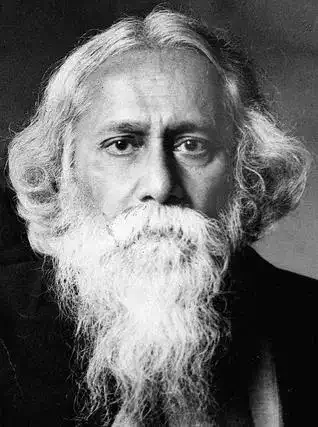
Rabindranath Tagore
Brahmā, Vişņu, Śiva
Brahmā, Vişņu, Śiva
I THE DARK
In a worldless timeless lightless great emptiness
Four-faced Brahma broods.
nasad asin, no sad asit tadanim;
nasid raja no vioma paro yat.
kim avarivah? kuha? kasya sarmann?
Ambhah kim asid, gahanam gabhiram?
na mytur asid, amrtam na tarhi.
na ratria ahna asit pratekh.
anid avatam svadhaya tad ekam.
tasmad dhanyan na parah kim canasa.
tama asit tamasa gudham agre;
apraketam salilam sarvam a idam.
tuchyenabhu apihitam yad asit,
tapasas tan mahinajayataikam.
Of a sudden sea of joy surges through his heart –
The ur-god opens his eyes.
Speech from four mouths
Speeds from each quarter.
Through infinite dark,
Through limitless sky,
Like a growing sea-storm,
Like hope never sated,
His Word starts to move.
Stirred by joy his breathing quickens,
His eight eyes quiver with flame.
His fire-matted hair sweeps the horizon,
Bright as a million suns.
From the towering source of the world
In a thousand streams
Cascades the primeval blazing fountain,
Fragmenting silence,
Splitting its stone heart.
kamas tad agre sam avartatadhi
manaso retah prathamam yad asit?
sato bandhum asati nir avindan
hrdi pratisya kavayo manisa
II THE MUSIC
In a universe rampant
With new life exhalant,
With new life exultant,
Vishnu spreads wide
His four-handed blessing.
He raises his conch
And all things quake
At its booming sound.
The frenzy dies down,
The furnace expires,
The planets douse
Their flames with tears,
The world’s Divine Poet
Constructs its history,
From wild cosmic song
Its epic is formed.
Stars in their orbits,
Moon sun and planets –
He binds with his mace
All things to Law,
Imposes the discipline
Of metre and rhyme.
In the Manasa depths
Vishnu watches -
Beauties arise
From the light of lotuses.
Lakshmi strews smiles -
Clouds show a rainbow,
Gardens show flowers.
The roar of Creation
Resolves into music.
Softness hides rigour,
Forms cover power.
tirascino vitato rasmir esam:
adhah svid asid, upari svid asit?
retodha asan, mahimana asan;
svadha avasat, prayatih parastat.
Age after age after age is slave to a mighty rhythm –
At last the world-frame
Tires in its body,
Sleep in its eyes
Slackens its structure,
Diffuses its energy.
From the heart of all matter
Comes the anguished cry –
‘Wake, wake, great Shiva,
Our body grows weary
Of its law-fixed path,
Give us new form.
Sing our destruction,
That we gain new life.’
III THE FIRE
The great god awakes,
His three eyes open,
He surveys all horizons.
He lifts his bow, his fell pinaka,
He pounds the world with his tread.
From first things to last it trembles and shakes
And shudders.
The bonds of nature are ripped.
The sky is rocked by the roar
Of a wave of ecstatic release.
An inferno soars –
The pyre of the universe.
Shattered sun and moon, smashed stars and planets,
Rain down from all angles,
A blackness of all particles
To be swallowed by flame,
Absorbed in an instant.
At the start of Creation
There was a dark without origin,
At the breaking of Creation
There is fire without end
In an all-pervading sky-engulfing sea of burning
Shiva shuts his three eyes.
He begins his great trance.
ko adha veda? Ka iha pravocat,
kuta ajata, kuta iyam visrstih?
arvag deva asya visajanena:
atha ko veda yata ababhuva?
iyam visrstir yata ababhuva;
yadi vasa dadhe yadi van na:
yo asyadhyaksah parame vioman
so anga veda, yadi va na veda.
I THE DARK
In a worldless timeless lightless great emptiness
Four-faced Brahma broods.
nasad asin, no sad asit tadanim;
nasid raja no vioma paro yat.
kim avarivah? kuha? kasya sarmann?
Ambhah kim asid, gahanam gabhiram?
na mytur asid, amrtam na tarhi.
na ratria ahna asit pratekh.
anid avatam svadhaya tad ekam.
tasmad dhanyan na parah kim canasa.
tama asit tamasa gudham agre;
apraketam salilam sarvam a idam.
tuchyenabhu apihitam yad asit,
tapasas tan mahinajayataikam.
Of a sudden sea of joy surges through his heart –
The ur-god opens his eyes.
Speech from four mouths
Speeds from each quarter.
Through infinite dark,
Through limitless sky,
Like a growing sea-storm,
Like hope never sated,
His Word starts to move.
Stirred by joy his breathing quickens,
His eight eyes quiver with flame.
His fire-matted hair sweeps the horizon,
Bright as a million suns.
From the towering source of the world
In a thousand streams
Cascades the primeval blazing fountain,
Fragmenting silence,
Splitting its stone heart.
kamas tad agre sam avartatadhi
manaso retah prathamam yad asit?
sato bandhum asati nir avindan
hrdi pratisya kavayo manisa
II THE MUSIC
In a universe rampant
With new life exhalant,
With new life exultant,
Vishnu spreads wide
His four-handed blessing.
He raises his conch
And all things quake
At its booming sound.
The frenzy dies down,
The furnace expires,
The planets douse
Their flames with tears,
The world’s Divine Poet
Constructs its history,
From wild cosmic song
Its epic is formed.
Stars in their orbits,
Moon sun and planets –
He binds with his mace
All things to Law,
Imposes the discipline
Of metre and rhyme.
In the Manasa depths
Vishnu watches -
Beauties arise
From the light of lotuses.
Lakshmi strews smiles -
Clouds show a rainbow,
Gardens show flowers.
The roar of Creation
Resolves into music.
Softness hides rigour,
Forms cover power.
tirascino vitato rasmir esam:
adhah svid asid, upari svid asit?
retodha asan, mahimana asan;
svadha avasat, prayatih parastat.
Age after age after age is slave to a mighty rhythm –
At last the world-frame
Tires in its body,
Sleep in its eyes
Slackens its structure,
Diffuses its energy.
From the heart of all matter
Comes the anguished cry –
‘Wake, wake, great Shiva,
Our body grows weary
Of its law-fixed path,
Give us new form.
Sing our destruction,
That we gain new life.’
III THE FIRE
The great god awakes,
His three eyes open,
He surveys all horizons.
He lifts his bow, his fell pinaka,
He pounds the world with his tread.
From first things to last it trembles and shakes
And shudders.
The bonds of nature are ripped.
The sky is rocked by the roar
Of a wave of ecstatic release.
An inferno soars –
The pyre of the universe.
Shattered sun and moon, smashed stars and planets,
Rain down from all angles,
A blackness of all particles
To be swallowed by flame,
Absorbed in an instant.
At the start of Creation
There was a dark without origin,
At the breaking of Creation
There is fire without end
In an all-pervading sky-engulfing sea of burning
Shiva shuts his three eyes.
He begins his great trance.
ko adha veda? Ka iha pravocat,
kuta ajata, kuta iyam visrstih?
arvag deva asya visajanena:
atha ko veda yata ababhuva?
iyam visrstir yata ababhuva;
yadi vasa dadhe yadi van na:
yo asyadhyaksah parame vioman
so anga veda, yadi va na veda.
20
Rabindranath Tagore
Beggarly Heart
Beggarly Heart
When the heart is hard and parched up,
come upon me with a shower of mercy.
When grace is lost from life,
come with a burst of song.
When tumultuous work raises its din on all sides shutting me out from
beyond, come to me, my lord of silence, with thy peace and rest.
When my beggarly heart sits crouched, shut up in a corner,
break open the door, my king, and come with the ceremony of a king.
When desire blinds the mind with delusion and dust, O thou holy one,
thou wakeful, come with thy light and thy thunder
When the heart is hard and parched up,
come upon me with a shower of mercy.
When grace is lost from life,
come with a burst of song.
When tumultuous work raises its din on all sides shutting me out from
beyond, come to me, my lord of silence, with thy peace and rest.
When my beggarly heart sits crouched, shut up in a corner,
break open the door, my king, and come with the ceremony of a king.
When desire blinds the mind with delusion and dust, O thou holy one,
thou wakeful, come with thy light and thy thunder
544
Rabindranath Tagore
At The Last Watch
At The Last Watch
Pity, in place of love,
That pettiest of gifts,
Is but a sugar-coating over neglect.
Any passerby can make a gift of it
To a street beggar,
Only to forget the moment the first corner is turned.
I had not hoped for anything more that day.
You left during the last watch of night.
I had hoped you would say goodbye,
Just say 'Adieu' before going away,
What you had said another day,
What I shall never hear again.
In their place, just that one word,
Bound by the thin fabric of a little compassion
Would even that have been too much for you to bear?
When I first awoke from sleep
My heart fluttered with fear
Lest the time had been over.
I rushed out of bed.
The distant church clock chimed half past twelve
I sat waiting near the door of my room
Resting my head against it,
Facing the porch through which you would come out.
Even that tiniest of chances
Was snatched away by fate from hapless me;
I fell asleep
Shortly before you left.
Perhaps you cast a sidelong glance
At my reclining body
Like a broken boat left high and dry.
Perhaps you walked away with care
Lest you wake me up.
Awaking with a start I knew at once
That my vigil had been wasted
I realised, what was to go went away in a moment,
What was to stay behind stayed on
For all time.
Silence everywhere
Like that of a birds' nest bereft of birds
On the bough of a songless tree.
With the lifeless light of the waning moon was now blended
The pallor of dawn
Spreading itself over the greyness of my empty life.
I walked towards your bedroom
For no reason.
Outside the door
Burnt a smoky lantern covered with soot,
The porch smelt of the smouldering wick.
Over the abandoned bed the flaps of the rolled-up mosquito-net
Fluttered a little in the breeze.
Seen in the sky outside through the window
Was the morning star,
Witness of all sleepless people
Bereft of hope.
Suddenly I found you had left behind by mistake
Your gold-mounted ivory walking stick.
If there were time, I thought,
You might come back from the station to look for it,
But not because
You had not seen me before going away.
Pity, in place of love,
That pettiest of gifts,
Is but a sugar-coating over neglect.
Any passerby can make a gift of it
To a street beggar,
Only to forget the moment the first corner is turned.
I had not hoped for anything more that day.
You left during the last watch of night.
I had hoped you would say goodbye,
Just say 'Adieu' before going away,
What you had said another day,
What I shall never hear again.
In their place, just that one word,
Bound by the thin fabric of a little compassion
Would even that have been too much for you to bear?
When I first awoke from sleep
My heart fluttered with fear
Lest the time had been over.
I rushed out of bed.
The distant church clock chimed half past twelve
I sat waiting near the door of my room
Resting my head against it,
Facing the porch through which you would come out.
Even that tiniest of chances
Was snatched away by fate from hapless me;
I fell asleep
Shortly before you left.
Perhaps you cast a sidelong glance
At my reclining body
Like a broken boat left high and dry.
Perhaps you walked away with care
Lest you wake me up.
Awaking with a start I knew at once
That my vigil had been wasted
I realised, what was to go went away in a moment,
What was to stay behind stayed on
For all time.
Silence everywhere
Like that of a birds' nest bereft of birds
On the bough of a songless tree.
With the lifeless light of the waning moon was now blended
The pallor of dawn
Spreading itself over the greyness of my empty life.
I walked towards your bedroom
For no reason.
Outside the door
Burnt a smoky lantern covered with soot,
The porch smelt of the smouldering wick.
Over the abandoned bed the flaps of the rolled-up mosquito-net
Fluttered a little in the breeze.
Seen in the sky outside through the window
Was the morning star,
Witness of all sleepless people
Bereft of hope.
Suddenly I found you had left behind by mistake
Your gold-mounted ivory walking stick.
If there were time, I thought,
You might come back from the station to look for it,
But not because
You had not seen me before going away.
671

Phillis Wheatley
To The Rev. Dr. Thomas Amory, On Reading His Sermons On Daily Devotion, In
To The Rev. Dr. Thomas Amory, On Reading His Sermons On Daily Devotion, In
Which that Duty Is Recommended And Assisted
TO cultivate in ev'ry noble mind
Habitual grace, and sentiments refin'd,
Thus while you strive to mend the human heart,
Thus while the heav'nly precepts you impart,
O may each bosom catch the sacred fire,
And youthful minds to Virtue's throne aspire!
When God's eternal ways you set in sight,
And Virtue shines in all her native light,
In vain would Vice her works in night conceal,
For Wisdom's eye pervades the sable veil.
Artists may paint the sun's effulgent rays,
But Amory's pen the brighter God displays:
While his great works in Amory's pages shine,
And while he proves his essence all divine,
The Atheist sure no more can boast aloud
Of chance, or nature, and exclude the God;
As if the clay without the potter's aid
Should rise in various forms, and shapes self-made,
Or worlds above with orb o'er orb profound
Self-mov'd could run the everlasting round.
It cannot be--unerring Wisdom guides
With eye propitious, and o'er all presides.
Still prosper, Amory! still may'st thou receive
The warmest blessings which a muse can give,
And when this transitory state is o'er,
When kingdoms fall, and fleeting Fame's no more,
May Amory triumph in immortal fame,
A nobler title, and superior name!
Which that Duty Is Recommended And Assisted
TO cultivate in ev'ry noble mind
Habitual grace, and sentiments refin'd,
Thus while you strive to mend the human heart,
Thus while the heav'nly precepts you impart,
O may each bosom catch the sacred fire,
And youthful minds to Virtue's throne aspire!
When God's eternal ways you set in sight,
And Virtue shines in all her native light,
In vain would Vice her works in night conceal,
For Wisdom's eye pervades the sable veil.
Artists may paint the sun's effulgent rays,
But Amory's pen the brighter God displays:
While his great works in Amory's pages shine,
And while he proves his essence all divine,
The Atheist sure no more can boast aloud
Of chance, or nature, and exclude the God;
As if the clay without the potter's aid
Should rise in various forms, and shapes self-made,
Or worlds above with orb o'er orb profound
Self-mov'd could run the everlasting round.
It cannot be--unerring Wisdom guides
With eye propitious, and o'er all presides.
Still prosper, Amory! still may'st thou receive
The warmest blessings which a muse can give,
And when this transitory state is o'er,
When kingdoms fall, and fleeting Fame's no more,
May Amory triumph in immortal fame,
A nobler title, and superior name!
254
Phillis Wheatley
To the Honourable T.H. Esq on the Death of His Daughter
To the Honourable T.H. Esq on the Death of His Daughter
While deep you mourn beneath the cypress-shade
The hand of Death, and your dear daughter laid
In dust, whose absence gives your tears to flow,
And racks your bosom with incessant woe,
Let Recollection take a tender part,
Assuage the raging tortures of your heart,
Still the wild tempest of tumultuous grief,
And pour the heav'nly nectar of relief:
Suspend the sigh, dear Sir, and check the groan,
Divinely bright your daughter's Virtues shone:
How free from scornful pride her gentle mind,
Which ne'er its aid to indigence declin'd!
Expanding free, it sought the means to prove
Unfailing charity, unbounded love!
She unreluctant flies to see no more
Her dear-lov'd parents on earth's dusky shore:
Impatient heav'n's resplendent goal to gain,
She with swift progress cuts the azure plain,
Where grief subsides, where changes are no more,
And life's tumultuous billows cease to roar;
She leaves her earthly mansion for the skies,
Where new creations feast her wond'ring eyes.
To heav'n's high mandate cheerfully resign'd
She mounts, and leaves the rolling globe behind;
She, who late wish'd that Leonard might return,
Has ceas'd to languish, and forgot to mourn;
To the same high empyreal mansions come,
She joins her spouse, and smiles upon the tomb:
And thus I hear her from the realms above:
"Lo! this the kingdom of celestial love!
"Could ye, fond parents, see our present bliss,
"How soon would you each sigh, each fear dismiss?
"Amidst unutter'd pleasures whilst I play
"In the fair sunshine of celestial day,
"As far as grief affects an happy soul
"So far doth grief my better mind control,
"To see on earth my aged parents mourn,
"And secret wish for T-----! to return:
"Let brighter scenes your ev'ning-hours employ:
"Converse with heav'n, and taste the promis'd joy"
While deep you mourn beneath the cypress-shade
The hand of Death, and your dear daughter laid
In dust, whose absence gives your tears to flow,
And racks your bosom with incessant woe,
Let Recollection take a tender part,
Assuage the raging tortures of your heart,
Still the wild tempest of tumultuous grief,
And pour the heav'nly nectar of relief:
Suspend the sigh, dear Sir, and check the groan,
Divinely bright your daughter's Virtues shone:
How free from scornful pride her gentle mind,
Which ne'er its aid to indigence declin'd!
Expanding free, it sought the means to prove
Unfailing charity, unbounded love!
She unreluctant flies to see no more
Her dear-lov'd parents on earth's dusky shore:
Impatient heav'n's resplendent goal to gain,
She with swift progress cuts the azure plain,
Where grief subsides, where changes are no more,
And life's tumultuous billows cease to roar;
She leaves her earthly mansion for the skies,
Where new creations feast her wond'ring eyes.
To heav'n's high mandate cheerfully resign'd
She mounts, and leaves the rolling globe behind;
She, who late wish'd that Leonard might return,
Has ceas'd to languish, and forgot to mourn;
To the same high empyreal mansions come,
She joins her spouse, and smiles upon the tomb:
And thus I hear her from the realms above:
"Lo! this the kingdom of celestial love!
"Could ye, fond parents, see our present bliss,
"How soon would you each sigh, each fear dismiss?
"Amidst unutter'd pleasures whilst I play
"In the fair sunshine of celestial day,
"As far as grief affects an happy soul
"So far doth grief my better mind control,
"To see on earth my aged parents mourn,
"And secret wish for T-----! to return:
"Let brighter scenes your ev'ning-hours employ:
"Converse with heav'n, and taste the promis'd joy"
243
Phillis Wheatley
To the Honourable T.H. Esq on the Death of His Daughter
To the Honourable T.H. Esq on the Death of His Daughter
While deep you mourn beneath the cypress-shade
The hand of Death, and your dear daughter laid
In dust, whose absence gives your tears to flow,
And racks your bosom with incessant woe,
Let Recollection take a tender part,
Assuage the raging tortures of your heart,
Still the wild tempest of tumultuous grief,
And pour the heav'nly nectar of relief:
Suspend the sigh, dear Sir, and check the groan,
Divinely bright your daughter's Virtues shone:
How free from scornful pride her gentle mind,
Which ne'er its aid to indigence declin'd!
Expanding free, it sought the means to prove
Unfailing charity, unbounded love!
She unreluctant flies to see no more
Her dear-lov'd parents on earth's dusky shore:
Impatient heav'n's resplendent goal to gain,
She with swift progress cuts the azure plain,
Where grief subsides, where changes are no more,
And life's tumultuous billows cease to roar;
She leaves her earthly mansion for the skies,
Where new creations feast her wond'ring eyes.
To heav'n's high mandate cheerfully resign'd
She mounts, and leaves the rolling globe behind;
She, who late wish'd that Leonard might return,
Has ceas'd to languish, and forgot to mourn;
To the same high empyreal mansions come,
She joins her spouse, and smiles upon the tomb:
And thus I hear her from the realms above:
"Lo! this the kingdom of celestial love!
"Could ye, fond parents, see our present bliss,
"How soon would you each sigh, each fear dismiss?
"Amidst unutter'd pleasures whilst I play
"In the fair sunshine of celestial day,
"As far as grief affects an happy soul
"So far doth grief my better mind control,
"To see on earth my aged parents mourn,
"And secret wish for T-----! to return:
"Let brighter scenes your ev'ning-hours employ:
"Converse with heav'n, and taste the promis'd joy"
While deep you mourn beneath the cypress-shade
The hand of Death, and your dear daughter laid
In dust, whose absence gives your tears to flow,
And racks your bosom with incessant woe,
Let Recollection take a tender part,
Assuage the raging tortures of your heart,
Still the wild tempest of tumultuous grief,
And pour the heav'nly nectar of relief:
Suspend the sigh, dear Sir, and check the groan,
Divinely bright your daughter's Virtues shone:
How free from scornful pride her gentle mind,
Which ne'er its aid to indigence declin'd!
Expanding free, it sought the means to prove
Unfailing charity, unbounded love!
She unreluctant flies to see no more
Her dear-lov'd parents on earth's dusky shore:
Impatient heav'n's resplendent goal to gain,
She with swift progress cuts the azure plain,
Where grief subsides, where changes are no more,
And life's tumultuous billows cease to roar;
She leaves her earthly mansion for the skies,
Where new creations feast her wond'ring eyes.
To heav'n's high mandate cheerfully resign'd
She mounts, and leaves the rolling globe behind;
She, who late wish'd that Leonard might return,
Has ceas'd to languish, and forgot to mourn;
To the same high empyreal mansions come,
She joins her spouse, and smiles upon the tomb:
And thus I hear her from the realms above:
"Lo! this the kingdom of celestial love!
"Could ye, fond parents, see our present bliss,
"How soon would you each sigh, each fear dismiss?
"Amidst unutter'd pleasures whilst I play
"In the fair sunshine of celestial day,
"As far as grief affects an happy soul
"So far doth grief my better mind control,
"To see on earth my aged parents mourn,
"And secret wish for T-----! to return:
"Let brighter scenes your ev'ning-hours employ:
"Converse with heav'n, and taste the promis'd joy"
243
Phillis Wheatley
To S.M. a Young African Painter
To S.M. a Young African Painter
To show the lab'ring bosom's deep intent,
And thought in living characters to paint,
When first thy pencil did those beauties give,
And breathing figures learnt from thee to live,
How did those prospects give my soul delight,
A new creation rushing on my sight?
Still, wond'rous youth! each noble path pursue,
On deathless glories fix thine ardent view:
Still may the painter's and the poet's fire
To aid thy pencil, and thy verse conspire!
And may the charms of each seraphic theme
Conduct thy footsteps to immortal fame!
High to the blissful wonders of the skies
Elate thy soul, and raise thy wishful eyes.
Thrice happy, when exalted to survey
That splendid city, crown'd with endless day,
Whose twice six gates on radiant hinges ring:
Celestial Salem blooms in endless spring.
Calm and serene thy moments glide along,
And may the muse inspire each future song!
Still, with the sweets of contemplation bless'd,
May peace with balmy wings your soul invest!
But when these shades of time are chas'd away,
And darkness ends in everlasting day,
On what seraphic pinions shall we move,
And view the landscapes in the realms above?
There shall thy tongue in heav'nly murmurs flow,
And there my muse with heav'nly transport glow:
No more to tell of Damon's tender sighs,
Or rising radiance of Aurora's eyes,
For nobler themes demand a nobler strain,
And purer language on th' ethereal plain.
Cease, gentle muse! the solemn gloom of night
Now seals the fair creation from my sight.
To show the lab'ring bosom's deep intent,
And thought in living characters to paint,
When first thy pencil did those beauties give,
And breathing figures learnt from thee to live,
How did those prospects give my soul delight,
A new creation rushing on my sight?
Still, wond'rous youth! each noble path pursue,
On deathless glories fix thine ardent view:
Still may the painter's and the poet's fire
To aid thy pencil, and thy verse conspire!
And may the charms of each seraphic theme
Conduct thy footsteps to immortal fame!
High to the blissful wonders of the skies
Elate thy soul, and raise thy wishful eyes.
Thrice happy, when exalted to survey
That splendid city, crown'd with endless day,
Whose twice six gates on radiant hinges ring:
Celestial Salem blooms in endless spring.
Calm and serene thy moments glide along,
And may the muse inspire each future song!
Still, with the sweets of contemplation bless'd,
May peace with balmy wings your soul invest!
But when these shades of time are chas'd away,
And darkness ends in everlasting day,
On what seraphic pinions shall we move,
And view the landscapes in the realms above?
There shall thy tongue in heav'nly murmurs flow,
And there my muse with heav'nly transport glow:
No more to tell of Damon's tender sighs,
Or rising radiance of Aurora's eyes,
For nobler themes demand a nobler strain,
And purer language on th' ethereal plain.
Cease, gentle muse! the solemn gloom of night
Now seals the fair creation from my sight.
248
Phillis Wheatley
To His Honour the Lieutenant-Governor
To His Honour the Lieutenant-Governor
All-Conquering Death! by thy resistless pow'r,
Hope's tow'ring plumage falls to rise no more!
Of scenes terrestrial how the glories fly,
Forget their splendors, and submit to die!
Who ere escap'd thee, but the saint of old
Beyond the flood in sacred annals told,
And the great sage, whom fiery coursers drew
To heav'n's bright portals from Elisha's view;
Wond'ring he gaz'd at the refulgent car,
Then snatch'd the mantle floating on the air.
From Death these only could exemption boast,
And without dying gain'd th' immortal coast.
Not falling millions sate the tyrant's mind,
Nor can the victor's progress be confin'd.
But cease thy strife with Death, fond Nature, cease:
He leads the virtuous to the realms of peace;
His to conduct to the immortal plains,
Where heav'n's Supreme in bliss and glory reigns.
There sits, illustrious Sir, thy beauteous spouse;
A gem-blaz'd circle beaming on her brows.
Hail'd with acclaim among the heav'nly choirs,
Her soul new-kindling with seraphic fires,
To notes divine she tunes the vocal strings,
While heav'n's high concave with the music rings.
Virtue's rewards can mortal pencil paint?
No--all descriptive arts, and eloquence are faint;
Nor canst thou, Oliver, assent refuse
To heav'nly tidings from the Afric muse.
As soon may change thy laws, eternal fate,
As the saint miss the glories I relate;
Or her Benevolence forgotten lie,
Which wip'd the trick'ling tear from Misry's eye.
Three amiable Daughters who died when just arrived to Womens Estate.
Whene'er the adverse winds were known to blow,
When loss to loss * ensu'd, and woe to woe,
Calm and serene beneath her father's hand
She sat resign'd to the divine command.
No longer then, great Sir, her death deplore,
And let us hear the mournful sigh no more,
Restrain the sorrow streaming from thine eye,
Be all thy future moments crown'd with joy!
Nor let thy wishes be to earth confin'd,
But soaring high pursue th' unbodied mind.
Forgive the muse, forgive th' advent'rous lays,
That fain thy soul to heav'nly scenes would raise.
All-Conquering Death! by thy resistless pow'r,
Hope's tow'ring plumage falls to rise no more!
Of scenes terrestrial how the glories fly,
Forget their splendors, and submit to die!
Who ere escap'd thee, but the saint of old
Beyond the flood in sacred annals told,
And the great sage, whom fiery coursers drew
To heav'n's bright portals from Elisha's view;
Wond'ring he gaz'd at the refulgent car,
Then snatch'd the mantle floating on the air.
From Death these only could exemption boast,
And without dying gain'd th' immortal coast.
Not falling millions sate the tyrant's mind,
Nor can the victor's progress be confin'd.
But cease thy strife with Death, fond Nature, cease:
He leads the virtuous to the realms of peace;
His to conduct to the immortal plains,
Where heav'n's Supreme in bliss and glory reigns.
There sits, illustrious Sir, thy beauteous spouse;
A gem-blaz'd circle beaming on her brows.
Hail'd with acclaim among the heav'nly choirs,
Her soul new-kindling with seraphic fires,
To notes divine she tunes the vocal strings,
While heav'n's high concave with the music rings.
Virtue's rewards can mortal pencil paint?
No--all descriptive arts, and eloquence are faint;
Nor canst thou, Oliver, assent refuse
To heav'nly tidings from the Afric muse.
As soon may change thy laws, eternal fate,
As the saint miss the glories I relate;
Or her Benevolence forgotten lie,
Which wip'd the trick'ling tear from Misry's eye.
Three amiable Daughters who died when just arrived to Womens Estate.
Whene'er the adverse winds were known to blow,
When loss to loss * ensu'd, and woe to woe,
Calm and serene beneath her father's hand
She sat resign'd to the divine command.
No longer then, great Sir, her death deplore,
And let us hear the mournful sigh no more,
Restrain the sorrow streaming from thine eye,
Be all thy future moments crown'd with joy!
Nor let thy wishes be to earth confin'd,
But soaring high pursue th' unbodied mind.
Forgive the muse, forgive th' advent'rous lays,
That fain thy soul to heav'nly scenes would raise.
211
Phillis Wheatley
To His Honour the Lieutenant-Governor
To His Honour the Lieutenant-Governor
All-Conquering Death! by thy resistless pow'r,
Hope's tow'ring plumage falls to rise no more!
Of scenes terrestrial how the glories fly,
Forget their splendors, and submit to die!
Who ere escap'd thee, but the saint of old
Beyond the flood in sacred annals told,
And the great sage, whom fiery coursers drew
To heav'n's bright portals from Elisha's view;
Wond'ring he gaz'd at the refulgent car,
Then snatch'd the mantle floating on the air.
From Death these only could exemption boast,
And without dying gain'd th' immortal coast.
Not falling millions sate the tyrant's mind,
Nor can the victor's progress be confin'd.
But cease thy strife with Death, fond Nature, cease:
He leads the virtuous to the realms of peace;
His to conduct to the immortal plains,
Where heav'n's Supreme in bliss and glory reigns.
There sits, illustrious Sir, thy beauteous spouse;
A gem-blaz'd circle beaming on her brows.
Hail'd with acclaim among the heav'nly choirs,
Her soul new-kindling with seraphic fires,
To notes divine she tunes the vocal strings,
While heav'n's high concave with the music rings.
Virtue's rewards can mortal pencil paint?
No--all descriptive arts, and eloquence are faint;
Nor canst thou, Oliver, assent refuse
To heav'nly tidings from the Afric muse.
As soon may change thy laws, eternal fate,
As the saint miss the glories I relate;
Or her Benevolence forgotten lie,
Which wip'd the trick'ling tear from Misry's eye.
Three amiable Daughters who died when just arrived to Womens Estate.
Whene'er the adverse winds were known to blow,
When loss to loss * ensu'd, and woe to woe,
Calm and serene beneath her father's hand
She sat resign'd to the divine command.
No longer then, great Sir, her death deplore,
And let us hear the mournful sigh no more,
Restrain the sorrow streaming from thine eye,
Be all thy future moments crown'd with joy!
Nor let thy wishes be to earth confin'd,
But soaring high pursue th' unbodied mind.
Forgive the muse, forgive th' advent'rous lays,
That fain thy soul to heav'nly scenes would raise.
All-Conquering Death! by thy resistless pow'r,
Hope's tow'ring plumage falls to rise no more!
Of scenes terrestrial how the glories fly,
Forget their splendors, and submit to die!
Who ere escap'd thee, but the saint of old
Beyond the flood in sacred annals told,
And the great sage, whom fiery coursers drew
To heav'n's bright portals from Elisha's view;
Wond'ring he gaz'd at the refulgent car,
Then snatch'd the mantle floating on the air.
From Death these only could exemption boast,
And without dying gain'd th' immortal coast.
Not falling millions sate the tyrant's mind,
Nor can the victor's progress be confin'd.
But cease thy strife with Death, fond Nature, cease:
He leads the virtuous to the realms of peace;
His to conduct to the immortal plains,
Where heav'n's Supreme in bliss and glory reigns.
There sits, illustrious Sir, thy beauteous spouse;
A gem-blaz'd circle beaming on her brows.
Hail'd with acclaim among the heav'nly choirs,
Her soul new-kindling with seraphic fires,
To notes divine she tunes the vocal strings,
While heav'n's high concave with the music rings.
Virtue's rewards can mortal pencil paint?
No--all descriptive arts, and eloquence are faint;
Nor canst thou, Oliver, assent refuse
To heav'nly tidings from the Afric muse.
As soon may change thy laws, eternal fate,
As the saint miss the glories I relate;
Or her Benevolence forgotten lie,
Which wip'd the trick'ling tear from Misry's eye.
Three amiable Daughters who died when just arrived to Womens Estate.
Whene'er the adverse winds were known to blow,
When loss to loss * ensu'd, and woe to woe,
Calm and serene beneath her father's hand
She sat resign'd to the divine command.
No longer then, great Sir, her death deplore,
And let us hear the mournful sigh no more,
Restrain the sorrow streaming from thine eye,
Be all thy future moments crown'd with joy!
Nor let thy wishes be to earth confin'd,
But soaring high pursue th' unbodied mind.
Forgive the muse, forgive th' advent'rous lays,
That fain thy soul to heav'nly scenes would raise.
211
Phillis Wheatley
To A Lady On The Death Of The Three Relations
To A Lady On The Death Of The Three Relations
WE trace the pow'r of Death from tomb to tomb,
And his are all the ages yet to come.
'Tis his to call the planets from on high,
To blacken Phoebus, and dissolve the sky;
His too, when all in his dark realms are hurl'd,
From its firm base to shake the solid world;
His fatal sceptre rules the spacious whole,
And trembling nature rocks from pole to pole.
Awful he moves, and wide his wings are spread:
Behold thy brother number'd with the dead!
From bondage freed, the exulting spirit flies
Beyond Olympus, and these starry skies.
Lost in our woe for thee, blest shade, we mourn
In vain; to earth thou never must return.
Thy sisters too, fair mourner, feel the dart
Of Death, and with fresh torture rend thine heart.
Weep not for them, and leave the world behind.
As a young plant by hurricanes up torn,
So near its parent lies the newly born--
But 'midst the bright ehtereal train behold
It shines superior on a throne of gold:
Then, mourner, cease; let hope thy tears restrain,
Smile on the tomb, and sooth the raging pain.
On yon blest regions fix thy longing view,
Mindless of sublunary scenes below;
Ascend the sacred mount, in thought arise,
And seek substantial and immortal joys;
Where hope receives, where faith to vision springs,
And raptur'd seraphs tune th' immortal strings
To strains extatic. Thou the chorus join,
And to thy father tune the praise divine.
WE trace the pow'r of Death from tomb to tomb,
And his are all the ages yet to come.
'Tis his to call the planets from on high,
To blacken Phoebus, and dissolve the sky;
His too, when all in his dark realms are hurl'd,
From its firm base to shake the solid world;
His fatal sceptre rules the spacious whole,
And trembling nature rocks from pole to pole.
Awful he moves, and wide his wings are spread:
Behold thy brother number'd with the dead!
From bondage freed, the exulting spirit flies
Beyond Olympus, and these starry skies.
Lost in our woe for thee, blest shade, we mourn
In vain; to earth thou never must return.
Thy sisters too, fair mourner, feel the dart
Of Death, and with fresh torture rend thine heart.
Weep not for them, and leave the world behind.
As a young plant by hurricanes up torn,
So near its parent lies the newly born--
But 'midst the bright ehtereal train behold
It shines superior on a throne of gold:
Then, mourner, cease; let hope thy tears restrain,
Smile on the tomb, and sooth the raging pain.
On yon blest regions fix thy longing view,
Mindless of sublunary scenes below;
Ascend the sacred mount, in thought arise,
And seek substantial and immortal joys;
Where hope receives, where faith to vision springs,
And raptur'd seraphs tune th' immortal strings
To strains extatic. Thou the chorus join,
And to thy father tune the praise divine.
223
Phillis Wheatley
To A Lady On The Death Of The Three Relations
To A Lady On The Death Of The Three Relations
WE trace the pow'r of Death from tomb to tomb,
And his are all the ages yet to come.
'Tis his to call the planets from on high,
To blacken Phoebus, and dissolve the sky;
His too, when all in his dark realms are hurl'd,
From its firm base to shake the solid world;
His fatal sceptre rules the spacious whole,
And trembling nature rocks from pole to pole.
Awful he moves, and wide his wings are spread:
Behold thy brother number'd with the dead!
From bondage freed, the exulting spirit flies
Beyond Olympus, and these starry skies.
Lost in our woe for thee, blest shade, we mourn
In vain; to earth thou never must return.
Thy sisters too, fair mourner, feel the dart
Of Death, and with fresh torture rend thine heart.
Weep not for them, and leave the world behind.
As a young plant by hurricanes up torn,
So near its parent lies the newly born--
But 'midst the bright ehtereal train behold
It shines superior on a throne of gold:
Then, mourner, cease; let hope thy tears restrain,
Smile on the tomb, and sooth the raging pain.
On yon blest regions fix thy longing view,
Mindless of sublunary scenes below;
Ascend the sacred mount, in thought arise,
And seek substantial and immortal joys;
Where hope receives, where faith to vision springs,
And raptur'd seraphs tune th' immortal strings
To strains extatic. Thou the chorus join,
And to thy father tune the praise divine.
WE trace the pow'r of Death from tomb to tomb,
And his are all the ages yet to come.
'Tis his to call the planets from on high,
To blacken Phoebus, and dissolve the sky;
His too, when all in his dark realms are hurl'd,
From its firm base to shake the solid world;
His fatal sceptre rules the spacious whole,
And trembling nature rocks from pole to pole.
Awful he moves, and wide his wings are spread:
Behold thy brother number'd with the dead!
From bondage freed, the exulting spirit flies
Beyond Olympus, and these starry skies.
Lost in our woe for thee, blest shade, we mourn
In vain; to earth thou never must return.
Thy sisters too, fair mourner, feel the dart
Of Death, and with fresh torture rend thine heart.
Weep not for them, and leave the world behind.
As a young plant by hurricanes up torn,
So near its parent lies the newly born--
But 'midst the bright ehtereal train behold
It shines superior on a throne of gold:
Then, mourner, cease; let hope thy tears restrain,
Smile on the tomb, and sooth the raging pain.
On yon blest regions fix thy longing view,
Mindless of sublunary scenes below;
Ascend the sacred mount, in thought arise,
And seek substantial and immortal joys;
Where hope receives, where faith to vision springs,
And raptur'd seraphs tune th' immortal strings
To strains extatic. Thou the chorus join,
And to thy father tune the praise divine.
223
Phillis Wheatley
To A Lady On Her Remarkable Preservation In A Hurrican In North-Carolina
To A Lady On Her Remarkable Preservation In A Hurrican In North-Carolina
THOUGH thou did'st hear the tempest from afar,
And felt'st the horrors of the wat'ry war,
To me unknown, yet on this peaceful shore
Methinks I hear the storm tumultuous roar,
And how stern Boreas with impetuous hand
Compell'd the Nereids to usurp the land.
Reluctant rose the daughters of the main,
And slow ascending glided o'er the plain,
Till AEolus in his rapid chariot drove
In gloomy grandeur from the vault above:
Furious he comes. His winged sons obey
Their frantic sire, and madden all the sea.
The billows rave, the wind's fierce tyrant roars,
And with his thund'ring terrors shakes the shores:
Broken by waves the vessel's frame is rent,
And strows with planks the wat'ry element.
But thee, Maria, a kind Nereid's shield
Preserv'd from sinking, and thy form upheld:
And sure some heav'nly oracle design'd
At that dread crisis to instruct thy mind
Things of eternal consequence to weigh,
And to thine heart just feelings to convey
Of things above, and of the future doom,
And what the births of the dread world to come.
From tossing seas I welcome thee to land.
"Resign her, Nereid," 'twas thy God's command.
Thy spouse late buried, as thy fears conceiv'd,
Again returns, thy fears are all reliev'd:
Thy daughter blooming with superior grace
Again thou see'st, again thine arms embrace;
O come, and joyful show thy spouse his heir,
And what the blessings of maternal care!
THOUGH thou did'st hear the tempest from afar,
And felt'st the horrors of the wat'ry war,
To me unknown, yet on this peaceful shore
Methinks I hear the storm tumultuous roar,
And how stern Boreas with impetuous hand
Compell'd the Nereids to usurp the land.
Reluctant rose the daughters of the main,
And slow ascending glided o'er the plain,
Till AEolus in his rapid chariot drove
In gloomy grandeur from the vault above:
Furious he comes. His winged sons obey
Their frantic sire, and madden all the sea.
The billows rave, the wind's fierce tyrant roars,
And with his thund'ring terrors shakes the shores:
Broken by waves the vessel's frame is rent,
And strows with planks the wat'ry element.
But thee, Maria, a kind Nereid's shield
Preserv'd from sinking, and thy form upheld:
And sure some heav'nly oracle design'd
At that dread crisis to instruct thy mind
Things of eternal consequence to weigh,
And to thine heart just feelings to convey
Of things above, and of the future doom,
And what the births of the dread world to come.
From tossing seas I welcome thee to land.
"Resign her, Nereid," 'twas thy God's command.
Thy spouse late buried, as thy fears conceiv'd,
Again returns, thy fears are all reliev'd:
Thy daughter blooming with superior grace
Again thou see'st, again thine arms embrace;
O come, and joyful show thy spouse his heir,
And what the blessings of maternal care!
257
Phillis Wheatley
To A Lady And Her Children, On The Death Of Her Son And Their Brother
To A Lady And Her Children, On The Death Of Her Son And Their Brother
O'ERWHELMING sorrow now demands my song:
From death the overwhelming sorrow sprung.
What flowing tears? What hearts with grief opprest?
What sighs on sighs heave the fond parent's breast?
The brother weeps, the hapless sisters join
Th' increasing woe, and swell the crystal brine;
The poor, who once his gen'rous bounty fed,
Droop, and bewail their benefactor dead.
In death the friend, the kind companion lies,
And in one death what various comfort dies!
Th' unhappy mother sees the sanguine rill
Forget to flow, and nature's wheels stand still,
But see from earth his spirit far remov'd,
And know no grief recals your best-belov'd:
He, upon pinions swifter than the wind,
Has left mortality's sad scenes behind
For joys to this terrestial state unknown,
And glories richer than the monarch's crown.
Of virtue's steady course the prize behold!
What blissful wonders to his mind unfold!
But of celestial joys I sing in vain:
Attempt not, muse, the too advent'rous strain.
No more in briny show'rs, ye friends around,
Or bathe his clay, or waste them on the ground:
Still do you weep, still wish for his return?
How cruel thus to wish, and thus to mourn?
No more for him the streams of sorrow pour,
But haste to join him on the heav'nly shore,
On harps of gold to tune immortal lays,
And to your God immortal anthems raise.
O'ERWHELMING sorrow now demands my song:
From death the overwhelming sorrow sprung.
What flowing tears? What hearts with grief opprest?
What sighs on sighs heave the fond parent's breast?
The brother weeps, the hapless sisters join
Th' increasing woe, and swell the crystal brine;
The poor, who once his gen'rous bounty fed,
Droop, and bewail their benefactor dead.
In death the friend, the kind companion lies,
And in one death what various comfort dies!
Th' unhappy mother sees the sanguine rill
Forget to flow, and nature's wheels stand still,
But see from earth his spirit far remov'd,
And know no grief recals your best-belov'd:
He, upon pinions swifter than the wind,
Has left mortality's sad scenes behind
For joys to this terrestial state unknown,
And glories richer than the monarch's crown.
Of virtue's steady course the prize behold!
What blissful wonders to his mind unfold!
But of celestial joys I sing in vain:
Attempt not, muse, the too advent'rous strain.
No more in briny show'rs, ye friends around,
Or bathe his clay, or waste them on the ground:
Still do you weep, still wish for his return?
How cruel thus to wish, and thus to mourn?
No more for him the streams of sorrow pour,
But haste to join him on the heav'nly shore,
On harps of gold to tune immortal lays,
And to your God immortal anthems raise.
301
Phillis Wheatley
To A Lady And Her Children, On The Death Of Her Son And Their Brother
To A Lady And Her Children, On The Death Of Her Son And Their Brother
O'ERWHELMING sorrow now demands my song:
From death the overwhelming sorrow sprung.
What flowing tears? What hearts with grief opprest?
What sighs on sighs heave the fond parent's breast?
The brother weeps, the hapless sisters join
Th' increasing woe, and swell the crystal brine;
The poor, who once his gen'rous bounty fed,
Droop, and bewail their benefactor dead.
In death the friend, the kind companion lies,
And in one death what various comfort dies!
Th' unhappy mother sees the sanguine rill
Forget to flow, and nature's wheels stand still,
But see from earth his spirit far remov'd,
And know no grief recals your best-belov'd:
He, upon pinions swifter than the wind,
Has left mortality's sad scenes behind
For joys to this terrestial state unknown,
And glories richer than the monarch's crown.
Of virtue's steady course the prize behold!
What blissful wonders to his mind unfold!
But of celestial joys I sing in vain:
Attempt not, muse, the too advent'rous strain.
No more in briny show'rs, ye friends around,
Or bathe his clay, or waste them on the ground:
Still do you weep, still wish for his return?
How cruel thus to wish, and thus to mourn?
No more for him the streams of sorrow pour,
But haste to join him on the heav'nly shore,
On harps of gold to tune immortal lays,
And to your God immortal anthems raise.
O'ERWHELMING sorrow now demands my song:
From death the overwhelming sorrow sprung.
What flowing tears? What hearts with grief opprest?
What sighs on sighs heave the fond parent's breast?
The brother weeps, the hapless sisters join
Th' increasing woe, and swell the crystal brine;
The poor, who once his gen'rous bounty fed,
Droop, and bewail their benefactor dead.
In death the friend, the kind companion lies,
And in one death what various comfort dies!
Th' unhappy mother sees the sanguine rill
Forget to flow, and nature's wheels stand still,
But see from earth his spirit far remov'd,
And know no grief recals your best-belov'd:
He, upon pinions swifter than the wind,
Has left mortality's sad scenes behind
For joys to this terrestial state unknown,
And glories richer than the monarch's crown.
Of virtue's steady course the prize behold!
What blissful wonders to his mind unfold!
But of celestial joys I sing in vain:
Attempt not, muse, the too advent'rous strain.
No more in briny show'rs, ye friends around,
Or bathe his clay, or waste them on the ground:
Still do you weep, still wish for his return?
How cruel thus to wish, and thus to mourn?
No more for him the streams of sorrow pour,
But haste to join him on the heav'nly shore,
On harps of gold to tune immortal lays,
And to your God immortal anthems raise.
301
Phillis Wheatley
To A Gentleman On His Voyage To Great-Britain For The Recovery Of His
To A Gentleman On His Voyage To Great-Britain For The Recovery Of His
Health
WHILE others chant of gay Elysian scenes,
Of balmy zephyrs, and of flow'ry plains,
My song more happy speaks a greater name,
Feels higher motives and a nobler flame.
For thee, O R-----, the muse attunes her strings,
And mounts sublime above inferior things.
I sing not now of green embow'ring woods,
I sing not now the daughters of the floods,
I sing not of the storms o'er ocean driv'n,
And how they howl'd along the waste of heav'n.
But I to R----- would paint the British shore,
And vast Atlantic, not untry'd before:
Thy life impair'd commands thee to arise,
Leave these bleak regions and inclement skies,
Where chilling winds return the winter past,
And nature shudders at the furious blast.
O thou stupendous, earth-enclosing main
Exert thy wonders to the world again!
If ere thy pow'r prolong'd the fleeting breath,
Turn'd back the shafts, and mock'd the gates of death,
If ere thine air dispens'd an healing pow'r,
Or snatch'd the victim from the fatal hour,
This equal case demands thine equal care,
And equal wonders may this patient share.
But unavailing, frantic is the dream
To hope thine aid without the aid of him
Who gave thee birth and taught thee where to flow,
And in thy waves his various blessings show.
May R----- return to view his native shore
Replete with vigour not his own before,
Then shall we see with pleasure and surprise,
And own thy work, great Ruler of the skies!
Health
WHILE others chant of gay Elysian scenes,
Of balmy zephyrs, and of flow'ry plains,
My song more happy speaks a greater name,
Feels higher motives and a nobler flame.
For thee, O R-----, the muse attunes her strings,
And mounts sublime above inferior things.
I sing not now of green embow'ring woods,
I sing not now the daughters of the floods,
I sing not of the storms o'er ocean driv'n,
And how they howl'd along the waste of heav'n.
But I to R----- would paint the British shore,
And vast Atlantic, not untry'd before:
Thy life impair'd commands thee to arise,
Leave these bleak regions and inclement skies,
Where chilling winds return the winter past,
And nature shudders at the furious blast.
O thou stupendous, earth-enclosing main
Exert thy wonders to the world again!
If ere thy pow'r prolong'd the fleeting breath,
Turn'd back the shafts, and mock'd the gates of death,
If ere thine air dispens'd an healing pow'r,
Or snatch'd the victim from the fatal hour,
This equal case demands thine equal care,
And equal wonders may this patient share.
But unavailing, frantic is the dream
To hope thine aid without the aid of him
Who gave thee birth and taught thee where to flow,
And in thy waves his various blessings show.
May R----- return to view his native shore
Replete with vigour not his own before,
Then shall we see with pleasure and surprise,
And own thy work, great Ruler of the skies!
230
Phillis Wheatley
To A Gentleman And Lady On The Death Of The Lady's Brother And Sister, And
To A Gentleman And Lady On The Death Of The Lady's Brother And Sister, And
A Child Of The Name Of Avis, Aged One Year
ON Death's domain intent I fix my eyes,
Where human nature in vast ruin lies:
With pensive mind I search the drear abode,
Where the great conqu'ror has his spoils bestow'd;
There there the offspring of six thousand years
In endless numbers to my view appears:
Whole kingdoms in his gloomy den are thrust,
And nations mix with their primeval dust:
Insatiate still he gluts the ample tomb;
His is the present, his the age to come.
See here a brother, here a sister spread,
And a sweet daughter mingled with the dead.
But, Madam, let your grief be laid aside,
And let the fountain of your tears be dry'd,
In vain they flow to wet the dusty plain,
Your sighs are wafted to the skies in vain,
Your pains they witness, but they can no more,
While Death reigns tyrant o'er this mortal shore.
The glowing stars and silver queen of light
At last must perish in the gloom of night:
Resign thy friends to that Almighty hand,
Which gave them life, and bow to his command;
Thine Avis give without a murm'ring heart,
Though half thy soul be fated to depart.
To shining guards consign thine infant care
To waft triumphant through the seas of air:
Her soul enlarg'd to heav'nly pleasure springs,
She feeds on truth and uncreated things.
Methinks I hear her in the realms above,
And leaning forward with a filial love,
Invite you there to share immortal bliss
Unknown, untasted in a state like this.
With tow'ring hopes, and growing grace arise,
And seek beatitude beyond the skies.
A Child Of The Name Of Avis, Aged One Year
ON Death's domain intent I fix my eyes,
Where human nature in vast ruin lies:
With pensive mind I search the drear abode,
Where the great conqu'ror has his spoils bestow'd;
There there the offspring of six thousand years
In endless numbers to my view appears:
Whole kingdoms in his gloomy den are thrust,
And nations mix with their primeval dust:
Insatiate still he gluts the ample tomb;
His is the present, his the age to come.
See here a brother, here a sister spread,
And a sweet daughter mingled with the dead.
But, Madam, let your grief be laid aside,
And let the fountain of your tears be dry'd,
In vain they flow to wet the dusty plain,
Your sighs are wafted to the skies in vain,
Your pains they witness, but they can no more,
While Death reigns tyrant o'er this mortal shore.
The glowing stars and silver queen of light
At last must perish in the gloom of night:
Resign thy friends to that Almighty hand,
Which gave them life, and bow to his command;
Thine Avis give without a murm'ring heart,
Though half thy soul be fated to depart.
To shining guards consign thine infant care
To waft triumphant through the seas of air:
Her soul enlarg'd to heav'nly pleasure springs,
She feeds on truth and uncreated things.
Methinks I hear her in the realms above,
And leaning forward with a filial love,
Invite you there to share immortal bliss
Unknown, untasted in a state like this.
With tow'ring hopes, and growing grace arise,
And seek beatitude beyond the skies.
254
Phillis Wheatley
To A Gentleman And Lady On The Death Of The Lady's Brother And Sister, And
To A Gentleman And Lady On The Death Of The Lady's Brother And Sister, And
A Child Of The Name Of Avis, Aged One Year
ON Death's domain intent I fix my eyes,
Where human nature in vast ruin lies:
With pensive mind I search the drear abode,
Where the great conqu'ror has his spoils bestow'd;
There there the offspring of six thousand years
In endless numbers to my view appears:
Whole kingdoms in his gloomy den are thrust,
And nations mix with their primeval dust:
Insatiate still he gluts the ample tomb;
His is the present, his the age to come.
See here a brother, here a sister spread,
And a sweet daughter mingled with the dead.
But, Madam, let your grief be laid aside,
And let the fountain of your tears be dry'd,
In vain they flow to wet the dusty plain,
Your sighs are wafted to the skies in vain,
Your pains they witness, but they can no more,
While Death reigns tyrant o'er this mortal shore.
The glowing stars and silver queen of light
At last must perish in the gloom of night:
Resign thy friends to that Almighty hand,
Which gave them life, and bow to his command;
Thine Avis give without a murm'ring heart,
Though half thy soul be fated to depart.
To shining guards consign thine infant care
To waft triumphant through the seas of air:
Her soul enlarg'd to heav'nly pleasure springs,
She feeds on truth and uncreated things.
Methinks I hear her in the realms above,
And leaning forward with a filial love,
Invite you there to share immortal bliss
Unknown, untasted in a state like this.
With tow'ring hopes, and growing grace arise,
And seek beatitude beyond the skies.
A Child Of The Name Of Avis, Aged One Year
ON Death's domain intent I fix my eyes,
Where human nature in vast ruin lies:
With pensive mind I search the drear abode,
Where the great conqu'ror has his spoils bestow'd;
There there the offspring of six thousand years
In endless numbers to my view appears:
Whole kingdoms in his gloomy den are thrust,
And nations mix with their primeval dust:
Insatiate still he gluts the ample tomb;
His is the present, his the age to come.
See here a brother, here a sister spread,
And a sweet daughter mingled with the dead.
But, Madam, let your grief be laid aside,
And let the fountain of your tears be dry'd,
In vain they flow to wet the dusty plain,
Your sighs are wafted to the skies in vain,
Your pains they witness, but they can no more,
While Death reigns tyrant o'er this mortal shore.
The glowing stars and silver queen of light
At last must perish in the gloom of night:
Resign thy friends to that Almighty hand,
Which gave them life, and bow to his command;
Thine Avis give without a murm'ring heart,
Though half thy soul be fated to depart.
To shining guards consign thine infant care
To waft triumphant through the seas of air:
Her soul enlarg'd to heav'nly pleasure springs,
She feeds on truth and uncreated things.
Methinks I hear her in the realms above,
And leaning forward with a filial love,
Invite you there to share immortal bliss
Unknown, untasted in a state like this.
With tow'ring hopes, and growing grace arise,
And seek beatitude beyond the skies.
254
Phillis Wheatley
To A Clergyman On The Death Of His Lady
To A Clergyman On The Death Of His Lady
WHERE contemplation finds her sacred spring,
Where heav'nly music makes the arches ring,
Where virtue reigns unsully'd and divine,
Where wisdom thron'd, and all the graces shine,
There sits thy spouse amidst the radiant throng,
While praise eternal warbles from her tongue;
There choirs angelic shout her welcome round,
With perfect bliss, and peerless glory crown'd.
While thy dear mate, to flesh no more confin'd,
Exults a blest, an heav n-ascended mind,
Say in thy breast shall floods of sorrow rise?
Say shall its torrents overwhelm thine eyes?
Amid the seats of heav'n a place is free,
And angels open their bright ranks for thee;
For thee they wait, and with expectant eye
Thy spouse leans downward from th' empyreal sky:
"O come away," her longing spirit cries,
"And share with me the raptures of the skies.
"Our bliss divine to mortals is unknown;
"Immortal life and glory are our own.
"There too may the dear pledges of our love
"Arrive, and taste with us the joys above;
"Attune the harp to more than mortal lays,
"And join with us the tribute of their praise
"To him, who dy'd stern justice to stone,
"And make eternal glory all our own.
"He in his death slew ours, and, as he rose,
"He crush'd the dire dominion of our foes;
"Vain were their hopes to put the God to flight,
"Chain us to hell, and bar the gates of light."
She spoke, and turn'd from mortal scenes her eyes,
Which beam'd celestial radiance o'er the skies.
Then thou dear man, no more with grief retire,
Let grief no longer damp devotion's fire,
But rise sublime, to equal bliss aspire,
Thy sighs no more be wafted by the wind,
No more complain, but be to heav'n resign'd
'Twas thine t' unfold the oracles divine,
To sooth our woes the task was also thine;
Now sorrow is incumbent on thy heart,
Permit the muse a cordial to impart;
Who can to thee their tend'rest aid refuse?
To dry thy tears how longs the heav'nly muse!
WHERE contemplation finds her sacred spring,
Where heav'nly music makes the arches ring,
Where virtue reigns unsully'd and divine,
Where wisdom thron'd, and all the graces shine,
There sits thy spouse amidst the radiant throng,
While praise eternal warbles from her tongue;
There choirs angelic shout her welcome round,
With perfect bliss, and peerless glory crown'd.
While thy dear mate, to flesh no more confin'd,
Exults a blest, an heav n-ascended mind,
Say in thy breast shall floods of sorrow rise?
Say shall its torrents overwhelm thine eyes?
Amid the seats of heav'n a place is free,
And angels open their bright ranks for thee;
For thee they wait, and with expectant eye
Thy spouse leans downward from th' empyreal sky:
"O come away," her longing spirit cries,
"And share with me the raptures of the skies.
"Our bliss divine to mortals is unknown;
"Immortal life and glory are our own.
"There too may the dear pledges of our love
"Arrive, and taste with us the joys above;
"Attune the harp to more than mortal lays,
"And join with us the tribute of their praise
"To him, who dy'd stern justice to stone,
"And make eternal glory all our own.
"He in his death slew ours, and, as he rose,
"He crush'd the dire dominion of our foes;
"Vain were their hopes to put the God to flight,
"Chain us to hell, and bar the gates of light."
She spoke, and turn'd from mortal scenes her eyes,
Which beam'd celestial radiance o'er the skies.
Then thou dear man, no more with grief retire,
Let grief no longer damp devotion's fire,
But rise sublime, to equal bliss aspire,
Thy sighs no more be wafted by the wind,
No more complain, but be to heav'n resign'd
'Twas thine t' unfold the oracles divine,
To sooth our woes the task was also thine;
Now sorrow is incumbent on thy heart,
Permit the muse a cordial to impart;
Who can to thee their tend'rest aid refuse?
To dry thy tears how longs the heav'nly muse!
201
Phillis Wheatley
To A Clergyman On The Death Of His Lady
To A Clergyman On The Death Of His Lady
WHERE contemplation finds her sacred spring,
Where heav'nly music makes the arches ring,
Where virtue reigns unsully'd and divine,
Where wisdom thron'd, and all the graces shine,
There sits thy spouse amidst the radiant throng,
While praise eternal warbles from her tongue;
There choirs angelic shout her welcome round,
With perfect bliss, and peerless glory crown'd.
While thy dear mate, to flesh no more confin'd,
Exults a blest, an heav n-ascended mind,
Say in thy breast shall floods of sorrow rise?
Say shall its torrents overwhelm thine eyes?
Amid the seats of heav'n a place is free,
And angels open their bright ranks for thee;
For thee they wait, and with expectant eye
Thy spouse leans downward from th' empyreal sky:
"O come away," her longing spirit cries,
"And share with me the raptures of the skies.
"Our bliss divine to mortals is unknown;
"Immortal life and glory are our own.
"There too may the dear pledges of our love
"Arrive, and taste with us the joys above;
"Attune the harp to more than mortal lays,
"And join with us the tribute of their praise
"To him, who dy'd stern justice to stone,
"And make eternal glory all our own.
"He in his death slew ours, and, as he rose,
"He crush'd the dire dominion of our foes;
"Vain were their hopes to put the God to flight,
"Chain us to hell, and bar the gates of light."
She spoke, and turn'd from mortal scenes her eyes,
Which beam'd celestial radiance o'er the skies.
Then thou dear man, no more with grief retire,
Let grief no longer damp devotion's fire,
But rise sublime, to equal bliss aspire,
Thy sighs no more be wafted by the wind,
No more complain, but be to heav'n resign'd
'Twas thine t' unfold the oracles divine,
To sooth our woes the task was also thine;
Now sorrow is incumbent on thy heart,
Permit the muse a cordial to impart;
Who can to thee their tend'rest aid refuse?
To dry thy tears how longs the heav'nly muse!
WHERE contemplation finds her sacred spring,
Where heav'nly music makes the arches ring,
Where virtue reigns unsully'd and divine,
Where wisdom thron'd, and all the graces shine,
There sits thy spouse amidst the radiant throng,
While praise eternal warbles from her tongue;
There choirs angelic shout her welcome round,
With perfect bliss, and peerless glory crown'd.
While thy dear mate, to flesh no more confin'd,
Exults a blest, an heav n-ascended mind,
Say in thy breast shall floods of sorrow rise?
Say shall its torrents overwhelm thine eyes?
Amid the seats of heav'n a place is free,
And angels open their bright ranks for thee;
For thee they wait, and with expectant eye
Thy spouse leans downward from th' empyreal sky:
"O come away," her longing spirit cries,
"And share with me the raptures of the skies.
"Our bliss divine to mortals is unknown;
"Immortal life and glory are our own.
"There too may the dear pledges of our love
"Arrive, and taste with us the joys above;
"Attune the harp to more than mortal lays,
"And join with us the tribute of their praise
"To him, who dy'd stern justice to stone,
"And make eternal glory all our own.
"He in his death slew ours, and, as he rose,
"He crush'd the dire dominion of our foes;
"Vain were their hopes to put the God to flight,
"Chain us to hell, and bar the gates of light."
She spoke, and turn'd from mortal scenes her eyes,
Which beam'd celestial radiance o'er the skies.
Then thou dear man, no more with grief retire,
Let grief no longer damp devotion's fire,
But rise sublime, to equal bliss aspire,
Thy sighs no more be wafted by the wind,
No more complain, but be to heav'n resign'd
'Twas thine t' unfold the oracles divine,
To sooth our woes the task was also thine;
Now sorrow is incumbent on thy heart,
Permit the muse a cordial to impart;
Who can to thee their tend'rest aid refuse?
To dry thy tears how longs the heav'nly muse!
201
Phillis Wheatley
One Being Brought From Africa To America
One Being Brought From Africa To America
'TWAS mercy brought me from my Pagan land,
Taught my benighted soul to understand
That there's a God, that there's a Saviour too:
Once I redemption neither sought now knew,
Some view our sable race with scornful eye,
'Their colour is a diabolic die.'
Remember, Christians, Negroes, black as Cain,
May be refin'd, and join th' angelic train.
'TWAS mercy brought me from my Pagan land,
Taught my benighted soul to understand
That there's a God, that there's a Saviour too:
Once I redemption neither sought now knew,
Some view our sable race with scornful eye,
'Their colour is a diabolic die.'
Remember, Christians, Negroes, black as Cain,
May be refin'd, and join th' angelic train.
402
Phillis Wheatley
On the Death of the Rev. Mr. George Whitefield,
On the Death of the Rev. Mr. George Whitefield,
Hail, happy saint, on thine immortal throne,
Possest of glory, life, and bliss unknown;
We hear no more the music of thy tongue,
Thy wonted auditories cease to throng.
Thy sermons in unequall'd accents flow'd,
And ev'ry bosom with devotion glow'd;
Thou didst in strains of eloquence refin'd
Inflame the heart, and captivate the mind.
Unhappy we the setting sun deplore,
So glorious once, but ah! it shines no more.
Behold the prophet in his tow'ring flight!
He leaves the earth for heav'n's unmeasur'd height,
And worlds unknown receive him from our sight.
There Whitefield wings with rapid course his way,
And sails to Zion through vast seas of day.
Thy pray'rs, great saint, and thine incessant cries
Have pierc'd the bosom of thy native skies.
Thou moon hast seen, and all the stars of light,
How he has wrestled with his God by night.
He pray'd that grace in ev'ry heart might dwell,
He long'd to see America excell;
He charg'd its youth that ev'ry grace divine
Should with full lustre in their conduct shine;
That Saviour, which his soul did first receive,
The greatest gift that ev'n a God can give,
He freely offer'd to the num'rous throng,
That on his lips with list'ning pleasure hung.
"Take him, ye wretched, for your only good,
"Take him ye starving sinners, for your food;
"Ye thirsty, come to this life-giving stream,
"Ye preachers, take him for your joyful theme;
"Take him my dear Americans, he said,
"Be your complaints on his kind bosom laid:
"Take him, ye Africans, he longs for you,
"Impartial Saviour is his title due:
"Wash'd in the fountain of redeeming blood,
"You shall be sons, and kings, and priests to God.
Great Countess, we Americans revere
Thy name, and mingle in thy grief sincere;
New England deeply feels, the Orphans mourn,
Their more than father will no more return.
But, though arrested by the hand of death,
Whitefield no more exerts his lab'ring breath,
Yet let us view him in th' eternal skies,
Let ev'ry heart to this bright vision rise;
While the tomb safe retains its sacred trust,
Till life divine re-animates his dust.
Hail, happy saint, on thine immortal throne,
Possest of glory, life, and bliss unknown;
We hear no more the music of thy tongue,
Thy wonted auditories cease to throng.
Thy sermons in unequall'd accents flow'd,
And ev'ry bosom with devotion glow'd;
Thou didst in strains of eloquence refin'd
Inflame the heart, and captivate the mind.
Unhappy we the setting sun deplore,
So glorious once, but ah! it shines no more.
Behold the prophet in his tow'ring flight!
He leaves the earth for heav'n's unmeasur'd height,
And worlds unknown receive him from our sight.
There Whitefield wings with rapid course his way,
And sails to Zion through vast seas of day.
Thy pray'rs, great saint, and thine incessant cries
Have pierc'd the bosom of thy native skies.
Thou moon hast seen, and all the stars of light,
How he has wrestled with his God by night.
He pray'd that grace in ev'ry heart might dwell,
He long'd to see America excell;
He charg'd its youth that ev'ry grace divine
Should with full lustre in their conduct shine;
That Saviour, which his soul did first receive,
The greatest gift that ev'n a God can give,
He freely offer'd to the num'rous throng,
That on his lips with list'ning pleasure hung.
"Take him, ye wretched, for your only good,
"Take him ye starving sinners, for your food;
"Ye thirsty, come to this life-giving stream,
"Ye preachers, take him for your joyful theme;
"Take him my dear Americans, he said,
"Be your complaints on his kind bosom laid:
"Take him, ye Africans, he longs for you,
"Impartial Saviour is his title due:
"Wash'd in the fountain of redeeming blood,
"You shall be sons, and kings, and priests to God.
Great Countess, we Americans revere
Thy name, and mingle in thy grief sincere;
New England deeply feels, the Orphans mourn,
Their more than father will no more return.
But, though arrested by the hand of death,
Whitefield no more exerts his lab'ring breath,
Yet let us view him in th' eternal skies,
Let ev'ry heart to this bright vision rise;
While the tomb safe retains its sacred trust,
Till life divine re-animates his dust.
221
Phillis Wheatley
On the Death of the Rev. Mr. George Whitefield,
On the Death of the Rev. Mr. George Whitefield,
Hail, happy saint, on thine immortal throne,
Possest of glory, life, and bliss unknown;
We hear no more the music of thy tongue,
Thy wonted auditories cease to throng.
Thy sermons in unequall'd accents flow'd,
And ev'ry bosom with devotion glow'd;
Thou didst in strains of eloquence refin'd
Inflame the heart, and captivate the mind.
Unhappy we the setting sun deplore,
So glorious once, but ah! it shines no more.
Behold the prophet in his tow'ring flight!
He leaves the earth for heav'n's unmeasur'd height,
And worlds unknown receive him from our sight.
There Whitefield wings with rapid course his way,
And sails to Zion through vast seas of day.
Thy pray'rs, great saint, and thine incessant cries
Have pierc'd the bosom of thy native skies.
Thou moon hast seen, and all the stars of light,
How he has wrestled with his God by night.
He pray'd that grace in ev'ry heart might dwell,
He long'd to see America excell;
He charg'd its youth that ev'ry grace divine
Should with full lustre in their conduct shine;
That Saviour, which his soul did first receive,
The greatest gift that ev'n a God can give,
He freely offer'd to the num'rous throng,
That on his lips with list'ning pleasure hung.
"Take him, ye wretched, for your only good,
"Take him ye starving sinners, for your food;
"Ye thirsty, come to this life-giving stream,
"Ye preachers, take him for your joyful theme;
"Take him my dear Americans, he said,
"Be your complaints on his kind bosom laid:
"Take him, ye Africans, he longs for you,
"Impartial Saviour is his title due:
"Wash'd in the fountain of redeeming blood,
"You shall be sons, and kings, and priests to God.
Great Countess, we Americans revere
Thy name, and mingle in thy grief sincere;
New England deeply feels, the Orphans mourn,
Their more than father will no more return.
But, though arrested by the hand of death,
Whitefield no more exerts his lab'ring breath,
Yet let us view him in th' eternal skies,
Let ev'ry heart to this bright vision rise;
While the tomb safe retains its sacred trust,
Till life divine re-animates his dust.
Hail, happy saint, on thine immortal throne,
Possest of glory, life, and bliss unknown;
We hear no more the music of thy tongue,
Thy wonted auditories cease to throng.
Thy sermons in unequall'd accents flow'd,
And ev'ry bosom with devotion glow'd;
Thou didst in strains of eloquence refin'd
Inflame the heart, and captivate the mind.
Unhappy we the setting sun deplore,
So glorious once, but ah! it shines no more.
Behold the prophet in his tow'ring flight!
He leaves the earth for heav'n's unmeasur'd height,
And worlds unknown receive him from our sight.
There Whitefield wings with rapid course his way,
And sails to Zion through vast seas of day.
Thy pray'rs, great saint, and thine incessant cries
Have pierc'd the bosom of thy native skies.
Thou moon hast seen, and all the stars of light,
How he has wrestled with his God by night.
He pray'd that grace in ev'ry heart might dwell,
He long'd to see America excell;
He charg'd its youth that ev'ry grace divine
Should with full lustre in their conduct shine;
That Saviour, which his soul did first receive,
The greatest gift that ev'n a God can give,
He freely offer'd to the num'rous throng,
That on his lips with list'ning pleasure hung.
"Take him, ye wretched, for your only good,
"Take him ye starving sinners, for your food;
"Ye thirsty, come to this life-giving stream,
"Ye preachers, take him for your joyful theme;
"Take him my dear Americans, he said,
"Be your complaints on his kind bosom laid:
"Take him, ye Africans, he longs for you,
"Impartial Saviour is his title due:
"Wash'd in the fountain of redeeming blood,
"You shall be sons, and kings, and priests to God.
Great Countess, we Americans revere
Thy name, and mingle in thy grief sincere;
New England deeply feels, the Orphans mourn,
Their more than father will no more return.
But, though arrested by the hand of death,
Whitefield no more exerts his lab'ring breath,
Yet let us view him in th' eternal skies,
Let ev'ry heart to this bright vision rise;
While the tomb safe retains its sacred trust,
Till life divine re-animates his dust.
221
Phillis Wheatley
On The Death Of J. C. An Infant
On The Death Of J. C. An Infant
NO more the flow'ry scenes of pleasure rife,
Nor charming prospects greet the mental eyes,
No more with joy we view that lovely face
Smiling, disportive, flush'd with ev'ry grace.
The tear of sorrow flows from ev'ry eye,
Groans answer groans, and sighs to sighs reply;
What sudden pangs shot thro' each aching heart,
When, Death, thy messenger dispatch'd his dart?
Thy dread attendants, all-destroying Pow'r,
Hurried the infant to his mortal hour.
Could'st thou unpitying close those radiant eyes?
Or fail'd his artless beauties to surprise?
Could not his innocence thy stroke controul,
Thy purpose shake, and soften all thy soul?
The blooming babe, with shades of Death o'erspread,
No more shall smile, no more shall raise its head,
But, like a branch that from the tree is torn,
Falls prostrate, wither'd, languid, and forlorn.
"Where flies my James?" 'tis thus I seem to hear
The parent ask, "Some angel tell me where
"He wings his passage thro' the yielding air?"
Methinks a cherub bending from the skies
Observes the question, and serene replies,
"In heav'ns high palaces your babe appears:
"Prepare to meet him, and dismiss your tears."
Shall not th' intelligence your grief restrain,
And turn the mournful to the cheerful strain?
Cease your complaints, suspend each rising sigh,
Cease to accuse the Ruler of the sky.
Parents, no more indulge the falling tear:
Let Faith to heav'n's refulgent domes repair,
There see your infant, like a seraph glow:
What charms celestial in his numbers flow
Melodious, while the foul-enchanting strain
Dwells on his tongue, and fills th' ethereal plain?
Enough--for ever cease your murm'ring breath;
Not as a foe, but friend converse with Death,
Since to the port of happiness unknown
He brought that treasure which you call your own.
The gift of heav'n intrusted to your hand
Cheerful resign at the divine command:
Not at your bar must sov'reign Wisdom stand.
NO more the flow'ry scenes of pleasure rife,
Nor charming prospects greet the mental eyes,
No more with joy we view that lovely face
Smiling, disportive, flush'd with ev'ry grace.
The tear of sorrow flows from ev'ry eye,
Groans answer groans, and sighs to sighs reply;
What sudden pangs shot thro' each aching heart,
When, Death, thy messenger dispatch'd his dart?
Thy dread attendants, all-destroying Pow'r,
Hurried the infant to his mortal hour.
Could'st thou unpitying close those radiant eyes?
Or fail'd his artless beauties to surprise?
Could not his innocence thy stroke controul,
Thy purpose shake, and soften all thy soul?
The blooming babe, with shades of Death o'erspread,
No more shall smile, no more shall raise its head,
But, like a branch that from the tree is torn,
Falls prostrate, wither'd, languid, and forlorn.
"Where flies my James?" 'tis thus I seem to hear
The parent ask, "Some angel tell me where
"He wings his passage thro' the yielding air?"
Methinks a cherub bending from the skies
Observes the question, and serene replies,
"In heav'ns high palaces your babe appears:
"Prepare to meet him, and dismiss your tears."
Shall not th' intelligence your grief restrain,
And turn the mournful to the cheerful strain?
Cease your complaints, suspend each rising sigh,
Cease to accuse the Ruler of the sky.
Parents, no more indulge the falling tear:
Let Faith to heav'n's refulgent domes repair,
There see your infant, like a seraph glow:
What charms celestial in his numbers flow
Melodious, while the foul-enchanting strain
Dwells on his tongue, and fills th' ethereal plain?
Enough--for ever cease your murm'ring breath;
Not as a foe, but friend converse with Death,
Since to the port of happiness unknown
He brought that treasure which you call your own.
The gift of heav'n intrusted to your hand
Cheerful resign at the divine command:
Not at your bar must sov'reign Wisdom stand.
234
Phillis Wheatley
On The Death Of J. C. An Infant
On The Death Of J. C. An Infant
NO more the flow'ry scenes of pleasure rife,
Nor charming prospects greet the mental eyes,
No more with joy we view that lovely face
Smiling, disportive, flush'd with ev'ry grace.
The tear of sorrow flows from ev'ry eye,
Groans answer groans, and sighs to sighs reply;
What sudden pangs shot thro' each aching heart,
When, Death, thy messenger dispatch'd his dart?
Thy dread attendants, all-destroying Pow'r,
Hurried the infant to his mortal hour.
Could'st thou unpitying close those radiant eyes?
Or fail'd his artless beauties to surprise?
Could not his innocence thy stroke controul,
Thy purpose shake, and soften all thy soul?
The blooming babe, with shades of Death o'erspread,
No more shall smile, no more shall raise its head,
But, like a branch that from the tree is torn,
Falls prostrate, wither'd, languid, and forlorn.
"Where flies my James?" 'tis thus I seem to hear
The parent ask, "Some angel tell me where
"He wings his passage thro' the yielding air?"
Methinks a cherub bending from the skies
Observes the question, and serene replies,
"In heav'ns high palaces your babe appears:
"Prepare to meet him, and dismiss your tears."
Shall not th' intelligence your grief restrain,
And turn the mournful to the cheerful strain?
Cease your complaints, suspend each rising sigh,
Cease to accuse the Ruler of the sky.
Parents, no more indulge the falling tear:
Let Faith to heav'n's refulgent domes repair,
There see your infant, like a seraph glow:
What charms celestial in his numbers flow
Melodious, while the foul-enchanting strain
Dwells on his tongue, and fills th' ethereal plain?
Enough--for ever cease your murm'ring breath;
Not as a foe, but friend converse with Death,
Since to the port of happiness unknown
He brought that treasure which you call your own.
The gift of heav'n intrusted to your hand
Cheerful resign at the divine command:
Not at your bar must sov'reign Wisdom stand.
NO more the flow'ry scenes of pleasure rife,
Nor charming prospects greet the mental eyes,
No more with joy we view that lovely face
Smiling, disportive, flush'd with ev'ry grace.
The tear of sorrow flows from ev'ry eye,
Groans answer groans, and sighs to sighs reply;
What sudden pangs shot thro' each aching heart,
When, Death, thy messenger dispatch'd his dart?
Thy dread attendants, all-destroying Pow'r,
Hurried the infant to his mortal hour.
Could'st thou unpitying close those radiant eyes?
Or fail'd his artless beauties to surprise?
Could not his innocence thy stroke controul,
Thy purpose shake, and soften all thy soul?
The blooming babe, with shades of Death o'erspread,
No more shall smile, no more shall raise its head,
But, like a branch that from the tree is torn,
Falls prostrate, wither'd, languid, and forlorn.
"Where flies my James?" 'tis thus I seem to hear
The parent ask, "Some angel tell me where
"He wings his passage thro' the yielding air?"
Methinks a cherub bending from the skies
Observes the question, and serene replies,
"In heav'ns high palaces your babe appears:
"Prepare to meet him, and dismiss your tears."
Shall not th' intelligence your grief restrain,
And turn the mournful to the cheerful strain?
Cease your complaints, suspend each rising sigh,
Cease to accuse the Ruler of the sky.
Parents, no more indulge the falling tear:
Let Faith to heav'n's refulgent domes repair,
There see your infant, like a seraph glow:
What charms celestial in his numbers flow
Melodious, while the foul-enchanting strain
Dwells on his tongue, and fills th' ethereal plain?
Enough--for ever cease your murm'ring breath;
Not as a foe, but friend converse with Death,
Since to the port of happiness unknown
He brought that treasure which you call your own.
The gift of heav'n intrusted to your hand
Cheerful resign at the divine command:
Not at your bar must sov'reign Wisdom stand.
234