

Poems in this topic
Life and Existence
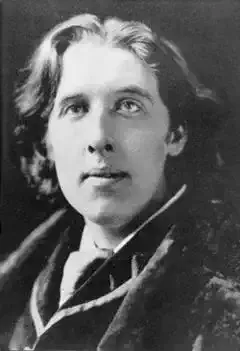
Oscar Wilde
San Miniato
San Miniato
SEE, I have climbed the mountain side
Up to this holy house of God,
Where once that Angel-Painter trod
Who saw the heavens opened wide,
And throned upon the crescent moon
The Virginal white Queen of Grace,--
Mary! could I but see thy face
Death could not come at all too soon.
O crowned by God with thorns and pain!
Mother of Christ! O mystic wife!
My heart is weary of this life
And over-sad to sing again.
O crowned by God with love and flame!
O crowned by Christ the Holy One!
O listen ere the searching sun
Show to the world my sin and shame.
SEE, I have climbed the mountain side
Up to this holy house of God,
Where once that Angel-Painter trod
Who saw the heavens opened wide,
And throned upon the crescent moon
The Virginal white Queen of Grace,--
Mary! could I but see thy face
Death could not come at all too soon.
O crowned by God with thorns and pain!
Mother of Christ! O mystic wife!
My heart is weary of this life
And over-sad to sing again.
O crowned by God with love and flame!
O crowned by Christ the Holy One!
O listen ere the searching sun
Show to the world my sin and shame.
189
Oscar Wilde
San Miniato
San Miniato
SEE, I have climbed the mountain side
Up to this holy house of God,
Where once that Angel-Painter trod
Who saw the heavens opened wide,
And throned upon the crescent moon
The Virginal white Queen of Grace,--
Mary! could I but see thy face
Death could not come at all too soon.
O crowned by God with thorns and pain!
Mother of Christ! O mystic wife!
My heart is weary of this life
And over-sad to sing again.
O crowned by God with love and flame!
O crowned by Christ the Holy One!
O listen ere the searching sun
Show to the world my sin and shame.
SEE, I have climbed the mountain side
Up to this holy house of God,
Where once that Angel-Painter trod
Who saw the heavens opened wide,
And throned upon the crescent moon
The Virginal white Queen of Grace,--
Mary! could I but see thy face
Death could not come at all too soon.
O crowned by God with thorns and pain!
Mother of Christ! O mystic wife!
My heart is weary of this life
And over-sad to sing again.
O crowned by God with love and flame!
O crowned by Christ the Holy One!
O listen ere the searching sun
Show to the world my sin and shame.
189
Oscar Wilde
Roses and Rue
Roses and Rue
Could we dig up this long-buried treasure,
Were it worth the pleasure,
We never could learn love's song,
We are parted too long
Could the passionate past that is fled
Call back its dead,
Could we live it all over again,
Were it worth the pain!
I remember we used to meet
By an ivied seat,
And you warbled each pretty word
With the air of a bird;
And your voice had a quaver in it,
Just like a linnet,
And shook, as the blackbird's throat
With its last big note;
And your eyes, they were green and grey
Like an April day,
But lit into amethyst
When I stooped and kissed;
And your mouth, it would never smile
For a long, long while,
Then it rippled all over with laughter
Five minutes after.
You were always afraid of a shower,
Just like a flower:
I remember you started and ran
When the rain began.
I remember I never could catch you,
For no one could match you,
You had wonderful, luminous, fleet,
Little wings to your feet.
I remember your hair - did I tie it?
For it always ran riot -
Like a tangled sunbeam of gold:
These things are old.
I remember so well the room,
And the lilac bloom
That beat at the dripping pane
In the warm June rain;
And the colour of your gown,
It was amber-brown,
And two yellow satin bows
From the shoulders rose.
And the handkerchief of French lace
Which you held to your face-
Had a small tear left a stain?
Or was it the rain?
On your hand as it waved adieu
There were veins of blue;
In your voice as it said good-bye
Was a petulant cry,
"You have only wasted your life."
(Ah, that was the knife!)
When I rushed through the garden gate
It was all too late.
Could we live it over again,
Were it worth the pain,
Could the passionate past that is fled
Call back its dead!
Well, if my heart must break,
Dear love, for your sake,
It will break in music, I know,
Poets' hearts break so.
But strange that I was not told
That the brain can hold
In a tiny ivory cell
God's heaven and hell.
Could we dig up this long-buried treasure,
Were it worth the pleasure,
We never could learn love's song,
We are parted too long
Could the passionate past that is fled
Call back its dead,
Could we live it all over again,
Were it worth the pain!
I remember we used to meet
By an ivied seat,
And you warbled each pretty word
With the air of a bird;
And your voice had a quaver in it,
Just like a linnet,
And shook, as the blackbird's throat
With its last big note;
And your eyes, they were green and grey
Like an April day,
But lit into amethyst
When I stooped and kissed;
And your mouth, it would never smile
For a long, long while,
Then it rippled all over with laughter
Five minutes after.
You were always afraid of a shower,
Just like a flower:
I remember you started and ran
When the rain began.
I remember I never could catch you,
For no one could match you,
You had wonderful, luminous, fleet,
Little wings to your feet.
I remember your hair - did I tie it?
For it always ran riot -
Like a tangled sunbeam of gold:
These things are old.
I remember so well the room,
And the lilac bloom
That beat at the dripping pane
In the warm June rain;
And the colour of your gown,
It was amber-brown,
And two yellow satin bows
From the shoulders rose.
And the handkerchief of French lace
Which you held to your face-
Had a small tear left a stain?
Or was it the rain?
On your hand as it waved adieu
There were veins of blue;
In your voice as it said good-bye
Was a petulant cry,
"You have only wasted your life."
(Ah, that was the knife!)
When I rushed through the garden gate
It was all too late.
Could we live it over again,
Were it worth the pain,
Could the passionate past that is fled
Call back its dead!
Well, if my heart must break,
Dear love, for your sake,
It will break in music, I know,
Poets' hearts break so.
But strange that I was not told
That the brain can hold
In a tiny ivory cell
God's heaven and hell.
303
Oscar Wilde
Requiescat
Requiescat
TREAD lightly, she is near
Under the snow,
Speak gently, she can hear
The daisies grow.
All her bright golden hair
Tarnished with rust,
She that was young and fair
Fallen to dust.
Lily-like, white as snow,
She hardly knew
She was a woman, so
Sweetly she grew.
Coffin-board, heavy stone,
Lie on her breast,
I vex my heart alone
She is at rest.
Peace, Peace, she cannot hear
Lyre or sonnet,
All my life's buried here,
Heap earth upon it.
AVIGNON.
TREAD lightly, she is near
Under the snow,
Speak gently, she can hear
The daisies grow.
All her bright golden hair
Tarnished with rust,
She that was young and fair
Fallen to dust.
Lily-like, white as snow,
She hardly knew
She was a woman, so
Sweetly she grew.
Coffin-board, heavy stone,
Lie on her breast,
I vex my heart alone
She is at rest.
Peace, Peace, she cannot hear
Lyre or sonnet,
All my life's buried here,
Heap earth upon it.
AVIGNON.
199
Oscar Wilde
On Easter Day
On Easter Day
The silver trumpets rang across the Dome:
The people knelt upon the ground with awe:
And borne upon the necks of men I saw,
Like some great God, the Holy Lord of Rome.
Priest-like, he wore a robe more white than foam,
And, king-like, swathed himself in royal red,
Three crowns of gold rose high upon his head:
In splendor and in light the Pope passed home.
My heart stole back across wide wastes of years
To One who wandered by a lonely sea,
And sought in vain for any place of rest:
"Foxes have holes, and every bird its nest,
I, only I, must wander wearily,
And bruise My feet, and drink wine salt with tears."
The silver trumpets rang across the Dome:
The people knelt upon the ground with awe:
And borne upon the necks of men I saw,
Like some great God, the Holy Lord of Rome.
Priest-like, he wore a robe more white than foam,
And, king-like, swathed himself in royal red,
Three crowns of gold rose high upon his head:
In splendor and in light the Pope passed home.
My heart stole back across wide wastes of years
To One who wandered by a lonely sea,
And sought in vain for any place of rest:
"Foxes have holes, and every bird its nest,
I, only I, must wander wearily,
And bruise My feet, and drink wine salt with tears."
203
Oscar Wilde
Impressions I. Les Silhouettes
Impressions I. Les Silhouettes
THE sea is flecked with bars of grey
The dull dead wind is out of tune,
And like a withered leaf the moon
Is blown across the stormy bay.
Etched clear upon the pallid sand
The black boat lies: a sailor boy
Clambers aboard in careless joy
With laughing face and gleaming hand.
And overhead the curlews cry,
Where through the dusky upland grass
The young brown-throated reapers pass,
Like silhouettes against the sky.
THE sea is flecked with bars of grey
The dull dead wind is out of tune,
And like a withered leaf the moon
Is blown across the stormy bay.
Etched clear upon the pallid sand
The black boat lies: a sailor boy
Clambers aboard in careless joy
With laughing face and gleaming hand.
And overhead the curlews cry,
Where through the dusky upland grass
The young brown-throated reapers pass,
Like silhouettes against the sky.
212
Oscar Wilde
Holy Week at Genoa
Holy Week at Genoa
I wandered through Scoglietto's far retreat,
The oranges on each o'erhanging spray
Burned as bright lamps of gold to shame the day;
Some startled bird with fluttering wings and fleet
Made snow of all the blossoms; at my feet
Like silver moons the pale narcissi lay:
And the curved waves that streaked the great green bay
Laughed i' the sun, and life seemed very sweet.
Outside the young boy-priest passed singing clear,
'Jesus the son of Mary has been slain,
O come and fill His sepulchre with flowers.'
Ah, God! Ah, God! those dear Hellenic hours
Had drowned all memory of Thy bitter pain,
The Cross, the Crown, the Soldiers and the Spear.
I wandered through Scoglietto's far retreat,
The oranges on each o'erhanging spray
Burned as bright lamps of gold to shame the day;
Some startled bird with fluttering wings and fleet
Made snow of all the blossoms; at my feet
Like silver moons the pale narcissi lay:
And the curved waves that streaked the great green bay
Laughed i' the sun, and life seemed very sweet.
Outside the young boy-priest passed singing clear,
'Jesus the son of Mary has been slain,
O come and fill His sepulchre with flowers.'
Ah, God! Ah, God! those dear Hellenic hours
Had drowned all memory of Thy bitter pain,
The Cross, the Crown, the Soldiers and the Spear.
207
Oscar Wilde
Holy Week at Genoa
Holy Week at Genoa
I wandered through Scoglietto's far retreat,
The oranges on each o'erhanging spray
Burned as bright lamps of gold to shame the day;
Some startled bird with fluttering wings and fleet
Made snow of all the blossoms; at my feet
Like silver moons the pale narcissi lay:
And the curved waves that streaked the great green bay
Laughed i' the sun, and life seemed very sweet.
Outside the young boy-priest passed singing clear,
'Jesus the son of Mary has been slain,
O come and fill His sepulchre with flowers.'
Ah, God! Ah, God! those dear Hellenic hours
Had drowned all memory of Thy bitter pain,
The Cross, the Crown, the Soldiers and the Spear.
I wandered through Scoglietto's far retreat,
The oranges on each o'erhanging spray
Burned as bright lamps of gold to shame the day;
Some startled bird with fluttering wings and fleet
Made snow of all the blossoms; at my feet
Like silver moons the pale narcissi lay:
And the curved waves that streaked the great green bay
Laughed i' the sun, and life seemed very sweet.
Outside the young boy-priest passed singing clear,
'Jesus the son of Mary has been slain,
O come and fill His sepulchre with flowers.'
Ah, God! Ah, God! those dear Hellenic hours
Had drowned all memory of Thy bitter pain,
The Cross, the Crown, the Soldiers and the Spear.
207
Oscar Wilde
Hellas
Hellas
To drift with every passion till my soul
Is a stringed lute on which all winds can play,
Is it for this that I have given away
Mine ancient wisdom, and austere control?-
Methinks my life is a twice-written scroll
Scrawled over on some boyish holiday
With idle songs for pipe and virelay
Which do but mar the secret of the whole.
Surely that was a time I might have trod
The sunlit heights, and from life's dissonance
Struck one clear chord to reach the ears of God;
is that time dead? lo! with a little rod
I did but touch the honey of romance-
And must I lose a soul's inheritance?
To drift with every passion till my soul
Is a stringed lute on which all winds can play,
Is it for this that I have given away
Mine ancient wisdom, and austere control?-
Methinks my life is a twice-written scroll
Scrawled over on some boyish holiday
With idle songs for pipe and virelay
Which do but mar the secret of the whole.
Surely that was a time I might have trod
The sunlit heights, and from life's dissonance
Struck one clear chord to reach the ears of God;
is that time dead? lo! with a little rod
I did but touch the honey of romance-
And must I lose a soul's inheritance?
444
Oscar Wilde
Flower of Love
Flower of Love
Sweet, I blame you not, for mine the fault was, had I not been made of common
clay
I had climbed the higher heights unclimbed yet, seen the fuller air, the
larger day.
From the wildness of my wasted passion I had struck a better, clearer song,
Lit some lighter light of freer freedom, battled with some Hydra-headed wrong.
Had my lips been smitten into music by the kisses that but made them bleed,
You had walked with Bice and the angels on that verdant and enamelled meed.
I had trod the road which Dante treading saw the suns of seven circles shine,
Ay! perchance had seen the heavens opening, as they opened to the Florentine.
And the mighty nations would have crowned me, who am crownless now and without
name,
And some orient dawn had found me kneeling on the threshold of the House of
Fame.
I had sat within that marble circle where the oldest bard is as the young,
And the pipe is ever dropping honey, and the lyre's strings are ever strung.
Keats had lifted up his hymeneal curls from out the poppy-seeded wine,
With ambrosial mouth had kissed my forehead, clasped the hand of noble love in
mine.
And at springtide, when the apple-blossoms brush the burnished bosom of the
dove,
Two young lovers lying in an orchard would have read the story of our love;
Would have read the legend of my passion, known the bitter secret of my heart,
Kissed as we have kissed, but never parted as we two are fated now to part.
For the crimson flower of our life is eaten by the cankerworm of truth,
And no hand can gather up the fallen withered petals of the rose of youth.
Yet I am not sorry that I loved you -ah! what else had I a boy to do? -
For the hungry teeth of time devour, and the silent-footed years pursue.
Rudderless, we drift athwart a tempest, and when once the storm of youth is
past,
Without lyre, without lute or chorus, Death the silent pilot comes at last.
And within the grave there is no pleasure, for the blindworm battens on the
root,
And Desire shudders into ashes, and the tree of Passion bears no fruit.
Ah! what else had I to do but love you? God's own mother was less dear to me,
And less dear the Cytheraean rising like an argent lily from the sea.
I have made my choice, have lived my poems, and, though youth is gone in
wasted days,
I have found the lover's crown of myrtle better than the poet's crown of bays.
Sweet, I blame you not, for mine the fault was, had I not been made of common
clay
I had climbed the higher heights unclimbed yet, seen the fuller air, the
larger day.
From the wildness of my wasted passion I had struck a better, clearer song,
Lit some lighter light of freer freedom, battled with some Hydra-headed wrong.
Had my lips been smitten into music by the kisses that but made them bleed,
You had walked with Bice and the angels on that verdant and enamelled meed.
I had trod the road which Dante treading saw the suns of seven circles shine,
Ay! perchance had seen the heavens opening, as they opened to the Florentine.
And the mighty nations would have crowned me, who am crownless now and without
name,
And some orient dawn had found me kneeling on the threshold of the House of
Fame.
I had sat within that marble circle where the oldest bard is as the young,
And the pipe is ever dropping honey, and the lyre's strings are ever strung.
Keats had lifted up his hymeneal curls from out the poppy-seeded wine,
With ambrosial mouth had kissed my forehead, clasped the hand of noble love in
mine.
And at springtide, when the apple-blossoms brush the burnished bosom of the
dove,
Two young lovers lying in an orchard would have read the story of our love;
Would have read the legend of my passion, known the bitter secret of my heart,
Kissed as we have kissed, but never parted as we two are fated now to part.
For the crimson flower of our life is eaten by the cankerworm of truth,
And no hand can gather up the fallen withered petals of the rose of youth.
Yet I am not sorry that I loved you -ah! what else had I a boy to do? -
For the hungry teeth of time devour, and the silent-footed years pursue.
Rudderless, we drift athwart a tempest, and when once the storm of youth is
past,
Without lyre, without lute or chorus, Death the silent pilot comes at last.
And within the grave there is no pleasure, for the blindworm battens on the
root,
And Desire shudders into ashes, and the tree of Passion bears no fruit.
Ah! what else had I to do but love you? God's own mother was less dear to me,
And less dear the Cytheraean rising like an argent lily from the sea.
I have made my choice, have lived my poems, and, though youth is gone in
wasted days,
I have found the lover's crown of myrtle better than the poet's crown of bays.
235
Oscar Wilde
E Tenebris
E Tenebris
COME down, O Christ, and help me! reach thy hand,
For I am drowning in a stormier sea
Than Simon on thy lake of Galilee:
The wine of life is spilt upon the sand,
My heart is as some famine-murdered land,
Whence all good things have perished utterly,
And well I know my soul in Hell must lie
If I this night before God's throne should stand.
'He sleeps perchance, or rideth to the chase,
Like Baal, when his prophets howled that name
From morn to noon on Carmel's smitten height.'
Nay, peace, I shall behold before the night,
The feet of brass, the robe more white than flame,
The wounded hands, the weary human face.
COME down, O Christ, and help me! reach thy hand,
For I am drowning in a stormier sea
Than Simon on thy lake of Galilee:
The wine of life is spilt upon the sand,
My heart is as some famine-murdered land,
Whence all good things have perished utterly,
And well I know my soul in Hell must lie
If I this night before God's throne should stand.
'He sleeps perchance, or rideth to the chase,
Like Baal, when his prophets howled that name
From morn to noon on Carmel's smitten height.'
Nay, peace, I shall behold before the night,
The feet of brass, the robe more white than flame,
The wounded hands, the weary human face.
237
Oscar Wilde
Ballade De Marguerite
Ballade De Marguerite
(NORMANDE.)
I AM weary of lying within the chase
When the knights are meeting in market-place.
Nay, go not thou to the red-roofed town
Lest the hooves of the war-horse tread thee down.
But I would not go where the Squires ride,
I would only walk by my Lady's side.
Alack! and alack! thou art over bold,
A Forester's son may not eat off gold.
Will she love me the less that my Father is seen,
Each Martinmas day in a doublet green?
Perchance she is sewing at tapestrie,
Spindle and loom are not meet for thee.
Ah, if she is working the arras bright
I might ravel the threads by the fire-light.
Perchance she is hunting of the deer,
How could you follow o'er hill and meer?
Ah, if she is riding with the court,
I might run beside her and wind the morte.
Perchance she is kneeling in S. Denys,
(On her soul may our Lady have gramercy!)
Ah, if she is praying in lone chapelle,
I might swing the censer and ring the bell.
Come in my son, for you look sae pale,
The father shall fill thee a stoup of ale.
But who are these knights in bright array?
Is it a pageant the rich folks play?
'Tis the King of England from over sea,
Who has come unto visit our fair countrie.
But why does the curfew toll sae low
And why do the mourners walk a-row?
O 'tis Hugh of Amiens my sister's son
Who is lying stark, for his day is done.
Nay, nay, for I see white lilies clear,
It is no strong man who lies on the bier.
O 'tis old Dame Jeannette that kept the hall,
I knew she would die at the autumn fall.
Dame Jeannette had not that gold-brown hair,
Old Jeannette was not a maiden fair.
O 'tis none of our kith and none of our kin,
(Her soul may our Lady assoil from sin!)
But I hear the boy's voice chaunting sweet,
'Elle est morte, la Marguerite.'
Come in my son and lie on the bed,
And let the dead folk bury their dead.
O mother, you know I loved her true:
O mother, hath one grave room for two?
(NORMANDE.)
I AM weary of lying within the chase
When the knights are meeting in market-place.
Nay, go not thou to the red-roofed town
Lest the hooves of the war-horse tread thee down.
But I would not go where the Squires ride,
I would only walk by my Lady's side.
Alack! and alack! thou art over bold,
A Forester's son may not eat off gold.
Will she love me the less that my Father is seen,
Each Martinmas day in a doublet green?
Perchance she is sewing at tapestrie,
Spindle and loom are not meet for thee.
Ah, if she is working the arras bright
I might ravel the threads by the fire-light.
Perchance she is hunting of the deer,
How could you follow o'er hill and meer?
Ah, if she is riding with the court,
I might run beside her and wind the morte.
Perchance she is kneeling in S. Denys,
(On her soul may our Lady have gramercy!)
Ah, if she is praying in lone chapelle,
I might swing the censer and ring the bell.
Come in my son, for you look sae pale,
The father shall fill thee a stoup of ale.
But who are these knights in bright array?
Is it a pageant the rich folks play?
'Tis the King of England from over sea,
Who has come unto visit our fair countrie.
But why does the curfew toll sae low
And why do the mourners walk a-row?
O 'tis Hugh of Amiens my sister's son
Who is lying stark, for his day is done.
Nay, nay, for I see white lilies clear,
It is no strong man who lies on the bier.
O 'tis old Dame Jeannette that kept the hall,
I knew she would die at the autumn fall.
Dame Jeannette had not that gold-brown hair,
Old Jeannette was not a maiden fair.
O 'tis none of our kith and none of our kin,
(Her soul may our Lady assoil from sin!)
But I hear the boy's voice chaunting sweet,
'Elle est morte, la Marguerite.'
Come in my son and lie on the bed,
And let the dead folk bury their dead.
O mother, you know I loved her true:
O mother, hath one grave room for two?
305
Oscar Wilde
Athenasia
Athenasia
To that gaunt House of Art which lacks for naught
Of all the great things men have saved from Time,
The withered body of a girl was brought
Dead ere the world's glad youth had touched its prime,
And seen by lonely Arabs lying hid
In the dim wound of some black pyramid.
But when they had unloosed the linen band
Which swathed the Egyptian's body,- lo! was found
Closed in the wasted hollow of her hand
A little seed, which sown in English ground
Did wondrous snow of starry blossoms bear,
And spread rich odors through our springtide air.
With such strange arts this flower did allure
That all forgotten was the asphodel,
And the brown bee, the lily's paramour,
Forsook the cup where he was wont to dwell,
For not a thing of earth it seemed to be,
But stolen from some heavenly Arcady.
In vain the sad narcissus, wan and white
At its own beauty, hung across the stream,
The purple dragon-fly had no delight
With its gold-dust to make his wings a-gleam,
Ah! no delight the jasmine-bloom to kiss,
Or brush the rain-pearls from the eucharis.
For love of it the passionate nightingale
Forgot the hills of Thrace, the cruel king,
And the pale dove no longer cared to sail
Through the wet woods at time of blossoming,
But round this flower of Egypt sought to float,
With silvered wing and amethystine throat.
While the hot sun blazed in his tower of blue
A cooling wind crept from the land of snows,
And the warm south with tender tears of dew
Drenched its white leaves when Hesperos uprose
Amid those sea-green meadows of the sky
On which the scarlet bars of sunset lie.
But when o'er wastes of lily-haunted field
The tired birds had stayed their amorous tune,
And broad and glittering like an argent shield
High in the sapphire heavens hung the moon,
Did no strange dream or evil memory make
Each tremulous petal of its blossoms shake?
Ah no! to this bright flower a thousand years
Seemed but the lingering of a summer's day,
It never knew the tide of cankering fears
Which turn a boy's gold hair to withered gray,
The dread desire of death it never knew,
Or how all folk that they were born must rue.
For we to death with pipe and dancing go,
Nor would we pass the ivory gate again,
As some sad river wearied of its flow
Through the dull plains, the haunts of common men,
Leaps lover-like into the terrible sea!
And counts it gain to die so gloriously.
We mar our lordly strength in barren strife
With the world's legions led by clamorous care,
It never feels decay but gathers life
From the pure sunlight and the supreme air,
We live beneath Time's wasting sovereignty,
It is the child of all eternity.
To that gaunt House of Art which lacks for naught
Of all the great things men have saved from Time,
The withered body of a girl was brought
Dead ere the world's glad youth had touched its prime,
And seen by lonely Arabs lying hid
In the dim wound of some black pyramid.
But when they had unloosed the linen band
Which swathed the Egyptian's body,- lo! was found
Closed in the wasted hollow of her hand
A little seed, which sown in English ground
Did wondrous snow of starry blossoms bear,
And spread rich odors through our springtide air.
With such strange arts this flower did allure
That all forgotten was the asphodel,
And the brown bee, the lily's paramour,
Forsook the cup where he was wont to dwell,
For not a thing of earth it seemed to be,
But stolen from some heavenly Arcady.
In vain the sad narcissus, wan and white
At its own beauty, hung across the stream,
The purple dragon-fly had no delight
With its gold-dust to make his wings a-gleam,
Ah! no delight the jasmine-bloom to kiss,
Or brush the rain-pearls from the eucharis.
For love of it the passionate nightingale
Forgot the hills of Thrace, the cruel king,
And the pale dove no longer cared to sail
Through the wet woods at time of blossoming,
But round this flower of Egypt sought to float,
With silvered wing and amethystine throat.
While the hot sun blazed in his tower of blue
A cooling wind crept from the land of snows,
And the warm south with tender tears of dew
Drenched its white leaves when Hesperos uprose
Amid those sea-green meadows of the sky
On which the scarlet bars of sunset lie.
But when o'er wastes of lily-haunted field
The tired birds had stayed their amorous tune,
And broad and glittering like an argent shield
High in the sapphire heavens hung the moon,
Did no strange dream or evil memory make
Each tremulous petal of its blossoms shake?
Ah no! to this bright flower a thousand years
Seemed but the lingering of a summer's day,
It never knew the tide of cankering fears
Which turn a boy's gold hair to withered gray,
The dread desire of death it never knew,
Or how all folk that they were born must rue.
For we to death with pipe and dancing go,
Nor would we pass the ivory gate again,
As some sad river wearied of its flow
Through the dull plains, the haunts of common men,
Leaps lover-like into the terrible sea!
And counts it gain to die so gloriously.
We mar our lordly strength in barren strife
With the world's legions led by clamorous care,
It never feels decay but gathers life
From the pure sunlight and the supreme air,
We live beneath Time's wasting sovereignty,
It is the child of all eternity.
263
Oscar Wilde
At Verona
At Verona
HOW steep the stairs within Kings' houses are
For exile-wearied feet as mine to tread,
And O how salt and bitter is the bread
Which falls from this Hound's table,--better far
That I had died in the red ways of war,
Or that the gate of Florence bare my head,
Than to live thus, by all things comraded
Which seek the essence of my soul to mar.
'Curse God and die: what better hope than this?
He hath forgotten thee in all the bliss
Of his gold city, and eternal day'--
Nay peace: behind my prison's blinded bars
I do possess what none can take away,
My love, and all the glory of the stars.
HOW steep the stairs within Kings' houses are
For exile-wearied feet as mine to tread,
And O how salt and bitter is the bread
Which falls from this Hound's table,--better far
That I had died in the red ways of war,
Or that the gate of Florence bare my head,
Than to live thus, by all things comraded
Which seek the essence of my soul to mar.
'Curse God and die: what better hope than this?
He hath forgotten thee in all the bliss
Of his gold city, and eternal day'--
Nay peace: behind my prison's blinded bars
I do possess what none can take away,
My love, and all the glory of the stars.
255
Oscar Wilde
A Vision
A Vision
TWO crownèd Kings, and One that stood alone
With no green weight of laurels round his head,
But with sad eyes as one uncomforted,
And wearied with man's never-ceasing moan
For sins no bleating victim can atone,
And sweet long lips with tears and kisses fed.
Girt was he in a garment black and red,
And at his feet I marked a broken stone
Which sent up lilies, dove-like, to his knees.
Now at their sight, my heart being lit with flame
I cried to Beatricé, 'Who are these?'
And she made answer, knowing well each name,
'Æschylos first, the second Sophokles,
And last (wide stream of tears!) Euripides.'
TWO crownèd Kings, and One that stood alone
With no green weight of laurels round his head,
But with sad eyes as one uncomforted,
And wearied with man's never-ceasing moan
For sins no bleating victim can atone,
And sweet long lips with tears and kisses fed.
Girt was he in a garment black and red,
And at his feet I marked a broken stone
Which sent up lilies, dove-like, to his knees.
Now at their sight, my heart being lit with flame
I cried to Beatricé, 'Who are these?'
And she made answer, knowing well each name,
'Æschylos first, the second Sophokles,
And last (wide stream of tears!) Euripides.'
223

Ogden Nash
The Sunset Years of Samuel Shy
The Sunset Years of Samuel Shy
Master I may be,
But not of my fate.
Now come the kisses, too many too late.
Tell me, O Parcae,
For fain would I know,
Where were these kisses three decades ago?
Girls there were plenty,
Mint julep girls, beer girls,
Gay younger married and headstrong career girls,
The girls of my friends
And the wives of my friends,
Some smugly settled and some at loose ends,
Sad girls, serene girls,
Girls breathless and turbulent,
Debs cosmopolitan, matrons suburbulent,
All of them amiable,
All of them cordial,
Innocent rousers of instincts primordial,
But even though health and wealth
Hadn't yet missed me,
None of them,
Not even Jenny,
Once kissed me.
These very same girls
Who with me have grown older
Now freely relax with a head on my shoulder,
And now come the kisses,
A flood in full spate,
The meaningless kisses, too many too late.
They kiss me hello,
They kiss me goodbye,
Should I offer a light, there's a kiss for reply.
They kiss me at weddings,
They kiss me at wakes,
The drop of a hat is less than it takes.
They kiss me at cocktails,
They kiss me at bridge,
It's all automatic, like slapping a midge.
The sound of their kisses
Is loud in my ears
Like the locusts that swarm every seventeen years.
I'm arthritic, dyspeptic,
Potentially ulcery,
And weary of kisses by custom compulsory.
Should my dear ones commit me
As senile demential,
It's from kisses perfunctory, inconsequential.
Answer, O Parcae,
For fain would I know,
Where were these kisses three decades ago?
Master I may be,
But not of my fate.
Now come the kisses, too many too late.
Tell me, O Parcae,
For fain would I know,
Where were these kisses three decades ago?
Girls there were plenty,
Mint julep girls, beer girls,
Gay younger married and headstrong career girls,
The girls of my friends
And the wives of my friends,
Some smugly settled and some at loose ends,
Sad girls, serene girls,
Girls breathless and turbulent,
Debs cosmopolitan, matrons suburbulent,
All of them amiable,
All of them cordial,
Innocent rousers of instincts primordial,
But even though health and wealth
Hadn't yet missed me,
None of them,
Not even Jenny,
Once kissed me.
These very same girls
Who with me have grown older
Now freely relax with a head on my shoulder,
And now come the kisses,
A flood in full spate,
The meaningless kisses, too many too late.
They kiss me hello,
They kiss me goodbye,
Should I offer a light, there's a kiss for reply.
They kiss me at weddings,
They kiss me at wakes,
The drop of a hat is less than it takes.
They kiss me at cocktails,
They kiss me at bridge,
It's all automatic, like slapping a midge.
The sound of their kisses
Is loud in my ears
Like the locusts that swarm every seventeen years.
I'm arthritic, dyspeptic,
Potentially ulcery,
And weary of kisses by custom compulsory.
Should my dear ones commit me
As senile demential,
It's from kisses perfunctory, inconsequential.
Answer, O Parcae,
For fain would I know,
Where were these kisses three decades ago?
265
Ogden Nash
The Sunset Years of Samuel Shy
The Sunset Years of Samuel Shy
Master I may be,
But not of my fate.
Now come the kisses, too many too late.
Tell me, O Parcae,
For fain would I know,
Where were these kisses three decades ago?
Girls there were plenty,
Mint julep girls, beer girls,
Gay younger married and headstrong career girls,
The girls of my friends
And the wives of my friends,
Some smugly settled and some at loose ends,
Sad girls, serene girls,
Girls breathless and turbulent,
Debs cosmopolitan, matrons suburbulent,
All of them amiable,
All of them cordial,
Innocent rousers of instincts primordial,
But even though health and wealth
Hadn't yet missed me,
None of them,
Not even Jenny,
Once kissed me.
These very same girls
Who with me have grown older
Now freely relax with a head on my shoulder,
And now come the kisses,
A flood in full spate,
The meaningless kisses, too many too late.
They kiss me hello,
They kiss me goodbye,
Should I offer a light, there's a kiss for reply.
They kiss me at weddings,
They kiss me at wakes,
The drop of a hat is less than it takes.
They kiss me at cocktails,
They kiss me at bridge,
It's all automatic, like slapping a midge.
The sound of their kisses
Is loud in my ears
Like the locusts that swarm every seventeen years.
I'm arthritic, dyspeptic,
Potentially ulcery,
And weary of kisses by custom compulsory.
Should my dear ones commit me
As senile demential,
It's from kisses perfunctory, inconsequential.
Answer, O Parcae,
For fain would I know,
Where were these kisses three decades ago?
Master I may be,
But not of my fate.
Now come the kisses, too many too late.
Tell me, O Parcae,
For fain would I know,
Where were these kisses three decades ago?
Girls there were plenty,
Mint julep girls, beer girls,
Gay younger married and headstrong career girls,
The girls of my friends
And the wives of my friends,
Some smugly settled and some at loose ends,
Sad girls, serene girls,
Girls breathless and turbulent,
Debs cosmopolitan, matrons suburbulent,
All of them amiable,
All of them cordial,
Innocent rousers of instincts primordial,
But even though health and wealth
Hadn't yet missed me,
None of them,
Not even Jenny,
Once kissed me.
These very same girls
Who with me have grown older
Now freely relax with a head on my shoulder,
And now come the kisses,
A flood in full spate,
The meaningless kisses, too many too late.
They kiss me hello,
They kiss me goodbye,
Should I offer a light, there's a kiss for reply.
They kiss me at weddings,
They kiss me at wakes,
The drop of a hat is less than it takes.
They kiss me at cocktails,
They kiss me at bridge,
It's all automatic, like slapping a midge.
The sound of their kisses
Is loud in my ears
Like the locusts that swarm every seventeen years.
I'm arthritic, dyspeptic,
Potentially ulcery,
And weary of kisses by custom compulsory.
Should my dear ones commit me
As senile demential,
It's from kisses perfunctory, inconsequential.
Answer, O Parcae,
For fain would I know,
Where were these kisses three decades ago?
265
Ogden Nash
The Hippopotamus
The Hippopotamus
Behold the hippopotamus!
We laugh at how he looks to us,
And yet in moments dank and grim,
I wonder how we look to him.
Peace, peace, thou hippopotamus!
We really look all right to us,
As you no doubt delight the eye
Of other hippopotami.
Behold the hippopotamus!
We laugh at how he looks to us,
And yet in moments dank and grim,
I wonder how we look to him.
Peace, peace, thou hippopotamus!
We really look all right to us,
As you no doubt delight the eye
Of other hippopotami.
249
Ogden Nash
The Cuckoo
The Cuckoo
Cuckoos lead Bohemian lives,
They fail as husbands and as wives,
Therefore they cynically disparage
Everybody else's marriage.
Cuckoos lead Bohemian lives,
They fail as husbands and as wives,
Therefore they cynically disparage
Everybody else's marriage.
218
Ogden Nash
Song To Be Sung by the Father of Infant Female Children
Song To Be Sung by the Father of Infant Female Children
My heart leaps up when I behold
A rainbow in the sky;
Contrariwise, my blood runs cold
When little boys go by.
For little boys as little boys,
No special hate I carry,
But now and then they grow to men,
And when they do, they marry.
No matter how they tarry,
Eventually they marry.
And, swine among the pearls,
They marry little girls.
Oh, somewhere, somewhere, an infant plays,
With parents who feed and clothe him.
Their lips are sticky with pride and praise,
But I have begun to loathe him.
Yes, I loathe with loathing shameless
This child who to me is nameless.
This bachelor child in his carriage
Gives never a thought to marriage,
But a person can hardly say knife
Before he will hunt him a wife.
I never see an infant (male),
A-sleeping in the sun,
Without I turn a trifle pale
And think is he the one?
Oh, first he'll want to crop his curls,
And then he'll want a pony,
And then he'll think of pretty girls,
And holy matrimony.
A cat without a mouse
Is he without a spouse.
Oh, somewhere he bubbles bubbles of milk,
And quietly sucks his thumbs.
His cheeks are roses painted on silk,
And his teeth are tucked in his gums.
But alas the teeth will begin to grow,
And the bubbles will cease to bubble;
Given a score of years or so,
The roses will turn to stubble.
He'll sell a bond, or he'll write a book,
And his eyes will get that acquisitive look,
And raging and ravenous for the kill,
He'll boldly ask for the hand of Jill.
This infant whose middle
Is diapered still
Will want to marry My daughter Jill.
Oh sweet be his slumber and moist his middle!
My dreams, I fear, are infanticiddle.
A fig for embryo Lohengrins!
I'll open all his safety pins,
I'll pepper his powder, and salt his bottle,
And give him readings from Aristotle.
Sand for his spinach I'll gladly bring,
And Tabasco sauce for his teething ring.
Then perhaps he'll struggle though fire and water
To marry somebody else's daughter.
My heart leaps up when I behold
A rainbow in the sky;
Contrariwise, my blood runs cold
When little boys go by.
For little boys as little boys,
No special hate I carry,
But now and then they grow to men,
And when they do, they marry.
No matter how they tarry,
Eventually they marry.
And, swine among the pearls,
They marry little girls.
Oh, somewhere, somewhere, an infant plays,
With parents who feed and clothe him.
Their lips are sticky with pride and praise,
But I have begun to loathe him.
Yes, I loathe with loathing shameless
This child who to me is nameless.
This bachelor child in his carriage
Gives never a thought to marriage,
But a person can hardly say knife
Before he will hunt him a wife.
I never see an infant (male),
A-sleeping in the sun,
Without I turn a trifle pale
And think is he the one?
Oh, first he'll want to crop his curls,
And then he'll want a pony,
And then he'll think of pretty girls,
And holy matrimony.
A cat without a mouse
Is he without a spouse.
Oh, somewhere he bubbles bubbles of milk,
And quietly sucks his thumbs.
His cheeks are roses painted on silk,
And his teeth are tucked in his gums.
But alas the teeth will begin to grow,
And the bubbles will cease to bubble;
Given a score of years or so,
The roses will turn to stubble.
He'll sell a bond, or he'll write a book,
And his eyes will get that acquisitive look,
And raging and ravenous for the kill,
He'll boldly ask for the hand of Jill.
This infant whose middle
Is diapered still
Will want to marry My daughter Jill.
Oh sweet be his slumber and moist his middle!
My dreams, I fear, are infanticiddle.
A fig for embryo Lohengrins!
I'll open all his safety pins,
I'll pepper his powder, and salt his bottle,
And give him readings from Aristotle.
Sand for his spinach I'll gladly bring,
And Tabasco sauce for his teething ring.
Then perhaps he'll struggle though fire and water
To marry somebody else's daughter.
210
Ogden Nash
Samson Agonistes
Samson Agonistes
I test my bath before I sit,
And I'm always moved to wonderment
That what chills the finger not a bit
Is so frigid upon the fundament.
I test my bath before I sit,
And I'm always moved to wonderment
That what chills the finger not a bit
Is so frigid upon the fundament.
196
Ogden Nash
Reflection On The Fallibility Of Nemesis
Reflection On The Fallibility Of Nemesis
He who is ridden by a conscience
Worries about a lot of nonscience;
He without benefit of scruples
His fun and income soon quadruples.
He who is ridden by a conscience
Worries about a lot of nonscience;
He without benefit of scruples
His fun and income soon quadruples.
237
Ogden Nash
Portrait of the Artist as a Prematurely Old Man
Portrait of the Artist as a Prematurely Old Man
It is common knowledge to every schoolboy and even every Bachelor of Arts,
That all sin is divided into two parts.
One kind of sin is called a sin of commission, and that is very important,
And it is what you are doing when you are doing something you ortant,
And the other kind of sin is just the opposite and is called a sin of omission
and is equally bad in the eyes of all right-thinking people, from
Billy Sunday to Buddha,
And it consists of not having done something you shuddha.
I might as well give you my opinion of these two kinds of sin as long as,
in a way, against each other we are pitting them,
And that is, don't bother your head about the sins of commission because
however sinful, they must at least be fun or else you wouldn't be
committing them.
It is the sin of omission, the second kind of sin,
That lays eggs under your skin.
The way you really get painfully bitten
Is by the insurance you haven't taken out and the checks you haven't added up
the stubs of and the appointments you haven't kept and the bills you
haven't paid and the letters you haven't written.
Also, about sins of omission there is one particularly painful lack of beauty,
Namely, it isn't as though it had been a riotous red-letter day or night every
time you neglected to do your duty;
You didn't get a wicked forbidden thrill
Every time you let a policy lapse or forget to pay a bill;
You didn't slap the lads in the tavern on the back and loudly cry Whee,
Let's all fail to write just one more letter before we go home, and this round
of unwritten letters is on me.
No, you never get any fun
Out of things you haven't done,
But they are the things that I do not like to be amid,
Because the suitable things you didn't do give you a lot more trouble than the
unsuitable things you did.
The moral is that it is probably better not to sin at all, but if some kind of
sin you must be pursuing,
Well, remember to do it by doing rather than by not doing.
It is common knowledge to every schoolboy and even every Bachelor of Arts,
That all sin is divided into two parts.
One kind of sin is called a sin of commission, and that is very important,
And it is what you are doing when you are doing something you ortant,
And the other kind of sin is just the opposite and is called a sin of omission
and is equally bad in the eyes of all right-thinking people, from
Billy Sunday to Buddha,
And it consists of not having done something you shuddha.
I might as well give you my opinion of these two kinds of sin as long as,
in a way, against each other we are pitting them,
And that is, don't bother your head about the sins of commission because
however sinful, they must at least be fun or else you wouldn't be
committing them.
It is the sin of omission, the second kind of sin,
That lays eggs under your skin.
The way you really get painfully bitten
Is by the insurance you haven't taken out and the checks you haven't added up
the stubs of and the appointments you haven't kept and the bills you
haven't paid and the letters you haven't written.
Also, about sins of omission there is one particularly painful lack of beauty,
Namely, it isn't as though it had been a riotous red-letter day or night every
time you neglected to do your duty;
You didn't get a wicked forbidden thrill
Every time you let a policy lapse or forget to pay a bill;
You didn't slap the lads in the tavern on the back and loudly cry Whee,
Let's all fail to write just one more letter before we go home, and this round
of unwritten letters is on me.
No, you never get any fun
Out of things you haven't done,
But they are the things that I do not like to be amid,
Because the suitable things you didn't do give you a lot more trouble than the
unsuitable things you did.
The moral is that it is probably better not to sin at all, but if some kind of
sin you must be pursuing,
Well, remember to do it by doing rather than by not doing.
226
Ogden Nash
One From One Leaves Two
One From One Leaves Two
Higgledy piggledy, my black hen,
She lays eggs for gentlemen.
Gentlemen come every day
To count what my black hen doth lay.
If perchance she lays too many,
They fine my hen a pretty penny;
If perchance she fails to lay,
The gentlemen a bonus pay.
Mumbledy pumbledy, my red cow,
She’s cooperating now.
At first she didn’t understand
That milk production must be planned;
She didn’t understand at first
She either had to plan or burst,
But now the government reports
She’s giving pints instead of quarts.
Fiddle de dee, my next-door neighbors,
They are giggling at their labors.
First they plant the tiny seed,
Then they water, then they weed,
Then they hoe and prune and lop,
They they raise a record crop,
Then they laugh their sides asunder,
And plow the whole caboodle under.
Abracadabra, thus we learn
The more you create, the less you earn.
The less you earn, the more you’re given,
The less you lead, the more you’re driven,
The more destroyed, the more they feed,
The more you pay, the more they need,
The more you earn, the less you keep,
And now I lay me down to sleep.
I pray the Lord my soul to take
If the tax-collector hasn’t got it before I wake.
Higgledy piggledy, my black hen,
She lays eggs for gentlemen.
Gentlemen come every day
To count what my black hen doth lay.
If perchance she lays too many,
They fine my hen a pretty penny;
If perchance she fails to lay,
The gentlemen a bonus pay.
Mumbledy pumbledy, my red cow,
She’s cooperating now.
At first she didn’t understand
That milk production must be planned;
She didn’t understand at first
She either had to plan or burst,
But now the government reports
She’s giving pints instead of quarts.
Fiddle de dee, my next-door neighbors,
They are giggling at their labors.
First they plant the tiny seed,
Then they water, then they weed,
Then they hoe and prune and lop,
They they raise a record crop,
Then they laugh their sides asunder,
And plow the whole caboodle under.
Abracadabra, thus we learn
The more you create, the less you earn.
The less you earn, the more you’re given,
The less you lead, the more you’re driven,
The more destroyed, the more they feed,
The more you pay, the more they need,
The more you earn, the less you keep,
And now I lay me down to sleep.
I pray the Lord my soul to take
If the tax-collector hasn’t got it before I wake.
262