

Poems in this topic
Life and Existence

Ogden Nash
Peekabo, I Almost See You
Peekabo, I Almost See You
Middle-aged life is merry, and I love to
lead it,
But there comes a day when your eyes
are all right but your arm isn't long
enough
to hold the telephone book where you can read it,
And your friends get jocular, so you go
to the oculist,
And of all your friends he is the joculist,
So over his facetiousness let us skim,
Only noting that he has been waiting for you ever since
you said Good evening to his grandfather clock under
the impression that it was him,
And you look at his chart and it says SHRDLU QWERTYOP,
and you say Well, why SHRDNTLU QWERTYOP? and he
says one set of glasses won't do.
You need two.
One for reading Erle Stanley Gardner's Perry Mason and
Keats's "Endymion" with,
And the other for walking around without saying Hello
to strange wymion with.
So you spend your time taking off your seeing glasses to put
on your reading glasses, and then remembering that your
reading glasses are upstairs or in the car,
And then you can't find your seeing glasses again because
without them on you can't see where they are.
Enough of such mishaps, they would try the patience of an
ox,
I prefer to forget both pairs of glasses and pass my declining
years saluting strange women and grandfather clocks.
Middle-aged life is merry, and I love to
lead it,
But there comes a day when your eyes
are all right but your arm isn't long
enough
to hold the telephone book where you can read it,
And your friends get jocular, so you go
to the oculist,
And of all your friends he is the joculist,
So over his facetiousness let us skim,
Only noting that he has been waiting for you ever since
you said Good evening to his grandfather clock under
the impression that it was him,
And you look at his chart and it says SHRDLU QWERTYOP,
and you say Well, why SHRDNTLU QWERTYOP? and he
says one set of glasses won't do.
You need two.
One for reading Erle Stanley Gardner's Perry Mason and
Keats's "Endymion" with,
And the other for walking around without saying Hello
to strange wymion with.
So you spend your time taking off your seeing glasses to put
on your reading glasses, and then remembering that your
reading glasses are upstairs or in the car,
And then you can't find your seeing glasses again because
without them on you can't see where they are.
Enough of such mishaps, they would try the patience of an
ox,
I prefer to forget both pairs of glasses and pass my declining
years saluting strange women and grandfather clocks.
254
Ogden Nash
Old Dr. Valentine To His Son
Old Dr. Valentine To His Son
Your hopeless patients will live,
Your healthy patients will die.
I have only this word to give:
Wonder, and find out why
Your hopeless patients will live,
Your healthy patients will die.
I have only this word to give:
Wonder, and find out why
343
Ogden Nash
Look What You Did, Christopher!
Look What You Did, Christopher!
In fourteen hundred and ninety-two,
Someone sailed the ocean blue.
Somebody borrowed the fare in Spain
For a business trip on the bounding main,
And to prove to the people, by actual test,
You could get to the East by sailing West.
Somebody said, Sail on! Sail on!
And studied China and China's lingo,
And cried from the bow, There's China now!
And promptly bumped into San Domingo.
Somebody murmured, Oh dear, oh dear!
I've discovered the Western Hemisphere.
And that, you may think, my friends, was that.
But it wasn't. Not by a fireman's hat.
Well enough wasn't left alone,
And Columbus was only a cornerstone.
There came the Spaniards,
There came the Greeks,
There came the Pilgrims in leather breeks.
There came the Dutch,
And the Poles and Swedes,
The Persians, too,
And perhaps the Medes,
The Letts, the Lapps, and the Lithuanians,
Regal Russians, and ripe Roumanians.
There came the French
And there came the Finns,
And the Japanese
With their formal grins.
The Tartars came,
And the Terrible Turks -
In a word, humanity shot the works.
And the country that should have been Cathay
Decided to be
The U.S.A.
And that, you may think, my friends, was that.
But it wasn't. Not by a fireman's hat.
Christopher C. was the cornerstone,
And well enough wasn't left alone.
For those who followed
When he was through,
They burned to discover something, too.
Somebody, bored with rural scenery,
Went to work and invented machinery,
While a couple of other mental giants
Got together
And thought up Science.
Platinum blondes
(They were once peroxide),
Peruvian bonds
And carbon monoxide,
Tax evaders
And Vitamin A,
Vice crusaders,
And tattletale gray -
These, with many another phobia,
We owe to that famous Twelfth of Octobia.
O misery, misery, mumble and moan!
Someone invented the telephone,
And interrupted a nation's slumbers,
Ringing wrong but similar numbers.
Someone devised the silver screen
And the intimate Hollywood magazine,
And life is a Hades
Of clicking cameras,
And foreign ladies
Behaving amorous.
Gags have erased
Amusing dialog,
As gas has replaced
The crackling firelog.
All that glitters is sold as gold,
And our daily diet grows odder and odder,
And breakfast foods are dusty and cold -
It's a wise child
That knows its fodder.
Someone invented the automobile,
And good Americans took the wheel
To view American rivers and rills
And justly famous forests and hills -
But someone equally enterprising
Had invented billboard advertising.
You linger at home
In dark despair,
And wistfully try the electric air.
You hope against hope for a quiz imperial,
And what do they give you?
A doctor serial.
Oh, Columbus was only a cornerstone,
And well enough wasn't left alone,
For the Inquisition was less tyrannical
Than the iron rules of an age mechanical,
Which, because of an error in ',
Are clamped like corsets on me and you,
While Children of Nature we'd be today
If San Domingo
Had been Cathay.
And that, you may think, my friends, is that.
But it isn't - not by a fireman's hat.
The American people,
With grins jocose,
Always survive the fatal dose.
And though our systems are slightly wobbly,
We'll fool the doctor this time, probly.
In fourteen hundred and ninety-two,
Someone sailed the ocean blue.
Somebody borrowed the fare in Spain
For a business trip on the bounding main,
And to prove to the people, by actual test,
You could get to the East by sailing West.
Somebody said, Sail on! Sail on!
And studied China and China's lingo,
And cried from the bow, There's China now!
And promptly bumped into San Domingo.
Somebody murmured, Oh dear, oh dear!
I've discovered the Western Hemisphere.
And that, you may think, my friends, was that.
But it wasn't. Not by a fireman's hat.
Well enough wasn't left alone,
And Columbus was only a cornerstone.
There came the Spaniards,
There came the Greeks,
There came the Pilgrims in leather breeks.
There came the Dutch,
And the Poles and Swedes,
The Persians, too,
And perhaps the Medes,
The Letts, the Lapps, and the Lithuanians,
Regal Russians, and ripe Roumanians.
There came the French
And there came the Finns,
And the Japanese
With their formal grins.
The Tartars came,
And the Terrible Turks -
In a word, humanity shot the works.
And the country that should have been Cathay
Decided to be
The U.S.A.
And that, you may think, my friends, was that.
But it wasn't. Not by a fireman's hat.
Christopher C. was the cornerstone,
And well enough wasn't left alone.
For those who followed
When he was through,
They burned to discover something, too.
Somebody, bored with rural scenery,
Went to work and invented machinery,
While a couple of other mental giants
Got together
And thought up Science.
Platinum blondes
(They were once peroxide),
Peruvian bonds
And carbon monoxide,
Tax evaders
And Vitamin A,
Vice crusaders,
And tattletale gray -
These, with many another phobia,
We owe to that famous Twelfth of Octobia.
O misery, misery, mumble and moan!
Someone invented the telephone,
And interrupted a nation's slumbers,
Ringing wrong but similar numbers.
Someone devised the silver screen
And the intimate Hollywood magazine,
And life is a Hades
Of clicking cameras,
And foreign ladies
Behaving amorous.
Gags have erased
Amusing dialog,
As gas has replaced
The crackling firelog.
All that glitters is sold as gold,
And our daily diet grows odder and odder,
And breakfast foods are dusty and cold -
It's a wise child
That knows its fodder.
Someone invented the automobile,
And good Americans took the wheel
To view American rivers and rills
And justly famous forests and hills -
But someone equally enterprising
Had invented billboard advertising.
You linger at home
In dark despair,
And wistfully try the electric air.
You hope against hope for a quiz imperial,
And what do they give you?
A doctor serial.
Oh, Columbus was only a cornerstone,
And well enough wasn't left alone,
For the Inquisition was less tyrannical
Than the iron rules of an age mechanical,
Which, because of an error in ',
Are clamped like corsets on me and you,
While Children of Nature we'd be today
If San Domingo
Had been Cathay.
And that, you may think, my friends, is that.
But it isn't - not by a fireman's hat.
The American people,
With grins jocose,
Always survive the fatal dose.
And though our systems are slightly wobbly,
We'll fool the doctor this time, probly.
296
Ogden Nash
Look What You Did, Christopher!
Look What You Did, Christopher!
In fourteen hundred and ninety-two,
Someone sailed the ocean blue.
Somebody borrowed the fare in Spain
For a business trip on the bounding main,
And to prove to the people, by actual test,
You could get to the East by sailing West.
Somebody said, Sail on! Sail on!
And studied China and China's lingo,
And cried from the bow, There's China now!
And promptly bumped into San Domingo.
Somebody murmured, Oh dear, oh dear!
I've discovered the Western Hemisphere.
And that, you may think, my friends, was that.
But it wasn't. Not by a fireman's hat.
Well enough wasn't left alone,
And Columbus was only a cornerstone.
There came the Spaniards,
There came the Greeks,
There came the Pilgrims in leather breeks.
There came the Dutch,
And the Poles and Swedes,
The Persians, too,
And perhaps the Medes,
The Letts, the Lapps, and the Lithuanians,
Regal Russians, and ripe Roumanians.
There came the French
And there came the Finns,
And the Japanese
With their formal grins.
The Tartars came,
And the Terrible Turks -
In a word, humanity shot the works.
And the country that should have been Cathay
Decided to be
The U.S.A.
And that, you may think, my friends, was that.
But it wasn't. Not by a fireman's hat.
Christopher C. was the cornerstone,
And well enough wasn't left alone.
For those who followed
When he was through,
They burned to discover something, too.
Somebody, bored with rural scenery,
Went to work and invented machinery,
While a couple of other mental giants
Got together
And thought up Science.
Platinum blondes
(They were once peroxide),
Peruvian bonds
And carbon monoxide,
Tax evaders
And Vitamin A,
Vice crusaders,
And tattletale gray -
These, with many another phobia,
We owe to that famous Twelfth of Octobia.
O misery, misery, mumble and moan!
Someone invented the telephone,
And interrupted a nation's slumbers,
Ringing wrong but similar numbers.
Someone devised the silver screen
And the intimate Hollywood magazine,
And life is a Hades
Of clicking cameras,
And foreign ladies
Behaving amorous.
Gags have erased
Amusing dialog,
As gas has replaced
The crackling firelog.
All that glitters is sold as gold,
And our daily diet grows odder and odder,
And breakfast foods are dusty and cold -
It's a wise child
That knows its fodder.
Someone invented the automobile,
And good Americans took the wheel
To view American rivers and rills
And justly famous forests and hills -
But someone equally enterprising
Had invented billboard advertising.
You linger at home
In dark despair,
And wistfully try the electric air.
You hope against hope for a quiz imperial,
And what do they give you?
A doctor serial.
Oh, Columbus was only a cornerstone,
And well enough wasn't left alone,
For the Inquisition was less tyrannical
Than the iron rules of an age mechanical,
Which, because of an error in ',
Are clamped like corsets on me and you,
While Children of Nature we'd be today
If San Domingo
Had been Cathay.
And that, you may think, my friends, is that.
But it isn't - not by a fireman's hat.
The American people,
With grins jocose,
Always survive the fatal dose.
And though our systems are slightly wobbly,
We'll fool the doctor this time, probly.
In fourteen hundred and ninety-two,
Someone sailed the ocean blue.
Somebody borrowed the fare in Spain
For a business trip on the bounding main,
And to prove to the people, by actual test,
You could get to the East by sailing West.
Somebody said, Sail on! Sail on!
And studied China and China's lingo,
And cried from the bow, There's China now!
And promptly bumped into San Domingo.
Somebody murmured, Oh dear, oh dear!
I've discovered the Western Hemisphere.
And that, you may think, my friends, was that.
But it wasn't. Not by a fireman's hat.
Well enough wasn't left alone,
And Columbus was only a cornerstone.
There came the Spaniards,
There came the Greeks,
There came the Pilgrims in leather breeks.
There came the Dutch,
And the Poles and Swedes,
The Persians, too,
And perhaps the Medes,
The Letts, the Lapps, and the Lithuanians,
Regal Russians, and ripe Roumanians.
There came the French
And there came the Finns,
And the Japanese
With their formal grins.
The Tartars came,
And the Terrible Turks -
In a word, humanity shot the works.
And the country that should have been Cathay
Decided to be
The U.S.A.
And that, you may think, my friends, was that.
But it wasn't. Not by a fireman's hat.
Christopher C. was the cornerstone,
And well enough wasn't left alone.
For those who followed
When he was through,
They burned to discover something, too.
Somebody, bored with rural scenery,
Went to work and invented machinery,
While a couple of other mental giants
Got together
And thought up Science.
Platinum blondes
(They were once peroxide),
Peruvian bonds
And carbon monoxide,
Tax evaders
And Vitamin A,
Vice crusaders,
And tattletale gray -
These, with many another phobia,
We owe to that famous Twelfth of Octobia.
O misery, misery, mumble and moan!
Someone invented the telephone,
And interrupted a nation's slumbers,
Ringing wrong but similar numbers.
Someone devised the silver screen
And the intimate Hollywood magazine,
And life is a Hades
Of clicking cameras,
And foreign ladies
Behaving amorous.
Gags have erased
Amusing dialog,
As gas has replaced
The crackling firelog.
All that glitters is sold as gold,
And our daily diet grows odder and odder,
And breakfast foods are dusty and cold -
It's a wise child
That knows its fodder.
Someone invented the automobile,
And good Americans took the wheel
To view American rivers and rills
And justly famous forests and hills -
But someone equally enterprising
Had invented billboard advertising.
You linger at home
In dark despair,
And wistfully try the electric air.
You hope against hope for a quiz imperial,
And what do they give you?
A doctor serial.
Oh, Columbus was only a cornerstone,
And well enough wasn't left alone,
For the Inquisition was less tyrannical
Than the iron rules of an age mechanical,
Which, because of an error in ',
Are clamped like corsets on me and you,
While Children of Nature we'd be today
If San Domingo
Had been Cathay.
And that, you may think, my friends, is that.
But it isn't - not by a fireman's hat.
The American people,
With grins jocose,
Always survive the fatal dose.
And though our systems are slightly wobbly,
We'll fool the doctor this time, probly.
296
Ogden Nash
Introspective Reflection
Introspective Reflection
I would live all my life in nonchalance and insouciance
Were it not for making a living, which is rather a nouciance.
I would live all my life in nonchalance and insouciance
Were it not for making a living, which is rather a nouciance.
353
Ogden Nash
Kipling's Vermont
Kipling's Vermont
The summer like a rajah dies,
And every widowed tree
Kindles for Congregationalist eyes
An alien suttee.
The summer like a rajah dies,
And every widowed tree
Kindles for Congregationalist eyes
An alien suttee.
232
Ogden Nash
I Do, I Will, I Have
I Do, I Will, I Have
How wise I am to have instructed the butler
to instruct the first footman to instruct the second
footman to instruct the doorman to order my carriage;
I am about to volunteer a definition of marriage.
Just as I know that there are two Hagens, Walter and Copen,
I know that marriage is a legal and religious alliance entered
into by a man who can't sleep with the window shut and a
woman who can't sleep with the window open.
Moreover, just as I am unsure of the difference between
flora and fauna and flotsam and jetsam,
I am quite sure that marriage is the alliance of two people
one of whom never remembers birthdays and the other
never forgetsam,
And he refuses to believe there is a leak in the water pipe or
the gas pipe and she is convinced she is about to asphyxiate
or drown,
And she says Quick get up and get my hairbrushes off the
windowsill, it's raining in, and he replies Oh they're all right,
it's only raining straight down.
That is why marriage is so much more interesting than divorce,
Because it's the only known example of the happy meeting of
the immovable object and the irresistible force.
So I hope husbands and wives will continue to debate and
combat over everything debatable and combatable,
Because I believe a little incompatibility is the spice of life,
particularly if he has income and she is pattable.
How wise I am to have instructed the butler
to instruct the first footman to instruct the second
footman to instruct the doorman to order my carriage;
I am about to volunteer a definition of marriage.
Just as I know that there are two Hagens, Walter and Copen,
I know that marriage is a legal and religious alliance entered
into by a man who can't sleep with the window shut and a
woman who can't sleep with the window open.
Moreover, just as I am unsure of the difference between
flora and fauna and flotsam and jetsam,
I am quite sure that marriage is the alliance of two people
one of whom never remembers birthdays and the other
never forgetsam,
And he refuses to believe there is a leak in the water pipe or
the gas pipe and she is convinced she is about to asphyxiate
or drown,
And she says Quick get up and get my hairbrushes off the
windowsill, it's raining in, and he replies Oh they're all right,
it's only raining straight down.
That is why marriage is so much more interesting than divorce,
Because it's the only known example of the happy meeting of
the immovable object and the irresistible force.
So I hope husbands and wives will continue to debate and
combat over everything debatable and combatable,
Because I believe a little incompatibility is the spice of life,
particularly if he has income and she is pattable.
233
Ogden Nash
Crossing The Border
Crossing The Border
Senescence begins
And middle age ends
The day your descendents
Outnumber your friends.
Senescence begins
And middle age ends
The day your descendents
Outnumber your friends.
232
Ogden Nash
A Word to Husbands
A Word to Husbands
To keep your marriage brimming
With love in the loving cup,
Whenever you’re wrong, admit it;
Whenever you’re right, shut up.
To keep your marriage brimming
With love in the loving cup,
Whenever you’re wrong, admit it;
Whenever you’re right, shut up.
193
Ogden Nash
Always Marry An April Girl
Always Marry An April Girl
Praise the spells and bless the charms,
I found April in my arms.
April golden, April cloudy,
Gracious, cruel, tender, rowdy;
April soft in flowered languor,
April cold with sudden anger,
Ever changing, ever true --
I love April, I love you.
Praise the spells and bless the charms,
I found April in my arms.
April golden, April cloudy,
Gracious, cruel, tender, rowdy;
April soft in flowered languor,
April cold with sudden anger,
Ever changing, ever true --
I love April, I love you.
305
Ogden Nash
A Caution To Everybody
A Caution To Everybody
Consider the auk;
Becoming extinct because he forgot how to fly, and could only walk.
Consider man, who may well become extinct
Because he forgot how to walk and learned how to fly before he thinked.
Consider the auk;
Becoming extinct because he forgot how to fly, and could only walk.
Consider man, who may well become extinct
Because he forgot how to walk and learned how to fly before he thinked.
336
Ogden Nash
A Lady Who Thinks She Is Thirty
A Lady Who Thinks She Is Thirty
Unwillingly Miranda wakes,
Feels the sun with terror,
One unwilling step she takes,
Shuddering to the mirror.
Miranda in Miranda's sight
Is old and gray and dirty;
Twenty-nine she was last night;
This morning she is thirty.
Shining like the morning star,
Like the twilight shining,
Haunted by a calendar,
Miranda is a-pining.
Silly girl, silver girl,
Draw the mirror toward you;
Time who makes the years to whirl
Adorned as he adored you.
Time is timelessness for you;
Calendars for the human;
What's a year, or thirty, to
Loveliness made woman?
Oh, Night will not see thirty again,
Yet soft her wing, Miranda;
Pick up your glass and tell me, then--
How old is Spring, Miranda?
Unwillingly Miranda wakes,
Feels the sun with terror,
One unwilling step she takes,
Shuddering to the mirror.
Miranda in Miranda's sight
Is old and gray and dirty;
Twenty-nine she was last night;
This morning she is thirty.
Shining like the morning star,
Like the twilight shining,
Haunted by a calendar,
Miranda is a-pining.
Silly girl, silver girl,
Draw the mirror toward you;
Time who makes the years to whirl
Adorned as he adored you.
Time is timelessness for you;
Calendars for the human;
What's a year, or thirty, to
Loveliness made woman?
Oh, Night will not see thirty again,
Yet soft her wing, Miranda;
Pick up your glass and tell me, then--
How old is Spring, Miranda?
264
Ogden Nash
A Lady Who Thinks She Is Thirty
A Lady Who Thinks She Is Thirty
Unwillingly Miranda wakes,
Feels the sun with terror,
One unwilling step she takes,
Shuddering to the mirror.
Miranda in Miranda's sight
Is old and gray and dirty;
Twenty-nine she was last night;
This morning she is thirty.
Shining like the morning star,
Like the twilight shining,
Haunted by a calendar,
Miranda is a-pining.
Silly girl, silver girl,
Draw the mirror toward you;
Time who makes the years to whirl
Adorned as he adored you.
Time is timelessness for you;
Calendars for the human;
What's a year, or thirty, to
Loveliness made woman?
Oh, Night will not see thirty again,
Yet soft her wing, Miranda;
Pick up your glass and tell me, then--
How old is Spring, Miranda?
Unwillingly Miranda wakes,
Feels the sun with terror,
One unwilling step she takes,
Shuddering to the mirror.
Miranda in Miranda's sight
Is old and gray and dirty;
Twenty-nine she was last night;
This morning she is thirty.
Shining like the morning star,
Like the twilight shining,
Haunted by a calendar,
Miranda is a-pining.
Silly girl, silver girl,
Draw the mirror toward you;
Time who makes the years to whirl
Adorned as he adored you.
Time is timelessness for you;
Calendars for the human;
What's a year, or thirty, to
Loveliness made woman?
Oh, Night will not see thirty again,
Yet soft her wing, Miranda;
Pick up your glass and tell me, then--
How old is Spring, Miranda?
264
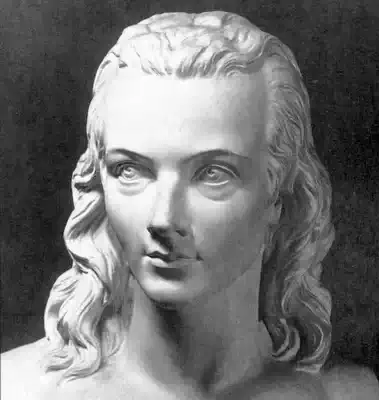
Novalis
Hymns to the Night :
Hymns to the Night :
Now I know when will come the last morning -- when the Light no more scares away
Night and Love -- when sleep shall be without waking, and but one continuous dream. I
feel in me a celestial exhaustion. Long and weariful was my pilgrimage to the holy
grave, and crushing was the cross. The crystal wave, which, imperceptible to the
ordinary sense, springs in the dark bosom of the mound against whose foot breaks the
flood of the world, he who has tasted it, he who has stood on the mountain frontier of
the world, and looked across into the new land, into the abode of the Night -- truly he
turns not again into the tumult of the world, into the land where dwells the Light in
ceaseless unrest.
On those heights he builds for himself tabernacles -- tabernacles of peace, there longs
and loves and gazes across, until the welcomest of all hours draws him down into the
waters of the spring -- afloat above remains what is earthly, and is swept back in
storms, but what became holy by the touch of love, runs free through hidden ways to
the region beyond, where, like fragrances, it mingles with love asleep.
Still wakest thou, cheerful Light, that weary man to his labor -- and into me pourest
joyous life -- but thou wilest me not away from Memory's moss-grown monument.
Gladly will I stir busy hands, everywhere behold where thou hast need of me -- praise
the lustre of thy splendor -- pursue unwearied the lovely harmonies of thy skilled
handicraft -- gladly contemplate the clever pace of thy mighty, luminous clock --
explore the balance of the forces and the laws of the wondrous play of countless worlds
and their seasons. But true to the Night remains my secret heart, and to creative Love,
her daughter. Canst thou show me a heart eternally true? has thy sun friendly eyes
that know me? do thy stars lay hold of my longing hand? and return me the tender
pressure and the caressing word? was it thou did adorn them with colors and a
flickering outline -- or was it she who gave to thy jewels a higher, a dearer weight?
What delight, what pleasure offers thy life, to outweigh the transports of Death? Wears
not everything that inspires us the color of the Night? She sustains thee mother-like,
and to her thou owest all thy glory. Thou wouldst vanish into thyself -- in boundless
space thou wouldst dissolve, if she did not hold thee fast, if she swaddled thee not, so
that thou grewest warm, and flaming, begot the universe. Truly I was, before thou
wast -- the mother sent me with my brothers and sisters to inhabit thy world, to hallow
it with love that it might be an ever-present memorial -- to plant it with flowers
unfading. As yet they have not ripened, these thoughts divine -- as yet is there small
trace of our coming revelation -- One day thy clock will point to the end of time, and
then thou shalt be as one of us, and shalt, full of ardent longing, be extinguished and
die. I feel in me the close of thy activity -- heavenly freedom, and blessed return. With
wild pangs I recognize thy distance from our home, thy resistance against the ancient,
glorious heaven. Thy rage and thy raving are in vain. Unscorchable stands the cross --
victory-banner of our breed.
Over I journey
And for each pain
A pleasant sting only
Shall one day remain.
Yet in a few moments
Then free am I,
And intoxicated
In Love's lap lie.
Life everlasting
Lifts, wave-like, at me,
I gaze from its summit
Down after thee.
Your lustre must vanish
Yon mound underneath --
A shadow will bring thee
Thy cooling wreath.
Oh draw at my heart, love,
Draw till I'm gone,
That, fallen asleep, I
Still may love on.
I feel the flow of
Death's youth-giving flood
To balsam and ether
Transform my blood --
I live all the daytime
In faith and in might
And in holy fire
I die every night.
Now I know when will come the last morning -- when the Light no more scares away
Night and Love -- when sleep shall be without waking, and but one continuous dream. I
feel in me a celestial exhaustion. Long and weariful was my pilgrimage to the holy
grave, and crushing was the cross. The crystal wave, which, imperceptible to the
ordinary sense, springs in the dark bosom of the mound against whose foot breaks the
flood of the world, he who has tasted it, he who has stood on the mountain frontier of
the world, and looked across into the new land, into the abode of the Night -- truly he
turns not again into the tumult of the world, into the land where dwells the Light in
ceaseless unrest.
On those heights he builds for himself tabernacles -- tabernacles of peace, there longs
and loves and gazes across, until the welcomest of all hours draws him down into the
waters of the spring -- afloat above remains what is earthly, and is swept back in
storms, but what became holy by the touch of love, runs free through hidden ways to
the region beyond, where, like fragrances, it mingles with love asleep.
Still wakest thou, cheerful Light, that weary man to his labor -- and into me pourest
joyous life -- but thou wilest me not away from Memory's moss-grown monument.
Gladly will I stir busy hands, everywhere behold where thou hast need of me -- praise
the lustre of thy splendor -- pursue unwearied the lovely harmonies of thy skilled
handicraft -- gladly contemplate the clever pace of thy mighty, luminous clock --
explore the balance of the forces and the laws of the wondrous play of countless worlds
and their seasons. But true to the Night remains my secret heart, and to creative Love,
her daughter. Canst thou show me a heart eternally true? has thy sun friendly eyes
that know me? do thy stars lay hold of my longing hand? and return me the tender
pressure and the caressing word? was it thou did adorn them with colors and a
flickering outline -- or was it she who gave to thy jewels a higher, a dearer weight?
What delight, what pleasure offers thy life, to outweigh the transports of Death? Wears
not everything that inspires us the color of the Night? She sustains thee mother-like,
and to her thou owest all thy glory. Thou wouldst vanish into thyself -- in boundless
space thou wouldst dissolve, if she did not hold thee fast, if she swaddled thee not, so
that thou grewest warm, and flaming, begot the universe. Truly I was, before thou
wast -- the mother sent me with my brothers and sisters to inhabit thy world, to hallow
it with love that it might be an ever-present memorial -- to plant it with flowers
unfading. As yet they have not ripened, these thoughts divine -- as yet is there small
trace of our coming revelation -- One day thy clock will point to the end of time, and
then thou shalt be as one of us, and shalt, full of ardent longing, be extinguished and
die. I feel in me the close of thy activity -- heavenly freedom, and blessed return. With
wild pangs I recognize thy distance from our home, thy resistance against the ancient,
glorious heaven. Thy rage and thy raving are in vain. Unscorchable stands the cross --
victory-banner of our breed.
Over I journey
And for each pain
A pleasant sting only
Shall one day remain.
Yet in a few moments
Then free am I,
And intoxicated
In Love's lap lie.
Life everlasting
Lifts, wave-like, at me,
I gaze from its summit
Down after thee.
Your lustre must vanish
Yon mound underneath --
A shadow will bring thee
Thy cooling wreath.
Oh draw at my heart, love,
Draw till I'm gone,
That, fallen asleep, I
Still may love on.
I feel the flow of
Death's youth-giving flood
To balsam and ether
Transform my blood --
I live all the daytime
In faith and in might
And in holy fire
I die every night.
329
Novalis
Hymns to the Night :
Hymns to the Night :
Must the morning always return? Will the despotism of the earthly never cease? Unholy
activity consumes the angel-visit of the Night. Will the time never come when Love's
hidden sacrifice shall burn eternally? To the Light a season was set; but everlasting and
boundless is the dominion of the Night. -- Endless is the duration of sleep. Holy Sleep
-- gladden not too seldom in this earthly day-labor, the devoted servant of the Night.
Fools alone mistake thee, knowing nought of sleep but the shadow which, in the
twilight of the real Night, thou pitifully castest over us. They feel thee not in the golden
flood of the grapes -- in the magic oil of the almond tree -- and the brown juice of the
poppy. They know not that it is thou who hauntest the bosom of the tender maiden,
and makest a heaven of her lap -- never suspect it is thou, opening the doors to
Heaven, that steppest to meet them out of ancient stories, bearing the key to the
dwellings of the blessed, silent messenger of secrets infinite.
Must the morning always return? Will the despotism of the earthly never cease? Unholy
activity consumes the angel-visit of the Night. Will the time never come when Love's
hidden sacrifice shall burn eternally? To the Light a season was set; but everlasting and
boundless is the dominion of the Night. -- Endless is the duration of sleep. Holy Sleep
-- gladden not too seldom in this earthly day-labor, the devoted servant of the Night.
Fools alone mistake thee, knowing nought of sleep but the shadow which, in the
twilight of the real Night, thou pitifully castest over us. They feel thee not in the golden
flood of the grapes -- in the magic oil of the almond tree -- and the brown juice of the
poppy. They know not that it is thou who hauntest the bosom of the tender maiden,
and makest a heaven of her lap -- never suspect it is thou, opening the doors to
Heaven, that steppest to meet them out of ancient stories, bearing the key to the
dwellings of the blessed, silent messenger of secrets infinite.
330

Nazim Hikmet
Things I Didn't Know I Loved
Things I Didn't Know I Loved
it's March th
I'm sitting by the window on the Prague-Berlin train
night is falling
I never knew I liked
night descending like a tired bird on a smoky wet plain
I don't like
comparing nightfall to a tired bird
I didn't know I loved the earth
can someone who hasn't worked the earth love it
I've never worked the earth
it must be my only Platonic love
and here I've loved rivers all this time
whether motionless like this they curl skirting the hills
European hills crowned with chateaus
or whether stretched out flat as far as the eye can see
I know you can't wash in the same river even once
I know the river will bring new lights you'll never see
I know we live slightly longer than a horse but not nearly as long as a crow
I know this has troubled people before
and will trouble those after me
I know all this has been said a thousand times before
and will be said after me
I didn't know I loved the sky
cloudy or clear
the blue vault Andrei studied on his back at Borodino
in prison I translated both volumes of War and Peace into Turkish
I hear voices
not from the blue vault but from the yard
the guards are beating someone again
I didn't know I loved trees
bare beeches near Moscow in Peredelkino
they come upon me in winter noble and modest
beeches are Russian the way poplars are Turkish
"the poplars of Izmir
losing their leaves. . .
they call me The Knife. . .
lover like a young tree. . .
I blow stately mansions sky-high"
in the Ilgaz woods in I tied an embroidered linen handkerchief
to a pine bough for luck
I never knew I loved roads
even the asphalt kind
Vera's behind the wheel we're driving from Moscow to the Crimea
Koktebele
formerly "Goktepé ili" in Turkish
the two of us inside a closed box
the world flows past on both sides distant and mute
I was never so close to anyone in my life
bandits stopped me on the red road between Bolu and Geredé
when I was eighteen
apart from my life I didn't have anything in the wagon they could take
and at eighteen our lives are what we value least
I've written this somewhere before
wading through a dark muddy street I'm going to the shadow play
Ramazan night
a paper lantern leading the way
maybe nothing like this ever happened
maybe I read it somewhere an eight-year-old boy
going to the shadow play
Ramazan night in Istanbul holding his grandfather's hand
his grandfather has on a fez and is wearing the fur coat
with a sable collar over his robe
and there's a lantern in the servant's hand
and I can't contain myself for joy
flowers come to mind for some reason
poppies cactuses jonquils
in the jonquil garden in Kadikoy Istanbul I kissed Marika
fresh almonds on her breath
I was seventeen
my heart on a swing touched the sky
I didn't know I loved flowers
friends sent me three red carnations in prison
I just remembered the stars
I love them too
whether I'm floored watching them from below
or whether I'm flying at their side
I have some questions for the cosmonauts
were the stars much bigger
did they look like huge jewels on black velvet
or apricots on orange
did you feel proud to get closer to the stars
I saw color photos of the cosmos in Ogonek magazine now don't
be upset comrades but nonfigurative shall we say or abstract
well some of them looked just like such paintings which is to
say they were terribly figurative and concrete
my heart was in my mouth looking at them
they are our endless desire to grasp things
seeing them I could even think of death and not feel at all sad
I never knew I loved the cosmos
snow flashes in front of my eyes
both heavy wet steady snow and the dry whirling kind
I didn't know I liked snow
I never knew I loved the sun
even when setting cherry-red as now
in Istanbul too it sometimes sets in postcard colors
but you aren't about to paint it that way
I didn't know I loved the sea
except the Sea of Azov
or how much
I didn't know I loved clouds
whether I'm under or up above them
whether they look like giants or shaggy white beasts
moonlight the falsest the most languid the most petit-bourgeois
strikes me
I like it
I didn't know I liked rain
whether it falls like a fine net or splatters against the glass my
heart leaves me tangled up in a net or trapped inside a drop
and takes off for uncharted countries I didn't know I loved
rain but why did I suddenly discover all these passions sitting
by the window on the Prague-Berlin train
is it because I lit my sixth cigarette
one alone could kill me
is it because I'm half dead from thinking about someone back in Moscow
her hair straw-blond eyelashes blue
the train plunges on through the pitch-black night
I never knew I liked the night pitch-black
sparks fly from the engine
I didn't know I loved sparks
I didn't know I loved so many things and I had to wait until sixty
to find it out sitting by the window on the Prague-Berlin train
watching the world disappear as if on a journey of no return
April
Moscow
Trans. by Randy Blasing and Mutlu Konuk ()
it's March th
I'm sitting by the window on the Prague-Berlin train
night is falling
I never knew I liked
night descending like a tired bird on a smoky wet plain
I don't like
comparing nightfall to a tired bird
I didn't know I loved the earth
can someone who hasn't worked the earth love it
I've never worked the earth
it must be my only Platonic love
and here I've loved rivers all this time
whether motionless like this they curl skirting the hills
European hills crowned with chateaus
or whether stretched out flat as far as the eye can see
I know you can't wash in the same river even once
I know the river will bring new lights you'll never see
I know we live slightly longer than a horse but not nearly as long as a crow
I know this has troubled people before
and will trouble those after me
I know all this has been said a thousand times before
and will be said after me
I didn't know I loved the sky
cloudy or clear
the blue vault Andrei studied on his back at Borodino
in prison I translated both volumes of War and Peace into Turkish
I hear voices
not from the blue vault but from the yard
the guards are beating someone again
I didn't know I loved trees
bare beeches near Moscow in Peredelkino
they come upon me in winter noble and modest
beeches are Russian the way poplars are Turkish
"the poplars of Izmir
losing their leaves. . .
they call me The Knife. . .
lover like a young tree. . .
I blow stately mansions sky-high"
in the Ilgaz woods in I tied an embroidered linen handkerchief
to a pine bough for luck
I never knew I loved roads
even the asphalt kind
Vera's behind the wheel we're driving from Moscow to the Crimea
Koktebele
formerly "Goktepé ili" in Turkish
the two of us inside a closed box
the world flows past on both sides distant and mute
I was never so close to anyone in my life
bandits stopped me on the red road between Bolu and Geredé
when I was eighteen
apart from my life I didn't have anything in the wagon they could take
and at eighteen our lives are what we value least
I've written this somewhere before
wading through a dark muddy street I'm going to the shadow play
Ramazan night
a paper lantern leading the way
maybe nothing like this ever happened
maybe I read it somewhere an eight-year-old boy
going to the shadow play
Ramazan night in Istanbul holding his grandfather's hand
his grandfather has on a fez and is wearing the fur coat
with a sable collar over his robe
and there's a lantern in the servant's hand
and I can't contain myself for joy
flowers come to mind for some reason
poppies cactuses jonquils
in the jonquil garden in Kadikoy Istanbul I kissed Marika
fresh almonds on her breath
I was seventeen
my heart on a swing touched the sky
I didn't know I loved flowers
friends sent me three red carnations in prison
I just remembered the stars
I love them too
whether I'm floored watching them from below
or whether I'm flying at their side
I have some questions for the cosmonauts
were the stars much bigger
did they look like huge jewels on black velvet
or apricots on orange
did you feel proud to get closer to the stars
I saw color photos of the cosmos in Ogonek magazine now don't
be upset comrades but nonfigurative shall we say or abstract
well some of them looked just like such paintings which is to
say they were terribly figurative and concrete
my heart was in my mouth looking at them
they are our endless desire to grasp things
seeing them I could even think of death and not feel at all sad
I never knew I loved the cosmos
snow flashes in front of my eyes
both heavy wet steady snow and the dry whirling kind
I didn't know I liked snow
I never knew I loved the sun
even when setting cherry-red as now
in Istanbul too it sometimes sets in postcard colors
but you aren't about to paint it that way
I didn't know I loved the sea
except the Sea of Azov
or how much
I didn't know I loved clouds
whether I'm under or up above them
whether they look like giants or shaggy white beasts
moonlight the falsest the most languid the most petit-bourgeois
strikes me
I like it
I didn't know I liked rain
whether it falls like a fine net or splatters against the glass my
heart leaves me tangled up in a net or trapped inside a drop
and takes off for uncharted countries I didn't know I loved
rain but why did I suddenly discover all these passions sitting
by the window on the Prague-Berlin train
is it because I lit my sixth cigarette
one alone could kill me
is it because I'm half dead from thinking about someone back in Moscow
her hair straw-blond eyelashes blue
the train plunges on through the pitch-black night
I never knew I liked the night pitch-black
sparks fly from the engine
I didn't know I loved sparks
I didn't know I loved so many things and I had to wait until sixty
to find it out sitting by the window on the Prague-Berlin train
watching the world disappear as if on a journey of no return
April
Moscow
Trans. by Randy Blasing and Mutlu Konuk ()
384
Nazim Hikmet
On Living
On Living
I
Living is no laughing matter:
you must live with great seriousness
like a squirrel, for example--
I mean without looking for something beyond and above living,
I mean living must be your whole occupation.
Living is no laughing matter:
you must take it seriously,
so much so and to such a degree
that, for example, your hands tied behind your back,
your back to the wall,
or else in a laboratory
in your white coat and safety glasses,
you can die for people--
even for people whose faces you've never seen,
even though you know living
is the most real, the most beautiful thing.
I mean, you must take living so seriously
that even at seventy, for example, you'll plant olive trees--
and not for your children, either,
but because although you fear death you don't believe it,
because living, I mean, weighs heavier.
II
Let's say you're seriously ill, need surgery--
which is to say we might not get
from the white table.
Even though it's impossible not to feel sad
about going a little too soon,
we'll still laugh at the jokes being told,
we'll look out the window to see it's raining,
or still wait anxiously
for the latest newscast ...
Let's say we're at the front--
for something worth fighting for, say.
There, in the first offensive, on that very day,
we might fall on our face, dead.
We'll know this with a curious anger,
but we'll still worry ourselves to death
about the outcome of the war, which could last years.
Let's say we're in prison
and close to fifty,
and we have eighteen more years, say,
before the iron doors will open.
We'll still live with the outside,
with its people and animals, struggle and wind--
I mean with the outside beyond the walls.
I mean, however and wherever we are,
we must live as if we will never die.
III
This earth will grow cold,
a star among stars
and one of the smallest,
a gilded mote on blue velvet--
I mean this, our great earth.
This earth will grow cold one day,
not like a block of ice
or a dead cloud even
but like an empty walnut it will roll along
in pitch-black space ...
You must grieve for this right now
--you have to feel this sorrow now--
for the world must be loved this much
if you're going to say "I lived" ...
Trans. by Randy Blasing and Mutlu Konuk ()
I
Living is no laughing matter:
you must live with great seriousness
like a squirrel, for example--
I mean without looking for something beyond and above living,
I mean living must be your whole occupation.
Living is no laughing matter:
you must take it seriously,
so much so and to such a degree
that, for example, your hands tied behind your back,
your back to the wall,
or else in a laboratory
in your white coat and safety glasses,
you can die for people--
even for people whose faces you've never seen,
even though you know living
is the most real, the most beautiful thing.
I mean, you must take living so seriously
that even at seventy, for example, you'll plant olive trees--
and not for your children, either,
but because although you fear death you don't believe it,
because living, I mean, weighs heavier.
II
Let's say you're seriously ill, need surgery--
which is to say we might not get
from the white table.
Even though it's impossible not to feel sad
about going a little too soon,
we'll still laugh at the jokes being told,
we'll look out the window to see it's raining,
or still wait anxiously
for the latest newscast ...
Let's say we're at the front--
for something worth fighting for, say.
There, in the first offensive, on that very day,
we might fall on our face, dead.
We'll know this with a curious anger,
but we'll still worry ourselves to death
about the outcome of the war, which could last years.
Let's say we're in prison
and close to fifty,
and we have eighteen more years, say,
before the iron doors will open.
We'll still live with the outside,
with its people and animals, struggle and wind--
I mean with the outside beyond the walls.
I mean, however and wherever we are,
we must live as if we will never die.
III
This earth will grow cold,
a star among stars
and one of the smallest,
a gilded mote on blue velvet--
I mean this, our great earth.
This earth will grow cold one day,
not like a block of ice
or a dead cloud even
but like an empty walnut it will roll along
in pitch-black space ...
You must grieve for this right now
--you have to feel this sorrow now--
for the world must be loved this much
if you're going to say "I lived" ...
Trans. by Randy Blasing and Mutlu Konuk ()
395
Nazim Hikmet
On Living
On Living
I
Living is no laughing matter:
you must live with great seriousness
like a squirrel, for example--
I mean without looking for something beyond and above living,
I mean living must be your whole occupation.
Living is no laughing matter:
you must take it seriously,
so much so and to such a degree
that, for example, your hands tied behind your back,
your back to the wall,
or else in a laboratory
in your white coat and safety glasses,
you can die for people--
even for people whose faces you've never seen,
even though you know living
is the most real, the most beautiful thing.
I mean, you must take living so seriously
that even at seventy, for example, you'll plant olive trees--
and not for your children, either,
but because although you fear death you don't believe it,
because living, I mean, weighs heavier.
II
Let's say you're seriously ill, need surgery--
which is to say we might not get
from the white table.
Even though it's impossible not to feel sad
about going a little too soon,
we'll still laugh at the jokes being told,
we'll look out the window to see it's raining,
or still wait anxiously
for the latest newscast ...
Let's say we're at the front--
for something worth fighting for, say.
There, in the first offensive, on that very day,
we might fall on our face, dead.
We'll know this with a curious anger,
but we'll still worry ourselves to death
about the outcome of the war, which could last years.
Let's say we're in prison
and close to fifty,
and we have eighteen more years, say,
before the iron doors will open.
We'll still live with the outside,
with its people and animals, struggle and wind--
I mean with the outside beyond the walls.
I mean, however and wherever we are,
we must live as if we will never die.
III
This earth will grow cold,
a star among stars
and one of the smallest,
a gilded mote on blue velvet--
I mean this, our great earth.
This earth will grow cold one day,
not like a block of ice
or a dead cloud even
but like an empty walnut it will roll along
in pitch-black space ...
You must grieve for this right now
--you have to feel this sorrow now--
for the world must be loved this much
if you're going to say "I lived" ...
Trans. by Randy Blasing and Mutlu Konuk ()
I
Living is no laughing matter:
you must live with great seriousness
like a squirrel, for example--
I mean without looking for something beyond and above living,
I mean living must be your whole occupation.
Living is no laughing matter:
you must take it seriously,
so much so and to such a degree
that, for example, your hands tied behind your back,
your back to the wall,
or else in a laboratory
in your white coat and safety glasses,
you can die for people--
even for people whose faces you've never seen,
even though you know living
is the most real, the most beautiful thing.
I mean, you must take living so seriously
that even at seventy, for example, you'll plant olive trees--
and not for your children, either,
but because although you fear death you don't believe it,
because living, I mean, weighs heavier.
II
Let's say you're seriously ill, need surgery--
which is to say we might not get
from the white table.
Even though it's impossible not to feel sad
about going a little too soon,
we'll still laugh at the jokes being told,
we'll look out the window to see it's raining,
or still wait anxiously
for the latest newscast ...
Let's say we're at the front--
for something worth fighting for, say.
There, in the first offensive, on that very day,
we might fall on our face, dead.
We'll know this with a curious anger,
but we'll still worry ourselves to death
about the outcome of the war, which could last years.
Let's say we're in prison
and close to fifty,
and we have eighteen more years, say,
before the iron doors will open.
We'll still live with the outside,
with its people and animals, struggle and wind--
I mean with the outside beyond the walls.
I mean, however and wherever we are,
we must live as if we will never die.
III
This earth will grow cold,
a star among stars
and one of the smallest,
a gilded mote on blue velvet--
I mean this, our great earth.
This earth will grow cold one day,
not like a block of ice
or a dead cloud even
but like an empty walnut it will roll along
in pitch-black space ...
You must grieve for this right now
--you have to feel this sorrow now--
for the world must be loved this much
if you're going to say "I lived" ...
Trans. by Randy Blasing and Mutlu Konuk ()
395
Nazim Hikmet
Our Eyes
Our Eyes
Our eyes
are limpid
drops of water.
In each drop exists
a tiny sign
of our genius
which has given life to cold iron.
Our eyes
are limpid
drops of water
merged absolutely in the Ocean
that you could hardly recognize
the drop in a block of ice
in a boiling pan.
The masterpiece of these eyes
the fulfillment of their genius
the living iron.
In these eyes
filled with limpid
pure tears
had failed to emerge
from the infinite Ocean
if the strength
had dispersed,
we could never have mated
the dynamo with the turbine,
never have moved
those steel mountains in water
easily
as if made of hollow wood.
The masterpiece of these eyes
the fulfillment of their genius
of our unified labour
the living iron.
Translated by Taner Baybars
Our eyes
are limpid
drops of water.
In each drop exists
a tiny sign
of our genius
which has given life to cold iron.
Our eyes
are limpid
drops of water
merged absolutely in the Ocean
that you could hardly recognize
the drop in a block of ice
in a boiling pan.
The masterpiece of these eyes
the fulfillment of their genius
the living iron.
In these eyes
filled with limpid
pure tears
had failed to emerge
from the infinite Ocean
if the strength
had dispersed,
we could never have mated
the dynamo with the turbine,
never have moved
those steel mountains in water
easily
as if made of hollow wood.
The masterpiece of these eyes
the fulfillment of their genius
of our unified labour
the living iron.
Translated by Taner Baybars
370
Nazim Hikmet
Last Will And Testament
Last Will And Testament
Comrades, if I don't live to see the day
-- I mean,if I die before freedom comes --
take me away
and bury me in a village cemetery in Anatolia.
The worker Osman whom Hassan Bey ordered shot
can lie on one side of me, and on the other side
the martyr Aysha, who gave birth in the rye
and died inside of forty days.
Tractors and songs can pass below the cemetery --
in the dawn light, new people, the smell of burnt gasoline,
fields held in common, water in canals,
no drought or fear of the police.
Of course, we won't hear those songs:
the dead lie stretched out underground
and rot like black branches,
deaf, dumb, and blind under the earth.
But, I sang those songs
before they were written,
I smelled the burnt gasoline
before the blueprints for the tractors were drawn.
As for my neighbors,
the worker Osman and the martyr Aysha,
they felt the great longing while alive,
maybe without even knowing it.
Comrades, if I die before that day, I mean
-- and it's looking more and more likely --
bury me in a village cemetery in Anatolia,
and if there's one handy,
a plane tree could stand at my head,
I wouldn't need a stone or anything.
Moscow, Barviha Hospital
Trans. by Randy Blasing and Mutlu Konuk ()
Comrades, if I don't live to see the day
-- I mean,if I die before freedom comes --
take me away
and bury me in a village cemetery in Anatolia.
The worker Osman whom Hassan Bey ordered shot
can lie on one side of me, and on the other side
the martyr Aysha, who gave birth in the rye
and died inside of forty days.
Tractors and songs can pass below the cemetery --
in the dawn light, new people, the smell of burnt gasoline,
fields held in common, water in canals,
no drought or fear of the police.
Of course, we won't hear those songs:
the dead lie stretched out underground
and rot like black branches,
deaf, dumb, and blind under the earth.
But, I sang those songs
before they were written,
I smelled the burnt gasoline
before the blueprints for the tractors were drawn.
As for my neighbors,
the worker Osman and the martyr Aysha,
they felt the great longing while alive,
maybe without even knowing it.
Comrades, if I die before that day, I mean
-- and it's looking more and more likely --
bury me in a village cemetery in Anatolia,
and if there's one handy,
a plane tree could stand at my head,
I wouldn't need a stone or anything.
Moscow, Barviha Hospital
Trans. by Randy Blasing and Mutlu Konuk ()
336
Nazim Hikmet
Last Will And Testament
Last Will And Testament
Comrades, if I don't live to see the day
-- I mean,if I die before freedom comes --
take me away
and bury me in a village cemetery in Anatolia.
The worker Osman whom Hassan Bey ordered shot
can lie on one side of me, and on the other side
the martyr Aysha, who gave birth in the rye
and died inside of forty days.
Tractors and songs can pass below the cemetery --
in the dawn light, new people, the smell of burnt gasoline,
fields held in common, water in canals,
no drought or fear of the police.
Of course, we won't hear those songs:
the dead lie stretched out underground
and rot like black branches,
deaf, dumb, and blind under the earth.
But, I sang those songs
before they were written,
I smelled the burnt gasoline
before the blueprints for the tractors were drawn.
As for my neighbors,
the worker Osman and the martyr Aysha,
they felt the great longing while alive,
maybe without even knowing it.
Comrades, if I die before that day, I mean
-- and it's looking more and more likely --
bury me in a village cemetery in Anatolia,
and if there's one handy,
a plane tree could stand at my head,
I wouldn't need a stone or anything.
Moscow, Barviha Hospital
Trans. by Randy Blasing and Mutlu Konuk ()
Comrades, if I don't live to see the day
-- I mean,if I die before freedom comes --
take me away
and bury me in a village cemetery in Anatolia.
The worker Osman whom Hassan Bey ordered shot
can lie on one side of me, and on the other side
the martyr Aysha, who gave birth in the rye
and died inside of forty days.
Tractors and songs can pass below the cemetery --
in the dawn light, new people, the smell of burnt gasoline,
fields held in common, water in canals,
no drought or fear of the police.
Of course, we won't hear those songs:
the dead lie stretched out underground
and rot like black branches,
deaf, dumb, and blind under the earth.
But, I sang those songs
before they were written,
I smelled the burnt gasoline
before the blueprints for the tractors were drawn.
As for my neighbors,
the worker Osman and the martyr Aysha,
they felt the great longing while alive,
maybe without even knowing it.
Comrades, if I die before that day, I mean
-- and it's looking more and more likely --
bury me in a village cemetery in Anatolia,
and if there's one handy,
a plane tree could stand at my head,
I wouldn't need a stone or anything.
Moscow, Barviha Hospital
Trans. by Randy Blasing and Mutlu Konuk ()
336
Nazim Hikmet
Don Quixote
Don Quixote
The knight of immortal youth
at the age of fifty found his mind in his heart
and on July morning went out to capture
the right, the beautiful, the just.
Facing him a world of silly and arrogant giants,
he on his sad but brave Rocinante.
I know what it means to be longing for something,
but if your heart weighs only a pound and sixteen ounces,
there's no sense, my Don, in fighting these senseless windmills.
But you are right, of course, Dulcinea is your woman,
the most beautiful in the world;
I'm sure you'll shout this fact
at the face of street-traders;
but they'll pull you down from your horse
and beat you up.
But you, the unbeatable knight of our curse,
will continue to glow behind the heavy iron visor
and Dulcinea will become even more beautiful.
Translated by Taner Baybars
The knight of immortal youth
at the age of fifty found his mind in his heart
and on July morning went out to capture
the right, the beautiful, the just.
Facing him a world of silly and arrogant giants,
he on his sad but brave Rocinante.
I know what it means to be longing for something,
but if your heart weighs only a pound and sixteen ounces,
there's no sense, my Don, in fighting these senseless windmills.
But you are right, of course, Dulcinea is your woman,
the most beautiful in the world;
I'm sure you'll shout this fact
at the face of street-traders;
but they'll pull you down from your horse
and beat you up.
But you, the unbeatable knight of our curse,
will continue to glow behind the heavy iron visor
and Dulcinea will become even more beautiful.
Translated by Taner Baybars
353
Nazim Hikmet
Don Quixote
Don Quixote
The knight of immortal youth
at the age of fifty found his mind in his heart
and on July morning went out to capture
the right, the beautiful, the just.
Facing him a world of silly and arrogant giants,
he on his sad but brave Rocinante.
I know what it means to be longing for something,
but if your heart weighs only a pound and sixteen ounces,
there's no sense, my Don, in fighting these senseless windmills.
But you are right, of course, Dulcinea is your woman,
the most beautiful in the world;
I'm sure you'll shout this fact
at the face of street-traders;
but they'll pull you down from your horse
and beat you up.
But you, the unbeatable knight of our curse,
will continue to glow behind the heavy iron visor
and Dulcinea will become even more beautiful.
Translated by Taner Baybars
The knight of immortal youth
at the age of fifty found his mind in his heart
and on July morning went out to capture
the right, the beautiful, the just.
Facing him a world of silly and arrogant giants,
he on his sad but brave Rocinante.
I know what it means to be longing for something,
but if your heart weighs only a pound and sixteen ounces,
there's no sense, my Don, in fighting these senseless windmills.
But you are right, of course, Dulcinea is your woman,
the most beautiful in the world;
I'm sure you'll shout this fact
at the face of street-traders;
but they'll pull you down from your horse
and beat you up.
But you, the unbeatable knight of our curse,
will continue to glow behind the heavy iron visor
and Dulcinea will become even more beautiful.
Translated by Taner Baybars
353
Nazim Hikmet
Hymn To Life
Hymn To Life
The hair falling on your forehead
suddenly lifted.
Suddenly something stirred on the ground.
The trees are whispering
in the dark.
Your bare arms will be cold.
Far off
where we can't see,
the moon must be rising.
It hasn't reached us yet,
slipping through the leaves
to light up your shoulder.
But I know
a wind comes up with the moon.
The trees are whispering.
Your bare arms will be cold.
From above,
from the branches lost in the dark,
something dropped at your feet.
You moved closer to me.
Under my hand your bare flesh is like the fuzzy skin of a fruit.
Neither a song of the heart nor "common sense"--
before the trees, birds, and insects,
my hand on my wife's flesh
is thinking.
Tonight my hand
can't read or write.
Neither loving nor unloving...
It's the tongue of a leopard at a spring,
a grape leaf,
a wolf's paw.
To move, breathe, eat, drink.
My hand is like a seed
splitting open underground.
Neither a song of the heart nor "common sense,"
neither loving nor unloving.
My hand thinking on my wife's flesh
is the hand of the first man.
Like a root that finds water underground,
it says to me:
"To eat, drink, cold, hot, struggle, smell, color--
not to live in order to die
but to die to live..."
And now
as red female hair blows across my face,
as something stirs on the ground,
as the trees whisper in the dark,
and as the moon rises far off
where we can't see,
my hand on my wife's flesh
before the trees, birds, and insects,
I want the right of life,
of the leopard at the spring, of the seed splitting open--
I want the right of the first man.
Trans. by Randy Blasing and Mutlu Konuk ()
The hair falling on your forehead
suddenly lifted.
Suddenly something stirred on the ground.
The trees are whispering
in the dark.
Your bare arms will be cold.
Far off
where we can't see,
the moon must be rising.
It hasn't reached us yet,
slipping through the leaves
to light up your shoulder.
But I know
a wind comes up with the moon.
The trees are whispering.
Your bare arms will be cold.
From above,
from the branches lost in the dark,
something dropped at your feet.
You moved closer to me.
Under my hand your bare flesh is like the fuzzy skin of a fruit.
Neither a song of the heart nor "common sense"--
before the trees, birds, and insects,
my hand on my wife's flesh
is thinking.
Tonight my hand
can't read or write.
Neither loving nor unloving...
It's the tongue of a leopard at a spring,
a grape leaf,
a wolf's paw.
To move, breathe, eat, drink.
My hand is like a seed
splitting open underground.
Neither a song of the heart nor "common sense,"
neither loving nor unloving.
My hand thinking on my wife's flesh
is the hand of the first man.
Like a root that finds water underground,
it says to me:
"To eat, drink, cold, hot, struggle, smell, color--
not to live in order to die
but to die to live..."
And now
as red female hair blows across my face,
as something stirs on the ground,
as the trees whisper in the dark,
and as the moon rises far off
where we can't see,
my hand on my wife's flesh
before the trees, birds, and insects,
I want the right of life,
of the leopard at the spring, of the seed splitting open--
I want the right of the first man.
Trans. by Randy Blasing and Mutlu Konuk ()
361