

Poems in this topic
Life and Existence
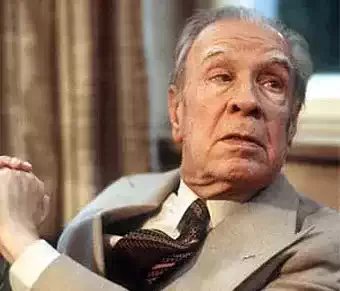
Jorge Luis Borges
Remorse For Any Death
Remorse For Any Death
Free of memory and of hope,
limitless, abstract, almost future,
the dead man is not a dead man: he is death.
Like the God of the mystics,
of Whom anything that could be said must be denied,
the dead one, alien everywhere,
is but the ruin and absence of the world.
We rob him of everything,
we leave him not so much as a color or syllable:
here, the courtyard which his eyes no longer see,
there, the sidewalk where his hope lay in wait.
Even what we are thinking,
he could be thinking;
we have divvied up like thieves
the booty of nights and days.
Free of memory and of hope,
limitless, abstract, almost future,
the dead man is not a dead man: he is death.
Like the God of the mystics,
of Whom anything that could be said must be denied,
the dead one, alien everywhere,
is but the ruin and absence of the world.
We rob him of everything,
we leave him not so much as a color or syllable:
here, the courtyard which his eyes no longer see,
there, the sidewalk where his hope lay in wait.
Even what we are thinking,
he could be thinking;
we have divvied up like thieves
the booty of nights and days.
791
Jorge Luis Borges
History of the Night
History of the Night
Throughout the course of th generations
men constructed the night.
At first she was blindness;
thorns raking bare feet,
fear of wolves.
We shall never know who forged the word
for the interval of shadow
dividing the two twilights;
we shall never know in what age it came to mean
the starry hours.
Others created the myth.
They made her the mother of the unruffled Fates
that spin our destiny,
thev sacrificed black ewes to her, and the cock
who crows his own death.
The Chaldeans assigned to her twelve houses;
to Zeno, infinite words.
She took shape from Latin hexameters
and the terror of Pascal.
Luis de Leon saw in her the homeland
of his stricken soul.
Now we feel her to be inexhuastible
like an ancient wine
and no one can gaze on her without vertigo
and time has charged her with eternity.
And to think that she wouldn't exist
except for those fragile instruments, the eyes.
Throughout the course of th generations
men constructed the night.
At first she was blindness;
thorns raking bare feet,
fear of wolves.
We shall never know who forged the word
for the interval of shadow
dividing the two twilights;
we shall never know in what age it came to mean
the starry hours.
Others created the myth.
They made her the mother of the unruffled Fates
that spin our destiny,
thev sacrificed black ewes to her, and the cock
who crows his own death.
The Chaldeans assigned to her twelve houses;
to Zeno, infinite words.
She took shape from Latin hexameters
and the terror of Pascal.
Luis de Leon saw in her the homeland
of his stricken soul.
Now we feel her to be inexhuastible
like an ancient wine
and no one can gaze on her without vertigo
and time has charged her with eternity.
And to think that she wouldn't exist
except for those fragile instruments, the eyes.
775
Jorge Luis Borges
History of the Night
History of the Night
Throughout the course of th generations
men constructed the night.
At first she was blindness;
thorns raking bare feet,
fear of wolves.
We shall never know who forged the word
for the interval of shadow
dividing the two twilights;
we shall never know in what age it came to mean
the starry hours.
Others created the myth.
They made her the mother of the unruffled Fates
that spin our destiny,
thev sacrificed black ewes to her, and the cock
who crows his own death.
The Chaldeans assigned to her twelve houses;
to Zeno, infinite words.
She took shape from Latin hexameters
and the terror of Pascal.
Luis de Leon saw in her the homeland
of his stricken soul.
Now we feel her to be inexhuastible
like an ancient wine
and no one can gaze on her without vertigo
and time has charged her with eternity.
And to think that she wouldn't exist
except for those fragile instruments, the eyes.
Throughout the course of th generations
men constructed the night.
At first she was blindness;
thorns raking bare feet,
fear of wolves.
We shall never know who forged the word
for the interval of shadow
dividing the two twilights;
we shall never know in what age it came to mean
the starry hours.
Others created the myth.
They made her the mother of the unruffled Fates
that spin our destiny,
thev sacrificed black ewes to her, and the cock
who crows his own death.
The Chaldeans assigned to her twelve houses;
to Zeno, infinite words.
She took shape from Latin hexameters
and the terror of Pascal.
Luis de Leon saw in her the homeland
of his stricken soul.
Now we feel her to be inexhuastible
like an ancient wine
and no one can gaze on her without vertigo
and time has charged her with eternity.
And to think that she wouldn't exist
except for those fragile instruments, the eyes.
775
Jorge Luis Borges
El Instante
El Instante
Dónde estarán los siglos, dónde el sueño
de espadas que los tártaros soñaron,
dónde los fuertes muros que allanaron,
dónde el Árbol de Adán y el otro Leño?
El presente está solo. La memoria
erige el tiempo. Sucesión y engaño
es la rutina del reloj. El año
no es menos vano que la vana historia.
Entre el alba y la noche hay un abismo
de agonías, de luces, de cuidados;
el rostro que se mira en los gastados
espejos de la noche no es el mismo.
El hoy fugaz es tenue y es eterno;
otro Cielo no esperes, ni otro Infierno.
Dónde estarán los siglos, dónde el sueño
de espadas que los tártaros soñaron,
dónde los fuertes muros que allanaron,
dónde el Árbol de Adán y el otro Leño?
El presente está solo. La memoria
erige el tiempo. Sucesión y engaño
es la rutina del reloj. El año
no es menos vano que la vana historia.
Entre el alba y la noche hay un abismo
de agonías, de luces, de cuidados;
el rostro que se mira en los gastados
espejos de la noche no es el mismo.
El hoy fugaz es tenue y es eterno;
otro Cielo no esperes, ni otro Infierno.
802
Jorge Luis Borges
El Instante
El Instante
Dónde estarán los siglos, dónde el sueño
de espadas que los tártaros soñaron,
dónde los fuertes muros que allanaron,
dónde el Árbol de Adán y el otro Leño?
El presente está solo. La memoria
erige el tiempo. Sucesión y engaño
es la rutina del reloj. El año
no es menos vano que la vana historia.
Entre el alba y la noche hay un abismo
de agonías, de luces, de cuidados;
el rostro que se mira en los gastados
espejos de la noche no es el mismo.
El hoy fugaz es tenue y es eterno;
otro Cielo no esperes, ni otro Infierno.
Dónde estarán los siglos, dónde el sueño
de espadas que los tártaros soñaron,
dónde los fuertes muros que allanaron,
dónde el Árbol de Adán y el otro Leño?
El presente está solo. La memoria
erige el tiempo. Sucesión y engaño
es la rutina del reloj. El año
no es menos vano que la vana historia.
Entre el alba y la noche hay un abismo
de agonías, de luces, de cuidados;
el rostro que se mira en los gastados
espejos de la noche no es el mismo.
El hoy fugaz es tenue y es eterno;
otro Cielo no esperes, ni otro Infierno.
802
Jorge Luis Borges
El Instante
El Instante
Dónde estarán los siglos, dónde el sueño
de espadas que los tártaros soñaron,
dónde los fuertes muros que allanaron,
dónde el Árbol de Adán y el otro Leño?
El presente está solo. La memoria
erige el tiempo. Sucesión y engaño
es la rutina del reloj. El año
no es menos vano que la vana historia.
Entre el alba y la noche hay un abismo
de agonías, de luces, de cuidados;
el rostro que se mira en los gastados
espejos de la noche no es el mismo.
El hoy fugaz es tenue y es eterno;
otro Cielo no esperes, ni otro Infierno.
Dónde estarán los siglos, dónde el sueño
de espadas que los tártaros soñaron,
dónde los fuertes muros que allanaron,
dónde el Árbol de Adán y el otro Leño?
El presente está solo. La memoria
erige el tiempo. Sucesión y engaño
es la rutina del reloj. El año
no es menos vano que la vana historia.
Entre el alba y la noche hay un abismo
de agonías, de luces, de cuidados;
el rostro que se mira en los gastados
espejos de la noche no es el mismo.
El hoy fugaz es tenue y es eterno;
otro Cielo no esperes, ni otro Infierno.
802
Jorge Luis Borges
Art of Poetry, The
Art of Poetry, The
To gaze at a river made of time and water
And remember Time is another river.
To know we stray like a river
and our faces vanish like water.
To feel that waking is another dream
that dreams of not dreaming and that the death
we fear in our bones is the death
that every night we call a dream.
To see in every day and year a symbol
of all the days of man and his years,
and convert the outrage of the years
into a music, a sound, and a symbol.
To see in death a dream, in the sunset
a golden sadness--such is poetry,
humble and immortal, poetry,
returning, like dawn and the sunset.
Sometimes at evening there's a face
that sees us from the deeps of a mirror.
Art must be that sort of mirror,
disclosing to each of us his face.
They say Ulysses, wearied of wonders,
wept with love on seeing Ithaca,
humble and green. Art is that Ithaca,
a green eternity, not wonders.
Art is endless like a river flowing,
passing, yet remaining, a mirror to the same
inconstant Heraclitus, who is the same
and yet another, like the river flowing.
To gaze at a river made of time and water
And remember Time is another river.
To know we stray like a river
and our faces vanish like water.
To feel that waking is another dream
that dreams of not dreaming and that the death
we fear in our bones is the death
that every night we call a dream.
To see in every day and year a symbol
of all the days of man and his years,
and convert the outrage of the years
into a music, a sound, and a symbol.
To see in death a dream, in the sunset
a golden sadness--such is poetry,
humble and immortal, poetry,
returning, like dawn and the sunset.
Sometimes at evening there's a face
that sees us from the deeps of a mirror.
Art must be that sort of mirror,
disclosing to each of us his face.
They say Ulysses, wearied of wonders,
wept with love on seeing Ithaca,
humble and green. Art is that Ithaca,
a green eternity, not wonders.
Art is endless like a river flowing,
passing, yet remaining, a mirror to the same
inconstant Heraclitus, who is the same
and yet another, like the river flowing.
965
Jorge Luis Borges
Adam Cast Forth
Adam Cast Forth
Was there a Garden or was the Garden a dream?
Amid the fleeting light, I have slowed myself and queried,
Almost for consolation, if the bygone period
Over which this Adam, wretched now, once reigned supreme,
Might not have been just a magical illusion
Of that God I dreamed. Already it's imprecise
In my memory, the clear Paradise,
But I know it exists, in flower and profusion,
Although not for me. My punishment for life
Is the stubborn earth with the incestuous strife
Of Cains and Abels and their brood; I await no pardon.
Yet, it's much to have loved, to have known true joy,
To have had -- if only for just one day --
The experience of touching the living Garden.
Translated by Genia Gurarie, ..
Copyright retained by Genia Gurarie.
email: [email protected]
http://www.princeton.edu/~egurarie/
For permission to reproduce, write personally to the translator.
Was there a Garden or was the Garden a dream?
Amid the fleeting light, I have slowed myself and queried,
Almost for consolation, if the bygone period
Over which this Adam, wretched now, once reigned supreme,
Might not have been just a magical illusion
Of that God I dreamed. Already it's imprecise
In my memory, the clear Paradise,
But I know it exists, in flower and profusion,
Although not for me. My punishment for life
Is the stubborn earth with the incestuous strife
Of Cains and Abels and their brood; I await no pardon.
Yet, it's much to have loved, to have known true joy,
To have had -- if only for just one day --
The experience of touching the living Garden.
Translated by Genia Gurarie, ..
Copyright retained by Genia Gurarie.
email: [email protected]
http://www.princeton.edu/~egurarie/
For permission to reproduce, write personally to the translator.
816
Jorge Luis Borges
Adam Cast Forth
Adam Cast Forth
Was there a Garden or was the Garden a dream?
Amid the fleeting light, I have slowed myself and queried,
Almost for consolation, if the bygone period
Over which this Adam, wretched now, once reigned supreme,
Might not have been just a magical illusion
Of that God I dreamed. Already it's imprecise
In my memory, the clear Paradise,
But I know it exists, in flower and profusion,
Although not for me. My punishment for life
Is the stubborn earth with the incestuous strife
Of Cains and Abels and their brood; I await no pardon.
Yet, it's much to have loved, to have known true joy,
To have had -- if only for just one day --
The experience of touching the living Garden.
Translated by Genia Gurarie, ..
Copyright retained by Genia Gurarie.
email: [email protected]
http://www.princeton.edu/~egurarie/
For permission to reproduce, write personally to the translator.
Was there a Garden or was the Garden a dream?
Amid the fleeting light, I have slowed myself and queried,
Almost for consolation, if the bygone period
Over which this Adam, wretched now, once reigned supreme,
Might not have been just a magical illusion
Of that God I dreamed. Already it's imprecise
In my memory, the clear Paradise,
But I know it exists, in flower and profusion,
Although not for me. My punishment for life
Is the stubborn earth with the incestuous strife
Of Cains and Abels and their brood; I await no pardon.
Yet, it's much to have loved, to have known true joy,
To have had -- if only for just one day --
The experience of touching the living Garden.
Translated by Genia Gurarie, ..
Copyright retained by Genia Gurarie.
email: [email protected]
http://www.princeton.edu/~egurarie/
For permission to reproduce, write personally to the translator.
816
Jorge Luis Borges
Adam Cast Forth
Adam Cast Forth
Was there a Garden or was the Garden a dream?
Amid the fleeting light, I have slowed myself and queried,
Almost for consolation, if the bygone period
Over which this Adam, wretched now, once reigned supreme,
Might not have been just a magical illusion
Of that God I dreamed. Already it's imprecise
In my memory, the clear Paradise,
But I know it exists, in flower and profusion,
Although not for me. My punishment for life
Is the stubborn earth with the incestuous strife
Of Cains and Abels and their brood; I await no pardon.
Yet, it's much to have loved, to have known true joy,
To have had -- if only for just one day --
The experience of touching the living Garden.
Translated by Genia Gurarie, ..
Copyright retained by Genia Gurarie.
email: [email protected]
http://www.princeton.edu/~egurarie/
For permission to reproduce, write personally to the translator.
Was there a Garden or was the Garden a dream?
Amid the fleeting light, I have slowed myself and queried,
Almost for consolation, if the bygone period
Over which this Adam, wretched now, once reigned supreme,
Might not have been just a magical illusion
Of that God I dreamed. Already it's imprecise
In my memory, the clear Paradise,
But I know it exists, in flower and profusion,
Although not for me. My punishment for life
Is the stubborn earth with the incestuous strife
Of Cains and Abels and their brood; I await no pardon.
Yet, it's much to have loved, to have known true joy,
To have had -- if only for just one day --
The experience of touching the living Garden.
Translated by Genia Gurarie, ..
Copyright retained by Genia Gurarie.
email: [email protected]
http://www.princeton.edu/~egurarie/
For permission to reproduce, write personally to the translator.
816

Jonathan Swift
To Stella On Her Birth-Day, 1721-2
To Stella On Her Birth-Day, 1721-2
While, Stella, to your lasting praise
The Muse her annual tribute pays,
While I assign myself a task
Which you expect, but scorn to ask;
If I perform this task with pain,
Let me of partial fate complain;
You every year the debt enlarge,
I grow less equal to the charge:
In you each virtue brighter shines,
But my poetic vein declines;
My harp will soon in vain be strung,
And all your virtues left unsung.
For none among the upstart race
Of poets dare assume my place;
Your worth will be to them unknown,
They must have Stellas of their own;
And thus, my stock of wit decay'd,
I dying leave the debt unpaid,
Unless Delany, as my heir,
Will answer for the whole arrear.
While, Stella, to your lasting praise
The Muse her annual tribute pays,
While I assign myself a task
Which you expect, but scorn to ask;
If I perform this task with pain,
Let me of partial fate complain;
You every year the debt enlarge,
I grow less equal to the charge:
In you each virtue brighter shines,
But my poetic vein declines;
My harp will soon in vain be strung,
And all your virtues left unsung.
For none among the upstart race
Of poets dare assume my place;
Your worth will be to them unknown,
They must have Stellas of their own;
And thus, my stock of wit decay'd,
I dying leave the debt unpaid,
Unless Delany, as my heir,
Will answer for the whole arrear.
224
Jonathan Swift
To Lady Carteret
To Lady Carteret
FROM India's burning clime I'm brought,
With cooling gales like zephyrs fraught.
Not Iris, when she paints the sky,
Can show more different hues than I;
Nor can she change her form so fast,
I'm now a sail, and now a mast.
I here am red, and there am green,
A beggar there, and here a queen.
I sometimes live in house of hair,
And oft in hand of lady fair.
I please the young, I grace the old,
And am at once both hot and cold.
Say what I am then, if you can,
And find the rhyme, and you're the man.
FROM India's burning clime I'm brought,
With cooling gales like zephyrs fraught.
Not Iris, when she paints the sky,
Can show more different hues than I;
Nor can she change her form so fast,
I'm now a sail, and now a mast.
I here am red, and there am green,
A beggar there, and here a queen.
I sometimes live in house of hair,
And oft in hand of lady fair.
I please the young, I grace the old,
And am at once both hot and cold.
Say what I am then, if you can,
And find the rhyme, and you're the man.
178
Jonathan Swift
The Progress Of Marriage
The Progress Of Marriage
Aetatis suae fifty-two,
A rich Divine began to woo
A handsome young imperious girl,
Nearly related to an Earl.
Her parents and her friends consent,
The couple to the temple went.
They first invite the Cyprian Queen,
’Twas answered, she would not be seen;
The Graces next, and all the Muses
Were bid in form, but sent excuses.
Juno attended at the porch,
With farthing candle for a torch,
While Mistress Iris held her train,
The faded bow distilling rain.
Then Hebe came and took her place,
But showed no more than half her face.
What’er these dire forebodings meant,
In mirth the wedding-day was spent;
The wedding-day, you take me right,
I promise nothing for the night.
The bridegroom, dressed to make a figure,
Assumes an artificial vigour,
A flourished night-cap on to grace
His ruddy, wrinkled, smirking face,
Like the faint red upon a pippin,
Half withered by a winter’s keeping.
And thus set out, this happy pair,
The Swain is rich, the Nymph is fair;
But, which I gladly would forget,
The Swain is old, the Nymph coquette;
Both from the goal together start,
Scarce run a step before they part;
No common ligament that binds
The various textures of their minds,
Their thoughts and actions, hopes and fears,
Less corresponding than their years.
Her spouse desires his coffee soon,
She rises to her tea at noon.
While he goes out to cheapen books,
She at the glass consults her looks
While Betty’s buzzing in her ear,
Lord, what a dress these Parsons wear!
So odd a choice how could she make?
Wished him a Colonel for her sake.
Then, on her fingers ends, she counts
Exact to what his age amounts;
The Dean, she heard her Uncle say,
Is fifty, if he be a day;
His ruddy cheeks are no disguise;
You see the crows-feet round his eyes.
At one she rambles to the shops,
To cheapen tea, and talk with fops;
Or calls a council of her maids
And tradesmen, to compare brocades.
Her weighty morning business o’er,
Sits down to dinner just at four;
Minds nothing that is done or said,
Her evening work so fills her head.
The Dean, who used to dine at one,
Is mawkish, and his stomach gone;
In thread-bare gown, would scarce a louse hold,
Looks like the chaplain of the household,
Beholds her from the chaplain’s place
In French brocades and Flanders lace;
He wonders what employs her brain;
But never asks, or asks in vain;
His mind is full of other cares,
And in the sneaking parson’s airs
Computes, that half a parish dues
Will hardly find his wife in shoes.
Can’st thou imagine, dull Divine,
’Twill gain her love to make her fine?
Hath she no other wants beside?
You raise desire as well as pride,
Enticing coxcombs to adore,
And teach her to despise thee more.
If in her coach she’ll condescend
To place him at the hinder end,
Her hoop is hoist above his nose,
His odious gown would soil her clothes,
And drops him at the church, to pray,
While she drives on to see the play.
He like an orderly Divine
Comes home a quarter after nine,
And meets her hasting to the Ball:
Her chairmen push him from the wall;
He enters in, and walks up stairs,
And calls the family to prayers,
Then goes alone to take his rest
In bed, where he can spare her best.
At five the footmen make a din,
Her Ladyship is just come in;
The Masquerade began at two,
She stole away with much ado,
And shall be chid this afternoon
For leaving company so soon;
She’ll say, and she may truly say’t,
She can’t abide to stay out late.
But now, though scarce a twelvemonth married
His Lady has twelve times miscarried;
The cause, alas, is quickly guessed,
The Town has whispered round the jest;
Think on some remedy in time,
You find His Reverence past his prime,
Already dwindled to a lath;
No other way but try the Bath.
For Venus rising from the ocean,
Infused a strong prolific potion,
That mixed with Achelaus’ spring,
The hornéd flood, as poets sing,
Who, with an English Beauty smitten,
Ran underground from Greece to Britain,
The genial Virtue with him brought,
And gave the Nymph a plenteous draught;
Then fled, and left his Horn behind
For husbands past their youth to find;
The Nymph who still with passion burned
Was to a boiling fountain turned,
Where childless wives crowd every morn
To drink in Achelaus’ Horn;
And here the father often gains
That title by another’s pains.
Hither, though much against his grain,
The Dean has carried Lady Jane;
He for a while would not consent,
But vowed his money all was spent;
His money spent! a clownish reason!
And must My Lady slip her Season?
The Doctor with a double fee,
Was bribed to make the Dean agree.
Here all diversions of the place
Are proper in my Lady’s case
With which she patiently complies,
Merely because her friends advise;
His money and her time employs
In music, raffling-rooms, and toys,
Or in the Cross Bath seeks an heir,
Since others oft have found one there;
Where if the Dean by chance appears,
It shames his cassock and his years;
He keeps his distance in the gallery
’Till banished by some coxcomb’s raillery,
For ’twould his character expose
To bathe among the belles and beaux.
So have I seen within a pen,
Young ducklings fostered by a hen;
But when let out, they run and muddle,
As instinct leads them, in a puddle;
The sober hen, not born to swim,
With mournful note clucks round the brim.
The Dean, with all his best endeavour,
Gets not an heir, but gets a fever;
A victim to the last essays
Of vigor in declining days,
He dies, and leaves his mourning mate
(What could he less?) his whole estate.
The widow goes through all her forms;
New lovers now will come in swarms.
Oh, may I see her soon dispensing
Her favours to some broken Ensign!
Him let her marry for his face,
And only coat of tarnished lace;
To turn her naked out of doors,
And spend her jointure on his whores:
But for a parting present leave her
A rooted pox to last for ever.
Aetatis suae fifty-two,
A rich Divine began to woo
A handsome young imperious girl,
Nearly related to an Earl.
Her parents and her friends consent,
The couple to the temple went.
They first invite the Cyprian Queen,
’Twas answered, she would not be seen;
The Graces next, and all the Muses
Were bid in form, but sent excuses.
Juno attended at the porch,
With farthing candle for a torch,
While Mistress Iris held her train,
The faded bow distilling rain.
Then Hebe came and took her place,
But showed no more than half her face.
What’er these dire forebodings meant,
In mirth the wedding-day was spent;
The wedding-day, you take me right,
I promise nothing for the night.
The bridegroom, dressed to make a figure,
Assumes an artificial vigour,
A flourished night-cap on to grace
His ruddy, wrinkled, smirking face,
Like the faint red upon a pippin,
Half withered by a winter’s keeping.
And thus set out, this happy pair,
The Swain is rich, the Nymph is fair;
But, which I gladly would forget,
The Swain is old, the Nymph coquette;
Both from the goal together start,
Scarce run a step before they part;
No common ligament that binds
The various textures of their minds,
Their thoughts and actions, hopes and fears,
Less corresponding than their years.
Her spouse desires his coffee soon,
She rises to her tea at noon.
While he goes out to cheapen books,
She at the glass consults her looks
While Betty’s buzzing in her ear,
Lord, what a dress these Parsons wear!
So odd a choice how could she make?
Wished him a Colonel for her sake.
Then, on her fingers ends, she counts
Exact to what his age amounts;
The Dean, she heard her Uncle say,
Is fifty, if he be a day;
His ruddy cheeks are no disguise;
You see the crows-feet round his eyes.
At one she rambles to the shops,
To cheapen tea, and talk with fops;
Or calls a council of her maids
And tradesmen, to compare brocades.
Her weighty morning business o’er,
Sits down to dinner just at four;
Minds nothing that is done or said,
Her evening work so fills her head.
The Dean, who used to dine at one,
Is mawkish, and his stomach gone;
In thread-bare gown, would scarce a louse hold,
Looks like the chaplain of the household,
Beholds her from the chaplain’s place
In French brocades and Flanders lace;
He wonders what employs her brain;
But never asks, or asks in vain;
His mind is full of other cares,
And in the sneaking parson’s airs
Computes, that half a parish dues
Will hardly find his wife in shoes.
Can’st thou imagine, dull Divine,
’Twill gain her love to make her fine?
Hath she no other wants beside?
You raise desire as well as pride,
Enticing coxcombs to adore,
And teach her to despise thee more.
If in her coach she’ll condescend
To place him at the hinder end,
Her hoop is hoist above his nose,
His odious gown would soil her clothes,
And drops him at the church, to pray,
While she drives on to see the play.
He like an orderly Divine
Comes home a quarter after nine,
And meets her hasting to the Ball:
Her chairmen push him from the wall;
He enters in, and walks up stairs,
And calls the family to prayers,
Then goes alone to take his rest
In bed, where he can spare her best.
At five the footmen make a din,
Her Ladyship is just come in;
The Masquerade began at two,
She stole away with much ado,
And shall be chid this afternoon
For leaving company so soon;
She’ll say, and she may truly say’t,
She can’t abide to stay out late.
But now, though scarce a twelvemonth married
His Lady has twelve times miscarried;
The cause, alas, is quickly guessed,
The Town has whispered round the jest;
Think on some remedy in time,
You find His Reverence past his prime,
Already dwindled to a lath;
No other way but try the Bath.
For Venus rising from the ocean,
Infused a strong prolific potion,
That mixed with Achelaus’ spring,
The hornéd flood, as poets sing,
Who, with an English Beauty smitten,
Ran underground from Greece to Britain,
The genial Virtue with him brought,
And gave the Nymph a plenteous draught;
Then fled, and left his Horn behind
For husbands past their youth to find;
The Nymph who still with passion burned
Was to a boiling fountain turned,
Where childless wives crowd every morn
To drink in Achelaus’ Horn;
And here the father often gains
That title by another’s pains.
Hither, though much against his grain,
The Dean has carried Lady Jane;
He for a while would not consent,
But vowed his money all was spent;
His money spent! a clownish reason!
And must My Lady slip her Season?
The Doctor with a double fee,
Was bribed to make the Dean agree.
Here all diversions of the place
Are proper in my Lady’s case
With which she patiently complies,
Merely because her friends advise;
His money and her time employs
In music, raffling-rooms, and toys,
Or in the Cross Bath seeks an heir,
Since others oft have found one there;
Where if the Dean by chance appears,
It shames his cassock and his years;
He keeps his distance in the gallery
’Till banished by some coxcomb’s raillery,
For ’twould his character expose
To bathe among the belles and beaux.
So have I seen within a pen,
Young ducklings fostered by a hen;
But when let out, they run and muddle,
As instinct leads them, in a puddle;
The sober hen, not born to swim,
With mournful note clucks round the brim.
The Dean, with all his best endeavour,
Gets not an heir, but gets a fever;
A victim to the last essays
Of vigor in declining days,
He dies, and leaves his mourning mate
(What could he less?) his whole estate.
The widow goes through all her forms;
New lovers now will come in swarms.
Oh, may I see her soon dispensing
Her favours to some broken Ensign!
Him let her marry for his face,
And only coat of tarnished lace;
To turn her naked out of doors,
And spend her jointure on his whores:
But for a parting present leave her
A rooted pox to last for ever.
217
Jonathan Swift
The Lady's Dressing Room
The Lady's Dressing Room
By haughty Celia spent in dressing;
The goddess from her chamber issues,
Arrayed in lace, brocades, and tissues.
Strephon, who found the room was void
And Betty otherwise employed,
Stole in and took a strict survey
Of all the litter as it lay;
Whereof, to make the matter clear,
An inventory follows here.
And first a dirty smock appeared,
Beneath the arm-pits well besmeared.
Strephon, the rogue, displayed it wide
And turned it round on every side.
On such a point few words are best,
And Strephon bids us guess the rest;
And swears how damnably the men lie
In calling Celia sweet and cleanly.
Now listen while he next produces
The various combs for various uses,
Filled up with dirt so closely fixt,
No brush could force a way betwixt.
A paste of composition rare,
Sweat, dandruff, powder, lead and hair;
A forehead cloth with oil upon't
To smooth the wrinkles on her front.
Here alum flower to stop the steams
Exhaled from sour unsavory streams;
There night-gloves made of Tripsy's hide,
Bequeath'd by Tripsy when she died,
With puppy water, beauty's help,
Distilled from Tripsy's darling whelp;
Here gallypots and vials placed,
Some filled with washes, some with paste,
Some with pomatum, paints and slops,
And ointments good for scabby chops.
Hard by a filthy basin stands,
Fouled with the scouring of her hands;
The basin takes whatever comes,
The scrapings of her teeth and gums,
A nasty compound of all hues,
For here she spits, and here she spews.
But oh! it turned poor Strephon's bowels,
When he beheld and smelt the towels,
Begummed, besmattered, and beslimed
With dirt, and sweat, and ear-wax grimed.
No object Strephon's eye escapes:
Here petticoats in frowzy heaps;
Nor be the handkerchiefs forgot
All varnished o'er with snuff and snot.
The stockings, why should I expose,
Stained with the marks of stinking toes;
Or greasy coifs and pinners reeking,
Which Celia slept at least a week in?
A pair of tweezers next he found
To pluck her brows in arches round,
Or hairs that sink the forehead low,
Or on her chin like bristles grow.
The virtues we must not let pass,
Of Celia's magnifying glass.
When frighted Strephon cast his eye on't
It shewed the visage of a giant.
A glass that can to sight disclose
The smallest worm in Celia's nose,
And faithfully direct her nail
To squeeze it out from head to tail;
(For catch it nicely by the head,
It must come out alive or dead.)
Why Strephon will you tell the rest?
And must you needs describe the chest?
That careless wench! no creature warn her
To move it out from yonder corner;
But leave it standing full in sight
For you to exercise your spite.
In vain, the workman shewed his wit
With rings and hinges counterfeit
To make it seem in this disguise
A cabinet to vulgar eyes;
For Strephon ventured to look in,
Resolved to go through thick and thin;
He lifts the lid, there needs no more:
He smelt it all the time before.
As from within Pandora's box,
When Epimetheus oped the locks,
A sudden universal crew
Of humane evils upwards flew,
He still was comforted to find
That Hope at last remained behind;
So Strephon lifting up the lid
To view what in the chest was hid,
The vapours flew from out the vent.
But Strephon cautious never meant
The bottom of the pan to grope
And foul his hands in search of Hope.
O never may such vile machine
Be once in Celia's chamber seen!
O may she better learn to keep
'Those secrets of the hoary deep'!
As mutton cutlets, prime of meat,
Which, though with art you salt and beat
As laws of cookery require
And toast them at the clearest fire,
If from adown the hopeful chops
The fat upon the cinder drops,
To stinking smoke it turns the flame
Poisoning the flesh from whence it came;
And up exhales a greasy stench
For which you curse the careless wench;
So things which must not be exprest,
When plumpt into the reeking chest,
Send up an excremental smell
To taint the parts from whence they fell,
The petticoats and gown perfume,
Which waft a stink round every room.
Thus finishing his grand survey,
Disgusted Strephon stole away
Repeating in his amorous fits,
Oh! Celia, Celia, Celia shits!
But vengeance, Goddess never sleeping,
Soon punished Strephon for his peeping:
His foul Imagination links
Each dame he see with all her stinks;
And, if unsavory odors fly,
Conceives a lady standing by.
All women his description fits,
And both ideas jump like wits
By vicious fancy coupled fast,
And still appearing in contrast.
I pity wretched Strephon blind
To all the charms of female kind.
Should I the Queen of Love refuse
Because she rose from stinking ooze?
To him that looks behind the scene
Satira's but some pocky queen.
When Celia in her glory shows,
If Strephon would but stop his nose
(Who now so impiously blasphemes
Her ointments, daubs, and paints and creams,
Her washes, slops, and every clout
With which he makes so foul a rout),
He soon would learn to think like me
And bless his ravished sight to see
Such order from confusion sprung,
Such gaudy tulips raised from dung.
By haughty Celia spent in dressing;
The goddess from her chamber issues,
Arrayed in lace, brocades, and tissues.
Strephon, who found the room was void
And Betty otherwise employed,
Stole in and took a strict survey
Of all the litter as it lay;
Whereof, to make the matter clear,
An inventory follows here.
And first a dirty smock appeared,
Beneath the arm-pits well besmeared.
Strephon, the rogue, displayed it wide
And turned it round on every side.
On such a point few words are best,
And Strephon bids us guess the rest;
And swears how damnably the men lie
In calling Celia sweet and cleanly.
Now listen while he next produces
The various combs for various uses,
Filled up with dirt so closely fixt,
No brush could force a way betwixt.
A paste of composition rare,
Sweat, dandruff, powder, lead and hair;
A forehead cloth with oil upon't
To smooth the wrinkles on her front.
Here alum flower to stop the steams
Exhaled from sour unsavory streams;
There night-gloves made of Tripsy's hide,
Bequeath'd by Tripsy when she died,
With puppy water, beauty's help,
Distilled from Tripsy's darling whelp;
Here gallypots and vials placed,
Some filled with washes, some with paste,
Some with pomatum, paints and slops,
And ointments good for scabby chops.
Hard by a filthy basin stands,
Fouled with the scouring of her hands;
The basin takes whatever comes,
The scrapings of her teeth and gums,
A nasty compound of all hues,
For here she spits, and here she spews.
But oh! it turned poor Strephon's bowels,
When he beheld and smelt the towels,
Begummed, besmattered, and beslimed
With dirt, and sweat, and ear-wax grimed.
No object Strephon's eye escapes:
Here petticoats in frowzy heaps;
Nor be the handkerchiefs forgot
All varnished o'er with snuff and snot.
The stockings, why should I expose,
Stained with the marks of stinking toes;
Or greasy coifs and pinners reeking,
Which Celia slept at least a week in?
A pair of tweezers next he found
To pluck her brows in arches round,
Or hairs that sink the forehead low,
Or on her chin like bristles grow.
The virtues we must not let pass,
Of Celia's magnifying glass.
When frighted Strephon cast his eye on't
It shewed the visage of a giant.
A glass that can to sight disclose
The smallest worm in Celia's nose,
And faithfully direct her nail
To squeeze it out from head to tail;
(For catch it nicely by the head,
It must come out alive or dead.)
Why Strephon will you tell the rest?
And must you needs describe the chest?
That careless wench! no creature warn her
To move it out from yonder corner;
But leave it standing full in sight
For you to exercise your spite.
In vain, the workman shewed his wit
With rings and hinges counterfeit
To make it seem in this disguise
A cabinet to vulgar eyes;
For Strephon ventured to look in,
Resolved to go through thick and thin;
He lifts the lid, there needs no more:
He smelt it all the time before.
As from within Pandora's box,
When Epimetheus oped the locks,
A sudden universal crew
Of humane evils upwards flew,
He still was comforted to find
That Hope at last remained behind;
So Strephon lifting up the lid
To view what in the chest was hid,
The vapours flew from out the vent.
But Strephon cautious never meant
The bottom of the pan to grope
And foul his hands in search of Hope.
O never may such vile machine
Be once in Celia's chamber seen!
O may she better learn to keep
'Those secrets of the hoary deep'!
As mutton cutlets, prime of meat,
Which, though with art you salt and beat
As laws of cookery require
And toast them at the clearest fire,
If from adown the hopeful chops
The fat upon the cinder drops,
To stinking smoke it turns the flame
Poisoning the flesh from whence it came;
And up exhales a greasy stench
For which you curse the careless wench;
So things which must not be exprest,
When plumpt into the reeking chest,
Send up an excremental smell
To taint the parts from whence they fell,
The petticoats and gown perfume,
Which waft a stink round every room.
Thus finishing his grand survey,
Disgusted Strephon stole away
Repeating in his amorous fits,
Oh! Celia, Celia, Celia shits!
But vengeance, Goddess never sleeping,
Soon punished Strephon for his peeping:
His foul Imagination links
Each dame he see with all her stinks;
And, if unsavory odors fly,
Conceives a lady standing by.
All women his description fits,
And both ideas jump like wits
By vicious fancy coupled fast,
And still appearing in contrast.
I pity wretched Strephon blind
To all the charms of female kind.
Should I the Queen of Love refuse
Because she rose from stinking ooze?
To him that looks behind the scene
Satira's but some pocky queen.
When Celia in her glory shows,
If Strephon would but stop his nose
(Who now so impiously blasphemes
Her ointments, daubs, and paints and creams,
Her washes, slops, and every clout
With which he makes so foul a rout),
He soon would learn to think like me
And bless his ravished sight to see
Such order from confusion sprung,
Such gaudy tulips raised from dung.
277
Jonathan Swift
The Famous Speech-Maker Of England Or Baron (Alias Barren) Lovel’s Charge
The Famous Speech-Maker Of England Or Baron (Alias Barren) Lovel’s Charge
At The Assizes At Exon, April 5, 1710
From London to Exon,
By special direction,
Came down the world's wonder,
Sir Salathiel Blunder,
With a quoif on his head
As heavy as lead;
And thus opened and said:
Gentlemen of the Grand Inquest,
Her majesty, mark it,
Appointed this circuit
For me and my brother,
Before any other;
To execute laws,
As you may suppose,
Upon such as offenders have been.
So then, not to scatter
More words on the matter,
We're beginning just now to begin.
But hold—first and foremost, I must enter a clause,
As touching and concerning our excellent laws;
Which here I aver,
Are better by far
Than them all put together abroad and beyond sea;
For I ne'er read the like, nor e'er shall, I fancy
The laws of our land
Don't abet, but withstand,
Inquisition and thrall,
And whatever may gall,
And fire withal;
And sword that devours
Wherever it scowers:
They preserve liberty and property, for which men pull and haul so,
And they are made for the support of good government also.
Her majesty, knowing
The best way of going
To work for the weal of the nation,
Builds on that rock,
Which all storms will mock,
Since Religion is made the foundation.
And, I tell you to boot, she
Resolves resolutely,
No promotion to give
To the best man alive,
In church or in state,
(I'm an instance of that,)
But only to such of a good reputation
For temper, morality, and moderation.
Fire! fire! a wild-fire,
Which greatly disturbs the queen's peace
Lies running about;
And if you don't put it out,
( That's positive) will increase:
And any may spy,
With half of an eye,
That it comes from our priests and Papistical fry.
Ye have one of these fellows,
With fiery bellows,
Come hither to blow and to puff here;
Who having been toss'd
From pillar to post,
At last vents his rascally stuff here:
Which to such as are honest must sound very oddly,
When they ought to preach nothing but what's very godly;
As here from this place we charge you to do,
As ye'll answer to man, besides ye know who.
Ye have a Diocesan,—
But I don't know the man;—
The man's a good liver,
They tell me, however,
And fiery never!
Now, ye under-pullers,
That wear such black colours,
How well would it look,
If his measures ye took,
Thus for head and for rump
Together to jump;
For there's none deserve places,
I speak't to their faces,
But men of such graces,
And I hope he will never prefer any asses;
Especially when I'm so confident on't,
For reasons of state, that her majesty won't
Know, I myself I
Was present and by,
At the great trial, where there was a great company,
Of a turbulent preacher, who, cursedly hot,
Turn'd the fifth of November, even the gun-powder plot,
Into impudent railing, and the devil knows what:
Exclaiming like fury—it was at Paul's, London—
How church was in danger, and like to be undone,
And so gave the lie to gracious Queen Anne;
And, which is far worse, to our parliament-men:
And then printed a book,
Into which men did look:
True, he made a good text;
But what follow'd next
Was nought but a dunghill of sordid abuses,
Instead of sound doctrine, with proofs to't, and uses.
It was high time of day
That such inflammation
should be extinguish'd without more delay:
But there was no engine could possibly do't,
Till the commons play'd theirs, and so quite put it out.
So the man was tried for't,
Before highest court:
Now it's plain to be seen,
It's his principles I mean,
Where they suffer'd this noisy and his lawyers to bellow:
Which over, the blade
A poor punishment had
For that racket he made.
By which ye may know
They thought as I do,
That he is but at best an inconsiderable fellow.
Upon this I find here,
And everywhere,
That the country rides rusty, and is all out of gear:
And for what?
May I not
In opinion vary,
And think the contrary,
But it must create
Unfriendly debate,
And disunion straight;
When no reason in nature
Can be given of the matter,
Any more than for shapes or for different stature?
If you love your dear selves, your religion or queen,
Ye ought in good manners to be peaceable men:
For nothing disgusts her
Like making a bluster:
And your making this riot,
Is what she could cry at,
Since all her concern's for our welfare and quiet.
I would ask any man
Of them all that maintain
Their passive obedience
With such mighty vehemence,
That damn'd doctrine, I trow!
What he means by it, ho',
To trump it up now?
Or to tell me in short,
What need there is for't?
Ye may say, I am hot;
I say I am not;
Only warm, as the subject on which I am got.
There are those alive yet,
If they do not forget,
May remember what mischiefs it did church and state:
Or at least must have heard
The deplorable calamities
It drew upon families,
About sixty years ago and upward.
And now, do ye see,
Whoever they be,
That make such an oration
In our Protestant nation,
As though church was all on a fire,—
With whatever cloak
They may cover their talk,
And wheedle the folk,
That the oaths they have took,
As our governors strictly require;—
I say they are men—(and I'm a judge, ye all know,)
That would our most excellent laws overthrow;
For the greater part of them to church never go;
Or, what's much the same, it by very great chance is,
If e'er they partake of her wise ordinances.
Their aim is, no doubt,
Were they made to speak out,
To pluck down the queen, that they make all this rout;
And to set up, moreover,
A bastardly brother;
Or at least to prevent the House of Hanover.
Ye gentlemen of the jury,
What means all this fury,
Of which I'm inform'd by good hands, I assure ye;
This insulting of persons by blows and rude speeches,
And breaking of windows, which, you know, maketh breaches?
Ye ought to resent it,
And in duty present it,
For the law is against it;
Not only the actors engaged in this job,
But those that encourage and set on the mob:
The mob, a paw word, and which I ne'er mention,
But must in this place, for the sake of distinction.
I hear that some bailiffs and some justices
Have strove what they could, all this rage to suppress;
And I hope many more
Will exert the like power,
Since none will, depend on't,
Get a jot of preferment.
But men of this kidney, as I told you before.—
I'll tell you a story: Once upon a time,
Some hot-headed fellows must needs take a whim,
And so were so weak
(Twas a mighty mistake)
To pull down and abuse
Bawdy-houses and stews;
Who, tried by the laws of the realm for high-treason,
Were hang'd, drawn, and quarter'd for that very reason.
When the time came about
For us all to set out,
We went to take leave of the queen;
Where were great men of worth,
Great heads and so forth,
The greatest that ever were seen:
And she gave us a large
And particular charge;—
Good part on't indeed
Is quite out of my head;—
But I remember she said,
We should recommend peace and good neighbourhood, wheresoever we came;
and so I do here;
For that every one, not only men and their wives,
Should do all that they can to lead peaceable lives;
And told us withal, that she fully expected
A special account how ye all stood affected;
When we've been at St. James's, you'll hear of the matter.
Again then I charge ye,
Ye men of the clergy,
That ye follow the track all
Of your own Bishop Blackall,
And preach, as ye should,
What's savoury and good;
And together all cling,
As it were, in a string;
Not falling out, quarrelling one with another,
Now we're treating with Monsieur,—that son of his mother.
Then proceeded on the common matters of the law; and concluded:
Once more, and no more, since few words are best,
I charge you all present, by way of request,
If ye honour, as I do,
Our dear royal widow,
Or have any compassion
For church or the nation;
And would live a long while
In continual smile,
And eat roast and boil,
And not be forgotten,
When ye are dead and rotten;
That ye would be quiet, and peaceably dwell,
And never fall out, but p—s all in a quill.
At The Assizes At Exon, April 5, 1710
From London to Exon,
By special direction,
Came down the world's wonder,
Sir Salathiel Blunder,
With a quoif on his head
As heavy as lead;
And thus opened and said:
Gentlemen of the Grand Inquest,
Her majesty, mark it,
Appointed this circuit
For me and my brother,
Before any other;
To execute laws,
As you may suppose,
Upon such as offenders have been.
So then, not to scatter
More words on the matter,
We're beginning just now to begin.
But hold—first and foremost, I must enter a clause,
As touching and concerning our excellent laws;
Which here I aver,
Are better by far
Than them all put together abroad and beyond sea;
For I ne'er read the like, nor e'er shall, I fancy
The laws of our land
Don't abet, but withstand,
Inquisition and thrall,
And whatever may gall,
And fire withal;
And sword that devours
Wherever it scowers:
They preserve liberty and property, for which men pull and haul so,
And they are made for the support of good government also.
Her majesty, knowing
The best way of going
To work for the weal of the nation,
Builds on that rock,
Which all storms will mock,
Since Religion is made the foundation.
And, I tell you to boot, she
Resolves resolutely,
No promotion to give
To the best man alive,
In church or in state,
(I'm an instance of that,)
But only to such of a good reputation
For temper, morality, and moderation.
Fire! fire! a wild-fire,
Which greatly disturbs the queen's peace
Lies running about;
And if you don't put it out,
( That's positive) will increase:
And any may spy,
With half of an eye,
That it comes from our priests and Papistical fry.
Ye have one of these fellows,
With fiery bellows,
Come hither to blow and to puff here;
Who having been toss'd
From pillar to post,
At last vents his rascally stuff here:
Which to such as are honest must sound very oddly,
When they ought to preach nothing but what's very godly;
As here from this place we charge you to do,
As ye'll answer to man, besides ye know who.
Ye have a Diocesan,—
But I don't know the man;—
The man's a good liver,
They tell me, however,
And fiery never!
Now, ye under-pullers,
That wear such black colours,
How well would it look,
If his measures ye took,
Thus for head and for rump
Together to jump;
For there's none deserve places,
I speak't to their faces,
But men of such graces,
And I hope he will never prefer any asses;
Especially when I'm so confident on't,
For reasons of state, that her majesty won't
Know, I myself I
Was present and by,
At the great trial, where there was a great company,
Of a turbulent preacher, who, cursedly hot,
Turn'd the fifth of November, even the gun-powder plot,
Into impudent railing, and the devil knows what:
Exclaiming like fury—it was at Paul's, London—
How church was in danger, and like to be undone,
And so gave the lie to gracious Queen Anne;
And, which is far worse, to our parliament-men:
And then printed a book,
Into which men did look:
True, he made a good text;
But what follow'd next
Was nought but a dunghill of sordid abuses,
Instead of sound doctrine, with proofs to't, and uses.
It was high time of day
That such inflammation
should be extinguish'd without more delay:
But there was no engine could possibly do't,
Till the commons play'd theirs, and so quite put it out.
So the man was tried for't,
Before highest court:
Now it's plain to be seen,
It's his principles I mean,
Where they suffer'd this noisy and his lawyers to bellow:
Which over, the blade
A poor punishment had
For that racket he made.
By which ye may know
They thought as I do,
That he is but at best an inconsiderable fellow.
Upon this I find here,
And everywhere,
That the country rides rusty, and is all out of gear:
And for what?
May I not
In opinion vary,
And think the contrary,
But it must create
Unfriendly debate,
And disunion straight;
When no reason in nature
Can be given of the matter,
Any more than for shapes or for different stature?
If you love your dear selves, your religion or queen,
Ye ought in good manners to be peaceable men:
For nothing disgusts her
Like making a bluster:
And your making this riot,
Is what she could cry at,
Since all her concern's for our welfare and quiet.
I would ask any man
Of them all that maintain
Their passive obedience
With such mighty vehemence,
That damn'd doctrine, I trow!
What he means by it, ho',
To trump it up now?
Or to tell me in short,
What need there is for't?
Ye may say, I am hot;
I say I am not;
Only warm, as the subject on which I am got.
There are those alive yet,
If they do not forget,
May remember what mischiefs it did church and state:
Or at least must have heard
The deplorable calamities
It drew upon families,
About sixty years ago and upward.
And now, do ye see,
Whoever they be,
That make such an oration
In our Protestant nation,
As though church was all on a fire,—
With whatever cloak
They may cover their talk,
And wheedle the folk,
That the oaths they have took,
As our governors strictly require;—
I say they are men—(and I'm a judge, ye all know,)
That would our most excellent laws overthrow;
For the greater part of them to church never go;
Or, what's much the same, it by very great chance is,
If e'er they partake of her wise ordinances.
Their aim is, no doubt,
Were they made to speak out,
To pluck down the queen, that they make all this rout;
And to set up, moreover,
A bastardly brother;
Or at least to prevent the House of Hanover.
Ye gentlemen of the jury,
What means all this fury,
Of which I'm inform'd by good hands, I assure ye;
This insulting of persons by blows and rude speeches,
And breaking of windows, which, you know, maketh breaches?
Ye ought to resent it,
And in duty present it,
For the law is against it;
Not only the actors engaged in this job,
But those that encourage and set on the mob:
The mob, a paw word, and which I ne'er mention,
But must in this place, for the sake of distinction.
I hear that some bailiffs and some justices
Have strove what they could, all this rage to suppress;
And I hope many more
Will exert the like power,
Since none will, depend on't,
Get a jot of preferment.
But men of this kidney, as I told you before.—
I'll tell you a story: Once upon a time,
Some hot-headed fellows must needs take a whim,
And so were so weak
(Twas a mighty mistake)
To pull down and abuse
Bawdy-houses and stews;
Who, tried by the laws of the realm for high-treason,
Were hang'd, drawn, and quarter'd for that very reason.
When the time came about
For us all to set out,
We went to take leave of the queen;
Where were great men of worth,
Great heads and so forth,
The greatest that ever were seen:
And she gave us a large
And particular charge;—
Good part on't indeed
Is quite out of my head;—
But I remember she said,
We should recommend peace and good neighbourhood, wheresoever we came;
and so I do here;
For that every one, not only men and their wives,
Should do all that they can to lead peaceable lives;
And told us withal, that she fully expected
A special account how ye all stood affected;
When we've been at St. James's, you'll hear of the matter.
Again then I charge ye,
Ye men of the clergy,
That ye follow the track all
Of your own Bishop Blackall,
And preach, as ye should,
What's savoury and good;
And together all cling,
As it were, in a string;
Not falling out, quarrelling one with another,
Now we're treating with Monsieur,—that son of his mother.
Then proceeded on the common matters of the law; and concluded:
Once more, and no more, since few words are best,
I charge you all present, by way of request,
If ye honour, as I do,
Our dear royal widow,
Or have any compassion
For church or the nation;
And would live a long while
In continual smile,
And eat roast and boil,
And not be forgotten,
When ye are dead and rotten;
That ye would be quiet, and peaceably dwell,
And never fall out, but p—s all in a quill.
219
Jonathan Swift
Stella's Birthday March 13, 1727
Stella's Birthday March 13, 1727
This day, whate'er the Fates decree,
Shall still be kept with joy by me:
This day then let us not be told,
That you are sick, and I grown old;
Nor think on our approaching ills,
And talk of spectacles and pills.
To-morrow will be time enough
To hear such mortifying stuff.
Yet, since from reason may be brought
A better and more pleasing thought,
Which can, in spite of all decays,
Support a few remaining days:
From not the gravest of divines
Accept for once some serious lines.
Although we now can form no more
Long schemes of life, as heretofore;
Yet you, while time is running fast,
Can look with joy on what is past.
Were future happiness and pain
A mere contrivance of the brain,
As atheists argue, to entice
And fit their proselytes for vice;
(The only comfort they propose,
To have companions in their woes;)
Grant this the case; yet sure 'tis hard
That virtue, styl'd its own reward,
And by all sages understood
To be the chief of human good,
Should, acting, die, nor leave behind
Some lasting pleasure in the mind;
Which by remembrance will assuage
Grief, sickness, poverty, and age;
And strongly shoot a radiant dart
To shine through life's declining part.
Say, Stella, feel you no content,
Reflecting on a life well spent?
Your skilful hand employ'd to save
Despairing wretches from the grave;
And then supporting with your store
Those whom you dragg'd from death before?
So Providence on mortals waits,
Preserving what it first creates.
Your gen'rous boldness to defend
An innocent and absent friend;
That courage which can make you just
To merit humbled in the dust;
The detestation you express
For vice in all its glitt'ring dress;
That patience under torturing pain,
Where stubborn stoics would complain:
Must these like empty shadows pass,
Or forms reflected from a glass?
Or mere chimæras in the mind,
That fly, and leave no marks behind?
Does not the body thrive and grow
By food of twenty years ago?
And, had it not been still supplied,
It must a thousand times have died.
Then who with reason can maintain
That no effects of food remain?
And is not virtue in mankind
The nutriment that feeds the mind;
Upheld by each good action past,
And still continued by the last?
Then, who with reason can pretend
That all effects of virtue end?
Believe me, Stella, when you show
That true contempt for things below,
Nor prize your life for other ends,
Than merely to oblige your friends;
Your former actions claim their part,
And join to fortify your heart.
For Virtue, in her daily race,
Like Janus, bears a double face;
Looks back with joy where she has gone
And therefore goes with courage on:
She at your sickly couch will wait,
And guide you to a better state.
O then, whatever Heav'n intends,
Take pity on your pitying friends!
Nor let your ills affect your mind,
To fancy they can be unkind.
Me, surely me, you ought to spare,
Who gladly would your suff'rings share;
Or give my scrap of life to you,
And think it far beneath your due;
You, to whose care so oft I owe
That I'm alive to tell you so.
This day, whate'er the Fates decree,
Shall still be kept with joy by me:
This day then let us not be told,
That you are sick, and I grown old;
Nor think on our approaching ills,
And talk of spectacles and pills.
To-morrow will be time enough
To hear such mortifying stuff.
Yet, since from reason may be brought
A better and more pleasing thought,
Which can, in spite of all decays,
Support a few remaining days:
From not the gravest of divines
Accept for once some serious lines.
Although we now can form no more
Long schemes of life, as heretofore;
Yet you, while time is running fast,
Can look with joy on what is past.
Were future happiness and pain
A mere contrivance of the brain,
As atheists argue, to entice
And fit their proselytes for vice;
(The only comfort they propose,
To have companions in their woes;)
Grant this the case; yet sure 'tis hard
That virtue, styl'd its own reward,
And by all sages understood
To be the chief of human good,
Should, acting, die, nor leave behind
Some lasting pleasure in the mind;
Which by remembrance will assuage
Grief, sickness, poverty, and age;
And strongly shoot a radiant dart
To shine through life's declining part.
Say, Stella, feel you no content,
Reflecting on a life well spent?
Your skilful hand employ'd to save
Despairing wretches from the grave;
And then supporting with your store
Those whom you dragg'd from death before?
So Providence on mortals waits,
Preserving what it first creates.
Your gen'rous boldness to defend
An innocent and absent friend;
That courage which can make you just
To merit humbled in the dust;
The detestation you express
For vice in all its glitt'ring dress;
That patience under torturing pain,
Where stubborn stoics would complain:
Must these like empty shadows pass,
Or forms reflected from a glass?
Or mere chimæras in the mind,
That fly, and leave no marks behind?
Does not the body thrive and grow
By food of twenty years ago?
And, had it not been still supplied,
It must a thousand times have died.
Then who with reason can maintain
That no effects of food remain?
And is not virtue in mankind
The nutriment that feeds the mind;
Upheld by each good action past,
And still continued by the last?
Then, who with reason can pretend
That all effects of virtue end?
Believe me, Stella, when you show
That true contempt for things below,
Nor prize your life for other ends,
Than merely to oblige your friends;
Your former actions claim their part,
And join to fortify your heart.
For Virtue, in her daily race,
Like Janus, bears a double face;
Looks back with joy where she has gone
And therefore goes with courage on:
She at your sickly couch will wait,
And guide you to a better state.
O then, whatever Heav'n intends,
Take pity on your pitying friends!
Nor let your ills affect your mind,
To fancy they can be unkind.
Me, surely me, you ought to spare,
Who gladly would your suff'rings share;
Or give my scrap of life to you,
And think it far beneath your due;
You, to whose care so oft I owe
That I'm alive to tell you so.
258
Jonathan Swift
Stella’s Birth-Day.1719-20
Stella’s Birth-Day.1719-20
All travellers at first incline
Where'er they see the fairest sign
And if they find the chambers neat,
And like the liquor and the meat,
Will call again, and recommend
The Angel Inn to every friend.
And though the painting grows decay'd,
The house will never lose its trade:
Nay, though the treach'rous tapster, Thomas,
Hangs a new Angel two doors from us,
As fine as daubers' hands can make it,
In hopes that strangers may mistake it,
We think it both a shame and sin
To quit the true old Angel Inn.
Now this is Stella's case in fact,
An angel's face a little crack'd.
(Could poets or could painters fix
How angels look at thirty-six
This drew us in at first to find
In such a form an angel's mind;
And every virtue now supplies
The fainting rays of Stella's eyes.
See, at her levee crowding swains,
Whom Stella freely entertains
With breeding, humour, wit, and sense,
And puts them to so small expense;
Their minds so plentifully fills,
And makes such reasonable bills,
So little gets for what she gives,
We really wonder how she lives!
And had her stock been less, no doubt
She must have long ago run out.
Then, who can think we'll quit the place,
When Doll hangs out a newer face?
Nail'd to her window full in sight
All Christian people to invite.
Or stop and light at Chloe's head,
With scraps and leavings to be fed?
Then, Chloe, still go on to prate
Of thirty-six and thirty-eight;
Pursue your trade of scandal-picking,
Your hints that Stella is no chicken;
Your innuendoes, when you tell us,
That Stella loves to talk with fellows:
But let me warn you to believe
A truth, for which your soul should grieve;
That should you live to see the day,
When Stella's locks must all be gray,
When age must print a furrow'd trace
On every feature of her face;
Though you, and all your senseless tribe,
Could Art, or Time, or Nature bribe,
To make you look like Beauty's Queen,
And hold for ever at fifteen;
No bloom of youth can ever blind
The cracks and wrinkles of your mind:
All men of sense will pass your door,
And crowd to Stella's at four-score.
All travellers at first incline
Where'er they see the fairest sign
And if they find the chambers neat,
And like the liquor and the meat,
Will call again, and recommend
The Angel Inn to every friend.
And though the painting grows decay'd,
The house will never lose its trade:
Nay, though the treach'rous tapster, Thomas,
Hangs a new Angel two doors from us,
As fine as daubers' hands can make it,
In hopes that strangers may mistake it,
We think it both a shame and sin
To quit the true old Angel Inn.
Now this is Stella's case in fact,
An angel's face a little crack'd.
(Could poets or could painters fix
How angels look at thirty-six
This drew us in at first to find
In such a form an angel's mind;
And every virtue now supplies
The fainting rays of Stella's eyes.
See, at her levee crowding swains,
Whom Stella freely entertains
With breeding, humour, wit, and sense,
And puts them to so small expense;
Their minds so plentifully fills,
And makes such reasonable bills,
So little gets for what she gives,
We really wonder how she lives!
And had her stock been less, no doubt
She must have long ago run out.
Then, who can think we'll quit the place,
When Doll hangs out a newer face?
Nail'd to her window full in sight
All Christian people to invite.
Or stop and light at Chloe's head,
With scraps and leavings to be fed?
Then, Chloe, still go on to prate
Of thirty-six and thirty-eight;
Pursue your trade of scandal-picking,
Your hints that Stella is no chicken;
Your innuendoes, when you tell us,
That Stella loves to talk with fellows:
But let me warn you to believe
A truth, for which your soul should grieve;
That should you live to see the day,
When Stella's locks must all be gray,
When age must print a furrow'd trace
On every feature of her face;
Though you, and all your senseless tribe,
Could Art, or Time, or Nature bribe,
To make you look like Beauty's Queen,
And hold for ever at fifteen;
No bloom of youth can ever blind
The cracks and wrinkles of your mind:
All men of sense will pass your door,
And crowd to Stella's at four-score.
246
Jonathan Swift
Robin And Harry
Robin And Harry
Robin to beggars with a curse,
Throws the last shilling in his purse;
And when the coachman comes for pay,
The rogue must call another day.
Grave Harry, when the poor are pressing
Gives them a penny and God's blessing;
But always careful of the main,
With twopence left, walks home in rain.
Robin from noon to night will prate,
Run out in tongue, as in estate;
And, ere a twelvemonth and a day,
Will not have one new thing to say.
Much talking is not Harry's vice;
He need not tell a story twice:
And, if he always be so thrifty,
His fund may last to five-and-fifty.
It so fell out that cautious Harry,
As soldiers use, for love must marry,
And, with his dame, the ocean cross'd;
(All for Love, or the World well Lost!)
Repairs a cabin gone to ruin,
Just big enough to shelter two in;
And in his house, if anybody come,
Will make them welcome to his modicum
Where Goody Julia milks the cows,
And boils potatoes for her spouse;
Or darns his hose, or mends his breeches,
While Harry's fencing up his ditches.
Robin, who ne'er his mind could fix,
To live without a coach-and-six,
To patch his broken fortunes, found
A mistress worth five thousand pound;
Swears he could get her in an hour,
If gaffer Harry would endow her;
And sell, to pacify his wrath,
A birth-right for a mess of broth.
Young Harry, as all Europe knows,
Was long the quintessence of beaux;
But, when espoused, he ran the fate
That must attend the married state;
From gold brocade and shining armour,
Was metamorphosed to a farmer;
His grazier's coat with dirt besmear'd;
Nor twice a-week will shave his beard.
Old Robin, all his youth a sloven,
At fifty-two, when he grew loving,
Clad in a coat of paduasoy,
A flaxen wig, and waistcoat gay,
Powder'd from shoulder down to flank,
In courtly style addresses Frank;
Twice ten years older than his wife,
Is doom'd to be a beau for life;
Supplying those defects by dress,
Which I must leave the world to guess.
Robin to beggars with a curse,
Throws the last shilling in his purse;
And when the coachman comes for pay,
The rogue must call another day.
Grave Harry, when the poor are pressing
Gives them a penny and God's blessing;
But always careful of the main,
With twopence left, walks home in rain.
Robin from noon to night will prate,
Run out in tongue, as in estate;
And, ere a twelvemonth and a day,
Will not have one new thing to say.
Much talking is not Harry's vice;
He need not tell a story twice:
And, if he always be so thrifty,
His fund may last to five-and-fifty.
It so fell out that cautious Harry,
As soldiers use, for love must marry,
And, with his dame, the ocean cross'd;
(All for Love, or the World well Lost!)
Repairs a cabin gone to ruin,
Just big enough to shelter two in;
And in his house, if anybody come,
Will make them welcome to his modicum
Where Goody Julia milks the cows,
And boils potatoes for her spouse;
Or darns his hose, or mends his breeches,
While Harry's fencing up his ditches.
Robin, who ne'er his mind could fix,
To live without a coach-and-six,
To patch his broken fortunes, found
A mistress worth five thousand pound;
Swears he could get her in an hour,
If gaffer Harry would endow her;
And sell, to pacify his wrath,
A birth-right for a mess of broth.
Young Harry, as all Europe knows,
Was long the quintessence of beaux;
But, when espoused, he ran the fate
That must attend the married state;
From gold brocade and shining armour,
Was metamorphosed to a farmer;
His grazier's coat with dirt besmear'd;
Nor twice a-week will shave his beard.
Old Robin, all his youth a sloven,
At fifty-two, when he grew loving,
Clad in a coat of paduasoy,
A flaxen wig, and waistcoat gay,
Powder'd from shoulder down to flank,
In courtly style addresses Frank;
Twice ten years older than his wife,
Is doom'd to be a beau for life;
Supplying those defects by dress,
Which I must leave the world to guess.
275
Jonathan Swift
Robin And Harry
Robin And Harry
Robin to beggars with a curse,
Throws the last shilling in his purse;
And when the coachman comes for pay,
The rogue must call another day.
Grave Harry, when the poor are pressing
Gives them a penny and God's blessing;
But always careful of the main,
With twopence left, walks home in rain.
Robin from noon to night will prate,
Run out in tongue, as in estate;
And, ere a twelvemonth and a day,
Will not have one new thing to say.
Much talking is not Harry's vice;
He need not tell a story twice:
And, if he always be so thrifty,
His fund may last to five-and-fifty.
It so fell out that cautious Harry,
As soldiers use, for love must marry,
And, with his dame, the ocean cross'd;
(All for Love, or the World well Lost!)
Repairs a cabin gone to ruin,
Just big enough to shelter two in;
And in his house, if anybody come,
Will make them welcome to his modicum
Where Goody Julia milks the cows,
And boils potatoes for her spouse;
Or darns his hose, or mends his breeches,
While Harry's fencing up his ditches.
Robin, who ne'er his mind could fix,
To live without a coach-and-six,
To patch his broken fortunes, found
A mistress worth five thousand pound;
Swears he could get her in an hour,
If gaffer Harry would endow her;
And sell, to pacify his wrath,
A birth-right for a mess of broth.
Young Harry, as all Europe knows,
Was long the quintessence of beaux;
But, when espoused, he ran the fate
That must attend the married state;
From gold brocade and shining armour,
Was metamorphosed to a farmer;
His grazier's coat with dirt besmear'd;
Nor twice a-week will shave his beard.
Old Robin, all his youth a sloven,
At fifty-two, when he grew loving,
Clad in a coat of paduasoy,
A flaxen wig, and waistcoat gay,
Powder'd from shoulder down to flank,
In courtly style addresses Frank;
Twice ten years older than his wife,
Is doom'd to be a beau for life;
Supplying those defects by dress,
Which I must leave the world to guess.
Robin to beggars with a curse,
Throws the last shilling in his purse;
And when the coachman comes for pay,
The rogue must call another day.
Grave Harry, when the poor are pressing
Gives them a penny and God's blessing;
But always careful of the main,
With twopence left, walks home in rain.
Robin from noon to night will prate,
Run out in tongue, as in estate;
And, ere a twelvemonth and a day,
Will not have one new thing to say.
Much talking is not Harry's vice;
He need not tell a story twice:
And, if he always be so thrifty,
His fund may last to five-and-fifty.
It so fell out that cautious Harry,
As soldiers use, for love must marry,
And, with his dame, the ocean cross'd;
(All for Love, or the World well Lost!)
Repairs a cabin gone to ruin,
Just big enough to shelter two in;
And in his house, if anybody come,
Will make them welcome to his modicum
Where Goody Julia milks the cows,
And boils potatoes for her spouse;
Or darns his hose, or mends his breeches,
While Harry's fencing up his ditches.
Robin, who ne'er his mind could fix,
To live without a coach-and-six,
To patch his broken fortunes, found
A mistress worth five thousand pound;
Swears he could get her in an hour,
If gaffer Harry would endow her;
And sell, to pacify his wrath,
A birth-right for a mess of broth.
Young Harry, as all Europe knows,
Was long the quintessence of beaux;
But, when espoused, he ran the fate
That must attend the married state;
From gold brocade and shining armour,
Was metamorphosed to a farmer;
His grazier's coat with dirt besmear'd;
Nor twice a-week will shave his beard.
Old Robin, all his youth a sloven,
At fifty-two, when he grew loving,
Clad in a coat of paduasoy,
A flaxen wig, and waistcoat gay,
Powder'd from shoulder down to flank,
In courtly style addresses Frank;
Twice ten years older than his wife,
Is doom'd to be a beau for life;
Supplying those defects by dress,
Which I must leave the world to guess.
275
Jonathan Swift
On Time
On Time
Ever eating, never cloying,
All-devouring, all-destroying,
Never finding full repast,
Till I eat the world at last.
Ever eating, never cloying,
All-devouring, all-destroying,
Never finding full repast,
Till I eat the world at last.
218
Jonathan Swift
On The Five Senses
On The Five Senses
All of us in one you'll find, Brethren of a wondrous kind;
Yet among us all no brother
Knows one tittle of the other;
We in frequent councils are,
And our marks of things declare,
Where, to us unknown, a clerk
Sits, and takes them in the dark.
He's the register of all
In our ken, both great and small;
By us forms his laws and rules,
He's our master, we his tools;
Yet we can with greatest ease
Turn and wind him where we please.
One of us alone can sleep,
Yet no watch the rest will keep,
But the moment that he closes,
Every brother else reposes.
If wine's brought or victuals drest,
One enjoys them for the rest.
Pierce us all with wounding steel,
One for all of us will feel.
Though ten thousand cannons roar,
Add to them ten thousand more,
Yet but one of us is found
Who regards the dreadful sound.
Do what is not fit to tell,
There's but one of us can smell.
All of us in one you'll find, Brethren of a wondrous kind;
Yet among us all no brother
Knows one tittle of the other;
We in frequent councils are,
And our marks of things declare,
Where, to us unknown, a clerk
Sits, and takes them in the dark.
He's the register of all
In our ken, both great and small;
By us forms his laws and rules,
He's our master, we his tools;
Yet we can with greatest ease
Turn and wind him where we please.
One of us alone can sleep,
Yet no watch the rest will keep,
But the moment that he closes,
Every brother else reposes.
If wine's brought or victuals drest,
One enjoys them for the rest.
Pierce us all with wounding steel,
One for all of us will feel.
Though ten thousand cannons roar,
Add to them ten thousand more,
Yet but one of us is found
Who regards the dreadful sound.
Do what is not fit to tell,
There's but one of us can smell.
265
Jonathan Swift
On The Five Senses
On The Five Senses
All of us in one you'll find, Brethren of a wondrous kind;
Yet among us all no brother
Knows one tittle of the other;
We in frequent councils are,
And our marks of things declare,
Where, to us unknown, a clerk
Sits, and takes them in the dark.
He's the register of all
In our ken, both great and small;
By us forms his laws and rules,
He's our master, we his tools;
Yet we can with greatest ease
Turn and wind him where we please.
One of us alone can sleep,
Yet no watch the rest will keep,
But the moment that he closes,
Every brother else reposes.
If wine's brought or victuals drest,
One enjoys them for the rest.
Pierce us all with wounding steel,
One for all of us will feel.
Though ten thousand cannons roar,
Add to them ten thousand more,
Yet but one of us is found
Who regards the dreadful sound.
Do what is not fit to tell,
There's but one of us can smell.
All of us in one you'll find, Brethren of a wondrous kind;
Yet among us all no brother
Knows one tittle of the other;
We in frequent councils are,
And our marks of things declare,
Where, to us unknown, a clerk
Sits, and takes them in the dark.
He's the register of all
In our ken, both great and small;
By us forms his laws and rules,
He's our master, we his tools;
Yet we can with greatest ease
Turn and wind him where we please.
One of us alone can sleep,
Yet no watch the rest will keep,
But the moment that he closes,
Every brother else reposes.
If wine's brought or victuals drest,
One enjoys them for the rest.
Pierce us all with wounding steel,
One for all of us will feel.
Though ten thousand cannons roar,
Add to them ten thousand more,
Yet but one of us is found
Who regards the dreadful sound.
Do what is not fit to tell,
There's but one of us can smell.
265
Jonathan Swift
On A Shadow In A Glass
On A Shadow In A Glass
By something form'd, I nothing am,
Yet everything that you can name;
In no place have I ever been,
Yet everywhere I may be seen;
In all things false, yet always true,
I'm still the same—but ever new.
Lifeless, life's perfect form I wear,
Can show a nose, eye, tongue, or ear,
Yet neither smell, see, taste, or hear.
All shapes and features I can boast,
No flesh, no bones, no blood—no ghost:
All colours, without paint, put on,
And change like the cameleon.
Swiftly I come, and enter there,
Where not a chink lets in the air;
Like thought, I'm in a moment gone,
Nor can I ever be alone:
All things on earth I imitate
Faster than nature can create;
Sometimes imperial robes I wear,
Anon in beggar's rags appear;
A giant now, and straight an elf,
I'm every one, but ne'er myself;
Ne'er sad I mourn, ne'er glad rejoice,
I move my lips, but want a voice;
I ne'er was born, nor e'er can die,
Then, pr'ythee, tell me what am I?
Most things by me do rise and fall,
And, as I please, they're great and small;
Invading foes without resistance,
With ease I make to keep their distance:
Again, as I'm disposed, the foe
Will come, though not a foot they go.
Both mountains, woods, and hills, and rocks
And gamesome goats, and fleecy flocks,
And lowing herds, and piping swains,
Come dancing to me o'er the plains.
The greatest whale that swims the sea
Does instantly my power obey.
In vain from me the sailor flies,
The quickest ship I can surprise,
And turn it as I have a mind,
And move it against tide and wind.
Nay, bring me here the tallest man,
I'll squeeze him to a little span;
Or bring a tender child, and pliant,
You'll see me stretch him to a giant:
Nor shall they in the least complain,
Because my magic gives no pain.
By something form'd, I nothing am,
Yet everything that you can name;
In no place have I ever been,
Yet everywhere I may be seen;
In all things false, yet always true,
I'm still the same—but ever new.
Lifeless, life's perfect form I wear,
Can show a nose, eye, tongue, or ear,
Yet neither smell, see, taste, or hear.
All shapes and features I can boast,
No flesh, no bones, no blood—no ghost:
All colours, without paint, put on,
And change like the cameleon.
Swiftly I come, and enter there,
Where not a chink lets in the air;
Like thought, I'm in a moment gone,
Nor can I ever be alone:
All things on earth I imitate
Faster than nature can create;
Sometimes imperial robes I wear,
Anon in beggar's rags appear;
A giant now, and straight an elf,
I'm every one, but ne'er myself;
Ne'er sad I mourn, ne'er glad rejoice,
I move my lips, but want a voice;
I ne'er was born, nor e'er can die,
Then, pr'ythee, tell me what am I?
Most things by me do rise and fall,
And, as I please, they're great and small;
Invading foes without resistance,
With ease I make to keep their distance:
Again, as I'm disposed, the foe
Will come, though not a foot they go.
Both mountains, woods, and hills, and rocks
And gamesome goats, and fleecy flocks,
And lowing herds, and piping swains,
Come dancing to me o'er the plains.
The greatest whale that swims the sea
Does instantly my power obey.
In vain from me the sailor flies,
The quickest ship I can surprise,
And turn it as I have a mind,
And move it against tide and wind.
Nay, bring me here the tallest man,
I'll squeeze him to a little span;
Or bring a tender child, and pliant,
You'll see me stretch him to a giant:
Nor shall they in the least complain,
Because my magic gives no pain.
277
Jonathan Swift
On A Pair Of Dice
On A Pair Of Dice
We are little brethren twain,
Arbiters of loss and gain,
Many to our counters run,
Some are made, and some undone:
But men find it to their cost,
Few are made, but numbers lost.
Though we play them tricks for ever,
Yet they always hope our favour.
We are little brethren twain,
Arbiters of loss and gain,
Many to our counters run,
Some are made, and some undone:
But men find it to their cost,
Few are made, but numbers lost.
Though we play them tricks for ever,
Yet they always hope our favour.
251