

Poems in this topic
Life and Existence
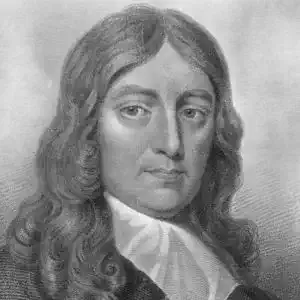
John Milton
On His Deceased Wife
On His Deceased Wife
METHOUGHT I saw my late espoused Saint
Brought to me like Alcestis from the grave,
Whom Joves great Son to her glad Husband gave,
Rescu'd from death by force though pale and faint.
Mine as whom washt from spot of child-bed taint,
Purification in the old Law did save,
And such, as yet once more I trust to have
Full sight of her in Heaven without restraint,
Came vested all in white, pure as her mind:
Her face was vail'd, yet to my fancied sight,
Love, sweetness, goodness, in her person shin'd
So clear, as in no face with more delight.
But O as to embrace me she enclin'd
I wak'd, she fled, and day brought back my night.
METHOUGHT I saw my late espoused Saint
Brought to me like Alcestis from the grave,
Whom Joves great Son to her glad Husband gave,
Rescu'd from death by force though pale and faint.
Mine as whom washt from spot of child-bed taint,
Purification in the old Law did save,
And such, as yet once more I trust to have
Full sight of her in Heaven without restraint,
Came vested all in white, pure as her mind:
Her face was vail'd, yet to my fancied sight,
Love, sweetness, goodness, in her person shin'd
So clear, as in no face with more delight.
But O as to embrace me she enclin'd
I wak'd, she fled, and day brought back my night.
498
John Milton
On The Death Of A Fair Infant Dying Of A Cough
On The Death Of A Fair Infant Dying Of A Cough
I
O fairest flower no sooner blown but blasted,
Soft silken Primrose fading timelesslie,
Summers chief honour if thou hadst outlasted
Bleak winters force that made thy blossome drie;
For he being amorous on that lovely die
That did thy cheek envermeil, thought to kiss
But kill'd alas, and then bewayl'd his fatal bliss.
II
For since grim Aquilo his charioter
By boistrous rape th' Athenian damsel got,
He thought it toucht his Deitie full neer,
If likewise he some fair one wedded not,
Thereby to wipe away th' infamous blot,
Of long-uncoupled bed, and childless eld,
Which 'mongst the wanton gods a foul reproach was held.
III
So mounting up in ycie-pearled carr,
Through middle empire of the freezing aire
He wanderd long, till thee he spy'd from farr,
There ended was his quest, there ceast his care
Down he descended from his Snow-soft chaire,
But all unwares with his cold-kind embrace
Unhous'd thy Virgin Soul from her fair hiding place.
IV
Yet art thou not inglorious in thy fate;
For so Apollo, with unweeting hand
Whilome did slay his dearly-loved mate
Young Hyacinth born on Eurotas' strand,
Young Hyacinth the pride of Spartan land;
But then transform'd him to a purple flower
Alack that so to change thee winter had no power.
V
Yet can I not perswade me thou art dead
Or that thy coarse corrupts in earths dark wombe,
Or that thy beauties lie in wormie bed,
Hid from the world in a low delved tombe;
Could Heav'n for pittie thee so strictly doom?
O no! for something in thy face did shine
Above mortalitie that shew'd thou wast divine.
VI
Resolve me then oh Soul most surely blest
(If so it be that thou these plaints dost hear)
Tell me bright Spirit where e're thou hoverest
Whether above that high first-moving Spheare
Or in the Elisian fields (if such there were.)
Oh say me true if thou wert mortal wight
And why from us so quickly thou didst take thy flight.
VII
Wert thou some Starr which from the ruin'd roofe
Of shak't Olympus by mischance didst fall;
Which carefull Jove in natures true behoofe
Took up, and in fit place did reinstall?
Or did of late earths Sonnes besiege the wall
Of sheenie Heav'n, and thou some goddess fled
Amongst us here below to hide thy nectar'd head
VIII
Or wert thou that just Maid who once before
Forsook the hated earth, O tell me sooth
And cam'st again to visit us once more?
Or wert thou that sweet smiling Youth!
Or that c[r]own'd Matron sage white-robed Truth?
Or any other of that heav'nly brood
Let down in clowdie throne to do the world some good.
Note: 53 Or wert thou] Or wert thou Mercy -- conjectured by
John Heskin Ch. Ch. Oxon. from Ode on Nativity, st. 15.
IX
Or wert thou of the golden-winged boast,
Who having clad thy self in humane weed,
To earth from thy praefixed seat didst poast,
And after short abode flie back with speed,
As if to shew what creatures Heav'n doth breed,
Thereby to set the hearts of men on fire
To scorn the sordid world, and unto Heav'n aspire.
X
But oh why didst thou not stay here below
To bless us with thy heav'n-lov'd innocence,
To slake his wrath whom sin hath made our foe
To turn Swift-rushing black perdition hence,
Or drive away the slaughtering pestilence,
To stand 'twixt us and our deserved smart
But thou canst best perform that office where thou art.
XI
Then thou the mother of so sweet a child
Her false imagin'd loss cease to lament,
And wisely learn to curb thy sorrows wild;
Think what a present thou to God hast sent,
And render him with patience what he lent;
This if thou do he will an off-spring give,
That till the worlds last-end shall make thy name to live.
I
O fairest flower no sooner blown but blasted,
Soft silken Primrose fading timelesslie,
Summers chief honour if thou hadst outlasted
Bleak winters force that made thy blossome drie;
For he being amorous on that lovely die
That did thy cheek envermeil, thought to kiss
But kill'd alas, and then bewayl'd his fatal bliss.
II
For since grim Aquilo his charioter
By boistrous rape th' Athenian damsel got,
He thought it toucht his Deitie full neer,
If likewise he some fair one wedded not,
Thereby to wipe away th' infamous blot,
Of long-uncoupled bed, and childless eld,
Which 'mongst the wanton gods a foul reproach was held.
III
So mounting up in ycie-pearled carr,
Through middle empire of the freezing aire
He wanderd long, till thee he spy'd from farr,
There ended was his quest, there ceast his care
Down he descended from his Snow-soft chaire,
But all unwares with his cold-kind embrace
Unhous'd thy Virgin Soul from her fair hiding place.
IV
Yet art thou not inglorious in thy fate;
For so Apollo, with unweeting hand
Whilome did slay his dearly-loved mate
Young Hyacinth born on Eurotas' strand,
Young Hyacinth the pride of Spartan land;
But then transform'd him to a purple flower
Alack that so to change thee winter had no power.
V
Yet can I not perswade me thou art dead
Or that thy coarse corrupts in earths dark wombe,
Or that thy beauties lie in wormie bed,
Hid from the world in a low delved tombe;
Could Heav'n for pittie thee so strictly doom?
O no! for something in thy face did shine
Above mortalitie that shew'd thou wast divine.
VI
Resolve me then oh Soul most surely blest
(If so it be that thou these plaints dost hear)
Tell me bright Spirit where e're thou hoverest
Whether above that high first-moving Spheare
Or in the Elisian fields (if such there were.)
Oh say me true if thou wert mortal wight
And why from us so quickly thou didst take thy flight.
VII
Wert thou some Starr which from the ruin'd roofe
Of shak't Olympus by mischance didst fall;
Which carefull Jove in natures true behoofe
Took up, and in fit place did reinstall?
Or did of late earths Sonnes besiege the wall
Of sheenie Heav'n, and thou some goddess fled
Amongst us here below to hide thy nectar'd head
VIII
Or wert thou that just Maid who once before
Forsook the hated earth, O tell me sooth
And cam'st again to visit us once more?
Or wert thou that sweet smiling Youth!
Or that c[r]own'd Matron sage white-robed Truth?
Or any other of that heav'nly brood
Let down in clowdie throne to do the world some good.
Note: 53 Or wert thou] Or wert thou Mercy -- conjectured by
John Heskin Ch. Ch. Oxon. from Ode on Nativity, st. 15.
IX
Or wert thou of the golden-winged boast,
Who having clad thy self in humane weed,
To earth from thy praefixed seat didst poast,
And after short abode flie back with speed,
As if to shew what creatures Heav'n doth breed,
Thereby to set the hearts of men on fire
To scorn the sordid world, and unto Heav'n aspire.
X
But oh why didst thou not stay here below
To bless us with thy heav'n-lov'd innocence,
To slake his wrath whom sin hath made our foe
To turn Swift-rushing black perdition hence,
Or drive away the slaughtering pestilence,
To stand 'twixt us and our deserved smart
But thou canst best perform that office where thou art.
XI
Then thou the mother of so sweet a child
Her false imagin'd loss cease to lament,
And wisely learn to curb thy sorrows wild;
Think what a present thou to God hast sent,
And render him with patience what he lent;
This if thou do he will an off-spring give,
That till the worlds last-end shall make thy name to live.
550
John Milton
Methought I Saw My Late Espoused Saint
Methought I Saw My Late Espoused Saint
Methought I saw my late espoused Saint
Brought to me like Alcestus from the grave,
Who Jove's great Son to her glad Husband gave,
Rescu'd from death by force though pale and faint.
Mine as whom washt from spot of child-bed taint
Purification in the old Law did save,
And such as yet once more I trust to have
Full sight of her in Heav'n without restraint,
Came vested all in white, pure as her mind:
Her face was veil'd, yet to my fancied sight
Love, sweetness, goodness in her person shin'd
So clear, as in no face with more delight.
But O as to embrace me she enclin'd
I wak'd, she fled, and day brought back my night.
Methought I saw my late espoused Saint
Brought to me like Alcestus from the grave,
Who Jove's great Son to her glad Husband gave,
Rescu'd from death by force though pale and faint.
Mine as whom washt from spot of child-bed taint
Purification in the old Law did save,
And such as yet once more I trust to have
Full sight of her in Heav'n without restraint,
Came vested all in white, pure as her mind:
Her face was veil'd, yet to my fancied sight
Love, sweetness, goodness in her person shin'd
So clear, as in no face with more delight.
But O as to embrace me she enclin'd
I wak'd, she fled, and day brought back my night.
520
John Milton
Methought I Saw My Late Espoused Saint
Methought I Saw My Late Espoused Saint
Methought I saw my late espoused Saint
Brought to me like Alcestus from the grave,
Who Jove's great Son to her glad Husband gave,
Rescu'd from death by force though pale and faint.
Mine as whom washt from spot of child-bed taint
Purification in the old Law did save,
And such as yet once more I trust to have
Full sight of her in Heav'n without restraint,
Came vested all in white, pure as her mind:
Her face was veil'd, yet to my fancied sight
Love, sweetness, goodness in her person shin'd
So clear, as in no face with more delight.
But O as to embrace me she enclin'd
I wak'd, she fled, and day brought back my night.
Methought I saw my late espoused Saint
Brought to me like Alcestus from the grave,
Who Jove's great Son to her glad Husband gave,
Rescu'd from death by force though pale and faint.
Mine as whom washt from spot of child-bed taint
Purification in the old Law did save,
And such as yet once more I trust to have
Full sight of her in Heav'n without restraint,
Came vested all in white, pure as her mind:
Her face was veil'd, yet to my fancied sight
Love, sweetness, goodness in her person shin'd
So clear, as in no face with more delight.
But O as to embrace me she enclin'd
I wak'd, she fled, and day brought back my night.
520
John Milton
Light
Light
HAIL holy light, ofspring of Heav'n first-born,
Or of th' Eternal Coeternal beam
May I express thee unblam'd? since God is light,
And never but in unapproached light
Dwelt from Eternitie, dwelt then in thee,
Bright effluence of bright essence increate.
Or hear'st thou rather pure Ethereal stream,
Whose Fountain who shall tell? before the Sun,
Before the Heavens thou wert, and at the voice
Of God, as with a Mantle didst invest
The rising world of waters dark and deep,
Won from the void and formless infinite.
Thee I re-visit now with bolder wing,
Escap't the Stygian Pool, though long detain'd
In that obscure sojourn, while in my flight
Through utter and through middle darkness borne
With other notes then to th' Orphean Lyre
I sung of Chaos and Eternal Night,
Taught by the heav'nly Muse to venture down
The dark descent, and up to reascend,
Though hard and rare: thee I revisit safe,
And feel thy sovran vital Lamp; but thou
Revisit'st not these eyes, that rowle in vain
To find thy piercing ray, and find no dawn;
So thick a drop serene hath quencht thir Orbs,
Or dim suffusion veild. Yet not the more
Cease I to wander where the Muses haunt
Cleer Spring, or shadie Grove, or Sunnie Hill,
Smit with the love of sacred song; but chief
Thee Sion and the flowrie Brooks beneath
That wash thy hallowd feet, and warbling flow,
Nightly I visit: nor somtimes forget
Those other two equal'd with me in Fate,
So were I equal'd with them in renown.
Blind Thamyris and blind Maeonides,
And Tiresias and Phineus Prophets old.
Then feed on thoughts, that voluntarie move
Harmonious numbers; as the wakeful Bird
Sings darkling, and in shadiest Covert hid
Tunes her nocturnal Note. Thus with the Year
Seasons return, but not to me returns
Day, or the sweet approach of Ev'n or Morn,
Or sight of vernal bloom, or Summers Rose,
Or flocks, or herds, or human face divine;
But cloud in stead, and ever-during dark
Surrounds me, from the chearful waies of men
Cut off, and for the Book of knowledg fair
Presented with a Universal blanc
Of Natures works to mee expung'd and ras'd,
And wisdome at one entrance quite shut out.
So much the rather thou Celestial light
Shine inward, and the mind through all her powers
Irradiate, there plant eyes, all mist from thence
Purge and disperse, that I may see and tell
Of things invisible to mortal sight.
HAIL holy light, ofspring of Heav'n first-born,
Or of th' Eternal Coeternal beam
May I express thee unblam'd? since God is light,
And never but in unapproached light
Dwelt from Eternitie, dwelt then in thee,
Bright effluence of bright essence increate.
Or hear'st thou rather pure Ethereal stream,
Whose Fountain who shall tell? before the Sun,
Before the Heavens thou wert, and at the voice
Of God, as with a Mantle didst invest
The rising world of waters dark and deep,
Won from the void and formless infinite.
Thee I re-visit now with bolder wing,
Escap't the Stygian Pool, though long detain'd
In that obscure sojourn, while in my flight
Through utter and through middle darkness borne
With other notes then to th' Orphean Lyre
I sung of Chaos and Eternal Night,
Taught by the heav'nly Muse to venture down
The dark descent, and up to reascend,
Though hard and rare: thee I revisit safe,
And feel thy sovran vital Lamp; but thou
Revisit'st not these eyes, that rowle in vain
To find thy piercing ray, and find no dawn;
So thick a drop serene hath quencht thir Orbs,
Or dim suffusion veild. Yet not the more
Cease I to wander where the Muses haunt
Cleer Spring, or shadie Grove, or Sunnie Hill,
Smit with the love of sacred song; but chief
Thee Sion and the flowrie Brooks beneath
That wash thy hallowd feet, and warbling flow,
Nightly I visit: nor somtimes forget
Those other two equal'd with me in Fate,
So were I equal'd with them in renown.
Blind Thamyris and blind Maeonides,
And Tiresias and Phineus Prophets old.
Then feed on thoughts, that voluntarie move
Harmonious numbers; as the wakeful Bird
Sings darkling, and in shadiest Covert hid
Tunes her nocturnal Note. Thus with the Year
Seasons return, but not to me returns
Day, or the sweet approach of Ev'n or Morn,
Or sight of vernal bloom, or Summers Rose,
Or flocks, or herds, or human face divine;
But cloud in stead, and ever-during dark
Surrounds me, from the chearful waies of men
Cut off, and for the Book of knowledg fair
Presented with a Universal blanc
Of Natures works to mee expung'd and ras'd,
And wisdome at one entrance quite shut out.
So much the rather thou Celestial light
Shine inward, and the mind through all her powers
Irradiate, there plant eyes, all mist from thence
Purge and disperse, that I may see and tell
Of things invisible to mortal sight.
541
John Milton
Light
Light
HAIL holy light, ofspring of Heav'n first-born,
Or of th' Eternal Coeternal beam
May I express thee unblam'd? since God is light,
And never but in unapproached light
Dwelt from Eternitie, dwelt then in thee,
Bright effluence of bright essence increate.
Or hear'st thou rather pure Ethereal stream,
Whose Fountain who shall tell? before the Sun,
Before the Heavens thou wert, and at the voice
Of God, as with a Mantle didst invest
The rising world of waters dark and deep,
Won from the void and formless infinite.
Thee I re-visit now with bolder wing,
Escap't the Stygian Pool, though long detain'd
In that obscure sojourn, while in my flight
Through utter and through middle darkness borne
With other notes then to th' Orphean Lyre
I sung of Chaos and Eternal Night,
Taught by the heav'nly Muse to venture down
The dark descent, and up to reascend,
Though hard and rare: thee I revisit safe,
And feel thy sovran vital Lamp; but thou
Revisit'st not these eyes, that rowle in vain
To find thy piercing ray, and find no dawn;
So thick a drop serene hath quencht thir Orbs,
Or dim suffusion veild. Yet not the more
Cease I to wander where the Muses haunt
Cleer Spring, or shadie Grove, or Sunnie Hill,
Smit with the love of sacred song; but chief
Thee Sion and the flowrie Brooks beneath
That wash thy hallowd feet, and warbling flow,
Nightly I visit: nor somtimes forget
Those other two equal'd with me in Fate,
So were I equal'd with them in renown.
Blind Thamyris and blind Maeonides,
And Tiresias and Phineus Prophets old.
Then feed on thoughts, that voluntarie move
Harmonious numbers; as the wakeful Bird
Sings darkling, and in shadiest Covert hid
Tunes her nocturnal Note. Thus with the Year
Seasons return, but not to me returns
Day, or the sweet approach of Ev'n or Morn,
Or sight of vernal bloom, or Summers Rose,
Or flocks, or herds, or human face divine;
But cloud in stead, and ever-during dark
Surrounds me, from the chearful waies of men
Cut off, and for the Book of knowledg fair
Presented with a Universal blanc
Of Natures works to mee expung'd and ras'd,
And wisdome at one entrance quite shut out.
So much the rather thou Celestial light
Shine inward, and the mind through all her powers
Irradiate, there plant eyes, all mist from thence
Purge and disperse, that I may see and tell
Of things invisible to mortal sight.
HAIL holy light, ofspring of Heav'n first-born,
Or of th' Eternal Coeternal beam
May I express thee unblam'd? since God is light,
And never but in unapproached light
Dwelt from Eternitie, dwelt then in thee,
Bright effluence of bright essence increate.
Or hear'st thou rather pure Ethereal stream,
Whose Fountain who shall tell? before the Sun,
Before the Heavens thou wert, and at the voice
Of God, as with a Mantle didst invest
The rising world of waters dark and deep,
Won from the void and formless infinite.
Thee I re-visit now with bolder wing,
Escap't the Stygian Pool, though long detain'd
In that obscure sojourn, while in my flight
Through utter and through middle darkness borne
With other notes then to th' Orphean Lyre
I sung of Chaos and Eternal Night,
Taught by the heav'nly Muse to venture down
The dark descent, and up to reascend,
Though hard and rare: thee I revisit safe,
And feel thy sovran vital Lamp; but thou
Revisit'st not these eyes, that rowle in vain
To find thy piercing ray, and find no dawn;
So thick a drop serene hath quencht thir Orbs,
Or dim suffusion veild. Yet not the more
Cease I to wander where the Muses haunt
Cleer Spring, or shadie Grove, or Sunnie Hill,
Smit with the love of sacred song; but chief
Thee Sion and the flowrie Brooks beneath
That wash thy hallowd feet, and warbling flow,
Nightly I visit: nor somtimes forget
Those other two equal'd with me in Fate,
So were I equal'd with them in renown.
Blind Thamyris and blind Maeonides,
And Tiresias and Phineus Prophets old.
Then feed on thoughts, that voluntarie move
Harmonious numbers; as the wakeful Bird
Sings darkling, and in shadiest Covert hid
Tunes her nocturnal Note. Thus with the Year
Seasons return, but not to me returns
Day, or the sweet approach of Ev'n or Morn,
Or sight of vernal bloom, or Summers Rose,
Or flocks, or herds, or human face divine;
But cloud in stead, and ever-during dark
Surrounds me, from the chearful waies of men
Cut off, and for the Book of knowledg fair
Presented with a Universal blanc
Of Natures works to mee expung'd and ras'd,
And wisdome at one entrance quite shut out.
So much the rather thou Celestial light
Shine inward, and the mind through all her powers
Irradiate, there plant eyes, all mist from thence
Purge and disperse, that I may see and tell
Of things invisible to mortal sight.
541
John Milton
How Soon Hath Time
How Soon Hath Time
How soon hath Time, the subtle thief of youth,
Stoln on his wing my three and twentieth year!
My hasting days fly on wtih full career,
But my late spring no bud or blossom shew'th.
Perhaps my semblance might deceive the truth,
That I to manhood am arrived so near,
And inward ripeness doth much less appear,
That some more timely-happy spirits endu'th.
Yet be it less or more, or soon or slow,
It shall be still in strictest measure even
To that same lot, however mean or high,
Toward which Time leads me, and the will of Heaven;
All is, if I have grace to use it so,
As ever in my great Taskmaster's eye.
How soon hath Time, the subtle thief of youth,
Stoln on his wing my three and twentieth year!
My hasting days fly on wtih full career,
But my late spring no bud or blossom shew'th.
Perhaps my semblance might deceive the truth,
That I to manhood am arrived so near,
And inward ripeness doth much less appear,
That some more timely-happy spirits endu'th.
Yet be it less or more, or soon or slow,
It shall be still in strictest measure even
To that same lot, however mean or high,
Toward which Time leads me, and the will of Heaven;
All is, if I have grace to use it so,
As ever in my great Taskmaster's eye.
572
John Milton
How Soon Hath Time
How Soon Hath Time
How soon hath Time, the subtle thief of youth,
Stoln on his wing my three and twentieth year!
My hasting days fly on wtih full career,
But my late spring no bud or blossom shew'th.
Perhaps my semblance might deceive the truth,
That I to manhood am arrived so near,
And inward ripeness doth much less appear,
That some more timely-happy spirits endu'th.
Yet be it less or more, or soon or slow,
It shall be still in strictest measure even
To that same lot, however mean or high,
Toward which Time leads me, and the will of Heaven;
All is, if I have grace to use it so,
As ever in my great Taskmaster's eye.
How soon hath Time, the subtle thief of youth,
Stoln on his wing my three and twentieth year!
My hasting days fly on wtih full career,
But my late spring no bud or blossom shew'th.
Perhaps my semblance might deceive the truth,
That I to manhood am arrived so near,
And inward ripeness doth much less appear,
That some more timely-happy spirits endu'th.
Yet be it less or more, or soon or slow,
It shall be still in strictest measure even
To that same lot, however mean or high,
Toward which Time leads me, and the will of Heaven;
All is, if I have grace to use it so,
As ever in my great Taskmaster's eye.
572
John Milton
How Soon Hath Time
How Soon Hath Time
How soon hath Time, the subtle thief of youth,
Stoln on his wing my three and twentieth year!
My hasting days fly on wtih full career,
But my late spring no bud or blossom shew'th.
Perhaps my semblance might deceive the truth,
That I to manhood am arrived so near,
And inward ripeness doth much less appear,
That some more timely-happy spirits endu'th.
Yet be it less or more, or soon or slow,
It shall be still in strictest measure even
To that same lot, however mean or high,
Toward which Time leads me, and the will of Heaven;
All is, if I have grace to use it so,
As ever in my great Taskmaster's eye.
How soon hath Time, the subtle thief of youth,
Stoln on his wing my three and twentieth year!
My hasting days fly on wtih full career,
But my late spring no bud or blossom shew'th.
Perhaps my semblance might deceive the truth,
That I to manhood am arrived so near,
And inward ripeness doth much less appear,
That some more timely-happy spirits endu'th.
Yet be it less or more, or soon or slow,
It shall be still in strictest measure even
To that same lot, however mean or high,
Toward which Time leads me, and the will of Heaven;
All is, if I have grace to use it so,
As ever in my great Taskmaster's eye.
572
John Milton
How Soon Hath Time
How Soon Hath Time
How soon hath Time, the subtle thief of youth,
Stoln on his wing my three and twentieth year!
My hasting days fly on wtih full career,
But my late spring no bud or blossom shew'th.
Perhaps my semblance might deceive the truth,
That I to manhood am arrived so near,
And inward ripeness doth much less appear,
That some more timely-happy spirits endu'th.
Yet be it less or more, or soon or slow,
It shall be still in strictest measure even
To that same lot, however mean or high,
Toward which Time leads me, and the will of Heaven;
All is, if I have grace to use it so,
As ever in my great Taskmaster's eye.
How soon hath Time, the subtle thief of youth,
Stoln on his wing my three and twentieth year!
My hasting days fly on wtih full career,
But my late spring no bud or blossom shew'th.
Perhaps my semblance might deceive the truth,
That I to manhood am arrived so near,
And inward ripeness doth much less appear,
That some more timely-happy spirits endu'th.
Yet be it less or more, or soon or slow,
It shall be still in strictest measure even
To that same lot, however mean or high,
Toward which Time leads me, and the will of Heaven;
All is, if I have grace to use it so,
As ever in my great Taskmaster's eye.
572
John Milton
Arcades
Arcades
Part of an entertainment presented to the Countess Dowager of
Darby at Harefield, by som Noble persons of her Family, who
appear on the Scene in pastoral habit, moving toward the seat
of State with this Song.
I. SONG.
Look Nymphs, and Shepherds look,
What sudden blaze of majesty
Is that which we from hence descry
Too divine to be mistook:
This this is she
To whom our vows and wishes bend,
Heer our solemn search hath end.
Fame that her high worth to raise,
Seem'd erst so lavish and profuse,
We may justly now accuse
Of detraction from her praise,
Less then half we find exprest,
Envy bid conceal the rest.
Mark what radiant state she spreds,
In circle round her shining throne,
Shooting her beams like silver threds,
This this is she alone,
Sitting like a Goddes bright,
In the center of her light.
Might she the wise Latona be,
Or the towred Cybele,
Mother of a hunderd gods;
Juno dare's not give her odds;
Who had thought this clime had held
A deity so unparalel'd?
As they com forward, the genius of the Wood appears, and
turning toward them, speaks.
GEN. Stay gentle Swains, for though in this disguise,
I see bright honour sparkle through your eyes,
Of famous Arcady ye are, and sprung
Of that renowned flood, so often sung,
Divine Alpheus, who by secret sluse,
Stole under Seas to meet his Arethuse;
And ye the breathing Roses of the Wood,
Fair silver-buskind Nymphs as great and good,
I know this quest of yours, and free intent
Was all in honour and devotion ment
To the great Mistres of yon princely shrine,
Whom with low reverence I adore as mine,
And with all helpful service will comply
To further this nights glad solemnity;
And lead ye where ye may more neer behold
What shallow-searching Fame hath left untold;
Which I full oft amidst these shades alone
Have sate to wonder at, and gaze upon:
For know by lot from Jove I am the powr
Of this fair wood, and live in Oak'n bowr,
To nurse the Saplings tall, and curl the grove
With Ringlets quaint, and wanton windings wove.
And all my Plants I save from nightly ill,
Of noisom winds, and blasting vapours chill.
And from the Boughs brush off the evil dew,
And heal the harms of thwarting thunder blew,
Or what the cross dire-looking Planet smites,
Or hurtfull Worm with canker'd venom bites.
When Eev'ning gray doth rise, I fetch my round
Over the mount, and all this hallow'd ground,
And early ere the odorous breath of morn
Awakes the slumbring leaves, or tasseld horn
Shakes the high thicket, haste I all about,
Number my ranks, and visit every sprout
With puissant words, and murmurs made to bless,
But els in deep of night when drowsines
Hath lockt up mortal sense, then listen I
To the celestial Sirens harmony,
That sit upon the nine enfolded Sphears,
And sing to those that hold the vital shears,
And turn the Adamantine spindle round,
On which the fate of gods and men is wound.
Such sweet compulsion doth in musick ly,
To lull the daughters of Necessity,
And keep unsteddy Nature to her law,
And the low world in measur'd motion draw
After the heavenly tune, which none can hear
Of human mould with grosse unpurged ear;
And yet such musick worthiest were to blaze
The peerles height of her immortal praise,
Whose lustre leads us, and for her most fit,
If my inferior hand or voice could hit
Inimitable sounds, yet as we go,
What ere the skill of lesser gods can show,
I will assay, her worth to celebrate,
And so attend ye toward her glittering state;
Where ye may all that are of noble stemm
Approach, and kiss her sacred vestures hemm.
2. SONG.
O're the smooth enameld green
Where no print of step hath been,
Follow me as I sing,
And touch the warbled string.
Under the shady roof
Of branching Elm Star-proof,
Follow me,
I will bring you where she sits
Clad in splendor as befits
Her deity.
Such a rural Queen
All Arcadia hath not seen.
3. SONG.
Nymphs and Shepherds dance no more
By sandy Ladons Lillied banks.
On old Lycaeus or Cyllene hoar,
Trip no more in twilight ranks,
Though Erynanth your loss deplore,
A better soyl shall give ye thanks.
From the stony Maenalus,
Bring your Flocks, and live with us,
Here ye shall have greater grace,
To serve the Lady of this place.
Though Syrinx your Pans Mistres were,
Yet Syrinx well might wait on her.
Such a rural Queen
All Arcadia hath not seen.
Note: 22 hunderd] Milton's own spelling here is hundred. But in
the Errata to Paradise Lost (i. 760) he corrects hundred to hunderd.
Part of an entertainment presented to the Countess Dowager of
Darby at Harefield, by som Noble persons of her Family, who
appear on the Scene in pastoral habit, moving toward the seat
of State with this Song.
I. SONG.
Look Nymphs, and Shepherds look,
What sudden blaze of majesty
Is that which we from hence descry
Too divine to be mistook:
This this is she
To whom our vows and wishes bend,
Heer our solemn search hath end.
Fame that her high worth to raise,
Seem'd erst so lavish and profuse,
We may justly now accuse
Of detraction from her praise,
Less then half we find exprest,
Envy bid conceal the rest.
Mark what radiant state she spreds,
In circle round her shining throne,
Shooting her beams like silver threds,
This this is she alone,
Sitting like a Goddes bright,
In the center of her light.
Might she the wise Latona be,
Or the towred Cybele,
Mother of a hunderd gods;
Juno dare's not give her odds;
Who had thought this clime had held
A deity so unparalel'd?
As they com forward, the genius of the Wood appears, and
turning toward them, speaks.
GEN. Stay gentle Swains, for though in this disguise,
I see bright honour sparkle through your eyes,
Of famous Arcady ye are, and sprung
Of that renowned flood, so often sung,
Divine Alpheus, who by secret sluse,
Stole under Seas to meet his Arethuse;
And ye the breathing Roses of the Wood,
Fair silver-buskind Nymphs as great and good,
I know this quest of yours, and free intent
Was all in honour and devotion ment
To the great Mistres of yon princely shrine,
Whom with low reverence I adore as mine,
And with all helpful service will comply
To further this nights glad solemnity;
And lead ye where ye may more neer behold
What shallow-searching Fame hath left untold;
Which I full oft amidst these shades alone
Have sate to wonder at, and gaze upon:
For know by lot from Jove I am the powr
Of this fair wood, and live in Oak'n bowr,
To nurse the Saplings tall, and curl the grove
With Ringlets quaint, and wanton windings wove.
And all my Plants I save from nightly ill,
Of noisom winds, and blasting vapours chill.
And from the Boughs brush off the evil dew,
And heal the harms of thwarting thunder blew,
Or what the cross dire-looking Planet smites,
Or hurtfull Worm with canker'd venom bites.
When Eev'ning gray doth rise, I fetch my round
Over the mount, and all this hallow'd ground,
And early ere the odorous breath of morn
Awakes the slumbring leaves, or tasseld horn
Shakes the high thicket, haste I all about,
Number my ranks, and visit every sprout
With puissant words, and murmurs made to bless,
But els in deep of night when drowsines
Hath lockt up mortal sense, then listen I
To the celestial Sirens harmony,
That sit upon the nine enfolded Sphears,
And sing to those that hold the vital shears,
And turn the Adamantine spindle round,
On which the fate of gods and men is wound.
Such sweet compulsion doth in musick ly,
To lull the daughters of Necessity,
And keep unsteddy Nature to her law,
And the low world in measur'd motion draw
After the heavenly tune, which none can hear
Of human mould with grosse unpurged ear;
And yet such musick worthiest were to blaze
The peerles height of her immortal praise,
Whose lustre leads us, and for her most fit,
If my inferior hand or voice could hit
Inimitable sounds, yet as we go,
What ere the skill of lesser gods can show,
I will assay, her worth to celebrate,
And so attend ye toward her glittering state;
Where ye may all that are of noble stemm
Approach, and kiss her sacred vestures hemm.
2. SONG.
O're the smooth enameld green
Where no print of step hath been,
Follow me as I sing,
And touch the warbled string.
Under the shady roof
Of branching Elm Star-proof,
Follow me,
I will bring you where she sits
Clad in splendor as befits
Her deity.
Such a rural Queen
All Arcadia hath not seen.
3. SONG.
Nymphs and Shepherds dance no more
By sandy Ladons Lillied banks.
On old Lycaeus or Cyllene hoar,
Trip no more in twilight ranks,
Though Erynanth your loss deplore,
A better soyl shall give ye thanks.
From the stony Maenalus,
Bring your Flocks, and live with us,
Here ye shall have greater grace,
To serve the Lady of this place.
Though Syrinx your Pans Mistres were,
Yet Syrinx well might wait on her.
Such a rural Queen
All Arcadia hath not seen.
Note: 22 hunderd] Milton's own spelling here is hundred. But in
the Errata to Paradise Lost (i. 760) he corrects hundred to hunderd.
536
John Milton
An Epitaph On The Marchioness Of Winchester
An Epitaph On The Marchioness Of Winchester
This rich Marble doth enterr
The honour'd Wife of Winchester,
A Vicounts daughter, an Earls heir,
Besides what her vertues fair
Added to her noble birth,
More then she could own from Earth.
Summers three times eight save one
She had told, alas too soon,
After so short time of breath,
To house with darknes, and with death.
Yet had the number of her days
Bin as compleat as was her praise,
Nature and fate had had no strife
In giving limit to her life.
Her high birth, and her graces sweet,
Quickly found a lover meet;
The Virgin quire for her request
The God that sits at marriage feast;
He at their invoking came
But with a scarce-wel-lighted flame;
And in his Garland as he stood,
Ye might discern a Cipress bud.
Once had the early Matrons run
To greet her of a lovely son,
And now with second hope she goes,
And calls Lucina to her throws;
But whether by mischance or blame
Atropos for Lucina came;
And with remorsles cruelty,
Spoil'd at once both fruit and tree:
The haples Babe before his birth
Had burial, yet not laid in earth,
And the languisht Mothers Womb
Was not long a living Tomb.
So have I seen som tender slip
Sav'd with care from Winters nip,
The pride of her carnation train,
Pluck't up by som unheedy swain,
Who onely thought to crop the flowr
New shot up from vernall showr;
But the fair blossom hangs the head
Side-ways as on a dying bed,
And those Pearls of dew she wears,
Prove to be presaging tears
Which the sad morn had let fall
On her hast'ning funerall.
Gentle Lady may thy grave
Peace and quiet ever have;
After this thy travail sore
Sweet rest sease thee evermore,
That to give the world encrease,
Shortned hast thy own lives lease;
Here besides the sorrowing
That thy noble House doth bring,
Here be tears of perfect moan
Weept for thee in Helicon,
And som Flowers, and som Bays,
For thy Hears to strew the ways,
Sent thee from the banks of Came,
Devoted to thy vertuous name;
Whilst thou bright Saint high sit'st in glory,
Next her much like to thee in story,
That fair Syrian Shepherdess,
Who after yeers of barrennes,
The highly favour'd Joseph bore
To him that serv'd for her before,
And at her next birth much like thee,
Through pangs fled to felicity,
Far within the boosom bright
of blazing Majesty and Light,
There with thee, new welcom Saint,
Like fortunes may her soul acquaint,
With thee there clad in radiant sheen,
No Marchioness, but now a Queen.
This rich Marble doth enterr
The honour'd Wife of Winchester,
A Vicounts daughter, an Earls heir,
Besides what her vertues fair
Added to her noble birth,
More then she could own from Earth.
Summers three times eight save one
She had told, alas too soon,
After so short time of breath,
To house with darknes, and with death.
Yet had the number of her days
Bin as compleat as was her praise,
Nature and fate had had no strife
In giving limit to her life.
Her high birth, and her graces sweet,
Quickly found a lover meet;
The Virgin quire for her request
The God that sits at marriage feast;
He at their invoking came
But with a scarce-wel-lighted flame;
And in his Garland as he stood,
Ye might discern a Cipress bud.
Once had the early Matrons run
To greet her of a lovely son,
And now with second hope she goes,
And calls Lucina to her throws;
But whether by mischance or blame
Atropos for Lucina came;
And with remorsles cruelty,
Spoil'd at once both fruit and tree:
The haples Babe before his birth
Had burial, yet not laid in earth,
And the languisht Mothers Womb
Was not long a living Tomb.
So have I seen som tender slip
Sav'd with care from Winters nip,
The pride of her carnation train,
Pluck't up by som unheedy swain,
Who onely thought to crop the flowr
New shot up from vernall showr;
But the fair blossom hangs the head
Side-ways as on a dying bed,
And those Pearls of dew she wears,
Prove to be presaging tears
Which the sad morn had let fall
On her hast'ning funerall.
Gentle Lady may thy grave
Peace and quiet ever have;
After this thy travail sore
Sweet rest sease thee evermore,
That to give the world encrease,
Shortned hast thy own lives lease;
Here besides the sorrowing
That thy noble House doth bring,
Here be tears of perfect moan
Weept for thee in Helicon,
And som Flowers, and som Bays,
For thy Hears to strew the ways,
Sent thee from the banks of Came,
Devoted to thy vertuous name;
Whilst thou bright Saint high sit'st in glory,
Next her much like to thee in story,
That fair Syrian Shepherdess,
Who after yeers of barrennes,
The highly favour'd Joseph bore
To him that serv'd for her before,
And at her next birth much like thee,
Through pangs fled to felicity,
Far within the boosom bright
of blazing Majesty and Light,
There with thee, new welcom Saint,
Like fortunes may her soul acquaint,
With thee there clad in radiant sheen,
No Marchioness, but now a Queen.
533
John Milton
An Epitaph On The Marchioness Of Winchester
An Epitaph On The Marchioness Of Winchester
This rich Marble doth enterr
The honour'd Wife of Winchester,
A Vicounts daughter, an Earls heir,
Besides what her vertues fair
Added to her noble birth,
More then she could own from Earth.
Summers three times eight save one
She had told, alas too soon,
After so short time of breath,
To house with darknes, and with death.
Yet had the number of her days
Bin as compleat as was her praise,
Nature and fate had had no strife
In giving limit to her life.
Her high birth, and her graces sweet,
Quickly found a lover meet;
The Virgin quire for her request
The God that sits at marriage feast;
He at their invoking came
But with a scarce-wel-lighted flame;
And in his Garland as he stood,
Ye might discern a Cipress bud.
Once had the early Matrons run
To greet her of a lovely son,
And now with second hope she goes,
And calls Lucina to her throws;
But whether by mischance or blame
Atropos for Lucina came;
And with remorsles cruelty,
Spoil'd at once both fruit and tree:
The haples Babe before his birth
Had burial, yet not laid in earth,
And the languisht Mothers Womb
Was not long a living Tomb.
So have I seen som tender slip
Sav'd with care from Winters nip,
The pride of her carnation train,
Pluck't up by som unheedy swain,
Who onely thought to crop the flowr
New shot up from vernall showr;
But the fair blossom hangs the head
Side-ways as on a dying bed,
And those Pearls of dew she wears,
Prove to be presaging tears
Which the sad morn had let fall
On her hast'ning funerall.
Gentle Lady may thy grave
Peace and quiet ever have;
After this thy travail sore
Sweet rest sease thee evermore,
That to give the world encrease,
Shortned hast thy own lives lease;
Here besides the sorrowing
That thy noble House doth bring,
Here be tears of perfect moan
Weept for thee in Helicon,
And som Flowers, and som Bays,
For thy Hears to strew the ways,
Sent thee from the banks of Came,
Devoted to thy vertuous name;
Whilst thou bright Saint high sit'st in glory,
Next her much like to thee in story,
That fair Syrian Shepherdess,
Who after yeers of barrennes,
The highly favour'd Joseph bore
To him that serv'd for her before,
And at her next birth much like thee,
Through pangs fled to felicity,
Far within the boosom bright
of blazing Majesty and Light,
There with thee, new welcom Saint,
Like fortunes may her soul acquaint,
With thee there clad in radiant sheen,
No Marchioness, but now a Queen.
This rich Marble doth enterr
The honour'd Wife of Winchester,
A Vicounts daughter, an Earls heir,
Besides what her vertues fair
Added to her noble birth,
More then she could own from Earth.
Summers three times eight save one
She had told, alas too soon,
After so short time of breath,
To house with darknes, and with death.
Yet had the number of her days
Bin as compleat as was her praise,
Nature and fate had had no strife
In giving limit to her life.
Her high birth, and her graces sweet,
Quickly found a lover meet;
The Virgin quire for her request
The God that sits at marriage feast;
He at their invoking came
But with a scarce-wel-lighted flame;
And in his Garland as he stood,
Ye might discern a Cipress bud.
Once had the early Matrons run
To greet her of a lovely son,
And now with second hope she goes,
And calls Lucina to her throws;
But whether by mischance or blame
Atropos for Lucina came;
And with remorsles cruelty,
Spoil'd at once both fruit and tree:
The haples Babe before his birth
Had burial, yet not laid in earth,
And the languisht Mothers Womb
Was not long a living Tomb.
So have I seen som tender slip
Sav'd with care from Winters nip,
The pride of her carnation train,
Pluck't up by som unheedy swain,
Who onely thought to crop the flowr
New shot up from vernall showr;
But the fair blossom hangs the head
Side-ways as on a dying bed,
And those Pearls of dew she wears,
Prove to be presaging tears
Which the sad morn had let fall
On her hast'ning funerall.
Gentle Lady may thy grave
Peace and quiet ever have;
After this thy travail sore
Sweet rest sease thee evermore,
That to give the world encrease,
Shortned hast thy own lives lease;
Here besides the sorrowing
That thy noble House doth bring,
Here be tears of perfect moan
Weept for thee in Helicon,
And som Flowers, and som Bays,
For thy Hears to strew the ways,
Sent thee from the banks of Came,
Devoted to thy vertuous name;
Whilst thou bright Saint high sit'st in glory,
Next her much like to thee in story,
That fair Syrian Shepherdess,
Who after yeers of barrennes,
The highly favour'd Joseph bore
To him that serv'd for her before,
And at her next birth much like thee,
Through pangs fled to felicity,
Far within the boosom bright
of blazing Majesty and Light,
There with thee, new welcom Saint,
Like fortunes may her soul acquaint,
With thee there clad in radiant sheen,
No Marchioness, but now a Queen.
533
John Milton
An Epitaph On The Marchioness Of Winchester
An Epitaph On The Marchioness Of Winchester
This rich Marble doth enterr
The honour'd Wife of Winchester,
A Vicounts daughter, an Earls heir,
Besides what her vertues fair
Added to her noble birth,
More then she could own from Earth.
Summers three times eight save one
She had told, alas too soon,
After so short time of breath,
To house with darknes, and with death.
Yet had the number of her days
Bin as compleat as was her praise,
Nature and fate had had no strife
In giving limit to her life.
Her high birth, and her graces sweet,
Quickly found a lover meet;
The Virgin quire for her request
The God that sits at marriage feast;
He at their invoking came
But with a scarce-wel-lighted flame;
And in his Garland as he stood,
Ye might discern a Cipress bud.
Once had the early Matrons run
To greet her of a lovely son,
And now with second hope she goes,
And calls Lucina to her throws;
But whether by mischance or blame
Atropos for Lucina came;
And with remorsles cruelty,
Spoil'd at once both fruit and tree:
The haples Babe before his birth
Had burial, yet not laid in earth,
And the languisht Mothers Womb
Was not long a living Tomb.
So have I seen som tender slip
Sav'd with care from Winters nip,
The pride of her carnation train,
Pluck't up by som unheedy swain,
Who onely thought to crop the flowr
New shot up from vernall showr;
But the fair blossom hangs the head
Side-ways as on a dying bed,
And those Pearls of dew she wears,
Prove to be presaging tears
Which the sad morn had let fall
On her hast'ning funerall.
Gentle Lady may thy grave
Peace and quiet ever have;
After this thy travail sore
Sweet rest sease thee evermore,
That to give the world encrease,
Shortned hast thy own lives lease;
Here besides the sorrowing
That thy noble House doth bring,
Here be tears of perfect moan
Weept for thee in Helicon,
And som Flowers, and som Bays,
For thy Hears to strew the ways,
Sent thee from the banks of Came,
Devoted to thy vertuous name;
Whilst thou bright Saint high sit'st in glory,
Next her much like to thee in story,
That fair Syrian Shepherdess,
Who after yeers of barrennes,
The highly favour'd Joseph bore
To him that serv'd for her before,
And at her next birth much like thee,
Through pangs fled to felicity,
Far within the boosom bright
of blazing Majesty and Light,
There with thee, new welcom Saint,
Like fortunes may her soul acquaint,
With thee there clad in radiant sheen,
No Marchioness, but now a Queen.
This rich Marble doth enterr
The honour'd Wife of Winchester,
A Vicounts daughter, an Earls heir,
Besides what her vertues fair
Added to her noble birth,
More then she could own from Earth.
Summers three times eight save one
She had told, alas too soon,
After so short time of breath,
To house with darknes, and with death.
Yet had the number of her days
Bin as compleat as was her praise,
Nature and fate had had no strife
In giving limit to her life.
Her high birth, and her graces sweet,
Quickly found a lover meet;
The Virgin quire for her request
The God that sits at marriage feast;
He at their invoking came
But with a scarce-wel-lighted flame;
And in his Garland as he stood,
Ye might discern a Cipress bud.
Once had the early Matrons run
To greet her of a lovely son,
And now with second hope she goes,
And calls Lucina to her throws;
But whether by mischance or blame
Atropos for Lucina came;
And with remorsles cruelty,
Spoil'd at once both fruit and tree:
The haples Babe before his birth
Had burial, yet not laid in earth,
And the languisht Mothers Womb
Was not long a living Tomb.
So have I seen som tender slip
Sav'd with care from Winters nip,
The pride of her carnation train,
Pluck't up by som unheedy swain,
Who onely thought to crop the flowr
New shot up from vernall showr;
But the fair blossom hangs the head
Side-ways as on a dying bed,
And those Pearls of dew she wears,
Prove to be presaging tears
Which the sad morn had let fall
On her hast'ning funerall.
Gentle Lady may thy grave
Peace and quiet ever have;
After this thy travail sore
Sweet rest sease thee evermore,
That to give the world encrease,
Shortned hast thy own lives lease;
Here besides the sorrowing
That thy noble House doth bring,
Here be tears of perfect moan
Weept for thee in Helicon,
And som Flowers, and som Bays,
For thy Hears to strew the ways,
Sent thee from the banks of Came,
Devoted to thy vertuous name;
Whilst thou bright Saint high sit'st in glory,
Next her much like to thee in story,
That fair Syrian Shepherdess,
Who after yeers of barrennes,
The highly favour'd Joseph bore
To him that serv'd for her before,
And at her next birth much like thee,
Through pangs fled to felicity,
Far within the boosom bright
of blazing Majesty and Light,
There with thee, new welcom Saint,
Like fortunes may her soul acquaint,
With thee there clad in radiant sheen,
No Marchioness, but now a Queen.
533
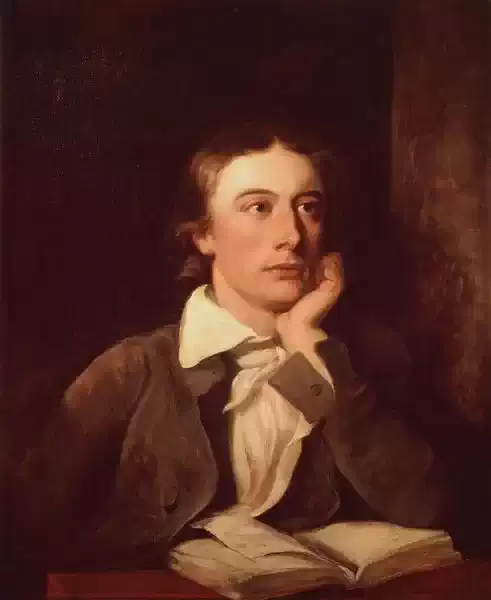
John Keats
Written on a Summer Evening
Written on a Summer Evening
The church bells toll a melancholy round,
Calling the people to some other prayers,
Some other gloominess, more dreadful cares,
More harkening to the sermon's horrid sound.
Surely the mind of man is closely bound
In some blind spell: seeing that each one tears
Himself from fireside joys and Lydian airs,
And converse high of those with glory crowned.
Still, still they toll, and I should feel a damp,
A chill as from a tomb, did I not know
That they are dying like an outburnt lamp, -
That 'tis their sighing, wailing, ere they go
Into oblivion -that fresh flowers will grow,
And many glories of immortal stamp.
The church bells toll a melancholy round,
Calling the people to some other prayers,
Some other gloominess, more dreadful cares,
More harkening to the sermon's horrid sound.
Surely the mind of man is closely bound
In some blind spell: seeing that each one tears
Himself from fireside joys and Lydian airs,
And converse high of those with glory crowned.
Still, still they toll, and I should feel a damp,
A chill as from a tomb, did I not know
That they are dying like an outburnt lamp, -
That 'tis their sighing, wailing, ere they go
Into oblivion -that fresh flowers will grow,
And many glories of immortal stamp.
438
John Keats
Why did I laugh tonight? No voice will tell
Why did I laugh tonight? No voice will tell
Why did I laugh tonight? No voice will tell
No God, no demon of severe response
Deigns to reply from heaven or from hell
Then to my human heart I turn at once:
Heart, thou and I are here, sad and alone,
Say, why did I laugh? O mortal pain!
O darkness! darkness! Forever must I moan
To question heaven and hell and heart in vain?
Why did I laugh? I know this being's lease
My fancy to it's utmost blisses spreads
Yet would I on this very midnight cease
And all the world's gaudy ensigns see in shreds
Verse, fame and beauty are intense indeed
But death intenser, death is life's high meed.
Why did I laugh tonight? No voice will tell
No God, no demon of severe response
Deigns to reply from heaven or from hell
Then to my human heart I turn at once:
Heart, thou and I are here, sad and alone,
Say, why did I laugh? O mortal pain!
O darkness! darkness! Forever must I moan
To question heaven and hell and heart in vain?
Why did I laugh? I know this being's lease
My fancy to it's utmost blisses spreads
Yet would I on this very midnight cease
And all the world's gaudy ensigns see in shreds
Verse, fame and beauty are intense indeed
But death intenser, death is life's high meed.
469
John Keats
Why did I laugh tonight? No voice will tell
Why did I laugh tonight? No voice will tell
Why did I laugh tonight? No voice will tell
No God, no demon of severe response
Deigns to reply from heaven or from hell
Then to my human heart I turn at once:
Heart, thou and I are here, sad and alone,
Say, why did I laugh? O mortal pain!
O darkness! darkness! Forever must I moan
To question heaven and hell and heart in vain?
Why did I laugh? I know this being's lease
My fancy to it's utmost blisses spreads
Yet would I on this very midnight cease
And all the world's gaudy ensigns see in shreds
Verse, fame and beauty are intense indeed
But death intenser, death is life's high meed.
Why did I laugh tonight? No voice will tell
No God, no demon of severe response
Deigns to reply from heaven or from hell
Then to my human heart I turn at once:
Heart, thou and I are here, sad and alone,
Say, why did I laugh? O mortal pain!
O darkness! darkness! Forever must I moan
To question heaven and hell and heart in vain?
Why did I laugh? I know this being's lease
My fancy to it's utmost blisses spreads
Yet would I on this very midnight cease
And all the world's gaudy ensigns see in shreds
Verse, fame and beauty are intense indeed
But death intenser, death is life's high meed.
469
John Keats
Written Before Re-Reading King Lear
Written Before Re-Reading King Lear
O golden-tongued Romance with serene lute!
Fair plumed Syren! Queen of far away!
Leave melodizing on this wintry day,
Shut up thine olden pages, and be mute.
Adieu! for once again the fierce dispute
Betwixt damnation and impassioned clay
Must I burn through; once more humbly assay
The bitter-sweet of this Shakespearian fruit.
Chief Poet! and ye clouds of Albion,
Begetters of our deep eternal theme,
When through the old oak Forest I am gone,
Let me not wander in a barren dream,
But when I am consumed in the Fire,
Give me new Phoenix wings to fly at my desire.
O golden-tongued Romance with serene lute!
Fair plumed Syren! Queen of far away!
Leave melodizing on this wintry day,
Shut up thine olden pages, and be mute.
Adieu! for once again the fierce dispute
Betwixt damnation and impassioned clay
Must I burn through; once more humbly assay
The bitter-sweet of this Shakespearian fruit.
Chief Poet! and ye clouds of Albion,
Begetters of our deep eternal theme,
When through the old oak Forest I am gone,
Let me not wander in a barren dream,
But when I am consumed in the Fire,
Give me new Phoenix wings to fly at my desire.
447
John Keats
When I Have Fears
When I Have Fears
When I have fears that I may cease to be
Before my pen has glean'd my teeming brain,
Before high-piled books, in charactery,
Hold like rich garners the full ripen'd grain;
When I behold, upon the night's starr'd face,
Huge cloudy symbols of a high romance,
And think that I may never live to trace
Their shadows, with the magic hand of chance;
And when I feel, fair creature of an hour,
That I shall never look upon thee more,
Never have relish in the faery power
Of unreflecting love;--then on the shore
Of the wide world I stand alone, and think
Till love and fame to nothingness do sink.
When I have fears that I may cease to be
Before my pen has glean'd my teeming brain,
Before high-piled books, in charactery,
Hold like rich garners the full ripen'd grain;
When I behold, upon the night's starr'd face,
Huge cloudy symbols of a high romance,
And think that I may never live to trace
Their shadows, with the magic hand of chance;
And when I feel, fair creature of an hour,
That I shall never look upon thee more,
Never have relish in the faery power
Of unreflecting love;--then on the shore
Of the wide world I stand alone, and think
Till love and fame to nothingness do sink.
481
John Keats
Two Or Three
Two Or Three
Two or three Posies
With two or three simples--
Two or three Noses
With two or three pimples--
Two or three wise men
And two or three ninny's--
Two or three guineas--
Two or three raps
At two or three doors--
Two or three naps
Of two or three hours--
Two or three Cats
And two or three mice--
Two or three sprats
At a very great price--
Two or three sandies
And two or three tabbies--
Two or three dandies
And two Mrs.------
Two or three Smiles
And two or three frowns--
Two or three Miles
To two or three towns--
Two or three pegs
For two or three bonnets--
Two or three dove eggs
To hatch into sonnets.
Two or three Posies
With two or three simples--
Two or three Noses
With two or three pimples--
Two or three wise men
And two or three ninny's--
Two or three guineas--
Two or three raps
At two or three doors--
Two or three naps
Of two or three hours--
Two or three Cats
And two or three mice--
Two or three sprats
At a very great price--
Two or three sandies
And two or three tabbies--
Two or three dandies
And two Mrs.------
Two or three Smiles
And two or three frowns--
Two or three Miles
To two or three towns--
Two or three pegs
For two or three bonnets--
Two or three dove eggs
To hatch into sonnets.
450
John Keats
To one who has been long in city pent
To one who has been long in city pent
To one who has been long in city pent,
'Tis very sweet to look into the fair
And open face of heaven,--to breathe a prayer
Full in the smile of the blue firmament.
Who is more happy, when, with heart's content,
Fatigued he sinks into some pleasant lair
Of wavy grass, and reads a debonair
And gentle tale of love and languishment?
Returning home at evening, with an ear
Catching the notes of Philomel,--an eye
Watching the sailing cloudlet's bright career,
He mourns that day so soon has glided by:
E'en like the passage of an angel's tear
That falls through the clear ether silently.
To one who has been long in city pent,
'Tis very sweet to look into the fair
And open face of heaven,--to breathe a prayer
Full in the smile of the blue firmament.
Who is more happy, when, with heart's content,
Fatigued he sinks into some pleasant lair
Of wavy grass, and reads a debonair
And gentle tale of love and languishment?
Returning home at evening, with an ear
Catching the notes of Philomel,--an eye
Watching the sailing cloudlet's bright career,
He mourns that day so soon has glided by:
E'en like the passage of an angel's tear
That falls through the clear ether silently.
413
John Keats
To John Hamilton Reynolds
To John Hamilton Reynolds
O that a week could be an age, and we
Felt parting and warm meeting every week,
Then one poor year a thousand years would be,
The flush of welcome ever on the cheek:
So could we live long life in little space,
So time itself would be annihilate,
So a day's journey in oblivious haze
To serve ourjoys would lengthen and dilate.
O to arrive each Monday morn from Ind!
To land each Tuesday from the rich Levant!
In little time a host of joys to bind,
And keep our souls in one eternal pant!
This morn, my friend, and yester-evening taught
Me how to harbour such a happy thought.
O that a week could be an age, and we
Felt parting and warm meeting every week,
Then one poor year a thousand years would be,
The flush of welcome ever on the cheek:
So could we live long life in little space,
So time itself would be annihilate,
So a day's journey in oblivious haze
To serve ourjoys would lengthen and dilate.
O to arrive each Monday morn from Ind!
To land each Tuesday from the rich Levant!
In little time a host of joys to bind,
And keep our souls in one eternal pant!
This morn, my friend, and yester-evening taught
Me how to harbour such a happy thought.
448
John Keats
To Ailsa Rock
To Ailsa Rock
Hearken, thou craggy ocean-pyramid,
Give answer by thy voice-the sea-fowls' screams!
When were thy shoulders mantled in huge streams?
When from the sun was thy broad forehead hid?
How long is't since the mighty Power bid
Thee heave to airy sleep from fathom dreams-
Sleep in the lap of thunder or sunbeams-
Or when grey clouds are thy cold coverlid!
Thou answer'st not; for thou art dead asleep.
Thy life is but two dead eternities,
The last in air, the former in the deep!
First with the whales, last with the eagle-skies!
Drowned wast thou till an earthquake made thee steep,
Another cannot wake thy giant-size!
Hearken, thou craggy ocean-pyramid,
Give answer by thy voice-the sea-fowls' screams!
When were thy shoulders mantled in huge streams?
When from the sun was thy broad forehead hid?
How long is't since the mighty Power bid
Thee heave to airy sleep from fathom dreams-
Sleep in the lap of thunder or sunbeams-
Or when grey clouds are thy cold coverlid!
Thou answer'st not; for thou art dead asleep.
Thy life is but two dead eternities,
The last in air, the former in the deep!
First with the whales, last with the eagle-skies!
Drowned wast thou till an earthquake made thee steep,
Another cannot wake thy giant-size!
379
John Keats
The Eve Of Saint Mark. A Fragment
The Eve Of Saint Mark. A Fragment
Upon a Sabbath-day it fell;
Twice holy was the Sabbath-bell
That call'd the folk to evening prayer;
The city streets were clean and fair
From wholesome drench of April rains;
And, on the western window panes,
The chilly sunset faintly told
Of unmatur'd green vallies cold,
Of the green thorny bloomless hedge,
Of rivers new with spring-tide sedge,
Of primroses by shelter'd rills,
And daisies on the aguish hills.
Twice holy was the Sabbath-bell:
The silent streets were crowded well
With staid and pious companies,
Warm from their fire-side orat'ries,
And moving with demurest air
To even-song and vesper prayer.
Each arched porch and entry low
Was fill'd with patient folk and slow,
With whispers hush, and shuffling feet,
While play'd the organ loud and sweet.
The bells had ceas'd, the prayers begun,
And Bertha had not yet half done
A curious volume, patch'd and torn,
That all day long, from earliest morn,
Had taken captive her two eyes
Among its golden broideries;
Perplex'd her with a thousand things,--
The stars of Heaven, and angels' wings,
Martyrs in a fiery blaze,
Azure saints in silver rays,
Moses' breastplate, and the seven
Candlesticks John saw in Heaven,
The winged Lion of Saint Mark,
And the Covenantal Ark
With its many mysteries,
Cherubim and golden mice.
Bertha was a maiden fair,
Dwelling in the old Minster-square;
From her fire-side she could see
Sidelong its rich antiquity,
Far as the Bishop's garden-wall;
Where sycamores and elm-trees tall,
Full-leav'd, the forest had outstript,
By no sharp north-wind ever nipt,
So shelter'd by the mighty pile.
Bertha arose, and read awhile
With forehead 'gainst the window-pane.
Again she try'd, and then again,
Until the dusk eve left her dark
Upon the legend of St. Mark.
From plaited lawn-frill, fine and thin,
She lifted up her soft warm chin,
With aching neck and swimming eyes,
And daz'd with saintly imageries.
All was gloom, and silent all,
Save now and then the still foot-fall
Of one returning homewards late
Past the echoing minster-gate.
The clamorous daws, that all the day
Above tree-tops and towers play,
Pair by pair had gone to rest,
Each in its ancient belfry-nest,
Where asleep they fall betimes
To music of the drowsy chimes.
All was silent, all was gloom
Abroad and in the homely room:
Down she sat, poor cheated soul!
And struck a lamp from the dismal coal;
Lean'd forward with bright drooping hair
And slant book full against the glare.
Her shadow, in uneasy guise,
hover'd about, a giant size,
On ceiling-beam and old oak chair,
The parrot's cage, and panel square;
And the warm angled winter screen,
On which were many monsters seen,
Call'd doves of Siam, Lima mice,
And legless birds of Paradise,
Macaw, and tender Avadavat,
And silken-furr'd Angora cat.
Untir'd she read, her shadow still
Glower'd about as it would fill
The room with wildest forms and shades,
As though some ghostly queen of spades
Had come to mock behind her back,
And dance, and ruffle her garments black.
Untir'd she read the legend page
Of holy Mark, from youth to age,
On land, on sea, in pagan chains,
Rejoicing for his many pains.
Sometimes the learned Eremite
With golden star, or dagger bright,
Referr'd to pious poesies
Written in smallest crow-quill size
Beneath the text; and thus the rhyme
Was parcell'd out from time to time:
---- 'Als writith he of swevenis,
Men han beforne they wake in bliss,
Whanne that hir friendes thinke him bound
In crimped shroude farre under grounde;
And how a litling child mote be
A saint er its nativitie,
Gif that the modre (God her blesse!)
Kepen in solitarinesse,
And kissen devoute the holy croce.
Of Goddes love, and Sathan's force,--
He writith; and thinges many mo
Of swiche thinges I may not show.
Bot I must tellen verilie
Somdel of Sainte Cicilie,
And chieftie what he auctorethe
Of Sainte Markis life and dethe:'
At length her constant eyelids come
Upon the fervent martyrdom;
Then lastly to his holy shrine,
Exalt amid the tapers' shine
At Venice,--
Upon a Sabbath-day it fell;
Twice holy was the Sabbath-bell
That call'd the folk to evening prayer;
The city streets were clean and fair
From wholesome drench of April rains;
And, on the western window panes,
The chilly sunset faintly told
Of unmatur'd green vallies cold,
Of the green thorny bloomless hedge,
Of rivers new with spring-tide sedge,
Of primroses by shelter'd rills,
And daisies on the aguish hills.
Twice holy was the Sabbath-bell:
The silent streets were crowded well
With staid and pious companies,
Warm from their fire-side orat'ries,
And moving with demurest air
To even-song and vesper prayer.
Each arched porch and entry low
Was fill'd with patient folk and slow,
With whispers hush, and shuffling feet,
While play'd the organ loud and sweet.
The bells had ceas'd, the prayers begun,
And Bertha had not yet half done
A curious volume, patch'd and torn,
That all day long, from earliest morn,
Had taken captive her two eyes
Among its golden broideries;
Perplex'd her with a thousand things,--
The stars of Heaven, and angels' wings,
Martyrs in a fiery blaze,
Azure saints in silver rays,
Moses' breastplate, and the seven
Candlesticks John saw in Heaven,
The winged Lion of Saint Mark,
And the Covenantal Ark
With its many mysteries,
Cherubim and golden mice.
Bertha was a maiden fair,
Dwelling in the old Minster-square;
From her fire-side she could see
Sidelong its rich antiquity,
Far as the Bishop's garden-wall;
Where sycamores and elm-trees tall,
Full-leav'd, the forest had outstript,
By no sharp north-wind ever nipt,
So shelter'd by the mighty pile.
Bertha arose, and read awhile
With forehead 'gainst the window-pane.
Again she try'd, and then again,
Until the dusk eve left her dark
Upon the legend of St. Mark.
From plaited lawn-frill, fine and thin,
She lifted up her soft warm chin,
With aching neck and swimming eyes,
And daz'd with saintly imageries.
All was gloom, and silent all,
Save now and then the still foot-fall
Of one returning homewards late
Past the echoing minster-gate.
The clamorous daws, that all the day
Above tree-tops and towers play,
Pair by pair had gone to rest,
Each in its ancient belfry-nest,
Where asleep they fall betimes
To music of the drowsy chimes.
All was silent, all was gloom
Abroad and in the homely room:
Down she sat, poor cheated soul!
And struck a lamp from the dismal coal;
Lean'd forward with bright drooping hair
And slant book full against the glare.
Her shadow, in uneasy guise,
hover'd about, a giant size,
On ceiling-beam and old oak chair,
The parrot's cage, and panel square;
And the warm angled winter screen,
On which were many monsters seen,
Call'd doves of Siam, Lima mice,
And legless birds of Paradise,
Macaw, and tender Avadavat,
And silken-furr'd Angora cat.
Untir'd she read, her shadow still
Glower'd about as it would fill
The room with wildest forms and shades,
As though some ghostly queen of spades
Had come to mock behind her back,
And dance, and ruffle her garments black.
Untir'd she read the legend page
Of holy Mark, from youth to age,
On land, on sea, in pagan chains,
Rejoicing for his many pains.
Sometimes the learned Eremite
With golden star, or dagger bright,
Referr'd to pious poesies
Written in smallest crow-quill size
Beneath the text; and thus the rhyme
Was parcell'd out from time to time:
---- 'Als writith he of swevenis,
Men han beforne they wake in bliss,
Whanne that hir friendes thinke him bound
In crimped shroude farre under grounde;
And how a litling child mote be
A saint er its nativitie,
Gif that the modre (God her blesse!)
Kepen in solitarinesse,
And kissen devoute the holy croce.
Of Goddes love, and Sathan's force,--
He writith; and thinges many mo
Of swiche thinges I may not show.
Bot I must tellen verilie
Somdel of Sainte Cicilie,
And chieftie what he auctorethe
Of Sainte Markis life and dethe:'
At length her constant eyelids come
Upon the fervent martyrdom;
Then lastly to his holy shrine,
Exalt amid the tapers' shine
At Venice,--
488