

Poems in this topic
Life and Existence
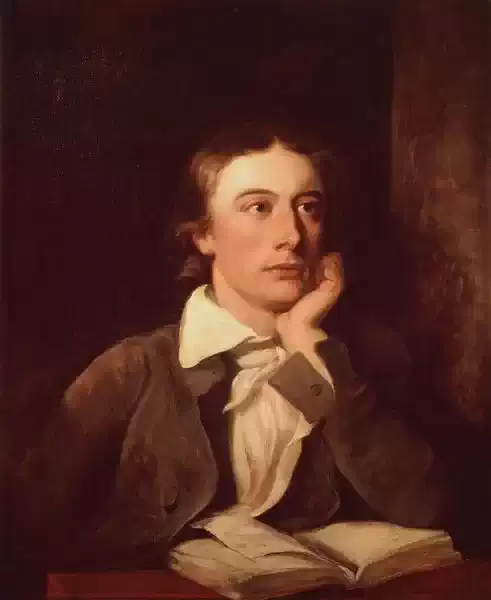
John Keats
Fragment. Where's The Poet?
Fragment. Where's The Poet?
Where's the Poet? show him! show him,
Muses nine! that I may know him.
'Tis the man who with a man
Is an equal, be he King,
Or poorest of the beggar-clan
Or any other wonderous thing
A man may be 'twixt ape and Plato;
'Tis the man who with a bird,
Wren or Eagle, finds his way to
All its instincts; he hath heard
The Lion's roaring, and can tell
What his horny throat expresseth,
And to him the Tiger's yell
Come articulate and presseth
Or his ear like mother-tongue.
Where's the Poet? show him! show him,
Muses nine! that I may know him.
'Tis the man who with a man
Is an equal, be he King,
Or poorest of the beggar-clan
Or any other wonderous thing
A man may be 'twixt ape and Plato;
'Tis the man who with a bird,
Wren or Eagle, finds his way to
All its instincts; he hath heard
The Lion's roaring, and can tell
What his horny throat expresseth,
And to him the Tiger's yell
Come articulate and presseth
Or his ear like mother-tongue.
353
John Keats
Faery Songs
Faery Songs
I.
Shed no tear! oh, shed no tear!
The flower will bloom another year.
Weep no more! oh, weep no more!
Young buds sleep in the root's white core.
Dry your eyes! oh, dry your eyes!
For I was taught in Paradise
To ease my breast of melodies,--
Shed no tear.
Overhead! look overhead!
'Mong the blossoms white and red--
Look up, look up! I flutter now
On this fresh pomegranate bough.
See me! 'tis this silvery bill
Ever cures the good man's ill.
Shed no tear! oh, shed no tear!
The flower will bloom another year.
Adieu, adieu -- I fly -- adieu!
I vanish in the heaven’s blue,--
Adieu, adieu!
II.
Ah! woe is me! poor silver-wing!
That I must chant thy lady's dirge,
And death to this fair haunt of spring,
Of melody, and streams of flowery verge,--
Poor silver-wing! ah! woe is me!
That I must see
These blossoms snow upon thy lady's pall!
Go, pretty page! and in her ear
Whisper that the hour is near!
Softly tell her not to fear
Such calm favonian burial!
Go, pretty page! and soothly tell,--
The blossoms hang by a melting spell,
And fall they must, ere a star wink thrice
Upon her closed eyes,
That now in vain are weeping their last tears,
At sweet life leaving, and these arbours green,--
Rich dowry from the Spirit of the Spheres,
Alas! poor Queen!
I.
Shed no tear! oh, shed no tear!
The flower will bloom another year.
Weep no more! oh, weep no more!
Young buds sleep in the root's white core.
Dry your eyes! oh, dry your eyes!
For I was taught in Paradise
To ease my breast of melodies,--
Shed no tear.
Overhead! look overhead!
'Mong the blossoms white and red--
Look up, look up! I flutter now
On this fresh pomegranate bough.
See me! 'tis this silvery bill
Ever cures the good man's ill.
Shed no tear! oh, shed no tear!
The flower will bloom another year.
Adieu, adieu -- I fly -- adieu!
I vanish in the heaven’s blue,--
Adieu, adieu!
II.
Ah! woe is me! poor silver-wing!
That I must chant thy lady's dirge,
And death to this fair haunt of spring,
Of melody, and streams of flowery verge,--
Poor silver-wing! ah! woe is me!
That I must see
These blossoms snow upon thy lady's pall!
Go, pretty page! and in her ear
Whisper that the hour is near!
Softly tell her not to fear
Such calm favonian burial!
Go, pretty page! and soothly tell,--
The blossoms hang by a melting spell,
And fall they must, ere a star wink thrice
Upon her closed eyes,
That now in vain are weeping their last tears,
At sweet life leaving, and these arbours green,--
Rich dowry from the Spirit of the Spheres,
Alas! poor Queen!
438
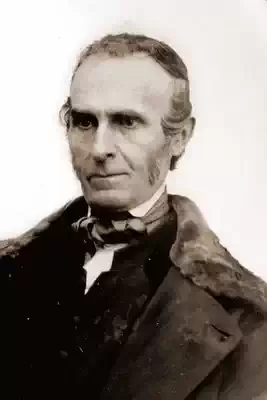
John Greenleaf Whittier
What The Voice Said
What The Voice Said
MADDENED by Earth's wrong and evil,
'Lord!' I cried in sudden ire,
'From Thy right hand, clothed with thunder,
Shake the bolted fire!
'Love is lost, and Faith is dying;
With the brute the man is sold;
And the dropping blood of labor
Hardens into gold.
'Here the dying wail of Famine,
There the battle's groan of pain;
And, in silence, smooth-faced Mammon
Reaping men like grain.
''Where is God, that we should fear Him?'
Thus the earth-born Titans say
'God! if Thou art living, hear us!'
Thus the weak ones pray.'
'Thou, the patient Heaven upbraiding,'
Spake a solemn Voice within;
'Weary of our Lord's forbearance,
Art thou free from sin?
'Fearless brow to Him uplifting,
Canst thou for His thunders call,
Knowing that to guilt's attraction
Evermore they fall?
'Know'st thou not all germs of evil
In thy heart await their time?
Not thyself, but God's restraining,
Stays their growth of crime.
'Couldst thou boast, O child of weakness!
O'er the sons of wrong and strife,
Were their strong temptations planted
In thy path of life?
'Thou hast seen two streamlets gushing
From one fountain, clear and free,
But by widely varying channels
Searching for the sea.
'Glideth one through greenest valleys,
Kissing them with lips still sweet;
One, mad roaring down the mountains,
Stagnates at their feet.
'Is it choice whereby the Parsee
Kneels before his mother's fire?
In his black tent did the Tartar
Choose his wandering sire?
'He alone, whose hand is bounding
Human power and human will,
Looking through each soul's surrounding,
Knows its good or ill.
'For thyself, while wrong and sorrow
Make to thee their strong appeal,
Coward wert thou not to utter
What the heart must feel.
'Earnest words must needs be spoken
When the warm heart bleeds or burns
With its scorn of wrong, or pity
For the wronged, by turns.
'But, by all thy nature's weakness,
Hidden faults and follies known,
Be thou, in rebuking evil,
Conscious of thine own.
'Not the less shall stern-eyed Duty
To thy lips her trumpet set,
But with harsher blasts shall mingle
Wailings of regret.'
Cease not, Voice of holy speaking,
Teacher sent of God, be near,
Whispering through the day's cool silence,
Let my spirit hear!
So, when thoughts of evil-doers
Waken scorn, or hatred move,
Shall a mournful fellow-feeling
Temper all with love.
MADDENED by Earth's wrong and evil,
'Lord!' I cried in sudden ire,
'From Thy right hand, clothed with thunder,
Shake the bolted fire!
'Love is lost, and Faith is dying;
With the brute the man is sold;
And the dropping blood of labor
Hardens into gold.
'Here the dying wail of Famine,
There the battle's groan of pain;
And, in silence, smooth-faced Mammon
Reaping men like grain.
''Where is God, that we should fear Him?'
Thus the earth-born Titans say
'God! if Thou art living, hear us!'
Thus the weak ones pray.'
'Thou, the patient Heaven upbraiding,'
Spake a solemn Voice within;
'Weary of our Lord's forbearance,
Art thou free from sin?
'Fearless brow to Him uplifting,
Canst thou for His thunders call,
Knowing that to guilt's attraction
Evermore they fall?
'Know'st thou not all germs of evil
In thy heart await their time?
Not thyself, but God's restraining,
Stays their growth of crime.
'Couldst thou boast, O child of weakness!
O'er the sons of wrong and strife,
Were their strong temptations planted
In thy path of life?
'Thou hast seen two streamlets gushing
From one fountain, clear and free,
But by widely varying channels
Searching for the sea.
'Glideth one through greenest valleys,
Kissing them with lips still sweet;
One, mad roaring down the mountains,
Stagnates at their feet.
'Is it choice whereby the Parsee
Kneels before his mother's fire?
In his black tent did the Tartar
Choose his wandering sire?
'He alone, whose hand is bounding
Human power and human will,
Looking through each soul's surrounding,
Knows its good or ill.
'For thyself, while wrong and sorrow
Make to thee their strong appeal,
Coward wert thou not to utter
What the heart must feel.
'Earnest words must needs be spoken
When the warm heart bleeds or burns
With its scorn of wrong, or pity
For the wronged, by turns.
'But, by all thy nature's weakness,
Hidden faults and follies known,
Be thou, in rebuking evil,
Conscious of thine own.
'Not the less shall stern-eyed Duty
To thy lips her trumpet set,
But with harsher blasts shall mingle
Wailings of regret.'
Cease not, Voice of holy speaking,
Teacher sent of God, be near,
Whispering through the day's cool silence,
Let my spirit hear!
So, when thoughts of evil-doers
Waken scorn, or hatred move,
Shall a mournful fellow-feeling
Temper all with love.
317
John Greenleaf Whittier
What The Voice Said
What The Voice Said
MADDENED by Earth's wrong and evil,
'Lord!' I cried in sudden ire,
'From Thy right hand, clothed with thunder,
Shake the bolted fire!
'Love is lost, and Faith is dying;
With the brute the man is sold;
And the dropping blood of labor
Hardens into gold.
'Here the dying wail of Famine,
There the battle's groan of pain;
And, in silence, smooth-faced Mammon
Reaping men like grain.
''Where is God, that we should fear Him?'
Thus the earth-born Titans say
'God! if Thou art living, hear us!'
Thus the weak ones pray.'
'Thou, the patient Heaven upbraiding,'
Spake a solemn Voice within;
'Weary of our Lord's forbearance,
Art thou free from sin?
'Fearless brow to Him uplifting,
Canst thou for His thunders call,
Knowing that to guilt's attraction
Evermore they fall?
'Know'st thou not all germs of evil
In thy heart await their time?
Not thyself, but God's restraining,
Stays their growth of crime.
'Couldst thou boast, O child of weakness!
O'er the sons of wrong and strife,
Were their strong temptations planted
In thy path of life?
'Thou hast seen two streamlets gushing
From one fountain, clear and free,
But by widely varying channels
Searching for the sea.
'Glideth one through greenest valleys,
Kissing them with lips still sweet;
One, mad roaring down the mountains,
Stagnates at their feet.
'Is it choice whereby the Parsee
Kneels before his mother's fire?
In his black tent did the Tartar
Choose his wandering sire?
'He alone, whose hand is bounding
Human power and human will,
Looking through each soul's surrounding,
Knows its good or ill.
'For thyself, while wrong and sorrow
Make to thee their strong appeal,
Coward wert thou not to utter
What the heart must feel.
'Earnest words must needs be spoken
When the warm heart bleeds or burns
With its scorn of wrong, or pity
For the wronged, by turns.
'But, by all thy nature's weakness,
Hidden faults and follies known,
Be thou, in rebuking evil,
Conscious of thine own.
'Not the less shall stern-eyed Duty
To thy lips her trumpet set,
But with harsher blasts shall mingle
Wailings of regret.'
Cease not, Voice of holy speaking,
Teacher sent of God, be near,
Whispering through the day's cool silence,
Let my spirit hear!
So, when thoughts of evil-doers
Waken scorn, or hatred move,
Shall a mournful fellow-feeling
Temper all with love.
MADDENED by Earth's wrong and evil,
'Lord!' I cried in sudden ire,
'From Thy right hand, clothed with thunder,
Shake the bolted fire!
'Love is lost, and Faith is dying;
With the brute the man is sold;
And the dropping blood of labor
Hardens into gold.
'Here the dying wail of Famine,
There the battle's groan of pain;
And, in silence, smooth-faced Mammon
Reaping men like grain.
''Where is God, that we should fear Him?'
Thus the earth-born Titans say
'God! if Thou art living, hear us!'
Thus the weak ones pray.'
'Thou, the patient Heaven upbraiding,'
Spake a solemn Voice within;
'Weary of our Lord's forbearance,
Art thou free from sin?
'Fearless brow to Him uplifting,
Canst thou for His thunders call,
Knowing that to guilt's attraction
Evermore they fall?
'Know'st thou not all germs of evil
In thy heart await their time?
Not thyself, but God's restraining,
Stays their growth of crime.
'Couldst thou boast, O child of weakness!
O'er the sons of wrong and strife,
Were their strong temptations planted
In thy path of life?
'Thou hast seen two streamlets gushing
From one fountain, clear and free,
But by widely varying channels
Searching for the sea.
'Glideth one through greenest valleys,
Kissing them with lips still sweet;
One, mad roaring down the mountains,
Stagnates at their feet.
'Is it choice whereby the Parsee
Kneels before his mother's fire?
In his black tent did the Tartar
Choose his wandering sire?
'He alone, whose hand is bounding
Human power and human will,
Looking through each soul's surrounding,
Knows its good or ill.
'For thyself, while wrong and sorrow
Make to thee their strong appeal,
Coward wert thou not to utter
What the heart must feel.
'Earnest words must needs be spoken
When the warm heart bleeds or burns
With its scorn of wrong, or pity
For the wronged, by turns.
'But, by all thy nature's weakness,
Hidden faults and follies known,
Be thou, in rebuking evil,
Conscious of thine own.
'Not the less shall stern-eyed Duty
To thy lips her trumpet set,
But with harsher blasts shall mingle
Wailings of regret.'
Cease not, Voice of holy speaking,
Teacher sent of God, be near,
Whispering through the day's cool silence,
Let my spirit hear!
So, when thoughts of evil-doers
Waken scorn, or hatred move,
Shall a mournful fellow-feeling
Temper all with love.
317
John Greenleaf Whittier
We May Not Climb the Heavenly Steeps
We May Not Climb the Heavenly Steeps
We may not climb the heavenly steeps
To bring the Lord Christ down;
In vain we search the lowest deeps
For Him who fills Heaven's throne.
But to the contrite spirit yet
A present help is He;
And faith has yet its Olivet,
And love its Galilee.
The healing of His seamless dress
Is by our beds of pain;
We touch Him in life's throng and press,
And we are whole again.
Through Him the first fond prayers are said,
Our lips of childhood frame;
The last low whispers of our dead
Are burdened with His Name.
O Lord and Saviour of us all,
Whate'er our name or sign,
We own Thy sway, we hear Thy call,
And form our lives by Thine.
We faintly hear, we dimly see,
In differing phrase we pray;
But, dim or clear, we own in Thee
The Life, the Truth, the Way.
We may not climb the heavenly steeps
To bring the Lord Christ down;
In vain we search the lowest deeps
For Him who fills Heaven's throne.
But to the contrite spirit yet
A present help is He;
And faith has yet its Olivet,
And love its Galilee.
The healing of His seamless dress
Is by our beds of pain;
We touch Him in life's throng and press,
And we are whole again.
Through Him the first fond prayers are said,
Our lips of childhood frame;
The last low whispers of our dead
Are burdened with His Name.
O Lord and Saviour of us all,
Whate'er our name or sign,
We own Thy sway, we hear Thy call,
And form our lives by Thine.
We faintly hear, we dimly see,
In differing phrase we pray;
But, dim or clear, we own in Thee
The Life, the Truth, the Way.
224
John Greenleaf Whittier
Trust
Trust
The same old baffling questions! O my friend,
I cannot answer them. In vain I send
My soul into the dark, where never burn
The lamps of science, nor the natural light
Of Reason's sun and stars! I cannot learn
Their great and solemn meanings, nor discern
The awful secrets of the eyes which turn
Evermore on us through the day and night
With silent challenge and a dumb demand,
Proffering the riddles of the dread unknown,
Like the calm Sphinxes, with their eyes of stone,
Questioning the centuries from their veils of sand!
I have no answer for myself or thee,
Save that I learned beside my mother's knee;
'All is of God that is, and is to be;
And God is good.' Let this suffice us still,
Resting in childlike trust upon His will
Who moves to His great ends unthwarted by the ill.
The same old baffling questions! O my friend,
I cannot answer them. In vain I send
My soul into the dark, where never burn
The lamps of science, nor the natural light
Of Reason's sun and stars! I cannot learn
Their great and solemn meanings, nor discern
The awful secrets of the eyes which turn
Evermore on us through the day and night
With silent challenge and a dumb demand,
Proffering the riddles of the dread unknown,
Like the calm Sphinxes, with their eyes of stone,
Questioning the centuries from their veils of sand!
I have no answer for myself or thee,
Save that I learned beside my mother's knee;
'All is of God that is, and is to be;
And God is good.' Let this suffice us still,
Resting in childlike trust upon His will
Who moves to His great ends unthwarted by the ill.
416
John Greenleaf Whittier
Trust
Trust
The same old baffling questions! O my friend,
I cannot answer them. In vain I send
My soul into the dark, where never burn
The lamps of science, nor the natural light
Of Reason's sun and stars! I cannot learn
Their great and solemn meanings, nor discern
The awful secrets of the eyes which turn
Evermore on us through the day and night
With silent challenge and a dumb demand,
Proffering the riddles of the dread unknown,
Like the calm Sphinxes, with their eyes of stone,
Questioning the centuries from their veils of sand!
I have no answer for myself or thee,
Save that I learned beside my mother's knee;
'All is of God that is, and is to be;
And God is good.' Let this suffice us still,
Resting in childlike trust upon His will
Who moves to His great ends unthwarted by the ill.
The same old baffling questions! O my friend,
I cannot answer them. In vain I send
My soul into the dark, where never burn
The lamps of science, nor the natural light
Of Reason's sun and stars! I cannot learn
Their great and solemn meanings, nor discern
The awful secrets of the eyes which turn
Evermore on us through the day and night
With silent challenge and a dumb demand,
Proffering the riddles of the dread unknown,
Like the calm Sphinxes, with their eyes of stone,
Questioning the centuries from their veils of sand!
I have no answer for myself or thee,
Save that I learned beside my mother's knee;
'All is of God that is, and is to be;
And God is good.' Let this suffice us still,
Resting in childlike trust upon His will
Who moves to His great ends unthwarted by the ill.
416
John Greenleaf Whittier
Valuation
Valuation
THE old Squire said, as he stood by his gate,
And his neighbor, the Deacon, went by,
'In spite of my bank stock and real estate,
You are better off, Deacon, than I.
'We're both growing old, and the end's drawing near,
You have less of this world to resign,
But in Heaven's appraisal your assets, I fear,
Will reckon up greater than mine.
'They say I am rich, but I'm feeling so poor,
I wish I could swap with you even
The pounds I have lived for and laid up in store
For the shillings and pence you have given.'
'Well, Squire,' said the Deacon, with shrewd
common sense,
While his eye had a twinkle of fun,
'Let your pounds take the way of my shillings
and pence,
And the thing can be easily done!'
THE old Squire said, as he stood by his gate,
And his neighbor, the Deacon, went by,
'In spite of my bank stock and real estate,
You are better off, Deacon, than I.
'We're both growing old, and the end's drawing near,
You have less of this world to resign,
But in Heaven's appraisal your assets, I fear,
Will reckon up greater than mine.
'They say I am rich, but I'm feeling so poor,
I wish I could swap with you even
The pounds I have lived for and laid up in store
For the shillings and pence you have given.'
'Well, Squire,' said the Deacon, with shrewd
common sense,
While his eye had a twinkle of fun,
'Let your pounds take the way of my shillings
and pence,
And the thing can be easily done!'
282
John Greenleaf Whittier
To William H. Seward
To William H. Seward
STATESMAN, I thank thee! and, if yet dissent
Mingles, reluctant, with my large content,
I cannot censure what was nobly meant.
But, while constrained to hold even Union less
Than Liberty and Truth and Righteousness,
I thank thee in the sweet and holy name
Of peace, for wise calm words that put to shame
Passion and party. Courage may be shown
Not in defiance of the wrong alone;
He may be bravest who, unweaponed, bears
The olive branch, and, strong in justice, spares
The rash wrong-doer, giving widest scope
To Christian charity and generous hope.
If, without damage to the sacred cause
Of Freedom and the safeguard of its laws —
If, without yielding that for which alone
We prize the Union, thou canst save it now
From a baptism of blood, upon thy brow
A wreath whose flowers no earthly soil have known,
Woven of the beatitudes, shall rest,
And the peacemaker be forever blest!
STATESMAN, I thank thee! and, if yet dissent
Mingles, reluctant, with my large content,
I cannot censure what was nobly meant.
But, while constrained to hold even Union less
Than Liberty and Truth and Righteousness,
I thank thee in the sweet and holy name
Of peace, for wise calm words that put to shame
Passion and party. Courage may be shown
Not in defiance of the wrong alone;
He may be bravest who, unweaponed, bears
The olive branch, and, strong in justice, spares
The rash wrong-doer, giving widest scope
To Christian charity and generous hope.
If, without damage to the sacred cause
Of Freedom and the safeguard of its laws —
If, without yielding that for which alone
We prize the Union, thou canst save it now
From a baptism of blood, upon thy brow
A wreath whose flowers no earthly soil have known,
Woven of the beatitudes, shall rest,
And the peacemaker be forever blest!
200
John Greenleaf Whittier
To The Memory Of Charles B. Storrs
To The Memory Of Charles B. Storrs
Thou hast fallen in thine armor,
Thou martyr of the Lord
With thy last breath crying 'Onward!'
And thy hand upon the sword.
The haughty heart derideth,
And the sinful lip reviles,
But the blessing of the perishing
Around thy pillow smiles!
When to our cup of trembling
The added drop is given,
And the long-suspended thunder
Falls terribly from Heaven,-When
a new and fearful freedom
Is proffered of the Lord
To the slow-consuming Famine,
The Pestilence and Sword!
When the refuges of Falsehood
Shall be swept away in wrath,
And the temple shall be shaken,
With its idol, to the earth,
Shall not thy words of warning
Be all remembered then?
And thy now unheeded message
Burn in the hearts of men?
Oppression's hand may scatter
Its nettles on thy tomb,
And even Christian bosoms
Deny thy memory room;
For lying lips shall torture
Thy mercy into crime,
And the slanderer shall flourish
As the bay-tree for a time.
But where the south-wind lingers
On Carolina's pines,
Or falls the careless sunbeam
Down Georgia's golden mines;
Where now beneath his burthen
The toiling slave is driven;
Where now a tyrant's mockery
Is offered unto Heaven;
Where Mammon hath its altars
Wet o'er with human blood,
And pride and lust debases
The workmanship of God,-There
shall thy praise be spoken,
Redeemed from Falsehood's ban,
When the fetters shall be broken,
And the slave shall be a man!
Joy to thy spirit, brother!
A thousand hearts are warm,
A thousand kindred bosoms
Are baring to the storm.
What though red-handed Violence
With secret Fraud combine?
The wall of fire is round us,
Our Present Help was thine.
Lo, the waking up of nations,
From Slavery's fatal sleep;
The murmur of a Universe,
Deep calling unto Deep!
Joy to thy spirit, brother!
On every wind of heaven
The onward cheer and summons
Of Freedom's voice is given!
Glory to God forever!
Beyond the despot's will
The soul of Freedom liveth
Imperishable still.
The words which thou hast uttered
Are of that soul a part,
And the good seed thou hast scattered
Is springing from the heart.
In the evil days before us,
And the trials yet to come,
In the shadow of the prison,
Or the cruel martyrdom,-We
will think of thee, O brother!
And thy sainted name shall be
In the blessing of the captive,
And the anthem of the free.
Thou hast fallen in thine armor,
Thou martyr of the Lord
With thy last breath crying 'Onward!'
And thy hand upon the sword.
The haughty heart derideth,
And the sinful lip reviles,
But the blessing of the perishing
Around thy pillow smiles!
When to our cup of trembling
The added drop is given,
And the long-suspended thunder
Falls terribly from Heaven,-When
a new and fearful freedom
Is proffered of the Lord
To the slow-consuming Famine,
The Pestilence and Sword!
When the refuges of Falsehood
Shall be swept away in wrath,
And the temple shall be shaken,
With its idol, to the earth,
Shall not thy words of warning
Be all remembered then?
And thy now unheeded message
Burn in the hearts of men?
Oppression's hand may scatter
Its nettles on thy tomb,
And even Christian bosoms
Deny thy memory room;
For lying lips shall torture
Thy mercy into crime,
And the slanderer shall flourish
As the bay-tree for a time.
But where the south-wind lingers
On Carolina's pines,
Or falls the careless sunbeam
Down Georgia's golden mines;
Where now beneath his burthen
The toiling slave is driven;
Where now a tyrant's mockery
Is offered unto Heaven;
Where Mammon hath its altars
Wet o'er with human blood,
And pride and lust debases
The workmanship of God,-There
shall thy praise be spoken,
Redeemed from Falsehood's ban,
When the fetters shall be broken,
And the slave shall be a man!
Joy to thy spirit, brother!
A thousand hearts are warm,
A thousand kindred bosoms
Are baring to the storm.
What though red-handed Violence
With secret Fraud combine?
The wall of fire is round us,
Our Present Help was thine.
Lo, the waking up of nations,
From Slavery's fatal sleep;
The murmur of a Universe,
Deep calling unto Deep!
Joy to thy spirit, brother!
On every wind of heaven
The onward cheer and summons
Of Freedom's voice is given!
Glory to God forever!
Beyond the despot's will
The soul of Freedom liveth
Imperishable still.
The words which thou hast uttered
Are of that soul a part,
And the good seed thou hast scattered
Is springing from the heart.
In the evil days before us,
And the trials yet to come,
In the shadow of the prison,
Or the cruel martyrdom,-We
will think of thee, O brother!
And thy sainted name shall be
In the blessing of the captive,
And the anthem of the free.
285
John Greenleaf Whittier
To Pennsylvania
To Pennsylvania
O STATE prayer-founded! never hung
Such choice upon a people's tongue,
Such power to bless or ban,
As that which makes thy whisper Fate,
For which on thee the centuries wait,
And destinies of man!
Across thy Alleghanian chain,
With groanings from a land in pain,
The west-wind finds its way:
Wild-wailing from Missouri's flood
The crying of thy children's blood
Is in thy ears to-day!
And unto thee in Freedom's hour
Of sorest need God gives the power
To ruin or to save;
To wound or heal, to blight or bless
With fertile field or wilderness,
A free home or a grave!
Then let thy virtue match the crime,
Rise to a level with the time;
And, if a son of thine
Betray or tempt thee, Brutus-like
For Fatherland and Freedom strike
As Justice gives the sign.
Wake, sleeper, from thy dream of ease,
The great occasion's forelock seize;
And let the north-wind strong,
And golden leaves of autumn, be
Thy coronal of Victory
And thy triumphal song.
O STATE prayer-founded! never hung
Such choice upon a people's tongue,
Such power to bless or ban,
As that which makes thy whisper Fate,
For which on thee the centuries wait,
And destinies of man!
Across thy Alleghanian chain,
With groanings from a land in pain,
The west-wind finds its way:
Wild-wailing from Missouri's flood
The crying of thy children's blood
Is in thy ears to-day!
And unto thee in Freedom's hour
Of sorest need God gives the power
To ruin or to save;
To wound or heal, to blight or bless
With fertile field or wilderness,
A free home or a grave!
Then let thy virtue match the crime,
Rise to a level with the time;
And, if a son of thine
Betray or tempt thee, Brutus-like
For Fatherland and Freedom strike
As Justice gives the sign.
Wake, sleeper, from thy dream of ease,
The great occasion's forelock seize;
And let the north-wind strong,
And golden leaves of autumn, be
Thy coronal of Victory
And thy triumphal song.
283
John Greenleaf Whittier
To My Sister,
To My Sister,
WITH A COPY OF 'THE SUPERNATURALISM OF NEW ENGLAND.'
Dear Sister! while the wise and sage
Turn coldly from my playful page,
And count it strange that ripened age
Should stoop to boyhood's folly;
I know that thou wilt judge aright
Of all which makes the heart more light,
Or lends one star-gleam to the night
Of clouded Melancholy.
Away with weary cares and themes!
Swing wide the moonlit gate of dreams!
Leave free once more the land which teems
With wonders and romances
Where thou, with clear discerning eyes,
Shalt rightly read the truth which lies
Beneath the quaintly masking guise
Of wild and wizard fancies.
Lo! once again our feet we set
On still green wood-paths, twilight wet,
By lonely brooks, whose waters fret
The roots of spectral beeches;
Again the hearth-fire glimmers o'er
Home's whitewashed wall and painted floor,
And young eyes widening to the lore
Of faery-folks and witches.
Dear heart! the legend is not vain
Which lights that holy hearth again,
And calling back from care and pain,
And death's funereal sadness,
Draws round its old familiar blaze
The clustering groups of happier days,
And lends to sober manhood's gaze
A glimpse of childish gladness.
And, knowing how my life hath been
A weary work of tongue and pen,
A long, harsh strife with strong-willed men,
Thou wilt not chide my turning
To con, at times, an idle rhyme,
To pluck a flower from childhood's clime,
Or listen, at Life's noonday chime,
For the sweet bells of Morning!
WITH A COPY OF 'THE SUPERNATURALISM OF NEW ENGLAND.'
Dear Sister! while the wise and sage
Turn coldly from my playful page,
And count it strange that ripened age
Should stoop to boyhood's folly;
I know that thou wilt judge aright
Of all which makes the heart more light,
Or lends one star-gleam to the night
Of clouded Melancholy.
Away with weary cares and themes!
Swing wide the moonlit gate of dreams!
Leave free once more the land which teems
With wonders and romances
Where thou, with clear discerning eyes,
Shalt rightly read the truth which lies
Beneath the quaintly masking guise
Of wild and wizard fancies.
Lo! once again our feet we set
On still green wood-paths, twilight wet,
By lonely brooks, whose waters fret
The roots of spectral beeches;
Again the hearth-fire glimmers o'er
Home's whitewashed wall and painted floor,
And young eyes widening to the lore
Of faery-folks and witches.
Dear heart! the legend is not vain
Which lights that holy hearth again,
And calling back from care and pain,
And death's funereal sadness,
Draws round its old familiar blaze
The clustering groups of happier days,
And lends to sober manhood's gaze
A glimpse of childish gladness.
And, knowing how my life hath been
A weary work of tongue and pen,
A long, harsh strife with strong-willed men,
Thou wilt not chide my turning
To con, at times, an idle rhyme,
To pluck a flower from childhood's clime,
Or listen, at Life's noonday chime,
For the sweet bells of Morning!
312
John Greenleaf Whittier
To My Friend OnThe Death Of His Sister
To My Friend OnThe Death Of His Sister
Thine is a grief, the depth of which another
May never know;
Yet, o'er the waters, O my stricken brother!
To thee I go.
I lean my heart unto thee, sadly folding
Thy hand in mine;
With even the weakness of my soul upholding
The strength of thine.
I never knew, like thee, the dear departed;
I stood not by
When, in calm trust, the pure and tranquil-hearted
Lay down to die.
And on thy ears my words of weak condoling
Must vainly fall
The funeral bell which in thy heart is tolling,
Sounds over all!
I will not mock thee with the poor world's common
And heartless phrase,
Nor wrong the memory of a sainted woman
With idle praise.
With silence only as their benediction,
God's angels come
Where, in the shadow of a great affliction,
The soul sits dumb!
Yet, would I say what thy own heart approveth
Our Father's will,
Calling to Him the dear one whom He loveth,
Is mercy still.
Not upon thee or thine the solemn angel
Hath evil wrought
Her funeral anthem is a glad evangel,-The
good die not!
God calls our loved ones, but we lose not wholly
What He hath given;
They live on earth, in thought and deed, as truly
As in His heaven.
And she is with thee; in thy path of trial
She walketh yet;
Still with the baptism of thy self-denial
Her locks are wet.
Up, then, my brother! Lo, the fields of harvest
Lie white in view
She lives and loves thee, and the God thou servest
To both is true.
Thrust in thy sickle! England's toilworn peasants
Thy call abide;
And she thou mourn'st, a pure and holy presence,
Shall glean beside!
Thine is a grief, the depth of which another
May never know;
Yet, o'er the waters, O my stricken brother!
To thee I go.
I lean my heart unto thee, sadly folding
Thy hand in mine;
With even the weakness of my soul upholding
The strength of thine.
I never knew, like thee, the dear departed;
I stood not by
When, in calm trust, the pure and tranquil-hearted
Lay down to die.
And on thy ears my words of weak condoling
Must vainly fall
The funeral bell which in thy heart is tolling,
Sounds over all!
I will not mock thee with the poor world's common
And heartless phrase,
Nor wrong the memory of a sainted woman
With idle praise.
With silence only as their benediction,
God's angels come
Where, in the shadow of a great affliction,
The soul sits dumb!
Yet, would I say what thy own heart approveth
Our Father's will,
Calling to Him the dear one whom He loveth,
Is mercy still.
Not upon thee or thine the solemn angel
Hath evil wrought
Her funeral anthem is a glad evangel,-The
good die not!
God calls our loved ones, but we lose not wholly
What He hath given;
They live on earth, in thought and deed, as truly
As in His heaven.
And she is with thee; in thy path of trial
She walketh yet;
Still with the baptism of thy self-denial
Her locks are wet.
Up, then, my brother! Lo, the fields of harvest
Lie white in view
She lives and loves thee, and the God thou servest
To both is true.
Thrust in thy sickle! England's toilworn peasants
Thy call abide;
And she thou mourn'st, a pure and holy presence,
Shall glean beside!
207
John Greenleaf Whittier
To My Friend OnThe Death Of His Sister
To My Friend OnThe Death Of His Sister
Thine is a grief, the depth of which another
May never know;
Yet, o'er the waters, O my stricken brother!
To thee I go.
I lean my heart unto thee, sadly folding
Thy hand in mine;
With even the weakness of my soul upholding
The strength of thine.
I never knew, like thee, the dear departed;
I stood not by
When, in calm trust, the pure and tranquil-hearted
Lay down to die.
And on thy ears my words of weak condoling
Must vainly fall
The funeral bell which in thy heart is tolling,
Sounds over all!
I will not mock thee with the poor world's common
And heartless phrase,
Nor wrong the memory of a sainted woman
With idle praise.
With silence only as their benediction,
God's angels come
Where, in the shadow of a great affliction,
The soul sits dumb!
Yet, would I say what thy own heart approveth
Our Father's will,
Calling to Him the dear one whom He loveth,
Is mercy still.
Not upon thee or thine the solemn angel
Hath evil wrought
Her funeral anthem is a glad evangel,-The
good die not!
God calls our loved ones, but we lose not wholly
What He hath given;
They live on earth, in thought and deed, as truly
As in His heaven.
And she is with thee; in thy path of trial
She walketh yet;
Still with the baptism of thy self-denial
Her locks are wet.
Up, then, my brother! Lo, the fields of harvest
Lie white in view
She lives and loves thee, and the God thou servest
To both is true.
Thrust in thy sickle! England's toilworn peasants
Thy call abide;
And she thou mourn'st, a pure and holy presence,
Shall glean beside!
Thine is a grief, the depth of which another
May never know;
Yet, o'er the waters, O my stricken brother!
To thee I go.
I lean my heart unto thee, sadly folding
Thy hand in mine;
With even the weakness of my soul upholding
The strength of thine.
I never knew, like thee, the dear departed;
I stood not by
When, in calm trust, the pure and tranquil-hearted
Lay down to die.
And on thy ears my words of weak condoling
Must vainly fall
The funeral bell which in thy heart is tolling,
Sounds over all!
I will not mock thee with the poor world's common
And heartless phrase,
Nor wrong the memory of a sainted woman
With idle praise.
With silence only as their benediction,
God's angels come
Where, in the shadow of a great affliction,
The soul sits dumb!
Yet, would I say what thy own heart approveth
Our Father's will,
Calling to Him the dear one whom He loveth,
Is mercy still.
Not upon thee or thine the solemn angel
Hath evil wrought
Her funeral anthem is a glad evangel,-The
good die not!
God calls our loved ones, but we lose not wholly
What He hath given;
They live on earth, in thought and deed, as truly
As in His heaven.
And she is with thee; in thy path of trial
She walketh yet;
Still with the baptism of thy self-denial
Her locks are wet.
Up, then, my brother! Lo, the fields of harvest
Lie white in view
She lives and loves thee, and the God thou servest
To both is true.
Thrust in thy sickle! England's toilworn peasants
Thy call abide;
And she thou mourn'st, a pure and holy presence,
Shall glean beside!
207
John Greenleaf Whittier
To Lydia Maria Child
To Lydia Maria Child
ON READING HER POEM IN 'THE STANDARD.'
The sweet spring day is glad with music,
But through it sounds a sadder strain;
The worthiest of our narrowing circle
Sings Loring's dirges o'er again.
O woman greatly loved! I join thee
In tender memories of our friend;
With thee across the awful spaces
The greeting of a soul I send!
What cheer hath he? How is it with him?
Where lingers he this weary while?
Over what pleasant fields of Heaven
Dawns the sweet sunrise of his smile?
Does he not know our feet are treading
The earth hard down on Slavery's grave?
That, in our crowning exultations,
We miss the charm his presence gave?
Why on this spring air comes no whisper
From him to tell us all is well?
Why to our flower-time comes no token
Of lily and of asphodel?
I feel the unutterable longing,
Thy hunger of the heart is mine;
I reach and grope for hands in darkness,
My ear grows sharp for voice or sign.
Still on the lips of all we question
The finger of God's silence lies;
Will the lost hands in ours be folded?
Will the shut eyelids ever rise?
O friend! no proof beyond this yearning,
This outreach of our hearts, we need;
God will not mock the hope He giveth,
No love He prompts shall vainly plead.
Then let us stretch our hands in darkness,
And call our loved ones o'er and o'er;
Some day their arms shall close about us,
And the old voices speak once more.
No dreary splendors wait our coming
Where rapt ghost sits from ghost apart;
Homeward we go to Heaven's thanksgiving,
The harvest-gathering of the heart.
ON READING HER POEM IN 'THE STANDARD.'
The sweet spring day is glad with music,
But through it sounds a sadder strain;
The worthiest of our narrowing circle
Sings Loring's dirges o'er again.
O woman greatly loved! I join thee
In tender memories of our friend;
With thee across the awful spaces
The greeting of a soul I send!
What cheer hath he? How is it with him?
Where lingers he this weary while?
Over what pleasant fields of Heaven
Dawns the sweet sunrise of his smile?
Does he not know our feet are treading
The earth hard down on Slavery's grave?
That, in our crowning exultations,
We miss the charm his presence gave?
Why on this spring air comes no whisper
From him to tell us all is well?
Why to our flower-time comes no token
Of lily and of asphodel?
I feel the unutterable longing,
Thy hunger of the heart is mine;
I reach and grope for hands in darkness,
My ear grows sharp for voice or sign.
Still on the lips of all we question
The finger of God's silence lies;
Will the lost hands in ours be folded?
Will the shut eyelids ever rise?
O friend! no proof beyond this yearning,
This outreach of our hearts, we need;
God will not mock the hope He giveth,
No love He prompts shall vainly plead.
Then let us stretch our hands in darkness,
And call our loved ones o'er and o'er;
Some day their arms shall close about us,
And the old voices speak once more.
No dreary splendors wait our coming
Where rapt ghost sits from ghost apart;
Homeward we go to Heaven's thanksgiving,
The harvest-gathering of the heart.
275
John Greenleaf Whittier
To Lydia Maria Child
To Lydia Maria Child
ON READING HER POEM IN 'THE STANDARD.'
The sweet spring day is glad with music,
But through it sounds a sadder strain;
The worthiest of our narrowing circle
Sings Loring's dirges o'er again.
O woman greatly loved! I join thee
In tender memories of our friend;
With thee across the awful spaces
The greeting of a soul I send!
What cheer hath he? How is it with him?
Where lingers he this weary while?
Over what pleasant fields of Heaven
Dawns the sweet sunrise of his smile?
Does he not know our feet are treading
The earth hard down on Slavery's grave?
That, in our crowning exultations,
We miss the charm his presence gave?
Why on this spring air comes no whisper
From him to tell us all is well?
Why to our flower-time comes no token
Of lily and of asphodel?
I feel the unutterable longing,
Thy hunger of the heart is mine;
I reach and grope for hands in darkness,
My ear grows sharp for voice or sign.
Still on the lips of all we question
The finger of God's silence lies;
Will the lost hands in ours be folded?
Will the shut eyelids ever rise?
O friend! no proof beyond this yearning,
This outreach of our hearts, we need;
God will not mock the hope He giveth,
No love He prompts shall vainly plead.
Then let us stretch our hands in darkness,
And call our loved ones o'er and o'er;
Some day their arms shall close about us,
And the old voices speak once more.
No dreary splendors wait our coming
Where rapt ghost sits from ghost apart;
Homeward we go to Heaven's thanksgiving,
The harvest-gathering of the heart.
ON READING HER POEM IN 'THE STANDARD.'
The sweet spring day is glad with music,
But through it sounds a sadder strain;
The worthiest of our narrowing circle
Sings Loring's dirges o'er again.
O woman greatly loved! I join thee
In tender memories of our friend;
With thee across the awful spaces
The greeting of a soul I send!
What cheer hath he? How is it with him?
Where lingers he this weary while?
Over what pleasant fields of Heaven
Dawns the sweet sunrise of his smile?
Does he not know our feet are treading
The earth hard down on Slavery's grave?
That, in our crowning exultations,
We miss the charm his presence gave?
Why on this spring air comes no whisper
From him to tell us all is well?
Why to our flower-time comes no token
Of lily and of asphodel?
I feel the unutterable longing,
Thy hunger of the heart is mine;
I reach and grope for hands in darkness,
My ear grows sharp for voice or sign.
Still on the lips of all we question
The finger of God's silence lies;
Will the lost hands in ours be folded?
Will the shut eyelids ever rise?
O friend! no proof beyond this yearning,
This outreach of our hearts, we need;
God will not mock the hope He giveth,
No love He prompts shall vainly plead.
Then let us stretch our hands in darkness,
And call our loved ones o'er and o'er;
Some day their arms shall close about us,
And the old voices speak once more.
No dreary splendors wait our coming
Where rapt ghost sits from ghost apart;
Homeward we go to Heaven's thanksgiving,
The harvest-gathering of the heart.
275
John Greenleaf Whittier
To George B. Cheever
To George B. Cheever
So spake Esaias: so, in words of flame,
Tekoa's prophet-herdsman smote with blame
The traffickers in men, and put to shame,
All earth and heaven before,
The sacerdotal robbers of the poor.
All the dread Scripture lives for thee again,
To smite like lightning on the hands profane
Lifted to bless the slave-whip and the chain.
Once more the old Hebrew tongue
Bends with the shafts of God a bow new-strung!
Take up the mantle which the prophets wore;
Warn with their warnings, show the Christ once more
Bound, scourged, and crucified in His blameless poor;
And shake above our land
The unquenched bolts that blazed in Hosea's hand!
Not vainly shalt thou cast upon our years
The solemn burdens of the Orient seers,
And smite with truth a guilty nation's ears.
Mightier was Luther's word
Than Seckingen's mailed arm or Hutton's sword!
So spake Esaias: so, in words of flame,
Tekoa's prophet-herdsman smote with blame
The traffickers in men, and put to shame,
All earth and heaven before,
The sacerdotal robbers of the poor.
All the dread Scripture lives for thee again,
To smite like lightning on the hands profane
Lifted to bless the slave-whip and the chain.
Once more the old Hebrew tongue
Bends with the shafts of God a bow new-strung!
Take up the mantle which the prophets wore;
Warn with their warnings, show the Christ once more
Bound, scourged, and crucified in His blameless poor;
And shake above our land
The unquenched bolts that blazed in Hosea's hand!
Not vainly shalt thou cast upon our years
The solemn burdens of the Orient seers,
And smite with truth a guilty nation's ears.
Mightier was Luther's word
Than Seckingen's mailed arm or Hutton's sword!
295
John Greenleaf Whittier
To A Southern Statesman
To A Southern Statesman
IS this thy voice whose treble notes of fear
Wail in the wind? And dost thou shake to hear,
Actæon-like, the bay of thine own hounds,
Spurning the leash, and leaping o'er their bounds?
Sore-baffled statesman! when thy eager hand,
With game afoot, unslipped the hungry pack,
To hunt down Freedom in her chosen land,
Hadst thou no fear, that, erelong, doubling back,
These dogs of thine might snuff on Slavery's track?
Where's now the boast, which even thy guarded tongue,
Cold, calm, and proud, in the teeth o' the Senate flung,
O'er the fulfilment of thy baleful plan,
Like Satan's triumph at the fall of man?
How stood'st thou then, thy feet on Freedom planting,
And pointing to the lurid heaven afar,
Whence all could see, through the south windows slanting,
Crimson as blood, the beams of that Lone Star!
The Fates are just; they give us but our own;
Nemesis ripens what our hands have sown.
There is an Eastern story, not unknown,
Doubtless, to thee, of one whose magic skill
Called demons up his water-jars to fill;
Defty and silently, they did his will,
But, when the task was done, kept pouring still.
In vain with spell and charm the wizard wrought,
Faster and faster were the buckets brought,
Higher and higher rose the flood around,
Till the fiends clapped their hands above their master drowned!
So, Carolinian, it may prove with thee,
For God still overrules man's schemes, and takes
Craftiness in its self-set snare, and makes
The wrath of man to praise Him. It may be,
That the roused spirits of Democracy
May leave to freer States the same wide door
Through which thy slave-cursed Texas entered in,
From out the blood and fire, the wrong and sin,
Of the stormed city and the ghastly plain,
Beat by hot hail, and wet with bloody rain,
The myriad-handed pioneer may pour,
And the wild West with the roused North combine
And heave the engineer of evil with his mine.
IS this thy voice whose treble notes of fear
Wail in the wind? And dost thou shake to hear,
Actæon-like, the bay of thine own hounds,
Spurning the leash, and leaping o'er their bounds?
Sore-baffled statesman! when thy eager hand,
With game afoot, unslipped the hungry pack,
To hunt down Freedom in her chosen land,
Hadst thou no fear, that, erelong, doubling back,
These dogs of thine might snuff on Slavery's track?
Where's now the boast, which even thy guarded tongue,
Cold, calm, and proud, in the teeth o' the Senate flung,
O'er the fulfilment of thy baleful plan,
Like Satan's triumph at the fall of man?
How stood'st thou then, thy feet on Freedom planting,
And pointing to the lurid heaven afar,
Whence all could see, through the south windows slanting,
Crimson as blood, the beams of that Lone Star!
The Fates are just; they give us but our own;
Nemesis ripens what our hands have sown.
There is an Eastern story, not unknown,
Doubtless, to thee, of one whose magic skill
Called demons up his water-jars to fill;
Defty and silently, they did his will,
But, when the task was done, kept pouring still.
In vain with spell and charm the wizard wrought,
Faster and faster were the buckets brought,
Higher and higher rose the flood around,
Till the fiends clapped their hands above their master drowned!
So, Carolinian, it may prove with thee,
For God still overrules man's schemes, and takes
Craftiness in its self-set snare, and makes
The wrath of man to praise Him. It may be,
That the roused spirits of Democracy
May leave to freer States the same wide door
Through which thy slave-cursed Texas entered in,
From out the blood and fire, the wrong and sin,
Of the stormed city and the ghastly plain,
Beat by hot hail, and wet with bloody rain,
The myriad-handed pioneer may pour,
And the wild West with the roused North combine
And heave the engineer of evil with his mine.
252
John Greenleaf Whittier
Thy Will Be Done
Thy Will Be Done
WE see not, know not; all our way
Is night, — with Thee alone is day:
From out the torrent's troubled drift,
Above the storm our prayers we lift,
Thy will be done!
The flesh may fail, the heart may faint,
But who are we to make complaint,
Or dare to plead, in times like these,
The weakness of our love of ease?
Thy will be done!
We take with solemn thankfulness
Our burden up, nor ask it less,
And count it joy that even we
May suffer, serve, or wait for Thee,
Whose will be done!
Though dim as yet in tint and line,
We trace Thy picture's wise design,
And thank Thee that our age supplies
Its dark relief of sacrifice.
Thy will be done!
And if, in our unworthiness,
Thy sacrificial wine we press;
If from Thy ordeal's heated bars
Our feet are seamed with crimson scars,
Thy will be done!
If, for the age to come, this hour
Of trial hath vicarious power,
And, blest by Thee, our present pain,
Be Liberty's eternal gain,
Thy will be done!
Strike, Thou the Master, we Thy keys,
The anthem of the destinies!
The minor of Thy loftier strain,
Our hearts shall breathe the old refrain,
Thy will be done!
WE see not, know not; all our way
Is night, — with Thee alone is day:
From out the torrent's troubled drift,
Above the storm our prayers we lift,
Thy will be done!
The flesh may fail, the heart may faint,
But who are we to make complaint,
Or dare to plead, in times like these,
The weakness of our love of ease?
Thy will be done!
We take with solemn thankfulness
Our burden up, nor ask it less,
And count it joy that even we
May suffer, serve, or wait for Thee,
Whose will be done!
Though dim as yet in tint and line,
We trace Thy picture's wise design,
And thank Thee that our age supplies
Its dark relief of sacrifice.
Thy will be done!
And if, in our unworthiness,
Thy sacrificial wine we press;
If from Thy ordeal's heated bars
Our feet are seamed with crimson scars,
Thy will be done!
If, for the age to come, this hour
Of trial hath vicarious power,
And, blest by Thee, our present pain,
Be Liberty's eternal gain,
Thy will be done!
Strike, Thou the Master, we Thy keys,
The anthem of the destinies!
The minor of Thy loftier strain,
Our hearts shall breathe the old refrain,
Thy will be done!
341
John Greenleaf Whittier
Thy Will Be Done
Thy Will Be Done
WE see not, know not; all our way
Is night, — with Thee alone is day:
From out the torrent's troubled drift,
Above the storm our prayers we lift,
Thy will be done!
The flesh may fail, the heart may faint,
But who are we to make complaint,
Or dare to plead, in times like these,
The weakness of our love of ease?
Thy will be done!
We take with solemn thankfulness
Our burden up, nor ask it less,
And count it joy that even we
May suffer, serve, or wait for Thee,
Whose will be done!
Though dim as yet in tint and line,
We trace Thy picture's wise design,
And thank Thee that our age supplies
Its dark relief of sacrifice.
Thy will be done!
And if, in our unworthiness,
Thy sacrificial wine we press;
If from Thy ordeal's heated bars
Our feet are seamed with crimson scars,
Thy will be done!
If, for the age to come, this hour
Of trial hath vicarious power,
And, blest by Thee, our present pain,
Be Liberty's eternal gain,
Thy will be done!
Strike, Thou the Master, we Thy keys,
The anthem of the destinies!
The minor of Thy loftier strain,
Our hearts shall breathe the old refrain,
Thy will be done!
WE see not, know not; all our way
Is night, — with Thee alone is day:
From out the torrent's troubled drift,
Above the storm our prayers we lift,
Thy will be done!
The flesh may fail, the heart may faint,
But who are we to make complaint,
Or dare to plead, in times like these,
The weakness of our love of ease?
Thy will be done!
We take with solemn thankfulness
Our burden up, nor ask it less,
And count it joy that even we
May suffer, serve, or wait for Thee,
Whose will be done!
Though dim as yet in tint and line,
We trace Thy picture's wise design,
And thank Thee that our age supplies
Its dark relief of sacrifice.
Thy will be done!
And if, in our unworthiness,
Thy sacrificial wine we press;
If from Thy ordeal's heated bars
Our feet are seamed with crimson scars,
Thy will be done!
If, for the age to come, this hour
Of trial hath vicarious power,
And, blest by Thee, our present pain,
Be Liberty's eternal gain,
Thy will be done!
Strike, Thou the Master, we Thy keys,
The anthem of the destinies!
The minor of Thy loftier strain,
Our hearts shall breathe the old refrain,
Thy will be done!
341
John Greenleaf Whittier
To E. C. S.
To E. C. S.
Poet and friend of poets, if thy glass
Detects no flower in winter's tuft of grass,
Let this slight token of the debt I owe
Outlive for thee December's frozen day,
And, like the arbutus budding under snow,
Take bloom and fragrance from some morn of May
When he who gives it shall have gone the way
Where faith shall see and reverent trust shall know.
Poet and friend of poets, if thy glass
Detects no flower in winter's tuft of grass,
Let this slight token of the debt I owe
Outlive for thee December's frozen day,
And, like the arbutus budding under snow,
Take bloom and fragrance from some morn of May
When he who gives it shall have gone the way
Where faith shall see and reverent trust shall know.
343
John Greenleaf Whittier
The Wreck Of Rivermouth
The Wreck Of Rivermouth
Rivermouth Rocks are fair to see,
By dawn or sunset shone across,
When the ebb of the sea has left them free,
To dry their fringes of gold-green moss
For there the river comes winding down,
From salt sea-meadows and uplands brown,
And waves on the outer rocks afoam
Shout to its waters, 'Welcome home!'
And fair are the sunny isles in view
East of the grisly Head of the Boar,
And Agamenticus lifts its blue
Disk of a cloud the woodlands o'er;
And southerly, when the tide is down,
'Twixt white sea-waves and sand-hills brown,
The beach-birds dance and the gray gulls wheel
Over a floor of burnished steel.
Once, in the old Colonial days,
Two hundred years ago and more,
A boat sailed down through the winding ways
Of Hampton River to that low shore,
Full of a goodly company
Sailing out on the summer sea,
Veering to catch the land-breeze light,
With the Boar to left and the Rocks to right.
In Hampton meadows, where mowers laid
Their scythes to the swaths of salted grass,
'Ah, well-a-day! our hay must be made!'
A young man sighed, who saw them pass.
Loud laughed his fellows to see him stand
Whetting his scythe with a listless hand,
Hearing a voice in a far-off song,
Watching a white hand beckoning long.
'Fie on the witch!' cried a merry girl,
As they rounded the point where Goody Cole
Sat by her door with her wheel atwirl,
A bent and blear-eyed poor old soul.
'Oho!' she muttered, 'ye 're brave to-day!
But I hear the little waves laugh and say,
'The broth will be cold that waits at home;
For it 's one to go, but another to come!''
'She's cursed,' said the skipper; 'speak her fair:
I'm scary always to see her shake
Her wicked head, with its wild gray hair,
And nose like a hawk, and eyes like a snake.'
But merrily still, with laugh and shout,
From Hampton River the boat sailed out,
Till the huts and the flakes on Star seemed nigh,
And they lost the scent of the pines of Rye.
They dropped their lines in the lazy tide,
Drawing up haddock and mottled cod;
They saw not the Shadow that walked beside,
They heard not the feet with silence shod.
But thicker and thicker a hot mist grew,
Shot by the lightnings through and through;
And muffled growls, like the growl of a beast,
Ran along the sky from west to east.
Then the skipper looked from the darkening sea
Up to the dimmed and wading sun;
But he spake like a brave man cheerily,
'Yet there is time for our homeward run.'
Veering and tacking, they backward wore;
And just as a breath-from the woods ashore
Blew out to whisper of danger past,
The wrath of the storm came down at last!
The skipper hauled at the heavy sail
'God be our help!' he only cried,
As the roaring gale, like the stroke of a flail,
Smote the boat on its starboard side.
The Shoalsmen looked, but saw alone
Dark films of rain-cloud slantwise blown,
Wild rocks lit up by the lightning's glare,
The strife and torment of sea and air.
Goody Cole looked out from her door
The Isles of Shoals were drowned and gone,
Scarcely she saw the Head of the Boar
Toss the foam from tusks of stone.
She clasped her hands with a grip of pain,
The tear on her cheek was not of rain
'They are lost,' she muttered, 'boat and crew!
Lord, forgive me! my words were true!'
Suddenly seaward swept the squall;
The low sun smote through cloudy rack;
The Shoals stood clear in the light, and all
The trend of the coast lay hard and black.
But far and wide as eye could reach,
No life was seen upon wave or beach;
The boat that went out at morning never
Sailed back again into Hampton River.
O mower, lean on thy bended snath,
Look from the meadows green and low
The wind of the sea is a waft of death,
The waves are singing a song of woe!
By silent river, by moaning sea,
Long and vain shall thy watching be
Never again shall the sweet voice call,
Never the white hand rise and fall!
O Rivermouth Rocks, how sad a sight
Ye saw in the light of breaking day
Dead faces looking up cold and white
From sand and seaweed where they lay.
The mad old witch-wife wailed and wept,
And cursed the tide as it backward crept
'Crawl back, crawl back, blue water-snake
Leave your dead for the hearts that break!'
Solemn it was in that old day
In Hampton town and its log-built church,
Where side by side the coffins lay
And the mourners stood in aisle and porch.
In the singing-seats young eyes were dim,
The voices faltered that raised the hymn,
And Father Dalton, grave and stern,
Sobbed through his prayer and wept in turn.
But his ancient colleague did not pray;
Under the weight of his fourscore years
He stood apart with the iron-gray
Of his strong brows knitted to hide his tears;
And a fair-faced woman of doubtful fame,
Linking her own with his honored name,
Subtle as sin, at his side withstood
The felt reproach of her neighborhood.
Apart with them, like them forbid,
Old Goody Cole looked drearily round,
As, two by two, with their faces hid,
The mourners walked to the burying-ground.
She let the staff from her clasped hands fall
'Lord, forgive us! we're sinners all!'
And the voice of the old man answered her
'Amen!' said Father Bachiler.
So, as I sat upon Appledore
In the calm of a closing summer day,
And the broken lines of Hampton shore
In purple mist of cloudland lay,
The Rivermouth Rocks their story told;
And waves aglow with sunset gold,
Rising and breaking in steady chime,
Beat the rhythm and kept the time.
And the sunset paled, and warmed once more
With a softer, tenderer after-glow;
In the east was moon-rise, with boats off-shore
And sails in the distance drifting slow.
The beacon glimmered from Portsmouth bar,
The White Isle kindled its great red star;
And life and death in my old-time lay
Mingled in peace like the night and day!
. . . . .
'Well!' said the Man of Books, 'your story
Is really not ill told in verse.
As the Celt said of purgatory,
One might go farther and fare worse.'
The Reader smiled; and once again
With steadier voice took up his strain,
While the fair singer from the neighboring tent
Drew near, and at his side a graceful listener bent.
Rivermouth Rocks are fair to see,
By dawn or sunset shone across,
When the ebb of the sea has left them free,
To dry their fringes of gold-green moss
For there the river comes winding down,
From salt sea-meadows and uplands brown,
And waves on the outer rocks afoam
Shout to its waters, 'Welcome home!'
And fair are the sunny isles in view
East of the grisly Head of the Boar,
And Agamenticus lifts its blue
Disk of a cloud the woodlands o'er;
And southerly, when the tide is down,
'Twixt white sea-waves and sand-hills brown,
The beach-birds dance and the gray gulls wheel
Over a floor of burnished steel.
Once, in the old Colonial days,
Two hundred years ago and more,
A boat sailed down through the winding ways
Of Hampton River to that low shore,
Full of a goodly company
Sailing out on the summer sea,
Veering to catch the land-breeze light,
With the Boar to left and the Rocks to right.
In Hampton meadows, where mowers laid
Their scythes to the swaths of salted grass,
'Ah, well-a-day! our hay must be made!'
A young man sighed, who saw them pass.
Loud laughed his fellows to see him stand
Whetting his scythe with a listless hand,
Hearing a voice in a far-off song,
Watching a white hand beckoning long.
'Fie on the witch!' cried a merry girl,
As they rounded the point where Goody Cole
Sat by her door with her wheel atwirl,
A bent and blear-eyed poor old soul.
'Oho!' she muttered, 'ye 're brave to-day!
But I hear the little waves laugh and say,
'The broth will be cold that waits at home;
For it 's one to go, but another to come!''
'She's cursed,' said the skipper; 'speak her fair:
I'm scary always to see her shake
Her wicked head, with its wild gray hair,
And nose like a hawk, and eyes like a snake.'
But merrily still, with laugh and shout,
From Hampton River the boat sailed out,
Till the huts and the flakes on Star seemed nigh,
And they lost the scent of the pines of Rye.
They dropped their lines in the lazy tide,
Drawing up haddock and mottled cod;
They saw not the Shadow that walked beside,
They heard not the feet with silence shod.
But thicker and thicker a hot mist grew,
Shot by the lightnings through and through;
And muffled growls, like the growl of a beast,
Ran along the sky from west to east.
Then the skipper looked from the darkening sea
Up to the dimmed and wading sun;
But he spake like a brave man cheerily,
'Yet there is time for our homeward run.'
Veering and tacking, they backward wore;
And just as a breath-from the woods ashore
Blew out to whisper of danger past,
The wrath of the storm came down at last!
The skipper hauled at the heavy sail
'God be our help!' he only cried,
As the roaring gale, like the stroke of a flail,
Smote the boat on its starboard side.
The Shoalsmen looked, but saw alone
Dark films of rain-cloud slantwise blown,
Wild rocks lit up by the lightning's glare,
The strife and torment of sea and air.
Goody Cole looked out from her door
The Isles of Shoals were drowned and gone,
Scarcely she saw the Head of the Boar
Toss the foam from tusks of stone.
She clasped her hands with a grip of pain,
The tear on her cheek was not of rain
'They are lost,' she muttered, 'boat and crew!
Lord, forgive me! my words were true!'
Suddenly seaward swept the squall;
The low sun smote through cloudy rack;
The Shoals stood clear in the light, and all
The trend of the coast lay hard and black.
But far and wide as eye could reach,
No life was seen upon wave or beach;
The boat that went out at morning never
Sailed back again into Hampton River.
O mower, lean on thy bended snath,
Look from the meadows green and low
The wind of the sea is a waft of death,
The waves are singing a song of woe!
By silent river, by moaning sea,
Long and vain shall thy watching be
Never again shall the sweet voice call,
Never the white hand rise and fall!
O Rivermouth Rocks, how sad a sight
Ye saw in the light of breaking day
Dead faces looking up cold and white
From sand and seaweed where they lay.
The mad old witch-wife wailed and wept,
And cursed the tide as it backward crept
'Crawl back, crawl back, blue water-snake
Leave your dead for the hearts that break!'
Solemn it was in that old day
In Hampton town and its log-built church,
Where side by side the coffins lay
And the mourners stood in aisle and porch.
In the singing-seats young eyes were dim,
The voices faltered that raised the hymn,
And Father Dalton, grave and stern,
Sobbed through his prayer and wept in turn.
But his ancient colleague did not pray;
Under the weight of his fourscore years
He stood apart with the iron-gray
Of his strong brows knitted to hide his tears;
And a fair-faced woman of doubtful fame,
Linking her own with his honored name,
Subtle as sin, at his side withstood
The felt reproach of her neighborhood.
Apart with them, like them forbid,
Old Goody Cole looked drearily round,
As, two by two, with their faces hid,
The mourners walked to the burying-ground.
She let the staff from her clasped hands fall
'Lord, forgive us! we're sinners all!'
And the voice of the old man answered her
'Amen!' said Father Bachiler.
So, as I sat upon Appledore
In the calm of a closing summer day,
And the broken lines of Hampton shore
In purple mist of cloudland lay,
The Rivermouth Rocks their story told;
And waves aglow with sunset gold,
Rising and breaking in steady chime,
Beat the rhythm and kept the time.
And the sunset paled, and warmed once more
With a softer, tenderer after-glow;
In the east was moon-rise, with boats off-shore
And sails in the distance drifting slow.
The beacon glimmered from Portsmouth bar,
The White Isle kindled its great red star;
And life and death in my old-time lay
Mingled in peace like the night and day!
. . . . .
'Well!' said the Man of Books, 'your story
Is really not ill told in verse.
As the Celt said of purgatory,
One might go farther and fare worse.'
The Reader smiled; and once again
With steadier voice took up his strain,
While the fair singer from the neighboring tent
Drew near, and at his side a graceful listener bent.
353
John Greenleaf Whittier
The Wish Of To-Day
The Wish Of To-Day
I ask not now for gold to gild
With mocking shine a weary frame;
The yearning of the mind is stilled,
I ask not now for Fame.
A rose-cloud, dimly seen above,
Melting in heaven's blue depths away;
Oh, sweet, fond dream of human Love
For thee I may not pray.
But, bowed in lowliness of mind,
I make my humble wishes known;
I only ask a will resigned,
O Father, to Thine own!
To-day, beneath Thy chastening eye
I crave alone for peace and rest,
Submissive in Thy hand to lie,
And feel that it is best.
A marvel seems the Universe,
A miracle our Life and Death;
A mystery which I cannot pierce,
Around, above, beneath.
In vain I task my aching brain,
In vain the sage's thought I scan,
I only feel how weak and vain,
How poor and blind, is man.
And now my spirit sighs for home,
And longs for light whereby to see,
And, like a weary child, would come,
O Father, unto Thee!
Though oft, like letters traced on sand,
My weak resolves have passed away,
In mercy lend Thy helping hand
Unto my prayer to-day!
I ask not now for gold to gild
With mocking shine a weary frame;
The yearning of the mind is stilled,
I ask not now for Fame.
A rose-cloud, dimly seen above,
Melting in heaven's blue depths away;
Oh, sweet, fond dream of human Love
For thee I may not pray.
But, bowed in lowliness of mind,
I make my humble wishes known;
I only ask a will resigned,
O Father, to Thine own!
To-day, beneath Thy chastening eye
I crave alone for peace and rest,
Submissive in Thy hand to lie,
And feel that it is best.
A marvel seems the Universe,
A miracle our Life and Death;
A mystery which I cannot pierce,
Around, above, beneath.
In vain I task my aching brain,
In vain the sage's thought I scan,
I only feel how weak and vain,
How poor and blind, is man.
And now my spirit sighs for home,
And longs for light whereby to see,
And, like a weary child, would come,
O Father, unto Thee!
Though oft, like letters traced on sand,
My weak resolves have passed away,
In mercy lend Thy helping hand
Unto my prayer to-day!
262
John Greenleaf Whittier
The Wish Of To-Day
The Wish Of To-Day
I ask not now for gold to gild
With mocking shine a weary frame;
The yearning of the mind is stilled,
I ask not now for Fame.
A rose-cloud, dimly seen above,
Melting in heaven's blue depths away;
Oh, sweet, fond dream of human Love
For thee I may not pray.
But, bowed in lowliness of mind,
I make my humble wishes known;
I only ask a will resigned,
O Father, to Thine own!
To-day, beneath Thy chastening eye
I crave alone for peace and rest,
Submissive in Thy hand to lie,
And feel that it is best.
A marvel seems the Universe,
A miracle our Life and Death;
A mystery which I cannot pierce,
Around, above, beneath.
In vain I task my aching brain,
In vain the sage's thought I scan,
I only feel how weak and vain,
How poor and blind, is man.
And now my spirit sighs for home,
And longs for light whereby to see,
And, like a weary child, would come,
O Father, unto Thee!
Though oft, like letters traced on sand,
My weak resolves have passed away,
In mercy lend Thy helping hand
Unto my prayer to-day!
I ask not now for gold to gild
With mocking shine a weary frame;
The yearning of the mind is stilled,
I ask not now for Fame.
A rose-cloud, dimly seen above,
Melting in heaven's blue depths away;
Oh, sweet, fond dream of human Love
For thee I may not pray.
But, bowed in lowliness of mind,
I make my humble wishes known;
I only ask a will resigned,
O Father, to Thine own!
To-day, beneath Thy chastening eye
I crave alone for peace and rest,
Submissive in Thy hand to lie,
And feel that it is best.
A marvel seems the Universe,
A miracle our Life and Death;
A mystery which I cannot pierce,
Around, above, beneath.
In vain I task my aching brain,
In vain the sage's thought I scan,
I only feel how weak and vain,
How poor and blind, is man.
And now my spirit sighs for home,
And longs for light whereby to see,
And, like a weary child, would come,
O Father, unto Thee!
Though oft, like letters traced on sand,
My weak resolves have passed away,
In mercy lend Thy helping hand
Unto my prayer to-day!
262