

Poems in this topic
Life and Existence
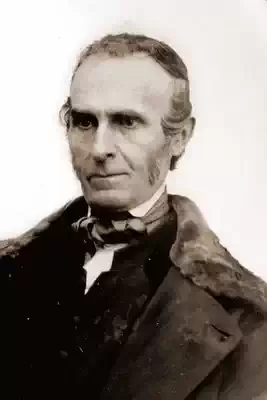
John Greenleaf Whittier
The Reunion
The Reunion
The gulf of seven and fifty years
We stretch our welcoming hands across;
The distance but a pebble's toss
Between us and our youth appears.
For in life's school we linger on
The remnant of a once full list;
Conning our lessons, undismissed,
With faces to the setting sun.
And some have gone the unknown way,
And some await the call to rest;
Who knoweth whether it is best
For those who went or those who stay?
And yet despite of loss and ill,
If faith and love and hope remain,
Our length of days is not in vain,
And life is well worth living still.
Still to a gracious Providence
The thanks of grateful hearts are due,
For blessings when our lives were new,
For all the good vouchsafed us since.
The pain that spared us sorer hurt,
The wish denied, the purpose crossed,
And pleasure's fond occasions lost,
Were mercies to our small desert.
'T is something that we wander back,
Gray pilgrims, to our ancient ways,
And tender memories of old days
Walk with us by the Merrimac;
That even in life's afternoon
A sense of youth comes back again,
As through this cool September rain
The still green woodlands dream of June.
The eyes grown dim to present things
Have keener sight for bygone years,
And sweet and clear, in deafening ears,
The bird that sang at morning sings.
Dear comrades, scattered wide and far,
Send from their homes their kindly word,
And dearer ones, unseen, unheard,
Smile on us from some heavenly star.
For life and death with God are one,
Unchanged by seeming change His care
And love are round us here and there;
He breaks no thread His hand has spun.
Soul touches soul, the muster roll
Of life eternal has no gaps;
And after half a century's lapse
Our school-day ranks are closed and whole.
Hail and farewell! We go our way;
Where shadows end, we trust in light;
The star that ushers in the night
Is herald also of the day!
The gulf of seven and fifty years
We stretch our welcoming hands across;
The distance but a pebble's toss
Between us and our youth appears.
For in life's school we linger on
The remnant of a once full list;
Conning our lessons, undismissed,
With faces to the setting sun.
And some have gone the unknown way,
And some await the call to rest;
Who knoweth whether it is best
For those who went or those who stay?
And yet despite of loss and ill,
If faith and love and hope remain,
Our length of days is not in vain,
And life is well worth living still.
Still to a gracious Providence
The thanks of grateful hearts are due,
For blessings when our lives were new,
For all the good vouchsafed us since.
The pain that spared us sorer hurt,
The wish denied, the purpose crossed,
And pleasure's fond occasions lost,
Were mercies to our small desert.
'T is something that we wander back,
Gray pilgrims, to our ancient ways,
And tender memories of old days
Walk with us by the Merrimac;
That even in life's afternoon
A sense of youth comes back again,
As through this cool September rain
The still green woodlands dream of June.
The eyes grown dim to present things
Have keener sight for bygone years,
And sweet and clear, in deafening ears,
The bird that sang at morning sings.
Dear comrades, scattered wide and far,
Send from their homes their kindly word,
And dearer ones, unseen, unheard,
Smile on us from some heavenly star.
For life and death with God are one,
Unchanged by seeming change His care
And love are round us here and there;
He breaks no thread His hand has spun.
Soul touches soul, the muster roll
Of life eternal has no gaps;
And after half a century's lapse
Our school-day ranks are closed and whole.
Hail and farewell! We go our way;
Where shadows end, we trust in light;
The star that ushers in the night
Is herald also of the day!
336
John Greenleaf Whittier
The Red River Voyageur
The Red River Voyageur
Out and in the river is winding
The links of its long, red chain,
Through belts of dusky pine-land
And gusty leagues of plain.
Only, at times, a smoke-wreath
With the drifting cloud-rack joins,The
smoke of the hunting-lodges
Of the wild Assiniboins.
Drearily blows the north-wind
From the land of ice and snow;
The eyes that look are weary,
And heavy the hands that row.
And with one foot on the water,
And one upon the shore,
The Angel of Shadow gives warning
That day shall be no more.
Is it the clang of wild-geese?
Is it the Indian's yell,
That lends to the voice of the north-wind
The tones of a far-off bell?
The voyageur smiles as he listens
To the sound that grows apace;
Well he knows the vesper ringing
Of the bells of St. Boniface.
The bells of the Roman Mission,
That call from their turrets twain,
To the boatman on the river,
To the hunter on the plain!
Even so in our mortal journey
The bitter north-winds blow,
And thus upon life's Red River
Our hearts, as oarsmen, row.
And when the Angel of Shadow
Rests his feet on wave and shore,
And our eyes grow dim with watching
And our hearts faint at the oar,
Happy is he who heareth
The signal of his release
In the bells of the Holy City,
The chimes of eternal peace!
Out and in the river is winding
The links of its long, red chain,
Through belts of dusky pine-land
And gusty leagues of plain.
Only, at times, a smoke-wreath
With the drifting cloud-rack joins,The
smoke of the hunting-lodges
Of the wild Assiniboins.
Drearily blows the north-wind
From the land of ice and snow;
The eyes that look are weary,
And heavy the hands that row.
And with one foot on the water,
And one upon the shore,
The Angel of Shadow gives warning
That day shall be no more.
Is it the clang of wild-geese?
Is it the Indian's yell,
That lends to the voice of the north-wind
The tones of a far-off bell?
The voyageur smiles as he listens
To the sound that grows apace;
Well he knows the vesper ringing
Of the bells of St. Boniface.
The bells of the Roman Mission,
That call from their turrets twain,
To the boatman on the river,
To the hunter on the plain!
Even so in our mortal journey
The bitter north-winds blow,
And thus upon life's Red River
Our hearts, as oarsmen, row.
And when the Angel of Shadow
Rests his feet on wave and shore,
And our eyes grow dim with watching
And our hearts faint at the oar,
Happy is he who heareth
The signal of his release
In the bells of the Holy City,
The chimes of eternal peace!
365
John Greenleaf Whittier
The Red River Voyageur
The Red River Voyageur
Out and in the river is winding
The links of its long, red chain,
Through belts of dusky pine-land
And gusty leagues of plain.
Only, at times, a smoke-wreath
With the drifting cloud-rack joins,The
smoke of the hunting-lodges
Of the wild Assiniboins.
Drearily blows the north-wind
From the land of ice and snow;
The eyes that look are weary,
And heavy the hands that row.
And with one foot on the water,
And one upon the shore,
The Angel of Shadow gives warning
That day shall be no more.
Is it the clang of wild-geese?
Is it the Indian's yell,
That lends to the voice of the north-wind
The tones of a far-off bell?
The voyageur smiles as he listens
To the sound that grows apace;
Well he knows the vesper ringing
Of the bells of St. Boniface.
The bells of the Roman Mission,
That call from their turrets twain,
To the boatman on the river,
To the hunter on the plain!
Even so in our mortal journey
The bitter north-winds blow,
And thus upon life's Red River
Our hearts, as oarsmen, row.
And when the Angel of Shadow
Rests his feet on wave and shore,
And our eyes grow dim with watching
And our hearts faint at the oar,
Happy is he who heareth
The signal of his release
In the bells of the Holy City,
The chimes of eternal peace!
Out and in the river is winding
The links of its long, red chain,
Through belts of dusky pine-land
And gusty leagues of plain.
Only, at times, a smoke-wreath
With the drifting cloud-rack joins,The
smoke of the hunting-lodges
Of the wild Assiniboins.
Drearily blows the north-wind
From the land of ice and snow;
The eyes that look are weary,
And heavy the hands that row.
And with one foot on the water,
And one upon the shore,
The Angel of Shadow gives warning
That day shall be no more.
Is it the clang of wild-geese?
Is it the Indian's yell,
That lends to the voice of the north-wind
The tones of a far-off bell?
The voyageur smiles as he listens
To the sound that grows apace;
Well he knows the vesper ringing
Of the bells of St. Boniface.
The bells of the Roman Mission,
That call from their turrets twain,
To the boatman on the river,
To the hunter on the plain!
Even so in our mortal journey
The bitter north-winds blow,
And thus upon life's Red River
Our hearts, as oarsmen, row.
And when the Angel of Shadow
Rests his feet on wave and shore,
And our eyes grow dim with watching
And our hearts faint at the oar,
Happy is he who heareth
The signal of his release
In the bells of the Holy City,
The chimes of eternal peace!
365
John Greenleaf Whittier
The Red River Voyageur
The Red River Voyageur
Out and in the river is winding
The links of its long, red chain,
Through belts of dusky pine-land
And gusty leagues of plain.
Only, at times, a smoke-wreath
With the drifting cloud-rack joins,The
smoke of the hunting-lodges
Of the wild Assiniboins.
Drearily blows the north-wind
From the land of ice and snow;
The eyes that look are weary,
And heavy the hands that row.
And with one foot on the water,
And one upon the shore,
The Angel of Shadow gives warning
That day shall be no more.
Is it the clang of wild-geese?
Is it the Indian's yell,
That lends to the voice of the north-wind
The tones of a far-off bell?
The voyageur smiles as he listens
To the sound that grows apace;
Well he knows the vesper ringing
Of the bells of St. Boniface.
The bells of the Roman Mission,
That call from their turrets twain,
To the boatman on the river,
To the hunter on the plain!
Even so in our mortal journey
The bitter north-winds blow,
And thus upon life's Red River
Our hearts, as oarsmen, row.
And when the Angel of Shadow
Rests his feet on wave and shore,
And our eyes grow dim with watching
And our hearts faint at the oar,
Happy is he who heareth
The signal of his release
In the bells of the Holy City,
The chimes of eternal peace!
Out and in the river is winding
The links of its long, red chain,
Through belts of dusky pine-land
And gusty leagues of plain.
Only, at times, a smoke-wreath
With the drifting cloud-rack joins,The
smoke of the hunting-lodges
Of the wild Assiniboins.
Drearily blows the north-wind
From the land of ice and snow;
The eyes that look are weary,
And heavy the hands that row.
And with one foot on the water,
And one upon the shore,
The Angel of Shadow gives warning
That day shall be no more.
Is it the clang of wild-geese?
Is it the Indian's yell,
That lends to the voice of the north-wind
The tones of a far-off bell?
The voyageur smiles as he listens
To the sound that grows apace;
Well he knows the vesper ringing
Of the bells of St. Boniface.
The bells of the Roman Mission,
That call from their turrets twain,
To the boatman on the river,
To the hunter on the plain!
Even so in our mortal journey
The bitter north-winds blow,
And thus upon life's Red River
Our hearts, as oarsmen, row.
And when the Angel of Shadow
Rests his feet on wave and shore,
And our eyes grow dim with watching
And our hearts faint at the oar,
Happy is he who heareth
The signal of his release
In the bells of the Holy City,
The chimes of eternal peace!
365
John Greenleaf Whittier
The Quaker Of The Olden Time
The Quaker Of The Olden Time
THE Quaker of the olden time!
How calm and firm and true,
Unspotted by its wrong and crime,
He walked the dark earth through.
The lust of power, the love of gain,
The thousand lures of sin
Around him, had no power to stain
The purity within.
With that deep insight which detects
All great things in the small,
And knows how each man's life affects
The spiritual life of all,
He walked by faith and not by sight,
By love and not by law;
The presence of the wrong or right
He rather felt than saw.
He felt that wrong with wrong partakes,
That nothing stands alone,
That whoso gives the motive, makes
His brother's sin his own.
And, pausing not for doubtful choice
Of evils great or small,
He listened to that inward voice
Which called away from all.
O Spirit of that early day,
So pure and strong and true,
Be with us in the narrow way
Our faithful fathers knew.
Give strength the evil to forsake,
The cross of Truth to bear,
And love and reverent fear to make
Our daily lives a prayer!
THE Quaker of the olden time!
How calm and firm and true,
Unspotted by its wrong and crime,
He walked the dark earth through.
The lust of power, the love of gain,
The thousand lures of sin
Around him, had no power to stain
The purity within.
With that deep insight which detects
All great things in the small,
And knows how each man's life affects
The spiritual life of all,
He walked by faith and not by sight,
By love and not by law;
The presence of the wrong or right
He rather felt than saw.
He felt that wrong with wrong partakes,
That nothing stands alone,
That whoso gives the motive, makes
His brother's sin his own.
And, pausing not for doubtful choice
Of evils great or small,
He listened to that inward voice
Which called away from all.
O Spirit of that early day,
So pure and strong and true,
Be with us in the narrow way
Our faithful fathers knew.
Give strength the evil to forsake,
The cross of Truth to bear,
And love and reverent fear to make
Our daily lives a prayer!
303
John Greenleaf Whittier
The Quaker Of The Olden Time
The Quaker Of The Olden Time
THE Quaker of the olden time!
How calm and firm and true,
Unspotted by its wrong and crime,
He walked the dark earth through.
The lust of power, the love of gain,
The thousand lures of sin
Around him, had no power to stain
The purity within.
With that deep insight which detects
All great things in the small,
And knows how each man's life affects
The spiritual life of all,
He walked by faith and not by sight,
By love and not by law;
The presence of the wrong or right
He rather felt than saw.
He felt that wrong with wrong partakes,
That nothing stands alone,
That whoso gives the motive, makes
His brother's sin his own.
And, pausing not for doubtful choice
Of evils great or small,
He listened to that inward voice
Which called away from all.
O Spirit of that early day,
So pure and strong and true,
Be with us in the narrow way
Our faithful fathers knew.
Give strength the evil to forsake,
The cross of Truth to bear,
And love and reverent fear to make
Our daily lives a prayer!
THE Quaker of the olden time!
How calm and firm and true,
Unspotted by its wrong and crime,
He walked the dark earth through.
The lust of power, the love of gain,
The thousand lures of sin
Around him, had no power to stain
The purity within.
With that deep insight which detects
All great things in the small,
And knows how each man's life affects
The spiritual life of all,
He walked by faith and not by sight,
By love and not by law;
The presence of the wrong or right
He rather felt than saw.
He felt that wrong with wrong partakes,
That nothing stands alone,
That whoso gives the motive, makes
His brother's sin his own.
And, pausing not for doubtful choice
Of evils great or small,
He listened to that inward voice
Which called away from all.
O Spirit of that early day,
So pure and strong and true,
Be with us in the narrow way
Our faithful fathers knew.
Give strength the evil to forsake,
The cross of Truth to bear,
And love and reverent fear to make
Our daily lives a prayer!
303
John Greenleaf Whittier
The Proclamation
The Proclamation
SAINT PATRICK, slave to Milcho of the herds
Of Ballymena, wakened with these words:
'Arise, and flee
Out from the land of bondage, and be free!'
Glad as a soul in pain, who hears from heaven
The angels singing of his sins forgiven,
And, wondering, sees
His prison opening to their golden keys,
He rose a man who laid him down a slave,
Shook from his locks the ashes of the grave,
And outward trod
Into the glorious liberty of God.
He east the symbols of his shame away;
And, passing where the sleeping Milcho lay,
Though back and limb
Smarted with wrong, he prayed, 'God pardon him!'
So went he forth; but in God's time he came
To light on Uilline's hills a holy flame;
And, dying, gave
The land a saint that lost him as a slave.
O dark, sad millions, patiently and dumb
Waiting for God, your hour at last has come,
And freedom's song
Breaks the long silence of your night of wrong!
Arise and flee! shake off the vile restraint
Of ages; but, like Ballymena's saint,
The oppressor spare,
Heap only on his head the coals of prayer.
Go forth, like him! like him return again,
To bless the land whereon in bitter pain
Ye toiled at first,
And heal with freedom what your slavery cursed.
SAINT PATRICK, slave to Milcho of the herds
Of Ballymena, wakened with these words:
'Arise, and flee
Out from the land of bondage, and be free!'
Glad as a soul in pain, who hears from heaven
The angels singing of his sins forgiven,
And, wondering, sees
His prison opening to their golden keys,
He rose a man who laid him down a slave,
Shook from his locks the ashes of the grave,
And outward trod
Into the glorious liberty of God.
He east the symbols of his shame away;
And, passing where the sleeping Milcho lay,
Though back and limb
Smarted with wrong, he prayed, 'God pardon him!'
So went he forth; but in God's time he came
To light on Uilline's hills a holy flame;
And, dying, gave
The land a saint that lost him as a slave.
O dark, sad millions, patiently and dumb
Waiting for God, your hour at last has come,
And freedom's song
Breaks the long silence of your night of wrong!
Arise and flee! shake off the vile restraint
Of ages; but, like Ballymena's saint,
The oppressor spare,
Heap only on his head the coals of prayer.
Go forth, like him! like him return again,
To bless the land whereon in bitter pain
Ye toiled at first,
And heal with freedom what your slavery cursed.
284
John Greenleaf Whittier
The Prisoners Of Naples
The Prisoners Of Naples
I HAVE been thinking of the victims bound
In Naples, dying for the lack of air
And sunshine, in their close, damp cells of pain,
Where hope is not, and innocence in vain
Appeals against the torture and the chain!
Unfortunates! whose crime it was to share
Our common love of freedom, and to dare,
In its behalf, Rome's harlot triple-crowned,
And her base pander, the most hateful thing
Who upon Christian or on Pagan ground
Makes vile the old heroic name of king.
O God most merciful! Father just and kind!
Whom man hath bound let thy right hand unbind.
Or, if thy purposes of good behind
Their ills lie hidden, let the sufferers find
Strong consolations; leave them not to doubt
Thy providential care, nor yet without
The hope which all thy attributes inspire,
That not in vain the martyr's robe of fire
Is worn, nor the sad prisoner's fretting chain;
Since all who suffer for thy truth send forth,
Electrical, with every throb of pain,
Unquenchable sparks, thy own baptismal rain
Of fire and spirit over all the earth,
Making the dead in slavery live again.
Let this great hope be with them, as they lie
Shut from the light, the greenness, and the sky;
From the cool waters and the pleasant breeze,
The smell of flowers, and shade of summer trees;
Bound with the felon lepers, whom disease
And sins abhorred make loathsome; let them share
Pellico's faith, Foresti's strength to bear
Years of unutterable torment, stern and still,
As the chained Titan victor through his will!
Comfort them with thy future; let them see
The day-dawn of Italian liberty;
For that, with all good things, is hid with Thee,
And, perfect in thy thought, awaits its time to be!
I, who have spoken for freedom at the cost
Of some weak friendships, or some paltry prize
Of name or place, and more than I have lost
Have gained in wider reach of sympathies,
And free communion with the good and wise;
May God forbid that I should ever boast
Such easy self-denial, or repine
That the strong pulse of health no more is mine;
That, overworn at noonday, I must yield
To other hands the gleaning of the field;
A tired on-looker through the day's decline.
For blest beyond deserving still, and knowing
That kindly Providence its care is showing
In the withdrawal as in the bestowing,
Scarcely I dare for more or less to pray.
Beautiful yet for me this autumn day
Melts on its sunset hills; and, far away,
For me the Ocean lifts its solemn psalm,
To me the pine-woods whisper; and for me
Yon river, winding through its vales of calm,
By greenest banks, with asters purple-starred,
And gentian bloom and golden-rod made gay,
Flows down in silent gladness to the sea,
Like a pure spirit to its great reward!
Nor lack I friends, long-tried and near and dear,
Whose love is round me like this atmosphere,
Warm, soft, and golden. For such gifts to me
What shall I render, O my God, to thee?
Let me not dwell upon my lighter share
Of pain and ill that human life must bear;
Save me from selfish pining; let my heart,
Drawn from itself in sympathy, forget
The bitter longings of a vain regret,
The anguish of its own peculiar smart.
Remembering others, as I have to-day,
In their great sorrows, let me live alway
Not for myself alone, but have a part,
Such as a frail and erring spirit may,
In love which is of Thee, and which indeed Thou art!
I HAVE been thinking of the victims bound
In Naples, dying for the lack of air
And sunshine, in their close, damp cells of pain,
Where hope is not, and innocence in vain
Appeals against the torture and the chain!
Unfortunates! whose crime it was to share
Our common love of freedom, and to dare,
In its behalf, Rome's harlot triple-crowned,
And her base pander, the most hateful thing
Who upon Christian or on Pagan ground
Makes vile the old heroic name of king.
O God most merciful! Father just and kind!
Whom man hath bound let thy right hand unbind.
Or, if thy purposes of good behind
Their ills lie hidden, let the sufferers find
Strong consolations; leave them not to doubt
Thy providential care, nor yet without
The hope which all thy attributes inspire,
That not in vain the martyr's robe of fire
Is worn, nor the sad prisoner's fretting chain;
Since all who suffer for thy truth send forth,
Electrical, with every throb of pain,
Unquenchable sparks, thy own baptismal rain
Of fire and spirit over all the earth,
Making the dead in slavery live again.
Let this great hope be with them, as they lie
Shut from the light, the greenness, and the sky;
From the cool waters and the pleasant breeze,
The smell of flowers, and shade of summer trees;
Bound with the felon lepers, whom disease
And sins abhorred make loathsome; let them share
Pellico's faith, Foresti's strength to bear
Years of unutterable torment, stern and still,
As the chained Titan victor through his will!
Comfort them with thy future; let them see
The day-dawn of Italian liberty;
For that, with all good things, is hid with Thee,
And, perfect in thy thought, awaits its time to be!
I, who have spoken for freedom at the cost
Of some weak friendships, or some paltry prize
Of name or place, and more than I have lost
Have gained in wider reach of sympathies,
And free communion with the good and wise;
May God forbid that I should ever boast
Such easy self-denial, or repine
That the strong pulse of health no more is mine;
That, overworn at noonday, I must yield
To other hands the gleaning of the field;
A tired on-looker through the day's decline.
For blest beyond deserving still, and knowing
That kindly Providence its care is showing
In the withdrawal as in the bestowing,
Scarcely I dare for more or less to pray.
Beautiful yet for me this autumn day
Melts on its sunset hills; and, far away,
For me the Ocean lifts its solemn psalm,
To me the pine-woods whisper; and for me
Yon river, winding through its vales of calm,
By greenest banks, with asters purple-starred,
And gentian bloom and golden-rod made gay,
Flows down in silent gladness to the sea,
Like a pure spirit to its great reward!
Nor lack I friends, long-tried and near and dear,
Whose love is round me like this atmosphere,
Warm, soft, and golden. For such gifts to me
What shall I render, O my God, to thee?
Let me not dwell upon my lighter share
Of pain and ill that human life must bear;
Save me from selfish pining; let my heart,
Drawn from itself in sympathy, forget
The bitter longings of a vain regret,
The anguish of its own peculiar smart.
Remembering others, as I have to-day,
In their great sorrows, let me live alway
Not for myself alone, but have a part,
Such as a frail and erring spirit may,
In love which is of Thee, and which indeed Thou art!
326
John Greenleaf Whittier
The Prayer-Seeker
The Prayer-Seeker
Along the aisle where prayer was made,
A woman, all in black arrayed,
Close-veiled, between the kneeling host,
With gliding motion of a ghost,
Passed to the desk, and laid thereon
A scroll which bore these words alone,
_Pray for me_!
Back from the place of worshipping
She glided like a guilty thing
The rustle of her draperies, stirred
By hurrying feet, alone was heard;
While, full of awe, the preacher read,
As out into the dark she sped:
'_Pray for me_!'
Back to the night from whence she came,
To unimagined grief or shame!
Across the threshold of that door
None knew the burden that she bore;
Alone she left the written scroll,
The legend of a troubled soul,-_
Pray for me_!
Glide on, poor ghost of woe or sin!
Thou leav'st a common need within;
Each bears, like thee, some nameless weight,
Some misery inarticulate,
Some secret sin, some shrouded dread,
Some household sorrow all unsaid.
_Pray for us_!
Pass on! The type of all thou art,
Sad witness to the common heart!
With face in veil and seal on lip,
In mute and strange companionship,
Like thee we wander to and fro,
Dumbly imploring as we go
_Pray for us_!
Ah, who shall pray, since he who pleads
Our want perchance hath greater needs?
Yet they who make their loss the gain
Of others shall not ask in vain,
And Heaven bends low to hear the prayer
Of love from lips of self-despair
_Pray for us_!
In vain remorse and fear and hate
Beat with bruised bands against a fate
Whose walls of iron only move
And open to the touch of love.
He only feels his burdens fall
Who, taught by suffering, pities all.
_Pray for us_!
He prayeth best who leaves unguessed
The mystery of another's breast.
Why cheeks grow pale, why eyes o'erflow,
Or heads are white, thou need'st not know.
Enough to note by many a sign
That every heart hath needs like thine.
_Pray for us_!
Along the aisle where prayer was made,
A woman, all in black arrayed,
Close-veiled, between the kneeling host,
With gliding motion of a ghost,
Passed to the desk, and laid thereon
A scroll which bore these words alone,
_Pray for me_!
Back from the place of worshipping
She glided like a guilty thing
The rustle of her draperies, stirred
By hurrying feet, alone was heard;
While, full of awe, the preacher read,
As out into the dark she sped:
'_Pray for me_!'
Back to the night from whence she came,
To unimagined grief or shame!
Across the threshold of that door
None knew the burden that she bore;
Alone she left the written scroll,
The legend of a troubled soul,-_
Pray for me_!
Glide on, poor ghost of woe or sin!
Thou leav'st a common need within;
Each bears, like thee, some nameless weight,
Some misery inarticulate,
Some secret sin, some shrouded dread,
Some household sorrow all unsaid.
_Pray for us_!
Pass on! The type of all thou art,
Sad witness to the common heart!
With face in veil and seal on lip,
In mute and strange companionship,
Like thee we wander to and fro,
Dumbly imploring as we go
_Pray for us_!
Ah, who shall pray, since he who pleads
Our want perchance hath greater needs?
Yet they who make their loss the gain
Of others shall not ask in vain,
And Heaven bends low to hear the prayer
Of love from lips of self-despair
_Pray for us_!
In vain remorse and fear and hate
Beat with bruised bands against a fate
Whose walls of iron only move
And open to the touch of love.
He only feels his burdens fall
Who, taught by suffering, pities all.
_Pray for us_!
He prayeth best who leaves unguessed
The mystery of another's breast.
Why cheeks grow pale, why eyes o'erflow,
Or heads are white, thou need'st not know.
Enough to note by many a sign
That every heart hath needs like thine.
_Pray for us_!
321
John Greenleaf Whittier
The Palatine
The Palatine
Leagues north, as fly the gull and auk,
Point Judith watches with eye of hawk;
Leagues south, thy beacon flames, Montauk!
Lonely and wind-shorn, wood-forsaken,
With never a tree for Spring to waken,
For tryst of lovers or farewells taken,
Circled by waters that never freeze,
Beaten by billow and swept by breeze,
Lieth the island of Manisees,
Set at the mouth of the Sound to hold
The coast lights up on its turret old,
Yellow with moss and sea-fog mould.
Dreary the land when gust and sleet
At its doors and windows howl and beat,
And Winter laughs at its fires of peat!
But in summer time, when pool and pond,
Held in the laps of valleys fond,
Are blue as the glimpses of sea beyond;
When the hills are sweet with the brier-rose,
And, hid in the warm, soft dells, unclose
Flowers the mainland rarely knows;
When boats to their morning fishing go,
And, held to the wind and slanting low,
Whitening and darkening the small sails show,-
Then is that lonely island fair;
And the pale health-seeker findeth there
The wine of life in its pleasant air.
No greener valleys the sun invite,
On smoother beaches no sea-birds light,
No blue waves shatter to foam more white!
There, circling ever their narrow range,
Quaint tradition and legend strange
Live on unchallenged, and know no change.
Old wives spinning their webs of tow,
Or rocking weirdly to and fro
In and out of the peat's dull glow,
And old men mending their nets of twine,
Talk together of dream and sign,
Talk of the lost ship Palatine,-
The ship that, a hundred years before,
Freighted deep with its goodly store,
In the gales of the equinox went ashore.
The eager islanders one by one
Counted the shots of her signal gun,
And heard the crash when she drove right on!
Into the teeth of death she sped
(May God forgive the hands that fed
The false lights over the rocky Head!)
O men and brothers! what sights were there!
White upturned faces, hands stretched in prayer!
Where waves had pity, could ye not spare?
Down swooped the wreckers, like birds of prey
Tearing the heart of the ship away,
And the dead had never a word to say.
And then, with ghastly shimmer and shine
Over the rocks and the seething brine,
They burned the wreck of the Palatine.
In their cruel hearts, as they homeward sped,
'The sea and the rocks are dumb,' they said
'There 'll be no reckoning with the dead.'
But the year went round, and when once more
Along their foam-white curves of shore
They heard the line-storm rave and roar,
Behold! again, with shimmer and shine,
Over the rocks and the seething brine,
The flaming wreck of the Palatine!
So, haply in fitter words than these,
Mending their nets on their patient knees
They tell the legend of Manisees.
Nor looks nor tones a doubt betray;
'It is known to us all,' they quietly say;
'We too have seen it in our day.'
Is there, then, no death for a word once spoken?
Was never a deed but left its token
Written on tables never broken?
Do the elements subtle reflections give?
Do pictures of all the ages live
On Nature's infinite negative,
Which, half in sport, in malice half,
She shows at times, with shudder or laugh,
Phantom and shadow in photograph?
For still, on many a moonless night,
From Kingston Head and from Montauk light
The spectre kindles and burns in sight.
Now low and dim, now clear and higher,
Leaps up the terrible Ghost of Fire,
Then, slowly sinking, the flames expire.
And the wise Sound skippers, though skies be fine,
Reef their sails when they see the sign
Of the blazing wreck of the Palatine!
. . . . .
'A fitter tale to scream than sing,'
The Book-man said. 'Well, fancy, then,'
The Reader answered, 'on the wing
The sea-birds shriek it, not for men,
But in the ear of wave and breeze!'
The Traveller mused: 'Your Manisees
Is fairy-land: off Narragansett shore
Who ever saw the isle or heard its name before?
''T is some strange land of Flyaway,
Whose dreamy shore the ship beguiles,
St. Brandan's in its sea-mist gray,
Or sunset loom of Fortunate Isles!'
'No ghost, but solid turf and rock
Is the good island known as Block,'
The Reader said. 'For beauty and for ease
I chose its Indian name, soft-flowing Manisees!
'But let it pass; here is a bit
Of unrhymed story, with a hint
Of the old preaching mood in it,
The sort of sidelong moral squint
Our friend objects to, which has grown,
I fear, a habit of my own.
'Twas written when the Asian plague drew near,
And the land held its breath and paled with sudden fear.'
Leagues north, as fly the gull and auk,
Point Judith watches with eye of hawk;
Leagues south, thy beacon flames, Montauk!
Lonely and wind-shorn, wood-forsaken,
With never a tree for Spring to waken,
For tryst of lovers or farewells taken,
Circled by waters that never freeze,
Beaten by billow and swept by breeze,
Lieth the island of Manisees,
Set at the mouth of the Sound to hold
The coast lights up on its turret old,
Yellow with moss and sea-fog mould.
Dreary the land when gust and sleet
At its doors and windows howl and beat,
And Winter laughs at its fires of peat!
But in summer time, when pool and pond,
Held in the laps of valleys fond,
Are blue as the glimpses of sea beyond;
When the hills are sweet with the brier-rose,
And, hid in the warm, soft dells, unclose
Flowers the mainland rarely knows;
When boats to their morning fishing go,
And, held to the wind and slanting low,
Whitening and darkening the small sails show,-
Then is that lonely island fair;
And the pale health-seeker findeth there
The wine of life in its pleasant air.
No greener valleys the sun invite,
On smoother beaches no sea-birds light,
No blue waves shatter to foam more white!
There, circling ever their narrow range,
Quaint tradition and legend strange
Live on unchallenged, and know no change.
Old wives spinning their webs of tow,
Or rocking weirdly to and fro
In and out of the peat's dull glow,
And old men mending their nets of twine,
Talk together of dream and sign,
Talk of the lost ship Palatine,-
The ship that, a hundred years before,
Freighted deep with its goodly store,
In the gales of the equinox went ashore.
The eager islanders one by one
Counted the shots of her signal gun,
And heard the crash when she drove right on!
Into the teeth of death she sped
(May God forgive the hands that fed
The false lights over the rocky Head!)
O men and brothers! what sights were there!
White upturned faces, hands stretched in prayer!
Where waves had pity, could ye not spare?
Down swooped the wreckers, like birds of prey
Tearing the heart of the ship away,
And the dead had never a word to say.
And then, with ghastly shimmer and shine
Over the rocks and the seething brine,
They burned the wreck of the Palatine.
In their cruel hearts, as they homeward sped,
'The sea and the rocks are dumb,' they said
'There 'll be no reckoning with the dead.'
But the year went round, and when once more
Along their foam-white curves of shore
They heard the line-storm rave and roar,
Behold! again, with shimmer and shine,
Over the rocks and the seething brine,
The flaming wreck of the Palatine!
So, haply in fitter words than these,
Mending their nets on their patient knees
They tell the legend of Manisees.
Nor looks nor tones a doubt betray;
'It is known to us all,' they quietly say;
'We too have seen it in our day.'
Is there, then, no death for a word once spoken?
Was never a deed but left its token
Written on tables never broken?
Do the elements subtle reflections give?
Do pictures of all the ages live
On Nature's infinite negative,
Which, half in sport, in malice half,
She shows at times, with shudder or laugh,
Phantom and shadow in photograph?
For still, on many a moonless night,
From Kingston Head and from Montauk light
The spectre kindles and burns in sight.
Now low and dim, now clear and higher,
Leaps up the terrible Ghost of Fire,
Then, slowly sinking, the flames expire.
And the wise Sound skippers, though skies be fine,
Reef their sails when they see the sign
Of the blazing wreck of the Palatine!
. . . . .
'A fitter tale to scream than sing,'
The Book-man said. 'Well, fancy, then,'
The Reader answered, 'on the wing
The sea-birds shriek it, not for men,
But in the ear of wave and breeze!'
The Traveller mused: 'Your Manisees
Is fairy-land: off Narragansett shore
Who ever saw the isle or heard its name before?
''T is some strange land of Flyaway,
Whose dreamy shore the ship beguiles,
St. Brandan's in its sea-mist gray,
Or sunset loom of Fortunate Isles!'
'No ghost, but solid turf and rock
Is the good island known as Block,'
The Reader said. 'For beauty and for ease
I chose its Indian name, soft-flowing Manisees!
'But let it pass; here is a bit
Of unrhymed story, with a hint
Of the old preaching mood in it,
The sort of sidelong moral squint
Our friend objects to, which has grown,
I fear, a habit of my own.
'Twas written when the Asian plague drew near,
And the land held its breath and paled with sudden fear.'
330
John Greenleaf Whittier
The Over-Heart
The Over-Heart
Above, below, in sky and sod,
In leaf and spar, in star and man,
Well might the wise Athenian scan
The geometric signs of God,
The measured order of His plan.
And India's mystics sang aright
Of the One Life pervading all,-One
Being's tidal rise and fall
In soul and form, in sound and sight,-Eternal
outflow and recall.
God is: and man in guilt and fear
The central fact of Nature owns;
Kneels, trembling, by his altar-stones,
And darkly dreams the ghastly smear
Of blood appeases and atones.
Guilt shapes the Terror: deep within
The human heart the secret lies
Of all the hideous deities;
And, painted on a ground of sin,
The fabled gods of torment rise!
And what is He? The ripe grain nods,
The sweet dews fall, the sweet flowers blow;
But darker signs His presence show
The earthquake and the storm are God's,
And good and evil interflow.
O hearts of love! O souls that turn
Like sunflowers to the pure and best!
To you the truth is manifest:
For they the mind of Christ discern
Who lean like John upon His breast!
In him of whom the sibyl told,
For whom the prophet's harp was toned,
Whose need the sage and magian owned,
The loving heart of God behold,
The hope for which the ages groaned!
Fade, pomp of dreadful imagery
Wherewith mankind have deified
Their hate, and selfishness, and pride!
Let the scared dreamer wake to see
The Christ of Nazareth at his side!
What doth that holy Guide require?
No rite of pain, nor gift of blood,
But man a kindly brotherhood,
Looking, where duty is desire,
To Him, the beautiful and good.
Gone be the faithlessness of fear,
And let the pitying heaven's sweet rain
Wash out the altar's bloody stain;
The law of Hatred disappear,
The law of Love alone remain.
How fall the idols false and grim!
And to! their hideous wreck above
The emblems of the Lamb and Dove!
Man turns from God, not God from him;
And guilt, in suffering, whispers Love!
The world sits at the feet of Christ,
Unknowing, blind, and unconsoled;
It yet shall touch His garment's fold,
And feel the heavenly Alchemist
Transform its very dust to gold.
The theme befitting angel tongues
Beyond a mortal's scope has grown.
O heart of mine! with reverence own
The fulness which to it belongs,
And trust the unknown for the known.
Above, below, in sky and sod,
In leaf and spar, in star and man,
Well might the wise Athenian scan
The geometric signs of God,
The measured order of His plan.
And India's mystics sang aright
Of the One Life pervading all,-One
Being's tidal rise and fall
In soul and form, in sound and sight,-Eternal
outflow and recall.
God is: and man in guilt and fear
The central fact of Nature owns;
Kneels, trembling, by his altar-stones,
And darkly dreams the ghastly smear
Of blood appeases and atones.
Guilt shapes the Terror: deep within
The human heart the secret lies
Of all the hideous deities;
And, painted on a ground of sin,
The fabled gods of torment rise!
And what is He? The ripe grain nods,
The sweet dews fall, the sweet flowers blow;
But darker signs His presence show
The earthquake and the storm are God's,
And good and evil interflow.
O hearts of love! O souls that turn
Like sunflowers to the pure and best!
To you the truth is manifest:
For they the mind of Christ discern
Who lean like John upon His breast!
In him of whom the sibyl told,
For whom the prophet's harp was toned,
Whose need the sage and magian owned,
The loving heart of God behold,
The hope for which the ages groaned!
Fade, pomp of dreadful imagery
Wherewith mankind have deified
Their hate, and selfishness, and pride!
Let the scared dreamer wake to see
The Christ of Nazareth at his side!
What doth that holy Guide require?
No rite of pain, nor gift of blood,
But man a kindly brotherhood,
Looking, where duty is desire,
To Him, the beautiful and good.
Gone be the faithlessness of fear,
And let the pitying heaven's sweet rain
Wash out the altar's bloody stain;
The law of Hatred disappear,
The law of Love alone remain.
How fall the idols false and grim!
And to! their hideous wreck above
The emblems of the Lamb and Dove!
Man turns from God, not God from him;
And guilt, in suffering, whispers Love!
The world sits at the feet of Christ,
Unknowing, blind, and unconsoled;
It yet shall touch His garment's fold,
And feel the heavenly Alchemist
Transform its very dust to gold.
The theme befitting angel tongues
Beyond a mortal's scope has grown.
O heart of mine! with reverence own
The fulness which to it belongs,
And trust the unknown for the known.
301
John Greenleaf Whittier
The Over-Heart
The Over-Heart
Above, below, in sky and sod,
In leaf and spar, in star and man,
Well might the wise Athenian scan
The geometric signs of God,
The measured order of His plan.
And India's mystics sang aright
Of the One Life pervading all,-One
Being's tidal rise and fall
In soul and form, in sound and sight,-Eternal
outflow and recall.
God is: and man in guilt and fear
The central fact of Nature owns;
Kneels, trembling, by his altar-stones,
And darkly dreams the ghastly smear
Of blood appeases and atones.
Guilt shapes the Terror: deep within
The human heart the secret lies
Of all the hideous deities;
And, painted on a ground of sin,
The fabled gods of torment rise!
And what is He? The ripe grain nods,
The sweet dews fall, the sweet flowers blow;
But darker signs His presence show
The earthquake and the storm are God's,
And good and evil interflow.
O hearts of love! O souls that turn
Like sunflowers to the pure and best!
To you the truth is manifest:
For they the mind of Christ discern
Who lean like John upon His breast!
In him of whom the sibyl told,
For whom the prophet's harp was toned,
Whose need the sage and magian owned,
The loving heart of God behold,
The hope for which the ages groaned!
Fade, pomp of dreadful imagery
Wherewith mankind have deified
Their hate, and selfishness, and pride!
Let the scared dreamer wake to see
The Christ of Nazareth at his side!
What doth that holy Guide require?
No rite of pain, nor gift of blood,
But man a kindly brotherhood,
Looking, where duty is desire,
To Him, the beautiful and good.
Gone be the faithlessness of fear,
And let the pitying heaven's sweet rain
Wash out the altar's bloody stain;
The law of Hatred disappear,
The law of Love alone remain.
How fall the idols false and grim!
And to! their hideous wreck above
The emblems of the Lamb and Dove!
Man turns from God, not God from him;
And guilt, in suffering, whispers Love!
The world sits at the feet of Christ,
Unknowing, blind, and unconsoled;
It yet shall touch His garment's fold,
And feel the heavenly Alchemist
Transform its very dust to gold.
The theme befitting angel tongues
Beyond a mortal's scope has grown.
O heart of mine! with reverence own
The fulness which to it belongs,
And trust the unknown for the known.
Above, below, in sky and sod,
In leaf and spar, in star and man,
Well might the wise Athenian scan
The geometric signs of God,
The measured order of His plan.
And India's mystics sang aright
Of the One Life pervading all,-One
Being's tidal rise and fall
In soul and form, in sound and sight,-Eternal
outflow and recall.
God is: and man in guilt and fear
The central fact of Nature owns;
Kneels, trembling, by his altar-stones,
And darkly dreams the ghastly smear
Of blood appeases and atones.
Guilt shapes the Terror: deep within
The human heart the secret lies
Of all the hideous deities;
And, painted on a ground of sin,
The fabled gods of torment rise!
And what is He? The ripe grain nods,
The sweet dews fall, the sweet flowers blow;
But darker signs His presence show
The earthquake and the storm are God's,
And good and evil interflow.
O hearts of love! O souls that turn
Like sunflowers to the pure and best!
To you the truth is manifest:
For they the mind of Christ discern
Who lean like John upon His breast!
In him of whom the sibyl told,
For whom the prophet's harp was toned,
Whose need the sage and magian owned,
The loving heart of God behold,
The hope for which the ages groaned!
Fade, pomp of dreadful imagery
Wherewith mankind have deified
Their hate, and selfishness, and pride!
Let the scared dreamer wake to see
The Christ of Nazareth at his side!
What doth that holy Guide require?
No rite of pain, nor gift of blood,
But man a kindly brotherhood,
Looking, where duty is desire,
To Him, the beautiful and good.
Gone be the faithlessness of fear,
And let the pitying heaven's sweet rain
Wash out the altar's bloody stain;
The law of Hatred disappear,
The law of Love alone remain.
How fall the idols false and grim!
And to! their hideous wreck above
The emblems of the Lamb and Dove!
Man turns from God, not God from him;
And guilt, in suffering, whispers Love!
The world sits at the feet of Christ,
Unknowing, blind, and unconsoled;
It yet shall touch His garment's fold,
And feel the heavenly Alchemist
Transform its very dust to gold.
The theme befitting angel tongues
Beyond a mortal's scope has grown.
O heart of mine! with reverence own
The fulness which to it belongs,
And trust the unknown for the known.
301
John Greenleaf Whittier
The Mystic’s Christmas
The Mystic’s Christmas
'All hail!' the bells of Christmas rang,
'All hail!' the monks at Christmas sang,
The merry monks who kept with cheer
The gladdest day of all their year.
But still apart, unmoved thereat,
A pious elder brother sat
Silent, in his accustomed place,
With God's sweet peace upon his face.
'Why sitt'st thou thus?' his brethren cried.
'It is the blessed Christmas-tide;
The Christmas lights are all aglow,
The sacred lilies bud and blow.
'Above our heads the joy-bells ring,
Without the happy children sing,
And all God's creatures hail the morn
On which the holy Christ was born!
'Rejoice with us; no more rebuke
Our gladness with thy quiet look.'
The gray monk answered: 'Keep, I pray,
Even as ye list, the Lord's birthday.
'Let heathen Yule fires flicker red
Where thronged refectory feasts are spread;
With mystery-play and masque and mime
And wait-songs speed the holy time!
'The blindest faith may haply save;
The Lord accepts the things we have;
And reverence, howsoe'er it strays,
May find at last the shining ways.
'They needs must grope who cannot see,
The blade before the ear must be;
As ye are feeling I have felt,
And where ye dwell I too have dwelt.
'But now, beyond the things of sense,
Beyond occasions and events,
I know, through God's exceeding grace,
Release from form and time and place.
'I listen, from no mortal tongue,
To hear the song the angels sung;
And wait within myself to know
The Christmas lilies bud and blow.
'The outward symbols disappear
From him whose inward sight is clear;
And small must be the choice of clays
To him who fills them all with praise!
'Keep while you need it, brothers mine,
With honest zeal your Christmas sign,
But judge not him who every morn
Feels in his heart the Lord Christ born!'
'All hail!' the bells of Christmas rang,
'All hail!' the monks at Christmas sang,
The merry monks who kept with cheer
The gladdest day of all their year.
But still apart, unmoved thereat,
A pious elder brother sat
Silent, in his accustomed place,
With God's sweet peace upon his face.
'Why sitt'st thou thus?' his brethren cried.
'It is the blessed Christmas-tide;
The Christmas lights are all aglow,
The sacred lilies bud and blow.
'Above our heads the joy-bells ring,
Without the happy children sing,
And all God's creatures hail the morn
On which the holy Christ was born!
'Rejoice with us; no more rebuke
Our gladness with thy quiet look.'
The gray monk answered: 'Keep, I pray,
Even as ye list, the Lord's birthday.
'Let heathen Yule fires flicker red
Where thronged refectory feasts are spread;
With mystery-play and masque and mime
And wait-songs speed the holy time!
'The blindest faith may haply save;
The Lord accepts the things we have;
And reverence, howsoe'er it strays,
May find at last the shining ways.
'They needs must grope who cannot see,
The blade before the ear must be;
As ye are feeling I have felt,
And where ye dwell I too have dwelt.
'But now, beyond the things of sense,
Beyond occasions and events,
I know, through God's exceeding grace,
Release from form and time and place.
'I listen, from no mortal tongue,
To hear the song the angels sung;
And wait within myself to know
The Christmas lilies bud and blow.
'The outward symbols disappear
From him whose inward sight is clear;
And small must be the choice of clays
To him who fills them all with praise!
'Keep while you need it, brothers mine,
With honest zeal your Christmas sign,
But judge not him who every morn
Feels in his heart the Lord Christ born!'
299
John Greenleaf Whittier
The Minister’s Daughter
The Minister’s Daughter
In the minister's morning sermon
He had told of the primal fall,
And how thenceforth the wrath of God
Rested on each and all.
And how of His will and pleasure,
All souls, save a chosen few,
Were doomed to the quenchless burning,
And held in the way thereto.
Yet never by faith's unreason
A saintlier soul was tried,
And never the harsh old lesson
A tenderer heart belied.
And, after the painful service
On that pleasant Sabbath day,
He walked with his little daughter
Through the apple-bloom of May.
Sweet in the fresh green meadows
Sparrow and blackbird sung;
Above him their tinted petals
The blossoming orchards hung.
Around on the wonderful glory
The minister looked and smiled;
'How good is the Lord who gives us
These gifts from His hand, my child.
'Behold in the bloom of apples
And the violets in the sward
A hint of the old, lost beauty
Of the Garden of the Lord!'
Then up spake the little maiden,
Treading on snow and pink
'O father! these pretty blossoms
Are very wicked, I think.
'Had there been no Garden of Eden
There never had been a fall;
And if never a tree had blossomed
God would have loved us all.'
'Hush, child!' the father answered,
'By His decree man fell;
His ways are in clouds and darkness,
But He doeth all things well.
'And whether by His ordaining
To us cometh good or ill,
Joy or pain, or light or shadow,
We must fear and love Him still.'
'Oh, I fear Him!' said the daughter,
'And I try to love Him, too;
But I wish He was good and gentle,
Kind and loving as you.'
The minister groaned in spirit
As the tremulous lips of pain
And wide, wet eyes uplifted
Questioned his own in vain.
Bowing his head he pondered
The words of the little one;
Had he erred in his life-long teaching?
Had he wrong to his Master done?
To what grim and dreadful idol
Had he lent the holiest name?
Did his own heart, loving and human,
The God of his worship shame?
And lo! from the bloom and greenness,
From the tender skies above,
And the face of his little daughter,
He read a lesson of love.
No more as the cloudy terror
Of Sinai's mount of law,
But as Christ in the Syrian lilies
The vision of God he saw.
And, as when, in the clefts of Horeb,
Of old was His presence known,
The dread Ineffable Glory
Was Infinite Goodness alone.
Thereafter his hearers noted
In his prayers a tenderer strain,
And never the gospel of hatred
Burned on his lips again.
And the scoffing tongue was prayerful,
And the blinded eyes found sight,
And hearts, as flint aforetime,
Grew soft in his warmth and light.
In the minister's morning sermon
He had told of the primal fall,
And how thenceforth the wrath of God
Rested on each and all.
And how of His will and pleasure,
All souls, save a chosen few,
Were doomed to the quenchless burning,
And held in the way thereto.
Yet never by faith's unreason
A saintlier soul was tried,
And never the harsh old lesson
A tenderer heart belied.
And, after the painful service
On that pleasant Sabbath day,
He walked with his little daughter
Through the apple-bloom of May.
Sweet in the fresh green meadows
Sparrow and blackbird sung;
Above him their tinted petals
The blossoming orchards hung.
Around on the wonderful glory
The minister looked and smiled;
'How good is the Lord who gives us
These gifts from His hand, my child.
'Behold in the bloom of apples
And the violets in the sward
A hint of the old, lost beauty
Of the Garden of the Lord!'
Then up spake the little maiden,
Treading on snow and pink
'O father! these pretty blossoms
Are very wicked, I think.
'Had there been no Garden of Eden
There never had been a fall;
And if never a tree had blossomed
God would have loved us all.'
'Hush, child!' the father answered,
'By His decree man fell;
His ways are in clouds and darkness,
But He doeth all things well.
'And whether by His ordaining
To us cometh good or ill,
Joy or pain, or light or shadow,
We must fear and love Him still.'
'Oh, I fear Him!' said the daughter,
'And I try to love Him, too;
But I wish He was good and gentle,
Kind and loving as you.'
The minister groaned in spirit
As the tremulous lips of pain
And wide, wet eyes uplifted
Questioned his own in vain.
Bowing his head he pondered
The words of the little one;
Had he erred in his life-long teaching?
Had he wrong to his Master done?
To what grim and dreadful idol
Had he lent the holiest name?
Did his own heart, loving and human,
The God of his worship shame?
And lo! from the bloom and greenness,
From the tender skies above,
And the face of his little daughter,
He read a lesson of love.
No more as the cloudy terror
Of Sinai's mount of law,
But as Christ in the Syrian lilies
The vision of God he saw.
And, as when, in the clefts of Horeb,
Of old was His presence known,
The dread Ineffable Glory
Was Infinite Goodness alone.
Thereafter his hearers noted
In his prayers a tenderer strain,
And never the gospel of hatred
Burned on his lips again.
And the scoffing tongue was prayerful,
And the blinded eyes found sight,
And hearts, as flint aforetime,
Grew soft in his warmth and light.
280
John Greenleaf Whittier
The Men Of Old
The Men Of Old
WELL speed thy mission, bold Iconoclast!
Yet all unworthy of its trust thou art,
If, with dry eye, and cold, unloving heart,
Thou tread'st the solemn Pantheon of the Past,
By the great Future's dazzling hope made blind
To all the beauty, power, and truth behind.
Not without reverent awe shouldst thou put by
The cypress branches and the amaranth blooms,
Where, with clasped hands of prayer, upon their tombs
The effigies of old confessors lie,
God's witnesses; the voices of His will,
Heard in the slow march of the centuries still!
Such were the men at whose rebuking frown,
Dark with God's wrath, the tyrant's knee went down;
Such from the terrors of the guilty drew
The vassal's freedom and the poor man's due.
St. Anselm (may he rest forevermore
In Heaven's sweet peace!) forbade, of old, the sale
Of men as slaves, and from the sacred pale
Hurled the Northumbrian buyers of the poor.
To ransom souls from bonds and evil fate
St. Ambrose melted down the sacred plate, —
Image of saint, the chalice, and the pix,
Crosses of gold, and silver candlesticks.
'Man is worth more than temples!' he replied
To such as came his holy work to chide.
And brave Cesarius, stripping altars bare,
And coining from the Abbey's golden hoard
The captive's freedom, answered to the prayer
Or threat of those whose fierce zeal for the Lord
Stifled their love of man, — 'An earthen dish
The last sad supper of the Master bore:
Most miserable sinners! do ye wish
More than your Lord, and grudge His dying poor
What your own pride and not His need requires?
Souls, than these shining gauds, He values more;
Mercy, not sacrifice, His heart desires!'
O faithful worthies! resting far behind
In your dark ages, since ye fell asleep,
Much has been done for truth and human-kind;
Shadows are scattered wherein ye groped blind;
Man claims his birthright, freer pulses leap
Through peoples driven in your day like sheep;
Yet, like your own, our age's sphere of light,
Though widening still, is walled around by night;
With slow, reluctant eye, the Church has read,
Skeptic at heart, the lessons of its Head;
Counting, too oft, its living members less
Than the wall's garnish and the pulpit's dress;
World-moving zeal with power to bless and feed
Life's fainting pilgrims, to their utter need,
Instead of bread, holds out the stone of creed;
Sect builds and worships where its wealth and pride
And vanity stand shrined and deified,
Careless that in the shadow of its walls
God's living temple into ruin falls.
We need, methinks, the prophet-hero still,
Saints true of life, and martyrs strong of will,
To tread the land, even now, as Xavier trod
The streets of God, barefoot, with his bell,
Proclaiming freedom in the name of God,
And startling tyrants with the fear of hell!
Soft words, smooth prophecies, are doubtless well;
But to rebuke the age's popular crime,
We need the souls of fire, the hearts of that old time!
WELL speed thy mission, bold Iconoclast!
Yet all unworthy of its trust thou art,
If, with dry eye, and cold, unloving heart,
Thou tread'st the solemn Pantheon of the Past,
By the great Future's dazzling hope made blind
To all the beauty, power, and truth behind.
Not without reverent awe shouldst thou put by
The cypress branches and the amaranth blooms,
Where, with clasped hands of prayer, upon their tombs
The effigies of old confessors lie,
God's witnesses; the voices of His will,
Heard in the slow march of the centuries still!
Such were the men at whose rebuking frown,
Dark with God's wrath, the tyrant's knee went down;
Such from the terrors of the guilty drew
The vassal's freedom and the poor man's due.
St. Anselm (may he rest forevermore
In Heaven's sweet peace!) forbade, of old, the sale
Of men as slaves, and from the sacred pale
Hurled the Northumbrian buyers of the poor.
To ransom souls from bonds and evil fate
St. Ambrose melted down the sacred plate, —
Image of saint, the chalice, and the pix,
Crosses of gold, and silver candlesticks.
'Man is worth more than temples!' he replied
To such as came his holy work to chide.
And brave Cesarius, stripping altars bare,
And coining from the Abbey's golden hoard
The captive's freedom, answered to the prayer
Or threat of those whose fierce zeal for the Lord
Stifled their love of man, — 'An earthen dish
The last sad supper of the Master bore:
Most miserable sinners! do ye wish
More than your Lord, and grudge His dying poor
What your own pride and not His need requires?
Souls, than these shining gauds, He values more;
Mercy, not sacrifice, His heart desires!'
O faithful worthies! resting far behind
In your dark ages, since ye fell asleep,
Much has been done for truth and human-kind;
Shadows are scattered wherein ye groped blind;
Man claims his birthright, freer pulses leap
Through peoples driven in your day like sheep;
Yet, like your own, our age's sphere of light,
Though widening still, is walled around by night;
With slow, reluctant eye, the Church has read,
Skeptic at heart, the lessons of its Head;
Counting, too oft, its living members less
Than the wall's garnish and the pulpit's dress;
World-moving zeal with power to bless and feed
Life's fainting pilgrims, to their utter need,
Instead of bread, holds out the stone of creed;
Sect builds and worships where its wealth and pride
And vanity stand shrined and deified,
Careless that in the shadow of its walls
God's living temple into ruin falls.
We need, methinks, the prophet-hero still,
Saints true of life, and martyrs strong of will,
To tread the land, even now, as Xavier trod
The streets of God, barefoot, with his bell,
Proclaiming freedom in the name of God,
And startling tyrants with the fear of hell!
Soft words, smooth prophecies, are doubtless well;
But to rebuke the age's popular crime,
We need the souls of fire, the hearts of that old time!
285
John Greenleaf Whittier
The Mantle Of St. John De Matha. A Legend Of
The Mantle Of St. John De Matha. A Legend Of
A STRONG and mighty Angel,
Calm, terrible, and bright,
The cross in blended red and blue
Upon his mantle white!
Two captives by him kneeling,
Each on his broken chain,
Sang praise to God who raiseth
The dead to life again!
Dropping his cross-wrought mantle,
'Wear this,' the Angel said;
'Take thou, O Freedom's priest, its sign, —
The white, the blue, and red.'
Then rose up John de Matha
In the strength the Lord Christ gave,
And begged through all the land of France
The ransom of the slave.
The gates of tower and castle
Before him open flew,
The drawbridge at his coming fell,
The door-bolt backward drew.
For all men owned his errand,
And paid his righteous tax;
And the hearts of lord and peasant
Were in his hands as wax.
At last, outbound from Tunis,
His bark her anchor weighed,
Freighted with seven-score Christian souls
Whose ransom he had paid.
But, torn by Paynim hatred,
Her sails in tatters hung;
And on the wild waves, rudderless,
A shattered hulk she swung.
'God save us!' cried the captain,
'For naught can man avail;
Oh, woe betide the ship that lacks
Her rudder and her sail!
'Behind us are the Moormen;
At sea we sink or strand:
There's death upon the water,
There's death upon the land!'
Then up spake John de Matha:
'God's errands never fail!
Take thou the mantle which I wear,
And make of it a sail.'
They raised the cross-wrought mantle,
The blue, the white, the red;
And straight before the wind off-shore
The ship of Freedom sped.
'God help us!' cried the seamen,
'For vain is mortal skill:
The good ship on a stormy sea
Is drifting at its will.'
Then up spake John de Matha:
'My mariners, never fear!
The Lord whose breath has filled her sail
May well our vessel steer!'
So on through storm and darkness
They drove for weary hours;
And lo! the third gray morning shone
On Ostia's friendly towers.
And on the walls the watchers
The ship of mercy knew, —
They knew far off its holy cross,
The red, the white, and blue.
And the bells in all the steeples
Rang out in glad accord,
To welcome home to Christian soil
The ransomed of the Lord.
So runs the ancient legend
By bard and painter told;
And lo! the cycle rounds again,
The new is as the old!
With rudder foully broken,
And sails by traitors torn,
Our country on a midnight sea
Is waiting for the morn.
Before her, nameless terror;
Behind, the pirate foe;
The clouds are black above her,
The sea is white below.
The hope of all who suffer,
The dread of all who wrong,
She drifts in darkness and in storm,
How long, O Lord! how long?
But courage, O my mariners!
Ye shall not suffer wreck,
While up to God the freedman's prayers
Are rising from your deck.
Is not your sail the banner
Which God hath blest anew,
The mantle that De Matha wore,
The red, the white, the blue?
Its hues are all of heaven, —
The red of sunset's dye,
The whiteness of the moon-lit cloud,
The blue of morning's sky.
Wait cheerily, then, O mariners,
For daylight and for land;
The breath of God is in your sail,
Your rudder is His hand.
Sail on, sail on, deep-freighted
With blessings and with hopes;
The saints of old with shadowy hands
Are pulling at your ropes.
Behind ye holy martyrs
Uplift the palm and crown;
Before ye unborn ages send
Their benedictions down.
Take heart from John de Matha! —
God's errands never fail!
Sweep on through storm and darkness,
The thunder and the hail!
Sail on! The morning cometh,
The port ye yet shall win;
And all the bells of God shall ring
The good ship bravely in!
A STRONG and mighty Angel,
Calm, terrible, and bright,
The cross in blended red and blue
Upon his mantle white!
Two captives by him kneeling,
Each on his broken chain,
Sang praise to God who raiseth
The dead to life again!
Dropping his cross-wrought mantle,
'Wear this,' the Angel said;
'Take thou, O Freedom's priest, its sign, —
The white, the blue, and red.'
Then rose up John de Matha
In the strength the Lord Christ gave,
And begged through all the land of France
The ransom of the slave.
The gates of tower and castle
Before him open flew,
The drawbridge at his coming fell,
The door-bolt backward drew.
For all men owned his errand,
And paid his righteous tax;
And the hearts of lord and peasant
Were in his hands as wax.
At last, outbound from Tunis,
His bark her anchor weighed,
Freighted with seven-score Christian souls
Whose ransom he had paid.
But, torn by Paynim hatred,
Her sails in tatters hung;
And on the wild waves, rudderless,
A shattered hulk she swung.
'God save us!' cried the captain,
'For naught can man avail;
Oh, woe betide the ship that lacks
Her rudder and her sail!
'Behind us are the Moormen;
At sea we sink or strand:
There's death upon the water,
There's death upon the land!'
Then up spake John de Matha:
'God's errands never fail!
Take thou the mantle which I wear,
And make of it a sail.'
They raised the cross-wrought mantle,
The blue, the white, the red;
And straight before the wind off-shore
The ship of Freedom sped.
'God help us!' cried the seamen,
'For vain is mortal skill:
The good ship on a stormy sea
Is drifting at its will.'
Then up spake John de Matha:
'My mariners, never fear!
The Lord whose breath has filled her sail
May well our vessel steer!'
So on through storm and darkness
They drove for weary hours;
And lo! the third gray morning shone
On Ostia's friendly towers.
And on the walls the watchers
The ship of mercy knew, —
They knew far off its holy cross,
The red, the white, and blue.
And the bells in all the steeples
Rang out in glad accord,
To welcome home to Christian soil
The ransomed of the Lord.
So runs the ancient legend
By bard and painter told;
And lo! the cycle rounds again,
The new is as the old!
With rudder foully broken,
And sails by traitors torn,
Our country on a midnight sea
Is waiting for the morn.
Before her, nameless terror;
Behind, the pirate foe;
The clouds are black above her,
The sea is white below.
The hope of all who suffer,
The dread of all who wrong,
She drifts in darkness and in storm,
How long, O Lord! how long?
But courage, O my mariners!
Ye shall not suffer wreck,
While up to God the freedman's prayers
Are rising from your deck.
Is not your sail the banner
Which God hath blest anew,
The mantle that De Matha wore,
The red, the white, the blue?
Its hues are all of heaven, —
The red of sunset's dye,
The whiteness of the moon-lit cloud,
The blue of morning's sky.
Wait cheerily, then, O mariners,
For daylight and for land;
The breath of God is in your sail,
Your rudder is His hand.
Sail on, sail on, deep-freighted
With blessings and with hopes;
The saints of old with shadowy hands
Are pulling at your ropes.
Behind ye holy martyrs
Uplift the palm and crown;
Before ye unborn ages send
Their benedictions down.
Take heart from John de Matha! —
God's errands never fail!
Sweep on through storm and darkness,
The thunder and the hail!
Sail on! The morning cometh,
The port ye yet shall win;
And all the bells of God shall ring
The good ship bravely in!
280
John Greenleaf Whittier
The Meeting
The Meeting
The elder folks shook hands at last,
Down seat by seat the signal passed.
To simple ways like ours unused,
Half solemnized and half amused,
With long-drawn breath and shrug, my guest
His sense of glad relief expressed.
Outside, the hills lay warm in sun;
The cattle in the meadow-run
Stood half-leg deep; a single bird
The green repose above us stirred.
'What part or lot have you,' he said,
'In these dull rites of drowsy-head?
Is silence worship? Seek it where
It soothes with dreams the summer air,
Not in this close and rude-benched hall,
But where soft lights and shadows fall,
And all the slow, sleep-walking hours
Glide soundless over grass and flowers!
From time and place and form apart,
Its holy ground the human heart,
Nor ritual-bound nor templeward
Walks the free spirit of the Lord!
Our common Master did not pen
His followers up from other men;
His service liberty indeed,
He built no church, He framed no creed;
But while the saintly Pharisee
Made broader his phylactery,
As from the synagogue was seen
The dusty-sandalled Nazarene
Through ripening cornfields lead the way
Upon the awful Sabbath day,
His sermons were the healthful talk
That shorter made the mountain-walk,
His wayside texts were flowers and birds,
Where mingled with His gracious words
The rustle of the tamarisk-tree
And ripple-wash of Galilee.'
'Thy words are well, O friend,' I said;
'Unmeasured and unlimited,
With noiseless slide of stone to stone,
The mystic Church of God has grown.
Invisible and silent stands
The temple never made with hands,
Unheard the voices still and small
Of its unseen confessional.
He needs no special place of prayer
Whose hearing ear is everywhere;
He brings not back the childish days
That ringed the earth with stones of praise,
Roofed Karnak's hall of gods, and laid
The plinths of Phil e's colonnade.
Still less He owns the selfish good
And sickly growth of solitude,-The
worthless grace that, out of sight,
Flowers in the desert anchorite;
Dissevered from the suffering whole,
Love hath no power to save a soul.
Not out of Self, the origin
And native air and soil of sin,
The living waters spring and flow,
The trees with leaves of healing grow.
'Dream not, O friend, because I seek
This quiet shelter twice a week,
I better deem its pine-laid floor
Than breezy hill or sea-sung shore;
But nature is not solitude
She crowds us with her thronging wood;
Her many hands reach out to us,
Her many tongues are garrulous;
Perpetual riddles of surprise
She offers to our ears and eyes;
She will not leave our senses still,
But drags them captive at her will
And, making earth too great for heaven,
She hides the Giver in the given.
'And so, I find it well to come
For deeper rest to this still room,
For here the habit of the soul
Feels less the outer world's control;
The strength of mutual purpose pleads
More earnestly our common needs;
And from the silence multiplied
By these still forms on either side,
The world that time and sense have known
Falls off and leaves us God alone.
'Yet rarely through the charmed repose
Unmixed the stream of motive flows,
A flavor of its many springs,
The tints of earth and sky it brings;
In the still waters needs must be
Some shade of human sympathy;
And here, in its accustomed place,
I look on memory's dearest face;
The blind by-sitter guesseth not
What shadow haunts that vacant spot;
No eyes save mine alone can see
The love wherewith it welcomes me!
And still, with those alone my kin,
In doubt and weakness, want and sin,
I bow my head, my heart I bare
As when that face was living there,
And strive (too oft, alas! in vain)
The peace of simple trust to gain,
Fold fancy's restless wings, and lay
The idols of my heart away.
'Welcome the silence all unbroken,
Nor less the words of fitness spoken,-Such
golden words as hers for whom
Our autumn flowers have just made room;
Whose hopeful utterance through and through
The freshness of the morning blew;
Who loved not less the earth that light
Fell on it from the heavens in sight,
But saw in all fair forms more fair
The Eternal beauty mirrored there.
Whose eighty years but added grace
And saintlier meaning to her face,-The
look of one who bore away
Glad tidings from the hills of day,
While all our hearts went forth to meet
The coming of her beautiful feet!
Or haply hers, whose pilgrim tread
Is in the paths where Jesus led;
Who dreams her childhood's Sabbath dream
By Jordan's willow-shaded stream,
And, of the hymns of hope and faith,
Sung by the monks of Nazareth,
Hears pious echoes, in the call
To prayer, from Moslem minarets fall,
Repeating where His works were wrought
The lesson that her Master taught,
Of whom an elder Sibyl gave,
The prophecies of Cuma 's cave.
'I ask no organ's soulless breath
To drone the themes of life and death,
No altar candle-lit by day,
No ornate wordsman's rhetoric-play,
No cool philosophy to teach
Its bland audacities of speech
To double-tasked idolaters
Themselves their gods and worshippers,
No pulpit hammered by the fist
Of loud-asserting dogmatist,
Who borrows for the Hand of love
The smoking thunderbolts of Jove.
I know how well the fathers taught,
What work the later schoolmen wrought;
I reverence old-time faith and men,
But God is near us now as then;
His force of love is still unspent,
His hate of sin as imminent;
And still the measure of our needs
Outgrows the cramping bounds of creeds;
The manna gathered yesterday
Already savors of decay;
Doubts to the world's child-heart unknown
Question us now from star and stone;
Too little or too much we know,
And sight is swift and faith is slow;
The power is lost to self-deceive
With shallow forms of make-believe.
W e walk at high noon, and the bells
Call to a thousand oracles,
But the sound deafens, and the light
Is stronger than our dazzled sight;
The letters of the sacred Book
Glimmer and swim beneath our look;
Still struggles in the Age's breast
With deepening agony of quest
The old entreaty: 'Art thou He,
Or look we for the Christ to be?'
'God should be most where man is least
So, where is neither church nor priest,
And never rag of form or creed
To clothe the nakedness of need,-Where
farmer-folk in silence meet,-I
turn my bell-unsummoned feet;'
I lay the critic's glass aside,
I tread upon my lettered pride,
And, lowest-seated, testify
To the oneness of humanity;
Confess the universal want,
And share whatever Heaven may grant.
He findeth not who seeks his own,
The soul is lost that's saved alone.
Not on one favored forehead fell
Of old the fire-tongued miracle,
But flamed o'er all the thronging host
The baptism of the Holy Ghost;
Heart answers heart: in one desire
The blending lines of prayer aspire;
'Where, in my name, meet two or three,'
Our Lord hath said, 'I there will be!'
'So sometimes comes to soul and sense
The feeling which is evidence
That very near about us lies
The realm of spiritual mysteries.
The sphere of the supernal powers
Impinges on this world of ours.
The low and dark horizon lifts,
To light the scenic terror shifts;
The breath of a diviner air
Blows down the answer of a prayer
That all our sorrow, pain, and doubt
A great compassion clasps about,
And law and goodness, love and force,
Are wedded fast beyond divorce.
Then duty leaves to love its task,
The beggar Self forgets to ask;
With smile of trust and folded hands,
The passive soul in waiting stands
To feel, as flowers the sun and dew,
The One true Life its own renew.
'So, to the calmly gathered thought
The innermost of truth is taught,
The mystery dimly understood,
That love of God is love of good,
And, chiefly, its divinest trace
In Him of Nazareth's holy face;
That to be saved is only this,-Salvation
from our selfishness,
From more than elemental fire,
The soul's unsanetified desire,
From sin itself, and not the pain
That warns us of its chafing chain;
That worship's deeper meaning lies
In mercy, and not sacrifice,
Not proud humilities of sense
And posturing of penitence,
But love's unforced obedience;
That Book and Church and Day are given
For man, not God,--for earth, not heaven,-The
blessed means to holiest ends,
Not masters, but benignant friends;
That the dear Christ dwells not afar,
The king of some remoter star,
Listening, at times, with flattered ear
To homage wrung from selfish fear,
But here, amidst the poor and blind,
The bound and suffering of our kind,
In works we do, in prayers we pray,
Life of our life, He lives to-day.'
The elder folks shook hands at last,
Down seat by seat the signal passed.
To simple ways like ours unused,
Half solemnized and half amused,
With long-drawn breath and shrug, my guest
His sense of glad relief expressed.
Outside, the hills lay warm in sun;
The cattle in the meadow-run
Stood half-leg deep; a single bird
The green repose above us stirred.
'What part or lot have you,' he said,
'In these dull rites of drowsy-head?
Is silence worship? Seek it where
It soothes with dreams the summer air,
Not in this close and rude-benched hall,
But where soft lights and shadows fall,
And all the slow, sleep-walking hours
Glide soundless over grass and flowers!
From time and place and form apart,
Its holy ground the human heart,
Nor ritual-bound nor templeward
Walks the free spirit of the Lord!
Our common Master did not pen
His followers up from other men;
His service liberty indeed,
He built no church, He framed no creed;
But while the saintly Pharisee
Made broader his phylactery,
As from the synagogue was seen
The dusty-sandalled Nazarene
Through ripening cornfields lead the way
Upon the awful Sabbath day,
His sermons were the healthful talk
That shorter made the mountain-walk,
His wayside texts were flowers and birds,
Where mingled with His gracious words
The rustle of the tamarisk-tree
And ripple-wash of Galilee.'
'Thy words are well, O friend,' I said;
'Unmeasured and unlimited,
With noiseless slide of stone to stone,
The mystic Church of God has grown.
Invisible and silent stands
The temple never made with hands,
Unheard the voices still and small
Of its unseen confessional.
He needs no special place of prayer
Whose hearing ear is everywhere;
He brings not back the childish days
That ringed the earth with stones of praise,
Roofed Karnak's hall of gods, and laid
The plinths of Phil e's colonnade.
Still less He owns the selfish good
And sickly growth of solitude,-The
worthless grace that, out of sight,
Flowers in the desert anchorite;
Dissevered from the suffering whole,
Love hath no power to save a soul.
Not out of Self, the origin
And native air and soil of sin,
The living waters spring and flow,
The trees with leaves of healing grow.
'Dream not, O friend, because I seek
This quiet shelter twice a week,
I better deem its pine-laid floor
Than breezy hill or sea-sung shore;
But nature is not solitude
She crowds us with her thronging wood;
Her many hands reach out to us,
Her many tongues are garrulous;
Perpetual riddles of surprise
She offers to our ears and eyes;
She will not leave our senses still,
But drags them captive at her will
And, making earth too great for heaven,
She hides the Giver in the given.
'And so, I find it well to come
For deeper rest to this still room,
For here the habit of the soul
Feels less the outer world's control;
The strength of mutual purpose pleads
More earnestly our common needs;
And from the silence multiplied
By these still forms on either side,
The world that time and sense have known
Falls off and leaves us God alone.
'Yet rarely through the charmed repose
Unmixed the stream of motive flows,
A flavor of its many springs,
The tints of earth and sky it brings;
In the still waters needs must be
Some shade of human sympathy;
And here, in its accustomed place,
I look on memory's dearest face;
The blind by-sitter guesseth not
What shadow haunts that vacant spot;
No eyes save mine alone can see
The love wherewith it welcomes me!
And still, with those alone my kin,
In doubt and weakness, want and sin,
I bow my head, my heart I bare
As when that face was living there,
And strive (too oft, alas! in vain)
The peace of simple trust to gain,
Fold fancy's restless wings, and lay
The idols of my heart away.
'Welcome the silence all unbroken,
Nor less the words of fitness spoken,-Such
golden words as hers for whom
Our autumn flowers have just made room;
Whose hopeful utterance through and through
The freshness of the morning blew;
Who loved not less the earth that light
Fell on it from the heavens in sight,
But saw in all fair forms more fair
The Eternal beauty mirrored there.
Whose eighty years but added grace
And saintlier meaning to her face,-The
look of one who bore away
Glad tidings from the hills of day,
While all our hearts went forth to meet
The coming of her beautiful feet!
Or haply hers, whose pilgrim tread
Is in the paths where Jesus led;
Who dreams her childhood's Sabbath dream
By Jordan's willow-shaded stream,
And, of the hymns of hope and faith,
Sung by the monks of Nazareth,
Hears pious echoes, in the call
To prayer, from Moslem minarets fall,
Repeating where His works were wrought
The lesson that her Master taught,
Of whom an elder Sibyl gave,
The prophecies of Cuma 's cave.
'I ask no organ's soulless breath
To drone the themes of life and death,
No altar candle-lit by day,
No ornate wordsman's rhetoric-play,
No cool philosophy to teach
Its bland audacities of speech
To double-tasked idolaters
Themselves their gods and worshippers,
No pulpit hammered by the fist
Of loud-asserting dogmatist,
Who borrows for the Hand of love
The smoking thunderbolts of Jove.
I know how well the fathers taught,
What work the later schoolmen wrought;
I reverence old-time faith and men,
But God is near us now as then;
His force of love is still unspent,
His hate of sin as imminent;
And still the measure of our needs
Outgrows the cramping bounds of creeds;
The manna gathered yesterday
Already savors of decay;
Doubts to the world's child-heart unknown
Question us now from star and stone;
Too little or too much we know,
And sight is swift and faith is slow;
The power is lost to self-deceive
With shallow forms of make-believe.
W e walk at high noon, and the bells
Call to a thousand oracles,
But the sound deafens, and the light
Is stronger than our dazzled sight;
The letters of the sacred Book
Glimmer and swim beneath our look;
Still struggles in the Age's breast
With deepening agony of quest
The old entreaty: 'Art thou He,
Or look we for the Christ to be?'
'God should be most where man is least
So, where is neither church nor priest,
And never rag of form or creed
To clothe the nakedness of need,-Where
farmer-folk in silence meet,-I
turn my bell-unsummoned feet;'
I lay the critic's glass aside,
I tread upon my lettered pride,
And, lowest-seated, testify
To the oneness of humanity;
Confess the universal want,
And share whatever Heaven may grant.
He findeth not who seeks his own,
The soul is lost that's saved alone.
Not on one favored forehead fell
Of old the fire-tongued miracle,
But flamed o'er all the thronging host
The baptism of the Holy Ghost;
Heart answers heart: in one desire
The blending lines of prayer aspire;
'Where, in my name, meet two or three,'
Our Lord hath said, 'I there will be!'
'So sometimes comes to soul and sense
The feeling which is evidence
That very near about us lies
The realm of spiritual mysteries.
The sphere of the supernal powers
Impinges on this world of ours.
The low and dark horizon lifts,
To light the scenic terror shifts;
The breath of a diviner air
Blows down the answer of a prayer
That all our sorrow, pain, and doubt
A great compassion clasps about,
And law and goodness, love and force,
Are wedded fast beyond divorce.
Then duty leaves to love its task,
The beggar Self forgets to ask;
With smile of trust and folded hands,
The passive soul in waiting stands
To feel, as flowers the sun and dew,
The One true Life its own renew.
'So, to the calmly gathered thought
The innermost of truth is taught,
The mystery dimly understood,
That love of God is love of good,
And, chiefly, its divinest trace
In Him of Nazareth's holy face;
That to be saved is only this,-Salvation
from our selfishness,
From more than elemental fire,
The soul's unsanetified desire,
From sin itself, and not the pain
That warns us of its chafing chain;
That worship's deeper meaning lies
In mercy, and not sacrifice,
Not proud humilities of sense
And posturing of penitence,
But love's unforced obedience;
That Book and Church and Day are given
For man, not God,--for earth, not heaven,-The
blessed means to holiest ends,
Not masters, but benignant friends;
That the dear Christ dwells not afar,
The king of some remoter star,
Listening, at times, with flattered ear
To homage wrung from selfish fear,
But here, amidst the poor and blind,
The bound and suffering of our kind,
In works we do, in prayers we pray,
Life of our life, He lives to-day.'
325
John Greenleaf Whittier
The Lost Occasion
The Lost Occasion
Some die too late and some too soon,
At early morning, heat of noon,
Or the chill evening twilight. Thou,
Whom the rich heavens did so endow
With eyes of power and Jove's own brow,
With all the massive strength that fills
Thy home-horizon's granite hills,
With rarest gifts of heart and head
From manliest stock inherited,
New England's stateliest type of man,
In port and speech Olympian;
Whom no one met, at first, but took
A second awed and wondering look
(As turned, perchance, the eyes of Greece
On Phidias' unveiled masterpiece);
Whose words in simplest homespun clad,
The Saxon strength of Caedmon's had,
With power reserved at need to reach
The Roman forum's loftiest speech,
Sweet with persuasion, eloquent
In passion, cool in argument,
Or, ponderous, falling on thy foes
As fell the Norse god's hammer blows,
Crushing as if with Talus' flail
Through Error's logic-woven mail,
And failing only when they tried
The adamant of the righteous side,-Thou,
foiled in aim and hope, bereaved
Of old friends, by the new deceived,
Too soon for us, too soon for thee,
Beside thy lonely Northern sea,
Where long and low the marsh-lands spread,
Laid wearily down thy August head.
Thou shouldst have lived to feel below
Thy feet Disunion's fierce upthrow;
The late-sprung mine that underlaid
Thy sad concessions vainly made.
Thou shouldst have seen from Sumter's wall
The star-flag of the Union fall,
And armed rebellion pressing on
The broken lines of Washington!
No stronger voice than thine had then
Called out the utmost might of men,
To make the Union's charter free
And strengthen law by liberty.
How had that stern arbitrament
To thy gray age youth's vigor lent,
Shaming ambition's paltry prize
Before thy disillusioned eyes;
Breaking the spell about thee wound
Like the green withes that Samson bound;
Redeeming in one effort grand,
Thyself and thy imperilled land!
Ah, cruel fate, that closed to thee,
O sleeper by the Northern sea,
The gates of opportunity!
God fills the gaps of human need,
Each crisis brings its word and deed.
Wise men and strong we did not lack;
But still, with memory turning back,
In the dark hours we thought of thee,
And thy lone grave beside the sea.
Above that grave the east winds blow,
And from the marsh-lands drifting slow
The sea-fog comes, with evermore
The wave-wash of a lonely shore,
And sea-bird's melancholy cry,
As Nature fain would typify
The sadness of a closing scene,
The loss of that which should have been.
But, where thy native mountains bare
Their foreheads to diviner air,
Fit emblem of enduring fame,
One lofty summit keeps thy name.
For thee the cosmic forces did
The rearing of that pyramid,
The prescient ages shaping with
Fire, flood, and frost thy monolith.
Sunrise and sunset lay thereon
With hands of light their benison,
The stars of midnight pause to set
Their jewels in its coronet.
And evermore that mountain mass
Seems climbing from the shadowy pass
To light, as if to manifest
Thy nobler self, thy life at best!
Some die too late and some too soon,
At early morning, heat of noon,
Or the chill evening twilight. Thou,
Whom the rich heavens did so endow
With eyes of power and Jove's own brow,
With all the massive strength that fills
Thy home-horizon's granite hills,
With rarest gifts of heart and head
From manliest stock inherited,
New England's stateliest type of man,
In port and speech Olympian;
Whom no one met, at first, but took
A second awed and wondering look
(As turned, perchance, the eyes of Greece
On Phidias' unveiled masterpiece);
Whose words in simplest homespun clad,
The Saxon strength of Caedmon's had,
With power reserved at need to reach
The Roman forum's loftiest speech,
Sweet with persuasion, eloquent
In passion, cool in argument,
Or, ponderous, falling on thy foes
As fell the Norse god's hammer blows,
Crushing as if with Talus' flail
Through Error's logic-woven mail,
And failing only when they tried
The adamant of the righteous side,-Thou,
foiled in aim and hope, bereaved
Of old friends, by the new deceived,
Too soon for us, too soon for thee,
Beside thy lonely Northern sea,
Where long and low the marsh-lands spread,
Laid wearily down thy August head.
Thou shouldst have lived to feel below
Thy feet Disunion's fierce upthrow;
The late-sprung mine that underlaid
Thy sad concessions vainly made.
Thou shouldst have seen from Sumter's wall
The star-flag of the Union fall,
And armed rebellion pressing on
The broken lines of Washington!
No stronger voice than thine had then
Called out the utmost might of men,
To make the Union's charter free
And strengthen law by liberty.
How had that stern arbitrament
To thy gray age youth's vigor lent,
Shaming ambition's paltry prize
Before thy disillusioned eyes;
Breaking the spell about thee wound
Like the green withes that Samson bound;
Redeeming in one effort grand,
Thyself and thy imperilled land!
Ah, cruel fate, that closed to thee,
O sleeper by the Northern sea,
The gates of opportunity!
God fills the gaps of human need,
Each crisis brings its word and deed.
Wise men and strong we did not lack;
But still, with memory turning back,
In the dark hours we thought of thee,
And thy lone grave beside the sea.
Above that grave the east winds blow,
And from the marsh-lands drifting slow
The sea-fog comes, with evermore
The wave-wash of a lonely shore,
And sea-bird's melancholy cry,
As Nature fain would typify
The sadness of a closing scene,
The loss of that which should have been.
But, where thy native mountains bare
Their foreheads to diviner air,
Fit emblem of enduring fame,
One lofty summit keeps thy name.
For thee the cosmic forces did
The rearing of that pyramid,
The prescient ages shaping with
Fire, flood, and frost thy monolith.
Sunrise and sunset lay thereon
With hands of light their benison,
The stars of midnight pause to set
Their jewels in its coronet.
And evermore that mountain mass
Seems climbing from the shadowy pass
To light, as if to manifest
Thy nobler self, thy life at best!
288
John Greenleaf Whittier
The Lost Occasion
The Lost Occasion
Some die too late and some too soon,
At early morning, heat of noon,
Or the chill evening twilight. Thou,
Whom the rich heavens did so endow
With eyes of power and Jove's own brow,
With all the massive strength that fills
Thy home-horizon's granite hills,
With rarest gifts of heart and head
From manliest stock inherited,
New England's stateliest type of man,
In port and speech Olympian;
Whom no one met, at first, but took
A second awed and wondering look
(As turned, perchance, the eyes of Greece
On Phidias' unveiled masterpiece);
Whose words in simplest homespun clad,
The Saxon strength of Caedmon's had,
With power reserved at need to reach
The Roman forum's loftiest speech,
Sweet with persuasion, eloquent
In passion, cool in argument,
Or, ponderous, falling on thy foes
As fell the Norse god's hammer blows,
Crushing as if with Talus' flail
Through Error's logic-woven mail,
And failing only when they tried
The adamant of the righteous side,-Thou,
foiled in aim and hope, bereaved
Of old friends, by the new deceived,
Too soon for us, too soon for thee,
Beside thy lonely Northern sea,
Where long and low the marsh-lands spread,
Laid wearily down thy August head.
Thou shouldst have lived to feel below
Thy feet Disunion's fierce upthrow;
The late-sprung mine that underlaid
Thy sad concessions vainly made.
Thou shouldst have seen from Sumter's wall
The star-flag of the Union fall,
And armed rebellion pressing on
The broken lines of Washington!
No stronger voice than thine had then
Called out the utmost might of men,
To make the Union's charter free
And strengthen law by liberty.
How had that stern arbitrament
To thy gray age youth's vigor lent,
Shaming ambition's paltry prize
Before thy disillusioned eyes;
Breaking the spell about thee wound
Like the green withes that Samson bound;
Redeeming in one effort grand,
Thyself and thy imperilled land!
Ah, cruel fate, that closed to thee,
O sleeper by the Northern sea,
The gates of opportunity!
God fills the gaps of human need,
Each crisis brings its word and deed.
Wise men and strong we did not lack;
But still, with memory turning back,
In the dark hours we thought of thee,
And thy lone grave beside the sea.
Above that grave the east winds blow,
And from the marsh-lands drifting slow
The sea-fog comes, with evermore
The wave-wash of a lonely shore,
And sea-bird's melancholy cry,
As Nature fain would typify
The sadness of a closing scene,
The loss of that which should have been.
But, where thy native mountains bare
Their foreheads to diviner air,
Fit emblem of enduring fame,
One lofty summit keeps thy name.
For thee the cosmic forces did
The rearing of that pyramid,
The prescient ages shaping with
Fire, flood, and frost thy monolith.
Sunrise and sunset lay thereon
With hands of light their benison,
The stars of midnight pause to set
Their jewels in its coronet.
And evermore that mountain mass
Seems climbing from the shadowy pass
To light, as if to manifest
Thy nobler self, thy life at best!
Some die too late and some too soon,
At early morning, heat of noon,
Or the chill evening twilight. Thou,
Whom the rich heavens did so endow
With eyes of power and Jove's own brow,
With all the massive strength that fills
Thy home-horizon's granite hills,
With rarest gifts of heart and head
From manliest stock inherited,
New England's stateliest type of man,
In port and speech Olympian;
Whom no one met, at first, but took
A second awed and wondering look
(As turned, perchance, the eyes of Greece
On Phidias' unveiled masterpiece);
Whose words in simplest homespun clad,
The Saxon strength of Caedmon's had,
With power reserved at need to reach
The Roman forum's loftiest speech,
Sweet with persuasion, eloquent
In passion, cool in argument,
Or, ponderous, falling on thy foes
As fell the Norse god's hammer blows,
Crushing as if with Talus' flail
Through Error's logic-woven mail,
And failing only when they tried
The adamant of the righteous side,-Thou,
foiled in aim and hope, bereaved
Of old friends, by the new deceived,
Too soon for us, too soon for thee,
Beside thy lonely Northern sea,
Where long and low the marsh-lands spread,
Laid wearily down thy August head.
Thou shouldst have lived to feel below
Thy feet Disunion's fierce upthrow;
The late-sprung mine that underlaid
Thy sad concessions vainly made.
Thou shouldst have seen from Sumter's wall
The star-flag of the Union fall,
And armed rebellion pressing on
The broken lines of Washington!
No stronger voice than thine had then
Called out the utmost might of men,
To make the Union's charter free
And strengthen law by liberty.
How had that stern arbitrament
To thy gray age youth's vigor lent,
Shaming ambition's paltry prize
Before thy disillusioned eyes;
Breaking the spell about thee wound
Like the green withes that Samson bound;
Redeeming in one effort grand,
Thyself and thy imperilled land!
Ah, cruel fate, that closed to thee,
O sleeper by the Northern sea,
The gates of opportunity!
God fills the gaps of human need,
Each crisis brings its word and deed.
Wise men and strong we did not lack;
But still, with memory turning back,
In the dark hours we thought of thee,
And thy lone grave beside the sea.
Above that grave the east winds blow,
And from the marsh-lands drifting slow
The sea-fog comes, with evermore
The wave-wash of a lonely shore,
And sea-bird's melancholy cry,
As Nature fain would typify
The sadness of a closing scene,
The loss of that which should have been.
But, where thy native mountains bare
Their foreheads to diviner air,
Fit emblem of enduring fame,
One lofty summit keeps thy name.
For thee the cosmic forces did
The rearing of that pyramid,
The prescient ages shaping with
Fire, flood, and frost thy monolith.
Sunrise and sunset lay thereon
With hands of light their benison,
The stars of midnight pause to set
Their jewels in its coronet.
And evermore that mountain mass
Seems climbing from the shadowy pass
To light, as if to manifest
Thy nobler self, thy life at best!
288
John Greenleaf Whittier
The Library
The Library
'Let there be light!' God spake of old,
And over chaos dark and cold,
And through the dead and formless frame
Of nature, life and order came.
Faint was the light at first that shone
On giant fern and mastodon,
On half-formed plant and beast of prey,
And man as rude and wild as they.
Age after age, like waves, o'erran
The earth, uplifting brute and man;
And mind, at length, in symbols dark
Its meanings traced on stone and bark.
On leaf of palm, on sedge-wrought roll,
On plastic clay and leathern scroll,
Man wrote his thoughts; the ages passed,
And to! the Press was found at last!
Then dead souls woke; the thoughts of men
Whose bones were dust revived again;
The cloister's silence found a tongue,
Old prophets spake, old poets sung.
And here, to-day, the dead look down,
The kings of mind again we crown;
We hear the voices lost so long,
The sage's word, the sibyl's song.
Here Greek and Roman find themselves
Alive along these crowded shelves;
And Shakespeare treads again his stage,
And Chaucer paints anew his age.
As if some Pantheon's marbles broke
Their stony trance, and lived and spoke,
Life thrills along the alcoved hall,
The lords of thought await our call!
'Let there be light!' God spake of old,
And over chaos dark and cold,
And through the dead and formless frame
Of nature, life and order came.
Faint was the light at first that shone
On giant fern and mastodon,
On half-formed plant and beast of prey,
And man as rude and wild as they.
Age after age, like waves, o'erran
The earth, uplifting brute and man;
And mind, at length, in symbols dark
Its meanings traced on stone and bark.
On leaf of palm, on sedge-wrought roll,
On plastic clay and leathern scroll,
Man wrote his thoughts; the ages passed,
And to! the Press was found at last!
Then dead souls woke; the thoughts of men
Whose bones were dust revived again;
The cloister's silence found a tongue,
Old prophets spake, old poets sung.
And here, to-day, the dead look down,
The kings of mind again we crown;
We hear the voices lost so long,
The sage's word, the sibyl's song.
Here Greek and Roman find themselves
Alive along these crowded shelves;
And Shakespeare treads again his stage,
And Chaucer paints anew his age.
As if some Pantheon's marbles broke
Their stony trance, and lived and spoke,
Life thrills along the alcoved hall,
The lords of thought await our call!
775
John Greenleaf Whittier
The Laurels
The Laurels
FROM these wild rocks I look to-day
O'er leagues of dancing waves, and see
The far, low coast-line stretch away
To where our river meets the sea.
The light wind blowing off the land
Is burdened with old voices; through
Shut eyes I see how lip and hand
The greeting of old days renew.
O friends whose hearts still keep their prime,
Whose bright example warms and cheers,
Ye teach us how to smile at Time,
And set to music all his years!
I thank you for sweet summer days,
For pleasant memories lingering long,
For joyful meetings, fond delays,
And ties of friendship woven strong.
As for the last time, side by side,
You tread the paths familiar grown,
I reach across the severing tide,
And blend my farewells with your own.
Make room, O river of our home!
For other feet in place of ours,
And in the summers yet to come,
Make glad another Feast of Flowers!
Hold in thy mirror, calm and deep,
The pleasant pictures thou hast seen;
Forget thy lovers not, but keep
Our memory like thy laurels green.
FROM these wild rocks I look to-day
O'er leagues of dancing waves, and see
The far, low coast-line stretch away
To where our river meets the sea.
The light wind blowing off the land
Is burdened with old voices; through
Shut eyes I see how lip and hand
The greeting of old days renew.
O friends whose hearts still keep their prime,
Whose bright example warms and cheers,
Ye teach us how to smile at Time,
And set to music all his years!
I thank you for sweet summer days,
For pleasant memories lingering long,
For joyful meetings, fond delays,
And ties of friendship woven strong.
As for the last time, side by side,
You tread the paths familiar grown,
I reach across the severing tide,
And blend my farewells with your own.
Make room, O river of our home!
For other feet in place of ours,
And in the summers yet to come,
Make glad another Feast of Flowers!
Hold in thy mirror, calm and deep,
The pleasant pictures thou hast seen;
Forget thy lovers not, but keep
Our memory like thy laurels green.
388
John Greenleaf Whittier
The Lakeside
The Lakeside
The shadows round the inland sea
Are deepening into night;
Slow up the slopes of Ossipee
They chase the lessening light.
Tired of the long day's blinding heat,
I rest my languid eye,
Lake of the Hills! where, cool and sweet,
Thy sunset waters lie!
Along the sky, in wavy lines,
O'er isle and reach and bay,
Green-belted with eternal pines,
The mountains stretch away.
Below, the maple masses sleep
Where shore with water blends,
While midway on the tranquil deep
The evening light descends.
So seemed it when yon hill's red crown,
Of old, the Indian trod,
And, through the sunset air, looked down
Upon the Smile of God.
To him of light and shade the laws
No forest skeptic taught;
Their living and eternal Cause
His truer instinct sought.
He saw these mountains in the light
Which now across them shines;
This lake, in summer sunset bright,
Walled round with sombering pines.
God near him seemed; from earth and skies
His loving voice he beard,
As, face to face, in Paradise,
Man stood before the Lord.
Thanks, O our Father! that, like him,
Thy tender love I see,
In radiant hill and woodland dim,
And tinted sunset sea.
For not in mockery dost Thou fill
Our earth with light and grace;
Thou hid'st no dark and cruel will
Behind Thy smiling face!
The shadows round the inland sea
Are deepening into night;
Slow up the slopes of Ossipee
They chase the lessening light.
Tired of the long day's blinding heat,
I rest my languid eye,
Lake of the Hills! where, cool and sweet,
Thy sunset waters lie!
Along the sky, in wavy lines,
O'er isle and reach and bay,
Green-belted with eternal pines,
The mountains stretch away.
Below, the maple masses sleep
Where shore with water blends,
While midway on the tranquil deep
The evening light descends.
So seemed it when yon hill's red crown,
Of old, the Indian trod,
And, through the sunset air, looked down
Upon the Smile of God.
To him of light and shade the laws
No forest skeptic taught;
Their living and eternal Cause
His truer instinct sought.
He saw these mountains in the light
Which now across them shines;
This lake, in summer sunset bright,
Walled round with sombering pines.
God near him seemed; from earth and skies
His loving voice he beard,
As, face to face, in Paradise,
Man stood before the Lord.
Thanks, O our Father! that, like him,
Thy tender love I see,
In radiant hill and woodland dim,
And tinted sunset sea.
For not in mockery dost Thou fill
Our earth with light and grace;
Thou hid'st no dark and cruel will
Behind Thy smiling face!
294
John Greenleaf Whittier
The Last Eve Of Summer
The Last Eve Of Summer
Summer's last sun nigh unto setting shines
Through yon columnar pines,
And on the deepening shadows of the lawn
Its golden lines are drawn.
Dreaming of long gone summer days like this,
Feeling the wind's soft kiss,
Grateful and glad that failing ear and sight
Have still their old delight,
I sit alone, and watch the warm, sweet day
Lapse tenderly away;
And, wistful, with a feeling of forecast,
I ask, 'Is this the last?
'Will nevermore for me the seasons run
Their round, and will the sun
Of ardent summers yet to come forget
For me to rise and set?'
Thou shouldst be here, or I should be with thee
Wherever thou mayst be,
Lips mute, hands clasped, in silences of speech
Each answering unto each.
For this still hour, this sense of mystery far
Beyond the evening star,
No words outworn suffice on lip or scroll:
The soul would fain with soul
Wait, while these few swift-passing days fulfil
The wise-disposing Will,
And, in the evening as at morning, trust
The All-Merciful and Just.
The solemn joy that soul-communion feels
Immortal life reveals;
And human love, its prophecy and sign,
Interprets love divine.
Come then, in thought, if that alone may be,
O friend! and bring with thee
Thy calm assurance of transcendent Spheres
And the Eternal Years!
Summer's last sun nigh unto setting shines
Through yon columnar pines,
And on the deepening shadows of the lawn
Its golden lines are drawn.
Dreaming of long gone summer days like this,
Feeling the wind's soft kiss,
Grateful and glad that failing ear and sight
Have still their old delight,
I sit alone, and watch the warm, sweet day
Lapse tenderly away;
And, wistful, with a feeling of forecast,
I ask, 'Is this the last?
'Will nevermore for me the seasons run
Their round, and will the sun
Of ardent summers yet to come forget
For me to rise and set?'
Thou shouldst be here, or I should be with thee
Wherever thou mayst be,
Lips mute, hands clasped, in silences of speech
Each answering unto each.
For this still hour, this sense of mystery far
Beyond the evening star,
No words outworn suffice on lip or scroll:
The soul would fain with soul
Wait, while these few swift-passing days fulfil
The wise-disposing Will,
And, in the evening as at morning, trust
The All-Merciful and Just.
The solemn joy that soul-communion feels
Immortal life reveals;
And human love, its prophecy and sign,
Interprets love divine.
Come then, in thought, if that alone may be,
O friend! and bring with thee
Thy calm assurance of transcendent Spheres
And the Eternal Years!
235
John Greenleaf Whittier
The Last Eve Of Summer
The Last Eve Of Summer
Summer's last sun nigh unto setting shines
Through yon columnar pines,
And on the deepening shadows of the lawn
Its golden lines are drawn.
Dreaming of long gone summer days like this,
Feeling the wind's soft kiss,
Grateful and glad that failing ear and sight
Have still their old delight,
I sit alone, and watch the warm, sweet day
Lapse tenderly away;
And, wistful, with a feeling of forecast,
I ask, 'Is this the last?
'Will nevermore for me the seasons run
Their round, and will the sun
Of ardent summers yet to come forget
For me to rise and set?'
Thou shouldst be here, or I should be with thee
Wherever thou mayst be,
Lips mute, hands clasped, in silences of speech
Each answering unto each.
For this still hour, this sense of mystery far
Beyond the evening star,
No words outworn suffice on lip or scroll:
The soul would fain with soul
Wait, while these few swift-passing days fulfil
The wise-disposing Will,
And, in the evening as at morning, trust
The All-Merciful and Just.
The solemn joy that soul-communion feels
Immortal life reveals;
And human love, its prophecy and sign,
Interprets love divine.
Come then, in thought, if that alone may be,
O friend! and bring with thee
Thy calm assurance of transcendent Spheres
And the Eternal Years!
Summer's last sun nigh unto setting shines
Through yon columnar pines,
And on the deepening shadows of the lawn
Its golden lines are drawn.
Dreaming of long gone summer days like this,
Feeling the wind's soft kiss,
Grateful and glad that failing ear and sight
Have still their old delight,
I sit alone, and watch the warm, sweet day
Lapse tenderly away;
And, wistful, with a feeling of forecast,
I ask, 'Is this the last?
'Will nevermore for me the seasons run
Their round, and will the sun
Of ardent summers yet to come forget
For me to rise and set?'
Thou shouldst be here, or I should be with thee
Wherever thou mayst be,
Lips mute, hands clasped, in silences of speech
Each answering unto each.
For this still hour, this sense of mystery far
Beyond the evening star,
No words outworn suffice on lip or scroll:
The soul would fain with soul
Wait, while these few swift-passing days fulfil
The wise-disposing Will,
And, in the evening as at morning, trust
The All-Merciful and Just.
The solemn joy that soul-communion feels
Immortal life reveals;
And human love, its prophecy and sign,
Interprets love divine.
Come then, in thought, if that alone may be,
O friend! and bring with thee
Thy calm assurance of transcendent Spheres
And the Eternal Years!
235