

Poems in this topic
Society and the World
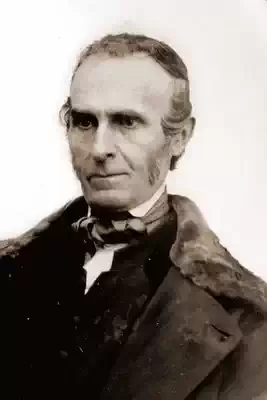
John Greenleaf Whittier
To Ronge
To Ronge
Strike home, strong-hearted man! Down to the root
Of old oppression sink the Saxon steel.
Thy work is to hew down. In God's name then
Put nerve into thy task. Let other men
Plant, as they may, that better tree whose fruit
The wounded bosom of the Church shall heal.
Be thou the image-breaker. Let thy blows
Fall heavy as the Suabian's iron hand,
On crown or crosier, which shall interpose
Between thee and the weal of Fatherland.
Leave creeds to closet idlers. First of all,
Shake thou all German dream-land with the fall
Of that accursed tree, whose evil trunk
Was spared of old by Erfurt's stalwart monk.
Fight not with ghosts and shadows. Let us hear
The snap of chain-links. Let our gladdened ear
Catch the pale prisoner's welcome, as the light
Follows thy axe-stroke, through his cell of night.
Be faithful to both worlds; nor think to feed
Earth's starving millions with the husks of creed.
Servant of Him whose mission high and holy
Was to the wronged, the sorrowing, and the lowly,
Thrust not his Eden promise from our sphere,
Distant and dim beyond the blue sky's span;
Like him of Patmos, see it, now and here,
The New Jerusalem comes down to man
Be warned by Luther's error. Nor like him,
When the roused Teuton dashes from his limb
The rusted chain of ages, help to bind
His hands for whom thou claim'st the freedom of
the mind
Strike home, strong-hearted man! Down to the root
Of old oppression sink the Saxon steel.
Thy work is to hew down. In God's name then
Put nerve into thy task. Let other men
Plant, as they may, that better tree whose fruit
The wounded bosom of the Church shall heal.
Be thou the image-breaker. Let thy blows
Fall heavy as the Suabian's iron hand,
On crown or crosier, which shall interpose
Between thee and the weal of Fatherland.
Leave creeds to closet idlers. First of all,
Shake thou all German dream-land with the fall
Of that accursed tree, whose evil trunk
Was spared of old by Erfurt's stalwart monk.
Fight not with ghosts and shadows. Let us hear
The snap of chain-links. Let our gladdened ear
Catch the pale prisoner's welcome, as the light
Follows thy axe-stroke, through his cell of night.
Be faithful to both worlds; nor think to feed
Earth's starving millions with the husks of creed.
Servant of Him whose mission high and holy
Was to the wronged, the sorrowing, and the lowly,
Thrust not his Eden promise from our sphere,
Distant and dim beyond the blue sky's span;
Like him of Patmos, see it, now and here,
The New Jerusalem comes down to man
Be warned by Luther's error. Nor like him,
When the roused Teuton dashes from his limb
The rusted chain of ages, help to bind
His hands for whom thou claim'st the freedom of
the mind
305
John Greenleaf Whittier
To Ronge
To Ronge
Strike home, strong-hearted man! Down to the root
Of old oppression sink the Saxon steel.
Thy work is to hew down. In God's name then
Put nerve into thy task. Let other men
Plant, as they may, that better tree whose fruit
The wounded bosom of the Church shall heal.
Be thou the image-breaker. Let thy blows
Fall heavy as the Suabian's iron hand,
On crown or crosier, which shall interpose
Between thee and the weal of Fatherland.
Leave creeds to closet idlers. First of all,
Shake thou all German dream-land with the fall
Of that accursed tree, whose evil trunk
Was spared of old by Erfurt's stalwart monk.
Fight not with ghosts and shadows. Let us hear
The snap of chain-links. Let our gladdened ear
Catch the pale prisoner's welcome, as the light
Follows thy axe-stroke, through his cell of night.
Be faithful to both worlds; nor think to feed
Earth's starving millions with the husks of creed.
Servant of Him whose mission high and holy
Was to the wronged, the sorrowing, and the lowly,
Thrust not his Eden promise from our sphere,
Distant and dim beyond the blue sky's span;
Like him of Patmos, see it, now and here,
The New Jerusalem comes down to man
Be warned by Luther's error. Nor like him,
When the roused Teuton dashes from his limb
The rusted chain of ages, help to bind
His hands for whom thou claim'st the freedom of
the mind
Strike home, strong-hearted man! Down to the root
Of old oppression sink the Saxon steel.
Thy work is to hew down. In God's name then
Put nerve into thy task. Let other men
Plant, as they may, that better tree whose fruit
The wounded bosom of the Church shall heal.
Be thou the image-breaker. Let thy blows
Fall heavy as the Suabian's iron hand,
On crown or crosier, which shall interpose
Between thee and the weal of Fatherland.
Leave creeds to closet idlers. First of all,
Shake thou all German dream-land with the fall
Of that accursed tree, whose evil trunk
Was spared of old by Erfurt's stalwart monk.
Fight not with ghosts and shadows. Let us hear
The snap of chain-links. Let our gladdened ear
Catch the pale prisoner's welcome, as the light
Follows thy axe-stroke, through his cell of night.
Be faithful to both worlds; nor think to feed
Earth's starving millions with the husks of creed.
Servant of Him whose mission high and holy
Was to the wronged, the sorrowing, and the lowly,
Thrust not his Eden promise from our sphere,
Distant and dim beyond the blue sky's span;
Like him of Patmos, see it, now and here,
The New Jerusalem comes down to man
Be warned by Luther's error. Nor like him,
When the roused Teuton dashes from his limb
The rusted chain of ages, help to bind
His hands for whom thou claim'st the freedom of
the mind
305
John Greenleaf Whittier
To Ronge
To Ronge
Strike home, strong-hearted man! Down to the root
Of old oppression sink the Saxon steel.
Thy work is to hew down. In God's name then
Put nerve into thy task. Let other men
Plant, as they may, that better tree whose fruit
The wounded bosom of the Church shall heal.
Be thou the image-breaker. Let thy blows
Fall heavy as the Suabian's iron hand,
On crown or crosier, which shall interpose
Between thee and the weal of Fatherland.
Leave creeds to closet idlers. First of all,
Shake thou all German dream-land with the fall
Of that accursed tree, whose evil trunk
Was spared of old by Erfurt's stalwart monk.
Fight not with ghosts and shadows. Let us hear
The snap of chain-links. Let our gladdened ear
Catch the pale prisoner's welcome, as the light
Follows thy axe-stroke, through his cell of night.
Be faithful to both worlds; nor think to feed
Earth's starving millions with the husks of creed.
Servant of Him whose mission high and holy
Was to the wronged, the sorrowing, and the lowly,
Thrust not his Eden promise from our sphere,
Distant and dim beyond the blue sky's span;
Like him of Patmos, see it, now and here,
The New Jerusalem comes down to man
Be warned by Luther's error. Nor like him,
When the roused Teuton dashes from his limb
The rusted chain of ages, help to bind
His hands for whom thou claim'st the freedom of
the mind
Strike home, strong-hearted man! Down to the root
Of old oppression sink the Saxon steel.
Thy work is to hew down. In God's name then
Put nerve into thy task. Let other men
Plant, as they may, that better tree whose fruit
The wounded bosom of the Church shall heal.
Be thou the image-breaker. Let thy blows
Fall heavy as the Suabian's iron hand,
On crown or crosier, which shall interpose
Between thee and the weal of Fatherland.
Leave creeds to closet idlers. First of all,
Shake thou all German dream-land with the fall
Of that accursed tree, whose evil trunk
Was spared of old by Erfurt's stalwart monk.
Fight not with ghosts and shadows. Let us hear
The snap of chain-links. Let our gladdened ear
Catch the pale prisoner's welcome, as the light
Follows thy axe-stroke, through his cell of night.
Be faithful to both worlds; nor think to feed
Earth's starving millions with the husks of creed.
Servant of Him whose mission high and holy
Was to the wronged, the sorrowing, and the lowly,
Thrust not his Eden promise from our sphere,
Distant and dim beyond the blue sky's span;
Like him of Patmos, see it, now and here,
The New Jerusalem comes down to man
Be warned by Luther's error. Nor like him,
When the roused Teuton dashes from his limb
The rusted chain of ages, help to bind
His hands for whom thou claim'st the freedom of
the mind
305
John Greenleaf Whittier
To Pennsylvania
To Pennsylvania
O STATE prayer-founded! never hung
Such choice upon a people's tongue,
Such power to bless or ban,
As that which makes thy whisper Fate,
For which on thee the centuries wait,
And destinies of man!
Across thy Alleghanian chain,
With groanings from a land in pain,
The west-wind finds its way:
Wild-wailing from Missouri's flood
The crying of thy children's blood
Is in thy ears to-day!
And unto thee in Freedom's hour
Of sorest need God gives the power
To ruin or to save;
To wound or heal, to blight or bless
With fertile field or wilderness,
A free home or a grave!
Then let thy virtue match the crime,
Rise to a level with the time;
And, if a son of thine
Betray or tempt thee, Brutus-like
For Fatherland and Freedom strike
As Justice gives the sign.
Wake, sleeper, from thy dream of ease,
The great occasion's forelock seize;
And let the north-wind strong,
And golden leaves of autumn, be
Thy coronal of Victory
And thy triumphal song.
O STATE prayer-founded! never hung
Such choice upon a people's tongue,
Such power to bless or ban,
As that which makes thy whisper Fate,
For which on thee the centuries wait,
And destinies of man!
Across thy Alleghanian chain,
With groanings from a land in pain,
The west-wind finds its way:
Wild-wailing from Missouri's flood
The crying of thy children's blood
Is in thy ears to-day!
And unto thee in Freedom's hour
Of sorest need God gives the power
To ruin or to save;
To wound or heal, to blight or bless
With fertile field or wilderness,
A free home or a grave!
Then let thy virtue match the crime,
Rise to a level with the time;
And, if a son of thine
Betray or tempt thee, Brutus-like
For Fatherland and Freedom strike
As Justice gives the sign.
Wake, sleeper, from thy dream of ease,
The great occasion's forelock seize;
And let the north-wind strong,
And golden leaves of autumn, be
Thy coronal of Victory
And thy triumphal song.
283
John Greenleaf Whittier
To Pennsylvania
To Pennsylvania
O STATE prayer-founded! never hung
Such choice upon a people's tongue,
Such power to bless or ban,
As that which makes thy whisper Fate,
For which on thee the centuries wait,
And destinies of man!
Across thy Alleghanian chain,
With groanings from a land in pain,
The west-wind finds its way:
Wild-wailing from Missouri's flood
The crying of thy children's blood
Is in thy ears to-day!
And unto thee in Freedom's hour
Of sorest need God gives the power
To ruin or to save;
To wound or heal, to blight or bless
With fertile field or wilderness,
A free home or a grave!
Then let thy virtue match the crime,
Rise to a level with the time;
And, if a son of thine
Betray or tempt thee, Brutus-like
For Fatherland and Freedom strike
As Justice gives the sign.
Wake, sleeper, from thy dream of ease,
The great occasion's forelock seize;
And let the north-wind strong,
And golden leaves of autumn, be
Thy coronal of Victory
And thy triumphal song.
O STATE prayer-founded! never hung
Such choice upon a people's tongue,
Such power to bless or ban,
As that which makes thy whisper Fate,
For which on thee the centuries wait,
And destinies of man!
Across thy Alleghanian chain,
With groanings from a land in pain,
The west-wind finds its way:
Wild-wailing from Missouri's flood
The crying of thy children's blood
Is in thy ears to-day!
And unto thee in Freedom's hour
Of sorest need God gives the power
To ruin or to save;
To wound or heal, to blight or bless
With fertile field or wilderness,
A free home or a grave!
Then let thy virtue match the crime,
Rise to a level with the time;
And, if a son of thine
Betray or tempt thee, Brutus-like
For Fatherland and Freedom strike
As Justice gives the sign.
Wake, sleeper, from thy dream of ease,
The great occasion's forelock seize;
And let the north-wind strong,
And golden leaves of autumn, be
Thy coronal of Victory
And thy triumphal song.
283
John Greenleaf Whittier
To Pennsylvania
To Pennsylvania
O STATE prayer-founded! never hung
Such choice upon a people's tongue,
Such power to bless or ban,
As that which makes thy whisper Fate,
For which on thee the centuries wait,
And destinies of man!
Across thy Alleghanian chain,
With groanings from a land in pain,
The west-wind finds its way:
Wild-wailing from Missouri's flood
The crying of thy children's blood
Is in thy ears to-day!
And unto thee in Freedom's hour
Of sorest need God gives the power
To ruin or to save;
To wound or heal, to blight or bless
With fertile field or wilderness,
A free home or a grave!
Then let thy virtue match the crime,
Rise to a level with the time;
And, if a son of thine
Betray or tempt thee, Brutus-like
For Fatherland and Freedom strike
As Justice gives the sign.
Wake, sleeper, from thy dream of ease,
The great occasion's forelock seize;
And let the north-wind strong,
And golden leaves of autumn, be
Thy coronal of Victory
And thy triumphal song.
O STATE prayer-founded! never hung
Such choice upon a people's tongue,
Such power to bless or ban,
As that which makes thy whisper Fate,
For which on thee the centuries wait,
And destinies of man!
Across thy Alleghanian chain,
With groanings from a land in pain,
The west-wind finds its way:
Wild-wailing from Missouri's flood
The crying of thy children's blood
Is in thy ears to-day!
And unto thee in Freedom's hour
Of sorest need God gives the power
To ruin or to save;
To wound or heal, to blight or bless
With fertile field or wilderness,
A free home or a grave!
Then let thy virtue match the crime,
Rise to a level with the time;
And, if a son of thine
Betray or tempt thee, Brutus-like
For Fatherland and Freedom strike
As Justice gives the sign.
Wake, sleeper, from thy dream of ease,
The great occasion's forelock seize;
And let the north-wind strong,
And golden leaves of autumn, be
Thy coronal of Victory
And thy triumphal song.
283
John Greenleaf Whittier
To Pennsylvania
To Pennsylvania
O STATE prayer-founded! never hung
Such choice upon a people's tongue,
Such power to bless or ban,
As that which makes thy whisper Fate,
For which on thee the centuries wait,
And destinies of man!
Across thy Alleghanian chain,
With groanings from a land in pain,
The west-wind finds its way:
Wild-wailing from Missouri's flood
The crying of thy children's blood
Is in thy ears to-day!
And unto thee in Freedom's hour
Of sorest need God gives the power
To ruin or to save;
To wound or heal, to blight or bless
With fertile field or wilderness,
A free home or a grave!
Then let thy virtue match the crime,
Rise to a level with the time;
And, if a son of thine
Betray or tempt thee, Brutus-like
For Fatherland and Freedom strike
As Justice gives the sign.
Wake, sleeper, from thy dream of ease,
The great occasion's forelock seize;
And let the north-wind strong,
And golden leaves of autumn, be
Thy coronal of Victory
And thy triumphal song.
O STATE prayer-founded! never hung
Such choice upon a people's tongue,
Such power to bless or ban,
As that which makes thy whisper Fate,
For which on thee the centuries wait,
And destinies of man!
Across thy Alleghanian chain,
With groanings from a land in pain,
The west-wind finds its way:
Wild-wailing from Missouri's flood
The crying of thy children's blood
Is in thy ears to-day!
And unto thee in Freedom's hour
Of sorest need God gives the power
To ruin or to save;
To wound or heal, to blight or bless
With fertile field or wilderness,
A free home or a grave!
Then let thy virtue match the crime,
Rise to a level with the time;
And, if a son of thine
Betray or tempt thee, Brutus-like
For Fatherland and Freedom strike
As Justice gives the sign.
Wake, sleeper, from thy dream of ease,
The great occasion's forelock seize;
And let the north-wind strong,
And golden leaves of autumn, be
Thy coronal of Victory
And thy triumphal song.
283
John Greenleaf Whittier
To George B. Cheever
To George B. Cheever
So spake Esaias: so, in words of flame,
Tekoa's prophet-herdsman smote with blame
The traffickers in men, and put to shame,
All earth and heaven before,
The sacerdotal robbers of the poor.
All the dread Scripture lives for thee again,
To smite like lightning on the hands profane
Lifted to bless the slave-whip and the chain.
Once more the old Hebrew tongue
Bends with the shafts of God a bow new-strung!
Take up the mantle which the prophets wore;
Warn with their warnings, show the Christ once more
Bound, scourged, and crucified in His blameless poor;
And shake above our land
The unquenched bolts that blazed in Hosea's hand!
Not vainly shalt thou cast upon our years
The solemn burdens of the Orient seers,
And smite with truth a guilty nation's ears.
Mightier was Luther's word
Than Seckingen's mailed arm or Hutton's sword!
So spake Esaias: so, in words of flame,
Tekoa's prophet-herdsman smote with blame
The traffickers in men, and put to shame,
All earth and heaven before,
The sacerdotal robbers of the poor.
All the dread Scripture lives for thee again,
To smite like lightning on the hands profane
Lifted to bless the slave-whip and the chain.
Once more the old Hebrew tongue
Bends with the shafts of God a bow new-strung!
Take up the mantle which the prophets wore;
Warn with their warnings, show the Christ once more
Bound, scourged, and crucified in His blameless poor;
And shake above our land
The unquenched bolts that blazed in Hosea's hand!
Not vainly shalt thou cast upon our years
The solemn burdens of the Orient seers,
And smite with truth a guilty nation's ears.
Mightier was Luther's word
Than Seckingen's mailed arm or Hutton's sword!
295
John Greenleaf Whittier
To George B. Cheever
To George B. Cheever
So spake Esaias: so, in words of flame,
Tekoa's prophet-herdsman smote with blame
The traffickers in men, and put to shame,
All earth and heaven before,
The sacerdotal robbers of the poor.
All the dread Scripture lives for thee again,
To smite like lightning on the hands profane
Lifted to bless the slave-whip and the chain.
Once more the old Hebrew tongue
Bends with the shafts of God a bow new-strung!
Take up the mantle which the prophets wore;
Warn with their warnings, show the Christ once more
Bound, scourged, and crucified in His blameless poor;
And shake above our land
The unquenched bolts that blazed in Hosea's hand!
Not vainly shalt thou cast upon our years
The solemn burdens of the Orient seers,
And smite with truth a guilty nation's ears.
Mightier was Luther's word
Than Seckingen's mailed arm or Hutton's sword!
So spake Esaias: so, in words of flame,
Tekoa's prophet-herdsman smote with blame
The traffickers in men, and put to shame,
All earth and heaven before,
The sacerdotal robbers of the poor.
All the dread Scripture lives for thee again,
To smite like lightning on the hands profane
Lifted to bless the slave-whip and the chain.
Once more the old Hebrew tongue
Bends with the shafts of God a bow new-strung!
Take up the mantle which the prophets wore;
Warn with their warnings, show the Christ once more
Bound, scourged, and crucified in His blameless poor;
And shake above our land
The unquenched bolts that blazed in Hosea's hand!
Not vainly shalt thou cast upon our years
The solemn burdens of the Orient seers,
And smite with truth a guilty nation's ears.
Mightier was Luther's word
Than Seckingen's mailed arm or Hutton's sword!
295
John Greenleaf Whittier
To Englishmen
To Englishmen
You flung your taunt across the wave;
We bore it as became us,
Well knowing that the fettered slave
Left friendly lips no option save
To pity or to blame us.
You scoffed our plea. 'Mere lack of will,
Not lack of power,' you told us:
We showed our free-state records; still
You mocked, confounding good and ill,
Slave-haters and slaveholders.
We struck at Slavery; to the verge
Of power and means we checked it;
Lo! — presto, change! its claims you urge,
Send greetings to it o'er the surge,
And comfort and protect it.
But yesterday you scarce could shake,
In slave-abhorring rigor,
Our Northern palms for conscience' sake:
To-day you clasp the hands that ache
With 'walloping the nigger!'
O Englishmen! — in hope and creed,
In blood and tongue our brothers!
We too are heirs of Runnymede;
And Shakespeare's fame and Cromwell's deed
Are not alone our mother's.
'Thicker than water,' in one rill
Through centuries of story
Our Saxon blood has flowed, and still
We share with you its good and ill,
The shadow and the glory.
Joint heirs and kinfolk, leagues of wave
Nor length of years can part us:
Your right is ours to shrine and grave,
The common freehold of the brave,
The gift of saints and martyrs.
Our very sins and follies teach
Our kindred frail and human:
We carp at faults with bitter speech,
The while, for one unshared by each,
We have a score in common.
We bowed the heart, if not the knee,
To England's Queen, God bless her!
We praised you when your slaves went free:
We seek to unchain ours. Will ye
Join hands with the oppressor?
And is it Christian England cheers
The bruiser, not the bruisëd?
And must she run, despite the tears
And prayers of eighteen hundred years,
Amuck in Slavery's crusade?
Oh, black disgrace! Oh, shame and loss
Too deep for tongue to phrase on!
Tear from your flag its holy cross,
And in your van of battle toss
The pirate's skull-bone blazon!
You flung your taunt across the wave;
We bore it as became us,
Well knowing that the fettered slave
Left friendly lips no option save
To pity or to blame us.
You scoffed our plea. 'Mere lack of will,
Not lack of power,' you told us:
We showed our free-state records; still
You mocked, confounding good and ill,
Slave-haters and slaveholders.
We struck at Slavery; to the verge
Of power and means we checked it;
Lo! — presto, change! its claims you urge,
Send greetings to it o'er the surge,
And comfort and protect it.
But yesterday you scarce could shake,
In slave-abhorring rigor,
Our Northern palms for conscience' sake:
To-day you clasp the hands that ache
With 'walloping the nigger!'
O Englishmen! — in hope and creed,
In blood and tongue our brothers!
We too are heirs of Runnymede;
And Shakespeare's fame and Cromwell's deed
Are not alone our mother's.
'Thicker than water,' in one rill
Through centuries of story
Our Saxon blood has flowed, and still
We share with you its good and ill,
The shadow and the glory.
Joint heirs and kinfolk, leagues of wave
Nor length of years can part us:
Your right is ours to shrine and grave,
The common freehold of the brave,
The gift of saints and martyrs.
Our very sins and follies teach
Our kindred frail and human:
We carp at faults with bitter speech,
The while, for one unshared by each,
We have a score in common.
We bowed the heart, if not the knee,
To England's Queen, God bless her!
We praised you when your slaves went free:
We seek to unchain ours. Will ye
Join hands with the oppressor?
And is it Christian England cheers
The bruiser, not the bruisëd?
And must she run, despite the tears
And prayers of eighteen hundred years,
Amuck in Slavery's crusade?
Oh, black disgrace! Oh, shame and loss
Too deep for tongue to phrase on!
Tear from your flag its holy cross,
And in your van of battle toss
The pirate's skull-bone blazon!
272
John Greenleaf Whittier
To Englishmen
To Englishmen
You flung your taunt across the wave;
We bore it as became us,
Well knowing that the fettered slave
Left friendly lips no option save
To pity or to blame us.
You scoffed our plea. 'Mere lack of will,
Not lack of power,' you told us:
We showed our free-state records; still
You mocked, confounding good and ill,
Slave-haters and slaveholders.
We struck at Slavery; to the verge
Of power and means we checked it;
Lo! — presto, change! its claims you urge,
Send greetings to it o'er the surge,
And comfort and protect it.
But yesterday you scarce could shake,
In slave-abhorring rigor,
Our Northern palms for conscience' sake:
To-day you clasp the hands that ache
With 'walloping the nigger!'
O Englishmen! — in hope and creed,
In blood and tongue our brothers!
We too are heirs of Runnymede;
And Shakespeare's fame and Cromwell's deed
Are not alone our mother's.
'Thicker than water,' in one rill
Through centuries of story
Our Saxon blood has flowed, and still
We share with you its good and ill,
The shadow and the glory.
Joint heirs and kinfolk, leagues of wave
Nor length of years can part us:
Your right is ours to shrine and grave,
The common freehold of the brave,
The gift of saints and martyrs.
Our very sins and follies teach
Our kindred frail and human:
We carp at faults with bitter speech,
The while, for one unshared by each,
We have a score in common.
We bowed the heart, if not the knee,
To England's Queen, God bless her!
We praised you when your slaves went free:
We seek to unchain ours. Will ye
Join hands with the oppressor?
And is it Christian England cheers
The bruiser, not the bruisëd?
And must she run, despite the tears
And prayers of eighteen hundred years,
Amuck in Slavery's crusade?
Oh, black disgrace! Oh, shame and loss
Too deep for tongue to phrase on!
Tear from your flag its holy cross,
And in your van of battle toss
The pirate's skull-bone blazon!
You flung your taunt across the wave;
We bore it as became us,
Well knowing that the fettered slave
Left friendly lips no option save
To pity or to blame us.
You scoffed our plea. 'Mere lack of will,
Not lack of power,' you told us:
We showed our free-state records; still
You mocked, confounding good and ill,
Slave-haters and slaveholders.
We struck at Slavery; to the verge
Of power and means we checked it;
Lo! — presto, change! its claims you urge,
Send greetings to it o'er the surge,
And comfort and protect it.
But yesterday you scarce could shake,
In slave-abhorring rigor,
Our Northern palms for conscience' sake:
To-day you clasp the hands that ache
With 'walloping the nigger!'
O Englishmen! — in hope and creed,
In blood and tongue our brothers!
We too are heirs of Runnymede;
And Shakespeare's fame and Cromwell's deed
Are not alone our mother's.
'Thicker than water,' in one rill
Through centuries of story
Our Saxon blood has flowed, and still
We share with you its good and ill,
The shadow and the glory.
Joint heirs and kinfolk, leagues of wave
Nor length of years can part us:
Your right is ours to shrine and grave,
The common freehold of the brave,
The gift of saints and martyrs.
Our very sins and follies teach
Our kindred frail and human:
We carp at faults with bitter speech,
The while, for one unshared by each,
We have a score in common.
We bowed the heart, if not the knee,
To England's Queen, God bless her!
We praised you when your slaves went free:
We seek to unchain ours. Will ye
Join hands with the oppressor?
And is it Christian England cheers
The bruiser, not the bruisëd?
And must she run, despite the tears
And prayers of eighteen hundred years,
Amuck in Slavery's crusade?
Oh, black disgrace! Oh, shame and loss
Too deep for tongue to phrase on!
Tear from your flag its holy cross,
And in your van of battle toss
The pirate's skull-bone blazon!
272
John Greenleaf Whittier
To Englishmen
To Englishmen
You flung your taunt across the wave;
We bore it as became us,
Well knowing that the fettered slave
Left friendly lips no option save
To pity or to blame us.
You scoffed our plea. 'Mere lack of will,
Not lack of power,' you told us:
We showed our free-state records; still
You mocked, confounding good and ill,
Slave-haters and slaveholders.
We struck at Slavery; to the verge
Of power and means we checked it;
Lo! — presto, change! its claims you urge,
Send greetings to it o'er the surge,
And comfort and protect it.
But yesterday you scarce could shake,
In slave-abhorring rigor,
Our Northern palms for conscience' sake:
To-day you clasp the hands that ache
With 'walloping the nigger!'
O Englishmen! — in hope and creed,
In blood and tongue our brothers!
We too are heirs of Runnymede;
And Shakespeare's fame and Cromwell's deed
Are not alone our mother's.
'Thicker than water,' in one rill
Through centuries of story
Our Saxon blood has flowed, and still
We share with you its good and ill,
The shadow and the glory.
Joint heirs and kinfolk, leagues of wave
Nor length of years can part us:
Your right is ours to shrine and grave,
The common freehold of the brave,
The gift of saints and martyrs.
Our very sins and follies teach
Our kindred frail and human:
We carp at faults with bitter speech,
The while, for one unshared by each,
We have a score in common.
We bowed the heart, if not the knee,
To England's Queen, God bless her!
We praised you when your slaves went free:
We seek to unchain ours. Will ye
Join hands with the oppressor?
And is it Christian England cheers
The bruiser, not the bruisëd?
And must she run, despite the tears
And prayers of eighteen hundred years,
Amuck in Slavery's crusade?
Oh, black disgrace! Oh, shame and loss
Too deep for tongue to phrase on!
Tear from your flag its holy cross,
And in your van of battle toss
The pirate's skull-bone blazon!
You flung your taunt across the wave;
We bore it as became us,
Well knowing that the fettered slave
Left friendly lips no option save
To pity or to blame us.
You scoffed our plea. 'Mere lack of will,
Not lack of power,' you told us:
We showed our free-state records; still
You mocked, confounding good and ill,
Slave-haters and slaveholders.
We struck at Slavery; to the verge
Of power and means we checked it;
Lo! — presto, change! its claims you urge,
Send greetings to it o'er the surge,
And comfort and protect it.
But yesterday you scarce could shake,
In slave-abhorring rigor,
Our Northern palms for conscience' sake:
To-day you clasp the hands that ache
With 'walloping the nigger!'
O Englishmen! — in hope and creed,
In blood and tongue our brothers!
We too are heirs of Runnymede;
And Shakespeare's fame and Cromwell's deed
Are not alone our mother's.
'Thicker than water,' in one rill
Through centuries of story
Our Saxon blood has flowed, and still
We share with you its good and ill,
The shadow and the glory.
Joint heirs and kinfolk, leagues of wave
Nor length of years can part us:
Your right is ours to shrine and grave,
The common freehold of the brave,
The gift of saints and martyrs.
Our very sins and follies teach
Our kindred frail and human:
We carp at faults with bitter speech,
The while, for one unshared by each,
We have a score in common.
We bowed the heart, if not the knee,
To England's Queen, God bless her!
We praised you when your slaves went free:
We seek to unchain ours. Will ye
Join hands with the oppressor?
And is it Christian England cheers
The bruiser, not the bruisëd?
And must she run, despite the tears
And prayers of eighteen hundred years,
Amuck in Slavery's crusade?
Oh, black disgrace! Oh, shame and loss
Too deep for tongue to phrase on!
Tear from your flag its holy cross,
And in your van of battle toss
The pirate's skull-bone blazon!
272
John Greenleaf Whittier
To Englishmen
To Englishmen
You flung your taunt across the wave;
We bore it as became us,
Well knowing that the fettered slave
Left friendly lips no option save
To pity or to blame us.
You scoffed our plea. 'Mere lack of will,
Not lack of power,' you told us:
We showed our free-state records; still
You mocked, confounding good and ill,
Slave-haters and slaveholders.
We struck at Slavery; to the verge
Of power and means we checked it;
Lo! — presto, change! its claims you urge,
Send greetings to it o'er the surge,
And comfort and protect it.
But yesterday you scarce could shake,
In slave-abhorring rigor,
Our Northern palms for conscience' sake:
To-day you clasp the hands that ache
With 'walloping the nigger!'
O Englishmen! — in hope and creed,
In blood and tongue our brothers!
We too are heirs of Runnymede;
And Shakespeare's fame and Cromwell's deed
Are not alone our mother's.
'Thicker than water,' in one rill
Through centuries of story
Our Saxon blood has flowed, and still
We share with you its good and ill,
The shadow and the glory.
Joint heirs and kinfolk, leagues of wave
Nor length of years can part us:
Your right is ours to shrine and grave,
The common freehold of the brave,
The gift of saints and martyrs.
Our very sins and follies teach
Our kindred frail and human:
We carp at faults with bitter speech,
The while, for one unshared by each,
We have a score in common.
We bowed the heart, if not the knee,
To England's Queen, God bless her!
We praised you when your slaves went free:
We seek to unchain ours. Will ye
Join hands with the oppressor?
And is it Christian England cheers
The bruiser, not the bruisëd?
And must she run, despite the tears
And prayers of eighteen hundred years,
Amuck in Slavery's crusade?
Oh, black disgrace! Oh, shame and loss
Too deep for tongue to phrase on!
Tear from your flag its holy cross,
And in your van of battle toss
The pirate's skull-bone blazon!
You flung your taunt across the wave;
We bore it as became us,
Well knowing that the fettered slave
Left friendly lips no option save
To pity or to blame us.
You scoffed our plea. 'Mere lack of will,
Not lack of power,' you told us:
We showed our free-state records; still
You mocked, confounding good and ill,
Slave-haters and slaveholders.
We struck at Slavery; to the verge
Of power and means we checked it;
Lo! — presto, change! its claims you urge,
Send greetings to it o'er the surge,
And comfort and protect it.
But yesterday you scarce could shake,
In slave-abhorring rigor,
Our Northern palms for conscience' sake:
To-day you clasp the hands that ache
With 'walloping the nigger!'
O Englishmen! — in hope and creed,
In blood and tongue our brothers!
We too are heirs of Runnymede;
And Shakespeare's fame and Cromwell's deed
Are not alone our mother's.
'Thicker than water,' in one rill
Through centuries of story
Our Saxon blood has flowed, and still
We share with you its good and ill,
The shadow and the glory.
Joint heirs and kinfolk, leagues of wave
Nor length of years can part us:
Your right is ours to shrine and grave,
The common freehold of the brave,
The gift of saints and martyrs.
Our very sins and follies teach
Our kindred frail and human:
We carp at faults with bitter speech,
The while, for one unshared by each,
We have a score in common.
We bowed the heart, if not the knee,
To England's Queen, God bless her!
We praised you when your slaves went free:
We seek to unchain ours. Will ye
Join hands with the oppressor?
And is it Christian England cheers
The bruiser, not the bruisëd?
And must she run, despite the tears
And prayers of eighteen hundred years,
Amuck in Slavery's crusade?
Oh, black disgrace! Oh, shame and loss
Too deep for tongue to phrase on!
Tear from your flag its holy cross,
And in your van of battle toss
The pirate's skull-bone blazon!
272
John Greenleaf Whittier
To Charles Sumner
To Charles Sumner
If I have seemed more prompt to censure wrong
Than praise the right; if seldom to thine ear
My voice hath mingled with the exultant cheer
Borne upon all our Northern winds along;
If I have failed to join the fickle throng
In wide-eyed wonder, that thou standest strong
In victory, surprised in thee to find
Brougham's scathing power with Canning's grace combined;
That he, for whom the ninefold Muses sang,
From their twined arms a giant athlete sprang,
Barbing the arrows of his native tongue
With the spent shafts Latona's archer flung,
To smite the Python of our land and time,
Fell as the monster born of Crissa's slime,
Like the blind bard who in Castalian springs
Tempered the steel that clove the crest of kings,
And on the shrine of England's freedom laid
The gifts of Cumve and of Delphi's' shade,-Small
need hast thou of words of praise from me.
Thou knowest my heart, dear friend, and well canst guess
That, even though silent, I have not the less
Rejoiced to see thy actual life agree
With the large future which I shaped for thee,
When, years ago, beside the summer sea,
White in the moon, we saw the long waves fall
Baffled and broken from the rocky wall,
That, to the menace of the brawling flood,
Opposed alone its massive quietude,
Calm as a fate; with not a leaf nor vine
Nor birch-spray trembling in the still moonshine,
Crowning it like God's peace. I sometimes think
That night-scene by the sea prophetical,
(For Nature speaks in symbols and in signs,
And through her pictures human fate divines),
That rock, wherefrom we saw the billows sink
In murmuring rout, uprising clear and tall
In the white light of heaven, the type of one
Who, momently by Error's host assailed,
Stands strong as Truth, in greaves of granite mailed;
And, tranquil-fronted, listening over all
The tumult, hears the angels say, Well done!
If I have seemed more prompt to censure wrong
Than praise the right; if seldom to thine ear
My voice hath mingled with the exultant cheer
Borne upon all our Northern winds along;
If I have failed to join the fickle throng
In wide-eyed wonder, that thou standest strong
In victory, surprised in thee to find
Brougham's scathing power with Canning's grace combined;
That he, for whom the ninefold Muses sang,
From their twined arms a giant athlete sprang,
Barbing the arrows of his native tongue
With the spent shafts Latona's archer flung,
To smite the Python of our land and time,
Fell as the monster born of Crissa's slime,
Like the blind bard who in Castalian springs
Tempered the steel that clove the crest of kings,
And on the shrine of England's freedom laid
The gifts of Cumve and of Delphi's' shade,-Small
need hast thou of words of praise from me.
Thou knowest my heart, dear friend, and well canst guess
That, even though silent, I have not the less
Rejoiced to see thy actual life agree
With the large future which I shaped for thee,
When, years ago, beside the summer sea,
White in the moon, we saw the long waves fall
Baffled and broken from the rocky wall,
That, to the menace of the brawling flood,
Opposed alone its massive quietude,
Calm as a fate; with not a leaf nor vine
Nor birch-spray trembling in the still moonshine,
Crowning it like God's peace. I sometimes think
That night-scene by the sea prophetical,
(For Nature speaks in symbols and in signs,
And through her pictures human fate divines),
That rock, wherefrom we saw the billows sink
In murmuring rout, uprising clear and tall
In the white light of heaven, the type of one
Who, momently by Error's host assailed,
Stands strong as Truth, in greaves of granite mailed;
And, tranquil-fronted, listening over all
The tumult, hears the angels say, Well done!
332
John Greenleaf Whittier
To Charles Sumner
To Charles Sumner
If I have seemed more prompt to censure wrong
Than praise the right; if seldom to thine ear
My voice hath mingled with the exultant cheer
Borne upon all our Northern winds along;
If I have failed to join the fickle throng
In wide-eyed wonder, that thou standest strong
In victory, surprised in thee to find
Brougham's scathing power with Canning's grace combined;
That he, for whom the ninefold Muses sang,
From their twined arms a giant athlete sprang,
Barbing the arrows of his native tongue
With the spent shafts Latona's archer flung,
To smite the Python of our land and time,
Fell as the monster born of Crissa's slime,
Like the blind bard who in Castalian springs
Tempered the steel that clove the crest of kings,
And on the shrine of England's freedom laid
The gifts of Cumve and of Delphi's' shade,-Small
need hast thou of words of praise from me.
Thou knowest my heart, dear friend, and well canst guess
That, even though silent, I have not the less
Rejoiced to see thy actual life agree
With the large future which I shaped for thee,
When, years ago, beside the summer sea,
White in the moon, we saw the long waves fall
Baffled and broken from the rocky wall,
That, to the menace of the brawling flood,
Opposed alone its massive quietude,
Calm as a fate; with not a leaf nor vine
Nor birch-spray trembling in the still moonshine,
Crowning it like God's peace. I sometimes think
That night-scene by the sea prophetical,
(For Nature speaks in symbols and in signs,
And through her pictures human fate divines),
That rock, wherefrom we saw the billows sink
In murmuring rout, uprising clear and tall
In the white light of heaven, the type of one
Who, momently by Error's host assailed,
Stands strong as Truth, in greaves of granite mailed;
And, tranquil-fronted, listening over all
The tumult, hears the angels say, Well done!
If I have seemed more prompt to censure wrong
Than praise the right; if seldom to thine ear
My voice hath mingled with the exultant cheer
Borne upon all our Northern winds along;
If I have failed to join the fickle throng
In wide-eyed wonder, that thou standest strong
In victory, surprised in thee to find
Brougham's scathing power with Canning's grace combined;
That he, for whom the ninefold Muses sang,
From their twined arms a giant athlete sprang,
Barbing the arrows of his native tongue
With the spent shafts Latona's archer flung,
To smite the Python of our land and time,
Fell as the monster born of Crissa's slime,
Like the blind bard who in Castalian springs
Tempered the steel that clove the crest of kings,
And on the shrine of England's freedom laid
The gifts of Cumve and of Delphi's' shade,-Small
need hast thou of words of praise from me.
Thou knowest my heart, dear friend, and well canst guess
That, even though silent, I have not the less
Rejoiced to see thy actual life agree
With the large future which I shaped for thee,
When, years ago, beside the summer sea,
White in the moon, we saw the long waves fall
Baffled and broken from the rocky wall,
That, to the menace of the brawling flood,
Opposed alone its massive quietude,
Calm as a fate; with not a leaf nor vine
Nor birch-spray trembling in the still moonshine,
Crowning it like God's peace. I sometimes think
That night-scene by the sea prophetical,
(For Nature speaks in symbols and in signs,
And through her pictures human fate divines),
That rock, wherefrom we saw the billows sink
In murmuring rout, uprising clear and tall
In the white light of heaven, the type of one
Who, momently by Error's host assailed,
Stands strong as Truth, in greaves of granite mailed;
And, tranquil-fronted, listening over all
The tumult, hears the angels say, Well done!
332
John Greenleaf Whittier
To A Southern Statesman
To A Southern Statesman
IS this thy voice whose treble notes of fear
Wail in the wind? And dost thou shake to hear,
Actæon-like, the bay of thine own hounds,
Spurning the leash, and leaping o'er their bounds?
Sore-baffled statesman! when thy eager hand,
With game afoot, unslipped the hungry pack,
To hunt down Freedom in her chosen land,
Hadst thou no fear, that, erelong, doubling back,
These dogs of thine might snuff on Slavery's track?
Where's now the boast, which even thy guarded tongue,
Cold, calm, and proud, in the teeth o' the Senate flung,
O'er the fulfilment of thy baleful plan,
Like Satan's triumph at the fall of man?
How stood'st thou then, thy feet on Freedom planting,
And pointing to the lurid heaven afar,
Whence all could see, through the south windows slanting,
Crimson as blood, the beams of that Lone Star!
The Fates are just; they give us but our own;
Nemesis ripens what our hands have sown.
There is an Eastern story, not unknown,
Doubtless, to thee, of one whose magic skill
Called demons up his water-jars to fill;
Defty and silently, they did his will,
But, when the task was done, kept pouring still.
In vain with spell and charm the wizard wrought,
Faster and faster were the buckets brought,
Higher and higher rose the flood around,
Till the fiends clapped their hands above their master drowned!
So, Carolinian, it may prove with thee,
For God still overrules man's schemes, and takes
Craftiness in its self-set snare, and makes
The wrath of man to praise Him. It may be,
That the roused spirits of Democracy
May leave to freer States the same wide door
Through which thy slave-cursed Texas entered in,
From out the blood and fire, the wrong and sin,
Of the stormed city and the ghastly plain,
Beat by hot hail, and wet with bloody rain,
The myriad-handed pioneer may pour,
And the wild West with the roused North combine
And heave the engineer of evil with his mine.
IS this thy voice whose treble notes of fear
Wail in the wind? And dost thou shake to hear,
Actæon-like, the bay of thine own hounds,
Spurning the leash, and leaping o'er their bounds?
Sore-baffled statesman! when thy eager hand,
With game afoot, unslipped the hungry pack,
To hunt down Freedom in her chosen land,
Hadst thou no fear, that, erelong, doubling back,
These dogs of thine might snuff on Slavery's track?
Where's now the boast, which even thy guarded tongue,
Cold, calm, and proud, in the teeth o' the Senate flung,
O'er the fulfilment of thy baleful plan,
Like Satan's triumph at the fall of man?
How stood'st thou then, thy feet on Freedom planting,
And pointing to the lurid heaven afar,
Whence all could see, through the south windows slanting,
Crimson as blood, the beams of that Lone Star!
The Fates are just; they give us but our own;
Nemesis ripens what our hands have sown.
There is an Eastern story, not unknown,
Doubtless, to thee, of one whose magic skill
Called demons up his water-jars to fill;
Defty and silently, they did his will,
But, when the task was done, kept pouring still.
In vain with spell and charm the wizard wrought,
Faster and faster were the buckets brought,
Higher and higher rose the flood around,
Till the fiends clapped their hands above their master drowned!
So, Carolinian, it may prove with thee,
For God still overrules man's schemes, and takes
Craftiness in its self-set snare, and makes
The wrath of man to praise Him. It may be,
That the roused spirits of Democracy
May leave to freer States the same wide door
Through which thy slave-cursed Texas entered in,
From out the blood and fire, the wrong and sin,
Of the stormed city and the ghastly plain,
Beat by hot hail, and wet with bloody rain,
The myriad-handed pioneer may pour,
And the wild West with the roused North combine
And heave the engineer of evil with his mine.
252
John Greenleaf Whittier
To A Southern Statesman
To A Southern Statesman
IS this thy voice whose treble notes of fear
Wail in the wind? And dost thou shake to hear,
Actæon-like, the bay of thine own hounds,
Spurning the leash, and leaping o'er their bounds?
Sore-baffled statesman! when thy eager hand,
With game afoot, unslipped the hungry pack,
To hunt down Freedom in her chosen land,
Hadst thou no fear, that, erelong, doubling back,
These dogs of thine might snuff on Slavery's track?
Where's now the boast, which even thy guarded tongue,
Cold, calm, and proud, in the teeth o' the Senate flung,
O'er the fulfilment of thy baleful plan,
Like Satan's triumph at the fall of man?
How stood'st thou then, thy feet on Freedom planting,
And pointing to the lurid heaven afar,
Whence all could see, through the south windows slanting,
Crimson as blood, the beams of that Lone Star!
The Fates are just; they give us but our own;
Nemesis ripens what our hands have sown.
There is an Eastern story, not unknown,
Doubtless, to thee, of one whose magic skill
Called demons up his water-jars to fill;
Defty and silently, they did his will,
But, when the task was done, kept pouring still.
In vain with spell and charm the wizard wrought,
Faster and faster were the buckets brought,
Higher and higher rose the flood around,
Till the fiends clapped their hands above their master drowned!
So, Carolinian, it may prove with thee,
For God still overrules man's schemes, and takes
Craftiness in its self-set snare, and makes
The wrath of man to praise Him. It may be,
That the roused spirits of Democracy
May leave to freer States the same wide door
Through which thy slave-cursed Texas entered in,
From out the blood and fire, the wrong and sin,
Of the stormed city and the ghastly plain,
Beat by hot hail, and wet with bloody rain,
The myriad-handed pioneer may pour,
And the wild West with the roused North combine
And heave the engineer of evil with his mine.
IS this thy voice whose treble notes of fear
Wail in the wind? And dost thou shake to hear,
Actæon-like, the bay of thine own hounds,
Spurning the leash, and leaping o'er their bounds?
Sore-baffled statesman! when thy eager hand,
With game afoot, unslipped the hungry pack,
To hunt down Freedom in her chosen land,
Hadst thou no fear, that, erelong, doubling back,
These dogs of thine might snuff on Slavery's track?
Where's now the boast, which even thy guarded tongue,
Cold, calm, and proud, in the teeth o' the Senate flung,
O'er the fulfilment of thy baleful plan,
Like Satan's triumph at the fall of man?
How stood'st thou then, thy feet on Freedom planting,
And pointing to the lurid heaven afar,
Whence all could see, through the south windows slanting,
Crimson as blood, the beams of that Lone Star!
The Fates are just; they give us but our own;
Nemesis ripens what our hands have sown.
There is an Eastern story, not unknown,
Doubtless, to thee, of one whose magic skill
Called demons up his water-jars to fill;
Defty and silently, they did his will,
But, when the task was done, kept pouring still.
In vain with spell and charm the wizard wrought,
Faster and faster were the buckets brought,
Higher and higher rose the flood around,
Till the fiends clapped their hands above their master drowned!
So, Carolinian, it may prove with thee,
For God still overrules man's schemes, and takes
Craftiness in its self-set snare, and makes
The wrath of man to praise Him. It may be,
That the roused spirits of Democracy
May leave to freer States the same wide door
Through which thy slave-cursed Texas entered in,
From out the blood and fire, the wrong and sin,
Of the stormed city and the ghastly plain,
Beat by hot hail, and wet with bloody rain,
The myriad-handed pioneer may pour,
And the wild West with the roused North combine
And heave the engineer of evil with his mine.
252
John Greenleaf Whittier
To A Southern Statesman
To A Southern Statesman
IS this thy voice whose treble notes of fear
Wail in the wind? And dost thou shake to hear,
Actæon-like, the bay of thine own hounds,
Spurning the leash, and leaping o'er their bounds?
Sore-baffled statesman! when thy eager hand,
With game afoot, unslipped the hungry pack,
To hunt down Freedom in her chosen land,
Hadst thou no fear, that, erelong, doubling back,
These dogs of thine might snuff on Slavery's track?
Where's now the boast, which even thy guarded tongue,
Cold, calm, and proud, in the teeth o' the Senate flung,
O'er the fulfilment of thy baleful plan,
Like Satan's triumph at the fall of man?
How stood'st thou then, thy feet on Freedom planting,
And pointing to the lurid heaven afar,
Whence all could see, through the south windows slanting,
Crimson as blood, the beams of that Lone Star!
The Fates are just; they give us but our own;
Nemesis ripens what our hands have sown.
There is an Eastern story, not unknown,
Doubtless, to thee, of one whose magic skill
Called demons up his water-jars to fill;
Defty and silently, they did his will,
But, when the task was done, kept pouring still.
In vain with spell and charm the wizard wrought,
Faster and faster were the buckets brought,
Higher and higher rose the flood around,
Till the fiends clapped their hands above their master drowned!
So, Carolinian, it may prove with thee,
For God still overrules man's schemes, and takes
Craftiness in its self-set snare, and makes
The wrath of man to praise Him. It may be,
That the roused spirits of Democracy
May leave to freer States the same wide door
Through which thy slave-cursed Texas entered in,
From out the blood and fire, the wrong and sin,
Of the stormed city and the ghastly plain,
Beat by hot hail, and wet with bloody rain,
The myriad-handed pioneer may pour,
And the wild West with the roused North combine
And heave the engineer of evil with his mine.
IS this thy voice whose treble notes of fear
Wail in the wind? And dost thou shake to hear,
Actæon-like, the bay of thine own hounds,
Spurning the leash, and leaping o'er their bounds?
Sore-baffled statesman! when thy eager hand,
With game afoot, unslipped the hungry pack,
To hunt down Freedom in her chosen land,
Hadst thou no fear, that, erelong, doubling back,
These dogs of thine might snuff on Slavery's track?
Where's now the boast, which even thy guarded tongue,
Cold, calm, and proud, in the teeth o' the Senate flung,
O'er the fulfilment of thy baleful plan,
Like Satan's triumph at the fall of man?
How stood'st thou then, thy feet on Freedom planting,
And pointing to the lurid heaven afar,
Whence all could see, through the south windows slanting,
Crimson as blood, the beams of that Lone Star!
The Fates are just; they give us but our own;
Nemesis ripens what our hands have sown.
There is an Eastern story, not unknown,
Doubtless, to thee, of one whose magic skill
Called demons up his water-jars to fill;
Defty and silently, they did his will,
But, when the task was done, kept pouring still.
In vain with spell and charm the wizard wrought,
Faster and faster were the buckets brought,
Higher and higher rose the flood around,
Till the fiends clapped their hands above their master drowned!
So, Carolinian, it may prove with thee,
For God still overrules man's schemes, and takes
Craftiness in its self-set snare, and makes
The wrath of man to praise Him. It may be,
That the roused spirits of Democracy
May leave to freer States the same wide door
Through which thy slave-cursed Texas entered in,
From out the blood and fire, the wrong and sin,
Of the stormed city and the ghastly plain,
Beat by hot hail, and wet with bloody rain,
The myriad-handed pioneer may pour,
And the wild West with the roused North combine
And heave the engineer of evil with his mine.
252
John Greenleaf Whittier
To A Cape Ann Schooner
To A Cape Ann Schooner
Luck to the craft that bears this name of mine,
Good fortune follow with her golden spoon
The glazed hat and tarry pantaloon;
And wheresoe'er her keel shall cut the brine,
Cod, hake and haddock quarrel for her line.
Shipped with her crew, whatever wind may blow,
Or tides delay, my wish with her shall go,
Fishing by proxy. Would that it might show
At need her course, in lack of sun and star,
Where icebergs threaten, and the sharp reefs are;
Lift the blind fog on Anticosti's lee
And Avalon's rock; make populous the sea
Round Grand Manan with eager finny swarms,
Break the long calms, and charm away the storms.
Luck to the craft that bears this name of mine,
Good fortune follow with her golden spoon
The glazed hat and tarry pantaloon;
And wheresoe'er her keel shall cut the brine,
Cod, hake and haddock quarrel for her line.
Shipped with her crew, whatever wind may blow,
Or tides delay, my wish with her shall go,
Fishing by proxy. Would that it might show
At need her course, in lack of sun and star,
Where icebergs threaten, and the sharp reefs are;
Lift the blind fog on Anticosti's lee
And Avalon's rock; make populous the sea
Round Grand Manan with eager finny swarms,
Break the long calms, and charm away the storms.
285
John Greenleaf Whittier
To A Cape Ann Schooner
To A Cape Ann Schooner
Luck to the craft that bears this name of mine,
Good fortune follow with her golden spoon
The glazed hat and tarry pantaloon;
And wheresoe'er her keel shall cut the brine,
Cod, hake and haddock quarrel for her line.
Shipped with her crew, whatever wind may blow,
Or tides delay, my wish with her shall go,
Fishing by proxy. Would that it might show
At need her course, in lack of sun and star,
Where icebergs threaten, and the sharp reefs are;
Lift the blind fog on Anticosti's lee
And Avalon's rock; make populous the sea
Round Grand Manan with eager finny swarms,
Break the long calms, and charm away the storms.
Luck to the craft that bears this name of mine,
Good fortune follow with her golden spoon
The glazed hat and tarry pantaloon;
And wheresoe'er her keel shall cut the brine,
Cod, hake and haddock quarrel for her line.
Shipped with her crew, whatever wind may blow,
Or tides delay, my wish with her shall go,
Fishing by proxy. Would that it might show
At need her course, in lack of sun and star,
Where icebergs threaten, and the sharp reefs are;
Lift the blind fog on Anticosti's lee
And Avalon's rock; make populous the sea
Round Grand Manan with eager finny swarms,
Break the long calms, and charm away the storms.
285
John Greenleaf Whittier
Theirs
Theirs
I.
Fate summoned, in gray-bearded age, to act
A history stranger than his written fact,
Him who portrayed the splendor and the gloom
Of that great hour when throne and altar fell
With long death-groan which still is audible.
He, when around the walls of Paris rung
The Prussian bugle like the blast of doom,
And every ill which follows unblest war
Maddened all France from Finistere to Var,
The weight of fourscore from his shoulders flung,
And guided Freedom in the path he saw
Lead out of chaos into light and law,
Peace, not imperial, but republican,
And order pledged to all the Rights of Man.
II.
Death called him from a need as imminent
As that from which the Silent William went
When powers of evil, like the smiting seas
On Holland's dikes, assailed her liberties.
Sadly, while yet in doubtful balance hung
The weal and woe of France, the bells were rung
For her lost leader. Paralyzed of will,
Above his bier the hearts of men stood still.
Then, as if set to his dead lips, the horn
Of Roland wound once more to rouse and warn,
The old voice filled the air! His last brave word
Not vainly France to all her boundaries stirred.
Strong as in life, he still for Freedom wrought,
As the dead Cid at red Toloso fought.
I.
Fate summoned, in gray-bearded age, to act
A history stranger than his written fact,
Him who portrayed the splendor and the gloom
Of that great hour when throne and altar fell
With long death-groan which still is audible.
He, when around the walls of Paris rung
The Prussian bugle like the blast of doom,
And every ill which follows unblest war
Maddened all France from Finistere to Var,
The weight of fourscore from his shoulders flung,
And guided Freedom in the path he saw
Lead out of chaos into light and law,
Peace, not imperial, but republican,
And order pledged to all the Rights of Man.
II.
Death called him from a need as imminent
As that from which the Silent William went
When powers of evil, like the smiting seas
On Holland's dikes, assailed her liberties.
Sadly, while yet in doubtful balance hung
The weal and woe of France, the bells were rung
For her lost leader. Paralyzed of will,
Above his bier the hearts of men stood still.
Then, as if set to his dead lips, the horn
Of Roland wound once more to rouse and warn,
The old voice filled the air! His last brave word
Not vainly France to all her boundaries stirred.
Strong as in life, he still for Freedom wrought,
As the dead Cid at red Toloso fought.
226
John Greenleaf Whittier
Theirs
Theirs
I.
Fate summoned, in gray-bearded age, to act
A history stranger than his written fact,
Him who portrayed the splendor and the gloom
Of that great hour when throne and altar fell
With long death-groan which still is audible.
He, when around the walls of Paris rung
The Prussian bugle like the blast of doom,
And every ill which follows unblest war
Maddened all France from Finistere to Var,
The weight of fourscore from his shoulders flung,
And guided Freedom in the path he saw
Lead out of chaos into light and law,
Peace, not imperial, but republican,
And order pledged to all the Rights of Man.
II.
Death called him from a need as imminent
As that from which the Silent William went
When powers of evil, like the smiting seas
On Holland's dikes, assailed her liberties.
Sadly, while yet in doubtful balance hung
The weal and woe of France, the bells were rung
For her lost leader. Paralyzed of will,
Above his bier the hearts of men stood still.
Then, as if set to his dead lips, the horn
Of Roland wound once more to rouse and warn,
The old voice filled the air! His last brave word
Not vainly France to all her boundaries stirred.
Strong as in life, he still for Freedom wrought,
As the dead Cid at red Toloso fought.
I.
Fate summoned, in gray-bearded age, to act
A history stranger than his written fact,
Him who portrayed the splendor and the gloom
Of that great hour when throne and altar fell
With long death-groan which still is audible.
He, when around the walls of Paris rung
The Prussian bugle like the blast of doom,
And every ill which follows unblest war
Maddened all France from Finistere to Var,
The weight of fourscore from his shoulders flung,
And guided Freedom in the path he saw
Lead out of chaos into light and law,
Peace, not imperial, but republican,
And order pledged to all the Rights of Man.
II.
Death called him from a need as imminent
As that from which the Silent William went
When powers of evil, like the smiting seas
On Holland's dikes, assailed her liberties.
Sadly, while yet in doubtful balance hung
The weal and woe of France, the bells were rung
For her lost leader. Paralyzed of will,
Above his bier the hearts of men stood still.
Then, as if set to his dead lips, the horn
Of Roland wound once more to rouse and warn,
The old voice filled the air! His last brave word
Not vainly France to all her boundaries stirred.
Strong as in life, he still for Freedom wrought,
As the dead Cid at red Toloso fought.
226
John Greenleaf Whittier
Theirs
Theirs
I.
Fate summoned, in gray-bearded age, to act
A history stranger than his written fact,
Him who portrayed the splendor and the gloom
Of that great hour when throne and altar fell
With long death-groan which still is audible.
He, when around the walls of Paris rung
The Prussian bugle like the blast of doom,
And every ill which follows unblest war
Maddened all France from Finistere to Var,
The weight of fourscore from his shoulders flung,
And guided Freedom in the path he saw
Lead out of chaos into light and law,
Peace, not imperial, but republican,
And order pledged to all the Rights of Man.
II.
Death called him from a need as imminent
As that from which the Silent William went
When powers of evil, like the smiting seas
On Holland's dikes, assailed her liberties.
Sadly, while yet in doubtful balance hung
The weal and woe of France, the bells were rung
For her lost leader. Paralyzed of will,
Above his bier the hearts of men stood still.
Then, as if set to his dead lips, the horn
Of Roland wound once more to rouse and warn,
The old voice filled the air! His last brave word
Not vainly France to all her boundaries stirred.
Strong as in life, he still for Freedom wrought,
As the dead Cid at red Toloso fought.
I.
Fate summoned, in gray-bearded age, to act
A history stranger than his written fact,
Him who portrayed the splendor and the gloom
Of that great hour when throne and altar fell
With long death-groan which still is audible.
He, when around the walls of Paris rung
The Prussian bugle like the blast of doom,
And every ill which follows unblest war
Maddened all France from Finistere to Var,
The weight of fourscore from his shoulders flung,
And guided Freedom in the path he saw
Lead out of chaos into light and law,
Peace, not imperial, but republican,
And order pledged to all the Rights of Man.
II.
Death called him from a need as imminent
As that from which the Silent William went
When powers of evil, like the smiting seas
On Holland's dikes, assailed her liberties.
Sadly, while yet in doubtful balance hung
The weal and woe of France, the bells were rung
For her lost leader. Paralyzed of will,
Above his bier the hearts of men stood still.
Then, as if set to his dead lips, the horn
Of Roland wound once more to rouse and warn,
The old voice filled the air! His last brave word
Not vainly France to all her boundaries stirred.
Strong as in life, he still for Freedom wrought,
As the dead Cid at red Toloso fought.
226
John Greenleaf Whittier
Theirs
Theirs
I.
Fate summoned, in gray-bearded age, to act
A history stranger than his written fact,
Him who portrayed the splendor and the gloom
Of that great hour when throne and altar fell
With long death-groan which still is audible.
He, when around the walls of Paris rung
The Prussian bugle like the blast of doom,
And every ill which follows unblest war
Maddened all France from Finistere to Var,
The weight of fourscore from his shoulders flung,
And guided Freedom in the path he saw
Lead out of chaos into light and law,
Peace, not imperial, but republican,
And order pledged to all the Rights of Man.
II.
Death called him from a need as imminent
As that from which the Silent William went
When powers of evil, like the smiting seas
On Holland's dikes, assailed her liberties.
Sadly, while yet in doubtful balance hung
The weal and woe of France, the bells were rung
For her lost leader. Paralyzed of will,
Above his bier the hearts of men stood still.
Then, as if set to his dead lips, the horn
Of Roland wound once more to rouse and warn,
The old voice filled the air! His last brave word
Not vainly France to all her boundaries stirred.
Strong as in life, he still for Freedom wrought,
As the dead Cid at red Toloso fought.
I.
Fate summoned, in gray-bearded age, to act
A history stranger than his written fact,
Him who portrayed the splendor and the gloom
Of that great hour when throne and altar fell
With long death-groan which still is audible.
He, when around the walls of Paris rung
The Prussian bugle like the blast of doom,
And every ill which follows unblest war
Maddened all France from Finistere to Var,
The weight of fourscore from his shoulders flung,
And guided Freedom in the path he saw
Lead out of chaos into light and law,
Peace, not imperial, but republican,
And order pledged to all the Rights of Man.
II.
Death called him from a need as imminent
As that from which the Silent William went
When powers of evil, like the smiting seas
On Holland's dikes, assailed her liberties.
Sadly, while yet in doubtful balance hung
The weal and woe of France, the bells were rung
For her lost leader. Paralyzed of will,
Above his bier the hearts of men stood still.
Then, as if set to his dead lips, the horn
Of Roland wound once more to rouse and warn,
The old voice filled the air! His last brave word
Not vainly France to all her boundaries stirred.
Strong as in life, he still for Freedom wrought,
As the dead Cid at red Toloso fought.
226