

Poems in this topic
Society and the World
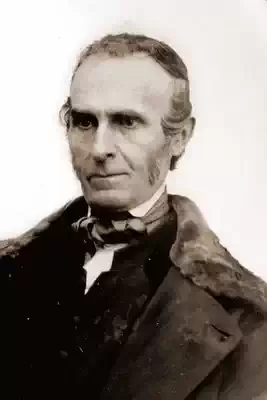
John Greenleaf Whittier
The World’s Convention Of The Friends Of Emancipation, Held In London In
The World’s Convention Of The Friends Of Emancipation, Held In London In
1840
YES, let them gather! Summon forth
The pledged philanthropy of Earth.
From every land, whose hills have heard
The bugle blast of Freedom waking;
Or shrieking of her symbol-bird
From out his cloudy eyrie breaking:
Where Justice hath one worshipper,
Or truth one altar built to her;
Where'er a human eye is weeping
O'er wrongs which Earth's sad children know;
Where'er a single heart is keeping
Its prayerful watch with human woe:
Thence let them come, and greet each other,
And know in each a friend and brother!
Yes, let them come! from each green vale
Where England's old baronial halls
Still bear upon their storied walls
The grim crusader's rusted mail,
Battered by Paynim spear and brand
On Malta's rock or Syria's sand.!
And mouldering pennon-staves once set
Within the soil of Palestine,
By Jordan and Gennesaret;
Or, borne with England's battle line,
O'er Acre's shattered turrets stooping,
Or, midst the camp their banners drooping,
With dews from hallowed Hermon wet,
A holier summons now is given
Than that gray herinit's voice of old,
Which unto all the winds of heaven
The banners of the Cross unrolled!
Not for the long-deserted shrine;
Not for the dull unconscious sod,
Which tells not by one lingering sign
That there the hope of Israel trod;
But for that truth, for which alone
In pilgrim eyes are sanctified
The garden moss, the mountain stone,
Whereon His holy sandals pressed, —
The fountain which His lip hath blessed, —
Whate'er hath touched His garment's hem
At Bethany or Bethlehem,
Or Jordan's river-side.
For Freedom in the name of Him
Who came to raise Earth's drooping poor,
To break the chain from every limb,
The bolt from every prison door!
For these, o'er all the earth hath passed
An ever-deepening trumpet blast,
As if an angel's breath had lent
Its vigor to the instrument.
And Wales, from Snowrich's mountain wall,
Shall startle at that thrilling call,
As if she heard her bards again;
And Erin's 'harp on Tara's wall'
Give out its ancient strain,
Mirthful and sweet, yet sad withal, —
The melody which Erin loves,
When o'er that harp, 'mid bursts of gladness
And slogan cries and lyke-wake sadness,
The hand of her O'Connell moves!
Scotland, from lake and tarn and rill,
And mountain hold, and heathery hill,
Shall catch and echo back the note,
As if she heard upon the air
Once more her Cameronian's prayer.
And song of Freedom float.
And cheering echoes shall reply
From each remote dependency,
Where Britain's mighty sway is known,
In tropic sea or frozen zone;
Where'er her sunset flag is furling,
Or morning gun-fire's smoke is curling;
From Indian Bengal's groves of palm
And rosy fields and gales of balm,
Where Eastern pomp and power are rolled
Through regal Ava's gates of gold;
And from the lakes and ancient woods
And dim Canadian solitudes,
Whence, sternly from her rocky throne,
Queen of the North, Quebec looks down;
And from those bright and ransomed Isles
Where all unwonted Freedom smiles,
And the dark laborer still retains
The scar of slavery's broken chains!
From the hoar Alps, which sentinel
The gateways of the land of Tell,
Where morning's keen and earliest glance
On Jura's rocky wall is thrown,
And from the olive bowers of France
And vine groves garlanding the Rhone, —
'Friends of the Blacks,' as true and tried
As those who stood by Oge's side,
And heard the Haytien's tale of wrong,
Shall gather at that summons strong;
Broglie, Passy, and he whose song
Breathed over Syria's holy sod,
And in the paths which Jesus trod,
And murmured midst the hills which hem
Crownless and sad Jerusalem,
Hath echoes whereso'er the tone
Of Israel's prophey-lyre is known.
Still let them come; from Quito's walls,
And from the Orinoco's tide,
From Lima's Inca-haunted halls,
From Santa Fe and Yucatan, —
Men who by swart Guerrero's side
Proclaimed the deathless rights of man,
Broke every bond and fetter off,
And hailed in every sable serf
A free and brother Mexican!
Chiefs who across the Andes' chain
Have followed Freedom's flowing pennon,
And seen on Junin's fearful plain,
Glare o'er the broken ranks of Spain
The fire-burst of Bolivar's cannon!
And Hayti, from her mountain land,
Shall send the sons of those who hurled
Defiance from her blazing strand,
The war-gage from her Petition's hand,
Alone against a hostile world.
Nor all unmindful, thou, the while,
Land of the dark and mystic Nile!
Thy Moslem mercy yet may shame
All tyrants of a Christian name,
When in the shade of Gizeh's pile,
Or, where, from Abyssinian hills
El Gerek's upper fountain fills,
Or where from Mountains of the Moon
El Abiad bears his watery boon,
Where'er thy lotus blossoms swim
Within their ancient hallowed waters;
Where'er is heard the Coptic hymn,
Or song of Nubia's sable daughters;
The curse of slavery and the crime,
Thy bequest from remotest time,
At thy dark Mehemet's decree
Forevermore shall pass from thee;
And chains forsake each captive's limb
Of all those tribes, whose hills around
Have echoed back the cymbal sound
And victor horn of Ibrahim.
And thou whose glory and whose crime
To earth's remotest bound and clime,
In mingled tones of awe and scorn,
The echoes of a world have borne,
My country! glorious at thy birth,
A day-star flashing brightly forth,
The herald-sign of Freedom's dawn!
Oh, who could dream that saw thee then,
And watched thy rising from afar,
That vapors from oppression's fen
Would cloud the upward tending star?
Or, that earth's tyrant powers, which heard,
Awe-struck, the shout which hailed thy dawning,
Would rise so soon, prince, peer, and king,
To mock thee with their welcoming,
Like Hades when her thrones were stirred
To greet the down-east Star of Morning!
'Aha! and art thou fallen thus?
Art thou become as one of us?'
Land of my fathers! there will stand,
Amidst that world-assembled band,
Those owning thy maternal claim
Unweakened by thy crime and shame;
The sad reprovers of thy wrong;
The children thou hast spurned so long.
Still with affection's fondest yearning
To their unnatural mother turning.
No traitors they! but tried and leal,
Whose own is but thy general weal,
Still blending with the patriot's zeal
The Christian's love for human kind,
To caste and climate unconfined.
A holy gathering! peaceful all:
No threat of war, no savage call
For vengeance on an erring brother!
But in their stead the godlike plan
To teach the brotherhood of man
To love and reverence one another,
As sharers of a common blood,
The children of a common God!
Yet, even at its lightest word,
Shall Slavery's darkest depths be stirred:
Spain, watching from her Moro's keep
Her slave-ships traversing the deep,
And Rio, in her strength and pride,
Lifting, along her mountain-side,
Her snowy battlements and towers,
Her lemon-groves and tropic bowers,
With bitter hate and sullen fear
Its freedom-giving voice shall hear;
And where my country's flag is flowing,
On breezes from Mount Vernon blowing,
Above the Nation's council halls,
Where Freedom's praise is loud and long,
While close beneath the outward walls
The driver plies his reeking thong;
The hammer of the man-thief falls,
O'er hypocritic cheek and brow
The crimson flush of shame shall glow
And all who for their native land
Are pledging life and heart and hand,
Worn watchers o'er her changing weal,
Who for her tarnished honor feel,
Through cottage door and council-hall
Shall thunder an awakening call.
The pen along its page shall burn
With all intolerable scorn;
An eloquent rebuke shall go
On all the winds that Southward blow;
From priestly lips, now sealed and dumb,
Warning and dread appeal shall come,
Like those which Israel heard from him,
The Prophet of the Cherubim;
Or those which sad Esaias hurled
Against a sin-accursed world!
Its wizard leaves the Press shall fling
Unceasing from its iron wing,
With characters inscribed thereon,
As fearful in the despot's hall
As to the pomp of Babylon
The fire-sign on the palace wall!
And, from her dark iniquities,
Methinks I see my country rise:
Not challenging the nations round
To note her tardy justice done;
Her captives from their chains unbound,
Her prisons opening to the sun:
But tearfully her arms extending
Over the poor and unoffending;
Her regal emblem now no longer
A bird of prey with talons reeking,
Above the dying captive shrieking,
But, spreading out her ample wing,
A broad, impartial covering,
The weaker sheltered by the stronger!
Oh, then to Faith's anointed eyes
The promised token shall be given;
And on a nation's sacrifice,
Atoning for the sin of years,
And wet with penitential tears,
The fire shall fall from Heaven!
1840
YES, let them gather! Summon forth
The pledged philanthropy of Earth.
From every land, whose hills have heard
The bugle blast of Freedom waking;
Or shrieking of her symbol-bird
From out his cloudy eyrie breaking:
Where Justice hath one worshipper,
Or truth one altar built to her;
Where'er a human eye is weeping
O'er wrongs which Earth's sad children know;
Where'er a single heart is keeping
Its prayerful watch with human woe:
Thence let them come, and greet each other,
And know in each a friend and brother!
Yes, let them come! from each green vale
Where England's old baronial halls
Still bear upon their storied walls
The grim crusader's rusted mail,
Battered by Paynim spear and brand
On Malta's rock or Syria's sand.!
And mouldering pennon-staves once set
Within the soil of Palestine,
By Jordan and Gennesaret;
Or, borne with England's battle line,
O'er Acre's shattered turrets stooping,
Or, midst the camp their banners drooping,
With dews from hallowed Hermon wet,
A holier summons now is given
Than that gray herinit's voice of old,
Which unto all the winds of heaven
The banners of the Cross unrolled!
Not for the long-deserted shrine;
Not for the dull unconscious sod,
Which tells not by one lingering sign
That there the hope of Israel trod;
But for that truth, for which alone
In pilgrim eyes are sanctified
The garden moss, the mountain stone,
Whereon His holy sandals pressed, —
The fountain which His lip hath blessed, —
Whate'er hath touched His garment's hem
At Bethany or Bethlehem,
Or Jordan's river-side.
For Freedom in the name of Him
Who came to raise Earth's drooping poor,
To break the chain from every limb,
The bolt from every prison door!
For these, o'er all the earth hath passed
An ever-deepening trumpet blast,
As if an angel's breath had lent
Its vigor to the instrument.
And Wales, from Snowrich's mountain wall,
Shall startle at that thrilling call,
As if she heard her bards again;
And Erin's 'harp on Tara's wall'
Give out its ancient strain,
Mirthful and sweet, yet sad withal, —
The melody which Erin loves,
When o'er that harp, 'mid bursts of gladness
And slogan cries and lyke-wake sadness,
The hand of her O'Connell moves!
Scotland, from lake and tarn and rill,
And mountain hold, and heathery hill,
Shall catch and echo back the note,
As if she heard upon the air
Once more her Cameronian's prayer.
And song of Freedom float.
And cheering echoes shall reply
From each remote dependency,
Where Britain's mighty sway is known,
In tropic sea or frozen zone;
Where'er her sunset flag is furling,
Or morning gun-fire's smoke is curling;
From Indian Bengal's groves of palm
And rosy fields and gales of balm,
Where Eastern pomp and power are rolled
Through regal Ava's gates of gold;
And from the lakes and ancient woods
And dim Canadian solitudes,
Whence, sternly from her rocky throne,
Queen of the North, Quebec looks down;
And from those bright and ransomed Isles
Where all unwonted Freedom smiles,
And the dark laborer still retains
The scar of slavery's broken chains!
From the hoar Alps, which sentinel
The gateways of the land of Tell,
Where morning's keen and earliest glance
On Jura's rocky wall is thrown,
And from the olive bowers of France
And vine groves garlanding the Rhone, —
'Friends of the Blacks,' as true and tried
As those who stood by Oge's side,
And heard the Haytien's tale of wrong,
Shall gather at that summons strong;
Broglie, Passy, and he whose song
Breathed over Syria's holy sod,
And in the paths which Jesus trod,
And murmured midst the hills which hem
Crownless and sad Jerusalem,
Hath echoes whereso'er the tone
Of Israel's prophey-lyre is known.
Still let them come; from Quito's walls,
And from the Orinoco's tide,
From Lima's Inca-haunted halls,
From Santa Fe and Yucatan, —
Men who by swart Guerrero's side
Proclaimed the deathless rights of man,
Broke every bond and fetter off,
And hailed in every sable serf
A free and brother Mexican!
Chiefs who across the Andes' chain
Have followed Freedom's flowing pennon,
And seen on Junin's fearful plain,
Glare o'er the broken ranks of Spain
The fire-burst of Bolivar's cannon!
And Hayti, from her mountain land,
Shall send the sons of those who hurled
Defiance from her blazing strand,
The war-gage from her Petition's hand,
Alone against a hostile world.
Nor all unmindful, thou, the while,
Land of the dark and mystic Nile!
Thy Moslem mercy yet may shame
All tyrants of a Christian name,
When in the shade of Gizeh's pile,
Or, where, from Abyssinian hills
El Gerek's upper fountain fills,
Or where from Mountains of the Moon
El Abiad bears his watery boon,
Where'er thy lotus blossoms swim
Within their ancient hallowed waters;
Where'er is heard the Coptic hymn,
Or song of Nubia's sable daughters;
The curse of slavery and the crime,
Thy bequest from remotest time,
At thy dark Mehemet's decree
Forevermore shall pass from thee;
And chains forsake each captive's limb
Of all those tribes, whose hills around
Have echoed back the cymbal sound
And victor horn of Ibrahim.
And thou whose glory and whose crime
To earth's remotest bound and clime,
In mingled tones of awe and scorn,
The echoes of a world have borne,
My country! glorious at thy birth,
A day-star flashing brightly forth,
The herald-sign of Freedom's dawn!
Oh, who could dream that saw thee then,
And watched thy rising from afar,
That vapors from oppression's fen
Would cloud the upward tending star?
Or, that earth's tyrant powers, which heard,
Awe-struck, the shout which hailed thy dawning,
Would rise so soon, prince, peer, and king,
To mock thee with their welcoming,
Like Hades when her thrones were stirred
To greet the down-east Star of Morning!
'Aha! and art thou fallen thus?
Art thou become as one of us?'
Land of my fathers! there will stand,
Amidst that world-assembled band,
Those owning thy maternal claim
Unweakened by thy crime and shame;
The sad reprovers of thy wrong;
The children thou hast spurned so long.
Still with affection's fondest yearning
To their unnatural mother turning.
No traitors they! but tried and leal,
Whose own is but thy general weal,
Still blending with the patriot's zeal
The Christian's love for human kind,
To caste and climate unconfined.
A holy gathering! peaceful all:
No threat of war, no savage call
For vengeance on an erring brother!
But in their stead the godlike plan
To teach the brotherhood of man
To love and reverence one another,
As sharers of a common blood,
The children of a common God!
Yet, even at its lightest word,
Shall Slavery's darkest depths be stirred:
Spain, watching from her Moro's keep
Her slave-ships traversing the deep,
And Rio, in her strength and pride,
Lifting, along her mountain-side,
Her snowy battlements and towers,
Her lemon-groves and tropic bowers,
With bitter hate and sullen fear
Its freedom-giving voice shall hear;
And where my country's flag is flowing,
On breezes from Mount Vernon blowing,
Above the Nation's council halls,
Where Freedom's praise is loud and long,
While close beneath the outward walls
The driver plies his reeking thong;
The hammer of the man-thief falls,
O'er hypocritic cheek and brow
The crimson flush of shame shall glow
And all who for their native land
Are pledging life and heart and hand,
Worn watchers o'er her changing weal,
Who for her tarnished honor feel,
Through cottage door and council-hall
Shall thunder an awakening call.
The pen along its page shall burn
With all intolerable scorn;
An eloquent rebuke shall go
On all the winds that Southward blow;
From priestly lips, now sealed and dumb,
Warning and dread appeal shall come,
Like those which Israel heard from him,
The Prophet of the Cherubim;
Or those which sad Esaias hurled
Against a sin-accursed world!
Its wizard leaves the Press shall fling
Unceasing from its iron wing,
With characters inscribed thereon,
As fearful in the despot's hall
As to the pomp of Babylon
The fire-sign on the palace wall!
And, from her dark iniquities,
Methinks I see my country rise:
Not challenging the nations round
To note her tardy justice done;
Her captives from their chains unbound,
Her prisons opening to the sun:
But tearfully her arms extending
Over the poor and unoffending;
Her regal emblem now no longer
A bird of prey with talons reeking,
Above the dying captive shrieking,
But, spreading out her ample wing,
A broad, impartial covering,
The weaker sheltered by the stronger!
Oh, then to Faith's anointed eyes
The promised token shall be given;
And on a nation's sacrifice,
Atoning for the sin of years,
And wet with penitential tears,
The fire shall fall from Heaven!
202
John Greenleaf Whittier
The World’s Convention Of The Friends Of Emancipation, Held In London In
The World’s Convention Of The Friends Of Emancipation, Held In London In
1840
YES, let them gather! Summon forth
The pledged philanthropy of Earth.
From every land, whose hills have heard
The bugle blast of Freedom waking;
Or shrieking of her symbol-bird
From out his cloudy eyrie breaking:
Where Justice hath one worshipper,
Or truth one altar built to her;
Where'er a human eye is weeping
O'er wrongs which Earth's sad children know;
Where'er a single heart is keeping
Its prayerful watch with human woe:
Thence let them come, and greet each other,
And know in each a friend and brother!
Yes, let them come! from each green vale
Where England's old baronial halls
Still bear upon their storied walls
The grim crusader's rusted mail,
Battered by Paynim spear and brand
On Malta's rock or Syria's sand.!
And mouldering pennon-staves once set
Within the soil of Palestine,
By Jordan and Gennesaret;
Or, borne with England's battle line,
O'er Acre's shattered turrets stooping,
Or, midst the camp their banners drooping,
With dews from hallowed Hermon wet,
A holier summons now is given
Than that gray herinit's voice of old,
Which unto all the winds of heaven
The banners of the Cross unrolled!
Not for the long-deserted shrine;
Not for the dull unconscious sod,
Which tells not by one lingering sign
That there the hope of Israel trod;
But for that truth, for which alone
In pilgrim eyes are sanctified
The garden moss, the mountain stone,
Whereon His holy sandals pressed, —
The fountain which His lip hath blessed, —
Whate'er hath touched His garment's hem
At Bethany or Bethlehem,
Or Jordan's river-side.
For Freedom in the name of Him
Who came to raise Earth's drooping poor,
To break the chain from every limb,
The bolt from every prison door!
For these, o'er all the earth hath passed
An ever-deepening trumpet blast,
As if an angel's breath had lent
Its vigor to the instrument.
And Wales, from Snowrich's mountain wall,
Shall startle at that thrilling call,
As if she heard her bards again;
And Erin's 'harp on Tara's wall'
Give out its ancient strain,
Mirthful and sweet, yet sad withal, —
The melody which Erin loves,
When o'er that harp, 'mid bursts of gladness
And slogan cries and lyke-wake sadness,
The hand of her O'Connell moves!
Scotland, from lake and tarn and rill,
And mountain hold, and heathery hill,
Shall catch and echo back the note,
As if she heard upon the air
Once more her Cameronian's prayer.
And song of Freedom float.
And cheering echoes shall reply
From each remote dependency,
Where Britain's mighty sway is known,
In tropic sea or frozen zone;
Where'er her sunset flag is furling,
Or morning gun-fire's smoke is curling;
From Indian Bengal's groves of palm
And rosy fields and gales of balm,
Where Eastern pomp and power are rolled
Through regal Ava's gates of gold;
And from the lakes and ancient woods
And dim Canadian solitudes,
Whence, sternly from her rocky throne,
Queen of the North, Quebec looks down;
And from those bright and ransomed Isles
Where all unwonted Freedom smiles,
And the dark laborer still retains
The scar of slavery's broken chains!
From the hoar Alps, which sentinel
The gateways of the land of Tell,
Where morning's keen and earliest glance
On Jura's rocky wall is thrown,
And from the olive bowers of France
And vine groves garlanding the Rhone, —
'Friends of the Blacks,' as true and tried
As those who stood by Oge's side,
And heard the Haytien's tale of wrong,
Shall gather at that summons strong;
Broglie, Passy, and he whose song
Breathed over Syria's holy sod,
And in the paths which Jesus trod,
And murmured midst the hills which hem
Crownless and sad Jerusalem,
Hath echoes whereso'er the tone
Of Israel's prophey-lyre is known.
Still let them come; from Quito's walls,
And from the Orinoco's tide,
From Lima's Inca-haunted halls,
From Santa Fe and Yucatan, —
Men who by swart Guerrero's side
Proclaimed the deathless rights of man,
Broke every bond and fetter off,
And hailed in every sable serf
A free and brother Mexican!
Chiefs who across the Andes' chain
Have followed Freedom's flowing pennon,
And seen on Junin's fearful plain,
Glare o'er the broken ranks of Spain
The fire-burst of Bolivar's cannon!
And Hayti, from her mountain land,
Shall send the sons of those who hurled
Defiance from her blazing strand,
The war-gage from her Petition's hand,
Alone against a hostile world.
Nor all unmindful, thou, the while,
Land of the dark and mystic Nile!
Thy Moslem mercy yet may shame
All tyrants of a Christian name,
When in the shade of Gizeh's pile,
Or, where, from Abyssinian hills
El Gerek's upper fountain fills,
Or where from Mountains of the Moon
El Abiad bears his watery boon,
Where'er thy lotus blossoms swim
Within their ancient hallowed waters;
Where'er is heard the Coptic hymn,
Or song of Nubia's sable daughters;
The curse of slavery and the crime,
Thy bequest from remotest time,
At thy dark Mehemet's decree
Forevermore shall pass from thee;
And chains forsake each captive's limb
Of all those tribes, whose hills around
Have echoed back the cymbal sound
And victor horn of Ibrahim.
And thou whose glory and whose crime
To earth's remotest bound and clime,
In mingled tones of awe and scorn,
The echoes of a world have borne,
My country! glorious at thy birth,
A day-star flashing brightly forth,
The herald-sign of Freedom's dawn!
Oh, who could dream that saw thee then,
And watched thy rising from afar,
That vapors from oppression's fen
Would cloud the upward tending star?
Or, that earth's tyrant powers, which heard,
Awe-struck, the shout which hailed thy dawning,
Would rise so soon, prince, peer, and king,
To mock thee with their welcoming,
Like Hades when her thrones were stirred
To greet the down-east Star of Morning!
'Aha! and art thou fallen thus?
Art thou become as one of us?'
Land of my fathers! there will stand,
Amidst that world-assembled band,
Those owning thy maternal claim
Unweakened by thy crime and shame;
The sad reprovers of thy wrong;
The children thou hast spurned so long.
Still with affection's fondest yearning
To their unnatural mother turning.
No traitors they! but tried and leal,
Whose own is but thy general weal,
Still blending with the patriot's zeal
The Christian's love for human kind,
To caste and climate unconfined.
A holy gathering! peaceful all:
No threat of war, no savage call
For vengeance on an erring brother!
But in their stead the godlike plan
To teach the brotherhood of man
To love and reverence one another,
As sharers of a common blood,
The children of a common God!
Yet, even at its lightest word,
Shall Slavery's darkest depths be stirred:
Spain, watching from her Moro's keep
Her slave-ships traversing the deep,
And Rio, in her strength and pride,
Lifting, along her mountain-side,
Her snowy battlements and towers,
Her lemon-groves and tropic bowers,
With bitter hate and sullen fear
Its freedom-giving voice shall hear;
And where my country's flag is flowing,
On breezes from Mount Vernon blowing,
Above the Nation's council halls,
Where Freedom's praise is loud and long,
While close beneath the outward walls
The driver plies his reeking thong;
The hammer of the man-thief falls,
O'er hypocritic cheek and brow
The crimson flush of shame shall glow
And all who for their native land
Are pledging life and heart and hand,
Worn watchers o'er her changing weal,
Who for her tarnished honor feel,
Through cottage door and council-hall
Shall thunder an awakening call.
The pen along its page shall burn
With all intolerable scorn;
An eloquent rebuke shall go
On all the winds that Southward blow;
From priestly lips, now sealed and dumb,
Warning and dread appeal shall come,
Like those which Israel heard from him,
The Prophet of the Cherubim;
Or those which sad Esaias hurled
Against a sin-accursed world!
Its wizard leaves the Press shall fling
Unceasing from its iron wing,
With characters inscribed thereon,
As fearful in the despot's hall
As to the pomp of Babylon
The fire-sign on the palace wall!
And, from her dark iniquities,
Methinks I see my country rise:
Not challenging the nations round
To note her tardy justice done;
Her captives from their chains unbound,
Her prisons opening to the sun:
But tearfully her arms extending
Over the poor and unoffending;
Her regal emblem now no longer
A bird of prey with talons reeking,
Above the dying captive shrieking,
But, spreading out her ample wing,
A broad, impartial covering,
The weaker sheltered by the stronger!
Oh, then to Faith's anointed eyes
The promised token shall be given;
And on a nation's sacrifice,
Atoning for the sin of years,
And wet with penitential tears,
The fire shall fall from Heaven!
1840
YES, let them gather! Summon forth
The pledged philanthropy of Earth.
From every land, whose hills have heard
The bugle blast of Freedom waking;
Or shrieking of her symbol-bird
From out his cloudy eyrie breaking:
Where Justice hath one worshipper,
Or truth one altar built to her;
Where'er a human eye is weeping
O'er wrongs which Earth's sad children know;
Where'er a single heart is keeping
Its prayerful watch with human woe:
Thence let them come, and greet each other,
And know in each a friend and brother!
Yes, let them come! from each green vale
Where England's old baronial halls
Still bear upon their storied walls
The grim crusader's rusted mail,
Battered by Paynim spear and brand
On Malta's rock or Syria's sand.!
And mouldering pennon-staves once set
Within the soil of Palestine,
By Jordan and Gennesaret;
Or, borne with England's battle line,
O'er Acre's shattered turrets stooping,
Or, midst the camp their banners drooping,
With dews from hallowed Hermon wet,
A holier summons now is given
Than that gray herinit's voice of old,
Which unto all the winds of heaven
The banners of the Cross unrolled!
Not for the long-deserted shrine;
Not for the dull unconscious sod,
Which tells not by one lingering sign
That there the hope of Israel trod;
But for that truth, for which alone
In pilgrim eyes are sanctified
The garden moss, the mountain stone,
Whereon His holy sandals pressed, —
The fountain which His lip hath blessed, —
Whate'er hath touched His garment's hem
At Bethany or Bethlehem,
Or Jordan's river-side.
For Freedom in the name of Him
Who came to raise Earth's drooping poor,
To break the chain from every limb,
The bolt from every prison door!
For these, o'er all the earth hath passed
An ever-deepening trumpet blast,
As if an angel's breath had lent
Its vigor to the instrument.
And Wales, from Snowrich's mountain wall,
Shall startle at that thrilling call,
As if she heard her bards again;
And Erin's 'harp on Tara's wall'
Give out its ancient strain,
Mirthful and sweet, yet sad withal, —
The melody which Erin loves,
When o'er that harp, 'mid bursts of gladness
And slogan cries and lyke-wake sadness,
The hand of her O'Connell moves!
Scotland, from lake and tarn and rill,
And mountain hold, and heathery hill,
Shall catch and echo back the note,
As if she heard upon the air
Once more her Cameronian's prayer.
And song of Freedom float.
And cheering echoes shall reply
From each remote dependency,
Where Britain's mighty sway is known,
In tropic sea or frozen zone;
Where'er her sunset flag is furling,
Or morning gun-fire's smoke is curling;
From Indian Bengal's groves of palm
And rosy fields and gales of balm,
Where Eastern pomp and power are rolled
Through regal Ava's gates of gold;
And from the lakes and ancient woods
And dim Canadian solitudes,
Whence, sternly from her rocky throne,
Queen of the North, Quebec looks down;
And from those bright and ransomed Isles
Where all unwonted Freedom smiles,
And the dark laborer still retains
The scar of slavery's broken chains!
From the hoar Alps, which sentinel
The gateways of the land of Tell,
Where morning's keen and earliest glance
On Jura's rocky wall is thrown,
And from the olive bowers of France
And vine groves garlanding the Rhone, —
'Friends of the Blacks,' as true and tried
As those who stood by Oge's side,
And heard the Haytien's tale of wrong,
Shall gather at that summons strong;
Broglie, Passy, and he whose song
Breathed over Syria's holy sod,
And in the paths which Jesus trod,
And murmured midst the hills which hem
Crownless and sad Jerusalem,
Hath echoes whereso'er the tone
Of Israel's prophey-lyre is known.
Still let them come; from Quito's walls,
And from the Orinoco's tide,
From Lima's Inca-haunted halls,
From Santa Fe and Yucatan, —
Men who by swart Guerrero's side
Proclaimed the deathless rights of man,
Broke every bond and fetter off,
And hailed in every sable serf
A free and brother Mexican!
Chiefs who across the Andes' chain
Have followed Freedom's flowing pennon,
And seen on Junin's fearful plain,
Glare o'er the broken ranks of Spain
The fire-burst of Bolivar's cannon!
And Hayti, from her mountain land,
Shall send the sons of those who hurled
Defiance from her blazing strand,
The war-gage from her Petition's hand,
Alone against a hostile world.
Nor all unmindful, thou, the while,
Land of the dark and mystic Nile!
Thy Moslem mercy yet may shame
All tyrants of a Christian name,
When in the shade of Gizeh's pile,
Or, where, from Abyssinian hills
El Gerek's upper fountain fills,
Or where from Mountains of the Moon
El Abiad bears his watery boon,
Where'er thy lotus blossoms swim
Within their ancient hallowed waters;
Where'er is heard the Coptic hymn,
Or song of Nubia's sable daughters;
The curse of slavery and the crime,
Thy bequest from remotest time,
At thy dark Mehemet's decree
Forevermore shall pass from thee;
And chains forsake each captive's limb
Of all those tribes, whose hills around
Have echoed back the cymbal sound
And victor horn of Ibrahim.
And thou whose glory and whose crime
To earth's remotest bound and clime,
In mingled tones of awe and scorn,
The echoes of a world have borne,
My country! glorious at thy birth,
A day-star flashing brightly forth,
The herald-sign of Freedom's dawn!
Oh, who could dream that saw thee then,
And watched thy rising from afar,
That vapors from oppression's fen
Would cloud the upward tending star?
Or, that earth's tyrant powers, which heard,
Awe-struck, the shout which hailed thy dawning,
Would rise so soon, prince, peer, and king,
To mock thee with their welcoming,
Like Hades when her thrones were stirred
To greet the down-east Star of Morning!
'Aha! and art thou fallen thus?
Art thou become as one of us?'
Land of my fathers! there will stand,
Amidst that world-assembled band,
Those owning thy maternal claim
Unweakened by thy crime and shame;
The sad reprovers of thy wrong;
The children thou hast spurned so long.
Still with affection's fondest yearning
To their unnatural mother turning.
No traitors they! but tried and leal,
Whose own is but thy general weal,
Still blending with the patriot's zeal
The Christian's love for human kind,
To caste and climate unconfined.
A holy gathering! peaceful all:
No threat of war, no savage call
For vengeance on an erring brother!
But in their stead the godlike plan
To teach the brotherhood of man
To love and reverence one another,
As sharers of a common blood,
The children of a common God!
Yet, even at its lightest word,
Shall Slavery's darkest depths be stirred:
Spain, watching from her Moro's keep
Her slave-ships traversing the deep,
And Rio, in her strength and pride,
Lifting, along her mountain-side,
Her snowy battlements and towers,
Her lemon-groves and tropic bowers,
With bitter hate and sullen fear
Its freedom-giving voice shall hear;
And where my country's flag is flowing,
On breezes from Mount Vernon blowing,
Above the Nation's council halls,
Where Freedom's praise is loud and long,
While close beneath the outward walls
The driver plies his reeking thong;
The hammer of the man-thief falls,
O'er hypocritic cheek and brow
The crimson flush of shame shall glow
And all who for their native land
Are pledging life and heart and hand,
Worn watchers o'er her changing weal,
Who for her tarnished honor feel,
Through cottage door and council-hall
Shall thunder an awakening call.
The pen along its page shall burn
With all intolerable scorn;
An eloquent rebuke shall go
On all the winds that Southward blow;
From priestly lips, now sealed and dumb,
Warning and dread appeal shall come,
Like those which Israel heard from him,
The Prophet of the Cherubim;
Or those which sad Esaias hurled
Against a sin-accursed world!
Its wizard leaves the Press shall fling
Unceasing from its iron wing,
With characters inscribed thereon,
As fearful in the despot's hall
As to the pomp of Babylon
The fire-sign on the palace wall!
And, from her dark iniquities,
Methinks I see my country rise:
Not challenging the nations round
To note her tardy justice done;
Her captives from their chains unbound,
Her prisons opening to the sun:
But tearfully her arms extending
Over the poor and unoffending;
Her regal emblem now no longer
A bird of prey with talons reeking,
Above the dying captive shrieking,
But, spreading out her ample wing,
A broad, impartial covering,
The weaker sheltered by the stronger!
Oh, then to Faith's anointed eyes
The promised token shall be given;
And on a nation's sacrifice,
Atoning for the sin of years,
And wet with penitential tears,
The fire shall fall from Heaven!
202
John Greenleaf Whittier
The World’s Convention Of The Friends Of Emancipation, Held In London In
The World’s Convention Of The Friends Of Emancipation, Held In London In
1840
YES, let them gather! Summon forth
The pledged philanthropy of Earth.
From every land, whose hills have heard
The bugle blast of Freedom waking;
Or shrieking of her symbol-bird
From out his cloudy eyrie breaking:
Where Justice hath one worshipper,
Or truth one altar built to her;
Where'er a human eye is weeping
O'er wrongs which Earth's sad children know;
Where'er a single heart is keeping
Its prayerful watch with human woe:
Thence let them come, and greet each other,
And know in each a friend and brother!
Yes, let them come! from each green vale
Where England's old baronial halls
Still bear upon their storied walls
The grim crusader's rusted mail,
Battered by Paynim spear and brand
On Malta's rock or Syria's sand.!
And mouldering pennon-staves once set
Within the soil of Palestine,
By Jordan and Gennesaret;
Or, borne with England's battle line,
O'er Acre's shattered turrets stooping,
Or, midst the camp their banners drooping,
With dews from hallowed Hermon wet,
A holier summons now is given
Than that gray herinit's voice of old,
Which unto all the winds of heaven
The banners of the Cross unrolled!
Not for the long-deserted shrine;
Not for the dull unconscious sod,
Which tells not by one lingering sign
That there the hope of Israel trod;
But for that truth, for which alone
In pilgrim eyes are sanctified
The garden moss, the mountain stone,
Whereon His holy sandals pressed, —
The fountain which His lip hath blessed, —
Whate'er hath touched His garment's hem
At Bethany or Bethlehem,
Or Jordan's river-side.
For Freedom in the name of Him
Who came to raise Earth's drooping poor,
To break the chain from every limb,
The bolt from every prison door!
For these, o'er all the earth hath passed
An ever-deepening trumpet blast,
As if an angel's breath had lent
Its vigor to the instrument.
And Wales, from Snowrich's mountain wall,
Shall startle at that thrilling call,
As if she heard her bards again;
And Erin's 'harp on Tara's wall'
Give out its ancient strain,
Mirthful and sweet, yet sad withal, —
The melody which Erin loves,
When o'er that harp, 'mid bursts of gladness
And slogan cries and lyke-wake sadness,
The hand of her O'Connell moves!
Scotland, from lake and tarn and rill,
And mountain hold, and heathery hill,
Shall catch and echo back the note,
As if she heard upon the air
Once more her Cameronian's prayer.
And song of Freedom float.
And cheering echoes shall reply
From each remote dependency,
Where Britain's mighty sway is known,
In tropic sea or frozen zone;
Where'er her sunset flag is furling,
Or morning gun-fire's smoke is curling;
From Indian Bengal's groves of palm
And rosy fields and gales of balm,
Where Eastern pomp and power are rolled
Through regal Ava's gates of gold;
And from the lakes and ancient woods
And dim Canadian solitudes,
Whence, sternly from her rocky throne,
Queen of the North, Quebec looks down;
And from those bright and ransomed Isles
Where all unwonted Freedom smiles,
And the dark laborer still retains
The scar of slavery's broken chains!
From the hoar Alps, which sentinel
The gateways of the land of Tell,
Where morning's keen and earliest glance
On Jura's rocky wall is thrown,
And from the olive bowers of France
And vine groves garlanding the Rhone, —
'Friends of the Blacks,' as true and tried
As those who stood by Oge's side,
And heard the Haytien's tale of wrong,
Shall gather at that summons strong;
Broglie, Passy, and he whose song
Breathed over Syria's holy sod,
And in the paths which Jesus trod,
And murmured midst the hills which hem
Crownless and sad Jerusalem,
Hath echoes whereso'er the tone
Of Israel's prophey-lyre is known.
Still let them come; from Quito's walls,
And from the Orinoco's tide,
From Lima's Inca-haunted halls,
From Santa Fe and Yucatan, —
Men who by swart Guerrero's side
Proclaimed the deathless rights of man,
Broke every bond and fetter off,
And hailed in every sable serf
A free and brother Mexican!
Chiefs who across the Andes' chain
Have followed Freedom's flowing pennon,
And seen on Junin's fearful plain,
Glare o'er the broken ranks of Spain
The fire-burst of Bolivar's cannon!
And Hayti, from her mountain land,
Shall send the sons of those who hurled
Defiance from her blazing strand,
The war-gage from her Petition's hand,
Alone against a hostile world.
Nor all unmindful, thou, the while,
Land of the dark and mystic Nile!
Thy Moslem mercy yet may shame
All tyrants of a Christian name,
When in the shade of Gizeh's pile,
Or, where, from Abyssinian hills
El Gerek's upper fountain fills,
Or where from Mountains of the Moon
El Abiad bears his watery boon,
Where'er thy lotus blossoms swim
Within their ancient hallowed waters;
Where'er is heard the Coptic hymn,
Or song of Nubia's sable daughters;
The curse of slavery and the crime,
Thy bequest from remotest time,
At thy dark Mehemet's decree
Forevermore shall pass from thee;
And chains forsake each captive's limb
Of all those tribes, whose hills around
Have echoed back the cymbal sound
And victor horn of Ibrahim.
And thou whose glory and whose crime
To earth's remotest bound and clime,
In mingled tones of awe and scorn,
The echoes of a world have borne,
My country! glorious at thy birth,
A day-star flashing brightly forth,
The herald-sign of Freedom's dawn!
Oh, who could dream that saw thee then,
And watched thy rising from afar,
That vapors from oppression's fen
Would cloud the upward tending star?
Or, that earth's tyrant powers, which heard,
Awe-struck, the shout which hailed thy dawning,
Would rise so soon, prince, peer, and king,
To mock thee with their welcoming,
Like Hades when her thrones were stirred
To greet the down-east Star of Morning!
'Aha! and art thou fallen thus?
Art thou become as one of us?'
Land of my fathers! there will stand,
Amidst that world-assembled band,
Those owning thy maternal claim
Unweakened by thy crime and shame;
The sad reprovers of thy wrong;
The children thou hast spurned so long.
Still with affection's fondest yearning
To their unnatural mother turning.
No traitors they! but tried and leal,
Whose own is but thy general weal,
Still blending with the patriot's zeal
The Christian's love for human kind,
To caste and climate unconfined.
A holy gathering! peaceful all:
No threat of war, no savage call
For vengeance on an erring brother!
But in their stead the godlike plan
To teach the brotherhood of man
To love and reverence one another,
As sharers of a common blood,
The children of a common God!
Yet, even at its lightest word,
Shall Slavery's darkest depths be stirred:
Spain, watching from her Moro's keep
Her slave-ships traversing the deep,
And Rio, in her strength and pride,
Lifting, along her mountain-side,
Her snowy battlements and towers,
Her lemon-groves and tropic bowers,
With bitter hate and sullen fear
Its freedom-giving voice shall hear;
And where my country's flag is flowing,
On breezes from Mount Vernon blowing,
Above the Nation's council halls,
Where Freedom's praise is loud and long,
While close beneath the outward walls
The driver plies his reeking thong;
The hammer of the man-thief falls,
O'er hypocritic cheek and brow
The crimson flush of shame shall glow
And all who for their native land
Are pledging life and heart and hand,
Worn watchers o'er her changing weal,
Who for her tarnished honor feel,
Through cottage door and council-hall
Shall thunder an awakening call.
The pen along its page shall burn
With all intolerable scorn;
An eloquent rebuke shall go
On all the winds that Southward blow;
From priestly lips, now sealed and dumb,
Warning and dread appeal shall come,
Like those which Israel heard from him,
The Prophet of the Cherubim;
Or those which sad Esaias hurled
Against a sin-accursed world!
Its wizard leaves the Press shall fling
Unceasing from its iron wing,
With characters inscribed thereon,
As fearful in the despot's hall
As to the pomp of Babylon
The fire-sign on the palace wall!
And, from her dark iniquities,
Methinks I see my country rise:
Not challenging the nations round
To note her tardy justice done;
Her captives from their chains unbound,
Her prisons opening to the sun:
But tearfully her arms extending
Over the poor and unoffending;
Her regal emblem now no longer
A bird of prey with talons reeking,
Above the dying captive shrieking,
But, spreading out her ample wing,
A broad, impartial covering,
The weaker sheltered by the stronger!
Oh, then to Faith's anointed eyes
The promised token shall be given;
And on a nation's sacrifice,
Atoning for the sin of years,
And wet with penitential tears,
The fire shall fall from Heaven!
1840
YES, let them gather! Summon forth
The pledged philanthropy of Earth.
From every land, whose hills have heard
The bugle blast of Freedom waking;
Or shrieking of her symbol-bird
From out his cloudy eyrie breaking:
Where Justice hath one worshipper,
Or truth one altar built to her;
Where'er a human eye is weeping
O'er wrongs which Earth's sad children know;
Where'er a single heart is keeping
Its prayerful watch with human woe:
Thence let them come, and greet each other,
And know in each a friend and brother!
Yes, let them come! from each green vale
Where England's old baronial halls
Still bear upon their storied walls
The grim crusader's rusted mail,
Battered by Paynim spear and brand
On Malta's rock or Syria's sand.!
And mouldering pennon-staves once set
Within the soil of Palestine,
By Jordan and Gennesaret;
Or, borne with England's battle line,
O'er Acre's shattered turrets stooping,
Or, midst the camp their banners drooping,
With dews from hallowed Hermon wet,
A holier summons now is given
Than that gray herinit's voice of old,
Which unto all the winds of heaven
The banners of the Cross unrolled!
Not for the long-deserted shrine;
Not for the dull unconscious sod,
Which tells not by one lingering sign
That there the hope of Israel trod;
But for that truth, for which alone
In pilgrim eyes are sanctified
The garden moss, the mountain stone,
Whereon His holy sandals pressed, —
The fountain which His lip hath blessed, —
Whate'er hath touched His garment's hem
At Bethany or Bethlehem,
Or Jordan's river-side.
For Freedom in the name of Him
Who came to raise Earth's drooping poor,
To break the chain from every limb,
The bolt from every prison door!
For these, o'er all the earth hath passed
An ever-deepening trumpet blast,
As if an angel's breath had lent
Its vigor to the instrument.
And Wales, from Snowrich's mountain wall,
Shall startle at that thrilling call,
As if she heard her bards again;
And Erin's 'harp on Tara's wall'
Give out its ancient strain,
Mirthful and sweet, yet sad withal, —
The melody which Erin loves,
When o'er that harp, 'mid bursts of gladness
And slogan cries and lyke-wake sadness,
The hand of her O'Connell moves!
Scotland, from lake and tarn and rill,
And mountain hold, and heathery hill,
Shall catch and echo back the note,
As if she heard upon the air
Once more her Cameronian's prayer.
And song of Freedom float.
And cheering echoes shall reply
From each remote dependency,
Where Britain's mighty sway is known,
In tropic sea or frozen zone;
Where'er her sunset flag is furling,
Or morning gun-fire's smoke is curling;
From Indian Bengal's groves of palm
And rosy fields and gales of balm,
Where Eastern pomp and power are rolled
Through regal Ava's gates of gold;
And from the lakes and ancient woods
And dim Canadian solitudes,
Whence, sternly from her rocky throne,
Queen of the North, Quebec looks down;
And from those bright and ransomed Isles
Where all unwonted Freedom smiles,
And the dark laborer still retains
The scar of slavery's broken chains!
From the hoar Alps, which sentinel
The gateways of the land of Tell,
Where morning's keen and earliest glance
On Jura's rocky wall is thrown,
And from the olive bowers of France
And vine groves garlanding the Rhone, —
'Friends of the Blacks,' as true and tried
As those who stood by Oge's side,
And heard the Haytien's tale of wrong,
Shall gather at that summons strong;
Broglie, Passy, and he whose song
Breathed over Syria's holy sod,
And in the paths which Jesus trod,
And murmured midst the hills which hem
Crownless and sad Jerusalem,
Hath echoes whereso'er the tone
Of Israel's prophey-lyre is known.
Still let them come; from Quito's walls,
And from the Orinoco's tide,
From Lima's Inca-haunted halls,
From Santa Fe and Yucatan, —
Men who by swart Guerrero's side
Proclaimed the deathless rights of man,
Broke every bond and fetter off,
And hailed in every sable serf
A free and brother Mexican!
Chiefs who across the Andes' chain
Have followed Freedom's flowing pennon,
And seen on Junin's fearful plain,
Glare o'er the broken ranks of Spain
The fire-burst of Bolivar's cannon!
And Hayti, from her mountain land,
Shall send the sons of those who hurled
Defiance from her blazing strand,
The war-gage from her Petition's hand,
Alone against a hostile world.
Nor all unmindful, thou, the while,
Land of the dark and mystic Nile!
Thy Moslem mercy yet may shame
All tyrants of a Christian name,
When in the shade of Gizeh's pile,
Or, where, from Abyssinian hills
El Gerek's upper fountain fills,
Or where from Mountains of the Moon
El Abiad bears his watery boon,
Where'er thy lotus blossoms swim
Within their ancient hallowed waters;
Where'er is heard the Coptic hymn,
Or song of Nubia's sable daughters;
The curse of slavery and the crime,
Thy bequest from remotest time,
At thy dark Mehemet's decree
Forevermore shall pass from thee;
And chains forsake each captive's limb
Of all those tribes, whose hills around
Have echoed back the cymbal sound
And victor horn of Ibrahim.
And thou whose glory and whose crime
To earth's remotest bound and clime,
In mingled tones of awe and scorn,
The echoes of a world have borne,
My country! glorious at thy birth,
A day-star flashing brightly forth,
The herald-sign of Freedom's dawn!
Oh, who could dream that saw thee then,
And watched thy rising from afar,
That vapors from oppression's fen
Would cloud the upward tending star?
Or, that earth's tyrant powers, which heard,
Awe-struck, the shout which hailed thy dawning,
Would rise so soon, prince, peer, and king,
To mock thee with their welcoming,
Like Hades when her thrones were stirred
To greet the down-east Star of Morning!
'Aha! and art thou fallen thus?
Art thou become as one of us?'
Land of my fathers! there will stand,
Amidst that world-assembled band,
Those owning thy maternal claim
Unweakened by thy crime and shame;
The sad reprovers of thy wrong;
The children thou hast spurned so long.
Still with affection's fondest yearning
To their unnatural mother turning.
No traitors they! but tried and leal,
Whose own is but thy general weal,
Still blending with the patriot's zeal
The Christian's love for human kind,
To caste and climate unconfined.
A holy gathering! peaceful all:
No threat of war, no savage call
For vengeance on an erring brother!
But in their stead the godlike plan
To teach the brotherhood of man
To love and reverence one another,
As sharers of a common blood,
The children of a common God!
Yet, even at its lightest word,
Shall Slavery's darkest depths be stirred:
Spain, watching from her Moro's keep
Her slave-ships traversing the deep,
And Rio, in her strength and pride,
Lifting, along her mountain-side,
Her snowy battlements and towers,
Her lemon-groves and tropic bowers,
With bitter hate and sullen fear
Its freedom-giving voice shall hear;
And where my country's flag is flowing,
On breezes from Mount Vernon blowing,
Above the Nation's council halls,
Where Freedom's praise is loud and long,
While close beneath the outward walls
The driver plies his reeking thong;
The hammer of the man-thief falls,
O'er hypocritic cheek and brow
The crimson flush of shame shall glow
And all who for their native land
Are pledging life and heart and hand,
Worn watchers o'er her changing weal,
Who for her tarnished honor feel,
Through cottage door and council-hall
Shall thunder an awakening call.
The pen along its page shall burn
With all intolerable scorn;
An eloquent rebuke shall go
On all the winds that Southward blow;
From priestly lips, now sealed and dumb,
Warning and dread appeal shall come,
Like those which Israel heard from him,
The Prophet of the Cherubim;
Or those which sad Esaias hurled
Against a sin-accursed world!
Its wizard leaves the Press shall fling
Unceasing from its iron wing,
With characters inscribed thereon,
As fearful in the despot's hall
As to the pomp of Babylon
The fire-sign on the palace wall!
And, from her dark iniquities,
Methinks I see my country rise:
Not challenging the nations round
To note her tardy justice done;
Her captives from their chains unbound,
Her prisons opening to the sun:
But tearfully her arms extending
Over the poor and unoffending;
Her regal emblem now no longer
A bird of prey with talons reeking,
Above the dying captive shrieking,
But, spreading out her ample wing,
A broad, impartial covering,
The weaker sheltered by the stronger!
Oh, then to Faith's anointed eyes
The promised token shall be given;
And on a nation's sacrifice,
Atoning for the sin of years,
And wet with penitential tears,
The fire shall fall from Heaven!
202
John Greenleaf Whittier
The World’s Convention Of The Friends Of Emancipation, Held In London In
The World’s Convention Of The Friends Of Emancipation, Held In London In
1840
YES, let them gather! Summon forth
The pledged philanthropy of Earth.
From every land, whose hills have heard
The bugle blast of Freedom waking;
Or shrieking of her symbol-bird
From out his cloudy eyrie breaking:
Where Justice hath one worshipper,
Or truth one altar built to her;
Where'er a human eye is weeping
O'er wrongs which Earth's sad children know;
Where'er a single heart is keeping
Its prayerful watch with human woe:
Thence let them come, and greet each other,
And know in each a friend and brother!
Yes, let them come! from each green vale
Where England's old baronial halls
Still bear upon their storied walls
The grim crusader's rusted mail,
Battered by Paynim spear and brand
On Malta's rock or Syria's sand.!
And mouldering pennon-staves once set
Within the soil of Palestine,
By Jordan and Gennesaret;
Or, borne with England's battle line,
O'er Acre's shattered turrets stooping,
Or, midst the camp their banners drooping,
With dews from hallowed Hermon wet,
A holier summons now is given
Than that gray herinit's voice of old,
Which unto all the winds of heaven
The banners of the Cross unrolled!
Not for the long-deserted shrine;
Not for the dull unconscious sod,
Which tells not by one lingering sign
That there the hope of Israel trod;
But for that truth, for which alone
In pilgrim eyes are sanctified
The garden moss, the mountain stone,
Whereon His holy sandals pressed, —
The fountain which His lip hath blessed, —
Whate'er hath touched His garment's hem
At Bethany or Bethlehem,
Or Jordan's river-side.
For Freedom in the name of Him
Who came to raise Earth's drooping poor,
To break the chain from every limb,
The bolt from every prison door!
For these, o'er all the earth hath passed
An ever-deepening trumpet blast,
As if an angel's breath had lent
Its vigor to the instrument.
And Wales, from Snowrich's mountain wall,
Shall startle at that thrilling call,
As if she heard her bards again;
And Erin's 'harp on Tara's wall'
Give out its ancient strain,
Mirthful and sweet, yet sad withal, —
The melody which Erin loves,
When o'er that harp, 'mid bursts of gladness
And slogan cries and lyke-wake sadness,
The hand of her O'Connell moves!
Scotland, from lake and tarn and rill,
And mountain hold, and heathery hill,
Shall catch and echo back the note,
As if she heard upon the air
Once more her Cameronian's prayer.
And song of Freedom float.
And cheering echoes shall reply
From each remote dependency,
Where Britain's mighty sway is known,
In tropic sea or frozen zone;
Where'er her sunset flag is furling,
Or morning gun-fire's smoke is curling;
From Indian Bengal's groves of palm
And rosy fields and gales of balm,
Where Eastern pomp and power are rolled
Through regal Ava's gates of gold;
And from the lakes and ancient woods
And dim Canadian solitudes,
Whence, sternly from her rocky throne,
Queen of the North, Quebec looks down;
And from those bright and ransomed Isles
Where all unwonted Freedom smiles,
And the dark laborer still retains
The scar of slavery's broken chains!
From the hoar Alps, which sentinel
The gateways of the land of Tell,
Where morning's keen and earliest glance
On Jura's rocky wall is thrown,
And from the olive bowers of France
And vine groves garlanding the Rhone, —
'Friends of the Blacks,' as true and tried
As those who stood by Oge's side,
And heard the Haytien's tale of wrong,
Shall gather at that summons strong;
Broglie, Passy, and he whose song
Breathed over Syria's holy sod,
And in the paths which Jesus trod,
And murmured midst the hills which hem
Crownless and sad Jerusalem,
Hath echoes whereso'er the tone
Of Israel's prophey-lyre is known.
Still let them come; from Quito's walls,
And from the Orinoco's tide,
From Lima's Inca-haunted halls,
From Santa Fe and Yucatan, —
Men who by swart Guerrero's side
Proclaimed the deathless rights of man,
Broke every bond and fetter off,
And hailed in every sable serf
A free and brother Mexican!
Chiefs who across the Andes' chain
Have followed Freedom's flowing pennon,
And seen on Junin's fearful plain,
Glare o'er the broken ranks of Spain
The fire-burst of Bolivar's cannon!
And Hayti, from her mountain land,
Shall send the sons of those who hurled
Defiance from her blazing strand,
The war-gage from her Petition's hand,
Alone against a hostile world.
Nor all unmindful, thou, the while,
Land of the dark and mystic Nile!
Thy Moslem mercy yet may shame
All tyrants of a Christian name,
When in the shade of Gizeh's pile,
Or, where, from Abyssinian hills
El Gerek's upper fountain fills,
Or where from Mountains of the Moon
El Abiad bears his watery boon,
Where'er thy lotus blossoms swim
Within their ancient hallowed waters;
Where'er is heard the Coptic hymn,
Or song of Nubia's sable daughters;
The curse of slavery and the crime,
Thy bequest from remotest time,
At thy dark Mehemet's decree
Forevermore shall pass from thee;
And chains forsake each captive's limb
Of all those tribes, whose hills around
Have echoed back the cymbal sound
And victor horn of Ibrahim.
And thou whose glory and whose crime
To earth's remotest bound and clime,
In mingled tones of awe and scorn,
The echoes of a world have borne,
My country! glorious at thy birth,
A day-star flashing brightly forth,
The herald-sign of Freedom's dawn!
Oh, who could dream that saw thee then,
And watched thy rising from afar,
That vapors from oppression's fen
Would cloud the upward tending star?
Or, that earth's tyrant powers, which heard,
Awe-struck, the shout which hailed thy dawning,
Would rise so soon, prince, peer, and king,
To mock thee with their welcoming,
Like Hades when her thrones were stirred
To greet the down-east Star of Morning!
'Aha! and art thou fallen thus?
Art thou become as one of us?'
Land of my fathers! there will stand,
Amidst that world-assembled band,
Those owning thy maternal claim
Unweakened by thy crime and shame;
The sad reprovers of thy wrong;
The children thou hast spurned so long.
Still with affection's fondest yearning
To their unnatural mother turning.
No traitors they! but tried and leal,
Whose own is but thy general weal,
Still blending with the patriot's zeal
The Christian's love for human kind,
To caste and climate unconfined.
A holy gathering! peaceful all:
No threat of war, no savage call
For vengeance on an erring brother!
But in their stead the godlike plan
To teach the brotherhood of man
To love and reverence one another,
As sharers of a common blood,
The children of a common God!
Yet, even at its lightest word,
Shall Slavery's darkest depths be stirred:
Spain, watching from her Moro's keep
Her slave-ships traversing the deep,
And Rio, in her strength and pride,
Lifting, along her mountain-side,
Her snowy battlements and towers,
Her lemon-groves and tropic bowers,
With bitter hate and sullen fear
Its freedom-giving voice shall hear;
And where my country's flag is flowing,
On breezes from Mount Vernon blowing,
Above the Nation's council halls,
Where Freedom's praise is loud and long,
While close beneath the outward walls
The driver plies his reeking thong;
The hammer of the man-thief falls,
O'er hypocritic cheek and brow
The crimson flush of shame shall glow
And all who for their native land
Are pledging life and heart and hand,
Worn watchers o'er her changing weal,
Who for her tarnished honor feel,
Through cottage door and council-hall
Shall thunder an awakening call.
The pen along its page shall burn
With all intolerable scorn;
An eloquent rebuke shall go
On all the winds that Southward blow;
From priestly lips, now sealed and dumb,
Warning and dread appeal shall come,
Like those which Israel heard from him,
The Prophet of the Cherubim;
Or those which sad Esaias hurled
Against a sin-accursed world!
Its wizard leaves the Press shall fling
Unceasing from its iron wing,
With characters inscribed thereon,
As fearful in the despot's hall
As to the pomp of Babylon
The fire-sign on the palace wall!
And, from her dark iniquities,
Methinks I see my country rise:
Not challenging the nations round
To note her tardy justice done;
Her captives from their chains unbound,
Her prisons opening to the sun:
But tearfully her arms extending
Over the poor and unoffending;
Her regal emblem now no longer
A bird of prey with talons reeking,
Above the dying captive shrieking,
But, spreading out her ample wing,
A broad, impartial covering,
The weaker sheltered by the stronger!
Oh, then to Faith's anointed eyes
The promised token shall be given;
And on a nation's sacrifice,
Atoning for the sin of years,
And wet with penitential tears,
The fire shall fall from Heaven!
1840
YES, let them gather! Summon forth
The pledged philanthropy of Earth.
From every land, whose hills have heard
The bugle blast of Freedom waking;
Or shrieking of her symbol-bird
From out his cloudy eyrie breaking:
Where Justice hath one worshipper,
Or truth one altar built to her;
Where'er a human eye is weeping
O'er wrongs which Earth's sad children know;
Where'er a single heart is keeping
Its prayerful watch with human woe:
Thence let them come, and greet each other,
And know in each a friend and brother!
Yes, let them come! from each green vale
Where England's old baronial halls
Still bear upon their storied walls
The grim crusader's rusted mail,
Battered by Paynim spear and brand
On Malta's rock or Syria's sand.!
And mouldering pennon-staves once set
Within the soil of Palestine,
By Jordan and Gennesaret;
Or, borne with England's battle line,
O'er Acre's shattered turrets stooping,
Or, midst the camp their banners drooping,
With dews from hallowed Hermon wet,
A holier summons now is given
Than that gray herinit's voice of old,
Which unto all the winds of heaven
The banners of the Cross unrolled!
Not for the long-deserted shrine;
Not for the dull unconscious sod,
Which tells not by one lingering sign
That there the hope of Israel trod;
But for that truth, for which alone
In pilgrim eyes are sanctified
The garden moss, the mountain stone,
Whereon His holy sandals pressed, —
The fountain which His lip hath blessed, —
Whate'er hath touched His garment's hem
At Bethany or Bethlehem,
Or Jordan's river-side.
For Freedom in the name of Him
Who came to raise Earth's drooping poor,
To break the chain from every limb,
The bolt from every prison door!
For these, o'er all the earth hath passed
An ever-deepening trumpet blast,
As if an angel's breath had lent
Its vigor to the instrument.
And Wales, from Snowrich's mountain wall,
Shall startle at that thrilling call,
As if she heard her bards again;
And Erin's 'harp on Tara's wall'
Give out its ancient strain,
Mirthful and sweet, yet sad withal, —
The melody which Erin loves,
When o'er that harp, 'mid bursts of gladness
And slogan cries and lyke-wake sadness,
The hand of her O'Connell moves!
Scotland, from lake and tarn and rill,
And mountain hold, and heathery hill,
Shall catch and echo back the note,
As if she heard upon the air
Once more her Cameronian's prayer.
And song of Freedom float.
And cheering echoes shall reply
From each remote dependency,
Where Britain's mighty sway is known,
In tropic sea or frozen zone;
Where'er her sunset flag is furling,
Or morning gun-fire's smoke is curling;
From Indian Bengal's groves of palm
And rosy fields and gales of balm,
Where Eastern pomp and power are rolled
Through regal Ava's gates of gold;
And from the lakes and ancient woods
And dim Canadian solitudes,
Whence, sternly from her rocky throne,
Queen of the North, Quebec looks down;
And from those bright and ransomed Isles
Where all unwonted Freedom smiles,
And the dark laborer still retains
The scar of slavery's broken chains!
From the hoar Alps, which sentinel
The gateways of the land of Tell,
Where morning's keen and earliest glance
On Jura's rocky wall is thrown,
And from the olive bowers of France
And vine groves garlanding the Rhone, —
'Friends of the Blacks,' as true and tried
As those who stood by Oge's side,
And heard the Haytien's tale of wrong,
Shall gather at that summons strong;
Broglie, Passy, and he whose song
Breathed over Syria's holy sod,
And in the paths which Jesus trod,
And murmured midst the hills which hem
Crownless and sad Jerusalem,
Hath echoes whereso'er the tone
Of Israel's prophey-lyre is known.
Still let them come; from Quito's walls,
And from the Orinoco's tide,
From Lima's Inca-haunted halls,
From Santa Fe and Yucatan, —
Men who by swart Guerrero's side
Proclaimed the deathless rights of man,
Broke every bond and fetter off,
And hailed in every sable serf
A free and brother Mexican!
Chiefs who across the Andes' chain
Have followed Freedom's flowing pennon,
And seen on Junin's fearful plain,
Glare o'er the broken ranks of Spain
The fire-burst of Bolivar's cannon!
And Hayti, from her mountain land,
Shall send the sons of those who hurled
Defiance from her blazing strand,
The war-gage from her Petition's hand,
Alone against a hostile world.
Nor all unmindful, thou, the while,
Land of the dark and mystic Nile!
Thy Moslem mercy yet may shame
All tyrants of a Christian name,
When in the shade of Gizeh's pile,
Or, where, from Abyssinian hills
El Gerek's upper fountain fills,
Or where from Mountains of the Moon
El Abiad bears his watery boon,
Where'er thy lotus blossoms swim
Within their ancient hallowed waters;
Where'er is heard the Coptic hymn,
Or song of Nubia's sable daughters;
The curse of slavery and the crime,
Thy bequest from remotest time,
At thy dark Mehemet's decree
Forevermore shall pass from thee;
And chains forsake each captive's limb
Of all those tribes, whose hills around
Have echoed back the cymbal sound
And victor horn of Ibrahim.
And thou whose glory and whose crime
To earth's remotest bound and clime,
In mingled tones of awe and scorn,
The echoes of a world have borne,
My country! glorious at thy birth,
A day-star flashing brightly forth,
The herald-sign of Freedom's dawn!
Oh, who could dream that saw thee then,
And watched thy rising from afar,
That vapors from oppression's fen
Would cloud the upward tending star?
Or, that earth's tyrant powers, which heard,
Awe-struck, the shout which hailed thy dawning,
Would rise so soon, prince, peer, and king,
To mock thee with their welcoming,
Like Hades when her thrones were stirred
To greet the down-east Star of Morning!
'Aha! and art thou fallen thus?
Art thou become as one of us?'
Land of my fathers! there will stand,
Amidst that world-assembled band,
Those owning thy maternal claim
Unweakened by thy crime and shame;
The sad reprovers of thy wrong;
The children thou hast spurned so long.
Still with affection's fondest yearning
To their unnatural mother turning.
No traitors they! but tried and leal,
Whose own is but thy general weal,
Still blending with the patriot's zeal
The Christian's love for human kind,
To caste and climate unconfined.
A holy gathering! peaceful all:
No threat of war, no savage call
For vengeance on an erring brother!
But in their stead the godlike plan
To teach the brotherhood of man
To love and reverence one another,
As sharers of a common blood,
The children of a common God!
Yet, even at its lightest word,
Shall Slavery's darkest depths be stirred:
Spain, watching from her Moro's keep
Her slave-ships traversing the deep,
And Rio, in her strength and pride,
Lifting, along her mountain-side,
Her snowy battlements and towers,
Her lemon-groves and tropic bowers,
With bitter hate and sullen fear
Its freedom-giving voice shall hear;
And where my country's flag is flowing,
On breezes from Mount Vernon blowing,
Above the Nation's council halls,
Where Freedom's praise is loud and long,
While close beneath the outward walls
The driver plies his reeking thong;
The hammer of the man-thief falls,
O'er hypocritic cheek and brow
The crimson flush of shame shall glow
And all who for their native land
Are pledging life and heart and hand,
Worn watchers o'er her changing weal,
Who for her tarnished honor feel,
Through cottage door and council-hall
Shall thunder an awakening call.
The pen along its page shall burn
With all intolerable scorn;
An eloquent rebuke shall go
On all the winds that Southward blow;
From priestly lips, now sealed and dumb,
Warning and dread appeal shall come,
Like those which Israel heard from him,
The Prophet of the Cherubim;
Or those which sad Esaias hurled
Against a sin-accursed world!
Its wizard leaves the Press shall fling
Unceasing from its iron wing,
With characters inscribed thereon,
As fearful in the despot's hall
As to the pomp of Babylon
The fire-sign on the palace wall!
And, from her dark iniquities,
Methinks I see my country rise:
Not challenging the nations round
To note her tardy justice done;
Her captives from their chains unbound,
Her prisons opening to the sun:
But tearfully her arms extending
Over the poor and unoffending;
Her regal emblem now no longer
A bird of prey with talons reeking,
Above the dying captive shrieking,
But, spreading out her ample wing,
A broad, impartial covering,
The weaker sheltered by the stronger!
Oh, then to Faith's anointed eyes
The promised token shall be given;
And on a nation's sacrifice,
Atoning for the sin of years,
And wet with penitential tears,
The fire shall fall from Heaven!
202
John Greenleaf Whittier
The World’s Convention Of The Friends Of Emancipation, Held In London In
The World’s Convention Of The Friends Of Emancipation, Held In London In
1840
YES, let them gather! Summon forth
The pledged philanthropy of Earth.
From every land, whose hills have heard
The bugle blast of Freedom waking;
Or shrieking of her symbol-bird
From out his cloudy eyrie breaking:
Where Justice hath one worshipper,
Or truth one altar built to her;
Where'er a human eye is weeping
O'er wrongs which Earth's sad children know;
Where'er a single heart is keeping
Its prayerful watch with human woe:
Thence let them come, and greet each other,
And know in each a friend and brother!
Yes, let them come! from each green vale
Where England's old baronial halls
Still bear upon their storied walls
The grim crusader's rusted mail,
Battered by Paynim spear and brand
On Malta's rock or Syria's sand.!
And mouldering pennon-staves once set
Within the soil of Palestine,
By Jordan and Gennesaret;
Or, borne with England's battle line,
O'er Acre's shattered turrets stooping,
Or, midst the camp their banners drooping,
With dews from hallowed Hermon wet,
A holier summons now is given
Than that gray herinit's voice of old,
Which unto all the winds of heaven
The banners of the Cross unrolled!
Not for the long-deserted shrine;
Not for the dull unconscious sod,
Which tells not by one lingering sign
That there the hope of Israel trod;
But for that truth, for which alone
In pilgrim eyes are sanctified
The garden moss, the mountain stone,
Whereon His holy sandals pressed, —
The fountain which His lip hath blessed, —
Whate'er hath touched His garment's hem
At Bethany or Bethlehem,
Or Jordan's river-side.
For Freedom in the name of Him
Who came to raise Earth's drooping poor,
To break the chain from every limb,
The bolt from every prison door!
For these, o'er all the earth hath passed
An ever-deepening trumpet blast,
As if an angel's breath had lent
Its vigor to the instrument.
And Wales, from Snowrich's mountain wall,
Shall startle at that thrilling call,
As if she heard her bards again;
And Erin's 'harp on Tara's wall'
Give out its ancient strain,
Mirthful and sweet, yet sad withal, —
The melody which Erin loves,
When o'er that harp, 'mid bursts of gladness
And slogan cries and lyke-wake sadness,
The hand of her O'Connell moves!
Scotland, from lake and tarn and rill,
And mountain hold, and heathery hill,
Shall catch and echo back the note,
As if she heard upon the air
Once more her Cameronian's prayer.
And song of Freedom float.
And cheering echoes shall reply
From each remote dependency,
Where Britain's mighty sway is known,
In tropic sea or frozen zone;
Where'er her sunset flag is furling,
Or morning gun-fire's smoke is curling;
From Indian Bengal's groves of palm
And rosy fields and gales of balm,
Where Eastern pomp and power are rolled
Through regal Ava's gates of gold;
And from the lakes and ancient woods
And dim Canadian solitudes,
Whence, sternly from her rocky throne,
Queen of the North, Quebec looks down;
And from those bright and ransomed Isles
Where all unwonted Freedom smiles,
And the dark laborer still retains
The scar of slavery's broken chains!
From the hoar Alps, which sentinel
The gateways of the land of Tell,
Where morning's keen and earliest glance
On Jura's rocky wall is thrown,
And from the olive bowers of France
And vine groves garlanding the Rhone, —
'Friends of the Blacks,' as true and tried
As those who stood by Oge's side,
And heard the Haytien's tale of wrong,
Shall gather at that summons strong;
Broglie, Passy, and he whose song
Breathed over Syria's holy sod,
And in the paths which Jesus trod,
And murmured midst the hills which hem
Crownless and sad Jerusalem,
Hath echoes whereso'er the tone
Of Israel's prophey-lyre is known.
Still let them come; from Quito's walls,
And from the Orinoco's tide,
From Lima's Inca-haunted halls,
From Santa Fe and Yucatan, —
Men who by swart Guerrero's side
Proclaimed the deathless rights of man,
Broke every bond and fetter off,
And hailed in every sable serf
A free and brother Mexican!
Chiefs who across the Andes' chain
Have followed Freedom's flowing pennon,
And seen on Junin's fearful plain,
Glare o'er the broken ranks of Spain
The fire-burst of Bolivar's cannon!
And Hayti, from her mountain land,
Shall send the sons of those who hurled
Defiance from her blazing strand,
The war-gage from her Petition's hand,
Alone against a hostile world.
Nor all unmindful, thou, the while,
Land of the dark and mystic Nile!
Thy Moslem mercy yet may shame
All tyrants of a Christian name,
When in the shade of Gizeh's pile,
Or, where, from Abyssinian hills
El Gerek's upper fountain fills,
Or where from Mountains of the Moon
El Abiad bears his watery boon,
Where'er thy lotus blossoms swim
Within their ancient hallowed waters;
Where'er is heard the Coptic hymn,
Or song of Nubia's sable daughters;
The curse of slavery and the crime,
Thy bequest from remotest time,
At thy dark Mehemet's decree
Forevermore shall pass from thee;
And chains forsake each captive's limb
Of all those tribes, whose hills around
Have echoed back the cymbal sound
And victor horn of Ibrahim.
And thou whose glory and whose crime
To earth's remotest bound and clime,
In mingled tones of awe and scorn,
The echoes of a world have borne,
My country! glorious at thy birth,
A day-star flashing brightly forth,
The herald-sign of Freedom's dawn!
Oh, who could dream that saw thee then,
And watched thy rising from afar,
That vapors from oppression's fen
Would cloud the upward tending star?
Or, that earth's tyrant powers, which heard,
Awe-struck, the shout which hailed thy dawning,
Would rise so soon, prince, peer, and king,
To mock thee with their welcoming,
Like Hades when her thrones were stirred
To greet the down-east Star of Morning!
'Aha! and art thou fallen thus?
Art thou become as one of us?'
Land of my fathers! there will stand,
Amidst that world-assembled band,
Those owning thy maternal claim
Unweakened by thy crime and shame;
The sad reprovers of thy wrong;
The children thou hast spurned so long.
Still with affection's fondest yearning
To their unnatural mother turning.
No traitors they! but tried and leal,
Whose own is but thy general weal,
Still blending with the patriot's zeal
The Christian's love for human kind,
To caste and climate unconfined.
A holy gathering! peaceful all:
No threat of war, no savage call
For vengeance on an erring brother!
But in their stead the godlike plan
To teach the brotherhood of man
To love and reverence one another,
As sharers of a common blood,
The children of a common God!
Yet, even at its lightest word,
Shall Slavery's darkest depths be stirred:
Spain, watching from her Moro's keep
Her slave-ships traversing the deep,
And Rio, in her strength and pride,
Lifting, along her mountain-side,
Her snowy battlements and towers,
Her lemon-groves and tropic bowers,
With bitter hate and sullen fear
Its freedom-giving voice shall hear;
And where my country's flag is flowing,
On breezes from Mount Vernon blowing,
Above the Nation's council halls,
Where Freedom's praise is loud and long,
While close beneath the outward walls
The driver plies his reeking thong;
The hammer of the man-thief falls,
O'er hypocritic cheek and brow
The crimson flush of shame shall glow
And all who for their native land
Are pledging life and heart and hand,
Worn watchers o'er her changing weal,
Who for her tarnished honor feel,
Through cottage door and council-hall
Shall thunder an awakening call.
The pen along its page shall burn
With all intolerable scorn;
An eloquent rebuke shall go
On all the winds that Southward blow;
From priestly lips, now sealed and dumb,
Warning and dread appeal shall come,
Like those which Israel heard from him,
The Prophet of the Cherubim;
Or those which sad Esaias hurled
Against a sin-accursed world!
Its wizard leaves the Press shall fling
Unceasing from its iron wing,
With characters inscribed thereon,
As fearful in the despot's hall
As to the pomp of Babylon
The fire-sign on the palace wall!
And, from her dark iniquities,
Methinks I see my country rise:
Not challenging the nations round
To note her tardy justice done;
Her captives from their chains unbound,
Her prisons opening to the sun:
But tearfully her arms extending
Over the poor and unoffending;
Her regal emblem now no longer
A bird of prey with talons reeking,
Above the dying captive shrieking,
But, spreading out her ample wing,
A broad, impartial covering,
The weaker sheltered by the stronger!
Oh, then to Faith's anointed eyes
The promised token shall be given;
And on a nation's sacrifice,
Atoning for the sin of years,
And wet with penitential tears,
The fire shall fall from Heaven!
1840
YES, let them gather! Summon forth
The pledged philanthropy of Earth.
From every land, whose hills have heard
The bugle blast of Freedom waking;
Or shrieking of her symbol-bird
From out his cloudy eyrie breaking:
Where Justice hath one worshipper,
Or truth one altar built to her;
Where'er a human eye is weeping
O'er wrongs which Earth's sad children know;
Where'er a single heart is keeping
Its prayerful watch with human woe:
Thence let them come, and greet each other,
And know in each a friend and brother!
Yes, let them come! from each green vale
Where England's old baronial halls
Still bear upon their storied walls
The grim crusader's rusted mail,
Battered by Paynim spear and brand
On Malta's rock or Syria's sand.!
And mouldering pennon-staves once set
Within the soil of Palestine,
By Jordan and Gennesaret;
Or, borne with England's battle line,
O'er Acre's shattered turrets stooping,
Or, midst the camp their banners drooping,
With dews from hallowed Hermon wet,
A holier summons now is given
Than that gray herinit's voice of old,
Which unto all the winds of heaven
The banners of the Cross unrolled!
Not for the long-deserted shrine;
Not for the dull unconscious sod,
Which tells not by one lingering sign
That there the hope of Israel trod;
But for that truth, for which alone
In pilgrim eyes are sanctified
The garden moss, the mountain stone,
Whereon His holy sandals pressed, —
The fountain which His lip hath blessed, —
Whate'er hath touched His garment's hem
At Bethany or Bethlehem,
Or Jordan's river-side.
For Freedom in the name of Him
Who came to raise Earth's drooping poor,
To break the chain from every limb,
The bolt from every prison door!
For these, o'er all the earth hath passed
An ever-deepening trumpet blast,
As if an angel's breath had lent
Its vigor to the instrument.
And Wales, from Snowrich's mountain wall,
Shall startle at that thrilling call,
As if she heard her bards again;
And Erin's 'harp on Tara's wall'
Give out its ancient strain,
Mirthful and sweet, yet sad withal, —
The melody which Erin loves,
When o'er that harp, 'mid bursts of gladness
And slogan cries and lyke-wake sadness,
The hand of her O'Connell moves!
Scotland, from lake and tarn and rill,
And mountain hold, and heathery hill,
Shall catch and echo back the note,
As if she heard upon the air
Once more her Cameronian's prayer.
And song of Freedom float.
And cheering echoes shall reply
From each remote dependency,
Where Britain's mighty sway is known,
In tropic sea or frozen zone;
Where'er her sunset flag is furling,
Or morning gun-fire's smoke is curling;
From Indian Bengal's groves of palm
And rosy fields and gales of balm,
Where Eastern pomp and power are rolled
Through regal Ava's gates of gold;
And from the lakes and ancient woods
And dim Canadian solitudes,
Whence, sternly from her rocky throne,
Queen of the North, Quebec looks down;
And from those bright and ransomed Isles
Where all unwonted Freedom smiles,
And the dark laborer still retains
The scar of slavery's broken chains!
From the hoar Alps, which sentinel
The gateways of the land of Tell,
Where morning's keen and earliest glance
On Jura's rocky wall is thrown,
And from the olive bowers of France
And vine groves garlanding the Rhone, —
'Friends of the Blacks,' as true and tried
As those who stood by Oge's side,
And heard the Haytien's tale of wrong,
Shall gather at that summons strong;
Broglie, Passy, and he whose song
Breathed over Syria's holy sod,
And in the paths which Jesus trod,
And murmured midst the hills which hem
Crownless and sad Jerusalem,
Hath echoes whereso'er the tone
Of Israel's prophey-lyre is known.
Still let them come; from Quito's walls,
And from the Orinoco's tide,
From Lima's Inca-haunted halls,
From Santa Fe and Yucatan, —
Men who by swart Guerrero's side
Proclaimed the deathless rights of man,
Broke every bond and fetter off,
And hailed in every sable serf
A free and brother Mexican!
Chiefs who across the Andes' chain
Have followed Freedom's flowing pennon,
And seen on Junin's fearful plain,
Glare o'er the broken ranks of Spain
The fire-burst of Bolivar's cannon!
And Hayti, from her mountain land,
Shall send the sons of those who hurled
Defiance from her blazing strand,
The war-gage from her Petition's hand,
Alone against a hostile world.
Nor all unmindful, thou, the while,
Land of the dark and mystic Nile!
Thy Moslem mercy yet may shame
All tyrants of a Christian name,
When in the shade of Gizeh's pile,
Or, where, from Abyssinian hills
El Gerek's upper fountain fills,
Or where from Mountains of the Moon
El Abiad bears his watery boon,
Where'er thy lotus blossoms swim
Within their ancient hallowed waters;
Where'er is heard the Coptic hymn,
Or song of Nubia's sable daughters;
The curse of slavery and the crime,
Thy bequest from remotest time,
At thy dark Mehemet's decree
Forevermore shall pass from thee;
And chains forsake each captive's limb
Of all those tribes, whose hills around
Have echoed back the cymbal sound
And victor horn of Ibrahim.
And thou whose glory and whose crime
To earth's remotest bound and clime,
In mingled tones of awe and scorn,
The echoes of a world have borne,
My country! glorious at thy birth,
A day-star flashing brightly forth,
The herald-sign of Freedom's dawn!
Oh, who could dream that saw thee then,
And watched thy rising from afar,
That vapors from oppression's fen
Would cloud the upward tending star?
Or, that earth's tyrant powers, which heard,
Awe-struck, the shout which hailed thy dawning,
Would rise so soon, prince, peer, and king,
To mock thee with their welcoming,
Like Hades when her thrones were stirred
To greet the down-east Star of Morning!
'Aha! and art thou fallen thus?
Art thou become as one of us?'
Land of my fathers! there will stand,
Amidst that world-assembled band,
Those owning thy maternal claim
Unweakened by thy crime and shame;
The sad reprovers of thy wrong;
The children thou hast spurned so long.
Still with affection's fondest yearning
To their unnatural mother turning.
No traitors they! but tried and leal,
Whose own is but thy general weal,
Still blending with the patriot's zeal
The Christian's love for human kind,
To caste and climate unconfined.
A holy gathering! peaceful all:
No threat of war, no savage call
For vengeance on an erring brother!
But in their stead the godlike plan
To teach the brotherhood of man
To love and reverence one another,
As sharers of a common blood,
The children of a common God!
Yet, even at its lightest word,
Shall Slavery's darkest depths be stirred:
Spain, watching from her Moro's keep
Her slave-ships traversing the deep,
And Rio, in her strength and pride,
Lifting, along her mountain-side,
Her snowy battlements and towers,
Her lemon-groves and tropic bowers,
With bitter hate and sullen fear
Its freedom-giving voice shall hear;
And where my country's flag is flowing,
On breezes from Mount Vernon blowing,
Above the Nation's council halls,
Where Freedom's praise is loud and long,
While close beneath the outward walls
The driver plies his reeking thong;
The hammer of the man-thief falls,
O'er hypocritic cheek and brow
The crimson flush of shame shall glow
And all who for their native land
Are pledging life and heart and hand,
Worn watchers o'er her changing weal,
Who for her tarnished honor feel,
Through cottage door and council-hall
Shall thunder an awakening call.
The pen along its page shall burn
With all intolerable scorn;
An eloquent rebuke shall go
On all the winds that Southward blow;
From priestly lips, now sealed and dumb,
Warning and dread appeal shall come,
Like those which Israel heard from him,
The Prophet of the Cherubim;
Or those which sad Esaias hurled
Against a sin-accursed world!
Its wizard leaves the Press shall fling
Unceasing from its iron wing,
With characters inscribed thereon,
As fearful in the despot's hall
As to the pomp of Babylon
The fire-sign on the palace wall!
And, from her dark iniquities,
Methinks I see my country rise:
Not challenging the nations round
To note her tardy justice done;
Her captives from their chains unbound,
Her prisons opening to the sun:
But tearfully her arms extending
Over the poor and unoffending;
Her regal emblem now no longer
A bird of prey with talons reeking,
Above the dying captive shrieking,
But, spreading out her ample wing,
A broad, impartial covering,
The weaker sheltered by the stronger!
Oh, then to Faith's anointed eyes
The promised token shall be given;
And on a nation's sacrifice,
Atoning for the sin of years,
And wet with penitential tears,
The fire shall fall from Heaven!
202
John Greenleaf Whittier
The Witch of Wenham
The Witch of Wenham
I.
Along Crane River's sunny slopes
Blew warm the winds of May,
And over Naumkeag's ancient oaks
The green outgrew the gray.
The grass was green on Rial-side,
The early birds at will
Waked up the violet in its dell,
The wind-flower on its hill.
'Where go you, in your Sunday coat,
Son Andrew, tell me, pray.'
For striped perch in Wenham Lake
I go to fish to-day.'
'Unharmed of thee in Wenham Lake
The mottled perch shall be
A blue-eyed witch sits on the bank
And weaves her net for thee.
'She weaves her golden hair; she sings
Her spell-song low and faint;
The wickedest witch in Salem jail
Is to that girl a saint.'
'Nay, mother, hold thy cruel tongue;
God knows,' the young man cried,
'He never made a whiter soul
Than hers by Wenham side.
'She tends her mother sick and blind,
And every want supplies;
To her above the blessed Book
She lends her soft blue eyes.
'Her voice is glad with holy songs,
Her lips are sweet with prayer;
Go where you will, in ten miles round
Is none more good and fair.'
'Son Andrew, for the love of God
And of thy mother, stay!'
She clasped her hands, she wept aloud,
But Andrew rode away.
'O reverend sir, my Andrew's soul
The Wenham witch has caught;
She holds him with the curled gold
Whereof her snare is wrought.
'She charms him with her great blue eyes,
She binds him with her hair;
Oh, break the spell with holy words,
Unbind him with a prayer!'
'Take heart,' the painful preacher said,
'This mischief shall not be;
The witch shall perish in her sins
And Andrew shall go free.
'Our poor Ann Putnam testifies
She saw her weave a spell,
Bare-armed, loose-haired, at full of moon,
Around a dried-up well.
''Spring up, O well!' she softly sang
The Hebrew's old refrain
(For Satan uses Bible words),
Till water flowed a-main.
'And many a goodwife heard her speak
By Wenham water words
That made the buttercups take wings
And turn to yellow birds.
'They say that swarming wild bees seek
The hive at her command;
And fishes swim to take their food
From out her dainty hand.
'Meek as she sits in meeting-time,
The godly minister
Notes well the spell that doth compel
The young men's eyes to her.
'The mole upon her dimpled chin
Is Satan's seal and sign;
Her lips are red with evil bread
And stain of unblest wine.
'For Tituba, my Indian, saith
At Quasycung she took
The Black Man's godless sacrament
And signed his dreadful book.
'Last night my sore-afflicted child
Against the young witch cried.
To take her Marshal Herrick rides
Even now to Wenham side.'
The marshal in his saddle sat,
His daughter at his knee;
'I go to fetch that arrant witch,
Thy fair playmate,' quoth he.
'Her spectre walks the parsonage,
And haunts both hall and stair;
They know her by the great blue eyes
And floating gold of hair.'
'They lie, they lie, my father dear!
No foul old witch is she,
But sweet and good and crystal-pure
As Wenham waters be.'
'I tell thee, child, the Lord hath set
Before us good and ill,
And woe to all whose carnal loves
Oppose His righteous will.
'Between Him and the powers of hell
Choose thou, my child, to-day
No sparing hand, no pitying eye,
When God commands to slay!'
He went his way; the old wives shook
With fear as he drew nigh;
The children in the dooryards held
Their breath as he passed by.
Too well they knew the gaunt gray horse
The grim witch-hunter rode
The pale Apocalyptic beast
By grisly Death bestrode.
II.
Oh, fair the face of Wenham Lake
Upon the young girl's shone,
Her tender mouth, her dreaming eyes,
Her yellow hair outblown.
By happy youth and love attuned
To natural harmonies,
The singing birds, the whispering wind,
She sat beneath the trees.
Sat shaping for her bridal dress
Her mother's wedding gown,
When lo! the marshal, writ in hand,
From Alford hill rode down.
His face was hard with cruel fear,
He grasped the maiden's hands
'Come with me unto Salem town,
For so the law commands!'
'Oh, let me to my mother say
Farewell before I go!'
He closer tied her little hands
Unto his saddle bow.
'Unhand me,' cried she piteously,
'For thy sweet daughter's sake.'
'I'll keep my daughter safe,' he said,
'From the witch of Wenham Lake.'
'Oh, leave me for my mother's sake,
She needs my eyes to see.'
'Those eyes, young witch, the crows shall peck
From off the gallows-tree.'
He bore her to a farm-house old,
And up its stairway long,
And closed on her the garret-door
With iron bolted strong.
The day died out, the night came down
Her evening prayer she said,
While, through the dark, strange faces seemed
To mock her as she prayed.
The present horror deepened all
The fears her childhood knew;
The awe wherewith the air was filled
With every breath she drew.
And could it be, she trembling asked,
Some secret thought or sin
Had shut good angels from her heart
And let the bad ones in?
Had she in some forgotten dream
Let go her hold on Heaven,
And sold herself unwittingly
To spirits unforgiven?
Oh, weird and still the dark hours passed;
No human sound she heard,
But up and down the chimney stack
The swallows moaned and stirred.
And o'er her, with a dread surmise
Of evil sight and sound,
The blind bats on their leathern wings
Went wheeling round and round.
Low hanging in the midnight sky
Looked in a half-faced moon.
Was it a dream, or did she hear
Her lover's whistled tune?
She forced the oaken scuttle back;
A whisper reached her ear
'Slide down the roof to me,' it said,
'So softly none may hear.'
She slid along the sloping roof
Till from its eaves she hung,
And felt the loosened shingles yield
To which her fingers clung.
Below, her lover stretched his hands
And touched her feet so small;
'Drop down to me, dear heart,' he said,
'My arms shall break the fall.'
He set her on his pillion soft,
Her arms about him twined;
And, noiseless as if velvet-shod,
They left the house behind.
But when they reached the open way,
Full free the rein he cast;
Oh, never through the mirk midnight
Rode man and maid more fast.
Along the wild wood-paths they sped,
The bridgeless streams they swam;
At set of moon they passed the Bass,
At sunrise Agawam.
At high noon on the Merrimac
The ancient ferryman
Forgot, at times, his idle oars,
So fair a freight to scan.
And when from off his grounded boat
He saw them mount and ride,
'God keep her from the evil eye,
And harm of witch!' he cried.
The maiden laughed, as youth will laugh
At all its fears gone by;
'He does not know,' she whispered low,
'A little witch am I.'
All day he urged his weary horse,
And, in the red sundown,
Drew rein before a friendly door
In distant Berwick town.
A fellow-feeling for the wronged
The Quaker people felt;
And safe beside their kindly hearths
The hunted maiden dwelt,
Until from off its breast the land
The haunting horror threw,
And hatred, born of ghastly dreams,
To shame and pity grew.
Sad were the year's spring morns, and sad
Its golden summer day,
But blithe and glad its withered fields,
And skies of ashen gray;
For spell and charm had power no more,
The spectres ceased to roam,
And scattered households knelt again
Around the hearths of home.
And when once more by Beaver Dam
The meadow-lark outsang,
And once again on all the hills
The early violets sprang,
And all the windy pasture slopes
Lay green within the arms
Of creeks that bore the salted sea
To pleasant inland farms,
The smith filed off the chains he forged,
The jail-bolts backward fell;
And youth and hoary age came forth
Like souls escaped from hell.
I.
Along Crane River's sunny slopes
Blew warm the winds of May,
And over Naumkeag's ancient oaks
The green outgrew the gray.
The grass was green on Rial-side,
The early birds at will
Waked up the violet in its dell,
The wind-flower on its hill.
'Where go you, in your Sunday coat,
Son Andrew, tell me, pray.'
For striped perch in Wenham Lake
I go to fish to-day.'
'Unharmed of thee in Wenham Lake
The mottled perch shall be
A blue-eyed witch sits on the bank
And weaves her net for thee.
'She weaves her golden hair; she sings
Her spell-song low and faint;
The wickedest witch in Salem jail
Is to that girl a saint.'
'Nay, mother, hold thy cruel tongue;
God knows,' the young man cried,
'He never made a whiter soul
Than hers by Wenham side.
'She tends her mother sick and blind,
And every want supplies;
To her above the blessed Book
She lends her soft blue eyes.
'Her voice is glad with holy songs,
Her lips are sweet with prayer;
Go where you will, in ten miles round
Is none more good and fair.'
'Son Andrew, for the love of God
And of thy mother, stay!'
She clasped her hands, she wept aloud,
But Andrew rode away.
'O reverend sir, my Andrew's soul
The Wenham witch has caught;
She holds him with the curled gold
Whereof her snare is wrought.
'She charms him with her great blue eyes,
She binds him with her hair;
Oh, break the spell with holy words,
Unbind him with a prayer!'
'Take heart,' the painful preacher said,
'This mischief shall not be;
The witch shall perish in her sins
And Andrew shall go free.
'Our poor Ann Putnam testifies
She saw her weave a spell,
Bare-armed, loose-haired, at full of moon,
Around a dried-up well.
''Spring up, O well!' she softly sang
The Hebrew's old refrain
(For Satan uses Bible words),
Till water flowed a-main.
'And many a goodwife heard her speak
By Wenham water words
That made the buttercups take wings
And turn to yellow birds.
'They say that swarming wild bees seek
The hive at her command;
And fishes swim to take their food
From out her dainty hand.
'Meek as she sits in meeting-time,
The godly minister
Notes well the spell that doth compel
The young men's eyes to her.
'The mole upon her dimpled chin
Is Satan's seal and sign;
Her lips are red with evil bread
And stain of unblest wine.
'For Tituba, my Indian, saith
At Quasycung she took
The Black Man's godless sacrament
And signed his dreadful book.
'Last night my sore-afflicted child
Against the young witch cried.
To take her Marshal Herrick rides
Even now to Wenham side.'
The marshal in his saddle sat,
His daughter at his knee;
'I go to fetch that arrant witch,
Thy fair playmate,' quoth he.
'Her spectre walks the parsonage,
And haunts both hall and stair;
They know her by the great blue eyes
And floating gold of hair.'
'They lie, they lie, my father dear!
No foul old witch is she,
But sweet and good and crystal-pure
As Wenham waters be.'
'I tell thee, child, the Lord hath set
Before us good and ill,
And woe to all whose carnal loves
Oppose His righteous will.
'Between Him and the powers of hell
Choose thou, my child, to-day
No sparing hand, no pitying eye,
When God commands to slay!'
He went his way; the old wives shook
With fear as he drew nigh;
The children in the dooryards held
Their breath as he passed by.
Too well they knew the gaunt gray horse
The grim witch-hunter rode
The pale Apocalyptic beast
By grisly Death bestrode.
II.
Oh, fair the face of Wenham Lake
Upon the young girl's shone,
Her tender mouth, her dreaming eyes,
Her yellow hair outblown.
By happy youth and love attuned
To natural harmonies,
The singing birds, the whispering wind,
She sat beneath the trees.
Sat shaping for her bridal dress
Her mother's wedding gown,
When lo! the marshal, writ in hand,
From Alford hill rode down.
His face was hard with cruel fear,
He grasped the maiden's hands
'Come with me unto Salem town,
For so the law commands!'
'Oh, let me to my mother say
Farewell before I go!'
He closer tied her little hands
Unto his saddle bow.
'Unhand me,' cried she piteously,
'For thy sweet daughter's sake.'
'I'll keep my daughter safe,' he said,
'From the witch of Wenham Lake.'
'Oh, leave me for my mother's sake,
She needs my eyes to see.'
'Those eyes, young witch, the crows shall peck
From off the gallows-tree.'
He bore her to a farm-house old,
And up its stairway long,
And closed on her the garret-door
With iron bolted strong.
The day died out, the night came down
Her evening prayer she said,
While, through the dark, strange faces seemed
To mock her as she prayed.
The present horror deepened all
The fears her childhood knew;
The awe wherewith the air was filled
With every breath she drew.
And could it be, she trembling asked,
Some secret thought or sin
Had shut good angels from her heart
And let the bad ones in?
Had she in some forgotten dream
Let go her hold on Heaven,
And sold herself unwittingly
To spirits unforgiven?
Oh, weird and still the dark hours passed;
No human sound she heard,
But up and down the chimney stack
The swallows moaned and stirred.
And o'er her, with a dread surmise
Of evil sight and sound,
The blind bats on their leathern wings
Went wheeling round and round.
Low hanging in the midnight sky
Looked in a half-faced moon.
Was it a dream, or did she hear
Her lover's whistled tune?
She forced the oaken scuttle back;
A whisper reached her ear
'Slide down the roof to me,' it said,
'So softly none may hear.'
She slid along the sloping roof
Till from its eaves she hung,
And felt the loosened shingles yield
To which her fingers clung.
Below, her lover stretched his hands
And touched her feet so small;
'Drop down to me, dear heart,' he said,
'My arms shall break the fall.'
He set her on his pillion soft,
Her arms about him twined;
And, noiseless as if velvet-shod,
They left the house behind.
But when they reached the open way,
Full free the rein he cast;
Oh, never through the mirk midnight
Rode man and maid more fast.
Along the wild wood-paths they sped,
The bridgeless streams they swam;
At set of moon they passed the Bass,
At sunrise Agawam.
At high noon on the Merrimac
The ancient ferryman
Forgot, at times, his idle oars,
So fair a freight to scan.
And when from off his grounded boat
He saw them mount and ride,
'God keep her from the evil eye,
And harm of witch!' he cried.
The maiden laughed, as youth will laugh
At all its fears gone by;
'He does not know,' she whispered low,
'A little witch am I.'
All day he urged his weary horse,
And, in the red sundown,
Drew rein before a friendly door
In distant Berwick town.
A fellow-feeling for the wronged
The Quaker people felt;
And safe beside their kindly hearths
The hunted maiden dwelt,
Until from off its breast the land
The haunting horror threw,
And hatred, born of ghastly dreams,
To shame and pity grew.
Sad were the year's spring morns, and sad
Its golden summer day,
But blithe and glad its withered fields,
And skies of ashen gray;
For spell and charm had power no more,
The spectres ceased to roam,
And scattered households knelt again
Around the hearths of home.
And when once more by Beaver Dam
The meadow-lark outsang,
And once again on all the hills
The early violets sprang,
And all the windy pasture slopes
Lay green within the arms
Of creeks that bore the salted sea
To pleasant inland farms,
The smith filed off the chains he forged,
The jail-bolts backward fell;
And youth and hoary age came forth
Like souls escaped from hell.
279
John Greenleaf Whittier
The Wife Of Manoah To Her Husband
The Wife Of Manoah To Her Husband
Against the sunset's glowing wall
The city towers rise black and tall,
Where Zorah, on its rocky height,
Stands like an armed man in the light.
Down Eshtaol's vales of ripened grain
Falls like a cloud the night amain,
And up the hillsides climbing slow
The barley reapers homeward go.
Look, dearest! how our fair child's head
The sunset light hath hallowed,
Where at this olive's foot he lies,
Uplooking to the tranquil skies.
Oh, while beneath the fervent heat
Thy sickle swept the bearded wheat,
I've watched, with mingled joy and dread,
Our child upon his grassy bed.
Joy, which the mother feels alone
Whose morning hope like mine had flown,
When to her bosom, over-blessed,
A dearer life than hers is pressed.
Dread, for the future dark and still,
Which shapes our dear one to its will;
Forever in his large calm eyes,
I read a tale of sacrifice.
The same foreboding awe I felt
When at the altar's side we knelt,
And he, who as a pilgrim came,
Rose, winged and glorious, through the flame.
I slept not, though the wild bees made
A dreamlike murmuring in the shade,
And on me the warm-fingered hours
Pressed with the drowsy smell of flowers.
Before me, in a vision, rose
The hosts of Israel's scornful foes,-Rank
over rank, helm, shield, and spear,
Glittered in noon's hot atmosphere.
I heard their boast, and bitter word,
Their mockery of the Hebrew's Lord,
I saw their hands His ark assail,
Their feet profane His holy veil.
No angel down the blue space spoke,
No thunder from the still sky broke;
But in their midst, in power and awe,
Like God's waked wrath, our child I saw!
A child no more!--harsh-browed and strong,
He towered a giant in the throng,
And down his shoulders, broad and bare,
Swept the black terror of his hair.
He raised his arm--he smote amain;
As round the reaper falls the grain,
So the dark host around him fell,
So sank the foes of Israel!
Again I looked. In sunlight shone
The towers and domes of Askelon;
Priest, warrior, slave, a mighty crowd
Within her idol temple bowed.
Yet one knelt not; stark, gaunt, and blind,
His arms the massive pillars twined,-An
eyeless captive, strong with hate,
He stood there like an evil Fate.
The red shrines smoked,--the trumpets pealed
He stooped,--the giant columns reeled;
Reeled tower and fane, sank arch and wall,
And the thick dust-cloud closed o'er all!
Above the shriek, the crash, the groan
Of the fallen pride of Askelon,
I heard, sheer down the echoing sky,
A voice as of an angel cry,-
The voice of him, who at our side
Sat through the golden eventide;
Of him who, on thy altar's blaze,
Rose fire-winged, with his song of praise.
'Rejoice o'er Israel's broken chain,
Gray mother of the mighty slain!
Rejoice!' it cried, 'he vanquisheth!
The strong in life is strong in death!
'To him shall Zorah's daughters raise
Through coming years their hymns of praise,
And gray old men at evening tell
Of all be wrought for Israel.
'And they who sing and they who hear
Alike shall hold thy memory dear,
And pour their blessings on thy head,
O mother of the mighty dead!'
It ceased; and though a sound I heard
As if great wings the still air stirred,
I only saw the barley sheaves
And hills half hid by olive leaves.
I bowed my face, in awe and fear,
On the dear child who slumbered near;
'With me, as with my only son,
O God,' I said, 'Thy will be done!'
Against the sunset's glowing wall
The city towers rise black and tall,
Where Zorah, on its rocky height,
Stands like an armed man in the light.
Down Eshtaol's vales of ripened grain
Falls like a cloud the night amain,
And up the hillsides climbing slow
The barley reapers homeward go.
Look, dearest! how our fair child's head
The sunset light hath hallowed,
Where at this olive's foot he lies,
Uplooking to the tranquil skies.
Oh, while beneath the fervent heat
Thy sickle swept the bearded wheat,
I've watched, with mingled joy and dread,
Our child upon his grassy bed.
Joy, which the mother feels alone
Whose morning hope like mine had flown,
When to her bosom, over-blessed,
A dearer life than hers is pressed.
Dread, for the future dark and still,
Which shapes our dear one to its will;
Forever in his large calm eyes,
I read a tale of sacrifice.
The same foreboding awe I felt
When at the altar's side we knelt,
And he, who as a pilgrim came,
Rose, winged and glorious, through the flame.
I slept not, though the wild bees made
A dreamlike murmuring in the shade,
And on me the warm-fingered hours
Pressed with the drowsy smell of flowers.
Before me, in a vision, rose
The hosts of Israel's scornful foes,-Rank
over rank, helm, shield, and spear,
Glittered in noon's hot atmosphere.
I heard their boast, and bitter word,
Their mockery of the Hebrew's Lord,
I saw their hands His ark assail,
Their feet profane His holy veil.
No angel down the blue space spoke,
No thunder from the still sky broke;
But in their midst, in power and awe,
Like God's waked wrath, our child I saw!
A child no more!--harsh-browed and strong,
He towered a giant in the throng,
And down his shoulders, broad and bare,
Swept the black terror of his hair.
He raised his arm--he smote amain;
As round the reaper falls the grain,
So the dark host around him fell,
So sank the foes of Israel!
Again I looked. In sunlight shone
The towers and domes of Askelon;
Priest, warrior, slave, a mighty crowd
Within her idol temple bowed.
Yet one knelt not; stark, gaunt, and blind,
His arms the massive pillars twined,-An
eyeless captive, strong with hate,
He stood there like an evil Fate.
The red shrines smoked,--the trumpets pealed
He stooped,--the giant columns reeled;
Reeled tower and fane, sank arch and wall,
And the thick dust-cloud closed o'er all!
Above the shriek, the crash, the groan
Of the fallen pride of Askelon,
I heard, sheer down the echoing sky,
A voice as of an angel cry,-
The voice of him, who at our side
Sat through the golden eventide;
Of him who, on thy altar's blaze,
Rose fire-winged, with his song of praise.
'Rejoice o'er Israel's broken chain,
Gray mother of the mighty slain!
Rejoice!' it cried, 'he vanquisheth!
The strong in life is strong in death!
'To him shall Zorah's daughters raise
Through coming years their hymns of praise,
And gray old men at evening tell
Of all be wrought for Israel.
'And they who sing and they who hear
Alike shall hold thy memory dear,
And pour their blessings on thy head,
O mother of the mighty dead!'
It ceased; and though a sound I heard
As if great wings the still air stirred,
I only saw the barley sheaves
And hills half hid by olive leaves.
I bowed my face, in awe and fear,
On the dear child who slumbered near;
'With me, as with my only son,
O God,' I said, 'Thy will be done!'
217
John Greenleaf Whittier
The Watchers
The Watchers
BESIDE a stricken field I stood;
On the torn turf, on grass and wood,
Hung heavily the dew of blood.
Still in their fresh mounds lay the slain,
But all the air was quick with pain
And gusty sighs and tearful rain.
Two angels, each with drooping head
And folded wings and noiseless tread,
Watched by that valley of the dead.
The one, with forehead saintly bland
And lips of blessing, not command,
Leaned, weeping, on her olive wand.
The other's brows were scarred and knit,
His restless eyes were watch-fires lit,
His hands for battle-gauntlets fit.
'How long!' — I knew the voice of Peace, —
'Is there no respite? no release?
When shall the hopeless quarrel cease?
'O Lord, how long! One human soul
Is more than any parchment scroll,
Or any flag thy winds unroll.
'What price was Ellsworth's, young and brave?
How weigh the gift that Lyon gave,
Or count the cost of Winthrop's grave?
'O brother! if thine eye can see,
Tell how and when the end shall be,
What hope remains for thee and me.'
Then Freedom sternly said: 'I shun
No strife nor pang beneath the sun,
When human rights are staked and won.
'I knelt with Ziska's hunted flock,
I watched in Toussaint's cell of rock,
I walked with Sidney to the block.
'The moor of Marston felt my tread,
Through Jersey snows the march I led,
My voice Magenta's charges sped.
'But now, through weary day and night,
I watch a vague and aimless fight
For leave to strike one blow aright.
'On either side my foe they own:
One guards through love his ghastly throne,
And one through fear to reverence grown.
'Why wait we longer, mocked, betrayed,
By open foes, or those afraid
To speed thy coming through my aid?
'Why watch to see who win or fall?
I shake the dust against them all,
I leave them to their senseless brawl.'
'Nay,' Peace implored: 'yet longer wait;
The doom is near, the stake is great:
God knoweth if it be too late.
'Still wait and watch; the way prepare
Where I with folded wings of prayer
May follow, weaponless and bare.'
'Too late!' the stern, sad voice replied,
'Too late!' its mournful echo sighed,
In low lament the answer died.
A rustling as of wings in flight,
An upward gleam of lessening white,
So passed the vision, sound and sight.
But round me, like a silver bell
Rung down the listening sky to tell
Of holy help, a sweet voice fell.
'Still hope and trust,' it sang; 'the rod
Must fall, the wine-press must be trod,
But all is possible with God!'
BESIDE a stricken field I stood;
On the torn turf, on grass and wood,
Hung heavily the dew of blood.
Still in their fresh mounds lay the slain,
But all the air was quick with pain
And gusty sighs and tearful rain.
Two angels, each with drooping head
And folded wings and noiseless tread,
Watched by that valley of the dead.
The one, with forehead saintly bland
And lips of blessing, not command,
Leaned, weeping, on her olive wand.
The other's brows were scarred and knit,
His restless eyes were watch-fires lit,
His hands for battle-gauntlets fit.
'How long!' — I knew the voice of Peace, —
'Is there no respite? no release?
When shall the hopeless quarrel cease?
'O Lord, how long! One human soul
Is more than any parchment scroll,
Or any flag thy winds unroll.
'What price was Ellsworth's, young and brave?
How weigh the gift that Lyon gave,
Or count the cost of Winthrop's grave?
'O brother! if thine eye can see,
Tell how and when the end shall be,
What hope remains for thee and me.'
Then Freedom sternly said: 'I shun
No strife nor pang beneath the sun,
When human rights are staked and won.
'I knelt with Ziska's hunted flock,
I watched in Toussaint's cell of rock,
I walked with Sidney to the block.
'The moor of Marston felt my tread,
Through Jersey snows the march I led,
My voice Magenta's charges sped.
'But now, through weary day and night,
I watch a vague and aimless fight
For leave to strike one blow aright.
'On either side my foe they own:
One guards through love his ghastly throne,
And one through fear to reverence grown.
'Why wait we longer, mocked, betrayed,
By open foes, or those afraid
To speed thy coming through my aid?
'Why watch to see who win or fall?
I shake the dust against them all,
I leave them to their senseless brawl.'
'Nay,' Peace implored: 'yet longer wait;
The doom is near, the stake is great:
God knoweth if it be too late.
'Still wait and watch; the way prepare
Where I with folded wings of prayer
May follow, weaponless and bare.'
'Too late!' the stern, sad voice replied,
'Too late!' its mournful echo sighed,
In low lament the answer died.
A rustling as of wings in flight,
An upward gleam of lessening white,
So passed the vision, sound and sight.
But round me, like a silver bell
Rung down the listening sky to tell
Of holy help, a sweet voice fell.
'Still hope and trust,' it sang; 'the rod
Must fall, the wine-press must be trod,
But all is possible with God!'
207
John Greenleaf Whittier
The Watchers
The Watchers
BESIDE a stricken field I stood;
On the torn turf, on grass and wood,
Hung heavily the dew of blood.
Still in their fresh mounds lay the slain,
But all the air was quick with pain
And gusty sighs and tearful rain.
Two angels, each with drooping head
And folded wings and noiseless tread,
Watched by that valley of the dead.
The one, with forehead saintly bland
And lips of blessing, not command,
Leaned, weeping, on her olive wand.
The other's brows were scarred and knit,
His restless eyes were watch-fires lit,
His hands for battle-gauntlets fit.
'How long!' — I knew the voice of Peace, —
'Is there no respite? no release?
When shall the hopeless quarrel cease?
'O Lord, how long! One human soul
Is more than any parchment scroll,
Or any flag thy winds unroll.
'What price was Ellsworth's, young and brave?
How weigh the gift that Lyon gave,
Or count the cost of Winthrop's grave?
'O brother! if thine eye can see,
Tell how and when the end shall be,
What hope remains for thee and me.'
Then Freedom sternly said: 'I shun
No strife nor pang beneath the sun,
When human rights are staked and won.
'I knelt with Ziska's hunted flock,
I watched in Toussaint's cell of rock,
I walked with Sidney to the block.
'The moor of Marston felt my tread,
Through Jersey snows the march I led,
My voice Magenta's charges sped.
'But now, through weary day and night,
I watch a vague and aimless fight
For leave to strike one blow aright.
'On either side my foe they own:
One guards through love his ghastly throne,
And one through fear to reverence grown.
'Why wait we longer, mocked, betrayed,
By open foes, or those afraid
To speed thy coming through my aid?
'Why watch to see who win or fall?
I shake the dust against them all,
I leave them to their senseless brawl.'
'Nay,' Peace implored: 'yet longer wait;
The doom is near, the stake is great:
God knoweth if it be too late.
'Still wait and watch; the way prepare
Where I with folded wings of prayer
May follow, weaponless and bare.'
'Too late!' the stern, sad voice replied,
'Too late!' its mournful echo sighed,
In low lament the answer died.
A rustling as of wings in flight,
An upward gleam of lessening white,
So passed the vision, sound and sight.
But round me, like a silver bell
Rung down the listening sky to tell
Of holy help, a sweet voice fell.
'Still hope and trust,' it sang; 'the rod
Must fall, the wine-press must be trod,
But all is possible with God!'
BESIDE a stricken field I stood;
On the torn turf, on grass and wood,
Hung heavily the dew of blood.
Still in their fresh mounds lay the slain,
But all the air was quick with pain
And gusty sighs and tearful rain.
Two angels, each with drooping head
And folded wings and noiseless tread,
Watched by that valley of the dead.
The one, with forehead saintly bland
And lips of blessing, not command,
Leaned, weeping, on her olive wand.
The other's brows were scarred and knit,
His restless eyes were watch-fires lit,
His hands for battle-gauntlets fit.
'How long!' — I knew the voice of Peace, —
'Is there no respite? no release?
When shall the hopeless quarrel cease?
'O Lord, how long! One human soul
Is more than any parchment scroll,
Or any flag thy winds unroll.
'What price was Ellsworth's, young and brave?
How weigh the gift that Lyon gave,
Or count the cost of Winthrop's grave?
'O brother! if thine eye can see,
Tell how and when the end shall be,
What hope remains for thee and me.'
Then Freedom sternly said: 'I shun
No strife nor pang beneath the sun,
When human rights are staked and won.
'I knelt with Ziska's hunted flock,
I watched in Toussaint's cell of rock,
I walked with Sidney to the block.
'The moor of Marston felt my tread,
Through Jersey snows the march I led,
My voice Magenta's charges sped.
'But now, through weary day and night,
I watch a vague and aimless fight
For leave to strike one blow aright.
'On either side my foe they own:
One guards through love his ghastly throne,
And one through fear to reverence grown.
'Why wait we longer, mocked, betrayed,
By open foes, or those afraid
To speed thy coming through my aid?
'Why watch to see who win or fall?
I shake the dust against them all,
I leave them to their senseless brawl.'
'Nay,' Peace implored: 'yet longer wait;
The doom is near, the stake is great:
God knoweth if it be too late.
'Still wait and watch; the way prepare
Where I with folded wings of prayer
May follow, weaponless and bare.'
'Too late!' the stern, sad voice replied,
'Too late!' its mournful echo sighed,
In low lament the answer died.
A rustling as of wings in flight,
An upward gleam of lessening white,
So passed the vision, sound and sight.
But round me, like a silver bell
Rung down the listening sky to tell
Of holy help, a sweet voice fell.
'Still hope and trust,' it sang; 'the rod
Must fall, the wine-press must be trod,
But all is possible with God!'
207
John Greenleaf Whittier
The Watchers
The Watchers
BESIDE a stricken field I stood;
On the torn turf, on grass and wood,
Hung heavily the dew of blood.
Still in their fresh mounds lay the slain,
But all the air was quick with pain
And gusty sighs and tearful rain.
Two angels, each with drooping head
And folded wings and noiseless tread,
Watched by that valley of the dead.
The one, with forehead saintly bland
And lips of blessing, not command,
Leaned, weeping, on her olive wand.
The other's brows were scarred and knit,
His restless eyes were watch-fires lit,
His hands for battle-gauntlets fit.
'How long!' — I knew the voice of Peace, —
'Is there no respite? no release?
When shall the hopeless quarrel cease?
'O Lord, how long! One human soul
Is more than any parchment scroll,
Or any flag thy winds unroll.
'What price was Ellsworth's, young and brave?
How weigh the gift that Lyon gave,
Or count the cost of Winthrop's grave?
'O brother! if thine eye can see,
Tell how and when the end shall be,
What hope remains for thee and me.'
Then Freedom sternly said: 'I shun
No strife nor pang beneath the sun,
When human rights are staked and won.
'I knelt with Ziska's hunted flock,
I watched in Toussaint's cell of rock,
I walked with Sidney to the block.
'The moor of Marston felt my tread,
Through Jersey snows the march I led,
My voice Magenta's charges sped.
'But now, through weary day and night,
I watch a vague and aimless fight
For leave to strike one blow aright.
'On either side my foe they own:
One guards through love his ghastly throne,
And one through fear to reverence grown.
'Why wait we longer, mocked, betrayed,
By open foes, or those afraid
To speed thy coming through my aid?
'Why watch to see who win or fall?
I shake the dust against them all,
I leave them to their senseless brawl.'
'Nay,' Peace implored: 'yet longer wait;
The doom is near, the stake is great:
God knoweth if it be too late.
'Still wait and watch; the way prepare
Where I with folded wings of prayer
May follow, weaponless and bare.'
'Too late!' the stern, sad voice replied,
'Too late!' its mournful echo sighed,
In low lament the answer died.
A rustling as of wings in flight,
An upward gleam of lessening white,
So passed the vision, sound and sight.
But round me, like a silver bell
Rung down the listening sky to tell
Of holy help, a sweet voice fell.
'Still hope and trust,' it sang; 'the rod
Must fall, the wine-press must be trod,
But all is possible with God!'
BESIDE a stricken field I stood;
On the torn turf, on grass and wood,
Hung heavily the dew of blood.
Still in their fresh mounds lay the slain,
But all the air was quick with pain
And gusty sighs and tearful rain.
Two angels, each with drooping head
And folded wings and noiseless tread,
Watched by that valley of the dead.
The one, with forehead saintly bland
And lips of blessing, not command,
Leaned, weeping, on her olive wand.
The other's brows were scarred and knit,
His restless eyes were watch-fires lit,
His hands for battle-gauntlets fit.
'How long!' — I knew the voice of Peace, —
'Is there no respite? no release?
When shall the hopeless quarrel cease?
'O Lord, how long! One human soul
Is more than any parchment scroll,
Or any flag thy winds unroll.
'What price was Ellsworth's, young and brave?
How weigh the gift that Lyon gave,
Or count the cost of Winthrop's grave?
'O brother! if thine eye can see,
Tell how and when the end shall be,
What hope remains for thee and me.'
Then Freedom sternly said: 'I shun
No strife nor pang beneath the sun,
When human rights are staked and won.
'I knelt with Ziska's hunted flock,
I watched in Toussaint's cell of rock,
I walked with Sidney to the block.
'The moor of Marston felt my tread,
Through Jersey snows the march I led,
My voice Magenta's charges sped.
'But now, through weary day and night,
I watch a vague and aimless fight
For leave to strike one blow aright.
'On either side my foe they own:
One guards through love his ghastly throne,
And one through fear to reverence grown.
'Why wait we longer, mocked, betrayed,
By open foes, or those afraid
To speed thy coming through my aid?
'Why watch to see who win or fall?
I shake the dust against them all,
I leave them to their senseless brawl.'
'Nay,' Peace implored: 'yet longer wait;
The doom is near, the stake is great:
God knoweth if it be too late.
'Still wait and watch; the way prepare
Where I with folded wings of prayer
May follow, weaponless and bare.'
'Too late!' the stern, sad voice replied,
'Too late!' its mournful echo sighed,
In low lament the answer died.
A rustling as of wings in flight,
An upward gleam of lessening white,
So passed the vision, sound and sight.
But round me, like a silver bell
Rung down the listening sky to tell
Of holy help, a sweet voice fell.
'Still hope and trust,' it sang; 'the rod
Must fall, the wine-press must be trod,
But all is possible with God!'
207
John Greenleaf Whittier
The Vision Of Echard
The Vision Of Echard
The Benedictine Echard
Sat by the wayside well,
Where Marsberg sees the bridal
Of the Sarre and the Moselle.
Fair with its sloping vineyards
And tawny chestnut bloom,
The happy vale Ausonius sunk
For holy Treves made room.
On the shrine Helena builded
To keep the Christ coat well,
On minster tower and kloster cross,
The westering sunshine fell.
There, where the rock-hewn circles
O'erlooked the Roman's game,
The veil of sleep fell on him,
And his thought a dream became.
He felt the heart of silence
Throb with a soundless word,
And by the inward ear alone
A spirit's voice he heard.
And the spoken word seemed written
On air and wave and sod,
And the bending walls of sapphire
Blazed with the thought of God.
'What lack I, O my children?
All things are in my band;
The vast earth and the awful stars
I hold as grains of sand.
'Need I your alms? The silver
And gold are mine alone;
The gifts ye bring before me
Were evermore my own.
'Heed I the noise of viols,
Your pomp of masque and show?
Have I not dawns and sunsets
Have I not winds that blow?
'Do I smell your gums of incense?
Is my ear with chantings fed?
Taste I your wine of worship,
Or eat your holy bread?
'Of rank and name and honors
Am I vain as ye are vain?
What can Eternal Fulness
From your lip-service gain?
'Ye make me not your debtor
Who serve yourselves alone;
Ye boast to me of homage
Whose gain is all your own.
'For you I gave the prophets,
For you the Psalmist's lay
For you the law's stone tables,
And holy book and day.
'Ye change to weary burdens
The helps that should uplift;
Ye lose in form the spirit,
The Giver in the gift.
'Who called ye to self-torment,
To fast and penance vain?
Dream ye Eternal Goodness
Has joy in mortal pain?
'For the death in life of Nitria,
For your Chartreuse ever dumb,
What better is the neighbor,
Or happier the home?
'Who counts his brother's welfare
As sacred as his own,
And loves, forgives, and pities,
He serveth me alone.
'I note each gracious purpose,
Each kindly word and deed;
Are ye not all my children?
Shall not the Father heed?
'No prayer for light and guidance
Is lost upon mine ear
The child's cry in the darkness
Shall not the Father hear?
'I loathe your wrangling councils,
I tread upon your creeds;
Who made ye mine avengers,
Or told ye of my needs;
'I bless men and ye curse them,
I love them and ye hate;
Ye bite and tear each other,
I suffer long and wait.
'Ye bow to ghastly symbols,
To cross and scourge and thorn;
Ye seek his Syrian manger
Who in the heart is born.
'For the dead Christ, not the living,
Ye watch His empty grave,
Whose life alone within you
Has power to bless and save.
'O blind ones, outward groping,
The idle quest forego;
Who listens to His inward voice
Alone of Him shall know.
'His love all love exceeding
The heart must needs recall,
Its self-surrendering freedom,
Its loss that gaineth all.
'Climb not the holy mountains,
Their eagles know not me;
Seek not the Blessed Islands,
I dwell not in the sea.
'Gone is the mount of Meru,
The triple gods are gone,
And, deaf to all the lama's prayers,
The Buddha slumbers on.
'No more from rocky Horeb
The smitten waters gush;
Fallen is Bethel's ladder,
Quenched is the burning bush.
'The jewels of the Urim
And Thurnmim all are dim;
The fire has left the altar,
The sign the teraphim.
'No more in ark or hill grove
The Holiest abides;
Not in the scroll's dead letter
The eternal secret hides.
'The eye shall fail that searches
For me the hollow sky;
The far is even as the near,
The low is as the high.
'What if the earth is hiding
Her old faiths, long outworn?
What is it to the changeless truth
That yours shall fail in turn?
'What if the o'erturned altar
Lays bare the ancient lie?
What if the dreams and legends
Of the world's childhood die?
'Have ye not still my witness
Within yourselves alway,
My hand that on the keys of life
For bliss or bale I lay?
'Still, in perpetual judgment,
I hold assize within,
With sure reward of holiness,
And dread rebuke of sin.
'A light, a guide, a warning,
A presence ever near,
Through the deep silence of the flesh
I reach the inward ear.
'My Gerizim and Ebal
Are in each human soul,
The still, small voice of blessing,
And Sinai's thunder-roll.
'The stern behest of duty,
The doom-book open thrown,
The heaven ye seek, the hell ye fear,
Are with yourselves alone.'
. . . . .
A gold and purple sunset
Flowed down the broad Moselle;
On hills of vine and meadow lands
The peace of twilight fell.
A slow, cool wind of evening
Blew over leaf and bloom;
And, faint and far, the Angelus
Rang from Saint Matthew's tomb.
Then up rose Master Echard,
And marvelled: 'Can it be
That here, in dream and vision,
The Lord hath talked with me?'
He went his way; behind him
The shrines of saintly dead,
The holy coat and nail of cross,
He left unvisited.
He sought the vale of Eltzbach
His burdened soul to free,
Where the foot-hills of the Eifel
Are glassed in Laachersee.
And, in his Order's kloster,
He sat, in night-long parle,
With Tauler of the Friends of God,
And Nicolas of Basle.
And lo! the twain made answer
'Yea, brother, even thus
The Voice above all voices
Hath spoken unto us.
'The world will have its idols,
And flesh and sense their sign
But the blinded eyes shall open,
And the gross ear be fine.
'What if the vision tarry?
God's time is always best;
The true Light shall be witnessed,
The Christ within confessed.
'In mercy or in judgment
He shall turn and overturn,
Till the heart shall be His temple
Where all of Him shall learn.'
The Benedictine Echard
Sat by the wayside well,
Where Marsberg sees the bridal
Of the Sarre and the Moselle.
Fair with its sloping vineyards
And tawny chestnut bloom,
The happy vale Ausonius sunk
For holy Treves made room.
On the shrine Helena builded
To keep the Christ coat well,
On minster tower and kloster cross,
The westering sunshine fell.
There, where the rock-hewn circles
O'erlooked the Roman's game,
The veil of sleep fell on him,
And his thought a dream became.
He felt the heart of silence
Throb with a soundless word,
And by the inward ear alone
A spirit's voice he heard.
And the spoken word seemed written
On air and wave and sod,
And the bending walls of sapphire
Blazed with the thought of God.
'What lack I, O my children?
All things are in my band;
The vast earth and the awful stars
I hold as grains of sand.
'Need I your alms? The silver
And gold are mine alone;
The gifts ye bring before me
Were evermore my own.
'Heed I the noise of viols,
Your pomp of masque and show?
Have I not dawns and sunsets
Have I not winds that blow?
'Do I smell your gums of incense?
Is my ear with chantings fed?
Taste I your wine of worship,
Or eat your holy bread?
'Of rank and name and honors
Am I vain as ye are vain?
What can Eternal Fulness
From your lip-service gain?
'Ye make me not your debtor
Who serve yourselves alone;
Ye boast to me of homage
Whose gain is all your own.
'For you I gave the prophets,
For you the Psalmist's lay
For you the law's stone tables,
And holy book and day.
'Ye change to weary burdens
The helps that should uplift;
Ye lose in form the spirit,
The Giver in the gift.
'Who called ye to self-torment,
To fast and penance vain?
Dream ye Eternal Goodness
Has joy in mortal pain?
'For the death in life of Nitria,
For your Chartreuse ever dumb,
What better is the neighbor,
Or happier the home?
'Who counts his brother's welfare
As sacred as his own,
And loves, forgives, and pities,
He serveth me alone.
'I note each gracious purpose,
Each kindly word and deed;
Are ye not all my children?
Shall not the Father heed?
'No prayer for light and guidance
Is lost upon mine ear
The child's cry in the darkness
Shall not the Father hear?
'I loathe your wrangling councils,
I tread upon your creeds;
Who made ye mine avengers,
Or told ye of my needs;
'I bless men and ye curse them,
I love them and ye hate;
Ye bite and tear each other,
I suffer long and wait.
'Ye bow to ghastly symbols,
To cross and scourge and thorn;
Ye seek his Syrian manger
Who in the heart is born.
'For the dead Christ, not the living,
Ye watch His empty grave,
Whose life alone within you
Has power to bless and save.
'O blind ones, outward groping,
The idle quest forego;
Who listens to His inward voice
Alone of Him shall know.
'His love all love exceeding
The heart must needs recall,
Its self-surrendering freedom,
Its loss that gaineth all.
'Climb not the holy mountains,
Their eagles know not me;
Seek not the Blessed Islands,
I dwell not in the sea.
'Gone is the mount of Meru,
The triple gods are gone,
And, deaf to all the lama's prayers,
The Buddha slumbers on.
'No more from rocky Horeb
The smitten waters gush;
Fallen is Bethel's ladder,
Quenched is the burning bush.
'The jewels of the Urim
And Thurnmim all are dim;
The fire has left the altar,
The sign the teraphim.
'No more in ark or hill grove
The Holiest abides;
Not in the scroll's dead letter
The eternal secret hides.
'The eye shall fail that searches
For me the hollow sky;
The far is even as the near,
The low is as the high.
'What if the earth is hiding
Her old faiths, long outworn?
What is it to the changeless truth
That yours shall fail in turn?
'What if the o'erturned altar
Lays bare the ancient lie?
What if the dreams and legends
Of the world's childhood die?
'Have ye not still my witness
Within yourselves alway,
My hand that on the keys of life
For bliss or bale I lay?
'Still, in perpetual judgment,
I hold assize within,
With sure reward of holiness,
And dread rebuke of sin.
'A light, a guide, a warning,
A presence ever near,
Through the deep silence of the flesh
I reach the inward ear.
'My Gerizim and Ebal
Are in each human soul,
The still, small voice of blessing,
And Sinai's thunder-roll.
'The stern behest of duty,
The doom-book open thrown,
The heaven ye seek, the hell ye fear,
Are with yourselves alone.'
. . . . .
A gold and purple sunset
Flowed down the broad Moselle;
On hills of vine and meadow lands
The peace of twilight fell.
A slow, cool wind of evening
Blew over leaf and bloom;
And, faint and far, the Angelus
Rang from Saint Matthew's tomb.
Then up rose Master Echard,
And marvelled: 'Can it be
That here, in dream and vision,
The Lord hath talked with me?'
He went his way; behind him
The shrines of saintly dead,
The holy coat and nail of cross,
He left unvisited.
He sought the vale of Eltzbach
His burdened soul to free,
Where the foot-hills of the Eifel
Are glassed in Laachersee.
And, in his Order's kloster,
He sat, in night-long parle,
With Tauler of the Friends of God,
And Nicolas of Basle.
And lo! the twain made answer
'Yea, brother, even thus
The Voice above all voices
Hath spoken unto us.
'The world will have its idols,
And flesh and sense their sign
But the blinded eyes shall open,
And the gross ear be fine.
'What if the vision tarry?
God's time is always best;
The true Light shall be witnessed,
The Christ within confessed.
'In mercy or in judgment
He shall turn and overturn,
Till the heart shall be His temple
Where all of Him shall learn.'
273
John Greenleaf Whittier
The Vision Of Echard
The Vision Of Echard
The Benedictine Echard
Sat by the wayside well,
Where Marsberg sees the bridal
Of the Sarre and the Moselle.
Fair with its sloping vineyards
And tawny chestnut bloom,
The happy vale Ausonius sunk
For holy Treves made room.
On the shrine Helena builded
To keep the Christ coat well,
On minster tower and kloster cross,
The westering sunshine fell.
There, where the rock-hewn circles
O'erlooked the Roman's game,
The veil of sleep fell on him,
And his thought a dream became.
He felt the heart of silence
Throb with a soundless word,
And by the inward ear alone
A spirit's voice he heard.
And the spoken word seemed written
On air and wave and sod,
And the bending walls of sapphire
Blazed with the thought of God.
'What lack I, O my children?
All things are in my band;
The vast earth and the awful stars
I hold as grains of sand.
'Need I your alms? The silver
And gold are mine alone;
The gifts ye bring before me
Were evermore my own.
'Heed I the noise of viols,
Your pomp of masque and show?
Have I not dawns and sunsets
Have I not winds that blow?
'Do I smell your gums of incense?
Is my ear with chantings fed?
Taste I your wine of worship,
Or eat your holy bread?
'Of rank and name and honors
Am I vain as ye are vain?
What can Eternal Fulness
From your lip-service gain?
'Ye make me not your debtor
Who serve yourselves alone;
Ye boast to me of homage
Whose gain is all your own.
'For you I gave the prophets,
For you the Psalmist's lay
For you the law's stone tables,
And holy book and day.
'Ye change to weary burdens
The helps that should uplift;
Ye lose in form the spirit,
The Giver in the gift.
'Who called ye to self-torment,
To fast and penance vain?
Dream ye Eternal Goodness
Has joy in mortal pain?
'For the death in life of Nitria,
For your Chartreuse ever dumb,
What better is the neighbor,
Or happier the home?
'Who counts his brother's welfare
As sacred as his own,
And loves, forgives, and pities,
He serveth me alone.
'I note each gracious purpose,
Each kindly word and deed;
Are ye not all my children?
Shall not the Father heed?
'No prayer for light and guidance
Is lost upon mine ear
The child's cry in the darkness
Shall not the Father hear?
'I loathe your wrangling councils,
I tread upon your creeds;
Who made ye mine avengers,
Or told ye of my needs;
'I bless men and ye curse them,
I love them and ye hate;
Ye bite and tear each other,
I suffer long and wait.
'Ye bow to ghastly symbols,
To cross and scourge and thorn;
Ye seek his Syrian manger
Who in the heart is born.
'For the dead Christ, not the living,
Ye watch His empty grave,
Whose life alone within you
Has power to bless and save.
'O blind ones, outward groping,
The idle quest forego;
Who listens to His inward voice
Alone of Him shall know.
'His love all love exceeding
The heart must needs recall,
Its self-surrendering freedom,
Its loss that gaineth all.
'Climb not the holy mountains,
Their eagles know not me;
Seek not the Blessed Islands,
I dwell not in the sea.
'Gone is the mount of Meru,
The triple gods are gone,
And, deaf to all the lama's prayers,
The Buddha slumbers on.
'No more from rocky Horeb
The smitten waters gush;
Fallen is Bethel's ladder,
Quenched is the burning bush.
'The jewels of the Urim
And Thurnmim all are dim;
The fire has left the altar,
The sign the teraphim.
'No more in ark or hill grove
The Holiest abides;
Not in the scroll's dead letter
The eternal secret hides.
'The eye shall fail that searches
For me the hollow sky;
The far is even as the near,
The low is as the high.
'What if the earth is hiding
Her old faiths, long outworn?
What is it to the changeless truth
That yours shall fail in turn?
'What if the o'erturned altar
Lays bare the ancient lie?
What if the dreams and legends
Of the world's childhood die?
'Have ye not still my witness
Within yourselves alway,
My hand that on the keys of life
For bliss or bale I lay?
'Still, in perpetual judgment,
I hold assize within,
With sure reward of holiness,
And dread rebuke of sin.
'A light, a guide, a warning,
A presence ever near,
Through the deep silence of the flesh
I reach the inward ear.
'My Gerizim and Ebal
Are in each human soul,
The still, small voice of blessing,
And Sinai's thunder-roll.
'The stern behest of duty,
The doom-book open thrown,
The heaven ye seek, the hell ye fear,
Are with yourselves alone.'
. . . . .
A gold and purple sunset
Flowed down the broad Moselle;
On hills of vine and meadow lands
The peace of twilight fell.
A slow, cool wind of evening
Blew over leaf and bloom;
And, faint and far, the Angelus
Rang from Saint Matthew's tomb.
Then up rose Master Echard,
And marvelled: 'Can it be
That here, in dream and vision,
The Lord hath talked with me?'
He went his way; behind him
The shrines of saintly dead,
The holy coat and nail of cross,
He left unvisited.
He sought the vale of Eltzbach
His burdened soul to free,
Where the foot-hills of the Eifel
Are glassed in Laachersee.
And, in his Order's kloster,
He sat, in night-long parle,
With Tauler of the Friends of God,
And Nicolas of Basle.
And lo! the twain made answer
'Yea, brother, even thus
The Voice above all voices
Hath spoken unto us.
'The world will have its idols,
And flesh and sense their sign
But the blinded eyes shall open,
And the gross ear be fine.
'What if the vision tarry?
God's time is always best;
The true Light shall be witnessed,
The Christ within confessed.
'In mercy or in judgment
He shall turn and overturn,
Till the heart shall be His temple
Where all of Him shall learn.'
The Benedictine Echard
Sat by the wayside well,
Where Marsberg sees the bridal
Of the Sarre and the Moselle.
Fair with its sloping vineyards
And tawny chestnut bloom,
The happy vale Ausonius sunk
For holy Treves made room.
On the shrine Helena builded
To keep the Christ coat well,
On minster tower and kloster cross,
The westering sunshine fell.
There, where the rock-hewn circles
O'erlooked the Roman's game,
The veil of sleep fell on him,
And his thought a dream became.
He felt the heart of silence
Throb with a soundless word,
And by the inward ear alone
A spirit's voice he heard.
And the spoken word seemed written
On air and wave and sod,
And the bending walls of sapphire
Blazed with the thought of God.
'What lack I, O my children?
All things are in my band;
The vast earth and the awful stars
I hold as grains of sand.
'Need I your alms? The silver
And gold are mine alone;
The gifts ye bring before me
Were evermore my own.
'Heed I the noise of viols,
Your pomp of masque and show?
Have I not dawns and sunsets
Have I not winds that blow?
'Do I smell your gums of incense?
Is my ear with chantings fed?
Taste I your wine of worship,
Or eat your holy bread?
'Of rank and name and honors
Am I vain as ye are vain?
What can Eternal Fulness
From your lip-service gain?
'Ye make me not your debtor
Who serve yourselves alone;
Ye boast to me of homage
Whose gain is all your own.
'For you I gave the prophets,
For you the Psalmist's lay
For you the law's stone tables,
And holy book and day.
'Ye change to weary burdens
The helps that should uplift;
Ye lose in form the spirit,
The Giver in the gift.
'Who called ye to self-torment,
To fast and penance vain?
Dream ye Eternal Goodness
Has joy in mortal pain?
'For the death in life of Nitria,
For your Chartreuse ever dumb,
What better is the neighbor,
Or happier the home?
'Who counts his brother's welfare
As sacred as his own,
And loves, forgives, and pities,
He serveth me alone.
'I note each gracious purpose,
Each kindly word and deed;
Are ye not all my children?
Shall not the Father heed?
'No prayer for light and guidance
Is lost upon mine ear
The child's cry in the darkness
Shall not the Father hear?
'I loathe your wrangling councils,
I tread upon your creeds;
Who made ye mine avengers,
Or told ye of my needs;
'I bless men and ye curse them,
I love them and ye hate;
Ye bite and tear each other,
I suffer long and wait.
'Ye bow to ghastly symbols,
To cross and scourge and thorn;
Ye seek his Syrian manger
Who in the heart is born.
'For the dead Christ, not the living,
Ye watch His empty grave,
Whose life alone within you
Has power to bless and save.
'O blind ones, outward groping,
The idle quest forego;
Who listens to His inward voice
Alone of Him shall know.
'His love all love exceeding
The heart must needs recall,
Its self-surrendering freedom,
Its loss that gaineth all.
'Climb not the holy mountains,
Their eagles know not me;
Seek not the Blessed Islands,
I dwell not in the sea.
'Gone is the mount of Meru,
The triple gods are gone,
And, deaf to all the lama's prayers,
The Buddha slumbers on.
'No more from rocky Horeb
The smitten waters gush;
Fallen is Bethel's ladder,
Quenched is the burning bush.
'The jewels of the Urim
And Thurnmim all are dim;
The fire has left the altar,
The sign the teraphim.
'No more in ark or hill grove
The Holiest abides;
Not in the scroll's dead letter
The eternal secret hides.
'The eye shall fail that searches
For me the hollow sky;
The far is even as the near,
The low is as the high.
'What if the earth is hiding
Her old faiths, long outworn?
What is it to the changeless truth
That yours shall fail in turn?
'What if the o'erturned altar
Lays bare the ancient lie?
What if the dreams and legends
Of the world's childhood die?
'Have ye not still my witness
Within yourselves alway,
My hand that on the keys of life
For bliss or bale I lay?
'Still, in perpetual judgment,
I hold assize within,
With sure reward of holiness,
And dread rebuke of sin.
'A light, a guide, a warning,
A presence ever near,
Through the deep silence of the flesh
I reach the inward ear.
'My Gerizim and Ebal
Are in each human soul,
The still, small voice of blessing,
And Sinai's thunder-roll.
'The stern behest of duty,
The doom-book open thrown,
The heaven ye seek, the hell ye fear,
Are with yourselves alone.'
. . . . .
A gold and purple sunset
Flowed down the broad Moselle;
On hills of vine and meadow lands
The peace of twilight fell.
A slow, cool wind of evening
Blew over leaf and bloom;
And, faint and far, the Angelus
Rang from Saint Matthew's tomb.
Then up rose Master Echard,
And marvelled: 'Can it be
That here, in dream and vision,
The Lord hath talked with me?'
He went his way; behind him
The shrines of saintly dead,
The holy coat and nail of cross,
He left unvisited.
He sought the vale of Eltzbach
His burdened soul to free,
Where the foot-hills of the Eifel
Are glassed in Laachersee.
And, in his Order's kloster,
He sat, in night-long parle,
With Tauler of the Friends of God,
And Nicolas of Basle.
And lo! the twain made answer
'Yea, brother, even thus
The Voice above all voices
Hath spoken unto us.
'The world will have its idols,
And flesh and sense their sign
But the blinded eyes shall open,
And the gross ear be fine.
'What if the vision tarry?
God's time is always best;
The true Light shall be witnessed,
The Christ within confessed.
'In mercy or in judgment
He shall turn and overturn,
Till the heart shall be His temple
Where all of Him shall learn.'
273
John Greenleaf Whittier
The Vow Of Washington
The Vow Of Washington
The sword was sheathed: in April's sun
Lay green the fields by Freedom won;
And severed sections, weary of debates,
Joined hands at last and were United States.
O City sitting by the Sea
How proud the day that dawned on thee,
When the new era, long desired, began,
And, in its need, the hour had found the man!
One thought the cannon salvos spoke,
The resonant bell-tower's vibrant stroke,
The voiceful streets, the plaudit-echoing halls,
And prayer and hymn borne heavenward from St. Paul's!
How felt the land in every part
The strong throb of a nation's heart,
As its great leader gave, with reverent awe,
His pledge to Union, Liberty, and Law.
That pledge the heavens above him heard,
That vow the sleep of centuries stirred;
In world-wide wonder listening peoples bent
Their gaze on Freedom's great experiment.
Could it succeed? Of honor sold
And hopes deceived all history told.
Above the wrecks that strewed the mournful past,
Was the long dream of ages true at last?
Thank God! the people's choice was just,
The one man equal to his trust,
Wise beyond lore, and without weakness good,
Calm in the strength of flawless rectitude.
His rule of justice, order, peace,
Made possible the world's release;
Taught prince and serf that power is but a trust,
And rule, alone, which serves the ruled, is just;
That Freedom generous is, but strong
In hate of fraud and selfish wrong,
Pretence that turns her holy truths to lies,
And lawless license masking in her guise.
Land of his love! with one glad voice
Let thy great sisterhood rejoice;
A century's suns o'er thee have risen and set,
And, God be praised, we are one nation yet.
And still we trust the years to be
Shall prove his hope was destiny,
Leaving our flag, with all its added stars,
Unrent by faction and unstained by wars.
Lo! where with patient toil he nursed
And trained the new-set plant at first,
The widening branches of a stately tree
Stretch from the sunrise to the sunset sea.
And in its broad and sheltering shade,
Sitting with none to make afraid,
Were we now silent, through each mighty limb,
The winds of heaven would sing the praise of him.
Our first and best!--his ashes lie
Beneath his own Virginian sky.
Forgive, forget, O true and just and brave,
The storm that swept above thy sacred grave.
For, ever in the awful strife
And dark hours of the nation's life,
Through the fierce tumult pierced his warning word,
Their father's voice his erring children heard.
The change for which he prayed and sought
In that sharp agony was wrought;
No partial interest draws its alien line
'Twixt North and South, the cypress and the pine!
One people now, all doubt beyond,
His name shall be our Union-bond;
We lift our hands to Heaven, and here and now.
Take on our lips the old Centennial vow.
For rule and trust must needs be ours;
Chooser and chosen both are powers
Equal in service as in rights; the claim
Of Duty rests on each and all the same.
Then let the sovereign millions, where
Our banner floats in sun and air,
From the warm palm-lands to Alaska's cold,
Repeat with us the pledge a century old?
The sword was sheathed: in April's sun
Lay green the fields by Freedom won;
And severed sections, weary of debates,
Joined hands at last and were United States.
O City sitting by the Sea
How proud the day that dawned on thee,
When the new era, long desired, began,
And, in its need, the hour had found the man!
One thought the cannon salvos spoke,
The resonant bell-tower's vibrant stroke,
The voiceful streets, the plaudit-echoing halls,
And prayer and hymn borne heavenward from St. Paul's!
How felt the land in every part
The strong throb of a nation's heart,
As its great leader gave, with reverent awe,
His pledge to Union, Liberty, and Law.
That pledge the heavens above him heard,
That vow the sleep of centuries stirred;
In world-wide wonder listening peoples bent
Their gaze on Freedom's great experiment.
Could it succeed? Of honor sold
And hopes deceived all history told.
Above the wrecks that strewed the mournful past,
Was the long dream of ages true at last?
Thank God! the people's choice was just,
The one man equal to his trust,
Wise beyond lore, and without weakness good,
Calm in the strength of flawless rectitude.
His rule of justice, order, peace,
Made possible the world's release;
Taught prince and serf that power is but a trust,
And rule, alone, which serves the ruled, is just;
That Freedom generous is, but strong
In hate of fraud and selfish wrong,
Pretence that turns her holy truths to lies,
And lawless license masking in her guise.
Land of his love! with one glad voice
Let thy great sisterhood rejoice;
A century's suns o'er thee have risen and set,
And, God be praised, we are one nation yet.
And still we trust the years to be
Shall prove his hope was destiny,
Leaving our flag, with all its added stars,
Unrent by faction and unstained by wars.
Lo! where with patient toil he nursed
And trained the new-set plant at first,
The widening branches of a stately tree
Stretch from the sunrise to the sunset sea.
And in its broad and sheltering shade,
Sitting with none to make afraid,
Were we now silent, through each mighty limb,
The winds of heaven would sing the praise of him.
Our first and best!--his ashes lie
Beneath his own Virginian sky.
Forgive, forget, O true and just and brave,
The storm that swept above thy sacred grave.
For, ever in the awful strife
And dark hours of the nation's life,
Through the fierce tumult pierced his warning word,
Their father's voice his erring children heard.
The change for which he prayed and sought
In that sharp agony was wrought;
No partial interest draws its alien line
'Twixt North and South, the cypress and the pine!
One people now, all doubt beyond,
His name shall be our Union-bond;
We lift our hands to Heaven, and here and now.
Take on our lips the old Centennial vow.
For rule and trust must needs be ours;
Chooser and chosen both are powers
Equal in service as in rights; the claim
Of Duty rests on each and all the same.
Then let the sovereign millions, where
Our banner floats in sun and air,
From the warm palm-lands to Alaska's cold,
Repeat with us the pledge a century old?
261
John Greenleaf Whittier
The Vow Of Washington
The Vow Of Washington
The sword was sheathed: in April's sun
Lay green the fields by Freedom won;
And severed sections, weary of debates,
Joined hands at last and were United States.
O City sitting by the Sea
How proud the day that dawned on thee,
When the new era, long desired, began,
And, in its need, the hour had found the man!
One thought the cannon salvos spoke,
The resonant bell-tower's vibrant stroke,
The voiceful streets, the plaudit-echoing halls,
And prayer and hymn borne heavenward from St. Paul's!
How felt the land in every part
The strong throb of a nation's heart,
As its great leader gave, with reverent awe,
His pledge to Union, Liberty, and Law.
That pledge the heavens above him heard,
That vow the sleep of centuries stirred;
In world-wide wonder listening peoples bent
Their gaze on Freedom's great experiment.
Could it succeed? Of honor sold
And hopes deceived all history told.
Above the wrecks that strewed the mournful past,
Was the long dream of ages true at last?
Thank God! the people's choice was just,
The one man equal to his trust,
Wise beyond lore, and without weakness good,
Calm in the strength of flawless rectitude.
His rule of justice, order, peace,
Made possible the world's release;
Taught prince and serf that power is but a trust,
And rule, alone, which serves the ruled, is just;
That Freedom generous is, but strong
In hate of fraud and selfish wrong,
Pretence that turns her holy truths to lies,
And lawless license masking in her guise.
Land of his love! with one glad voice
Let thy great sisterhood rejoice;
A century's suns o'er thee have risen and set,
And, God be praised, we are one nation yet.
And still we trust the years to be
Shall prove his hope was destiny,
Leaving our flag, with all its added stars,
Unrent by faction and unstained by wars.
Lo! where with patient toil he nursed
And trained the new-set plant at first,
The widening branches of a stately tree
Stretch from the sunrise to the sunset sea.
And in its broad and sheltering shade,
Sitting with none to make afraid,
Were we now silent, through each mighty limb,
The winds of heaven would sing the praise of him.
Our first and best!--his ashes lie
Beneath his own Virginian sky.
Forgive, forget, O true and just and brave,
The storm that swept above thy sacred grave.
For, ever in the awful strife
And dark hours of the nation's life,
Through the fierce tumult pierced his warning word,
Their father's voice his erring children heard.
The change for which he prayed and sought
In that sharp agony was wrought;
No partial interest draws its alien line
'Twixt North and South, the cypress and the pine!
One people now, all doubt beyond,
His name shall be our Union-bond;
We lift our hands to Heaven, and here and now.
Take on our lips the old Centennial vow.
For rule and trust must needs be ours;
Chooser and chosen both are powers
Equal in service as in rights; the claim
Of Duty rests on each and all the same.
Then let the sovereign millions, where
Our banner floats in sun and air,
From the warm palm-lands to Alaska's cold,
Repeat with us the pledge a century old?
The sword was sheathed: in April's sun
Lay green the fields by Freedom won;
And severed sections, weary of debates,
Joined hands at last and were United States.
O City sitting by the Sea
How proud the day that dawned on thee,
When the new era, long desired, began,
And, in its need, the hour had found the man!
One thought the cannon salvos spoke,
The resonant bell-tower's vibrant stroke,
The voiceful streets, the plaudit-echoing halls,
And prayer and hymn borne heavenward from St. Paul's!
How felt the land in every part
The strong throb of a nation's heart,
As its great leader gave, with reverent awe,
His pledge to Union, Liberty, and Law.
That pledge the heavens above him heard,
That vow the sleep of centuries stirred;
In world-wide wonder listening peoples bent
Their gaze on Freedom's great experiment.
Could it succeed? Of honor sold
And hopes deceived all history told.
Above the wrecks that strewed the mournful past,
Was the long dream of ages true at last?
Thank God! the people's choice was just,
The one man equal to his trust,
Wise beyond lore, and without weakness good,
Calm in the strength of flawless rectitude.
His rule of justice, order, peace,
Made possible the world's release;
Taught prince and serf that power is but a trust,
And rule, alone, which serves the ruled, is just;
That Freedom generous is, but strong
In hate of fraud and selfish wrong,
Pretence that turns her holy truths to lies,
And lawless license masking in her guise.
Land of his love! with one glad voice
Let thy great sisterhood rejoice;
A century's suns o'er thee have risen and set,
And, God be praised, we are one nation yet.
And still we trust the years to be
Shall prove his hope was destiny,
Leaving our flag, with all its added stars,
Unrent by faction and unstained by wars.
Lo! where with patient toil he nursed
And trained the new-set plant at first,
The widening branches of a stately tree
Stretch from the sunrise to the sunset sea.
And in its broad and sheltering shade,
Sitting with none to make afraid,
Were we now silent, through each mighty limb,
The winds of heaven would sing the praise of him.
Our first and best!--his ashes lie
Beneath his own Virginian sky.
Forgive, forget, O true and just and brave,
The storm that swept above thy sacred grave.
For, ever in the awful strife
And dark hours of the nation's life,
Through the fierce tumult pierced his warning word,
Their father's voice his erring children heard.
The change for which he prayed and sought
In that sharp agony was wrought;
No partial interest draws its alien line
'Twixt North and South, the cypress and the pine!
One people now, all doubt beyond,
His name shall be our Union-bond;
We lift our hands to Heaven, and here and now.
Take on our lips the old Centennial vow.
For rule and trust must needs be ours;
Chooser and chosen both are powers
Equal in service as in rights; the claim
Of Duty rests on each and all the same.
Then let the sovereign millions, where
Our banner floats in sun and air,
From the warm palm-lands to Alaska's cold,
Repeat with us the pledge a century old?
261
John Greenleaf Whittier
The Two Loves
The Two Loves
Smoothing soft the nestling head
Of a maiden fancy-led,
Thus a grave-eyed woman said:
'Richest gifts are those we make,
Dearer than the love we take
That we give for love's own sake.
'Well I know the heart's unrest;
Mine has been the common quest,
To be loved and therefore blest.
'Favors undeserved were mine;
At my feet as on a shrine
Love has laid its gifts divine.
'Sweet the offerings seemed, and yet
With their sweetness came regret,
And a sense of unpaid debt.
'Heart of mine unsatisfied,
Was it vanity or pride
That a deeper joy denied?
'Hands that ope but to receive
Empty close; they only live
Richly who can richly give.
'Still,' she sighed, with moistening eyes,
'Love is sweet in any guise;
But its best is sacrifice!
'He who, giving, does not crave
Likest is to Him who gave
Life itself the loved to save.
'Love, that self-forgetful gives,
Sows surprise of ripened sheaves,
Late or soon its own receives.'
Smoothing soft the nestling head
Of a maiden fancy-led,
Thus a grave-eyed woman said:
'Richest gifts are those we make,
Dearer than the love we take
That we give for love's own sake.
'Well I know the heart's unrest;
Mine has been the common quest,
To be loved and therefore blest.
'Favors undeserved were mine;
At my feet as on a shrine
Love has laid its gifts divine.
'Sweet the offerings seemed, and yet
With their sweetness came regret,
And a sense of unpaid debt.
'Heart of mine unsatisfied,
Was it vanity or pride
That a deeper joy denied?
'Hands that ope but to receive
Empty close; they only live
Richly who can richly give.
'Still,' she sighed, with moistening eyes,
'Love is sweet in any guise;
But its best is sacrifice!
'He who, giving, does not crave
Likest is to Him who gave
Life itself the loved to save.
'Love, that self-forgetful gives,
Sows surprise of ripened sheaves,
Late or soon its own receives.'
316
John Greenleaf Whittier
The Trailing Arbutus
The Trailing Arbutus
I wandered lonely where the pine-trees made
Against the bitter East their barricade,
And, guided by its sweet
Perfume, I found, within a narrow dell,
The trailing spring flower tinted like a shell
Amid dry leaves and mosses at my feet.
From under dead boughs, for whose loss the pines
Moaned ceaseless overhead, the blossoming vines
Lifted their glad surprise,
While yet the bluebird smoothed in leafless trees
His feathers ruffled by the chill sea-breeze,
And snow-drifts lingered under April skies.
As, pausing, o'er the lonely flower I bent,
I thought of lives thus lowly, clogged and pent,
Which yet find room,
Through care and cumber, coldness and decay,
To lend a sweetness to the ungenial day
And make the sad earth happier for their bloom.
I wandered lonely where the pine-trees made
Against the bitter East their barricade,
And, guided by its sweet
Perfume, I found, within a narrow dell,
The trailing spring flower tinted like a shell
Amid dry leaves and mosses at my feet.
From under dead boughs, for whose loss the pines
Moaned ceaseless overhead, the blossoming vines
Lifted their glad surprise,
While yet the bluebird smoothed in leafless trees
His feathers ruffled by the chill sea-breeze,
And snow-drifts lingered under April skies.
As, pausing, o'er the lonely flower I bent,
I thought of lives thus lowly, clogged and pent,
Which yet find room,
Through care and cumber, coldness and decay,
To lend a sweetness to the ungenial day
And make the sad earth happier for their bloom.
348
John Greenleaf Whittier
The Two Angels
The Two Angels
God called the nearest angels who dwell with Him above:
The tenderest one was Pity, the dearest one was Love.
'Arise,' He said, 'my angels! a wail of woe and sin
Steals through the gates of heaven, and saddens all within.
'My harps take up the mournful strain that from a lost world swells,
The smoke of torment clouds the light and blights the asphodels.
'Fly downward to that under world, and on its souls of pain,
Let Love drop smiles like sunshine, and Pity tears like rain!'
Two faces bowed before the Throne, veiled in their golden hair;
Four white wings lessened swiftly down the dark abyss of air.
The way was strange, the flight was long; at last the angels came
Where swung the lost and nether world, red-wrapped in rayless flame.
There Pity, shuddering, wept; but Love, with faith too strong for fear,
Took heart from God's almightiness and smiled a smile of cheer.
And lo! that tear of Pity quenched the flame whereon it fell,
And, with the sunshine of that smile, hope entered into hell!
Two unveiled faces full of joy looked upward to the Throne,
Four white wings folded at the feet of Him who sat thereon!
And deeper than the sound of seas, more soft than falling flake,
Amidst the hush of wing and song the Voice Eternal spake:
'Welcome, my angels! ye have brought a holier joy to heaven;
Henceforth its sweetest song shall be the song of sin forgiven!'
God called the nearest angels who dwell with Him above:
The tenderest one was Pity, the dearest one was Love.
'Arise,' He said, 'my angels! a wail of woe and sin
Steals through the gates of heaven, and saddens all within.
'My harps take up the mournful strain that from a lost world swells,
The smoke of torment clouds the light and blights the asphodels.
'Fly downward to that under world, and on its souls of pain,
Let Love drop smiles like sunshine, and Pity tears like rain!'
Two faces bowed before the Throne, veiled in their golden hair;
Four white wings lessened swiftly down the dark abyss of air.
The way was strange, the flight was long; at last the angels came
Where swung the lost and nether world, red-wrapped in rayless flame.
There Pity, shuddering, wept; but Love, with faith too strong for fear,
Took heart from God's almightiness and smiled a smile of cheer.
And lo! that tear of Pity quenched the flame whereon it fell,
And, with the sunshine of that smile, hope entered into hell!
Two unveiled faces full of joy looked upward to the Throne,
Four white wings folded at the feet of Him who sat thereon!
And deeper than the sound of seas, more soft than falling flake,
Amidst the hush of wing and song the Voice Eternal spake:
'Welcome, my angels! ye have brought a holier joy to heaven;
Henceforth its sweetest song shall be the song of sin forgiven!'
309
John Greenleaf Whittier
The Two Angels
The Two Angels
God called the nearest angels who dwell with Him above:
The tenderest one was Pity, the dearest one was Love.
'Arise,' He said, 'my angels! a wail of woe and sin
Steals through the gates of heaven, and saddens all within.
'My harps take up the mournful strain that from a lost world swells,
The smoke of torment clouds the light and blights the asphodels.
'Fly downward to that under world, and on its souls of pain,
Let Love drop smiles like sunshine, and Pity tears like rain!'
Two faces bowed before the Throne, veiled in their golden hair;
Four white wings lessened swiftly down the dark abyss of air.
The way was strange, the flight was long; at last the angels came
Where swung the lost and nether world, red-wrapped in rayless flame.
There Pity, shuddering, wept; but Love, with faith too strong for fear,
Took heart from God's almightiness and smiled a smile of cheer.
And lo! that tear of Pity quenched the flame whereon it fell,
And, with the sunshine of that smile, hope entered into hell!
Two unveiled faces full of joy looked upward to the Throne,
Four white wings folded at the feet of Him who sat thereon!
And deeper than the sound of seas, more soft than falling flake,
Amidst the hush of wing and song the Voice Eternal spake:
'Welcome, my angels! ye have brought a holier joy to heaven;
Henceforth its sweetest song shall be the song of sin forgiven!'
God called the nearest angels who dwell with Him above:
The tenderest one was Pity, the dearest one was Love.
'Arise,' He said, 'my angels! a wail of woe and sin
Steals through the gates of heaven, and saddens all within.
'My harps take up the mournful strain that from a lost world swells,
The smoke of torment clouds the light and blights the asphodels.
'Fly downward to that under world, and on its souls of pain,
Let Love drop smiles like sunshine, and Pity tears like rain!'
Two faces bowed before the Throne, veiled in their golden hair;
Four white wings lessened swiftly down the dark abyss of air.
The way was strange, the flight was long; at last the angels came
Where swung the lost and nether world, red-wrapped in rayless flame.
There Pity, shuddering, wept; but Love, with faith too strong for fear,
Took heart from God's almightiness and smiled a smile of cheer.
And lo! that tear of Pity quenched the flame whereon it fell,
And, with the sunshine of that smile, hope entered into hell!
Two unveiled faces full of joy looked upward to the Throne,
Four white wings folded at the feet of Him who sat thereon!
And deeper than the sound of seas, more soft than falling flake,
Amidst the hush of wing and song the Voice Eternal spake:
'Welcome, my angels! ye have brought a holier joy to heaven;
Henceforth its sweetest song shall be the song of sin forgiven!'
309
John Greenleaf Whittier
The Swan Song of Parson Avery
The Swan Song of Parson Avery
When the reaper's task was ended, and the summer wearing late,
Parson Avery sailed from Newbury, with his wife and children eight,
Dropping down the river-harbor in the shallop 'Watch and Wait.'
Pleasantly lay the clearings in the mellow summer-morn,
With the newly planted orchards dropping their fruits first-born,
And the home-roofs like brown islands amid a sea of corn.
Broad meadows reached out 'seaward the tided creeks between,
And hills rolled wave-like inland, with oaks and walnuts green;A
fairer home, a-goodlier land, his eyes had never seen.
Yet away sailed Parson Avery, away where duty led,
And the voice of God seemed calling, to break the living bread
To the souls of fishers starving on the rocks of Marblehead.
All day they sailed: at nightfall the pleasant land-breeze died,
The blackening sky, at midnight, its starry lights denied,
And far and low the thunder of tempest prophesied.
Blotted out were all the coast-lines, gone were rock, and wood, and sand;
Grimly anxious stood the skipper with the rudder in his hand,
And questioned of the darkness what was sea and what was land.
And the preacher heard his dear ones, nestled round him, weeping sore,
'Never heed, my little children! Christ is walking on before;
To the pleasant land of heaven, where the sea shall be no more.'
All at once the great cloud parted, like a curtain drawn aside,
To let down the torch of lightning on the terror far and wide;
And the thunder and the whirlwind together smote the tide.
There was wailing in the shallop, woman's wail and man's despair,
A crash of breaking timbers on the rocks so sharp and bare,
And, through it all, the murmur of Father Avery's prayer.
From his struggle in the darkness with the wild waves and the blast,
On a rock, where every billow broke above him as it passed,
Alone, of all his household, the man of God was cast.
There a comrade heard him praying, in the pause of wave and wind
'All my own have gone before me, and I linger just behind;
Not for life I ask, but only for the rest Thy ransomed find!
'In this night of death I challenge the promise of Thy word!Let
me see the great salvation of which mine ears have heard!Let
me pass from hence forgiven, through the grace of Christ, our Lord!
'In the baptism of these waters wash white my every sin,
And let me follow up to Thee my household and my kin!
Open the sea-gate of Thy heaven, and let me enter in!'
When the Christian sings his death-song, all the listening heavens draw near,
And the angels, leaning over the walls of crystal, hear
How the notes so faint and broken swell to music in God's ear.
The ear of God was open to His servant's last request;
As the strong wave swept him downward the sweet hymn upward pressed,
And the soul of Father Avery went, singing, to its rest.
There was wailing on the mainland, from the rocks of Marblehead;
In the stricken church of Newbury the notes of prayer were read;
And long, by board and hearthstone, the living mourned the dead.
And still the fishers outbound, or scudding from the squall,
With grave and reverent faces, the ancient tale recall,
When they see the white waves breaking on the Rock of Avery's Fall!
When the reaper's task was ended, and the summer wearing late,
Parson Avery sailed from Newbury, with his wife and children eight,
Dropping down the river-harbor in the shallop 'Watch and Wait.'
Pleasantly lay the clearings in the mellow summer-morn,
With the newly planted orchards dropping their fruits first-born,
And the home-roofs like brown islands amid a sea of corn.
Broad meadows reached out 'seaward the tided creeks between,
And hills rolled wave-like inland, with oaks and walnuts green;A
fairer home, a-goodlier land, his eyes had never seen.
Yet away sailed Parson Avery, away where duty led,
And the voice of God seemed calling, to break the living bread
To the souls of fishers starving on the rocks of Marblehead.
All day they sailed: at nightfall the pleasant land-breeze died,
The blackening sky, at midnight, its starry lights denied,
And far and low the thunder of tempest prophesied.
Blotted out were all the coast-lines, gone were rock, and wood, and sand;
Grimly anxious stood the skipper with the rudder in his hand,
And questioned of the darkness what was sea and what was land.
And the preacher heard his dear ones, nestled round him, weeping sore,
'Never heed, my little children! Christ is walking on before;
To the pleasant land of heaven, where the sea shall be no more.'
All at once the great cloud parted, like a curtain drawn aside,
To let down the torch of lightning on the terror far and wide;
And the thunder and the whirlwind together smote the tide.
There was wailing in the shallop, woman's wail and man's despair,
A crash of breaking timbers on the rocks so sharp and bare,
And, through it all, the murmur of Father Avery's prayer.
From his struggle in the darkness with the wild waves and the blast,
On a rock, where every billow broke above him as it passed,
Alone, of all his household, the man of God was cast.
There a comrade heard him praying, in the pause of wave and wind
'All my own have gone before me, and I linger just behind;
Not for life I ask, but only for the rest Thy ransomed find!
'In this night of death I challenge the promise of Thy word!Let
me see the great salvation of which mine ears have heard!Let
me pass from hence forgiven, through the grace of Christ, our Lord!
'In the baptism of these waters wash white my every sin,
And let me follow up to Thee my household and my kin!
Open the sea-gate of Thy heaven, and let me enter in!'
When the Christian sings his death-song, all the listening heavens draw near,
And the angels, leaning over the walls of crystal, hear
How the notes so faint and broken swell to music in God's ear.
The ear of God was open to His servant's last request;
As the strong wave swept him downward the sweet hymn upward pressed,
And the soul of Father Avery went, singing, to its rest.
There was wailing on the mainland, from the rocks of Marblehead;
In the stricken church of Newbury the notes of prayer were read;
And long, by board and hearthstone, the living mourned the dead.
And still the fishers outbound, or scudding from the squall,
With grave and reverent faces, the ancient tale recall,
When they see the white waves breaking on the Rock of Avery's Fall!
359
John Greenleaf Whittier
The Star Of Bethlehem
The Star Of Bethlehem
Where Time the measure of his hours
By changeful bud and blossom keeps,
And, like a young bride crowned with flowers,
Fair Shiraz in her garden sleeps;
Where, to her poet's turban stone,
The Spring her gift of flowers imparts,
Less sweet than those his thoughts have sown
In the warm soil of Persian hearts:
There sat the stranger, where the shade
Of scattered date-trees thinly lay,
While in the hot clear heaven delayed
The long and still and weary day.
Strange trees and fruits above him hung,
Strange odors filled the sultry air,
Strange birds upon the branches swung,
Strange insect voices murmured there.
And strange bright blossoms shone around,
Turned sunward from the shadowy bowers,
As if the Gheber's soul had found
A fitting home in Iran's flowers.
Whate'er he saw, whate'er he heard,
Awakened feelings new and sad,-No
Christian garb, nor Christian word,
Nor church with Sabbath-bell chimes glad,
But Moslem graves, with turban stones,
And mosque-spires gleaming white, in view,
And graybeard Mollahs in low tones
Chanting their Koran service through.
The flowers which smiled on either hand,
Like tempting fiends, were such as they
Which once, o'er all that Eastern land,
As gifts on demon altars lay.
As if the burning eye of Baal
The servant of his Conqueror knew,
From skies which knew no cloudy veil,
The Sun's hot glances smote him through.
'Ah me!' the lonely stranger said,
'The hope which led my footsteps on,
And light from heaven around them shed,
O'er weary wave and waste, is gone!
'Where are the harvest fields all white,
For Truth to thrust her sickle in?
Where flock the souls, like doves in flight,
From the dark hiding-place of sin?
'A silent-horror broods o'er all,-The
burden of a hateful spell,-The
very flowers around recall
The hoary magi's rites of hell!
'And what am I, o'er such a land
The banner of the Cross to bear?
Dear Lord, uphold me with Thy hand,
Thy strength with human weakness share!'
He ceased; for at his very feet
In mild rebuke a floweret smiled;
How thrilled his sinking heart to greet
The Star-flower of the Virgin's child!
Sown by some wandering Frank, it drew
Its life from alien air and earth,
And told to Paynim sun and dew
The story of the Saviour's birth.
From scorching beams, in kindly mood,
The Persian plants its beauty screened,
And on its pagan sisterhood,
In love, the Christian floweret leaned.
With tears of joy the wanderer felt
The darkness of his long despair
Before that hallowed symbol melt,
Which God's dear love had nurtured there.
From Nature's face, that simple flower
The lines of sin and sadness swept;
And Magian pile and Paynim bower
In peace like that of Eden slept.
Each Moslem tomb, and cypress old,
Looked holy through the sunset air;
And, angel-like, the Muezzin told
From tower and mosque the hour of prayer.
With cheerful steps, the morrow's dawn
From Shiraz saw the stranger part;
The Star-flower of the Virgin-Born
Still blooming in his hopeful heart!
Where Time the measure of his hours
By changeful bud and blossom keeps,
And, like a young bride crowned with flowers,
Fair Shiraz in her garden sleeps;
Where, to her poet's turban stone,
The Spring her gift of flowers imparts,
Less sweet than those his thoughts have sown
In the warm soil of Persian hearts:
There sat the stranger, where the shade
Of scattered date-trees thinly lay,
While in the hot clear heaven delayed
The long and still and weary day.
Strange trees and fruits above him hung,
Strange odors filled the sultry air,
Strange birds upon the branches swung,
Strange insect voices murmured there.
And strange bright blossoms shone around,
Turned sunward from the shadowy bowers,
As if the Gheber's soul had found
A fitting home in Iran's flowers.
Whate'er he saw, whate'er he heard,
Awakened feelings new and sad,-No
Christian garb, nor Christian word,
Nor church with Sabbath-bell chimes glad,
But Moslem graves, with turban stones,
And mosque-spires gleaming white, in view,
And graybeard Mollahs in low tones
Chanting their Koran service through.
The flowers which smiled on either hand,
Like tempting fiends, were such as they
Which once, o'er all that Eastern land,
As gifts on demon altars lay.
As if the burning eye of Baal
The servant of his Conqueror knew,
From skies which knew no cloudy veil,
The Sun's hot glances smote him through.
'Ah me!' the lonely stranger said,
'The hope which led my footsteps on,
And light from heaven around them shed,
O'er weary wave and waste, is gone!
'Where are the harvest fields all white,
For Truth to thrust her sickle in?
Where flock the souls, like doves in flight,
From the dark hiding-place of sin?
'A silent-horror broods o'er all,-The
burden of a hateful spell,-The
very flowers around recall
The hoary magi's rites of hell!
'And what am I, o'er such a land
The banner of the Cross to bear?
Dear Lord, uphold me with Thy hand,
Thy strength with human weakness share!'
He ceased; for at his very feet
In mild rebuke a floweret smiled;
How thrilled his sinking heart to greet
The Star-flower of the Virgin's child!
Sown by some wandering Frank, it drew
Its life from alien air and earth,
And told to Paynim sun and dew
The story of the Saviour's birth.
From scorching beams, in kindly mood,
The Persian plants its beauty screened,
And on its pagan sisterhood,
In love, the Christian floweret leaned.
With tears of joy the wanderer felt
The darkness of his long despair
Before that hallowed symbol melt,
Which God's dear love had nurtured there.
From Nature's face, that simple flower
The lines of sin and sadness swept;
And Magian pile and Paynim bower
In peace like that of Eden slept.
Each Moslem tomb, and cypress old,
Looked holy through the sunset air;
And, angel-like, the Muezzin told
From tower and mosque the hour of prayer.
With cheerful steps, the morrow's dawn
From Shiraz saw the stranger part;
The Star-flower of the Virgin-Born
Still blooming in his hopeful heart!
315
John Greenleaf Whittier
The Star Of Bethlehem
The Star Of Bethlehem
Where Time the measure of his hours
By changeful bud and blossom keeps,
And, like a young bride crowned with flowers,
Fair Shiraz in her garden sleeps;
Where, to her poet's turban stone,
The Spring her gift of flowers imparts,
Less sweet than those his thoughts have sown
In the warm soil of Persian hearts:
There sat the stranger, where the shade
Of scattered date-trees thinly lay,
While in the hot clear heaven delayed
The long and still and weary day.
Strange trees and fruits above him hung,
Strange odors filled the sultry air,
Strange birds upon the branches swung,
Strange insect voices murmured there.
And strange bright blossoms shone around,
Turned sunward from the shadowy bowers,
As if the Gheber's soul had found
A fitting home in Iran's flowers.
Whate'er he saw, whate'er he heard,
Awakened feelings new and sad,-No
Christian garb, nor Christian word,
Nor church with Sabbath-bell chimes glad,
But Moslem graves, with turban stones,
And mosque-spires gleaming white, in view,
And graybeard Mollahs in low tones
Chanting their Koran service through.
The flowers which smiled on either hand,
Like tempting fiends, were such as they
Which once, o'er all that Eastern land,
As gifts on demon altars lay.
As if the burning eye of Baal
The servant of his Conqueror knew,
From skies which knew no cloudy veil,
The Sun's hot glances smote him through.
'Ah me!' the lonely stranger said,
'The hope which led my footsteps on,
And light from heaven around them shed,
O'er weary wave and waste, is gone!
'Where are the harvest fields all white,
For Truth to thrust her sickle in?
Where flock the souls, like doves in flight,
From the dark hiding-place of sin?
'A silent-horror broods o'er all,-The
burden of a hateful spell,-The
very flowers around recall
The hoary magi's rites of hell!
'And what am I, o'er such a land
The banner of the Cross to bear?
Dear Lord, uphold me with Thy hand,
Thy strength with human weakness share!'
He ceased; for at his very feet
In mild rebuke a floweret smiled;
How thrilled his sinking heart to greet
The Star-flower of the Virgin's child!
Sown by some wandering Frank, it drew
Its life from alien air and earth,
And told to Paynim sun and dew
The story of the Saviour's birth.
From scorching beams, in kindly mood,
The Persian plants its beauty screened,
And on its pagan sisterhood,
In love, the Christian floweret leaned.
With tears of joy the wanderer felt
The darkness of his long despair
Before that hallowed symbol melt,
Which God's dear love had nurtured there.
From Nature's face, that simple flower
The lines of sin and sadness swept;
And Magian pile and Paynim bower
In peace like that of Eden slept.
Each Moslem tomb, and cypress old,
Looked holy through the sunset air;
And, angel-like, the Muezzin told
From tower and mosque the hour of prayer.
With cheerful steps, the morrow's dawn
From Shiraz saw the stranger part;
The Star-flower of the Virgin-Born
Still blooming in his hopeful heart!
Where Time the measure of his hours
By changeful bud and blossom keeps,
And, like a young bride crowned with flowers,
Fair Shiraz in her garden sleeps;
Where, to her poet's turban stone,
The Spring her gift of flowers imparts,
Less sweet than those his thoughts have sown
In the warm soil of Persian hearts:
There sat the stranger, where the shade
Of scattered date-trees thinly lay,
While in the hot clear heaven delayed
The long and still and weary day.
Strange trees and fruits above him hung,
Strange odors filled the sultry air,
Strange birds upon the branches swung,
Strange insect voices murmured there.
And strange bright blossoms shone around,
Turned sunward from the shadowy bowers,
As if the Gheber's soul had found
A fitting home in Iran's flowers.
Whate'er he saw, whate'er he heard,
Awakened feelings new and sad,-No
Christian garb, nor Christian word,
Nor church with Sabbath-bell chimes glad,
But Moslem graves, with turban stones,
And mosque-spires gleaming white, in view,
And graybeard Mollahs in low tones
Chanting their Koran service through.
The flowers which smiled on either hand,
Like tempting fiends, were such as they
Which once, o'er all that Eastern land,
As gifts on demon altars lay.
As if the burning eye of Baal
The servant of his Conqueror knew,
From skies which knew no cloudy veil,
The Sun's hot glances smote him through.
'Ah me!' the lonely stranger said,
'The hope which led my footsteps on,
And light from heaven around them shed,
O'er weary wave and waste, is gone!
'Where are the harvest fields all white,
For Truth to thrust her sickle in?
Where flock the souls, like doves in flight,
From the dark hiding-place of sin?
'A silent-horror broods o'er all,-The
burden of a hateful spell,-The
very flowers around recall
The hoary magi's rites of hell!
'And what am I, o'er such a land
The banner of the Cross to bear?
Dear Lord, uphold me with Thy hand,
Thy strength with human weakness share!'
He ceased; for at his very feet
In mild rebuke a floweret smiled;
How thrilled his sinking heart to greet
The Star-flower of the Virgin's child!
Sown by some wandering Frank, it drew
Its life from alien air and earth,
And told to Paynim sun and dew
The story of the Saviour's birth.
From scorching beams, in kindly mood,
The Persian plants its beauty screened,
And on its pagan sisterhood,
In love, the Christian floweret leaned.
With tears of joy the wanderer felt
The darkness of his long despair
Before that hallowed symbol melt,
Which God's dear love had nurtured there.
From Nature's face, that simple flower
The lines of sin and sadness swept;
And Magian pile and Paynim bower
In peace like that of Eden slept.
Each Moslem tomb, and cypress old,
Looked holy through the sunset air;
And, angel-like, the Muezzin told
From tower and mosque the hour of prayer.
With cheerful steps, the morrow's dawn
From Shiraz saw the stranger part;
The Star-flower of the Virgin-Born
Still blooming in his hopeful heart!
315
John Greenleaf Whittier
The Slave Ships
The Slave Ships
'ALL ready?' cried the captain;
'Ay, ay!' the seamen said;
'Heave up the worthless lubbers, —
The dying and the dead.'
Up from the slave-ship's prison
Fierce, bearded heads were thrust
'Now let the sharks look to it,—
Toss up the dead ones first!'
Corpse after corpse came.up, —
Death had been busy there;
Where every blow is mercy,
Why should the spoiler spare?
Corpse after corpse they cast
Sullenly from the ship,
Yet bloody with the traces
Of fetter-link and whip.
Gloomily stood the captain,
With his arms upon his breast,
With his cold brow sternly knotted,
And his iron lip compressed.
'Are all the dead dogs over?'
Growled through that matted lip;
'The blind ones are no better,
Let's lighten the good ship.'
Hark! from the ship's dark bosom,
The very sounds of hell!
The ringing clank of iron,
The maniac's short, sharp yell!
The hoarse, low curse, throat-stified;
The starving infant's moan,
The horror of a breaking heart
Poured through a mother's groan.
Up from that loathsome prison
The stricken blind ones came:
Below, had all been darkness,
Above, was still the same.
Yet the holy breath of heaven
Was sweetly breathing there,
And the heated brow of fever
Cooled in the soft sea air.
'Overboard with them, shipmates!'
Cutlass and dirk were plied;
Fettered and blind, one after one,
Plunged down the vessel's side.
The sabre smote above,.
Beneath, the lean shark lay,
Waiting with wide and bloody jaw
His quick and human prey.
God of the earth! what cries
Rang upward unto thee?
Voices of agony and blood,
From ship-deck and from sea.
The last dull plunge was heard,
The last wave caught its stain,
And the unsated shark looked up
For human hearts in vain.
. . . . . . . .
Red glowed the western waters,
The setting sun was there,
Scattering alike on wave and cloud
His fiery mesh of hair.
Amidst a group in blindness,
A solitary eye
Gazed, from the burdened slaver's deck,
Into that burning sky.
' A storm,' spoke out the gazer,
'Is gathering and at hand;
Curse on't, I'd give my other eye
For one firm rood of land.'
And then he laughed, but only
His echoed laugh replied,
For the blinded and the suffering
Alone were at his side.
Night settled on the waters,
And on a stormy heaven,
While fiercely on that lone ship's track
The thunder-gust was driven.
'A sail! — thank God, a sail!'
And as the helmsman spoke,
Up through the stormy murmur
A shout of gladness broke.
Down came the stranger vessel,
Unheeding on her way,
So near that on the slaver's deck
Fell off her driven spray.
' Ho! for the love of mercy,
We're perishing and blind!'
A wail of utter agony
Came back upon the wind:
' Help us! for we are stricken
With blindness every one;
Ten days we've floated fearfully,
Unnoting star or sun.
Our ship's the slaver Leon, —
We're but a score on board;
Our slaves are all gone over, —
Help, for the love of God!'
On livid brows of agony
The broad red lightning shone;
But the roar of wind and thunder
Stifled the answering groan;
Wailed from the broken waters
A last despairing cry,
As, kindling in the stormy light,
The stranger ship went by.
. . . . . . . .
In the sunny Guadaloupe
A dark-hulled vessel lay,
With a crew who noted never
The nightfall or the day.
The blossom of the orange
Was white by every stream,
And tropic leaf, and flower, and bird
Were in the warm sunbeam.
And the sky was bright as ever,
And the moonlight slept as well,
On the palm-trees by the hillside,
And the streamlet of the dell:
And the glances of the Creole
Were still as archly deep,
And her smiles as full as ever
Of passion and of sleep.
But vain were bird and blossom,
The green earth and the sky,
And the smile of human faces,
To the slaver's darkened eye;
At the breaking of the morning,
At the star-lit evening time,
O'er a world of light and beauty
Fell the blackness of his crime.
'ALL ready?' cried the captain;
'Ay, ay!' the seamen said;
'Heave up the worthless lubbers, —
The dying and the dead.'
Up from the slave-ship's prison
Fierce, bearded heads were thrust
'Now let the sharks look to it,—
Toss up the dead ones first!'
Corpse after corpse came.up, —
Death had been busy there;
Where every blow is mercy,
Why should the spoiler spare?
Corpse after corpse they cast
Sullenly from the ship,
Yet bloody with the traces
Of fetter-link and whip.
Gloomily stood the captain,
With his arms upon his breast,
With his cold brow sternly knotted,
And his iron lip compressed.
'Are all the dead dogs over?'
Growled through that matted lip;
'The blind ones are no better,
Let's lighten the good ship.'
Hark! from the ship's dark bosom,
The very sounds of hell!
The ringing clank of iron,
The maniac's short, sharp yell!
The hoarse, low curse, throat-stified;
The starving infant's moan,
The horror of a breaking heart
Poured through a mother's groan.
Up from that loathsome prison
The stricken blind ones came:
Below, had all been darkness,
Above, was still the same.
Yet the holy breath of heaven
Was sweetly breathing there,
And the heated brow of fever
Cooled in the soft sea air.
'Overboard with them, shipmates!'
Cutlass and dirk were plied;
Fettered and blind, one after one,
Plunged down the vessel's side.
The sabre smote above,.
Beneath, the lean shark lay,
Waiting with wide and bloody jaw
His quick and human prey.
God of the earth! what cries
Rang upward unto thee?
Voices of agony and blood,
From ship-deck and from sea.
The last dull plunge was heard,
The last wave caught its stain,
And the unsated shark looked up
For human hearts in vain.
. . . . . . . .
Red glowed the western waters,
The setting sun was there,
Scattering alike on wave and cloud
His fiery mesh of hair.
Amidst a group in blindness,
A solitary eye
Gazed, from the burdened slaver's deck,
Into that burning sky.
' A storm,' spoke out the gazer,
'Is gathering and at hand;
Curse on't, I'd give my other eye
For one firm rood of land.'
And then he laughed, but only
His echoed laugh replied,
For the blinded and the suffering
Alone were at his side.
Night settled on the waters,
And on a stormy heaven,
While fiercely on that lone ship's track
The thunder-gust was driven.
'A sail! — thank God, a sail!'
And as the helmsman spoke,
Up through the stormy murmur
A shout of gladness broke.
Down came the stranger vessel,
Unheeding on her way,
So near that on the slaver's deck
Fell off her driven spray.
' Ho! for the love of mercy,
We're perishing and blind!'
A wail of utter agony
Came back upon the wind:
' Help us! for we are stricken
With blindness every one;
Ten days we've floated fearfully,
Unnoting star or sun.
Our ship's the slaver Leon, —
We're but a score on board;
Our slaves are all gone over, —
Help, for the love of God!'
On livid brows of agony
The broad red lightning shone;
But the roar of wind and thunder
Stifled the answering groan;
Wailed from the broken waters
A last despairing cry,
As, kindling in the stormy light,
The stranger ship went by.
. . . . . . . .
In the sunny Guadaloupe
A dark-hulled vessel lay,
With a crew who noted never
The nightfall or the day.
The blossom of the orange
Was white by every stream,
And tropic leaf, and flower, and bird
Were in the warm sunbeam.
And the sky was bright as ever,
And the moonlight slept as well,
On the palm-trees by the hillside,
And the streamlet of the dell:
And the glances of the Creole
Were still as archly deep,
And her smiles as full as ever
Of passion and of sleep.
But vain were bird and blossom,
The green earth and the sky,
And the smile of human faces,
To the slaver's darkened eye;
At the breaking of the morning,
At the star-lit evening time,
O'er a world of light and beauty
Fell the blackness of his crime.
239
John Greenleaf Whittier
The Slave Ships
The Slave Ships
'ALL ready?' cried the captain;
'Ay, ay!' the seamen said;
'Heave up the worthless lubbers, —
The dying and the dead.'
Up from the slave-ship's prison
Fierce, bearded heads were thrust
'Now let the sharks look to it,—
Toss up the dead ones first!'
Corpse after corpse came.up, —
Death had been busy there;
Where every blow is mercy,
Why should the spoiler spare?
Corpse after corpse they cast
Sullenly from the ship,
Yet bloody with the traces
Of fetter-link and whip.
Gloomily stood the captain,
With his arms upon his breast,
With his cold brow sternly knotted,
And his iron lip compressed.
'Are all the dead dogs over?'
Growled through that matted lip;
'The blind ones are no better,
Let's lighten the good ship.'
Hark! from the ship's dark bosom,
The very sounds of hell!
The ringing clank of iron,
The maniac's short, sharp yell!
The hoarse, low curse, throat-stified;
The starving infant's moan,
The horror of a breaking heart
Poured through a mother's groan.
Up from that loathsome prison
The stricken blind ones came:
Below, had all been darkness,
Above, was still the same.
Yet the holy breath of heaven
Was sweetly breathing there,
And the heated brow of fever
Cooled in the soft sea air.
'Overboard with them, shipmates!'
Cutlass and dirk were plied;
Fettered and blind, one after one,
Plunged down the vessel's side.
The sabre smote above,.
Beneath, the lean shark lay,
Waiting with wide and bloody jaw
His quick and human prey.
God of the earth! what cries
Rang upward unto thee?
Voices of agony and blood,
From ship-deck and from sea.
The last dull plunge was heard,
The last wave caught its stain,
And the unsated shark looked up
For human hearts in vain.
. . . . . . . .
Red glowed the western waters,
The setting sun was there,
Scattering alike on wave and cloud
His fiery mesh of hair.
Amidst a group in blindness,
A solitary eye
Gazed, from the burdened slaver's deck,
Into that burning sky.
' A storm,' spoke out the gazer,
'Is gathering and at hand;
Curse on't, I'd give my other eye
For one firm rood of land.'
And then he laughed, but only
His echoed laugh replied,
For the blinded and the suffering
Alone were at his side.
Night settled on the waters,
And on a stormy heaven,
While fiercely on that lone ship's track
The thunder-gust was driven.
'A sail! — thank God, a sail!'
And as the helmsman spoke,
Up through the stormy murmur
A shout of gladness broke.
Down came the stranger vessel,
Unheeding on her way,
So near that on the slaver's deck
Fell off her driven spray.
' Ho! for the love of mercy,
We're perishing and blind!'
A wail of utter agony
Came back upon the wind:
' Help us! for we are stricken
With blindness every one;
Ten days we've floated fearfully,
Unnoting star or sun.
Our ship's the slaver Leon, —
We're but a score on board;
Our slaves are all gone over, —
Help, for the love of God!'
On livid brows of agony
The broad red lightning shone;
But the roar of wind and thunder
Stifled the answering groan;
Wailed from the broken waters
A last despairing cry,
As, kindling in the stormy light,
The stranger ship went by.
. . . . . . . .
In the sunny Guadaloupe
A dark-hulled vessel lay,
With a crew who noted never
The nightfall or the day.
The blossom of the orange
Was white by every stream,
And tropic leaf, and flower, and bird
Were in the warm sunbeam.
And the sky was bright as ever,
And the moonlight slept as well,
On the palm-trees by the hillside,
And the streamlet of the dell:
And the glances of the Creole
Were still as archly deep,
And her smiles as full as ever
Of passion and of sleep.
But vain were bird and blossom,
The green earth and the sky,
And the smile of human faces,
To the slaver's darkened eye;
At the breaking of the morning,
At the star-lit evening time,
O'er a world of light and beauty
Fell the blackness of his crime.
'ALL ready?' cried the captain;
'Ay, ay!' the seamen said;
'Heave up the worthless lubbers, —
The dying and the dead.'
Up from the slave-ship's prison
Fierce, bearded heads were thrust
'Now let the sharks look to it,—
Toss up the dead ones first!'
Corpse after corpse came.up, —
Death had been busy there;
Where every blow is mercy,
Why should the spoiler spare?
Corpse after corpse they cast
Sullenly from the ship,
Yet bloody with the traces
Of fetter-link and whip.
Gloomily stood the captain,
With his arms upon his breast,
With his cold brow sternly knotted,
And his iron lip compressed.
'Are all the dead dogs over?'
Growled through that matted lip;
'The blind ones are no better,
Let's lighten the good ship.'
Hark! from the ship's dark bosom,
The very sounds of hell!
The ringing clank of iron,
The maniac's short, sharp yell!
The hoarse, low curse, throat-stified;
The starving infant's moan,
The horror of a breaking heart
Poured through a mother's groan.
Up from that loathsome prison
The stricken blind ones came:
Below, had all been darkness,
Above, was still the same.
Yet the holy breath of heaven
Was sweetly breathing there,
And the heated brow of fever
Cooled in the soft sea air.
'Overboard with them, shipmates!'
Cutlass and dirk were plied;
Fettered and blind, one after one,
Plunged down the vessel's side.
The sabre smote above,.
Beneath, the lean shark lay,
Waiting with wide and bloody jaw
His quick and human prey.
God of the earth! what cries
Rang upward unto thee?
Voices of agony and blood,
From ship-deck and from sea.
The last dull plunge was heard,
The last wave caught its stain,
And the unsated shark looked up
For human hearts in vain.
. . . . . . . .
Red glowed the western waters,
The setting sun was there,
Scattering alike on wave and cloud
His fiery mesh of hair.
Amidst a group in blindness,
A solitary eye
Gazed, from the burdened slaver's deck,
Into that burning sky.
' A storm,' spoke out the gazer,
'Is gathering and at hand;
Curse on't, I'd give my other eye
For one firm rood of land.'
And then he laughed, but only
His echoed laugh replied,
For the blinded and the suffering
Alone were at his side.
Night settled on the waters,
And on a stormy heaven,
While fiercely on that lone ship's track
The thunder-gust was driven.
'A sail! — thank God, a sail!'
And as the helmsman spoke,
Up through the stormy murmur
A shout of gladness broke.
Down came the stranger vessel,
Unheeding on her way,
So near that on the slaver's deck
Fell off her driven spray.
' Ho! for the love of mercy,
We're perishing and blind!'
A wail of utter agony
Came back upon the wind:
' Help us! for we are stricken
With blindness every one;
Ten days we've floated fearfully,
Unnoting star or sun.
Our ship's the slaver Leon, —
We're but a score on board;
Our slaves are all gone over, —
Help, for the love of God!'
On livid brows of agony
The broad red lightning shone;
But the roar of wind and thunder
Stifled the answering groan;
Wailed from the broken waters
A last despairing cry,
As, kindling in the stormy light,
The stranger ship went by.
. . . . . . . .
In the sunny Guadaloupe
A dark-hulled vessel lay,
With a crew who noted never
The nightfall or the day.
The blossom of the orange
Was white by every stream,
And tropic leaf, and flower, and bird
Were in the warm sunbeam.
And the sky was bright as ever,
And the moonlight slept as well,
On the palm-trees by the hillside,
And the streamlet of the dell:
And the glances of the Creole
Were still as archly deep,
And her smiles as full as ever
Of passion and of sleep.
But vain were bird and blossom,
The green earth and the sky,
And the smile of human faces,
To the slaver's darkened eye;
At the breaking of the morning,
At the star-lit evening time,
O'er a world of light and beauty
Fell the blackness of his crime.
239
John Greenleaf Whittier
The Slave Ships
The Slave Ships
'ALL ready?' cried the captain;
'Ay, ay!' the seamen said;
'Heave up the worthless lubbers, —
The dying and the dead.'
Up from the slave-ship's prison
Fierce, bearded heads were thrust
'Now let the sharks look to it,—
Toss up the dead ones first!'
Corpse after corpse came.up, —
Death had been busy there;
Where every blow is mercy,
Why should the spoiler spare?
Corpse after corpse they cast
Sullenly from the ship,
Yet bloody with the traces
Of fetter-link and whip.
Gloomily stood the captain,
With his arms upon his breast,
With his cold brow sternly knotted,
And his iron lip compressed.
'Are all the dead dogs over?'
Growled through that matted lip;
'The blind ones are no better,
Let's lighten the good ship.'
Hark! from the ship's dark bosom,
The very sounds of hell!
The ringing clank of iron,
The maniac's short, sharp yell!
The hoarse, low curse, throat-stified;
The starving infant's moan,
The horror of a breaking heart
Poured through a mother's groan.
Up from that loathsome prison
The stricken blind ones came:
Below, had all been darkness,
Above, was still the same.
Yet the holy breath of heaven
Was sweetly breathing there,
And the heated brow of fever
Cooled in the soft sea air.
'Overboard with them, shipmates!'
Cutlass and dirk were plied;
Fettered and blind, one after one,
Plunged down the vessel's side.
The sabre smote above,.
Beneath, the lean shark lay,
Waiting with wide and bloody jaw
His quick and human prey.
God of the earth! what cries
Rang upward unto thee?
Voices of agony and blood,
From ship-deck and from sea.
The last dull plunge was heard,
The last wave caught its stain,
And the unsated shark looked up
For human hearts in vain.
. . . . . . . .
Red glowed the western waters,
The setting sun was there,
Scattering alike on wave and cloud
His fiery mesh of hair.
Amidst a group in blindness,
A solitary eye
Gazed, from the burdened slaver's deck,
Into that burning sky.
' A storm,' spoke out the gazer,
'Is gathering and at hand;
Curse on't, I'd give my other eye
For one firm rood of land.'
And then he laughed, but only
His echoed laugh replied,
For the blinded and the suffering
Alone were at his side.
Night settled on the waters,
And on a stormy heaven,
While fiercely on that lone ship's track
The thunder-gust was driven.
'A sail! — thank God, a sail!'
And as the helmsman spoke,
Up through the stormy murmur
A shout of gladness broke.
Down came the stranger vessel,
Unheeding on her way,
So near that on the slaver's deck
Fell off her driven spray.
' Ho! for the love of mercy,
We're perishing and blind!'
A wail of utter agony
Came back upon the wind:
' Help us! for we are stricken
With blindness every one;
Ten days we've floated fearfully,
Unnoting star or sun.
Our ship's the slaver Leon, —
We're but a score on board;
Our slaves are all gone over, —
Help, for the love of God!'
On livid brows of agony
The broad red lightning shone;
But the roar of wind and thunder
Stifled the answering groan;
Wailed from the broken waters
A last despairing cry,
As, kindling in the stormy light,
The stranger ship went by.
. . . . . . . .
In the sunny Guadaloupe
A dark-hulled vessel lay,
With a crew who noted never
The nightfall or the day.
The blossom of the orange
Was white by every stream,
And tropic leaf, and flower, and bird
Were in the warm sunbeam.
And the sky was bright as ever,
And the moonlight slept as well,
On the palm-trees by the hillside,
And the streamlet of the dell:
And the glances of the Creole
Were still as archly deep,
And her smiles as full as ever
Of passion and of sleep.
But vain were bird and blossom,
The green earth and the sky,
And the smile of human faces,
To the slaver's darkened eye;
At the breaking of the morning,
At the star-lit evening time,
O'er a world of light and beauty
Fell the blackness of his crime.
'ALL ready?' cried the captain;
'Ay, ay!' the seamen said;
'Heave up the worthless lubbers, —
The dying and the dead.'
Up from the slave-ship's prison
Fierce, bearded heads were thrust
'Now let the sharks look to it,—
Toss up the dead ones first!'
Corpse after corpse came.up, —
Death had been busy there;
Where every blow is mercy,
Why should the spoiler spare?
Corpse after corpse they cast
Sullenly from the ship,
Yet bloody with the traces
Of fetter-link and whip.
Gloomily stood the captain,
With his arms upon his breast,
With his cold brow sternly knotted,
And his iron lip compressed.
'Are all the dead dogs over?'
Growled through that matted lip;
'The blind ones are no better,
Let's lighten the good ship.'
Hark! from the ship's dark bosom,
The very sounds of hell!
The ringing clank of iron,
The maniac's short, sharp yell!
The hoarse, low curse, throat-stified;
The starving infant's moan,
The horror of a breaking heart
Poured through a mother's groan.
Up from that loathsome prison
The stricken blind ones came:
Below, had all been darkness,
Above, was still the same.
Yet the holy breath of heaven
Was sweetly breathing there,
And the heated brow of fever
Cooled in the soft sea air.
'Overboard with them, shipmates!'
Cutlass and dirk were plied;
Fettered and blind, one after one,
Plunged down the vessel's side.
The sabre smote above,.
Beneath, the lean shark lay,
Waiting with wide and bloody jaw
His quick and human prey.
God of the earth! what cries
Rang upward unto thee?
Voices of agony and blood,
From ship-deck and from sea.
The last dull plunge was heard,
The last wave caught its stain,
And the unsated shark looked up
For human hearts in vain.
. . . . . . . .
Red glowed the western waters,
The setting sun was there,
Scattering alike on wave and cloud
His fiery mesh of hair.
Amidst a group in blindness,
A solitary eye
Gazed, from the burdened slaver's deck,
Into that burning sky.
' A storm,' spoke out the gazer,
'Is gathering and at hand;
Curse on't, I'd give my other eye
For one firm rood of land.'
And then he laughed, but only
His echoed laugh replied,
For the blinded and the suffering
Alone were at his side.
Night settled on the waters,
And on a stormy heaven,
While fiercely on that lone ship's track
The thunder-gust was driven.
'A sail! — thank God, a sail!'
And as the helmsman spoke,
Up through the stormy murmur
A shout of gladness broke.
Down came the stranger vessel,
Unheeding on her way,
So near that on the slaver's deck
Fell off her driven spray.
' Ho! for the love of mercy,
We're perishing and blind!'
A wail of utter agony
Came back upon the wind:
' Help us! for we are stricken
With blindness every one;
Ten days we've floated fearfully,
Unnoting star or sun.
Our ship's the slaver Leon, —
We're but a score on board;
Our slaves are all gone over, —
Help, for the love of God!'
On livid brows of agony
The broad red lightning shone;
But the roar of wind and thunder
Stifled the answering groan;
Wailed from the broken waters
A last despairing cry,
As, kindling in the stormy light,
The stranger ship went by.
. . . . . . . .
In the sunny Guadaloupe
A dark-hulled vessel lay,
With a crew who noted never
The nightfall or the day.
The blossom of the orange
Was white by every stream,
And tropic leaf, and flower, and bird
Were in the warm sunbeam.
And the sky was bright as ever,
And the moonlight slept as well,
On the palm-trees by the hillside,
And the streamlet of the dell:
And the glances of the Creole
Were still as archly deep,
And her smiles as full as ever
Of passion and of sleep.
But vain were bird and blossom,
The green earth and the sky,
And the smile of human faces,
To the slaver's darkened eye;
At the breaking of the morning,
At the star-lit evening time,
O'er a world of light and beauty
Fell the blackness of his crime.
239