

Poems in this topic
Society and the World
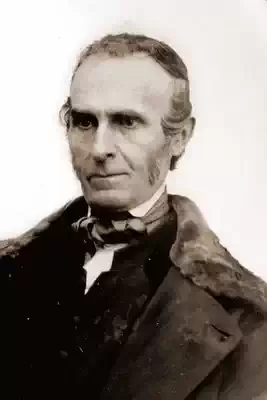
John Greenleaf Whittier
Song Of The Negro Boatman
Song Of The Negro Boatman
Oh, praise an' tanks! De Lord he come
To set de people free;
An' massa tink it day ob doom,
An' we ob jubilee.
De Lord dat heap de Red Sea waves
He jus' as 'trong as den;
He say de word: we las' night slaves;
To-day, de Lord's freemen.
De yam will grow, de cotton blow,
We'll hab de rice an' corn;
Oh nebber you fear, if nebber you hear
De driver blow his horn!
Ole massa on he trabbels gone;
He leaf de land behind:
De Lord's breff blow him furder on,
Like corn-shuck in de wind.
We own de hoe, we own de plough,
We own de hands dat hold;
We sell de pig, we sell de cow,
But nebber chile be sold.
De yam will grow, de cotton blow,
We'll hab de rice an' corn;
Oh nebber you fear, if nebber you hear
De driver blow his horn!
We pray de Lord: he gib us signs
Dat some clay we be free;
De norf-wind tell it to de pines,
De wild-duck to de sea;
We tink it when de church-bell ring,
We dream it in de dream;
De rice-bird mean it when he sing,
De eagle when he scream.
De yam will grow, de cotton blow,
We'll hab de rice an' corn:
Oh nebber you fear, if nebber you hear
De driver blow his horn!
We know de promise nebber fail,
An' nebber lie de word;
So like de 'postles in de jail,
We waited for de Lord
An' now he open ebery door,
An' trow away de key;
He tink we lub him so before,
We lub him better free.
De yam will grow, de cotton blow,
He'll gib de rice an' corn;
Oh nebber you fear, if nebber you hear
De driver blow his horn!
So sing our dusky gondoliers;
And with a secret pain,
And smiles that seem akin to tears,
We hear the wild refrain.
We dare not share the negro's trust,
Nor yet his hope deny;
We only know that God is just,
And every wrong shall die.
Rude seems the song; each swarthy face,
Flame-lighted, ruder still:
We start to think that hapless race
Must shape our good or ill;
That laws of changeless justice bind
Oppressor with oppressed;
And, close as sin and suffering joined,
We march to Fate abreast.
Sing on, poor hearts! your chant shall be
Our sign of blight or bloom,
The Vala-song of Liberty,
Or death-rune of our doom!
Oh, praise an' tanks! De Lord he come
To set de people free;
An' massa tink it day ob doom,
An' we ob jubilee.
De Lord dat heap de Red Sea waves
He jus' as 'trong as den;
He say de word: we las' night slaves;
To-day, de Lord's freemen.
De yam will grow, de cotton blow,
We'll hab de rice an' corn;
Oh nebber you fear, if nebber you hear
De driver blow his horn!
Ole massa on he trabbels gone;
He leaf de land behind:
De Lord's breff blow him furder on,
Like corn-shuck in de wind.
We own de hoe, we own de plough,
We own de hands dat hold;
We sell de pig, we sell de cow,
But nebber chile be sold.
De yam will grow, de cotton blow,
We'll hab de rice an' corn;
Oh nebber you fear, if nebber you hear
De driver blow his horn!
We pray de Lord: he gib us signs
Dat some clay we be free;
De norf-wind tell it to de pines,
De wild-duck to de sea;
We tink it when de church-bell ring,
We dream it in de dream;
De rice-bird mean it when he sing,
De eagle when he scream.
De yam will grow, de cotton blow,
We'll hab de rice an' corn:
Oh nebber you fear, if nebber you hear
De driver blow his horn!
We know de promise nebber fail,
An' nebber lie de word;
So like de 'postles in de jail,
We waited for de Lord
An' now he open ebery door,
An' trow away de key;
He tink we lub him so before,
We lub him better free.
De yam will grow, de cotton blow,
He'll gib de rice an' corn;
Oh nebber you fear, if nebber you hear
De driver blow his horn!
So sing our dusky gondoliers;
And with a secret pain,
And smiles that seem akin to tears,
We hear the wild refrain.
We dare not share the negro's trust,
Nor yet his hope deny;
We only know that God is just,
And every wrong shall die.
Rude seems the song; each swarthy face,
Flame-lighted, ruder still:
We start to think that hapless race
Must shape our good or ill;
That laws of changeless justice bind
Oppressor with oppressed;
And, close as sin and suffering joined,
We march to Fate abreast.
Sing on, poor hearts! your chant shall be
Our sign of blight or bloom,
The Vala-song of Liberty,
Or death-rune of our doom!
322
John Greenleaf Whittier
Song Of The Negro Boatman
Song Of The Negro Boatman
Oh, praise an' tanks! De Lord he come
To set de people free;
An' massa tink it day ob doom,
An' we ob jubilee.
De Lord dat heap de Red Sea waves
He jus' as 'trong as den;
He say de word: we las' night slaves;
To-day, de Lord's freemen.
De yam will grow, de cotton blow,
We'll hab de rice an' corn;
Oh nebber you fear, if nebber you hear
De driver blow his horn!
Ole massa on he trabbels gone;
He leaf de land behind:
De Lord's breff blow him furder on,
Like corn-shuck in de wind.
We own de hoe, we own de plough,
We own de hands dat hold;
We sell de pig, we sell de cow,
But nebber chile be sold.
De yam will grow, de cotton blow,
We'll hab de rice an' corn;
Oh nebber you fear, if nebber you hear
De driver blow his horn!
We pray de Lord: he gib us signs
Dat some clay we be free;
De norf-wind tell it to de pines,
De wild-duck to de sea;
We tink it when de church-bell ring,
We dream it in de dream;
De rice-bird mean it when he sing,
De eagle when he scream.
De yam will grow, de cotton blow,
We'll hab de rice an' corn:
Oh nebber you fear, if nebber you hear
De driver blow his horn!
We know de promise nebber fail,
An' nebber lie de word;
So like de 'postles in de jail,
We waited for de Lord
An' now he open ebery door,
An' trow away de key;
He tink we lub him so before,
We lub him better free.
De yam will grow, de cotton blow,
He'll gib de rice an' corn;
Oh nebber you fear, if nebber you hear
De driver blow his horn!
So sing our dusky gondoliers;
And with a secret pain,
And smiles that seem akin to tears,
We hear the wild refrain.
We dare not share the negro's trust,
Nor yet his hope deny;
We only know that God is just,
And every wrong shall die.
Rude seems the song; each swarthy face,
Flame-lighted, ruder still:
We start to think that hapless race
Must shape our good or ill;
That laws of changeless justice bind
Oppressor with oppressed;
And, close as sin and suffering joined,
We march to Fate abreast.
Sing on, poor hearts! your chant shall be
Our sign of blight or bloom,
The Vala-song of Liberty,
Or death-rune of our doom!
Oh, praise an' tanks! De Lord he come
To set de people free;
An' massa tink it day ob doom,
An' we ob jubilee.
De Lord dat heap de Red Sea waves
He jus' as 'trong as den;
He say de word: we las' night slaves;
To-day, de Lord's freemen.
De yam will grow, de cotton blow,
We'll hab de rice an' corn;
Oh nebber you fear, if nebber you hear
De driver blow his horn!
Ole massa on he trabbels gone;
He leaf de land behind:
De Lord's breff blow him furder on,
Like corn-shuck in de wind.
We own de hoe, we own de plough,
We own de hands dat hold;
We sell de pig, we sell de cow,
But nebber chile be sold.
De yam will grow, de cotton blow,
We'll hab de rice an' corn;
Oh nebber you fear, if nebber you hear
De driver blow his horn!
We pray de Lord: he gib us signs
Dat some clay we be free;
De norf-wind tell it to de pines,
De wild-duck to de sea;
We tink it when de church-bell ring,
We dream it in de dream;
De rice-bird mean it when he sing,
De eagle when he scream.
De yam will grow, de cotton blow,
We'll hab de rice an' corn:
Oh nebber you fear, if nebber you hear
De driver blow his horn!
We know de promise nebber fail,
An' nebber lie de word;
So like de 'postles in de jail,
We waited for de Lord
An' now he open ebery door,
An' trow away de key;
He tink we lub him so before,
We lub him better free.
De yam will grow, de cotton blow,
He'll gib de rice an' corn;
Oh nebber you fear, if nebber you hear
De driver blow his horn!
So sing our dusky gondoliers;
And with a secret pain,
And smiles that seem akin to tears,
We hear the wild refrain.
We dare not share the negro's trust,
Nor yet his hope deny;
We only know that God is just,
And every wrong shall die.
Rude seems the song; each swarthy face,
Flame-lighted, ruder still:
We start to think that hapless race
Must shape our good or ill;
That laws of changeless justice bind
Oppressor with oppressed;
And, close as sin and suffering joined,
We march to Fate abreast.
Sing on, poor hearts! your chant shall be
Our sign of blight or bloom,
The Vala-song of Liberty,
Or death-rune of our doom!
322
John Greenleaf Whittier
Song Of The Negro Boatman
Song Of The Negro Boatman
Oh, praise an' tanks! De Lord he come
To set de people free;
An' massa tink it day ob doom,
An' we ob jubilee.
De Lord dat heap de Red Sea waves
He jus' as 'trong as den;
He say de word: we las' night slaves;
To-day, de Lord's freemen.
De yam will grow, de cotton blow,
We'll hab de rice an' corn;
Oh nebber you fear, if nebber you hear
De driver blow his horn!
Ole massa on he trabbels gone;
He leaf de land behind:
De Lord's breff blow him furder on,
Like corn-shuck in de wind.
We own de hoe, we own de plough,
We own de hands dat hold;
We sell de pig, we sell de cow,
But nebber chile be sold.
De yam will grow, de cotton blow,
We'll hab de rice an' corn;
Oh nebber you fear, if nebber you hear
De driver blow his horn!
We pray de Lord: he gib us signs
Dat some clay we be free;
De norf-wind tell it to de pines,
De wild-duck to de sea;
We tink it when de church-bell ring,
We dream it in de dream;
De rice-bird mean it when he sing,
De eagle when he scream.
De yam will grow, de cotton blow,
We'll hab de rice an' corn:
Oh nebber you fear, if nebber you hear
De driver blow his horn!
We know de promise nebber fail,
An' nebber lie de word;
So like de 'postles in de jail,
We waited for de Lord
An' now he open ebery door,
An' trow away de key;
He tink we lub him so before,
We lub him better free.
De yam will grow, de cotton blow,
He'll gib de rice an' corn;
Oh nebber you fear, if nebber you hear
De driver blow his horn!
So sing our dusky gondoliers;
And with a secret pain,
And smiles that seem akin to tears,
We hear the wild refrain.
We dare not share the negro's trust,
Nor yet his hope deny;
We only know that God is just,
And every wrong shall die.
Rude seems the song; each swarthy face,
Flame-lighted, ruder still:
We start to think that hapless race
Must shape our good or ill;
That laws of changeless justice bind
Oppressor with oppressed;
And, close as sin and suffering joined,
We march to Fate abreast.
Sing on, poor hearts! your chant shall be
Our sign of blight or bloom,
The Vala-song of Liberty,
Or death-rune of our doom!
Oh, praise an' tanks! De Lord he come
To set de people free;
An' massa tink it day ob doom,
An' we ob jubilee.
De Lord dat heap de Red Sea waves
He jus' as 'trong as den;
He say de word: we las' night slaves;
To-day, de Lord's freemen.
De yam will grow, de cotton blow,
We'll hab de rice an' corn;
Oh nebber you fear, if nebber you hear
De driver blow his horn!
Ole massa on he trabbels gone;
He leaf de land behind:
De Lord's breff blow him furder on,
Like corn-shuck in de wind.
We own de hoe, we own de plough,
We own de hands dat hold;
We sell de pig, we sell de cow,
But nebber chile be sold.
De yam will grow, de cotton blow,
We'll hab de rice an' corn;
Oh nebber you fear, if nebber you hear
De driver blow his horn!
We pray de Lord: he gib us signs
Dat some clay we be free;
De norf-wind tell it to de pines,
De wild-duck to de sea;
We tink it when de church-bell ring,
We dream it in de dream;
De rice-bird mean it when he sing,
De eagle when he scream.
De yam will grow, de cotton blow,
We'll hab de rice an' corn:
Oh nebber you fear, if nebber you hear
De driver blow his horn!
We know de promise nebber fail,
An' nebber lie de word;
So like de 'postles in de jail,
We waited for de Lord
An' now he open ebery door,
An' trow away de key;
He tink we lub him so before,
We lub him better free.
De yam will grow, de cotton blow,
He'll gib de rice an' corn;
Oh nebber you fear, if nebber you hear
De driver blow his horn!
So sing our dusky gondoliers;
And with a secret pain,
And smiles that seem akin to tears,
We hear the wild refrain.
We dare not share the negro's trust,
Nor yet his hope deny;
We only know that God is just,
And every wrong shall die.
Rude seems the song; each swarthy face,
Flame-lighted, ruder still:
We start to think that hapless race
Must shape our good or ill;
That laws of changeless justice bind
Oppressor with oppressed;
And, close as sin and suffering joined,
We march to Fate abreast.
Sing on, poor hearts! your chant shall be
Our sign of blight or bloom,
The Vala-song of Liberty,
Or death-rune of our doom!
322
John Greenleaf Whittier
Ritner
Ritner
THANK God for the token! one lip is still free,
One spirit untrammelled, unbending one knee!
Like the oak of the mountain, deep-rooted and firm,
Erect, when the multitude bends to the storm;
When traitors to Freedom, and Honor, and God,
Are bowed at an Idol polluted with blood;
When the recreant North has forgotten her trust,
And the lip of her honor is low in the dust, —
Thank God, that one arm from the shackle has broken!
Thank God, that one man as a freeman has spoken!
O'er thy crags, Alleghany, a blast has been blown!
Down thy tide, Susquehanna, the murmur has gone!
To the land of the South, of the charter and chain,
Of Liberty sweetened with Slavery's pain;
Where the cant of Democracy dwells on the lips
Of the forgers of fetters, and wielders of whips!
Where 'chivalric' honor means really no more
Than scourging of women, and robbing the poor!
Where the Moloch of Slavery sitteth on high,
And the words which he utters, are — Worship, or die!
Right onward, oh, speed it! Wherever the blood
Of the wronged and the guiltless is crying to God;
Wherever a slave in his fetters is pining;
Wherever the lash of the driver is twining;
Wherever from kindred, torn rudely apart,
Comes the sorrowful wail of the broken of heart;
Wherever the shackles of tyranny bind,
In silence and darkness, the God-given mind;
There, God speed it onward! its truth will be felt,
The bonds shall be loosened, the iron shall melt!
And oh, will the land where the free soul of Penn
Still lingers and breathes over mountain and glen;
Will the land where a Benezet's spirit went forth
To the peeled and the meted, and outcast of Earth;
Where the words of the Charter of Liberty first
From the soul of the sage and the patriot burst;
Where first for the wronged and the weak of their kind,
The Christian and statesman their efforts combined;
Will that land of the free and the good wear a chain?
Will the call to the rescue of Freedom be vain?
No, Ritner! her 'Friends' at thy warning shall stand
Erect for the truth, like their ancestral band;
Forgetting the feuds and the strife of past time,
Counting coldness injustice, and silence a crime;
Turning back from the cavil of creeds, to unite
Once again for the poor in defence of the Right;
Breasting calmly, but firmly, the full tide of Wrong,
Overwhelmed, but not borne on its surges along;
Unappalled by the danger, the shame, and the pain,
And counting each trial for Truth as their gain!
And that bold-hearted yeomanry, honest and true,
Who, haters of fraud, give to labor its due;
Whose fathers, of old, sang in concert with thine,
On the banks of Swetara, the songs of the Rhine, —
The German-born pilgrims, who first dared to brave
The scorn of the proud in the cause of the slave;
Will the sons of such men yield the lords of the South
One brow for the brand, for the padlock one mouth?
They cater to tyrants? They rivet the chain,
Which their fathers smote off, on the negro again?
No, never! one voice, like the sound in the cloud,
When the roar of the storm waxes loud and more loud,
Wherever the foot of the freeman hath pressed
From the Delaware's marge to the Lake of the West,
On the South-going breezes shall deepen and grow
Till the land it sweeps over shall tremble below!
The voice of a people, uprisen, awake,
Pennsylvania's watchword, with Freedom at stake,
Thrilling up from each valley, flung down from each height,
'Our Country and Liberty! God for the Right!'
THANK God for the token! one lip is still free,
One spirit untrammelled, unbending one knee!
Like the oak of the mountain, deep-rooted and firm,
Erect, when the multitude bends to the storm;
When traitors to Freedom, and Honor, and God,
Are bowed at an Idol polluted with blood;
When the recreant North has forgotten her trust,
And the lip of her honor is low in the dust, —
Thank God, that one arm from the shackle has broken!
Thank God, that one man as a freeman has spoken!
O'er thy crags, Alleghany, a blast has been blown!
Down thy tide, Susquehanna, the murmur has gone!
To the land of the South, of the charter and chain,
Of Liberty sweetened with Slavery's pain;
Where the cant of Democracy dwells on the lips
Of the forgers of fetters, and wielders of whips!
Where 'chivalric' honor means really no more
Than scourging of women, and robbing the poor!
Where the Moloch of Slavery sitteth on high,
And the words which he utters, are — Worship, or die!
Right onward, oh, speed it! Wherever the blood
Of the wronged and the guiltless is crying to God;
Wherever a slave in his fetters is pining;
Wherever the lash of the driver is twining;
Wherever from kindred, torn rudely apart,
Comes the sorrowful wail of the broken of heart;
Wherever the shackles of tyranny bind,
In silence and darkness, the God-given mind;
There, God speed it onward! its truth will be felt,
The bonds shall be loosened, the iron shall melt!
And oh, will the land where the free soul of Penn
Still lingers and breathes over mountain and glen;
Will the land where a Benezet's spirit went forth
To the peeled and the meted, and outcast of Earth;
Where the words of the Charter of Liberty first
From the soul of the sage and the patriot burst;
Where first for the wronged and the weak of their kind,
The Christian and statesman their efforts combined;
Will that land of the free and the good wear a chain?
Will the call to the rescue of Freedom be vain?
No, Ritner! her 'Friends' at thy warning shall stand
Erect for the truth, like their ancestral band;
Forgetting the feuds and the strife of past time,
Counting coldness injustice, and silence a crime;
Turning back from the cavil of creeds, to unite
Once again for the poor in defence of the Right;
Breasting calmly, but firmly, the full tide of Wrong,
Overwhelmed, but not borne on its surges along;
Unappalled by the danger, the shame, and the pain,
And counting each trial for Truth as their gain!
And that bold-hearted yeomanry, honest and true,
Who, haters of fraud, give to labor its due;
Whose fathers, of old, sang in concert with thine,
On the banks of Swetara, the songs of the Rhine, —
The German-born pilgrims, who first dared to brave
The scorn of the proud in the cause of the slave;
Will the sons of such men yield the lords of the South
One brow for the brand, for the padlock one mouth?
They cater to tyrants? They rivet the chain,
Which their fathers smote off, on the negro again?
No, never! one voice, like the sound in the cloud,
When the roar of the storm waxes loud and more loud,
Wherever the foot of the freeman hath pressed
From the Delaware's marge to the Lake of the West,
On the South-going breezes shall deepen and grow
Till the land it sweeps over shall tremble below!
The voice of a people, uprisen, awake,
Pennsylvania's watchword, with Freedom at stake,
Thrilling up from each valley, flung down from each height,
'Our Country and Liberty! God for the Right!'
357
John Greenleaf Whittier
Ritner
Ritner
THANK God for the token! one lip is still free,
One spirit untrammelled, unbending one knee!
Like the oak of the mountain, deep-rooted and firm,
Erect, when the multitude bends to the storm;
When traitors to Freedom, and Honor, and God,
Are bowed at an Idol polluted with blood;
When the recreant North has forgotten her trust,
And the lip of her honor is low in the dust, —
Thank God, that one arm from the shackle has broken!
Thank God, that one man as a freeman has spoken!
O'er thy crags, Alleghany, a blast has been blown!
Down thy tide, Susquehanna, the murmur has gone!
To the land of the South, of the charter and chain,
Of Liberty sweetened with Slavery's pain;
Where the cant of Democracy dwells on the lips
Of the forgers of fetters, and wielders of whips!
Where 'chivalric' honor means really no more
Than scourging of women, and robbing the poor!
Where the Moloch of Slavery sitteth on high,
And the words which he utters, are — Worship, or die!
Right onward, oh, speed it! Wherever the blood
Of the wronged and the guiltless is crying to God;
Wherever a slave in his fetters is pining;
Wherever the lash of the driver is twining;
Wherever from kindred, torn rudely apart,
Comes the sorrowful wail of the broken of heart;
Wherever the shackles of tyranny bind,
In silence and darkness, the God-given mind;
There, God speed it onward! its truth will be felt,
The bonds shall be loosened, the iron shall melt!
And oh, will the land where the free soul of Penn
Still lingers and breathes over mountain and glen;
Will the land where a Benezet's spirit went forth
To the peeled and the meted, and outcast of Earth;
Where the words of the Charter of Liberty first
From the soul of the sage and the patriot burst;
Where first for the wronged and the weak of their kind,
The Christian and statesman their efforts combined;
Will that land of the free and the good wear a chain?
Will the call to the rescue of Freedom be vain?
No, Ritner! her 'Friends' at thy warning shall stand
Erect for the truth, like their ancestral band;
Forgetting the feuds and the strife of past time,
Counting coldness injustice, and silence a crime;
Turning back from the cavil of creeds, to unite
Once again for the poor in defence of the Right;
Breasting calmly, but firmly, the full tide of Wrong,
Overwhelmed, but not borne on its surges along;
Unappalled by the danger, the shame, and the pain,
And counting each trial for Truth as their gain!
And that bold-hearted yeomanry, honest and true,
Who, haters of fraud, give to labor its due;
Whose fathers, of old, sang in concert with thine,
On the banks of Swetara, the songs of the Rhine, —
The German-born pilgrims, who first dared to brave
The scorn of the proud in the cause of the slave;
Will the sons of such men yield the lords of the South
One brow for the brand, for the padlock one mouth?
They cater to tyrants? They rivet the chain,
Which their fathers smote off, on the negro again?
No, never! one voice, like the sound in the cloud,
When the roar of the storm waxes loud and more loud,
Wherever the foot of the freeman hath pressed
From the Delaware's marge to the Lake of the West,
On the South-going breezes shall deepen and grow
Till the land it sweeps over shall tremble below!
The voice of a people, uprisen, awake,
Pennsylvania's watchword, with Freedom at stake,
Thrilling up from each valley, flung down from each height,
'Our Country and Liberty! God for the Right!'
THANK God for the token! one lip is still free,
One spirit untrammelled, unbending one knee!
Like the oak of the mountain, deep-rooted and firm,
Erect, when the multitude bends to the storm;
When traitors to Freedom, and Honor, and God,
Are bowed at an Idol polluted with blood;
When the recreant North has forgotten her trust,
And the lip of her honor is low in the dust, —
Thank God, that one arm from the shackle has broken!
Thank God, that one man as a freeman has spoken!
O'er thy crags, Alleghany, a blast has been blown!
Down thy tide, Susquehanna, the murmur has gone!
To the land of the South, of the charter and chain,
Of Liberty sweetened with Slavery's pain;
Where the cant of Democracy dwells on the lips
Of the forgers of fetters, and wielders of whips!
Where 'chivalric' honor means really no more
Than scourging of women, and robbing the poor!
Where the Moloch of Slavery sitteth on high,
And the words which he utters, are — Worship, or die!
Right onward, oh, speed it! Wherever the blood
Of the wronged and the guiltless is crying to God;
Wherever a slave in his fetters is pining;
Wherever the lash of the driver is twining;
Wherever from kindred, torn rudely apart,
Comes the sorrowful wail of the broken of heart;
Wherever the shackles of tyranny bind,
In silence and darkness, the God-given mind;
There, God speed it onward! its truth will be felt,
The bonds shall be loosened, the iron shall melt!
And oh, will the land where the free soul of Penn
Still lingers and breathes over mountain and glen;
Will the land where a Benezet's spirit went forth
To the peeled and the meted, and outcast of Earth;
Where the words of the Charter of Liberty first
From the soul of the sage and the patriot burst;
Where first for the wronged and the weak of their kind,
The Christian and statesman their efforts combined;
Will that land of the free and the good wear a chain?
Will the call to the rescue of Freedom be vain?
No, Ritner! her 'Friends' at thy warning shall stand
Erect for the truth, like their ancestral band;
Forgetting the feuds and the strife of past time,
Counting coldness injustice, and silence a crime;
Turning back from the cavil of creeds, to unite
Once again for the poor in defence of the Right;
Breasting calmly, but firmly, the full tide of Wrong,
Overwhelmed, but not borne on its surges along;
Unappalled by the danger, the shame, and the pain,
And counting each trial for Truth as their gain!
And that bold-hearted yeomanry, honest and true,
Who, haters of fraud, give to labor its due;
Whose fathers, of old, sang in concert with thine,
On the banks of Swetara, the songs of the Rhine, —
The German-born pilgrims, who first dared to brave
The scorn of the proud in the cause of the slave;
Will the sons of such men yield the lords of the South
One brow for the brand, for the padlock one mouth?
They cater to tyrants? They rivet the chain,
Which their fathers smote off, on the negro again?
No, never! one voice, like the sound in the cloud,
When the roar of the storm waxes loud and more loud,
Wherever the foot of the freeman hath pressed
From the Delaware's marge to the Lake of the West,
On the South-going breezes shall deepen and grow
Till the land it sweeps over shall tremble below!
The voice of a people, uprisen, awake,
Pennsylvania's watchword, with Freedom at stake,
Thrilling up from each valley, flung down from each height,
'Our Country and Liberty! God for the Right!'
357
John Greenleaf Whittier
Ritner
Ritner
THANK God for the token! one lip is still free,
One spirit untrammelled, unbending one knee!
Like the oak of the mountain, deep-rooted and firm,
Erect, when the multitude bends to the storm;
When traitors to Freedom, and Honor, and God,
Are bowed at an Idol polluted with blood;
When the recreant North has forgotten her trust,
And the lip of her honor is low in the dust, —
Thank God, that one arm from the shackle has broken!
Thank God, that one man as a freeman has spoken!
O'er thy crags, Alleghany, a blast has been blown!
Down thy tide, Susquehanna, the murmur has gone!
To the land of the South, of the charter and chain,
Of Liberty sweetened with Slavery's pain;
Where the cant of Democracy dwells on the lips
Of the forgers of fetters, and wielders of whips!
Where 'chivalric' honor means really no more
Than scourging of women, and robbing the poor!
Where the Moloch of Slavery sitteth on high,
And the words which he utters, are — Worship, or die!
Right onward, oh, speed it! Wherever the blood
Of the wronged and the guiltless is crying to God;
Wherever a slave in his fetters is pining;
Wherever the lash of the driver is twining;
Wherever from kindred, torn rudely apart,
Comes the sorrowful wail of the broken of heart;
Wherever the shackles of tyranny bind,
In silence and darkness, the God-given mind;
There, God speed it onward! its truth will be felt,
The bonds shall be loosened, the iron shall melt!
And oh, will the land where the free soul of Penn
Still lingers and breathes over mountain and glen;
Will the land where a Benezet's spirit went forth
To the peeled and the meted, and outcast of Earth;
Where the words of the Charter of Liberty first
From the soul of the sage and the patriot burst;
Where first for the wronged and the weak of their kind,
The Christian and statesman their efforts combined;
Will that land of the free and the good wear a chain?
Will the call to the rescue of Freedom be vain?
No, Ritner! her 'Friends' at thy warning shall stand
Erect for the truth, like their ancestral band;
Forgetting the feuds and the strife of past time,
Counting coldness injustice, and silence a crime;
Turning back from the cavil of creeds, to unite
Once again for the poor in defence of the Right;
Breasting calmly, but firmly, the full tide of Wrong,
Overwhelmed, but not borne on its surges along;
Unappalled by the danger, the shame, and the pain,
And counting each trial for Truth as their gain!
And that bold-hearted yeomanry, honest and true,
Who, haters of fraud, give to labor its due;
Whose fathers, of old, sang in concert with thine,
On the banks of Swetara, the songs of the Rhine, —
The German-born pilgrims, who first dared to brave
The scorn of the proud in the cause of the slave;
Will the sons of such men yield the lords of the South
One brow for the brand, for the padlock one mouth?
They cater to tyrants? They rivet the chain,
Which their fathers smote off, on the negro again?
No, never! one voice, like the sound in the cloud,
When the roar of the storm waxes loud and more loud,
Wherever the foot of the freeman hath pressed
From the Delaware's marge to the Lake of the West,
On the South-going breezes shall deepen and grow
Till the land it sweeps over shall tremble below!
The voice of a people, uprisen, awake,
Pennsylvania's watchword, with Freedom at stake,
Thrilling up from each valley, flung down from each height,
'Our Country and Liberty! God for the Right!'
THANK God for the token! one lip is still free,
One spirit untrammelled, unbending one knee!
Like the oak of the mountain, deep-rooted and firm,
Erect, when the multitude bends to the storm;
When traitors to Freedom, and Honor, and God,
Are bowed at an Idol polluted with blood;
When the recreant North has forgotten her trust,
And the lip of her honor is low in the dust, —
Thank God, that one arm from the shackle has broken!
Thank God, that one man as a freeman has spoken!
O'er thy crags, Alleghany, a blast has been blown!
Down thy tide, Susquehanna, the murmur has gone!
To the land of the South, of the charter and chain,
Of Liberty sweetened with Slavery's pain;
Where the cant of Democracy dwells on the lips
Of the forgers of fetters, and wielders of whips!
Where 'chivalric' honor means really no more
Than scourging of women, and robbing the poor!
Where the Moloch of Slavery sitteth on high,
And the words which he utters, are — Worship, or die!
Right onward, oh, speed it! Wherever the blood
Of the wronged and the guiltless is crying to God;
Wherever a slave in his fetters is pining;
Wherever the lash of the driver is twining;
Wherever from kindred, torn rudely apart,
Comes the sorrowful wail of the broken of heart;
Wherever the shackles of tyranny bind,
In silence and darkness, the God-given mind;
There, God speed it onward! its truth will be felt,
The bonds shall be loosened, the iron shall melt!
And oh, will the land where the free soul of Penn
Still lingers and breathes over mountain and glen;
Will the land where a Benezet's spirit went forth
To the peeled and the meted, and outcast of Earth;
Where the words of the Charter of Liberty first
From the soul of the sage and the patriot burst;
Where first for the wronged and the weak of their kind,
The Christian and statesman their efforts combined;
Will that land of the free and the good wear a chain?
Will the call to the rescue of Freedom be vain?
No, Ritner! her 'Friends' at thy warning shall stand
Erect for the truth, like their ancestral band;
Forgetting the feuds and the strife of past time,
Counting coldness injustice, and silence a crime;
Turning back from the cavil of creeds, to unite
Once again for the poor in defence of the Right;
Breasting calmly, but firmly, the full tide of Wrong,
Overwhelmed, but not borne on its surges along;
Unappalled by the danger, the shame, and the pain,
And counting each trial for Truth as their gain!
And that bold-hearted yeomanry, honest and true,
Who, haters of fraud, give to labor its due;
Whose fathers, of old, sang in concert with thine,
On the banks of Swetara, the songs of the Rhine, —
The German-born pilgrims, who first dared to brave
The scorn of the proud in the cause of the slave;
Will the sons of such men yield the lords of the South
One brow for the brand, for the padlock one mouth?
They cater to tyrants? They rivet the chain,
Which their fathers smote off, on the negro again?
No, never! one voice, like the sound in the cloud,
When the roar of the storm waxes loud and more loud,
Wherever the foot of the freeman hath pressed
From the Delaware's marge to the Lake of the West,
On the South-going breezes shall deepen and grow
Till the land it sweeps over shall tremble below!
The voice of a people, uprisen, awake,
Pennsylvania's watchword, with Freedom at stake,
Thrilling up from each valley, flung down from each height,
'Our Country and Liberty! God for the Right!'
357
John Greenleaf Whittier
Ritner
Ritner
THANK God for the token! one lip is still free,
One spirit untrammelled, unbending one knee!
Like the oak of the mountain, deep-rooted and firm,
Erect, when the multitude bends to the storm;
When traitors to Freedom, and Honor, and God,
Are bowed at an Idol polluted with blood;
When the recreant North has forgotten her trust,
And the lip of her honor is low in the dust, —
Thank God, that one arm from the shackle has broken!
Thank God, that one man as a freeman has spoken!
O'er thy crags, Alleghany, a blast has been blown!
Down thy tide, Susquehanna, the murmur has gone!
To the land of the South, of the charter and chain,
Of Liberty sweetened with Slavery's pain;
Where the cant of Democracy dwells on the lips
Of the forgers of fetters, and wielders of whips!
Where 'chivalric' honor means really no more
Than scourging of women, and robbing the poor!
Where the Moloch of Slavery sitteth on high,
And the words which he utters, are — Worship, or die!
Right onward, oh, speed it! Wherever the blood
Of the wronged and the guiltless is crying to God;
Wherever a slave in his fetters is pining;
Wherever the lash of the driver is twining;
Wherever from kindred, torn rudely apart,
Comes the sorrowful wail of the broken of heart;
Wherever the shackles of tyranny bind,
In silence and darkness, the God-given mind;
There, God speed it onward! its truth will be felt,
The bonds shall be loosened, the iron shall melt!
And oh, will the land where the free soul of Penn
Still lingers and breathes over mountain and glen;
Will the land where a Benezet's spirit went forth
To the peeled and the meted, and outcast of Earth;
Where the words of the Charter of Liberty first
From the soul of the sage and the patriot burst;
Where first for the wronged and the weak of their kind,
The Christian and statesman their efforts combined;
Will that land of the free and the good wear a chain?
Will the call to the rescue of Freedom be vain?
No, Ritner! her 'Friends' at thy warning shall stand
Erect for the truth, like their ancestral band;
Forgetting the feuds and the strife of past time,
Counting coldness injustice, and silence a crime;
Turning back from the cavil of creeds, to unite
Once again for the poor in defence of the Right;
Breasting calmly, but firmly, the full tide of Wrong,
Overwhelmed, but not borne on its surges along;
Unappalled by the danger, the shame, and the pain,
And counting each trial for Truth as their gain!
And that bold-hearted yeomanry, honest and true,
Who, haters of fraud, give to labor its due;
Whose fathers, of old, sang in concert with thine,
On the banks of Swetara, the songs of the Rhine, —
The German-born pilgrims, who first dared to brave
The scorn of the proud in the cause of the slave;
Will the sons of such men yield the lords of the South
One brow for the brand, for the padlock one mouth?
They cater to tyrants? They rivet the chain,
Which their fathers smote off, on the negro again?
No, never! one voice, like the sound in the cloud,
When the roar of the storm waxes loud and more loud,
Wherever the foot of the freeman hath pressed
From the Delaware's marge to the Lake of the West,
On the South-going breezes shall deepen and grow
Till the land it sweeps over shall tremble below!
The voice of a people, uprisen, awake,
Pennsylvania's watchword, with Freedom at stake,
Thrilling up from each valley, flung down from each height,
'Our Country and Liberty! God for the Right!'
THANK God for the token! one lip is still free,
One spirit untrammelled, unbending one knee!
Like the oak of the mountain, deep-rooted and firm,
Erect, when the multitude bends to the storm;
When traitors to Freedom, and Honor, and God,
Are bowed at an Idol polluted with blood;
When the recreant North has forgotten her trust,
And the lip of her honor is low in the dust, —
Thank God, that one arm from the shackle has broken!
Thank God, that one man as a freeman has spoken!
O'er thy crags, Alleghany, a blast has been blown!
Down thy tide, Susquehanna, the murmur has gone!
To the land of the South, of the charter and chain,
Of Liberty sweetened with Slavery's pain;
Where the cant of Democracy dwells on the lips
Of the forgers of fetters, and wielders of whips!
Where 'chivalric' honor means really no more
Than scourging of women, and robbing the poor!
Where the Moloch of Slavery sitteth on high,
And the words which he utters, are — Worship, or die!
Right onward, oh, speed it! Wherever the blood
Of the wronged and the guiltless is crying to God;
Wherever a slave in his fetters is pining;
Wherever the lash of the driver is twining;
Wherever from kindred, torn rudely apart,
Comes the sorrowful wail of the broken of heart;
Wherever the shackles of tyranny bind,
In silence and darkness, the God-given mind;
There, God speed it onward! its truth will be felt,
The bonds shall be loosened, the iron shall melt!
And oh, will the land where the free soul of Penn
Still lingers and breathes over mountain and glen;
Will the land where a Benezet's spirit went forth
To the peeled and the meted, and outcast of Earth;
Where the words of the Charter of Liberty first
From the soul of the sage and the patriot burst;
Where first for the wronged and the weak of their kind,
The Christian and statesman their efforts combined;
Will that land of the free and the good wear a chain?
Will the call to the rescue of Freedom be vain?
No, Ritner! her 'Friends' at thy warning shall stand
Erect for the truth, like their ancestral band;
Forgetting the feuds and the strife of past time,
Counting coldness injustice, and silence a crime;
Turning back from the cavil of creeds, to unite
Once again for the poor in defence of the Right;
Breasting calmly, but firmly, the full tide of Wrong,
Overwhelmed, but not borne on its surges along;
Unappalled by the danger, the shame, and the pain,
And counting each trial for Truth as their gain!
And that bold-hearted yeomanry, honest and true,
Who, haters of fraud, give to labor its due;
Whose fathers, of old, sang in concert with thine,
On the banks of Swetara, the songs of the Rhine, —
The German-born pilgrims, who first dared to brave
The scorn of the proud in the cause of the slave;
Will the sons of such men yield the lords of the South
One brow for the brand, for the padlock one mouth?
They cater to tyrants? They rivet the chain,
Which their fathers smote off, on the negro again?
No, never! one voice, like the sound in the cloud,
When the roar of the storm waxes loud and more loud,
Wherever the foot of the freeman hath pressed
From the Delaware's marge to the Lake of the West,
On the South-going breezes shall deepen and grow
Till the land it sweeps over shall tremble below!
The voice of a people, uprisen, awake,
Pennsylvania's watchword, with Freedom at stake,
Thrilling up from each valley, flung down from each height,
'Our Country and Liberty! God for the Right!'
357
John Greenleaf Whittier
Ritner
Ritner
THANK God for the token! one lip is still free,
One spirit untrammelled, unbending one knee!
Like the oak of the mountain, deep-rooted and firm,
Erect, when the multitude bends to the storm;
When traitors to Freedom, and Honor, and God,
Are bowed at an Idol polluted with blood;
When the recreant North has forgotten her trust,
And the lip of her honor is low in the dust, —
Thank God, that one arm from the shackle has broken!
Thank God, that one man as a freeman has spoken!
O'er thy crags, Alleghany, a blast has been blown!
Down thy tide, Susquehanna, the murmur has gone!
To the land of the South, of the charter and chain,
Of Liberty sweetened with Slavery's pain;
Where the cant of Democracy dwells on the lips
Of the forgers of fetters, and wielders of whips!
Where 'chivalric' honor means really no more
Than scourging of women, and robbing the poor!
Where the Moloch of Slavery sitteth on high,
And the words which he utters, are — Worship, or die!
Right onward, oh, speed it! Wherever the blood
Of the wronged and the guiltless is crying to God;
Wherever a slave in his fetters is pining;
Wherever the lash of the driver is twining;
Wherever from kindred, torn rudely apart,
Comes the sorrowful wail of the broken of heart;
Wherever the shackles of tyranny bind,
In silence and darkness, the God-given mind;
There, God speed it onward! its truth will be felt,
The bonds shall be loosened, the iron shall melt!
And oh, will the land where the free soul of Penn
Still lingers and breathes over mountain and glen;
Will the land where a Benezet's spirit went forth
To the peeled and the meted, and outcast of Earth;
Where the words of the Charter of Liberty first
From the soul of the sage and the patriot burst;
Where first for the wronged and the weak of their kind,
The Christian and statesman their efforts combined;
Will that land of the free and the good wear a chain?
Will the call to the rescue of Freedom be vain?
No, Ritner! her 'Friends' at thy warning shall stand
Erect for the truth, like their ancestral band;
Forgetting the feuds and the strife of past time,
Counting coldness injustice, and silence a crime;
Turning back from the cavil of creeds, to unite
Once again for the poor in defence of the Right;
Breasting calmly, but firmly, the full tide of Wrong,
Overwhelmed, but not borne on its surges along;
Unappalled by the danger, the shame, and the pain,
And counting each trial for Truth as their gain!
And that bold-hearted yeomanry, honest and true,
Who, haters of fraud, give to labor its due;
Whose fathers, of old, sang in concert with thine,
On the banks of Swetara, the songs of the Rhine, —
The German-born pilgrims, who first dared to brave
The scorn of the proud in the cause of the slave;
Will the sons of such men yield the lords of the South
One brow for the brand, for the padlock one mouth?
They cater to tyrants? They rivet the chain,
Which their fathers smote off, on the negro again?
No, never! one voice, like the sound in the cloud,
When the roar of the storm waxes loud and more loud,
Wherever the foot of the freeman hath pressed
From the Delaware's marge to the Lake of the West,
On the South-going breezes shall deepen and grow
Till the land it sweeps over shall tremble below!
The voice of a people, uprisen, awake,
Pennsylvania's watchword, with Freedom at stake,
Thrilling up from each valley, flung down from each height,
'Our Country and Liberty! God for the Right!'
THANK God for the token! one lip is still free,
One spirit untrammelled, unbending one knee!
Like the oak of the mountain, deep-rooted and firm,
Erect, when the multitude bends to the storm;
When traitors to Freedom, and Honor, and God,
Are bowed at an Idol polluted with blood;
When the recreant North has forgotten her trust,
And the lip of her honor is low in the dust, —
Thank God, that one arm from the shackle has broken!
Thank God, that one man as a freeman has spoken!
O'er thy crags, Alleghany, a blast has been blown!
Down thy tide, Susquehanna, the murmur has gone!
To the land of the South, of the charter and chain,
Of Liberty sweetened with Slavery's pain;
Where the cant of Democracy dwells on the lips
Of the forgers of fetters, and wielders of whips!
Where 'chivalric' honor means really no more
Than scourging of women, and robbing the poor!
Where the Moloch of Slavery sitteth on high,
And the words which he utters, are — Worship, or die!
Right onward, oh, speed it! Wherever the blood
Of the wronged and the guiltless is crying to God;
Wherever a slave in his fetters is pining;
Wherever the lash of the driver is twining;
Wherever from kindred, torn rudely apart,
Comes the sorrowful wail of the broken of heart;
Wherever the shackles of tyranny bind,
In silence and darkness, the God-given mind;
There, God speed it onward! its truth will be felt,
The bonds shall be loosened, the iron shall melt!
And oh, will the land where the free soul of Penn
Still lingers and breathes over mountain and glen;
Will the land where a Benezet's spirit went forth
To the peeled and the meted, and outcast of Earth;
Where the words of the Charter of Liberty first
From the soul of the sage and the patriot burst;
Where first for the wronged and the weak of their kind,
The Christian and statesman their efforts combined;
Will that land of the free and the good wear a chain?
Will the call to the rescue of Freedom be vain?
No, Ritner! her 'Friends' at thy warning shall stand
Erect for the truth, like their ancestral band;
Forgetting the feuds and the strife of past time,
Counting coldness injustice, and silence a crime;
Turning back from the cavil of creeds, to unite
Once again for the poor in defence of the Right;
Breasting calmly, but firmly, the full tide of Wrong,
Overwhelmed, but not borne on its surges along;
Unappalled by the danger, the shame, and the pain,
And counting each trial for Truth as their gain!
And that bold-hearted yeomanry, honest and true,
Who, haters of fraud, give to labor its due;
Whose fathers, of old, sang in concert with thine,
On the banks of Swetara, the songs of the Rhine, —
The German-born pilgrims, who first dared to brave
The scorn of the proud in the cause of the slave;
Will the sons of such men yield the lords of the South
One brow for the brand, for the padlock one mouth?
They cater to tyrants? They rivet the chain,
Which their fathers smote off, on the negro again?
No, never! one voice, like the sound in the cloud,
When the roar of the storm waxes loud and more loud,
Wherever the foot of the freeman hath pressed
From the Delaware's marge to the Lake of the West,
On the South-going breezes shall deepen and grow
Till the land it sweeps over shall tremble below!
The voice of a people, uprisen, awake,
Pennsylvania's watchword, with Freedom at stake,
Thrilling up from each valley, flung down from each height,
'Our Country and Liberty! God for the Right!'
357
John Greenleaf Whittier
Seed-Time And Harvest
Seed-Time And Harvest
As o'er his furrowed fields which lie
Beneath a coldly dropping sky,
Yet chill with winter's melted snow,
The husbandman goes forth to sow,
Thus, Freedom, on the bitter blast
The ventures of thy seed we cast,
And trust to warmer sun and rain
To swell the germs and fill the grain.
Who calls thy glorious service hard?
Who deems it not its own reward?
Who, for its trials, counts it less
A cause of praise and thankfulness?
It may not be our lot to wield
The sickle in the ripened field;
Nor ours to hear, on summer eves,
The reaper's song among the sheaves.
Yet where our duty's task is wrought
In unison with God's great thought,
The near and future blend in one,
And whatsoe'er is willed, is done!
And ours the grateful service whence
Comes day by day the recompense;
The hope, the trust, the purpose stayed,
The fountain and the noonday shade.
And were this life the utmost span,
The only end and aim of man,
Better the toil of fields like these
Than waking dream and slothful ease.
But life, though falling like our grain,
Like that revives and springs again;
And, early called, how blest are they
Who wait in heaven their harvest-day!
As o'er his furrowed fields which lie
Beneath a coldly dropping sky,
Yet chill with winter's melted snow,
The husbandman goes forth to sow,
Thus, Freedom, on the bitter blast
The ventures of thy seed we cast,
And trust to warmer sun and rain
To swell the germs and fill the grain.
Who calls thy glorious service hard?
Who deems it not its own reward?
Who, for its trials, counts it less
A cause of praise and thankfulness?
It may not be our lot to wield
The sickle in the ripened field;
Nor ours to hear, on summer eves,
The reaper's song among the sheaves.
Yet where our duty's task is wrought
In unison with God's great thought,
The near and future blend in one,
And whatsoe'er is willed, is done!
And ours the grateful service whence
Comes day by day the recompense;
The hope, the trust, the purpose stayed,
The fountain and the noonday shade.
And were this life the utmost span,
The only end and aim of man,
Better the toil of fields like these
Than waking dream and slothful ease.
But life, though falling like our grain,
Like that revives and springs again;
And, early called, how blest are they
Who wait in heaven their harvest-day!
302
John Greenleaf Whittier
Requital
Requital
As Islam's Prophet, when his last day drew
Nigh to its close, besought all men to say
Whom he had wronged, to whom he then should pay
A debt forgotten, or for pardon sue,
And, through the silence of his weeping friends,
A strange voice cried: 'Thou owest me a debt,'
'Allah be praised!' he answered. 'Even yet
He gives me power to make to thee amends.
O friend! I thank thee for thy timely word.'
So runs the tale. Its lesson all may heed,
For all have sinned in thought, or word, or deed,
Or, like the Prophet, through neglect have erred.
All need forgiveness, all have debts to pay
Ere the night cometh, while it still is day.
As Islam's Prophet, when his last day drew
Nigh to its close, besought all men to say
Whom he had wronged, to whom he then should pay
A debt forgotten, or for pardon sue,
And, through the silence of his weeping friends,
A strange voice cried: 'Thou owest me a debt,'
'Allah be praised!' he answered. 'Even yet
He gives me power to make to thee amends.
O friend! I thank thee for thy timely word.'
So runs the tale. Its lesson all may heed,
For all have sinned in thought, or word, or deed,
Or, like the Prophet, through neglect have erred.
All need forgiveness, all have debts to pay
Ere the night cometh, while it still is day.
335
John Greenleaf Whittier
Randolph Of Roanoke
Randolph Of Roanoke
O Mother Earth! upon thy lap
Thy weary ones receiving,
And o'er them, silent as a dream,
Thy grassy mantle weaving,
Fold softly in thy long embrace
That heart so worn and broken,
And cool its pulse of fire beneath
Thy shadows old and oaken.
Shut out from him the bitter word
And serpent hiss of scorning;
Nor let the storms of yesterday
Disturb his quiet morning.
Breathe over him forgetfulness
Of all save deeds of kindness,
And, save to smiles of grateful eyes,
Press down his lids in blindness.
There, where with living ear and eye
He heard Potomac's flowing,
And, through his tall ancestral trees,
Saw autumn's sunset glowing,
He sleeps, still looking to the west,
Beneath the dark wood shadow,
As if he still would see the sun
Sink down on wave and meadow.
Bard, Sage, and Tribune! in himself
All moods of mind contrasting, The
tenderest wail of human woe,
The scorn like lightning blasting;
The pathos which from rival eyes
Unwilling tears could summon,
The stinging taunt, the fiery burst
Of hatred scarcely human!
Mirth, sparkling like a diamond shower,
From lips of life-long sadness;
Clear picturings of majestic thought
Upon a ground of madness;
And over all Romance and Song
A classic beauty throwing,
And laurelled Clio at his side
Her storied pages showing.
All parties feared him: each in turn
Beheld its schemes disjointed,
As right or left his fatal glance
And spectral finger pointed.
Sworn foe of Cant, he smote it down
With trenchant wit unsparing,
And, mocking, rent with ruthless hand
The robe Pretence was wearing.
Too honest or too proud to feign
A love he never cherished,
Beyond Virginia's border line
His patriotism perished.
While others hailed in distant skies
Our eagle's dusky pinion,
He only saw the mountain bird
Stoop o'er his Old Dominion!
Still through each change of fortune strange
Racked nerve, and brain all burning,
His loving faith in Mother-land
Knew never shade of turning;
By Britain's lakes, by Neva's tide,
Whatever sky was o'er him,
He heard her rivers' rushing sound,
Her blue peaks rose before him.
He held his slaves, yet made withal
No false and vain pretences,
Nor paid a lying priest to seek
For Scriptural defences.
His harshest words of proud rebuke,
His bitterest taunt and scorning,
Fell fire-like on the Northern brow
That bent to him in fawning.
He held his slaves; yet kept the while
His reverence for the Human;
In the dark vassals of his will
He saw but Man and Woman!
No hunter of God's outraged poor
His Roanoke valley entered;
No trader in the souls of men
Across his threshold ventured.
And when the old and wearied man
Lay down for his last sleeping,
And at his side, a slave no more,
His brother-man stood weeping,
His latest thought, his latest breath,
To Freedom's duty giving,
With failing tongue and trembling hand
The dying blest the living.
Oh, never bore his ancient State
A truer son or braver!
None trampling with a calmer scorn
On foreign hate or favor.
He knew her faults, yet never stooped
His proud and manly feeling
To poor excuses of the wrong
Or meanness of concealing.
But none beheld with clearer eye
The plague-spot o'er her spreading
None heard more sure the steps of Doom
Along her future treading.
For her as for himself he spake,
When, his gaunt frame upbracing,
He traced with dying hand 'Remorse!'
And perished in the tracing.
As from the grave where Henry sleeps,
From Vernon's weeping willow,
And from the grassy pall which hides
The Sage of Monticello,
So from the leaf-strewn burial-stone
Of Randolph's lowly dwelling,
Virginia! o'er thy land of slaves
A warning voice is swelling!
And hark! from thy deserted fields
Are sadder warnings spoken,
From quenched hearths, where thy exiled sons
Their household gods have broken.
The curse is on thee, - wolves for men,
And briers for corn-sheaves giving!
Oh, more than all thy dead renown
Were now one hero living!
O Mother Earth! upon thy lap
Thy weary ones receiving,
And o'er them, silent as a dream,
Thy grassy mantle weaving,
Fold softly in thy long embrace
That heart so worn and broken,
And cool its pulse of fire beneath
Thy shadows old and oaken.
Shut out from him the bitter word
And serpent hiss of scorning;
Nor let the storms of yesterday
Disturb his quiet morning.
Breathe over him forgetfulness
Of all save deeds of kindness,
And, save to smiles of grateful eyes,
Press down his lids in blindness.
There, where with living ear and eye
He heard Potomac's flowing,
And, through his tall ancestral trees,
Saw autumn's sunset glowing,
He sleeps, still looking to the west,
Beneath the dark wood shadow,
As if he still would see the sun
Sink down on wave and meadow.
Bard, Sage, and Tribune! in himself
All moods of mind contrasting, The
tenderest wail of human woe,
The scorn like lightning blasting;
The pathos which from rival eyes
Unwilling tears could summon,
The stinging taunt, the fiery burst
Of hatred scarcely human!
Mirth, sparkling like a diamond shower,
From lips of life-long sadness;
Clear picturings of majestic thought
Upon a ground of madness;
And over all Romance and Song
A classic beauty throwing,
And laurelled Clio at his side
Her storied pages showing.
All parties feared him: each in turn
Beheld its schemes disjointed,
As right or left his fatal glance
And spectral finger pointed.
Sworn foe of Cant, he smote it down
With trenchant wit unsparing,
And, mocking, rent with ruthless hand
The robe Pretence was wearing.
Too honest or too proud to feign
A love he never cherished,
Beyond Virginia's border line
His patriotism perished.
While others hailed in distant skies
Our eagle's dusky pinion,
He only saw the mountain bird
Stoop o'er his Old Dominion!
Still through each change of fortune strange
Racked nerve, and brain all burning,
His loving faith in Mother-land
Knew never shade of turning;
By Britain's lakes, by Neva's tide,
Whatever sky was o'er him,
He heard her rivers' rushing sound,
Her blue peaks rose before him.
He held his slaves, yet made withal
No false and vain pretences,
Nor paid a lying priest to seek
For Scriptural defences.
His harshest words of proud rebuke,
His bitterest taunt and scorning,
Fell fire-like on the Northern brow
That bent to him in fawning.
He held his slaves; yet kept the while
His reverence for the Human;
In the dark vassals of his will
He saw but Man and Woman!
No hunter of God's outraged poor
His Roanoke valley entered;
No trader in the souls of men
Across his threshold ventured.
And when the old and wearied man
Lay down for his last sleeping,
And at his side, a slave no more,
His brother-man stood weeping,
His latest thought, his latest breath,
To Freedom's duty giving,
With failing tongue and trembling hand
The dying blest the living.
Oh, never bore his ancient State
A truer son or braver!
None trampling with a calmer scorn
On foreign hate or favor.
He knew her faults, yet never stooped
His proud and manly feeling
To poor excuses of the wrong
Or meanness of concealing.
But none beheld with clearer eye
The plague-spot o'er her spreading
None heard more sure the steps of Doom
Along her future treading.
For her as for himself he spake,
When, his gaunt frame upbracing,
He traced with dying hand 'Remorse!'
And perished in the tracing.
As from the grave where Henry sleeps,
From Vernon's weeping willow,
And from the grassy pall which hides
The Sage of Monticello,
So from the leaf-strewn burial-stone
Of Randolph's lowly dwelling,
Virginia! o'er thy land of slaves
A warning voice is swelling!
And hark! from thy deserted fields
Are sadder warnings spoken,
From quenched hearths, where thy exiled sons
Their household gods have broken.
The curse is on thee, - wolves for men,
And briers for corn-sheaves giving!
Oh, more than all thy dead renown
Were now one hero living!
293
John Greenleaf Whittier
Randolph Of Roanoke
Randolph Of Roanoke
O Mother Earth! upon thy lap
Thy weary ones receiving,
And o'er them, silent as a dream,
Thy grassy mantle weaving,
Fold softly in thy long embrace
That heart so worn and broken,
And cool its pulse of fire beneath
Thy shadows old and oaken.
Shut out from him the bitter word
And serpent hiss of scorning;
Nor let the storms of yesterday
Disturb his quiet morning.
Breathe over him forgetfulness
Of all save deeds of kindness,
And, save to smiles of grateful eyes,
Press down his lids in blindness.
There, where with living ear and eye
He heard Potomac's flowing,
And, through his tall ancestral trees,
Saw autumn's sunset glowing,
He sleeps, still looking to the west,
Beneath the dark wood shadow,
As if he still would see the sun
Sink down on wave and meadow.
Bard, Sage, and Tribune! in himself
All moods of mind contrasting, The
tenderest wail of human woe,
The scorn like lightning blasting;
The pathos which from rival eyes
Unwilling tears could summon,
The stinging taunt, the fiery burst
Of hatred scarcely human!
Mirth, sparkling like a diamond shower,
From lips of life-long sadness;
Clear picturings of majestic thought
Upon a ground of madness;
And over all Romance and Song
A classic beauty throwing,
And laurelled Clio at his side
Her storied pages showing.
All parties feared him: each in turn
Beheld its schemes disjointed,
As right or left his fatal glance
And spectral finger pointed.
Sworn foe of Cant, he smote it down
With trenchant wit unsparing,
And, mocking, rent with ruthless hand
The robe Pretence was wearing.
Too honest or too proud to feign
A love he never cherished,
Beyond Virginia's border line
His patriotism perished.
While others hailed in distant skies
Our eagle's dusky pinion,
He only saw the mountain bird
Stoop o'er his Old Dominion!
Still through each change of fortune strange
Racked nerve, and brain all burning,
His loving faith in Mother-land
Knew never shade of turning;
By Britain's lakes, by Neva's tide,
Whatever sky was o'er him,
He heard her rivers' rushing sound,
Her blue peaks rose before him.
He held his slaves, yet made withal
No false and vain pretences,
Nor paid a lying priest to seek
For Scriptural defences.
His harshest words of proud rebuke,
His bitterest taunt and scorning,
Fell fire-like on the Northern brow
That bent to him in fawning.
He held his slaves; yet kept the while
His reverence for the Human;
In the dark vassals of his will
He saw but Man and Woman!
No hunter of God's outraged poor
His Roanoke valley entered;
No trader in the souls of men
Across his threshold ventured.
And when the old and wearied man
Lay down for his last sleeping,
And at his side, a slave no more,
His brother-man stood weeping,
His latest thought, his latest breath,
To Freedom's duty giving,
With failing tongue and trembling hand
The dying blest the living.
Oh, never bore his ancient State
A truer son or braver!
None trampling with a calmer scorn
On foreign hate or favor.
He knew her faults, yet never stooped
His proud and manly feeling
To poor excuses of the wrong
Or meanness of concealing.
But none beheld with clearer eye
The plague-spot o'er her spreading
None heard more sure the steps of Doom
Along her future treading.
For her as for himself he spake,
When, his gaunt frame upbracing,
He traced with dying hand 'Remorse!'
And perished in the tracing.
As from the grave where Henry sleeps,
From Vernon's weeping willow,
And from the grassy pall which hides
The Sage of Monticello,
So from the leaf-strewn burial-stone
Of Randolph's lowly dwelling,
Virginia! o'er thy land of slaves
A warning voice is swelling!
And hark! from thy deserted fields
Are sadder warnings spoken,
From quenched hearths, where thy exiled sons
Their household gods have broken.
The curse is on thee, - wolves for men,
And briers for corn-sheaves giving!
Oh, more than all thy dead renown
Were now one hero living!
O Mother Earth! upon thy lap
Thy weary ones receiving,
And o'er them, silent as a dream,
Thy grassy mantle weaving,
Fold softly in thy long embrace
That heart so worn and broken,
And cool its pulse of fire beneath
Thy shadows old and oaken.
Shut out from him the bitter word
And serpent hiss of scorning;
Nor let the storms of yesterday
Disturb his quiet morning.
Breathe over him forgetfulness
Of all save deeds of kindness,
And, save to smiles of grateful eyes,
Press down his lids in blindness.
There, where with living ear and eye
He heard Potomac's flowing,
And, through his tall ancestral trees,
Saw autumn's sunset glowing,
He sleeps, still looking to the west,
Beneath the dark wood shadow,
As if he still would see the sun
Sink down on wave and meadow.
Bard, Sage, and Tribune! in himself
All moods of mind contrasting, The
tenderest wail of human woe,
The scorn like lightning blasting;
The pathos which from rival eyes
Unwilling tears could summon,
The stinging taunt, the fiery burst
Of hatred scarcely human!
Mirth, sparkling like a diamond shower,
From lips of life-long sadness;
Clear picturings of majestic thought
Upon a ground of madness;
And over all Romance and Song
A classic beauty throwing,
And laurelled Clio at his side
Her storied pages showing.
All parties feared him: each in turn
Beheld its schemes disjointed,
As right or left his fatal glance
And spectral finger pointed.
Sworn foe of Cant, he smote it down
With trenchant wit unsparing,
And, mocking, rent with ruthless hand
The robe Pretence was wearing.
Too honest or too proud to feign
A love he never cherished,
Beyond Virginia's border line
His patriotism perished.
While others hailed in distant skies
Our eagle's dusky pinion,
He only saw the mountain bird
Stoop o'er his Old Dominion!
Still through each change of fortune strange
Racked nerve, and brain all burning,
His loving faith in Mother-land
Knew never shade of turning;
By Britain's lakes, by Neva's tide,
Whatever sky was o'er him,
He heard her rivers' rushing sound,
Her blue peaks rose before him.
He held his slaves, yet made withal
No false and vain pretences,
Nor paid a lying priest to seek
For Scriptural defences.
His harshest words of proud rebuke,
His bitterest taunt and scorning,
Fell fire-like on the Northern brow
That bent to him in fawning.
He held his slaves; yet kept the while
His reverence for the Human;
In the dark vassals of his will
He saw but Man and Woman!
No hunter of God's outraged poor
His Roanoke valley entered;
No trader in the souls of men
Across his threshold ventured.
And when the old and wearied man
Lay down for his last sleeping,
And at his side, a slave no more,
His brother-man stood weeping,
His latest thought, his latest breath,
To Freedom's duty giving,
With failing tongue and trembling hand
The dying blest the living.
Oh, never bore his ancient State
A truer son or braver!
None trampling with a calmer scorn
On foreign hate or favor.
He knew her faults, yet never stooped
His proud and manly feeling
To poor excuses of the wrong
Or meanness of concealing.
But none beheld with clearer eye
The plague-spot o'er her spreading
None heard more sure the steps of Doom
Along her future treading.
For her as for himself he spake,
When, his gaunt frame upbracing,
He traced with dying hand 'Remorse!'
And perished in the tracing.
As from the grave where Henry sleeps,
From Vernon's weeping willow,
And from the grassy pall which hides
The Sage of Monticello,
So from the leaf-strewn burial-stone
Of Randolph's lowly dwelling,
Virginia! o'er thy land of slaves
A warning voice is swelling!
And hark! from thy deserted fields
Are sadder warnings spoken,
From quenched hearths, where thy exiled sons
Their household gods have broken.
The curse is on thee, - wolves for men,
And briers for corn-sheaves giving!
Oh, more than all thy dead renown
Were now one hero living!
293
John Greenleaf Whittier
Randolph Of Roanoke
Randolph Of Roanoke
O Mother Earth! upon thy lap
Thy weary ones receiving,
And o'er them, silent as a dream,
Thy grassy mantle weaving,
Fold softly in thy long embrace
That heart so worn and broken,
And cool its pulse of fire beneath
Thy shadows old and oaken.
Shut out from him the bitter word
And serpent hiss of scorning;
Nor let the storms of yesterday
Disturb his quiet morning.
Breathe over him forgetfulness
Of all save deeds of kindness,
And, save to smiles of grateful eyes,
Press down his lids in blindness.
There, where with living ear and eye
He heard Potomac's flowing,
And, through his tall ancestral trees,
Saw autumn's sunset glowing,
He sleeps, still looking to the west,
Beneath the dark wood shadow,
As if he still would see the sun
Sink down on wave and meadow.
Bard, Sage, and Tribune! in himself
All moods of mind contrasting, The
tenderest wail of human woe,
The scorn like lightning blasting;
The pathos which from rival eyes
Unwilling tears could summon,
The stinging taunt, the fiery burst
Of hatred scarcely human!
Mirth, sparkling like a diamond shower,
From lips of life-long sadness;
Clear picturings of majestic thought
Upon a ground of madness;
And over all Romance and Song
A classic beauty throwing,
And laurelled Clio at his side
Her storied pages showing.
All parties feared him: each in turn
Beheld its schemes disjointed,
As right or left his fatal glance
And spectral finger pointed.
Sworn foe of Cant, he smote it down
With trenchant wit unsparing,
And, mocking, rent with ruthless hand
The robe Pretence was wearing.
Too honest or too proud to feign
A love he never cherished,
Beyond Virginia's border line
His patriotism perished.
While others hailed in distant skies
Our eagle's dusky pinion,
He only saw the mountain bird
Stoop o'er his Old Dominion!
Still through each change of fortune strange
Racked nerve, and brain all burning,
His loving faith in Mother-land
Knew never shade of turning;
By Britain's lakes, by Neva's tide,
Whatever sky was o'er him,
He heard her rivers' rushing sound,
Her blue peaks rose before him.
He held his slaves, yet made withal
No false and vain pretences,
Nor paid a lying priest to seek
For Scriptural defences.
His harshest words of proud rebuke,
His bitterest taunt and scorning,
Fell fire-like on the Northern brow
That bent to him in fawning.
He held his slaves; yet kept the while
His reverence for the Human;
In the dark vassals of his will
He saw but Man and Woman!
No hunter of God's outraged poor
His Roanoke valley entered;
No trader in the souls of men
Across his threshold ventured.
And when the old and wearied man
Lay down for his last sleeping,
And at his side, a slave no more,
His brother-man stood weeping,
His latest thought, his latest breath,
To Freedom's duty giving,
With failing tongue and trembling hand
The dying blest the living.
Oh, never bore his ancient State
A truer son or braver!
None trampling with a calmer scorn
On foreign hate or favor.
He knew her faults, yet never stooped
His proud and manly feeling
To poor excuses of the wrong
Or meanness of concealing.
But none beheld with clearer eye
The plague-spot o'er her spreading
None heard more sure the steps of Doom
Along her future treading.
For her as for himself he spake,
When, his gaunt frame upbracing,
He traced with dying hand 'Remorse!'
And perished in the tracing.
As from the grave where Henry sleeps,
From Vernon's weeping willow,
And from the grassy pall which hides
The Sage of Monticello,
So from the leaf-strewn burial-stone
Of Randolph's lowly dwelling,
Virginia! o'er thy land of slaves
A warning voice is swelling!
And hark! from thy deserted fields
Are sadder warnings spoken,
From quenched hearths, where thy exiled sons
Their household gods have broken.
The curse is on thee, - wolves for men,
And briers for corn-sheaves giving!
Oh, more than all thy dead renown
Were now one hero living!
O Mother Earth! upon thy lap
Thy weary ones receiving,
And o'er them, silent as a dream,
Thy grassy mantle weaving,
Fold softly in thy long embrace
That heart so worn and broken,
And cool its pulse of fire beneath
Thy shadows old and oaken.
Shut out from him the bitter word
And serpent hiss of scorning;
Nor let the storms of yesterday
Disturb his quiet morning.
Breathe over him forgetfulness
Of all save deeds of kindness,
And, save to smiles of grateful eyes,
Press down his lids in blindness.
There, where with living ear and eye
He heard Potomac's flowing,
And, through his tall ancestral trees,
Saw autumn's sunset glowing,
He sleeps, still looking to the west,
Beneath the dark wood shadow,
As if he still would see the sun
Sink down on wave and meadow.
Bard, Sage, and Tribune! in himself
All moods of mind contrasting, The
tenderest wail of human woe,
The scorn like lightning blasting;
The pathos which from rival eyes
Unwilling tears could summon,
The stinging taunt, the fiery burst
Of hatred scarcely human!
Mirth, sparkling like a diamond shower,
From lips of life-long sadness;
Clear picturings of majestic thought
Upon a ground of madness;
And over all Romance and Song
A classic beauty throwing,
And laurelled Clio at his side
Her storied pages showing.
All parties feared him: each in turn
Beheld its schemes disjointed,
As right or left his fatal glance
And spectral finger pointed.
Sworn foe of Cant, he smote it down
With trenchant wit unsparing,
And, mocking, rent with ruthless hand
The robe Pretence was wearing.
Too honest or too proud to feign
A love he never cherished,
Beyond Virginia's border line
His patriotism perished.
While others hailed in distant skies
Our eagle's dusky pinion,
He only saw the mountain bird
Stoop o'er his Old Dominion!
Still through each change of fortune strange
Racked nerve, and brain all burning,
His loving faith in Mother-land
Knew never shade of turning;
By Britain's lakes, by Neva's tide,
Whatever sky was o'er him,
He heard her rivers' rushing sound,
Her blue peaks rose before him.
He held his slaves, yet made withal
No false and vain pretences,
Nor paid a lying priest to seek
For Scriptural defences.
His harshest words of proud rebuke,
His bitterest taunt and scorning,
Fell fire-like on the Northern brow
That bent to him in fawning.
He held his slaves; yet kept the while
His reverence for the Human;
In the dark vassals of his will
He saw but Man and Woman!
No hunter of God's outraged poor
His Roanoke valley entered;
No trader in the souls of men
Across his threshold ventured.
And when the old and wearied man
Lay down for his last sleeping,
And at his side, a slave no more,
His brother-man stood weeping,
His latest thought, his latest breath,
To Freedom's duty giving,
With failing tongue and trembling hand
The dying blest the living.
Oh, never bore his ancient State
A truer son or braver!
None trampling with a calmer scorn
On foreign hate or favor.
He knew her faults, yet never stooped
His proud and manly feeling
To poor excuses of the wrong
Or meanness of concealing.
But none beheld with clearer eye
The plague-spot o'er her spreading
None heard more sure the steps of Doom
Along her future treading.
For her as for himself he spake,
When, his gaunt frame upbracing,
He traced with dying hand 'Remorse!'
And perished in the tracing.
As from the grave where Henry sleeps,
From Vernon's weeping willow,
And from the grassy pall which hides
The Sage of Monticello,
So from the leaf-strewn burial-stone
Of Randolph's lowly dwelling,
Virginia! o'er thy land of slaves
A warning voice is swelling!
And hark! from thy deserted fields
Are sadder warnings spoken,
From quenched hearths, where thy exiled sons
Their household gods have broken.
The curse is on thee, - wolves for men,
And briers for corn-sheaves giving!
Oh, more than all thy dead renown
Were now one hero living!
293
John Greenleaf Whittier
Pentucket
Pentucket
How sweetly on the wood-girt town
The mellow light of sunset shone!
Each small, bright lake, whose waters still
Mirror the forest and the hill,
Reflected from its waveless breast
The beauty of a cloudless west,
Glorious as if a glimpse were given
Within the western gates of heaven,
Left, by the spirit of the star
Of sunset's holy hour, ajar!
Beside the river's tranquil flood
The dark and low-walled dwellings stood,
Where many a rood of open land
Stretched up and down on either hand,
With corn-leaves waving freshly green
The thick and blackened stumps between.
Behind, unbroken, deep and dread,
The wild, untravelled forest spread,
Back to those mountains, white and cold,
Of which the Indian trapper told,
Upon whose summits never yet
Was mortal foot in safety set.
Quiet and calm without a fear,
Of danger darkly lurking near,
The weary laborer left his plough,
The milkmaid carolled by her cow;
From cottage door and household hearth
Rose songs of praise, or tones of mirth.
At length the murmur died away,
And silence on that village lay.
-So slept Pompeii, tower and hall,
Ere the quick earthquake swallowed all,
Undreaming of the fiery fate
Which made its dwellings desolate.
Hours passed away. By moonlight sped
The Merrimac along his bed.
Bathed in the pallid lustre, stood
Dark cottage-wall and rock and wood,
Silent, beneath that tranquil beam,
As the hushed grouping of a dream.
Yet on the still air crept a sound,
No bark of fox, nor rabbit's bound,
Nor stir of wings, nor waters flowing,
Nor leaves in midnight breezes blowing.
Was that the tread of many feet,
Which downward from the hillside beat?
What forms were those which darkly stood
Just on the margin of the wood?Charred
tree-stumps in the moonlight dim,
Or paling rude, or leafless limb?
No,-through the trees fierce eyeballs glowed,
Dark human forms in moonshine showed,
Wild from their native wilderness,
With painted limbs and battle-dress.
A yell the dead might wake to hear
Swelled on the night air, far and clear;
Then smote the Indian tomahawk
On crashing door and shattering lock;
Then rang the rifle-shot, and then
The shrill death-scream of stricken men,Sank
the red axe in woman's brain,
And childhood's cry arose in vain.
Bursting through roof and window came,
Red, fast, and fierce, the kindled flame,
And blended fire and moonlight glared
On still dead men and scalp-knives bared.
The morning sun looked brightly through
The river willows, wet with dew.
No sound of combat filled the air,
No shout was heard, nor gunshot there;
Yet still the thick and sullen smoke
From smouldering ruins slowly broke;
And on the greensward many a stain,
And, here and there, the mangled slain,
Told how that midnight bolt had sped
Pentucket, on thy fated head.
Even now the villager can tell
Where Rolfe beside his hearthstone fell,
Still show the door of wasting oak,
Through which the fatal death-shot broke,
And point the curious stranger where
De Rouville's corse lay grim and bare;
Whose hideous head, in death still feared,
Bore not a trace of hair or beard;
And still, within the churchyard ground,
Heaves darkly up the ancient mound,
Whose grass-grown surface overlies
The victims of that sacrifice.
How sweetly on the wood-girt town
The mellow light of sunset shone!
Each small, bright lake, whose waters still
Mirror the forest and the hill,
Reflected from its waveless breast
The beauty of a cloudless west,
Glorious as if a glimpse were given
Within the western gates of heaven,
Left, by the spirit of the star
Of sunset's holy hour, ajar!
Beside the river's tranquil flood
The dark and low-walled dwellings stood,
Where many a rood of open land
Stretched up and down on either hand,
With corn-leaves waving freshly green
The thick and blackened stumps between.
Behind, unbroken, deep and dread,
The wild, untravelled forest spread,
Back to those mountains, white and cold,
Of which the Indian trapper told,
Upon whose summits never yet
Was mortal foot in safety set.
Quiet and calm without a fear,
Of danger darkly lurking near,
The weary laborer left his plough,
The milkmaid carolled by her cow;
From cottage door and household hearth
Rose songs of praise, or tones of mirth.
At length the murmur died away,
And silence on that village lay.
-So slept Pompeii, tower and hall,
Ere the quick earthquake swallowed all,
Undreaming of the fiery fate
Which made its dwellings desolate.
Hours passed away. By moonlight sped
The Merrimac along his bed.
Bathed in the pallid lustre, stood
Dark cottage-wall and rock and wood,
Silent, beneath that tranquil beam,
As the hushed grouping of a dream.
Yet on the still air crept a sound,
No bark of fox, nor rabbit's bound,
Nor stir of wings, nor waters flowing,
Nor leaves in midnight breezes blowing.
Was that the tread of many feet,
Which downward from the hillside beat?
What forms were those which darkly stood
Just on the margin of the wood?Charred
tree-stumps in the moonlight dim,
Or paling rude, or leafless limb?
No,-through the trees fierce eyeballs glowed,
Dark human forms in moonshine showed,
Wild from their native wilderness,
With painted limbs and battle-dress.
A yell the dead might wake to hear
Swelled on the night air, far and clear;
Then smote the Indian tomahawk
On crashing door and shattering lock;
Then rang the rifle-shot, and then
The shrill death-scream of stricken men,Sank
the red axe in woman's brain,
And childhood's cry arose in vain.
Bursting through roof and window came,
Red, fast, and fierce, the kindled flame,
And blended fire and moonlight glared
On still dead men and scalp-knives bared.
The morning sun looked brightly through
The river willows, wet with dew.
No sound of combat filled the air,
No shout was heard, nor gunshot there;
Yet still the thick and sullen smoke
From smouldering ruins slowly broke;
And on the greensward many a stain,
And, here and there, the mangled slain,
Told how that midnight bolt had sped
Pentucket, on thy fated head.
Even now the villager can tell
Where Rolfe beside his hearthstone fell,
Still show the door of wasting oak,
Through which the fatal death-shot broke,
And point the curious stranger where
De Rouville's corse lay grim and bare;
Whose hideous head, in death still feared,
Bore not a trace of hair or beard;
And still, within the churchyard ground,
Heaves darkly up the ancient mound,
Whose grass-grown surface overlies
The victims of that sacrifice.
309
John Greenleaf Whittier
Pentucket
Pentucket
How sweetly on the wood-girt town
The mellow light of sunset shone!
Each small, bright lake, whose waters still
Mirror the forest and the hill,
Reflected from its waveless breast
The beauty of a cloudless west,
Glorious as if a glimpse were given
Within the western gates of heaven,
Left, by the spirit of the star
Of sunset's holy hour, ajar!
Beside the river's tranquil flood
The dark and low-walled dwellings stood,
Where many a rood of open land
Stretched up and down on either hand,
With corn-leaves waving freshly green
The thick and blackened stumps between.
Behind, unbroken, deep and dread,
The wild, untravelled forest spread,
Back to those mountains, white and cold,
Of which the Indian trapper told,
Upon whose summits never yet
Was mortal foot in safety set.
Quiet and calm without a fear,
Of danger darkly lurking near,
The weary laborer left his plough,
The milkmaid carolled by her cow;
From cottage door and household hearth
Rose songs of praise, or tones of mirth.
At length the murmur died away,
And silence on that village lay.
-So slept Pompeii, tower and hall,
Ere the quick earthquake swallowed all,
Undreaming of the fiery fate
Which made its dwellings desolate.
Hours passed away. By moonlight sped
The Merrimac along his bed.
Bathed in the pallid lustre, stood
Dark cottage-wall and rock and wood,
Silent, beneath that tranquil beam,
As the hushed grouping of a dream.
Yet on the still air crept a sound,
No bark of fox, nor rabbit's bound,
Nor stir of wings, nor waters flowing,
Nor leaves in midnight breezes blowing.
Was that the tread of many feet,
Which downward from the hillside beat?
What forms were those which darkly stood
Just on the margin of the wood?Charred
tree-stumps in the moonlight dim,
Or paling rude, or leafless limb?
No,-through the trees fierce eyeballs glowed,
Dark human forms in moonshine showed,
Wild from their native wilderness,
With painted limbs and battle-dress.
A yell the dead might wake to hear
Swelled on the night air, far and clear;
Then smote the Indian tomahawk
On crashing door and shattering lock;
Then rang the rifle-shot, and then
The shrill death-scream of stricken men,Sank
the red axe in woman's brain,
And childhood's cry arose in vain.
Bursting through roof and window came,
Red, fast, and fierce, the kindled flame,
And blended fire and moonlight glared
On still dead men and scalp-knives bared.
The morning sun looked brightly through
The river willows, wet with dew.
No sound of combat filled the air,
No shout was heard, nor gunshot there;
Yet still the thick and sullen smoke
From smouldering ruins slowly broke;
And on the greensward many a stain,
And, here and there, the mangled slain,
Told how that midnight bolt had sped
Pentucket, on thy fated head.
Even now the villager can tell
Where Rolfe beside his hearthstone fell,
Still show the door of wasting oak,
Through which the fatal death-shot broke,
And point the curious stranger where
De Rouville's corse lay grim and bare;
Whose hideous head, in death still feared,
Bore not a trace of hair or beard;
And still, within the churchyard ground,
Heaves darkly up the ancient mound,
Whose grass-grown surface overlies
The victims of that sacrifice.
How sweetly on the wood-girt town
The mellow light of sunset shone!
Each small, bright lake, whose waters still
Mirror the forest and the hill,
Reflected from its waveless breast
The beauty of a cloudless west,
Glorious as if a glimpse were given
Within the western gates of heaven,
Left, by the spirit of the star
Of sunset's holy hour, ajar!
Beside the river's tranquil flood
The dark and low-walled dwellings stood,
Where many a rood of open land
Stretched up and down on either hand,
With corn-leaves waving freshly green
The thick and blackened stumps between.
Behind, unbroken, deep and dread,
The wild, untravelled forest spread,
Back to those mountains, white and cold,
Of which the Indian trapper told,
Upon whose summits never yet
Was mortal foot in safety set.
Quiet and calm without a fear,
Of danger darkly lurking near,
The weary laborer left his plough,
The milkmaid carolled by her cow;
From cottage door and household hearth
Rose songs of praise, or tones of mirth.
At length the murmur died away,
And silence on that village lay.
-So slept Pompeii, tower and hall,
Ere the quick earthquake swallowed all,
Undreaming of the fiery fate
Which made its dwellings desolate.
Hours passed away. By moonlight sped
The Merrimac along his bed.
Bathed in the pallid lustre, stood
Dark cottage-wall and rock and wood,
Silent, beneath that tranquil beam,
As the hushed grouping of a dream.
Yet on the still air crept a sound,
No bark of fox, nor rabbit's bound,
Nor stir of wings, nor waters flowing,
Nor leaves in midnight breezes blowing.
Was that the tread of many feet,
Which downward from the hillside beat?
What forms were those which darkly stood
Just on the margin of the wood?Charred
tree-stumps in the moonlight dim,
Or paling rude, or leafless limb?
No,-through the trees fierce eyeballs glowed,
Dark human forms in moonshine showed,
Wild from their native wilderness,
With painted limbs and battle-dress.
A yell the dead might wake to hear
Swelled on the night air, far and clear;
Then smote the Indian tomahawk
On crashing door and shattering lock;
Then rang the rifle-shot, and then
The shrill death-scream of stricken men,Sank
the red axe in woman's brain,
And childhood's cry arose in vain.
Bursting through roof and window came,
Red, fast, and fierce, the kindled flame,
And blended fire and moonlight glared
On still dead men and scalp-knives bared.
The morning sun looked brightly through
The river willows, wet with dew.
No sound of combat filled the air,
No shout was heard, nor gunshot there;
Yet still the thick and sullen smoke
From smouldering ruins slowly broke;
And on the greensward many a stain,
And, here and there, the mangled slain,
Told how that midnight bolt had sped
Pentucket, on thy fated head.
Even now the villager can tell
Where Rolfe beside his hearthstone fell,
Still show the door of wasting oak,
Through which the fatal death-shot broke,
And point the curious stranger where
De Rouville's corse lay grim and bare;
Whose hideous head, in death still feared,
Bore not a trace of hair or beard;
And still, within the churchyard ground,
Heaves darkly up the ancient mound,
Whose grass-grown surface overlies
The victims of that sacrifice.
309
John Greenleaf Whittier
Proem
Proem
I LOVE the old melodious lays
Which softly melt the ages through,
The songs of Spenser’s golden days,
Arcadian Sidney’s silvery phrase,
Sprinkling our noon of time with freshest morning dew.
Yet, vainly in my quiet hours
To breathe their marvellous notes I try;
I feel them, as the leaves and flowers
In silence feel the dewy showers,
And drink with glad, still lips the blessing of the sky.
The rigor of a frozen clime,
The harshness of an untaught ear,
The jarring words of one whose rhyme
Beat often Labor’s hurried time,
Or Duty’s rugged march through storm and strife, are here.
Of mystic beauty, dreamy grace,
No rounded art the lack supplies;
Unskilled the subtle lines to trace,
Or softer shades of Nature’s face,
I view her common forms with unanointed eyes.
Nor mine the seer-like power to show
The secrets of the heart and mind;
To drop the plummet-line below
Our common world of joy and woe,
A more intense despair or brighter hope to find.
Yet here at least an earnest sense
Of human right and weal is shown;
A hate of tyranny intense,
And hearty in its vehemence,
As if my brother’s pain and sorrow were my own.
O Freedom! if to me belong
Nor mighty Milton’s gift divine,
Nor Marvell’s wit and graceful song,
Still with a love as deep and strong
As theirs, I lay, like them, my best gifts on thy shrine!
I LOVE the old melodious lays
Which softly melt the ages through,
The songs of Spenser’s golden days,
Arcadian Sidney’s silvery phrase,
Sprinkling our noon of time with freshest morning dew.
Yet, vainly in my quiet hours
To breathe their marvellous notes I try;
I feel them, as the leaves and flowers
In silence feel the dewy showers,
And drink with glad, still lips the blessing of the sky.
The rigor of a frozen clime,
The harshness of an untaught ear,
The jarring words of one whose rhyme
Beat often Labor’s hurried time,
Or Duty’s rugged march through storm and strife, are here.
Of mystic beauty, dreamy grace,
No rounded art the lack supplies;
Unskilled the subtle lines to trace,
Or softer shades of Nature’s face,
I view her common forms with unanointed eyes.
Nor mine the seer-like power to show
The secrets of the heart and mind;
To drop the plummet-line below
Our common world of joy and woe,
A more intense despair or brighter hope to find.
Yet here at least an earnest sense
Of human right and weal is shown;
A hate of tyranny intense,
And hearty in its vehemence,
As if my brother’s pain and sorrow were my own.
O Freedom! if to me belong
Nor mighty Milton’s gift divine,
Nor Marvell’s wit and graceful song,
Still with a love as deep and strong
As theirs, I lay, like them, my best gifts on thy shrine!
294
John Greenleaf Whittier
Proem
Proem
I LOVE the old melodious lays
Which softly melt the ages through,
The songs of Spenser’s golden days,
Arcadian Sidney’s silvery phrase,
Sprinkling our noon of time with freshest morning dew.
Yet, vainly in my quiet hours
To breathe their marvellous notes I try;
I feel them, as the leaves and flowers
In silence feel the dewy showers,
And drink with glad, still lips the blessing of the sky.
The rigor of a frozen clime,
The harshness of an untaught ear,
The jarring words of one whose rhyme
Beat often Labor’s hurried time,
Or Duty’s rugged march through storm and strife, are here.
Of mystic beauty, dreamy grace,
No rounded art the lack supplies;
Unskilled the subtle lines to trace,
Or softer shades of Nature’s face,
I view her common forms with unanointed eyes.
Nor mine the seer-like power to show
The secrets of the heart and mind;
To drop the plummet-line below
Our common world of joy and woe,
A more intense despair or brighter hope to find.
Yet here at least an earnest sense
Of human right and weal is shown;
A hate of tyranny intense,
And hearty in its vehemence,
As if my brother’s pain and sorrow were my own.
O Freedom! if to me belong
Nor mighty Milton’s gift divine,
Nor Marvell’s wit and graceful song,
Still with a love as deep and strong
As theirs, I lay, like them, my best gifts on thy shrine!
I LOVE the old melodious lays
Which softly melt the ages through,
The songs of Spenser’s golden days,
Arcadian Sidney’s silvery phrase,
Sprinkling our noon of time with freshest morning dew.
Yet, vainly in my quiet hours
To breathe their marvellous notes I try;
I feel them, as the leaves and flowers
In silence feel the dewy showers,
And drink with glad, still lips the blessing of the sky.
The rigor of a frozen clime,
The harshness of an untaught ear,
The jarring words of one whose rhyme
Beat often Labor’s hurried time,
Or Duty’s rugged march through storm and strife, are here.
Of mystic beauty, dreamy grace,
No rounded art the lack supplies;
Unskilled the subtle lines to trace,
Or softer shades of Nature’s face,
I view her common forms with unanointed eyes.
Nor mine the seer-like power to show
The secrets of the heart and mind;
To drop the plummet-line below
Our common world of joy and woe,
A more intense despair or brighter hope to find.
Yet here at least an earnest sense
Of human right and weal is shown;
A hate of tyranny intense,
And hearty in its vehemence,
As if my brother’s pain and sorrow were my own.
O Freedom! if to me belong
Nor mighty Milton’s gift divine,
Nor Marvell’s wit and graceful song,
Still with a love as deep and strong
As theirs, I lay, like them, my best gifts on thy shrine!
294
John Greenleaf Whittier
Proem
Proem
I LOVE the old melodious lays
Which softly melt the ages through,
The songs of Spenser’s golden days,
Arcadian Sidney’s silvery phrase,
Sprinkling our noon of time with freshest morning dew.
Yet, vainly in my quiet hours
To breathe their marvellous notes I try;
I feel them, as the leaves and flowers
In silence feel the dewy showers,
And drink with glad, still lips the blessing of the sky.
The rigor of a frozen clime,
The harshness of an untaught ear,
The jarring words of one whose rhyme
Beat often Labor’s hurried time,
Or Duty’s rugged march through storm and strife, are here.
Of mystic beauty, dreamy grace,
No rounded art the lack supplies;
Unskilled the subtle lines to trace,
Or softer shades of Nature’s face,
I view her common forms with unanointed eyes.
Nor mine the seer-like power to show
The secrets of the heart and mind;
To drop the plummet-line below
Our common world of joy and woe,
A more intense despair or brighter hope to find.
Yet here at least an earnest sense
Of human right and weal is shown;
A hate of tyranny intense,
And hearty in its vehemence,
As if my brother’s pain and sorrow were my own.
O Freedom! if to me belong
Nor mighty Milton’s gift divine,
Nor Marvell’s wit and graceful song,
Still with a love as deep and strong
As theirs, I lay, like them, my best gifts on thy shrine!
I LOVE the old melodious lays
Which softly melt the ages through,
The songs of Spenser’s golden days,
Arcadian Sidney’s silvery phrase,
Sprinkling our noon of time with freshest morning dew.
Yet, vainly in my quiet hours
To breathe their marvellous notes I try;
I feel them, as the leaves and flowers
In silence feel the dewy showers,
And drink with glad, still lips the blessing of the sky.
The rigor of a frozen clime,
The harshness of an untaught ear,
The jarring words of one whose rhyme
Beat often Labor’s hurried time,
Or Duty’s rugged march through storm and strife, are here.
Of mystic beauty, dreamy grace,
No rounded art the lack supplies;
Unskilled the subtle lines to trace,
Or softer shades of Nature’s face,
I view her common forms with unanointed eyes.
Nor mine the seer-like power to show
The secrets of the heart and mind;
To drop the plummet-line below
Our common world of joy and woe,
A more intense despair or brighter hope to find.
Yet here at least an earnest sense
Of human right and weal is shown;
A hate of tyranny intense,
And hearty in its vehemence,
As if my brother’s pain and sorrow were my own.
O Freedom! if to me belong
Nor mighty Milton’s gift divine,
Nor Marvell’s wit and graceful song,
Still with a love as deep and strong
As theirs, I lay, like them, my best gifts on thy shrine!
294
John Greenleaf Whittier
Palestine
Palestine
Blest land of Judea! thrice hallowed of song,
Where the holiest of memories pilgrim-like throng;
In the shade of thy palms, by the shores of thy sea,
On the hills of thy beauty, my heart is with thee.
With the eye of a spirit I look on that shore,
Where pilgrim and prophet have lingered before;
With the glide of a spirit, I traverse the sod
Made bright by the steps of the angels of God.
Blue sea of the hills! in my spirit I hear
Thy waters, Genasseret, chime on my ear;
Where the Lowly and Just with the people sat down,
And thy spray on the dust of His sandals was thrown.
Beyond are Bethulia's mountains of green,
And the desolate hills of the wild Godarene;
And I pause on the goat-crags of Tabor to see
The gleam of thy waters, oh dark Gallilee!
Hark, a sound in the vallies! where, swollen and strong,
Thy river, oh Kishon, is sweeping along;
Where the Canaanite strove with Jehovah in vain,
And thy torrent grew dark with the blood of the slain.
There down from his mountains stern Zebulon came,
And Naphtali's stag, with his eye-balls of flame,
And the chariots of Jabin rolled harmlessly on,
For the arm of the Lord was Abinoam's son!
There sleep the still rocks and the caverns which rang
To the song which the beautiful Prophetess sang,
When the Princes of Issachar stood by her side,
And the shout of a host in its triumph replied.
Lo! Bethlehem's hill-site before me is seen,
With the mountains around, and the vallies between;
There rested the shepherds of Judah, and there
The song of the angels rose sweet on the air.
And Bethany's palm-trees in beauty still throw
Their shadows at noon on the ruins below;
But where are the sisters who hastened to greet
The lowly Redeemer, and sit at His feet?
I tread where the TWELVE in their wayfaring trod;
I stand where they stood with the CHOSEN of GOD!
Where his blessing was heard, and his lessons were taught,
Where the blind were restored, and the healing was wrought.
Oh, here with his flock the sad Wanderer came,
These hills he toiled over in grief are the same
The founts where he drank by the wayside still flow,
And the same airs are blowing which breathed on his brow.
And throned on her hills sits Jerusalem yet,
But with dust on her forehead, and chains on her feet:
For the crown of her pride to the mocker hath gone,
And the holy Shechinah is dark where it shone!
But wherefore this dream of the earthly abode
Of Humanity clothed in the brightness of God?
Were my spirit but turned from the outward and dim,
It could gaze, even now, on the presence of Him!
Not in clouds and in terrors, but gentle as when
In love and in meekness he moved among men;
And the voice which breathed peace to the waves of the sea,
In the hush of my spirit would whisper to me!
And what if my feet may not tread where He stood,
Nor my ears hear the dashing of Gallilee's flood,
Nor my eyes see the cross which He bowed him to bear,
Nor my knees press Gethsemane's garden of prayer.
Yet, Loved of the Father, Thy spirit is near
To the meek, and the lowly, and penitent here;
And the voice of thy love is the same even now,
As at Bethany's tomb, or on Olivet's brow,mdash;
Oh, the outward hath gone!-but in glory and power,
The SPIRIT surviveth the things of an hour;
Unchanged, undecaying, its Pentecost flame
On the heart's secret altar is burning the same!
Blest land of Judea! thrice hallowed of song,
Where the holiest of memories pilgrim-like throng;
In the shade of thy palms, by the shores of thy sea,
On the hills of thy beauty, my heart is with thee.
With the eye of a spirit I look on that shore,
Where pilgrim and prophet have lingered before;
With the glide of a spirit, I traverse the sod
Made bright by the steps of the angels of God.
Blue sea of the hills! in my spirit I hear
Thy waters, Genasseret, chime on my ear;
Where the Lowly and Just with the people sat down,
And thy spray on the dust of His sandals was thrown.
Beyond are Bethulia's mountains of green,
And the desolate hills of the wild Godarene;
And I pause on the goat-crags of Tabor to see
The gleam of thy waters, oh dark Gallilee!
Hark, a sound in the vallies! where, swollen and strong,
Thy river, oh Kishon, is sweeping along;
Where the Canaanite strove with Jehovah in vain,
And thy torrent grew dark with the blood of the slain.
There down from his mountains stern Zebulon came,
And Naphtali's stag, with his eye-balls of flame,
And the chariots of Jabin rolled harmlessly on,
For the arm of the Lord was Abinoam's son!
There sleep the still rocks and the caverns which rang
To the song which the beautiful Prophetess sang,
When the Princes of Issachar stood by her side,
And the shout of a host in its triumph replied.
Lo! Bethlehem's hill-site before me is seen,
With the mountains around, and the vallies between;
There rested the shepherds of Judah, and there
The song of the angels rose sweet on the air.
And Bethany's palm-trees in beauty still throw
Their shadows at noon on the ruins below;
But where are the sisters who hastened to greet
The lowly Redeemer, and sit at His feet?
I tread where the TWELVE in their wayfaring trod;
I stand where they stood with the CHOSEN of GOD!
Where his blessing was heard, and his lessons were taught,
Where the blind were restored, and the healing was wrought.
Oh, here with his flock the sad Wanderer came,
These hills he toiled over in grief are the same
The founts where he drank by the wayside still flow,
And the same airs are blowing which breathed on his brow.
And throned on her hills sits Jerusalem yet,
But with dust on her forehead, and chains on her feet:
For the crown of her pride to the mocker hath gone,
And the holy Shechinah is dark where it shone!
But wherefore this dream of the earthly abode
Of Humanity clothed in the brightness of God?
Were my spirit but turned from the outward and dim,
It could gaze, even now, on the presence of Him!
Not in clouds and in terrors, but gentle as when
In love and in meekness he moved among men;
And the voice which breathed peace to the waves of the sea,
In the hush of my spirit would whisper to me!
And what if my feet may not tread where He stood,
Nor my ears hear the dashing of Gallilee's flood,
Nor my eyes see the cross which He bowed him to bear,
Nor my knees press Gethsemane's garden of prayer.
Yet, Loved of the Father, Thy spirit is near
To the meek, and the lowly, and penitent here;
And the voice of thy love is the same even now,
As at Bethany's tomb, or on Olivet's brow,mdash;
Oh, the outward hath gone!-but in glory and power,
The SPIRIT surviveth the things of an hour;
Unchanged, undecaying, its Pentecost flame
On the heart's secret altar is burning the same!
270
John Greenleaf Whittier
Our River
Our River
FOR A SUMMER FESTIVAL AT 'THE LAURELS' ON THE MERRIMAC.
Once more on yonder laurelled height
The summer flowers have budded;
Once more with summer's golden light
The vales of home are flooded;
And once more, by the grace of Him
Of every good the Giver,
We sing upon its wooded rim
The praises of our river,
Its pines above, its waves below,
The west-wind down it blowing,
As fair as when the young Brissot
Beheld it seaward flowing,-And
bore its memory o'er the deep,
To soothe a martyr's sadness,
And fresco, hi his troubled sleep,
His prison-walls with gladness.
We know the world is rich with streams
Renowned in song and story,
Whose music murmurs through our dreams
Of human love and glory
We know that Arno's banks are fair,
And Rhine has castled shadows,
And, poet-tuned, the Doon and Ayr
Go singing down their meadows.
But while, unpictured and unsung
By painter or by poet,
Our river waits the tuneful tongue
And cunning hand to show it,-We
only know the fond skies lean
Above it, warm with blessing,
And the sweet soul of our Undine
Awakes to our caressing.
No fickle sun-god holds the flocks
That graze its shores in keeping;
No icy kiss of Dian mocks
The youth beside it sleeping
Our Christian river loveth most
The beautiful and human;
The heathen streams of Naiads boast,
But ours of man and woman.
The miner in his cabin hears
The ripple we are hearing;
It whispers soft to homesick ears
Around the settler's clearing
In Sacramento's vales of corn,
Or Santee's bloom of cotton,
Our river by its valley-born
Was never yet forgotten.
The drum rolls loud, the bugle fills
The summer air with clangor;
The war-storm shakes the solid hills
Beneath its tread of anger;
Young eyes that last year smiled in ours
Now point the rifle's barrel,
And hands then stained with fruits and flowers
Bear redder stains of quarrel.
But blue skies smile, and flowers bloom on,
And rivers still keep flowing,
The dear God still his rain and sun
On good and ill bestowing.
His pine-trees whisper, 'Trust and wait!'
His flowers are prophesying
That all we dread of change or fate
His live is underlying.
And thou, O Mountain-born!--no more
We ask the wise Allotter
Than for the firmness of thy shore,
The calmness of thy water,
The cheerful lights that overlay,
Thy rugged slopes with beauty,
To match our spirits to our day
And make a joy of duty.
FOR A SUMMER FESTIVAL AT 'THE LAURELS' ON THE MERRIMAC.
Once more on yonder laurelled height
The summer flowers have budded;
Once more with summer's golden light
The vales of home are flooded;
And once more, by the grace of Him
Of every good the Giver,
We sing upon its wooded rim
The praises of our river,
Its pines above, its waves below,
The west-wind down it blowing,
As fair as when the young Brissot
Beheld it seaward flowing,-And
bore its memory o'er the deep,
To soothe a martyr's sadness,
And fresco, hi his troubled sleep,
His prison-walls with gladness.
We know the world is rich with streams
Renowned in song and story,
Whose music murmurs through our dreams
Of human love and glory
We know that Arno's banks are fair,
And Rhine has castled shadows,
And, poet-tuned, the Doon and Ayr
Go singing down their meadows.
But while, unpictured and unsung
By painter or by poet,
Our river waits the tuneful tongue
And cunning hand to show it,-We
only know the fond skies lean
Above it, warm with blessing,
And the sweet soul of our Undine
Awakes to our caressing.
No fickle sun-god holds the flocks
That graze its shores in keeping;
No icy kiss of Dian mocks
The youth beside it sleeping
Our Christian river loveth most
The beautiful and human;
The heathen streams of Naiads boast,
But ours of man and woman.
The miner in his cabin hears
The ripple we are hearing;
It whispers soft to homesick ears
Around the settler's clearing
In Sacramento's vales of corn,
Or Santee's bloom of cotton,
Our river by its valley-born
Was never yet forgotten.
The drum rolls loud, the bugle fills
The summer air with clangor;
The war-storm shakes the solid hills
Beneath its tread of anger;
Young eyes that last year smiled in ours
Now point the rifle's barrel,
And hands then stained with fruits and flowers
Bear redder stains of quarrel.
But blue skies smile, and flowers bloom on,
And rivers still keep flowing,
The dear God still his rain and sun
On good and ill bestowing.
His pine-trees whisper, 'Trust and wait!'
His flowers are prophesying
That all we dread of change or fate
His live is underlying.
And thou, O Mountain-born!--no more
We ask the wise Allotter
Than for the firmness of thy shore,
The calmness of thy water,
The cheerful lights that overlay,
Thy rugged slopes with beauty,
To match our spirits to our day
And make a joy of duty.
278
John Greenleaf Whittier
Our Country
Our Country
WE give thy natal day to hope,
O Country of our love and prayer!
Thy way is down no fatal slope,
But up to freer sun and air.
Tried as by furnace-fires, and yet
By God's grace only stronger made,
In future tasks before thee set
Thou shalt not lack the old-time aid.
The fathers sleep, but men remain
As wise, as true, and brave as they;
Why count the loss and not the gain?
The best is that we have to-day.
Whate'er of folly, shame, or crime,
Withhin thy mighty bounds transpires,
With speed defying space and time
Comes to us on the accusing wires;
While of thy wealth of noble deeds,
Thy homes of peace, thy votes unsold,
The love that pleads for human needs,
The wrong redressed, but half is told!
We read each felon's chronicle,
His acts, his words, his gallows-mood;
We know the single sinner well
And not the nine and ninety good.
Yet if, on daily scandals fed,
We seem at times to doubt thy worth,
We know thee still, when all is said,
The best and dearest spot on earth.
From the warm Mexic Gulf, or where
Belted with flowers Los Angeles
Basks in the semi-tropic air,
To where Katahdin's cedar trees
Are dwarfed and bent by Northern winds,
Thy plenty's horn is yearly filled;
Alone, the rounding century finds
Thy liberal soil by free hands tilled.
A refuge for the wronged and poor,
Thy generous heart has borne the blame
That, with them, through thy open door,
The old world's evil outcasts came.
But, with thy just and equal rule,
And labor's need and breadth of lands,
Free press and rostrum, church and school,
Thy sure, if slow, transforming hands
Shall mould even them to thy design,
Making a blessing of the ban;
And Freedom's chemistry combine
The alien elements of man.
The power that broke their prison bar
And set the dusky millions free,
And welded in the flame of war
The Union fast to Liberty,
Shall if not deal with other ills,
Redress the red man's grievance, break
The Circean cup which shames and kills
And Labor full requital make?
Alone to such as fitly bear
Thy civic honors bid them fall?
And call thy daughters forth to share
The rights and duties pledged to all?
Give every child his right of school,
Merge private greed in public good,
And spare a treasury overfull
The tax upon a poor man's food?
No lack was in thy primal stock,
No weakling founders builded here;
Thine were the men of Plymouth Rock,
The Huguenot and Cavalier;
And they whose firm endurance gained
The freedom of the souls of men,
Whose hands, unstained with blood, maintained
The swordless commonwealth of Penn.
And thine shall be the power of all
To do the work which duty bids,
And make the people's council hall
As lasting as the Pyramids!
Well have thy later years made good
Thy brave-said word a century back,
The pledge of human brotherhood,
The equal claim of white and black.
That word still echoes round the world,
And all who hear it turn to thee,
And read upon thy flag unfurled
The prophecies of destiny.
Thy great world-lesson all shall learn,
The nations in thy school shall sit,
Earth's farthest mountain-tops shall burn
With watch-fires from thy own uplit.
Great without seeking to be great
By fraud or conquest, rich in gold,
But richer in the large estate
Of virtue which thy children hold,
With peace that comes of purity
And strength to simple justice due,
So runs our loyal dream of thee;
God of our fathers! make it true.
O Land of lands! to thee we give
Our prayers, our hopes, our service free;
For thee thy sons shall nobly live,
And at thy need shall die for thee!
WE give thy natal day to hope,
O Country of our love and prayer!
Thy way is down no fatal slope,
But up to freer sun and air.
Tried as by furnace-fires, and yet
By God's grace only stronger made,
In future tasks before thee set
Thou shalt not lack the old-time aid.
The fathers sleep, but men remain
As wise, as true, and brave as they;
Why count the loss and not the gain?
The best is that we have to-day.
Whate'er of folly, shame, or crime,
Withhin thy mighty bounds transpires,
With speed defying space and time
Comes to us on the accusing wires;
While of thy wealth of noble deeds,
Thy homes of peace, thy votes unsold,
The love that pleads for human needs,
The wrong redressed, but half is told!
We read each felon's chronicle,
His acts, his words, his gallows-mood;
We know the single sinner well
And not the nine and ninety good.
Yet if, on daily scandals fed,
We seem at times to doubt thy worth,
We know thee still, when all is said,
The best and dearest spot on earth.
From the warm Mexic Gulf, or where
Belted with flowers Los Angeles
Basks in the semi-tropic air,
To where Katahdin's cedar trees
Are dwarfed and bent by Northern winds,
Thy plenty's horn is yearly filled;
Alone, the rounding century finds
Thy liberal soil by free hands tilled.
A refuge for the wronged and poor,
Thy generous heart has borne the blame
That, with them, through thy open door,
The old world's evil outcasts came.
But, with thy just and equal rule,
And labor's need and breadth of lands,
Free press and rostrum, church and school,
Thy sure, if slow, transforming hands
Shall mould even them to thy design,
Making a blessing of the ban;
And Freedom's chemistry combine
The alien elements of man.
The power that broke their prison bar
And set the dusky millions free,
And welded in the flame of war
The Union fast to Liberty,
Shall if not deal with other ills,
Redress the red man's grievance, break
The Circean cup which shames and kills
And Labor full requital make?
Alone to such as fitly bear
Thy civic honors bid them fall?
And call thy daughters forth to share
The rights and duties pledged to all?
Give every child his right of school,
Merge private greed in public good,
And spare a treasury overfull
The tax upon a poor man's food?
No lack was in thy primal stock,
No weakling founders builded here;
Thine were the men of Plymouth Rock,
The Huguenot and Cavalier;
And they whose firm endurance gained
The freedom of the souls of men,
Whose hands, unstained with blood, maintained
The swordless commonwealth of Penn.
And thine shall be the power of all
To do the work which duty bids,
And make the people's council hall
As lasting as the Pyramids!
Well have thy later years made good
Thy brave-said word a century back,
The pledge of human brotherhood,
The equal claim of white and black.
That word still echoes round the world,
And all who hear it turn to thee,
And read upon thy flag unfurled
The prophecies of destiny.
Thy great world-lesson all shall learn,
The nations in thy school shall sit,
Earth's farthest mountain-tops shall burn
With watch-fires from thy own uplit.
Great without seeking to be great
By fraud or conquest, rich in gold,
But richer in the large estate
Of virtue which thy children hold,
With peace that comes of purity
And strength to simple justice due,
So runs our loyal dream of thee;
God of our fathers! make it true.
O Land of lands! to thee we give
Our prayers, our hopes, our service free;
For thee thy sons shall nobly live,
And at thy need shall die for thee!
288
John Greenleaf Whittier
Our Country
Our Country
WE give thy natal day to hope,
O Country of our love and prayer!
Thy way is down no fatal slope,
But up to freer sun and air.
Tried as by furnace-fires, and yet
By God's grace only stronger made,
In future tasks before thee set
Thou shalt not lack the old-time aid.
The fathers sleep, but men remain
As wise, as true, and brave as they;
Why count the loss and not the gain?
The best is that we have to-day.
Whate'er of folly, shame, or crime,
Withhin thy mighty bounds transpires,
With speed defying space and time
Comes to us on the accusing wires;
While of thy wealth of noble deeds,
Thy homes of peace, thy votes unsold,
The love that pleads for human needs,
The wrong redressed, but half is told!
We read each felon's chronicle,
His acts, his words, his gallows-mood;
We know the single sinner well
And not the nine and ninety good.
Yet if, on daily scandals fed,
We seem at times to doubt thy worth,
We know thee still, when all is said,
The best and dearest spot on earth.
From the warm Mexic Gulf, or where
Belted with flowers Los Angeles
Basks in the semi-tropic air,
To where Katahdin's cedar trees
Are dwarfed and bent by Northern winds,
Thy plenty's horn is yearly filled;
Alone, the rounding century finds
Thy liberal soil by free hands tilled.
A refuge for the wronged and poor,
Thy generous heart has borne the blame
That, with them, through thy open door,
The old world's evil outcasts came.
But, with thy just and equal rule,
And labor's need and breadth of lands,
Free press and rostrum, church and school,
Thy sure, if slow, transforming hands
Shall mould even them to thy design,
Making a blessing of the ban;
And Freedom's chemistry combine
The alien elements of man.
The power that broke their prison bar
And set the dusky millions free,
And welded in the flame of war
The Union fast to Liberty,
Shall if not deal with other ills,
Redress the red man's grievance, break
The Circean cup which shames and kills
And Labor full requital make?
Alone to such as fitly bear
Thy civic honors bid them fall?
And call thy daughters forth to share
The rights and duties pledged to all?
Give every child his right of school,
Merge private greed in public good,
And spare a treasury overfull
The tax upon a poor man's food?
No lack was in thy primal stock,
No weakling founders builded here;
Thine were the men of Plymouth Rock,
The Huguenot and Cavalier;
And they whose firm endurance gained
The freedom of the souls of men,
Whose hands, unstained with blood, maintained
The swordless commonwealth of Penn.
And thine shall be the power of all
To do the work which duty bids,
And make the people's council hall
As lasting as the Pyramids!
Well have thy later years made good
Thy brave-said word a century back,
The pledge of human brotherhood,
The equal claim of white and black.
That word still echoes round the world,
And all who hear it turn to thee,
And read upon thy flag unfurled
The prophecies of destiny.
Thy great world-lesson all shall learn,
The nations in thy school shall sit,
Earth's farthest mountain-tops shall burn
With watch-fires from thy own uplit.
Great without seeking to be great
By fraud or conquest, rich in gold,
But richer in the large estate
Of virtue which thy children hold,
With peace that comes of purity
And strength to simple justice due,
So runs our loyal dream of thee;
God of our fathers! make it true.
O Land of lands! to thee we give
Our prayers, our hopes, our service free;
For thee thy sons shall nobly live,
And at thy need shall die for thee!
WE give thy natal day to hope,
O Country of our love and prayer!
Thy way is down no fatal slope,
But up to freer sun and air.
Tried as by furnace-fires, and yet
By God's grace only stronger made,
In future tasks before thee set
Thou shalt not lack the old-time aid.
The fathers sleep, but men remain
As wise, as true, and brave as they;
Why count the loss and not the gain?
The best is that we have to-day.
Whate'er of folly, shame, or crime,
Withhin thy mighty bounds transpires,
With speed defying space and time
Comes to us on the accusing wires;
While of thy wealth of noble deeds,
Thy homes of peace, thy votes unsold,
The love that pleads for human needs,
The wrong redressed, but half is told!
We read each felon's chronicle,
His acts, his words, his gallows-mood;
We know the single sinner well
And not the nine and ninety good.
Yet if, on daily scandals fed,
We seem at times to doubt thy worth,
We know thee still, when all is said,
The best and dearest spot on earth.
From the warm Mexic Gulf, or where
Belted with flowers Los Angeles
Basks in the semi-tropic air,
To where Katahdin's cedar trees
Are dwarfed and bent by Northern winds,
Thy plenty's horn is yearly filled;
Alone, the rounding century finds
Thy liberal soil by free hands tilled.
A refuge for the wronged and poor,
Thy generous heart has borne the blame
That, with them, through thy open door,
The old world's evil outcasts came.
But, with thy just and equal rule,
And labor's need and breadth of lands,
Free press and rostrum, church and school,
Thy sure, if slow, transforming hands
Shall mould even them to thy design,
Making a blessing of the ban;
And Freedom's chemistry combine
The alien elements of man.
The power that broke their prison bar
And set the dusky millions free,
And welded in the flame of war
The Union fast to Liberty,
Shall if not deal with other ills,
Redress the red man's grievance, break
The Circean cup which shames and kills
And Labor full requital make?
Alone to such as fitly bear
Thy civic honors bid them fall?
And call thy daughters forth to share
The rights and duties pledged to all?
Give every child his right of school,
Merge private greed in public good,
And spare a treasury overfull
The tax upon a poor man's food?
No lack was in thy primal stock,
No weakling founders builded here;
Thine were the men of Plymouth Rock,
The Huguenot and Cavalier;
And they whose firm endurance gained
The freedom of the souls of men,
Whose hands, unstained with blood, maintained
The swordless commonwealth of Penn.
And thine shall be the power of all
To do the work which duty bids,
And make the people's council hall
As lasting as the Pyramids!
Well have thy later years made good
Thy brave-said word a century back,
The pledge of human brotherhood,
The equal claim of white and black.
That word still echoes round the world,
And all who hear it turn to thee,
And read upon thy flag unfurled
The prophecies of destiny.
Thy great world-lesson all shall learn,
The nations in thy school shall sit,
Earth's farthest mountain-tops shall burn
With watch-fires from thy own uplit.
Great without seeking to be great
By fraud or conquest, rich in gold,
But richer in the large estate
Of virtue which thy children hold,
With peace that comes of purity
And strength to simple justice due,
So runs our loyal dream of thee;
God of our fathers! make it true.
O Land of lands! to thee we give
Our prayers, our hopes, our service free;
For thee thy sons shall nobly live,
And at thy need shall die for thee!
288
John Greenleaf Whittier
Our Country
Our Country
WE give thy natal day to hope,
O Country of our love and prayer!
Thy way is down no fatal slope,
But up to freer sun and air.
Tried as by furnace-fires, and yet
By God's grace only stronger made,
In future tasks before thee set
Thou shalt not lack the old-time aid.
The fathers sleep, but men remain
As wise, as true, and brave as they;
Why count the loss and not the gain?
The best is that we have to-day.
Whate'er of folly, shame, or crime,
Withhin thy mighty bounds transpires,
With speed defying space and time
Comes to us on the accusing wires;
While of thy wealth of noble deeds,
Thy homes of peace, thy votes unsold,
The love that pleads for human needs,
The wrong redressed, but half is told!
We read each felon's chronicle,
His acts, his words, his gallows-mood;
We know the single sinner well
And not the nine and ninety good.
Yet if, on daily scandals fed,
We seem at times to doubt thy worth,
We know thee still, when all is said,
The best and dearest spot on earth.
From the warm Mexic Gulf, or where
Belted with flowers Los Angeles
Basks in the semi-tropic air,
To where Katahdin's cedar trees
Are dwarfed and bent by Northern winds,
Thy plenty's horn is yearly filled;
Alone, the rounding century finds
Thy liberal soil by free hands tilled.
A refuge for the wronged and poor,
Thy generous heart has borne the blame
That, with them, through thy open door,
The old world's evil outcasts came.
But, with thy just and equal rule,
And labor's need and breadth of lands,
Free press and rostrum, church and school,
Thy sure, if slow, transforming hands
Shall mould even them to thy design,
Making a blessing of the ban;
And Freedom's chemistry combine
The alien elements of man.
The power that broke their prison bar
And set the dusky millions free,
And welded in the flame of war
The Union fast to Liberty,
Shall if not deal with other ills,
Redress the red man's grievance, break
The Circean cup which shames and kills
And Labor full requital make?
Alone to such as fitly bear
Thy civic honors bid them fall?
And call thy daughters forth to share
The rights and duties pledged to all?
Give every child his right of school,
Merge private greed in public good,
And spare a treasury overfull
The tax upon a poor man's food?
No lack was in thy primal stock,
No weakling founders builded here;
Thine were the men of Plymouth Rock,
The Huguenot and Cavalier;
And they whose firm endurance gained
The freedom of the souls of men,
Whose hands, unstained with blood, maintained
The swordless commonwealth of Penn.
And thine shall be the power of all
To do the work which duty bids,
And make the people's council hall
As lasting as the Pyramids!
Well have thy later years made good
Thy brave-said word a century back,
The pledge of human brotherhood,
The equal claim of white and black.
That word still echoes round the world,
And all who hear it turn to thee,
And read upon thy flag unfurled
The prophecies of destiny.
Thy great world-lesson all shall learn,
The nations in thy school shall sit,
Earth's farthest mountain-tops shall burn
With watch-fires from thy own uplit.
Great without seeking to be great
By fraud or conquest, rich in gold,
But richer in the large estate
Of virtue which thy children hold,
With peace that comes of purity
And strength to simple justice due,
So runs our loyal dream of thee;
God of our fathers! make it true.
O Land of lands! to thee we give
Our prayers, our hopes, our service free;
For thee thy sons shall nobly live,
And at thy need shall die for thee!
WE give thy natal day to hope,
O Country of our love and prayer!
Thy way is down no fatal slope,
But up to freer sun and air.
Tried as by furnace-fires, and yet
By God's grace only stronger made,
In future tasks before thee set
Thou shalt not lack the old-time aid.
The fathers sleep, but men remain
As wise, as true, and brave as they;
Why count the loss and not the gain?
The best is that we have to-day.
Whate'er of folly, shame, or crime,
Withhin thy mighty bounds transpires,
With speed defying space and time
Comes to us on the accusing wires;
While of thy wealth of noble deeds,
Thy homes of peace, thy votes unsold,
The love that pleads for human needs,
The wrong redressed, but half is told!
We read each felon's chronicle,
His acts, his words, his gallows-mood;
We know the single sinner well
And not the nine and ninety good.
Yet if, on daily scandals fed,
We seem at times to doubt thy worth,
We know thee still, when all is said,
The best and dearest spot on earth.
From the warm Mexic Gulf, or where
Belted with flowers Los Angeles
Basks in the semi-tropic air,
To where Katahdin's cedar trees
Are dwarfed and bent by Northern winds,
Thy plenty's horn is yearly filled;
Alone, the rounding century finds
Thy liberal soil by free hands tilled.
A refuge for the wronged and poor,
Thy generous heart has borne the blame
That, with them, through thy open door,
The old world's evil outcasts came.
But, with thy just and equal rule,
And labor's need and breadth of lands,
Free press and rostrum, church and school,
Thy sure, if slow, transforming hands
Shall mould even them to thy design,
Making a blessing of the ban;
And Freedom's chemistry combine
The alien elements of man.
The power that broke their prison bar
And set the dusky millions free,
And welded in the flame of war
The Union fast to Liberty,
Shall if not deal with other ills,
Redress the red man's grievance, break
The Circean cup which shames and kills
And Labor full requital make?
Alone to such as fitly bear
Thy civic honors bid them fall?
And call thy daughters forth to share
The rights and duties pledged to all?
Give every child his right of school,
Merge private greed in public good,
And spare a treasury overfull
The tax upon a poor man's food?
No lack was in thy primal stock,
No weakling founders builded here;
Thine were the men of Plymouth Rock,
The Huguenot and Cavalier;
And they whose firm endurance gained
The freedom of the souls of men,
Whose hands, unstained with blood, maintained
The swordless commonwealth of Penn.
And thine shall be the power of all
To do the work which duty bids,
And make the people's council hall
As lasting as the Pyramids!
Well have thy later years made good
Thy brave-said word a century back,
The pledge of human brotherhood,
The equal claim of white and black.
That word still echoes round the world,
And all who hear it turn to thee,
And read upon thy flag unfurled
The prophecies of destiny.
Thy great world-lesson all shall learn,
The nations in thy school shall sit,
Earth's farthest mountain-tops shall burn
With watch-fires from thy own uplit.
Great without seeking to be great
By fraud or conquest, rich in gold,
But richer in the large estate
Of virtue which thy children hold,
With peace that comes of purity
And strength to simple justice due,
So runs our loyal dream of thee;
God of our fathers! make it true.
O Land of lands! to thee we give
Our prayers, our hopes, our service free;
For thee thy sons shall nobly live,
And at thy need shall die for thee!
288
John Greenleaf Whittier
Our Country
Our Country
WE give thy natal day to hope,
O Country of our love and prayer!
Thy way is down no fatal slope,
But up to freer sun and air.
Tried as by furnace-fires, and yet
By God's grace only stronger made,
In future tasks before thee set
Thou shalt not lack the old-time aid.
The fathers sleep, but men remain
As wise, as true, and brave as they;
Why count the loss and not the gain?
The best is that we have to-day.
Whate'er of folly, shame, or crime,
Withhin thy mighty bounds transpires,
With speed defying space and time
Comes to us on the accusing wires;
While of thy wealth of noble deeds,
Thy homes of peace, thy votes unsold,
The love that pleads for human needs,
The wrong redressed, but half is told!
We read each felon's chronicle,
His acts, his words, his gallows-mood;
We know the single sinner well
And not the nine and ninety good.
Yet if, on daily scandals fed,
We seem at times to doubt thy worth,
We know thee still, when all is said,
The best and dearest spot on earth.
From the warm Mexic Gulf, or where
Belted with flowers Los Angeles
Basks in the semi-tropic air,
To where Katahdin's cedar trees
Are dwarfed and bent by Northern winds,
Thy plenty's horn is yearly filled;
Alone, the rounding century finds
Thy liberal soil by free hands tilled.
A refuge for the wronged and poor,
Thy generous heart has borne the blame
That, with them, through thy open door,
The old world's evil outcasts came.
But, with thy just and equal rule,
And labor's need and breadth of lands,
Free press and rostrum, church and school,
Thy sure, if slow, transforming hands
Shall mould even them to thy design,
Making a blessing of the ban;
And Freedom's chemistry combine
The alien elements of man.
The power that broke their prison bar
And set the dusky millions free,
And welded in the flame of war
The Union fast to Liberty,
Shall if not deal with other ills,
Redress the red man's grievance, break
The Circean cup which shames and kills
And Labor full requital make?
Alone to such as fitly bear
Thy civic honors bid them fall?
And call thy daughters forth to share
The rights and duties pledged to all?
Give every child his right of school,
Merge private greed in public good,
And spare a treasury overfull
The tax upon a poor man's food?
No lack was in thy primal stock,
No weakling founders builded here;
Thine were the men of Plymouth Rock,
The Huguenot and Cavalier;
And they whose firm endurance gained
The freedom of the souls of men,
Whose hands, unstained with blood, maintained
The swordless commonwealth of Penn.
And thine shall be the power of all
To do the work which duty bids,
And make the people's council hall
As lasting as the Pyramids!
Well have thy later years made good
Thy brave-said word a century back,
The pledge of human brotherhood,
The equal claim of white and black.
That word still echoes round the world,
And all who hear it turn to thee,
And read upon thy flag unfurled
The prophecies of destiny.
Thy great world-lesson all shall learn,
The nations in thy school shall sit,
Earth's farthest mountain-tops shall burn
With watch-fires from thy own uplit.
Great without seeking to be great
By fraud or conquest, rich in gold,
But richer in the large estate
Of virtue which thy children hold,
With peace that comes of purity
And strength to simple justice due,
So runs our loyal dream of thee;
God of our fathers! make it true.
O Land of lands! to thee we give
Our prayers, our hopes, our service free;
For thee thy sons shall nobly live,
And at thy need shall die for thee!
WE give thy natal day to hope,
O Country of our love and prayer!
Thy way is down no fatal slope,
But up to freer sun and air.
Tried as by furnace-fires, and yet
By God's grace only stronger made,
In future tasks before thee set
Thou shalt not lack the old-time aid.
The fathers sleep, but men remain
As wise, as true, and brave as they;
Why count the loss and not the gain?
The best is that we have to-day.
Whate'er of folly, shame, or crime,
Withhin thy mighty bounds transpires,
With speed defying space and time
Comes to us on the accusing wires;
While of thy wealth of noble deeds,
Thy homes of peace, thy votes unsold,
The love that pleads for human needs,
The wrong redressed, but half is told!
We read each felon's chronicle,
His acts, his words, his gallows-mood;
We know the single sinner well
And not the nine and ninety good.
Yet if, on daily scandals fed,
We seem at times to doubt thy worth,
We know thee still, when all is said,
The best and dearest spot on earth.
From the warm Mexic Gulf, or where
Belted with flowers Los Angeles
Basks in the semi-tropic air,
To where Katahdin's cedar trees
Are dwarfed and bent by Northern winds,
Thy plenty's horn is yearly filled;
Alone, the rounding century finds
Thy liberal soil by free hands tilled.
A refuge for the wronged and poor,
Thy generous heart has borne the blame
That, with them, through thy open door,
The old world's evil outcasts came.
But, with thy just and equal rule,
And labor's need and breadth of lands,
Free press and rostrum, church and school,
Thy sure, if slow, transforming hands
Shall mould even them to thy design,
Making a blessing of the ban;
And Freedom's chemistry combine
The alien elements of man.
The power that broke their prison bar
And set the dusky millions free,
And welded in the flame of war
The Union fast to Liberty,
Shall if not deal with other ills,
Redress the red man's grievance, break
The Circean cup which shames and kills
And Labor full requital make?
Alone to such as fitly bear
Thy civic honors bid them fall?
And call thy daughters forth to share
The rights and duties pledged to all?
Give every child his right of school,
Merge private greed in public good,
And spare a treasury overfull
The tax upon a poor man's food?
No lack was in thy primal stock,
No weakling founders builded here;
Thine were the men of Plymouth Rock,
The Huguenot and Cavalier;
And they whose firm endurance gained
The freedom of the souls of men,
Whose hands, unstained with blood, maintained
The swordless commonwealth of Penn.
And thine shall be the power of all
To do the work which duty bids,
And make the people's council hall
As lasting as the Pyramids!
Well have thy later years made good
Thy brave-said word a century back,
The pledge of human brotherhood,
The equal claim of white and black.
That word still echoes round the world,
And all who hear it turn to thee,
And read upon thy flag unfurled
The prophecies of destiny.
Thy great world-lesson all shall learn,
The nations in thy school shall sit,
Earth's farthest mountain-tops shall burn
With watch-fires from thy own uplit.
Great without seeking to be great
By fraud or conquest, rich in gold,
But richer in the large estate
Of virtue which thy children hold,
With peace that comes of purity
And strength to simple justice due,
So runs our loyal dream of thee;
God of our fathers! make it true.
O Land of lands! to thee we give
Our prayers, our hopes, our service free;
For thee thy sons shall nobly live,
And at thy need shall die for thee!
288