

Poems in this topic
Society and the World
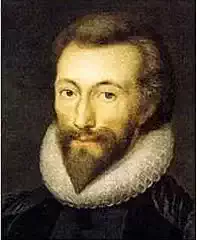
John Donne
Holy Sonnet XIV: Batter my heart
Holy Sonnet XIV: Batter my heart
Batter my heart, three-personed God; for You
As yet but knock, breathe, shine, and seek to mend;
That I may rise and stand, o'erthrow me,'and bend
Your force to break, blow, burn, and make me new.
I, like an usurped town, to'another due,
Labor to'admit You, but O, to no end;
Reason, Your viceroy'in me, me should defend,
But is captived, and proves weak or untrue.
Yet dearly'I love You,'and would be loved fain,
But am betrothed unto Your enemy.
Divorce me,'untie or break that knot again;
Take me to You, imprison me, for I
Except You'enthrall me, never shall be free,
Nor ever chaste, except You ravish me.
Batter my heart, three-personed God; for You
As yet but knock, breathe, shine, and seek to mend;
That I may rise and stand, o'erthrow me,'and bend
Your force to break, blow, burn, and make me new.
I, like an usurped town, to'another due,
Labor to'admit You, but O, to no end;
Reason, Your viceroy'in me, me should defend,
But is captived, and proves weak or untrue.
Yet dearly'I love You,'and would be loved fain,
But am betrothed unto Your enemy.
Divorce me,'untie or break that knot again;
Take me to You, imprison me, for I
Except You'enthrall me, never shall be free,
Nor ever chaste, except You ravish me.
257
John Donne
Holy Sonnet XII: Why Are We By All Creatures Waited On?
Holy Sonnet XII: Why Are We By All Creatures Waited On?
Why are we by all creatures waited on?
Why do the prodigal elements supply
Life and food to me, being more pure than I,
Simple, and further from corruption?
Why brook'st thou, ignorant horse, subjection?
Why dost thou, bull, and bore so seelily,
Dissemble weakness, and by one man's stroke die,
Whose whole kind you might swallow and feed upon?
Weaker I am, woe is me, and worse than you,
You have not sinned, nor need be timorous.
But wonder at a greater wonder, for to us
Created nature doth these things subdue,
But their Creator, whom sin nor nature tied,
For us, His creatures, and His foes, hath died.
Why are we by all creatures waited on?
Why do the prodigal elements supply
Life and food to me, being more pure than I,
Simple, and further from corruption?
Why brook'st thou, ignorant horse, subjection?
Why dost thou, bull, and bore so seelily,
Dissemble weakness, and by one man's stroke die,
Whose whole kind you might swallow and feed upon?
Weaker I am, woe is me, and worse than you,
You have not sinned, nor need be timorous.
But wonder at a greater wonder, for to us
Created nature doth these things subdue,
But their Creator, whom sin nor nature tied,
For us, His creatures, and His foes, hath died.
266
John Donne
Holy Sonnet XI: Spit In My Face You Jews, And Pierce My Side
Holy Sonnet XI: Spit In My Face You Jews, And Pierce My Side
Spit in my face you Jews, and pierce my side,
Buffet, and scoff, scourge, and crucify me,
For I have sinned, and sinned, and only he
Who could do no iniquity hath died:
But by my death can not be satisfied
My sins, which pass the Jews' impiety:
They killed once an inglorious man, but I
Crucify him daily, being now glorified.
Oh let me, then, his strange love still admire:
Kings pardon, but he bore our punishment.
And Jacob came clothed in vile harsh attire
But to supplant, and with gainful intent:
God clothed himself in vile man's flesh, that so
He might be weak enough to suffer woe.
Spit in my face you Jews, and pierce my side,
Buffet, and scoff, scourge, and crucify me,
For I have sinned, and sinned, and only he
Who could do no iniquity hath died:
But by my death can not be satisfied
My sins, which pass the Jews' impiety:
They killed once an inglorious man, but I
Crucify him daily, being now glorified.
Oh let me, then, his strange love still admire:
Kings pardon, but he bore our punishment.
And Jacob came clothed in vile harsh attire
But to supplant, and with gainful intent:
God clothed himself in vile man's flesh, that so
He might be weak enough to suffer woe.
306
John Donne
Holy Sonnet XI: Spit In My Face You Jewes
Holy Sonnet XI: Spit In My Face You Jewes
Spit in my face you Jewes, and pierce my side,
Buffet, and scoffe, scourge, and crucifie mee,
For I have sinn'd, and sinn'd, and onely hee,
Who could do no iniquitie, hath dyed:
But by my death can not be satisfied
My sinnes, which passe the Jewes impiety:
They kill'd once an inglorious man, but I
Crucifie him daily, being now glorified.
Oh let mee then, his strange love still admire:
Kings pardon, but he bore our punishment.
And Jacob came cloth'd in vile harsh attire
But to supplant, and with gainfull intent:
God cloth'd himselfe in vile mans flesh, that so
Hee might be weake enough to suffer woe.
Spit in my face you Jewes, and pierce my side,
Buffet, and scoffe, scourge, and crucifie mee,
For I have sinn'd, and sinn'd, and onely hee,
Who could do no iniquitie, hath dyed:
But by my death can not be satisfied
My sinnes, which passe the Jewes impiety:
They kill'd once an inglorious man, but I
Crucifie him daily, being now glorified.
Oh let mee then, his strange love still admire:
Kings pardon, but he bore our punishment.
And Jacob came cloth'd in vile harsh attire
But to supplant, and with gainfull intent:
God cloth'd himselfe in vile mans flesh, that so
Hee might be weake enough to suffer woe.
306
John Donne
Holy Sonnet VII: At The Round Earth's Imagined Corners Blow
Holy Sonnet VII: At The Round Earth's Imagined Corners Blow
At the round earth's imagined corners blow
Your trumpets, angels, and arise, arise
From death, you numberless infinities
Of souls, and to your scattered bodies go,
All whom the flood did, and fire shall, overthrow,
All whom war, dearth, age, agues, tyrannies,
Despair, law, chance, hath slain, and you whose eyes
Shall behold God, and never taste death's woe.
But let them sleep, Lord, and me mourn a space,
For, if above all these my sins abound,
'Tis late to ask abundance of Thy grace,
When we are there. Here on this lowly ground
Teach me how to repent; for that's as good
As if Thou'dst sealed my pardon, with Thy blood.
At the round earth's imagined corners blow
Your trumpets, angels, and arise, arise
From death, you numberless infinities
Of souls, and to your scattered bodies go,
All whom the flood did, and fire shall, overthrow,
All whom war, dearth, age, agues, tyrannies,
Despair, law, chance, hath slain, and you whose eyes
Shall behold God, and never taste death's woe.
But let them sleep, Lord, and me mourn a space,
For, if above all these my sins abound,
'Tis late to ask abundance of Thy grace,
When we are there. Here on this lowly ground
Teach me how to repent; for that's as good
As if Thou'dst sealed my pardon, with Thy blood.
305
John Donne
Holy Sonnet V: I Am a Little World
Holy Sonnet V: I Am a Little World
I am a little world made cunningly
Of Elements, and an Angelike spright,
But black sinne hath betraid to endlesse night
My worlds both parts, and (oh) both parts must die.
You which beyond that heaven which was most high
Have found new sphears, and of new lands can write,
Powre new seas in mine eyes, that so I might
Drowne my world with my weeping earnestly,
Or wash it if it must be drown'd no more;
But oh it must be burnt! alas the fire
Of lust and envie have burnt it heretofore,
And made it fouler; Let their flames retire,
And burne me o Lord, with a fiery zeale
Of thee and thy house, which doth in eating heale.
I am a little world made cunningly
Of Elements, and an Angelike spright,
But black sinne hath betraid to endlesse night
My worlds both parts, and (oh) both parts must die.
You which beyond that heaven which was most high
Have found new sphears, and of new lands can write,
Powre new seas in mine eyes, that so I might
Drowne my world with my weeping earnestly,
Or wash it if it must be drown'd no more;
But oh it must be burnt! alas the fire
Of lust and envie have burnt it heretofore,
And made it fouler; Let their flames retire,
And burne me o Lord, with a fiery zeale
Of thee and thy house, which doth in eating heale.
358
John Donne
Holy Sonnet VI: This Is My Playes Last Scene
Holy Sonnet VI: This Is My Playes Last Scene
This is my playes last scene, here heavens appoint
My pilgrimages last mile; and my race
Idly, yet quickly runne, hath this last pace,
My spans last inch, my minutes latest point,
And gluttonous death, will instantly unjoynt
My body, and soule, and I shall sleepe a space,
But my'ever-waking part shall see that face,
Whose feare already shakes my every joynt;
Then, as my soule, to'heaven her first seate, takes flight,
And earth-borne body, in the earth shall dwell,
So, fall my sinnes, that all may have their right,
To where they're bred, and would presse me, to hell.
Impute me righteous, thus purg'd of evill,
For thus I leave the world, the flesh, the devill.
This is my playes last scene, here heavens appoint
My pilgrimages last mile; and my race
Idly, yet quickly runne, hath this last pace,
My spans last inch, my minutes latest point,
And gluttonous death, will instantly unjoynt
My body, and soule, and I shall sleepe a space,
But my'ever-waking part shall see that face,
Whose feare already shakes my every joynt;
Then, as my soule, to'heaven her first seate, takes flight,
And earth-borne body, in the earth shall dwell,
So, fall my sinnes, that all may have their right,
To where they're bred, and would presse me, to hell.
Impute me righteous, thus purg'd of evill,
For thus I leave the world, the flesh, the devill.
330
John Donne
Holy Sonnet IV: Oh my black soul!
Holy Sonnet IV: Oh my black soul!
Oh my black soul! now art thou summoned
By sickness, death's herald, and champion;
Thou art like a pilgrim, which abroad hath done
Treason, and durst not turn to whence he is fled;
Or like a thief, which till death's doom be read,
Wisheth himself delivered from prison,
But damned and haled to execution,
Wisheth that still he might be imprisoned.
Yet grace, if thou repent, thou canst not lack;
But who shall give thee that grace to begin?
Oh make thy self with holy mourning black,
And red with blushing, as thou art with sin;
Or wash thee in Christ's blood, which hath this might
That being red, it dyes red souls to white.
Oh my black soul! now art thou summoned
By sickness, death's herald, and champion;
Thou art like a pilgrim, which abroad hath done
Treason, and durst not turn to whence he is fled;
Or like a thief, which till death's doom be read,
Wisheth himself delivered from prison,
But damned and haled to execution,
Wisheth that still he might be imprisoned.
Yet grace, if thou repent, thou canst not lack;
But who shall give thee that grace to begin?
Oh make thy self with holy mourning black,
And red with blushing, as thou art with sin;
Or wash thee in Christ's blood, which hath this might
That being red, it dyes red souls to white.
303
John Donne
Holy Sonnet II: As Due By Many Titles I Resign
Holy Sonnet II: As Due By Many Titles I Resign
As due by many titles I resign
My self to Thee, O God; first I was made
By Thee, and for Thee, and when I was decayed
Thy blood bought that, the which before was Thine;
I am Thy son, made with Thy Self to shine,
Thy servant, whose pains Thou hast still repaid,
Thy sheep, thine image, and, till I betrayed
My self, a temple of Thy Spirit divine;
Why doth the devil then usurp on me?
Why doth he steal, nay ravish that's thy right?
Except thou rise and for thine own work fight,
Oh I shall soon despair, when I do see
That thou lov'st mankind well, yet wilt not choose me,
And Satan hates me, yet is loth to lose me.
As due by many titles I resign
My self to Thee, O God; first I was made
By Thee, and for Thee, and when I was decayed
Thy blood bought that, the which before was Thine;
I am Thy son, made with Thy Self to shine,
Thy servant, whose pains Thou hast still repaid,
Thy sheep, thine image, and, till I betrayed
My self, a temple of Thy Spirit divine;
Why doth the devil then usurp on me?
Why doth he steal, nay ravish that's thy right?
Except thou rise and for thine own work fight,
Oh I shall soon despair, when I do see
That thou lov'st mankind well, yet wilt not choose me,
And Satan hates me, yet is loth to lose me.
334
John Donne
Holy Sonnet I: Thou Hast Made Me
Holy Sonnet I: Thou Hast Made Me
Thou hast made me, and shall thy work decay?
Repair me now, for now mine end doth haste;
I run to death, and death meets me as fast,
And all my pleasures are like yesterday.
I dare not move my dim eyes any way,
Despair behind, and death before doth cast
Such terror, and my feeble flesh doth waste
By sin in it, which it towards hell doth weigh.
Only thou art above, and when towards thee
By thy leave I can look, I rise again;
But our old subtle foe so tempteth me
That not one hour myself I can sustain.
Thy grace may wing me to prevent his art,
And thou like adamant draw mine iron heart.
Thou hast made me, and shall thy work decay?
Repair me now, for now mine end doth haste;
I run to death, and death meets me as fast,
And all my pleasures are like yesterday.
I dare not move my dim eyes any way,
Despair behind, and death before doth cast
Such terror, and my feeble flesh doth waste
By sin in it, which it towards hell doth weigh.
Only thou art above, and when towards thee
By thy leave I can look, I rise again;
But our old subtle foe so tempteth me
That not one hour myself I can sustain.
Thy grace may wing me to prevent his art,
And thou like adamant draw mine iron heart.
351
John Donne
Elegy XX (Alternate) Love's War
Elegy XX (Alternate) Love's War
Till I have peace with thee, warr other Men,
And when I have peace, can I leave thee then?
All other Warrs are scrupulous; Only thou
0 fayr free Citty, maist thyselfe allow
To any one: In Flanders, who can tell
Whether the Master presse; or men rebell?
Only we know, that which all Ideots say,
They beare most blows which come to part the fray.
France in her lunatique giddines did hate
Ever our men, yea and our God of late;
Yet she relyes upon our Angels well,
Which nere returne; no more than they which fell.
Sick Ireland is with a strange warr possest
Like to an Ague; now raging, now at rest;
Which time will cure: yet it must doe her good
If she were purg'd, and her head vayne let blood.
And Midas joyes our Spanish journeys give,
We touch all gold, but find no food to live.
And I should be in the hott parching clime,
To dust and ashes turn'd before my time.
To mew me in a Ship, is to inthrall
Mee in a prison, that weare like to fall;
Or in a Cloyster; save that there men dwell
In a calme heaven, here in a swaggering hell.
Long voyages are long consumptions,
And ships are carts for executions.
Yea they are Deaths; Is't not all one to flye
Into an other World, as t'is to dye?
Here lett mee warr; in these armes lett mee lye;
Here lett mee parle, batter, bleede, and dye.
Thyne armes imprison me, and myne armes thee,
Thy hart thy ransome is, take myne for mee.
Other men war that they their rest may gayne;
But wee will rest that wee may fight agayne.
Those warrs the ignorant, these th'experienc'd love,
There wee are alwayes under, here above.
There Engins farr off breed a just true feare,
Neere thrusts, pikes, stabs, yea bullets hurt not here.
There lyes are wrongs; here safe uprightly ly;
Tltere men kill men, we'will make one by and by,
Thou nothing; I not halfe so much shall do
In these Warrs, as they may which from us two
Shall spring. Thousands wee see which travaile not
To warrs; But stay swords, armes, and shott
To make at home; And shall not I do then
More glorious service, staying to make men?
Till I have peace with thee, warr other Men,
And when I have peace, can I leave thee then?
All other Warrs are scrupulous; Only thou
0 fayr free Citty, maist thyselfe allow
To any one: In Flanders, who can tell
Whether the Master presse; or men rebell?
Only we know, that which all Ideots say,
They beare most blows which come to part the fray.
France in her lunatique giddines did hate
Ever our men, yea and our God of late;
Yet she relyes upon our Angels well,
Which nere returne; no more than they which fell.
Sick Ireland is with a strange warr possest
Like to an Ague; now raging, now at rest;
Which time will cure: yet it must doe her good
If she were purg'd, and her head vayne let blood.
And Midas joyes our Spanish journeys give,
We touch all gold, but find no food to live.
And I should be in the hott parching clime,
To dust and ashes turn'd before my time.
To mew me in a Ship, is to inthrall
Mee in a prison, that weare like to fall;
Or in a Cloyster; save that there men dwell
In a calme heaven, here in a swaggering hell.
Long voyages are long consumptions,
And ships are carts for executions.
Yea they are Deaths; Is't not all one to flye
Into an other World, as t'is to dye?
Here lett mee warr; in these armes lett mee lye;
Here lett mee parle, batter, bleede, and dye.
Thyne armes imprison me, and myne armes thee,
Thy hart thy ransome is, take myne for mee.
Other men war that they their rest may gayne;
But wee will rest that wee may fight agayne.
Those warrs the ignorant, these th'experienc'd love,
There wee are alwayes under, here above.
There Engins farr off breed a just true feare,
Neere thrusts, pikes, stabs, yea bullets hurt not here.
There lyes are wrongs; here safe uprightly ly;
Tltere men kill men, we'will make one by and by,
Thou nothing; I not halfe so much shall do
In these Warrs, as they may which from us two
Shall spring. Thousands wee see which travaile not
To warrs; But stay swords, armes, and shott
To make at home; And shall not I do then
More glorious service, staying to make men?
316
John Donne
Elegy XII
Elegy XII
COME Fates ; I fear you not ! All whom I owe
Are paid, but you ; then 'rest me ere I go.
But Chance from you all sovereignty hath got ;
Love woundeth none but those whom Death dares not ;
True if you were, and just in equity,
I should have vanquish'd her, as you did me ;
Else lovers should not brave Death's pains, and live ;
But 'tis a rule, “ Death comes not to relieve.”
Or, pale and wan Death's terrors, are they laid
So deep in lovers, they make Death afraid ?
Or—the least comfort—have I company ?
O'ercame she Fates, Love, Death, as well as me ?
Yes, Fates do silk unto her distaff pay,
For ransom, which tax they on us do lay.
Love gives her youth—which is the reason why
Youths, for her sake, some wither and some die.
Poor Death can nothing give ; yet, for her sake,
Still in her turn, he doth a lover take.
And if Death should prove false, she fears him not ;
Our Muses, to redeem her, she hath got.
That fatal night we last kiss'd, I thus pray'd,
—Or rather, thus despair'd, I should have said—
Kisses, and yet despair ! The forbid tree
Did promise (and deceive) no more than she.
Like lambs, that see their teats, and must eat hay,
A food, whose taste hath made me pine away.
Dives, when thou saw'st bliss, and craved'st to touch
A drop of water, thy great pains were such.
Here grief wants a fresh wit, for mine being spent,
And my sighs weary, groans are all my rent.
Unable longer to endure the pain,
They break like thunder, and do bring down rain.
Thus till dry tear solder my eye, I weep ;
And then, I dream, how you securely sleep,
And in your dreams do laugh at me. I hate,
And pray Love all may ; he pities my state,
But says, I therein no revenge shall find ;
The sun would shine, though all the world were blind.
Yet, to try my hate, Love show'd me your tear ;
And I had died, had not your smile been there.
Your frown undoes me ; your smile is my wealth ;
And as you please to look, I have my health.
Methought, Love pitying me, when he saw this,
Gave me your hands, the backs and palms to kiss.
That cured me not, but to bear pain gave strength ;
And what is lost in force, is took in length.
I call'd on Love again, who fear'd you so,
That his compassion still proved greater woe ;
For, then I dream'd I was in bed with you,
But durst not feel, for fear it should not be true.
This merits not your anger, had it been ;
The queen of chastity was naked seen ;
And in bed not to feel, the pain I took,
Was more than for Actæon not to look ;
And that breast which lay ope, I did not know,
But for the clearness, from a lump of snow ;
Nor that sweet teat which on the top it bore
From the rose-bud which for my sake you wore.
These griefs to issue forth, by verse I prove ;
Or turn their course by travel and new love.
All would not do ; the best at last I tried ;
Unable longer to hold out, I died.
And then I found I lost life, death by flying ;
Who hundreds live, are but so long in dying.
Charon did let me pass ; I'll him requite.
To mark the groves or shades wrongs my delight ;
I'll speak but of those ghosts I found alone,
Those thousand ghosts, whereof myself made one,
All images of thee ; I asked them why ?
The judge told me, all they for thee did die,
And therefore had for their Elysian bliss,
In one another their own loves to kiss.
O here I miss'd not blissh, but being dead ;
For lo ! I dreamt, I dreamt, and waking said,
“ Heaven, if who are in thee there must dwell,
How is't I now was there, and now I fell ?”
COME Fates ; I fear you not ! All whom I owe
Are paid, but you ; then 'rest me ere I go.
But Chance from you all sovereignty hath got ;
Love woundeth none but those whom Death dares not ;
True if you were, and just in equity,
I should have vanquish'd her, as you did me ;
Else lovers should not brave Death's pains, and live ;
But 'tis a rule, “ Death comes not to relieve.”
Or, pale and wan Death's terrors, are they laid
So deep in lovers, they make Death afraid ?
Or—the least comfort—have I company ?
O'ercame she Fates, Love, Death, as well as me ?
Yes, Fates do silk unto her distaff pay,
For ransom, which tax they on us do lay.
Love gives her youth—which is the reason why
Youths, for her sake, some wither and some die.
Poor Death can nothing give ; yet, for her sake,
Still in her turn, he doth a lover take.
And if Death should prove false, she fears him not ;
Our Muses, to redeem her, she hath got.
That fatal night we last kiss'd, I thus pray'd,
—Or rather, thus despair'd, I should have said—
Kisses, and yet despair ! The forbid tree
Did promise (and deceive) no more than she.
Like lambs, that see their teats, and must eat hay,
A food, whose taste hath made me pine away.
Dives, when thou saw'st bliss, and craved'st to touch
A drop of water, thy great pains were such.
Here grief wants a fresh wit, for mine being spent,
And my sighs weary, groans are all my rent.
Unable longer to endure the pain,
They break like thunder, and do bring down rain.
Thus till dry tear solder my eye, I weep ;
And then, I dream, how you securely sleep,
And in your dreams do laugh at me. I hate,
And pray Love all may ; he pities my state,
But says, I therein no revenge shall find ;
The sun would shine, though all the world were blind.
Yet, to try my hate, Love show'd me your tear ;
And I had died, had not your smile been there.
Your frown undoes me ; your smile is my wealth ;
And as you please to look, I have my health.
Methought, Love pitying me, when he saw this,
Gave me your hands, the backs and palms to kiss.
That cured me not, but to bear pain gave strength ;
And what is lost in force, is took in length.
I call'd on Love again, who fear'd you so,
That his compassion still proved greater woe ;
For, then I dream'd I was in bed with you,
But durst not feel, for fear it should not be true.
This merits not your anger, had it been ;
The queen of chastity was naked seen ;
And in bed not to feel, the pain I took,
Was more than for Actæon not to look ;
And that breast which lay ope, I did not know,
But for the clearness, from a lump of snow ;
Nor that sweet teat which on the top it bore
From the rose-bud which for my sake you wore.
These griefs to issue forth, by verse I prove ;
Or turn their course by travel and new love.
All would not do ; the best at last I tried ;
Unable longer to hold out, I died.
And then I found I lost life, death by flying ;
Who hundreds live, are but so long in dying.
Charon did let me pass ; I'll him requite.
To mark the groves or shades wrongs my delight ;
I'll speak but of those ghosts I found alone,
Those thousand ghosts, whereof myself made one,
All images of thee ; I asked them why ?
The judge told me, all they for thee did die,
And therefore had for their Elysian bliss,
In one another their own loves to kiss.
O here I miss'd not blissh, but being dead ;
For lo ! I dreamt, I dreamt, and waking said,
“ Heaven, if who are in thee there must dwell,
How is't I now was there, and now I fell ?”
338
John Donne
Elegy XIV: Julia
Elegy XIV: Julia
Hark, news, O envy ; thou shalt hear descried
My Julia ; who as yet was ne'er envied.
To vomit gall in slander, swell her veins
With calumny, that hell itself disdains,
Is her continual practice ; does her best,
To tear opinion e'en out of the breast
Of dearest friends, and—which is worse than vile—
Sticks jealousy in wedlock ; her own child
Scapes not the showers of envy. To repeat
The monstrous fashions how, were alive to eat
Deare reputation ; would to God she were
But half so loth to act vice, as to hear
My mild reproof. Lived Mantuan now again
That female Mastix to limn with his pen,
This she Chimera that hath eyes of fire,
Burning with anger—anger feeds desire—
Tongued like the night crow, whose ill boding cries
Give out for nothing but new injuries ;
Her breath like to the juice in Tænarus,
That blasts the springs, though ne'er so prosperous ;
Her hands, I know not how, used more to spill
The food of others than herself to fill ;
But O ! her mind, that Orcus, which includes
Legions of mischiefs, countless multitudes
Of formless curses, projects unmade up,
Abuses yet unfashion'd, thoughts corrupt,
Misshapen cavils, palpable untroths,
Inevitable errors, self-accusing loaths.
These, like those atoms swarming in the sun,
Throng in her bosom for creation.
I blush to give her halfe her due ; yet say,
No poison's half so bad as Julia.
Hark, news, O envy ; thou shalt hear descried
My Julia ; who as yet was ne'er envied.
To vomit gall in slander, swell her veins
With calumny, that hell itself disdains,
Is her continual practice ; does her best,
To tear opinion e'en out of the breast
Of dearest friends, and—which is worse than vile—
Sticks jealousy in wedlock ; her own child
Scapes not the showers of envy. To repeat
The monstrous fashions how, were alive to eat
Deare reputation ; would to God she were
But half so loth to act vice, as to hear
My mild reproof. Lived Mantuan now again
That female Mastix to limn with his pen,
This she Chimera that hath eyes of fire,
Burning with anger—anger feeds desire—
Tongued like the night crow, whose ill boding cries
Give out for nothing but new injuries ;
Her breath like to the juice in Tænarus,
That blasts the springs, though ne'er so prosperous ;
Her hands, I know not how, used more to spill
The food of others than herself to fill ;
But O ! her mind, that Orcus, which includes
Legions of mischiefs, countless multitudes
Of formless curses, projects unmade up,
Abuses yet unfashion'd, thoughts corrupt,
Misshapen cavils, palpable untroths,
Inevitable errors, self-accusing loaths.
These, like those atoms swarming in the sun,
Throng in her bosom for creation.
I blush to give her halfe her due ; yet say,
No poison's half so bad as Julia.
351
John Donne
Elegy VI
Elegy VI
Oh, let me not serve so, as those men serve
Whom honour's smokes at once fatten and starve;
Poorly enrich't with great men's words or looks;
Nor so write my name in thy loving books
As those idolatrous flatterers, which still
Their Prince's styles, with many realms fulfil
Whence they no tribute have, and where no sway.
Such services I offer as shall pay
Themselves, I hate dead names: Oh then let me
Favourite in Ordinary, or no favourite be.
When my soul was in her own body sheathed,
Nor yet by oaths betrothed, nor kisses breathed
Into my Purgatory, faithless thee,
Thy heart seemed wax, and steel thy constancy:
So, careless flowers strowed on the waters face
The curled whirlpools suck, smack, and embrace,
Yet drown them; so, the taper's beamy eye
Amorously twinkling beckons the giddy fly,
Yet burns his wings; and such the devil is,
Scarce visiting them who are entirely his.
When I behold a stream which, from the spring,
Doth with doubtful melodious murmuring,
Or in a speechless slumber, calmly ride
Her wedded channels' bosom, and then chide
And bend her brows, and swell if any bough
Do but stoop down, or kiss her upmost brow:
Yet, if her often gnawing kisses win
The traiterous bank to gape, and let her in,
She rusheth violently, and doth divorce
Her from her native, and her long-kept course,
And roars, and braves it, and in gallant scorn,
In flattering eddies promising retorn,
She flouts the channel, who thenceforth is dry;
Then say I, That is she, and this am I.
Yet let not thy deep bitterness beget
Careless despair in me, for that will whet
My mind to scorn; and Oh, love dulled with pain
Was ne'er so wise, nor well armed as disdain.
Then with new eyes I shall survey thee, and spy
Death in thy cheeks, and darkness in thine eye.
Though hope bred faith and love: thus taught, I shall,
As nations do from Rome, from thy love fall.
My hate shall outgrow thine, and utterly
I will renounce thy dalliance: and when I
Am the recusant, in that resolute state,
What hurts it me to be excommunicate?
Oh, let me not serve so, as those men serve
Whom honour's smokes at once fatten and starve;
Poorly enrich't with great men's words or looks;
Nor so write my name in thy loving books
As those idolatrous flatterers, which still
Their Prince's styles, with many realms fulfil
Whence they no tribute have, and where no sway.
Such services I offer as shall pay
Themselves, I hate dead names: Oh then let me
Favourite in Ordinary, or no favourite be.
When my soul was in her own body sheathed,
Nor yet by oaths betrothed, nor kisses breathed
Into my Purgatory, faithless thee,
Thy heart seemed wax, and steel thy constancy:
So, careless flowers strowed on the waters face
The curled whirlpools suck, smack, and embrace,
Yet drown them; so, the taper's beamy eye
Amorously twinkling beckons the giddy fly,
Yet burns his wings; and such the devil is,
Scarce visiting them who are entirely his.
When I behold a stream which, from the spring,
Doth with doubtful melodious murmuring,
Or in a speechless slumber, calmly ride
Her wedded channels' bosom, and then chide
And bend her brows, and swell if any bough
Do but stoop down, or kiss her upmost brow:
Yet, if her often gnawing kisses win
The traiterous bank to gape, and let her in,
She rusheth violently, and doth divorce
Her from her native, and her long-kept course,
And roars, and braves it, and in gallant scorn,
In flattering eddies promising retorn,
She flouts the channel, who thenceforth is dry;
Then say I, That is she, and this am I.
Yet let not thy deep bitterness beget
Careless despair in me, for that will whet
My mind to scorn; and Oh, love dulled with pain
Was ne'er so wise, nor well armed as disdain.
Then with new eyes I shall survey thee, and spy
Death in thy cheeks, and darkness in thine eye.
Though hope bred faith and love: thus taught, I shall,
As nations do from Rome, from thy love fall.
My hate shall outgrow thine, and utterly
I will renounce thy dalliance: and when I
Am the recusant, in that resolute state,
What hurts it me to be excommunicate?
303
John Donne
Elegy III: Change
Elegy III: Change
Although thy hand and faith, and good works too,
Have seal'd thy love which nothing should undo,
Yea though thou fall back, that apostasy
Confirm thy love; yet much, much I fear thee.
Women are like the Arts, forc'd unto none,
Open to'all searchers, unpriz'd, if unknown.
If I have caught a bird, and let him fly,
Another fouler using these means, as I,
May catch the same bird; and, as these things be,
Women are made for men, not him, nor me.
Foxes and goats; all beasts change when they please,
Shall women, more hot, wily, wild then these,
Be bound to one man, and did Nature then
Idly make them apter to endure than men?
They are our clogges, not their owne; if a man be
Chain'd to a galley, yet the galley is free;
Who hath a plow-land, casts all his seed corn there,
And yet allows his ground more corn should bear;
Though Danuby into the sea must flow,
The sea receives the Rhene, Volga, and Po.
By nature, which gave it, this liberty
Thou lov'st, but Oh! canst thou love it and me?
Likeness glues love: Then if so thou do,
To make us like and love, must I change too?
More than thy hate, I hate it, rather let me
Allow her change, then change as oft as she,
And so not teach, but force my opinion
To love not any one, nor every one.
To live in one land is captivity,
To run all countries, a wild roguery;
Waters stink soon, if in one place they bide,
And in the vast sea are worse putrified:
But when they kiss one bank, and leaving this
Never look back, but the next bank do kiss,
Then are they purest; Change is the nursery
Of music, joy, life, and eternity.
Although thy hand and faith, and good works too,
Have seal'd thy love which nothing should undo,
Yea though thou fall back, that apostasy
Confirm thy love; yet much, much I fear thee.
Women are like the Arts, forc'd unto none,
Open to'all searchers, unpriz'd, if unknown.
If I have caught a bird, and let him fly,
Another fouler using these means, as I,
May catch the same bird; and, as these things be,
Women are made for men, not him, nor me.
Foxes and goats; all beasts change when they please,
Shall women, more hot, wily, wild then these,
Be bound to one man, and did Nature then
Idly make them apter to endure than men?
They are our clogges, not their owne; if a man be
Chain'd to a galley, yet the galley is free;
Who hath a plow-land, casts all his seed corn there,
And yet allows his ground more corn should bear;
Though Danuby into the sea must flow,
The sea receives the Rhene, Volga, and Po.
By nature, which gave it, this liberty
Thou lov'st, but Oh! canst thou love it and me?
Likeness glues love: Then if so thou do,
To make us like and love, must I change too?
More than thy hate, I hate it, rather let me
Allow her change, then change as oft as she,
And so not teach, but force my opinion
To love not any one, nor every one.
To live in one land is captivity,
To run all countries, a wild roguery;
Waters stink soon, if in one place they bide,
And in the vast sea are worse putrified:
But when they kiss one bank, and leaving this
Never look back, but the next bank do kiss,
Then are they purest; Change is the nursery
Of music, joy, life, and eternity.
377
John Donne
Community
Community
Good we must love, and must hate ill,
For ill is ill, and good good still ;
But there are things indifferent,
Which wee may neither hate, nor love,
But one, and then another prove,
As we shall find our fancy bent.
If then at first wise Nature had
Made women either good or bad,
Then some wee might hate, and some choose ;
But since she did them so create,
That we may neither love, nor hate,
Only this rests, all all may use.
If they were good it would be seen ;
Good is as visible as green,
And to all eyes itself betrays.
If they were bad, they could not last ;
Bad doth itself, and others waste ;
So they deserve nor blame, nor praise.
But they are ours as fruits are ours ;
He that but tastes, he that devours,
And he that leaves all, doth as well ;
Changed loves are but changed sorts of meat ;
And when he hath the kernel eat,
Who doth not fling away the shell?
Good we must love, and must hate ill,
For ill is ill, and good good still ;
But there are things indifferent,
Which wee may neither hate, nor love,
But one, and then another prove,
As we shall find our fancy bent.
If then at first wise Nature had
Made women either good or bad,
Then some wee might hate, and some choose ;
But since she did them so create,
That we may neither love, nor hate,
Only this rests, all all may use.
If they were good it would be seen ;
Good is as visible as green,
And to all eyes itself betrays.
If they were bad, they could not last ;
Bad doth itself, and others waste ;
So they deserve nor blame, nor praise.
But they are ours as fruits are ours ;
He that but tastes, he that devours,
And he that leaves all, doth as well ;
Changed loves are but changed sorts of meat ;
And when he hath the kernel eat,
Who doth not fling away the shell?
334
John Donne
Community
Community
Good we must love, and must hate ill,
For ill is ill, and good good still ;
But there are things indifferent,
Which wee may neither hate, nor love,
But one, and then another prove,
As we shall find our fancy bent.
If then at first wise Nature had
Made women either good or bad,
Then some wee might hate, and some choose ;
But since she did them so create,
That we may neither love, nor hate,
Only this rests, all all may use.
If they were good it would be seen ;
Good is as visible as green,
And to all eyes itself betrays.
If they were bad, they could not last ;
Bad doth itself, and others waste ;
So they deserve nor blame, nor praise.
But they are ours as fruits are ours ;
He that but tastes, he that devours,
And he that leaves all, doth as well ;
Changed loves are but changed sorts of meat ;
And when he hath the kernel eat,
Who doth not fling away the shell?
Good we must love, and must hate ill,
For ill is ill, and good good still ;
But there are things indifferent,
Which wee may neither hate, nor love,
But one, and then another prove,
As we shall find our fancy bent.
If then at first wise Nature had
Made women either good or bad,
Then some wee might hate, and some choose ;
But since she did them so create,
That we may neither love, nor hate,
Only this rests, all all may use.
If they were good it would be seen ;
Good is as visible as green,
And to all eyes itself betrays.
If they were bad, they could not last ;
Bad doth itself, and others waste ;
So they deserve nor blame, nor praise.
But they are ours as fruits are ours ;
He that but tastes, he that devours,
And he that leaves all, doth as well ;
Changed loves are but changed sorts of meat ;
And when he hath the kernel eat,
Who doth not fling away the shell?
334
John Donne
Break of Day
Break of Day
'Tis true, 'tis day; what though it be?
O wilt thou therefore rise from me?
Why should we rise, because 'tis light?
Did we lie down, because 'twas night?
Love which in spite of darkness brought us hither
Should in despite of light keep us together.
Light hath no tongue, but is all eye;
If it could speak as well as spy,
This were the worst that it could say -
That being well, I fain would stay,
And that I loved my heart and honour so,
That I would not from her, that had them, go.
Must business thee from hence remove?
Oh, that's the worst disease of love!
The poor, the foul, the false, love can
Admit, but not the busied man.
He which hath business, and makes love, doth do
Such wrong as when a married man doth woo.
'Tis true, 'tis day; what though it be?
O wilt thou therefore rise from me?
Why should we rise, because 'tis light?
Did we lie down, because 'twas night?
Love which in spite of darkness brought us hither
Should in despite of light keep us together.
Light hath no tongue, but is all eye;
If it could speak as well as spy,
This were the worst that it could say -
That being well, I fain would stay,
And that I loved my heart and honour so,
That I would not from her, that had them, go.
Must business thee from hence remove?
Oh, that's the worst disease of love!
The poor, the foul, the false, love can
Admit, but not the busied man.
He which hath business, and makes love, doth do
Such wrong as when a married man doth woo.
350
John Donne
A Self Accuser
A Self Accuser
Your mistress, that you follow whores, still taxeth
you ;
'Tis strange that she should thus confess it, though 't be true.
Your mistress, that you follow whores, still taxeth
you ;
'Tis strange that she should thus confess it, though 't be true.
310
John Donne
A Burnt Ship
A Burnt Ship
Out of a fired ship, which by no way
But drowning could be rescued from the flame,
Some men leap'd forth, and ever as they came
Near the foes' ships, did by their shot decay;
So all were lost, which in the ship were found,
They in the sea being burnt, they in the burnt ship drown'd.
Out of a fired ship, which by no way
But drowning could be rescued from the flame,
Some men leap'd forth, and ever as they came
Near the foes' ships, did by their shot decay;
So all were lost, which in the ship were found,
They in the sea being burnt, they in the burnt ship drown'd.
345
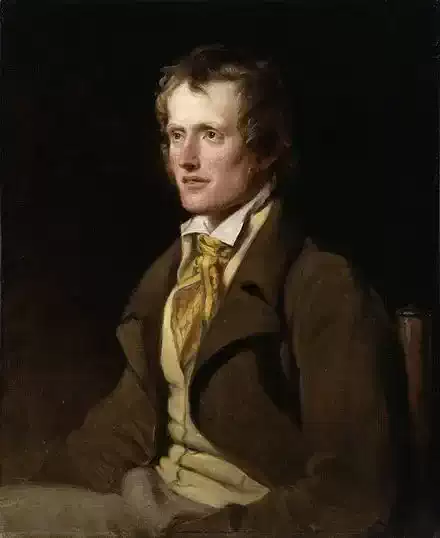
John Clare
The Wood-Cutter's Night Song
The Wood-Cutter's Night Song
Welcome, red and roundy sun,
Dropping lowly in the west;
Now my hard day's work is done,
I'm as happy as the best.
Joyful are the thoughts of home,
Now I'm ready for my chair,
So, till morrow-morning's come,
Bill and mittens, lie ye there!
Though to leave your pretty song,
Little birds, it gives me pain,
Yet to-morrow is not long,
Then I'm with you all again.
If I stop, and stand about,
Well I know how things will be,
Judy will be looking out
Every now-and-then for me.
So fare ye well! and hold your tongues,
Sing no more until I come;
They're not worthy of your songs
That never care to drop a crumb.
All day long I love the oaks,
But, at nights, yon little cot,
Where I see the chimney smokes,
Is by far the prettiest spot.
Wife and children all are there,
To revive with pleasant looks,
Table ready set, and chair,
Supper hanging on the hooks.
Soon as ever I get in,
When my faggot down I fling,
Little prattlers they begin
Teasing me to talk and sing.
Welcome, red and roundy sun,
Dropping lowly in the west;
Now my hard day's work is done,
I'm as happy as the best.
Joyful are the thoughts of home,
Now I'm ready for my chair,
So, till morrow-morning's come,
Bill and mittens, lie ye there!
Welcome, red and roundy sun,
Dropping lowly in the west;
Now my hard day's work is done,
I'm as happy as the best.
Joyful are the thoughts of home,
Now I'm ready for my chair,
So, till morrow-morning's come,
Bill and mittens, lie ye there!
Though to leave your pretty song,
Little birds, it gives me pain,
Yet to-morrow is not long,
Then I'm with you all again.
If I stop, and stand about,
Well I know how things will be,
Judy will be looking out
Every now-and-then for me.
So fare ye well! and hold your tongues,
Sing no more until I come;
They're not worthy of your songs
That never care to drop a crumb.
All day long I love the oaks,
But, at nights, yon little cot,
Where I see the chimney smokes,
Is by far the prettiest spot.
Wife and children all are there,
To revive with pleasant looks,
Table ready set, and chair,
Supper hanging on the hooks.
Soon as ever I get in,
When my faggot down I fling,
Little prattlers they begin
Teasing me to talk and sing.
Welcome, red and roundy sun,
Dropping lowly in the west;
Now my hard day's work is done,
I'm as happy as the best.
Joyful are the thoughts of home,
Now I'm ready for my chair,
So, till morrow-morning's come,
Bill and mittens, lie ye there!
887
John Clare
The Vanities Of Life
The Vanities Of Life
Vanity of vanities, all is vanity.--_Solomon_
What are life's joys and gains?
What pleasures crowd its ways,
That man should take such pains
To seek them all his days?
Sift this untoward strife
On which thy mind is bent:
See if this chaff of life
Is worth the trouble spent.
Is pride thy heart's desire?
Is power thy climbing aim?
Is love thy folly's fire?
Is wealth thy restless game?
Pride, power, love, wealth, and all
Time's touchstone shall destroy,
And, like base coin, prove all
Vain substitutes for joy.
Dost think that pride exalts
Thyself in other's eyes,
And hides thy folly's faults,
Which reason will despise?
Dost strut, and turn, and stride,
Like walking weathercocks?
The shadow by thy side
Becomes thy ape, and mocks.
Dost think that power's disguise
Can make thee mighty seem?
It may in folly's eyes,
But not in worth's esteem,
When all that thou canst ask,
And all that she can give,
Is but a paltry mask
Which tyrants wear and live.
Go, let thy fancies range
And ramble where they may;
View power in every change,
And what is the display?
--The country magistrate,
The meanest shade in power,
To rulers of the state,
The meteors of an hour.
View all, and mark the end
Of every proud extreme,
Where flattery turns a friend,
And counterfeits esteem;
Where worth is aped in show,
That doth her name purloin,
Like toys of golden glow
That's sold for copper coin.
Ambition's haughty nod
With fancies may deceive,
Nay, tell thee thou'rt a god,
And wilt thou such believe?
Go, bid the seas be dry;
Go, hold earth like a ball,
Or throw thy fancies by,
For God can do it all.
Dost thou possess the dower
Of laws to spare or kill?
Call it not heavenly power
When but a tyrant's will.
Know what a God will do,
And know thyself a fool,
Nor, tyrant-like, pursue
Where He alone should rule.
O put away thy pride,
Or be ashamed of power
That cannot turn aside
The breeze that waves a flower.
Or bid the clouds be still:
Though shadows, they can brave
Thy poor power mocking will:
Then make not man a slave.
Dost think, when wealth is won,
Thy heart has its desire?
Hold ice up to the sun,
And wax before the fire;
Nor triumph oer the reign
Which they so soon resign;
In this world's ways they gain,
Insurance safe as thine.
Dost think life's peace secure
In house and in land?
Go, read the fairy lure
To twist a cord in sand;
Lodge stones upon the sky,
Hold water in a sieve,
Nor give such tales the lie,
And still thine own believe.
Whoso with riches deals,
And thinks peace bought and sold,
Will find them slipping eels,
That slide the firmest hold:
Though sweet as sleep with health
Thy lulling luck may be,
Pride may oerstride thy wealth,
And check prosperity.
Dost think that beauty's power
Life sweetest pleasure gives?
Go, pluck the summer flower,
And see how long it lives:
Behold, the rays glide on
Along the summer plain
Ere thou canst say 'they're gone,'
And measure beauty's reign.
Look on the brightest eye,
Nor teach it to be proud;
View but the clearest sky,
And thou shalt find a cloud;
Nor call each face ye meet
An angel's, cause it's fair,
But look beneath your feet,
And think of what they are.
Who thinks that love doth live
In beauty's tempting show,
Shall find his hopes ungive,
And melt in reason's thaw.
Who thinks that pleasure lies
In every fairy bower,
Shall oft, to his surprise,
Find poison in the flower.
Dost lawless passions grasp?
Judge not thou deal'st in joy:
Its flowers but hide the asp,
Thy revels to destroy.
Who trusts an harlot's smile,
And by her wiles are led,
Plays, with a sword the while
Hung dropping oer his head.
Dost doubt my warning song?
Then doubt the sun gives light,
Doubt truth to teach thee wrong,
And wrong alone as right;
And live as lives the knave,
Intrigue's deceiving guest;
Be tyrant, or be slave,
As suits thy ends the best.
Or pause amid thy toils
For visions won and lost,
And count the fancied spoils,
If eer they quit the cost:
And if they still possess
Thy mind, as worthy things,
Plat straws with bedlam Bess,
And call them diamond rings.
Thy folly's past advice,
Thy heart's already won,
Thy fall's above all price,
So go, and be undone;
For all who thus prefer
The seeming great for small
Shall make wine vinegar,
And sweetest honey gall.
Wouldst heed the truths I sing,
To profit wherewithal,
Clip folly's wanton wing,
And keep her within call.
I've little else to give,
What thou canst easy try;
The lesson how to live
Is but to learn to die.
Vanity of vanities, all is vanity.--_Solomon_
What are life's joys and gains?
What pleasures crowd its ways,
That man should take such pains
To seek them all his days?
Sift this untoward strife
On which thy mind is bent:
See if this chaff of life
Is worth the trouble spent.
Is pride thy heart's desire?
Is power thy climbing aim?
Is love thy folly's fire?
Is wealth thy restless game?
Pride, power, love, wealth, and all
Time's touchstone shall destroy,
And, like base coin, prove all
Vain substitutes for joy.
Dost think that pride exalts
Thyself in other's eyes,
And hides thy folly's faults,
Which reason will despise?
Dost strut, and turn, and stride,
Like walking weathercocks?
The shadow by thy side
Becomes thy ape, and mocks.
Dost think that power's disguise
Can make thee mighty seem?
It may in folly's eyes,
But not in worth's esteem,
When all that thou canst ask,
And all that she can give,
Is but a paltry mask
Which tyrants wear and live.
Go, let thy fancies range
And ramble where they may;
View power in every change,
And what is the display?
--The country magistrate,
The meanest shade in power,
To rulers of the state,
The meteors of an hour.
View all, and mark the end
Of every proud extreme,
Where flattery turns a friend,
And counterfeits esteem;
Where worth is aped in show,
That doth her name purloin,
Like toys of golden glow
That's sold for copper coin.
Ambition's haughty nod
With fancies may deceive,
Nay, tell thee thou'rt a god,
And wilt thou such believe?
Go, bid the seas be dry;
Go, hold earth like a ball,
Or throw thy fancies by,
For God can do it all.
Dost thou possess the dower
Of laws to spare or kill?
Call it not heavenly power
When but a tyrant's will.
Know what a God will do,
And know thyself a fool,
Nor, tyrant-like, pursue
Where He alone should rule.
O put away thy pride,
Or be ashamed of power
That cannot turn aside
The breeze that waves a flower.
Or bid the clouds be still:
Though shadows, they can brave
Thy poor power mocking will:
Then make not man a slave.
Dost think, when wealth is won,
Thy heart has its desire?
Hold ice up to the sun,
And wax before the fire;
Nor triumph oer the reign
Which they so soon resign;
In this world's ways they gain,
Insurance safe as thine.
Dost think life's peace secure
In house and in land?
Go, read the fairy lure
To twist a cord in sand;
Lodge stones upon the sky,
Hold water in a sieve,
Nor give such tales the lie,
And still thine own believe.
Whoso with riches deals,
And thinks peace bought and sold,
Will find them slipping eels,
That slide the firmest hold:
Though sweet as sleep with health
Thy lulling luck may be,
Pride may oerstride thy wealth,
And check prosperity.
Dost think that beauty's power
Life sweetest pleasure gives?
Go, pluck the summer flower,
And see how long it lives:
Behold, the rays glide on
Along the summer plain
Ere thou canst say 'they're gone,'
And measure beauty's reign.
Look on the brightest eye,
Nor teach it to be proud;
View but the clearest sky,
And thou shalt find a cloud;
Nor call each face ye meet
An angel's, cause it's fair,
But look beneath your feet,
And think of what they are.
Who thinks that love doth live
In beauty's tempting show,
Shall find his hopes ungive,
And melt in reason's thaw.
Who thinks that pleasure lies
In every fairy bower,
Shall oft, to his surprise,
Find poison in the flower.
Dost lawless passions grasp?
Judge not thou deal'st in joy:
Its flowers but hide the asp,
Thy revels to destroy.
Who trusts an harlot's smile,
And by her wiles are led,
Plays, with a sword the while
Hung dropping oer his head.
Dost doubt my warning song?
Then doubt the sun gives light,
Doubt truth to teach thee wrong,
And wrong alone as right;
And live as lives the knave,
Intrigue's deceiving guest;
Be tyrant, or be slave,
As suits thy ends the best.
Or pause amid thy toils
For visions won and lost,
And count the fancied spoils,
If eer they quit the cost:
And if they still possess
Thy mind, as worthy things,
Plat straws with bedlam Bess,
And call them diamond rings.
Thy folly's past advice,
Thy heart's already won,
Thy fall's above all price,
So go, and be undone;
For all who thus prefer
The seeming great for small
Shall make wine vinegar,
And sweetest honey gall.
Wouldst heed the truths I sing,
To profit wherewithal,
Clip folly's wanton wing,
And keep her within call.
I've little else to give,
What thou canst easy try;
The lesson how to live
Is but to learn to die.
424
John Clare
The Vanities Of Life
The Vanities Of Life
Vanity of vanities, all is vanity.--_Solomon_
What are life's joys and gains?
What pleasures crowd its ways,
That man should take such pains
To seek them all his days?
Sift this untoward strife
On which thy mind is bent:
See if this chaff of life
Is worth the trouble spent.
Is pride thy heart's desire?
Is power thy climbing aim?
Is love thy folly's fire?
Is wealth thy restless game?
Pride, power, love, wealth, and all
Time's touchstone shall destroy,
And, like base coin, prove all
Vain substitutes for joy.
Dost think that pride exalts
Thyself in other's eyes,
And hides thy folly's faults,
Which reason will despise?
Dost strut, and turn, and stride,
Like walking weathercocks?
The shadow by thy side
Becomes thy ape, and mocks.
Dost think that power's disguise
Can make thee mighty seem?
It may in folly's eyes,
But not in worth's esteem,
When all that thou canst ask,
And all that she can give,
Is but a paltry mask
Which tyrants wear and live.
Go, let thy fancies range
And ramble where they may;
View power in every change,
And what is the display?
--The country magistrate,
The meanest shade in power,
To rulers of the state,
The meteors of an hour.
View all, and mark the end
Of every proud extreme,
Where flattery turns a friend,
And counterfeits esteem;
Where worth is aped in show,
That doth her name purloin,
Like toys of golden glow
That's sold for copper coin.
Ambition's haughty nod
With fancies may deceive,
Nay, tell thee thou'rt a god,
And wilt thou such believe?
Go, bid the seas be dry;
Go, hold earth like a ball,
Or throw thy fancies by,
For God can do it all.
Dost thou possess the dower
Of laws to spare or kill?
Call it not heavenly power
When but a tyrant's will.
Know what a God will do,
And know thyself a fool,
Nor, tyrant-like, pursue
Where He alone should rule.
O put away thy pride,
Or be ashamed of power
That cannot turn aside
The breeze that waves a flower.
Or bid the clouds be still:
Though shadows, they can brave
Thy poor power mocking will:
Then make not man a slave.
Dost think, when wealth is won,
Thy heart has its desire?
Hold ice up to the sun,
And wax before the fire;
Nor triumph oer the reign
Which they so soon resign;
In this world's ways they gain,
Insurance safe as thine.
Dost think life's peace secure
In house and in land?
Go, read the fairy lure
To twist a cord in sand;
Lodge stones upon the sky,
Hold water in a sieve,
Nor give such tales the lie,
And still thine own believe.
Whoso with riches deals,
And thinks peace bought and sold,
Will find them slipping eels,
That slide the firmest hold:
Though sweet as sleep with health
Thy lulling luck may be,
Pride may oerstride thy wealth,
And check prosperity.
Dost think that beauty's power
Life sweetest pleasure gives?
Go, pluck the summer flower,
And see how long it lives:
Behold, the rays glide on
Along the summer plain
Ere thou canst say 'they're gone,'
And measure beauty's reign.
Look on the brightest eye,
Nor teach it to be proud;
View but the clearest sky,
And thou shalt find a cloud;
Nor call each face ye meet
An angel's, cause it's fair,
But look beneath your feet,
And think of what they are.
Who thinks that love doth live
In beauty's tempting show,
Shall find his hopes ungive,
And melt in reason's thaw.
Who thinks that pleasure lies
In every fairy bower,
Shall oft, to his surprise,
Find poison in the flower.
Dost lawless passions grasp?
Judge not thou deal'st in joy:
Its flowers but hide the asp,
Thy revels to destroy.
Who trusts an harlot's smile,
And by her wiles are led,
Plays, with a sword the while
Hung dropping oer his head.
Dost doubt my warning song?
Then doubt the sun gives light,
Doubt truth to teach thee wrong,
And wrong alone as right;
And live as lives the knave,
Intrigue's deceiving guest;
Be tyrant, or be slave,
As suits thy ends the best.
Or pause amid thy toils
For visions won and lost,
And count the fancied spoils,
If eer they quit the cost:
And if they still possess
Thy mind, as worthy things,
Plat straws with bedlam Bess,
And call them diamond rings.
Thy folly's past advice,
Thy heart's already won,
Thy fall's above all price,
So go, and be undone;
For all who thus prefer
The seeming great for small
Shall make wine vinegar,
And sweetest honey gall.
Wouldst heed the truths I sing,
To profit wherewithal,
Clip folly's wanton wing,
And keep her within call.
I've little else to give,
What thou canst easy try;
The lesson how to live
Is but to learn to die.
Vanity of vanities, all is vanity.--_Solomon_
What are life's joys and gains?
What pleasures crowd its ways,
That man should take such pains
To seek them all his days?
Sift this untoward strife
On which thy mind is bent:
See if this chaff of life
Is worth the trouble spent.
Is pride thy heart's desire?
Is power thy climbing aim?
Is love thy folly's fire?
Is wealth thy restless game?
Pride, power, love, wealth, and all
Time's touchstone shall destroy,
And, like base coin, prove all
Vain substitutes for joy.
Dost think that pride exalts
Thyself in other's eyes,
And hides thy folly's faults,
Which reason will despise?
Dost strut, and turn, and stride,
Like walking weathercocks?
The shadow by thy side
Becomes thy ape, and mocks.
Dost think that power's disguise
Can make thee mighty seem?
It may in folly's eyes,
But not in worth's esteem,
When all that thou canst ask,
And all that she can give,
Is but a paltry mask
Which tyrants wear and live.
Go, let thy fancies range
And ramble where they may;
View power in every change,
And what is the display?
--The country magistrate,
The meanest shade in power,
To rulers of the state,
The meteors of an hour.
View all, and mark the end
Of every proud extreme,
Where flattery turns a friend,
And counterfeits esteem;
Where worth is aped in show,
That doth her name purloin,
Like toys of golden glow
That's sold for copper coin.
Ambition's haughty nod
With fancies may deceive,
Nay, tell thee thou'rt a god,
And wilt thou such believe?
Go, bid the seas be dry;
Go, hold earth like a ball,
Or throw thy fancies by,
For God can do it all.
Dost thou possess the dower
Of laws to spare or kill?
Call it not heavenly power
When but a tyrant's will.
Know what a God will do,
And know thyself a fool,
Nor, tyrant-like, pursue
Where He alone should rule.
O put away thy pride,
Or be ashamed of power
That cannot turn aside
The breeze that waves a flower.
Or bid the clouds be still:
Though shadows, they can brave
Thy poor power mocking will:
Then make not man a slave.
Dost think, when wealth is won,
Thy heart has its desire?
Hold ice up to the sun,
And wax before the fire;
Nor triumph oer the reign
Which they so soon resign;
In this world's ways they gain,
Insurance safe as thine.
Dost think life's peace secure
In house and in land?
Go, read the fairy lure
To twist a cord in sand;
Lodge stones upon the sky,
Hold water in a sieve,
Nor give such tales the lie,
And still thine own believe.
Whoso with riches deals,
And thinks peace bought and sold,
Will find them slipping eels,
That slide the firmest hold:
Though sweet as sleep with health
Thy lulling luck may be,
Pride may oerstride thy wealth,
And check prosperity.
Dost think that beauty's power
Life sweetest pleasure gives?
Go, pluck the summer flower,
And see how long it lives:
Behold, the rays glide on
Along the summer plain
Ere thou canst say 'they're gone,'
And measure beauty's reign.
Look on the brightest eye,
Nor teach it to be proud;
View but the clearest sky,
And thou shalt find a cloud;
Nor call each face ye meet
An angel's, cause it's fair,
But look beneath your feet,
And think of what they are.
Who thinks that love doth live
In beauty's tempting show,
Shall find his hopes ungive,
And melt in reason's thaw.
Who thinks that pleasure lies
In every fairy bower,
Shall oft, to his surprise,
Find poison in the flower.
Dost lawless passions grasp?
Judge not thou deal'st in joy:
Its flowers but hide the asp,
Thy revels to destroy.
Who trusts an harlot's smile,
And by her wiles are led,
Plays, with a sword the while
Hung dropping oer his head.
Dost doubt my warning song?
Then doubt the sun gives light,
Doubt truth to teach thee wrong,
And wrong alone as right;
And live as lives the knave,
Intrigue's deceiving guest;
Be tyrant, or be slave,
As suits thy ends the best.
Or pause amid thy toils
For visions won and lost,
And count the fancied spoils,
If eer they quit the cost:
And if they still possess
Thy mind, as worthy things,
Plat straws with bedlam Bess,
And call them diamond rings.
Thy folly's past advice,
Thy heart's already won,
Thy fall's above all price,
So go, and be undone;
For all who thus prefer
The seeming great for small
Shall make wine vinegar,
And sweetest honey gall.
Wouldst heed the truths I sing,
To profit wherewithal,
Clip folly's wanton wing,
And keep her within call.
I've little else to give,
What thou canst easy try;
The lesson how to live
Is but to learn to die.
424
John Clare
The Stranger
The Stranger
When trouble haunts me, need I sigh?
No, rather smile away despair;
For those have been more sad than I,
With burthens more than I could bear;
Aye, gone rejoicing under care
Where I had sunk in black despair.
When pain disturbs my peace and rest,
Am I a hopeless grief to keep,
When some have slept on torture's breast
And smiled as in the sweetest sleep,
Aye, peace on thorns, in faith forgiven,
And pillowed on the hope of heaven?
Though low and poor and broken down,
Am I to think myself distrest?
No, rather laugh where others frown
And think my being truly blest;
For others I can daily see
More worthy riches worse than me.
Aye, once a stranger blest the earth
Who never caused a heart to mourn,
Whose very voice gave sorrow mirth--
And how did earth his worth return?
It spurned him from its lowliest lot,
The meanest station owned him not;
An outcast thrown in sorrow's way,
A fugitive that knew no sin,
Yet in lone places forced to stray--
Men would not take the stranger in.
Yet peace, though much himself he mourned,
Was all to others he returned.
* * * * *
His presence was a peace to all,
He bade the sorrowful rejoice.
Pain turned to pleasure at his call,
Health lived and issued from his voice.
He healed the sick and sent abroad
The dumb rejoicing in the Lord.
The blind met daylight in his eye,
The joys of everlasting day;
The sick found health in his reply;
The cripple threw his crutch away.
Yet he with troubles did remain
And suffered poverty and pain.
Yet none could say of wrong he did,
And scorn was ever standing bye;
Accusers by their conscience chid,
When proof was sought, made no reply.
Yet without sin he suffered more
Than ever sinners did before.
When trouble haunts me, need I sigh?
No, rather smile away despair;
For those have been more sad than I,
With burthens more than I could bear;
Aye, gone rejoicing under care
Where I had sunk in black despair.
When pain disturbs my peace and rest,
Am I a hopeless grief to keep,
When some have slept on torture's breast
And smiled as in the sweetest sleep,
Aye, peace on thorns, in faith forgiven,
And pillowed on the hope of heaven?
Though low and poor and broken down,
Am I to think myself distrest?
No, rather laugh where others frown
And think my being truly blest;
For others I can daily see
More worthy riches worse than me.
Aye, once a stranger blest the earth
Who never caused a heart to mourn,
Whose very voice gave sorrow mirth--
And how did earth his worth return?
It spurned him from its lowliest lot,
The meanest station owned him not;
An outcast thrown in sorrow's way,
A fugitive that knew no sin,
Yet in lone places forced to stray--
Men would not take the stranger in.
Yet peace, though much himself he mourned,
Was all to others he returned.
* * * * *
His presence was a peace to all,
He bade the sorrowful rejoice.
Pain turned to pleasure at his call,
Health lived and issued from his voice.
He healed the sick and sent abroad
The dumb rejoicing in the Lord.
The blind met daylight in his eye,
The joys of everlasting day;
The sick found health in his reply;
The cripple threw his crutch away.
Yet he with troubles did remain
And suffered poverty and pain.
Yet none could say of wrong he did,
And scorn was ever standing bye;
Accusers by their conscience chid,
When proof was sought, made no reply.
Yet without sin he suffered more
Than ever sinners did before.
444