

Poems in this topic
Society and the World
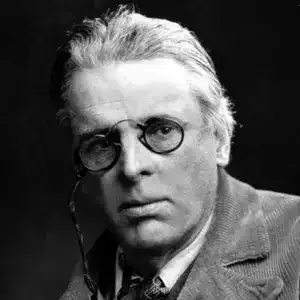
William Butler Yeats
Easter, 1916
Easter, 1916
I have met them at close of day
Coming with vivid faces
From counter or desk among grey
Eighteenth-century houses.
I have passed with a nod of the head
Or polite meaningless words,
Or have lingered awhile and said
Polite meaningless words,
And thought before I had done
Of a mocking tale or a gibe
To please a companion
Around the fire at the club,
Being certain that they and I
But lived where motley is worn:
All changed, changed utterly:
A terrible beauty is born.
That woman's days were spent
In ignorant good-will,
Her nights in argument
Until her voice grew shrill.
What voice more sweet than hers
When, young and beautiful,
She rode to harriers?
This man had kept a school
And rode our winged horse;
This other his helper and friend
Was coming into his force;
He might have won fame in the end,
So sensitive his nature seemed,
So daring and sweet his thought.
This other man I had dreamed
A drunken, vainglorious lout.
He had done most bitter wrong
To some who are near my heart,
Yet I number him in the song;
He, too, has resigned his part
In the casual comedy;
He, too, has been changed in his turn,
Transformed utterly:
A terrible beauty is born.
Hearts with one purpose alone
Through summer and winter seem
Enchanted to a stone
To trouble the living stream.
The horse that comes from the road.
The rider, the birds that range
From cloud to tumbling cloud,
Minute by minute they change;
A shadow of cloud on the stream
Changes minute by minute;
A horse-hoof slides on the brim,
And a horse plashes within it;
The long-legged moor-hens dive,
And hens to moor-cocks call;
Minute by minute they live:
The stone's in the midst of all.
Too long a sacrifice
Can make a stone of the heart.
O when may it suffice?
That is Heaven's part, our part
To murmur name upon name,
As a mother names her child
When sleep at last has come
On limbs that had run wild.
What is it but nightfall?
No, no, not night but death;
Was it needless death after all?
For England may keep faith
For all that is done and said.
We know their dream; enough
To know they dreamed and are dead;
And what if excess of love
Bewildered them till they died?
I write it out in a verse -
MacDonagh and MacBride
And Connolly and pearse
Now and in time to be,
Wherever green is worn,
Are changed, changed utterly:
A terrible beauty is born.
I have met them at close of day
Coming with vivid faces
From counter or desk among grey
Eighteenth-century houses.
I have passed with a nod of the head
Or polite meaningless words,
Or have lingered awhile and said
Polite meaningless words,
And thought before I had done
Of a mocking tale or a gibe
To please a companion
Around the fire at the club,
Being certain that they and I
But lived where motley is worn:
All changed, changed utterly:
A terrible beauty is born.
That woman's days were spent
In ignorant good-will,
Her nights in argument
Until her voice grew shrill.
What voice more sweet than hers
When, young and beautiful,
She rode to harriers?
This man had kept a school
And rode our winged horse;
This other his helper and friend
Was coming into his force;
He might have won fame in the end,
So sensitive his nature seemed,
So daring and sweet his thought.
This other man I had dreamed
A drunken, vainglorious lout.
He had done most bitter wrong
To some who are near my heart,
Yet I number him in the song;
He, too, has resigned his part
In the casual comedy;
He, too, has been changed in his turn,
Transformed utterly:
A terrible beauty is born.
Hearts with one purpose alone
Through summer and winter seem
Enchanted to a stone
To trouble the living stream.
The horse that comes from the road.
The rider, the birds that range
From cloud to tumbling cloud,
Minute by minute they change;
A shadow of cloud on the stream
Changes minute by minute;
A horse-hoof slides on the brim,
And a horse plashes within it;
The long-legged moor-hens dive,
And hens to moor-cocks call;
Minute by minute they live:
The stone's in the midst of all.
Too long a sacrifice
Can make a stone of the heart.
O when may it suffice?
That is Heaven's part, our part
To murmur name upon name,
As a mother names her child
When sleep at last has come
On limbs that had run wild.
What is it but nightfall?
No, no, not night but death;
Was it needless death after all?
For England may keep faith
For all that is done and said.
We know their dream; enough
To know they dreamed and are dead;
And what if excess of love
Bewildered them till they died?
I write it out in a verse -
MacDonagh and MacBride
And Connolly and pearse
Now and in time to be,
Wherever green is worn,
Are changed, changed utterly:
A terrible beauty is born.
631
William Butler Yeats
Death
Death
NOR dread nor hope attend
A dying animal;
A man awaits his end
Dreading and hoping all;
Many times he died,
Many times rose again.
A great man in his pride
Confronting murderous men
Casts derision upon
Supersession of breath;
He knows death to the bone --
Man has created death.
NOR dread nor hope attend
A dying animal;
A man awaits his end
Dreading and hoping all;
Many times he died,
Many times rose again.
A great man in his pride
Confronting murderous men
Casts derision upon
Supersession of breath;
He knows death to the bone --
Man has created death.
301
William Butler Yeats
Cuchulain Comforted
Cuchulain Comforted
A MAN that had six mortal wounds, a man
Violent and famous, strode among the dead;
Eyes stared out of the branches and were gone.
Then certain Shrouds that muttered head to head
Came and were gone. He leant upon a tree
As though to meditate on wounds and blood.
A Shroud that seemed to have authority
Among those bird-like things came, and let fall
A bundle of linen. Shrouds by two and thrce
Came creeping up because the man was still.
And thereupon that linen-carrier said:
'Your life can grow much sweeter if you will
'Obey our ancient rule and make a shroud;
Mainly because of what we only know
The rattle of those arms makes us afraid.
'We thread the needles' eyes, and all we do
All must together do.' That done, the man
Took up the nearest and began to sew.
'Now must we sing and sing the best we can,
But first you must be told our character:
Convicted cowards all, by kindred slain
'Or driven from home and left to dic in fear.'
They sang, but had nor human tunes nor words,
Though all was done in common as before;
They had changed their thtoats and had the throats of birds.
A MAN that had six mortal wounds, a man
Violent and famous, strode among the dead;
Eyes stared out of the branches and were gone.
Then certain Shrouds that muttered head to head
Came and were gone. He leant upon a tree
As though to meditate on wounds and blood.
A Shroud that seemed to have authority
Among those bird-like things came, and let fall
A bundle of linen. Shrouds by two and thrce
Came creeping up because the man was still.
And thereupon that linen-carrier said:
'Your life can grow much sweeter if you will
'Obey our ancient rule and make a shroud;
Mainly because of what we only know
The rattle of those arms makes us afraid.
'We thread the needles' eyes, and all we do
All must together do.' That done, the man
Took up the nearest and began to sew.
'Now must we sing and sing the best we can,
But first you must be told our character:
Convicted cowards all, by kindred slain
'Or driven from home and left to dic in fear.'
They sang, but had nor human tunes nor words,
Though all was done in common as before;
They had changed their thtoats and had the throats of birds.
385
William Butler Yeats
Crazy Jane Reproved
Crazy Jane Reproved
I care not what the sailors say:
All those dreadful thunder-stones,
All that storm that blots the day
Can but show that Heaven yawns;
Great Europa played the fool
That changed a lover for a bull.
Fol de rol, fol de rol.
To round that shell's elaborate whorl,
Adorning every secret track
With the delicate mother-of-pearl,
Made the joints of Heaven crack:
So never hang your heart upon
A roaring, ranting journeyman.
Fol de rol, fol de rol.
I care not what the sailors say:
All those dreadful thunder-stones,
All that storm that blots the day
Can but show that Heaven yawns;
Great Europa played the fool
That changed a lover for a bull.
Fol de rol, fol de rol.
To round that shell's elaborate whorl,
Adorning every secret track
With the delicate mother-of-pearl,
Made the joints of Heaven crack:
So never hang your heart upon
A roaring, ranting journeyman.
Fol de rol, fol de rol.
377
William Butler Yeats
Come Gather Round Me, Parnellites
Come Gather Round Me, Parnellites
COME gather round me, Parnellites,
And praise our chosen man;
Stand upright on your legs awhile,
Stand upright while you can,
For soon we lie where he is laid,
And he is underground;
Come fill up all those glasses
And pass the bottle round.
And here's a cogent reason,
And I have many more,
He fought the might of England
And saved the Irish poor,
Whatever good a farmer's got
He brought it all to pass;
And here's another reason,
That parnell loved a lass.
And here's a final reason,
He was of such a kind
Every man that sings a song
Keeps Parnell in his mind.
For Parnell was a proud man,
No prouder trod the ground,
And a proud man's a lovely man,
So pass the bottle round.
The Bishops and the party
That tragic story made,
A husband that had sold hiS wife
And after that betrayed;
But stories that live longest
Are sung above the glass,
And Parnell loved his countrey
And parnell loved his lass.
COME gather round me, Parnellites,
And praise our chosen man;
Stand upright on your legs awhile,
Stand upright while you can,
For soon we lie where he is laid,
And he is underground;
Come fill up all those glasses
And pass the bottle round.
And here's a cogent reason,
And I have many more,
He fought the might of England
And saved the Irish poor,
Whatever good a farmer's got
He brought it all to pass;
And here's another reason,
That parnell loved a lass.
And here's a final reason,
He was of such a kind
Every man that sings a song
Keeps Parnell in his mind.
For Parnell was a proud man,
No prouder trod the ground,
And a proud man's a lovely man,
So pass the bottle round.
The Bishops and the party
That tragic story made,
A husband that had sold hiS wife
And after that betrayed;
But stories that live longest
Are sung above the glass,
And Parnell loved his countrey
And parnell loved his lass.
399
William Butler Yeats
Come Gather Round Me, Parnellites
Come Gather Round Me, Parnellites
COME gather round me, Parnellites,
And praise our chosen man;
Stand upright on your legs awhile,
Stand upright while you can,
For soon we lie where he is laid,
And he is underground;
Come fill up all those glasses
And pass the bottle round.
And here's a cogent reason,
And I have many more,
He fought the might of England
And saved the Irish poor,
Whatever good a farmer's got
He brought it all to pass;
And here's another reason,
That parnell loved a lass.
And here's a final reason,
He was of such a kind
Every man that sings a song
Keeps Parnell in his mind.
For Parnell was a proud man,
No prouder trod the ground,
And a proud man's a lovely man,
So pass the bottle round.
The Bishops and the party
That tragic story made,
A husband that had sold hiS wife
And after that betrayed;
But stories that live longest
Are sung above the glass,
And Parnell loved his countrey
And parnell loved his lass.
COME gather round me, Parnellites,
And praise our chosen man;
Stand upright on your legs awhile,
Stand upright while you can,
For soon we lie where he is laid,
And he is underground;
Come fill up all those glasses
And pass the bottle round.
And here's a cogent reason,
And I have many more,
He fought the might of England
And saved the Irish poor,
Whatever good a farmer's got
He brought it all to pass;
And here's another reason,
That parnell loved a lass.
And here's a final reason,
He was of such a kind
Every man that sings a song
Keeps Parnell in his mind.
For Parnell was a proud man,
No prouder trod the ground,
And a proud man's a lovely man,
So pass the bottle round.
The Bishops and the party
That tragic story made,
A husband that had sold hiS wife
And after that betrayed;
But stories that live longest
Are sung above the glass,
And Parnell loved his countrey
And parnell loved his lass.
399
William Butler Yeats
Come Gather Round Me, Parnellites
Come Gather Round Me, Parnellites
COME gather round me, Parnellites,
And praise our chosen man;
Stand upright on your legs awhile,
Stand upright while you can,
For soon we lie where he is laid,
And he is underground;
Come fill up all those glasses
And pass the bottle round.
And here's a cogent reason,
And I have many more,
He fought the might of England
And saved the Irish poor,
Whatever good a farmer's got
He brought it all to pass;
And here's another reason,
That parnell loved a lass.
And here's a final reason,
He was of such a kind
Every man that sings a song
Keeps Parnell in his mind.
For Parnell was a proud man,
No prouder trod the ground,
And a proud man's a lovely man,
So pass the bottle round.
The Bishops and the party
That tragic story made,
A husband that had sold hiS wife
And after that betrayed;
But stories that live longest
Are sung above the glass,
And Parnell loved his countrey
And parnell loved his lass.
COME gather round me, Parnellites,
And praise our chosen man;
Stand upright on your legs awhile,
Stand upright while you can,
For soon we lie where he is laid,
And he is underground;
Come fill up all those glasses
And pass the bottle round.
And here's a cogent reason,
And I have many more,
He fought the might of England
And saved the Irish poor,
Whatever good a farmer's got
He brought it all to pass;
And here's another reason,
That parnell loved a lass.
And here's a final reason,
He was of such a kind
Every man that sings a song
Keeps Parnell in his mind.
For Parnell was a proud man,
No prouder trod the ground,
And a proud man's a lovely man,
So pass the bottle round.
The Bishops and the party
That tragic story made,
A husband that had sold hiS wife
And after that betrayed;
But stories that live longest
Are sung above the glass,
And Parnell loved his countrey
And parnell loved his lass.
399
William Butler Yeats
Colonel Martin
Colonel Martin
THE Colonel went out sailing,
He spoke with Turk and Jew,
With Christian and with Infidel,
For all tongues he knew.
'O what's a wifeless man?' said he,
And he came sailing home.
He rose the latch and went upstairS
And found an empty room.
The Colonel went out sailing.
'I kept her much in the country
And she was much alone,
And though she may be there,' he said,
'She may be in the town.
She may be all alone there,
For who can say?' he said.
'I think that I shall find her
In a young man's bed.'
The Colonel went out sailing.
III
The Colonel met a pedlar,
Agreed their clothes to swop,
And bought the grandest jewelry
In a Galway shop,
Instead of thread and needle
put jewelry in the pack,
Bound a thong about his hand,
Hitched it on his back.
The Colonel wcnt out sailing.
The Colonel knocked on the rich man's door,
'I am sorry,' said the maid,
'My mistress cannot see these things,
But she is still abed,
And never have I looked upon
Jewelry so grand.'
'Take all to your mistress,'
And he laid them on her hand.
The Colonel went out sailing.
And he went in and she went on
And both climbed up the stair,
And O he was a clever man,
For he his slippers wore.
And when they came to the top stair
He ran on ahead,
His wife he found and the rich man
In the comfort of a bed.
The Colonel went out sailing.
The Judge at the Assize Court,
When he heard that story told,
Awarded him for damages
Three kegs of gold.
The Colonel said to Tom his man,
'Harness an ass and cart,
Carry the gold about the town,
Throw it in every patt.'
The Colonel went out sailing.
VII
And there at all street-corners
A man with a pistol stood,
And the rich man had paid them well
To shoot the Colonel dead;
But they threw down their pistols
And all men heard them swear
That they could never shoot a man
Did all that for the poor.
The Colonel went out sailing.
VIII
'And did you keep no gold, Tom?
You had three kegs,' said he.
'I never thought of that, Sir.'
'Then want before you die.'
And want he did; for my own grand-dad
Saw the story's end,
And Tom make out a living
From the seaweed on the strand.
The Colonel went out sailing.
THE Colonel went out sailing,
He spoke with Turk and Jew,
With Christian and with Infidel,
For all tongues he knew.
'O what's a wifeless man?' said he,
And he came sailing home.
He rose the latch and went upstairS
And found an empty room.
The Colonel went out sailing.
'I kept her much in the country
And she was much alone,
And though she may be there,' he said,
'She may be in the town.
She may be all alone there,
For who can say?' he said.
'I think that I shall find her
In a young man's bed.'
The Colonel went out sailing.
III
The Colonel met a pedlar,
Agreed their clothes to swop,
And bought the grandest jewelry
In a Galway shop,
Instead of thread and needle
put jewelry in the pack,
Bound a thong about his hand,
Hitched it on his back.
The Colonel wcnt out sailing.
The Colonel knocked on the rich man's door,
'I am sorry,' said the maid,
'My mistress cannot see these things,
But she is still abed,
And never have I looked upon
Jewelry so grand.'
'Take all to your mistress,'
And he laid them on her hand.
The Colonel went out sailing.
And he went in and she went on
And both climbed up the stair,
And O he was a clever man,
For he his slippers wore.
And when they came to the top stair
He ran on ahead,
His wife he found and the rich man
In the comfort of a bed.
The Colonel went out sailing.
The Judge at the Assize Court,
When he heard that story told,
Awarded him for damages
Three kegs of gold.
The Colonel said to Tom his man,
'Harness an ass and cart,
Carry the gold about the town,
Throw it in every patt.'
The Colonel went out sailing.
VII
And there at all street-corners
A man with a pistol stood,
And the rich man had paid them well
To shoot the Colonel dead;
But they threw down their pistols
And all men heard them swear
That they could never shoot a man
Did all that for the poor.
The Colonel went out sailing.
VIII
'And did you keep no gold, Tom?
You had three kegs,' said he.
'I never thought of that, Sir.'
'Then want before you die.'
And want he did; for my own grand-dad
Saw the story's end,
And Tom make out a living
From the seaweed on the strand.
The Colonel went out sailing.
399
William Butler Yeats
Colonel Martin
Colonel Martin
THE Colonel went out sailing,
He spoke with Turk and Jew,
With Christian and with Infidel,
For all tongues he knew.
'O what's a wifeless man?' said he,
And he came sailing home.
He rose the latch and went upstairS
And found an empty room.
The Colonel went out sailing.
'I kept her much in the country
And she was much alone,
And though she may be there,' he said,
'She may be in the town.
She may be all alone there,
For who can say?' he said.
'I think that I shall find her
In a young man's bed.'
The Colonel went out sailing.
III
The Colonel met a pedlar,
Agreed their clothes to swop,
And bought the grandest jewelry
In a Galway shop,
Instead of thread and needle
put jewelry in the pack,
Bound a thong about his hand,
Hitched it on his back.
The Colonel wcnt out sailing.
The Colonel knocked on the rich man's door,
'I am sorry,' said the maid,
'My mistress cannot see these things,
But she is still abed,
And never have I looked upon
Jewelry so grand.'
'Take all to your mistress,'
And he laid them on her hand.
The Colonel went out sailing.
And he went in and she went on
And both climbed up the stair,
And O he was a clever man,
For he his slippers wore.
And when they came to the top stair
He ran on ahead,
His wife he found and the rich man
In the comfort of a bed.
The Colonel went out sailing.
The Judge at the Assize Court,
When he heard that story told,
Awarded him for damages
Three kegs of gold.
The Colonel said to Tom his man,
'Harness an ass and cart,
Carry the gold about the town,
Throw it in every patt.'
The Colonel went out sailing.
VII
And there at all street-corners
A man with a pistol stood,
And the rich man had paid them well
To shoot the Colonel dead;
But they threw down their pistols
And all men heard them swear
That they could never shoot a man
Did all that for the poor.
The Colonel went out sailing.
VIII
'And did you keep no gold, Tom?
You had three kegs,' said he.
'I never thought of that, Sir.'
'Then want before you die.'
And want he did; for my own grand-dad
Saw the story's end,
And Tom make out a living
From the seaweed on the strand.
The Colonel went out sailing.
THE Colonel went out sailing,
He spoke with Turk and Jew,
With Christian and with Infidel,
For all tongues he knew.
'O what's a wifeless man?' said he,
And he came sailing home.
He rose the latch and went upstairS
And found an empty room.
The Colonel went out sailing.
'I kept her much in the country
And she was much alone,
And though she may be there,' he said,
'She may be in the town.
She may be all alone there,
For who can say?' he said.
'I think that I shall find her
In a young man's bed.'
The Colonel went out sailing.
III
The Colonel met a pedlar,
Agreed their clothes to swop,
And bought the grandest jewelry
In a Galway shop,
Instead of thread and needle
put jewelry in the pack,
Bound a thong about his hand,
Hitched it on his back.
The Colonel wcnt out sailing.
The Colonel knocked on the rich man's door,
'I am sorry,' said the maid,
'My mistress cannot see these things,
But she is still abed,
And never have I looked upon
Jewelry so grand.'
'Take all to your mistress,'
And he laid them on her hand.
The Colonel went out sailing.
And he went in and she went on
And both climbed up the stair,
And O he was a clever man,
For he his slippers wore.
And when they came to the top stair
He ran on ahead,
His wife he found and the rich man
In the comfort of a bed.
The Colonel went out sailing.
The Judge at the Assize Court,
When he heard that story told,
Awarded him for damages
Three kegs of gold.
The Colonel said to Tom his man,
'Harness an ass and cart,
Carry the gold about the town,
Throw it in every patt.'
The Colonel went out sailing.
VII
And there at all street-corners
A man with a pistol stood,
And the rich man had paid them well
To shoot the Colonel dead;
But they threw down their pistols
And all men heard them swear
That they could never shoot a man
Did all that for the poor.
The Colonel went out sailing.
VIII
'And did you keep no gold, Tom?
You had three kegs,' said he.
'I never thought of that, Sir.'
'Then want before you die.'
And want he did; for my own grand-dad
Saw the story's end,
And Tom make out a living
From the seaweed on the strand.
The Colonel went out sailing.
399
William Butler Yeats
Colonel Martin
Colonel Martin
THE Colonel went out sailing,
He spoke with Turk and Jew,
With Christian and with Infidel,
For all tongues he knew.
'O what's a wifeless man?' said he,
And he came sailing home.
He rose the latch and went upstairS
And found an empty room.
The Colonel went out sailing.
'I kept her much in the country
And she was much alone,
And though she may be there,' he said,
'She may be in the town.
She may be all alone there,
For who can say?' he said.
'I think that I shall find her
In a young man's bed.'
The Colonel went out sailing.
III
The Colonel met a pedlar,
Agreed their clothes to swop,
And bought the grandest jewelry
In a Galway shop,
Instead of thread and needle
put jewelry in the pack,
Bound a thong about his hand,
Hitched it on his back.
The Colonel wcnt out sailing.
The Colonel knocked on the rich man's door,
'I am sorry,' said the maid,
'My mistress cannot see these things,
But she is still abed,
And never have I looked upon
Jewelry so grand.'
'Take all to your mistress,'
And he laid them on her hand.
The Colonel went out sailing.
And he went in and she went on
And both climbed up the stair,
And O he was a clever man,
For he his slippers wore.
And when they came to the top stair
He ran on ahead,
His wife he found and the rich man
In the comfort of a bed.
The Colonel went out sailing.
The Judge at the Assize Court,
When he heard that story told,
Awarded him for damages
Three kegs of gold.
The Colonel said to Tom his man,
'Harness an ass and cart,
Carry the gold about the town,
Throw it in every patt.'
The Colonel went out sailing.
VII
And there at all street-corners
A man with a pistol stood,
And the rich man had paid them well
To shoot the Colonel dead;
But they threw down their pistols
And all men heard them swear
That they could never shoot a man
Did all that for the poor.
The Colonel went out sailing.
VIII
'And did you keep no gold, Tom?
You had three kegs,' said he.
'I never thought of that, Sir.'
'Then want before you die.'
And want he did; for my own grand-dad
Saw the story's end,
And Tom make out a living
From the seaweed on the strand.
The Colonel went out sailing.
THE Colonel went out sailing,
He spoke with Turk and Jew,
With Christian and with Infidel,
For all tongues he knew.
'O what's a wifeless man?' said he,
And he came sailing home.
He rose the latch and went upstairS
And found an empty room.
The Colonel went out sailing.
'I kept her much in the country
And she was much alone,
And though she may be there,' he said,
'She may be in the town.
She may be all alone there,
For who can say?' he said.
'I think that I shall find her
In a young man's bed.'
The Colonel went out sailing.
III
The Colonel met a pedlar,
Agreed their clothes to swop,
And bought the grandest jewelry
In a Galway shop,
Instead of thread and needle
put jewelry in the pack,
Bound a thong about his hand,
Hitched it on his back.
The Colonel wcnt out sailing.
The Colonel knocked on the rich man's door,
'I am sorry,' said the maid,
'My mistress cannot see these things,
But she is still abed,
And never have I looked upon
Jewelry so grand.'
'Take all to your mistress,'
And he laid them on her hand.
The Colonel went out sailing.
And he went in and she went on
And both climbed up the stair,
And O he was a clever man,
For he his slippers wore.
And when they came to the top stair
He ran on ahead,
His wife he found and the rich man
In the comfort of a bed.
The Colonel went out sailing.
The Judge at the Assize Court,
When he heard that story told,
Awarded him for damages
Three kegs of gold.
The Colonel said to Tom his man,
'Harness an ass and cart,
Carry the gold about the town,
Throw it in every patt.'
The Colonel went out sailing.
VII
And there at all street-corners
A man with a pistol stood,
And the rich man had paid them well
To shoot the Colonel dead;
But they threw down their pistols
And all men heard them swear
That they could never shoot a man
Did all that for the poor.
The Colonel went out sailing.
VIII
'And did you keep no gold, Tom?
You had three kegs,' said he.
'I never thought of that, Sir.'
'Then want before you die.'
And want he did; for my own grand-dad
Saw the story's end,
And Tom make out a living
From the seaweed on the strand.
The Colonel went out sailing.
399
William Butler Yeats
Blood And The Moon
Blood And The Moon
BLESSED be this place,
More blessed still this tower;
A bloody, arrogant power
Rose out of the race
Uttering, mastering it,
Rose like these walls from these
Storm-beaten cottages --
In mockery I have set
A powerful emblem up,
And sing it rhyme upon rhyme
In mockery of a time
HaIf dead at the top.
Alexandria's was a beacon tower, and Babylon's
An image of the moving heavens, a log-book of the
sun's journey and the moon's;
And Shelley had his towers, thought's crowned powers
he called them once.
I declare this tower is my symbol; I declare
This winding, gyring, spiring treadmill of a stair is my
ancestral stair;
That Goldsmith and the Dean, Berkeley and Burke
have travelled there.
Swift beating on his breast in sibylline frenzy blind
Because the heart in his blood-sodden breast had
dragged him down into mankind,
Goldsmith deliberately sipping at the honey-pot of his
mind,
And haughtier-headed Burke that proved the State a
tree,
That this unconquerable labyrinth of the birds, century
after century,
Cast but dead leaves to mathematical equality;
And God-appointed Berkeley that proved all things a
dream,
That this pragmatical, preposterous pig of a world, its
farrow that so solid seem,
Must vanish on the instant if the mind but change its
theme;
i{Saeva Indignatio} and the labourer's hire,
The strength that gives our blood and state magnanimity
of its own desire;
Everything that is not God consumed with intellectual
fire.
III
The purity of the unclouded moon
Has flung its atrowy shaft upon the floor.
Seven centuries have passed and it is pure,
The blood of innocence has left no stain.
There, on blood-saturated ground, have stood
Soldier, assassin, executioner.
Whether for daily pittance or in blind fear
Or out of abstract hatred, and shed blood,
But could not cast a single jet thereon.
Odour of blood on the ancestral stair!
And we that have shed none must gather there
And clamour in drunken frenzy for the moon.
IV
Upon the dusty, glittering windows cling,
And seem to cling upon the moonlit skies,
Tortoiseshell butterflies, peacock butterflies,
A couple of night-moths are on the wing.
Is every modern nation like the tower,
Half dead at the top? No matter what I said,
For wisdom is the property of the dead,
A something incompatible with life; and power,
Like everything that has the stain of blood,
A property of the living; but no stain
Can come upon the visage of the moon
When it has looked in glory from a cloud.
BLESSED be this place,
More blessed still this tower;
A bloody, arrogant power
Rose out of the race
Uttering, mastering it,
Rose like these walls from these
Storm-beaten cottages --
In mockery I have set
A powerful emblem up,
And sing it rhyme upon rhyme
In mockery of a time
HaIf dead at the top.
Alexandria's was a beacon tower, and Babylon's
An image of the moving heavens, a log-book of the
sun's journey and the moon's;
And Shelley had his towers, thought's crowned powers
he called them once.
I declare this tower is my symbol; I declare
This winding, gyring, spiring treadmill of a stair is my
ancestral stair;
That Goldsmith and the Dean, Berkeley and Burke
have travelled there.
Swift beating on his breast in sibylline frenzy blind
Because the heart in his blood-sodden breast had
dragged him down into mankind,
Goldsmith deliberately sipping at the honey-pot of his
mind,
And haughtier-headed Burke that proved the State a
tree,
That this unconquerable labyrinth of the birds, century
after century,
Cast but dead leaves to mathematical equality;
And God-appointed Berkeley that proved all things a
dream,
That this pragmatical, preposterous pig of a world, its
farrow that so solid seem,
Must vanish on the instant if the mind but change its
theme;
i{Saeva Indignatio} and the labourer's hire,
The strength that gives our blood and state magnanimity
of its own desire;
Everything that is not God consumed with intellectual
fire.
III
The purity of the unclouded moon
Has flung its atrowy shaft upon the floor.
Seven centuries have passed and it is pure,
The blood of innocence has left no stain.
There, on blood-saturated ground, have stood
Soldier, assassin, executioner.
Whether for daily pittance or in blind fear
Or out of abstract hatred, and shed blood,
But could not cast a single jet thereon.
Odour of blood on the ancestral stair!
And we that have shed none must gather there
And clamour in drunken frenzy for the moon.
IV
Upon the dusty, glittering windows cling,
And seem to cling upon the moonlit skies,
Tortoiseshell butterflies, peacock butterflies,
A couple of night-moths are on the wing.
Is every modern nation like the tower,
Half dead at the top? No matter what I said,
For wisdom is the property of the dead,
A something incompatible with life; and power,
Like everything that has the stain of blood,
A property of the living; but no stain
Can come upon the visage of the moon
When it has looked in glory from a cloud.
381
William Butler Yeats
Blood And The Moon
Blood And The Moon
BLESSED be this place,
More blessed still this tower;
A bloody, arrogant power
Rose out of the race
Uttering, mastering it,
Rose like these walls from these
Storm-beaten cottages --
In mockery I have set
A powerful emblem up,
And sing it rhyme upon rhyme
In mockery of a time
HaIf dead at the top.
Alexandria's was a beacon tower, and Babylon's
An image of the moving heavens, a log-book of the
sun's journey and the moon's;
And Shelley had his towers, thought's crowned powers
he called them once.
I declare this tower is my symbol; I declare
This winding, gyring, spiring treadmill of a stair is my
ancestral stair;
That Goldsmith and the Dean, Berkeley and Burke
have travelled there.
Swift beating on his breast in sibylline frenzy blind
Because the heart in his blood-sodden breast had
dragged him down into mankind,
Goldsmith deliberately sipping at the honey-pot of his
mind,
And haughtier-headed Burke that proved the State a
tree,
That this unconquerable labyrinth of the birds, century
after century,
Cast but dead leaves to mathematical equality;
And God-appointed Berkeley that proved all things a
dream,
That this pragmatical, preposterous pig of a world, its
farrow that so solid seem,
Must vanish on the instant if the mind but change its
theme;
i{Saeva Indignatio} and the labourer's hire,
The strength that gives our blood and state magnanimity
of its own desire;
Everything that is not God consumed with intellectual
fire.
III
The purity of the unclouded moon
Has flung its atrowy shaft upon the floor.
Seven centuries have passed and it is pure,
The blood of innocence has left no stain.
There, on blood-saturated ground, have stood
Soldier, assassin, executioner.
Whether for daily pittance or in blind fear
Or out of abstract hatred, and shed blood,
But could not cast a single jet thereon.
Odour of blood on the ancestral stair!
And we that have shed none must gather there
And clamour in drunken frenzy for the moon.
IV
Upon the dusty, glittering windows cling,
And seem to cling upon the moonlit skies,
Tortoiseshell butterflies, peacock butterflies,
A couple of night-moths are on the wing.
Is every modern nation like the tower,
Half dead at the top? No matter what I said,
For wisdom is the property of the dead,
A something incompatible with life; and power,
Like everything that has the stain of blood,
A property of the living; but no stain
Can come upon the visage of the moon
When it has looked in glory from a cloud.
BLESSED be this place,
More blessed still this tower;
A bloody, arrogant power
Rose out of the race
Uttering, mastering it,
Rose like these walls from these
Storm-beaten cottages --
In mockery I have set
A powerful emblem up,
And sing it rhyme upon rhyme
In mockery of a time
HaIf dead at the top.
Alexandria's was a beacon tower, and Babylon's
An image of the moving heavens, a log-book of the
sun's journey and the moon's;
And Shelley had his towers, thought's crowned powers
he called them once.
I declare this tower is my symbol; I declare
This winding, gyring, spiring treadmill of a stair is my
ancestral stair;
That Goldsmith and the Dean, Berkeley and Burke
have travelled there.
Swift beating on his breast in sibylline frenzy blind
Because the heart in his blood-sodden breast had
dragged him down into mankind,
Goldsmith deliberately sipping at the honey-pot of his
mind,
And haughtier-headed Burke that proved the State a
tree,
That this unconquerable labyrinth of the birds, century
after century,
Cast but dead leaves to mathematical equality;
And God-appointed Berkeley that proved all things a
dream,
That this pragmatical, preposterous pig of a world, its
farrow that so solid seem,
Must vanish on the instant if the mind but change its
theme;
i{Saeva Indignatio} and the labourer's hire,
The strength that gives our blood and state magnanimity
of its own desire;
Everything that is not God consumed with intellectual
fire.
III
The purity of the unclouded moon
Has flung its atrowy shaft upon the floor.
Seven centuries have passed and it is pure,
The blood of innocence has left no stain.
There, on blood-saturated ground, have stood
Soldier, assassin, executioner.
Whether for daily pittance or in blind fear
Or out of abstract hatred, and shed blood,
But could not cast a single jet thereon.
Odour of blood on the ancestral stair!
And we that have shed none must gather there
And clamour in drunken frenzy for the moon.
IV
Upon the dusty, glittering windows cling,
And seem to cling upon the moonlit skies,
Tortoiseshell butterflies, peacock butterflies,
A couple of night-moths are on the wing.
Is every modern nation like the tower,
Half dead at the top? No matter what I said,
For wisdom is the property of the dead,
A something incompatible with life; and power,
Like everything that has the stain of blood,
A property of the living; but no stain
Can come upon the visage of the moon
When it has looked in glory from a cloud.
381
William Butler Yeats
Adam's Curse
Adam's Curse
WE sat together at one summer's end,
That beautiful mild woman, your close friend,
And you and I, and talked of poetry.
I said, 'A line will take us hours maybe;
Yet if it does not seem a moment's thought,
Our stitching and unstitching has been naught.
Better go down upon your marrow-bones
And scrub a kitchen pavement, or break stones
Like an old pauper, in all kinds of weather;
For to articulate sweet sounds together
Is to work harder than all these, and yet
Be thought an idler by the noisy set
Of bankers, schoolmasters, and clergymen
The martyrs call the world.'
And thereupon
That beautiful mild woman for whose sake
There's many a one shall find out all heartache
On finding that her voice is sweet and low
Replied, 'To be born woman is to know --
Although they do not talk of it at school --
That we must labour to be beautiful.'
I said, 'It's certain there is no fine thing
Since Adam's fall but needs much labouring.
There have been lovers who thought love should be
So much compounded of high courtesy
That they would sigh and quote with learned looks
precedents out of beautiful old books;
Yet now it seems an idle trade enough.'
We sat grown quiet at the name of love;
We saw the last embers of daylight die,
And in the trembling blue-green of the sky
A moon, worn as if it had been a shell
Washed by time's waters as they rose and fell
About the stars and broke in days and years.
I had a thought for no one's but your ears:
That you were beautiful, and that I strove
To love you in the old high way of love;
That it had all seemed happy, and yet we'd grown
As weary-hearted as that hollow moon.
WE sat together at one summer's end,
That beautiful mild woman, your close friend,
And you and I, and talked of poetry.
I said, 'A line will take us hours maybe;
Yet if it does not seem a moment's thought,
Our stitching and unstitching has been naught.
Better go down upon your marrow-bones
And scrub a kitchen pavement, or break stones
Like an old pauper, in all kinds of weather;
For to articulate sweet sounds together
Is to work harder than all these, and yet
Be thought an idler by the noisy set
Of bankers, schoolmasters, and clergymen
The martyrs call the world.'
And thereupon
That beautiful mild woman for whose sake
There's many a one shall find out all heartache
On finding that her voice is sweet and low
Replied, 'To be born woman is to know --
Although they do not talk of it at school --
That we must labour to be beautiful.'
I said, 'It's certain there is no fine thing
Since Adam's fall but needs much labouring.
There have been lovers who thought love should be
So much compounded of high courtesy
That they would sigh and quote with learned looks
precedents out of beautiful old books;
Yet now it seems an idle trade enough.'
We sat grown quiet at the name of love;
We saw the last embers of daylight die,
And in the trembling blue-green of the sky
A moon, worn as if it had been a shell
Washed by time's waters as they rose and fell
About the stars and broke in days and years.
I had a thought for no one's but your ears:
That you were beautiful, and that I strove
To love you in the old high way of love;
That it had all seemed happy, and yet we'd grown
As weary-hearted as that hollow moon.
415
William Butler Yeats
A Prayer On Going Into My House
A Prayer On Going Into My House
GOD grant a blessing on this tower and cottage
And on my heirs, if all remain unspoiled,
No table or chair or stool not simple enough
For shepherd lads in Galilee; and grant
That I myself for portions of the year
May handle nothing and set eyes on nothing
But what the great and passionate have used
Throughout so many varying centuries
We take it for the norm; yet should I dream
Sinbad the sailor's brought a painted chest,
Or image, from beyond the Loadstone Mountain,
That dream is a norm; and should some limb of the Devil
Destroy the view by cutting down an ash
That shades the road, or setting up a cottage
Planned in a government office, shorten his life,
Manacle his soul upon the Red Sea bottom.
GOD grant a blessing on this tower and cottage
And on my heirs, if all remain unspoiled,
No table or chair or stool not simple enough
For shepherd lads in Galilee; and grant
That I myself for portions of the year
May handle nothing and set eyes on nothing
But what the great and passionate have used
Throughout so many varying centuries
We take it for the norm; yet should I dream
Sinbad the sailor's brought a painted chest,
Or image, from beyond the Loadstone Mountain,
That dream is a norm; and should some limb of the Devil
Destroy the view by cutting down an ash
That shades the road, or setting up a cottage
Planned in a government office, shorten his life,
Manacle his soul upon the Red Sea bottom.
560
William Butler Yeats
A Prayer For My Son
A Prayer For My Son
BID a strong ghost stand at the head
That my Michael may sleep sound,
Nor cry, nor turn in the bed
Till his morning meal come round;
And may departing twilight keep
All dread afar till morning's back.
That his mother may not lack
Her fill of sleep.
Bid the ghost have sword in fist:
Some there are, for I avow
Such devilish things exist,
Who have planned his murder, for they know
Of some most haughty deed or thought
That waits upon his future days,
And would through hatred of the bays
Bring that to nought.
Though You can fashion everything
From nothing every day, and teach
The morning stats to sing,
You have lacked articulate speech
To tell Your simplest want, and known,
Wailing upon a woman's knee,
All of that worst ignominy
Of flesh and bone;
And when through all the town there ran
The servants of Your enemy,
A woman and a man,
Unless the Holy Writings lie,
Hurried through the smooth and rough
And through the fertile and waste,
protecting, till the danger past,
With human love.
BID a strong ghost stand at the head
That my Michael may sleep sound,
Nor cry, nor turn in the bed
Till his morning meal come round;
And may departing twilight keep
All dread afar till morning's back.
That his mother may not lack
Her fill of sleep.
Bid the ghost have sword in fist:
Some there are, for I avow
Such devilish things exist,
Who have planned his murder, for they know
Of some most haughty deed or thought
That waits upon his future days,
And would through hatred of the bays
Bring that to nought.
Though You can fashion everything
From nothing every day, and teach
The morning stats to sing,
You have lacked articulate speech
To tell Your simplest want, and known,
Wailing upon a woman's knee,
All of that worst ignominy
Of flesh and bone;
And when through all the town there ran
The servants of Your enemy,
A woman and a man,
Unless the Holy Writings lie,
Hurried through the smooth and rough
And through the fertile and waste,
protecting, till the danger past,
With human love.
634
William Butler Yeats
A Model For The Laureate
A Model For The Laureate
ON thrones from China to Peru
All sorts of kings have sat
That men and women of all sorts
proclaimed both good and great;
And what's the odds if such as these
For reason of the State
Should keep their lovers waiting,
Keep their lovers waiting?
Some boast of beggar-kings and kings
Of rascals black and white
That rule because a strong right arm
Puts all men in a fright,
And drunk or sober live at ease
Where none gainsay their right,
And keep their lovers waiting,
Keep their lovers waiting.
The Muse is mute when public men
Applaud a modern throne:
Those cheers that can be bought or sold,
That office fools have run,
That waxen seal, that signature.
For things like these what decent man
Would keep his lover waiting,
Keep his lover waiting?
ON thrones from China to Peru
All sorts of kings have sat
That men and women of all sorts
proclaimed both good and great;
And what's the odds if such as these
For reason of the State
Should keep their lovers waiting,
Keep their lovers waiting?
Some boast of beggar-kings and kings
Of rascals black and white
That rule because a strong right arm
Puts all men in a fright,
And drunk or sober live at ease
Where none gainsay their right,
And keep their lovers waiting,
Keep their lovers waiting.
The Muse is mute when public men
Applaud a modern throne:
Those cheers that can be bought or sold,
That office fools have run,
That waxen seal, that signature.
For things like these what decent man
Would keep his lover waiting,
Keep his lover waiting?
393
William Butler Yeats
A Model For The Laureate
A Model For The Laureate
ON thrones from China to Peru
All sorts of kings have sat
That men and women of all sorts
proclaimed both good and great;
And what's the odds if such as these
For reason of the State
Should keep their lovers waiting,
Keep their lovers waiting?
Some boast of beggar-kings and kings
Of rascals black and white
That rule because a strong right arm
Puts all men in a fright,
And drunk or sober live at ease
Where none gainsay their right,
And keep their lovers waiting,
Keep their lovers waiting.
The Muse is mute when public men
Applaud a modern throne:
Those cheers that can be bought or sold,
That office fools have run,
That waxen seal, that signature.
For things like these what decent man
Would keep his lover waiting,
Keep his lover waiting?
ON thrones from China to Peru
All sorts of kings have sat
That men and women of all sorts
proclaimed both good and great;
And what's the odds if such as these
For reason of the State
Should keep their lovers waiting,
Keep their lovers waiting?
Some boast of beggar-kings and kings
Of rascals black and white
That rule because a strong right arm
Puts all men in a fright,
And drunk or sober live at ease
Where none gainsay their right,
And keep their lovers waiting,
Keep their lovers waiting.
The Muse is mute when public men
Applaud a modern throne:
Those cheers that can be bought or sold,
That office fools have run,
That waxen seal, that signature.
For things like these what decent man
Would keep his lover waiting,
Keep his lover waiting?
393
William Butler Yeats
A Meditation In Time Of War
A Meditation In Time Of War
FOR one throb of the artery,
While on that old grey stone I Sat
Under the old wind-broken tree,
I knew that One is animate,
Mankind inanimate fantasy'.
FOR one throb of the artery,
While on that old grey stone I Sat
Under the old wind-broken tree,
I knew that One is animate,
Mankind inanimate fantasy'.
349
William Butler Yeats
A Man Young And Old
A Man Young And Old
I
First Love
THOUGH nurtured like the sailing moon
In beauty's murderous brood,
She walked awhile and blushed awhile
And on my pathway stood
Until I thought her body bore
A heart of flesh and blood.
But since I laid a hand thereon
And found a heart of stone
I have attempted many things
And not a thing is done,
For every hand is lunatic
That travels on the moon.
She smiled and that transfigured me
And left me but a lout,
Maundering here, and maundering there,
Emptier of thought
Than the heavenly circuit of its stars
When the moon sails out.
II
Human Dignity
Like the moon her kindness is,
If kindness I may call
What has no comprehension in't,
But is the same for all
As though my sorrow were a scene
Upon a painted wall.
So like a bit of stone I lie
Under a broken tree.
I could recover if I shrieked
My heart's agony
To passing bird, but I am dumb
From human dignity.
III
The Mermaid
A mermaid found a swimming lad,
Picked him for her own,
Pressed her body to his body,
Laughed; and plunging down
Forgot in cruel happiness
That even lovers drown.
IV
The Death of the Hare
I have pointed out the yelling pack,
The hare leap to the wood,
And when I pass a compliment
Rejoice as lover should
At the drooping of an eye,
At the mantling of the blood.
Then' suddenly my heart is wrung
By her distracted air
And I remember wildness lost
And after, swept from there,
Am set down standing in the wood
At the death of the hare.
V
The Empty Cup
A crazy man that found a cup,
When all but dead of thirst,
Hardly dared to wet his mouth
Imagining, moon-accursed,
That another mouthful
And his beating heart would burst.
October last I found it too
But found it dry as bone,
And for that reason am I crazed
And my sleep is gone.
VI
His Memories
We should be hidden from their eyes,
Being but holy shows
And bodies broken like a thorn
Whereon the bleak north blows,
To think of buried Hector
And that none living knows.
The women take so little stock
In what I do or say
They'd sooner leave their cosseting
To hear a jackass bray;
My arms are like the twisted thorn
And yet there beauty lay;
The first of all the tribe lay there
And did such pleasure take --
She who had brought great Hector down
And put all Troy to wreck --
That she cried into this ear,
'Strike me if I shriek.'
VII
The Friends of his Youth
Laughter not time destroyed my voice
And put that crack in it,
And when the moon's pot-bellied
I get a laughing fit,
For that old Madge comes down the lane,
A stone upon her breast,
And a cloak wrapped about the stone,
And she can get no rest
With singing hush and hush-a-bye;
She that has been wild
And barren as a breaking wave
Thinks that the stone's a child.
And Peter that had great affairs
And was a pushing man
Shrieks, 'I am King of the Peacocks,'
And perches on a stone;
And then I laugh till tears run down
And the heart thumps at my side,
Remembering that her shriek was love
And that he shrieks from pride.
VIII
Summer and Spring
We sat under an old thorn-tree
And talked away the night,
Told all that had been said or done
Since first we saw the light,
And when we talked of growing up
Knew that we'd halved a soul
And fell the one in t'other's arms
That we might make it whole;
Then peter had a murdering look,
For it seemed that he and she
Had spoken of their childish days
Under that very tree.
O what a bursting out there was,
And what a blossoming,
When we had all the summer-time
And she had all the spring!
IX
The Secrets of the Old
I have old women's sectets now
That had those of the young;
Madge tells me what I dared not think
When my blood was strong,
And what had drowned a lover once
Sounds like an old song.
Though Margery is stricken dumb
If thrown in Madge's way,
We three make up a solitude;
For none alive to-day
Can know the stories that we know
Or say the things we say:
How such a man pleased women most
Of all that are gone,
How such a pair loved many years
And such a pair but one,
Stories of the bed of straw
Or the bed of down.
X
His Wildness
O bid me mount and sail up there
Amid the cloudy wrack,
For peg and Meg and Paris' love
That had so straight a back,
Are gone away, and some that stay
Have changed their silk for sack.
Were I but there and none to hear
I'd have a peacock cry,
For that is natural to a man
That lives in memory,
Being all alone I'd nurse a stone
And sing it lullaby.
XI
From 'Oedipus at Colonus'
Endure what life God gives and ask no longer span;
Cease to remember the delights of youth, travel-wearied aged man;
Delight becomes death-longing if all longing else be vain.
Even from that delight memory treasures so,
Death, despair, division of families, all entanglements of mankind grow,
As that old wandering beggar and these God-hated children know.
In the long echoing street the laughing dancers throng,
The bride is catried to the bridegroom's chamber
through torchlight and tumultuous song;
I celebrate the silent kiss that ends short life or long.
Never to have lived is best, ancient writers say;
Never to have drawn the breath of life, never to have
looked into the eye of day;
The second best's a gay goodnight and quickly turn away.
I
First Love
THOUGH nurtured like the sailing moon
In beauty's murderous brood,
She walked awhile and blushed awhile
And on my pathway stood
Until I thought her body bore
A heart of flesh and blood.
But since I laid a hand thereon
And found a heart of stone
I have attempted many things
And not a thing is done,
For every hand is lunatic
That travels on the moon.
She smiled and that transfigured me
And left me but a lout,
Maundering here, and maundering there,
Emptier of thought
Than the heavenly circuit of its stars
When the moon sails out.
II
Human Dignity
Like the moon her kindness is,
If kindness I may call
What has no comprehension in't,
But is the same for all
As though my sorrow were a scene
Upon a painted wall.
So like a bit of stone I lie
Under a broken tree.
I could recover if I shrieked
My heart's agony
To passing bird, but I am dumb
From human dignity.
III
The Mermaid
A mermaid found a swimming lad,
Picked him for her own,
Pressed her body to his body,
Laughed; and plunging down
Forgot in cruel happiness
That even lovers drown.
IV
The Death of the Hare
I have pointed out the yelling pack,
The hare leap to the wood,
And when I pass a compliment
Rejoice as lover should
At the drooping of an eye,
At the mantling of the blood.
Then' suddenly my heart is wrung
By her distracted air
And I remember wildness lost
And after, swept from there,
Am set down standing in the wood
At the death of the hare.
V
The Empty Cup
A crazy man that found a cup,
When all but dead of thirst,
Hardly dared to wet his mouth
Imagining, moon-accursed,
That another mouthful
And his beating heart would burst.
October last I found it too
But found it dry as bone,
And for that reason am I crazed
And my sleep is gone.
VI
His Memories
We should be hidden from their eyes,
Being but holy shows
And bodies broken like a thorn
Whereon the bleak north blows,
To think of buried Hector
And that none living knows.
The women take so little stock
In what I do or say
They'd sooner leave their cosseting
To hear a jackass bray;
My arms are like the twisted thorn
And yet there beauty lay;
The first of all the tribe lay there
And did such pleasure take --
She who had brought great Hector down
And put all Troy to wreck --
That she cried into this ear,
'Strike me if I shriek.'
VII
The Friends of his Youth
Laughter not time destroyed my voice
And put that crack in it,
And when the moon's pot-bellied
I get a laughing fit,
For that old Madge comes down the lane,
A stone upon her breast,
And a cloak wrapped about the stone,
And she can get no rest
With singing hush and hush-a-bye;
She that has been wild
And barren as a breaking wave
Thinks that the stone's a child.
And Peter that had great affairs
And was a pushing man
Shrieks, 'I am King of the Peacocks,'
And perches on a stone;
And then I laugh till tears run down
And the heart thumps at my side,
Remembering that her shriek was love
And that he shrieks from pride.
VIII
Summer and Spring
We sat under an old thorn-tree
And talked away the night,
Told all that had been said or done
Since first we saw the light,
And when we talked of growing up
Knew that we'd halved a soul
And fell the one in t'other's arms
That we might make it whole;
Then peter had a murdering look,
For it seemed that he and she
Had spoken of their childish days
Under that very tree.
O what a bursting out there was,
And what a blossoming,
When we had all the summer-time
And she had all the spring!
IX
The Secrets of the Old
I have old women's sectets now
That had those of the young;
Madge tells me what I dared not think
When my blood was strong,
And what had drowned a lover once
Sounds like an old song.
Though Margery is stricken dumb
If thrown in Madge's way,
We three make up a solitude;
For none alive to-day
Can know the stories that we know
Or say the things we say:
How such a man pleased women most
Of all that are gone,
How such a pair loved many years
And such a pair but one,
Stories of the bed of straw
Or the bed of down.
X
His Wildness
O bid me mount and sail up there
Amid the cloudy wrack,
For peg and Meg and Paris' love
That had so straight a back,
Are gone away, and some that stay
Have changed their silk for sack.
Were I but there and none to hear
I'd have a peacock cry,
For that is natural to a man
That lives in memory,
Being all alone I'd nurse a stone
And sing it lullaby.
XI
From 'Oedipus at Colonus'
Endure what life God gives and ask no longer span;
Cease to remember the delights of youth, travel-wearied aged man;
Delight becomes death-longing if all longing else be vain.
Even from that delight memory treasures so,
Death, despair, division of families, all entanglements of mankind grow,
As that old wandering beggar and these God-hated children know.
In the long echoing street the laughing dancers throng,
The bride is catried to the bridegroom's chamber
through torchlight and tumultuous song;
I celebrate the silent kiss that ends short life or long.
Never to have lived is best, ancient writers say;
Never to have drawn the breath of life, never to have
looked into the eye of day;
The second best's a gay goodnight and quickly turn away.
538
William Butler Yeats
A Man Young And Old: II. Human Dignity
A Man Young And Old: II. Human Dignity
Like the moon her kindness is,
If kindness I may call
What has no comprehension in't,
But is the same for all
As though my sorrow were a scene
Upon a painted wall.
So like a bit of stone I lie
Under a broken tree.
I could recover if I shrieked
My heart's agony
To passing bird, but I am dumb
From human dignity.
Like the moon her kindness is,
If kindness I may call
What has no comprehension in't,
But is the same for all
As though my sorrow were a scene
Upon a painted wall.
So like a bit of stone I lie
Under a broken tree.
I could recover if I shrieked
My heart's agony
To passing bird, but I am dumb
From human dignity.
340
William Butler Yeats
A Dialogue Of Self And Soul
A Dialogue Of Self And Soul
i{My Soul} I summon to the winding ancient stair;
Set all your mind upon the steep ascent,
Upon the broken, crumbling battlement,
Upon the breathless starlit air,
'Upon the star that marks the hidden pole;
Fix every wandering thought upon
That quarter where all thought is done:
Who can distinguish darkness from the soul
i{My Self}. The consecretes blade upon my knees
Is Sato's ancient blade, still as it was,
Still razor-keen, still like a looking-glass
Unspotted by the centuries;
That flowering, silken, old embroidery, torn
From some court-lady's dress and round
The wodden scabbard bound and wound
Can, tattered, still protect, faded adorn
i{My Soul.} Why should the imagination of a man
Long past his prime remember things that are
Emblematical of love and war?
Think of ancestral night that can,
If but imagination scorn the earth
And interllect is wandering
To this and that and t'other thing,
Deliver from the crime of death and birth.
i{My self.} Montashigi, third of his family, fashioned it
Five hundred years ago, about it lie
Flowers from I know not what embroidery -Heart's
purple -- and all these I set
For emblems of the day against the tower
Emblematical of the night,
And claim as by a soldier's right
A charter to commit the crime once more.
i{My Soul.} Such fullness in that quarter overflows
And falls into the basin of the mind
That man is stricken deaf and dumb and blind,
For intellect no longer knows
i{Is} from the i{Ought,} or i{knower} from the i{Known -- }
That is to say, ascends to Heaven;
Only the dead can be forgiven;
But when I think of that my tongue's a stone.
i{My Self.} A living man is blind and drinks his drop.
What matter if the ditches are impure?
What matter if I live it all once more?
Endure that toil of growing up;
The ignominy of boyhood; the distress
Of boyhood changing into man;
The unfinished man and his pain
Brought face to face with his own clumsiness;
The finished man among his enemies? --
How in the name of Heaven can he escape
That defiling and disfigured shape
The mirror of malicious eyes
Casts upon his eyes until at last
He thinks that shape must be his shape?
And what's the good of an escape
If honour find him in the wintry blast?
I am content to live it all again
And yet again, if it be life to pitch
Into the frog-spawn of a blind man's ditch,
A blind man battering blind men;
Or into that most fecund ditch of all,
The folly that man does
Or must suffer, if he woos
A proud woman not kindred of his soul.
I am content to follow to its source
Every event in action or in thought;
Measure the lot; forgive myself the lot!
When such as I cast out remorse
So great a sweetness flows into the breast
We must laugh and we must sing,
We are blest by everything,
Everything we look upon is blest.
i{My Soul} I summon to the winding ancient stair;
Set all your mind upon the steep ascent,
Upon the broken, crumbling battlement,
Upon the breathless starlit air,
'Upon the star that marks the hidden pole;
Fix every wandering thought upon
That quarter where all thought is done:
Who can distinguish darkness from the soul
i{My Self}. The consecretes blade upon my knees
Is Sato's ancient blade, still as it was,
Still razor-keen, still like a looking-glass
Unspotted by the centuries;
That flowering, silken, old embroidery, torn
From some court-lady's dress and round
The wodden scabbard bound and wound
Can, tattered, still protect, faded adorn
i{My Soul.} Why should the imagination of a man
Long past his prime remember things that are
Emblematical of love and war?
Think of ancestral night that can,
If but imagination scorn the earth
And interllect is wandering
To this and that and t'other thing,
Deliver from the crime of death and birth.
i{My self.} Montashigi, third of his family, fashioned it
Five hundred years ago, about it lie
Flowers from I know not what embroidery -Heart's
purple -- and all these I set
For emblems of the day against the tower
Emblematical of the night,
And claim as by a soldier's right
A charter to commit the crime once more.
i{My Soul.} Such fullness in that quarter overflows
And falls into the basin of the mind
That man is stricken deaf and dumb and blind,
For intellect no longer knows
i{Is} from the i{Ought,} or i{knower} from the i{Known -- }
That is to say, ascends to Heaven;
Only the dead can be forgiven;
But when I think of that my tongue's a stone.
i{My Self.} A living man is blind and drinks his drop.
What matter if the ditches are impure?
What matter if I live it all once more?
Endure that toil of growing up;
The ignominy of boyhood; the distress
Of boyhood changing into man;
The unfinished man and his pain
Brought face to face with his own clumsiness;
The finished man among his enemies? --
How in the name of Heaven can he escape
That defiling and disfigured shape
The mirror of malicious eyes
Casts upon his eyes until at last
He thinks that shape must be his shape?
And what's the good of an escape
If honour find him in the wintry blast?
I am content to live it all again
And yet again, if it be life to pitch
Into the frog-spawn of a blind man's ditch,
A blind man battering blind men;
Or into that most fecund ditch of all,
The folly that man does
Or must suffer, if he woos
A proud woman not kindred of his soul.
I am content to follow to its source
Every event in action or in thought;
Measure the lot; forgive myself the lot!
When such as I cast out remorse
So great a sweetness flows into the breast
We must laugh and we must sing,
We are blest by everything,
Everything we look upon is blest.
518
William Butler Yeats
A Coat
A Coat
I MADE my song a coat
Covered with embroideries
Out of old mythologies
From heel to throat;
But the fools caught it,
Wore it in the world's eyes
As though they'd wrought it.
Song, let them take it,
For there's more enterprise
In walking naked.
I MADE my song a coat
Covered with embroideries
Out of old mythologies
From heel to throat;
But the fools caught it,
Wore it in the world's eyes
As though they'd wrought it.
Song, let them take it,
For there's more enterprise
In walking naked.
384
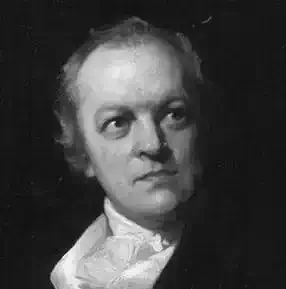
William Blake
When Klopstock England Defied
When Klopstock England Defied
When Klopstock England defied,
Uprose William Blake in his pride;
For old Nobodaddy aloft
. . . and belch'd and cough'd;
Then swore a great oath that made Heaven quake,
And call'd aloud to English Blake.
Blake was giving his body ease,
At Lambeth beneath the poplar trees.
From his seat then started he
And turn'd him round three times three.
The moon at that sight blush'd scarlet red,
The stars threw down their cups and fled,
And all the devils that were in hell,
Answerèd with a ninefold yell.
Klopstock felt the intripled turn,
And all his bowels began to churn,
And his bowels turn'd round three times three,
And lock'd in his soul with a ninefold key; . . .
Then again old Nobodaddy swore
He ne'er had seen such a thing before,
Since Noah was shut in the ark,
Since Eve first chose her hellfire spark,
Since 'twas the fashion to go naked,
Since the old Anything was created . . .
When Klopstock England defied,
Uprose William Blake in his pride;
For old Nobodaddy aloft
. . . and belch'd and cough'd;
Then swore a great oath that made Heaven quake,
And call'd aloud to English Blake.
Blake was giving his body ease,
At Lambeth beneath the poplar trees.
From his seat then started he
And turn'd him round three times three.
The moon at that sight blush'd scarlet red,
The stars threw down their cups and fled,
And all the devils that were in hell,
Answerèd with a ninefold yell.
Klopstock felt the intripled turn,
And all his bowels began to churn,
And his bowels turn'd round three times three,
And lock'd in his soul with a ninefold key; . . .
Then again old Nobodaddy swore
He ne'er had seen such a thing before,
Since Noah was shut in the ark,
Since Eve first chose her hellfire spark,
Since 'twas the fashion to go naked,
Since the old Anything was created . . .
457
William Blake
To Tirzah
To Tirzah
Whate'er is Born of Mortal Birth
Must be consumed with the Earth
To rise from Generation free:
Then what have I to do with thee?
The Sexes sprung from Shame & Pride,
Blow'd in the morn, in evening died;
But Mercy chang'd Death into Sleep;
The Sexes rose to work & weep.
Thou, Mother of my Mortal part,
With cruelty didst mould my Heart,
And with false self-deceiving tears
Didst bind my Nostrils, Eyes, & Ears:
Didst close my Tongue in senseless clay,
And me to Mortal Life betray.
The Death of Jesus set me free:
Then what have I to do with thee?
Whate'er is Born of Mortal Birth
Must be consumed with the Earth
To rise from Generation free:
Then what have I to do with thee?
The Sexes sprung from Shame & Pride,
Blow'd in the morn, in evening died;
But Mercy chang'd Death into Sleep;
The Sexes rose to work & weep.
Thou, Mother of my Mortal part,
With cruelty didst mould my Heart,
And with false self-deceiving tears
Didst bind my Nostrils, Eyes, & Ears:
Didst close my Tongue in senseless clay,
And me to Mortal Life betray.
The Death of Jesus set me free:
Then what have I to do with thee?
424