

Poems in this topic
Society and the World
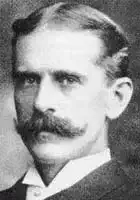
Henry Van Dyke
The Statue of Sherman by St. Gaudens
The Statue of Sherman by St. Gaudens
This is the soldier brave enough to tell
The glory-dazzled world that `war is hell':
Lover of peace, he looks beyond the strife,
And rides through hell to save his country's life.
This is the soldier brave enough to tell
The glory-dazzled world that `war is hell':
Lover of peace, he looks beyond the strife,
And rides through hell to save his country's life.
191
Henry Van Dyke
The Statue of Sherman by St. Gaudens
The Statue of Sherman by St. Gaudens
This is the soldier brave enough to tell
The glory-dazzled world that `war is hell':
Lover of peace, he looks beyond the strife,
And rides through hell to save his country's life.
This is the soldier brave enough to tell
The glory-dazzled world that `war is hell':
Lover of peace, he looks beyond the strife,
And rides through hell to save his country's life.
191
Henry Van Dyke
The Vain King
The Vain King
In robes of Tyrian blue the King was drest,
A jewelled collar shone upon his breast,
A giant ruby glittered in his crown -----
Lord of rich lands and many a splendid town.
In him the glories of an ancient line
Of sober kings, who ruled by right divine,
Were centred; and to him with loyal awe
The people looked for leadership and law.
Ten thousand knights, the safeguard of the land,
Lay like a single sword within his hand;
A hundred courts, with power of life and death,
Proclaimed decrees justice by his breath;
And all the sacred growths that men had known
Of order and of rule upheld his throne.
Proud was the King: yet not with such a heart
As fits a man to play a royal part.
Not his the pride that honours as a trust
The right to rule, the duty to be just:
Not his the dignity that bends to bear
The monarch's yoke, the master's load of care,
And labours like the peasant at his gate,
To serve the people and protect the State.
Another pride was his, and other joys:
To him the crown and sceptre were but toys,
With which he played at glory's idle game,
To please himself and win the wreaths of fame.
The throne his fathers held from age to age
Built for King Martin to diplay at will,
His mighty strength and universal skill.
No conscious child, that, spoiled with praising, tries
At every step to win admiring eyes, ----
No favourite mountebank, whose acting draws
From gaping crowds loud thunder of applause,
Was vainer than the King: his only thirst
Was to be hailed, in every race, the first.
When tournament was held, in knightly guise
The King would ride the lists and win the prize;
When music charmed the court, with golden lyre
The King would take the stage and lead the choir;
In hunting, his the lance to slay the boar;
In hawking, see his falcon highest soar;
In painting, he would wield the master's brush;
In high debate, -----"the King is speaking! Hush!"
Thus, with a restless heart, in every field
He sought renown, and found his subjects yield
As if he were a demi-god revealed.
But while he played the petty games of life
His kingdom fell a prey to inward strife;
Corruption through the court unheeded crept,
And on the seat of honour justice slept.
The strong trod down the weak; the helpless poor
Groaned under burdens grievous to endure.
The nation's wealth was spent in vain display,
And weakness wore the nation's heart away.
Yet think not Earth is blind to human woes ---
Man has more friends and helpers than he knows;
And when a patient people are oppressed,
The land that bore them feels it in her breast.
Spirits of field and flood, of heath and hill,
Are grieved and angry at the spreading ill;
The trees complain together in the night,
Voices of wrath are heard along the height,
And secret vows are sworn, by stream and strand,
To bring the tyrant low and liberate the land.
But little recked the pampered King of these;
He heard no voice but such as praise and please.
Flattered and fooled, victor in every sport,
One day he wandered idly with his court
Beside the river, seeking to devise
New ways to show his skill to wondering eyes.
There in the stream a patient fisher stood,
And cast his line across the rippling flood.
His silver spoil lay near him on the green:
"Such fish," the courtiers cried, "were never seen!"
"Three salmon larger than a cloth-yard shaft--"
This man must be the master of his craft!"
"An easy art!" the jealous King replied:
"Myself could learn it better, if I tried,
"And catch a hundred larger fish a week--"
Wilt thou accept the challenge, fellow? Speak!"
The fisher turned, came near, and bent his knee:
"'Tis not for kings to strive with such as me;
"Yet if the King commands it, I obey.
"But one condition of the strife I pray:
"The fisherman who brings the least to land
"Shall do whate'er the other may command."
Loud laughed the King: "A foolish fisher thou!
"For I shall win and rule thee then as now."
So to Prince John, a sober soul, sedate
And slow, King Martin left the helm of state,
While to the novel game with eager zest
He all his time and all his powers addrest.
Sure such a sight was never seen before!
For robed and crowned the monarch trod the shore;
His golden hooks were decked with feathers fine,
His jewelled reel ran out a silken line.
With kingly strokes he flogged the crystal stream,
Far-off the salmon saw his tackle gleam;
Careless of kings, they eyed with calm disdain
The gaudy lure, and Martin fished in vain.
On Friday, when the week was almost spent,
He scanned his empty creel with discontent,
Called for a net, and cast it far and wide,
And drew --- a thousand minnows from the tide!
Then came the fisher to conclude the match,
And at the monarch's feet spread out his catch ---
A hundred salmon, greater than before --"
I win!" he cried: "the King must pay the score."
Then Martin, angry, threw his tackle down:
"Rather than lose this game I'd lose me crown!"
"Nay, thou has lost them both," the fisher said;
And as he spoke a wondrous light was shed
Around his form; he dropped his garments mean,
And in his place the River-god was seen.
"Thy vanity hast brought thee in my power,
"And thou shalt pay the forfeit at this hour:
"For thou hast shown thyself a royal fool,
"Too proud to angle, and too vain to rule.
"Eager to win in every trivial strife, --"
Go! Thou shalt fish for minnows all thy life!"
Wrathful, the King the scornful sentence heard;
He strove to answer, but he only chirr-r-ed:
His Tyrian robe was changed to wings of blue,
His crown became a crest, --- away he flew!
And still, along the reaches of the stream,
The vain King-fisher flits, an azure gleam, ---
You see his ruby crest, you hear his jealous scream.
In robes of Tyrian blue the King was drest,
A jewelled collar shone upon his breast,
A giant ruby glittered in his crown -----
Lord of rich lands and many a splendid town.
In him the glories of an ancient line
Of sober kings, who ruled by right divine,
Were centred; and to him with loyal awe
The people looked for leadership and law.
Ten thousand knights, the safeguard of the land,
Lay like a single sword within his hand;
A hundred courts, with power of life and death,
Proclaimed decrees justice by his breath;
And all the sacred growths that men had known
Of order and of rule upheld his throne.
Proud was the King: yet not with such a heart
As fits a man to play a royal part.
Not his the pride that honours as a trust
The right to rule, the duty to be just:
Not his the dignity that bends to bear
The monarch's yoke, the master's load of care,
And labours like the peasant at his gate,
To serve the people and protect the State.
Another pride was his, and other joys:
To him the crown and sceptre were but toys,
With which he played at glory's idle game,
To please himself and win the wreaths of fame.
The throne his fathers held from age to age
Built for King Martin to diplay at will,
His mighty strength and universal skill.
No conscious child, that, spoiled with praising, tries
At every step to win admiring eyes, ----
No favourite mountebank, whose acting draws
From gaping crowds loud thunder of applause,
Was vainer than the King: his only thirst
Was to be hailed, in every race, the first.
When tournament was held, in knightly guise
The King would ride the lists and win the prize;
When music charmed the court, with golden lyre
The King would take the stage and lead the choir;
In hunting, his the lance to slay the boar;
In hawking, see his falcon highest soar;
In painting, he would wield the master's brush;
In high debate, -----"the King is speaking! Hush!"
Thus, with a restless heart, in every field
He sought renown, and found his subjects yield
As if he were a demi-god revealed.
But while he played the petty games of life
His kingdom fell a prey to inward strife;
Corruption through the court unheeded crept,
And on the seat of honour justice slept.
The strong trod down the weak; the helpless poor
Groaned under burdens grievous to endure.
The nation's wealth was spent in vain display,
And weakness wore the nation's heart away.
Yet think not Earth is blind to human woes ---
Man has more friends and helpers than he knows;
And when a patient people are oppressed,
The land that bore them feels it in her breast.
Spirits of field and flood, of heath and hill,
Are grieved and angry at the spreading ill;
The trees complain together in the night,
Voices of wrath are heard along the height,
And secret vows are sworn, by stream and strand,
To bring the tyrant low and liberate the land.
But little recked the pampered King of these;
He heard no voice but such as praise and please.
Flattered and fooled, victor in every sport,
One day he wandered idly with his court
Beside the river, seeking to devise
New ways to show his skill to wondering eyes.
There in the stream a patient fisher stood,
And cast his line across the rippling flood.
His silver spoil lay near him on the green:
"Such fish," the courtiers cried, "were never seen!"
"Three salmon larger than a cloth-yard shaft--"
This man must be the master of his craft!"
"An easy art!" the jealous King replied:
"Myself could learn it better, if I tried,
"And catch a hundred larger fish a week--"
Wilt thou accept the challenge, fellow? Speak!"
The fisher turned, came near, and bent his knee:
"'Tis not for kings to strive with such as me;
"Yet if the King commands it, I obey.
"But one condition of the strife I pray:
"The fisherman who brings the least to land
"Shall do whate'er the other may command."
Loud laughed the King: "A foolish fisher thou!
"For I shall win and rule thee then as now."
So to Prince John, a sober soul, sedate
And slow, King Martin left the helm of state,
While to the novel game with eager zest
He all his time and all his powers addrest.
Sure such a sight was never seen before!
For robed and crowned the monarch trod the shore;
His golden hooks were decked with feathers fine,
His jewelled reel ran out a silken line.
With kingly strokes he flogged the crystal stream,
Far-off the salmon saw his tackle gleam;
Careless of kings, they eyed with calm disdain
The gaudy lure, and Martin fished in vain.
On Friday, when the week was almost spent,
He scanned his empty creel with discontent,
Called for a net, and cast it far and wide,
And drew --- a thousand minnows from the tide!
Then came the fisher to conclude the match,
And at the monarch's feet spread out his catch ---
A hundred salmon, greater than before --"
I win!" he cried: "the King must pay the score."
Then Martin, angry, threw his tackle down:
"Rather than lose this game I'd lose me crown!"
"Nay, thou has lost them both," the fisher said;
And as he spoke a wondrous light was shed
Around his form; he dropped his garments mean,
And in his place the River-god was seen.
"Thy vanity hast brought thee in my power,
"And thou shalt pay the forfeit at this hour:
"For thou hast shown thyself a royal fool,
"Too proud to angle, and too vain to rule.
"Eager to win in every trivial strife, --"
Go! Thou shalt fish for minnows all thy life!"
Wrathful, the King the scornful sentence heard;
He strove to answer, but he only chirr-r-ed:
His Tyrian robe was changed to wings of blue,
His crown became a crest, --- away he flew!
And still, along the reaches of the stream,
The vain King-fisher flits, an azure gleam, ---
You see his ruby crest, you hear his jealous scream.
424
Henry Van Dyke
The Vain King
The Vain King
In robes of Tyrian blue the King was drest,
A jewelled collar shone upon his breast,
A giant ruby glittered in his crown -----
Lord of rich lands and many a splendid town.
In him the glories of an ancient line
Of sober kings, who ruled by right divine,
Were centred; and to him with loyal awe
The people looked for leadership and law.
Ten thousand knights, the safeguard of the land,
Lay like a single sword within his hand;
A hundred courts, with power of life and death,
Proclaimed decrees justice by his breath;
And all the sacred growths that men had known
Of order and of rule upheld his throne.
Proud was the King: yet not with such a heart
As fits a man to play a royal part.
Not his the pride that honours as a trust
The right to rule, the duty to be just:
Not his the dignity that bends to bear
The monarch's yoke, the master's load of care,
And labours like the peasant at his gate,
To serve the people and protect the State.
Another pride was his, and other joys:
To him the crown and sceptre were but toys,
With which he played at glory's idle game,
To please himself and win the wreaths of fame.
The throne his fathers held from age to age
Built for King Martin to diplay at will,
His mighty strength and universal skill.
No conscious child, that, spoiled with praising, tries
At every step to win admiring eyes, ----
No favourite mountebank, whose acting draws
From gaping crowds loud thunder of applause,
Was vainer than the King: his only thirst
Was to be hailed, in every race, the first.
When tournament was held, in knightly guise
The King would ride the lists and win the prize;
When music charmed the court, with golden lyre
The King would take the stage and lead the choir;
In hunting, his the lance to slay the boar;
In hawking, see his falcon highest soar;
In painting, he would wield the master's brush;
In high debate, -----"the King is speaking! Hush!"
Thus, with a restless heart, in every field
He sought renown, and found his subjects yield
As if he were a demi-god revealed.
But while he played the petty games of life
His kingdom fell a prey to inward strife;
Corruption through the court unheeded crept,
And on the seat of honour justice slept.
The strong trod down the weak; the helpless poor
Groaned under burdens grievous to endure.
The nation's wealth was spent in vain display,
And weakness wore the nation's heart away.
Yet think not Earth is blind to human woes ---
Man has more friends and helpers than he knows;
And when a patient people are oppressed,
The land that bore them feels it in her breast.
Spirits of field and flood, of heath and hill,
Are grieved and angry at the spreading ill;
The trees complain together in the night,
Voices of wrath are heard along the height,
And secret vows are sworn, by stream and strand,
To bring the tyrant low and liberate the land.
But little recked the pampered King of these;
He heard no voice but such as praise and please.
Flattered and fooled, victor in every sport,
One day he wandered idly with his court
Beside the river, seeking to devise
New ways to show his skill to wondering eyes.
There in the stream a patient fisher stood,
And cast his line across the rippling flood.
His silver spoil lay near him on the green:
"Such fish," the courtiers cried, "were never seen!"
"Three salmon larger than a cloth-yard shaft--"
This man must be the master of his craft!"
"An easy art!" the jealous King replied:
"Myself could learn it better, if I tried,
"And catch a hundred larger fish a week--"
Wilt thou accept the challenge, fellow? Speak!"
The fisher turned, came near, and bent his knee:
"'Tis not for kings to strive with such as me;
"Yet if the King commands it, I obey.
"But one condition of the strife I pray:
"The fisherman who brings the least to land
"Shall do whate'er the other may command."
Loud laughed the King: "A foolish fisher thou!
"For I shall win and rule thee then as now."
So to Prince John, a sober soul, sedate
And slow, King Martin left the helm of state,
While to the novel game with eager zest
He all his time and all his powers addrest.
Sure such a sight was never seen before!
For robed and crowned the monarch trod the shore;
His golden hooks were decked with feathers fine,
His jewelled reel ran out a silken line.
With kingly strokes he flogged the crystal stream,
Far-off the salmon saw his tackle gleam;
Careless of kings, they eyed with calm disdain
The gaudy lure, and Martin fished in vain.
On Friday, when the week was almost spent,
He scanned his empty creel with discontent,
Called for a net, and cast it far and wide,
And drew --- a thousand minnows from the tide!
Then came the fisher to conclude the match,
And at the monarch's feet spread out his catch ---
A hundred salmon, greater than before --"
I win!" he cried: "the King must pay the score."
Then Martin, angry, threw his tackle down:
"Rather than lose this game I'd lose me crown!"
"Nay, thou has lost them both," the fisher said;
And as he spoke a wondrous light was shed
Around his form; he dropped his garments mean,
And in his place the River-god was seen.
"Thy vanity hast brought thee in my power,
"And thou shalt pay the forfeit at this hour:
"For thou hast shown thyself a royal fool,
"Too proud to angle, and too vain to rule.
"Eager to win in every trivial strife, --"
Go! Thou shalt fish for minnows all thy life!"
Wrathful, the King the scornful sentence heard;
He strove to answer, but he only chirr-r-ed:
His Tyrian robe was changed to wings of blue,
His crown became a crest, --- away he flew!
And still, along the reaches of the stream,
The vain King-fisher flits, an azure gleam, ---
You see his ruby crest, you hear his jealous scream.
In robes of Tyrian blue the King was drest,
A jewelled collar shone upon his breast,
A giant ruby glittered in his crown -----
Lord of rich lands and many a splendid town.
In him the glories of an ancient line
Of sober kings, who ruled by right divine,
Were centred; and to him with loyal awe
The people looked for leadership and law.
Ten thousand knights, the safeguard of the land,
Lay like a single sword within his hand;
A hundred courts, with power of life and death,
Proclaimed decrees justice by his breath;
And all the sacred growths that men had known
Of order and of rule upheld his throne.
Proud was the King: yet not with such a heart
As fits a man to play a royal part.
Not his the pride that honours as a trust
The right to rule, the duty to be just:
Not his the dignity that bends to bear
The monarch's yoke, the master's load of care,
And labours like the peasant at his gate,
To serve the people and protect the State.
Another pride was his, and other joys:
To him the crown and sceptre were but toys,
With which he played at glory's idle game,
To please himself and win the wreaths of fame.
The throne his fathers held from age to age
Built for King Martin to diplay at will,
His mighty strength and universal skill.
No conscious child, that, spoiled with praising, tries
At every step to win admiring eyes, ----
No favourite mountebank, whose acting draws
From gaping crowds loud thunder of applause,
Was vainer than the King: his only thirst
Was to be hailed, in every race, the first.
When tournament was held, in knightly guise
The King would ride the lists and win the prize;
When music charmed the court, with golden lyre
The King would take the stage and lead the choir;
In hunting, his the lance to slay the boar;
In hawking, see his falcon highest soar;
In painting, he would wield the master's brush;
In high debate, -----"the King is speaking! Hush!"
Thus, with a restless heart, in every field
He sought renown, and found his subjects yield
As if he were a demi-god revealed.
But while he played the petty games of life
His kingdom fell a prey to inward strife;
Corruption through the court unheeded crept,
And on the seat of honour justice slept.
The strong trod down the weak; the helpless poor
Groaned under burdens grievous to endure.
The nation's wealth was spent in vain display,
And weakness wore the nation's heart away.
Yet think not Earth is blind to human woes ---
Man has more friends and helpers than he knows;
And when a patient people are oppressed,
The land that bore them feels it in her breast.
Spirits of field and flood, of heath and hill,
Are grieved and angry at the spreading ill;
The trees complain together in the night,
Voices of wrath are heard along the height,
And secret vows are sworn, by stream and strand,
To bring the tyrant low and liberate the land.
But little recked the pampered King of these;
He heard no voice but such as praise and please.
Flattered and fooled, victor in every sport,
One day he wandered idly with his court
Beside the river, seeking to devise
New ways to show his skill to wondering eyes.
There in the stream a patient fisher stood,
And cast his line across the rippling flood.
His silver spoil lay near him on the green:
"Such fish," the courtiers cried, "were never seen!"
"Three salmon larger than a cloth-yard shaft--"
This man must be the master of his craft!"
"An easy art!" the jealous King replied:
"Myself could learn it better, if I tried,
"And catch a hundred larger fish a week--"
Wilt thou accept the challenge, fellow? Speak!"
The fisher turned, came near, and bent his knee:
"'Tis not for kings to strive with such as me;
"Yet if the King commands it, I obey.
"But one condition of the strife I pray:
"The fisherman who brings the least to land
"Shall do whate'er the other may command."
Loud laughed the King: "A foolish fisher thou!
"For I shall win and rule thee then as now."
So to Prince John, a sober soul, sedate
And slow, King Martin left the helm of state,
While to the novel game with eager zest
He all his time and all his powers addrest.
Sure such a sight was never seen before!
For robed and crowned the monarch trod the shore;
His golden hooks were decked with feathers fine,
His jewelled reel ran out a silken line.
With kingly strokes he flogged the crystal stream,
Far-off the salmon saw his tackle gleam;
Careless of kings, they eyed with calm disdain
The gaudy lure, and Martin fished in vain.
On Friday, when the week was almost spent,
He scanned his empty creel with discontent,
Called for a net, and cast it far and wide,
And drew --- a thousand minnows from the tide!
Then came the fisher to conclude the match,
And at the monarch's feet spread out his catch ---
A hundred salmon, greater than before --"
I win!" he cried: "the King must pay the score."
Then Martin, angry, threw his tackle down:
"Rather than lose this game I'd lose me crown!"
"Nay, thou has lost them both," the fisher said;
And as he spoke a wondrous light was shed
Around his form; he dropped his garments mean,
And in his place the River-god was seen.
"Thy vanity hast brought thee in my power,
"And thou shalt pay the forfeit at this hour:
"For thou hast shown thyself a royal fool,
"Too proud to angle, and too vain to rule.
"Eager to win in every trivial strife, --"
Go! Thou shalt fish for minnows all thy life!"
Wrathful, the King the scornful sentence heard;
He strove to answer, but he only chirr-r-ed:
His Tyrian robe was changed to wings of blue,
His crown became a crest, --- away he flew!
And still, along the reaches of the stream,
The vain King-fisher flits, an azure gleam, ---
You see his ruby crest, you hear his jealous scream.
424
Henry Van Dyke
The Vain King
The Vain King
In robes of Tyrian blue the King was drest,
A jewelled collar shone upon his breast,
A giant ruby glittered in his crown -----
Lord of rich lands and many a splendid town.
In him the glories of an ancient line
Of sober kings, who ruled by right divine,
Were centred; and to him with loyal awe
The people looked for leadership and law.
Ten thousand knights, the safeguard of the land,
Lay like a single sword within his hand;
A hundred courts, with power of life and death,
Proclaimed decrees justice by his breath;
And all the sacred growths that men had known
Of order and of rule upheld his throne.
Proud was the King: yet not with such a heart
As fits a man to play a royal part.
Not his the pride that honours as a trust
The right to rule, the duty to be just:
Not his the dignity that bends to bear
The monarch's yoke, the master's load of care,
And labours like the peasant at his gate,
To serve the people and protect the State.
Another pride was his, and other joys:
To him the crown and sceptre were but toys,
With which he played at glory's idle game,
To please himself and win the wreaths of fame.
The throne his fathers held from age to age
Built for King Martin to diplay at will,
His mighty strength and universal skill.
No conscious child, that, spoiled with praising, tries
At every step to win admiring eyes, ----
No favourite mountebank, whose acting draws
From gaping crowds loud thunder of applause,
Was vainer than the King: his only thirst
Was to be hailed, in every race, the first.
When tournament was held, in knightly guise
The King would ride the lists and win the prize;
When music charmed the court, with golden lyre
The King would take the stage and lead the choir;
In hunting, his the lance to slay the boar;
In hawking, see his falcon highest soar;
In painting, he would wield the master's brush;
In high debate, -----"the King is speaking! Hush!"
Thus, with a restless heart, in every field
He sought renown, and found his subjects yield
As if he were a demi-god revealed.
But while he played the petty games of life
His kingdom fell a prey to inward strife;
Corruption through the court unheeded crept,
And on the seat of honour justice slept.
The strong trod down the weak; the helpless poor
Groaned under burdens grievous to endure.
The nation's wealth was spent in vain display,
And weakness wore the nation's heart away.
Yet think not Earth is blind to human woes ---
Man has more friends and helpers than he knows;
And when a patient people are oppressed,
The land that bore them feels it in her breast.
Spirits of field and flood, of heath and hill,
Are grieved and angry at the spreading ill;
The trees complain together in the night,
Voices of wrath are heard along the height,
And secret vows are sworn, by stream and strand,
To bring the tyrant low and liberate the land.
But little recked the pampered King of these;
He heard no voice but such as praise and please.
Flattered and fooled, victor in every sport,
One day he wandered idly with his court
Beside the river, seeking to devise
New ways to show his skill to wondering eyes.
There in the stream a patient fisher stood,
And cast his line across the rippling flood.
His silver spoil lay near him on the green:
"Such fish," the courtiers cried, "were never seen!"
"Three salmon larger than a cloth-yard shaft--"
This man must be the master of his craft!"
"An easy art!" the jealous King replied:
"Myself could learn it better, if I tried,
"And catch a hundred larger fish a week--"
Wilt thou accept the challenge, fellow? Speak!"
The fisher turned, came near, and bent his knee:
"'Tis not for kings to strive with such as me;
"Yet if the King commands it, I obey.
"But one condition of the strife I pray:
"The fisherman who brings the least to land
"Shall do whate'er the other may command."
Loud laughed the King: "A foolish fisher thou!
"For I shall win and rule thee then as now."
So to Prince John, a sober soul, sedate
And slow, King Martin left the helm of state,
While to the novel game with eager zest
He all his time and all his powers addrest.
Sure such a sight was never seen before!
For robed and crowned the monarch trod the shore;
His golden hooks were decked with feathers fine,
His jewelled reel ran out a silken line.
With kingly strokes he flogged the crystal stream,
Far-off the salmon saw his tackle gleam;
Careless of kings, they eyed with calm disdain
The gaudy lure, and Martin fished in vain.
On Friday, when the week was almost spent,
He scanned his empty creel with discontent,
Called for a net, and cast it far and wide,
And drew --- a thousand minnows from the tide!
Then came the fisher to conclude the match,
And at the monarch's feet spread out his catch ---
A hundred salmon, greater than before --"
I win!" he cried: "the King must pay the score."
Then Martin, angry, threw his tackle down:
"Rather than lose this game I'd lose me crown!"
"Nay, thou has lost them both," the fisher said;
And as he spoke a wondrous light was shed
Around his form; he dropped his garments mean,
And in his place the River-god was seen.
"Thy vanity hast brought thee in my power,
"And thou shalt pay the forfeit at this hour:
"For thou hast shown thyself a royal fool,
"Too proud to angle, and too vain to rule.
"Eager to win in every trivial strife, --"
Go! Thou shalt fish for minnows all thy life!"
Wrathful, the King the scornful sentence heard;
He strove to answer, but he only chirr-r-ed:
His Tyrian robe was changed to wings of blue,
His crown became a crest, --- away he flew!
And still, along the reaches of the stream,
The vain King-fisher flits, an azure gleam, ---
You see his ruby crest, you hear his jealous scream.
In robes of Tyrian blue the King was drest,
A jewelled collar shone upon his breast,
A giant ruby glittered in his crown -----
Lord of rich lands and many a splendid town.
In him the glories of an ancient line
Of sober kings, who ruled by right divine,
Were centred; and to him with loyal awe
The people looked for leadership and law.
Ten thousand knights, the safeguard of the land,
Lay like a single sword within his hand;
A hundred courts, with power of life and death,
Proclaimed decrees justice by his breath;
And all the sacred growths that men had known
Of order and of rule upheld his throne.
Proud was the King: yet not with such a heart
As fits a man to play a royal part.
Not his the pride that honours as a trust
The right to rule, the duty to be just:
Not his the dignity that bends to bear
The monarch's yoke, the master's load of care,
And labours like the peasant at his gate,
To serve the people and protect the State.
Another pride was his, and other joys:
To him the crown and sceptre were but toys,
With which he played at glory's idle game,
To please himself and win the wreaths of fame.
The throne his fathers held from age to age
Built for King Martin to diplay at will,
His mighty strength and universal skill.
No conscious child, that, spoiled with praising, tries
At every step to win admiring eyes, ----
No favourite mountebank, whose acting draws
From gaping crowds loud thunder of applause,
Was vainer than the King: his only thirst
Was to be hailed, in every race, the first.
When tournament was held, in knightly guise
The King would ride the lists and win the prize;
When music charmed the court, with golden lyre
The King would take the stage and lead the choir;
In hunting, his the lance to slay the boar;
In hawking, see his falcon highest soar;
In painting, he would wield the master's brush;
In high debate, -----"the King is speaking! Hush!"
Thus, with a restless heart, in every field
He sought renown, and found his subjects yield
As if he were a demi-god revealed.
But while he played the petty games of life
His kingdom fell a prey to inward strife;
Corruption through the court unheeded crept,
And on the seat of honour justice slept.
The strong trod down the weak; the helpless poor
Groaned under burdens grievous to endure.
The nation's wealth was spent in vain display,
And weakness wore the nation's heart away.
Yet think not Earth is blind to human woes ---
Man has more friends and helpers than he knows;
And when a patient people are oppressed,
The land that bore them feels it in her breast.
Spirits of field and flood, of heath and hill,
Are grieved and angry at the spreading ill;
The trees complain together in the night,
Voices of wrath are heard along the height,
And secret vows are sworn, by stream and strand,
To bring the tyrant low and liberate the land.
But little recked the pampered King of these;
He heard no voice but such as praise and please.
Flattered and fooled, victor in every sport,
One day he wandered idly with his court
Beside the river, seeking to devise
New ways to show his skill to wondering eyes.
There in the stream a patient fisher stood,
And cast his line across the rippling flood.
His silver spoil lay near him on the green:
"Such fish," the courtiers cried, "were never seen!"
"Three salmon larger than a cloth-yard shaft--"
This man must be the master of his craft!"
"An easy art!" the jealous King replied:
"Myself could learn it better, if I tried,
"And catch a hundred larger fish a week--"
Wilt thou accept the challenge, fellow? Speak!"
The fisher turned, came near, and bent his knee:
"'Tis not for kings to strive with such as me;
"Yet if the King commands it, I obey.
"But one condition of the strife I pray:
"The fisherman who brings the least to land
"Shall do whate'er the other may command."
Loud laughed the King: "A foolish fisher thou!
"For I shall win and rule thee then as now."
So to Prince John, a sober soul, sedate
And slow, King Martin left the helm of state,
While to the novel game with eager zest
He all his time and all his powers addrest.
Sure such a sight was never seen before!
For robed and crowned the monarch trod the shore;
His golden hooks were decked with feathers fine,
His jewelled reel ran out a silken line.
With kingly strokes he flogged the crystal stream,
Far-off the salmon saw his tackle gleam;
Careless of kings, they eyed with calm disdain
The gaudy lure, and Martin fished in vain.
On Friday, when the week was almost spent,
He scanned his empty creel with discontent,
Called for a net, and cast it far and wide,
And drew --- a thousand minnows from the tide!
Then came the fisher to conclude the match,
And at the monarch's feet spread out his catch ---
A hundred salmon, greater than before --"
I win!" he cried: "the King must pay the score."
Then Martin, angry, threw his tackle down:
"Rather than lose this game I'd lose me crown!"
"Nay, thou has lost them both," the fisher said;
And as he spoke a wondrous light was shed
Around his form; he dropped his garments mean,
And in his place the River-god was seen.
"Thy vanity hast brought thee in my power,
"And thou shalt pay the forfeit at this hour:
"For thou hast shown thyself a royal fool,
"Too proud to angle, and too vain to rule.
"Eager to win in every trivial strife, --"
Go! Thou shalt fish for minnows all thy life!"
Wrathful, the King the scornful sentence heard;
He strove to answer, but he only chirr-r-ed:
His Tyrian robe was changed to wings of blue,
His crown became a crest, --- away he flew!
And still, along the reaches of the stream,
The vain King-fisher flits, an azure gleam, ---
You see his ruby crest, you hear his jealous scream.
424
Henry Van Dyke
The Proud Lady
The Proud Lady
When Stiivoren town was in its prime
And queened the Zuyder Zee,
Its ships went out to every clime
With costly merchantry.
A lady dwelt in that rich town,
The fairest in all the land;
She walked abroad in a velvet gown,
With many rings on her hand.
Her hair was bright as the beaten gold,
Her lips as coral red,
Her roving eyes were blue and bold,
And her heart with pride was fed.
For she was proud of her father's ships,
As she watched them gayly pass;
And pride looked out of her eyes and lips
When she saw herself in the glass.
"Now come," she said to the captains ten,
Who were ready to put to sea,
"Ye are all my men and my father's men,
And what will ye do for me?"
"Go north and south, go east and west,
And get me gifts," she said.
"And he who bringeth me home the best,
With that man will I wed."
So they all fared forth, and sought with care
In many a famous mart,
For satins and silks and jewels rare,
To win that lady's heart.
She looked at them all with never a thought,
And careless put them by;
"I am not fain of the things ye brought,
Enough of these have I."
The last that came was the head of the fleet,
His name was Jan Borel;
He bent his knee at the lady's feet,--
In truth he loved her well.
"I've brought thee home the best i' the world,
A shipful of Danzig corn!"
She stared at him long; her red lips curled,
Her blue eyes filled with scorn.
"Now out on thee, thou feckless kerl,
A loon thou art," she said.
"Am I a starving beggar girl?
Shall I ever lack for bread?"
"Go empty all thy sacks of grain
Into the nearest sea,
And never show thy face again
To make a mock of me."
Then Jan Borel, he hoisted sail,
And out to sea he bore;
He passed the Helder in a gale
And came again no more.
But the grains of corn went drifting down
Like devil-scattered seed,
To sow the harbor of the town
With a wicked growth of weed.
The roots were thick and the silt and sand
Were gathered day by day,
Till not a furlong out from land
A shoal had barred the way.
Then Stavoren town saw evil years,
No ships could out or in,
The boats lay rotting at the piers,
And the mouldy grain in the bin.
The grass-grown streets were all forlorn,
The town in ruin stood,
The lady's velvet gown was torn,
Her rings were sold for food.
Her father had perished long ago,
But the lady held her pride,
She walked with a scornful step and slow,
Till at last in her rags she died.
Yet still on the crumbling piers of the town,
When the midnight moon shines free,
woman walks in a velvet gown
And scatters corn in the sea.
When Stiivoren town was in its prime
And queened the Zuyder Zee,
Its ships went out to every clime
With costly merchantry.
A lady dwelt in that rich town,
The fairest in all the land;
She walked abroad in a velvet gown,
With many rings on her hand.
Her hair was bright as the beaten gold,
Her lips as coral red,
Her roving eyes were blue and bold,
And her heart with pride was fed.
For she was proud of her father's ships,
As she watched them gayly pass;
And pride looked out of her eyes and lips
When she saw herself in the glass.
"Now come," she said to the captains ten,
Who were ready to put to sea,
"Ye are all my men and my father's men,
And what will ye do for me?"
"Go north and south, go east and west,
And get me gifts," she said.
"And he who bringeth me home the best,
With that man will I wed."
So they all fared forth, and sought with care
In many a famous mart,
For satins and silks and jewels rare,
To win that lady's heart.
She looked at them all with never a thought,
And careless put them by;
"I am not fain of the things ye brought,
Enough of these have I."
The last that came was the head of the fleet,
His name was Jan Borel;
He bent his knee at the lady's feet,--
In truth he loved her well.
"I've brought thee home the best i' the world,
A shipful of Danzig corn!"
She stared at him long; her red lips curled,
Her blue eyes filled with scorn.
"Now out on thee, thou feckless kerl,
A loon thou art," she said.
"Am I a starving beggar girl?
Shall I ever lack for bread?"
"Go empty all thy sacks of grain
Into the nearest sea,
And never show thy face again
To make a mock of me."
Then Jan Borel, he hoisted sail,
And out to sea he bore;
He passed the Helder in a gale
And came again no more.
But the grains of corn went drifting down
Like devil-scattered seed,
To sow the harbor of the town
With a wicked growth of weed.
The roots were thick and the silt and sand
Were gathered day by day,
Till not a furlong out from land
A shoal had barred the way.
Then Stavoren town saw evil years,
No ships could out or in,
The boats lay rotting at the piers,
And the mouldy grain in the bin.
The grass-grown streets were all forlorn,
The town in ruin stood,
The lady's velvet gown was torn,
Her rings were sold for food.
Her father had perished long ago,
But the lady held her pride,
She walked with a scornful step and slow,
Till at last in her rags she died.
Yet still on the crumbling piers of the town,
When the midnight moon shines free,
woman walks in a velvet gown
And scatters corn in the sea.
331
Henry Van Dyke
The Proud Lady
The Proud Lady
When Stiivoren town was in its prime
And queened the Zuyder Zee,
Its ships went out to every clime
With costly merchantry.
A lady dwelt in that rich town,
The fairest in all the land;
She walked abroad in a velvet gown,
With many rings on her hand.
Her hair was bright as the beaten gold,
Her lips as coral red,
Her roving eyes were blue and bold,
And her heart with pride was fed.
For she was proud of her father's ships,
As she watched them gayly pass;
And pride looked out of her eyes and lips
When she saw herself in the glass.
"Now come," she said to the captains ten,
Who were ready to put to sea,
"Ye are all my men and my father's men,
And what will ye do for me?"
"Go north and south, go east and west,
And get me gifts," she said.
"And he who bringeth me home the best,
With that man will I wed."
So they all fared forth, and sought with care
In many a famous mart,
For satins and silks and jewels rare,
To win that lady's heart.
She looked at them all with never a thought,
And careless put them by;
"I am not fain of the things ye brought,
Enough of these have I."
The last that came was the head of the fleet,
His name was Jan Borel;
He bent his knee at the lady's feet,--
In truth he loved her well.
"I've brought thee home the best i' the world,
A shipful of Danzig corn!"
She stared at him long; her red lips curled,
Her blue eyes filled with scorn.
"Now out on thee, thou feckless kerl,
A loon thou art," she said.
"Am I a starving beggar girl?
Shall I ever lack for bread?"
"Go empty all thy sacks of grain
Into the nearest sea,
And never show thy face again
To make a mock of me."
Then Jan Borel, he hoisted sail,
And out to sea he bore;
He passed the Helder in a gale
And came again no more.
But the grains of corn went drifting down
Like devil-scattered seed,
To sow the harbor of the town
With a wicked growth of weed.
The roots were thick and the silt and sand
Were gathered day by day,
Till not a furlong out from land
A shoal had barred the way.
Then Stavoren town saw evil years,
No ships could out or in,
The boats lay rotting at the piers,
And the mouldy grain in the bin.
The grass-grown streets were all forlorn,
The town in ruin stood,
The lady's velvet gown was torn,
Her rings were sold for food.
Her father had perished long ago,
But the lady held her pride,
She walked with a scornful step and slow,
Till at last in her rags she died.
Yet still on the crumbling piers of the town,
When the midnight moon shines free,
woman walks in a velvet gown
And scatters corn in the sea.
When Stiivoren town was in its prime
And queened the Zuyder Zee,
Its ships went out to every clime
With costly merchantry.
A lady dwelt in that rich town,
The fairest in all the land;
She walked abroad in a velvet gown,
With many rings on her hand.
Her hair was bright as the beaten gold,
Her lips as coral red,
Her roving eyes were blue and bold,
And her heart with pride was fed.
For she was proud of her father's ships,
As she watched them gayly pass;
And pride looked out of her eyes and lips
When she saw herself in the glass.
"Now come," she said to the captains ten,
Who were ready to put to sea,
"Ye are all my men and my father's men,
And what will ye do for me?"
"Go north and south, go east and west,
And get me gifts," she said.
"And he who bringeth me home the best,
With that man will I wed."
So they all fared forth, and sought with care
In many a famous mart,
For satins and silks and jewels rare,
To win that lady's heart.
She looked at them all with never a thought,
And careless put them by;
"I am not fain of the things ye brought,
Enough of these have I."
The last that came was the head of the fleet,
His name was Jan Borel;
He bent his knee at the lady's feet,--
In truth he loved her well.
"I've brought thee home the best i' the world,
A shipful of Danzig corn!"
She stared at him long; her red lips curled,
Her blue eyes filled with scorn.
"Now out on thee, thou feckless kerl,
A loon thou art," she said.
"Am I a starving beggar girl?
Shall I ever lack for bread?"
"Go empty all thy sacks of grain
Into the nearest sea,
And never show thy face again
To make a mock of me."
Then Jan Borel, he hoisted sail,
And out to sea he bore;
He passed the Helder in a gale
And came again no more.
But the grains of corn went drifting down
Like devil-scattered seed,
To sow the harbor of the town
With a wicked growth of weed.
The roots were thick and the silt and sand
Were gathered day by day,
Till not a furlong out from land
A shoal had barred the way.
Then Stavoren town saw evil years,
No ships could out or in,
The boats lay rotting at the piers,
And the mouldy grain in the bin.
The grass-grown streets were all forlorn,
The town in ruin stood,
The lady's velvet gown was torn,
Her rings were sold for food.
Her father had perished long ago,
But the lady held her pride,
She walked with a scornful step and slow,
Till at last in her rags she died.
Yet still on the crumbling piers of the town,
When the midnight moon shines free,
woman walks in a velvet gown
And scatters corn in the sea.
331
Henry Van Dyke
The Oxford Thrushes
The Oxford Thrushes
FEBRUARY, 1917
I never thought again to hear
The Oxford thrushes singing clear,
Amid the February rain,
Their sweet, indomitable strain.
A wintry vapor lightly spreads
Among the trees, and round the beds
Where daffodil and jonquil sleep,
Only the snowdrop wakes to weep.
It is not springtime yet. Alas,
What dark, tempestuous days must pass,
Till England's trial by battle cease,
And summer comes again with peace.
The lofty halls, the tranquil towers,
Where Learning in untroubled hours
Held her high court, serene in fame,
Are lovely still, yet not the same.
The novices in fluttering gown
No longer fill the ancient town,
But fighting men in khaki drest--
And in the Schools the wounded rest.
Ah, far away, 'neath stranger skies
Full many a son of Oxford lies,
And whispers from his warrior grave,
"I died to keep the faith you gave."
The mother mourns, but does not fail,
Her courage and her love prevail
O'er sorrow, and her spirit hears
The promise of triumphant years.
Then sing, ye thrushes, in the rain
Your sweet indomitable strain.
Ye bring a word from God on high
And voices in our hearts reply.
FEBRUARY, 1917
I never thought again to hear
The Oxford thrushes singing clear,
Amid the February rain,
Their sweet, indomitable strain.
A wintry vapor lightly spreads
Among the trees, and round the beds
Where daffodil and jonquil sleep,
Only the snowdrop wakes to weep.
It is not springtime yet. Alas,
What dark, tempestuous days must pass,
Till England's trial by battle cease,
And summer comes again with peace.
The lofty halls, the tranquil towers,
Where Learning in untroubled hours
Held her high court, serene in fame,
Are lovely still, yet not the same.
The novices in fluttering gown
No longer fill the ancient town,
But fighting men in khaki drest--
And in the Schools the wounded rest.
Ah, far away, 'neath stranger skies
Full many a son of Oxford lies,
And whispers from his warrior grave,
"I died to keep the faith you gave."
The mother mourns, but does not fail,
Her courage and her love prevail
O'er sorrow, and her spirit hears
The promise of triumphant years.
Then sing, ye thrushes, in the rain
Your sweet indomitable strain.
Ye bring a word from God on high
And voices in our hearts reply.
325
Henry Van Dyke
The Oxford Thrushes
The Oxford Thrushes
FEBRUARY, 1917
I never thought again to hear
The Oxford thrushes singing clear,
Amid the February rain,
Their sweet, indomitable strain.
A wintry vapor lightly spreads
Among the trees, and round the beds
Where daffodil and jonquil sleep,
Only the snowdrop wakes to weep.
It is not springtime yet. Alas,
What dark, tempestuous days must pass,
Till England's trial by battle cease,
And summer comes again with peace.
The lofty halls, the tranquil towers,
Where Learning in untroubled hours
Held her high court, serene in fame,
Are lovely still, yet not the same.
The novices in fluttering gown
No longer fill the ancient town,
But fighting men in khaki drest--
And in the Schools the wounded rest.
Ah, far away, 'neath stranger skies
Full many a son of Oxford lies,
And whispers from his warrior grave,
"I died to keep the faith you gave."
The mother mourns, but does not fail,
Her courage and her love prevail
O'er sorrow, and her spirit hears
The promise of triumphant years.
Then sing, ye thrushes, in the rain
Your sweet indomitable strain.
Ye bring a word from God on high
And voices in our hearts reply.
FEBRUARY, 1917
I never thought again to hear
The Oxford thrushes singing clear,
Amid the February rain,
Their sweet, indomitable strain.
A wintry vapor lightly spreads
Among the trees, and round the beds
Where daffodil and jonquil sleep,
Only the snowdrop wakes to weep.
It is not springtime yet. Alas,
What dark, tempestuous days must pass,
Till England's trial by battle cease,
And summer comes again with peace.
The lofty halls, the tranquil towers,
Where Learning in untroubled hours
Held her high court, serene in fame,
Are lovely still, yet not the same.
The novices in fluttering gown
No longer fill the ancient town,
But fighting men in khaki drest--
And in the Schools the wounded rest.
Ah, far away, 'neath stranger skies
Full many a son of Oxford lies,
And whispers from his warrior grave,
"I died to keep the faith you gave."
The mother mourns, but does not fail,
Her courage and her love prevail
O'er sorrow, and her spirit hears
The promise of triumphant years.
Then sing, ye thrushes, in the rain
Your sweet indomitable strain.
Ye bring a word from God on high
And voices in our hearts reply.
325
Henry Van Dyke
The Oxford Thrushes
The Oxford Thrushes
FEBRUARY, 1917
I never thought again to hear
The Oxford thrushes singing clear,
Amid the February rain,
Their sweet, indomitable strain.
A wintry vapor lightly spreads
Among the trees, and round the beds
Where daffodil and jonquil sleep,
Only the snowdrop wakes to weep.
It is not springtime yet. Alas,
What dark, tempestuous days must pass,
Till England's trial by battle cease,
And summer comes again with peace.
The lofty halls, the tranquil towers,
Where Learning in untroubled hours
Held her high court, serene in fame,
Are lovely still, yet not the same.
The novices in fluttering gown
No longer fill the ancient town,
But fighting men in khaki drest--
And in the Schools the wounded rest.
Ah, far away, 'neath stranger skies
Full many a son of Oxford lies,
And whispers from his warrior grave,
"I died to keep the faith you gave."
The mother mourns, but does not fail,
Her courage and her love prevail
O'er sorrow, and her spirit hears
The promise of triumphant years.
Then sing, ye thrushes, in the rain
Your sweet indomitable strain.
Ye bring a word from God on high
And voices in our hearts reply.
FEBRUARY, 1917
I never thought again to hear
The Oxford thrushes singing clear,
Amid the February rain,
Their sweet, indomitable strain.
A wintry vapor lightly spreads
Among the trees, and round the beds
Where daffodil and jonquil sleep,
Only the snowdrop wakes to weep.
It is not springtime yet. Alas,
What dark, tempestuous days must pass,
Till England's trial by battle cease,
And summer comes again with peace.
The lofty halls, the tranquil towers,
Where Learning in untroubled hours
Held her high court, serene in fame,
Are lovely still, yet not the same.
The novices in fluttering gown
No longer fill the ancient town,
But fighting men in khaki drest--
And in the Schools the wounded rest.
Ah, far away, 'neath stranger skies
Full many a son of Oxford lies,
And whispers from his warrior grave,
"I died to keep the faith you gave."
The mother mourns, but does not fail,
Her courage and her love prevail
O'er sorrow, and her spirit hears
The promise of triumphant years.
Then sing, ye thrushes, in the rain
Your sweet indomitable strain.
Ye bring a word from God on high
And voices in our hearts reply.
325
Henry Van Dyke
The Glory of Ships
The Glory of Ships
The glory of ships is an old, old song,
since the days when the sea-rovers ran
In their open boats through the roaring surf,
and the spread of the world began;
The glory of ships is a light on the sea,
and a star in the story of man.
When Homer sang of the galleys of Greece
that conquered the Trojan shore,
And Solomon lauded the barks of Tyre that
brought great wealth to his door,
'Twas little they knew, those ancient men,
what would come of the sail and the oar.
The Greek ships rescued the West from the East,
when they harried the Persians home;
And the Roman ships were the wings of strength
that bore up the empire, Rome;
And the ships of Spain found a wide new world,
far over the fields of foam.
Then the tribes of courage at last saw clear
that the ocean was not a bound,
But a broad highway, and a challenge to seek
for treasure as yet unfound;
So the fearless ships fared forth to the search,
in joy that the globe was round.
Their hulls were heightened, their sails spread out,
they grew with the growth of their quest;
They opened the secret doors of the East,
and the golden gates of the West;
And many a city of high renown
was proud of a ship on its crest.
The fleets of England and Holland and France
were at strife with each other and Spain;
And battle and storm sent a myriad ships
to sleep in the depths of the main;
But the seafaring spirit could never be drowned,
and it filled up the fleets again.
They greatened and grew, with the aid of steam,
to a wonderful, vast array,
That carries the thoughts and the traffic of men
into every harbor and bay;
And now in the world-wide work of the ships
'tis England that leads the way.
O well for the leading that follows the law
of a common right on the sea!
But ill for the leader who tries to hold
what belongs to mankind in fee!
The way of the ships is an open way,
and the ocean must ever be free!
Remember, O first of the maritime folk,
how the rise of your greatness began.
It will live if you safeguard the round-the-world road
from the shame of a selfish ban;
For the glory of ships is a light on the sea,
and a star in the story of man!
The glory of ships is an old, old song,
since the days when the sea-rovers ran
In their open boats through the roaring surf,
and the spread of the world began;
The glory of ships is a light on the sea,
and a star in the story of man.
When Homer sang of the galleys of Greece
that conquered the Trojan shore,
And Solomon lauded the barks of Tyre that
brought great wealth to his door,
'Twas little they knew, those ancient men,
what would come of the sail and the oar.
The Greek ships rescued the West from the East,
when they harried the Persians home;
And the Roman ships were the wings of strength
that bore up the empire, Rome;
And the ships of Spain found a wide new world,
far over the fields of foam.
Then the tribes of courage at last saw clear
that the ocean was not a bound,
But a broad highway, and a challenge to seek
for treasure as yet unfound;
So the fearless ships fared forth to the search,
in joy that the globe was round.
Their hulls were heightened, their sails spread out,
they grew with the growth of their quest;
They opened the secret doors of the East,
and the golden gates of the West;
And many a city of high renown
was proud of a ship on its crest.
The fleets of England and Holland and France
were at strife with each other and Spain;
And battle and storm sent a myriad ships
to sleep in the depths of the main;
But the seafaring spirit could never be drowned,
and it filled up the fleets again.
They greatened and grew, with the aid of steam,
to a wonderful, vast array,
That carries the thoughts and the traffic of men
into every harbor and bay;
And now in the world-wide work of the ships
'tis England that leads the way.
O well for the leading that follows the law
of a common right on the sea!
But ill for the leader who tries to hold
what belongs to mankind in fee!
The way of the ships is an open way,
and the ocean must ever be free!
Remember, O first of the maritime folk,
how the rise of your greatness began.
It will live if you safeguard the round-the-world road
from the shame of a selfish ban;
For the glory of ships is a light on the sea,
and a star in the story of man!
371
Henry Van Dyke
The Glory of Ships
The Glory of Ships
The glory of ships is an old, old song,
since the days when the sea-rovers ran
In their open boats through the roaring surf,
and the spread of the world began;
The glory of ships is a light on the sea,
and a star in the story of man.
When Homer sang of the galleys of Greece
that conquered the Trojan shore,
And Solomon lauded the barks of Tyre that
brought great wealth to his door,
'Twas little they knew, those ancient men,
what would come of the sail and the oar.
The Greek ships rescued the West from the East,
when they harried the Persians home;
And the Roman ships were the wings of strength
that bore up the empire, Rome;
And the ships of Spain found a wide new world,
far over the fields of foam.
Then the tribes of courage at last saw clear
that the ocean was not a bound,
But a broad highway, and a challenge to seek
for treasure as yet unfound;
So the fearless ships fared forth to the search,
in joy that the globe was round.
Their hulls were heightened, their sails spread out,
they grew with the growth of their quest;
They opened the secret doors of the East,
and the golden gates of the West;
And many a city of high renown
was proud of a ship on its crest.
The fleets of England and Holland and France
were at strife with each other and Spain;
And battle and storm sent a myriad ships
to sleep in the depths of the main;
But the seafaring spirit could never be drowned,
and it filled up the fleets again.
They greatened and grew, with the aid of steam,
to a wonderful, vast array,
That carries the thoughts and the traffic of men
into every harbor and bay;
And now in the world-wide work of the ships
'tis England that leads the way.
O well for the leading that follows the law
of a common right on the sea!
But ill for the leader who tries to hold
what belongs to mankind in fee!
The way of the ships is an open way,
and the ocean must ever be free!
Remember, O first of the maritime folk,
how the rise of your greatness began.
It will live if you safeguard the round-the-world road
from the shame of a selfish ban;
For the glory of ships is a light on the sea,
and a star in the story of man!
The glory of ships is an old, old song,
since the days when the sea-rovers ran
In their open boats through the roaring surf,
and the spread of the world began;
The glory of ships is a light on the sea,
and a star in the story of man.
When Homer sang of the galleys of Greece
that conquered the Trojan shore,
And Solomon lauded the barks of Tyre that
brought great wealth to his door,
'Twas little they knew, those ancient men,
what would come of the sail and the oar.
The Greek ships rescued the West from the East,
when they harried the Persians home;
And the Roman ships were the wings of strength
that bore up the empire, Rome;
And the ships of Spain found a wide new world,
far over the fields of foam.
Then the tribes of courage at last saw clear
that the ocean was not a bound,
But a broad highway, and a challenge to seek
for treasure as yet unfound;
So the fearless ships fared forth to the search,
in joy that the globe was round.
Their hulls were heightened, their sails spread out,
they grew with the growth of their quest;
They opened the secret doors of the East,
and the golden gates of the West;
And many a city of high renown
was proud of a ship on its crest.
The fleets of England and Holland and France
were at strife with each other and Spain;
And battle and storm sent a myriad ships
to sleep in the depths of the main;
But the seafaring spirit could never be drowned,
and it filled up the fleets again.
They greatened and grew, with the aid of steam,
to a wonderful, vast array,
That carries the thoughts and the traffic of men
into every harbor and bay;
And now in the world-wide work of the ships
'tis England that leads the way.
O well for the leading that follows the law
of a common right on the sea!
But ill for the leader who tries to hold
what belongs to mankind in fee!
The way of the ships is an open way,
and the ocean must ever be free!
Remember, O first of the maritime folk,
how the rise of your greatness began.
It will live if you safeguard the round-the-world road
from the shame of a selfish ban;
For the glory of ships is a light on the sea,
and a star in the story of man!
371
Henry Van Dyke
The Foolish Fir-Tree
The Foolish Fir-Tree
A tale that the poet Rückert told
To German children, in days of old;
Disguised in a random, rollicking rhyme
Like a merry mummer of ancient time,
And sent, in its English dress, to please
The little folk of the Christmas trees.
A little fir grew in the midst of the wood
Contented and happy, as young trees should.
His body was straight and his boughs were clean;
And summer and winter the bountiful sheen
Of his needles bedecked him, from top to root,
In a beautiful, all-the-year, evergreen suit.
But a trouble came into his heart one day,
When he saw that the other trees were gay
In the wonderful raiment that summer weaves
Of manifold shapes and kinds of leaves:
He looked at his needles so stiff and small,
And thought that his dress was the poorest of all.
Then jealousy clouded the little tree's mind,
And he said to himself, "It was not very kind
"To give such an ugly old dress to a tree!
"If the fays of the forest would only ask me,
"I'd tell them how I should like to be dressed,—
"In a garment of gold, to bedazzle the rest!"
So he fell asleep, but his dreams were bad.
When he woke in the morning, his heart was glad;
For every leaf that his boughs could hold
Was made of the brightest beaten gold.
I tell you, children, the tree was proud;
He was something above the common crowd;
And he tinkled his leaves, as if he would say
To a pedlar who happened to pass that way,
"Just look at me! don't you think I am fine?
"And wouldn't you like such a dress as mine?"
"Oh, yes!" said the man, "and I really guess
I must fill my pack with your beautiful dress."
So he picked the golden leaves with care,
And left the little tree shivering there.
"Oh, why did I wish for golden leaves?"
The fir-tree said, "I forgot that thieves
"Would be sure to rob me in passing by.
"If the fairies would give me another try,
"I'd wish for something that cost much less,
"And be satisfied with glass for my dress!"
Then he fell asleep; and, just as before,
The fairies granted his wish once more.
When the night was gone, and the sun rose clear,
The tree was a crystal chandelier;
And it seemed, as he stood in the morning light,
That his branches were covered with jewels bright.
"Aha!" said the tree. "This is something great!"
And he held himself up, very proud and straight;
But a rude young wind through the forest dashed,
In a reckless temper, and quickly smashed
The delicate leaves. With a clashing sound
They broke into pieces and fell on the ground,
Like a silvery, shimmering shower of hail,
And the tree stood naked and bare to the gale.
Then his heart was sad; and he cried, "Alas
"For my beautiful leaves of shining glass!
"Perhaps I have made another mistake
"In choosing a dress so easy to break.
"If the fairies only would hear me again
"I'd ask them for something both pretty and plain:
"It wouldn't cost much to grant my request,—
"In leaves of green lettuce I'd like to be dressed!"
By this time the fairies were laughing, I know;
But they gave him his wish in a second; and so
With leaves of green lettuce, all tender and sweet,
The tree was arrayed, from his head to his feet.
"I knew it!" he cried, "I was sure I could find
"The sort of a suit that would be to my mind.
"There's none of the trees has a prettier dress,
"And none as attractive as I am, I guess."
But a goat, who was taking an afternoon walk,
By chance overheard the fir-tree's talk.
So he came up close for a nearer view;—
"My salad!" he bleated, "I think so too!
"You're the most attractive kind of a tree,
"And I want your leaves for my five-o'clock tea."
So he ate them all without saying grace,
And walked away with a grin on his face;
While the little tree stood in the twilight dim,
With never a leaf on a single limb.
Then he sighed and groaned; but his voice was weak—
He was so ashamed that he could not speak.
He knew at last that he had been a fool,
To think of breaking the forest rule,
And choosing a dress himself to please,
Because he envied the other trees.
But it couldn't be helped, it was now too late,
He must make up his mind to a leafless fate!
So he let himself sink in a slumber deep,
But he moaned and he tossed in his troubled sleep,
Till the morning touched him with joyful beam,
And he woke to find it was all a dream.
For there in his evergreen dress he stood,
A pointed fir in the midst of the wood!
His branches were sweet with the balsam smell,
His needles were green when the white snow fell.
And always contented and happy was he,—
The very best kind of a Christmas tree.
A tale that the poet Rückert told
To German children, in days of old;
Disguised in a random, rollicking rhyme
Like a merry mummer of ancient time,
And sent, in its English dress, to please
The little folk of the Christmas trees.
A little fir grew in the midst of the wood
Contented and happy, as young trees should.
His body was straight and his boughs were clean;
And summer and winter the bountiful sheen
Of his needles bedecked him, from top to root,
In a beautiful, all-the-year, evergreen suit.
But a trouble came into his heart one day,
When he saw that the other trees were gay
In the wonderful raiment that summer weaves
Of manifold shapes and kinds of leaves:
He looked at his needles so stiff and small,
And thought that his dress was the poorest of all.
Then jealousy clouded the little tree's mind,
And he said to himself, "It was not very kind
"To give such an ugly old dress to a tree!
"If the fays of the forest would only ask me,
"I'd tell them how I should like to be dressed,—
"In a garment of gold, to bedazzle the rest!"
So he fell asleep, but his dreams were bad.
When he woke in the morning, his heart was glad;
For every leaf that his boughs could hold
Was made of the brightest beaten gold.
I tell you, children, the tree was proud;
He was something above the common crowd;
And he tinkled his leaves, as if he would say
To a pedlar who happened to pass that way,
"Just look at me! don't you think I am fine?
"And wouldn't you like such a dress as mine?"
"Oh, yes!" said the man, "and I really guess
I must fill my pack with your beautiful dress."
So he picked the golden leaves with care,
And left the little tree shivering there.
"Oh, why did I wish for golden leaves?"
The fir-tree said, "I forgot that thieves
"Would be sure to rob me in passing by.
"If the fairies would give me another try,
"I'd wish for something that cost much less,
"And be satisfied with glass for my dress!"
Then he fell asleep; and, just as before,
The fairies granted his wish once more.
When the night was gone, and the sun rose clear,
The tree was a crystal chandelier;
And it seemed, as he stood in the morning light,
That his branches were covered with jewels bright.
"Aha!" said the tree. "This is something great!"
And he held himself up, very proud and straight;
But a rude young wind through the forest dashed,
In a reckless temper, and quickly smashed
The delicate leaves. With a clashing sound
They broke into pieces and fell on the ground,
Like a silvery, shimmering shower of hail,
And the tree stood naked and bare to the gale.
Then his heart was sad; and he cried, "Alas
"For my beautiful leaves of shining glass!
"Perhaps I have made another mistake
"In choosing a dress so easy to break.
"If the fairies only would hear me again
"I'd ask them for something both pretty and plain:
"It wouldn't cost much to grant my request,—
"In leaves of green lettuce I'd like to be dressed!"
By this time the fairies were laughing, I know;
But they gave him his wish in a second; and so
With leaves of green lettuce, all tender and sweet,
The tree was arrayed, from his head to his feet.
"I knew it!" he cried, "I was sure I could find
"The sort of a suit that would be to my mind.
"There's none of the trees has a prettier dress,
"And none as attractive as I am, I guess."
But a goat, who was taking an afternoon walk,
By chance overheard the fir-tree's talk.
So he came up close for a nearer view;—
"My salad!" he bleated, "I think so too!
"You're the most attractive kind of a tree,
"And I want your leaves for my five-o'clock tea."
So he ate them all without saying grace,
And walked away with a grin on his face;
While the little tree stood in the twilight dim,
With never a leaf on a single limb.
Then he sighed and groaned; but his voice was weak—
He was so ashamed that he could not speak.
He knew at last that he had been a fool,
To think of breaking the forest rule,
And choosing a dress himself to please,
Because he envied the other trees.
But it couldn't be helped, it was now too late,
He must make up his mind to a leafless fate!
So he let himself sink in a slumber deep,
But he moaned and he tossed in his troubled sleep,
Till the morning touched him with joyful beam,
And he woke to find it was all a dream.
For there in his evergreen dress he stood,
A pointed fir in the midst of the wood!
His branches were sweet with the balsam smell,
His needles were green when the white snow fell.
And always contented and happy was he,—
The very best kind of a Christmas tree.
322
Henry Van Dyke
The Ancestral Dwelling
The Ancestral Dwelling
Dear to my heart are the ancestral dwellings of America,
Dearer than if they were haunted by ghosts of royal splendour;
These are the homes that were built by the brave beginners of a nation,
They are simple enough to be great, and full of a friendly dignity.
I love the old white farmhouses nestled in New England valleys,
Ample and long and low, with elm-trees feathering over them:
Borders of box in the yard, and lilacs, and old-fashioned Howers,
A fan-light above the door, and little square panes in the windows,
The wood-shed piled with maple and birch and hickory ready for winter,
The gambrel-roof with its garret crowded with household relics, --
All the tokens of prudent thrift and the spirit of self-reliance.
I love the look of the shingled houses that front the ocean;
Their backs are bowed, and their lichened sides are weather-beaten;
Soft in their colour as grey pearls, they are full of patience and courage.
They seem to grow out of the rocks, there is something indomitable about them:
Facing the briny wind in a lonely land they stand undaunted,
While the thin blue line of smoke from the square-built chimney rises,
Telling of shelter for man, with room for a hearth and a cradle.
I love the stately southern mansions with their tall white columns,
They look through avenues of trees, over fields where the cotton is growing;
I can see the flutter of white frocks along their shady porches,
Music and laughter float from the windows, the yards are full of hounds and horses.
They have all ridden away, yet the houses have not forgotten,
They are proud of their name and place, and their doors are always open,
For the thing they remember best is the pride of their ancient hospitality.
In the towns I love the discreet and tranquil Quaker dwellings,
With their demure brick faces and immaculate white-stone doorsteps;
And the gabled houses of the Dutch, with their high stoops and iron railings,
(I can see their little brass knobs shining in the morning sunlight);
And the solid houses of the descendants of the Puritans,
Fronting the street with their narrow doors and dormer-windows;
And the triple-galleried, many-pillared mansions of Charleston,
Standing sideways in their gardens full of roses and magnolias.
Yes, they are all dear to my heart, and in my eyes they are beautiful;
For under their roofs were nourished the thoughts that have made the nation;
The glory and strength of America came from her ancestral dwellings.
Dear to my heart are the ancestral dwellings of America,
Dearer than if they were haunted by ghosts of royal splendour;
These are the homes that were built by the brave beginners of a nation,
They are simple enough to be great, and full of a friendly dignity.
I love the old white farmhouses nestled in New England valleys,
Ample and long and low, with elm-trees feathering over them:
Borders of box in the yard, and lilacs, and old-fashioned Howers,
A fan-light above the door, and little square panes in the windows,
The wood-shed piled with maple and birch and hickory ready for winter,
The gambrel-roof with its garret crowded with household relics, --
All the tokens of prudent thrift and the spirit of self-reliance.
I love the look of the shingled houses that front the ocean;
Their backs are bowed, and their lichened sides are weather-beaten;
Soft in their colour as grey pearls, they are full of patience and courage.
They seem to grow out of the rocks, there is something indomitable about them:
Facing the briny wind in a lonely land they stand undaunted,
While the thin blue line of smoke from the square-built chimney rises,
Telling of shelter for man, with room for a hearth and a cradle.
I love the stately southern mansions with their tall white columns,
They look through avenues of trees, over fields where the cotton is growing;
I can see the flutter of white frocks along their shady porches,
Music and laughter float from the windows, the yards are full of hounds and horses.
They have all ridden away, yet the houses have not forgotten,
They are proud of their name and place, and their doors are always open,
For the thing they remember best is the pride of their ancient hospitality.
In the towns I love the discreet and tranquil Quaker dwellings,
With their demure brick faces and immaculate white-stone doorsteps;
And the gabled houses of the Dutch, with their high stoops and iron railings,
(I can see their little brass knobs shining in the morning sunlight);
And the solid houses of the descendants of the Puritans,
Fronting the street with their narrow doors and dormer-windows;
And the triple-galleried, many-pillared mansions of Charleston,
Standing sideways in their gardens full of roses and magnolias.
Yes, they are all dear to my heart, and in my eyes they are beautiful;
For under their roofs were nourished the thoughts that have made the nation;
The glory and strength of America came from her ancestral dwellings.
313
Henry Van Dyke
The Ancestral Dwelling
The Ancestral Dwelling
Dear to my heart are the ancestral dwellings of America,
Dearer than if they were haunted by ghosts of royal splendour;
These are the homes that were built by the brave beginners of a nation,
They are simple enough to be great, and full of a friendly dignity.
I love the old white farmhouses nestled in New England valleys,
Ample and long and low, with elm-trees feathering over them:
Borders of box in the yard, and lilacs, and old-fashioned Howers,
A fan-light above the door, and little square panes in the windows,
The wood-shed piled with maple and birch and hickory ready for winter,
The gambrel-roof with its garret crowded with household relics, --
All the tokens of prudent thrift and the spirit of self-reliance.
I love the look of the shingled houses that front the ocean;
Their backs are bowed, and their lichened sides are weather-beaten;
Soft in their colour as grey pearls, they are full of patience and courage.
They seem to grow out of the rocks, there is something indomitable about them:
Facing the briny wind in a lonely land they stand undaunted,
While the thin blue line of smoke from the square-built chimney rises,
Telling of shelter for man, with room for a hearth and a cradle.
I love the stately southern mansions with their tall white columns,
They look through avenues of trees, over fields where the cotton is growing;
I can see the flutter of white frocks along their shady porches,
Music and laughter float from the windows, the yards are full of hounds and horses.
They have all ridden away, yet the houses have not forgotten,
They are proud of their name and place, and their doors are always open,
For the thing they remember best is the pride of their ancient hospitality.
In the towns I love the discreet and tranquil Quaker dwellings,
With their demure brick faces and immaculate white-stone doorsteps;
And the gabled houses of the Dutch, with their high stoops and iron railings,
(I can see their little brass knobs shining in the morning sunlight);
And the solid houses of the descendants of the Puritans,
Fronting the street with their narrow doors and dormer-windows;
And the triple-galleried, many-pillared mansions of Charleston,
Standing sideways in their gardens full of roses and magnolias.
Yes, they are all dear to my heart, and in my eyes they are beautiful;
For under their roofs were nourished the thoughts that have made the nation;
The glory and strength of America came from her ancestral dwellings.
Dear to my heart are the ancestral dwellings of America,
Dearer than if they were haunted by ghosts of royal splendour;
These are the homes that were built by the brave beginners of a nation,
They are simple enough to be great, and full of a friendly dignity.
I love the old white farmhouses nestled in New England valleys,
Ample and long and low, with elm-trees feathering over them:
Borders of box in the yard, and lilacs, and old-fashioned Howers,
A fan-light above the door, and little square panes in the windows,
The wood-shed piled with maple and birch and hickory ready for winter,
The gambrel-roof with its garret crowded with household relics, --
All the tokens of prudent thrift and the spirit of self-reliance.
I love the look of the shingled houses that front the ocean;
Their backs are bowed, and their lichened sides are weather-beaten;
Soft in their colour as grey pearls, they are full of patience and courage.
They seem to grow out of the rocks, there is something indomitable about them:
Facing the briny wind in a lonely land they stand undaunted,
While the thin blue line of smoke from the square-built chimney rises,
Telling of shelter for man, with room for a hearth and a cradle.
I love the stately southern mansions with their tall white columns,
They look through avenues of trees, over fields where the cotton is growing;
I can see the flutter of white frocks along their shady porches,
Music and laughter float from the windows, the yards are full of hounds and horses.
They have all ridden away, yet the houses have not forgotten,
They are proud of their name and place, and their doors are always open,
For the thing they remember best is the pride of their ancient hospitality.
In the towns I love the discreet and tranquil Quaker dwellings,
With their demure brick faces and immaculate white-stone doorsteps;
And the gabled houses of the Dutch, with their high stoops and iron railings,
(I can see their little brass knobs shining in the morning sunlight);
And the solid houses of the descendants of the Puritans,
Fronting the street with their narrow doors and dormer-windows;
And the triple-galleried, many-pillared mansions of Charleston,
Standing sideways in their gardens full of roses and magnolias.
Yes, they are all dear to my heart, and in my eyes they are beautiful;
For under their roofs were nourished the thoughts that have made the nation;
The glory and strength of America came from her ancestral dwellings.
313
Henry Van Dyke
The Ancestral Dwelling
The Ancestral Dwelling
Dear to my heart are the ancestral dwellings of America,
Dearer than if they were haunted by ghosts of royal splendour;
These are the homes that were built by the brave beginners of a nation,
They are simple enough to be great, and full of a friendly dignity.
I love the old white farmhouses nestled in New England valleys,
Ample and long and low, with elm-trees feathering over them:
Borders of box in the yard, and lilacs, and old-fashioned Howers,
A fan-light above the door, and little square panes in the windows,
The wood-shed piled with maple and birch and hickory ready for winter,
The gambrel-roof with its garret crowded with household relics, --
All the tokens of prudent thrift and the spirit of self-reliance.
I love the look of the shingled houses that front the ocean;
Their backs are bowed, and their lichened sides are weather-beaten;
Soft in their colour as grey pearls, they are full of patience and courage.
They seem to grow out of the rocks, there is something indomitable about them:
Facing the briny wind in a lonely land they stand undaunted,
While the thin blue line of smoke from the square-built chimney rises,
Telling of shelter for man, with room for a hearth and a cradle.
I love the stately southern mansions with their tall white columns,
They look through avenues of trees, over fields where the cotton is growing;
I can see the flutter of white frocks along their shady porches,
Music and laughter float from the windows, the yards are full of hounds and horses.
They have all ridden away, yet the houses have not forgotten,
They are proud of their name and place, and their doors are always open,
For the thing they remember best is the pride of their ancient hospitality.
In the towns I love the discreet and tranquil Quaker dwellings,
With their demure brick faces and immaculate white-stone doorsteps;
And the gabled houses of the Dutch, with their high stoops and iron railings,
(I can see their little brass knobs shining in the morning sunlight);
And the solid houses of the descendants of the Puritans,
Fronting the street with their narrow doors and dormer-windows;
And the triple-galleried, many-pillared mansions of Charleston,
Standing sideways in their gardens full of roses and magnolias.
Yes, they are all dear to my heart, and in my eyes they are beautiful;
For under their roofs were nourished the thoughts that have made the nation;
The glory and strength of America came from her ancestral dwellings.
Dear to my heart are the ancestral dwellings of America,
Dearer than if they were haunted by ghosts of royal splendour;
These are the homes that were built by the brave beginners of a nation,
They are simple enough to be great, and full of a friendly dignity.
I love the old white farmhouses nestled in New England valleys,
Ample and long and low, with elm-trees feathering over them:
Borders of box in the yard, and lilacs, and old-fashioned Howers,
A fan-light above the door, and little square panes in the windows,
The wood-shed piled with maple and birch and hickory ready for winter,
The gambrel-roof with its garret crowded with household relics, --
All the tokens of prudent thrift and the spirit of self-reliance.
I love the look of the shingled houses that front the ocean;
Their backs are bowed, and their lichened sides are weather-beaten;
Soft in their colour as grey pearls, they are full of patience and courage.
They seem to grow out of the rocks, there is something indomitable about them:
Facing the briny wind in a lonely land they stand undaunted,
While the thin blue line of smoke from the square-built chimney rises,
Telling of shelter for man, with room for a hearth and a cradle.
I love the stately southern mansions with their tall white columns,
They look through avenues of trees, over fields where the cotton is growing;
I can see the flutter of white frocks along their shady porches,
Music and laughter float from the windows, the yards are full of hounds and horses.
They have all ridden away, yet the houses have not forgotten,
They are proud of their name and place, and their doors are always open,
For the thing they remember best is the pride of their ancient hospitality.
In the towns I love the discreet and tranquil Quaker dwellings,
With their demure brick faces and immaculate white-stone doorsteps;
And the gabled houses of the Dutch, with their high stoops and iron railings,
(I can see their little brass knobs shining in the morning sunlight);
And the solid houses of the descendants of the Puritans,
Fronting the street with their narrow doors and dormer-windows;
And the triple-galleried, many-pillared mansions of Charleston,
Standing sideways in their gardens full of roses and magnolias.
Yes, they are all dear to my heart, and in my eyes they are beautiful;
For under their roofs were nourished the thoughts that have made the nation;
The glory and strength of America came from her ancestral dwellings.
313
Henry Van Dyke
Stars and the Soul
Stars and the Soul
To Charles A. Young, Astronomer
"Two things," the wise man said, "fill me with awe:
The starry heavens and the moral law."
Nay, add another wonder to thy roll, --
The living marvel of the human soul!
Born in the dust and cradled in the dark,
It feels the fire of an immortal spark,
And learns to read, with patient, searching eyes,
The splendid secret of the unconscious skies.
For God thought Light before He spoke the word;
The darkness understood not, though it heard:
But man looks up to where the planets swim,
And thinks God's thoughts of glory after Him.
What knows the star that guides the sailor's way,
Or lights the lover's bower with liquid ray,
Of toil and passion, danger and distress,
Brave hope, true love, and utter faithfulness?
But human hearts that suffer good and ill,
And hold to virtue with a loyal will,
Adorn the law that rules our mortal strife
With star-surpassing victories of life.
So take our thanks, dear reader of the skies,
Devout astronomer, most humbly wise,
For lessons brighter than the stars can give,
And inward light that helps us all to live.
The world has brought the laurel-leaves to crown
The star-discoverer's name with high renown;
Accept the flower of love we lay with these
For influence sweeter than the Pleiades!
To Charles A. Young, Astronomer
"Two things," the wise man said, "fill me with awe:
The starry heavens and the moral law."
Nay, add another wonder to thy roll, --
The living marvel of the human soul!
Born in the dust and cradled in the dark,
It feels the fire of an immortal spark,
And learns to read, with patient, searching eyes,
The splendid secret of the unconscious skies.
For God thought Light before He spoke the word;
The darkness understood not, though it heard:
But man looks up to where the planets swim,
And thinks God's thoughts of glory after Him.
What knows the star that guides the sailor's way,
Or lights the lover's bower with liquid ray,
Of toil and passion, danger and distress,
Brave hope, true love, and utter faithfulness?
But human hearts that suffer good and ill,
And hold to virtue with a loyal will,
Adorn the law that rules our mortal strife
With star-surpassing victories of life.
So take our thanks, dear reader of the skies,
Devout astronomer, most humbly wise,
For lessons brighter than the stars can give,
And inward light that helps us all to live.
The world has brought the laurel-leaves to crown
The star-discoverer's name with high renown;
Accept the flower of love we lay with these
For influence sweeter than the Pleiades!
294
Henry Van Dyke
National Monuments
National Monuments
Count not the cost of honour to the dead!
The tribute that a mighty nation pays
To those who loved her well in former days
Means more than gratitude for glories fled;
For every noble man that she hath bred,
Lives in the bronze and marble that we raise,
Immortalized by art's immortal praise,
To lead our sons as he our fathers led.
These monuments of manhood strong and high
Do more than forts or battle-ships to keep
Our dear-bought liberty. They fortify
The heart of youth with valour wise and deep;
They build eternal bulwarks, and command
Eternal strength to guard our native land.
Count not the cost of honour to the dead!
The tribute that a mighty nation pays
To those who loved her well in former days
Means more than gratitude for glories fled;
For every noble man that she hath bred,
Lives in the bronze and marble that we raise,
Immortalized by art's immortal praise,
To lead our sons as he our fathers led.
These monuments of manhood strong and high
Do more than forts or battle-ships to keep
Our dear-bought liberty. They fortify
The heart of youth with valour wise and deep;
They build eternal bulwarks, and command
Eternal strength to guard our native land.
305
Henry Van Dyke
National Monuments
National Monuments
Count not the cost of honour to the dead!
The tribute that a mighty nation pays
To those who loved her well in former days
Means more than gratitude for glories fled;
For every noble man that she hath bred,
Lives in the bronze and marble that we raise,
Immortalized by art's immortal praise,
To lead our sons as he our fathers led.
These monuments of manhood strong and high
Do more than forts or battle-ships to keep
Our dear-bought liberty. They fortify
The heart of youth with valour wise and deep;
They build eternal bulwarks, and command
Eternal strength to guard our native land.
Count not the cost of honour to the dead!
The tribute that a mighty nation pays
To those who loved her well in former days
Means more than gratitude for glories fled;
For every noble man that she hath bred,
Lives in the bronze and marble that we raise,
Immortalized by art's immortal praise,
To lead our sons as he our fathers led.
These monuments of manhood strong and high
Do more than forts or battle-ships to keep
Our dear-bought liberty. They fortify
The heart of youth with valour wise and deep;
They build eternal bulwarks, and command
Eternal strength to guard our native land.
305
Henry Van Dyke
Milton
Milton
I
Lover of beauty, walking on the height
Of pure philosophy and tranquil song;
Born to behold the visions that belong
To those who dwell in melody and light;
Milton, thou spirit delicate and bright!
What drew thee down to join the Roundhead throng
Of iron-sided warriors, rude and strong,
Fighting for freedom in a world half night?
Lover of Liberty at heart wast thou,
Above all beauty bright, all music clear:
To thee she bared her bosom and her brow,
Breathing her virgin promise in thine ear,
And bound thee to her with a double vow, --
Exquisite Puritan, grave Cavalier!
II
The cause, the cause for which thy soul resigned
Her singing robes to battle on the plain,
Was won, O poet, and was lost again;
And lost the labour of thy lonely mind
On weary tasks of prose. What wilt thou find
To comfort thee for all the toil and pain?
What solace, now thy sacrifice is vain
And thou art left forsaken, poor, and blind?
Like organ-music comes the deep reply:
"The cause of truth looks lost, but shall be won.
For God hath given to mine inward eye
Vision of England soaring to the sun.
And granted me great peace before I die,
In thoughts of lowly duty bravely done."
III
O bend again above thine organ-board,
Thou blind old poet longing for repose!
Thy Master claims thy service not with those
Who only stand and wait for his reward.
He pours the heavenly gift of song restored
Into thy breast, and bids thee nobly close
A noble life, with poetry that flows
In mighty music of the major chord.
Where hast thou learned this deep, majestic strain,
Surpassing all thy youthful lyric grace,
To sing of Paradise? Ah, not in vain
The griefs that won at Dante's side thy place,
And made thee, Milton, by thy years of pain,
The loftiest poet of the Saxon race!
I
Lover of beauty, walking on the height
Of pure philosophy and tranquil song;
Born to behold the visions that belong
To those who dwell in melody and light;
Milton, thou spirit delicate and bright!
What drew thee down to join the Roundhead throng
Of iron-sided warriors, rude and strong,
Fighting for freedom in a world half night?
Lover of Liberty at heart wast thou,
Above all beauty bright, all music clear:
To thee she bared her bosom and her brow,
Breathing her virgin promise in thine ear,
And bound thee to her with a double vow, --
Exquisite Puritan, grave Cavalier!
II
The cause, the cause for which thy soul resigned
Her singing robes to battle on the plain,
Was won, O poet, and was lost again;
And lost the labour of thy lonely mind
On weary tasks of prose. What wilt thou find
To comfort thee for all the toil and pain?
What solace, now thy sacrifice is vain
And thou art left forsaken, poor, and blind?
Like organ-music comes the deep reply:
"The cause of truth looks lost, but shall be won.
For God hath given to mine inward eye
Vision of England soaring to the sun.
And granted me great peace before I die,
In thoughts of lowly duty bravely done."
III
O bend again above thine organ-board,
Thou blind old poet longing for repose!
Thy Master claims thy service not with those
Who only stand and wait for his reward.
He pours the heavenly gift of song restored
Into thy breast, and bids thee nobly close
A noble life, with poetry that flows
In mighty music of the major chord.
Where hast thou learned this deep, majestic strain,
Surpassing all thy youthful lyric grace,
To sing of Paradise? Ah, not in vain
The griefs that won at Dante's side thy place,
And made thee, Milton, by thy years of pain,
The loftiest poet of the Saxon race!
347
Henry Van Dyke
Milton
Milton
I
Lover of beauty, walking on the height
Of pure philosophy and tranquil song;
Born to behold the visions that belong
To those who dwell in melody and light;
Milton, thou spirit delicate and bright!
What drew thee down to join the Roundhead throng
Of iron-sided warriors, rude and strong,
Fighting for freedom in a world half night?
Lover of Liberty at heart wast thou,
Above all beauty bright, all music clear:
To thee she bared her bosom and her brow,
Breathing her virgin promise in thine ear,
And bound thee to her with a double vow, --
Exquisite Puritan, grave Cavalier!
II
The cause, the cause for which thy soul resigned
Her singing robes to battle on the plain,
Was won, O poet, and was lost again;
And lost the labour of thy lonely mind
On weary tasks of prose. What wilt thou find
To comfort thee for all the toil and pain?
What solace, now thy sacrifice is vain
And thou art left forsaken, poor, and blind?
Like organ-music comes the deep reply:
"The cause of truth looks lost, but shall be won.
For God hath given to mine inward eye
Vision of England soaring to the sun.
And granted me great peace before I die,
In thoughts of lowly duty bravely done."
III
O bend again above thine organ-board,
Thou blind old poet longing for repose!
Thy Master claims thy service not with those
Who only stand and wait for his reward.
He pours the heavenly gift of song restored
Into thy breast, and bids thee nobly close
A noble life, with poetry that flows
In mighty music of the major chord.
Where hast thou learned this deep, majestic strain,
Surpassing all thy youthful lyric grace,
To sing of Paradise? Ah, not in vain
The griefs that won at Dante's side thy place,
And made thee, Milton, by thy years of pain,
The loftiest poet of the Saxon race!
I
Lover of beauty, walking on the height
Of pure philosophy and tranquil song;
Born to behold the visions that belong
To those who dwell in melody and light;
Milton, thou spirit delicate and bright!
What drew thee down to join the Roundhead throng
Of iron-sided warriors, rude and strong,
Fighting for freedom in a world half night?
Lover of Liberty at heart wast thou,
Above all beauty bright, all music clear:
To thee she bared her bosom and her brow,
Breathing her virgin promise in thine ear,
And bound thee to her with a double vow, --
Exquisite Puritan, grave Cavalier!
II
The cause, the cause for which thy soul resigned
Her singing robes to battle on the plain,
Was won, O poet, and was lost again;
And lost the labour of thy lonely mind
On weary tasks of prose. What wilt thou find
To comfort thee for all the toil and pain?
What solace, now thy sacrifice is vain
And thou art left forsaken, poor, and blind?
Like organ-music comes the deep reply:
"The cause of truth looks lost, but shall be won.
For God hath given to mine inward eye
Vision of England soaring to the sun.
And granted me great peace before I die,
In thoughts of lowly duty bravely done."
III
O bend again above thine organ-board,
Thou blind old poet longing for repose!
Thy Master claims thy service not with those
Who only stand and wait for his reward.
He pours the heavenly gift of song restored
Into thy breast, and bids thee nobly close
A noble life, with poetry that flows
In mighty music of the major chord.
Where hast thou learned this deep, majestic strain,
Surpassing all thy youthful lyric grace,
To sing of Paradise? Ah, not in vain
The griefs that won at Dante's side thy place,
And made thee, Milton, by thy years of pain,
The loftiest poet of the Saxon race!
347
Henry Van Dyke
Longfellow
Longfellow
In a great land, a new land, a land full of labour
and riches and confusion,
Where there were many running to and fro, and
shouting, and striving together,
In the midst of the hurry and the troubled noise,
I heard the voice of one singing.
"What are you doing there, O man, singing
quietly amid all this tumult?
This is the time for new inventions, mighty
shoutings, and blowings of the trumpet."
But he answered, "I am only shepherding my
sheep with music."
So he went along his chosen way, keeping his
little flock around him;
And he paused to listen, now and then, beside
the antique fountains,
Where the faces of forgotten gods were refreshed
with musically falling waters;
Or he sat for a while at the blacksmith's door,
and heard the cling-clang of the anvils;
Or he rested beneath old steeples full of bells,
that showered their chimes upon him;
Or he walked along the border of the sea,
drinking in the long roar of the billows;
Or he sunned himself in the pine-scented shipyard,
amid the tattoo of the mallets;
Or he leaned on the rail of the bridge, letting
his thoughts flow with the whispering river;
He hearkened also to ancient tales, and made
them young again with his singing.
Then a flaming arrow of death fell on his flock,
and pierced the heart of his dearest!
Silent the music now, as the shepherd entered
the mystical temple of sorrow:
Long he tarried in darkness there: but when he
came out he was singing.
And I saw the faces of men and women and
children silently turning toward him;
The youth setting out on the journey of life, and
the old man waiting beside the last mile-stone;
The toiler sweating beneath his load; and the
happy mother rocking her cradle;
The lonely sailor on far-off seas; and the greyminded
scholar in his book-room;
The mill-hand bound to a clacking machine; and
the hunter in the forest;
And the solitary soul hiding friendless in the
wilderness of the city;
Many human faces, full of care and longing, were
drawn irresistibly toward him,
By the charm of something known to every heart,
yet very strange and lovely,
And at the sound of that singing wonderfully
all their faces were lightened.
"Why do you listen, O you people, to this old
and world-worn music?
This is not for you, in the splendour of a new
age, in the democratic triumph!
Listen to the clashing cymbals, the big drums, the
brazen trumpets of your poets."
But the people made no answer, following in
their hearts the simpler music:
For it seemed to them, noise-weary, nothing
could be better worth the hearing
Than the melodies which brought sweet order
into life's confusion.
So the shepherd sang his way along, until he
came unto a mountain:
And I know not surely whether it was called
Parnassus,
But he climbed it out of sight, and still I heard
the voice of one singing.
In a great land, a new land, a land full of labour
and riches and confusion,
Where there were many running to and fro, and
shouting, and striving together,
In the midst of the hurry and the troubled noise,
I heard the voice of one singing.
"What are you doing there, O man, singing
quietly amid all this tumult?
This is the time for new inventions, mighty
shoutings, and blowings of the trumpet."
But he answered, "I am only shepherding my
sheep with music."
So he went along his chosen way, keeping his
little flock around him;
And he paused to listen, now and then, beside
the antique fountains,
Where the faces of forgotten gods were refreshed
with musically falling waters;
Or he sat for a while at the blacksmith's door,
and heard the cling-clang of the anvils;
Or he rested beneath old steeples full of bells,
that showered their chimes upon him;
Or he walked along the border of the sea,
drinking in the long roar of the billows;
Or he sunned himself in the pine-scented shipyard,
amid the tattoo of the mallets;
Or he leaned on the rail of the bridge, letting
his thoughts flow with the whispering river;
He hearkened also to ancient tales, and made
them young again with his singing.
Then a flaming arrow of death fell on his flock,
and pierced the heart of his dearest!
Silent the music now, as the shepherd entered
the mystical temple of sorrow:
Long he tarried in darkness there: but when he
came out he was singing.
And I saw the faces of men and women and
children silently turning toward him;
The youth setting out on the journey of life, and
the old man waiting beside the last mile-stone;
The toiler sweating beneath his load; and the
happy mother rocking her cradle;
The lonely sailor on far-off seas; and the greyminded
scholar in his book-room;
The mill-hand bound to a clacking machine; and
the hunter in the forest;
And the solitary soul hiding friendless in the
wilderness of the city;
Many human faces, full of care and longing, were
drawn irresistibly toward him,
By the charm of something known to every heart,
yet very strange and lovely,
And at the sound of that singing wonderfully
all their faces were lightened.
"Why do you listen, O you people, to this old
and world-worn music?
This is not for you, in the splendour of a new
age, in the democratic triumph!
Listen to the clashing cymbals, the big drums, the
brazen trumpets of your poets."
But the people made no answer, following in
their hearts the simpler music:
For it seemed to them, noise-weary, nothing
could be better worth the hearing
Than the melodies which brought sweet order
into life's confusion.
So the shepherd sang his way along, until he
came unto a mountain:
And I know not surely whether it was called
Parnassus,
But he climbed it out of sight, and still I heard
the voice of one singing.
296
Henry Van Dyke
Liberty Enlightening the World
Liberty Enlightening the World
Thou warden of the western gate, above Manhatten Bay,
The fogs of doubt that hid thy face are driven clean away:
Thine eyes at last look far and clear, thou liftest high thy hand
To spread the light of liberty world-wide for every land.
No more thou dreamest of a peace reserved alone for thee,
While friends are fighting for thy cause beyond the guardian sea:
The battle that they wage is thine; thou fallest if they fall;
The swollen flood of Prussian pride will sweep unchecked o'er all.
O cruel is the conquer-lust in Hohenzollern brains;
The paths they plot to gain their goal are dark with shameful stains:
No faith they keep, no law revere, no god but naked Might; --
They are the foemen of mankind. Up, Liberty, and smite!
Britain, and France, and Italy, and Russia newly born,
Have waited for thee in the night. Oh, come as comes the morn.
Serene and strong and full of faith, America, arise,
With steady hope and mighty help to join th brave Allies.
O dearest country of my heart, home of the high desire,
Make clean thy soul for sacrifice on Freedom's altar-fire:
For thou must suffer, thou must fight, until the warlords cease,
And all the peoples lift their heads in liberty and peace.
Thou warden of the western gate, above Manhatten Bay,
The fogs of doubt that hid thy face are driven clean away:
Thine eyes at last look far and clear, thou liftest high thy hand
To spread the light of liberty world-wide for every land.
No more thou dreamest of a peace reserved alone for thee,
While friends are fighting for thy cause beyond the guardian sea:
The battle that they wage is thine; thou fallest if they fall;
The swollen flood of Prussian pride will sweep unchecked o'er all.
O cruel is the conquer-lust in Hohenzollern brains;
The paths they plot to gain their goal are dark with shameful stains:
No faith they keep, no law revere, no god but naked Might; --
They are the foemen of mankind. Up, Liberty, and smite!
Britain, and France, and Italy, and Russia newly born,
Have waited for thee in the night. Oh, come as comes the morn.
Serene and strong and full of faith, America, arise,
With steady hope and mighty help to join th brave Allies.
O dearest country of my heart, home of the high desire,
Make clean thy soul for sacrifice on Freedom's altar-fire:
For thou must suffer, thou must fight, until the warlords cease,
And all the peoples lift their heads in liberty and peace.
317
Henry Van Dyke
Liberty Enlightening the World
Liberty Enlightening the World
Thou warden of the western gate, above Manhatten Bay,
The fogs of doubt that hid thy face are driven clean away:
Thine eyes at last look far and clear, thou liftest high thy hand
To spread the light of liberty world-wide for every land.
No more thou dreamest of a peace reserved alone for thee,
While friends are fighting for thy cause beyond the guardian sea:
The battle that they wage is thine; thou fallest if they fall;
The swollen flood of Prussian pride will sweep unchecked o'er all.
O cruel is the conquer-lust in Hohenzollern brains;
The paths they plot to gain their goal are dark with shameful stains:
No faith they keep, no law revere, no god but naked Might; --
They are the foemen of mankind. Up, Liberty, and smite!
Britain, and France, and Italy, and Russia newly born,
Have waited for thee in the night. Oh, come as comes the morn.
Serene and strong and full of faith, America, arise,
With steady hope and mighty help to join th brave Allies.
O dearest country of my heart, home of the high desire,
Make clean thy soul for sacrifice on Freedom's altar-fire:
For thou must suffer, thou must fight, until the warlords cease,
And all the peoples lift their heads in liberty and peace.
Thou warden of the western gate, above Manhatten Bay,
The fogs of doubt that hid thy face are driven clean away:
Thine eyes at last look far and clear, thou liftest high thy hand
To spread the light of liberty world-wide for every land.
No more thou dreamest of a peace reserved alone for thee,
While friends are fighting for thy cause beyond the guardian sea:
The battle that they wage is thine; thou fallest if they fall;
The swollen flood of Prussian pride will sweep unchecked o'er all.
O cruel is the conquer-lust in Hohenzollern brains;
The paths they plot to gain their goal are dark with shameful stains:
No faith they keep, no law revere, no god but naked Might; --
They are the foemen of mankind. Up, Liberty, and smite!
Britain, and France, and Italy, and Russia newly born,
Have waited for thee in the night. Oh, come as comes the morn.
Serene and strong and full of faith, America, arise,
With steady hope and mighty help to join th brave Allies.
O dearest country of my heart, home of the high desire,
Make clean thy soul for sacrifice on Freedom's altar-fire:
For thou must suffer, thou must fight, until the warlords cease,
And all the peoples lift their heads in liberty and peace.
317