

Poems in this topic
Society and the World
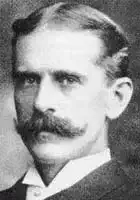
Henry Van Dyke
Liberty Enlightening the World
Liberty Enlightening the World
Thou warden of the western gate, above Manhatten Bay,
The fogs of doubt that hid thy face are driven clean away:
Thine eyes at last look far and clear, thou liftest high thy hand
To spread the light of liberty world-wide for every land.
No more thou dreamest of a peace reserved alone for thee,
While friends are fighting for thy cause beyond the guardian sea:
The battle that they wage is thine; thou fallest if they fall;
The swollen flood of Prussian pride will sweep unchecked o'er all.
O cruel is the conquer-lust in Hohenzollern brains;
The paths they plot to gain their goal are dark with shameful stains:
No faith they keep, no law revere, no god but naked Might; --
They are the foemen of mankind. Up, Liberty, and smite!
Britain, and France, and Italy, and Russia newly born,
Have waited for thee in the night. Oh, come as comes the morn.
Serene and strong and full of faith, America, arise,
With steady hope and mighty help to join th brave Allies.
O dearest country of my heart, home of the high desire,
Make clean thy soul for sacrifice on Freedom's altar-fire:
For thou must suffer, thou must fight, until the warlords cease,
And all the peoples lift their heads in liberty and peace.
Thou warden of the western gate, above Manhatten Bay,
The fogs of doubt that hid thy face are driven clean away:
Thine eyes at last look far and clear, thou liftest high thy hand
To spread the light of liberty world-wide for every land.
No more thou dreamest of a peace reserved alone for thee,
While friends are fighting for thy cause beyond the guardian sea:
The battle that they wage is thine; thou fallest if they fall;
The swollen flood of Prussian pride will sweep unchecked o'er all.
O cruel is the conquer-lust in Hohenzollern brains;
The paths they plot to gain their goal are dark with shameful stains:
No faith they keep, no law revere, no god but naked Might; --
They are the foemen of mankind. Up, Liberty, and smite!
Britain, and France, and Italy, and Russia newly born,
Have waited for thee in the night. Oh, come as comes the morn.
Serene and strong and full of faith, America, arise,
With steady hope and mighty help to join th brave Allies.
O dearest country of my heart, home of the high desire,
Make clean thy soul for sacrifice on Freedom's altar-fire:
For thou must suffer, thou must fight, until the warlords cease,
And all the peoples lift their heads in liberty and peace.
317
Henry Van Dyke
Liberty Enlightening the World
Liberty Enlightening the World
Thou warden of the western gate, above Manhatten Bay,
The fogs of doubt that hid thy face are driven clean away:
Thine eyes at last look far and clear, thou liftest high thy hand
To spread the light of liberty world-wide for every land.
No more thou dreamest of a peace reserved alone for thee,
While friends are fighting for thy cause beyond the guardian sea:
The battle that they wage is thine; thou fallest if they fall;
The swollen flood of Prussian pride will sweep unchecked o'er all.
O cruel is the conquer-lust in Hohenzollern brains;
The paths they plot to gain their goal are dark with shameful stains:
No faith they keep, no law revere, no god but naked Might; --
They are the foemen of mankind. Up, Liberty, and smite!
Britain, and France, and Italy, and Russia newly born,
Have waited for thee in the night. Oh, come as comes the morn.
Serene and strong and full of faith, America, arise,
With steady hope and mighty help to join th brave Allies.
O dearest country of my heart, home of the high desire,
Make clean thy soul for sacrifice on Freedom's altar-fire:
For thou must suffer, thou must fight, until the warlords cease,
And all the peoples lift their heads in liberty and peace.
Thou warden of the western gate, above Manhatten Bay,
The fogs of doubt that hid thy face are driven clean away:
Thine eyes at last look far and clear, thou liftest high thy hand
To spread the light of liberty world-wide for every land.
No more thou dreamest of a peace reserved alone for thee,
While friends are fighting for thy cause beyond the guardian sea:
The battle that they wage is thine; thou fallest if they fall;
The swollen flood of Prussian pride will sweep unchecked o'er all.
O cruel is the conquer-lust in Hohenzollern brains;
The paths they plot to gain their goal are dark with shameful stains:
No faith they keep, no law revere, no god but naked Might; --
They are the foemen of mankind. Up, Liberty, and smite!
Britain, and France, and Italy, and Russia newly born,
Have waited for thee in the night. Oh, come as comes the morn.
Serene and strong and full of faith, America, arise,
With steady hope and mighty help to join th brave Allies.
O dearest country of my heart, home of the high desire,
Make clean thy soul for sacrifice on Freedom's altar-fire:
For thou must suffer, thou must fight, until the warlords cease,
And all the peoples lift their heads in liberty and peace.
317
Henry Van Dyke
Jeanne d'Arc Returns
Jeanne d'Arc Returns
1914-1916
What hast thou done, O womanhood of France,
Mother and daughter, sister, sweetheart, wife,
What hast thou done, amid this fateful strife,
To prove the pride of thine inheritance
In this fair land of freedom and romance?
I hear thy voice with tears and courage rife,--
Smiling against the swords that seek thy life,--
Make answer in a noble utterance:
"I give France all I have, and all she asks.
Would it were more! Ah, let her ask and take:
My hands to nurse her wounded, do her tasks,--
My feet to run her errands through the dark,--
My heart to bleed in triumph for her sake,--
And all my soul to follow thee, Jeanne d'Arc!"
1914-1916
What hast thou done, O womanhood of France,
Mother and daughter, sister, sweetheart, wife,
What hast thou done, amid this fateful strife,
To prove the pride of thine inheritance
In this fair land of freedom and romance?
I hear thy voice with tears and courage rife,--
Smiling against the swords that seek thy life,--
Make answer in a noble utterance:
"I give France all I have, and all she asks.
Would it were more! Ah, let her ask and take:
My hands to nurse her wounded, do her tasks,--
My feet to run her errands through the dark,--
My heart to bleed in triumph for her sake,--
And all my soul to follow thee, Jeanne d'Arc!"
340
Henry Van Dyke
Jeanne d'Arc Returns
Jeanne d'Arc Returns
1914-1916
What hast thou done, O womanhood of France,
Mother and daughter, sister, sweetheart, wife,
What hast thou done, amid this fateful strife,
To prove the pride of thine inheritance
In this fair land of freedom and romance?
I hear thy voice with tears and courage rife,--
Smiling against the swords that seek thy life,--
Make answer in a noble utterance:
"I give France all I have, and all she asks.
Would it were more! Ah, let her ask and take:
My hands to nurse her wounded, do her tasks,--
My feet to run her errands through the dark,--
My heart to bleed in triumph for her sake,--
And all my soul to follow thee, Jeanne d'Arc!"
1914-1916
What hast thou done, O womanhood of France,
Mother and daughter, sister, sweetheart, wife,
What hast thou done, amid this fateful strife,
To prove the pride of thine inheritance
In this fair land of freedom and romance?
I hear thy voice with tears and courage rife,--
Smiling against the swords that seek thy life,--
Make answer in a noble utterance:
"I give France all I have, and all she asks.
Would it were more! Ah, let her ask and take:
My hands to nurse her wounded, do her tasks,--
My feet to run her errands through the dark,--
My heart to bleed in triumph for her sake,--
And all my soul to follow thee, Jeanne d'Arc!"
340
Henry Van Dyke
Joyful, Joyful, We Adore Thee
Joyful, Joyful, We Adore Thee
Joyful, joyful we adore Thee, God of glory, Lord of love,
Hearts unfold like flowers before Thee, hail Thee as the sun above.
Melt the clouds of sin and sadness, drive the dark of doubt away;
Giver of immortal gladness, fill us with the light of day.
All Thy works with joy surround Thee, earth and heav'n reflect Thy rays,
Stars and agnels sing around Thee, center of unbroken praise;
Field and forest, vale and moutain, flow'ry meadow, flashing sea,
Chanting birds and flowing fountain call us to rejoice in Thee.
Thou art givind and forgiving, ever blessing, ever blest,
Wellspring of the joy of living, ocean depth of happy rest.
Thou our Father, Christ our Brother, all who live in love are Thine;
Teach us how to love each other, lift us to the Joy Divine.
Mortals, join the mighty chorus which the morning stars began,
Father love is reigning o'er us, brother love binds man to man.
Ever singing, march we onward, victors in the midst of strife;
Joyful music lifts us sunward, in the triumph song of life.
Joyful, joyful we adore Thee, God of glory, Lord of love,
Hearts unfold like flowers before Thee, hail Thee as the sun above.
Melt the clouds of sin and sadness, drive the dark of doubt away;
Giver of immortal gladness, fill us with the light of day.
All Thy works with joy surround Thee, earth and heav'n reflect Thy rays,
Stars and agnels sing around Thee, center of unbroken praise;
Field and forest, vale and moutain, flow'ry meadow, flashing sea,
Chanting birds and flowing fountain call us to rejoice in Thee.
Thou art givind and forgiving, ever blessing, ever blest,
Wellspring of the joy of living, ocean depth of happy rest.
Thou our Father, Christ our Brother, all who live in love are Thine;
Teach us how to love each other, lift us to the Joy Divine.
Mortals, join the mighty chorus which the morning stars began,
Father love is reigning o'er us, brother love binds man to man.
Ever singing, march we onward, victors in the midst of strife;
Joyful music lifts us sunward, in the triumph song of life.
391
Henry Van Dyke
Hudson's Last Voyage
Hudson's Last Voyage
June 22, 1611
THE SHALLOP ON HUDSON BAY
One sail in sight upon the lonely sea
And only one, God knows! For never ship
But mine broke through the icy gates that guard
These waters, greater grown than any since
We left the shores of England. We were first,
My men, to battle in between the bergs
And floes to these wide waves. This gulf is mine;
I name it! and that flying sail is mine!
And there, hull-down below that flying sail,
The ship that staggers home is mine, mine, mine!
My ship Discoverie!
The sullen dogs
Of mutineers, the bitches' whelps that snatched
Their food and bit the hand that nourished them,
Have stolen her. You ingrate Henry Greene,
I picked you from the gutter of Houndsditch,
And paid your debts, and kept you in my house,
And brought you here to make a man of you!
You Robert Juet, ancient, crafty man,
Toothless and tremulous, how many times
Have I employed you as a master's mate
To give you bread? And you Abacuck Prickett,
You sailor-clerk, you salted puritan,
You knew the plot and silently agreed,
Salving your conscience with a pious lie!
Yes, all of you -- hounds, rebels, thieves! Bring back
My ship!
Too late, -- I rave, -- they cannot hear
My voice: and if they heard, a drunken laugh
Would be their answer; for their minds have caught
The fatal firmness of the fool's resolve,
That looks like courage but is only fear.
They'll blunder on, and lose my ship, and drown, --
Or blunder home to England and be hanged.
Their skeletons will rattle in the chains
Of some tall gibbet on the Channel cliffs,
While passing mariners look up and say:
"Those are the rotten bones of Hudson's men
"Who left their captain in the frozen North!"
O God of justice, why hast Thou ordained
Plans of the wise and actions of the brave
Dependent on the aid of fools and cowards?
Look, -- there she goes, -- her topsails in the sun
Gleam from the ragged ocean edge, and drop
Clean out of sight! So let the traitors go
Clean out of mind! We'll think of braver things!
Come closer in the boat, my friends. John King,
You take the tiller, keep her head nor'west.
You Philip Staffe, the only one who chose
Freely to share our little shallop's fate,
Rather than travel in the hell-bound ship, --
Too good an English seaman to desert
These crippled comrades, -- try to make them rest
More easy on the thwarts. And John, my son,
My little shipmate, come and lean your head
Against your father's knee. Do you recall
That April morn in Ethelburga's church,
Five years ago, when side by side we kneeled
To take the sacrament with all our men,
Before the Hopewell left St. Catherine's docks
On our first voyage? It was then I vowed
My sailor-soul and years to search the sea
Until we found the water-path that leads
From Europe into Asia.
I believe
That God has poured the ocean round His world,
Not to divide, but to unite the lands.
And all the English captains that have dared
In little ships to plough uncharted waves, --
Davis and Drake, Hawkins and Frobisher,
Raleigh and Gilbert, -- all the other names, --
Are written in the chivalry of God
As men who served His purpose. I would claim
A place among that knighthood of the sea;
And I have earned it, though my quest should fail!
For, mark me well, the honour of our life
Derives from this: to have a certain aim
Before us always, which our will must seek
Amid the peril of uncertain ways.
Then, though we miss the goal, our search is crowned
With courage, and we find along our path
A rich reward of unexpected things.
Press towards the aim: take fortune as it fares!
I know not why, but something in my heart
Has always whispered, "Westward seek your goal!"
Three times they sent me east, but still I turned
The bowsprit west, and felt among the floes
Of ruttling ice along the Gröneland coast,
And down the rugged shore of Newfoundland,
And past the rocky capes and wooded bays
Where Gosnold sailed, -- like one who feels his way
With outstretched hand across a darkened room, --
I groped among the inlets and the isles,
To find the passage to the Land of Spice.
I have not found it yet, -- but I have found
Things worth the finding!
Son, have you forgot
Those mellow autumn days, two years ago,
When first we sent our little ship Half-Moon, --
The flag of Holland floating at her peak, --
Across a sandy bar, and sounded in
Among the channels, to a goodly bay
Where all the navies of the world could ride?
A fertile island that the redmen called
Manhattan, lay above the bay: the land
Around was bountiful and friendly fair.
But never land was fair enough to hold
The seaman from the calling of the sea.
And so we bore to westward of the isle,
Along a mighty inlet, where the tide
Was troubled by a downward-flowing flood
That seemed to come from far away, -- perhaps
From some mysterious gulf of Tartary?
Inland we held our course; by palisades
Of naked rock where giants might have built
Their fortress; and by rolling hills adorned
With forests rich in timber for great ships;
Through narrows where the mountains shut us in
With frowning cliffs that seemed to bar the stream;
And then through open reaches where the banks
Sloped to the water gently, with their fields
Of corn and lentils smiling in the sun.
Ten days we voyaged through that placid land,
Until we came to shoals, and sent a boat
Upstream to find, -- what I already knew, --
We travelled on a river, not a strait.
But what a river! God has never poured
A stream more royal through a land more rich.
Even now I see it flowing in my dream,
While coming ages people it with men
Of manhood equal to the river's pride.
I see the wigwams of the redmen changed
To ample houses, and the tiny plots
Of maize and green tobacco broadened out
To prosperous farms, that spread o'er hill and dale
The many-coloured mantle of their crops;
I see the terraced vineyard on the slope
Where now the fox-grape loops its tangled vine;
And cattle feeding where the red deer roam;
And wild-bees gathered into busy hives,
To store the silver comb with golden sweet;
And all the promised land begins to flow
With milk and honey. Stately manors rise
Along the banks, and castles top the hills,
And little villages grow populous with trade,
Until the river runs as proudly as the Rhine, --
The thread that links a hundred towns and towers!
And looking deeper in my dream, I see
A mighty city covering the isle
They call Manhattan, equal in her state
To all the older capitals of earth, --
The gateway city of a golden world, --
A city girt with masts, and crowned with spires,
And swarming with a host of busy men,
While to her open door across the bay
The ships of all the nations flock like doves.
My name will be remembered there, for men
Will say, "This river and this isle were found
By Henry Hudson, on his way to seek
The Northwest Passage into Farthest Inde."
Yes! yes! I sought it then, I seek it still, --
My great adventure and my guiding star!
For look ye, friends, our voyage is not done;
We hold by hope as long as life endures!
Somewhere among these floating fields of ice,
Somewhere along this westward widening bay,
Somewhere beneath this luminous northern night,
The channel opens to the Orient, --
I know it, -- and some day a little ship
Will push her bowsprit in, and battle through!
And why not ours, -- to-morrow, -- who can tell?
The lucky chance awaits the fearless heart!
These are the longest days of all the year;
The world is round and God is everywhere,
And while our shallop floats we still can steer.
So point her up, John King, nor'west by north.
We 'l1 keep the honour of a certain aim
Amid the peril of uncertain ways,
And sail ahead, and leave the rest to God.
June 22, 1611
THE SHALLOP ON HUDSON BAY
One sail in sight upon the lonely sea
And only one, God knows! For never ship
But mine broke through the icy gates that guard
These waters, greater grown than any since
We left the shores of England. We were first,
My men, to battle in between the bergs
And floes to these wide waves. This gulf is mine;
I name it! and that flying sail is mine!
And there, hull-down below that flying sail,
The ship that staggers home is mine, mine, mine!
My ship Discoverie!
The sullen dogs
Of mutineers, the bitches' whelps that snatched
Their food and bit the hand that nourished them,
Have stolen her. You ingrate Henry Greene,
I picked you from the gutter of Houndsditch,
And paid your debts, and kept you in my house,
And brought you here to make a man of you!
You Robert Juet, ancient, crafty man,
Toothless and tremulous, how many times
Have I employed you as a master's mate
To give you bread? And you Abacuck Prickett,
You sailor-clerk, you salted puritan,
You knew the plot and silently agreed,
Salving your conscience with a pious lie!
Yes, all of you -- hounds, rebels, thieves! Bring back
My ship!
Too late, -- I rave, -- they cannot hear
My voice: and if they heard, a drunken laugh
Would be their answer; for their minds have caught
The fatal firmness of the fool's resolve,
That looks like courage but is only fear.
They'll blunder on, and lose my ship, and drown, --
Or blunder home to England and be hanged.
Their skeletons will rattle in the chains
Of some tall gibbet on the Channel cliffs,
While passing mariners look up and say:
"Those are the rotten bones of Hudson's men
"Who left their captain in the frozen North!"
O God of justice, why hast Thou ordained
Plans of the wise and actions of the brave
Dependent on the aid of fools and cowards?
Look, -- there she goes, -- her topsails in the sun
Gleam from the ragged ocean edge, and drop
Clean out of sight! So let the traitors go
Clean out of mind! We'll think of braver things!
Come closer in the boat, my friends. John King,
You take the tiller, keep her head nor'west.
You Philip Staffe, the only one who chose
Freely to share our little shallop's fate,
Rather than travel in the hell-bound ship, --
Too good an English seaman to desert
These crippled comrades, -- try to make them rest
More easy on the thwarts. And John, my son,
My little shipmate, come and lean your head
Against your father's knee. Do you recall
That April morn in Ethelburga's church,
Five years ago, when side by side we kneeled
To take the sacrament with all our men,
Before the Hopewell left St. Catherine's docks
On our first voyage? It was then I vowed
My sailor-soul and years to search the sea
Until we found the water-path that leads
From Europe into Asia.
I believe
That God has poured the ocean round His world,
Not to divide, but to unite the lands.
And all the English captains that have dared
In little ships to plough uncharted waves, --
Davis and Drake, Hawkins and Frobisher,
Raleigh and Gilbert, -- all the other names, --
Are written in the chivalry of God
As men who served His purpose. I would claim
A place among that knighthood of the sea;
And I have earned it, though my quest should fail!
For, mark me well, the honour of our life
Derives from this: to have a certain aim
Before us always, which our will must seek
Amid the peril of uncertain ways.
Then, though we miss the goal, our search is crowned
With courage, and we find along our path
A rich reward of unexpected things.
Press towards the aim: take fortune as it fares!
I know not why, but something in my heart
Has always whispered, "Westward seek your goal!"
Three times they sent me east, but still I turned
The bowsprit west, and felt among the floes
Of ruttling ice along the Gröneland coast,
And down the rugged shore of Newfoundland,
And past the rocky capes and wooded bays
Where Gosnold sailed, -- like one who feels his way
With outstretched hand across a darkened room, --
I groped among the inlets and the isles,
To find the passage to the Land of Spice.
I have not found it yet, -- but I have found
Things worth the finding!
Son, have you forgot
Those mellow autumn days, two years ago,
When first we sent our little ship Half-Moon, --
The flag of Holland floating at her peak, --
Across a sandy bar, and sounded in
Among the channels, to a goodly bay
Where all the navies of the world could ride?
A fertile island that the redmen called
Manhattan, lay above the bay: the land
Around was bountiful and friendly fair.
But never land was fair enough to hold
The seaman from the calling of the sea.
And so we bore to westward of the isle,
Along a mighty inlet, where the tide
Was troubled by a downward-flowing flood
That seemed to come from far away, -- perhaps
From some mysterious gulf of Tartary?
Inland we held our course; by palisades
Of naked rock where giants might have built
Their fortress; and by rolling hills adorned
With forests rich in timber for great ships;
Through narrows where the mountains shut us in
With frowning cliffs that seemed to bar the stream;
And then through open reaches where the banks
Sloped to the water gently, with their fields
Of corn and lentils smiling in the sun.
Ten days we voyaged through that placid land,
Until we came to shoals, and sent a boat
Upstream to find, -- what I already knew, --
We travelled on a river, not a strait.
But what a river! God has never poured
A stream more royal through a land more rich.
Even now I see it flowing in my dream,
While coming ages people it with men
Of manhood equal to the river's pride.
I see the wigwams of the redmen changed
To ample houses, and the tiny plots
Of maize and green tobacco broadened out
To prosperous farms, that spread o'er hill and dale
The many-coloured mantle of their crops;
I see the terraced vineyard on the slope
Where now the fox-grape loops its tangled vine;
And cattle feeding where the red deer roam;
And wild-bees gathered into busy hives,
To store the silver comb with golden sweet;
And all the promised land begins to flow
With milk and honey. Stately manors rise
Along the banks, and castles top the hills,
And little villages grow populous with trade,
Until the river runs as proudly as the Rhine, --
The thread that links a hundred towns and towers!
And looking deeper in my dream, I see
A mighty city covering the isle
They call Manhattan, equal in her state
To all the older capitals of earth, --
The gateway city of a golden world, --
A city girt with masts, and crowned with spires,
And swarming with a host of busy men,
While to her open door across the bay
The ships of all the nations flock like doves.
My name will be remembered there, for men
Will say, "This river and this isle were found
By Henry Hudson, on his way to seek
The Northwest Passage into Farthest Inde."
Yes! yes! I sought it then, I seek it still, --
My great adventure and my guiding star!
For look ye, friends, our voyage is not done;
We hold by hope as long as life endures!
Somewhere among these floating fields of ice,
Somewhere along this westward widening bay,
Somewhere beneath this luminous northern night,
The channel opens to the Orient, --
I know it, -- and some day a little ship
Will push her bowsprit in, and battle through!
And why not ours, -- to-morrow, -- who can tell?
The lucky chance awaits the fearless heart!
These are the longest days of all the year;
The world is round and God is everywhere,
And while our shallop floats we still can steer.
So point her up, John King, nor'west by north.
We 'l1 keep the honour of a certain aim
Amid the peril of uncertain ways,
And sail ahead, and leave the rest to God.
319
Henry Van Dyke
Hudson's Last Voyage
Hudson's Last Voyage
June 22, 1611
THE SHALLOP ON HUDSON BAY
One sail in sight upon the lonely sea
And only one, God knows! For never ship
But mine broke through the icy gates that guard
These waters, greater grown than any since
We left the shores of England. We were first,
My men, to battle in between the bergs
And floes to these wide waves. This gulf is mine;
I name it! and that flying sail is mine!
And there, hull-down below that flying sail,
The ship that staggers home is mine, mine, mine!
My ship Discoverie!
The sullen dogs
Of mutineers, the bitches' whelps that snatched
Their food and bit the hand that nourished them,
Have stolen her. You ingrate Henry Greene,
I picked you from the gutter of Houndsditch,
And paid your debts, and kept you in my house,
And brought you here to make a man of you!
You Robert Juet, ancient, crafty man,
Toothless and tremulous, how many times
Have I employed you as a master's mate
To give you bread? And you Abacuck Prickett,
You sailor-clerk, you salted puritan,
You knew the plot and silently agreed,
Salving your conscience with a pious lie!
Yes, all of you -- hounds, rebels, thieves! Bring back
My ship!
Too late, -- I rave, -- they cannot hear
My voice: and if they heard, a drunken laugh
Would be their answer; for their minds have caught
The fatal firmness of the fool's resolve,
That looks like courage but is only fear.
They'll blunder on, and lose my ship, and drown, --
Or blunder home to England and be hanged.
Their skeletons will rattle in the chains
Of some tall gibbet on the Channel cliffs,
While passing mariners look up and say:
"Those are the rotten bones of Hudson's men
"Who left their captain in the frozen North!"
O God of justice, why hast Thou ordained
Plans of the wise and actions of the brave
Dependent on the aid of fools and cowards?
Look, -- there she goes, -- her topsails in the sun
Gleam from the ragged ocean edge, and drop
Clean out of sight! So let the traitors go
Clean out of mind! We'll think of braver things!
Come closer in the boat, my friends. John King,
You take the tiller, keep her head nor'west.
You Philip Staffe, the only one who chose
Freely to share our little shallop's fate,
Rather than travel in the hell-bound ship, --
Too good an English seaman to desert
These crippled comrades, -- try to make them rest
More easy on the thwarts. And John, my son,
My little shipmate, come and lean your head
Against your father's knee. Do you recall
That April morn in Ethelburga's church,
Five years ago, when side by side we kneeled
To take the sacrament with all our men,
Before the Hopewell left St. Catherine's docks
On our first voyage? It was then I vowed
My sailor-soul and years to search the sea
Until we found the water-path that leads
From Europe into Asia.
I believe
That God has poured the ocean round His world,
Not to divide, but to unite the lands.
And all the English captains that have dared
In little ships to plough uncharted waves, --
Davis and Drake, Hawkins and Frobisher,
Raleigh and Gilbert, -- all the other names, --
Are written in the chivalry of God
As men who served His purpose. I would claim
A place among that knighthood of the sea;
And I have earned it, though my quest should fail!
For, mark me well, the honour of our life
Derives from this: to have a certain aim
Before us always, which our will must seek
Amid the peril of uncertain ways.
Then, though we miss the goal, our search is crowned
With courage, and we find along our path
A rich reward of unexpected things.
Press towards the aim: take fortune as it fares!
I know not why, but something in my heart
Has always whispered, "Westward seek your goal!"
Three times they sent me east, but still I turned
The bowsprit west, and felt among the floes
Of ruttling ice along the Gröneland coast,
And down the rugged shore of Newfoundland,
And past the rocky capes and wooded bays
Where Gosnold sailed, -- like one who feels his way
With outstretched hand across a darkened room, --
I groped among the inlets and the isles,
To find the passage to the Land of Spice.
I have not found it yet, -- but I have found
Things worth the finding!
Son, have you forgot
Those mellow autumn days, two years ago,
When first we sent our little ship Half-Moon, --
The flag of Holland floating at her peak, --
Across a sandy bar, and sounded in
Among the channels, to a goodly bay
Where all the navies of the world could ride?
A fertile island that the redmen called
Manhattan, lay above the bay: the land
Around was bountiful and friendly fair.
But never land was fair enough to hold
The seaman from the calling of the sea.
And so we bore to westward of the isle,
Along a mighty inlet, where the tide
Was troubled by a downward-flowing flood
That seemed to come from far away, -- perhaps
From some mysterious gulf of Tartary?
Inland we held our course; by palisades
Of naked rock where giants might have built
Their fortress; and by rolling hills adorned
With forests rich in timber for great ships;
Through narrows where the mountains shut us in
With frowning cliffs that seemed to bar the stream;
And then through open reaches where the banks
Sloped to the water gently, with their fields
Of corn and lentils smiling in the sun.
Ten days we voyaged through that placid land,
Until we came to shoals, and sent a boat
Upstream to find, -- what I already knew, --
We travelled on a river, not a strait.
But what a river! God has never poured
A stream more royal through a land more rich.
Even now I see it flowing in my dream,
While coming ages people it with men
Of manhood equal to the river's pride.
I see the wigwams of the redmen changed
To ample houses, and the tiny plots
Of maize and green tobacco broadened out
To prosperous farms, that spread o'er hill and dale
The many-coloured mantle of their crops;
I see the terraced vineyard on the slope
Where now the fox-grape loops its tangled vine;
And cattle feeding where the red deer roam;
And wild-bees gathered into busy hives,
To store the silver comb with golden sweet;
And all the promised land begins to flow
With milk and honey. Stately manors rise
Along the banks, and castles top the hills,
And little villages grow populous with trade,
Until the river runs as proudly as the Rhine, --
The thread that links a hundred towns and towers!
And looking deeper in my dream, I see
A mighty city covering the isle
They call Manhattan, equal in her state
To all the older capitals of earth, --
The gateway city of a golden world, --
A city girt with masts, and crowned with spires,
And swarming with a host of busy men,
While to her open door across the bay
The ships of all the nations flock like doves.
My name will be remembered there, for men
Will say, "This river and this isle were found
By Henry Hudson, on his way to seek
The Northwest Passage into Farthest Inde."
Yes! yes! I sought it then, I seek it still, --
My great adventure and my guiding star!
For look ye, friends, our voyage is not done;
We hold by hope as long as life endures!
Somewhere among these floating fields of ice,
Somewhere along this westward widening bay,
Somewhere beneath this luminous northern night,
The channel opens to the Orient, --
I know it, -- and some day a little ship
Will push her bowsprit in, and battle through!
And why not ours, -- to-morrow, -- who can tell?
The lucky chance awaits the fearless heart!
These are the longest days of all the year;
The world is round and God is everywhere,
And while our shallop floats we still can steer.
So point her up, John King, nor'west by north.
We 'l1 keep the honour of a certain aim
Amid the peril of uncertain ways,
And sail ahead, and leave the rest to God.
June 22, 1611
THE SHALLOP ON HUDSON BAY
One sail in sight upon the lonely sea
And only one, God knows! For never ship
But mine broke through the icy gates that guard
These waters, greater grown than any since
We left the shores of England. We were first,
My men, to battle in between the bergs
And floes to these wide waves. This gulf is mine;
I name it! and that flying sail is mine!
And there, hull-down below that flying sail,
The ship that staggers home is mine, mine, mine!
My ship Discoverie!
The sullen dogs
Of mutineers, the bitches' whelps that snatched
Their food and bit the hand that nourished them,
Have stolen her. You ingrate Henry Greene,
I picked you from the gutter of Houndsditch,
And paid your debts, and kept you in my house,
And brought you here to make a man of you!
You Robert Juet, ancient, crafty man,
Toothless and tremulous, how many times
Have I employed you as a master's mate
To give you bread? And you Abacuck Prickett,
You sailor-clerk, you salted puritan,
You knew the plot and silently agreed,
Salving your conscience with a pious lie!
Yes, all of you -- hounds, rebels, thieves! Bring back
My ship!
Too late, -- I rave, -- they cannot hear
My voice: and if they heard, a drunken laugh
Would be their answer; for their minds have caught
The fatal firmness of the fool's resolve,
That looks like courage but is only fear.
They'll blunder on, and lose my ship, and drown, --
Or blunder home to England and be hanged.
Their skeletons will rattle in the chains
Of some tall gibbet on the Channel cliffs,
While passing mariners look up and say:
"Those are the rotten bones of Hudson's men
"Who left their captain in the frozen North!"
O God of justice, why hast Thou ordained
Plans of the wise and actions of the brave
Dependent on the aid of fools and cowards?
Look, -- there she goes, -- her topsails in the sun
Gleam from the ragged ocean edge, and drop
Clean out of sight! So let the traitors go
Clean out of mind! We'll think of braver things!
Come closer in the boat, my friends. John King,
You take the tiller, keep her head nor'west.
You Philip Staffe, the only one who chose
Freely to share our little shallop's fate,
Rather than travel in the hell-bound ship, --
Too good an English seaman to desert
These crippled comrades, -- try to make them rest
More easy on the thwarts. And John, my son,
My little shipmate, come and lean your head
Against your father's knee. Do you recall
That April morn in Ethelburga's church,
Five years ago, when side by side we kneeled
To take the sacrament with all our men,
Before the Hopewell left St. Catherine's docks
On our first voyage? It was then I vowed
My sailor-soul and years to search the sea
Until we found the water-path that leads
From Europe into Asia.
I believe
That God has poured the ocean round His world,
Not to divide, but to unite the lands.
And all the English captains that have dared
In little ships to plough uncharted waves, --
Davis and Drake, Hawkins and Frobisher,
Raleigh and Gilbert, -- all the other names, --
Are written in the chivalry of God
As men who served His purpose. I would claim
A place among that knighthood of the sea;
And I have earned it, though my quest should fail!
For, mark me well, the honour of our life
Derives from this: to have a certain aim
Before us always, which our will must seek
Amid the peril of uncertain ways.
Then, though we miss the goal, our search is crowned
With courage, and we find along our path
A rich reward of unexpected things.
Press towards the aim: take fortune as it fares!
I know not why, but something in my heart
Has always whispered, "Westward seek your goal!"
Three times they sent me east, but still I turned
The bowsprit west, and felt among the floes
Of ruttling ice along the Gröneland coast,
And down the rugged shore of Newfoundland,
And past the rocky capes and wooded bays
Where Gosnold sailed, -- like one who feels his way
With outstretched hand across a darkened room, --
I groped among the inlets and the isles,
To find the passage to the Land of Spice.
I have not found it yet, -- but I have found
Things worth the finding!
Son, have you forgot
Those mellow autumn days, two years ago,
When first we sent our little ship Half-Moon, --
The flag of Holland floating at her peak, --
Across a sandy bar, and sounded in
Among the channels, to a goodly bay
Where all the navies of the world could ride?
A fertile island that the redmen called
Manhattan, lay above the bay: the land
Around was bountiful and friendly fair.
But never land was fair enough to hold
The seaman from the calling of the sea.
And so we bore to westward of the isle,
Along a mighty inlet, where the tide
Was troubled by a downward-flowing flood
That seemed to come from far away, -- perhaps
From some mysterious gulf of Tartary?
Inland we held our course; by palisades
Of naked rock where giants might have built
Their fortress; and by rolling hills adorned
With forests rich in timber for great ships;
Through narrows where the mountains shut us in
With frowning cliffs that seemed to bar the stream;
And then through open reaches where the banks
Sloped to the water gently, with their fields
Of corn and lentils smiling in the sun.
Ten days we voyaged through that placid land,
Until we came to shoals, and sent a boat
Upstream to find, -- what I already knew, --
We travelled on a river, not a strait.
But what a river! God has never poured
A stream more royal through a land more rich.
Even now I see it flowing in my dream,
While coming ages people it with men
Of manhood equal to the river's pride.
I see the wigwams of the redmen changed
To ample houses, and the tiny plots
Of maize and green tobacco broadened out
To prosperous farms, that spread o'er hill and dale
The many-coloured mantle of their crops;
I see the terraced vineyard on the slope
Where now the fox-grape loops its tangled vine;
And cattle feeding where the red deer roam;
And wild-bees gathered into busy hives,
To store the silver comb with golden sweet;
And all the promised land begins to flow
With milk and honey. Stately manors rise
Along the banks, and castles top the hills,
And little villages grow populous with trade,
Until the river runs as proudly as the Rhine, --
The thread that links a hundred towns and towers!
And looking deeper in my dream, I see
A mighty city covering the isle
They call Manhattan, equal in her state
To all the older capitals of earth, --
The gateway city of a golden world, --
A city girt with masts, and crowned with spires,
And swarming with a host of busy men,
While to her open door across the bay
The ships of all the nations flock like doves.
My name will be remembered there, for men
Will say, "This river and this isle were found
By Henry Hudson, on his way to seek
The Northwest Passage into Farthest Inde."
Yes! yes! I sought it then, I seek it still, --
My great adventure and my guiding star!
For look ye, friends, our voyage is not done;
We hold by hope as long as life endures!
Somewhere among these floating fields of ice,
Somewhere along this westward widening bay,
Somewhere beneath this luminous northern night,
The channel opens to the Orient, --
I know it, -- and some day a little ship
Will push her bowsprit in, and battle through!
And why not ours, -- to-morrow, -- who can tell?
The lucky chance awaits the fearless heart!
These are the longest days of all the year;
The world is round and God is everywhere,
And while our shallop floats we still can steer.
So point her up, John King, nor'west by north.
We 'l1 keep the honour of a certain aim
Amid the peril of uncertain ways,
And sail ahead, and leave the rest to God.
319
Henry Van Dyke
Francis Makemie
Francis Makemie
(Presbyter of Christ in Americas 1683-1708)
To thee, plain hero of a rugged race,
We bring the meed of praise too long delayed!
Thy fearless word and faithful work have made
For God's Republic firmer path and place
In this New World: thou hast proclaimed the grace
And power of Christ in many a forest glade,
Teaching the truth that leaves men unafraid
Of frowning tyranny or death's dark face.
Oh, who can tell how much we owe to thee,
Makemie, and to labour such as thine,
For all that makes America the shrine
Of faith untrammeled and of conscience free?
Stand here, grey stone, and consecrate the sod
Where rests this brave Scotch-Irish man of God!
(Presbyter of Christ in Americas 1683-1708)
To thee, plain hero of a rugged race,
We bring the meed of praise too long delayed!
Thy fearless word and faithful work have made
For God's Republic firmer path and place
In this New World: thou hast proclaimed the grace
And power of Christ in many a forest glade,
Teaching the truth that leaves men unafraid
Of frowning tyranny or death's dark face.
Oh, who can tell how much we owe to thee,
Makemie, and to labour such as thine,
For all that makes America the shrine
Of faith untrammeled and of conscience free?
Stand here, grey stone, and consecrate the sod
Where rests this brave Scotch-Irish man of God!
323
Henry Van Dyke
Francis Makemie
Francis Makemie
(Presbyter of Christ in Americas 1683-1708)
To thee, plain hero of a rugged race,
We bring the meed of praise too long delayed!
Thy fearless word and faithful work have made
For God's Republic firmer path and place
In this New World: thou hast proclaimed the grace
And power of Christ in many a forest glade,
Teaching the truth that leaves men unafraid
Of frowning tyranny or death's dark face.
Oh, who can tell how much we owe to thee,
Makemie, and to labour such as thine,
For all that makes America the shrine
Of faith untrammeled and of conscience free?
Stand here, grey stone, and consecrate the sod
Where rests this brave Scotch-Irish man of God!
(Presbyter of Christ in Americas 1683-1708)
To thee, plain hero of a rugged race,
We bring the meed of praise too long delayed!
Thy fearless word and faithful work have made
For God's Republic firmer path and place
In this New World: thou hast proclaimed the grace
And power of Christ in many a forest glade,
Teaching the truth that leaves men unafraid
Of frowning tyranny or death's dark face.
Oh, who can tell how much we owe to thee,
Makemie, and to labour such as thine,
For all that makes America the shrine
Of faith untrammeled and of conscience free?
Stand here, grey stone, and consecrate the sod
Where rests this brave Scotch-Irish man of God!
323
Henry Van Dyke
An American in Europe
An American in Europe
'Tis fine to see the Old World, and travel up and down
Among the famous palaces and cities of renown,
To admire the crumbly castles and the statues of the kings, --
But now I think I've had enough of antiquated things.
So it's home again, and home again, America for me!
My heart is turning home again, and there I long to be,
In the land of youth and freedom beyond the ocean bars,
Where the air is full of sunlight and the flag is full of stars.
Oh, London is a man's town, there's power in the air;
And Paris is a woman's town, with flowers in her hair;
And it's sweet to dream in Venice, and it's great to study Rome;
But when it comes to living there is no place like home.
I like the German fir-woods, in green battalions drilled;
I like the gardens of Versailles with flashing fountains filled;
But, oh, to take your hand, my dear, and ramble for a day
In the friendly western woodland where Nature has her way!
I know that Europe's wonderful, yet something seems to lack:
The Past is too much with her, and the people looking back.
But the glory of the Present is to make the Future free, --
We love our land for what she is and what she is to be.
So it's home again, and home again, America for me!
I want a ship that's westward bound to plough the rolling sea,
To the blessed Land of Room Enough beyond the ocean bars,
Where the air is full of sunlight and the flag is full of stars.
'Tis fine to see the Old World, and travel up and down
Among the famous palaces and cities of renown,
To admire the crumbly castles and the statues of the kings, --
But now I think I've had enough of antiquated things.
So it's home again, and home again, America for me!
My heart is turning home again, and there I long to be,
In the land of youth and freedom beyond the ocean bars,
Where the air is full of sunlight and the flag is full of stars.
Oh, London is a man's town, there's power in the air;
And Paris is a woman's town, with flowers in her hair;
And it's sweet to dream in Venice, and it's great to study Rome;
But when it comes to living there is no place like home.
I like the German fir-woods, in green battalions drilled;
I like the gardens of Versailles with flashing fountains filled;
But, oh, to take your hand, my dear, and ramble for a day
In the friendly western woodland where Nature has her way!
I know that Europe's wonderful, yet something seems to lack:
The Past is too much with her, and the people looking back.
But the glory of the Present is to make the Future free, --
We love our land for what she is and what she is to be.
So it's home again, and home again, America for me!
I want a ship that's westward bound to plough the rolling sea,
To the blessed Land of Room Enough beyond the ocean bars,
Where the air is full of sunlight and the flag is full of stars.
314
Henry Van Dyke
An American in Europe
An American in Europe
'Tis fine to see the Old World, and travel up and down
Among the famous palaces and cities of renown,
To admire the crumbly castles and the statues of the kings, --
But now I think I've had enough of antiquated things.
So it's home again, and home again, America for me!
My heart is turning home again, and there I long to be,
In the land of youth and freedom beyond the ocean bars,
Where the air is full of sunlight and the flag is full of stars.
Oh, London is a man's town, there's power in the air;
And Paris is a woman's town, with flowers in her hair;
And it's sweet to dream in Venice, and it's great to study Rome;
But when it comes to living there is no place like home.
I like the German fir-woods, in green battalions drilled;
I like the gardens of Versailles with flashing fountains filled;
But, oh, to take your hand, my dear, and ramble for a day
In the friendly western woodland where Nature has her way!
I know that Europe's wonderful, yet something seems to lack:
The Past is too much with her, and the people looking back.
But the glory of the Present is to make the Future free, --
We love our land for what she is and what she is to be.
So it's home again, and home again, America for me!
I want a ship that's westward bound to plough the rolling sea,
To the blessed Land of Room Enough beyond the ocean bars,
Where the air is full of sunlight and the flag is full of stars.
'Tis fine to see the Old World, and travel up and down
Among the famous palaces and cities of renown,
To admire the crumbly castles and the statues of the kings, --
But now I think I've had enough of antiquated things.
So it's home again, and home again, America for me!
My heart is turning home again, and there I long to be,
In the land of youth and freedom beyond the ocean bars,
Where the air is full of sunlight and the flag is full of stars.
Oh, London is a man's town, there's power in the air;
And Paris is a woman's town, with flowers in her hair;
And it's sweet to dream in Venice, and it's great to study Rome;
But when it comes to living there is no place like home.
I like the German fir-woods, in green battalions drilled;
I like the gardens of Versailles with flashing fountains filled;
But, oh, to take your hand, my dear, and ramble for a day
In the friendly western woodland where Nature has her way!
I know that Europe's wonderful, yet something seems to lack:
The Past is too much with her, and the people looking back.
But the glory of the Present is to make the Future free, --
We love our land for what she is and what she is to be.
So it's home again, and home again, America for me!
I want a ship that's westward bound to plough the rolling sea,
To the blessed Land of Room Enough beyond the ocean bars,
Where the air is full of sunlight and the flag is full of stars.
314
Henry Van Dyke
America for Me
America for Me
'Tis fine to see the Old World and travel up and down
Among the famous palaces and cities of renown,
To admire the crumblyh castles and the statues and kings
But now I think I've had enough of antiquated things.
So it's home again, and home again, America for me!
My heart is turning home again and there I long to be,
In the land of youth and freedom, beyond the ocean bars,
Where the air is full of sunlight and the flag is full of stars.
Oh, London is a man's town, there's power in the air;
And Paris is a woman's town, with flowers in her hair;
And it's sweet to dream in Venice, and it's great to study Rome;
But when it comes to living there is no place like home.
I like the German fir-woods in green battalions drilled;
I like the gardens of Versailles with flashing foutains filled;
But, oh, to take your had, my dear, and ramble for a day
In the friendly western woodland where Nature has her sway!
I know that Europe's wonderful, yet something seems to lack!
The Past is too much with her, and the people looking back.
But the glory of the Present is to make the Future free--
We love our land for what she is and what she is to be.
Oh, it's home again, and home again, America for me!
I want a ship that's westward bound to plough the rolling sea,
To the blessed Land of Room Enough, beyond the ocean bars,
Where the air is full of sunlight and the flag is full of stars.
'Tis fine to see the Old World and travel up and down
Among the famous palaces and cities of renown,
To admire the crumblyh castles and the statues and kings
But now I think I've had enough of antiquated things.
So it's home again, and home again, America for me!
My heart is turning home again and there I long to be,
In the land of youth and freedom, beyond the ocean bars,
Where the air is full of sunlight and the flag is full of stars.
Oh, London is a man's town, there's power in the air;
And Paris is a woman's town, with flowers in her hair;
And it's sweet to dream in Venice, and it's great to study Rome;
But when it comes to living there is no place like home.
I like the German fir-woods in green battalions drilled;
I like the gardens of Versailles with flashing foutains filled;
But, oh, to take your had, my dear, and ramble for a day
In the friendly western woodland where Nature has her sway!
I know that Europe's wonderful, yet something seems to lack!
The Past is too much with her, and the people looking back.
But the glory of the Present is to make the Future free--
We love our land for what she is and what she is to be.
Oh, it's home again, and home again, America for me!
I want a ship that's westward bound to plough the rolling sea,
To the blessed Land of Room Enough, beyond the ocean bars,
Where the air is full of sunlight and the flag is full of stars.
334
Henry Van Dyke
America for Me
America for Me
'Tis fine to see the Old World and travel up and down
Among the famous palaces and cities of renown,
To admire the crumblyh castles and the statues and kings
But now I think I've had enough of antiquated things.
So it's home again, and home again, America for me!
My heart is turning home again and there I long to be,
In the land of youth and freedom, beyond the ocean bars,
Where the air is full of sunlight and the flag is full of stars.
Oh, London is a man's town, there's power in the air;
And Paris is a woman's town, with flowers in her hair;
And it's sweet to dream in Venice, and it's great to study Rome;
But when it comes to living there is no place like home.
I like the German fir-woods in green battalions drilled;
I like the gardens of Versailles with flashing foutains filled;
But, oh, to take your had, my dear, and ramble for a day
In the friendly western woodland where Nature has her sway!
I know that Europe's wonderful, yet something seems to lack!
The Past is too much with her, and the people looking back.
But the glory of the Present is to make the Future free--
We love our land for what she is and what she is to be.
Oh, it's home again, and home again, America for me!
I want a ship that's westward bound to plough the rolling sea,
To the blessed Land of Room Enough, beyond the ocean bars,
Where the air is full of sunlight and the flag is full of stars.
'Tis fine to see the Old World and travel up and down
Among the famous palaces and cities of renown,
To admire the crumblyh castles and the statues and kings
But now I think I've had enough of antiquated things.
So it's home again, and home again, America for me!
My heart is turning home again and there I long to be,
In the land of youth and freedom, beyond the ocean bars,
Where the air is full of sunlight and the flag is full of stars.
Oh, London is a man's town, there's power in the air;
And Paris is a woman's town, with flowers in her hair;
And it's sweet to dream in Venice, and it's great to study Rome;
But when it comes to living there is no place like home.
I like the German fir-woods in green battalions drilled;
I like the gardens of Versailles with flashing foutains filled;
But, oh, to take your had, my dear, and ramble for a day
In the friendly western woodland where Nature has her sway!
I know that Europe's wonderful, yet something seems to lack!
The Past is too much with her, and the people looking back.
But the glory of the Present is to make the Future free--
We love our land for what she is and what she is to be.
Oh, it's home again, and home again, America for me!
I want a ship that's westward bound to plough the rolling sea,
To the blessed Land of Room Enough, beyond the ocean bars,
Where the air is full of sunlight and the flag is full of stars.
334
Henry Van Dyke
Ameria's Welcome Home
Ameria's Welcome Home
Oh, gallantly they fared forth in khaki and in blue,
America's crusading host of warriors bold and true;
They battled for the rights of man beside our brave Allies,
And now they're coming home to us with glory in their eyes.
Oh, it's home again, and home again, America for me!
Our hearts are turning home again and there we long to be,
In our beautiful big country beyond the ocean bars,
Where the air is full of sunlight and the flag is full of stars.
Our boys have seen the Old World as none have seen before.
They know the grisly horror of the German gods of war:
The noble faith of Britain and the hero-heart of France,
The soul of Belgium's fortitude and Italy's romance.
They bore our country's great word across the rolling sea,
'America swears brotherhood with all the just and free.'
They wrote that word victorious on fields of mortal strife,
And many a valiant lad was proud to seal it with his life.
Oh, welcome home in Heaven's peace, dear spirits of the dead!
And welcome home ye living sons America hath bred!
The lords of war are beaten down, your glorious task is done;
You fought to make the whole world free, and the victory is won.
Now it's home again, and home again, our hearts are turning west,
Of all the lands beneath the sun America is best.
We're going home to our own folks, beyond the ocean bars,
Where the air is full of sunlight and the flag is full of stars.
Oh, gallantly they fared forth in khaki and in blue,
America's crusading host of warriors bold and true;
They battled for the rights of man beside our brave Allies,
And now they're coming home to us with glory in their eyes.
Oh, it's home again, and home again, America for me!
Our hearts are turning home again and there we long to be,
In our beautiful big country beyond the ocean bars,
Where the air is full of sunlight and the flag is full of stars.
Our boys have seen the Old World as none have seen before.
They know the grisly horror of the German gods of war:
The noble faith of Britain and the hero-heart of France,
The soul of Belgium's fortitude and Italy's romance.
They bore our country's great word across the rolling sea,
'America swears brotherhood with all the just and free.'
They wrote that word victorious on fields of mortal strife,
And many a valiant lad was proud to seal it with his life.
Oh, welcome home in Heaven's peace, dear spirits of the dead!
And welcome home ye living sons America hath bred!
The lords of war are beaten down, your glorious task is done;
You fought to make the whole world free, and the victory is won.
Now it's home again, and home again, our hearts are turning west,
Of all the lands beneath the sun America is best.
We're going home to our own folks, beyond the ocean bars,
Where the air is full of sunlight and the flag is full of stars.
331
Henry Van Dyke
Ameria's Welcome Home
Ameria's Welcome Home
Oh, gallantly they fared forth in khaki and in blue,
America's crusading host of warriors bold and true;
They battled for the rights of man beside our brave Allies,
And now they're coming home to us with glory in their eyes.
Oh, it's home again, and home again, America for me!
Our hearts are turning home again and there we long to be,
In our beautiful big country beyond the ocean bars,
Where the air is full of sunlight and the flag is full of stars.
Our boys have seen the Old World as none have seen before.
They know the grisly horror of the German gods of war:
The noble faith of Britain and the hero-heart of France,
The soul of Belgium's fortitude and Italy's romance.
They bore our country's great word across the rolling sea,
'America swears brotherhood with all the just and free.'
They wrote that word victorious on fields of mortal strife,
And many a valiant lad was proud to seal it with his life.
Oh, welcome home in Heaven's peace, dear spirits of the dead!
And welcome home ye living sons America hath bred!
The lords of war are beaten down, your glorious task is done;
You fought to make the whole world free, and the victory is won.
Now it's home again, and home again, our hearts are turning west,
Of all the lands beneath the sun America is best.
We're going home to our own folks, beyond the ocean bars,
Where the air is full of sunlight and the flag is full of stars.
Oh, gallantly they fared forth in khaki and in blue,
America's crusading host of warriors bold and true;
They battled for the rights of man beside our brave Allies,
And now they're coming home to us with glory in their eyes.
Oh, it's home again, and home again, America for me!
Our hearts are turning home again and there we long to be,
In our beautiful big country beyond the ocean bars,
Where the air is full of sunlight and the flag is full of stars.
Our boys have seen the Old World as none have seen before.
They know the grisly horror of the German gods of war:
The noble faith of Britain and the hero-heart of France,
The soul of Belgium's fortitude and Italy's romance.
They bore our country's great word across the rolling sea,
'America swears brotherhood with all the just and free.'
They wrote that word victorious on fields of mortal strife,
And many a valiant lad was proud to seal it with his life.
Oh, welcome home in Heaven's peace, dear spirits of the dead!
And welcome home ye living sons America hath bred!
The lords of war are beaten down, your glorious task is done;
You fought to make the whole world free, and the victory is won.
Now it's home again, and home again, our hearts are turning west,
Of all the lands beneath the sun America is best.
We're going home to our own folks, beyond the ocean bars,
Where the air is full of sunlight and the flag is full of stars.
331
Henry Van Dyke
A Scrap of Paper
A Scrap of Paper
"Will you go to war just for a scrap of paper?" -- Question
of the German Chancellor to the British Ambassador,
August 5, 1914.
A mocking question! Britain's answer came
Swift as the light and searching as the flame.
"Yes, for a scrap of paper we will fight
Till our last breath, and God defend the right!
"A scrap of paper where a name is set
Is strong as duty's pledge and honor's debt.
"A scrap of paper holds for man and wife
The sacrament of love, the bond of life.
"A scrap of paper may be Holy Writ
With God's eternal word to hallow it.
"A scrap of paper binds us both to stand
Defenders of a neutral neighbor land.
"By God, by faith, by honor, yes! We fight
To keep our name upon that paper white."
"Will you go to war just for a scrap of paper?" -- Question
of the German Chancellor to the British Ambassador,
August 5, 1914.
A mocking question! Britain's answer came
Swift as the light and searching as the flame.
"Yes, for a scrap of paper we will fight
Till our last breath, and God defend the right!
"A scrap of paper where a name is set
Is strong as duty's pledge and honor's debt.
"A scrap of paper holds for man and wife
The sacrament of love, the bond of life.
"A scrap of paper may be Holy Writ
With God's eternal word to hallow it.
"A scrap of paper binds us both to stand
Defenders of a neutral neighbor land.
"By God, by faith, by honor, yes! We fight
To keep our name upon that paper white."
363
Henry Van Dyke
A Scrap of Paper
A Scrap of Paper
"Will you go to war just for a scrap of paper?" -- Question
of the German Chancellor to the British Ambassador,
August 5, 1914.
A mocking question! Britain's answer came
Swift as the light and searching as the flame.
"Yes, for a scrap of paper we will fight
Till our last breath, and God defend the right!
"A scrap of paper where a name is set
Is strong as duty's pledge and honor's debt.
"A scrap of paper holds for man and wife
The sacrament of love, the bond of life.
"A scrap of paper may be Holy Writ
With God's eternal word to hallow it.
"A scrap of paper binds us both to stand
Defenders of a neutral neighbor land.
"By God, by faith, by honor, yes! We fight
To keep our name upon that paper white."
"Will you go to war just for a scrap of paper?" -- Question
of the German Chancellor to the British Ambassador,
August 5, 1914.
A mocking question! Britain's answer came
Swift as the light and searching as the flame.
"Yes, for a scrap of paper we will fight
Till our last breath, and God defend the right!
"A scrap of paper where a name is set
Is strong as duty's pledge and honor's debt.
"A scrap of paper holds for man and wife
The sacrament of love, the bond of life.
"A scrap of paper may be Holy Writ
With God's eternal word to hallow it.
"A scrap of paper binds us both to stand
Defenders of a neutral neighbor land.
"By God, by faith, by honor, yes! We fight
To keep our name upon that paper white."
363
Henry Van Dyke
A Scrap of Paper
A Scrap of Paper
"Will you go to war just for a scrap of paper?" -- Question
of the German Chancellor to the British Ambassador,
August 5, 1914.
A mocking question! Britain's answer came
Swift as the light and searching as the flame.
"Yes, for a scrap of paper we will fight
Till our last breath, and God defend the right!
"A scrap of paper where a name is set
Is strong as duty's pledge and honor's debt.
"A scrap of paper holds for man and wife
The sacrament of love, the bond of life.
"A scrap of paper may be Holy Writ
With God's eternal word to hallow it.
"A scrap of paper binds us both to stand
Defenders of a neutral neighbor land.
"By God, by faith, by honor, yes! We fight
To keep our name upon that paper white."
"Will you go to war just for a scrap of paper?" -- Question
of the German Chancellor to the British Ambassador,
August 5, 1914.
A mocking question! Britain's answer came
Swift as the light and searching as the flame.
"Yes, for a scrap of paper we will fight
Till our last breath, and God defend the right!
"A scrap of paper where a name is set
Is strong as duty's pledge and honor's debt.
"A scrap of paper holds for man and wife
The sacrament of love, the bond of life.
"A scrap of paper may be Holy Writ
With God's eternal word to hallow it.
"A scrap of paper binds us both to stand
Defenders of a neutral neighbor land.
"By God, by faith, by honor, yes! We fight
To keep our name upon that paper white."
363
Henry Van Dyke
A Prayer for a Mother's Birthday
A Prayer for a Mother's Birthday
Lord Jesus, Thou hast known
A mother's love and tender care:
And Thou wilt hear, while for my own
Mother most dear I make this birthday prayer.
Protect her life, I pray,
Who gave the gift of life to me;
And may she know, from day to day,
The deepening glow of Life that comes from Thee.
As once upon her breast
Fearless and well content I lay,
So let her heart, on Thee at rest,
Feel fears depart and troubles fade away.
Her every wish fulfill;
And even if Thou must refuse
In anything, let Thy wise will
A comfort bring such as kind mothers use.
Ah, hold her by the hand,
As once her hand held mine;
And though she may not understand
Life's winding way, lead her in peace divine.
I cannot pay my debt
For all the love that she has given;
But Thou, love's Lord, wilt not forget
Her due reward,--bless her in earth and heaven.
Lord Jesus, Thou hast known
A mother's love and tender care:
And Thou wilt hear, while for my own
Mother most dear I make this birthday prayer.
Protect her life, I pray,
Who gave the gift of life to me;
And may she know, from day to day,
The deepening glow of Life that comes from Thee.
As once upon her breast
Fearless and well content I lay,
So let her heart, on Thee at rest,
Feel fears depart and troubles fade away.
Her every wish fulfill;
And even if Thou must refuse
In anything, let Thy wise will
A comfort bring such as kind mothers use.
Ah, hold her by the hand,
As once her hand held mine;
And though she may not understand
Life's winding way, lead her in peace divine.
I cannot pay my debt
For all the love that she has given;
But Thou, love's Lord, wilt not forget
Her due reward,--bless her in earth and heaven.
332
Henry Van Dyke
A Legend of Service
A Legend of Service
It pleased the Lord of Angels (praise His name!)
To hear, one day, report from those who came
With pitying sorrow, or exultant joy,
To tell of earthly tasks in His employ:
For some were sorry when they saw how slow
The stream of heavenly love on earth must flow;
And some were glad because their eyes had seen,
Along its banks, fresh flowers and living green.
So, at a certain hour, before the throne
The youngest angel, Asmiel, stood alone;
Nor glad, nor sad, but full of earnest thought,
And thus his tidings to the Master brought:
"Lord, in the city Lupon I have found
"Three servants of thy holy name, renowned
"Above their fellows. One is very wise,
"With thoughts that ever range above the skies;
"And one is gifted with the golden speech
"That makes men glad to hear when he will teach;
"And one, with no rare gift or grace endued,
"Has won the people's love by doing good.
"With three such saints Lupon is trebly blest;
"But, Lord, I fain would know, which loves Thee best?"
Then spake the Lord of Angels, to whose look
The hearts of all are like an open book:
"In every soul the secret thought I read,
"And well I know who loves me best indeed.
"But every life has pages vacant still,
"Whereon a man may write the thing he will;
"Therefore I read in silence, day by day,
"And wait for hearts untaught to learn my way.
"But thou shalt go to Lupon, to the three
"Who serve me there, and take this word from me:
"Tell each of them his Master bids him go
"Alone to Spiran's huts, across the snow;
"There he shall find a certain task for me:
"But what, I do not tell to them nor thee.
"Give thou the message, make my word the test,
"And crown for me the one who answers best."
Silent the angel stood, with folded hands,
To take the imprint of his Lord's commands;
Then drew one breath, obedient and elate,
And passed, the self-same hour, through Lupon's gate.
First to the Temple door he made his way;
And there, because it was an holy-day,
He saw the folk by thousands thronging, stirred
By ardent thirst to hear the preacher's word.
Then, while the echoes murmured Bernol's name,
Through aisles that hushed behind him, Bernol came;
Strung to the keenest pitch of conscious might,
With lips prepared and firm, and eyes alight.
One moment at the pulpit steps he knelt
In silent prayer, and on his shoulder felt
The angel's hand: --"The Master bids thee go
"Alone to Spiran's huts, across the snow,
"To serve Him there." Then Bernol's hidden face
Went white as death, and for about the space
Of ten slow heart-beats there was no reply;
Till Bernol looked around and whispered, "WHY?"
But answer to his question came there none;
The angel sighed, and with a sigh was gone.
Within the humble house where Malvin spent
His studious years, on holy things intent,
Sweet stillness reigned; and there the angel found
The saintly sage immersed in thought profound,
Weaving with patient toil and willing care
A web of wisdom, wonderful and fair:
A seamless robe for Truth's great bridal meet,
And needing but one thread to be complete.
Then Asmiel touched his hand, and broke the thread
Of fine-spun thought, and very gently said,
"The One of whom thou thinkest bids thee go
"Alone to Spiran's huts, across the snow,
"To serve Him there." With sorrow and surprise
Malvin looked up, reluctance in his eyes.
The broken thought, the strangeness of the call,
The perilous passage of the mountain-wall,
The solitary journey, and the length
Of ways unknown, too great for his frail strength,
Appalled him. With a doubtful brow
He scanned the doubtful task, and muttered "HOW?"
But Asmiel answered, as he turned to go,
With cold, disheartened voice, "I do not know."
Now as he went, with fading hope, to seek
The third and last to whom God bade him speak,
Scarce twenty steps away whom should he meet
But Fermor, hurrying cheerful down the street,
With ready heart that faced his work like play,
And joyed to find it greater every day!
The angel stopped him with uplifted hand,
And gave without delay his Lord's command:
"He whom thou servest here would have thee go
"Alone to Spiran's huts, across the snow,
"To serve Him there." Ere Asmiel breathed again
The eager answer leaped to meet him, "WHEN?"
The angel's face with inward joy grew bright,
And all his figure glowed with heavenly light;
He took the golden circlet from his brow
And gave the crown to Fermor, answering, "Now!
"For thou hast met the Master's bidden test,
"And I have found the man who loves Him best.
"Not thine, nor mine, to question or reply
"When He commands us, asking 'how?' or 'why?'
"He knows the cause; His ways are wise and just;
"Who serves the King must serve with perfect trust."
It pleased the Lord of Angels (praise His name!)
To hear, one day, report from those who came
With pitying sorrow, or exultant joy,
To tell of earthly tasks in His employ:
For some were sorry when they saw how slow
The stream of heavenly love on earth must flow;
And some were glad because their eyes had seen,
Along its banks, fresh flowers and living green.
So, at a certain hour, before the throne
The youngest angel, Asmiel, stood alone;
Nor glad, nor sad, but full of earnest thought,
And thus his tidings to the Master brought:
"Lord, in the city Lupon I have found
"Three servants of thy holy name, renowned
"Above their fellows. One is very wise,
"With thoughts that ever range above the skies;
"And one is gifted with the golden speech
"That makes men glad to hear when he will teach;
"And one, with no rare gift or grace endued,
"Has won the people's love by doing good.
"With three such saints Lupon is trebly blest;
"But, Lord, I fain would know, which loves Thee best?"
Then spake the Lord of Angels, to whose look
The hearts of all are like an open book:
"In every soul the secret thought I read,
"And well I know who loves me best indeed.
"But every life has pages vacant still,
"Whereon a man may write the thing he will;
"Therefore I read in silence, day by day,
"And wait for hearts untaught to learn my way.
"But thou shalt go to Lupon, to the three
"Who serve me there, and take this word from me:
"Tell each of them his Master bids him go
"Alone to Spiran's huts, across the snow;
"There he shall find a certain task for me:
"But what, I do not tell to them nor thee.
"Give thou the message, make my word the test,
"And crown for me the one who answers best."
Silent the angel stood, with folded hands,
To take the imprint of his Lord's commands;
Then drew one breath, obedient and elate,
And passed, the self-same hour, through Lupon's gate.
First to the Temple door he made his way;
And there, because it was an holy-day,
He saw the folk by thousands thronging, stirred
By ardent thirst to hear the preacher's word.
Then, while the echoes murmured Bernol's name,
Through aisles that hushed behind him, Bernol came;
Strung to the keenest pitch of conscious might,
With lips prepared and firm, and eyes alight.
One moment at the pulpit steps he knelt
In silent prayer, and on his shoulder felt
The angel's hand: --"The Master bids thee go
"Alone to Spiran's huts, across the snow,
"To serve Him there." Then Bernol's hidden face
Went white as death, and for about the space
Of ten slow heart-beats there was no reply;
Till Bernol looked around and whispered, "WHY?"
But answer to his question came there none;
The angel sighed, and with a sigh was gone.
Within the humble house where Malvin spent
His studious years, on holy things intent,
Sweet stillness reigned; and there the angel found
The saintly sage immersed in thought profound,
Weaving with patient toil and willing care
A web of wisdom, wonderful and fair:
A seamless robe for Truth's great bridal meet,
And needing but one thread to be complete.
Then Asmiel touched his hand, and broke the thread
Of fine-spun thought, and very gently said,
"The One of whom thou thinkest bids thee go
"Alone to Spiran's huts, across the snow,
"To serve Him there." With sorrow and surprise
Malvin looked up, reluctance in his eyes.
The broken thought, the strangeness of the call,
The perilous passage of the mountain-wall,
The solitary journey, and the length
Of ways unknown, too great for his frail strength,
Appalled him. With a doubtful brow
He scanned the doubtful task, and muttered "HOW?"
But Asmiel answered, as he turned to go,
With cold, disheartened voice, "I do not know."
Now as he went, with fading hope, to seek
The third and last to whom God bade him speak,
Scarce twenty steps away whom should he meet
But Fermor, hurrying cheerful down the street,
With ready heart that faced his work like play,
And joyed to find it greater every day!
The angel stopped him with uplifted hand,
And gave without delay his Lord's command:
"He whom thou servest here would have thee go
"Alone to Spiran's huts, across the snow,
"To serve Him there." Ere Asmiel breathed again
The eager answer leaped to meet him, "WHEN?"
The angel's face with inward joy grew bright,
And all his figure glowed with heavenly light;
He took the golden circlet from his brow
And gave the crown to Fermor, answering, "Now!
"For thou hast met the Master's bidden test,
"And I have found the man who loves Him best.
"Not thine, nor mine, to question or reply
"When He commands us, asking 'how?' or 'why?'
"He knows the cause; His ways are wise and just;
"Who serves the King must serve with perfect trust."
364
Henry Van Dyke
A Legend of Service
A Legend of Service
It pleased the Lord of Angels (praise His name!)
To hear, one day, report from those who came
With pitying sorrow, or exultant joy,
To tell of earthly tasks in His employ:
For some were sorry when they saw how slow
The stream of heavenly love on earth must flow;
And some were glad because their eyes had seen,
Along its banks, fresh flowers and living green.
So, at a certain hour, before the throne
The youngest angel, Asmiel, stood alone;
Nor glad, nor sad, but full of earnest thought,
And thus his tidings to the Master brought:
"Lord, in the city Lupon I have found
"Three servants of thy holy name, renowned
"Above their fellows. One is very wise,
"With thoughts that ever range above the skies;
"And one is gifted with the golden speech
"That makes men glad to hear when he will teach;
"And one, with no rare gift or grace endued,
"Has won the people's love by doing good.
"With three such saints Lupon is trebly blest;
"But, Lord, I fain would know, which loves Thee best?"
Then spake the Lord of Angels, to whose look
The hearts of all are like an open book:
"In every soul the secret thought I read,
"And well I know who loves me best indeed.
"But every life has pages vacant still,
"Whereon a man may write the thing he will;
"Therefore I read in silence, day by day,
"And wait for hearts untaught to learn my way.
"But thou shalt go to Lupon, to the three
"Who serve me there, and take this word from me:
"Tell each of them his Master bids him go
"Alone to Spiran's huts, across the snow;
"There he shall find a certain task for me:
"But what, I do not tell to them nor thee.
"Give thou the message, make my word the test,
"And crown for me the one who answers best."
Silent the angel stood, with folded hands,
To take the imprint of his Lord's commands;
Then drew one breath, obedient and elate,
And passed, the self-same hour, through Lupon's gate.
First to the Temple door he made his way;
And there, because it was an holy-day,
He saw the folk by thousands thronging, stirred
By ardent thirst to hear the preacher's word.
Then, while the echoes murmured Bernol's name,
Through aisles that hushed behind him, Bernol came;
Strung to the keenest pitch of conscious might,
With lips prepared and firm, and eyes alight.
One moment at the pulpit steps he knelt
In silent prayer, and on his shoulder felt
The angel's hand: --"The Master bids thee go
"Alone to Spiran's huts, across the snow,
"To serve Him there." Then Bernol's hidden face
Went white as death, and for about the space
Of ten slow heart-beats there was no reply;
Till Bernol looked around and whispered, "WHY?"
But answer to his question came there none;
The angel sighed, and with a sigh was gone.
Within the humble house where Malvin spent
His studious years, on holy things intent,
Sweet stillness reigned; and there the angel found
The saintly sage immersed in thought profound,
Weaving with patient toil and willing care
A web of wisdom, wonderful and fair:
A seamless robe for Truth's great bridal meet,
And needing but one thread to be complete.
Then Asmiel touched his hand, and broke the thread
Of fine-spun thought, and very gently said,
"The One of whom thou thinkest bids thee go
"Alone to Spiran's huts, across the snow,
"To serve Him there." With sorrow and surprise
Malvin looked up, reluctance in his eyes.
The broken thought, the strangeness of the call,
The perilous passage of the mountain-wall,
The solitary journey, and the length
Of ways unknown, too great for his frail strength,
Appalled him. With a doubtful brow
He scanned the doubtful task, and muttered "HOW?"
But Asmiel answered, as he turned to go,
With cold, disheartened voice, "I do not know."
Now as he went, with fading hope, to seek
The third and last to whom God bade him speak,
Scarce twenty steps away whom should he meet
But Fermor, hurrying cheerful down the street,
With ready heart that faced his work like play,
And joyed to find it greater every day!
The angel stopped him with uplifted hand,
And gave without delay his Lord's command:
"He whom thou servest here would have thee go
"Alone to Spiran's huts, across the snow,
"To serve Him there." Ere Asmiel breathed again
The eager answer leaped to meet him, "WHEN?"
The angel's face with inward joy grew bright,
And all his figure glowed with heavenly light;
He took the golden circlet from his brow
And gave the crown to Fermor, answering, "Now!
"For thou hast met the Master's bidden test,
"And I have found the man who loves Him best.
"Not thine, nor mine, to question or reply
"When He commands us, asking 'how?' or 'why?'
"He knows the cause; His ways are wise and just;
"Who serves the King must serve with perfect trust."
It pleased the Lord of Angels (praise His name!)
To hear, one day, report from those who came
With pitying sorrow, or exultant joy,
To tell of earthly tasks in His employ:
For some were sorry when they saw how slow
The stream of heavenly love on earth must flow;
And some were glad because their eyes had seen,
Along its banks, fresh flowers and living green.
So, at a certain hour, before the throne
The youngest angel, Asmiel, stood alone;
Nor glad, nor sad, but full of earnest thought,
And thus his tidings to the Master brought:
"Lord, in the city Lupon I have found
"Three servants of thy holy name, renowned
"Above their fellows. One is very wise,
"With thoughts that ever range above the skies;
"And one is gifted with the golden speech
"That makes men glad to hear when he will teach;
"And one, with no rare gift or grace endued,
"Has won the people's love by doing good.
"With three such saints Lupon is trebly blest;
"But, Lord, I fain would know, which loves Thee best?"
Then spake the Lord of Angels, to whose look
The hearts of all are like an open book:
"In every soul the secret thought I read,
"And well I know who loves me best indeed.
"But every life has pages vacant still,
"Whereon a man may write the thing he will;
"Therefore I read in silence, day by day,
"And wait for hearts untaught to learn my way.
"But thou shalt go to Lupon, to the three
"Who serve me there, and take this word from me:
"Tell each of them his Master bids him go
"Alone to Spiran's huts, across the snow;
"There he shall find a certain task for me:
"But what, I do not tell to them nor thee.
"Give thou the message, make my word the test,
"And crown for me the one who answers best."
Silent the angel stood, with folded hands,
To take the imprint of his Lord's commands;
Then drew one breath, obedient and elate,
And passed, the self-same hour, through Lupon's gate.
First to the Temple door he made his way;
And there, because it was an holy-day,
He saw the folk by thousands thronging, stirred
By ardent thirst to hear the preacher's word.
Then, while the echoes murmured Bernol's name,
Through aisles that hushed behind him, Bernol came;
Strung to the keenest pitch of conscious might,
With lips prepared and firm, and eyes alight.
One moment at the pulpit steps he knelt
In silent prayer, and on his shoulder felt
The angel's hand: --"The Master bids thee go
"Alone to Spiran's huts, across the snow,
"To serve Him there." Then Bernol's hidden face
Went white as death, and for about the space
Of ten slow heart-beats there was no reply;
Till Bernol looked around and whispered, "WHY?"
But answer to his question came there none;
The angel sighed, and with a sigh was gone.
Within the humble house where Malvin spent
His studious years, on holy things intent,
Sweet stillness reigned; and there the angel found
The saintly sage immersed in thought profound,
Weaving with patient toil and willing care
A web of wisdom, wonderful and fair:
A seamless robe for Truth's great bridal meet,
And needing but one thread to be complete.
Then Asmiel touched his hand, and broke the thread
Of fine-spun thought, and very gently said,
"The One of whom thou thinkest bids thee go
"Alone to Spiran's huts, across the snow,
"To serve Him there." With sorrow and surprise
Malvin looked up, reluctance in his eyes.
The broken thought, the strangeness of the call,
The perilous passage of the mountain-wall,
The solitary journey, and the length
Of ways unknown, too great for his frail strength,
Appalled him. With a doubtful brow
He scanned the doubtful task, and muttered "HOW?"
But Asmiel answered, as he turned to go,
With cold, disheartened voice, "I do not know."
Now as he went, with fading hope, to seek
The third and last to whom God bade him speak,
Scarce twenty steps away whom should he meet
But Fermor, hurrying cheerful down the street,
With ready heart that faced his work like play,
And joyed to find it greater every day!
The angel stopped him with uplifted hand,
And gave without delay his Lord's command:
"He whom thou servest here would have thee go
"Alone to Spiran's huts, across the snow,
"To serve Him there." Ere Asmiel breathed again
The eager answer leaped to meet him, "WHEN?"
The angel's face with inward joy grew bright,
And all his figure glowed with heavenly light;
He took the golden circlet from his brow
And gave the crown to Fermor, answering, "Now!
"For thou hast met the Master's bidden test,
"And I have found the man who loves Him best.
"Not thine, nor mine, to question or reply
"When He commands us, asking 'how?' or 'why?'
"He knows the cause; His ways are wise and just;
"Who serves the King must serve with perfect trust."
364

Henry Lawson
Years After the War In Australia
Years After the War In Australia
The Big rough boys from the runs out back were first where the balls flew free,
And yelled in the slang of the Outside Track: ‘By God, it’s a Christmas spree!’
‘It’s not too rusty’—and ‘Wool away!’—‘stand clear of the blazing shoots!’—
‘Sheep O! Sheep O!’—‘We’ll cut out to-day’—‘Look out for the boss’s boots!’
‘What price the tally in camp to-night!’—‘What price the boys Out Back!’
‘Go it, you tigers, for Right or Might and the pride of the Outside Track!’
‘Needle and thread!’—‘I have broke my comb!’—‘Now ride, you flour-bags, ride!’
‘Fight for your mates and the folk at home!’—‘Here’s for the Lachlan side!’
Those men of the West would sneer and scoff at the gates of hell ajar,
And oft the sight of a head cut off was hailed by a yell for ‘Tar!’
I heard the push in the Red Redoubt, irate at a luckless shot:
‘Look out for the blooming shell, look out!’—‘Gor’ bli’me, but that’s red-hot!’
‘It’s Bill the Slogger—poor bloke—he’s done. A chunk of the shell was his;
‘I wish the beggar that fired that gun could get within reach of Liz.’
‘Those foreign gunners will give us rats, but I wish it was Bill they missed.’
‘I’d like to get at their bleeding hats with a rock in my (something) fist.’
‘Hold up, Billy; I’ll stick to you; they’ve hit you under the belt;
‘If we get the waddle I’ll swag you through, if the blazing mountains melt;
‘You remember the night when the traps got me for stoushing a bleeding Chow,
‘And you went for ’em proper and laid out three, and I won’t forget it now.’
And, groaning and swearing, the pug replied: ‘I’m done . . . they’ve knocked me out!
‘I’d fight them all for a pound a-side, from the boss to the rouseabout.
‘My nut is cracked and my legs is broke, and it gives me worse than hell;
‘I trained for a scrap with a twelve-stone bloke, and not with a bursting shell.
‘You needn’t mag, for I knowed, old chum, I knowed, old pal, you’d stick;
‘But you can’t hold out till the reg’lars come, and you’d best be nowhere quick.
‘They’ve got a force and a gun ashore, both of our wings is broke;
‘They’ll storm the ridge in a minute more, and the best you can do is smoke.’
And Jim exclaimed: ‘You can smoke, you chaps, but me—Gor’ bli’me, no!
‘The push that ran from the George-street traps won’t run from a foreign foe.
‘I’ll stick to the gun while she makes them sick, and I’ll stick to what’s left of Bill.’
And they hiss through their blackened teeth: ‘We’ll stick! by the blazing flame, we will!’
And long years after the war was past, they told in the town and bush
How the ridge of death to the bloody last was held by a Sydney push;
How they fought to the end in a sheet of flame, how they fought with their rifle-stocks,
And earned, in a nobler sense, the name of their ancient weapons—‘rocks.’
In the western camps it was ever our boast, when ’twas bad for the kangaroo:
If the enemy’s forces take the coast, they must take the mountains, too;
‘They may force their way by the western line or round by a northern track,
But they won’t run short of a decent spree with the men who are left out back!’
When we burst the enemy’s ironclads and won by a run of luck,
We whooped as loudly as Nelson’s lads when a French three-decker struck—
And when the enemy’s troops prevailed the truth was never heard—
We lied like heroes who never failed explaining how that occurred.
You bushmen sneer in the old bush way at the new-chum jackeroo,
But ‘cuffs-’n’-collers’ were out that day, and they stuck to their posts like glue;
I never believed that a dude could fight till a Johnny led us then;
We buried his bits in the rear that night for the honour of George-street men.
And Jim the Ringer—he fought, he did. The regiment nicknamed Jim,
‘Old Heads a Caser’ and ‘Heads a Quid,’ but it never was ‘tails’ with him.
The way that he rode was a racing rhyme, and the way that he finished grand;
He backed the enemy every time, and died in a hand-to-hand!
I’ll never forget when the ringer and I were first in the Bush Brigade,
With Warrego Bill, from the Live-till-you-Die, in the last grand charge we made.
And Billy died—he was full of sand—he said, as I raised his head:
‘I’m full of love for my native land, but a lot too full of lead.
‘Tell ’em,’ said Billy, ‘and tell old dad, to look after the cattle pup;’
But his eyes grew bright, though his voice was sad, and he said, as I held him up:
‘I have been happy on western farms. And once, when I first went wrong,
‘Around my neck were the trembling arms of the girl I’d loved so long.
‘Far out on the southern seas I’ve sailed, and ridden where brumbies roam,
‘And oft, when all on the station failed, I’ve driven the outlaw home.
‘I’ve spent a cheque in a day and night, and I’ve made a cheque as quick;
‘I struck a nugget when times were tight, and the stores had stopped our tick.
‘I’ve led the field on the old bay mare, and I hear the cheering still,
‘When mother and sister and she were there, and the old man yelled for Bill;
‘But, save for her, could I live my while again in the old bush way,
‘I’d give it all for the last half-mile in the race we rode to-day!’
And he passed away as the stars came out—he died as old heroes die—
I heard the sound of the distant rout, and the Southern Cross was high.
The Big rough boys from the runs out back were first where the balls flew free,
And yelled in the slang of the Outside Track: ‘By God, it’s a Christmas spree!’
‘It’s not too rusty’—and ‘Wool away!’—‘stand clear of the blazing shoots!’—
‘Sheep O! Sheep O!’—‘We’ll cut out to-day’—‘Look out for the boss’s boots!’
‘What price the tally in camp to-night!’—‘What price the boys Out Back!’
‘Go it, you tigers, for Right or Might and the pride of the Outside Track!’
‘Needle and thread!’—‘I have broke my comb!’—‘Now ride, you flour-bags, ride!’
‘Fight for your mates and the folk at home!’—‘Here’s for the Lachlan side!’
Those men of the West would sneer and scoff at the gates of hell ajar,
And oft the sight of a head cut off was hailed by a yell for ‘Tar!’
I heard the push in the Red Redoubt, irate at a luckless shot:
‘Look out for the blooming shell, look out!’—‘Gor’ bli’me, but that’s red-hot!’
‘It’s Bill the Slogger—poor bloke—he’s done. A chunk of the shell was his;
‘I wish the beggar that fired that gun could get within reach of Liz.’
‘Those foreign gunners will give us rats, but I wish it was Bill they missed.’
‘I’d like to get at their bleeding hats with a rock in my (something) fist.’
‘Hold up, Billy; I’ll stick to you; they’ve hit you under the belt;
‘If we get the waddle I’ll swag you through, if the blazing mountains melt;
‘You remember the night when the traps got me for stoushing a bleeding Chow,
‘And you went for ’em proper and laid out three, and I won’t forget it now.’
And, groaning and swearing, the pug replied: ‘I’m done . . . they’ve knocked me out!
‘I’d fight them all for a pound a-side, from the boss to the rouseabout.
‘My nut is cracked and my legs is broke, and it gives me worse than hell;
‘I trained for a scrap with a twelve-stone bloke, and not with a bursting shell.
‘You needn’t mag, for I knowed, old chum, I knowed, old pal, you’d stick;
‘But you can’t hold out till the reg’lars come, and you’d best be nowhere quick.
‘They’ve got a force and a gun ashore, both of our wings is broke;
‘They’ll storm the ridge in a minute more, and the best you can do is smoke.’
And Jim exclaimed: ‘You can smoke, you chaps, but me—Gor’ bli’me, no!
‘The push that ran from the George-street traps won’t run from a foreign foe.
‘I’ll stick to the gun while she makes them sick, and I’ll stick to what’s left of Bill.’
And they hiss through their blackened teeth: ‘We’ll stick! by the blazing flame, we will!’
And long years after the war was past, they told in the town and bush
How the ridge of death to the bloody last was held by a Sydney push;
How they fought to the end in a sheet of flame, how they fought with their rifle-stocks,
And earned, in a nobler sense, the name of their ancient weapons—‘rocks.’
In the western camps it was ever our boast, when ’twas bad for the kangaroo:
If the enemy’s forces take the coast, they must take the mountains, too;
‘They may force their way by the western line or round by a northern track,
But they won’t run short of a decent spree with the men who are left out back!’
When we burst the enemy’s ironclads and won by a run of luck,
We whooped as loudly as Nelson’s lads when a French three-decker struck—
And when the enemy’s troops prevailed the truth was never heard—
We lied like heroes who never failed explaining how that occurred.
You bushmen sneer in the old bush way at the new-chum jackeroo,
But ‘cuffs-’n’-collers’ were out that day, and they stuck to their posts like glue;
I never believed that a dude could fight till a Johnny led us then;
We buried his bits in the rear that night for the honour of George-street men.
And Jim the Ringer—he fought, he did. The regiment nicknamed Jim,
‘Old Heads a Caser’ and ‘Heads a Quid,’ but it never was ‘tails’ with him.
The way that he rode was a racing rhyme, and the way that he finished grand;
He backed the enemy every time, and died in a hand-to-hand!
I’ll never forget when the ringer and I were first in the Bush Brigade,
With Warrego Bill, from the Live-till-you-Die, in the last grand charge we made.
And Billy died—he was full of sand—he said, as I raised his head:
‘I’m full of love for my native land, but a lot too full of lead.
‘Tell ’em,’ said Billy, ‘and tell old dad, to look after the cattle pup;’
But his eyes grew bright, though his voice was sad, and he said, as I held him up:
‘I have been happy on western farms. And once, when I first went wrong,
‘Around my neck were the trembling arms of the girl I’d loved so long.
‘Far out on the southern seas I’ve sailed, and ridden where brumbies roam,
‘And oft, when all on the station failed, I’ve driven the outlaw home.
‘I’ve spent a cheque in a day and night, and I’ve made a cheque as quick;
‘I struck a nugget when times were tight, and the stores had stopped our tick.
‘I’ve led the field on the old bay mare, and I hear the cheering still,
‘When mother and sister and she were there, and the old man yelled for Bill;
‘But, save for her, could I live my while again in the old bush way,
‘I’d give it all for the last half-mile in the race we rode to-day!’
And he passed away as the stars came out—he died as old heroes die—
I heard the sound of the distant rout, and the Southern Cross was high.
251
Henry Lawson
With Dickens
With Dickens
In Windsor Terrace, number four,
I’ve taken my abode—
A little crescent from the street,
A bight from City Road;
And, hard up and in exile, I
To many fancies yield;
For it was here Micawber lived
And David Copperfield.
A bed, a table, and a chair,
A bottle and a cup.
The landlord’s waiting even now
For something to turn up.
The landlady is spiritless—
They both seem tired of life;
They cannot fight the battle like
Micawber and his wife.
But in the little open space
That lies back from the street,
The same old ancient, shabby clerk
Is sitting on a seat.
The same sad characters go by,
The ragged children play—
And things have very little changed
Since Dickens passed away.
Some seek religion in their grief,
And some for friendship yearn;
Some fly to liquor for relief,
But I to Dickens turn.
I find him ever fresh and new,
His lesson ever plain;
And every line that Dickens wrote
I’ve read and read again.
The tavern’s just across the ‘wye,’
And frowsy women there
Are gossiping and drinking gin,
And twisting up their hair.
And grubby girls go past at times,
And furtive gentry lurk—
I don’t think anyone has died
Since Dickens did his work.
There’s Jingle, Tigg, and Chevy Slyme,
And Weevle—whom you will;
And hard-up virtue proudly slinks
Into the pawnshop still.
Go east a bit from City Road,
And all the rest are there—
A friendly whistle might produce
A Chicken anywhere.
My favourite author’s heroes I
Should love, but somehow can’t.
I don’t like David Copperfield
As much as David’s Aunt,
And it may be because my mind
Has been in many fogs—
I don’t like Nicholas Nickleby
So well as Newman Noggs.
I don’t like Richard Carstone, Pip,
Or Martin Chuzzlewit,
And for the rich and fatherly
I scarcely care a bit.
The honest, sober clods are bores
Who cannot suffer much,
And with the Esther Summersons
I never was in touch.
The ‘Charleys’ and the haggard wives,
Kind hearts in poverty—
And yes! the Lizzie Hexams, too—
Are very near to me;
But men like Brothers Cheeryble,
And Madeline Bray divine,
And Nell, and Little Dorrit live
In a better world than mine.
The Nicklebys and Copperfields,
They do not stand the test;
And in my heart I don’t believe
That Dickens loved them best.
I can’t admire their ways and talk,
I do not like their looks—
Those selfish, injured sticks that stalk
Through all the Master’s books.
They’re mostly selfish in their love,
And selfish in their hate,
They marry Dora Spenlows, too,
While Agnes Wickfields wait;
And back they come to poor Tom Pinch
When hard-up for a friend;
They come to wrecks like Newman Nogga
To help them in the end.
And—well, maybe I am unjust,
And maybe I forget;
Some of us marry dolls and jilt
Our Agnes Wickfields yet.
We seek our friends when fortune frowns—
It has been ever thus—
And we neglect Joe Gargery
When fortune smiles on us.
They get some rich old grandfather
Or aunt to see them through,
And you can trace self-interest
In nearly all they do.
And scoundrels like Ralph Nickleby,
In spite of all their crimes,
And crawlers like Uriah Heep
Told bitter truths at times.
But—yes, I love the vagabonds
And failures from the ranks,
And hard old files with hidden hearts
Like Wemmick and like Pancks.
And Jaggers had his ‘poor dreams, too,’
And fond hopes like the rest—
But, somehow, somehow, all my life
I’ve loved Dick Swiveller best!
But, let us peep at Snagsby first
As softly he lays down
Beside the bed of dying Joe
Another half-a-crown.
And Nemo’s wretched pauper grave—
But we can let them be,
For Joe has said to Heaven: ‘They
Wos werry good to me.’
And Wemmick with his aged P——
No doubt has his reward;
And Jaggers, hardest nut of all,
Will be judged by the Lord.
And Pancks, the rent-collecting screw,
With laurels on his brow,
Is loved by all the bleeding hearts
In Bleeding Heart Yard now.
Tom Pinch is very happy now,
And Magwitch is at rest,
And Newman Noggs again might hold
His head up with the best;
Micawber, too, when all is said,
Drank bravely Sorrow’s cup—
Micawber worked to right them all,
And something did turn up.
How do ‘John Edward Nandy, Sir!’
And Plornish get along?
Why! if the old man is in voice
We’ll hear him pipe a song.
We’ll have a look at Baptiste, too,
While still the night is young—
With Mrs. Plornish to explain
In the Italian tongue.
Before we go we’ll ask about
Poor young John Chivery:
‘There never was a gentleman
In all his family.’
His hopeless love, his broken heart,
But to his rival true;
He came of Nature’s gentlemen,
But young John never knew.
We’ll pass the little midshipman
With heart that swells and fills,
Where Captain Ed’ard Cuttle waits
For Wal’r and Sol Gills.
Jack Bunsby stands by what he says
(Which isn’t very clear),
And Toots with his own hopeless love—
As true as any here.
And who that read has never felt
The sorrow that it cost
When Captain Cuttle read the news
The ‘Son and Heir’ was lost?
And who that read has not rejoiced
With him and ‘Heart’s Delight,’
And felt as Captain Cuttle felt
When Wal’r came that night?
And yonder, with a broken heart,
That people thought was stone,
Deserted in his ruined home,
Poor Dombey sits alone.
Who has not gulped a something down,
Whose eye has not grown dim
While feeling glad for Dombey’s sake
When Florence came to him?
(A stately house in Lincolnshire—
The scene is bleak and cold—
The footsteps on the terrace sound
To-night at Chesney Wold.
One who loved honour, wife, and truth,
If nothing else besides,
Along the dreary Avenue
Sir Leicester Dedlock rides.)
We’ll go round by Poll Sweedlepipe’s,
The bird and barber shop;
If Sairey Gamp is so dispoged
We’ll send her up a drop.
We’ll cross High Holborn to the Bull,
And, if he cares to come,
By streets that are not closed to him
We’ll see Dick Swiveller home.
He’s looking rather glum to-night,
The why I will not ask—
No matter how we act the goat,
We mostly wear a mask.
Some wear a mask to hide the false
(And some the good and true)—
I wouldn’t be surprised to know
Mark Tapley wore one too.
We wear a mask called cheerfulness
While feeling sad inside;
And men like Dombey, who was shy,
Oft wear a mask called pride.
A front of pure benevolence
The grinding ‘Patriarch’ bore;
And kind men often wear a mask
Like that which Jaggers wore.
But, never mind, Dick Swiveller!
We’ll see it out together
Beneath the wing of friendship, Dick,
That never moults a feather.
We’ll look upon the rosy yet
Full many a night, old friend,
And tread the mazy ere we woo
The balmy in the end.
Our palace walls are rather bare,
The floor is somewhat damp,
But, while there’s liquor, anywhere
Is good enough to camp.
What ho! mine host! bring forth thine ale
And let the board be spread!—
It is the hour when churchyards yawn
And wine goes to the head.
’Twas you who saved poor Kit, old chap,
When he was in a mess—
But, what ho! Varlet! bring us wine!
Here’s to the Marchioness!
‘We’ll make a scholar of her yet,’
She’ll be a lady fair,
‘And she shall go in silk attire
And siller have to spare.’
From sport to sport they hurry her
To banish her regrets,
And when we win a smile from her
We cannot pay our debts!
Left orphans at a tender age,
We’re happiest in the land—
We’re Glorious Apollos, Dick,
And you’re Perpetual Grand!
You’re king of all philosophers,
And let the Godly rust;
Here’s to the obscure citizen
Who sent the beer on trust?
It sure would be a cheerful world
If never man got tight;
You spent your money on your friends,
Dick Swiveller! Good night!
‘A dissolute and careless man—
An idle, drunken path;’
But see where Sidney Carton spills
His last drink on the hearth!
A ruined life! He lived for drink
And but one thing beside—
And Oh! it was a glorious death
That Sidney Carton died.
And ‘Which I meantersay is Pip’—
The voices hurry past—
‘Not to deceive you, sir’—‘Stand by!’
‘Awast, my lass, awast!’
‘Beware of widders, Samivel,’
And shun strong drink, my friend;
And, ‘not to put too fine a point
Upon it,’ I must end.
In Windsor Terrace, number four,
I’ve taken my abode—
A little crescent from the street,
A bight from City Road;
And, hard up and in exile, I
To many fancies yield;
For it was here Micawber lived
And David Copperfield.
A bed, a table, and a chair,
A bottle and a cup.
The landlord’s waiting even now
For something to turn up.
The landlady is spiritless—
They both seem tired of life;
They cannot fight the battle like
Micawber and his wife.
But in the little open space
That lies back from the street,
The same old ancient, shabby clerk
Is sitting on a seat.
The same sad characters go by,
The ragged children play—
And things have very little changed
Since Dickens passed away.
Some seek religion in their grief,
And some for friendship yearn;
Some fly to liquor for relief,
But I to Dickens turn.
I find him ever fresh and new,
His lesson ever plain;
And every line that Dickens wrote
I’ve read and read again.
The tavern’s just across the ‘wye,’
And frowsy women there
Are gossiping and drinking gin,
And twisting up their hair.
And grubby girls go past at times,
And furtive gentry lurk—
I don’t think anyone has died
Since Dickens did his work.
There’s Jingle, Tigg, and Chevy Slyme,
And Weevle—whom you will;
And hard-up virtue proudly slinks
Into the pawnshop still.
Go east a bit from City Road,
And all the rest are there—
A friendly whistle might produce
A Chicken anywhere.
My favourite author’s heroes I
Should love, but somehow can’t.
I don’t like David Copperfield
As much as David’s Aunt,
And it may be because my mind
Has been in many fogs—
I don’t like Nicholas Nickleby
So well as Newman Noggs.
I don’t like Richard Carstone, Pip,
Or Martin Chuzzlewit,
And for the rich and fatherly
I scarcely care a bit.
The honest, sober clods are bores
Who cannot suffer much,
And with the Esther Summersons
I never was in touch.
The ‘Charleys’ and the haggard wives,
Kind hearts in poverty—
And yes! the Lizzie Hexams, too—
Are very near to me;
But men like Brothers Cheeryble,
And Madeline Bray divine,
And Nell, and Little Dorrit live
In a better world than mine.
The Nicklebys and Copperfields,
They do not stand the test;
And in my heart I don’t believe
That Dickens loved them best.
I can’t admire their ways and talk,
I do not like their looks—
Those selfish, injured sticks that stalk
Through all the Master’s books.
They’re mostly selfish in their love,
And selfish in their hate,
They marry Dora Spenlows, too,
While Agnes Wickfields wait;
And back they come to poor Tom Pinch
When hard-up for a friend;
They come to wrecks like Newman Nogga
To help them in the end.
And—well, maybe I am unjust,
And maybe I forget;
Some of us marry dolls and jilt
Our Agnes Wickfields yet.
We seek our friends when fortune frowns—
It has been ever thus—
And we neglect Joe Gargery
When fortune smiles on us.
They get some rich old grandfather
Or aunt to see them through,
And you can trace self-interest
In nearly all they do.
And scoundrels like Ralph Nickleby,
In spite of all their crimes,
And crawlers like Uriah Heep
Told bitter truths at times.
But—yes, I love the vagabonds
And failures from the ranks,
And hard old files with hidden hearts
Like Wemmick and like Pancks.
And Jaggers had his ‘poor dreams, too,’
And fond hopes like the rest—
But, somehow, somehow, all my life
I’ve loved Dick Swiveller best!
But, let us peep at Snagsby first
As softly he lays down
Beside the bed of dying Joe
Another half-a-crown.
And Nemo’s wretched pauper grave—
But we can let them be,
For Joe has said to Heaven: ‘They
Wos werry good to me.’
And Wemmick with his aged P——
No doubt has his reward;
And Jaggers, hardest nut of all,
Will be judged by the Lord.
And Pancks, the rent-collecting screw,
With laurels on his brow,
Is loved by all the bleeding hearts
In Bleeding Heart Yard now.
Tom Pinch is very happy now,
And Magwitch is at rest,
And Newman Noggs again might hold
His head up with the best;
Micawber, too, when all is said,
Drank bravely Sorrow’s cup—
Micawber worked to right them all,
And something did turn up.
How do ‘John Edward Nandy, Sir!’
And Plornish get along?
Why! if the old man is in voice
We’ll hear him pipe a song.
We’ll have a look at Baptiste, too,
While still the night is young—
With Mrs. Plornish to explain
In the Italian tongue.
Before we go we’ll ask about
Poor young John Chivery:
‘There never was a gentleman
In all his family.’
His hopeless love, his broken heart,
But to his rival true;
He came of Nature’s gentlemen,
But young John never knew.
We’ll pass the little midshipman
With heart that swells and fills,
Where Captain Ed’ard Cuttle waits
For Wal’r and Sol Gills.
Jack Bunsby stands by what he says
(Which isn’t very clear),
And Toots with his own hopeless love—
As true as any here.
And who that read has never felt
The sorrow that it cost
When Captain Cuttle read the news
The ‘Son and Heir’ was lost?
And who that read has not rejoiced
With him and ‘Heart’s Delight,’
And felt as Captain Cuttle felt
When Wal’r came that night?
And yonder, with a broken heart,
That people thought was stone,
Deserted in his ruined home,
Poor Dombey sits alone.
Who has not gulped a something down,
Whose eye has not grown dim
While feeling glad for Dombey’s sake
When Florence came to him?
(A stately house in Lincolnshire—
The scene is bleak and cold—
The footsteps on the terrace sound
To-night at Chesney Wold.
One who loved honour, wife, and truth,
If nothing else besides,
Along the dreary Avenue
Sir Leicester Dedlock rides.)
We’ll go round by Poll Sweedlepipe’s,
The bird and barber shop;
If Sairey Gamp is so dispoged
We’ll send her up a drop.
We’ll cross High Holborn to the Bull,
And, if he cares to come,
By streets that are not closed to him
We’ll see Dick Swiveller home.
He’s looking rather glum to-night,
The why I will not ask—
No matter how we act the goat,
We mostly wear a mask.
Some wear a mask to hide the false
(And some the good and true)—
I wouldn’t be surprised to know
Mark Tapley wore one too.
We wear a mask called cheerfulness
While feeling sad inside;
And men like Dombey, who was shy,
Oft wear a mask called pride.
A front of pure benevolence
The grinding ‘Patriarch’ bore;
And kind men often wear a mask
Like that which Jaggers wore.
But, never mind, Dick Swiveller!
We’ll see it out together
Beneath the wing of friendship, Dick,
That never moults a feather.
We’ll look upon the rosy yet
Full many a night, old friend,
And tread the mazy ere we woo
The balmy in the end.
Our palace walls are rather bare,
The floor is somewhat damp,
But, while there’s liquor, anywhere
Is good enough to camp.
What ho! mine host! bring forth thine ale
And let the board be spread!—
It is the hour when churchyards yawn
And wine goes to the head.
’Twas you who saved poor Kit, old chap,
When he was in a mess—
But, what ho! Varlet! bring us wine!
Here’s to the Marchioness!
‘We’ll make a scholar of her yet,’
She’ll be a lady fair,
‘And she shall go in silk attire
And siller have to spare.’
From sport to sport they hurry her
To banish her regrets,
And when we win a smile from her
We cannot pay our debts!
Left orphans at a tender age,
We’re happiest in the land—
We’re Glorious Apollos, Dick,
And you’re Perpetual Grand!
You’re king of all philosophers,
And let the Godly rust;
Here’s to the obscure citizen
Who sent the beer on trust?
It sure would be a cheerful world
If never man got tight;
You spent your money on your friends,
Dick Swiveller! Good night!
‘A dissolute and careless man—
An idle, drunken path;’
But see where Sidney Carton spills
His last drink on the hearth!
A ruined life! He lived for drink
And but one thing beside—
And Oh! it was a glorious death
That Sidney Carton died.
And ‘Which I meantersay is Pip’—
The voices hurry past—
‘Not to deceive you, sir’—‘Stand by!’
‘Awast, my lass, awast!’
‘Beware of widders, Samivel,’
And shun strong drink, my friend;
And, ‘not to put too fine a point
Upon it,’ I must end.
266
Henry Lawson
Will Yer Write It Down for Me?
Will Yer Write It Down for Me?
In the parlour of the shanty where the lives have all gone wrong,
When a singer or reciter gives a story or a song,
Where the poet’s heart is speaking to their hearts in every line,
Till the hardest curse and blubber at the thoughts of Auld Lang Syne;
Then a boozer lurches forward with an oath for all disguise—
Prayers and curses in his soul, and tears and liquor in his eyes—
Grasps the singer or reciter with a death-grip by the hand:
‘That’s the truth, bloke! Sling it at ’em! Oh! Gorbli’me, that was grand!
‘Don’t mind me; I’ve got ’em. You know! What’s yer name, bloke! Don’t yer see?
‘Who’s the bloke what wrote the po’try? Will yer write it down fer me?’
And the backblocks’ bard goes through it, ever seeking as he goes
For the line of least resistance to the hearts of men he knows;
And he tracks their hearts in mateship, and he tracks them out alone—
Seeking for the power to sway them, till he finds it in his own,
Feels what they feel, loves what they love, learns to hate what they condemn,
Takes his pen in tears and triumph, and he writes it down for them.
In the parlour of the shanty where the lives have all gone wrong,
When a singer or reciter gives a story or a song,
Where the poet’s heart is speaking to their hearts in every line,
Till the hardest curse and blubber at the thoughts of Auld Lang Syne;
Then a boozer lurches forward with an oath for all disguise—
Prayers and curses in his soul, and tears and liquor in his eyes—
Grasps the singer or reciter with a death-grip by the hand:
‘That’s the truth, bloke! Sling it at ’em! Oh! Gorbli’me, that was grand!
‘Don’t mind me; I’ve got ’em. You know! What’s yer name, bloke! Don’t yer see?
‘Who’s the bloke what wrote the po’try? Will yer write it down fer me?’
And the backblocks’ bard goes through it, ever seeking as he goes
For the line of least resistance to the hearts of men he knows;
And he tracks their hearts in mateship, and he tracks them out alone—
Seeking for the power to sway them, till he finds it in his own,
Feels what they feel, loves what they love, learns to hate what they condemn,
Takes his pen in tears and triumph, and he writes it down for them.
261