

Poems in this topic
Society and the World

Gwendolyn Brooks
A Penitent Considers Another Coming of Mary
A Penitent Considers Another Coming of Mary
For Reverend Theodore Richardson
If Mary came would Mary
Forgive, as Mothers may,
And sad and second Saviour
Furnish us today?
She would not shake her head and leave
This military air,
But ratify a modern hay,
And put her Baby there.
Mary would not punish men—
If Mary came again.
For Reverend Theodore Richardson
If Mary came would Mary
Forgive, as Mothers may,
And sad and second Saviour
Furnish us today?
She would not shake her head and leave
This military air,
But ratify a modern hay,
And put her Baby there.
Mary would not punish men—
If Mary came again.
290
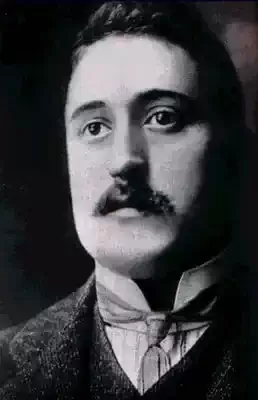
Guillaume Apollinaire
There Is
There Is
There is this ship which has taken my beloved back again
There are six Zeppelin sausages in the sky and with night
coming on it makes a man think of the maggots from which the
stars might some day be reborn
There is this enemy submarine slipping up beneath my love
There are one thousand young pinetrees splintered by the
bursting of the same shells falling around me now
There is this infantryman walking by completely blinded by
poison gas
There is the obvious fact that all that is happening here was
hatched a long time ago in the intestinal trenches of Nietzche
Goethe and the metaphysicians of the town of Cologne
There is the obvious fact that I'm dying over a letter which
has thus far been delayed
There are in my wallet various photos of my beloved
There are prisoners marching past with anxious faces
There is this artillery battery with its faithful servants
hurrying among the guns
There is the postmaster arriving at a trot on the road beneath
the single tree in silhouette
There is according to rumor a spy who infiltrates somewhere
near here invisible as the horizon as the horizon-blue French
uniform he has assumed for offensive purposes and in which he
is now most effectively camouflaged
There is erect as any lily the bosom of my beloved
There is this captain anxiously awaiting the latest radio
dispatch to reach us via transatlantic cable
There are at midnight these details of soldiers sawing planks
for coffins
There are women somewhere in Mexico pleading with wild cries
for more indian corn and maize
There is this Gulf Stream which is so warm and beneficial
There is this cemetery covered with crosses only five
kilometers away
There are all these crosses everywhere this way that way
There are paradisial persimmons growing on cactus-trees in
Algeria
There are the long hands of my love
There is this inkwell which I've made from a 150 mm shell I
saved from shooting
There is my calvary saddle left out in the rain
There are all these rivers blasted off their courses which will
never go back to their banks
There is the god of Love who leads me on so sweetly
There is this German prisoner carrying his machine-gun across
his shoulders
There are men on earth who've never fought in the war
There are Hindus here who look with astonishment on the
occidental style of campaign
They meditate gravely upon those who've left this place
wondering whether they'll ever see them again
Knowing as they do what great progress we've made during this
particular war in the art of invisibility.
There is this ship which has taken my beloved back again
There are six Zeppelin sausages in the sky and with night
coming on it makes a man think of the maggots from which the
stars might some day be reborn
There is this enemy submarine slipping up beneath my love
There are one thousand young pinetrees splintered by the
bursting of the same shells falling around me now
There is this infantryman walking by completely blinded by
poison gas
There is the obvious fact that all that is happening here was
hatched a long time ago in the intestinal trenches of Nietzche
Goethe and the metaphysicians of the town of Cologne
There is the obvious fact that I'm dying over a letter which
has thus far been delayed
There are in my wallet various photos of my beloved
There are prisoners marching past with anxious faces
There is this artillery battery with its faithful servants
hurrying among the guns
There is the postmaster arriving at a trot on the road beneath
the single tree in silhouette
There is according to rumor a spy who infiltrates somewhere
near here invisible as the horizon as the horizon-blue French
uniform he has assumed for offensive purposes and in which he
is now most effectively camouflaged
There is erect as any lily the bosom of my beloved
There is this captain anxiously awaiting the latest radio
dispatch to reach us via transatlantic cable
There are at midnight these details of soldiers sawing planks
for coffins
There are women somewhere in Mexico pleading with wild cries
for more indian corn and maize
There is this Gulf Stream which is so warm and beneficial
There is this cemetery covered with crosses only five
kilometers away
There are all these crosses everywhere this way that way
There are paradisial persimmons growing on cactus-trees in
Algeria
There are the long hands of my love
There is this inkwell which I've made from a 150 mm shell I
saved from shooting
There is my calvary saddle left out in the rain
There are all these rivers blasted off their courses which will
never go back to their banks
There is the god of Love who leads me on so sweetly
There is this German prisoner carrying his machine-gun across
his shoulders
There are men on earth who've never fought in the war
There are Hindus here who look with astonishment on the
occidental style of campaign
They meditate gravely upon those who've left this place
wondering whether they'll ever see them again
Knowing as they do what great progress we've made during this
particular war in the art of invisibility.
780
Guillaume Apollinaire
There Is
There Is
There is this ship which has taken my beloved back again
There are six Zeppelin sausages in the sky and with night
coming on it makes a man think of the maggots from which the
stars might some day be reborn
There is this enemy submarine slipping up beneath my love
There are one thousand young pinetrees splintered by the
bursting of the same shells falling around me now
There is this infantryman walking by completely blinded by
poison gas
There is the obvious fact that all that is happening here was
hatched a long time ago in the intestinal trenches of Nietzche
Goethe and the metaphysicians of the town of Cologne
There is the obvious fact that I'm dying over a letter which
has thus far been delayed
There are in my wallet various photos of my beloved
There are prisoners marching past with anxious faces
There is this artillery battery with its faithful servants
hurrying among the guns
There is the postmaster arriving at a trot on the road beneath
the single tree in silhouette
There is according to rumor a spy who infiltrates somewhere
near here invisible as the horizon as the horizon-blue French
uniform he has assumed for offensive purposes and in which he
is now most effectively camouflaged
There is erect as any lily the bosom of my beloved
There is this captain anxiously awaiting the latest radio
dispatch to reach us via transatlantic cable
There are at midnight these details of soldiers sawing planks
for coffins
There are women somewhere in Mexico pleading with wild cries
for more indian corn and maize
There is this Gulf Stream which is so warm and beneficial
There is this cemetery covered with crosses only five
kilometers away
There are all these crosses everywhere this way that way
There are paradisial persimmons growing on cactus-trees in
Algeria
There are the long hands of my love
There is this inkwell which I've made from a 150 mm shell I
saved from shooting
There is my calvary saddle left out in the rain
There are all these rivers blasted off their courses which will
never go back to their banks
There is the god of Love who leads me on so sweetly
There is this German prisoner carrying his machine-gun across
his shoulders
There are men on earth who've never fought in the war
There are Hindus here who look with astonishment on the
occidental style of campaign
They meditate gravely upon those who've left this place
wondering whether they'll ever see them again
Knowing as they do what great progress we've made during this
particular war in the art of invisibility.
There is this ship which has taken my beloved back again
There are six Zeppelin sausages in the sky and with night
coming on it makes a man think of the maggots from which the
stars might some day be reborn
There is this enemy submarine slipping up beneath my love
There are one thousand young pinetrees splintered by the
bursting of the same shells falling around me now
There is this infantryman walking by completely blinded by
poison gas
There is the obvious fact that all that is happening here was
hatched a long time ago in the intestinal trenches of Nietzche
Goethe and the metaphysicians of the town of Cologne
There is the obvious fact that I'm dying over a letter which
has thus far been delayed
There are in my wallet various photos of my beloved
There are prisoners marching past with anxious faces
There is this artillery battery with its faithful servants
hurrying among the guns
There is the postmaster arriving at a trot on the road beneath
the single tree in silhouette
There is according to rumor a spy who infiltrates somewhere
near here invisible as the horizon as the horizon-blue French
uniform he has assumed for offensive purposes and in which he
is now most effectively camouflaged
There is erect as any lily the bosom of my beloved
There is this captain anxiously awaiting the latest radio
dispatch to reach us via transatlantic cable
There are at midnight these details of soldiers sawing planks
for coffins
There are women somewhere in Mexico pleading with wild cries
for more indian corn and maize
There is this Gulf Stream which is so warm and beneficial
There is this cemetery covered with crosses only five
kilometers away
There are all these crosses everywhere this way that way
There are paradisial persimmons growing on cactus-trees in
Algeria
There are the long hands of my love
There is this inkwell which I've made from a 150 mm shell I
saved from shooting
There is my calvary saddle left out in the rain
There are all these rivers blasted off their courses which will
never go back to their banks
There is the god of Love who leads me on so sweetly
There is this German prisoner carrying his machine-gun across
his shoulders
There are men on earth who've never fought in the war
There are Hindus here who look with astonishment on the
occidental style of campaign
They meditate gravely upon those who've left this place
wondering whether they'll ever see them again
Knowing as they do what great progress we've made during this
particular war in the art of invisibility.
780
Guillaume Apollinaire
Pour Y.B.
Pour Y.B.
Bien qu'il me vienne en août votre quatrain d'avril
M'a gardé de tout mal et de toute blessure
Votre douceur me suit durant mon aventure
Au long de cet an sombre ainsi que fut l'an mil
Je vous remercierai s'il se peut je l'assure
Quand nous aurons vaincu le Boche lâche et vil
Dont la vertu française a ressenti l'injure.
Bien qu'il me vienne en août votre quatrain d'avril
M'a gardé de tout mal et de toute blessure
Votre douceur me suit durant mon aventure
Au long de cet an sombre ainsi que fut l'an mil
Je vous remercierai s'il se peut je l'assure
Quand nous aurons vaincu le Boche lâche et vil
Dont la vertu française a ressenti l'injure.
756
Guillaume Apollinaire
Marizibill
Marizibill
Dans la Haute-Rue à Cologne
Elle allait et venait le soir
Offerte à tous en tout mignonne
Puis buvait lasse des trottoirs
Très tard dans les brasseries borgnes
Elle se mettait sur la paille
Pour un maquereau roux et rose
C'était un juif il sentait l'ail
Et l'avait venant de Formose
Tirée d'un bordel de Changaï
Je connais des gens de toutes sortes
Ils n'égalent pas leurs destins
Indécis comme feuilles mortes
Leurs yeux sont des feux mal éteints
Leurs coeurs bougent comme leurs portes
Dans la Haute-Rue à Cologne
Elle allait et venait le soir
Offerte à tous en tout mignonne
Puis buvait lasse des trottoirs
Très tard dans les brasseries borgnes
Elle se mettait sur la paille
Pour un maquereau roux et rose
C'était un juif il sentait l'ail
Et l'avait venant de Formose
Tirée d'un bordel de Changaï
Je connais des gens de toutes sortes
Ils n'égalent pas leurs destins
Indécis comme feuilles mortes
Leurs yeux sont des feux mal éteints
Leurs coeurs bougent comme leurs portes
711
Guillaume Apollinaire
Marizibill
Marizibill
Dans la Haute-Rue à Cologne
Elle allait et venait le soir
Offerte à tous en tout mignonne
Puis buvait lasse des trottoirs
Très tard dans les brasseries borgnes
Elle se mettait sur la paille
Pour un maquereau roux et rose
C'était un juif il sentait l'ail
Et l'avait venant de Formose
Tirée d'un bordel de Changaï
Je connais des gens de toutes sortes
Ils n'égalent pas leurs destins
Indécis comme feuilles mortes
Leurs yeux sont des feux mal éteints
Leurs coeurs bougent comme leurs portes
Dans la Haute-Rue à Cologne
Elle allait et venait le soir
Offerte à tous en tout mignonne
Puis buvait lasse des trottoirs
Très tard dans les brasseries borgnes
Elle se mettait sur la paille
Pour un maquereau roux et rose
C'était un juif il sentait l'ail
Et l'avait venant de Formose
Tirée d'un bordel de Changaï
Je connais des gens de toutes sortes
Ils n'égalent pas leurs destins
Indécis comme feuilles mortes
Leurs yeux sont des feux mal éteints
Leurs coeurs bougent comme leurs portes
711
Guillaume Apollinaire
Hotels
Hotels
The room is free
Each for himself
A new arrival
Pays by the month
The boss is doubtful
Whether you’ll pay
Like a top
I spin on the way
The traffic noise
My neighbour gross
Who puffs an acrid
English smoke
O La Vallière
Who limps and smiles
In my prayers
The bedside table
And all the company
in this hotel
know the languages
of Babel
Let’s shut our doors
With a double lock
And each adore
his lonely love
The room is free
Each for himself
A new arrival
Pays by the month
The boss is doubtful
Whether you’ll pay
Like a top
I spin on the way
The traffic noise
My neighbour gross
Who puffs an acrid
English smoke
O La Vallière
Who limps and smiles
In my prayers
The bedside table
And all the company
in this hotel
know the languages
of Babel
Let’s shut our doors
With a double lock
And each adore
his lonely love
738
Guillaume Apollinaire
C’est Lou Qu’on La Nommait
C’est Lou Qu’on La Nommait
Il est des loups de toute sorte
Je connais le plus inhumain
Mon coeur que le diable l’emporte
Et qu’il le dépose à sa porte
N’est plus qu’un jouet dans sa main
Les loups jadis étaient fidèles
Comme sont les petits toutous
Et les soldats amants des belles
Galamment en souvenir d’elles
Ainsi que les loups étaient doux
Mais aujourd’hui les temps sont pires
Les loups sont tigres devenus
Et les Soldats et les Empires
Les Césars devenus Vampires
Sont aussi cruels que Vénus
J’en ai pris mon parti Rouveyre
Et monté sur mon grand cheval
Je vais bientôt partir en guerre
Sans pitié chaste et l’oeil sévère
Comme ces guerriers qu’Epinal
Vendait Images populaires
Que Georgin gravait dans le bois
Où sont-ils ces beaux militaires
Soldats passés Où sont les guerres
Où sont les guerres d’autrefois
Il est des loups de toute sorte
Je connais le plus inhumain
Mon coeur que le diable l’emporte
Et qu’il le dépose à sa porte
N’est plus qu’un jouet dans sa main
Les loups jadis étaient fidèles
Comme sont les petits toutous
Et les soldats amants des belles
Galamment en souvenir d’elles
Ainsi que les loups étaient doux
Mais aujourd’hui les temps sont pires
Les loups sont tigres devenus
Et les Soldats et les Empires
Les Césars devenus Vampires
Sont aussi cruels que Vénus
J’en ai pris mon parti Rouveyre
Et monté sur mon grand cheval
Je vais bientôt partir en guerre
Sans pitié chaste et l’oeil sévère
Comme ces guerriers qu’Epinal
Vendait Images populaires
Que Georgin gravait dans le bois
Où sont-ils ces beaux militaires
Soldats passés Où sont les guerres
Où sont les guerres d’autrefois
727

George Herbert
Virtue
Virtue
Sweet day, so cool, so calm, so bright
The bridal of the earth and sky:
The dew shall weep thy fall tonight,
For thou must die.
Sweet rose, whose hue, angry and brave,
Bids the rash gazer wipe his eyes:
Thy root is ever in its grave,
And thou must die.
Sweet spring, full of sweet days and roses,
A box where sweets compacted lie:
My music shows ye have your closes,
And all must die.
Only a sweet and virtuous soul,
LIke seasoned timber, never gives;
But though the whole world turn to coal.
Then chiefly lives.
Sweet day, so cool, so calm, so bright
The bridal of the earth and sky:
The dew shall weep thy fall tonight,
For thou must die.
Sweet rose, whose hue, angry and brave,
Bids the rash gazer wipe his eyes:
Thy root is ever in its grave,
And thou must die.
Sweet spring, full of sweet days and roses,
A box where sweets compacted lie:
My music shows ye have your closes,
And all must die.
Only a sweet and virtuous soul,
LIke seasoned timber, never gives;
But though the whole world turn to coal.
Then chiefly lives.
369
George Herbert
Sighs And Groans
Sighs And Groans
O do not use me
After my sins! look not on my dessert,
But on your glory! Then you will reform
And not refuse me: for you only art
The mighty God, but I a silly worm;
O do not bruise me!
O do not urge me!
For what account can your ill steward make?
I have abused your stock, destroyed your woods,
Sucked all your storehouses: my head did ache,
Till it found out how to consume your goods:
O do not scourge me!
O do not blind me!
I have deserved that an Egyptian night
Should thicken all my powers; because my lust
Has still sewed fig-leaves to exclude your light:
But I am frailty, and already dust;
O do not grind me!
O do not fill me
With the turned vial of your bitter wrath!
For you have other vessels full of blood,
A part whereof my Savior emptied hath,
Even unto death: since he died for my good,
O do not kill me!
But O reprieve me!
For you have life and death at your command;
You are both Judge and Savior, feast and rod,
Cordial and Corrosive: put not your hand
Into the bitter box; but O my God,
My God, relieve me!
O do not use me
After my sins! look not on my dessert,
But on your glory! Then you will reform
And not refuse me: for you only art
The mighty God, but I a silly worm;
O do not bruise me!
O do not urge me!
For what account can your ill steward make?
I have abused your stock, destroyed your woods,
Sucked all your storehouses: my head did ache,
Till it found out how to consume your goods:
O do not scourge me!
O do not blind me!
I have deserved that an Egyptian night
Should thicken all my powers; because my lust
Has still sewed fig-leaves to exclude your light:
But I am frailty, and already dust;
O do not grind me!
O do not fill me
With the turned vial of your bitter wrath!
For you have other vessels full of blood,
A part whereof my Savior emptied hath,
Even unto death: since he died for my good,
O do not kill me!
But O reprieve me!
For you have life and death at your command;
You are both Judge and Savior, feast and rod,
Cordial and Corrosive: put not your hand
Into the bitter box; but O my God,
My God, relieve me!
249
George Herbert
Repentance
Repentance
Lord, I confess my sin is great;
Great is my sin. Oh! gently treat
With thy quick flow'r, thy momentany bloom;
Whose life still pressing
Is one undressing,
A steady aiming at a tomb.
Man's age is two hours' work, or three:
Each day doth round about us see.
Thus are we to delights: but we are all
To sorrows old,
If life be told
From what life feeleth, Adam's fall.
O let thy height of mercy then
Compassionate short-breathed men.
Cut me not off for my most foul transgression:
I do confess
My foolishness;
My God, accept of my confession.
Sweeten at length this bitter bowl,
Which thou hast pour'd into my soul;
Thy wormwood turn to health, winds to fair weather:
For if thou stay,
I and this day,
As we did rise, we die together.
When thou for sin rebukest man,
Forthwith he waxeth woe and wan:
Bitterness fills our bowels; all our hearts
Pine, and decay,
And dropp away,
And carry with them th'other parts.
But thou wilt sin and grief destroy;
That so the broken bones may joy,
And tune together in a well-set song,
Full of his praises,
Who dead men raises;
Fractures well cur'd make us more strong.
Lord, I confess my sin is great;
Great is my sin. Oh! gently treat
With thy quick flow'r, thy momentany bloom;
Whose life still pressing
Is one undressing,
A steady aiming at a tomb.
Man's age is two hours' work, or three:
Each day doth round about us see.
Thus are we to delights: but we are all
To sorrows old,
If life be told
From what life feeleth, Adam's fall.
O let thy height of mercy then
Compassionate short-breathed men.
Cut me not off for my most foul transgression:
I do confess
My foolishness;
My God, accept of my confession.
Sweeten at length this bitter bowl,
Which thou hast pour'd into my soul;
Thy wormwood turn to health, winds to fair weather:
For if thou stay,
I and this day,
As we did rise, we die together.
When thou for sin rebukest man,
Forthwith he waxeth woe and wan:
Bitterness fills our bowels; all our hearts
Pine, and decay,
And dropp away,
And carry with them th'other parts.
But thou wilt sin and grief destroy;
That so the broken bones may joy,
And tune together in a well-set song,
Full of his praises,
Who dead men raises;
Fractures well cur'd make us more strong.
307
George Herbert
Providence
Providence
O Sacred Providence, who from end to end
Strongly and sweetly movest! shall I write,
And not of thee, through whom my fingers bend
To hold my quill? shall they not do thee right?
Of all the creatures both in sea and land
Onely to Man thou hast made known thy wayes,
And put the penne alone into his hand,
And made him Secretarie of thy praise.
Beasts fain would sing; birds dittie to their notes;
Trees would be tuning on their native lute
To thy renown: but all their hands and throats
Are brought to Man, while they are lame and mute.
Man is the worlds high Priest: he doth present
The sacrifice for all; while they below
Unto the service mutter an assent,
Such as springs use that fall, and windes that blow.
He that to praise and laud thee doth refrain,
Doth not refrain unto himself alone,
But robs a thousand who would praise thee fain,
And doth commit a world of sinne in one.
The beasts say, Eat me: but, if beasts must teach,
The tongue is yours to eat, but mine to praise.
The trees say, Pull me: but the hand you stretch,
Is mine to write, as it is yours to raise.
Wherefore, most sacred Spirit, I here present
For me and all my fellows praise to thee:
And just it is that I should pay the rent,
Because the benefit accrues to me.
We all acknowledge both thy power and love
To be exact, transcendent, and divine;
Who dost so strongly and so sweetly move,
While all things have their will, yet none but thine.
For either thy command, or thy permission
Lay hands on all: they are thy right and left.
The first puts on with speed and expedition;
The other curbs sinnes stealing pace and theft.
Nothing escapes them both; all must appeare,
And be dispos'd, and dress'd, and tun'd by thee,
Who sweetly temper'st all. If we could heare
Thy skill and art, what musick would it be!
Thou art in small things great, not small in any:
Thy even praise can neither rise, nor fall.
Thou art in all things one, in each thing many:
For thou art infinite in one and all.
Tempests are calm to thee; they know thy hand,
And hold it fast, as children do their fathers,
Which crie and follow. Thou hast made poore sand
Check the proud sea, ev'n when it swells and gathers.
Thy cupboard serves the world: the meat is set,
Where all may reach: no beast but knows his feed.
Birds teach us hawking; fishes have their net:
The great prey on the lesse, they on some weed.
Nothing ingendred doth prevent his meat:
Flies have their table spread, ere they appeare.
Some creatures have in winter what to eat;
Others do sleep, and envie not their cheer.
How finely dost thou times and seasons spin.
And make a twist checker'd with night and day!
Which as it lengthens windes, and windes us in,
As bouls go on, but turning all the way.
Each creature hath a wisdome for his good.
The pigeons feed their tender off-spring, crying,
When they are callow; but withdraw their food
When they are fledge, that need may teach them flying.
Bees work for man; and yet they never bruise
Their masters flower, but leave it, having done,
As fair as ever, and as fit to use;
So both the flower doth stay, and hony run.
Sheep eat the grasse, and dung the ground for more:
Trees after bearing drop their leaves for soil:
Springs vent their streams, and by expense get store:
Clouds cool by heat, and baths by cooling boil.
Who hath the vertue to expresse the rare
And curious vertues both of herbs and stones?
Is there a herb for that? O that thy care
Would show a root, that gives expressions!
And if an herb hath power, what have the starres?
A rose, besides his beautie, is a cure.
Doubtlesse our plagues and plentie, peace and warres
Are there much surer then our art is sure.
Thou hast hid metals: man may take them thence;
But at his peril: when he digs the place,
He makes a grave; as if the thing had sense,
And threatned man, that he should fill the space.
Ev'n poysons praise thee. Should a thing be lost?
Should creatures want for want of heed their due?
Since where are poysons, antidots are most:
The help stands close, and keeps the fear in view.
The sea, which seems to stop the traveller,
Is by a ship the speedier passage made.
The windes, who think they rule the mariner,
Are rul'd by him, and taught to serve his trade.
And as thy house is full, so I adore
Thy curious art in marshalling thy goods.
The hills and health abound; the vales with store;
The South with marble; North with furres & woods.
Hard things are glorious; easie things good cheap.
The common all men have; that which is rare,
Men therefore seek to have, and care to keep.
The healthy frosts with summer-fruits compare.
Light without winde is glasse: warm without weight
Is wooll and furres: cool without closenesse, shade:
Speed without pains, a horse: tall without height,
A servile hawk: low without losse, a spade.
All countreys have enough to serve their need:
If they seek fine things, thou dost make them run
For their offence; and then dost turn their speed
To be commerce and trade from sunne to sunne.
Nothing wears clothes, but Man; nothing doth need
But he to wear them. Nothing useth fire,
But Man alone, to show his heav'nly breed:
And onely he hath fuell in desire.
When th'earth was dry, thou mad'st a sea of wet:
When that lay gather'd, thou didst broach the mountains:
When yet some places could no moisture get,
The windes grew gard'ners, and the clouds good fountains.
Rain, do not hurt my flowers; but gently spend
Your hony drops: presse not to smell them here:
When they are ripe, their odour will ascend,
And at your lodging with their thanks appeare.
How harsh are thorns to pears! and yet they make
A better hedge, and need lesse reparation.
How smooth are silks compared with a stake,
Or with a stone! yet make no good foundation.
Sometimes thou dost divide thy gifts to man,
Sometimes unite. The Indian nut alone
Is clothing, meat and trencher, drink and kan,
Boat, cable, sail and needle, all in one.
Most herbs that grow in brooks, are hot and dry.
Cold fruits warm kernells help against the winde.
The lemmons juice and rinde cure mutually.
The whey of milk doth loose, the milk doth binde.
Thy creatures leap not, but expresse a feast,
Where all the guests sit close, and nothing wants.
Frogs marry fish and flesh; bats, bird and beast;
Sponges, non-sense and sense; mines, th'earth & plants.
To show thou art not bound, as if thy lot
Were worse then ours; sometimes thou shiftest hands.
Most things move th'under-jaw; the Crocodile not.
Most things sleep lying; th’ Elephant leans or stands.
But who hath praise enough? nay who hath any?
None can expresse thy works, but he that knows them:
And none can know thy works, which are so many,
And so complete, but onely he that owes them.
All things that are, though they have sev'rall wayes,
Yet in their being joyn with one advise
To honour thee: and so I give thee praise
In all my other hymnes, but in this twice.
Each thing that is, although in use and name
It go for one, hath many wayes in store
To honour thee; and so each hymne thy fame
Extolleth many wayes, yet this one more.
O Sacred Providence, who from end to end
Strongly and sweetly movest! shall I write,
And not of thee, through whom my fingers bend
To hold my quill? shall they not do thee right?
Of all the creatures both in sea and land
Onely to Man thou hast made known thy wayes,
And put the penne alone into his hand,
And made him Secretarie of thy praise.
Beasts fain would sing; birds dittie to their notes;
Trees would be tuning on their native lute
To thy renown: but all their hands and throats
Are brought to Man, while they are lame and mute.
Man is the worlds high Priest: he doth present
The sacrifice for all; while they below
Unto the service mutter an assent,
Such as springs use that fall, and windes that blow.
He that to praise and laud thee doth refrain,
Doth not refrain unto himself alone,
But robs a thousand who would praise thee fain,
And doth commit a world of sinne in one.
The beasts say, Eat me: but, if beasts must teach,
The tongue is yours to eat, but mine to praise.
The trees say, Pull me: but the hand you stretch,
Is mine to write, as it is yours to raise.
Wherefore, most sacred Spirit, I here present
For me and all my fellows praise to thee:
And just it is that I should pay the rent,
Because the benefit accrues to me.
We all acknowledge both thy power and love
To be exact, transcendent, and divine;
Who dost so strongly and so sweetly move,
While all things have their will, yet none but thine.
For either thy command, or thy permission
Lay hands on all: they are thy right and left.
The first puts on with speed and expedition;
The other curbs sinnes stealing pace and theft.
Nothing escapes them both; all must appeare,
And be dispos'd, and dress'd, and tun'd by thee,
Who sweetly temper'st all. If we could heare
Thy skill and art, what musick would it be!
Thou art in small things great, not small in any:
Thy even praise can neither rise, nor fall.
Thou art in all things one, in each thing many:
For thou art infinite in one and all.
Tempests are calm to thee; they know thy hand,
And hold it fast, as children do their fathers,
Which crie and follow. Thou hast made poore sand
Check the proud sea, ev'n when it swells and gathers.
Thy cupboard serves the world: the meat is set,
Where all may reach: no beast but knows his feed.
Birds teach us hawking; fishes have their net:
The great prey on the lesse, they on some weed.
Nothing ingendred doth prevent his meat:
Flies have their table spread, ere they appeare.
Some creatures have in winter what to eat;
Others do sleep, and envie not their cheer.
How finely dost thou times and seasons spin.
And make a twist checker'd with night and day!
Which as it lengthens windes, and windes us in,
As bouls go on, but turning all the way.
Each creature hath a wisdome for his good.
The pigeons feed their tender off-spring, crying,
When they are callow; but withdraw their food
When they are fledge, that need may teach them flying.
Bees work for man; and yet they never bruise
Their masters flower, but leave it, having done,
As fair as ever, and as fit to use;
So both the flower doth stay, and hony run.
Sheep eat the grasse, and dung the ground for more:
Trees after bearing drop their leaves for soil:
Springs vent their streams, and by expense get store:
Clouds cool by heat, and baths by cooling boil.
Who hath the vertue to expresse the rare
And curious vertues both of herbs and stones?
Is there a herb for that? O that thy care
Would show a root, that gives expressions!
And if an herb hath power, what have the starres?
A rose, besides his beautie, is a cure.
Doubtlesse our plagues and plentie, peace and warres
Are there much surer then our art is sure.
Thou hast hid metals: man may take them thence;
But at his peril: when he digs the place,
He makes a grave; as if the thing had sense,
And threatned man, that he should fill the space.
Ev'n poysons praise thee. Should a thing be lost?
Should creatures want for want of heed their due?
Since where are poysons, antidots are most:
The help stands close, and keeps the fear in view.
The sea, which seems to stop the traveller,
Is by a ship the speedier passage made.
The windes, who think they rule the mariner,
Are rul'd by him, and taught to serve his trade.
And as thy house is full, so I adore
Thy curious art in marshalling thy goods.
The hills and health abound; the vales with store;
The South with marble; North with furres & woods.
Hard things are glorious; easie things good cheap.
The common all men have; that which is rare,
Men therefore seek to have, and care to keep.
The healthy frosts with summer-fruits compare.
Light without winde is glasse: warm without weight
Is wooll and furres: cool without closenesse, shade:
Speed without pains, a horse: tall without height,
A servile hawk: low without losse, a spade.
All countreys have enough to serve their need:
If they seek fine things, thou dost make them run
For their offence; and then dost turn their speed
To be commerce and trade from sunne to sunne.
Nothing wears clothes, but Man; nothing doth need
But he to wear them. Nothing useth fire,
But Man alone, to show his heav'nly breed:
And onely he hath fuell in desire.
When th'earth was dry, thou mad'st a sea of wet:
When that lay gather'd, thou didst broach the mountains:
When yet some places could no moisture get,
The windes grew gard'ners, and the clouds good fountains.
Rain, do not hurt my flowers; but gently spend
Your hony drops: presse not to smell them here:
When they are ripe, their odour will ascend,
And at your lodging with their thanks appeare.
How harsh are thorns to pears! and yet they make
A better hedge, and need lesse reparation.
How smooth are silks compared with a stake,
Or with a stone! yet make no good foundation.
Sometimes thou dost divide thy gifts to man,
Sometimes unite. The Indian nut alone
Is clothing, meat and trencher, drink and kan,
Boat, cable, sail and needle, all in one.
Most herbs that grow in brooks, are hot and dry.
Cold fruits warm kernells help against the winde.
The lemmons juice and rinde cure mutually.
The whey of milk doth loose, the milk doth binde.
Thy creatures leap not, but expresse a feast,
Where all the guests sit close, and nothing wants.
Frogs marry fish and flesh; bats, bird and beast;
Sponges, non-sense and sense; mines, th'earth & plants.
To show thou art not bound, as if thy lot
Were worse then ours; sometimes thou shiftest hands.
Most things move th'under-jaw; the Crocodile not.
Most things sleep lying; th’ Elephant leans or stands.
But who hath praise enough? nay who hath any?
None can expresse thy works, but he that knows them:
And none can know thy works, which are so many,
And so complete, but onely he that owes them.
All things that are, though they have sev'rall wayes,
Yet in their being joyn with one advise
To honour thee: and so I give thee praise
In all my other hymnes, but in this twice.
Each thing that is, although in use and name
It go for one, hath many wayes in store
To honour thee; and so each hymne thy fame
Extolleth many wayes, yet this one more.
283
George Herbert
Peace
Peace
Sweet Peace, where dost thou dwell? I humbly crave,
Let me once know.
I sought thee in a secret cave,
And ask'd, if Peace were there,
A hollow wind did seem to answer, No:
Go seek elsewhere.
I did; and going did a rainbow note:
Surely, thought I,
This is the lace of Peace's coat:
I will search out the matter.
But while I looked the clouds immediately
Did break and scatter.
Then went I to a garden and did spy
A gallant flower,
The crown-imperial: Sure, said I,
Peace at the root must dwell.
But when I digged, I saw a worm devour
What showed so well.
At length I met a rev'rend good old man;
Whom when for Peace
I did demand, he thus began:
There was a Prince of old
At Salem dwelt, who lived with good increase
Of flock and fold.
He sweetly lived; yet sweetness did not save
His life from foes.
But after death out of his grave
There sprang twelve stalks of wheat;
Which many wond'ring at, got some of those
To plant and set.
It prospered strangely, and did soon disperse
Through all the earth:
For they that taste it do rehearse
That virtue lies therein;
A secret virtue, bringing peace and mirth
By flight of sin.
Take of this grain, which in my garden grows,
And grows for you;
Make bread of it: and that repose
And peace, which ev'ry where
With so much earnestness you do pursue,
Is only there.
Sweet Peace, where dost thou dwell? I humbly crave,
Let me once know.
I sought thee in a secret cave,
And ask'd, if Peace were there,
A hollow wind did seem to answer, No:
Go seek elsewhere.
I did; and going did a rainbow note:
Surely, thought I,
This is the lace of Peace's coat:
I will search out the matter.
But while I looked the clouds immediately
Did break and scatter.
Then went I to a garden and did spy
A gallant flower,
The crown-imperial: Sure, said I,
Peace at the root must dwell.
But when I digged, I saw a worm devour
What showed so well.
At length I met a rev'rend good old man;
Whom when for Peace
I did demand, he thus began:
There was a Prince of old
At Salem dwelt, who lived with good increase
Of flock and fold.
He sweetly lived; yet sweetness did not save
His life from foes.
But after death out of his grave
There sprang twelve stalks of wheat;
Which many wond'ring at, got some of those
To plant and set.
It prospered strangely, and did soon disperse
Through all the earth:
For they that taste it do rehearse
That virtue lies therein;
A secret virtue, bringing peace and mirth
By flight of sin.
Take of this grain, which in my garden grows,
And grows for you;
Make bread of it: and that repose
And peace, which ev'ry where
With so much earnestness you do pursue,
Is only there.
271
George Herbert
Mortification
Mortification
How soon doth man decay!
When clothes are taken from a chest of sweets
To swaddle infants, whose young breath
Scarce knows the way;
Those clouts are little winding-sheets,
Which do consign and send them unto Death.
When boyes go first to bed,
They step into their voluntarie graves;
Sleep binds them fast; onely their breath
Makes them not dead:
Successive nights, like rolling waves,
Convey them quickly who are bound for Death.
When Youth is frank and free,
And calls for musick, while his veins do swell,
All day exchanging mirth and breath
In companie,
That musick summons to the knell
Which shall befriend him at the house of Death.
When man grows staid and wise,
Getting a house and home, where he may move
Within the circle of his breath,
Schooling his eyes,
That dumbe inclosure maketh love
Unto the coffin, that attends his death.
When Age grows low and weak,
Marking his grave, and thawing ev'ry year,
Till all do melt and drown his breath
When he would speak,
A chair or litter shows the biere
Which shall convey him to the house of Death.
Man, ere he is aware,
Hath put together a solemnitie,
And drest his hearse, while he has breath
As yet to spare;
Yet, Lord, instruct us so to die,
That all these dyings may be LIFE in DEATH.
How soon doth man decay!
When clothes are taken from a chest of sweets
To swaddle infants, whose young breath
Scarce knows the way;
Those clouts are little winding-sheets,
Which do consign and send them unto Death.
When boyes go first to bed,
They step into their voluntarie graves;
Sleep binds them fast; onely their breath
Makes them not dead:
Successive nights, like rolling waves,
Convey them quickly who are bound for Death.
When Youth is frank and free,
And calls for musick, while his veins do swell,
All day exchanging mirth and breath
In companie,
That musick summons to the knell
Which shall befriend him at the house of Death.
When man grows staid and wise,
Getting a house and home, where he may move
Within the circle of his breath,
Schooling his eyes,
That dumbe inclosure maketh love
Unto the coffin, that attends his death.
When Age grows low and weak,
Marking his grave, and thawing ev'ry year,
Till all do melt and drown his breath
When he would speak,
A chair or litter shows the biere
Which shall convey him to the house of Death.
Man, ere he is aware,
Hath put together a solemnitie,
And drest his hearse, while he has breath
As yet to spare;
Yet, Lord, instruct us so to die,
That all these dyings may be LIFE in DEATH.
272
George Herbert
Love (III)
Love (III)
Love bade me welcome: yet my soul drew back,
Guilty of dust and sin.
But quick-ey'd Love, observing me grow slack,
From my first entrance in,
Drew nearer to me, sweetly questioning,
If I lack'd anything.
A guest, I answer'd, worthy to be here:
Love said, You shall be he.
I the unkind, ungrateful? Ah my dear,
I cannot look on thee.
Love took my hand, and smiling did reply,
Who made the eyes but I?
Truth Lord, but I have marr'd them: let my shame
Go where it doth deserve.
And know you not, says Love, who bore the blame?
My dear, then I will serve.
You must sit down, says Love, and tast me meat:
So I did sit and eat.
Love bade me welcome: yet my soul drew back,
Guilty of dust and sin.
But quick-ey'd Love, observing me grow slack,
From my first entrance in,
Drew nearer to me, sweetly questioning,
If I lack'd anything.
A guest, I answer'd, worthy to be here:
Love said, You shall be he.
I the unkind, ungrateful? Ah my dear,
I cannot look on thee.
Love took my hand, and smiling did reply,
Who made the eyes but I?
Truth Lord, but I have marr'd them: let my shame
Go where it doth deserve.
And know you not, says Love, who bore the blame?
My dear, then I will serve.
You must sit down, says Love, and tast me meat:
So I did sit and eat.
326
George Herbert
Life
Life
I made a posie, while the day ran by:
Here will I smell my remnant out, and tie
My life within this band.
But time did becken to the flowers, and they
By noon most cunningly did steal away
And wither'd in my hand.
My hand was next to them, and then my heart:
I took, without more thinking, in good part
Times gentle admonition:
Who did so sweetly deaths sad taste convey
Making my minde to smell my fatall day;
Yet sugring the suspicion.
Farewell deare flowers, sweetly your time ye spent,
Fit, while ye liv'd, for smell or ornament,
And after death for cures.
I follow straight without complaints or grief,
Since if my sent be good, I care not, if
It be as short as yours.
I made a posie, while the day ran by:
Here will I smell my remnant out, and tie
My life within this band.
But time did becken to the flowers, and they
By noon most cunningly did steal away
And wither'd in my hand.
My hand was next to them, and then my heart:
I took, without more thinking, in good part
Times gentle admonition:
Who did so sweetly deaths sad taste convey
Making my minde to smell my fatall day;
Yet sugring the suspicion.
Farewell deare flowers, sweetly your time ye spent,
Fit, while ye liv'd, for smell or ornament,
And after death for cures.
I follow straight without complaints or grief,
Since if my sent be good, I care not, if
It be as short as yours.
285
George Herbert
Love (I)
Love (I)
Immortal love, authour of this great frame,
Sprung from that beautie which can never fade;
How hath man parcel’d out thy glorious name,
And thrown it on that dust which thou hast made,
While mortall love doth all the title gain!
Which siding with invention, they together
Bear all the sway, possessing heart and brain,
(Thy workmanship) and give thee share in neither.
Wit fancies beautie, beautie raiseth wit:
The world is theirs; they two play out the game,
Thou standing by: and though thy glorious name
Wrought our deliverance from th’ infernall pit,
Who sings thy praise? onely a skarf or glove
Doth warm our hands, and make them write of love.
Immortal love, authour of this great frame,
Sprung from that beautie which can never fade;
How hath man parcel’d out thy glorious name,
And thrown it on that dust which thou hast made,
While mortall love doth all the title gain!
Which siding with invention, they together
Bear all the sway, possessing heart and brain,
(Thy workmanship) and give thee share in neither.
Wit fancies beautie, beautie raiseth wit:
The world is theirs; they two play out the game,
Thou standing by: and though thy glorious name
Wrought our deliverance from th’ infernall pit,
Who sings thy praise? onely a skarf or glove
Doth warm our hands, and make them write of love.
269
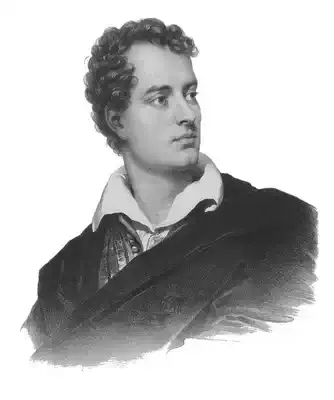
Lord Byron
Windsor Poetics : Lines Composed On The Occasion Of His Royal Highness The
Windsor Poetics : Lines Composed On The Occasion Of His Royal Highness The
Prince Regent Being Seen Standing Between The Coffins Of Henry VIII And
Charles I, In The Royal Vault At Windsor
Famed for contemptuous breach of sacred ties,
By headless Charles see heartless Henry lies;
Between them stands another sceptred thingIt
moves, it reignsin
all but name, a king:
Charles to his people, Henry to his wife,
In
him the double tyrant starts to life:
Justice and death have mix'd their dust in vain,
Each royal vampire wakes to life again.
Ah, what can tombs avail!since
these disgorge
The blood and dust of bothto
mould a George.
Prince Regent Being Seen Standing Between The Coffins Of Henry VIII And
Charles I, In The Royal Vault At Windsor
Famed for contemptuous breach of sacred ties,
By headless Charles see heartless Henry lies;
Between them stands another sceptred thingIt
moves, it reignsin
all but name, a king:
Charles to his people, Henry to his wife,
In
him the double tyrant starts to life:
Justice and death have mix'd their dust in vain,
Each royal vampire wakes to life again.
Ah, what can tombs avail!since
these disgorge
The blood and dust of bothto
mould a George.
438
Lord Byron
Windsor Poetics : Lines Composed On The Occasion Of His Royal Highness The
Windsor Poetics : Lines Composed On The Occasion Of His Royal Highness The
Prince Regent Being Seen Standing Between The Coffins Of Henry VIII And
Charles I, In The Royal Vault At Windsor
Famed for contemptuous breach of sacred ties,
By headless Charles see heartless Henry lies;
Between them stands another sceptred thingIt
moves, it reignsin
all but name, a king:
Charles to his people, Henry to his wife,
In
him the double tyrant starts to life:
Justice and death have mix'd their dust in vain,
Each royal vampire wakes to life again.
Ah, what can tombs avail!since
these disgorge
The blood and dust of bothto
mould a George.
Prince Regent Being Seen Standing Between The Coffins Of Henry VIII And
Charles I, In The Royal Vault At Windsor
Famed for contemptuous breach of sacred ties,
By headless Charles see heartless Henry lies;
Between them stands another sceptred thingIt
moves, it reignsin
all but name, a king:
Charles to his people, Henry to his wife,
In
him the double tyrant starts to life:
Justice and death have mix'd their dust in vain,
Each royal vampire wakes to life again.
Ah, what can tombs avail!since
these disgorge
The blood and dust of bothto
mould a George.
438
Lord Byron
Were My Bosom As False as Thou Deem'st It To Be
Were My Bosom As False as Thou Deem'st It To Be
Were my bosom as false as thou deem'st it to be,
I need not have wander'd from far Galilee;
It was but abjuring my creed to efface
The curse which, thou say'st, is the crime of my race.
If the bad never triumph, then God is with thee!
If the slave only sin, thou art spotless and free!
If the Exile on earth is an Outcast on high,
Live on in thy faith, but in mine I will die.
I have lost for that faith more than thou canst bestow,
As the God who permits thee to prosper doth know;
In his hand is my heart and my hope and
in thine
The land and the life which for him I resign.
Were my bosom as false as thou deem'st it to be,
I need not have wander'd from far Galilee;
It was but abjuring my creed to efface
The curse which, thou say'st, is the crime of my race.
If the bad never triumph, then God is with thee!
If the slave only sin, thou art spotless and free!
If the Exile on earth is an Outcast on high,
Live on in thy faith, but in mine I will die.
I have lost for that faith more than thou canst bestow,
As the God who permits thee to prosper doth know;
In his hand is my heart and my hope and
in thine
The land and the life which for him I resign.
410
Lord Byron
We Sate Down And Wept By The Waters
We Sate Down And Wept By The Waters
I.
We sate down and wept by the waters
Of Babel, and thought of the day
When our foe, in the hue of his slaughters,
Made Salem's high places his prey;
And ye, oh her desolate daughters!
Were scattered all weeping away.
II.
While sadly we gazed on the river
Which roll'd on in freedom below,
They demanded the song; but, oh never
That triumph the stranger shall know!
May this right hand be withered for ever,
Ere it string our high harp for the foe!
III.
On the willow that harp is suspended,
Oh Salem! its sound should be free;
And the hour when thy glories were ended
But left me that token of thee:
And ne'er shall its soft tones be blended
With the voice of the spoiler by me!
I.
We sate down and wept by the waters
Of Babel, and thought of the day
When our foe, in the hue of his slaughters,
Made Salem's high places his prey;
And ye, oh her desolate daughters!
Were scattered all weeping away.
II.
While sadly we gazed on the river
Which roll'd on in freedom below,
They demanded the song; but, oh never
That triumph the stranger shall know!
May this right hand be withered for ever,
Ere it string our high harp for the foe!
III.
On the willow that harp is suspended,
Oh Salem! its sound should be free;
And the hour when thy glories were ended
But left me that token of thee:
And ne'er shall its soft tones be blended
With the voice of the spoiler by me!
549
Lord Byron
Translation Of The Famous Greek War Song
Translation Of The Famous Greek War Song
Sons of the Greeks, arise!
The glorious hour's gone forth,
And, worthy of such ties,
Display who gave us birth.
CHORUS.
Sons of Greeks! let us go
In arms against the foe,
Till their hated blood shall flow
In a river past our feet.
Then manfully despising
The Turkish tyrant's yoke,
Let your country see you rising,
And all her chains are broke.
Brave shades of chiefs and sages,
Behold the coming strife!
Hellenes of past ages,
Oh, start again to life!
At the sound of my trumpet, breaking
Your sleep, oh, loin with me!
And the sevenhill'd
city seeking,
Fight, conquer, till we're free.
Sons of Greeks, &c.
Sparta, Sparta, why in slumbers
Lethargic dolt thou lie?
Awake, and join thy numbers
With Athens, old ally!
Leonidas recalling,
That chief of ancient song,
Who saved ye once from falling,
The terrible! the strong!
Who made that bold diversion
In old Thermopylæ
And warring with the Persian
To keep his country free;
With his three hundred waging
The battle, long he stood,
And like a lion raging,
Expired in seas of blood.
Sons of Greeks, &c.
Sons of the Greeks, arise!
The glorious hour's gone forth,
And, worthy of such ties,
Display who gave us birth.
CHORUS.
Sons of Greeks! let us go
In arms against the foe,
Till their hated blood shall flow
In a river past our feet.
Then manfully despising
The Turkish tyrant's yoke,
Let your country see you rising,
And all her chains are broke.
Brave shades of chiefs and sages,
Behold the coming strife!
Hellenes of past ages,
Oh, start again to life!
At the sound of my trumpet, breaking
Your sleep, oh, loin with me!
And the sevenhill'd
city seeking,
Fight, conquer, till we're free.
Sons of Greeks, &c.
Sparta, Sparta, why in slumbers
Lethargic dolt thou lie?
Awake, and join thy numbers
With Athens, old ally!
Leonidas recalling,
That chief of ancient song,
Who saved ye once from falling,
The terrible! the strong!
Who made that bold diversion
In old Thermopylæ
And warring with the Persian
To keep his country free;
With his three hundred waging
The battle, long he stood,
And like a lion raging,
Expired in seas of blood.
Sons of Greeks, &c.
595
Lord Byron
Translation Of The Famous Greek War Song
Translation Of The Famous Greek War Song
Sons of the Greeks, arise!
The glorious hour's gone forth,
And, worthy of such ties,
Display who gave us birth.
CHORUS.
Sons of Greeks! let us go
In arms against the foe,
Till their hated blood shall flow
In a river past our feet.
Then manfully despising
The Turkish tyrant's yoke,
Let your country see you rising,
And all her chains are broke.
Brave shades of chiefs and sages,
Behold the coming strife!
Hellenes of past ages,
Oh, start again to life!
At the sound of my trumpet, breaking
Your sleep, oh, loin with me!
And the sevenhill'd
city seeking,
Fight, conquer, till we're free.
Sons of Greeks, &c.
Sparta, Sparta, why in slumbers
Lethargic dolt thou lie?
Awake, and join thy numbers
With Athens, old ally!
Leonidas recalling,
That chief of ancient song,
Who saved ye once from falling,
The terrible! the strong!
Who made that bold diversion
In old Thermopylæ
And warring with the Persian
To keep his country free;
With his three hundred waging
The battle, long he stood,
And like a lion raging,
Expired in seas of blood.
Sons of Greeks, &c.
Sons of the Greeks, arise!
The glorious hour's gone forth,
And, worthy of such ties,
Display who gave us birth.
CHORUS.
Sons of Greeks! let us go
In arms against the foe,
Till their hated blood shall flow
In a river past our feet.
Then manfully despising
The Turkish tyrant's yoke,
Let your country see you rising,
And all her chains are broke.
Brave shades of chiefs and sages,
Behold the coming strife!
Hellenes of past ages,
Oh, start again to life!
At the sound of my trumpet, breaking
Your sleep, oh, loin with me!
And the sevenhill'd
city seeking,
Fight, conquer, till we're free.
Sons of Greeks, &c.
Sparta, Sparta, why in slumbers
Lethargic dolt thou lie?
Awake, and join thy numbers
With Athens, old ally!
Leonidas recalling,
That chief of ancient song,
Who saved ye once from falling,
The terrible! the strong!
Who made that bold diversion
In old Thermopylæ
And warring with the Persian
To keep his country free;
With his three hundred waging
The battle, long he stood,
And like a lion raging,
Expired in seas of blood.
Sons of Greeks, &c.
595
Lord Byron
Translation From Horace
Translation From Horace
[Justum et tenacem propositi virum, &c.]
The man of firm and noble soul
No factious clamours can control;
No threat'ning tyrant's darkling brow
Can swerve him from his just intent:
Gales the warring waves which plough,
By Auster on the billows spent,
To curb the Adriatic main,
Would awe his fix'd, determined mind in vain.
Ay, and the red right arm of Jove,
Hurtling his lightnings from above,
With all his terrors, there unfurl'd,
He would unmoved, unawed, behold.
The flames of an expiring world,
Again in crashing chaos roll'd,
In vast promiscuous ruin hurl'd,
Might light his glorious funeral pile:
Still dauntless 'midst the wreck of earth he'd smile
[Justum et tenacem propositi virum, &c.]
The man of firm and noble soul
No factious clamours can control;
No threat'ning tyrant's darkling brow
Can swerve him from his just intent:
Gales the warring waves which plough,
By Auster on the billows spent,
To curb the Adriatic main,
Would awe his fix'd, determined mind in vain.
Ay, and the red right arm of Jove,
Hurtling his lightnings from above,
With all his terrors, there unfurl'd,
He would unmoved, unawed, behold.
The flames of an expiring world,
Again in crashing chaos roll'd,
In vast promiscuous ruin hurl'd,
Might light his glorious funeral pile:
Still dauntless 'midst the wreck of earth he'd smile
710