

Poems in this topic
Society and the World

Federico García Lorca
Ode to Walt Whitman
Ode to Walt Whitman
By the East River and the Bronx
boys were singing, exposing their waists
with the wheel, with oil, leather, and the hammer.
Ninety thousand miners taking silver from the rocks
and children drawing stairs and perspectives.
But none of them could sleep,
none of them wanted to be the river,
none of them loved the huge leaves
or the shoreline's blue tongue.
By the East River and the Queensboro
boys were battling with industry
and the Jews sold to the river faun
the rose of circumcision,
and over bridges and rooftops, the mouth of the sky emptied
herds of bison driven by the wind.
But none of them paused,
none of them wanted to be a cloud,
none of them looked for ferns
or the yellow wheel of a tambourine.
As soon as the moon rises
the pulleys will spin to alter the sky;
a border of needles will besiege memory
and the coffins will bear away those who don't work.
New York, mire,
New York, mire and death.
What angel is hidden in your cheek?
Whose perfect voice will sing the truths of wheat?
Who, the terrible dream of your stained anemones?
Not for a moment, Walt Whitman, lovely old man,
have I failed to see your beard full of butterflies,
nor your corduroy shoulders frayed by the moon,
nor your thighs pure as Apollo's,
nor your voice like a column of ash,
old man, beautiful as the mist,
you moaned like a bird
with its sex pierced by a needle.
Enemy of the satyr,
enemy of the vine,
and lover of bodies beneath rough cloth...
Not for a moment, virile beauty,
who among mountains of coal, billboards, and railroads,
dreamed of becoming a river and sleeping like a river
with that comrade who would place in your breast
the small ache of an ignorant leopard.
Not for a moment, Adam of blood, Macho,
man alone at sea, Walt Whitman, lovely old man,
because on penthouse roofs,
gathered at bars,
emerging in bunches from the sewers,
trembling between the legs of chauffeurs,
or spinning on dance floors wet with absinthe,
the faggots, Walt Whitman, point you out.
He's one, too! That's right! And they land
on your luminous chaste beard,
blonds from the north, blacks from the sands,
crowds of howls and gestures,
like cats or like snakes,
the faggots, Walt Whitman, the faggots,
clouded with tears, flesh for the whip,
the boot, or the teeth of the lion tamers.
He's one, too! That's right! Stained fingers
point to the shore of your dream
when a friend eats your apple
with a slight taste of gasoline
and the sun sings in the navels
of boys who play under bridges.
But you didn't look for scratched eyes,
nor the darkest swamp where someone submerges children,
nor frozen saliva,
nor the curves slit open like a toad's belly
that the faggots wear in cars and on terraces
while the moon lashes them on the street corners of terror.
You looked for a naked body like a river.
Bull and dream who would join wheel with seaweed,
father of your agony, camellia of your death,
who would groan in the blaze of your hidden equator.
Because it's all right if a man doesn't look for his delight
in tomorrow morning's jungle of blood.
The sky has shores where life is avoided
and there are bodies that shouldn't repeat themselves in the dawn.
Agony, agony, dream, ferment, and dream.
This is the world, my friend, agony, agony.
Bodies decompose beneath the city clocks,
war passes by in tears, followed by a million gray rats,
the rich give their mistresses
small illuminated dying things,
and life is neither noble, nor good, nor sacred.
Man is able, if he wishes, to guide his desire
through a vein of coral or a heavenly naked body.
Tomorrow, loves will become stones, and Time
a breeze that drowses in the branches.
That's why I don't raise my voice, old Walt Whitman,
against the little boy who writes
the name of a girl on his pillow,
nor against the boy who dresses as a bride
in the darkness of the wardrobe,
nor against the solitary men in casinos
who drink prostitution's water with revulsion,
nor against the men with that green look in their eyes
who love other men and burn their lips in silence.
But yes against you, urban faggots,
tumescent flesh and unclean thoughts.
Mothers of mud. Harpies. Sleepless enemies
of the love that bestows crowns of joy.
Always against you, who give boys
drops of foul death with bitter poison.
Always against you,
Fairies of North America,
Pájaros of Havana,
Jotos of Mexico,
Sarasas of Cádiz,
Apios of Seville,
Cancos of Madrid,
Floras of Alicante,
Adelaidas of Portugal.
Faggots of the world, murderers of doves!
Slaves of women. Their bedroom bitches.
Opening in public squares like feverish fans
or ambushed in rigid hemlock landscapes.
No quarter given! Death
spills from your eyes
and gathers gray flowers at the mire's edge.
No quarter given! Attention!
Let the confused, the pure,
the classical, the celebrated, the supplicants
close the doors of the bacchanal to you.
And you, lovely Walt Whitman, stay asleep on the Hudson's banks
with your beard toward the pole, openhanded.
Soft clay or snow, your tongue calls for
comrades to keep watch over your unbodied gazelle.
Sleep on, nothing remains.
Dancing walls stir the prairies
and America drowns itself in machinery and lament.
I want the powerful air from the deepest night
to blow away flowers and inscriptions from the arch where you sleep,
and a black child to inform the gold-craving whites
that the kingdom of grain has arrived.
By the East River and the Bronx
boys were singing, exposing their waists
with the wheel, with oil, leather, and the hammer.
Ninety thousand miners taking silver from the rocks
and children drawing stairs and perspectives.
But none of them could sleep,
none of them wanted to be the river,
none of them loved the huge leaves
or the shoreline's blue tongue.
By the East River and the Queensboro
boys were battling with industry
and the Jews sold to the river faun
the rose of circumcision,
and over bridges and rooftops, the mouth of the sky emptied
herds of bison driven by the wind.
But none of them paused,
none of them wanted to be a cloud,
none of them looked for ferns
or the yellow wheel of a tambourine.
As soon as the moon rises
the pulleys will spin to alter the sky;
a border of needles will besiege memory
and the coffins will bear away those who don't work.
New York, mire,
New York, mire and death.
What angel is hidden in your cheek?
Whose perfect voice will sing the truths of wheat?
Who, the terrible dream of your stained anemones?
Not for a moment, Walt Whitman, lovely old man,
have I failed to see your beard full of butterflies,
nor your corduroy shoulders frayed by the moon,
nor your thighs pure as Apollo's,
nor your voice like a column of ash,
old man, beautiful as the mist,
you moaned like a bird
with its sex pierced by a needle.
Enemy of the satyr,
enemy of the vine,
and lover of bodies beneath rough cloth...
Not for a moment, virile beauty,
who among mountains of coal, billboards, and railroads,
dreamed of becoming a river and sleeping like a river
with that comrade who would place in your breast
the small ache of an ignorant leopard.
Not for a moment, Adam of blood, Macho,
man alone at sea, Walt Whitman, lovely old man,
because on penthouse roofs,
gathered at bars,
emerging in bunches from the sewers,
trembling between the legs of chauffeurs,
or spinning on dance floors wet with absinthe,
the faggots, Walt Whitman, point you out.
He's one, too! That's right! And they land
on your luminous chaste beard,
blonds from the north, blacks from the sands,
crowds of howls and gestures,
like cats or like snakes,
the faggots, Walt Whitman, the faggots,
clouded with tears, flesh for the whip,
the boot, or the teeth of the lion tamers.
He's one, too! That's right! Stained fingers
point to the shore of your dream
when a friend eats your apple
with a slight taste of gasoline
and the sun sings in the navels
of boys who play under bridges.
But you didn't look for scratched eyes,
nor the darkest swamp where someone submerges children,
nor frozen saliva,
nor the curves slit open like a toad's belly
that the faggots wear in cars and on terraces
while the moon lashes them on the street corners of terror.
You looked for a naked body like a river.
Bull and dream who would join wheel with seaweed,
father of your agony, camellia of your death,
who would groan in the blaze of your hidden equator.
Because it's all right if a man doesn't look for his delight
in tomorrow morning's jungle of blood.
The sky has shores where life is avoided
and there are bodies that shouldn't repeat themselves in the dawn.
Agony, agony, dream, ferment, and dream.
This is the world, my friend, agony, agony.
Bodies decompose beneath the city clocks,
war passes by in tears, followed by a million gray rats,
the rich give their mistresses
small illuminated dying things,
and life is neither noble, nor good, nor sacred.
Man is able, if he wishes, to guide his desire
through a vein of coral or a heavenly naked body.
Tomorrow, loves will become stones, and Time
a breeze that drowses in the branches.
That's why I don't raise my voice, old Walt Whitman,
against the little boy who writes
the name of a girl on his pillow,
nor against the boy who dresses as a bride
in the darkness of the wardrobe,
nor against the solitary men in casinos
who drink prostitution's water with revulsion,
nor against the men with that green look in their eyes
who love other men and burn their lips in silence.
But yes against you, urban faggots,
tumescent flesh and unclean thoughts.
Mothers of mud. Harpies. Sleepless enemies
of the love that bestows crowns of joy.
Always against you, who give boys
drops of foul death with bitter poison.
Always against you,
Fairies of North America,
Pájaros of Havana,
Jotos of Mexico,
Sarasas of Cádiz,
Apios of Seville,
Cancos of Madrid,
Floras of Alicante,
Adelaidas of Portugal.
Faggots of the world, murderers of doves!
Slaves of women. Their bedroom bitches.
Opening in public squares like feverish fans
or ambushed in rigid hemlock landscapes.
No quarter given! Death
spills from your eyes
and gathers gray flowers at the mire's edge.
No quarter given! Attention!
Let the confused, the pure,
the classical, the celebrated, the supplicants
close the doors of the bacchanal to you.
And you, lovely Walt Whitman, stay asleep on the Hudson's banks
with your beard toward the pole, openhanded.
Soft clay or snow, your tongue calls for
comrades to keep watch over your unbodied gazelle.
Sleep on, nothing remains.
Dancing walls stir the prairies
and America drowns itself in machinery and lament.
I want the powerful air from the deepest night
to blow away flowers and inscriptions from the arch where you sleep,
and a black child to inform the gold-craving whites
that the kingdom of grain has arrived.
761
Federico García Lorca
City That Does Not Sleep
City That Does Not Sleep
In the sky there is nobody asleep. Nobody, nobody.
Nobody is asleep.
The creatures of the moon sniff and prowl about their cabins.
The living iguanas will come and bite the men who do not dream,
and the man who rushes out with his spirit broken will meet on the
street corner
the unbelievable alligator quiet beneath the tender protest of the
stars.
Nobody is asleep on earth. Nobody, nobody.
Nobody is asleep.
In a graveyard far off there is a corpse
who has moaned for three years
because of a dry countryside on his knee;
and that boy they buried this morning cried so much
it was necessary to call out the dogs to keep him quiet.
Life is not a dream. Careful! Careful! Careful!
We fall down the stairs in order to eat the moist earth
or we climb to the knife edge of the snow with the voices of the dead
dahlias.
But forgetfulness does not exist, dreams do not exist;
flesh exists. Kisses tie our mouths
in a thicket of new veins,
and whoever his pain pains will feel that pain forever
and whoever is afraid of death will carry it on his shoulders.
One day
the horses will live in the saloons
and the enraged ants
will throw themselves on the yellow skies that take refuge in the
eyes of cows.
Another day
we will watch the preserved butterflies rise from the dead
and still walking through a country of gray sponges and silent boats
we will watch our ring flash and roses spring from our tongue.
Careful! Be careful! Be careful!
The men who still have marks of the claw and the thunderstorm,
and that boy who cries because he has never heard of the invention
of the bridge,
or that dead man who possesses now only his head and a shoe,
we must carry them to the wall where the iguanas and the snakes
are waiting,
where the bear's teeth are waiting,
where the mummified hand of the boy is waiting,
and the hair of the camel stands on end with a violent blue shudder.
Nobody is sleeping in the sky. Nobody, nobody.
Nobody is sleeping.
If someone does close his eyes,
a whip, boys, a whip!
Let there be a landscape of open eyes
and bitter wounds on fire.
No one is sleeping in this world. No one, no one.
I have said it before.
No one is sleeping.
But if someone grows too much moss on his temples during the
night,
open the stage trapdoors so he can see in the moonlight
the lying goblets, and the poison, and the skull of the theaters.
In the sky there is nobody asleep. Nobody, nobody.
Nobody is asleep.
The creatures of the moon sniff and prowl about their cabins.
The living iguanas will come and bite the men who do not dream,
and the man who rushes out with his spirit broken will meet on the
street corner
the unbelievable alligator quiet beneath the tender protest of the
stars.
Nobody is asleep on earth. Nobody, nobody.
Nobody is asleep.
In a graveyard far off there is a corpse
who has moaned for three years
because of a dry countryside on his knee;
and that boy they buried this morning cried so much
it was necessary to call out the dogs to keep him quiet.
Life is not a dream. Careful! Careful! Careful!
We fall down the stairs in order to eat the moist earth
or we climb to the knife edge of the snow with the voices of the dead
dahlias.
But forgetfulness does not exist, dreams do not exist;
flesh exists. Kisses tie our mouths
in a thicket of new veins,
and whoever his pain pains will feel that pain forever
and whoever is afraid of death will carry it on his shoulders.
One day
the horses will live in the saloons
and the enraged ants
will throw themselves on the yellow skies that take refuge in the
eyes of cows.
Another day
we will watch the preserved butterflies rise from the dead
and still walking through a country of gray sponges and silent boats
we will watch our ring flash and roses spring from our tongue.
Careful! Be careful! Be careful!
The men who still have marks of the claw and the thunderstorm,
and that boy who cries because he has never heard of the invention
of the bridge,
or that dead man who possesses now only his head and a shoe,
we must carry them to the wall where the iguanas and the snakes
are waiting,
where the bear's teeth are waiting,
where the mummified hand of the boy is waiting,
and the hair of the camel stands on end with a violent blue shudder.
Nobody is sleeping in the sky. Nobody, nobody.
Nobody is sleeping.
If someone does close his eyes,
a whip, boys, a whip!
Let there be a landscape of open eyes
and bitter wounds on fire.
No one is sleeping in this world. No one, no one.
I have said it before.
No one is sleeping.
But if someone grows too much moss on his temples during the
night,
open the stage trapdoors so he can see in the moonlight
the lying goblets, and the poison, and the skull of the theaters.
941
Federico García Lorca
Balada Amarilla IV
Balada Amarilla IV
Sobre el cielo
de las margaritas ando.
Yo imagino esta tarde
que soy santo.
Me pusieron la luna
en las manos.
Yo la puse otra vez
en los espacios
y el Señor me premió
con la rosa y el halo.
Sobre el cielo
de las margaritas ando.
Y ahora voy
por este campo
a librar a las niñas
de galanes malos
y dar monedas de oro
a todos los muchachos.
Sobre el cielo
de las margaritas ando.
Sobre el cielo
de las margaritas ando.
Yo imagino esta tarde
que soy santo.
Me pusieron la luna
en las manos.
Yo la puse otra vez
en los espacios
y el Señor me premió
con la rosa y el halo.
Sobre el cielo
de las margaritas ando.
Y ahora voy
por este campo
a librar a las niñas
de galanes malos
y dar monedas de oro
a todos los muchachos.
Sobre el cielo
de las margaritas ando.
575
Federico García Lorca
Balada Amarilla IV
Balada Amarilla IV
Sobre el cielo
de las margaritas ando.
Yo imagino esta tarde
que soy santo.
Me pusieron la luna
en las manos.
Yo la puse otra vez
en los espacios
y el Señor me premió
con la rosa y el halo.
Sobre el cielo
de las margaritas ando.
Y ahora voy
por este campo
a librar a las niñas
de galanes malos
y dar monedas de oro
a todos los muchachos.
Sobre el cielo
de las margaritas ando.
Sobre el cielo
de las margaritas ando.
Yo imagino esta tarde
que soy santo.
Me pusieron la luna
en las manos.
Yo la puse otra vez
en los espacios
y el Señor me premió
con la rosa y el halo.
Sobre el cielo
de las margaritas ando.
Y ahora voy
por este campo
a librar a las niñas
de galanes malos
y dar monedas de oro
a todos los muchachos.
Sobre el cielo
de las margaritas ando.
575
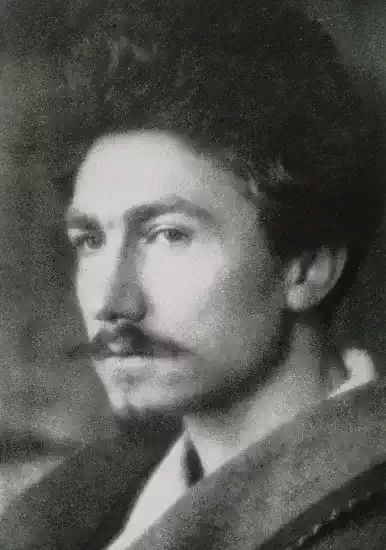
Ezra Pound
Women Before A Shop
Women Before A Shop
The gew-gaws of false amber and false turquoise attract them.
'Like to like nature': these agglutinous yellows!
The gew-gaws of false amber and false turquoise attract them.
'Like to like nature': these agglutinous yellows!
582
Ezra Pound
Women Before A Shop
Women Before A Shop
The gew-gaws of false amber and false turquoise attract them.
'Like to like nature': these agglutinous yellows!
The gew-gaws of false amber and false turquoise attract them.
'Like to like nature': these agglutinous yellows!
582
Ezra Pound
These Fought in Any Case
These Fought in Any Case
These fought in any case,
and some believing
pro domo, in any case .....
Died some, pro patria,
walked eye-deep in hell
believing in old men's lies, then unbelieving
came home, home to a lie,
home to many deceits,
home to old lies and new infamy;
usury age-old and age-thick
and liars in public places.
Daring as never before, wastage as never before.
Young blood and high blood,
fair cheeks, and fine bodies;
fortitude as never before
frankness as never before,
disillusions as never told in the old days,
hysterias, trench confessions,
laughter out of dead bellies.
These fought in any case,
and some believing
pro domo, in any case .....
Died some, pro patria,
walked eye-deep in hell
believing in old men's lies, then unbelieving
came home, home to a lie,
home to many deceits,
home to old lies and new infamy;
usury age-old and age-thick
and liars in public places.
Daring as never before, wastage as never before.
Young blood and high blood,
fair cheeks, and fine bodies;
fortitude as never before
frankness as never before,
disillusions as never told in the old days,
hysterias, trench confessions,
laughter out of dead bellies.
498
Ezra Pound
These Fought in Any Case
These Fought in Any Case
These fought in any case,
and some believing
pro domo, in any case .....
Died some, pro patria,
walked eye-deep in hell
believing in old men's lies, then unbelieving
came home, home to a lie,
home to many deceits,
home to old lies and new infamy;
usury age-old and age-thick
and liars in public places.
Daring as never before, wastage as never before.
Young blood and high blood,
fair cheeks, and fine bodies;
fortitude as never before
frankness as never before,
disillusions as never told in the old days,
hysterias, trench confessions,
laughter out of dead bellies.
These fought in any case,
and some believing
pro domo, in any case .....
Died some, pro patria,
walked eye-deep in hell
believing in old men's lies, then unbelieving
came home, home to a lie,
home to many deceits,
home to old lies and new infamy;
usury age-old and age-thick
and liars in public places.
Daring as never before, wastage as never before.
Young blood and high blood,
fair cheeks, and fine bodies;
fortitude as never before
frankness as never before,
disillusions as never told in the old days,
hysterias, trench confessions,
laughter out of dead bellies.
498
Ezra Pound
These Fought in Any Case
These Fought in Any Case
These fought in any case,
and some believing
pro domo, in any case .....
Died some, pro patria,
walked eye-deep in hell
believing in old men's lies, then unbelieving
came home, home to a lie,
home to many deceits,
home to old lies and new infamy;
usury age-old and age-thick
and liars in public places.
Daring as never before, wastage as never before.
Young blood and high blood,
fair cheeks, and fine bodies;
fortitude as never before
frankness as never before,
disillusions as never told in the old days,
hysterias, trench confessions,
laughter out of dead bellies.
These fought in any case,
and some believing
pro domo, in any case .....
Died some, pro patria,
walked eye-deep in hell
believing in old men's lies, then unbelieving
came home, home to a lie,
home to many deceits,
home to old lies and new infamy;
usury age-old and age-thick
and liars in public places.
Daring as never before, wastage as never before.
Young blood and high blood,
fair cheeks, and fine bodies;
fortitude as never before
frankness as never before,
disillusions as never told in the old days,
hysterias, trench confessions,
laughter out of dead bellies.
498
Ezra Pound
To Dives
To Dives
Who am I to condemn you, O Dives,
I who am as much embittered
With poverty
As you are with useless riches ?
Who am I to condemn you, O Dives,
I who am as much embittered
With poverty
As you are with useless riches ?
578
Ezra Pound
To Dives
To Dives
Who am I to condemn you, O Dives,
I who am as much embittered
With poverty
As you are with useless riches ?
Who am I to condemn you, O Dives,
I who am as much embittered
With poverty
As you are with useless riches ?
578
Ezra Pound
The Seafarer
The Seafarer
(From the early Anglo-Saxon text)
May I for my own self song's truth reckon,
Journey's jargon, how I in harsh days
Hardship endured oft.
Bitter breast-cares have I abided,
Known on my keel many a care's hold,
And dire sea-surge, and there I oft spent
Narrow nightwatch nigh the ship's head
While she tossed close to cliffs. Coldly afflicted,
My feet were by frost benumbed.
Chill its chains are; chafing sighs
Hew my heart round and hunger begot
Mere-weary mood. Lest man know not
That he on dry land loveliest liveth,
List how I, care-wretched, on ice-cold sea,
Weathered the winter, wretched outcast
Deprived of my kinsmen;
Hung with hard ice-flakes, where hail-scur flew,
There I heard naught save the harsh sea
And ice-cold wave, at whiles the swan cries,
Did for my games the gannet's clamour,
Sea-fowls, loudness was for me laughter,
The mews' singing all my mead-drink.
Storms, on the stone-cliffs beaten, fell on the stern
In icy feathers; full oft the eagle screamed
With spray on his pinion.
Not any protector
May make merry man faring needy.
This he little believes, who aye in winsome life
Abides 'mid burghers some heavy business,
Wealthy and wine-flushed, how I weary oft
Must bide above brine.
Neareth nightshade, snoweth from north,
Frost froze the land, hail fell on earth then
Corn of the coldest. Nathless there knocketh now
The heart's thought that I on high streams
The salt-wavy tumult traverse alone.
Moaneth alway my mind's lust
That I fare forth, that I afar hence
Seek out a foreign fastness.
For this there's no mood-lofty man over earth's midst,
Not though he be given his good, but will have in his youth greed;
Nor his deed to the daring, nor his king to the faithful
But shall have his sorrow for sea-fare
Whatever his lord will.
He hath not heart for harping, nor in ring-having
Nor winsomeness to wife, nor world's delight
Nor any whit else save the wave's slash,
Yet longing comes upon him to fare forth on the water.
Bosque taketh blossom, cometh beauty of berries,
Fields to fairness, land fares brisker,
All this admonisheth man eager of mood,
The heart turns to travel so that he then thinks
On flood-ways to be far departing.
Cuckoo calleth with gloomy crying,
He singeth summerward, bodeth sorrow,
The bitter heart's blood. Burgher knows not --
He the prosperous man -- what some perform
Where wandering them widest draweth.
So that but now my heart burst from my breast-lock,
My mood 'mid the mere-flood,
Over the whale's acre, would wander wide.
On earth's shelter cometh oft to me,
Eager and ready, the crying lone-flyer,
Whets for the whale-path the heart irresistibly,
O'er tracks of ocean; seeing that anyhow
My lord deems to me this dead life
On loan and on land, I believe not
That any earth-weal eternal standeth
Save there be somewhat calamitous
That, ere a man's tide go, turn it to twain.
Disease or oldness or sword-hate
Beats out the breath from doom-gripped body.
And for this, every earl whatever, for those speaking after --
Laud of the living, boasteth some last word,
That he will work ere he pass onward,
Frame on the fair earth 'gainst foes his malice,
Daring ado, ...
So that all men shall honour him after
And his laud beyond them remain 'mid the English,
Aye, for ever, a lasting life's-blast,
Delight mid the doughty.
Days little durable,
And all arrogance of earthen riches,
There come now no kings nor Cæsars
Nor gold-giving lords like those gone.
Howe'er in mirth most magnified,
Whoe'er lived in life most lordliest,
Drear all this excellence, delights undurable!
Waneth the watch, but the world holdeth.
Tomb hideth trouble. The blade is layed low.
Earthly glory ageth and seareth.
No man at all going the earth's gait,
But age fares against him, his face paleth,
Grey-haired he groaneth, knows gone companions,
Lordly men are to earth o'ergiven,
Nor may he then the flesh-cover, whose life ceaseth,
Nor eat the sweet nor feel the sorry,
Nor stir hand nor think in mid heart,
And though he strew the grave with gold,
His born brothers, their buried bodies
Be an unlikely treasure hoard.
(From the early Anglo-Saxon text)
May I for my own self song's truth reckon,
Journey's jargon, how I in harsh days
Hardship endured oft.
Bitter breast-cares have I abided,
Known on my keel many a care's hold,
And dire sea-surge, and there I oft spent
Narrow nightwatch nigh the ship's head
While she tossed close to cliffs. Coldly afflicted,
My feet were by frost benumbed.
Chill its chains are; chafing sighs
Hew my heart round and hunger begot
Mere-weary mood. Lest man know not
That he on dry land loveliest liveth,
List how I, care-wretched, on ice-cold sea,
Weathered the winter, wretched outcast
Deprived of my kinsmen;
Hung with hard ice-flakes, where hail-scur flew,
There I heard naught save the harsh sea
And ice-cold wave, at whiles the swan cries,
Did for my games the gannet's clamour,
Sea-fowls, loudness was for me laughter,
The mews' singing all my mead-drink.
Storms, on the stone-cliffs beaten, fell on the stern
In icy feathers; full oft the eagle screamed
With spray on his pinion.
Not any protector
May make merry man faring needy.
This he little believes, who aye in winsome life
Abides 'mid burghers some heavy business,
Wealthy and wine-flushed, how I weary oft
Must bide above brine.
Neareth nightshade, snoweth from north,
Frost froze the land, hail fell on earth then
Corn of the coldest. Nathless there knocketh now
The heart's thought that I on high streams
The salt-wavy tumult traverse alone.
Moaneth alway my mind's lust
That I fare forth, that I afar hence
Seek out a foreign fastness.
For this there's no mood-lofty man over earth's midst,
Not though he be given his good, but will have in his youth greed;
Nor his deed to the daring, nor his king to the faithful
But shall have his sorrow for sea-fare
Whatever his lord will.
He hath not heart for harping, nor in ring-having
Nor winsomeness to wife, nor world's delight
Nor any whit else save the wave's slash,
Yet longing comes upon him to fare forth on the water.
Bosque taketh blossom, cometh beauty of berries,
Fields to fairness, land fares brisker,
All this admonisheth man eager of mood,
The heart turns to travel so that he then thinks
On flood-ways to be far departing.
Cuckoo calleth with gloomy crying,
He singeth summerward, bodeth sorrow,
The bitter heart's blood. Burgher knows not --
He the prosperous man -- what some perform
Where wandering them widest draweth.
So that but now my heart burst from my breast-lock,
My mood 'mid the mere-flood,
Over the whale's acre, would wander wide.
On earth's shelter cometh oft to me,
Eager and ready, the crying lone-flyer,
Whets for the whale-path the heart irresistibly,
O'er tracks of ocean; seeing that anyhow
My lord deems to me this dead life
On loan and on land, I believe not
That any earth-weal eternal standeth
Save there be somewhat calamitous
That, ere a man's tide go, turn it to twain.
Disease or oldness or sword-hate
Beats out the breath from doom-gripped body.
And for this, every earl whatever, for those speaking after --
Laud of the living, boasteth some last word,
That he will work ere he pass onward,
Frame on the fair earth 'gainst foes his malice,
Daring ado, ...
So that all men shall honour him after
And his laud beyond them remain 'mid the English,
Aye, for ever, a lasting life's-blast,
Delight mid the doughty.
Days little durable,
And all arrogance of earthen riches,
There come now no kings nor Cæsars
Nor gold-giving lords like those gone.
Howe'er in mirth most magnified,
Whoe'er lived in life most lordliest,
Drear all this excellence, delights undurable!
Waneth the watch, but the world holdeth.
Tomb hideth trouble. The blade is layed low.
Earthly glory ageth and seareth.
No man at all going the earth's gait,
But age fares against him, his face paleth,
Grey-haired he groaneth, knows gone companions,
Lordly men are to earth o'ergiven,
Nor may he then the flesh-cover, whose life ceaseth,
Nor eat the sweet nor feel the sorry,
Nor stir hand nor think in mid heart,
And though he strew the grave with gold,
His born brothers, their buried bodies
Be an unlikely treasure hoard.
670
Ezra Pound
The Logical Conclusion
The Logical Conclusion
When earth's last thesis is copied
From the theses that went before,
When idea from fact has departed
And bare-boned factlets shall bore,
When all joy shall have fled from study
And scholarship reign supreme;
When truth shall 'baaa' on the hill crests
And no one shall dare to dream;
When all the good poems have been buried
With comment annoted in full
And art shall bow down in homage
To scholarship's zinc-plated bull,
When there shall be nothing to research
But the notes of annoted notes,
And Baalam's ass shall inquire
The price of imported oats;
Then no one shall tell him the answer
For each shall know the one fact
That lies in the special ass-ignment
From which he is making his tract.
So the ass shall sigh uninstructed
While each in his separate book
Shall grind for the love of grinding
And only the devil shall look.
Against the 'germanic' system of graduate study and insane specialization in the
Inanities.
When earth's last thesis is copied
From the theses that went before,
When idea from fact has departed
And bare-boned factlets shall bore,
When all joy shall have fled from study
And scholarship reign supreme;
When truth shall 'baaa' on the hill crests
And no one shall dare to dream;
When all the good poems have been buried
With comment annoted in full
And art shall bow down in homage
To scholarship's zinc-plated bull,
When there shall be nothing to research
But the notes of annoted notes,
And Baalam's ass shall inquire
The price of imported oats;
Then no one shall tell him the answer
For each shall know the one fact
That lies in the special ass-ignment
From which he is making his tract.
So the ass shall sigh uninstructed
While each in his separate book
Shall grind for the love of grinding
And only the devil shall look.
Against the 'germanic' system of graduate study and insane specialization in the
Inanities.
478
Ezra Pound
The Logical Conclusion
The Logical Conclusion
When earth's last thesis is copied
From the theses that went before,
When idea from fact has departed
And bare-boned factlets shall bore,
When all joy shall have fled from study
And scholarship reign supreme;
When truth shall 'baaa' on the hill crests
And no one shall dare to dream;
When all the good poems have been buried
With comment annoted in full
And art shall bow down in homage
To scholarship's zinc-plated bull,
When there shall be nothing to research
But the notes of annoted notes,
And Baalam's ass shall inquire
The price of imported oats;
Then no one shall tell him the answer
For each shall know the one fact
That lies in the special ass-ignment
From which he is making his tract.
So the ass shall sigh uninstructed
While each in his separate book
Shall grind for the love of grinding
And only the devil shall look.
Against the 'germanic' system of graduate study and insane specialization in the
Inanities.
When earth's last thesis is copied
From the theses that went before,
When idea from fact has departed
And bare-boned factlets shall bore,
When all joy shall have fled from study
And scholarship reign supreme;
When truth shall 'baaa' on the hill crests
And no one shall dare to dream;
When all the good poems have been buried
With comment annoted in full
And art shall bow down in homage
To scholarship's zinc-plated bull,
When there shall be nothing to research
But the notes of annoted notes,
And Baalam's ass shall inquire
The price of imported oats;
Then no one shall tell him the answer
For each shall know the one fact
That lies in the special ass-ignment
From which he is making his tract.
So the ass shall sigh uninstructed
While each in his separate book
Shall grind for the love of grinding
And only the devil shall look.
Against the 'germanic' system of graduate study and insane specialization in the
Inanities.
478
Ezra Pound
The Gypsy
The Gypsy
That was the top of the walk, when he said:
'Have you seen any others, any of our lot,
With apes or bears?'
A brown upstanding fellow
Not like the half-castes,
up on the wet road near Clermont.
The wind came, and the rain,
And mist clotted about the trees in the valley,
And I’d the long ways behind me,
gray Aries and Biaucaire,
And he said, 'Have you seen any of our lot?'
I'd seen a lot of his lot . . .
ever since Rhodez,
Coming down from the fair
of St. John,
With caravans, but never an ape or a bear.
That was the top of the walk, when he said:
'Have you seen any others, any of our lot,
With apes or bears?'
A brown upstanding fellow
Not like the half-castes,
up on the wet road near Clermont.
The wind came, and the rain,
And mist clotted about the trees in the valley,
And I’d the long ways behind me,
gray Aries and Biaucaire,
And he said, 'Have you seen any of our lot?'
I'd seen a lot of his lot . . .
ever since Rhodez,
Coming down from the fair
of St. John,
With caravans, but never an ape or a bear.
556
Ezra Pound
The Gypsy
The Gypsy
That was the top of the walk, when he said:
'Have you seen any others, any of our lot,
With apes or bears?'
A brown upstanding fellow
Not like the half-castes,
up on the wet road near Clermont.
The wind came, and the rain,
And mist clotted about the trees in the valley,
And I’d the long ways behind me,
gray Aries and Biaucaire,
And he said, 'Have you seen any of our lot?'
I'd seen a lot of his lot . . .
ever since Rhodez,
Coming down from the fair
of St. John,
With caravans, but never an ape or a bear.
That was the top of the walk, when he said:
'Have you seen any others, any of our lot,
With apes or bears?'
A brown upstanding fellow
Not like the half-castes,
up on the wet road near Clermont.
The wind came, and the rain,
And mist clotted about the trees in the valley,
And I’d the long ways behind me,
gray Aries and Biaucaire,
And he said, 'Have you seen any of our lot?'
I'd seen a lot of his lot . . .
ever since Rhodez,
Coming down from the fair
of St. John,
With caravans, but never an ape or a bear.
556
Ezra Pound
The Flame
The Flame
‘Tis not a game that plays at mates and mating,
Provençe knew;
'Tis not a game of barter, lands and houses,
Provençe knew.
We who are wise beyond your dream of wisdom,
Drink our immortal moments; we 'pass through'.
We have gone forth beyond your bonds and borders,
Provençe knew;
And all the tales of Oisin say but this:
That man doth pass the net of days and hours.
Where time is shrivelled down to time's seed corn
We of the Ever-living, in that light
Meet through our veils and whisper, and of love.
O smoke and shadow of a darkling world,
These, and the rest, and all the rest we knew.
'Tis not a game that plays at mates and mating,
'Tis not a game of barter, lands and houses,
'Tis not 4of days and nights' and troubling years,
Of cheeks grown sunken and glad hair gone gray;
There is the subtler music, the clear light
Where time burns back about th' eternal embers.
We are not shut from all the thousand heavens:
Lo, there are many gods whom we have seen,
Folk of unearthly fashion, places splendid,
Bulwarks of beryl and of chrysoprase.
Sapphire Benacus, in thy mists and thee
Nature herself's turned metaphysical,
Who can look on that blue and not believe?
Thou hooded opal, thou eternal pearl,
O thou dark secret with a shimmering floor,
Through all thy various mood I know thee mine;
If I have merged my soul, or utterly
Am solved and bound in, through aught here on earth,
There canst thou find me, O thou anxious thou,
Who call’st about my gates for some lost me;
I say my soul flowed back, became translucent.
Search not my lips, O Love, let go my hands,
This thing that moves as man is no more mortal.
If thou hast seen my shade sans character,
If thou hast seen that mirror of all moments,
That glass to all things that o'ershadow it,
Call not that mirror me, for I have slipped
Your grasp, I have eluded.
‘Tis not a game that plays at mates and mating,
Provençe knew;
'Tis not a game of barter, lands and houses,
Provençe knew.
We who are wise beyond your dream of wisdom,
Drink our immortal moments; we 'pass through'.
We have gone forth beyond your bonds and borders,
Provençe knew;
And all the tales of Oisin say but this:
That man doth pass the net of days and hours.
Where time is shrivelled down to time's seed corn
We of the Ever-living, in that light
Meet through our veils and whisper, and of love.
O smoke and shadow of a darkling world,
These, and the rest, and all the rest we knew.
'Tis not a game that plays at mates and mating,
'Tis not a game of barter, lands and houses,
'Tis not 4of days and nights' and troubling years,
Of cheeks grown sunken and glad hair gone gray;
There is the subtler music, the clear light
Where time burns back about th' eternal embers.
We are not shut from all the thousand heavens:
Lo, there are many gods whom we have seen,
Folk of unearthly fashion, places splendid,
Bulwarks of beryl and of chrysoprase.
Sapphire Benacus, in thy mists and thee
Nature herself's turned metaphysical,
Who can look on that blue and not believe?
Thou hooded opal, thou eternal pearl,
O thou dark secret with a shimmering floor,
Through all thy various mood I know thee mine;
If I have merged my soul, or utterly
Am solved and bound in, through aught here on earth,
There canst thou find me, O thou anxious thou,
Who call’st about my gates for some lost me;
I say my soul flowed back, became translucent.
Search not my lips, O Love, let go my hands,
This thing that moves as man is no more mortal.
If thou hast seen my shade sans character,
If thou hast seen that mirror of all moments,
That glass to all things that o'ershadow it,
Call not that mirror me, for I have slipped
Your grasp, I have eluded.
485
Ezra Pound
The Encounter
The Encounter
All the while they were talking the new morality
Her eyes explored me.
And when I rose to go
Her fingers were like the tissue
Of a Japanese paper napkin.
All the while they were talking the new morality
Her eyes explored me.
And when I rose to go
Her fingers were like the tissue
Of a Japanese paper napkin.
446
Ezra Pound
The Coming Of War: Actaeon
The Coming Of War: Actaeon
An image of Lethe,
and the fields
Full of faint light
but golden,
Gray cliffs,
and beneath them
A sea
Harsher than granite,
unstill, never ceasing;
High forms
with the movement of gods,
Perilous aspect;
And one said:
'This is Actaeon.'
Actaeon of golden greaves!
Over fair meadows,
Over the cool face of that field,
Unstill, ever moving
Hosts of an ancient people,
The silent cortège.
An image of Lethe,
and the fields
Full of faint light
but golden,
Gray cliffs,
and beneath them
A sea
Harsher than granite,
unstill, never ceasing;
High forms
with the movement of gods,
Perilous aspect;
And one said:
'This is Actaeon.'
Actaeon of golden greaves!
Over fair meadows,
Over the cool face of that field,
Unstill, ever moving
Hosts of an ancient people,
The silent cortège.
358
Ezra Pound
The Bellaires
The Bellaires
The good Bellaires
Do not understand the conduct of this world's affairs.
In fact they understood them so badly
That they have had to cross the Channel.
Nine lawyers, four counsels, five judges and three
proctors of the King,
Together with the respective wives, husbands, sisters
and heterogeneous connections of the good Bellaires,
Met to discuss their affairs;
But the good Bellaires have so little understood their
affairs
That now there is no one at all
Who can understand any affair of theirs. Yet
Fourteen hunters still eat in the stables of
The good Squire Bellaire;
But these may not suffer attainder,
For they may not belong to the good Squire Bellaire
But to his wife.
On the contrary, if they do not belong to his wife,
He will plead
A 'freedom from attainder'
For twelve horses and also for twelve boarhounds
From Charles the Fourth;
And a further freedom for the remainder
Of horses, from Henry the Fourth.
But the judges,
Being free of mediaeval scholarship,
Will pay no attention to this,
And there will be only the more confusion,
Replevin, estoppel, espavin and what not.
Nine lawyers, four counsels, etc.,
Met to discuss their affairs,
But the sole result was bills
From lawyers to whom no one was indebted,
And even the lawyers
Were uncertain who was supposed to be indebted to
them.
Wherefore the good Squire Bellaire
Resides now at Agde and Biaucaire,
To Carcassonne, Pui, and Alais
He fareth from day to day,
Or takes the sea air
Between Marseilles
And Beziers.
And for all this I have considerable regret,
For the good Bellaires
Are very charming people.
The good Bellaires
Do not understand the conduct of this world's affairs.
In fact they understood them so badly
That they have had to cross the Channel.
Nine lawyers, four counsels, five judges and three
proctors of the King,
Together with the respective wives, husbands, sisters
and heterogeneous connections of the good Bellaires,
Met to discuss their affairs;
But the good Bellaires have so little understood their
affairs
That now there is no one at all
Who can understand any affair of theirs. Yet
Fourteen hunters still eat in the stables of
The good Squire Bellaire;
But these may not suffer attainder,
For they may not belong to the good Squire Bellaire
But to his wife.
On the contrary, if they do not belong to his wife,
He will plead
A 'freedom from attainder'
For twelve horses and also for twelve boarhounds
From Charles the Fourth;
And a further freedom for the remainder
Of horses, from Henry the Fourth.
But the judges,
Being free of mediaeval scholarship,
Will pay no attention to this,
And there will be only the more confusion,
Replevin, estoppel, espavin and what not.
Nine lawyers, four counsels, etc.,
Met to discuss their affairs,
But the sole result was bills
From lawyers to whom no one was indebted,
And even the lawyers
Were uncertain who was supposed to be indebted to
them.
Wherefore the good Squire Bellaire
Resides now at Agde and Biaucaire,
To Carcassonne, Pui, and Alais
He fareth from day to day,
Or takes the sea air
Between Marseilles
And Beziers.
And for all this I have considerable regret,
For the good Bellaires
Are very charming people.
435
Ezra Pound
The Bellaires
The Bellaires
The good Bellaires
Do not understand the conduct of this world's affairs.
In fact they understood them so badly
That they have had to cross the Channel.
Nine lawyers, four counsels, five judges and three
proctors of the King,
Together with the respective wives, husbands, sisters
and heterogeneous connections of the good Bellaires,
Met to discuss their affairs;
But the good Bellaires have so little understood their
affairs
That now there is no one at all
Who can understand any affair of theirs. Yet
Fourteen hunters still eat in the stables of
The good Squire Bellaire;
But these may not suffer attainder,
For they may not belong to the good Squire Bellaire
But to his wife.
On the contrary, if they do not belong to his wife,
He will plead
A 'freedom from attainder'
For twelve horses and also for twelve boarhounds
From Charles the Fourth;
And a further freedom for the remainder
Of horses, from Henry the Fourth.
But the judges,
Being free of mediaeval scholarship,
Will pay no attention to this,
And there will be only the more confusion,
Replevin, estoppel, espavin and what not.
Nine lawyers, four counsels, etc.,
Met to discuss their affairs,
But the sole result was bills
From lawyers to whom no one was indebted,
And even the lawyers
Were uncertain who was supposed to be indebted to
them.
Wherefore the good Squire Bellaire
Resides now at Agde and Biaucaire,
To Carcassonne, Pui, and Alais
He fareth from day to day,
Or takes the sea air
Between Marseilles
And Beziers.
And for all this I have considerable regret,
For the good Bellaires
Are very charming people.
The good Bellaires
Do not understand the conduct of this world's affairs.
In fact they understood them so badly
That they have had to cross the Channel.
Nine lawyers, four counsels, five judges and three
proctors of the King,
Together with the respective wives, husbands, sisters
and heterogeneous connections of the good Bellaires,
Met to discuss their affairs;
But the good Bellaires have so little understood their
affairs
That now there is no one at all
Who can understand any affair of theirs. Yet
Fourteen hunters still eat in the stables of
The good Squire Bellaire;
But these may not suffer attainder,
For they may not belong to the good Squire Bellaire
But to his wife.
On the contrary, if they do not belong to his wife,
He will plead
A 'freedom from attainder'
For twelve horses and also for twelve boarhounds
From Charles the Fourth;
And a further freedom for the remainder
Of horses, from Henry the Fourth.
But the judges,
Being free of mediaeval scholarship,
Will pay no attention to this,
And there will be only the more confusion,
Replevin, estoppel, espavin and what not.
Nine lawyers, four counsels, etc.,
Met to discuss their affairs,
But the sole result was bills
From lawyers to whom no one was indebted,
And even the lawyers
Were uncertain who was supposed to be indebted to
them.
Wherefore the good Squire Bellaire
Resides now at Agde and Biaucaire,
To Carcassonne, Pui, and Alais
He fareth from day to day,
Or takes the sea air
Between Marseilles
And Beziers.
And for all this I have considerable regret,
For the good Bellaires
Are very charming people.
435
Ezra Pound
The Bellaires
The Bellaires
The good Bellaires
Do not understand the conduct of this world's affairs.
In fact they understood them so badly
That they have had to cross the Channel.
Nine lawyers, four counsels, five judges and three
proctors of the King,
Together with the respective wives, husbands, sisters
and heterogeneous connections of the good Bellaires,
Met to discuss their affairs;
But the good Bellaires have so little understood their
affairs
That now there is no one at all
Who can understand any affair of theirs. Yet
Fourteen hunters still eat in the stables of
The good Squire Bellaire;
But these may not suffer attainder,
For they may not belong to the good Squire Bellaire
But to his wife.
On the contrary, if they do not belong to his wife,
He will plead
A 'freedom from attainder'
For twelve horses and also for twelve boarhounds
From Charles the Fourth;
And a further freedom for the remainder
Of horses, from Henry the Fourth.
But the judges,
Being free of mediaeval scholarship,
Will pay no attention to this,
And there will be only the more confusion,
Replevin, estoppel, espavin and what not.
Nine lawyers, four counsels, etc.,
Met to discuss their affairs,
But the sole result was bills
From lawyers to whom no one was indebted,
And even the lawyers
Were uncertain who was supposed to be indebted to
them.
Wherefore the good Squire Bellaire
Resides now at Agde and Biaucaire,
To Carcassonne, Pui, and Alais
He fareth from day to day,
Or takes the sea air
Between Marseilles
And Beziers.
And for all this I have considerable regret,
For the good Bellaires
Are very charming people.
The good Bellaires
Do not understand the conduct of this world's affairs.
In fact they understood them so badly
That they have had to cross the Channel.
Nine lawyers, four counsels, five judges and three
proctors of the King,
Together with the respective wives, husbands, sisters
and heterogeneous connections of the good Bellaires,
Met to discuss their affairs;
But the good Bellaires have so little understood their
affairs
That now there is no one at all
Who can understand any affair of theirs. Yet
Fourteen hunters still eat in the stables of
The good Squire Bellaire;
But these may not suffer attainder,
For they may not belong to the good Squire Bellaire
But to his wife.
On the contrary, if they do not belong to his wife,
He will plead
A 'freedom from attainder'
For twelve horses and also for twelve boarhounds
From Charles the Fourth;
And a further freedom for the remainder
Of horses, from Henry the Fourth.
But the judges,
Being free of mediaeval scholarship,
Will pay no attention to this,
And there will be only the more confusion,
Replevin, estoppel, espavin and what not.
Nine lawyers, four counsels, etc.,
Met to discuss their affairs,
But the sole result was bills
From lawyers to whom no one was indebted,
And even the lawyers
Were uncertain who was supposed to be indebted to
them.
Wherefore the good Squire Bellaire
Resides now at Agde and Biaucaire,
To Carcassonne, Pui, and Alais
He fareth from day to day,
Or takes the sea air
Between Marseilles
And Beziers.
And for all this I have considerable regret,
For the good Bellaires
Are very charming people.
435
Ezra Pound
The City Of Choan
The City Of Choan
The phoenix are at play on their terrace.
The phoenix are gone, the river Hows on alone.
Flowers and grass
Cover over the dark path
where lay the dynastic house of the Go.
The bright cloths and bright caps of Shin
Are now the base of old hills.
The Three Mountains fall through the far heaven,
The isle of White Heron
splits the two streams apart.
Now the high clouds cover the sun
And I can not see Choan afar
And I am sad.
The phoenix are at play on their terrace.
The phoenix are gone, the river Hows on alone.
Flowers and grass
Cover over the dark path
where lay the dynastic house of the Go.
The bright cloths and bright caps of Shin
Are now the base of old hills.
The Three Mountains fall through the far heaven,
The isle of White Heron
splits the two streams apart.
Now the high clouds cover the sun
And I can not see Choan afar
And I am sad.
378
Ezra Pound
Tenzone
Tenzone
Will people accept them?
(i.e. these songs).
As a timorous wench from a centaur
(or a centurion),
Already they flee, howling in terror.
Will they be touched with the verisimilitudes?
Their virgin stupidity is untemptable.
I beg you, my friendly critics,
Do not set about to procure me an audience.
I mate with my free kind upon the crags;
the hidden recesses
Have heard the echo ofmy heels,
in the cool light,
in the darkness.
Will people accept them?
(i.e. these songs).
As a timorous wench from a centaur
(or a centurion),
Already they flee, howling in terror.
Will they be touched with the verisimilitudes?
Their virgin stupidity is untemptable.
I beg you, my friendly critics,
Do not set about to procure me an audience.
I mate with my free kind upon the crags;
the hidden recesses
Have heard the echo ofmy heels,
in the cool light,
in the darkness.
551