

Poems in this topic
Society and the World
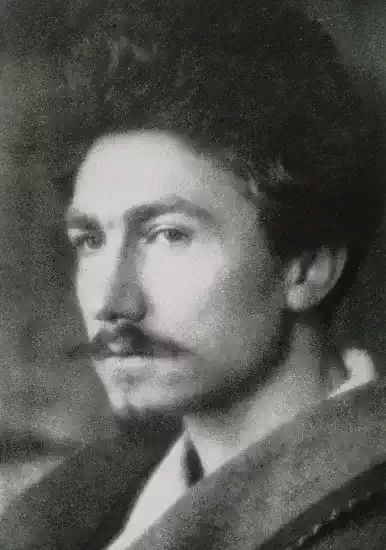
Ezra Pound
Surgit Fama
Surgit Fama
There is a truce among the gods,
Kore is seen in the North
Skirting the blue-gray sea
In gilded and russet mantle.
The corn has again it's mother and she, Leuconoe,
That failed never women,
Fails not the earth now.
The tricksome Hermes is here;
He moves behind me
Eager to catch my words,
Eager to spread them with rumour;
To set upon them his change
Crafty and subtle;
To alter them to his purpose;
But do thou speak true, even to the letter:
‘Once more in Delos, once more is the altar a-quiver.
Once more is the chant heard.
Once more are the never abandoned gardens
Full of gossip and old tales.’
There is a truce among the gods,
Kore is seen in the North
Skirting the blue-gray sea
In gilded and russet mantle.
The corn has again it's mother and she, Leuconoe,
That failed never women,
Fails not the earth now.
The tricksome Hermes is here;
He moves behind me
Eager to catch my words,
Eager to spread them with rumour;
To set upon them his change
Crafty and subtle;
To alter them to his purpose;
But do thou speak true, even to the letter:
‘Once more in Delos, once more is the altar a-quiver.
Once more is the chant heard.
Once more are the never abandoned gardens
Full of gossip and old tales.’
475
Ezra Pound
Statement of Being
Statement of Being
I am a grave poetic hen
That lays poetic eggs
And to enhance my temperament
A little quiet begs.
We make the yolk philosophy,
True beauty the albumen.
And then gum on a shell of form
To make the screed sound human.
I am a grave poetic hen
That lays poetic eggs
And to enhance my temperament
A little quiet begs.
We make the yolk philosophy,
True beauty the albumen.
And then gum on a shell of form
To make the screed sound human.
324
Ezra Pound
Song Of The Six Hundred M.P.'S
Song Of The Six Hundred M.P.'S
‘We are 'ere met together
in this momentous hower,
Ter lick th' bankers' dirty boots
an' keep the Bank in power.’
We are 'ere met together
ter grind the same old axes
And keep the people in its place
a'payin' us the taxes.
We are six hundred beefy men
(but mostly gas and suet)
An’ every year we meet to let
some other feller do it.'
I see their 'igh 'ats on the seats
an' them sprawling on the benches
And thinks about a Rowton 'ouse
and a lot of small street stenches.
'O Britain, muvver of parliaments,
'ave you seen yer larst sweet litter?
Could yeh swap th' brains of orl this lot
fer 'arft a pint o' bitter?'
‘I couldn't,' she sez, ‘an' I aint tried,
They're me own,' she sez to me,
‘As footlin' a lot as was ever spawned
to defend democracy.'
‘We are 'ere met together
in this momentous hower,
Ter lick th' bankers' dirty boots
an' keep the Bank in power.’
We are 'ere met together
ter grind the same old axes
And keep the people in its place
a'payin' us the taxes.
We are six hundred beefy men
(but mostly gas and suet)
An’ every year we meet to let
some other feller do it.'
I see their 'igh 'ats on the seats
an' them sprawling on the benches
And thinks about a Rowton 'ouse
and a lot of small street stenches.
'O Britain, muvver of parliaments,
'ave you seen yer larst sweet litter?
Could yeh swap th' brains of orl this lot
fer 'arft a pint o' bitter?'
‘I couldn't,' she sez, ‘an' I aint tried,
They're me own,' she sez to me,
‘As footlin' a lot as was ever spawned
to defend democracy.'
455
Ezra Pound
Song Of The Six Hundred M.P.'S
Song Of The Six Hundred M.P.'S
‘We are 'ere met together
in this momentous hower,
Ter lick th' bankers' dirty boots
an' keep the Bank in power.’
We are 'ere met together
ter grind the same old axes
And keep the people in its place
a'payin' us the taxes.
We are six hundred beefy men
(but mostly gas and suet)
An’ every year we meet to let
some other feller do it.'
I see their 'igh 'ats on the seats
an' them sprawling on the benches
And thinks about a Rowton 'ouse
and a lot of small street stenches.
'O Britain, muvver of parliaments,
'ave you seen yer larst sweet litter?
Could yeh swap th' brains of orl this lot
fer 'arft a pint o' bitter?'
‘I couldn't,' she sez, ‘an' I aint tried,
They're me own,' she sez to me,
‘As footlin' a lot as was ever spawned
to defend democracy.'
‘We are 'ere met together
in this momentous hower,
Ter lick th' bankers' dirty boots
an' keep the Bank in power.’
We are 'ere met together
ter grind the same old axes
And keep the people in its place
a'payin' us the taxes.
We are six hundred beefy men
(but mostly gas and suet)
An’ every year we meet to let
some other feller do it.'
I see their 'igh 'ats on the seats
an' them sprawling on the benches
And thinks about a Rowton 'ouse
and a lot of small street stenches.
'O Britain, muvver of parliaments,
'ave you seen yer larst sweet litter?
Could yeh swap th' brains of orl this lot
fer 'arft a pint o' bitter?'
‘I couldn't,' she sez, ‘an' I aint tried,
They're me own,' she sez to me,
‘As footlin' a lot as was ever spawned
to defend democracy.'
455
Ezra Pound
Song Of The Six Hundred M.P.'S
Song Of The Six Hundred M.P.'S
‘We are 'ere met together
in this momentous hower,
Ter lick th' bankers' dirty boots
an' keep the Bank in power.’
We are 'ere met together
ter grind the same old axes
And keep the people in its place
a'payin' us the taxes.
We are six hundred beefy men
(but mostly gas and suet)
An’ every year we meet to let
some other feller do it.'
I see their 'igh 'ats on the seats
an' them sprawling on the benches
And thinks about a Rowton 'ouse
and a lot of small street stenches.
'O Britain, muvver of parliaments,
'ave you seen yer larst sweet litter?
Could yeh swap th' brains of orl this lot
fer 'arft a pint o' bitter?'
‘I couldn't,' she sez, ‘an' I aint tried,
They're me own,' she sez to me,
‘As footlin' a lot as was ever spawned
to defend democracy.'
‘We are 'ere met together
in this momentous hower,
Ter lick th' bankers' dirty boots
an' keep the Bank in power.’
We are 'ere met together
ter grind the same old axes
And keep the people in its place
a'payin' us the taxes.
We are six hundred beefy men
(but mostly gas and suet)
An’ every year we meet to let
some other feller do it.'
I see their 'igh 'ats on the seats
an' them sprawling on the benches
And thinks about a Rowton 'ouse
and a lot of small street stenches.
'O Britain, muvver of parliaments,
'ave you seen yer larst sweet litter?
Could yeh swap th' brains of orl this lot
fer 'arft a pint o' bitter?'
‘I couldn't,' she sez, ‘an' I aint tried,
They're me own,' she sez to me,
‘As footlin' a lot as was ever spawned
to defend democracy.'
455
Ezra Pound
Song Of The Six Hundred M.P.'S
Song Of The Six Hundred M.P.'S
‘We are 'ere met together
in this momentous hower,
Ter lick th' bankers' dirty boots
an' keep the Bank in power.’
We are 'ere met together
ter grind the same old axes
And keep the people in its place
a'payin' us the taxes.
We are six hundred beefy men
(but mostly gas and suet)
An’ every year we meet to let
some other feller do it.'
I see their 'igh 'ats on the seats
an' them sprawling on the benches
And thinks about a Rowton 'ouse
and a lot of small street stenches.
'O Britain, muvver of parliaments,
'ave you seen yer larst sweet litter?
Could yeh swap th' brains of orl this lot
fer 'arft a pint o' bitter?'
‘I couldn't,' she sez, ‘an' I aint tried,
They're me own,' she sez to me,
‘As footlin' a lot as was ever spawned
to defend democracy.'
‘We are 'ere met together
in this momentous hower,
Ter lick th' bankers' dirty boots
an' keep the Bank in power.’
We are 'ere met together
ter grind the same old axes
And keep the people in its place
a'payin' us the taxes.
We are six hundred beefy men
(but mostly gas and suet)
An’ every year we meet to let
some other feller do it.'
I see their 'igh 'ats on the seats
an' them sprawling on the benches
And thinks about a Rowton 'ouse
and a lot of small street stenches.
'O Britain, muvver of parliaments,
'ave you seen yer larst sweet litter?
Could yeh swap th' brains of orl this lot
fer 'arft a pint o' bitter?'
‘I couldn't,' she sez, ‘an' I aint tried,
They're me own,' she sez to me,
‘As footlin' a lot as was ever spawned
to defend democracy.'
455
Ezra Pound
Society
Society
The family position was waning,
And on this account the little Aurelia,
Who had laughed on eighteen summers,
Now bears the palsied contact of Phidippus.
The family position was waning,
And on this account the little Aurelia,
Who had laughed on eighteen summers,
Now bears the palsied contact of Phidippus.
518
Ezra Pound
Sestina: Altaforte
Sestina: Altaforte
Loquitur: En Bertrans de Born.
Dante Alighieri put this man in hell for that he was a
stirrer-up of strife.
Eccovi!
Judge ye!
Have I dug him up again?
The scene in at his castle, Altaforte. "Papiols" is his jongleur.
"The Leopard," the device of Richard (Cúur de Lion).
I
Damn it all! all this our South stinks peace.
You whoreson dog, Papiols, come! Let's to music!
I have no life save when the swords clash.
But ah! when I see the standards gold, vair, purple, opposing
And the broad fields beneath them turn crimson,
Then howl I my heart nigh mad with rejoicing.
II
In hot summer have I great rejoicing
When the tempests kill the earth's foul peace,
And the lightnings from black heav'n flash crimson,
And the fierce thunders roar me their music
And the winds shriek through the clouds mad, opposing,
And through all the riven skies God's swords clash.
III
Hell grant soon we hear again the swords clash!
And the shrill neighs of destriers in battle rejoicing,
Spiked breast to spiked breast opposing!
Better one hour's stour than a year's peace
With fat boards, bawds, wine and frail music!
Bah! there's no wine like the blood's crimson!
IV
And I love to see the sun rise blood-crimson.
And I watch his spears through the dark clash
And it fills all my heart with rejoicing
And pries wide my mouth with fast music
When I see him so scorn and defy peace,
His lone might 'gainst all darkness opposing.
V
The man who fears war and squats opposing
My words for stour, hath no blood of crimson
But is fit only to rot in womanish peace
Far from where worth's won and the swords clash
For the death of such sluts I go rejoicing;
Yea, I fill all the air with my music.
VI
Papiols, Papiols, to the music!
There's no sound like to swords swords opposing,
No cry like the battle's rejoicing
When our elbows and swords drip the crimson
And our charges 'gainst "The Leopard's" rush clash.
May God damn for ever all who cry "Peace!"
VII
And let the music of the swords make them crimson!
Hell grant soon we hear again the swords clash!
Hell blot black for always the thought "Peace!"
Loquitur: En Bertrans de Born.
Dante Alighieri put this man in hell for that he was a
stirrer-up of strife.
Eccovi!
Judge ye!
Have I dug him up again?
The scene in at his castle, Altaforte. "Papiols" is his jongleur.
"The Leopard," the device of Richard (Cúur de Lion).
I
Damn it all! all this our South stinks peace.
You whoreson dog, Papiols, come! Let's to music!
I have no life save when the swords clash.
But ah! when I see the standards gold, vair, purple, opposing
And the broad fields beneath them turn crimson,
Then howl I my heart nigh mad with rejoicing.
II
In hot summer have I great rejoicing
When the tempests kill the earth's foul peace,
And the lightnings from black heav'n flash crimson,
And the fierce thunders roar me their music
And the winds shriek through the clouds mad, opposing,
And through all the riven skies God's swords clash.
III
Hell grant soon we hear again the swords clash!
And the shrill neighs of destriers in battle rejoicing,
Spiked breast to spiked breast opposing!
Better one hour's stour than a year's peace
With fat boards, bawds, wine and frail music!
Bah! there's no wine like the blood's crimson!
IV
And I love to see the sun rise blood-crimson.
And I watch his spears through the dark clash
And it fills all my heart with rejoicing
And pries wide my mouth with fast music
When I see him so scorn and defy peace,
His lone might 'gainst all darkness opposing.
V
The man who fears war and squats opposing
My words for stour, hath no blood of crimson
But is fit only to rot in womanish peace
Far from where worth's won and the swords clash
For the death of such sluts I go rejoicing;
Yea, I fill all the air with my music.
VI
Papiols, Papiols, to the music!
There's no sound like to swords swords opposing,
No cry like the battle's rejoicing
When our elbows and swords drip the crimson
And our charges 'gainst "The Leopard's" rush clash.
May God damn for ever all who cry "Peace!"
VII
And let the music of the swords make them crimson!
Hell grant soon we hear again the swords clash!
Hell blot black for always the thought "Peace!"
499
Ezra Pound
Sestina: Altaforte
Sestina: Altaforte
Loquitur: En Bertrans de Born.
Dante Alighieri put this man in hell for that he was a
stirrer-up of strife.
Eccovi!
Judge ye!
Have I dug him up again?
The scene in at his castle, Altaforte. "Papiols" is his jongleur.
"The Leopard," the device of Richard (Cúur de Lion).
I
Damn it all! all this our South stinks peace.
You whoreson dog, Papiols, come! Let's to music!
I have no life save when the swords clash.
But ah! when I see the standards gold, vair, purple, opposing
And the broad fields beneath them turn crimson,
Then howl I my heart nigh mad with rejoicing.
II
In hot summer have I great rejoicing
When the tempests kill the earth's foul peace,
And the lightnings from black heav'n flash crimson,
And the fierce thunders roar me their music
And the winds shriek through the clouds mad, opposing,
And through all the riven skies God's swords clash.
III
Hell grant soon we hear again the swords clash!
And the shrill neighs of destriers in battle rejoicing,
Spiked breast to spiked breast opposing!
Better one hour's stour than a year's peace
With fat boards, bawds, wine and frail music!
Bah! there's no wine like the blood's crimson!
IV
And I love to see the sun rise blood-crimson.
And I watch his spears through the dark clash
And it fills all my heart with rejoicing
And pries wide my mouth with fast music
When I see him so scorn and defy peace,
His lone might 'gainst all darkness opposing.
V
The man who fears war and squats opposing
My words for stour, hath no blood of crimson
But is fit only to rot in womanish peace
Far from where worth's won and the swords clash
For the death of such sluts I go rejoicing;
Yea, I fill all the air with my music.
VI
Papiols, Papiols, to the music!
There's no sound like to swords swords opposing,
No cry like the battle's rejoicing
When our elbows and swords drip the crimson
And our charges 'gainst "The Leopard's" rush clash.
May God damn for ever all who cry "Peace!"
VII
And let the music of the swords make them crimson!
Hell grant soon we hear again the swords clash!
Hell blot black for always the thought "Peace!"
Loquitur: En Bertrans de Born.
Dante Alighieri put this man in hell for that he was a
stirrer-up of strife.
Eccovi!
Judge ye!
Have I dug him up again?
The scene in at his castle, Altaforte. "Papiols" is his jongleur.
"The Leopard," the device of Richard (Cúur de Lion).
I
Damn it all! all this our South stinks peace.
You whoreson dog, Papiols, come! Let's to music!
I have no life save when the swords clash.
But ah! when I see the standards gold, vair, purple, opposing
And the broad fields beneath them turn crimson,
Then howl I my heart nigh mad with rejoicing.
II
In hot summer have I great rejoicing
When the tempests kill the earth's foul peace,
And the lightnings from black heav'n flash crimson,
And the fierce thunders roar me their music
And the winds shriek through the clouds mad, opposing,
And through all the riven skies God's swords clash.
III
Hell grant soon we hear again the swords clash!
And the shrill neighs of destriers in battle rejoicing,
Spiked breast to spiked breast opposing!
Better one hour's stour than a year's peace
With fat boards, bawds, wine and frail music!
Bah! there's no wine like the blood's crimson!
IV
And I love to see the sun rise blood-crimson.
And I watch his spears through the dark clash
And it fills all my heart with rejoicing
And pries wide my mouth with fast music
When I see him so scorn and defy peace,
His lone might 'gainst all darkness opposing.
V
The man who fears war and squats opposing
My words for stour, hath no blood of crimson
But is fit only to rot in womanish peace
Far from where worth's won and the swords clash
For the death of such sluts I go rejoicing;
Yea, I fill all the air with my music.
VI
Papiols, Papiols, to the music!
There's no sound like to swords swords opposing,
No cry like the battle's rejoicing
When our elbows and swords drip the crimson
And our charges 'gainst "The Leopard's" rush clash.
May God damn for ever all who cry "Peace!"
VII
And let the music of the swords make them crimson!
Hell grant soon we hear again the swords clash!
Hell blot black for always the thought "Peace!"
499
Ezra Pound
Sestina: Altaforte
Sestina: Altaforte
Loquitur: En Bertrans de Born.
Dante Alighieri put this man in hell for that he was a
stirrer-up of strife.
Eccovi!
Judge ye!
Have I dug him up again?
The scene in at his castle, Altaforte. "Papiols" is his jongleur.
"The Leopard," the device of Richard (Cúur de Lion).
I
Damn it all! all this our South stinks peace.
You whoreson dog, Papiols, come! Let's to music!
I have no life save when the swords clash.
But ah! when I see the standards gold, vair, purple, opposing
And the broad fields beneath them turn crimson,
Then howl I my heart nigh mad with rejoicing.
II
In hot summer have I great rejoicing
When the tempests kill the earth's foul peace,
And the lightnings from black heav'n flash crimson,
And the fierce thunders roar me their music
And the winds shriek through the clouds mad, opposing,
And through all the riven skies God's swords clash.
III
Hell grant soon we hear again the swords clash!
And the shrill neighs of destriers in battle rejoicing,
Spiked breast to spiked breast opposing!
Better one hour's stour than a year's peace
With fat boards, bawds, wine and frail music!
Bah! there's no wine like the blood's crimson!
IV
And I love to see the sun rise blood-crimson.
And I watch his spears through the dark clash
And it fills all my heart with rejoicing
And pries wide my mouth with fast music
When I see him so scorn and defy peace,
His lone might 'gainst all darkness opposing.
V
The man who fears war and squats opposing
My words for stour, hath no blood of crimson
But is fit only to rot in womanish peace
Far from where worth's won and the swords clash
For the death of such sluts I go rejoicing;
Yea, I fill all the air with my music.
VI
Papiols, Papiols, to the music!
There's no sound like to swords swords opposing,
No cry like the battle's rejoicing
When our elbows and swords drip the crimson
And our charges 'gainst "The Leopard's" rush clash.
May God damn for ever all who cry "Peace!"
VII
And let the music of the swords make them crimson!
Hell grant soon we hear again the swords clash!
Hell blot black for always the thought "Peace!"
Loquitur: En Bertrans de Born.
Dante Alighieri put this man in hell for that he was a
stirrer-up of strife.
Eccovi!
Judge ye!
Have I dug him up again?
The scene in at his castle, Altaforte. "Papiols" is his jongleur.
"The Leopard," the device of Richard (Cúur de Lion).
I
Damn it all! all this our South stinks peace.
You whoreson dog, Papiols, come! Let's to music!
I have no life save when the swords clash.
But ah! when I see the standards gold, vair, purple, opposing
And the broad fields beneath them turn crimson,
Then howl I my heart nigh mad with rejoicing.
II
In hot summer have I great rejoicing
When the tempests kill the earth's foul peace,
And the lightnings from black heav'n flash crimson,
And the fierce thunders roar me their music
And the winds shriek through the clouds mad, opposing,
And through all the riven skies God's swords clash.
III
Hell grant soon we hear again the swords clash!
And the shrill neighs of destriers in battle rejoicing,
Spiked breast to spiked breast opposing!
Better one hour's stour than a year's peace
With fat boards, bawds, wine and frail music!
Bah! there's no wine like the blood's crimson!
IV
And I love to see the sun rise blood-crimson.
And I watch his spears through the dark clash
And it fills all my heart with rejoicing
And pries wide my mouth with fast music
When I see him so scorn and defy peace,
His lone might 'gainst all darkness opposing.
V
The man who fears war and squats opposing
My words for stour, hath no blood of crimson
But is fit only to rot in womanish peace
Far from where worth's won and the swords clash
For the death of such sluts I go rejoicing;
Yea, I fill all the air with my music.
VI
Papiols, Papiols, to the music!
There's no sound like to swords swords opposing,
No cry like the battle's rejoicing
When our elbows and swords drip the crimson
And our charges 'gainst "The Leopard's" rush clash.
May God damn for ever all who cry "Peace!"
VII
And let the music of the swords make them crimson!
Hell grant soon we hear again the swords clash!
Hell blot black for always the thought "Peace!"
499
Ezra Pound
Salvationists
Salvationists
I
Come, my songs, let us speak of perfection
We shall get ourselves rather disliked.
II
Ah yes, my songs, let us resurrect
The very excellent term Rusticus.
Let us apply it in all its opprobrium
To those to whom it applies.
And you may decline to make them immortal,
For we shall consider them and their state
In delicate
Opulent silence.
III
Come, my songs,
Let us take arms against this sea of stupidities-
Beginning with Mumpodorus;
And against this sea of vulgarities
Beginning with Nimmim;
And against this sea of imbeciles
All the Bulmenian literati.
I
Come, my songs, let us speak of perfection
We shall get ourselves rather disliked.
II
Ah yes, my songs, let us resurrect
The very excellent term Rusticus.
Let us apply it in all its opprobrium
To those to whom it applies.
And you may decline to make them immortal,
For we shall consider them and their state
In delicate
Opulent silence.
III
Come, my songs,
Let us take arms against this sea of stupidities-
Beginning with Mumpodorus;
And against this sea of vulgarities
Beginning with Nimmim;
And against this sea of imbeciles
All the Bulmenian literati.
448
Ezra Pound
Salvationists
Salvationists
I
Come, my songs, let us speak of perfection
We shall get ourselves rather disliked.
II
Ah yes, my songs, let us resurrect
The very excellent term Rusticus.
Let us apply it in all its opprobrium
To those to whom it applies.
And you may decline to make them immortal,
For we shall consider them and their state
In delicate
Opulent silence.
III
Come, my songs,
Let us take arms against this sea of stupidities-
Beginning with Mumpodorus;
And against this sea of vulgarities
Beginning with Nimmim;
And against this sea of imbeciles
All the Bulmenian literati.
I
Come, my songs, let us speak of perfection
We shall get ourselves rather disliked.
II
Ah yes, my songs, let us resurrect
The very excellent term Rusticus.
Let us apply it in all its opprobrium
To those to whom it applies.
And you may decline to make them immortal,
For we shall consider them and their state
In delicate
Opulent silence.
III
Come, my songs,
Let us take arms against this sea of stupidities-
Beginning with Mumpodorus;
And against this sea of vulgarities
Beginning with Nimmim;
And against this sea of imbeciles
All the Bulmenian literati.
448
Ezra Pound
Safe And Sound
Safe And Sound
My name is Nunty Cormorant
And my finance is sound,
I lend you Englishmen hot air
At one and three the pound.
I lend you Englishmen hot air
And I get all the beef
While you stalwart sheep of freedom
Are on the poor relief.
Wot oh! my buxom hearties,
What ain't got work no more
And don't know what bug is a-bitin'
To keep your feelin's sore,
There is blokes in automobiles
And their necks sunk into fur
That keep on gettin' usury
To make 'em cosier.
I read these fellers puts it
Most tidily away
And then lends out their printed slips
To keep the wolf away
From the vaults and combination
Safes in Thread and Needle street.
I wouldn't 'ave the needle
If I had more grub to eat.
Oh the needle is your portion,
My sufferin' fellow men,
Till the King shall take the notion
To own his coin again.
My name is Nunty Cormorant
And my finance is sound,
I lend you Englishmen hot air
At one and three the pound.
I lend you Englishmen hot air
And I get all the beef
While you stalwart sheep of freedom
Are on the poor relief.
Wot oh! my buxom hearties,
What ain't got work no more
And don't know what bug is a-bitin'
To keep your feelin's sore,
There is blokes in automobiles
And their necks sunk into fur
That keep on gettin' usury
To make 'em cosier.
I read these fellers puts it
Most tidily away
And then lends out their printed slips
To keep the wolf away
From the vaults and combination
Safes in Thread and Needle street.
I wouldn't 'ave the needle
If I had more grub to eat.
Oh the needle is your portion,
My sufferin' fellow men,
Till the King shall take the notion
To own his coin again.
470
Ezra Pound
Safe And Sound
Safe And Sound
My name is Nunty Cormorant
And my finance is sound,
I lend you Englishmen hot air
At one and three the pound.
I lend you Englishmen hot air
And I get all the beef
While you stalwart sheep of freedom
Are on the poor relief.
Wot oh! my buxom hearties,
What ain't got work no more
And don't know what bug is a-bitin'
To keep your feelin's sore,
There is blokes in automobiles
And their necks sunk into fur
That keep on gettin' usury
To make 'em cosier.
I read these fellers puts it
Most tidily away
And then lends out their printed slips
To keep the wolf away
From the vaults and combination
Safes in Thread and Needle street.
I wouldn't 'ave the needle
If I had more grub to eat.
Oh the needle is your portion,
My sufferin' fellow men,
Till the King shall take the notion
To own his coin again.
My name is Nunty Cormorant
And my finance is sound,
I lend you Englishmen hot air
At one and three the pound.
I lend you Englishmen hot air
And I get all the beef
While you stalwart sheep of freedom
Are on the poor relief.
Wot oh! my buxom hearties,
What ain't got work no more
And don't know what bug is a-bitin'
To keep your feelin's sore,
There is blokes in automobiles
And their necks sunk into fur
That keep on gettin' usury
To make 'em cosier.
I read these fellers puts it
Most tidily away
And then lends out their printed slips
To keep the wolf away
From the vaults and combination
Safes in Thread and Needle street.
I wouldn't 'ave the needle
If I had more grub to eat.
Oh the needle is your portion,
My sufferin' fellow men,
Till the King shall take the notion
To own his coin again.
470
Ezra Pound
Safe And Sound
Safe And Sound
My name is Nunty Cormorant
And my finance is sound,
I lend you Englishmen hot air
At one and three the pound.
I lend you Englishmen hot air
And I get all the beef
While you stalwart sheep of freedom
Are on the poor relief.
Wot oh! my buxom hearties,
What ain't got work no more
And don't know what bug is a-bitin'
To keep your feelin's sore,
There is blokes in automobiles
And their necks sunk into fur
That keep on gettin' usury
To make 'em cosier.
I read these fellers puts it
Most tidily away
And then lends out their printed slips
To keep the wolf away
From the vaults and combination
Safes in Thread and Needle street.
I wouldn't 'ave the needle
If I had more grub to eat.
Oh the needle is your portion,
My sufferin' fellow men,
Till the King shall take the notion
To own his coin again.
My name is Nunty Cormorant
And my finance is sound,
I lend you Englishmen hot air
At one and three the pound.
I lend you Englishmen hot air
And I get all the beef
While you stalwart sheep of freedom
Are on the poor relief.
Wot oh! my buxom hearties,
What ain't got work no more
And don't know what bug is a-bitin'
To keep your feelin's sore,
There is blokes in automobiles
And their necks sunk into fur
That keep on gettin' usury
To make 'em cosier.
I read these fellers puts it
Most tidily away
And then lends out their printed slips
To keep the wolf away
From the vaults and combination
Safes in Thread and Needle street.
I wouldn't 'ave the needle
If I had more grub to eat.
Oh the needle is your portion,
My sufferin' fellow men,
Till the King shall take the notion
To own his coin again.
470
Ezra Pound
Safe And Sound
Safe And Sound
My name is Nunty Cormorant
And my finance is sound,
I lend you Englishmen hot air
At one and three the pound.
I lend you Englishmen hot air
And I get all the beef
While you stalwart sheep of freedom
Are on the poor relief.
Wot oh! my buxom hearties,
What ain't got work no more
And don't know what bug is a-bitin'
To keep your feelin's sore,
There is blokes in automobiles
And their necks sunk into fur
That keep on gettin' usury
To make 'em cosier.
I read these fellers puts it
Most tidily away
And then lends out their printed slips
To keep the wolf away
From the vaults and combination
Safes in Thread and Needle street.
I wouldn't 'ave the needle
If I had more grub to eat.
Oh the needle is your portion,
My sufferin' fellow men,
Till the King shall take the notion
To own his coin again.
My name is Nunty Cormorant
And my finance is sound,
I lend you Englishmen hot air
At one and three the pound.
I lend you Englishmen hot air
And I get all the beef
While you stalwart sheep of freedom
Are on the poor relief.
Wot oh! my buxom hearties,
What ain't got work no more
And don't know what bug is a-bitin'
To keep your feelin's sore,
There is blokes in automobiles
And their necks sunk into fur
That keep on gettin' usury
To make 'em cosier.
I read these fellers puts it
Most tidily away
And then lends out their printed slips
To keep the wolf away
From the vaults and combination
Safes in Thread and Needle street.
I wouldn't 'ave the needle
If I had more grub to eat.
Oh the needle is your portion,
My sufferin' fellow men,
Till the King shall take the notion
To own his coin again.
470
Ezra Pound
Safe And Sound
Safe And Sound
My name is Nunty Cormorant
And my finance is sound,
I lend you Englishmen hot air
At one and three the pound.
I lend you Englishmen hot air
And I get all the beef
While you stalwart sheep of freedom
Are on the poor relief.
Wot oh! my buxom hearties,
What ain't got work no more
And don't know what bug is a-bitin'
To keep your feelin's sore,
There is blokes in automobiles
And their necks sunk into fur
That keep on gettin' usury
To make 'em cosier.
I read these fellers puts it
Most tidily away
And then lends out their printed slips
To keep the wolf away
From the vaults and combination
Safes in Thread and Needle street.
I wouldn't 'ave the needle
If I had more grub to eat.
Oh the needle is your portion,
My sufferin' fellow men,
Till the King shall take the notion
To own his coin again.
My name is Nunty Cormorant
And my finance is sound,
I lend you Englishmen hot air
At one and three the pound.
I lend you Englishmen hot air
And I get all the beef
While you stalwart sheep of freedom
Are on the poor relief.
Wot oh! my buxom hearties,
What ain't got work no more
And don't know what bug is a-bitin'
To keep your feelin's sore,
There is blokes in automobiles
And their necks sunk into fur
That keep on gettin' usury
To make 'em cosier.
I read these fellers puts it
Most tidily away
And then lends out their printed slips
To keep the wolf away
From the vaults and combination
Safes in Thread and Needle street.
I wouldn't 'ave the needle
If I had more grub to eat.
Oh the needle is your portion,
My sufferin' fellow men,
Till the King shall take the notion
To own his coin again.
470
Ezra Pound
Salutation The Second
Salutation The Second
You were praised, my books,
because I had just come from the country;
I was twenty years behind the times
so you found an audience ready.
I do not disown you,
do not you disown your progeny.
Here they stand without quaint devices,
Here they are with nothing archaic about them.
Observe the irritation in general:
‘Is this’ they say, 'the nonsense
that we expect of poets?’
'Where is the Picturesque ?'
‘Where is the vertigo of emotion?'
‘No! his first work was the best.’
'Poor Dear! he has lost his illusions.’
Go, little naked and impudent songs,
Go with a light foot!
(Or with two light feet, if it please you!)
Go and dance shamelessly!
Go with an impertinent frolic!
Greet the grave and the stodgy,
Salute them with your thumbs at your noses.
Here are your bells and confetti.
Go! rejuvenate things!
Rejuvenate even 'The Spectator.’
Go! and make cat calls!
Dance and make people blush,
Dance the dance of the phallus
and tell anecdotes of Cybele!
Speak of the indecorous conduct of the Gods!
(Tell it to Mr. Strachey)
Ruffle the skirts of prudes,
speak of their knees and ankles.
But, above all, go to practical people
go! jangle their door-bells!
Say that you do no work
and that you will live forever.
You were praised, my books,
because I had just come from the country;
I was twenty years behind the times
so you found an audience ready.
I do not disown you,
do not you disown your progeny.
Here they stand without quaint devices,
Here they are with nothing archaic about them.
Observe the irritation in general:
‘Is this’ they say, 'the nonsense
that we expect of poets?’
'Where is the Picturesque ?'
‘Where is the vertigo of emotion?'
‘No! his first work was the best.’
'Poor Dear! he has lost his illusions.’
Go, little naked and impudent songs,
Go with a light foot!
(Or with two light feet, if it please you!)
Go and dance shamelessly!
Go with an impertinent frolic!
Greet the grave and the stodgy,
Salute them with your thumbs at your noses.
Here are your bells and confetti.
Go! rejuvenate things!
Rejuvenate even 'The Spectator.’
Go! and make cat calls!
Dance and make people blush,
Dance the dance of the phallus
and tell anecdotes of Cybele!
Speak of the indecorous conduct of the Gods!
(Tell it to Mr. Strachey)
Ruffle the skirts of prudes,
speak of their knees and ankles.
But, above all, go to practical people
go! jangle their door-bells!
Say that you do no work
and that you will live forever.
641
Ezra Pound
Poem
Poem
(Abbreviated from the conversation with Mr. T E H.
Over the flat slope of St Eloi
A wide wall of sandbags.
Night,
In the silence desultory men
Pottering over small fires, cleaning their mess-tins:
To and fro, from the lines,
Men walk as on Piccadilly,
Making paths in the dark,
Through scattered dead horses,
Over a dead Belgian’s body.
The Germans have rockets. The English have no rockets,
Behind the lines, cannon, hidden, lying back miles.
Before the line, chaos.
My mind is a corridor. The minds about me are
corridors.
Nothing suggests itself. There is nothing to do but keep on.
(Abbreviated from the conversation with Mr. T E H.
Over the flat slope of St Eloi
A wide wall of sandbags.
Night,
In the silence desultory men
Pottering over small fires, cleaning their mess-tins:
To and fro, from the lines,
Men walk as on Piccadilly,
Making paths in the dark,
Through scattered dead horses,
Over a dead Belgian’s body.
The Germans have rockets. The English have no rockets,
Behind the lines, cannon, hidden, lying back miles.
Before the line, chaos.
My mind is a corridor. The minds about me are
corridors.
Nothing suggests itself. There is nothing to do but keep on.
454
Ezra Pound
Poem
Poem
(Abbreviated from the conversation with Mr. T E H.
Over the flat slope of St Eloi
A wide wall of sandbags.
Night,
In the silence desultory men
Pottering over small fires, cleaning their mess-tins:
To and fro, from the lines,
Men walk as on Piccadilly,
Making paths in the dark,
Through scattered dead horses,
Over a dead Belgian’s body.
The Germans have rockets. The English have no rockets,
Behind the lines, cannon, hidden, lying back miles.
Before the line, chaos.
My mind is a corridor. The minds about me are
corridors.
Nothing suggests itself. There is nothing to do but keep on.
(Abbreviated from the conversation with Mr. T E H.
Over the flat slope of St Eloi
A wide wall of sandbags.
Night,
In the silence desultory men
Pottering over small fires, cleaning their mess-tins:
To and fro, from the lines,
Men walk as on Piccadilly,
Making paths in the dark,
Through scattered dead horses,
Over a dead Belgian’s body.
The Germans have rockets. The English have no rockets,
Behind the lines, cannon, hidden, lying back miles.
Before the line, chaos.
My mind is a corridor. The minds about me are
corridors.
Nothing suggests itself. There is nothing to do but keep on.
454
Ezra Pound
Ortus
Ortus
How have I laboured?
How have I not laboured
To bring her soul to birth,
To give these elements a name and a centre!
She is beautiful as the sunlight, and as fluid.
She has no name, and no place.
How have I laboured to bring her soul into separation;
To give her a name and her being!
Surely you are bound and entwined,
You are mingled with the elements unborn;
I have loved a stream and a shadow.
I beseech you enter your life.
I beseech you learn to say ‘I’
When I question you;
For you are no part, but a whole,
No portion, but a being.
How have I laboured?
How have I not laboured
To bring her soul to birth,
To give these elements a name and a centre!
She is beautiful as the sunlight, and as fluid.
She has no name, and no place.
How have I laboured to bring her soul into separation;
To give her a name and her being!
Surely you are bound and entwined,
You are mingled with the elements unborn;
I have loved a stream and a shadow.
I beseech you enter your life.
I beseech you learn to say ‘I’
When I question you;
For you are no part, but a whole,
No portion, but a being.
512
Ezra Pound
Ole Kate
Ole Kate
When I was only a youngster,
Sing: toodle doodlede ootl
Ole Kate would git her 'arf a pint
And wouldn't' giv' a damn hoot.
'Them stairs! them stairs, them gordam stairs
Will be the death of me/
I never heerd her say nothin'
About the priv'lege of liberty.
She'd come a sweatin' up with the coals
An a-sloshin' round with 'er mop,
Startin' in about 6 a.m.
And didn't seem never to stop.
She died on the job they tells me,
Fell plump into her pail.
Never got properly tanked as I saw,
And never got took to jail,
Just went on a sloshin'
And totin' up scuttles of coal,
And kissin9 her cat fer diversion,
Cod rest her sloshin’ soul.
‘Gimme a kissy-cuddle'
She'd say to her tibby-cat,
But she never made no mention
Of this here proletariat.
When I was only a youngster,
Sing: toodle doodlede ootl
Ole Kate would git her 'arf a pint
And wouldn't' giv' a damn hoot.
'Them stairs! them stairs, them gordam stairs
Will be the death of me/
I never heerd her say nothin'
About the priv'lege of liberty.
She'd come a sweatin' up with the coals
An a-sloshin' round with 'er mop,
Startin' in about 6 a.m.
And didn't seem never to stop.
She died on the job they tells me,
Fell plump into her pail.
Never got properly tanked as I saw,
And never got took to jail,
Just went on a sloshin'
And totin' up scuttles of coal,
And kissin9 her cat fer diversion,
Cod rest her sloshin’ soul.
‘Gimme a kissy-cuddle'
She'd say to her tibby-cat,
But she never made no mention
Of this here proletariat.
439
Ezra Pound
Ole Kate
Ole Kate
When I was only a youngster,
Sing: toodle doodlede ootl
Ole Kate would git her 'arf a pint
And wouldn't' giv' a damn hoot.
'Them stairs! them stairs, them gordam stairs
Will be the death of me/
I never heerd her say nothin'
About the priv'lege of liberty.
She'd come a sweatin' up with the coals
An a-sloshin' round with 'er mop,
Startin' in about 6 a.m.
And didn't seem never to stop.
She died on the job they tells me,
Fell plump into her pail.
Never got properly tanked as I saw,
And never got took to jail,
Just went on a sloshin'
And totin' up scuttles of coal,
And kissin9 her cat fer diversion,
Cod rest her sloshin’ soul.
‘Gimme a kissy-cuddle'
She'd say to her tibby-cat,
But she never made no mention
Of this here proletariat.
When I was only a youngster,
Sing: toodle doodlede ootl
Ole Kate would git her 'arf a pint
And wouldn't' giv' a damn hoot.
'Them stairs! them stairs, them gordam stairs
Will be the death of me/
I never heerd her say nothin'
About the priv'lege of liberty.
She'd come a sweatin' up with the coals
An a-sloshin' round with 'er mop,
Startin' in about 6 a.m.
And didn't seem never to stop.
She died on the job they tells me,
Fell plump into her pail.
Never got properly tanked as I saw,
And never got took to jail,
Just went on a sloshin'
And totin' up scuttles of coal,
And kissin9 her cat fer diversion,
Cod rest her sloshin’ soul.
‘Gimme a kissy-cuddle'
She'd say to her tibby-cat,
But she never made no mention
Of this here proletariat.
439
Ezra Pound
Near Perigord
Near Perigord
I
You'd have men's hearts up from the dust
And tell their secrets, Messire Cino,
Rigkt enough? Then read between the lines of Uc St. Circ,
Solve me the riddle, for you know the tale.
Bertrans, En Bertrans, left a fine canzone:
6Maent, I love you, you have turned me out.
The voice at Montfort, Lady Agnes' hair,
Bel Miral's stature, the viscountess' throat,
Set all together, are not worthy of you. . . .'
And all the while you sing out that canzone,
Think you that Maent lived at Montaignac,
One at Chalais, another at Malemort
Hard over Brive for every lady a castle,
Each place strong.
Oh, is it easy enough?
Tairiran held hall in Montaignac,
His brother-in-law was all there was of power
In Perigord, and this good union
Gobbled all the land, and held it later for some hundred years.
And our En Bertrans was in Altafort,
Hub of the wheel, the stirrer-up of strife,
As caught by Dante in the last wallow of hell
The headless trunk 'that made its head a lamp',
For separation wrought out separation,
And he who set the strife between brother and brother
And had his way with the old English king,,
Viced in such torture for the 'counterpass'.
How would you live, with neighbours set about you
Poictiers and Brive, untaken Rochecouart,
Spread like the finger-tips of one frail hand;
And you on that great mountain of a palm
Not a neat ledge, not Foix between its streams,
But one huge back half-covered up with pine,
Worked for and snatched from the string-purse of Born
The four round towers, four brothers mostly fools
What could he do but play the desperate chess,
And stir old grudges?
‘Pawn your castles, lords!
Let the Jews pay.'
And the great scene
(That, maybe, never happened!)
Beaten at last,
Before the hard old king:
'Your son, ah, since he died
''My wit and worth are cobwebs brushed aside
'In the full flare of grief. Do what you will.'
Take the whole man, and ravel out the story.
He loved this lady in castle Montaignac ?
The castle flanked him he had need of it.
You read to-day, how long the overlords of Perigord,
The Talleyrands, have held the place; it was no transient fiction.
And Maent failed him? Or saw through the scheme?
And all his net-like thought of new alliance?
Chalais is high, a-level with the poplars.
Its lowest stones just meet the valley tips
Where the low Dronne is filled with water-lilies.
And Rochecouart can match it, stronger yet,
The very spur's end, built on sheerest cliff,
And Malemort keeps its close hold on Brive,
While Born, his own close purse, his rabbit warren,
His subterranean chamber with a dozen doors,
A-bristle with antennae to feel roads,
To sniff the traffic into Perigord.
And that hard phalanx, that unbroken line,
The ten good miles from there to Maent's castle,
All of his flank how could he do without her?
And all the road to Cahors, to Toulouse?
would he do without her?
‘Papiol,
Go forthright singing Anhes, Cembelins.
There is a throat; ah, there are two white hands;
There is a trellis full of early roses,
And all my heart is bound about with love.
Where am I come with compound flatteries
What doors are open to fine compliment?'
And every one half jealous of Maent?
He wrote the catch to pit their jealousies
Against her; give her pride in them?
Take his own speech, make what you will of it
And still the knot, the first knot, of Maent?
Is it a love poem? Did he sing of war?
Is it an intrigue to run subtly out,
Born of a jongleur's tongue, freely to pass
Up and about and in and out the land,
Mark him a craftsman and a strategist?
(St. Leider had done as much as Polhonac,
Singing a different stave, as closely hidden.)
Oh, there is precedent, legal tradition,
To sing one thing when your song means another,
'Et albirar ab lor bordon '
Foix' count knew that. What is Sir Bertrans' singing?
Maent, Maent, and yet again Maent,
Or war and broken heaumes and politics?
II
End fact. Try fiction. Let us say we see
En Bertrans, a tower-room at Hautefort,
Sunset, the ribbon-like road lies, in red cross-light,
Southward toward Montaignac, and he bends at a table
Scribbling, swearing between his teeth; by his left hand
Lie little strips of parchment covered over,
Scratched and erased with al and ochaisos.
Testing his list of rhymes, a lean man? Bilious?
With a red straggling beard?
And the green cat's-eye lifts toward Montaignac.
Or take his 'magnet' singer setting out,
Dodging his way past Aubeterre, singing at Chalais
In the vaulted hall,
Or, by a lichened tree at Rochecouart
Aimlessly watching a hawk above the valleys,
Waiting his turn in the mid-summer evening,
Thinking of Aelis, whom he loved heart and soul . . .
To find her half alone, Montfort away,
And a brown, placid, hated woman visiting her,
Spoiling his visit, with a year before the next one.
Little enough ?
Or carry him forward. 'Go through all the courts,
My Magnet,' Bertrans had said.
We came to Ventadour
In the mid love court, he sings out the canzon,
No one hears save Arrimon Luc D'Esparo
No one hears aught save the gracious sound of compliments.
Sir Arrimon counts on his fingers, Montfort,
Rochecouart, Chalais, the rest, the tactic,
Malemort, guesses beneath, sends wrord to Cceur-de-Lion:
The compact, de Born smoked out, trees felled
About his castle, cattle driven out!
Or no one sees it, and En Bertrans prospered?
And ten years after, or twenty, as you will,
Arnaut and Richard lodge beneath Chalus:
The dull round towers encroaching on the field,
The tents tight drawn, horses at tether
Further and out of reach, the purple night,
The crackling of small fires, the bannerets,
The lazy leopards on the largest banner,
Stray gleams on hanging mail, an armourer's torch-flare
Melting on steel.
And in the quietest space
They probe old scandals, say de Born is dead;
And we've the gossip (skipped six hundred years).
Richard shall die to-morrow leave him there
Talking oftrobar clus with Daniel.
And the 'best craftsman' sings out his friend's song,
Envies its vigour . . . and deplores the technique,
Dispraises his own skill? That's as you will.
And they discuss the dead man,
Plantagenet puts the riddle: 'Did he love her?'
And Arnaut parries: 'Did he love your sister?
True, he has praised her, but in some opinion
He wrote that praise only to show he had
The favour of your party; had been well received.'
'You knew the man.'
‘You knew the man.'
'I am an artist, you have tried both metiers.'
'You were born near him.'
'Do we know our friends?'
'Say that he saw the castles, say that he loved Maent!'
'Say that he loved her, does it solve the riddle?'
End the discussion, Richard goes out next day
And gets a quarrel-bolt shot through his vizard,
Pardons the bowman, dies, ,
Ends our discussion. Arnaut ends
‘In sacred odour' (that's apocryphal!)
And we can leave the talk till Dante writes:
Surely I saw, and still before my eyes
Goes on that headless trunk, that bears for light
Its own head swinging, gripped by the dead hair,
And like a swinging lamp that says, 'Ah me!
I severed men, my head and heart
Ye see here severed, my life's counterpart.’
Or take En Bertrans?
III
Bewildering spring, and by the Auvezere
Poppies and day's eyes in the green 6mail
Rose over us; and we knew all that stream,
And our two horses had traced out the valleys;
Knew the low flooded lands squared out with poplars,
In the young days when the deep sky befriended.
And great wings beat above us in the twilight,
And the great wheels in heaven
Bore us together . . . surging . . . and apart . . .
Believing we should meet with lips and hands,
High, high and sure . . . and then the counter-thrust:
‘Why do you love me? Will you always love me?
But I am like the grass, I can not love you.'
Or, ‘Love, and I love and love you,
And hate your mind, not you, your soul, your hands.'
So to this last estrangement, Tairiran!
There shut; up in his castle, Tairiran's,
She who had nor ears nor tongue save in her hands,
Gone ah, gone untouched, unreachable !
She who could never live save through one person,
She who could never speak save to one person,
And all the rest of her a shifting change,
A broken bundle of mirrors . . . !
I
You'd have men's hearts up from the dust
And tell their secrets, Messire Cino,
Rigkt enough? Then read between the lines of Uc St. Circ,
Solve me the riddle, for you know the tale.
Bertrans, En Bertrans, left a fine canzone:
6Maent, I love you, you have turned me out.
The voice at Montfort, Lady Agnes' hair,
Bel Miral's stature, the viscountess' throat,
Set all together, are not worthy of you. . . .'
And all the while you sing out that canzone,
Think you that Maent lived at Montaignac,
One at Chalais, another at Malemort
Hard over Brive for every lady a castle,
Each place strong.
Oh, is it easy enough?
Tairiran held hall in Montaignac,
His brother-in-law was all there was of power
In Perigord, and this good union
Gobbled all the land, and held it later for some hundred years.
And our En Bertrans was in Altafort,
Hub of the wheel, the stirrer-up of strife,
As caught by Dante in the last wallow of hell
The headless trunk 'that made its head a lamp',
For separation wrought out separation,
And he who set the strife between brother and brother
And had his way with the old English king,,
Viced in such torture for the 'counterpass'.
How would you live, with neighbours set about you
Poictiers and Brive, untaken Rochecouart,
Spread like the finger-tips of one frail hand;
And you on that great mountain of a palm
Not a neat ledge, not Foix between its streams,
But one huge back half-covered up with pine,
Worked for and snatched from the string-purse of Born
The four round towers, four brothers mostly fools
What could he do but play the desperate chess,
And stir old grudges?
‘Pawn your castles, lords!
Let the Jews pay.'
And the great scene
(That, maybe, never happened!)
Beaten at last,
Before the hard old king:
'Your son, ah, since he died
''My wit and worth are cobwebs brushed aside
'In the full flare of grief. Do what you will.'
Take the whole man, and ravel out the story.
He loved this lady in castle Montaignac ?
The castle flanked him he had need of it.
You read to-day, how long the overlords of Perigord,
The Talleyrands, have held the place; it was no transient fiction.
And Maent failed him? Or saw through the scheme?
And all his net-like thought of new alliance?
Chalais is high, a-level with the poplars.
Its lowest stones just meet the valley tips
Where the low Dronne is filled with water-lilies.
And Rochecouart can match it, stronger yet,
The very spur's end, built on sheerest cliff,
And Malemort keeps its close hold on Brive,
While Born, his own close purse, his rabbit warren,
His subterranean chamber with a dozen doors,
A-bristle with antennae to feel roads,
To sniff the traffic into Perigord.
And that hard phalanx, that unbroken line,
The ten good miles from there to Maent's castle,
All of his flank how could he do without her?
And all the road to Cahors, to Toulouse?
would he do without her?
‘Papiol,
Go forthright singing Anhes, Cembelins.
There is a throat; ah, there are two white hands;
There is a trellis full of early roses,
And all my heart is bound about with love.
Where am I come with compound flatteries
What doors are open to fine compliment?'
And every one half jealous of Maent?
He wrote the catch to pit their jealousies
Against her; give her pride in them?
Take his own speech, make what you will of it
And still the knot, the first knot, of Maent?
Is it a love poem? Did he sing of war?
Is it an intrigue to run subtly out,
Born of a jongleur's tongue, freely to pass
Up and about and in and out the land,
Mark him a craftsman and a strategist?
(St. Leider had done as much as Polhonac,
Singing a different stave, as closely hidden.)
Oh, there is precedent, legal tradition,
To sing one thing when your song means another,
'Et albirar ab lor bordon '
Foix' count knew that. What is Sir Bertrans' singing?
Maent, Maent, and yet again Maent,
Or war and broken heaumes and politics?
II
End fact. Try fiction. Let us say we see
En Bertrans, a tower-room at Hautefort,
Sunset, the ribbon-like road lies, in red cross-light,
Southward toward Montaignac, and he bends at a table
Scribbling, swearing between his teeth; by his left hand
Lie little strips of parchment covered over,
Scratched and erased with al and ochaisos.
Testing his list of rhymes, a lean man? Bilious?
With a red straggling beard?
And the green cat's-eye lifts toward Montaignac.
Or take his 'magnet' singer setting out,
Dodging his way past Aubeterre, singing at Chalais
In the vaulted hall,
Or, by a lichened tree at Rochecouart
Aimlessly watching a hawk above the valleys,
Waiting his turn in the mid-summer evening,
Thinking of Aelis, whom he loved heart and soul . . .
To find her half alone, Montfort away,
And a brown, placid, hated woman visiting her,
Spoiling his visit, with a year before the next one.
Little enough ?
Or carry him forward. 'Go through all the courts,
My Magnet,' Bertrans had said.
We came to Ventadour
In the mid love court, he sings out the canzon,
No one hears save Arrimon Luc D'Esparo
No one hears aught save the gracious sound of compliments.
Sir Arrimon counts on his fingers, Montfort,
Rochecouart, Chalais, the rest, the tactic,
Malemort, guesses beneath, sends wrord to Cceur-de-Lion:
The compact, de Born smoked out, trees felled
About his castle, cattle driven out!
Or no one sees it, and En Bertrans prospered?
And ten years after, or twenty, as you will,
Arnaut and Richard lodge beneath Chalus:
The dull round towers encroaching on the field,
The tents tight drawn, horses at tether
Further and out of reach, the purple night,
The crackling of small fires, the bannerets,
The lazy leopards on the largest banner,
Stray gleams on hanging mail, an armourer's torch-flare
Melting on steel.
And in the quietest space
They probe old scandals, say de Born is dead;
And we've the gossip (skipped six hundred years).
Richard shall die to-morrow leave him there
Talking oftrobar clus with Daniel.
And the 'best craftsman' sings out his friend's song,
Envies its vigour . . . and deplores the technique,
Dispraises his own skill? That's as you will.
And they discuss the dead man,
Plantagenet puts the riddle: 'Did he love her?'
And Arnaut parries: 'Did he love your sister?
True, he has praised her, but in some opinion
He wrote that praise only to show he had
The favour of your party; had been well received.'
'You knew the man.'
‘You knew the man.'
'I am an artist, you have tried both metiers.'
'You were born near him.'
'Do we know our friends?'
'Say that he saw the castles, say that he loved Maent!'
'Say that he loved her, does it solve the riddle?'
End the discussion, Richard goes out next day
And gets a quarrel-bolt shot through his vizard,
Pardons the bowman, dies, ,
Ends our discussion. Arnaut ends
‘In sacred odour' (that's apocryphal!)
And we can leave the talk till Dante writes:
Surely I saw, and still before my eyes
Goes on that headless trunk, that bears for light
Its own head swinging, gripped by the dead hair,
And like a swinging lamp that says, 'Ah me!
I severed men, my head and heart
Ye see here severed, my life's counterpart.’
Or take En Bertrans?
III
Bewildering spring, and by the Auvezere
Poppies and day's eyes in the green 6mail
Rose over us; and we knew all that stream,
And our two horses had traced out the valleys;
Knew the low flooded lands squared out with poplars,
In the young days when the deep sky befriended.
And great wings beat above us in the twilight,
And the great wheels in heaven
Bore us together . . . surging . . . and apart . . .
Believing we should meet with lips and hands,
High, high and sure . . . and then the counter-thrust:
‘Why do you love me? Will you always love me?
But I am like the grass, I can not love you.'
Or, ‘Love, and I love and love you,
And hate your mind, not you, your soul, your hands.'
So to this last estrangement, Tairiran!
There shut; up in his castle, Tairiran's,
She who had nor ears nor tongue save in her hands,
Gone ah, gone untouched, unreachable !
She who could never live save through one person,
She who could never speak save to one person,
And all the rest of her a shifting change,
A broken bundle of mirrors . . . !
569