

Poems in this topic
Society and the World
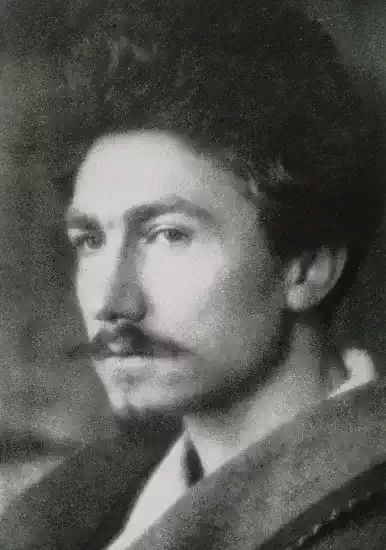
Ezra Pound
De Ægypto
De Ægypto
I even I, am he who knoweth the roads
Through the sky, and the wind thereof is my body.
I have beheld the Lady of Life,
I, even I, who fly with the swallows.
Green and gray is her raiment,
Trailing along the wind.
I, even I, am he who knoweth the roads
Through the sky, and the wind thereof is my body.
Manus animam pinxit,
My pen is in my hand
To write the acceptable word. . . .
My mouth to chant the pure singing!
Who hath the mouth to receive it,
The song of the Lotus of Kumi?
I, even I, am he who knoweth the roads
Through the sky, and the wind thereof is my body.
I am flame that riseth in the sun,
I, even I, who fly with the swallows.
The moon is upon my forehead,
The winds are under my lips.
The moon is a great pearl in the waters of sapphire,
Cool to my fingers the flowing waters.
I, even I, am he who knoweth the roads
Through the sky, and the wind thereof is my body.
I even I, am he who knoweth the roads
Through the sky, and the wind thereof is my body.
I have beheld the Lady of Life,
I, even I, who fly with the swallows.
Green and gray is her raiment,
Trailing along the wind.
I, even I, am he who knoweth the roads
Through the sky, and the wind thereof is my body.
Manus animam pinxit,
My pen is in my hand
To write the acceptable word. . . .
My mouth to chant the pure singing!
Who hath the mouth to receive it,
The song of the Lotus of Kumi?
I, even I, am he who knoweth the roads
Through the sky, and the wind thereof is my body.
I am flame that riseth in the sun,
I, even I, who fly with the swallows.
The moon is upon my forehead,
The winds are under my lips.
The moon is a great pearl in the waters of sapphire,
Cool to my fingers the flowing waters.
I, even I, am he who knoweth the roads
Through the sky, and the wind thereof is my body.
971
Ezra Pound
Come To My Cantilations
Come To My Cantilations
Come my cantilations,
Let us dump our hatreds into one bunch and be done with them,
Hot sun, clear water, fresh wind,
Let me be free of pavements,
Let me be free of the printers.
Let come beautiful people
Wearing raw silk of good colour,
Let come the graceful speakers,
Let come the ready of wit,
Let come the gay of manner, the insolent and the exulting.
We speak of burnished lakes,
Of dry air, as clear as metal.
Come my cantilations,
Let us dump our hatreds into one bunch and be done with them,
Hot sun, clear water, fresh wind,
Let me be free of pavements,
Let me be free of the printers.
Let come beautiful people
Wearing raw silk of good colour,
Let come the graceful speakers,
Let come the ready of wit,
Let come the gay of manner, the insolent and the exulting.
We speak of burnished lakes,
Of dry air, as clear as metal.
439
Ezra Pound
Causa
Causa
I join these words for four people,
Some others may overhear them,
O world, I am sorry for you,
You do not know these four people.
I join these words for four people,
Some others may overhear them,
O world, I am sorry for you,
You do not know these four people.
518
Ezra Pound
Canto III
Canto III
Another's a half-cracked fellow—John Heydon,
Worker of miracles, dealer in levitation,
In thoughts upon pure form, in alchemy,
Seer of pretty visions ('servant of God and secretary of nature');
Full of plaintive charm, like Botticelli's,
With half-transparent forms, lacking the vigor of gods.
Thus Heydon, in a trance, at Bulverton,
Had such a sight:
Decked all in green, with sleeves of yellow silk
Slit to the elbow, slashed with various purples.
Her eyes were green as glass, her foot was leaf-like.
She was adorned with choicest emeralds,
And promised him the way of holy wisdom.
'Pretty green bank,' began the half-lost poem.
Take the old way, say I met John Heydon,
Sought out the place,
Lay on the bank, was 'plungèd deep in swevyn;'
And saw the company—Layamon, Chaucer—
Pass each in his appropriate robes;
Conversed with each, observed the varying fashion.
And then comes Heydon.
'I have seen John Heydon.'
Let us hear John Heydon!
'Omniformis
Omnis intellectus est'—thus he begins, by spouting half of Psellus.
(Then comes a note, my assiduous commentator:
Not Psellus De Daemonibus, but Porphyry's Chances,
In the thirteenth chapter, that 'every intellect is omni-form.')
Magnifico Lorenzo used the dodge,
Says that he met Ficino
In some Wordsworthian, false-pastoral manner,
And that they walked along, stopped at a well-head,
And heard deep platitudes about contentment
From some old codger with an endless beard.
'A daemon is not a particular intellect,
But is a substance differed from intellect,'
Breaks in Ficino,
'Placed in the latitude or locus of souls'—
That's out of Proclus, take your pick of them.
Valla, more earth and sounder rhetoric—
Prefacing praise to his Pope Nicholas:
'A man of parts, skilled in the subtlest sciences;
A patron of the arts, of poetry; and of a fine discernment.'
Then comes a catalogue, his jewels of conversation.
No, you've not read your Elegantiae—
A dull book?—shook the church.
The prefaces, cut clear and hard:
'Know then the Roman speech, a sacrament,'
Spread for the nations, eucharist of wisdom,
Bread of the liberal arts.
Ha! Sir Blancatz,
Sordello would have your heart to give to all the princes;
Valla, the heart of Rome,
Sustaining speech, set out before the people.
'Nec bonus Christianus ac bonus
Tullianus.'
Marius, Du Bellay, wept for the buildings,
Baldassar Castiglione saw Raphael
'Lead back the soul into its dead, waste dwelling,'
Corpore laniato; and Lorenzo Valla,
'Broken in middle life? bent to submission?—
Took a fat living from the Papacy'
(That's in Villari, but Burckhardt's statement is different)—
'More than the Roman city, the Roman speech'
(Holds fast its part among the ever-living).
'Not by the eagles only was Rome measured.'
'Wherever the Roman speech was, there was Rome,'
Wherever the speech crept, there was mastery
Spoke with the law's voice while your Greek, logicians...
More Greeks than one! Doughty's 'divine Homeros'
Came before sophistry. Justinopolitan
Uncatalogued Andreas Divus,
Gave him in Latin, 1538 in my edition, the rest uncertain,
Caught up his cadence, word and syllable:
'Down to the ships we went, set mast and sail,
Black keel and beasts for bloody sacrifice,
Weeping we went.'
I've strained my ear for -ensa, -ombra, and -ensa
And cracked my wit on delicate canzoni—
Here's but rough meaning:
'And then went down to the ship, set keel to breakers,
Forth on the godly sea;
We set up mast and sail on the swarthy ship,
Sheep bore we aboard her, and our bodies also
Heavy with weeping. And winds from sternward
Bore us out onward with bellying canvas—
Circe's this craft, the trim-coifed goddess.
Then sat we amidships, wind jamming the tiller.
Thus with stretched sail
We went over sea till day's end:
Sun to his slumber, shadows o'er all the ocean.
Came we then to the bounds of deepest water,
To the Kimmerian lands and peopled cities
Covered with close-webbed mist, unpiercèd ever
With glitter of sun-rays,
Nor with stars stretched, nor looking back from heaven,
Swartest night stretched over wretched men there.
Thither we in that ship, unladed sheep there,
The ocean flowing backward, came we through to the place
Aforesaid by Circe.
Here did they rites, Perimedes and Eurylochus,
And drawing sword from my hip
I dug the ell-square pitkin, poured we libations unto each the dead,
First mead and then sweet wine,
Water mixed with white flour.
Then prayed I many a prayer to the sickly death's-heads
As set in Ithaca, sterile bulls of the best,
For sacrifice, heaping the pyre with goods.
Sheep, to Tiresias only,
Black, and a bell sheep;
Dark blood flowed in the fosse.
Souls out of Erebus, cadaverous dead
Of brides, of youths, and of many passing old,
Virgins tender, souls stained with recent tears,
Many men mauled with bronze lance-heads,
Battle spoil, bearing yet dreary arms:
These many crowded about me,
With shouting, pallor upon me, cried to my men for more beasts;
Slaughtered the herds—sheep slain of bronze,
Poured ointment, cried to the gods,
To Pluto the strong, and praised Proserpine.
Unsheathed the narrow steel,
I sat to keep off the impetuous, impotent dead
Till I should hear Tiresias.
But first Elpenor came, our friend Elpenor,
Unburied, cast on the wide earth—
Limbs that we left in the house of Circe,
Unwept, unwrapped in sepulchre, since toils urged other,
Pitiful spirit—and I cried in hurried speech:
'Elpenor, how art thou come to this dark coast?
Cam'st thou afoot, outstripping seamen?' And he in heavy speech:
'Ill fate and abundant wine! I slept in Circe's ingle,
Going down the long ladder unguarded, I fell against the buttress,
Shattered the nape-nerve, the soul sought Avernus.
But thou, O King, I bid remember me, unwept, unburied!
Heap up mine arms, be tomb by the sea-board, and inscribed,
A man of no fortune and with a name to come;
And set my oar up, that I swung 'mid fellows.'
Came then another ghost, whom I beat off, Anticlea,
And then Tiresias, Theban,
Holding his golden wand, knew me and spoke first:
'Man of ill hour, why come a second time,
Leaving the sunlight, facing the sunless dead and this joyless region?
Stand from the fosse, move back, leave me my bloody bever,
And I will speak you true speeches.'
'And I stepped back,
Sheathing the yellow sword. Dark blood he drank then
And spoke: 'Lustrous Odysseus, shalt
Return through spiteful Neptune, over dark seas,
Lose all companions.' Foretold me the ways and the signs.
Came then Anticlea, to whom I answered:
'Fate drives me on through these deeps; I sought Tiresias.'
I told her news of Troy, and thrice her shadow
Faded in my embrace.
Then had I news of many faded women—
Tyro, Alcmena, Chloris—
Heard out their tales by that dark fosse, and sailed
By sirens and thence outward and away,
And unto Circe buried Elpenor's corpse.'
Lie quiet, Divus.
In Officina Wechli, Paris,
M. D. three X's, Eight, with Aldus on the Frogs,
And a certain Cretan's
Hymni Deorum:
(The thin clear Tuscan stuff
Gives way before the florid mellow phrase.)
Take we the Goddess, Venus:
Venerandam,
Aurean coronam habentem, pulchram,
Cypri munimenta sortita est, maritime,
Light on the foam, breathed on by zephyrs,
And air-tending hours. Mirthful, orichalci
, with golden
Girdles and breast bands.
Thou with dark eye-lids,
Bearing the golden bough of Argicida.
Another's a half-cracked fellow—John Heydon,
Worker of miracles, dealer in levitation,
In thoughts upon pure form, in alchemy,
Seer of pretty visions ('servant of God and secretary of nature');
Full of plaintive charm, like Botticelli's,
With half-transparent forms, lacking the vigor of gods.
Thus Heydon, in a trance, at Bulverton,
Had such a sight:
Decked all in green, with sleeves of yellow silk
Slit to the elbow, slashed with various purples.
Her eyes were green as glass, her foot was leaf-like.
She was adorned with choicest emeralds,
And promised him the way of holy wisdom.
'Pretty green bank,' began the half-lost poem.
Take the old way, say I met John Heydon,
Sought out the place,
Lay on the bank, was 'plungèd deep in swevyn;'
And saw the company—Layamon, Chaucer—
Pass each in his appropriate robes;
Conversed with each, observed the varying fashion.
And then comes Heydon.
'I have seen John Heydon.'
Let us hear John Heydon!
'Omniformis
Omnis intellectus est'—thus he begins, by spouting half of Psellus.
(Then comes a note, my assiduous commentator:
Not Psellus De Daemonibus, but Porphyry's Chances,
In the thirteenth chapter, that 'every intellect is omni-form.')
Magnifico Lorenzo used the dodge,
Says that he met Ficino
In some Wordsworthian, false-pastoral manner,
And that they walked along, stopped at a well-head,
And heard deep platitudes about contentment
From some old codger with an endless beard.
'A daemon is not a particular intellect,
But is a substance differed from intellect,'
Breaks in Ficino,
'Placed in the latitude or locus of souls'—
That's out of Proclus, take your pick of them.
Valla, more earth and sounder rhetoric—
Prefacing praise to his Pope Nicholas:
'A man of parts, skilled in the subtlest sciences;
A patron of the arts, of poetry; and of a fine discernment.'
Then comes a catalogue, his jewels of conversation.
No, you've not read your Elegantiae—
A dull book?—shook the church.
The prefaces, cut clear and hard:
'Know then the Roman speech, a sacrament,'
Spread for the nations, eucharist of wisdom,
Bread of the liberal arts.
Ha! Sir Blancatz,
Sordello would have your heart to give to all the princes;
Valla, the heart of Rome,
Sustaining speech, set out before the people.
'Nec bonus Christianus ac bonus
Tullianus.'
Marius, Du Bellay, wept for the buildings,
Baldassar Castiglione saw Raphael
'Lead back the soul into its dead, waste dwelling,'
Corpore laniato; and Lorenzo Valla,
'Broken in middle life? bent to submission?—
Took a fat living from the Papacy'
(That's in Villari, but Burckhardt's statement is different)—
'More than the Roman city, the Roman speech'
(Holds fast its part among the ever-living).
'Not by the eagles only was Rome measured.'
'Wherever the Roman speech was, there was Rome,'
Wherever the speech crept, there was mastery
Spoke with the law's voice while your Greek, logicians...
More Greeks than one! Doughty's 'divine Homeros'
Came before sophistry. Justinopolitan
Uncatalogued Andreas Divus,
Gave him in Latin, 1538 in my edition, the rest uncertain,
Caught up his cadence, word and syllable:
'Down to the ships we went, set mast and sail,
Black keel and beasts for bloody sacrifice,
Weeping we went.'
I've strained my ear for -ensa, -ombra, and -ensa
And cracked my wit on delicate canzoni—
Here's but rough meaning:
'And then went down to the ship, set keel to breakers,
Forth on the godly sea;
We set up mast and sail on the swarthy ship,
Sheep bore we aboard her, and our bodies also
Heavy with weeping. And winds from sternward
Bore us out onward with bellying canvas—
Circe's this craft, the trim-coifed goddess.
Then sat we amidships, wind jamming the tiller.
Thus with stretched sail
We went over sea till day's end:
Sun to his slumber, shadows o'er all the ocean.
Came we then to the bounds of deepest water,
To the Kimmerian lands and peopled cities
Covered with close-webbed mist, unpiercèd ever
With glitter of sun-rays,
Nor with stars stretched, nor looking back from heaven,
Swartest night stretched over wretched men there.
Thither we in that ship, unladed sheep there,
The ocean flowing backward, came we through to the place
Aforesaid by Circe.
Here did they rites, Perimedes and Eurylochus,
And drawing sword from my hip
I dug the ell-square pitkin, poured we libations unto each the dead,
First mead and then sweet wine,
Water mixed with white flour.
Then prayed I many a prayer to the sickly death's-heads
As set in Ithaca, sterile bulls of the best,
For sacrifice, heaping the pyre with goods.
Sheep, to Tiresias only,
Black, and a bell sheep;
Dark blood flowed in the fosse.
Souls out of Erebus, cadaverous dead
Of brides, of youths, and of many passing old,
Virgins tender, souls stained with recent tears,
Many men mauled with bronze lance-heads,
Battle spoil, bearing yet dreary arms:
These many crowded about me,
With shouting, pallor upon me, cried to my men for more beasts;
Slaughtered the herds—sheep slain of bronze,
Poured ointment, cried to the gods,
To Pluto the strong, and praised Proserpine.
Unsheathed the narrow steel,
I sat to keep off the impetuous, impotent dead
Till I should hear Tiresias.
But first Elpenor came, our friend Elpenor,
Unburied, cast on the wide earth—
Limbs that we left in the house of Circe,
Unwept, unwrapped in sepulchre, since toils urged other,
Pitiful spirit—and I cried in hurried speech:
'Elpenor, how art thou come to this dark coast?
Cam'st thou afoot, outstripping seamen?' And he in heavy speech:
'Ill fate and abundant wine! I slept in Circe's ingle,
Going down the long ladder unguarded, I fell against the buttress,
Shattered the nape-nerve, the soul sought Avernus.
But thou, O King, I bid remember me, unwept, unburied!
Heap up mine arms, be tomb by the sea-board, and inscribed,
A man of no fortune and with a name to come;
And set my oar up, that I swung 'mid fellows.'
Came then another ghost, whom I beat off, Anticlea,
And then Tiresias, Theban,
Holding his golden wand, knew me and spoke first:
'Man of ill hour, why come a second time,
Leaving the sunlight, facing the sunless dead and this joyless region?
Stand from the fosse, move back, leave me my bloody bever,
And I will speak you true speeches.'
'And I stepped back,
Sheathing the yellow sword. Dark blood he drank then
And spoke: 'Lustrous Odysseus, shalt
Return through spiteful Neptune, over dark seas,
Lose all companions.' Foretold me the ways and the signs.
Came then Anticlea, to whom I answered:
'Fate drives me on through these deeps; I sought Tiresias.'
I told her news of Troy, and thrice her shadow
Faded in my embrace.
Then had I news of many faded women—
Tyro, Alcmena, Chloris—
Heard out their tales by that dark fosse, and sailed
By sirens and thence outward and away,
And unto Circe buried Elpenor's corpse.'
Lie quiet, Divus.
In Officina Wechli, Paris,
M. D. three X's, Eight, with Aldus on the Frogs,
And a certain Cretan's
Hymni Deorum:
(The thin clear Tuscan stuff
Gives way before the florid mellow phrase.)
Take we the Goddess, Venus:
Venerandam,
Aurean coronam habentem, pulchram,
Cypri munimenta sortita est, maritime,
Light on the foam, breathed on by zephyrs,
And air-tending hours. Mirthful, orichalci
, with golden
Girdles and breast bands.
Thou with dark eye-lids,
Bearing the golden bough of Argicida.
552
Ezra Pound
Canto III
Canto III
Another's a half-cracked fellow—John Heydon,
Worker of miracles, dealer in levitation,
In thoughts upon pure form, in alchemy,
Seer of pretty visions ('servant of God and secretary of nature');
Full of plaintive charm, like Botticelli's,
With half-transparent forms, lacking the vigor of gods.
Thus Heydon, in a trance, at Bulverton,
Had such a sight:
Decked all in green, with sleeves of yellow silk
Slit to the elbow, slashed with various purples.
Her eyes were green as glass, her foot was leaf-like.
She was adorned with choicest emeralds,
And promised him the way of holy wisdom.
'Pretty green bank,' began the half-lost poem.
Take the old way, say I met John Heydon,
Sought out the place,
Lay on the bank, was 'plungèd deep in swevyn;'
And saw the company—Layamon, Chaucer—
Pass each in his appropriate robes;
Conversed with each, observed the varying fashion.
And then comes Heydon.
'I have seen John Heydon.'
Let us hear John Heydon!
'Omniformis
Omnis intellectus est'—thus he begins, by spouting half of Psellus.
(Then comes a note, my assiduous commentator:
Not Psellus De Daemonibus, but Porphyry's Chances,
In the thirteenth chapter, that 'every intellect is omni-form.')
Magnifico Lorenzo used the dodge,
Says that he met Ficino
In some Wordsworthian, false-pastoral manner,
And that they walked along, stopped at a well-head,
And heard deep platitudes about contentment
From some old codger with an endless beard.
'A daemon is not a particular intellect,
But is a substance differed from intellect,'
Breaks in Ficino,
'Placed in the latitude or locus of souls'—
That's out of Proclus, take your pick of them.
Valla, more earth and sounder rhetoric—
Prefacing praise to his Pope Nicholas:
'A man of parts, skilled in the subtlest sciences;
A patron of the arts, of poetry; and of a fine discernment.'
Then comes a catalogue, his jewels of conversation.
No, you've not read your Elegantiae—
A dull book?—shook the church.
The prefaces, cut clear and hard:
'Know then the Roman speech, a sacrament,'
Spread for the nations, eucharist of wisdom,
Bread of the liberal arts.
Ha! Sir Blancatz,
Sordello would have your heart to give to all the princes;
Valla, the heart of Rome,
Sustaining speech, set out before the people.
'Nec bonus Christianus ac bonus
Tullianus.'
Marius, Du Bellay, wept for the buildings,
Baldassar Castiglione saw Raphael
'Lead back the soul into its dead, waste dwelling,'
Corpore laniato; and Lorenzo Valla,
'Broken in middle life? bent to submission?—
Took a fat living from the Papacy'
(That's in Villari, but Burckhardt's statement is different)—
'More than the Roman city, the Roman speech'
(Holds fast its part among the ever-living).
'Not by the eagles only was Rome measured.'
'Wherever the Roman speech was, there was Rome,'
Wherever the speech crept, there was mastery
Spoke with the law's voice while your Greek, logicians...
More Greeks than one! Doughty's 'divine Homeros'
Came before sophistry. Justinopolitan
Uncatalogued Andreas Divus,
Gave him in Latin, 1538 in my edition, the rest uncertain,
Caught up his cadence, word and syllable:
'Down to the ships we went, set mast and sail,
Black keel and beasts for bloody sacrifice,
Weeping we went.'
I've strained my ear for -ensa, -ombra, and -ensa
And cracked my wit on delicate canzoni—
Here's but rough meaning:
'And then went down to the ship, set keel to breakers,
Forth on the godly sea;
We set up mast and sail on the swarthy ship,
Sheep bore we aboard her, and our bodies also
Heavy with weeping. And winds from sternward
Bore us out onward with bellying canvas—
Circe's this craft, the trim-coifed goddess.
Then sat we amidships, wind jamming the tiller.
Thus with stretched sail
We went over sea till day's end:
Sun to his slumber, shadows o'er all the ocean.
Came we then to the bounds of deepest water,
To the Kimmerian lands and peopled cities
Covered with close-webbed mist, unpiercèd ever
With glitter of sun-rays,
Nor with stars stretched, nor looking back from heaven,
Swartest night stretched over wretched men there.
Thither we in that ship, unladed sheep there,
The ocean flowing backward, came we through to the place
Aforesaid by Circe.
Here did they rites, Perimedes and Eurylochus,
And drawing sword from my hip
I dug the ell-square pitkin, poured we libations unto each the dead,
First mead and then sweet wine,
Water mixed with white flour.
Then prayed I many a prayer to the sickly death's-heads
As set in Ithaca, sterile bulls of the best,
For sacrifice, heaping the pyre with goods.
Sheep, to Tiresias only,
Black, and a bell sheep;
Dark blood flowed in the fosse.
Souls out of Erebus, cadaverous dead
Of brides, of youths, and of many passing old,
Virgins tender, souls stained with recent tears,
Many men mauled with bronze lance-heads,
Battle spoil, bearing yet dreary arms:
These many crowded about me,
With shouting, pallor upon me, cried to my men for more beasts;
Slaughtered the herds—sheep slain of bronze,
Poured ointment, cried to the gods,
To Pluto the strong, and praised Proserpine.
Unsheathed the narrow steel,
I sat to keep off the impetuous, impotent dead
Till I should hear Tiresias.
But first Elpenor came, our friend Elpenor,
Unburied, cast on the wide earth—
Limbs that we left in the house of Circe,
Unwept, unwrapped in sepulchre, since toils urged other,
Pitiful spirit—and I cried in hurried speech:
'Elpenor, how art thou come to this dark coast?
Cam'st thou afoot, outstripping seamen?' And he in heavy speech:
'Ill fate and abundant wine! I slept in Circe's ingle,
Going down the long ladder unguarded, I fell against the buttress,
Shattered the nape-nerve, the soul sought Avernus.
But thou, O King, I bid remember me, unwept, unburied!
Heap up mine arms, be tomb by the sea-board, and inscribed,
A man of no fortune and with a name to come;
And set my oar up, that I swung 'mid fellows.'
Came then another ghost, whom I beat off, Anticlea,
And then Tiresias, Theban,
Holding his golden wand, knew me and spoke first:
'Man of ill hour, why come a second time,
Leaving the sunlight, facing the sunless dead and this joyless region?
Stand from the fosse, move back, leave me my bloody bever,
And I will speak you true speeches.'
'And I stepped back,
Sheathing the yellow sword. Dark blood he drank then
And spoke: 'Lustrous Odysseus, shalt
Return through spiteful Neptune, over dark seas,
Lose all companions.' Foretold me the ways and the signs.
Came then Anticlea, to whom I answered:
'Fate drives me on through these deeps; I sought Tiresias.'
I told her news of Troy, and thrice her shadow
Faded in my embrace.
Then had I news of many faded women—
Tyro, Alcmena, Chloris—
Heard out their tales by that dark fosse, and sailed
By sirens and thence outward and away,
And unto Circe buried Elpenor's corpse.'
Lie quiet, Divus.
In Officina Wechli, Paris,
M. D. three X's, Eight, with Aldus on the Frogs,
And a certain Cretan's
Hymni Deorum:
(The thin clear Tuscan stuff
Gives way before the florid mellow phrase.)
Take we the Goddess, Venus:
Venerandam,
Aurean coronam habentem, pulchram,
Cypri munimenta sortita est, maritime,
Light on the foam, breathed on by zephyrs,
And air-tending hours. Mirthful, orichalci
, with golden
Girdles and breast bands.
Thou with dark eye-lids,
Bearing the golden bough of Argicida.
Another's a half-cracked fellow—John Heydon,
Worker of miracles, dealer in levitation,
In thoughts upon pure form, in alchemy,
Seer of pretty visions ('servant of God and secretary of nature');
Full of plaintive charm, like Botticelli's,
With half-transparent forms, lacking the vigor of gods.
Thus Heydon, in a trance, at Bulverton,
Had such a sight:
Decked all in green, with sleeves of yellow silk
Slit to the elbow, slashed with various purples.
Her eyes were green as glass, her foot was leaf-like.
She was adorned with choicest emeralds,
And promised him the way of holy wisdom.
'Pretty green bank,' began the half-lost poem.
Take the old way, say I met John Heydon,
Sought out the place,
Lay on the bank, was 'plungèd deep in swevyn;'
And saw the company—Layamon, Chaucer—
Pass each in his appropriate robes;
Conversed with each, observed the varying fashion.
And then comes Heydon.
'I have seen John Heydon.'
Let us hear John Heydon!
'Omniformis
Omnis intellectus est'—thus he begins, by spouting half of Psellus.
(Then comes a note, my assiduous commentator:
Not Psellus De Daemonibus, but Porphyry's Chances,
In the thirteenth chapter, that 'every intellect is omni-form.')
Magnifico Lorenzo used the dodge,
Says that he met Ficino
In some Wordsworthian, false-pastoral manner,
And that they walked along, stopped at a well-head,
And heard deep platitudes about contentment
From some old codger with an endless beard.
'A daemon is not a particular intellect,
But is a substance differed from intellect,'
Breaks in Ficino,
'Placed in the latitude or locus of souls'—
That's out of Proclus, take your pick of them.
Valla, more earth and sounder rhetoric—
Prefacing praise to his Pope Nicholas:
'A man of parts, skilled in the subtlest sciences;
A patron of the arts, of poetry; and of a fine discernment.'
Then comes a catalogue, his jewels of conversation.
No, you've not read your Elegantiae—
A dull book?—shook the church.
The prefaces, cut clear and hard:
'Know then the Roman speech, a sacrament,'
Spread for the nations, eucharist of wisdom,
Bread of the liberal arts.
Ha! Sir Blancatz,
Sordello would have your heart to give to all the princes;
Valla, the heart of Rome,
Sustaining speech, set out before the people.
'Nec bonus Christianus ac bonus
Tullianus.'
Marius, Du Bellay, wept for the buildings,
Baldassar Castiglione saw Raphael
'Lead back the soul into its dead, waste dwelling,'
Corpore laniato; and Lorenzo Valla,
'Broken in middle life? bent to submission?—
Took a fat living from the Papacy'
(That's in Villari, but Burckhardt's statement is different)—
'More than the Roman city, the Roman speech'
(Holds fast its part among the ever-living).
'Not by the eagles only was Rome measured.'
'Wherever the Roman speech was, there was Rome,'
Wherever the speech crept, there was mastery
Spoke with the law's voice while your Greek, logicians...
More Greeks than one! Doughty's 'divine Homeros'
Came before sophistry. Justinopolitan
Uncatalogued Andreas Divus,
Gave him in Latin, 1538 in my edition, the rest uncertain,
Caught up his cadence, word and syllable:
'Down to the ships we went, set mast and sail,
Black keel and beasts for bloody sacrifice,
Weeping we went.'
I've strained my ear for -ensa, -ombra, and -ensa
And cracked my wit on delicate canzoni—
Here's but rough meaning:
'And then went down to the ship, set keel to breakers,
Forth on the godly sea;
We set up mast and sail on the swarthy ship,
Sheep bore we aboard her, and our bodies also
Heavy with weeping. And winds from sternward
Bore us out onward with bellying canvas—
Circe's this craft, the trim-coifed goddess.
Then sat we amidships, wind jamming the tiller.
Thus with stretched sail
We went over sea till day's end:
Sun to his slumber, shadows o'er all the ocean.
Came we then to the bounds of deepest water,
To the Kimmerian lands and peopled cities
Covered with close-webbed mist, unpiercèd ever
With glitter of sun-rays,
Nor with stars stretched, nor looking back from heaven,
Swartest night stretched over wretched men there.
Thither we in that ship, unladed sheep there,
The ocean flowing backward, came we through to the place
Aforesaid by Circe.
Here did they rites, Perimedes and Eurylochus,
And drawing sword from my hip
I dug the ell-square pitkin, poured we libations unto each the dead,
First mead and then sweet wine,
Water mixed with white flour.
Then prayed I many a prayer to the sickly death's-heads
As set in Ithaca, sterile bulls of the best,
For sacrifice, heaping the pyre with goods.
Sheep, to Tiresias only,
Black, and a bell sheep;
Dark blood flowed in the fosse.
Souls out of Erebus, cadaverous dead
Of brides, of youths, and of many passing old,
Virgins tender, souls stained with recent tears,
Many men mauled with bronze lance-heads,
Battle spoil, bearing yet dreary arms:
These many crowded about me,
With shouting, pallor upon me, cried to my men for more beasts;
Slaughtered the herds—sheep slain of bronze,
Poured ointment, cried to the gods,
To Pluto the strong, and praised Proserpine.
Unsheathed the narrow steel,
I sat to keep off the impetuous, impotent dead
Till I should hear Tiresias.
But first Elpenor came, our friend Elpenor,
Unburied, cast on the wide earth—
Limbs that we left in the house of Circe,
Unwept, unwrapped in sepulchre, since toils urged other,
Pitiful spirit—and I cried in hurried speech:
'Elpenor, how art thou come to this dark coast?
Cam'st thou afoot, outstripping seamen?' And he in heavy speech:
'Ill fate and abundant wine! I slept in Circe's ingle,
Going down the long ladder unguarded, I fell against the buttress,
Shattered the nape-nerve, the soul sought Avernus.
But thou, O King, I bid remember me, unwept, unburied!
Heap up mine arms, be tomb by the sea-board, and inscribed,
A man of no fortune and with a name to come;
And set my oar up, that I swung 'mid fellows.'
Came then another ghost, whom I beat off, Anticlea,
And then Tiresias, Theban,
Holding his golden wand, knew me and spoke first:
'Man of ill hour, why come a second time,
Leaving the sunlight, facing the sunless dead and this joyless region?
Stand from the fosse, move back, leave me my bloody bever,
And I will speak you true speeches.'
'And I stepped back,
Sheathing the yellow sword. Dark blood he drank then
And spoke: 'Lustrous Odysseus, shalt
Return through spiteful Neptune, over dark seas,
Lose all companions.' Foretold me the ways and the signs.
Came then Anticlea, to whom I answered:
'Fate drives me on through these deeps; I sought Tiresias.'
I told her news of Troy, and thrice her shadow
Faded in my embrace.
Then had I news of many faded women—
Tyro, Alcmena, Chloris—
Heard out their tales by that dark fosse, and sailed
By sirens and thence outward and away,
And unto Circe buried Elpenor's corpse.'
Lie quiet, Divus.
In Officina Wechli, Paris,
M. D. three X's, Eight, with Aldus on the Frogs,
And a certain Cretan's
Hymni Deorum:
(The thin clear Tuscan stuff
Gives way before the florid mellow phrase.)
Take we the Goddess, Venus:
Venerandam,
Aurean coronam habentem, pulchram,
Cypri munimenta sortita est, maritime,
Light on the foam, breathed on by zephyrs,
And air-tending hours. Mirthful, orichalci
, with golden
Girdles and breast bands.
Thou with dark eye-lids,
Bearing the golden bough of Argicida.
552
Ezra Pound
Canto XLIX: For the Seven Lakes
Canto XLIX: For the Seven Lakes
For the seven lakes, and by no man these verses:
Rain; empty river; a voyage,
Fire from frozen cloud, heavy rain in the twilight
Under the cabin roof was one lantern.
The reeds are heavy; bent;
and the bamboos speak as if weeping.
Autumn moon; hills rise about lakes
against sunset
Evening is like a curtain of cloud,
a blurr above ripples; and through it
sharp long spikes of the cinnamon,
a cold tune amid reeds.
Behind hill the monk's bell
borne on the wind.
Sail passed here in April; may return in October
Boat fades in silver; slowly;
Sun blaze alone on the river.
Where wine flag catches the sunset
Sparse chimneys smoke in the cross light
Comes then snow scur on the river
And a world is covered with jade
Small boat floats like a lanthorn,
The flowing water closts as with cold. And at San Yin
they are a people of leisure.
Wild geese swoop to the sand-bar,
Clouds gather about the hole of the window
Broad water; geese line out with the autumn
Rooks clatter over the fishermen's lanthorns,
A light moves on the north sky line;
where the young boys prod stones for shrimp.
In seventeen hundred came Tsing to these hill lakes.
A light moves on the South sky line.
State by creating riches shd. thereby get into debt?
This is infamy; this is Geryon.
This canal goes still to TenShi
Though the old king built it for pleasure
K E I M E N R A N K E I
K I U M A N M A N K E I
JITSU GETSU K O K W A
T A N FUKU T A N K A I
Sun up; work
sundown; to rest
dig well and drink of the water
dig field; eat of the grain
Imperial power is? and to us what is it?
The fourth; the dimension of stillness.
And the power over wild beasts.
For the seven lakes, and by no man these verses:
Rain; empty river; a voyage,
Fire from frozen cloud, heavy rain in the twilight
Under the cabin roof was one lantern.
The reeds are heavy; bent;
and the bamboos speak as if weeping.
Autumn moon; hills rise about lakes
against sunset
Evening is like a curtain of cloud,
a blurr above ripples; and through it
sharp long spikes of the cinnamon,
a cold tune amid reeds.
Behind hill the monk's bell
borne on the wind.
Sail passed here in April; may return in October
Boat fades in silver; slowly;
Sun blaze alone on the river.
Where wine flag catches the sunset
Sparse chimneys smoke in the cross light
Comes then snow scur on the river
And a world is covered with jade
Small boat floats like a lanthorn,
The flowing water closts as with cold. And at San Yin
they are a people of leisure.
Wild geese swoop to the sand-bar,
Clouds gather about the hole of the window
Broad water; geese line out with the autumn
Rooks clatter over the fishermen's lanthorns,
A light moves on the north sky line;
where the young boys prod stones for shrimp.
In seventeen hundred came Tsing to these hill lakes.
A light moves on the South sky line.
State by creating riches shd. thereby get into debt?
This is infamy; this is Geryon.
This canal goes still to TenShi
Though the old king built it for pleasure
K E I M E N R A N K E I
K I U M A N M A N K E I
JITSU GETSU K O K W A
T A N FUKU T A N K A I
Sun up; work
sundown; to rest
dig well and drink of the water
dig field; eat of the grain
Imperial power is? and to us what is it?
The fourth; the dimension of stillness.
And the power over wild beasts.
392
Ezra Pound
Canto 13
Canto 13
Kung walked
by the dynastic temple
and into the cedar grove,
and then out by the lower river,
And with him Khieu Tchi
and Tian the low speaking
And "we are unknown," said Kung,
"You will take up charioteering?
"Then you will become known,
"Or perhaps I should take up charioterring, or archery?
"Or the practice of public speaking?"
And Tseu-lou said, "I would put the defences in order,"
And Khieu said, "If I were lord of a province
"I would put it in better order than this is."
And Tchi said, "I would prefer a small mountain temple,
"With order in the observances,
with a suitable performance of the ritual,"
And Tian said, with his hand on the strings of his lute
The low sounds continuing
after his hand left the strings,
And the sound went up like smoke, under the leaves,
And he looked after the sound:
"The old swimming hole,
"And the boys flopping off the planks,
"Or sitting in the underbrush playing mandolins."
And Kung smiled upon all of them equally.
And Thseng-sie desired to know:
"Which had answered correctly?"
And Kung said, "They have all answered correctly,
"That is to say, each in his nature."
And Kung raised his cane against Yuan Jang,
Yuan Jang being his elder,
For Yuan Jang sat by the roadside pretending to
be receiving wisdom.
And Kung said
"You old fool, come out of it,
"Get up and do something useful."
And Kung said
"Respect a child's faculties
"From the moment it inhales the clear air,
"But a man of fifty who knows nothng
Is worthy of no respect."
And "When the prince has gathered about him
"All the savants and artists, his riches will be fully employed."
And Kung said, and wrote on the bo leaves:
If a man have not order within him
He can not spread order about him;
And if a man have not order within him
His family will not act with due order;
And if the prince have not order within him
He can not put order in his dominions.
And Kung gave the words "order"
and "brotherly deference"
And said nothing of the "life after death."
And he said
"Anyone can run to excesses,
"It is easy to shoot past the mark,
"It is hard to stand firm in the middle."
And they said: If a man commit murder
Should his father protect him, and hide him?
And Kung said:
He should hide him.
And Kung gave his daughter to Kong-Tchang
Although Kong-Tchang was in prison.
And he gave his niece to Nan-Young
although Nan-Young was out of office.
And Kung said "Wan ruled with moderation,
"In his day the State was well kept,
"And even I can remember
"A day when the historians left blanks in their writings,
"I mean, for things they didn't know,
"But that time seems to be passing.
A day when the historians left blanks in their writings,
But that time seems to be passing."
And Kung said, "Without character you will
"be unable to play on that instrument
"Or to execute the music fit for the Odes.
"The blossoms of the apricot
"blow from the east to the west,
"And I have tried to keep them from falling."
Kung walked
by the dynastic temple
and into the cedar grove,
and then out by the lower river,
And with him Khieu Tchi
and Tian the low speaking
And "we are unknown," said Kung,
"You will take up charioteering?
"Then you will become known,
"Or perhaps I should take up charioterring, or archery?
"Or the practice of public speaking?"
And Tseu-lou said, "I would put the defences in order,"
And Khieu said, "If I were lord of a province
"I would put it in better order than this is."
And Tchi said, "I would prefer a small mountain temple,
"With order in the observances,
with a suitable performance of the ritual,"
And Tian said, with his hand on the strings of his lute
The low sounds continuing
after his hand left the strings,
And the sound went up like smoke, under the leaves,
And he looked after the sound:
"The old swimming hole,
"And the boys flopping off the planks,
"Or sitting in the underbrush playing mandolins."
And Kung smiled upon all of them equally.
And Thseng-sie desired to know:
"Which had answered correctly?"
And Kung said, "They have all answered correctly,
"That is to say, each in his nature."
And Kung raised his cane against Yuan Jang,
Yuan Jang being his elder,
For Yuan Jang sat by the roadside pretending to
be receiving wisdom.
And Kung said
"You old fool, come out of it,
"Get up and do something useful."
And Kung said
"Respect a child's faculties
"From the moment it inhales the clear air,
"But a man of fifty who knows nothng
Is worthy of no respect."
And "When the prince has gathered about him
"All the savants and artists, his riches will be fully employed."
And Kung said, and wrote on the bo leaves:
If a man have not order within him
He can not spread order about him;
And if a man have not order within him
His family will not act with due order;
And if the prince have not order within him
He can not put order in his dominions.
And Kung gave the words "order"
and "brotherly deference"
And said nothing of the "life after death."
And he said
"Anyone can run to excesses,
"It is easy to shoot past the mark,
"It is hard to stand firm in the middle."
And they said: If a man commit murder
Should his father protect him, and hide him?
And Kung said:
He should hide him.
And Kung gave his daughter to Kong-Tchang
Although Kong-Tchang was in prison.
And he gave his niece to Nan-Young
although Nan-Young was out of office.
And Kung said "Wan ruled with moderation,
"In his day the State was well kept,
"And even I can remember
"A day when the historians left blanks in their writings,
"I mean, for things they didn't know,
"But that time seems to be passing.
A day when the historians left blanks in their writings,
But that time seems to be passing."
And Kung said, "Without character you will
"be unable to play on that instrument
"Or to execute the music fit for the Odes.
"The blossoms of the apricot
"blow from the east to the west,
"And I have tried to keep them from falling."
533
Ezra Pound
Canto 13
Canto 13
Kung walked
by the dynastic temple
and into the cedar grove,
and then out by the lower river,
And with him Khieu Tchi
and Tian the low speaking
And "we are unknown," said Kung,
"You will take up charioteering?
"Then you will become known,
"Or perhaps I should take up charioterring, or archery?
"Or the practice of public speaking?"
And Tseu-lou said, "I would put the defences in order,"
And Khieu said, "If I were lord of a province
"I would put it in better order than this is."
And Tchi said, "I would prefer a small mountain temple,
"With order in the observances,
with a suitable performance of the ritual,"
And Tian said, with his hand on the strings of his lute
The low sounds continuing
after his hand left the strings,
And the sound went up like smoke, under the leaves,
And he looked after the sound:
"The old swimming hole,
"And the boys flopping off the planks,
"Or sitting in the underbrush playing mandolins."
And Kung smiled upon all of them equally.
And Thseng-sie desired to know:
"Which had answered correctly?"
And Kung said, "They have all answered correctly,
"That is to say, each in his nature."
And Kung raised his cane against Yuan Jang,
Yuan Jang being his elder,
For Yuan Jang sat by the roadside pretending to
be receiving wisdom.
And Kung said
"You old fool, come out of it,
"Get up and do something useful."
And Kung said
"Respect a child's faculties
"From the moment it inhales the clear air,
"But a man of fifty who knows nothng
Is worthy of no respect."
And "When the prince has gathered about him
"All the savants and artists, his riches will be fully employed."
And Kung said, and wrote on the bo leaves:
If a man have not order within him
He can not spread order about him;
And if a man have not order within him
His family will not act with due order;
And if the prince have not order within him
He can not put order in his dominions.
And Kung gave the words "order"
and "brotherly deference"
And said nothing of the "life after death."
And he said
"Anyone can run to excesses,
"It is easy to shoot past the mark,
"It is hard to stand firm in the middle."
And they said: If a man commit murder
Should his father protect him, and hide him?
And Kung said:
He should hide him.
And Kung gave his daughter to Kong-Tchang
Although Kong-Tchang was in prison.
And he gave his niece to Nan-Young
although Nan-Young was out of office.
And Kung said "Wan ruled with moderation,
"In his day the State was well kept,
"And even I can remember
"A day when the historians left blanks in their writings,
"I mean, for things they didn't know,
"But that time seems to be passing.
A day when the historians left blanks in their writings,
But that time seems to be passing."
And Kung said, "Without character you will
"be unable to play on that instrument
"Or to execute the music fit for the Odes.
"The blossoms of the apricot
"blow from the east to the west,
"And I have tried to keep them from falling."
Kung walked
by the dynastic temple
and into the cedar grove,
and then out by the lower river,
And with him Khieu Tchi
and Tian the low speaking
And "we are unknown," said Kung,
"You will take up charioteering?
"Then you will become known,
"Or perhaps I should take up charioterring, or archery?
"Or the practice of public speaking?"
And Tseu-lou said, "I would put the defences in order,"
And Khieu said, "If I were lord of a province
"I would put it in better order than this is."
And Tchi said, "I would prefer a small mountain temple,
"With order in the observances,
with a suitable performance of the ritual,"
And Tian said, with his hand on the strings of his lute
The low sounds continuing
after his hand left the strings,
And the sound went up like smoke, under the leaves,
And he looked after the sound:
"The old swimming hole,
"And the boys flopping off the planks,
"Or sitting in the underbrush playing mandolins."
And Kung smiled upon all of them equally.
And Thseng-sie desired to know:
"Which had answered correctly?"
And Kung said, "They have all answered correctly,
"That is to say, each in his nature."
And Kung raised his cane against Yuan Jang,
Yuan Jang being his elder,
For Yuan Jang sat by the roadside pretending to
be receiving wisdom.
And Kung said
"You old fool, come out of it,
"Get up and do something useful."
And Kung said
"Respect a child's faculties
"From the moment it inhales the clear air,
"But a man of fifty who knows nothng
Is worthy of no respect."
And "When the prince has gathered about him
"All the savants and artists, his riches will be fully employed."
And Kung said, and wrote on the bo leaves:
If a man have not order within him
He can not spread order about him;
And if a man have not order within him
His family will not act with due order;
And if the prince have not order within him
He can not put order in his dominions.
And Kung gave the words "order"
and "brotherly deference"
And said nothing of the "life after death."
And he said
"Anyone can run to excesses,
"It is easy to shoot past the mark,
"It is hard to stand firm in the middle."
And they said: If a man commit murder
Should his father protect him, and hide him?
And Kung said:
He should hide him.
And Kung gave his daughter to Kong-Tchang
Although Kong-Tchang was in prison.
And he gave his niece to Nan-Young
although Nan-Young was out of office.
And Kung said "Wan ruled with moderation,
"In his day the State was well kept,
"And even I can remember
"A day when the historians left blanks in their writings,
"I mean, for things they didn't know,
"But that time seems to be passing.
A day when the historians left blanks in their writings,
But that time seems to be passing."
And Kung said, "Without character you will
"be unable to play on that instrument
"Or to execute the music fit for the Odes.
"The blossoms of the apricot
"blow from the east to the west,
"And I have tried to keep them from falling."
533
Ezra Pound
Canto I
Canto I
And then went down to the ship,
Set keel to breakers, forth on the godly sea, and
We set up mast and sail on tha swart ship,
Bore sheep aboard her, and our bodies also
Heavy with weeping, so winds from sternward
Bore us out onward with bellying canvas,
Circe's this craft, the trim-coifed goddess.
Then sat we amidships, wind jamming the tiller,
Thus with stretched sail, we went over sea till day's end.
Sun to his slumber, shadows o'er all the ocean,
Came we then to the bounds of deepest water,
To the Kimmerian lands, and peopled cities
Covered with close-webbed mist, unpierced ever
With glitter of sun-rays
Nor with stars stretched, nor looking back from heaven
Swartest night stretched over wretched men there.
The ocean flowing backward, came we then to the place
Aforesaid by Circe.
Here did they rites, Perimedes and Eurylochus,
And drawing sword from my hip
I dug the ell-square pitkin;
Poured we libations unto each the dead,
First mead and then sweet wine, water mixed with white flour.
Then prayed I many a prayer to the sickly death's-head;
As set in Ithaca, sterile bulls of the best
For sacrifice, heaping the pyre with goods,
A sheep to Tiresias only, black and a bell-sheep.
Dark blood flowed in the fosse,
Souls out of Erebus, cadaverous dead, of brides
Of youths and at the old who had borne much;
Souls stained with recent tears, girls tender,
Men many, mauled with bronze lance heads,
Battle spoil, bearing yet dreory arms,
These many crowded about me; with shouting,
Pallor upon me, cried to my men for more beasts;
Slaughtered the heards, sheep slain of bronze;
Poured ointment, cried to the gods,
To Pluto the strong, and praised Proserpine;
Unsheathed the narrow sword,
I sat to keep off the impetuous impotent dead,
Till I should hear Tiresias.
But first Elpenor came, our friend Elpenor,
Unburied, cast on the wide earth,
Limbs that we left in the house of Circe,
Unwept, unwrapped in sepulchre, since toils urged other.
Pitiful spirit.And I cried in hurried speech:
"Elpenor, how art thou come to this dark coast?
Cam'st thou afoot, outstripping seamen?"
And he in heavy speech:
"Ill fate and abundant wine. I slept in Circe's ingle.
Going down the long ladder unguarded,
I fell against the buttress,
Shattered the nape-nerve, the soul sought Avernus.
But thou, O King, I bid remember me, unwept, unburied,
Heap up mine arms, be tomb by sea-bord, and inscribed:
A man of no fortune, and with a name to come.
And set my oar up, that I swung mid fellows."
And Anticlea came, whom I beat off, and then Tiresias Theban,
Holding his golden wand, knew me, and spoke first:
"A second time? why? man of ill star,
Facing the sunless dead and this joyless region?
Stand from the fosse, leave me my bloody bever
For soothsay."
And I stepped back,
And he stong with the blood, said then: "Odysseus
Shalt return through spiteful Neptune, over dark seas,
Lose all companions." And then Anticlea came.
Lie quiet Divus. I mean, that is Andreas Divus,
In officina Wecheli, 1538, out of Homer.
And he sailed, by Sirens and thence outward and away
And unto Circe.
Venerandam,
In the Creatan's phrase, with the golden crown, Aphrodite,
Cypri munimenta sortita est, mirthful, orichalchi, with golden
Girdles and breast bands, thou with dark eyelids
Bearing the golden bough of Argicida. So that:
And then went down to the ship,
Set keel to breakers, forth on the godly sea, and
We set up mast and sail on tha swart ship,
Bore sheep aboard her, and our bodies also
Heavy with weeping, so winds from sternward
Bore us out onward with bellying canvas,
Circe's this craft, the trim-coifed goddess.
Then sat we amidships, wind jamming the tiller,
Thus with stretched sail, we went over sea till day's end.
Sun to his slumber, shadows o'er all the ocean,
Came we then to the bounds of deepest water,
To the Kimmerian lands, and peopled cities
Covered with close-webbed mist, unpierced ever
With glitter of sun-rays
Nor with stars stretched, nor looking back from heaven
Swartest night stretched over wretched men there.
The ocean flowing backward, came we then to the place
Aforesaid by Circe.
Here did they rites, Perimedes and Eurylochus,
And drawing sword from my hip
I dug the ell-square pitkin;
Poured we libations unto each the dead,
First mead and then sweet wine, water mixed with white flour.
Then prayed I many a prayer to the sickly death's-head;
As set in Ithaca, sterile bulls of the best
For sacrifice, heaping the pyre with goods,
A sheep to Tiresias only, black and a bell-sheep.
Dark blood flowed in the fosse,
Souls out of Erebus, cadaverous dead, of brides
Of youths and at the old who had borne much;
Souls stained with recent tears, girls tender,
Men many, mauled with bronze lance heads,
Battle spoil, bearing yet dreory arms,
These many crowded about me; with shouting,
Pallor upon me, cried to my men for more beasts;
Slaughtered the heards, sheep slain of bronze;
Poured ointment, cried to the gods,
To Pluto the strong, and praised Proserpine;
Unsheathed the narrow sword,
I sat to keep off the impetuous impotent dead,
Till I should hear Tiresias.
But first Elpenor came, our friend Elpenor,
Unburied, cast on the wide earth,
Limbs that we left in the house of Circe,
Unwept, unwrapped in sepulchre, since toils urged other.
Pitiful spirit.And I cried in hurried speech:
"Elpenor, how art thou come to this dark coast?
Cam'st thou afoot, outstripping seamen?"
And he in heavy speech:
"Ill fate and abundant wine. I slept in Circe's ingle.
Going down the long ladder unguarded,
I fell against the buttress,
Shattered the nape-nerve, the soul sought Avernus.
But thou, O King, I bid remember me, unwept, unburied,
Heap up mine arms, be tomb by sea-bord, and inscribed:
A man of no fortune, and with a name to come.
And set my oar up, that I swung mid fellows."
And Anticlea came, whom I beat off, and then Tiresias Theban,
Holding his golden wand, knew me, and spoke first:
"A second time? why? man of ill star,
Facing the sunless dead and this joyless region?
Stand from the fosse, leave me my bloody bever
For soothsay."
And I stepped back,
And he stong with the blood, said then: "Odysseus
Shalt return through spiteful Neptune, over dark seas,
Lose all companions." And then Anticlea came.
Lie quiet Divus. I mean, that is Andreas Divus,
In officina Wecheli, 1538, out of Homer.
And he sailed, by Sirens and thence outward and away
And unto Circe.
Venerandam,
In the Creatan's phrase, with the golden crown, Aphrodite,
Cypri munimenta sortita est, mirthful, orichalchi, with golden
Girdles and breast bands, thou with dark eyelids
Bearing the golden bough of Argicida. So that:
491
Ezra Pound
Canto I
Canto I
And then went down to the ship,
Set keel to breakers, forth on the godly sea, and
We set up mast and sail on tha swart ship,
Bore sheep aboard her, and our bodies also
Heavy with weeping, so winds from sternward
Bore us out onward with bellying canvas,
Circe's this craft, the trim-coifed goddess.
Then sat we amidships, wind jamming the tiller,
Thus with stretched sail, we went over sea till day's end.
Sun to his slumber, shadows o'er all the ocean,
Came we then to the bounds of deepest water,
To the Kimmerian lands, and peopled cities
Covered with close-webbed mist, unpierced ever
With glitter of sun-rays
Nor with stars stretched, nor looking back from heaven
Swartest night stretched over wretched men there.
The ocean flowing backward, came we then to the place
Aforesaid by Circe.
Here did they rites, Perimedes and Eurylochus,
And drawing sword from my hip
I dug the ell-square pitkin;
Poured we libations unto each the dead,
First mead and then sweet wine, water mixed with white flour.
Then prayed I many a prayer to the sickly death's-head;
As set in Ithaca, sterile bulls of the best
For sacrifice, heaping the pyre with goods,
A sheep to Tiresias only, black and a bell-sheep.
Dark blood flowed in the fosse,
Souls out of Erebus, cadaverous dead, of brides
Of youths and at the old who had borne much;
Souls stained with recent tears, girls tender,
Men many, mauled with bronze lance heads,
Battle spoil, bearing yet dreory arms,
These many crowded about me; with shouting,
Pallor upon me, cried to my men for more beasts;
Slaughtered the heards, sheep slain of bronze;
Poured ointment, cried to the gods,
To Pluto the strong, and praised Proserpine;
Unsheathed the narrow sword,
I sat to keep off the impetuous impotent dead,
Till I should hear Tiresias.
But first Elpenor came, our friend Elpenor,
Unburied, cast on the wide earth,
Limbs that we left in the house of Circe,
Unwept, unwrapped in sepulchre, since toils urged other.
Pitiful spirit.And I cried in hurried speech:
"Elpenor, how art thou come to this dark coast?
Cam'st thou afoot, outstripping seamen?"
And he in heavy speech:
"Ill fate and abundant wine. I slept in Circe's ingle.
Going down the long ladder unguarded,
I fell against the buttress,
Shattered the nape-nerve, the soul sought Avernus.
But thou, O King, I bid remember me, unwept, unburied,
Heap up mine arms, be tomb by sea-bord, and inscribed:
A man of no fortune, and with a name to come.
And set my oar up, that I swung mid fellows."
And Anticlea came, whom I beat off, and then Tiresias Theban,
Holding his golden wand, knew me, and spoke first:
"A second time? why? man of ill star,
Facing the sunless dead and this joyless region?
Stand from the fosse, leave me my bloody bever
For soothsay."
And I stepped back,
And he stong with the blood, said then: "Odysseus
Shalt return through spiteful Neptune, over dark seas,
Lose all companions." And then Anticlea came.
Lie quiet Divus. I mean, that is Andreas Divus,
In officina Wecheli, 1538, out of Homer.
And he sailed, by Sirens and thence outward and away
And unto Circe.
Venerandam,
In the Creatan's phrase, with the golden crown, Aphrodite,
Cypri munimenta sortita est, mirthful, orichalchi, with golden
Girdles and breast bands, thou with dark eyelids
Bearing the golden bough of Argicida. So that:
And then went down to the ship,
Set keel to breakers, forth on the godly sea, and
We set up mast and sail on tha swart ship,
Bore sheep aboard her, and our bodies also
Heavy with weeping, so winds from sternward
Bore us out onward with bellying canvas,
Circe's this craft, the trim-coifed goddess.
Then sat we amidships, wind jamming the tiller,
Thus with stretched sail, we went over sea till day's end.
Sun to his slumber, shadows o'er all the ocean,
Came we then to the bounds of deepest water,
To the Kimmerian lands, and peopled cities
Covered with close-webbed mist, unpierced ever
With glitter of sun-rays
Nor with stars stretched, nor looking back from heaven
Swartest night stretched over wretched men there.
The ocean flowing backward, came we then to the place
Aforesaid by Circe.
Here did they rites, Perimedes and Eurylochus,
And drawing sword from my hip
I dug the ell-square pitkin;
Poured we libations unto each the dead,
First mead and then sweet wine, water mixed with white flour.
Then prayed I many a prayer to the sickly death's-head;
As set in Ithaca, sterile bulls of the best
For sacrifice, heaping the pyre with goods,
A sheep to Tiresias only, black and a bell-sheep.
Dark blood flowed in the fosse,
Souls out of Erebus, cadaverous dead, of brides
Of youths and at the old who had borne much;
Souls stained with recent tears, girls tender,
Men many, mauled with bronze lance heads,
Battle spoil, bearing yet dreory arms,
These many crowded about me; with shouting,
Pallor upon me, cried to my men for more beasts;
Slaughtered the heards, sheep slain of bronze;
Poured ointment, cried to the gods,
To Pluto the strong, and praised Proserpine;
Unsheathed the narrow sword,
I sat to keep off the impetuous impotent dead,
Till I should hear Tiresias.
But first Elpenor came, our friend Elpenor,
Unburied, cast on the wide earth,
Limbs that we left in the house of Circe,
Unwept, unwrapped in sepulchre, since toils urged other.
Pitiful spirit.And I cried in hurried speech:
"Elpenor, how art thou come to this dark coast?
Cam'st thou afoot, outstripping seamen?"
And he in heavy speech:
"Ill fate and abundant wine. I slept in Circe's ingle.
Going down the long ladder unguarded,
I fell against the buttress,
Shattered the nape-nerve, the soul sought Avernus.
But thou, O King, I bid remember me, unwept, unburied,
Heap up mine arms, be tomb by sea-bord, and inscribed:
A man of no fortune, and with a name to come.
And set my oar up, that I swung mid fellows."
And Anticlea came, whom I beat off, and then Tiresias Theban,
Holding his golden wand, knew me, and spoke first:
"A second time? why? man of ill star,
Facing the sunless dead and this joyless region?
Stand from the fosse, leave me my bloody bever
For soothsay."
And I stepped back,
And he stong with the blood, said then: "Odysseus
Shalt return through spiteful Neptune, over dark seas,
Lose all companions." And then Anticlea came.
Lie quiet Divus. I mean, that is Andreas Divus,
In officina Wecheli, 1538, out of Homer.
And he sailed, by Sirens and thence outward and away
And unto Circe.
Venerandam,
In the Creatan's phrase, with the golden crown, Aphrodite,
Cypri munimenta sortita est, mirthful, orichalchi, with golden
Girdles and breast bands, thou with dark eyelids
Bearing the golden bough of Argicida. So that:
491
Ezra Pound
Black Slippers: Bellotti
Black Slippers: Bellotti
At the table beyond us
With her little suede slippers off,
With her white-stocking'd feet
Carefully kept from the floor by a napkin,
She converses:
'Connaissez-vous Ostende?'
The gurgling Italian lady on the other side of the
restaurant
Replies with a certain hauteur,
But I await with patience,
To see how Celestine will re-enter her slippers.
She re-enters them with a groan.
At the table beyond us
With her little suede slippers off,
With her white-stocking'd feet
Carefully kept from the floor by a napkin,
She converses:
'Connaissez-vous Ostende?'
The gurgling Italian lady on the other side of the
restaurant
Replies with a certain hauteur,
But I await with patience,
To see how Celestine will re-enter her slippers.
She re-enters them with a groan.
338
Ezra Pound
Ballad for Gloom
Ballad for Gloom
For God, our God is a gallant foe
That playeth behind the veil.
I have loved my God as a child at heart
That seeketh deep bosoms for rest,
I have loved my God as a maid to man—
But lo, this thing is best:
To love your God as a gallant foe that plays behind the veil;
To meet your God as the night winds meet beyond Arcturus' pale.
I have played with God for a woman,
I have staked with my God for truth,
I have lost to my God as a man, clear-eyed—
His dice be not of ruth.
For I am made as a naked blade,
But hear ye this thing in sooth:
Who loseth to God as man to man
Shall win at the turn of the game.
I have drawn my blade where the lightnings meet
But the ending is the same:
Who loseth to God as the sword blades lose
Shall win at the end of the game.
For God, our God is a gallant foe that playeth behind the veil.
Whom God deigns not to overthrow hath need of triple mail.
For God, our God is a gallant foe
That playeth behind the veil.
I have loved my God as a child at heart
That seeketh deep bosoms for rest,
I have loved my God as a maid to man—
But lo, this thing is best:
To love your God as a gallant foe that plays behind the veil;
To meet your God as the night winds meet beyond Arcturus' pale.
I have played with God for a woman,
I have staked with my God for truth,
I have lost to my God as a man, clear-eyed—
His dice be not of ruth.
For I am made as a naked blade,
But hear ye this thing in sooth:
Who loseth to God as man to man
Shall win at the turn of the game.
I have drawn my blade where the lightnings meet
But the ending is the same:
Who loseth to God as the sword blades lose
Shall win at the end of the game.
For God, our God is a gallant foe that playeth behind the veil.
Whom God deigns not to overthrow hath need of triple mail.
552
Ezra Pound
Ancora
Ancora
Good God! They say you are risqué,
O canzonetti!
We who went out into the four A. M. of the world
Composing our albas,
We who shook off our dew with the rabbits,
We who have seen even Artemis a-binding her sandals,
Have we ever heard the like?
O mountains of Hellas!!
Gather about me, O Muses!
When we sat upon the granite brink in Helicon
Clothed in the tattered sunlight,
Muses with delicate shins,
O Muses with delectable knee-joints,
When we splashed and were splashed with
The lucid Castalian spray,
Had we ever such an epithet cast upon us!!
Good God! They say you are risqué,
O canzonetti!
We who went out into the four A. M. of the world
Composing our albas,
We who shook off our dew with the rabbits,
We who have seen even Artemis a-binding her sandals,
Have we ever heard the like?
O mountains of Hellas!!
Gather about me, O Muses!
When we sat upon the granite brink in Helicon
Clothed in the tattered sunlight,
Muses with delicate shins,
O Muses with delectable knee-joints,
When we splashed and were splashed with
The lucid Castalian spray,
Had we ever such an epithet cast upon us!!
503
Ezra Pound
An Immorality
An Immorality
Sing we for love and idleness,
Naught else is worth the having.
Though I have been in many a land,
There is naught else in living.
And I would rather have my sweet,
Though rose-leaves die of grieving,
Than do high deeds in Hungary
To pass all men's believing.
Sing we for love and idleness,
Naught else is worth the having.
Though I have been in many a land,
There is naught else in living.
And I would rather have my sweet,
Though rose-leaves die of grieving,
Than do high deeds in Hungary
To pass all men's believing.
465
Ezra Pound
Alf’s Twelfth Bit
Alf’s Twelfth Bit
BALLAD FOR THE TIMES' SPECIAL SILVER NUMBER
Sez the Times a silver lining
Is what has set us pining,
Montague, Montague!
In the season sad and weary
When our minds are very bleary,
Montague, Montague!
There is Sir Hen. Deterding
His phrases interlarding,
Montague, Montague!
With the this and that and what
For putting silver on the spot,
Montague, Montague!
Just drop it in the slot
And it will surely boil the pot,
Montague, Montague!
Gold, of course, is solid too,
But some silver set to stew
Might do, too. Montague!
With a lively wood-pulp ‘ad’.
To cheer the bad and sad,
Montague, Montague!
BALLAD FOR THE TIMES' SPECIAL SILVER NUMBER
Sez the Times a silver lining
Is what has set us pining,
Montague, Montague!
In the season sad and weary
When our minds are very bleary,
Montague, Montague!
There is Sir Hen. Deterding
His phrases interlarding,
Montague, Montague!
With the this and that and what
For putting silver on the spot,
Montague, Montague!
Just drop it in the slot
And it will surely boil the pot,
Montague, Montague!
Gold, of course, is solid too,
But some silver set to stew
Might do, too. Montague!
With a lively wood-pulp ‘ad’.
To cheer the bad and sad,
Montague, Montague!
478
Ezra Pound
Alf’s Tenth Bit
Alf’s Tenth Bit
WIND
Scarce and thin, scarce and thin
The government's excuse,
Never at all will they do
Aught of the slightest use.
Over the dying half-wits blow,
Over the empty-headed, and the slow
Marchers, not getting forwarder,
While Ramsay MacDonald sleeps, sleeps.
Fester and rot, fester and rot,
And angle and tergiversate
One thing among all things you will not
Do, that is: think, before it's too late.
Election will not come very soon,
And those born with a silver spoon,
Will keep it a little longer,
Until the mind of the old nation gets a little stronger.
WIND
Scarce and thin, scarce and thin
The government's excuse,
Never at all will they do
Aught of the slightest use.
Over the dying half-wits blow,
Over the empty-headed, and the slow
Marchers, not getting forwarder,
While Ramsay MacDonald sleeps, sleeps.
Fester and rot, fester and rot,
And angle and tergiversate
One thing among all things you will not
Do, that is: think, before it's too late.
Election will not come very soon,
And those born with a silver spoon,
Will keep it a little longer,
Until the mind of the old nation gets a little stronger.
460
Ezra Pound
Alf’s Tenth Bit
Alf’s Tenth Bit
WIND
Scarce and thin, scarce and thin
The government's excuse,
Never at all will they do
Aught of the slightest use.
Over the dying half-wits blow,
Over the empty-headed, and the slow
Marchers, not getting forwarder,
While Ramsay MacDonald sleeps, sleeps.
Fester and rot, fester and rot,
And angle and tergiversate
One thing among all things you will not
Do, that is: think, before it's too late.
Election will not come very soon,
And those born with a silver spoon,
Will keep it a little longer,
Until the mind of the old nation gets a little stronger.
WIND
Scarce and thin, scarce and thin
The government's excuse,
Never at all will they do
Aught of the slightest use.
Over the dying half-wits blow,
Over the empty-headed, and the slow
Marchers, not getting forwarder,
While Ramsay MacDonald sleeps, sleeps.
Fester and rot, fester and rot,
And angle and tergiversate
One thing among all things you will not
Do, that is: think, before it's too late.
Election will not come very soon,
And those born with a silver spoon,
Will keep it a little longer,
Until the mind of the old nation gets a little stronger.
460
Ezra Pound
Alf’s Tenth Bit
Alf’s Tenth Bit
WIND
Scarce and thin, scarce and thin
The government's excuse,
Never at all will they do
Aught of the slightest use.
Over the dying half-wits blow,
Over the empty-headed, and the slow
Marchers, not getting forwarder,
While Ramsay MacDonald sleeps, sleeps.
Fester and rot, fester and rot,
And angle and tergiversate
One thing among all things you will not
Do, that is: think, before it's too late.
Election will not come very soon,
And those born with a silver spoon,
Will keep it a little longer,
Until the mind of the old nation gets a little stronger.
WIND
Scarce and thin, scarce and thin
The government's excuse,
Never at all will they do
Aught of the slightest use.
Over the dying half-wits blow,
Over the empty-headed, and the slow
Marchers, not getting forwarder,
While Ramsay MacDonald sleeps, sleeps.
Fester and rot, fester and rot,
And angle and tergiversate
One thing among all things you will not
Do, that is: think, before it's too late.
Election will not come very soon,
And those born with a silver spoon,
Will keep it a little longer,
Until the mind of the old nation gets a little stronger.
460
Ezra Pound
Alf’s Seventh Bit
Alf’s Seventh Bit
Did I 'ear it 'arf in a doze:
The Co-ops was a goin' somewhere,
Did I 'ear it while pickin' 'ops;
How they better start takin' care,
That the papers were gettin' together
And the larger stores were likewise
Considering something that would, as you
Might say, be a surprise
To the Co-ops, a echo or somethin'?
They tell me that branded goods
Don't get a discount like Mr. Selfridge
Of 25 per cent, on their ads., and the woods
Is where the Co-ops are goin' to,
And that Oxford Street site
Is not suited to co-operation
A sort of'Arab's dream in the night.
''We have plenty, so let it be.'
The example of these consumers in co-operation
Might cause thought and be therefore
A peril to Selfridge and the nation.
Did I 'ear it 'arf in a doze:
The Co-ops was a goin' somewhere,
Did I 'ear it while pickin' 'ops;
How they better start takin' care,
That the papers were gettin' together
And the larger stores were likewise
Considering something that would, as you
Might say, be a surprise
To the Co-ops, a echo or somethin'?
They tell me that branded goods
Don't get a discount like Mr. Selfridge
Of 25 per cent, on their ads., and the woods
Is where the Co-ops are goin' to,
And that Oxford Street site
Is not suited to co-operation
A sort of'Arab's dream in the night.
''We have plenty, so let it be.'
The example of these consumers in co-operation
Might cause thought and be therefore
A peril to Selfridge and the nation.
475
Ezra Pound
Alf’s Seventh Bit
Alf’s Seventh Bit
Did I 'ear it 'arf in a doze:
The Co-ops was a goin' somewhere,
Did I 'ear it while pickin' 'ops;
How they better start takin' care,
That the papers were gettin' together
And the larger stores were likewise
Considering something that would, as you
Might say, be a surprise
To the Co-ops, a echo or somethin'?
They tell me that branded goods
Don't get a discount like Mr. Selfridge
Of 25 per cent, on their ads., and the woods
Is where the Co-ops are goin' to,
And that Oxford Street site
Is not suited to co-operation
A sort of'Arab's dream in the night.
''We have plenty, so let it be.'
The example of these consumers in co-operation
Might cause thought and be therefore
A peril to Selfridge and the nation.
Did I 'ear it 'arf in a doze:
The Co-ops was a goin' somewhere,
Did I 'ear it while pickin' 'ops;
How they better start takin' care,
That the papers were gettin' together
And the larger stores were likewise
Considering something that would, as you
Might say, be a surprise
To the Co-ops, a echo or somethin'?
They tell me that branded goods
Don't get a discount like Mr. Selfridge
Of 25 per cent, on their ads., and the woods
Is where the Co-ops are goin' to,
And that Oxford Street site
Is not suited to co-operation
A sort of'Arab's dream in the night.
''We have plenty, so let it be.'
The example of these consumers in co-operation
Might cause thought and be therefore
A peril to Selfridge and the nation.
475
Ezra Pound
Alf’s Seventh Bit
Alf’s Seventh Bit
Did I 'ear it 'arf in a doze:
The Co-ops was a goin' somewhere,
Did I 'ear it while pickin' 'ops;
How they better start takin' care,
That the papers were gettin' together
And the larger stores were likewise
Considering something that would, as you
Might say, be a surprise
To the Co-ops, a echo or somethin'?
They tell me that branded goods
Don't get a discount like Mr. Selfridge
Of 25 per cent, on their ads., and the woods
Is where the Co-ops are goin' to,
And that Oxford Street site
Is not suited to co-operation
A sort of'Arab's dream in the night.
''We have plenty, so let it be.'
The example of these consumers in co-operation
Might cause thought and be therefore
A peril to Selfridge and the nation.
Did I 'ear it 'arf in a doze:
The Co-ops was a goin' somewhere,
Did I 'ear it while pickin' 'ops;
How they better start takin' care,
That the papers were gettin' together
And the larger stores were likewise
Considering something that would, as you
Might say, be a surprise
To the Co-ops, a echo or somethin'?
They tell me that branded goods
Don't get a discount like Mr. Selfridge
Of 25 per cent, on their ads., and the woods
Is where the Co-ops are goin' to,
And that Oxford Street site
Is not suited to co-operation
A sort of'Arab's dream in the night.
''We have plenty, so let it be.'
The example of these consumers in co-operation
Might cause thought and be therefore
A peril to Selfridge and the nation.
475
Ezra Pound
Alf’s Fifth Bit
Alf’s Fifth Bit
The pomps of butchery, financial power,
Told 'em to die in war, and then to save,
Then cut their saving to the half or lower;
When will this system lie down in its grave?
The pomps of Fleet St., festering year on year,
Hid truth and lied, and lied and hid the facts.
The pimps of Whitehall ever more in fear,
Hid health statistics, dodged the Labour Acts.
All drew their pay, and as the pay grew less,
The money rotten and more rotten yet,
Hid more statistics, more feared to confess
C.3, C.4, 'twere better to forget
How many weak of mind, how much tuberculosis
Filled the back alleys and the back to back houses.
'The medical report this week discloses . . .'
'Time for that question!' Front Bench interposes.
Time for that question? and the time is NOW.
Who ate the profits, and who locked 'em in
The unsafe safe, wherein all rots, and no man can say how
What was the nation's, now by Norman's kin
Is one day blown up large, the next, ducked in?
The pomps of butchery, financial power,
Told 'em to die in war, and then to save,
Then cut their saving to the half or lower;
When will this system lie down in its grave?
The pomps of Fleet St., festering year on year,
Hid truth and lied, and lied and hid the facts.
The pimps of Whitehall ever more in fear,
Hid health statistics, dodged the Labour Acts.
All drew their pay, and as the pay grew less,
The money rotten and more rotten yet,
Hid more statistics, more feared to confess
C.3, C.4, 'twere better to forget
How many weak of mind, how much tuberculosis
Filled the back alleys and the back to back houses.
'The medical report this week discloses . . .'
'Time for that question!' Front Bench interposes.
Time for that question? and the time is NOW.
Who ate the profits, and who locked 'em in
The unsafe safe, wherein all rots, and no man can say how
What was the nation's, now by Norman's kin
Is one day blown up large, the next, ducked in?
431
Ezra Pound
Alf’s Fifth Bit
Alf’s Fifth Bit
The pomps of butchery, financial power,
Told 'em to die in war, and then to save,
Then cut their saving to the half or lower;
When will this system lie down in its grave?
The pomps of Fleet St., festering year on year,
Hid truth and lied, and lied and hid the facts.
The pimps of Whitehall ever more in fear,
Hid health statistics, dodged the Labour Acts.
All drew their pay, and as the pay grew less,
The money rotten and more rotten yet,
Hid more statistics, more feared to confess
C.3, C.4, 'twere better to forget
How many weak of mind, how much tuberculosis
Filled the back alleys and the back to back houses.
'The medical report this week discloses . . .'
'Time for that question!' Front Bench interposes.
Time for that question? and the time is NOW.
Who ate the profits, and who locked 'em in
The unsafe safe, wherein all rots, and no man can say how
What was the nation's, now by Norman's kin
Is one day blown up large, the next, ducked in?
The pomps of butchery, financial power,
Told 'em to die in war, and then to save,
Then cut their saving to the half or lower;
When will this system lie down in its grave?
The pomps of Fleet St., festering year on year,
Hid truth and lied, and lied and hid the facts.
The pimps of Whitehall ever more in fear,
Hid health statistics, dodged the Labour Acts.
All drew their pay, and as the pay grew less,
The money rotten and more rotten yet,
Hid more statistics, more feared to confess
C.3, C.4, 'twere better to forget
How many weak of mind, how much tuberculosis
Filled the back alleys and the back to back houses.
'The medical report this week discloses . . .'
'Time for that question!' Front Bench interposes.
Time for that question? and the time is NOW.
Who ate the profits, and who locked 'em in
The unsafe safe, wherein all rots, and no man can say how
What was the nation's, now by Norman's kin
Is one day blown up large, the next, ducked in?
431
Ezra Pound
Alf’s Fifth Bit
Alf’s Fifth Bit
The pomps of butchery, financial power,
Told 'em to die in war, and then to save,
Then cut their saving to the half or lower;
When will this system lie down in its grave?
The pomps of Fleet St., festering year on year,
Hid truth and lied, and lied and hid the facts.
The pimps of Whitehall ever more in fear,
Hid health statistics, dodged the Labour Acts.
All drew their pay, and as the pay grew less,
The money rotten and more rotten yet,
Hid more statistics, more feared to confess
C.3, C.4, 'twere better to forget
How many weak of mind, how much tuberculosis
Filled the back alleys and the back to back houses.
'The medical report this week discloses . . .'
'Time for that question!' Front Bench interposes.
Time for that question? and the time is NOW.
Who ate the profits, and who locked 'em in
The unsafe safe, wherein all rots, and no man can say how
What was the nation's, now by Norman's kin
Is one day blown up large, the next, ducked in?
The pomps of butchery, financial power,
Told 'em to die in war, and then to save,
Then cut their saving to the half or lower;
When will this system lie down in its grave?
The pomps of Fleet St., festering year on year,
Hid truth and lied, and lied and hid the facts.
The pimps of Whitehall ever more in fear,
Hid health statistics, dodged the Labour Acts.
All drew their pay, and as the pay grew less,
The money rotten and more rotten yet,
Hid more statistics, more feared to confess
C.3, C.4, 'twere better to forget
How many weak of mind, how much tuberculosis
Filled the back alleys and the back to back houses.
'The medical report this week discloses . . .'
'Time for that question!' Front Bench interposes.
Time for that question? and the time is NOW.
Who ate the profits, and who locked 'em in
The unsafe safe, wherein all rots, and no man can say how
What was the nation's, now by Norman's kin
Is one day blown up large, the next, ducked in?
431