

Poems in this topic
Society and the World
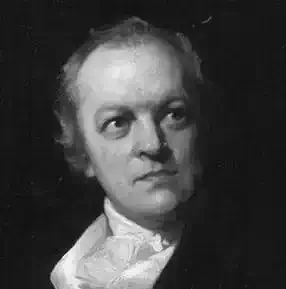
William Blake
A War Song to Englishmen
A War Song to Englishmen
Prepare, prepare the iron helm of war,
Bring forth the lots, cast in the spacious orb;
Th' Angel of Fate turns them with mighty hands,
And casts them out upon the darken'd earth!
Prepare, prepare!
Prepare your hearts for Death's cold hand! prepare
Your souls for flight, your bodies for the earth;
Prepare your arms for glorious victory;
Prepare your eyes to meet a holy God!
Prepare, prepare!
Whose fatal scroll is that? Methinks 'tis mine!
Why sinks my heart, why faltereth my tongue?
Had I three lives, I'd die in such a cause,
And rise, with ghosts, over the well-fought field.
Prepare, prepare!
The arrows of Almighty God are drawn!
Angels of Death stand in the louring heavens!
Thousands of souls must seek the realms of light,
And walk together on the clouds of heaven!
Prepare, prepare!
Soldiers, prepare! Our cause is Heaven's cause;
Soldiers, prepare! Be worthy of our cause:
Prepare to meet our fathers in the sky:
Prepare, O troops, that are to fall to-day!
Prepare, prepare!
Alfred shall smile, and make his harp rejoice;
The Norman William, and the learnèd Clerk,
And Lion Heart, and black-brow'd Edward, with
His loyal queen, shall rise, and welcome us!
Prepare, prepare!
Prepare, prepare the iron helm of war,
Bring forth the lots, cast in the spacious orb;
Th' Angel of Fate turns them with mighty hands,
And casts them out upon the darken'd earth!
Prepare, prepare!
Prepare your hearts for Death's cold hand! prepare
Your souls for flight, your bodies for the earth;
Prepare your arms for glorious victory;
Prepare your eyes to meet a holy God!
Prepare, prepare!
Whose fatal scroll is that? Methinks 'tis mine!
Why sinks my heart, why faltereth my tongue?
Had I three lives, I'd die in such a cause,
And rise, with ghosts, over the well-fought field.
Prepare, prepare!
The arrows of Almighty God are drawn!
Angels of Death stand in the louring heavens!
Thousands of souls must seek the realms of light,
And walk together on the clouds of heaven!
Prepare, prepare!
Soldiers, prepare! Our cause is Heaven's cause;
Soldiers, prepare! Be worthy of our cause:
Prepare to meet our fathers in the sky:
Prepare, O troops, that are to fall to-day!
Prepare, prepare!
Alfred shall smile, and make his harp rejoice;
The Norman William, and the learnèd Clerk,
And Lion Heart, and black-brow'd Edward, with
His loyal queen, shall rise, and welcome us!
Prepare, prepare!
643
William Blake
A Poison Tree
A Poison Tree
I was angry with my friend:
I told my wrath, my wrath did end.
I was angry with my foe:
I told it not, my wrath did grow.
And I watered it in fears,
Night and morning with my tears;
And I sunned it with smiles,
And with soft deceitful wiles.
And it grew both day and night,
Till it bore an apple bright.
And my foe beheld it shine.
And he knew that it was mine,
And into my garden stole
When the night had veiled the pole;
In the morning glad I see
My foe outstretched beneath the tree.
I was angry with my friend:
I told my wrath, my wrath did end.
I was angry with my foe:
I told it not, my wrath did grow.
And I watered it in fears,
Night and morning with my tears;
And I sunned it with smiles,
And with soft deceitful wiles.
And it grew both day and night,
Till it bore an apple bright.
And my foe beheld it shine.
And he knew that it was mine,
And into my garden stole
When the night had veiled the pole;
In the morning glad I see
My foe outstretched beneath the tree.
816
William Blake
A Little Boy Lost
A Little Boy Lost
v'Nought loves another as itself,
Nor venerates another so,
Nor is it possible to thought
A greater than itself to know.
'And, father, how can I love you
Or any of my brothers more?
I love you like the little bird
That picks up crumbs around the door.'
The Priest sat by and heard the child;
In trembling zeal he seized his hair,
He led him by his little coat,
And all admired the priestly care.
And standing on the altar high,
'Lo, what a fiend is here! said he:
'One who sets reason up for judge
Of our most holy mystery.'
The weeping child could not be heard,
The weeping parents wept in vain:
They stripped him to his little shirt,
And bound him in an iron chain,
And burned him in a holy place
Where many had been burned before;
The weeping parents wept in vain.
Are such thing done on Albion's shore?
v'Nought loves another as itself,
Nor venerates another so,
Nor is it possible to thought
A greater than itself to know.
'And, father, how can I love you
Or any of my brothers more?
I love you like the little bird
That picks up crumbs around the door.'
The Priest sat by and heard the child;
In trembling zeal he seized his hair,
He led him by his little coat,
And all admired the priestly care.
And standing on the altar high,
'Lo, what a fiend is here! said he:
'One who sets reason up for judge
Of our most holy mystery.'
The weeping child could not be heard,
The weeping parents wept in vain:
They stripped him to his little shirt,
And bound him in an iron chain,
And burned him in a holy place
Where many had been burned before;
The weeping parents wept in vain.
Are such thing done on Albion's shore?
567
William Blake
A Little Boy Lost
A Little Boy Lost
v'Nought loves another as itself,
Nor venerates another so,
Nor is it possible to thought
A greater than itself to know.
'And, father, how can I love you
Or any of my brothers more?
I love you like the little bird
That picks up crumbs around the door.'
The Priest sat by and heard the child;
In trembling zeal he seized his hair,
He led him by his little coat,
And all admired the priestly care.
And standing on the altar high,
'Lo, what a fiend is here! said he:
'One who sets reason up for judge
Of our most holy mystery.'
The weeping child could not be heard,
The weeping parents wept in vain:
They stripped him to his little shirt,
And bound him in an iron chain,
And burned him in a holy place
Where many had been burned before;
The weeping parents wept in vain.
Are such thing done on Albion's shore?
v'Nought loves another as itself,
Nor venerates another so,
Nor is it possible to thought
A greater than itself to know.
'And, father, how can I love you
Or any of my brothers more?
I love you like the little bird
That picks up crumbs around the door.'
The Priest sat by and heard the child;
In trembling zeal he seized his hair,
He led him by his little coat,
And all admired the priestly care.
And standing on the altar high,
'Lo, what a fiend is here! said he:
'One who sets reason up for judge
Of our most holy mystery.'
The weeping child could not be heard,
The weeping parents wept in vain:
They stripped him to his little shirt,
And bound him in an iron chain,
And burned him in a holy place
Where many had been burned before;
The weeping parents wept in vain.
Are such thing done on Albion's shore?
567

Wilfred Owen
The Young Soldier
The Young Soldier
It is not death
Without hereafter
To one in dearth
Of life and its laughter,
Nor the sweet murder
Dealt slow and even
Unto the martyr
Smiling at heaven:
It is the smile
Faint as a (waning) myth,
Faint, and exceeding small
On a boy's murdered mouth.
It is not death
Without hereafter
To one in dearth
Of life and its laughter,
Nor the sweet murder
Dealt slow and even
Unto the martyr
Smiling at heaven:
It is the smile
Faint as a (waning) myth,
Faint, and exceeding small
On a boy's murdered mouth.
151
Wilfred Owen
Uriconium: an Ode
Uriconium: an Ode
It lieth low near merry England's heart
Like a long-buried sin; and Englishmen
Forget that in its death their sires had part.
And, like a sin, Time lays it bare again
To tell of races wronged,
And ancient glories suddenly overcast,
And treasures flung to fire and rabble wrath.
If thou hast ever longed
To lift the gloomy curtain of Time Past,
And spy the secret things that Hades hath,
Here through this riven ground take such a view.
The dust, that fell unnoted as a dew,
Wrapped the dead city's face like mummy-cloth:
All is as was: except for worm and moth.
Since Jove was worshipped under Wrekin's shade
Or Latin phrase was writ in Shropshire stone,
Since Druid chaunts desponded in this glade
Or Tuscan general called that field his own,
How long ago? How long?
How long since wanderers in the Stretton Hills
Met men of shaggy hair and savage jaw,
With flint and copper prong,
Aiming behind their dikes and thorny grilles?
Ah! those were days before the axe and saw,
Then were the nights when this mid-forest town
Held breath to hear the wolves come yelping down,
And ponderous bears 'long Severn lifted paw,
And nuzzling boars ran grunting through the shaw.
Ah me! full fifteen hundred times the wheat
Hath risen, and bowed, and fallen to human hunger
Since those imperial days were made complete.
The weary moon hath waxen old and younger
These eighteen thousand times
Without a shrine to greet her gentle ray.
And other temples rose; to Power and Pelf,
And chimed centurial chimes
Until their very bells are worn away.
While King by King lay cold on vaulted shelf
And wars closed wars, and many a Marmion fell,
And dearths and plagues holp sire and son to hell;
And old age stiffened many a lively elf
And many a poet's heart outdrained itself.
I had forgot that so remote an age
Beyond the horizon of our little sight,
Is far from us by no more spanless gauge
Than day and night, succeeding day and night,
Until I looked on Thee,
Thou ghost of a dead city, or its husk!
But even as we could walk by field and hedge
Hence to the distant sea
So, by the rote of common dawn and dusk,
We travel back to history's utmost edge.
Yea, when through thy old streets I took my way,
And recked a thousand years as yesterday,
Methought sage fancy wrought a sacrilege
To steal for me such godly privilege!
For here lie remnants from a banquet table -
Oysters and marrow-bones, and seeds of grape -
The statement of whose age must sound a fable;
And Samian jars, whose sheen and flawless shape
Look fresh from potter's mould.
Plasters with Roman finger-marks impressed;
Bracelets that from the warm Italian arm
Might seem to be scarce cold;
And spears - the same that pushed the Cymry west-
Unblunted yet; with tools of forge and farm
Abandoned, as a man in sudden fear
Drops what he holds to help his swift career:
For sudden was Rome's flight, and wild the alarm.
The Saxon shock was like Vesuvius' qualm.
O ye who prate of modern art and craft .
Mark well that Gaulish brooch, and test that screw!
Art's fairest buds on antique stem are graft.
Under the sun is nothing wholly new!
At Viricon today
The village anvil rests on Roman base
And in a garden, may be seen a bower
With pillars for its stay
That anciently in basilic had place.
The church's font is but a pagan dower:
A Temple's column, hollowed into this.
So is the glory of our artifice,
Our pleasure and our worship, but the flower
Of Roman custom and of Roman power.
O ye who laugh and, living as if Time
Meant but the twelve hours ticking round your dial,
Find it too short for thee, watch the sublime,
Slow, epochal time-registers awhile,
Which are Antiquities.
O ye who weep and call all your life too long
And moan: Was ever sorrow like to mine?
Muse on the memories
That sad sepulchral stones and ruins prolong.
Here might men drink of wonder like strong wine
And feel ephemeral troubles soothed and curbed.
Yet farmers, wroth to have their laws disturbed,
Are sooner roused for little loss to pine
Than we are moved by mighty woes long syne.
Above this reverend ground, what traveller checks?
Yet cities such as these one time would breed
Apocalyptic visions of world-wrecks.
Let Saxon men return to them, and heed!
They slew and burnt,
But after, prized what Rome had given away
Out of her strength and her prosperity.
Have they yet learnt
The precious truth distilled from Rome's decay?
Ruins! On England's heart press heavily!
For Rome hath left us more than walls and words
And better yet shall leave; and more than herds
Or land or gold gave the Celts to us in fee;
E'en Blood, which makes poets sing and prophets see.
It lieth low near merry England's heart
Like a long-buried sin; and Englishmen
Forget that in its death their sires had part.
And, like a sin, Time lays it bare again
To tell of races wronged,
And ancient glories suddenly overcast,
And treasures flung to fire and rabble wrath.
If thou hast ever longed
To lift the gloomy curtain of Time Past,
And spy the secret things that Hades hath,
Here through this riven ground take such a view.
The dust, that fell unnoted as a dew,
Wrapped the dead city's face like mummy-cloth:
All is as was: except for worm and moth.
Since Jove was worshipped under Wrekin's shade
Or Latin phrase was writ in Shropshire stone,
Since Druid chaunts desponded in this glade
Or Tuscan general called that field his own,
How long ago? How long?
How long since wanderers in the Stretton Hills
Met men of shaggy hair and savage jaw,
With flint and copper prong,
Aiming behind their dikes and thorny grilles?
Ah! those were days before the axe and saw,
Then were the nights when this mid-forest town
Held breath to hear the wolves come yelping down,
And ponderous bears 'long Severn lifted paw,
And nuzzling boars ran grunting through the shaw.
Ah me! full fifteen hundred times the wheat
Hath risen, and bowed, and fallen to human hunger
Since those imperial days were made complete.
The weary moon hath waxen old and younger
These eighteen thousand times
Without a shrine to greet her gentle ray.
And other temples rose; to Power and Pelf,
And chimed centurial chimes
Until their very bells are worn away.
While King by King lay cold on vaulted shelf
And wars closed wars, and many a Marmion fell,
And dearths and plagues holp sire and son to hell;
And old age stiffened many a lively elf
And many a poet's heart outdrained itself.
I had forgot that so remote an age
Beyond the horizon of our little sight,
Is far from us by no more spanless gauge
Than day and night, succeeding day and night,
Until I looked on Thee,
Thou ghost of a dead city, or its husk!
But even as we could walk by field and hedge
Hence to the distant sea
So, by the rote of common dawn and dusk,
We travel back to history's utmost edge.
Yea, when through thy old streets I took my way,
And recked a thousand years as yesterday,
Methought sage fancy wrought a sacrilege
To steal for me such godly privilege!
For here lie remnants from a banquet table -
Oysters and marrow-bones, and seeds of grape -
The statement of whose age must sound a fable;
And Samian jars, whose sheen and flawless shape
Look fresh from potter's mould.
Plasters with Roman finger-marks impressed;
Bracelets that from the warm Italian arm
Might seem to be scarce cold;
And spears - the same that pushed the Cymry west-
Unblunted yet; with tools of forge and farm
Abandoned, as a man in sudden fear
Drops what he holds to help his swift career:
For sudden was Rome's flight, and wild the alarm.
The Saxon shock was like Vesuvius' qualm.
O ye who prate of modern art and craft .
Mark well that Gaulish brooch, and test that screw!
Art's fairest buds on antique stem are graft.
Under the sun is nothing wholly new!
At Viricon today
The village anvil rests on Roman base
And in a garden, may be seen a bower
With pillars for its stay
That anciently in basilic had place.
The church's font is but a pagan dower:
A Temple's column, hollowed into this.
So is the glory of our artifice,
Our pleasure and our worship, but the flower
Of Roman custom and of Roman power.
O ye who laugh and, living as if Time
Meant but the twelve hours ticking round your dial,
Find it too short for thee, watch the sublime,
Slow, epochal time-registers awhile,
Which are Antiquities.
O ye who weep and call all your life too long
And moan: Was ever sorrow like to mine?
Muse on the memories
That sad sepulchral stones and ruins prolong.
Here might men drink of wonder like strong wine
And feel ephemeral troubles soothed and curbed.
Yet farmers, wroth to have their laws disturbed,
Are sooner roused for little loss to pine
Than we are moved by mighty woes long syne.
Above this reverend ground, what traveller checks?
Yet cities such as these one time would breed
Apocalyptic visions of world-wrecks.
Let Saxon men return to them, and heed!
They slew and burnt,
But after, prized what Rome had given away
Out of her strength and her prosperity.
Have they yet learnt
The precious truth distilled from Rome's decay?
Ruins! On England's heart press heavily!
For Rome hath left us more than walls and words
And better yet shall leave; and more than herds
Or land or gold gave the Celts to us in fee;
E'en Blood, which makes poets sing and prophets see.
150
Wilfred Owen
The Send-off
The Send-off
Down the close, darkening lanes they sang their way
To the siding-shed,
And lined the train with faces grimly gay.
Their breasts were stuck all white with wreath and spray
As men's are, dead.
Dull porters watched them, and a casual tramp
Stood staring hard,
Sorry to miss them from the upland camp.
Then, unmoved, signals nodded, and a lamp
Winked to the guard.
So secretly, like wrongs hushed-up, they went.
They were not ours:
We never heard to which front these were sent.
Nor there if they yet mock what women meant
Who gave them flowers.
Shall they return to beatings of great bells
In wild trainloads?
A few, a few, too few for drums and yells,
May creep back, silent, to still village wells
Up half-known roads.
Down the close, darkening lanes they sang their way
To the siding-shed,
And lined the train with faces grimly gay.
Their breasts were stuck all white with wreath and spray
As men's are, dead.
Dull porters watched them, and a casual tramp
Stood staring hard,
Sorry to miss them from the upland camp.
Then, unmoved, signals nodded, and a lamp
Winked to the guard.
So secretly, like wrongs hushed-up, they went.
They were not ours:
We never heard to which front these were sent.
Nor there if they yet mock what women meant
Who gave them flowers.
Shall they return to beatings of great bells
In wild trainloads?
A few, a few, too few for drums and yells,
May creep back, silent, to still village wells
Up half-known roads.
446
Wilfred Owen
The Parable of the Old Man and the Young
The Parable of the Old Man and the Young
So Abram rose, and clave the wood, and went,
And took the fire with him, and a knife.
And as they sojourned both of them together,
Isaac the first-born spake and said, My Father,
Behold the preparations, fire and iron,
But where the lamb for this burnt-offering?
Then Abram bound the youth with belts and strops,
And builded parapets and trenches there,
And stretched forth the knife to slay his son.
When lo! an angel called him out of heaven,
Saying, Lay not thy hand upon the lad,
Neither do anything to him. Behold,
A ram, caught in a thicket by its horns;
Offer the Ram of Pride instead of him.
But the old man would not so, but slew his son,
And half the seed of Europe, one by one.
So Abram rose, and clave the wood, and went,
And took the fire with him, and a knife.
And as they sojourned both of them together,
Isaac the first-born spake and said, My Father,
Behold the preparations, fire and iron,
But where the lamb for this burnt-offering?
Then Abram bound the youth with belts and strops,
And builded parapets and trenches there,
And stretched forth the knife to slay his son.
When lo! an angel called him out of heaven,
Saying, Lay not thy hand upon the lad,
Neither do anything to him. Behold,
A ram, caught in a thicket by its horns;
Offer the Ram of Pride instead of him.
But the old man would not so, but slew his son,
And half the seed of Europe, one by one.
370
Wilfred Owen
The Parable of the Old Man and the Young
The Parable of the Old Man and the Young
So Abram rose, and clave the wood, and went,
And took the fire with him, and a knife.
And as they sojourned both of them together,
Isaac the first-born spake and said, My Father,
Behold the preparations, fire and iron,
But where the lamb for this burnt-offering?
Then Abram bound the youth with belts and strops,
And builded parapets and trenches there,
And stretched forth the knife to slay his son.
When lo! an angel called him out of heaven,
Saying, Lay not thy hand upon the lad,
Neither do anything to him. Behold,
A ram, caught in a thicket by its horns;
Offer the Ram of Pride instead of him.
But the old man would not so, but slew his son,
And half the seed of Europe, one by one.
So Abram rose, and clave the wood, and went,
And took the fire with him, and a knife.
And as they sojourned both of them together,
Isaac the first-born spake and said, My Father,
Behold the preparations, fire and iron,
But where the lamb for this burnt-offering?
Then Abram bound the youth with belts and strops,
And builded parapets and trenches there,
And stretched forth the knife to slay his son.
When lo! an angel called him out of heaven,
Saying, Lay not thy hand upon the lad,
Neither do anything to him. Behold,
A ram, caught in a thicket by its horns;
Offer the Ram of Pride instead of him.
But the old man would not so, but slew his son,
And half the seed of Europe, one by one.
370
Wilfred Owen
The Parable of the Young Man and the Old
The Parable of the Young Man and the Old
So Abram rose, and clave the wood, and went,
And took the fire with him, and a knife.
And as they sojourned, both of them together,
Isaac the first-born spake, and said, My Father,
Behold the preparations, fire and iron,
But where the lamb for this burnt-offering?
Then Abram bound the youth with belts and straps,
And builded parapets the trenches there,
And stretched forth the knife to slay his son.
When lo! an angel called him out of heaven,
Saying, Lay not thy hand upon the lad,
Neither do anything to him. Behold,
A ram, caught in a thicket by its horns;
Offer the Ram of Pride instead of him.
But the old man would not so, but slew his son,
And half the seed of Europe, one by one.
So Abram rose, and clave the wood, and went,
And took the fire with him, and a knife.
And as they sojourned, both of them together,
Isaac the first-born spake, and said, My Father,
Behold the preparations, fire and iron,
But where the lamb for this burnt-offering?
Then Abram bound the youth with belts and straps,
And builded parapets the trenches there,
And stretched forth the knife to slay his son.
When lo! an angel called him out of heaven,
Saying, Lay not thy hand upon the lad,
Neither do anything to him. Behold,
A ram, caught in a thicket by its horns;
Offer the Ram of Pride instead of him.
But the old man would not so, but slew his son,
And half the seed of Europe, one by one.
296
Wilfred Owen
The Parable of the Young Man and the Old
The Parable of the Young Man and the Old
So Abram rose, and clave the wood, and went,
And took the fire with him, and a knife.
And as they sojourned, both of them together,
Isaac the first-born spake, and said, My Father,
Behold the preparations, fire and iron,
But where the lamb for this burnt-offering?
Then Abram bound the youth with belts and straps,
And builded parapets the trenches there,
And stretched forth the knife to slay his son.
When lo! an angel called him out of heaven,
Saying, Lay not thy hand upon the lad,
Neither do anything to him. Behold,
A ram, caught in a thicket by its horns;
Offer the Ram of Pride instead of him.
But the old man would not so, but slew his son,
And half the seed of Europe, one by one.
So Abram rose, and clave the wood, and went,
And took the fire with him, and a knife.
And as they sojourned, both of them together,
Isaac the first-born spake, and said, My Father,
Behold the preparations, fire and iron,
But where the lamb for this burnt-offering?
Then Abram bound the youth with belts and straps,
And builded parapets the trenches there,
And stretched forth the knife to slay his son.
When lo! an angel called him out of heaven,
Saying, Lay not thy hand upon the lad,
Neither do anything to him. Behold,
A ram, caught in a thicket by its horns;
Offer the Ram of Pride instead of him.
But the old man would not so, but slew his son,
And half the seed of Europe, one by one.
296
Wilfred Owen
The Letter
The Letter
With B.E.F. Jun . Dear Wife,
(Oh blast this pencil. 'Ere, Bill, lend's a knife.)
I'm in the pink at present, dear.
I think the war will end this year.
We don't see much of them square-'eaded 'Uns.
We're out of harm's way, not bad fed.
I'm longing for a taste of your old buns.
(Say, Jimmie, spare's a bite of bread.)
There don't seem much to say just now.
(Yer what? Then don't, yer ruddy cow!
And give us back me cigarette!)
I'll soon be 'ome. You mustn't fret.
My feet's improvin', as I told you of.
We're out in the rest now. Never fear.
(VRACH! By crumbs, but that was near.)
Mother might spare you half a sov.
Kiss Nell and Bert. When me and you-
(Eh? What the 'ell! Stand to? Stand to!
Jim, give's a hand with pack on, lad.
Guh! Christ! I'm hit. Take 'old. Aye, bad.
No, damn your iodine. Jim? 'Ere!
Write my old girl, Jim, there's a dear.)
With B.E.F. Jun . Dear Wife,
(Oh blast this pencil. 'Ere, Bill, lend's a knife.)
I'm in the pink at present, dear.
I think the war will end this year.
We don't see much of them square-'eaded 'Uns.
We're out of harm's way, not bad fed.
I'm longing for a taste of your old buns.
(Say, Jimmie, spare's a bite of bread.)
There don't seem much to say just now.
(Yer what? Then don't, yer ruddy cow!
And give us back me cigarette!)
I'll soon be 'ome. You mustn't fret.
My feet's improvin', as I told you of.
We're out in the rest now. Never fear.
(VRACH! By crumbs, but that was near.)
Mother might spare you half a sov.
Kiss Nell and Bert. When me and you-
(Eh? What the 'ell! Stand to? Stand to!
Jim, give's a hand with pack on, lad.
Guh! Christ! I'm hit. Take 'old. Aye, bad.
No, damn your iodine. Jim? 'Ere!
Write my old girl, Jim, there's a dear.)
257
Wilfred Owen
The Dead-beat
The Dead-beat
He dropped, - more sullenly than wearily,
Lay stupid like a cod, heavy like meat,
And none of us could kick him to his feet;
-just blinked at my revolver, blearily;
- Didn't appear to know a war was on,
Or see the blasted trench at which he stared.
'I'll do 'em in,' he whined. 'If this hand's spared,
I'll murder them, I will.'
A low voice said,
'It's Blighty, p'raps, he sees; his pluck's all gone,
Dreaming of all the valiant, that aren't dead:
Bold uncles, smiling ministerially;
Maybe his brave young wife, getting her fun
In some new home, improved materially.
It's not these stiffs have crazed him; nor the Hun.'
We sent him down at last, out of the way.
Unwounded; - stout lad, too, before that strafe.
Malingering? Stretcher-bearers winked, 'Not half!'
Next day I heard the Doc's well-whiskied laugh:
'That scum you sent last night soon died. Hooray!'
He dropped, - more sullenly than wearily,
Lay stupid like a cod, heavy like meat,
And none of us could kick him to his feet;
-just blinked at my revolver, blearily;
- Didn't appear to know a war was on,
Or see the blasted trench at which he stared.
'I'll do 'em in,' he whined. 'If this hand's spared,
I'll murder them, I will.'
A low voice said,
'It's Blighty, p'raps, he sees; his pluck's all gone,
Dreaming of all the valiant, that aren't dead:
Bold uncles, smiling ministerially;
Maybe his brave young wife, getting her fun
In some new home, improved materially.
It's not these stiffs have crazed him; nor the Hun.'
We sent him down at last, out of the way.
Unwounded; - stout lad, too, before that strafe.
Malingering? Stretcher-bearers winked, 'Not half!'
Next day I heard the Doc's well-whiskied laugh:
'That scum you sent last night soon died. Hooray!'
231
Wilfred Owen
The Dead-beat
The Dead-beat
He dropped, - more sullenly than wearily,
Lay stupid like a cod, heavy like meat,
And none of us could kick him to his feet;
-just blinked at my revolver, blearily;
- Didn't appear to know a war was on,
Or see the blasted trench at which he stared.
'I'll do 'em in,' he whined. 'If this hand's spared,
I'll murder them, I will.'
A low voice said,
'It's Blighty, p'raps, he sees; his pluck's all gone,
Dreaming of all the valiant, that aren't dead:
Bold uncles, smiling ministerially;
Maybe his brave young wife, getting her fun
In some new home, improved materially.
It's not these stiffs have crazed him; nor the Hun.'
We sent him down at last, out of the way.
Unwounded; - stout lad, too, before that strafe.
Malingering? Stretcher-bearers winked, 'Not half!'
Next day I heard the Doc's well-whiskied laugh:
'That scum you sent last night soon died. Hooray!'
He dropped, - more sullenly than wearily,
Lay stupid like a cod, heavy like meat,
And none of us could kick him to his feet;
-just blinked at my revolver, blearily;
- Didn't appear to know a war was on,
Or see the blasted trench at which he stared.
'I'll do 'em in,' he whined. 'If this hand's spared,
I'll murder them, I will.'
A low voice said,
'It's Blighty, p'raps, he sees; his pluck's all gone,
Dreaming of all the valiant, that aren't dead:
Bold uncles, smiling ministerially;
Maybe his brave young wife, getting her fun
In some new home, improved materially.
It's not these stiffs have crazed him; nor the Hun.'
We sent him down at last, out of the way.
Unwounded; - stout lad, too, before that strafe.
Malingering? Stretcher-bearers winked, 'Not half!'
Next day I heard the Doc's well-whiskied laugh:
'That scum you sent last night soon died. Hooray!'
231
Wilfred Owen
The Calls [unfinished]
The Calls [unfinished]
A dismal fog-hoarse siren howls at dawn.
I watch the man it calls for, pushed and drawn
Backwards and forwards, helpless as a pawn.
But I'm lazy, and his work's crazy.
Quick treble bells begin at nine o'clock,
Scuttling the schoolboy pulling up his sock,
Scaring the late girl in the inky frock.
I must be crazy; I learn from the daisy.
Stern bells annoy the rooks and doves at ten.
I watch the verger close the doors, and when
I hear the organ moan the first amen,
Sing my religion's-same as pigeons'.
A blatant bugle tears my afternoons.
Out clump the clumsy Tommies by platoons,
Trying to keep in step with rag-time tunes,
But I sit still; I've done my drill.
Gongs hum and buzz like saucepan-lids at dusk,
I see a food-hog whet his gold-filled tusk
To eat less bread, and more luxurious rusk.
Then sometimes late at night my window bumps
From gunnery-practice, till my small heart thumps
And listens for the shell-shrieks and the crumps,
But that's not all.
For leaning out last midnight on my sill
I heard the sighs of men, that have no skill
To speak of their distress, no, nor the will!
A voice I know. And this time I must go.
A dismal fog-hoarse siren howls at dawn.
I watch the man it calls for, pushed and drawn
Backwards and forwards, helpless as a pawn.
But I'm lazy, and his work's crazy.
Quick treble bells begin at nine o'clock,
Scuttling the schoolboy pulling up his sock,
Scaring the late girl in the inky frock.
I must be crazy; I learn from the daisy.
Stern bells annoy the rooks and doves at ten.
I watch the verger close the doors, and when
I hear the organ moan the first amen,
Sing my religion's-same as pigeons'.
A blatant bugle tears my afternoons.
Out clump the clumsy Tommies by platoons,
Trying to keep in step with rag-time tunes,
But I sit still; I've done my drill.
Gongs hum and buzz like saucepan-lids at dusk,
I see a food-hog whet his gold-filled tusk
To eat less bread, and more luxurious rusk.
Then sometimes late at night my window bumps
From gunnery-practice, till my small heart thumps
And listens for the shell-shrieks and the crumps,
But that's not all.
For leaning out last midnight on my sill
I heard the sighs of men, that have no skill
To speak of their distress, no, nor the will!
A voice I know. And this time I must go.
167
Wilfred Owen
Strange Meeting
Strange Meeting
It seemed that out of the battle I escaped
Down some profound dull tunnel, long since scooped
Through granites which Titanic wars had groined.
Yet also there encumbered sleepers groaned,
Too fast in thought or death to be bestirred.
Then, as I probed them, one sprang up, and stared
With piteous recognition in fixed eyes,
Lifting distressful hands as if to bless.
And by his smile, I knew that sullen hall;
With a thousand fears that vision's face was grained;
Yet no blood reached there from the upper ground,
And no guns thumped, or down the fluies made moan.
"Strange, friend," I said, "Here is no cause to mourn."
"None," said the other, "Save the undone years,
The hopelessness. Whatever hope is yours,
Was my life also; I went hunting wild
After the wildest beauty in the world,
Which lies not calm in eyes, or braided hair,
But mocks the steady running of the hour,
And if it grieves, grieves richlier than here.
For by my glee might many men have laughed,
And of my weeping something has been left,
Which must die now. I mean the truth untold,
The pity of war, the pity war distilled.
Now men will go content with what we spoiled.
Or, discontent, boil bloody, and be spilled.
They will be swift with swiftness of the tigress,
None will break ranks, though nations trek from progress.
Courage was mine, and I had mystery;
Wisdom was mine, and I had mastery;
To miss the march of this retreating world
Into vain citadels that are not walled.
Then, when much blood had clogged their chariot-wheels
I would go up and wash them from sweet wells,
Even with truths that lie too deep for taint.
I would have poured my spirit without stint
But not through wounds; not on the cess of war.
Foreheads of men have bled where no wounds were.
I am the enemy you killed, my friend.
I knew you in this dark; for so you frowned
Yesterday through me as you jabbed and killed.
I parried; but my hands were loath and cold.
Let us sleep now ...
It seemed that out of the battle I escaped
Down some profound dull tunnel, long since scooped
Through granites which Titanic wars had groined.
Yet also there encumbered sleepers groaned,
Too fast in thought or death to be bestirred.
Then, as I probed them, one sprang up, and stared
With piteous recognition in fixed eyes,
Lifting distressful hands as if to bless.
And by his smile, I knew that sullen hall;
With a thousand fears that vision's face was grained;
Yet no blood reached there from the upper ground,
And no guns thumped, or down the fluies made moan.
"Strange, friend," I said, "Here is no cause to mourn."
"None," said the other, "Save the undone years,
The hopelessness. Whatever hope is yours,
Was my life also; I went hunting wild
After the wildest beauty in the world,
Which lies not calm in eyes, or braided hair,
But mocks the steady running of the hour,
And if it grieves, grieves richlier than here.
For by my glee might many men have laughed,
And of my weeping something has been left,
Which must die now. I mean the truth untold,
The pity of war, the pity war distilled.
Now men will go content with what we spoiled.
Or, discontent, boil bloody, and be spilled.
They will be swift with swiftness of the tigress,
None will break ranks, though nations trek from progress.
Courage was mine, and I had mystery;
Wisdom was mine, and I had mastery;
To miss the march of this retreating world
Into vain citadels that are not walled.
Then, when much blood had clogged their chariot-wheels
I would go up and wash them from sweet wells,
Even with truths that lie too deep for taint.
I would have poured my spirit without stint
But not through wounds; not on the cess of war.
Foreheads of men have bled where no wounds were.
I am the enemy you killed, my friend.
I knew you in this dark; for so you frowned
Yesterday through me as you jabbed and killed.
I parried; but my hands were loath and cold.
Let us sleep now ...
759
Wilfred Owen
Strange Meeting
Strange Meeting
It seemed that out of the battle I escaped
Down some profound dull tunnel, long since scooped
Through granites which Titanic wars had groined.
Yet also there encumbered sleepers groaned,
Too fast in thought or death to be bestirred.
Then, as I probed them, one sprang up, and stared
With piteous recognition in fixed eyes,
Lifting distressful hands as if to bless.
And by his smile, I knew that sullen hall;
With a thousand fears that vision's face was grained;
Yet no blood reached there from the upper ground,
And no guns thumped, or down the fluies made moan.
"Strange, friend," I said, "Here is no cause to mourn."
"None," said the other, "Save the undone years,
The hopelessness. Whatever hope is yours,
Was my life also; I went hunting wild
After the wildest beauty in the world,
Which lies not calm in eyes, or braided hair,
But mocks the steady running of the hour,
And if it grieves, grieves richlier than here.
For by my glee might many men have laughed,
And of my weeping something has been left,
Which must die now. I mean the truth untold,
The pity of war, the pity war distilled.
Now men will go content with what we spoiled.
Or, discontent, boil bloody, and be spilled.
They will be swift with swiftness of the tigress,
None will break ranks, though nations trek from progress.
Courage was mine, and I had mystery;
Wisdom was mine, and I had mastery;
To miss the march of this retreating world
Into vain citadels that are not walled.
Then, when much blood had clogged their chariot-wheels
I would go up and wash them from sweet wells,
Even with truths that lie too deep for taint.
I would have poured my spirit without stint
But not through wounds; not on the cess of war.
Foreheads of men have bled where no wounds were.
I am the enemy you killed, my friend.
I knew you in this dark; for so you frowned
Yesterday through me as you jabbed and killed.
I parried; but my hands were loath and cold.
Let us sleep now ...
It seemed that out of the battle I escaped
Down some profound dull tunnel, long since scooped
Through granites which Titanic wars had groined.
Yet also there encumbered sleepers groaned,
Too fast in thought or death to be bestirred.
Then, as I probed them, one sprang up, and stared
With piteous recognition in fixed eyes,
Lifting distressful hands as if to bless.
And by his smile, I knew that sullen hall;
With a thousand fears that vision's face was grained;
Yet no blood reached there from the upper ground,
And no guns thumped, or down the fluies made moan.
"Strange, friend," I said, "Here is no cause to mourn."
"None," said the other, "Save the undone years,
The hopelessness. Whatever hope is yours,
Was my life also; I went hunting wild
After the wildest beauty in the world,
Which lies not calm in eyes, or braided hair,
But mocks the steady running of the hour,
And if it grieves, grieves richlier than here.
For by my glee might many men have laughed,
And of my weeping something has been left,
Which must die now. I mean the truth untold,
The pity of war, the pity war distilled.
Now men will go content with what we spoiled.
Or, discontent, boil bloody, and be spilled.
They will be swift with swiftness of the tigress,
None will break ranks, though nations trek from progress.
Courage was mine, and I had mystery;
Wisdom was mine, and I had mastery;
To miss the march of this retreating world
Into vain citadels that are not walled.
Then, when much blood had clogged their chariot-wheels
I would go up and wash them from sweet wells,
Even with truths that lie too deep for taint.
I would have poured my spirit without stint
But not through wounds; not on the cess of war.
Foreheads of men have bled where no wounds were.
I am the enemy you killed, my friend.
I knew you in this dark; for so you frowned
Yesterday through me as you jabbed and killed.
I parried; but my hands were loath and cold.
Let us sleep now ...
759
Wilfred Owen
Schoolmistress
Schoolmistress
Schoolmistress
Having, with bold Horatius, stamped her feet
And waved a final swashing arabesque
O'er the brave days of old, she ceased to bleat,
Slapped her Macaulay back upon the desk,
Resuned her calm gaze and her lofty seat.
There, while she heard the classic lines repeat,
Once more the teacher's face clenched stern;
For through the window, looking on the street,
Three soldiers hailed her. She made no return.
One was called 'Orace whom she would not greet.
Schoolmistress
Having, with bold Horatius, stamped her feet
And waved a final swashing arabesque
O'er the brave days of old, she ceased to bleat,
Slapped her Macaulay back upon the desk,
Resuned her calm gaze and her lofty seat.
There, while she heard the classic lines repeat,
Once more the teacher's face clenched stern;
For through the window, looking on the street,
Three soldiers hailed her. She made no return.
One was called 'Orace whom she would not greet.
135
Wilfred Owen
Schoolmistress
Schoolmistress
Schoolmistress
Having, with bold Horatius, stamped her feet
And waved a final swashing arabesque
O'er the brave days of old, she ceased to bleat,
Slapped her Macaulay back upon the desk,
Resuned her calm gaze and her lofty seat.
There, while she heard the classic lines repeat,
Once more the teacher's face clenched stern;
For through the window, looking on the street,
Three soldiers hailed her. She made no return.
One was called 'Orace whom she would not greet.
Schoolmistress
Having, with bold Horatius, stamped her feet
And waved a final swashing arabesque
O'er the brave days of old, she ceased to bleat,
Slapped her Macaulay back upon the desk,
Resuned her calm gaze and her lofty seat.
There, while she heard the classic lines repeat,
Once more the teacher's face clenched stern;
For through the window, looking on the street,
Three soldiers hailed her. She made no return.
One was called 'Orace whom she would not greet.
135
Wilfred Owen
Smile, Smile, Smile
Smile, Smile, Smile
Head to limp head, the sunk-eyed wounded scanned
Yesterday's Mail; the casualties (typed small)
And (large) Vast Booty from our Latest Haul.
Also, they read of Cheap Homes, not yet planned;
For, said the paper, "When this war is done
The men's first instinct will be making homes.
Meanwhile their foremost need is aerodromes,
It being certain war has just begun.
Peace would do wrong to our undying dead, --
The sons we offered might regret they died
If we got nothing lasting in their stead.
We must be solidly indemnified.
Though all be worthy Victory which all bought,
We rulers sitting in this ancient spot
Would wrong our very selves if we forgot
The greatest glory will be theirs who fought,
Who kept this nation in integrity."
Nation? -- The half-limbed readers did not chafe
But smiled at one another curiously
Like secret men who know their secret safe.
This is the thing they know and never speak,
That England one by one had fled to France
(Not many elsewhere now save under France).
Pictures of these broad smiles appear each week,
And people in whose voice real feeling rings
Say: How they smile! They're happy now, poor things.
rd September .
Head to limp head, the sunk-eyed wounded scanned
Yesterday's Mail; the casualties (typed small)
And (large) Vast Booty from our Latest Haul.
Also, they read of Cheap Homes, not yet planned;
For, said the paper, "When this war is done
The men's first instinct will be making homes.
Meanwhile their foremost need is aerodromes,
It being certain war has just begun.
Peace would do wrong to our undying dead, --
The sons we offered might regret they died
If we got nothing lasting in their stead.
We must be solidly indemnified.
Though all be worthy Victory which all bought,
We rulers sitting in this ancient spot
Would wrong our very selves if we forgot
The greatest glory will be theirs who fought,
Who kept this nation in integrity."
Nation? -- The half-limbed readers did not chafe
But smiled at one another curiously
Like secret men who know their secret safe.
This is the thing they know and never speak,
That England one by one had fled to France
(Not many elsewhere now save under France).
Pictures of these broad smiles appear each week,
And people in whose voice real feeling rings
Say: How they smile! They're happy now, poor things.
rd September .
222
Wilfred Owen
Smile, Smile, Smile
Smile, Smile, Smile
Head to limp head, the sunk-eyed wounded scanned
Yesterday's Mail; the casualties (typed small)
And (large) Vast Booty from our Latest Haul.
Also, they read of Cheap Homes, not yet planned;
For, said the paper, "When this war is done
The men's first instinct will be making homes.
Meanwhile their foremost need is aerodromes,
It being certain war has just begun.
Peace would do wrong to our undying dead, --
The sons we offered might regret they died
If we got nothing lasting in their stead.
We must be solidly indemnified.
Though all be worthy Victory which all bought,
We rulers sitting in this ancient spot
Would wrong our very selves if we forgot
The greatest glory will be theirs who fought,
Who kept this nation in integrity."
Nation? -- The half-limbed readers did not chafe
But smiled at one another curiously
Like secret men who know their secret safe.
This is the thing they know and never speak,
That England one by one had fled to France
(Not many elsewhere now save under France).
Pictures of these broad smiles appear each week,
And people in whose voice real feeling rings
Say: How they smile! They're happy now, poor things.
rd September .
Head to limp head, the sunk-eyed wounded scanned
Yesterday's Mail; the casualties (typed small)
And (large) Vast Booty from our Latest Haul.
Also, they read of Cheap Homes, not yet planned;
For, said the paper, "When this war is done
The men's first instinct will be making homes.
Meanwhile their foremost need is aerodromes,
It being certain war has just begun.
Peace would do wrong to our undying dead, --
The sons we offered might regret they died
If we got nothing lasting in their stead.
We must be solidly indemnified.
Though all be worthy Victory which all bought,
We rulers sitting in this ancient spot
Would wrong our very selves if we forgot
The greatest glory will be theirs who fought,
Who kept this nation in integrity."
Nation? -- The half-limbed readers did not chafe
But smiled at one another curiously
Like secret men who know their secret safe.
This is the thing they know and never speak,
That England one by one had fled to France
(Not many elsewhere now save under France).
Pictures of these broad smiles appear each week,
And people in whose voice real feeling rings
Say: How they smile! They're happy now, poor things.
rd September .
222
Wilfred Owen
Smile, Smile, Smile
Smile, Smile, Smile
Head to limp head, the sunk-eyed wounded scanned
Yesterday's Mail; the casualties (typed small)
And (large) Vast Booty from our Latest Haul.
Also, they read of Cheap Homes, not yet planned;
For, said the paper, "When this war is done
The men's first instinct will be making homes.
Meanwhile their foremost need is aerodromes,
It being certain war has just begun.
Peace would do wrong to our undying dead, --
The sons we offered might regret they died
If we got nothing lasting in their stead.
We must be solidly indemnified.
Though all be worthy Victory which all bought,
We rulers sitting in this ancient spot
Would wrong our very selves if we forgot
The greatest glory will be theirs who fought,
Who kept this nation in integrity."
Nation? -- The half-limbed readers did not chafe
But smiled at one another curiously
Like secret men who know their secret safe.
This is the thing they know and never speak,
That England one by one had fled to France
(Not many elsewhere now save under France).
Pictures of these broad smiles appear each week,
And people in whose voice real feeling rings
Say: How they smile! They're happy now, poor things.
rd September .
Head to limp head, the sunk-eyed wounded scanned
Yesterday's Mail; the casualties (typed small)
And (large) Vast Booty from our Latest Haul.
Also, they read of Cheap Homes, not yet planned;
For, said the paper, "When this war is done
The men's first instinct will be making homes.
Meanwhile their foremost need is aerodromes,
It being certain war has just begun.
Peace would do wrong to our undying dead, --
The sons we offered might regret they died
If we got nothing lasting in their stead.
We must be solidly indemnified.
Though all be worthy Victory which all bought,
We rulers sitting in this ancient spot
Would wrong our very selves if we forgot
The greatest glory will be theirs who fought,
Who kept this nation in integrity."
Nation? -- The half-limbed readers did not chafe
But smiled at one another curiously
Like secret men who know their secret safe.
This is the thing they know and never speak,
That England one by one had fled to France
(Not many elsewhere now save under France).
Pictures of these broad smiles appear each week,
And people in whose voice real feeling rings
Say: How they smile! They're happy now, poor things.
rd September .
222
Wilfred Owen
Smile, Smile, Smile
Smile, Smile, Smile
Head to limp head, the sunk-eyed wounded scanned
Yesterday's Mail; the casualties (typed small)
And (large) Vast Booty from our Latest Haul.
Also, they read of Cheap Homes, not yet planned;
For, said the paper, "When this war is done
The men's first instinct will be making homes.
Meanwhile their foremost need is aerodromes,
It being certain war has just begun.
Peace would do wrong to our undying dead, --
The sons we offered might regret they died
If we got nothing lasting in their stead.
We must be solidly indemnified.
Though all be worthy Victory which all bought,
We rulers sitting in this ancient spot
Would wrong our very selves if we forgot
The greatest glory will be theirs who fought,
Who kept this nation in integrity."
Nation? -- The half-limbed readers did not chafe
But smiled at one another curiously
Like secret men who know their secret safe.
This is the thing they know and never speak,
That England one by one had fled to France
(Not many elsewhere now save under France).
Pictures of these broad smiles appear each week,
And people in whose voice real feeling rings
Say: How they smile! They're happy now, poor things.
rd September .
Head to limp head, the sunk-eyed wounded scanned
Yesterday's Mail; the casualties (typed small)
And (large) Vast Booty from our Latest Haul.
Also, they read of Cheap Homes, not yet planned;
For, said the paper, "When this war is done
The men's first instinct will be making homes.
Meanwhile their foremost need is aerodromes,
It being certain war has just begun.
Peace would do wrong to our undying dead, --
The sons we offered might regret they died
If we got nothing lasting in their stead.
We must be solidly indemnified.
Though all be worthy Victory which all bought,
We rulers sitting in this ancient spot
Would wrong our very selves if we forgot
The greatest glory will be theirs who fought,
Who kept this nation in integrity."
Nation? -- The half-limbed readers did not chafe
But smiled at one another curiously
Like secret men who know their secret safe.
This is the thing they know and never speak,
That England one by one had fled to France
(Not many elsewhere now save under France).
Pictures of these broad smiles appear each week,
And people in whose voice real feeling rings
Say: How they smile! They're happy now, poor things.
rd September .
222
Wilfred Owen
Preface
Preface
This book is not about heroes. English Poetry is not yet fit to speak
of them. Nor is it about deeds or lands, nor anything about glory, honour,
dominion or power,
except War.
Above all, this book is not concerned with Poetry.
The subject of it is War, and the pity of War.
The Poetry is in the pity.
Yet these elegies are not to this generation,
This is in no sense consolatory.
They may be to the next.
All the poet can do to-day is to warn.
That is why the true Poets must be truthful.
If I thought the letter of this book would last,
I might have used proper names; but if the spirit of it survives Prussia, --
my ambition and those names will be content; for they will have
achieved themselves fresher fields than Flanders.
This book is not about heroes. English Poetry is not yet fit to speak
of them. Nor is it about deeds or lands, nor anything about glory, honour,
dominion or power,
except War.
Above all, this book is not concerned with Poetry.
The subject of it is War, and the pity of War.
The Poetry is in the pity.
Yet these elegies are not to this generation,
This is in no sense consolatory.
They may be to the next.
All the poet can do to-day is to warn.
That is why the true Poets must be truthful.
If I thought the letter of this book would last,
I might have used proper names; but if the spirit of it survives Prussia, --
my ambition and those names will be content; for they will have
achieved themselves fresher fields than Flanders.
176