

Poems in this topic
Society and the World
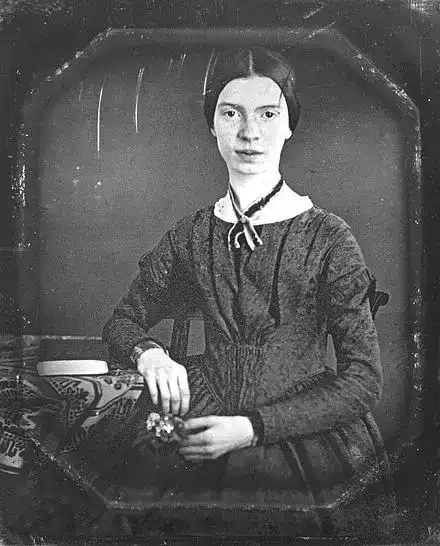
Emily Dickinson
A Tongue—to tell Him I am true!
A Tongue—to tell Him I am true!
400
A Tongue—to tell Him I am true!
Its fee—to be of Gold—
Had Nature—in Her monstrous House
A single Ragged Child—
To earn a Mine—would run
That Interdicted Way,
And tell Him—Charge thee speak it plain—
That so far—Truth is True?
And answer What I do—
Beginning with the Day
That Night—begun—
Nay—Midnight—'twas—
Since Midnight—happened—say—
If once more—Pardon—Boy—
The Magnitude thou may
Enlarge my Message—If too vast
Another Lad—help thee—
Thy Pay—in Diamonds—be—
And His—in solid Gold—
Say Rubies—if He hesitate—
My Message—must be told—
Say—last I said—was This—
That when the Hills—come down—
And hold no higher than the Plain—
My Bond—have just begun—
And when the Heavens—disband—
And Deity conclude—
Then—look for me. Be sure you say—
Least Figure—on the Road—
400
A Tongue—to tell Him I am true!
Its fee—to be of Gold—
Had Nature—in Her monstrous House
A single Ragged Child—
To earn a Mine—would run
That Interdicted Way,
And tell Him—Charge thee speak it plain—
That so far—Truth is True?
And answer What I do—
Beginning with the Day
That Night—begun—
Nay—Midnight—'twas—
Since Midnight—happened—say—
If once more—Pardon—Boy—
The Magnitude thou may
Enlarge my Message—If too vast
Another Lad—help thee—
Thy Pay—in Diamonds—be—
And His—in solid Gold—
Say Rubies—if He hesitate—
My Message—must be told—
Say—last I said—was This—
That when the Hills—come down—
And hold no higher than the Plain—
My Bond—have just begun—
And when the Heavens—disband—
And Deity conclude—
Then—look for me. Be sure you say—
Least Figure—on the Road—
289
Emily Dickinson
A Shade upon the mind there passes
A Shade upon the mind there passes
882
A Shade upon the mind there passes
As when on Noon
A Cloud the mighty Sun encloses
Remembering
That some there be too numb to notice
Oh God
Why give if Thou must take away
The Loved?
882
A Shade upon the mind there passes
As when on Noon
A Cloud the mighty Sun encloses
Remembering
That some there be too numb to notice
Oh God
Why give if Thou must take away
The Loved?
244
Emily Dickinson
A Secret told
A Secret told
381
A Secret told-
Ceases to be a Secret-then-
A Secret-keptThat-
can appal but One-
Better of it-continual be afraid-
Than it-
And Whom you told it to-beside-
381
A Secret told-
Ceases to be a Secret-then-
A Secret-keptThat-
can appal but One-
Better of it-continual be afraid-
Than it-
And Whom you told it to-beside-
338
Emily Dickinson
A precious—mouldering pleasure
A precious—mouldering pleasure
371
A precious—mouldering pleasure—'tis—
To meet an Antique Book—
In just the Dress his Century wore—
A privilege—I think—
His venerable Hand to take—
And warming in our own—
A passage back—or two—to make—
To Times when he—was young—
His quaint opinions—to inspect—
His thought to ascertain
On Themes concern our mutual mind—
The Literature of Man—
What interested Scholars—most—
What Competitions ran—
When Plato—was a Certainty—
And Sophocles—a Man—
When Sappho—was a living Girl—
And Beatrice wore
The Gown that Dante—deified—
Facts Centuries before
He traverses—familiar—
As One should come to Town—
And tell you all your Dreams—were true—
He lived—where Dreams were born—
His presence is Enchantment—
You beg him not to go—
Old Volume shake their Vellum Heads
And tantalize—just so—
371
A precious—mouldering pleasure—'tis—
To meet an Antique Book—
In just the Dress his Century wore—
A privilege—I think—
His venerable Hand to take—
And warming in our own—
A passage back—or two—to make—
To Times when he—was young—
His quaint opinions—to inspect—
His thought to ascertain
On Themes concern our mutual mind—
The Literature of Man—
What interested Scholars—most—
What Competitions ran—
When Plato—was a Certainty—
And Sophocles—a Man—
When Sappho—was a living Girl—
And Beatrice wore
The Gown that Dante—deified—
Facts Centuries before
He traverses—familiar—
As One should come to Town—
And tell you all your Dreams—were true—
He lived—where Dreams were born—
His presence is Enchantment—
You beg him not to go—
Old Volume shake their Vellum Heads
And tantalize—just so—
412
Emily Dickinson
A Planted Life-diversified
A Planted Life-diversified
806
A Planted Life-diversified
With Gold and Silver Pain
To prove the presence of the Ore
In Particles-'tis when
A Value struggle-it exist-
A Power-will proclaim
Although Annihilation pile
Whole Chaoses on Him-
806
A Planted Life-diversified
With Gold and Silver Pain
To prove the presence of the Ore
In Particles-'tis when
A Value struggle-it exist-
A Power-will proclaim
Although Annihilation pile
Whole Chaoses on Him-
318
Emily Dickinson
A Planted Life-diversified
A Planted Life-diversified
806
A Planted Life-diversified
With Gold and Silver Pain
To prove the presence of the Ore
In Particles-'tis when
A Value struggle-it exist-
A Power-will proclaim
Although Annihilation pile
Whole Chaoses on Him-
806
A Planted Life-diversified
With Gold and Silver Pain
To prove the presence of the Ore
In Particles-'tis when
A Value struggle-it exist-
A Power-will proclaim
Although Annihilation pile
Whole Chaoses on Him-
318
Emily Dickinson
A little bread-a crust-a crumb
A little bread-a crust-a crumb
159
A little bread-a crust-a crumb-
A little trust-a demijohn-
Can keep the soul alive-
Not portly, mind! but breathing-warmConscious-
as old Napoleon,
The night before the Crown!
A modest lot-A fame petite-
A brief Campaign of sting and sweet
Is plenty! Is enough!
A Sailor's business is the shore!
A Soldier's-balls! Who asketh more,
Must seek the neighboring life!
159
A little bread-a crust-a crumb-
A little trust-a demijohn-
Can keep the soul alive-
Not portly, mind! but breathing-warmConscious-
as old Napoleon,
The night before the Crown!
A modest lot-A fame petite-
A brief Campaign of sting and sweet
Is plenty! Is enough!
A Sailor's business is the shore!
A Soldier's-balls! Who asketh more,
Must seek the neighboring life!
298
Emily Dickinson
A first Mute Coming
A first Mute Coming
702
A first Mute Coming-
In the Stranger's House-
A first fair Going-
When the Bells rejoice-
A first Exchange-of
What hath mingled-been-
For Lot-exhibited to
Faith-alone-
702
A first Mute Coming-
In the Stranger's House-
A first fair Going-
When the Bells rejoice-
A first Exchange-of
What hath mingled-been-
For Lot-exhibited to
Faith-alone-
376
Emily Dickinson
Morning-means Milking-to the Farmer
"Morning"-means "Milking"-to the Farmer
300
"Morning"-means "Milking"-to the FarmerDawn-
to the TeneriffeDice-
to the Maid-
Morning means just Risk-to the Lover-
Just revelation-to the Beloved
Epicures-date a Breakfast-by itBrides-
an ApocalypseWorlds-
a FloodFaint-
going Lives-Their Lapse from SighingFaith-
The Experiment of Our Lord
300
"Morning"-means "Milking"-to the FarmerDawn-
to the TeneriffeDice-
to the Maid-
Morning means just Risk-to the Lover-
Just revelation-to the Beloved
Epicures-date a Breakfast-by itBrides-
an ApocalypseWorlds-
a FloodFaint-
going Lives-Their Lapse from SighingFaith-
The Experiment of Our Lord
258
Emily Dickinson
Faith is a fine invention
"Faith" is a fine invention
185
"Faith" is a fine invention
When Gentlemen can see-
But Microscopes are prudent
In an Emergency.
185
"Faith" is a fine invention
When Gentlemen can see-
But Microscopes are prudent
In an Emergency.
369
Emily Dickinson
Arcturus is his other name
"Arcturus" is his other name
70
"Arcturus" is his other nameI'd
rather call him "Star."
It's very mean of Science
To go and interfere!
I slew a worm the other day-
A "Savant" passing by
Murmured "Resurgam"-"Centipede"!
"Oh Lord-how frail are we"!
I pull a flower from the woods-
A monster with a glass
Computes the stamens in a breath-
And has her in a "class"!
Whereas I took the Butterfly
Aforetime in my hat-
He sits erect in "Cabinets"-
The Clover bells forgot.
What once was "Heaven"
Is "Zenith" now-
Where I proposed to go
When Time's brief masquerade was done
Is mapped and charted too.
What if the poles should frisk about
And stand upon their heads!
I hope I'm ready for "the worst"-
Whatever prank betides!
Perhaps the "Kingdom of Heaven's" changed-
I hope the "Children" there Won't be "new fashioned" when I come-
And laugh at me-and stare-
I hope the Father in the skies
Will lift his little girl-
Old fashioned-naught-everything-
Over the stile of "Pearl."
70
"Arcturus" is his other nameI'd
rather call him "Star."
It's very mean of Science
To go and interfere!
I slew a worm the other day-
A "Savant" passing by
Murmured "Resurgam"-"Centipede"!
"Oh Lord-how frail are we"!
I pull a flower from the woods-
A monster with a glass
Computes the stamens in a breath-
And has her in a "class"!
Whereas I took the Butterfly
Aforetime in my hat-
He sits erect in "Cabinets"-
The Clover bells forgot.
What once was "Heaven"
Is "Zenith" now-
Where I proposed to go
When Time's brief masquerade was done
Is mapped and charted too.
What if the poles should frisk about
And stand upon their heads!
I hope I'm ready for "the worst"-
Whatever prank betides!
Perhaps the "Kingdom of Heaven's" changed-
I hope the "Children" there Won't be "new fashioned" when I come-
And laugh at me-and stare-
I hope the Father in the skies
Will lift his little girl-
Old fashioned-naught-everything-
Over the stile of "Pearl."
439
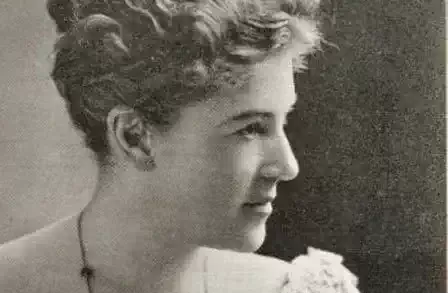
Ella Wheeler Wilcox
You Never Can Tell
You Never Can Tell
You never can tell when you send a word,
Like an arrow shot from a bow
By an archer blind, be it cruel or kind,
Just where it may chance to go.
It may pierce the breast of your dearest friend,
Tipped with its poison or balm,
To a stranger’s heart in life’s great mart,
It may carry its pain or its calm.
You never can tell when you do an act
Just what the result will be;
But with every deed you are sowing a seed,
Though the harvest you may not see.
Each kindly act is an acorn dropped
In God’s productive soil
You may not know, but the tree shall grow,
With shelter for those who toil.
You never can tell what your thoughts will do,
In bringing you hate or love;
For thoughts are things, and their airy wings
Are swifter than carrier doves.
They follow the law of the universe –
Each thing must create its kind,
And they speed o’er the track to bring you back
Whatever went out from your mind.
You never can tell when you send a word,
Like an arrow shot from a bow
By an archer blind, be it cruel or kind,
Just where it may chance to go.
It may pierce the breast of your dearest friend,
Tipped with its poison or balm,
To a stranger’s heart in life’s great mart,
It may carry its pain or its calm.
You never can tell when you do an act
Just what the result will be;
But with every deed you are sowing a seed,
Though the harvest you may not see.
Each kindly act is an acorn dropped
In God’s productive soil
You may not know, but the tree shall grow,
With shelter for those who toil.
You never can tell what your thoughts will do,
In bringing you hate or love;
For thoughts are things, and their airy wings
Are swifter than carrier doves.
They follow the law of the universe –
Each thing must create its kind,
And they speed o’er the track to bring you back
Whatever went out from your mind.
360
Ella Wheeler Wilcox
You Never Can Tell
You Never Can Tell
You never can tell when you send a word,
Like an arrow shot from a bow
By an archer blind, be it cruel or kind,
Just where it may chance to go.
It may pierce the breast of your dearest friend,
Tipped with its poison or balm,
To a stranger’s heart in life’s great mart,
It may carry its pain or its calm.
You never can tell when you do an act
Just what the result will be;
But with every deed you are sowing a seed,
Though the harvest you may not see.
Each kindly act is an acorn dropped
In God’s productive soil
You may not know, but the tree shall grow,
With shelter for those who toil.
You never can tell what your thoughts will do,
In bringing you hate or love;
For thoughts are things, and their airy wings
Are swifter than carrier doves.
They follow the law of the universe –
Each thing must create its kind,
And they speed o’er the track to bring you back
Whatever went out from your mind.
You never can tell when you send a word,
Like an arrow shot from a bow
By an archer blind, be it cruel or kind,
Just where it may chance to go.
It may pierce the breast of your dearest friend,
Tipped with its poison or balm,
To a stranger’s heart in life’s great mart,
It may carry its pain or its calm.
You never can tell when you do an act
Just what the result will be;
But with every deed you are sowing a seed,
Though the harvest you may not see.
Each kindly act is an acorn dropped
In God’s productive soil
You may not know, but the tree shall grow,
With shelter for those who toil.
You never can tell what your thoughts will do,
In bringing you hate or love;
For thoughts are things, and their airy wings
Are swifter than carrier doves.
They follow the law of the universe –
Each thing must create its kind,
And they speed o’er the track to bring you back
Whatever went out from your mind.
360
Ella Wheeler Wilcox
Worthy The Name of Sir Knight
Worthy The Name of Sir Knight
I
Sir Knight of the world's oldest order,
Sir Knight of the Army of God,
You have crossed the strange mystical border,
The ground floor of truth you have trod;
You have entered the sanctum sanctorum,
Which leads to the temple above,
Where you come as a stone, and a Christ-chosen one,
In the kingdom of Friendship and Love.
II
As you stand in this new realm of beauty,
Where each man you meet is your friend,
Think not that your promise of duty
In hall, or asylum, shall end;
Outside, in the great world of pleasure,
Beyond, in the clamor of trade,
In the battle of life and its coarse daily strife
Remember the vows you have made.
III
Your service, majestic and solemn,
Your symbols, suggestive and sweet,
Your uniformed phalanx in column
On gala days marching the street;
Your sword and your plume and your helmet,
Your 'secrets' hid from the world's sight;
These things are the small, lesser parts of the all
Which are needed to form the true Knight.
IV
The martyrs who perished rejoicing
In Templary's glorious laws,
Who died 'midst the fagots while voicing
The glory and worth of their cause-
They honored the title of 'Templar'
No more than the Knight of to-day
Who mars not the name with one blemish of shame,
But carries it clean through life's fray.
V
To live for a cause, to endeavor
To make your deeds grace it, to try
And uphold its precepts forever,
Is harder by far than to die.
For the battle of life is unending,
The enemy, Self, never tires,
And the true Knight must slay that sly foe every day
Ere he reaches the heights he desires.
VI
Sir Knight, have you pondered the meaning
Of all you have heard and been told?
Have you strengthened your heart for its weaning
From vices and faults loved of old?
Will you honor, in hours of temptation,
Your promises noble and grand?
Will your spirit be strong to do battle with wrong,
'And having done all, to stand?'
VII
Will you ever be true to a brother
In actions as well as in creed?
Will you stand by his side as no other
Could stand in the hour of his need?
Will you boldly defend him from peril,
And lift him from poverty's curse-
Will the promise of aid which you willingly made,
Reach down from your lips to your purse?
VIII
The world's battle field is before you!
Let Wisdom walk close by your side,
Let Faith spread her snowy wings o'er you,
Let Truth be your comrade and guide;
Let Fortitude, Justice and Mercy
Direct all your conduct aright,
And let each word and act tell to men the proud fact,
You are worthy the name of 'Sir Knight'.
I
Sir Knight of the world's oldest order,
Sir Knight of the Army of God,
You have crossed the strange mystical border,
The ground floor of truth you have trod;
You have entered the sanctum sanctorum,
Which leads to the temple above,
Where you come as a stone, and a Christ-chosen one,
In the kingdom of Friendship and Love.
II
As you stand in this new realm of beauty,
Where each man you meet is your friend,
Think not that your promise of duty
In hall, or asylum, shall end;
Outside, in the great world of pleasure,
Beyond, in the clamor of trade,
In the battle of life and its coarse daily strife
Remember the vows you have made.
III
Your service, majestic and solemn,
Your symbols, suggestive and sweet,
Your uniformed phalanx in column
On gala days marching the street;
Your sword and your plume and your helmet,
Your 'secrets' hid from the world's sight;
These things are the small, lesser parts of the all
Which are needed to form the true Knight.
IV
The martyrs who perished rejoicing
In Templary's glorious laws,
Who died 'midst the fagots while voicing
The glory and worth of their cause-
They honored the title of 'Templar'
No more than the Knight of to-day
Who mars not the name with one blemish of shame,
But carries it clean through life's fray.
V
To live for a cause, to endeavor
To make your deeds grace it, to try
And uphold its precepts forever,
Is harder by far than to die.
For the battle of life is unending,
The enemy, Self, never tires,
And the true Knight must slay that sly foe every day
Ere he reaches the heights he desires.
VI
Sir Knight, have you pondered the meaning
Of all you have heard and been told?
Have you strengthened your heart for its weaning
From vices and faults loved of old?
Will you honor, in hours of temptation,
Your promises noble and grand?
Will your spirit be strong to do battle with wrong,
'And having done all, to stand?'
VII
Will you ever be true to a brother
In actions as well as in creed?
Will you stand by his side as no other
Could stand in the hour of his need?
Will you boldly defend him from peril,
And lift him from poverty's curse-
Will the promise of aid which you willingly made,
Reach down from your lips to your purse?
VIII
The world's battle field is before you!
Let Wisdom walk close by your side,
Let Faith spread her snowy wings o'er you,
Let Truth be your comrade and guide;
Let Fortitude, Justice and Mercy
Direct all your conduct aright,
And let each word and act tell to men the proud fact,
You are worthy the name of 'Sir Knight'.
449
Ella Wheeler Wilcox
Words From The Wind
Words From The Wind
I called to the wind of the Winter,
As he sped like a steed on his way,
'Oh! rest for awhile on thy journey,
And answer these questions, I pray.
'Who is the foe to all virtue,
Who is the chieftain of crime?
Who blackens the forehead of beauty,
And cheateth the finger of time?
Who maketh the heart to be aged,
In the beautiful morning of youth?
Who is the herald of sorrow,
And who the assassin of Truth?
Who is the help-meet of Satan,
The agent of regions below?
Who the promoter of vices?
Who loadeth the bosom with woe?
Who stealeth the strength of the mighty?
Who stealeth the wits of the wise?
Who maketh the good and the noble
A thing that the meanest despise?'
And the wind of the wild Winter answered,
In a voice like a clarion call:
''Tis a beast legion-headed, a demon
Whom men christened 'King Alcohol.'
This is the help-meet that Satan
Sends out from the kingdom of hell,
A many-faced demon, who doeth
The work of the master right well;
For he weaveth his web round the noble,
And slayeth the soul with his breath.
Ah! this is the foe to all virtue,
And this is the agent of death.'
I called to the wind of the Winter,
As he sped like a steed on his way,
'Oh! rest for awhile on thy journey,
And answer these questions, I pray.
'Who is the foe to all virtue,
Who is the chieftain of crime?
Who blackens the forehead of beauty,
And cheateth the finger of time?
Who maketh the heart to be aged,
In the beautiful morning of youth?
Who is the herald of sorrow,
And who the assassin of Truth?
Who is the help-meet of Satan,
The agent of regions below?
Who the promoter of vices?
Who loadeth the bosom with woe?
Who stealeth the strength of the mighty?
Who stealeth the wits of the wise?
Who maketh the good and the noble
A thing that the meanest despise?'
And the wind of the wild Winter answered,
In a voice like a clarion call:
''Tis a beast legion-headed, a demon
Whom men christened 'King Alcohol.'
This is the help-meet that Satan
Sends out from the kingdom of hell,
A many-faced demon, who doeth
The work of the master right well;
For he weaveth his web round the noble,
And slayeth the soul with his breath.
Ah! this is the foe to all virtue,
And this is the agent of death.'
426
Ella Wheeler Wilcox
Woman
Woman
Give us that grand word ‘woman’ once again,
And let’s have done with ‘lady’: one’s a term
Full of fine force, strong, beautiful, and firm,
Fit for the noblest use of tongue or pen;
And one’s a word for lackeys. One suggests
The Mother, Wife, and Sister! One the dame
Whose costly robe, mayhap, gives her the name,
One word upon its own strength leans and rests;
The other minces tiptoe. Who would be
The perfect woman must grow brave of heart
And broad of soul to play her troubled part
Well in life’s drama. While each day we see
The ‘perfect lady’ skilled in what to do
And what to say, grace in each tone and act
(‘Tis taught in schools, but needs some native tact) ,
Yet narrow in her mind as in her shoe.
Give the first place then to the nobler phrase,
And leave the lesser word for lesser praise.
Give us that grand word ‘woman’ once again,
And let’s have done with ‘lady’: one’s a term
Full of fine force, strong, beautiful, and firm,
Fit for the noblest use of tongue or pen;
And one’s a word for lackeys. One suggests
The Mother, Wife, and Sister! One the dame
Whose costly robe, mayhap, gives her the name,
One word upon its own strength leans and rests;
The other minces tiptoe. Who would be
The perfect woman must grow brave of heart
And broad of soul to play her troubled part
Well in life’s drama. While each day we see
The ‘perfect lady’ skilled in what to do
And what to say, grace in each tone and act
(‘Tis taught in schools, but needs some native tact) ,
Yet narrow in her mind as in her shoe.
Give the first place then to the nobler phrase,
And leave the lesser word for lesser praise.
463
Ella Wheeler Wilcox
Woman
Woman
Give us that grand word ‘woman’ once again,
And let’s have done with ‘lady’: one’s a term
Full of fine force, strong, beautiful, and firm,
Fit for the noblest use of tongue or pen;
And one’s a word for lackeys. One suggests
The Mother, Wife, and Sister! One the dame
Whose costly robe, mayhap, gives her the name,
One word upon its own strength leans and rests;
The other minces tiptoe. Who would be
The perfect woman must grow brave of heart
And broad of soul to play her troubled part
Well in life’s drama. While each day we see
The ‘perfect lady’ skilled in what to do
And what to say, grace in each tone and act
(‘Tis taught in schools, but needs some native tact) ,
Yet narrow in her mind as in her shoe.
Give the first place then to the nobler phrase,
And leave the lesser word for lesser praise.
Give us that grand word ‘woman’ once again,
And let’s have done with ‘lady’: one’s a term
Full of fine force, strong, beautiful, and firm,
Fit for the noblest use of tongue or pen;
And one’s a word for lackeys. One suggests
The Mother, Wife, and Sister! One the dame
Whose costly robe, mayhap, gives her the name,
One word upon its own strength leans and rests;
The other minces tiptoe. Who would be
The perfect woman must grow brave of heart
And broad of soul to play her troubled part
Well in life’s drama. While each day we see
The ‘perfect lady’ skilled in what to do
And what to say, grace in each tone and act
(‘Tis taught in schools, but needs some native tact) ,
Yet narrow in her mind as in her shoe.
Give the first place then to the nobler phrase,
And leave the lesser word for lesser praise.
463
Ella Wheeler Wilcox
Woman To Man
Woman To Man
You do but jest, sir, and you jest not well,
How could the hand be enemy of the arm,
Or seed and sod be rivals! How could light
Feel jealousy of heat, plant of the leaf
Or competition dwell 'twixt lip and smile?
Are we not part and parcel of yourselves?
Like strands in one great braid we intertwine
And make the perfect whole. You could not be,
Unless we gave you birth; we are the soil
From which you sprang, yet sterile were that soil
Save as you planted. (Though in the Book we read
One woman bore a child with no man's aid
We find no record of a man-child born
Without the aid of woman! Fatherhood
Is but a small achievement at the best
While motherhood comprises heaven and hell.)
This ever-growing argument of sex
Is most unseemly, and devoid of sense.
Why waste more time in controversy, when
There is not time enough for all of love,
Our rightful occupation in this life.
Why prate of our defects, of where we fail
When just the story of our worth would need
Eternity for telling, and our best
Development comes ever thro' your praise,
As through our praise you reach your highest self.
Oh! had you not been miser of your praise
And let our virtues be their own reward
The old established, order of the world
Would never have been changed. Small blame is ours
For this unsexing of ourselves, and worse
Effeminizing of the male. We were
Content, sir, till you starved us, heart and brain.
All we have done, or wise, or otherwise
Traced to the root, was done for love of you.
Let us taboo all vain comparisons,
And go forth as God meant us, hand in hand,
Companions, mates and comrades evermore;
Two parts of one divinely ordained whole.
You do but jest, sir, and you jest not well,
How could the hand be enemy of the arm,
Or seed and sod be rivals! How could light
Feel jealousy of heat, plant of the leaf
Or competition dwell 'twixt lip and smile?
Are we not part and parcel of yourselves?
Like strands in one great braid we intertwine
And make the perfect whole. You could not be,
Unless we gave you birth; we are the soil
From which you sprang, yet sterile were that soil
Save as you planted. (Though in the Book we read
One woman bore a child with no man's aid
We find no record of a man-child born
Without the aid of woman! Fatherhood
Is but a small achievement at the best
While motherhood comprises heaven and hell.)
This ever-growing argument of sex
Is most unseemly, and devoid of sense.
Why waste more time in controversy, when
There is not time enough for all of love,
Our rightful occupation in this life.
Why prate of our defects, of where we fail
When just the story of our worth would need
Eternity for telling, and our best
Development comes ever thro' your praise,
As through our praise you reach your highest self.
Oh! had you not been miser of your praise
And let our virtues be their own reward
The old established, order of the world
Would never have been changed. Small blame is ours
For this unsexing of ourselves, and worse
Effeminizing of the male. We were
Content, sir, till you starved us, heart and brain.
All we have done, or wise, or otherwise
Traced to the root, was done for love of you.
Let us taboo all vain comparisons,
And go forth as God meant us, hand in hand,
Companions, mates and comrades evermore;
Two parts of one divinely ordained whole.
365
Ella Wheeler Wilcox
Wishing
Wishing
Do you wish the world were better?
Let me tell you what to do:
Set a watch for your actions,
Keep them always straight and true;
Rid tour mind of selfish motives;
Let your thoughts be clean and high.
You can make a little Eden
Of the sphere you occupy.
Do you wish the world were wiser?
Well, suppose you made a start,
By accumulating wisdom
In the scrapbook of your heart:
Do not waste one page on folly;
Live to learn, and learn to live.
If you want to give men knowledge
You must get it, ere you give.
Do you wish the world were happy?
Then remember day by day
Just to scatter seeds of kindness
As you pass along the way;
For the pleasures of the many
May ofttimes traced to one,
As the hand that plants an acorn
Shelters armies from the sun.
Do you wish the world were better?
Let me tell you what to do:
Set a watch for your actions,
Keep them always straight and true;
Rid tour mind of selfish motives;
Let your thoughts be clean and high.
You can make a little Eden
Of the sphere you occupy.
Do you wish the world were wiser?
Well, suppose you made a start,
By accumulating wisdom
In the scrapbook of your heart:
Do not waste one page on folly;
Live to learn, and learn to live.
If you want to give men knowledge
You must get it, ere you give.
Do you wish the world were happy?
Then remember day by day
Just to scatter seeds of kindness
As you pass along the way;
For the pleasures of the many
May ofttimes traced to one,
As the hand that plants an acorn
Shelters armies from the sun.
504
Ella Wheeler Wilcox
Wishing
Wishing
Do you wish the world were better?
Let me tell you what to do:
Set a watch for your actions,
Keep them always straight and true;
Rid tour mind of selfish motives;
Let your thoughts be clean and high.
You can make a little Eden
Of the sphere you occupy.
Do you wish the world were wiser?
Well, suppose you made a start,
By accumulating wisdom
In the scrapbook of your heart:
Do not waste one page on folly;
Live to learn, and learn to live.
If you want to give men knowledge
You must get it, ere you give.
Do you wish the world were happy?
Then remember day by day
Just to scatter seeds of kindness
As you pass along the way;
For the pleasures of the many
May ofttimes traced to one,
As the hand that plants an acorn
Shelters armies from the sun.
Do you wish the world were better?
Let me tell you what to do:
Set a watch for your actions,
Keep them always straight and true;
Rid tour mind of selfish motives;
Let your thoughts be clean and high.
You can make a little Eden
Of the sphere you occupy.
Do you wish the world were wiser?
Well, suppose you made a start,
By accumulating wisdom
In the scrapbook of your heart:
Do not waste one page on folly;
Live to learn, and learn to live.
If you want to give men knowledge
You must get it, ere you give.
Do you wish the world were happy?
Then remember day by day
Just to scatter seeds of kindness
As you pass along the way;
For the pleasures of the many
May ofttimes traced to one,
As the hand that plants an acorn
Shelters armies from the sun.
504
Ella Wheeler Wilcox
Which are You?
Which are You?
There are two kinds of people on earth to-day;
Just two kinds of people, no more, I say.
Not the sinner and saint, for it's well understood,
The good are half bad, and the bad are half good.
Not the rich and the poor, for to rate a man's wealth,
You must first know the state of his conscience and health.
Not the humble and proud, for in life's little span,
Who puts on vain airs, is not counted a man.
Not the happy and sad, for the swift flying years
Bring each man his laughter and each man his tears.
No; the two kinds of people on earth I mean,
Are the people who lift, and the people who lean.
Wherever you go, you will find the earth's masses,
Are always divided in just these two classes.
And oddly enough, you will find too, I ween,
There's only one lifter to twenty who lean.
In which class are you? Are you easing the load,
Of overtaxed lifters, who toil down the road?
Or are you a leaner, who lets others share
Your portion of labor, and worry and care?
There are two kinds of people on earth to-day;
Just two kinds of people, no more, I say.
Not the sinner and saint, for it's well understood,
The good are half bad, and the bad are half good.
Not the rich and the poor, for to rate a man's wealth,
You must first know the state of his conscience and health.
Not the humble and proud, for in life's little span,
Who puts on vain airs, is not counted a man.
Not the happy and sad, for the swift flying years
Bring each man his laughter and each man his tears.
No; the two kinds of people on earth I mean,
Are the people who lift, and the people who lean.
Wherever you go, you will find the earth's masses,
Are always divided in just these two classes.
And oddly enough, you will find too, I ween,
There's only one lifter to twenty who lean.
In which class are you? Are you easing the load,
Of overtaxed lifters, who toil down the road?
Or are you a leaner, who lets others share
Your portion of labor, and worry and care?
380
Ella Wheeler Wilcox
Which are You?
Which are You?
There are two kinds of people on earth to-day;
Just two kinds of people, no more, I say.
Not the sinner and saint, for it's well understood,
The good are half bad, and the bad are half good.
Not the rich and the poor, for to rate a man's wealth,
You must first know the state of his conscience and health.
Not the humble and proud, for in life's little span,
Who puts on vain airs, is not counted a man.
Not the happy and sad, for the swift flying years
Bring each man his laughter and each man his tears.
No; the two kinds of people on earth I mean,
Are the people who lift, and the people who lean.
Wherever you go, you will find the earth's masses,
Are always divided in just these two classes.
And oddly enough, you will find too, I ween,
There's only one lifter to twenty who lean.
In which class are you? Are you easing the load,
Of overtaxed lifters, who toil down the road?
Or are you a leaner, who lets others share
Your portion of labor, and worry and care?
There are two kinds of people on earth to-day;
Just two kinds of people, no more, I say.
Not the sinner and saint, for it's well understood,
The good are half bad, and the bad are half good.
Not the rich and the poor, for to rate a man's wealth,
You must first know the state of his conscience and health.
Not the humble and proud, for in life's little span,
Who puts on vain airs, is not counted a man.
Not the happy and sad, for the swift flying years
Bring each man his laughter and each man his tears.
No; the two kinds of people on earth I mean,
Are the people who lift, and the people who lean.
Wherever you go, you will find the earth's masses,
Are always divided in just these two classes.
And oddly enough, you will find too, I ween,
There's only one lifter to twenty who lean.
In which class are you? Are you easing the load,
Of overtaxed lifters, who toil down the road?
Or are you a leaner, who lets others share
Your portion of labor, and worry and care?
380
Ella Wheeler Wilcox
Which are You?
Which are You?
There are two kinds of people on earth to-day;
Just two kinds of people, no more, I say.
Not the sinner and saint, for it's well understood,
The good are half bad, and the bad are half good.
Not the rich and the poor, for to rate a man's wealth,
You must first know the state of his conscience and health.
Not the humble and proud, for in life's little span,
Who puts on vain airs, is not counted a man.
Not the happy and sad, for the swift flying years
Bring each man his laughter and each man his tears.
No; the two kinds of people on earth I mean,
Are the people who lift, and the people who lean.
Wherever you go, you will find the earth's masses,
Are always divided in just these two classes.
And oddly enough, you will find too, I ween,
There's only one lifter to twenty who lean.
In which class are you? Are you easing the load,
Of overtaxed lifters, who toil down the road?
Or are you a leaner, who lets others share
Your portion of labor, and worry and care?
There are two kinds of people on earth to-day;
Just two kinds of people, no more, I say.
Not the sinner and saint, for it's well understood,
The good are half bad, and the bad are half good.
Not the rich and the poor, for to rate a man's wealth,
You must first know the state of his conscience and health.
Not the humble and proud, for in life's little span,
Who puts on vain airs, is not counted a man.
Not the happy and sad, for the swift flying years
Bring each man his laughter and each man his tears.
No; the two kinds of people on earth I mean,
Are the people who lift, and the people who lean.
Wherever you go, you will find the earth's masses,
Are always divided in just these two classes.
And oddly enough, you will find too, I ween,
There's only one lifter to twenty who lean.
In which class are you? Are you easing the load,
Of overtaxed lifters, who toil down the road?
Or are you a leaner, who lets others share
Your portion of labor, and worry and care?
380
Ella Wheeler Wilcox
Where Are The Temperance People? In Reply To A Query
Where Are The Temperance People? In Reply To A Query
Where are the temperance people?
Well, scattered here and there:
Some gathering in their produce
To show at the autumn fair;
Some threshing wheat for market,
And others threshing rye,
That will go to the fat distiller
For whiskey by-and-by.
And some are selling their hop crops
At a first-rate price, this year,
And the seller pockets the money,
While the drunkard swallows the beer.
And some 'staunch temperance workers'(?)
Who'd do anything for the cause,
Save to give it a dime or a moment,
Or work for temperance laws,
May be seen from now to election,
Near any tavern stand
Where liquor flows in plenty,
With a voter on either hand.
And these temperance office-seekers
That we hear of far and near
Are the ones who furnish the money
That buys the lager-beer.
But these are only the black sheep
Who want the temperance name
Without living up to the precepts,
And so bring themselves to shame.
And the true, brave temperance people,
Who have the cause at heart,
Are doing the work that's nearest,
Each his allotted part:
Some lifting the fallen drunkard,
Some preaching unto men,
Some aiding the cause with money,
And others with the pen.
Each has a different mission,
Each works in a different way,
But their works shall melt together
In one grand result, some day.
And one, our chief (God bless him),
Is working day and night:
With his sword of burning eloquence,
He is fighting the noble fight.
Whether in lodge or convention,
Whether at home or abroad,
He is reaping a golden harvest
To lay at the feet of God.
Where are the temperance people?
All scattered here and there,
Sowing the seeds of righteous deeds,
That the harvest may be fair.
Where are the temperance people?
Well, scattered here and there:
Some gathering in their produce
To show at the autumn fair;
Some threshing wheat for market,
And others threshing rye,
That will go to the fat distiller
For whiskey by-and-by.
And some are selling their hop crops
At a first-rate price, this year,
And the seller pockets the money,
While the drunkard swallows the beer.
And some 'staunch temperance workers'(?)
Who'd do anything for the cause,
Save to give it a dime or a moment,
Or work for temperance laws,
May be seen from now to election,
Near any tavern stand
Where liquor flows in plenty,
With a voter on either hand.
And these temperance office-seekers
That we hear of far and near
Are the ones who furnish the money
That buys the lager-beer.
But these are only the black sheep
Who want the temperance name
Without living up to the precepts,
And so bring themselves to shame.
And the true, brave temperance people,
Who have the cause at heart,
Are doing the work that's nearest,
Each his allotted part:
Some lifting the fallen drunkard,
Some preaching unto men,
Some aiding the cause with money,
And others with the pen.
Each has a different mission,
Each works in a different way,
But their works shall melt together
In one grand result, some day.
And one, our chief (God bless him),
Is working day and night:
With his sword of burning eloquence,
He is fighting the noble fight.
Whether in lodge or convention,
Whether at home or abroad,
He is reaping a golden harvest
To lay at the feet of God.
Where are the temperance people?
All scattered here and there,
Sowing the seeds of righteous deeds,
That the harvest may be fair.
369