

Poems in this topic
Society and the World
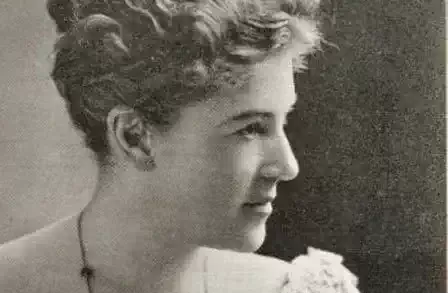
Ella Wheeler Wilcox
Where Are The Temperance People? In Reply To A Query
Where Are The Temperance People? In Reply To A Query
Where are the temperance people?
Well, scattered here and there:
Some gathering in their produce
To show at the autumn fair;
Some threshing wheat for market,
And others threshing rye,
That will go to the fat distiller
For whiskey by-and-by.
And some are selling their hop crops
At a first-rate price, this year,
And the seller pockets the money,
While the drunkard swallows the beer.
And some 'staunch temperance workers'(?)
Who'd do anything for the cause,
Save to give it a dime or a moment,
Or work for temperance laws,
May be seen from now to election,
Near any tavern stand
Where liquor flows in plenty,
With a voter on either hand.
And these temperance office-seekers
That we hear of far and near
Are the ones who furnish the money
That buys the lager-beer.
But these are only the black sheep
Who want the temperance name
Without living up to the precepts,
And so bring themselves to shame.
And the true, brave temperance people,
Who have the cause at heart,
Are doing the work that's nearest,
Each his allotted part:
Some lifting the fallen drunkard,
Some preaching unto men,
Some aiding the cause with money,
And others with the pen.
Each has a different mission,
Each works in a different way,
But their works shall melt together
In one grand result, some day.
And one, our chief (God bless him),
Is working day and night:
With his sword of burning eloquence,
He is fighting the noble fight.
Whether in lodge or convention,
Whether at home or abroad,
He is reaping a golden harvest
To lay at the feet of God.
Where are the temperance people?
All scattered here and there,
Sowing the seeds of righteous deeds,
That the harvest may be fair.
Where are the temperance people?
Well, scattered here and there:
Some gathering in their produce
To show at the autumn fair;
Some threshing wheat for market,
And others threshing rye,
That will go to the fat distiller
For whiskey by-and-by.
And some are selling their hop crops
At a first-rate price, this year,
And the seller pockets the money,
While the drunkard swallows the beer.
And some 'staunch temperance workers'(?)
Who'd do anything for the cause,
Save to give it a dime or a moment,
Or work for temperance laws,
May be seen from now to election,
Near any tavern stand
Where liquor flows in plenty,
With a voter on either hand.
And these temperance office-seekers
That we hear of far and near
Are the ones who furnish the money
That buys the lager-beer.
But these are only the black sheep
Who want the temperance name
Without living up to the precepts,
And so bring themselves to shame.
And the true, brave temperance people,
Who have the cause at heart,
Are doing the work that's nearest,
Each his allotted part:
Some lifting the fallen drunkard,
Some preaching unto men,
Some aiding the cause with money,
And others with the pen.
Each has a different mission,
Each works in a different way,
But their works shall melt together
In one grand result, some day.
And one, our chief (God bless him),
Is working day and night:
With his sword of burning eloquence,
He is fighting the noble fight.
Whether in lodge or convention,
Whether at home or abroad,
He is reaping a golden harvest
To lay at the feet of God.
Where are the temperance people?
All scattered here and there,
Sowing the seeds of righteous deeds,
That the harvest may be fair.
369
Ella Wheeler Wilcox
Where Are The Temperance People? In Reply To A Query
Where Are The Temperance People? In Reply To A Query
Where are the temperance people?
Well, scattered here and there:
Some gathering in their produce
To show at the autumn fair;
Some threshing wheat for market,
And others threshing rye,
That will go to the fat distiller
For whiskey by-and-by.
And some are selling their hop crops
At a first-rate price, this year,
And the seller pockets the money,
While the drunkard swallows the beer.
And some 'staunch temperance workers'(?)
Who'd do anything for the cause,
Save to give it a dime or a moment,
Or work for temperance laws,
May be seen from now to election,
Near any tavern stand
Where liquor flows in plenty,
With a voter on either hand.
And these temperance office-seekers
That we hear of far and near
Are the ones who furnish the money
That buys the lager-beer.
But these are only the black sheep
Who want the temperance name
Without living up to the precepts,
And so bring themselves to shame.
And the true, brave temperance people,
Who have the cause at heart,
Are doing the work that's nearest,
Each his allotted part:
Some lifting the fallen drunkard,
Some preaching unto men,
Some aiding the cause with money,
And others with the pen.
Each has a different mission,
Each works in a different way,
But their works shall melt together
In one grand result, some day.
And one, our chief (God bless him),
Is working day and night:
With his sword of burning eloquence,
He is fighting the noble fight.
Whether in lodge or convention,
Whether at home or abroad,
He is reaping a golden harvest
To lay at the feet of God.
Where are the temperance people?
All scattered here and there,
Sowing the seeds of righteous deeds,
That the harvest may be fair.
Where are the temperance people?
Well, scattered here and there:
Some gathering in their produce
To show at the autumn fair;
Some threshing wheat for market,
And others threshing rye,
That will go to the fat distiller
For whiskey by-and-by.
And some are selling their hop crops
At a first-rate price, this year,
And the seller pockets the money,
While the drunkard swallows the beer.
And some 'staunch temperance workers'(?)
Who'd do anything for the cause,
Save to give it a dime or a moment,
Or work for temperance laws,
May be seen from now to election,
Near any tavern stand
Where liquor flows in plenty,
With a voter on either hand.
And these temperance office-seekers
That we hear of far and near
Are the ones who furnish the money
That buys the lager-beer.
But these are only the black sheep
Who want the temperance name
Without living up to the precepts,
And so bring themselves to shame.
And the true, brave temperance people,
Who have the cause at heart,
Are doing the work that's nearest,
Each his allotted part:
Some lifting the fallen drunkard,
Some preaching unto men,
Some aiding the cause with money,
And others with the pen.
Each has a different mission,
Each works in a different way,
But their works shall melt together
In one grand result, some day.
And one, our chief (God bless him),
Is working day and night:
With his sword of burning eloquence,
He is fighting the noble fight.
Whether in lodge or convention,
Whether at home or abroad,
He is reaping a golden harvest
To lay at the feet of God.
Where are the temperance people?
All scattered here and there,
Sowing the seeds of righteous deeds,
That the harvest may be fair.
369
Ella Wheeler Wilcox
What Would It Be?
What Would It Be?
Now what were the words of Jesus,
And what would He pause and say,
If we were to meet in home or street,
The Lord of the world to-day?
Oh, I think He would pause and say:
'Go on with your chosen labour;
Speak only good of your neighbour;
Widen your farms, and lay down your arms,
Or dig up the soil with each sabre.'
Now what were the answer of Jesus
If we should ask for a creed,
To carry us straight to the wonderful gate
When soul from body is freed?
Oh, I think He would give us this creed:
'Praise God whatever betide you;
Cast joy on the lives beside you;
Better the earth, by growing in worth,
With love as the law to guide you.'
Now what were the answer of Jesus
If we should ask Him to tell
Of the last great goal of the homing soul
Where each of us hopes to dwell?
Oh, I think it is this He would tell:
'The soul is the builder-then wake it;
The mind is the kingdom-then take it;
And thought upon thought let Eden be wrought,
For heaven will be what you make it.'
Now what were the words of Jesus,
And what would He pause and say,
If we were to meet in home or street,
The Lord of the world to-day?
Oh, I think He would pause and say:
'Go on with your chosen labour;
Speak only good of your neighbour;
Widen your farms, and lay down your arms,
Or dig up the soil with each sabre.'
Now what were the answer of Jesus
If we should ask for a creed,
To carry us straight to the wonderful gate
When soul from body is freed?
Oh, I think He would give us this creed:
'Praise God whatever betide you;
Cast joy on the lives beside you;
Better the earth, by growing in worth,
With love as the law to guide you.'
Now what were the answer of Jesus
If we should ask Him to tell
Of the last great goal of the homing soul
Where each of us hopes to dwell?
Oh, I think it is this He would tell:
'The soul is the builder-then wake it;
The mind is the kingdom-then take it;
And thought upon thought let Eden be wrought,
For heaven will be what you make it.'
349
Ella Wheeler Wilcox
What Would It Be?
What Would It Be?
Now what were the words of Jesus,
And what would He pause and say,
If we were to meet in home or street,
The Lord of the world to-day?
Oh, I think He would pause and say:
'Go on with your chosen labour;
Speak only good of your neighbour;
Widen your farms, and lay down your arms,
Or dig up the soil with each sabre.'
Now what were the answer of Jesus
If we should ask for a creed,
To carry us straight to the wonderful gate
When soul from body is freed?
Oh, I think He would give us this creed:
'Praise God whatever betide you;
Cast joy on the lives beside you;
Better the earth, by growing in worth,
With love as the law to guide you.'
Now what were the answer of Jesus
If we should ask Him to tell
Of the last great goal of the homing soul
Where each of us hopes to dwell?
Oh, I think it is this He would tell:
'The soul is the builder-then wake it;
The mind is the kingdom-then take it;
And thought upon thought let Eden be wrought,
For heaven will be what you make it.'
Now what were the words of Jesus,
And what would He pause and say,
If we were to meet in home or street,
The Lord of the world to-day?
Oh, I think He would pause and say:
'Go on with your chosen labour;
Speak only good of your neighbour;
Widen your farms, and lay down your arms,
Or dig up the soil with each sabre.'
Now what were the answer of Jesus
If we should ask for a creed,
To carry us straight to the wonderful gate
When soul from body is freed?
Oh, I think He would give us this creed:
'Praise God whatever betide you;
Cast joy on the lives beside you;
Better the earth, by growing in worth,
With love as the law to guide you.'
Now what were the answer of Jesus
If we should ask Him to tell
Of the last great goal of the homing soul
Where each of us hopes to dwell?
Oh, I think it is this He would tell:
'The soul is the builder-then wake it;
The mind is the kingdom-then take it;
And thought upon thought let Eden be wrought,
For heaven will be what you make it.'
349
Ella Wheeler Wilcox
What I Have Seen #4
What I Have Seen #4
I saw a youth, one of God's favored few,
Crowned with beauty, and talents, and health;
He had climbed the steep pathway, and cut his way through
To the summit of glory and wealth.
The day is breaking, hearts are waking,
Refreshed for the field of labor:
Arise, arise, like the king of the skies,
With a greeting for friend and neighbor.
He had toiled hard for the honors he'd won,
He had climbed over high rocks, forded streams;
Braved the bleak winter snow, the hot summer sun,
He was reaching the goal of his dreams.
The day hangs around us, the sun hath bound us
With fetters silken and yellow:
Flow, flow away, fleeting day,
Golden-hearted and mellow.
I saw the youth lift a mug to his mouth,
Drink the last drop of the fearful first glass!
Ah! his veins thrill in a fierce, scorching drouth,
He fills it again, again drinks it! alas!
The day is dying, hearts are sighing,
Crushed with a weight of sorrow:
Sleep, oh! sleep, in a slumber deep,
And wait for a bright to-morrow.
I saw him low in the dust at my feet,
Gone beauty, health, wealth, strength, talents, all;
From the summit of Fame to the slime of the street,
He had bartered his soul for the fiend Alcohol.
The night hangs o'er us, the wind's wild chorus
Shrieks like a demons' revel:
Weep, sob, weep, for the fog is deep,
And the world is sold to the devil.
I saw a youth, one of God's favored few,
Crowned with beauty, and talents, and health;
He had climbed the steep pathway, and cut his way through
To the summit of glory and wealth.
The day is breaking, hearts are waking,
Refreshed for the field of labor:
Arise, arise, like the king of the skies,
With a greeting for friend and neighbor.
He had toiled hard for the honors he'd won,
He had climbed over high rocks, forded streams;
Braved the bleak winter snow, the hot summer sun,
He was reaching the goal of his dreams.
The day hangs around us, the sun hath bound us
With fetters silken and yellow:
Flow, flow away, fleeting day,
Golden-hearted and mellow.
I saw the youth lift a mug to his mouth,
Drink the last drop of the fearful first glass!
Ah! his veins thrill in a fierce, scorching drouth,
He fills it again, again drinks it! alas!
The day is dying, hearts are sighing,
Crushed with a weight of sorrow:
Sleep, oh! sleep, in a slumber deep,
And wait for a bright to-morrow.
I saw him low in the dust at my feet,
Gone beauty, health, wealth, strength, talents, all;
From the summit of Fame to the slime of the street,
He had bartered his soul for the fiend Alcohol.
The night hangs o'er us, the wind's wild chorus
Shrieks like a demons' revel:
Weep, sob, weep, for the fog is deep,
And the world is sold to the devil.
14
Ella Wheeler Wilcox
What I Have Seen #4
What I Have Seen #4
I saw a youth, one of God's favored few,
Crowned with beauty, and talents, and health;
He had climbed the steep pathway, and cut his way through
To the summit of glory and wealth.
The day is breaking, hearts are waking,
Refreshed for the field of labor:
Arise, arise, like the king of the skies,
With a greeting for friend and neighbor.
He had toiled hard for the honors he'd won,
He had climbed over high rocks, forded streams;
Braved the bleak winter snow, the hot summer sun,
He was reaching the goal of his dreams.
The day hangs around us, the sun hath bound us
With fetters silken and yellow:
Flow, flow away, fleeting day,
Golden-hearted and mellow.
I saw the youth lift a mug to his mouth,
Drink the last drop of the fearful first glass!
Ah! his veins thrill in a fierce, scorching drouth,
He fills it again, again drinks it! alas!
The day is dying, hearts are sighing,
Crushed with a weight of sorrow:
Sleep, oh! sleep, in a slumber deep,
And wait for a bright to-morrow.
I saw him low in the dust at my feet,
Gone beauty, health, wealth, strength, talents, all;
From the summit of Fame to the slime of the street,
He had bartered his soul for the fiend Alcohol.
The night hangs o'er us, the wind's wild chorus
Shrieks like a demons' revel:
Weep, sob, weep, for the fog is deep,
And the world is sold to the devil.
I saw a youth, one of God's favored few,
Crowned with beauty, and talents, and health;
He had climbed the steep pathway, and cut his way through
To the summit of glory and wealth.
The day is breaking, hearts are waking,
Refreshed for the field of labor:
Arise, arise, like the king of the skies,
With a greeting for friend and neighbor.
He had toiled hard for the honors he'd won,
He had climbed over high rocks, forded streams;
Braved the bleak winter snow, the hot summer sun,
He was reaching the goal of his dreams.
The day hangs around us, the sun hath bound us
With fetters silken and yellow:
Flow, flow away, fleeting day,
Golden-hearted and mellow.
I saw the youth lift a mug to his mouth,
Drink the last drop of the fearful first glass!
Ah! his veins thrill in a fierce, scorching drouth,
He fills it again, again drinks it! alas!
The day is dying, hearts are sighing,
Crushed with a weight of sorrow:
Sleep, oh! sleep, in a slumber deep,
And wait for a bright to-morrow.
I saw him low in the dust at my feet,
Gone beauty, health, wealth, strength, talents, all;
From the summit of Fame to the slime of the street,
He had bartered his soul for the fiend Alcohol.
The night hangs o'er us, the wind's wild chorus
Shrieks like a demons' revel:
Weep, sob, weep, for the fog is deep,
And the world is sold to the devil.
14
Ella Wheeler Wilcox
What Had He Done?
What Had He Done?
I saw the farmer, when the day was done,
And the proud sun had sought his crimson bed,
And the mild stars came forward one by one-
I saw the sturdy farmer, and I said:
'What have you done to-day,
O farmer! say?'
'Oh! I have sown the wheat in yonder field,
And pruned my orchard to increase its yield,
And turned the furrow for a patch of corn:
This have I done, with other things, since morn.'
I saw the blacksmith in his smithy-door,
When day had vanished and the west grew red,
And all the busy noise and strife were o'er-
I saw the kingly blacksmith, and I said:
'What have you done to-day,
O blacksmith! say?
'Oh! I have made two plough-shares all complete,
And nailed the shoes on many horses' feet;
And-O my friend! I cannot tell you half,'
The man of muscle answered, with a laugh.
I saw the miller, when the day had gone,
And all the sunlight from the hills had fled,
And tender shadows crept across the lawn-
I saw the trusty miller, and I said:
'What have you done to-day,
O miller gray?'
'Oh! I have watched my mill from morn to night,
And never saw yon flour so snowy white.
And many are the mouths to-day I've fed,
I ween,' the merry miller laughed and said.
I saw another, when the night grew nigh,
And turned each daily toiler from his task,
When gold and crimson banners decked the sky-
I saw another, and I paused to ask:
'What have you done to-day,
Rumseller, say?'
But the rumseller turned with dropping head,
And not a single word in answer said.
What had he done? His work he knew full well
Was plunging human souls in deepest hell.
Alas! rumseller, on that awful day,
When death shall call you, and your race is run,
How can you answer? What can you hope to say?
When God shall ask you, 'What have you done?'
How can you meet the eye
Of the Most High?
When night approaches and the day grows late,
Think you to find the way to heaven's gate?
Think you to dwell with souls of righteous men?
Think you to enter in? If not, what then?
I saw the farmer, when the day was done,
And the proud sun had sought his crimson bed,
And the mild stars came forward one by one-
I saw the sturdy farmer, and I said:
'What have you done to-day,
O farmer! say?'
'Oh! I have sown the wheat in yonder field,
And pruned my orchard to increase its yield,
And turned the furrow for a patch of corn:
This have I done, with other things, since morn.'
I saw the blacksmith in his smithy-door,
When day had vanished and the west grew red,
And all the busy noise and strife were o'er-
I saw the kingly blacksmith, and I said:
'What have you done to-day,
O blacksmith! say?
'Oh! I have made two plough-shares all complete,
And nailed the shoes on many horses' feet;
And-O my friend! I cannot tell you half,'
The man of muscle answered, with a laugh.
I saw the miller, when the day had gone,
And all the sunlight from the hills had fled,
And tender shadows crept across the lawn-
I saw the trusty miller, and I said:
'What have you done to-day,
O miller gray?'
'Oh! I have watched my mill from morn to night,
And never saw yon flour so snowy white.
And many are the mouths to-day I've fed,
I ween,' the merry miller laughed and said.
I saw another, when the night grew nigh,
And turned each daily toiler from his task,
When gold and crimson banners decked the sky-
I saw another, and I paused to ask:
'What have you done to-day,
Rumseller, say?'
But the rumseller turned with dropping head,
And not a single word in answer said.
What had he done? His work he knew full well
Was plunging human souls in deepest hell.
Alas! rumseller, on that awful day,
When death shall call you, and your race is run,
How can you answer? What can you hope to say?
When God shall ask you, 'What have you done?'
How can you meet the eye
Of the Most High?
When night approaches and the day grows late,
Think you to find the way to heaven's gate?
Think you to dwell with souls of righteous men?
Think you to enter in? If not, what then?
464
Ella Wheeler Wilcox
What Had He Done?
What Had He Done?
I saw the farmer, when the day was done,
And the proud sun had sought his crimson bed,
And the mild stars came forward one by one-
I saw the sturdy farmer, and I said:
'What have you done to-day,
O farmer! say?'
'Oh! I have sown the wheat in yonder field,
And pruned my orchard to increase its yield,
And turned the furrow for a patch of corn:
This have I done, with other things, since morn.'
I saw the blacksmith in his smithy-door,
When day had vanished and the west grew red,
And all the busy noise and strife were o'er-
I saw the kingly blacksmith, and I said:
'What have you done to-day,
O blacksmith! say?
'Oh! I have made two plough-shares all complete,
And nailed the shoes on many horses' feet;
And-O my friend! I cannot tell you half,'
The man of muscle answered, with a laugh.
I saw the miller, when the day had gone,
And all the sunlight from the hills had fled,
And tender shadows crept across the lawn-
I saw the trusty miller, and I said:
'What have you done to-day,
O miller gray?'
'Oh! I have watched my mill from morn to night,
And never saw yon flour so snowy white.
And many are the mouths to-day I've fed,
I ween,' the merry miller laughed and said.
I saw another, when the night grew nigh,
And turned each daily toiler from his task,
When gold and crimson banners decked the sky-
I saw another, and I paused to ask:
'What have you done to-day,
Rumseller, say?'
But the rumseller turned with dropping head,
And not a single word in answer said.
What had he done? His work he knew full well
Was plunging human souls in deepest hell.
Alas! rumseller, on that awful day,
When death shall call you, and your race is run,
How can you answer? What can you hope to say?
When God shall ask you, 'What have you done?'
How can you meet the eye
Of the Most High?
When night approaches and the day grows late,
Think you to find the way to heaven's gate?
Think you to dwell with souls of righteous men?
Think you to enter in? If not, what then?
I saw the farmer, when the day was done,
And the proud sun had sought his crimson bed,
And the mild stars came forward one by one-
I saw the sturdy farmer, and I said:
'What have you done to-day,
O farmer! say?'
'Oh! I have sown the wheat in yonder field,
And pruned my orchard to increase its yield,
And turned the furrow for a patch of corn:
This have I done, with other things, since morn.'
I saw the blacksmith in his smithy-door,
When day had vanished and the west grew red,
And all the busy noise and strife were o'er-
I saw the kingly blacksmith, and I said:
'What have you done to-day,
O blacksmith! say?
'Oh! I have made two plough-shares all complete,
And nailed the shoes on many horses' feet;
And-O my friend! I cannot tell you half,'
The man of muscle answered, with a laugh.
I saw the miller, when the day had gone,
And all the sunlight from the hills had fled,
And tender shadows crept across the lawn-
I saw the trusty miller, and I said:
'What have you done to-day,
O miller gray?'
'Oh! I have watched my mill from morn to night,
And never saw yon flour so snowy white.
And many are the mouths to-day I've fed,
I ween,' the merry miller laughed and said.
I saw another, when the night grew nigh,
And turned each daily toiler from his task,
When gold and crimson banners decked the sky-
I saw another, and I paused to ask:
'What have you done to-day,
Rumseller, say?'
But the rumseller turned with dropping head,
And not a single word in answer said.
What had he done? His work he knew full well
Was plunging human souls in deepest hell.
Alas! rumseller, on that awful day,
When death shall call you, and your race is run,
How can you answer? What can you hope to say?
When God shall ask you, 'What have you done?'
How can you meet the eye
Of the Most High?
When night approaches and the day grows late,
Think you to find the way to heaven's gate?
Think you to dwell with souls of righteous men?
Think you to enter in? If not, what then?
464
Ella Wheeler Wilcox
What I Have Seen #2
What I Have Seen #2
I saw a maid with her chivalrous lover:
He was both tender and true;
He kissed her lips, vowing over and over,
'Darling, I worship you.'
Sing, sing, bird of the spring,
Tell of the flowers the summer will bring.
I saw the maiden, sweet, loving, confiding,
Smile when he whispered 'Mine,'
Saw her lips meet his with no word of chiding,
Though his breath fumed with wine.
Wail, wail, Nightingale,
Sing of a mourner bowed and pale.
I saw the lover and maid at the altar,
Bound by the bands divine;
Heard the responses-they fail not nor falter-
Saw the guests pledge in wine.
Howl, howl, ominous Owl,
Shriek of the terrible tempest's scowl.
I saw the drunkard's wife weeping in anguish,
Saw her struck down by a blow;
I saw the husband in prison-cells languish-
Thus ends the tale of woe.
Shriek, shriek, O Raven! speak
Of the terrible midnight, dark and bleak.
I saw a maid with her chivalrous lover:
He was both tender and true;
He kissed her lips, vowing over and over,
'Darling, I worship you.'
Sing, sing, bird of the spring,
Tell of the flowers the summer will bring.
I saw the maiden, sweet, loving, confiding,
Smile when he whispered 'Mine,'
Saw her lips meet his with no word of chiding,
Though his breath fumed with wine.
Wail, wail, Nightingale,
Sing of a mourner bowed and pale.
I saw the lover and maid at the altar,
Bound by the bands divine;
Heard the responses-they fail not nor falter-
Saw the guests pledge in wine.
Howl, howl, ominous Owl,
Shriek of the terrible tempest's scowl.
I saw the drunkard's wife weeping in anguish,
Saw her struck down by a blow;
I saw the husband in prison-cells languish-
Thus ends the tale of woe.
Shriek, shriek, O Raven! speak
Of the terrible midnight, dark and bleak.
18
Ella Wheeler Wilcox
War
War
I
There is no picturesqueness and no glory,
No halo of romance, in war to-day.
It is a hideous thing; Time would turn grey
With horror, were he not already hoary
At sight of this vile monster, foul and gory.
Yet while sweet women perish as they pray,
And new-born babes are slaughtered, who dare say
'Halt!' till Right pens its 'Finis' to the story!
There is no pathway, but the path through blood,
Out of the horrors of this holocaust.
Hell has let loose its scalding crimson flood,
And he who stops to argue now is lost.
Not brooms of creeds, not Pacifistic words
Can stem the tide, but swords-uplifted swords!
II
Yet, after Peace has turned the clean white page
There shall be sorrow on the earth for years;
Abysmal grief, that has no eyes for tears,
And youth that hobbles through the earth like age.
But better to play this part upon life's stage
Than to aid structures that a tyrant rears,
To live a stalwart hireling torn with fears,
And shamed by feeding on a conqueror's wage.
Death, yea, a thousand deaths, were sweet in truth
Rather than such ignoble life. God gave
Being, and breath, and high resolve to youth
That it might be Wrong's master, not its slave.
Our road to Freedom is the road to guns!
Go, arm your sons! I say, Go, arm your sons!
III
Arm! arm! that mandate on each wind is whirled.
Let no man hesitate or look askance,
For from the devastated homes of France
And ruined Belgium the cry is hurled.
Why, Christ Himself would keep peace banners furled
Were He among us, till, with lifted lance,
He saw the hosts of Righteousness advance
To purify the Temples of the world.
There is no safety on the earth to-day
For any sacred thing, or clean, or fair;
Nor can there be, until men rise and slay
The hydra-headed monster in his lair.
War! horrid War! now Virtue's only friend;
Clasp hands with War, and battle to the end!
I
There is no picturesqueness and no glory,
No halo of romance, in war to-day.
It is a hideous thing; Time would turn grey
With horror, were he not already hoary
At sight of this vile monster, foul and gory.
Yet while sweet women perish as they pray,
And new-born babes are slaughtered, who dare say
'Halt!' till Right pens its 'Finis' to the story!
There is no pathway, but the path through blood,
Out of the horrors of this holocaust.
Hell has let loose its scalding crimson flood,
And he who stops to argue now is lost.
Not brooms of creeds, not Pacifistic words
Can stem the tide, but swords-uplifted swords!
II
Yet, after Peace has turned the clean white page
There shall be sorrow on the earth for years;
Abysmal grief, that has no eyes for tears,
And youth that hobbles through the earth like age.
But better to play this part upon life's stage
Than to aid structures that a tyrant rears,
To live a stalwart hireling torn with fears,
And shamed by feeding on a conqueror's wage.
Death, yea, a thousand deaths, were sweet in truth
Rather than such ignoble life. God gave
Being, and breath, and high resolve to youth
That it might be Wrong's master, not its slave.
Our road to Freedom is the road to guns!
Go, arm your sons! I say, Go, arm your sons!
III
Arm! arm! that mandate on each wind is whirled.
Let no man hesitate or look askance,
For from the devastated homes of France
And ruined Belgium the cry is hurled.
Why, Christ Himself would keep peace banners furled
Were He among us, till, with lifted lance,
He saw the hosts of Righteousness advance
To purify the Temples of the world.
There is no safety on the earth to-day
For any sacred thing, or clean, or fair;
Nor can there be, until men rise and slay
The hydra-headed monster in his lair.
War! horrid War! now Virtue's only friend;
Clasp hands with War, and battle to the end!
380
Ella Wheeler Wilcox
War
War
I
There is no picturesqueness and no glory,
No halo of romance, in war to-day.
It is a hideous thing; Time would turn grey
With horror, were he not already hoary
At sight of this vile monster, foul and gory.
Yet while sweet women perish as they pray,
And new-born babes are slaughtered, who dare say
'Halt!' till Right pens its 'Finis' to the story!
There is no pathway, but the path through blood,
Out of the horrors of this holocaust.
Hell has let loose its scalding crimson flood,
And he who stops to argue now is lost.
Not brooms of creeds, not Pacifistic words
Can stem the tide, but swords-uplifted swords!
II
Yet, after Peace has turned the clean white page
There shall be sorrow on the earth for years;
Abysmal grief, that has no eyes for tears,
And youth that hobbles through the earth like age.
But better to play this part upon life's stage
Than to aid structures that a tyrant rears,
To live a stalwart hireling torn with fears,
And shamed by feeding on a conqueror's wage.
Death, yea, a thousand deaths, were sweet in truth
Rather than such ignoble life. God gave
Being, and breath, and high resolve to youth
That it might be Wrong's master, not its slave.
Our road to Freedom is the road to guns!
Go, arm your sons! I say, Go, arm your sons!
III
Arm! arm! that mandate on each wind is whirled.
Let no man hesitate or look askance,
For from the devastated homes of France
And ruined Belgium the cry is hurled.
Why, Christ Himself would keep peace banners furled
Were He among us, till, with lifted lance,
He saw the hosts of Righteousness advance
To purify the Temples of the world.
There is no safety on the earth to-day
For any sacred thing, or clean, or fair;
Nor can there be, until men rise and slay
The hydra-headed monster in his lair.
War! horrid War! now Virtue's only friend;
Clasp hands with War, and battle to the end!
I
There is no picturesqueness and no glory,
No halo of romance, in war to-day.
It is a hideous thing; Time would turn grey
With horror, were he not already hoary
At sight of this vile monster, foul and gory.
Yet while sweet women perish as they pray,
And new-born babes are slaughtered, who dare say
'Halt!' till Right pens its 'Finis' to the story!
There is no pathway, but the path through blood,
Out of the horrors of this holocaust.
Hell has let loose its scalding crimson flood,
And he who stops to argue now is lost.
Not brooms of creeds, not Pacifistic words
Can stem the tide, but swords-uplifted swords!
II
Yet, after Peace has turned the clean white page
There shall be sorrow on the earth for years;
Abysmal grief, that has no eyes for tears,
And youth that hobbles through the earth like age.
But better to play this part upon life's stage
Than to aid structures that a tyrant rears,
To live a stalwart hireling torn with fears,
And shamed by feeding on a conqueror's wage.
Death, yea, a thousand deaths, were sweet in truth
Rather than such ignoble life. God gave
Being, and breath, and high resolve to youth
That it might be Wrong's master, not its slave.
Our road to Freedom is the road to guns!
Go, arm your sons! I say, Go, arm your sons!
III
Arm! arm! that mandate on each wind is whirled.
Let no man hesitate or look askance,
For from the devastated homes of France
And ruined Belgium the cry is hurled.
Why, Christ Himself would keep peace banners furled
Were He among us, till, with lifted lance,
He saw the hosts of Righteousness advance
To purify the Temples of the world.
There is no safety on the earth to-day
For any sacred thing, or clean, or fair;
Nor can there be, until men rise and slay
The hydra-headed monster in his lair.
War! horrid War! now Virtue's only friend;
Clasp hands with War, and battle to the end!
380
Ella Wheeler Wilcox
War
War
I
There is no picturesqueness and no glory,
No halo of romance, in war to-day.
It is a hideous thing; Time would turn grey
With horror, were he not already hoary
At sight of this vile monster, foul and gory.
Yet while sweet women perish as they pray,
And new-born babes are slaughtered, who dare say
'Halt!' till Right pens its 'Finis' to the story!
There is no pathway, but the path through blood,
Out of the horrors of this holocaust.
Hell has let loose its scalding crimson flood,
And he who stops to argue now is lost.
Not brooms of creeds, not Pacifistic words
Can stem the tide, but swords-uplifted swords!
II
Yet, after Peace has turned the clean white page
There shall be sorrow on the earth for years;
Abysmal grief, that has no eyes for tears,
And youth that hobbles through the earth like age.
But better to play this part upon life's stage
Than to aid structures that a tyrant rears,
To live a stalwart hireling torn with fears,
And shamed by feeding on a conqueror's wage.
Death, yea, a thousand deaths, were sweet in truth
Rather than such ignoble life. God gave
Being, and breath, and high resolve to youth
That it might be Wrong's master, not its slave.
Our road to Freedom is the road to guns!
Go, arm your sons! I say, Go, arm your sons!
III
Arm! arm! that mandate on each wind is whirled.
Let no man hesitate or look askance,
For from the devastated homes of France
And ruined Belgium the cry is hurled.
Why, Christ Himself would keep peace banners furled
Were He among us, till, with lifted lance,
He saw the hosts of Righteousness advance
To purify the Temples of the world.
There is no safety on the earth to-day
For any sacred thing, or clean, or fair;
Nor can there be, until men rise and slay
The hydra-headed monster in his lair.
War! horrid War! now Virtue's only friend;
Clasp hands with War, and battle to the end!
I
There is no picturesqueness and no glory,
No halo of romance, in war to-day.
It is a hideous thing; Time would turn grey
With horror, were he not already hoary
At sight of this vile monster, foul and gory.
Yet while sweet women perish as they pray,
And new-born babes are slaughtered, who dare say
'Halt!' till Right pens its 'Finis' to the story!
There is no pathway, but the path through blood,
Out of the horrors of this holocaust.
Hell has let loose its scalding crimson flood,
And he who stops to argue now is lost.
Not brooms of creeds, not Pacifistic words
Can stem the tide, but swords-uplifted swords!
II
Yet, after Peace has turned the clean white page
There shall be sorrow on the earth for years;
Abysmal grief, that has no eyes for tears,
And youth that hobbles through the earth like age.
But better to play this part upon life's stage
Than to aid structures that a tyrant rears,
To live a stalwart hireling torn with fears,
And shamed by feeding on a conqueror's wage.
Death, yea, a thousand deaths, were sweet in truth
Rather than such ignoble life. God gave
Being, and breath, and high resolve to youth
That it might be Wrong's master, not its slave.
Our road to Freedom is the road to guns!
Go, arm your sons! I say, Go, arm your sons!
III
Arm! arm! that mandate on each wind is whirled.
Let no man hesitate or look askance,
For from the devastated homes of France
And ruined Belgium the cry is hurled.
Why, Christ Himself would keep peace banners furled
Were He among us, till, with lifted lance,
He saw the hosts of Righteousness advance
To purify the Temples of the world.
There is no safety on the earth to-day
For any sacred thing, or clean, or fair;
Nor can there be, until men rise and slay
The hydra-headed monster in his lair.
War! horrid War! now Virtue's only friend;
Clasp hands with War, and battle to the end!
380
Ella Wheeler Wilcox
Voice of the Voiceless
Voice of the Voiceless
I am the Voice of the Voiceless
Through me the dumb shall speak
Till the world's deaf ear be made to hear
The wrongs of the wordless weak.
Oh shame on the mothers of mortals
Who do not stoop to teach
The sorrow that lies in dear dumb eyes
The sorrow that has no speech.
From street, from cage, from kennel
From stable and from zoo
The wall of my tortured kin proclaims the sin
Of the mighty against the frail.
But I am my brother's keeper
And I shall fight their fight
And speak the word for beast and bird
Till the world shall set things right.
I am the Voice of the Voiceless
Through me the dumb shall speak
Till the world's deaf ear be made to hear
The wrongs of the wordless weak.
Oh shame on the mothers of mortals
Who do not stoop to teach
The sorrow that lies in dear dumb eyes
The sorrow that has no speech.
From street, from cage, from kennel
From stable and from zoo
The wall of my tortured kin proclaims the sin
Of the mighty against the frail.
But I am my brother's keeper
And I shall fight their fight
And speak the word for beast and bird
Till the world shall set things right.
346
Ella Wheeler Wilcox
Voice of the Voiceless
Voice of the Voiceless
I am the Voice of the Voiceless
Through me the dumb shall speak
Till the world's deaf ear be made to hear
The wrongs of the wordless weak.
Oh shame on the mothers of mortals
Who do not stoop to teach
The sorrow that lies in dear dumb eyes
The sorrow that has no speech.
From street, from cage, from kennel
From stable and from zoo
The wall of my tortured kin proclaims the sin
Of the mighty against the frail.
But I am my brother's keeper
And I shall fight their fight
And speak the word for beast and bird
Till the world shall set things right.
I am the Voice of the Voiceless
Through me the dumb shall speak
Till the world's deaf ear be made to hear
The wrongs of the wordless weak.
Oh shame on the mothers of mortals
Who do not stoop to teach
The sorrow that lies in dear dumb eyes
The sorrow that has no speech.
From street, from cage, from kennel
From stable and from zoo
The wall of my tortured kin proclaims the sin
Of the mighty against the frail.
But I am my brother's keeper
And I shall fight their fight
And speak the word for beast and bird
Till the world shall set things right.
346
Ella Wheeler Wilcox
Voice of the Voiceless
Voice of the Voiceless
I am the Voice of the Voiceless
Through me the dumb shall speak
Till the world's deaf ear be made to hear
The wrongs of the wordless weak.
Oh shame on the mothers of mortals
Who do not stoop to teach
The sorrow that lies in dear dumb eyes
The sorrow that has no speech.
From street, from cage, from kennel
From stable and from zoo
The wall of my tortured kin proclaims the sin
Of the mighty against the frail.
But I am my brother's keeper
And I shall fight their fight
And speak the word for beast and bird
Till the world shall set things right.
I am the Voice of the Voiceless
Through me the dumb shall speak
Till the world's deaf ear be made to hear
The wrongs of the wordless weak.
Oh shame on the mothers of mortals
Who do not stoop to teach
The sorrow that lies in dear dumb eyes
The sorrow that has no speech.
From street, from cage, from kennel
From stable and from zoo
The wall of my tortured kin proclaims the sin
Of the mighty against the frail.
But I am my brother's keeper
And I shall fight their fight
And speak the word for beast and bird
Till the world shall set things right.
346
Ella Wheeler Wilcox
Uncontrolled
Uncontrolled
The mighty forces of mysterious space
Are one by one subdued by lordly man.
The awful lightning that for eons ran
Their devastating and untrammeled race,
Now bear his messages from place to place
Like carrier doves. The winds lead on his van;
The lawless elements no longer can
Resist his strength, but yield with sullen grace.
His bold feet scaling heights before untrod,
Light, darkness, air and water, heat and cold
He bids go forth and bring him power and pelf.
And yet though ruler, king and demi-god
He walks with his fierce passions uncontrolled
The conquerer of all things – save himself.
The mighty forces of mysterious space
Are one by one subdued by lordly man.
The awful lightning that for eons ran
Their devastating and untrammeled race,
Now bear his messages from place to place
Like carrier doves. The winds lead on his van;
The lawless elements no longer can
Resist his strength, but yield with sullen grace.
His bold feet scaling heights before untrod,
Light, darkness, air and water, heat and cold
He bids go forth and bring him power and pelf.
And yet though ruler, king and demi-god
He walks with his fierce passions uncontrolled
The conquerer of all things – save himself.
403
Ella Wheeler Wilcox
Uncontrolled
Uncontrolled
The mighty forces of mysterious space
Are one by one subdued by lordly man.
The awful lightning that for eons ran
Their devastating and untrammeled race,
Now bear his messages from place to place
Like carrier doves. The winds lead on his van;
The lawless elements no longer can
Resist his strength, but yield with sullen grace.
His bold feet scaling heights before untrod,
Light, darkness, air and water, heat and cold
He bids go forth and bring him power and pelf.
And yet though ruler, king and demi-god
He walks with his fierce passions uncontrolled
The conquerer of all things – save himself.
The mighty forces of mysterious space
Are one by one subdued by lordly man.
The awful lightning that for eons ran
Their devastating and untrammeled race,
Now bear his messages from place to place
Like carrier doves. The winds lead on his van;
The lawless elements no longer can
Resist his strength, but yield with sullen grace.
His bold feet scaling heights before untrod,
Light, darkness, air and water, heat and cold
He bids go forth and bring him power and pelf.
And yet though ruler, king and demi-god
He walks with his fierce passions uncontrolled
The conquerer of all things – save himself.
403
Ella Wheeler Wilcox
To Men
To Men
Sirs, when you pity us, I say
You waste your pity. Let it stay,
Well corked and stored upon your shelves,
Until you need it for yourselves.
We do appreciate God's thought
In forming you, before He brought
Us into life. His art was crude,
But oh, so virile in its rude
Large elemental strength: and then
He learned His trade in making men;
Learned how to mix and mould the clay
And fashion in a finer way.
How fine that skilful way can be
You need but lift your eyes to see;
And we are glad God placed you there
To lift your eyes and find us fair.
Apprentice labour though you were,
He made you great enough to stir
The best and deepest depths of us,
And we are glad he made you thus.
Ay! we are glad of many things.
God strung our hearts with such fine strings
The least breath movces them, and we hear
Music where silence greets your ear.
We suffer so? but women's souls
Like violet powder dropped on coals,
Give forth their best in anguish. Oh,
The subtle secrets that we know,
Of joy in sorrow, strange delights
Of ecstasy in pain-filled nights,
And mysteries of gain in loss
Known but to Christ upon the Cross!
Our tears are pitiful to you?
Look how the heaven-reflecting dew
Dissolves its life in tears. The sand
Meanwhile lies hard upon the strand.
How could your pity find a place
For us, the mothers of the race?
Men may be fathers unaware,
So poor the title is you wear,
But mothers -? Who that crown adorns
Knows all its mingled blooms and thorns;
And she whose feet that path hath trod
Has walked upon the heights with God.
No, offer us not pity's cup.
There is no looking down or up
Between us: eye looks straight in eye:
Born equals, so we live and die.
Sirs, when you pity us, I say
You waste your pity. Let it stay,
Well corked and stored upon your shelves,
Until you need it for yourselves.
We do appreciate God's thought
In forming you, before He brought
Us into life. His art was crude,
But oh, so virile in its rude
Large elemental strength: and then
He learned His trade in making men;
Learned how to mix and mould the clay
And fashion in a finer way.
How fine that skilful way can be
You need but lift your eyes to see;
And we are glad God placed you there
To lift your eyes and find us fair.
Apprentice labour though you were,
He made you great enough to stir
The best and deepest depths of us,
And we are glad he made you thus.
Ay! we are glad of many things.
God strung our hearts with such fine strings
The least breath movces them, and we hear
Music where silence greets your ear.
We suffer so? but women's souls
Like violet powder dropped on coals,
Give forth their best in anguish. Oh,
The subtle secrets that we know,
Of joy in sorrow, strange delights
Of ecstasy in pain-filled nights,
And mysteries of gain in loss
Known but to Christ upon the Cross!
Our tears are pitiful to you?
Look how the heaven-reflecting dew
Dissolves its life in tears. The sand
Meanwhile lies hard upon the strand.
How could your pity find a place
For us, the mothers of the race?
Men may be fathers unaware,
So poor the title is you wear,
But mothers -? Who that crown adorns
Knows all its mingled blooms and thorns;
And she whose feet that path hath trod
Has walked upon the heights with God.
No, offer us not pity's cup.
There is no looking down or up
Between us: eye looks straight in eye:
Born equals, so we live and die.
410
Ella Wheeler Wilcox
True Charity
True Charity
I gave a beggar from my little store
Of well-earned gold. He spent the shining ore
And came again, and yet again, still cold
And hungry, as before.
I gave a thought, and through that thought of mine
He found himself, the man, supreme, divine!
Fed, clothed, and crowned with blessings manifold.
And now he begs no more.
I gave a beggar from my little store
Of well-earned gold. He spent the shining ore
And came again, and yet again, still cold
And hungry, as before.
I gave a thought, and through that thought of mine
He found himself, the man, supreme, divine!
Fed, clothed, and crowned with blessings manifold.
And now he begs no more.
323
Ella Wheeler Wilcox
True Charity
True Charity
I gave a beggar from my little store
Of well-earned gold. He spent the shining ore
And came again, and yet again, still cold
And hungry, as before.
I gave a thought, and through that thought of mine
He found himself, the man, supreme, divine!
Fed, clothed, and crowned with blessings manifold.
And now he begs no more.
I gave a beggar from my little store
Of well-earned gold. He spent the shining ore
And came again, and yet again, still cold
And hungry, as before.
I gave a thought, and through that thought of mine
He found himself, the man, supreme, divine!
Fed, clothed, and crowned with blessings manifold.
And now he begs no more.
323
Ella Wheeler Wilcox
Time's Defeat
Time's Defeat
Time has made conquest of so many things
That once were mine. Swift-footed, eager youth
That ran to meet the years; bold brigand health,
That broke all laws of reason unafraid,
And laughed at talk of punishment. Close ties
Of blood and friendship, and that joy of life,
Which reads its music in the major key
And will not listen to a minor strain-
These things and many more are spoils of time.
Yet as a conqueror who only storms
The outposts of a town, and finds the fort
Too strong to be assailed, so time retreats
And knows his impotence. He cannot take
My three great jewels from the crown of life;
Love, sympathy, and faith; and year on year
He sees them grow in lustre and in worth,
And glowers by me, plucking at his beard,
And dragging as he goes, a useless scythe.
Once in the dark he plotted with his friend
Grim death, to steal my treasures. Death replied:
'They are immortal, and beyond thy reach:
I could but set them in another sphere,
To shine with greater lustre.'
Time and Death
Passed on together, knowing their defeat;
And I am singing by the road of life.
Time has made conquest of so many things
That once were mine. Swift-footed, eager youth
That ran to meet the years; bold brigand health,
That broke all laws of reason unafraid,
And laughed at talk of punishment. Close ties
Of blood and friendship, and that joy of life,
Which reads its music in the major key
And will not listen to a minor strain-
These things and many more are spoils of time.
Yet as a conqueror who only storms
The outposts of a town, and finds the fort
Too strong to be assailed, so time retreats
And knows his impotence. He cannot take
My three great jewels from the crown of life;
Love, sympathy, and faith; and year on year
He sees them grow in lustre and in worth,
And glowers by me, plucking at his beard,
And dragging as he goes, a useless scythe.
Once in the dark he plotted with his friend
Grim death, to steal my treasures. Death replied:
'They are immortal, and beyond thy reach:
I could but set them in another sphere,
To shine with greater lustre.'
Time and Death
Passed on together, knowing their defeat;
And I am singing by the road of life.
417
Ella Wheeler Wilcox
Three Friends
Three Friends
Of all the blessings which my life has known,
I value most, and most praise God for three:
Want, Loneliness and Pain, those comrades true,
Who, masquerade in the garb of foes
For many a year, and filled my heart with dread.
Yet fickle joys, like false, pretentious friends,
Have proved less worthy than this trio. First,
Want taught me labor, led me up the steep
And toilsome paths to hills of pure delight,
Trod only by the feet that know fatigue,
And yet press on until the heights appear.
Then loneliness and hunger of the heart
Sent me upreaching to the realms of space,
Till all the silences grew eloquent,
And all their loving forces hailed me friend.
Last, pain taught me prayer! placed in my hand the staff
Of close communion with the over-soul,
That I might lean upon it to the end,
And find myself made strong for any strife.
And then these three who had pursued my steps
Like stern, relentless foes, year after year,
Unmasked, and turned their faces full on me,
And lo! they were divinely beautiful,
For through them shone the lustrous eyes of Love.
Of all the blessings which my life has known,
I value most, and most praise God for three:
Want, Loneliness and Pain, those comrades true,
Who, masquerade in the garb of foes
For many a year, and filled my heart with dread.
Yet fickle joys, like false, pretentious friends,
Have proved less worthy than this trio. First,
Want taught me labor, led me up the steep
And toilsome paths to hills of pure delight,
Trod only by the feet that know fatigue,
And yet press on until the heights appear.
Then loneliness and hunger of the heart
Sent me upreaching to the realms of space,
Till all the silences grew eloquent,
And all their loving forces hailed me friend.
Last, pain taught me prayer! placed in my hand the staff
Of close communion with the over-soul,
That I might lean upon it to the end,
And find myself made strong for any strife.
And then these three who had pursued my steps
Like stern, relentless foes, year after year,
Unmasked, and turned their faces full on me,
And lo! they were divinely beautiful,
For through them shone the lustrous eyes of Love.
550
Ella Wheeler Wilcox
Theory And Practice
Theory And Practice
The man of God stands, on the Sabbath-day,
Warning the sinners from the broad highway
That leads to death. He rolls his pious eye,
And tells how wily demons hidden lie
To spring upon the thoughtless souls who pass
Along. He lifts his hands, and cries, 'Alas!
That such things be! O sinners! pause;
Gird on God's armor; let the devil see
Thou hast espoused a high and holy cause,
And all his arts are powerless on thee.'
'Tis thus the man of God in warning cries,
And tears of heart-felt sorrow fill his eyes;
And then he doffs his surplice and his gown,
And calls for wine to wash his sorrow down.
Ah! follower of the meek and lowly One,
And is it thus that thou wouldst have men shun
The road to death? Is this the better way,
Of which thou tellest on the Sabbath-day?
This wine you sip to quench your pious thirst,
Of all the devil's arts, he reckons first.
And countless legions go down to the dead,
Slain soul and body by the demon red.
Is this the holy principle you teach?
Or shall men practise, while you only preach?
The righteous churchman reads a tale of strife,
One of those countless tragedies of city life;
He sighs, and shakes his head, and sighs again,
And thanks his God he's not as other men.
And then he sips his glass of ale or rum,
And wonders if the time shall ever come
When such things cease to be. I answer, 'When
You who bear the names of Christian men
Shall with your wines, and ales, and beers dispense,
And choose the motto, 'Total Abstinence.''
The politician sighs at the nation's debt,
And groans at his heavy tax. And yet
He calls his jolly friends from near and far,
And does not sigh or groan before the bar,
But 'treats' them with a free and lavish hand,
Thus swelling the liquor tax upon the land.
And so the world goes; and will always go
As long as fools live. And their lives are long,
As all may see who look around, and so
I'll let it waggle on, and cease my song,
Hoping 'gainst hope, that some poor struggling ray
Of common sense may find its weary way
Into the stupid hearts and brains of those
Who prate of any evil this world knows,
And sip their wines and beer, and say to men,
'We only drink a little-now and then.'
The man of God stands, on the Sabbath-day,
Warning the sinners from the broad highway
That leads to death. He rolls his pious eye,
And tells how wily demons hidden lie
To spring upon the thoughtless souls who pass
Along. He lifts his hands, and cries, 'Alas!
That such things be! O sinners! pause;
Gird on God's armor; let the devil see
Thou hast espoused a high and holy cause,
And all his arts are powerless on thee.'
'Tis thus the man of God in warning cries,
And tears of heart-felt sorrow fill his eyes;
And then he doffs his surplice and his gown,
And calls for wine to wash his sorrow down.
Ah! follower of the meek and lowly One,
And is it thus that thou wouldst have men shun
The road to death? Is this the better way,
Of which thou tellest on the Sabbath-day?
This wine you sip to quench your pious thirst,
Of all the devil's arts, he reckons first.
And countless legions go down to the dead,
Slain soul and body by the demon red.
Is this the holy principle you teach?
Or shall men practise, while you only preach?
The righteous churchman reads a tale of strife,
One of those countless tragedies of city life;
He sighs, and shakes his head, and sighs again,
And thanks his God he's not as other men.
And then he sips his glass of ale or rum,
And wonders if the time shall ever come
When such things cease to be. I answer, 'When
You who bear the names of Christian men
Shall with your wines, and ales, and beers dispense,
And choose the motto, 'Total Abstinence.''
The politician sighs at the nation's debt,
And groans at his heavy tax. And yet
He calls his jolly friends from near and far,
And does not sigh or groan before the bar,
But 'treats' them with a free and lavish hand,
Thus swelling the liquor tax upon the land.
And so the world goes; and will always go
As long as fools live. And their lives are long,
As all may see who look around, and so
I'll let it waggle on, and cease my song,
Hoping 'gainst hope, that some poor struggling ray
Of common sense may find its weary way
Into the stupid hearts and brains of those
Who prate of any evil this world knows,
And sip their wines and beer, and say to men,
'We only drink a little-now and then.'
406
Ella Wheeler Wilcox
They Shall Not Win
They Shall Not Win
Whatever the strength of our foes is now,
Whatever it may have been,
This is our slogan, and this our vow-
They shall not win, they shall not win.
Though out of the darkness they call the aid
Of the evil forces of Sin,
We utter our slogan unafraid-
They shall not win, they shall not win.
We know we are right, and know they are wrong.
So to God above and within-
We make our vow and we sing our song
They shall not win, they shall not win.
It rises over the shriek of shell,
And over the cannons' din:
Our slogan shall scatter the hosts of Hell-
They shall not win, they shall not win.
Whatever the strength of our foes is now,
Whatever it may have been,
This is our slogan, and this our vow-
They shall not win, they shall not win.
Though out of the darkness they call the aid
Of the evil forces of Sin,
We utter our slogan unafraid-
They shall not win, they shall not win.
We know we are right, and know they are wrong.
So to God above and within-
We make our vow and we sing our song
They shall not win, they shall not win.
It rises over the shriek of shell,
And over the cannons' din:
Our slogan shall scatter the hosts of Hell-
They shall not win, they shall not win.
418