

Poems in this topic
Society and the World
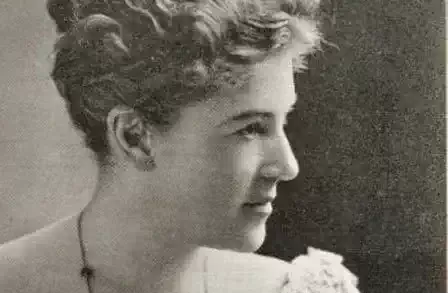
Ella Wheeler Wilcox
They Shall Not Win
They Shall Not Win
Whatever the strength of our foes is now,
Whatever it may have been,
This is our slogan, and this our vow-
They shall not win, they shall not win.
Though out of the darkness they call the aid
Of the evil forces of Sin,
We utter our slogan unafraid-
They shall not win, they shall not win.
We know we are right, and know they are wrong.
So to God above and within-
We make our vow and we sing our song
They shall not win, they shall not win.
It rises over the shriek of shell,
And over the cannons' din:
Our slogan shall scatter the hosts of Hell-
They shall not win, they shall not win.
Whatever the strength of our foes is now,
Whatever it may have been,
This is our slogan, and this our vow-
They shall not win, they shall not win.
Though out of the darkness they call the aid
Of the evil forces of Sin,
We utter our slogan unafraid-
They shall not win, they shall not win.
We know we are right, and know they are wrong.
So to God above and within-
We make our vow and we sing our song
They shall not win, they shall not win.
It rises over the shriek of shell,
And over the cannons' din:
Our slogan shall scatter the hosts of Hell-
They shall not win, they shall not win.
418
Ella Wheeler Wilcox
The World's Need
The World's Need
So many gods, so many creeds,
So many paths that wind and wind,
While just the art of being kind,
Is all the sad world needs.
So many gods, so many creeds,
So many paths that wind and wind,
While just the art of being kind,
Is all the sad world needs.
313
Ella Wheeler Wilcox
The World's Need
The World's Need
So many gods, so many creeds,
So many paths that wind and wind,
While just the art of being kind,
Is all the sad world needs.
So many gods, so many creeds,
So many paths that wind and wind,
While just the art of being kind,
Is all the sad world needs.
313
Ella Wheeler Wilcox
The Yellow-Covered Almanac
The Yellow-Covered Almanac
I left the farm when mother died and changed my place of dwelling
To daughter Susie’s stylish house right on the city street:
And there was them before I came that sort of scared me, telling
How I would find the town folks’ ways so difficult to meet;
They said I’d have no comfort in the rustling, fixed-up throng,
And I’d have to wear stiff collars every weekday, right along.
I find I take to city ways just like a duck to water;
I like the racket and the noise and never tire of shows;
And there’s no end of comfort in the mansion of my daughter,
And everything is right at hand and money freely flows;
And hired help is all about, just listenin’ to my call –
But I miss the yellow almanac off my old kitchen wall.
The house is full of calendars from the attic to the cellar,
They’re painted in all colours and are fancy like to see,
But in this one in particular I’m not a modern feller,
And the yellow-covered almanac is good enough for me.
I’m used to it, I’ve seen it round from boyhood to old age,
And I rather like the jokin’ at the bottom of the page.
I like the way its ‘S’ stood out to show the week’s beginning,
(In these new-fangled calendars the days seem sort of mixed) ,
And the man upon the cover, though he wa’n’t exactly winnin’,
With lungs and liver all exposed, still showed how we are fixed;
And the letters and credentials hat was writ to Mr. Ayer
I’ve often on a rainy day found readin’ pretty fair.
I tried to buy one recently; there wa’n’t none in the city!
They toted out great calendars, in every shape and style.
I looked at them in cold disdain, and answered ‘em in pity –
‘I’d rather have my almanac than all that costly pile.’
And though I take to city life, I’m lonesome after all
For that old yellow almanac upon my kitchen wall.
I left the farm when mother died and changed my place of dwelling
To daughter Susie’s stylish house right on the city street:
And there was them before I came that sort of scared me, telling
How I would find the town folks’ ways so difficult to meet;
They said I’d have no comfort in the rustling, fixed-up throng,
And I’d have to wear stiff collars every weekday, right along.
I find I take to city ways just like a duck to water;
I like the racket and the noise and never tire of shows;
And there’s no end of comfort in the mansion of my daughter,
And everything is right at hand and money freely flows;
And hired help is all about, just listenin’ to my call –
But I miss the yellow almanac off my old kitchen wall.
The house is full of calendars from the attic to the cellar,
They’re painted in all colours and are fancy like to see,
But in this one in particular I’m not a modern feller,
And the yellow-covered almanac is good enough for me.
I’m used to it, I’ve seen it round from boyhood to old age,
And I rather like the jokin’ at the bottom of the page.
I like the way its ‘S’ stood out to show the week’s beginning,
(In these new-fangled calendars the days seem sort of mixed) ,
And the man upon the cover, though he wa’n’t exactly winnin’,
With lungs and liver all exposed, still showed how we are fixed;
And the letters and credentials hat was writ to Mr. Ayer
I’ve often on a rainy day found readin’ pretty fair.
I tried to buy one recently; there wa’n’t none in the city!
They toted out great calendars, in every shape and style.
I looked at them in cold disdain, and answered ‘em in pity –
‘I’d rather have my almanac than all that costly pile.’
And though I take to city life, I’m lonesome after all
For that old yellow almanac upon my kitchen wall.
355
Ella Wheeler Wilcox
The Voice
The Voice
I dreamed a Voice, of one God-authorised,
Cried loudly thro’ the world, ‘Disarm! Disarm! ’
And there was consernation in the camps;
And men who strutted under braid and lace
Beat on their medalled breasts, and wailed,
‘Undone! ’
The word was echoed from a thousand hills,
And shop and mill, and factory and forge,
Where throve the awful industries of death,
Hushed into silence. Scrawled upon the doors,
The passer read, ‘Peace bids her children
Starve.’
But foolish women clasped their little sons
And wept for joy, not reasoning like men.
Again the Voice commanded: ‘Now go forth
And build a world for Progress and for Peace.
This world had waited since the earth was
Shaped;
But men were fighting, and they could not
Toil.
The needs of life outnumbered needs of death.
Leave death with God. Go forth, I say, and
Build.’
And then a sudden comprehensive joy
Shone in the eyes of men; and one who thought
Only of conquests and of victories
Woke from his gloomy reverie and cried,
‘Ay, come and build! I challenge all to try.
And I will make a world more beautiful
Then Eden was before the serpent came.’
And like a running flame on western wilds,
Ambition spread from mind to listening mind,
And lo! the looms were busy once again,
And all the earth resounded with men’s toil.
Vast palaces of Science graced the world;
Their banquet tables spread with feasts of truth
For all who hungered. Music kissed the air,
Once rent with boom of cannons. Statues gleamed
From wooded ways, where ambushed armies hid
In times of old. The sea and air were gay
With shining sails that soared from land to land.
A universal language of the world
Made nations kin, and poverty was known
But as a word marked ‘obsolete, ’ like war.
The arts were kindled with celestial fire;
New poets sang so Homer’s fame grew dim;
And brush and chisel gave the wondering race
Sublimer treasures than old Greece displayed.
Men differed still; fierce argument arose,
For men are human in this human sphere;
But unarmed Arbitration stood between
And Reason settled in a hundred hours
What War disputed for a hundred years.
Oh, that a Voice, of one God-authorised
Might cry to all mankind, Disarm! Disarm!
Remembered
His art was loving; Eres set his sign
Upon that youthful forehead, and he drew
The hearts of women, as the sun draws dew.
Love feeds love’s thirst as wine feeds love of wine;
Nor is there any potion from the vine
Which makes men drunken like the subtle brew
Of kisses crushed by kisses; and he grew
Inebriated with that draught divine.
Yet in his sober moments, when the sun
Of radiant summer paled to lonely fall,
And passion’s sea had grown an ebbing tide,
From out the many, Memory singled one
Full cup that seemed the sweetest of them all –
The warm red mouth that mocked him and denied.
I dreamed a Voice, of one God-authorised,
Cried loudly thro’ the world, ‘Disarm! Disarm! ’
And there was consernation in the camps;
And men who strutted under braid and lace
Beat on their medalled breasts, and wailed,
‘Undone! ’
The word was echoed from a thousand hills,
And shop and mill, and factory and forge,
Where throve the awful industries of death,
Hushed into silence. Scrawled upon the doors,
The passer read, ‘Peace bids her children
Starve.’
But foolish women clasped their little sons
And wept for joy, not reasoning like men.
Again the Voice commanded: ‘Now go forth
And build a world for Progress and for Peace.
This world had waited since the earth was
Shaped;
But men were fighting, and they could not
Toil.
The needs of life outnumbered needs of death.
Leave death with God. Go forth, I say, and
Build.’
And then a sudden comprehensive joy
Shone in the eyes of men; and one who thought
Only of conquests and of victories
Woke from his gloomy reverie and cried,
‘Ay, come and build! I challenge all to try.
And I will make a world more beautiful
Then Eden was before the serpent came.’
And like a running flame on western wilds,
Ambition spread from mind to listening mind,
And lo! the looms were busy once again,
And all the earth resounded with men’s toil.
Vast palaces of Science graced the world;
Their banquet tables spread with feasts of truth
For all who hungered. Music kissed the air,
Once rent with boom of cannons. Statues gleamed
From wooded ways, where ambushed armies hid
In times of old. The sea and air were gay
With shining sails that soared from land to land.
A universal language of the world
Made nations kin, and poverty was known
But as a word marked ‘obsolete, ’ like war.
The arts were kindled with celestial fire;
New poets sang so Homer’s fame grew dim;
And brush and chisel gave the wondering race
Sublimer treasures than old Greece displayed.
Men differed still; fierce argument arose,
For men are human in this human sphere;
But unarmed Arbitration stood between
And Reason settled in a hundred hours
What War disputed for a hundred years.
Oh, that a Voice, of one God-authorised
Might cry to all mankind, Disarm! Disarm!
Remembered
His art was loving; Eres set his sign
Upon that youthful forehead, and he drew
The hearts of women, as the sun draws dew.
Love feeds love’s thirst as wine feeds love of wine;
Nor is there any potion from the vine
Which makes men drunken like the subtle brew
Of kisses crushed by kisses; and he grew
Inebriated with that draught divine.
Yet in his sober moments, when the sun
Of radiant summer paled to lonely fall,
And passion’s sea had grown an ebbing tide,
From out the many, Memory singled one
Full cup that seemed the sweetest of them all –
The warm red mouth that mocked him and denied.
415
Ella Wheeler Wilcox
The Voice
The Voice
I dreamed a Voice, of one God-authorised,
Cried loudly thro’ the world, ‘Disarm! Disarm! ’
And there was consernation in the camps;
And men who strutted under braid and lace
Beat on their medalled breasts, and wailed,
‘Undone! ’
The word was echoed from a thousand hills,
And shop and mill, and factory and forge,
Where throve the awful industries of death,
Hushed into silence. Scrawled upon the doors,
The passer read, ‘Peace bids her children
Starve.’
But foolish women clasped their little sons
And wept for joy, not reasoning like men.
Again the Voice commanded: ‘Now go forth
And build a world for Progress and for Peace.
This world had waited since the earth was
Shaped;
But men were fighting, and they could not
Toil.
The needs of life outnumbered needs of death.
Leave death with God. Go forth, I say, and
Build.’
And then a sudden comprehensive joy
Shone in the eyes of men; and one who thought
Only of conquests and of victories
Woke from his gloomy reverie and cried,
‘Ay, come and build! I challenge all to try.
And I will make a world more beautiful
Then Eden was before the serpent came.’
And like a running flame on western wilds,
Ambition spread from mind to listening mind,
And lo! the looms were busy once again,
And all the earth resounded with men’s toil.
Vast palaces of Science graced the world;
Their banquet tables spread with feasts of truth
For all who hungered. Music kissed the air,
Once rent with boom of cannons. Statues gleamed
From wooded ways, where ambushed armies hid
In times of old. The sea and air were gay
With shining sails that soared from land to land.
A universal language of the world
Made nations kin, and poverty was known
But as a word marked ‘obsolete, ’ like war.
The arts were kindled with celestial fire;
New poets sang so Homer’s fame grew dim;
And brush and chisel gave the wondering race
Sublimer treasures than old Greece displayed.
Men differed still; fierce argument arose,
For men are human in this human sphere;
But unarmed Arbitration stood between
And Reason settled in a hundred hours
What War disputed for a hundred years.
Oh, that a Voice, of one God-authorised
Might cry to all mankind, Disarm! Disarm!
Remembered
His art was loving; Eres set his sign
Upon that youthful forehead, and he drew
The hearts of women, as the sun draws dew.
Love feeds love’s thirst as wine feeds love of wine;
Nor is there any potion from the vine
Which makes men drunken like the subtle brew
Of kisses crushed by kisses; and he grew
Inebriated with that draught divine.
Yet in his sober moments, when the sun
Of radiant summer paled to lonely fall,
And passion’s sea had grown an ebbing tide,
From out the many, Memory singled one
Full cup that seemed the sweetest of them all –
The warm red mouth that mocked him and denied.
I dreamed a Voice, of one God-authorised,
Cried loudly thro’ the world, ‘Disarm! Disarm! ’
And there was consernation in the camps;
And men who strutted under braid and lace
Beat on their medalled breasts, and wailed,
‘Undone! ’
The word was echoed from a thousand hills,
And shop and mill, and factory and forge,
Where throve the awful industries of death,
Hushed into silence. Scrawled upon the doors,
The passer read, ‘Peace bids her children
Starve.’
But foolish women clasped their little sons
And wept for joy, not reasoning like men.
Again the Voice commanded: ‘Now go forth
And build a world for Progress and for Peace.
This world had waited since the earth was
Shaped;
But men were fighting, and they could not
Toil.
The needs of life outnumbered needs of death.
Leave death with God. Go forth, I say, and
Build.’
And then a sudden comprehensive joy
Shone in the eyes of men; and one who thought
Only of conquests and of victories
Woke from his gloomy reverie and cried,
‘Ay, come and build! I challenge all to try.
And I will make a world more beautiful
Then Eden was before the serpent came.’
And like a running flame on western wilds,
Ambition spread from mind to listening mind,
And lo! the looms were busy once again,
And all the earth resounded with men’s toil.
Vast palaces of Science graced the world;
Their banquet tables spread with feasts of truth
For all who hungered. Music kissed the air,
Once rent with boom of cannons. Statues gleamed
From wooded ways, where ambushed armies hid
In times of old. The sea and air were gay
With shining sails that soared from land to land.
A universal language of the world
Made nations kin, and poverty was known
But as a word marked ‘obsolete, ’ like war.
The arts were kindled with celestial fire;
New poets sang so Homer’s fame grew dim;
And brush and chisel gave the wondering race
Sublimer treasures than old Greece displayed.
Men differed still; fierce argument arose,
For men are human in this human sphere;
But unarmed Arbitration stood between
And Reason settled in a hundred hours
What War disputed for a hundred years.
Oh, that a Voice, of one God-authorised
Might cry to all mankind, Disarm! Disarm!
Remembered
His art was loving; Eres set his sign
Upon that youthful forehead, and he drew
The hearts of women, as the sun draws dew.
Love feeds love’s thirst as wine feeds love of wine;
Nor is there any potion from the vine
Which makes men drunken like the subtle brew
Of kisses crushed by kisses; and he grew
Inebriated with that draught divine.
Yet in his sober moments, when the sun
Of radiant summer paled to lonely fall,
And passion’s sea had grown an ebbing tide,
From out the many, Memory singled one
Full cup that seemed the sweetest of them all –
The warm red mouth that mocked him and denied.
415
Ella Wheeler Wilcox
The Voice
The Voice
I dreamed a Voice, of one God-authorised,
Cried loudly thro’ the world, ‘Disarm! Disarm! ’
And there was consernation in the camps;
And men who strutted under braid and lace
Beat on their medalled breasts, and wailed,
‘Undone! ’
The word was echoed from a thousand hills,
And shop and mill, and factory and forge,
Where throve the awful industries of death,
Hushed into silence. Scrawled upon the doors,
The passer read, ‘Peace bids her children
Starve.’
But foolish women clasped their little sons
And wept for joy, not reasoning like men.
Again the Voice commanded: ‘Now go forth
And build a world for Progress and for Peace.
This world had waited since the earth was
Shaped;
But men were fighting, and they could not
Toil.
The needs of life outnumbered needs of death.
Leave death with God. Go forth, I say, and
Build.’
And then a sudden comprehensive joy
Shone in the eyes of men; and one who thought
Only of conquests and of victories
Woke from his gloomy reverie and cried,
‘Ay, come and build! I challenge all to try.
And I will make a world more beautiful
Then Eden was before the serpent came.’
And like a running flame on western wilds,
Ambition spread from mind to listening mind,
And lo! the looms were busy once again,
And all the earth resounded with men’s toil.
Vast palaces of Science graced the world;
Their banquet tables spread with feasts of truth
For all who hungered. Music kissed the air,
Once rent with boom of cannons. Statues gleamed
From wooded ways, where ambushed armies hid
In times of old. The sea and air were gay
With shining sails that soared from land to land.
A universal language of the world
Made nations kin, and poverty was known
But as a word marked ‘obsolete, ’ like war.
The arts were kindled with celestial fire;
New poets sang so Homer’s fame grew dim;
And brush and chisel gave the wondering race
Sublimer treasures than old Greece displayed.
Men differed still; fierce argument arose,
For men are human in this human sphere;
But unarmed Arbitration stood between
And Reason settled in a hundred hours
What War disputed for a hundred years.
Oh, that a Voice, of one God-authorised
Might cry to all mankind, Disarm! Disarm!
Remembered
His art was loving; Eres set his sign
Upon that youthful forehead, and he drew
The hearts of women, as the sun draws dew.
Love feeds love’s thirst as wine feeds love of wine;
Nor is there any potion from the vine
Which makes men drunken like the subtle brew
Of kisses crushed by kisses; and he grew
Inebriated with that draught divine.
Yet in his sober moments, when the sun
Of radiant summer paled to lonely fall,
And passion’s sea had grown an ebbing tide,
From out the many, Memory singled one
Full cup that seemed the sweetest of them all –
The warm red mouth that mocked him and denied.
I dreamed a Voice, of one God-authorised,
Cried loudly thro’ the world, ‘Disarm! Disarm! ’
And there was consernation in the camps;
And men who strutted under braid and lace
Beat on their medalled breasts, and wailed,
‘Undone! ’
The word was echoed from a thousand hills,
And shop and mill, and factory and forge,
Where throve the awful industries of death,
Hushed into silence. Scrawled upon the doors,
The passer read, ‘Peace bids her children
Starve.’
But foolish women clasped their little sons
And wept for joy, not reasoning like men.
Again the Voice commanded: ‘Now go forth
And build a world for Progress and for Peace.
This world had waited since the earth was
Shaped;
But men were fighting, and they could not
Toil.
The needs of life outnumbered needs of death.
Leave death with God. Go forth, I say, and
Build.’
And then a sudden comprehensive joy
Shone in the eyes of men; and one who thought
Only of conquests and of victories
Woke from his gloomy reverie and cried,
‘Ay, come and build! I challenge all to try.
And I will make a world more beautiful
Then Eden was before the serpent came.’
And like a running flame on western wilds,
Ambition spread from mind to listening mind,
And lo! the looms were busy once again,
And all the earth resounded with men’s toil.
Vast palaces of Science graced the world;
Their banquet tables spread with feasts of truth
For all who hungered. Music kissed the air,
Once rent with boom of cannons. Statues gleamed
From wooded ways, where ambushed armies hid
In times of old. The sea and air were gay
With shining sails that soared from land to land.
A universal language of the world
Made nations kin, and poverty was known
But as a word marked ‘obsolete, ’ like war.
The arts were kindled with celestial fire;
New poets sang so Homer’s fame grew dim;
And brush and chisel gave the wondering race
Sublimer treasures than old Greece displayed.
Men differed still; fierce argument arose,
For men are human in this human sphere;
But unarmed Arbitration stood between
And Reason settled in a hundred hours
What War disputed for a hundred years.
Oh, that a Voice, of one God-authorised
Might cry to all mankind, Disarm! Disarm!
Remembered
His art was loving; Eres set his sign
Upon that youthful forehead, and he drew
The hearts of women, as the sun draws dew.
Love feeds love’s thirst as wine feeds love of wine;
Nor is there any potion from the vine
Which makes men drunken like the subtle brew
Of kisses crushed by kisses; and he grew
Inebriated with that draught divine.
Yet in his sober moments, when the sun
Of radiant summer paled to lonely fall,
And passion’s sea had grown an ebbing tide,
From out the many, Memory singled one
Full cup that seemed the sweetest of them all –
The warm red mouth that mocked him and denied.
415
Ella Wheeler Wilcox
The Two Glasses
The Two Glasses
There sat two glasses, filled to the brim,
On a rich man's table, rim to rim.
One was ruddy and red as blood,
And one was clear as the crystal flood.
Said the glass of wine to his paler brother,
"Let us tell tales of the past to each other;
I can tell of banquet, and revel, and mirth,
Where I was a king, for I ruled in might;
For the proudest and grandest souls on earth
Fell under my touch, as though struck with blight.
From the heads of kings I have torn the crown;
From the heights of fame I have hurled men down.
I have blasted many an honored name;
I have taken virtue and given shame;
I have tempted the youth with a sip, a taste,
That has made his future a barren waste.
Far greater than any king am I,
Or than any army beneath the sky.
I have made the arm of the driver fail,
And sent the train from the iron rail.
I have made good ships go down at sea,
And the shrieks of the lost were sweet to me.
Fame, strength, wealth, genius before me fall;
Ho, ho! pale brother," said the wine,
"Can you boast of deeds as great as mine?"
Said the water-glass: "I cannot boast
Of a king dethroned, or a murdered host,
But I can tell of hearts that were sad
By my crystal drops made bright and glad;
Of thirsts I have quenched, and brows I have laved;
Of hands I have cooled, and souls I have saved.
I have leaped through the valley, dashed down the mountain,
Slept in the sunshine, and dripped from the fountain.
I have burst my cloud-fetters, and dropped from the sky,
And everywhere gladdened the prospect and eye;
I have eased the hot forehead of fever and pain;
I have made the parched meadows grow fertile with grain.
I can tell of the powerful wheel of the mill,
That ground out the flower, and turned at my will.
I can tell of manhood debased by you,
That I have uplifted and crowned anew;
I cheer, I help, I strengthen and aid;
I gladden the heart of man and maid;
I set the wine-chained captive free,
And all are better for knowing me."
These are the tales they told each other,
The glass of wine and its paler brother,
As they sat together, filled to the brim,
On a rich man's table, rim to rim.
There sat two glasses, filled to the brim,
On a rich man's table, rim to rim.
One was ruddy and red as blood,
And one was clear as the crystal flood.
Said the glass of wine to his paler brother,
"Let us tell tales of the past to each other;
I can tell of banquet, and revel, and mirth,
Where I was a king, for I ruled in might;
For the proudest and grandest souls on earth
Fell under my touch, as though struck with blight.
From the heads of kings I have torn the crown;
From the heights of fame I have hurled men down.
I have blasted many an honored name;
I have taken virtue and given shame;
I have tempted the youth with a sip, a taste,
That has made his future a barren waste.
Far greater than any king am I,
Or than any army beneath the sky.
I have made the arm of the driver fail,
And sent the train from the iron rail.
I have made good ships go down at sea,
And the shrieks of the lost were sweet to me.
Fame, strength, wealth, genius before me fall;
Ho, ho! pale brother," said the wine,
"Can you boast of deeds as great as mine?"
Said the water-glass: "I cannot boast
Of a king dethroned, or a murdered host,
But I can tell of hearts that were sad
By my crystal drops made bright and glad;
Of thirsts I have quenched, and brows I have laved;
Of hands I have cooled, and souls I have saved.
I have leaped through the valley, dashed down the mountain,
Slept in the sunshine, and dripped from the fountain.
I have burst my cloud-fetters, and dropped from the sky,
And everywhere gladdened the prospect and eye;
I have eased the hot forehead of fever and pain;
I have made the parched meadows grow fertile with grain.
I can tell of the powerful wheel of the mill,
That ground out the flower, and turned at my will.
I can tell of manhood debased by you,
That I have uplifted and crowned anew;
I cheer, I help, I strengthen and aid;
I gladden the heart of man and maid;
I set the wine-chained captive free,
And all are better for knowing me."
These are the tales they told each other,
The glass of wine and its paler brother,
As they sat together, filled to the brim,
On a rich man's table, rim to rim.
456
Ella Wheeler Wilcox
The Tulip Bed At Greeley Square
The Tulip Bed At Greeley Square
You know that oasis, fresh and fair
In the city desert, as Greeley square?
That bright triangle of scented bloom
That lies surrounded by grime and gloom?
Right in the breast of the seething town
Like a gleaming gem or a wanton’s gown?
Ah, wonderful things that tulip bed
Unto my listening soul has said.
Over the rattle and roar of the street
I hear a chorus of voices sweet,
Day and night, when I pass that way,
And these are the things the voices say:
“Here, in the heart of the foolish strife,
We live a simple and natural life.
“Here, in the midst of the clash and din,
We know what it is to be calm within.
“Here, environed by sin and shame,
We do what we can with our pure white flame.
“We do what we can with our bloom and grace,
To make the city a fairer place.
“It is well to be good though the world is vile,
And so through the dust and the smoke we smile,
“We are but atoms in chaos tossed,
Yet never a purpose for truth was lost.”
Ah, many a sermon is uttered there
By the bed of blossoms in Greeley square.
And he who listens and hears aright,
Is better equipped for the world’s hard fight.
You know that oasis, fresh and fair
In the city desert, as Greeley square?
That bright triangle of scented bloom
That lies surrounded by grime and gloom?
Right in the breast of the seething town
Like a gleaming gem or a wanton’s gown?
Ah, wonderful things that tulip bed
Unto my listening soul has said.
Over the rattle and roar of the street
I hear a chorus of voices sweet,
Day and night, when I pass that way,
And these are the things the voices say:
“Here, in the heart of the foolish strife,
We live a simple and natural life.
“Here, in the midst of the clash and din,
We know what it is to be calm within.
“Here, environed by sin and shame,
We do what we can with our pure white flame.
“We do what we can with our bloom and grace,
To make the city a fairer place.
“It is well to be good though the world is vile,
And so through the dust and the smoke we smile,
“We are but atoms in chaos tossed,
Yet never a purpose for truth was lost.”
Ah, many a sermon is uttered there
By the bed of blossoms in Greeley square.
And he who listens and hears aright,
Is better equipped for the world’s hard fight.
320
Ella Wheeler Wilcox
The Tulip Bed At Greeley Square
The Tulip Bed At Greeley Square
You know that oasis, fresh and fair
In the city desert, as Greeley square?
That bright triangle of scented bloom
That lies surrounded by grime and gloom?
Right in the breast of the seething town
Like a gleaming gem or a wanton’s gown?
Ah, wonderful things that tulip bed
Unto my listening soul has said.
Over the rattle and roar of the street
I hear a chorus of voices sweet,
Day and night, when I pass that way,
And these are the things the voices say:
“Here, in the heart of the foolish strife,
We live a simple and natural life.
“Here, in the midst of the clash and din,
We know what it is to be calm within.
“Here, environed by sin and shame,
We do what we can with our pure white flame.
“We do what we can with our bloom and grace,
To make the city a fairer place.
“It is well to be good though the world is vile,
And so through the dust and the smoke we smile,
“We are but atoms in chaos tossed,
Yet never a purpose for truth was lost.”
Ah, many a sermon is uttered there
By the bed of blossoms in Greeley square.
And he who listens and hears aright,
Is better equipped for the world’s hard fight.
You know that oasis, fresh and fair
In the city desert, as Greeley square?
That bright triangle of scented bloom
That lies surrounded by grime and gloom?
Right in the breast of the seething town
Like a gleaming gem or a wanton’s gown?
Ah, wonderful things that tulip bed
Unto my listening soul has said.
Over the rattle and roar of the street
I hear a chorus of voices sweet,
Day and night, when I pass that way,
And these are the things the voices say:
“Here, in the heart of the foolish strife,
We live a simple and natural life.
“Here, in the midst of the clash and din,
We know what it is to be calm within.
“Here, environed by sin and shame,
We do what we can with our pure white flame.
“We do what we can with our bloom and grace,
To make the city a fairer place.
“It is well to be good though the world is vile,
And so through the dust and the smoke we smile,
“We are but atoms in chaos tossed,
Yet never a purpose for truth was lost.”
Ah, many a sermon is uttered there
By the bed of blossoms in Greeley square.
And he who listens and hears aright,
Is better equipped for the world’s hard fight.
320
Ella Wheeler Wilcox
The Temperance Army
The Temperance Army
Though you see no banded army,
Though you hear no cannons rattle,
We are in a mighty contest,
We are fighting a great battle.
We are few, but we are right:
And we wage the holy fight,
Night and day, and day and night.
If we do not fail or falter,
If we do not sleep or slumber,
We shall win in this great contest,
Though the foe is twice our number.
This the burden of our song,
'We are few, but we are strong,
And right must triumph over wrong.'
O my sisters! O my brothers!
There is death all round about us.
Must we, then, sit down discouraged?
Will you let the wine-cup rout us?
Hear the drunkard's awful wail!
See the mourners, bowed and pale!
Will you, coward, then say 'fail'?
Say not that your heart is with us
When you do not help or aid us.
All who love the cause sincerely
Can do something: God has made us
Tongues to talk with: you can say
Something, if you will, each day,
That will help us on our way,
Though you are not highly gifted,
Though you are not bard or poet,
Though you cannot preach or lecture,
You can love the cause, and show it
Boldly, in each thing you do.
Seeking all that's pure and true,
This will be a help from you.
You can say the liquor traffic
Is a curse to any nation;
You can say that prohibition
Is a blessing and salvation.
You can sow good seeds, and, though
You may never see them grow,
They will not be lost, I know.
In this mighty temperance contest,
Where no guns or cannons rattle,
Though you cannot lead the army
Or be chieftain of the battle,
With that mighty sword, the tongue,
You can fight against the wrong,
You can sing some temperance song.
Say not that you cannot aid us!
Drops of water make the river-
Make the mighty Mississippi,
That flows on hand on for ever.
Every word you say for Right
Gives us courage, gives us might,
And brings nearer, morn and night.
Though you see no banded army,
Though you hear no cannons rattle,
We are in a mighty contest,
We are fighting a great battle.
We are few, but we are right:
And we wage the holy fight,
Night and day, and day and night.
If we do not fail or falter,
If we do not sleep or slumber,
We shall win in this great contest,
Though the foe is twice our number.
This the burden of our song,
'We are few, but we are strong,
And right must triumph over wrong.'
O my sisters! O my brothers!
There is death all round about us.
Must we, then, sit down discouraged?
Will you let the wine-cup rout us?
Hear the drunkard's awful wail!
See the mourners, bowed and pale!
Will you, coward, then say 'fail'?
Say not that your heart is with us
When you do not help or aid us.
All who love the cause sincerely
Can do something: God has made us
Tongues to talk with: you can say
Something, if you will, each day,
That will help us on our way,
Though you are not highly gifted,
Though you are not bard or poet,
Though you cannot preach or lecture,
You can love the cause, and show it
Boldly, in each thing you do.
Seeking all that's pure and true,
This will be a help from you.
You can say the liquor traffic
Is a curse to any nation;
You can say that prohibition
Is a blessing and salvation.
You can sow good seeds, and, though
You may never see them grow,
They will not be lost, I know.
In this mighty temperance contest,
Where no guns or cannons rattle,
Though you cannot lead the army
Or be chieftain of the battle,
With that mighty sword, the tongue,
You can fight against the wrong,
You can sing some temperance song.
Say not that you cannot aid us!
Drops of water make the river-
Make the mighty Mississippi,
That flows on hand on for ever.
Every word you say for Right
Gives us courage, gives us might,
And brings nearer, morn and night.
370
Ella Wheeler Wilcox
The Temperance Army
The Temperance Army
Though you see no banded army,
Though you hear no cannons rattle,
We are in a mighty contest,
We are fighting a great battle.
We are few, but we are right:
And we wage the holy fight,
Night and day, and day and night.
If we do not fail or falter,
If we do not sleep or slumber,
We shall win in this great contest,
Though the foe is twice our number.
This the burden of our song,
'We are few, but we are strong,
And right must triumph over wrong.'
O my sisters! O my brothers!
There is death all round about us.
Must we, then, sit down discouraged?
Will you let the wine-cup rout us?
Hear the drunkard's awful wail!
See the mourners, bowed and pale!
Will you, coward, then say 'fail'?
Say not that your heart is with us
When you do not help or aid us.
All who love the cause sincerely
Can do something: God has made us
Tongues to talk with: you can say
Something, if you will, each day,
That will help us on our way,
Though you are not highly gifted,
Though you are not bard or poet,
Though you cannot preach or lecture,
You can love the cause, and show it
Boldly, in each thing you do.
Seeking all that's pure and true,
This will be a help from you.
You can say the liquor traffic
Is a curse to any nation;
You can say that prohibition
Is a blessing and salvation.
You can sow good seeds, and, though
You may never see them grow,
They will not be lost, I know.
In this mighty temperance contest,
Where no guns or cannons rattle,
Though you cannot lead the army
Or be chieftain of the battle,
With that mighty sword, the tongue,
You can fight against the wrong,
You can sing some temperance song.
Say not that you cannot aid us!
Drops of water make the river-
Make the mighty Mississippi,
That flows on hand on for ever.
Every word you say for Right
Gives us courage, gives us might,
And brings nearer, morn and night.
Though you see no banded army,
Though you hear no cannons rattle,
We are in a mighty contest,
We are fighting a great battle.
We are few, but we are right:
And we wage the holy fight,
Night and day, and day and night.
If we do not fail or falter,
If we do not sleep or slumber,
We shall win in this great contest,
Though the foe is twice our number.
This the burden of our song,
'We are few, but we are strong,
And right must triumph over wrong.'
O my sisters! O my brothers!
There is death all round about us.
Must we, then, sit down discouraged?
Will you let the wine-cup rout us?
Hear the drunkard's awful wail!
See the mourners, bowed and pale!
Will you, coward, then say 'fail'?
Say not that your heart is with us
When you do not help or aid us.
All who love the cause sincerely
Can do something: God has made us
Tongues to talk with: you can say
Something, if you will, each day,
That will help us on our way,
Though you are not highly gifted,
Though you are not bard or poet,
Though you cannot preach or lecture,
You can love the cause, and show it
Boldly, in each thing you do.
Seeking all that's pure and true,
This will be a help from you.
You can say the liquor traffic
Is a curse to any nation;
You can say that prohibition
Is a blessing and salvation.
You can sow good seeds, and, though
You may never see them grow,
They will not be lost, I know.
In this mighty temperance contest,
Where no guns or cannons rattle,
Though you cannot lead the army
Or be chieftain of the battle,
With that mighty sword, the tongue,
You can fight against the wrong,
You can sing some temperance song.
Say not that you cannot aid us!
Drops of water make the river-
Make the mighty Mississippi,
That flows on hand on for ever.
Every word you say for Right
Gives us courage, gives us might,
And brings nearer, morn and night.
370
Ella Wheeler Wilcox
The Temperance Army
The Temperance Army
Though you see no banded army,
Though you hear no cannons rattle,
We are in a mighty contest,
We are fighting a great battle.
We are few, but we are right:
And we wage the holy fight,
Night and day, and day and night.
If we do not fail or falter,
If we do not sleep or slumber,
We shall win in this great contest,
Though the foe is twice our number.
This the burden of our song,
'We are few, but we are strong,
And right must triumph over wrong.'
O my sisters! O my brothers!
There is death all round about us.
Must we, then, sit down discouraged?
Will you let the wine-cup rout us?
Hear the drunkard's awful wail!
See the mourners, bowed and pale!
Will you, coward, then say 'fail'?
Say not that your heart is with us
When you do not help or aid us.
All who love the cause sincerely
Can do something: God has made us
Tongues to talk with: you can say
Something, if you will, each day,
That will help us on our way,
Though you are not highly gifted,
Though you are not bard or poet,
Though you cannot preach or lecture,
You can love the cause, and show it
Boldly, in each thing you do.
Seeking all that's pure and true,
This will be a help from you.
You can say the liquor traffic
Is a curse to any nation;
You can say that prohibition
Is a blessing and salvation.
You can sow good seeds, and, though
You may never see them grow,
They will not be lost, I know.
In this mighty temperance contest,
Where no guns or cannons rattle,
Though you cannot lead the army
Or be chieftain of the battle,
With that mighty sword, the tongue,
You can fight against the wrong,
You can sing some temperance song.
Say not that you cannot aid us!
Drops of water make the river-
Make the mighty Mississippi,
That flows on hand on for ever.
Every word you say for Right
Gives us courage, gives us might,
And brings nearer, morn and night.
Though you see no banded army,
Though you hear no cannons rattle,
We are in a mighty contest,
We are fighting a great battle.
We are few, but we are right:
And we wage the holy fight,
Night and day, and day and night.
If we do not fail or falter,
If we do not sleep or slumber,
We shall win in this great contest,
Though the foe is twice our number.
This the burden of our song,
'We are few, but we are strong,
And right must triumph over wrong.'
O my sisters! O my brothers!
There is death all round about us.
Must we, then, sit down discouraged?
Will you let the wine-cup rout us?
Hear the drunkard's awful wail!
See the mourners, bowed and pale!
Will you, coward, then say 'fail'?
Say not that your heart is with us
When you do not help or aid us.
All who love the cause sincerely
Can do something: God has made us
Tongues to talk with: you can say
Something, if you will, each day,
That will help us on our way,
Though you are not highly gifted,
Though you are not bard or poet,
Though you cannot preach or lecture,
You can love the cause, and show it
Boldly, in each thing you do.
Seeking all that's pure and true,
This will be a help from you.
You can say the liquor traffic
Is a curse to any nation;
You can say that prohibition
Is a blessing and salvation.
You can sow good seeds, and, though
You may never see them grow,
They will not be lost, I know.
In this mighty temperance contest,
Where no guns or cannons rattle,
Though you cannot lead the army
Or be chieftain of the battle,
With that mighty sword, the tongue,
You can fight against the wrong,
You can sing some temperance song.
Say not that you cannot aid us!
Drops of water make the river-
Make the mighty Mississippi,
That flows on hand on for ever.
Every word you say for Right
Gives us courage, gives us might,
And brings nearer, morn and night.
370
Ella Wheeler Wilcox
The Swan Of Dijon
The Swan Of Dijon
I was in Dijon when the war's wild blast
Was at its loudest; when there was no sound
From dawn to dawn, save soldiers marching past,
Or rattle of their wagons in the street.
When every engine whistle would repeat
Persistently, with meaning tense, profound,
'We carry men to slaughter' or 'we bring
Remnants of men back as war's offering.'
And there in Dijon, the out-gazing eye
Grew weary of the strife-suggesting scene;
But, searching, found one quiet spot hard by
Where war was not; a little lake whereon
Moved leisurely a stately, tranquil swan,
Majestic and imposing, yet serene.
I was in Dijon, when no sound or sight
Woke thoughts of peace, save this one speck of white,
Sailing 'neath skies of menace, unafraid
While silver fountains for his pleasure played.
Dear Swan of Dijon, it was your good part
To rest a tired heart.
I was in Dijon when the war's wild blast
Was at its loudest; when there was no sound
From dawn to dawn, save soldiers marching past,
Or rattle of their wagons in the street.
When every engine whistle would repeat
Persistently, with meaning tense, profound,
'We carry men to slaughter' or 'we bring
Remnants of men back as war's offering.'
And there in Dijon, the out-gazing eye
Grew weary of the strife-suggesting scene;
But, searching, found one quiet spot hard by
Where war was not; a little lake whereon
Moved leisurely a stately, tranquil swan,
Majestic and imposing, yet serene.
I was in Dijon, when no sound or sight
Woke thoughts of peace, save this one speck of white,
Sailing 'neath skies of menace, unafraid
While silver fountains for his pleasure played.
Dear Swan of Dijon, it was your good part
To rest a tired heart.
409
Ella Wheeler Wilcox
The Stevedores
The Stevedores
We are the army stevedores, lusty and virile and strong,
We are given the hardest work of the war, and the hours are long.
We handle the heavy boxes, and shovel the dirty coal;
While soldiers and sailors work in the light, we burrow below like a mole.
But somebody has to do this work, or the soldiers could not fight!
And whatever work is given a man, is good if he does it right.
We are the army stevedores, and we are volunteers.
We did not wait for the draft to come, to put aside our fears;
We flung them away on the winds of fate, at the very first call of our land,
And each of us offered a willing heart and the strength of a brawny hand.
We are the army stevedores, and work as we must and may,
The cross of honour will never be ours to proudly wear away.
But the men at the Front could never be there,
And the battles could not be won,
If the stevedores stopped in their dull routine
And left their work undone.
Somebody has to do this work, be glad that it isn't you!
We are the army stevedores-give us our due!
We are the army stevedores, lusty and virile and strong,
We are given the hardest work of the war, and the hours are long.
We handle the heavy boxes, and shovel the dirty coal;
While soldiers and sailors work in the light, we burrow below like a mole.
But somebody has to do this work, or the soldiers could not fight!
And whatever work is given a man, is good if he does it right.
We are the army stevedores, and we are volunteers.
We did not wait for the draft to come, to put aside our fears;
We flung them away on the winds of fate, at the very first call of our land,
And each of us offered a willing heart and the strength of a brawny hand.
We are the army stevedores, and work as we must and may,
The cross of honour will never be ours to proudly wear away.
But the men at the Front could never be there,
And the battles could not be won,
If the stevedores stopped in their dull routine
And left their work undone.
Somebody has to do this work, be glad that it isn't you!
We are the army stevedores-give us our due!
464
Ella Wheeler Wilcox
The Stevedores
The Stevedores
We are the army stevedores, lusty and virile and strong,
We are given the hardest work of the war, and the hours are long.
We handle the heavy boxes, and shovel the dirty coal;
While soldiers and sailors work in the light, we burrow below like a mole.
But somebody has to do this work, or the soldiers could not fight!
And whatever work is given a man, is good if he does it right.
We are the army stevedores, and we are volunteers.
We did not wait for the draft to come, to put aside our fears;
We flung them away on the winds of fate, at the very first call of our land,
And each of us offered a willing heart and the strength of a brawny hand.
We are the army stevedores, and work as we must and may,
The cross of honour will never be ours to proudly wear away.
But the men at the Front could never be there,
And the battles could not be won,
If the stevedores stopped in their dull routine
And left their work undone.
Somebody has to do this work, be glad that it isn't you!
We are the army stevedores-give us our due!
We are the army stevedores, lusty and virile and strong,
We are given the hardest work of the war, and the hours are long.
We handle the heavy boxes, and shovel the dirty coal;
While soldiers and sailors work in the light, we burrow below like a mole.
But somebody has to do this work, or the soldiers could not fight!
And whatever work is given a man, is good if he does it right.
We are the army stevedores, and we are volunteers.
We did not wait for the draft to come, to put aside our fears;
We flung them away on the winds of fate, at the very first call of our land,
And each of us offered a willing heart and the strength of a brawny hand.
We are the army stevedores, and work as we must and may,
The cross of honour will never be ours to proudly wear away.
But the men at the Front could never be there,
And the battles could not be won,
If the stevedores stopped in their dull routine
And left their work undone.
Somebody has to do this work, be glad that it isn't you!
We are the army stevedores-give us our due!
464
Ella Wheeler Wilcox
The Stevedores
The Stevedores
We are the army stevedores, lusty and virile and strong,
We are given the hardest work of the war, and the hours are long.
We handle the heavy boxes, and shovel the dirty coal;
While soldiers and sailors work in the light, we burrow below like a mole.
But somebody has to do this work, or the soldiers could not fight!
And whatever work is given a man, is good if he does it right.
We are the army stevedores, and we are volunteers.
We did not wait for the draft to come, to put aside our fears;
We flung them away on the winds of fate, at the very first call of our land,
And each of us offered a willing heart and the strength of a brawny hand.
We are the army stevedores, and work as we must and may,
The cross of honour will never be ours to proudly wear away.
But the men at the Front could never be there,
And the battles could not be won,
If the stevedores stopped in their dull routine
And left their work undone.
Somebody has to do this work, be glad that it isn't you!
We are the army stevedores-give us our due!
We are the army stevedores, lusty and virile and strong,
We are given the hardest work of the war, and the hours are long.
We handle the heavy boxes, and shovel the dirty coal;
While soldiers and sailors work in the light, we burrow below like a mole.
But somebody has to do this work, or the soldiers could not fight!
And whatever work is given a man, is good if he does it right.
We are the army stevedores, and we are volunteers.
We did not wait for the draft to come, to put aside our fears;
We flung them away on the winds of fate, at the very first call of our land,
And each of us offered a willing heart and the strength of a brawny hand.
We are the army stevedores, and work as we must and may,
The cross of honour will never be ours to proudly wear away.
But the men at the Front could never be there,
And the battles could not be won,
If the stevedores stopped in their dull routine
And left their work undone.
Somebody has to do this work, be glad that it isn't you!
We are the army stevedores-give us our due!
464
Ella Wheeler Wilcox
The Spirit Of Great Joan
The Spirit Of Great Joan
Back of each soldier who fights for France,
Aye, back of each woman and man
Who toils and prays through these long tense days.
Is the spirit of Great Joan.
For the love she gave, and the life she gave,
In the eyes of God sufficed
To crown her with light, and power, and might,
That made her second to Christ.
And so in that hour at the Marne she came,
To the seeing eyes of men;
And the blind of view still felt and knew
That her spirit had come again.
And she will come in each crucial hour
And joy shall follow despair,
For Joan sees her France on its knees
And she hears the voice of its prayer.
There is no hate in the heart of France,
But a mighty moral force
That takes its stand for her worshipped land,
And cannot be swerved from its course.
For this is the way with France to-day,
Her courage comes from faith,
And she bends her knee ere she straightens her arm;
In her forward rush toward death.
A jungle of beasts in the heart of the Hun-
War to the world laid bare.
And war has revealed, that France concealed,
Only the lion's lair.
A lioness fighting to save her own,
She fights as a lioness can,
And strength to the end shall the Unseen send,
In the spirit of Great Joan.
Back of each soldier who fights for France,
Aye, back of each woman and man
Who toils and prays through these long tense days.
Is the spirit of Great Joan.
For the love she gave, and the life she gave,
In the eyes of God sufficed
To crown her with light, and power, and might,
That made her second to Christ.
And so in that hour at the Marne she came,
To the seeing eyes of men;
And the blind of view still felt and knew
That her spirit had come again.
And she will come in each crucial hour
And joy shall follow despair,
For Joan sees her France on its knees
And she hears the voice of its prayer.
There is no hate in the heart of France,
But a mighty moral force
That takes its stand for her worshipped land,
And cannot be swerved from its course.
For this is the way with France to-day,
Her courage comes from faith,
And she bends her knee ere she straightens her arm;
In her forward rush toward death.
A jungle of beasts in the heart of the Hun-
War to the world laid bare.
And war has revealed, that France concealed,
Only the lion's lair.
A lioness fighting to save her own,
She fights as a lioness can,
And strength to the end shall the Unseen send,
In the spirit of Great Joan.
386
Ella Wheeler Wilcox
The Spirit Of Great Joan
The Spirit Of Great Joan
Back of each soldier who fights for France,
Aye, back of each woman and man
Who toils and prays through these long tense days.
Is the spirit of Great Joan.
For the love she gave, and the life she gave,
In the eyes of God sufficed
To crown her with light, and power, and might,
That made her second to Christ.
And so in that hour at the Marne she came,
To the seeing eyes of men;
And the blind of view still felt and knew
That her spirit had come again.
And she will come in each crucial hour
And joy shall follow despair,
For Joan sees her France on its knees
And she hears the voice of its prayer.
There is no hate in the heart of France,
But a mighty moral force
That takes its stand for her worshipped land,
And cannot be swerved from its course.
For this is the way with France to-day,
Her courage comes from faith,
And she bends her knee ere she straightens her arm;
In her forward rush toward death.
A jungle of beasts in the heart of the Hun-
War to the world laid bare.
And war has revealed, that France concealed,
Only the lion's lair.
A lioness fighting to save her own,
She fights as a lioness can,
And strength to the end shall the Unseen send,
In the spirit of Great Joan.
Back of each soldier who fights for France,
Aye, back of each woman and man
Who toils and prays through these long tense days.
Is the spirit of Great Joan.
For the love she gave, and the life she gave,
In the eyes of God sufficed
To crown her with light, and power, and might,
That made her second to Christ.
And so in that hour at the Marne she came,
To the seeing eyes of men;
And the blind of view still felt and knew
That her spirit had come again.
And she will come in each crucial hour
And joy shall follow despair,
For Joan sees her France on its knees
And she hears the voice of its prayer.
There is no hate in the heart of France,
But a mighty moral force
That takes its stand for her worshipped land,
And cannot be swerved from its course.
For this is the way with France to-day,
Her courage comes from faith,
And she bends her knee ere she straightens her arm;
In her forward rush toward death.
A jungle of beasts in the heart of the Hun-
War to the world laid bare.
And war has revealed, that France concealed,
Only the lion's lair.
A lioness fighting to save her own,
She fights as a lioness can,
And strength to the end shall the Unseen send,
In the spirit of Great Joan.
386
Ella Wheeler Wilcox
The Spirit Of Great Joan
The Spirit Of Great Joan
Back of each soldier who fights for France,
Aye, back of each woman and man
Who toils and prays through these long tense days.
Is the spirit of Great Joan.
For the love she gave, and the life she gave,
In the eyes of God sufficed
To crown her with light, and power, and might,
That made her second to Christ.
And so in that hour at the Marne she came,
To the seeing eyes of men;
And the blind of view still felt and knew
That her spirit had come again.
And she will come in each crucial hour
And joy shall follow despair,
For Joan sees her France on its knees
And she hears the voice of its prayer.
There is no hate in the heart of France,
But a mighty moral force
That takes its stand for her worshipped land,
And cannot be swerved from its course.
For this is the way with France to-day,
Her courage comes from faith,
And she bends her knee ere she straightens her arm;
In her forward rush toward death.
A jungle of beasts in the heart of the Hun-
War to the world laid bare.
And war has revealed, that France concealed,
Only the lion's lair.
A lioness fighting to save her own,
She fights as a lioness can,
And strength to the end shall the Unseen send,
In the spirit of Great Joan.
Back of each soldier who fights for France,
Aye, back of each woman and man
Who toils and prays through these long tense days.
Is the spirit of Great Joan.
For the love she gave, and the life she gave,
In the eyes of God sufficed
To crown her with light, and power, and might,
That made her second to Christ.
And so in that hour at the Marne she came,
To the seeing eyes of men;
And the blind of view still felt and knew
That her spirit had come again.
And she will come in each crucial hour
And joy shall follow despair,
For Joan sees her France on its knees
And she hears the voice of its prayer.
There is no hate in the heart of France,
But a mighty moral force
That takes its stand for her worshipped land,
And cannot be swerved from its course.
For this is the way with France to-day,
Her courage comes from faith,
And she bends her knee ere she straightens her arm;
In her forward rush toward death.
A jungle of beasts in the heart of the Hun-
War to the world laid bare.
And war has revealed, that France concealed,
Only the lion's lair.
A lioness fighting to save her own,
She fights as a lioness can,
And strength to the end shall the Unseen send,
In the spirit of Great Joan.
386
Ella Wheeler Wilcox
The Signboard
The Signboard
I will paint you a sign, rumseller,
And hang it above your door;
A truer and better signboard
Than ever you had before.
I will paint with the skill of a master,
And many shall pause to see
This wonderful piece of painting,
So like the reality.
I will paint yourself, rumseller,
As you wait for that fair young boy,
Just in the morning of manhood,
A mother’s pride and joy.
He has no thought of stopping,
But you greet him with a smile
And you seem so blithe and friendly,
That he pauses a chat awhile.
I will paint you again, rumseller,
I will paint you as you stand,
With a foaming glass of liquor
Extended in your hand.
He wavers, but you urge him –
Drink, pledge me just this one!
And he takes the glass and drains it,
And the hellish work is done.
And next I will paint a drunkard –
Only a year has flown,
But into that loathesome creature
The fair young boy has grown.
The work was sure and rapid.
I will paint him as he lies
In a torpid, drunken slumber,
Under the wintry skies.
I will paint the form of the mother
As she kneels at her darling’s side,
Her beautiful boy that was dearer
Than all the world beside.
I will paint the shape of a coffin
Labelled with one word – ‘Lost’
I will paint all this, rumseller,
And will paint it free of cost.
The sin and the shame and the sorrow,
The crime and the want and the woe
That are born there in your workshop,
No hand can paint, you know
But I’ll paint you a sign, rumseller,
And many shall pause to view
This wonderful swinging signboard,
So terribly, fearfully true.
I will paint you a sign, rumseller,
And hang it above your door;
A truer and better signboard
Than ever you had before.
I will paint with the skill of a master,
And many shall pause to see
This wonderful piece of painting,
So like the reality.
I will paint yourself, rumseller,
As you wait for that fair young boy,
Just in the morning of manhood,
A mother’s pride and joy.
He has no thought of stopping,
But you greet him with a smile
And you seem so blithe and friendly,
That he pauses a chat awhile.
I will paint you again, rumseller,
I will paint you as you stand,
With a foaming glass of liquor
Extended in your hand.
He wavers, but you urge him –
Drink, pledge me just this one!
And he takes the glass and drains it,
And the hellish work is done.
And next I will paint a drunkard –
Only a year has flown,
But into that loathesome creature
The fair young boy has grown.
The work was sure and rapid.
I will paint him as he lies
In a torpid, drunken slumber,
Under the wintry skies.
I will paint the form of the mother
As she kneels at her darling’s side,
Her beautiful boy that was dearer
Than all the world beside.
I will paint the shape of a coffin
Labelled with one word – ‘Lost’
I will paint all this, rumseller,
And will paint it free of cost.
The sin and the shame and the sorrow,
The crime and the want and the woe
That are born there in your workshop,
No hand can paint, you know
But I’ll paint you a sign, rumseller,
And many shall pause to view
This wonderful swinging signboard,
So terribly, fearfully true.
440
Ella Wheeler Wilcox
The Signboard
The Signboard
I will paint you a sign, rumseller,
And hang it above your door;
A truer and better signboard
Than ever you had before.
I will paint with the skill of a master,
And many shall pause to see
This wonderful piece of painting,
So like the reality.
I will paint yourself, rumseller,
As you wait for that fair young boy,
Just in the morning of manhood,
A mother’s pride and joy.
He has no thought of stopping,
But you greet him with a smile
And you seem so blithe and friendly,
That he pauses a chat awhile.
I will paint you again, rumseller,
I will paint you as you stand,
With a foaming glass of liquor
Extended in your hand.
He wavers, but you urge him –
Drink, pledge me just this one!
And he takes the glass and drains it,
And the hellish work is done.
And next I will paint a drunkard –
Only a year has flown,
But into that loathesome creature
The fair young boy has grown.
The work was sure and rapid.
I will paint him as he lies
In a torpid, drunken slumber,
Under the wintry skies.
I will paint the form of the mother
As she kneels at her darling’s side,
Her beautiful boy that was dearer
Than all the world beside.
I will paint the shape of a coffin
Labelled with one word – ‘Lost’
I will paint all this, rumseller,
And will paint it free of cost.
The sin and the shame and the sorrow,
The crime and the want and the woe
That are born there in your workshop,
No hand can paint, you know
But I’ll paint you a sign, rumseller,
And many shall pause to view
This wonderful swinging signboard,
So terribly, fearfully true.
I will paint you a sign, rumseller,
And hang it above your door;
A truer and better signboard
Than ever you had before.
I will paint with the skill of a master,
And many shall pause to see
This wonderful piece of painting,
So like the reality.
I will paint yourself, rumseller,
As you wait for that fair young boy,
Just in the morning of manhood,
A mother’s pride and joy.
He has no thought of stopping,
But you greet him with a smile
And you seem so blithe and friendly,
That he pauses a chat awhile.
I will paint you again, rumseller,
I will paint you as you stand,
With a foaming glass of liquor
Extended in your hand.
He wavers, but you urge him –
Drink, pledge me just this one!
And he takes the glass and drains it,
And the hellish work is done.
And next I will paint a drunkard –
Only a year has flown,
But into that loathesome creature
The fair young boy has grown.
The work was sure and rapid.
I will paint him as he lies
In a torpid, drunken slumber,
Under the wintry skies.
I will paint the form of the mother
As she kneels at her darling’s side,
Her beautiful boy that was dearer
Than all the world beside.
I will paint the shape of a coffin
Labelled with one word – ‘Lost’
I will paint all this, rumseller,
And will paint it free of cost.
The sin and the shame and the sorrow,
The crime and the want and the woe
That are born there in your workshop,
No hand can paint, you know
But I’ll paint you a sign, rumseller,
And many shall pause to view
This wonderful swinging signboard,
So terribly, fearfully true.
440
Ella Wheeler Wilcox
The Question
The Question
Beside us in our seeking after pleasures,
Through all our restless striving after fame,
Thorough all our search for worldly gains and treasures
There walketh one whom no man likes to name.
Silent he follows, veiled of form and feature,
Indifferent if we sorrow or rejoice,
Yet that day comes when every living creature
Must look upon his face and hear his voice.
When that day comes to you, and Death, unmasking,
Shall bar your path, and say, “Behold the end, ”
What are the questions that he will be asking
About your past? Have you considered, friend?
I think he will not chide you for your sinning,
Nor for your creeds or dogmas will he care;
He will but ask, “From your life’s first beginning
How many burdens have you helped to bear? ”
Beside us in our seeking after pleasures,
Through all our restless striving after fame,
Thorough all our search for worldly gains and treasures
There walketh one whom no man likes to name.
Silent he follows, veiled of form and feature,
Indifferent if we sorrow or rejoice,
Yet that day comes when every living creature
Must look upon his face and hear his voice.
When that day comes to you, and Death, unmasking,
Shall bar your path, and say, “Behold the end, ”
What are the questions that he will be asking
About your past? Have you considered, friend?
I think he will not chide you for your sinning,
Nor for your creeds or dogmas will he care;
He will but ask, “From your life’s first beginning
How many burdens have you helped to bear? ”
408
Ella Wheeler Wilcox
The Messenger
The Messenger
She rose up in the early dawn,
And white and silently she moved
About the house. Four men had gone
To battle for the land they loved,
And she, the mother and the wife,
Waited for tidings from the strife.
How still the house seemed! and her tread
Was like the footsteps of the dead.
The long day passed; the dark night came.
She had not seen a human face.
Some voice spoke suddenly her name.
How loud it echoed in that place,
Where, day on day, no sound was heard
But her own footsteps. 'Bring you word,'
She cried to whom she could not see,
'Word from the battle-plain to me?'
A soldier entered at the door,
And stood within the dim firelight;
'I bring you tidings of the four,'
He said, 'who left you for the fight.'
'God bless you, friend,' she cried, 'speak on!
For I can bear it. One is gone?'
'Ay, one is gone!' he said. 'Which one?'
'Dear lady, he, your eldest son.'
A deathly pallor shot across
Her withered face; she did not weep.
She said: 'It is a grievous loss,
But God gives His belovèd sleep.
What of the living-of the three?
And when can they come back to me?'
The soldier turned away his head:
'Lady, your husband, too, is dead.'
She put her hand upon her brow;
A wild, sharp pain was in her eyes.
'My husband! Oh, God, help me now!'
The soldier heard her shuddering sighs.
The task was harder than he thought.
'Your youngest son, dear madam, fought
Close at his father's side; both fell
Dead, by the bursting of a shell.'
She moved her lips and seemed to moan.
Her face had paled to ashen gray:
'Then one is left me-one alone,'
She said, 'of four who marched away.
Oh, overruling, All-wise God,
How can I pass beneath Thy rod!'
The soldier walked across the floor,
Paused at the window, at the door,
Wiped the cold dew-drops from his cheek
And sought the mourner's side again.
'Once more, dear lady, I must speak:
Your last remaining son was slain
Just at the closing of the fight,
'Twas he who sent me here to-night.'
'God knows,' the man said afterward,
'The fight itself was not so hard.'
She rose up in the early dawn,
And white and silently she moved
About the house. Four men had gone
To battle for the land they loved,
And she, the mother and the wife,
Waited for tidings from the strife.
How still the house seemed! and her tread
Was like the footsteps of the dead.
The long day passed; the dark night came.
She had not seen a human face.
Some voice spoke suddenly her name.
How loud it echoed in that place,
Where, day on day, no sound was heard
But her own footsteps. 'Bring you word,'
She cried to whom she could not see,
'Word from the battle-plain to me?'
A soldier entered at the door,
And stood within the dim firelight;
'I bring you tidings of the four,'
He said, 'who left you for the fight.'
'God bless you, friend,' she cried, 'speak on!
For I can bear it. One is gone?'
'Ay, one is gone!' he said. 'Which one?'
'Dear lady, he, your eldest son.'
A deathly pallor shot across
Her withered face; she did not weep.
She said: 'It is a grievous loss,
But God gives His belovèd sleep.
What of the living-of the three?
And when can they come back to me?'
The soldier turned away his head:
'Lady, your husband, too, is dead.'
She put her hand upon her brow;
A wild, sharp pain was in her eyes.
'My husband! Oh, God, help me now!'
The soldier heard her shuddering sighs.
The task was harder than he thought.
'Your youngest son, dear madam, fought
Close at his father's side; both fell
Dead, by the bursting of a shell.'
She moved her lips and seemed to moan.
Her face had paled to ashen gray:
'Then one is left me-one alone,'
She said, 'of four who marched away.
Oh, overruling, All-wise God,
How can I pass beneath Thy rod!'
The soldier walked across the floor,
Paused at the window, at the door,
Wiped the cold dew-drops from his cheek
And sought the mourner's side again.
'Once more, dear lady, I must speak:
Your last remaining son was slain
Just at the closing of the fight,
'Twas he who sent me here to-night.'
'God knows,' the man said afterward,
'The fight itself was not so hard.'
379