

Poems in this topic
Society and the World
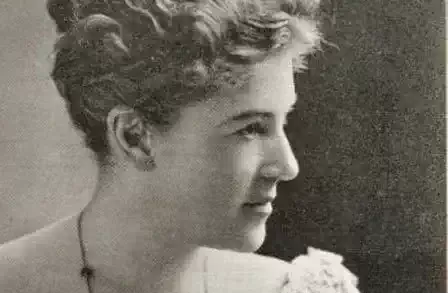
Ella Wheeler Wilcox
The Camp Fire
The Camp Fire
When night hung low and dew fell damp,
There fell athwart the shadows
The gleaming watchfires of the camp,
Like glow-worms on the meadows.
The sentinel his measured beat
With measured tread was keeping,
While like bronze statues at his feet
Lay tired soldiers, sleeping.
On some worn faces of the men
There crept a homesick yearning,
Which made it almost seem again,
The child-look was returning.
While on full many a youthful brow,
Till now to care a stranger,
The premature grave lines told how
They had grown old through danger.
One, in his slumber, laughed with joy,
The laughing echoes mocked him,
He thought beside his baby boy
He sat and gaily rocked him.
O pitying angels! Thou wert kind
To end this brief elysian,
He found what he no more could find
Save in a dreamer's vision.
The clear note of a mocking bird-
That star of sound-came falling
Down thro' the night; one, wakeful, heard
And answered to the calling,
And then upon the ear there broke
That sweet, pathetic measure,
That song that wakes-as then it woke,
Such mingled pain and pleasure.
One voice at first, and then the sound
Pulsed like a great bell's swinging,
'Tenting to-night on the old camp ground,'
The whole roused camp was singing.
The sense of warfare's discontent
Gave place to warfare's glory;
Right merrily the swift hours went
With song, and jest, and story.
They sang the song of Old John Brown,
Whose march goes on forever;
It made them thirsty for renown,
It fired them with endeavor.
So much of that great heart lives still,
So much of that great spirit-
His very name shoots like a thrill
Through all men when they hear it.
They found in tales of march and fight
New courage as they listened,
And while they watched the weird camp-light,
And while the still stars glistened,
Like some stern comrade's voice, there broke
And swept from hill to valley
'Til all the sleeping echoes woke,-
The bugle's call to rally!
'To arms! to arms! the foe is near!'
Ah, brave hearts were ye equal
To hearing through without one fear
The whole tale's bloody sequel?
The laurel wreath, the victor's cry,
These are not all of glory;
The gaping wound, the glazing eye,
They, too, are in the story.
And when again their tents were spread,
And by campfires they slumbered,
The missing faces of the dead
The living ones outnumbered.
And yet, their memories animate
The hearts that still survive them,
And holy seems the task, and great,
For one hour to revive them.
When night hung low and dew fell damp,
There fell athwart the shadows
The gleaming watchfires of the camp,
Like glow-worms on the meadows.
The sentinel his measured beat
With measured tread was keeping,
While like bronze statues at his feet
Lay tired soldiers, sleeping.
On some worn faces of the men
There crept a homesick yearning,
Which made it almost seem again,
The child-look was returning.
While on full many a youthful brow,
Till now to care a stranger,
The premature grave lines told how
They had grown old through danger.
One, in his slumber, laughed with joy,
The laughing echoes mocked him,
He thought beside his baby boy
He sat and gaily rocked him.
O pitying angels! Thou wert kind
To end this brief elysian,
He found what he no more could find
Save in a dreamer's vision.
The clear note of a mocking bird-
That star of sound-came falling
Down thro' the night; one, wakeful, heard
And answered to the calling,
And then upon the ear there broke
That sweet, pathetic measure,
That song that wakes-as then it woke,
Such mingled pain and pleasure.
One voice at first, and then the sound
Pulsed like a great bell's swinging,
'Tenting to-night on the old camp ground,'
The whole roused camp was singing.
The sense of warfare's discontent
Gave place to warfare's glory;
Right merrily the swift hours went
With song, and jest, and story.
They sang the song of Old John Brown,
Whose march goes on forever;
It made them thirsty for renown,
It fired them with endeavor.
So much of that great heart lives still,
So much of that great spirit-
His very name shoots like a thrill
Through all men when they hear it.
They found in tales of march and fight
New courage as they listened,
And while they watched the weird camp-light,
And while the still stars glistened,
Like some stern comrade's voice, there broke
And swept from hill to valley
'Til all the sleeping echoes woke,-
The bugle's call to rally!
'To arms! to arms! the foe is near!'
Ah, brave hearts were ye equal
To hearing through without one fear
The whole tale's bloody sequel?
The laurel wreath, the victor's cry,
These are not all of glory;
The gaping wound, the glazing eye,
They, too, are in the story.
And when again their tents were spread,
And by campfires they slumbered,
The missing faces of the dead
The living ones outnumbered.
And yet, their memories animate
The hearts that still survive them,
And holy seems the task, and great,
For one hour to revive them.
333
Ella Wheeler Wilcox
The Boys' And Girls' Thanksgiving of 1892
The Boys' And Girls' Thanksgiving of 1892
Never since the race was started,
Had a boy in any clime,
Cause to be so thankful-hearted,
As the boys of present time.
Not a girl in old times living-
Let the world talk as it may-
Found such reasons for Thanksgiving,
As the girls who live to-day!
Grandmas, in their corners sitting,
Toiling till the day grew late,
What knew they with endless knitting,
Of the jolly roller-skate?
Grandpas sitting by the fender,
Reading by the faggots' blaze,
What knew they of modern splendor
Found in incandescent rays?
Where they toiled in bitter weather,
Braving rain and snow and sleet,
Gathering sticks of wood together,
We have radiators' heat.
But these fruits of modern science
They first planted seed by seed,
In their strength and self-reliance
We may find a noble creed.
With the dawn of great inventions,
Came the anti-warring days.
Men are sick of armed contentions,
God be thanked with heart-felt praise.
Once a boy was trained for fighting,
Now the world is better taught,
'Tis an age when wrongs are righting
By the force of common thought.
Once a girl was trained for sewing,
Spinning, knitting, nothing more.
She must never think of knowing
Aught of things outside her door.
If she soared above her spinning,
If she sought a life more broad,
She was looked upon as sinning
'Gainst the laws of man and God.
Now a girl is taught she's human,
Brain and body, soul and heart
All are needed by the woman
Who to-day would play her part.
Swift and sure the world advances,
Let the critic carp who may.
God be praised for all the chances
Boys and girls enjoy to-day.
Never since the race was started,
Had a boy in any clime,
Cause to be so thankful-hearted,
As the boys of present time.
Not a girl in old times living-
Let the world talk as it may-
Found such reasons for Thanksgiving,
As the girls who live to-day!
Grandmas, in their corners sitting,
Toiling till the day grew late,
What knew they with endless knitting,
Of the jolly roller-skate?
Grandpas sitting by the fender,
Reading by the faggots' blaze,
What knew they of modern splendor
Found in incandescent rays?
Where they toiled in bitter weather,
Braving rain and snow and sleet,
Gathering sticks of wood together,
We have radiators' heat.
But these fruits of modern science
They first planted seed by seed,
In their strength and self-reliance
We may find a noble creed.
With the dawn of great inventions,
Came the anti-warring days.
Men are sick of armed contentions,
God be thanked with heart-felt praise.
Once a boy was trained for fighting,
Now the world is better taught,
'Tis an age when wrongs are righting
By the force of common thought.
Once a girl was trained for sewing,
Spinning, knitting, nothing more.
She must never think of knowing
Aught of things outside her door.
If she soared above her spinning,
If she sought a life more broad,
She was looked upon as sinning
'Gainst the laws of man and God.
Now a girl is taught she's human,
Brain and body, soul and heart
All are needed by the woman
Who to-day would play her part.
Swift and sure the world advances,
Let the critic carp who may.
God be praised for all the chances
Boys and girls enjoy to-day.
492
Ella Wheeler Wilcox
The Black Charger
The Black Charger
There's a terrible steed that rests not night nor day,
But onward and onward, for ever away,
Through hamlet, through village, through country, through town,
Is heard the dread thud of his hoofs beating down;
Is seen the fierce eye, is felt the hot breath;
And before it, behind it, spreads ruin and death:
By castle, by cottage, by hut, and by hall,
Still faster and fiercer he passes them all.
He breathes on the youth with the face of the morn,
He leaves him a mark for the finger of scorn;
He cries, 'Mount and ride! I will bear you away
To the fair fields of pleasure. Come, mount me, I say!'
And, alas for the youth! he is borne like the wind,
And he leaveth his manhood, his virtue, behind;
And faster, still faster, he speeds down the track,
Where many shall follow, and few shall come back.
He breathes on the heart that is stricken with grief:
'Come, mount me! and fly to the plains of relief.
I will bear you away to the fair fields elysian,
Where your sorrows shall seem but a long-vanished vision.
With the future before you, forgetting the past,
You shall revel in pleasure, rejoicing at last.'
Ah! whoso shall mount shall ride to his doom:
Shall be sunk in the marshes of terror and gloom.
He breathes on the king, and he breathes on the slave;
On the young and the old from the crib to the grave;
On masterly minds, and they wither away
As the flower droops and dies 'neath a torrid sun's ray;
On beautiful souls that are pure as the light,
And they shrivel, polluted with mildew and blight:
The master, the servant, the high and the low,
He bears them all down to the regions of woe.
Ho! ho! temperance clan! rest ye not night nor day:
Watch, watch for the steed! starve him down! block his way!
Throw him into the dust! seize his long, flowing mane!
Bind his terrible limbs till he quivers in pain.
Stab him through to the heart! beat him down till he lies
Stark and stiff on the earth-beat him down till he dies!
Till never by castle, by cottage, by hall,
Shall again pass the black-hearted steed, Alcohol!
There's a terrible steed that rests not night nor day,
But onward and onward, for ever away,
Through hamlet, through village, through country, through town,
Is heard the dread thud of his hoofs beating down;
Is seen the fierce eye, is felt the hot breath;
And before it, behind it, spreads ruin and death:
By castle, by cottage, by hut, and by hall,
Still faster and fiercer he passes them all.
He breathes on the youth with the face of the morn,
He leaves him a mark for the finger of scorn;
He cries, 'Mount and ride! I will bear you away
To the fair fields of pleasure. Come, mount me, I say!'
And, alas for the youth! he is borne like the wind,
And he leaveth his manhood, his virtue, behind;
And faster, still faster, he speeds down the track,
Where many shall follow, and few shall come back.
He breathes on the heart that is stricken with grief:
'Come, mount me! and fly to the plains of relief.
I will bear you away to the fair fields elysian,
Where your sorrows shall seem but a long-vanished vision.
With the future before you, forgetting the past,
You shall revel in pleasure, rejoicing at last.'
Ah! whoso shall mount shall ride to his doom:
Shall be sunk in the marshes of terror and gloom.
He breathes on the king, and he breathes on the slave;
On the young and the old from the crib to the grave;
On masterly minds, and they wither away
As the flower droops and dies 'neath a torrid sun's ray;
On beautiful souls that are pure as the light,
And they shrivel, polluted with mildew and blight:
The master, the servant, the high and the low,
He bears them all down to the regions of woe.
Ho! ho! temperance clan! rest ye not night nor day:
Watch, watch for the steed! starve him down! block his way!
Throw him into the dust! seize his long, flowing mane!
Bind his terrible limbs till he quivers in pain.
Stab him through to the heart! beat him down till he lies
Stark and stiff on the earth-beat him down till he dies!
Till never by castle, by cottage, by hall,
Shall again pass the black-hearted steed, Alcohol!
422
Ella Wheeler Wilcox
The Belle's Soliloquy
The Belle's Soliloquy
Heigh Ho! Well, the season’s over!
Once again we’ve come to Lent!
Programme’s changes from balls and parties –
Now we’re ordered to repent.
Forty days of self-denial!
Tell you what, I think it pays –
Know’t’l freshen my complexion
Going slow for forty days.
No more savoury French suppers –
Such as Madame R- can give.
Well, I need a little thinning –
Just a trifle – sure’s you live!
Sometimes been afraid my plumpness
Might grow into downright fat.
Rector urges need of fasting –
Think there’s lot of truth in that.
We must meditate, he tells us,
On our several acts of sin,
And repent them. Let me see now –
Whereabouts shall I begin!
Flirting – yes, they say ‘tis wicked;
Well, I’m awful penitent.
(Wonder if my handsome major
Goes to early Mass though Lent?)
Love of dress! I’m guilty there too –
Guess it’s my besetting sin.
Still I’m somewhat like the lillies,
For I neither toil or spin.
Forty days I’ll wear my plainest –
Could repentance be more true?
What a saving on my dresses!
They’ll make over just like new.
Pride, and worldliness and all that,
Rector bade us pray about
Every day through Lenten season,
And I mean to be devout!
Papa always talks entrenchment –
Lent is just the very thing.
Hope he’ll get enough in pocket
So we’ll move up town next spring.
Heigh Ho! Well, the season’s over!
Once again we’ve come to Lent!
Programme’s changes from balls and parties –
Now we’re ordered to repent.
Forty days of self-denial!
Tell you what, I think it pays –
Know’t’l freshen my complexion
Going slow for forty days.
No more savoury French suppers –
Such as Madame R- can give.
Well, I need a little thinning –
Just a trifle – sure’s you live!
Sometimes been afraid my plumpness
Might grow into downright fat.
Rector urges need of fasting –
Think there’s lot of truth in that.
We must meditate, he tells us,
On our several acts of sin,
And repent them. Let me see now –
Whereabouts shall I begin!
Flirting – yes, they say ‘tis wicked;
Well, I’m awful penitent.
(Wonder if my handsome major
Goes to early Mass though Lent?)
Love of dress! I’m guilty there too –
Guess it’s my besetting sin.
Still I’m somewhat like the lillies,
For I neither toil or spin.
Forty days I’ll wear my plainest –
Could repentance be more true?
What a saving on my dresses!
They’ll make over just like new.
Pride, and worldliness and all that,
Rector bade us pray about
Every day through Lenten season,
And I mean to be devout!
Papa always talks entrenchment –
Lent is just the very thing.
Hope he’ll get enough in pocket
So we’ll move up town next spring.
408
Ella Wheeler Wilcox
The Beautiful Blue Danube
The Beautiful Blue Danube
They drift down the hall together;
He smiles in her lifted eyes.
Like waves of that mighty river
The strains of the ‘Danube’ rise.
They float on its rhythmic measure,
Like leaves on a summer stream;
And here, in this scene of pleasure,
I bury my sweet dead dream.
Through the cloud of her dusky tresses,
Like a star, shines out her face;
And the form of his strong arm presses
Is sylph-like in its grace.
As a leaf on the bounding river
Is lost in the seething sea,
I know that for ever and ever
My dream is lost to me.
And still the viols are playing
That grand old wordless rhyme;
And still those two are swaying
In perfect tune and time.
If the great bassoons that mutter,
If the clarinets that blow,
Were given the chance to utter
The secret things they know.
Would the lists of the slain who slumber
On the Danube’s battle-plains
The unknown hosts outnumber
Who die ‘neath the ‘Danube’s’ strains?
Those fall where the cannons rattle,
‘Mid the rain of shot and shell;
But these, in a fiercer battle,
Find death in the music’s swell.
With the river’s roar of passion
Is blended the dying groan;
But here, in the halls of fashion,
Hearts break, and make no moan.
And the music, swelling and sweeping,
Like the river, knows it all;
But none are counting or keeping
The lists of those who fall.
They drift down the hall together;
He smiles in her lifted eyes.
Like waves of that mighty river
The strains of the ‘Danube’ rise.
They float on its rhythmic measure,
Like leaves on a summer stream;
And here, in this scene of pleasure,
I bury my sweet dead dream.
Through the cloud of her dusky tresses,
Like a star, shines out her face;
And the form of his strong arm presses
Is sylph-like in its grace.
As a leaf on the bounding river
Is lost in the seething sea,
I know that for ever and ever
My dream is lost to me.
And still the viols are playing
That grand old wordless rhyme;
And still those two are swaying
In perfect tune and time.
If the great bassoons that mutter,
If the clarinets that blow,
Were given the chance to utter
The secret things they know.
Would the lists of the slain who slumber
On the Danube’s battle-plains
The unknown hosts outnumber
Who die ‘neath the ‘Danube’s’ strains?
Those fall where the cannons rattle,
‘Mid the rain of shot and shell;
But these, in a fiercer battle,
Find death in the music’s swell.
With the river’s roar of passion
Is blended the dying groan;
But here, in the halls of fashion,
Hearts break, and make no moan.
And the music, swelling and sweeping,
Like the river, knows it all;
But none are counting or keeping
The lists of those who fall.
369
Ella Wheeler Wilcox
The Beautiful Blue Danube
The Beautiful Blue Danube
They drift down the hall together;
He smiles in her lifted eyes.
Like waves of that mighty river
The strains of the ‘Danube’ rise.
They float on its rhythmic measure,
Like leaves on a summer stream;
And here, in this scene of pleasure,
I bury my sweet dead dream.
Through the cloud of her dusky tresses,
Like a star, shines out her face;
And the form of his strong arm presses
Is sylph-like in its grace.
As a leaf on the bounding river
Is lost in the seething sea,
I know that for ever and ever
My dream is lost to me.
And still the viols are playing
That grand old wordless rhyme;
And still those two are swaying
In perfect tune and time.
If the great bassoons that mutter,
If the clarinets that blow,
Were given the chance to utter
The secret things they know.
Would the lists of the slain who slumber
On the Danube’s battle-plains
The unknown hosts outnumber
Who die ‘neath the ‘Danube’s’ strains?
Those fall where the cannons rattle,
‘Mid the rain of shot and shell;
But these, in a fiercer battle,
Find death in the music’s swell.
With the river’s roar of passion
Is blended the dying groan;
But here, in the halls of fashion,
Hearts break, and make no moan.
And the music, swelling and sweeping,
Like the river, knows it all;
But none are counting or keeping
The lists of those who fall.
They drift down the hall together;
He smiles in her lifted eyes.
Like waves of that mighty river
The strains of the ‘Danube’ rise.
They float on its rhythmic measure,
Like leaves on a summer stream;
And here, in this scene of pleasure,
I bury my sweet dead dream.
Through the cloud of her dusky tresses,
Like a star, shines out her face;
And the form of his strong arm presses
Is sylph-like in its grace.
As a leaf on the bounding river
Is lost in the seething sea,
I know that for ever and ever
My dream is lost to me.
And still the viols are playing
That grand old wordless rhyme;
And still those two are swaying
In perfect tune and time.
If the great bassoons that mutter,
If the clarinets that blow,
Were given the chance to utter
The secret things they know.
Would the lists of the slain who slumber
On the Danube’s battle-plains
The unknown hosts outnumber
Who die ‘neath the ‘Danube’s’ strains?
Those fall where the cannons rattle,
‘Mid the rain of shot and shell;
But these, in a fiercer battle,
Find death in the music’s swell.
With the river’s roar of passion
Is blended the dying groan;
But here, in the halls of fashion,
Hearts break, and make no moan.
And the music, swelling and sweeping,
Like the river, knows it all;
But none are counting or keeping
The lists of those who fall.
369
Ella Wheeler Wilcox
Ten Thousand Men A Day
Ten Thousand Men A Day
All the world was wearying,
All the world was sad;
Everything was shadow-filled;
Things were going bad.
Then a rumour stirred all hearts
As a wind stirs trees-
Ten thousand men a day
Coming over seas!
Soon we saw them marching by-
God! what a sight!-
Shoulders back, and heads erect,
Faces full of light.
Smiling like a morn in May,
Moving like a breeze,
Ten thousand men a day
Coming over seas.
Weary soldiers worn with war
Lifted up their eyes,
Shadows seemed to lift a bit,
Dawn was in the skies.
Hope sprang to troubled hearts,
Strength to tired knees:
Ten thousand men a day
Were coming over seas.
France and England swarmed with them,
Khaki-clad and young,
Filled with all the joy of life-
Into line they swung.
Waning valour rose anew
At the sight of these
Ten thousand men a day
Coming over seas.
Still they come-and still they come
In their strength and pride.
Victory with radiant mien
Marches on beside.
Victory is here to stay,
Every heart agrees,
With ten thousand men a day
Coming over seas.
All the world was wearying,
All the world was sad;
Everything was shadow-filled;
Things were going bad.
Then a rumour stirred all hearts
As a wind stirs trees-
Ten thousand men a day
Coming over seas!
Soon we saw them marching by-
God! what a sight!-
Shoulders back, and heads erect,
Faces full of light.
Smiling like a morn in May,
Moving like a breeze,
Ten thousand men a day
Coming over seas.
Weary soldiers worn with war
Lifted up their eyes,
Shadows seemed to lift a bit,
Dawn was in the skies.
Hope sprang to troubled hearts,
Strength to tired knees:
Ten thousand men a day
Were coming over seas.
France and England swarmed with them,
Khaki-clad and young,
Filled with all the joy of life-
Into line they swung.
Waning valour rose anew
At the sight of these
Ten thousand men a day
Coming over seas.
Still they come-and still they come
In their strength and pride.
Victory with radiant mien
Marches on beside.
Victory is here to stay,
Every heart agrees,
With ten thousand men a day
Coming over seas.
465
Ella Wheeler Wilcox
That's The Way
That's The Way
Just a little every dayThat's
the way!
Seeds in darkness swell and grow,
Tiny blades push through the snow;
Never any flower of May
Leaps to blossom in a burst,
Slowly, slowly, as the first,
That's the way.
Just a little every day.
Just a little every dayThat's
the way,
Children learn to read and write
Bit by bit and mite by mite,
Never any one I say
Leaps to knowledge and its power;
Slowly, slowly, hour by hour,
That's the way!
Just a little every day.
Just a little every dayThat's
the way!
Seeds in darkness swell and grow,
Tiny blades push through the snow;
Never any flower of May
Leaps to blossom in a burst,
Slowly, slowly, as the first,
That's the way.
Just a little every day.
Just a little every dayThat's
the way,
Children learn to read and write
Bit by bit and mite by mite,
Never any one I say
Leaps to knowledge and its power;
Slowly, slowly, hour by hour,
That's the way!
Just a little every day.
484
Ella Wheeler Wilcox
Song Of The Aviator
Song Of The Aviator
You may thrill with the speed of your thoroughbred steed,
You may laugh with delight as you ride the ocean,
You may rush afar in your touring car,
Leaping, sweeping, by things that are creeping-
But you never will know the joy of motion
Till you rise up over the earth some day,
And soar like an eagle, away-away.
High and higher above each spire,
Till lost to sight is the tallest steeple,
With the winds you chase in a valiant race,
Looping, swooping, where mountains are grouping,
Hailing them comrades, in place of people.
Oh! vast is the rapture the birdman knows,
As into the ether he mounts and goes.
He is over the sphere of human fear;
He has come into touch with things supernal.
At each man's gate death stands await;
And dying, flying, were better than lying
In sick-beds, crying for life eternal,
Better to fly half-way to God
Than to burrow too long like a worm in the sod.
You may thrill with the speed of your thoroughbred steed,
You may laugh with delight as you ride the ocean,
You may rush afar in your touring car,
Leaping, sweeping, by things that are creeping-
But you never will know the joy of motion
Till you rise up over the earth some day,
And soar like an eagle, away-away.
High and higher above each spire,
Till lost to sight is the tallest steeple,
With the winds you chase in a valiant race,
Looping, swooping, where mountains are grouping,
Hailing them comrades, in place of people.
Oh! vast is the rapture the birdman knows,
As into the ether he mounts and goes.
He is over the sphere of human fear;
He has come into touch with things supernal.
At each man's gate death stands await;
And dying, flying, were better than lying
In sick-beds, crying for life eternal,
Better to fly half-way to God
Than to burrow too long like a worm in the sod.
395
Ella Wheeler Wilcox
Song Of The Spirit
Song Of The Spirit
Too sweet and too subtle for pen or for tongue
In phrases unwritten and measures unsung,
As deep and as strange as the sounds of the sea,
Is the song that my spirit is singing to me.
In the midnight and tempest when forest trees shiver,
In the roar of the surf, and the rush of the river,
In the rustle of leaves and the fall of the rain,
And on the low breezes I catch the refrain.
From the vapours that frame and envelop the earth,
And beyond, from the realms where my spirit had birth,
From the mists of the land and the fogs of the sea,
For ever and ever the songs come to me.
I know not its wording - its import I know -
For the rhythm is broken, the measure runs low,
When vexed or allured by the things of this life
My soul is merged into its pleasures or strife.
When up to the hill tops of beauty and light
My soul like a lark in the ether takes flight,
And the white gates of heaven shine brighter and nearer,
The song of the spirit grows sweeter and clearer.
Up, up to the realms where no mortal has trod -
Into space and infinity near to my God -
With whiteness, and silence, and beautiful things,
I am bourne when the voice of eternity sings.
When once in the winds or the dropp of the rain
Thy spirit shall listen and hear the refrain,
Thy soul shall soar up like a bird on the breeze,
And the things that have pleased thee will never more please.
Too sweet and too subtle for pen or for tongue
In phrases unwritten and measures unsung,
As deep and as strange as the sounds of the sea,
Is the song that my spirit is singing to me.
In the midnight and tempest when forest trees shiver,
In the roar of the surf, and the rush of the river,
In the rustle of leaves and the fall of the rain,
And on the low breezes I catch the refrain.
From the vapours that frame and envelop the earth,
And beyond, from the realms where my spirit had birth,
From the mists of the land and the fogs of the sea,
For ever and ever the songs come to me.
I know not its wording - its import I know -
For the rhythm is broken, the measure runs low,
When vexed or allured by the things of this life
My soul is merged into its pleasures or strife.
When up to the hill tops of beauty and light
My soul like a lark in the ether takes flight,
And the white gates of heaven shine brighter and nearer,
The song of the spirit grows sweeter and clearer.
Up, up to the realms where no mortal has trod -
Into space and infinity near to my God -
With whiteness, and silence, and beautiful things,
I am bourne when the voice of eternity sings.
When once in the winds or the dropp of the rain
Thy spirit shall listen and hear the refrain,
Thy soul shall soar up like a bird on the breeze,
And the things that have pleased thee will never more please.
432
Ella Wheeler Wilcox
Sign-Board
Sign-Board
I will paint you a sign, rumseller,
And hang it above your door;
A truer and better signboard
Than ever you had before.
I will paint with the skill of a master,
And many shall pause to see
This wonderful piece of painting,
So like the reality.
I will paint yourself, rumseller,
As you wait for that fair young boy,
Just in the morning of manhood,
A mother's pride and joy.
He has no thought of stopping,
But you greet him with a smile,
And you seem so blithe and friendly,
That he pauses to chat awhile.
I will paint you again, rumseller,
I will paint you as you stand,
With a foaming glass of liquor
Extended in your hand.
He wavers, but you urge him-
Drink, pledge me just this one!
And he takes the glass and drains it,
And the hellish work is done.
And next I will paint a drunkard-
Only a year has flown,
But into that loathsome creature
The fair young boy has grown.
The work was sure and rapid.
I will paint him as he lies
In a torpid, drunken slumber,
Under the wintry skies.
I will paint the form of the mother
As she kneels at her darling's side,
Her beautiful boy that was dearer
Than all the world beside.
I will paint the shape of a coffin,
Labeled with one word-'lost,'
I will paint all this, rumseller,
And will paint it free of cost.
The sin and the shame and the sorrow,
The crime and the want and the woe
That are born there in your workshop,
No hand can paint, you know.
But I'll paint you a sign, rumseller,
And many shall pause to view
This wonderful swinging signboard,
So terribly, fearfully true.
I will paint you a sign, rumseller,
And hang it above your door;
A truer and better signboard
Than ever you had before.
I will paint with the skill of a master,
And many shall pause to see
This wonderful piece of painting,
So like the reality.
I will paint yourself, rumseller,
As you wait for that fair young boy,
Just in the morning of manhood,
A mother's pride and joy.
He has no thought of stopping,
But you greet him with a smile,
And you seem so blithe and friendly,
That he pauses to chat awhile.
I will paint you again, rumseller,
I will paint you as you stand,
With a foaming glass of liquor
Extended in your hand.
He wavers, but you urge him-
Drink, pledge me just this one!
And he takes the glass and drains it,
And the hellish work is done.
And next I will paint a drunkard-
Only a year has flown,
But into that loathsome creature
The fair young boy has grown.
The work was sure and rapid.
I will paint him as he lies
In a torpid, drunken slumber,
Under the wintry skies.
I will paint the form of the mother
As she kneels at her darling's side,
Her beautiful boy that was dearer
Than all the world beside.
I will paint the shape of a coffin,
Labeled with one word-'lost,'
I will paint all this, rumseller,
And will paint it free of cost.
The sin and the shame and the sorrow,
The crime and the want and the woe
That are born there in your workshop,
No hand can paint, you know.
But I'll paint you a sign, rumseller,
And many shall pause to view
This wonderful swinging signboard,
So terribly, fearfully true.
348
Ella Wheeler Wilcox
Sign-Board
Sign-Board
I will paint you a sign, rumseller,
And hang it above your door;
A truer and better signboard
Than ever you had before.
I will paint with the skill of a master,
And many shall pause to see
This wonderful piece of painting,
So like the reality.
I will paint yourself, rumseller,
As you wait for that fair young boy,
Just in the morning of manhood,
A mother's pride and joy.
He has no thought of stopping,
But you greet him with a smile,
And you seem so blithe and friendly,
That he pauses to chat awhile.
I will paint you again, rumseller,
I will paint you as you stand,
With a foaming glass of liquor
Extended in your hand.
He wavers, but you urge him-
Drink, pledge me just this one!
And he takes the glass and drains it,
And the hellish work is done.
And next I will paint a drunkard-
Only a year has flown,
But into that loathsome creature
The fair young boy has grown.
The work was sure and rapid.
I will paint him as he lies
In a torpid, drunken slumber,
Under the wintry skies.
I will paint the form of the mother
As she kneels at her darling's side,
Her beautiful boy that was dearer
Than all the world beside.
I will paint the shape of a coffin,
Labeled with one word-'lost,'
I will paint all this, rumseller,
And will paint it free of cost.
The sin and the shame and the sorrow,
The crime and the want and the woe
That are born there in your workshop,
No hand can paint, you know.
But I'll paint you a sign, rumseller,
And many shall pause to view
This wonderful swinging signboard,
So terribly, fearfully true.
I will paint you a sign, rumseller,
And hang it above your door;
A truer and better signboard
Than ever you had before.
I will paint with the skill of a master,
And many shall pause to see
This wonderful piece of painting,
So like the reality.
I will paint yourself, rumseller,
As you wait for that fair young boy,
Just in the morning of manhood,
A mother's pride and joy.
He has no thought of stopping,
But you greet him with a smile,
And you seem so blithe and friendly,
That he pauses to chat awhile.
I will paint you again, rumseller,
I will paint you as you stand,
With a foaming glass of liquor
Extended in your hand.
He wavers, but you urge him-
Drink, pledge me just this one!
And he takes the glass and drains it,
And the hellish work is done.
And next I will paint a drunkard-
Only a year has flown,
But into that loathsome creature
The fair young boy has grown.
The work was sure and rapid.
I will paint him as he lies
In a torpid, drunken slumber,
Under the wintry skies.
I will paint the form of the mother
As she kneels at her darling's side,
Her beautiful boy that was dearer
Than all the world beside.
I will paint the shape of a coffin,
Labeled with one word-'lost,'
I will paint all this, rumseller,
And will paint it free of cost.
The sin and the shame and the sorrow,
The crime and the want and the woe
That are born there in your workshop,
No hand can paint, you know.
But I'll paint you a sign, rumseller,
And many shall pause to view
This wonderful swinging signboard,
So terribly, fearfully true.
348
Ella Wheeler Wilcox
Slain
Slain
Hollow a grave where the willows wave,
And lay him under the grasses,
Where the pitying breeze bloweth up from the seas,
And murmurs a chant as it passes.
Lay the beautiful face and the form of grace
Away from the gaze of mortal.
Let us hope that his soul has gained the goal
Over the shining portal.
Hope! Ah! we thrill with a terrible chill.
Ah! pen, can you tell the story
Of the one who died in his manhood's pride,
Slain in the morn of his glory?
There's a blemish of shame on the dear one's name,
For he died as the drunkard dieth.
The ruddy wine-mug was the fiend who dug
The grave where our darling lieth.
O God! and his soul, was it lost in the bowl?
Has it gone where the wicked goeth?
Shall he bear the sin, and the tempter go in
Where the beautiful city gloweth?
Hush! O my heart! act well thy part,
Nor question a Father's kindness,
And strive not to see the thing hid from thee
By a veil of earthly blindness.
But all through the wine may there shimmer and shine,
As it glimmers and glows in the glasses,
A coffin and grave, and the willows that wave
Over our dead 'neath the grasses.
Hollow a grave where the willows wave,
And lay him under the grasses,
Where the pitying breeze bloweth up from the seas,
And murmurs a chant as it passes.
Lay the beautiful face and the form of grace
Away from the gaze of mortal.
Let us hope that his soul has gained the goal
Over the shining portal.
Hope! Ah! we thrill with a terrible chill.
Ah! pen, can you tell the story
Of the one who died in his manhood's pride,
Slain in the morn of his glory?
There's a blemish of shame on the dear one's name,
For he died as the drunkard dieth.
The ruddy wine-mug was the fiend who dug
The grave where our darling lieth.
O God! and his soul, was it lost in the bowl?
Has it gone where the wicked goeth?
Shall he bear the sin, and the tempter go in
Where the beautiful city gloweth?
Hush! O my heart! act well thy part,
Nor question a Father's kindness,
And strive not to see the thing hid from thee
By a veil of earthly blindness.
But all through the wine may there shimmer and shine,
As it glimmers and glows in the glasses,
A coffin and grave, and the willows that wave
Over our dead 'neath the grasses.
394
Ella Wheeler Wilcox
Sestina
Sestina
I wandered o'er the vast green plains of youth,
And searched for Pleasure. On a distant height
Fame's silhouette stood sharp against the skies.
Beyond vast crowds that thronged a broad highway
I caught the glimmer of a golden goal,
While from a blooming bower smiled siren Love.
Straight gazing in her eyes, I laughed at Love,
With all the haughty insolence of youth,
As past her bower I strode to seek my goal.
'Now will I climb to glory's dizzy height, '
I said, ' for there above the common way
Doth pleasure dwell companioned by the skies.'
But when I reached that summit near the skies,
So far from man I seemed, so far from Love'
Not here, ' I cried, 'doth Pleasure find her way, '
Seen from the distant borderland of youth.
Fame smiles upon us from her sun-kissed height,
But frowns in shadows when we reach the goal.
Then were mine eyes fixed on that glittering goal,
Dear to all sense-sunk souls beneath the skies.
Gold tempts the artist from the lofty height,
Gold lures the maiden from the arms of Love,
Gold buys the fresh ingenuous heart of youth,
'And gold, ' I said, 'will show me Pleasure's way.'
But ah! the soil and discord of that way,
Where savage hordes rushed headlong to the goal,
Dead to the best impulses of their youth,
Blind to the azure beauty of the skies;
Dulled to the voice of conscience and of love,
They wandered far from Truth's eternal height.
Then Truth spoke to me from that noble height,
Saying: 'Thou didst pass Pleasure on the way,
She with the yearning eyes so full of Love,
Whom thou disdained to seek for glory's goal.'
Two blending paths beneath God's arching skies
Lead straight to Pleasure. Ah, blind heart of youth,
Not up fame's height, not toward the base god's goal,
Doth Pleasure make her way, but 'neath calm skies
Where Duty walks with Love in endless youth.
I wandered o'er the vast green plains of youth,
And searched for Pleasure. On a distant height
Fame's silhouette stood sharp against the skies.
Beyond vast crowds that thronged a broad highway
I caught the glimmer of a golden goal,
While from a blooming bower smiled siren Love.
Straight gazing in her eyes, I laughed at Love,
With all the haughty insolence of youth,
As past her bower I strode to seek my goal.
'Now will I climb to glory's dizzy height, '
I said, ' for there above the common way
Doth pleasure dwell companioned by the skies.'
But when I reached that summit near the skies,
So far from man I seemed, so far from Love'
Not here, ' I cried, 'doth Pleasure find her way, '
Seen from the distant borderland of youth.
Fame smiles upon us from her sun-kissed height,
But frowns in shadows when we reach the goal.
Then were mine eyes fixed on that glittering goal,
Dear to all sense-sunk souls beneath the skies.
Gold tempts the artist from the lofty height,
Gold lures the maiden from the arms of Love,
Gold buys the fresh ingenuous heart of youth,
'And gold, ' I said, 'will show me Pleasure's way.'
But ah! the soil and discord of that way,
Where savage hordes rushed headlong to the goal,
Dead to the best impulses of their youth,
Blind to the azure beauty of the skies;
Dulled to the voice of conscience and of love,
They wandered far from Truth's eternal height.
Then Truth spoke to me from that noble height,
Saying: 'Thou didst pass Pleasure on the way,
She with the yearning eyes so full of Love,
Whom thou disdained to seek for glory's goal.'
Two blending paths beneath God's arching skies
Lead straight to Pleasure. Ah, blind heart of youth,
Not up fame's height, not toward the base god's goal,
Doth Pleasure make her way, but 'neath calm skies
Where Duty walks with Love in endless youth.
416
Ella Wheeler Wilcox
Robin's Mistake
Robin's Mistake
What do you think Red Robin
Found by a mow of hay?
Why, a flask brimful of liquor,
That the mowers brought that day
To slake their thirst in the hayfield.
And Robin he shook his head:
'Now, I wonder what they call it,
And how it tastes?' he said.
'I have seen the mowers drink it-
Why isn't it good for me?
So I'll just draw out the stopper
And get at the stuff, and see!'
But alas! for the curious Robin,
One draught, and he burned his throat
From his bill to his poor crop's lining,
And he could not utter a note.
And his head grew light and dizzy,
And he staggered left and right,
Tipped over the flask of brandy,
And spilled it, every mite.
But after awhile he sobered,
And quietly flew away,
And he never has tasted liquor,
Or touched it, since that day.
But I heard him say to his kindred.
In the course of a friendly chat,
'These men think they are above us,
Yet they drink such stuff as that!
Oh, the poor degraded creatures!
I am glad I am only a bird!'
Then he flew up over the meadow,
And that was all I heard.
What do you think Red Robin
Found by a mow of hay?
Why, a flask brimful of liquor,
That the mowers brought that day
To slake their thirst in the hayfield.
And Robin he shook his head:
'Now, I wonder what they call it,
And how it tastes?' he said.
'I have seen the mowers drink it-
Why isn't it good for me?
So I'll just draw out the stopper
And get at the stuff, and see!'
But alas! for the curious Robin,
One draught, and he burned his throat
From his bill to his poor crop's lining,
And he could not utter a note.
And his head grew light and dizzy,
And he staggered left and right,
Tipped over the flask of brandy,
And spilled it, every mite.
But after awhile he sobered,
And quietly flew away,
And he never has tasted liquor,
Or touched it, since that day.
But I heard him say to his kindred.
In the course of a friendly chat,
'These men think they are above us,
Yet they drink such stuff as that!
Oh, the poor degraded creatures!
I am glad I am only a bird!'
Then he flew up over the meadow,
And that was all I heard.
432
Ella Wheeler Wilcox
Robin's Mistake
Robin's Mistake
What do you think Red Robin
Found by a mow of hay?
Why, a flask brimful of liquor,
That the mowers brought that day
To slake their thirst in the hayfield.
And Robin he shook his head:
'Now, I wonder what they call it,
And how it tastes?' he said.
'I have seen the mowers drink it-
Why isn't it good for me?
So I'll just draw out the stopper
And get at the stuff, and see!'
But alas! for the curious Robin,
One draught, and he burned his throat
From his bill to his poor crop's lining,
And he could not utter a note.
And his head grew light and dizzy,
And he staggered left and right,
Tipped over the flask of brandy,
And spilled it, every mite.
But after awhile he sobered,
And quietly flew away,
And he never has tasted liquor,
Or touched it, since that day.
But I heard him say to his kindred.
In the course of a friendly chat,
'These men think they are above us,
Yet they drink such stuff as that!
Oh, the poor degraded creatures!
I am glad I am only a bird!'
Then he flew up over the meadow,
And that was all I heard.
What do you think Red Robin
Found by a mow of hay?
Why, a flask brimful of liquor,
That the mowers brought that day
To slake their thirst in the hayfield.
And Robin he shook his head:
'Now, I wonder what they call it,
And how it tastes?' he said.
'I have seen the mowers drink it-
Why isn't it good for me?
So I'll just draw out the stopper
And get at the stuff, and see!'
But alas! for the curious Robin,
One draught, and he burned his throat
From his bill to his poor crop's lining,
And he could not utter a note.
And his head grew light and dizzy,
And he staggered left and right,
Tipped over the flask of brandy,
And spilled it, every mite.
But after awhile he sobered,
And quietly flew away,
And he never has tasted liquor,
Or touched it, since that day.
But I heard him say to his kindred.
In the course of a friendly chat,
'These men think they are above us,
Yet they drink such stuff as that!
Oh, the poor degraded creatures!
I am glad I am only a bird!'
Then he flew up over the meadow,
And that was all I heard.
432
Ella Wheeler Wilcox
Rich And Poor
Rich And Poor
By the castle-gate my lady stands,
Viewing broad acres and spreading lands.
Hill and valley and mead and plain
Are all her own, with their wealth of grain.
In the richest of rich robes she is dressed,
A jewel blazes upon her breast;
And her brow is decked with a diadem
That glitters with many a precious gem.
But what to the Lady Wendoline
Rich satin garments or jewels fine?
Or ripening harvests, or spreading lands-
See! she is wringing her milk-white hands!
And her finger is stained with crimson dew
Where the ring with the diamond star cut through.
And a look of pain and wild despair
Rests on the face, so young and fair.
To-morrow will be her bridal day,
And she will barter herself away
For added wealth and a titled name;
'Tis the curse of her station, and whose the blame!
She loathes the man who will call her wife,
And moans o'er her hapless, loveless life.
The joys of wooing she cannot know;
My lord, her father, has willed it so.
She's a piece of merchandise, bought and sold
For name, position, and bags of gold.
But people must wed in their own degree,
Though hearts may break in their agony.
Under the hill, in the castle's shade,
At a cottage door sits an humble maid;
In her cheek the blushes come and go
As she stitches away on a robe like snow;
And she sings aloud in her happiness-
In a joy she cannot hide or repress.
Close at her side her lover stands,
Watching the nimble, sun-browned hands
As they draw the needle to and fro
Through the robe as white as drift of snow.
Both hearts are singing a wordless lay,
For the morrow will be their bridal day.
They have only their hands, their love, their health,
In place of title, position, and wealth.
But which is the rich, and which the poor,
The maid at the gate, or the maid in the door?
By the castle-gate my lady stands,
Viewing broad acres and spreading lands.
Hill and valley and mead and plain
Are all her own, with their wealth of grain.
In the richest of rich robes she is dressed,
A jewel blazes upon her breast;
And her brow is decked with a diadem
That glitters with many a precious gem.
But what to the Lady Wendoline
Rich satin garments or jewels fine?
Or ripening harvests, or spreading lands-
See! she is wringing her milk-white hands!
And her finger is stained with crimson dew
Where the ring with the diamond star cut through.
And a look of pain and wild despair
Rests on the face, so young and fair.
To-morrow will be her bridal day,
And she will barter herself away
For added wealth and a titled name;
'Tis the curse of her station, and whose the blame!
She loathes the man who will call her wife,
And moans o'er her hapless, loveless life.
The joys of wooing she cannot know;
My lord, her father, has willed it so.
She's a piece of merchandise, bought and sold
For name, position, and bags of gold.
But people must wed in their own degree,
Though hearts may break in their agony.
Under the hill, in the castle's shade,
At a cottage door sits an humble maid;
In her cheek the blushes come and go
As she stitches away on a robe like snow;
And she sings aloud in her happiness-
In a joy she cannot hide or repress.
Close at her side her lover stands,
Watching the nimble, sun-browned hands
As they draw the needle to and fro
Through the robe as white as drift of snow.
Both hearts are singing a wordless lay,
For the morrow will be their bridal day.
They have only their hands, their love, their health,
In place of title, position, and wealth.
But which is the rich, and which the poor,
The maid at the gate, or the maid in the door?
410
Ella Wheeler Wilcox
Refuted
Refuted
‘Anticipation is sweeter than realisation.’
It may be, yet I have not found it so.
In those first golden dreams of future fame
I did not find such happiness as came
When toil was crowned with triumph. Now I know
My words have recognition, and will go
Straight to some listening heart, my early aim,
To win the idle glory of a name,
Pales like a candle in the noonday’s glow.
So with the deeper joys of which I dreamed:
Life yields more rapture than did childhood’s fancies,
And each year brings more pleasure than I waited.
Friendship proves truer than of old it seemed,
And, all beyond youth’s passion-hued romances,
Love is more perfect than anticipated.
‘Anticipation is sweeter than realisation.’
It may be, yet I have not found it so.
In those first golden dreams of future fame
I did not find such happiness as came
When toil was crowned with triumph. Now I know
My words have recognition, and will go
Straight to some listening heart, my early aim,
To win the idle glory of a name,
Pales like a candle in the noonday’s glow.
So with the deeper joys of which I dreamed:
Life yields more rapture than did childhood’s fancies,
And each year brings more pleasure than I waited.
Friendship proves truer than of old it seemed,
And, all beyond youth’s passion-hued romances,
Love is more perfect than anticipated.
426
Ella Wheeler Wilcox
Presumption
Presumption
Whenever I am prone to doubt or wonder
I check myself, and say, 'That mighty One
Who made the solar system cannot blunder And
for the best all things are being done.'
Who set the stars on their eternal courses
Has fashioned this strange earth by come sure plan.
Bow low, bow low to those majestic forces,
Nor dare to doubt their wisdom - puny man.
You cannot put one little star in motion,
You cannot shape one single forest leaf,
Nor fling a mountain up, nor sink an ocean,
Presumptuous pigmy, large with unbelief.
You cannot bring one dawn of regal splendour
Nor bid the day to shadowy twilight fall,
Nor send the pale moon forth with radiance tender,
And dare you doubt the One who has done all?
'So much is wrong, there is such pain - such sinning.'
Yet look again - behold how much is right!
And He who formed the world from its beginning
Knows how o guide it upward to the light.
Your task, O man, is not to carp and cavil
At God's achievements, but with purpose strong
To cling to good, and turn away from evil That
is the way to help the world along.
Whenever I am prone to doubt or wonder
I check myself, and say, 'That mighty One
Who made the solar system cannot blunder And
for the best all things are being done.'
Who set the stars on their eternal courses
Has fashioned this strange earth by come sure plan.
Bow low, bow low to those majestic forces,
Nor dare to doubt their wisdom - puny man.
You cannot put one little star in motion,
You cannot shape one single forest leaf,
Nor fling a mountain up, nor sink an ocean,
Presumptuous pigmy, large with unbelief.
You cannot bring one dawn of regal splendour
Nor bid the day to shadowy twilight fall,
Nor send the pale moon forth with radiance tender,
And dare you doubt the One who has done all?
'So much is wrong, there is such pain - such sinning.'
Yet look again - behold how much is right!
And He who formed the world from its beginning
Knows how o guide it upward to the light.
Your task, O man, is not to carp and cavil
At God's achievements, but with purpose strong
To cling to good, and turn away from evil That
is the way to help the world along.
363
Ella Wheeler Wilcox
Presumption
Presumption
Whenever I am prone to doubt or wonder
I check myself, and say, 'That mighty One
Who made the solar system cannot blunder And
for the best all things are being done.'
Who set the stars on their eternal courses
Has fashioned this strange earth by come sure plan.
Bow low, bow low to those majestic forces,
Nor dare to doubt their wisdom - puny man.
You cannot put one little star in motion,
You cannot shape one single forest leaf,
Nor fling a mountain up, nor sink an ocean,
Presumptuous pigmy, large with unbelief.
You cannot bring one dawn of regal splendour
Nor bid the day to shadowy twilight fall,
Nor send the pale moon forth with radiance tender,
And dare you doubt the One who has done all?
'So much is wrong, there is such pain - such sinning.'
Yet look again - behold how much is right!
And He who formed the world from its beginning
Knows how o guide it upward to the light.
Your task, O man, is not to carp and cavil
At God's achievements, but with purpose strong
To cling to good, and turn away from evil That
is the way to help the world along.
Whenever I am prone to doubt or wonder
I check myself, and say, 'That mighty One
Who made the solar system cannot blunder And
for the best all things are being done.'
Who set the stars on their eternal courses
Has fashioned this strange earth by come sure plan.
Bow low, bow low to those majestic forces,
Nor dare to doubt their wisdom - puny man.
You cannot put one little star in motion,
You cannot shape one single forest leaf,
Nor fling a mountain up, nor sink an ocean,
Presumptuous pigmy, large with unbelief.
You cannot bring one dawn of regal splendour
Nor bid the day to shadowy twilight fall,
Nor send the pale moon forth with radiance tender,
And dare you doubt the One who has done all?
'So much is wrong, there is such pain - such sinning.'
Yet look again - behold how much is right!
And He who formed the world from its beginning
Knows how o guide it upward to the light.
Your task, O man, is not to carp and cavil
At God's achievements, but with purpose strong
To cling to good, and turn away from evil That
is the way to help the world along.
363
Ella Wheeler Wilcox
Poverty And Wealth
Poverty And Wealth
The stork flew over a town one day,
And back of each wing an infant lay;
One to a rich man’s home he brought,
And one he left at a labourer’s cot.
The rich man said, ‘My son shall be
A lordly ruler o’er land and sea.’
The labourer sighed, ‘’Tis the good God’s will
That I have another mouth to fill.’
The rich man’s son grew strong and fair,
And proud with the pride of a millionaire.
His motto in life was, ‘Live while you may, ’
And he crowded years in a single day.
He bought position and name and place,
And he bought him a wife with a handsome face.
He journeyed over the whole wide world,
But discontent his heart lay curled
Like a serpent hidden in leaves and moss,
And life seemed hollow and gold was dross.
He scoffed at woman, and doubted God,
And died like a beast and went back to the sod.
The son of the labourer tilled the soil,
And thanked God daily for health and toil.
He wedded for love in his youthful prime,
And two lives chorded in tune and time.
His wants were simple, and simple his creed,
To trust God fully: it served his need,
And lightened his labour, and helped him to die
With a smile on his lips and a hope in his eye.
When all is over and all is done,
Now which of these men was the richer one?
The stork flew over a town one day,
And back of each wing an infant lay;
One to a rich man’s home he brought,
And one he left at a labourer’s cot.
The rich man said, ‘My son shall be
A lordly ruler o’er land and sea.’
The labourer sighed, ‘’Tis the good God’s will
That I have another mouth to fill.’
The rich man’s son grew strong and fair,
And proud with the pride of a millionaire.
His motto in life was, ‘Live while you may, ’
And he crowded years in a single day.
He bought position and name and place,
And he bought him a wife with a handsome face.
He journeyed over the whole wide world,
But discontent his heart lay curled
Like a serpent hidden in leaves and moss,
And life seemed hollow and gold was dross.
He scoffed at woman, and doubted God,
And died like a beast and went back to the sod.
The son of the labourer tilled the soil,
And thanked God daily for health and toil.
He wedded for love in his youthful prime,
And two lives chorded in tune and time.
His wants were simple, and simple his creed,
To trust God fully: it served his need,
And lightened his labour, and helped him to die
With a smile on his lips and a hope in his eye.
When all is over and all is done,
Now which of these men was the richer one?
388
Ella Wheeler Wilcox
Preaching Vs Practice
Preaching Vs Practice
It is easy to sit in the sunshine
And talk to the man in the shade;
It is easy to float in a well-trimmed boat,
And point out the places to wade.
But once we pass into the shadows,
We murmur and fret and frown,
And, our length from the bank, we shout for a plank,
Or throw up our hands and go down.
It is easy to sit in your carriage,
And counsel the man on foot,
But get down and walk, and you'll change your talk,
As you feel the peg in your boot.
It is easy to tell the toiler
How best he can carry his pack,
But no one can rate a burden's weight
Until it has been on his back.
The up-curled mouth of pleasure,
Can prate of sorrow's worth,
But give it a sip, and a wryer lip,
Was never made on earth.
It is easy to sit in the sunshine
And talk to the man in the shade;
It is easy to float in a well-trimmed boat,
And point out the places to wade.
But once we pass into the shadows,
We murmur and fret and frown,
And, our length from the bank, we shout for a plank,
Or throw up our hands and go down.
It is easy to sit in your carriage,
And counsel the man on foot,
But get down and walk, and you'll change your talk,
As you feel the peg in your boot.
It is easy to tell the toiler
How best he can carry his pack,
But no one can rate a burden's weight
Until it has been on his back.
The up-curled mouth of pleasure,
Can prate of sorrow's worth,
But give it a sip, and a wryer lip,
Was never made on earth.
351
Ella Wheeler Wilcox
PH. Best & Co.'s Lager-Beer
PH. Best & Co.'s Lager-Beer
In every part of the thrifty town,
Whether my course be up or down,
In lane, and alley, and avenue,
Painted in yellow, and red, and blue,
This side and that, east and west,
Was this flaunting sign-board of 'Ph. Best.'
'Twas hung high up, and swung in the air
With a swaggering, bold-faced, 'devil-may-careIt-
is-none-of-your-business' sort of way;
Or, as if dreading the light o' the day,
It hung low, over a basement-stair,
And seemed ashamed when you saw it there.
Or it shone like a wicked and evil eye
From a 'restaurant' door on passers-by,
And seemed with a twinkling wink to say:
'Are you bound for hell? Then step this way;
This is the ticket-office of sin;
If you think of purchasing, pray, walk in.'
Or it glared from a window where the light
Of the lamps within shone full and bright,
And seemed to be saying, 'Come out of the storm!
Come into my haven snug and warm;
I will give you warmth from the flowing bowl,
And all I ask is your purse and soul.'
But whether on window, door, or stair,
Wherever I went, it was always there;
Painted in yellow, and red, and blue,
It stared from alley and avenue:
It was north, and south, and east, and west,
The lager-beer of this Philip Best.
And who was Philip Best, you ask?
Oh! he was a man, whose noble task
Was the brewing of beer-good beer, first-class-
That should sparkle, and bubble, and boil in the glass:
Should sparkle and flow till drank, and then
Feast like a vampire on brains of men.
Ah! Philip Best, you have passed from view,
But your name and your works live after you.
Come, brothers, raise him a monument,
Inscribed, 'Here lies the man who sent
A million of souls to the depths of hell;
Turned genius and worth to the prison-cell;
Stole bread from the mouth of the hungry child:
Made the father a brute, and the mother wild;
Filled happy homes with dread unrest:
Oh! a very great man was Philip Best.
O Ph. Best! you have passed from view,
But your nameand your deeds live after you.'
In every part of the thrifty town,
Whether my course be up or down,
In lane, and alley, and avenue,
Painted in yellow, and red, and blue,
This side and that, east and west,
Was this flaunting sign-board of 'Ph. Best.'
'Twas hung high up, and swung in the air
With a swaggering, bold-faced, 'devil-may-careIt-
is-none-of-your-business' sort of way;
Or, as if dreading the light o' the day,
It hung low, over a basement-stair,
And seemed ashamed when you saw it there.
Or it shone like a wicked and evil eye
From a 'restaurant' door on passers-by,
And seemed with a twinkling wink to say:
'Are you bound for hell? Then step this way;
This is the ticket-office of sin;
If you think of purchasing, pray, walk in.'
Or it glared from a window where the light
Of the lamps within shone full and bright,
And seemed to be saying, 'Come out of the storm!
Come into my haven snug and warm;
I will give you warmth from the flowing bowl,
And all I ask is your purse and soul.'
But whether on window, door, or stair,
Wherever I went, it was always there;
Painted in yellow, and red, and blue,
It stared from alley and avenue:
It was north, and south, and east, and west,
The lager-beer of this Philip Best.
And who was Philip Best, you ask?
Oh! he was a man, whose noble task
Was the brewing of beer-good beer, first-class-
That should sparkle, and bubble, and boil in the glass:
Should sparkle and flow till drank, and then
Feast like a vampire on brains of men.
Ah! Philip Best, you have passed from view,
But your name and your works live after you.
Come, brothers, raise him a monument,
Inscribed, 'Here lies the man who sent
A million of souls to the depths of hell;
Turned genius and worth to the prison-cell;
Stole bread from the mouth of the hungry child:
Made the father a brute, and the mother wild;
Filled happy homes with dread unrest:
Oh! a very great man was Philip Best.
O Ph. Best! you have passed from view,
But your nameand your deeds live after you.'
340
Ella Wheeler Wilcox
PH. Best & Co.'s Lager-Beer
PH. Best & Co.'s Lager-Beer
In every part of the thrifty town,
Whether my course be up or down,
In lane, and alley, and avenue,
Painted in yellow, and red, and blue,
This side and that, east and west,
Was this flaunting sign-board of 'Ph. Best.'
'Twas hung high up, and swung in the air
With a swaggering, bold-faced, 'devil-may-careIt-
is-none-of-your-business' sort of way;
Or, as if dreading the light o' the day,
It hung low, over a basement-stair,
And seemed ashamed when you saw it there.
Or it shone like a wicked and evil eye
From a 'restaurant' door on passers-by,
And seemed with a twinkling wink to say:
'Are you bound for hell? Then step this way;
This is the ticket-office of sin;
If you think of purchasing, pray, walk in.'
Or it glared from a window where the light
Of the lamps within shone full and bright,
And seemed to be saying, 'Come out of the storm!
Come into my haven snug and warm;
I will give you warmth from the flowing bowl,
And all I ask is your purse and soul.'
But whether on window, door, or stair,
Wherever I went, it was always there;
Painted in yellow, and red, and blue,
It stared from alley and avenue:
It was north, and south, and east, and west,
The lager-beer of this Philip Best.
And who was Philip Best, you ask?
Oh! he was a man, whose noble task
Was the brewing of beer-good beer, first-class-
That should sparkle, and bubble, and boil in the glass:
Should sparkle and flow till drank, and then
Feast like a vampire on brains of men.
Ah! Philip Best, you have passed from view,
But your name and your works live after you.
Come, brothers, raise him a monument,
Inscribed, 'Here lies the man who sent
A million of souls to the depths of hell;
Turned genius and worth to the prison-cell;
Stole bread from the mouth of the hungry child:
Made the father a brute, and the mother wild;
Filled happy homes with dread unrest:
Oh! a very great man was Philip Best.
O Ph. Best! you have passed from view,
But your nameand your deeds live after you.'
In every part of the thrifty town,
Whether my course be up or down,
In lane, and alley, and avenue,
Painted in yellow, and red, and blue,
This side and that, east and west,
Was this flaunting sign-board of 'Ph. Best.'
'Twas hung high up, and swung in the air
With a swaggering, bold-faced, 'devil-may-careIt-
is-none-of-your-business' sort of way;
Or, as if dreading the light o' the day,
It hung low, over a basement-stair,
And seemed ashamed when you saw it there.
Or it shone like a wicked and evil eye
From a 'restaurant' door on passers-by,
And seemed with a twinkling wink to say:
'Are you bound for hell? Then step this way;
This is the ticket-office of sin;
If you think of purchasing, pray, walk in.'
Or it glared from a window where the light
Of the lamps within shone full and bright,
And seemed to be saying, 'Come out of the storm!
Come into my haven snug and warm;
I will give you warmth from the flowing bowl,
And all I ask is your purse and soul.'
But whether on window, door, or stair,
Wherever I went, it was always there;
Painted in yellow, and red, and blue,
It stared from alley and avenue:
It was north, and south, and east, and west,
The lager-beer of this Philip Best.
And who was Philip Best, you ask?
Oh! he was a man, whose noble task
Was the brewing of beer-good beer, first-class-
That should sparkle, and bubble, and boil in the glass:
Should sparkle and flow till drank, and then
Feast like a vampire on brains of men.
Ah! Philip Best, you have passed from view,
But your name and your works live after you.
Come, brothers, raise him a monument,
Inscribed, 'Here lies the man who sent
A million of souls to the depths of hell;
Turned genius and worth to the prison-cell;
Stole bread from the mouth of the hungry child:
Made the father a brute, and the mother wild;
Filled happy homes with dread unrest:
Oh! a very great man was Philip Best.
O Ph. Best! you have passed from view,
But your nameand your deeds live after you.'
340