

Poems in this topic
Society and the World
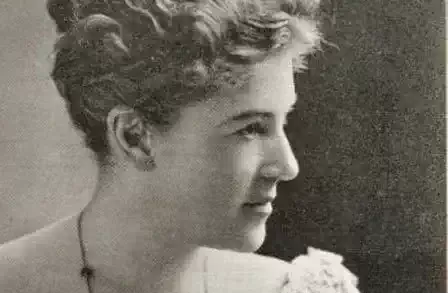
Ella Wheeler Wilcox
American Boys, Hello!
American Boys, Hello!
Oh! we love all the French, and we speak in French
As along through France we go.
But the moments to us that are keen and sweet
Are the ones when our khaki boys we meet,
Stalwart and handsome and trim and neat;
And we call to them-'Boys, hello!'
'Hello, American boys,
Luck to you, and life's best joys!
American boys, hello!'
We couldn't do that if we were at home-
It never would do you know!
For there you must wait till you're told who's who,
And to meet in the way that nice folks do.
Though you knew his name, and your name he knew-
You never would say 'Hello, hello, American boy!'
But here it's just a joy,
As we pass along in the stranger throng,
To call out, 'Boys, hello!'
For each is a brother away from home;
And this we are sure is so,
There's a lonesome spot in his heart somewhere,
And we want him to feel there are friends
right there
In this foreign land, and so we dare
To call out 'Boys, hello!'
'Hello, American boys,
Luck to you, and life's best joys!
American boys, hello!'
Oh! we love all the French, and we speak in French
As along through France we go.
But the moments to us that are keen and sweet
Are the ones when our khaki boys we meet,
Stalwart and handsome and trim and neat;
And we call to them-'Boys, hello!'
'Hello, American boys,
Luck to you, and life's best joys!
American boys, hello!'
We couldn't do that if we were at home-
It never would do you know!
For there you must wait till you're told who's who,
And to meet in the way that nice folks do.
Though you knew his name, and your name he knew-
You never would say 'Hello, hello, American boy!'
But here it's just a joy,
As we pass along in the stranger throng,
To call out, 'Boys, hello!'
For each is a brother away from home;
And this we are sure is so,
There's a lonesome spot in his heart somewhere,
And we want him to feel there are friends
right there
In this foreign land, and so we dare
To call out 'Boys, hello!'
'Hello, American boys,
Luck to you, and life's best joys!
American boys, hello!'
475
Ella Wheeler Wilcox
All Roads That Lead To God Are Good
All Roads That Lead To God Are Good
All roads that lead to God are good.
What matters it, your faith, or mine?
Both centre at the goal divine
Of love’s eternal Brotherhood.
The kindly life in house or street –
The life of prayer and mystic rite –
The student’s search for truth and light –
These paths at one great Junction meet.
Before the oldest book was writ,
Full many a prehistoric soul
Arrived at this unchanging goal,
Through changeless Love, that leads to it.
What matters that one found his Christ
In rising sun, or burning fire?
In faith within him did not tire,
His longing for the Truth sufficed.
Before our modern hell was brought
To edify the modern world,
Full many a hate-filled soul was hurled
In lakes of fire by its own thought.
A thousand creeds have come and gone,
But what is that to you or me?
Creeds are but branches of a tree –
The root of love lives on and on.
Though branch by branch proved withered wood,
The root is warm with precious wine.
Then keep your faith, and leave me mine –
All roads that lead to God are good.
All roads that lead to God are good.
What matters it, your faith, or mine?
Both centre at the goal divine
Of love’s eternal Brotherhood.
The kindly life in house or street –
The life of prayer and mystic rite –
The student’s search for truth and light –
These paths at one great Junction meet.
Before the oldest book was writ,
Full many a prehistoric soul
Arrived at this unchanging goal,
Through changeless Love, that leads to it.
What matters that one found his Christ
In rising sun, or burning fire?
In faith within him did not tire,
His longing for the Truth sufficed.
Before our modern hell was brought
To edify the modern world,
Full many a hate-filled soul was hurled
In lakes of fire by its own thought.
A thousand creeds have come and gone,
But what is that to you or me?
Creeds are but branches of a tree –
The root of love lives on and on.
Though branch by branch proved withered wood,
The root is warm with precious wine.
Then keep your faith, and leave me mine –
All roads that lead to God are good.
406
Ella Wheeler Wilcox
All Roads That Lead To God Are Good
All Roads That Lead To God Are Good
All roads that lead to God are good.
What matters it, your faith, or mine?
Both centre at the goal divine
Of love’s eternal Brotherhood.
The kindly life in house or street –
The life of prayer and mystic rite –
The student’s search for truth and light –
These paths at one great Junction meet.
Before the oldest book was writ,
Full many a prehistoric soul
Arrived at this unchanging goal,
Through changeless Love, that leads to it.
What matters that one found his Christ
In rising sun, or burning fire?
In faith within him did not tire,
His longing for the Truth sufficed.
Before our modern hell was brought
To edify the modern world,
Full many a hate-filled soul was hurled
In lakes of fire by its own thought.
A thousand creeds have come and gone,
But what is that to you or me?
Creeds are but branches of a tree –
The root of love lives on and on.
Though branch by branch proved withered wood,
The root is warm with precious wine.
Then keep your faith, and leave me mine –
All roads that lead to God are good.
All roads that lead to God are good.
What matters it, your faith, or mine?
Both centre at the goal divine
Of love’s eternal Brotherhood.
The kindly life in house or street –
The life of prayer and mystic rite –
The student’s search for truth and light –
These paths at one great Junction meet.
Before the oldest book was writ,
Full many a prehistoric soul
Arrived at this unchanging goal,
Through changeless Love, that leads to it.
What matters that one found his Christ
In rising sun, or burning fire?
In faith within him did not tire,
His longing for the Truth sufficed.
Before our modern hell was brought
To edify the modern world,
Full many a hate-filled soul was hurled
In lakes of fire by its own thought.
A thousand creeds have come and gone,
But what is that to you or me?
Creeds are but branches of a tree –
The root of love lives on and on.
Though branch by branch proved withered wood,
The root is warm with precious wine.
Then keep your faith, and leave me mine –
All roads that lead to God are good.
406
Ella Wheeler Wilcox
After the Engagement
After the Engagement
Well, Mabel, 'tis over and ended---
The ball I wrote was to be;
And oh! it was perfectly splendid---
If you could have been here to see.
I've a thousand things to write you
That I know you are wanting to hear,
And one, that is sure to delight you---
I am wearing Joe's diamond, my dear!
Yes, mamma is quite ecstatic
That I am engaged to Joe;
She thinks I am rather erratic,
And feared that I might say "no."
But, Mabel, I'm twenty-seven
(Though nobody dreams it, dear),
And a fortune like Joe's isn't given
To lay at one's feet each year.
You know my old fancy for Harry---
Or, at least, I am certain you guessed
That it took all my sense not to marry
And go with that fellow out west.
But that was my very first season---
And Harry was poor as could be,
And mamma's good practical reason
Took all the romance out of me.
She whisked me off over the ocean,
And had me presented at court,
And got me all out of the notion
That ranch life out west was my forte.
Of course I have never repented--I'm
not such a goose of a thing;
But after I had consented
To Joe---and he gave me the ring---
I felt such a queer sensation.
I seemed to go into a trance,
Away from the music's pulsation,
Away from the lights and the dance.
And the wind o'er the wild prairie
Seemed blowing strong and free,
And it seemed not Joe, but Harry
Who was standing there close to me.
And the funniest feverish feeling
Went up from my feet to my head,
With little chills after it stealing---
And my hands got as numb as the dead.
A moment, and then it was over:
The diamond blazed up in my eyes,
And I saw in the face of my lover
A questioning, strange surprise.
Maybe 'twas the scent of the flowers,
That heavy with fragrance bloomed near,
But I didn't feel natural for hours;
It was odd now, wasn't it, dear?
Write soon to your fortunate Clara
Who has carried the prize away,
And say you'll come on when I marry;
I think it will happen in May.
Well, Mabel, 'tis over and ended---
The ball I wrote was to be;
And oh! it was perfectly splendid---
If you could have been here to see.
I've a thousand things to write you
That I know you are wanting to hear,
And one, that is sure to delight you---
I am wearing Joe's diamond, my dear!
Yes, mamma is quite ecstatic
That I am engaged to Joe;
She thinks I am rather erratic,
And feared that I might say "no."
But, Mabel, I'm twenty-seven
(Though nobody dreams it, dear),
And a fortune like Joe's isn't given
To lay at one's feet each year.
You know my old fancy for Harry---
Or, at least, I am certain you guessed
That it took all my sense not to marry
And go with that fellow out west.
But that was my very first season---
And Harry was poor as could be,
And mamma's good practical reason
Took all the romance out of me.
She whisked me off over the ocean,
And had me presented at court,
And got me all out of the notion
That ranch life out west was my forte.
Of course I have never repented--I'm
not such a goose of a thing;
But after I had consented
To Joe---and he gave me the ring---
I felt such a queer sensation.
I seemed to go into a trance,
Away from the music's pulsation,
Away from the lights and the dance.
And the wind o'er the wild prairie
Seemed blowing strong and free,
And it seemed not Joe, but Harry
Who was standing there close to me.
And the funniest feverish feeling
Went up from my feet to my head,
With little chills after it stealing---
And my hands got as numb as the dead.
A moment, and then it was over:
The diamond blazed up in my eyes,
And I saw in the face of my lover
A questioning, strange surprise.
Maybe 'twas the scent of the flowers,
That heavy with fragrance bloomed near,
But I didn't feel natural for hours;
It was odd now, wasn't it, dear?
Write soon to your fortunate Clara
Who has carried the prize away,
And say you'll come on when I marry;
I think it will happen in May.
427
Ella Wheeler Wilcox
A Suggestion
A Suggestion
As I go and shop, sir!
If a car I stop, sir!
Where you chance to sit,
And you want to read, sir!
Never mind or heed, sir!
I’ll not care a bit.
For it’s now aesthetic
To be quite athletic.
That’s our fad, you know.
I can hold the strap, sir!
And keep off your lap, sir!
As we jolting go.
If you read on blindly,
I shall take it kindly,
All the car’s not mine.
But, if you sit and stare, sir!
At my eyes and hair, sir!
I must draw the line.
If the stare is meant, sir!
For a compliment, sir!
As we jog through town,
Allow me to suggest, sir!
A woman oft looks best, sir!
When she’s sitting down.
As I go and shop, sir!
If a car I stop, sir!
Where you chance to sit,
And you want to read, sir!
Never mind or heed, sir!
I’ll not care a bit.
For it’s now aesthetic
To be quite athletic.
That’s our fad, you know.
I can hold the strap, sir!
And keep off your lap, sir!
As we jolting go.
If you read on blindly,
I shall take it kindly,
All the car’s not mine.
But, if you sit and stare, sir!
At my eyes and hair, sir!
I must draw the line.
If the stare is meant, sir!
For a compliment, sir!
As we jog through town,
Allow me to suggest, sir!
A woman oft looks best, sir!
When she’s sitting down.
455
Ella Wheeler Wilcox
A Waif
A Waif
My soul is like a poor caged bird to-night,
Beating its wings against the prison bars,
Longing to reach the outer world of light,
And, all untrammelled, soar among the stars.
Wild, mighty thoughts struggle within my soul
For utterance. Great waves of passion roll
Through all my being. As the lightnings play
Through thunder clouds, so beams of blinding light
Flash for a moment on my darkened brain -
Quick, sudden, glaring beams, that fade wawy
And leave me in a darker, deeper night.
Oh, poet sould! that struggle all in vain
To live in peace and harmony with earth,
It cannot be! They must endure the pain
Of conscience and unacknoeledged worth,
Moving and dwelling with the common herd,
Whose highest thought has never strayed as far,
Or never strayed beyond the horizon's bar;
Whose narrow hearts and souls are never stirred
With keenest pleasures, or with sharpest pain;
Who rise and eat and sleep, and rise again,
Nor question why or wherefore. Men whose minds
Are never shaken by wild passion winds;
Women whose broadest, deepeat realm of thought
The bridal veil will cover.
Who see not
God's mighty work lying undone to-day, -
Work that a woman's hands can do as well,
Oh, soul of mine; better to live alway
In this tumultuous inward pain and strife,
Doing the work that in thy reach doth fall,
Weeping because thou canst not do it all;
Oh, better, my soul, in this unrest to dwell,
Than grovel as they grovel on through life.
My soul is like a poor caged bird to-night,
Beating its wings against the prison bars,
Longing to reach the outer world of light,
And, all untrammelled, soar among the stars.
Wild, mighty thoughts struggle within my soul
For utterance. Great waves of passion roll
Through all my being. As the lightnings play
Through thunder clouds, so beams of blinding light
Flash for a moment on my darkened brain -
Quick, sudden, glaring beams, that fade wawy
And leave me in a darker, deeper night.
Oh, poet sould! that struggle all in vain
To live in peace and harmony with earth,
It cannot be! They must endure the pain
Of conscience and unacknoeledged worth,
Moving and dwelling with the common herd,
Whose highest thought has never strayed as far,
Or never strayed beyond the horizon's bar;
Whose narrow hearts and souls are never stirred
With keenest pleasures, or with sharpest pain;
Who rise and eat and sleep, and rise again,
Nor question why or wherefore. Men whose minds
Are never shaken by wild passion winds;
Women whose broadest, deepeat realm of thought
The bridal veil will cover.
Who see not
God's mighty work lying undone to-day, -
Work that a woman's hands can do as well,
Oh, soul of mine; better to live alway
In this tumultuous inward pain and strife,
Doing the work that in thy reach doth fall,
Weeping because thou canst not do it all;
Oh, better, my soul, in this unrest to dwell,
Than grovel as they grovel on through life.
474
Ella Wheeler Wilcox
A Pin
A Pin
Oh, I know a certain lady who is reckoned with the good,
Yet she fills me with more terror than a raging lion would.
The little chills run up and down my spine whene’er we meet,
Though she seems a gentle creature, and she’s very trim and neat.
And she has a thousand virtues and not one acknowledged sin,
But she is the sort of person you could liken to a pin.
And she pricks you and she sticks you in a way that can’t be said.
If you seek for what has hurt you – why, you cannot find the head.
But she fills you with discomfort and exasperating pain.
If anybody asks you why, you really can’t explain!
A pin is such a tiny thing, of that there is no doubt,
Yet when it’s sticking in your flesh you’re wretched till it’s out.
She’s wonderfully observing – when she meets a pretty girl,
She is always sure to tell her if her hair is out of curl;
And she is so sympathetic to her friend who’s much admires,
She is often heard remarking, ‘Dear, you look so worn and tired.’
And she is an honest critic, for on yesterday she eyed
The new dress I was airing with a woman’s natural pride,
And she said, ‘Oh, how becoming! ’ and then gently added, ‘it
Is really a misfortune that the basque is such a fit.’
Then she said, ‘If you heard me yester eve, I’m sure, my friend,
You would say I was a champion who knows how to defend.’
And she left me with the feeling – most unpleasant, I aver –
That the whole world would despise me is it hadn’t been for her.
Whenever I encounter her, in such a nameless way
She gives me the impression I am at my worst that day.
And the hat that was imported (and cost me half a sonnet) ,
With just one glance from her round eyes becomes a Bowery bonnet.
She is always bright and smiling, sharp and pointed for a thrust;
Use does not seem to blunt her point, nor does she gather rust.
Oh! I wish some hapless specimen of mankind would begin
To tidy up the world for me, by picking up this pin!
Oh, I know a certain lady who is reckoned with the good,
Yet she fills me with more terror than a raging lion would.
The little chills run up and down my spine whene’er we meet,
Though she seems a gentle creature, and she’s very trim and neat.
And she has a thousand virtues and not one acknowledged sin,
But she is the sort of person you could liken to a pin.
And she pricks you and she sticks you in a way that can’t be said.
If you seek for what has hurt you – why, you cannot find the head.
But she fills you with discomfort and exasperating pain.
If anybody asks you why, you really can’t explain!
A pin is such a tiny thing, of that there is no doubt,
Yet when it’s sticking in your flesh you’re wretched till it’s out.
She’s wonderfully observing – when she meets a pretty girl,
She is always sure to tell her if her hair is out of curl;
And she is so sympathetic to her friend who’s much admires,
She is often heard remarking, ‘Dear, you look so worn and tired.’
And she is an honest critic, for on yesterday she eyed
The new dress I was airing with a woman’s natural pride,
And she said, ‘Oh, how becoming! ’ and then gently added, ‘it
Is really a misfortune that the basque is such a fit.’
Then she said, ‘If you heard me yester eve, I’m sure, my friend,
You would say I was a champion who knows how to defend.’
And she left me with the feeling – most unpleasant, I aver –
That the whole world would despise me is it hadn’t been for her.
Whenever I encounter her, in such a nameless way
She gives me the impression I am at my worst that day.
And the hat that was imported (and cost me half a sonnet) ,
With just one glance from her round eyes becomes a Bowery bonnet.
She is always bright and smiling, sharp and pointed for a thrust;
Use does not seem to blunt her point, nor does she gather rust.
Oh! I wish some hapless specimen of mankind would begin
To tidy up the world for me, by picking up this pin!
383
Ella Wheeler Wilcox
A Naughty Little Comet
A Naughty Little Comet
There was a little comet who lived near the Milky Way!
She loved to wander out at night and jump about and play.
The mother of the comet was a very good old star;
She used to scold her reckless child for venturing out too far.
She told her of the ogre, Sun, who loved on stars to sup,
And who asked no better pastime than in gobbling comets up.
But instead of growing cautious and of showing proper fear,
The foolish little comet edged up nearer, and more near.
She switched her saucy tail along right where the Sun could see,
And flirted with old Mars, and was as bold as bold could be.
She laughed to scorn the quiet stars who never frisked about;
She said there was no fun in life unless you ventured out.
She liked to make the planets stare, and wished no better mirth
Than just to see the telescopes aimed at her from the Earth.
She wondered how so many stars could mope through nights and days,
And let the sickly faced old Moon get all the love and praise.
And as she talked and tossed her head and switched her shining trail
The staid old mother star grew sad, her cheek grew wan and pale.
For she had lived there in the skies a million years or more,
And she had heard gay comets talk in just this way before.
And by and by there came an end to this gay comet's fun.
She went a tiny bit too far-and vanished in the Sun!
No more she swings her shining trail before the whole world's sight,
But quiet stars she laughed to scorn are twinkling every night.
There was a little comet who lived near the Milky Way!
She loved to wander out at night and jump about and play.
The mother of the comet was a very good old star;
She used to scold her reckless child for venturing out too far.
She told her of the ogre, Sun, who loved on stars to sup,
And who asked no better pastime than in gobbling comets up.
But instead of growing cautious and of showing proper fear,
The foolish little comet edged up nearer, and more near.
She switched her saucy tail along right where the Sun could see,
And flirted with old Mars, and was as bold as bold could be.
She laughed to scorn the quiet stars who never frisked about;
She said there was no fun in life unless you ventured out.
She liked to make the planets stare, and wished no better mirth
Than just to see the telescopes aimed at her from the Earth.
She wondered how so many stars could mope through nights and days,
And let the sickly faced old Moon get all the love and praise.
And as she talked and tossed her head and switched her shining trail
The staid old mother star grew sad, her cheek grew wan and pale.
For she had lived there in the skies a million years or more,
And she had heard gay comets talk in just this way before.
And by and by there came an end to this gay comet's fun.
She went a tiny bit too far-and vanished in the Sun!
No more she swings her shining trail before the whole world's sight,
But quiet stars she laughed to scorn are twinkling every night.
780
Ella Wheeler Wilcox
A Man's Repentance
A Man's Repentance
To-night when I came from the club at eleven,
Under the gaslight I saw a face-
A woman's face! and I swear to heaven
It looked like the ghastly ghost of-Grace!
And Grace? why, Grace was fair; and I tarried,
And loved her a season as we men do.
And then-but pshaw! why, of course, she is married,
Has a husband, and doubtless, a babe or two.
She was perfectly calm on the day we parted;
She spared me a scene, to my great surprise.
She wasn't the kind to be broken-hearted,
I remember she said, with a spark in her eyes.
I was tempted, I know, by her proud defiance,
To make good my promises there and then.
But the world would have called it a mésalliance!
I dreaded the comments and sneers of men.
So I left her to grieve for a faithless lover,
And to hide her heart from the cold world's sight
As women do hide them, the wide earth over;
My God! was it Grace that I saw to-night?
I thought of her married, and often with pity,
A poor man's wife in some dull place.
And now to know she is here in the city,
Under the gaslight, and with that face!
Yet I knew it at once, in spite of the daubing
Of paint and powder, and she knew me;
She drew a quick breath that was almost sobbing,
And shrank in the shade so I should not see.
There was hell in her eyes! She was worn and jaded;
Her soul is at war with the life she has led.
As I looked on that face so strangely faded,
I wonder God did not strike me dead.
While I have been happy and gay and jolly,
Received by the very best people in town,
That girl whom I led in the way to folly,
Has gone on recklessly down and down.
Two o'clock, and no sleep has found me.
That face I saw in the street-lamp's light
Peers everywhere out from the shadows around me-
I know how a murderer feels to-night!
To-night when I came from the club at eleven,
Under the gaslight I saw a face-
A woman's face! and I swear to heaven
It looked like the ghastly ghost of-Grace!
And Grace? why, Grace was fair; and I tarried,
And loved her a season as we men do.
And then-but pshaw! why, of course, she is married,
Has a husband, and doubtless, a babe or two.
She was perfectly calm on the day we parted;
She spared me a scene, to my great surprise.
She wasn't the kind to be broken-hearted,
I remember she said, with a spark in her eyes.
I was tempted, I know, by her proud defiance,
To make good my promises there and then.
But the world would have called it a mésalliance!
I dreaded the comments and sneers of men.
So I left her to grieve for a faithless lover,
And to hide her heart from the cold world's sight
As women do hide them, the wide earth over;
My God! was it Grace that I saw to-night?
I thought of her married, and often with pity,
A poor man's wife in some dull place.
And now to know she is here in the city,
Under the gaslight, and with that face!
Yet I knew it at once, in spite of the daubing
Of paint and powder, and she knew me;
She drew a quick breath that was almost sobbing,
And shrank in the shade so I should not see.
There was hell in her eyes! She was worn and jaded;
Her soul is at war with the life she has led.
As I looked on that face so strangely faded,
I wonder God did not strike me dead.
While I have been happy and gay and jolly,
Received by the very best people in town,
That girl whom I led in the way to folly,
Has gone on recklessly down and down.
Two o'clock, and no sleep has found me.
That face I saw in the street-lamp's light
Peers everywhere out from the shadows around me-
I know how a murderer feels to-night!
408
Ella Wheeler Wilcox
A Marine Etching
A Marine Etching
A yacht from its harbour ropes pulled free,
And leaped like a steed o’er the race track blue,
Then up behind her, the dust of the sea,
A gray fog, drifted, and hid her from view.
A yacht from its harbour ropes pulled free,
And leaped like a steed o’er the race track blue,
Then up behind her, the dust of the sea,
A gray fog, drifted, and hid her from view.
390
Ella Wheeler Wilcox
A Grey Mood
A Grey Mood
As we hurry away to the end, my friend,
Of this sad little farce called existence,
We are sure that the future will bring one thing,
And that is the grave in the distance.
And so when our lives run along all wrong,
And nothing seems real or certain,
We can comfort ourselves with the thought (or not)
Of that spectre behind the curtain.
But we haven’t much time to repine or whine,
Or to wound or jostle each other;
And the hour for us each is to-day, I say,
If we mean to assist a brother.
And there is no pleasure that earth gives birth,
But the worry it brings is double;
And all that repays for the strife of life,
Is helping some soul in trouble.
I tell you, if I could go back the track
To my life’s morning hour,
I would not set forth, seeking name or fame,
Or that poor bauble called power.
I would be like the sunlight, and live to give;
I would lend, but I would not borrow;
Nor would I be blind and complain of pain,
Forgetting the meaning of sorrow.
This world is a vaporous jest at best,
Tossed off by the gods in laughter;
And a cruel attempt at wit were it
If nothing better came after.
It is reeking with hearts that ache and break,
Which we ought to comfort and strengthen,
As we hurry away to the end, my friend,
And the shadows behind us lengthen.
As we hurry away to the end, my friend,
Of this sad little farce called existence,
We are sure that the future will bring one thing,
And that is the grave in the distance.
And so when our lives run along all wrong,
And nothing seems real or certain,
We can comfort ourselves with the thought (or not)
Of that spectre behind the curtain.
But we haven’t much time to repine or whine,
Or to wound or jostle each other;
And the hour for us each is to-day, I say,
If we mean to assist a brother.
And there is no pleasure that earth gives birth,
But the worry it brings is double;
And all that repays for the strife of life,
Is helping some soul in trouble.
I tell you, if I could go back the track
To my life’s morning hour,
I would not set forth, seeking name or fame,
Or that poor bauble called power.
I would be like the sunlight, and live to give;
I would lend, but I would not borrow;
Nor would I be blind and complain of pain,
Forgetting the meaning of sorrow.
This world is a vaporous jest at best,
Tossed off by the gods in laughter;
And a cruel attempt at wit were it
If nothing better came after.
It is reeking with hearts that ache and break,
Which we ought to comfort and strengthen,
As we hurry away to the end, my friend,
And the shadows behind us lengthen.
456
Ella Wheeler Wilcox
A Grey Mood
A Grey Mood
As we hurry away to the end, my friend,
Of this sad little farce called existence,
We are sure that the future will bring one thing,
And that is the grave in the distance.
And so when our lives run along all wrong,
And nothing seems real or certain,
We can comfort ourselves with the thought (or not)
Of that spectre behind the curtain.
But we haven’t much time to repine or whine,
Or to wound or jostle each other;
And the hour for us each is to-day, I say,
If we mean to assist a brother.
And there is no pleasure that earth gives birth,
But the worry it brings is double;
And all that repays for the strife of life,
Is helping some soul in trouble.
I tell you, if I could go back the track
To my life’s morning hour,
I would not set forth, seeking name or fame,
Or that poor bauble called power.
I would be like the sunlight, and live to give;
I would lend, but I would not borrow;
Nor would I be blind and complain of pain,
Forgetting the meaning of sorrow.
This world is a vaporous jest at best,
Tossed off by the gods in laughter;
And a cruel attempt at wit were it
If nothing better came after.
It is reeking with hearts that ache and break,
Which we ought to comfort and strengthen,
As we hurry away to the end, my friend,
And the shadows behind us lengthen.
As we hurry away to the end, my friend,
Of this sad little farce called existence,
We are sure that the future will bring one thing,
And that is the grave in the distance.
And so when our lives run along all wrong,
And nothing seems real or certain,
We can comfort ourselves with the thought (or not)
Of that spectre behind the curtain.
But we haven’t much time to repine or whine,
Or to wound or jostle each other;
And the hour for us each is to-day, I say,
If we mean to assist a brother.
And there is no pleasure that earth gives birth,
But the worry it brings is double;
And all that repays for the strife of life,
Is helping some soul in trouble.
I tell you, if I could go back the track
To my life’s morning hour,
I would not set forth, seeking name or fame,
Or that poor bauble called power.
I would be like the sunlight, and live to give;
I would lend, but I would not borrow;
Nor would I be blind and complain of pain,
Forgetting the meaning of sorrow.
This world is a vaporous jest at best,
Tossed off by the gods in laughter;
And a cruel attempt at wit were it
If nothing better came after.
It is reeking with hearts that ache and break,
Which we ought to comfort and strengthen,
As we hurry away to the end, my friend,
And the shadows behind us lengthen.
456
Ella Wheeler Wilcox
A Glass Of Wine
A Glass Of Wine
'What's in a glass of wine?'
There, set the glass where I can look within.
Now listen to me, friend, while I begin
And tell you what I see-
What I behold with my far-reaching eyes,
And what I know to be
Below the laughing bubbles that arise
Within this glass of wine.
There is a little spirit, night and day,
That cries one word, for ever and alway:
That single word is 'More!'
And whoso drinks a glass of wine, drinks him:
You fill the goblet full unto the brim,
And strive to silence him.
Glass after glass you drain to quench his thirst,
Each glass contains a spirit like the first;
And all their voices cry
Until they shriek and clamor, howl and rave,
And shout 'More!' noisily,
Till welcome death prepares the drunkard's grave,
And stills the imps that rave.
That see I in the wine:
And tears so many that I cannot guess;
And all these drops are labelled with 'Distress.'
I know you cannot see.
And at the bottom are the dregs of shame:
Oh! it is plain to me.
And there are woes too terrible to name:
Now drink your glass of wine.
'What's in a glass of wine?'
There, set the glass where I can look within.
Now listen to me, friend, while I begin
And tell you what I see-
What I behold with my far-reaching eyes,
And what I know to be
Below the laughing bubbles that arise
Within this glass of wine.
There is a little spirit, night and day,
That cries one word, for ever and alway:
That single word is 'More!'
And whoso drinks a glass of wine, drinks him:
You fill the goblet full unto the brim,
And strive to silence him.
Glass after glass you drain to quench his thirst,
Each glass contains a spirit like the first;
And all their voices cry
Until they shriek and clamor, howl and rave,
And shout 'More!' noisily,
Till welcome death prepares the drunkard's grave,
And stills the imps that rave.
That see I in the wine:
And tears so many that I cannot guess;
And all these drops are labelled with 'Distress.'
I know you cannot see.
And at the bottom are the dregs of shame:
Oh! it is plain to me.
And there are woes too terrible to name:
Now drink your glass of wine.
422
Ella Wheeler Wilcox
It Might Have Been
"It Might Have Been"
We will be what we could be. Do not say,
"It might have been, had not this, or that, or this."
No fate can keep us from the chosen way;
He only might who is.
We will do what we could do. Do not dream
Chance leaves a hero, all uncrowned to grieve.
I hold, all men are greatly what they seem;
He does, who could achieve.
We will climb where we could climb. Tell me not
Of adverse storms that kept thee from the height.
What eagle ever missed the peak he sought?
He always climbs who might.
I do not like the phrase "It might have been!"
It lacks force, and life's best truths perverts:
For I believe we have, and reach, and win,
Whatever our deserts.
We will be what we could be. Do not say,
"It might have been, had not this, or that, or this."
No fate can keep us from the chosen way;
He only might who is.
We will do what we could do. Do not dream
Chance leaves a hero, all uncrowned to grieve.
I hold, all men are greatly what they seem;
He does, who could achieve.
We will climb where we could climb. Tell me not
Of adverse storms that kept thee from the height.
What eagle ever missed the peak he sought?
He always climbs who might.
I do not like the phrase "It might have been!"
It lacks force, and life's best truths perverts:
For I believe we have, and reach, and win,
Whatever our deserts.
360
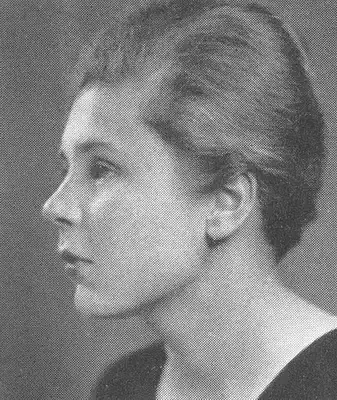
Elizabeth Bishop
Trouvée
Trouvée
Oh, why should a hen
have been run over
on West 4th Street
in the middle of summer?
She was a white hen
--red-and-white now, of course.
How did she get there?
Where was she going?
Her wing feathers spread
flat, flat in the tar,
all dirtied, and thin
as tissue paper.
A pigeon, yes,
or an English sparrow,
might meet such a fate,
but not that poor fowl.
Just now I went back
to look again.
I hadn't dreamed it:
there is a hen
turned into a quaint
old country saying
scribbled in chalk
(except for the beak).
Oh, why should a hen
have been run over
on West 4th Street
in the middle of summer?
She was a white hen
--red-and-white now, of course.
How did she get there?
Where was she going?
Her wing feathers spread
flat, flat in the tar,
all dirtied, and thin
as tissue paper.
A pigeon, yes,
or an English sparrow,
might meet such a fate,
but not that poor fowl.
Just now I went back
to look again.
I hadn't dreamed it:
there is a hen
turned into a quaint
old country saying
scribbled in chalk
(except for the beak).
545
Elizabeth Bishop
Suicide of a Moderate Dictator
Suicide of a Moderate Dictator
This is a day when truths will out, perhaps;
leak from the dangling telephone earphones
sapping the festooned switchboards' strength;
fall from the windows, blow from off the sills,
—the vague, slight unremarkable contents
of emptying ash-trays; rub off on our fingers
like ink from the un-proof-read newspapers,
crocking the way the unfocused photographs
of crooked faces do that soil our coats,
our tropical-weight coats, like slapped-at moths.
Today's a day when those who work
are idling. Those who played must work
and hurry, too, to get it done,
with little dignity or none.
The newspapers are sold; the kiosk shutters
crash down. But anyway, in the night
the headlines wrote themselves, see, on the streets
and sidewalks everywhere; a sediment's splashed
even to the first floors of apartment houses.
This is a day that's beautiful as well,
and warm and clear. At seven o'clock I saw
the dogs being walked along the famous beach
as usual, in a shiny gray-green dawn,
leaving their paw prints draining in the wet.
The line of breakers was steady and the pinkish,
segmented rainbow steadily hung above it.
At eight two little boys were flying kites.
This is a day when truths will out, perhaps;
leak from the dangling telephone earphones
sapping the festooned switchboards' strength;
fall from the windows, blow from off the sills,
—the vague, slight unremarkable contents
of emptying ash-trays; rub off on our fingers
like ink from the un-proof-read newspapers,
crocking the way the unfocused photographs
of crooked faces do that soil our coats,
our tropical-weight coats, like slapped-at moths.
Today's a day when those who work
are idling. Those who played must work
and hurry, too, to get it done,
with little dignity or none.
The newspapers are sold; the kiosk shutters
crash down. But anyway, in the night
the headlines wrote themselves, see, on the streets
and sidewalks everywhere; a sediment's splashed
even to the first floors of apartment houses.
This is a day that's beautiful as well,
and warm and clear. At seven o'clock I saw
the dogs being walked along the famous beach
as usual, in a shiny gray-green dawn,
leaving their paw prints draining in the wet.
The line of breakers was steady and the pinkish,
segmented rainbow steadily hung above it.
At eight two little boys were flying kites.
537
Elizabeth Bishop
The Bight
The Bight
At low tide like this how sheer the water is.
White, crumbling ribs of marl protrude and glare
and the boats are dry, the pilings dry as matches.
Absorbing, rather than being absorbed,
the water in the bight doesn't wet anything,
the color of the gas flame turned as low as possible.
One can smell it turning to gas; if one were Baudelaire
one could probably hear it turning to marimba music.
The little ocher dredge at work off the end of the dock
already plays the dry perfectly off-beat claves.
The birds are outsize. Pelicans crash
into this peculiar gas unnecessarily hard,
it seems to me, like pickaxes,
rarely coming up with anything to show for it,
and going off with humorous elbowings.
Black-and-white man-of-war birds soar
on impalpable drafts
and open their tails like scissors on the curves
or tense them like wishbones, till they tremble.
The frowsy sponge boats keep coming in
with the obliging air of retrievers,
bristling with jackstraw gaffs and hooks
and decorated with bobbles of sponges.
There is a fence of chicken wire along the dock
where, glinting like little plowshares,
the blue-gray shark tails are hung up to dry
for the Chinese-restaurant trade.
Some of the little white boats are still piled up
against each other, or lie on their sides, stove in,
and not yet salvaged, if they ever will be, from the last bad storm,
like torn-open, unanswered letters.
The bight is littered with old correspondences.
Click. Click. Goes the dredge,
and brings up a dripping jawful of marl.
All the untidy activity continues,
awful but cheerful.
At low tide like this how sheer the water is.
White, crumbling ribs of marl protrude and glare
and the boats are dry, the pilings dry as matches.
Absorbing, rather than being absorbed,
the water in the bight doesn't wet anything,
the color of the gas flame turned as low as possible.
One can smell it turning to gas; if one were Baudelaire
one could probably hear it turning to marimba music.
The little ocher dredge at work off the end of the dock
already plays the dry perfectly off-beat claves.
The birds are outsize. Pelicans crash
into this peculiar gas unnecessarily hard,
it seems to me, like pickaxes,
rarely coming up with anything to show for it,
and going off with humorous elbowings.
Black-and-white man-of-war birds soar
on impalpable drafts
and open their tails like scissors on the curves
or tense them like wishbones, till they tremble.
The frowsy sponge boats keep coming in
with the obliging air of retrievers,
bristling with jackstraw gaffs and hooks
and decorated with bobbles of sponges.
There is a fence of chicken wire along the dock
where, glinting like little plowshares,
the blue-gray shark tails are hung up to dry
for the Chinese-restaurant trade.
Some of the little white boats are still piled up
against each other, or lie on their sides, stove in,
and not yet salvaged, if they ever will be, from the last bad storm,
like torn-open, unanswered letters.
The bight is littered with old correspondences.
Click. Click. Goes the dredge,
and brings up a dripping jawful of marl.
All the untidy activity continues,
awful but cheerful.
637
Elizabeth Bishop
Songs for a Colored Singer
Songs for a Colored Singer
I
A washing hangs upon the line,
but it's not mine.
None of the things that I can see
belong to me.
The neighbors got a radio with an aerial;
we got a little portable.
They got a lot of closet space;
we got a suitcase.
I say, "Le Roy, just how much are we owing?
Something I can't comprehend,
the more we got the more we spend...."
He only answers, "Let's get going."
Le Roy, you're earning too much money now.
I sit and look at our backyard
and find it very hard.
What have we got for all his dollars and cents?
--A pile of bottles by the fence.
He's faithful and he's kind
but he sure has an inquiring mind.
He's seen a lot; he's bound to see the rest,
and if I protest
Le Roy answers with a frown,
"Darling, when I earns I spends.
The world is wide; it still extends....
I'm going to get a job in the next town."
Le Roy, you're earning too much money now.
II
The time has come to call a halt;
and so it ends.
He's gone off with his other friends.
He needn't try to make amends,
this occasion's all his fault.
Through rain and dark I see his face
across the street at Flossie's place.
He's drinking in the warm pink glow
to th' accompaniment of the piccolo.
The time has come to call a halt.
I met him walking with Varella
and hit him twice with my umbrella.
Perhaps that occasion was my fault,
but the time has come to call a halt.
Go drink your wine and go get tight.
Let the piccolo play.
I'm sick of all your fussing anyway.
Now I'm pursuing my own way.
I'm leaving on the bus tonight.
Far down the highway wet and black
I'll ride and ride and not come back.
I'm going to go and take the bus
and find someone monogamous.
The time has come to call a halt.
I've borrowed fifteen dollars fare
and it will take me anywhere.
For this occasion's all his fault.
The time has come to call a halt.
III
Lullaby.
Adult and child
sink to their rest.
At sea the big ship sinks and dies,
lead in its breast.
Lullaby.
Let mations rage,
let nations fall.
The shadow of the crib makes an enormous cage
upon the wall.
Lullaby.
Sleep on and on,
war's over soon.
Drop the silly, harmless toy,
pick up the moon.
Lullaby.
If they should say
you have no sense,
don't you mind them; it won't make
much difference.
Lullaby.
Adult and child
sink to their rest.
At sea the big ship sinks and dies,
lead in its breast.
IV
What's that shining in the leaves,
the shadowy leaves,
like tears when somebody grieves,
shining, shining in the leaves?
Is it dew or is it tears,
dew or tears,
hanging there for years and years
like a heavy dew of tears?
Then that dew begins to fall,
roll down and fall,
Maybe it's not tears at all.
See it, see it roll and fall.
Hear it falling on the ground,
hear, all around.
That is not a tearful sound,
beating, beating on the ground.
See it lying there like seeds,
like black seeds.
see it taking root like weeds,
faster, faster than the weeds,
all the shining seeds take root,
conspiring root,
and what curious flower or fruit
will grow from that conspiring root?
fruit or flower? It is a face.
Yes, a face.
In that dark and dreary place
each seed grows into a face.
Like an army in a dream
the faces seem,
darker, darker, like a dream.
They're too real to be a dream.
I
A washing hangs upon the line,
but it's not mine.
None of the things that I can see
belong to me.
The neighbors got a radio with an aerial;
we got a little portable.
They got a lot of closet space;
we got a suitcase.
I say, "Le Roy, just how much are we owing?
Something I can't comprehend,
the more we got the more we spend...."
He only answers, "Let's get going."
Le Roy, you're earning too much money now.
I sit and look at our backyard
and find it very hard.
What have we got for all his dollars and cents?
--A pile of bottles by the fence.
He's faithful and he's kind
but he sure has an inquiring mind.
He's seen a lot; he's bound to see the rest,
and if I protest
Le Roy answers with a frown,
"Darling, when I earns I spends.
The world is wide; it still extends....
I'm going to get a job in the next town."
Le Roy, you're earning too much money now.
II
The time has come to call a halt;
and so it ends.
He's gone off with his other friends.
He needn't try to make amends,
this occasion's all his fault.
Through rain and dark I see his face
across the street at Flossie's place.
He's drinking in the warm pink glow
to th' accompaniment of the piccolo.
The time has come to call a halt.
I met him walking with Varella
and hit him twice with my umbrella.
Perhaps that occasion was my fault,
but the time has come to call a halt.
Go drink your wine and go get tight.
Let the piccolo play.
I'm sick of all your fussing anyway.
Now I'm pursuing my own way.
I'm leaving on the bus tonight.
Far down the highway wet and black
I'll ride and ride and not come back.
I'm going to go and take the bus
and find someone monogamous.
The time has come to call a halt.
I've borrowed fifteen dollars fare
and it will take me anywhere.
For this occasion's all his fault.
The time has come to call a halt.
III
Lullaby.
Adult and child
sink to their rest.
At sea the big ship sinks and dies,
lead in its breast.
Lullaby.
Let mations rage,
let nations fall.
The shadow of the crib makes an enormous cage
upon the wall.
Lullaby.
Sleep on and on,
war's over soon.
Drop the silly, harmless toy,
pick up the moon.
Lullaby.
If they should say
you have no sense,
don't you mind them; it won't make
much difference.
Lullaby.
Adult and child
sink to their rest.
At sea the big ship sinks and dies,
lead in its breast.
IV
What's that shining in the leaves,
the shadowy leaves,
like tears when somebody grieves,
shining, shining in the leaves?
Is it dew or is it tears,
dew or tears,
hanging there for years and years
like a heavy dew of tears?
Then that dew begins to fall,
roll down and fall,
Maybe it's not tears at all.
See it, see it roll and fall.
Hear it falling on the ground,
hear, all around.
That is not a tearful sound,
beating, beating on the ground.
See it lying there like seeds,
like black seeds.
see it taking root like weeds,
faster, faster than the weeds,
all the shining seeds take root,
conspiring root,
and what curious flower or fruit
will grow from that conspiring root?
fruit or flower? It is a face.
Yes, a face.
In that dark and dreary place
each seed grows into a face.
Like an army in a dream
the faces seem,
darker, darker, like a dream.
They're too real to be a dream.
577
Elizabeth Bishop
Songs for a Colored Singer
Songs for a Colored Singer
I
A washing hangs upon the line,
but it's not mine.
None of the things that I can see
belong to me.
The neighbors got a radio with an aerial;
we got a little portable.
They got a lot of closet space;
we got a suitcase.
I say, "Le Roy, just how much are we owing?
Something I can't comprehend,
the more we got the more we spend...."
He only answers, "Let's get going."
Le Roy, you're earning too much money now.
I sit and look at our backyard
and find it very hard.
What have we got for all his dollars and cents?
--A pile of bottles by the fence.
He's faithful and he's kind
but he sure has an inquiring mind.
He's seen a lot; he's bound to see the rest,
and if I protest
Le Roy answers with a frown,
"Darling, when I earns I spends.
The world is wide; it still extends....
I'm going to get a job in the next town."
Le Roy, you're earning too much money now.
II
The time has come to call a halt;
and so it ends.
He's gone off with his other friends.
He needn't try to make amends,
this occasion's all his fault.
Through rain and dark I see his face
across the street at Flossie's place.
He's drinking in the warm pink glow
to th' accompaniment of the piccolo.
The time has come to call a halt.
I met him walking with Varella
and hit him twice with my umbrella.
Perhaps that occasion was my fault,
but the time has come to call a halt.
Go drink your wine and go get tight.
Let the piccolo play.
I'm sick of all your fussing anyway.
Now I'm pursuing my own way.
I'm leaving on the bus tonight.
Far down the highway wet and black
I'll ride and ride and not come back.
I'm going to go and take the bus
and find someone monogamous.
The time has come to call a halt.
I've borrowed fifteen dollars fare
and it will take me anywhere.
For this occasion's all his fault.
The time has come to call a halt.
III
Lullaby.
Adult and child
sink to their rest.
At sea the big ship sinks and dies,
lead in its breast.
Lullaby.
Let mations rage,
let nations fall.
The shadow of the crib makes an enormous cage
upon the wall.
Lullaby.
Sleep on and on,
war's over soon.
Drop the silly, harmless toy,
pick up the moon.
Lullaby.
If they should say
you have no sense,
don't you mind them; it won't make
much difference.
Lullaby.
Adult and child
sink to their rest.
At sea the big ship sinks and dies,
lead in its breast.
IV
What's that shining in the leaves,
the shadowy leaves,
like tears when somebody grieves,
shining, shining in the leaves?
Is it dew or is it tears,
dew or tears,
hanging there for years and years
like a heavy dew of tears?
Then that dew begins to fall,
roll down and fall,
Maybe it's not tears at all.
See it, see it roll and fall.
Hear it falling on the ground,
hear, all around.
That is not a tearful sound,
beating, beating on the ground.
See it lying there like seeds,
like black seeds.
see it taking root like weeds,
faster, faster than the weeds,
all the shining seeds take root,
conspiring root,
and what curious flower or fruit
will grow from that conspiring root?
fruit or flower? It is a face.
Yes, a face.
In that dark and dreary place
each seed grows into a face.
Like an army in a dream
the faces seem,
darker, darker, like a dream.
They're too real to be a dream.
I
A washing hangs upon the line,
but it's not mine.
None of the things that I can see
belong to me.
The neighbors got a radio with an aerial;
we got a little portable.
They got a lot of closet space;
we got a suitcase.
I say, "Le Roy, just how much are we owing?
Something I can't comprehend,
the more we got the more we spend...."
He only answers, "Let's get going."
Le Roy, you're earning too much money now.
I sit and look at our backyard
and find it very hard.
What have we got for all his dollars and cents?
--A pile of bottles by the fence.
He's faithful and he's kind
but he sure has an inquiring mind.
He's seen a lot; he's bound to see the rest,
and if I protest
Le Roy answers with a frown,
"Darling, when I earns I spends.
The world is wide; it still extends....
I'm going to get a job in the next town."
Le Roy, you're earning too much money now.
II
The time has come to call a halt;
and so it ends.
He's gone off with his other friends.
He needn't try to make amends,
this occasion's all his fault.
Through rain and dark I see his face
across the street at Flossie's place.
He's drinking in the warm pink glow
to th' accompaniment of the piccolo.
The time has come to call a halt.
I met him walking with Varella
and hit him twice with my umbrella.
Perhaps that occasion was my fault,
but the time has come to call a halt.
Go drink your wine and go get tight.
Let the piccolo play.
I'm sick of all your fussing anyway.
Now I'm pursuing my own way.
I'm leaving on the bus tonight.
Far down the highway wet and black
I'll ride and ride and not come back.
I'm going to go and take the bus
and find someone monogamous.
The time has come to call a halt.
I've borrowed fifteen dollars fare
and it will take me anywhere.
For this occasion's all his fault.
The time has come to call a halt.
III
Lullaby.
Adult and child
sink to their rest.
At sea the big ship sinks and dies,
lead in its breast.
Lullaby.
Let mations rage,
let nations fall.
The shadow of the crib makes an enormous cage
upon the wall.
Lullaby.
Sleep on and on,
war's over soon.
Drop the silly, harmless toy,
pick up the moon.
Lullaby.
If they should say
you have no sense,
don't you mind them; it won't make
much difference.
Lullaby.
Adult and child
sink to their rest.
At sea the big ship sinks and dies,
lead in its breast.
IV
What's that shining in the leaves,
the shadowy leaves,
like tears when somebody grieves,
shining, shining in the leaves?
Is it dew or is it tears,
dew or tears,
hanging there for years and years
like a heavy dew of tears?
Then that dew begins to fall,
roll down and fall,
Maybe it's not tears at all.
See it, see it roll and fall.
Hear it falling on the ground,
hear, all around.
That is not a tearful sound,
beating, beating on the ground.
See it lying there like seeds,
like black seeds.
see it taking root like weeds,
faster, faster than the weeds,
all the shining seeds take root,
conspiring root,
and what curious flower or fruit
will grow from that conspiring root?
fruit or flower? It is a face.
Yes, a face.
In that dark and dreary place
each seed grows into a face.
Like an army in a dream
the faces seem,
darker, darker, like a dream.
They're too real to be a dream.
577
Elizabeth Bishop
Sleeping on the Ceiling
Sleeping on the Ceiling
It is so peaceful on the ceiling!
It is the Place de la Concorde.
The little crystal chandelier
is off, the fountain is in the dark.
Not a soul is in the park.
Below, where the wallpaper is peeling,
the Jardin des Plantes has locked its gates.
Those photographs are animals.
The mighty flowers and foliage rustle;
under the leaves the insects tunnel.
We must go under the wallpaper
to meet the insect-gladiator,
to battle with a net and trident,
and leave the fountain and the square
But oh, that we could sleep up there...
It is so peaceful on the ceiling!
It is the Place de la Concorde.
The little crystal chandelier
is off, the fountain is in the dark.
Not a soul is in the park.
Below, where the wallpaper is peeling,
the Jardin des Plantes has locked its gates.
Those photographs are animals.
The mighty flowers and foliage rustle;
under the leaves the insects tunnel.
We must go under the wallpaper
to meet the insect-gladiator,
to battle with a net and trident,
and leave the fountain and the square
But oh, that we could sleep up there...
501
Elizabeth Bishop
Roosters
Roosters
At four o'clock
in the gun-metal blue dark
we hear the first crow of the first cock
just below
the gun-metal blue window
and immediately there is an echo
off in the distance,
then one from the backyard fence,
then one, with horrible insistence,
grates like a wet match
from the broccoli patch,
flares,and all over town begins to catch.
Cries galore
come from the water-closet door,
from the dropping-plastered henhouse floor,
where in the blue blur
their rusting wives admire,
the roosters brace their cruel feet and glare
with stupid eyes
while from their beaks there rise
the uncontrolled, traditional cries.
Deep from protruding chests
in green-gold medals dressed,
planned to command and terrorize the rest,
the many wives
who lead hens' lives
of being courted and despised;
deep from raw throats
a senseless order floats
all over town. A rooster gloats
over our beds
from rusty irons sheds
and fences made from old bedsteads,
over our churches
where the tin rooster perches,
over our little wooden northern houses,
making sallies
from all the muddy alleys,
marking out maps like Rand McNally's:
glass-headed pins,
oil-golds and copper greens,
anthracite blues, alizarins,
each one an active
displacement in perspective;
each screaming, "This is where I live!"
Each screaming
"Get up! Stop dreaming!"
Roosters, what are you projecting?
You, whom the Greeks elected
to shoot at on a post, who struggled
when sacrificed, you whom they labeled
"Very combative..."
what right have you to give
commands and tell us how to live,
cry "Here!" and "Here!"
and wake us here where are
unwanted love, conceit and war?
The crown of red
set on your little head
is charged with all your fighting blood
Yes, that excrescence
makes a most virile presence,
plus all that vulgar beauty of iridescence
Now in mid-air
by two they fight each other.
Down comes a first flame-feather,
and one is flying,
with raging heroism defying
even the sensation of dying.
And one has fallen
but still above the town
his torn-out, bloodied feathers drift down;
and what he sung
no matter. He is flung
on the gray ash-heap, lies in dung
with his dead wives
with open, bloody eyes,
while those metallic feathers oxidize.
St. Peter's sin
was worse than that of Magdalen
whose sin was of the flesh alone;
of spirit, Peter's,
falling, beneath the flares,
among the "servants and officers."
Old holy sculpture
could set it all together
in one small scene, past and future:
Christ stands amazed,
Peter, two fingers raised
to surprised lips, both as if dazed.
But in between
a little cock is seen
carved on a dim column in the travertine,
explained by gallus canit;
flet Petrus underneath it,
There is inescapable hope, the pivot;
yes, and there Peter's tears
run down our chanticleer's
sides and gem his spurs.
Tear-encrusted thick
as a medieval relic
he waits. Poor Peter, heart-sick,
still cannot guess
those cock-a-doodles yet might bless,
his dreadful rooster come to mean forgiveness,
a new weathervane
on basilica and barn,
and that outside the Lateran
there would always be
a bronze cock on a porphyry
pillar so the people and the Pope might see
that event the Prince
of the Apostles long since
had been forgiven, and to convince
all the assembly
that "Deny deny deny"
is not all the roosters cry.
In the morning
a low light is floating
in the backyard, and gilding
from underneath
the broccoli, leaf by leaf;
how could the night have come to grief?
gilding the tiny
floating swallow's belly
and lines of pink cloud in the sky,
the day's preamble
like wandering lines in marble,
The cocks are now almost inaudible.
The sun climbs in,
following "to see the end,"
faithful as enemy, or friend.
At four o'clock
in the gun-metal blue dark
we hear the first crow of the first cock
just below
the gun-metal blue window
and immediately there is an echo
off in the distance,
then one from the backyard fence,
then one, with horrible insistence,
grates like a wet match
from the broccoli patch,
flares,and all over town begins to catch.
Cries galore
come from the water-closet door,
from the dropping-plastered henhouse floor,
where in the blue blur
their rusting wives admire,
the roosters brace their cruel feet and glare
with stupid eyes
while from their beaks there rise
the uncontrolled, traditional cries.
Deep from protruding chests
in green-gold medals dressed,
planned to command and terrorize the rest,
the many wives
who lead hens' lives
of being courted and despised;
deep from raw throats
a senseless order floats
all over town. A rooster gloats
over our beds
from rusty irons sheds
and fences made from old bedsteads,
over our churches
where the tin rooster perches,
over our little wooden northern houses,
making sallies
from all the muddy alleys,
marking out maps like Rand McNally's:
glass-headed pins,
oil-golds and copper greens,
anthracite blues, alizarins,
each one an active
displacement in perspective;
each screaming, "This is where I live!"
Each screaming
"Get up! Stop dreaming!"
Roosters, what are you projecting?
You, whom the Greeks elected
to shoot at on a post, who struggled
when sacrificed, you whom they labeled
"Very combative..."
what right have you to give
commands and tell us how to live,
cry "Here!" and "Here!"
and wake us here where are
unwanted love, conceit and war?
The crown of red
set on your little head
is charged with all your fighting blood
Yes, that excrescence
makes a most virile presence,
plus all that vulgar beauty of iridescence
Now in mid-air
by two they fight each other.
Down comes a first flame-feather,
and one is flying,
with raging heroism defying
even the sensation of dying.
And one has fallen
but still above the town
his torn-out, bloodied feathers drift down;
and what he sung
no matter. He is flung
on the gray ash-heap, lies in dung
with his dead wives
with open, bloody eyes,
while those metallic feathers oxidize.
St. Peter's sin
was worse than that of Magdalen
whose sin was of the flesh alone;
of spirit, Peter's,
falling, beneath the flares,
among the "servants and officers."
Old holy sculpture
could set it all together
in one small scene, past and future:
Christ stands amazed,
Peter, two fingers raised
to surprised lips, both as if dazed.
But in between
a little cock is seen
carved on a dim column in the travertine,
explained by gallus canit;
flet Petrus underneath it,
There is inescapable hope, the pivot;
yes, and there Peter's tears
run down our chanticleer's
sides and gem his spurs.
Tear-encrusted thick
as a medieval relic
he waits. Poor Peter, heart-sick,
still cannot guess
those cock-a-doodles yet might bless,
his dreadful rooster come to mean forgiveness,
a new weathervane
on basilica and barn,
and that outside the Lateran
there would always be
a bronze cock on a porphyry
pillar so the people and the Pope might see
that event the Prince
of the Apostles long since
had been forgiven, and to convince
all the assembly
that "Deny deny deny"
is not all the roosters cry.
In the morning
a low light is floating
in the backyard, and gilding
from underneath
the broccoli, leaf by leaf;
how could the night have come to grief?
gilding the tiny
floating swallow's belly
and lines of pink cloud in the sky,
the day's preamble
like wandering lines in marble,
The cocks are now almost inaudible.
The sun climbs in,
following "to see the end,"
faithful as enemy, or friend.
672
Elizabeth Bishop
Questions of Travel
Questions of Travel
There are too many waterfalls here; the crowded streams
hurry too rapidly down to the sea,
and the pressure of so many clouds on the mountaintops
makes them spill over the sides in soft slow-motion,
turning to waterfalls under our very eyes.
--For if those streaks, those mile-long, shiny, tearstains,
aren't waterfalls yet,
in a quick age or so, as ages go here,
they probably will be.
But if the streams and clouds keep travelling, travelling,
the mountains look like the hulls of capsized ships,
slime-hung and barnacled.
Think of the long trip home.
Should we have stayed at home and thought of here?
Where should we be today?
Is it right to be watching strangers in a play
in this strangest of theatres?
What childishness is it that while there's a breath of life
in our bodies, we are determined to rush
to see the sun the other way around?
The tiniest green hummingbird in the world?
To stare at some inexplicable old stonework,
inexplicable and impenetrable,
at any view,
instantly seen and always, always delightful?
Oh, must we dream our dreams
and have them, too?
And have we room
for one more folded sunset, still quite warm?
But surely it would have been a pity
not to have seen the trees along this road,
really exaggerated in their beauty,
not to have seen them gesturing
like noble pantomimists, robed in pink.
--Not to have had to stop for gas and heard
the sad, two-noted, wooden tune
of disparate wooden clogs
carelessly clacking over
a grease-stained filling-station floor.
(In another country the clogs would all be tested.
Each pair there would have identical pitch.)
--A pity not to have heard
the other, less primitive music of the fat brown bird
who sings above the broken gasoline pump
in a bamboo church of Jesuit baroque:
three towers, five silver crosses.
--Yes, a pity not to have pondered,
blurr'dly and inconclusively,
on what connection can exist for centuries
between the crudest wooden footwear
and, careful and finicky,
the whittled fantasies of wooden footwear
and, careful and finicky,
the whittled fantasies of wooden cages.
--Never to have studied history in
the weak calligraphy of songbirds' cages.
--And never to have had to listen to rain
so much like politicians' speeches:
two hours of unrelenting oratory
and then a sudden golden silence
in which the traveller takes a notebook, writes:
"Is it lack of imagination that makes us come
to imagined places, not just stay at home?
Or could Pascal have been not entirely right
about just sitting quietly in one's room?
Continent, city, country, society:
the choice is never wide and never free.
And here, or there . . . No. Should we have stayed at home,
wherever that may be?"
There are too many waterfalls here; the crowded streams
hurry too rapidly down to the sea,
and the pressure of so many clouds on the mountaintops
makes them spill over the sides in soft slow-motion,
turning to waterfalls under our very eyes.
--For if those streaks, those mile-long, shiny, tearstains,
aren't waterfalls yet,
in a quick age or so, as ages go here,
they probably will be.
But if the streams and clouds keep travelling, travelling,
the mountains look like the hulls of capsized ships,
slime-hung and barnacled.
Think of the long trip home.
Should we have stayed at home and thought of here?
Where should we be today?
Is it right to be watching strangers in a play
in this strangest of theatres?
What childishness is it that while there's a breath of life
in our bodies, we are determined to rush
to see the sun the other way around?
The tiniest green hummingbird in the world?
To stare at some inexplicable old stonework,
inexplicable and impenetrable,
at any view,
instantly seen and always, always delightful?
Oh, must we dream our dreams
and have them, too?
And have we room
for one more folded sunset, still quite warm?
But surely it would have been a pity
not to have seen the trees along this road,
really exaggerated in their beauty,
not to have seen them gesturing
like noble pantomimists, robed in pink.
--Not to have had to stop for gas and heard
the sad, two-noted, wooden tune
of disparate wooden clogs
carelessly clacking over
a grease-stained filling-station floor.
(In another country the clogs would all be tested.
Each pair there would have identical pitch.)
--A pity not to have heard
the other, less primitive music of the fat brown bird
who sings above the broken gasoline pump
in a bamboo church of Jesuit baroque:
three towers, five silver crosses.
--Yes, a pity not to have pondered,
blurr'dly and inconclusively,
on what connection can exist for centuries
between the crudest wooden footwear
and, careful and finicky,
the whittled fantasies of wooden footwear
and, careful and finicky,
the whittled fantasies of wooden cages.
--Never to have studied history in
the weak calligraphy of songbirds' cages.
--And never to have had to listen to rain
so much like politicians' speeches:
two hours of unrelenting oratory
and then a sudden golden silence
in which the traveller takes a notebook, writes:
"Is it lack of imagination that makes us come
to imagined places, not just stay at home?
Or could Pascal have been not entirely right
about just sitting quietly in one's room?
Continent, city, country, society:
the choice is never wide and never free.
And here, or there . . . No. Should we have stayed at home,
wherever that may be?"
654
Elizabeth Bishop
One Art
One Art
The art of losing isn't hard to master;
so many things seem filled with the intent
to be lost that their loss is no disaster,
Lose something every day. Accept the fluster
of lost door keys, the hour badly spent.
The art of losing isn't hard to master.
Then practice losing farther, losing faster:
places, and names, and where it was you meant
to travel. None of these will bring disaster.
I lost my mother's watch. And look! my last, or
next-to-last, of three beloved houses went.
The art of losing isn't hard to master.
I lost two cities, lovely ones. And, vaster,
some realms I owned, two rivers, a continent.
I miss them, but it wasn't a disaster.
-Even losing you (the joking voice, a gesture
I love) I shan't have lied. It's evident
the art of losing's not too hard to master
though it may look like (Write it!) like a disaster.
The art of losing isn't hard to master;
so many things seem filled with the intent
to be lost that their loss is no disaster,
Lose something every day. Accept the fluster
of lost door keys, the hour badly spent.
The art of losing isn't hard to master.
Then practice losing farther, losing faster:
places, and names, and where it was you meant
to travel. None of these will bring disaster.
I lost my mother's watch. And look! my last, or
next-to-last, of three beloved houses went.
The art of losing isn't hard to master.
I lost two cities, lovely ones. And, vaster,
some realms I owned, two rivers, a continent.
I miss them, but it wasn't a disaster.
-Even losing you (the joking voice, a gesture
I love) I shan't have lied. It's evident
the art of losing's not too hard to master
though it may look like (Write it!) like a disaster.
827
Elizabeth Bishop
Manners
Manners
For a Child of 1918
My grandfather said to me
as we sat on the wagon seat,
"Be sure to remember to always
speak to everyone you meet."
We met a stranger on foot.
My grandfather's whip tapped his hat.
"Good day, sir. Good day. A fine day."
And I said it and bowed where I sat.
Then we overtook a boy we knew
with his big pet crow on his shoulder.
"Always offer everyone a ride;
don't forget that when you get older,"
my grandfather said. So Willy
climbed up with us, but the crow
gave a "Caw!" and flew off. I was worried.
How would he know where to go?
But he flew a little way at a time
from fence post to fence post, ahead;
and when Willy whistled he answered.
"A fine bird," my grandfather said,
"and he's well brought up. See, he answers
nicely when he's spoken to.
Man or beast, that's good manners.
Be sure that you both always do."
When automobiles went by,
the dust hid the people's faces,
but we shouted "Good day! Good day!
Fine day!" at the top of our voices.
When we came to Hustler Hill,
he said that the mare was tired,
so we all got down and walked,
as our good manners required.
For a Child of 1918
My grandfather said to me
as we sat on the wagon seat,
"Be sure to remember to always
speak to everyone you meet."
We met a stranger on foot.
My grandfather's whip tapped his hat.
"Good day, sir. Good day. A fine day."
And I said it and bowed where I sat.
Then we overtook a boy we knew
with his big pet crow on his shoulder.
"Always offer everyone a ride;
don't forget that when you get older,"
my grandfather said. So Willy
climbed up with us, but the crow
gave a "Caw!" and flew off. I was worried.
How would he know where to go?
But he flew a little way at a time
from fence post to fence post, ahead;
and when Willy whistled he answered.
"A fine bird," my grandfather said,
"and he's well brought up. See, he answers
nicely when he's spoken to.
Man or beast, that's good manners.
Be sure that you both always do."
When automobiles went by,
the dust hid the people's faces,
but we shouted "Good day! Good day!
Fine day!" at the top of our voices.
When we came to Hustler Hill,
he said that the mare was tired,
so we all got down and walked,
as our good manners required.
740