

Poems in this topic
Society and the World
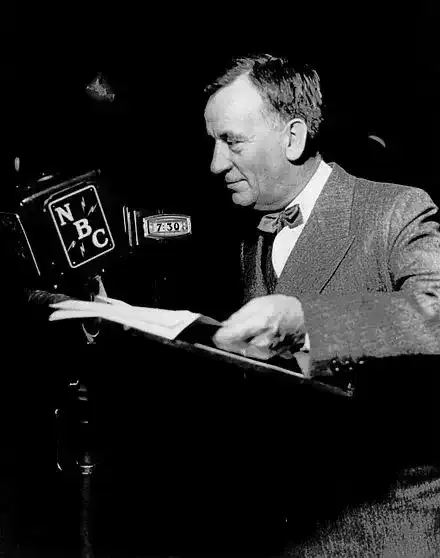
Edgar Albert Guest
The Proof Of Worth
Though victory's proof of the skill you possess,
Defeat is the proof of your grit;
A weakling can smile in his days of success,
But at trouble's first sign he will quit.
So the test of the heart and the test of your pluck
Isn't skies that are sunny and fair,
But how do you stand to the blow that is struck
And how do you battle despair?
A fool can seem wise when the pathway is clear
And it's easy to see the way out,
But the test of man's judgment is something to fear,
And what does he do when in doubt?
And the proof of his faith is the courage he shows
When sorrows lie deep in his breast;
It's the way that he suffers the griefs that he knows
That brings out his worst or his best.
The test of a man is how much he will bear
For a cause which he knows to be right,
How long will he stand in the depths of despair,
How much will he suffer and fight?
There are many to serve when the victory's near
And few are the hurts to be borne,
But it calls for a leader of courage to cheer
The men in a battle forlorn.
It's the way you hold out against odds that are great
That proves what your courage is worth,
It's the way that you stand to the bruises of fate
That shows up your stature and girth.
And victory's nothing but proof of your skill,
Veneered with a glory that's thin,
Unless it is proof of unfaltering will,
And unless you have suffered to win.
Defeat is the proof of your grit;
A weakling can smile in his days of success,
But at trouble's first sign he will quit.
So the test of the heart and the test of your pluck
Isn't skies that are sunny and fair,
But how do you stand to the blow that is struck
And how do you battle despair?
A fool can seem wise when the pathway is clear
And it's easy to see the way out,
But the test of man's judgment is something to fear,
And what does he do when in doubt?
And the proof of his faith is the courage he shows
When sorrows lie deep in his breast;
It's the way that he suffers the griefs that he knows
That brings out his worst or his best.
The test of a man is how much he will bear
For a cause which he knows to be right,
How long will he stand in the depths of despair,
How much will he suffer and fight?
There are many to serve when the victory's near
And few are the hurts to be borne,
But it calls for a leader of courage to cheer
The men in a battle forlorn.
It's the way you hold out against odds that are great
That proves what your courage is worth,
It's the way that you stand to the bruises of fate
That shows up your stature and girth.
And victory's nothing but proof of your skill,
Veneered with a glory that's thin,
Unless it is proof of unfaltering will,
And unless you have suffered to win.
10,016
Edgar Albert Guest
The Lamb Skin
The Lamb Skin
It is not ornamental, the cost is not great,
There are other things far more useful, yet truly I state,
Though of all my possesions, there's none can compare,
With that white leather apron, which all Masons wear.
As a young lad I wondered just what it all meant,
When Dad hustled around, and so much time was spent
On shaving and dressing and looking just right,
Until Mother would say: 'It's the Masons tonight.'
And some winter nights she said: 'What makes you go,
Way up there tonight thru the sleet and the snow?
You see the same things every month of the year.'
Then Dad would reply: 'Yes, I know it, my dear.'
'Forty years I have seen the same things, it is true.
And though they are old, they always seem new,
For the hands that I clasp, and the friends that I greet,
Seem a little bit closer each time that we meet.'
Years later I stood at that very same door,
With good men and true who had entered before,
I knelt at the alter, and there I was taught
That virtue and honor can never be bought.
That the spotless white lambskin all Masons revere,
If worthily worn grows more precious each year,
That service to others brings blessings untold,
That man may be poor tho surrounded by gold.
I learned that true brotherhood flourishes there,
That enmities fade 'neath the compass and square,
That wealth and position are all thrust aside,
As there on the level men meet and abide.
So, honor the lambskin, may it always remain
Forever unblemished, and free from all stain,
And when we are called to the Great Father's love,
May we all take our place in that Lodge up above.
It is not ornamental, the cost is not great,
There are other things far more useful, yet truly I state,
Though of all my possesions, there's none can compare,
With that white leather apron, which all Masons wear.
As a young lad I wondered just what it all meant,
When Dad hustled around, and so much time was spent
On shaving and dressing and looking just right,
Until Mother would say: 'It's the Masons tonight.'
And some winter nights she said: 'What makes you go,
Way up there tonight thru the sleet and the snow?
You see the same things every month of the year.'
Then Dad would reply: 'Yes, I know it, my dear.'
'Forty years I have seen the same things, it is true.
And though they are old, they always seem new,
For the hands that I clasp, and the friends that I greet,
Seem a little bit closer each time that we meet.'
Years later I stood at that very same door,
With good men and true who had entered before,
I knelt at the alter, and there I was taught
That virtue and honor can never be bought.
That the spotless white lambskin all Masons revere,
If worthily worn grows more precious each year,
That service to others brings blessings untold,
That man may be poor tho surrounded by gold.
I learned that true brotherhood flourishes there,
That enmities fade 'neath the compass and square,
That wealth and position are all thrust aside,
As there on the level men meet and abide.
So, honor the lambskin, may it always remain
Forever unblemished, and free from all stain,
And when we are called to the Great Father's love,
May we all take our place in that Lodge up above.
649
Edgar Albert Guest
The Lamb Skin
The Lamb Skin
It is not ornamental, the cost is not great,
There are other things far more useful, yet truly I state,
Though of all my possesions, there's none can compare,
With that white leather apron, which all Masons wear.
As a young lad I wondered just what it all meant,
When Dad hustled around, and so much time was spent
On shaving and dressing and looking just right,
Until Mother would say: 'It's the Masons tonight.'
And some winter nights she said: 'What makes you go,
Way up there tonight thru the sleet and the snow?
You see the same things every month of the year.'
Then Dad would reply: 'Yes, I know it, my dear.'
'Forty years I have seen the same things, it is true.
And though they are old, they always seem new,
For the hands that I clasp, and the friends that I greet,
Seem a little bit closer each time that we meet.'
Years later I stood at that very same door,
With good men and true who had entered before,
I knelt at the alter, and there I was taught
That virtue and honor can never be bought.
That the spotless white lambskin all Masons revere,
If worthily worn grows more precious each year,
That service to others brings blessings untold,
That man may be poor tho surrounded by gold.
I learned that true brotherhood flourishes there,
That enmities fade 'neath the compass and square,
That wealth and position are all thrust aside,
As there on the level men meet and abide.
So, honor the lambskin, may it always remain
Forever unblemished, and free from all stain,
And when we are called to the Great Father's love,
May we all take our place in that Lodge up above.
It is not ornamental, the cost is not great,
There are other things far more useful, yet truly I state,
Though of all my possesions, there's none can compare,
With that white leather apron, which all Masons wear.
As a young lad I wondered just what it all meant,
When Dad hustled around, and so much time was spent
On shaving and dressing and looking just right,
Until Mother would say: 'It's the Masons tonight.'
And some winter nights she said: 'What makes you go,
Way up there tonight thru the sleet and the snow?
You see the same things every month of the year.'
Then Dad would reply: 'Yes, I know it, my dear.'
'Forty years I have seen the same things, it is true.
And though they are old, they always seem new,
For the hands that I clasp, and the friends that I greet,
Seem a little bit closer each time that we meet.'
Years later I stood at that very same door,
With good men and true who had entered before,
I knelt at the alter, and there I was taught
That virtue and honor can never be bought.
That the spotless white lambskin all Masons revere,
If worthily worn grows more precious each year,
That service to others brings blessings untold,
That man may be poor tho surrounded by gold.
I learned that true brotherhood flourishes there,
That enmities fade 'neath the compass and square,
That wealth and position are all thrust aside,
As there on the level men meet and abide.
So, honor the lambskin, may it always remain
Forever unblemished, and free from all stain,
And when we are called to the Great Father's love,
May we all take our place in that Lodge up above.
649
Edgar Albert Guest
The Bachelor's Soliloquy
The Bachelor's Soliloquy
To wed, or not to wed; that is the question;
Whether 'tis nobler in the mind to suffer
The bills and house rent of a wedded fortune,
Or to say "nit" when she proposes,
And by declining cut her. To wed; to smoke
No more; And have a wife at home to mend
The holes in socks and shirts
And underwear and so forth. 'Tis a consummation
Devoutly to be wished. To wed for life;
To wed; perchance to fight; ay, there's the rub;
For in that married life what fights may come,
When we have honeymooning ceased
Must give us pause; there's the respect
That makes the joy of single life.
For who would bear her mother's scornful tongue,
Canned goods for tea, the dying furnace fire;
The pangs of sleepless nights when baby cries;
The pain of barking shins upon a chair and
Closing waists that button down the back,
When he himself might all these troubles shirk
With a bare refusal? Who would bundles bear,
And grunt and sweat under a shopping load?
Who would samples match; buy rats for hair,
Cart cheese and crackers home to serve at night
For lunch to feed your friends; play pedro
After tea; sing rag time songs, amusing
Friendly neighbors. Buy garden tools
To lend unto the same. Stay home at nights
In smoking coat and slippers and slink to bed
At ten o'clock to save the light bills?
Thus duty does make cowards of us all,
And thus the native hue of matrimony
Is sicklied o'er with the pale cast of chores;
And thus the gloss of marriage fades away,
And loses its attraction.
To wed, or not to wed; that is the question;
Whether 'tis nobler in the mind to suffer
The bills and house rent of a wedded fortune,
Or to say "nit" when she proposes,
And by declining cut her. To wed; to smoke
No more; And have a wife at home to mend
The holes in socks and shirts
And underwear and so forth. 'Tis a consummation
Devoutly to be wished. To wed for life;
To wed; perchance to fight; ay, there's the rub;
For in that married life what fights may come,
When we have honeymooning ceased
Must give us pause; there's the respect
That makes the joy of single life.
For who would bear her mother's scornful tongue,
Canned goods for tea, the dying furnace fire;
The pangs of sleepless nights when baby cries;
The pain of barking shins upon a chair and
Closing waists that button down the back,
When he himself might all these troubles shirk
With a bare refusal? Who would bundles bear,
And grunt and sweat under a shopping load?
Who would samples match; buy rats for hair,
Cart cheese and crackers home to serve at night
For lunch to feed your friends; play pedro
After tea; sing rag time songs, amusing
Friendly neighbors. Buy garden tools
To lend unto the same. Stay home at nights
In smoking coat and slippers and slink to bed
At ten o'clock to save the light bills?
Thus duty does make cowards of us all,
And thus the native hue of matrimony
Is sicklied o'er with the pale cast of chores;
And thus the gloss of marriage fades away,
And loses its attraction.
601
Edgar Albert Guest
Reflection
Reflection
You have given me riches and ease,
You have given me joys through the years,
I have sat in the shade of your trees,
With the song of your birds in my ears.
I have drunk of your bountiful wine
And done as I've chosen to do,
But, oh wonderful country of mine,
'How little have I done for you!
You have given me safe harbor from harm,
Untroubled I've slept through the nights
And have waked to the new morning's charm
And claimed as my own its delights.
I have taken the finest of fine
From your orchards and fields where it grew,
But, oh wonderful country of mine,
How little I've given to you!
You have given me a home and a place
Where in safety my babies may play;
Health blooms on each bright dimpled face
And laughter is theirs every day.
You have guarded from danger the shrine
Where I worship when toiling is through,
But, oh wonderful country of mine,
How little have I done for you!
I have taken your gifts without thought,
I have revelled in joys that you gave,
That I see now with blood had been bought,
The blood of your earlier braves.
I have lived without making one sign
That the source of my riches I knew,
Now, oh wonderful country of mine,
I'm here to do something for you!
You have given me riches and ease,
You have given me joys through the years,
I have sat in the shade of your trees,
With the song of your birds in my ears.
I have drunk of your bountiful wine
And done as I've chosen to do,
But, oh wonderful country of mine,
'How little have I done for you!
You have given me safe harbor from harm,
Untroubled I've slept through the nights
And have waked to the new morning's charm
And claimed as my own its delights.
I have taken the finest of fine
From your orchards and fields where it grew,
But, oh wonderful country of mine,
How little I've given to you!
You have given me a home and a place
Where in safety my babies may play;
Health blooms on each bright dimpled face
And laughter is theirs every day.
You have guarded from danger the shrine
Where I worship when toiling is through,
But, oh wonderful country of mine,
How little have I done for you!
I have taken your gifts without thought,
I have revelled in joys that you gave,
That I see now with blood had been bought,
The blood of your earlier braves.
I have lived without making one sign
That the source of my riches I knew,
Now, oh wonderful country of mine,
I'm here to do something for you!
676
Edgar Albert Guest
Reflection
Reflection
You have given me riches and ease,
You have given me joys through the years,
I have sat in the shade of your trees,
With the song of your birds in my ears.
I have drunk of your bountiful wine
And done as I've chosen to do,
But, oh wonderful country of mine,
'How little have I done for you!
You have given me safe harbor from harm,
Untroubled I've slept through the nights
And have waked to the new morning's charm
And claimed as my own its delights.
I have taken the finest of fine
From your orchards and fields where it grew,
But, oh wonderful country of mine,
How little I've given to you!
You have given me a home and a place
Where in safety my babies may play;
Health blooms on each bright dimpled face
And laughter is theirs every day.
You have guarded from danger the shrine
Where I worship when toiling is through,
But, oh wonderful country of mine,
How little have I done for you!
I have taken your gifts without thought,
I have revelled in joys that you gave,
That I see now with blood had been bought,
The blood of your earlier braves.
I have lived without making one sign
That the source of my riches I knew,
Now, oh wonderful country of mine,
I'm here to do something for you!
You have given me riches and ease,
You have given me joys through the years,
I have sat in the shade of your trees,
With the song of your birds in my ears.
I have drunk of your bountiful wine
And done as I've chosen to do,
But, oh wonderful country of mine,
'How little have I done for you!
You have given me safe harbor from harm,
Untroubled I've slept through the nights
And have waked to the new morning's charm
And claimed as my own its delights.
I have taken the finest of fine
From your orchards and fields where it grew,
But, oh wonderful country of mine,
How little I've given to you!
You have given me a home and a place
Where in safety my babies may play;
Health blooms on each bright dimpled face
And laughter is theirs every day.
You have guarded from danger the shrine
Where I worship when toiling is through,
But, oh wonderful country of mine,
How little have I done for you!
I have taken your gifts without thought,
I have revelled in joys that you gave,
That I see now with blood had been bought,
The blood of your earlier braves.
I have lived without making one sign
That the source of my riches I knew,
Now, oh wonderful country of mine,
I'm here to do something for you!
676
Edgar Albert Guest
Selfishness
Selfishness
Search history, my boy, and see
What petty selfishness has done.
Find if you can one victory
That little minds have ever won.
There is no record there to read
Of men who fought for self alone,
No instance of a single deed
Splendor they may proudly own.
Through all life's story you will find
The miser—with his hoarded gold—
A hermit, dreary and unkind,
An outcast from the human fold.
Men hold him up to view with scorn,
A creature by his wealth enslaved,
A spirit craven and forlorn,
Doomed by the money he has saved.
No man was ever truly great
Who sought to serve himself alone,
Who put himself above the state,
Above the friends about him thrown.
No man was ever truly glad
Who risked his joy on hoarded pelf,
And gave of nothing that he had
Through fear of needing it himself.
For selfishness is wintry cold,
And bitter are its joys at last,
The very charms it tries to hold,
With woes are quickly overcast.
And only he shall gladly live,
And bravely die when God shall call,
Who gathers but that he may give,
And with his fellows shares his all.
Search history, my boy, and see
What petty selfishness has done.
Find if you can one victory
That little minds have ever won.
There is no record there to read
Of men who fought for self alone,
No instance of a single deed
Splendor they may proudly own.
Through all life's story you will find
The miser—with his hoarded gold—
A hermit, dreary and unkind,
An outcast from the human fold.
Men hold him up to view with scorn,
A creature by his wealth enslaved,
A spirit craven and forlorn,
Doomed by the money he has saved.
No man was ever truly great
Who sought to serve himself alone,
Who put himself above the state,
Above the friends about him thrown.
No man was ever truly glad
Who risked his joy on hoarded pelf,
And gave of nothing that he had
Through fear of needing it himself.
For selfishness is wintry cold,
And bitter are its joys at last,
The very charms it tries to hold,
With woes are quickly overcast.
And only he shall gladly live,
And bravely die when God shall call,
Who gathers but that he may give,
And with his fellows shares his all.
866
Edgar Albert Guest
Selfishness
Selfishness
Search history, my boy, and see
What petty selfishness has done.
Find if you can one victory
That little minds have ever won.
There is no record there to read
Of men who fought for self alone,
No instance of a single deed
Splendor they may proudly own.
Through all life's story you will find
The miser—with his hoarded gold—
A hermit, dreary and unkind,
An outcast from the human fold.
Men hold him up to view with scorn,
A creature by his wealth enslaved,
A spirit craven and forlorn,
Doomed by the money he has saved.
No man was ever truly great
Who sought to serve himself alone,
Who put himself above the state,
Above the friends about him thrown.
No man was ever truly glad
Who risked his joy on hoarded pelf,
And gave of nothing that he had
Through fear of needing it himself.
For selfishness is wintry cold,
And bitter are its joys at last,
The very charms it tries to hold,
With woes are quickly overcast.
And only he shall gladly live,
And bravely die when God shall call,
Who gathers but that he may give,
And with his fellows shares his all.
Search history, my boy, and see
What petty selfishness has done.
Find if you can one victory
That little minds have ever won.
There is no record there to read
Of men who fought for self alone,
No instance of a single deed
Splendor they may proudly own.
Through all life's story you will find
The miser—with his hoarded gold—
A hermit, dreary and unkind,
An outcast from the human fold.
Men hold him up to view with scorn,
A creature by his wealth enslaved,
A spirit craven and forlorn,
Doomed by the money he has saved.
No man was ever truly great
Who sought to serve himself alone,
Who put himself above the state,
Above the friends about him thrown.
No man was ever truly glad
Who risked his joy on hoarded pelf,
And gave of nothing that he had
Through fear of needing it himself.
For selfishness is wintry cold,
And bitter are its joys at last,
The very charms it tries to hold,
With woes are quickly overcast.
And only he shall gladly live,
And bravely die when God shall call,
Who gathers but that he may give,
And with his fellows shares his all.
866
Edgar Albert Guest
On Quitting
On Quitting
How much grit do you think you've got?
Can you quit a thing that you like a lot?
You may talk of pluck; it's an easy word,
And where'er you go it is often heard;
But can you tell to a jot or guess
Just how much courage you now possess?
You may stand to trouble and keep your grin,
But have you tackled self-discipline?
Have you ever issued commands to you
To quit the things that you like to do,
And then, when tempted and sorely swayed,
Those rigid orders have you obeyed?
Don't boast of your grit till you've tried it out,
Nor prate to men of your courage stout,
For it's easy enough to retain a grin
In the face of a fight there's a chance to win,
But the sort of grit that is good to own
Is the stuff you need when you're all alone.
How much grit do you think you've got?
Can you turn from joys that you like a lot?
Have you ever tested yourself to know
How far with yourself your will can go?
If you want to know if you have grit,
Just pick out a joy that you like, and quit.
It's bully sport and it's open fight;
It will keep you busy both day and night;
For the toughest kind of a game you'll find
Is to make your body obey your mind.
And you never will know what is meant by grit
Unless there's something you've tried to quit.
How much grit do you think you've got?
Can you quit a thing that you like a lot?
You may talk of pluck; it's an easy word,
And where'er you go it is often heard;
But can you tell to a jot or guess
Just how much courage you now possess?
You may stand to trouble and keep your grin,
But have you tackled self-discipline?
Have you ever issued commands to you
To quit the things that you like to do,
And then, when tempted and sorely swayed,
Those rigid orders have you obeyed?
Don't boast of your grit till you've tried it out,
Nor prate to men of your courage stout,
For it's easy enough to retain a grin
In the face of a fight there's a chance to win,
But the sort of grit that is good to own
Is the stuff you need when you're all alone.
How much grit do you think you've got?
Can you turn from joys that you like a lot?
Have you ever tested yourself to know
How far with yourself your will can go?
If you want to know if you have grit,
Just pick out a joy that you like, and quit.
It's bully sport and it's open fight;
It will keep you busy both day and night;
For the toughest kind of a game you'll find
Is to make your body obey your mind.
And you never will know what is meant by grit
Unless there's something you've tried to quit.
1,133
Edgar Albert Guest
Life's Slacker
Life's Slacker
The saddest sort of death to die
Would be to quit the game called life
And know, beneath the gentle sky,
You'd lived a slacker in the strife.
That nothing men on earth would find
To mark the spot that you had filled;
That you must go and leave behind
No patch of soil your hands had tilled.
I know no greater shame than this:
To feel that yours were empty years;
That after death no man would miss
Your presence in this vale of tears;
That you had breathed the fragrant air
And sat by kindly fires that burn,
And in earth's riches had a share
But gave no labor in return.
Yet some men die this way, nor care:
They enter and they leave life's door
And at the end, their record's bare—
The world's no better than before.
A few false tears are shed, and then,
In busy service, they're forgot.
We have no time to mourn for men
Who lived on earth but served it not.
A man in perfect peace to die
Must leave some mark of toil behind,
Some building towering to the sky,
Some symbol that his heart was kind,
Some roadway where strange feet may tread
That out of gratitude he made;
He cannot bravely look ahead
Unless his debt to life is paid.
The saddest sort of death to die
Would be to quit the game called life
And know, beneath the gentle sky,
You'd lived a slacker in the strife.
That nothing men on earth would find
To mark the spot that you had filled;
That you must go and leave behind
No patch of soil your hands had tilled.
I know no greater shame than this:
To feel that yours were empty years;
That after death no man would miss
Your presence in this vale of tears;
That you had breathed the fragrant air
And sat by kindly fires that burn,
And in earth's riches had a share
But gave no labor in return.
Yet some men die this way, nor care:
They enter and they leave life's door
And at the end, their record's bare—
The world's no better than before.
A few false tears are shed, and then,
In busy service, they're forgot.
We have no time to mourn for men
Who lived on earth but served it not.
A man in perfect peace to die
Must leave some mark of toil behind,
Some building towering to the sky,
Some symbol that his heart was kind,
Some roadway where strange feet may tread
That out of gratitude he made;
He cannot bravely look ahead
Unless his debt to life is paid.
685
Edgar Albert Guest
Life's Slacker
Life's Slacker
The saddest sort of death to die
Would be to quit the game called life
And know, beneath the gentle sky,
You'd lived a slacker in the strife.
That nothing men on earth would find
To mark the spot that you had filled;
That you must go and leave behind
No patch of soil your hands had tilled.
I know no greater shame than this:
To feel that yours were empty years;
That after death no man would miss
Your presence in this vale of tears;
That you had breathed the fragrant air
And sat by kindly fires that burn,
And in earth's riches had a share
But gave no labor in return.
Yet some men die this way, nor care:
They enter and they leave life's door
And at the end, their record's bare—
The world's no better than before.
A few false tears are shed, and then,
In busy service, they're forgot.
We have no time to mourn for men
Who lived on earth but served it not.
A man in perfect peace to die
Must leave some mark of toil behind,
Some building towering to the sky,
Some symbol that his heart was kind,
Some roadway where strange feet may tread
That out of gratitude he made;
He cannot bravely look ahead
Unless his debt to life is paid.
The saddest sort of death to die
Would be to quit the game called life
And know, beneath the gentle sky,
You'd lived a slacker in the strife.
That nothing men on earth would find
To mark the spot that you had filled;
That you must go and leave behind
No patch of soil your hands had tilled.
I know no greater shame than this:
To feel that yours were empty years;
That after death no man would miss
Your presence in this vale of tears;
That you had breathed the fragrant air
And sat by kindly fires that burn,
And in earth's riches had a share
But gave no labor in return.
Yet some men die this way, nor care:
They enter and they leave life's door
And at the end, their record's bare—
The world's no better than before.
A few false tears are shed, and then,
In busy service, they're forgot.
We have no time to mourn for men
Who lived on earth but served it not.
A man in perfect peace to die
Must leave some mark of toil behind,
Some building towering to the sky,
Some symbol that his heart was kind,
Some roadway where strange feet may tread
That out of gratitude he made;
He cannot bravely look ahead
Unless his debt to life is paid.
685
Edgar Albert Guest
He Who Serves
He Who Serves
He has not served who gathers gold,
Nor has he served, whose life is told
In selfish battles he has won,
Or deeds of skill that he has done;
But he has served who now and then
Has helped along his fellow men.
The world needs many men today;
Red-blooded men along life's way,
With cheerful smiles and helping hands,
And with the faith that understands
The beauty of the simple deed
Which serves another's hour of need.
Strong men to stand beside the weak,
Kind men to hear what others speak;
True men to keep our country's laws
And guard its honor and its cause;
Men who will bravely play life's game
Nor ask rewards of gold and fame.
Teach me to do the best I can
To help and cheer our fellow man;
Teach me to lose my selfish need
And glory in the larger deed
Which smoothes the road, and lights the day
For all who chance to come my way.
He has not served who gathers gold,
Nor has he served, whose life is told
In selfish battles he has won,
Or deeds of skill that he has done;
But he has served who now and then
Has helped along his fellow men.
The world needs many men today;
Red-blooded men along life's way,
With cheerful smiles and helping hands,
And with the faith that understands
The beauty of the simple deed
Which serves another's hour of need.
Strong men to stand beside the weak,
Kind men to hear what others speak;
True men to keep our country's laws
And guard its honor and its cause;
Men who will bravely play life's game
Nor ask rewards of gold and fame.
Teach me to do the best I can
To help and cheer our fellow man;
Teach me to lose my selfish need
And glory in the larger deed
Which smoothes the road, and lights the day
For all who chance to come my way.
703
Edgar Albert Guest
He Who Serves
He Who Serves
He has not served who gathers gold,
Nor has he served, whose life is told
In selfish battles he has won,
Or deeds of skill that he has done;
But he has served who now and then
Has helped along his fellow men.
The world needs many men today;
Red-blooded men along life's way,
With cheerful smiles and helping hands,
And with the faith that understands
The beauty of the simple deed
Which serves another's hour of need.
Strong men to stand beside the weak,
Kind men to hear what others speak;
True men to keep our country's laws
And guard its honor and its cause;
Men who will bravely play life's game
Nor ask rewards of gold and fame.
Teach me to do the best I can
To help and cheer our fellow man;
Teach me to lose my selfish need
And glory in the larger deed
Which smoothes the road, and lights the day
For all who chance to come my way.
He has not served who gathers gold,
Nor has he served, whose life is told
In selfish battles he has won,
Or deeds of skill that he has done;
But he has served who now and then
Has helped along his fellow men.
The world needs many men today;
Red-blooded men along life's way,
With cheerful smiles and helping hands,
And with the faith that understands
The beauty of the simple deed
Which serves another's hour of need.
Strong men to stand beside the weak,
Kind men to hear what others speak;
True men to keep our country's laws
And guard its honor and its cause;
Men who will bravely play life's game
Nor ask rewards of gold and fame.
Teach me to do the best I can
To help and cheer our fellow man;
Teach me to lose my selfish need
And glory in the larger deed
Which smoothes the road, and lights the day
For all who chance to come my way.
703
Edgar Albert Guest
Ideals
Ideals
Better than land or gold or trade
Are a high ideal and a purpose true;
Better than all of the wealth we've made
Is the work for others that now we do.
For Rome grew rich and she turned to song
And danced to music and drank her wine,
But she sapped the strength of her fibres strong
And a gilded shroud was her splendor fine.
The Rome of old with its wealth and wine
Was the handiwork of a sturdy race;
They builded well and they made it fine
And they dreamed of it as their children's place.
They thought the joys they had won to give,
And which seemed so certain and fixed and sure,
To the end of time in the world would live
And the Rome they'd fashioned would long endure.
They passed to their children the hoarded gold,
Their marble halls and their fertile fields!
But not the spirit of Rome of old,
Nor the Roman courage that never yields.
They left them the wealth that their hands had won,
But they failed to leave them a purpose true.
They left them thinking life's work all done,
And Rome went down and was lost to view.
We must guard ourselves lest we follow Rome.
We must leave our children the finer things.
We must teach them love of the spot called home
And the lasting joy that a purpose brings.
For vain are our Flag and our battles won,
And vain are our lands and our stores of gold,
If our children feel that life's work is done.
We must give them a high ideal to hold.
Better than land or gold or trade
Are a high ideal and a purpose true;
Better than all of the wealth we've made
Is the work for others that now we do.
For Rome grew rich and she turned to song
And danced to music and drank her wine,
But she sapped the strength of her fibres strong
And a gilded shroud was her splendor fine.
The Rome of old with its wealth and wine
Was the handiwork of a sturdy race;
They builded well and they made it fine
And they dreamed of it as their children's place.
They thought the joys they had won to give,
And which seemed so certain and fixed and sure,
To the end of time in the world would live
And the Rome they'd fashioned would long endure.
They passed to their children the hoarded gold,
Their marble halls and their fertile fields!
But not the spirit of Rome of old,
Nor the Roman courage that never yields.
They left them the wealth that their hands had won,
But they failed to leave them a purpose true.
They left them thinking life's work all done,
And Rome went down and was lost to view.
We must guard ourselves lest we follow Rome.
We must leave our children the finer things.
We must teach them love of the spot called home
And the lasting joy that a purpose brings.
For vain are our Flag and our battles won,
And vain are our lands and our stores of gold,
If our children feel that life's work is done.
We must give them a high ideal to hold.
737
Edgar Albert Guest
Ideals
Ideals
Better than land or gold or trade
Are a high ideal and a purpose true;
Better than all of the wealth we've made
Is the work for others that now we do.
For Rome grew rich and she turned to song
And danced to music and drank her wine,
But she sapped the strength of her fibres strong
And a gilded shroud was her splendor fine.
The Rome of old with its wealth and wine
Was the handiwork of a sturdy race;
They builded well and they made it fine
And they dreamed of it as their children's place.
They thought the joys they had won to give,
And which seemed so certain and fixed and sure,
To the end of time in the world would live
And the Rome they'd fashioned would long endure.
They passed to their children the hoarded gold,
Their marble halls and their fertile fields!
But not the spirit of Rome of old,
Nor the Roman courage that never yields.
They left them the wealth that their hands had won,
But they failed to leave them a purpose true.
They left them thinking life's work all done,
And Rome went down and was lost to view.
We must guard ourselves lest we follow Rome.
We must leave our children the finer things.
We must teach them love of the spot called home
And the lasting joy that a purpose brings.
For vain are our Flag and our battles won,
And vain are our lands and our stores of gold,
If our children feel that life's work is done.
We must give them a high ideal to hold.
Better than land or gold or trade
Are a high ideal and a purpose true;
Better than all of the wealth we've made
Is the work for others that now we do.
For Rome grew rich and she turned to song
And danced to music and drank her wine,
But she sapped the strength of her fibres strong
And a gilded shroud was her splendor fine.
The Rome of old with its wealth and wine
Was the handiwork of a sturdy race;
They builded well and they made it fine
And they dreamed of it as their children's place.
They thought the joys they had won to give,
And which seemed so certain and fixed and sure,
To the end of time in the world would live
And the Rome they'd fashioned would long endure.
They passed to their children the hoarded gold,
Their marble halls and their fertile fields!
But not the spirit of Rome of old,
Nor the Roman courage that never yields.
They left them the wealth that their hands had won,
But they failed to leave them a purpose true.
They left them thinking life's work all done,
And Rome went down and was lost to view.
We must guard ourselves lest we follow Rome.
We must leave our children the finer things.
We must teach them love of the spot called home
And the lasting joy that a purpose brings.
For vain are our Flag and our battles won,
And vain are our lands and our stores of gold,
If our children feel that life's work is done.
We must give them a high ideal to hold.
737
Edgar Albert Guest
Grace At Evening
Grace At Evening
For all the beauties of the day,
The innocence of childhood’s play,
For health and strength and laughter sweet,
Dear Lord, our thanks we now repeat.
For this our daily gift of food
We offer now our gratitude,
For all the blessings we have known
Our debt of gratefulness we own.
Here at the table now we pray,
Keep us together down the way;
May this, our family circle, be
Held fast by love and unity.
Grant, when the shades of night shall fall,
Sweet be the dreams of one and all;
And when another day shall break
Unto Thy service may we wake.
For all the beauties of the day,
The innocence of childhood’s play,
For health and strength and laughter sweet,
Dear Lord, our thanks we now repeat.
For this our daily gift of food
We offer now our gratitude,
For all the blessings we have known
Our debt of gratefulness we own.
Here at the table now we pray,
Keep us together down the way;
May this, our family circle, be
Held fast by love and unity.
Grant, when the shades of night shall fall,
Sweet be the dreams of one and all;
And when another day shall break
Unto Thy service may we wake.
553
Edgar Albert Guest
Father
Father
My father knows the proper way
The nation should be run;
He tells us children every day
Just what should now be done.
He knows the way to fix the trusts,
He has a simple plan;
But if the furnace needs repairs,
We have to hire a man.
My father, in a day or two
Could land big thieves in jail;
There's nothing that he cannot do,
He knows no word like "fail."
"Our confidence" he would restore,
Of that there is no doubt;
But if there is a chair to mend,
We have to send it out.
All public questions that arise,
He settles on the spot;
He waits not till the tumult dies,
But grabs it while it's hot.
In matters of finance he can
Tell Congress what to do;
But, O, he finds it hard to meet
His bills as they fall due.
It almost makes him sick to read
The things law-makers say;
Why, father's just the man they need,
He never goes astray.
All wars he'd very quickly end,
As fast as I can write it;
But when a neighbor starts a fuss,
'Tis mother has to fight it.
In conversation father can
Do many wondrous things;
He's built upon a wiser plan
Than presidents or kings.
He knows the ins and outs of each
And every deep transaction;
We look to him for theories,
But look to ma for action.
My father knows the proper way
The nation should be run;
He tells us children every day
Just what should now be done.
He knows the way to fix the trusts,
He has a simple plan;
But if the furnace needs repairs,
We have to hire a man.
My father, in a day or two
Could land big thieves in jail;
There's nothing that he cannot do,
He knows no word like "fail."
"Our confidence" he would restore,
Of that there is no doubt;
But if there is a chair to mend,
We have to send it out.
All public questions that arise,
He settles on the spot;
He waits not till the tumult dies,
But grabs it while it's hot.
In matters of finance he can
Tell Congress what to do;
But, O, he finds it hard to meet
His bills as they fall due.
It almost makes him sick to read
The things law-makers say;
Why, father's just the man they need,
He never goes astray.
All wars he'd very quickly end,
As fast as I can write it;
But when a neighbor starts a fuss,
'Tis mother has to fight it.
In conversation father can
Do many wondrous things;
He's built upon a wiser plan
Than presidents or kings.
He knows the ins and outs of each
And every deep transaction;
We look to him for theories,
But look to ma for action.
845
Edgar Albert Guest
Father
Father
My father knows the proper way
The nation should be run;
He tells us children every day
Just what should now be done.
He knows the way to fix the trusts,
He has a simple plan;
But if the furnace needs repairs,
We have to hire a man.
My father, in a day or two
Could land big thieves in jail;
There's nothing that he cannot do,
He knows no word like "fail."
"Our confidence" he would restore,
Of that there is no doubt;
But if there is a chair to mend,
We have to send it out.
All public questions that arise,
He settles on the spot;
He waits not till the tumult dies,
But grabs it while it's hot.
In matters of finance he can
Tell Congress what to do;
But, O, he finds it hard to meet
His bills as they fall due.
It almost makes him sick to read
The things law-makers say;
Why, father's just the man they need,
He never goes astray.
All wars he'd very quickly end,
As fast as I can write it;
But when a neighbor starts a fuss,
'Tis mother has to fight it.
In conversation father can
Do many wondrous things;
He's built upon a wiser plan
Than presidents or kings.
He knows the ins and outs of each
And every deep transaction;
We look to him for theories,
But look to ma for action.
My father knows the proper way
The nation should be run;
He tells us children every day
Just what should now be done.
He knows the way to fix the trusts,
He has a simple plan;
But if the furnace needs repairs,
We have to hire a man.
My father, in a day or two
Could land big thieves in jail;
There's nothing that he cannot do,
He knows no word like "fail."
"Our confidence" he would restore,
Of that there is no doubt;
But if there is a chair to mend,
We have to send it out.
All public questions that arise,
He settles on the spot;
He waits not till the tumult dies,
But grabs it while it's hot.
In matters of finance he can
Tell Congress what to do;
But, O, he finds it hard to meet
His bills as they fall due.
It almost makes him sick to read
The things law-makers say;
Why, father's just the man they need,
He never goes astray.
All wars he'd very quickly end,
As fast as I can write it;
But when a neighbor starts a fuss,
'Tis mother has to fight it.
In conversation father can
Do many wondrous things;
He's built upon a wiser plan
Than presidents or kings.
He knows the ins and outs of each
And every deep transaction;
We look to him for theories,
But look to ma for action.
845
Edgar Albert Guest
A Christmas Greeting
A Christmas Greeting
Here's to you, little mother,
With your boy so far away;
May the joy of service smother
All your grief this Christmas day;
May the magic of his splendor
Thrill your spirit through and through
And may all that's fine and tender
Make a smiling day for you.
May you never know the sadness
That from day to day you dread;
May you never find but gladness
In the Flag that's overhead;
May the good God watch above him
As he stands to duty stern,
And at last to all who love him
May he have a safe return.
Little mother, take the blessing
Of a grateful nation's heart;
May the news that is distressing
Never cause your tears to start;
May there be no fears to haunt you,
And no lonely hours and sad;
May your trials never daunt you,
But may every day be glad.
Little Mother, could I do it,
This my Christmas gift would be:
That he'd safely battle through it,
This to you I'd guarantee.
And I'd pledge to you this morning
Joys to banish all your cares,
Gifts of gold and silver scorning,
I would answer all your prayers.
Here's to you, little mother,
With your boy so far away;
May the joy of service smother
All your grief this Christmas day;
May the magic of his splendor
Thrill your spirit through and through
And may all that's fine and tender
Make a smiling day for you.
May you never know the sadness
That from day to day you dread;
May you never find but gladness
In the Flag that's overhead;
May the good God watch above him
As he stands to duty stern,
And at last to all who love him
May he have a safe return.
Little mother, take the blessing
Of a grateful nation's heart;
May the news that is distressing
Never cause your tears to start;
May there be no fears to haunt you,
And no lonely hours and sad;
May your trials never daunt you,
But may every day be glad.
Little Mother, could I do it,
This my Christmas gift would be:
That he'd safely battle through it,
This to you I'd guarantee.
And I'd pledge to you this morning
Joys to banish all your cares,
Gifts of gold and silver scorning,
I would answer all your prayers.
661
Edgar Albert Guest
A Christmas Greeting
A Christmas Greeting
Here's to you, little mother,
With your boy so far away;
May the joy of service smother
All your grief this Christmas day;
May the magic of his splendor
Thrill your spirit through and through
And may all that's fine and tender
Make a smiling day for you.
May you never know the sadness
That from day to day you dread;
May you never find but gladness
In the Flag that's overhead;
May the good God watch above him
As he stands to duty stern,
And at last to all who love him
May he have a safe return.
Little mother, take the blessing
Of a grateful nation's heart;
May the news that is distressing
Never cause your tears to start;
May there be no fears to haunt you,
And no lonely hours and sad;
May your trials never daunt you,
But may every day be glad.
Little Mother, could I do it,
This my Christmas gift would be:
That he'd safely battle through it,
This to you I'd guarantee.
And I'd pledge to you this morning
Joys to banish all your cares,
Gifts of gold and silver scorning,
I would answer all your prayers.
Here's to you, little mother,
With your boy so far away;
May the joy of service smother
All your grief this Christmas day;
May the magic of his splendor
Thrill your spirit through and through
And may all that's fine and tender
Make a smiling day for you.
May you never know the sadness
That from day to day you dread;
May you never find but gladness
In the Flag that's overhead;
May the good God watch above him
As he stands to duty stern,
And at last to all who love him
May he have a safe return.
Little mother, take the blessing
Of a grateful nation's heart;
May the news that is distressing
Never cause your tears to start;
May there be no fears to haunt you,
And no lonely hours and sad;
May your trials never daunt you,
But may every day be glad.
Little Mother, could I do it,
This my Christmas gift would be:
That he'd safely battle through it,
This to you I'd guarantee.
And I'd pledge to you this morning
Joys to banish all your cares,
Gifts of gold and silver scorning,
I would answer all your prayers.
661
Edgar Albert Guest
Compensation
Compensation
I'd like to think when life is done
That I had filled a needed post.
That here and there I'd paid my fare
With more than idle talk and boast;
That I had taken gifts divine.
The breath of life and manhood fine,
And tried to use them now and then
In service for my fellow men.
I'd hate to think when life is through
That I had lived my round of years
A useless kind, that leaves behind
No record in this vale of tears;
That I had wasted all my days
By treading only selfish ways,
And that this world would be the same
If it had never known my name.
I'd like to think that here and there,
When I am gone, there shall remain
A happier spot that might have not
Existed had I toiled for gain;
That someone's cheery voice and smile
Shall prove that I had been worth while;
That I had paid with something fine
My debt to God for life divine.
I'd like to think when life is done
That I had filled a needed post.
That here and there I'd paid my fare
With more than idle talk and boast;
That I had taken gifts divine.
The breath of life and manhood fine,
And tried to use them now and then
In service for my fellow men.
I'd hate to think when life is through
That I had lived my round of years
A useless kind, that leaves behind
No record in this vale of tears;
That I had wasted all my days
By treading only selfish ways,
And that this world would be the same
If it had never known my name.
I'd like to think that here and there,
When I am gone, there shall remain
A happier spot that might have not
Existed had I toiled for gain;
That someone's cheery voice and smile
Shall prove that I had been worth while;
That I had paid with something fine
My debt to God for life divine.
677
Edgar Albert Guest
Compensation
Compensation
I'd like to think when life is done
That I had filled a needed post.
That here and there I'd paid my fare
With more than idle talk and boast;
That I had taken gifts divine.
The breath of life and manhood fine,
And tried to use them now and then
In service for my fellow men.
I'd hate to think when life is through
That I had lived my round of years
A useless kind, that leaves behind
No record in this vale of tears;
That I had wasted all my days
By treading only selfish ways,
And that this world would be the same
If it had never known my name.
I'd like to think that here and there,
When I am gone, there shall remain
A happier spot that might have not
Existed had I toiled for gain;
That someone's cheery voice and smile
Shall prove that I had been worth while;
That I had paid with something fine
My debt to God for life divine.
I'd like to think when life is done
That I had filled a needed post.
That here and there I'd paid my fare
With more than idle talk and boast;
That I had taken gifts divine.
The breath of life and manhood fine,
And tried to use them now and then
In service for my fellow men.
I'd hate to think when life is through
That I had lived my round of years
A useless kind, that leaves behind
No record in this vale of tears;
That I had wasted all my days
By treading only selfish ways,
And that this world would be the same
If it had never known my name.
I'd like to think that here and there,
When I am gone, there shall remain
A happier spot that might have not
Existed had I toiled for gain;
That someone's cheery voice and smile
Shall prove that I had been worth while;
That I had paid with something fine
My debt to God for life divine.
677
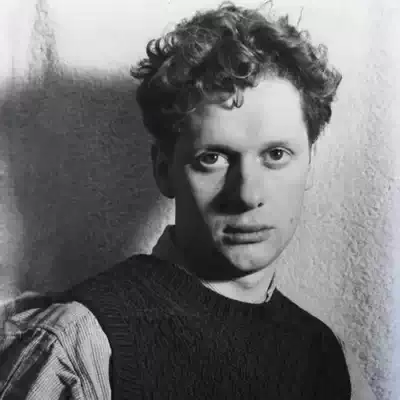
Dylan Thomas
Why East Wind Chills
Why East Wind Chills
Why east wind chills and south wind cools
Shall not be known till windwell dries
And west's no longer drowned
In winds that bring the fruit and rind
Of many a hundred falls;
Why silk is soft and the stone wounds
The child shall question all his days,
Why night-time rain and the breast's blood
Both quench his thirst he'll have a black reply.
When cometh Jack Frost? the children ask.
Shall they clasp a comet in their fists?
Not till, from high and low, their dust
Sprinkles in children's eyes a long-last sleep
And dusk is crowded with the children's ghosts,
Shall a white answer echo from the rooftops.
All things are known: the stars' advice
Calls some content to travel with the winds,
Though what the stars ask as they round
Time upon time the towers of the skies
Is heard but little till the stars go out.
I hear content, and 'Be Content'
Ring like a handbell through the corridors,
And 'Know no answer,' and I know
No answer to the children's cry
Of echo's answer and the man of frost
And ghostly comets over the raised fists.
Why east wind chills and south wind cools
Shall not be known till windwell dries
And west's no longer drowned
In winds that bring the fruit and rind
Of many a hundred falls;
Why silk is soft and the stone wounds
The child shall question all his days,
Why night-time rain and the breast's blood
Both quench his thirst he'll have a black reply.
When cometh Jack Frost? the children ask.
Shall they clasp a comet in their fists?
Not till, from high and low, their dust
Sprinkles in children's eyes a long-last sleep
And dusk is crowded with the children's ghosts,
Shall a white answer echo from the rooftops.
All things are known: the stars' advice
Calls some content to travel with the winds,
Though what the stars ask as they round
Time upon time the towers of the skies
Is heard but little till the stars go out.
I hear content, and 'Be Content'
Ring like a handbell through the corridors,
And 'Know no answer,' and I know
No answer to the children's cry
Of echo's answer and the man of frost
And ghostly comets over the raised fists.
295
Dylan Thomas
When I Woke
When I Woke
When I woke, the town spoke.
Birds and clocks and cross bells
Dinned aside the coiling crowd,
The reptile profligates in a flame,
Spoilers and pokers of sleep,
The next-door sea dispelled
Frogs and satans and woman-luck,
While a man outside with a billhook,
Up to his head in his blood,
Cutting the morning off,
The warm-veined double of Time
And his scarving beard from a book,
Slashed down the last snake as though
It were a wand or subtle bough,
Its tongue peeled in the wrap of a leaf.
Every morning I make,
God in bed, good and bad,
After a water-face walk,
The death-stagged scatter-breath
Mammoth and sparrowfall
Everybody's earth.
Where birds ride like leaves and boats like ducks
I heard, this morning, waking,
Crossly out of the town noises
A voice in the erected air,
No prophet-progeny of mine,
Cry my sea town was breaking.
No Time, spoke the clocks, no God, rang the bells,
I drew the white sheet over the islands
And the coins on my eyelids sang like shells.
When I woke, the town spoke.
Birds and clocks and cross bells
Dinned aside the coiling crowd,
The reptile profligates in a flame,
Spoilers and pokers of sleep,
The next-door sea dispelled
Frogs and satans and woman-luck,
While a man outside with a billhook,
Up to his head in his blood,
Cutting the morning off,
The warm-veined double of Time
And his scarving beard from a book,
Slashed down the last snake as though
It were a wand or subtle bough,
Its tongue peeled in the wrap of a leaf.
Every morning I make,
God in bed, good and bad,
After a water-face walk,
The death-stagged scatter-breath
Mammoth and sparrowfall
Everybody's earth.
Where birds ride like leaves and boats like ducks
I heard, this morning, waking,
Crossly out of the town noises
A voice in the erected air,
No prophet-progeny of mine,
Cry my sea town was breaking.
No Time, spoke the clocks, no God, rang the bells,
I drew the white sheet over the islands
And the coins on my eyelids sang like shells.
425