

Poems in this topic
Society and the World
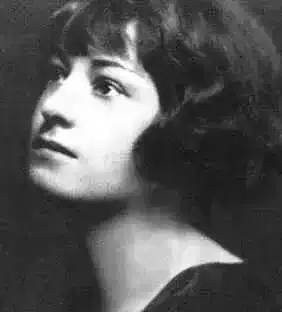
Dorothy Parker
Reuben's Children
Reuben's Children
Accursed from their birth they be
Who seek to find monogamy,
Pursuing it from bed to bedI
think they would be better dead.
Accursed from their birth they be
Who seek to find monogamy,
Pursuing it from bed to bedI
think they would be better dead.
396
Dorothy Parker
Prologue to a Saga
Prologue to a Saga
Maidens, gather not the yew,
Leave the glossy myrtle sleeping;
Any lad was born untrue,
Never a one is fit your weeping.
Pretty dears, your tumult cease;
Love's a fardel, burthening double.
Clear your hearts, and have you peace-
Gangway, girls: I'll show you trouble.
Maidens, gather not the yew,
Leave the glossy myrtle sleeping;
Any lad was born untrue,
Never a one is fit your weeping.
Pretty dears, your tumult cease;
Love's a fardel, burthening double.
Clear your hearts, and have you peace-
Gangway, girls: I'll show you trouble.
407
Dorothy Parker
Prayer For A Prayer
Prayer For A Prayer
Dearest one, when I am dead
Never seek to follow me.
Never mount the quiet hill
Where the copper leaves are still,
As my heart is, on the tree
Standing at my narrow bed.
Only of your tenderness,
Pray a little prayer at night.
Say: "I have forgiven nowI,
so weak and sad; O Thou,
Wreathed in thunder, robed in light,
Surely Thou wilt do no less."
Dearest one, when I am dead
Never seek to follow me.
Never mount the quiet hill
Where the copper leaves are still,
As my heart is, on the tree
Standing at my narrow bed.
Only of your tenderness,
Pray a little prayer at night.
Say: "I have forgiven nowI,
so weak and sad; O Thou,
Wreathed in thunder, robed in light,
Surely Thou wilt do no less."
306
Dorothy Parker
Philosophy
Philosophy
If I should labor through daylight and dark,
Consecrate, valorous, serious, true,
Then on the world I may blazon my mark;
And what if I don't, and what if I do?
If I should labor through daylight and dark,
Consecrate, valorous, serious, true,
Then on the world I may blazon my mark;
And what if I don't, and what if I do?
375
Dorothy Parker
Philosophy
Philosophy
If I should labor through daylight and dark,
Consecrate, valorous, serious, true,
Then on the world I may blazon my mark;
And what if I don't, and what if I do?
If I should labor through daylight and dark,
Consecrate, valorous, serious, true,
Then on the world I may blazon my mark;
And what if I don't, and what if I do?
375
Dorothy Parker
Partial Comfort
Partial Comfort
Whose love is given over-well
Shall look on Helen's face in hell,
Whilst those whose love is thin and wise
May view John Knox in Paradise.
Whose love is given over-well
Shall look on Helen's face in hell,
Whilst those whose love is thin and wise
May view John Knox in Paradise.
293
Dorothy Parker
One Perfect Rose
One Perfect Rose
A single flow'r he sent me, since we met.
All tenderly his messenger he chose;
Deep-hearted, pure, with scented dew still wet -
One perfect rose.
I knew the language of the floweret;
'My fragile leaves,' it said, 'his heart enclose.'
Love long has taken for his amulet
One perfect rose.
Why is it no one ever sent me yet
One perfect limousine, do you suppose?
Ah no, it's always just my luck to get
One perfect rose.
A single flow'r he sent me, since we met.
All tenderly his messenger he chose;
Deep-hearted, pure, with scented dew still wet -
One perfect rose.
I knew the language of the floweret;
'My fragile leaves,' it said, 'his heart enclose.'
Love long has taken for his amulet
One perfect rose.
Why is it no one ever sent me yet
One perfect limousine, do you suppose?
Ah no, it's always just my luck to get
One perfect rose.
304
Dorothy Parker
Observation
Observation
If I don't drive around the park,
I'm pretty sure to make my mark.
If I'm in bed each night by ten,
I may get back my looks again,
If I abstain from fun and such,
I'll probably amount to much,
But I shall stay the way I am,
Because I do not give a damn.
If I don't drive around the park,
I'm pretty sure to make my mark.
If I'm in bed each night by ten,
I may get back my looks again,
If I abstain from fun and such,
I'll probably amount to much,
But I shall stay the way I am,
Because I do not give a damn.
265
Dorothy Parker
Hearthside
Hearthside
Half across the world from me
Lie the lands I'll never see-
I, whose longing lives and dies
Where a ship has sailed away;
I, that never close my eyes
But to look upon Cathay.
Things I may not know nor tell
Wait, where older waters swell;
Ways that flowered at Sappho's tread,
Winds that sighed in Homer's strings,
Vibrant with the singing dead,
Golden with the dust of wings.
Under deeper skies than mine,
Quiet valleys dip and shine.
Where their tender grasses heal
Ancient scars of trench and tomb
I shall never walk: nor kneel
Where the bones of poets bloom.
If I seek a lovelier part,
Where I travel goes my heart;
Where I stray my thought must go;
With me wanders my desire.
Best to sit and watch the snow,
Turn the lock, and poke the fire.
Half across the world from me
Lie the lands I'll never see-
I, whose longing lives and dies
Where a ship has sailed away;
I, that never close my eyes
But to look upon Cathay.
Things I may not know nor tell
Wait, where older waters swell;
Ways that flowered at Sappho's tread,
Winds that sighed in Homer's strings,
Vibrant with the singing dead,
Golden with the dust of wings.
Under deeper skies than mine,
Quiet valleys dip and shine.
Where their tender grasses heal
Ancient scars of trench and tomb
I shall never walk: nor kneel
Where the bones of poets bloom.
If I seek a lovelier part,
Where I travel goes my heart;
Where I stray my thought must go;
With me wanders my desire.
Best to sit and watch the snow,
Turn the lock, and poke the fire.
471
Dorothy Parker
George Sand
George Sand
What time the gifted lady took
Away from paper, pen, and book,
She spent in amorous dalliance
(They do those things so well in France).
What time the gifted lady took
Away from paper, pen, and book,
She spent in amorous dalliance
(They do those things so well in France).
327
Dorothy Parker
Frustration
Frustration
If I had a shiny gun,
I could have a world of fun
Speeding bullets through the brains
Of the folk who give me pains;
Or had I some poison gas,
I could make the moments pass
Bumping off a number of
People whom I do not love.
But I have no lethal weapon-
Thus does Fate our pleasure step on!
So they still are quick and well
Who should be, by rights, in hell.
If I had a shiny gun,
I could have a world of fun
Speeding bullets through the brains
Of the folk who give me pains;
Or had I some poison gas,
I could make the moments pass
Bumping off a number of
People whom I do not love.
But I have no lethal weapon-
Thus does Fate our pleasure step on!
So they still are quick and well
Who should be, by rights, in hell.
800
Dorothy Parker
Coda
Coda
There's little in taking or giving,
There's little in water or wine;
This living, this living, this living
Was never a project of mine.
Oh, hard is the struggle, and sparse is
The gain of the one at the top,
For art is a form of catharsis,
And love is a permanent flop,
And work is the province of cattle,
And rest's for a clam in a shell,
So I'm thinking of throwing the battleWould
you kindly direct me to hell?
There's little in taking or giving,
There's little in water or wine;
This living, this living, this living
Was never a project of mine.
Oh, hard is the struggle, and sparse is
The gain of the one at the top,
For art is a form of catharsis,
And love is a permanent flop,
And work is the province of cattle,
And rest's for a clam in a shell,
So I'm thinking of throwing the battleWould
you kindly direct me to hell?
442

Derek Walcott
The Star-Apple Kingdom
The Star-Apple Kingdom
There were still shards of an ancient pastoral
in those shires of the island where the cattle drank
their pools of shadow from an older sky,
surviving from when the landscape copied such objects as
'Herefords at Sunset in the valley of the Wye.'
The mountain water that fell white from the mill wheel
sprinkling like petals from the star-apple trees,
and all of the windmills and sugar mills moved by mules
on the treadmill of Monday to Monday, would repeat
in tongues of water and wind and fire, in tongues
of Mission School pickaninnies, like rivers remembering
their source, Parish Trelawny, Parish St David, Parish
St Andrew, the names afflicting the pastures,
the lime groves and fences of marl stone and the cattle
with a docile longing, an epochal content.
And there were, like old wedding lace in an attic,
among the boas and parasols and the tea-colored
daguerreotypes, hints of an epochal happiness
as ordered and infinite to the child
as the great house road to the Great House
down a perspective of casuarinas plunging green manes
in time to the horses, an orderly life
reduced by lorgnettes day and night, one disc the sun,
the other the moon, reduced into a pier glass:
nannies diminished to dolls, mahogany stairways
no larger than those of an album in which
the flash of cutlery yellows, as gamboge as
the piled cakes of teatime on that latticed
bougainvillea verandah that looked down toward
a prospect of Cuyp-like Herefords under a sky
lurid as a porcelain souvenir with these words:
'Herefords at Sunset in the Valley of the Wye.'
Strange, that the rancor of hatred hid in that dream
of slow rivers and lily-like parasols, in snaps
of fine old colonial families, curled at the edge
not from age of from fire or the chemicals, no, not at all,
but because, off at its edges, innocently excluded
stood the groom, the cattle boy, the housemaid, the gardeners,
the tenants, the good Negroes down in the village,
their mouth in the locked jaw of a silent scream.
A scream which would open the doors to swing wildly
all night, that was bringing in heavier clouds,
more black smoke than cloud, frightening the cattle
in whose bulging eyes the Great House diminished;
a scorching wind of a scream
that began to extinguish the fireflies,
that dried the water mill creaking to a stop
as it was about to pronounce Parish Trelawny
all over, in the ancient pastoral voice,
a wind that blew all without bending anything,
neither the leaves of the album nor the lime groves;
blew Nanny floating back in white from a feather
to a chimerical, chemical pin speck that shrank
the drinking Herefords to brown porcelain cows
on a mantelpiece, Trelawny trembling with dusk,
the scorched pastures of the old benign Custos; blew
far the decent servants and the lifelong cook,
and shriveled to a shard that ancient pastoral
of dusk in a gilt-edged frame now catching the evening sun
in Jamaica, making both epochs one.
He looked out from the Great House windows on
clouds that still held the fragrance of fire,
he saw the Botanical Gardens officially drown
in a formal dusk, where governors had strolled
and black gardeners had smiled over glinting shears
at the lilies of parasols on the floating lawns,
the flame trees obeyed his will and lowered their wicks,
the flowers tightened their fists in the name of thrift,
the porcelain lamps of ripe cocoa, the magnolia's jet
dimmed on the one circuit with the ginger lilies
and left a lonely bulb on the verandah,
and, had his mandate extended to that ceiling
of star-apple candelabra, he would have ordered
the sky to sleep, saying, I'm tired,
save the starlight for victories, we can't afford it,
leave the moon on for one more hour,and that's it.
But though his power, the given mandate, extended
from tangerine daybreaks to star-apple dusks,
his hand could not dam that ceaseless torrent of dust
that carried the shacks of the poor, to their root-rock music,
down the gullies of Yallahs and August Town,
to lodge them on thorns of maca, with their rags
crucified by cactus, tins, old tires, cartons;
from the black Warieka Hills the sky glowed fierce as
the dials of a million radios,
a throbbing sunset that glowed like a grid
where the dread beat rose from the jukebox of Kingston.
He saw the fountains dried of quadrilles, the water-music
of the country dancers, the fiddlers like fifes
put aside. He had to heal
this malarial island in its bath of bay leaves,
its forests tossing with fever, the dry cattle
groaning like winches, the grass that kept shaking
its head to remember its name. No vowels left
in the mill wheel, the river. Rock stone. Rock stone.
The mountains rolled like whales through phosphorous stars,
as he swayed like a stone down fathoms into sleep,
drawn by that magnet which pulls down half the world
between a star and a star, by that black power
that has the assassin dreaming of snow,
that poleaxes the tyrant to a sleeping child.
The house is rocking at anchor, but as he falls
his mind is a mill wheel in moonlight,
and he hears, in the sleep of his moonlight, the drowned
bell of Port Royal's cathedral, sees the copper pennies
of bubbles rising from the empty eye-pockets
of green buccaneers, the parrot fish floating
from the frayed shoulders of pirates, sea horses
drawing gowned ladies in their liquid promenade
across the moss-green meadows of the sea;
he heard the drowned choirs under Palisadoes,
a hymn ascending to earth from a heaven inverted
by water, a crab climbing the steeple,
and he climbed from that submarine kingdom
as the evening lights came on in the institute,
the scholars lamplit in their own aquarium,
he saw them mouthing like parrot fish, as he passed
upward from that baptism, their history lessons,
the bubbles like ideas which he could not break:
Jamaica was captured by Penn and Venables,
Port Royal perished in a cataclysmic earthquake.
Before the coruscating façades of cathedrals
from Santiago to Caracas, where penitential archbishops
washed the feet of paupers (a parenthetical moment
that made the Caribbean a baptismal font,
turned butterflies to stone, and whitened like doves
the buzzards circling municipal garbage),
the Caribbean was borne like an elliptical basin
in the hands of acolytes, and a people were absolved
of a history which they did not commit;
the slave pardoned his whip, and the dispossessed
said the rosary of islands for three hundred years,
a hymn that resounded like the hum of the sea
inside a sea cave, as their knees turned to stone,
while the bodies of patriots were melting down walls
still crusted with mute outcries of La Revolucion!
'San Salvador, pray for us,St. Thomas, San Domingo,
ora pro nobis, intercede for us, Sancta Lucia
of no eyes,' and when the circular chaplet
reached the last black bead of Sancta Trinidad
they began again, their knees drilled into stone,
where Colon had begun, with San Salvador's bead,
beads of black colonies round the necks of Indians.
And while they prayed for an economic miracle,
ulcers formed on the municipal portraits,
the hotels went up, and the casinos and brothels,
and the empires of tobacco, sugar, and bananas,
until a black woman, shawled like a buzzard,
climbed up the stairs and knocked at the door
of his dream, whispering in the ear of the keyhole:
'Let me in, I'm finished with praying, I'm the Revolution.
I am the darker, the older America.'
She was as beautiful as a stone in the sunrise,
her voice had the gutturals of machine guns
across khaki deserts where the cactus flower
detonates like grenades, her sex was the slit throat
of an Indian, her hair had the blue-black sheen of the crow.
She was a black umbrella blown inside out
by the wind of revolution, La Madre Dolorosa,
a black rose of sorrow, a black mine of silence,
raped wife, empty mother, Aztec virgin
transfixed by arrows from a thousand guitars,
a stone full of silence, which, if it gave tongue
to the tortures done in the name of the Father,
would curdle the blood of the marauding wolf,
the fountain of generals, poets, and cripples
who danced without moving over their graves
with each revolution; her Caesarean was stitched
by the teeth of machine guns,and every sunset
she carried the Caribbean's elliptical basin
as she had once carried the penitential napkins
to be the footbath of dictators, Trujillo, Machado,
and those whose faces had yellowed like posters
on municipal walls. Now she stroked his hair
until it turned white, but she would not understand
that he wanted no other power but peace,
that he wanted a revolution without any bloodshed,
he wanted a history without any memory,
streets without statues,
and a geography without myth. He wanted no armies
but those regiments of bananas, thick lances of cane,
and he sobbed,'I am powerless, except for love.'
She faded from him, because he could not kill;
she shrunk to a bat that hung day and night
in the back of his brain. He rose in his dream.
There were still shards of an ancient pastoral
in those shires of the island where the cattle drank
their pools of shadow from an older sky,
surviving from when the landscape copied such objects as
'Herefords at Sunset in the valley of the Wye.'
The mountain water that fell white from the mill wheel
sprinkling like petals from the star-apple trees,
and all of the windmills and sugar mills moved by mules
on the treadmill of Monday to Monday, would repeat
in tongues of water and wind and fire, in tongues
of Mission School pickaninnies, like rivers remembering
their source, Parish Trelawny, Parish St David, Parish
St Andrew, the names afflicting the pastures,
the lime groves and fences of marl stone and the cattle
with a docile longing, an epochal content.
And there were, like old wedding lace in an attic,
among the boas and parasols and the tea-colored
daguerreotypes, hints of an epochal happiness
as ordered and infinite to the child
as the great house road to the Great House
down a perspective of casuarinas plunging green manes
in time to the horses, an orderly life
reduced by lorgnettes day and night, one disc the sun,
the other the moon, reduced into a pier glass:
nannies diminished to dolls, mahogany stairways
no larger than those of an album in which
the flash of cutlery yellows, as gamboge as
the piled cakes of teatime on that latticed
bougainvillea verandah that looked down toward
a prospect of Cuyp-like Herefords under a sky
lurid as a porcelain souvenir with these words:
'Herefords at Sunset in the Valley of the Wye.'
Strange, that the rancor of hatred hid in that dream
of slow rivers and lily-like parasols, in snaps
of fine old colonial families, curled at the edge
not from age of from fire or the chemicals, no, not at all,
but because, off at its edges, innocently excluded
stood the groom, the cattle boy, the housemaid, the gardeners,
the tenants, the good Negroes down in the village,
their mouth in the locked jaw of a silent scream.
A scream which would open the doors to swing wildly
all night, that was bringing in heavier clouds,
more black smoke than cloud, frightening the cattle
in whose bulging eyes the Great House diminished;
a scorching wind of a scream
that began to extinguish the fireflies,
that dried the water mill creaking to a stop
as it was about to pronounce Parish Trelawny
all over, in the ancient pastoral voice,
a wind that blew all without bending anything,
neither the leaves of the album nor the lime groves;
blew Nanny floating back in white from a feather
to a chimerical, chemical pin speck that shrank
the drinking Herefords to brown porcelain cows
on a mantelpiece, Trelawny trembling with dusk,
the scorched pastures of the old benign Custos; blew
far the decent servants and the lifelong cook,
and shriveled to a shard that ancient pastoral
of dusk in a gilt-edged frame now catching the evening sun
in Jamaica, making both epochs one.
He looked out from the Great House windows on
clouds that still held the fragrance of fire,
he saw the Botanical Gardens officially drown
in a formal dusk, where governors had strolled
and black gardeners had smiled over glinting shears
at the lilies of parasols on the floating lawns,
the flame trees obeyed his will and lowered their wicks,
the flowers tightened their fists in the name of thrift,
the porcelain lamps of ripe cocoa, the magnolia's jet
dimmed on the one circuit with the ginger lilies
and left a lonely bulb on the verandah,
and, had his mandate extended to that ceiling
of star-apple candelabra, he would have ordered
the sky to sleep, saying, I'm tired,
save the starlight for victories, we can't afford it,
leave the moon on for one more hour,and that's it.
But though his power, the given mandate, extended
from tangerine daybreaks to star-apple dusks,
his hand could not dam that ceaseless torrent of dust
that carried the shacks of the poor, to their root-rock music,
down the gullies of Yallahs and August Town,
to lodge them on thorns of maca, with their rags
crucified by cactus, tins, old tires, cartons;
from the black Warieka Hills the sky glowed fierce as
the dials of a million radios,
a throbbing sunset that glowed like a grid
where the dread beat rose from the jukebox of Kingston.
He saw the fountains dried of quadrilles, the water-music
of the country dancers, the fiddlers like fifes
put aside. He had to heal
this malarial island in its bath of bay leaves,
its forests tossing with fever, the dry cattle
groaning like winches, the grass that kept shaking
its head to remember its name. No vowels left
in the mill wheel, the river. Rock stone. Rock stone.
The mountains rolled like whales through phosphorous stars,
as he swayed like a stone down fathoms into sleep,
drawn by that magnet which pulls down half the world
between a star and a star, by that black power
that has the assassin dreaming of snow,
that poleaxes the tyrant to a sleeping child.
The house is rocking at anchor, but as he falls
his mind is a mill wheel in moonlight,
and he hears, in the sleep of his moonlight, the drowned
bell of Port Royal's cathedral, sees the copper pennies
of bubbles rising from the empty eye-pockets
of green buccaneers, the parrot fish floating
from the frayed shoulders of pirates, sea horses
drawing gowned ladies in their liquid promenade
across the moss-green meadows of the sea;
he heard the drowned choirs under Palisadoes,
a hymn ascending to earth from a heaven inverted
by water, a crab climbing the steeple,
and he climbed from that submarine kingdom
as the evening lights came on in the institute,
the scholars lamplit in their own aquarium,
he saw them mouthing like parrot fish, as he passed
upward from that baptism, their history lessons,
the bubbles like ideas which he could not break:
Jamaica was captured by Penn and Venables,
Port Royal perished in a cataclysmic earthquake.
Before the coruscating façades of cathedrals
from Santiago to Caracas, where penitential archbishops
washed the feet of paupers (a parenthetical moment
that made the Caribbean a baptismal font,
turned butterflies to stone, and whitened like doves
the buzzards circling municipal garbage),
the Caribbean was borne like an elliptical basin
in the hands of acolytes, and a people were absolved
of a history which they did not commit;
the slave pardoned his whip, and the dispossessed
said the rosary of islands for three hundred years,
a hymn that resounded like the hum of the sea
inside a sea cave, as their knees turned to stone,
while the bodies of patriots were melting down walls
still crusted with mute outcries of La Revolucion!
'San Salvador, pray for us,St. Thomas, San Domingo,
ora pro nobis, intercede for us, Sancta Lucia
of no eyes,' and when the circular chaplet
reached the last black bead of Sancta Trinidad
they began again, their knees drilled into stone,
where Colon had begun, with San Salvador's bead,
beads of black colonies round the necks of Indians.
And while they prayed for an economic miracle,
ulcers formed on the municipal portraits,
the hotels went up, and the casinos and brothels,
and the empires of tobacco, sugar, and bananas,
until a black woman, shawled like a buzzard,
climbed up the stairs and knocked at the door
of his dream, whispering in the ear of the keyhole:
'Let me in, I'm finished with praying, I'm the Revolution.
I am the darker, the older America.'
She was as beautiful as a stone in the sunrise,
her voice had the gutturals of machine guns
across khaki deserts where the cactus flower
detonates like grenades, her sex was the slit throat
of an Indian, her hair had the blue-black sheen of the crow.
She was a black umbrella blown inside out
by the wind of revolution, La Madre Dolorosa,
a black rose of sorrow, a black mine of silence,
raped wife, empty mother, Aztec virgin
transfixed by arrows from a thousand guitars,
a stone full of silence, which, if it gave tongue
to the tortures done in the name of the Father,
would curdle the blood of the marauding wolf,
the fountain of generals, poets, and cripples
who danced without moving over their graves
with each revolution; her Caesarean was stitched
by the teeth of machine guns,and every sunset
she carried the Caribbean's elliptical basin
as she had once carried the penitential napkins
to be the footbath of dictators, Trujillo, Machado,
and those whose faces had yellowed like posters
on municipal walls. Now she stroked his hair
until it turned white, but she would not understand
that he wanted no other power but peace,
that he wanted a revolution without any bloodshed,
he wanted a history without any memory,
streets without statues,
and a geography without myth. He wanted no armies
but those regiments of bananas, thick lances of cane,
and he sobbed,'I am powerless, except for love.'
She faded from him, because he could not kill;
she shrunk to a bat that hung day and night
in the back of his brain. He rose in his dream.
1,192
Derek Walcott
The Saddhu Of Couva
The Saddhu Of Couva
When sunset, a brass gong,
vibrate through Couva,
is then I see my soul, swiftly unsheathed,
like a white cattle bird growing more small
over the ocean of the evening canes,
and I sit quiet, waiting for it to return
like a hog-cattle blistered with mud,
because, for my spirit, India is too far.
And to that gong
sometimes bald clouds in saffron robes assemble
sacred to the evening,
sacred even to Ramlochan,
singing Indian hits from his jute hammock
while evening strokes the flanks
and silver horns of his maroon taxi,
as the mosquitoes whine their evening mantras,
my friend Anopheles, on the sitar,
and the fireflies making every dusk Divali.
I knot my head with a cloud,
my white mustache bristle like horns,
my hands are brittle as the pages of Ramayana.
Once the sacred monkeys multiplied like branches
in the ancient temples: I did not miss them,
because these fields sang of Bengal,
behind Ramlochan Repairs there was Uttar Pradesh;
but time roars in my ears like a river,
old age is a conflagration
as fierce as the cane fires of crop time.
I will pass through these people like a cloud,
they will see a white bird beating the evening sea
of the canes behind Couva,
and who will point it as my soul unsheathed?
Naither the bridegroom in beads,
nor the bride in her veils,
their sacred language on the cinema hoardings.
I talked too damn much on the Couva Village Council.
I talked too softly, I was always drowned
by the loudspeakers in front of the stores
or the loudspeakers with the greatest pictures.
I am best suited to stalk like a white cattle bird
on legs like sticks, with sticking to the Path
between the canes on a district road at dusk.
Playing the Elder. There are no more elders.
Is only old people.
My friends spit on the government.
I do not think is just the government.
Suppose all the gods too old,
Suppose they dead and they burning them,
supposing when some cane cutter
start chopping up snakes with a cutlass
he is severing the snake-armed god,
and suppose some hunter has caught
Hanuman in his mischief in a monkey cage.
Suppose all the gods were killed by electric light?
Sunset, a bonfire, roars in my ears;
embers of brown swallows dart and cry,
like women distracted,
around its cremation.
I ascend to my bed of sweet sandalwood.
When sunset, a brass gong,
vibrate through Couva,
is then I see my soul, swiftly unsheathed,
like a white cattle bird growing more small
over the ocean of the evening canes,
and I sit quiet, waiting for it to return
like a hog-cattle blistered with mud,
because, for my spirit, India is too far.
And to that gong
sometimes bald clouds in saffron robes assemble
sacred to the evening,
sacred even to Ramlochan,
singing Indian hits from his jute hammock
while evening strokes the flanks
and silver horns of his maroon taxi,
as the mosquitoes whine their evening mantras,
my friend Anopheles, on the sitar,
and the fireflies making every dusk Divali.
I knot my head with a cloud,
my white mustache bristle like horns,
my hands are brittle as the pages of Ramayana.
Once the sacred monkeys multiplied like branches
in the ancient temples: I did not miss them,
because these fields sang of Bengal,
behind Ramlochan Repairs there was Uttar Pradesh;
but time roars in my ears like a river,
old age is a conflagration
as fierce as the cane fires of crop time.
I will pass through these people like a cloud,
they will see a white bird beating the evening sea
of the canes behind Couva,
and who will point it as my soul unsheathed?
Naither the bridegroom in beads,
nor the bride in her veils,
their sacred language on the cinema hoardings.
I talked too damn much on the Couva Village Council.
I talked too softly, I was always drowned
by the loudspeakers in front of the stores
or the loudspeakers with the greatest pictures.
I am best suited to stalk like a white cattle bird
on legs like sticks, with sticking to the Path
between the canes on a district road at dusk.
Playing the Elder. There are no more elders.
Is only old people.
My friends spit on the government.
I do not think is just the government.
Suppose all the gods too old,
Suppose they dead and they burning them,
supposing when some cane cutter
start chopping up snakes with a cutlass
he is severing the snake-armed god,
and suppose some hunter has caught
Hanuman in his mischief in a monkey cage.
Suppose all the gods were killed by electric light?
Sunset, a bonfire, roars in my ears;
embers of brown swallows dart and cry,
like women distracted,
around its cremation.
I ascend to my bed of sweet sandalwood.
1,221
Derek Walcott
Night in the Gardens of Port of Spain
Night in the Gardens of Port of Spain
Night, the black summer, simplifies her smells
into a village; she assumes the impenetrable
musk of the negro, grows secret as sweat,
her alleys odorous with shucked oyster shells,
coals of gold oranges, braziers of melon.
Commerce and tambourines increase her heat.
Hellfire or the whorehouse: crossing Park Street,
a surf of sailor's faces crest, is gone
with the sea's phosphoresence; the boites-de-nuit
tinkle like fireflies in her thick hair.
Blinded by headlamps, deaf to taxi klaxons,
she lifts her face from the cheap, pitch oil flare
toward white stars, like cities, flashing neon,
burning to be the bitch she must become.
As daylight breaks the coolie turns his tumbril
of hacked, beheaded coconuts towards home.
Night, the black summer, simplifies her smells
into a village; she assumes the impenetrable
musk of the negro, grows secret as sweat,
her alleys odorous with shucked oyster shells,
coals of gold oranges, braziers of melon.
Commerce and tambourines increase her heat.
Hellfire or the whorehouse: crossing Park Street,
a surf of sailor's faces crest, is gone
with the sea's phosphoresence; the boites-de-nuit
tinkle like fireflies in her thick hair.
Blinded by headlamps, deaf to taxi klaxons,
she lifts her face from the cheap, pitch oil flare
toward white stars, like cities, flashing neon,
burning to be the bitch she must become.
As daylight breaks the coolie turns his tumbril
of hacked, beheaded coconuts towards home.
1,196
Derek Walcott
In The Virgins
In The Virgins
You can't put in the ground swell of the organ
from the Christiansted, St.Croix, Anglican Church
behind the paratrooper's voice: 'Turned cop
after Vietnam. I made thirty jumps.'
Bells punish the dead street and pigeons lurch
from the stone belfry, opening their chutes,
circling until the rings of ringing stop.
'Salud!' The paratrooper's glass is raised.
The congregation rises to its feet
like a patrol, with scuffling shoes and boots,
repeating orders as the organ thumps:
'Praise Ye the Lord. The Lord's name be praised.'
You cannot hear, beyond the quiet harbor,
the breakers cannonading on the bruised
horizon, or the charter engines gunning for
Buck Island. The only war here is a war
of silence between blue sky and sea,
and just one voice, the marching choir's, is raised
to draft new conscripts with the ancient cry
of 'Onward, Christian Soldiers,' into pews
half-empty still, or like a glass, half-full.
Pinning itself to a cornice, a gull
hangs like a medal from the serge-blue sky.
Are these boats all? Is the blue water all?
The rocks surpliced with lace where they are moored,
dinghy, catamaran, and racing yawl,
nodding to the ground swell of 'Praise the Lord'?
Wesley and Watts, their evangelical light
lanced down the mine shafts to our chapel pew,
its beam gritted with motes of anthracite
that drifted on us in our chapel benches:
from God's slow-grinding mills in Lancashire,
ash on the dead mired in Flanders' trenches,
as a gray drizzle now defiles the view
of this blue harbor, framed in windows where
two yellow palm fronds, jerked by the wind's rain,
agree like horses' necks, and nodding bear,
slow as a hearse, a haze of tasseled rain,
and, as the weather changes in a child,
the paradisal day outside grows dark,
the yachts flutter like moths in a gray jar,
the martial voices fade in thunder, while
across the harbor, like a timid lure,
a rainbow casts its seven-colored arc.
Tonight, now Sunday has been put to rest.
Altar lights ride the black glass where the yachts
stiffly repeat themselves and phosphoresce
with every ripple - the wide parking-lots
of tidal affluence - and every mast
sways the night's dial as its needle veers
to find the station which is truly peace.
Like neon lasers shot across the bars
discos blast out the music of the spheres,
and, one by one, science infects the stars.
You can't put in the ground swell of the organ
from the Christiansted, St.Croix, Anglican Church
behind the paratrooper's voice: 'Turned cop
after Vietnam. I made thirty jumps.'
Bells punish the dead street and pigeons lurch
from the stone belfry, opening their chutes,
circling until the rings of ringing stop.
'Salud!' The paratrooper's glass is raised.
The congregation rises to its feet
like a patrol, with scuffling shoes and boots,
repeating orders as the organ thumps:
'Praise Ye the Lord. The Lord's name be praised.'
You cannot hear, beyond the quiet harbor,
the breakers cannonading on the bruised
horizon, or the charter engines gunning for
Buck Island. The only war here is a war
of silence between blue sky and sea,
and just one voice, the marching choir's, is raised
to draft new conscripts with the ancient cry
of 'Onward, Christian Soldiers,' into pews
half-empty still, or like a glass, half-full.
Pinning itself to a cornice, a gull
hangs like a medal from the serge-blue sky.
Are these boats all? Is the blue water all?
The rocks surpliced with lace where they are moored,
dinghy, catamaran, and racing yawl,
nodding to the ground swell of 'Praise the Lord'?
Wesley and Watts, their evangelical light
lanced down the mine shafts to our chapel pew,
its beam gritted with motes of anthracite
that drifted on us in our chapel benches:
from God's slow-grinding mills in Lancashire,
ash on the dead mired in Flanders' trenches,
as a gray drizzle now defiles the view
of this blue harbor, framed in windows where
two yellow palm fronds, jerked by the wind's rain,
agree like horses' necks, and nodding bear,
slow as a hearse, a haze of tasseled rain,
and, as the weather changes in a child,
the paradisal day outside grows dark,
the yachts flutter like moths in a gray jar,
the martial voices fade in thunder, while
across the harbor, like a timid lure,
a rainbow casts its seven-colored arc.
Tonight, now Sunday has been put to rest.
Altar lights ride the black glass where the yachts
stiffly repeat themselves and phosphoresce
with every ripple - the wide parking-lots
of tidal affluence - and every mast
sways the night's dial as its needle veers
to find the station which is truly peace.
Like neon lasers shot across the bars
discos blast out the music of the spheres,
and, one by one, science infects the stars.
1,231
Derek Walcott
Blues
Blues
Those five or six young guys
lunched on the stoop
that oven-hot summer night
whistled me over. Nice
and friendly. So, I stop.
MacDougal or Christopher
Street in chains of light.
A summer festival. Or some
saint's. I wasn't too far from
home, but not too bright
for a nigger, and not too dark.
I figured we were all
one, wop, nigger, jew,
besides, this wasn't Central Park.
I'm coming on too strong? You figure
right! They beat this yellow nigger
black and blue.
Yeah. During all this, scared
on case one used a knife,
I hung my olive-green, just-bought
sports coat on a fire plug.
I did nothing. They fought
each other, really. Life
gives them a few kcks,
that's all. The spades, the spicks.
My face smashed in, my bloddy mug
pouring, my olive-branch jacket saved
from cuts and tears,
I crawled four flights upstairs.
Sprawled in the gutter, I
remember a few watchers waved
loudly, and one kid's mother shouting
like 'Jackie' or 'Terry,'
'now that's enough!'
It's nothing really.
They don't get enough love.
You know they wouldn't kill
you. Just playing rough,
like young Americans will.
Still it taught me somthing
about love. If it's so tough,
forget it.
Those five or six young guys
lunched on the stoop
that oven-hot summer night
whistled me over. Nice
and friendly. So, I stop.
MacDougal or Christopher
Street in chains of light.
A summer festival. Or some
saint's. I wasn't too far from
home, but not too bright
for a nigger, and not too dark.
I figured we were all
one, wop, nigger, jew,
besides, this wasn't Central Park.
I'm coming on too strong? You figure
right! They beat this yellow nigger
black and blue.
Yeah. During all this, scared
on case one used a knife,
I hung my olive-green, just-bought
sports coat on a fire plug.
I did nothing. They fought
each other, really. Life
gives them a few kcks,
that's all. The spades, the spicks.
My face smashed in, my bloddy mug
pouring, my olive-branch jacket saved
from cuts and tears,
I crawled four flights upstairs.
Sprawled in the gutter, I
remember a few watchers waved
loudly, and one kid's mother shouting
like 'Jackie' or 'Terry,'
'now that's enough!'
It's nothing really.
They don't get enough love.
You know they wouldn't kill
you. Just playing rough,
like young Americans will.
Still it taught me somthing
about love. If it's so tough,
forget it.
1,109
Derek Walcott
Blues
Blues
Those five or six young guys
lunched on the stoop
that oven-hot summer night
whistled me over. Nice
and friendly. So, I stop.
MacDougal or Christopher
Street in chains of light.
A summer festival. Or some
saint's. I wasn't too far from
home, but not too bright
for a nigger, and not too dark.
I figured we were all
one, wop, nigger, jew,
besides, this wasn't Central Park.
I'm coming on too strong? You figure
right! They beat this yellow nigger
black and blue.
Yeah. During all this, scared
on case one used a knife,
I hung my olive-green, just-bought
sports coat on a fire plug.
I did nothing. They fought
each other, really. Life
gives them a few kcks,
that's all. The spades, the spicks.
My face smashed in, my bloddy mug
pouring, my olive-branch jacket saved
from cuts and tears,
I crawled four flights upstairs.
Sprawled in the gutter, I
remember a few watchers waved
loudly, and one kid's mother shouting
like 'Jackie' or 'Terry,'
'now that's enough!'
It's nothing really.
They don't get enough love.
You know they wouldn't kill
you. Just playing rough,
like young Americans will.
Still it taught me somthing
about love. If it's so tough,
forget it.
Those five or six young guys
lunched on the stoop
that oven-hot summer night
whistled me over. Nice
and friendly. So, I stop.
MacDougal or Christopher
Street in chains of light.
A summer festival. Or some
saint's. I wasn't too far from
home, but not too bright
for a nigger, and not too dark.
I figured we were all
one, wop, nigger, jew,
besides, this wasn't Central Park.
I'm coming on too strong? You figure
right! They beat this yellow nigger
black and blue.
Yeah. During all this, scared
on case one used a knife,
I hung my olive-green, just-bought
sports coat on a fire plug.
I did nothing. They fought
each other, really. Life
gives them a few kcks,
that's all. The spades, the spicks.
My face smashed in, my bloddy mug
pouring, my olive-branch jacket saved
from cuts and tears,
I crawled four flights upstairs.
Sprawled in the gutter, I
remember a few watchers waved
loudly, and one kid's mother shouting
like 'Jackie' or 'Terry,'
'now that's enough!'
It's nothing really.
They don't get enough love.
You know they wouldn't kill
you. Just playing rough,
like young Americans will.
Still it taught me somthing
about love. If it's so tough,
forget it.
1,109
Derek Walcott
A Far Cry From Africa
A Far Cry From Africa
A wind is ruffling the tawny pelt
Of Africa, Kikuyu, quick as flies,
Batten upon the bloodstreams of the veldt.
Corpses are scattered through a paradise.
Only the worm, colonel of carrion, cries:
'Waste no compassion on these separate dead!'
Statistics justify and scholars seize
The salients of colonial policy.
What is that to the white child hacked in bed?
To savages, expendable as Jews?
Threshed out by beaters, the long rushes break
In a white dust of ibises whose cries
Have wheeled since civilizations dawn
>From the parched river or beast-teeming plain.
The violence of beast on beast is read
As natural law, but upright man
Seeks his divinity by inflicting pain.
Delirious as these worried beasts, his wars
Dance to the tightened carcass of a drum,
While he calls courage still that native dread
Of the white peace contracted by the dead.
Again brutish necessity wipes its hands
Upon the napkin of a dirty cause, again
A waste of our compassion, as with Spain,
The gorilla wrestles with the superman.
I who am poisoned with the blood of both,
Where shall I turn, divided to the vein?
I who have cursed
The drunken officer of British rule, how choose
Between this Africa and the English tongue I love?
Betray them both, or give back what they give?
How can I face such slaughter and be cool?
How can I turn from Africa and live?
A wind is ruffling the tawny pelt
Of Africa, Kikuyu, quick as flies,
Batten upon the bloodstreams of the veldt.
Corpses are scattered through a paradise.
Only the worm, colonel of carrion, cries:
'Waste no compassion on these separate dead!'
Statistics justify and scholars seize
The salients of colonial policy.
What is that to the white child hacked in bed?
To savages, expendable as Jews?
Threshed out by beaters, the long rushes break
In a white dust of ibises whose cries
Have wheeled since civilizations dawn
>From the parched river or beast-teeming plain.
The violence of beast on beast is read
As natural law, but upright man
Seeks his divinity by inflicting pain.
Delirious as these worried beasts, his wars
Dance to the tightened carcass of a drum,
While he calls courage still that native dread
Of the white peace contracted by the dead.
Again brutish necessity wipes its hands
Upon the napkin of a dirty cause, again
A waste of our compassion, as with Spain,
The gorilla wrestles with the superman.
I who am poisoned with the blood of both,
Where shall I turn, divided to the vein?
I who have cursed
The drunken officer of British rule, how choose
Between this Africa and the English tongue I love?
Betray them both, or give back what they give?
How can I face such slaughter and be cool?
How can I turn from Africa and live?
1,882
Derek Walcott
A Far Cry From Africa
A Far Cry From Africa
A wind is ruffling the tawny pelt
Of Africa, Kikuyu, quick as flies,
Batten upon the bloodstreams of the veldt.
Corpses are scattered through a paradise.
Only the worm, colonel of carrion, cries:
'Waste no compassion on these separate dead!'
Statistics justify and scholars seize
The salients of colonial policy.
What is that to the white child hacked in bed?
To savages, expendable as Jews?
Threshed out by beaters, the long rushes break
In a white dust of ibises whose cries
Have wheeled since civilizations dawn
>From the parched river or beast-teeming plain.
The violence of beast on beast is read
As natural law, but upright man
Seeks his divinity by inflicting pain.
Delirious as these worried beasts, his wars
Dance to the tightened carcass of a drum,
While he calls courage still that native dread
Of the white peace contracted by the dead.
Again brutish necessity wipes its hands
Upon the napkin of a dirty cause, again
A waste of our compassion, as with Spain,
The gorilla wrestles with the superman.
I who am poisoned with the blood of both,
Where shall I turn, divided to the vein?
I who have cursed
The drunken officer of British rule, how choose
Between this Africa and the English tongue I love?
Betray them both, or give back what they give?
How can I face such slaughter and be cool?
How can I turn from Africa and live?
A wind is ruffling the tawny pelt
Of Africa, Kikuyu, quick as flies,
Batten upon the bloodstreams of the veldt.
Corpses are scattered through a paradise.
Only the worm, colonel of carrion, cries:
'Waste no compassion on these separate dead!'
Statistics justify and scholars seize
The salients of colonial policy.
What is that to the white child hacked in bed?
To savages, expendable as Jews?
Threshed out by beaters, the long rushes break
In a white dust of ibises whose cries
Have wheeled since civilizations dawn
>From the parched river or beast-teeming plain.
The violence of beast on beast is read
As natural law, but upright man
Seeks his divinity by inflicting pain.
Delirious as these worried beasts, his wars
Dance to the tightened carcass of a drum,
While he calls courage still that native dread
Of the white peace contracted by the dead.
Again brutish necessity wipes its hands
Upon the napkin of a dirty cause, again
A waste of our compassion, as with Spain,
The gorilla wrestles with the superman.
I who am poisoned with the blood of both,
Where shall I turn, divided to the vein?
I who have cursed
The drunken officer of British rule, how choose
Between this Africa and the English tongue I love?
Betray them both, or give back what they give?
How can I face such slaughter and be cool?
How can I turn from Africa and live?
1,882
Derek Walcott
A Far Cry From Africa
A Far Cry From Africa
A wind is ruffling the tawny pelt
Of Africa, Kikuyu, quick as flies,
Batten upon the bloodstreams of the veldt.
Corpses are scattered through a paradise.
Only the worm, colonel of carrion, cries:
'Waste no compassion on these separate dead!'
Statistics justify and scholars seize
The salients of colonial policy.
What is that to the white child hacked in bed?
To savages, expendable as Jews?
Threshed out by beaters, the long rushes break
In a white dust of ibises whose cries
Have wheeled since civilizations dawn
>From the parched river or beast-teeming plain.
The violence of beast on beast is read
As natural law, but upright man
Seeks his divinity by inflicting pain.
Delirious as these worried beasts, his wars
Dance to the tightened carcass of a drum,
While he calls courage still that native dread
Of the white peace contracted by the dead.
Again brutish necessity wipes its hands
Upon the napkin of a dirty cause, again
A waste of our compassion, as with Spain,
The gorilla wrestles with the superman.
I who am poisoned with the blood of both,
Where shall I turn, divided to the vein?
I who have cursed
The drunken officer of British rule, how choose
Between this Africa and the English tongue I love?
Betray them both, or give back what they give?
How can I face such slaughter and be cool?
How can I turn from Africa and live?
A wind is ruffling the tawny pelt
Of Africa, Kikuyu, quick as flies,
Batten upon the bloodstreams of the veldt.
Corpses are scattered through a paradise.
Only the worm, colonel of carrion, cries:
'Waste no compassion on these separate dead!'
Statistics justify and scholars seize
The salients of colonial policy.
What is that to the white child hacked in bed?
To savages, expendable as Jews?
Threshed out by beaters, the long rushes break
In a white dust of ibises whose cries
Have wheeled since civilizations dawn
>From the parched river or beast-teeming plain.
The violence of beast on beast is read
As natural law, but upright man
Seeks his divinity by inflicting pain.
Delirious as these worried beasts, his wars
Dance to the tightened carcass of a drum,
While he calls courage still that native dread
Of the white peace contracted by the dead.
Again brutish necessity wipes its hands
Upon the napkin of a dirty cause, again
A waste of our compassion, as with Spain,
The gorilla wrestles with the superman.
I who am poisoned with the blood of both,
Where shall I turn, divided to the vein?
I who have cursed
The drunken officer of British rule, how choose
Between this Africa and the English tongue I love?
Betray them both, or give back what they give?
How can I face such slaughter and be cool?
How can I turn from Africa and live?
1,882
Derek Walcott
A City's Death By Fire
A City's Death By Fire
After that hot gospeller has levelled all but the churched sky,
I wrote the tale by tallow of a city's death by fire;
Under a candle's eye, that smoked in tears, I
Wanted to tell, in more than wax, of faiths that were snapped like wire.
All day I walked abroad among the rubbled tales,
Shocked at each wall that stood on the street like a liar;
Loud was the bird-rocked sky, and all the clouds were bales
Torn open by looting, and white, in spite of the fire.
By the smoking sea, where Christ walked, I asked, why
Should a man wax tears, when his wooden world fails?
In town, leaves were paper, but the hills were a flock of faiths;
To a boy who walked all day, each leaf was a green breath
Rebuilding a love I thought was dead as nails,
Blessing the death and the baptism by fire.
After that hot gospeller has levelled all but the churched sky,
I wrote the tale by tallow of a city's death by fire;
Under a candle's eye, that smoked in tears, I
Wanted to tell, in more than wax, of faiths that were snapped like wire.
All day I walked abroad among the rubbled tales,
Shocked at each wall that stood on the street like a liar;
Loud was the bird-rocked sky, and all the clouds were bales
Torn open by looting, and white, in spite of the fire.
By the smoking sea, where Christ walked, I asked, why
Should a man wax tears, when his wooden world fails?
In town, leaves were paper, but the hills were a flock of faiths;
To a boy who walked all day, each leaf was a green breath
Rebuilding a love I thought was dead as nails,
Blessing the death and the baptism by fire.
1,429
Derek Walcott
A City's Death By Fire
A City's Death By Fire
After that hot gospeller has levelled all but the churched sky,
I wrote the tale by tallow of a city's death by fire;
Under a candle's eye, that smoked in tears, I
Wanted to tell, in more than wax, of faiths that were snapped like wire.
All day I walked abroad among the rubbled tales,
Shocked at each wall that stood on the street like a liar;
Loud was the bird-rocked sky, and all the clouds were bales
Torn open by looting, and white, in spite of the fire.
By the smoking sea, where Christ walked, I asked, why
Should a man wax tears, when his wooden world fails?
In town, leaves were paper, but the hills were a flock of faiths;
To a boy who walked all day, each leaf was a green breath
Rebuilding a love I thought was dead as nails,
Blessing the death and the baptism by fire.
After that hot gospeller has levelled all but the churched sky,
I wrote the tale by tallow of a city's death by fire;
Under a candle's eye, that smoked in tears, I
Wanted to tell, in more than wax, of faiths that were snapped like wire.
All day I walked abroad among the rubbled tales,
Shocked at each wall that stood on the street like a liar;
Loud was the bird-rocked sky, and all the clouds were bales
Torn open by looting, and white, in spite of the fire.
By the smoking sea, where Christ walked, I asked, why
Should a man wax tears, when his wooden world fails?
In town, leaves were paper, but the hills were a flock of faiths;
To a boy who walked all day, each leaf was a green breath
Rebuilding a love I thought was dead as nails,
Blessing the death and the baptism by fire.
1,429
