

Poems in this topic
Society and the World

D.H. Lawrence
Virgin Youth
Virgin Youth
Now and again
All my body springs alive,
And the life that is polarised in my eyes,
That quivers between my eyes and mouth,
Flies like a wild thing across my body,
Leaving my eyes half-empty, and clamorous,
Filling my still breasts with a flush and a flame,
Gathering the soft ripples below my breast
Into urgent, passionate waves,
And my soft, slumbering belly
Quivering awake with one impulse of desire,
Gathers itself fiercely together;
And my docile, fluent arms
Knotting themselves with wild strength
To clasp—what they have never clasped.
Then I tremble, and go trembling
Under the wild, strange tyranny of my body,
Till it has spent itself,
And the relentless nodality of my eyes reasserts itself,
Till the bursten flood of life ebbs back to my eyes,
Back from my beautiful, lonely body
Tired and unsatisfied.
Now and again
All my body springs alive,
And the life that is polarised in my eyes,
That quivers between my eyes and mouth,
Flies like a wild thing across my body,
Leaving my eyes half-empty, and clamorous,
Filling my still breasts with a flush and a flame,
Gathering the soft ripples below my breast
Into urgent, passionate waves,
And my soft, slumbering belly
Quivering awake with one impulse of desire,
Gathers itself fiercely together;
And my docile, fluent arms
Knotting themselves with wild strength
To clasp—what they have never clasped.
Then I tremble, and go trembling
Under the wild, strange tyranny of my body,
Till it has spent itself,
And the relentless nodality of my eyes reasserts itself,
Till the bursten flood of life ebbs back to my eyes,
Back from my beautiful, lonely body
Tired and unsatisfied.
234
D.H. Lawrence
Tortoise Shell
Tortoise Shell
The Cross, the Cross
Goes deeper in than we know,
Deeper into life;
Right into the marrow
And through the bone.
Along the back of the baby tortoise
The scales are locked in an arch like a bridge,
Scale-lapping, like a lobster's sections
Or a bee's.
Then crossways down his sides
Tiger-stripes and wasp-bands.
Five, and five again, and five again,
And round the edges twenty-five little ones,
The sections of the baby tortoise shell.
Four, and a keystone;
Four, and a keystone;
Four, and a keystone;
Then twenty-four, and a tiny little keystone.
It needed Pythagoras to see life playing with counters on the living back
Of the baby tortoise;
Life establishing the first eternal mathematical tablet,
Not in stone, like the Judean Lord, or bronze, but in life-clouded, life-rosy tortoise shell.
The first little mathematical gentleman
Stepping, wee mite, in his loose trousers
Under all the eternal dome of mathematical law.
Fives, and tens,
Threes and fours and twelves,
All the volte face of decimals,
The whirligig of dozens and the pinnacle of seven.
Turn him on his back,
The kicking little beetle,
And there again, on his shell-tender, earth-touching belly,
The long cleavage of division, upright of the eternal cross
And on either side count five,
On each side, two above, on each side, two below
The dark bar horizontal.
The Cross!
It goes right through him, the sprottling insect,
Through his cross-wise cloven psyche,
Through his five-fold complex-nature.
So turn him over on his toes again;
Four pin-point toes, and a problematical thumb-piece,
Four rowing limbs, and one wedge-balancing head,
Four and one makes five, which is the clue to all mathematics.
The Lord wrote it all down on the little slate
Of the baby tortoise.
Outward and visible indication of the plan within,
The complex, manifold involvednes,s of an individual creature
Plotted out
On this small bird, this rudiment,
This little dome, this pediment
Of all creation,
This slow one.
The Cross, the Cross
Goes deeper in than we know,
Deeper into life;
Right into the marrow
And through the bone.
Along the back of the baby tortoise
The scales are locked in an arch like a bridge,
Scale-lapping, like a lobster's sections
Or a bee's.
Then crossways down his sides
Tiger-stripes and wasp-bands.
Five, and five again, and five again,
And round the edges twenty-five little ones,
The sections of the baby tortoise shell.
Four, and a keystone;
Four, and a keystone;
Four, and a keystone;
Then twenty-four, and a tiny little keystone.
It needed Pythagoras to see life playing with counters on the living back
Of the baby tortoise;
Life establishing the first eternal mathematical tablet,
Not in stone, like the Judean Lord, or bronze, but in life-clouded, life-rosy tortoise shell.
The first little mathematical gentleman
Stepping, wee mite, in his loose trousers
Under all the eternal dome of mathematical law.
Fives, and tens,
Threes and fours and twelves,
All the volte face of decimals,
The whirligig of dozens and the pinnacle of seven.
Turn him on his back,
The kicking little beetle,
And there again, on his shell-tender, earth-touching belly,
The long cleavage of division, upright of the eternal cross
And on either side count five,
On each side, two above, on each side, two below
The dark bar horizontal.
The Cross!
It goes right through him, the sprottling insect,
Through his cross-wise cloven psyche,
Through his five-fold complex-nature.
So turn him over on his toes again;
Four pin-point toes, and a problematical thumb-piece,
Four rowing limbs, and one wedge-balancing head,
Four and one makes five, which is the clue to all mathematics.
The Lord wrote it all down on the little slate
Of the baby tortoise.
Outward and visible indication of the plan within,
The complex, manifold involvednes,s of an individual creature
Plotted out
On this small bird, this rudiment,
This little dome, this pediment
Of all creation,
This slow one.
233
D.H. Lawrence
Thought
Thought
Thought, I love thought.
But not the juggling and twisting of already existent ideas
I despise that self-important game.
Thought is the welling up of unknown life into consciousness,
Thought is the testing of statements on the touchstone of consciousness,
Thought is gazing onto the face of life, and reading what can be read,
Thought is pondering over experience, and coming to conclusion.
Thought is not a trick, or an exercise, or a set of dodges,
Thought is a man in his wholeness, wholly attending.
Thought, I love thought.
But not the juggling and twisting of already existent ideas
I despise that self-important game.
Thought is the welling up of unknown life into consciousness,
Thought is the testing of statements on the touchstone of consciousness,
Thought is gazing onto the face of life, and reading what can be read,
Thought is pondering over experience, and coming to conclusion.
Thought is not a trick, or an exercise, or a set of dodges,
Thought is a man in his wholeness, wholly attending.
221
D.H. Lawrence
The Punisher
The Punisher
I have fetched the tears up out of the little wells,
Scooped them up with small, iron words,
Dripping over the runnels.
The harsh, cold wind of my words drove on, and still
I watched the tears on the guilty cheek of the boys
Glitter and spill.
Cringing Pity, and Love, white-handed, came
Hovering about the Judgment which stood in my eyes,
Whirling a flame.
. . . . . . .
The tears are dry, and the cheeks’ young fruits are fresh
With laughter, and clear the exonerated eyes, since pain
Beat through the flesh.
The Angel of Judgment has departed again to the Nearness.
Desolate I am as a church whose lights are put out.
And night enters in drearness.
The fire rose up in the bush and blazed apace,
The thorn-leaves crackled and twisted and sweated in anguish;
Then God left the place.
Like a flower that the frost has hugged and let go, my head
Is heavy, and my heart beats slowly, laboriously,
My strength is shed.
I have fetched the tears up out of the little wells,
Scooped them up with small, iron words,
Dripping over the runnels.
The harsh, cold wind of my words drove on, and still
I watched the tears on the guilty cheek of the boys
Glitter and spill.
Cringing Pity, and Love, white-handed, came
Hovering about the Judgment which stood in my eyes,
Whirling a flame.
. . . . . . .
The tears are dry, and the cheeks’ young fruits are fresh
With laughter, and clear the exonerated eyes, since pain
Beat through the flesh.
The Angel of Judgment has departed again to the Nearness.
Desolate I am as a church whose lights are put out.
And night enters in drearness.
The fire rose up in the bush and blazed apace,
The thorn-leaves crackled and twisted and sweated in anguish;
Then God left the place.
Like a flower that the frost has hugged and let go, my head
Is heavy, and my heart beats slowly, laboriously,
My strength is shed.
272
D.H. Lawrence
Submergence
Submergence
When along the pavement,
Palpitating flames of life,
People flicker round me,
I forget my bereavement,
The gap in the great constellation,
The place where a star used to be.
Nay, though the pole-star
Is blown out like a candle,
And all the heavens are wandering in disarray,
Yet when pleiads of people are
Deployed around me, and I see
The street’s long outstretched Milky Way,
When people flicker down the pavement,
I forget my bereavement.
When along the pavement,
Palpitating flames of life,
People flicker round me,
I forget my bereavement,
The gap in the great constellation,
The place where a star used to be.
Nay, though the pole-star
Is blown out like a candle,
And all the heavens are wandering in disarray,
Yet when pleiads of people are
Deployed around me, and I see
The street’s long outstretched Milky Way,
When people flicker down the pavement,
I forget my bereavement.
204
D.H. Lawrence
Snake
Snake
A snake came to my water-trough
On a hot, hot day, and I in pyjamas for the heat,
To drink there.
In the deep, strange-scented shade of the great dark carob-tree
I came down the steps with my pitcher
And must wait, must stand and wait, for there he was at the trough before
me.
He reached down from a fissure in the earth-wall in the gloom
And trailed his yellow-brown slackness soft-bellied down, over the edge of
the stone trough
And rested his throat upon the stone bottom,
And where the water had dripped from the tap, in a small clearness,
He sipped with his straight mouth,
Softly drank through his straight gums, into his slack long body,
Silently.
Someone was before me at my water-trough,
And I, like a second comer, waiting.
He lifted his head from his drinking, as cattle do,
And looked at me vaguely, as drinking cattle do,
And flickered his two-forked tongue from his lips, and mused a moment,
And stooped and drank a little more,
Being earth-brown, earth-golden from the burning bowels of the earth
On the day of Sicilian July, with Etna smoking.
The voice of my education said to me
He must be killed,
For in Sicily the black, black snakes are innocent, the gold are venomous.
And voices in me said, If you were a man
You would take a stick and break him now, and finish him off.
But must I confess how I liked him,
How glad I was he had come like a guest in quiet, to drink at my water-trough
And depart peaceful, pacified, and thankless,
Into the burning bowels of this earth?
Was it cowardice, that I dared not kill him? Was it perversity, that I longed to talk to
him? Was it humility, to feel so honoured?
I felt so honoured.
And yet those voices:
If you were not afraid, you would kill him!
And truly I was afraid, I was most afraid, But even so, honoured still more
That he should seek my hospitality
From out the dark door of the secret earth.
He drank enough
And lifted his head, dreamily, as one who has drunken,
And flickered his tongue like a forked night on the air, so black,
Seeming to lick his lips,
And looked around like a god, unseeing, into the air,
And slowly turned his head,
And slowly, very slowly, as if thrice adream,
Proceeded to draw his slow length curving round
And climb again the broken bank of my wall-face.
And as he put his head into that dreadful hole,
And as he slowly drew up, snake-easing his shoulders, and entered farther,
A sort of horror, a sort of protest against his withdrawing into that horrid black hole,
Deliberately going into the blackness, and slowly drawing himself after,
Overcame me now his back was turned.
I looked round, I put down my pitcher,
I picked up a clumsy log
And threw it at the water-trough with a clatter.
I think it did not hit him,
But suddenly that part of him that was left behind convulsed in undignified haste.
Writhed like lightning, and was gone
Into the black hole, the earth-lipped fissure in the wall-front,
At which, in the intense still noon, I stared with fascination.
And immediately I regretted it.
I thought how paltry, how vulgar, what a mean act!
I despised myself and the voices of my accursed human education.
And I thought of the albatross
And I wished he would come back, my snake.
For he seemed to me again like a king,
Like a king in exile, uncrowned in the underworld,
Now due to be crowned again.
And so, I missed my chance with one of the lords
Of life.
And I have something to expiate:
A pettiness.
A snake came to my water-trough
On a hot, hot day, and I in pyjamas for the heat,
To drink there.
In the deep, strange-scented shade of the great dark carob-tree
I came down the steps with my pitcher
And must wait, must stand and wait, for there he was at the trough before
me.
He reached down from a fissure in the earth-wall in the gloom
And trailed his yellow-brown slackness soft-bellied down, over the edge of
the stone trough
And rested his throat upon the stone bottom,
And where the water had dripped from the tap, in a small clearness,
He sipped with his straight mouth,
Softly drank through his straight gums, into his slack long body,
Silently.
Someone was before me at my water-trough,
And I, like a second comer, waiting.
He lifted his head from his drinking, as cattle do,
And looked at me vaguely, as drinking cattle do,
And flickered his two-forked tongue from his lips, and mused a moment,
And stooped and drank a little more,
Being earth-brown, earth-golden from the burning bowels of the earth
On the day of Sicilian July, with Etna smoking.
The voice of my education said to me
He must be killed,
For in Sicily the black, black snakes are innocent, the gold are venomous.
And voices in me said, If you were a man
You would take a stick and break him now, and finish him off.
But must I confess how I liked him,
How glad I was he had come like a guest in quiet, to drink at my water-trough
And depart peaceful, pacified, and thankless,
Into the burning bowels of this earth?
Was it cowardice, that I dared not kill him? Was it perversity, that I longed to talk to
him? Was it humility, to feel so honoured?
I felt so honoured.
And yet those voices:
If you were not afraid, you would kill him!
And truly I was afraid, I was most afraid, But even so, honoured still more
That he should seek my hospitality
From out the dark door of the secret earth.
He drank enough
And lifted his head, dreamily, as one who has drunken,
And flickered his tongue like a forked night on the air, so black,
Seeming to lick his lips,
And looked around like a god, unseeing, into the air,
And slowly turned his head,
And slowly, very slowly, as if thrice adream,
Proceeded to draw his slow length curving round
And climb again the broken bank of my wall-face.
And as he put his head into that dreadful hole,
And as he slowly drew up, snake-easing his shoulders, and entered farther,
A sort of horror, a sort of protest against his withdrawing into that horrid black hole,
Deliberately going into the blackness, and slowly drawing himself after,
Overcame me now his back was turned.
I looked round, I put down my pitcher,
I picked up a clumsy log
And threw it at the water-trough with a clatter.
I think it did not hit him,
But suddenly that part of him that was left behind convulsed in undignified haste.
Writhed like lightning, and was gone
Into the black hole, the earth-lipped fissure in the wall-front,
At which, in the intense still noon, I stared with fascination.
And immediately I regretted it.
I thought how paltry, how vulgar, what a mean act!
I despised myself and the voices of my accursed human education.
And I thought of the albatross
And I wished he would come back, my snake.
For he seemed to me again like a king,
Like a king in exile, uncrowned in the underworld,
Now due to be crowned again.
And so, I missed my chance with one of the lords
Of life.
And I have something to expiate:
A pettiness.
208
D.H. Lawrence
Search for Truth
Search for Truth
Search for nothing any more, nothing
except truth.
Be very still, and try and get at the truth.
And the first question to ask yourself is:
How great a liar am I?
Search for nothing any more, nothing
except truth.
Be very still, and try and get at the truth.
And the first question to ask yourself is:
How great a liar am I?
167
D.H. Lawrence
How Beastly the Bourgeois Is
How Beastly the Bourgeois Is
How beastly the bourgeois is
especially the male of the species--
Presentable, eminently presentable-shall
I make you a present of him?
Isn't he handsome? Isn't he healthy? Isn't he a fine specimen?
Doesn't he look the fresh clean Englishman, outside?
Isn't it God's own image? tramping his thirty miles a day
after partridges, or a little rubber ball?
wouldn't you like to be like that, well off, and quite the
thing
Oh, but wait!
Let him meet a new emotion, let him be faced with another
man's need,
let him come home to a bit of moral difficulty, let life
face him with a new demand on his understanding
and then watch him go soggy, like a wet meringue.
Watch him turn into a mess, either a fool or a bully.
Just watch the display of him, confronted with a new
demand on his intelligence,
a new life-demand.
How beastly the bourgeois is
especially the male of the species--
Nicely groomed, like a mushroom
standing there so sleek and erect and eyeable-and
like a fungus, living on the remains of a bygone life
sucking his life out of the dead leaves of greater life
than his own.
And even so, he's stale, he's been there too long.
Touch him, and you'll find he's all gone inside
just like an old mushroom, all wormy inside, and hollow
under a smooth skin and an upright appearance.
Full of seething, wormy, hollow feelings
rather nasty--
How beastly the bourgeois is!
Standing in their thousands, these appearances, in damp
England
what a pity they can't all be kicked over
like sickening toadstools, and left to melt back, swiftly
into the soil of England.
How beastly the bourgeois is
especially the male of the species--
Presentable, eminently presentable-shall
I make you a present of him?
Isn't he handsome? Isn't he healthy? Isn't he a fine specimen?
Doesn't he look the fresh clean Englishman, outside?
Isn't it God's own image? tramping his thirty miles a day
after partridges, or a little rubber ball?
wouldn't you like to be like that, well off, and quite the
thing
Oh, but wait!
Let him meet a new emotion, let him be faced with another
man's need,
let him come home to a bit of moral difficulty, let life
face him with a new demand on his understanding
and then watch him go soggy, like a wet meringue.
Watch him turn into a mess, either a fool or a bully.
Just watch the display of him, confronted with a new
demand on his intelligence,
a new life-demand.
How beastly the bourgeois is
especially the male of the species--
Nicely groomed, like a mushroom
standing there so sleek and erect and eyeable-and
like a fungus, living on the remains of a bygone life
sucking his life out of the dead leaves of greater life
than his own.
And even so, he's stale, he's been there too long.
Touch him, and you'll find he's all gone inside
just like an old mushroom, all wormy inside, and hollow
under a smooth skin and an upright appearance.
Full of seething, wormy, hollow feelings
rather nasty--
How beastly the bourgeois is!
Standing in their thousands, these appearances, in damp
England
what a pity they can't all be kicked over
like sickening toadstools, and left to melt back, swiftly
into the soil of England.
183
D.H. Lawrence
Dreams
Dreams
All people dream, but not equally.
Those who dream by night in the dusty recesses of their mind,
Wake in the morning to find that it was vanity.
But the dreamers of the day are dangerous people,
For they dream their dreams with open eyes,
And make them come true.
All people dream, but not equally.
Those who dream by night in the dusty recesses of their mind,
Wake in the morning to find that it was vanity.
But the dreamers of the day are dangerous people,
For they dream their dreams with open eyes,
And make them come true.
266
D.H. Lawrence
Discipline
Discipline
It is stormy, and raindrops cling like silver bees to the pane,
The thin sycamores in the playground are swinging with flattened leaves;
The heads of the boys move dimly through a yellow gloom that stains
The class; over them all the dark net of my discipline weaves.
It is no good, dear, gentleness and forbearance, I endured too long:
I have pushed my hands in the dark soil, under the flower of my soul
And the gentle leaves, and have felt where the roots are strong
Fixed in the darkness, grappling for the deep soil’s little control.
And there is the dark, my darling, where the roots are entangled and fight
Each one for its hold on the oblivious darkness, I know that there
In the night where we first have being, before we rise on the light,
We are not brothers, my darling, we fight and we do not spare.
And in the original dark the roots cannot keep, cannot know
Any communion whatever, but they bind themselves on to the dark,
And drawing the darkness together, crush from it a twilight, a slow
Burning that breaks at last into leaves and a flower’s bright spark.
I came to the boys with love, my dear, but they turned on me;
I came with gentleness, with my heart ’twixt my hands like a bowl,
Like a loving-cup, like a grail, but they spilt it triumphantly
And tried to break the vessel, and to violate my soul.
But what have I to do with the boys, deep down in my soul, my love?
I throw from out of the darkness my self like a flower into sight,
Like a flower from out of the night-time, I lift my face, and those
Who will may warm their hands at me, comfort this night.
But whosoever would pluck apart my flowering shall burn their hands,
So flowers are tender folk, and roots can only hide,
Yet my flowerings of love are a fire, and the scarlet brands
Of my love are roses to look at, but flames to chide.
But comfort me, my love, now the fires are low,
Now I am broken to earth like a winter destroyed, and all
Myself but a knowledge of roots, of roots in the dark that throw
A net on the undersoil, which lies passive beneath their thrall.
But comfort me, for henceforth my love is yours alone,
To you alone will I offer the bowl, to you will I give
My essence only, but love me, and I will atone
To you for my general loving, atone as long as I live.
It is stormy, and raindrops cling like silver bees to the pane,
The thin sycamores in the playground are swinging with flattened leaves;
The heads of the boys move dimly through a yellow gloom that stains
The class; over them all the dark net of my discipline weaves.
It is no good, dear, gentleness and forbearance, I endured too long:
I have pushed my hands in the dark soil, under the flower of my soul
And the gentle leaves, and have felt where the roots are strong
Fixed in the darkness, grappling for the deep soil’s little control.
And there is the dark, my darling, where the roots are entangled and fight
Each one for its hold on the oblivious darkness, I know that there
In the night where we first have being, before we rise on the light,
We are not brothers, my darling, we fight and we do not spare.
And in the original dark the roots cannot keep, cannot know
Any communion whatever, but they bind themselves on to the dark,
And drawing the darkness together, crush from it a twilight, a slow
Burning that breaks at last into leaves and a flower’s bright spark.
I came to the boys with love, my dear, but they turned on me;
I came with gentleness, with my heart ’twixt my hands like a bowl,
Like a loving-cup, like a grail, but they spilt it triumphantly
And tried to break the vessel, and to violate my soul.
But what have I to do with the boys, deep down in my soul, my love?
I throw from out of the darkness my self like a flower into sight,
Like a flower from out of the night-time, I lift my face, and those
Who will may warm their hands at me, comfort this night.
But whosoever would pluck apart my flowering shall burn their hands,
So flowers are tender folk, and roots can only hide,
Yet my flowerings of love are a fire, and the scarlet brands
Of my love are roses to look at, but flames to chide.
But comfort me, my love, now the fires are low,
Now I am broken to earth like a winter destroyed, and all
Myself but a knowledge of roots, of roots in the dark that throw
A net on the undersoil, which lies passive beneath their thrall.
But comfort me, for henceforth my love is yours alone,
To you alone will I offer the bowl, to you will I give
My essence only, but love me, and I will atone
To you for my general loving, atone as long as I live.
233
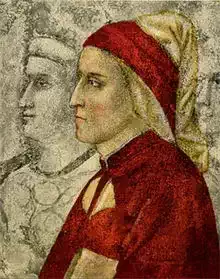
Dante Alighieri
Ulysses' Last Voyage
Ulysses' Last Voyage
I launched her with my small remaining band
and, putting out to sea, we set the main
on that lone ship and said farewell to land.
Far to starboard rose the coast of Spain,
astern was Sardi, Islas at our bow,
and soon we saw Morocco port abeam.
Though I and comrades now were old and slow,
we hauled till nightfall for the narrow sound
where Hercules had shown what not to do,
by setting marks for men to stay behind.
At dawn the starboard lookout made Seville,
and at the straits stood Ceuta t'other hand.
'Brothers,' I shouted, 'who have had the will
to come through danger, and have reached the west!
our time awake is brief from now until
the senses die, and so I say we test
the sun's own motion and do not forego
the worlds beyond, unknown and peopleless.
Think of the roots from which you sprang, and show
that you are human: not unconscious brutes
but made to follow virtue and to know.'
I launched her with my small remaining band
and, putting out to sea, we set the main
on that lone ship and said farewell to land.
Far to starboard rose the coast of Spain,
astern was Sardi, Islas at our bow,
and soon we saw Morocco port abeam.
Though I and comrades now were old and slow,
we hauled till nightfall for the narrow sound
where Hercules had shown what not to do,
by setting marks for men to stay behind.
At dawn the starboard lookout made Seville,
and at the straits stood Ceuta t'other hand.
'Brothers,' I shouted, 'who have had the will
to come through danger, and have reached the west!
our time awake is brief from now until
the senses die, and so I say we test
the sun's own motion and do not forego
the worlds beyond, unknown and peopleless.
Think of the roots from which you sprang, and show
that you are human: not unconscious brutes
but made to follow virtue and to know.'
287
Dante Alighieri
Ulysses' Last Voyage
Ulysses' Last Voyage
I launched her with my small remaining band
and, putting out to sea, we set the main
on that lone ship and said farewell to land.
Far to starboard rose the coast of Spain,
astern was Sardi, Islas at our bow,
and soon we saw Morocco port abeam.
Though I and comrades now were old and slow,
we hauled till nightfall for the narrow sound
where Hercules had shown what not to do,
by setting marks for men to stay behind.
At dawn the starboard lookout made Seville,
and at the straits stood Ceuta t'other hand.
'Brothers,' I shouted, 'who have had the will
to come through danger, and have reached the west!
our time awake is brief from now until
the senses die, and so I say we test
the sun's own motion and do not forego
the worlds beyond, unknown and peopleless.
Think of the roots from which you sprang, and show
that you are human: not unconscious brutes
but made to follow virtue and to know.'
I launched her with my small remaining band
and, putting out to sea, we set the main
on that lone ship and said farewell to land.
Far to starboard rose the coast of Spain,
astern was Sardi, Islas at our bow,
and soon we saw Morocco port abeam.
Though I and comrades now were old and slow,
we hauled till nightfall for the narrow sound
where Hercules had shown what not to do,
by setting marks for men to stay behind.
At dawn the starboard lookout made Seville,
and at the straits stood Ceuta t'other hand.
'Brothers,' I shouted, 'who have had the will
to come through danger, and have reached the west!
our time awake is brief from now until
the senses die, and so I say we test
the sun's own motion and do not forego
the worlds beyond, unknown and peopleless.
Think of the roots from which you sprang, and show
that you are human: not unconscious brutes
but made to follow virtue and to know.'
287
Dante Alighieri
Paradiso: Canto II
Paradiso: Canto II
Paradiso Canto 2
O Ye, who in some pretty little boat,
Eager to listen, have been following
Behind my ship, that singing sails along,
Turn back to look again upon your shores;
Do not put out to sea, lest peradventure,
In losing me, you might yourselves be lost.
The sea I sail has never yet been passed;
Minerva breathes, and pilots me Apollo,
And Muses nine point out to me the Bears.
Ye other few who have the neck uplifted
Betimes to th' bread of Angels upon which
One liveth here and grows not sated by it,
Well may you launch upon the deep salt-sea
Your vessel, keeping still my wake before you
Upon the water that grows smooth again.
Those glorious ones who unto Colchos passed
Were not so wonder-struck as you shall be,
When Jason they beheld a ploughman made!
The con-created and perpetual thirst
For the realm deiform did bear us on,
As swift almost as ye the heavens behold.
Upward gazed Beatrice, and I at her;
And in such space perchance as strikes a bolt
And flies, and from the notch unlocks itself,
Arrived I saw me where a wondrous thing
Drew to itself my sight; and therefore she
From whom no care of mine could be concealed,
Towards me turning, blithe as beautiful,
Said unto me: 'Fix gratefully thy mind
On God, who unto the first star has brought us.'
It seemed to me a cloud encompassed us,
Luminous, dense, consolidate and bright
As adamant on which the sun is striking.
Into itself did the eternal pearl
Receive us, even as water doth receive
A ray of light, remaining still unbroken.
If I was body, (and we here conceive not
How one dimension tolerates another,
Which needs must be if body enter body,)
More the desire should be enkindled in us
That essence to behold, wherein is seen
How God and our own nature were united.
There will be seen what we receive by faith,
Not demonstrated, but self-evident
In guise of the first truth that man believes.
I made reply: 'Madonna, as devoutly
As most I can do I give thanks to Him
Who has removed me from the mortal world.
But tell me what the dusky spots may be
Upon this body, which below on earth
Make people tell that fabulous tale of Cain?'
Somewhat she smiled; and then, 'If the opinion
Of mortals be erroneous,' she said,
'Where'er the key of sense doth not unlock,
Certes, the shafts of wonder should not pierce thee
Now, forasmuch as, following the senses,
Thou seest that the reason has short wings.
But tell me what thou think'st of it thyself.'
And I: 'What seems to us up here diverse,
Is caused, I think, by bodies rare and dense.'
And she: 'Right truly shalt thou see immersed
In error thy belief, if well thou hearest
The argument that I shall make against it.
Lights many the eighth sphere displays to you
Which in their quality and quantity
May noted be of aspects different.
If this were caused by rare and dense alone,
One only virtue would there be in all
Or more or less diffused, or equally.
Virtues diverse must be perforce the fruits
Of formal principles; and these, save one,
Of course would by thy reasoning be destroyed.
Besides, if rarity were of this dimness
The cause thou askest, either through and through
This planet thus attenuate were of matter,
Or else, as in a body is apportioned
The fat and lean, so in like manner this
Would in its volume interchange the leaves.
Were it the former, in the sun's eclipse
It would be manifest by the shining through
Of light, as through aught tenuous interfused.
This is not so; hence we must scan the other,
And if it chance the other I demolish,
Then falsified will thy opinion be.
But if this rarity go not through and through,
There needs must be a limit, beyond which
Its contrary prevents the further passing,
And thence the foreign radiance is reflected,
Even as a colour cometh back from glass,
The which behind itself concealeth lead.
Now thou wilt say the sunbeam shows itself
More dimly there than in the other parts,
By being there reflected farther back.
From this reply experiment will free thee
If e'er thou try it, which is wont to be
The fountain to the rivers of your arts.
Three mirrors shalt thou take, and two remove
Alike from thee, the other more remote
Between the former two shall meet thine eyes.
Turned towards these, cause that behind thy back
Be placed a light, illuming the three mirrors
And coming back to thee by all reflected.
Though in its quantity be not so ample
The image most remote, there shalt thou see
How it perforce is equally resplendent.
Now, as beneath the touches of warm rays
Naked the subject of the snow remains
Both of its former colour and its cold,
Thee thus remaining in thy intellect,
Will I inform with such a living light,
That it shall tremble in its aspect to thee.
Within the heaven of the divine repose
Revolves a body, in whose virtue lies
The being of whatever it contains.
The following heaven, that has so many eyes,
Divides this being by essences diverse,
Distinguished from it, and by it contained.
The other spheres, by various differences,
All the distinctions which they have within them
Dispose unto their ends and their effects.
Thus do these organs of the world proceed,
As thou perceivest now, from grade to grade;
Since from above they take, and act beneath.
Observe me well, how through this place I come
Unto the truth thou wishest, that hereafter
Thou mayst alone know how to keep the ford
The power and motion of the holy spheres,
As from the artisan the hammer's craft,
Forth from the blessed motors must proceed.
The heaven, which lights so manifold make fair,
From the Intelligence profound, which turns it,
The image takes, and makes of it a seal.
And even as the soul within your dust
Through members different and accommodated
To faculties diverse expands itself,
So likewise this Intelligence diffuses
Its virtue multiplied among the stars.
Itself revolving on its unity.
Virtue diverse doth a diverse alloyage
Make with the precious body that it quickens,
In which, as life in you, it is combined.
From the glad nature whence it is derived,
The mingled virtue through the body shines,
Even as gladness through the living pupil.
From this proceeds whate'er from light to light
Appeareth different, not from dense and rare:
This is the formal principle that produces,
According to its goodness, dark and bright.'
Paradiso Canto 2
O Ye, who in some pretty little boat,
Eager to listen, have been following
Behind my ship, that singing sails along,
Turn back to look again upon your shores;
Do not put out to sea, lest peradventure,
In losing me, you might yourselves be lost.
The sea I sail has never yet been passed;
Minerva breathes, and pilots me Apollo,
And Muses nine point out to me the Bears.
Ye other few who have the neck uplifted
Betimes to th' bread of Angels upon which
One liveth here and grows not sated by it,
Well may you launch upon the deep salt-sea
Your vessel, keeping still my wake before you
Upon the water that grows smooth again.
Those glorious ones who unto Colchos passed
Were not so wonder-struck as you shall be,
When Jason they beheld a ploughman made!
The con-created and perpetual thirst
For the realm deiform did bear us on,
As swift almost as ye the heavens behold.
Upward gazed Beatrice, and I at her;
And in such space perchance as strikes a bolt
And flies, and from the notch unlocks itself,
Arrived I saw me where a wondrous thing
Drew to itself my sight; and therefore she
From whom no care of mine could be concealed,
Towards me turning, blithe as beautiful,
Said unto me: 'Fix gratefully thy mind
On God, who unto the first star has brought us.'
It seemed to me a cloud encompassed us,
Luminous, dense, consolidate and bright
As adamant on which the sun is striking.
Into itself did the eternal pearl
Receive us, even as water doth receive
A ray of light, remaining still unbroken.
If I was body, (and we here conceive not
How one dimension tolerates another,
Which needs must be if body enter body,)
More the desire should be enkindled in us
That essence to behold, wherein is seen
How God and our own nature were united.
There will be seen what we receive by faith,
Not demonstrated, but self-evident
In guise of the first truth that man believes.
I made reply: 'Madonna, as devoutly
As most I can do I give thanks to Him
Who has removed me from the mortal world.
But tell me what the dusky spots may be
Upon this body, which below on earth
Make people tell that fabulous tale of Cain?'
Somewhat she smiled; and then, 'If the opinion
Of mortals be erroneous,' she said,
'Where'er the key of sense doth not unlock,
Certes, the shafts of wonder should not pierce thee
Now, forasmuch as, following the senses,
Thou seest that the reason has short wings.
But tell me what thou think'st of it thyself.'
And I: 'What seems to us up here diverse,
Is caused, I think, by bodies rare and dense.'
And she: 'Right truly shalt thou see immersed
In error thy belief, if well thou hearest
The argument that I shall make against it.
Lights many the eighth sphere displays to you
Which in their quality and quantity
May noted be of aspects different.
If this were caused by rare and dense alone,
One only virtue would there be in all
Or more or less diffused, or equally.
Virtues diverse must be perforce the fruits
Of formal principles; and these, save one,
Of course would by thy reasoning be destroyed.
Besides, if rarity were of this dimness
The cause thou askest, either through and through
This planet thus attenuate were of matter,
Or else, as in a body is apportioned
The fat and lean, so in like manner this
Would in its volume interchange the leaves.
Were it the former, in the sun's eclipse
It would be manifest by the shining through
Of light, as through aught tenuous interfused.
This is not so; hence we must scan the other,
And if it chance the other I demolish,
Then falsified will thy opinion be.
But if this rarity go not through and through,
There needs must be a limit, beyond which
Its contrary prevents the further passing,
And thence the foreign radiance is reflected,
Even as a colour cometh back from glass,
The which behind itself concealeth lead.
Now thou wilt say the sunbeam shows itself
More dimly there than in the other parts,
By being there reflected farther back.
From this reply experiment will free thee
If e'er thou try it, which is wont to be
The fountain to the rivers of your arts.
Three mirrors shalt thou take, and two remove
Alike from thee, the other more remote
Between the former two shall meet thine eyes.
Turned towards these, cause that behind thy back
Be placed a light, illuming the three mirrors
And coming back to thee by all reflected.
Though in its quantity be not so ample
The image most remote, there shalt thou see
How it perforce is equally resplendent.
Now, as beneath the touches of warm rays
Naked the subject of the snow remains
Both of its former colour and its cold,
Thee thus remaining in thy intellect,
Will I inform with such a living light,
That it shall tremble in its aspect to thee.
Within the heaven of the divine repose
Revolves a body, in whose virtue lies
The being of whatever it contains.
The following heaven, that has so many eyes,
Divides this being by essences diverse,
Distinguished from it, and by it contained.
The other spheres, by various differences,
All the distinctions which they have within them
Dispose unto their ends and their effects.
Thus do these organs of the world proceed,
As thou perceivest now, from grade to grade;
Since from above they take, and act beneath.
Observe me well, how through this place I come
Unto the truth thou wishest, that hereafter
Thou mayst alone know how to keep the ford
The power and motion of the holy spheres,
As from the artisan the hammer's craft,
Forth from the blessed motors must proceed.
The heaven, which lights so manifold make fair,
From the Intelligence profound, which turns it,
The image takes, and makes of it a seal.
And even as the soul within your dust
Through members different and accommodated
To faculties diverse expands itself,
So likewise this Intelligence diffuses
Its virtue multiplied among the stars.
Itself revolving on its unity.
Virtue diverse doth a diverse alloyage
Make with the precious body that it quickens,
In which, as life in you, it is combined.
From the glad nature whence it is derived,
The mingled virtue through the body shines,
Even as gladness through the living pupil.
From this proceeds whate'er from light to light
Appeareth different, not from dense and rare:
This is the formal principle that produces,
According to its goodness, dark and bright.'
300
Dante Alighieri
Inferno Canto03
Inferno Canto03
Per me si va ne la città dolente,
per me si va ne l'etterno dolore,
per me si va tra la perduta gente .
THROUGH ME THE WAY INTO THE SUFFERING CITY,
THROUGH ME THE WAY TO THE ETERNAL PAIN,
THROUGH ME THE WAY THAT RUNS AMONG THE LOST.
Giustizia mosse il mio alto fattore:
fecemi la divina podestate,
la somma sapienza e 'l primo amore .
JUSTICE URGED ON MY HIGH ARTIFICER;
MY MAKER WAS DIVINE AUTHORITY,
THE HIGHEST WISDOM, AND THE PRIMAL LOVE.
Dinanzi a me non fuor cose create
se non etterne, e io etterno duro.
Lasciate ogne speranza, voi ch'intrate ".
BEFORE ME NOTHING BUT ETERNAL THINGS
WERE MADE, AND I ENDURE ETERNALLY.
ABANDON EVERY HOPE, WHO ENTER HERE.
Queste parole di colore oscuro
vid'io scritte al sommo d'una porta;
per ch'io: «Maestro, il senso lor m'è duro ».
These words-their aspect was obscure-I read
inscribed above a gateway, and I said:
"Master, their meaning is difficult for me."
Ed elli a me, come persona accorta:
«Qui si convien lasciare ogne sospetto;
ogne viltà convien che qui sia morta .
And he to me, as one who comprehends:
"Here one must leave behind all hesitation;
here every cowardice must meet its death.
Noi siam venuti al loco ov'i' t'ho detto
che tu vedrai le genti dolorose
c'hanno perduto il ben de l'intelletto ».
For we have reached the place of which I spoke,
where you will see the miserable people,
those who have lost the good of the intellect."
E poi che la sua mano a la mia puose
con lieto volto, ond'io mi confortai,
mi mise dentro a le segrete cose .
And when, with gladness in his face, he placed
his hand upon my own, to comfort me,
he drew me in among the hidden things.
Quivi sospiri, pianti e alti guai
risonavan per l'aere sanza stelle,
per ch'io al cominciar ne lagrimai .
Here sighs and lamentations and loud cries
were echoing across the starless air,
so that, as soon as I set out, I wept.
Diverse lingue, orribili favelle,
parole di dolore, accenti d'ira,
voci alte e fioche, e suon di man con elle
Strange utterances, horrible pronouncements,
accents of anger, words of suffering,
and voices shrill and faint, and beating hands
facevano un tumulto, il qual s'aggira
sempre in quell'aura sanza tempo tinta,
come la rena quando turbo spira .
all went to make a tumult that will whirl
forever through that turbid, timeless air,
like sand that eddies when a whirlwind swirls.
E io ch'avea d'error la testa cinta,
dissi: «Maestro, che è quel ch'i' odo?
e che gent'è che par nel duol sì vinta ?».
And I-my head oppressed by horror-said:
"Master, what is it that I hear? Who are
those people so defeated by their pain?"
Ed elli a me: «Questo misero modo
tegnon l'anime triste di coloro
che visser sanza 'nfamia e sanza lodo .
And he to me: "This miserable way
is taken by the sorry souls of those
who lived without disgrace and without praise.
Mischiate sono a quel cattivo coro
de li angeli che non furon ribelli
né fur fedeli a Dio, ma per sé fuoro .
They now commingle with the coward angels,
the company of those who were not rebels
nor faithful to their God, but stood apart.
Caccianli i ciel per non esser men belli,
né lo profondo inferno li riceve,
ch'alcuna gloria i rei avrebber d'elli ».
The heavens, that their beauty not be lessened,
have cast them out, nor will deep Hell receive themeven
the wicked cannot glory in them."
E io: «Maestro, che è tanto greve
a lor, che lamentar li fa sì forte?».
Rispuose: «Dicerolti molto breve .
And I: "What is it, master, that oppresses
these souls, compelling them to wail so loud?"
He answered: "I shall tell you in few words.
Questi non hanno speranza di morte
e la lor cieca vita è tanto bassa,
che 'nvidiosi son d'ogne altra sorte .
Those who are here can place no hope in death,
and their blind life is so abject that they
are envious of every other fate.
Fama di loro il mondo esser non lassa;
misericordia e giustizia li sdegna:
non ragioniam di lor, ma guarda e passa ».
The world will let no fame of theirs endure;
both justice and compassion must disdain them;
let us not talk of them, but look and pass."
E io, che riguardai, vidi una 'nsegna
che girando correva tanto ratta,
che d'ogne posa mi parea indegna ;
And I, looking more closely, saw a banner
that, as it wheeled about, raced on-so quick
that any respite seemed unsuited to it.
e dietro le venìa sì lunga tratta
di gente, ch'i' non averei creduto
che morte tanta n'avesse disfatta .
Behind that banner trailed so long a file
of people-I should never have believed
that death could have unmade so many souls.
Poscia ch'io v'ebbi alcun riconosciuto,
vidi e conobbi l'ombra di colui
che fece per viltade il gran rifiuto .
After I had identified a few,
I saw and recognized the shade of him
who made, through cowardice, the great refusal.
Incontanente intesi e certo fui
che questa era la setta d'i cattivi,
a Dio spiacenti e a' nemici sui .
At once I understood with certainty:
this company contained the cowardly,
hateful to God and to His enemies.
Questi sciaurati, che mai non fur vivi,
erano ignudi e stimolati molto
da mosconi e da vespe ch'eran ivi .
These wretched ones, who never were alive,
went naked and were stung again, again
by horseflies and by wasps that circled them.
Elle rigavan lor di sangue il volto,
che, mischiato di lagrime, a' lor piedi
da fastidiosi vermi era ricolto .
The insects streaked their faces with their blood,
which, mingled with their tears, fell at their feet,
where it was gathered up by sickening worms.
E poi ch'a riguardar oltre mi diedi,
vidi genti a la riva d'un gran fiume;
per ch'io dissi: «Maestro, or mi concedi
And then, looking beyond them, I could see
a crowd along the bank of a great river;
at which I said: "Allow me now to know
ch'i' sappia quali sono, e qual costume
le fa di trapassar parer sì pronte,
com'io discerno per lo fioco lume ».
who are these people-master-and what law
has made them seem so eager for the crossing,
as I can see despite the feeble light."
Ed elli a me: «Le cose ti fier conte
quando noi fermerem li nostri passi
su la trista riviera d'Acheronte ».
And he to me: "When we have stopped along
the melancholy shore of Acheron,
then all these matters will be plain to you."
Allor con li occhi vergognosi e bassi,
temendo no 'l mio dir li fosse grave,
infino al fiume del parlar mi trassi .
At that, with eyes ashamed, downcast, and fearing
that what I said had given him offense,
I did not speak until we reached the river.
Ed ecco verso noi venir per nave
un vecchio, bianco per antico pelo,
gridando: «Guai a voi, anime prave !
And here, advancing toward us, in a boat,
an aged man-his hair was white with yearswas
shouting: "Woe to you, corrupted souls!
Non isperate mai veder lo cielo:
i' vegno per menarvi a l'altra riva
ne le tenebre etterne, in caldo e 'n gelo .
Forget your hope of ever seeing Heaven:
I come to lead you to the other shore,
to the eternal dark, to fire and frost.
E tu che se' costì, anima viva,
pàrtiti da cotesti che son morti».
Ma poi che vide ch'io non mi partiva ,
And you approaching there, you living soul,
keep well away from these-they are the dead."
But when he saw I made no move to go,
disse: «Per altra via, per altri porti
verrai a piaggia, non qui, per passare:
più lieve legno convien che ti porti ».
he said: "Another way and other harborsnot
here-will bring you passage to your shore:
a lighter craft will have to carry you."
E 'l duca lui: «Caron, non ti crucciare:
vuolsi così colà dove si puote
ciò che si vuole, e più non dimandare ».
My guide then: "Charon, don't torment yourself:
our passage has been willed above, where One
can do what He has willed; and ask no more."
Quinci fuor quete le lanose gote
al nocchier de la livida palude,
che 'ntorno a li occhi avea di fiamme rote .
Now silence fell upon the wooly cheeks
of Charon, pilot of the livid marsh,
whose eyes were ringed about with wheels of flame.
Ma quell'anime, ch'eran lasse e nude,
cangiar colore e dibattero i denti,
ratto che 'nteser le parole crude .
But all those spirits, naked and exhausted,
had lost their color, and they gnashed their teeth
as soon as they heard Charon's cruel words;
Bestemmiavano Dio e lor parenti,
l'umana spezie e 'l loco e 'l tempo e 'l seme
di lor semenza e di lor nascimenti .
they execrated God and their own parents
and humankind, and then the place and time
of their conception's seed and of their birth.
Poi si ritrasser tutte quante insieme,
forte piangendo, a la riva malvagia
ch'attende ciascun uom che Dio non teme .
Then they forgathered, huddled in one throng,
weeping aloud along that wretched shore
which waits for all who have no fear of God.
Caron dimonio, con occhi di bragia,
loro accennando, tutte le raccoglie;
batte col remo qualunque s'adagia .
The demon Charon, with his eyes like embers,
by signaling to them, has all embark;
his oar strikes anyone who stretches out.
Come d'autunno si levan le foglie
l'una appresso de l'altra, fin che 'l ramo
vede a la terra tutte le sue spoglie ,
As, in the autumn, leaves detach themselves,
first one and then the other, till the bough
sees all its fallen garments on the ground,
Aen.VI.
similemente il mal seme d'Adamo
gittansi di quel lito ad una ad una,
per cenni come augel per suo richiamo .
similarly, the evil seed of Adam
descended from the shoreline one by one,
when signaled, as a falcon-called-will come.
Così sen vanno su per l'onda bruna,
e avanti che sien di là discese,
anche di qua nuova schiera s'auna .
So do they move across the darkened waters;
even before they reach the farther shore,
new ranks already gather on this bank.
«Figliuol mio», disse 'l maestro cortese,
«quelli che muoion ne l'ira di Dio
tutti convegnon qui d'ogne paese :
"My son," the gracious master said to me,
"those who have died beneath the wrath of God,
all these assemble here from every country;
e pronti sono a trapassar lo rio,
ché la divina giustizia li sprona,
sì che la tema si volve in disio .
and they are eager for the river crossing
because celestial justice spurs them on,
so that their fear is turned into desire.
Quinci non passa mai anima buona;
e però, se Caron di te si lagna,
ben puoi sapere omai che 'l suo dir suona ».
No good soul ever takes its passage here;
therefore, if Charon has complained of you,
by now you can be sure what his words mean."
Finito questo, la buia campagna
tremò sì forte, che de lo spavento
la mente di sudore ancor mi bagna .
And after this was said, the darkened plain
quaked so tremendously-the memory
of terror then, bathes me in sweat again.
La terra lagrimosa diede vento,
che balenò una luce vermiglia
la qual mi vinse ciascun sentimento ;
A whirlwind burst out of the tear-drenched earth,
a wind that crackled with a bloodred light,
a light that overcame all of my senses;
e caddi come l'uom cui sonno piglia.
and like a man whom sleep has seized, I fell.
Per me si va ne la città dolente,
per me si va ne l'etterno dolore,
per me si va tra la perduta gente .
THROUGH ME THE WAY INTO THE SUFFERING CITY,
THROUGH ME THE WAY TO THE ETERNAL PAIN,
THROUGH ME THE WAY THAT RUNS AMONG THE LOST.
Giustizia mosse il mio alto fattore:
fecemi la divina podestate,
la somma sapienza e 'l primo amore .
JUSTICE URGED ON MY HIGH ARTIFICER;
MY MAKER WAS DIVINE AUTHORITY,
THE HIGHEST WISDOM, AND THE PRIMAL LOVE.
Dinanzi a me non fuor cose create
se non etterne, e io etterno duro.
Lasciate ogne speranza, voi ch'intrate ".
BEFORE ME NOTHING BUT ETERNAL THINGS
WERE MADE, AND I ENDURE ETERNALLY.
ABANDON EVERY HOPE, WHO ENTER HERE.
Queste parole di colore oscuro
vid'io scritte al sommo d'una porta;
per ch'io: «Maestro, il senso lor m'è duro ».
These words-their aspect was obscure-I read
inscribed above a gateway, and I said:
"Master, their meaning is difficult for me."
Ed elli a me, come persona accorta:
«Qui si convien lasciare ogne sospetto;
ogne viltà convien che qui sia morta .
And he to me, as one who comprehends:
"Here one must leave behind all hesitation;
here every cowardice must meet its death.
Noi siam venuti al loco ov'i' t'ho detto
che tu vedrai le genti dolorose
c'hanno perduto il ben de l'intelletto ».
For we have reached the place of which I spoke,
where you will see the miserable people,
those who have lost the good of the intellect."
E poi che la sua mano a la mia puose
con lieto volto, ond'io mi confortai,
mi mise dentro a le segrete cose .
And when, with gladness in his face, he placed
his hand upon my own, to comfort me,
he drew me in among the hidden things.
Quivi sospiri, pianti e alti guai
risonavan per l'aere sanza stelle,
per ch'io al cominciar ne lagrimai .
Here sighs and lamentations and loud cries
were echoing across the starless air,
so that, as soon as I set out, I wept.
Diverse lingue, orribili favelle,
parole di dolore, accenti d'ira,
voci alte e fioche, e suon di man con elle
Strange utterances, horrible pronouncements,
accents of anger, words of suffering,
and voices shrill and faint, and beating hands
facevano un tumulto, il qual s'aggira
sempre in quell'aura sanza tempo tinta,
come la rena quando turbo spira .
all went to make a tumult that will whirl
forever through that turbid, timeless air,
like sand that eddies when a whirlwind swirls.
E io ch'avea d'error la testa cinta,
dissi: «Maestro, che è quel ch'i' odo?
e che gent'è che par nel duol sì vinta ?».
And I-my head oppressed by horror-said:
"Master, what is it that I hear? Who are
those people so defeated by their pain?"
Ed elli a me: «Questo misero modo
tegnon l'anime triste di coloro
che visser sanza 'nfamia e sanza lodo .
And he to me: "This miserable way
is taken by the sorry souls of those
who lived without disgrace and without praise.
Mischiate sono a quel cattivo coro
de li angeli che non furon ribelli
né fur fedeli a Dio, ma per sé fuoro .
They now commingle with the coward angels,
the company of those who were not rebels
nor faithful to their God, but stood apart.
Caccianli i ciel per non esser men belli,
né lo profondo inferno li riceve,
ch'alcuna gloria i rei avrebber d'elli ».
The heavens, that their beauty not be lessened,
have cast them out, nor will deep Hell receive themeven
the wicked cannot glory in them."
E io: «Maestro, che è tanto greve
a lor, che lamentar li fa sì forte?».
Rispuose: «Dicerolti molto breve .
And I: "What is it, master, that oppresses
these souls, compelling them to wail so loud?"
He answered: "I shall tell you in few words.
Questi non hanno speranza di morte
e la lor cieca vita è tanto bassa,
che 'nvidiosi son d'ogne altra sorte .
Those who are here can place no hope in death,
and their blind life is so abject that they
are envious of every other fate.
Fama di loro il mondo esser non lassa;
misericordia e giustizia li sdegna:
non ragioniam di lor, ma guarda e passa ».
The world will let no fame of theirs endure;
both justice and compassion must disdain them;
let us not talk of them, but look and pass."
E io, che riguardai, vidi una 'nsegna
che girando correva tanto ratta,
che d'ogne posa mi parea indegna ;
And I, looking more closely, saw a banner
that, as it wheeled about, raced on-so quick
that any respite seemed unsuited to it.
e dietro le venìa sì lunga tratta
di gente, ch'i' non averei creduto
che morte tanta n'avesse disfatta .
Behind that banner trailed so long a file
of people-I should never have believed
that death could have unmade so many souls.
Poscia ch'io v'ebbi alcun riconosciuto,
vidi e conobbi l'ombra di colui
che fece per viltade il gran rifiuto .
After I had identified a few,
I saw and recognized the shade of him
who made, through cowardice, the great refusal.
Incontanente intesi e certo fui
che questa era la setta d'i cattivi,
a Dio spiacenti e a' nemici sui .
At once I understood with certainty:
this company contained the cowardly,
hateful to God and to His enemies.
Questi sciaurati, che mai non fur vivi,
erano ignudi e stimolati molto
da mosconi e da vespe ch'eran ivi .
These wretched ones, who never were alive,
went naked and were stung again, again
by horseflies and by wasps that circled them.
Elle rigavan lor di sangue il volto,
che, mischiato di lagrime, a' lor piedi
da fastidiosi vermi era ricolto .
The insects streaked their faces with their blood,
which, mingled with their tears, fell at their feet,
where it was gathered up by sickening worms.
E poi ch'a riguardar oltre mi diedi,
vidi genti a la riva d'un gran fiume;
per ch'io dissi: «Maestro, or mi concedi
And then, looking beyond them, I could see
a crowd along the bank of a great river;
at which I said: "Allow me now to know
ch'i' sappia quali sono, e qual costume
le fa di trapassar parer sì pronte,
com'io discerno per lo fioco lume ».
who are these people-master-and what law
has made them seem so eager for the crossing,
as I can see despite the feeble light."
Ed elli a me: «Le cose ti fier conte
quando noi fermerem li nostri passi
su la trista riviera d'Acheronte ».
And he to me: "When we have stopped along
the melancholy shore of Acheron,
then all these matters will be plain to you."
Allor con li occhi vergognosi e bassi,
temendo no 'l mio dir li fosse grave,
infino al fiume del parlar mi trassi .
At that, with eyes ashamed, downcast, and fearing
that what I said had given him offense,
I did not speak until we reached the river.
Ed ecco verso noi venir per nave
un vecchio, bianco per antico pelo,
gridando: «Guai a voi, anime prave !
And here, advancing toward us, in a boat,
an aged man-his hair was white with yearswas
shouting: "Woe to you, corrupted souls!
Non isperate mai veder lo cielo:
i' vegno per menarvi a l'altra riva
ne le tenebre etterne, in caldo e 'n gelo .
Forget your hope of ever seeing Heaven:
I come to lead you to the other shore,
to the eternal dark, to fire and frost.
E tu che se' costì, anima viva,
pàrtiti da cotesti che son morti».
Ma poi che vide ch'io non mi partiva ,
And you approaching there, you living soul,
keep well away from these-they are the dead."
But when he saw I made no move to go,
disse: «Per altra via, per altri porti
verrai a piaggia, non qui, per passare:
più lieve legno convien che ti porti ».
he said: "Another way and other harborsnot
here-will bring you passage to your shore:
a lighter craft will have to carry you."
E 'l duca lui: «Caron, non ti crucciare:
vuolsi così colà dove si puote
ciò che si vuole, e più non dimandare ».
My guide then: "Charon, don't torment yourself:
our passage has been willed above, where One
can do what He has willed; and ask no more."
Quinci fuor quete le lanose gote
al nocchier de la livida palude,
che 'ntorno a li occhi avea di fiamme rote .
Now silence fell upon the wooly cheeks
of Charon, pilot of the livid marsh,
whose eyes were ringed about with wheels of flame.
Ma quell'anime, ch'eran lasse e nude,
cangiar colore e dibattero i denti,
ratto che 'nteser le parole crude .
But all those spirits, naked and exhausted,
had lost their color, and they gnashed their teeth
as soon as they heard Charon's cruel words;
Bestemmiavano Dio e lor parenti,
l'umana spezie e 'l loco e 'l tempo e 'l seme
di lor semenza e di lor nascimenti .
they execrated God and their own parents
and humankind, and then the place and time
of their conception's seed and of their birth.
Poi si ritrasser tutte quante insieme,
forte piangendo, a la riva malvagia
ch'attende ciascun uom che Dio non teme .
Then they forgathered, huddled in one throng,
weeping aloud along that wretched shore
which waits for all who have no fear of God.
Caron dimonio, con occhi di bragia,
loro accennando, tutte le raccoglie;
batte col remo qualunque s'adagia .
The demon Charon, with his eyes like embers,
by signaling to them, has all embark;
his oar strikes anyone who stretches out.
Come d'autunno si levan le foglie
l'una appresso de l'altra, fin che 'l ramo
vede a la terra tutte le sue spoglie ,
As, in the autumn, leaves detach themselves,
first one and then the other, till the bough
sees all its fallen garments on the ground,
Aen.VI.
similemente il mal seme d'Adamo
gittansi di quel lito ad una ad una,
per cenni come augel per suo richiamo .
similarly, the evil seed of Adam
descended from the shoreline one by one,
when signaled, as a falcon-called-will come.
Così sen vanno su per l'onda bruna,
e avanti che sien di là discese,
anche di qua nuova schiera s'auna .
So do they move across the darkened waters;
even before they reach the farther shore,
new ranks already gather on this bank.
«Figliuol mio», disse 'l maestro cortese,
«quelli che muoion ne l'ira di Dio
tutti convegnon qui d'ogne paese :
"My son," the gracious master said to me,
"those who have died beneath the wrath of God,
all these assemble here from every country;
e pronti sono a trapassar lo rio,
ché la divina giustizia li sprona,
sì che la tema si volve in disio .
and they are eager for the river crossing
because celestial justice spurs them on,
so that their fear is turned into desire.
Quinci non passa mai anima buona;
e però, se Caron di te si lagna,
ben puoi sapere omai che 'l suo dir suona ».
No good soul ever takes its passage here;
therefore, if Charon has complained of you,
by now you can be sure what his words mean."
Finito questo, la buia campagna
tremò sì forte, che de lo spavento
la mente di sudore ancor mi bagna .
And after this was said, the darkened plain
quaked so tremendously-the memory
of terror then, bathes me in sweat again.
La terra lagrimosa diede vento,
che balenò una luce vermiglia
la qual mi vinse ciascun sentimento ;
A whirlwind burst out of the tear-drenched earth,
a wind that crackled with a bloodred light,
a light that overcame all of my senses;
e caddi come l'uom cui sonno piglia.
and like a man whom sleep has seized, I fell.
252

Claude Mckay
Winter in the Country
Winter in the Country
Sweet life! how lovely to be here
And feel the soft sea-laden breeze
Strike my flushed face, the spruce's fair
Free limbs to see, the lesser trees'
Bare hands to touch, the sparrow's cheep
To heed, and watch his nimble flight
Above the short brown grass asleep.
Love glorious in his friendly might,
Music that every heart could bless,
And thoughts of life serene, divine,
Beyond my power to express,
Crowd round this lifted heart of mine!
But oh! to leave this paradise
For the city's dirty basement room,
Where, beauty hidden from the eyes,
A table, bed, bureau, and broom
In corner set, two crippled chairs
All covered up with dust and grim
With hideousness and scars of years,
And gaslight burning weird and dim,
Will welcome me . . . And yet, and yet
This very wind, the winter birds
The glory of the soft sunset,
Come there to me in words.
Sweet life! how lovely to be here
And feel the soft sea-laden breeze
Strike my flushed face, the spruce's fair
Free limbs to see, the lesser trees'
Bare hands to touch, the sparrow's cheep
To heed, and watch his nimble flight
Above the short brown grass asleep.
Love glorious in his friendly might,
Music that every heart could bless,
And thoughts of life serene, divine,
Beyond my power to express,
Crowd round this lifted heart of mine!
But oh! to leave this paradise
For the city's dirty basement room,
Where, beauty hidden from the eyes,
A table, bed, bureau, and broom
In corner set, two crippled chairs
All covered up with dust and grim
With hideousness and scars of years,
And gaslight burning weird and dim,
Will welcome me . . . And yet, and yet
This very wind, the winter birds
The glory of the soft sunset,
Come there to me in words.
360
Claude Mckay
White Houses
White Houses
Your door is shut against my tightened face,
And I am sharp as steel with discontent;
But I possess the courage and the grace
To bear my anger proudly and unbent.
The pavement slabs burn loose beneath my feet,
A chafing savage, down the decent street;
And passion rends my vitals as I pass,
Where boldly shines your shuttered door of glass.
Oh, I must search for wisdom every hour,
Deep in my wrathful bosom sore and raw,
And find in it the superhuman power
To hold me to the letter of your law!
Oh, I must keep my heart inviolate
Against the potent poison of your hate.
Your door is shut against my tightened face,
And I am sharp as steel with discontent;
But I possess the courage and the grace
To bear my anger proudly and unbent.
The pavement slabs burn loose beneath my feet,
A chafing savage, down the decent street;
And passion rends my vitals as I pass,
Where boldly shines your shuttered door of glass.
Oh, I must search for wisdom every hour,
Deep in my wrathful bosom sore and raw,
And find in it the superhuman power
To hold me to the letter of your law!
Oh, I must keep my heart inviolate
Against the potent poison of your hate.
392
Claude Mckay
When Dawn Comes to the City
When Dawn Comes to the City
The tired cars go grumbling by,
The moaning, groaning cars,
And the old milk carts go rumbling by
Under the same dull stars.
Out of the tenements, cold as stone,
Dark figures start for work;
I watch them sadly shuffle on,
'Tis dawn, dawn in New York.
But I would be on the island of the sea,
In the heart of the island of the sea,
Where the cocks are crowing, crowing, crowing,
And the hens are cackling in the rose-apple tree,
Where the old draft-horse is neighing, neighing, neighing,
Out on the brown dew-silvered lawn,
And the tethered cow is lowing, lowing, lowing,
And dear old Ned is braying, braying, braying,
And the shaggy Nannie goat is calling, calling, calling
From her little trampled corner of the long wide lea
That stretches to the waters of the hill-stream falling
Sheer upon the flat rocks joyously!
There, oh, there! on the island of the sea,
There would I be at dawn.
The tired cars go grumbling by,
The crazy, lazy cars,
And the same milk carts go rumbling by
Under the dying stars.
A lonely newsboy hurries by,
Humming a recent ditty;
Red streaks strike through the gray of the sky,
The dawn comes to the city.
But I would be on the island of the sea,
In the heart of the island of the sea,
Where the cocks are crowing, crowing, crowing,
And the hens are cackling in the rose-apple tree,
Where the old draft-horse is neighing, neighing, neighing
Out on the brown dew-silvered lawn,
And the tethered cow is lowing, lowing, lowing,
And dear old Ned is braying, braying, braying,
And the shaggy Nannie goat is calling, calling, calling,
From her little trampled corner of the long wide lea
That stretches to the waters of the hill-stream falling
Sheer upon the flat rocks joyously!
There, oh, there! on the island of the sea,
There I would be at dawn.
The tired cars go grumbling by,
The moaning, groaning cars,
And the old milk carts go rumbling by
Under the same dull stars.
Out of the tenements, cold as stone,
Dark figures start for work;
I watch them sadly shuffle on,
'Tis dawn, dawn in New York.
But I would be on the island of the sea,
In the heart of the island of the sea,
Where the cocks are crowing, crowing, crowing,
And the hens are cackling in the rose-apple tree,
Where the old draft-horse is neighing, neighing, neighing,
Out on the brown dew-silvered lawn,
And the tethered cow is lowing, lowing, lowing,
And dear old Ned is braying, braying, braying,
And the shaggy Nannie goat is calling, calling, calling
From her little trampled corner of the long wide lea
That stretches to the waters of the hill-stream falling
Sheer upon the flat rocks joyously!
There, oh, there! on the island of the sea,
There would I be at dawn.
The tired cars go grumbling by,
The crazy, lazy cars,
And the same milk carts go rumbling by
Under the dying stars.
A lonely newsboy hurries by,
Humming a recent ditty;
Red streaks strike through the gray of the sky,
The dawn comes to the city.
But I would be on the island of the sea,
In the heart of the island of the sea,
Where the cocks are crowing, crowing, crowing,
And the hens are cackling in the rose-apple tree,
Where the old draft-horse is neighing, neighing, neighing
Out on the brown dew-silvered lawn,
And the tethered cow is lowing, lowing, lowing,
And dear old Ned is braying, braying, braying,
And the shaggy Nannie goat is calling, calling, calling,
From her little trampled corner of the long wide lea
That stretches to the waters of the hill-stream falling
Sheer upon the flat rocks joyously!
There, oh, there! on the island of the sea,
There I would be at dawn.
622
Claude Mckay
To One Coming North
To One Coming North
At first you'll joy to see the playful snow,
Like white moths trembling on the tropic air,
Or waters of the hills that softly flow
Gracefully falling down a shining stair.
And when the fields and streets are covered white
And the wind-worried void is chilly, raw,
Or underneath a spell of heat and light
The cheerless frozen spots begin to thaw,
Like me you'll long for home, where birds' glad song
Means flowering lanes and leas and spaces dry,
And tender thoughts and feelings fine and strong,
Beneath a vivid silver-flecked blue sky.
But oh! more than the changeless southern isles,
When Spring has shed upon the earth her charm,
You'll love the Northland wreathed in golden smiles
By the miraculous sun turned glad and warm.
At first you'll joy to see the playful snow,
Like white moths trembling on the tropic air,
Or waters of the hills that softly flow
Gracefully falling down a shining stair.
And when the fields and streets are covered white
And the wind-worried void is chilly, raw,
Or underneath a spell of heat and light
The cheerless frozen spots begin to thaw,
Like me you'll long for home, where birds' glad song
Means flowering lanes and leas and spaces dry,
And tender thoughts and feelings fine and strong,
Beneath a vivid silver-flecked blue sky.
But oh! more than the changeless southern isles,
When Spring has shed upon the earth her charm,
You'll love the Northland wreathed in golden smiles
By the miraculous sun turned glad and warm.
495
Claude Mckay
The White House
The White House
Your door is shut against my tightened face,
And I am sharp as steel with discontent;
But I possess the courage and the grace
To bear my anger proudly and unbent.
The pavement slabs burn loose beneath my feet,
A chafing savage, down the decent street;
And passion rends my vitals as I pass,
Where boldly shines your shuttered door of glass.
Oh, I must search for wisdom every hour,
Deep in my wrathful bosom sore and raw,
And find in it the superhuman power
To hold me to the letter of your law!
Oh, I must keep my heart inviolate
Against the potent poison of your hate.
Your door is shut against my tightened face,
And I am sharp as steel with discontent;
But I possess the courage and the grace
To bear my anger proudly and unbent.
The pavement slabs burn loose beneath my feet,
A chafing savage, down the decent street;
And passion rends my vitals as I pass,
Where boldly shines your shuttered door of glass.
Oh, I must search for wisdom every hour,
Deep in my wrathful bosom sore and raw,
And find in it the superhuman power
To hold me to the letter of your law!
Oh, I must keep my heart inviolate
Against the potent poison of your hate.
425
Claude Mckay
The White House
The White House
Your door is shut against my tightened face,
And I am sharp as steel with discontent;
But I possess the courage and the grace
To bear my anger proudly and unbent.
The pavement slabs burn loose beneath my feet,
A chafing savage, down the decent street;
And passion rends my vitals as I pass,
Where boldly shines your shuttered door of glass.
Oh, I must search for wisdom every hour,
Deep in my wrathful bosom sore and raw,
And find in it the superhuman power
To hold me to the letter of your law!
Oh, I must keep my heart inviolate
Against the potent poison of your hate.
Your door is shut against my tightened face,
And I am sharp as steel with discontent;
But I possess the courage and the grace
To bear my anger proudly and unbent.
The pavement slabs burn loose beneath my feet,
A chafing savage, down the decent street;
And passion rends my vitals as I pass,
Where boldly shines your shuttered door of glass.
Oh, I must search for wisdom every hour,
Deep in my wrathful bosom sore and raw,
And find in it the superhuman power
To hold me to the letter of your law!
Oh, I must keep my heart inviolate
Against the potent poison of your hate.
425
Claude Mckay
The Lynching
The Lynching
His Spirit in smoke ascended to high heaven.
His father, by the cruelest way of pain,
Had bidden him to his bosom once again;
The awful sin remained still unforgiven.
All night a bright and solitary star
(Perchance the one that ever guided him,
Yet gave him up at last to Fate's wild whim)
Hung pitifully o'er the swinging char.
Day dawned, and soon the mixed crowds came to view
The ghastly body swaying in the sun
The women thronged to look, but never a one
Showed sorrow in her eyes of steely blue;
And little lads, lynchers that were to be,
Danced round the dreadful thing in fiendish glee.
His Spirit in smoke ascended to high heaven.
His father, by the cruelest way of pain,
Had bidden him to his bosom once again;
The awful sin remained still unforgiven.
All night a bright and solitary star
(Perchance the one that ever guided him,
Yet gave him up at last to Fate's wild whim)
Hung pitifully o'er the swinging char.
Day dawned, and soon the mixed crowds came to view
The ghastly body swaying in the sun
The women thronged to look, but never a one
Showed sorrow in her eyes of steely blue;
And little lads, lynchers that were to be,
Danced round the dreadful thing in fiendish glee.
370
Claude Mckay
The Lynching
The Lynching
His Spirit in smoke ascended to high heaven.
His father, by the cruelest way of pain,
Had bidden him to his bosom once again;
The awful sin remained still unforgiven.
All night a bright and solitary star
(Perchance the one that ever guided him,
Yet gave him up at last to Fate's wild whim)
Hung pitifully o'er the swinging char.
Day dawned, and soon the mixed crowds came to view
The ghastly body swaying in the sun
The women thronged to look, but never a one
Showed sorrow in her eyes of steely blue;
And little lads, lynchers that were to be,
Danced round the dreadful thing in fiendish glee.
His Spirit in smoke ascended to high heaven.
His father, by the cruelest way of pain,
Had bidden him to his bosom once again;
The awful sin remained still unforgiven.
All night a bright and solitary star
(Perchance the one that ever guided him,
Yet gave him up at last to Fate's wild whim)
Hung pitifully o'er the swinging char.
Day dawned, and soon the mixed crowds came to view
The ghastly body swaying in the sun
The women thronged to look, but never a one
Showed sorrow in her eyes of steely blue;
And little lads, lynchers that were to be,
Danced round the dreadful thing in fiendish glee.
370
Claude Mckay
The Lynching
The Lynching
His Spirit in smoke ascended to high heaven.
His father, by the cruelest way of pain,
Had bidden him to his bosom once again;
The awful sin remained still unforgiven.
All night a bright and solitary star
(Perchance the one that ever guided him,
Yet gave him up at last to Fate's wild whim)
Hung pitifully o'er the swinging char.
Day dawned, and soon the mixed crowds came to view
The ghastly body swaying in the sun
The women thronged to look, but never a one
Showed sorrow in her eyes of steely blue;
And little lads, lynchers that were to be,
Danced round the dreadful thing in fiendish glee.
His Spirit in smoke ascended to high heaven.
His father, by the cruelest way of pain,
Had bidden him to his bosom once again;
The awful sin remained still unforgiven.
All night a bright and solitary star
(Perchance the one that ever guided him,
Yet gave him up at last to Fate's wild whim)
Hung pitifully o'er the swinging char.
Day dawned, and soon the mixed crowds came to view
The ghastly body swaying in the sun
The women thronged to look, but never a one
Showed sorrow in her eyes of steely blue;
And little lads, lynchers that were to be,
Danced round the dreadful thing in fiendish glee.
370
Claude Mckay
The Lynching
The Lynching
His Spirit in smoke ascended to high heaven.
His father, by the cruelest way of pain,
Had bidden him to his bosom once again;
The awful sin remained still unforgiven.
All night a bright and solitary star
(Perchance the one that ever guided him,
Yet gave him up at last to Fate's wild whim)
Hung pitifully o'er the swinging char.
Day dawned, and soon the mixed crowds came to view
The ghastly body swaying in the sun
The women thronged to look, but never a one
Showed sorrow in her eyes of steely blue;
And little lads, lynchers that were to be,
Danced round the dreadful thing in fiendish glee.
His Spirit in smoke ascended to high heaven.
His father, by the cruelest way of pain,
Had bidden him to his bosom once again;
The awful sin remained still unforgiven.
All night a bright and solitary star
(Perchance the one that ever guided him,
Yet gave him up at last to Fate's wild whim)
Hung pitifully o'er the swinging char.
Day dawned, and soon the mixed crowds came to view
The ghastly body swaying in the sun
The women thronged to look, but never a one
Showed sorrow in her eyes of steely blue;
And little lads, lynchers that were to be,
Danced round the dreadful thing in fiendish glee.
370