

Poems in this topic
Society and the World
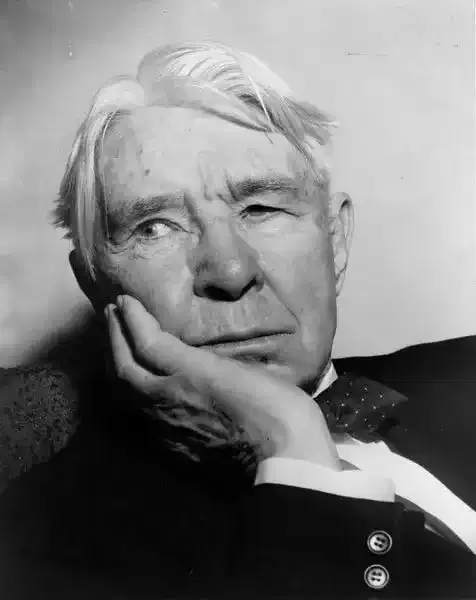
Carl Sandburg
Statistics
Statistics
Napoleon shifted,
Restless in the old sarcophagus
And murmured to a watchguard:
"Who goes there?"
"Twenty-one million men,
Soldiers, armies, guns,
Twenty-one million
Afoot, horseback,
In the air,
Under the sea."
And Napoleon turned to his sleep:
"It is not my world answering;
It is some dreamer who knows not
The world I marched in
From Calais to Moscow."
And he slept on
In the old sarcophagus
While the aeroplanes
Droned their motors
Between Napoleon's mausoleum
And the cool night stars.
Napoleon shifted,
Restless in the old sarcophagus
And murmured to a watchguard:
"Who goes there?"
"Twenty-one million men,
Soldiers, armies, guns,
Twenty-one million
Afoot, horseback,
In the air,
Under the sea."
And Napoleon turned to his sleep:
"It is not my world answering;
It is some dreamer who knows not
The world I marched in
From Calais to Moscow."
And he slept on
In the old sarcophagus
While the aeroplanes
Droned their motors
Between Napoleon's mausoleum
And the cool night stars.
409
Carl Sandburg
Statistics
Statistics
Napoleon shifted,
Restless in the old sarcophagus
And murmured to a watchguard:
"Who goes there?"
"Twenty-one million men,
Soldiers, armies, guns,
Twenty-one million
Afoot, horseback,
In the air,
Under the sea."
And Napoleon turned to his sleep:
"It is not my world answering;
It is some dreamer who knows not
The world I marched in
From Calais to Moscow."
And he slept on
In the old sarcophagus
While the aeroplanes
Droned their motors
Between Napoleon's mausoleum
And the cool night stars.
Napoleon shifted,
Restless in the old sarcophagus
And murmured to a watchguard:
"Who goes there?"
"Twenty-one million men,
Soldiers, armies, guns,
Twenty-one million
Afoot, horseback,
In the air,
Under the sea."
And Napoleon turned to his sleep:
"It is not my world answering;
It is some dreamer who knows not
The world I marched in
From Calais to Moscow."
And he slept on
In the old sarcophagus
While the aeroplanes
Droned their motors
Between Napoleon's mausoleum
And the cool night stars.
409
Carl Sandburg
Soup
Soup
I saw a famous man eating soup.
I say he was lifting a fat broth
Into his mouth with a spoon.
His name was in the newspapers that day
Spelled out in tall black headlines
And thousands of people were talking about him.
When I saw him,
He sat bending his head over a plate
Putting soup in his mouth with a spoon.
I saw a famous man eating soup.
I say he was lifting a fat broth
Into his mouth with a spoon.
His name was in the newspapers that day
Spelled out in tall black headlines
And thousands of people were talking about him.
When I saw him,
He sat bending his head over a plate
Putting soup in his mouth with a spoon.
613
Carl Sandburg
Skyscraper
Skyscraper
By day the skyscraper looms in the smoke and sun and
has a soul.
Prairie and valley, streets of the city, pour people into
it and they mingle among its twenty floors and are
poured out again back to the streets, prairies and
valleys.
It is the men and women, boys and girls so poured in and
out all day that give the building a soul of dreams
and thoughts and memories.
(Dumped in the sea or fixed in a desert, who would care
for the building or speak its name or ask a policeman
the way to it?)
Elevators slide on their cables and tubes catch letters and
parcels and iron pipes carry gas and water in and
sewage out.
Wires climb with secrets, carry light and carry words,
and tell terrors and profits and loves--curses of men
grappling plans of business and questions of women
in plots of love.
Hour by hour the caissons reach down to the rock of the
earth and hold the building to a turning planet.
Hour by hour the girders play as ribs and reach out and
hold together the stone walls and floors.
Hour by hour the hand of the mason and the stuff of the
mortar clinch the pieces and parts to the shape an
architect voted.
Hour by hour the sun and the rain, the air and the rust,
and the press of time running into centuries, play
on the building inside and out and use it.
Men who sunk the pilings and mixed the mortar are laid
in graves where the wind whistles a wild song
without words
And so are men who strung the wires and fixed the pipes
and tubes and those who saw it rise floor by floor.
Souls of them all are here, even the hod carrier begging
at back doors hundreds of miles away and the bricklayer
who went to state's prison for shooting another
man while drunk.
(One man fell from a girder and broke his neck at the
end of a straight plunge--he is here--his soul has
gone into the stones of the building.)
On the office doors from tier to tier--hundreds of names
and each name standing for a face written across
with a dead child, a passionate lover, a driving
ambition for a million dollar business or a lobster's
ease of life.
Behind the signs on the doors they work and the walls
tell nothing from room to room.
Ten-dollar-a-week stenographers take letters from
corporation officers, lawyers, efficiency engineers,
and tons of letters go bundled from the building to all
ends of the earth.
Smiles and tears of each office girl go into the soul of
the building just the same as the master-men who
rule the building.
Hands of clocks turn to noon hours and each floor
empties its men and women who go away and eat
and come back to work.
Toward the end of the afternoon all work slackens and
all jobs go slower as the people feel day closing on
them.
One by one the floors are emptied. . . The uniformed
elevator men are gone. Pails clang. . . Scrubbers
work, talking in foreign tongues. Broom and water
and mop clean from the floors human dust and spit,
and machine grime of the day.
Spelled in electric fire on the roof are words telling
miles of houses and people where to buy a thing for
money. The sign speaks till midnight.
Darkness on the hallways. Voices echo. Silence
holds. . . Watchmen walk slow from floor to floor
and try the doors. Revolvers bulge from their hip
pockets. . . Steel safes stand in corners. Money
is stacked in them.
A young watchman leans at a window and sees the lights
of barges butting their way across a harbor, nets of
red and white lanterns in a railroad yard, and a span
of glooms splashed with lines of white and blurs of
crosses and clusters over the sleeping city.
By night the skyscraper looms in the smoke and the stars
and has a soul.
By day the skyscraper looms in the smoke and sun and
has a soul.
Prairie and valley, streets of the city, pour people into
it and they mingle among its twenty floors and are
poured out again back to the streets, prairies and
valleys.
It is the men and women, boys and girls so poured in and
out all day that give the building a soul of dreams
and thoughts and memories.
(Dumped in the sea or fixed in a desert, who would care
for the building or speak its name or ask a policeman
the way to it?)
Elevators slide on their cables and tubes catch letters and
parcels and iron pipes carry gas and water in and
sewage out.
Wires climb with secrets, carry light and carry words,
and tell terrors and profits and loves--curses of men
grappling plans of business and questions of women
in plots of love.
Hour by hour the caissons reach down to the rock of the
earth and hold the building to a turning planet.
Hour by hour the girders play as ribs and reach out and
hold together the stone walls and floors.
Hour by hour the hand of the mason and the stuff of the
mortar clinch the pieces and parts to the shape an
architect voted.
Hour by hour the sun and the rain, the air and the rust,
and the press of time running into centuries, play
on the building inside and out and use it.
Men who sunk the pilings and mixed the mortar are laid
in graves where the wind whistles a wild song
without words
And so are men who strung the wires and fixed the pipes
and tubes and those who saw it rise floor by floor.
Souls of them all are here, even the hod carrier begging
at back doors hundreds of miles away and the bricklayer
who went to state's prison for shooting another
man while drunk.
(One man fell from a girder and broke his neck at the
end of a straight plunge--he is here--his soul has
gone into the stones of the building.)
On the office doors from tier to tier--hundreds of names
and each name standing for a face written across
with a dead child, a passionate lover, a driving
ambition for a million dollar business or a lobster's
ease of life.
Behind the signs on the doors they work and the walls
tell nothing from room to room.
Ten-dollar-a-week stenographers take letters from
corporation officers, lawyers, efficiency engineers,
and tons of letters go bundled from the building to all
ends of the earth.
Smiles and tears of each office girl go into the soul of
the building just the same as the master-men who
rule the building.
Hands of clocks turn to noon hours and each floor
empties its men and women who go away and eat
and come back to work.
Toward the end of the afternoon all work slackens and
all jobs go slower as the people feel day closing on
them.
One by one the floors are emptied. . . The uniformed
elevator men are gone. Pails clang. . . Scrubbers
work, talking in foreign tongues. Broom and water
and mop clean from the floors human dust and spit,
and machine grime of the day.
Spelled in electric fire on the roof are words telling
miles of houses and people where to buy a thing for
money. The sign speaks till midnight.
Darkness on the hallways. Voices echo. Silence
holds. . . Watchmen walk slow from floor to floor
and try the doors. Revolvers bulge from their hip
pockets. . . Steel safes stand in corners. Money
is stacked in them.
A young watchman leans at a window and sees the lights
of barges butting their way across a harbor, nets of
red and white lanterns in a railroad yard, and a span
of glooms splashed with lines of white and blurs of
crosses and clusters over the sleeping city.
By night the skyscraper looms in the smoke and the stars
and has a soul.
320
Carl Sandburg
Skyscraper
Skyscraper
By day the skyscraper looms in the smoke and sun and
has a soul.
Prairie and valley, streets of the city, pour people into
it and they mingle among its twenty floors and are
poured out again back to the streets, prairies and
valleys.
It is the men and women, boys and girls so poured in and
out all day that give the building a soul of dreams
and thoughts and memories.
(Dumped in the sea or fixed in a desert, who would care
for the building or speak its name or ask a policeman
the way to it?)
Elevators slide on their cables and tubes catch letters and
parcels and iron pipes carry gas and water in and
sewage out.
Wires climb with secrets, carry light and carry words,
and tell terrors and profits and loves--curses of men
grappling plans of business and questions of women
in plots of love.
Hour by hour the caissons reach down to the rock of the
earth and hold the building to a turning planet.
Hour by hour the girders play as ribs and reach out and
hold together the stone walls and floors.
Hour by hour the hand of the mason and the stuff of the
mortar clinch the pieces and parts to the shape an
architect voted.
Hour by hour the sun and the rain, the air and the rust,
and the press of time running into centuries, play
on the building inside and out and use it.
Men who sunk the pilings and mixed the mortar are laid
in graves where the wind whistles a wild song
without words
And so are men who strung the wires and fixed the pipes
and tubes and those who saw it rise floor by floor.
Souls of them all are here, even the hod carrier begging
at back doors hundreds of miles away and the bricklayer
who went to state's prison for shooting another
man while drunk.
(One man fell from a girder and broke his neck at the
end of a straight plunge--he is here--his soul has
gone into the stones of the building.)
On the office doors from tier to tier--hundreds of names
and each name standing for a face written across
with a dead child, a passionate lover, a driving
ambition for a million dollar business or a lobster's
ease of life.
Behind the signs on the doors they work and the walls
tell nothing from room to room.
Ten-dollar-a-week stenographers take letters from
corporation officers, lawyers, efficiency engineers,
and tons of letters go bundled from the building to all
ends of the earth.
Smiles and tears of each office girl go into the soul of
the building just the same as the master-men who
rule the building.
Hands of clocks turn to noon hours and each floor
empties its men and women who go away and eat
and come back to work.
Toward the end of the afternoon all work slackens and
all jobs go slower as the people feel day closing on
them.
One by one the floors are emptied. . . The uniformed
elevator men are gone. Pails clang. . . Scrubbers
work, talking in foreign tongues. Broom and water
and mop clean from the floors human dust and spit,
and machine grime of the day.
Spelled in electric fire on the roof are words telling
miles of houses and people where to buy a thing for
money. The sign speaks till midnight.
Darkness on the hallways. Voices echo. Silence
holds. . . Watchmen walk slow from floor to floor
and try the doors. Revolvers bulge from their hip
pockets. . . Steel safes stand in corners. Money
is stacked in them.
A young watchman leans at a window and sees the lights
of barges butting their way across a harbor, nets of
red and white lanterns in a railroad yard, and a span
of glooms splashed with lines of white and blurs of
crosses and clusters over the sleeping city.
By night the skyscraper looms in the smoke and the stars
and has a soul.
By day the skyscraper looms in the smoke and sun and
has a soul.
Prairie and valley, streets of the city, pour people into
it and they mingle among its twenty floors and are
poured out again back to the streets, prairies and
valleys.
It is the men and women, boys and girls so poured in and
out all day that give the building a soul of dreams
and thoughts and memories.
(Dumped in the sea or fixed in a desert, who would care
for the building or speak its name or ask a policeman
the way to it?)
Elevators slide on their cables and tubes catch letters and
parcels and iron pipes carry gas and water in and
sewage out.
Wires climb with secrets, carry light and carry words,
and tell terrors and profits and loves--curses of men
grappling plans of business and questions of women
in plots of love.
Hour by hour the caissons reach down to the rock of the
earth and hold the building to a turning planet.
Hour by hour the girders play as ribs and reach out and
hold together the stone walls and floors.
Hour by hour the hand of the mason and the stuff of the
mortar clinch the pieces and parts to the shape an
architect voted.
Hour by hour the sun and the rain, the air and the rust,
and the press of time running into centuries, play
on the building inside and out and use it.
Men who sunk the pilings and mixed the mortar are laid
in graves where the wind whistles a wild song
without words
And so are men who strung the wires and fixed the pipes
and tubes and those who saw it rise floor by floor.
Souls of them all are here, even the hod carrier begging
at back doors hundreds of miles away and the bricklayer
who went to state's prison for shooting another
man while drunk.
(One man fell from a girder and broke his neck at the
end of a straight plunge--he is here--his soul has
gone into the stones of the building.)
On the office doors from tier to tier--hundreds of names
and each name standing for a face written across
with a dead child, a passionate lover, a driving
ambition for a million dollar business or a lobster's
ease of life.
Behind the signs on the doors they work and the walls
tell nothing from room to room.
Ten-dollar-a-week stenographers take letters from
corporation officers, lawyers, efficiency engineers,
and tons of letters go bundled from the building to all
ends of the earth.
Smiles and tears of each office girl go into the soul of
the building just the same as the master-men who
rule the building.
Hands of clocks turn to noon hours and each floor
empties its men and women who go away and eat
and come back to work.
Toward the end of the afternoon all work slackens and
all jobs go slower as the people feel day closing on
them.
One by one the floors are emptied. . . The uniformed
elevator men are gone. Pails clang. . . Scrubbers
work, talking in foreign tongues. Broom and water
and mop clean from the floors human dust and spit,
and machine grime of the day.
Spelled in electric fire on the roof are words telling
miles of houses and people where to buy a thing for
money. The sign speaks till midnight.
Darkness on the hallways. Voices echo. Silence
holds. . . Watchmen walk slow from floor to floor
and try the doors. Revolvers bulge from their hip
pockets. . . Steel safes stand in corners. Money
is stacked in them.
A young watchman leans at a window and sees the lights
of barges butting their way across a harbor, nets of
red and white lanterns in a railroad yard, and a span
of glooms splashed with lines of white and blurs of
crosses and clusters over the sleeping city.
By night the skyscraper looms in the smoke and the stars
and has a soul.
320
Carl Sandburg
Skyscraper
Skyscraper
By day the skyscraper looms in the smoke and sun and
has a soul.
Prairie and valley, streets of the city, pour people into
it and they mingle among its twenty floors and are
poured out again back to the streets, prairies and
valleys.
It is the men and women, boys and girls so poured in and
out all day that give the building a soul of dreams
and thoughts and memories.
(Dumped in the sea or fixed in a desert, who would care
for the building or speak its name or ask a policeman
the way to it?)
Elevators slide on their cables and tubes catch letters and
parcels and iron pipes carry gas and water in and
sewage out.
Wires climb with secrets, carry light and carry words,
and tell terrors and profits and loves--curses of men
grappling plans of business and questions of women
in plots of love.
Hour by hour the caissons reach down to the rock of the
earth and hold the building to a turning planet.
Hour by hour the girders play as ribs and reach out and
hold together the stone walls and floors.
Hour by hour the hand of the mason and the stuff of the
mortar clinch the pieces and parts to the shape an
architect voted.
Hour by hour the sun and the rain, the air and the rust,
and the press of time running into centuries, play
on the building inside and out and use it.
Men who sunk the pilings and mixed the mortar are laid
in graves where the wind whistles a wild song
without words
And so are men who strung the wires and fixed the pipes
and tubes and those who saw it rise floor by floor.
Souls of them all are here, even the hod carrier begging
at back doors hundreds of miles away and the bricklayer
who went to state's prison for shooting another
man while drunk.
(One man fell from a girder and broke his neck at the
end of a straight plunge--he is here--his soul has
gone into the stones of the building.)
On the office doors from tier to tier--hundreds of names
and each name standing for a face written across
with a dead child, a passionate lover, a driving
ambition for a million dollar business or a lobster's
ease of life.
Behind the signs on the doors they work and the walls
tell nothing from room to room.
Ten-dollar-a-week stenographers take letters from
corporation officers, lawyers, efficiency engineers,
and tons of letters go bundled from the building to all
ends of the earth.
Smiles and tears of each office girl go into the soul of
the building just the same as the master-men who
rule the building.
Hands of clocks turn to noon hours and each floor
empties its men and women who go away and eat
and come back to work.
Toward the end of the afternoon all work slackens and
all jobs go slower as the people feel day closing on
them.
One by one the floors are emptied. . . The uniformed
elevator men are gone. Pails clang. . . Scrubbers
work, talking in foreign tongues. Broom and water
and mop clean from the floors human dust and spit,
and machine grime of the day.
Spelled in electric fire on the roof are words telling
miles of houses and people where to buy a thing for
money. The sign speaks till midnight.
Darkness on the hallways. Voices echo. Silence
holds. . . Watchmen walk slow from floor to floor
and try the doors. Revolvers bulge from their hip
pockets. . . Steel safes stand in corners. Money
is stacked in them.
A young watchman leans at a window and sees the lights
of barges butting their way across a harbor, nets of
red and white lanterns in a railroad yard, and a span
of glooms splashed with lines of white and blurs of
crosses and clusters over the sleeping city.
By night the skyscraper looms in the smoke and the stars
and has a soul.
By day the skyscraper looms in the smoke and sun and
has a soul.
Prairie and valley, streets of the city, pour people into
it and they mingle among its twenty floors and are
poured out again back to the streets, prairies and
valleys.
It is the men and women, boys and girls so poured in and
out all day that give the building a soul of dreams
and thoughts and memories.
(Dumped in the sea or fixed in a desert, who would care
for the building or speak its name or ask a policeman
the way to it?)
Elevators slide on their cables and tubes catch letters and
parcels and iron pipes carry gas and water in and
sewage out.
Wires climb with secrets, carry light and carry words,
and tell terrors and profits and loves--curses of men
grappling plans of business and questions of women
in plots of love.
Hour by hour the caissons reach down to the rock of the
earth and hold the building to a turning planet.
Hour by hour the girders play as ribs and reach out and
hold together the stone walls and floors.
Hour by hour the hand of the mason and the stuff of the
mortar clinch the pieces and parts to the shape an
architect voted.
Hour by hour the sun and the rain, the air and the rust,
and the press of time running into centuries, play
on the building inside and out and use it.
Men who sunk the pilings and mixed the mortar are laid
in graves where the wind whistles a wild song
without words
And so are men who strung the wires and fixed the pipes
and tubes and those who saw it rise floor by floor.
Souls of them all are here, even the hod carrier begging
at back doors hundreds of miles away and the bricklayer
who went to state's prison for shooting another
man while drunk.
(One man fell from a girder and broke his neck at the
end of a straight plunge--he is here--his soul has
gone into the stones of the building.)
On the office doors from tier to tier--hundreds of names
and each name standing for a face written across
with a dead child, a passionate lover, a driving
ambition for a million dollar business or a lobster's
ease of life.
Behind the signs on the doors they work and the walls
tell nothing from room to room.
Ten-dollar-a-week stenographers take letters from
corporation officers, lawyers, efficiency engineers,
and tons of letters go bundled from the building to all
ends of the earth.
Smiles and tears of each office girl go into the soul of
the building just the same as the master-men who
rule the building.
Hands of clocks turn to noon hours and each floor
empties its men and women who go away and eat
and come back to work.
Toward the end of the afternoon all work slackens and
all jobs go slower as the people feel day closing on
them.
One by one the floors are emptied. . . The uniformed
elevator men are gone. Pails clang. . . Scrubbers
work, talking in foreign tongues. Broom and water
and mop clean from the floors human dust and spit,
and machine grime of the day.
Spelled in electric fire on the roof are words telling
miles of houses and people where to buy a thing for
money. The sign speaks till midnight.
Darkness on the hallways. Voices echo. Silence
holds. . . Watchmen walk slow from floor to floor
and try the doors. Revolvers bulge from their hip
pockets. . . Steel safes stand in corners. Money
is stacked in them.
A young watchman leans at a window and sees the lights
of barges butting their way across a harbor, nets of
red and white lanterns in a railroad yard, and a span
of glooms splashed with lines of white and blurs of
crosses and clusters over the sleeping city.
By night the skyscraper looms in the smoke and the stars
and has a soul.
320
Carl Sandburg
Salvage
Salvage
Guns on the battle lines have pounded now a year
between Brussels and Paris.
And, William Morris, when I read your old chapter on
the great arches and naves and little whimsical
corners of the Churches of Northern France--Brr-rr!
I'm glad you're a dead man, William Morris, I'm glad
you're down in the damp and mouldy, only a memory
instead of a living man--I'm glad you're gone.
You never lied to us, William Morris, you loved the
shape of those stones piled and carved for you to
dream over and wonder because workmen got joy
of life into them,
Workmen in aprons singing while they hammered, and
praying, and putting their songs and prayers into
the walls and roofs, the bastions and cornerstones
and gargoyles--all their children and kisses of
women and wheat and roses growing.
I say, William Morris, I'm glad you're gone, I'm glad
you're a dead man.
Guns on the battle lines have pounded a year now between
Brussels and Paris.
Guns on the battle lines have pounded now a year
between Brussels and Paris.
And, William Morris, when I read your old chapter on
the great arches and naves and little whimsical
corners of the Churches of Northern France--Brr-rr!
I'm glad you're a dead man, William Morris, I'm glad
you're down in the damp and mouldy, only a memory
instead of a living man--I'm glad you're gone.
You never lied to us, William Morris, you loved the
shape of those stones piled and carved for you to
dream over and wonder because workmen got joy
of life into them,
Workmen in aprons singing while they hammered, and
praying, and putting their songs and prayers into
the walls and roofs, the bastions and cornerstones
and gargoyles--all their children and kisses of
women and wheat and roses growing.
I say, William Morris, I'm glad you're gone, I'm glad
you're a dead man.
Guns on the battle lines have pounded a year now between
Brussels and Paris.
396
Carl Sandburg
Salvage
Salvage
Guns on the battle lines have pounded now a year
between Brussels and Paris.
And, William Morris, when I read your old chapter on
the great arches and naves and little whimsical
corners of the Churches of Northern France--Brr-rr!
I'm glad you're a dead man, William Morris, I'm glad
you're down in the damp and mouldy, only a memory
instead of a living man--I'm glad you're gone.
You never lied to us, William Morris, you loved the
shape of those stones piled and carved for you to
dream over and wonder because workmen got joy
of life into them,
Workmen in aprons singing while they hammered, and
praying, and putting their songs and prayers into
the walls and roofs, the bastions and cornerstones
and gargoyles--all their children and kisses of
women and wheat and roses growing.
I say, William Morris, I'm glad you're gone, I'm glad
you're a dead man.
Guns on the battle lines have pounded a year now between
Brussels and Paris.
Guns on the battle lines have pounded now a year
between Brussels and Paris.
And, William Morris, when I read your old chapter on
the great arches and naves and little whimsical
corners of the Churches of Northern France--Brr-rr!
I'm glad you're a dead man, William Morris, I'm glad
you're down in the damp and mouldy, only a memory
instead of a living man--I'm glad you're gone.
You never lied to us, William Morris, you loved the
shape of those stones piled and carved for you to
dream over and wonder because workmen got joy
of life into them,
Workmen in aprons singing while they hammered, and
praying, and putting their songs and prayers into
the walls and roofs, the bastions and cornerstones
and gargoyles--all their children and kisses of
women and wheat and roses growing.
I say, William Morris, I'm glad you're gone, I'm glad
you're a dead man.
Guns on the battle lines have pounded a year now between
Brussels and Paris.
396
Carl Sandburg
Ready to Kill
Ready to Kill
Ten minutes now I have been looking at this.
I have gone by here before and wondered about it.
This is a bronze memorial of a famous general
Riding horseback with a flag and a sword and a revolver
on him.
I want to smash the whole thing into a pile of junk to be
hauled away to the scrap yard.
I put it straight to you,
After the farmer, the miner, the shop man, the factory
hand, the fireman and the teamster,
Have all been remembered with bronze memorials,
Shaping them on the job of getting all of us
Something to eat and something to wear,
When they stack a few silhouettes
Against the sky
Here in the park,
And show the real huskies that are doing the work of
the world, and feeding people instead of butchering them,
Then maybe I will stand here
And look easy at this general of the army holding a flag
in the air,
And riding like hell on horseback
Ready to kill anybody that gets in his way,
Ready to run the red blood and slush the bowels of men
all over the sweet new grass of the prairie.
Ten minutes now I have been looking at this.
I have gone by here before and wondered about it.
This is a bronze memorial of a famous general
Riding horseback with a flag and a sword and a revolver
on him.
I want to smash the whole thing into a pile of junk to be
hauled away to the scrap yard.
I put it straight to you,
After the farmer, the miner, the shop man, the factory
hand, the fireman and the teamster,
Have all been remembered with bronze memorials,
Shaping them on the job of getting all of us
Something to eat and something to wear,
When they stack a few silhouettes
Against the sky
Here in the park,
And show the real huskies that are doing the work of
the world, and feeding people instead of butchering them,
Then maybe I will stand here
And look easy at this general of the army holding a flag
in the air,
And riding like hell on horseback
Ready to kill anybody that gets in his way,
Ready to run the red blood and slush the bowels of men
all over the sweet new grass of the prairie.
392
Carl Sandburg
Ready to Kill
Ready to Kill
Ten minutes now I have been looking at this.
I have gone by here before and wondered about it.
This is a bronze memorial of a famous general
Riding horseback with a flag and a sword and a revolver
on him.
I want to smash the whole thing into a pile of junk to be
hauled away to the scrap yard.
I put it straight to you,
After the farmer, the miner, the shop man, the factory
hand, the fireman and the teamster,
Have all been remembered with bronze memorials,
Shaping them on the job of getting all of us
Something to eat and something to wear,
When they stack a few silhouettes
Against the sky
Here in the park,
And show the real huskies that are doing the work of
the world, and feeding people instead of butchering them,
Then maybe I will stand here
And look easy at this general of the army holding a flag
in the air,
And riding like hell on horseback
Ready to kill anybody that gets in his way,
Ready to run the red blood and slush the bowels of men
all over the sweet new grass of the prairie.
Ten minutes now I have been looking at this.
I have gone by here before and wondered about it.
This is a bronze memorial of a famous general
Riding horseback with a flag and a sword and a revolver
on him.
I want to smash the whole thing into a pile of junk to be
hauled away to the scrap yard.
I put it straight to you,
After the farmer, the miner, the shop man, the factory
hand, the fireman and the teamster,
Have all been remembered with bronze memorials,
Shaping them on the job of getting all of us
Something to eat and something to wear,
When they stack a few silhouettes
Against the sky
Here in the park,
And show the real huskies that are doing the work of
the world, and feeding people instead of butchering them,
Then maybe I will stand here
And look easy at this general of the army holding a flag
in the air,
And riding like hell on horseback
Ready to kill anybody that gets in his way,
Ready to run the red blood and slush the bowels of men
all over the sweet new grass of the prairie.
392
Carl Sandburg
Ready to Kill
Ready to Kill
Ten minutes now I have been looking at this.
I have gone by here before and wondered about it.
This is a bronze memorial of a famous general
Riding horseback with a flag and a sword and a revolver
on him.
I want to smash the whole thing into a pile of junk to be
hauled away to the scrap yard.
I put it straight to you,
After the farmer, the miner, the shop man, the factory
hand, the fireman and the teamster,
Have all been remembered with bronze memorials,
Shaping them on the job of getting all of us
Something to eat and something to wear,
When they stack a few silhouettes
Against the sky
Here in the park,
And show the real huskies that are doing the work of
the world, and feeding people instead of butchering them,
Then maybe I will stand here
And look easy at this general of the army holding a flag
in the air,
And riding like hell on horseback
Ready to kill anybody that gets in his way,
Ready to run the red blood and slush the bowels of men
all over the sweet new grass of the prairie.
Ten minutes now I have been looking at this.
I have gone by here before and wondered about it.
This is a bronze memorial of a famous general
Riding horseback with a flag and a sword and a revolver
on him.
I want to smash the whole thing into a pile of junk to be
hauled away to the scrap yard.
I put it straight to you,
After the farmer, the miner, the shop man, the factory
hand, the fireman and the teamster,
Have all been remembered with bronze memorials,
Shaping them on the job of getting all of us
Something to eat and something to wear,
When they stack a few silhouettes
Against the sky
Here in the park,
And show the real huskies that are doing the work of
the world, and feeding people instead of butchering them,
Then maybe I will stand here
And look easy at this general of the army holding a flag
in the air,
And riding like hell on horseback
Ready to kill anybody that gets in his way,
Ready to run the red blood and slush the bowels of men
all over the sweet new grass of the prairie.
392
Carl Sandburg
Prayers of Steel
Prayers of Steel
Lay me on an anvil, O God.
Beat me and hammer me into a crowbar.
Let me pry loose old walls.
Let me lift and loosen old foundations.
Lay me on an anvil, O God.
Beat me and hammer me into a steel spike.
Drive me into the girders that hold a skyscraper together.
Take red-hot rivets and fasten me into the central girders.
Let me be the great nail holding a skyscraper through blue nights into white stars.
Lay me on an anvil, O God.
Beat me and hammer me into a crowbar.
Let me pry loose old walls.
Let me lift and loosen old foundations.
Lay me on an anvil, O God.
Beat me and hammer me into a steel spike.
Drive me into the girders that hold a skyscraper together.
Take red-hot rivets and fasten me into the central girders.
Let me be the great nail holding a skyscraper through blue nights into white stars.
297
Carl Sandburg
Population Drifts
Population Drifts
New-mown hay smell and wind of the plain made her
a woman whose ribs had the power of the hills in
them and her hands were tough for work and there
was passion for life in her womb.
She and her man crossed the ocean and the years that
marked their faces saw them haggling with landlords
and grocers while six children played on the stones
and prowled in the garbage cans.
One child coughed its lungs away, two more have adenoids
and can neither talk nor run like their mother,
one is in jail, two have jobs in a box factory
And as they fold the pasteboard, they wonder what the
wishing is and the wistful glory in them that flutters
faintly when the glimmer of spring comes on
the air or the green of summer turns brown:
They do not know it is the new-mown hay smell calling
and the wind of the plain praying for them to come
back and take hold of life again with tough hands
and with passion.
New-mown hay smell and wind of the plain made her
a woman whose ribs had the power of the hills in
them and her hands were tough for work and there
was passion for life in her womb.
She and her man crossed the ocean and the years that
marked their faces saw them haggling with landlords
and grocers while six children played on the stones
and prowled in the garbage cans.
One child coughed its lungs away, two more have adenoids
and can neither talk nor run like their mother,
one is in jail, two have jobs in a box factory
And as they fold the pasteboard, they wonder what the
wishing is and the wistful glory in them that flutters
faintly when the glimmer of spring comes on
the air or the green of summer turns brown:
They do not know it is the new-mown hay smell calling
and the wind of the plain praying for them to come
back and take hold of life again with tough hands
and with passion.
353
Carl Sandburg
Plowboy
Plowboy
After the last red sunset glimmer,
Black on the line of a low hill rise,
Formed into moving shadows, I saw
A plowboy and two horses lined against the gray,
Plowing in the dusk the last furrow.
The turf had a gleam of brown,
And smell of soil was in the air,
And, cool and moist, a haze of April.
I shall remember you long,
Plowboy and horses against the sky in shadow.
I shall remember you and the picture
You made for me,
Turning the turf in the dusk
And haze of an April gloaming.
After the last red sunset glimmer,
Black on the line of a low hill rise,
Formed into moving shadows, I saw
A plowboy and two horses lined against the gray,
Plowing in the dusk the last furrow.
The turf had a gleam of brown,
And smell of soil was in the air,
And, cool and moist, a haze of April.
I shall remember you long,
Plowboy and horses against the sky in shadow.
I shall remember you and the picture
You made for me,
Turning the turf in the dusk
And haze of an April gloaming.
353
Carl Sandburg
Pennsylvania
Pennsylvania
I have been in Pennsylvania,
In the Monongahela and Hocking Valleys.
In the blue Susquehanna
On a Saturday morning
I saw a mounted constabulary go by,
I saw boys playing marbles.
Spring and the hills laughed.
And in places
Along the Appalachian chain,
I saw steel arms handling coal and iron,
And I saw the white-cauliflower faces
Of miner's wives waiting for the men to come home from the day's work.
I made color studies in crimson and violet
Over the dust and domes of culm at sunset.
I have been in Pennsylvania,
In the Monongahela and Hocking Valleys.
In the blue Susquehanna
On a Saturday morning
I saw a mounted constabulary go by,
I saw boys playing marbles.
Spring and the hills laughed.
And in places
Along the Appalachian chain,
I saw steel arms handling coal and iron,
And I saw the white-cauliflower faces
Of miner's wives waiting for the men to come home from the day's work.
I made color studies in crimson and violet
Over the dust and domes of culm at sunset.
305
Carl Sandburg
Pennsylvania
Pennsylvania
I have been in Pennsylvania,
In the Monongahela and Hocking Valleys.
In the blue Susquehanna
On a Saturday morning
I saw a mounted constabulary go by,
I saw boys playing marbles.
Spring and the hills laughed.
And in places
Along the Appalachian chain,
I saw steel arms handling coal and iron,
And I saw the white-cauliflower faces
Of miner's wives waiting for the men to come home from the day's work.
I made color studies in crimson and violet
Over the dust and domes of culm at sunset.
I have been in Pennsylvania,
In the Monongahela and Hocking Valleys.
In the blue Susquehanna
On a Saturday morning
I saw a mounted constabulary go by,
I saw boys playing marbles.
Spring and the hills laughed.
And in places
Along the Appalachian chain,
I saw steel arms handling coal and iron,
And I saw the white-cauliflower faces
Of miner's wives waiting for the men to come home from the day's work.
I made color studies in crimson and violet
Over the dust and domes of culm at sunset.
305
Carl Sandburg
Passers-By
Passers-By
Passers-by,
Out of your many faces
Flash memories to me
Now at the day end
Away from the sidewalks
Where your shoe soles traveled
And your voices rose and blent
To form the city's afternoon roar
Hindering an old silence.
Passers-by,
I remember lean ones among you,
Throats in the clutch of a hope,
Lips written over with strivings,
Mouths that kiss only for love.
Records of great wishes slept with,
Held long
And prayed and toiled for. .
Yes,
Written on
Your mouths
And your throats
I read them
When you passed by.
Passers-by,
Out of your many faces
Flash memories to me
Now at the day end
Away from the sidewalks
Where your shoe soles traveled
And your voices rose and blent
To form the city's afternoon roar
Hindering an old silence.
Passers-by,
I remember lean ones among you,
Throats in the clutch of a hope,
Lips written over with strivings,
Mouths that kiss only for love.
Records of great wishes slept with,
Held long
And prayed and toiled for. .
Yes,
Written on
Your mouths
And your throats
I read them
When you passed by.
299
Carl Sandburg
On the Way
On the Way
Little one, you have been buzzing in the books,
Flittering in the newspapers and drinking beer with lawyers
And amid the educated men of the clubs you have been getting an earful of speech
from trained tongues.
Take an earful from me once, go with me on a hike
Along sand stretches on the great inland sea here
And while the eastern breeze blows on us and the restless surge
Of the lake waves on the breakwater breaks with an ever fresh monotone,
Let us ask ourselves: What is truth? what do you or I know?
How much do the wisest of the world’s men know about where the massed human
procession is going?
You have heard the mob laughed at?
I ask you: Is not the mob rough as the mountains are rough?
And all things human rise from the mob and relapse and rise again as rain to the sea?
Little one, you have been buzzing in the books,
Flittering in the newspapers and drinking beer with lawyers
And amid the educated men of the clubs you have been getting an earful of speech
from trained tongues.
Take an earful from me once, go with me on a hike
Along sand stretches on the great inland sea here
And while the eastern breeze blows on us and the restless surge
Of the lake waves on the breakwater breaks with an ever fresh monotone,
Let us ask ourselves: What is truth? what do you or I know?
How much do the wisest of the world’s men know about where the massed human
procession is going?
You have heard the mob laughed at?
I ask you: Is not the mob rough as the mountains are rough?
And all things human rise from the mob and relapse and rise again as rain to the sea?
375
Carl Sandburg
Our Prayer of Thanks
Our Prayer of Thanks
For the gladness here where the sun is shining at evening on the weeds at the river,
Our prayer of thanks.
For the laughter of children who tumble barefooted and bareheaded in the summer
grass,
Our prayer of thanks.
For the sunset and the stars, the women and the white arms that hold us,
Our prayer of thanks.
God,
If you are deaf and blind, if this is all lost to you,
God, if the dead in their coffins amid the silver handles on the edge of town, or the
reckless dead of war days thrown unknown in pits, if these dead are forever deaf and
blind and lost,
Our prayer of thanks.
God,
The game is all your way, the secrets and the signals and the system; and so for the
break of the game and the first play and the last.
Our prayer of thanks.
For the gladness here where the sun is shining at evening on the weeds at the river,
Our prayer of thanks.
For the laughter of children who tumble barefooted and bareheaded in the summer
grass,
Our prayer of thanks.
For the sunset and the stars, the women and the white arms that hold us,
Our prayer of thanks.
God,
If you are deaf and blind, if this is all lost to you,
God, if the dead in their coffins amid the silver handles on the edge of town, or the
reckless dead of war days thrown unknown in pits, if these dead are forever deaf and
blind and lost,
Our prayer of thanks.
God,
The game is all your way, the secrets and the signals and the system; and so for the
break of the game and the first play and the last.
Our prayer of thanks.
350
Carl Sandburg
Old Timers
Old Timers
I am an ancient reluctant conscript.
On the soup wagons of Xerxes I was a cleaner of pans.
On the march of Miltiades' phalanx I had a haft and head;
I had a bristling gleaming spear-handle.
Red-headed Cæsar picked me for a teamster.
He said, "Go to work, you Tuscan bastard,
Rome calls for a man who can drive horses."
The units of conquest led by Charles the Twelfth,
The whirling whimsical Napoleonic columns:
They saw me one of the horseshoers.
I trimmed the feet of a white horse Bonaparte swept the night stars with.
Lincoln said, "Get into the game; your nation takes you."
And I drove a wagon and team and I had my arm shot off
At Spottsylvania Court House.
I am an ancient reluctant conscript.
I am an ancient reluctant conscript.
On the soup wagons of Xerxes I was a cleaner of pans.
On the march of Miltiades' phalanx I had a haft and head;
I had a bristling gleaming spear-handle.
Red-headed Cæsar picked me for a teamster.
He said, "Go to work, you Tuscan bastard,
Rome calls for a man who can drive horses."
The units of conquest led by Charles the Twelfth,
The whirling whimsical Napoleonic columns:
They saw me one of the horseshoers.
I trimmed the feet of a white horse Bonaparte swept the night stars with.
Lincoln said, "Get into the game; your nation takes you."
And I drove a wagon and team and I had my arm shot off
At Spottsylvania Court House.
I am an ancient reluctant conscript.
413
Carl Sandburg
Omaha
Omaha
Red barns and red heiffers spot the green
grass circles around Omaha--the farmers
haul tanks of cream and wagon-loads of
cheese.
Shale hogbacks across the river at Council
Bluffs--and shanties hang by an eyelash to
the hill slants back around Omaha.
A span of steel ties up the kin of Iowa and
Nebraska across the yellow, big-hoofed Missouri
River.
Omaha, the roughneck, feeds armies,
Eats and swears from a dirty face.
Omaha works to get the world a breakfast.
Red barns and red heiffers spot the green
grass circles around Omaha--the farmers
haul tanks of cream and wagon-loads of
cheese.
Shale hogbacks across the river at Council
Bluffs--and shanties hang by an eyelash to
the hill slants back around Omaha.
A span of steel ties up the kin of Iowa and
Nebraska across the yellow, big-hoofed Missouri
River.
Omaha, the roughneck, feeds armies,
Eats and swears from a dirty face.
Omaha works to get the world a breakfast.
312
Carl Sandburg
Omaha
Omaha
Red barns and red heiffers spot the green
grass circles around Omaha--the farmers
haul tanks of cream and wagon-loads of
cheese.
Shale hogbacks across the river at Council
Bluffs--and shanties hang by an eyelash to
the hill slants back around Omaha.
A span of steel ties up the kin of Iowa and
Nebraska across the yellow, big-hoofed Missouri
River.
Omaha, the roughneck, feeds armies,
Eats and swears from a dirty face.
Omaha works to get the world a breakfast.
Red barns and red heiffers spot the green
grass circles around Omaha--the farmers
haul tanks of cream and wagon-loads of
cheese.
Shale hogbacks across the river at Council
Bluffs--and shanties hang by an eyelash to
the hill slants back around Omaha.
A span of steel ties up the kin of Iowa and
Nebraska across the yellow, big-hoofed Missouri
River.
Omaha, the roughneck, feeds armies,
Eats and swears from a dirty face.
Omaha works to get the world a breakfast.
312
Carl Sandburg
Neighbors
Neighbors
On Forty-first Street
near Eighth Avenue
a frame house wobbles.
If houses went on crutches
this house would be
one of the cripples.
A sign on the house:
Church of the Living God
And Rescue Home for Orphan Children.
From a Greek coffee house
Across the street
A cabalistic jargon
Jabbers back.
And men at tables
Spill Peloponnesian syllables
And speak of shovels for street work.
And the new embankments of the Erie Railroad
At Painted Post, Horse's Head, Salamanca.
On Forty-first Street
near Eighth Avenue
a frame house wobbles.
If houses went on crutches
this house would be
one of the cripples.
A sign on the house:
Church of the Living God
And Rescue Home for Orphan Children.
From a Greek coffee house
Across the street
A cabalistic jargon
Jabbers back.
And men at tables
Spill Peloponnesian syllables
And speak of shovels for street work.
And the new embankments of the Erie Railroad
At Painted Post, Horse's Head, Salamanca.
352
Carl Sandburg
Muckers
Muckers
Twenty men stand watching the muckers.
Stabbing the sides of the ditch
Where clay gleams yellow,
Driving the blades of their shovels
Deeper and deeper for the new gas mains
Wiping sweat off their faces
With red bandanas
The muckers work on .. pausing .. to pull
Their boots out of suckholes where they slosh.
Of the twenty looking on
Ten murmer, “O, its a hell of a job,”
Ten others, “Jesus, I wish I had the job.”
Twenty men stand watching the muckers.
Stabbing the sides of the ditch
Where clay gleams yellow,
Driving the blades of their shovels
Deeper and deeper for the new gas mains
Wiping sweat off their faces
With red bandanas
The muckers work on .. pausing .. to pull
Their boots out of suckholes where they slosh.
Of the twenty looking on
Ten murmer, “O, its a hell of a job,”
Ten others, “Jesus, I wish I had the job.”
407