

Poems in this topic
Society and the World
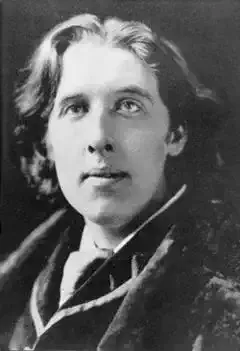
Oscar Wilde
Libertatis Sacra Fames
Albeit nurtured in democracy,
And liking best that state republican
Where every man is Kinglike and no man
Is crowned above his fellows, yet I see,
Spite of this modern fret for Liberty,
Better the rule of One, whom all obey,
Than to let clamorous demagogues betray
Our freedom with the kiss of anarchy.
Wherefore I love them not whose hands profane
Plant the red flag upon the piled-up street
For no right cause, beneath whose ignorant reign
Arts, Culture, Reverence, Honour, all things fade,
Save Treason and the dagger of her trade,
Or Murder with his silent bloody feet.
And liking best that state republican
Where every man is Kinglike and no man
Is crowned above his fellows, yet I see,
Spite of this modern fret for Liberty,
Better the rule of One, whom all obey,
Than to let clamorous demagogues betray
Our freedom with the kiss of anarchy.
Wherefore I love them not whose hands profane
Plant the red flag upon the piled-up street
For no right cause, beneath whose ignorant reign
Arts, Culture, Reverence, Honour, all things fade,
Save Treason and the dagger of her trade,
Or Murder with his silent bloody feet.
755
Oscar Wilde
Libertatis Sacra Fames
Albeit nurtured in democracy,
And liking best that state republican
Where every man is Kinglike and no man
Is crowned above his fellows, yet I see,
Spite of this modern fret for Liberty,
Better the rule of One, whom all obey,
Than to let clamorous demagogues betray
Our freedom with the kiss of anarchy.
Wherefore I love them not whose hands profane
Plant the red flag upon the piled-up street
For no right cause, beneath whose ignorant reign
Arts, Culture, Reverence, Honour, all things fade,
Save Treason and the dagger of her trade,
Or Murder with his silent bloody feet.
And liking best that state republican
Where every man is Kinglike and no man
Is crowned above his fellows, yet I see,
Spite of this modern fret for Liberty,
Better the rule of One, whom all obey,
Than to let clamorous demagogues betray
Our freedom with the kiss of anarchy.
Wherefore I love them not whose hands profane
Plant the red flag upon the piled-up street
For no right cause, beneath whose ignorant reign
Arts, Culture, Reverence, Honour, all things fade,
Save Treason and the dagger of her trade,
Or Murder with his silent bloody feet.
755
Oscar Wilde
Libertatis Sacra Fames
Albeit nurtured in democracy,
And liking best that state republican
Where every man is Kinglike and no man
Is crowned above his fellows, yet I see,
Spite of this modern fret for Liberty,
Better the rule of One, whom all obey,
Than to let clamorous demagogues betray
Our freedom with the kiss of anarchy.
Wherefore I love them not whose hands profane
Plant the red flag upon the piled-up street
For no right cause, beneath whose ignorant reign
Arts, Culture, Reverence, Honour, all things fade,
Save Treason and the dagger of her trade,
Or Murder with his silent bloody feet.
And liking best that state republican
Where every man is Kinglike and no man
Is crowned above his fellows, yet I see,
Spite of this modern fret for Liberty,
Better the rule of One, whom all obey,
Than to let clamorous demagogues betray
Our freedom with the kiss of anarchy.
Wherefore I love them not whose hands profane
Plant the red flag upon the piled-up street
For no right cause, beneath whose ignorant reign
Arts, Culture, Reverence, Honour, all things fade,
Save Treason and the dagger of her trade,
Or Murder with his silent bloody feet.
755
Oscar Wilde
Libertatis Sacra Fames
Albeit nurtured in democracy,
And liking best that state republican
Where every man is Kinglike and no man
Is crowned above his fellows, yet I see,
Spite of this modern fret for Liberty,
Better the rule of One, whom all obey,
Than to let clamorous demagogues betray
Our freedom with the kiss of anarchy.
Wherefore I love them not whose hands profane
Plant the red flag upon the piled-up street
For no right cause, beneath whose ignorant reign
Arts, Culture, Reverence, Honour, all things fade,
Save Treason and the dagger of her trade,
Or Murder with his silent bloody feet.
And liking best that state republican
Where every man is Kinglike and no man
Is crowned above his fellows, yet I see,
Spite of this modern fret for Liberty,
Better the rule of One, whom all obey,
Than to let clamorous demagogues betray
Our freedom with the kiss of anarchy.
Wherefore I love them not whose hands profane
Plant the red flag upon the piled-up street
For no right cause, beneath whose ignorant reign
Arts, Culture, Reverence, Honour, all things fade,
Save Treason and the dagger of her trade,
Or Murder with his silent bloody feet.
755
Oscar Wilde
Les Silhouettes
The sea is flecked with bars of grey,
The dull dead wind is out of tune,
And like a withered leaf the moon
Is blown across the stormy bay.
Etched clear upon the pallid sand
Lies the black boat: a sailor boy
Clambers aboard in careless joy
With laughing face and gleaming hand.
And overhead the curlews cry,
Where through the dusky upland grass
The young brown-throated reapers pass,
Like silhouettes against the sky.
The dull dead wind is out of tune,
And like a withered leaf the moon
Is blown across the stormy bay.
Etched clear upon the pallid sand
Lies the black boat: a sailor boy
Clambers aboard in careless joy
With laughing face and gleaming hand.
And overhead the curlews cry,
Where through the dusky upland grass
The young brown-throated reapers pass,
Like silhouettes against the sky.
660
Oscar Wilde
Italia
Italia! thou art fallen, though with sheen
Of battle-spears thy clamorous armies stride
From the north Alps to the Sicilian tide!
Ay! fallen, though the nations hail thee Queen
Because rich gold in every town is seen,
And on thy sapphire-lake in tossing pride
Of wind-filled vans thy myriad galleys ride
Beneath one flag of red and white and green.
O Fair and Strong! O Strong and Fair in vain!
Look southward where Rome's desecrated town
Lies mourning for her God-anointed King!
Look heaven-ward! shall God allow this thing?
Nay! but some flame-girt Raphael shall come down,
And smite the Spoiler with the sword of pain.
VENICE.
Of battle-spears thy clamorous armies stride
From the north Alps to the Sicilian tide!
Ay! fallen, though the nations hail thee Queen
Because rich gold in every town is seen,
And on thy sapphire-lake in tossing pride
Of wind-filled vans thy myriad galleys ride
Beneath one flag of red and white and green.
O Fair and Strong! O Strong and Fair in vain!
Look southward where Rome's desecrated town
Lies mourning for her God-anointed King!
Look heaven-ward! shall God allow this thing?
Nay! but some flame-girt Raphael shall come down,
And smite the Spoiler with the sword of pain.
VENICE.
657
Oscar Wilde
Italia
Italia! thou art fallen, though with sheen
Of battle-spears thy clamorous armies stride
From the north Alps to the Sicilian tide!
Ay! fallen, though the nations hail thee Queen
Because rich gold in every town is seen,
And on thy sapphire-lake in tossing pride
Of wind-filled vans thy myriad galleys ride
Beneath one flag of red and white and green.
O Fair and Strong! O Strong and Fair in vain!
Look southward where Rome's desecrated town
Lies mourning for her God-anointed King!
Look heaven-ward! shall God allow this thing?
Nay! but some flame-girt Raphael shall come down,
And smite the Spoiler with the sword of pain.
VENICE.
Of battle-spears thy clamorous armies stride
From the north Alps to the Sicilian tide!
Ay! fallen, though the nations hail thee Queen
Because rich gold in every town is seen,
And on thy sapphire-lake in tossing pride
Of wind-filled vans thy myriad galleys ride
Beneath one flag of red and white and green.
O Fair and Strong! O Strong and Fair in vain!
Look southward where Rome's desecrated town
Lies mourning for her God-anointed King!
Look heaven-ward! shall God allow this thing?
Nay! but some flame-girt Raphael shall come down,
And smite the Spoiler with the sword of pain.
VENICE.
657
Oscar Wilde
Italia
Italia! thou art fallen, though with sheen
Of battle-spears thy clamorous armies stride
From the north Alps to the Sicilian tide!
Ay! fallen, though the nations hail thee Queen
Because rich gold in every town is seen,
And on thy sapphire-lake in tossing pride
Of wind-filled vans thy myriad galleys ride
Beneath one flag of red and white and green.
O Fair and Strong! O Strong and Fair in vain!
Look southward where Rome's desecrated town
Lies mourning for her God-anointed King!
Look heaven-ward! shall God allow this thing?
Nay! but some flame-girt Raphael shall come down,
And smite the Spoiler with the sword of pain.
VENICE.
Of battle-spears thy clamorous armies stride
From the north Alps to the Sicilian tide!
Ay! fallen, though the nations hail thee Queen
Because rich gold in every town is seen,
And on thy sapphire-lake in tossing pride
Of wind-filled vans thy myriad galleys ride
Beneath one flag of red and white and green.
O Fair and Strong! O Strong and Fair in vain!
Look southward where Rome's desecrated town
Lies mourning for her God-anointed King!
Look heaven-ward! shall God allow this thing?
Nay! but some flame-girt Raphael shall come down,
And smite the Spoiler with the sword of pain.
VENICE.
657
Oscar Wilde
Italia
Italia! thou art fallen, though with sheen
Of battle-spears thy clamorous armies stride
From the north Alps to the Sicilian tide!
Ay! fallen, though the nations hail thee Queen
Because rich gold in every town is seen,
And on thy sapphire-lake in tossing pride
Of wind-filled vans thy myriad galleys ride
Beneath one flag of red and white and green.
O Fair and Strong! O Strong and Fair in vain!
Look southward where Rome's desecrated town
Lies mourning for her God-anointed King!
Look heaven-ward! shall God allow this thing?
Nay! but some flame-girt Raphael shall come down,
And smite the Spoiler with the sword of pain.
VENICE.
Of battle-spears thy clamorous armies stride
From the north Alps to the Sicilian tide!
Ay! fallen, though the nations hail thee Queen
Because rich gold in every town is seen,
And on thy sapphire-lake in tossing pride
Of wind-filled vans thy myriad galleys ride
Beneath one flag of red and white and green.
O Fair and Strong! O Strong and Fair in vain!
Look southward where Rome's desecrated town
Lies mourning for her God-anointed King!
Look heaven-ward! shall God allow this thing?
Nay! but some flame-girt Raphael shall come down,
And smite the Spoiler with the sword of pain.
VENICE.
657
Oscar Wilde
Impression Du Matin
The Thames nocturne of blue and gold
Changed to a Harmony in grey:
A barge with ochre-coloured hay
Dropt from the wharf: and chill and cold
The yellow fog came creeping down
The bridges, till the houses' walls
Seemed changed to shadows and St. Paul's
Loomed like a bubble o'er the town.
Then suddenly arose the clang
Of waking life; the streets were stirred
With country waggons: and a bird
Flew to the glistening roofs and sang.
But one pale woman all alone,
The daylight kissing her wan hair,
Loitered beneath the gas lamps' flare,
With lips of flame and heart of stone.
Changed to a Harmony in grey:
A barge with ochre-coloured hay
Dropt from the wharf: and chill and cold
The yellow fog came creeping down
The bridges, till the houses' walls
Seemed changed to shadows and St. Paul's
Loomed like a bubble o'er the town.
Then suddenly arose the clang
Of waking life; the streets were stirred
With country waggons: and a bird
Flew to the glistening roofs and sang.
But one pale woman all alone,
The daylight kissing her wan hair,
Loitered beneath the gas lamps' flare,
With lips of flame and heart of stone.
633
Oscar Wilde
Impression De Voyage
The sea was sapphire coloured, and the sky
Burned like a heated opal through the air;
We hoisted sail; the wind was blowing fair
For the blue lands that to the eastward lie.
From the steep prow I marked with quickening eye
Zakynthos, every olive grove and creek,
Ithaca's cliff, Lycaon's snowy peak,
And all the flower-strewn hills of Arcady.
The flapping of the sail against the mast,
The ripple of the water on the side,
The ripple of girls' laughter at the stern,
The only sounds:- when 'gan the West to burn,
And a red sun upon the seas to ride,
I stood upon the soil of Greece at last!
KATAKOLO.
Burned like a heated opal through the air;
We hoisted sail; the wind was blowing fair
For the blue lands that to the eastward lie.
From the steep prow I marked with quickening eye
Zakynthos, every olive grove and creek,
Ithaca's cliff, Lycaon's snowy peak,
And all the flower-strewn hills of Arcady.
The flapping of the sail against the mast,
The ripple of the water on the side,
The ripple of girls' laughter at the stern,
The only sounds:- when 'gan the West to burn,
And a red sun upon the seas to ride,
I stood upon the soil of Greece at last!
KATAKOLO.
689
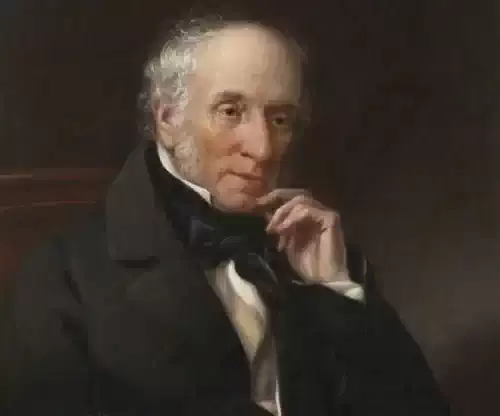
William Wordsworth
Yarrow Unvisited
Yarrow Unvisited
. From Stirling castle we had seen
The mazy Forth unravelled;
Had trod the banks of Clyde, and Tay,
And with the Tweed had travelled;
And when we came to Clovenford,
Then said my "winsome Marrow ,"
"Whate'er betide, we'll turn aside,
And see the Braes of Yarrow."
"Let Yarrow folk, frae Selkirk town,
Who have been buying, selling,
Go back to Yarrow, 'tis their own;
Each maiden to her dwelling!
On Yarrow's banks let her herons feed,
Hares couch, and rabbits burrow!
But we will downward with the Tweed
Nor turn aside to Yarrow.
"There's Galla Water, Leader Haughs,
Both lying right before us;
And Dryborough, where with chiming Tweed
The lintwhites sing in chorus;
There's pleasant Tiviot-dale, a land
Made blithe with plough and harrow:
Why throw away a needful day
To go in search of Yarrow?
"What's Yarrow but a river bare,
That glides the dark hills under?
There are a thousand such elsewhere
As worthy of your wonder."
--Strange words they seemed of slight and scorn;
My True-love sighed for sorrow;
And looked me in the face, to think
I thus could speak of Yarrow!
"Oh! green," said I, "are Yarrow's holms,
And sweet is Yarrow flowing!
Fair hangs the apple frae the rock,
But we will leave it growing.
O'er hilly path, and open Strath,
We'll wander Scotland thorough;
But, though so near, we will not turn
Into the dale of Yarrow.
"Let beeves and home-bred kine partake
The sweets of Burn-mill meadow,
The swan on still St. Mary's Lake
Float double, swan and shadow!
We will not see them; will not go,
To-day, nor yet to-morrow;
Enough if in our hearts we know
There's such a place as Yarrow.
"Be Yarrow stream unseen, unknown!
It must, or we shall rue it:
We have a vision of our own;
Ah! why should we undo it?
The treasured dreams of times long past,
We'll keep them, winsome Marrow!
For when we'er there, although 'tis fair,
'Twill be another Yarrow!
"If Care with freezing years should come,
And wandering seem but folly,--
Should we be loth to stir from home,
And yet be melancholy;
Should life be dull, and spirits low,
'Twill soothe us in our sorrow,
That earth has something yet to show,
The bonny holms of Yarrow!"
. From Stirling castle we had seen
The mazy Forth unravelled;
Had trod the banks of Clyde, and Tay,
And with the Tweed had travelled;
And when we came to Clovenford,
Then said my "winsome Marrow ,"
"Whate'er betide, we'll turn aside,
And see the Braes of Yarrow."
"Let Yarrow folk, frae Selkirk town,
Who have been buying, selling,
Go back to Yarrow, 'tis their own;
Each maiden to her dwelling!
On Yarrow's banks let her herons feed,
Hares couch, and rabbits burrow!
But we will downward with the Tweed
Nor turn aside to Yarrow.
"There's Galla Water, Leader Haughs,
Both lying right before us;
And Dryborough, where with chiming Tweed
The lintwhites sing in chorus;
There's pleasant Tiviot-dale, a land
Made blithe with plough and harrow:
Why throw away a needful day
To go in search of Yarrow?
"What's Yarrow but a river bare,
That glides the dark hills under?
There are a thousand such elsewhere
As worthy of your wonder."
--Strange words they seemed of slight and scorn;
My True-love sighed for sorrow;
And looked me in the face, to think
I thus could speak of Yarrow!
"Oh! green," said I, "are Yarrow's holms,
And sweet is Yarrow flowing!
Fair hangs the apple frae the rock,
But we will leave it growing.
O'er hilly path, and open Strath,
We'll wander Scotland thorough;
But, though so near, we will not turn
Into the dale of Yarrow.
"Let beeves and home-bred kine partake
The sweets of Burn-mill meadow,
The swan on still St. Mary's Lake
Float double, swan and shadow!
We will not see them; will not go,
To-day, nor yet to-morrow;
Enough if in our hearts we know
There's such a place as Yarrow.
"Be Yarrow stream unseen, unknown!
It must, or we shall rue it:
We have a vision of our own;
Ah! why should we undo it?
The treasured dreams of times long past,
We'll keep them, winsome Marrow!
For when we'er there, although 'tis fair,
'Twill be another Yarrow!
"If Care with freezing years should come,
And wandering seem but folly,--
Should we be loth to stir from home,
And yet be melancholy;
Should life be dull, and spirits low,
'Twill soothe us in our sorrow,
That earth has something yet to show,
The bonny holms of Yarrow!"
282
William Wordsworth
Written With a Pencil Upon a Stone In The Wall of The House, On The Island
Written With a Pencil Upon a Stone In The Wall of The House, On The Island
at Grasmere
Rude is this Edifice, and Thou hast seen
Buildings, albeit rude, that have maintained
Proportions more harmonious, and approached
To closer fellowship with ideal grace.
But take it in good part:--alas! the poor
Vitruvius of our village had no help
From the great City; never, upon leaves
Of red Morocco folio, saw displayed,
In long succession, pre-existing ghosts
Of Beauties yet unborn--the rustic Lodge
Antique, and Cottage with verandah graced,
Nor lacking, for fit company, alcove,
Green-house, shell-grot, and moss-lined hermitage.
Thou see'st a homely Pile, yet to these walls
The heifer comes in the snow-storm, and here
The new-dropped lamb finds shelter from the wind.
And hither does one Poet sometimes row
His pinnace, a small vagrant barge, up-piled
With plenteous store of heath and withered fern,
(A lading which he with his sickle cuts,
Among the mountains) and beneath this roof
He makes his summer couch, and here at noon
Spreads out his limbs, while, yet unshorn, the Sheep,
Panting beneath the burthen of their wool,
Lie round him, even as if they were a part
Of his own Household: nor, while from his bed
He looks, through the open door-place, toward the lake
And to the stirring breezes, does he want
Creations lovely as the work of sleep--
Fair sights, and visions of romantic joy!
at Grasmere
Rude is this Edifice, and Thou hast seen
Buildings, albeit rude, that have maintained
Proportions more harmonious, and approached
To closer fellowship with ideal grace.
But take it in good part:--alas! the poor
Vitruvius of our village had no help
From the great City; never, upon leaves
Of red Morocco folio, saw displayed,
In long succession, pre-existing ghosts
Of Beauties yet unborn--the rustic Lodge
Antique, and Cottage with verandah graced,
Nor lacking, for fit company, alcove,
Green-house, shell-grot, and moss-lined hermitage.
Thou see'st a homely Pile, yet to these walls
The heifer comes in the snow-storm, and here
The new-dropped lamb finds shelter from the wind.
And hither does one Poet sometimes row
His pinnace, a small vagrant barge, up-piled
With plenteous store of heath and withered fern,
(A lading which he with his sickle cuts,
Among the mountains) and beneath this roof
He makes his summer couch, and here at noon
Spreads out his limbs, while, yet unshorn, the Sheep,
Panting beneath the burthen of their wool,
Lie round him, even as if they were a part
Of his own Household: nor, while from his bed
He looks, through the open door-place, toward the lake
And to the stirring breezes, does he want
Creations lovely as the work of sleep--
Fair sights, and visions of romantic joy!
211
William Wordsworth
Written in London. September,
Written in London. September,
. O Friend! I know not which way I must look
For comfort, being, as I am, opprest,
To think that now our life is only drest
For show; mean handy-work of craftsman, cook,
Or groom! -- We must run glittering like a brook
In the open sunshine, or we are unblest:
The wealthiest man among us is the best:
No grandeur now in nature or in book
Delights us. Rapine, avarice, expense,
This is idolatry; and these we adore:
Plain living and high thinking are no more:
The homely beauty of the good old cause
Is gone; our peace, our fearful innocence,
And pure religion breathing household laws.
. O Friend! I know not which way I must look
For comfort, being, as I am, opprest,
To think that now our life is only drest
For show; mean handy-work of craftsman, cook,
Or groom! -- We must run glittering like a brook
In the open sunshine, or we are unblest:
The wealthiest man among us is the best:
No grandeur now in nature or in book
Delights us. Rapine, avarice, expense,
This is idolatry; and these we adore:
Plain living and high thinking are no more:
The homely beauty of the good old cause
Is gone; our peace, our fearful innocence,
And pure religion breathing household laws.
209
William Wordsworth
Written in Early Spring
Written in Early Spring
I heard a thousand blended notes
While in a grove I sat reclined,
In that sweet mood when pleasant thoughts
Bring sad thoughts to the mind.
To her fair works did Nature link
The human soul that through me ran;
And much it grieved my heart to think
What Man has made of Man.
Through primrose tufts, in that sweet bower,
The periwinkle trailed its wreaths;
And 'tis my faith that every flower
Enjoys the air it breathes.
The birds around me hopped and played,
Their thoughts I cannot measure -
But the least motion which they made
It seemed a thrill of pleasure.
The budding twigs spread out their fan
To catch the breezy air;
And I must think, do all I can,
That there was pleasure there.
If this belief from heaven be sent,
If such be Nature's holy plan,
Have I not reason to lament
What Man has made of Man?
I heard a thousand blended notes
While in a grove I sat reclined,
In that sweet mood when pleasant thoughts
Bring sad thoughts to the mind.
To her fair works did Nature link
The human soul that through me ran;
And much it grieved my heart to think
What Man has made of Man.
Through primrose tufts, in that sweet bower,
The periwinkle trailed its wreaths;
And 'tis my faith that every flower
Enjoys the air it breathes.
The birds around me hopped and played,
Their thoughts I cannot measure -
But the least motion which they made
It seemed a thrill of pleasure.
The budding twigs spread out their fan
To catch the breezy air;
And I must think, do all I can,
That there was pleasure there.
If this belief from heaven be sent,
If such be Nature's holy plan,
Have I not reason to lament
What Man has made of Man?
368
William Wordsworth
With ships the sea was sprinkled
With ships the sea was sprinkled
WITH ships the sea was sprinkled far and nigh,
Like stars in heaven, and joyously it showed;
Some lying fast at anchor in the road,
Some veering up and down, one knew not why.
A goodly vessel did I then espy
Come like a giant from a haven broad;
And lustily along the bay she strode,
Her tackling rich, and of apparel high.
The ship was nought to me, nor I to her,
Yet I pursued her with a lover's look;
This ship to all the rest did I prefer:
When will she turn, and whither? She will brook
No tarrying; where she comes the winds must stir:
On went she, and due north her journey took.
WITH ships the sea was sprinkled far and nigh,
Like stars in heaven, and joyously it showed;
Some lying fast at anchor in the road,
Some veering up and down, one knew not why.
A goodly vessel did I then espy
Come like a giant from a haven broad;
And lustily along the bay she strode,
Her tackling rich, and of apparel high.
The ship was nought to me, nor I to her,
Yet I pursued her with a lover's look;
This ship to all the rest did I prefer:
When will she turn, and whither? She will brook
No tarrying; where she comes the winds must stir:
On went she, and due north her journey took.
194
William Wordsworth
Upon Westminster Bridge
Upon Westminster Bridge
EARTH has not anything to show more fair:
Dull would he be of soul who could pass by
A sight so touching in its majesty:
This City now doth like a garment wear
The beauty of the morning; silent, bare,
Ships, towers, domes, theatres, and temples lie
Open unto the fields, and to the sky;
All bright and glittering in the smokeless air.
Never did sun more beautifully steep
In his first splendour valley, rock, or hill;
Ne'er saw I, never felt, a calm so deep!
The river glideth at his own sweet will:
Dear God! the very houses seem asleep;
And all that mighty heart is lying still!
EARTH has not anything to show more fair:
Dull would he be of soul who could pass by
A sight so touching in its majesty:
This City now doth like a garment wear
The beauty of the morning; silent, bare,
Ships, towers, domes, theatres, and temples lie
Open unto the fields, and to the sky;
All bright and glittering in the smokeless air.
Never did sun more beautifully steep
In his first splendour valley, rock, or hill;
Ne'er saw I, never felt, a calm so deep!
The river glideth at his own sweet will:
Dear God! the very houses seem asleep;
And all that mighty heart is lying still!
256
William Wordsworth
To a Sky-Lark
To a Sky-Lark
Up with me! up with me into the clouds!
For thy song, Lark, is strong;
Up with me, up with me into the clouds!
Singing, singing,
With clouds and sky about thee ringing,
Lift me, guide me till I find
That spot which seems so to thy mind!
I have walked through wildernesses dreary
And to-day my heart is weary;
Had I now the wings of a Faery,
Up to thee would I fly.
There is madness about thee, and joy divine
In that song of thine;
Lift me, guide me high and high
To thy banqueting-place in the sky.
Joyous as morning
Thou art laughing and scorning;
Thou hast a nest for thy love and thy rest,
And, though little troubled with sloth,
Drunken Lark! thou would'st be loth
To be such a traveller as I.
Happy, happy Liver,
With a soul as strong as a mountain river
Pouring out praise to the Almighty Giver,
Joy and jollity be with us both!
Alas! my journey, rugged and uneven,
Through prickly moors or dusty ways must wind;
But hearing thee, or others of thy kind,
As full of gladness and as free of heaven,
I, with my fate contented, will plod on,
And hope for higher raptures, when life's day is done.
Up with me! up with me into the clouds!
For thy song, Lark, is strong;
Up with me, up with me into the clouds!
Singing, singing,
With clouds and sky about thee ringing,
Lift me, guide me till I find
That spot which seems so to thy mind!
I have walked through wildernesses dreary
And to-day my heart is weary;
Had I now the wings of a Faery,
Up to thee would I fly.
There is madness about thee, and joy divine
In that song of thine;
Lift me, guide me high and high
To thy banqueting-place in the sky.
Joyous as morning
Thou art laughing and scorning;
Thou hast a nest for thy love and thy rest,
And, though little troubled with sloth,
Drunken Lark! thou would'st be loth
To be such a traveller as I.
Happy, happy Liver,
With a soul as strong as a mountain river
Pouring out praise to the Almighty Giver,
Joy and jollity be with us both!
Alas! my journey, rugged and uneven,
Through prickly moors or dusty ways must wind;
But hearing thee, or others of thy kind,
As full of gladness and as free of heaven,
I, with my fate contented, will plod on,
And hope for higher raptures, when life's day is done.
222
William Wordsworth
To A Sexton
To A Sexton
Let thy wheel-barrow alone--
Wherefore, Sexton, piling still
In thy bone-house bone on bone?
'Tis already like a hill
In a field of battle made,
Where three thousand skulls are laid;
These died in peace each with the other,--
Father, sister, friend, and brother.
Mark the spot to which I point!
From this platform, eight feet square,
Take not even a finger-joint:
Andrew's whole fire-side is there.
Here, alone, before thine eyes,
Simon's sickly daughter lies,
From weakness now, and pain defended,
Whom he twenty winters tended.
Look but at the gardener's pride--
How he glories, when he sees
Roses, lilies, side by side,
Violets in families!
By the heart of Man, his tears,
By his hopes and by his fears,
Thou, too heedless, art the Warden
Of a far superior garden.
Thus then, each to other dear,
Let them all in quiet lie,
Andrew there, and Susan here,
Neighbours in mortality.
And, should I live through sun and rain
Seven widowed years without my Jane,
O Sexton, do not then remove her,
Let one grave hold the Loved and Lover!
Let thy wheel-barrow alone--
Wherefore, Sexton, piling still
In thy bone-house bone on bone?
'Tis already like a hill
In a field of battle made,
Where three thousand skulls are laid;
These died in peace each with the other,--
Father, sister, friend, and brother.
Mark the spot to which I point!
From this platform, eight feet square,
Take not even a finger-joint:
Andrew's whole fire-side is there.
Here, alone, before thine eyes,
Simon's sickly daughter lies,
From weakness now, and pain defended,
Whom he twenty winters tended.
Look but at the gardener's pride--
How he glories, when he sees
Roses, lilies, side by side,
Violets in families!
By the heart of Man, his tears,
By his hopes and by his fears,
Thou, too heedless, art the Warden
Of a far superior garden.
Thus then, each to other dear,
Let them all in quiet lie,
Andrew there, and Susan here,
Neighbours in mortality.
And, should I live through sun and rain
Seven widowed years without my Jane,
O Sexton, do not then remove her,
Let one grave hold the Loved and Lover!
254
William Wordsworth
The World Is To Much With Us
The World Is To Much With Us
The world is too much with us; late and soon,
Getting and spending, we lay waste our powers:
Little we see in Nature that is ours;
We have given our hearts away, a sordid boon!
This Sea that bares her bosom to the moon;
The winds that will be howling at all hours,
And are up-gathered now like sleeping flowers;
For this, for everything, we are out of tune,
It moves us not.--Great God! I'd rather be
A Pagan suckled in a creed outworn;
So might I, standing on this pleasant lea,
Have glimpses that would make me less forlorn;
Have sight of Proteus rising from the sea;
Or hear old Triton blow his wreathed horn.
The world is too much with us; late and soon,
Getting and spending, we lay waste our powers:
Little we see in Nature that is ours;
We have given our hearts away, a sordid boon!
This Sea that bares her bosom to the moon;
The winds that will be howling at all hours,
And are up-gathered now like sleeping flowers;
For this, for everything, we are out of tune,
It moves us not.--Great God! I'd rather be
A Pagan suckled in a creed outworn;
So might I, standing on this pleasant lea,
Have glimpses that would make me less forlorn;
Have sight of Proteus rising from the sea;
Or hear old Triton blow his wreathed horn.
279
William Wordsworth
The world is too much with us; late and soon
The world is too much with us; late and soon
The world is too much with us; late and soon,
Getting and spending, we lay waste our powers;
Little we see in Nature that is ours;
We have given our hearts away, a sordid boon!
This Sea that bares her bosom to the moon;
The winds that will be howling at all hours,
And are up-gathered now like sleeping flowers,
For this, for everything, we are out of tune;
It moves us not.--Great God!I'd rather be
A pagan suckled in a creed outworn;
So might I, standing on this pleasant lea,
Have glimpses that would make me less forlorn;
Have sight of Proteus rising from the sea;
Or hear old Triton blow his wreathèd horn.
The world is too much with us; late and soon,
Getting and spending, we lay waste our powers;
Little we see in Nature that is ours;
We have given our hearts away, a sordid boon!
This Sea that bares her bosom to the moon;
The winds that will be howling at all hours,
And are up-gathered now like sleeping flowers,
For this, for everything, we are out of tune;
It moves us not.--Great God!I'd rather be
A pagan suckled in a creed outworn;
So might I, standing on this pleasant lea,
Have glimpses that would make me less forlorn;
Have sight of Proteus rising from the sea;
Or hear old Triton blow his wreathèd horn.
278
William Wordsworth
The world is too much with us; late and soon
The world is too much with us; late and soon
The world is too much with us; late and soon,
Getting and spending, we lay waste our powers;
Little we see in Nature that is ours;
We have given our hearts away, a sordid boon!
This Sea that bares her bosom to the moon;
The winds that will be howling at all hours,
And are up-gathered now like sleeping flowers,
For this, for everything, we are out of tune;
It moves us not.--Great God!I'd rather be
A pagan suckled in a creed outworn;
So might I, standing on this pleasant lea,
Have glimpses that would make me less forlorn;
Have sight of Proteus rising from the sea;
Or hear old Triton blow his wreathèd horn.
The world is too much with us; late and soon,
Getting and spending, we lay waste our powers;
Little we see in Nature that is ours;
We have given our hearts away, a sordid boon!
This Sea that bares her bosom to the moon;
The winds that will be howling at all hours,
And are up-gathered now like sleeping flowers,
For this, for everything, we are out of tune;
It moves us not.--Great God!I'd rather be
A pagan suckled in a creed outworn;
So might I, standing on this pleasant lea,
Have glimpses that would make me less forlorn;
Have sight of Proteus rising from the sea;
Or hear old Triton blow his wreathèd horn.
278
William Wordsworth
The Tables Turned
The Tables Turned
Up! up! my Friend, and quit your books;
Or surely you'll grow double:
Up! up! my Friend, and clear your looks;
Why all this toil and trouble?
The sun above the mountain's head,
A freshening lustre mellow
Through all the long green fields has spread,
His first sweet evening yellow.
Books! 'tis a dull and endless strife:
Come, hear the woodland linnet,
How sweet his music! on my life,
There's more of wisdom in it.
And hark! how blithe the throstle sings!
He, too, is no mean preacher:
Come forth into the light of things,
Let Nature be your teacher.
She has a world of ready wealth,
Our minds and hearts to bless--
Spontaneous wisdom breathed by health,
Truth breathed by cheerfulness.
One impulse from a vernal wood
May teach you more of man,
Of moral evil and of good,
Than all the sages can.
Sweet is the lore which Nature brings;
Our meddling intellect
Mis-shapes the beauteous forms of things:--
We murder to dissect.
Enough of Science and of Art;
Close up those barren leaves;
Come forth, and bring with you a heart
That watches and receives.
Up! up! my Friend, and quit your books;
Or surely you'll grow double:
Up! up! my Friend, and clear your looks;
Why all this toil and trouble?
The sun above the mountain's head,
A freshening lustre mellow
Through all the long green fields has spread,
His first sweet evening yellow.
Books! 'tis a dull and endless strife:
Come, hear the woodland linnet,
How sweet his music! on my life,
There's more of wisdom in it.
And hark! how blithe the throstle sings!
He, too, is no mean preacher:
Come forth into the light of things,
Let Nature be your teacher.
She has a world of ready wealth,
Our minds and hearts to bless--
Spontaneous wisdom breathed by health,
Truth breathed by cheerfulness.
One impulse from a vernal wood
May teach you more of man,
Of moral evil and of good,
Than all the sages can.
Sweet is the lore which Nature brings;
Our meddling intellect
Mis-shapes the beauteous forms of things:--
We murder to dissect.
Enough of Science and of Art;
Close up those barren leaves;
Come forth, and bring with you a heart
That watches and receives.
242
William Wordsworth
The Tables Turned
The Tables Turned
Up! up! my Friend, and quit your books;
Or surely you'll grow double:
Up! up! my Friend, and clear your looks;
Why all this toil and trouble?
The sun above the mountain's head,
A freshening lustre mellow
Through all the long green fields has spread,
His first sweet evening yellow.
Books! 'tis a dull and endless strife:
Come, hear the woodland linnet,
How sweet his music! on my life,
There's more of wisdom in it.
And hark! how blithe the throstle sings!
He, too, is no mean preacher:
Come forth into the light of things,
Let Nature be your teacher.
She has a world of ready wealth,
Our minds and hearts to bless--
Spontaneous wisdom breathed by health,
Truth breathed by cheerfulness.
One impulse from a vernal wood
May teach you more of man,
Of moral evil and of good,
Than all the sages can.
Sweet is the lore which Nature brings;
Our meddling intellect
Mis-shapes the beauteous forms of things:--
We murder to dissect.
Enough of Science and of Art;
Close up those barren leaves;
Come forth, and bring with you a heart
That watches and receives.
Up! up! my Friend, and quit your books;
Or surely you'll grow double:
Up! up! my Friend, and clear your looks;
Why all this toil and trouble?
The sun above the mountain's head,
A freshening lustre mellow
Through all the long green fields has spread,
His first sweet evening yellow.
Books! 'tis a dull and endless strife:
Come, hear the woodland linnet,
How sweet his music! on my life,
There's more of wisdom in it.
And hark! how blithe the throstle sings!
He, too, is no mean preacher:
Come forth into the light of things,
Let Nature be your teacher.
She has a world of ready wealth,
Our minds and hearts to bless--
Spontaneous wisdom breathed by health,
Truth breathed by cheerfulness.
One impulse from a vernal wood
May teach you more of man,
Of moral evil and of good,
Than all the sages can.
Sweet is the lore which Nature brings;
Our meddling intellect
Mis-shapes the beauteous forms of things:--
We murder to dissect.
Enough of Science and of Art;
Close up those barren leaves;
Come forth, and bring with you a heart
That watches and receives.
242