

Poems in this topic
Society and the World
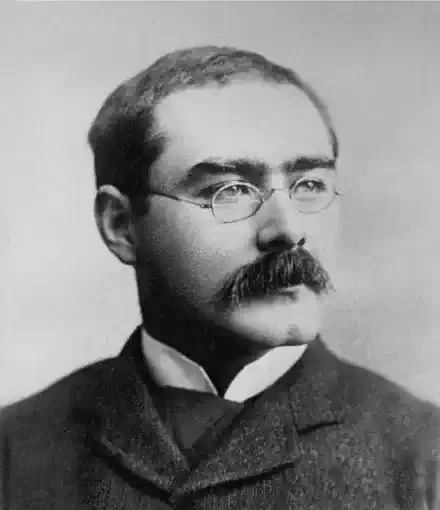
Rudyard Kipling
The Puzzler
The Puzzler
The Celt in all his variants from Builth to Ballyhoo,
His mental processes are plain--one knows what he will do,
And can logically predicate his finish by his start;
But the English--ah, the English!--they are quite a race apart.
Their psychology is bovine, their outlook crude and raw.
They abandon vital matters to be tickled with a straw;
But the straw that they were tickled with-the chaff that they were fed with--
They convert into a weaver's beam to break their foeman's head with.
For undemocratic reasons and for motives not of State,
They arrive at their conclusions--largely inarticulate.
Being void of self-expression they confide their views to none;
But sometimes in a smoking-room, one learns why things were done.
Yes, sometimes in a smoking-room, through clouds of "Ers" an "Ums,"
Obliquely and by inference, illumination comes,
On some step that they have taken, or some action they approve
Embellished with the argot of the Upper Fourth Remove.
In telegraphic sentences half nodded to their friends,
They hint a matter's inwardness--and there the matter ends.
And while the Celt is talking from Valencia to Kirkwall,
The English--ah, the English!--don't say anything at all.
The Celt in all his variants from Builth to Ballyhoo,
His mental processes are plain--one knows what he will do,
And can logically predicate his finish by his start;
But the English--ah, the English!--they are quite a race apart.
Their psychology is bovine, their outlook crude and raw.
They abandon vital matters to be tickled with a straw;
But the straw that they were tickled with-the chaff that they were fed with--
They convert into a weaver's beam to break their foeman's head with.
For undemocratic reasons and for motives not of State,
They arrive at their conclusions--largely inarticulate.
Being void of self-expression they confide their views to none;
But sometimes in a smoking-room, one learns why things were done.
Yes, sometimes in a smoking-room, through clouds of "Ers" an "Ums,"
Obliquely and by inference, illumination comes,
On some step that they have taken, or some action they approve
Embellished with the argot of the Upper Fourth Remove.
In telegraphic sentences half nodded to their friends,
They hint a matter's inwardness--and there the matter ends.
And while the Celt is talking from Valencia to Kirkwall,
The English--ah, the English!--don't say anything at all.
436
Rudyard Kipling
The Prayer
The Prayer
My brother kneels, so saith Kabir,
To stone and brass in heathen wise,
But in my brother's voice I hear
My own unanswered agonies.
His God is as his fates assign,
His prayer is all the world's--and mine.
My brother kneels, so saith Kabir,
To stone and brass in heathen wise,
But in my brother's voice I hear
My own unanswered agonies.
His God is as his fates assign,
His prayer is all the world's--and mine.
469
Rudyard Kipling
The Press
The Press
The Soldier may forget his Sword,
The Sailorman the Sea,
The Mason may forget the Word
And the Priest his Litany:
The Maid may forget both jewel and gem,
And the Bride her wedding-dress--
But the Jew shall forget Jerusalem
Ere we forget the Press!
Who once hath stood through the loaded hour
Ere, roaring like the gale,
The Harrild and the Hoe devour
Their league-long paper-bale,
And has lit his pipe in the morning calm
That follows the midnight stress--
He hath sold his heart to the old Black Art
We call the daily Press.
Who once hath dealt in the widest game
That all of a man can play,
No later love, no larger fame
Will lure him long away.
As the war-horse snuffeth the battle afar,
The entered Soul, no less,
He saith: "Ha! Ha!" where the trumpets are
And the thunders of the Press!
Canst thou number the days that we fulfill,
Or the Times that we bring forth?
Canst thou send the lightnings to do thy will,
And cause them reign on earth?
Hast thou given a peacock goodly wings,
To please his foolishness?
Sit down at the heart of men and things,
Companion of the Press!
The Pope may launch his Interdict,
The Union its decree,
But the bubble is blown and the bubble is pricked
By Us and such as We.
Remember the battle and stand aside
While Thrones and Powers confess
That King over all the children of pride
Is the Press--the Press--the Press!
The Soldier may forget his Sword,
The Sailorman the Sea,
The Mason may forget the Word
And the Priest his Litany:
The Maid may forget both jewel and gem,
And the Bride her wedding-dress--
But the Jew shall forget Jerusalem
Ere we forget the Press!
Who once hath stood through the loaded hour
Ere, roaring like the gale,
The Harrild and the Hoe devour
Their league-long paper-bale,
And has lit his pipe in the morning calm
That follows the midnight stress--
He hath sold his heart to the old Black Art
We call the daily Press.
Who once hath dealt in the widest game
That all of a man can play,
No later love, no larger fame
Will lure him long away.
As the war-horse snuffeth the battle afar,
The entered Soul, no less,
He saith: "Ha! Ha!" where the trumpets are
And the thunders of the Press!
Canst thou number the days that we fulfill,
Or the Times that we bring forth?
Canst thou send the lightnings to do thy will,
And cause them reign on earth?
Hast thou given a peacock goodly wings,
To please his foolishness?
Sit down at the heart of men and things,
Companion of the Press!
The Pope may launch his Interdict,
The Union its decree,
But the bubble is blown and the bubble is pricked
By Us and such as We.
Remember the battle and stand aside
While Thrones and Powers confess
That King over all the children of pride
Is the Press--the Press--the Press!
463
Rudyard Kipling
The Portent
The Portent
Horace, BK. V. Ode .
Oh, late withdrawn from human-kind
And following dreams we never knew!
Varus, what dream has Fate assigned
To trouble you?
Such virtue as commends of law
Of Virtue to the vulgar horde
Suffices not. You needs must draw
A righteous sword;
And, flagrant in well-doing, smite
The priests of Bacchus at their fane,
Lest any worshipper invite
The God again.
Whence public strife and naked crime
And-deadlier than the cup you shun--
A people schooled to mock, in time,
All law--not one.
Cease, then, to fashion State-made sin,
Nor give thy children cause to doubt
That Virtue springs from Iron within--
Not lead without.
Horace, BK. V. Ode .
Oh, late withdrawn from human-kind
And following dreams we never knew!
Varus, what dream has Fate assigned
To trouble you?
Such virtue as commends of law
Of Virtue to the vulgar horde
Suffices not. You needs must draw
A righteous sword;
And, flagrant in well-doing, smite
The priests of Bacchus at their fane,
Lest any worshipper invite
The God again.
Whence public strife and naked crime
And-deadlier than the cup you shun--
A people schooled to mock, in time,
All law--not one.
Cease, then, to fashion State-made sin,
Nor give thy children cause to doubt
That Virtue springs from Iron within--
Not lead without.
459
Rudyard Kipling
The Portent
The Portent
Horace, BK. V. Ode .
Oh, late withdrawn from human-kind
And following dreams we never knew!
Varus, what dream has Fate assigned
To trouble you?
Such virtue as commends of law
Of Virtue to the vulgar horde
Suffices not. You needs must draw
A righteous sword;
And, flagrant in well-doing, smite
The priests of Bacchus at their fane,
Lest any worshipper invite
The God again.
Whence public strife and naked crime
And-deadlier than the cup you shun--
A people schooled to mock, in time,
All law--not one.
Cease, then, to fashion State-made sin,
Nor give thy children cause to doubt
That Virtue springs from Iron within--
Not lead without.
Horace, BK. V. Ode .
Oh, late withdrawn from human-kind
And following dreams we never knew!
Varus, what dream has Fate assigned
To trouble you?
Such virtue as commends of law
Of Virtue to the vulgar horde
Suffices not. You needs must draw
A righteous sword;
And, flagrant in well-doing, smite
The priests of Bacchus at their fane,
Lest any worshipper invite
The God again.
Whence public strife and naked crime
And-deadlier than the cup you shun--
A people schooled to mock, in time,
All law--not one.
Cease, then, to fashion State-made sin,
Nor give thy children cause to doubt
That Virtue springs from Iron within--
Not lead without.
459
Rudyard Kipling
The Penalty
The Penalty
Once in life I watched a Star;
But I whistled, "Let her go!
There are others, fairer far,
Which my favouring skies shall show
Here I lied, and herein I
Stood to pay the penalty.
Marvellous the Planets shone
As I ranged from coast to coast--
But beyond comparison
Rode the Star that I had lost.
I had lied, and only I
Did not guess the penalty! . . .
When my Heavens were turned to blood,
When the dark had filled my day,
Furthest, but most faithful, stood
That lone Star I cast away.
I had loved myself, and I
Have not lived and dare not die!
Once in life I watched a Star;
But I whistled, "Let her go!
There are others, fairer far,
Which my favouring skies shall show
Here I lied, and herein I
Stood to pay the penalty.
Marvellous the Planets shone
As I ranged from coast to coast--
But beyond comparison
Rode the Star that I had lost.
I had lied, and only I
Did not guess the penalty! . . .
When my Heavens were turned to blood,
When the dark had filled my day,
Furthest, but most faithful, stood
That lone Star I cast away.
I had loved myself, and I
Have not lived and dare not die!
448
Rudyard Kipling
The Outlaws
The Outlaws
Through learned and laborious years
They set themselves to find
Fresh terrors and undreamed-of fears
To heap upon mankind.
ALl that they drew from Heaven above
Or digged from earth beneath,
They laid into their treasure-trove
And arsenals of death:
While, for well-weighed advantage sake,
Ruler and ruled alike
Built up the faith they meant to break
When the fit hour should strike.
They traded with the careless earth,
And good return it gave:
They plotted by their neighbour's hearth
The means to make him slave.
When all was ready to their hand
They loosed their hidden sword,
And utterly laid waste a land
Their oath was pledged to guard.
Coldly they went about to raise
To life and make more dread
Abominations of old days,
That men believed were dead.
They paid the price to reach their goal
Across a world in flame;
But their own hate slew their own soul
Before that victory came.
Through learned and laborious years
They set themselves to find
Fresh terrors and undreamed-of fears
To heap upon mankind.
ALl that they drew from Heaven above
Or digged from earth beneath,
They laid into their treasure-trove
And arsenals of death:
While, for well-weighed advantage sake,
Ruler and ruled alike
Built up the faith they meant to break
When the fit hour should strike.
They traded with the careless earth,
And good return it gave:
They plotted by their neighbour's hearth
The means to make him slave.
When all was ready to their hand
They loosed their hidden sword,
And utterly laid waste a land
Their oath was pledged to guard.
Coldly they went about to raise
To life and make more dread
Abominations of old days,
That men believed were dead.
They paid the price to reach their goal
Across a world in flame;
But their own hate slew their own soul
Before that victory came.
419
Rudyard Kipling
The Outlaws
The Outlaws
Through learned and laborious years
They set themselves to find
Fresh terrors and undreamed-of fears
To heap upon mankind.
ALl that they drew from Heaven above
Or digged from earth beneath,
They laid into their treasure-trove
And arsenals of death:
While, for well-weighed advantage sake,
Ruler and ruled alike
Built up the faith they meant to break
When the fit hour should strike.
They traded with the careless earth,
And good return it gave:
They plotted by their neighbour's hearth
The means to make him slave.
When all was ready to their hand
They loosed their hidden sword,
And utterly laid waste a land
Their oath was pledged to guard.
Coldly they went about to raise
To life and make more dread
Abominations of old days,
That men believed were dead.
They paid the price to reach their goal
Across a world in flame;
But their own hate slew their own soul
Before that victory came.
Through learned and laborious years
They set themselves to find
Fresh terrors and undreamed-of fears
To heap upon mankind.
ALl that they drew from Heaven above
Or digged from earth beneath,
They laid into their treasure-trove
And arsenals of death:
While, for well-weighed advantage sake,
Ruler and ruled alike
Built up the faith they meant to break
When the fit hour should strike.
They traded with the careless earth,
And good return it gave:
They plotted by their neighbour's hearth
The means to make him slave.
When all was ready to their hand
They loosed their hidden sword,
And utterly laid waste a land
Their oath was pledged to guard.
Coldly they went about to raise
To life and make more dread
Abominations of old days,
That men believed were dead.
They paid the price to reach their goal
Across a world in flame;
But their own hate slew their own soul
Before that victory came.
419
Rudyard Kipling
The Outlaws
The Outlaws
Through learned and laborious years
They set themselves to find
Fresh terrors and undreamed-of fears
To heap upon mankind.
ALl that they drew from Heaven above
Or digged from earth beneath,
They laid into their treasure-trove
And arsenals of death:
While, for well-weighed advantage sake,
Ruler and ruled alike
Built up the faith they meant to break
When the fit hour should strike.
They traded with the careless earth,
And good return it gave:
They plotted by their neighbour's hearth
The means to make him slave.
When all was ready to their hand
They loosed their hidden sword,
And utterly laid waste a land
Their oath was pledged to guard.
Coldly they went about to raise
To life and make more dread
Abominations of old days,
That men believed were dead.
They paid the price to reach their goal
Across a world in flame;
But their own hate slew their own soul
Before that victory came.
Through learned and laborious years
They set themselves to find
Fresh terrors and undreamed-of fears
To heap upon mankind.
ALl that they drew from Heaven above
Or digged from earth beneath,
They laid into their treasure-trove
And arsenals of death:
While, for well-weighed advantage sake,
Ruler and ruled alike
Built up the faith they meant to break
When the fit hour should strike.
They traded with the careless earth,
And good return it gave:
They plotted by their neighbour's hearth
The means to make him slave.
When all was ready to their hand
They loosed their hidden sword,
And utterly laid waste a land
Their oath was pledged to guard.
Coldly they went about to raise
To life and make more dread
Abominations of old days,
That men believed were dead.
They paid the price to reach their goal
Across a world in flame;
But their own hate slew their own soul
Before that victory came.
419
Rudyard Kipling
The Old Issue
The Old Issue
October , -- Outbreak of Boer War
Here is nothing new nor aught unproven," say the Trumpets,
"Many feet have worn it and the road is old indeed.
"It is the King--the King we schooled aforetime! "
(Trumpets in the marshes-in the eyot at Runnymede!)
"Here is neither haste, nor hate, nor anger," peal the Trumpets,
"Pardon for his penitence or pity for his fall.
"It is the King!"--inexorable Trumpets--
(Trumpets round the scaffold af the dawning by Whitehall!)
. . . . . . .
"He hath veiled the Crown And hid the Scepter," warn (he Trum pets,
"He hath changed the fashion of the lies that cloak his will.
"Hard die the Kings--ah hard--dooms hard!" declare the Trumpets,
Trumpets at the gang-plank where the brawling troop-decks fill!
Ancient and Unteachable, abide--abide the Trumpets!
Once again the Trumpets, for the shuddering ground-swell brings
Clamour over ocean of the harsh, pursuing Trumpets--
Trumpets of the Vanguard that have sworn no truce with Kings!
All we have of freedom, all we use or know--
This our fathers bought for us long and long ago.
Ancient Right unnoticed as the breath we draw--
Leave to live by no man's leave, underneath the Law.
Lance and torch and tumult, steel and grey-goose wing
Wrenched it, inch and ell and all, slowly from the king.
Till our fathers 'stablished,, after bloody years,
How our King is one with us, first among his peers.
So they bought us freedom-not at little cost--
Wherefore must we watch the King, lest our gain be lost.
Over all things certain, this is sure indeed,
Suffer not the old King: for we know the breed.
Give no ear to bondsmen bidding us endure.
Whining "He is weak and far"; crying "Time will cure."
(Time himself is witness, till the battle joins,
Deeper strikes the rottenness in the people's loins.)
Give no heed to bondsmen masking war with peace.
Suffer not the old King here or overseas.
They that beg us barter--wait his yielding mood--
Pledge the years we hold in trust-pawn our brother's blood--
Howso' great their clamour, whatsoe'er their claim,
Suffer not the old King under any name!
Here is naught unproven--here is naught to learn.
It is written what shall fall if the King return.
He shall mark our goings, question whence we came,
Set his guards about us, as in Freedom's name.
He shall take a tribute, toll of all our ware;
He shall change our gold for arms--arms we may not bear.
He shall break his Judges if they cross his word;
He shall rule above the Law calling on the Lord.
He shall peep and mutter; and the night shall bring
Watchers 'neath our window, lest we mock the King --
Hate and all division; hosts of hurrying spies;
Money poured in secret, carrion breeding flies.
Strangers of his counsel, hirelings of his pay,
These shall deal our Justice: sell-deny-delay.
We shall drink dishonour, we shall eat abuse
For the Land we look to--for the Tongue we use.
We shall take our station, dirt beneath his feet,
While his hired captains jeer us in the street.
Cruel in the shadow, crafty in the sun,
Far beyond his borders shall his teachings run.
Sloven, sullen, savage, secret, uncontrolled,
Laying on a new land evil of the old--
Long-forgotten bondage, dwarfing heart and brain--
All our fathers died to loose he shall bind again.
Here is nought at venture, random nor untrue
Swings the wheel full-circle, brims the cup anew.
Here is naught unproven, here is nothing hid:
Step for step and word for word--so the old Kings did!
Step by step, and word by word: who is ruled may read.
Suffer not the old Kings: for we know the breed--
All the right they promise--all the wrong they bring.
Stewards of the Judgment, suffer not this King!
October , -- Outbreak of Boer War
Here is nothing new nor aught unproven," say the Trumpets,
"Many feet have worn it and the road is old indeed.
"It is the King--the King we schooled aforetime! "
(Trumpets in the marshes-in the eyot at Runnymede!)
"Here is neither haste, nor hate, nor anger," peal the Trumpets,
"Pardon for his penitence or pity for his fall.
"It is the King!"--inexorable Trumpets--
(Trumpets round the scaffold af the dawning by Whitehall!)
. . . . . . .
"He hath veiled the Crown And hid the Scepter," warn (he Trum pets,
"He hath changed the fashion of the lies that cloak his will.
"Hard die the Kings--ah hard--dooms hard!" declare the Trumpets,
Trumpets at the gang-plank where the brawling troop-decks fill!
Ancient and Unteachable, abide--abide the Trumpets!
Once again the Trumpets, for the shuddering ground-swell brings
Clamour over ocean of the harsh, pursuing Trumpets--
Trumpets of the Vanguard that have sworn no truce with Kings!
All we have of freedom, all we use or know--
This our fathers bought for us long and long ago.
Ancient Right unnoticed as the breath we draw--
Leave to live by no man's leave, underneath the Law.
Lance and torch and tumult, steel and grey-goose wing
Wrenched it, inch and ell and all, slowly from the king.
Till our fathers 'stablished,, after bloody years,
How our King is one with us, first among his peers.
So they bought us freedom-not at little cost--
Wherefore must we watch the King, lest our gain be lost.
Over all things certain, this is sure indeed,
Suffer not the old King: for we know the breed.
Give no ear to bondsmen bidding us endure.
Whining "He is weak and far"; crying "Time will cure."
(Time himself is witness, till the battle joins,
Deeper strikes the rottenness in the people's loins.)
Give no heed to bondsmen masking war with peace.
Suffer not the old King here or overseas.
They that beg us barter--wait his yielding mood--
Pledge the years we hold in trust-pawn our brother's blood--
Howso' great their clamour, whatsoe'er their claim,
Suffer not the old King under any name!
Here is naught unproven--here is naught to learn.
It is written what shall fall if the King return.
He shall mark our goings, question whence we came,
Set his guards about us, as in Freedom's name.
He shall take a tribute, toll of all our ware;
He shall change our gold for arms--arms we may not bear.
He shall break his Judges if they cross his word;
He shall rule above the Law calling on the Lord.
He shall peep and mutter; and the night shall bring
Watchers 'neath our window, lest we mock the King --
Hate and all division; hosts of hurrying spies;
Money poured in secret, carrion breeding flies.
Strangers of his counsel, hirelings of his pay,
These shall deal our Justice: sell-deny-delay.
We shall drink dishonour, we shall eat abuse
For the Land we look to--for the Tongue we use.
We shall take our station, dirt beneath his feet,
While his hired captains jeer us in the street.
Cruel in the shadow, crafty in the sun,
Far beyond his borders shall his teachings run.
Sloven, sullen, savage, secret, uncontrolled,
Laying on a new land evil of the old--
Long-forgotten bondage, dwarfing heart and brain--
All our fathers died to loose he shall bind again.
Here is nought at venture, random nor untrue
Swings the wheel full-circle, brims the cup anew.
Here is naught unproven, here is nothing hid:
Step for step and word for word--so the old Kings did!
Step by step, and word by word: who is ruled may read.
Suffer not the old Kings: for we know the breed--
All the right they promise--all the wrong they bring.
Stewards of the Judgment, suffer not this King!
480
Rudyard Kipling
The Old Issue
The Old Issue
October , -- Outbreak of Boer War
Here is nothing new nor aught unproven," say the Trumpets,
"Many feet have worn it and the road is old indeed.
"It is the King--the King we schooled aforetime! "
(Trumpets in the marshes-in the eyot at Runnymede!)
"Here is neither haste, nor hate, nor anger," peal the Trumpets,
"Pardon for his penitence or pity for his fall.
"It is the King!"--inexorable Trumpets--
(Trumpets round the scaffold af the dawning by Whitehall!)
. . . . . . .
"He hath veiled the Crown And hid the Scepter," warn (he Trum pets,
"He hath changed the fashion of the lies that cloak his will.
"Hard die the Kings--ah hard--dooms hard!" declare the Trumpets,
Trumpets at the gang-plank where the brawling troop-decks fill!
Ancient and Unteachable, abide--abide the Trumpets!
Once again the Trumpets, for the shuddering ground-swell brings
Clamour over ocean of the harsh, pursuing Trumpets--
Trumpets of the Vanguard that have sworn no truce with Kings!
All we have of freedom, all we use or know--
This our fathers bought for us long and long ago.
Ancient Right unnoticed as the breath we draw--
Leave to live by no man's leave, underneath the Law.
Lance and torch and tumult, steel and grey-goose wing
Wrenched it, inch and ell and all, slowly from the king.
Till our fathers 'stablished,, after bloody years,
How our King is one with us, first among his peers.
So they bought us freedom-not at little cost--
Wherefore must we watch the King, lest our gain be lost.
Over all things certain, this is sure indeed,
Suffer not the old King: for we know the breed.
Give no ear to bondsmen bidding us endure.
Whining "He is weak and far"; crying "Time will cure."
(Time himself is witness, till the battle joins,
Deeper strikes the rottenness in the people's loins.)
Give no heed to bondsmen masking war with peace.
Suffer not the old King here or overseas.
They that beg us barter--wait his yielding mood--
Pledge the years we hold in trust-pawn our brother's blood--
Howso' great their clamour, whatsoe'er their claim,
Suffer not the old King under any name!
Here is naught unproven--here is naught to learn.
It is written what shall fall if the King return.
He shall mark our goings, question whence we came,
Set his guards about us, as in Freedom's name.
He shall take a tribute, toll of all our ware;
He shall change our gold for arms--arms we may not bear.
He shall break his Judges if they cross his word;
He shall rule above the Law calling on the Lord.
He shall peep and mutter; and the night shall bring
Watchers 'neath our window, lest we mock the King --
Hate and all division; hosts of hurrying spies;
Money poured in secret, carrion breeding flies.
Strangers of his counsel, hirelings of his pay,
These shall deal our Justice: sell-deny-delay.
We shall drink dishonour, we shall eat abuse
For the Land we look to--for the Tongue we use.
We shall take our station, dirt beneath his feet,
While his hired captains jeer us in the street.
Cruel in the shadow, crafty in the sun,
Far beyond his borders shall his teachings run.
Sloven, sullen, savage, secret, uncontrolled,
Laying on a new land evil of the old--
Long-forgotten bondage, dwarfing heart and brain--
All our fathers died to loose he shall bind again.
Here is nought at venture, random nor untrue
Swings the wheel full-circle, brims the cup anew.
Here is naught unproven, here is nothing hid:
Step for step and word for word--so the old Kings did!
Step by step, and word by word: who is ruled may read.
Suffer not the old Kings: for we know the breed--
All the right they promise--all the wrong they bring.
Stewards of the Judgment, suffer not this King!
October , -- Outbreak of Boer War
Here is nothing new nor aught unproven," say the Trumpets,
"Many feet have worn it and the road is old indeed.
"It is the King--the King we schooled aforetime! "
(Trumpets in the marshes-in the eyot at Runnymede!)
"Here is neither haste, nor hate, nor anger," peal the Trumpets,
"Pardon for his penitence or pity for his fall.
"It is the King!"--inexorable Trumpets--
(Trumpets round the scaffold af the dawning by Whitehall!)
. . . . . . .
"He hath veiled the Crown And hid the Scepter," warn (he Trum pets,
"He hath changed the fashion of the lies that cloak his will.
"Hard die the Kings--ah hard--dooms hard!" declare the Trumpets,
Trumpets at the gang-plank where the brawling troop-decks fill!
Ancient and Unteachable, abide--abide the Trumpets!
Once again the Trumpets, for the shuddering ground-swell brings
Clamour over ocean of the harsh, pursuing Trumpets--
Trumpets of the Vanguard that have sworn no truce with Kings!
All we have of freedom, all we use or know--
This our fathers bought for us long and long ago.
Ancient Right unnoticed as the breath we draw--
Leave to live by no man's leave, underneath the Law.
Lance and torch and tumult, steel and grey-goose wing
Wrenched it, inch and ell and all, slowly from the king.
Till our fathers 'stablished,, after bloody years,
How our King is one with us, first among his peers.
So they bought us freedom-not at little cost--
Wherefore must we watch the King, lest our gain be lost.
Over all things certain, this is sure indeed,
Suffer not the old King: for we know the breed.
Give no ear to bondsmen bidding us endure.
Whining "He is weak and far"; crying "Time will cure."
(Time himself is witness, till the battle joins,
Deeper strikes the rottenness in the people's loins.)
Give no heed to bondsmen masking war with peace.
Suffer not the old King here or overseas.
They that beg us barter--wait his yielding mood--
Pledge the years we hold in trust-pawn our brother's blood--
Howso' great their clamour, whatsoe'er their claim,
Suffer not the old King under any name!
Here is naught unproven--here is naught to learn.
It is written what shall fall if the King return.
He shall mark our goings, question whence we came,
Set his guards about us, as in Freedom's name.
He shall take a tribute, toll of all our ware;
He shall change our gold for arms--arms we may not bear.
He shall break his Judges if they cross his word;
He shall rule above the Law calling on the Lord.
He shall peep and mutter; and the night shall bring
Watchers 'neath our window, lest we mock the King --
Hate and all division; hosts of hurrying spies;
Money poured in secret, carrion breeding flies.
Strangers of his counsel, hirelings of his pay,
These shall deal our Justice: sell-deny-delay.
We shall drink dishonour, we shall eat abuse
For the Land we look to--for the Tongue we use.
We shall take our station, dirt beneath his feet,
While his hired captains jeer us in the street.
Cruel in the shadow, crafty in the sun,
Far beyond his borders shall his teachings run.
Sloven, sullen, savage, secret, uncontrolled,
Laying on a new land evil of the old--
Long-forgotten bondage, dwarfing heart and brain--
All our fathers died to loose he shall bind again.
Here is nought at venture, random nor untrue
Swings the wheel full-circle, brims the cup anew.
Here is naught unproven, here is nothing hid:
Step for step and word for word--so the old Kings did!
Step by step, and word by word: who is ruled may read.
Suffer not the old Kings: for we know the breed--
All the right they promise--all the wrong they bring.
Stewards of the Judgment, suffer not this King!
480
Rudyard Kipling
The Old Issue
The Old Issue
October , -- Outbreak of Boer War
Here is nothing new nor aught unproven," say the Trumpets,
"Many feet have worn it and the road is old indeed.
"It is the King--the King we schooled aforetime! "
(Trumpets in the marshes-in the eyot at Runnymede!)
"Here is neither haste, nor hate, nor anger," peal the Trumpets,
"Pardon for his penitence or pity for his fall.
"It is the King!"--inexorable Trumpets--
(Trumpets round the scaffold af the dawning by Whitehall!)
. . . . . . .
"He hath veiled the Crown And hid the Scepter," warn (he Trum pets,
"He hath changed the fashion of the lies that cloak his will.
"Hard die the Kings--ah hard--dooms hard!" declare the Trumpets,
Trumpets at the gang-plank where the brawling troop-decks fill!
Ancient and Unteachable, abide--abide the Trumpets!
Once again the Trumpets, for the shuddering ground-swell brings
Clamour over ocean of the harsh, pursuing Trumpets--
Trumpets of the Vanguard that have sworn no truce with Kings!
All we have of freedom, all we use or know--
This our fathers bought for us long and long ago.
Ancient Right unnoticed as the breath we draw--
Leave to live by no man's leave, underneath the Law.
Lance and torch and tumult, steel and grey-goose wing
Wrenched it, inch and ell and all, slowly from the king.
Till our fathers 'stablished,, after bloody years,
How our King is one with us, first among his peers.
So they bought us freedom-not at little cost--
Wherefore must we watch the King, lest our gain be lost.
Over all things certain, this is sure indeed,
Suffer not the old King: for we know the breed.
Give no ear to bondsmen bidding us endure.
Whining "He is weak and far"; crying "Time will cure."
(Time himself is witness, till the battle joins,
Deeper strikes the rottenness in the people's loins.)
Give no heed to bondsmen masking war with peace.
Suffer not the old King here or overseas.
They that beg us barter--wait his yielding mood--
Pledge the years we hold in trust-pawn our brother's blood--
Howso' great their clamour, whatsoe'er their claim,
Suffer not the old King under any name!
Here is naught unproven--here is naught to learn.
It is written what shall fall if the King return.
He shall mark our goings, question whence we came,
Set his guards about us, as in Freedom's name.
He shall take a tribute, toll of all our ware;
He shall change our gold for arms--arms we may not bear.
He shall break his Judges if they cross his word;
He shall rule above the Law calling on the Lord.
He shall peep and mutter; and the night shall bring
Watchers 'neath our window, lest we mock the King --
Hate and all division; hosts of hurrying spies;
Money poured in secret, carrion breeding flies.
Strangers of his counsel, hirelings of his pay,
These shall deal our Justice: sell-deny-delay.
We shall drink dishonour, we shall eat abuse
For the Land we look to--for the Tongue we use.
We shall take our station, dirt beneath his feet,
While his hired captains jeer us in the street.
Cruel in the shadow, crafty in the sun,
Far beyond his borders shall his teachings run.
Sloven, sullen, savage, secret, uncontrolled,
Laying on a new land evil of the old--
Long-forgotten bondage, dwarfing heart and brain--
All our fathers died to loose he shall bind again.
Here is nought at venture, random nor untrue
Swings the wheel full-circle, brims the cup anew.
Here is naught unproven, here is nothing hid:
Step for step and word for word--so the old Kings did!
Step by step, and word by word: who is ruled may read.
Suffer not the old Kings: for we know the breed--
All the right they promise--all the wrong they bring.
Stewards of the Judgment, suffer not this King!
October , -- Outbreak of Boer War
Here is nothing new nor aught unproven," say the Trumpets,
"Many feet have worn it and the road is old indeed.
"It is the King--the King we schooled aforetime! "
(Trumpets in the marshes-in the eyot at Runnymede!)
"Here is neither haste, nor hate, nor anger," peal the Trumpets,
"Pardon for his penitence or pity for his fall.
"It is the King!"--inexorable Trumpets--
(Trumpets round the scaffold af the dawning by Whitehall!)
. . . . . . .
"He hath veiled the Crown And hid the Scepter," warn (he Trum pets,
"He hath changed the fashion of the lies that cloak his will.
"Hard die the Kings--ah hard--dooms hard!" declare the Trumpets,
Trumpets at the gang-plank where the brawling troop-decks fill!
Ancient and Unteachable, abide--abide the Trumpets!
Once again the Trumpets, for the shuddering ground-swell brings
Clamour over ocean of the harsh, pursuing Trumpets--
Trumpets of the Vanguard that have sworn no truce with Kings!
All we have of freedom, all we use or know--
This our fathers bought for us long and long ago.
Ancient Right unnoticed as the breath we draw--
Leave to live by no man's leave, underneath the Law.
Lance and torch and tumult, steel and grey-goose wing
Wrenched it, inch and ell and all, slowly from the king.
Till our fathers 'stablished,, after bloody years,
How our King is one with us, first among his peers.
So they bought us freedom-not at little cost--
Wherefore must we watch the King, lest our gain be lost.
Over all things certain, this is sure indeed,
Suffer not the old King: for we know the breed.
Give no ear to bondsmen bidding us endure.
Whining "He is weak and far"; crying "Time will cure."
(Time himself is witness, till the battle joins,
Deeper strikes the rottenness in the people's loins.)
Give no heed to bondsmen masking war with peace.
Suffer not the old King here or overseas.
They that beg us barter--wait his yielding mood--
Pledge the years we hold in trust-pawn our brother's blood--
Howso' great their clamour, whatsoe'er their claim,
Suffer not the old King under any name!
Here is naught unproven--here is naught to learn.
It is written what shall fall if the King return.
He shall mark our goings, question whence we came,
Set his guards about us, as in Freedom's name.
He shall take a tribute, toll of all our ware;
He shall change our gold for arms--arms we may not bear.
He shall break his Judges if they cross his word;
He shall rule above the Law calling on the Lord.
He shall peep and mutter; and the night shall bring
Watchers 'neath our window, lest we mock the King --
Hate and all division; hosts of hurrying spies;
Money poured in secret, carrion breeding flies.
Strangers of his counsel, hirelings of his pay,
These shall deal our Justice: sell-deny-delay.
We shall drink dishonour, we shall eat abuse
For the Land we look to--for the Tongue we use.
We shall take our station, dirt beneath his feet,
While his hired captains jeer us in the street.
Cruel in the shadow, crafty in the sun,
Far beyond his borders shall his teachings run.
Sloven, sullen, savage, secret, uncontrolled,
Laying on a new land evil of the old--
Long-forgotten bondage, dwarfing heart and brain--
All our fathers died to loose he shall bind again.
Here is nought at venture, random nor untrue
Swings the wheel full-circle, brims the cup anew.
Here is naught unproven, here is nothing hid:
Step for step and word for word--so the old Kings did!
Step by step, and word by word: who is ruled may read.
Suffer not the old Kings: for we know the breed--
All the right they promise--all the wrong they bring.
Stewards of the Judgment, suffer not this King!
480
Rudyard Kipling
The Old Issue
The Old Issue
October , -- Outbreak of Boer War
Here is nothing new nor aught unproven," say the Trumpets,
"Many feet have worn it and the road is old indeed.
"It is the King--the King we schooled aforetime! "
(Trumpets in the marshes-in the eyot at Runnymede!)
"Here is neither haste, nor hate, nor anger," peal the Trumpets,
"Pardon for his penitence or pity for his fall.
"It is the King!"--inexorable Trumpets--
(Trumpets round the scaffold af the dawning by Whitehall!)
. . . . . . .
"He hath veiled the Crown And hid the Scepter," warn (he Trum pets,
"He hath changed the fashion of the lies that cloak his will.
"Hard die the Kings--ah hard--dooms hard!" declare the Trumpets,
Trumpets at the gang-plank where the brawling troop-decks fill!
Ancient and Unteachable, abide--abide the Trumpets!
Once again the Trumpets, for the shuddering ground-swell brings
Clamour over ocean of the harsh, pursuing Trumpets--
Trumpets of the Vanguard that have sworn no truce with Kings!
All we have of freedom, all we use or know--
This our fathers bought for us long and long ago.
Ancient Right unnoticed as the breath we draw--
Leave to live by no man's leave, underneath the Law.
Lance and torch and tumult, steel and grey-goose wing
Wrenched it, inch and ell and all, slowly from the king.
Till our fathers 'stablished,, after bloody years,
How our King is one with us, first among his peers.
So they bought us freedom-not at little cost--
Wherefore must we watch the King, lest our gain be lost.
Over all things certain, this is sure indeed,
Suffer not the old King: for we know the breed.
Give no ear to bondsmen bidding us endure.
Whining "He is weak and far"; crying "Time will cure."
(Time himself is witness, till the battle joins,
Deeper strikes the rottenness in the people's loins.)
Give no heed to bondsmen masking war with peace.
Suffer not the old King here or overseas.
They that beg us barter--wait his yielding mood--
Pledge the years we hold in trust-pawn our brother's blood--
Howso' great their clamour, whatsoe'er their claim,
Suffer not the old King under any name!
Here is naught unproven--here is naught to learn.
It is written what shall fall if the King return.
He shall mark our goings, question whence we came,
Set his guards about us, as in Freedom's name.
He shall take a tribute, toll of all our ware;
He shall change our gold for arms--arms we may not bear.
He shall break his Judges if they cross his word;
He shall rule above the Law calling on the Lord.
He shall peep and mutter; and the night shall bring
Watchers 'neath our window, lest we mock the King --
Hate and all division; hosts of hurrying spies;
Money poured in secret, carrion breeding flies.
Strangers of his counsel, hirelings of his pay,
These shall deal our Justice: sell-deny-delay.
We shall drink dishonour, we shall eat abuse
For the Land we look to--for the Tongue we use.
We shall take our station, dirt beneath his feet,
While his hired captains jeer us in the street.
Cruel in the shadow, crafty in the sun,
Far beyond his borders shall his teachings run.
Sloven, sullen, savage, secret, uncontrolled,
Laying on a new land evil of the old--
Long-forgotten bondage, dwarfing heart and brain--
All our fathers died to loose he shall bind again.
Here is nought at venture, random nor untrue
Swings the wheel full-circle, brims the cup anew.
Here is naught unproven, here is nothing hid:
Step for step and word for word--so the old Kings did!
Step by step, and word by word: who is ruled may read.
Suffer not the old Kings: for we know the breed--
All the right they promise--all the wrong they bring.
Stewards of the Judgment, suffer not this King!
October , -- Outbreak of Boer War
Here is nothing new nor aught unproven," say the Trumpets,
"Many feet have worn it and the road is old indeed.
"It is the King--the King we schooled aforetime! "
(Trumpets in the marshes-in the eyot at Runnymede!)
"Here is neither haste, nor hate, nor anger," peal the Trumpets,
"Pardon for his penitence or pity for his fall.
"It is the King!"--inexorable Trumpets--
(Trumpets round the scaffold af the dawning by Whitehall!)
. . . . . . .
"He hath veiled the Crown And hid the Scepter," warn (he Trum pets,
"He hath changed the fashion of the lies that cloak his will.
"Hard die the Kings--ah hard--dooms hard!" declare the Trumpets,
Trumpets at the gang-plank where the brawling troop-decks fill!
Ancient and Unteachable, abide--abide the Trumpets!
Once again the Trumpets, for the shuddering ground-swell brings
Clamour over ocean of the harsh, pursuing Trumpets--
Trumpets of the Vanguard that have sworn no truce with Kings!
All we have of freedom, all we use or know--
This our fathers bought for us long and long ago.
Ancient Right unnoticed as the breath we draw--
Leave to live by no man's leave, underneath the Law.
Lance and torch and tumult, steel and grey-goose wing
Wrenched it, inch and ell and all, slowly from the king.
Till our fathers 'stablished,, after bloody years,
How our King is one with us, first among his peers.
So they bought us freedom-not at little cost--
Wherefore must we watch the King, lest our gain be lost.
Over all things certain, this is sure indeed,
Suffer not the old King: for we know the breed.
Give no ear to bondsmen bidding us endure.
Whining "He is weak and far"; crying "Time will cure."
(Time himself is witness, till the battle joins,
Deeper strikes the rottenness in the people's loins.)
Give no heed to bondsmen masking war with peace.
Suffer not the old King here or overseas.
They that beg us barter--wait his yielding mood--
Pledge the years we hold in trust-pawn our brother's blood--
Howso' great their clamour, whatsoe'er their claim,
Suffer not the old King under any name!
Here is naught unproven--here is naught to learn.
It is written what shall fall if the King return.
He shall mark our goings, question whence we came,
Set his guards about us, as in Freedom's name.
He shall take a tribute, toll of all our ware;
He shall change our gold for arms--arms we may not bear.
He shall break his Judges if they cross his word;
He shall rule above the Law calling on the Lord.
He shall peep and mutter; and the night shall bring
Watchers 'neath our window, lest we mock the King --
Hate and all division; hosts of hurrying spies;
Money poured in secret, carrion breeding flies.
Strangers of his counsel, hirelings of his pay,
These shall deal our Justice: sell-deny-delay.
We shall drink dishonour, we shall eat abuse
For the Land we look to--for the Tongue we use.
We shall take our station, dirt beneath his feet,
While his hired captains jeer us in the street.
Cruel in the shadow, crafty in the sun,
Far beyond his borders shall his teachings run.
Sloven, sullen, savage, secret, uncontrolled,
Laying on a new land evil of the old--
Long-forgotten bondage, dwarfing heart and brain--
All our fathers died to loose he shall bind again.
Here is nought at venture, random nor untrue
Swings the wheel full-circle, brims the cup anew.
Here is naught unproven, here is nothing hid:
Step for step and word for word--so the old Kings did!
Step by step, and word by word: who is ruled may read.
Suffer not the old Kings: for we know the breed--
All the right they promise--all the wrong they bring.
Stewards of the Judgment, suffer not this King!
480
Rudyard Kipling
The Native-Born
The Native-Born
We've drunk to the Queen -- God bless her! --
We've drunk to our mothers' land;
We've drunk to our English brother
(But he does not understand);
We've drunk to the wide creation,
And the Cross swings low for the morn;
Last toast, and of obligation,
A health to the Native-born!
They change their skies above them,
But not their hearts that roam!
We learned from our wistful mothers
To call old England "home";
We read of the English skylark,
Of the spring in the English lanes,
But we screamed with the painted lories
As we rode on the dusty plains!
They passed with their old-world legends --
Their tales of wrong and dearth --
Our fathers held by purchase,
But we by the right of birth;
Our heart's where they rocked our cradle,
Our love where we spent our toil,
And our faith and our hope and our honour
We pledge to our native soil!
I charge you charge your glasses --
I charge you drink with me
To the men of the Four New Nations,
And the Islands of the Sea --
To the last least lump of coral
That none may stand outside,
And our own good pride shall teach us
To praise our comrade's pride!
To the hush of the breathless morning
On the thin, tin, crackling roofs,
To the haze of the burned back-ranges
And the dust of the shoeless hoofs --
To the risk of a death by drowning,
To the risk of a death by drouth --
To the men of a million acres,
To the Sons of the Golden South!
To the Sons of the Golden South (Stand up!),
And the life we live and know,
Let a fellow sing o' the little things he cares about,
If a fellow fights for the little things he cares about
With the weight of a single blow!
To the smoke of a hundred coasters,
To the sheep on a thousand hills,
To the sun that never blisters,
To the rain that never chills --
To the land of the waiting spring-time,
To our five-meal, meat-fed men,
To the tall, deep-bosomed women,
And the children nine and ten!
And the children nine and ten (Stand up!),
And the life we live and know,
Let a fellow sing o' the little things he cares about,
If a fellow fights for the little things he cares about
With the weight of a two-fold blow!
To the far-flung fenceless prairie
Where the quick cloud-shadows trail,
To our neighbour's barn in the offing
And the line of the new-cut rail;
To the plough in her league-long furrow
With the gray Lake gulls behind --
To the weight of a half-year's winter
And the warm wet western wind!
To the home of the floods and thunder,
To her pale dry healing blue --
To the lift of the great Cape combers,
And the smell of the baked Karroo.
To the growl of the sluicing stamp-head --
To the reef and the water-gold,
To the last and the largest Empire,
To the map that is half unrolled!
To our dear dark foster-mothers,
To the heathen songs they sung --
To the heathen speech we babbled
Ere we came to the white man's tongue.
To the cool of our deep verandas --
To the blaze of our jewelled main,
To the night, to the palms in the moonlight,
And the fire-fly in the cane!
To the hearth of our people's people --
To her well-ploughed windy sea,
To the hush of our dread high-altar
Where The Abbey makes us We;
To the grist of the slow-ground ages,
To the gain that is yours and mine --
To the Bank of the Open Credit,
To the Power-house of the Line!
We've drunk to the Queen -- God bless her! --
We've drunk to our mothers' land;
We've drunk to our English brother
(And we hope he'll understand).
We've drunk as much as we're able,
And the Cross swings low for the morn;
Last toast -- and your foot on the table! --
A health to the Native-born!
A health to the Native-born (Stand up!),
We're six white men arow,
All bound to sing o' the little things we care about,
All bound to fight for the little things we care about
With the weight of a six-fold blow!
By the might of our cable-tow (Take hands!),
From the Orkneys to the Horn,
All round the world (and a little loop to pull it by),
All round the world (and a little strap to buckle it),
A health to the Native-born!
We've drunk to the Queen -- God bless her! --
We've drunk to our mothers' land;
We've drunk to our English brother
(But he does not understand);
We've drunk to the wide creation,
And the Cross swings low for the morn;
Last toast, and of obligation,
A health to the Native-born!
They change their skies above them,
But not their hearts that roam!
We learned from our wistful mothers
To call old England "home";
We read of the English skylark,
Of the spring in the English lanes,
But we screamed with the painted lories
As we rode on the dusty plains!
They passed with their old-world legends --
Their tales of wrong and dearth --
Our fathers held by purchase,
But we by the right of birth;
Our heart's where they rocked our cradle,
Our love where we spent our toil,
And our faith and our hope and our honour
We pledge to our native soil!
I charge you charge your glasses --
I charge you drink with me
To the men of the Four New Nations,
And the Islands of the Sea --
To the last least lump of coral
That none may stand outside,
And our own good pride shall teach us
To praise our comrade's pride!
To the hush of the breathless morning
On the thin, tin, crackling roofs,
To the haze of the burned back-ranges
And the dust of the shoeless hoofs --
To the risk of a death by drowning,
To the risk of a death by drouth --
To the men of a million acres,
To the Sons of the Golden South!
To the Sons of the Golden South (Stand up!),
And the life we live and know,
Let a fellow sing o' the little things he cares about,
If a fellow fights for the little things he cares about
With the weight of a single blow!
To the smoke of a hundred coasters,
To the sheep on a thousand hills,
To the sun that never blisters,
To the rain that never chills --
To the land of the waiting spring-time,
To our five-meal, meat-fed men,
To the tall, deep-bosomed women,
And the children nine and ten!
And the children nine and ten (Stand up!),
And the life we live and know,
Let a fellow sing o' the little things he cares about,
If a fellow fights for the little things he cares about
With the weight of a two-fold blow!
To the far-flung fenceless prairie
Where the quick cloud-shadows trail,
To our neighbour's barn in the offing
And the line of the new-cut rail;
To the plough in her league-long furrow
With the gray Lake gulls behind --
To the weight of a half-year's winter
And the warm wet western wind!
To the home of the floods and thunder,
To her pale dry healing blue --
To the lift of the great Cape combers,
And the smell of the baked Karroo.
To the growl of the sluicing stamp-head --
To the reef and the water-gold,
To the last and the largest Empire,
To the map that is half unrolled!
To our dear dark foster-mothers,
To the heathen songs they sung --
To the heathen speech we babbled
Ere we came to the white man's tongue.
To the cool of our deep verandas --
To the blaze of our jewelled main,
To the night, to the palms in the moonlight,
And the fire-fly in the cane!
To the hearth of our people's people --
To her well-ploughed windy sea,
To the hush of our dread high-altar
Where The Abbey makes us We;
To the grist of the slow-ground ages,
To the gain that is yours and mine --
To the Bank of the Open Credit,
To the Power-house of the Line!
We've drunk to the Queen -- God bless her! --
We've drunk to our mothers' land;
We've drunk to our English brother
(And we hope he'll understand).
We've drunk as much as we're able,
And the Cross swings low for the morn;
Last toast -- and your foot on the table! --
A health to the Native-born!
A health to the Native-born (Stand up!),
We're six white men arow,
All bound to sing o' the little things we care about,
All bound to fight for the little things we care about
With the weight of a six-fold blow!
By the might of our cable-tow (Take hands!),
From the Orkneys to the Horn,
All round the world (and a little loop to pull it by),
All round the world (and a little strap to buckle it),
A health to the Native-born!
502
Rudyard Kipling
The Native-Born
The Native-Born
We've drunk to the Queen -- God bless her! --
We've drunk to our mothers' land;
We've drunk to our English brother
(But he does not understand);
We've drunk to the wide creation,
And the Cross swings low for the morn;
Last toast, and of obligation,
A health to the Native-born!
They change their skies above them,
But not their hearts that roam!
We learned from our wistful mothers
To call old England "home";
We read of the English skylark,
Of the spring in the English lanes,
But we screamed with the painted lories
As we rode on the dusty plains!
They passed with their old-world legends --
Their tales of wrong and dearth --
Our fathers held by purchase,
But we by the right of birth;
Our heart's where they rocked our cradle,
Our love where we spent our toil,
And our faith and our hope and our honour
We pledge to our native soil!
I charge you charge your glasses --
I charge you drink with me
To the men of the Four New Nations,
And the Islands of the Sea --
To the last least lump of coral
That none may stand outside,
And our own good pride shall teach us
To praise our comrade's pride!
To the hush of the breathless morning
On the thin, tin, crackling roofs,
To the haze of the burned back-ranges
And the dust of the shoeless hoofs --
To the risk of a death by drowning,
To the risk of a death by drouth --
To the men of a million acres,
To the Sons of the Golden South!
To the Sons of the Golden South (Stand up!),
And the life we live and know,
Let a fellow sing o' the little things he cares about,
If a fellow fights for the little things he cares about
With the weight of a single blow!
To the smoke of a hundred coasters,
To the sheep on a thousand hills,
To the sun that never blisters,
To the rain that never chills --
To the land of the waiting spring-time,
To our five-meal, meat-fed men,
To the tall, deep-bosomed women,
And the children nine and ten!
And the children nine and ten (Stand up!),
And the life we live and know,
Let a fellow sing o' the little things he cares about,
If a fellow fights for the little things he cares about
With the weight of a two-fold blow!
To the far-flung fenceless prairie
Where the quick cloud-shadows trail,
To our neighbour's barn in the offing
And the line of the new-cut rail;
To the plough in her league-long furrow
With the gray Lake gulls behind --
To the weight of a half-year's winter
And the warm wet western wind!
To the home of the floods and thunder,
To her pale dry healing blue --
To the lift of the great Cape combers,
And the smell of the baked Karroo.
To the growl of the sluicing stamp-head --
To the reef and the water-gold,
To the last and the largest Empire,
To the map that is half unrolled!
To our dear dark foster-mothers,
To the heathen songs they sung --
To the heathen speech we babbled
Ere we came to the white man's tongue.
To the cool of our deep verandas --
To the blaze of our jewelled main,
To the night, to the palms in the moonlight,
And the fire-fly in the cane!
To the hearth of our people's people --
To her well-ploughed windy sea,
To the hush of our dread high-altar
Where The Abbey makes us We;
To the grist of the slow-ground ages,
To the gain that is yours and mine --
To the Bank of the Open Credit,
To the Power-house of the Line!
We've drunk to the Queen -- God bless her! --
We've drunk to our mothers' land;
We've drunk to our English brother
(And we hope he'll understand).
We've drunk as much as we're able,
And the Cross swings low for the morn;
Last toast -- and your foot on the table! --
A health to the Native-born!
A health to the Native-born (Stand up!),
We're six white men arow,
All bound to sing o' the little things we care about,
All bound to fight for the little things we care about
With the weight of a six-fold blow!
By the might of our cable-tow (Take hands!),
From the Orkneys to the Horn,
All round the world (and a little loop to pull it by),
All round the world (and a little strap to buckle it),
A health to the Native-born!
We've drunk to the Queen -- God bless her! --
We've drunk to our mothers' land;
We've drunk to our English brother
(But he does not understand);
We've drunk to the wide creation,
And the Cross swings low for the morn;
Last toast, and of obligation,
A health to the Native-born!
They change their skies above them,
But not their hearts that roam!
We learned from our wistful mothers
To call old England "home";
We read of the English skylark,
Of the spring in the English lanes,
But we screamed with the painted lories
As we rode on the dusty plains!
They passed with their old-world legends --
Their tales of wrong and dearth --
Our fathers held by purchase,
But we by the right of birth;
Our heart's where they rocked our cradle,
Our love where we spent our toil,
And our faith and our hope and our honour
We pledge to our native soil!
I charge you charge your glasses --
I charge you drink with me
To the men of the Four New Nations,
And the Islands of the Sea --
To the last least lump of coral
That none may stand outside,
And our own good pride shall teach us
To praise our comrade's pride!
To the hush of the breathless morning
On the thin, tin, crackling roofs,
To the haze of the burned back-ranges
And the dust of the shoeless hoofs --
To the risk of a death by drowning,
To the risk of a death by drouth --
To the men of a million acres,
To the Sons of the Golden South!
To the Sons of the Golden South (Stand up!),
And the life we live and know,
Let a fellow sing o' the little things he cares about,
If a fellow fights for the little things he cares about
With the weight of a single blow!
To the smoke of a hundred coasters,
To the sheep on a thousand hills,
To the sun that never blisters,
To the rain that never chills --
To the land of the waiting spring-time,
To our five-meal, meat-fed men,
To the tall, deep-bosomed women,
And the children nine and ten!
And the children nine and ten (Stand up!),
And the life we live and know,
Let a fellow sing o' the little things he cares about,
If a fellow fights for the little things he cares about
With the weight of a two-fold blow!
To the far-flung fenceless prairie
Where the quick cloud-shadows trail,
To our neighbour's barn in the offing
And the line of the new-cut rail;
To the plough in her league-long furrow
With the gray Lake gulls behind --
To the weight of a half-year's winter
And the warm wet western wind!
To the home of the floods and thunder,
To her pale dry healing blue --
To the lift of the great Cape combers,
And the smell of the baked Karroo.
To the growl of the sluicing stamp-head --
To the reef and the water-gold,
To the last and the largest Empire,
To the map that is half unrolled!
To our dear dark foster-mothers,
To the heathen songs they sung --
To the heathen speech we babbled
Ere we came to the white man's tongue.
To the cool of our deep verandas --
To the blaze of our jewelled main,
To the night, to the palms in the moonlight,
And the fire-fly in the cane!
To the hearth of our people's people --
To her well-ploughed windy sea,
To the hush of our dread high-altar
Where The Abbey makes us We;
To the grist of the slow-ground ages,
To the gain that is yours and mine --
To the Bank of the Open Credit,
To the Power-house of the Line!
We've drunk to the Queen -- God bless her! --
We've drunk to our mothers' land;
We've drunk to our English brother
(And we hope he'll understand).
We've drunk as much as we're able,
And the Cross swings low for the morn;
Last toast -- and your foot on the table! --
A health to the Native-born!
A health to the Native-born (Stand up!),
We're six white men arow,
All bound to sing o' the little things we care about,
All bound to fight for the little things we care about
With the weight of a six-fold blow!
By the might of our cable-tow (Take hands!),
From the Orkneys to the Horn,
All round the world (and a little loop to pull it by),
All round the world (and a little strap to buckle it),
A health to the Native-born!
502
Rudyard Kipling
The Native-Born
The Native-Born
We've drunk to the Queen -- God bless her! --
We've drunk to our mothers' land;
We've drunk to our English brother
(But he does not understand);
We've drunk to the wide creation,
And the Cross swings low for the morn;
Last toast, and of obligation,
A health to the Native-born!
They change their skies above them,
But not their hearts that roam!
We learned from our wistful mothers
To call old England "home";
We read of the English skylark,
Of the spring in the English lanes,
But we screamed with the painted lories
As we rode on the dusty plains!
They passed with their old-world legends --
Their tales of wrong and dearth --
Our fathers held by purchase,
But we by the right of birth;
Our heart's where they rocked our cradle,
Our love where we spent our toil,
And our faith and our hope and our honour
We pledge to our native soil!
I charge you charge your glasses --
I charge you drink with me
To the men of the Four New Nations,
And the Islands of the Sea --
To the last least lump of coral
That none may stand outside,
And our own good pride shall teach us
To praise our comrade's pride!
To the hush of the breathless morning
On the thin, tin, crackling roofs,
To the haze of the burned back-ranges
And the dust of the shoeless hoofs --
To the risk of a death by drowning,
To the risk of a death by drouth --
To the men of a million acres,
To the Sons of the Golden South!
To the Sons of the Golden South (Stand up!),
And the life we live and know,
Let a fellow sing o' the little things he cares about,
If a fellow fights for the little things he cares about
With the weight of a single blow!
To the smoke of a hundred coasters,
To the sheep on a thousand hills,
To the sun that never blisters,
To the rain that never chills --
To the land of the waiting spring-time,
To our five-meal, meat-fed men,
To the tall, deep-bosomed women,
And the children nine and ten!
And the children nine and ten (Stand up!),
And the life we live and know,
Let a fellow sing o' the little things he cares about,
If a fellow fights for the little things he cares about
With the weight of a two-fold blow!
To the far-flung fenceless prairie
Where the quick cloud-shadows trail,
To our neighbour's barn in the offing
And the line of the new-cut rail;
To the plough in her league-long furrow
With the gray Lake gulls behind --
To the weight of a half-year's winter
And the warm wet western wind!
To the home of the floods and thunder,
To her pale dry healing blue --
To the lift of the great Cape combers,
And the smell of the baked Karroo.
To the growl of the sluicing stamp-head --
To the reef and the water-gold,
To the last and the largest Empire,
To the map that is half unrolled!
To our dear dark foster-mothers,
To the heathen songs they sung --
To the heathen speech we babbled
Ere we came to the white man's tongue.
To the cool of our deep verandas --
To the blaze of our jewelled main,
To the night, to the palms in the moonlight,
And the fire-fly in the cane!
To the hearth of our people's people --
To her well-ploughed windy sea,
To the hush of our dread high-altar
Where The Abbey makes us We;
To the grist of the slow-ground ages,
To the gain that is yours and mine --
To the Bank of the Open Credit,
To the Power-house of the Line!
We've drunk to the Queen -- God bless her! --
We've drunk to our mothers' land;
We've drunk to our English brother
(And we hope he'll understand).
We've drunk as much as we're able,
And the Cross swings low for the morn;
Last toast -- and your foot on the table! --
A health to the Native-born!
A health to the Native-born (Stand up!),
We're six white men arow,
All bound to sing o' the little things we care about,
All bound to fight for the little things we care about
With the weight of a six-fold blow!
By the might of our cable-tow (Take hands!),
From the Orkneys to the Horn,
All round the world (and a little loop to pull it by),
All round the world (and a little strap to buckle it),
A health to the Native-born!
We've drunk to the Queen -- God bless her! --
We've drunk to our mothers' land;
We've drunk to our English brother
(But he does not understand);
We've drunk to the wide creation,
And the Cross swings low for the morn;
Last toast, and of obligation,
A health to the Native-born!
They change their skies above them,
But not their hearts that roam!
We learned from our wistful mothers
To call old England "home";
We read of the English skylark,
Of the spring in the English lanes,
But we screamed with the painted lories
As we rode on the dusty plains!
They passed with their old-world legends --
Their tales of wrong and dearth --
Our fathers held by purchase,
But we by the right of birth;
Our heart's where they rocked our cradle,
Our love where we spent our toil,
And our faith and our hope and our honour
We pledge to our native soil!
I charge you charge your glasses --
I charge you drink with me
To the men of the Four New Nations,
And the Islands of the Sea --
To the last least lump of coral
That none may stand outside,
And our own good pride shall teach us
To praise our comrade's pride!
To the hush of the breathless morning
On the thin, tin, crackling roofs,
To the haze of the burned back-ranges
And the dust of the shoeless hoofs --
To the risk of a death by drowning,
To the risk of a death by drouth --
To the men of a million acres,
To the Sons of the Golden South!
To the Sons of the Golden South (Stand up!),
And the life we live and know,
Let a fellow sing o' the little things he cares about,
If a fellow fights for the little things he cares about
With the weight of a single blow!
To the smoke of a hundred coasters,
To the sheep on a thousand hills,
To the sun that never blisters,
To the rain that never chills --
To the land of the waiting spring-time,
To our five-meal, meat-fed men,
To the tall, deep-bosomed women,
And the children nine and ten!
And the children nine and ten (Stand up!),
And the life we live and know,
Let a fellow sing o' the little things he cares about,
If a fellow fights for the little things he cares about
With the weight of a two-fold blow!
To the far-flung fenceless prairie
Where the quick cloud-shadows trail,
To our neighbour's barn in the offing
And the line of the new-cut rail;
To the plough in her league-long furrow
With the gray Lake gulls behind --
To the weight of a half-year's winter
And the warm wet western wind!
To the home of the floods and thunder,
To her pale dry healing blue --
To the lift of the great Cape combers,
And the smell of the baked Karroo.
To the growl of the sluicing stamp-head --
To the reef and the water-gold,
To the last and the largest Empire,
To the map that is half unrolled!
To our dear dark foster-mothers,
To the heathen songs they sung --
To the heathen speech we babbled
Ere we came to the white man's tongue.
To the cool of our deep verandas --
To the blaze of our jewelled main,
To the night, to the palms in the moonlight,
And the fire-fly in the cane!
To the hearth of our people's people --
To her well-ploughed windy sea,
To the hush of our dread high-altar
Where The Abbey makes us We;
To the grist of the slow-ground ages,
To the gain that is yours and mine --
To the Bank of the Open Credit,
To the Power-house of the Line!
We've drunk to the Queen -- God bless her! --
We've drunk to our mothers' land;
We've drunk to our English brother
(And we hope he'll understand).
We've drunk as much as we're able,
And the Cross swings low for the morn;
Last toast -- and your foot on the table! --
A health to the Native-born!
A health to the Native-born (Stand up!),
We're six white men arow,
All bound to sing o' the little things we care about,
All bound to fight for the little things we care about
With the weight of a six-fold blow!
By the might of our cable-tow (Take hands!),
From the Orkneys to the Horn,
All round the world (and a little loop to pull it by),
All round the world (and a little strap to buckle it),
A health to the Native-born!
502
Rudyard Kipling
The Miracle of Purun Bhagat
The Miracle of Purun Bhagat
The night we felt the earth would move
We stole and plucked him by the hand,
Because we loved him with the love
That knows but cannot understand.
And when the roaring hillside broke,
And all our world fell down in rain,
We saved him, we the Little Folk;
But lo! he does not come again!
Mourn now, we saved him for the sake
Of such poor love as wild ones may.
Mourn ye! Our brother will not wake,
And his own kind drive us away!
The night we felt the earth would move
We stole and plucked him by the hand,
Because we loved him with the love
That knows but cannot understand.
And when the roaring hillside broke,
And all our world fell down in rain,
We saved him, we the Little Folk;
But lo! he does not come again!
Mourn now, we saved him for the sake
Of such poor love as wild ones may.
Mourn ye! Our brother will not wake,
And his own kind drive us away!
418
Rudyard Kipling
The Merchantmen
The Merchantmen
King Solomon drew merchantmen,
Because of his desire
For peacocks, apes, and ivory,
From Tarshish unto Tyre:
With cedars out of Lebanon
Which Hiram rafted down,
But we be only sailormen
That use in London Town.
Coastwise -- cross-seas -- round the world and back again --
Where the flaw shall head us or the full Trade suits --
Plain-sail -- storm-sail -- lay your board and tack again --
And that's the way we'll pay Paddy Doyle for his boots!
We bring no store of ingots,
Of spice or precious stones,
But that we have we gathered
With sweat and aching bones:
In flame beneath the tropics,
In frost upon the floe,
And jeopardy of every wind
That does between them go.
And some we got by purchase,
And some we had by trade,
And some we found by courtesy
Of pike and carronade --
At midnight, 'mid-sea meetings,
For charity to keep,
And light the rolling homeward-bound
That rode a foot too deep.
By sport of bitter weather
We're walty, strained, and scarred
From the kentledge on the kelson
To the slings upon the yard.
Six oceans had their will of us
To carry all away --
Our galley's in the Baltic,
And our boom's in Mossel Bay!
We've floundered off the Texel,
Awash with sodden deals,
We've slipped from Valparaiso
With the Norther at our heels:
We've ratched beyond the Crossets
That tusk the Southern Pole,
And dipped our gunnels under
To the dread Agulhas roll.
Beyond all outer charting
We sailed where none have sailed,
And saw the land-lights burning
On islands none have hailed;
Our hair stood up for wonder,
But, when the night was done,
There danced the deep to windward
Blue-empty 'neath the sun!
Strange consorts rode beside us
And brought us evil luck;
The witch-fire climbed our channels,
And flared on vane and truck:
Till, through the red tornado,
That lashed us nigh to blind,
We saw The Dutchman plunging,
Full canvas, head to wind!
We've heard the Midnight Leadsman
That calls the black deep down --
Ay, thrice we've heard The Swimmer,
The Thing that may not drown.
On frozen bunt and gasket
The sleet-cloud drave her hosts,
When, manned by more than signed with us,
We passed the Isle o' Ghosts!
And north, amid the hummocks,
A biscuit-toss below,
We met the silent shallop
That frighted whalers know;
For, down a cruel ice-lane,
That opened as he sped,
We saw dead Henry Hudson
Steer, North by West, his dead.
So dealt God's waters with us
Beneath the roaring skies,
So walked His signs and marvels
All naked to our eyes:
But we were heading homeward
With trade to lose or make --
Good Lord, they slipped behind us
In the tailing of our wake!
Let go, let go the anchors;
Now shamed at heart are we
To bring so poor a cargo home
That had for gift the sea!
Let go the great bow-anchors --
Ah, fools were we and blind --
The worst we stored with utter toil,
The best we left behind!
Coastwise -- cross-seas -- round the world and back again,
Whither flaw shall fail us or the Trades drive down:
Plain-sail -- storm-sail -- lay your board and tack again --
And all to bring a cargo up to London Town!
King Solomon drew merchantmen,
Because of his desire
For peacocks, apes, and ivory,
From Tarshish unto Tyre:
With cedars out of Lebanon
Which Hiram rafted down,
But we be only sailormen
That use in London Town.
Coastwise -- cross-seas -- round the world and back again --
Where the flaw shall head us or the full Trade suits --
Plain-sail -- storm-sail -- lay your board and tack again --
And that's the way we'll pay Paddy Doyle for his boots!
We bring no store of ingots,
Of spice or precious stones,
But that we have we gathered
With sweat and aching bones:
In flame beneath the tropics,
In frost upon the floe,
And jeopardy of every wind
That does between them go.
And some we got by purchase,
And some we had by trade,
And some we found by courtesy
Of pike and carronade --
At midnight, 'mid-sea meetings,
For charity to keep,
And light the rolling homeward-bound
That rode a foot too deep.
By sport of bitter weather
We're walty, strained, and scarred
From the kentledge on the kelson
To the slings upon the yard.
Six oceans had their will of us
To carry all away --
Our galley's in the Baltic,
And our boom's in Mossel Bay!
We've floundered off the Texel,
Awash with sodden deals,
We've slipped from Valparaiso
With the Norther at our heels:
We've ratched beyond the Crossets
That tusk the Southern Pole,
And dipped our gunnels under
To the dread Agulhas roll.
Beyond all outer charting
We sailed where none have sailed,
And saw the land-lights burning
On islands none have hailed;
Our hair stood up for wonder,
But, when the night was done,
There danced the deep to windward
Blue-empty 'neath the sun!
Strange consorts rode beside us
And brought us evil luck;
The witch-fire climbed our channels,
And flared on vane and truck:
Till, through the red tornado,
That lashed us nigh to blind,
We saw The Dutchman plunging,
Full canvas, head to wind!
We've heard the Midnight Leadsman
That calls the black deep down --
Ay, thrice we've heard The Swimmer,
The Thing that may not drown.
On frozen bunt and gasket
The sleet-cloud drave her hosts,
When, manned by more than signed with us,
We passed the Isle o' Ghosts!
And north, amid the hummocks,
A biscuit-toss below,
We met the silent shallop
That frighted whalers know;
For, down a cruel ice-lane,
That opened as he sped,
We saw dead Henry Hudson
Steer, North by West, his dead.
So dealt God's waters with us
Beneath the roaring skies,
So walked His signs and marvels
All naked to our eyes:
But we were heading homeward
With trade to lose or make --
Good Lord, they slipped behind us
In the tailing of our wake!
Let go, let go the anchors;
Now shamed at heart are we
To bring so poor a cargo home
That had for gift the sea!
Let go the great bow-anchors --
Ah, fools were we and blind --
The worst we stored with utter toil,
The best we left behind!
Coastwise -- cross-seas -- round the world and back again,
Whither flaw shall fail us or the Trades drive down:
Plain-sail -- storm-sail -- lay your board and tack again --
And all to bring a cargo up to London Town!
480
Rudyard Kipling
The Merchantmen
The Merchantmen
King Solomon drew merchantmen,
Because of his desire
For peacocks, apes, and ivory,
From Tarshish unto Tyre:
With cedars out of Lebanon
Which Hiram rafted down,
But we be only sailormen
That use in London Town.
Coastwise -- cross-seas -- round the world and back again --
Where the flaw shall head us or the full Trade suits --
Plain-sail -- storm-sail -- lay your board and tack again --
And that's the way we'll pay Paddy Doyle for his boots!
We bring no store of ingots,
Of spice or precious stones,
But that we have we gathered
With sweat and aching bones:
In flame beneath the tropics,
In frost upon the floe,
And jeopardy of every wind
That does between them go.
And some we got by purchase,
And some we had by trade,
And some we found by courtesy
Of pike and carronade --
At midnight, 'mid-sea meetings,
For charity to keep,
And light the rolling homeward-bound
That rode a foot too deep.
By sport of bitter weather
We're walty, strained, and scarred
From the kentledge on the kelson
To the slings upon the yard.
Six oceans had their will of us
To carry all away --
Our galley's in the Baltic,
And our boom's in Mossel Bay!
We've floundered off the Texel,
Awash with sodden deals,
We've slipped from Valparaiso
With the Norther at our heels:
We've ratched beyond the Crossets
That tusk the Southern Pole,
And dipped our gunnels under
To the dread Agulhas roll.
Beyond all outer charting
We sailed where none have sailed,
And saw the land-lights burning
On islands none have hailed;
Our hair stood up for wonder,
But, when the night was done,
There danced the deep to windward
Blue-empty 'neath the sun!
Strange consorts rode beside us
And brought us evil luck;
The witch-fire climbed our channels,
And flared on vane and truck:
Till, through the red tornado,
That lashed us nigh to blind,
We saw The Dutchman plunging,
Full canvas, head to wind!
We've heard the Midnight Leadsman
That calls the black deep down --
Ay, thrice we've heard The Swimmer,
The Thing that may not drown.
On frozen bunt and gasket
The sleet-cloud drave her hosts,
When, manned by more than signed with us,
We passed the Isle o' Ghosts!
And north, amid the hummocks,
A biscuit-toss below,
We met the silent shallop
That frighted whalers know;
For, down a cruel ice-lane,
That opened as he sped,
We saw dead Henry Hudson
Steer, North by West, his dead.
So dealt God's waters with us
Beneath the roaring skies,
So walked His signs and marvels
All naked to our eyes:
But we were heading homeward
With trade to lose or make --
Good Lord, they slipped behind us
In the tailing of our wake!
Let go, let go the anchors;
Now shamed at heart are we
To bring so poor a cargo home
That had for gift the sea!
Let go the great bow-anchors --
Ah, fools were we and blind --
The worst we stored with utter toil,
The best we left behind!
Coastwise -- cross-seas -- round the world and back again,
Whither flaw shall fail us or the Trades drive down:
Plain-sail -- storm-sail -- lay your board and tack again --
And all to bring a cargo up to London Town!
King Solomon drew merchantmen,
Because of his desire
For peacocks, apes, and ivory,
From Tarshish unto Tyre:
With cedars out of Lebanon
Which Hiram rafted down,
But we be only sailormen
That use in London Town.
Coastwise -- cross-seas -- round the world and back again --
Where the flaw shall head us or the full Trade suits --
Plain-sail -- storm-sail -- lay your board and tack again --
And that's the way we'll pay Paddy Doyle for his boots!
We bring no store of ingots,
Of spice or precious stones,
But that we have we gathered
With sweat and aching bones:
In flame beneath the tropics,
In frost upon the floe,
And jeopardy of every wind
That does between them go.
And some we got by purchase,
And some we had by trade,
And some we found by courtesy
Of pike and carronade --
At midnight, 'mid-sea meetings,
For charity to keep,
And light the rolling homeward-bound
That rode a foot too deep.
By sport of bitter weather
We're walty, strained, and scarred
From the kentledge on the kelson
To the slings upon the yard.
Six oceans had their will of us
To carry all away --
Our galley's in the Baltic,
And our boom's in Mossel Bay!
We've floundered off the Texel,
Awash with sodden deals,
We've slipped from Valparaiso
With the Norther at our heels:
We've ratched beyond the Crossets
That tusk the Southern Pole,
And dipped our gunnels under
To the dread Agulhas roll.
Beyond all outer charting
We sailed where none have sailed,
And saw the land-lights burning
On islands none have hailed;
Our hair stood up for wonder,
But, when the night was done,
There danced the deep to windward
Blue-empty 'neath the sun!
Strange consorts rode beside us
And brought us evil luck;
The witch-fire climbed our channels,
And flared on vane and truck:
Till, through the red tornado,
That lashed us nigh to blind,
We saw The Dutchman plunging,
Full canvas, head to wind!
We've heard the Midnight Leadsman
That calls the black deep down --
Ay, thrice we've heard The Swimmer,
The Thing that may not drown.
On frozen bunt and gasket
The sleet-cloud drave her hosts,
When, manned by more than signed with us,
We passed the Isle o' Ghosts!
And north, amid the hummocks,
A biscuit-toss below,
We met the silent shallop
That frighted whalers know;
For, down a cruel ice-lane,
That opened as he sped,
We saw dead Henry Hudson
Steer, North by West, his dead.
So dealt God's waters with us
Beneath the roaring skies,
So walked His signs and marvels
All naked to our eyes:
But we were heading homeward
With trade to lose or make --
Good Lord, they slipped behind us
In the tailing of our wake!
Let go, let go the anchors;
Now shamed at heart are we
To bring so poor a cargo home
That had for gift the sea!
Let go the great bow-anchors --
Ah, fools were we and blind --
The worst we stored with utter toil,
The best we left behind!
Coastwise -- cross-seas -- round the world and back again,
Whither flaw shall fail us or the Trades drive down:
Plain-sail -- storm-sail -- lay your board and tack again --
And all to bring a cargo up to London Town!
480
Rudyard Kipling
The Merchantmen
The Merchantmen
King Solomon drew merchantmen,
Because of his desire
For peacocks, apes, and ivory,
From Tarshish unto Tyre:
With cedars out of Lebanon
Which Hiram rafted down,
But we be only sailormen
That use in London Town.
Coastwise -- cross-seas -- round the world and back again --
Where the flaw shall head us or the full Trade suits --
Plain-sail -- storm-sail -- lay your board and tack again --
And that's the way we'll pay Paddy Doyle for his boots!
We bring no store of ingots,
Of spice or precious stones,
But that we have we gathered
With sweat and aching bones:
In flame beneath the tropics,
In frost upon the floe,
And jeopardy of every wind
That does between them go.
And some we got by purchase,
And some we had by trade,
And some we found by courtesy
Of pike and carronade --
At midnight, 'mid-sea meetings,
For charity to keep,
And light the rolling homeward-bound
That rode a foot too deep.
By sport of bitter weather
We're walty, strained, and scarred
From the kentledge on the kelson
To the slings upon the yard.
Six oceans had their will of us
To carry all away --
Our galley's in the Baltic,
And our boom's in Mossel Bay!
We've floundered off the Texel,
Awash with sodden deals,
We've slipped from Valparaiso
With the Norther at our heels:
We've ratched beyond the Crossets
That tusk the Southern Pole,
And dipped our gunnels under
To the dread Agulhas roll.
Beyond all outer charting
We sailed where none have sailed,
And saw the land-lights burning
On islands none have hailed;
Our hair stood up for wonder,
But, when the night was done,
There danced the deep to windward
Blue-empty 'neath the sun!
Strange consorts rode beside us
And brought us evil luck;
The witch-fire climbed our channels,
And flared on vane and truck:
Till, through the red tornado,
That lashed us nigh to blind,
We saw The Dutchman plunging,
Full canvas, head to wind!
We've heard the Midnight Leadsman
That calls the black deep down --
Ay, thrice we've heard The Swimmer,
The Thing that may not drown.
On frozen bunt and gasket
The sleet-cloud drave her hosts,
When, manned by more than signed with us,
We passed the Isle o' Ghosts!
And north, amid the hummocks,
A biscuit-toss below,
We met the silent shallop
That frighted whalers know;
For, down a cruel ice-lane,
That opened as he sped,
We saw dead Henry Hudson
Steer, North by West, his dead.
So dealt God's waters with us
Beneath the roaring skies,
So walked His signs and marvels
All naked to our eyes:
But we were heading homeward
With trade to lose or make --
Good Lord, they slipped behind us
In the tailing of our wake!
Let go, let go the anchors;
Now shamed at heart are we
To bring so poor a cargo home
That had for gift the sea!
Let go the great bow-anchors --
Ah, fools were we and blind --
The worst we stored with utter toil,
The best we left behind!
Coastwise -- cross-seas -- round the world and back again,
Whither flaw shall fail us or the Trades drive down:
Plain-sail -- storm-sail -- lay your board and tack again --
And all to bring a cargo up to London Town!
King Solomon drew merchantmen,
Because of his desire
For peacocks, apes, and ivory,
From Tarshish unto Tyre:
With cedars out of Lebanon
Which Hiram rafted down,
But we be only sailormen
That use in London Town.
Coastwise -- cross-seas -- round the world and back again --
Where the flaw shall head us or the full Trade suits --
Plain-sail -- storm-sail -- lay your board and tack again --
And that's the way we'll pay Paddy Doyle for his boots!
We bring no store of ingots,
Of spice or precious stones,
But that we have we gathered
With sweat and aching bones:
In flame beneath the tropics,
In frost upon the floe,
And jeopardy of every wind
That does between them go.
And some we got by purchase,
And some we had by trade,
And some we found by courtesy
Of pike and carronade --
At midnight, 'mid-sea meetings,
For charity to keep,
And light the rolling homeward-bound
That rode a foot too deep.
By sport of bitter weather
We're walty, strained, and scarred
From the kentledge on the kelson
To the slings upon the yard.
Six oceans had their will of us
To carry all away --
Our galley's in the Baltic,
And our boom's in Mossel Bay!
We've floundered off the Texel,
Awash with sodden deals,
We've slipped from Valparaiso
With the Norther at our heels:
We've ratched beyond the Crossets
That tusk the Southern Pole,
And dipped our gunnels under
To the dread Agulhas roll.
Beyond all outer charting
We sailed where none have sailed,
And saw the land-lights burning
On islands none have hailed;
Our hair stood up for wonder,
But, when the night was done,
There danced the deep to windward
Blue-empty 'neath the sun!
Strange consorts rode beside us
And brought us evil luck;
The witch-fire climbed our channels,
And flared on vane and truck:
Till, through the red tornado,
That lashed us nigh to blind,
We saw The Dutchman plunging,
Full canvas, head to wind!
We've heard the Midnight Leadsman
That calls the black deep down --
Ay, thrice we've heard The Swimmer,
The Thing that may not drown.
On frozen bunt and gasket
The sleet-cloud drave her hosts,
When, manned by more than signed with us,
We passed the Isle o' Ghosts!
And north, amid the hummocks,
A biscuit-toss below,
We met the silent shallop
That frighted whalers know;
For, down a cruel ice-lane,
That opened as he sped,
We saw dead Henry Hudson
Steer, North by West, his dead.
So dealt God's waters with us
Beneath the roaring skies,
So walked His signs and marvels
All naked to our eyes:
But we were heading homeward
With trade to lose or make --
Good Lord, they slipped behind us
In the tailing of our wake!
Let go, let go the anchors;
Now shamed at heart are we
To bring so poor a cargo home
That had for gift the sea!
Let go the great bow-anchors --
Ah, fools were we and blind --
The worst we stored with utter toil,
The best we left behind!
Coastwise -- cross-seas -- round the world and back again,
Whither flaw shall fail us or the Trades drive down:
Plain-sail -- storm-sail -- lay your board and tack again --
And all to bring a cargo up to London Town!
480
Rudyard Kipling
The Master-Cook
The Master-Cook
With us there rade a Maister-Cook that came
From the Rochelle which is neere Angouleme.
Littel hee was, but rounder than a topp,
And his small berd hadde dipped in manie a soppe,
His honde was smoother than beseemeth mann's,
And his discoorse was all of marzipans,
Of tripes of Caen, or Burdeux snailes swote,
And Seinte Menhoulde wher cooken pigges-foote.
To Thoulouse and to Bress and Carcasson
For pyes and fowles and chesnottes hadde hee wonne,
Of hammes of Thuringie colde hee prate,
And well hee knew what Princes hadde on plate
At Christmas-tide, from Artois to Gascogne.
Lordinges, quod hee, manne liveth nat alone
By bred, but meates rost and seethed, and broth,
And purchasable deinties, on mine othe.
Honey and hote gingere well liketh hee,
And whales-flesch mortred with spicerie.
For, lat be all how man denie or carpe,"
Him thries a daie his honger maketh sharpe,
And setteth him at boorde with hawkes eyne,
Snuffing what dish is set beforne to deyne,
Nor, till with meate he all--to fill to brim,
None other matter nowher mooveth him.
Lat holie Seintes sterve as bookes boast,
Most mannes soule is in his bellie most.
For, as man thinketh in his hearte is hee,
But, as hee eateth so his thought shall bee.
And Holie Fader's self (with reveraunce)
Oweth to Cooke his port and his presaunce.
Wherebye it cometh past disputison
Cookes over alle men have dominion,
Which follow them as schippe her gouvernail.
Enoff of wordes-beginneth heere my tale:--
With us there rade a Maister-Cook that came
From the Rochelle which is neere Angouleme.
Littel hee was, but rounder than a topp,
And his small berd hadde dipped in manie a soppe,
His honde was smoother than beseemeth mann's,
And his discoorse was all of marzipans,
Of tripes of Caen, or Burdeux snailes swote,
And Seinte Menhoulde wher cooken pigges-foote.
To Thoulouse and to Bress and Carcasson
For pyes and fowles and chesnottes hadde hee wonne,
Of hammes of Thuringie colde hee prate,
And well hee knew what Princes hadde on plate
At Christmas-tide, from Artois to Gascogne.
Lordinges, quod hee, manne liveth nat alone
By bred, but meates rost and seethed, and broth,
And purchasable deinties, on mine othe.
Honey and hote gingere well liketh hee,
And whales-flesch mortred with spicerie.
For, lat be all how man denie or carpe,"
Him thries a daie his honger maketh sharpe,
And setteth him at boorde with hawkes eyne,
Snuffing what dish is set beforne to deyne,
Nor, till with meate he all--to fill to brim,
None other matter nowher mooveth him.
Lat holie Seintes sterve as bookes boast,
Most mannes soule is in his bellie most.
For, as man thinketh in his hearte is hee,
But, as hee eateth so his thought shall bee.
And Holie Fader's self (with reveraunce)
Oweth to Cooke his port and his presaunce.
Wherebye it cometh past disputison
Cookes over alle men have dominion,
Which follow them as schippe her gouvernail.
Enoff of wordes-beginneth heere my tale:--
476
Rudyard Kipling
The Master-Cook
The Master-Cook
With us there rade a Maister-Cook that came
From the Rochelle which is neere Angouleme.
Littel hee was, but rounder than a topp,
And his small berd hadde dipped in manie a soppe,
His honde was smoother than beseemeth mann's,
And his discoorse was all of marzipans,
Of tripes of Caen, or Burdeux snailes swote,
And Seinte Menhoulde wher cooken pigges-foote.
To Thoulouse and to Bress and Carcasson
For pyes and fowles and chesnottes hadde hee wonne,
Of hammes of Thuringie colde hee prate,
And well hee knew what Princes hadde on plate
At Christmas-tide, from Artois to Gascogne.
Lordinges, quod hee, manne liveth nat alone
By bred, but meates rost and seethed, and broth,
And purchasable deinties, on mine othe.
Honey and hote gingere well liketh hee,
And whales-flesch mortred with spicerie.
For, lat be all how man denie or carpe,"
Him thries a daie his honger maketh sharpe,
And setteth him at boorde with hawkes eyne,
Snuffing what dish is set beforne to deyne,
Nor, till with meate he all--to fill to brim,
None other matter nowher mooveth him.
Lat holie Seintes sterve as bookes boast,
Most mannes soule is in his bellie most.
For, as man thinketh in his hearte is hee,
But, as hee eateth so his thought shall bee.
And Holie Fader's self (with reveraunce)
Oweth to Cooke his port and his presaunce.
Wherebye it cometh past disputison
Cookes over alle men have dominion,
Which follow them as schippe her gouvernail.
Enoff of wordes-beginneth heere my tale:--
With us there rade a Maister-Cook that came
From the Rochelle which is neere Angouleme.
Littel hee was, but rounder than a topp,
And his small berd hadde dipped in manie a soppe,
His honde was smoother than beseemeth mann's,
And his discoorse was all of marzipans,
Of tripes of Caen, or Burdeux snailes swote,
And Seinte Menhoulde wher cooken pigges-foote.
To Thoulouse and to Bress and Carcasson
For pyes and fowles and chesnottes hadde hee wonne,
Of hammes of Thuringie colde hee prate,
And well hee knew what Princes hadde on plate
At Christmas-tide, from Artois to Gascogne.
Lordinges, quod hee, manne liveth nat alone
By bred, but meates rost and seethed, and broth,
And purchasable deinties, on mine othe.
Honey and hote gingere well liketh hee,
And whales-flesch mortred with spicerie.
For, lat be all how man denie or carpe,"
Him thries a daie his honger maketh sharpe,
And setteth him at boorde with hawkes eyne,
Snuffing what dish is set beforne to deyne,
Nor, till with meate he all--to fill to brim,
None other matter nowher mooveth him.
Lat holie Seintes sterve as bookes boast,
Most mannes soule is in his bellie most.
For, as man thinketh in his hearte is hee,
But, as hee eateth so his thought shall bee.
And Holie Fader's self (with reveraunce)
Oweth to Cooke his port and his presaunce.
Wherebye it cometh past disputison
Cookes over alle men have dominion,
Which follow them as schippe her gouvernail.
Enoff of wordes-beginneth heere my tale:--
476
Rudyard Kipling
The Mary Gloster
The Mary Gloster
I've paid for your sickest fancies; I've humoured your crackedest whim --
Dick, it's your daddy, dying; you've got to listen to him!
Good for a fortnight, am I? The doctor told you? He lied.
I shall go under by morning, and -- Put that nurse outside.
'Never seen death yet, Dickie? Well, now is your time to learn,
And you'll wish you held my record before it comes to your turn.
Not counting the Line and the Foundry, the yards and the village, too,
I've made myself and a million; but I'm damned if I made you.
Master at two-and-twenty, and married at twenty-three --
Ten thousand men on the pay-roll, and forty freighters at sea
Fifty years between'em, and every year of it fight,
And now I'm Sir Anthony Gloster, dying, a baronite:
For I lunched with his Royal 'Ighness -- what was it the papers had?
"Not the least of our merchant-princes." Dickie, that's me, your dad!
I didn't begin with askings. I took my job and I stuck;
I took the chances they wouldn't, an' now they're calling it luck.
Lord, what boats I've handled -- rotten and leaky and old --
Ran 'em, or -- opened the bilge-cock, precisely as I was told.
Grub that 'ud bind you crazy, and crews that 'ud turn you grey,
And a big fat lump of insurance to cover the risk on the way.
The others they dursn't do it; they said they valued their life
(They've served me since as skippers). I went, and I took my wife.
Over the world I drove 'em, married at twenty-three,
And your mother saving the money and making a man of me.
I was content to be master, but she said there was better behind;
She took the chances I wouldn't, and I followed your mother blind.
She egged me to borrow the money, an' she helped me to clear the loan,
When we bougnt half-shares in a cheap 'un and hoisted a flag of our own.
Patching and coaling on credit, and living the Lord knew how,
We started the Red Ox freighters -- we've eight-and-thirty now.
And those were the days of clippers, and the freights were clipper-freights,
And we knew we were making our fortune, but she died in Macassar Straits --
By the Little Patemosters, as you come to the Union Bank --
And we dropped her in fourteen fathom: I pricked it off where she sank.
Owners we were, full owners, and the boat was christened for her,
And she died in the Mary Gloster. My heart; how young we were!
So I went on a spree round Java and well-nigh ran her ashore,
But your mother came and warned me and I would't liquor no more:
Strict I stuck to my business, afraid to stop or I'd think,
Saving the money (she warned me), and letting the other men drink.
And I met M'Cullough in London (I'd saved five 'undred then ),
And 'tween us we started the Foundry -- three forges and twenty men.
Cheap repairs for the cheap 'uns. It paid, and the business grew;
For I bought me a steam-lathe patent, and that was a gold mine too.
"Cheaper to build 'em than buy 'em;" I said, but M'Cullough he shied,
And we wasted a year in talking before we moved to the Clyde.
And the Lines were all beginning, and we all of us started fair,
Building our engines like houses and staying the boilers square.
But M'Cullough 'e wanted cabins with marble and maple and all,
And Brussels an' Utrecht velvet, and baths and a Social Hall,
And pipes for closets all over, and cutting the frames too light,
But M'Cullough he died in the Sixties, and ---- Well, I'm dying to-night...
I knew -- I knew what was coming, when we bid on the Byfleet's keel --
They piddled and piffled with iron, I'd given my orders for steel!
Steel and the first expansions. It paid, I tell you, it paid,
When we came with our nine-knot freighters and collared the long-run trade!
And they asked me how I did it; and I gave 'em the Scripture text,
"You keep your light so shining a little in front o' the next!"
They copied all they could follow, but they couldn't copy my mind,
And I left 'em sweating and stealing a year and a half behind.
Then came the armour-contracts, but that was M'Cullough's side;
He was always best in the Foundry, but better, perhaps, he died.
I went through his private papers; the notes was plainer than print;
And I'm no fool to finish if a man'll give me a hint.
(I remember his widow was angry.) So I saw what his drawings meant;
And I started the six-inch rollers, and it paid me sixty per cent.
Sixty per cent with failures, and more than twice we could do,
And a quarter-million to credit, and I saved it all for you!
I thought -- it doesn't matter -- you seemed to favour your ma,
But you're nearer forty than thirty, and I know the kind you are.
Harrer an' Trinity College! I ought to ha' sent you to sea --
But I stood you an education, an' what have you done for me?
The things I knew was proper you wouldn't thank me to give,
And the things I knew was rotten you said was the way to live.
For you muddled with books and pictures, an' china an' etchin's an'fans.
And your rooms at college was beastly -- more like a whore's than a man's;
Till you married that thin-flanked woman, as white and as stale as a bone,
An' she gave you your social nonsense; but where's that kid o' your own?
I've seen your carriages blocking the half o' the Cromwell Road,
But never the doctor's brougham to help the missus unload.
(So there isn't even a grandchild, an' the Gloster family's done. )
Not like your mother, she isn't. She carried her freight each run.
But they died, the pore little beggars! At sea she had 'em -- they died.
Only you, an' you stood it. You haven't stood much beside.
Weak, a liar, and idle, and mean as a collier's whelp
Nosing for scraps in the galley. No help --- my son was no help!
So he gets three 'undred thousand, in trust and the interest paid.
I wouldn't give it you, Dickie -- you see, I made it in trade.
You're saved from soiling your fingers, and if you have no child,
It all comes back to the business. 'Gad, won't your wife be wild!
'Calls and calls in her carriage, her 'andkerchief up to 'er eye:
"Daddy! dear daddy's dyin'!" and doing her best to cry.
Grateful? Oh, yes, I'm grateful, but keep her away from here.
Your mother 'ud never ha' stood 'er, and, anyhow, women are queer.
There's women will say I've married a second time. Not quite!
But give pore Aggie a hundred, and tell her your lawyers'll fight.
She was the best o' the boiling -- you'll meet her before it ends.
I'm in for a row with the mother -- I'll leave you settle my friends.
For a man he must go with a woman, which women don't understand --
Or the sort that say they can see it they aren't the marrying brand.
But I wanted to speak o' your mother that's Lady Gloster still;
I'm going to up and see her, without its hurting the will.
Here! Take your hand off the bell-pull. Five thousand's waiting for you,
If you'll only listen a minute, and do as I bid you do.
They'll try to prove me crazy, and, if you bungle, they can;
And I've only you to trust to! (O God, why ain't it a man? )
There's some waste money on marbles, the same as M'Cullough tried --
Marbles and mausoleums -- but I call that sinful pride.
There's some ship bodies for burial -- we've Pied 'em, soldered and packed,
Down in their wills they wrote it, and nobody called them cracked.
But me -- I've too much money, and people might . . . All my fault:
It come o' hoping for grandsons and buying that Wokin' vault. . . .
I'm sick o' the 'ole dam' business. I'm going back where I came.
Dick, you're the son o' my body, and you'll take charge o' the same!
I want to lie by your mother, ten thousand mile away,
And they'll want to send me to Woking; and that's where you'll earn your pay.
I've thought it out on the quiet, the same as it ought to be done --
Quiet, and decent, and proper -- an' here's your orders, my son.
You know the Line? You don't, though. You write to the Board, and tell
Your father's death has upset you an' you're going to cruise for a spell,
An' you'd like the Mary Gloster -- I've held her ready for this --
They'll put her in working order and you'll take her out as she is.
Yes, it was money idle when I patched her and laid her aside
(Thank God, I can pay for my fancies!) -- the boat where your mother died,
By the Little Paternosters, as you come to the Union Bank,
We dropped her -- I think I told you -- and I pricked it off where she sank.
['Tiny she looked on the grating -- that oily, treacly sea --]
'Hundred and Eighteen East, remember, and South just Three.
Easy bearings to carry -- Three South-Three to the dot;
But I gave McAndrew a copy in case of dying -- or not.
And so you'll write to McAndrew, he's Chief of the Maori Line
They'Il give him leave, if you ask 'em and say it's business o' mine.
I built three boats for the Maoris, an' very well pleased they were,
An I've known Mac since the Fifties, and Mac knew me -- and her.
After the first stroke warned me I sent him the money to keep
Against the time you'd claim it, committin' your dad to the deep;
For you are the son o' my body, and Mac was my oldest friend,
I've never asked 'im to dinner, but he'll see it out to the end.
Stiff-necked Glasgow beggar! I've heard he's prayed for my soul,
But he couldn't lie if you paid him, and he'd starve before he stole.
He'll take the Mary in ballast -- you'll find her a lively ship;
And you'll take Sir Anthony Gloster, that goes on 'is wedding-trip,
Lashed in our old deck-cabin with all three port-holes wide,
The kick o' the screw beneath him and the round blue seas outside!
Sir Anthony Gloster's carriage -- our 'ouse-flag flyin' free --
Ten thousand men on the pay-roll and forty freighters at sea!
He made himself and a million, but this world is a fleetin' show,
And he'll go to the wife of 'is bosom the same as he ought to go --
By the heel of the Paternosters -- there isn't a chance to mistake --
And Mac'll pay you the money as soon as the bubbles break!
Five thousand for six weeks' cruising, the staunchest freighter afloat,
And Mac he'll give you your bonus the minute I'm out o' the boat!
He'll take you round to Macassar, and you'll come back alone;
He knows what I want o' the Mary . . . . I'll do what I please with my own.
Your mother 'ud call it wasteful, but I've seven-and-thirty more;
I'll come in my private carriage and bid it wait at the door. . . .
For my son 'e was never a credit: 'e muddled with books and art,
And e' lived on Sir Anthony's money and 'e broke Sir Anthony's heart.
There isn't even a grandchild, and the Gloster family's done --
The only one you left me -- O mother, the only one!
Harrer and Trinity College -- me slavin'early an' late --
An' he thinks I'm dying crazy, and you're in Macassar Strait!
Flesh o' my flesh, my dearie, for ever an' ever amen,
That first stroke come for a warning. I ought to ha' gone to you then.
But -- cheap repairs for a cheap 'un -- the doctor said I'd do.
Mary, why didn't you warn me? I've allus heeded to you,
Excep' -- I know -- about women; but you are a spirit now;
An', wife, they was only women, and I was a man. That's how.
An' a man 'e must go with a woman, as you could not understand;
But I never talked 'em secrets. I paid 'em out o' hand.
Thank Gawd, I can pay for my fancies! Now what's five thousand to me,
For a berth off the Paternosters in the haven where I would be?
I believe in the Resurrection, if I read my Bible plain,
But I wouldn't trust 'em at Wokin'; we're safer at sea again.
For the heart it shall go with the treasure -- go down to the sea in ships.
I'm sick of the hired women. I'll kiss my girl on her lips!
I'll be content with my fountain. I'll drink from my own well,
And the wife of my youth shall charm me -- an'the rest can go to Hell!
(Dickie, he will, that's certain.) I'll lie in our standin'-bed,
An' Mac'll take her in ballast -- an' she trims best by the head. . . .
Down by the head an' sinkin', her fires are drawn and cold,
And the water's splashin' hollow on the skin of the empty hold --
Churning an' choking and chuckling, quiet and scummy and dark --
Full to her lower hatches and risin' steady. Hark!
That was the after-bulkhead. . . . She's flooded from stem to stern. . . .
'Never seen death yet, Dickie? . . . Well, now is your time to learn!
I've paid for your sickest fancies; I've humoured your crackedest whim --
Dick, it's your daddy, dying; you've got to listen to him!
Good for a fortnight, am I? The doctor told you? He lied.
I shall go under by morning, and -- Put that nurse outside.
'Never seen death yet, Dickie? Well, now is your time to learn,
And you'll wish you held my record before it comes to your turn.
Not counting the Line and the Foundry, the yards and the village, too,
I've made myself and a million; but I'm damned if I made you.
Master at two-and-twenty, and married at twenty-three --
Ten thousand men on the pay-roll, and forty freighters at sea
Fifty years between'em, and every year of it fight,
And now I'm Sir Anthony Gloster, dying, a baronite:
For I lunched with his Royal 'Ighness -- what was it the papers had?
"Not the least of our merchant-princes." Dickie, that's me, your dad!
I didn't begin with askings. I took my job and I stuck;
I took the chances they wouldn't, an' now they're calling it luck.
Lord, what boats I've handled -- rotten and leaky and old --
Ran 'em, or -- opened the bilge-cock, precisely as I was told.
Grub that 'ud bind you crazy, and crews that 'ud turn you grey,
And a big fat lump of insurance to cover the risk on the way.
The others they dursn't do it; they said they valued their life
(They've served me since as skippers). I went, and I took my wife.
Over the world I drove 'em, married at twenty-three,
And your mother saving the money and making a man of me.
I was content to be master, but she said there was better behind;
She took the chances I wouldn't, and I followed your mother blind.
She egged me to borrow the money, an' she helped me to clear the loan,
When we bougnt half-shares in a cheap 'un and hoisted a flag of our own.
Patching and coaling on credit, and living the Lord knew how,
We started the Red Ox freighters -- we've eight-and-thirty now.
And those were the days of clippers, and the freights were clipper-freights,
And we knew we were making our fortune, but she died in Macassar Straits --
By the Little Patemosters, as you come to the Union Bank --
And we dropped her in fourteen fathom: I pricked it off where she sank.
Owners we were, full owners, and the boat was christened for her,
And she died in the Mary Gloster. My heart; how young we were!
So I went on a spree round Java and well-nigh ran her ashore,
But your mother came and warned me and I would't liquor no more:
Strict I stuck to my business, afraid to stop or I'd think,
Saving the money (she warned me), and letting the other men drink.
And I met M'Cullough in London (I'd saved five 'undred then ),
And 'tween us we started the Foundry -- three forges and twenty men.
Cheap repairs for the cheap 'uns. It paid, and the business grew;
For I bought me a steam-lathe patent, and that was a gold mine too.
"Cheaper to build 'em than buy 'em;" I said, but M'Cullough he shied,
And we wasted a year in talking before we moved to the Clyde.
And the Lines were all beginning, and we all of us started fair,
Building our engines like houses and staying the boilers square.
But M'Cullough 'e wanted cabins with marble and maple and all,
And Brussels an' Utrecht velvet, and baths and a Social Hall,
And pipes for closets all over, and cutting the frames too light,
But M'Cullough he died in the Sixties, and ---- Well, I'm dying to-night...
I knew -- I knew what was coming, when we bid on the Byfleet's keel --
They piddled and piffled with iron, I'd given my orders for steel!
Steel and the first expansions. It paid, I tell you, it paid,
When we came with our nine-knot freighters and collared the long-run trade!
And they asked me how I did it; and I gave 'em the Scripture text,
"You keep your light so shining a little in front o' the next!"
They copied all they could follow, but they couldn't copy my mind,
And I left 'em sweating and stealing a year and a half behind.
Then came the armour-contracts, but that was M'Cullough's side;
He was always best in the Foundry, but better, perhaps, he died.
I went through his private papers; the notes was plainer than print;
And I'm no fool to finish if a man'll give me a hint.
(I remember his widow was angry.) So I saw what his drawings meant;
And I started the six-inch rollers, and it paid me sixty per cent.
Sixty per cent with failures, and more than twice we could do,
And a quarter-million to credit, and I saved it all for you!
I thought -- it doesn't matter -- you seemed to favour your ma,
But you're nearer forty than thirty, and I know the kind you are.
Harrer an' Trinity College! I ought to ha' sent you to sea --
But I stood you an education, an' what have you done for me?
The things I knew was proper you wouldn't thank me to give,
And the things I knew was rotten you said was the way to live.
For you muddled with books and pictures, an' china an' etchin's an'fans.
And your rooms at college was beastly -- more like a whore's than a man's;
Till you married that thin-flanked woman, as white and as stale as a bone,
An' she gave you your social nonsense; but where's that kid o' your own?
I've seen your carriages blocking the half o' the Cromwell Road,
But never the doctor's brougham to help the missus unload.
(So there isn't even a grandchild, an' the Gloster family's done. )
Not like your mother, she isn't. She carried her freight each run.
But they died, the pore little beggars! At sea she had 'em -- they died.
Only you, an' you stood it. You haven't stood much beside.
Weak, a liar, and idle, and mean as a collier's whelp
Nosing for scraps in the galley. No help --- my son was no help!
So he gets three 'undred thousand, in trust and the interest paid.
I wouldn't give it you, Dickie -- you see, I made it in trade.
You're saved from soiling your fingers, and if you have no child,
It all comes back to the business. 'Gad, won't your wife be wild!
'Calls and calls in her carriage, her 'andkerchief up to 'er eye:
"Daddy! dear daddy's dyin'!" and doing her best to cry.
Grateful? Oh, yes, I'm grateful, but keep her away from here.
Your mother 'ud never ha' stood 'er, and, anyhow, women are queer.
There's women will say I've married a second time. Not quite!
But give pore Aggie a hundred, and tell her your lawyers'll fight.
She was the best o' the boiling -- you'll meet her before it ends.
I'm in for a row with the mother -- I'll leave you settle my friends.
For a man he must go with a woman, which women don't understand --
Or the sort that say they can see it they aren't the marrying brand.
But I wanted to speak o' your mother that's Lady Gloster still;
I'm going to up and see her, without its hurting the will.
Here! Take your hand off the bell-pull. Five thousand's waiting for you,
If you'll only listen a minute, and do as I bid you do.
They'll try to prove me crazy, and, if you bungle, they can;
And I've only you to trust to! (O God, why ain't it a man? )
There's some waste money on marbles, the same as M'Cullough tried --
Marbles and mausoleums -- but I call that sinful pride.
There's some ship bodies for burial -- we've Pied 'em, soldered and packed,
Down in their wills they wrote it, and nobody called them cracked.
But me -- I've too much money, and people might . . . All my fault:
It come o' hoping for grandsons and buying that Wokin' vault. . . .
I'm sick o' the 'ole dam' business. I'm going back where I came.
Dick, you're the son o' my body, and you'll take charge o' the same!
I want to lie by your mother, ten thousand mile away,
And they'll want to send me to Woking; and that's where you'll earn your pay.
I've thought it out on the quiet, the same as it ought to be done --
Quiet, and decent, and proper -- an' here's your orders, my son.
You know the Line? You don't, though. You write to the Board, and tell
Your father's death has upset you an' you're going to cruise for a spell,
An' you'd like the Mary Gloster -- I've held her ready for this --
They'll put her in working order and you'll take her out as she is.
Yes, it was money idle when I patched her and laid her aside
(Thank God, I can pay for my fancies!) -- the boat where your mother died,
By the Little Paternosters, as you come to the Union Bank,
We dropped her -- I think I told you -- and I pricked it off where she sank.
['Tiny she looked on the grating -- that oily, treacly sea --]
'Hundred and Eighteen East, remember, and South just Three.
Easy bearings to carry -- Three South-Three to the dot;
But I gave McAndrew a copy in case of dying -- or not.
And so you'll write to McAndrew, he's Chief of the Maori Line
They'Il give him leave, if you ask 'em and say it's business o' mine.
I built three boats for the Maoris, an' very well pleased they were,
An I've known Mac since the Fifties, and Mac knew me -- and her.
After the first stroke warned me I sent him the money to keep
Against the time you'd claim it, committin' your dad to the deep;
For you are the son o' my body, and Mac was my oldest friend,
I've never asked 'im to dinner, but he'll see it out to the end.
Stiff-necked Glasgow beggar! I've heard he's prayed for my soul,
But he couldn't lie if you paid him, and he'd starve before he stole.
He'll take the Mary in ballast -- you'll find her a lively ship;
And you'll take Sir Anthony Gloster, that goes on 'is wedding-trip,
Lashed in our old deck-cabin with all three port-holes wide,
The kick o' the screw beneath him and the round blue seas outside!
Sir Anthony Gloster's carriage -- our 'ouse-flag flyin' free --
Ten thousand men on the pay-roll and forty freighters at sea!
He made himself and a million, but this world is a fleetin' show,
And he'll go to the wife of 'is bosom the same as he ought to go --
By the heel of the Paternosters -- there isn't a chance to mistake --
And Mac'll pay you the money as soon as the bubbles break!
Five thousand for six weeks' cruising, the staunchest freighter afloat,
And Mac he'll give you your bonus the minute I'm out o' the boat!
He'll take you round to Macassar, and you'll come back alone;
He knows what I want o' the Mary . . . . I'll do what I please with my own.
Your mother 'ud call it wasteful, but I've seven-and-thirty more;
I'll come in my private carriage and bid it wait at the door. . . .
For my son 'e was never a credit: 'e muddled with books and art,
And e' lived on Sir Anthony's money and 'e broke Sir Anthony's heart.
There isn't even a grandchild, and the Gloster family's done --
The only one you left me -- O mother, the only one!
Harrer and Trinity College -- me slavin'early an' late --
An' he thinks I'm dying crazy, and you're in Macassar Strait!
Flesh o' my flesh, my dearie, for ever an' ever amen,
That first stroke come for a warning. I ought to ha' gone to you then.
But -- cheap repairs for a cheap 'un -- the doctor said I'd do.
Mary, why didn't you warn me? I've allus heeded to you,
Excep' -- I know -- about women; but you are a spirit now;
An', wife, they was only women, and I was a man. That's how.
An' a man 'e must go with a woman, as you could not understand;
But I never talked 'em secrets. I paid 'em out o' hand.
Thank Gawd, I can pay for my fancies! Now what's five thousand to me,
For a berth off the Paternosters in the haven where I would be?
I believe in the Resurrection, if I read my Bible plain,
But I wouldn't trust 'em at Wokin'; we're safer at sea again.
For the heart it shall go with the treasure -- go down to the sea in ships.
I'm sick of the hired women. I'll kiss my girl on her lips!
I'll be content with my fountain. I'll drink from my own well,
And the wife of my youth shall charm me -- an'the rest can go to Hell!
(Dickie, he will, that's certain.) I'll lie in our standin'-bed,
An' Mac'll take her in ballast -- an' she trims best by the head. . . .
Down by the head an' sinkin', her fires are drawn and cold,
And the water's splashin' hollow on the skin of the empty hold --
Churning an' choking and chuckling, quiet and scummy and dark --
Full to her lower hatches and risin' steady. Hark!
That was the after-bulkhead. . . . She's flooded from stem to stern. . . .
'Never seen death yet, Dickie? . . . Well, now is your time to learn!
457
Rudyard Kipling
The Mary Gloster
The Mary Gloster
I've paid for your sickest fancies; I've humoured your crackedest whim --
Dick, it's your daddy, dying; you've got to listen to him!
Good for a fortnight, am I? The doctor told you? He lied.
I shall go under by morning, and -- Put that nurse outside.
'Never seen death yet, Dickie? Well, now is your time to learn,
And you'll wish you held my record before it comes to your turn.
Not counting the Line and the Foundry, the yards and the village, too,
I've made myself and a million; but I'm damned if I made you.
Master at two-and-twenty, and married at twenty-three --
Ten thousand men on the pay-roll, and forty freighters at sea
Fifty years between'em, and every year of it fight,
And now I'm Sir Anthony Gloster, dying, a baronite:
For I lunched with his Royal 'Ighness -- what was it the papers had?
"Not the least of our merchant-princes." Dickie, that's me, your dad!
I didn't begin with askings. I took my job and I stuck;
I took the chances they wouldn't, an' now they're calling it luck.
Lord, what boats I've handled -- rotten and leaky and old --
Ran 'em, or -- opened the bilge-cock, precisely as I was told.
Grub that 'ud bind you crazy, and crews that 'ud turn you grey,
And a big fat lump of insurance to cover the risk on the way.
The others they dursn't do it; they said they valued their life
(They've served me since as skippers). I went, and I took my wife.
Over the world I drove 'em, married at twenty-three,
And your mother saving the money and making a man of me.
I was content to be master, but she said there was better behind;
She took the chances I wouldn't, and I followed your mother blind.
She egged me to borrow the money, an' she helped me to clear the loan,
When we bougnt half-shares in a cheap 'un and hoisted a flag of our own.
Patching and coaling on credit, and living the Lord knew how,
We started the Red Ox freighters -- we've eight-and-thirty now.
And those were the days of clippers, and the freights were clipper-freights,
And we knew we were making our fortune, but she died in Macassar Straits --
By the Little Patemosters, as you come to the Union Bank --
And we dropped her in fourteen fathom: I pricked it off where she sank.
Owners we were, full owners, and the boat was christened for her,
And she died in the Mary Gloster. My heart; how young we were!
So I went on a spree round Java and well-nigh ran her ashore,
But your mother came and warned me and I would't liquor no more:
Strict I stuck to my business, afraid to stop or I'd think,
Saving the money (she warned me), and letting the other men drink.
And I met M'Cullough in London (I'd saved five 'undred then ),
And 'tween us we started the Foundry -- three forges and twenty men.
Cheap repairs for the cheap 'uns. It paid, and the business grew;
For I bought me a steam-lathe patent, and that was a gold mine too.
"Cheaper to build 'em than buy 'em;" I said, but M'Cullough he shied,
And we wasted a year in talking before we moved to the Clyde.
And the Lines were all beginning, and we all of us started fair,
Building our engines like houses and staying the boilers square.
But M'Cullough 'e wanted cabins with marble and maple and all,
And Brussels an' Utrecht velvet, and baths and a Social Hall,
And pipes for closets all over, and cutting the frames too light,
But M'Cullough he died in the Sixties, and ---- Well, I'm dying to-night...
I knew -- I knew what was coming, when we bid on the Byfleet's keel --
They piddled and piffled with iron, I'd given my orders for steel!
Steel and the first expansions. It paid, I tell you, it paid,
When we came with our nine-knot freighters and collared the long-run trade!
And they asked me how I did it; and I gave 'em the Scripture text,
"You keep your light so shining a little in front o' the next!"
They copied all they could follow, but they couldn't copy my mind,
And I left 'em sweating and stealing a year and a half behind.
Then came the armour-contracts, but that was M'Cullough's side;
He was always best in the Foundry, but better, perhaps, he died.
I went through his private papers; the notes was plainer than print;
And I'm no fool to finish if a man'll give me a hint.
(I remember his widow was angry.) So I saw what his drawings meant;
And I started the six-inch rollers, and it paid me sixty per cent.
Sixty per cent with failures, and more than twice we could do,
And a quarter-million to credit, and I saved it all for you!
I thought -- it doesn't matter -- you seemed to favour your ma,
But you're nearer forty than thirty, and I know the kind you are.
Harrer an' Trinity College! I ought to ha' sent you to sea --
But I stood you an education, an' what have you done for me?
The things I knew was proper you wouldn't thank me to give,
And the things I knew was rotten you said was the way to live.
For you muddled with books and pictures, an' china an' etchin's an'fans.
And your rooms at college was beastly -- more like a whore's than a man's;
Till you married that thin-flanked woman, as white and as stale as a bone,
An' she gave you your social nonsense; but where's that kid o' your own?
I've seen your carriages blocking the half o' the Cromwell Road,
But never the doctor's brougham to help the missus unload.
(So there isn't even a grandchild, an' the Gloster family's done. )
Not like your mother, she isn't. She carried her freight each run.
But they died, the pore little beggars! At sea she had 'em -- they died.
Only you, an' you stood it. You haven't stood much beside.
Weak, a liar, and idle, and mean as a collier's whelp
Nosing for scraps in the galley. No help --- my son was no help!
So he gets three 'undred thousand, in trust and the interest paid.
I wouldn't give it you, Dickie -- you see, I made it in trade.
You're saved from soiling your fingers, and if you have no child,
It all comes back to the business. 'Gad, won't your wife be wild!
'Calls and calls in her carriage, her 'andkerchief up to 'er eye:
"Daddy! dear daddy's dyin'!" and doing her best to cry.
Grateful? Oh, yes, I'm grateful, but keep her away from here.
Your mother 'ud never ha' stood 'er, and, anyhow, women are queer.
There's women will say I've married a second time. Not quite!
But give pore Aggie a hundred, and tell her your lawyers'll fight.
She was the best o' the boiling -- you'll meet her before it ends.
I'm in for a row with the mother -- I'll leave you settle my friends.
For a man he must go with a woman, which women don't understand --
Or the sort that say they can see it they aren't the marrying brand.
But I wanted to speak o' your mother that's Lady Gloster still;
I'm going to up and see her, without its hurting the will.
Here! Take your hand off the bell-pull. Five thousand's waiting for you,
If you'll only listen a minute, and do as I bid you do.
They'll try to prove me crazy, and, if you bungle, they can;
And I've only you to trust to! (O God, why ain't it a man? )
There's some waste money on marbles, the same as M'Cullough tried --
Marbles and mausoleums -- but I call that sinful pride.
There's some ship bodies for burial -- we've Pied 'em, soldered and packed,
Down in their wills they wrote it, and nobody called them cracked.
But me -- I've too much money, and people might . . . All my fault:
It come o' hoping for grandsons and buying that Wokin' vault. . . .
I'm sick o' the 'ole dam' business. I'm going back where I came.
Dick, you're the son o' my body, and you'll take charge o' the same!
I want to lie by your mother, ten thousand mile away,
And they'll want to send me to Woking; and that's where you'll earn your pay.
I've thought it out on the quiet, the same as it ought to be done --
Quiet, and decent, and proper -- an' here's your orders, my son.
You know the Line? You don't, though. You write to the Board, and tell
Your father's death has upset you an' you're going to cruise for a spell,
An' you'd like the Mary Gloster -- I've held her ready for this --
They'll put her in working order and you'll take her out as she is.
Yes, it was money idle when I patched her and laid her aside
(Thank God, I can pay for my fancies!) -- the boat where your mother died,
By the Little Paternosters, as you come to the Union Bank,
We dropped her -- I think I told you -- and I pricked it off where she sank.
['Tiny she looked on the grating -- that oily, treacly sea --]
'Hundred and Eighteen East, remember, and South just Three.
Easy bearings to carry -- Three South-Three to the dot;
But I gave McAndrew a copy in case of dying -- or not.
And so you'll write to McAndrew, he's Chief of the Maori Line
They'Il give him leave, if you ask 'em and say it's business o' mine.
I built three boats for the Maoris, an' very well pleased they were,
An I've known Mac since the Fifties, and Mac knew me -- and her.
After the first stroke warned me I sent him the money to keep
Against the time you'd claim it, committin' your dad to the deep;
For you are the son o' my body, and Mac was my oldest friend,
I've never asked 'im to dinner, but he'll see it out to the end.
Stiff-necked Glasgow beggar! I've heard he's prayed for my soul,
But he couldn't lie if you paid him, and he'd starve before he stole.
He'll take the Mary in ballast -- you'll find her a lively ship;
And you'll take Sir Anthony Gloster, that goes on 'is wedding-trip,
Lashed in our old deck-cabin with all three port-holes wide,
The kick o' the screw beneath him and the round blue seas outside!
Sir Anthony Gloster's carriage -- our 'ouse-flag flyin' free --
Ten thousand men on the pay-roll and forty freighters at sea!
He made himself and a million, but this world is a fleetin' show,
And he'll go to the wife of 'is bosom the same as he ought to go --
By the heel of the Paternosters -- there isn't a chance to mistake --
And Mac'll pay you the money as soon as the bubbles break!
Five thousand for six weeks' cruising, the staunchest freighter afloat,
And Mac he'll give you your bonus the minute I'm out o' the boat!
He'll take you round to Macassar, and you'll come back alone;
He knows what I want o' the Mary . . . . I'll do what I please with my own.
Your mother 'ud call it wasteful, but I've seven-and-thirty more;
I'll come in my private carriage and bid it wait at the door. . . .
For my son 'e was never a credit: 'e muddled with books and art,
And e' lived on Sir Anthony's money and 'e broke Sir Anthony's heart.
There isn't even a grandchild, and the Gloster family's done --
The only one you left me -- O mother, the only one!
Harrer and Trinity College -- me slavin'early an' late --
An' he thinks I'm dying crazy, and you're in Macassar Strait!
Flesh o' my flesh, my dearie, for ever an' ever amen,
That first stroke come for a warning. I ought to ha' gone to you then.
But -- cheap repairs for a cheap 'un -- the doctor said I'd do.
Mary, why didn't you warn me? I've allus heeded to you,
Excep' -- I know -- about women; but you are a spirit now;
An', wife, they was only women, and I was a man. That's how.
An' a man 'e must go with a woman, as you could not understand;
But I never talked 'em secrets. I paid 'em out o' hand.
Thank Gawd, I can pay for my fancies! Now what's five thousand to me,
For a berth off the Paternosters in the haven where I would be?
I believe in the Resurrection, if I read my Bible plain,
But I wouldn't trust 'em at Wokin'; we're safer at sea again.
For the heart it shall go with the treasure -- go down to the sea in ships.
I'm sick of the hired women. I'll kiss my girl on her lips!
I'll be content with my fountain. I'll drink from my own well,
And the wife of my youth shall charm me -- an'the rest can go to Hell!
(Dickie, he will, that's certain.) I'll lie in our standin'-bed,
An' Mac'll take her in ballast -- an' she trims best by the head. . . .
Down by the head an' sinkin', her fires are drawn and cold,
And the water's splashin' hollow on the skin of the empty hold --
Churning an' choking and chuckling, quiet and scummy and dark --
Full to her lower hatches and risin' steady. Hark!
That was the after-bulkhead. . . . She's flooded from stem to stern. . . .
'Never seen death yet, Dickie? . . . Well, now is your time to learn!
I've paid for your sickest fancies; I've humoured your crackedest whim --
Dick, it's your daddy, dying; you've got to listen to him!
Good for a fortnight, am I? The doctor told you? He lied.
I shall go under by morning, and -- Put that nurse outside.
'Never seen death yet, Dickie? Well, now is your time to learn,
And you'll wish you held my record before it comes to your turn.
Not counting the Line and the Foundry, the yards and the village, too,
I've made myself and a million; but I'm damned if I made you.
Master at two-and-twenty, and married at twenty-three --
Ten thousand men on the pay-roll, and forty freighters at sea
Fifty years between'em, and every year of it fight,
And now I'm Sir Anthony Gloster, dying, a baronite:
For I lunched with his Royal 'Ighness -- what was it the papers had?
"Not the least of our merchant-princes." Dickie, that's me, your dad!
I didn't begin with askings. I took my job and I stuck;
I took the chances they wouldn't, an' now they're calling it luck.
Lord, what boats I've handled -- rotten and leaky and old --
Ran 'em, or -- opened the bilge-cock, precisely as I was told.
Grub that 'ud bind you crazy, and crews that 'ud turn you grey,
And a big fat lump of insurance to cover the risk on the way.
The others they dursn't do it; they said they valued their life
(They've served me since as skippers). I went, and I took my wife.
Over the world I drove 'em, married at twenty-three,
And your mother saving the money and making a man of me.
I was content to be master, but she said there was better behind;
She took the chances I wouldn't, and I followed your mother blind.
She egged me to borrow the money, an' she helped me to clear the loan,
When we bougnt half-shares in a cheap 'un and hoisted a flag of our own.
Patching and coaling on credit, and living the Lord knew how,
We started the Red Ox freighters -- we've eight-and-thirty now.
And those were the days of clippers, and the freights were clipper-freights,
And we knew we were making our fortune, but she died in Macassar Straits --
By the Little Patemosters, as you come to the Union Bank --
And we dropped her in fourteen fathom: I pricked it off where she sank.
Owners we were, full owners, and the boat was christened for her,
And she died in the Mary Gloster. My heart; how young we were!
So I went on a spree round Java and well-nigh ran her ashore,
But your mother came and warned me and I would't liquor no more:
Strict I stuck to my business, afraid to stop or I'd think,
Saving the money (she warned me), and letting the other men drink.
And I met M'Cullough in London (I'd saved five 'undred then ),
And 'tween us we started the Foundry -- three forges and twenty men.
Cheap repairs for the cheap 'uns. It paid, and the business grew;
For I bought me a steam-lathe patent, and that was a gold mine too.
"Cheaper to build 'em than buy 'em;" I said, but M'Cullough he shied,
And we wasted a year in talking before we moved to the Clyde.
And the Lines were all beginning, and we all of us started fair,
Building our engines like houses and staying the boilers square.
But M'Cullough 'e wanted cabins with marble and maple and all,
And Brussels an' Utrecht velvet, and baths and a Social Hall,
And pipes for closets all over, and cutting the frames too light,
But M'Cullough he died in the Sixties, and ---- Well, I'm dying to-night...
I knew -- I knew what was coming, when we bid on the Byfleet's keel --
They piddled and piffled with iron, I'd given my orders for steel!
Steel and the first expansions. It paid, I tell you, it paid,
When we came with our nine-knot freighters and collared the long-run trade!
And they asked me how I did it; and I gave 'em the Scripture text,
"You keep your light so shining a little in front o' the next!"
They copied all they could follow, but they couldn't copy my mind,
And I left 'em sweating and stealing a year and a half behind.
Then came the armour-contracts, but that was M'Cullough's side;
He was always best in the Foundry, but better, perhaps, he died.
I went through his private papers; the notes was plainer than print;
And I'm no fool to finish if a man'll give me a hint.
(I remember his widow was angry.) So I saw what his drawings meant;
And I started the six-inch rollers, and it paid me sixty per cent.
Sixty per cent with failures, and more than twice we could do,
And a quarter-million to credit, and I saved it all for you!
I thought -- it doesn't matter -- you seemed to favour your ma,
But you're nearer forty than thirty, and I know the kind you are.
Harrer an' Trinity College! I ought to ha' sent you to sea --
But I stood you an education, an' what have you done for me?
The things I knew was proper you wouldn't thank me to give,
And the things I knew was rotten you said was the way to live.
For you muddled with books and pictures, an' china an' etchin's an'fans.
And your rooms at college was beastly -- more like a whore's than a man's;
Till you married that thin-flanked woman, as white and as stale as a bone,
An' she gave you your social nonsense; but where's that kid o' your own?
I've seen your carriages blocking the half o' the Cromwell Road,
But never the doctor's brougham to help the missus unload.
(So there isn't even a grandchild, an' the Gloster family's done. )
Not like your mother, she isn't. She carried her freight each run.
But they died, the pore little beggars! At sea she had 'em -- they died.
Only you, an' you stood it. You haven't stood much beside.
Weak, a liar, and idle, and mean as a collier's whelp
Nosing for scraps in the galley. No help --- my son was no help!
So he gets three 'undred thousand, in trust and the interest paid.
I wouldn't give it you, Dickie -- you see, I made it in trade.
You're saved from soiling your fingers, and if you have no child,
It all comes back to the business. 'Gad, won't your wife be wild!
'Calls and calls in her carriage, her 'andkerchief up to 'er eye:
"Daddy! dear daddy's dyin'!" and doing her best to cry.
Grateful? Oh, yes, I'm grateful, but keep her away from here.
Your mother 'ud never ha' stood 'er, and, anyhow, women are queer.
There's women will say I've married a second time. Not quite!
But give pore Aggie a hundred, and tell her your lawyers'll fight.
She was the best o' the boiling -- you'll meet her before it ends.
I'm in for a row with the mother -- I'll leave you settle my friends.
For a man he must go with a woman, which women don't understand --
Or the sort that say they can see it they aren't the marrying brand.
But I wanted to speak o' your mother that's Lady Gloster still;
I'm going to up and see her, without its hurting the will.
Here! Take your hand off the bell-pull. Five thousand's waiting for you,
If you'll only listen a minute, and do as I bid you do.
They'll try to prove me crazy, and, if you bungle, they can;
And I've only you to trust to! (O God, why ain't it a man? )
There's some waste money on marbles, the same as M'Cullough tried --
Marbles and mausoleums -- but I call that sinful pride.
There's some ship bodies for burial -- we've Pied 'em, soldered and packed,
Down in their wills they wrote it, and nobody called them cracked.
But me -- I've too much money, and people might . . . All my fault:
It come o' hoping for grandsons and buying that Wokin' vault. . . .
I'm sick o' the 'ole dam' business. I'm going back where I came.
Dick, you're the son o' my body, and you'll take charge o' the same!
I want to lie by your mother, ten thousand mile away,
And they'll want to send me to Woking; and that's where you'll earn your pay.
I've thought it out on the quiet, the same as it ought to be done --
Quiet, and decent, and proper -- an' here's your orders, my son.
You know the Line? You don't, though. You write to the Board, and tell
Your father's death has upset you an' you're going to cruise for a spell,
An' you'd like the Mary Gloster -- I've held her ready for this --
They'll put her in working order and you'll take her out as she is.
Yes, it was money idle when I patched her and laid her aside
(Thank God, I can pay for my fancies!) -- the boat where your mother died,
By the Little Paternosters, as you come to the Union Bank,
We dropped her -- I think I told you -- and I pricked it off where she sank.
['Tiny she looked on the grating -- that oily, treacly sea --]
'Hundred and Eighteen East, remember, and South just Three.
Easy bearings to carry -- Three South-Three to the dot;
But I gave McAndrew a copy in case of dying -- or not.
And so you'll write to McAndrew, he's Chief of the Maori Line
They'Il give him leave, if you ask 'em and say it's business o' mine.
I built three boats for the Maoris, an' very well pleased they were,
An I've known Mac since the Fifties, and Mac knew me -- and her.
After the first stroke warned me I sent him the money to keep
Against the time you'd claim it, committin' your dad to the deep;
For you are the son o' my body, and Mac was my oldest friend,
I've never asked 'im to dinner, but he'll see it out to the end.
Stiff-necked Glasgow beggar! I've heard he's prayed for my soul,
But he couldn't lie if you paid him, and he'd starve before he stole.
He'll take the Mary in ballast -- you'll find her a lively ship;
And you'll take Sir Anthony Gloster, that goes on 'is wedding-trip,
Lashed in our old deck-cabin with all three port-holes wide,
The kick o' the screw beneath him and the round blue seas outside!
Sir Anthony Gloster's carriage -- our 'ouse-flag flyin' free --
Ten thousand men on the pay-roll and forty freighters at sea!
He made himself and a million, but this world is a fleetin' show,
And he'll go to the wife of 'is bosom the same as he ought to go --
By the heel of the Paternosters -- there isn't a chance to mistake --
And Mac'll pay you the money as soon as the bubbles break!
Five thousand for six weeks' cruising, the staunchest freighter afloat,
And Mac he'll give you your bonus the minute I'm out o' the boat!
He'll take you round to Macassar, and you'll come back alone;
He knows what I want o' the Mary . . . . I'll do what I please with my own.
Your mother 'ud call it wasteful, but I've seven-and-thirty more;
I'll come in my private carriage and bid it wait at the door. . . .
For my son 'e was never a credit: 'e muddled with books and art,
And e' lived on Sir Anthony's money and 'e broke Sir Anthony's heart.
There isn't even a grandchild, and the Gloster family's done --
The only one you left me -- O mother, the only one!
Harrer and Trinity College -- me slavin'early an' late --
An' he thinks I'm dying crazy, and you're in Macassar Strait!
Flesh o' my flesh, my dearie, for ever an' ever amen,
That first stroke come for a warning. I ought to ha' gone to you then.
But -- cheap repairs for a cheap 'un -- the doctor said I'd do.
Mary, why didn't you warn me? I've allus heeded to you,
Excep' -- I know -- about women; but you are a spirit now;
An', wife, they was only women, and I was a man. That's how.
An' a man 'e must go with a woman, as you could not understand;
But I never talked 'em secrets. I paid 'em out o' hand.
Thank Gawd, I can pay for my fancies! Now what's five thousand to me,
For a berth off the Paternosters in the haven where I would be?
I believe in the Resurrection, if I read my Bible plain,
But I wouldn't trust 'em at Wokin'; we're safer at sea again.
For the heart it shall go with the treasure -- go down to the sea in ships.
I'm sick of the hired women. I'll kiss my girl on her lips!
I'll be content with my fountain. I'll drink from my own well,
And the wife of my youth shall charm me -- an'the rest can go to Hell!
(Dickie, he will, that's certain.) I'll lie in our standin'-bed,
An' Mac'll take her in ballast -- an' she trims best by the head. . . .
Down by the head an' sinkin', her fires are drawn and cold,
And the water's splashin' hollow on the skin of the empty hold --
Churning an' choking and chuckling, quiet and scummy and dark --
Full to her lower hatches and risin' steady. Hark!
That was the after-bulkhead. . . . She's flooded from stem to stern. . . .
'Never seen death yet, Dickie? . . . Well, now is your time to learn!
457