

Poems in this topic
Society and the World
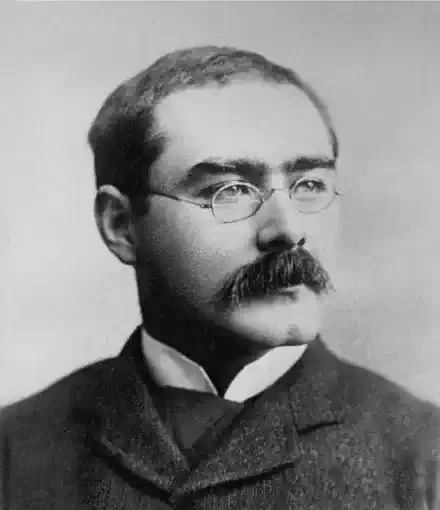
Rudyard Kipling
The Fabulists
The Fabulists
-
When all the world would keep a matter hid,
Since Truth is seldom Friend to any crowd,
Men write in Fable, as old AEsop did,
Jesting at that which none will name aloud.
And this they needs must do, or it will fall
Unless they please they are not heard at all.
When desperate Folly daily laboureth
To work confusion upon all we have,
When diligent Sloth demandeth Freedom's death,
And banded Fear commandeth Honour's grave--
Even in that certain hour before the fall,
Unless men please they are not heard at all.
Needs must all please, yet some not all for need,
Needs must all toil, yet some not all for gain,
But that men taking pleasure may take heed
Whom present toil shall snatch from later pain.
Thus some have toiled, but their reward was small
Since, though they pleased, they were not heard at all.
This was the lock that lay upon our lips,
This was the yoke that we have undergone,
Denying us all pleasant fellowships
As in our time and generation.
Our pleasures unpursued age past recall,
And for our pains--we are not heard at all.
What man hears aught except the groaning guns?
What man heeds aught save what each instant brings?
When each man's life all imaged life outruns,
What man shall pleasure in imaginings?
So it hath fallen, as it was bound to fall,
We are not, nor we were not, heard at all.
-
When all the world would keep a matter hid,
Since Truth is seldom Friend to any crowd,
Men write in Fable, as old AEsop did,
Jesting at that which none will name aloud.
And this they needs must do, or it will fall
Unless they please they are not heard at all.
When desperate Folly daily laboureth
To work confusion upon all we have,
When diligent Sloth demandeth Freedom's death,
And banded Fear commandeth Honour's grave--
Even in that certain hour before the fall,
Unless men please they are not heard at all.
Needs must all please, yet some not all for need,
Needs must all toil, yet some not all for gain,
But that men taking pleasure may take heed
Whom present toil shall snatch from later pain.
Thus some have toiled, but their reward was small
Since, though they pleased, they were not heard at all.
This was the lock that lay upon our lips,
This was the yoke that we have undergone,
Denying us all pleasant fellowships
As in our time and generation.
Our pleasures unpursued age past recall,
And for our pains--we are not heard at all.
What man hears aught except the groaning guns?
What man heeds aught save what each instant brings?
When each man's life all imaged life outruns,
What man shall pleasure in imaginings?
So it hath fallen, as it was bound to fall,
We are not, nor we were not, heard at all.
534
Rudyard Kipling
The Fabulists
The Fabulists
-
When all the world would keep a matter hid,
Since Truth is seldom Friend to any crowd,
Men write in Fable, as old AEsop did,
Jesting at that which none will name aloud.
And this they needs must do, or it will fall
Unless they please they are not heard at all.
When desperate Folly daily laboureth
To work confusion upon all we have,
When diligent Sloth demandeth Freedom's death,
And banded Fear commandeth Honour's grave--
Even in that certain hour before the fall,
Unless men please they are not heard at all.
Needs must all please, yet some not all for need,
Needs must all toil, yet some not all for gain,
But that men taking pleasure may take heed
Whom present toil shall snatch from later pain.
Thus some have toiled, but their reward was small
Since, though they pleased, they were not heard at all.
This was the lock that lay upon our lips,
This was the yoke that we have undergone,
Denying us all pleasant fellowships
As in our time and generation.
Our pleasures unpursued age past recall,
And for our pains--we are not heard at all.
What man hears aught except the groaning guns?
What man heeds aught save what each instant brings?
When each man's life all imaged life outruns,
What man shall pleasure in imaginings?
So it hath fallen, as it was bound to fall,
We are not, nor we were not, heard at all.
-
When all the world would keep a matter hid,
Since Truth is seldom Friend to any crowd,
Men write in Fable, as old AEsop did,
Jesting at that which none will name aloud.
And this they needs must do, or it will fall
Unless they please they are not heard at all.
When desperate Folly daily laboureth
To work confusion upon all we have,
When diligent Sloth demandeth Freedom's death,
And banded Fear commandeth Honour's grave--
Even in that certain hour before the fall,
Unless men please they are not heard at all.
Needs must all please, yet some not all for need,
Needs must all toil, yet some not all for gain,
But that men taking pleasure may take heed
Whom present toil shall snatch from later pain.
Thus some have toiled, but their reward was small
Since, though they pleased, they were not heard at all.
This was the lock that lay upon our lips,
This was the yoke that we have undergone,
Denying us all pleasant fellowships
As in our time and generation.
Our pleasures unpursued age past recall,
And for our pains--we are not heard at all.
What man hears aught except the groaning guns?
What man heeds aught save what each instant brings?
When each man's life all imaged life outruns,
What man shall pleasure in imaginings?
So it hath fallen, as it was bound to fall,
We are not, nor we were not, heard at all.
534
Rudyard Kipling
The English Flag
The English Flag
Above the portico a flag-staff, bearing the Union Jack,
remained fluttering in the flames for some time, but ultimately
when it fell the crowds rent the air with shouts,
and seemed to see significance in the incident. -- DAILY PAPERS.
Winds of the World, give answer! They are whimpering to and fro --
And what should they know of England who only England know? --
The poor little street-bred people that vapour and fume and brag,
They are lifting their heads in the stillness to yelp at the English Flag!
Must we borrow a clout from the Boer -- to plaster anew with dirt?
An Irish liar's bandage, or an English coward's shirt?
We may not speak of England; her Flag's to sell or share.
What is the Flag of England? Winds of the World, declare!
The North Wind blew: -- "From Bergen my steel-shod vanguards go;
I chase your lazy whalers home from the Disko floe;
By the great North Lights above me I work the will of God,
And the liner splits on the ice-field or the Dogger fills with cod.
"I barred my gates with iron, I shuttered my doors with flame,
Because to force my ramparts your nutshell navies came;
I took the sun from their presence, I cut them down with my blast,
And they died, but the Flag of England blew free ere the spirit passed.
"The lean white bear hath seen it in the long, long Arctic night,
The musk-ox knows the standard that flouts the Northern Light:
What is the Flag of England? Ye have but my bergs to dare,
Ye have but my drifts to conquer. Go forth, for it is there!"
The South Wind sighed: -- "From the Virgins my mid-sea course was ta'en
Over a thousand islands lost in an idle main,
Where the sea-egg flames on the coral and the long-backed breakers croon
Their endless ocean legends to the lazy, locked lagoon.
"Strayed amid lonely islets, mazed amid outer keys,
I waked the palms to laughter -- I tossed the scud in the breeze --
Never was isle so little, never was sea so lone,
But over the scud and the palm-trees an English flag was flown.
"I have wrenched it free from the halliard to hang for a wisp on the Horn;
I have chased it north to the Lizard -- ribboned and rolled and torn;
I have spread its fold o'er the dying, adrift in a hopeless sea;
I have hurled it swift on the slaver, and seen the slave set free.
"My basking sunfish know it, and wheeling albatross,
Where the lone wave fills with fire beneath the Southern Cross.
What is the Flag of England? Ye have but my reefs to dare,
Ye have but my seas to furrow. Go forth, for it is there!"
The East Wind roared: -- "From the Kuriles, the Bitter Seas, I come,
And me men call the Home-Wind, for I bring the English home.
Look -- look well to your shipping! By the breath of my mad typhoon
I swept your close-packed Praya and beached your best at Kowloon!
"The reeling junks behind me and the racing seas before,
I raped your richest roadstead -- I plundered Singapore!
I set my hand on the Hoogli; as a hooded snake she rose,
And I flung your stoutest steamers to roost with the startled crows.
"Never the lotus closes, never the wild-fowl wake,
But a soul goes out on the East Wind that died for England's sake --
Man or woman or suckling, mother or bride or maid --
Because on the bones of the English the English Flag is stayed.
"The desert-dust hath dimmed it, the flying wild-ass knows,
The scared white leopard winds it across the taintless snows.
What is the Flag of England? Ye have but my sun to dare,
Ye have but my sands to travel. Go forth, for it is there!"
The West Wind called: -- "In squadrons the thoughtless galleons fly
That bear the wheat and cattle lest street-bred people die.
They make my might their porter, they make my house their path,
Till I loose my neck from their rudder and whelm them all in my wrath.
"I draw the gliding fog-bank as a snake is drawn from the hole,
They bellow one to the other, the frighted ship-bells toll,
For day is a drifting terror till I raise the shroud with my breath,
And they see strange bows above them and the two go locked to death.
"But whether in calm or wrack-wreath, whether by dark or day,
I heave them whole to the conger or rip their plates away,
First of the scattered legions, under a shrieking sky,
Dipping between the rollers, the English Flag goes by.
"The dead dumb fog hath wrapped it -- the frozen dews have kissed --
The naked stars have seen it, a fellow-star in the mist.
What is the Flag of England? Ye have but my breath to dare,
Ye have but my waves to conquer. Go forth, for it is there!"
Above the portico a flag-staff, bearing the Union Jack,
remained fluttering in the flames for some time, but ultimately
when it fell the crowds rent the air with shouts,
and seemed to see significance in the incident. -- DAILY PAPERS.
Winds of the World, give answer! They are whimpering to and fro --
And what should they know of England who only England know? --
The poor little street-bred people that vapour and fume and brag,
They are lifting their heads in the stillness to yelp at the English Flag!
Must we borrow a clout from the Boer -- to plaster anew with dirt?
An Irish liar's bandage, or an English coward's shirt?
We may not speak of England; her Flag's to sell or share.
What is the Flag of England? Winds of the World, declare!
The North Wind blew: -- "From Bergen my steel-shod vanguards go;
I chase your lazy whalers home from the Disko floe;
By the great North Lights above me I work the will of God,
And the liner splits on the ice-field or the Dogger fills with cod.
"I barred my gates with iron, I shuttered my doors with flame,
Because to force my ramparts your nutshell navies came;
I took the sun from their presence, I cut them down with my blast,
And they died, but the Flag of England blew free ere the spirit passed.
"The lean white bear hath seen it in the long, long Arctic night,
The musk-ox knows the standard that flouts the Northern Light:
What is the Flag of England? Ye have but my bergs to dare,
Ye have but my drifts to conquer. Go forth, for it is there!"
The South Wind sighed: -- "From the Virgins my mid-sea course was ta'en
Over a thousand islands lost in an idle main,
Where the sea-egg flames on the coral and the long-backed breakers croon
Their endless ocean legends to the lazy, locked lagoon.
"Strayed amid lonely islets, mazed amid outer keys,
I waked the palms to laughter -- I tossed the scud in the breeze --
Never was isle so little, never was sea so lone,
But over the scud and the palm-trees an English flag was flown.
"I have wrenched it free from the halliard to hang for a wisp on the Horn;
I have chased it north to the Lizard -- ribboned and rolled and torn;
I have spread its fold o'er the dying, adrift in a hopeless sea;
I have hurled it swift on the slaver, and seen the slave set free.
"My basking sunfish know it, and wheeling albatross,
Where the lone wave fills with fire beneath the Southern Cross.
What is the Flag of England? Ye have but my reefs to dare,
Ye have but my seas to furrow. Go forth, for it is there!"
The East Wind roared: -- "From the Kuriles, the Bitter Seas, I come,
And me men call the Home-Wind, for I bring the English home.
Look -- look well to your shipping! By the breath of my mad typhoon
I swept your close-packed Praya and beached your best at Kowloon!
"The reeling junks behind me and the racing seas before,
I raped your richest roadstead -- I plundered Singapore!
I set my hand on the Hoogli; as a hooded snake she rose,
And I flung your stoutest steamers to roost with the startled crows.
"Never the lotus closes, never the wild-fowl wake,
But a soul goes out on the East Wind that died for England's sake --
Man or woman or suckling, mother or bride or maid --
Because on the bones of the English the English Flag is stayed.
"The desert-dust hath dimmed it, the flying wild-ass knows,
The scared white leopard winds it across the taintless snows.
What is the Flag of England? Ye have but my sun to dare,
Ye have but my sands to travel. Go forth, for it is there!"
The West Wind called: -- "In squadrons the thoughtless galleons fly
That bear the wheat and cattle lest street-bred people die.
They make my might their porter, they make my house their path,
Till I loose my neck from their rudder and whelm them all in my wrath.
"I draw the gliding fog-bank as a snake is drawn from the hole,
They bellow one to the other, the frighted ship-bells toll,
For day is a drifting terror till I raise the shroud with my breath,
And they see strange bows above them and the two go locked to death.
"But whether in calm or wrack-wreath, whether by dark or day,
I heave them whole to the conger or rip their plates away,
First of the scattered legions, under a shrieking sky,
Dipping between the rollers, the English Flag goes by.
"The dead dumb fog hath wrapped it -- the frozen dews have kissed --
The naked stars have seen it, a fellow-star in the mist.
What is the Flag of England? Ye have but my breath to dare,
Ye have but my waves to conquer. Go forth, for it is there!"
665
Rudyard Kipling
The English Flag
The English Flag
Above the portico a flag-staff, bearing the Union Jack,
remained fluttering in the flames for some time, but ultimately
when it fell the crowds rent the air with shouts,
and seemed to see significance in the incident. -- DAILY PAPERS.
Winds of the World, give answer! They are whimpering to and fro --
And what should they know of England who only England know? --
The poor little street-bred people that vapour and fume and brag,
They are lifting their heads in the stillness to yelp at the English Flag!
Must we borrow a clout from the Boer -- to plaster anew with dirt?
An Irish liar's bandage, or an English coward's shirt?
We may not speak of England; her Flag's to sell or share.
What is the Flag of England? Winds of the World, declare!
The North Wind blew: -- "From Bergen my steel-shod vanguards go;
I chase your lazy whalers home from the Disko floe;
By the great North Lights above me I work the will of God,
And the liner splits on the ice-field or the Dogger fills with cod.
"I barred my gates with iron, I shuttered my doors with flame,
Because to force my ramparts your nutshell navies came;
I took the sun from their presence, I cut them down with my blast,
And they died, but the Flag of England blew free ere the spirit passed.
"The lean white bear hath seen it in the long, long Arctic night,
The musk-ox knows the standard that flouts the Northern Light:
What is the Flag of England? Ye have but my bergs to dare,
Ye have but my drifts to conquer. Go forth, for it is there!"
The South Wind sighed: -- "From the Virgins my mid-sea course was ta'en
Over a thousand islands lost in an idle main,
Where the sea-egg flames on the coral and the long-backed breakers croon
Their endless ocean legends to the lazy, locked lagoon.
"Strayed amid lonely islets, mazed amid outer keys,
I waked the palms to laughter -- I tossed the scud in the breeze --
Never was isle so little, never was sea so lone,
But over the scud and the palm-trees an English flag was flown.
"I have wrenched it free from the halliard to hang for a wisp on the Horn;
I have chased it north to the Lizard -- ribboned and rolled and torn;
I have spread its fold o'er the dying, adrift in a hopeless sea;
I have hurled it swift on the slaver, and seen the slave set free.
"My basking sunfish know it, and wheeling albatross,
Where the lone wave fills with fire beneath the Southern Cross.
What is the Flag of England? Ye have but my reefs to dare,
Ye have but my seas to furrow. Go forth, for it is there!"
The East Wind roared: -- "From the Kuriles, the Bitter Seas, I come,
And me men call the Home-Wind, for I bring the English home.
Look -- look well to your shipping! By the breath of my mad typhoon
I swept your close-packed Praya and beached your best at Kowloon!
"The reeling junks behind me and the racing seas before,
I raped your richest roadstead -- I plundered Singapore!
I set my hand on the Hoogli; as a hooded snake she rose,
And I flung your stoutest steamers to roost with the startled crows.
"Never the lotus closes, never the wild-fowl wake,
But a soul goes out on the East Wind that died for England's sake --
Man or woman or suckling, mother or bride or maid --
Because on the bones of the English the English Flag is stayed.
"The desert-dust hath dimmed it, the flying wild-ass knows,
The scared white leopard winds it across the taintless snows.
What is the Flag of England? Ye have but my sun to dare,
Ye have but my sands to travel. Go forth, for it is there!"
The West Wind called: -- "In squadrons the thoughtless galleons fly
That bear the wheat and cattle lest street-bred people die.
They make my might their porter, they make my house their path,
Till I loose my neck from their rudder and whelm them all in my wrath.
"I draw the gliding fog-bank as a snake is drawn from the hole,
They bellow one to the other, the frighted ship-bells toll,
For day is a drifting terror till I raise the shroud with my breath,
And they see strange bows above them and the two go locked to death.
"But whether in calm or wrack-wreath, whether by dark or day,
I heave them whole to the conger or rip their plates away,
First of the scattered legions, under a shrieking sky,
Dipping between the rollers, the English Flag goes by.
"The dead dumb fog hath wrapped it -- the frozen dews have kissed --
The naked stars have seen it, a fellow-star in the mist.
What is the Flag of England? Ye have but my breath to dare,
Ye have but my waves to conquer. Go forth, for it is there!"
Above the portico a flag-staff, bearing the Union Jack,
remained fluttering in the flames for some time, but ultimately
when it fell the crowds rent the air with shouts,
and seemed to see significance in the incident. -- DAILY PAPERS.
Winds of the World, give answer! They are whimpering to and fro --
And what should they know of England who only England know? --
The poor little street-bred people that vapour and fume and brag,
They are lifting their heads in the stillness to yelp at the English Flag!
Must we borrow a clout from the Boer -- to plaster anew with dirt?
An Irish liar's bandage, or an English coward's shirt?
We may not speak of England; her Flag's to sell or share.
What is the Flag of England? Winds of the World, declare!
The North Wind blew: -- "From Bergen my steel-shod vanguards go;
I chase your lazy whalers home from the Disko floe;
By the great North Lights above me I work the will of God,
And the liner splits on the ice-field or the Dogger fills with cod.
"I barred my gates with iron, I shuttered my doors with flame,
Because to force my ramparts your nutshell navies came;
I took the sun from their presence, I cut them down with my blast,
And they died, but the Flag of England blew free ere the spirit passed.
"The lean white bear hath seen it in the long, long Arctic night,
The musk-ox knows the standard that flouts the Northern Light:
What is the Flag of England? Ye have but my bergs to dare,
Ye have but my drifts to conquer. Go forth, for it is there!"
The South Wind sighed: -- "From the Virgins my mid-sea course was ta'en
Over a thousand islands lost in an idle main,
Where the sea-egg flames on the coral and the long-backed breakers croon
Their endless ocean legends to the lazy, locked lagoon.
"Strayed amid lonely islets, mazed amid outer keys,
I waked the palms to laughter -- I tossed the scud in the breeze --
Never was isle so little, never was sea so lone,
But over the scud and the palm-trees an English flag was flown.
"I have wrenched it free from the halliard to hang for a wisp on the Horn;
I have chased it north to the Lizard -- ribboned and rolled and torn;
I have spread its fold o'er the dying, adrift in a hopeless sea;
I have hurled it swift on the slaver, and seen the slave set free.
"My basking sunfish know it, and wheeling albatross,
Where the lone wave fills with fire beneath the Southern Cross.
What is the Flag of England? Ye have but my reefs to dare,
Ye have but my seas to furrow. Go forth, for it is there!"
The East Wind roared: -- "From the Kuriles, the Bitter Seas, I come,
And me men call the Home-Wind, for I bring the English home.
Look -- look well to your shipping! By the breath of my mad typhoon
I swept your close-packed Praya and beached your best at Kowloon!
"The reeling junks behind me and the racing seas before,
I raped your richest roadstead -- I plundered Singapore!
I set my hand on the Hoogli; as a hooded snake she rose,
And I flung your stoutest steamers to roost with the startled crows.
"Never the lotus closes, never the wild-fowl wake,
But a soul goes out on the East Wind that died for England's sake --
Man or woman or suckling, mother or bride or maid --
Because on the bones of the English the English Flag is stayed.
"The desert-dust hath dimmed it, the flying wild-ass knows,
The scared white leopard winds it across the taintless snows.
What is the Flag of England? Ye have but my sun to dare,
Ye have but my sands to travel. Go forth, for it is there!"
The West Wind called: -- "In squadrons the thoughtless galleons fly
That bear the wheat and cattle lest street-bred people die.
They make my might their porter, they make my house their path,
Till I loose my neck from their rudder and whelm them all in my wrath.
"I draw the gliding fog-bank as a snake is drawn from the hole,
They bellow one to the other, the frighted ship-bells toll,
For day is a drifting terror till I raise the shroud with my breath,
And they see strange bows above them and the two go locked to death.
"But whether in calm or wrack-wreath, whether by dark or day,
I heave them whole to the conger or rip their plates away,
First of the scattered legions, under a shrieking sky,
Dipping between the rollers, the English Flag goes by.
"The dead dumb fog hath wrapped it -- the frozen dews have kissed --
The naked stars have seen it, a fellow-star in the mist.
What is the Flag of England? Ye have but my breath to dare,
Ye have but my waves to conquer. Go forth, for it is there!"
665
Rudyard Kipling
The English Flag
The English Flag
Above the portico a flag-staff, bearing the Union Jack,
remained fluttering in the flames for some time, but ultimately
when it fell the crowds rent the air with shouts,
and seemed to see significance in the incident. -- DAILY PAPERS.
Winds of the World, give answer! They are whimpering to and fro --
And what should they know of England who only England know? --
The poor little street-bred people that vapour and fume and brag,
They are lifting their heads in the stillness to yelp at the English Flag!
Must we borrow a clout from the Boer -- to plaster anew with dirt?
An Irish liar's bandage, or an English coward's shirt?
We may not speak of England; her Flag's to sell or share.
What is the Flag of England? Winds of the World, declare!
The North Wind blew: -- "From Bergen my steel-shod vanguards go;
I chase your lazy whalers home from the Disko floe;
By the great North Lights above me I work the will of God,
And the liner splits on the ice-field or the Dogger fills with cod.
"I barred my gates with iron, I shuttered my doors with flame,
Because to force my ramparts your nutshell navies came;
I took the sun from their presence, I cut them down with my blast,
And they died, but the Flag of England blew free ere the spirit passed.
"The lean white bear hath seen it in the long, long Arctic night,
The musk-ox knows the standard that flouts the Northern Light:
What is the Flag of England? Ye have but my bergs to dare,
Ye have but my drifts to conquer. Go forth, for it is there!"
The South Wind sighed: -- "From the Virgins my mid-sea course was ta'en
Over a thousand islands lost in an idle main,
Where the sea-egg flames on the coral and the long-backed breakers croon
Their endless ocean legends to the lazy, locked lagoon.
"Strayed amid lonely islets, mazed amid outer keys,
I waked the palms to laughter -- I tossed the scud in the breeze --
Never was isle so little, never was sea so lone,
But over the scud and the palm-trees an English flag was flown.
"I have wrenched it free from the halliard to hang for a wisp on the Horn;
I have chased it north to the Lizard -- ribboned and rolled and torn;
I have spread its fold o'er the dying, adrift in a hopeless sea;
I have hurled it swift on the slaver, and seen the slave set free.
"My basking sunfish know it, and wheeling albatross,
Where the lone wave fills with fire beneath the Southern Cross.
What is the Flag of England? Ye have but my reefs to dare,
Ye have but my seas to furrow. Go forth, for it is there!"
The East Wind roared: -- "From the Kuriles, the Bitter Seas, I come,
And me men call the Home-Wind, for I bring the English home.
Look -- look well to your shipping! By the breath of my mad typhoon
I swept your close-packed Praya and beached your best at Kowloon!
"The reeling junks behind me and the racing seas before,
I raped your richest roadstead -- I plundered Singapore!
I set my hand on the Hoogli; as a hooded snake she rose,
And I flung your stoutest steamers to roost with the startled crows.
"Never the lotus closes, never the wild-fowl wake,
But a soul goes out on the East Wind that died for England's sake --
Man or woman or suckling, mother or bride or maid --
Because on the bones of the English the English Flag is stayed.
"The desert-dust hath dimmed it, the flying wild-ass knows,
The scared white leopard winds it across the taintless snows.
What is the Flag of England? Ye have but my sun to dare,
Ye have but my sands to travel. Go forth, for it is there!"
The West Wind called: -- "In squadrons the thoughtless galleons fly
That bear the wheat and cattle lest street-bred people die.
They make my might their porter, they make my house their path,
Till I loose my neck from their rudder and whelm them all in my wrath.
"I draw the gliding fog-bank as a snake is drawn from the hole,
They bellow one to the other, the frighted ship-bells toll,
For day is a drifting terror till I raise the shroud with my breath,
And they see strange bows above them and the two go locked to death.
"But whether in calm or wrack-wreath, whether by dark or day,
I heave them whole to the conger or rip their plates away,
First of the scattered legions, under a shrieking sky,
Dipping between the rollers, the English Flag goes by.
"The dead dumb fog hath wrapped it -- the frozen dews have kissed --
The naked stars have seen it, a fellow-star in the mist.
What is the Flag of England? Ye have but my breath to dare,
Ye have but my waves to conquer. Go forth, for it is there!"
Above the portico a flag-staff, bearing the Union Jack,
remained fluttering in the flames for some time, but ultimately
when it fell the crowds rent the air with shouts,
and seemed to see significance in the incident. -- DAILY PAPERS.
Winds of the World, give answer! They are whimpering to and fro --
And what should they know of England who only England know? --
The poor little street-bred people that vapour and fume and brag,
They are lifting their heads in the stillness to yelp at the English Flag!
Must we borrow a clout from the Boer -- to plaster anew with dirt?
An Irish liar's bandage, or an English coward's shirt?
We may not speak of England; her Flag's to sell or share.
What is the Flag of England? Winds of the World, declare!
The North Wind blew: -- "From Bergen my steel-shod vanguards go;
I chase your lazy whalers home from the Disko floe;
By the great North Lights above me I work the will of God,
And the liner splits on the ice-field or the Dogger fills with cod.
"I barred my gates with iron, I shuttered my doors with flame,
Because to force my ramparts your nutshell navies came;
I took the sun from their presence, I cut them down with my blast,
And they died, but the Flag of England blew free ere the spirit passed.
"The lean white bear hath seen it in the long, long Arctic night,
The musk-ox knows the standard that flouts the Northern Light:
What is the Flag of England? Ye have but my bergs to dare,
Ye have but my drifts to conquer. Go forth, for it is there!"
The South Wind sighed: -- "From the Virgins my mid-sea course was ta'en
Over a thousand islands lost in an idle main,
Where the sea-egg flames on the coral and the long-backed breakers croon
Their endless ocean legends to the lazy, locked lagoon.
"Strayed amid lonely islets, mazed amid outer keys,
I waked the palms to laughter -- I tossed the scud in the breeze --
Never was isle so little, never was sea so lone,
But over the scud and the palm-trees an English flag was flown.
"I have wrenched it free from the halliard to hang for a wisp on the Horn;
I have chased it north to the Lizard -- ribboned and rolled and torn;
I have spread its fold o'er the dying, adrift in a hopeless sea;
I have hurled it swift on the slaver, and seen the slave set free.
"My basking sunfish know it, and wheeling albatross,
Where the lone wave fills with fire beneath the Southern Cross.
What is the Flag of England? Ye have but my reefs to dare,
Ye have but my seas to furrow. Go forth, for it is there!"
The East Wind roared: -- "From the Kuriles, the Bitter Seas, I come,
And me men call the Home-Wind, for I bring the English home.
Look -- look well to your shipping! By the breath of my mad typhoon
I swept your close-packed Praya and beached your best at Kowloon!
"The reeling junks behind me and the racing seas before,
I raped your richest roadstead -- I plundered Singapore!
I set my hand on the Hoogli; as a hooded snake she rose,
And I flung your stoutest steamers to roost with the startled crows.
"Never the lotus closes, never the wild-fowl wake,
But a soul goes out on the East Wind that died for England's sake --
Man or woman or suckling, mother or bride or maid --
Because on the bones of the English the English Flag is stayed.
"The desert-dust hath dimmed it, the flying wild-ass knows,
The scared white leopard winds it across the taintless snows.
What is the Flag of England? Ye have but my sun to dare,
Ye have but my sands to travel. Go forth, for it is there!"
The West Wind called: -- "In squadrons the thoughtless galleons fly
That bear the wheat and cattle lest street-bred people die.
They make my might their porter, they make my house their path,
Till I loose my neck from their rudder and whelm them all in my wrath.
"I draw the gliding fog-bank as a snake is drawn from the hole,
They bellow one to the other, the frighted ship-bells toll,
For day is a drifting terror till I raise the shroud with my breath,
And they see strange bows above them and the two go locked to death.
"But whether in calm or wrack-wreath, whether by dark or day,
I heave them whole to the conger or rip their plates away,
First of the scattered legions, under a shrieking sky,
Dipping between the rollers, the English Flag goes by.
"The dead dumb fog hath wrapped it -- the frozen dews have kissed --
The naked stars have seen it, a fellow-star in the mist.
What is the Flag of England? Ye have but my breath to dare,
Ye have but my waves to conquer. Go forth, for it is there!"
665
Rudyard Kipling
The English Flag
The English Flag
Above the portico a flag-staff, bearing the Union Jack,
remained fluttering in the flames for some time, but ultimately
when it fell the crowds rent the air with shouts,
and seemed to see significance in the incident. -- DAILY PAPERS.
Winds of the World, give answer! They are whimpering to and fro --
And what should they know of England who only England know? --
The poor little street-bred people that vapour and fume and brag,
They are lifting their heads in the stillness to yelp at the English Flag!
Must we borrow a clout from the Boer -- to plaster anew with dirt?
An Irish liar's bandage, or an English coward's shirt?
We may not speak of England; her Flag's to sell or share.
What is the Flag of England? Winds of the World, declare!
The North Wind blew: -- "From Bergen my steel-shod vanguards go;
I chase your lazy whalers home from the Disko floe;
By the great North Lights above me I work the will of God,
And the liner splits on the ice-field or the Dogger fills with cod.
"I barred my gates with iron, I shuttered my doors with flame,
Because to force my ramparts your nutshell navies came;
I took the sun from their presence, I cut them down with my blast,
And they died, but the Flag of England blew free ere the spirit passed.
"The lean white bear hath seen it in the long, long Arctic night,
The musk-ox knows the standard that flouts the Northern Light:
What is the Flag of England? Ye have but my bergs to dare,
Ye have but my drifts to conquer. Go forth, for it is there!"
The South Wind sighed: -- "From the Virgins my mid-sea course was ta'en
Over a thousand islands lost in an idle main,
Where the sea-egg flames on the coral and the long-backed breakers croon
Their endless ocean legends to the lazy, locked lagoon.
"Strayed amid lonely islets, mazed amid outer keys,
I waked the palms to laughter -- I tossed the scud in the breeze --
Never was isle so little, never was sea so lone,
But over the scud and the palm-trees an English flag was flown.
"I have wrenched it free from the halliard to hang for a wisp on the Horn;
I have chased it north to the Lizard -- ribboned and rolled and torn;
I have spread its fold o'er the dying, adrift in a hopeless sea;
I have hurled it swift on the slaver, and seen the slave set free.
"My basking sunfish know it, and wheeling albatross,
Where the lone wave fills with fire beneath the Southern Cross.
What is the Flag of England? Ye have but my reefs to dare,
Ye have but my seas to furrow. Go forth, for it is there!"
The East Wind roared: -- "From the Kuriles, the Bitter Seas, I come,
And me men call the Home-Wind, for I bring the English home.
Look -- look well to your shipping! By the breath of my mad typhoon
I swept your close-packed Praya and beached your best at Kowloon!
"The reeling junks behind me and the racing seas before,
I raped your richest roadstead -- I plundered Singapore!
I set my hand on the Hoogli; as a hooded snake she rose,
And I flung your stoutest steamers to roost with the startled crows.
"Never the lotus closes, never the wild-fowl wake,
But a soul goes out on the East Wind that died for England's sake --
Man or woman or suckling, mother or bride or maid --
Because on the bones of the English the English Flag is stayed.
"The desert-dust hath dimmed it, the flying wild-ass knows,
The scared white leopard winds it across the taintless snows.
What is the Flag of England? Ye have but my sun to dare,
Ye have but my sands to travel. Go forth, for it is there!"
The West Wind called: -- "In squadrons the thoughtless galleons fly
That bear the wheat and cattle lest street-bred people die.
They make my might their porter, they make my house their path,
Till I loose my neck from their rudder and whelm them all in my wrath.
"I draw the gliding fog-bank as a snake is drawn from the hole,
They bellow one to the other, the frighted ship-bells toll,
For day is a drifting terror till I raise the shroud with my breath,
And they see strange bows above them and the two go locked to death.
"But whether in calm or wrack-wreath, whether by dark or day,
I heave them whole to the conger or rip their plates away,
First of the scattered legions, under a shrieking sky,
Dipping between the rollers, the English Flag goes by.
"The dead dumb fog hath wrapped it -- the frozen dews have kissed --
The naked stars have seen it, a fellow-star in the mist.
What is the Flag of England? Ye have but my breath to dare,
Ye have but my waves to conquer. Go forth, for it is there!"
Above the portico a flag-staff, bearing the Union Jack,
remained fluttering in the flames for some time, but ultimately
when it fell the crowds rent the air with shouts,
and seemed to see significance in the incident. -- DAILY PAPERS.
Winds of the World, give answer! They are whimpering to and fro --
And what should they know of England who only England know? --
The poor little street-bred people that vapour and fume and brag,
They are lifting their heads in the stillness to yelp at the English Flag!
Must we borrow a clout from the Boer -- to plaster anew with dirt?
An Irish liar's bandage, or an English coward's shirt?
We may not speak of England; her Flag's to sell or share.
What is the Flag of England? Winds of the World, declare!
The North Wind blew: -- "From Bergen my steel-shod vanguards go;
I chase your lazy whalers home from the Disko floe;
By the great North Lights above me I work the will of God,
And the liner splits on the ice-field or the Dogger fills with cod.
"I barred my gates with iron, I shuttered my doors with flame,
Because to force my ramparts your nutshell navies came;
I took the sun from their presence, I cut them down with my blast,
And they died, but the Flag of England blew free ere the spirit passed.
"The lean white bear hath seen it in the long, long Arctic night,
The musk-ox knows the standard that flouts the Northern Light:
What is the Flag of England? Ye have but my bergs to dare,
Ye have but my drifts to conquer. Go forth, for it is there!"
The South Wind sighed: -- "From the Virgins my mid-sea course was ta'en
Over a thousand islands lost in an idle main,
Where the sea-egg flames on the coral and the long-backed breakers croon
Their endless ocean legends to the lazy, locked lagoon.
"Strayed amid lonely islets, mazed amid outer keys,
I waked the palms to laughter -- I tossed the scud in the breeze --
Never was isle so little, never was sea so lone,
But over the scud and the palm-trees an English flag was flown.
"I have wrenched it free from the halliard to hang for a wisp on the Horn;
I have chased it north to the Lizard -- ribboned and rolled and torn;
I have spread its fold o'er the dying, adrift in a hopeless sea;
I have hurled it swift on the slaver, and seen the slave set free.
"My basking sunfish know it, and wheeling albatross,
Where the lone wave fills with fire beneath the Southern Cross.
What is the Flag of England? Ye have but my reefs to dare,
Ye have but my seas to furrow. Go forth, for it is there!"
The East Wind roared: -- "From the Kuriles, the Bitter Seas, I come,
And me men call the Home-Wind, for I bring the English home.
Look -- look well to your shipping! By the breath of my mad typhoon
I swept your close-packed Praya and beached your best at Kowloon!
"The reeling junks behind me and the racing seas before,
I raped your richest roadstead -- I plundered Singapore!
I set my hand on the Hoogli; as a hooded snake she rose,
And I flung your stoutest steamers to roost with the startled crows.
"Never the lotus closes, never the wild-fowl wake,
But a soul goes out on the East Wind that died for England's sake --
Man or woman or suckling, mother or bride or maid --
Because on the bones of the English the English Flag is stayed.
"The desert-dust hath dimmed it, the flying wild-ass knows,
The scared white leopard winds it across the taintless snows.
What is the Flag of England? Ye have but my sun to dare,
Ye have but my sands to travel. Go forth, for it is there!"
The West Wind called: -- "In squadrons the thoughtless galleons fly
That bear the wheat and cattle lest street-bred people die.
They make my might their porter, they make my house their path,
Till I loose my neck from their rudder and whelm them all in my wrath.
"I draw the gliding fog-bank as a snake is drawn from the hole,
They bellow one to the other, the frighted ship-bells toll,
For day is a drifting terror till I raise the shroud with my breath,
And they see strange bows above them and the two go locked to death.
"But whether in calm or wrack-wreath, whether by dark or day,
I heave them whole to the conger or rip their plates away,
First of the scattered legions, under a shrieking sky,
Dipping between the rollers, the English Flag goes by.
"The dead dumb fog hath wrapped it -- the frozen dews have kissed --
The naked stars have seen it, a fellow-star in the mist.
What is the Flag of England? Ye have but my breath to dare,
Ye have but my waves to conquer. Go forth, for it is there!"
665
Rudyard Kipling
The 'Eathen
The 'Eathen
The 'eathen in 'is blindness bows down to wood an' stone;
'E don't obey no orders unless they is 'is own;
'E keeps 'is side-arms awful: 'e leaves 'em all about,
An' then comes up the regiment an' pokes the 'eathen out.
All along o' dirtiness, all along o' mess,
All along o' doin' things rather-more-or-less,
All along of abby-nay, kul, an' hazar-ho, *
Mind you keep your rifle an' yourself jus' so!
* abby-nay: Not now. kul: To-morrow. hazar-ho: Wait a bit.
The young recruit is 'aughty -- 'e draf's from Gawd knows where;
They bid 'im show 'is stockin's an' lay 'is mattress square;
'E calls it bloomin' nonsense -- 'e doesn't know no more --
An' then up comes 'is Company an' kicks 'im round the floor!
The young recruit is 'ammered -- 'e takes it very 'ard;
'E 'angs 'is 'ead an' mutters -- 'e sulks about the yard;
'E talks o' "cruel tyrants" 'e'll swing for by-an'-by,
An' the others 'ears an' mocks 'im, an' the boy goes orf to cry.
The young recruit is silly -- 'e thinks o' suicide;
'E's lost 'is gutter-devil; 'e 'asn't got 'is pride;
But day by day they kicks 'im, which 'elps 'im on a bit,
Till 'e finds 'isself one mornin' with a full an' proper kit.
Gettin' clear o' dirtiness, gettin' done with mess,
Gettin' shut o' doin' things rather-more-or-less;
Not so fond of abby-nay, kul, nor hazar-ho,
Learns to keep 'is rifle an' 'isself jus' so!
The young recruit is 'appy -- 'e throws a chest to suit;
You see 'im grow mustaches; you 'ear 'im slap 'is boot;
'E learns to drop the "bloodies" from every word 'e slings,
An' 'e shows an 'ealthy brisket when 'e strips for bars an' rings.
The cruel-tyrant-sergeants they watch 'im 'arf a year;
They watch 'im with 'is comrades, they watch 'im with 'is beer;
They watch 'im with the women at the regimental dance,
And the cruel-tyrant-sergeants send 'is name along for "Lance".
An' now 'e's 'arf o' nothin', an' all a private yet,
'Is room they up an' rags 'im to see what they will get;
They rags 'im low an' cunnin', each dirty trick they can,
But 'e learns to sweat 'is temper an' 'e learns to sweat 'is man.
An', last, a Colour-Sergeant, as such to be obeyed,
'E schools 'is men at cricket, 'e tells 'em on parade;
They sees 'em quick an' 'andy, uncommon set an' smart,
An' so 'e talks to orficers which 'ave the Core at 'eart.
'E learns to do 'is watchin' without it showin' plain;
'E learns to save a dummy, an' shove 'im straight again;
'E learns to check a ranker that's buyin' leave to shirk;
An' 'e learns to make men like 'im so they'll learn to like their work.
An' when it comes to marchin' he'll see their socks are right,
An' when it comes to action 'e shows 'em 'ow to sight;
'E knows their ways of thinkin' and just what's in their mind;
'E knows when they are takin' on an' when they've fell be'ind.
'E knows each talkin' corpril that leads a squad astray;
'E feels 'is innards 'eavin', 'is bowels givin' way;
'E sees the blue-white faces all tryin' 'ard to grin,
An' 'e stands an' waits an' suffers till it's time to cap 'em in.
An' now the hugly bullets come peckin' through the dust,
An' no one wants to face 'em, but every beggar must;
So, like a man in irons which isn't glad to go,
They moves 'em off by companies uncommon stiff an' slow.
Of all 'is five years' schoolin' they don't remember much
Excep' the not retreatin', the step an' keepin' touch.
It looks like teachin' wasted when they duck an' spread an' 'op,
But if 'e 'adn't learned 'em they'd be all about the shop!
An' now it's "'Oo goes backward?" an' now it's "'Oo comes on?"
And now it's "Get the doolies," an' now the captain's gone;
An' now it's bloody murder, but all the while they 'ear
'Is voice, the same as barrick drill, a-shepherdin' the rear.
'E's just as sick as they are, 'is 'eart is like to split,
But 'e works 'em, works 'em, works 'em till he feels 'em take the bit;
The rest is 'oldin' steady till the watchful bugles play,
An' 'e lifts 'em, lifts 'em, lifts 'em through the charge that wins the day!
The 'eathen in 'is blindness bows down to wood an' stone;
'E don't obey no orders unless they is 'is own;
The 'eathen in 'is blindness must end where 'e began,
But the backbone of the Army is the non-commissioned man!
Keep away from dirtiness -- keep away from mess.
Don't get into doin' things rather-more-or-less!
Let's ha' done with abby-nay, kul, an' hazar-ho;
Mind you keep your rifle an' yourself jus' so!
The 'eathen in 'is blindness bows down to wood an' stone;
'E don't obey no orders unless they is 'is own;
'E keeps 'is side-arms awful: 'e leaves 'em all about,
An' then comes up the regiment an' pokes the 'eathen out.
All along o' dirtiness, all along o' mess,
All along o' doin' things rather-more-or-less,
All along of abby-nay, kul, an' hazar-ho, *
Mind you keep your rifle an' yourself jus' so!
* abby-nay: Not now. kul: To-morrow. hazar-ho: Wait a bit.
The young recruit is 'aughty -- 'e draf's from Gawd knows where;
They bid 'im show 'is stockin's an' lay 'is mattress square;
'E calls it bloomin' nonsense -- 'e doesn't know no more --
An' then up comes 'is Company an' kicks 'im round the floor!
The young recruit is 'ammered -- 'e takes it very 'ard;
'E 'angs 'is 'ead an' mutters -- 'e sulks about the yard;
'E talks o' "cruel tyrants" 'e'll swing for by-an'-by,
An' the others 'ears an' mocks 'im, an' the boy goes orf to cry.
The young recruit is silly -- 'e thinks o' suicide;
'E's lost 'is gutter-devil; 'e 'asn't got 'is pride;
But day by day they kicks 'im, which 'elps 'im on a bit,
Till 'e finds 'isself one mornin' with a full an' proper kit.
Gettin' clear o' dirtiness, gettin' done with mess,
Gettin' shut o' doin' things rather-more-or-less;
Not so fond of abby-nay, kul, nor hazar-ho,
Learns to keep 'is rifle an' 'isself jus' so!
The young recruit is 'appy -- 'e throws a chest to suit;
You see 'im grow mustaches; you 'ear 'im slap 'is boot;
'E learns to drop the "bloodies" from every word 'e slings,
An' 'e shows an 'ealthy brisket when 'e strips for bars an' rings.
The cruel-tyrant-sergeants they watch 'im 'arf a year;
They watch 'im with 'is comrades, they watch 'im with 'is beer;
They watch 'im with the women at the regimental dance,
And the cruel-tyrant-sergeants send 'is name along for "Lance".
An' now 'e's 'arf o' nothin', an' all a private yet,
'Is room they up an' rags 'im to see what they will get;
They rags 'im low an' cunnin', each dirty trick they can,
But 'e learns to sweat 'is temper an' 'e learns to sweat 'is man.
An', last, a Colour-Sergeant, as such to be obeyed,
'E schools 'is men at cricket, 'e tells 'em on parade;
They sees 'em quick an' 'andy, uncommon set an' smart,
An' so 'e talks to orficers which 'ave the Core at 'eart.
'E learns to do 'is watchin' without it showin' plain;
'E learns to save a dummy, an' shove 'im straight again;
'E learns to check a ranker that's buyin' leave to shirk;
An' 'e learns to make men like 'im so they'll learn to like their work.
An' when it comes to marchin' he'll see their socks are right,
An' when it comes to action 'e shows 'em 'ow to sight;
'E knows their ways of thinkin' and just what's in their mind;
'E knows when they are takin' on an' when they've fell be'ind.
'E knows each talkin' corpril that leads a squad astray;
'E feels 'is innards 'eavin', 'is bowels givin' way;
'E sees the blue-white faces all tryin' 'ard to grin,
An' 'e stands an' waits an' suffers till it's time to cap 'em in.
An' now the hugly bullets come peckin' through the dust,
An' no one wants to face 'em, but every beggar must;
So, like a man in irons which isn't glad to go,
They moves 'em off by companies uncommon stiff an' slow.
Of all 'is five years' schoolin' they don't remember much
Excep' the not retreatin', the step an' keepin' touch.
It looks like teachin' wasted when they duck an' spread an' 'op,
But if 'e 'adn't learned 'em they'd be all about the shop!
An' now it's "'Oo goes backward?" an' now it's "'Oo comes on?"
And now it's "Get the doolies," an' now the captain's gone;
An' now it's bloody murder, but all the while they 'ear
'Is voice, the same as barrick drill, a-shepherdin' the rear.
'E's just as sick as they are, 'is 'eart is like to split,
But 'e works 'em, works 'em, works 'em till he feels 'em take the bit;
The rest is 'oldin' steady till the watchful bugles play,
An' 'e lifts 'em, lifts 'em, lifts 'em through the charge that wins the day!
The 'eathen in 'is blindness bows down to wood an' stone;
'E don't obey no orders unless they is 'is own;
The 'eathen in 'is blindness must end where 'e began,
But the backbone of the Army is the non-commissioned man!
Keep away from dirtiness -- keep away from mess.
Don't get into doin' things rather-more-or-less!
Let's ha' done with abby-nay, kul, an' hazar-ho;
Mind you keep your rifle an' yourself jus' so!
596
Rudyard Kipling
The Dutch in the Medway
The Dutch in the Medway
If wars were won by feasting,
Or victory by song,
Or safety found in sleeping sound,
How England would be strong!
But honour and dominion
Are not maintainéd so,
They're only got by sword and shot,
And this the Dutchmen know!
The moneys that should feed us,
You spend on your delight,
How can you then have sailor-men
To aid you in your fight?
Our fish and cheese are rotten,
Which makes the scurvy grow—
We cannot serve you if we starve,
And this the Dutchmen know!
Our ships in every harbour
Be neither whole nor sound,
And, when we seek to mend a leak,
No oakum can be found,
Or, if it is, the caulkers,
And carpenters also,
For lack of pay have gone away,
And this the Dutchmen know!
Mere powder, guns, and bullets,
We scarce can get at all,
Their price was spent in merriment
And revel at Whitehall,
While we in tattered doublets
From ship to ship must row,
Beseeching friends for odds and ends—
And this the Dutchmen know!
No King will heed our warnings,
No Court will pay our claims—
Our King and Court for their disport
Do sell the very Thames!
For, now De Ruyter's topsails,
Off naked Chatham show,
We dare not meet him with our fleet—
And this the Dutchmen know!
If wars were won by feasting,
Or victory by song,
Or safety found in sleeping sound,
How England would be strong!
But honour and dominion
Are not maintainéd so,
They're only got by sword and shot,
And this the Dutchmen know!
The moneys that should feed us,
You spend on your delight,
How can you then have sailor-men
To aid you in your fight?
Our fish and cheese are rotten,
Which makes the scurvy grow—
We cannot serve you if we starve,
And this the Dutchmen know!
Our ships in every harbour
Be neither whole nor sound,
And, when we seek to mend a leak,
No oakum can be found,
Or, if it is, the caulkers,
And carpenters also,
For lack of pay have gone away,
And this the Dutchmen know!
Mere powder, guns, and bullets,
We scarce can get at all,
Their price was spent in merriment
And revel at Whitehall,
While we in tattered doublets
From ship to ship must row,
Beseeching friends for odds and ends—
And this the Dutchmen know!
No King will heed our warnings,
No Court will pay our claims—
Our King and Court for their disport
Do sell the very Thames!
For, now De Ruyter's topsails,
Off naked Chatham show,
We dare not meet him with our fleet—
And this the Dutchmen know!
477
Rudyard Kipling
The Dutch in the Medway
The Dutch in the Medway
If wars were won by feasting,
Or victory by song,
Or safety found in sleeping sound,
How England would be strong!
But honour and dominion
Are not maintainéd so,
They're only got by sword and shot,
And this the Dutchmen know!
The moneys that should feed us,
You spend on your delight,
How can you then have sailor-men
To aid you in your fight?
Our fish and cheese are rotten,
Which makes the scurvy grow—
We cannot serve you if we starve,
And this the Dutchmen know!
Our ships in every harbour
Be neither whole nor sound,
And, when we seek to mend a leak,
No oakum can be found,
Or, if it is, the caulkers,
And carpenters also,
For lack of pay have gone away,
And this the Dutchmen know!
Mere powder, guns, and bullets,
We scarce can get at all,
Their price was spent in merriment
And revel at Whitehall,
While we in tattered doublets
From ship to ship must row,
Beseeching friends for odds and ends—
And this the Dutchmen know!
No King will heed our warnings,
No Court will pay our claims—
Our King and Court for their disport
Do sell the very Thames!
For, now De Ruyter's topsails,
Off naked Chatham show,
We dare not meet him with our fleet—
And this the Dutchmen know!
If wars were won by feasting,
Or victory by song,
Or safety found in sleeping sound,
How England would be strong!
But honour and dominion
Are not maintainéd so,
They're only got by sword and shot,
And this the Dutchmen know!
The moneys that should feed us,
You spend on your delight,
How can you then have sailor-men
To aid you in your fight?
Our fish and cheese are rotten,
Which makes the scurvy grow—
We cannot serve you if we starve,
And this the Dutchmen know!
Our ships in every harbour
Be neither whole nor sound,
And, when we seek to mend a leak,
No oakum can be found,
Or, if it is, the caulkers,
And carpenters also,
For lack of pay have gone away,
And this the Dutchmen know!
Mere powder, guns, and bullets,
We scarce can get at all,
Their price was spent in merriment
And revel at Whitehall,
While we in tattered doublets
From ship to ship must row,
Beseeching friends for odds and ends—
And this the Dutchmen know!
No King will heed our warnings,
No Court will pay our claims—
Our King and Court for their disport
Do sell the very Thames!
For, now De Ruyter's topsails,
Off naked Chatham show,
We dare not meet him with our fleet—
And this the Dutchmen know!
477
Rudyard Kipling
The Dutch in the Medway
The Dutch in the Medway
If wars were won by feasting,
Or victory by song,
Or safety found in sleeping sound,
How England would be strong!
But honour and dominion
Are not maintainéd so,
They're only got by sword and shot,
And this the Dutchmen know!
The moneys that should feed us,
You spend on your delight,
How can you then have sailor-men
To aid you in your fight?
Our fish and cheese are rotten,
Which makes the scurvy grow—
We cannot serve you if we starve,
And this the Dutchmen know!
Our ships in every harbour
Be neither whole nor sound,
And, when we seek to mend a leak,
No oakum can be found,
Or, if it is, the caulkers,
And carpenters also,
For lack of pay have gone away,
And this the Dutchmen know!
Mere powder, guns, and bullets,
We scarce can get at all,
Their price was spent in merriment
And revel at Whitehall,
While we in tattered doublets
From ship to ship must row,
Beseeching friends for odds and ends—
And this the Dutchmen know!
No King will heed our warnings,
No Court will pay our claims—
Our King and Court for their disport
Do sell the very Thames!
For, now De Ruyter's topsails,
Off naked Chatham show,
We dare not meet him with our fleet—
And this the Dutchmen know!
If wars were won by feasting,
Or victory by song,
Or safety found in sleeping sound,
How England would be strong!
But honour and dominion
Are not maintainéd so,
They're only got by sword and shot,
And this the Dutchmen know!
The moneys that should feed us,
You spend on your delight,
How can you then have sailor-men
To aid you in your fight?
Our fish and cheese are rotten,
Which makes the scurvy grow—
We cannot serve you if we starve,
And this the Dutchmen know!
Our ships in every harbour
Be neither whole nor sound,
And, when we seek to mend a leak,
No oakum can be found,
Or, if it is, the caulkers,
And carpenters also,
For lack of pay have gone away,
And this the Dutchmen know!
Mere powder, guns, and bullets,
We scarce can get at all,
Their price was spent in merriment
And revel at Whitehall,
While we in tattered doublets
From ship to ship must row,
Beseeching friends for odds and ends—
And this the Dutchmen know!
No King will heed our warnings,
No Court will pay our claims—
Our King and Court for their disport
Do sell the very Thames!
For, now De Ruyter's topsails,
Off naked Chatham show,
We dare not meet him with our fleet—
And this the Dutchmen know!
477
Rudyard Kipling
The Dutch in the Medway
The Dutch in the Medway
If wars were won by feasting,
Or victory by song,
Or safety found in sleeping sound,
How England would be strong!
But honour and dominion
Are not maintainéd so,
They're only got by sword and shot,
And this the Dutchmen know!
The moneys that should feed us,
You spend on your delight,
How can you then have sailor-men
To aid you in your fight?
Our fish and cheese are rotten,
Which makes the scurvy grow—
We cannot serve you if we starve,
And this the Dutchmen know!
Our ships in every harbour
Be neither whole nor sound,
And, when we seek to mend a leak,
No oakum can be found,
Or, if it is, the caulkers,
And carpenters also,
For lack of pay have gone away,
And this the Dutchmen know!
Mere powder, guns, and bullets,
We scarce can get at all,
Their price was spent in merriment
And revel at Whitehall,
While we in tattered doublets
From ship to ship must row,
Beseeching friends for odds and ends—
And this the Dutchmen know!
No King will heed our warnings,
No Court will pay our claims—
Our King and Court for their disport
Do sell the very Thames!
For, now De Ruyter's topsails,
Off naked Chatham show,
We dare not meet him with our fleet—
And this the Dutchmen know!
If wars were won by feasting,
Or victory by song,
Or safety found in sleeping sound,
How England would be strong!
But honour and dominion
Are not maintainéd so,
They're only got by sword and shot,
And this the Dutchmen know!
The moneys that should feed us,
You spend on your delight,
How can you then have sailor-men
To aid you in your fight?
Our fish and cheese are rotten,
Which makes the scurvy grow—
We cannot serve you if we starve,
And this the Dutchmen know!
Our ships in every harbour
Be neither whole nor sound,
And, when we seek to mend a leak,
No oakum can be found,
Or, if it is, the caulkers,
And carpenters also,
For lack of pay have gone away,
And this the Dutchmen know!
Mere powder, guns, and bullets,
We scarce can get at all,
Their price was spent in merriment
And revel at Whitehall,
While we in tattered doublets
From ship to ship must row,
Beseeching friends for odds and ends—
And this the Dutchmen know!
No King will heed our warnings,
No Court will pay our claims—
Our King and Court for their disport
Do sell the very Thames!
For, now De Ruyter's topsails,
Off naked Chatham show,
We dare not meet him with our fleet—
And this the Dutchmen know!
477
Rudyard Kipling
The Disciple
The Disciple
He that hath a Gospel
To loose upon Mankind,
Though he serve it utterly--
Body, soul and mind--
Though he go to Calvary
Daily for its gain--
It is His Disciple
Shall make his labour vain.
He that hath a Gospel
For all earth to own--
Though he etch it on the steel,
Or carve it on the stone--
Not to be misdoubted
Through the after-days--
It is His Disciple
Shall read it many ways.
It is His Disciple
(Ere Those Bones are dust )
Who shall change the Charter,
Who shall split the Trust--
Amplify distinctions,
Rationalize the Claim;
Preaching that the Master
Would have done the same.
It is His Disciple
Who shall tell us how
Much the Master would have scrapped
Had he lived till now--
What he would have modified
Of what he said before.
It is His Disciple
Shall do this and more....
He that hath a Gospel
Whereby Heaven is won
( Carpenter, or cameleer,
Or Maya's dreaming son ),
Many swords shall pierce Him,
Mingling blood with gall;
But His Own Disciple
Shall wound Him worst of all!
He that hath a Gospel
To loose upon Mankind,
Though he serve it utterly--
Body, soul and mind--
Though he go to Calvary
Daily for its gain--
It is His Disciple
Shall make his labour vain.
He that hath a Gospel
For all earth to own--
Though he etch it on the steel,
Or carve it on the stone--
Not to be misdoubted
Through the after-days--
It is His Disciple
Shall read it many ways.
It is His Disciple
(Ere Those Bones are dust )
Who shall change the Charter,
Who shall split the Trust--
Amplify distinctions,
Rationalize the Claim;
Preaching that the Master
Would have done the same.
It is His Disciple
Who shall tell us how
Much the Master would have scrapped
Had he lived till now--
What he would have modified
Of what he said before.
It is His Disciple
Shall do this and more....
He that hath a Gospel
Whereby Heaven is won
( Carpenter, or cameleer,
Or Maya's dreaming son ),
Many swords shall pierce Him,
Mingling blood with gall;
But His Own Disciple
Shall wound Him worst of all!
488
Rudyard Kipling
The Dead King
The Dead King
EDWARD VII.
Who in the Realm to-day lays down dear life for the sake of a land more dear?
And, unconcerned for his own estate, toils till the last grudged sands have run?
Let him approach. It is proven here
Our King asks nothing of any man more than Our King himself, has done.
For to him above all was Life good, above all he commanded
Her abundance full-handed.
The peculiar treasure of Kings was his for the taking:
All that men come to in dreams he inherited waking: --
His marvel of world-gathered armies -- one heart and all races;
His seas 'neath his keels when his war-castles foamed to their places;
The thundering foreshores that answered his heralded landing;
The huge lighted cities adoring, the assemblies upstanding;
The Councils of Kings called in haste to learn how he was minded --
The kingdoms, the Powers, and the Glories he dealt with unblinded.
To him came all captains of men, all achievers of glory
Hot from the press of their battles they told him their story.
They revealed him their lives in an hour and, saluting departed,
Joyful to labour afresh -- he had made them new-hearted.
And, since he weighed men from his youth, and no lie long deceived him,
He spoke and exacted the truth, and the basest believed him.
And God poured him an exquisite wine, that was daily renewed to him,
In the clear-welling love of his peoples that daily accrued to him.
Honour and service we gave him, rejoicingly fearless;
Faith absolute, trust beyond speech and a friendship as peerless.
And since he was Master and Servant in all that we asked him,
We leaned hard on his wisdom in all things, knowing not how we tasked him.
For on him each new day laid command, every tyrannous hour,
To confront, or confirm, or make smooth some dread issue of power;
To deliver true, judgment aright at the instant, unaided,
In the strict, level, ultimate phrase that allowed or dissuaded;
To foresee, to allay, to avert from us perils unnumbered,
To stand guard on our gates when he guessed that the watchmen had slumbered;
To win time, to turn hate, to woo folly to service and, mightily schooling
His strength to the use of his Nations, to rule as not ruling.
These were the works of our King; Earth's peace was the proof of them.
God gave him great works to fulfil, and to us the behoof of them.
We accepted his toil as our right -- none spared, none excused him.
When he was bowed by his burden his rest was refused him.
We troubled his age with our weakness -- the blacker our shame to us!
Hearing his People had need of him, straightway he came to us.
As he received so he gave -- nothing grudged, naught denying,
Not even the last gasp of his breath when he strove for us, dying.
For our sakes, without question, he put from him all that he cherished.
Simply as any that serve him he served and he perished.
All that Kings covet was his, and he flung it aside for us.
Simply as any that die in his service he died for us!
Who in the Realm to-day has choice of the easy road or the hard to tread?
And, much concerned for his own estate, would sell his soul to remain in the
sun?
Let him depart nor look on Our dead.
Our King asks nothing of any man more than Our King himself has done.
EDWARD VII.
Who in the Realm to-day lays down dear life for the sake of a land more dear?
And, unconcerned for his own estate, toils till the last grudged sands have run?
Let him approach. It is proven here
Our King asks nothing of any man more than Our King himself, has done.
For to him above all was Life good, above all he commanded
Her abundance full-handed.
The peculiar treasure of Kings was his for the taking:
All that men come to in dreams he inherited waking: --
His marvel of world-gathered armies -- one heart and all races;
His seas 'neath his keels when his war-castles foamed to their places;
The thundering foreshores that answered his heralded landing;
The huge lighted cities adoring, the assemblies upstanding;
The Councils of Kings called in haste to learn how he was minded --
The kingdoms, the Powers, and the Glories he dealt with unblinded.
To him came all captains of men, all achievers of glory
Hot from the press of their battles they told him their story.
They revealed him their lives in an hour and, saluting departed,
Joyful to labour afresh -- he had made them new-hearted.
And, since he weighed men from his youth, and no lie long deceived him,
He spoke and exacted the truth, and the basest believed him.
And God poured him an exquisite wine, that was daily renewed to him,
In the clear-welling love of his peoples that daily accrued to him.
Honour and service we gave him, rejoicingly fearless;
Faith absolute, trust beyond speech and a friendship as peerless.
And since he was Master and Servant in all that we asked him,
We leaned hard on his wisdom in all things, knowing not how we tasked him.
For on him each new day laid command, every tyrannous hour,
To confront, or confirm, or make smooth some dread issue of power;
To deliver true, judgment aright at the instant, unaided,
In the strict, level, ultimate phrase that allowed or dissuaded;
To foresee, to allay, to avert from us perils unnumbered,
To stand guard on our gates when he guessed that the watchmen had slumbered;
To win time, to turn hate, to woo folly to service and, mightily schooling
His strength to the use of his Nations, to rule as not ruling.
These were the works of our King; Earth's peace was the proof of them.
God gave him great works to fulfil, and to us the behoof of them.
We accepted his toil as our right -- none spared, none excused him.
When he was bowed by his burden his rest was refused him.
We troubled his age with our weakness -- the blacker our shame to us!
Hearing his People had need of him, straightway he came to us.
As he received so he gave -- nothing grudged, naught denying,
Not even the last gasp of his breath when he strove for us, dying.
For our sakes, without question, he put from him all that he cherished.
Simply as any that serve him he served and he perished.
All that Kings covet was his, and he flung it aside for us.
Simply as any that die in his service he died for us!
Who in the Realm to-day has choice of the easy road or the hard to tread?
And, much concerned for his own estate, would sell his soul to remain in the
sun?
Let him depart nor look on Our dead.
Our King asks nothing of any man more than Our King himself has done.
478
Rudyard Kipling
The Dead King
The Dead King
EDWARD VII.
Who in the Realm to-day lays down dear life for the sake of a land more dear?
And, unconcerned for his own estate, toils till the last grudged sands have run?
Let him approach. It is proven here
Our King asks nothing of any man more than Our King himself, has done.
For to him above all was Life good, above all he commanded
Her abundance full-handed.
The peculiar treasure of Kings was his for the taking:
All that men come to in dreams he inherited waking: --
His marvel of world-gathered armies -- one heart and all races;
His seas 'neath his keels when his war-castles foamed to their places;
The thundering foreshores that answered his heralded landing;
The huge lighted cities adoring, the assemblies upstanding;
The Councils of Kings called in haste to learn how he was minded --
The kingdoms, the Powers, and the Glories he dealt with unblinded.
To him came all captains of men, all achievers of glory
Hot from the press of their battles they told him their story.
They revealed him their lives in an hour and, saluting departed,
Joyful to labour afresh -- he had made them new-hearted.
And, since he weighed men from his youth, and no lie long deceived him,
He spoke and exacted the truth, and the basest believed him.
And God poured him an exquisite wine, that was daily renewed to him,
In the clear-welling love of his peoples that daily accrued to him.
Honour and service we gave him, rejoicingly fearless;
Faith absolute, trust beyond speech and a friendship as peerless.
And since he was Master and Servant in all that we asked him,
We leaned hard on his wisdom in all things, knowing not how we tasked him.
For on him each new day laid command, every tyrannous hour,
To confront, or confirm, or make smooth some dread issue of power;
To deliver true, judgment aright at the instant, unaided,
In the strict, level, ultimate phrase that allowed or dissuaded;
To foresee, to allay, to avert from us perils unnumbered,
To stand guard on our gates when he guessed that the watchmen had slumbered;
To win time, to turn hate, to woo folly to service and, mightily schooling
His strength to the use of his Nations, to rule as not ruling.
These were the works of our King; Earth's peace was the proof of them.
God gave him great works to fulfil, and to us the behoof of them.
We accepted his toil as our right -- none spared, none excused him.
When he was bowed by his burden his rest was refused him.
We troubled his age with our weakness -- the blacker our shame to us!
Hearing his People had need of him, straightway he came to us.
As he received so he gave -- nothing grudged, naught denying,
Not even the last gasp of his breath when he strove for us, dying.
For our sakes, without question, he put from him all that he cherished.
Simply as any that serve him he served and he perished.
All that Kings covet was his, and he flung it aside for us.
Simply as any that die in his service he died for us!
Who in the Realm to-day has choice of the easy road or the hard to tread?
And, much concerned for his own estate, would sell his soul to remain in the
sun?
Let him depart nor look on Our dead.
Our King asks nothing of any man more than Our King himself has done.
EDWARD VII.
Who in the Realm to-day lays down dear life for the sake of a land more dear?
And, unconcerned for his own estate, toils till the last grudged sands have run?
Let him approach. It is proven here
Our King asks nothing of any man more than Our King himself, has done.
For to him above all was Life good, above all he commanded
Her abundance full-handed.
The peculiar treasure of Kings was his for the taking:
All that men come to in dreams he inherited waking: --
His marvel of world-gathered armies -- one heart and all races;
His seas 'neath his keels when his war-castles foamed to their places;
The thundering foreshores that answered his heralded landing;
The huge lighted cities adoring, the assemblies upstanding;
The Councils of Kings called in haste to learn how he was minded --
The kingdoms, the Powers, and the Glories he dealt with unblinded.
To him came all captains of men, all achievers of glory
Hot from the press of their battles they told him their story.
They revealed him their lives in an hour and, saluting departed,
Joyful to labour afresh -- he had made them new-hearted.
And, since he weighed men from his youth, and no lie long deceived him,
He spoke and exacted the truth, and the basest believed him.
And God poured him an exquisite wine, that was daily renewed to him,
In the clear-welling love of his peoples that daily accrued to him.
Honour and service we gave him, rejoicingly fearless;
Faith absolute, trust beyond speech and a friendship as peerless.
And since he was Master and Servant in all that we asked him,
We leaned hard on his wisdom in all things, knowing not how we tasked him.
For on him each new day laid command, every tyrannous hour,
To confront, or confirm, or make smooth some dread issue of power;
To deliver true, judgment aright at the instant, unaided,
In the strict, level, ultimate phrase that allowed or dissuaded;
To foresee, to allay, to avert from us perils unnumbered,
To stand guard on our gates when he guessed that the watchmen had slumbered;
To win time, to turn hate, to woo folly to service and, mightily schooling
His strength to the use of his Nations, to rule as not ruling.
These were the works of our King; Earth's peace was the proof of them.
God gave him great works to fulfil, and to us the behoof of them.
We accepted his toil as our right -- none spared, none excused him.
When he was bowed by his burden his rest was refused him.
We troubled his age with our weakness -- the blacker our shame to us!
Hearing his People had need of him, straightway he came to us.
As he received so he gave -- nothing grudged, naught denying,
Not even the last gasp of his breath when he strove for us, dying.
For our sakes, without question, he put from him all that he cherished.
Simply as any that serve him he served and he perished.
All that Kings covet was his, and he flung it aside for us.
Simply as any that die in his service he died for us!
Who in the Realm to-day has choice of the easy road or the hard to tread?
And, much concerned for his own estate, would sell his soul to remain in the
sun?
Let him depart nor look on Our dead.
Our King asks nothing of any man more than Our King himself has done.
478
Rudyard Kipling
The Decline of the West
The Decline of the West
Now it is not good for the Christian's health to hustle the Aryan
brown,
For the Christian riles, and the Aryan smiles, and he weareth the
Christian down;
And the end of the fight is a tombstone white with the name of
the late deceased,
And the epitaph drear: "A Fool lies here who tried to hustle the
East."
Now it is not good for the Christian's health to hustle the Aryan
brown,
For the Christian riles, and the Aryan smiles, and he weareth the
Christian down;
And the end of the fight is a tombstone white with the name of
the late deceased,
And the epitaph drear: "A Fool lies here who tried to hustle the
East."
657
Rudyard Kipling
The Decline of the West
The Decline of the West
Now it is not good for the Christian's health to hustle the Aryan
brown,
For the Christian riles, and the Aryan smiles, and he weareth the
Christian down;
And the end of the fight is a tombstone white with the name of
the late deceased,
And the epitaph drear: "A Fool lies here who tried to hustle the
East."
Now it is not good for the Christian's health to hustle the Aryan
brown,
For the Christian riles, and the Aryan smiles, and he weareth the
Christian down;
And the end of the fight is a tombstone white with the name of
the late deceased,
And the epitaph drear: "A Fool lies here who tried to hustle the
East."
657
Rudyard Kipling
The Decline of the West
The Decline of the West
Now it is not good for the Christian's health to hustle the Aryan
brown,
For the Christian riles, and the Aryan smiles, and he weareth the
Christian down;
And the end of the fight is a tombstone white with the name of
the late deceased,
And the epitaph drear: "A Fool lies here who tried to hustle the
East."
Now it is not good for the Christian's health to hustle the Aryan
brown,
For the Christian riles, and the Aryan smiles, and he weareth the
Christian down;
And the end of the fight is a tombstone white with the name of
the late deceased,
And the epitaph drear: "A Fool lies here who tried to hustle the
East."
657
Rudyard Kipling
The Decline of the West
The Decline of the West
Now it is not good for the Christian's health to hustle the Aryan
brown,
For the Christian riles, and the Aryan smiles, and he weareth the
Christian down;
And the end of the fight is a tombstone white with the name of
the late deceased,
And the epitaph drear: "A Fool lies here who tried to hustle the
East."
Now it is not good for the Christian's health to hustle the Aryan
brown,
For the Christian riles, and the Aryan smiles, and he weareth the
Christian down;
And the end of the fight is a tombstone white with the name of
the late deceased,
And the epitaph drear: "A Fool lies here who tried to hustle the
East."
657
Rudyard Kipling
The Crab That Played with the Sea
The Crab That Played with the Sea
China-going P. & O.'s
Pass Pau Amma's playground close,
And his Pusat Tasek lies
Near the track of most B.I.'s.
N.Y.K. and N.D.L.
Know Pau Amma's home as well
As the Fisher of the Sea knows
"Bens," M.M.'s and Rubattinos.
But (and this is rather queer)
A.T.L.'s can qiot come here;
O. and O. and D.O.A.
Must go round another way.
Orient, Anchor, Bibby, Hall,
Never go that way at all.
U.C.S. would have a fit
If it found itself on it.
And if "Beavers" took their cargoes
To Penang instead of Lagos,
Or a fat Shaw-Savill bore
Passengers to Singapore,
Or a White Star were to try a
Little trip to Sourabaya,
Or a B.S.A. went on
Past Natal to Cheribon,
The the great Mr. Lloyds would come
Whith a wire and drag them home!
. . . . .
You will know what my riddle means
When you've eaten mangosteens.
China-going P. & O.'s
Pass Pau Amma's playground close,
And his Pusat Tasek lies
Near the track of most B.I.'s.
N.Y.K. and N.D.L.
Know Pau Amma's home as well
As the Fisher of the Sea knows
"Bens," M.M.'s and Rubattinos.
But (and this is rather queer)
A.T.L.'s can qiot come here;
O. and O. and D.O.A.
Must go round another way.
Orient, Anchor, Bibby, Hall,
Never go that way at all.
U.C.S. would have a fit
If it found itself on it.
And if "Beavers" took their cargoes
To Penang instead of Lagos,
Or a fat Shaw-Savill bore
Passengers to Singapore,
Or a White Star were to try a
Little trip to Sourabaya,
Or a B.S.A. went on
Past Natal to Cheribon,
The the great Mr. Lloyds would come
Whith a wire and drag them home!
. . . . .
You will know what my riddle means
When you've eaten mangosteens.
589
Rudyard Kipling
The Cure
The Cure
Long years ago, ere R--lls or R--ce
Trebled the mileage man could cover;
When Sh--nks's Mare was H--bs--n's Choice,
And Bl--r--ot had not flown to Dover:
When good hoteliers looked askance
If any power save horse-flesh drew vans--
'Time was in easy, hand-made France,
I met the Cure of Saint Juvans.
He was no babbler, but, at last,
One learned from things he left unspoken
How in some fiery, far-off past,
His, and a woman's, heart were broken.
He sought for death, but found it not,
Yet, seeking, found his true vocation,
And fifty years, by all forgot,
Toiled at a simple folk's salvation.
His pay was lower than our Dole;
The piteous little church he tended
Had neither roof nor vestments whole
Save what his own hard fingers mended:
While, any hour, at every need
(As Conscience or La Grippe assailed 'em),
His parish bade him come with speed,
And, foot or cart, he never failed 'em,
His speech--to suit his hearers--ran
From pure Parisian to gross peasant,
With interludes North African
If any Legionnaire were present:
And when some wine-ripe atheist mocked
His office or the Faith he knelt in,
He left the sinner dumb and shocked
By oaths his old Battalion dealt in.
And he was learned in Death and Life;
And he was Logic's self (as France is).
He knew his flock-man, maid, and wife--
Their forebears, failings, and finances.
Spite, Avarice, Devotion, Lies--
Passion ablaze or sick Obsession--
He dealt with each physician-wise;
Stern or most tender, at Confession...
To-day? God knows where he may lie--
His Cross of weathered beads above him:
But one not worthy to untie
His shoe-string, prays you read--and love him!
Long years ago, ere R--lls or R--ce
Trebled the mileage man could cover;
When Sh--nks's Mare was H--bs--n's Choice,
And Bl--r--ot had not flown to Dover:
When good hoteliers looked askance
If any power save horse-flesh drew vans--
'Time was in easy, hand-made France,
I met the Cure of Saint Juvans.
He was no babbler, but, at last,
One learned from things he left unspoken
How in some fiery, far-off past,
His, and a woman's, heart were broken.
He sought for death, but found it not,
Yet, seeking, found his true vocation,
And fifty years, by all forgot,
Toiled at a simple folk's salvation.
His pay was lower than our Dole;
The piteous little church he tended
Had neither roof nor vestments whole
Save what his own hard fingers mended:
While, any hour, at every need
(As Conscience or La Grippe assailed 'em),
His parish bade him come with speed,
And, foot or cart, he never failed 'em,
His speech--to suit his hearers--ran
From pure Parisian to gross peasant,
With interludes North African
If any Legionnaire were present:
And when some wine-ripe atheist mocked
His office or the Faith he knelt in,
He left the sinner dumb and shocked
By oaths his old Battalion dealt in.
And he was learned in Death and Life;
And he was Logic's self (as France is).
He knew his flock-man, maid, and wife--
Their forebears, failings, and finances.
Spite, Avarice, Devotion, Lies--
Passion ablaze or sick Obsession--
He dealt with each physician-wise;
Stern or most tender, at Confession...
To-day? God knows where he may lie--
His Cross of weathered beads above him:
But one not worthy to untie
His shoe-string, prays you read--and love him!
383
Rudyard Kipling
The Coiner
The Coiner
To be sung by the unlearned to the tune of "King John and the Abbot of
Canterbury," and by the learned to "Tempest-a-brewing."
Against the Bermudas we foundered, whereby
This Master, that Swabber, yon Bo'sun, and I
(Our pinnace and crew being drowned in the main)
Must beg for our bread through old England again.
For a bite and a sup, and a bed of clean straw,
We'll tell you such marvels as man never saw,
On a Magical Island which no one did spy
Save this Master, that Swabber, yon Bo'sun, and I.
Seven months among Mermaids and Devils and Sprites,
And Voices that howl in the cedars o'nights,
With further enchantments we underwent there.
Good Sirs, 'tis a tale to draw guts from a bear!
'Twixt Dover and Southwark it paid us our way,
Where we found some poor players were labouring a play;
And, willing to search what such business might be,
We entered the yard, both to hear and to see.
One hailed us for seamen and courteous-ly
Did guide us apart to a tavern near by
Where we told him our tale (as to many of late),
And he gave us good cheer, so we gave him good weight.
Mulled sack and strong waters on bellies well lined
With beef and black pudding do strengthen the mind;
And seeing him greedy for marvels, at last
From plain salted truth to flat leasing we passed.
But he, when on midnight our reckoning he paid,
Says, "Never match coins with a Coiner by trade,
Or he'll turn your lead pieces to metal as rare
As shall fill him this globe, and leave something to spare...."
We slept where they laid us, and when we awoke
Was a crown or five shillings in every man's poke.
We bit them and rang them, and, finding them good,
We drank to that Coiner as honest men should!
For a cup and a crust, and a truss, etc.
To be sung by the unlearned to the tune of "King John and the Abbot of
Canterbury," and by the learned to "Tempest-a-brewing."
Against the Bermudas we foundered, whereby
This Master, that Swabber, yon Bo'sun, and I
(Our pinnace and crew being drowned in the main)
Must beg for our bread through old England again.
For a bite and a sup, and a bed of clean straw,
We'll tell you such marvels as man never saw,
On a Magical Island which no one did spy
Save this Master, that Swabber, yon Bo'sun, and I.
Seven months among Mermaids and Devils and Sprites,
And Voices that howl in the cedars o'nights,
With further enchantments we underwent there.
Good Sirs, 'tis a tale to draw guts from a bear!
'Twixt Dover and Southwark it paid us our way,
Where we found some poor players were labouring a play;
And, willing to search what such business might be,
We entered the yard, both to hear and to see.
One hailed us for seamen and courteous-ly
Did guide us apart to a tavern near by
Where we told him our tale (as to many of late),
And he gave us good cheer, so we gave him good weight.
Mulled sack and strong waters on bellies well lined
With beef and black pudding do strengthen the mind;
And seeing him greedy for marvels, at last
From plain salted truth to flat leasing we passed.
But he, when on midnight our reckoning he paid,
Says, "Never match coins with a Coiner by trade,
Or he'll turn your lead pieces to metal as rare
As shall fill him this globe, and leave something to spare...."
We slept where they laid us, and when we awoke
Was a crown or five shillings in every man's poke.
We bit them and rang them, and, finding them good,
We drank to that Coiner as honest men should!
For a cup and a crust, and a truss, etc.
482
Rudyard Kipling
The Changelings
The Changelings
R.N.V.R, Sea Constables
Or ever the battered liners sank
With their passengers to the dark
I was head of a Walworth Bank,
And you were a grocer's clerk.
I was a dealer in stocks and shares,
And you in butters and teas;
And we both abandoned our own affairs
And took to the dreadful seas.
Wet and worry about our ways--
Panic, onset and flight--
Had us in charge for a thousand days
And thousand-year-long night.
We saw more than the nights could hide--
More than the waves could keep--
And--certain faces over the side
Which do not go from our sleep.
We were more tired than words can tell
While the pied craft fled by,
And the swinging mounds of the Western swell
Hoisted us Heavens-high...
Now there is nothing -- not even our rank--
To witness what we have been;
And I am returned to my Walworth Bank
And you to your margarine!
R.N.V.R, Sea Constables
Or ever the battered liners sank
With their passengers to the dark
I was head of a Walworth Bank,
And you were a grocer's clerk.
I was a dealer in stocks and shares,
And you in butters and teas;
And we both abandoned our own affairs
And took to the dreadful seas.
Wet and worry about our ways--
Panic, onset and flight--
Had us in charge for a thousand days
And thousand-year-long night.
We saw more than the nights could hide--
More than the waves could keep--
And--certain faces over the side
Which do not go from our sleep.
We were more tired than words can tell
While the pied craft fled by,
And the swinging mounds of the Western swell
Hoisted us Heavens-high...
Now there is nothing -- not even our rank--
To witness what we have been;
And I am returned to my Walworth Bank
And you to your margarine!
492
Rudyard Kipling
The Changelings
The Changelings
R.N.V.R, Sea Constables
Or ever the battered liners sank
With their passengers to the dark
I was head of a Walworth Bank,
And you were a grocer's clerk.
I was a dealer in stocks and shares,
And you in butters and teas;
And we both abandoned our own affairs
And took to the dreadful seas.
Wet and worry about our ways--
Panic, onset and flight--
Had us in charge for a thousand days
And thousand-year-long night.
We saw more than the nights could hide--
More than the waves could keep--
And--certain faces over the side
Which do not go from our sleep.
We were more tired than words can tell
While the pied craft fled by,
And the swinging mounds of the Western swell
Hoisted us Heavens-high...
Now there is nothing -- not even our rank--
To witness what we have been;
And I am returned to my Walworth Bank
And you to your margarine!
R.N.V.R, Sea Constables
Or ever the battered liners sank
With their passengers to the dark
I was head of a Walworth Bank,
And you were a grocer's clerk.
I was a dealer in stocks and shares,
And you in butters and teas;
And we both abandoned our own affairs
And took to the dreadful seas.
Wet and worry about our ways--
Panic, onset and flight--
Had us in charge for a thousand days
And thousand-year-long night.
We saw more than the nights could hide--
More than the waves could keep--
And--certain faces over the side
Which do not go from our sleep.
We were more tired than words can tell
While the pied craft fled by,
And the swinging mounds of the Western swell
Hoisted us Heavens-high...
Now there is nothing -- not even our rank--
To witness what we have been;
And I am returned to my Walworth Bank
And you to your margarine!
492
Rudyard Kipling
The Cat That Walked by Himself
The Cat That Walked by Himself
Pussy can sit by the fire and sing,
Pussy can climb a tree,
Or play with a silly old cork and string
To 'muse herself, not me.
But I like Binkie my dog, because
He knows how to behave;
So, Binkie's the same as the First Friend was,
And I am the Man in Cave!
Pussy will play Man Friday till
It's time to wet her paw
And make her walk on the window-sill
(For the footprint Crusoe saw)
Then she fluffles her tail and mews,
And scratches and won't attend.
But Binkie will play whatever I choose,
And he is my true First Friend!
Pussy will rub my knees with her head
Pretending she loves me hard;
But the very minute I go to my bed
Pussy runs out in the yard,
And there she stays till the morning-light;
So I know it is only pretend;
But Binkie, he snores at my feet all night,
And he is my Firstest Friend!
Pussy can sit by the fire and sing,
Pussy can climb a tree,
Or play with a silly old cork and string
To 'muse herself, not me.
But I like Binkie my dog, because
He knows how to behave;
So, Binkie's the same as the First Friend was,
And I am the Man in Cave!
Pussy will play Man Friday till
It's time to wet her paw
And make her walk on the window-sill
(For the footprint Crusoe saw)
Then she fluffles her tail and mews,
And scratches and won't attend.
But Binkie will play whatever I choose,
And he is my true First Friend!
Pussy will rub my knees with her head
Pretending she loves me hard;
But the very minute I go to my bed
Pussy runs out in the yard,
And there she stays till the morning-light;
So I know it is only pretend;
But Binkie, he snores at my feet all night,
And he is my Firstest Friend!
483