

Poems in this topic
Society and the World
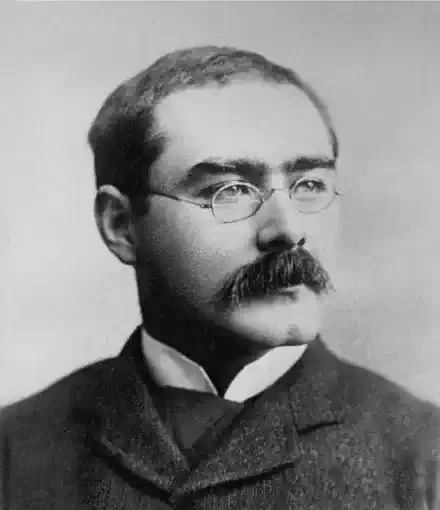
Rudyard Kipling
Tarrant Moss
Tarrant Moss
I closed and drew for my love's sake
That now is false to me,
And I slew the Reiver of Tarrant Moss
And set Dumeny free.
They have gone down, they have gone down,
They are standing all arow -
Twenty knights in the peat-water,
That never struck a blow!
Their armour shall not dull nor rust,
Their flesh shall not decay,
For Tarrant Moss holds them in trust,
Until the Judgment Day.
Their soul went from them in their youth,
Ah God, that mine had gone,
Whenas I leaned on my love's truth
And not on my sword alone!
Whenas I leaned on lad's belief
And not on my naked blade -
And I slew a thief, and an honest thief,
For the sake of a worthless maid.
They have laid the Reiver low in his place,
They have set me up on high,
But the twenty knights in the peat-water
Are luckier than I!
And ever they give me gold and praise
And ever I mourn my loss -
For I struck the blow for my false love's sake
And not for the Men of the Moss!
I closed and drew for my love's sake
That now is false to me,
And I slew the Reiver of Tarrant Moss
And set Dumeny free.
They have gone down, they have gone down,
They are standing all arow -
Twenty knights in the peat-water,
That never struck a blow!
Their armour shall not dull nor rust,
Their flesh shall not decay,
For Tarrant Moss holds them in trust,
Until the Judgment Day.
Their soul went from them in their youth,
Ah God, that mine had gone,
Whenas I leaned on my love's truth
And not on my sword alone!
Whenas I leaned on lad's belief
And not on my naked blade -
And I slew a thief, and an honest thief,
For the sake of a worthless maid.
They have laid the Reiver low in his place,
They have set me up on high,
But the twenty knights in the peat-water
Are luckier than I!
And ever they give me gold and praise
And ever I mourn my loss -
For I struck the blow for my false love's sake
And not for the Men of the Moss!
478
Rudyard Kipling
Tarrant Moss
Tarrant Moss
I closed and drew for my love's sake
That now is false to me,
And I slew the Reiver of Tarrant Moss
And set Dumeny free.
They have gone down, they have gone down,
They are standing all arow -
Twenty knights in the peat-water,
That never struck a blow!
Their armour shall not dull nor rust,
Their flesh shall not decay,
For Tarrant Moss holds them in trust,
Until the Judgment Day.
Their soul went from them in their youth,
Ah God, that mine had gone,
Whenas I leaned on my love's truth
And not on my sword alone!
Whenas I leaned on lad's belief
And not on my naked blade -
And I slew a thief, and an honest thief,
For the sake of a worthless maid.
They have laid the Reiver low in his place,
They have set me up on high,
But the twenty knights in the peat-water
Are luckier than I!
And ever they give me gold and praise
And ever I mourn my loss -
For I struck the blow for my false love's sake
And not for the Men of the Moss!
I closed and drew for my love's sake
That now is false to me,
And I slew the Reiver of Tarrant Moss
And set Dumeny free.
They have gone down, they have gone down,
They are standing all arow -
Twenty knights in the peat-water,
That never struck a blow!
Their armour shall not dull nor rust,
Their flesh shall not decay,
For Tarrant Moss holds them in trust,
Until the Judgment Day.
Their soul went from them in their youth,
Ah God, that mine had gone,
Whenas I leaned on my love's truth
And not on my sword alone!
Whenas I leaned on lad's belief
And not on my naked blade -
And I slew a thief, and an honest thief,
For the sake of a worthless maid.
They have laid the Reiver low in his place,
They have set me up on high,
But the twenty knights in the peat-water
Are luckier than I!
And ever they give me gold and praise
And ever I mourn my loss -
For I struck the blow for my false love's sake
And not for the Men of the Moss!
478
Rudyard Kipling
Song of the Fifth River
Song of the Fifth River
Where first by Eden Tree
The Four Great Rivers ran,
To each was appointed a Man
Her Prince and Ruler to be.
But after this was ordained
(The ancient legends' tell),
There came dark Israel,
For whom no River remained.
Then He Whom the Rivers obey
Said to him: "Fling on the ground
A handful of yellow clay,
And a Fifth Great River shall run,
Mightier than these Four,
In secret the Earth around;
And Her secret evermore,
Shall be shown to thee and thy Race."
So it was said and done.
And, deep in the veins of Earth,
And, fed by a thousand springs
That comfort the market-place,
Or sap the power of King,
The Fifth Great River had birth,
Even as it was foretold--
The Secret River of Gold!
And Israel laid down
His sceptre and his crown,
To brood on that River bank
Where the waters flashed and sank
And burrowed in earth and fell
And bided a season below,
For reason that none might know,
Save only Israel
He is Lord of the Last--
The Fifth, most wonderful, Flood.
He hears Her thunder past
And Her Song is in his blood.
He can foresay: "She will fall,"
For he knows which fountain dries
Behind which desert-belt
A thousand leagues to the South.
He can foresay: "She will rise."
He knows what far snows melt
Along what mountain-wall
A thousand leagues to the North,
He snuffs the coming drouth
As he snuffs the coming rain,
He knows what each will bring forth,
And turns it to his gain.
A Ruler without a Throne,
A Prince without a Sword,
Israel follows his quest.
In every land a guest,
Of many lands a lord,
In no land King is he.
But the Fifth Great River keeps
The secret of Her deeps
For Israel alone,
As it was ordered to be.
Where first by Eden Tree
The Four Great Rivers ran,
To each was appointed a Man
Her Prince and Ruler to be.
But after this was ordained
(The ancient legends' tell),
There came dark Israel,
For whom no River remained.
Then He Whom the Rivers obey
Said to him: "Fling on the ground
A handful of yellow clay,
And a Fifth Great River shall run,
Mightier than these Four,
In secret the Earth around;
And Her secret evermore,
Shall be shown to thee and thy Race."
So it was said and done.
And, deep in the veins of Earth,
And, fed by a thousand springs
That comfort the market-place,
Or sap the power of King,
The Fifth Great River had birth,
Even as it was foretold--
The Secret River of Gold!
And Israel laid down
His sceptre and his crown,
To brood on that River bank
Where the waters flashed and sank
And burrowed in earth and fell
And bided a season below,
For reason that none might know,
Save only Israel
He is Lord of the Last--
The Fifth, most wonderful, Flood.
He hears Her thunder past
And Her Song is in his blood.
He can foresay: "She will fall,"
For he knows which fountain dries
Behind which desert-belt
A thousand leagues to the South.
He can foresay: "She will rise."
He knows what far snows melt
Along what mountain-wall
A thousand leagues to the North,
He snuffs the coming drouth
As he snuffs the coming rain,
He knows what each will bring forth,
And turns it to his gain.
A Ruler without a Throne,
A Prince without a Sword,
Israel follows his quest.
In every land a guest,
Of many lands a lord,
In no land King is he.
But the Fifth Great River keeps
The secret of Her deeps
For Israel alone,
As it was ordered to be.
558
Rudyard Kipling
Song of the Fifth River
Song of the Fifth River
Where first by Eden Tree
The Four Great Rivers ran,
To each was appointed a Man
Her Prince and Ruler to be.
But after this was ordained
(The ancient legends' tell),
There came dark Israel,
For whom no River remained.
Then He Whom the Rivers obey
Said to him: "Fling on the ground
A handful of yellow clay,
And a Fifth Great River shall run,
Mightier than these Four,
In secret the Earth around;
And Her secret evermore,
Shall be shown to thee and thy Race."
So it was said and done.
And, deep in the veins of Earth,
And, fed by a thousand springs
That comfort the market-place,
Or sap the power of King,
The Fifth Great River had birth,
Even as it was foretold--
The Secret River of Gold!
And Israel laid down
His sceptre and his crown,
To brood on that River bank
Where the waters flashed and sank
And burrowed in earth and fell
And bided a season below,
For reason that none might know,
Save only Israel
He is Lord of the Last--
The Fifth, most wonderful, Flood.
He hears Her thunder past
And Her Song is in his blood.
He can foresay: "She will fall,"
For he knows which fountain dries
Behind which desert-belt
A thousand leagues to the South.
He can foresay: "She will rise."
He knows what far snows melt
Along what mountain-wall
A thousand leagues to the North,
He snuffs the coming drouth
As he snuffs the coming rain,
He knows what each will bring forth,
And turns it to his gain.
A Ruler without a Throne,
A Prince without a Sword,
Israel follows his quest.
In every land a guest,
Of many lands a lord,
In no land King is he.
But the Fifth Great River keeps
The secret of Her deeps
For Israel alone,
As it was ordered to be.
Where first by Eden Tree
The Four Great Rivers ran,
To each was appointed a Man
Her Prince and Ruler to be.
But after this was ordained
(The ancient legends' tell),
There came dark Israel,
For whom no River remained.
Then He Whom the Rivers obey
Said to him: "Fling on the ground
A handful of yellow clay,
And a Fifth Great River shall run,
Mightier than these Four,
In secret the Earth around;
And Her secret evermore,
Shall be shown to thee and thy Race."
So it was said and done.
And, deep in the veins of Earth,
And, fed by a thousand springs
That comfort the market-place,
Or sap the power of King,
The Fifth Great River had birth,
Even as it was foretold--
The Secret River of Gold!
And Israel laid down
His sceptre and his crown,
To brood on that River bank
Where the waters flashed and sank
And burrowed in earth and fell
And bided a season below,
For reason that none might know,
Save only Israel
He is Lord of the Last--
The Fifth, most wonderful, Flood.
He hears Her thunder past
And Her Song is in his blood.
He can foresay: "She will fall,"
For he knows which fountain dries
Behind which desert-belt
A thousand leagues to the South.
He can foresay: "She will rise."
He knows what far snows melt
Along what mountain-wall
A thousand leagues to the North,
He snuffs the coming drouth
As he snuffs the coming rain,
He knows what each will bring forth,
And turns it to his gain.
A Ruler without a Throne,
A Prince without a Sword,
Israel follows his quest.
In every land a guest,
Of many lands a lord,
In no land King is he.
But the Fifth Great River keeps
The secret of Her deeps
For Israel alone,
As it was ordered to be.
558
Rudyard Kipling
Soldier, Soldier
Soldier, Soldier
"Soldier, soldier come from the wars,
Why don't you march with my true love?"
"We're fresh from off the ship an' 'e's maybe give the slip,
An' you'd best go look for a new love."
New love! True love!
Best go look for a new love,
The dead they cannot rise, an' you'd better dry your eyes,
An' you'd best go look for a new love.
"Soldier, soldier come from the wars,
What did you see o' my true love?"
"I seed 'im serve the Queen in a suit o' rifle-green,
An' you'd best go look for a new love."
"Soldier, soldier come from the wars,
Did ye see no more o' my true love?"
"I seed 'im runnin' by when the shots begun to fly --
But you'd best go look for a new love."
"Soldier, soldier come from the wars,
Did aught take 'arm to my true love?"
"I couldn't see the fight, for the smoke it lay so white --
An' you'd best go look for a new love."
"Soldier, soldier come from the wars,
I'll up an' tend to my true love!"
"'E's lying on the dead with a bullet through 'is 'ead,
An' you'd best go look for a new love."
"Soldier, soldier come from the wars,
I'll down an' die with my true love!"
"The pit we dug'll 'ide 'im an' the twenty men beside 'im --
An' you'd best go look for a new love."
"Soldier, soldier come from the wars,
Do you bring no sign from my true love?"
"I bring a lock of 'air that 'e allus used to wear,
An' you'd best go look for a new love."
"Soldier, soldier come from the wars,
O then I know it's true I've lost my true love!"
"An' I tell you truth again -- when you've lost the feel o' pain
You'd best take me for your true love."
True love! New love!
Best take 'im for a new love,
The dead they cannot rise, an' you'd better dry your eyes,
An' you'd best take 'im for your true love.
"Soldier, soldier come from the wars,
Why don't you march with my true love?"
"We're fresh from off the ship an' 'e's maybe give the slip,
An' you'd best go look for a new love."
New love! True love!
Best go look for a new love,
The dead they cannot rise, an' you'd better dry your eyes,
An' you'd best go look for a new love.
"Soldier, soldier come from the wars,
What did you see o' my true love?"
"I seed 'im serve the Queen in a suit o' rifle-green,
An' you'd best go look for a new love."
"Soldier, soldier come from the wars,
Did ye see no more o' my true love?"
"I seed 'im runnin' by when the shots begun to fly --
But you'd best go look for a new love."
"Soldier, soldier come from the wars,
Did aught take 'arm to my true love?"
"I couldn't see the fight, for the smoke it lay so white --
An' you'd best go look for a new love."
"Soldier, soldier come from the wars,
I'll up an' tend to my true love!"
"'E's lying on the dead with a bullet through 'is 'ead,
An' you'd best go look for a new love."
"Soldier, soldier come from the wars,
I'll down an' die with my true love!"
"The pit we dug'll 'ide 'im an' the twenty men beside 'im --
An' you'd best go look for a new love."
"Soldier, soldier come from the wars,
Do you bring no sign from my true love?"
"I bring a lock of 'air that 'e allus used to wear,
An' you'd best go look for a new love."
"Soldier, soldier come from the wars,
O then I know it's true I've lost my true love!"
"An' I tell you truth again -- when you've lost the feel o' pain
You'd best take me for your true love."
True love! New love!
Best take 'im for a new love,
The dead they cannot rise, an' you'd better dry your eyes,
An' you'd best take 'im for your true love.
462
Rudyard Kipling
Snarleyow
Snarleyow
This 'appened in a battle to a batt'ry of the corps
Which is first among the women an' amazin' first in war;
An' what the bloomin' battle was I don't remember now,
But Two's off-lead 'e answered to the name o' ~Snarleyow~.
Down in the Infantry, nobody cares;
Down in the Cavalry, Colonel 'e swears;
But down in the lead with the wheel at the flog
Turns the bold Bombardier to a little whipped dog!
They was movin' into action, they was needed very sore,
To learn a little schoolin' to a native army corps,
They 'ad nipped against an uphill, they was tuckin' down the brow,
When a tricky, trundlin' roundshot give the knock to ~Snarleyow~.
They cut 'im loose an' left 'im -- 'e was almost tore in two --
But he tried to follow after as a well-trained 'orse should do;
'E went an' fouled the limber, an' the Driver's Brother squeals:
"Pull up, pull up for ~Snarleyow~ -- 'is head's between 'is 'eels!"
The Driver 'umped 'is shoulder, for the wheels was goin' round,
An' there ain't no "Stop, conductor!" when a batt'ry's changin' ground;
Sez 'e: "I broke the beggar in, an' very sad I feels,
But I couldn't pull up, not for ~you~ -- your 'ead between your 'eels!"
'E 'adn't 'ardly spoke the word, before a droppin' shell
A little right the batt'ry an' between the sections fell;
An' when the smoke 'ad cleared away, before the limber wheels,
There lay the Driver's Brother with 'is 'ead between 'is 'eels.
Then sez the Driver's Brother, an' 'is words was very plain,
"For Gawd's own sake get over me, an' put me out o' pain."
They saw 'is wounds was mortial, an' they judged that it was best,
So they took an' drove the limber straight across 'is back an' chest.
The Driver 'e give nothin' 'cept a little coughin' grunt,
But 'e swung 'is 'orses 'andsome when it came to "Action Front!"
An' if one wheel was juicy, you may lay your Monday head
'Twas juicier for the niggers when the case begun to spread.
The moril of this story, it is plainly to be seen:
You 'avn't got no families when servin' of the Queen --
You 'avn't got no brothers, fathers, sisters, wives, or sons --
If you want to win your battles take an' work your bloomin' guns!
Down in the Infantry, nobody cares;
Down in the Cavalry, Colonel 'e swears;
But down in the lead with the wheel at the flog
Turns the bold Bombardier to a little whipped dog!
This 'appened in a battle to a batt'ry of the corps
Which is first among the women an' amazin' first in war;
An' what the bloomin' battle was I don't remember now,
But Two's off-lead 'e answered to the name o' ~Snarleyow~.
Down in the Infantry, nobody cares;
Down in the Cavalry, Colonel 'e swears;
But down in the lead with the wheel at the flog
Turns the bold Bombardier to a little whipped dog!
They was movin' into action, they was needed very sore,
To learn a little schoolin' to a native army corps,
They 'ad nipped against an uphill, they was tuckin' down the brow,
When a tricky, trundlin' roundshot give the knock to ~Snarleyow~.
They cut 'im loose an' left 'im -- 'e was almost tore in two --
But he tried to follow after as a well-trained 'orse should do;
'E went an' fouled the limber, an' the Driver's Brother squeals:
"Pull up, pull up for ~Snarleyow~ -- 'is head's between 'is 'eels!"
The Driver 'umped 'is shoulder, for the wheels was goin' round,
An' there ain't no "Stop, conductor!" when a batt'ry's changin' ground;
Sez 'e: "I broke the beggar in, an' very sad I feels,
But I couldn't pull up, not for ~you~ -- your 'ead between your 'eels!"
'E 'adn't 'ardly spoke the word, before a droppin' shell
A little right the batt'ry an' between the sections fell;
An' when the smoke 'ad cleared away, before the limber wheels,
There lay the Driver's Brother with 'is 'ead between 'is 'eels.
Then sez the Driver's Brother, an' 'is words was very plain,
"For Gawd's own sake get over me, an' put me out o' pain."
They saw 'is wounds was mortial, an' they judged that it was best,
So they took an' drove the limber straight across 'is back an' chest.
The Driver 'e give nothin' 'cept a little coughin' grunt,
But 'e swung 'is 'orses 'andsome when it came to "Action Front!"
An' if one wheel was juicy, you may lay your Monday head
'Twas juicier for the niggers when the case begun to spread.
The moril of this story, it is plainly to be seen:
You 'avn't got no families when servin' of the Queen --
You 'avn't got no brothers, fathers, sisters, wives, or sons --
If you want to win your battles take an' work your bloomin' guns!
Down in the Infantry, nobody cares;
Down in the Cavalry, Colonel 'e swears;
But down in the lead with the wheel at the flog
Turns the bold Bombardier to a little whipped dog!
466
Rudyard Kipling
Sestina Of The Tramp-Royal
Sestina Of The Tramp-Royal
Speakin' in general, I 'ave tried 'em all,
The 'appy roads that take you o'er the world.
Speakin' in general, I 'ave found them good
For such as cannot use one bed too long,
But must get 'ence, the same as I 'ave done,
An' go observin' matters till they die.
What do it matter where or 'ow we die,
So long as we've our 'ealth to watch it all --
The different ways that different things are done,
An' men an' women lovin' in this world --
Takin' our chances as they come along,
An' when they ain't, pretendin' they are good?
In cash or credit -- no, it aren't no good;
You 'ave to 'ave the 'abit or you'd die,
Unless you lived your life but one day long,
Nor didn't prophesy nor fret at all,
But drew your tucker some'ow from the world,
An' never bothered what you might ha' done.
But, Gawd, what things are they I 'aven't done?
I've turned my 'and to most, an' turned it good,
In various situations round the world --
For 'im that doth not work must surely die;
But that's no reason man should labour all
'Is life on one same shift; life's none so long.
Therefore, from job to job I've moved along.
Pay couldn't 'old me when my time was done,
For something in my 'ead upset me all,
Till I 'ad dropped whatever 'twas for good,
An', out at sea, be'eld the dock-lights die,
An' met my mate -- the wind that tramps the world!
It's like a book, I think, this bloomin' world,
Which you can read and care for just so long,
But presently you feel that you will die
Unless you get the page you're readin' done,
An' turn another -- likely not so good;
But what you're after is to turn 'em all.
Gawd bless this world! Whatever she 'ath done --
Excep' when awful long -- I've found it good.
So write, before I die, "'E liked it all!"
Speakin' in general, I 'ave tried 'em all,
The 'appy roads that take you o'er the world.
Speakin' in general, I 'ave found them good
For such as cannot use one bed too long,
But must get 'ence, the same as I 'ave done,
An' go observin' matters till they die.
What do it matter where or 'ow we die,
So long as we've our 'ealth to watch it all --
The different ways that different things are done,
An' men an' women lovin' in this world --
Takin' our chances as they come along,
An' when they ain't, pretendin' they are good?
In cash or credit -- no, it aren't no good;
You 'ave to 'ave the 'abit or you'd die,
Unless you lived your life but one day long,
Nor didn't prophesy nor fret at all,
But drew your tucker some'ow from the world,
An' never bothered what you might ha' done.
But, Gawd, what things are they I 'aven't done?
I've turned my 'and to most, an' turned it good,
In various situations round the world --
For 'im that doth not work must surely die;
But that's no reason man should labour all
'Is life on one same shift; life's none so long.
Therefore, from job to job I've moved along.
Pay couldn't 'old me when my time was done,
For something in my 'ead upset me all,
Till I 'ad dropped whatever 'twas for good,
An', out at sea, be'eld the dock-lights die,
An' met my mate -- the wind that tramps the world!
It's like a book, I think, this bloomin' world,
Which you can read and care for just so long,
But presently you feel that you will die
Unless you get the page you're readin' done,
An' turn another -- likely not so good;
But what you're after is to turn 'em all.
Gawd bless this world! Whatever she 'ath done --
Excep' when awful long -- I've found it good.
So write, before I die, "'E liked it all!"
567
Rudyard Kipling
Shillin' A Day
Shillin' A Day
My name is O'Kelly, I've heard the Revelly
From Birr to Bareilly, from Leeds to Lahore,
Hong-Kong and Peshawur,
Lucknow and Etawah,
And fifty-five more all endin' in "pore".
Black Death and his quickness, the depth and the thickness,
Of sorrow and sickness I've known on my way,
But I'm old and I'm nervis,
I'm cast from the Service,
And all I deserve is a shillin' a day.
(~Chorus~) Shillin' a day,
Bloomin' good pay --
Lucky to touch it, a shillin' a day!
Oh, it drives me half crazy to think of the days I
Went slap for the Ghazi, my sword at my side,
When we rode Hell-for-leather
Both squadrons together,
That didn't care whether we lived or we died.
But it's no use despairin', my wife must go charin'
An' me commissairin' the pay-bills to better,
So if me you be'old
In the wet and the cold,
By the Grand Metropold, won't you give me a letter?
(~Full chorus~) Give 'im a letter --
'Can't do no better,
Late Troop-Sergeant-Major an' -- runs with a letter!
Think what 'e's been,
Think what 'e's seen,
Think of his pension an' ----
GAWD SAVE THE QUEEN.
My name is O'Kelly, I've heard the Revelly
From Birr to Bareilly, from Leeds to Lahore,
Hong-Kong and Peshawur,
Lucknow and Etawah,
And fifty-five more all endin' in "pore".
Black Death and his quickness, the depth and the thickness,
Of sorrow and sickness I've known on my way,
But I'm old and I'm nervis,
I'm cast from the Service,
And all I deserve is a shillin' a day.
(~Chorus~) Shillin' a day,
Bloomin' good pay --
Lucky to touch it, a shillin' a day!
Oh, it drives me half crazy to think of the days I
Went slap for the Ghazi, my sword at my side,
When we rode Hell-for-leather
Both squadrons together,
That didn't care whether we lived or we died.
But it's no use despairin', my wife must go charin'
An' me commissairin' the pay-bills to better,
So if me you be'old
In the wet and the cold,
By the Grand Metropold, won't you give me a letter?
(~Full chorus~) Give 'im a letter --
'Can't do no better,
Late Troop-Sergeant-Major an' -- runs with a letter!
Think what 'e's been,
Think what 'e's seen,
Think of his pension an' ----
GAWD SAVE THE QUEEN.
475
Rudyard Kipling
Screw-Guns
Screw-Guns
Smokin' my pipe on the mountings, sniffin' the mornin' cool,
I walks in my old brown gaiters along o' my old brown mule,
With seventy gunners be'ind me, an' never a beggar forgets
It's only the pick of the Army
that handles the dear little pets -- 'Tss! 'Tss!
For you all love the screw-guns -- the screw-guns they all love you!
So when we call round with a few guns,
o' course you will know what to do -- hoo! hoo!
Jest send in your Chief an' surrender --
it's worse if you fights or you runs:
You can go where you please, you can skid up the trees,
but you don't get away from the guns!
They sends us along where the roads are, but mostly we goes where they ain't:
We'd climb up the side of a sign-board an' trust to the stick o' the paint:
We've chivied the Naga an' Looshai, we've give the Afreedeeman fits,
For we fancies ourselves at two thousand,
we guns that are built in two bits -- 'Tss! 'Tss!
For you all love the screw-guns . . .
If a man doesn't work, why, we drills 'im an' teaches 'im 'ow to behave;
If a beggar can't march, why, we kills 'im an' rattles 'im into 'is grave.
You've got to stand up to our business an' spring without snatchin' or fuss.
D'you say that you sweat with the field-guns?
By God, you must lather with us -- 'Tss! 'Tss!
For you all love the screw-guns . . .
The eagles is screamin' around us, the river's a-moanin' below,
We're clear o' the pine an' the oak-scrub,
we're out on the rocks an' the snow,
An' the wind is as thin as a whip-lash what carries away to the plains
The rattle an' stamp o' the lead-mules --
the jinglety-jink o' the chains -- 'Tss! 'Tss!
For you all love the screw-guns . . .
There's a wheel on the Horns o' the Mornin',
an' a wheel on the edge o' the Pit,
An' a drop into nothin' beneath you as straight as a beggar can spit:
With the sweat runnin' out o' your shirt-sleeves,
an' the sun off the snow in your face,
An' 'arf o' the men on the drag-ropes
to hold the old gun in 'er place -- 'Tss! 'Tss!
For you all love the screw-guns . . .
Smokin' my pipe on the mountings, sniffin' the mornin' cool,
I climbs in my old brown gaiters along o' my old brown mule.
The monkey can say what our road was --
the wild-goat 'e knows where we passed.
Stand easy, you long-eared old darlin's!
Out drag-ropes! With shrapnel! Hold fast -- 'Tss! 'Tss!
For you all love the screw-guns -- the screw-guns they all love you!
So when we take tea with a few guns,
o' course you will know what to do -- hoo! hoo!
Jest send in your Chief an' surrender --
it's worse if you fights or you runs:
You may hide in the caves, they'll be only your graves,
but you can't get away from the guns!
Smokin' my pipe on the mountings, sniffin' the mornin' cool,
I walks in my old brown gaiters along o' my old brown mule,
With seventy gunners be'ind me, an' never a beggar forgets
It's only the pick of the Army
that handles the dear little pets -- 'Tss! 'Tss!
For you all love the screw-guns -- the screw-guns they all love you!
So when we call round with a few guns,
o' course you will know what to do -- hoo! hoo!
Jest send in your Chief an' surrender --
it's worse if you fights or you runs:
You can go where you please, you can skid up the trees,
but you don't get away from the guns!
They sends us along where the roads are, but mostly we goes where they ain't:
We'd climb up the side of a sign-board an' trust to the stick o' the paint:
We've chivied the Naga an' Looshai, we've give the Afreedeeman fits,
For we fancies ourselves at two thousand,
we guns that are built in two bits -- 'Tss! 'Tss!
For you all love the screw-guns . . .
If a man doesn't work, why, we drills 'im an' teaches 'im 'ow to behave;
If a beggar can't march, why, we kills 'im an' rattles 'im into 'is grave.
You've got to stand up to our business an' spring without snatchin' or fuss.
D'you say that you sweat with the field-guns?
By God, you must lather with us -- 'Tss! 'Tss!
For you all love the screw-guns . . .
The eagles is screamin' around us, the river's a-moanin' below,
We're clear o' the pine an' the oak-scrub,
we're out on the rocks an' the snow,
An' the wind is as thin as a whip-lash what carries away to the plains
The rattle an' stamp o' the lead-mules --
the jinglety-jink o' the chains -- 'Tss! 'Tss!
For you all love the screw-guns . . .
There's a wheel on the Horns o' the Mornin',
an' a wheel on the edge o' the Pit,
An' a drop into nothin' beneath you as straight as a beggar can spit:
With the sweat runnin' out o' your shirt-sleeves,
an' the sun off the snow in your face,
An' 'arf o' the men on the drag-ropes
to hold the old gun in 'er place -- 'Tss! 'Tss!
For you all love the screw-guns . . .
Smokin' my pipe on the mountings, sniffin' the mornin' cool,
I climbs in my old brown gaiters along o' my old brown mule.
The monkey can say what our road was --
the wild-goat 'e knows where we passed.
Stand easy, you long-eared old darlin's!
Out drag-ropes! With shrapnel! Hold fast -- 'Tss! 'Tss!
For you all love the screw-guns -- the screw-guns they all love you!
So when we take tea with a few guns,
o' course you will know what to do -- hoo! hoo!
Jest send in your Chief an' surrender --
it's worse if you fights or you runs:
You may hide in the caves, they'll be only your graves,
but you can't get away from the guns!
635
Rudyard Kipling
Screw-Guns
Screw-Guns
Smokin' my pipe on the mountings, sniffin' the mornin' cool,
I walks in my old brown gaiters along o' my old brown mule,
With seventy gunners be'ind me, an' never a beggar forgets
It's only the pick of the Army
that handles the dear little pets -- 'Tss! 'Tss!
For you all love the screw-guns -- the screw-guns they all love you!
So when we call round with a few guns,
o' course you will know what to do -- hoo! hoo!
Jest send in your Chief an' surrender --
it's worse if you fights or you runs:
You can go where you please, you can skid up the trees,
but you don't get away from the guns!
They sends us along where the roads are, but mostly we goes where they ain't:
We'd climb up the side of a sign-board an' trust to the stick o' the paint:
We've chivied the Naga an' Looshai, we've give the Afreedeeman fits,
For we fancies ourselves at two thousand,
we guns that are built in two bits -- 'Tss! 'Tss!
For you all love the screw-guns . . .
If a man doesn't work, why, we drills 'im an' teaches 'im 'ow to behave;
If a beggar can't march, why, we kills 'im an' rattles 'im into 'is grave.
You've got to stand up to our business an' spring without snatchin' or fuss.
D'you say that you sweat with the field-guns?
By God, you must lather with us -- 'Tss! 'Tss!
For you all love the screw-guns . . .
The eagles is screamin' around us, the river's a-moanin' below,
We're clear o' the pine an' the oak-scrub,
we're out on the rocks an' the snow,
An' the wind is as thin as a whip-lash what carries away to the plains
The rattle an' stamp o' the lead-mules --
the jinglety-jink o' the chains -- 'Tss! 'Tss!
For you all love the screw-guns . . .
There's a wheel on the Horns o' the Mornin',
an' a wheel on the edge o' the Pit,
An' a drop into nothin' beneath you as straight as a beggar can spit:
With the sweat runnin' out o' your shirt-sleeves,
an' the sun off the snow in your face,
An' 'arf o' the men on the drag-ropes
to hold the old gun in 'er place -- 'Tss! 'Tss!
For you all love the screw-guns . . .
Smokin' my pipe on the mountings, sniffin' the mornin' cool,
I climbs in my old brown gaiters along o' my old brown mule.
The monkey can say what our road was --
the wild-goat 'e knows where we passed.
Stand easy, you long-eared old darlin's!
Out drag-ropes! With shrapnel! Hold fast -- 'Tss! 'Tss!
For you all love the screw-guns -- the screw-guns they all love you!
So when we take tea with a few guns,
o' course you will know what to do -- hoo! hoo!
Jest send in your Chief an' surrender --
it's worse if you fights or you runs:
You may hide in the caves, they'll be only your graves,
but you can't get away from the guns!
Smokin' my pipe on the mountings, sniffin' the mornin' cool,
I walks in my old brown gaiters along o' my old brown mule,
With seventy gunners be'ind me, an' never a beggar forgets
It's only the pick of the Army
that handles the dear little pets -- 'Tss! 'Tss!
For you all love the screw-guns -- the screw-guns they all love you!
So when we call round with a few guns,
o' course you will know what to do -- hoo! hoo!
Jest send in your Chief an' surrender --
it's worse if you fights or you runs:
You can go where you please, you can skid up the trees,
but you don't get away from the guns!
They sends us along where the roads are, but mostly we goes where they ain't:
We'd climb up the side of a sign-board an' trust to the stick o' the paint:
We've chivied the Naga an' Looshai, we've give the Afreedeeman fits,
For we fancies ourselves at two thousand,
we guns that are built in two bits -- 'Tss! 'Tss!
For you all love the screw-guns . . .
If a man doesn't work, why, we drills 'im an' teaches 'im 'ow to behave;
If a beggar can't march, why, we kills 'im an' rattles 'im into 'is grave.
You've got to stand up to our business an' spring without snatchin' or fuss.
D'you say that you sweat with the field-guns?
By God, you must lather with us -- 'Tss! 'Tss!
For you all love the screw-guns . . .
The eagles is screamin' around us, the river's a-moanin' below,
We're clear o' the pine an' the oak-scrub,
we're out on the rocks an' the snow,
An' the wind is as thin as a whip-lash what carries away to the plains
The rattle an' stamp o' the lead-mules --
the jinglety-jink o' the chains -- 'Tss! 'Tss!
For you all love the screw-guns . . .
There's a wheel on the Horns o' the Mornin',
an' a wheel on the edge o' the Pit,
An' a drop into nothin' beneath you as straight as a beggar can spit:
With the sweat runnin' out o' your shirt-sleeves,
an' the sun off the snow in your face,
An' 'arf o' the men on the drag-ropes
to hold the old gun in 'er place -- 'Tss! 'Tss!
For you all love the screw-guns . . .
Smokin' my pipe on the mountings, sniffin' the mornin' cool,
I climbs in my old brown gaiters along o' my old brown mule.
The monkey can say what our road was --
the wild-goat 'e knows where we passed.
Stand easy, you long-eared old darlin's!
Out drag-ropes! With shrapnel! Hold fast -- 'Tss! 'Tss!
For you all love the screw-guns -- the screw-guns they all love you!
So when we take tea with a few guns,
o' course you will know what to do -- hoo! hoo!
Jest send in your Chief an' surrender --
it's worse if you fights or you runs:
You may hide in the caves, they'll be only your graves,
but you can't get away from the guns!
635
Rudyard Kipling
Sea-Wife
Sea-Wife
There dwells a wife by the Northern Gate,
And a wealthy wife is she;
She breeds a breed o' rovin' men
And casts them over sea.
And some are drowned in deep water,
And some in sight o' shore,
And word goes back to the weary wife
And ever she sends more.
For since that wife had gate or gear,
Or hearth or garth or bield,
She willed her sons to the white harvest,
And that is a bitter yield.
She wills her sons to the wet ploughing,
To ride the horse of tree,
And syne her sons come back again
Far-spent from out the sea.
The good wife's sons come home again
With little into their hands,
But the lore of men that ha' dealt with men
In the new and naked lands;
But the faith of men that ha' brothered men
By more than easy breath,
And the eyes o' men that ha' read wi' men
In the open books of death.
Rich are they, rich in wonders seen,
But poor in the goods o' men;
So what they ha' got by the skin o' their teeth
They sell for their teeth again.
For whether they lose to the naked life
Or win to their hearts' desire,
They tell it all to the weary wife
That nods beside the fire.
Her hearth is wide to every wind
That makes the white ash spin;
And tide and tide and 'tween the tides
Her sons go out and in;
(Out with great mirth that do desire
Hazard of trackless ways,
In with content to wait their watch
And warm before the blaze);
And some return by failing light,
And some in waking dream,
For she hears the heels of the dripping ghosts
That ride the rough roof-beam.
Home, they come home from all the ports,
The living and the dead;
The good wife's sons come home again
For her blessing on their head!
There dwells a wife by the Northern Gate,
And a wealthy wife is she;
She breeds a breed o' rovin' men
And casts them over sea.
And some are drowned in deep water,
And some in sight o' shore,
And word goes back to the weary wife
And ever she sends more.
For since that wife had gate or gear,
Or hearth or garth or bield,
She willed her sons to the white harvest,
And that is a bitter yield.
She wills her sons to the wet ploughing,
To ride the horse of tree,
And syne her sons come back again
Far-spent from out the sea.
The good wife's sons come home again
With little into their hands,
But the lore of men that ha' dealt with men
In the new and naked lands;
But the faith of men that ha' brothered men
By more than easy breath,
And the eyes o' men that ha' read wi' men
In the open books of death.
Rich are they, rich in wonders seen,
But poor in the goods o' men;
So what they ha' got by the skin o' their teeth
They sell for their teeth again.
For whether they lose to the naked life
Or win to their hearts' desire,
They tell it all to the weary wife
That nods beside the fire.
Her hearth is wide to every wind
That makes the white ash spin;
And tide and tide and 'tween the tides
Her sons go out and in;
(Out with great mirth that do desire
Hazard of trackless ways,
In with content to wait their watch
And warm before the blaze);
And some return by failing light,
And some in waking dream,
For she hears the heels of the dripping ghosts
That ride the rough roof-beam.
Home, they come home from all the ports,
The living and the dead;
The good wife's sons come home again
For her blessing on their head!
476
Rudyard Kipling
Russia to the Pacifists
Russia to the Pacifists
God rest you, peaceful gentlemen, let nothing you dismay,
But--leave your sports a little while--the dead are borne
this way!
Armies dead and Cities dead, past all count or care.
God rest you, merry gentlemen, what portent see you there?
Singing:--Break ground for a wearied host
That have no ground to keep.
Give them the rest that they covet most . . .
And who shall next to sleep, good sirs,
In such a trench to sleep?
God rest you, peaceful gentlemen, but give us leave to pass.
We go to dig a nation's grave as great as England was.
For this Kingdom and this Glory and this Power and this Pride
Three hundred years it flourished--in three hundred days it
died.
Singing:--Pour oil for a frozen throng,
That lie about the ways.
Give them the warmth they have lacked so
long . . .
And what shall be next to blaze, good sirs,
On such a pyre to blaze?
God rest you, thoughtful gentlemen, and send your sleep is light!
Remains of this dominion no shadow, sound, or sight,
Except the sound of weeping and the sight of burning fire,
And the shadow of a people that is trampled into mire.
Singing:--Break bread for a starving folk
That perish in the field.
Give them their food as they take the yoke . . .
And who shall be next to yield, good sirs,
For such a bribe to yield?
God rest you merry gentlemen, and keep you in your mirth!
Was ever Kingdom turned so soon to ashes, blood and earth?
'Twixt the summer and the snow-seeding-time and frost--
Arms and victual, hope and counsel, name and country lost!
Singing:--Let down by the foot and the head--
Shovel and smooth it all !
So do we bury a Nation dead . . .
And who shall be next to fall, good sirs,
With your good help to fall?
God rest you, peaceful gentlemen, let nothing you dismay,
But--leave your sports a little while--the dead are borne
this way!
Armies dead and Cities dead, past all count or care.
God rest you, merry gentlemen, what portent see you there?
Singing:--Break ground for a wearied host
That have no ground to keep.
Give them the rest that they covet most . . .
And who shall next to sleep, good sirs,
In such a trench to sleep?
God rest you, peaceful gentlemen, but give us leave to pass.
We go to dig a nation's grave as great as England was.
For this Kingdom and this Glory and this Power and this Pride
Three hundred years it flourished--in three hundred days it
died.
Singing:--Pour oil for a frozen throng,
That lie about the ways.
Give them the warmth they have lacked so
long . . .
And what shall be next to blaze, good sirs,
On such a pyre to blaze?
God rest you, thoughtful gentlemen, and send your sleep is light!
Remains of this dominion no shadow, sound, or sight,
Except the sound of weeping and the sight of burning fire,
And the shadow of a people that is trampled into mire.
Singing:--Break bread for a starving folk
That perish in the field.
Give them their food as they take the yoke . . .
And who shall be next to yield, good sirs,
For such a bribe to yield?
God rest you merry gentlemen, and keep you in your mirth!
Was ever Kingdom turned so soon to ashes, blood and earth?
'Twixt the summer and the snow-seeding-time and frost--
Arms and victual, hope and counsel, name and country lost!
Singing:--Let down by the foot and the head--
Shovel and smooth it all !
So do we bury a Nation dead . . .
And who shall be next to fall, good sirs,
With your good help to fall?
458
Rudyard Kipling
Russia to the Pacifists
Russia to the Pacifists
God rest you, peaceful gentlemen, let nothing you dismay,
But--leave your sports a little while--the dead are borne
this way!
Armies dead and Cities dead, past all count or care.
God rest you, merry gentlemen, what portent see you there?
Singing:--Break ground for a wearied host
That have no ground to keep.
Give them the rest that they covet most . . .
And who shall next to sleep, good sirs,
In such a trench to sleep?
God rest you, peaceful gentlemen, but give us leave to pass.
We go to dig a nation's grave as great as England was.
For this Kingdom and this Glory and this Power and this Pride
Three hundred years it flourished--in three hundred days it
died.
Singing:--Pour oil for a frozen throng,
That lie about the ways.
Give them the warmth they have lacked so
long . . .
And what shall be next to blaze, good sirs,
On such a pyre to blaze?
God rest you, thoughtful gentlemen, and send your sleep is light!
Remains of this dominion no shadow, sound, or sight,
Except the sound of weeping and the sight of burning fire,
And the shadow of a people that is trampled into mire.
Singing:--Break bread for a starving folk
That perish in the field.
Give them their food as they take the yoke . . .
And who shall be next to yield, good sirs,
For such a bribe to yield?
God rest you merry gentlemen, and keep you in your mirth!
Was ever Kingdom turned so soon to ashes, blood and earth?
'Twixt the summer and the snow-seeding-time and frost--
Arms and victual, hope and counsel, name and country lost!
Singing:--Let down by the foot and the head--
Shovel and smooth it all !
So do we bury a Nation dead . . .
And who shall be next to fall, good sirs,
With your good help to fall?
God rest you, peaceful gentlemen, let nothing you dismay,
But--leave your sports a little while--the dead are borne
this way!
Armies dead and Cities dead, past all count or care.
God rest you, merry gentlemen, what portent see you there?
Singing:--Break ground for a wearied host
That have no ground to keep.
Give them the rest that they covet most . . .
And who shall next to sleep, good sirs,
In such a trench to sleep?
God rest you, peaceful gentlemen, but give us leave to pass.
We go to dig a nation's grave as great as England was.
For this Kingdom and this Glory and this Power and this Pride
Three hundred years it flourished--in three hundred days it
died.
Singing:--Pour oil for a frozen throng,
That lie about the ways.
Give them the warmth they have lacked so
long . . .
And what shall be next to blaze, good sirs,
On such a pyre to blaze?
God rest you, thoughtful gentlemen, and send your sleep is light!
Remains of this dominion no shadow, sound, or sight,
Except the sound of weeping and the sight of burning fire,
And the shadow of a people that is trampled into mire.
Singing:--Break bread for a starving folk
That perish in the field.
Give them their food as they take the yoke . . .
And who shall be next to yield, good sirs,
For such a bribe to yield?
God rest you merry gentlemen, and keep you in your mirth!
Was ever Kingdom turned so soon to ashes, blood and earth?
'Twixt the summer and the snow-seeding-time and frost--
Arms and victual, hope and counsel, name and country lost!
Singing:--Let down by the foot and the head--
Shovel and smooth it all !
So do we bury a Nation dead . . .
And who shall be next to fall, good sirs,
With your good help to fall?
458
Rudyard Kipling
Romulus and Remus
Romulus and Remus
Canadian
Oh, little did the Wolf-Child care--
When first he planned his home,
What City should arise and bear
The weight and state of Rome.
A shiftless, westward-wandering tramp,
Checked by the Tiber flood,
He reared a wall around his camp
Of uninspired mud.
But when his brother leaped the Wall
And mocked its height and make,
He guessed the future of it all
And slew him for its sake.
Swift was the blow--swift as the thought
Which showed him in that hour
How unbelief may bring to naught
The early steps of Power.
Foreseeing Time's imperilled hopes
Of Glory, Grace, and Love--
All singers, Caesars, artists, Popes--
Would fail if Remus throve,
He sent his brother to the Gods,
And, when the fit was o'er,
Went on collecting turves and clods
To build the Wall once more!
Canadian
Oh, little did the Wolf-Child care--
When first he planned his home,
What City should arise and bear
The weight and state of Rome.
A shiftless, westward-wandering tramp,
Checked by the Tiber flood,
He reared a wall around his camp
Of uninspired mud.
But when his brother leaped the Wall
And mocked its height and make,
He guessed the future of it all
And slew him for its sake.
Swift was the blow--swift as the thought
Which showed him in that hour
How unbelief may bring to naught
The early steps of Power.
Foreseeing Time's imperilled hopes
Of Glory, Grace, and Love--
All singers, Caesars, artists, Popes--
Would fail if Remus throve,
He sent his brother to the Gods,
And, when the fit was o'er,
Went on collecting turves and clods
To build the Wall once more!
464
Rudyard Kipling
Romulus and Remus
Romulus and Remus
Canadian
Oh, little did the Wolf-Child care--
When first he planned his home,
What City should arise and bear
The weight and state of Rome.
A shiftless, westward-wandering tramp,
Checked by the Tiber flood,
He reared a wall around his camp
Of uninspired mud.
But when his brother leaped the Wall
And mocked its height and make,
He guessed the future of it all
And slew him for its sake.
Swift was the blow--swift as the thought
Which showed him in that hour
How unbelief may bring to naught
The early steps of Power.
Foreseeing Time's imperilled hopes
Of Glory, Grace, and Love--
All singers, Caesars, artists, Popes--
Would fail if Remus throve,
He sent his brother to the Gods,
And, when the fit was o'er,
Went on collecting turves and clods
To build the Wall once more!
Canadian
Oh, little did the Wolf-Child care--
When first he planned his home,
What City should arise and bear
The weight and state of Rome.
A shiftless, westward-wandering tramp,
Checked by the Tiber flood,
He reared a wall around his camp
Of uninspired mud.
But when his brother leaped the Wall
And mocked its height and make,
He guessed the future of it all
And slew him for its sake.
Swift was the blow--swift as the thought
Which showed him in that hour
How unbelief may bring to naught
The early steps of Power.
Foreseeing Time's imperilled hopes
Of Glory, Grace, and Love--
All singers, Caesars, artists, Popes--
Would fail if Remus throve,
He sent his brother to the Gods,
And, when the fit was o'er,
Went on collecting turves and clods
To build the Wall once more!
464
Rudyard Kipling
Romulus and Remus
Romulus and Remus
Canadian
Oh, little did the Wolf-Child care--
When first he planned his home,
What City should arise and bear
The weight and state of Rome.
A shiftless, westward-wandering tramp,
Checked by the Tiber flood,
He reared a wall around his camp
Of uninspired mud.
But when his brother leaped the Wall
And mocked its height and make,
He guessed the future of it all
And slew him for its sake.
Swift was the blow--swift as the thought
Which showed him in that hour
How unbelief may bring to naught
The early steps of Power.
Foreseeing Time's imperilled hopes
Of Glory, Grace, and Love--
All singers, Caesars, artists, Popes--
Would fail if Remus throve,
He sent his brother to the Gods,
And, when the fit was o'er,
Went on collecting turves and clods
To build the Wall once more!
Canadian
Oh, little did the Wolf-Child care--
When first he planned his home,
What City should arise and bear
The weight and state of Rome.
A shiftless, westward-wandering tramp,
Checked by the Tiber flood,
He reared a wall around his camp
Of uninspired mud.
But when his brother leaped the Wall
And mocked its height and make,
He guessed the future of it all
And slew him for its sake.
Swift was the blow--swift as the thought
Which showed him in that hour
How unbelief may bring to naught
The early steps of Power.
Foreseeing Time's imperilled hopes
Of Glory, Grace, and Love--
All singers, Caesars, artists, Popes--
Would fail if Remus throve,
He sent his brother to the Gods,
And, when the fit was o'er,
Went on collecting turves and clods
To build the Wall once more!
464
Rudyard Kipling
Rimmon
Rimmon
-- After Boer War
Duly with knees that feign to quake--
Bent head and shaded brow,--
Yet once again, for my father's sake,
In Rimmon's House I bow.
The curtains part, the trumpet blares,
And the eunuchs howl aloud;
And the gilt, swag-bellied idol glares
Insolent over the crowd.
"This is Rimmon, Lord of the Earth--
"Fear Him and bow the knee!"
And I watch my comrades hide their mirth
That rode to the wars with me.
For we remember the sun and the sand
And the rocks whereon we trod,
Ere we came to a scorched and a scornful land
That did not know our God;
As we remember the sacrifice,
Dead men an hundred laid--
Slain while they served His mysteries,
And that He would not aid--
Not though we gashed ourselves and wept,
For the high-priest bade us wait;
Saying He went on a journey or slept,
Or was drunk or had taken a mate.
(Praise ye Rimmon, King of Kings,
Who ruleth Earth and Sky!
And again I bow as the censer swings
And the God Enthroned goes by.)
Ay, we remember His sacred ark
And the virtuous men that knelt
To the dark and the hush behind the dark
Wherein we dreamed He dwelt;
Until we entered to hale Him out
And found no more than an old
Uncleanly image girded about
The loins with scarlet and gold.
Him we o'erset with the butts of our spears--
Him and his vast designs--
To be scorn of our muleteers
And the jest of our halted line.
By the picket-pins that the dogs defile,
In the dung and the dust He lay,
Till the priests ran and chattered awhile
And we wiped Him and took Him away.
Hushing the matter before it was known,
They returned to our fathers afar,
And hastily set Him afresh on His throne
Because he had won us the war.
Wherefore with knees that feign to quake--
Bent head and shaded brow--
To this dog, for my father's sake,
In the Rimmon's House I bow!
-- After Boer War
Duly with knees that feign to quake--
Bent head and shaded brow,--
Yet once again, for my father's sake,
In Rimmon's House I bow.
The curtains part, the trumpet blares,
And the eunuchs howl aloud;
And the gilt, swag-bellied idol glares
Insolent over the crowd.
"This is Rimmon, Lord of the Earth--
"Fear Him and bow the knee!"
And I watch my comrades hide their mirth
That rode to the wars with me.
For we remember the sun and the sand
And the rocks whereon we trod,
Ere we came to a scorched and a scornful land
That did not know our God;
As we remember the sacrifice,
Dead men an hundred laid--
Slain while they served His mysteries,
And that He would not aid--
Not though we gashed ourselves and wept,
For the high-priest bade us wait;
Saying He went on a journey or slept,
Or was drunk or had taken a mate.
(Praise ye Rimmon, King of Kings,
Who ruleth Earth and Sky!
And again I bow as the censer swings
And the God Enthroned goes by.)
Ay, we remember His sacred ark
And the virtuous men that knelt
To the dark and the hush behind the dark
Wherein we dreamed He dwelt;
Until we entered to hale Him out
And found no more than an old
Uncleanly image girded about
The loins with scarlet and gold.
Him we o'erset with the butts of our spears--
Him and his vast designs--
To be scorn of our muleteers
And the jest of our halted line.
By the picket-pins that the dogs defile,
In the dung and the dust He lay,
Till the priests ran and chattered awhile
And we wiped Him and took Him away.
Hushing the matter before it was known,
They returned to our fathers afar,
And hastily set Him afresh on His throne
Because he had won us the war.
Wherefore with knees that feign to quake--
Bent head and shaded brow--
To this dog, for my father's sake,
In the Rimmon's House I bow!
475
Rudyard Kipling
Rimmon
Rimmon
-- After Boer War
Duly with knees that feign to quake--
Bent head and shaded brow,--
Yet once again, for my father's sake,
In Rimmon's House I bow.
The curtains part, the trumpet blares,
And the eunuchs howl aloud;
And the gilt, swag-bellied idol glares
Insolent over the crowd.
"This is Rimmon, Lord of the Earth--
"Fear Him and bow the knee!"
And I watch my comrades hide their mirth
That rode to the wars with me.
For we remember the sun and the sand
And the rocks whereon we trod,
Ere we came to a scorched and a scornful land
That did not know our God;
As we remember the sacrifice,
Dead men an hundred laid--
Slain while they served His mysteries,
And that He would not aid--
Not though we gashed ourselves and wept,
For the high-priest bade us wait;
Saying He went on a journey or slept,
Or was drunk or had taken a mate.
(Praise ye Rimmon, King of Kings,
Who ruleth Earth and Sky!
And again I bow as the censer swings
And the God Enthroned goes by.)
Ay, we remember His sacred ark
And the virtuous men that knelt
To the dark and the hush behind the dark
Wherein we dreamed He dwelt;
Until we entered to hale Him out
And found no more than an old
Uncleanly image girded about
The loins with scarlet and gold.
Him we o'erset with the butts of our spears--
Him and his vast designs--
To be scorn of our muleteers
And the jest of our halted line.
By the picket-pins that the dogs defile,
In the dung and the dust He lay,
Till the priests ran and chattered awhile
And we wiped Him and took Him away.
Hushing the matter before it was known,
They returned to our fathers afar,
And hastily set Him afresh on His throne
Because he had won us the war.
Wherefore with knees that feign to quake--
Bent head and shaded brow--
To this dog, for my father's sake,
In the Rimmon's House I bow!
-- After Boer War
Duly with knees that feign to quake--
Bent head and shaded brow,--
Yet once again, for my father's sake,
In Rimmon's House I bow.
The curtains part, the trumpet blares,
And the eunuchs howl aloud;
And the gilt, swag-bellied idol glares
Insolent over the crowd.
"This is Rimmon, Lord of the Earth--
"Fear Him and bow the knee!"
And I watch my comrades hide their mirth
That rode to the wars with me.
For we remember the sun and the sand
And the rocks whereon we trod,
Ere we came to a scorched and a scornful land
That did not know our God;
As we remember the sacrifice,
Dead men an hundred laid--
Slain while they served His mysteries,
And that He would not aid--
Not though we gashed ourselves and wept,
For the high-priest bade us wait;
Saying He went on a journey or slept,
Or was drunk or had taken a mate.
(Praise ye Rimmon, King of Kings,
Who ruleth Earth and Sky!
And again I bow as the censer swings
And the God Enthroned goes by.)
Ay, we remember His sacred ark
And the virtuous men that knelt
To the dark and the hush behind the dark
Wherein we dreamed He dwelt;
Until we entered to hale Him out
And found no more than an old
Uncleanly image girded about
The loins with scarlet and gold.
Him we o'erset with the butts of our spears--
Him and his vast designs--
To be scorn of our muleteers
And the jest of our halted line.
By the picket-pins that the dogs defile,
In the dung and the dust He lay,
Till the priests ran and chattered awhile
And we wiped Him and took Him away.
Hushing the matter before it was known,
They returned to our fathers afar,
And hastily set Him afresh on His throne
Because he had won us the war.
Wherefore with knees that feign to quake--
Bent head and shaded brow--
To this dog, for my father's sake,
In the Rimmon's House I bow!
475
Rudyard Kipling
Recessional
Recessional
June ,
God of our fathers, known of old—
Lord of our far-flung battle-line—
Beneath whose awful Hand we hold
Dominion over palm and pine—
Lord God of Hosts, be with us yet,
Lest we forget, lest we forget!
The tumult and the shouting dies—
The captains and the kings depart—
Still stands Thine ancient sacrifice,
An humble and a contrite heart.
Lord God of Hosts, be with us yet,
Lest we forget, lest we forget!
Far-call’d our navies melt away—
On dune and headland sinks the fire—
Lo, all our pomp of yesterday
Is one with Nineveh and Tyre!
Judge of the Nations, spare us yet,
Lest we forget, lest we forget!
If, drunk with sight of power, we loose
Wild tongues that have not Thee in awe—
Such boasting as the Gentiles use
Or lesser breeds without the Law—
Lord God of Hosts, be with us yet,
Lest we forget, lest we forget!
For heathen heart that puts her trust
In reeking tube and iron shard—
All valiant dust that builds on dust,
And guarding calls not Thee to guard—
For frantic boast and foolish word,
Thy Mercy on Thy People, Lord!
June ,
God of our fathers, known of old—
Lord of our far-flung battle-line—
Beneath whose awful Hand we hold
Dominion over palm and pine—
Lord God of Hosts, be with us yet,
Lest we forget, lest we forget!
The tumult and the shouting dies—
The captains and the kings depart—
Still stands Thine ancient sacrifice,
An humble and a contrite heart.
Lord God of Hosts, be with us yet,
Lest we forget, lest we forget!
Far-call’d our navies melt away—
On dune and headland sinks the fire—
Lo, all our pomp of yesterday
Is one with Nineveh and Tyre!
Judge of the Nations, spare us yet,
Lest we forget, lest we forget!
If, drunk with sight of power, we loose
Wild tongues that have not Thee in awe—
Such boasting as the Gentiles use
Or lesser breeds without the Law—
Lord God of Hosts, be with us yet,
Lest we forget, lest we forget!
For heathen heart that puts her trust
In reeking tube and iron shard—
All valiant dust that builds on dust,
And guarding calls not Thee to guard—
For frantic boast and foolish word,
Thy Mercy on Thy People, Lord!
598
Rudyard Kipling
Recessional
Recessional
June ,
God of our fathers, known of old—
Lord of our far-flung battle-line—
Beneath whose awful Hand we hold
Dominion over palm and pine—
Lord God of Hosts, be with us yet,
Lest we forget, lest we forget!
The tumult and the shouting dies—
The captains and the kings depart—
Still stands Thine ancient sacrifice,
An humble and a contrite heart.
Lord God of Hosts, be with us yet,
Lest we forget, lest we forget!
Far-call’d our navies melt away—
On dune and headland sinks the fire—
Lo, all our pomp of yesterday
Is one with Nineveh and Tyre!
Judge of the Nations, spare us yet,
Lest we forget, lest we forget!
If, drunk with sight of power, we loose
Wild tongues that have not Thee in awe—
Such boasting as the Gentiles use
Or lesser breeds without the Law—
Lord God of Hosts, be with us yet,
Lest we forget, lest we forget!
For heathen heart that puts her trust
In reeking tube and iron shard—
All valiant dust that builds on dust,
And guarding calls not Thee to guard—
For frantic boast and foolish word,
Thy Mercy on Thy People, Lord!
June ,
God of our fathers, known of old—
Lord of our far-flung battle-line—
Beneath whose awful Hand we hold
Dominion over palm and pine—
Lord God of Hosts, be with us yet,
Lest we forget, lest we forget!
The tumult and the shouting dies—
The captains and the kings depart—
Still stands Thine ancient sacrifice,
An humble and a contrite heart.
Lord God of Hosts, be with us yet,
Lest we forget, lest we forget!
Far-call’d our navies melt away—
On dune and headland sinks the fire—
Lo, all our pomp of yesterday
Is one with Nineveh and Tyre!
Judge of the Nations, spare us yet,
Lest we forget, lest we forget!
If, drunk with sight of power, we loose
Wild tongues that have not Thee in awe—
Such boasting as the Gentiles use
Or lesser breeds without the Law—
Lord God of Hosts, be with us yet,
Lest we forget, lest we forget!
For heathen heart that puts her trust
In reeking tube and iron shard—
All valiant dust that builds on dust,
And guarding calls not Thee to guard—
For frantic boast and foolish word,
Thy Mercy on Thy People, Lord!
598
Rudyard Kipling
Recessional
Recessional
June ,
God of our fathers, known of old—
Lord of our far-flung battle-line—
Beneath whose awful Hand we hold
Dominion over palm and pine—
Lord God of Hosts, be with us yet,
Lest we forget, lest we forget!
The tumult and the shouting dies—
The captains and the kings depart—
Still stands Thine ancient sacrifice,
An humble and a contrite heart.
Lord God of Hosts, be with us yet,
Lest we forget, lest we forget!
Far-call’d our navies melt away—
On dune and headland sinks the fire—
Lo, all our pomp of yesterday
Is one with Nineveh and Tyre!
Judge of the Nations, spare us yet,
Lest we forget, lest we forget!
If, drunk with sight of power, we loose
Wild tongues that have not Thee in awe—
Such boasting as the Gentiles use
Or lesser breeds without the Law—
Lord God of Hosts, be with us yet,
Lest we forget, lest we forget!
For heathen heart that puts her trust
In reeking tube and iron shard—
All valiant dust that builds on dust,
And guarding calls not Thee to guard—
For frantic boast and foolish word,
Thy Mercy on Thy People, Lord!
June ,
God of our fathers, known of old—
Lord of our far-flung battle-line—
Beneath whose awful Hand we hold
Dominion over palm and pine—
Lord God of Hosts, be with us yet,
Lest we forget, lest we forget!
The tumult and the shouting dies—
The captains and the kings depart—
Still stands Thine ancient sacrifice,
An humble and a contrite heart.
Lord God of Hosts, be with us yet,
Lest we forget, lest we forget!
Far-call’d our navies melt away—
On dune and headland sinks the fire—
Lo, all our pomp of yesterday
Is one with Nineveh and Tyre!
Judge of the Nations, spare us yet,
Lest we forget, lest we forget!
If, drunk with sight of power, we loose
Wild tongues that have not Thee in awe—
Such boasting as the Gentiles use
Or lesser breeds without the Law—
Lord God of Hosts, be with us yet,
Lest we forget, lest we forget!
For heathen heart that puts her trust
In reeking tube and iron shard—
All valiant dust that builds on dust,
And guarding calls not Thee to guard—
For frantic boast and foolish word,
Thy Mercy on Thy People, Lord!
598
Rudyard Kipling
Public Waste
Public Waste
Walpole talks of "a man and his price."
List to a ditty queer --
The sale of a Deputy-Acting-Vice-
Resident-Engineer,
Bought like a bullock, hoof and hide,
By the Little Tin Gods on the Mountain Side.
By the Laws of the Family Circle 'tis written in letters of brass
That only a Colonel from Chatham can manage the Railways of State,
Because of the gold on his breeks, and the subjects wherein he must pass;
Because in all matters that deal not with Railways his knowledge is great.
Now Exeter Battleby Tring had laboured from boyhood to eld
On the Lines of the East and the West, and eke of the North and South;
Many Lines had he built and surveyed -- important the posts which he held;
And the Lords of the Iron Horse were dumb when he opened his mouth.
Black as the raven his garb, and his heresies jettier still --
Hinting that Railways required lifetimes of study and knowledge --
Never clanked sword by his side -- Vauban he knew not nor drill --
Nor was his name on the list of the men who had passed through the "College."
Wherefore the Little Tin Gods harried their little tin souls,
Seeing he came not from Chatham, jingled no spurs at his heels,
Knowing that, nevertheless, was he first on the Government rolls
For the billet of "Railway Instructor to Little Tin Gods on Wheels."
Letters not seldom they wrote him, "having the honour to state,"
It would be better for all men if he were laid on the shelf.
Much would accrue to his bank-book, an he consented to wait
Until the Little Tin Gods built him a berth for himself,
"Special, well paid, and exempt from the Law of the Fifty and Five,
Even to Ninety and Nine" -- these were the terms of the pact:
Thus did the Little Tin Gods (lon may Their Highnesses thrive!)
Silence his mouth with rupees, keeping their Circle intact;
Appointing a Colonel from Chatham who managed the Bhamo State Line
(The wich was on mile and one furlong -- a guaranteed twenty-inch gauge),
So Exeter Battleby Tring consented his claims to resign,
And died, on four thousand a month, in the ninetieth year of his age!
Walpole talks of "a man and his price."
List to a ditty queer --
The sale of a Deputy-Acting-Vice-
Resident-Engineer,
Bought like a bullock, hoof and hide,
By the Little Tin Gods on the Mountain Side.
By the Laws of the Family Circle 'tis written in letters of brass
That only a Colonel from Chatham can manage the Railways of State,
Because of the gold on his breeks, and the subjects wherein he must pass;
Because in all matters that deal not with Railways his knowledge is great.
Now Exeter Battleby Tring had laboured from boyhood to eld
On the Lines of the East and the West, and eke of the North and South;
Many Lines had he built and surveyed -- important the posts which he held;
And the Lords of the Iron Horse were dumb when he opened his mouth.
Black as the raven his garb, and his heresies jettier still --
Hinting that Railways required lifetimes of study and knowledge --
Never clanked sword by his side -- Vauban he knew not nor drill --
Nor was his name on the list of the men who had passed through the "College."
Wherefore the Little Tin Gods harried their little tin souls,
Seeing he came not from Chatham, jingled no spurs at his heels,
Knowing that, nevertheless, was he first on the Government rolls
For the billet of "Railway Instructor to Little Tin Gods on Wheels."
Letters not seldom they wrote him, "having the honour to state,"
It would be better for all men if he were laid on the shelf.
Much would accrue to his bank-book, an he consented to wait
Until the Little Tin Gods built him a berth for himself,
"Special, well paid, and exempt from the Law of the Fifty and Five,
Even to Ninety and Nine" -- these were the terms of the pact:
Thus did the Little Tin Gods (lon may Their Highnesses thrive!)
Silence his mouth with rupees, keeping their Circle intact;
Appointing a Colonel from Chatham who managed the Bhamo State Line
(The wich was on mile and one furlong -- a guaranteed twenty-inch gauge),
So Exeter Battleby Tring consented his claims to resign,
And died, on four thousand a month, in the ninetieth year of his age!
429
Rudyard Kipling
Public Waste
Public Waste
Walpole talks of "a man and his price."
List to a ditty queer --
The sale of a Deputy-Acting-Vice-
Resident-Engineer,
Bought like a bullock, hoof and hide,
By the Little Tin Gods on the Mountain Side.
By the Laws of the Family Circle 'tis written in letters of brass
That only a Colonel from Chatham can manage the Railways of State,
Because of the gold on his breeks, and the subjects wherein he must pass;
Because in all matters that deal not with Railways his knowledge is great.
Now Exeter Battleby Tring had laboured from boyhood to eld
On the Lines of the East and the West, and eke of the North and South;
Many Lines had he built and surveyed -- important the posts which he held;
And the Lords of the Iron Horse were dumb when he opened his mouth.
Black as the raven his garb, and his heresies jettier still --
Hinting that Railways required lifetimes of study and knowledge --
Never clanked sword by his side -- Vauban he knew not nor drill --
Nor was his name on the list of the men who had passed through the "College."
Wherefore the Little Tin Gods harried their little tin souls,
Seeing he came not from Chatham, jingled no spurs at his heels,
Knowing that, nevertheless, was he first on the Government rolls
For the billet of "Railway Instructor to Little Tin Gods on Wheels."
Letters not seldom they wrote him, "having the honour to state,"
It would be better for all men if he were laid on the shelf.
Much would accrue to his bank-book, an he consented to wait
Until the Little Tin Gods built him a berth for himself,
"Special, well paid, and exempt from the Law of the Fifty and Five,
Even to Ninety and Nine" -- these were the terms of the pact:
Thus did the Little Tin Gods (lon may Their Highnesses thrive!)
Silence his mouth with rupees, keeping their Circle intact;
Appointing a Colonel from Chatham who managed the Bhamo State Line
(The wich was on mile and one furlong -- a guaranteed twenty-inch gauge),
So Exeter Battleby Tring consented his claims to resign,
And died, on four thousand a month, in the ninetieth year of his age!
Walpole talks of "a man and his price."
List to a ditty queer --
The sale of a Deputy-Acting-Vice-
Resident-Engineer,
Bought like a bullock, hoof and hide,
By the Little Tin Gods on the Mountain Side.
By the Laws of the Family Circle 'tis written in letters of brass
That only a Colonel from Chatham can manage the Railways of State,
Because of the gold on his breeks, and the subjects wherein he must pass;
Because in all matters that deal not with Railways his knowledge is great.
Now Exeter Battleby Tring had laboured from boyhood to eld
On the Lines of the East and the West, and eke of the North and South;
Many Lines had he built and surveyed -- important the posts which he held;
And the Lords of the Iron Horse were dumb when he opened his mouth.
Black as the raven his garb, and his heresies jettier still --
Hinting that Railways required lifetimes of study and knowledge --
Never clanked sword by his side -- Vauban he knew not nor drill --
Nor was his name on the list of the men who had passed through the "College."
Wherefore the Little Tin Gods harried their little tin souls,
Seeing he came not from Chatham, jingled no spurs at his heels,
Knowing that, nevertheless, was he first on the Government rolls
For the billet of "Railway Instructor to Little Tin Gods on Wheels."
Letters not seldom they wrote him, "having the honour to state,"
It would be better for all men if he were laid on the shelf.
Much would accrue to his bank-book, an he consented to wait
Until the Little Tin Gods built him a berth for himself,
"Special, well paid, and exempt from the Law of the Fifty and Five,
Even to Ninety and Nine" -- these were the terms of the pact:
Thus did the Little Tin Gods (lon may Their Highnesses thrive!)
Silence his mouth with rupees, keeping their Circle intact;
Appointing a Colonel from Chatham who managed the Bhamo State Line
(The wich was on mile and one furlong -- a guaranteed twenty-inch gauge),
So Exeter Battleby Tring consented his claims to resign,
And died, on four thousand a month, in the ninetieth year of his age!
429
Rudyard Kipling
Quiquern
Quiquern
The People of the Eastern Ice, they are melting like the snow--
They beg for coffee and sugar; they go where the white men go.
The People of the Western Ice, they learn to steal and fight;
They sell their furs to the trading-post; they sell their souls to
the white.
The People of the Southern Ice, they trade with the whaler's
crew;
Their women have many ribbons, but their tents are torn and few.
But the People of the Elder Ice, beyond the white man's ken--
Their spears are made of the narwhal-horn, and they are the last
of the Men!
The People of the Eastern Ice, they are melting like the snow--
They beg for coffee and sugar; they go where the white men go.
The People of the Western Ice, they learn to steal and fight;
They sell their furs to the trading-post; they sell their souls to
the white.
The People of the Southern Ice, they trade with the whaler's
crew;
Their women have many ribbons, but their tents are torn and few.
But the People of the Elder Ice, beyond the white man's ken--
Their spears are made of the narwhal-horn, and they are the last
of the Men!
617