

Poems in this topic
Society and the World

Robert W. Service
Adoption
Adoption
Because I was a woman lone
And had of friends so few,
I made two little ones my own,
Whose parents no one knew;
Unwanted foundlings of the night,
Left at the convent door,
Whose tiny hands in piteous plight
Seemed to implore.
By Deed to them I gave my name,
And never will they know
That from the evil slums they came,
Two waifs of want and woe;
I fostered them with love and care
As if they were my own:
Now John, my son, is tall and fair,
And dark is Joan.
My boy's a member of the Bar,
My girl a nurse serene;
Yet when I think of what they are
And what they might have been,
With shuddering I glimpse a hell
Of black and bitter fruit . . .
Where John might be a criminal,
And Joan--a prostitute.
Because I was a woman lone
And had of friends so few,
I made two little ones my own,
Whose parents no one knew;
Unwanted foundlings of the night,
Left at the convent door,
Whose tiny hands in piteous plight
Seemed to implore.
By Deed to them I gave my name,
And never will they know
That from the evil slums they came,
Two waifs of want and woe;
I fostered them with love and care
As if they were my own:
Now John, my son, is tall and fair,
And dark is Joan.
My boy's a member of the Bar,
My girl a nurse serene;
Yet when I think of what they are
And what they might have been,
With shuddering I glimpse a hell
Of black and bitter fruit . . .
Where John might be a criminal,
And Joan--a prostitute.
244
Robert W. Service
Abandoned Dog
Abandoned Dog
They dumped it on the lonely road,
Then like a streak they sped;
And as along the way I strode
I thought that it was dead:
And then I saw that yelping pup
Rise, race to catch them up.
You know how silly wee dogs are.
It thought they were in fun.
Trying to overtake their car
I saw it run and run:
But as they faster, faster went,
It stumbled, sore and spent.
I found it prone upon the way;
Of life was little token.
As limply in the dust it lay
I thought its heart was broken:
Then one dim eye it opened and
It sought to like my hand.
Of course I took it gently up
And brought it to my wife
Who loves all dogs, and now that pup
Shares in our happy life:
Yet how I curse the bastards who
Its good luck never knew!
They dumped it on the lonely road,
Then like a streak they sped;
And as along the way I strode
I thought that it was dead:
And then I saw that yelping pup
Rise, race to catch them up.
You know how silly wee dogs are.
It thought they were in fun.
Trying to overtake their car
I saw it run and run:
But as they faster, faster went,
It stumbled, sore and spent.
I found it prone upon the way;
Of life was little token.
As limply in the dust it lay
I thought its heart was broken:
Then one dim eye it opened and
It sought to like my hand.
Of course I took it gently up
And brought it to my wife
Who loves all dogs, and now that pup
Shares in our happy life:
Yet how I curse the bastards who
Its good luck never knew!
290
Robert W. Service
Abandoned Dog
Abandoned Dog
They dumped it on the lonely road,
Then like a streak they sped;
And as along the way I strode
I thought that it was dead:
And then I saw that yelping pup
Rise, race to catch them up.
You know how silly wee dogs are.
It thought they were in fun.
Trying to overtake their car
I saw it run and run:
But as they faster, faster went,
It stumbled, sore and spent.
I found it prone upon the way;
Of life was little token.
As limply in the dust it lay
I thought its heart was broken:
Then one dim eye it opened and
It sought to like my hand.
Of course I took it gently up
And brought it to my wife
Who loves all dogs, and now that pup
Shares in our happy life:
Yet how I curse the bastards who
Its good luck never knew!
They dumped it on the lonely road,
Then like a streak they sped;
And as along the way I strode
I thought that it was dead:
And then I saw that yelping pup
Rise, race to catch them up.
You know how silly wee dogs are.
It thought they were in fun.
Trying to overtake their car
I saw it run and run:
But as they faster, faster went,
It stumbled, sore and spent.
I found it prone upon the way;
Of life was little token.
As limply in the dust it lay
I thought its heart was broken:
Then one dim eye it opened and
It sought to like my hand.
Of course I took it gently up
And brought it to my wife
Who loves all dogs, and now that pup
Shares in our happy life:
Yet how I curse the bastards who
Its good luck never knew!
290
Robert W. Service
A Song Of Winter Weather
A Song Of Winter Weather
It isn't the foe that we fear;
It isn't the bullets that whine;
It isn't the business career
Of a shell, or the bust of a mine;
It isn't the snipers who seek
To nip our young hopes in the bud:
No, it isn't the guns,
And it isn't the Huns -
It's the MUD,
MUD,
MUD.
It isn't the melee we mind.
That often is rather good fun.
It isn't the shrapnel we find
Obtrusive when rained by the ton;
It isn't the bounce of the bombs
That gives us a positive pain:
It's the strafing we get
When the weather is wet -It's
the RAIN,
RAIN,
RAIN.
It isn't because we lack grit
We shrink from the horrors of war.
We don't mind the battle a bit;
In fact that is what we are for;
It isn't the rum-jars and things
Make us wish we were back in the fold:
It's the fingers that freeze
In the boreal breeze -
It's the COLD,
COLD,
COLD.
Oh, the rain, the mud, and the cold,
The cold, the mud, and the rain;
With weather at zero it's hard for a hero
From language that's rude to refrain.
With porridgy muck to the knees,
With sky that's a-pouring a flood,
Sure the worst of our foes
Are the pains and the woes
Of the RAIN,
THE COLD,
AND THE MUD.
It isn't the foe that we fear;
It isn't the bullets that whine;
It isn't the business career
Of a shell, or the bust of a mine;
It isn't the snipers who seek
To nip our young hopes in the bud:
No, it isn't the guns,
And it isn't the Huns -
It's the MUD,
MUD,
MUD.
It isn't the melee we mind.
That often is rather good fun.
It isn't the shrapnel we find
Obtrusive when rained by the ton;
It isn't the bounce of the bombs
That gives us a positive pain:
It's the strafing we get
When the weather is wet -It's
the RAIN,
RAIN,
RAIN.
It isn't because we lack grit
We shrink from the horrors of war.
We don't mind the battle a bit;
In fact that is what we are for;
It isn't the rum-jars and things
Make us wish we were back in the fold:
It's the fingers that freeze
In the boreal breeze -
It's the COLD,
COLD,
COLD.
Oh, the rain, the mud, and the cold,
The cold, the mud, and the rain;
With weather at zero it's hard for a hero
From language that's rude to refrain.
With porridgy muck to the knees,
With sky that's a-pouring a flood,
Sure the worst of our foes
Are the pains and the woes
Of the RAIN,
THE COLD,
AND THE MUD.
321
Robert W. Service
A Song Of Suicide
A Song Of Suicide
Deeming that I were better dead,
"How shall I kill myself?" I said.
Thus mooning by the river Seine
I sought extinction without pain,
When on a bridge I saw a flash
Of lingerie and heard a splash . . .
So as I am a swimmer stout
I plunged and pulled the poor wretch out.
The female that I saved? Ah yes,
To yield the Morgue of one corpse the less,
Apart from all heroic action,
Gave me a moral satisfaction.
was she an old and withered hag,
Too tired of life to long to lag?
Ah no, she was so young and fair
I fell in love with her right there.
And when she took me to her attic
Her gratitude was most emphatic.
A sweet and simple girl she proved,
Distraught because the man she loved
In battle his life-blood had shed . . .
So I, too, told her of my dead,
The girl who in a garret grey
Had coughed and coughed her life away.
Thus as we sought our griefs to smother,
With kisses we consoled each other . . .
And there's the ending of my story;
It wasn't grim, it wasn't gory.
For comforted were hearts forlorn,
And from black sorrow joy was born:
So may our dead dears be forgiving,
And bless the rapture of the living.
Deeming that I were better dead,
"How shall I kill myself?" I said.
Thus mooning by the river Seine
I sought extinction without pain,
When on a bridge I saw a flash
Of lingerie and heard a splash . . .
So as I am a swimmer stout
I plunged and pulled the poor wretch out.
The female that I saved? Ah yes,
To yield the Morgue of one corpse the less,
Apart from all heroic action,
Gave me a moral satisfaction.
was she an old and withered hag,
Too tired of life to long to lag?
Ah no, she was so young and fair
I fell in love with her right there.
And when she took me to her attic
Her gratitude was most emphatic.
A sweet and simple girl she proved,
Distraught because the man she loved
In battle his life-blood had shed . . .
So I, too, told her of my dead,
The girl who in a garret grey
Had coughed and coughed her life away.
Thus as we sought our griefs to smother,
With kisses we consoled each other . . .
And there's the ending of my story;
It wasn't grim, it wasn't gory.
For comforted were hearts forlorn,
And from black sorrow joy was born:
So may our dead dears be forgiving,
And bless the rapture of the living.
271
Robert W. Service
A Plea
A Plea
Why need we newer arms invent,
Poor peoples to destroy?
With what we have let's be content
And perfect their employ.
With weapons that may millions kill,
Why should we seek for more,
A brighter spate of blood to spill,
A deeper sea of gore?
The lurid blaze of atom light
Vast continents will blind,
And steep in centuries of night
Despairing humankind.
So let's be glad for gun and blade,
To fight with honest stuff:
Are tank, block-buster, hand-grenade
And napalm not enough?
Oh to go back a thousand years
When arrows winged their way,
When foemen fell upon the spears
And swords were swung to slay!
Behold! Belching in Heaven black
Mushrooms obscene!
Dear God, the brave days give us back,
When wars were clean!
Why need we newer arms invent,
Poor peoples to destroy?
With what we have let's be content
And perfect their employ.
With weapons that may millions kill,
Why should we seek for more,
A brighter spate of blood to spill,
A deeper sea of gore?
The lurid blaze of atom light
Vast continents will blind,
And steep in centuries of night
Despairing humankind.
So let's be glad for gun and blade,
To fight with honest stuff:
Are tank, block-buster, hand-grenade
And napalm not enough?
Oh to go back a thousand years
When arrows winged their way,
When foemen fell upon the spears
And swords were swung to slay!
Behold! Belching in Heaven black
Mushrooms obscene!
Dear God, the brave days give us back,
When wars were clean!
294
Robert W. Service
A Plea
A Plea
Why need we newer arms invent,
Poor peoples to destroy?
With what we have let's be content
And perfect their employ.
With weapons that may millions kill,
Why should we seek for more,
A brighter spate of blood to spill,
A deeper sea of gore?
The lurid blaze of atom light
Vast continents will blind,
And steep in centuries of night
Despairing humankind.
So let's be glad for gun and blade,
To fight with honest stuff:
Are tank, block-buster, hand-grenade
And napalm not enough?
Oh to go back a thousand years
When arrows winged their way,
When foemen fell upon the spears
And swords were swung to slay!
Behold! Belching in Heaven black
Mushrooms obscene!
Dear God, the brave days give us back,
When wars were clean!
Why need we newer arms invent,
Poor peoples to destroy?
With what we have let's be content
And perfect their employ.
With weapons that may millions kill,
Why should we seek for more,
A brighter spate of blood to spill,
A deeper sea of gore?
The lurid blaze of atom light
Vast continents will blind,
And steep in centuries of night
Despairing humankind.
So let's be glad for gun and blade,
To fight with honest stuff:
Are tank, block-buster, hand-grenade
And napalm not enough?
Oh to go back a thousand years
When arrows winged their way,
When foemen fell upon the spears
And swords were swung to slay!
Behold! Belching in Heaven black
Mushrooms obscene!
Dear God, the brave days give us back,
When wars were clean!
294
Robert W. Service
A Rolling Stone
A Rolling Stone
There's sunshine in the heart of me,
My blood sings in the breeze;
The mountains are a part of me,
I'm fellow to the trees.
My golden youth I'm squandering,
Sun-libertine am I;
A-wandering, a-wandering,
Until the day I die.
I was once, I declare, a Stone-Age man,
And I roomed in the cool of a cave;
I have known, I will swear, in a new life-span,
The fret and the sweat of a slave:
For far over all that folks hold worth,
There lives and there leaps in me
A love of the lowly things of earth,
And a passion to be free.
To pitch my tent with no prosy plan,
To range and to change at will;
To mock at the mastership of man,
To seek Adventure's thrill.
Carefree to be, as a bird that sings;
To go my own sweet way;
To reck not at all what may befall,
But to live and to love each day.
To make my body a temple pure
Wherein I dwell serene;
To care for the things that shall endure,
The simple, sweet and clean.
To oust out envy and hate and rage,
To breathe with no alarm;
For Nature shall be my anchorage,
And none shall do me harm.
To shun all lures that debauch the soul,
The orgied rites of the rich;
To eat my crust as a rover must
With the rough-neck down in the ditch.
To trudge by his side whate'er betide;
To share his fire at night;
To call him friend to the long trail-end,
And to read his heart aright.
To scorn all strife, and to view all life
With the curious eyes of a child;
From the plangent sea to the prairie,
From the slum to the heart of the Wild.
From the red-rimmed star to the speck of sand,
From the vast to the greatly small;
For I know that the whole for good is planned,
And I want to see it all.
To see it all, the wide world-way,
From the fig-leaf belt to the Pole;
With never a one to say me nay,
And none to cramp my soul.
In belly-pinch I will pay the price,
But God! let me be free;
For once I know in the long ago,
They made a slave of me.
In a flannel shirt from earth's clean dirt,
Here, pal, is my calloused hand!
Oh, I love each day as a rover may,
Nor seek to understand.
To enjoy is good enough for me;
The gipsy of God am I;
Then here's a hail to each flaring dawn!
And here's a cheer to the night that's gone!
And may I go a-roaming on
Until the day I die!
Then every star shall sing to me
Its song of liberty;
And every morn shall bring to me
Its mandate to be free.
In every throbbing vein of me
I'll feel the vast Earth-call;
O body, heart and brain of me
Praise Him who made it all!
There's sunshine in the heart of me,
My blood sings in the breeze;
The mountains are a part of me,
I'm fellow to the trees.
My golden youth I'm squandering,
Sun-libertine am I;
A-wandering, a-wandering,
Until the day I die.
I was once, I declare, a Stone-Age man,
And I roomed in the cool of a cave;
I have known, I will swear, in a new life-span,
The fret and the sweat of a slave:
For far over all that folks hold worth,
There lives and there leaps in me
A love of the lowly things of earth,
And a passion to be free.
To pitch my tent with no prosy plan,
To range and to change at will;
To mock at the mastership of man,
To seek Adventure's thrill.
Carefree to be, as a bird that sings;
To go my own sweet way;
To reck not at all what may befall,
But to live and to love each day.
To make my body a temple pure
Wherein I dwell serene;
To care for the things that shall endure,
The simple, sweet and clean.
To oust out envy and hate and rage,
To breathe with no alarm;
For Nature shall be my anchorage,
And none shall do me harm.
To shun all lures that debauch the soul,
The orgied rites of the rich;
To eat my crust as a rover must
With the rough-neck down in the ditch.
To trudge by his side whate'er betide;
To share his fire at night;
To call him friend to the long trail-end,
And to read his heart aright.
To scorn all strife, and to view all life
With the curious eyes of a child;
From the plangent sea to the prairie,
From the slum to the heart of the Wild.
From the red-rimmed star to the speck of sand,
From the vast to the greatly small;
For I know that the whole for good is planned,
And I want to see it all.
To see it all, the wide world-way,
From the fig-leaf belt to the Pole;
With never a one to say me nay,
And none to cramp my soul.
In belly-pinch I will pay the price,
But God! let me be free;
For once I know in the long ago,
They made a slave of me.
In a flannel shirt from earth's clean dirt,
Here, pal, is my calloused hand!
Oh, I love each day as a rover may,
Nor seek to understand.
To enjoy is good enough for me;
The gipsy of God am I;
Then here's a hail to each flaring dawn!
And here's a cheer to the night that's gone!
And may I go a-roaming on
Until the day I die!
Then every star shall sing to me
Its song of liberty;
And every morn shall bring to me
Its mandate to be free.
In every throbbing vein of me
I'll feel the vast Earth-call;
O body, heart and brain of me
Praise Him who made it all!
255
Robert W. Service
A Rolling Stone
A Rolling Stone
There's sunshine in the heart of me,
My blood sings in the breeze;
The mountains are a part of me,
I'm fellow to the trees.
My golden youth I'm squandering,
Sun-libertine am I;
A-wandering, a-wandering,
Until the day I die.
I was once, I declare, a Stone-Age man,
And I roomed in the cool of a cave;
I have known, I will swear, in a new life-span,
The fret and the sweat of a slave:
For far over all that folks hold worth,
There lives and there leaps in me
A love of the lowly things of earth,
And a passion to be free.
To pitch my tent with no prosy plan,
To range and to change at will;
To mock at the mastership of man,
To seek Adventure's thrill.
Carefree to be, as a bird that sings;
To go my own sweet way;
To reck not at all what may befall,
But to live and to love each day.
To make my body a temple pure
Wherein I dwell serene;
To care for the things that shall endure,
The simple, sweet and clean.
To oust out envy and hate and rage,
To breathe with no alarm;
For Nature shall be my anchorage,
And none shall do me harm.
To shun all lures that debauch the soul,
The orgied rites of the rich;
To eat my crust as a rover must
With the rough-neck down in the ditch.
To trudge by his side whate'er betide;
To share his fire at night;
To call him friend to the long trail-end,
And to read his heart aright.
To scorn all strife, and to view all life
With the curious eyes of a child;
From the plangent sea to the prairie,
From the slum to the heart of the Wild.
From the red-rimmed star to the speck of sand,
From the vast to the greatly small;
For I know that the whole for good is planned,
And I want to see it all.
To see it all, the wide world-way,
From the fig-leaf belt to the Pole;
With never a one to say me nay,
And none to cramp my soul.
In belly-pinch I will pay the price,
But God! let me be free;
For once I know in the long ago,
They made a slave of me.
In a flannel shirt from earth's clean dirt,
Here, pal, is my calloused hand!
Oh, I love each day as a rover may,
Nor seek to understand.
To enjoy is good enough for me;
The gipsy of God am I;
Then here's a hail to each flaring dawn!
And here's a cheer to the night that's gone!
And may I go a-roaming on
Until the day I die!
Then every star shall sing to me
Its song of liberty;
And every morn shall bring to me
Its mandate to be free.
In every throbbing vein of me
I'll feel the vast Earth-call;
O body, heart and brain of me
Praise Him who made it all!
There's sunshine in the heart of me,
My blood sings in the breeze;
The mountains are a part of me,
I'm fellow to the trees.
My golden youth I'm squandering,
Sun-libertine am I;
A-wandering, a-wandering,
Until the day I die.
I was once, I declare, a Stone-Age man,
And I roomed in the cool of a cave;
I have known, I will swear, in a new life-span,
The fret and the sweat of a slave:
For far over all that folks hold worth,
There lives and there leaps in me
A love of the lowly things of earth,
And a passion to be free.
To pitch my tent with no prosy plan,
To range and to change at will;
To mock at the mastership of man,
To seek Adventure's thrill.
Carefree to be, as a bird that sings;
To go my own sweet way;
To reck not at all what may befall,
But to live and to love each day.
To make my body a temple pure
Wherein I dwell serene;
To care for the things that shall endure,
The simple, sweet and clean.
To oust out envy and hate and rage,
To breathe with no alarm;
For Nature shall be my anchorage,
And none shall do me harm.
To shun all lures that debauch the soul,
The orgied rites of the rich;
To eat my crust as a rover must
With the rough-neck down in the ditch.
To trudge by his side whate'er betide;
To share his fire at night;
To call him friend to the long trail-end,
And to read his heart aright.
To scorn all strife, and to view all life
With the curious eyes of a child;
From the plangent sea to the prairie,
From the slum to the heart of the Wild.
From the red-rimmed star to the speck of sand,
From the vast to the greatly small;
For I know that the whole for good is planned,
And I want to see it all.
To see it all, the wide world-way,
From the fig-leaf belt to the Pole;
With never a one to say me nay,
And none to cramp my soul.
In belly-pinch I will pay the price,
But God! let me be free;
For once I know in the long ago,
They made a slave of me.
In a flannel shirt from earth's clean dirt,
Here, pal, is my calloused hand!
Oh, I love each day as a rover may,
Nor seek to understand.
To enjoy is good enough for me;
The gipsy of God am I;
Then here's a hail to each flaring dawn!
And here's a cheer to the night that's gone!
And may I go a-roaming on
Until the day I die!
Then every star shall sing to me
Its song of liberty;
And every morn shall bring to me
Its mandate to be free.
In every throbbing vein of me
I'll feel the vast Earth-call;
O body, heart and brain of me
Praise Him who made it all!
255
Robert W. Service
A Hero
A Hero
Three times I had the lust to kill,
To clutch a throat so young and fair,
And squeeze with all my might until
No breath of being lingered there.
Three times I drove the demon out,
Though on my brow was evil sweat. . . .
And yet I know beyond a doubt
He'll get me yet, he'll get me yet.
I know I'm mad, I ought to tell
The doctors, let them care for me,
Confine me in a padded cell
And never, never set me free;
But Oh how cruel that would be!
For I am young - and comely too . . .
Yet dim my demon I can see,
And there is but one thing to do.
Three times I beat the foul fiend back;
The fourth, I know he will prevail,
And so I'll seek the railway track
And lay my head upon the rail,
And sight the dark and distant train,
And hear its thunder louder roll,
Coming to crush my cursed brain . . .
Oh God, have mercy on my soul!
Three times I had the lust to kill,
To clutch a throat so young and fair,
And squeeze with all my might until
No breath of being lingered there.
Three times I drove the demon out,
Though on my brow was evil sweat. . . .
And yet I know beyond a doubt
He'll get me yet, he'll get me yet.
I know I'm mad, I ought to tell
The doctors, let them care for me,
Confine me in a padded cell
And never, never set me free;
But Oh how cruel that would be!
For I am young - and comely too . . .
Yet dim my demon I can see,
And there is but one thing to do.
Three times I beat the foul fiend back;
The fourth, I know he will prevail,
And so I'll seek the railway track
And lay my head upon the rail,
And sight the dark and distant train,
And hear its thunder louder roll,
Coming to crush my cursed brain . . .
Oh God, have mercy on my soul!
252
Robert W. Service
A Casualty
A Casualty
That boy I took in the car last night,
With the body that awfully sagged away,
And the lips blood-crisped, and the eyes flame-bright,
And the poor hands folded and cold as clay --
Oh, I've thought and I've thought of him all the day.
For the weary old doctor says to me:
"He'll only last for an hour or so.
Both of his legs below the knee
Blown off by a bomb. . . . So, lad, go slow,
And please remember, he doesn't know."
So I tried to drive with never a jar;
And there was I cursing the road like mad,
When I hears a ghost of a voice from the car:
"Tell me, old chap, have I `copped it' bad?"
So I answers "No," and he says, "I'm glad."
"Glad," says he, "for at twenty-two
Life's so splendid, I hate to go.
There's so much good that a chap might do,
And I've fought from the start and I've suffered so.
'Twould be hard to get knocked out now, you know."
"Forget it," says I; then I drove awhile,
And I passed him a cheery word or two;
But he didn't answer for many a mile,
So just as the hospital hove in view,
Says I: "Is there nothing that I can do?"
Then he opens his eyes and he smiles at me;
And he takes my hand in his trembling hold;
"Thank you -- you're far too kind," says he:
"I'm awfully comfy -- stay . . . let's see:
I fancy my blanket's come unrolled --
My feet, please wrap 'em -- they're cold . . . they're cold."
That boy I took in the car last night,
With the body that awfully sagged away,
And the lips blood-crisped, and the eyes flame-bright,
And the poor hands folded and cold as clay --
Oh, I've thought and I've thought of him all the day.
For the weary old doctor says to me:
"He'll only last for an hour or so.
Both of his legs below the knee
Blown off by a bomb. . . . So, lad, go slow,
And please remember, he doesn't know."
So I tried to drive with never a jar;
And there was I cursing the road like mad,
When I hears a ghost of a voice from the car:
"Tell me, old chap, have I `copped it' bad?"
So I answers "No," and he says, "I'm glad."
"Glad," says he, "for at twenty-two
Life's so splendid, I hate to go.
There's so much good that a chap might do,
And I've fought from the start and I've suffered so.
'Twould be hard to get knocked out now, you know."
"Forget it," says I; then I drove awhile,
And I passed him a cheery word or two;
But he didn't answer for many a mile,
So just as the hospital hove in view,
Says I: "Is there nothing that I can do?"
Then he opens his eyes and he smiles at me;
And he takes my hand in his trembling hold;
"Thank you -- you're far too kind," says he:
"I'm awfully comfy -- stay . . . let's see:
I fancy my blanket's come unrolled --
My feet, please wrap 'em -- they're cold . . . they're cold."
335
Robert W. Service
A Casualty
A Casualty
That boy I took in the car last night,
With the body that awfully sagged away,
And the lips blood-crisped, and the eyes flame-bright,
And the poor hands folded and cold as clay --
Oh, I've thought and I've thought of him all the day.
For the weary old doctor says to me:
"He'll only last for an hour or so.
Both of his legs below the knee
Blown off by a bomb. . . . So, lad, go slow,
And please remember, he doesn't know."
So I tried to drive with never a jar;
And there was I cursing the road like mad,
When I hears a ghost of a voice from the car:
"Tell me, old chap, have I `copped it' bad?"
So I answers "No," and he says, "I'm glad."
"Glad," says he, "for at twenty-two
Life's so splendid, I hate to go.
There's so much good that a chap might do,
And I've fought from the start and I've suffered so.
'Twould be hard to get knocked out now, you know."
"Forget it," says I; then I drove awhile,
And I passed him a cheery word or two;
But he didn't answer for many a mile,
So just as the hospital hove in view,
Says I: "Is there nothing that I can do?"
Then he opens his eyes and he smiles at me;
And he takes my hand in his trembling hold;
"Thank you -- you're far too kind," says he:
"I'm awfully comfy -- stay . . . let's see:
I fancy my blanket's come unrolled --
My feet, please wrap 'em -- they're cold . . . they're cold."
That boy I took in the car last night,
With the body that awfully sagged away,
And the lips blood-crisped, and the eyes flame-bright,
And the poor hands folded and cold as clay --
Oh, I've thought and I've thought of him all the day.
For the weary old doctor says to me:
"He'll only last for an hour or so.
Both of his legs below the knee
Blown off by a bomb. . . . So, lad, go slow,
And please remember, he doesn't know."
So I tried to drive with never a jar;
And there was I cursing the road like mad,
When I hears a ghost of a voice from the car:
"Tell me, old chap, have I `copped it' bad?"
So I answers "No," and he says, "I'm glad."
"Glad," says he, "for at twenty-two
Life's so splendid, I hate to go.
There's so much good that a chap might do,
And I've fought from the start and I've suffered so.
'Twould be hard to get knocked out now, you know."
"Forget it," says I; then I drove awhile,
And I passed him a cheery word or two;
But he didn't answer for many a mile,
So just as the hospital hove in view,
Says I: "Is there nothing that I can do?"
Then he opens his eyes and he smiles at me;
And he takes my hand in his trembling hold;
"Thank you -- you're far too kind," says he:
"I'm awfully comfy -- stay . . . let's see:
I fancy my blanket's come unrolled --
My feet, please wrap 'em -- they're cold . . . they're cold."
335
Robert W. Service
A Bachelor
A Bachelor
'Why keep a cow when I can buy,'
Said he, 'the milk I need,'
I wanted to spit in his eye
Of selfishness and greed;
But did not, for the reason he
Was stronger than I be.
I told him: ''Tis our human fate,
For better or for worse,
That man and maid should love and mate,
And little children nurse.
Of course, if you are less than man
You can't do what we can.
'So many loving maids would wed,
And wondrous mothers be.'
'I'll buy the love I want,' he said,
'No squally brats for me.'
. . . I hope the devil stoketh well
For him a special hell.
'Why keep a cow when I can buy,'
Said he, 'the milk I need,'
I wanted to spit in his eye
Of selfishness and greed;
But did not, for the reason he
Was stronger than I be.
I told him: ''Tis our human fate,
For better or for worse,
That man and maid should love and mate,
And little children nurse.
Of course, if you are less than man
You can't do what we can.
'So many loving maids would wed,
And wondrous mothers be.'
'I'll buy the love I want,' he said,
'No squally brats for me.'
. . . I hope the devil stoketh well
For him a special hell.
233
Robert W. Service
A Cabbage Patch
A Cabbage Patch
Folk ask if I'm alive,
Most think I'm not;
Yet gaily I contrive
To till my plot.
The world its way can go,
I little heed,
So long as I can grow
The grub I need.
For though long overdue,
The years to me,
Have taught a lesson true,
--Humility.
Such better men than I
I've seen pass on;
Their pay-off when they die;
--Oblivion.
And so I mock at fame,
With books unread;
No monument I claim
When I am dead;
Contented as I see
My cottage thatch
That my last goal should be
--A cabbage patch.
Folk ask if I'm alive,
Most think I'm not;
Yet gaily I contrive
To till my plot.
The world its way can go,
I little heed,
So long as I can grow
The grub I need.
For though long overdue,
The years to me,
Have taught a lesson true,
--Humility.
Such better men than I
I've seen pass on;
Their pay-off when they die;
--Oblivion.
And so I mock at fame,
With books unread;
No monument I claim
When I am dead;
Contented as I see
My cottage thatch
That my last goal should be
--A cabbage patch.
234
Robert W. Service
Fighting Mac
"Fighting Mac"
A Life Tragedy
A pistol shot rings round and round the world;
In pitiful defeat a warrior lies.
A last defiance to dark Death is hurled,
A last wild challenge shocks the sunlit skies.
Alone he falls, with wide, wan, woeful eyes:
Eyes that could smile at death -- could not face shame.
Alone, alone he paced his narrow room,
In the bright sunshine of that Paris day;
Saw in his thought the awful hand of doom;
Saw in his dream his glory pass away;
Tried in his heart, his weary heart, to pray:
"O God! who made me, give me strength to face
The spectre of this bitter, black disgrace."
* * * * *
The burn brawls darkly down the shaggy glen;
The bee-kissed heather blooms around the door;
He sees himself a barefoot boy again,
Bending o'er page of legendary lore.
He hears the pibroch, grips the red claymore,
Runs with the Fiery Cross, a clansman true,
Sworn kinsman of Rob Roy and Roderick Dhu.
Eating his heart out with a wild desire,
One day, behind his counter trim and neat,
He hears a sound that sets his brain afire -The
Highlanders are marching down the street.
Oh, how the pipes shrill out, the mad drums beat!
"On to the gates of Hell, my Gordons gay!"
He flings his hated yardstick away.
He sees the sullen pass, high-crowned with snow,
Where Afghans cower with eyes of gleaming hate.
He hurls himself against the hidden foe.
They try to rally -- ah, too late, too late!
Again, defenseless, with fierce eyes that wait
For death, he stands, like baited bull at bay,
And flouts the Boers, that mad Majuba day.
He sees again the murderous Soudan,
Blood-slaked and rapine-swept. He seems to stand
Upon the gory plain of Omdurman.
Then Magersfontein, and supreme command
Over his Highlanders. To shake his hand
A King is proud, and princes call him friend.
And glory crowns his life -- and now the end,
The awful end. His eyes are dark with doom;
He hears the shrapnel shrieking overhead;
He sees the ravaged ranks, the flame-stabbed gloom.
Oh, to have fallen! -- the battle-field his bed,
With Wauchope and his glorious brother-dead.
Why was he saved for this, for this? And now
He raises the revolver to his brow.
* * * * *
In many a Highland home, framed with rude art,
You'll find his portrait, rough-hewn, stern and square;
It's graven in the Fuyam fellah's heart;
The Ghurka reads it at his evening prayer;
The raw lands know it, where the fierce suns glare;
The Dervish fears it. Honor to his name
Who holds aloft the shield of England's fame.
Mourn for our hero, men of Northern race!
We do not know his sin; we only know
His sword was keen. He laughed death in the face,
And struck, for Empire's sake, a giant blow.
His arm was strong. Ah! well they learnt, the foe
The echo of his deeds is ringing yet --
Will ring for aye. All else . . . let us forget.
A Life Tragedy
A pistol shot rings round and round the world;
In pitiful defeat a warrior lies.
A last defiance to dark Death is hurled,
A last wild challenge shocks the sunlit skies.
Alone he falls, with wide, wan, woeful eyes:
Eyes that could smile at death -- could not face shame.
Alone, alone he paced his narrow room,
In the bright sunshine of that Paris day;
Saw in his thought the awful hand of doom;
Saw in his dream his glory pass away;
Tried in his heart, his weary heart, to pray:
"O God! who made me, give me strength to face
The spectre of this bitter, black disgrace."
* * * * *
The burn brawls darkly down the shaggy glen;
The bee-kissed heather blooms around the door;
He sees himself a barefoot boy again,
Bending o'er page of legendary lore.
He hears the pibroch, grips the red claymore,
Runs with the Fiery Cross, a clansman true,
Sworn kinsman of Rob Roy and Roderick Dhu.
Eating his heart out with a wild desire,
One day, behind his counter trim and neat,
He hears a sound that sets his brain afire -The
Highlanders are marching down the street.
Oh, how the pipes shrill out, the mad drums beat!
"On to the gates of Hell, my Gordons gay!"
He flings his hated yardstick away.
He sees the sullen pass, high-crowned with snow,
Where Afghans cower with eyes of gleaming hate.
He hurls himself against the hidden foe.
They try to rally -- ah, too late, too late!
Again, defenseless, with fierce eyes that wait
For death, he stands, like baited bull at bay,
And flouts the Boers, that mad Majuba day.
He sees again the murderous Soudan,
Blood-slaked and rapine-swept. He seems to stand
Upon the gory plain of Omdurman.
Then Magersfontein, and supreme command
Over his Highlanders. To shake his hand
A King is proud, and princes call him friend.
And glory crowns his life -- and now the end,
The awful end. His eyes are dark with doom;
He hears the shrapnel shrieking overhead;
He sees the ravaged ranks, the flame-stabbed gloom.
Oh, to have fallen! -- the battle-field his bed,
With Wauchope and his glorious brother-dead.
Why was he saved for this, for this? And now
He raises the revolver to his brow.
* * * * *
In many a Highland home, framed with rude art,
You'll find his portrait, rough-hewn, stern and square;
It's graven in the Fuyam fellah's heart;
The Ghurka reads it at his evening prayer;
The raw lands know it, where the fierce suns glare;
The Dervish fears it. Honor to his name
Who holds aloft the shield of England's fame.
Mourn for our hero, men of Northern race!
We do not know his sin; we only know
His sword was keen. He laughed death in the face,
And struck, for Empire's sake, a giant blow.
His arm was strong. Ah! well they learnt, the foe
The echo of his deeds is ringing yet --
Will ring for aye. All else . . . let us forget.
245
Robert W. Service
Fighting Mac
"Fighting Mac"
A Life Tragedy
A pistol shot rings round and round the world;
In pitiful defeat a warrior lies.
A last defiance to dark Death is hurled,
A last wild challenge shocks the sunlit skies.
Alone he falls, with wide, wan, woeful eyes:
Eyes that could smile at death -- could not face shame.
Alone, alone he paced his narrow room,
In the bright sunshine of that Paris day;
Saw in his thought the awful hand of doom;
Saw in his dream his glory pass away;
Tried in his heart, his weary heart, to pray:
"O God! who made me, give me strength to face
The spectre of this bitter, black disgrace."
* * * * *
The burn brawls darkly down the shaggy glen;
The bee-kissed heather blooms around the door;
He sees himself a barefoot boy again,
Bending o'er page of legendary lore.
He hears the pibroch, grips the red claymore,
Runs with the Fiery Cross, a clansman true,
Sworn kinsman of Rob Roy and Roderick Dhu.
Eating his heart out with a wild desire,
One day, behind his counter trim and neat,
He hears a sound that sets his brain afire -The
Highlanders are marching down the street.
Oh, how the pipes shrill out, the mad drums beat!
"On to the gates of Hell, my Gordons gay!"
He flings his hated yardstick away.
He sees the sullen pass, high-crowned with snow,
Where Afghans cower with eyes of gleaming hate.
He hurls himself against the hidden foe.
They try to rally -- ah, too late, too late!
Again, defenseless, with fierce eyes that wait
For death, he stands, like baited bull at bay,
And flouts the Boers, that mad Majuba day.
He sees again the murderous Soudan,
Blood-slaked and rapine-swept. He seems to stand
Upon the gory plain of Omdurman.
Then Magersfontein, and supreme command
Over his Highlanders. To shake his hand
A King is proud, and princes call him friend.
And glory crowns his life -- and now the end,
The awful end. His eyes are dark with doom;
He hears the shrapnel shrieking overhead;
He sees the ravaged ranks, the flame-stabbed gloom.
Oh, to have fallen! -- the battle-field his bed,
With Wauchope and his glorious brother-dead.
Why was he saved for this, for this? And now
He raises the revolver to his brow.
* * * * *
In many a Highland home, framed with rude art,
You'll find his portrait, rough-hewn, stern and square;
It's graven in the Fuyam fellah's heart;
The Ghurka reads it at his evening prayer;
The raw lands know it, where the fierce suns glare;
The Dervish fears it. Honor to his name
Who holds aloft the shield of England's fame.
Mourn for our hero, men of Northern race!
We do not know his sin; we only know
His sword was keen. He laughed death in the face,
And struck, for Empire's sake, a giant blow.
His arm was strong. Ah! well they learnt, the foe
The echo of his deeds is ringing yet --
Will ring for aye. All else . . . let us forget.
A Life Tragedy
A pistol shot rings round and round the world;
In pitiful defeat a warrior lies.
A last defiance to dark Death is hurled,
A last wild challenge shocks the sunlit skies.
Alone he falls, with wide, wan, woeful eyes:
Eyes that could smile at death -- could not face shame.
Alone, alone he paced his narrow room,
In the bright sunshine of that Paris day;
Saw in his thought the awful hand of doom;
Saw in his dream his glory pass away;
Tried in his heart, his weary heart, to pray:
"O God! who made me, give me strength to face
The spectre of this bitter, black disgrace."
* * * * *
The burn brawls darkly down the shaggy glen;
The bee-kissed heather blooms around the door;
He sees himself a barefoot boy again,
Bending o'er page of legendary lore.
He hears the pibroch, grips the red claymore,
Runs with the Fiery Cross, a clansman true,
Sworn kinsman of Rob Roy and Roderick Dhu.
Eating his heart out with a wild desire,
One day, behind his counter trim and neat,
He hears a sound that sets his brain afire -The
Highlanders are marching down the street.
Oh, how the pipes shrill out, the mad drums beat!
"On to the gates of Hell, my Gordons gay!"
He flings his hated yardstick away.
He sees the sullen pass, high-crowned with snow,
Where Afghans cower with eyes of gleaming hate.
He hurls himself against the hidden foe.
They try to rally -- ah, too late, too late!
Again, defenseless, with fierce eyes that wait
For death, he stands, like baited bull at bay,
And flouts the Boers, that mad Majuba day.
He sees again the murderous Soudan,
Blood-slaked and rapine-swept. He seems to stand
Upon the gory plain of Omdurman.
Then Magersfontein, and supreme command
Over his Highlanders. To shake his hand
A King is proud, and princes call him friend.
And glory crowns his life -- and now the end,
The awful end. His eyes are dark with doom;
He hears the shrapnel shrieking overhead;
He sees the ravaged ranks, the flame-stabbed gloom.
Oh, to have fallen! -- the battle-field his bed,
With Wauchope and his glorious brother-dead.
Why was he saved for this, for this? And now
He raises the revolver to his brow.
* * * * *
In many a Highland home, framed with rude art,
You'll find his portrait, rough-hewn, stern and square;
It's graven in the Fuyam fellah's heart;
The Ghurka reads it at his evening prayer;
The raw lands know it, where the fierce suns glare;
The Dervish fears it. Honor to his name
Who holds aloft the shield of England's fame.
Mourn for our hero, men of Northern race!
We do not know his sin; we only know
His sword was keen. He laughed death in the face,
And struck, for Empire's sake, a giant blow.
His arm was strong. Ah! well they learnt, the foe
The echo of his deeds is ringing yet --
Will ring for aye. All else . . . let us forget.
245
Robert W. Service
?
"?"
If you had the choice of two women to wed,
(Though of course the idea is quite absurd)
And the first from her heels to her dainty head
Was charming in every sense of the word:
And yet in the past (I grieve to state),
She never had been exactly "straight".
And the second -- she was beyond all cavil,
A model of virtue, I must confess;
And yet, alas! she was dull as the devil,
And rather a dowd in the way of dress;
Though what she was lacking in wit and beauty,
She more than made up for in "sense of duty".
Now, suppose you must wed, and make no blunder,
And either would love you, and let you win her --
Which of the two would you choose, I wonder,
The stolid saint or the sparkling sinner?
If you had the choice of two women to wed,
(Though of course the idea is quite absurd)
And the first from her heels to her dainty head
Was charming in every sense of the word:
And yet in the past (I grieve to state),
She never had been exactly "straight".
And the second -- she was beyond all cavil,
A model of virtue, I must confess;
And yet, alas! she was dull as the devil,
And rather a dowd in the way of dress;
Though what she was lacking in wit and beauty,
She more than made up for in "sense of duty".
Now, suppose you must wed, and make no blunder,
And either would love you, and let you win her --
Which of the two would you choose, I wonder,
The stolid saint or the sparkling sinner?
53
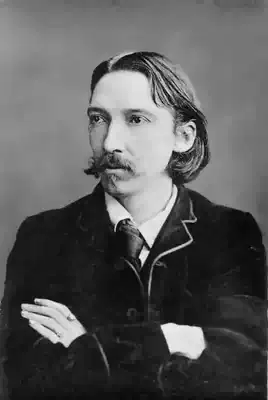
Robert Louis Stevenson
What Man May Learn, What Man May Do
What Man May Learn, What Man May Do
WHAT man may learn, what man may do,
Of right or wrong of false or true,
While, skipper-like, his course he steers
Through nine and twenty mingled years,
Half misconceived and half forgot,
So much I know and practise not.
Old are the words of wisdom, old
The counsels of the wise and bold:
To close the ears, to check the tongue,
To keep the pining spirit young;
To act the right, to say the true,
And to be kind whate'er you do.
Thus we across the modern stage
Follow the wise of every age;
And, as oaks grow and rivers run
Unchanged in the unchanging sun,
So the eternal march of man
Goes forth on an eternal plan.
WHAT man may learn, what man may do,
Of right or wrong of false or true,
While, skipper-like, his course he steers
Through nine and twenty mingled years,
Half misconceived and half forgot,
So much I know and practise not.
Old are the words of wisdom, old
The counsels of the wise and bold:
To close the ears, to check the tongue,
To keep the pining spirit young;
To act the right, to say the true,
And to be kind whate'er you do.
Thus we across the modern stage
Follow the wise of every age;
And, as oaks grow and rivers run
Unchanged in the unchanging sun,
So the eternal march of man
Goes forth on an eternal plan.
252
Robert Louis Stevenson
Where Go the Boats?
Where Go the Boats?
Dark brown is the river,
Golden is the sand.
It flows along for ever,
With trees on either hand.
Green leaves a-floating,
Castles of the foam,
Boats of mine a-boating -
Where will all come home?
On goes the river
And out past the mill,
Away down the valley,
Away down the hill.
Away down the river,
A hundred miles or more,
Other little children
Shall bring my boats ashore.
Dark brown is the river,
Golden is the sand.
It flows along for ever,
With trees on either hand.
Green leaves a-floating,
Castles of the foam,
Boats of mine a-boating -
Where will all come home?
On goes the river
And out past the mill,
Away down the valley,
Away down the hill.
Away down the river,
A hundred miles or more,
Other little children
Shall bring my boats ashore.
334
Robert Louis Stevenson
Variant Form Of The Preceding Poem
Variant Form Of The Preceding Poem
COME to me, all ye that labour; I will give your spirits rest;
Here apart in starry quiet I will give you rest.
Come to me, ye heavy laden, sin defiled and care opprest,
In your father's quiet mansions, soon to prove a welcome guest.
But an hour you bear your trial, sin and suffer, bleed and die;
But an hour you toil and combat here in day's inspiring eye.
See the feet of your deliverer; lo, the hour of freedom nigh.
COME to me, all ye that labour; I will give your spirits rest;
Here apart in starry quiet I will give you rest.
Come to me, ye heavy laden, sin defiled and care opprest,
In your father's quiet mansions, soon to prove a welcome guest.
But an hour you bear your trial, sin and suffer, bleed and die;
But an hour you toil and combat here in day's inspiring eye.
See the feet of your deliverer; lo, the hour of freedom nigh.
232
Robert Louis Stevenson
Variant Form Of The Preceding Poem
Variant Form Of The Preceding Poem
COME to me, all ye that labour; I will give your spirits rest;
Here apart in starry quiet I will give you rest.
Come to me, ye heavy laden, sin defiled and care opprest,
In your father's quiet mansions, soon to prove a welcome guest.
But an hour you bear your trial, sin and suffer, bleed and die;
But an hour you toil and combat here in day's inspiring eye.
See the feet of your deliverer; lo, the hour of freedom nigh.
COME to me, all ye that labour; I will give your spirits rest;
Here apart in starry quiet I will give you rest.
Come to me, ye heavy laden, sin defiled and care opprest,
In your father's quiet mansions, soon to prove a welcome guest.
But an hour you bear your trial, sin and suffer, bleed and die;
But an hour you toil and combat here in day's inspiring eye.
See the feet of your deliverer; lo, the hour of freedom nigh.
232
Robert Louis Stevenson
To Sydney
To Sydney
NOT thine where marble-still and white
Old statues share the tempered light
And mock the uneven modern flight,
But in the stream
Of daily sorrow and delight
To seek a theme.
I too, O friend, have steeled my heart
Boldly to choose the better part,
To leave the beaten ways of art,
And wholly free
To dare, beyond the scanty chart,
The deeper sea.
All vain restrictions left behind,
Frail bark! I loose my anchored mind
And large, before the prosperous wind
Desert the strand -
A new Columbus sworn to find
The morning land.
Nor too ambitious, friend. To thee
I own my weakness. Not for me
To sing the enfranchised nations' glee,
Or count the cost
Of warships foundered far at sea
And battles lost.
High on the far-seen, sunny hills,
Morning-content my bosom fills;
Well-pleased, I trace the wandering rills
And learn their birth.
Far off, the clash of sovereign wills
May shake the earth.
The nimble circuit of the wheel,
The uncertain poise of merchant weal,
Heaven of famine, fire and steel
When nations fall;
These, heedful, from afar I feel -
I mark them all.
But not, my friend, not these I sing,
My voice shall fill a narrower ring.
Tired souls, that flag upon the wing,
I seek to cheer:
Brave wines to strengthen hope I bring,
Life's cantineer!
Some song that shall be suppling oil
To weary muscles strained with toil,
Shall hearten for the daily moil,
Or widely read
Make sweet for him that tills the soil
His daily bread.
Such songs in my flushed hours I dream
(High thought) instead of armour gleam
Or warrior cantos ream by ream
To load the shelves -
Songs with a lilt of words, that seem
To sing themselves.
NOT thine where marble-still and white
Old statues share the tempered light
And mock the uneven modern flight,
But in the stream
Of daily sorrow and delight
To seek a theme.
I too, O friend, have steeled my heart
Boldly to choose the better part,
To leave the beaten ways of art,
And wholly free
To dare, beyond the scanty chart,
The deeper sea.
All vain restrictions left behind,
Frail bark! I loose my anchored mind
And large, before the prosperous wind
Desert the strand -
A new Columbus sworn to find
The morning land.
Nor too ambitious, friend. To thee
I own my weakness. Not for me
To sing the enfranchised nations' glee,
Or count the cost
Of warships foundered far at sea
And battles lost.
High on the far-seen, sunny hills,
Morning-content my bosom fills;
Well-pleased, I trace the wandering rills
And learn their birth.
Far off, the clash of sovereign wills
May shake the earth.
The nimble circuit of the wheel,
The uncertain poise of merchant weal,
Heaven of famine, fire and steel
When nations fall;
These, heedful, from afar I feel -
I mark them all.
But not, my friend, not these I sing,
My voice shall fill a narrower ring.
Tired souls, that flag upon the wing,
I seek to cheer:
Brave wines to strengthen hope I bring,
Life's cantineer!
Some song that shall be suppling oil
To weary muscles strained with toil,
Shall hearten for the daily moil,
Or widely read
Make sweet for him that tills the soil
His daily bread.
Such songs in my flushed hours I dream
(High thought) instead of armour gleam
Or warrior cantos ream by ream
To load the shelves -
Songs with a lilt of words, that seem
To sing themselves.
437
Robert Louis Stevenson
To Miss Cornish
To Miss Cornish
THEY tell me, lady, that to-day
On that unknown Australian strand -
Some time ago, so far away -
Another lady joined the band.
She joined the company of those
Lovelily dowered, nobly planned,
Who, smiling, still forgive their foes
And keep their friends in close command.
She, lady, as I learn, was one
Among the many rarely good;
And destined still to be a sun
Through every dark and rainy mood:-
She, as they told me, far had come,
By sea and land, o'er many a rood:-
Admired by all, beloved by some,
She was yourself, I understood.
But, compliment apart and free
From all constraint of verses, may
Goodness and honour, grace and glee,
Attend you ever on your way -
Up to the measure of your will,
Beyond all power of mine to say -
As she and I desire you still,
Miss Cornish, on your natal day.
THEY tell me, lady, that to-day
On that unknown Australian strand -
Some time ago, so far away -
Another lady joined the band.
She joined the company of those
Lovelily dowered, nobly planned,
Who, smiling, still forgive their foes
And keep their friends in close command.
She, lady, as I learn, was one
Among the many rarely good;
And destined still to be a sun
Through every dark and rainy mood:-
She, as they told me, far had come,
By sea and land, o'er many a rood:-
Admired by all, beloved by some,
She was yourself, I understood.
But, compliment apart and free
From all constraint of verses, may
Goodness and honour, grace and glee,
Attend you ever on your way -
Up to the measure of your will,
Beyond all power of mine to say -
As she and I desire you still,
Miss Cornish, on your natal day.
346
Robert Louis Stevenson
The Vagabond
The Vagabond
Give to me the life I love,
Let the lave go by me,
Give the jolly heaven above
And the byway nigh me.
Bed in the bush with stars to see,
Bread I dip in the river -
There's the life for a man like me,
There's the life for ever.
Let the blow fall soon or late,
Let what will be o'er me;
Give the face of earth around
And the road before me.
Wealth I seek not, hope nor love,
Nor a friend to know me;
All I seek, the heaven above
And the road below me.
Or let autumn fall on me
Where afield I linger,
Silencing the bird on tree,
Biting the blue finger.
White as meal the frosty field -
Warm the fireside haven -
Not to autumn will I yield,
Not to winter even!
Let the blow fall soon or late,
Let what will be o'er me;
Give the face of earth around,
And the road before me.
Wealth I ask not, hope nor love,
Nor a friend to know me;
All I ask, the heaven above
And the road below me.
Give to me the life I love,
Let the lave go by me,
Give the jolly heaven above
And the byway nigh me.
Bed in the bush with stars to see,
Bread I dip in the river -
There's the life for a man like me,
There's the life for ever.
Let the blow fall soon or late,
Let what will be o'er me;
Give the face of earth around
And the road before me.
Wealth I seek not, hope nor love,
Nor a friend to know me;
All I seek, the heaven above
And the road below me.
Or let autumn fall on me
Where afield I linger,
Silencing the bird on tree,
Biting the blue finger.
White as meal the frosty field -
Warm the fireside haven -
Not to autumn will I yield,
Not to winter even!
Let the blow fall soon or late,
Let what will be o'er me;
Give the face of earth around,
And the road before me.
Wealth I ask not, hope nor love,
Nor a friend to know me;
All I ask, the heaven above
And the road below me.
392