

Poems in this topic
Society and the World
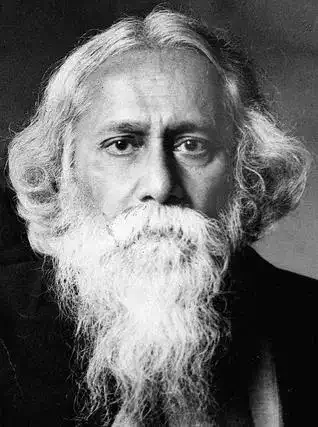
Rabindranath Tagore
When Day Is Done
When Day Is Done
If the day is done,
if birds sing no more,
if the wind has flagged tired,
then draw the veil of darkness thick upon me,
even as thou hast wrapt the earth with the coverlet of sleep
and tenderly closed the petals of the drooping lotus at dusk.
From the traveler,
whose sack of provisions is empty before the voyage is ended,
whose garment is torn and dust-laden,
whose strength is exhausted,
remove shame and poverty,
and renew his life like a flower under the cover of thy kindly night.
If the day is done,
if birds sing no more,
if the wind has flagged tired,
then draw the veil of darkness thick upon me,
even as thou hast wrapt the earth with the coverlet of sleep
and tenderly closed the petals of the drooping lotus at dusk.
From the traveler,
whose sack of provisions is empty before the voyage is ended,
whose garment is torn and dust-laden,
whose strength is exhausted,
remove shame and poverty,
and renew his life like a flower under the cover of thy kindly night.
644
Rabindranath Tagore
Vocation
Vocation
When the gong sounds ten in the morning and I walk to school by our
lane.
Every day I meet the hawker crying, "Bangles, crystal
bangles!"
There is nothing to hurry him on, there is no road he must
take, no place he must go to, no time when he must come home.
I wish I were a hawker, spending my day in the road, crying,
"Bangles, crystal bangles!"
When at four in the afternoon I come back from the school,
I can see through the gate of that house the gardener digging
the ground.
He does what he likes with his spade, he soils his clothes
with dust, nobody takes him to task if he gets baked in the sun or
gets wet.
I wish I were a gardener digging away at the garden with
nobody to stop me from digging.
Just as it gets dark in the evening and my mother sends me to
bed,
I can see through my open window the watchman walking up and
down.
The lane is dark and lonely, and the street-lamp stands like
a giant with one red eye in its head.
The watchman swings his lantern and walks with his shadow at
his side, and never once goes to bed in his life.
I wish I were a watchman walking the streets all night,
chasing the shadows with my lantern.
When the gong sounds ten in the morning and I walk to school by our
lane.
Every day I meet the hawker crying, "Bangles, crystal
bangles!"
There is nothing to hurry him on, there is no road he must
take, no place he must go to, no time when he must come home.
I wish I were a hawker, spending my day in the road, crying,
"Bangles, crystal bangles!"
When at four in the afternoon I come back from the school,
I can see through the gate of that house the gardener digging
the ground.
He does what he likes with his spade, he soils his clothes
with dust, nobody takes him to task if he gets baked in the sun or
gets wet.
I wish I were a gardener digging away at the garden with
nobody to stop me from digging.
Just as it gets dark in the evening and my mother sends me to
bed,
I can see through my open window the watchman walking up and
down.
The lane is dark and lonely, and the street-lamp stands like
a giant with one red eye in its head.
The watchman swings his lantern and walks with his shadow at
his side, and never once goes to bed in his life.
I wish I were a watchman walking the streets all night,
chasing the shadows with my lantern.
621
Rabindranath Tagore
Vocation
Vocation
When the gong sounds ten in the morning and I walk to school by our
lane.
Every day I meet the hawker crying, "Bangles, crystal
bangles!"
There is nothing to hurry him on, there is no road he must
take, no place he must go to, no time when he must come home.
I wish I were a hawker, spending my day in the road, crying,
"Bangles, crystal bangles!"
When at four in the afternoon I come back from the school,
I can see through the gate of that house the gardener digging
the ground.
He does what he likes with his spade, he soils his clothes
with dust, nobody takes him to task if he gets baked in the sun or
gets wet.
I wish I were a gardener digging away at the garden with
nobody to stop me from digging.
Just as it gets dark in the evening and my mother sends me to
bed,
I can see through my open window the watchman walking up and
down.
The lane is dark and lonely, and the street-lamp stands like
a giant with one red eye in its head.
The watchman swings his lantern and walks with his shadow at
his side, and never once goes to bed in his life.
I wish I were a watchman walking the streets all night,
chasing the shadows with my lantern.
When the gong sounds ten in the morning and I walk to school by our
lane.
Every day I meet the hawker crying, "Bangles, crystal
bangles!"
There is nothing to hurry him on, there is no road he must
take, no place he must go to, no time when he must come home.
I wish I were a hawker, spending my day in the road, crying,
"Bangles, crystal bangles!"
When at four in the afternoon I come back from the school,
I can see through the gate of that house the gardener digging
the ground.
He does what he likes with his spade, he soils his clothes
with dust, nobody takes him to task if he gets baked in the sun or
gets wet.
I wish I were a gardener digging away at the garden with
nobody to stop me from digging.
Just as it gets dark in the evening and my mother sends me to
bed,
I can see through my open window the watchman walking up and
down.
The lane is dark and lonely, and the street-lamp stands like
a giant with one red eye in its head.
The watchman swings his lantern and walks with his shadow at
his side, and never once goes to bed in his life.
I wish I were a watchman walking the streets all night,
chasing the shadows with my lantern.
621
Rabindranath Tagore
Vocation
Vocation
When the gong sounds ten in the morning and I walk to school by our
lane.
Every day I meet the hawker crying, "Bangles, crystal
bangles!"
There is nothing to hurry him on, there is no road he must
take, no place he must go to, no time when he must come home.
I wish I were a hawker, spending my day in the road, crying,
"Bangles, crystal bangles!"
When at four in the afternoon I come back from the school,
I can see through the gate of that house the gardener digging
the ground.
He does what he likes with his spade, he soils his clothes
with dust, nobody takes him to task if he gets baked in the sun or
gets wet.
I wish I were a gardener digging away at the garden with
nobody to stop me from digging.
Just as it gets dark in the evening and my mother sends me to
bed,
I can see through my open window the watchman walking up and
down.
The lane is dark and lonely, and the street-lamp stands like
a giant with one red eye in its head.
The watchman swings his lantern and walks with his shadow at
his side, and never once goes to bed in his life.
I wish I were a watchman walking the streets all night,
chasing the shadows with my lantern.
When the gong sounds ten in the morning and I walk to school by our
lane.
Every day I meet the hawker crying, "Bangles, crystal
bangles!"
There is nothing to hurry him on, there is no road he must
take, no place he must go to, no time when he must come home.
I wish I were a hawker, spending my day in the road, crying,
"Bangles, crystal bangles!"
When at four in the afternoon I come back from the school,
I can see through the gate of that house the gardener digging
the ground.
He does what he likes with his spade, he soils his clothes
with dust, nobody takes him to task if he gets baked in the sun or
gets wet.
I wish I were a gardener digging away at the garden with
nobody to stop me from digging.
Just as it gets dark in the evening and my mother sends me to
bed,
I can see through my open window the watchman walking up and
down.
The lane is dark and lonely, and the street-lamp stands like
a giant with one red eye in its head.
The watchman swings his lantern and walks with his shadow at
his side, and never once goes to bed in his life.
I wish I were a watchman walking the streets all night,
chasing the shadows with my lantern.
621
Rabindranath Tagore
Untimely Leave
Untimely Leave
No more noisy, loud words from me---such is my master's will.
Henceforth I deal in whispers.
The speech of my heart will be carried on in murmurings of a song.
Men hasten to the King's market. All the buyers and sellers are there.
But I have my untimely leave in the middle of the day, in the thick of work.
Let then the flowers come out in my garden, though it is not their time;
and let the midday bees strike up their lazy hum.
Full many an hour have I spent in the strife of the good and the evil,
but now it is the pleasure of my playmate of the empty days to draw my heart on to
him;
and I know not why is this sudden call to what useless inconsequence!
No more noisy, loud words from me---such is my master's will.
Henceforth I deal in whispers.
The speech of my heart will be carried on in murmurings of a song.
Men hasten to the King's market. All the buyers and sellers are there.
But I have my untimely leave in the middle of the day, in the thick of work.
Let then the flowers come out in my garden, though it is not their time;
and let the midday bees strike up their lazy hum.
Full many an hour have I spent in the strife of the good and the evil,
but now it is the pleasure of my playmate of the empty days to draw my heart on to
him;
and I know not why is this sudden call to what useless inconsequence!
501
Rabindranath Tagore
Unending Love
Unending Love
I seem to have loved you in numberless forms, numberless times…
In life after life, in age after age, forever.
My spellbound heart has made and remade the necklace of songs,
That you take as a gift, wear round your neck in your many forms,
In life after life, in age after age, forever.
Whenever I hear old chronicles of love, it's age-old pain,
It's ancient tale of being apart or together.
As I stare on and on into the past, in the end you emerge,
Clad in the light of a pole-star piercing the darkness of time:
You become an image of what is remembered forever.
You and I have floated here on the stream that brings from the fount.
At the heart of time, love of one for another.
We have played along side millions of lovers, shared in the same
Shy sweetness of meeting, the same distressful tears of farewell-
Old love but in shapes that renew and renew forever.
Today it is heaped at your feet, it has found its end in you
The love of all man’s days both past and forever:
Universal joy, universal sorrow, universal life.
The memories of all loves merging with this one love of ours –
And the songs of every poet past and forever.
I seem to have loved you in numberless forms, numberless times…
In life after life, in age after age, forever.
My spellbound heart has made and remade the necklace of songs,
That you take as a gift, wear round your neck in your many forms,
In life after life, in age after age, forever.
Whenever I hear old chronicles of love, it's age-old pain,
It's ancient tale of being apart or together.
As I stare on and on into the past, in the end you emerge,
Clad in the light of a pole-star piercing the darkness of time:
You become an image of what is remembered forever.
You and I have floated here on the stream that brings from the fount.
At the heart of time, love of one for another.
We have played along side millions of lovers, shared in the same
Shy sweetness of meeting, the same distressful tears of farewell-
Old love but in shapes that renew and renew forever.
Today it is heaped at your feet, it has found its end in you
The love of all man’s days both past and forever:
Universal joy, universal sorrow, universal life.
The memories of all loves merging with this one love of ours –
And the songs of every poet past and forever.
1,147
Rabindranath Tagore
The Sailor
The Sailor
The boat of the boatman Madhu is moored at the wharf of Rajgunj.
It is uselessly laden with jute, and has been lying there idle
for ever so long.
If he would only lend me his boat, I should man her with a
hundred oars, and hoist sails, five or six or seven.
I should never steer her to stupid markets.
I should sail the seven seas and the thirteen rivers of
fairyland.
But, mother, you won't weep for me in a corner.
I am not going into the forest like Ramachandra to come back
only after fourteen years.
I shall become the prince of the story, and fill my boat with
whatever I like.
I shall take my friend Ashu with me. We shall sail merrily
across the ever seas and the thirteen rivers of fairyland.
We shall set sail in the early morning light.
When at noontide you are bathing at the pond, we shall be in
the land of a strange king.
We shall pass the ford of Tirpurni, and leave behind us the
desert of Tepantar.
When we come back it will be getting dark, and I shall tell
you of all that we have seen.
I shall cross the seven seas and the thirteen rivers of
fairyland.
The boat of the boatman Madhu is moored at the wharf of Rajgunj.
It is uselessly laden with jute, and has been lying there idle
for ever so long.
If he would only lend me his boat, I should man her with a
hundred oars, and hoist sails, five or six or seven.
I should never steer her to stupid markets.
I should sail the seven seas and the thirteen rivers of
fairyland.
But, mother, you won't weep for me in a corner.
I am not going into the forest like Ramachandra to come back
only after fourteen years.
I shall become the prince of the story, and fill my boat with
whatever I like.
I shall take my friend Ashu with me. We shall sail merrily
across the ever seas and the thirteen rivers of fairyland.
We shall set sail in the early morning light.
When at noontide you are bathing at the pond, we shall be in
the land of a strange king.
We shall pass the ford of Tirpurni, and leave behind us the
desert of Tepantar.
When we come back it will be getting dark, and I shall tell
you of all that we have seen.
I shall cross the seven seas and the thirteen rivers of
fairyland.
623
Rabindranath Tagore
The Last Bargain
The Last Bargain
"Come and hire me," I cried, while in the morning I was walking on the stone-paved
road.
Sword in hand, the King came in his chariot.
He held my hand and said, "I will hire you with my power."
But his power counted for nought, and he went away in his chariot.
In the heat of the midday the houses stood with shut doors.
I wandered along the crooked lane.
An old man came out with his bag of gold.
He pondered and said, "I will hire you with my money."
He weighed his coins one by one, but I turned away.
It was evening. The garden hedge was all aflower.
The fair maid came out and said, "I will hire you with a smile."
Her smile paled and melted into tears, and she went back alone into the dark.
The sun glistened on the sand, and the sea waves broke waywardly.
A child sat playing with shells.
He raised his head and seemed to know me, and said, "I hire you with nothing."
From thenceforward that bargain struck in child's play made me a free man.
"Come and hire me," I cried, while in the morning I was walking on the stone-paved
road.
Sword in hand, the King came in his chariot.
He held my hand and said, "I will hire you with my power."
But his power counted for nought, and he went away in his chariot.
In the heat of the midday the houses stood with shut doors.
I wandered along the crooked lane.
An old man came out with his bag of gold.
He pondered and said, "I will hire you with my money."
He weighed his coins one by one, but I turned away.
It was evening. The garden hedge was all aflower.
The fair maid came out and said, "I will hire you with a smile."
Her smile paled and melted into tears, and she went back alone into the dark.
The sun glistened on the sand, and the sea waves broke waywardly.
A child sat playing with shells.
He raised his head and seemed to know me, and said, "I hire you with nothing."
From thenceforward that bargain struck in child's play made me a free man.
804
Rabindranath Tagore
The Last Bargain
The Last Bargain
"Come and hire me," I cried, while in the morning I was walking on the stone-paved
road.
Sword in hand, the King came in his chariot.
He held my hand and said, "I will hire you with my power."
But his power counted for nought, and he went away in his chariot.
In the heat of the midday the houses stood with shut doors.
I wandered along the crooked lane.
An old man came out with his bag of gold.
He pondered and said, "I will hire you with my money."
He weighed his coins one by one, but I turned away.
It was evening. The garden hedge was all aflower.
The fair maid came out and said, "I will hire you with a smile."
Her smile paled and melted into tears, and she went back alone into the dark.
The sun glistened on the sand, and the sea waves broke waywardly.
A child sat playing with shells.
He raised his head and seemed to know me, and said, "I hire you with nothing."
From thenceforward that bargain struck in child's play made me a free man.
"Come and hire me," I cried, while in the morning I was walking on the stone-paved
road.
Sword in hand, the King came in his chariot.
He held my hand and said, "I will hire you with my power."
But his power counted for nought, and he went away in his chariot.
In the heat of the midday the houses stood with shut doors.
I wandered along the crooked lane.
An old man came out with his bag of gold.
He pondered and said, "I will hire you with my money."
He weighed his coins one by one, but I turned away.
It was evening. The garden hedge was all aflower.
The fair maid came out and said, "I will hire you with a smile."
Her smile paled and melted into tears, and she went back alone into the dark.
The sun glistened on the sand, and the sea waves broke waywardly.
A child sat playing with shells.
He raised his head and seemed to know me, and said, "I hire you with nothing."
From thenceforward that bargain struck in child's play made me a free man.
804
Rabindranath Tagore
The Last Bargain
The Last Bargain
"Come and hire me," I cried, while in the morning I was walking on the stone-paved
road.
Sword in hand, the King came in his chariot.
He held my hand and said, "I will hire you with my power."
But his power counted for nought, and he went away in his chariot.
In the heat of the midday the houses stood with shut doors.
I wandered along the crooked lane.
An old man came out with his bag of gold.
He pondered and said, "I will hire you with my money."
He weighed his coins one by one, but I turned away.
It was evening. The garden hedge was all aflower.
The fair maid came out and said, "I will hire you with a smile."
Her smile paled and melted into tears, and she went back alone into the dark.
The sun glistened on the sand, and the sea waves broke waywardly.
A child sat playing with shells.
He raised his head and seemed to know me, and said, "I hire you with nothing."
From thenceforward that bargain struck in child's play made me a free man.
"Come and hire me," I cried, while in the morning I was walking on the stone-paved
road.
Sword in hand, the King came in his chariot.
He held my hand and said, "I will hire you with my power."
But his power counted for nought, and he went away in his chariot.
In the heat of the midday the houses stood with shut doors.
I wandered along the crooked lane.
An old man came out with his bag of gold.
He pondered and said, "I will hire you with my money."
He weighed his coins one by one, but I turned away.
It was evening. The garden hedge was all aflower.
The fair maid came out and said, "I will hire you with a smile."
Her smile paled and melted into tears, and she went back alone into the dark.
The sun glistened on the sand, and the sea waves broke waywardly.
A child sat playing with shells.
He raised his head and seemed to know me, and said, "I hire you with nothing."
From thenceforward that bargain struck in child's play made me a free man.
804
Rabindranath Tagore
The Journey
The Journey
The morning sea of silence broke into ripples of bird songs;
and the flowers were all merry by the roadside;
and the wealth of gold was scattered through the rift of the clouds
while we busily went on our way and paid no heed.
We sang no glad songs nor played;
we went not to the village for barter;
we spoke not a word nor smiled;
we lingered not on the way.
We quickened our pace more and more as the time sped by.
The sun rose to the mid sky and doves cooed in the shade.
Withered leaves danced and whirled in the hot air of noon.
The shepherd boy drowsed and dreamed in the shadow of the banyan tree,
and I laid myself down by the water
and stretched my tired limbs on the grass.
My companions laughed at me in scorn;
they held their heads high and hurried on;
they never looked back nor rested;
they vanished in the distant blue haze.
They crossed many meadows and hills,
and passed through strange, far-away countries.
All honor to you, heroic host of the interminable path!
Mockery and reproach pricked me to rise,
but found no response in me.
I gave myself up for lost
in the depth of a glad humiliation
---in the shadow of a dim delight.
The repose of the sun-embroidered green gloom
slowly spread over my heart.
I forgot for what I had traveled,
and I surrendered my mind without struggle
to the maze of shadows and songs.
At last, when I woke from my slumber and opened my eyes,
I saw thee standing by me, flooding my sleep with thy smile.
How I had feared that the path was long and wearisome,
and the struggle to reach thee was hard!
The morning sea of silence broke into ripples of bird songs;
and the flowers were all merry by the roadside;
and the wealth of gold was scattered through the rift of the clouds
while we busily went on our way and paid no heed.
We sang no glad songs nor played;
we went not to the village for barter;
we spoke not a word nor smiled;
we lingered not on the way.
We quickened our pace more and more as the time sped by.
The sun rose to the mid sky and doves cooed in the shade.
Withered leaves danced and whirled in the hot air of noon.
The shepherd boy drowsed and dreamed in the shadow of the banyan tree,
and I laid myself down by the water
and stretched my tired limbs on the grass.
My companions laughed at me in scorn;
they held their heads high and hurried on;
they never looked back nor rested;
they vanished in the distant blue haze.
They crossed many meadows and hills,
and passed through strange, far-away countries.
All honor to you, heroic host of the interminable path!
Mockery and reproach pricked me to rise,
but found no response in me.
I gave myself up for lost
in the depth of a glad humiliation
---in the shadow of a dim delight.
The repose of the sun-embroidered green gloom
slowly spread over my heart.
I forgot for what I had traveled,
and I surrendered my mind without struggle
to the maze of shadows and songs.
At last, when I woke from my slumber and opened my eyes,
I saw thee standing by me, flooding my sleep with thy smile.
How I had feared that the path was long and wearisome,
and the struggle to reach thee was hard!
543
Rabindranath Tagore
The Hero
The Hero
Mother, let us imagine we are travelling, and passing through a
strange and dangerous country.
You are riding in a palanquin and I am trotting by you on a
red horse.
It is evening and the sun goes down. The waste of Joradighi
lies wan and grey before us. The land is desolate and barren.
You are frightened and thinking-"I know not where we have come
to."
I say to you, "Mother, do not be afraid."
The meadow is prickly with spiky grass, and through it runs
a narrow broken path.
There are no cattle to be seen in the wide field; they have
gone to their village stalls.
It grows dark and dim on the land and sky, and we cannot tell
where we are going.
Suddenly you call me and ask me in a whisper, "What light is
that near the bank?"
Just then there bursts out a fearful yell, and figures come
running towards us.
You sit crouched in your palanquin and repeat the names of the
gods in prayer.
The bearers, shaking in terror, hide themselves in the thorny
bush.
I shout to you, "Don't be afraid, mother. I am here."
With long sticks in their hands and hair all wild about their
heads, they come nearer and nearer.
I shout, "Have a care, you villains! One step more and you are
dead men."
They give another terrible yell and rush forward.
You clutch my hand and say, "Dear boy, for heaven's sake, keep
away from them."
I say, "Mother, just you watch me."
Then I spur my horse for a wild gallop, and my sword and
buckler clash against each other.
The fight becomes so fearful, mother, that it would give you
a cold shudder could you see it from your palanquin.
Many of them fly, and a great number are cut to pieces.
I know you are thinking, sitting all by yourself, that your
boy must be dead by this time.
But I come to you all stained with blood, and say,"Mother, the
fight is over now."
You come out and kiss me, pressing me to your heart, and you
say to yourself,
"I don't know what I should do if I hadn't my boy to escort
me."
A thousand useless things happen day after day, and why
couldn't such a thing come true by chance?
It would be like a story in a book.
My brother would say, "Is it possible? I always thought he was
so delicate!"
Our village people would all say in amazement, "Was it not
lucky that the boy was with his mother?"
Mother, let us imagine we are travelling, and passing through a
strange and dangerous country.
You are riding in a palanquin and I am trotting by you on a
red horse.
It is evening and the sun goes down. The waste of Joradighi
lies wan and grey before us. The land is desolate and barren.
You are frightened and thinking-"I know not where we have come
to."
I say to you, "Mother, do not be afraid."
The meadow is prickly with spiky grass, and through it runs
a narrow broken path.
There are no cattle to be seen in the wide field; they have
gone to their village stalls.
It grows dark and dim on the land and sky, and we cannot tell
where we are going.
Suddenly you call me and ask me in a whisper, "What light is
that near the bank?"
Just then there bursts out a fearful yell, and figures come
running towards us.
You sit crouched in your palanquin and repeat the names of the
gods in prayer.
The bearers, shaking in terror, hide themselves in the thorny
bush.
I shout to you, "Don't be afraid, mother. I am here."
With long sticks in their hands and hair all wild about their
heads, they come nearer and nearer.
I shout, "Have a care, you villains! One step more and you are
dead men."
They give another terrible yell and rush forward.
You clutch my hand and say, "Dear boy, for heaven's sake, keep
away from them."
I say, "Mother, just you watch me."
Then I spur my horse for a wild gallop, and my sword and
buckler clash against each other.
The fight becomes so fearful, mother, that it would give you
a cold shudder could you see it from your palanquin.
Many of them fly, and a great number are cut to pieces.
I know you are thinking, sitting all by yourself, that your
boy must be dead by this time.
But I come to you all stained with blood, and say,"Mother, the
fight is over now."
You come out and kiss me, pressing me to your heart, and you
say to yourself,
"I don't know what I should do if I hadn't my boy to escort
me."
A thousand useless things happen day after day, and why
couldn't such a thing come true by chance?
It would be like a story in a book.
My brother would say, "Is it possible? I always thought he was
so delicate!"
Our village people would all say in amazement, "Was it not
lucky that the boy was with his mother?"
536
Rabindranath Tagore
The Gardener XLII: O Mad, Superbly Drunk
The Gardener XLII: O Mad, Superbly Drunk
O mad, superbly drunk;
If you kick open your doors and
play the fool in public;
If you empty your bag in a night,
and snap your fingers at prudence;
If you walk in curious paths and
play with useless things;
Reck not rhyme or reason;
If unfurling your sails before the
storm you snap the rudder in two,
Then I will follow you, comrade,
and be drunken and go to the dogs.
I have wasted my days and nights
in the company of steady wise neighbours.
Much knowing has turned my hair
grey, and much watching has made
my sight dim.
For years I have gathered and
heaped up scraps and fragments of
things:
Crush them and dance upon them,
and scatter them all to the winds.
For I know 'tis the height of wisdom
to be drunken and go the dogs.
Let all crooked scruples vanish,
let me hopelessly lose my way.
Let a gust of wild giddiness come
and sweep me away from my anchors.
The world is peopled with worthies,
and workers, useful and clever.
There are men who are easily first,
and men who come decently after.
Let them be happy and prosper,
and let me be foolishly futile.
For I know 'tis the end of all works
to be drunken and go to the dogs.
I swear to surrender this moment
all claims to the ranks of the decent.
I let go my pride of learning and
judgment of right and of wrong.
I'll shatter memory's vessel, scattering
the last drop of tears.
With the foam of the berry-red
wine I will bathe and brighten my
laughter.
The badge of the civil and staid
I'll tear into shreds for the nonce.
I'll take the holy vow to be worthless,
to be drunken and go to the dogs.
O mad, superbly drunk;
If you kick open your doors and
play the fool in public;
If you empty your bag in a night,
and snap your fingers at prudence;
If you walk in curious paths and
play with useless things;
Reck not rhyme or reason;
If unfurling your sails before the
storm you snap the rudder in two,
Then I will follow you, comrade,
and be drunken and go to the dogs.
I have wasted my days and nights
in the company of steady wise neighbours.
Much knowing has turned my hair
grey, and much watching has made
my sight dim.
For years I have gathered and
heaped up scraps and fragments of
things:
Crush them and dance upon them,
and scatter them all to the winds.
For I know 'tis the height of wisdom
to be drunken and go the dogs.
Let all crooked scruples vanish,
let me hopelessly lose my way.
Let a gust of wild giddiness come
and sweep me away from my anchors.
The world is peopled with worthies,
and workers, useful and clever.
There are men who are easily first,
and men who come decently after.
Let them be happy and prosper,
and let me be foolishly futile.
For I know 'tis the end of all works
to be drunken and go to the dogs.
I swear to surrender this moment
all claims to the ranks of the decent.
I let go my pride of learning and
judgment of right and of wrong.
I'll shatter memory's vessel, scattering
the last drop of tears.
With the foam of the berry-red
wine I will bathe and brighten my
laughter.
The badge of the civil and staid
I'll tear into shreds for the nonce.
I'll take the holy vow to be worthless,
to be drunken and go to the dogs.
577
Rabindranath Tagore
The Gardener XLII: O Mad, Superbly Drunk
The Gardener XLII: O Mad, Superbly Drunk
O mad, superbly drunk;
If you kick open your doors and
play the fool in public;
If you empty your bag in a night,
and snap your fingers at prudence;
If you walk in curious paths and
play with useless things;
Reck not rhyme or reason;
If unfurling your sails before the
storm you snap the rudder in two,
Then I will follow you, comrade,
and be drunken and go to the dogs.
I have wasted my days and nights
in the company of steady wise neighbours.
Much knowing has turned my hair
grey, and much watching has made
my sight dim.
For years I have gathered and
heaped up scraps and fragments of
things:
Crush them and dance upon them,
and scatter them all to the winds.
For I know 'tis the height of wisdom
to be drunken and go the dogs.
Let all crooked scruples vanish,
let me hopelessly lose my way.
Let a gust of wild giddiness come
and sweep me away from my anchors.
The world is peopled with worthies,
and workers, useful and clever.
There are men who are easily first,
and men who come decently after.
Let them be happy and prosper,
and let me be foolishly futile.
For I know 'tis the end of all works
to be drunken and go to the dogs.
I swear to surrender this moment
all claims to the ranks of the decent.
I let go my pride of learning and
judgment of right and of wrong.
I'll shatter memory's vessel, scattering
the last drop of tears.
With the foam of the berry-red
wine I will bathe and brighten my
laughter.
The badge of the civil and staid
I'll tear into shreds for the nonce.
I'll take the holy vow to be worthless,
to be drunken and go to the dogs.
O mad, superbly drunk;
If you kick open your doors and
play the fool in public;
If you empty your bag in a night,
and snap your fingers at prudence;
If you walk in curious paths and
play with useless things;
Reck not rhyme or reason;
If unfurling your sails before the
storm you snap the rudder in two,
Then I will follow you, comrade,
and be drunken and go to the dogs.
I have wasted my days and nights
in the company of steady wise neighbours.
Much knowing has turned my hair
grey, and much watching has made
my sight dim.
For years I have gathered and
heaped up scraps and fragments of
things:
Crush them and dance upon them,
and scatter them all to the winds.
For I know 'tis the height of wisdom
to be drunken and go the dogs.
Let all crooked scruples vanish,
let me hopelessly lose my way.
Let a gust of wild giddiness come
and sweep me away from my anchors.
The world is peopled with worthies,
and workers, useful and clever.
There are men who are easily first,
and men who come decently after.
Let them be happy and prosper,
and let me be foolishly futile.
For I know 'tis the end of all works
to be drunken and go to the dogs.
I swear to surrender this moment
all claims to the ranks of the decent.
I let go my pride of learning and
judgment of right and of wrong.
I'll shatter memory's vessel, scattering
the last drop of tears.
With the foam of the berry-red
wine I will bathe and brighten my
laughter.
The badge of the civil and staid
I'll tear into shreds for the nonce.
I'll take the holy vow to be worthless,
to be drunken and go to the dogs.
577
Rabindranath Tagore
The Gardener LXXVI: The Fair Was On
The Gardener LXXVI: The Fair Was On
The fair was on before the temple.
It had rained from the early morning
and the day came to its end.
Brighter than all the gladness of
the crowd was the bright smile of
a girl who bought for a farthing a
whistle of palm leaf.
The shrill joy of that whistle floated
above all laughter and noise.
An endless throng of people came
and jostled together. The road was
muddy, the river in flood, the field
under water in ceaseless rain.
Greater than all the troubles of
the crowd was a little boy's trouble-he
had not a farthing to buy a painted
stick.
His wistful eyes gazing at the shop
made this whole meeting of men so
pitiful.
The fair was on before the temple.
It had rained from the early morning
and the day came to its end.
Brighter than all the gladness of
the crowd was the bright smile of
a girl who bought for a farthing a
whistle of palm leaf.
The shrill joy of that whistle floated
above all laughter and noise.
An endless throng of people came
and jostled together. The road was
muddy, the river in flood, the field
under water in ceaseless rain.
Greater than all the troubles of
the crowd was a little boy's trouble-he
had not a farthing to buy a painted
stick.
His wistful eyes gazing at the shop
made this whole meeting of men so
pitiful.
502
Rabindranath Tagore
The Gardener LXIX: I Hunt for the Golden Stag
The Gardener LXIX: I Hunt for the Golden Stag
I hunt for the golden stag.
You may smile, my friends, but I
pursue the vision that eludes me.
I run across hills and dales, I wander
through nameless lands, because I am
hunting for the golden stag.
You come and buy in the market
and go back to your homes laden with
goods, but the spell of the homeless
winds has touched me I know not when
and where.
I have no care in my heart; all my
belongings I have left far behind me.
I run across hills and dales, I wander
through nameless lands--because I am
hunting for the golden stag.
I hunt for the golden stag.
You may smile, my friends, but I
pursue the vision that eludes me.
I run across hills and dales, I wander
through nameless lands, because I am
hunting for the golden stag.
You come and buy in the market
and go back to your homes laden with
goods, but the spell of the homeless
winds has touched me I know not when
and where.
I have no care in my heart; all my
belongings I have left far behind me.
I run across hills and dales, I wander
through nameless lands--because I am
hunting for the golden stag.
507
Rabindranath Tagore
The Gardener IV: Ah Me
The Gardener IV: Ah Me
Ah me, why did they build my
house by the road to the market
town?
They moor their laden boats near
my trees.
They come and go and wander at
their will.
I sit and watch them; my time
wears on.
Turn them away I cannot. And
thus my days pass by.
Night and day their steps sound
by my door.
Vainly I cry, "I do not know
you."
Some of them are known to my
fingers, some to my nostrils, the
blood in my veins seems to know
them, and some are known to my
dreams.
Turn them away I cannot. I call
them and say, "Come to my house
whoever chooses. Yes, come."
In the morning the bell rings in the
temple.
They come with their baskets in
their hands.
Their feet are rosy red. The early
light of dawn is on their faces.
Turn them away I cannot. I call
them and I say, "Come to my garden
to gather flowers. Come hither."
In the mid-day the gong sounds
at the palace gate.
I know not why they leave their
work and linger near my hedge.
The flowers in their hair are pale
and faded; the notes are languid in
their flutes.
Turn them away I cannot. I call
them and say, "The shade is cool
under my trees. Come, friends."
At night the crickets chirp in the
woods.
Who is it that comes slowly to my
door and gently knocks?
I vaguely see the face, not a word
is spoken, the stillness of the sky is
all around.
Turn away my silent guest I
cannot. I look at the face through the
dark, and hours of dreams pass by.
Ah me, why did they build my
house by the road to the market
town?
They moor their laden boats near
my trees.
They come and go and wander at
their will.
I sit and watch them; my time
wears on.
Turn them away I cannot. And
thus my days pass by.
Night and day their steps sound
by my door.
Vainly I cry, "I do not know
you."
Some of them are known to my
fingers, some to my nostrils, the
blood in my veins seems to know
them, and some are known to my
dreams.
Turn them away I cannot. I call
them and say, "Come to my house
whoever chooses. Yes, come."
In the morning the bell rings in the
temple.
They come with their baskets in
their hands.
Their feet are rosy red. The early
light of dawn is on their faces.
Turn them away I cannot. I call
them and I say, "Come to my garden
to gather flowers. Come hither."
In the mid-day the gong sounds
at the palace gate.
I know not why they leave their
work and linger near my hedge.
The flowers in their hair are pale
and faded; the notes are languid in
their flutes.
Turn them away I cannot. I call
them and say, "The shade is cool
under my trees. Come, friends."
At night the crickets chirp in the
woods.
Who is it that comes slowly to my
door and gently knocks?
I vaguely see the face, not a word
is spoken, the stillness of the sky is
all around.
Turn away my silent guest I
cannot. I look at the face through the
dark, and hours of dreams pass by.
501
Rabindranath Tagore
Stray Birds 81 - 90
Stray Birds 81 - 90
81
WHAT is this unseen flame of darkness
whose sparks are the stars?
82
LET life be beautiful like summer flowers
and death like autumn leaves.
88
HE who wants to do good knocks at the gate;
he who loves
finds the gate open.
84
IN death the many becomes one;
in life the one becomes many.
Religion will be one
when God is dead.
85
THE artist is the lover of Nature,
therefore he is her slave
and her master.
86
'HOW far are you from me, O Fruit?'
'I am hidden in your heart, O Flower.'
87
THIS longing is for the one who is felt in the dark,
but not seen in the day.
88
'YOU are the big drop of dew under the lotus leaf,
I am the smaller one on its upper side,
' said the dewdrop to the lake.
89
THE scabbard is content to be dull
when it protects the keenness of the sword.
90
IN darkness
the One appears as uniform;
in the light
the One appears as manifold.
81
WHAT is this unseen flame of darkness
whose sparks are the stars?
82
LET life be beautiful like summer flowers
and death like autumn leaves.
88
HE who wants to do good knocks at the gate;
he who loves
finds the gate open.
84
IN death the many becomes one;
in life the one becomes many.
Religion will be one
when God is dead.
85
THE artist is the lover of Nature,
therefore he is her slave
and her master.
86
'HOW far are you from me, O Fruit?'
'I am hidden in your heart, O Flower.'
87
THIS longing is for the one who is felt in the dark,
but not seen in the day.
88
'YOU are the big drop of dew under the lotus leaf,
I am the smaller one on its upper side,
' said the dewdrop to the lake.
89
THE scabbard is content to be dull
when it protects the keenness of the sword.
90
IN darkness
the One appears as uniform;
in the light
the One appears as manifold.
536
Rabindranath Tagore
Stray Birds 51 - 60
Stray Birds 51 - 60
51
YOUR idol is shattered in the dust
to prove that God's dust is greater than
your idol.
52
MAN does not reveal himself in his history,
he struggles up through it.
53
WHILE the glass lamp rebukes the earthen for calling it cousin,
the moon rises, and the glass lamp,
with a bland smile, calls her,
'My dear, dear sister.'
54
LIKE the meeting of the seagulls
and the waves we meet and come near.
The seagulls fly off,
the waves roll away and we depart.
55
MY day is done,
and I am like a boat drawn on the beach,
listening to the dance-music of t
he tide in the evening.
56
LIFE is given to us,
we earn it by giving it.
57
WE come nearest to the great
when we are great in humility.
58
THE sparrow is sorry for the peacock
at the burden of its tail.
59
NEVER be afraid of the moments-
thus sings the voice of the everlasting.
60
THE hurricane seeks the shortest road
by the no-road,
and suddenly ends its search in the Nowhere.
51
YOUR idol is shattered in the dust
to prove that God's dust is greater than
your idol.
52
MAN does not reveal himself in his history,
he struggles up through it.
53
WHILE the glass lamp rebukes the earthen for calling it cousin,
the moon rises, and the glass lamp,
with a bland smile, calls her,
'My dear, dear sister.'
54
LIKE the meeting of the seagulls
and the waves we meet and come near.
The seagulls fly off,
the waves roll away and we depart.
55
MY day is done,
and I am like a boat drawn on the beach,
listening to the dance-music of t
he tide in the evening.
56
LIFE is given to us,
we earn it by giving it.
57
WE come nearest to the great
when we are great in humility.
58
THE sparrow is sorry for the peacock
at the burden of its tail.
59
NEVER be afraid of the moments-
thus sings the voice of the everlasting.
60
THE hurricane seeks the shortest road
by the no-road,
and suddenly ends its search in the Nowhere.
533
Rabindranath Tagore
Stray Birds 71 - 80
Stray Birds 71 - 80
71
THE woodcutter's axe begged for its handle from the tree.
The tree gave it.
72
IN my solitude of heart
I feel the sigh of this widowed evening
veiled with mist and rain.
73
CHASTITY
is a wealth that comes from
abundance of love.
74
THE mist,
like love,
plays upon the heart of the hills
and brings out surprises of beauty.
75
WE read the world wrong
and say that it deceives us.
76
THE poet wind is out over the sea
and the forest to seek his own voice.
77
EVERY child
comes with the message
that God is not yet discouraged
of man.
78
THE grass seeks her crowd in the earth.
The tree seeks his solitude of the sky.
79
MAN barricades against himself.
80
YOUR voice, my friend,
wanders in my heart,
like the muffled sound of the sea
among these listening pines.
71
THE woodcutter's axe begged for its handle from the tree.
The tree gave it.
72
IN my solitude of heart
I feel the sigh of this widowed evening
veiled with mist and rain.
73
CHASTITY
is a wealth that comes from
abundance of love.
74
THE mist,
like love,
plays upon the heart of the hills
and brings out surprises of beauty.
75
WE read the world wrong
and say that it deceives us.
76
THE poet wind is out over the sea
and the forest to seek his own voice.
77
EVERY child
comes with the message
that God is not yet discouraged
of man.
78
THE grass seeks her crowd in the earth.
The tree seeks his solitude of the sky.
79
MAN barricades against himself.
80
YOUR voice, my friend,
wanders in my heart,
like the muffled sound of the sea
among these listening pines.
621
Rabindranath Tagore
Stray Birds 31 - 40
Stray Birds 31 - 40
31
THE trees come up to my window
like the yearning voice of the dumb earth.
32
HIS own mornings are new surprises to God.
33
LIFE finds its wealth by the claims of the world,
and its worth by the claims of love.
34
THE dry river-bed finds no thanks for its past.
35
THE bird wishes it were a cloud.
The cloud wishes it were a bird.
36
THE waterfall sings,
'I find my song,
when I find my freedom.'
37
I CANNOT tell why this heart languishes in silence.
It is for small needs it never asks,
or knows or remembers.
38
WOMAN,
when you move about in your household service
your limbs sing like a hill stream among its pebbles.
39
THE sun goes to cross the Western sea,
leaving its last salutation to the East.
40
DO not blame your food because you have no appetite.
31
THE trees come up to my window
like the yearning voice of the dumb earth.
32
HIS own mornings are new surprises to God.
33
LIFE finds its wealth by the claims of the world,
and its worth by the claims of love.
34
THE dry river-bed finds no thanks for its past.
35
THE bird wishes it were a cloud.
The cloud wishes it were a bird.
36
THE waterfall sings,
'I find my song,
when I find my freedom.'
37
I CANNOT tell why this heart languishes in silence.
It is for small needs it never asks,
or knows or remembers.
38
WOMAN,
when you move about in your household service
your limbs sing like a hill stream among its pebbles.
39
THE sun goes to cross the Western sea,
leaving its last salutation to the East.
40
DO not blame your food because you have no appetite.
568
Rabindranath Tagore
Prisoner
Prisoner
`Prisoner, tell me, who was it that bound you?'
`It was my master,' said the prisoner.
`I thought I could outdo everybody in the world in wealth and power,
and I amassed in my own treasure-house the money due to my king.
When sleep overcame me I lay upon the bed that was for my lord,
and on waking up I found I was a prisoner in my own treasure-house.'
`Prisoner, tell me, who was it that wrought this unbreakable chain?'
`It was I,' said the prisoner, `who forged this chain very carefully.
I thought my invincible power would hold the world captive
leaving me in a freedom undisturbed.
Thus night and day I worked at the chain
with huge fires and cruel hard strokes.
When at last the work was done
and the links were complete and unbreakable,
I found that it held me in its grip.'
`Prisoner, tell me, who was it that bound you?'
`It was my master,' said the prisoner.
`I thought I could outdo everybody in the world in wealth and power,
and I amassed in my own treasure-house the money due to my king.
When sleep overcame me I lay upon the bed that was for my lord,
and on waking up I found I was a prisoner in my own treasure-house.'
`Prisoner, tell me, who was it that wrought this unbreakable chain?'
`It was I,' said the prisoner, `who forged this chain very carefully.
I thought my invincible power would hold the world captive
leaving me in a freedom undisturbed.
Thus night and day I worked at the chain
with huge fires and cruel hard strokes.
When at last the work was done
and the links were complete and unbreakable,
I found that it held me in its grip.'
601
Rabindranath Tagore
Prisoner
Prisoner
`Prisoner, tell me, who was it that bound you?'
`It was my master,' said the prisoner.
`I thought I could outdo everybody in the world in wealth and power,
and I amassed in my own treasure-house the money due to my king.
When sleep overcame me I lay upon the bed that was for my lord,
and on waking up I found I was a prisoner in my own treasure-house.'
`Prisoner, tell me, who was it that wrought this unbreakable chain?'
`It was I,' said the prisoner, `who forged this chain very carefully.
I thought my invincible power would hold the world captive
leaving me in a freedom undisturbed.
Thus night and day I worked at the chain
with huge fires and cruel hard strokes.
When at last the work was done
and the links were complete and unbreakable,
I found that it held me in its grip.'
`Prisoner, tell me, who was it that bound you?'
`It was my master,' said the prisoner.
`I thought I could outdo everybody in the world in wealth and power,
and I amassed in my own treasure-house the money due to my king.
When sleep overcame me I lay upon the bed that was for my lord,
and on waking up I found I was a prisoner in my own treasure-house.'
`Prisoner, tell me, who was it that wrought this unbreakable chain?'
`It was I,' said the prisoner, `who forged this chain very carefully.
I thought my invincible power would hold the world captive
leaving me in a freedom undisturbed.
Thus night and day I worked at the chain
with huge fires and cruel hard strokes.
When at last the work was done
and the links were complete and unbreakable,
I found that it held me in its grip.'
601
Rabindranath Tagore
Prisoner
Prisoner
`Prisoner, tell me, who was it that bound you?'
`It was my master,' said the prisoner.
`I thought I could outdo everybody in the world in wealth and power,
and I amassed in my own treasure-house the money due to my king.
When sleep overcame me I lay upon the bed that was for my lord,
and on waking up I found I was a prisoner in my own treasure-house.'
`Prisoner, tell me, who was it that wrought this unbreakable chain?'
`It was I,' said the prisoner, `who forged this chain very carefully.
I thought my invincible power would hold the world captive
leaving me in a freedom undisturbed.
Thus night and day I worked at the chain
with huge fires and cruel hard strokes.
When at last the work was done
and the links were complete and unbreakable,
I found that it held me in its grip.'
`Prisoner, tell me, who was it that bound you?'
`It was my master,' said the prisoner.
`I thought I could outdo everybody in the world in wealth and power,
and I amassed in my own treasure-house the money due to my king.
When sleep overcame me I lay upon the bed that was for my lord,
and on waking up I found I was a prisoner in my own treasure-house.'
`Prisoner, tell me, who was it that wrought this unbreakable chain?'
`It was I,' said the prisoner, `who forged this chain very carefully.
I thought my invincible power would hold the world captive
leaving me in a freedom undisturbed.
Thus night and day I worked at the chain
with huge fires and cruel hard strokes.
When at last the work was done
and the links were complete and unbreakable,
I found that it held me in its grip.'
601