

Poems in this topic
Society and the World

William Shakespeare
Sonnet 111: O, for my sake do you with Fortune chide
Sonnet 111: O, for my sake do you with Fortune chide
O, for my sake do you with Fortune chide,
The guilty goddess of my harmful deeds,
That did not better for my life provide
Than public means which public manners breeds.
Thence comes it that my name receives a brand,
And almost thence my nature is subdued
To what it works in, like the dyer's hand.
Pity me then, and wish I were renewed,
Whilst like a willing patient I will drink
Potions of eisel 'gainst my strong infection;
No bitterness that I will bitter think,
Nor double penance to correct correction.
Pity me then, dear friend, and I assure ye
Even that your pity is enough to cure me.
O, for my sake do you with Fortune chide,
The guilty goddess of my harmful deeds,
That did not better for my life provide
Than public means which public manners breeds.
Thence comes it that my name receives a brand,
And almost thence my nature is subdued
To what it works in, like the dyer's hand.
Pity me then, and wish I were renewed,
Whilst like a willing patient I will drink
Potions of eisel 'gainst my strong infection;
No bitterness that I will bitter think,
Nor double penance to correct correction.
Pity me then, dear friend, and I assure ye
Even that your pity is enough to cure me.
252
William Shakespeare
Sonnet 10: For shame, deny that thou bear'st love to any
Sonnet 10: For shame, deny that thou bear'st love to any
For shame, deny that thou bear'st love to any
Who for thy self art so unprovident.
Grant, if thou wilt, thou art beloved of many,
But that thou none lov'st is most evident;
For thou art so possessed with murd'rous hate,
That 'gainst thy self thou stick'st not to conspire,
Seeking that beauteous roof to ruinate
Which to repair should be thy chief desire.
O, change thy thought, that I may change my mind!
Shall hate be fairer lodged than gentle love?
Be as thy presence is gracious and kind,
Or to thy self at least kind-hearted prove,
Make thee another self, for love of me,
That beauty still may live in thine or thee.
For shame, deny that thou bear'st love to any
Who for thy self art so unprovident.
Grant, if thou wilt, thou art beloved of many,
But that thou none lov'st is most evident;
For thou art so possessed with murd'rous hate,
That 'gainst thy self thou stick'st not to conspire,
Seeking that beauteous roof to ruinate
Which to repair should be thy chief desire.
O, change thy thought, that I may change my mind!
Shall hate be fairer lodged than gentle love?
Be as thy presence is gracious and kind,
Or to thy self at least kind-hearted prove,
Make thee another self, for love of me,
That beauty still may live in thine or thee.
344
William Shakespeare
Sonnet 1:
Sonnet 1:
From fairest creatures we desire increase,
That thereby beauty's rose might never die,
But as the riper should by time decease,
His tender heir might bear his memory:
But thou, contracted to thine own bright eyes,
Feed'st thy light'st flame with self-substantial fuel,
Making a famine where abundance lies,
Thyself thy foe, to thy sweet self too cruel.
Thou that art now the world's fresh ornament
And only herald to the gaudy spring,
Within thine own bud buriest thy content
And, tender churl, makest waste in niggarding.
Pity the world, or else this glutton be,
To eat the world's due, by the grave and thee.
From fairest creatures we desire increase,
That thereby beauty's rose might never die,
But as the riper should by time decease,
His tender heir might bear his memory:
But thou, contracted to thine own bright eyes,
Feed'st thy light'st flame with self-substantial fuel,
Making a famine where abundance lies,
Thyself thy foe, to thy sweet self too cruel.
Thou that art now the world's fresh ornament
And only herald to the gaudy spring,
Within thine own bud buriest thy content
And, tender churl, makest waste in niggarding.
Pity the world, or else this glutton be,
To eat the world's due, by the grave and thee.
320
William Shakespeare
Now, my co-mates and brothers in exile
Now, my co-mates and brothers in exile
Now, my co-mates and brothers in exile,
Hath not old customs make this life more sweet
Than that of painted pomp? Are not these woods
More free from peril than the envious court!
Here feel we not the penalty of Adam,
The seasons difference; as the icy fang
And churlish chiding of the winters wind,
Which when it bites and blows upon my body,
Even till I shrink with cold, I smile and say
This is no flattery; these are counsellors
That feelingly persuade me what I am.
Sweet are the uses of adversity;
Which, like the toad, ugly and venomous,
Wears yet a precious jewel in his head;
And this our life, exempt from public haunt,
Finds tongues in trees, books in the running brooks,
Sermons in stones, and good in everything.
I would not change it.
Now, my co-mates and brothers in exile,
Hath not old customs make this life more sweet
Than that of painted pomp? Are not these woods
More free from peril than the envious court!
Here feel we not the penalty of Adam,
The seasons difference; as the icy fang
And churlish chiding of the winters wind,
Which when it bites and blows upon my body,
Even till I shrink with cold, I smile and say
This is no flattery; these are counsellors
That feelingly persuade me what I am.
Sweet are the uses of adversity;
Which, like the toad, ugly and venomous,
Wears yet a precious jewel in his head;
And this our life, exempt from public haunt,
Finds tongues in trees, books in the running brooks,
Sermons in stones, and good in everything.
I would not change it.
324
William Shakespeare
Now, my co-mates and brothers in exile
Now, my co-mates and brothers in exile
Now, my co-mates and brothers in exile,
Hath not old customs make this life more sweet
Than that of painted pomp? Are not these woods
More free from peril than the envious court!
Here feel we not the penalty of Adam,
The seasons difference; as the icy fang
And churlish chiding of the winters wind,
Which when it bites and blows upon my body,
Even till I shrink with cold, I smile and say
This is no flattery; these are counsellors
That feelingly persuade me what I am.
Sweet are the uses of adversity;
Which, like the toad, ugly and venomous,
Wears yet a precious jewel in his head;
And this our life, exempt from public haunt,
Finds tongues in trees, books in the running brooks,
Sermons in stones, and good in everything.
I would not change it.
Now, my co-mates and brothers in exile,
Hath not old customs make this life more sweet
Than that of painted pomp? Are not these woods
More free from peril than the envious court!
Here feel we not the penalty of Adam,
The seasons difference; as the icy fang
And churlish chiding of the winters wind,
Which when it bites and blows upon my body,
Even till I shrink with cold, I smile and say
This is no flattery; these are counsellors
That feelingly persuade me what I am.
Sweet are the uses of adversity;
Which, like the toad, ugly and venomous,
Wears yet a precious jewel in his head;
And this our life, exempt from public haunt,
Finds tongues in trees, books in the running brooks,
Sermons in stones, and good in everything.
I would not change it.
324
William Shakespeare
Not from the stars do I my judgment pluck (Sonnet 14)
Not from the stars do I my judgment pluck (Sonnet 14)
Not from the stars do I my judgment pluck,
And yet methinks I have astronomy;
But not to tell of good or evil luck,
Of plagues, of dearths, or seasons' quality;
Nor can I fortune to brief minutes tell,
Pointing to each his thunder, rain, and wind,
Or say with princes if it shall go well
By oft predict that I in heaven find.
But from thine eyes my knowledge I derive,
And, constant stars, in them I read such art
As truth and beauty shall together thrive
If from thyself to store thou wouldst convert:
Or else of thee this I prognosticate,
Thy end is truth's and beauty's doom and date.
Not from the stars do I my judgment pluck,
And yet methinks I have astronomy;
But not to tell of good or evil luck,
Of plagues, of dearths, or seasons' quality;
Nor can I fortune to brief minutes tell,
Pointing to each his thunder, rain, and wind,
Or say with princes if it shall go well
By oft predict that I in heaven find.
But from thine eyes my knowledge I derive,
And, constant stars, in them I read such art
As truth and beauty shall together thrive
If from thyself to store thou wouldst convert:
Or else of thee this I prognosticate,
Thy end is truth's and beauty's doom and date.
346
William Shakespeare
Blow, Blow, Thou Winter Wind
Blow, Blow, Thou Winter Wind
Blow, blow, thou winter wind
Thou art not so unkind
As man's ingratitude;
Thy tooth is not so keen,
Because thou art not seen,
Although thy breath be rude.
Heigh-ho! sing, heigh-ho! unto the green holly:
Most freindship if feigning, most loving mere folly:
Then heigh-ho, the holly!
This life is most jolly.
Freeze, freeze thou bitter sky,
That does not bite so nigh
As benefits forgot:
Though thou the waters warp,
Thy sting is not so sharp
As a friend remembered not.
Heigh-ho! sing, heigh-ho! unto the green holly:
Most friendship is feigning, most loving mere folly:
Then heigh-ho, the holly!
This life is most jolly.
Blow, blow, thou winter wind
Thou art not so unkind
As man's ingratitude;
Thy tooth is not so keen,
Because thou art not seen,
Although thy breath be rude.
Heigh-ho! sing, heigh-ho! unto the green holly:
Most freindship if feigning, most loving mere folly:
Then heigh-ho, the holly!
This life is most jolly.
Freeze, freeze thou bitter sky,
That does not bite so nigh
As benefits forgot:
Though thou the waters warp,
Thy sting is not so sharp
As a friend remembered not.
Heigh-ho! sing, heigh-ho! unto the green holly:
Most friendship is feigning, most loving mere folly:
Then heigh-ho, the holly!
This life is most jolly.
345

William Ernest Henley
There's a Regret
There's a Regret
There's a regret
So grinding, so immitigably sad,
Remorse thereby feels tolerant, even glad. ...
Do you not know it yet?
For deeds undone
Rnakle and snarl and hunger for their due,
Till there seems naught so despicable as you
In all the grin o' the sun.
Like an old shoe
The sea spurns and the land abhors, you lie
About the beach of Time, till by and by
Death, that derides you too --
Death, as he goes
His ragman's round, espies you, where you stray,
With half-an-eye, and kicks you out of his way
And then -- and then, who knows
But the kind Grave
Turns on you, and you feel the convict Worm,
In that black bridewell working out his term,
Hanker and grope and crave?
"Poor fool that might --
That might, yet would not, dared not, let this be,
Think of it, here and thus made over to me
In the implacable night!"
And writhing, fain
And like a triumphing lover, he shall take,
His fill where no high memory lives to make
His obscene victory vain.
There's a regret
So grinding, so immitigably sad,
Remorse thereby feels tolerant, even glad. ...
Do you not know it yet?
For deeds undone
Rnakle and snarl and hunger for their due,
Till there seems naught so despicable as you
In all the grin o' the sun.
Like an old shoe
The sea spurns and the land abhors, you lie
About the beach of Time, till by and by
Death, that derides you too --
Death, as he goes
His ragman's round, espies you, where you stray,
With half-an-eye, and kicks you out of his way
And then -- and then, who knows
But the kind Grave
Turns on you, and you feel the convict Worm,
In that black bridewell working out his term,
Hanker and grope and crave?
"Poor fool that might --
That might, yet would not, dared not, let this be,
Think of it, here and thus made over to me
In the implacable night!"
And writhing, fain
And like a triumphing lover, he shall take,
His fill where no high memory lives to make
His obscene victory vain.
203
William Ernest Henley
Madam Life's a Piece in Bloom
Madam Life's a Piece in Bloom
Madam Life's a piece in bloom
Death goes dogging everywhere:
She's the tenant of the room,
He's the ruffian on the stair.
You shall see her as a friend,
You shall bilk him once or twice;
But he'll trap you in the end,
And he'll stick you for her price.
With his kneebones at your chest,
And his knuckles in your throat,
You would reason -- plead -- protest!
Clutching at her petticoat;
But she's heard it all before,
Well she knows you've had your fun,
Gingerly she gains the door,
And your little job is done.
Madam Life's a piece in bloom
Death goes dogging everywhere:
She's the tenant of the room,
He's the ruffian on the stair.
You shall see her as a friend,
You shall bilk him once or twice;
But he'll trap you in the end,
And he'll stick you for her price.
With his kneebones at your chest,
And his knuckles in your throat,
You would reason -- plead -- protest!
Clutching at her petticoat;
But she's heard it all before,
Well she knows you've had your fun,
Gingerly she gains the door,
And your little job is done.
201
William Ernest Henley
O Gather Me the Rose
O Gather Me the Rose
O gather me the rose, the rose,
While yet in flower we find it,
For summer smiles, but summer goes,
And winter waits behind it.
For with the dream foregone, foregone,
The deed foreborn forever,
The worm Regret will canker on,
And time will turn him never.
So were it well to love, my love,
And cheat of any laughter
The fate beneath us, and above,
The dark before and after.
The myrtle and the rose, the rose,
The sunshine and the swallow,
The dream that comes, the wish that goes
The memories that follow!
O gather me the rose, the rose,
While yet in flower we find it,
For summer smiles, but summer goes,
And winter waits behind it.
For with the dream foregone, foregone,
The deed foreborn forever,
The worm Regret will canker on,
And time will turn him never.
So were it well to love, my love,
And cheat of any laughter
The fate beneath us, and above,
The dark before and after.
The myrtle and the rose, the rose,
The sunshine and the swallow,
The dream that comes, the wish that goes
The memories that follow!
163
William Ernest Henley
Invictus
Invictus
Out of the night that covers me,
Black as the Pit from pole to pole,
I thank whatever gods may be
For my unconquerable soul.
In the fell clutch of circumstance
I have not winced nor cried aloud.
Under the bludgeonings of chance
My head is bloody, but unbowed.
Beyond this place of wrath and tears
Looms but the Horror of the shade,
And yet the menace of the years
Finds, and shall find, me unafraid.
It matters not how strait the gate,
How charged with punishments the scroll.
I am the master of my fate:
I am the captain of my soul.
Out of the night that covers me,
Black as the Pit from pole to pole,
I thank whatever gods may be
For my unconquerable soul.
In the fell clutch of circumstance
I have not winced nor cried aloud.
Under the bludgeonings of chance
My head is bloody, but unbowed.
Beyond this place of wrath and tears
Looms but the Horror of the shade,
And yet the menace of the years
Finds, and shall find, me unafraid.
It matters not how strait the gate,
How charged with punishments the scroll.
I am the master of my fate:
I am the captain of my soul.
135
William Ernest Henley
Croquis
Croquis
The beach was crowded. Pausing now and then,
He groped and fiddled doggedly along,
His worn face glaring on the thoughtless throng
The stony peevishness of sightless men.
He seemed scarce older than his clothes. Again,
Grotesquing thinly many an old sweet song,
So cracked his fiddle, his hand so frail and wrong,
You hardly could distinguish one in ten.
He stopped at last, and sat him on the sand,
And, grasping wearily his bread-winner,
Staring dim towards the blue immensity,
Then leaned his head upon his poor old hand.
He may have slept: he did not speak nor stir:
His gesture spoke a vast despondency.
The beach was crowded. Pausing now and then,
He groped and fiddled doggedly along,
His worn face glaring on the thoughtless throng
The stony peevishness of sightless men.
He seemed scarce older than his clothes. Again,
Grotesquing thinly many an old sweet song,
So cracked his fiddle, his hand so frail and wrong,
You hardly could distinguish one in ten.
He stopped at last, and sat him on the sand,
And, grasping wearily his bread-winner,
Staring dim towards the blue immensity,
Then leaned his head upon his poor old hand.
He may have slept: he did not speak nor stir:
His gesture spoke a vast despondency.
172
William Ernest Henley
England, My England
England, My England
WHAT have I done for you,
England, my England?
What is there I would not do,
England, my own?
With your glorious eyes austere,
As the Lord were walking near,
Whispering terrible things and dear
As the Song on your bugles blown,
England--
Round the world on your bugles blown!
Where shall the watchful sun,
England, my England,
Match the master-work you've done,
England, my own?
When shall he rejoice agen
Such a breed of mighty men
As come forward, one to ten,
To the Song on your bugles blown,
England--
Down the years on your bugles blown?
Ever the faith endures,
England, my England:--
'Take and break us: we are yours,
England, my own!
Life is good, and joy runs high
Between English earth and sky:
Death is death; but we shall die
To the Song on your bugles blown,
England--
To the stars on your bugles blown!'
They call you proud and hard,
England, my England:
You with worlds to watch and ward,
England, my own!
You whose mail'd hand keeps the keys
Of such teeming destinies,
You could know nor dread nor ease
Were the Song on your bugles blown,
England,
Round the Pit on your bugles blown!
Mother of Ships whose might,
England, my England,
Is the fierce old Sea's delight,
England, my own,
Chosen daughter of the Lord,
Spouse-in-Chief of the ancient Sword,
There 's the menace of the Word
In the Song on your bugles blown,
England--
Out of heaven on your bugles blown!
WHAT have I done for you,
England, my England?
What is there I would not do,
England, my own?
With your glorious eyes austere,
As the Lord were walking near,
Whispering terrible things and dear
As the Song on your bugles blown,
England--
Round the world on your bugles blown!
Where shall the watchful sun,
England, my England,
Match the master-work you've done,
England, my own?
When shall he rejoice agen
Such a breed of mighty men
As come forward, one to ten,
To the Song on your bugles blown,
England--
Down the years on your bugles blown?
Ever the faith endures,
England, my England:--
'Take and break us: we are yours,
England, my own!
Life is good, and joy runs high
Between English earth and sky:
Death is death; but we shall die
To the Song on your bugles blown,
England--
To the stars on your bugles blown!'
They call you proud and hard,
England, my England:
You with worlds to watch and ward,
England, my own!
You whose mail'd hand keeps the keys
Of such teeming destinies,
You could know nor dread nor ease
Were the Song on your bugles blown,
England,
Round the Pit on your bugles blown!
Mother of Ships whose might,
England, my England,
Is the fierce old Sea's delight,
England, my own,
Chosen daughter of the Lord,
Spouse-in-Chief of the ancient Sword,
There 's the menace of the Word
In the Song on your bugles blown,
England--
Out of heaven on your bugles blown!
204
William Ernest Henley
England, My England
England, My England
WHAT have I done for you,
England, my England?
What is there I would not do,
England, my own?
With your glorious eyes austere,
As the Lord were walking near,
Whispering terrible things and dear
As the Song on your bugles blown,
England--
Round the world on your bugles blown!
Where shall the watchful sun,
England, my England,
Match the master-work you've done,
England, my own?
When shall he rejoice agen
Such a breed of mighty men
As come forward, one to ten,
To the Song on your bugles blown,
England--
Down the years on your bugles blown?
Ever the faith endures,
England, my England:--
'Take and break us: we are yours,
England, my own!
Life is good, and joy runs high
Between English earth and sky:
Death is death; but we shall die
To the Song on your bugles blown,
England--
To the stars on your bugles blown!'
They call you proud and hard,
England, my England:
You with worlds to watch and ward,
England, my own!
You whose mail'd hand keeps the keys
Of such teeming destinies,
You could know nor dread nor ease
Were the Song on your bugles blown,
England,
Round the Pit on your bugles blown!
Mother of Ships whose might,
England, my England,
Is the fierce old Sea's delight,
England, my own,
Chosen daughter of the Lord,
Spouse-in-Chief of the ancient Sword,
There 's the menace of the Word
In the Song on your bugles blown,
England--
Out of heaven on your bugles blown!
WHAT have I done for you,
England, my England?
What is there I would not do,
England, my own?
With your glorious eyes austere,
As the Lord were walking near,
Whispering terrible things and dear
As the Song on your bugles blown,
England--
Round the world on your bugles blown!
Where shall the watchful sun,
England, my England,
Match the master-work you've done,
England, my own?
When shall he rejoice agen
Such a breed of mighty men
As come forward, one to ten,
To the Song on your bugles blown,
England--
Down the years on your bugles blown?
Ever the faith endures,
England, my England:--
'Take and break us: we are yours,
England, my own!
Life is good, and joy runs high
Between English earth and sky:
Death is death; but we shall die
To the Song on your bugles blown,
England--
To the stars on your bugles blown!'
They call you proud and hard,
England, my England:
You with worlds to watch and ward,
England, my own!
You whose mail'd hand keeps the keys
Of such teeming destinies,
You could know nor dread nor ease
Were the Song on your bugles blown,
England,
Round the Pit on your bugles blown!
Mother of Ships whose might,
England, my England,
Is the fierce old Sea's delight,
England, my own,
Chosen daughter of the Lord,
Spouse-in-Chief of the ancient Sword,
There 's the menace of the Word
In the Song on your bugles blown,
England--
Out of heaven on your bugles blown!
204
William Ernest Henley
Barmaid
Barmaid
Though, if you ask her name, she says Elise,
Being plain Elizabeth, e'en let it pass,
And own that, if her aspirates take their ease,
She ever makes a point, in washing glass,
Handling the engine, turning taps for tots,
And countering change, and scorning what men say,
Of posing as a dove among the pots,
Nor often gives her dignity away.
Her head's a work of art, and, if her eyes
Be tired and ignorant, she has a waist;
Cheaply the Mode she shadows; and she tries
From penny novels to amend her taste;
And, having mopped the zinc for certain years,
And faced the gas, she fades and disappears.
Though, if you ask her name, she says Elise,
Being plain Elizabeth, e'en let it pass,
And own that, if her aspirates take their ease,
She ever makes a point, in washing glass,
Handling the engine, turning taps for tots,
And countering change, and scorning what men say,
Of posing as a dove among the pots,
Nor often gives her dignity away.
Her head's a work of art, and, if her eyes
Be tired and ignorant, she has a waist;
Cheaply the Mode she shadows; and she tries
From penny novels to amend her taste;
And, having mopped the zinc for certain years,
And faced the gas, she fades and disappears.
165
William Ernest Henley
Barmaid
Barmaid
Though, if you ask her name, she says Elise,
Being plain Elizabeth, e'en let it pass,
And own that, if her aspirates take their ease,
She ever makes a point, in washing glass,
Handling the engine, turning taps for tots,
And countering change, and scorning what men say,
Of posing as a dove among the pots,
Nor often gives her dignity away.
Her head's a work of art, and, if her eyes
Be tired and ignorant, she has a waist;
Cheaply the Mode she shadows; and she tries
From penny novels to amend her taste;
And, having mopped the zinc for certain years,
And faced the gas, she fades and disappears.
Though, if you ask her name, she says Elise,
Being plain Elizabeth, e'en let it pass,
And own that, if her aspirates take their ease,
She ever makes a point, in washing glass,
Handling the engine, turning taps for tots,
And countering change, and scorning what men say,
Of posing as a dove among the pots,
Nor often gives her dignity away.
Her head's a work of art, and, if her eyes
Be tired and ignorant, she has a waist;
Cheaply the Mode she shadows; and she tries
From penny novels to amend her taste;
And, having mopped the zinc for certain years,
And faced the gas, she fades and disappears.
165
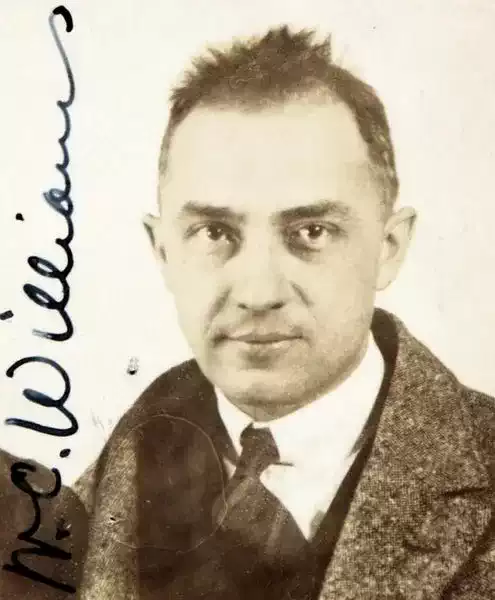
William Carlos Williams
Tract
Tract
I will teach you my townspeople
how to perform a funeral
for you have it over a troop
of artistsunless
one should scour the worldyou
have the ground sense necessary.
See! the hearse leads.
I begin with a design for a hearse.
For Christ's sake not blacknor
white either - and not polished!
Let it be whethered - like a farm wagon -
with gilt wheels (this could be
applied fresh at small expense)
or no wheels at all:
a rough dray to drag over the ground.
Knock the glass out!
My God - glass, my townspeople!
For what purpose? Is it for the dead
to look out or for us to see
the flowers or the lack of them -
or what?
To keep the rain and snow from him?
He will have a heavier rain soon:
pebbles and dirt and what not.
Let there be no glass -
and no upholstery, phew!
and no little brass rollers
and small easy wheels on the bottom -
my townspeople, what are you thinking of?
A rough plain hearse then
with gilt wheels and no top at all.
On this the coffin lies
by its own weight.
No wreathes pleaseespecially
no hot house flowers.
Some common memento is better,
something he prized and is known by:
his old clothes - a few books perhaps -
God knows what! You realize
how we are about these things
my townspeople -
something will be found - anything
even flowers if he had come to that.
So much for the hearse.
For heaven's sake though see to the driver!
Take off the silk hat! In fact
that's no place at all for him -
up there unceremoniously
dragging our friend out to his own dignity!
Bring him down - bring him down!
Low and inconspicuous! I'd not have him ride
on the wagon at all - damn him! -
the undertaker's understrapper!
Let him hold the reins
and walk at the side
and inconspicuously too!
Then briefly as to yourselves:
Walk behind - as they do in France,
seventh class, or if you ride
Hell take curtains! Go with some show
of inconvenience; sit openly -
to the weather as to grief.
Or do you think you can shut grief in?
What - from us? We who have perhaps
nothing to lose? Share with us
share with us - it will be money
in your pockets.
Go now
I think you are ready.
I will teach you my townspeople
how to perform a funeral
for you have it over a troop
of artistsunless
one should scour the worldyou
have the ground sense necessary.
See! the hearse leads.
I begin with a design for a hearse.
For Christ's sake not blacknor
white either - and not polished!
Let it be whethered - like a farm wagon -
with gilt wheels (this could be
applied fresh at small expense)
or no wheels at all:
a rough dray to drag over the ground.
Knock the glass out!
My God - glass, my townspeople!
For what purpose? Is it for the dead
to look out or for us to see
the flowers or the lack of them -
or what?
To keep the rain and snow from him?
He will have a heavier rain soon:
pebbles and dirt and what not.
Let there be no glass -
and no upholstery, phew!
and no little brass rollers
and small easy wheels on the bottom -
my townspeople, what are you thinking of?
A rough plain hearse then
with gilt wheels and no top at all.
On this the coffin lies
by its own weight.
No wreathes pleaseespecially
no hot house flowers.
Some common memento is better,
something he prized and is known by:
his old clothes - a few books perhaps -
God knows what! You realize
how we are about these things
my townspeople -
something will be found - anything
even flowers if he had come to that.
So much for the hearse.
For heaven's sake though see to the driver!
Take off the silk hat! In fact
that's no place at all for him -
up there unceremoniously
dragging our friend out to his own dignity!
Bring him down - bring him down!
Low and inconspicuous! I'd not have him ride
on the wagon at all - damn him! -
the undertaker's understrapper!
Let him hold the reins
and walk at the side
and inconspicuously too!
Then briefly as to yourselves:
Walk behind - as they do in France,
seventh class, or if you ride
Hell take curtains! Go with some show
of inconvenience; sit openly -
to the weather as to grief.
Or do you think you can shut grief in?
What - from us? We who have perhaps
nothing to lose? Share with us
share with us - it will be money
in your pockets.
Go now
I think you are ready.
468
William Carlos Williams
To Elsie
To Elsie
The pure products of America
go crazy--
mountain folk from Kentucky
or the ribbed north end of
Jersey
with its isolate lakes and
valleys, its deaf-mutes, thieves
old names
and promiscuity between
devil-may-care men who have taken
to railroading
out of sheer lust of adventure--
and young slatterns, bathed
in filth
from Monday to Saturday
to be tricked out that night
with gauds
from imaginations which have no
peasant traditions to give them
character
but flutter and flaunt
sheer rags-succumbing without
emotion
save numbed terror
under some hedge of choke-cherry
or viburnumwhich
they cannot express--
Unless it be that marriage
perhaps
with a dash of Indian blood
will throw up a girl so desolate
so hemmed round
with disease or murder
that she'll be rescued by an
agent--
reared by the state and
sent out at fifteen to work in
some hard-pressed
house in the suburbs--
some doctor's family, some Elsie--
voluptuous water
expressing with broken
brain the truth about us--
her great
ungainly hips and flopping breasts
addressed to cheap
jewelry
and rich young men with fine eyes
as if the earth under our feet
were
an excrement of some sky
and we degraded prisoners
destined
to hunger until we eat filth
while the imagination strains
after deer
going by fields of goldenrod in
the stifling heat of September
Somehow
it seems to destroy us
It is only in isolate flecks that
something
is given off
No one
to witness
and adjust, no one to drive the car
The pure products of America
go crazy--
mountain folk from Kentucky
or the ribbed north end of
Jersey
with its isolate lakes and
valleys, its deaf-mutes, thieves
old names
and promiscuity between
devil-may-care men who have taken
to railroading
out of sheer lust of adventure--
and young slatterns, bathed
in filth
from Monday to Saturday
to be tricked out that night
with gauds
from imaginations which have no
peasant traditions to give them
character
but flutter and flaunt
sheer rags-succumbing without
emotion
save numbed terror
under some hedge of choke-cherry
or viburnumwhich
they cannot express--
Unless it be that marriage
perhaps
with a dash of Indian blood
will throw up a girl so desolate
so hemmed round
with disease or murder
that she'll be rescued by an
agent--
reared by the state and
sent out at fifteen to work in
some hard-pressed
house in the suburbs--
some doctor's family, some Elsie--
voluptuous water
expressing with broken
brain the truth about us--
her great
ungainly hips and flopping breasts
addressed to cheap
jewelry
and rich young men with fine eyes
as if the earth under our feet
were
an excrement of some sky
and we degraded prisoners
destined
to hunger until we eat filth
while the imagination strains
after deer
going by fields of goldenrod in
the stifling heat of September
Somehow
it seems to destroy us
It is only in isolate flecks that
something
is given off
No one
to witness
and adjust, no one to drive the car
452
William Carlos Williams
The Lonely Street
The Lonely Street
School is over. It is too hot
to walk at ease. At ease
in light frocks they walk the streets
to while the time away.
They have grown tall. They hold
pink flames in their right hands.
In white from head to foot,
with sidelong, idle look--
in yellow, floating stuff,
black sash and stockings--
touching their avid mouths
with pink sugar on a stick--
like a carnation each holds in her hand--
they mount the lonely street.
School is over. It is too hot
to walk at ease. At ease
in light frocks they walk the streets
to while the time away.
They have grown tall. They hold
pink flames in their right hands.
In white from head to foot,
with sidelong, idle look--
in yellow, floating stuff,
black sash and stockings--
touching their avid mouths
with pink sugar on a stick--
like a carnation each holds in her hand--
they mount the lonely street.
416
William Carlos Williams
The Poor
The Poor
By constantly tormenting them
with reminders of the lice in
their children's hair, the
School Physician first
brought their hatred down on him.
But by this familiarity
they grew used to him, and so,
at last,
took him for their friend and adviser.
By constantly tormenting them
with reminders of the lice in
their children's hair, the
School Physician first
brought their hatred down on him.
But by this familiarity
they grew used to him, and so,
at last,
took him for their friend and adviser.
470
William Carlos Williams
The Poor
The Poor
By constantly tormenting them
with reminders of the lice in
their children's hair, the
School Physician first
brought their hatred down on him.
But by this familiarity
they grew used to him, and so,
at last,
took him for their friend and adviser.
By constantly tormenting them
with reminders of the lice in
their children's hair, the
School Physician first
brought their hatred down on him.
But by this familiarity
they grew used to him, and so,
at last,
took him for their friend and adviser.
470
William Carlos Williams
The Poor
The Poor
By constantly tormenting them
with reminders of the lice in
their children's hair, the
School Physician first
brought their hatred down on him.
But by this familiarity
they grew used to him, and so,
at last,
took him for their friend and adviser.
By constantly tormenting them
with reminders of the lice in
their children's hair, the
School Physician first
brought their hatred down on him.
But by this familiarity
they grew used to him, and so,
at last,
took him for their friend and adviser.
470
William Carlos Williams
The Great Figure
The Great Figure
Among the rain
and lights
I saw the figure
in gold
on a red
firetruck
moving
tense
unheeded
to gong clangs
siren howls
and wheels rumbling
through the dark city.
Among the rain
and lights
I saw the figure
in gold
on a red
firetruck
moving
tense
unheeded
to gong clangs
siren howls
and wheels rumbling
through the dark city.
286
William Carlos Williams
The Last Words of My English Grandmother
The Last Words of My English Grandmother
There were some dirty plates
and a glass of milk
beside her on a small table
near the rank, disheveled bed--
Wrinkled and nearly blind
she lay and snored
rousing with anger in her tones
to cry for food,
Gimme something to eat--
They're starving me--
I'm all right--I won't go
to the hospital.No, no, no
Give me something to eat!
Let me take you
to the hospital, I said
and after you are well
you can do as you please.
She smiled, Yes
you do what you please first
then I can do what I please--
Oh, oh, oh! she cried
as the ambulance men lifted
her to the stretcher--
Is this what you call
making me comfortable?
By now her mind was clear--
Oh you think you're smart
you young people,
she said, but I'll tell you
you don't know anything.
Then we started.
On the way
we passed a long row
of elms. She looked at them
awhile out of
the ambulance window and said,
What are all those
fuzzy looking things out there?
Trees?Well, I'm tired
of them and rolled her head away.
There were some dirty plates
and a glass of milk
beside her on a small table
near the rank, disheveled bed--
Wrinkled and nearly blind
she lay and snored
rousing with anger in her tones
to cry for food,
Gimme something to eat--
They're starving me--
I'm all right--I won't go
to the hospital.No, no, no
Give me something to eat!
Let me take you
to the hospital, I said
and after you are well
you can do as you please.
She smiled, Yes
you do what you please first
then I can do what I please--
Oh, oh, oh! she cried
as the ambulance men lifted
her to the stretcher--
Is this what you call
making me comfortable?
By now her mind was clear--
Oh you think you're smart
you young people,
she said, but I'll tell you
you don't know anything.
Then we started.
On the way
we passed a long row
of elms. She looked at them
awhile out of
the ambulance window and said,
What are all those
fuzzy looking things out there?
Trees?Well, I'm tired
of them and rolled her head away.
697