

Poems in this topic
Society and the World
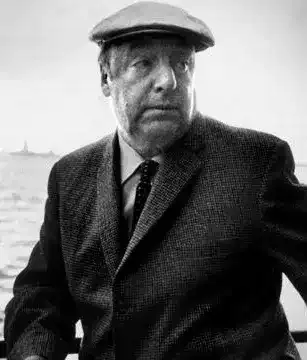
Pablo Neruda
The People
The People
I recall that man and not two centuries
have passed since I saw him,
he went neither by horse nor by carriage:
purely on foot
he outstripped
distances,
and carried no sword or armour,
only nets on his shoulder,
axe or hammer or spade,
never fighting the rest of his species:
his exploits were with water and earth,
with wheat so that it turned into bread,
with giant trees to render them wood,
with walls to open up doors,
with sand to construct the walls,
and with ocean for it to bear.
I knew him and he is still not cancelled in me.
The carriages fell to pieces,
war destroyed doors and walls,
the city was a handful of ashes,
all the clothes turned to dust,
and he remains to me,
he survives in the sand,
when everything before
seemed imperishable but him.
In the going and coming of families
at times he was my father or kinsman
or perhaps it was scarcely him or not
the one who did not return to his house
because water or earth swallowed him up
or a tree or an engine killed him,
or he was the saddened carpenter
who went behind the coffin, without tears,
someone in the end who had no name,
except those that metal or timber have,
and on whom others gazed from on high
without seeing the ant
for the anthill
and so that when his feet did not stir,
because the poor exhausted one had died,
they never saw what they had not seen:
already there were other feet where he'd been.
The other feet were still his,
and the other hands,
the man remained:
when it seemed that now he was done for
he was the same once more,
there he was digging again at the earth,
cutting cloth, minus a shirt,
there he was and was not, like before,
he had gone down and was once more,
and since he never owned graveyards,
or tombs, nor was his name carved
on the stone he sweated to quarry,
no one knew he had come
and no one knew when he died,
so that only when the poor man could
he returned to life once more, without it being noted.
He was the man, no doubt of it, without heritage,
without cattle, without a flag,
and he was not distinguished from others,
the others who were him,
from the heights he was grey like the subsoil,
tanned like the leather,
he was yellow reaping the wheat,
he was black down in the mine,
he was the colour of stone on the fortress,
in the fishing boat the colour of tuna,
and the colour of horses in the meadow:
how could anyone distinguish him
if he was inseparable, elemental,
earth, coal or sea vested in man?
Where he lived whatever
a man touched grew:
the hostile stones,
quarried
by his hands,
took on order
and one by one formed
the right clarity of a building,
he made bread with his hands,
moved the engines,
the distances peopled themselves with towns,
other men grew,
bees arrived,
and by man's creating and breeding
spring walked the market squares
between bakeries and doves.
The maker of loaves was forgotten,
he who quarried and journeyed, beating down
and opening furrows, transporting sand,
when everything existed he no longer existed,
he gave his existence, that's all.
He went elsewhere to labour, and at last
he was dead, rolling
like a stone in the river:
death carried him downstream.
I, who knew him, saw him descend
till he was no longer except what he left:
roads he could scarcely know,
houses he never ever would live in.
I turn to see him, and I await him
I see him in his grave and resurrected.
I distinguish him among all
who are his equals
and it seems to me it cannot be,
that like this we go nowhere,
that to survive like this holds no glory.
I believe that this man
must be enthroned, rightly shod and crowned.
I believe that those who made such things
must be the masters of all these things.
And that those who made bread should eat!
And those in the mines must have light!
Enough now of grey men enslaved!
Enough of the pale 'missing ones'!
Not another man passes except as a king.
Not a single woman without her crown.
Golden gauntlets for every hand.
Fruits of the sun for all the unknowns!
I knew that man and when I could,
when he still had eyes in his head,
when he still had a voice in his mouth
I searched for him among tombs, and I said
grasping his arm that was not yet dust:
'All will be gone, you will live on,
You ignite life.
You made what is yours.'
So let no one trouble themselves when
I seem to be alone and am not alone,
I am with no one and speak for them all:
Some listen to me, without knowing,
but those I sing, those who do know
go on being born, and will fill up the Earth.
I recall that man and not two centuries
have passed since I saw him,
he went neither by horse nor by carriage:
purely on foot
he outstripped
distances,
and carried no sword or armour,
only nets on his shoulder,
axe or hammer or spade,
never fighting the rest of his species:
his exploits were with water and earth,
with wheat so that it turned into bread,
with giant trees to render them wood,
with walls to open up doors,
with sand to construct the walls,
and with ocean for it to bear.
I knew him and he is still not cancelled in me.
The carriages fell to pieces,
war destroyed doors and walls,
the city was a handful of ashes,
all the clothes turned to dust,
and he remains to me,
he survives in the sand,
when everything before
seemed imperishable but him.
In the going and coming of families
at times he was my father or kinsman
or perhaps it was scarcely him or not
the one who did not return to his house
because water or earth swallowed him up
or a tree or an engine killed him,
or he was the saddened carpenter
who went behind the coffin, without tears,
someone in the end who had no name,
except those that metal or timber have,
and on whom others gazed from on high
without seeing the ant
for the anthill
and so that when his feet did not stir,
because the poor exhausted one had died,
they never saw what they had not seen:
already there were other feet where he'd been.
The other feet were still his,
and the other hands,
the man remained:
when it seemed that now he was done for
he was the same once more,
there he was digging again at the earth,
cutting cloth, minus a shirt,
there he was and was not, like before,
he had gone down and was once more,
and since he never owned graveyards,
or tombs, nor was his name carved
on the stone he sweated to quarry,
no one knew he had come
and no one knew when he died,
so that only when the poor man could
he returned to life once more, without it being noted.
He was the man, no doubt of it, without heritage,
without cattle, without a flag,
and he was not distinguished from others,
the others who were him,
from the heights he was grey like the subsoil,
tanned like the leather,
he was yellow reaping the wheat,
he was black down in the mine,
he was the colour of stone on the fortress,
in the fishing boat the colour of tuna,
and the colour of horses in the meadow:
how could anyone distinguish him
if he was inseparable, elemental,
earth, coal or sea vested in man?
Where he lived whatever
a man touched grew:
the hostile stones,
quarried
by his hands,
took on order
and one by one formed
the right clarity of a building,
he made bread with his hands,
moved the engines,
the distances peopled themselves with towns,
other men grew,
bees arrived,
and by man's creating and breeding
spring walked the market squares
between bakeries and doves.
The maker of loaves was forgotten,
he who quarried and journeyed, beating down
and opening furrows, transporting sand,
when everything existed he no longer existed,
he gave his existence, that's all.
He went elsewhere to labour, and at last
he was dead, rolling
like a stone in the river:
death carried him downstream.
I, who knew him, saw him descend
till he was no longer except what he left:
roads he could scarcely know,
houses he never ever would live in.
I turn to see him, and I await him
I see him in his grave and resurrected.
I distinguish him among all
who are his equals
and it seems to me it cannot be,
that like this we go nowhere,
that to survive like this holds no glory.
I believe that this man
must be enthroned, rightly shod and crowned.
I believe that those who made such things
must be the masters of all these things.
And that those who made bread should eat!
And those in the mines must have light!
Enough now of grey men enslaved!
Enough of the pale 'missing ones'!
Not another man passes except as a king.
Not a single woman without her crown.
Golden gauntlets for every hand.
Fruits of the sun for all the unknowns!
I knew that man and when I could,
when he still had eyes in his head,
when he still had a voice in his mouth
I searched for him among tombs, and I said
grasping his arm that was not yet dust:
'All will be gone, you will live on,
You ignite life.
You made what is yours.'
So let no one trouble themselves when
I seem to be alone and am not alone,
I am with no one and speak for them all:
Some listen to me, without knowing,
but those I sing, those who do know
go on being born, and will fill up the Earth.
555
Pablo Neruda
The People
The People
I recall that man and not two centuries
have passed since I saw him,
he went neither by horse nor by carriage:
purely on foot
he outstripped
distances,
and carried no sword or armour,
only nets on his shoulder,
axe or hammer or spade,
never fighting the rest of his species:
his exploits were with water and earth,
with wheat so that it turned into bread,
with giant trees to render them wood,
with walls to open up doors,
with sand to construct the walls,
and with ocean for it to bear.
I knew him and he is still not cancelled in me.
The carriages fell to pieces,
war destroyed doors and walls,
the city was a handful of ashes,
all the clothes turned to dust,
and he remains to me,
he survives in the sand,
when everything before
seemed imperishable but him.
In the going and coming of families
at times he was my father or kinsman
or perhaps it was scarcely him or not
the one who did not return to his house
because water or earth swallowed him up
or a tree or an engine killed him,
or he was the saddened carpenter
who went behind the coffin, without tears,
someone in the end who had no name,
except those that metal or timber have,
and on whom others gazed from on high
without seeing the ant
for the anthill
and so that when his feet did not stir,
because the poor exhausted one had died,
they never saw what they had not seen:
already there were other feet where he'd been.
The other feet were still his,
and the other hands,
the man remained:
when it seemed that now he was done for
he was the same once more,
there he was digging again at the earth,
cutting cloth, minus a shirt,
there he was and was not, like before,
he had gone down and was once more,
and since he never owned graveyards,
or tombs, nor was his name carved
on the stone he sweated to quarry,
no one knew he had come
and no one knew when he died,
so that only when the poor man could
he returned to life once more, without it being noted.
He was the man, no doubt of it, without heritage,
without cattle, without a flag,
and he was not distinguished from others,
the others who were him,
from the heights he was grey like the subsoil,
tanned like the leather,
he was yellow reaping the wheat,
he was black down in the mine,
he was the colour of stone on the fortress,
in the fishing boat the colour of tuna,
and the colour of horses in the meadow:
how could anyone distinguish him
if he was inseparable, elemental,
earth, coal or sea vested in man?
Where he lived whatever
a man touched grew:
the hostile stones,
quarried
by his hands,
took on order
and one by one formed
the right clarity of a building,
he made bread with his hands,
moved the engines,
the distances peopled themselves with towns,
other men grew,
bees arrived,
and by man's creating and breeding
spring walked the market squares
between bakeries and doves.
The maker of loaves was forgotten,
he who quarried and journeyed, beating down
and opening furrows, transporting sand,
when everything existed he no longer existed,
he gave his existence, that's all.
He went elsewhere to labour, and at last
he was dead, rolling
like a stone in the river:
death carried him downstream.
I, who knew him, saw him descend
till he was no longer except what he left:
roads he could scarcely know,
houses he never ever would live in.
I turn to see him, and I await him
I see him in his grave and resurrected.
I distinguish him among all
who are his equals
and it seems to me it cannot be,
that like this we go nowhere,
that to survive like this holds no glory.
I believe that this man
must be enthroned, rightly shod and crowned.
I believe that those who made such things
must be the masters of all these things.
And that those who made bread should eat!
And those in the mines must have light!
Enough now of grey men enslaved!
Enough of the pale 'missing ones'!
Not another man passes except as a king.
Not a single woman without her crown.
Golden gauntlets for every hand.
Fruits of the sun for all the unknowns!
I knew that man and when I could,
when he still had eyes in his head,
when he still had a voice in his mouth
I searched for him among tombs, and I said
grasping his arm that was not yet dust:
'All will be gone, you will live on,
You ignite life.
You made what is yours.'
So let no one trouble themselves when
I seem to be alone and am not alone,
I am with no one and speak for them all:
Some listen to me, without knowing,
but those I sing, those who do know
go on being born, and will fill up the Earth.
I recall that man and not two centuries
have passed since I saw him,
he went neither by horse nor by carriage:
purely on foot
he outstripped
distances,
and carried no sword or armour,
only nets on his shoulder,
axe or hammer or spade,
never fighting the rest of his species:
his exploits were with water and earth,
with wheat so that it turned into bread,
with giant trees to render them wood,
with walls to open up doors,
with sand to construct the walls,
and with ocean for it to bear.
I knew him and he is still not cancelled in me.
The carriages fell to pieces,
war destroyed doors and walls,
the city was a handful of ashes,
all the clothes turned to dust,
and he remains to me,
he survives in the sand,
when everything before
seemed imperishable but him.
In the going and coming of families
at times he was my father or kinsman
or perhaps it was scarcely him or not
the one who did not return to his house
because water or earth swallowed him up
or a tree or an engine killed him,
or he was the saddened carpenter
who went behind the coffin, without tears,
someone in the end who had no name,
except those that metal or timber have,
and on whom others gazed from on high
without seeing the ant
for the anthill
and so that when his feet did not stir,
because the poor exhausted one had died,
they never saw what they had not seen:
already there were other feet where he'd been.
The other feet were still his,
and the other hands,
the man remained:
when it seemed that now he was done for
he was the same once more,
there he was digging again at the earth,
cutting cloth, minus a shirt,
there he was and was not, like before,
he had gone down and was once more,
and since he never owned graveyards,
or tombs, nor was his name carved
on the stone he sweated to quarry,
no one knew he had come
and no one knew when he died,
so that only when the poor man could
he returned to life once more, without it being noted.
He was the man, no doubt of it, without heritage,
without cattle, without a flag,
and he was not distinguished from others,
the others who were him,
from the heights he was grey like the subsoil,
tanned like the leather,
he was yellow reaping the wheat,
he was black down in the mine,
he was the colour of stone on the fortress,
in the fishing boat the colour of tuna,
and the colour of horses in the meadow:
how could anyone distinguish him
if he was inseparable, elemental,
earth, coal or sea vested in man?
Where he lived whatever
a man touched grew:
the hostile stones,
quarried
by his hands,
took on order
and one by one formed
the right clarity of a building,
he made bread with his hands,
moved the engines,
the distances peopled themselves with towns,
other men grew,
bees arrived,
and by man's creating and breeding
spring walked the market squares
between bakeries and doves.
The maker of loaves was forgotten,
he who quarried and journeyed, beating down
and opening furrows, transporting sand,
when everything existed he no longer existed,
he gave his existence, that's all.
He went elsewhere to labour, and at last
he was dead, rolling
like a stone in the river:
death carried him downstream.
I, who knew him, saw him descend
till he was no longer except what he left:
roads he could scarcely know,
houses he never ever would live in.
I turn to see him, and I await him
I see him in his grave and resurrected.
I distinguish him among all
who are his equals
and it seems to me it cannot be,
that like this we go nowhere,
that to survive like this holds no glory.
I believe that this man
must be enthroned, rightly shod and crowned.
I believe that those who made such things
must be the masters of all these things.
And that those who made bread should eat!
And those in the mines must have light!
Enough now of grey men enslaved!
Enough of the pale 'missing ones'!
Not another man passes except as a king.
Not a single woman without her crown.
Golden gauntlets for every hand.
Fruits of the sun for all the unknowns!
I knew that man and when I could,
when he still had eyes in his head,
when he still had a voice in his mouth
I searched for him among tombs, and I said
grasping his arm that was not yet dust:
'All will be gone, you will live on,
You ignite life.
You made what is yours.'
So let no one trouble themselves when
I seem to be alone and am not alone,
I am with no one and speak for them all:
Some listen to me, without knowing,
but those I sing, those who do know
go on being born, and will fill up the Earth.
555
Pablo Neruda
The People
The People
I recall that man and not two centuries
have passed since I saw him,
he went neither by horse nor by carriage:
purely on foot
he outstripped
distances,
and carried no sword or armour,
only nets on his shoulder,
axe or hammer or spade,
never fighting the rest of his species:
his exploits were with water and earth,
with wheat so that it turned into bread,
with giant trees to render them wood,
with walls to open up doors,
with sand to construct the walls,
and with ocean for it to bear.
I knew him and he is still not cancelled in me.
The carriages fell to pieces,
war destroyed doors and walls,
the city was a handful of ashes,
all the clothes turned to dust,
and he remains to me,
he survives in the sand,
when everything before
seemed imperishable but him.
In the going and coming of families
at times he was my father or kinsman
or perhaps it was scarcely him or not
the one who did not return to his house
because water or earth swallowed him up
or a tree or an engine killed him,
or he was the saddened carpenter
who went behind the coffin, without tears,
someone in the end who had no name,
except those that metal or timber have,
and on whom others gazed from on high
without seeing the ant
for the anthill
and so that when his feet did not stir,
because the poor exhausted one had died,
they never saw what they had not seen:
already there were other feet where he'd been.
The other feet were still his,
and the other hands,
the man remained:
when it seemed that now he was done for
he was the same once more,
there he was digging again at the earth,
cutting cloth, minus a shirt,
there he was and was not, like before,
he had gone down and was once more,
and since he never owned graveyards,
or tombs, nor was his name carved
on the stone he sweated to quarry,
no one knew he had come
and no one knew when he died,
so that only when the poor man could
he returned to life once more, without it being noted.
He was the man, no doubt of it, without heritage,
without cattle, without a flag,
and he was not distinguished from others,
the others who were him,
from the heights he was grey like the subsoil,
tanned like the leather,
he was yellow reaping the wheat,
he was black down in the mine,
he was the colour of stone on the fortress,
in the fishing boat the colour of tuna,
and the colour of horses in the meadow:
how could anyone distinguish him
if he was inseparable, elemental,
earth, coal or sea vested in man?
Where he lived whatever
a man touched grew:
the hostile stones,
quarried
by his hands,
took on order
and one by one formed
the right clarity of a building,
he made bread with his hands,
moved the engines,
the distances peopled themselves with towns,
other men grew,
bees arrived,
and by man's creating and breeding
spring walked the market squares
between bakeries and doves.
The maker of loaves was forgotten,
he who quarried and journeyed, beating down
and opening furrows, transporting sand,
when everything existed he no longer existed,
he gave his existence, that's all.
He went elsewhere to labour, and at last
he was dead, rolling
like a stone in the river:
death carried him downstream.
I, who knew him, saw him descend
till he was no longer except what he left:
roads he could scarcely know,
houses he never ever would live in.
I turn to see him, and I await him
I see him in his grave and resurrected.
I distinguish him among all
who are his equals
and it seems to me it cannot be,
that like this we go nowhere,
that to survive like this holds no glory.
I believe that this man
must be enthroned, rightly shod and crowned.
I believe that those who made such things
must be the masters of all these things.
And that those who made bread should eat!
And those in the mines must have light!
Enough now of grey men enslaved!
Enough of the pale 'missing ones'!
Not another man passes except as a king.
Not a single woman without her crown.
Golden gauntlets for every hand.
Fruits of the sun for all the unknowns!
I knew that man and when I could,
when he still had eyes in his head,
when he still had a voice in his mouth
I searched for him among tombs, and I said
grasping his arm that was not yet dust:
'All will be gone, you will live on,
You ignite life.
You made what is yours.'
So let no one trouble themselves when
I seem to be alone and am not alone,
I am with no one and speak for them all:
Some listen to me, without knowing,
but those I sing, those who do know
go on being born, and will fill up the Earth.
I recall that man and not two centuries
have passed since I saw him,
he went neither by horse nor by carriage:
purely on foot
he outstripped
distances,
and carried no sword or armour,
only nets on his shoulder,
axe or hammer or spade,
never fighting the rest of his species:
his exploits were with water and earth,
with wheat so that it turned into bread,
with giant trees to render them wood,
with walls to open up doors,
with sand to construct the walls,
and with ocean for it to bear.
I knew him and he is still not cancelled in me.
The carriages fell to pieces,
war destroyed doors and walls,
the city was a handful of ashes,
all the clothes turned to dust,
and he remains to me,
he survives in the sand,
when everything before
seemed imperishable but him.
In the going and coming of families
at times he was my father or kinsman
or perhaps it was scarcely him or not
the one who did not return to his house
because water or earth swallowed him up
or a tree or an engine killed him,
or he was the saddened carpenter
who went behind the coffin, without tears,
someone in the end who had no name,
except those that metal or timber have,
and on whom others gazed from on high
without seeing the ant
for the anthill
and so that when his feet did not stir,
because the poor exhausted one had died,
they never saw what they had not seen:
already there were other feet where he'd been.
The other feet were still his,
and the other hands,
the man remained:
when it seemed that now he was done for
he was the same once more,
there he was digging again at the earth,
cutting cloth, minus a shirt,
there he was and was not, like before,
he had gone down and was once more,
and since he never owned graveyards,
or tombs, nor was his name carved
on the stone he sweated to quarry,
no one knew he had come
and no one knew when he died,
so that only when the poor man could
he returned to life once more, without it being noted.
He was the man, no doubt of it, without heritage,
without cattle, without a flag,
and he was not distinguished from others,
the others who were him,
from the heights he was grey like the subsoil,
tanned like the leather,
he was yellow reaping the wheat,
he was black down in the mine,
he was the colour of stone on the fortress,
in the fishing boat the colour of tuna,
and the colour of horses in the meadow:
how could anyone distinguish him
if he was inseparable, elemental,
earth, coal or sea vested in man?
Where he lived whatever
a man touched grew:
the hostile stones,
quarried
by his hands,
took on order
and one by one formed
the right clarity of a building,
he made bread with his hands,
moved the engines,
the distances peopled themselves with towns,
other men grew,
bees arrived,
and by man's creating and breeding
spring walked the market squares
between bakeries and doves.
The maker of loaves was forgotten,
he who quarried and journeyed, beating down
and opening furrows, transporting sand,
when everything existed he no longer existed,
he gave his existence, that's all.
He went elsewhere to labour, and at last
he was dead, rolling
like a stone in the river:
death carried him downstream.
I, who knew him, saw him descend
till he was no longer except what he left:
roads he could scarcely know,
houses he never ever would live in.
I turn to see him, and I await him
I see him in his grave and resurrected.
I distinguish him among all
who are his equals
and it seems to me it cannot be,
that like this we go nowhere,
that to survive like this holds no glory.
I believe that this man
must be enthroned, rightly shod and crowned.
I believe that those who made such things
must be the masters of all these things.
And that those who made bread should eat!
And those in the mines must have light!
Enough now of grey men enslaved!
Enough of the pale 'missing ones'!
Not another man passes except as a king.
Not a single woman without her crown.
Golden gauntlets for every hand.
Fruits of the sun for all the unknowns!
I knew that man and when I could,
when he still had eyes in his head,
when he still had a voice in his mouth
I searched for him among tombs, and I said
grasping his arm that was not yet dust:
'All will be gone, you will live on,
You ignite life.
You made what is yours.'
So let no one trouble themselves when
I seem to be alone and am not alone,
I am with no one and speak for them all:
Some listen to me, without knowing,
but those I sing, those who do know
go on being born, and will fill up the Earth.
555
Pablo Neruda
The House of Odes
The House of Odes
Writing
these
odes
in this
year nineteen
hundred and
fifty-five,
readying and tuning
my demanding, murmuring lyre,
I know who I am
and where my song is going.
I understand
that the shopper for myths
and mysteries
may enter
my wood
and adobe
house of odes,
may despise
the utensils,
the portraits
of father and mother and country
on the walls,
the simplicity
of the bread
and the saltcellar. But
that's how it is in my house of odes.
I deposed the dark monarchy,
the useless flowing hair of dreams,
I trod on the tail
of the cerebral reptile,
and set things
-- water and fire in
harmony with man and earth.
I want everything
to have
a handle,
I want everything to be
a cup or a tool,
I want people to enter a hardware
store through the door of my odes.
I work at
cutting
newly hewn boards,
storing casks
of honey,
arranging
horseshoes, harness,
forks:
I want everyone to enter here,
let them ask questions,
ask for anything they want.
I am from the South, a Chilean,
a sailor
returned
from the seas.
I did not stay in the islands,
a king.
I did not stay ensconced
in the land of dreams.
I returned to labor simply
beside others,
for everyone.
So that everyone
may live here,
I build my house
with transparent
odes.
Writing
these
odes
in this
year nineteen
hundred and
fifty-five,
readying and tuning
my demanding, murmuring lyre,
I know who I am
and where my song is going.
I understand
that the shopper for myths
and mysteries
may enter
my wood
and adobe
house of odes,
may despise
the utensils,
the portraits
of father and mother and country
on the walls,
the simplicity
of the bread
and the saltcellar. But
that's how it is in my house of odes.
I deposed the dark monarchy,
the useless flowing hair of dreams,
I trod on the tail
of the cerebral reptile,
and set things
-- water and fire in
harmony with man and earth.
I want everything
to have
a handle,
I want everything to be
a cup or a tool,
I want people to enter a hardware
store through the door of my odes.
I work at
cutting
newly hewn boards,
storing casks
of honey,
arranging
horseshoes, harness,
forks:
I want everyone to enter here,
let them ask questions,
ask for anything they want.
I am from the South, a Chilean,
a sailor
returned
from the seas.
I did not stay in the islands,
a king.
I did not stay ensconced
in the land of dreams.
I returned to labor simply
beside others,
for everyone.
So that everyone
may live here,
I build my house
with transparent
odes.
584
Pablo Neruda
The House of Odes
The House of Odes
Writing
these
odes
in this
year nineteen
hundred and
fifty-five,
readying and tuning
my demanding, murmuring lyre,
I know who I am
and where my song is going.
I understand
that the shopper for myths
and mysteries
may enter
my wood
and adobe
house of odes,
may despise
the utensils,
the portraits
of father and mother and country
on the walls,
the simplicity
of the bread
and the saltcellar. But
that's how it is in my house of odes.
I deposed the dark monarchy,
the useless flowing hair of dreams,
I trod on the tail
of the cerebral reptile,
and set things
-- water and fire in
harmony with man and earth.
I want everything
to have
a handle,
I want everything to be
a cup or a tool,
I want people to enter a hardware
store through the door of my odes.
I work at
cutting
newly hewn boards,
storing casks
of honey,
arranging
horseshoes, harness,
forks:
I want everyone to enter here,
let them ask questions,
ask for anything they want.
I am from the South, a Chilean,
a sailor
returned
from the seas.
I did not stay in the islands,
a king.
I did not stay ensconced
in the land of dreams.
I returned to labor simply
beside others,
for everyone.
So that everyone
may live here,
I build my house
with transparent
odes.
Writing
these
odes
in this
year nineteen
hundred and
fifty-five,
readying and tuning
my demanding, murmuring lyre,
I know who I am
and where my song is going.
I understand
that the shopper for myths
and mysteries
may enter
my wood
and adobe
house of odes,
may despise
the utensils,
the portraits
of father and mother and country
on the walls,
the simplicity
of the bread
and the saltcellar. But
that's how it is in my house of odes.
I deposed the dark monarchy,
the useless flowing hair of dreams,
I trod on the tail
of the cerebral reptile,
and set things
-- water and fire in
harmony with man and earth.
I want everything
to have
a handle,
I want everything to be
a cup or a tool,
I want people to enter a hardware
store through the door of my odes.
I work at
cutting
newly hewn boards,
storing casks
of honey,
arranging
horseshoes, harness,
forks:
I want everyone to enter here,
let them ask questions,
ask for anything they want.
I am from the South, a Chilean,
a sailor
returned
from the seas.
I did not stay in the islands,
a king.
I did not stay ensconced
in the land of dreams.
I returned to labor simply
beside others,
for everyone.
So that everyone
may live here,
I build my house
with transparent
odes.
584
Pablo Neruda
The Dictators
The Dictators
An odor has remained among the sugarcane:
a mixture of blood and body, a penetrating
petal that brings nausea.
Between the coconut palms the graves are full
of ruined bones, of speechless death-rattles.
The delicate dictator is talking
with top hats, gold braid, and collars.
The tiny palace gleams like a watch
and the rapid laughs with gloves on
cross the corridors at times
and join the dead voices
and the blue mouths freshly buried.
The weeping cannot be seen, like a plant
whose seeds fall endlessly on the earth,
whose large blind leaves grow even without light.
Hatred has grown scale on scale,
blow on blow, in the ghastly water of the swamp,
with a snout full of ooze and silence
An odor has remained among the sugarcane:
a mixture of blood and body, a penetrating
petal that brings nausea.
Between the coconut palms the graves are full
of ruined bones, of speechless death-rattles.
The delicate dictator is talking
with top hats, gold braid, and collars.
The tiny palace gleams like a watch
and the rapid laughs with gloves on
cross the corridors at times
and join the dead voices
and the blue mouths freshly buried.
The weeping cannot be seen, like a plant
whose seeds fall endlessly on the earth,
whose large blind leaves grow even without light.
Hatred has grown scale on scale,
blow on blow, in the ghastly water of the swamp,
with a snout full of ooze and silence
819
Pablo Neruda
The Dictators
The Dictators
An odor has remained among the sugarcane:
a mixture of blood and body, a penetrating
petal that brings nausea.
Between the coconut palms the graves are full
of ruined bones, of speechless death-rattles.
The delicate dictator is talking
with top hats, gold braid, and collars.
The tiny palace gleams like a watch
and the rapid laughs with gloves on
cross the corridors at times
and join the dead voices
and the blue mouths freshly buried.
The weeping cannot be seen, like a plant
whose seeds fall endlessly on the earth,
whose large blind leaves grow even without light.
Hatred has grown scale on scale,
blow on blow, in the ghastly water of the swamp,
with a snout full of ooze and silence
An odor has remained among the sugarcane:
a mixture of blood and body, a penetrating
petal that brings nausea.
Between the coconut palms the graves are full
of ruined bones, of speechless death-rattles.
The delicate dictator is talking
with top hats, gold braid, and collars.
The tiny palace gleams like a watch
and the rapid laughs with gloves on
cross the corridors at times
and join the dead voices
and the blue mouths freshly buried.
The weeping cannot be seen, like a plant
whose seeds fall endlessly on the earth,
whose large blind leaves grow even without light.
Hatred has grown scale on scale,
blow on blow, in the ghastly water of the swamp,
with a snout full of ooze and silence
819
Pablo Neruda
The Dictators
The Dictators
An odor has remained among the sugarcane:
a mixture of blood and body, a penetrating
petal that brings nausea.
Between the coconut palms the graves are full
of ruined bones, of speechless death-rattles.
The delicate dictator is talking
with top hats, gold braid, and collars.
The tiny palace gleams like a watch
and the rapid laughs with gloves on
cross the corridors at times
and join the dead voices
and the blue mouths freshly buried.
The weeping cannot be seen, like a plant
whose seeds fall endlessly on the earth,
whose large blind leaves grow even without light.
Hatred has grown scale on scale,
blow on blow, in the ghastly water of the swamp,
with a snout full of ooze and silence
An odor has remained among the sugarcane:
a mixture of blood and body, a penetrating
petal that brings nausea.
Between the coconut palms the graves are full
of ruined bones, of speechless death-rattles.
The delicate dictator is talking
with top hats, gold braid, and collars.
The tiny palace gleams like a watch
and the rapid laughs with gloves on
cross the corridors at times
and join the dead voices
and the blue mouths freshly buried.
The weeping cannot be seen, like a plant
whose seeds fall endlessly on the earth,
whose large blind leaves grow even without light.
Hatred has grown scale on scale,
blow on blow, in the ghastly water of the swamp,
with a snout full of ooze and silence
819
Pablo Neruda
Poor Creatures
Poor Creatures
What it takes on this planet,
to make love to each other in peace.
Everyone pries under your sheets,
everyone interferes with your loving.
They say terrible things about a man and a woman,
who after much milling about,
all sorts of compunctions,
do something unique,
they both lie with each other in one bed.
I ask myself whether frogs are so furtive,
or sneeze as they please.
Whether they whisper to each other in swamps about illegitimate frogs,
or the joys of amphibious living.
I ask myself if birds single out enemy birds,
or bulls gossip with bullocks before they go out in public with cows.
Even the roads have eyes and the parks their police.
Hotels spy on their guests,
windows name names,
canons and squadrons debark on missions to liquidate love.
All those ears and those jaws working incessantly,
till a man and his girl
have to raise their climax,
full tilt,
on a bicycle.
What it takes on this planet,
to make love to each other in peace.
Everyone pries under your sheets,
everyone interferes with your loving.
They say terrible things about a man and a woman,
who after much milling about,
all sorts of compunctions,
do something unique,
they both lie with each other in one bed.
I ask myself whether frogs are so furtive,
or sneeze as they please.
Whether they whisper to each other in swamps about illegitimate frogs,
or the joys of amphibious living.
I ask myself if birds single out enemy birds,
or bulls gossip with bullocks before they go out in public with cows.
Even the roads have eyes and the parks their police.
Hotels spy on their guests,
windows name names,
canons and squadrons debark on missions to liquidate love.
All those ears and those jaws working incessantly,
till a man and his girl
have to raise their climax,
full tilt,
on a bicycle.
601
Pablo Neruda
Poor Creatures
Poor Creatures
What it takes on this planet,
to make love to each other in peace.
Everyone pries under your sheets,
everyone interferes with your loving.
They say terrible things about a man and a woman,
who after much milling about,
all sorts of compunctions,
do something unique,
they both lie with each other in one bed.
I ask myself whether frogs are so furtive,
or sneeze as they please.
Whether they whisper to each other in swamps about illegitimate frogs,
or the joys of amphibious living.
I ask myself if birds single out enemy birds,
or bulls gossip with bullocks before they go out in public with cows.
Even the roads have eyes and the parks their police.
Hotels spy on their guests,
windows name names,
canons and squadrons debark on missions to liquidate love.
All those ears and those jaws working incessantly,
till a man and his girl
have to raise their climax,
full tilt,
on a bicycle.
What it takes on this planet,
to make love to each other in peace.
Everyone pries under your sheets,
everyone interferes with your loving.
They say terrible things about a man and a woman,
who after much milling about,
all sorts of compunctions,
do something unique,
they both lie with each other in one bed.
I ask myself whether frogs are so furtive,
or sneeze as they please.
Whether they whisper to each other in swamps about illegitimate frogs,
or the joys of amphibious living.
I ask myself if birds single out enemy birds,
or bulls gossip with bullocks before they go out in public with cows.
Even the roads have eyes and the parks their police.
Hotels spy on their guests,
windows name names,
canons and squadrons debark on missions to liquidate love.
All those ears and those jaws working incessantly,
till a man and his girl
have to raise their climax,
full tilt,
on a bicycle.
601
Pablo Neruda
Poor Creatures
Poor Creatures
What it takes on this planet,
to make love to each other in peace.
Everyone pries under your sheets,
everyone interferes with your loving.
They say terrible things about a man and a woman,
who after much milling about,
all sorts of compunctions,
do something unique,
they both lie with each other in one bed.
I ask myself whether frogs are so furtive,
or sneeze as they please.
Whether they whisper to each other in swamps about illegitimate frogs,
or the joys of amphibious living.
I ask myself if birds single out enemy birds,
or bulls gossip with bullocks before they go out in public with cows.
Even the roads have eyes and the parks their police.
Hotels spy on their guests,
windows name names,
canons and squadrons debark on missions to liquidate love.
All those ears and those jaws working incessantly,
till a man and his girl
have to raise their climax,
full tilt,
on a bicycle.
What it takes on this planet,
to make love to each other in peace.
Everyone pries under your sheets,
everyone interferes with your loving.
They say terrible things about a man and a woman,
who after much milling about,
all sorts of compunctions,
do something unique,
they both lie with each other in one bed.
I ask myself whether frogs are so furtive,
or sneeze as they please.
Whether they whisper to each other in swamps about illegitimate frogs,
or the joys of amphibious living.
I ask myself if birds single out enemy birds,
or bulls gossip with bullocks before they go out in public with cows.
Even the roads have eyes and the parks their police.
Hotels spy on their guests,
windows name names,
canons and squadrons debark on missions to liquidate love.
All those ears and those jaws working incessantly,
till a man and his girl
have to raise their climax,
full tilt,
on a bicycle.
601
Pablo Neruda
Ode To Wine
Ode To Wine
Day-colored wine,
night-colored wine,
wine with purple feet
or wine with topaz blood,
wine,
starry child
of earth,
wine, smooth
as a golden sword,
soft
as lascivious velvet,
wine, spiral-seashelled
and full of wonder,
amorous,
marine;
never has one goblet contained you,
one song, one man,
you are choral, gregarious,
at the least, you must be shared.
At times
you feed on mortal
memories;
your wave carries us
from tomb to tomb,
stonecutter of icy sepulchers,
and we weep
transitory tears;
your
glorious
spring dress
is different,
blood rises through the shoots,
wind incites the day,
nothing is left
of your immutable soul.
Wine
stirs the spring, happiness
bursts through the earth like a plant,
walls crumble,
and rocky cliffs,
chasms close,
as song is born.
A jug of wine, and thou beside me
in the wilderness,
sang the ancient poet.
Let the wine pitcher
add to the kiss of love its own.
My darling, suddenly
the line of your hip
becomes the brimming curve
of the wine goblet,
your breast is the grape cluster,
your nipples are the grapes,
the gleam of spirits lights your hair,
and your navel is a chaste seal
stamped on the vessel of your belly,
your love an inexhaustible
cascade of wine,
light that illuminates my senses,
the earthly splendor of life.
But you are more than love,
the fiery kiss,
the heat of fire,
more than the wine of life;
you are
the community of man,
translucency,
chorus of discipline,
abundance of flowers.
I like on the table,
when we're speaking,
the light of a bottle
of intelligent wine.
Drink it,
and remember in every
drop of gold,
in every topaz glass,
in every purple ladle,
that autumn labored
to fill the vessel with wine;
and in the ritual of his office,
let the simple man remember
to think of the soil and of his duty,
to propagate the canticle of the wine.
Day-colored wine,
night-colored wine,
wine with purple feet
or wine with topaz blood,
wine,
starry child
of earth,
wine, smooth
as a golden sword,
soft
as lascivious velvet,
wine, spiral-seashelled
and full of wonder,
amorous,
marine;
never has one goblet contained you,
one song, one man,
you are choral, gregarious,
at the least, you must be shared.
At times
you feed on mortal
memories;
your wave carries us
from tomb to tomb,
stonecutter of icy sepulchers,
and we weep
transitory tears;
your
glorious
spring dress
is different,
blood rises through the shoots,
wind incites the day,
nothing is left
of your immutable soul.
Wine
stirs the spring, happiness
bursts through the earth like a plant,
walls crumble,
and rocky cliffs,
chasms close,
as song is born.
A jug of wine, and thou beside me
in the wilderness,
sang the ancient poet.
Let the wine pitcher
add to the kiss of love its own.
My darling, suddenly
the line of your hip
becomes the brimming curve
of the wine goblet,
your breast is the grape cluster,
your nipples are the grapes,
the gleam of spirits lights your hair,
and your navel is a chaste seal
stamped on the vessel of your belly,
your love an inexhaustible
cascade of wine,
light that illuminates my senses,
the earthly splendor of life.
But you are more than love,
the fiery kiss,
the heat of fire,
more than the wine of life;
you are
the community of man,
translucency,
chorus of discipline,
abundance of flowers.
I like on the table,
when we're speaking,
the light of a bottle
of intelligent wine.
Drink it,
and remember in every
drop of gold,
in every topaz glass,
in every purple ladle,
that autumn labored
to fill the vessel with wine;
and in the ritual of his office,
let the simple man remember
to think of the soil and of his duty,
to propagate the canticle of the wine.
615
Pablo Neruda
Ode to the Book
Ode to the Book
When I close a book
I open life.
I hear
faltering cries
among harbours.
Copper ignots
slide down sand-pits
to Tocopilla.
Night time.
Among the islands
our ocean
throbs with fish,
touches the feet, the thighs,
the chalk ribs
of my country.
The whole of night
clings to its shores, by dawn
it wakes up singing
as if it had excited a guitar.
The ocean's surge is calling.
The wind
calls me
and Rodriguez calls,
and Jose Antonio--
I got a telegram
from the "Mine" Union
and the one I love
(whose name I won't let out)
expects me in Bucalemu.
No book has been able
to wrap me in paper,
to fill me up
with typography,
with heavenly imprints
or was ever able
to bind my eyes,
I come out of books to people orchards
with the hoarse family of my song,
to work the burning metals
or to eat smoked beef
by mountain firesides.
I love adventurous
books,
books of forest or snow,
depth or sky
but hate
the spider book
in which thought
has laid poisonous wires
to trap the juvenile
and circling fly.
Book, let me go.
I won't go clothed
in volumes,
I don't come out
of collected works,
my poems
have not eaten poems-they
devour
exciting happenings,
feed on rough weather,
and dig their food
out of earth and men.
I'm on my way
with dust in my shoes
free of mythology:
send books back to their shelves,
I'm going down into the streets.
I learned about life
from life itself,
love I learned in a single kiss
and could teach no one anything
except that I have lived
with something in common among men,
when fighting with them,
when saying all their say in my song.
When I close a book
I open life.
I hear
faltering cries
among harbours.
Copper ignots
slide down sand-pits
to Tocopilla.
Night time.
Among the islands
our ocean
throbs with fish,
touches the feet, the thighs,
the chalk ribs
of my country.
The whole of night
clings to its shores, by dawn
it wakes up singing
as if it had excited a guitar.
The ocean's surge is calling.
The wind
calls me
and Rodriguez calls,
and Jose Antonio--
I got a telegram
from the "Mine" Union
and the one I love
(whose name I won't let out)
expects me in Bucalemu.
No book has been able
to wrap me in paper,
to fill me up
with typography,
with heavenly imprints
or was ever able
to bind my eyes,
I come out of books to people orchards
with the hoarse family of my song,
to work the burning metals
or to eat smoked beef
by mountain firesides.
I love adventurous
books,
books of forest or snow,
depth or sky
but hate
the spider book
in which thought
has laid poisonous wires
to trap the juvenile
and circling fly.
Book, let me go.
I won't go clothed
in volumes,
I don't come out
of collected works,
my poems
have not eaten poems-they
devour
exciting happenings,
feed on rough weather,
and dig their food
out of earth and men.
I'm on my way
with dust in my shoes
free of mythology:
send books back to their shelves,
I'm going down into the streets.
I learned about life
from life itself,
love I learned in a single kiss
and could teach no one anything
except that I have lived
with something in common among men,
when fighting with them,
when saying all their say in my song.
686
Pablo Neruda
Ode to Clothes
Ode to Clothes
Every morning you wait,
clothes, over a chair,
to fill yourself with
my vanity, my love,
my hope, my body.
Barely
risen from sleep,
I relinquish the water,
enter your sleeves,
my legs look for
the hollows of your legs,
and so embraced
by your indefatigable faithfulness
I rise, to tread the grass,
enter poetry,
consider through the windows,
the things,
the men, the women,
the deeds and the fights
go on forming me,
go on making me face things
working my hands,
opening my eyes,
using my mouth,
and so,
clothes,
I too go forming you,
extending your elbows,
snapping your threads,
and so your life expands
in the image of my life.
In the wind
you billow and snap
as if you were my soul,
at bad times
you cling
to my bones,
vacant, for the night,
darkness, sleep
populate with their phantoms
your wings and mine.
I wonder
if one day
a bullet
from the enemy
will leave you stained with my blood
and then
you will die with me
or one day
not quite
so dramatic
but simple,
you will fall ill,
clothes,
with me,
grow old
with me, with my body
and joined
we will enter
the earth.
Because of this
each day
I greet you
with reverence and then
you embrace me and I forget you,
because we are one
and we will go on
facing the wind, in the night,
the streets or the fight,
a single body,
one day, one day, some day, still.
Every morning you wait,
clothes, over a chair,
to fill yourself with
my vanity, my love,
my hope, my body.
Barely
risen from sleep,
I relinquish the water,
enter your sleeves,
my legs look for
the hollows of your legs,
and so embraced
by your indefatigable faithfulness
I rise, to tread the grass,
enter poetry,
consider through the windows,
the things,
the men, the women,
the deeds and the fights
go on forming me,
go on making me face things
working my hands,
opening my eyes,
using my mouth,
and so,
clothes,
I too go forming you,
extending your elbows,
snapping your threads,
and so your life expands
in the image of my life.
In the wind
you billow and snap
as if you were my soul,
at bad times
you cling
to my bones,
vacant, for the night,
darkness, sleep
populate with their phantoms
your wings and mine.
I wonder
if one day
a bullet
from the enemy
will leave you stained with my blood
and then
you will die with me
or one day
not quite
so dramatic
but simple,
you will fall ill,
clothes,
with me,
grow old
with me, with my body
and joined
we will enter
the earth.
Because of this
each day
I greet you
with reverence and then
you embrace me and I forget you,
because we are one
and we will go on
facing the wind, in the night,
the streets or the fight,
a single body,
one day, one day, some day, still.
650
Pablo Neruda
La Muerta
La Muerta
Si de pronto no existes,
si de pronto no vives,
yo seguiré viviendo.
No me atrevo,
no me atrevo a escribirlo,
si te mueres.
Yo seguiré viviendo.
Porque donde no tiene voz un hombre
allí, mi voz.
Donde los negros sean apaleados,
yo no puedo estar muerto.
Cuando entren en la cárcel mis hermanos
entraré yo con ellos.
Cuando la victoria,
no mi victoria,
sino la gran Victoria llegue,
aunque esté mudo debo hablar:
yo la veré llegar aunque esté ciego.
No, perdóname.
Si tú no vives,
si tú, querida, amor mío, si tú
te has muerto,
todas las hojas caerán en mi pecho,
lloverá sobre mi alma noche y día,
la nieve quemará mi corazón,
andaré con frío y fuego
y muerte y nieve,
mis pies querrán marchar hacia donde tú duermes, pero seguiré vivo,
porque tú me quisiste sobre
todas las cosas indomable,
y, amor, porque tú sabes que soy no sólo un hombre
sino todos los hombres
Si de pronto no existes,
si de pronto no vives,
yo seguiré viviendo.
No me atrevo,
no me atrevo a escribirlo,
si te mueres.
Yo seguiré viviendo.
Porque donde no tiene voz un hombre
allí, mi voz.
Donde los negros sean apaleados,
yo no puedo estar muerto.
Cuando entren en la cárcel mis hermanos
entraré yo con ellos.
Cuando la victoria,
no mi victoria,
sino la gran Victoria llegue,
aunque esté mudo debo hablar:
yo la veré llegar aunque esté ciego.
No, perdóname.
Si tú no vives,
si tú, querida, amor mío, si tú
te has muerto,
todas las hojas caerán en mi pecho,
lloverá sobre mi alma noche y día,
la nieve quemará mi corazón,
andaré con frío y fuego
y muerte y nieve,
mis pies querrán marchar hacia donde tú duermes, pero seguiré vivo,
porque tú me quisiste sobre
todas las cosas indomable,
y, amor, porque tú sabes que soy no sólo un hombre
sino todos los hombres
741
Pablo Neruda
I'm Explaining a Few Things
I'm Explaining a Few Things
You are going to ask: and where are the lilacs?
and the poppy-petalled metaphysics?
and the rain repeatedly spattering
its words and drilling them full
of apertures and birds?
I'll tell you all the news.
I lived in a suburb,
a suburb of Madrid, with bells,
and clocks, and trees.
From there you could look out
over Castille's dry face:
a leather ocean.
My house was called
the house of flowers, because in every cranny
geraniums burst: it was
a good-looking house
with its dogs and children.
Remember, Raul?
Eh, Rafel? Federico, do you remember
from under the ground
my balconies on which
the light of June drowned flowers in your mouth?
Brother, my brother!
Everything
loud with big voices, the salt of merchandises,
pile-ups of palpitating bread,
the stalls of my suburb of Arguelles with its statue
like a drained inkwell in a swirl of hake:
oil flowed into spoons,
a deep baying
of feet and hands swelled in the streets,
metres, litres, the sharp
measure of life,
stacked-up fish,
the texture of roofs with a cold sun in which
the weather vane falters,
the fine, frenzied ivory of potatoes,
wave on wave of tomatoes rolling down the sea.
And one morning all that was burning,
one morning the bonfires
leapt out of the earth
devouring human beings -and
from then on fire,
gunpowder from then on,
and from then on blood.
Bandits with planes and Moors,
bandits with finger-rings and duchesses,
bandits with black friars spattering blessings
came through the sky to kill children
and the blood of children ran through the streets
without fuss, like children's blood.
Jackals that the jackals would despise,
stones that the dry thistle would bite on and spit out,
vipers that the vipers would abominate!
Face to face with you I have seen the blood
of Spain tower like a tide
to drown you in one wave
of pride and knives!
Treacherous
generals:
see my dead house,
look at broken Spain :
from every house burning metal flows
instead of flowers,
from every socket of Spain
Spain emerges
and from every dead child a rifle with eyes,
and from every crime bullets are born
which will one day find
the bull's eye of your hearts.
And you'll ask: why doesn't his poetry
speak of dreams and leaves
and the great volcanoes of his native land?
Come and see the blood in the streets.
Come and see
The blood in the streets.
Come and see the blood
In the streets!
You are going to ask: and where are the lilacs?
and the poppy-petalled metaphysics?
and the rain repeatedly spattering
its words and drilling them full
of apertures and birds?
I'll tell you all the news.
I lived in a suburb,
a suburb of Madrid, with bells,
and clocks, and trees.
From there you could look out
over Castille's dry face:
a leather ocean.
My house was called
the house of flowers, because in every cranny
geraniums burst: it was
a good-looking house
with its dogs and children.
Remember, Raul?
Eh, Rafel? Federico, do you remember
from under the ground
my balconies on which
the light of June drowned flowers in your mouth?
Brother, my brother!
Everything
loud with big voices, the salt of merchandises,
pile-ups of palpitating bread,
the stalls of my suburb of Arguelles with its statue
like a drained inkwell in a swirl of hake:
oil flowed into spoons,
a deep baying
of feet and hands swelled in the streets,
metres, litres, the sharp
measure of life,
stacked-up fish,
the texture of roofs with a cold sun in which
the weather vane falters,
the fine, frenzied ivory of potatoes,
wave on wave of tomatoes rolling down the sea.
And one morning all that was burning,
one morning the bonfires
leapt out of the earth
devouring human beings -and
from then on fire,
gunpowder from then on,
and from then on blood.
Bandits with planes and Moors,
bandits with finger-rings and duchesses,
bandits with black friars spattering blessings
came through the sky to kill children
and the blood of children ran through the streets
without fuss, like children's blood.
Jackals that the jackals would despise,
stones that the dry thistle would bite on and spit out,
vipers that the vipers would abominate!
Face to face with you I have seen the blood
of Spain tower like a tide
to drown you in one wave
of pride and knives!
Treacherous
generals:
see my dead house,
look at broken Spain :
from every house burning metal flows
instead of flowers,
from every socket of Spain
Spain emerges
and from every dead child a rifle with eyes,
and from every crime bullets are born
which will one day find
the bull's eye of your hearts.
And you'll ask: why doesn't his poetry
speak of dreams and leaves
and the great volcanoes of his native land?
Come and see the blood in the streets.
Come and see
The blood in the streets.
Come and see the blood
In the streets!
665
Pablo Neruda
I'm Explaining a Few Things
I'm Explaining a Few Things
You are going to ask: and where are the lilacs?
and the poppy-petalled metaphysics?
and the rain repeatedly spattering
its words and drilling them full
of apertures and birds?
I'll tell you all the news.
I lived in a suburb,
a suburb of Madrid, with bells,
and clocks, and trees.
From there you could look out
over Castille's dry face:
a leather ocean.
My house was called
the house of flowers, because in every cranny
geraniums burst: it was
a good-looking house
with its dogs and children.
Remember, Raul?
Eh, Rafel? Federico, do you remember
from under the ground
my balconies on which
the light of June drowned flowers in your mouth?
Brother, my brother!
Everything
loud with big voices, the salt of merchandises,
pile-ups of palpitating bread,
the stalls of my suburb of Arguelles with its statue
like a drained inkwell in a swirl of hake:
oil flowed into spoons,
a deep baying
of feet and hands swelled in the streets,
metres, litres, the sharp
measure of life,
stacked-up fish,
the texture of roofs with a cold sun in which
the weather vane falters,
the fine, frenzied ivory of potatoes,
wave on wave of tomatoes rolling down the sea.
And one morning all that was burning,
one morning the bonfires
leapt out of the earth
devouring human beings -and
from then on fire,
gunpowder from then on,
and from then on blood.
Bandits with planes and Moors,
bandits with finger-rings and duchesses,
bandits with black friars spattering blessings
came through the sky to kill children
and the blood of children ran through the streets
without fuss, like children's blood.
Jackals that the jackals would despise,
stones that the dry thistle would bite on and spit out,
vipers that the vipers would abominate!
Face to face with you I have seen the blood
of Spain tower like a tide
to drown you in one wave
of pride and knives!
Treacherous
generals:
see my dead house,
look at broken Spain :
from every house burning metal flows
instead of flowers,
from every socket of Spain
Spain emerges
and from every dead child a rifle with eyes,
and from every crime bullets are born
which will one day find
the bull's eye of your hearts.
And you'll ask: why doesn't his poetry
speak of dreams and leaves
and the great volcanoes of his native land?
Come and see the blood in the streets.
Come and see
The blood in the streets.
Come and see the blood
In the streets!
You are going to ask: and where are the lilacs?
and the poppy-petalled metaphysics?
and the rain repeatedly spattering
its words and drilling them full
of apertures and birds?
I'll tell you all the news.
I lived in a suburb,
a suburb of Madrid, with bells,
and clocks, and trees.
From there you could look out
over Castille's dry face:
a leather ocean.
My house was called
the house of flowers, because in every cranny
geraniums burst: it was
a good-looking house
with its dogs and children.
Remember, Raul?
Eh, Rafel? Federico, do you remember
from under the ground
my balconies on which
the light of June drowned flowers in your mouth?
Brother, my brother!
Everything
loud with big voices, the salt of merchandises,
pile-ups of palpitating bread,
the stalls of my suburb of Arguelles with its statue
like a drained inkwell in a swirl of hake:
oil flowed into spoons,
a deep baying
of feet and hands swelled in the streets,
metres, litres, the sharp
measure of life,
stacked-up fish,
the texture of roofs with a cold sun in which
the weather vane falters,
the fine, frenzied ivory of potatoes,
wave on wave of tomatoes rolling down the sea.
And one morning all that was burning,
one morning the bonfires
leapt out of the earth
devouring human beings -and
from then on fire,
gunpowder from then on,
and from then on blood.
Bandits with planes and Moors,
bandits with finger-rings and duchesses,
bandits with black friars spattering blessings
came through the sky to kill children
and the blood of children ran through the streets
without fuss, like children's blood.
Jackals that the jackals would despise,
stones that the dry thistle would bite on and spit out,
vipers that the vipers would abominate!
Face to face with you I have seen the blood
of Spain tower like a tide
to drown you in one wave
of pride and knives!
Treacherous
generals:
see my dead house,
look at broken Spain :
from every house burning metal flows
instead of flowers,
from every socket of Spain
Spain emerges
and from every dead child a rifle with eyes,
and from every crime bullets are born
which will one day find
the bull's eye of your hearts.
And you'll ask: why doesn't his poetry
speak of dreams and leaves
and the great volcanoes of his native land?
Come and see the blood in the streets.
Come and see
The blood in the streets.
Come and see the blood
In the streets!
665
Pablo Neruda
I Explain A Few Things
I Explain A Few Things
You are going to ask: and where are the lilacs?
and the poppy-petalled metaphysics?
and the rain repeatedly spattering
its words and drilling them full
of apertures and birds?
I'll tell you all the news.
I lived in a suburb,
a suburb of Madrid, with bells,
and clocks, and trees.
From there you could look out
over Castille's dry face:
a leather ocean.
My house was called
the house of flowers, because in every cranny
geraniums burst: it was
a good-looking house
with its dogs and children.
Remember, Raul?
Eh, Rafel? Federico, do you remember
from under the ground
my balconies on which
the light of June drowned flowers in your mouth?
Brother, my brother!
Everything
loud with big voices, the salt of merchandises,
pile-ups of palpitating bread,
the stalls of my suburb of Arguelles with its statue
like a drained inkwell in a swirl of hake:
oil flowed into spoons,
a deep baying
of feet and hands swelled in the streets,
metres, litres, the sharp
measure of life,
stacked-up fish,
the texture of roofs with a cold sun in which
the weather vane falters,
the fine, frenzied ivory of potatoes,
wave on wave of tomatoes rolling down the sea.
And one morning all that was burning,
one morning the bonfires
leapt out of the earth
devouring human beings and
from then on fire,
gunpowder from then on,
and from then on blood.
Bandits with planes and Moors,
bandits with finger-rings and duchesses,
bandits with black friars spattering blessings
came through the sky to kill children
and the blood of children ran through the streets
without fuss, like children's blood.
Jackals that the jackals would despise,
stones that the dry thistle would bite on and spit out,
vipers that the vipers would abominate!
Face to face with you I have seen the blood
of Spain tower like a tide
to drown you in one wave
of pride and knives!
Treacherous
generals:
see my dead house,
look at broken Spain :
from every house burning metal flows
instead of flowers,
from every socket of Spain
Spain emerges
and from every dead child a rifle with eyes,
and from every crime bullets are born
which will one day find
the bull's eye of your hearts.
And you'll ask: why doesn't his poetry
speak of dreams and leaves
and the great volcanoes of his native land?
Come and see the blood in the streets.
Come and see
The blood in the streets.
Come and see the blood
In the streets!
You are going to ask: and where are the lilacs?
and the poppy-petalled metaphysics?
and the rain repeatedly spattering
its words and drilling them full
of apertures and birds?
I'll tell you all the news.
I lived in a suburb,
a suburb of Madrid, with bells,
and clocks, and trees.
From there you could look out
over Castille's dry face:
a leather ocean.
My house was called
the house of flowers, because in every cranny
geraniums burst: it was
a good-looking house
with its dogs and children.
Remember, Raul?
Eh, Rafel? Federico, do you remember
from under the ground
my balconies on which
the light of June drowned flowers in your mouth?
Brother, my brother!
Everything
loud with big voices, the salt of merchandises,
pile-ups of palpitating bread,
the stalls of my suburb of Arguelles with its statue
like a drained inkwell in a swirl of hake:
oil flowed into spoons,
a deep baying
of feet and hands swelled in the streets,
metres, litres, the sharp
measure of life,
stacked-up fish,
the texture of roofs with a cold sun in which
the weather vane falters,
the fine, frenzied ivory of potatoes,
wave on wave of tomatoes rolling down the sea.
And one morning all that was burning,
one morning the bonfires
leapt out of the earth
devouring human beings and
from then on fire,
gunpowder from then on,
and from then on blood.
Bandits with planes and Moors,
bandits with finger-rings and duchesses,
bandits with black friars spattering blessings
came through the sky to kill children
and the blood of children ran through the streets
without fuss, like children's blood.
Jackals that the jackals would despise,
stones that the dry thistle would bite on and spit out,
vipers that the vipers would abominate!
Face to face with you I have seen the blood
of Spain tower like a tide
to drown you in one wave
of pride and knives!
Treacherous
generals:
see my dead house,
look at broken Spain :
from every house burning metal flows
instead of flowers,
from every socket of Spain
Spain emerges
and from every dead child a rifle with eyes,
and from every crime bullets are born
which will one day find
the bull's eye of your hearts.
And you'll ask: why doesn't his poetry
speak of dreams and leaves
and the great volcanoes of his native land?
Come and see the blood in the streets.
Come and see
The blood in the streets.
Come and see the blood
In the streets!
750
Pablo Neruda
I Explain A Few Things
I Explain A Few Things
You are going to ask: and where are the lilacs?
and the poppy-petalled metaphysics?
and the rain repeatedly spattering
its words and drilling them full
of apertures and birds?
I'll tell you all the news.
I lived in a suburb,
a suburb of Madrid, with bells,
and clocks, and trees.
From there you could look out
over Castille's dry face:
a leather ocean.
My house was called
the house of flowers, because in every cranny
geraniums burst: it was
a good-looking house
with its dogs and children.
Remember, Raul?
Eh, Rafel? Federico, do you remember
from under the ground
my balconies on which
the light of June drowned flowers in your mouth?
Brother, my brother!
Everything
loud with big voices, the salt of merchandises,
pile-ups of palpitating bread,
the stalls of my suburb of Arguelles with its statue
like a drained inkwell in a swirl of hake:
oil flowed into spoons,
a deep baying
of feet and hands swelled in the streets,
metres, litres, the sharp
measure of life,
stacked-up fish,
the texture of roofs with a cold sun in which
the weather vane falters,
the fine, frenzied ivory of potatoes,
wave on wave of tomatoes rolling down the sea.
And one morning all that was burning,
one morning the bonfires
leapt out of the earth
devouring human beings and
from then on fire,
gunpowder from then on,
and from then on blood.
Bandits with planes and Moors,
bandits with finger-rings and duchesses,
bandits with black friars spattering blessings
came through the sky to kill children
and the blood of children ran through the streets
without fuss, like children's blood.
Jackals that the jackals would despise,
stones that the dry thistle would bite on and spit out,
vipers that the vipers would abominate!
Face to face with you I have seen the blood
of Spain tower like a tide
to drown you in one wave
of pride and knives!
Treacherous
generals:
see my dead house,
look at broken Spain :
from every house burning metal flows
instead of flowers,
from every socket of Spain
Spain emerges
and from every dead child a rifle with eyes,
and from every crime bullets are born
which will one day find
the bull's eye of your hearts.
And you'll ask: why doesn't his poetry
speak of dreams and leaves
and the great volcanoes of his native land?
Come and see the blood in the streets.
Come and see
The blood in the streets.
Come and see the blood
In the streets!
You are going to ask: and where are the lilacs?
and the poppy-petalled metaphysics?
and the rain repeatedly spattering
its words and drilling them full
of apertures and birds?
I'll tell you all the news.
I lived in a suburb,
a suburb of Madrid, with bells,
and clocks, and trees.
From there you could look out
over Castille's dry face:
a leather ocean.
My house was called
the house of flowers, because in every cranny
geraniums burst: it was
a good-looking house
with its dogs and children.
Remember, Raul?
Eh, Rafel? Federico, do you remember
from under the ground
my balconies on which
the light of June drowned flowers in your mouth?
Brother, my brother!
Everything
loud with big voices, the salt of merchandises,
pile-ups of palpitating bread,
the stalls of my suburb of Arguelles with its statue
like a drained inkwell in a swirl of hake:
oil flowed into spoons,
a deep baying
of feet and hands swelled in the streets,
metres, litres, the sharp
measure of life,
stacked-up fish,
the texture of roofs with a cold sun in which
the weather vane falters,
the fine, frenzied ivory of potatoes,
wave on wave of tomatoes rolling down the sea.
And one morning all that was burning,
one morning the bonfires
leapt out of the earth
devouring human beings and
from then on fire,
gunpowder from then on,
and from then on blood.
Bandits with planes and Moors,
bandits with finger-rings and duchesses,
bandits with black friars spattering blessings
came through the sky to kill children
and the blood of children ran through the streets
without fuss, like children's blood.
Jackals that the jackals would despise,
stones that the dry thistle would bite on and spit out,
vipers that the vipers would abominate!
Face to face with you I have seen the blood
of Spain tower like a tide
to drown you in one wave
of pride and knives!
Treacherous
generals:
see my dead house,
look at broken Spain :
from every house burning metal flows
instead of flowers,
from every socket of Spain
Spain emerges
and from every dead child a rifle with eyes,
and from every crime bullets are born
which will one day find
the bull's eye of your hearts.
And you'll ask: why doesn't his poetry
speak of dreams and leaves
and the great volcanoes of his native land?
Come and see the blood in the streets.
Come and see
The blood in the streets.
Come and see the blood
In the streets!
750
Pablo Neruda
I Explain A Few Things
I Explain A Few Things
You are going to ask: and where are the lilacs?
and the poppy-petalled metaphysics?
and the rain repeatedly spattering
its words and drilling them full
of apertures and birds?
I'll tell you all the news.
I lived in a suburb,
a suburb of Madrid, with bells,
and clocks, and trees.
From there you could look out
over Castille's dry face:
a leather ocean.
My house was called
the house of flowers, because in every cranny
geraniums burst: it was
a good-looking house
with its dogs and children.
Remember, Raul?
Eh, Rafel? Federico, do you remember
from under the ground
my balconies on which
the light of June drowned flowers in your mouth?
Brother, my brother!
Everything
loud with big voices, the salt of merchandises,
pile-ups of palpitating bread,
the stalls of my suburb of Arguelles with its statue
like a drained inkwell in a swirl of hake:
oil flowed into spoons,
a deep baying
of feet and hands swelled in the streets,
metres, litres, the sharp
measure of life,
stacked-up fish,
the texture of roofs with a cold sun in which
the weather vane falters,
the fine, frenzied ivory of potatoes,
wave on wave of tomatoes rolling down the sea.
And one morning all that was burning,
one morning the bonfires
leapt out of the earth
devouring human beings and
from then on fire,
gunpowder from then on,
and from then on blood.
Bandits with planes and Moors,
bandits with finger-rings and duchesses,
bandits with black friars spattering blessings
came through the sky to kill children
and the blood of children ran through the streets
without fuss, like children's blood.
Jackals that the jackals would despise,
stones that the dry thistle would bite on and spit out,
vipers that the vipers would abominate!
Face to face with you I have seen the blood
of Spain tower like a tide
to drown you in one wave
of pride and knives!
Treacherous
generals:
see my dead house,
look at broken Spain :
from every house burning metal flows
instead of flowers,
from every socket of Spain
Spain emerges
and from every dead child a rifle with eyes,
and from every crime bullets are born
which will one day find
the bull's eye of your hearts.
And you'll ask: why doesn't his poetry
speak of dreams and leaves
and the great volcanoes of his native land?
Come and see the blood in the streets.
Come and see
The blood in the streets.
Come and see the blood
In the streets!
You are going to ask: and where are the lilacs?
and the poppy-petalled metaphysics?
and the rain repeatedly spattering
its words and drilling them full
of apertures and birds?
I'll tell you all the news.
I lived in a suburb,
a suburb of Madrid, with bells,
and clocks, and trees.
From there you could look out
over Castille's dry face:
a leather ocean.
My house was called
the house of flowers, because in every cranny
geraniums burst: it was
a good-looking house
with its dogs and children.
Remember, Raul?
Eh, Rafel? Federico, do you remember
from under the ground
my balconies on which
the light of June drowned flowers in your mouth?
Brother, my brother!
Everything
loud with big voices, the salt of merchandises,
pile-ups of palpitating bread,
the stalls of my suburb of Arguelles with its statue
like a drained inkwell in a swirl of hake:
oil flowed into spoons,
a deep baying
of feet and hands swelled in the streets,
metres, litres, the sharp
measure of life,
stacked-up fish,
the texture of roofs with a cold sun in which
the weather vane falters,
the fine, frenzied ivory of potatoes,
wave on wave of tomatoes rolling down the sea.
And one morning all that was burning,
one morning the bonfires
leapt out of the earth
devouring human beings and
from then on fire,
gunpowder from then on,
and from then on blood.
Bandits with planes and Moors,
bandits with finger-rings and duchesses,
bandits with black friars spattering blessings
came through the sky to kill children
and the blood of children ran through the streets
without fuss, like children's blood.
Jackals that the jackals would despise,
stones that the dry thistle would bite on and spit out,
vipers that the vipers would abominate!
Face to face with you I have seen the blood
of Spain tower like a tide
to drown you in one wave
of pride and knives!
Treacherous
generals:
see my dead house,
look at broken Spain :
from every house burning metal flows
instead of flowers,
from every socket of Spain
Spain emerges
and from every dead child a rifle with eyes,
and from every crime bullets are born
which will one day find
the bull's eye of your hearts.
And you'll ask: why doesn't his poetry
speak of dreams and leaves
and the great volcanoes of his native land?
Come and see the blood in the streets.
Come and see
The blood in the streets.
Come and see the blood
In the streets!
750
Pablo Neruda
I Explain A Few Things
I Explain A Few Things
You are going to ask: and where are the lilacs?
and the poppy-petalled metaphysics?
and the rain repeatedly spattering
its words and drilling them full
of apertures and birds?
I'll tell you all the news.
I lived in a suburb,
a suburb of Madrid, with bells,
and clocks, and trees.
From there you could look out
over Castille's dry face:
a leather ocean.
My house was called
the house of flowers, because in every cranny
geraniums burst: it was
a good-looking house
with its dogs and children.
Remember, Raul?
Eh, Rafel? Federico, do you remember
from under the ground
my balconies on which
the light of June drowned flowers in your mouth?
Brother, my brother!
Everything
loud with big voices, the salt of merchandises,
pile-ups of palpitating bread,
the stalls of my suburb of Arguelles with its statue
like a drained inkwell in a swirl of hake:
oil flowed into spoons,
a deep baying
of feet and hands swelled in the streets,
metres, litres, the sharp
measure of life,
stacked-up fish,
the texture of roofs with a cold sun in which
the weather vane falters,
the fine, frenzied ivory of potatoes,
wave on wave of tomatoes rolling down the sea.
And one morning all that was burning,
one morning the bonfires
leapt out of the earth
devouring human beings and
from then on fire,
gunpowder from then on,
and from then on blood.
Bandits with planes and Moors,
bandits with finger-rings and duchesses,
bandits with black friars spattering blessings
came through the sky to kill children
and the blood of children ran through the streets
without fuss, like children's blood.
Jackals that the jackals would despise,
stones that the dry thistle would bite on and spit out,
vipers that the vipers would abominate!
Face to face with you I have seen the blood
of Spain tower like a tide
to drown you in one wave
of pride and knives!
Treacherous
generals:
see my dead house,
look at broken Spain :
from every house burning metal flows
instead of flowers,
from every socket of Spain
Spain emerges
and from every dead child a rifle with eyes,
and from every crime bullets are born
which will one day find
the bull's eye of your hearts.
And you'll ask: why doesn't his poetry
speak of dreams and leaves
and the great volcanoes of his native land?
Come and see the blood in the streets.
Come and see
The blood in the streets.
Come and see the blood
In the streets!
You are going to ask: and where are the lilacs?
and the poppy-petalled metaphysics?
and the rain repeatedly spattering
its words and drilling them full
of apertures and birds?
I'll tell you all the news.
I lived in a suburb,
a suburb of Madrid, with bells,
and clocks, and trees.
From there you could look out
over Castille's dry face:
a leather ocean.
My house was called
the house of flowers, because in every cranny
geraniums burst: it was
a good-looking house
with its dogs and children.
Remember, Raul?
Eh, Rafel? Federico, do you remember
from under the ground
my balconies on which
the light of June drowned flowers in your mouth?
Brother, my brother!
Everything
loud with big voices, the salt of merchandises,
pile-ups of palpitating bread,
the stalls of my suburb of Arguelles with its statue
like a drained inkwell in a swirl of hake:
oil flowed into spoons,
a deep baying
of feet and hands swelled in the streets,
metres, litres, the sharp
measure of life,
stacked-up fish,
the texture of roofs with a cold sun in which
the weather vane falters,
the fine, frenzied ivory of potatoes,
wave on wave of tomatoes rolling down the sea.
And one morning all that was burning,
one morning the bonfires
leapt out of the earth
devouring human beings and
from then on fire,
gunpowder from then on,
and from then on blood.
Bandits with planes and Moors,
bandits with finger-rings and duchesses,
bandits with black friars spattering blessings
came through the sky to kill children
and the blood of children ran through the streets
without fuss, like children's blood.
Jackals that the jackals would despise,
stones that the dry thistle would bite on and spit out,
vipers that the vipers would abominate!
Face to face with you I have seen the blood
of Spain tower like a tide
to drown you in one wave
of pride and knives!
Treacherous
generals:
see my dead house,
look at broken Spain :
from every house burning metal flows
instead of flowers,
from every socket of Spain
Spain emerges
and from every dead child a rifle with eyes,
and from every crime bullets are born
which will one day find
the bull's eye of your hearts.
And you'll ask: why doesn't his poetry
speak of dreams and leaves
and the great volcanoes of his native land?
Come and see the blood in the streets.
Come and see
The blood in the streets.
Come and see the blood
In the streets!
750
Pablo Neruda
From The Heights Of Maccho Picchu
From The Heights Of Maccho Picchu
Rise up to be born with me, brother.
Give me your hand from the deep
Zone seeded by your sorrow.
You won’t return from under the rocks.
You won’t return from your subterranean time.
Your hardened voice won’t return.
Your gouged-out eyes won’t return.
Look at me from the depth of the earth,
laborer, weaver, silent shepherd:
tamer of wild llamas like spirit images:
construction worker on a daring scaffold:
waterer of the tears of the Andes:
jeweler with broken fingers:
farmer trembling as you sow:
potter, poured out into your clay:
bring to the cup of this new life
your old buried sorrows.
Show me your blood and your furrow,
Tell me, “Here I was punished,
Because the jewel didn’t shine or the earth
Didn’t yield grain or stones on time.”
Show me the stone you fell over
And the wood on which they crucified you,
Make a spark from the old flints for me,
For the old lamps to show the whips still stuck
After centuries in the old wounds
And the axes shining with blood.
I come to speak for your dead mouth.
Across the earth come together all
The silent worn-out lips
And from the depth speak to me all this long night
Like I was pinned down there with you.
Tell me all, chain by chain,
Link by link and step by step,
Sharpen the knives which you hid,
Put them in my breast and in my hand,
Like a river of yellow lighting
Like a river of buried jaguars
And let me weep, hours, days, years,
For blind ages, cycles of stars.
Give me silence, water, hope.
Give me struggle, iron, volcanoes.
Stick bodies to me like magnets.
Draw near to my veins and my mouth.
Speak through my words and my blood.
Rise up to be born with me, brother.
Give me your hand from the deep
Zone seeded by your sorrow.
You won’t return from under the rocks.
You won’t return from your subterranean time.
Your hardened voice won’t return.
Your gouged-out eyes won’t return.
Look at me from the depth of the earth,
laborer, weaver, silent shepherd:
tamer of wild llamas like spirit images:
construction worker on a daring scaffold:
waterer of the tears of the Andes:
jeweler with broken fingers:
farmer trembling as you sow:
potter, poured out into your clay:
bring to the cup of this new life
your old buried sorrows.
Show me your blood and your furrow,
Tell me, “Here I was punished,
Because the jewel didn’t shine or the earth
Didn’t yield grain or stones on time.”
Show me the stone you fell over
And the wood on which they crucified you,
Make a spark from the old flints for me,
For the old lamps to show the whips still stuck
After centuries in the old wounds
And the axes shining with blood.
I come to speak for your dead mouth.
Across the earth come together all
The silent worn-out lips
And from the depth speak to me all this long night
Like I was pinned down there with you.
Tell me all, chain by chain,
Link by link and step by step,
Sharpen the knives which you hid,
Put them in my breast and in my hand,
Like a river of yellow lighting
Like a river of buried jaguars
And let me weep, hours, days, years,
For blind ages, cycles of stars.
Give me silence, water, hope.
Give me struggle, iron, volcanoes.
Stick bodies to me like magnets.
Draw near to my veins and my mouth.
Speak through my words and my blood.
576
Pablo Neruda
From The Heights Of Maccho Picchu
From The Heights Of Maccho Picchu
Rise up to be born with me, brother.
Give me your hand from the deep
Zone seeded by your sorrow.
You won’t return from under the rocks.
You won’t return from your subterranean time.
Your hardened voice won’t return.
Your gouged-out eyes won’t return.
Look at me from the depth of the earth,
laborer, weaver, silent shepherd:
tamer of wild llamas like spirit images:
construction worker on a daring scaffold:
waterer of the tears of the Andes:
jeweler with broken fingers:
farmer trembling as you sow:
potter, poured out into your clay:
bring to the cup of this new life
your old buried sorrows.
Show me your blood and your furrow,
Tell me, “Here I was punished,
Because the jewel didn’t shine or the earth
Didn’t yield grain or stones on time.”
Show me the stone you fell over
And the wood on which they crucified you,
Make a spark from the old flints for me,
For the old lamps to show the whips still stuck
After centuries in the old wounds
And the axes shining with blood.
I come to speak for your dead mouth.
Across the earth come together all
The silent worn-out lips
And from the depth speak to me all this long night
Like I was pinned down there with you.
Tell me all, chain by chain,
Link by link and step by step,
Sharpen the knives which you hid,
Put them in my breast and in my hand,
Like a river of yellow lighting
Like a river of buried jaguars
And let me weep, hours, days, years,
For blind ages, cycles of stars.
Give me silence, water, hope.
Give me struggle, iron, volcanoes.
Stick bodies to me like magnets.
Draw near to my veins and my mouth.
Speak through my words and my blood.
Rise up to be born with me, brother.
Give me your hand from the deep
Zone seeded by your sorrow.
You won’t return from under the rocks.
You won’t return from your subterranean time.
Your hardened voice won’t return.
Your gouged-out eyes won’t return.
Look at me from the depth of the earth,
laborer, weaver, silent shepherd:
tamer of wild llamas like spirit images:
construction worker on a daring scaffold:
waterer of the tears of the Andes:
jeweler with broken fingers:
farmer trembling as you sow:
potter, poured out into your clay:
bring to the cup of this new life
your old buried sorrows.
Show me your blood and your furrow,
Tell me, “Here I was punished,
Because the jewel didn’t shine or the earth
Didn’t yield grain or stones on time.”
Show me the stone you fell over
And the wood on which they crucified you,
Make a spark from the old flints for me,
For the old lamps to show the whips still stuck
After centuries in the old wounds
And the axes shining with blood.
I come to speak for your dead mouth.
Across the earth come together all
The silent worn-out lips
And from the depth speak to me all this long night
Like I was pinned down there with you.
Tell me all, chain by chain,
Link by link and step by step,
Sharpen the knives which you hid,
Put them in my breast and in my hand,
Like a river of yellow lighting
Like a river of buried jaguars
And let me weep, hours, days, years,
For blind ages, cycles of stars.
Give me silence, water, hope.
Give me struggle, iron, volcanoes.
Stick bodies to me like magnets.
Draw near to my veins and my mouth.
Speak through my words and my blood.
576
Pablo Neruda
From The Heights Of Maccho Picchu
From The Heights Of Maccho Picchu
Rise up to be born with me, brother.
Give me your hand from the deep
Zone seeded by your sorrow.
You won’t return from under the rocks.
You won’t return from your subterranean time.
Your hardened voice won’t return.
Your gouged-out eyes won’t return.
Look at me from the depth of the earth,
laborer, weaver, silent shepherd:
tamer of wild llamas like spirit images:
construction worker on a daring scaffold:
waterer of the tears of the Andes:
jeweler with broken fingers:
farmer trembling as you sow:
potter, poured out into your clay:
bring to the cup of this new life
your old buried sorrows.
Show me your blood and your furrow,
Tell me, “Here I was punished,
Because the jewel didn’t shine or the earth
Didn’t yield grain or stones on time.”
Show me the stone you fell over
And the wood on which they crucified you,
Make a spark from the old flints for me,
For the old lamps to show the whips still stuck
After centuries in the old wounds
And the axes shining with blood.
I come to speak for your dead mouth.
Across the earth come together all
The silent worn-out lips
And from the depth speak to me all this long night
Like I was pinned down there with you.
Tell me all, chain by chain,
Link by link and step by step,
Sharpen the knives which you hid,
Put them in my breast and in my hand,
Like a river of yellow lighting
Like a river of buried jaguars
And let me weep, hours, days, years,
For blind ages, cycles of stars.
Give me silence, water, hope.
Give me struggle, iron, volcanoes.
Stick bodies to me like magnets.
Draw near to my veins and my mouth.
Speak through my words and my blood.
Rise up to be born with me, brother.
Give me your hand from the deep
Zone seeded by your sorrow.
You won’t return from under the rocks.
You won’t return from your subterranean time.
Your hardened voice won’t return.
Your gouged-out eyes won’t return.
Look at me from the depth of the earth,
laborer, weaver, silent shepherd:
tamer of wild llamas like spirit images:
construction worker on a daring scaffold:
waterer of the tears of the Andes:
jeweler with broken fingers:
farmer trembling as you sow:
potter, poured out into your clay:
bring to the cup of this new life
your old buried sorrows.
Show me your blood and your furrow,
Tell me, “Here I was punished,
Because the jewel didn’t shine or the earth
Didn’t yield grain or stones on time.”
Show me the stone you fell over
And the wood on which they crucified you,
Make a spark from the old flints for me,
For the old lamps to show the whips still stuck
After centuries in the old wounds
And the axes shining with blood.
I come to speak for your dead mouth.
Across the earth come together all
The silent worn-out lips
And from the depth speak to me all this long night
Like I was pinned down there with you.
Tell me all, chain by chain,
Link by link and step by step,
Sharpen the knives which you hid,
Put them in my breast and in my hand,
Like a river of yellow lighting
Like a river of buried jaguars
And let me weep, hours, days, years,
For blind ages, cycles of stars.
Give me silence, water, hope.
Give me struggle, iron, volcanoes.
Stick bodies to me like magnets.
Draw near to my veins and my mouth.
Speak through my words and my blood.
576