

Poems in this topic
Society and the World
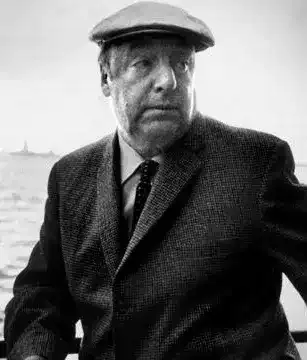
Pablo Neruda
Canto XII from The Heights of Macchu Picchu
Canto XII from The Heights of Macchu Picchu
Arise to birth with me, my brother.
Give me your hand out of the depths
sown by your sorrows.
You will not return from these stone fastnesses.
You will not emerge from subterranean time.
Your rasping voice will not come back,
nor your pierced eyes rise from their sockets.
Look at me from the depths of the earth,
tiller of fields, weaver, reticent shepherd,
groom of totemic guanacos,
mason high on your treacherous scaffolding,
iceman of Andean tears,
jeweler with crushed fingers,
farmer anxious among his seedlings,
potter wasted among his clays-bring
to the cup of this new life
your ancient buried sorrows.
Show me your blood and your furrow;
say to me: here I was scourged
because a gem was dull or because the earth
failed to give up in time its tithe of corn or stone.
Point out to me the rock on which you stumbled,
the wood they used to crucify your body.
Strike the old flints
to kindle ancient lamps, light up the whips
glued to your wounds throughout the centuries
and light the axes gleaming with your blood.
I come to speak for your dead mouths.
Throughout the earth
let dead lips congregate,
out of the depths spin this long night to me
as if I rode at anchor here with you.
And tell me everything, tell chain by chain,
and link by link, and step by step;
sharpen the knives you kept hidden away,
thrust them into my breast, into my hands,
like a torrent of sunbursts,
an Amazon of buried jaguars,
and leave me cry: hours, days and years,
blind ages, stellar centuries.
And give me silence, give me water, hope.
Give me the struggle, the iron, the volcanoes.
Let bodies cling like magnets to my body.
Come quickly to my veins and to my mouth.
Speak through my speech, and through my blood.
Arise to birth with me, my brother.
Give me your hand out of the depths
sown by your sorrows.
You will not return from these stone fastnesses.
You will not emerge from subterranean time.
Your rasping voice will not come back,
nor your pierced eyes rise from their sockets.
Look at me from the depths of the earth,
tiller of fields, weaver, reticent shepherd,
groom of totemic guanacos,
mason high on your treacherous scaffolding,
iceman of Andean tears,
jeweler with crushed fingers,
farmer anxious among his seedlings,
potter wasted among his clays-bring
to the cup of this new life
your ancient buried sorrows.
Show me your blood and your furrow;
say to me: here I was scourged
because a gem was dull or because the earth
failed to give up in time its tithe of corn or stone.
Point out to me the rock on which you stumbled,
the wood they used to crucify your body.
Strike the old flints
to kindle ancient lamps, light up the whips
glued to your wounds throughout the centuries
and light the axes gleaming with your blood.
I come to speak for your dead mouths.
Throughout the earth
let dead lips congregate,
out of the depths spin this long night to me
as if I rode at anchor here with you.
And tell me everything, tell chain by chain,
and link by link, and step by step;
sharpen the knives you kept hidden away,
thrust them into my breast, into my hands,
like a torrent of sunbursts,
an Amazon of buried jaguars,
and leave me cry: hours, days and years,
blind ages, stellar centuries.
And give me silence, give me water, hope.
Give me the struggle, the iron, the volcanoes.
Let bodies cling like magnets to my body.
Come quickly to my veins and to my mouth.
Speak through my speech, and through my blood.
642
Pablo Neruda
Canto XII from The Heights of Macchu Picchu
Canto XII from The Heights of Macchu Picchu
Arise to birth with me, my brother.
Give me your hand out of the depths
sown by your sorrows.
You will not return from these stone fastnesses.
You will not emerge from subterranean time.
Your rasping voice will not come back,
nor your pierced eyes rise from their sockets.
Look at me from the depths of the earth,
tiller of fields, weaver, reticent shepherd,
groom of totemic guanacos,
mason high on your treacherous scaffolding,
iceman of Andean tears,
jeweler with crushed fingers,
farmer anxious among his seedlings,
potter wasted among his clays-bring
to the cup of this new life
your ancient buried sorrows.
Show me your blood and your furrow;
say to me: here I was scourged
because a gem was dull or because the earth
failed to give up in time its tithe of corn or stone.
Point out to me the rock on which you stumbled,
the wood they used to crucify your body.
Strike the old flints
to kindle ancient lamps, light up the whips
glued to your wounds throughout the centuries
and light the axes gleaming with your blood.
I come to speak for your dead mouths.
Throughout the earth
let dead lips congregate,
out of the depths spin this long night to me
as if I rode at anchor here with you.
And tell me everything, tell chain by chain,
and link by link, and step by step;
sharpen the knives you kept hidden away,
thrust them into my breast, into my hands,
like a torrent of sunbursts,
an Amazon of buried jaguars,
and leave me cry: hours, days and years,
blind ages, stellar centuries.
And give me silence, give me water, hope.
Give me the struggle, the iron, the volcanoes.
Let bodies cling like magnets to my body.
Come quickly to my veins and to my mouth.
Speak through my speech, and through my blood.
Arise to birth with me, my brother.
Give me your hand out of the depths
sown by your sorrows.
You will not return from these stone fastnesses.
You will not emerge from subterranean time.
Your rasping voice will not come back,
nor your pierced eyes rise from their sockets.
Look at me from the depths of the earth,
tiller of fields, weaver, reticent shepherd,
groom of totemic guanacos,
mason high on your treacherous scaffolding,
iceman of Andean tears,
jeweler with crushed fingers,
farmer anxious among his seedlings,
potter wasted among his clays-bring
to the cup of this new life
your ancient buried sorrows.
Show me your blood and your furrow;
say to me: here I was scourged
because a gem was dull or because the earth
failed to give up in time its tithe of corn or stone.
Point out to me the rock on which you stumbled,
the wood they used to crucify your body.
Strike the old flints
to kindle ancient lamps, light up the whips
glued to your wounds throughout the centuries
and light the axes gleaming with your blood.
I come to speak for your dead mouths.
Throughout the earth
let dead lips congregate,
out of the depths spin this long night to me
as if I rode at anchor here with you.
And tell me everything, tell chain by chain,
and link by link, and step by step;
sharpen the knives you kept hidden away,
thrust them into my breast, into my hands,
like a torrent of sunbursts,
an Amazon of buried jaguars,
and leave me cry: hours, days and years,
blind ages, stellar centuries.
And give me silence, give me water, hope.
Give me the struggle, the iron, the volcanoes.
Let bodies cling like magnets to my body.
Come quickly to my veins and to my mouth.
Speak through my speech, and through my blood.
642
Pablo Neruda
Canto XII from The Heights of Macchu Picchu
Canto XII from The Heights of Macchu Picchu
Arise to birth with me, my brother.
Give me your hand out of the depths
sown by your sorrows.
You will not return from these stone fastnesses.
You will not emerge from subterranean time.
Your rasping voice will not come back,
nor your pierced eyes rise from their sockets.
Look at me from the depths of the earth,
tiller of fields, weaver, reticent shepherd,
groom of totemic guanacos,
mason high on your treacherous scaffolding,
iceman of Andean tears,
jeweler with crushed fingers,
farmer anxious among his seedlings,
potter wasted among his clays-bring
to the cup of this new life
your ancient buried sorrows.
Show me your blood and your furrow;
say to me: here I was scourged
because a gem was dull or because the earth
failed to give up in time its tithe of corn or stone.
Point out to me the rock on which you stumbled,
the wood they used to crucify your body.
Strike the old flints
to kindle ancient lamps, light up the whips
glued to your wounds throughout the centuries
and light the axes gleaming with your blood.
I come to speak for your dead mouths.
Throughout the earth
let dead lips congregate,
out of the depths spin this long night to me
as if I rode at anchor here with you.
And tell me everything, tell chain by chain,
and link by link, and step by step;
sharpen the knives you kept hidden away,
thrust them into my breast, into my hands,
like a torrent of sunbursts,
an Amazon of buried jaguars,
and leave me cry: hours, days and years,
blind ages, stellar centuries.
And give me silence, give me water, hope.
Give me the struggle, the iron, the volcanoes.
Let bodies cling like magnets to my body.
Come quickly to my veins and to my mouth.
Speak through my speech, and through my blood.
Arise to birth with me, my brother.
Give me your hand out of the depths
sown by your sorrows.
You will not return from these stone fastnesses.
You will not emerge from subterranean time.
Your rasping voice will not come back,
nor your pierced eyes rise from their sockets.
Look at me from the depths of the earth,
tiller of fields, weaver, reticent shepherd,
groom of totemic guanacos,
mason high on your treacherous scaffolding,
iceman of Andean tears,
jeweler with crushed fingers,
farmer anxious among his seedlings,
potter wasted among his clays-bring
to the cup of this new life
your ancient buried sorrows.
Show me your blood and your furrow;
say to me: here I was scourged
because a gem was dull or because the earth
failed to give up in time its tithe of corn or stone.
Point out to me the rock on which you stumbled,
the wood they used to crucify your body.
Strike the old flints
to kindle ancient lamps, light up the whips
glued to your wounds throughout the centuries
and light the axes gleaming with your blood.
I come to speak for your dead mouths.
Throughout the earth
let dead lips congregate,
out of the depths spin this long night to me
as if I rode at anchor here with you.
And tell me everything, tell chain by chain,
and link by link, and step by step;
sharpen the knives you kept hidden away,
thrust them into my breast, into my hands,
like a torrent of sunbursts,
an Amazon of buried jaguars,
and leave me cry: hours, days and years,
blind ages, stellar centuries.
And give me silence, give me water, hope.
Give me the struggle, the iron, the volcanoes.
Let bodies cling like magnets to my body.
Come quickly to my veins and to my mouth.
Speak through my speech, and through my blood.
642
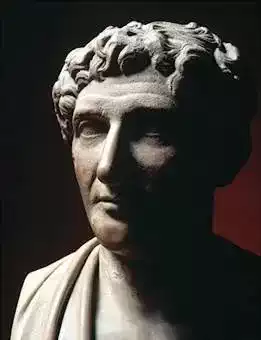
Ovídio
Metamorphoses: Book The Twelfth
Metamorphoses: Book The Twelfth
PRIAM, to whom the story was unknown,
As dead, deplor'd his metamorphos'd son:
A cenotaph his name, and title kept,
And Hector round the tomb, with all his brothers,
wept.
This pious office Paris did not share;
Absent alone; and author of the war,
Which, for the Spartan queen, the Grecians drew
T' avenge the rape; and Asia to subdue.
The A thousand ships were mann'd, to sail the sea:
Trojan War Nor had their just resentments found delay,
Had not the winds, and waves oppos'd their way.
At Aulis, with united pow'rs they meet,
But there, cross-winds or calms detain'd the fleet.
Now, while they raise an altar on the shore,
And Jove with solemn sacrifice adore;
A boding sign the priests and people see:
A snake of size immense ascends a tree,
And, in the leafie summit, spy'd a nest,
Which o'er her callow young, a sparrow press'd.
Eight were the birds unfledg'd; their mother flew,
And hover'd round her care; but still in view:
'Till the fierce reptile first devour'd the brood,
Then seiz'd the flutt'ring dam, and drunk her
blood.
This dire ostent, the fearful people view;
Calchas alone, by Phoebus taught, foreknew
What Heav'n decreed; and with a smiling glance,
Thus gratulates to Greece her happy chance:
O Argives, we shall conquer: Troy is ours,
But long delays shall first afflict our pow'rs:
Nine years of labour, the nine birds portend;
The tenth shall in the town's destruction end.
The serpent, who his maw obscene had fill'd,
The branches in his curl'd embraces held:
But, as in spires he stood, he turn'd to stone:
The stony snake retain'd the figure still his own.
Yet, not for this, the wind-bound navy weigh'd;
Slack were their sails; and Neptune disobey'd.
Some thought him loth the town should be destroy'd,
Whose building had his hands divine employ'd:
Not so the seer; who knew, and known foreshow'd,
The virgin Phoebe, with a virgin's blood
Must first be reconcil'd: the common cause
Prevail'd; and pity yielding to the laws,
Fair Iphigenia the devoted maid
Was, by the weeping priests, in linnen-robes
array'd;
All mourn her fate; but no relief appear'd;
The royal victim bound, the knife already rear'd:
When that offended Pow'r, who caus'd their woe,
Relenting ceas'd her wrath; and stop'd the coming
blow.
A mist before the ministers she cast,
And, in the virgin's room, a hind she plac'd.
Th' oblation slain, and Phoebe, reconcil'd,
The storm was hush'd, and dimpled ocean smil'd:
A favourable gale arose from shore,
Which to the port desir'd, the Graecian gallies
bore.
The House of Full in the midst of this created space,
Fame Betwixt Heav'n, Earth, and skies, there stands a
place,
Confining on all three, with triple bound;
Whence all things, tho' remote, are view'd around;
And thither bring their undulating sound.
The palace of loud Fame, her seat of pow'r,
Plac'd on the summet of a lofty tow'r;
A thousand winding entries long and wide,
Receive of fresh reports a flowing tide.
A thousand crannies in the walls are made;
Nor gate, nor bars exclude the busie trade.
'Tis built of brass, the better to diffuse
The spreading sounds, and multiply the news:
Where eccho's in repeated eccho's play:
A mart for ever full, and open night and day.
Nor silence is within, nor voice express,
But a deaf noise of sounds, that never cease.
Confus'd and chiding, like the hollow roar
Of tides, receding from th' insulted shore,
Or like the broken thunder heard from far,
When Jove at distance drives the rouling war.
The courts are fill'd with a tumultuous din
Of crouds, or issuing forth, or entring in:
A thorough-fare of news: where some devise
Things never heard, some mingle truth with lies;
The troubled air with empty sounds they beat,
Intent to hear, and eager to repeat.
Error sits brooding there, with added train
Of vain credulity, and joys as vain:
Suspicion, with sedition join'd, are near,
And rumours rais'd, and murmurs mix'd, and panique
fear.
Fame sits aloft, and sees the subject ground,
And seas about, and skies above; enquiring all
around.
The Goddess gives th' alarm; and soon is known
The Grecian fleet descending on the town.
Fix'd on defence, the Trojans are not slow
To guard their shore, from an expected foe.
They meet in fight: by Hector's fatal hand
Protesilaus falls, and bites the strand:
Which with expence of blood the Grecians won;
And prov'd the strength unknown of Priam's son.
And to their cost the Trojan leaders felt
The Grecian heroes; and what deaths they dealt.
The Story of From these first onsets, the Sigaean shore
Cygnus Was strew'd with carcasses, and stain'd with gore:
Neptunian Cygnus troops of Greeks had slain;
Achilles in his carr had scour'd the plain,
And clear'd the Trojan ranks: where-e'er he fought,
Cygnus, or Hector, through the fields he sought:
Cygnus he found; on him his force essay'd:
For Hector was to the tenth year delay'd.
His white-main'd steeds, that bow'd beneath the
yoke,
He chear'd to courage, with a gentle stroke;
Then urg'd his fiery chariot on the foe;
And rising shook his lance; in act to throw.
But first he cry'd, O youth, be proud to bear
Thy death, ennobled by Pelides' spear.
The lance pursu'd the voice without delay,
Nor did the whizzing weapon miss the way;
But pierc'd his cuirass, with such fury sent,
And sign'd his bosom with a purple dint.
At this the seed of Neptune: Goddess-born,
For ornament, not use, these arms are worn;
This helm, and heavy buckler, I can spare;
As only decorations of the war:
So Mars is arm'd for glory, not for need.
'Tis somewhat more from Neptune to proceed,
Than from a daughter of the sea to spring:
Thy sire is mortal; mine is ocean's king.
Secure of death, I shou'd contemn thy dart,
Tho' naked; and impassible depart:
He said, and threw: the trembling weapon pass'd
Through nine bull-hides, each under other plac'd,
On his broad shield; and stuck within the last.
Achilles wrench'd it out; and sent again
The hostile gift: the hostile gift was vain.
He try'd a third, a tough well-chosen spear;
Th' inviolable body stood sincere,
Though Cygnus then did no defence provide,
But scornful offer'd his unshielded side.
Not otherwise th' impatient hero far'd,
Than as a bull incompass'd with a guard,
Amid the Circus roars, provok'd from far
By sight of scarlet, and a sanguine war:
They quit their ground, his bended horns elude;
In vain pursuing, and in vain pursu'd:
Before to farther fight he wou'd advance,
He stood considering, and survey'd his lance.
Doubts if he wielded not a wooden spear
Without a point: he look'd, the point was there.
This is my hand, and this my lance, he said;
By which so many thousand foes are dead,
O whither is their usual virtue fled!
I had it once; and the Lyrnessian wall,
And Tenedos, confess'd it in their fall.
Thy streams, Caicus, rowl'd a crimson-flood;
And Thebes ran red with her own natives' blood.
Twice Telephus employ'd their piercing steel,
To wound him first, and afterward to heal.
The vigour of this arm was never vain:
And that my wonted prowess I retain,
Witness these heaps of slaughter on the plain.
He said; and, doubtful of his former deeds,
To some new tryal of his force proceeds.
He chose Menoetes from among the rest;
At him he launch'd his spear, and pierc'd his
breast:
On the hard earth the Lycian knock'd his head,
And lay supine; and forth the spirit fled.
Then thus the hero: Neither can I blame
The hand, or jav'lin; both are still the same.
The same I will employ against this foe,
And wish but with the same success to throw.
So spoke the chief; and while he spoke he threw;
The weapon with unerring fury flew,
At his left shoulder aim'd: nor entrance found;
But back, as from a rock, with swift rebound
Harmless return'd: a bloody mark appear'd,
Which with false joy the flatter'd hero chear'd.
Wound there was none; the blood that was in view,
The lance before from slain Menoetes drew.
Headlong he leaps from off his lofty car,
And in close fight on foot renews the war.
Raging with high disdain, repeats his blows;
Nor shield, nor armour can their force oppose;
Huge cantlets of his buckler strew the ground,
And no defence in his bor'd arms is found,
But on his flesh, no wound or blood is seen;
The sword it self is blunted on the skin.
This vain attempt the chief no longer bears;
But round his hollow temples and his ears
His buckler beats: the son of Neptune, stunn'd
With these repeated buffets, quits his ground;
A sickly sweat succeeds, and shades of night;
Inverted Nature swims before his sight:
Th' insulting victor presses on the more,
And treads the steps the vanquish'd trod before,
Nor rest, nor respite gives. A stone there lay
Behind his trembling foe, and stopp'd his way:
Achilles took th' advantage which he found,
O'er-turn'd, and push'd him backward on the ground,
His buckler held him under, while he press'd,
With both his knees, above his panting breast.
Unlac'd his helm: about his chin the twist
He ty'd; and soon the strangled soul dismiss'd.
With eager haste he went to strip the dead:
The vanish'd body from his arms was fled.
His sea-God sire, t' immortalize his frame,
Had turn'd it to a bird that bears his name.
A truce succeeds the labours of this day,
And arms suspended with a long delay.
While Trojan walls are kept with watch and ward;
The Greeks before their trenches mount the guard;
The feast approach'd; when to the blue-ey'd maid
His vows for Cygnus slain the victor paid,
And a white heyfer on her altar laid.
The reeking entrails on the fire they threw,
And to the Gods the grateful odour flew.
Heav'n had its part in sacrifice: the rest
Was broil'd, and roasted for the future feast.
The chief-invited guests were set around!
And hunger first asswag'd, the bowls were crown'd,
Which in deep draughts their cares, and labours
drown'd.
The mellow harp did not their ears employ:
And mute was all the warlike symphony:
Discourse, the food of souls, was their delight,
And pleasing chat prolong'd the summer's night.
The subject, deeds of arms; and valour shown,
Or on the Trojan side, or on their own.
Of dangers undertaken, fame atchiev'd,
They talk'd by turns; the talk by turns reliev'd.
What things but these could fierce Achilles tell,
Or what cou'd fierce Achilles hear so well?
The last great act perform'd, of Cygnus slain,
Did most the martial audience entertain:
Wondring to find a body free by Fate
From steel; and which cou'd ev'n that steel rebate:
Amaz'd, their admiration they renew;
And scarce Pelides cou'd believe it true.
The Story of Then Nestor thus: what once this age has known,
Caeneus In fated Cygnus, and in him alone,
These eyes have seen in Caeneus long before;
Whose body not a thousand swords cou'd bore.
Caeneus, in courage, and in strength, excell'd;
And still his Othrys with his fame is fill'd:
But what did most his martial deeds adorn
(Though since he chang'd his sex) a woman born.
A novelty so strange, and full of Fate,
His list'ning audience ask'd him to relate.
Achilles thus commends their common sute:
O father, first for prudence in repute,
Tell, with that eloquence, so much thy own,
What thou hast heard, or what of Caeneus known:
What was he, whence his change of sex begun,
What trophies, join'd in wars with thee, he won?
Who conquer'd him, and in what fatal strife
The youth, without a wound, cou'd lose his life?
Neleides then: Though tardy age, and time,
Have shrunk my sinews, and decay'd my prime;
Though much I have forgotten of my store,
Yet not exhausted, I remember more.
Of all that arms atchiev'd, or peace design'd,
That action still is fresher in my mind,
Than ought beside. If reverend age can give
To faith a sanction, in my third I live.
'Twas in my second cent'ry, I survey'd
Young Caenis, then a fair Thessalian maid:
Caenis the bright, was born to high command;
A princess, and a native of thy land,
Divine Achilles; every tongue proclaim'd
Her beauty, and her eyes all hearts inflam'd.
Peleus, thy sire, perhaps had sought her bed,
Among the rest; but he had either led
Thy mother then; or was by promise ty'd;
But she to him, and all, alike her love deny'd.
It was her fortune once to take her way
Along the sandy margin of the sea:
The Pow'r of ocean view'd her as she pass'd,
And, lov'd as soon as seen, by force embrac'd.
So Fame reports. Her virgin-treasure seiz'd,
And his new joys, the ravisher so pleas'd,
That thus, transported, to the nymph he cry'd;
Ask what thou wilt, no pray'r shall be deny'd.
This also Fame relates: the haughty fair,
Who not the rape ev'n of a God cou'd bear,
This answer, proud, return'd: To mighty wrongs
A mighty recompence, of right, belongs.
Give me no more to suffer such a shame;
But change the woman, for a better name;
One gift for all: she said; and while she spoke,
A stern, majestick, manly tone she took.
A man she was: and as the Godhead swore,
To Caeneus turn'd, who Caenis was before.
To this the lover adds, without request,
No force of steel shou'd violate his breast.
Glad of the gift, the new-made warrior goes;
And arms among the Greeks, and longs for equal
foes.
The Skirmish Now brave Perithous, bold Ixion's son,
between the The love of fair Hippodame had won.
Centaurs and The cloud-begotten race, half men, half beast,
Lapithites Invited, came to grace the nuptial feast:
In a cool cave's recess the treat was made,
Whose entrance, trees with spreading boughs
o'er-shade
They sate: and summon'd by the bridegroom, came,
To mix with those, the Lapythaean name:
Nor wanted I: the roofs with joy resound:
And Hymen, Io Hymen, rung around.
Rais'd altars shone with holy fires; the bride,
Lovely her self (and lovely by her side
A bevy of bright nymphs, with sober grace),
Came glitt'ring like a star, and took her place.
Her heav'nly form beheld, all wish'd her joy;
And little wanted; but in vain, their wishes all
employ.
For one, most brutal, of the brutal brood,
Or whether wine, or beauty fir'd his blood,
Or both at once, beheld with lustful eyes
The bride; at once resolv'd to make his prize.
Down went the board; and fastning on her hair,
He seiz'd with sudden force the frighted fair.
'Twas Eurytus began: his bestial kind
His crime pursu'd; and each as pleas'd his mind,
Or her, whom chance presented, took: the feast
An image of a taken town express'd.
The cave resounds with female shrieks; we rise,
Mad with revenge to make a swift reprise:
And Theseus first, What phrenzy has possess'd,
O Eurytus, he cry'd, thy brutal breast,
To wrong Perithous, and not him alone,
But while I live, two friends conjoyn'd in one?
To justifie his threat, he thrusts aside
The crowd of centaurs; and redeems the bride:
The monster nought reply'd: for words were vain,
And deeds cou'd only deeds unjust maintain;
But answers with his hand, and forward press'd,
With blows redoubled, on his face, and breast.
An ample goblet stood, of antick mold,
And rough with figures of the rising gold;
The hero snatch'd it up, and toss'd in air
Full at the front of the foul ravisher.
He falls; and falling vomits forth a flood
Of wine, and foam, and brains, and mingled blood.
Half roaring, and half neighing through the hall,
Arms, arms, the double-form'd with fury call;
To wreak their brother's death: a medley-flight
Of bowls, and jars, at first supply the fight,
Once instruments of feasts; but now of Fate;
Wine animates their rage, and arms their hate.
Bold Amycus, from the robb'd vestry brings
The chalices of Heav'n; and holy things
Of precious weight: a sconce that hung on high,
With tapers fill'd, to light the sacristy,
Torn from the cord, with his unhallow'd hand
He threw amid the Lapythaean band.
On Celadon the ruin fell; and left
His face of feature, and of form bereft:
So, when some brawny sacrificer knocks,
Before an altar led, an offer'd ox,
His eyes-balls rooted out, are thrown to ground;
His nose, dismantled, in his mouth is found;
His jaws, cheeks, front, one undistinguish'd wound.
This, Belates, th' avenger, cou'd not brook;
But, by the foot, a maple board he took;
And hurl'd at Amycus; his chin it bent
Against his chest, and down the centaur sent:
Whom sputtring bloody teeth, the second blow
Of his drawn sword, dispatch'd to shades below.
Grineus was near; and cast a furious look
On the side-altar, cens'd with sacred smoke,
And bright with flaming fires; The Gods, he cry'd,
Have with their holy trade our hands supply'd:
Why use we not their gifts? Then from the floor
An altar stone he heav'd, with all the load it
bore:
Altar, and altar's freight together slew,
Where thickest throng'd the Lapythaean crew:
And, at once, Broteas and Oryus flew.
Oryus' mother, Mycale, was known
Down from her sphere to draw the lab'ring moon.
Exadius cry'd, Unpunish'd shall not go
This fact, if arms are found against the foe.
He look'd about, where on a pine were spread
The votive horns of a stag's branching head:
At Grineus these he throws; so just they fly,
That the sharp antlers stuck in either eye:
Breathless, and blind he fell; with blood
besmear'd;
His eye-balls beaten out, hung dangling on his
beard.
Fierce Rhoetus, from the hearth a burning brand
Selects, and whirling waves; 'till, from his hand
The fire took flame; then dash'd it from the right,
On fair Charaxus' temples, near the sight:
The whistling pest came on, and pierc'd the bone,
And caught the yellow hair, that shrivel'd while it
shone.
Caught, like dry stubble fir'd; or like seerwood;
Yet from the wound ensu'd no purple flood;
But look'd a bubbling mass of frying blood.
His blazing locks sent forth a crackling sound;
And hiss'd, like red hot ir'n within the smithy
drown'd.
The wounded warrior shook his flaming hair,
Then (what a team of horse could hardly rear)
He heaves the threshold stone, but could not throw;
The weight itself forbad the threaten'd blow;
Which dropping from his lifted arms, came down
Full on Cometes' head; and crush'd his crown.
Nor Rhoetus then retain'd his joy; but said,
So by their fellows may our foes be sped;
Then, with redoubled strokes he plies his head:
The burning lever not deludes his pains:
But drives the batter'd skull within the brains.
Thus flush'd, the conqueror, with force renew'd,
Evagrus, Dryas, Corythus, pursu'd:
First, Corythus, with downy cheeks, he slew;
Whose fall, when fierce Evagrus had in view,
He cry'd, What palm is from a beardless prey?
Rhoetus prevents what more he had to say;
And drove within his mouth the fi'ry death,
Which enter'd hissing in, and choak'd his breath.
At Dryas next he flew: but weary chance,
No longer wou'd the same success advance.
For while he whirl'd in fiery circles round
The brand, a sharpen'd stake strong Dryas found;
And in the shoulder's joint inflicts the wound.
The weapon stuck; which, roaring out with pain,
He drew; nor longer durst the fight maintain,
But turn'd his back, for fear; and fled amain.
With him fled Orneus, with like dread possess'd,
Thaumas, and Medon wounded in the breast;
And Mermeros, in the late race renown'd,
Now limping ran, and tardy with his wound.
Pholus, and Melaneus from fight withdrew,
And Abas maim'd, who boars encountring slew:
And Augur Asbolos, whose art in vain,
From fight dissuaded the four-footed train,
Now beat the hoof with Nessus on the plain;
But to his fellow cry'd, Be safely slow,
Thy death deferr'd is due to great Alcides' bow.
Mean-time strong Dryas urg'd his chance so well,
That Lycidas, Areos, Imbreus fell;
All, one by one, and fighting face to face:
Crenaeus fled, to fall with more disgrace:
For, fearful, while he look'd behind, he bore,
Betwixt his nose, and front, the blow before.
Amid the noise, and tumult of the fray,
Snoring, and drunk with wine, Aphidas lay.
Ev'n then the bowl within his hand he kept,
And on a bear's rough hide securely slept.
Him Phorbas with his flying dart transfix'd;
Take thy next draught, with Stygian waters mix'd,
And sleep thy fill, th' insulting victor cry'd;
Surpriz'd with death unfelt, the centaur dy'd;
The ruddy vomit, as he breath'd his soul
Repass'd his throat, and fill'd his empty bowl.
I saw Petraeus' arms employ'd around
A well-grown oak, to root it from the ground.
This way, and that, he wrench'd the fibrous bands;
The trunk was like a sappling, in his hands,
And still obey'd the bent: while thus he stood,
Perithous' dart drove on; and nail'd him to the
wood;
Lycus, and Chromis fell, by him oppress'd:
Helops, and Dictis added to the rest
A nobler palm: Helops, through either ear
Transfix'd, receiv'd the penetrating spear.
This Dictis saw; and, seiz'd with sudden fright,
Leapt headlong from the hill of steepy height;
And crush'd an ash beneath, that cou'd not bear his
weight.
The shatter'd tree receives his fall; and strikes,
Within his full-blown paunch, the sharpen'd spikes.
Strong Aphareus had heav'd a mighty stone,
The fragment of a rock; and wou'd have thrown;
But Theseus, with a club of harden'd oak,
The cubit-bone of the bold centaur broke;
And left him maim'd; nor seconded the stroke.
Then leapt on tall Bianor's back (who bore
No mortal burden but his own, before);
Press'd with his knees his sides; the double man,
His speed with spurs increas'd, unwilling ran.
One hand the hero fastn'd on his locks;
His other ply'd him with repeated strokes.
The club rung round his ears, and batter'd brows;
He falls; and lashing up his heels, his rider
throws.
The same Herculean arms, Nedymnus wound;
And lay by him Lycotas on the ground,
And Hippasus, whose beard his breast invades;
And Ripheus, haunter of the woodland shades:
And Thereus, us'd with mountain-bears to strive,
And from their dens to draw th' indignant beasts
alive.
Demoleon cou'd not bear this hateful sight,
Or the long fortune of th' Athenian knight:
But pull'd with all his force, to disengage
From Earth a pine, the product of an age:
The root stuck fast: the broken trunk he sent
At Theseus; Theseus frustrates his intent,
And leaps aside; by Pallas warn'd, the blow
To shun (for so he said; and we believ'd it so).
Yet not in vain th' enormous weight was cast;
Which Crantor's body sunder'd at the waist:
Thy father's 'squire, Achilles, and his care;
Whom conquer'd in the Polopeian war,
Their king, his present ruin to prevent,
A pledge of peace implor'd, to Peleus sent.
Thy sire, with grieving eyes, beheld his Fate;
And cry'd, Not long, lov'd Crantor, shalt thou wait
Thy vow'd revenge. At once he said, and threw
His ashen-spear; which quiver'd, as it flew;
With all his force, and all his soul apply'd;
The sharp point enter'd in the centaur's side:
Both hands, to wrench it out, the monster join'd;
And wrench'd it out; but left the steel behind;
Stuck in his lungs it stood: inrag'd he rears
His hoofs, and down to ground thy father bears.
Thus trampled under foot, his shield defends
His head; his other hand the lance portends.
Ev'n while he lay extended on the dust,
He sped the centaur, with one single thrust.
Two more his lance before transfix'd from far;
And two, his sword had slain, in closer war.
To these was added Dorylas, who spread
A bull's two goring horns around his head.
With these he push'd; in blood already dy'd,
Him fearless, I approach'd; and thus defy'd:
Now, monster, now, by proof it shall appear,
Whether thy horns are sharper, or my spear.
At this, I threw: for want of other ward,
He lifted up his hand, his front to guard.
His hand it pass'd; and fix'd it to his brow:
Loud shouts of ours attend the lucky blow.
Him Peleus finish'd, with a second wound,
Which thro' the navel pierc'd: he reel'd around;
And dragg'd his dangling bowels on the ground.
Trod what he drag'd; and what he trod, he crush'd:
And to his mother-Earth, with empty belly, rush'd.
The Story of Nor cou'd thy form, o Cyllarus, foreflow
Cyllarus and Thy Fate (if form to monsters men allow):
Hylonome Just bloom'd thy beard: thy beard of golden hue:
Thy locks, in golden waves, about thy shoulders
flew.
Sprightly thy look: thy shapes in ev'ry part
So clean, as might instruct the sculptor's art;
As far as man extended: where began
The beast, the beast was equal to the man.
Add but a horse's head and neck; and he,
O Castor, was a courser worthy thee.
So was his back proportion'd for the seat:
So rose his brawny chest; so swiftly mov'd his
feet.
Coal-black his colour, but like jett it shone;
His legs, and flowing tail were white alone.
Belov'd by many maidens of his kind;
But fair Hylonome possess'd his mind;
Hylonome, for features, and for face,
Excelling all the nymphs of double race:
Nor less her blandishments, than beauty, move;
At once both loving, and confessing love.
For him she dress'd: for him, with female care
She comb'd, and set in curls, her auburn hair.
Of roses, violets, and lillies mix'd,
And sprigs of flowing rosemary betwixt,
She form'd the chaplet, that adorn'd her front:
In waters of the Pegasaean fount,
And in the streams that from the fountain play,
She wash'd her face; and bath'd her twice a-day.
The scarf of furs, that hung below her side,
Was ermin, or the panther's spotted pride;
Spoils of no common beast: with equal flame
They lov'd: their silvan pleasures were the same:
All day they hunted: and when day expir'd,
Together to some shady cave retir'd:
Invited to the nuptials, both repair:
And, side by side, they both engage in war.
Uncertain from what hand, a flying dart
At Cyllarus was sent; which pierc'd his heart.
The jav'lin drawn from out the mortal wound,
He faints with stagg'ring steps; and seeks the
ground:
The fair within her arms receiv'd his fall,
And strove his wand'ring spirits to recall:
And while her hand the streaming blood oppos'd,
Join'd face to face, his lips with hers she clos'd.
Stifled with kisses, a sweet death he dies;
She fills the fields with undistinguish'd cries;
At least her words were in her clamour drown'd;
For my stunn'd ears receiv'd no vocal sound.
In madness of her grief, she seiz'd the dart
New-drawn, and reeking from her lover's heart;
To her bare bosom the sharp point apply'd;
And wounded fell; and falling by his side,
Embrac'd him in her arms; and thus embracing dy'd.
Ev'n still methinks, I see Phaeocomes;
Strange was his habit, and as odd his dress.
Six lions' hides, with thongs together fast,
His upper part defended to his waist:
And where man ended, the continued vest,
Spread on his back, the houss and trappings of a
beast.
A stump too heavy for a team to draw
(It seems a fable, tho' the fact I saw);
He threw at Pholon; the descending blow
Divides the skull, and cleaves his head in two.
The brains, from nose, and mouth, and either ear,
Came issuing out, as through a colendar
The curdled milk; or from the press the whey,
Driv'n down by weight above, is drain'd away.
But him, while stooping down to spoil the slain,
Pierc'd through the paunch, I tumbled on the plain.
Then Chthonyus, and Teleboas I slew:
A fork the former arm'd; a dart his fellow threw.
The jav'lin wounded me (behold the scar,
Then was my time to seek the Trojan war;
Then I was Hector's match in open field;
But he was then unborn; at least a child:
Now, I am nothing). I forbear to tell
By Periphantas how Pyretus fell;
The centaur by the knight: nor will I stay
On Amphix, or what deaths he dealt that day:
What honour, with a pointless lance, he won,
Stuck in the front of a four-footed man.
What fame young Macareus obtain'd in fight:
Or dwell on Nessus, now return'd from flight.
How prophet Mopsus not alone divin'd,
Whose valour equal'd his foreseeing mind.
Caeneus Already Caeneus, with his conquering hand,
transform'd to Had slaughter'd five the boldest of their band.
an Eagle Pyrachmus, Helymus, Antimachus,
Bromus the brave, and stronger Stiphelus,
Their names I number'd, and remember well,
No trace remaining, by what wounds they fell.
Laitreus, the bulki'st of the double race,
Whom the spoil'd arms of slain Halesus grace,
In years retaining still his youthful might,
Though his black hairs were interspers'd with
white,
Betwixt th' imbattled ranks began to prance,
Proud of his helm, and Macedonian lance;
And rode the ring around; that either hoast
Might hear him, while he made this empty boast:
And from a strumpet shall we suffer shame?
For Caenis still, not Caeneus, is thy name:
And still the native softness of thy kind
Prevails; and leaves the woman in thy mind;
Remember what thou wert; what price was paid
To change thy sex; to make thee not a maid:
And but a man in shew; go, card and spin;
And leave the business of the war to men.
While thus the boaster exercis'd his pride,
The fatal spear of Caeneus reach'd his side:
Just in the mixture of the kinds it ran;
Betwixt the neather beast, and upper man:
The monster mad with rage, and stung with smart,
His lance directed at the hero's heart:
It struck; but bounded from his harden'd breast,
Like hail from tiles, which the safe house invest.
Nor seem'd the stroke with more effect to come,
Than a small pebble falling on a drum.
He next his fauchion try'd, in closer fight;
But the keen fauchion had no pow'r to bite.
He thrust; the blunted point return'd again:
Since downright blows, he cry'd, and thrusts are
vain,
I'll prove his side; in strong embraces held
He prov'd his side; his side the sword repell'd:
His hollow belly eccho'd to the stroke,
Untouch'd his body, as a solid rock;
Aim'd at his neck at last, the blade in shivers
broke.
Th' impassive knight stood idle, to deride
His rage, and offer'd oft his naked side;
At length, Now monster, in thy turn, he cry'd,
Try thou the strength of Caeneus: at the word
He thrust; and in his shoulder plung'd the sword.
Then writh'd his hand; and as he drove it down,
Deep in his breast, made many wounds in one.
The centaurs saw, inrag'd, th' unhop'd success;
And rushing on in crowds, together press;
At him, and him alone, their darts they threw:
Repuls'd they from his fated body flew.
Amaz'd they stood; 'till Monichus began,
O shame, a nation conquer'd by a man!
A woman-man! yet more a man is he,
Than all our race; and what he was, are we.
Now, what avail our nerves? th' united force,
Of two the strongest creatures, man and horse;
Nor Goddess-born; nor of Ixion's seed
We seem (a lover built for Juno's bed);
Master'd by this half man. Whole mountains throw
With woods at once, and bury him below.
This only way remains. Nor need we doubt
To choak the soul within; though not to force it
out:
Heap weights, instead of wounds. He chanc'd to see
Where southern storms had rooted up a tree;
This, rais'd from Earth, against the foe he threw;
Th' example shewn, his fellow-brutes pursue.
With forest-loads the warrior they invade;
Othrys, and Pelion soon were void of shade;
And spreading groves were naked mountains made.
Press'd with the burden, Caeneus pants for breath;
And on his shoulders bears the wooden death.
To heave th' intolerable weight he tries;
At length it rose above his mouth and eyes:
Yet still he heaves; and, strugling with despair,
Shakes all aside, and gains a gulp of air:
A short relief, which but prolongs his pain;
He faints by fits; and then respires again:
At last, the burden only nods above,
As when an earthquake stirs th' Idaean grove.
Doubtful his death: he suffocated seem'd,
To most; but otherwise our Mopsus deem'd,
Who said he saw a yellow bird arise
From out the piles, and cleave the liquid skies:
I saw it too, with golden feathers bright;
Nor e'er before beheld so strange a sight.
Whom Mopsus viewing, as it soar'd around
Our troop, and heard the pinions' rattling sound,
All hail, he cry'd, thy country's grace and love!
Once first of men below, now first of birds above.
Its author to the story gave belief:
For us, our courage was increas'd by grief:
Asham'd to see a single man, pursu'd
With odds, to sink beneath a multitude,
We push'd the foe: and forc'd to shameful flight,
Part fell, and part escap'd by favour of the night.
The Fate of This tale, by Nestor told, did much displease
Periclymenos Tlepolemus, the seed of Hercules:
For, often he had heard his father say,
That he himself was present at the fray;
And more than shar'd the glories of the day.
Old Chronicle, he said, among the rest,
You might have nam'd Alcides at the least:
Is he not worth your praise? The Pylian prince
Sigh'd ere he spoke; then made this proud defence.
My former woes in long oblivion drown'd,
I wou'd have lost; but you renew the wound:
Better to pass him o'er, than to relate
The cause I have your mighty sire to hate.
His fame has fill'd the world, and reach'd the sky
(Which, oh, I wish, with truth, I cou'd deny!);
We praise not Hector; though his name, we know,
Is great in arms; 'tis hard to praise a foe.
He, your great father, levell'd to the ground
Messenia's tow'rs: nor better fortune found
Elis, and Pylos; that a neighb'ring state,
And this my own: both guiltless of their fate.
To pass the rest, twelve, wanting one, he slew;
My brethren, who their birth from Neleus drew,
All youths of early promise, had they liv'd;
By him they perish'd: I alone surviv'd.
The rest were easie conquest: but the fate
Of Periclymenos, is wondrous to relate.
To him, our common grandsire of the main
Had giv'n to change his form, and chang'd, resume
again.
Vary'd at pleasure, every shape he try'd;
And in all beasts, Alcides still defy'd:
Vanquish'd on Earth, at length he soar'd above;
Chang'd to the bird, that bears the bolt of Jove:
The new-dissembled eagle, now endu'd
With beak, and pounces, Hercules pursu'd,
And cuff'd his manly cheeks, and tore his face;
Then, safe retir'd, and tour'd in empty space.
Alcides bore not long his flying foe;
But bending his inevitable bow,
Reach'd him in air, suspended as he stood;
And in his pinion fix'd the feather'd wood.
Light was the wound; but in the sinew hung
The point, and his disabled wing unstrung.
He wheel'd in air, and stretch'd his vans in vain;
His vans no longer cou'd his flight sustain:
For while one gather'd wind, one unsupply'd
Hung drooping down, nor pois'd his other side.
He fell: the shaft that slightly was impress'd,
Now from his heavy fall with weight increas'd,
Drove through his neck, aslant, he spurns the
ground,
And the soul issues through the weazon's wound.
Now, brave commander of the Rhodian seas,
What praise is due from me, to Hercules?
Silence is all the vengeance I decree
For my slain brothers; but 'tis peace with thee.
Thus with a flowing tongue old Nestor spoke:
Then, to full bowls each other they provoke:
At length, with weariness, and wine oppress'd,
They rise from table; and withdraw to rest.
The Death of The sire of Cygnus, monarch of the main,
Achilles Mean-time, laments his son, in battel slain,
And vows the victor's death; nor vows in vain.
For nine long years the smother'd pain he bore
(Achilles was not ripe for Fate before):
Then when he saw the promis'd hour was near,
He thus bespoke the God, that guides the year:
Immortal offspring of my brother Jove;
My brightest nephew, and whom best I love,
Whose hands were join'd with mine, to raise the
wall
Of tott'ring Troy, now nodding to her fall,
Dost thou not mourn our pow'r employ'd in vain;
And the defenders of our city slain?
To pass the rest, could noble Hector lie
Unpity'd, drag'd around his native Troy?
And yet the murd'rer lives: himself by far
A greater plague, than all the wasteful war:
He lives; the proud Pelides lives, to boast
Our town destroy'd, our common labour lost.
O, could I meet him! But I wish too late:
To prove my trident is not in his Fate!
But let him try (for that's allow'd) thy dart,
And pierce his only penetrable part.
Apollo bows to the superior throne;
And to his uncle's anger, adds his own.
Then in a cloud involv'd, he takes his flight,
Where Greeks, and Trojans mix'd in mortal fight;
And found out Paris, lurking where he stood,
And stain'd his arrows with plebeian blood:
Phoebus to him alone the God confess'd,
Then to the recreant knight, he thus address'd.
Dost thou not blush, to spend thy shafts in vain
On a degenerate, and ignoble train?
If fame, or better vengeance be thy care,
There aim: and, with one arrow, end the war.
He said; and shew'd from far the blazing shield
And sword, which, but Achilles, none cou'd wield;
And how he mov'd a God, and mow'd the standing
field.
The deity himself directs aright
Th' invenom'd shaft; and wings the fatal flight.
Thus fell the foremost of the Grecian name;
And he, the base adult'rer, boasts the fame.
A spectacle to glad the Trojan train;
And please old Priam, after Hector slain.
If by a female hand he had foreseen
He was to die, his wish had rather been
The lance, and double ax of the fair warriour
queen.
And now the terror of the Trojan field,
The Grecian honour, ornament, and shield,
High on a pile, th' unconquer'd chief is plac'd,
The God that arm'd him first, consum'd at last.
Of all the mighty man, the small remains
A little urn, and scarcely fill'd, contains.
Yet great in Homer, still Achilles lives;
And equal to himself, himself survives.
His buckler owns its former lord; and brings
New cause of strife, betwixt contending kings;
Who worthi'st after him, his sword to wield,
Or wear his armour, or sustain his shield.
Ev'n Diomede sat mute, with down-cast eyes;
Conscious of wanted worth to win the prize:
Nor Menelaus presum'd these arms to claim,
Nor he the king of men, a greater name.
Two rivals only rose: Laertes' son,
And the vast bulk of Ajax Telamon:
The king, who cherish'd each with equal love,
And from himself all envy wou'd remove,
Left both to be determin'd by the laws;
And to the Graecian chiefs transferr'd the cause.
The End of the Twelfth Book.
Translated into English verse under the direction of
Sir Samuel Garth by John Dryden, Alexander Pope, Joseph Addison,
William Congreve and other eminent hands
PRIAM, to whom the story was unknown,
As dead, deplor'd his metamorphos'd son:
A cenotaph his name, and title kept,
And Hector round the tomb, with all his brothers,
wept.
This pious office Paris did not share;
Absent alone; and author of the war,
Which, for the Spartan queen, the Grecians drew
T' avenge the rape; and Asia to subdue.
The A thousand ships were mann'd, to sail the sea:
Trojan War Nor had their just resentments found delay,
Had not the winds, and waves oppos'd their way.
At Aulis, with united pow'rs they meet,
But there, cross-winds or calms detain'd the fleet.
Now, while they raise an altar on the shore,
And Jove with solemn sacrifice adore;
A boding sign the priests and people see:
A snake of size immense ascends a tree,
And, in the leafie summit, spy'd a nest,
Which o'er her callow young, a sparrow press'd.
Eight were the birds unfledg'd; their mother flew,
And hover'd round her care; but still in view:
'Till the fierce reptile first devour'd the brood,
Then seiz'd the flutt'ring dam, and drunk her
blood.
This dire ostent, the fearful people view;
Calchas alone, by Phoebus taught, foreknew
What Heav'n decreed; and with a smiling glance,
Thus gratulates to Greece her happy chance:
O Argives, we shall conquer: Troy is ours,
But long delays shall first afflict our pow'rs:
Nine years of labour, the nine birds portend;
The tenth shall in the town's destruction end.
The serpent, who his maw obscene had fill'd,
The branches in his curl'd embraces held:
But, as in spires he stood, he turn'd to stone:
The stony snake retain'd the figure still his own.
Yet, not for this, the wind-bound navy weigh'd;
Slack were their sails; and Neptune disobey'd.
Some thought him loth the town should be destroy'd,
Whose building had his hands divine employ'd:
Not so the seer; who knew, and known foreshow'd,
The virgin Phoebe, with a virgin's blood
Must first be reconcil'd: the common cause
Prevail'd; and pity yielding to the laws,
Fair Iphigenia the devoted maid
Was, by the weeping priests, in linnen-robes
array'd;
All mourn her fate; but no relief appear'd;
The royal victim bound, the knife already rear'd:
When that offended Pow'r, who caus'd their woe,
Relenting ceas'd her wrath; and stop'd the coming
blow.
A mist before the ministers she cast,
And, in the virgin's room, a hind she plac'd.
Th' oblation slain, and Phoebe, reconcil'd,
The storm was hush'd, and dimpled ocean smil'd:
A favourable gale arose from shore,
Which to the port desir'd, the Graecian gallies
bore.
The House of Full in the midst of this created space,
Fame Betwixt Heav'n, Earth, and skies, there stands a
place,
Confining on all three, with triple bound;
Whence all things, tho' remote, are view'd around;
And thither bring their undulating sound.
The palace of loud Fame, her seat of pow'r,
Plac'd on the summet of a lofty tow'r;
A thousand winding entries long and wide,
Receive of fresh reports a flowing tide.
A thousand crannies in the walls are made;
Nor gate, nor bars exclude the busie trade.
'Tis built of brass, the better to diffuse
The spreading sounds, and multiply the news:
Where eccho's in repeated eccho's play:
A mart for ever full, and open night and day.
Nor silence is within, nor voice express,
But a deaf noise of sounds, that never cease.
Confus'd and chiding, like the hollow roar
Of tides, receding from th' insulted shore,
Or like the broken thunder heard from far,
When Jove at distance drives the rouling war.
The courts are fill'd with a tumultuous din
Of crouds, or issuing forth, or entring in:
A thorough-fare of news: where some devise
Things never heard, some mingle truth with lies;
The troubled air with empty sounds they beat,
Intent to hear, and eager to repeat.
Error sits brooding there, with added train
Of vain credulity, and joys as vain:
Suspicion, with sedition join'd, are near,
And rumours rais'd, and murmurs mix'd, and panique
fear.
Fame sits aloft, and sees the subject ground,
And seas about, and skies above; enquiring all
around.
The Goddess gives th' alarm; and soon is known
The Grecian fleet descending on the town.
Fix'd on defence, the Trojans are not slow
To guard their shore, from an expected foe.
They meet in fight: by Hector's fatal hand
Protesilaus falls, and bites the strand:
Which with expence of blood the Grecians won;
And prov'd the strength unknown of Priam's son.
And to their cost the Trojan leaders felt
The Grecian heroes; and what deaths they dealt.
The Story of From these first onsets, the Sigaean shore
Cygnus Was strew'd with carcasses, and stain'd with gore:
Neptunian Cygnus troops of Greeks had slain;
Achilles in his carr had scour'd the plain,
And clear'd the Trojan ranks: where-e'er he fought,
Cygnus, or Hector, through the fields he sought:
Cygnus he found; on him his force essay'd:
For Hector was to the tenth year delay'd.
His white-main'd steeds, that bow'd beneath the
yoke,
He chear'd to courage, with a gentle stroke;
Then urg'd his fiery chariot on the foe;
And rising shook his lance; in act to throw.
But first he cry'd, O youth, be proud to bear
Thy death, ennobled by Pelides' spear.
The lance pursu'd the voice without delay,
Nor did the whizzing weapon miss the way;
But pierc'd his cuirass, with such fury sent,
And sign'd his bosom with a purple dint.
At this the seed of Neptune: Goddess-born,
For ornament, not use, these arms are worn;
This helm, and heavy buckler, I can spare;
As only decorations of the war:
So Mars is arm'd for glory, not for need.
'Tis somewhat more from Neptune to proceed,
Than from a daughter of the sea to spring:
Thy sire is mortal; mine is ocean's king.
Secure of death, I shou'd contemn thy dart,
Tho' naked; and impassible depart:
He said, and threw: the trembling weapon pass'd
Through nine bull-hides, each under other plac'd,
On his broad shield; and stuck within the last.
Achilles wrench'd it out; and sent again
The hostile gift: the hostile gift was vain.
He try'd a third, a tough well-chosen spear;
Th' inviolable body stood sincere,
Though Cygnus then did no defence provide,
But scornful offer'd his unshielded side.
Not otherwise th' impatient hero far'd,
Than as a bull incompass'd with a guard,
Amid the Circus roars, provok'd from far
By sight of scarlet, and a sanguine war:
They quit their ground, his bended horns elude;
In vain pursuing, and in vain pursu'd:
Before to farther fight he wou'd advance,
He stood considering, and survey'd his lance.
Doubts if he wielded not a wooden spear
Without a point: he look'd, the point was there.
This is my hand, and this my lance, he said;
By which so many thousand foes are dead,
O whither is their usual virtue fled!
I had it once; and the Lyrnessian wall,
And Tenedos, confess'd it in their fall.
Thy streams, Caicus, rowl'd a crimson-flood;
And Thebes ran red with her own natives' blood.
Twice Telephus employ'd their piercing steel,
To wound him first, and afterward to heal.
The vigour of this arm was never vain:
And that my wonted prowess I retain,
Witness these heaps of slaughter on the plain.
He said; and, doubtful of his former deeds,
To some new tryal of his force proceeds.
He chose Menoetes from among the rest;
At him he launch'd his spear, and pierc'd his
breast:
On the hard earth the Lycian knock'd his head,
And lay supine; and forth the spirit fled.
Then thus the hero: Neither can I blame
The hand, or jav'lin; both are still the same.
The same I will employ against this foe,
And wish but with the same success to throw.
So spoke the chief; and while he spoke he threw;
The weapon with unerring fury flew,
At his left shoulder aim'd: nor entrance found;
But back, as from a rock, with swift rebound
Harmless return'd: a bloody mark appear'd,
Which with false joy the flatter'd hero chear'd.
Wound there was none; the blood that was in view,
The lance before from slain Menoetes drew.
Headlong he leaps from off his lofty car,
And in close fight on foot renews the war.
Raging with high disdain, repeats his blows;
Nor shield, nor armour can their force oppose;
Huge cantlets of his buckler strew the ground,
And no defence in his bor'd arms is found,
But on his flesh, no wound or blood is seen;
The sword it self is blunted on the skin.
This vain attempt the chief no longer bears;
But round his hollow temples and his ears
His buckler beats: the son of Neptune, stunn'd
With these repeated buffets, quits his ground;
A sickly sweat succeeds, and shades of night;
Inverted Nature swims before his sight:
Th' insulting victor presses on the more,
And treads the steps the vanquish'd trod before,
Nor rest, nor respite gives. A stone there lay
Behind his trembling foe, and stopp'd his way:
Achilles took th' advantage which he found,
O'er-turn'd, and push'd him backward on the ground,
His buckler held him under, while he press'd,
With both his knees, above his panting breast.
Unlac'd his helm: about his chin the twist
He ty'd; and soon the strangled soul dismiss'd.
With eager haste he went to strip the dead:
The vanish'd body from his arms was fled.
His sea-God sire, t' immortalize his frame,
Had turn'd it to a bird that bears his name.
A truce succeeds the labours of this day,
And arms suspended with a long delay.
While Trojan walls are kept with watch and ward;
The Greeks before their trenches mount the guard;
The feast approach'd; when to the blue-ey'd maid
His vows for Cygnus slain the victor paid,
And a white heyfer on her altar laid.
The reeking entrails on the fire they threw,
And to the Gods the grateful odour flew.
Heav'n had its part in sacrifice: the rest
Was broil'd, and roasted for the future feast.
The chief-invited guests were set around!
And hunger first asswag'd, the bowls were crown'd,
Which in deep draughts their cares, and labours
drown'd.
The mellow harp did not their ears employ:
And mute was all the warlike symphony:
Discourse, the food of souls, was their delight,
And pleasing chat prolong'd the summer's night.
The subject, deeds of arms; and valour shown,
Or on the Trojan side, or on their own.
Of dangers undertaken, fame atchiev'd,
They talk'd by turns; the talk by turns reliev'd.
What things but these could fierce Achilles tell,
Or what cou'd fierce Achilles hear so well?
The last great act perform'd, of Cygnus slain,
Did most the martial audience entertain:
Wondring to find a body free by Fate
From steel; and which cou'd ev'n that steel rebate:
Amaz'd, their admiration they renew;
And scarce Pelides cou'd believe it true.
The Story of Then Nestor thus: what once this age has known,
Caeneus In fated Cygnus, and in him alone,
These eyes have seen in Caeneus long before;
Whose body not a thousand swords cou'd bore.
Caeneus, in courage, and in strength, excell'd;
And still his Othrys with his fame is fill'd:
But what did most his martial deeds adorn
(Though since he chang'd his sex) a woman born.
A novelty so strange, and full of Fate,
His list'ning audience ask'd him to relate.
Achilles thus commends their common sute:
O father, first for prudence in repute,
Tell, with that eloquence, so much thy own,
What thou hast heard, or what of Caeneus known:
What was he, whence his change of sex begun,
What trophies, join'd in wars with thee, he won?
Who conquer'd him, and in what fatal strife
The youth, without a wound, cou'd lose his life?
Neleides then: Though tardy age, and time,
Have shrunk my sinews, and decay'd my prime;
Though much I have forgotten of my store,
Yet not exhausted, I remember more.
Of all that arms atchiev'd, or peace design'd,
That action still is fresher in my mind,
Than ought beside. If reverend age can give
To faith a sanction, in my third I live.
'Twas in my second cent'ry, I survey'd
Young Caenis, then a fair Thessalian maid:
Caenis the bright, was born to high command;
A princess, and a native of thy land,
Divine Achilles; every tongue proclaim'd
Her beauty, and her eyes all hearts inflam'd.
Peleus, thy sire, perhaps had sought her bed,
Among the rest; but he had either led
Thy mother then; or was by promise ty'd;
But she to him, and all, alike her love deny'd.
It was her fortune once to take her way
Along the sandy margin of the sea:
The Pow'r of ocean view'd her as she pass'd,
And, lov'd as soon as seen, by force embrac'd.
So Fame reports. Her virgin-treasure seiz'd,
And his new joys, the ravisher so pleas'd,
That thus, transported, to the nymph he cry'd;
Ask what thou wilt, no pray'r shall be deny'd.
This also Fame relates: the haughty fair,
Who not the rape ev'n of a God cou'd bear,
This answer, proud, return'd: To mighty wrongs
A mighty recompence, of right, belongs.
Give me no more to suffer such a shame;
But change the woman, for a better name;
One gift for all: she said; and while she spoke,
A stern, majestick, manly tone she took.
A man she was: and as the Godhead swore,
To Caeneus turn'd, who Caenis was before.
To this the lover adds, without request,
No force of steel shou'd violate his breast.
Glad of the gift, the new-made warrior goes;
And arms among the Greeks, and longs for equal
foes.
The Skirmish Now brave Perithous, bold Ixion's son,
between the The love of fair Hippodame had won.
Centaurs and The cloud-begotten race, half men, half beast,
Lapithites Invited, came to grace the nuptial feast:
In a cool cave's recess the treat was made,
Whose entrance, trees with spreading boughs
o'er-shade
They sate: and summon'd by the bridegroom, came,
To mix with those, the Lapythaean name:
Nor wanted I: the roofs with joy resound:
And Hymen, Io Hymen, rung around.
Rais'd altars shone with holy fires; the bride,
Lovely her self (and lovely by her side
A bevy of bright nymphs, with sober grace),
Came glitt'ring like a star, and took her place.
Her heav'nly form beheld, all wish'd her joy;
And little wanted; but in vain, their wishes all
employ.
For one, most brutal, of the brutal brood,
Or whether wine, or beauty fir'd his blood,
Or both at once, beheld with lustful eyes
The bride; at once resolv'd to make his prize.
Down went the board; and fastning on her hair,
He seiz'd with sudden force the frighted fair.
'Twas Eurytus began: his bestial kind
His crime pursu'd; and each as pleas'd his mind,
Or her, whom chance presented, took: the feast
An image of a taken town express'd.
The cave resounds with female shrieks; we rise,
Mad with revenge to make a swift reprise:
And Theseus first, What phrenzy has possess'd,
O Eurytus, he cry'd, thy brutal breast,
To wrong Perithous, and not him alone,
But while I live, two friends conjoyn'd in one?
To justifie his threat, he thrusts aside
The crowd of centaurs; and redeems the bride:
The monster nought reply'd: for words were vain,
And deeds cou'd only deeds unjust maintain;
But answers with his hand, and forward press'd,
With blows redoubled, on his face, and breast.
An ample goblet stood, of antick mold,
And rough with figures of the rising gold;
The hero snatch'd it up, and toss'd in air
Full at the front of the foul ravisher.
He falls; and falling vomits forth a flood
Of wine, and foam, and brains, and mingled blood.
Half roaring, and half neighing through the hall,
Arms, arms, the double-form'd with fury call;
To wreak their brother's death: a medley-flight
Of bowls, and jars, at first supply the fight,
Once instruments of feasts; but now of Fate;
Wine animates their rage, and arms their hate.
Bold Amycus, from the robb'd vestry brings
The chalices of Heav'n; and holy things
Of precious weight: a sconce that hung on high,
With tapers fill'd, to light the sacristy,
Torn from the cord, with his unhallow'd hand
He threw amid the Lapythaean band.
On Celadon the ruin fell; and left
His face of feature, and of form bereft:
So, when some brawny sacrificer knocks,
Before an altar led, an offer'd ox,
His eyes-balls rooted out, are thrown to ground;
His nose, dismantled, in his mouth is found;
His jaws, cheeks, front, one undistinguish'd wound.
This, Belates, th' avenger, cou'd not brook;
But, by the foot, a maple board he took;
And hurl'd at Amycus; his chin it bent
Against his chest, and down the centaur sent:
Whom sputtring bloody teeth, the second blow
Of his drawn sword, dispatch'd to shades below.
Grineus was near; and cast a furious look
On the side-altar, cens'd with sacred smoke,
And bright with flaming fires; The Gods, he cry'd,
Have with their holy trade our hands supply'd:
Why use we not their gifts? Then from the floor
An altar stone he heav'd, with all the load it
bore:
Altar, and altar's freight together slew,
Where thickest throng'd the Lapythaean crew:
And, at once, Broteas and Oryus flew.
Oryus' mother, Mycale, was known
Down from her sphere to draw the lab'ring moon.
Exadius cry'd, Unpunish'd shall not go
This fact, if arms are found against the foe.
He look'd about, where on a pine were spread
The votive horns of a stag's branching head:
At Grineus these he throws; so just they fly,
That the sharp antlers stuck in either eye:
Breathless, and blind he fell; with blood
besmear'd;
His eye-balls beaten out, hung dangling on his
beard.
Fierce Rhoetus, from the hearth a burning brand
Selects, and whirling waves; 'till, from his hand
The fire took flame; then dash'd it from the right,
On fair Charaxus' temples, near the sight:
The whistling pest came on, and pierc'd the bone,
And caught the yellow hair, that shrivel'd while it
shone.
Caught, like dry stubble fir'd; or like seerwood;
Yet from the wound ensu'd no purple flood;
But look'd a bubbling mass of frying blood.
His blazing locks sent forth a crackling sound;
And hiss'd, like red hot ir'n within the smithy
drown'd.
The wounded warrior shook his flaming hair,
Then (what a team of horse could hardly rear)
He heaves the threshold stone, but could not throw;
The weight itself forbad the threaten'd blow;
Which dropping from his lifted arms, came down
Full on Cometes' head; and crush'd his crown.
Nor Rhoetus then retain'd his joy; but said,
So by their fellows may our foes be sped;
Then, with redoubled strokes he plies his head:
The burning lever not deludes his pains:
But drives the batter'd skull within the brains.
Thus flush'd, the conqueror, with force renew'd,
Evagrus, Dryas, Corythus, pursu'd:
First, Corythus, with downy cheeks, he slew;
Whose fall, when fierce Evagrus had in view,
He cry'd, What palm is from a beardless prey?
Rhoetus prevents what more he had to say;
And drove within his mouth the fi'ry death,
Which enter'd hissing in, and choak'd his breath.
At Dryas next he flew: but weary chance,
No longer wou'd the same success advance.
For while he whirl'd in fiery circles round
The brand, a sharpen'd stake strong Dryas found;
And in the shoulder's joint inflicts the wound.
The weapon stuck; which, roaring out with pain,
He drew; nor longer durst the fight maintain,
But turn'd his back, for fear; and fled amain.
With him fled Orneus, with like dread possess'd,
Thaumas, and Medon wounded in the breast;
And Mermeros, in the late race renown'd,
Now limping ran, and tardy with his wound.
Pholus, and Melaneus from fight withdrew,
And Abas maim'd, who boars encountring slew:
And Augur Asbolos, whose art in vain,
From fight dissuaded the four-footed train,
Now beat the hoof with Nessus on the plain;
But to his fellow cry'd, Be safely slow,
Thy death deferr'd is due to great Alcides' bow.
Mean-time strong Dryas urg'd his chance so well,
That Lycidas, Areos, Imbreus fell;
All, one by one, and fighting face to face:
Crenaeus fled, to fall with more disgrace:
For, fearful, while he look'd behind, he bore,
Betwixt his nose, and front, the blow before.
Amid the noise, and tumult of the fray,
Snoring, and drunk with wine, Aphidas lay.
Ev'n then the bowl within his hand he kept,
And on a bear's rough hide securely slept.
Him Phorbas with his flying dart transfix'd;
Take thy next draught, with Stygian waters mix'd,
And sleep thy fill, th' insulting victor cry'd;
Surpriz'd with death unfelt, the centaur dy'd;
The ruddy vomit, as he breath'd his soul
Repass'd his throat, and fill'd his empty bowl.
I saw Petraeus' arms employ'd around
A well-grown oak, to root it from the ground.
This way, and that, he wrench'd the fibrous bands;
The trunk was like a sappling, in his hands,
And still obey'd the bent: while thus he stood,
Perithous' dart drove on; and nail'd him to the
wood;
Lycus, and Chromis fell, by him oppress'd:
Helops, and Dictis added to the rest
A nobler palm: Helops, through either ear
Transfix'd, receiv'd the penetrating spear.
This Dictis saw; and, seiz'd with sudden fright,
Leapt headlong from the hill of steepy height;
And crush'd an ash beneath, that cou'd not bear his
weight.
The shatter'd tree receives his fall; and strikes,
Within his full-blown paunch, the sharpen'd spikes.
Strong Aphareus had heav'd a mighty stone,
The fragment of a rock; and wou'd have thrown;
But Theseus, with a club of harden'd oak,
The cubit-bone of the bold centaur broke;
And left him maim'd; nor seconded the stroke.
Then leapt on tall Bianor's back (who bore
No mortal burden but his own, before);
Press'd with his knees his sides; the double man,
His speed with spurs increas'd, unwilling ran.
One hand the hero fastn'd on his locks;
His other ply'd him with repeated strokes.
The club rung round his ears, and batter'd brows;
He falls; and lashing up his heels, his rider
throws.
The same Herculean arms, Nedymnus wound;
And lay by him Lycotas on the ground,
And Hippasus, whose beard his breast invades;
And Ripheus, haunter of the woodland shades:
And Thereus, us'd with mountain-bears to strive,
And from their dens to draw th' indignant beasts
alive.
Demoleon cou'd not bear this hateful sight,
Or the long fortune of th' Athenian knight:
But pull'd with all his force, to disengage
From Earth a pine, the product of an age:
The root stuck fast: the broken trunk he sent
At Theseus; Theseus frustrates his intent,
And leaps aside; by Pallas warn'd, the blow
To shun (for so he said; and we believ'd it so).
Yet not in vain th' enormous weight was cast;
Which Crantor's body sunder'd at the waist:
Thy father's 'squire, Achilles, and his care;
Whom conquer'd in the Polopeian war,
Their king, his present ruin to prevent,
A pledge of peace implor'd, to Peleus sent.
Thy sire, with grieving eyes, beheld his Fate;
And cry'd, Not long, lov'd Crantor, shalt thou wait
Thy vow'd revenge. At once he said, and threw
His ashen-spear; which quiver'd, as it flew;
With all his force, and all his soul apply'd;
The sharp point enter'd in the centaur's side:
Both hands, to wrench it out, the monster join'd;
And wrench'd it out; but left the steel behind;
Stuck in his lungs it stood: inrag'd he rears
His hoofs, and down to ground thy father bears.
Thus trampled under foot, his shield defends
His head; his other hand the lance portends.
Ev'n while he lay extended on the dust,
He sped the centaur, with one single thrust.
Two more his lance before transfix'd from far;
And two, his sword had slain, in closer war.
To these was added Dorylas, who spread
A bull's two goring horns around his head.
With these he push'd; in blood already dy'd,
Him fearless, I approach'd; and thus defy'd:
Now, monster, now, by proof it shall appear,
Whether thy horns are sharper, or my spear.
At this, I threw: for want of other ward,
He lifted up his hand, his front to guard.
His hand it pass'd; and fix'd it to his brow:
Loud shouts of ours attend the lucky blow.
Him Peleus finish'd, with a second wound,
Which thro' the navel pierc'd: he reel'd around;
And dragg'd his dangling bowels on the ground.
Trod what he drag'd; and what he trod, he crush'd:
And to his mother-Earth, with empty belly, rush'd.
The Story of Nor cou'd thy form, o Cyllarus, foreflow
Cyllarus and Thy Fate (if form to monsters men allow):
Hylonome Just bloom'd thy beard: thy beard of golden hue:
Thy locks, in golden waves, about thy shoulders
flew.
Sprightly thy look: thy shapes in ev'ry part
So clean, as might instruct the sculptor's art;
As far as man extended: where began
The beast, the beast was equal to the man.
Add but a horse's head and neck; and he,
O Castor, was a courser worthy thee.
So was his back proportion'd for the seat:
So rose his brawny chest; so swiftly mov'd his
feet.
Coal-black his colour, but like jett it shone;
His legs, and flowing tail were white alone.
Belov'd by many maidens of his kind;
But fair Hylonome possess'd his mind;
Hylonome, for features, and for face,
Excelling all the nymphs of double race:
Nor less her blandishments, than beauty, move;
At once both loving, and confessing love.
For him she dress'd: for him, with female care
She comb'd, and set in curls, her auburn hair.
Of roses, violets, and lillies mix'd,
And sprigs of flowing rosemary betwixt,
She form'd the chaplet, that adorn'd her front:
In waters of the Pegasaean fount,
And in the streams that from the fountain play,
She wash'd her face; and bath'd her twice a-day.
The scarf of furs, that hung below her side,
Was ermin, or the panther's spotted pride;
Spoils of no common beast: with equal flame
They lov'd: their silvan pleasures were the same:
All day they hunted: and when day expir'd,
Together to some shady cave retir'd:
Invited to the nuptials, both repair:
And, side by side, they both engage in war.
Uncertain from what hand, a flying dart
At Cyllarus was sent; which pierc'd his heart.
The jav'lin drawn from out the mortal wound,
He faints with stagg'ring steps; and seeks the
ground:
The fair within her arms receiv'd his fall,
And strove his wand'ring spirits to recall:
And while her hand the streaming blood oppos'd,
Join'd face to face, his lips with hers she clos'd.
Stifled with kisses, a sweet death he dies;
She fills the fields with undistinguish'd cries;
At least her words were in her clamour drown'd;
For my stunn'd ears receiv'd no vocal sound.
In madness of her grief, she seiz'd the dart
New-drawn, and reeking from her lover's heart;
To her bare bosom the sharp point apply'd;
And wounded fell; and falling by his side,
Embrac'd him in her arms; and thus embracing dy'd.
Ev'n still methinks, I see Phaeocomes;
Strange was his habit, and as odd his dress.
Six lions' hides, with thongs together fast,
His upper part defended to his waist:
And where man ended, the continued vest,
Spread on his back, the houss and trappings of a
beast.
A stump too heavy for a team to draw
(It seems a fable, tho' the fact I saw);
He threw at Pholon; the descending blow
Divides the skull, and cleaves his head in two.
The brains, from nose, and mouth, and either ear,
Came issuing out, as through a colendar
The curdled milk; or from the press the whey,
Driv'n down by weight above, is drain'd away.
But him, while stooping down to spoil the slain,
Pierc'd through the paunch, I tumbled on the plain.
Then Chthonyus, and Teleboas I slew:
A fork the former arm'd; a dart his fellow threw.
The jav'lin wounded me (behold the scar,
Then was my time to seek the Trojan war;
Then I was Hector's match in open field;
But he was then unborn; at least a child:
Now, I am nothing). I forbear to tell
By Periphantas how Pyretus fell;
The centaur by the knight: nor will I stay
On Amphix, or what deaths he dealt that day:
What honour, with a pointless lance, he won,
Stuck in the front of a four-footed man.
What fame young Macareus obtain'd in fight:
Or dwell on Nessus, now return'd from flight.
How prophet Mopsus not alone divin'd,
Whose valour equal'd his foreseeing mind.
Caeneus Already Caeneus, with his conquering hand,
transform'd to Had slaughter'd five the boldest of their band.
an Eagle Pyrachmus, Helymus, Antimachus,
Bromus the brave, and stronger Stiphelus,
Their names I number'd, and remember well,
No trace remaining, by what wounds they fell.
Laitreus, the bulki'st of the double race,
Whom the spoil'd arms of slain Halesus grace,
In years retaining still his youthful might,
Though his black hairs were interspers'd with
white,
Betwixt th' imbattled ranks began to prance,
Proud of his helm, and Macedonian lance;
And rode the ring around; that either hoast
Might hear him, while he made this empty boast:
And from a strumpet shall we suffer shame?
For Caenis still, not Caeneus, is thy name:
And still the native softness of thy kind
Prevails; and leaves the woman in thy mind;
Remember what thou wert; what price was paid
To change thy sex; to make thee not a maid:
And but a man in shew; go, card and spin;
And leave the business of the war to men.
While thus the boaster exercis'd his pride,
The fatal spear of Caeneus reach'd his side:
Just in the mixture of the kinds it ran;
Betwixt the neather beast, and upper man:
The monster mad with rage, and stung with smart,
His lance directed at the hero's heart:
It struck; but bounded from his harden'd breast,
Like hail from tiles, which the safe house invest.
Nor seem'd the stroke with more effect to come,
Than a small pebble falling on a drum.
He next his fauchion try'd, in closer fight;
But the keen fauchion had no pow'r to bite.
He thrust; the blunted point return'd again:
Since downright blows, he cry'd, and thrusts are
vain,
I'll prove his side; in strong embraces held
He prov'd his side; his side the sword repell'd:
His hollow belly eccho'd to the stroke,
Untouch'd his body, as a solid rock;
Aim'd at his neck at last, the blade in shivers
broke.
Th' impassive knight stood idle, to deride
His rage, and offer'd oft his naked side;
At length, Now monster, in thy turn, he cry'd,
Try thou the strength of Caeneus: at the word
He thrust; and in his shoulder plung'd the sword.
Then writh'd his hand; and as he drove it down,
Deep in his breast, made many wounds in one.
The centaurs saw, inrag'd, th' unhop'd success;
And rushing on in crowds, together press;
At him, and him alone, their darts they threw:
Repuls'd they from his fated body flew.
Amaz'd they stood; 'till Monichus began,
O shame, a nation conquer'd by a man!
A woman-man! yet more a man is he,
Than all our race; and what he was, are we.
Now, what avail our nerves? th' united force,
Of two the strongest creatures, man and horse;
Nor Goddess-born; nor of Ixion's seed
We seem (a lover built for Juno's bed);
Master'd by this half man. Whole mountains throw
With woods at once, and bury him below.
This only way remains. Nor need we doubt
To choak the soul within; though not to force it
out:
Heap weights, instead of wounds. He chanc'd to see
Where southern storms had rooted up a tree;
This, rais'd from Earth, against the foe he threw;
Th' example shewn, his fellow-brutes pursue.
With forest-loads the warrior they invade;
Othrys, and Pelion soon were void of shade;
And spreading groves were naked mountains made.
Press'd with the burden, Caeneus pants for breath;
And on his shoulders bears the wooden death.
To heave th' intolerable weight he tries;
At length it rose above his mouth and eyes:
Yet still he heaves; and, strugling with despair,
Shakes all aside, and gains a gulp of air:
A short relief, which but prolongs his pain;
He faints by fits; and then respires again:
At last, the burden only nods above,
As when an earthquake stirs th' Idaean grove.
Doubtful his death: he suffocated seem'd,
To most; but otherwise our Mopsus deem'd,
Who said he saw a yellow bird arise
From out the piles, and cleave the liquid skies:
I saw it too, with golden feathers bright;
Nor e'er before beheld so strange a sight.
Whom Mopsus viewing, as it soar'd around
Our troop, and heard the pinions' rattling sound,
All hail, he cry'd, thy country's grace and love!
Once first of men below, now first of birds above.
Its author to the story gave belief:
For us, our courage was increas'd by grief:
Asham'd to see a single man, pursu'd
With odds, to sink beneath a multitude,
We push'd the foe: and forc'd to shameful flight,
Part fell, and part escap'd by favour of the night.
The Fate of This tale, by Nestor told, did much displease
Periclymenos Tlepolemus, the seed of Hercules:
For, often he had heard his father say,
That he himself was present at the fray;
And more than shar'd the glories of the day.
Old Chronicle, he said, among the rest,
You might have nam'd Alcides at the least:
Is he not worth your praise? The Pylian prince
Sigh'd ere he spoke; then made this proud defence.
My former woes in long oblivion drown'd,
I wou'd have lost; but you renew the wound:
Better to pass him o'er, than to relate
The cause I have your mighty sire to hate.
His fame has fill'd the world, and reach'd the sky
(Which, oh, I wish, with truth, I cou'd deny!);
We praise not Hector; though his name, we know,
Is great in arms; 'tis hard to praise a foe.
He, your great father, levell'd to the ground
Messenia's tow'rs: nor better fortune found
Elis, and Pylos; that a neighb'ring state,
And this my own: both guiltless of their fate.
To pass the rest, twelve, wanting one, he slew;
My brethren, who their birth from Neleus drew,
All youths of early promise, had they liv'd;
By him they perish'd: I alone surviv'd.
The rest were easie conquest: but the fate
Of Periclymenos, is wondrous to relate.
To him, our common grandsire of the main
Had giv'n to change his form, and chang'd, resume
again.
Vary'd at pleasure, every shape he try'd;
And in all beasts, Alcides still defy'd:
Vanquish'd on Earth, at length he soar'd above;
Chang'd to the bird, that bears the bolt of Jove:
The new-dissembled eagle, now endu'd
With beak, and pounces, Hercules pursu'd,
And cuff'd his manly cheeks, and tore his face;
Then, safe retir'd, and tour'd in empty space.
Alcides bore not long his flying foe;
But bending his inevitable bow,
Reach'd him in air, suspended as he stood;
And in his pinion fix'd the feather'd wood.
Light was the wound; but in the sinew hung
The point, and his disabled wing unstrung.
He wheel'd in air, and stretch'd his vans in vain;
His vans no longer cou'd his flight sustain:
For while one gather'd wind, one unsupply'd
Hung drooping down, nor pois'd his other side.
He fell: the shaft that slightly was impress'd,
Now from his heavy fall with weight increas'd,
Drove through his neck, aslant, he spurns the
ground,
And the soul issues through the weazon's wound.
Now, brave commander of the Rhodian seas,
What praise is due from me, to Hercules?
Silence is all the vengeance I decree
For my slain brothers; but 'tis peace with thee.
Thus with a flowing tongue old Nestor spoke:
Then, to full bowls each other they provoke:
At length, with weariness, and wine oppress'd,
They rise from table; and withdraw to rest.
The Death of The sire of Cygnus, monarch of the main,
Achilles Mean-time, laments his son, in battel slain,
And vows the victor's death; nor vows in vain.
For nine long years the smother'd pain he bore
(Achilles was not ripe for Fate before):
Then when he saw the promis'd hour was near,
He thus bespoke the God, that guides the year:
Immortal offspring of my brother Jove;
My brightest nephew, and whom best I love,
Whose hands were join'd with mine, to raise the
wall
Of tott'ring Troy, now nodding to her fall,
Dost thou not mourn our pow'r employ'd in vain;
And the defenders of our city slain?
To pass the rest, could noble Hector lie
Unpity'd, drag'd around his native Troy?
And yet the murd'rer lives: himself by far
A greater plague, than all the wasteful war:
He lives; the proud Pelides lives, to boast
Our town destroy'd, our common labour lost.
O, could I meet him! But I wish too late:
To prove my trident is not in his Fate!
But let him try (for that's allow'd) thy dart,
And pierce his only penetrable part.
Apollo bows to the superior throne;
And to his uncle's anger, adds his own.
Then in a cloud involv'd, he takes his flight,
Where Greeks, and Trojans mix'd in mortal fight;
And found out Paris, lurking where he stood,
And stain'd his arrows with plebeian blood:
Phoebus to him alone the God confess'd,
Then to the recreant knight, he thus address'd.
Dost thou not blush, to spend thy shafts in vain
On a degenerate, and ignoble train?
If fame, or better vengeance be thy care,
There aim: and, with one arrow, end the war.
He said; and shew'd from far the blazing shield
And sword, which, but Achilles, none cou'd wield;
And how he mov'd a God, and mow'd the standing
field.
The deity himself directs aright
Th' invenom'd shaft; and wings the fatal flight.
Thus fell the foremost of the Grecian name;
And he, the base adult'rer, boasts the fame.
A spectacle to glad the Trojan train;
And please old Priam, after Hector slain.
If by a female hand he had foreseen
He was to die, his wish had rather been
The lance, and double ax of the fair warriour
queen.
And now the terror of the Trojan field,
The Grecian honour, ornament, and shield,
High on a pile, th' unconquer'd chief is plac'd,
The God that arm'd him first, consum'd at last.
Of all the mighty man, the small remains
A little urn, and scarcely fill'd, contains.
Yet great in Homer, still Achilles lives;
And equal to himself, himself survives.
His buckler owns its former lord; and brings
New cause of strife, betwixt contending kings;
Who worthi'st after him, his sword to wield,
Or wear his armour, or sustain his shield.
Ev'n Diomede sat mute, with down-cast eyes;
Conscious of wanted worth to win the prize:
Nor Menelaus presum'd these arms to claim,
Nor he the king of men, a greater name.
Two rivals only rose: Laertes' son,
And the vast bulk of Ajax Telamon:
The king, who cherish'd each with equal love,
And from himself all envy wou'd remove,
Left both to be determin'd by the laws;
And to the Graecian chiefs transferr'd the cause.
The End of the Twelfth Book.
Translated into English verse under the direction of
Sir Samuel Garth by John Dryden, Alexander Pope, Joseph Addison,
William Congreve and other eminent hands
219
Oscar Wilde
Urbs Sacra Æterna
Urbs Sacra Æterna
ROME! what a scroll of History thine has been
In the first days thy sword republican
Ruled the whole world for many an age's span:
Then of thy peoples thou wert crownèd Queen,
Till in thy streets the bearded Goth was seen;
And now upon thy walls the breezes fan
(Ah, city crowned by God, discrowned by man!)
The hated flag of red and white and green.
When was thy glory! when in search for power
Thine eagles flew to greet the double sun,
And all the nations trembled at thy rod?
Nay, but thy glory tarried for this hour,
When pilgrims kneel before the Holy One,
The prisoned shepherd of the Church of God.
ROME! what a scroll of History thine has been
In the first days thy sword republican
Ruled the whole world for many an age's span:
Then of thy peoples thou wert crownèd Queen,
Till in thy streets the bearded Goth was seen;
And now upon thy walls the breezes fan
(Ah, city crowned by God, discrowned by man!)
The hated flag of red and white and green.
When was thy glory! when in search for power
Thine eagles flew to greet the double sun,
And all the nations trembled at thy rod?
Nay, but thy glory tarried for this hour,
When pilgrims kneel before the Holy One,
The prisoned shepherd of the Church of God.
249
Oscar Wilde
Tristitiae
Tristitiae
O well for him who lives at ease
With garnered gold in wide domain,
Nor heeds the splashing of the rain,
The crashing down of forest trees.
O well for him who ne'er hath known
The travail of the hungry years,
A father grey with grief and tears,
A mother weeping all alone.
But well for him whose foot hath trod
The weary road of toil and strife,
Yet from the sorrows of his life.
Builds ladders to be nearer God.
O well for him who lives at ease
With garnered gold in wide domain,
Nor heeds the splashing of the rain,
The crashing down of forest trees.
O well for him who ne'er hath known
The travail of the hungry years,
A father grey with grief and tears,
A mother weeping all alone.
But well for him whose foot hath trod
The weary road of toil and strife,
Yet from the sorrows of his life.
Builds ladders to be nearer God.
198
Oscar Wilde
To Milton
To Milton
MILTON! I think thy spirit hath passed away
From these white cliffs, and high-embattled towers;
This gorgeous fiery-coloured world of ours
Seems fallen into ashes dull and grey,
And the age changed unto a mimic play
Wherein we waste our else too-crowded hours:
For all our pomp and pageantry and powers
We are but fit to delve the common clay,
Seeing this little isle on which we stand,
This England, this sea-lion of the sea,
By ignorant demagogues is held in fee,
Who love her not: Dear God! is this the land
Which bare a triple empire in her hand
When Cromwell spake the word Democracy!
MILTON! I think thy spirit hath passed away
From these white cliffs, and high-embattled towers;
This gorgeous fiery-coloured world of ours
Seems fallen into ashes dull and grey,
And the age changed unto a mimic play
Wherein we waste our else too-crowded hours:
For all our pomp and pageantry and powers
We are but fit to delve the common clay,
Seeing this little isle on which we stand,
This England, this sea-lion of the sea,
By ignorant demagogues is held in fee,
Who love her not: Dear God! is this the land
Which bare a triple empire in her hand
When Cromwell spake the word Democracy!
215
Oscar Wilde
To Milton
To Milton
MILTON! I think thy spirit hath passed away
From these white cliffs, and high-embattled towers;
This gorgeous fiery-coloured world of ours
Seems fallen into ashes dull and grey,
And the age changed unto a mimic play
Wherein we waste our else too-crowded hours:
For all our pomp and pageantry and powers
We are but fit to delve the common clay,
Seeing this little isle on which we stand,
This England, this sea-lion of the sea,
By ignorant demagogues is held in fee,
Who love her not: Dear God! is this the land
Which bare a triple empire in her hand
When Cromwell spake the word Democracy!
MILTON! I think thy spirit hath passed away
From these white cliffs, and high-embattled towers;
This gorgeous fiery-coloured world of ours
Seems fallen into ashes dull and grey,
And the age changed unto a mimic play
Wherein we waste our else too-crowded hours:
For all our pomp and pageantry and powers
We are but fit to delve the common clay,
Seeing this little isle on which we stand,
This England, this sea-lion of the sea,
By ignorant demagogues is held in fee,
Who love her not: Dear God! is this the land
Which bare a triple empire in her hand
When Cromwell spake the word Democracy!
215
Oscar Wilde
To Milton
To Milton
MILTON! I think thy spirit hath passed away
From these white cliffs, and high-embattled towers;
This gorgeous fiery-coloured world of ours
Seems fallen into ashes dull and grey,
And the age changed unto a mimic play
Wherein we waste our else too-crowded hours:
For all our pomp and pageantry and powers
We are but fit to delve the common clay,
Seeing this little isle on which we stand,
This England, this sea-lion of the sea,
By ignorant demagogues is held in fee,
Who love her not: Dear God! is this the land
Which bare a triple empire in her hand
When Cromwell spake the word Democracy!
MILTON! I think thy spirit hath passed away
From these white cliffs, and high-embattled towers;
This gorgeous fiery-coloured world of ours
Seems fallen into ashes dull and grey,
And the age changed unto a mimic play
Wherein we waste our else too-crowded hours:
For all our pomp and pageantry and powers
We are but fit to delve the common clay,
Seeing this little isle on which we stand,
This England, this sea-lion of the sea,
By ignorant demagogues is held in fee,
Who love her not: Dear God! is this the land
Which bare a triple empire in her hand
When Cromwell spake the word Democracy!
215
Oscar Wilde
The New Remorse
The New Remorse
The sin was mine; I did not understand.
So now is music prisoned in her cave,
Save where some ebbing desultory wave
Frets with its restless whirls this meagre strand.
And in the withered hollow of this land
Hath Summer dug herself so deep a grave,
That hardly can the leaden willow crave
One silver blossom from keen Winter's hand.
But who is this who cometh by the shore?
(Nay, love, look up and wonder!) Who is this
Who cometh in dyed garments from the South?
It is thy new-found Lord, and he shall kiss
The yet unravished roses of thy mouth,
And I shall weep and worship, as before.
The sin was mine; I did not understand.
So now is music prisoned in her cave,
Save where some ebbing desultory wave
Frets with its restless whirls this meagre strand.
And in the withered hollow of this land
Hath Summer dug herself so deep a grave,
That hardly can the leaden willow crave
One silver blossom from keen Winter's hand.
But who is this who cometh by the shore?
(Nay, love, look up and wonder!) Who is this
Who cometh in dyed garments from the South?
It is thy new-found Lord, and he shall kiss
The yet unravished roses of thy mouth,
And I shall weep and worship, as before.
212
Oscar Wilde
The Harlot's House
The Harlot's House
We caught the tread of dancing feet,
We loitered down the moonlit street,
And stopped beneath the harlot's house.
Inside, above the din and fray,
We heard the loud musicians play
The "Treues Liebes Herz" of Strauss.
Like strange mechanical grotesques,
Making fantastic arabesques,
The shadows raced across the blind.
We watched the ghostly dancers spin
To sound of horn and violin,
Like black leaves wheeling in the wind.
Like wire-pulled automatons,
Slim silhouetted skeletons
Went sidling through the slow quadrille.
They took each other by the hand,
And danced a stately saraband;
Their laughter echoed thin and shrill.
Sometimes a clockwork puppet pressed
A phantom lover to her breast,
Sometimes they seemed to try to sing.
Sometimes a horrible marionette
Came out, and smaoked its cigarette
Upon the steps like a live thing.
Then, turning to my love, I said,
"The dead are dancing with the dead,
The dust is whirling with the dust."
But she--she heard the violin,
And left my side, and entered in:
Love passed into the house of lust.
Then suddenly the tune went false,
The shadows wearied of the waltz,
The shadows ceased to wheel and whirl.
And down the long and silent street,
The dawn, with silver-sandalled feet,
Crept like a frightened girl.
We caught the tread of dancing feet,
We loitered down the moonlit street,
And stopped beneath the harlot's house.
Inside, above the din and fray,
We heard the loud musicians play
The "Treues Liebes Herz" of Strauss.
Like strange mechanical grotesques,
Making fantastic arabesques,
The shadows raced across the blind.
We watched the ghostly dancers spin
To sound of horn and violin,
Like black leaves wheeling in the wind.
Like wire-pulled automatons,
Slim silhouetted skeletons
Went sidling through the slow quadrille.
They took each other by the hand,
And danced a stately saraband;
Their laughter echoed thin and shrill.
Sometimes a clockwork puppet pressed
A phantom lover to her breast,
Sometimes they seemed to try to sing.
Sometimes a horrible marionette
Came out, and smaoked its cigarette
Upon the steps like a live thing.
Then, turning to my love, I said,
"The dead are dancing with the dead,
The dust is whirling with the dust."
But she--she heard the violin,
And left my side, and entered in:
Love passed into the house of lust.
Then suddenly the tune went false,
The shadows wearied of the waltz,
The shadows ceased to wheel and whirl.
And down the long and silent street,
The dawn, with silver-sandalled feet,
Crept like a frightened girl.
214
Oscar Wilde
The Dole Of The King's Daughter (Breton)
The Dole Of The King's Daughter (Breton)
Seven stars in the still water,
And seven in the sky;
Seven sins on the King's daughter,
Deep in her soul to lie.
Red roses are at her feet,
(Roses are red in her red-gold hair)
And O where her bosom and girdle meet
Red roses are hidden there.
Fair is the knight who lieth slain
Amid the rush and reed,
See the lean fishes that are fain
Upon dead men to feed.
Sweet is the page that lieth there,
(Cloth of gold is goodly prey,)
See the black ravens in the air,
Black, O black as the night are they.
What do they there so stark and dead?
(There is blood upon her hand)
Why are the lilies flecked with red?
(There is blood on the river sand.)
There are two that ride from the south and east,
And two from the north and west,
For the black raven a goodly feast,
For the King's daughter rest.
There is one man who loves her true,
(Red, O red, is the stain of gore!)
He hath duggen a grave by the darksome yew,
(One grave will do for four.)
No moon in the still heaven,
In the black water none,
The sins on her soul are seven,
The sin upon his is one.
Seven stars in the still water,
And seven in the sky;
Seven sins on the King's daughter,
Deep in her soul to lie.
Red roses are at her feet,
(Roses are red in her red-gold hair)
And O where her bosom and girdle meet
Red roses are hidden there.
Fair is the knight who lieth slain
Amid the rush and reed,
See the lean fishes that are fain
Upon dead men to feed.
Sweet is the page that lieth there,
(Cloth of gold is goodly prey,)
See the black ravens in the air,
Black, O black as the night are they.
What do they there so stark and dead?
(There is blood upon her hand)
Why are the lilies flecked with red?
(There is blood on the river sand.)
There are two that ride from the south and east,
And two from the north and west,
For the black raven a goodly feast,
For the King's daughter rest.
There is one man who loves her true,
(Red, O red, is the stain of gore!)
He hath duggen a grave by the darksome yew,
(One grave will do for four.)
No moon in the still heaven,
In the black water none,
The sins on her soul are seven,
The sin upon his is one.
203
Oscar Wilde
Taedium Vitae
Taedium Vitae
To stab my youth with desperate knives, to wear
This paltry age's gaudy livery,
To let each base hand filch my treasury,
To mesh my soul within a woman's hair,
And be mere Fortune's lackeyed groom, - I swear
I love it not! these things are less to me
Than the thin foam that frets upon the sea,
Less than the thistledown of summer air
Which hath no seed: better to stand aloof
Far from these slanderous fools who mock my life
Knowing me not, better the lowliest roof
Fit for the meanest hind to sojourn in,
Than to go back to that hoarse cave of strife
Where my white soul first kissed the mouth of sin.
To stab my youth with desperate knives, to wear
This paltry age's gaudy livery,
To let each base hand filch my treasury,
To mesh my soul within a woman's hair,
And be mere Fortune's lackeyed groom, - I swear
I love it not! these things are less to me
Than the thin foam that frets upon the sea,
Less than the thistledown of summer air
Which hath no seed: better to stand aloof
Far from these slanderous fools who mock my life
Knowing me not, better the lowliest roof
Fit for the meanest hind to sojourn in,
Than to go back to that hoarse cave of strife
Where my white soul first kissed the mouth of sin.
324
Oscar Wilde
Sonnet To Liberty
Sonnet To Liberty
NOT that I love thy children, whose dull eyes
See nothing save their own unlovely woe,
Whose minds know nothing, nothing care to know,--
But that the roar of thy Democracies,
Thy reigns of Terror, thy great Anarchies,
Mirror my wildest passions like the sea,--
And give my rage a brother----! Liberty!
For this sake only do thy dissonant cries
Delight my discreet soul, else might all kings
By bloody knout or treacherous cannonades
Rob nations of their rights inviolate
And I remain unmoved--and yet, and yet,
These Christs that die upon the barricades,
God knows it I am with them, in some things.
NOT that I love thy children, whose dull eyes
See nothing save their own unlovely woe,
Whose minds know nothing, nothing care to know,--
But that the roar of thy Democracies,
Thy reigns of Terror, thy great Anarchies,
Mirror my wildest passions like the sea,--
And give my rage a brother----! Liberty!
For this sake only do thy dissonant cries
Delight my discreet soul, else might all kings
By bloody knout or treacherous cannonades
Rob nations of their rights inviolate
And I remain unmoved--and yet, and yet,
These Christs that die upon the barricades,
God knows it I am with them, in some things.
208
Oscar Wilde
Sonnet To Liberty
Sonnet To Liberty
NOT that I love thy children, whose dull eyes
See nothing save their own unlovely woe,
Whose minds know nothing, nothing care to know,--
But that the roar of thy Democracies,
Thy reigns of Terror, thy great Anarchies,
Mirror my wildest passions like the sea,--
And give my rage a brother----! Liberty!
For this sake only do thy dissonant cries
Delight my discreet soul, else might all kings
By bloody knout or treacherous cannonades
Rob nations of their rights inviolate
And I remain unmoved--and yet, and yet,
These Christs that die upon the barricades,
God knows it I am with them, in some things.
NOT that I love thy children, whose dull eyes
See nothing save their own unlovely woe,
Whose minds know nothing, nothing care to know,--
But that the roar of thy Democracies,
Thy reigns of Terror, thy great Anarchies,
Mirror my wildest passions like the sea,--
And give my rage a brother----! Liberty!
For this sake only do thy dissonant cries
Delight my discreet soul, else might all kings
By bloody knout or treacherous cannonades
Rob nations of their rights inviolate
And I remain unmoved--and yet, and yet,
These Christs that die upon the barricades,
God knows it I am with them, in some things.
208
Oscar Wilde
Sonnet To Liberty
Sonnet To Liberty
NOT that I love thy children, whose dull eyes
See nothing save their own unlovely woe,
Whose minds know nothing, nothing care to know,--
But that the roar of thy Democracies,
Thy reigns of Terror, thy great Anarchies,
Mirror my wildest passions like the sea,--
And give my rage a brother----! Liberty!
For this sake only do thy dissonant cries
Delight my discreet soul, else might all kings
By bloody knout or treacherous cannonades
Rob nations of their rights inviolate
And I remain unmoved--and yet, and yet,
These Christs that die upon the barricades,
God knows it I am with them, in some things.
NOT that I love thy children, whose dull eyes
See nothing save their own unlovely woe,
Whose minds know nothing, nothing care to know,--
But that the roar of thy Democracies,
Thy reigns of Terror, thy great Anarchies,
Mirror my wildest passions like the sea,--
And give my rage a brother----! Liberty!
For this sake only do thy dissonant cries
Delight my discreet soul, else might all kings
By bloody knout or treacherous cannonades
Rob nations of their rights inviolate
And I remain unmoved--and yet, and yet,
These Christs that die upon the barricades,
God knows it I am with them, in some things.
208
Oscar Wilde
Sonnet To Liberty
Sonnet To Liberty
NOT that I love thy children, whose dull eyes
See nothing save their own unlovely woe,
Whose minds know nothing, nothing care to know,--
But that the roar of thy Democracies,
Thy reigns of Terror, thy great Anarchies,
Mirror my wildest passions like the sea,--
And give my rage a brother----! Liberty!
For this sake only do thy dissonant cries
Delight my discreet soul, else might all kings
By bloody knout or treacherous cannonades
Rob nations of their rights inviolate
And I remain unmoved--and yet, and yet,
These Christs that die upon the barricades,
God knows it I am with them, in some things.
NOT that I love thy children, whose dull eyes
See nothing save their own unlovely woe,
Whose minds know nothing, nothing care to know,--
But that the roar of thy Democracies,
Thy reigns of Terror, thy great Anarchies,
Mirror my wildest passions like the sea,--
And give my rage a brother----! Liberty!
For this sake only do thy dissonant cries
Delight my discreet soul, else might all kings
By bloody knout or treacherous cannonades
Rob nations of their rights inviolate
And I remain unmoved--and yet, and yet,
These Christs that die upon the barricades,
God knows it I am with them, in some things.
208
Oscar Wilde
Sonnet
Sonnet
CHRIST, dost thou live indeed? or are thy bones
Still straightened in their rock-hewn sepulchre?
And was thy Rising only dreamed by Her
Whose love of thee for all her sin atones?
For here the air is horrid with men's groans,
The priests who call upon thy name are slain,
Dost thou not hear the bitter wail of pain
From those whose children lie upon the stones?
Come down, O Son of God! incestuous gloom
Curtains the land, and through the starless night
Over thy Cross the Crescent moon I see!
If thou in very truth didst burst the tomb
Come down, O Son of Man! and show thy might,
Lest Mahomet be crowned instead of Thee!
CHRIST, dost thou live indeed? or are thy bones
Still straightened in their rock-hewn sepulchre?
And was thy Rising only dreamed by Her
Whose love of thee for all her sin atones?
For here the air is horrid with men's groans,
The priests who call upon thy name are slain,
Dost thou not hear the bitter wail of pain
From those whose children lie upon the stones?
Come down, O Son of God! incestuous gloom
Curtains the land, and through the starless night
Over thy Cross the Crescent moon I see!
If thou in very truth didst burst the tomb
Come down, O Son of Man! and show thy might,
Lest Mahomet be crowned instead of Thee!
213
Oscar Wilde
Quantum Mutata
Quantum Mutata
THERE was a time in Europe long ago
When no man died for freedom anywhere,
But England's lion leaping from its lair
Laid hands on the oppressor! it was so
While England could a great Republic show.
Witness the men of Piedmont, chiefest care
Of Cromwell, when with impotent despair
The Pontiff in his painted portico
Trembled before our stern ambassadors.
How comes it then that from such high estate
We have thus fallen, save that Luxury
With barren merchandise piles up the gate
Where nobler thoughts and deeds should enter by:
Else might we still be Milton's heritors.
THERE was a time in Europe long ago
When no man died for freedom anywhere,
But England's lion leaping from its lair
Laid hands on the oppressor! it was so
While England could a great Republic show.
Witness the men of Piedmont, chiefest care
Of Cromwell, when with impotent despair
The Pontiff in his painted portico
Trembled before our stern ambassadors.
How comes it then that from such high estate
We have thus fallen, save that Luxury
With barren merchandise piles up the gate
Where nobler thoughts and deeds should enter by:
Else might we still be Milton's heritors.
231
Oscar Wilde
Quantum Mutata
Quantum Mutata
THERE was a time in Europe long ago
When no man died for freedom anywhere,
But England's lion leaping from its lair
Laid hands on the oppressor! it was so
While England could a great Republic show.
Witness the men of Piedmont, chiefest care
Of Cromwell, when with impotent despair
The Pontiff in his painted portico
Trembled before our stern ambassadors.
How comes it then that from such high estate
We have thus fallen, save that Luxury
With barren merchandise piles up the gate
Where nobler thoughts and deeds should enter by:
Else might we still be Milton's heritors.
THERE was a time in Europe long ago
When no man died for freedom anywhere,
But England's lion leaping from its lair
Laid hands on the oppressor! it was so
While England could a great Republic show.
Witness the men of Piedmont, chiefest care
Of Cromwell, when with impotent despair
The Pontiff in his painted portico
Trembled before our stern ambassadors.
How comes it then that from such high estate
We have thus fallen, save that Luxury
With barren merchandise piles up the gate
Where nobler thoughts and deeds should enter by:
Else might we still be Milton's heritors.
231
Oscar Wilde
Quantum Mutata
Quantum Mutata
THERE was a time in Europe long ago
When no man died for freedom anywhere,
But England's lion leaping from its lair
Laid hands on the oppressor! it was so
While England could a great Republic show.
Witness the men of Piedmont, chiefest care
Of Cromwell, when with impotent despair
The Pontiff in his painted portico
Trembled before our stern ambassadors.
How comes it then that from such high estate
We have thus fallen, save that Luxury
With barren merchandise piles up the gate
Where nobler thoughts and deeds should enter by:
Else might we still be Milton's heritors.
THERE was a time in Europe long ago
When no man died for freedom anywhere,
But England's lion leaping from its lair
Laid hands on the oppressor! it was so
While England could a great Republic show.
Witness the men of Piedmont, chiefest care
Of Cromwell, when with impotent despair
The Pontiff in his painted portico
Trembled before our stern ambassadors.
How comes it then that from such high estate
We have thus fallen, save that Luxury
With barren merchandise piles up the gate
Where nobler thoughts and deeds should enter by:
Else might we still be Milton's heritors.
231
Oscar Wilde
Panthea
Panthea
NAY, let us walk from fire unto fire,
From passionate pain to deadlier delight,--
I am too young to live without desire,
Too young art thou to waste this summer night
Asking those idle questions which of old
Man sought of seer and oracle, and no reply was told.
For, sweet, to feel is better than to know,
And wisdom is a childless heritage,
One pulse of passion--youth's first fiery glow,--
Are worth the hoarded proverbs of the sage:
Vex not thy soul with dead philosophy,
Have we not lips to kiss with, hearts to love, and eyes to see!
Dost thou not hear the murmuring nightingale
Like water bubbling from a silver jar,
So soft she sings the envious moon is pale,
That high in heaven she is hung so far
She cannot hear that love-enraptured tune,--
Mark how she wreathes each horn with mist, yon late and labouring
moon.
White lilies, in whose cups the gold bees dream,
The fallen snow of petals where the breeze
Scatters the chestnut blossom, or the gleam
Of boyish limbs in water,--are not these
Enough for thee, dost thou desire more?
Alas! the Gods will give nought else from their eternal store.
For our high Gods have sick and wearied grown
Of all our endless sins, our vain endeavour
For wasted days of youth to make atone
By pain or prayer or priest, and never, never,
Hearken they now to either good or ill,
But send their rain upon the just and the unjust at will.
They sit at ease, our Gods they sit at ease,
Strewing with leaves of rose their scented wine,
They sleep, they sleep, beneath the rocking trees
Where asphodel and yellow lotus twine,
Mourning the old glad days before they knew
What evil things the heart of man could dream, and dreaming do.
And far beneath the brazen floor they see
Like swarming flies the crowd of little men,
The bustle of small lives, then wearily
Back to their lotus-haunts they turn again
Kissing each other's mouths, and mix more deep
The poppy-seeded draught which brings soft purple-lidded sleep.
There all day long the golden-vestured sun,
Their torch-bearer, stands with his torch a-blaze,
And when the gaudy web of noon is spun
By its twelve maidens through the crimson haze
Fresh from Endymion's arms comes forth the moon,
And the immortal Gods in toils of mortal passions swoon.
There walks Queen Juno through some dewy mead
Her grand white feet flecked with the saffron dust
Of wind-stirred lilies, while young Ganymede
Leaps in the hot and amber-foaming must,
His curls all tossed, as when the eagle bare
The frightened boy from Ida through the blue Ionian air.
There in the green heart of some garden close
Queen Venus with the shepherd at her side,
Her warm soft body like the briar rose
Which would be white yet blushes at its pride,
Laughs low for love, till jealous Salmacis
Peers through the myrtle-leaves and sighs for pain of lonely
bliss.
There never does that dreary north-wind blow
Which leaves our English forests bleak and bare,
Nor ever falls the swift white-feathered snow,
Nor doth the red-toothed lightning ever dare
To wake them in the silver-fretted night
When we lie weeping for some sweet sad sin, some dead delight.
Alas! they know the far Lethæan spring,
The violet-hidden waters well they know,
Where one whose feet with tired wandering
Are faint and broken may take heart and go,
And from those dark depths cool and crystalline
Drink, and draw balm, and sleep for sleepless souls, and anodyne.
But we oppress our natures, God or Fate
Is our enemy, we starve and feed
On vain repentance--O we are born too late!
What balm for us in bruisèd poppy seed
Who crowd into one finite pulse of time
The joy of infinite love and the fierce pain of infinite crime.
O we are wearied of this sense of guilt,
Wearied of pleasure's paramour despair,
Wearied of every temple we have built,
Wearied of every right, unanswered prayer,
For man is weak; God sleeps: and heaven is high:
One fiery-coloured moment: one great love; and lo! we die.
Ah! but no ferry-man with labouring pole
Nears his black shallop to the flowerless strand,
No little coin of bronze can bring the soul
Over Death's river to the sunless land,
Victim and wine and vow are all in vain,
The tomb is sealed; the soldiers watch; the dead rise not again.
We are resolved into the supreme air,
We are made one with what we touch and see,
With our heart's blood each crimson sun is fair,
With our young lives each spring-impassioned tree
Flames into green, the wildest beasts that range
The moor our kinsmen are, all life is one, and all is change.
With beat of systole and of diastole
One grand great life throbs through earth's giant heart,
And mighty waves of single Being roll
From nerve-less germ to man, for we are part
Of every rock and bird and beast and hill,
One with the things that prey on us, and one with what we kill.
From lower cells of waking life we pass
To full perfection; thus the world grows old:
We who are godlike now were once a mass
Of quivering purple flecked with bars of gold,
Unsentient or of joy or misery,
And tossed in terrible tangles of some wild and wind-swept sea.
This hot hard flame with which our bodies burn
Will make some meadow blaze with daffodil,
Ay! and those argent breasts of thine will turn
To water-lilies; the brown fields men till
Will be more fruitful for our love to-night,
Nothing is lost in nature, all things live in Death's despite.
The boy's first kiss, the hyacinth's first bell,
The man's last passion, and the last red spear
That from the lily leaps, the asphodel
Which will not let its blossoms blow for fear
Of too much beauty, and the timid shame
Of the young bride-groom at his lover's eyes,--these with the
same
One sacrament are consecrate, the earth
Not we alone hath passions hymeneal,
The yellow buttercups that shake for mirth
At daybreak know a pleasure not less real
Than we do, when in some fresh-blossoming wood
We draw the spring into our hearts, and feel that life is good.
So when men bury us beneath the yew
Thy crimson-stainèd mouth a rose will be,
And thy soft eyes lush bluebells dimmed with dew,
And when the white narcissus wantonly
Kisses the wind its playmate, some faint joy
Will thrill our dust, and we will be again fond maid and boy.
And thus without life's conscious torturing pain
In some sweet flower we will feel the sun,
And from the linnet's throat will sing again,
And as two gorgeous-mailèd snakes will run
Over our graves, or as two tigers creep
Through the hot jungle where the yellow-eyed huge lions sleep
And give them battle! How my heart leaps up
To think of that grand living after death
In beast and bird and flower, when this cup,
Being filled too full of spirit, bursts for breath,
And with the pale leaves of some autumn day
The soul earth's earliest conqueror becomes earth's last great prey.
O think of it! We shall inform ourselves
Into all sensuous life, the goat-foot Faun,
The Centaur, or the merry bright-eyed Elves
That leave their dancing rings to spite the dawn
Upon the meadows, shall not be more near
Than you and I to nature's mysteries, for we shall hear
The thrush's heart beat, and the daisies grow,
And the wan snowdrop sighing for the sun
On sunless days in winter, we shall know
By whom the silver gossamer is spun,
Who paints the diapered fritillaries,
On what wide wings from shivering pine to pine the eagle flies.
Ay! had we never loved at all, who knows
If yonder daffodil had lured the bee
Into its gilded womb, or any rose
Had hung with crimson lamps its little tree!
Methinks no leaf would ever bud in spring,
But for the lovers' lips that kiss, the poets' lips that sing.
Is the light vanished from our golden sun,
Or is this dædal-fashioned earth less fair,
That we are nature's heritors, and one
With every pulse of life that beats the air?
Rather new suns across the sky shall pass,
New splendour come unto the flower, new glory to the grass.
And we two lovers shall not sit afar,
Critics of nature, but the joyous sea
Shall be our raiment, and the bearded star
Shoot arrows at our pleasure! We shall be
Part of the mighty universal whole,
And through all æons mix and mingle with the Kosmic Soul!
We shall be notes in that great Symphony
Whose cadence circles through the rhythmic spheres,
And all the live World's throbbing heart shall be
One with our heart, the stealthy creeping years
Have lost their terrors now, we shall not die,
The Universe itself shall be our Immortality!
NAY, let us walk from fire unto fire,
From passionate pain to deadlier delight,--
I am too young to live without desire,
Too young art thou to waste this summer night
Asking those idle questions which of old
Man sought of seer and oracle, and no reply was told.
For, sweet, to feel is better than to know,
And wisdom is a childless heritage,
One pulse of passion--youth's first fiery glow,--
Are worth the hoarded proverbs of the sage:
Vex not thy soul with dead philosophy,
Have we not lips to kiss with, hearts to love, and eyes to see!
Dost thou not hear the murmuring nightingale
Like water bubbling from a silver jar,
So soft she sings the envious moon is pale,
That high in heaven she is hung so far
She cannot hear that love-enraptured tune,--
Mark how she wreathes each horn with mist, yon late and labouring
moon.
White lilies, in whose cups the gold bees dream,
The fallen snow of petals where the breeze
Scatters the chestnut blossom, or the gleam
Of boyish limbs in water,--are not these
Enough for thee, dost thou desire more?
Alas! the Gods will give nought else from their eternal store.
For our high Gods have sick and wearied grown
Of all our endless sins, our vain endeavour
For wasted days of youth to make atone
By pain or prayer or priest, and never, never,
Hearken they now to either good or ill,
But send their rain upon the just and the unjust at will.
They sit at ease, our Gods they sit at ease,
Strewing with leaves of rose their scented wine,
They sleep, they sleep, beneath the rocking trees
Where asphodel and yellow lotus twine,
Mourning the old glad days before they knew
What evil things the heart of man could dream, and dreaming do.
And far beneath the brazen floor they see
Like swarming flies the crowd of little men,
The bustle of small lives, then wearily
Back to their lotus-haunts they turn again
Kissing each other's mouths, and mix more deep
The poppy-seeded draught which brings soft purple-lidded sleep.
There all day long the golden-vestured sun,
Their torch-bearer, stands with his torch a-blaze,
And when the gaudy web of noon is spun
By its twelve maidens through the crimson haze
Fresh from Endymion's arms comes forth the moon,
And the immortal Gods in toils of mortal passions swoon.
There walks Queen Juno through some dewy mead
Her grand white feet flecked with the saffron dust
Of wind-stirred lilies, while young Ganymede
Leaps in the hot and amber-foaming must,
His curls all tossed, as when the eagle bare
The frightened boy from Ida through the blue Ionian air.
There in the green heart of some garden close
Queen Venus with the shepherd at her side,
Her warm soft body like the briar rose
Which would be white yet blushes at its pride,
Laughs low for love, till jealous Salmacis
Peers through the myrtle-leaves and sighs for pain of lonely
bliss.
There never does that dreary north-wind blow
Which leaves our English forests bleak and bare,
Nor ever falls the swift white-feathered snow,
Nor doth the red-toothed lightning ever dare
To wake them in the silver-fretted night
When we lie weeping for some sweet sad sin, some dead delight.
Alas! they know the far Lethæan spring,
The violet-hidden waters well they know,
Where one whose feet with tired wandering
Are faint and broken may take heart and go,
And from those dark depths cool and crystalline
Drink, and draw balm, and sleep for sleepless souls, and anodyne.
But we oppress our natures, God or Fate
Is our enemy, we starve and feed
On vain repentance--O we are born too late!
What balm for us in bruisèd poppy seed
Who crowd into one finite pulse of time
The joy of infinite love and the fierce pain of infinite crime.
O we are wearied of this sense of guilt,
Wearied of pleasure's paramour despair,
Wearied of every temple we have built,
Wearied of every right, unanswered prayer,
For man is weak; God sleeps: and heaven is high:
One fiery-coloured moment: one great love; and lo! we die.
Ah! but no ferry-man with labouring pole
Nears his black shallop to the flowerless strand,
No little coin of bronze can bring the soul
Over Death's river to the sunless land,
Victim and wine and vow are all in vain,
The tomb is sealed; the soldiers watch; the dead rise not again.
We are resolved into the supreme air,
We are made one with what we touch and see,
With our heart's blood each crimson sun is fair,
With our young lives each spring-impassioned tree
Flames into green, the wildest beasts that range
The moor our kinsmen are, all life is one, and all is change.
With beat of systole and of diastole
One grand great life throbs through earth's giant heart,
And mighty waves of single Being roll
From nerve-less germ to man, for we are part
Of every rock and bird and beast and hill,
One with the things that prey on us, and one with what we kill.
From lower cells of waking life we pass
To full perfection; thus the world grows old:
We who are godlike now were once a mass
Of quivering purple flecked with bars of gold,
Unsentient or of joy or misery,
And tossed in terrible tangles of some wild and wind-swept sea.
This hot hard flame with which our bodies burn
Will make some meadow blaze with daffodil,
Ay! and those argent breasts of thine will turn
To water-lilies; the brown fields men till
Will be more fruitful for our love to-night,
Nothing is lost in nature, all things live in Death's despite.
The boy's first kiss, the hyacinth's first bell,
The man's last passion, and the last red spear
That from the lily leaps, the asphodel
Which will not let its blossoms blow for fear
Of too much beauty, and the timid shame
Of the young bride-groom at his lover's eyes,--these with the
same
One sacrament are consecrate, the earth
Not we alone hath passions hymeneal,
The yellow buttercups that shake for mirth
At daybreak know a pleasure not less real
Than we do, when in some fresh-blossoming wood
We draw the spring into our hearts, and feel that life is good.
So when men bury us beneath the yew
Thy crimson-stainèd mouth a rose will be,
And thy soft eyes lush bluebells dimmed with dew,
And when the white narcissus wantonly
Kisses the wind its playmate, some faint joy
Will thrill our dust, and we will be again fond maid and boy.
And thus without life's conscious torturing pain
In some sweet flower we will feel the sun,
And from the linnet's throat will sing again,
And as two gorgeous-mailèd snakes will run
Over our graves, or as two tigers creep
Through the hot jungle where the yellow-eyed huge lions sleep
And give them battle! How my heart leaps up
To think of that grand living after death
In beast and bird and flower, when this cup,
Being filled too full of spirit, bursts for breath,
And with the pale leaves of some autumn day
The soul earth's earliest conqueror becomes earth's last great prey.
O think of it! We shall inform ourselves
Into all sensuous life, the goat-foot Faun,
The Centaur, or the merry bright-eyed Elves
That leave their dancing rings to spite the dawn
Upon the meadows, shall not be more near
Than you and I to nature's mysteries, for we shall hear
The thrush's heart beat, and the daisies grow,
And the wan snowdrop sighing for the sun
On sunless days in winter, we shall know
By whom the silver gossamer is spun,
Who paints the diapered fritillaries,
On what wide wings from shivering pine to pine the eagle flies.
Ay! had we never loved at all, who knows
If yonder daffodil had lured the bee
Into its gilded womb, or any rose
Had hung with crimson lamps its little tree!
Methinks no leaf would ever bud in spring,
But for the lovers' lips that kiss, the poets' lips that sing.
Is the light vanished from our golden sun,
Or is this dædal-fashioned earth less fair,
That we are nature's heritors, and one
With every pulse of life that beats the air?
Rather new suns across the sky shall pass,
New splendour come unto the flower, new glory to the grass.
And we two lovers shall not sit afar,
Critics of nature, but the joyous sea
Shall be our raiment, and the bearded star
Shoot arrows at our pleasure! We shall be
Part of the mighty universal whole,
And through all æons mix and mingle with the Kosmic Soul!
We shall be notes in that great Symphony
Whose cadence circles through the rhythmic spheres,
And all the live World's throbbing heart shall be
One with our heart, the stealthy creeping years
Have lost their terrors now, we shall not die,
The Universe itself shall be our Immortality!
227
Oscar Wilde
On the Sale by Auction of Keat's Love-Letters
On the Sale by Auction of Keat's Love-Letters
These are the letters which Endymion wrote
To one he loved in secret and apart,
And now the brawlers of the auction-mart
Bargain and bid for each poor blotted note,
Aye! for each separate pulse of passion quote
The merchant's price! I think they love not art
Who break the crystal of a poet's heart,
That small and sickly eyes may glare or gloat.
Is it not said, that many years ago,
In a far Eastern town some soldiers ran
With torches through the midnight, and began
To wrangle for mean raiment, and to throw
Dice for the garments of a wretched man,
Not knowing the God's wonder, or his woe?
These are the letters which Endymion wrote
To one he loved in secret and apart,
And now the brawlers of the auction-mart
Bargain and bid for each poor blotted note,
Aye! for each separate pulse of passion quote
The merchant's price! I think they love not art
Who break the crystal of a poet's heart,
That small and sickly eyes may glare or gloat.
Is it not said, that many years ago,
In a far Eastern town some soldiers ran
With torches through the midnight, and began
To wrangle for mean raiment, and to throw
Dice for the garments of a wretched man,
Not knowing the God's wonder, or his woe?
215
Oscar Wilde
Les Silhouettes
Les Silhouettes
The sea is flecked with bars of grey,
The dull dead wind is out of tune,
And like a withered leaf the moon
Is blown across the stormy bay.
Etched clear upon the pallid sand
Lies the black boat: a sailor boy
Clambers aboard in careless joy
With laughing face and gleaming hand.
And overhead the curlews cry,
Where through the dusky upland grass
The young brown-throated reapers pass,
Like silhouettes against the sky.
The sea is flecked with bars of grey,
The dull dead wind is out of tune,
And like a withered leaf the moon
Is blown across the stormy bay.
Etched clear upon the pallid sand
Lies the black boat: a sailor boy
Clambers aboard in careless joy
With laughing face and gleaming hand.
And overhead the curlews cry,
Where through the dusky upland grass
The young brown-throated reapers pass,
Like silhouettes against the sky.
200