

Poems in this topic
Society and the World

Jonathan Swift
Fontinella To Florinda
Fontinella To Florinda
When on my bosom thy bright eyes,
Florinda, dart their heavenly beams,
I feel not the least love surprise,
Yet endless tears flow down in streams;
There's nought so beautiful in thee,
But you may find the same in me.
The lilies of thy skin compare;
In me you see them full as white:
The roses of your cheeks, I dare
Affirm, can't glow to more delight.
Then, since I show as fine a face,
Can you refuse a soft embrace?
Ah! lovely nymph, thou'rt in thy prime!
And so am I, while thou art here;
But soon will come the fatal time,
When all we see shall disappear.
'Tis mine to make a just reflection,
And yours to follow my direction.
Then catch admirers while you may;
Treat not your lovers with disdain;
For time with beauty flies away,
And there is no return again.
To you the sad account I bring,
Life's autumn has no second spring.
When on my bosom thy bright eyes,
Florinda, dart their heavenly beams,
I feel not the least love surprise,
Yet endless tears flow down in streams;
There's nought so beautiful in thee,
But you may find the same in me.
The lilies of thy skin compare;
In me you see them full as white:
The roses of your cheeks, I dare
Affirm, can't glow to more delight.
Then, since I show as fine a face,
Can you refuse a soft embrace?
Ah! lovely nymph, thou'rt in thy prime!
And so am I, while thou art here;
But soon will come the fatal time,
When all we see shall disappear.
'Tis mine to make a just reflection,
And yours to follow my direction.
Then catch admirers while you may;
Treat not your lovers with disdain;
For time with beauty flies away,
And there is no return again.
To you the sad account I bring,
Life's autumn has no second spring.
220
Jonathan Swift
Dean Swift At Sir Arthur Acheson’s In The North Of Ireland
Dean Swift At Sir Arthur Acheson’s In The North Of Ireland
The Dean would visit Market-Hill,
Our invitation was but slight;
I said—'Why let him, if he will:'
And so I bade Sir Arthur write.
His manners would not let him wait,
Lest we should think ourselves neglected,
And so we see him at our gate
Three days before he was expected,
After a week, a month, a quarter,
And day succeeding after day,
Says not a word of his departure,
Though not a soul would have him stay.
I've said enough to make him blush,
Methinks, or else the devil's in't;
But he cares not for it a rush,
Nor for my life will take the hint.
But you, my dear, may let him know,
In civil language, if he stays,
How deep and foul the roads may grow,
And that he may command the chaise.
Or you may say—'My wife intends,
Though I should be exceeding proud,
This winter to invite some friends,
And, sir, I know you hate a crowd.'
Or, 'Mr. Dean—I should with joy
Beg you would here continue still,
But we must go to Aghnecloy;
Or Mr. Moore will take it ill.'
The house accounts are daily rising;
So much his stay doth swell the bills:
My dearest life, it is surprising,
How much he eats, how much he swills.
His brace of puppies how they stuff!
And they must have three meals a-day,
Yet never think they get enough;
His horses too eat all our hay.
O! if I could, how I would maul
His tallow face and wainscot paws,
His beetle brows, and eyes of wall,
And make him soon give up the cause!
Must I be every moment chid
With Skinnybonia, Snipe, and Lean?
O! that I could but once be rid
Of this insulting tyrant Dean!
The Dean would visit Market-Hill,
Our invitation was but slight;
I said—'Why let him, if he will:'
And so I bade Sir Arthur write.
His manners would not let him wait,
Lest we should think ourselves neglected,
And so we see him at our gate
Three days before he was expected,
After a week, a month, a quarter,
And day succeeding after day,
Says not a word of his departure,
Though not a soul would have him stay.
I've said enough to make him blush,
Methinks, or else the devil's in't;
But he cares not for it a rush,
Nor for my life will take the hint.
But you, my dear, may let him know,
In civil language, if he stays,
How deep and foul the roads may grow,
And that he may command the chaise.
Or you may say—'My wife intends,
Though I should be exceeding proud,
This winter to invite some friends,
And, sir, I know you hate a crowd.'
Or, 'Mr. Dean—I should with joy
Beg you would here continue still,
But we must go to Aghnecloy;
Or Mr. Moore will take it ill.'
The house accounts are daily rising;
So much his stay doth swell the bills:
My dearest life, it is surprising,
How much he eats, how much he swills.
His brace of puppies how they stuff!
And they must have three meals a-day,
Yet never think they get enough;
His horses too eat all our hay.
O! if I could, how I would maul
His tallow face and wainscot paws,
His beetle brows, and eyes of wall,
And make him soon give up the cause!
Must I be every moment chid
With Skinnybonia, Snipe, and Lean?
O! that I could but once be rid
Of this insulting tyrant Dean!
226
Jonathan Swift
Ballad
Ballad
A WONDERFUL age
Is now on the stage:
I'll sing you a song, if I can,
How modern Whigs,
Dance forty-one jigs,
But God bless our gracious Queen Anne.
The kirk with applause
Is established by laws
As the orthodox church of the nation.
The bishops do own
It's as good as their own.
And this, Sir, is call'd moderation.
It's no riddle now
To let you see how
A church by oppression may speed;
Nor is't banter or jest,
That the kirk faith is best
On the other side of the Tweed.
For no soil can suit
With every fruit,
Even so, Sir, it is with religion;
The best church by far
Is what grows where you are,
Were it Mahomet's ass or his pigeon.
Another strange story
That vexes the Tory,
But sure there's no mystery in it,
That a pension and place
Give communicants grace,
Who design to turn tail the next minute.
For if it be not strange,
That religion should change,
As often as climates and fashions;
Then sure there's no harm,
That one should conform.
To serve their own private occasions.
Another new dance,
Which of late they advance,
Is to cry up the birth of Pretender,
And those that dare own
The queen heir to the crown,
Are traitors, not fit to defend her.
The subject's most loyal
That hates the blood royal,
And they for employments have merit,
Who swear queen and steeple
Were made by the people,
And neither have right to inherit.
The monarchy's fixt,
By making on't mixt,
And by non-resistance o'erthrown;
And preaching obedience
Destroys our allegiance,
And thus the Whigs prop up the throne.
That viceroy is best,
That would take off the test,
And made a sham speech to attempt it;
But being true blue,
When he found 'twould not do,
Swore, damn him, if ever he meant it.
'Tis no news that Tom Double
The nation should bubble,
Nor is't any wonder or riddle,
That a parliament rump
Should play hop, step, and jump,
And dance any jig to his fiddle.
But now, sir, they tell,
How Sacheverell,
By bringing old doctrines in fashion,
Hath, like a damn'd rogue,
Brought religion in vogue,
And so open'd the eyes of the nation.
Then let's pray without spleen,
May God bless the queen,
And her fellow-monarchs the people;
May they prosper and thrive,
Whilst I am alive,
And so may the church with the steeple.
A WONDERFUL age
Is now on the stage:
I'll sing you a song, if I can,
How modern Whigs,
Dance forty-one jigs,
But God bless our gracious Queen Anne.
The kirk with applause
Is established by laws
As the orthodox church of the nation.
The bishops do own
It's as good as their own.
And this, Sir, is call'd moderation.
It's no riddle now
To let you see how
A church by oppression may speed;
Nor is't banter or jest,
That the kirk faith is best
On the other side of the Tweed.
For no soil can suit
With every fruit,
Even so, Sir, it is with religion;
The best church by far
Is what grows where you are,
Were it Mahomet's ass or his pigeon.
Another strange story
That vexes the Tory,
But sure there's no mystery in it,
That a pension and place
Give communicants grace,
Who design to turn tail the next minute.
For if it be not strange,
That religion should change,
As often as climates and fashions;
Then sure there's no harm,
That one should conform.
To serve their own private occasions.
Another new dance,
Which of late they advance,
Is to cry up the birth of Pretender,
And those that dare own
The queen heir to the crown,
Are traitors, not fit to defend her.
The subject's most loyal
That hates the blood royal,
And they for employments have merit,
Who swear queen and steeple
Were made by the people,
And neither have right to inherit.
The monarchy's fixt,
By making on't mixt,
And by non-resistance o'erthrown;
And preaching obedience
Destroys our allegiance,
And thus the Whigs prop up the throne.
That viceroy is best,
That would take off the test,
And made a sham speech to attempt it;
But being true blue,
When he found 'twould not do,
Swore, damn him, if ever he meant it.
'Tis no news that Tom Double
The nation should bubble,
Nor is't any wonder or riddle,
That a parliament rump
Should play hop, step, and jump,
And dance any jig to his fiddle.
But now, sir, they tell,
How Sacheverell,
By bringing old doctrines in fashion,
Hath, like a damn'd rogue,
Brought religion in vogue,
And so open'd the eyes of the nation.
Then let's pray without spleen,
May God bless the queen,
And her fellow-monarchs the people;
May they prosper and thrive,
Whilst I am alive,
And so may the church with the steeple.
292
Jonathan Swift
Ballad
Ballad
A WONDERFUL age
Is now on the stage:
I'll sing you a song, if I can,
How modern Whigs,
Dance forty-one jigs,
But God bless our gracious Queen Anne.
The kirk with applause
Is established by laws
As the orthodox church of the nation.
The bishops do own
It's as good as their own.
And this, Sir, is call'd moderation.
It's no riddle now
To let you see how
A church by oppression may speed;
Nor is't banter or jest,
That the kirk faith is best
On the other side of the Tweed.
For no soil can suit
With every fruit,
Even so, Sir, it is with religion;
The best church by far
Is what grows where you are,
Were it Mahomet's ass or his pigeon.
Another strange story
That vexes the Tory,
But sure there's no mystery in it,
That a pension and place
Give communicants grace,
Who design to turn tail the next minute.
For if it be not strange,
That religion should change,
As often as climates and fashions;
Then sure there's no harm,
That one should conform.
To serve their own private occasions.
Another new dance,
Which of late they advance,
Is to cry up the birth of Pretender,
And those that dare own
The queen heir to the crown,
Are traitors, not fit to defend her.
The subject's most loyal
That hates the blood royal,
And they for employments have merit,
Who swear queen and steeple
Were made by the people,
And neither have right to inherit.
The monarchy's fixt,
By making on't mixt,
And by non-resistance o'erthrown;
And preaching obedience
Destroys our allegiance,
And thus the Whigs prop up the throne.
That viceroy is best,
That would take off the test,
And made a sham speech to attempt it;
But being true blue,
When he found 'twould not do,
Swore, damn him, if ever he meant it.
'Tis no news that Tom Double
The nation should bubble,
Nor is't any wonder or riddle,
That a parliament rump
Should play hop, step, and jump,
And dance any jig to his fiddle.
But now, sir, they tell,
How Sacheverell,
By bringing old doctrines in fashion,
Hath, like a damn'd rogue,
Brought religion in vogue,
And so open'd the eyes of the nation.
Then let's pray without spleen,
May God bless the queen,
And her fellow-monarchs the people;
May they prosper and thrive,
Whilst I am alive,
And so may the church with the steeple.
A WONDERFUL age
Is now on the stage:
I'll sing you a song, if I can,
How modern Whigs,
Dance forty-one jigs,
But God bless our gracious Queen Anne.
The kirk with applause
Is established by laws
As the orthodox church of the nation.
The bishops do own
It's as good as their own.
And this, Sir, is call'd moderation.
It's no riddle now
To let you see how
A church by oppression may speed;
Nor is't banter or jest,
That the kirk faith is best
On the other side of the Tweed.
For no soil can suit
With every fruit,
Even so, Sir, it is with religion;
The best church by far
Is what grows where you are,
Were it Mahomet's ass or his pigeon.
Another strange story
That vexes the Tory,
But sure there's no mystery in it,
That a pension and place
Give communicants grace,
Who design to turn tail the next minute.
For if it be not strange,
That religion should change,
As often as climates and fashions;
Then sure there's no harm,
That one should conform.
To serve their own private occasions.
Another new dance,
Which of late they advance,
Is to cry up the birth of Pretender,
And those that dare own
The queen heir to the crown,
Are traitors, not fit to defend her.
The subject's most loyal
That hates the blood royal,
And they for employments have merit,
Who swear queen and steeple
Were made by the people,
And neither have right to inherit.
The monarchy's fixt,
By making on't mixt,
And by non-resistance o'erthrown;
And preaching obedience
Destroys our allegiance,
And thus the Whigs prop up the throne.
That viceroy is best,
That would take off the test,
And made a sham speech to attempt it;
But being true blue,
When he found 'twould not do,
Swore, damn him, if ever he meant it.
'Tis no news that Tom Double
The nation should bubble,
Nor is't any wonder or riddle,
That a parliament rump
Should play hop, step, and jump,
And dance any jig to his fiddle.
But now, sir, they tell,
How Sacheverell,
By bringing old doctrines in fashion,
Hath, like a damn'd rogue,
Brought religion in vogue,
And so open'd the eyes of the nation.
Then let's pray without spleen,
May God bless the queen,
And her fellow-monarchs the people;
May they prosper and thrive,
Whilst I am alive,
And so may the church with the steeple.
292
Jonathan Swift
Ballad
Ballad
A WONDERFUL age
Is now on the stage:
I'll sing you a song, if I can,
How modern Whigs,
Dance forty-one jigs,
But God bless our gracious Queen Anne.
The kirk with applause
Is established by laws
As the orthodox church of the nation.
The bishops do own
It's as good as their own.
And this, Sir, is call'd moderation.
It's no riddle now
To let you see how
A church by oppression may speed;
Nor is't banter or jest,
That the kirk faith is best
On the other side of the Tweed.
For no soil can suit
With every fruit,
Even so, Sir, it is with religion;
The best church by far
Is what grows where you are,
Were it Mahomet's ass or his pigeon.
Another strange story
That vexes the Tory,
But sure there's no mystery in it,
That a pension and place
Give communicants grace,
Who design to turn tail the next minute.
For if it be not strange,
That religion should change,
As often as climates and fashions;
Then sure there's no harm,
That one should conform.
To serve their own private occasions.
Another new dance,
Which of late they advance,
Is to cry up the birth of Pretender,
And those that dare own
The queen heir to the crown,
Are traitors, not fit to defend her.
The subject's most loyal
That hates the blood royal,
And they for employments have merit,
Who swear queen and steeple
Were made by the people,
And neither have right to inherit.
The monarchy's fixt,
By making on't mixt,
And by non-resistance o'erthrown;
And preaching obedience
Destroys our allegiance,
And thus the Whigs prop up the throne.
That viceroy is best,
That would take off the test,
And made a sham speech to attempt it;
But being true blue,
When he found 'twould not do,
Swore, damn him, if ever he meant it.
'Tis no news that Tom Double
The nation should bubble,
Nor is't any wonder or riddle,
That a parliament rump
Should play hop, step, and jump,
And dance any jig to his fiddle.
But now, sir, they tell,
How Sacheverell,
By bringing old doctrines in fashion,
Hath, like a damn'd rogue,
Brought religion in vogue,
And so open'd the eyes of the nation.
Then let's pray without spleen,
May God bless the queen,
And her fellow-monarchs the people;
May they prosper and thrive,
Whilst I am alive,
And so may the church with the steeple.
A WONDERFUL age
Is now on the stage:
I'll sing you a song, if I can,
How modern Whigs,
Dance forty-one jigs,
But God bless our gracious Queen Anne.
The kirk with applause
Is established by laws
As the orthodox church of the nation.
The bishops do own
It's as good as their own.
And this, Sir, is call'd moderation.
It's no riddle now
To let you see how
A church by oppression may speed;
Nor is't banter or jest,
That the kirk faith is best
On the other side of the Tweed.
For no soil can suit
With every fruit,
Even so, Sir, it is with religion;
The best church by far
Is what grows where you are,
Were it Mahomet's ass or his pigeon.
Another strange story
That vexes the Tory,
But sure there's no mystery in it,
That a pension and place
Give communicants grace,
Who design to turn tail the next minute.
For if it be not strange,
That religion should change,
As often as climates and fashions;
Then sure there's no harm,
That one should conform.
To serve their own private occasions.
Another new dance,
Which of late they advance,
Is to cry up the birth of Pretender,
And those that dare own
The queen heir to the crown,
Are traitors, not fit to defend her.
The subject's most loyal
That hates the blood royal,
And they for employments have merit,
Who swear queen and steeple
Were made by the people,
And neither have right to inherit.
The monarchy's fixt,
By making on't mixt,
And by non-resistance o'erthrown;
And preaching obedience
Destroys our allegiance,
And thus the Whigs prop up the throne.
That viceroy is best,
That would take off the test,
And made a sham speech to attempt it;
But being true blue,
When he found 'twould not do,
Swore, damn him, if ever he meant it.
'Tis no news that Tom Double
The nation should bubble,
Nor is't any wonder or riddle,
That a parliament rump
Should play hop, step, and jump,
And dance any jig to his fiddle.
But now, sir, they tell,
How Sacheverell,
By bringing old doctrines in fashion,
Hath, like a damn'd rogue,
Brought religion in vogue,
And so open'd the eyes of the nation.
Then let's pray without spleen,
May God bless the queen,
And her fellow-monarchs the people;
May they prosper and thrive,
Whilst I am alive,
And so may the church with the steeple.
292
Jonathan Swift
A Satirical Elegy on the Death of a Late Famous General
A Satirical Elegy on the Death of a Late Famous General
"His Grace! impossible! what, dead!
Of old age too, and in his bed!
And could that mighty warrior fall,
And so inglorious, after all?
Well, since he's gone, no matter how,
The last loud trump must wake him now;
And, trust me, as the noise grows stronger,
He'd wish to sleep a little longer.
And could he be indeed so old
As by the newspapers we're told?
Threescore, I think, is pretty high;
'Twas time in conscience he should die!
This world he cumber'd long enough;
He burnt his candle to the snuff;
And that's the reason, some folks think,
He left behind so great a stink.
Behold his funeral appears,
Nor widows' sighs, nor orphans' tears,
Wont at such times each heart to pierce,
Attend the progress of his hearse.
But what of that? his friends may say,
He had those honours in his day.
True to his profit and his pride,
He made them weep before he died
Come hither, all ye empty things!
Ye bubbles rais'd by breath of kings!
Who float upon the tide of state;
Come hither, and behold your fate!
Let pride be taught by this rebuke,
How very mean a thing's a duke;
From all his ill-got honours flung,
Turn'd to that dirt from whence he sprung"
"His Grace! impossible! what, dead!
Of old age too, and in his bed!
And could that mighty warrior fall,
And so inglorious, after all?
Well, since he's gone, no matter how,
The last loud trump must wake him now;
And, trust me, as the noise grows stronger,
He'd wish to sleep a little longer.
And could he be indeed so old
As by the newspapers we're told?
Threescore, I think, is pretty high;
'Twas time in conscience he should die!
This world he cumber'd long enough;
He burnt his candle to the snuff;
And that's the reason, some folks think,
He left behind so great a stink.
Behold his funeral appears,
Nor widows' sighs, nor orphans' tears,
Wont at such times each heart to pierce,
Attend the progress of his hearse.
But what of that? his friends may say,
He had those honours in his day.
True to his profit and his pride,
He made them weep before he died
Come hither, all ye empty things!
Ye bubbles rais'd by breath of kings!
Who float upon the tide of state;
Come hither, and behold your fate!
Let pride be taught by this rebuke,
How very mean a thing's a duke;
From all his ill-got honours flung,
Turn'd to that dirt from whence he sprung"
289
Jonathan Swift
A Maypole
A Maypole
Deprived of root, and branch and rind,
Yet flowers I bear of every kind:
And such is my prolific power,
They bloom in less than half an hour;
Yet standers-by may plainly see
They get no nourishment from me.
My head with giddiness goes round,
And yet I firmly stand my ground:
All over naked I am seen,
And painted like an Indian queen.
No couple-beggar in the land
E'er joined such numbers hand in hand.
I joined them fairly with a ring;
Nor can our parson blame the thing.
And though no marriage words are spoke,
They part not till the ring is broke;
Yet hypocrite fanatics cry,
I'm but an idol raised on high;
And once a weaver in our town,
A damned Cromwellian, knocked me down.
I lay a prisoner twenty years,
And then the jovial cavaliers
To their old post restored all three -
I mean the church, the king, and me.
Deprived of root, and branch and rind,
Yet flowers I bear of every kind:
And such is my prolific power,
They bloom in less than half an hour;
Yet standers-by may plainly see
They get no nourishment from me.
My head with giddiness goes round,
And yet I firmly stand my ground:
All over naked I am seen,
And painted like an Indian queen.
No couple-beggar in the land
E'er joined such numbers hand in hand.
I joined them fairly with a ring;
Nor can our parson blame the thing.
And though no marriage words are spoke,
They part not till the ring is broke;
Yet hypocrite fanatics cry,
I'm but an idol raised on high;
And once a weaver in our town,
A damned Cromwellian, knocked me down.
I lay a prisoner twenty years,
And then the jovial cavaliers
To their old post restored all three -
I mean the church, the king, and me.
382
Jonathan Swift
A Maypole
A Maypole
Deprived of root, and branch and rind,
Yet flowers I bear of every kind:
And such is my prolific power,
They bloom in less than half an hour;
Yet standers-by may plainly see
They get no nourishment from me.
My head with giddiness goes round,
And yet I firmly stand my ground:
All over naked I am seen,
And painted like an Indian queen.
No couple-beggar in the land
E'er joined such numbers hand in hand.
I joined them fairly with a ring;
Nor can our parson blame the thing.
And though no marriage words are spoke,
They part not till the ring is broke;
Yet hypocrite fanatics cry,
I'm but an idol raised on high;
And once a weaver in our town,
A damned Cromwellian, knocked me down.
I lay a prisoner twenty years,
And then the jovial cavaliers
To their old post restored all three -
I mean the church, the king, and me.
Deprived of root, and branch and rind,
Yet flowers I bear of every kind:
And such is my prolific power,
They bloom in less than half an hour;
Yet standers-by may plainly see
They get no nourishment from me.
My head with giddiness goes round,
And yet I firmly stand my ground:
All over naked I am seen,
And painted like an Indian queen.
No couple-beggar in the land
E'er joined such numbers hand in hand.
I joined them fairly with a ring;
Nor can our parson blame the thing.
And though no marriage words are spoke,
They part not till the ring is broke;
Yet hypocrite fanatics cry,
I'm but an idol raised on high;
And once a weaver in our town,
A damned Cromwellian, knocked me down.
I lay a prisoner twenty years,
And then the jovial cavaliers
To their old post restored all three -
I mean the church, the king, and me.
382
Jonathan Swift
A Panegyric Of The Dean In The Person Of A Lady In The North
A Panegyric Of The Dean In The Person Of A Lady In The North
Resolved my gratitude to show,
Thrice reverend Dean, for all I owe,
Too long I have my thanks delay'd;
Your favours left too long unpaid;
But now, in all our sex's name,
My artless Muse shall sing your fame.
Indulgent you to female kind,
To all their weaker sides are blind:
Nine more such champions as the Dean
Would soon restore our ancient reign;
How well to win the ladies' hearts,
You celebrate their wit and parts!
How have I felt my spirits raised,
By you so oft, so highly praised!
Transform'd by your convincing tongue
To witty, beautiful, and young,
I hope to quit that awkward shame,
Affected by each vulgar dame,
To modesty a weak pretence;
And soon grow pert on men of sense;
To show my face with scornful air;
Let others match it if they dare.
Impatient to be out of debt,
O, may I never once forget
The bard who humbly deigns to chuse
Me for the subject of his Muse!
Behind my back, before my nose,
He sounds my praise in verse and prose.
My heart with emulation burns,
To make you suitable returns;
My gratitude the world shall know;
And see, the printer's boy below;
Ye hawkers all, your voices lift;
'A Panegyric on Dean Swift!'
And then, to mend the matter still,
'By Lady Anne of Market-Hill!'
I thus begin: My grateful Muse
Salutes the Dean in different views;
Dean, butler, usher, jester, tutor;
Robert and Darby's coadjutor;
And, as you in commission sit,
To rule the dairy next to Kit;
In each capacity I mean
To sing your praise. And first as Dean:
Envy must own, you understand your
Precedence, and support your grandeur:
Nor of your rank will bate an ace,
Except to give Dean Daniel place.
In you such dignity appears,
So suited to your state and years!
With ladies what a strict decorum!
With what devotion you adore 'em!
Treat me with so much complaisance,
As fits a princess in romance!
By your example and assistance,
The fellows learn to know their distance.
Sir Arthur, since you set the pattern,
No longer calls me snipe and slattern,
Nor dares he, though he were a duke,
Offend me with the least rebuke.
Proceed we to your preaching next!
How nice you split the hardest text!
How your superior learning shines
Above our neighbouring dull divines!
At Beggar's Opera not so full pit
Is seen as when you mount our pulpit.
Consider now your conversation:
Regardful of your age and station,
You ne'er were known by passion stirr'd
To give the least offensive word:
But still, whene'er you silence break,
Watch every syllable you speak:
Your style so clear, and so concise,
We never ask to hear you twice.
But then a parson so genteel,
So nicely clad from head to heel;
So fine a gown, a band so clean,
As well become St. Patrick's Dean,
Such reverential awe express,
That cowboys know you by your dress!
Then, if our neighbouring friends come here
How proud are we when you appear,
With such address and graceful port,
As clearly shows you bred at court!
Now raise your spirits, Mr. Dean,
I lead you to a nobler scene.
When to the vault you walk in state,
In quality of butler's mate;
You next to Dennis bear the sway:
To you we often trust the key:
Nor can he judge with all his art
So well, what bottle holds a quart:
What pints may best for bottles pass
Just to give every man his glass:
When proper to produce the best;
And what may serve a common guest.
With Dennis you did ne'er combine,
Not you, to steal your master's wine,
Except a bottle now and then,
To welcome brother serving-men;
But that is with a good design,
To drink Sir Arthur's health and mine,
Your master's honour to maintain:
And get the like returns again.
Your usher's post must next be handled:
How blest am I by such a man led!
Under whose wise and careful guardship
I now despise fatigue and hardship,
Familiar grown to dirt and wet,
Though draggled round, I scorn to fret:
From you my chamber damsels learn
My broken hose to patch and darn.
Now as a jester I accost you;
Which never yet one friend has lost you.
You judge so nicely to a hair,
How far to go, and when to spare;
By long experience grown so wise,
Of every taste to know the size;
There's none so ignorant or weak
To take offence at what you speak.
Whene'er you joke, 'tis all a case
Whether with Dermot, or his grace;
With Teague O'Murphy, or an earl;
A duchess, or a kitchen girl.
With such dexterity you fit
Their several talents with your wit,
That Moll the chambermaid can smoke,
And Gahagan take every joke.
I now become your humble suitor
To let me praise you as my tutor.
Poor I, a savage bred and born,
By you instructed every morn,
Already have improved so well,
That I have almost learnt to spell:
The neighbours who come here to dine,
Admire to hear me speak so fine.
How enviously the ladies look,
When they surprise me at my book!
And sure as they're alive at night,
As soon as gone will show their spight:
Good lord! what can my lady mean,
Conversing with that rusty Dean!
She's grown so nice, and so penurious,
With Socrates and Epicurius!
How could she sit the livelong day,
Yet never ask us once to play?
But I admire your patience most;
That when I'm duller than a post,
Nor can the plainest word pronounce,
You neither fume, nor fret, nor flounce;
Are so indulgent, and so mild,
As if I were a darling child.
So gentle is your whole proceeding,
That I could spend my life in reading.
You merit new employments daily:
Our thatcher, ditcher, gardener, baily.
And to a genius so extensive
No work is grievous or offensive:
Whether your fruitful fancy lies
To make for pigs convenient styes;
Or ponder long with anxious thought
To banish rats that haunt our vault:
Nor have you grumbled, reverend Dean,
To keep our poultry sweet and clean;
To sweep the mansion-house they dwell in,
And cure the rank unsavoury smelling.
Now enter as the dairy handmaid:
Such charming butter never man made.
Let others with fanatic face
Talk of their milk for babes of grace;
From tubs their snuffling nonsense utter;
Thy milk shall make us tubs of butter.
The bishop with his foot may burn it,
But with his hand the Dean can churn it.
How are the servants overjoy'd
To see thy deanship thus employ'd!
Instead of poring on a book,
Providing butter for the cook!
Three morning hours you toss and shake
The bottle till your fingers ache;
Hard is the toil, nor small the art,
The butter from the whey to part:
Behold a frothy substance rise;
Be cautious or your bottle flies.
The butter comes, our fears are ceased;
And out you squeeze an ounce at least.
Your reverence thus, with like success,
(Nor is your skill or labour less,)
When bent upon some smart lampoon,
Will toss and turn your brain till noon;
Which in its jumblings round the skull,
Dilates and makes the vessel full:
While nothing comes but froth at first,
You think your giddy head will burst;
But squeezing out four lines in rhyme,
Are largely paid for all your time.
But you have raised your generous mind
To works of more exalted kind.
Palladio was not half so skill'd in
The grandeur or the art of building.
Two temples of magnific size
Attract the curious traveller's eyes,
That might be envied by the Greeks;
Raised up by you in twenty weeks:
Here gentle goddess Cloacine
Receives all offerings at her shrine.
In separate cells, the he's and she's,
Here pay their vows on bended knees:
For 'tis profane when sexes mingle,
And every nymph must enter single;
And when she feels an inward motion,
Come fill'd with reverence and devotion.
The bashful maid, to hide her blush,
Shall creep no more behind a bush;
Here unobserved she boldly goes,
As who should say, to pluck a rose,
Ye, who frequent this hallow'd scene,
Be not ungrateful to the Dean;
But duly, ere you leave your station,
Offer to him a pure libation,
Or of his own or Smedley's lay,
Or billet-doux, or lock of hay:
And, O! may all who hither come,
Return with unpolluted thumb!
Yet, when your lofty domes I praise
I sigh to think of ancient days.
Permit me then to raise my style,
And sweetly moralize a-while.
Thee, bounteous goddess Cloacine,
To temples why do we confine?
Forbid in open air to breathe,
Why are thine altars fix'd beneath?
When Saturn ruled the skies alone,
(That golden age to gold unknown,)
This earthly globe, to thee assign'd,
Received the gifts of all mankind.
Ten thousand altars smoking round,
Were built to thee with offerings crown'd;
And here thy daily votaries placed
Their sacrifice with zeal and haste:
The margin of a purling stream
Sent up to thee a grateful steam;
Though sometimes thou wert pleased to wink,
If Naiads swept them from the brink:
Or where appointing lovers rove,
The shelter of a shady grove;
Or offer'd in some flowery vale,
Were wafted by a gentle gale,
There many a flower abstersive grew,
Thy favourite flowers of yellow hue;
The crocus and the daffodil,
The cowslip soft, and sweet jonquil.
But when at last usurping Jove
Old Saturn from his empire drove,
Then gluttony, with greasy paws
Her napkin pinn'd up to her jaws,
With watery chops, and wagging chin,
Braced like a drum her oily skin;
Wedged in a spacious elbow-chair,
And on her plate a treble share,
As if she ne'er could have enough,
Taught harmless man to cram and stuff.
She sent her priests in wooden shoes
From haughty Gaul to make ragouts;
Instead of wholesome bread and cheese,
To dress their soups and fricassees;
And, for our home-bred British cheer,
Botargo, catsup, and caviare.
This bloated harpy, sprung from hell,
Confined thee, goddess, to a cell:
Sprung from her womb that impious line,
Contemners of thy rites divine.
First, lolling Sloth, in woollen cap,
Taking her after-dinner nap:
Pale Dropsy, with a sallow face,
Her belly burst, and slow her pace:
And lordly Gout, wrapt up in fur,
And wheezing Asthma, loth to stir:
Voluptuous Ease, the child of wealth,
Infecting thus our hearts by stealth.
None seek thee now in open air,
To thee no verdant altars rear;
But, in their cells and vaults obscene,
Present a sacrifice unclean;
From whence unsavoury vapours rose,
Offensive to thy nicer nose.
Ah! who, in our degenerate days,
As nature prompts, his offering pays?
Here nature never difference made
Between the sceptre and the spade.
Ye great ones, why will ye disdain
To pay your tribute on the plain?
Why will you place in lazy pride
Your altars near your couches' side:
When from the homeliest earthen ware
Are sent up offerings more sincere,
Than where the haughty duchess locks
Her silver vase in cedar box?
Yet some devotion still remains
Among our harmless northern swains,
Whose offerings, placed in golden ranks,
Adorn our crystal rivers' banks;
Nor seldom grace the flowery downs,
With spiral tops and copple crowns;
Or gilding in a sunny morn
The humble branches of a thorn.
So poets sing, with golden bough
The Trojan hero paid his vow.
Hither, by luckless error led,
The crude consistence oft I tread;
Here when my shoes are out of case,
Unweeting gild the tarnish'd lace;
Here, by the sacred bramble tinged,
My petticoat is doubly fringed.
Be witness for me, nymph divine,
I never robb'd thee with design;
Nor will the zealous Hannah pout
To wash thy injured offering out.
But stop, ambitious Muse, in time,
Nor dwell on subjects too sublime.
In vain on lofty heels I tread,
Aspiring to exalt my head;
With hoop expanded wide and light,
In vain I 'tempt too high a flight.
Me Phoebus in a midnight dream
Accosting, said, 'Go shake your cream
Be humbly-minded, know your post;
Sweeten your tea, and watch your toast.
Thee best befits a lowly style;
Teach Dennis how to stir the guile;
With Peggy Dixon thoughtful sit,
Contriving for the pot and spit.
Take down thy proudly swelling sails,
And rub thy teeth and pare thy nails;
At nicely carving show thy wit;
But ne'er presume to eat a bit:
Turn every way thy watchful eye,
And every guest be sure to ply:
Let never at your board be known
An empty plate, except your own.
Be these thy arts; nor higher aim
Than what befits a rural dame.
'But Cloacina, goddess bright,
Sleek——claims her as his right;
And Smedley, flower of all divines,
Shall sing the Dean in Smedley's lines.'
Resolved my gratitude to show,
Thrice reverend Dean, for all I owe,
Too long I have my thanks delay'd;
Your favours left too long unpaid;
But now, in all our sex's name,
My artless Muse shall sing your fame.
Indulgent you to female kind,
To all their weaker sides are blind:
Nine more such champions as the Dean
Would soon restore our ancient reign;
How well to win the ladies' hearts,
You celebrate their wit and parts!
How have I felt my spirits raised,
By you so oft, so highly praised!
Transform'd by your convincing tongue
To witty, beautiful, and young,
I hope to quit that awkward shame,
Affected by each vulgar dame,
To modesty a weak pretence;
And soon grow pert on men of sense;
To show my face with scornful air;
Let others match it if they dare.
Impatient to be out of debt,
O, may I never once forget
The bard who humbly deigns to chuse
Me for the subject of his Muse!
Behind my back, before my nose,
He sounds my praise in verse and prose.
My heart with emulation burns,
To make you suitable returns;
My gratitude the world shall know;
And see, the printer's boy below;
Ye hawkers all, your voices lift;
'A Panegyric on Dean Swift!'
And then, to mend the matter still,
'By Lady Anne of Market-Hill!'
I thus begin: My grateful Muse
Salutes the Dean in different views;
Dean, butler, usher, jester, tutor;
Robert and Darby's coadjutor;
And, as you in commission sit,
To rule the dairy next to Kit;
In each capacity I mean
To sing your praise. And first as Dean:
Envy must own, you understand your
Precedence, and support your grandeur:
Nor of your rank will bate an ace,
Except to give Dean Daniel place.
In you such dignity appears,
So suited to your state and years!
With ladies what a strict decorum!
With what devotion you adore 'em!
Treat me with so much complaisance,
As fits a princess in romance!
By your example and assistance,
The fellows learn to know their distance.
Sir Arthur, since you set the pattern,
No longer calls me snipe and slattern,
Nor dares he, though he were a duke,
Offend me with the least rebuke.
Proceed we to your preaching next!
How nice you split the hardest text!
How your superior learning shines
Above our neighbouring dull divines!
At Beggar's Opera not so full pit
Is seen as when you mount our pulpit.
Consider now your conversation:
Regardful of your age and station,
You ne'er were known by passion stirr'd
To give the least offensive word:
But still, whene'er you silence break,
Watch every syllable you speak:
Your style so clear, and so concise,
We never ask to hear you twice.
But then a parson so genteel,
So nicely clad from head to heel;
So fine a gown, a band so clean,
As well become St. Patrick's Dean,
Such reverential awe express,
That cowboys know you by your dress!
Then, if our neighbouring friends come here
How proud are we when you appear,
With such address and graceful port,
As clearly shows you bred at court!
Now raise your spirits, Mr. Dean,
I lead you to a nobler scene.
When to the vault you walk in state,
In quality of butler's mate;
You next to Dennis bear the sway:
To you we often trust the key:
Nor can he judge with all his art
So well, what bottle holds a quart:
What pints may best for bottles pass
Just to give every man his glass:
When proper to produce the best;
And what may serve a common guest.
With Dennis you did ne'er combine,
Not you, to steal your master's wine,
Except a bottle now and then,
To welcome brother serving-men;
But that is with a good design,
To drink Sir Arthur's health and mine,
Your master's honour to maintain:
And get the like returns again.
Your usher's post must next be handled:
How blest am I by such a man led!
Under whose wise and careful guardship
I now despise fatigue and hardship,
Familiar grown to dirt and wet,
Though draggled round, I scorn to fret:
From you my chamber damsels learn
My broken hose to patch and darn.
Now as a jester I accost you;
Which never yet one friend has lost you.
You judge so nicely to a hair,
How far to go, and when to spare;
By long experience grown so wise,
Of every taste to know the size;
There's none so ignorant or weak
To take offence at what you speak.
Whene'er you joke, 'tis all a case
Whether with Dermot, or his grace;
With Teague O'Murphy, or an earl;
A duchess, or a kitchen girl.
With such dexterity you fit
Their several talents with your wit,
That Moll the chambermaid can smoke,
And Gahagan take every joke.
I now become your humble suitor
To let me praise you as my tutor.
Poor I, a savage bred and born,
By you instructed every morn,
Already have improved so well,
That I have almost learnt to spell:
The neighbours who come here to dine,
Admire to hear me speak so fine.
How enviously the ladies look,
When they surprise me at my book!
And sure as they're alive at night,
As soon as gone will show their spight:
Good lord! what can my lady mean,
Conversing with that rusty Dean!
She's grown so nice, and so penurious,
With Socrates and Epicurius!
How could she sit the livelong day,
Yet never ask us once to play?
But I admire your patience most;
That when I'm duller than a post,
Nor can the plainest word pronounce,
You neither fume, nor fret, nor flounce;
Are so indulgent, and so mild,
As if I were a darling child.
So gentle is your whole proceeding,
That I could spend my life in reading.
You merit new employments daily:
Our thatcher, ditcher, gardener, baily.
And to a genius so extensive
No work is grievous or offensive:
Whether your fruitful fancy lies
To make for pigs convenient styes;
Or ponder long with anxious thought
To banish rats that haunt our vault:
Nor have you grumbled, reverend Dean,
To keep our poultry sweet and clean;
To sweep the mansion-house they dwell in,
And cure the rank unsavoury smelling.
Now enter as the dairy handmaid:
Such charming butter never man made.
Let others with fanatic face
Talk of their milk for babes of grace;
From tubs their snuffling nonsense utter;
Thy milk shall make us tubs of butter.
The bishop with his foot may burn it,
But with his hand the Dean can churn it.
How are the servants overjoy'd
To see thy deanship thus employ'd!
Instead of poring on a book,
Providing butter for the cook!
Three morning hours you toss and shake
The bottle till your fingers ache;
Hard is the toil, nor small the art,
The butter from the whey to part:
Behold a frothy substance rise;
Be cautious or your bottle flies.
The butter comes, our fears are ceased;
And out you squeeze an ounce at least.
Your reverence thus, with like success,
(Nor is your skill or labour less,)
When bent upon some smart lampoon,
Will toss and turn your brain till noon;
Which in its jumblings round the skull,
Dilates and makes the vessel full:
While nothing comes but froth at first,
You think your giddy head will burst;
But squeezing out four lines in rhyme,
Are largely paid for all your time.
But you have raised your generous mind
To works of more exalted kind.
Palladio was not half so skill'd in
The grandeur or the art of building.
Two temples of magnific size
Attract the curious traveller's eyes,
That might be envied by the Greeks;
Raised up by you in twenty weeks:
Here gentle goddess Cloacine
Receives all offerings at her shrine.
In separate cells, the he's and she's,
Here pay their vows on bended knees:
For 'tis profane when sexes mingle,
And every nymph must enter single;
And when she feels an inward motion,
Come fill'd with reverence and devotion.
The bashful maid, to hide her blush,
Shall creep no more behind a bush;
Here unobserved she boldly goes,
As who should say, to pluck a rose,
Ye, who frequent this hallow'd scene,
Be not ungrateful to the Dean;
But duly, ere you leave your station,
Offer to him a pure libation,
Or of his own or Smedley's lay,
Or billet-doux, or lock of hay:
And, O! may all who hither come,
Return with unpolluted thumb!
Yet, when your lofty domes I praise
I sigh to think of ancient days.
Permit me then to raise my style,
And sweetly moralize a-while.
Thee, bounteous goddess Cloacine,
To temples why do we confine?
Forbid in open air to breathe,
Why are thine altars fix'd beneath?
When Saturn ruled the skies alone,
(That golden age to gold unknown,)
This earthly globe, to thee assign'd,
Received the gifts of all mankind.
Ten thousand altars smoking round,
Were built to thee with offerings crown'd;
And here thy daily votaries placed
Their sacrifice with zeal and haste:
The margin of a purling stream
Sent up to thee a grateful steam;
Though sometimes thou wert pleased to wink,
If Naiads swept them from the brink:
Or where appointing lovers rove,
The shelter of a shady grove;
Or offer'd in some flowery vale,
Were wafted by a gentle gale,
There many a flower abstersive grew,
Thy favourite flowers of yellow hue;
The crocus and the daffodil,
The cowslip soft, and sweet jonquil.
But when at last usurping Jove
Old Saturn from his empire drove,
Then gluttony, with greasy paws
Her napkin pinn'd up to her jaws,
With watery chops, and wagging chin,
Braced like a drum her oily skin;
Wedged in a spacious elbow-chair,
And on her plate a treble share,
As if she ne'er could have enough,
Taught harmless man to cram and stuff.
She sent her priests in wooden shoes
From haughty Gaul to make ragouts;
Instead of wholesome bread and cheese,
To dress their soups and fricassees;
And, for our home-bred British cheer,
Botargo, catsup, and caviare.
This bloated harpy, sprung from hell,
Confined thee, goddess, to a cell:
Sprung from her womb that impious line,
Contemners of thy rites divine.
First, lolling Sloth, in woollen cap,
Taking her after-dinner nap:
Pale Dropsy, with a sallow face,
Her belly burst, and slow her pace:
And lordly Gout, wrapt up in fur,
And wheezing Asthma, loth to stir:
Voluptuous Ease, the child of wealth,
Infecting thus our hearts by stealth.
None seek thee now in open air,
To thee no verdant altars rear;
But, in their cells and vaults obscene,
Present a sacrifice unclean;
From whence unsavoury vapours rose,
Offensive to thy nicer nose.
Ah! who, in our degenerate days,
As nature prompts, his offering pays?
Here nature never difference made
Between the sceptre and the spade.
Ye great ones, why will ye disdain
To pay your tribute on the plain?
Why will you place in lazy pride
Your altars near your couches' side:
When from the homeliest earthen ware
Are sent up offerings more sincere,
Than where the haughty duchess locks
Her silver vase in cedar box?
Yet some devotion still remains
Among our harmless northern swains,
Whose offerings, placed in golden ranks,
Adorn our crystal rivers' banks;
Nor seldom grace the flowery downs,
With spiral tops and copple crowns;
Or gilding in a sunny morn
The humble branches of a thorn.
So poets sing, with golden bough
The Trojan hero paid his vow.
Hither, by luckless error led,
The crude consistence oft I tread;
Here when my shoes are out of case,
Unweeting gild the tarnish'd lace;
Here, by the sacred bramble tinged,
My petticoat is doubly fringed.
Be witness for me, nymph divine,
I never robb'd thee with design;
Nor will the zealous Hannah pout
To wash thy injured offering out.
But stop, ambitious Muse, in time,
Nor dwell on subjects too sublime.
In vain on lofty heels I tread,
Aspiring to exalt my head;
With hoop expanded wide and light,
In vain I 'tempt too high a flight.
Me Phoebus in a midnight dream
Accosting, said, 'Go shake your cream
Be humbly-minded, know your post;
Sweeten your tea, and watch your toast.
Thee best befits a lowly style;
Teach Dennis how to stir the guile;
With Peggy Dixon thoughtful sit,
Contriving for the pot and spit.
Take down thy proudly swelling sails,
And rub thy teeth and pare thy nails;
At nicely carving show thy wit;
But ne'er presume to eat a bit:
Turn every way thy watchful eye,
And every guest be sure to ply:
Let never at your board be known
An empty plate, except your own.
Be these thy arts; nor higher aim
Than what befits a rural dame.
'But Cloacina, goddess bright,
Sleek——claims her as his right;
And Smedley, flower of all divines,
Shall sing the Dean in Smedley's lines.'
220
Jonathan Swift
A Description of a City Shower
A Description of a City Shower
Careful Observers may fortel the Hour
(By sure Prognosticks) when to dread a Show'r:
While Rain depends, the pensive Cat gives o'er
Her Frolicks, and pursues her Tail no more.
Returning Home at Night, you'll find the Sink
Strike your offended Sense with double Stink.
If you be wise, then go not far to Dine,
You spend in Coach-hire more than save in Wine.
A coming Show'r your shooting Corns presage,
Old Aches throb, your hollow Tooth will rage.
Sauntring in Coffee-house is Dulman seen;
He damns the Climate, and complains of Spleen.
Mean while the South rising with dabbled Wings,
A Sable Cloud a-thwart the Welkin flings,
That swill'd more Liquor than it could contain,
And like a Drunkard gives it up again.
Brisk Susan whips her Linen from the Rope,
While the first drizzling Show'r is born aslope,
Such is that Sprinkling which some careless Quean
Flirts on you from her Mop, but not so clean.
You fly, invoke the Gods; then turning, stop
To rail; she singing, still whirls on her Mop.
Not yet, the Dust had shun'd th'unequal Strife,
But aided by the Wind, fought still for Life;
And wafted with its Foe by violent Gust,
'Twas doubtful which was Rain, and which was Dust.
Ah! where must needy Poet seek for Aid,
When Dust and Rain at once his Coat invade;
Sole Coat, where Dust cemented by the Rain,
Erects the Nap, and leaves a cloudy Stain.
Now in contiguous Drops the Flood comes down,
Threat'ning with Deloge this Devoted Town.
To Shops in Crouds the dagled Females fly,
Pretend to cheapen Goods, but nothing buy.
The Templer spruce, while ev'ry Spout's a-broach,
Stays till 'tis fair, yet seems to call a Coach.
The tuck'd-up Sempstress walks with hasty Strides,
While Streams run down her oil'd Umbrella's Sides.
Here various Kinds by various Fortunes led,
Commence Acquaintance underneath a Shed.
Triumphant Tories, and desponding Whigs,
Forget their Fewds, and join to save their Wigs.
Box'd in a Chair the Beau impatient sits,
While Spouts run clatt'ring o'er the Roof by Fits;
And ever and anon with frightful Din
The Leather sounds, he trembles from within.
So when Troy Chair-men bore the Wooden Steed,
Pregnant with Greeks, impatient to be freed,
(Those Bully Greeks, who, as the Moderns do,
Instead of paying Chair-men, run them thro'.)
Laoco'n struck the Outside with his Spear,
And each imprison'd Hero quak'd for Fear.
Now from all Parts the swelling Kennels flow,
And bear their Trophies with them as they go:
Filth of all Hues and Odours seem to tell
What Streets they sail'd from, by the Sight and Smell.
They, as each Torrent drives, with rapid Force
From Smithfield, or St.Pulchre's shape their Course,
And in huge Confluent join at Snow-Hill Ridge,
Fall from the Conduit prone to Holborn-Bridge.
Sweepings from Butchers Stalls, Dung, Guts, and Blood,
Drown'd Puppies, stinking Sprats, all drench'd in Mud,
Dead Cats and Turnips-Tops come tumbling down the Flood.
Careful Observers may fortel the Hour
(By sure Prognosticks) when to dread a Show'r:
While Rain depends, the pensive Cat gives o'er
Her Frolicks, and pursues her Tail no more.
Returning Home at Night, you'll find the Sink
Strike your offended Sense with double Stink.
If you be wise, then go not far to Dine,
You spend in Coach-hire more than save in Wine.
A coming Show'r your shooting Corns presage,
Old Aches throb, your hollow Tooth will rage.
Sauntring in Coffee-house is Dulman seen;
He damns the Climate, and complains of Spleen.
Mean while the South rising with dabbled Wings,
A Sable Cloud a-thwart the Welkin flings,
That swill'd more Liquor than it could contain,
And like a Drunkard gives it up again.
Brisk Susan whips her Linen from the Rope,
While the first drizzling Show'r is born aslope,
Such is that Sprinkling which some careless Quean
Flirts on you from her Mop, but not so clean.
You fly, invoke the Gods; then turning, stop
To rail; she singing, still whirls on her Mop.
Not yet, the Dust had shun'd th'unequal Strife,
But aided by the Wind, fought still for Life;
And wafted with its Foe by violent Gust,
'Twas doubtful which was Rain, and which was Dust.
Ah! where must needy Poet seek for Aid,
When Dust and Rain at once his Coat invade;
Sole Coat, where Dust cemented by the Rain,
Erects the Nap, and leaves a cloudy Stain.
Now in contiguous Drops the Flood comes down,
Threat'ning with Deloge this Devoted Town.
To Shops in Crouds the dagled Females fly,
Pretend to cheapen Goods, but nothing buy.
The Templer spruce, while ev'ry Spout's a-broach,
Stays till 'tis fair, yet seems to call a Coach.
The tuck'd-up Sempstress walks with hasty Strides,
While Streams run down her oil'd Umbrella's Sides.
Here various Kinds by various Fortunes led,
Commence Acquaintance underneath a Shed.
Triumphant Tories, and desponding Whigs,
Forget their Fewds, and join to save their Wigs.
Box'd in a Chair the Beau impatient sits,
While Spouts run clatt'ring o'er the Roof by Fits;
And ever and anon with frightful Din
The Leather sounds, he trembles from within.
So when Troy Chair-men bore the Wooden Steed,
Pregnant with Greeks, impatient to be freed,
(Those Bully Greeks, who, as the Moderns do,
Instead of paying Chair-men, run them thro'.)
Laoco'n struck the Outside with his Spear,
And each imprison'd Hero quak'd for Fear.
Now from all Parts the swelling Kennels flow,
And bear their Trophies with them as they go:
Filth of all Hues and Odours seem to tell
What Streets they sail'd from, by the Sight and Smell.
They, as each Torrent drives, with rapid Force
From Smithfield, or St.Pulchre's shape their Course,
And in huge Confluent join at Snow-Hill Ridge,
Fall from the Conduit prone to Holborn-Bridge.
Sweepings from Butchers Stalls, Dung, Guts, and Blood,
Drown'd Puppies, stinking Sprats, all drench'd in Mud,
Dead Cats and Turnips-Tops come tumbling down the Flood.
231
Jonathan Swift
A Description of a City Shower
A Description of a City Shower
Careful Observers may fortel the Hour
(By sure Prognosticks) when to dread a Show'r:
While Rain depends, the pensive Cat gives o'er
Her Frolicks, and pursues her Tail no more.
Returning Home at Night, you'll find the Sink
Strike your offended Sense with double Stink.
If you be wise, then go not far to Dine,
You spend in Coach-hire more than save in Wine.
A coming Show'r your shooting Corns presage,
Old Aches throb, your hollow Tooth will rage.
Sauntring in Coffee-house is Dulman seen;
He damns the Climate, and complains of Spleen.
Mean while the South rising with dabbled Wings,
A Sable Cloud a-thwart the Welkin flings,
That swill'd more Liquor than it could contain,
And like a Drunkard gives it up again.
Brisk Susan whips her Linen from the Rope,
While the first drizzling Show'r is born aslope,
Such is that Sprinkling which some careless Quean
Flirts on you from her Mop, but not so clean.
You fly, invoke the Gods; then turning, stop
To rail; she singing, still whirls on her Mop.
Not yet, the Dust had shun'd th'unequal Strife,
But aided by the Wind, fought still for Life;
And wafted with its Foe by violent Gust,
'Twas doubtful which was Rain, and which was Dust.
Ah! where must needy Poet seek for Aid,
When Dust and Rain at once his Coat invade;
Sole Coat, where Dust cemented by the Rain,
Erects the Nap, and leaves a cloudy Stain.
Now in contiguous Drops the Flood comes down,
Threat'ning with Deloge this Devoted Town.
To Shops in Crouds the dagled Females fly,
Pretend to cheapen Goods, but nothing buy.
The Templer spruce, while ev'ry Spout's a-broach,
Stays till 'tis fair, yet seems to call a Coach.
The tuck'd-up Sempstress walks with hasty Strides,
While Streams run down her oil'd Umbrella's Sides.
Here various Kinds by various Fortunes led,
Commence Acquaintance underneath a Shed.
Triumphant Tories, and desponding Whigs,
Forget their Fewds, and join to save their Wigs.
Box'd in a Chair the Beau impatient sits,
While Spouts run clatt'ring o'er the Roof by Fits;
And ever and anon with frightful Din
The Leather sounds, he trembles from within.
So when Troy Chair-men bore the Wooden Steed,
Pregnant with Greeks, impatient to be freed,
(Those Bully Greeks, who, as the Moderns do,
Instead of paying Chair-men, run them thro'.)
Laoco'n struck the Outside with his Spear,
And each imprison'd Hero quak'd for Fear.
Now from all Parts the swelling Kennels flow,
And bear their Trophies with them as they go:
Filth of all Hues and Odours seem to tell
What Streets they sail'd from, by the Sight and Smell.
They, as each Torrent drives, with rapid Force
From Smithfield, or St.Pulchre's shape their Course,
And in huge Confluent join at Snow-Hill Ridge,
Fall from the Conduit prone to Holborn-Bridge.
Sweepings from Butchers Stalls, Dung, Guts, and Blood,
Drown'd Puppies, stinking Sprats, all drench'd in Mud,
Dead Cats and Turnips-Tops come tumbling down the Flood.
Careful Observers may fortel the Hour
(By sure Prognosticks) when to dread a Show'r:
While Rain depends, the pensive Cat gives o'er
Her Frolicks, and pursues her Tail no more.
Returning Home at Night, you'll find the Sink
Strike your offended Sense with double Stink.
If you be wise, then go not far to Dine,
You spend in Coach-hire more than save in Wine.
A coming Show'r your shooting Corns presage,
Old Aches throb, your hollow Tooth will rage.
Sauntring in Coffee-house is Dulman seen;
He damns the Climate, and complains of Spleen.
Mean while the South rising with dabbled Wings,
A Sable Cloud a-thwart the Welkin flings,
That swill'd more Liquor than it could contain,
And like a Drunkard gives it up again.
Brisk Susan whips her Linen from the Rope,
While the first drizzling Show'r is born aslope,
Such is that Sprinkling which some careless Quean
Flirts on you from her Mop, but not so clean.
You fly, invoke the Gods; then turning, stop
To rail; she singing, still whirls on her Mop.
Not yet, the Dust had shun'd th'unequal Strife,
But aided by the Wind, fought still for Life;
And wafted with its Foe by violent Gust,
'Twas doubtful which was Rain, and which was Dust.
Ah! where must needy Poet seek for Aid,
When Dust and Rain at once his Coat invade;
Sole Coat, where Dust cemented by the Rain,
Erects the Nap, and leaves a cloudy Stain.
Now in contiguous Drops the Flood comes down,
Threat'ning with Deloge this Devoted Town.
To Shops in Crouds the dagled Females fly,
Pretend to cheapen Goods, but nothing buy.
The Templer spruce, while ev'ry Spout's a-broach,
Stays till 'tis fair, yet seems to call a Coach.
The tuck'd-up Sempstress walks with hasty Strides,
While Streams run down her oil'd Umbrella's Sides.
Here various Kinds by various Fortunes led,
Commence Acquaintance underneath a Shed.
Triumphant Tories, and desponding Whigs,
Forget their Fewds, and join to save their Wigs.
Box'd in a Chair the Beau impatient sits,
While Spouts run clatt'ring o'er the Roof by Fits;
And ever and anon with frightful Din
The Leather sounds, he trembles from within.
So when Troy Chair-men bore the Wooden Steed,
Pregnant with Greeks, impatient to be freed,
(Those Bully Greeks, who, as the Moderns do,
Instead of paying Chair-men, run them thro'.)
Laoco'n struck the Outside with his Spear,
And each imprison'd Hero quak'd for Fear.
Now from all Parts the swelling Kennels flow,
And bear their Trophies with them as they go:
Filth of all Hues and Odours seem to tell
What Streets they sail'd from, by the Sight and Smell.
They, as each Torrent drives, with rapid Force
From Smithfield, or St.Pulchre's shape their Course,
And in huge Confluent join at Snow-Hill Ridge,
Fall from the Conduit prone to Holborn-Bridge.
Sweepings from Butchers Stalls, Dung, Guts, and Blood,
Drown'd Puppies, stinking Sprats, all drench'd in Mud,
Dead Cats and Turnips-Tops come tumbling down the Flood.
231
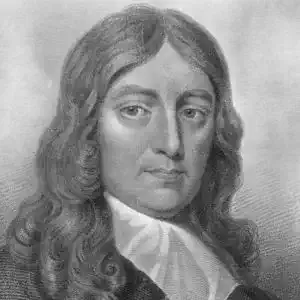
John Milton
Upon the Circumcision
Upon the Circumcision
Ye flaming Powers, and wingèd Warriors bright,
That erst with music, and triumphant song,
First heard by happy watchful Shepherds’ ear,
So sweetly sung your joy the clouds along,
Through the soft silence of the listening night,—
Now mourn; and if sad share with us to bear
Your fiery essence can distill no tear,
Burn in your sighs, and borrow
Seas wept from our deep sorrow,
He who with all Heaven’s heraldry whilere
Entered the world, now bleeds to give us ease.
Alas! how soon our sin
Sore doth begin
His infancy to seize!
O more exceeding Love, or Law more just?
Just Law indeed, but more exceeding Love!
For we, by rightful doom remediless,
Were lost in death, till He, that dwelt above
High-throned in secret bliss, for us frail dust
Emptied his glory, even to nakedness;
And that great Covenant which we still transgress
Intirely satisfied,
And the full wrath beside
Of vengeful Justice bore for our excess,
And seals obedience first with wounding smart
This day; but oh! ere long,
Huge pangs and strong
Will pierce more near his heart.
Ye flaming Powers, and wingèd Warriors bright,
That erst with music, and triumphant song,
First heard by happy watchful Shepherds’ ear,
So sweetly sung your joy the clouds along,
Through the soft silence of the listening night,—
Now mourn; and if sad share with us to bear
Your fiery essence can distill no tear,
Burn in your sighs, and borrow
Seas wept from our deep sorrow,
He who with all Heaven’s heraldry whilere
Entered the world, now bleeds to give us ease.
Alas! how soon our sin
Sore doth begin
His infancy to seize!
O more exceeding Love, or Law more just?
Just Law indeed, but more exceeding Love!
For we, by rightful doom remediless,
Were lost in death, till He, that dwelt above
High-throned in secret bliss, for us frail dust
Emptied his glory, even to nakedness;
And that great Covenant which we still transgress
Intirely satisfied,
And the full wrath beside
Of vengeful Justice bore for our excess,
And seals obedience first with wounding smart
This day; but oh! ere long,
Huge pangs and strong
Will pierce more near his heart.
583
John Milton
When the Assault Was Intended to the City
When the Assault Was Intended to the City
Captain, or colonel, or knight in arms,
Whose chance on these defenceless doors may seize,
If deed of honour did thee ever please,
Guard them, and him within protect from harms.
He can requite thee, for he knows the charms
That call fame on such gentle acts as these,
And he can spread thy name o’er lands and seas,
Whatever clime the sun’s bright circle warms.
Lift not thy spear against the Muse’s bower;
The great Emathian conqueror bid spare
The house of Pindarus, when temple and tower
Went to the ground; and the repeated air
Of sad Electra’s Poet had the power
To save the Athenian walls from ruin bare.
Captain, or colonel, or knight in arms,
Whose chance on these defenceless doors may seize,
If deed of honour did thee ever please,
Guard them, and him within protect from harms.
He can requite thee, for he knows the charms
That call fame on such gentle acts as these,
And he can spread thy name o’er lands and seas,
Whatever clime the sun’s bright circle warms.
Lift not thy spear against the Muse’s bower;
The great Emathian conqueror bid spare
The house of Pindarus, when temple and tower
Went to the ground; and the repeated air
Of sad Electra’s Poet had the power
To save the Athenian walls from ruin bare.
605
John Milton
To the Lady Margaret Ley
To the Lady Margaret Ley
Daughter to that good Earl, one President
Of England’s Council and her Treasury,
Who lived in both unstained with gold or fee,
And left them both, more in himself content,
Till the sad breaking of that Parliament
Broke him, as that dishonest victory
At Chæronea, fatal to liberty,
Killed with report that old man eloquent,
Though later born than to have known the days
Wherein your father flourished, yet by you,
Madam, methinks I see him living yet:
So well your words his noble virtues praise
That all both judge you to relate them true
And to possess them, honoured Margaret.
Daughter to that good Earl, one President
Of England’s Council and her Treasury,
Who lived in both unstained with gold or fee,
And left them both, more in himself content,
Till the sad breaking of that Parliament
Broke him, as that dishonest victory
At Chæronea, fatal to liberty,
Killed with report that old man eloquent,
Though later born than to have known the days
Wherein your father flourished, yet by you,
Madam, methinks I see him living yet:
So well your words his noble virtues praise
That all both judge you to relate them true
And to possess them, honoured Margaret.
574
John Milton
To My Lord Fairfax
To My Lord Fairfax
Fairfax, whose Name in Arms through Europe rings,
And fills all Mouths with Envy or with Praise,
And all her Jealous Monarchs with Amaze.
And Rumours loud which daunt remotest Kings,
Thy firm unshaken Valour ever brings
Victory home, while new Rebellions raise
Their Hydra-heads, and the false North displays
Her broken League to Imp her Serpent Wings:
O yet! a Nobler task awaits thy Hand,
For what can War, but Acts of War still breed
Till injur'd Truth from Violence be freed;
And publick Faith be rescu'd from the Brand
Of publick Fraud; in vain doth Valour bleed,
While Avarice and Rapine shares the Land.
Fairfax, whose Name in Arms through Europe rings,
And fills all Mouths with Envy or with Praise,
And all her Jealous Monarchs with Amaze.
And Rumours loud which daunt remotest Kings,
Thy firm unshaken Valour ever brings
Victory home, while new Rebellions raise
Their Hydra-heads, and the false North displays
Her broken League to Imp her Serpent Wings:
O yet! a Nobler task awaits thy Hand,
For what can War, but Acts of War still breed
Till injur'd Truth from Violence be freed;
And publick Faith be rescu'd from the Brand
Of publick Fraud; in vain doth Valour bleed,
While Avarice and Rapine shares the Land.
405
John Milton
To My Lord Fairfax
To My Lord Fairfax
Fairfax, whose Name in Arms through Europe rings,
And fills all Mouths with Envy or with Praise,
And all her Jealous Monarchs with Amaze.
And Rumours loud which daunt remotest Kings,
Thy firm unshaken Valour ever brings
Victory home, while new Rebellions raise
Their Hydra-heads, and the false North displays
Her broken League to Imp her Serpent Wings:
O yet! a Nobler task awaits thy Hand,
For what can War, but Acts of War still breed
Till injur'd Truth from Violence be freed;
And publick Faith be rescu'd from the Brand
Of publick Fraud; in vain doth Valour bleed,
While Avarice and Rapine shares the Land.
Fairfax, whose Name in Arms through Europe rings,
And fills all Mouths with Envy or with Praise,
And all her Jealous Monarchs with Amaze.
And Rumours loud which daunt remotest Kings,
Thy firm unshaken Valour ever brings
Victory home, while new Rebellions raise
Their Hydra-heads, and the false North displays
Her broken League to Imp her Serpent Wings:
O yet! a Nobler task awaits thy Hand,
For what can War, but Acts of War still breed
Till injur'd Truth from Violence be freed;
And publick Faith be rescu'd from the Brand
Of publick Fraud; in vain doth Valour bleed,
While Avarice and Rapine shares the Land.
405
John Milton
To My Lord Fairfax
To My Lord Fairfax
Fairfax, whose Name in Arms through Europe rings,
And fills all Mouths with Envy or with Praise,
And all her Jealous Monarchs with Amaze.
And Rumours loud which daunt remotest Kings,
Thy firm unshaken Valour ever brings
Victory home, while new Rebellions raise
Their Hydra-heads, and the false North displays
Her broken League to Imp her Serpent Wings:
O yet! a Nobler task awaits thy Hand,
For what can War, but Acts of War still breed
Till injur'd Truth from Violence be freed;
And publick Faith be rescu'd from the Brand
Of publick Fraud; in vain doth Valour bleed,
While Avarice and Rapine shares the Land.
Fairfax, whose Name in Arms through Europe rings,
And fills all Mouths with Envy or with Praise,
And all her Jealous Monarchs with Amaze.
And Rumours loud which daunt remotest Kings,
Thy firm unshaken Valour ever brings
Victory home, while new Rebellions raise
Their Hydra-heads, and the false North displays
Her broken League to Imp her Serpent Wings:
O yet! a Nobler task awaits thy Hand,
For what can War, but Acts of War still breed
Till injur'd Truth from Violence be freed;
And publick Faith be rescu'd from the Brand
Of publick Fraud; in vain doth Valour bleed,
While Avarice and Rapine shares the Land.
405
John Milton
The Passion
The Passion
I
Erewhile of music, and ethereal mirth,
Wherewith the stage of Air and Earth did ring,
And joyous news of heavenly Infant’s birth,
My muse with Angels did divide to sing;
But headlong joy is ever on the wing,
In wintry solstice like the shortened light
Soon swallowed up in dark and long outliving night.
II
For now to sorrow must I tune my song,
And set my Harp to notes of saddest woe,
Which on our dearest Lord did seize ere long,
Dangers, and snares, and wrongs, and worse than so,
Which he for us did freely undergo:
Most perfect Hero, tried in heaviest plight
Of labours huge and hard, too hard for human wight!
III
He, sovran Priest, stooping his regal head,
That dropt with odorous oil down his fair eyes,
Poor fleshly Tabernacle enterèd,
His starry front low-roofed beneath the skies:
Oh, what a mask was there, what a disguise!
Yet more: the stroke of death he must abide;
Then lies him meekly down fast by his Brethren’s side.
IV
These latest scenes confine my roving verse;
To this horizon is my Phoebus bound.
His godlike acts, and his temptations fierce,
And former sufferings, otherwhere are found;
Loud o’er the rest Cremona’s trump doth sound:
Me softer airs befit, and softer strings
Of lute, or viol still, more apt for mournful things.
V
Befriend me, Night, best Patroness of grief!
Over the pole thy thickest mantle throw,
And work my flattered fancy to belief
That Heaven and Earth are coloured with my woe;
My sorrows are too dark for day to know:
The leaves should all be black whereon I write,
And letters, where my tears have washed, a wannish white.
VI
See, see the chariot, and those rushing wheels,
That whirled the prophet up at Chebar flood;
My spirit some transporting Cherub feels
To bear me where the Towers of Salem stood,
Once glorious towers, now sunk in guiltless blood.
There doth my soul in holy vision sit,
In pensive trance, and anguish, and ecstatic fit.
VII
Mine eye hath found that sad sepulchral rock
That was the casket of Heaven’s richest store,
And here, though grief my feeble hands up-lock,
Yet on the softened quarry would I score
My plaining verse as lively as before;
For sure so well instructed are my tears
That they would fitly fall in ordered characters.
VIII
Or, should I thence, hurried on viewless wing,
Take up a weeping on the mountains wild,
The gentle neighbourhood of grove and spring
Would soon unbosom all their Echoes mild;
And I (for grief is easily beguiled)
Might think the infection of my sorrows loud
Had got a race of mourners on some pregnant cloud.
This Subject the Author finding to be above the years he had when he wrote it, and
nothing satisfied with what was begun, left it unfinished.
I
Erewhile of music, and ethereal mirth,
Wherewith the stage of Air and Earth did ring,
And joyous news of heavenly Infant’s birth,
My muse with Angels did divide to sing;
But headlong joy is ever on the wing,
In wintry solstice like the shortened light
Soon swallowed up in dark and long outliving night.
II
For now to sorrow must I tune my song,
And set my Harp to notes of saddest woe,
Which on our dearest Lord did seize ere long,
Dangers, and snares, and wrongs, and worse than so,
Which he for us did freely undergo:
Most perfect Hero, tried in heaviest plight
Of labours huge and hard, too hard for human wight!
III
He, sovran Priest, stooping his regal head,
That dropt with odorous oil down his fair eyes,
Poor fleshly Tabernacle enterèd,
His starry front low-roofed beneath the skies:
Oh, what a mask was there, what a disguise!
Yet more: the stroke of death he must abide;
Then lies him meekly down fast by his Brethren’s side.
IV
These latest scenes confine my roving verse;
To this horizon is my Phoebus bound.
His godlike acts, and his temptations fierce,
And former sufferings, otherwhere are found;
Loud o’er the rest Cremona’s trump doth sound:
Me softer airs befit, and softer strings
Of lute, or viol still, more apt for mournful things.
V
Befriend me, Night, best Patroness of grief!
Over the pole thy thickest mantle throw,
And work my flattered fancy to belief
That Heaven and Earth are coloured with my woe;
My sorrows are too dark for day to know:
The leaves should all be black whereon I write,
And letters, where my tears have washed, a wannish white.
VI
See, see the chariot, and those rushing wheels,
That whirled the prophet up at Chebar flood;
My spirit some transporting Cherub feels
To bear me where the Towers of Salem stood,
Once glorious towers, now sunk in guiltless blood.
There doth my soul in holy vision sit,
In pensive trance, and anguish, and ecstatic fit.
VII
Mine eye hath found that sad sepulchral rock
That was the casket of Heaven’s richest store,
And here, though grief my feeble hands up-lock,
Yet on the softened quarry would I score
My plaining verse as lively as before;
For sure so well instructed are my tears
That they would fitly fall in ordered characters.
VIII
Or, should I thence, hurried on viewless wing,
Take up a weeping on the mountains wild,
The gentle neighbourhood of grove and spring
Would soon unbosom all their Echoes mild;
And I (for grief is easily beguiled)
Might think the infection of my sorrows loud
Had got a race of mourners on some pregnant cloud.
This Subject the Author finding to be above the years he had when he wrote it, and
nothing satisfied with what was begun, left it unfinished.
606
John Milton
To Cyriack Skinner
To Cyriack Skinner
Cyriack, whose grandsire on the royal bench
Of British Themis, with no mean applause,
Pronounced, and in his volumes taught, our laws,
Which others at their bar so often wrench,
To-day deep thoughts resolve with me to drench
In mirth that after no repenting draws;
Let Euclid rest, and Archimedes pause,
And what the Swede intend, and what the French.
To measure life learn thou betimes, and know
Toward solid good what leads the nearest way;
For other things mild Heaven a time ordains,
And disapproves that care, though wise in show,
That with superfluous burden loads the day,
And, when God sends a cheerful hour, refrains.
Cyriack, whose grandsire on the royal bench
Of British Themis, with no mean applause,
Pronounced, and in his volumes taught, our laws,
Which others at their bar so often wrench,
To-day deep thoughts resolve with me to drench
In mirth that after no repenting draws;
Let Euclid rest, and Archimedes pause,
And what the Swede intend, and what the French.
To measure life learn thou betimes, and know
Toward solid good what leads the nearest way;
For other things mild Heaven a time ordains,
And disapproves that care, though wise in show,
That with superfluous burden loads the day,
And, when God sends a cheerful hour, refrains.
568
John Milton
Sonnet XVI: Cromwell, our chief of men
Sonnet XVI: Cromwell, our chief of men
To the Lord General Cromwell
On the Proposals of Certain Ministers of the Committee
for the Propagation of the Gospel
Cromwell, our chief of men, who through a cloud
Not of war only, but detractions rude,
Guided by faith and matchless fortitude,
To peace and truth thy glorious way hast ploughed,
And on the neck of crowned Fortune proud
Hast reared God's trophies, and his work pursued,
While Darwen stream with blood of Scots imbrued,
And Dunbar field resounds thy praises loud,
And Worcester's laureate wreath. Yet much remains
To conquer still; peace hath her victories
No less renowned than war: new foes arise,
Threat'ning to bind our souls with secular chains:
Help us to save free conscience from the paw
Of hireling wolves, whose gospel is their maw.
To the Lord General Cromwell
On the Proposals of Certain Ministers of the Committee
for the Propagation of the Gospel
Cromwell, our chief of men, who through a cloud
Not of war only, but detractions rude,
Guided by faith and matchless fortitude,
To peace and truth thy glorious way hast ploughed,
And on the neck of crowned Fortune proud
Hast reared God's trophies, and his work pursued,
While Darwen stream with blood of Scots imbrued,
And Dunbar field resounds thy praises loud,
And Worcester's laureate wreath. Yet much remains
To conquer still; peace hath her victories
No less renowned than war: new foes arise,
Threat'ning to bind our souls with secular chains:
Help us to save free conscience from the paw
Of hireling wolves, whose gospel is their maw.
539
John Milton
Sonnet XVI: Cromwell, our chief of men
Sonnet XVI: Cromwell, our chief of men
To the Lord General Cromwell
On the Proposals of Certain Ministers of the Committee
for the Propagation of the Gospel
Cromwell, our chief of men, who through a cloud
Not of war only, but detractions rude,
Guided by faith and matchless fortitude,
To peace and truth thy glorious way hast ploughed,
And on the neck of crowned Fortune proud
Hast reared God's trophies, and his work pursued,
While Darwen stream with blood of Scots imbrued,
And Dunbar field resounds thy praises loud,
And Worcester's laureate wreath. Yet much remains
To conquer still; peace hath her victories
No less renowned than war: new foes arise,
Threat'ning to bind our souls with secular chains:
Help us to save free conscience from the paw
Of hireling wolves, whose gospel is their maw.
To the Lord General Cromwell
On the Proposals of Certain Ministers of the Committee
for the Propagation of the Gospel
Cromwell, our chief of men, who through a cloud
Not of war only, but detractions rude,
Guided by faith and matchless fortitude,
To peace and truth thy glorious way hast ploughed,
And on the neck of crowned Fortune proud
Hast reared God's trophies, and his work pursued,
While Darwen stream with blood of Scots imbrued,
And Dunbar field resounds thy praises loud,
And Worcester's laureate wreath. Yet much remains
To conquer still; peace hath her victories
No less renowned than war: new foes arise,
Threat'ning to bind our souls with secular chains:
Help us to save free conscience from the paw
Of hireling wolves, whose gospel is their maw.
539
John Milton
Sonnet X: Daughter to that good Earl
Sonnet X: Daughter to that good Earl
To the Lady Margaret Ley
Daughter to that good Earl, once President
Of England's Council, and her Treasury,
Who lived in both, unstained with gold or fee,
And left them both, more in himself content,
Till sad the breaking of that Parliament
Broke him, as that dishonest victory
At Chaeronea, fatal to liberty,
Killed with report that old man eloquent.
Though later born than to have known the days
Wherein your father flourished, yet by you,
Madam, methinks I see him living yet;
So well your words his noble virtues praise,
That all both judge you to relate them true,
And to possess them, honoured Margaret.
To the Lady Margaret Ley
Daughter to that good Earl, once President
Of England's Council, and her Treasury,
Who lived in both, unstained with gold or fee,
And left them both, more in himself content,
Till sad the breaking of that Parliament
Broke him, as that dishonest victory
At Chaeronea, fatal to liberty,
Killed with report that old man eloquent.
Though later born than to have known the days
Wherein your father flourished, yet by you,
Madam, methinks I see him living yet;
So well your words his noble virtues praise,
That all both judge you to relate them true,
And to possess them, honoured Margaret.
504
John Milton
Sonnet 22
Sonnet 22
XXII
Cyriac, this three years' day these eyes, though clear,
To outward view, of blemish or of spot,
Bereft of light, their seeing have forgot;
Nor to their idle orbs doth sight appear
Of sun, or moon, or star, throughout the year,
Or man, or woman. Yet I argue not
Against Heav'n's hand or will, nor bate a jot
Of heart or hope; but still bear up and steer
Right onward. What supports me, dost thou ask?
The conscience, Friend, t' have lost them overplied
In liberty's defence, my noble task,
Of which all Europe rings from side to side.
This thought might lead me through the world's vain mask
Content, though blind, had I no better guide.
XXII
Cyriac, this three years' day these eyes, though clear,
To outward view, of blemish or of spot,
Bereft of light, their seeing have forgot;
Nor to their idle orbs doth sight appear
Of sun, or moon, or star, throughout the year,
Or man, or woman. Yet I argue not
Against Heav'n's hand or will, nor bate a jot
Of heart or hope; but still bear up and steer
Right onward. What supports me, dost thou ask?
The conscience, Friend, t' have lost them overplied
In liberty's defence, my noble task,
Of which all Europe rings from side to side.
This thought might lead me through the world's vain mask
Content, though blind, had I no better guide.
538
John Milton
Sonnet 18
Sonnet 18
XVIII
Cyriack, whose Grandsire on the Royal Bench
Of Brittish Themis, with no mean applause
Pronounc't and in his volumes taught our Lawes,
Which others at their Barr so often wrench:
To day deep thoughts resolve with me to drench
In mirth, that after no repenting drawes;
Let Euclid rest and Archimedes pause,
And what the Swede intend, and what the French.
To measure life, learn thou betimes, and know
Toward solid good what leads the nearest way;
For other things mild Heav'n a time ordains,
And disapproves that care, though wise in show,
That with superfluous burden loads the day,
And when God sends a cheerful hour, refrains.
XVIII
Cyriack, whose Grandsire on the Royal Bench
Of Brittish Themis, with no mean applause
Pronounc't and in his volumes taught our Lawes,
Which others at their Barr so often wrench:
To day deep thoughts resolve with me to drench
In mirth, that after no repenting drawes;
Let Euclid rest and Archimedes pause,
And what the Swede intend, and what the French.
To measure life, learn thou betimes, and know
Toward solid good what leads the nearest way;
For other things mild Heav'n a time ordains,
And disapproves that care, though wise in show,
That with superfluous burden loads the day,
And when God sends a cheerful hour, refrains.
536