

Poems in this topic
Nature and Elements
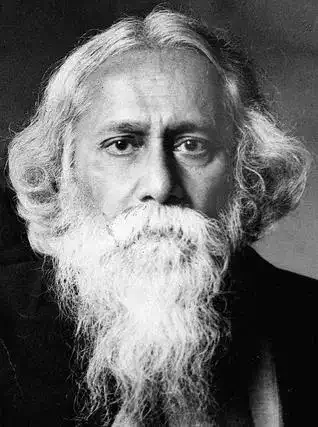
Rabindranath Tagore
Sleep-Stealer
Sleep-Stealer
Who stole sleep from baby's eyes? I must know.
Clasping her pitcher to her waist mother went to fetch water
from the village near by.
It was noon. The children's playtime was over; the ducks in
the pond were silent.
The shepherd boy lay asleep under the shadow of the banyan
tree.
The crane stood grave and still in the swamp near the mango
grove.
In the meanwhile the Sleep-stealer came and, snatching sleep
from baby's eyes, flew away.
When mother came back she found baby travelling the room over
on all fours.
Who stole sleep from our baby's eyes? I must know. I must find
her and chain her up.
I must look into that dark cave, where, through boulders and
scowling stones, trickles a tiny stream.
I must search in the drowsy shade of the bakula grove, where
pigeons coo in their corner, and fairies' anklets tinkle in the
stillness of starry nights.
In the evening I will peep into the whispering silence of the
bamboo forest, where fireflies squander their light, and will ask
every creature I meet, "Can anybody tell me where the Sleep-stealer
lives?"
Who stole sleep from baby's eyes? I must know.
Shouldn't I give her a good lesson if I could only catch her!
I would raid her nest and see where she hoards all her stolen
sleep.
I would plunder it all, and carry it home.
I would bind her two wings securely, set her on the bank of
the river, and then let her play at fishing with a reed among the
rushes and water-lilies.
When the marketing is over in the evening, and the village
children sit in their mothers' laps, then the night birds will
mockingly din her ears with:
"Whose sleep will you steal now?"
Who stole sleep from baby's eyes? I must know.
Clasping her pitcher to her waist mother went to fetch water
from the village near by.
It was noon. The children's playtime was over; the ducks in
the pond were silent.
The shepherd boy lay asleep under the shadow of the banyan
tree.
The crane stood grave and still in the swamp near the mango
grove.
In the meanwhile the Sleep-stealer came and, snatching sleep
from baby's eyes, flew away.
When mother came back she found baby travelling the room over
on all fours.
Who stole sleep from our baby's eyes? I must know. I must find
her and chain her up.
I must look into that dark cave, where, through boulders and
scowling stones, trickles a tiny stream.
I must search in the drowsy shade of the bakula grove, where
pigeons coo in their corner, and fairies' anklets tinkle in the
stillness of starry nights.
In the evening I will peep into the whispering silence of the
bamboo forest, where fireflies squander their light, and will ask
every creature I meet, "Can anybody tell me where the Sleep-stealer
lives?"
Who stole sleep from baby's eyes? I must know.
Shouldn't I give her a good lesson if I could only catch her!
I would raid her nest and see where she hoards all her stolen
sleep.
I would plunder it all, and carry it home.
I would bind her two wings securely, set her on the bank of
the river, and then let her play at fishing with a reed among the
rushes and water-lilies.
When the marketing is over in the evening, and the village
children sit in their mothers' laps, then the night birds will
mockingly din her ears with:
"Whose sleep will you steal now?"
550
Rabindranath Tagore
On the Seashore
On the Seashore
On the seashore of endless worlds children meet.
The infinite sky is motionless overhead and the restless water is boisterous. On the
seashore of endless worlds the children meet with shouts and dances.
They build their houses with sand, and they play with empty shells. With withered
leaves they weave their boats and smilingly float them on the vast deep. Children have
their play on the seashore of worlds.
They know not how to swim, they know not how to cast nets. Pearl-fishers dive for
pearls, merchants sail in their ships, while children gather pebbles and scatter them
again. They seek not for hidden treasures, they know not how to cast nets.
The sea surges up with laughter, and pale gleams the smile of the sea-beach.
Death-dealing waves sing meaningless ballads to the children, even like a mother while
rocking her baby's cradle. The sea plays with children, and pale gleams the smile of the
sea-beach.
On the seashore of endless worlds children meet. Tempest roams in the pathless
sky, ships are wrecked in the trackless water, death is abroad and children play. On
the seashore of endless worlds is the great meeting of children.
On the seashore of endless worlds children meet.
The infinite sky is motionless overhead and the restless water is boisterous. On the
seashore of endless worlds the children meet with shouts and dances.
They build their houses with sand, and they play with empty shells. With withered
leaves they weave their boats and smilingly float them on the vast deep. Children have
their play on the seashore of worlds.
They know not how to swim, they know not how to cast nets. Pearl-fishers dive for
pearls, merchants sail in their ships, while children gather pebbles and scatter them
again. They seek not for hidden treasures, they know not how to cast nets.
The sea surges up with laughter, and pale gleams the smile of the sea-beach.
Death-dealing waves sing meaningless ballads to the children, even like a mother while
rocking her baby's cradle. The sea plays with children, and pale gleams the smile of the
sea-beach.
On the seashore of endless worlds children meet. Tempest roams in the pathless
sky, ships are wrecked in the trackless water, death is abroad and children play. On
the seashore of endless worlds is the great meeting of children.
562
Rabindranath Tagore
Lover's Gifts XXII: I Shall Gladly Suffer
Lover's Gifts XXII: I Shall Gladly Suffer
I shall gladly suffer the pride of culture to die out in my house,
if only in some happy future I am born a herd-boy in the Brinda
forest.
The herd-boy who grazes his cattle sitting under the banyan
tree, and idly weaves gunja flowers into garlands, who loves to
splash and plunge in the Jamuna's cool deep stream.
He calls his companions to wake up when morning dawns, and all
the houses in the lane hum with the sound of the churn, clouds of
dust are raised by the cattle, the maidens come out in the
courtyard to milk the king.
As the shadows deepen under the tomal trees, and the dusk
gathers on the river-banks; when the milkmaids, while crossing the
turbulent water, tremble with fear; and loud peacocks, with tails
outspread, dance in the forest, he watchers the summer clouds.
When the April night is sweet as a fresh-blown flower, he
disappears in the forest with a peacock's plume in his hair; the
swing ropes are twined with flowers on the branches; the south wind
throbs with music, and the merry shepherd boys crowd on the banks
of the blue river.
No, I will never be the leader, brothers, of this new age of
new Bengal; I shall not trouble to light the lamp of culture for
the benighted. If only I could be born, under the shady asoka
groves, in some village of Brinda, where milk is churned by the
maidens!
I shall gladly suffer the pride of culture to die out in my house,
if only in some happy future I am born a herd-boy in the Brinda
forest.
The herd-boy who grazes his cattle sitting under the banyan
tree, and idly weaves gunja flowers into garlands, who loves to
splash and plunge in the Jamuna's cool deep stream.
He calls his companions to wake up when morning dawns, and all
the houses in the lane hum with the sound of the churn, clouds of
dust are raised by the cattle, the maidens come out in the
courtyard to milk the king.
As the shadows deepen under the tomal trees, and the dusk
gathers on the river-banks; when the milkmaids, while crossing the
turbulent water, tremble with fear; and loud peacocks, with tails
outspread, dance in the forest, he watchers the summer clouds.
When the April night is sweet as a fresh-blown flower, he
disappears in the forest with a peacock's plume in his hair; the
swing ropes are twined with flowers on the branches; the south wind
throbs with music, and the merry shepherd boys crowd on the banks
of the blue river.
No, I will never be the leader, brothers, of this new age of
new Bengal; I shall not trouble to light the lamp of culture for
the benighted. If only I could be born, under the shady asoka
groves, in some village of Brinda, where milk is churned by the
maidens!
477
Rabindranath Tagore
Lover's Gifts XVI: She Dwelt Here by the Pool
Lover's Gifts XVI: She Dwelt Here by the Pool
She dwelt here by the pool with its landing-stairs in ruins. Many
an evening she had watched the moon made dizzy by the shaking of
bamboo leaves, and on many a rainy day the smell of the wet earth
had come to her over the young shoots of rice.
Her pet name is known here among those date-palm groves and
in the courtyards where girls sit and talk while stitching their
winter quilts. The water in this pool keeps in its depth the memory
of her swimming limbs, and her wet feet had left their marks, day
after day, on the footpath leading to the village.
The women who come to-day with their vessels to the water have
all seen her smile over simple jests, and the old peasant, taking
his bullocks to their bath, used to stop at her door every day to
greet her.
Many a sailing-boat passes by this village; many a traveller
takes rest beneath that banyan tree; the ferry-boat crosses to
yonder ford carrying crowds to the market; but they never notice
this spot by the village road, near the pool with its ruined
landing-stairs,-where dwelt she whom I love.
She dwelt here by the pool with its landing-stairs in ruins. Many
an evening she had watched the moon made dizzy by the shaking of
bamboo leaves, and on many a rainy day the smell of the wet earth
had come to her over the young shoots of rice.
Her pet name is known here among those date-palm groves and
in the courtyards where girls sit and talk while stitching their
winter quilts. The water in this pool keeps in its depth the memory
of her swimming limbs, and her wet feet had left their marks, day
after day, on the footpath leading to the village.
The women who come to-day with their vessels to the water have
all seen her smile over simple jests, and the old peasant, taking
his bullocks to their bath, used to stop at her door every day to
greet her.
Many a sailing-boat passes by this village; many a traveller
takes rest beneath that banyan tree; the ferry-boat crosses to
yonder ford carrying crowds to the market; but they never notice
this spot by the village road, near the pool with its ruined
landing-stairs,-where dwelt she whom I love.
503
Rabindranath Tagore
Lost Star
Lost Star
When the creation was new and all the stars shone in their first
splendor, the gods held their assembly in the sky and sang
`Oh, the picture of perfection! the joy unalloyed!'
But one cried of a sudden
---`It seems that somewhere there is a break in the chain of light
and one of the stars has been lost.'
The golden string of their harp snapped,
their song stopped, and they cried in dismay
---`Yes, that lost star was the best,
she was the glory of all heavens!'
From that day the search is unceasing for her,
and the cry goes on from one to the other
that in her the world has lost its one joy!
Only in the deepest silence of night the stars smile
and whisper among themselves
---`Vain is this seeking! unbroken perfection is over all!'
When the creation was new and all the stars shone in their first
splendor, the gods held their assembly in the sky and sang
`Oh, the picture of perfection! the joy unalloyed!'
But one cried of a sudden
---`It seems that somewhere there is a break in the chain of light
and one of the stars has been lost.'
The golden string of their harp snapped,
their song stopped, and they cried in dismay
---`Yes, that lost star was the best,
she was the glory of all heavens!'
From that day the search is unceasing for her,
and the cry goes on from one to the other
that in her the world has lost its one joy!
Only in the deepest silence of night the stars smile
and whisper among themselves
---`Vain is this seeking! unbroken perfection is over all!'
666
Rabindranath Tagore
Flower
Flower
Pluck this little flower and take it, delay not! I fear lest it
droop and drop into the dust.
I may not find a place in thy garland, but honour it with a touch of
pain from thy hand and pluck it. I fear lest the day end before I am
aware, and the time of offering go by.
Though its colour be not deep and its smell be faint, use this flower
in thy service and pluck it while there is time.
Pluck this little flower and take it, delay not! I fear lest it
droop and drop into the dust.
I may not find a place in thy garland, but honour it with a touch of
pain from thy hand and pluck it. I fear lest the day end before I am
aware, and the time of offering go by.
Though its colour be not deep and its smell be faint, use this flower
in thy service and pluck it while there is time.
532

Phillis Wheatley
To A Lady On Her Remarkable Preservation In A Hurrican In North-Carolina
To A Lady On Her Remarkable Preservation In A Hurrican In North-Carolina
THOUGH thou did'st hear the tempest from afar,
And felt'st the horrors of the wat'ry war,
To me unknown, yet on this peaceful shore
Methinks I hear the storm tumultuous roar,
And how stern Boreas with impetuous hand
Compell'd the Nereids to usurp the land.
Reluctant rose the daughters of the main,
And slow ascending glided o'er the plain,
Till AEolus in his rapid chariot drove
In gloomy grandeur from the vault above:
Furious he comes. His winged sons obey
Their frantic sire, and madden all the sea.
The billows rave, the wind's fierce tyrant roars,
And with his thund'ring terrors shakes the shores:
Broken by waves the vessel's frame is rent,
And strows with planks the wat'ry element.
But thee, Maria, a kind Nereid's shield
Preserv'd from sinking, and thy form upheld:
And sure some heav'nly oracle design'd
At that dread crisis to instruct thy mind
Things of eternal consequence to weigh,
And to thine heart just feelings to convey
Of things above, and of the future doom,
And what the births of the dread world to come.
From tossing seas I welcome thee to land.
"Resign her, Nereid," 'twas thy God's command.
Thy spouse late buried, as thy fears conceiv'd,
Again returns, thy fears are all reliev'd:
Thy daughter blooming with superior grace
Again thou see'st, again thine arms embrace;
O come, and joyful show thy spouse his heir,
And what the blessings of maternal care!
THOUGH thou did'st hear the tempest from afar,
And felt'st the horrors of the wat'ry war,
To me unknown, yet on this peaceful shore
Methinks I hear the storm tumultuous roar,
And how stern Boreas with impetuous hand
Compell'd the Nereids to usurp the land.
Reluctant rose the daughters of the main,
And slow ascending glided o'er the plain,
Till AEolus in his rapid chariot drove
In gloomy grandeur from the vault above:
Furious he comes. His winged sons obey
Their frantic sire, and madden all the sea.
The billows rave, the wind's fierce tyrant roars,
And with his thund'ring terrors shakes the shores:
Broken by waves the vessel's frame is rent,
And strows with planks the wat'ry element.
But thee, Maria, a kind Nereid's shield
Preserv'd from sinking, and thy form upheld:
And sure some heav'nly oracle design'd
At that dread crisis to instruct thy mind
Things of eternal consequence to weigh,
And to thine heart just feelings to convey
Of things above, and of the future doom,
And what the births of the dread world to come.
From tossing seas I welcome thee to land.
"Resign her, Nereid," 'twas thy God's command.
Thy spouse late buried, as thy fears conceiv'd,
Again returns, thy fears are all reliev'd:
Thy daughter blooming with superior grace
Again thou see'st, again thine arms embrace;
O come, and joyful show thy spouse his heir,
And what the blessings of maternal care!
257
Phillis Wheatley
On Imagination
On Imagination
THY various works, imperial queen, we see,
How bright their forms! how deck'd with pomp
by thee!
Thy wond'rous acts in beauteous order stand,
And all attest how potent is thine hand.
From Helicon's refulgent heights attend,
Ye sacred choir, and my attempts befriend:
To tell her glories with a faithful tongue,
Ye blooming graces, triumph in my song.
Now here, now there, the roving Fancy flies,
Till some lov'd object strikes her wand'ring eyes,
Whose silken fetters all the senses bind,
And soft captivity involves the mind.
Imagination! who can sing thy force?
Or who describe the swiftness of thy course?
Soaring through air to find the bright abode,
Th' empyreal palace of the thund'ring God,
We on thy pinions can surpass the wind,
And leave the rolling universe behind:
From star to star the mental optics rove,
Measure the skies, and range the realms above.
There in one view we grasp the mighty whole,
Or with new worlds amaze th' unbounded soul.
Though Winter frowns to Fancy's raptur'd eyes
The fields may flourish, and gay scenes arise;
The frozen deeps may break their iron bands,
And bid their waters murmur o'er the sands.
Fair Flora may resume her fragrant reign,
And with her flow'ry riches deck the plain;
Sylvanus may diffuse his honours round,
And all the forest may with leaves be crown'd:
Show'rs may descend, and dews their gems disclose,
And nectar sparkle on the blooming rose.
Such is thy pow'r, nor are thine orders vain,
O thou the leader of the mental train:
In full perfection all thy works are wrought,
And thine the sceptre o'er the realms of thought.
Before thy throne the subject-passions bow,
Of subject-passions sov'reign ruler thou;
At thy command joy rushes on the heart,
And through the glowing veins the spirits dart.
Fancy might now her silken pinions try
To rise from earth, and sweep th' expanse on high:
From Tithon's bed now might Aurora rise,
Her cheeks all glowing with celestial dies,
While a pure stream of light o'erflows the skies.
The monarch of the day I might behold,
And all the mountains tipt with radiant gold,
But I reluctant leave the pleasing views,
Which Fancy dresses to delight the Muse;
Winter austere forbids me to aspire,
And northern tempests damp the rising fire;
They chill the tides of Fancy's flowing sea,
Cease then, my song, cease the unequal lay.
THY various works, imperial queen, we see,
How bright their forms! how deck'd with pomp
by thee!
Thy wond'rous acts in beauteous order stand,
And all attest how potent is thine hand.
From Helicon's refulgent heights attend,
Ye sacred choir, and my attempts befriend:
To tell her glories with a faithful tongue,
Ye blooming graces, triumph in my song.
Now here, now there, the roving Fancy flies,
Till some lov'd object strikes her wand'ring eyes,
Whose silken fetters all the senses bind,
And soft captivity involves the mind.
Imagination! who can sing thy force?
Or who describe the swiftness of thy course?
Soaring through air to find the bright abode,
Th' empyreal palace of the thund'ring God,
We on thy pinions can surpass the wind,
And leave the rolling universe behind:
From star to star the mental optics rove,
Measure the skies, and range the realms above.
There in one view we grasp the mighty whole,
Or with new worlds amaze th' unbounded soul.
Though Winter frowns to Fancy's raptur'd eyes
The fields may flourish, and gay scenes arise;
The frozen deeps may break their iron bands,
And bid their waters murmur o'er the sands.
Fair Flora may resume her fragrant reign,
And with her flow'ry riches deck the plain;
Sylvanus may diffuse his honours round,
And all the forest may with leaves be crown'd:
Show'rs may descend, and dews their gems disclose,
And nectar sparkle on the blooming rose.
Such is thy pow'r, nor are thine orders vain,
O thou the leader of the mental train:
In full perfection all thy works are wrought,
And thine the sceptre o'er the realms of thought.
Before thy throne the subject-passions bow,
Of subject-passions sov'reign ruler thou;
At thy command joy rushes on the heart,
And through the glowing veins the spirits dart.
Fancy might now her silken pinions try
To rise from earth, and sweep th' expanse on high:
From Tithon's bed now might Aurora rise,
Her cheeks all glowing with celestial dies,
While a pure stream of light o'erflows the skies.
The monarch of the day I might behold,
And all the mountains tipt with radiant gold,
But I reluctant leave the pleasing views,
Which Fancy dresses to delight the Muse;
Winter austere forbids me to aspire,
And northern tempests damp the rising fire;
They chill the tides of Fancy's flowing sea,
Cease then, my song, cease the unequal lay.
290
Phillis Wheatley
An Hymn To The Evening
An Hymn To The Evening
SOON as the sun forsook the eastern main
The pealing thunder shook the heav'nly plain;
Majestic grandeur! From the zephyr's wing,
Exhales the incense of the blooming spring.
Soft purl the streams, the birds renew their notes,
And through the air their mingled music floats.
Through all the heav'ns what beauteous dies are
spread!
But the west glories in the deepest red:
So may our breasts with ev'ry virtue glow,
The living temples of our God below!
Fill'd with the praise of him who gives the light,
And draws the sable curtains of the night,
Let placid slumbers sooth each weary mind,
At morn to wake more heav'nly, more refin'd;
So shall the labours of the day begin
More pure, more guarded from the snares of sin.
Night's leaden sceptre seals my drowsy eyes,
SOON as the sun forsook the eastern main
The pealing thunder shook the heav'nly plain;
Majestic grandeur! From the zephyr's wing,
Exhales the incense of the blooming spring.
Soft purl the streams, the birds renew their notes,
And through the air their mingled music floats.
Through all the heav'ns what beauteous dies are
spread!
But the west glories in the deepest red:
So may our breasts with ev'ry virtue glow,
The living temples of our God below!
Fill'd with the praise of him who gives the light,
And draws the sable curtains of the night,
Let placid slumbers sooth each weary mind,
At morn to wake more heav'nly, more refin'd;
So shall the labours of the day begin
More pure, more guarded from the snares of sin.
Night's leaden sceptre seals my drowsy eyes,
360
Phillis Wheatley
An Hymn To The Evening
An Hymn To The Evening
SOON as the sun forsook the eastern main
The pealing thunder shook the heav'nly plain;
Majestic grandeur! From the zephyr's wing,
Exhales the incense of the blooming spring.
Soft purl the streams, the birds renew their notes,
And through the air their mingled music floats.
Through all the heav'ns what beauteous dies are
spread!
But the west glories in the deepest red:
So may our breasts with ev'ry virtue glow,
The living temples of our God below!
Fill'd with the praise of him who gives the light,
And draws the sable curtains of the night,
Let placid slumbers sooth each weary mind,
At morn to wake more heav'nly, more refin'd;
So shall the labours of the day begin
More pure, more guarded from the snares of sin.
Night's leaden sceptre seals my drowsy eyes,
SOON as the sun forsook the eastern main
The pealing thunder shook the heav'nly plain;
Majestic grandeur! From the zephyr's wing,
Exhales the incense of the blooming spring.
Soft purl the streams, the birds renew their notes,
And through the air their mingled music floats.
Through all the heav'ns what beauteous dies are
spread!
But the west glories in the deepest red:
So may our breasts with ev'ry virtue glow,
The living temples of our God below!
Fill'd with the praise of him who gives the light,
And draws the sable curtains of the night,
Let placid slumbers sooth each weary mind,
At morn to wake more heav'nly, more refin'd;
So shall the labours of the day begin
More pure, more guarded from the snares of sin.
Night's leaden sceptre seals my drowsy eyes,
360
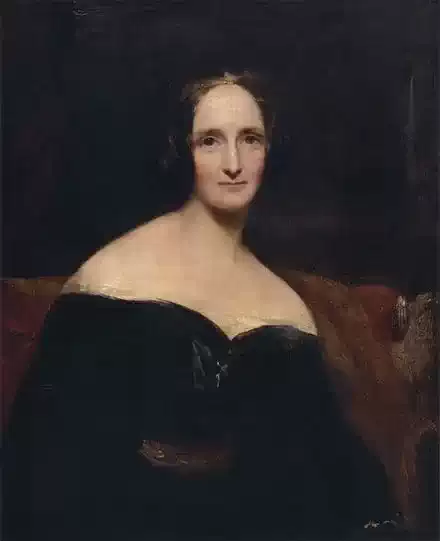
Percy Bysshe Shelley
The Witch Of Atlas
The Witch Of Atlas
Before those cruel twins whom at one birth
Incestuous Change bore to her father Time,
Error and Truth, had hunted from the earth
All those bright natures which adorned its prime,
And left us nothing to believe in, worth
The pains of putting into learn?d rhyme,
A Lady Witch there lived on Atlas mountain
Within a cavern by a secret fountain.
Her mother was one of the Atlantides.
The all-beholding Sun had ne'er beholden
In his wide voyage o'er continents and seas
So fair a creature, as she lay enfolden
In the warm shadow of her loveliness;
He kissed her with his beams, and made all golden
The chamber of gray rock in which she lay.
She, in that dream of joy, dissolved away.
'Tis said she first was changed into a vapor;
And then into a cloud,--such clouds as flit
(Like splendor-winged moths about a taper)
Round the red west when the Sun dies in it;
And then into a meteor, such as caper
On hill-tops when the Moon is in a fit;
Then into one of those mysterious stars
Which hide themselves between the Earth and Mars.
Ten times the Mother of the Months had ben
Her bow beside the folding-star, and bidden
With that bright sign the billows to indent
The sea-deserted sand--(like children chidden,
At her command they ever came and went)--
Since in that cave a dewy splendor hidden
Took shape and motion. With the living form
Of this embodied Power the cave grew warm.
A lovely Lady garmented in light
From her own beauty: deep her eyes as are
Two openings of unfathomable night
Seen through a temple's cloven roof; her hair
Dark; the dim brain whirls dizzy with delight,
Picturing her form. Her soft smiles shone afar;
And her low voice was heard like love, and drew
All living things towards this wonder new.
And first the spotted cameleopard came;
And then the wise and fearless elephant;
Then the sly serpent, in the golden flame
Of his own volumes intervolved. All gaunt
And sanguine beasts her gentle looks made tame,--
They drank before her at her sacred fount;
And every beast of beating heart grew bold,
Such gentleness and power even to behold.
The brinded lioness led forth her young,
That she might teach them how they should forego
Their inborn thirst of death; the pard unstrung
His sinews at her feet, and sought to know,
With looks whose motions spoke without a tongue,
How he might be as gentle as the doe.
The magic circle of her voice and eyes
All savage natures did imparadise.
And old Silenus, shaking a green stick
Of lilies, and the Wood-gods in a crew,
Came blithe as in the olive-copses thick
Cicade are, drunk with the noonday dew;
And Dryope and Faunus followed quick,
Teazing the God to sing them something new;
Till in this cave they found the Lady lone,
Sitting upon a seat of emerald stone.
And universal Pan, 'tis said, was there.
And, though none saw him,--through the adamant
Of the deep mountains, through the trackless air,
And through those living spirits like a want,--
He passed out of his everlasting lair
Where the quick heart of the great world doth pant,
And felt that wondrous Lady all alone,--
And she felt him upon her emerald throne.
And every Nymph of stream and spreading tree,
And every Shepherdess of Ocean's flocks
Who drives her white waves over the green sea,
And Ocean with the brine on his grey locks,
And quaint Priapus with his company,--
All came, much wondering how the enwombed rocks
Could have brought forth so beautiful a birth:
Her love subdued their wonder and their mirth.
The herdsmen and the mountain-maidens came,
And the rude kings of pastoral Garamant--
Their spirits shook within them, as a flame
Stirred by the air under a cavern gaunt:
Pygmies and Polyphemes, by many a name,
Centaurs and Satyrs, and such shapes as haunt
Wet clefts,--and lumps neither alive nor dead,
Dog-headed, bosom-eyed, and bird-footed.
For she was beautiful. Her beauty made
The bright world dim, and everything beside
Seemed like the fleeting image of a shade.
No thought of living spirit could abide
(Which to her looks had ever been betrayed)
On any object in the world so wide,
On any hope within the circling skies,--
But on her form, and in her inmost eyes.
Which when the Lady knew; she took her spindle,
And twined three threads of fleecy mist, and three
Long lines of light, such as the dawn may kindle
The clouds and waves and mountains with, and she
As many starbeams, ere their lamps could dwindle
In the belated moon, wound skilfully;
And with these threads a subtle veil she wove--
A shadow for the splendour of her love.
The deep recesses of her odorous dwelling
Were stored with magic treasures:--sounds of air
Which had the power all spirits of compelling,
Folded in cells of crystal silence there;
Such as we hear in youth, and think the feeling
will never die--yet, ere we are aware,
The feeling and the sound are fled and gone
And the regret they leave remains alone.
And there lay Visions swift and sweet and quaint,
Each in its thin sheath like a chrysalis;--
Some eager to burst forth; some weak and faint
With the soft burden of intensest bliss
It is their work to bear to many a saint
Whose heart adores the shrine which holiest is,
Even Love's; and others, white, green, grey, and black,
And of all shapes:--and each was at her beck.
And odours in a kind of aviary
Of ever-blooming Eden-trees she kept,
Clipped in a floating net a love-sick Fairy
Had woven from dew-beams while the moon yet slept.
As bats at the wired window of a dairy,
They beat their vans; and each was an adept--
When loosed and missioned, making wings of winds--
To stir sweet thoughts or sad in destined minds.
And liquors clear and sweet, whose healthful might
Could medicine the sick soul to happy sleep,
And change eternal death into a night
Of glorious dreams--or, if eyes needs must weep,
Could make their tears all wonder and delight--
She in her crystal phials did closely keep:
If men could drink of those clear phials, 'tis said
The living were not envied of the dead.
Her cave was stored with scrolls of strange device,
The works of some Saturnian Archimage,
Which taught the expiations at whose price
Men from the Gods might win that happy age
Too lightly lost, redeeming native vice,--
And which might quench the earth-consuming rage
Of gold and blood, till men should live and move
Harmonious as the sacred stars above:--
And how all things that seem untameable,
Not to be checked and not to be confined,
Obey the spells of Wisdom's wizard skill;
Time, earth, and fire, the ocean and the wind,
And all their shapes, and man's imperial will;--
And other scrolls whose writings did unbind
The inmost lore of love--let the profane
Tremble to ask what secrets they contain.
And wondrous works of substances unknown,
To which the enchantment of her Father's power
Had changed those ragged blocks of savage stone,
Were heaped in the recesses of her bower;
Carved lamps and chalices, and phials which shone
In their own golden beams--each like a flower
Out of whose depth a firefly shakes his light
Under a cypress in a starless night.
At first she lived alone in this wild home,
And her own thoughts were each a minister,
Clothing themselves or with the ocean-foam,
Or with the wind, or with the speed of fire,
To work whatever purposes might come
Into her mind: such power her mighty Sire
Had girt them with, whether to fly or run
Through all the regions which he shines upon.
The Ocean-nymphs and Hamadryades,
Oreads, and Naiads with long weedy locks,
Offered to do her bidding through the seas,
Under the earth, and in the hollow rocks,
And far beneath the matted roots of trees,
And in the gnarled heart of stubborn oaks;
So they might live for ever in the light
Of her sweet presence--each a satellite.
"This may not be," the Wizard Maid replied.
"The fountains where the Naiades bedew
Their shining hair at length are drained and dried;
The solid oaks forget their strength, and strew
Their latest leaf upon the mountains wide;
The boundless ocean like a drop of dew
Will be consumed; the stubborn centre must
Be scattered like a cloud of summer dust.
"And ye, with them, will perish one by one.
If I must sigh to think that this shall be,
If I must weep when the surviving Sun
Shall smile on your decay--oh ask not me
To love you till your little race is run;
I cannot die as ye must.--Over me
Your leaves shall glance--the streams in which ye dwell
Shall be my paths henceforth; and so farewell."
She spoke and wept. The dark and azure well
Sparkled beneath the shower of her bright tears,
And every little circlet where they fell
Flung to the cavern-roof inconstant spheres
And intertangled lines of light. A knell
Of sobbing voices came upon her ears
From those departing forms, o'er the serene
Of the white streams and of the forest green.
All day the Wizard Lady sat aloof;
Spelling out scrolls of dread antiquity
Under the cavern's fountain-lighted roof;
Or broidering the pictured poesy
Of some high tale upon her growing woof,
Which the sweet splendor of her smiles could dye
In hues outshining heaven--and ever she
Added some grace to the wrought poesy:--
While on her hearth lay blazing many a piece
Of sandal-wood, rare gums, and cinnamon.
Men scarcely know how beautiful fire is;
Each flame of it is as a precious stone
Dissolved in ever-moving light, and this
Belongs to each and all who gaze thereon.'
The Witch beheld it not, for in her hand
She held a woof that dimmed the burning brand.
This Lady never slept, but lay in trance
All night within the fountain--as in sleep.
Its emerald crags glowed in her beauty's glance:
Through the green splendour of the water deep
She saw the constellations reel and dance
Like fireflies--and withal did ever keep
The tenor of her contemplations calm,
With open eyes, closed feet, and folded palm.
And, when the whirlwinds and the clouds descended
From the white pinnacles of that cold hill,
She passed at dewfall to a space extended,
Where, in a lawn of flowering asphodel
Amid a wood of pines and cedars blended,
There yawned an inextinguishable well
Of crimson fire, full even to the brim,
And overflowing all the margin trim:--
Within the which she lay when the fierce war
Of wintry winds shook that innocuous liquor,
In many a mimic moon and bearded star,
O'er woods and lawns. The serpent heard it flicker
In sleep, and, dreaming still, he crept afar.
And, when the windless snow descended thicker
Than autumn-leaves, she watched it as it came
Melt on the surface of the level flame.
She had a boat which some say Vulcan wrought
For Venus, as the chariot of her star;
But it was found too feeble to be fraught
With all the ardours in that sphere which are,
And so she sold it, and Apollo bought
And gave it to this daughter: from a car,
Changed to the fairest and the lightest boat
Which ever upon mortal stream did float.
And others say that, when but three hours old,
The firstborn Love out of his cradle leapt,
And clove dun chaos with his wings of gold,
And, like a horticultural adept,
Stole a strange seed, and wrapped it up in mould,
And sowed it in his mother's star, and kept
Watering it all the summer with sweet dew,
And with his wings fanning it as it grew.
The plant grew strong and green--the snowy flower
Fell, and the long and gourd-like fruit began
To turn the light and dew by inward power
To its own substance: woven tracery ran
Of light firm texture, ribbed and branching, o'er
The solid rind, like a leaf's veined fan,--
Of which Love scooped this boat, and with soft motion
Piloted it round the circumfluous ocean.
This boat she moored upon her fount, and lit
A living spirit within all its frame,
Breathing the soul of swiftness into it.
Couched on the fountain--like a panther tame
(One of the twain at Evan's feet that sit,
Or as on Vesta's sceptre a swift flame,
Or on blind Homer's heart a winged thought--
In joyous expectation lay the boat.
Then by strange art she kneaded fire and snow
Together, tempering the repugnant mass
With liquid love--all things together grow
Through which the harmony of love can pass;
And a fair Shape out of her hands did flow--
A living image which did far surpass
In beauty that bright shape of vital stone
Which drew the heart out of Pygmalion.
A sexless thing it was, and in its growth
It seemed to have developed no defect
Of either sex, yet all the grace of both.
In gentleness and strength its limbs were decked;
The bosom lightly swelled with its full youth;
The countenance was such as might select
Some artist that his skill should never die,
lmaging forth such perfect purity.
From its smooth shoulders hung two rapid wings
Fit to have borne it to the seventh sphere,
Tipped with the speed of liquid lightenings,
Dyed in the ardours of the atmosphere.
She led her creature to the boiling springs
Where the light boat was moored, and said "Sit here,"
And pointed to the prow, and took her seat
Beside the rudder with opposing feet.
And down the streams which clove those mountains vast,
Around their inland islets, and amid
The panther-peopled forests (whose shade cast
Darkness and odors, and a pleasure hid
In melancholy gloom) the pinnace passed;
By many a star-surrounded pyramid
Of icy crag cleaving the purple sky,
And caverns yawning round unfathomably.
The silver noon into that winding dell,
With slanted gleam athwart the forest-tops,
Tempered like golden evening, feebly fell;
A green and glowing light, like that which drops
From folded lilies in which glow-worms dwell
When Earth over her face Night's mantle wraps;
Between the severed mountains lay on high,
Over the stream, a narrow rift of sky.
And, ever as she went, the Image lay
With folded wings and unawakened eyes;
And o'er its gentle countenance did play
The busy dreams, as thick as summer flies,
Chasing the rapid smiles that would not stay,
And drinking the warm tears, and the sweet sighs
Inhaling, which with busy murmur vain
They has aroused from that full heart and brain.
And ever down the prone vale, like a cloud
Upon a stream of wind, the pinnace went:
Now lingering on the pools, in which abode
The calm and darkness of the deep content
In which they paused; now o'er the shallow road
Of white and dancing waters, all besprent
With sand and polished pebbles:--mortal boat
In such a shallow rapid could not float.
And down the earthquaking cataracts, which shivcr
Their snow-like waters into golden air,
Or under chasms unfathomable ever
Sepulchre them, till in their rage they tear
A subterranean portal for the river,
It fled. The circling sunbows did upbear
Its fall down the hoar precipice of spray,
Lighting it far upon its lampless way.
And, when the Wizard Lady would ascend
The labyrinths of some many-winding vale
Which to the inmost mountain upward tend,
She called "Hermaphroditus!"--and the pale
And heavy hue which slumber could extend
Over its lips and eyes, as on the gale
A rapid shadow from a slope of grass,
Into the darkness of the stream did pass
And it unfurled its heaven-coloured pinions;
With stars of fire spotting the stream below,
And from above into the Sun's dominions
Flinging a glory like the golden glow
In which Spring clothes her emerald-winged minions,
All interwoven with fine feathery snow,
And moonlight splendour of intensest rime
With which frost paints the pines in winter-time.
And then it winnowed the elysian air
Which ever hung about that Lady bright,
With its etherial vans: and, speeding there,
Like a star up the torrent of the night,
Or a swift eagle in the morning glare
Breasting the whirlwind with impetuous flight,
The pinnace, oared by those enchanted wings,
Clove the fierce streams towards their upper springs.
The water flashed,--like sunlight, by the prow
Of a noon-wandering meteor flung to heaven;
The still air seemed as if its waves did flow
In tempest down the mountains; loosely driven,
The Lady's radiant hair streamed to and fro;
Beneath, the billows, having vainly striven
Indignant and impetuous, roared to feel
The swift and steady motion of the keel.
Or, when the weary moon was in the wane,
Or in the noon of interlunar night,
The Lady Witch in visions could not chain
Her spirit; but sailed forth under the light
Of shooting stars, and bade extend amain
Its storm-outspeeding wings the Hermaphrodite;
She to the austral waters took her way,
Beyond the fabulous Thamondocana.
Where, like a meadow which no scythe has shaven,
Which rain could never bend or whirlblast shake,
With the antarctic constellations paven,
Canopus and his crew, lay the austral lake--
There she would build herself a windless haven
Out of the clouds whose moving turrets make
The bastions of the storm, when through the sky
The spirits of the tempest thundered by:--
A haven beneath whose translucent floor
The tremulous stars sparkled unfathomably;
And around which the solid vapours hoar,
Based on the level waters, to the sky
Lifted their dreadful crags, and, like a shore
Of wintry mountains, inaccessibly
Hemmed-in with rifts and precipices grey,
And hanging crags, many a cove and bay.
And, whilst the outer lake beneath the lash
Of the wind's scourge foamed like a wounded thing
And the incessant hail with stony clash
Ploughed up the waters, and the flagging wing
Of the roused cormorant in the lightningflash
Looked like the wreck of some wind-wandering
Fragment of inky thunder-smoke--this haven
Was as a gem to copy heaven engraven.
On which that Lady played her many pranks,
Circling the image of a shooting star
(Even as a tiger on Hydaspes' banks
Outspeeds the antelopes which speediest are)
In her light boat; and many quips and cranks
She played upon the water; till the car
Of the late moon, like a sick matron wan,
To journey from the misty east began.
And then she called out of the hollow turrets
Of those high clouds, white, golden, and vermilion,
The armies of her ministering spirits.
In mighty legions million after million
They came, each troop emblazoning its merits
On meteor flags; and many a proud pavilion
Of the intertexture of the atmosphere
They pitched upon the plain of the calm mere.
They framed the imperial tent of their great Queen
Of woven exhalations, underlaid
With lambent lightning-fire, as may be seen
A dome of thin and open ivory inlaid
With crimson silk. Cressets from the serene
Hung there, and on the water for her tread
A tapestry of fleece-like mist was strewn,
Dyed in the beams of the ascending moon.
And on a throne o'erlaid with starlight, caught
Upon those wandering isles of aery dew
Which highest shoals of mountain shipwreck not,
She sate, and heard all that had happened new
Between the earth and moon since they had brought
The last intelligence: and now she grew
Pale as that moon lost in the watery night,
And now she wept, and now she laughed outright.
These were tame pleasures.--She would often climb
The steepest ladder of the crudded rack
Up to some beaked cape of cloud sublime,
And like Arion on the dolphin's back
Ride singing through the shoreless air. Oft-time,
Following the serpent lightning's winding track,
She ran upon the platforms of the wind,
And laughed to hear the fireballs roar behid.
And sometimes to those streams of upper air
Which whirl the earth in its diurnal round
She would ascend, and win the Spirits there
To let her join their chorus. Mortals found
That on those days the sky was calm and fair,
And mystic snatches of harmonious sound
Wandered upon the earth where'er she passed,
And happy thoughts of hope, too sweet to last.
But her choice sport was, in the hours of sleep,
To glide adown old Nilus, where he threads
Egypt and Ethiopia from the steep
Of utmost Axume until he spreads,
Like a calm flock of silver-fleeced sheep,
His waters on the plain,--and crested heads
Of cities and proud temples gleam amid,
And many a vapour-belted pyramid:--
By MÏris and the Mareotid lakes,
Strewn with faint blooms like bridal-chamber floors,
Where naked boys bridling tame water-snakes,
Or charioteering ghastly alligators,
Had left on the sweet waters mighty wakes
Of those huge forms;--within the brazen doors
Of the Great Labyrinth slept both boy and beast,
Tired with the pomp of their Osirian feast.
And where within the surface of the river
The shadows of the massy temples lie,
And never are erased, but tremble ever
Like things which every cloud can doom to die,--
Through lotus-paven canals, and wheresoever
The works of man pierced that serenest sky
With tombs and towers and fanes,--'twas her delight
To wander in the shadow of the night.
With motion like the spirit of that wind
Whose soft step deepens slumber, her light feet
Passed through the peopled haunts of humankind,
Scattering sweet visions from her presence sweet,--
Through fane and palace-court, and labyrinth mined
With many a dark and subterranean street
Under the Nile; through chambers high and deep
She passed, observing mortals in their sleep.
A pleasure sweet doubtless it was to see
Mortals subdued in all the shapes of sleep.
Here lay two sister-twins in infancy;
There a lone youth who in his dreams did weep;
Within, two lovers linked innocently
In their loose locks which over both did creep
Like ivy from one stem; and there lay calm
Old age with snow-bright hair and folded palm.
But other troubled forms of sleep she saw,
Not to be mirrored in a holy song,--
Distortions foul of supernatural awe,
And pale imaginings of visioned wrong,
And all the code of Custom's lawless law
Written upon the brows of old and young.
"This," said the Wizard Maiden, "is the strife
Which stirs the liquid surface of man's life."
And little did the sight disturb her soul.
We, the weak mariners of that wide lake,
Where'er its shores extend or billows roll,
Our course unpiloted and starless make
O'er its wild surface to an unknown goal;
But she in the calm depths her way could take,
Where in bright bowers immortal forms abide
Beneath the weltering of the restless tide.
And she saw princes couched under the glow
Of sunlike gems; and round each temple-court
In dormitories ranged, row after row,
She saw the priests asleep,--all of one sort,
For all were educated to be so.
The peasants in their huts, and in the port
The sailors she saw cradled on the waves,
And the dead lulled within their dreamless graves.
And all the forms in which those spirits lay
Were to her sight like the diaphanous
Veils in which those sweet ladies oft array
Their delicate limbs who would conceal from us
Only their scorn of all concealment: they
Move in the light of their own beauty thus.
But these and all now lay with sleep upon them,
And little thought a Witch was looking on them.
She all those human figures breathing there
Beheld as living spirits. To her eyes
The naked beauty of the soul lay bare,
And often through a rude and worn disguise
She saw the inner form most bright and fair:
And then she had a charm of strange device,
Which, murmured on mute lips with tender tone,
Could make that spirit mingle with her own.
Alas! Aurora, what wouldst thou have given
For such a charm, when Tithon became grey--
Or how much, Venus, of thy silver heaven
Wouldst thou have yielded, ere Proserpina
Had half (oh why not all?) the debt forgiven
Which dear Adonis had been doomed to pay--
To any witch who would have taught you it
The Heliad doth not know its value yet.
'Tis said in after times her spirit free
Knew what love was, and felt itself alone.
But holy Dian could not chaster be
Before she stooped to kiss Endymion
Than now this Lady,--like a sexless bee,
Tasting all blossoms and confined to none:
Among those mortal forms the Wizard Maiden
Passed with an eye serene and heart unladen.
To those she saw most beautiful she gave
Strange panacea in a crystal bowl.
They drank in their deep sleep of that sweet wave,
And lived thenceforward as if some control,
Mightier than life, were in them; and the grave
Of such, when death oppressed the weary soul,
Was as a green and overarching bower
Lit by the gems of many a starry flower.
For, on the night when they were buried, she
Restored the embalmer's ruining, and shook
The light out of the funeral-lamps, to be
A mimic day within that deathy nook;
And she unwound the woven imagery
Of second childhood's swaddling-bands, and took
The coffin, its last cradle, from its niche,
And threw it with contempt into a ditch,
And there the body lay, age after age,
Mute, breathing, beating, warm, and undecaying,
Like one asleep in a green hermitage,--
With gentle smiles about its eyelids playing,
And living in its dreams beyond the rage
Of death or life; while they were still arraying
In liveries ever new the rapid, blind,
And fleeting generations of mankind.
And she would write strange dreams upon the brain
Of those who were less beautiful, and make
All harsh and crooked purposes more vain
Than in the desert is the serpent's wake
Which the sand covers. All his evil gain
The miser, in such dreams, would rise and shake
Into a beggar's lap; the lying scribe
Would his own lies betray without a bribe.
The priests would write an explanation full,
Translating hieroglyphics into Greek,
How the God Apis really was a bull,
And nothing more; and bid the herald stick
The same against the temple-doors, and pull
The old cant down: they licensed all to speak
Whate'er they thought of hawks and cats and geese,
By pastoral letters to each diocese.
The king would dress an ape up in his crown
And robes, and seat him on his glorious seat,
And on the right hand of the sunlike throne
Would place a gaudy mock-bird to repeat
The chatterings of the monkey. Every one
Of the prone courtiers crawled to kiss the feet
Of their great emperor when the morning came;
And kissed--alas, how many kiss the same!
The soldiers dreamed that they were blacksmiths, and
Walked out of quarters in somnambulism;
Round the red anvils you might see them stand
Like Cyclopses in Vulcan's sooty abysm,
Beating their swords to ploughshares:--in a band
The jailors sent those of the liberal schism
Free through the streets of Memphis--much, I wis,
To the annoyance of king Amasis.
And timid lovers, who had been so coy
They hardly knew whether they loved or not,
Would rise out of their rest, and take sweet joy,
To the fulfilment of their inmost thought;
And, when next day the maiden and the boy
Met one another, both, like sinners caught,
Blushed at the thing which each believed was done
Only in fancy--till the tenth moon shone;
And then the Witch would let them take no ill;
Of many thousand schemes which lovers find,
The Witch found one,--and so they took their fill
Of happiness in marriage warm and kind.
Friends who, by practice of some envious skill,
Were torn apart (a wide wound, mind from mind)
She did unite again with visions clear
Of deep affection and of truth sincere.
These were the pranks she played among the cities
Of mortal men. And what she did to Sprites
And Gods, entangling them in her sweet ditties,
To do her will, and show their subtle sleights,
I will declare another time; for it is
A tale more fit for the weird winter-nights
Than for these garish summer-days, when we
Scarcely believe much more than we can see.
Before those cruel twins whom at one birth
Incestuous Change bore to her father Time,
Error and Truth, had hunted from the earth
All those bright natures which adorned its prime,
And left us nothing to believe in, worth
The pains of putting into learn?d rhyme,
A Lady Witch there lived on Atlas mountain
Within a cavern by a secret fountain.
Her mother was one of the Atlantides.
The all-beholding Sun had ne'er beholden
In his wide voyage o'er continents and seas
So fair a creature, as she lay enfolden
In the warm shadow of her loveliness;
He kissed her with his beams, and made all golden
The chamber of gray rock in which she lay.
She, in that dream of joy, dissolved away.
'Tis said she first was changed into a vapor;
And then into a cloud,--such clouds as flit
(Like splendor-winged moths about a taper)
Round the red west when the Sun dies in it;
And then into a meteor, such as caper
On hill-tops when the Moon is in a fit;
Then into one of those mysterious stars
Which hide themselves between the Earth and Mars.
Ten times the Mother of the Months had ben
Her bow beside the folding-star, and bidden
With that bright sign the billows to indent
The sea-deserted sand--(like children chidden,
At her command they ever came and went)--
Since in that cave a dewy splendor hidden
Took shape and motion. With the living form
Of this embodied Power the cave grew warm.
A lovely Lady garmented in light
From her own beauty: deep her eyes as are
Two openings of unfathomable night
Seen through a temple's cloven roof; her hair
Dark; the dim brain whirls dizzy with delight,
Picturing her form. Her soft smiles shone afar;
And her low voice was heard like love, and drew
All living things towards this wonder new.
And first the spotted cameleopard came;
And then the wise and fearless elephant;
Then the sly serpent, in the golden flame
Of his own volumes intervolved. All gaunt
And sanguine beasts her gentle looks made tame,--
They drank before her at her sacred fount;
And every beast of beating heart grew bold,
Such gentleness and power even to behold.
The brinded lioness led forth her young,
That she might teach them how they should forego
Their inborn thirst of death; the pard unstrung
His sinews at her feet, and sought to know,
With looks whose motions spoke without a tongue,
How he might be as gentle as the doe.
The magic circle of her voice and eyes
All savage natures did imparadise.
And old Silenus, shaking a green stick
Of lilies, and the Wood-gods in a crew,
Came blithe as in the olive-copses thick
Cicade are, drunk with the noonday dew;
And Dryope and Faunus followed quick,
Teazing the God to sing them something new;
Till in this cave they found the Lady lone,
Sitting upon a seat of emerald stone.
And universal Pan, 'tis said, was there.
And, though none saw him,--through the adamant
Of the deep mountains, through the trackless air,
And through those living spirits like a want,--
He passed out of his everlasting lair
Where the quick heart of the great world doth pant,
And felt that wondrous Lady all alone,--
And she felt him upon her emerald throne.
And every Nymph of stream and spreading tree,
And every Shepherdess of Ocean's flocks
Who drives her white waves over the green sea,
And Ocean with the brine on his grey locks,
And quaint Priapus with his company,--
All came, much wondering how the enwombed rocks
Could have brought forth so beautiful a birth:
Her love subdued their wonder and their mirth.
The herdsmen and the mountain-maidens came,
And the rude kings of pastoral Garamant--
Their spirits shook within them, as a flame
Stirred by the air under a cavern gaunt:
Pygmies and Polyphemes, by many a name,
Centaurs and Satyrs, and such shapes as haunt
Wet clefts,--and lumps neither alive nor dead,
Dog-headed, bosom-eyed, and bird-footed.
For she was beautiful. Her beauty made
The bright world dim, and everything beside
Seemed like the fleeting image of a shade.
No thought of living spirit could abide
(Which to her looks had ever been betrayed)
On any object in the world so wide,
On any hope within the circling skies,--
But on her form, and in her inmost eyes.
Which when the Lady knew; she took her spindle,
And twined three threads of fleecy mist, and three
Long lines of light, such as the dawn may kindle
The clouds and waves and mountains with, and she
As many starbeams, ere their lamps could dwindle
In the belated moon, wound skilfully;
And with these threads a subtle veil she wove--
A shadow for the splendour of her love.
The deep recesses of her odorous dwelling
Were stored with magic treasures:--sounds of air
Which had the power all spirits of compelling,
Folded in cells of crystal silence there;
Such as we hear in youth, and think the feeling
will never die--yet, ere we are aware,
The feeling and the sound are fled and gone
And the regret they leave remains alone.
And there lay Visions swift and sweet and quaint,
Each in its thin sheath like a chrysalis;--
Some eager to burst forth; some weak and faint
With the soft burden of intensest bliss
It is their work to bear to many a saint
Whose heart adores the shrine which holiest is,
Even Love's; and others, white, green, grey, and black,
And of all shapes:--and each was at her beck.
And odours in a kind of aviary
Of ever-blooming Eden-trees she kept,
Clipped in a floating net a love-sick Fairy
Had woven from dew-beams while the moon yet slept.
As bats at the wired window of a dairy,
They beat their vans; and each was an adept--
When loosed and missioned, making wings of winds--
To stir sweet thoughts or sad in destined minds.
And liquors clear and sweet, whose healthful might
Could medicine the sick soul to happy sleep,
And change eternal death into a night
Of glorious dreams--or, if eyes needs must weep,
Could make their tears all wonder and delight--
She in her crystal phials did closely keep:
If men could drink of those clear phials, 'tis said
The living were not envied of the dead.
Her cave was stored with scrolls of strange device,
The works of some Saturnian Archimage,
Which taught the expiations at whose price
Men from the Gods might win that happy age
Too lightly lost, redeeming native vice,--
And which might quench the earth-consuming rage
Of gold and blood, till men should live and move
Harmonious as the sacred stars above:--
And how all things that seem untameable,
Not to be checked and not to be confined,
Obey the spells of Wisdom's wizard skill;
Time, earth, and fire, the ocean and the wind,
And all their shapes, and man's imperial will;--
And other scrolls whose writings did unbind
The inmost lore of love--let the profane
Tremble to ask what secrets they contain.
And wondrous works of substances unknown,
To which the enchantment of her Father's power
Had changed those ragged blocks of savage stone,
Were heaped in the recesses of her bower;
Carved lamps and chalices, and phials which shone
In their own golden beams--each like a flower
Out of whose depth a firefly shakes his light
Under a cypress in a starless night.
At first she lived alone in this wild home,
And her own thoughts were each a minister,
Clothing themselves or with the ocean-foam,
Or with the wind, or with the speed of fire,
To work whatever purposes might come
Into her mind: such power her mighty Sire
Had girt them with, whether to fly or run
Through all the regions which he shines upon.
The Ocean-nymphs and Hamadryades,
Oreads, and Naiads with long weedy locks,
Offered to do her bidding through the seas,
Under the earth, and in the hollow rocks,
And far beneath the matted roots of trees,
And in the gnarled heart of stubborn oaks;
So they might live for ever in the light
Of her sweet presence--each a satellite.
"This may not be," the Wizard Maid replied.
"The fountains where the Naiades bedew
Their shining hair at length are drained and dried;
The solid oaks forget their strength, and strew
Their latest leaf upon the mountains wide;
The boundless ocean like a drop of dew
Will be consumed; the stubborn centre must
Be scattered like a cloud of summer dust.
"And ye, with them, will perish one by one.
If I must sigh to think that this shall be,
If I must weep when the surviving Sun
Shall smile on your decay--oh ask not me
To love you till your little race is run;
I cannot die as ye must.--Over me
Your leaves shall glance--the streams in which ye dwell
Shall be my paths henceforth; and so farewell."
She spoke and wept. The dark and azure well
Sparkled beneath the shower of her bright tears,
And every little circlet where they fell
Flung to the cavern-roof inconstant spheres
And intertangled lines of light. A knell
Of sobbing voices came upon her ears
From those departing forms, o'er the serene
Of the white streams and of the forest green.
All day the Wizard Lady sat aloof;
Spelling out scrolls of dread antiquity
Under the cavern's fountain-lighted roof;
Or broidering the pictured poesy
Of some high tale upon her growing woof,
Which the sweet splendor of her smiles could dye
In hues outshining heaven--and ever she
Added some grace to the wrought poesy:--
While on her hearth lay blazing many a piece
Of sandal-wood, rare gums, and cinnamon.
Men scarcely know how beautiful fire is;
Each flame of it is as a precious stone
Dissolved in ever-moving light, and this
Belongs to each and all who gaze thereon.'
The Witch beheld it not, for in her hand
She held a woof that dimmed the burning brand.
This Lady never slept, but lay in trance
All night within the fountain--as in sleep.
Its emerald crags glowed in her beauty's glance:
Through the green splendour of the water deep
She saw the constellations reel and dance
Like fireflies--and withal did ever keep
The tenor of her contemplations calm,
With open eyes, closed feet, and folded palm.
And, when the whirlwinds and the clouds descended
From the white pinnacles of that cold hill,
She passed at dewfall to a space extended,
Where, in a lawn of flowering asphodel
Amid a wood of pines and cedars blended,
There yawned an inextinguishable well
Of crimson fire, full even to the brim,
And overflowing all the margin trim:--
Within the which she lay when the fierce war
Of wintry winds shook that innocuous liquor,
In many a mimic moon and bearded star,
O'er woods and lawns. The serpent heard it flicker
In sleep, and, dreaming still, he crept afar.
And, when the windless snow descended thicker
Than autumn-leaves, she watched it as it came
Melt on the surface of the level flame.
She had a boat which some say Vulcan wrought
For Venus, as the chariot of her star;
But it was found too feeble to be fraught
With all the ardours in that sphere which are,
And so she sold it, and Apollo bought
And gave it to this daughter: from a car,
Changed to the fairest and the lightest boat
Which ever upon mortal stream did float.
And others say that, when but three hours old,
The firstborn Love out of his cradle leapt,
And clove dun chaos with his wings of gold,
And, like a horticultural adept,
Stole a strange seed, and wrapped it up in mould,
And sowed it in his mother's star, and kept
Watering it all the summer with sweet dew,
And with his wings fanning it as it grew.
The plant grew strong and green--the snowy flower
Fell, and the long and gourd-like fruit began
To turn the light and dew by inward power
To its own substance: woven tracery ran
Of light firm texture, ribbed and branching, o'er
The solid rind, like a leaf's veined fan,--
Of which Love scooped this boat, and with soft motion
Piloted it round the circumfluous ocean.
This boat she moored upon her fount, and lit
A living spirit within all its frame,
Breathing the soul of swiftness into it.
Couched on the fountain--like a panther tame
(One of the twain at Evan's feet that sit,
Or as on Vesta's sceptre a swift flame,
Or on blind Homer's heart a winged thought--
In joyous expectation lay the boat.
Then by strange art she kneaded fire and snow
Together, tempering the repugnant mass
With liquid love--all things together grow
Through which the harmony of love can pass;
And a fair Shape out of her hands did flow--
A living image which did far surpass
In beauty that bright shape of vital stone
Which drew the heart out of Pygmalion.
A sexless thing it was, and in its growth
It seemed to have developed no defect
Of either sex, yet all the grace of both.
In gentleness and strength its limbs were decked;
The bosom lightly swelled with its full youth;
The countenance was such as might select
Some artist that his skill should never die,
lmaging forth such perfect purity.
From its smooth shoulders hung two rapid wings
Fit to have borne it to the seventh sphere,
Tipped with the speed of liquid lightenings,
Dyed in the ardours of the atmosphere.
She led her creature to the boiling springs
Where the light boat was moored, and said "Sit here,"
And pointed to the prow, and took her seat
Beside the rudder with opposing feet.
And down the streams which clove those mountains vast,
Around their inland islets, and amid
The panther-peopled forests (whose shade cast
Darkness and odors, and a pleasure hid
In melancholy gloom) the pinnace passed;
By many a star-surrounded pyramid
Of icy crag cleaving the purple sky,
And caverns yawning round unfathomably.
The silver noon into that winding dell,
With slanted gleam athwart the forest-tops,
Tempered like golden evening, feebly fell;
A green and glowing light, like that which drops
From folded lilies in which glow-worms dwell
When Earth over her face Night's mantle wraps;
Between the severed mountains lay on high,
Over the stream, a narrow rift of sky.
And, ever as she went, the Image lay
With folded wings and unawakened eyes;
And o'er its gentle countenance did play
The busy dreams, as thick as summer flies,
Chasing the rapid smiles that would not stay,
And drinking the warm tears, and the sweet sighs
Inhaling, which with busy murmur vain
They has aroused from that full heart and brain.
And ever down the prone vale, like a cloud
Upon a stream of wind, the pinnace went:
Now lingering on the pools, in which abode
The calm and darkness of the deep content
In which they paused; now o'er the shallow road
Of white and dancing waters, all besprent
With sand and polished pebbles:--mortal boat
In such a shallow rapid could not float.
And down the earthquaking cataracts, which shivcr
Their snow-like waters into golden air,
Or under chasms unfathomable ever
Sepulchre them, till in their rage they tear
A subterranean portal for the river,
It fled. The circling sunbows did upbear
Its fall down the hoar precipice of spray,
Lighting it far upon its lampless way.
And, when the Wizard Lady would ascend
The labyrinths of some many-winding vale
Which to the inmost mountain upward tend,
She called "Hermaphroditus!"--and the pale
And heavy hue which slumber could extend
Over its lips and eyes, as on the gale
A rapid shadow from a slope of grass,
Into the darkness of the stream did pass
And it unfurled its heaven-coloured pinions;
With stars of fire spotting the stream below,
And from above into the Sun's dominions
Flinging a glory like the golden glow
In which Spring clothes her emerald-winged minions,
All interwoven with fine feathery snow,
And moonlight splendour of intensest rime
With which frost paints the pines in winter-time.
And then it winnowed the elysian air
Which ever hung about that Lady bright,
With its etherial vans: and, speeding there,
Like a star up the torrent of the night,
Or a swift eagle in the morning glare
Breasting the whirlwind with impetuous flight,
The pinnace, oared by those enchanted wings,
Clove the fierce streams towards their upper springs.
The water flashed,--like sunlight, by the prow
Of a noon-wandering meteor flung to heaven;
The still air seemed as if its waves did flow
In tempest down the mountains; loosely driven,
The Lady's radiant hair streamed to and fro;
Beneath, the billows, having vainly striven
Indignant and impetuous, roared to feel
The swift and steady motion of the keel.
Or, when the weary moon was in the wane,
Or in the noon of interlunar night,
The Lady Witch in visions could not chain
Her spirit; but sailed forth under the light
Of shooting stars, and bade extend amain
Its storm-outspeeding wings the Hermaphrodite;
She to the austral waters took her way,
Beyond the fabulous Thamondocana.
Where, like a meadow which no scythe has shaven,
Which rain could never bend or whirlblast shake,
With the antarctic constellations paven,
Canopus and his crew, lay the austral lake--
There she would build herself a windless haven
Out of the clouds whose moving turrets make
The bastions of the storm, when through the sky
The spirits of the tempest thundered by:--
A haven beneath whose translucent floor
The tremulous stars sparkled unfathomably;
And around which the solid vapours hoar,
Based on the level waters, to the sky
Lifted their dreadful crags, and, like a shore
Of wintry mountains, inaccessibly
Hemmed-in with rifts and precipices grey,
And hanging crags, many a cove and bay.
And, whilst the outer lake beneath the lash
Of the wind's scourge foamed like a wounded thing
And the incessant hail with stony clash
Ploughed up the waters, and the flagging wing
Of the roused cormorant in the lightningflash
Looked like the wreck of some wind-wandering
Fragment of inky thunder-smoke--this haven
Was as a gem to copy heaven engraven.
On which that Lady played her many pranks,
Circling the image of a shooting star
(Even as a tiger on Hydaspes' banks
Outspeeds the antelopes which speediest are)
In her light boat; and many quips and cranks
She played upon the water; till the car
Of the late moon, like a sick matron wan,
To journey from the misty east began.
And then she called out of the hollow turrets
Of those high clouds, white, golden, and vermilion,
The armies of her ministering spirits.
In mighty legions million after million
They came, each troop emblazoning its merits
On meteor flags; and many a proud pavilion
Of the intertexture of the atmosphere
They pitched upon the plain of the calm mere.
They framed the imperial tent of their great Queen
Of woven exhalations, underlaid
With lambent lightning-fire, as may be seen
A dome of thin and open ivory inlaid
With crimson silk. Cressets from the serene
Hung there, and on the water for her tread
A tapestry of fleece-like mist was strewn,
Dyed in the beams of the ascending moon.
And on a throne o'erlaid with starlight, caught
Upon those wandering isles of aery dew
Which highest shoals of mountain shipwreck not,
She sate, and heard all that had happened new
Between the earth and moon since they had brought
The last intelligence: and now she grew
Pale as that moon lost in the watery night,
And now she wept, and now she laughed outright.
These were tame pleasures.--She would often climb
The steepest ladder of the crudded rack
Up to some beaked cape of cloud sublime,
And like Arion on the dolphin's back
Ride singing through the shoreless air. Oft-time,
Following the serpent lightning's winding track,
She ran upon the platforms of the wind,
And laughed to hear the fireballs roar behid.
And sometimes to those streams of upper air
Which whirl the earth in its diurnal round
She would ascend, and win the Spirits there
To let her join their chorus. Mortals found
That on those days the sky was calm and fair,
And mystic snatches of harmonious sound
Wandered upon the earth where'er she passed,
And happy thoughts of hope, too sweet to last.
But her choice sport was, in the hours of sleep,
To glide adown old Nilus, where he threads
Egypt and Ethiopia from the steep
Of utmost Axume until he spreads,
Like a calm flock of silver-fleeced sheep,
His waters on the plain,--and crested heads
Of cities and proud temples gleam amid,
And many a vapour-belted pyramid:--
By MÏris and the Mareotid lakes,
Strewn with faint blooms like bridal-chamber floors,
Where naked boys bridling tame water-snakes,
Or charioteering ghastly alligators,
Had left on the sweet waters mighty wakes
Of those huge forms;--within the brazen doors
Of the Great Labyrinth slept both boy and beast,
Tired with the pomp of their Osirian feast.
And where within the surface of the river
The shadows of the massy temples lie,
And never are erased, but tremble ever
Like things which every cloud can doom to die,--
Through lotus-paven canals, and wheresoever
The works of man pierced that serenest sky
With tombs and towers and fanes,--'twas her delight
To wander in the shadow of the night.
With motion like the spirit of that wind
Whose soft step deepens slumber, her light feet
Passed through the peopled haunts of humankind,
Scattering sweet visions from her presence sweet,--
Through fane and palace-court, and labyrinth mined
With many a dark and subterranean street
Under the Nile; through chambers high and deep
She passed, observing mortals in their sleep.
A pleasure sweet doubtless it was to see
Mortals subdued in all the shapes of sleep.
Here lay two sister-twins in infancy;
There a lone youth who in his dreams did weep;
Within, two lovers linked innocently
In their loose locks which over both did creep
Like ivy from one stem; and there lay calm
Old age with snow-bright hair and folded palm.
But other troubled forms of sleep she saw,
Not to be mirrored in a holy song,--
Distortions foul of supernatural awe,
And pale imaginings of visioned wrong,
And all the code of Custom's lawless law
Written upon the brows of old and young.
"This," said the Wizard Maiden, "is the strife
Which stirs the liquid surface of man's life."
And little did the sight disturb her soul.
We, the weak mariners of that wide lake,
Where'er its shores extend or billows roll,
Our course unpiloted and starless make
O'er its wild surface to an unknown goal;
But she in the calm depths her way could take,
Where in bright bowers immortal forms abide
Beneath the weltering of the restless tide.
And she saw princes couched under the glow
Of sunlike gems; and round each temple-court
In dormitories ranged, row after row,
She saw the priests asleep,--all of one sort,
For all were educated to be so.
The peasants in their huts, and in the port
The sailors she saw cradled on the waves,
And the dead lulled within their dreamless graves.
And all the forms in which those spirits lay
Were to her sight like the diaphanous
Veils in which those sweet ladies oft array
Their delicate limbs who would conceal from us
Only their scorn of all concealment: they
Move in the light of their own beauty thus.
But these and all now lay with sleep upon them,
And little thought a Witch was looking on them.
She all those human figures breathing there
Beheld as living spirits. To her eyes
The naked beauty of the soul lay bare,
And often through a rude and worn disguise
She saw the inner form most bright and fair:
And then she had a charm of strange device,
Which, murmured on mute lips with tender tone,
Could make that spirit mingle with her own.
Alas! Aurora, what wouldst thou have given
For such a charm, when Tithon became grey--
Or how much, Venus, of thy silver heaven
Wouldst thou have yielded, ere Proserpina
Had half (oh why not all?) the debt forgiven
Which dear Adonis had been doomed to pay--
To any witch who would have taught you it
The Heliad doth not know its value yet.
'Tis said in after times her spirit free
Knew what love was, and felt itself alone.
But holy Dian could not chaster be
Before she stooped to kiss Endymion
Than now this Lady,--like a sexless bee,
Tasting all blossoms and confined to none:
Among those mortal forms the Wizard Maiden
Passed with an eye serene and heart unladen.
To those she saw most beautiful she gave
Strange panacea in a crystal bowl.
They drank in their deep sleep of that sweet wave,
And lived thenceforward as if some control,
Mightier than life, were in them; and the grave
Of such, when death oppressed the weary soul,
Was as a green and overarching bower
Lit by the gems of many a starry flower.
For, on the night when they were buried, she
Restored the embalmer's ruining, and shook
The light out of the funeral-lamps, to be
A mimic day within that deathy nook;
And she unwound the woven imagery
Of second childhood's swaddling-bands, and took
The coffin, its last cradle, from its niche,
And threw it with contempt into a ditch,
And there the body lay, age after age,
Mute, breathing, beating, warm, and undecaying,
Like one asleep in a green hermitage,--
With gentle smiles about its eyelids playing,
And living in its dreams beyond the rage
Of death or life; while they were still arraying
In liveries ever new the rapid, blind,
And fleeting generations of mankind.
And she would write strange dreams upon the brain
Of those who were less beautiful, and make
All harsh and crooked purposes more vain
Than in the desert is the serpent's wake
Which the sand covers. All his evil gain
The miser, in such dreams, would rise and shake
Into a beggar's lap; the lying scribe
Would his own lies betray without a bribe.
The priests would write an explanation full,
Translating hieroglyphics into Greek,
How the God Apis really was a bull,
And nothing more; and bid the herald stick
The same against the temple-doors, and pull
The old cant down: they licensed all to speak
Whate'er they thought of hawks and cats and geese,
By pastoral letters to each diocese.
The king would dress an ape up in his crown
And robes, and seat him on his glorious seat,
And on the right hand of the sunlike throne
Would place a gaudy mock-bird to repeat
The chatterings of the monkey. Every one
Of the prone courtiers crawled to kiss the feet
Of their great emperor when the morning came;
And kissed--alas, how many kiss the same!
The soldiers dreamed that they were blacksmiths, and
Walked out of quarters in somnambulism;
Round the red anvils you might see them stand
Like Cyclopses in Vulcan's sooty abysm,
Beating their swords to ploughshares:--in a band
The jailors sent those of the liberal schism
Free through the streets of Memphis--much, I wis,
To the annoyance of king Amasis.
And timid lovers, who had been so coy
They hardly knew whether they loved or not,
Would rise out of their rest, and take sweet joy,
To the fulfilment of their inmost thought;
And, when next day the maiden and the boy
Met one another, both, like sinners caught,
Blushed at the thing which each believed was done
Only in fancy--till the tenth moon shone;
And then the Witch would let them take no ill;
Of many thousand schemes which lovers find,
The Witch found one,--and so they took their fill
Of happiness in marriage warm and kind.
Friends who, by practice of some envious skill,
Were torn apart (a wide wound, mind from mind)
She did unite again with visions clear
Of deep affection and of truth sincere.
These were the pranks she played among the cities
Of mortal men. And what she did to Sprites
And Gods, entangling them in her sweet ditties,
To do her will, and show their subtle sleights,
I will declare another time; for it is
A tale more fit for the weird winter-nights
Than for these garish summer-days, when we
Scarcely believe much more than we can see.
570
Percy Bysshe Shelley
The Invitation
The Invitation
BEST and brightest, come away!
Fairer far than this fair Day,
Which, like thee to those in sorrow,
Comes to bid a sweet good-morrow
To the rough Year just awake
In its cradle on the brake.
The brightest hour of unborn Spring,
Through the winter wandering,
Found, it seems, the halcyon Morn
To hoar February born.
Bending from heaven, in azure mirth,
It kiss'd the forehead of the Earth;
And smiled upon the silent sea;
And bade the frozen streams be free;
And waked to music all their fountains;
And breathed upon the frozen mountains;
And like a prophetess of May
Strew'd flowers upon the barren way,
Making the wintry world appear
Like one on whom thou smilest, dear.
Away, away, from men and towns,
To the wild wood and the downs--
To the silent wilderness
Where the soul need not repress
Its music lest it should not find
An echo in another's mind,
While the touch of Nature's art
Harmonizes heart to heart.
I leave this notice on my door
For each accustom'd visitor:--
'I am gone into the fields
To take what this sweet hour yields.
Reflection, you may come to-morrow;
Sit by the fireside with Sorrow.
You with the unpaid bill, Despair,--
You, tiresome verse-reciter, Care,--
I will pay you in the grave,--
Death will listen to your stave.
Expectation too, be off!
To-day is for itself enough.
Hope, in pity mock not Woe
With smiles, nor follow where I go;
Long having lived on your sweet food,
At length I find one moment's good
After long pain: with all your love,
This you never told me of.'
Radiant Sister of the Day,
Awake! arise! and come away!
To the wild woods and the plains;
And the pools where winter rains
Image all their roof of leaves;
Where the pine its garland weaves
Of sapless green and ivy dun
Round stems that never kiss the sun;
Where the lawns and pastures be,
And the sandhills of the sea;
Where the melting hoar-frost wets
The daisy-star that never sets,
And wind-flowers, and violets
Which yet join not scent to hue,
Crown the pale year weak and new;
When the night is left behind
In the deep east, dun and blind,
And the blue noon is over us,
And the multitudinous
Billows murmur at our feet
Where the earth and ocean meet,
And all things seem only one
In the universal sun.
BEST and brightest, come away!
Fairer far than this fair Day,
Which, like thee to those in sorrow,
Comes to bid a sweet good-morrow
To the rough Year just awake
In its cradle on the brake.
The brightest hour of unborn Spring,
Through the winter wandering,
Found, it seems, the halcyon Morn
To hoar February born.
Bending from heaven, in azure mirth,
It kiss'd the forehead of the Earth;
And smiled upon the silent sea;
And bade the frozen streams be free;
And waked to music all their fountains;
And breathed upon the frozen mountains;
And like a prophetess of May
Strew'd flowers upon the barren way,
Making the wintry world appear
Like one on whom thou smilest, dear.
Away, away, from men and towns,
To the wild wood and the downs--
To the silent wilderness
Where the soul need not repress
Its music lest it should not find
An echo in another's mind,
While the touch of Nature's art
Harmonizes heart to heart.
I leave this notice on my door
For each accustom'd visitor:--
'I am gone into the fields
To take what this sweet hour yields.
Reflection, you may come to-morrow;
Sit by the fireside with Sorrow.
You with the unpaid bill, Despair,--
You, tiresome verse-reciter, Care,--
I will pay you in the grave,--
Death will listen to your stave.
Expectation too, be off!
To-day is for itself enough.
Hope, in pity mock not Woe
With smiles, nor follow where I go;
Long having lived on your sweet food,
At length I find one moment's good
After long pain: with all your love,
This you never told me of.'
Radiant Sister of the Day,
Awake! arise! and come away!
To the wild woods and the plains;
And the pools where winter rains
Image all their roof of leaves;
Where the pine its garland weaves
Of sapless green and ivy dun
Round stems that never kiss the sun;
Where the lawns and pastures be,
And the sandhills of the sea;
Where the melting hoar-frost wets
The daisy-star that never sets,
And wind-flowers, and violets
Which yet join not scent to hue,
Crown the pale year weak and new;
When the night is left behind
In the deep east, dun and blind,
And the blue noon is over us,
And the multitudinous
Billows murmur at our feet
Where the earth and ocean meet,
And all things seem only one
In the universal sun.
408
Percy Bysshe Shelley
The Invitation
The Invitation
BEST and brightest, come away!
Fairer far than this fair Day,
Which, like thee to those in sorrow,
Comes to bid a sweet good-morrow
To the rough Year just awake
In its cradle on the brake.
The brightest hour of unborn Spring,
Through the winter wandering,
Found, it seems, the halcyon Morn
To hoar February born.
Bending from heaven, in azure mirth,
It kiss'd the forehead of the Earth;
And smiled upon the silent sea;
And bade the frozen streams be free;
And waked to music all their fountains;
And breathed upon the frozen mountains;
And like a prophetess of May
Strew'd flowers upon the barren way,
Making the wintry world appear
Like one on whom thou smilest, dear.
Away, away, from men and towns,
To the wild wood and the downs--
To the silent wilderness
Where the soul need not repress
Its music lest it should not find
An echo in another's mind,
While the touch of Nature's art
Harmonizes heart to heart.
I leave this notice on my door
For each accustom'd visitor:--
'I am gone into the fields
To take what this sweet hour yields.
Reflection, you may come to-morrow;
Sit by the fireside with Sorrow.
You with the unpaid bill, Despair,--
You, tiresome verse-reciter, Care,--
I will pay you in the grave,--
Death will listen to your stave.
Expectation too, be off!
To-day is for itself enough.
Hope, in pity mock not Woe
With smiles, nor follow where I go;
Long having lived on your sweet food,
At length I find one moment's good
After long pain: with all your love,
This you never told me of.'
Radiant Sister of the Day,
Awake! arise! and come away!
To the wild woods and the plains;
And the pools where winter rains
Image all their roof of leaves;
Where the pine its garland weaves
Of sapless green and ivy dun
Round stems that never kiss the sun;
Where the lawns and pastures be,
And the sandhills of the sea;
Where the melting hoar-frost wets
The daisy-star that never sets,
And wind-flowers, and violets
Which yet join not scent to hue,
Crown the pale year weak and new;
When the night is left behind
In the deep east, dun and blind,
And the blue noon is over us,
And the multitudinous
Billows murmur at our feet
Where the earth and ocean meet,
And all things seem only one
In the universal sun.
BEST and brightest, come away!
Fairer far than this fair Day,
Which, like thee to those in sorrow,
Comes to bid a sweet good-morrow
To the rough Year just awake
In its cradle on the brake.
The brightest hour of unborn Spring,
Through the winter wandering,
Found, it seems, the halcyon Morn
To hoar February born.
Bending from heaven, in azure mirth,
It kiss'd the forehead of the Earth;
And smiled upon the silent sea;
And bade the frozen streams be free;
And waked to music all their fountains;
And breathed upon the frozen mountains;
And like a prophetess of May
Strew'd flowers upon the barren way,
Making the wintry world appear
Like one on whom thou smilest, dear.
Away, away, from men and towns,
To the wild wood and the downs--
To the silent wilderness
Where the soul need not repress
Its music lest it should not find
An echo in another's mind,
While the touch of Nature's art
Harmonizes heart to heart.
I leave this notice on my door
For each accustom'd visitor:--
'I am gone into the fields
To take what this sweet hour yields.
Reflection, you may come to-morrow;
Sit by the fireside with Sorrow.
You with the unpaid bill, Despair,--
You, tiresome verse-reciter, Care,--
I will pay you in the grave,--
Death will listen to your stave.
Expectation too, be off!
To-day is for itself enough.
Hope, in pity mock not Woe
With smiles, nor follow where I go;
Long having lived on your sweet food,
At length I find one moment's good
After long pain: with all your love,
This you never told me of.'
Radiant Sister of the Day,
Awake! arise! and come away!
To the wild woods and the plains;
And the pools where winter rains
Image all their roof of leaves;
Where the pine its garland weaves
Of sapless green and ivy dun
Round stems that never kiss the sun;
Where the lawns and pastures be,
And the sandhills of the sea;
Where the melting hoar-frost wets
The daisy-star that never sets,
And wind-flowers, and violets
Which yet join not scent to hue,
Crown the pale year weak and new;
When the night is left behind
In the deep east, dun and blind,
And the blue noon is over us,
And the multitudinous
Billows murmur at our feet
Where the earth and ocean meet,
And all things seem only one
In the universal sun.
408
Percy Bysshe Shelley
The Fitful Alternations of the Rain
The Fitful Alternations of the Rain
The fitful alternations of the rain,
When the chill wind, languid as with pain
Of its own heavy moisture, here and there
Drives through the gray and beamless atmosphere
The fitful alternations of the rain,
When the chill wind, languid as with pain
Of its own heavy moisture, here and there
Drives through the gray and beamless atmosphere
426
Percy Bysshe Shelley
Song Of Proserpine
Song Of Proserpine
Sacred Goddess, Mother Earth,
Thou from whose immortal bosom
Gods and men and beasts have birth,
Leaf and blade, and bud and blossom,
Breathe thine influence most divine
On thine own child, Proserpine.
If with mists of evening dew
Thou dost nourish these young flowers
Till they grow in scent and hue
Fairest children of the Hours,
Breathe thine influence most divine
On thine own child, Proserpine.
Sacred Goddess, Mother Earth,
Thou from whose immortal bosom
Gods and men and beasts have birth,
Leaf and blade, and bud and blossom,
Breathe thine influence most divine
On thine own child, Proserpine.
If with mists of evening dew
Thou dost nourish these young flowers
Till they grow in scent and hue
Fairest children of the Hours,
Breathe thine influence most divine
On thine own child, Proserpine.
368
Percy Bysshe Shelley
Queen Mab: Part VI (excerpts)
Queen Mab: Part VI (excerpts)
"Throughout these infinite orbs of mingling light,
Of which yon earth is one, is wide diffus'd
A Spirit of activity and life,
That knows no term, cessation, or decay;
That fades not when the lamp of earthly life,
Extinguish'd in the dampness of the grave,
Awhile there slumbers, more than when the babe
In the dim newness of its being feels
The impulses of sublunary things,
And all is wonder to unpractis'd sense:
But, active, steadfast and eternal, still
Guides the fierce whirlwind, in the tempest roars,
Cheers in the day, breathes in the balmy groves,
Strengthens in health, and poisons in disease;
And in the storm of change, that ceaselessly
Rolls round the eternal universe and shakes
Its undecaying battlement, presides,
Apportioning with irresistible law
The place each spring of its machine shall fill;
So that when waves on waves tumultuous heap
Confusion to the clouds, and fiercely driven
Heaven's lightnings scorch the uprooted ocean-fords,
Whilst, to the eye of shipwreck'd mariner,
Lone sitting on the bare and shuddering rock,
All seems unlink'd contingency and chance,
No atom of this turbulence fulfils
A vague and unnecessitated task,
Or acts but as it must and ought to act.
Even the minutest molecule of light,
That in an April sunbeam's fleeting glow
Fulfils its destin'd, though invisible work,
The universal Spirit guides; nor less,
When merciless ambition, or mad zeal,
Has led two hosts of dupes to battlefield,
That, blind, they there may dig each other's graves,
And call the sad work glory, does it rule
All passions: not a thought, a will, an act,
No working of the tyrant's moody mind,
Nor one misgiving of the slaves who boast
Their servitude to hide the shame they feel,
Nor the events enchaining every will,
That from the depths of unrecorded time
Have drawn all-influencing virtue, pass
Unrecogniz'd or unforeseen by thee,
Soul of the Universe! eternal spring
Of life and death, of happiness and woe,
Of all that chequers the phantasmal scene
That floats before our eyes in wavering light,
Which gleams but on the darkness of our prison,
Whose chains and massy walls
We feel, but cannot see.
"Spirit of Nature! all-sufficing Power,
Necessity! thou mother of the world!
Unlike the God of human error, thou
Requir'st no prayers or praises; the caprice
Of man's weak will belongs no more to thee
Than do the changeful passions of his breast
To thy unvarying harmony: the slave,
Whose horrible lusts spread misery o'er the world,
And the good man, who lifts with virtuous pride
His being in the sight of happiness
That springs from his own works; the poison-tree,
Beneath whose shade all life is wither'd up,
And the fair oak, whose leafy dome affords
A temple where the vows of happy love
Are register'd, are equal in thy sight:
No love, no hate thou cherishest; revenge
And favouritism, and worst desire of fame
Thou know'st not: all that the wide world contains
Are but thy passive instruments, and thou
Regard'st them all with an impartial eye,
Whose joy or pain thy nature cannot feel,
Because thou hast not human sense,
Because thou art not human mind.
"Yes! when the sweeping storm of time
Has sung its death-dirge o'er the ruin'd fanes
And broken altars of the almighty Fiend
Whose name usurps thy honours, and the blood
Through centuries clotted there has floated down
The tainted flood of ages, shalt thou live
Unchangeable! A shrine is rais'd to thee,
Which, nor the tempest-breath of time,
Nor the interminable flood
Over earth's slight pageant rolling,
Availeth to destroy--
The sensitive extension of the world.
That wondrous and eternal fane,
Where pain and pleasure, good and evil join,
To do the will of strong necessity,
And life, in multitudinous shapes,
Still pressing forward where no term can be,
Like hungry and unresting flame
Curls round the eternal columns of its strength."
"Throughout these infinite orbs of mingling light,
Of which yon earth is one, is wide diffus'd
A Spirit of activity and life,
That knows no term, cessation, or decay;
That fades not when the lamp of earthly life,
Extinguish'd in the dampness of the grave,
Awhile there slumbers, more than when the babe
In the dim newness of its being feels
The impulses of sublunary things,
And all is wonder to unpractis'd sense:
But, active, steadfast and eternal, still
Guides the fierce whirlwind, in the tempest roars,
Cheers in the day, breathes in the balmy groves,
Strengthens in health, and poisons in disease;
And in the storm of change, that ceaselessly
Rolls round the eternal universe and shakes
Its undecaying battlement, presides,
Apportioning with irresistible law
The place each spring of its machine shall fill;
So that when waves on waves tumultuous heap
Confusion to the clouds, and fiercely driven
Heaven's lightnings scorch the uprooted ocean-fords,
Whilst, to the eye of shipwreck'd mariner,
Lone sitting on the bare and shuddering rock,
All seems unlink'd contingency and chance,
No atom of this turbulence fulfils
A vague and unnecessitated task,
Or acts but as it must and ought to act.
Even the minutest molecule of light,
That in an April sunbeam's fleeting glow
Fulfils its destin'd, though invisible work,
The universal Spirit guides; nor less,
When merciless ambition, or mad zeal,
Has led two hosts of dupes to battlefield,
That, blind, they there may dig each other's graves,
And call the sad work glory, does it rule
All passions: not a thought, a will, an act,
No working of the tyrant's moody mind,
Nor one misgiving of the slaves who boast
Their servitude to hide the shame they feel,
Nor the events enchaining every will,
That from the depths of unrecorded time
Have drawn all-influencing virtue, pass
Unrecogniz'd or unforeseen by thee,
Soul of the Universe! eternal spring
Of life and death, of happiness and woe,
Of all that chequers the phantasmal scene
That floats before our eyes in wavering light,
Which gleams but on the darkness of our prison,
Whose chains and massy walls
We feel, but cannot see.
"Spirit of Nature! all-sufficing Power,
Necessity! thou mother of the world!
Unlike the God of human error, thou
Requir'st no prayers or praises; the caprice
Of man's weak will belongs no more to thee
Than do the changeful passions of his breast
To thy unvarying harmony: the slave,
Whose horrible lusts spread misery o'er the world,
And the good man, who lifts with virtuous pride
His being in the sight of happiness
That springs from his own works; the poison-tree,
Beneath whose shade all life is wither'd up,
And the fair oak, whose leafy dome affords
A temple where the vows of happy love
Are register'd, are equal in thy sight:
No love, no hate thou cherishest; revenge
And favouritism, and worst desire of fame
Thou know'st not: all that the wide world contains
Are but thy passive instruments, and thou
Regard'st them all with an impartial eye,
Whose joy or pain thy nature cannot feel,
Because thou hast not human sense,
Because thou art not human mind.
"Yes! when the sweeping storm of time
Has sung its death-dirge o'er the ruin'd fanes
And broken altars of the almighty Fiend
Whose name usurps thy honours, and the blood
Through centuries clotted there has floated down
The tainted flood of ages, shalt thou live
Unchangeable! A shrine is rais'd to thee,
Which, nor the tempest-breath of time,
Nor the interminable flood
Over earth's slight pageant rolling,
Availeth to destroy--
The sensitive extension of the world.
That wondrous and eternal fane,
Where pain and pleasure, good and evil join,
To do the will of strong necessity,
And life, in multitudinous shapes,
Still pressing forward where no term can be,
Like hungry and unresting flame
Curls round the eternal columns of its strength."
406
Percy Bysshe Shelley
Night
Night
SWIFTLY walk o'er the western wave,
Spirit of Night!
Out of the misty eastern cave,--
Where, all the long and lone daylight,
Thou wovest dreams of joy and fear
Which make thee terrible and dear,--
Swift be thy flight!
Wrap thy form in a mantle grey,
Star-inwrought!
Blind with thine hair the eyes of Day;
Kiss her until she be wearied out.
Then wander o'er city and sea and land,
Touching all with thine opiate wand--
Come, long-sought!
When I arose and saw the dawn,
I sigh'd for thee;
When light rode high, and the dew was gone,
And noon lay heavy on flower and tree,
And the weary Day turn'd to his rest,
Lingering like an unloved guest,
I sigh'd for thee.
Thy brother Death came, and cried,
'Wouldst thou me?'
Thy sweet child Sleep, the filmy-eyed,
Murmur'd like a noontide bee,
'Shall I nestle near thy side?
Wouldst thou me?'--And I replied,
'No, not thee!'
Death will come when thou art dead,
Soon, too soon--
Sleep will come when thou art fled.
Of neither would I ask the boon
I ask of thee, beloved Night--
Swift be thine approaching flight,
Come soon, soon!
SWIFTLY walk o'er the western wave,
Spirit of Night!
Out of the misty eastern cave,--
Where, all the long and lone daylight,
Thou wovest dreams of joy and fear
Which make thee terrible and dear,--
Swift be thy flight!
Wrap thy form in a mantle grey,
Star-inwrought!
Blind with thine hair the eyes of Day;
Kiss her until she be wearied out.
Then wander o'er city and sea and land,
Touching all with thine opiate wand--
Come, long-sought!
When I arose and saw the dawn,
I sigh'd for thee;
When light rode high, and the dew was gone,
And noon lay heavy on flower and tree,
And the weary Day turn'd to his rest,
Lingering like an unloved guest,
I sigh'd for thee.
Thy brother Death came, and cried,
'Wouldst thou me?'
Thy sweet child Sleep, the filmy-eyed,
Murmur'd like a noontide bee,
'Shall I nestle near thy side?
Wouldst thou me?'--And I replied,
'No, not thee!'
Death will come when thou art dead,
Soon, too soon--
Sleep will come when thou art fled.
Of neither would I ask the boon
I ask of thee, beloved Night--
Swift be thine approaching flight,
Come soon, soon!
462
Percy Bysshe Shelley
Lines: The cold earth slept below
Lines: The cold earth slept below
The cold earth slept below;
Above the cold sky shone;
And all around,
With a chilling sound,
From caves of ice and fields of snow
The breath of night like death did flow
Beneath the sinking moon.
The wintry hedge was black;
The green grass was not seen;
The birds did rest
On the bare thorn's breast,
Whose roots, beside the pathway track,
Had bound their folds o'er many a crack
Which the frost had made between.
Thine eyes glow'd in the glare
Of the moon's dying light;
As a fen-fire's beam
On a sluggish stream
Gleams dimly--so the moon shone there,
And it yellow'd the strings of thy tangled hair,
That shook in the wind of night.
The moon made thy lips pale, belov{`e}d;
The wind made thy bosom chill;
The night did shed
On thy dear head
Its frozen dew, and thou didst lie
Where the bitter breath of the naked sky
Might visit thee at will.
The cold earth slept below;
Above the cold sky shone;
And all around,
With a chilling sound,
From caves of ice and fields of snow
The breath of night like death did flow
Beneath the sinking moon.
The wintry hedge was black;
The green grass was not seen;
The birds did rest
On the bare thorn's breast,
Whose roots, beside the pathway track,
Had bound their folds o'er many a crack
Which the frost had made between.
Thine eyes glow'd in the glare
Of the moon's dying light;
As a fen-fire's beam
On a sluggish stream
Gleams dimly--so the moon shone there,
And it yellow'd the strings of thy tangled hair,
That shook in the wind of night.
The moon made thy lips pale, belov{`e}d;
The wind made thy bosom chill;
The night did shed
On thy dear head
Its frozen dew, and thou didst lie
Where the bitter breath of the naked sky
Might visit thee at will.
518
Percy Bysshe Shelley
Lines: The cold earth slept below
Lines: The cold earth slept below
The cold earth slept below;
Above the cold sky shone;
And all around,
With a chilling sound,
From caves of ice and fields of snow
The breath of night like death did flow
Beneath the sinking moon.
The wintry hedge was black;
The green grass was not seen;
The birds did rest
On the bare thorn's breast,
Whose roots, beside the pathway track,
Had bound their folds o'er many a crack
Which the frost had made between.
Thine eyes glow'd in the glare
Of the moon's dying light;
As a fen-fire's beam
On a sluggish stream
Gleams dimly--so the moon shone there,
And it yellow'd the strings of thy tangled hair,
That shook in the wind of night.
The moon made thy lips pale, belov{`e}d;
The wind made thy bosom chill;
The night did shed
On thy dear head
Its frozen dew, and thou didst lie
Where the bitter breath of the naked sky
Might visit thee at will.
The cold earth slept below;
Above the cold sky shone;
And all around,
With a chilling sound,
From caves of ice and fields of snow
The breath of night like death did flow
Beneath the sinking moon.
The wintry hedge was black;
The green grass was not seen;
The birds did rest
On the bare thorn's breast,
Whose roots, beside the pathway track,
Had bound their folds o'er many a crack
Which the frost had made between.
Thine eyes glow'd in the glare
Of the moon's dying light;
As a fen-fire's beam
On a sluggish stream
Gleams dimly--so the moon shone there,
And it yellow'd the strings of thy tangled hair,
That shook in the wind of night.
The moon made thy lips pale, belov{`e}d;
The wind made thy bosom chill;
The night did shed
On thy dear head
Its frozen dew, and thou didst lie
Where the bitter breath of the naked sky
Might visit thee at will.
518
Percy Bysshe Shelley
Mont Blanc
Mont Blanc
(Lines written in the Vale of Chamouni)
The everlasting universe of things
Flows through the mind, and rolls its rapid waves,
Now dark - now glittering - now reflecting gloom -
Now lending splendor, where from secret springs
The source of human thought its tribute brings
Of waters, - with a sound but half its own,
Such as a feeble brook will oft assume
In the wild woods, amon the mountains lone,
Where waterfalls around it leap for ever,
Where woods and winds contend, and a vast river
Over its rocks ceaselessly bursts and raves.
Thus thou, Ravine of Arve - dark, deep Ravine-
Thou many-colored, many voiced vale,
Over whose pines, and crags, and caverns sail
Fast cloud-shadows and sunbeams: awful scene,
Where Power in likeness of the Arve comes down
From the ice-gulfs that gird his secret throne,
Bursting through these dark mountains like the flame
Of lightning through the tempest; -thou dost lie,
Thy giant brood of pines around thee clinging,
Children of elder time, in whose devotion
The chainless winds still come and ever came
To drink their odors, and their mighty swinging
To hear - an old and solemn harmony;
Thine earthly rainbows stretched across the sweep
Of the ethereal waterfall, whose veil
Robes some unsculptured image; the strange sleep
Which when the voices of the desert fail
Wraps all in its own deep eternity;-
Thy caverns echoing to the Arve's commotion,
A loud, lone sound no other sound can tame;
Thou art pervaded with that ceaseless motion,
Thou art the path of that unresting sound-
Dizzy Ravine! and when I gaze on thee
I seem as in a trance sublime and strange
To muse on my own separate fantasy,
My own, my human mind, which passively
Now renders and receives fast influencings,
Holding an unremitting interchange
With the clear universe of things around;
One legion of wild thoughts, whose wandering wings
Now float above thy darkness, and now rest
Where that or thou art no unbidden guest,
In the still cave of the witch Poesy,
Seeking among the shadows that pass by
Ghosts of all things that are, some shade of thee,
Some phantom, some faint image; till the breast
From which they fled recalls them, thou art there!
Some say that gleams of a remoter world
Visit the soul in sleep,-that death is slumber,
And that its shapes the busy thoughts outnumber
Of those who wake and live. -I look on high;
Has some unknown omnipotence unfurled
The veil of life and death? or do I lie
In dream, and does the mightier world of sleep
Spread far and round and inaccessibly
Its circles? For the very spirit fails,
Driven like a homeless cloud from steep to steep
That vanishes amon the viewless gales!
Far, far above, piercing the infinite sky,
Mont Blanc appears,-still snowy and serene-
Its subject mountains their unearthly forms
Pile around it, ice and rock; broad vales between
Of frozen floods, unfathomable deeps,
Blue as the overhanging heaven, that spread
And wind among the accumulated steeps;
A desert peopled by the storms alone,
Save when the eagle brings some hunter's bone,
And the wolf tracks her there - how hideously
Its shapes are heaped around! rude, bare, and high,
Ghastly, and scarred, and riven. -Is this the scene
Where the old Earthquake-demon taught her young
Ruin? Were these their toys? or did a sea
Of fire envelop once this silent snow?
None can reply - all seems eternal now.
The wilderness has a mysterious tongue
Which teaches awful doubt, or faith so mild,
So solemn, so serene, that man may be,
But for such faith, with nature reconciled;
Thou hast a voice, great Mountain, to repeal
Large codes of fraud and woe; not understood
By all, but which the wise, and great, and good
Interpret, or make felt, or deeply feel.
The fields, the lakes, the forests, and the streams,
Ocean, and all the living things that dwell
Within the daedal earth; lightning, and rain,
Earthquake, and fiery flood, and hurricane,
The torpor of the year when feeble dreams
Visit the hidden buds, or dreamless sleep
Holds every future leaf and flower; -the bound
With which from that detested trance they leap;
The works and ways of man, their death and birth,
And that of him, and all that his may be;
All things that move and breathe with toil and sound
Are born and die; revolve, subside, and swell.
Power dwells apart in its tranquility,
Remote, serene, and inaccessible:
And this, the naked countenance of earth,
On which I gaze, even these primeval mountains
Teach the adverting mind. The glaciers creep
Like snakes that watch their prey, from their far fountains,
Slow rolling on; there, many a precipice,
Frost and the Sun in scorn of mortal power
Have piled: dome, pyramid, and pinnacle,
A city of death, distinct with many a tower
And wall impregnable of beaming ice.
Yet not a city, but a flood of ruin
Is there, that from the boundaries of the sky
Rolls its perpetual stream; vast pines are strewing
Its destined path, or in the mangled soil
Branchless and shattered stand; the rocks, drawn down
From yon remotest waste, have overthrown
The limits of the dead and living world,
Never to be reclaimed. The dwelling-place
Of insects, beasts, and birds, becomes its spoil
Their food and their retreat for ever gone,
So much of life and joy is lost. The race
Of man flies far in dread; his work and dwelling
Vanish, like smoke before the tempest's stream,
And their place is not known. Below, vast caves
Shine in the rushing torrents' restless gleam,
Which from those secret chasms in tumult welling
Meet in the vale, and one majestic River,
The breath and blood of distant lands , for ever
Rolls its loud waters to the ocean-waves,
Breathes its swift vapors to the circling air.
Mont Blanc yet gleams on high:-the power is there,
The still and solemn power of many sights,
And many sounds, and much of life and death.
In the calm darkness of the moonless nights,
In the lone glare of day, the snows descend
Upon that mountain; none beholds them there,
Nor when the flakes burn in the sinking sun,
Or the star-beams dart through them:-Winds contend
Silently there, and heap the snow with breath
Rapid and strong, but silently! Its home
The voiceless lightning in these solitudes
Keeps innocently, and like vapor broods
Over the snow. The secret Strength of things
Which governs thought, and to the infinite dome
Of Heaven is as a law, inhabits thee!
And what were thou, and earth, and stars, and sea,
If to the human mind's imaginings
Silence and solitude were vacancy?
(Lines written in the Vale of Chamouni)
The everlasting universe of things
Flows through the mind, and rolls its rapid waves,
Now dark - now glittering - now reflecting gloom -
Now lending splendor, where from secret springs
The source of human thought its tribute brings
Of waters, - with a sound but half its own,
Such as a feeble brook will oft assume
In the wild woods, amon the mountains lone,
Where waterfalls around it leap for ever,
Where woods and winds contend, and a vast river
Over its rocks ceaselessly bursts and raves.
Thus thou, Ravine of Arve - dark, deep Ravine-
Thou many-colored, many voiced vale,
Over whose pines, and crags, and caverns sail
Fast cloud-shadows and sunbeams: awful scene,
Where Power in likeness of the Arve comes down
From the ice-gulfs that gird his secret throne,
Bursting through these dark mountains like the flame
Of lightning through the tempest; -thou dost lie,
Thy giant brood of pines around thee clinging,
Children of elder time, in whose devotion
The chainless winds still come and ever came
To drink their odors, and their mighty swinging
To hear - an old and solemn harmony;
Thine earthly rainbows stretched across the sweep
Of the ethereal waterfall, whose veil
Robes some unsculptured image; the strange sleep
Which when the voices of the desert fail
Wraps all in its own deep eternity;-
Thy caverns echoing to the Arve's commotion,
A loud, lone sound no other sound can tame;
Thou art pervaded with that ceaseless motion,
Thou art the path of that unresting sound-
Dizzy Ravine! and when I gaze on thee
I seem as in a trance sublime and strange
To muse on my own separate fantasy,
My own, my human mind, which passively
Now renders and receives fast influencings,
Holding an unremitting interchange
With the clear universe of things around;
One legion of wild thoughts, whose wandering wings
Now float above thy darkness, and now rest
Where that or thou art no unbidden guest,
In the still cave of the witch Poesy,
Seeking among the shadows that pass by
Ghosts of all things that are, some shade of thee,
Some phantom, some faint image; till the breast
From which they fled recalls them, thou art there!
Some say that gleams of a remoter world
Visit the soul in sleep,-that death is slumber,
And that its shapes the busy thoughts outnumber
Of those who wake and live. -I look on high;
Has some unknown omnipotence unfurled
The veil of life and death? or do I lie
In dream, and does the mightier world of sleep
Spread far and round and inaccessibly
Its circles? For the very spirit fails,
Driven like a homeless cloud from steep to steep
That vanishes amon the viewless gales!
Far, far above, piercing the infinite sky,
Mont Blanc appears,-still snowy and serene-
Its subject mountains their unearthly forms
Pile around it, ice and rock; broad vales between
Of frozen floods, unfathomable deeps,
Blue as the overhanging heaven, that spread
And wind among the accumulated steeps;
A desert peopled by the storms alone,
Save when the eagle brings some hunter's bone,
And the wolf tracks her there - how hideously
Its shapes are heaped around! rude, bare, and high,
Ghastly, and scarred, and riven. -Is this the scene
Where the old Earthquake-demon taught her young
Ruin? Were these their toys? or did a sea
Of fire envelop once this silent snow?
None can reply - all seems eternal now.
The wilderness has a mysterious tongue
Which teaches awful doubt, or faith so mild,
So solemn, so serene, that man may be,
But for such faith, with nature reconciled;
Thou hast a voice, great Mountain, to repeal
Large codes of fraud and woe; not understood
By all, but which the wise, and great, and good
Interpret, or make felt, or deeply feel.
The fields, the lakes, the forests, and the streams,
Ocean, and all the living things that dwell
Within the daedal earth; lightning, and rain,
Earthquake, and fiery flood, and hurricane,
The torpor of the year when feeble dreams
Visit the hidden buds, or dreamless sleep
Holds every future leaf and flower; -the bound
With which from that detested trance they leap;
The works and ways of man, their death and birth,
And that of him, and all that his may be;
All things that move and breathe with toil and sound
Are born and die; revolve, subside, and swell.
Power dwells apart in its tranquility,
Remote, serene, and inaccessible:
And this, the naked countenance of earth,
On which I gaze, even these primeval mountains
Teach the adverting mind. The glaciers creep
Like snakes that watch their prey, from their far fountains,
Slow rolling on; there, many a precipice,
Frost and the Sun in scorn of mortal power
Have piled: dome, pyramid, and pinnacle,
A city of death, distinct with many a tower
And wall impregnable of beaming ice.
Yet not a city, but a flood of ruin
Is there, that from the boundaries of the sky
Rolls its perpetual stream; vast pines are strewing
Its destined path, or in the mangled soil
Branchless and shattered stand; the rocks, drawn down
From yon remotest waste, have overthrown
The limits of the dead and living world,
Never to be reclaimed. The dwelling-place
Of insects, beasts, and birds, becomes its spoil
Their food and their retreat for ever gone,
So much of life and joy is lost. The race
Of man flies far in dread; his work and dwelling
Vanish, like smoke before the tempest's stream,
And their place is not known. Below, vast caves
Shine in the rushing torrents' restless gleam,
Which from those secret chasms in tumult welling
Meet in the vale, and one majestic River,
The breath and blood of distant lands , for ever
Rolls its loud waters to the ocean-waves,
Breathes its swift vapors to the circling air.
Mont Blanc yet gleams on high:-the power is there,
The still and solemn power of many sights,
And many sounds, and much of life and death.
In the calm darkness of the moonless nights,
In the lone glare of day, the snows descend
Upon that mountain; none beholds them there,
Nor when the flakes burn in the sinking sun,
Or the star-beams dart through them:-Winds contend
Silently there, and heap the snow with breath
Rapid and strong, but silently! Its home
The voiceless lightning in these solitudes
Keeps innocently, and like vapor broods
Over the snow. The secret Strength of things
Which governs thought, and to the infinite dome
Of Heaven is as a law, inhabits thee!
And what were thou, and earth, and stars, and sea,
If to the human mind's imaginings
Silence and solitude were vacancy?
631
Percy Bysshe Shelley
Mont Blanc
Mont Blanc
(Lines written in the Vale of Chamouni)
The everlasting universe of things
Flows through the mind, and rolls its rapid waves,
Now dark - now glittering - now reflecting gloom -
Now lending splendor, where from secret springs
The source of human thought its tribute brings
Of waters, - with a sound but half its own,
Such as a feeble brook will oft assume
In the wild woods, amon the mountains lone,
Where waterfalls around it leap for ever,
Where woods and winds contend, and a vast river
Over its rocks ceaselessly bursts and raves.
Thus thou, Ravine of Arve - dark, deep Ravine-
Thou many-colored, many voiced vale,
Over whose pines, and crags, and caverns sail
Fast cloud-shadows and sunbeams: awful scene,
Where Power in likeness of the Arve comes down
From the ice-gulfs that gird his secret throne,
Bursting through these dark mountains like the flame
Of lightning through the tempest; -thou dost lie,
Thy giant brood of pines around thee clinging,
Children of elder time, in whose devotion
The chainless winds still come and ever came
To drink their odors, and their mighty swinging
To hear - an old and solemn harmony;
Thine earthly rainbows stretched across the sweep
Of the ethereal waterfall, whose veil
Robes some unsculptured image; the strange sleep
Which when the voices of the desert fail
Wraps all in its own deep eternity;-
Thy caverns echoing to the Arve's commotion,
A loud, lone sound no other sound can tame;
Thou art pervaded with that ceaseless motion,
Thou art the path of that unresting sound-
Dizzy Ravine! and when I gaze on thee
I seem as in a trance sublime and strange
To muse on my own separate fantasy,
My own, my human mind, which passively
Now renders and receives fast influencings,
Holding an unremitting interchange
With the clear universe of things around;
One legion of wild thoughts, whose wandering wings
Now float above thy darkness, and now rest
Where that or thou art no unbidden guest,
In the still cave of the witch Poesy,
Seeking among the shadows that pass by
Ghosts of all things that are, some shade of thee,
Some phantom, some faint image; till the breast
From which they fled recalls them, thou art there!
Some say that gleams of a remoter world
Visit the soul in sleep,-that death is slumber,
And that its shapes the busy thoughts outnumber
Of those who wake and live. -I look on high;
Has some unknown omnipotence unfurled
The veil of life and death? or do I lie
In dream, and does the mightier world of sleep
Spread far and round and inaccessibly
Its circles? For the very spirit fails,
Driven like a homeless cloud from steep to steep
That vanishes amon the viewless gales!
Far, far above, piercing the infinite sky,
Mont Blanc appears,-still snowy and serene-
Its subject mountains their unearthly forms
Pile around it, ice and rock; broad vales between
Of frozen floods, unfathomable deeps,
Blue as the overhanging heaven, that spread
And wind among the accumulated steeps;
A desert peopled by the storms alone,
Save when the eagle brings some hunter's bone,
And the wolf tracks her there - how hideously
Its shapes are heaped around! rude, bare, and high,
Ghastly, and scarred, and riven. -Is this the scene
Where the old Earthquake-demon taught her young
Ruin? Were these their toys? or did a sea
Of fire envelop once this silent snow?
None can reply - all seems eternal now.
The wilderness has a mysterious tongue
Which teaches awful doubt, or faith so mild,
So solemn, so serene, that man may be,
But for such faith, with nature reconciled;
Thou hast a voice, great Mountain, to repeal
Large codes of fraud and woe; not understood
By all, but which the wise, and great, and good
Interpret, or make felt, or deeply feel.
The fields, the lakes, the forests, and the streams,
Ocean, and all the living things that dwell
Within the daedal earth; lightning, and rain,
Earthquake, and fiery flood, and hurricane,
The torpor of the year when feeble dreams
Visit the hidden buds, or dreamless sleep
Holds every future leaf and flower; -the bound
With which from that detested trance they leap;
The works and ways of man, their death and birth,
And that of him, and all that his may be;
All things that move and breathe with toil and sound
Are born and die; revolve, subside, and swell.
Power dwells apart in its tranquility,
Remote, serene, and inaccessible:
And this, the naked countenance of earth,
On which I gaze, even these primeval mountains
Teach the adverting mind. The glaciers creep
Like snakes that watch their prey, from their far fountains,
Slow rolling on; there, many a precipice,
Frost and the Sun in scorn of mortal power
Have piled: dome, pyramid, and pinnacle,
A city of death, distinct with many a tower
And wall impregnable of beaming ice.
Yet not a city, but a flood of ruin
Is there, that from the boundaries of the sky
Rolls its perpetual stream; vast pines are strewing
Its destined path, or in the mangled soil
Branchless and shattered stand; the rocks, drawn down
From yon remotest waste, have overthrown
The limits of the dead and living world,
Never to be reclaimed. The dwelling-place
Of insects, beasts, and birds, becomes its spoil
Their food and their retreat for ever gone,
So much of life and joy is lost. The race
Of man flies far in dread; his work and dwelling
Vanish, like smoke before the tempest's stream,
And their place is not known. Below, vast caves
Shine in the rushing torrents' restless gleam,
Which from those secret chasms in tumult welling
Meet in the vale, and one majestic River,
The breath and blood of distant lands , for ever
Rolls its loud waters to the ocean-waves,
Breathes its swift vapors to the circling air.
Mont Blanc yet gleams on high:-the power is there,
The still and solemn power of many sights,
And many sounds, and much of life and death.
In the calm darkness of the moonless nights,
In the lone glare of day, the snows descend
Upon that mountain; none beholds them there,
Nor when the flakes burn in the sinking sun,
Or the star-beams dart through them:-Winds contend
Silently there, and heap the snow with breath
Rapid and strong, but silently! Its home
The voiceless lightning in these solitudes
Keeps innocently, and like vapor broods
Over the snow. The secret Strength of things
Which governs thought, and to the infinite dome
Of Heaven is as a law, inhabits thee!
And what were thou, and earth, and stars, and sea,
If to the human mind's imaginings
Silence and solitude were vacancy?
(Lines written in the Vale of Chamouni)
The everlasting universe of things
Flows through the mind, and rolls its rapid waves,
Now dark - now glittering - now reflecting gloom -
Now lending splendor, where from secret springs
The source of human thought its tribute brings
Of waters, - with a sound but half its own,
Such as a feeble brook will oft assume
In the wild woods, amon the mountains lone,
Where waterfalls around it leap for ever,
Where woods and winds contend, and a vast river
Over its rocks ceaselessly bursts and raves.
Thus thou, Ravine of Arve - dark, deep Ravine-
Thou many-colored, many voiced vale,
Over whose pines, and crags, and caverns sail
Fast cloud-shadows and sunbeams: awful scene,
Where Power in likeness of the Arve comes down
From the ice-gulfs that gird his secret throne,
Bursting through these dark mountains like the flame
Of lightning through the tempest; -thou dost lie,
Thy giant brood of pines around thee clinging,
Children of elder time, in whose devotion
The chainless winds still come and ever came
To drink their odors, and their mighty swinging
To hear - an old and solemn harmony;
Thine earthly rainbows stretched across the sweep
Of the ethereal waterfall, whose veil
Robes some unsculptured image; the strange sleep
Which when the voices of the desert fail
Wraps all in its own deep eternity;-
Thy caverns echoing to the Arve's commotion,
A loud, lone sound no other sound can tame;
Thou art pervaded with that ceaseless motion,
Thou art the path of that unresting sound-
Dizzy Ravine! and when I gaze on thee
I seem as in a trance sublime and strange
To muse on my own separate fantasy,
My own, my human mind, which passively
Now renders and receives fast influencings,
Holding an unremitting interchange
With the clear universe of things around;
One legion of wild thoughts, whose wandering wings
Now float above thy darkness, and now rest
Where that or thou art no unbidden guest,
In the still cave of the witch Poesy,
Seeking among the shadows that pass by
Ghosts of all things that are, some shade of thee,
Some phantom, some faint image; till the breast
From which they fled recalls them, thou art there!
Some say that gleams of a remoter world
Visit the soul in sleep,-that death is slumber,
And that its shapes the busy thoughts outnumber
Of those who wake and live. -I look on high;
Has some unknown omnipotence unfurled
The veil of life and death? or do I lie
In dream, and does the mightier world of sleep
Spread far and round and inaccessibly
Its circles? For the very spirit fails,
Driven like a homeless cloud from steep to steep
That vanishes amon the viewless gales!
Far, far above, piercing the infinite sky,
Mont Blanc appears,-still snowy and serene-
Its subject mountains their unearthly forms
Pile around it, ice and rock; broad vales between
Of frozen floods, unfathomable deeps,
Blue as the overhanging heaven, that spread
And wind among the accumulated steeps;
A desert peopled by the storms alone,
Save when the eagle brings some hunter's bone,
And the wolf tracks her there - how hideously
Its shapes are heaped around! rude, bare, and high,
Ghastly, and scarred, and riven. -Is this the scene
Where the old Earthquake-demon taught her young
Ruin? Were these their toys? or did a sea
Of fire envelop once this silent snow?
None can reply - all seems eternal now.
The wilderness has a mysterious tongue
Which teaches awful doubt, or faith so mild,
So solemn, so serene, that man may be,
But for such faith, with nature reconciled;
Thou hast a voice, great Mountain, to repeal
Large codes of fraud and woe; not understood
By all, but which the wise, and great, and good
Interpret, or make felt, or deeply feel.
The fields, the lakes, the forests, and the streams,
Ocean, and all the living things that dwell
Within the daedal earth; lightning, and rain,
Earthquake, and fiery flood, and hurricane,
The torpor of the year when feeble dreams
Visit the hidden buds, or dreamless sleep
Holds every future leaf and flower; -the bound
With which from that detested trance they leap;
The works and ways of man, their death and birth,
And that of him, and all that his may be;
All things that move and breathe with toil and sound
Are born and die; revolve, subside, and swell.
Power dwells apart in its tranquility,
Remote, serene, and inaccessible:
And this, the naked countenance of earth,
On which I gaze, even these primeval mountains
Teach the adverting mind. The glaciers creep
Like snakes that watch their prey, from their far fountains,
Slow rolling on; there, many a precipice,
Frost and the Sun in scorn of mortal power
Have piled: dome, pyramid, and pinnacle,
A city of death, distinct with many a tower
And wall impregnable of beaming ice.
Yet not a city, but a flood of ruin
Is there, that from the boundaries of the sky
Rolls its perpetual stream; vast pines are strewing
Its destined path, or in the mangled soil
Branchless and shattered stand; the rocks, drawn down
From yon remotest waste, have overthrown
The limits of the dead and living world,
Never to be reclaimed. The dwelling-place
Of insects, beasts, and birds, becomes its spoil
Their food and their retreat for ever gone,
So much of life and joy is lost. The race
Of man flies far in dread; his work and dwelling
Vanish, like smoke before the tempest's stream,
And their place is not known. Below, vast caves
Shine in the rushing torrents' restless gleam,
Which from those secret chasms in tumult welling
Meet in the vale, and one majestic River,
The breath and blood of distant lands , for ever
Rolls its loud waters to the ocean-waves,
Breathes its swift vapors to the circling air.
Mont Blanc yet gleams on high:-the power is there,
The still and solemn power of many sights,
And many sounds, and much of life and death.
In the calm darkness of the moonless nights,
In the lone glare of day, the snows descend
Upon that mountain; none beholds them there,
Nor when the flakes burn in the sinking sun,
Or the star-beams dart through them:-Winds contend
Silently there, and heap the snow with breath
Rapid and strong, but silently! Its home
The voiceless lightning in these solitudes
Keeps innocently, and like vapor broods
Over the snow. The secret Strength of things
Which governs thought, and to the infinite dome
Of Heaven is as a law, inhabits thee!
And what were thou, and earth, and stars, and sea,
If to the human mind's imaginings
Silence and solitude were vacancy?
631
Percy Bysshe Shelley
Mont Blanc
Mont Blanc
(Lines written in the Vale of Chamouni)
The everlasting universe of things
Flows through the mind, and rolls its rapid waves,
Now dark - now glittering - now reflecting gloom -
Now lending splendor, where from secret springs
The source of human thought its tribute brings
Of waters, - with a sound but half its own,
Such as a feeble brook will oft assume
In the wild woods, amon the mountains lone,
Where waterfalls around it leap for ever,
Where woods and winds contend, and a vast river
Over its rocks ceaselessly bursts and raves.
Thus thou, Ravine of Arve - dark, deep Ravine-
Thou many-colored, many voiced vale,
Over whose pines, and crags, and caverns sail
Fast cloud-shadows and sunbeams: awful scene,
Where Power in likeness of the Arve comes down
From the ice-gulfs that gird his secret throne,
Bursting through these dark mountains like the flame
Of lightning through the tempest; -thou dost lie,
Thy giant brood of pines around thee clinging,
Children of elder time, in whose devotion
The chainless winds still come and ever came
To drink their odors, and their mighty swinging
To hear - an old and solemn harmony;
Thine earthly rainbows stretched across the sweep
Of the ethereal waterfall, whose veil
Robes some unsculptured image; the strange sleep
Which when the voices of the desert fail
Wraps all in its own deep eternity;-
Thy caverns echoing to the Arve's commotion,
A loud, lone sound no other sound can tame;
Thou art pervaded with that ceaseless motion,
Thou art the path of that unresting sound-
Dizzy Ravine! and when I gaze on thee
I seem as in a trance sublime and strange
To muse on my own separate fantasy,
My own, my human mind, which passively
Now renders and receives fast influencings,
Holding an unremitting interchange
With the clear universe of things around;
One legion of wild thoughts, whose wandering wings
Now float above thy darkness, and now rest
Where that or thou art no unbidden guest,
In the still cave of the witch Poesy,
Seeking among the shadows that pass by
Ghosts of all things that are, some shade of thee,
Some phantom, some faint image; till the breast
From which they fled recalls them, thou art there!
Some say that gleams of a remoter world
Visit the soul in sleep,-that death is slumber,
And that its shapes the busy thoughts outnumber
Of those who wake and live. -I look on high;
Has some unknown omnipotence unfurled
The veil of life and death? or do I lie
In dream, and does the mightier world of sleep
Spread far and round and inaccessibly
Its circles? For the very spirit fails,
Driven like a homeless cloud from steep to steep
That vanishes amon the viewless gales!
Far, far above, piercing the infinite sky,
Mont Blanc appears,-still snowy and serene-
Its subject mountains their unearthly forms
Pile around it, ice and rock; broad vales between
Of frozen floods, unfathomable deeps,
Blue as the overhanging heaven, that spread
And wind among the accumulated steeps;
A desert peopled by the storms alone,
Save when the eagle brings some hunter's bone,
And the wolf tracks her there - how hideously
Its shapes are heaped around! rude, bare, and high,
Ghastly, and scarred, and riven. -Is this the scene
Where the old Earthquake-demon taught her young
Ruin? Were these their toys? or did a sea
Of fire envelop once this silent snow?
None can reply - all seems eternal now.
The wilderness has a mysterious tongue
Which teaches awful doubt, or faith so mild,
So solemn, so serene, that man may be,
But for such faith, with nature reconciled;
Thou hast a voice, great Mountain, to repeal
Large codes of fraud and woe; not understood
By all, but which the wise, and great, and good
Interpret, or make felt, or deeply feel.
The fields, the lakes, the forests, and the streams,
Ocean, and all the living things that dwell
Within the daedal earth; lightning, and rain,
Earthquake, and fiery flood, and hurricane,
The torpor of the year when feeble dreams
Visit the hidden buds, or dreamless sleep
Holds every future leaf and flower; -the bound
With which from that detested trance they leap;
The works and ways of man, their death and birth,
And that of him, and all that his may be;
All things that move and breathe with toil and sound
Are born and die; revolve, subside, and swell.
Power dwells apart in its tranquility,
Remote, serene, and inaccessible:
And this, the naked countenance of earth,
On which I gaze, even these primeval mountains
Teach the adverting mind. The glaciers creep
Like snakes that watch their prey, from their far fountains,
Slow rolling on; there, many a precipice,
Frost and the Sun in scorn of mortal power
Have piled: dome, pyramid, and pinnacle,
A city of death, distinct with many a tower
And wall impregnable of beaming ice.
Yet not a city, but a flood of ruin
Is there, that from the boundaries of the sky
Rolls its perpetual stream; vast pines are strewing
Its destined path, or in the mangled soil
Branchless and shattered stand; the rocks, drawn down
From yon remotest waste, have overthrown
The limits of the dead and living world,
Never to be reclaimed. The dwelling-place
Of insects, beasts, and birds, becomes its spoil
Their food and their retreat for ever gone,
So much of life and joy is lost. The race
Of man flies far in dread; his work and dwelling
Vanish, like smoke before the tempest's stream,
And their place is not known. Below, vast caves
Shine in the rushing torrents' restless gleam,
Which from those secret chasms in tumult welling
Meet in the vale, and one majestic River,
The breath and blood of distant lands , for ever
Rolls its loud waters to the ocean-waves,
Breathes its swift vapors to the circling air.
Mont Blanc yet gleams on high:-the power is there,
The still and solemn power of many sights,
And many sounds, and much of life and death.
In the calm darkness of the moonless nights,
In the lone glare of day, the snows descend
Upon that mountain; none beholds them there,
Nor when the flakes burn in the sinking sun,
Or the star-beams dart through them:-Winds contend
Silently there, and heap the snow with breath
Rapid and strong, but silently! Its home
The voiceless lightning in these solitudes
Keeps innocently, and like vapor broods
Over the snow. The secret Strength of things
Which governs thought, and to the infinite dome
Of Heaven is as a law, inhabits thee!
And what were thou, and earth, and stars, and sea,
If to the human mind's imaginings
Silence and solitude were vacancy?
(Lines written in the Vale of Chamouni)
The everlasting universe of things
Flows through the mind, and rolls its rapid waves,
Now dark - now glittering - now reflecting gloom -
Now lending splendor, where from secret springs
The source of human thought its tribute brings
Of waters, - with a sound but half its own,
Such as a feeble brook will oft assume
In the wild woods, amon the mountains lone,
Where waterfalls around it leap for ever,
Where woods and winds contend, and a vast river
Over its rocks ceaselessly bursts and raves.
Thus thou, Ravine of Arve - dark, deep Ravine-
Thou many-colored, many voiced vale,
Over whose pines, and crags, and caverns sail
Fast cloud-shadows and sunbeams: awful scene,
Where Power in likeness of the Arve comes down
From the ice-gulfs that gird his secret throne,
Bursting through these dark mountains like the flame
Of lightning through the tempest; -thou dost lie,
Thy giant brood of pines around thee clinging,
Children of elder time, in whose devotion
The chainless winds still come and ever came
To drink their odors, and their mighty swinging
To hear - an old and solemn harmony;
Thine earthly rainbows stretched across the sweep
Of the ethereal waterfall, whose veil
Robes some unsculptured image; the strange sleep
Which when the voices of the desert fail
Wraps all in its own deep eternity;-
Thy caverns echoing to the Arve's commotion,
A loud, lone sound no other sound can tame;
Thou art pervaded with that ceaseless motion,
Thou art the path of that unresting sound-
Dizzy Ravine! and when I gaze on thee
I seem as in a trance sublime and strange
To muse on my own separate fantasy,
My own, my human mind, which passively
Now renders and receives fast influencings,
Holding an unremitting interchange
With the clear universe of things around;
One legion of wild thoughts, whose wandering wings
Now float above thy darkness, and now rest
Where that or thou art no unbidden guest,
In the still cave of the witch Poesy,
Seeking among the shadows that pass by
Ghosts of all things that are, some shade of thee,
Some phantom, some faint image; till the breast
From which they fled recalls them, thou art there!
Some say that gleams of a remoter world
Visit the soul in sleep,-that death is slumber,
And that its shapes the busy thoughts outnumber
Of those who wake and live. -I look on high;
Has some unknown omnipotence unfurled
The veil of life and death? or do I lie
In dream, and does the mightier world of sleep
Spread far and round and inaccessibly
Its circles? For the very spirit fails,
Driven like a homeless cloud from steep to steep
That vanishes amon the viewless gales!
Far, far above, piercing the infinite sky,
Mont Blanc appears,-still snowy and serene-
Its subject mountains their unearthly forms
Pile around it, ice and rock; broad vales between
Of frozen floods, unfathomable deeps,
Blue as the overhanging heaven, that spread
And wind among the accumulated steeps;
A desert peopled by the storms alone,
Save when the eagle brings some hunter's bone,
And the wolf tracks her there - how hideously
Its shapes are heaped around! rude, bare, and high,
Ghastly, and scarred, and riven. -Is this the scene
Where the old Earthquake-demon taught her young
Ruin? Were these their toys? or did a sea
Of fire envelop once this silent snow?
None can reply - all seems eternal now.
The wilderness has a mysterious tongue
Which teaches awful doubt, or faith so mild,
So solemn, so serene, that man may be,
But for such faith, with nature reconciled;
Thou hast a voice, great Mountain, to repeal
Large codes of fraud and woe; not understood
By all, but which the wise, and great, and good
Interpret, or make felt, or deeply feel.
The fields, the lakes, the forests, and the streams,
Ocean, and all the living things that dwell
Within the daedal earth; lightning, and rain,
Earthquake, and fiery flood, and hurricane,
The torpor of the year when feeble dreams
Visit the hidden buds, or dreamless sleep
Holds every future leaf and flower; -the bound
With which from that detested trance they leap;
The works and ways of man, their death and birth,
And that of him, and all that his may be;
All things that move and breathe with toil and sound
Are born and die; revolve, subside, and swell.
Power dwells apart in its tranquility,
Remote, serene, and inaccessible:
And this, the naked countenance of earth,
On which I gaze, even these primeval mountains
Teach the adverting mind. The glaciers creep
Like snakes that watch their prey, from their far fountains,
Slow rolling on; there, many a precipice,
Frost and the Sun in scorn of mortal power
Have piled: dome, pyramid, and pinnacle,
A city of death, distinct with many a tower
And wall impregnable of beaming ice.
Yet not a city, but a flood of ruin
Is there, that from the boundaries of the sky
Rolls its perpetual stream; vast pines are strewing
Its destined path, or in the mangled soil
Branchless and shattered stand; the rocks, drawn down
From yon remotest waste, have overthrown
The limits of the dead and living world,
Never to be reclaimed. The dwelling-place
Of insects, beasts, and birds, becomes its spoil
Their food and their retreat for ever gone,
So much of life and joy is lost. The race
Of man flies far in dread; his work and dwelling
Vanish, like smoke before the tempest's stream,
And their place is not known. Below, vast caves
Shine in the rushing torrents' restless gleam,
Which from those secret chasms in tumult welling
Meet in the vale, and one majestic River,
The breath and blood of distant lands , for ever
Rolls its loud waters to the ocean-waves,
Breathes its swift vapors to the circling air.
Mont Blanc yet gleams on high:-the power is there,
The still and solemn power of many sights,
And many sounds, and much of life and death.
In the calm darkness of the moonless nights,
In the lone glare of day, the snows descend
Upon that mountain; none beholds them there,
Nor when the flakes burn in the sinking sun,
Or the star-beams dart through them:-Winds contend
Silently there, and heap the snow with breath
Rapid and strong, but silently! Its home
The voiceless lightning in these solitudes
Keeps innocently, and like vapor broods
Over the snow. The secret Strength of things
Which governs thought, and to the infinite dome
Of Heaven is as a law, inhabits thee!
And what were thou, and earth, and stars, and sea,
If to the human mind's imaginings
Silence and solitude were vacancy?
631
Percy Bysshe Shelley
fragment: To The Moon
fragment: To The Moon
Art thou pale for weariness
Of climbing Heaven, and gazing on the earth,
Wandering companionless
Among the stars that have a different birth,--
And ever changing, like a joyless eye
That finds no object worth its constancy?
Art thou pale for weariness
Of climbing Heaven, and gazing on the earth,
Wandering companionless
Among the stars that have a different birth,--
And ever changing, like a joyless eye
That finds no object worth its constancy?
380
Percy Bysshe Shelley
Autumn: A Dirge
Autumn: A Dirge
The warm sun is falling, the bleak wind is wailing,
The bare boughs are sighing, the pale flowers are dying,
And the Year
On the earth is her death-bed, in a shroud of leaves dead,
Is lying.
Come, Months, come away,
From November to May,
In your saddest array;
Follow the bier
Of the dead cold Year,
And like dim shadows watch by her sepulchre.
The chill rain is falling, the nipped worm is crawling,
The rivers are swelling, the thunder is knelling
For the Year;
The blithe swallows are flown, and the lizards each gone
To his dwelling.
Come, Months, come away;
Put on white, black and gray;
Let your light sisters play--
Ye, follow the bier
Of the dead cold Year,
And make her grave green with tear on tear.
The warm sun is falling, the bleak wind is wailing,
The bare boughs are sighing, the pale flowers are dying,
And the Year
On the earth is her death-bed, in a shroud of leaves dead,
Is lying.
Come, Months, come away,
From November to May,
In your saddest array;
Follow the bier
Of the dead cold Year,
And like dim shadows watch by her sepulchre.
The chill rain is falling, the nipped worm is crawling,
The rivers are swelling, the thunder is knelling
For the Year;
The blithe swallows are flown, and the lizards each gone
To his dwelling.
Come, Months, come away;
Put on white, black and gray;
Let your light sisters play--
Ye, follow the bier
Of the dead cold Year,
And make her grave green with tear on tear.
447