

Poems in this topic
Nature and Elements
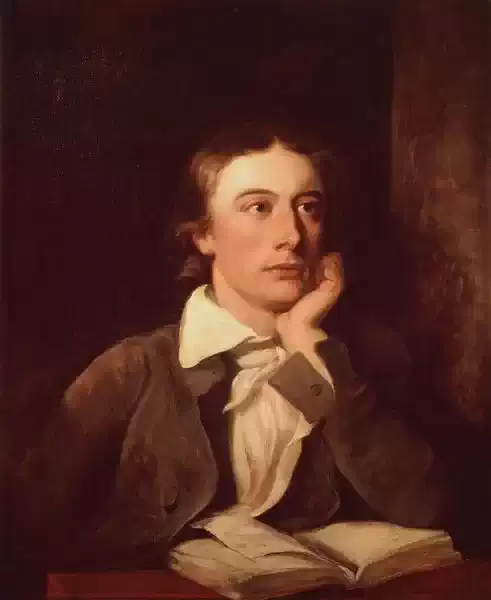
John Keats
On the Sea
On the Sea
It keeps eternal whisperings around
Desolate shores, and with its mighty swell
Gluts twice ten thousand Caverns, till the spell
Of Hecate leaves them their old shadowy sound.
Often 'tis in such gentle temper found,
That scarcely will the very smallest shell
Be moved for days from where it sometime fell.
When last the winds of Heaven were unbound.
Oh, ye! who have your eyeballs vexed and tired,
Feast them upon the wideness of the Sea;
Oh ye! whose ears are dinned with uproar rude,
Or fed too much with cloying melody---
Sit ye near some old Cavern's Mouth and brood,
Until ye start, as if the sea nymphs quired!
It keeps eternal whisperings around
Desolate shores, and with its mighty swell
Gluts twice ten thousand Caverns, till the spell
Of Hecate leaves them their old shadowy sound.
Often 'tis in such gentle temper found,
That scarcely will the very smallest shell
Be moved for days from where it sometime fell.
When last the winds of Heaven were unbound.
Oh, ye! who have your eyeballs vexed and tired,
Feast them upon the wideness of the Sea;
Oh ye! whose ears are dinned with uproar rude,
Or fed too much with cloying melody---
Sit ye near some old Cavern's Mouth and brood,
Until ye start, as if the sea nymphs quired!
616
John Keats
In Drear-Nighted December
In Drear-Nighted December
IN drear-nighted December,
Too happy, happy tree,
Thy branches ne'er remember
Their green felicity:
The north cannot undo them
With a sleety whistle through them;
Nor frozen thawings glue them
From budding at the prime.
In drear-nighted December,
Too happy, happy brook,
Thy bubblings ne'er remember
Apollo's summer look;
But with a sweet forgetting,
They stay their crystal fretting,
Never, never petting
About the frozen time.
Ah! would 'twere so with many
A gentle girl and boy!
But were there ever any
Writhed not at passed joy?
The feel of not to feel it,
When there is none to heal it
Nor numbed sense to steel it,
Was never said in rhyme.
IN drear-nighted December,
Too happy, happy tree,
Thy branches ne'er remember
Their green felicity:
The north cannot undo them
With a sleety whistle through them;
Nor frozen thawings glue them
From budding at the prime.
In drear-nighted December,
Too happy, happy brook,
Thy bubblings ne'er remember
Apollo's summer look;
But with a sweet forgetting,
They stay their crystal fretting,
Never, never petting
About the frozen time.
Ah! would 'twere so with many
A gentle girl and boy!
But were there ever any
Writhed not at passed joy?
The feel of not to feel it,
When there is none to heal it
Nor numbed sense to steel it,
Was never said in rhyme.
450
John Keats
Fragment. Where's The Poet?
Fragment. Where's The Poet?
Where's the Poet? show him! show him,
Muses nine! that I may know him.
'Tis the man who with a man
Is an equal, be he King,
Or poorest of the beggar-clan
Or any other wonderous thing
A man may be 'twixt ape and Plato;
'Tis the man who with a bird,
Wren or Eagle, finds his way to
All its instincts; he hath heard
The Lion's roaring, and can tell
What his horny throat expresseth,
And to him the Tiger's yell
Come articulate and presseth
Or his ear like mother-tongue.
Where's the Poet? show him! show him,
Muses nine! that I may know him.
'Tis the man who with a man
Is an equal, be he King,
Or poorest of the beggar-clan
Or any other wonderous thing
A man may be 'twixt ape and Plato;
'Tis the man who with a bird,
Wren or Eagle, finds his way to
All its instincts; he hath heard
The Lion's roaring, and can tell
What his horny throat expresseth,
And to him the Tiger's yell
Come articulate and presseth
Or his ear like mother-tongue.
353
John Keats
Endymion: A Poetic Romance (Excerpt)
Endymion: A Poetic Romance (Excerpt)
BOOK I
A thing of beauty is a joy for ever:
Its loveliness increases; it will never
Pass into nothingness; but still will keep
A bower quiet for us, and a sleep
Full of sweet dreams, and health, and quiet breathing.
Therefore, on every morrow, are we wreathing
A flowery band to bind us to the earth,
Spite of despondence, of the inhuman dearth
Of noble natures, of the gloomy days,
Of all the unhealthy and o'er-darkened ways
Made for our searching: yes, in spite of all,
Some shape of beauty moves away the pall
From our dark spirits. Such the sun, the moon,
Trees old and young, sprouting a shady boon
For simple sheep; and such are daffodils
With the green world they live in; and clear rills
That for themselves a cooling covert make
'Gainst the hot season; the mid forest brake,
Rich with a sprinkling of fair musk-rose blooms:
And such too is the grandeur of the dooms
We have imagined for the mighty dead;
All lovely tales that we have heard or read:
An endless fountain of immortal drink,
Pouring unto us from the heaven's brink.
Nor do we merely feel these essences
For one short hour; no, even as the trees
That whisper round a temple become soon
Dear as the temple's self, so does the moon,
The passion poesy, glories infinite,
Haunt us till they become a cheering light
Unto our souls, and bound to us so fast,
That, whether there be shine, or gloom o'ercast;
They always must be with us, or we die.
Therefore, 'tis with full happiness that I
Will trace the story of Endymion.
The very music of the name has gone
Into my being, and each pleasant scene
Is growing fresh before me as the green
Of our own valleys: so I will begin
Now while I cannot hear the city's din;
Now while the early budders are just new,
And run in mazes of the youngest hue
About old forests; while the willow trails
Its delicate amber; and the dairy pails
Bring home increase of milk. And, as the year
Grows lush in juicy stalks, I'll smoothly steer
My little boat, for many quiet hours,
With streams that deepen freshly into bowers.
Many and many a verse I hope to write,
Before the daisies, vermeil rimm'd and white,
Hide in deep herbage; and ere yet the bees
Hum about globes of clover and sweet peas,
I must be near the middle of my story.
O may no wintry season, bare and hoary,
See it half finish'd: but let Autumn bold,
With universal tinge of sober gold,
Be all about me when I make an end.
And now, at once adventuresome, I send
My herald thought into a wilderness:
There let its trumpet blow, and quickly dress
My uncertain path with green, that I may speed
Easily onward, thorough flowers and weed....
BOOK I
A thing of beauty is a joy for ever:
Its loveliness increases; it will never
Pass into nothingness; but still will keep
A bower quiet for us, and a sleep
Full of sweet dreams, and health, and quiet breathing.
Therefore, on every morrow, are we wreathing
A flowery band to bind us to the earth,
Spite of despondence, of the inhuman dearth
Of noble natures, of the gloomy days,
Of all the unhealthy and o'er-darkened ways
Made for our searching: yes, in spite of all,
Some shape of beauty moves away the pall
From our dark spirits. Such the sun, the moon,
Trees old and young, sprouting a shady boon
For simple sheep; and such are daffodils
With the green world they live in; and clear rills
That for themselves a cooling covert make
'Gainst the hot season; the mid forest brake,
Rich with a sprinkling of fair musk-rose blooms:
And such too is the grandeur of the dooms
We have imagined for the mighty dead;
All lovely tales that we have heard or read:
An endless fountain of immortal drink,
Pouring unto us from the heaven's brink.
Nor do we merely feel these essences
For one short hour; no, even as the trees
That whisper round a temple become soon
Dear as the temple's self, so does the moon,
The passion poesy, glories infinite,
Haunt us till they become a cheering light
Unto our souls, and bound to us so fast,
That, whether there be shine, or gloom o'ercast;
They always must be with us, or we die.
Therefore, 'tis with full happiness that I
Will trace the story of Endymion.
The very music of the name has gone
Into my being, and each pleasant scene
Is growing fresh before me as the green
Of our own valleys: so I will begin
Now while I cannot hear the city's din;
Now while the early budders are just new,
And run in mazes of the youngest hue
About old forests; while the willow trails
Its delicate amber; and the dairy pails
Bring home increase of milk. And, as the year
Grows lush in juicy stalks, I'll smoothly steer
My little boat, for many quiet hours,
With streams that deepen freshly into bowers.
Many and many a verse I hope to write,
Before the daisies, vermeil rimm'd and white,
Hide in deep herbage; and ere yet the bees
Hum about globes of clover and sweet peas,
I must be near the middle of my story.
O may no wintry season, bare and hoary,
See it half finish'd: but let Autumn bold,
With universal tinge of sober gold,
Be all about me when I make an end.
And now, at once adventuresome, I send
My herald thought into a wilderness:
There let its trumpet blow, and quickly dress
My uncertain path with green, that I may speed
Easily onward, thorough flowers and weed....
614
John Keats
Endymion: A Poetic Romance (Excerpt)
Endymion: A Poetic Romance (Excerpt)
BOOK I
A thing of beauty is a joy for ever:
Its loveliness increases; it will never
Pass into nothingness; but still will keep
A bower quiet for us, and a sleep
Full of sweet dreams, and health, and quiet breathing.
Therefore, on every morrow, are we wreathing
A flowery band to bind us to the earth,
Spite of despondence, of the inhuman dearth
Of noble natures, of the gloomy days,
Of all the unhealthy and o'er-darkened ways
Made for our searching: yes, in spite of all,
Some shape of beauty moves away the pall
From our dark spirits. Such the sun, the moon,
Trees old and young, sprouting a shady boon
For simple sheep; and such are daffodils
With the green world they live in; and clear rills
That for themselves a cooling covert make
'Gainst the hot season; the mid forest brake,
Rich with a sprinkling of fair musk-rose blooms:
And such too is the grandeur of the dooms
We have imagined for the mighty dead;
All lovely tales that we have heard or read:
An endless fountain of immortal drink,
Pouring unto us from the heaven's brink.
Nor do we merely feel these essences
For one short hour; no, even as the trees
That whisper round a temple become soon
Dear as the temple's self, so does the moon,
The passion poesy, glories infinite,
Haunt us till they become a cheering light
Unto our souls, and bound to us so fast,
That, whether there be shine, or gloom o'ercast;
They always must be with us, or we die.
Therefore, 'tis with full happiness that I
Will trace the story of Endymion.
The very music of the name has gone
Into my being, and each pleasant scene
Is growing fresh before me as the green
Of our own valleys: so I will begin
Now while I cannot hear the city's din;
Now while the early budders are just new,
And run in mazes of the youngest hue
About old forests; while the willow trails
Its delicate amber; and the dairy pails
Bring home increase of milk. And, as the year
Grows lush in juicy stalks, I'll smoothly steer
My little boat, for many quiet hours,
With streams that deepen freshly into bowers.
Many and many a verse I hope to write,
Before the daisies, vermeil rimm'd and white,
Hide in deep herbage; and ere yet the bees
Hum about globes of clover and sweet peas,
I must be near the middle of my story.
O may no wintry season, bare and hoary,
See it half finish'd: but let Autumn bold,
With universal tinge of sober gold,
Be all about me when I make an end.
And now, at once adventuresome, I send
My herald thought into a wilderness:
There let its trumpet blow, and quickly dress
My uncertain path with green, that I may speed
Easily onward, thorough flowers and weed....
BOOK I
A thing of beauty is a joy for ever:
Its loveliness increases; it will never
Pass into nothingness; but still will keep
A bower quiet for us, and a sleep
Full of sweet dreams, and health, and quiet breathing.
Therefore, on every morrow, are we wreathing
A flowery band to bind us to the earth,
Spite of despondence, of the inhuman dearth
Of noble natures, of the gloomy days,
Of all the unhealthy and o'er-darkened ways
Made for our searching: yes, in spite of all,
Some shape of beauty moves away the pall
From our dark spirits. Such the sun, the moon,
Trees old and young, sprouting a shady boon
For simple sheep; and such are daffodils
With the green world they live in; and clear rills
That for themselves a cooling covert make
'Gainst the hot season; the mid forest brake,
Rich with a sprinkling of fair musk-rose blooms:
And such too is the grandeur of the dooms
We have imagined for the mighty dead;
All lovely tales that we have heard or read:
An endless fountain of immortal drink,
Pouring unto us from the heaven's brink.
Nor do we merely feel these essences
For one short hour; no, even as the trees
That whisper round a temple become soon
Dear as the temple's self, so does the moon,
The passion poesy, glories infinite,
Haunt us till they become a cheering light
Unto our souls, and bound to us so fast,
That, whether there be shine, or gloom o'ercast;
They always must be with us, or we die.
Therefore, 'tis with full happiness that I
Will trace the story of Endymion.
The very music of the name has gone
Into my being, and each pleasant scene
Is growing fresh before me as the green
Of our own valleys: so I will begin
Now while I cannot hear the city's din;
Now while the early budders are just new,
And run in mazes of the youngest hue
About old forests; while the willow trails
Its delicate amber; and the dairy pails
Bring home increase of milk. And, as the year
Grows lush in juicy stalks, I'll smoothly steer
My little boat, for many quiet hours,
With streams that deepen freshly into bowers.
Many and many a verse I hope to write,
Before the daisies, vermeil rimm'd and white,
Hide in deep herbage; and ere yet the bees
Hum about globes of clover and sweet peas,
I must be near the middle of my story.
O may no wintry season, bare and hoary,
See it half finish'd: but let Autumn bold,
With universal tinge of sober gold,
Be all about me when I make an end.
And now, at once adventuresome, I send
My herald thought into a wilderness:
There let its trumpet blow, and quickly dress
My uncertain path with green, that I may speed
Easily onward, thorough flowers and weed....
614
John Keats
Character Of Charles Brown
Character Of Charles Brown
I.
He is to weet a melancholy carle:
Thin in the waist, with bushy head of hair
As hath the seeded thistle when in parle
It holds the Zephyr, ere it sendeth fair
Its light balloons into the summer air;
Therto his beard had not begun to bloom,
No brush had touch'd his chin or razor sheer;
No care had touch'd his cheek with mortal doom,
But new he was and bright as scarf from Persian loom.
II.
Ne cared he for wine, or half-and-half;
Ne cared he for fish or flesh or fowl,
And sauces held he worthless as the chaff,
He 'sdeigned the swine-head at the wassail-bowl;
Ne with lewd ribbalds sat he cheek by jowl,
Ne with sly Lemans in the scorner's chair;
But after water-brooks this Pilgrim's soul
Panted, and all his food was woodland air
Though he would oft-times feast on gilliflowers rare.
III.
The slang of cities in no wise he knew,
Tipping the wink to him was heathen Greek;
He sipp'd no olden Tom or ruin blue,
Or nantz or cherry-brandy drank full meek
By many a damsel hoarse and rouge of cheek;
Nor did he know each aged watchman's beat,
Nor in obscured purlieus would he seek
For curled Jewesses with ankles neat,
Who as they walk abroad make tinkling with their feet.
I.
He is to weet a melancholy carle:
Thin in the waist, with bushy head of hair
As hath the seeded thistle when in parle
It holds the Zephyr, ere it sendeth fair
Its light balloons into the summer air;
Therto his beard had not begun to bloom,
No brush had touch'd his chin or razor sheer;
No care had touch'd his cheek with mortal doom,
But new he was and bright as scarf from Persian loom.
II.
Ne cared he for wine, or half-and-half;
Ne cared he for fish or flesh or fowl,
And sauces held he worthless as the chaff,
He 'sdeigned the swine-head at the wassail-bowl;
Ne with lewd ribbalds sat he cheek by jowl,
Ne with sly Lemans in the scorner's chair;
But after water-brooks this Pilgrim's soul
Panted, and all his food was woodland air
Though he would oft-times feast on gilliflowers rare.
III.
The slang of cities in no wise he knew,
Tipping the wink to him was heathen Greek;
He sipp'd no olden Tom or ruin blue,
Or nantz or cherry-brandy drank full meek
By many a damsel hoarse and rouge of cheek;
Nor did he know each aged watchman's beat,
Nor in obscured purlieus would he seek
For curled Jewesses with ankles neat,
Who as they walk abroad make tinkling with their feet.
495
John Keats
Apollo And The Graces
Apollo And The Graces
APOLLO
WHICH of the fairest three
To-day will ride with me?
My steeds are all pawing at the threshold of the morn:
Which of the fairest three
To-day will ride with me
Across the gold Autumn's whole Kingdom of corn?
THE GRACES all answer
I will, I - I - I
young Apollo let me fly
Along with thee,
I will- I, I, I,
The many wonders see
I - I - I - I
And thy lyre shall never have a slackened string:
I, I, I, I,
Thro' the golden day will sing.
APOLLO
WHICH of the fairest three
To-day will ride with me?
My steeds are all pawing at the threshold of the morn:
Which of the fairest three
To-day will ride with me
Across the gold Autumn's whole Kingdom of corn?
THE GRACES all answer
I will, I - I - I
young Apollo let me fly
Along with thee,
I will- I, I, I,
The many wonders see
I - I - I - I
And thy lyre shall never have a slackened string:
I, I, I, I,
Thro' the golden day will sing.
380
John Keats
A Song About Myself
A Song About Myself
I.
There was a naughty boy,
A naughty boy was he,
He would not stop at home,
He could not quiet be-
He took
In his knapsack
A book
Full of vowels
And a shirt
With some towels,
A slight cap
For night cap,
A hair brush,
Comb ditto,
New stockings
For old ones
Would split O!
This knapsack
Tight at's back
He rivetted close
And followed his nose
To the north,
To the north,
And follow'd his nose
To the north.
II.
There was a naughty boy
And a naughty boy was he,
For nothing would he do
But scribble poetry-
He took
An ink stand
In his hand
And a pen
Big as ten
In the other,
And away
In a pother
He ran
To the mountains
And fountains
And ghostes
And postes
And witches
And ditches
And wrote
In his coat
When the weather
Was cool,
Fear of gout,
And without
When the weather
Was warm-
Och the charm
When we choose
To follow one's nose
To the north,
To the north,
To follow one's nose
To the north!
III.
There was a naughty boy
And a naughty boy was he,
He kept little fishes
In washing tubs three
In spite
Of the might
Of the maid
Nor afraid
Of his Granny-good-
He often would
Hurly burly
Get up early
And go
By hook or crook
To the brook
And bring home
Miller's thumb,
Tittlebat
Not over fat,
Minnows small
As the stall
Of a glove,
Not above
The size
Of a nice
Little baby's
Little fingers-
O he made
'Twas his trade
Of fish a pretty kettle
A kettle-
A kettle
Of fish a pretty kettle
A kettle!
IV.
There was a naughty boy,
And a naughty boy was he,
He ran away to Scotland
The people for to seewww.
PoemHunter.com - The World's Poetry Archive
There he found
That the ground
Was as hard,
That a yard
Was as long,
That a song
Was as merry,
That a cherry
Was as red,
That lead
Was as weighty,
That fourscore
Was as eighty,
That a door
Was as wooden
As in England-
So he stood in his shoes
And he wonder'd,
He wonder'd,
He stood in his
Shoes and he wonder'd.
I.
There was a naughty boy,
A naughty boy was he,
He would not stop at home,
He could not quiet be-
He took
In his knapsack
A book
Full of vowels
And a shirt
With some towels,
A slight cap
For night cap,
A hair brush,
Comb ditto,
New stockings
For old ones
Would split O!
This knapsack
Tight at's back
He rivetted close
And followed his nose
To the north,
To the north,
And follow'd his nose
To the north.
II.
There was a naughty boy
And a naughty boy was he,
For nothing would he do
But scribble poetry-
He took
An ink stand
In his hand
And a pen
Big as ten
In the other,
And away
In a pother
He ran
To the mountains
And fountains
And ghostes
And postes
And witches
And ditches
And wrote
In his coat
When the weather
Was cool,
Fear of gout,
And without
When the weather
Was warm-
Och the charm
When we choose
To follow one's nose
To the north,
To the north,
To follow one's nose
To the north!
III.
There was a naughty boy
And a naughty boy was he,
He kept little fishes
In washing tubs three
In spite
Of the might
Of the maid
Nor afraid
Of his Granny-good-
He often would
Hurly burly
Get up early
And go
By hook or crook
To the brook
And bring home
Miller's thumb,
Tittlebat
Not over fat,
Minnows small
As the stall
Of a glove,
Not above
The size
Of a nice
Little baby's
Little fingers-
O he made
'Twas his trade
Of fish a pretty kettle
A kettle-
A kettle
Of fish a pretty kettle
A kettle!
IV.
There was a naughty boy,
And a naughty boy was he,
He ran away to Scotland
The people for to seewww.
PoemHunter.com - The World's Poetry Archive
There he found
That the ground
Was as hard,
That a yard
Was as long,
That a song
Was as merry,
That a cherry
Was as red,
That lead
Was as weighty,
That fourscore
Was as eighty,
That a door
Was as wooden
As in England-
So he stood in his shoes
And he wonder'd,
He wonder'd,
He stood in his
Shoes and he wonder'd.
605
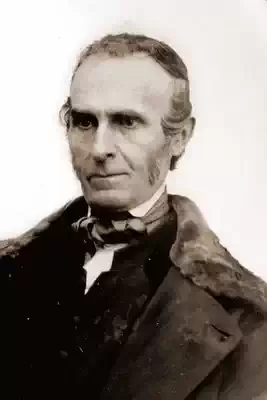
John Greenleaf Whittier
Wordsworth
Wordsworth
WRITTEN ON A BLANK LEAF OF HIS MEMOIRS.
Dear friends, who read the world aright,
And in its common forms discern
A beauty and a harmony
The many never learn!
Kindred in soul of him who found
In simple flower and leaf and stone
The impulse of the sweetest lays
Our Saxon tongue has known,-
Accept this record of a life
As sweet and pure, as calm and good,
As a long day of blandest June
In green field and in wood.
How welcome to our ears, long pained
By strife of sect and party noise,
The brook-like murmur of his song
Of nature's simple joys!
The violet' by its mossy stone,
The primrose by the river's brim,
And chance-sown daffodil, have found
Immortal life through him.
The sunrise on his breezy lake,
The rosy tints his sunset brought,
World-seen, are gladdening all the vales
And mountain-peaks of thought.
Art builds on sand; the works of pride
And human passion change and fall;
But that which shares the life of God
With Him surviveth all.
WRITTEN ON A BLANK LEAF OF HIS MEMOIRS.
Dear friends, who read the world aright,
And in its common forms discern
A beauty and a harmony
The many never learn!
Kindred in soul of him who found
In simple flower and leaf and stone
The impulse of the sweetest lays
Our Saxon tongue has known,-
Accept this record of a life
As sweet and pure, as calm and good,
As a long day of blandest June
In green field and in wood.
How welcome to our ears, long pained
By strife of sect and party noise,
The brook-like murmur of his song
Of nature's simple joys!
The violet' by its mossy stone,
The primrose by the river's brim,
And chance-sown daffodil, have found
Immortal life through him.
The sunrise on his breezy lake,
The rosy tints his sunset brought,
World-seen, are gladdening all the vales
And mountain-peaks of thought.
Art builds on sand; the works of pride
And human passion change and fall;
But that which shares the life of God
With Him surviveth all.
403
John Greenleaf Whittier
Winter Roses
Winter Roses
My garden roses long ago
Have perished from the leaf-strewn walks;
Their pale, fair sisters smile no more
Upon the sweet-brier stalks.
Gone with the flower-time of my life,
Spring's violets, summer's blooming pride,
And Nature's winter and my own
Stand, flowerless, side by side.
So might I yesterday have sung;
To-day, in bleak December's noon,
Come sweetest fragrance, shapes, and hues,
The rosy wealth of June!
Bless the young bands that culled the gift,
And bless the hearts that prompted it;
If undeserved it comes, at least
It seems not all unfit.
Of old my Quaker ancestors
Had gifts of forty stripes save one;
To-day as many roses crown
The gray head of their son.
And with them, to my fancy's eye,
The fresh-faced givers smiling come,
And nine and thirty happy girls
Make glad a lonely room.
They bring the atmosphere of youth;
The light and warmth of long ago
Are in my heart, and on my cheek
The airs of morning blow.
O buds of girlhood, yet unblown,
And fairer than the gift ye chose,
For you may years like leaves unfold
The heart of Sharon's rose
My garden roses long ago
Have perished from the leaf-strewn walks;
Their pale, fair sisters smile no more
Upon the sweet-brier stalks.
Gone with the flower-time of my life,
Spring's violets, summer's blooming pride,
And Nature's winter and my own
Stand, flowerless, side by side.
So might I yesterday have sung;
To-day, in bleak December's noon,
Come sweetest fragrance, shapes, and hues,
The rosy wealth of June!
Bless the young bands that culled the gift,
And bless the hearts that prompted it;
If undeserved it comes, at least
It seems not all unfit.
Of old my Quaker ancestors
Had gifts of forty stripes save one;
To-day as many roses crown
The gray head of their son.
And with them, to my fancy's eye,
The fresh-faced givers smiling come,
And nine and thirty happy girls
Make glad a lonely room.
They bring the atmosphere of youth;
The light and warmth of long ago
Are in my heart, and on my cheek
The airs of morning blow.
O buds of girlhood, yet unblown,
And fairer than the gift ye chose,
For you may years like leaves unfold
The heart of Sharon's rose
275
John Greenleaf Whittier
The Wreck Of Rivermouth
The Wreck Of Rivermouth
Rivermouth Rocks are fair to see,
By dawn or sunset shone across,
When the ebb of the sea has left them free,
To dry their fringes of gold-green moss
For there the river comes winding down,
From salt sea-meadows and uplands brown,
And waves on the outer rocks afoam
Shout to its waters, 'Welcome home!'
And fair are the sunny isles in view
East of the grisly Head of the Boar,
And Agamenticus lifts its blue
Disk of a cloud the woodlands o'er;
And southerly, when the tide is down,
'Twixt white sea-waves and sand-hills brown,
The beach-birds dance and the gray gulls wheel
Over a floor of burnished steel.
Once, in the old Colonial days,
Two hundred years ago and more,
A boat sailed down through the winding ways
Of Hampton River to that low shore,
Full of a goodly company
Sailing out on the summer sea,
Veering to catch the land-breeze light,
With the Boar to left and the Rocks to right.
In Hampton meadows, where mowers laid
Their scythes to the swaths of salted grass,
'Ah, well-a-day! our hay must be made!'
A young man sighed, who saw them pass.
Loud laughed his fellows to see him stand
Whetting his scythe with a listless hand,
Hearing a voice in a far-off song,
Watching a white hand beckoning long.
'Fie on the witch!' cried a merry girl,
As they rounded the point where Goody Cole
Sat by her door with her wheel atwirl,
A bent and blear-eyed poor old soul.
'Oho!' she muttered, 'ye 're brave to-day!
But I hear the little waves laugh and say,
'The broth will be cold that waits at home;
For it 's one to go, but another to come!''
'She's cursed,' said the skipper; 'speak her fair:
I'm scary always to see her shake
Her wicked head, with its wild gray hair,
And nose like a hawk, and eyes like a snake.'
But merrily still, with laugh and shout,
From Hampton River the boat sailed out,
Till the huts and the flakes on Star seemed nigh,
And they lost the scent of the pines of Rye.
They dropped their lines in the lazy tide,
Drawing up haddock and mottled cod;
They saw not the Shadow that walked beside,
They heard not the feet with silence shod.
But thicker and thicker a hot mist grew,
Shot by the lightnings through and through;
And muffled growls, like the growl of a beast,
Ran along the sky from west to east.
Then the skipper looked from the darkening sea
Up to the dimmed and wading sun;
But he spake like a brave man cheerily,
'Yet there is time for our homeward run.'
Veering and tacking, they backward wore;
And just as a breath-from the woods ashore
Blew out to whisper of danger past,
The wrath of the storm came down at last!
The skipper hauled at the heavy sail
'God be our help!' he only cried,
As the roaring gale, like the stroke of a flail,
Smote the boat on its starboard side.
The Shoalsmen looked, but saw alone
Dark films of rain-cloud slantwise blown,
Wild rocks lit up by the lightning's glare,
The strife and torment of sea and air.
Goody Cole looked out from her door
The Isles of Shoals were drowned and gone,
Scarcely she saw the Head of the Boar
Toss the foam from tusks of stone.
She clasped her hands with a grip of pain,
The tear on her cheek was not of rain
'They are lost,' she muttered, 'boat and crew!
Lord, forgive me! my words were true!'
Suddenly seaward swept the squall;
The low sun smote through cloudy rack;
The Shoals stood clear in the light, and all
The trend of the coast lay hard and black.
But far and wide as eye could reach,
No life was seen upon wave or beach;
The boat that went out at morning never
Sailed back again into Hampton River.
O mower, lean on thy bended snath,
Look from the meadows green and low
The wind of the sea is a waft of death,
The waves are singing a song of woe!
By silent river, by moaning sea,
Long and vain shall thy watching be
Never again shall the sweet voice call,
Never the white hand rise and fall!
O Rivermouth Rocks, how sad a sight
Ye saw in the light of breaking day
Dead faces looking up cold and white
From sand and seaweed where they lay.
The mad old witch-wife wailed and wept,
And cursed the tide as it backward crept
'Crawl back, crawl back, blue water-snake
Leave your dead for the hearts that break!'
Solemn it was in that old day
In Hampton town and its log-built church,
Where side by side the coffins lay
And the mourners stood in aisle and porch.
In the singing-seats young eyes were dim,
The voices faltered that raised the hymn,
And Father Dalton, grave and stern,
Sobbed through his prayer and wept in turn.
But his ancient colleague did not pray;
Under the weight of his fourscore years
He stood apart with the iron-gray
Of his strong brows knitted to hide his tears;
And a fair-faced woman of doubtful fame,
Linking her own with his honored name,
Subtle as sin, at his side withstood
The felt reproach of her neighborhood.
Apart with them, like them forbid,
Old Goody Cole looked drearily round,
As, two by two, with their faces hid,
The mourners walked to the burying-ground.
She let the staff from her clasped hands fall
'Lord, forgive us! we're sinners all!'
And the voice of the old man answered her
'Amen!' said Father Bachiler.
So, as I sat upon Appledore
In the calm of a closing summer day,
And the broken lines of Hampton shore
In purple mist of cloudland lay,
The Rivermouth Rocks their story told;
And waves aglow with sunset gold,
Rising and breaking in steady chime,
Beat the rhythm and kept the time.
And the sunset paled, and warmed once more
With a softer, tenderer after-glow;
In the east was moon-rise, with boats off-shore
And sails in the distance drifting slow.
The beacon glimmered from Portsmouth bar,
The White Isle kindled its great red star;
And life and death in my old-time lay
Mingled in peace like the night and day!
. . . . .
'Well!' said the Man of Books, 'your story
Is really not ill told in verse.
As the Celt said of purgatory,
One might go farther and fare worse.'
The Reader smiled; and once again
With steadier voice took up his strain,
While the fair singer from the neighboring tent
Drew near, and at his side a graceful listener bent.
Rivermouth Rocks are fair to see,
By dawn or sunset shone across,
When the ebb of the sea has left them free,
To dry their fringes of gold-green moss
For there the river comes winding down,
From salt sea-meadows and uplands brown,
And waves on the outer rocks afoam
Shout to its waters, 'Welcome home!'
And fair are the sunny isles in view
East of the grisly Head of the Boar,
And Agamenticus lifts its blue
Disk of a cloud the woodlands o'er;
And southerly, when the tide is down,
'Twixt white sea-waves and sand-hills brown,
The beach-birds dance and the gray gulls wheel
Over a floor of burnished steel.
Once, in the old Colonial days,
Two hundred years ago and more,
A boat sailed down through the winding ways
Of Hampton River to that low shore,
Full of a goodly company
Sailing out on the summer sea,
Veering to catch the land-breeze light,
With the Boar to left and the Rocks to right.
In Hampton meadows, where mowers laid
Their scythes to the swaths of salted grass,
'Ah, well-a-day! our hay must be made!'
A young man sighed, who saw them pass.
Loud laughed his fellows to see him stand
Whetting his scythe with a listless hand,
Hearing a voice in a far-off song,
Watching a white hand beckoning long.
'Fie on the witch!' cried a merry girl,
As they rounded the point where Goody Cole
Sat by her door with her wheel atwirl,
A bent and blear-eyed poor old soul.
'Oho!' she muttered, 'ye 're brave to-day!
But I hear the little waves laugh and say,
'The broth will be cold that waits at home;
For it 's one to go, but another to come!''
'She's cursed,' said the skipper; 'speak her fair:
I'm scary always to see her shake
Her wicked head, with its wild gray hair,
And nose like a hawk, and eyes like a snake.'
But merrily still, with laugh and shout,
From Hampton River the boat sailed out,
Till the huts and the flakes on Star seemed nigh,
And they lost the scent of the pines of Rye.
They dropped their lines in the lazy tide,
Drawing up haddock and mottled cod;
They saw not the Shadow that walked beside,
They heard not the feet with silence shod.
But thicker and thicker a hot mist grew,
Shot by the lightnings through and through;
And muffled growls, like the growl of a beast,
Ran along the sky from west to east.
Then the skipper looked from the darkening sea
Up to the dimmed and wading sun;
But he spake like a brave man cheerily,
'Yet there is time for our homeward run.'
Veering and tacking, they backward wore;
And just as a breath-from the woods ashore
Blew out to whisper of danger past,
The wrath of the storm came down at last!
The skipper hauled at the heavy sail
'God be our help!' he only cried,
As the roaring gale, like the stroke of a flail,
Smote the boat on its starboard side.
The Shoalsmen looked, but saw alone
Dark films of rain-cloud slantwise blown,
Wild rocks lit up by the lightning's glare,
The strife and torment of sea and air.
Goody Cole looked out from her door
The Isles of Shoals were drowned and gone,
Scarcely she saw the Head of the Boar
Toss the foam from tusks of stone.
She clasped her hands with a grip of pain,
The tear on her cheek was not of rain
'They are lost,' she muttered, 'boat and crew!
Lord, forgive me! my words were true!'
Suddenly seaward swept the squall;
The low sun smote through cloudy rack;
The Shoals stood clear in the light, and all
The trend of the coast lay hard and black.
But far and wide as eye could reach,
No life was seen upon wave or beach;
The boat that went out at morning never
Sailed back again into Hampton River.
O mower, lean on thy bended snath,
Look from the meadows green and low
The wind of the sea is a waft of death,
The waves are singing a song of woe!
By silent river, by moaning sea,
Long and vain shall thy watching be
Never again shall the sweet voice call,
Never the white hand rise and fall!
O Rivermouth Rocks, how sad a sight
Ye saw in the light of breaking day
Dead faces looking up cold and white
From sand and seaweed where they lay.
The mad old witch-wife wailed and wept,
And cursed the tide as it backward crept
'Crawl back, crawl back, blue water-snake
Leave your dead for the hearts that break!'
Solemn it was in that old day
In Hampton town and its log-built church,
Where side by side the coffins lay
And the mourners stood in aisle and porch.
In the singing-seats young eyes were dim,
The voices faltered that raised the hymn,
And Father Dalton, grave and stern,
Sobbed through his prayer and wept in turn.
But his ancient colleague did not pray;
Under the weight of his fourscore years
He stood apart with the iron-gray
Of his strong brows knitted to hide his tears;
And a fair-faced woman of doubtful fame,
Linking her own with his honored name,
Subtle as sin, at his side withstood
The felt reproach of her neighborhood.
Apart with them, like them forbid,
Old Goody Cole looked drearily round,
As, two by two, with their faces hid,
The mourners walked to the burying-ground.
She let the staff from her clasped hands fall
'Lord, forgive us! we're sinners all!'
And the voice of the old man answered her
'Amen!' said Father Bachiler.
So, as I sat upon Appledore
In the calm of a closing summer day,
And the broken lines of Hampton shore
In purple mist of cloudland lay,
The Rivermouth Rocks their story told;
And waves aglow with sunset gold,
Rising and breaking in steady chime,
Beat the rhythm and kept the time.
And the sunset paled, and warmed once more
With a softer, tenderer after-glow;
In the east was moon-rise, with boats off-shore
And sails in the distance drifting slow.
The beacon glimmered from Portsmouth bar,
The White Isle kindled its great red star;
And life and death in my old-time lay
Mingled in peace like the night and day!
. . . . .
'Well!' said the Man of Books, 'your story
Is really not ill told in verse.
As the Celt said of purgatory,
One might go farther and fare worse.'
The Reader smiled; and once again
With steadier voice took up his strain,
While the fair singer from the neighboring tent
Drew near, and at his side a graceful listener bent.
353
John Greenleaf Whittier
The Wreck Of Rivermouth
The Wreck Of Rivermouth
Rivermouth Rocks are fair to see,
By dawn or sunset shone across,
When the ebb of the sea has left them free,
To dry their fringes of gold-green moss
For there the river comes winding down,
From salt sea-meadows and uplands brown,
And waves on the outer rocks afoam
Shout to its waters, 'Welcome home!'
And fair are the sunny isles in view
East of the grisly Head of the Boar,
And Agamenticus lifts its blue
Disk of a cloud the woodlands o'er;
And southerly, when the tide is down,
'Twixt white sea-waves and sand-hills brown,
The beach-birds dance and the gray gulls wheel
Over a floor of burnished steel.
Once, in the old Colonial days,
Two hundred years ago and more,
A boat sailed down through the winding ways
Of Hampton River to that low shore,
Full of a goodly company
Sailing out on the summer sea,
Veering to catch the land-breeze light,
With the Boar to left and the Rocks to right.
In Hampton meadows, where mowers laid
Their scythes to the swaths of salted grass,
'Ah, well-a-day! our hay must be made!'
A young man sighed, who saw them pass.
Loud laughed his fellows to see him stand
Whetting his scythe with a listless hand,
Hearing a voice in a far-off song,
Watching a white hand beckoning long.
'Fie on the witch!' cried a merry girl,
As they rounded the point where Goody Cole
Sat by her door with her wheel atwirl,
A bent and blear-eyed poor old soul.
'Oho!' she muttered, 'ye 're brave to-day!
But I hear the little waves laugh and say,
'The broth will be cold that waits at home;
For it 's one to go, but another to come!''
'She's cursed,' said the skipper; 'speak her fair:
I'm scary always to see her shake
Her wicked head, with its wild gray hair,
And nose like a hawk, and eyes like a snake.'
But merrily still, with laugh and shout,
From Hampton River the boat sailed out,
Till the huts and the flakes on Star seemed nigh,
And they lost the scent of the pines of Rye.
They dropped their lines in the lazy tide,
Drawing up haddock and mottled cod;
They saw not the Shadow that walked beside,
They heard not the feet with silence shod.
But thicker and thicker a hot mist grew,
Shot by the lightnings through and through;
And muffled growls, like the growl of a beast,
Ran along the sky from west to east.
Then the skipper looked from the darkening sea
Up to the dimmed and wading sun;
But he spake like a brave man cheerily,
'Yet there is time for our homeward run.'
Veering and tacking, they backward wore;
And just as a breath-from the woods ashore
Blew out to whisper of danger past,
The wrath of the storm came down at last!
The skipper hauled at the heavy sail
'God be our help!' he only cried,
As the roaring gale, like the stroke of a flail,
Smote the boat on its starboard side.
The Shoalsmen looked, but saw alone
Dark films of rain-cloud slantwise blown,
Wild rocks lit up by the lightning's glare,
The strife and torment of sea and air.
Goody Cole looked out from her door
The Isles of Shoals were drowned and gone,
Scarcely she saw the Head of the Boar
Toss the foam from tusks of stone.
She clasped her hands with a grip of pain,
The tear on her cheek was not of rain
'They are lost,' she muttered, 'boat and crew!
Lord, forgive me! my words were true!'
Suddenly seaward swept the squall;
The low sun smote through cloudy rack;
The Shoals stood clear in the light, and all
The trend of the coast lay hard and black.
But far and wide as eye could reach,
No life was seen upon wave or beach;
The boat that went out at morning never
Sailed back again into Hampton River.
O mower, lean on thy bended snath,
Look from the meadows green and low
The wind of the sea is a waft of death,
The waves are singing a song of woe!
By silent river, by moaning sea,
Long and vain shall thy watching be
Never again shall the sweet voice call,
Never the white hand rise and fall!
O Rivermouth Rocks, how sad a sight
Ye saw in the light of breaking day
Dead faces looking up cold and white
From sand and seaweed where they lay.
The mad old witch-wife wailed and wept,
And cursed the tide as it backward crept
'Crawl back, crawl back, blue water-snake
Leave your dead for the hearts that break!'
Solemn it was in that old day
In Hampton town and its log-built church,
Where side by side the coffins lay
And the mourners stood in aisle and porch.
In the singing-seats young eyes were dim,
The voices faltered that raised the hymn,
And Father Dalton, grave and stern,
Sobbed through his prayer and wept in turn.
But his ancient colleague did not pray;
Under the weight of his fourscore years
He stood apart with the iron-gray
Of his strong brows knitted to hide his tears;
And a fair-faced woman of doubtful fame,
Linking her own with his honored name,
Subtle as sin, at his side withstood
The felt reproach of her neighborhood.
Apart with them, like them forbid,
Old Goody Cole looked drearily round,
As, two by two, with their faces hid,
The mourners walked to the burying-ground.
She let the staff from her clasped hands fall
'Lord, forgive us! we're sinners all!'
And the voice of the old man answered her
'Amen!' said Father Bachiler.
So, as I sat upon Appledore
In the calm of a closing summer day,
And the broken lines of Hampton shore
In purple mist of cloudland lay,
The Rivermouth Rocks their story told;
And waves aglow with sunset gold,
Rising and breaking in steady chime,
Beat the rhythm and kept the time.
And the sunset paled, and warmed once more
With a softer, tenderer after-glow;
In the east was moon-rise, with boats off-shore
And sails in the distance drifting slow.
The beacon glimmered from Portsmouth bar,
The White Isle kindled its great red star;
And life and death in my old-time lay
Mingled in peace like the night and day!
. . . . .
'Well!' said the Man of Books, 'your story
Is really not ill told in verse.
As the Celt said of purgatory,
One might go farther and fare worse.'
The Reader smiled; and once again
With steadier voice took up his strain,
While the fair singer from the neighboring tent
Drew near, and at his side a graceful listener bent.
Rivermouth Rocks are fair to see,
By dawn or sunset shone across,
When the ebb of the sea has left them free,
To dry their fringes of gold-green moss
For there the river comes winding down,
From salt sea-meadows and uplands brown,
And waves on the outer rocks afoam
Shout to its waters, 'Welcome home!'
And fair are the sunny isles in view
East of the grisly Head of the Boar,
And Agamenticus lifts its blue
Disk of a cloud the woodlands o'er;
And southerly, when the tide is down,
'Twixt white sea-waves and sand-hills brown,
The beach-birds dance and the gray gulls wheel
Over a floor of burnished steel.
Once, in the old Colonial days,
Two hundred years ago and more,
A boat sailed down through the winding ways
Of Hampton River to that low shore,
Full of a goodly company
Sailing out on the summer sea,
Veering to catch the land-breeze light,
With the Boar to left and the Rocks to right.
In Hampton meadows, where mowers laid
Their scythes to the swaths of salted grass,
'Ah, well-a-day! our hay must be made!'
A young man sighed, who saw them pass.
Loud laughed his fellows to see him stand
Whetting his scythe with a listless hand,
Hearing a voice in a far-off song,
Watching a white hand beckoning long.
'Fie on the witch!' cried a merry girl,
As they rounded the point where Goody Cole
Sat by her door with her wheel atwirl,
A bent and blear-eyed poor old soul.
'Oho!' she muttered, 'ye 're brave to-day!
But I hear the little waves laugh and say,
'The broth will be cold that waits at home;
For it 's one to go, but another to come!''
'She's cursed,' said the skipper; 'speak her fair:
I'm scary always to see her shake
Her wicked head, with its wild gray hair,
And nose like a hawk, and eyes like a snake.'
But merrily still, with laugh and shout,
From Hampton River the boat sailed out,
Till the huts and the flakes on Star seemed nigh,
And they lost the scent of the pines of Rye.
They dropped their lines in the lazy tide,
Drawing up haddock and mottled cod;
They saw not the Shadow that walked beside,
They heard not the feet with silence shod.
But thicker and thicker a hot mist grew,
Shot by the lightnings through and through;
And muffled growls, like the growl of a beast,
Ran along the sky from west to east.
Then the skipper looked from the darkening sea
Up to the dimmed and wading sun;
But he spake like a brave man cheerily,
'Yet there is time for our homeward run.'
Veering and tacking, they backward wore;
And just as a breath-from the woods ashore
Blew out to whisper of danger past,
The wrath of the storm came down at last!
The skipper hauled at the heavy sail
'God be our help!' he only cried,
As the roaring gale, like the stroke of a flail,
Smote the boat on its starboard side.
The Shoalsmen looked, but saw alone
Dark films of rain-cloud slantwise blown,
Wild rocks lit up by the lightning's glare,
The strife and torment of sea and air.
Goody Cole looked out from her door
The Isles of Shoals were drowned and gone,
Scarcely she saw the Head of the Boar
Toss the foam from tusks of stone.
She clasped her hands with a grip of pain,
The tear on her cheek was not of rain
'They are lost,' she muttered, 'boat and crew!
Lord, forgive me! my words were true!'
Suddenly seaward swept the squall;
The low sun smote through cloudy rack;
The Shoals stood clear in the light, and all
The trend of the coast lay hard and black.
But far and wide as eye could reach,
No life was seen upon wave or beach;
The boat that went out at morning never
Sailed back again into Hampton River.
O mower, lean on thy bended snath,
Look from the meadows green and low
The wind of the sea is a waft of death,
The waves are singing a song of woe!
By silent river, by moaning sea,
Long and vain shall thy watching be
Never again shall the sweet voice call,
Never the white hand rise and fall!
O Rivermouth Rocks, how sad a sight
Ye saw in the light of breaking day
Dead faces looking up cold and white
From sand and seaweed where they lay.
The mad old witch-wife wailed and wept,
And cursed the tide as it backward crept
'Crawl back, crawl back, blue water-snake
Leave your dead for the hearts that break!'
Solemn it was in that old day
In Hampton town and its log-built church,
Where side by side the coffins lay
And the mourners stood in aisle and porch.
In the singing-seats young eyes were dim,
The voices faltered that raised the hymn,
And Father Dalton, grave and stern,
Sobbed through his prayer and wept in turn.
But his ancient colleague did not pray;
Under the weight of his fourscore years
He stood apart with the iron-gray
Of his strong brows knitted to hide his tears;
And a fair-faced woman of doubtful fame,
Linking her own with his honored name,
Subtle as sin, at his side withstood
The felt reproach of her neighborhood.
Apart with them, like them forbid,
Old Goody Cole looked drearily round,
As, two by two, with their faces hid,
The mourners walked to the burying-ground.
She let the staff from her clasped hands fall
'Lord, forgive us! we're sinners all!'
And the voice of the old man answered her
'Amen!' said Father Bachiler.
So, as I sat upon Appledore
In the calm of a closing summer day,
And the broken lines of Hampton shore
In purple mist of cloudland lay,
The Rivermouth Rocks their story told;
And waves aglow with sunset gold,
Rising and breaking in steady chime,
Beat the rhythm and kept the time.
And the sunset paled, and warmed once more
With a softer, tenderer after-glow;
In the east was moon-rise, with boats off-shore
And sails in the distance drifting slow.
The beacon glimmered from Portsmouth bar,
The White Isle kindled its great red star;
And life and death in my old-time lay
Mingled in peace like the night and day!
. . . . .
'Well!' said the Man of Books, 'your story
Is really not ill told in verse.
As the Celt said of purgatory,
One might go farther and fare worse.'
The Reader smiled; and once again
With steadier voice took up his strain,
While the fair singer from the neighboring tent
Drew near, and at his side a graceful listener bent.
353
John Greenleaf Whittier
The Wood Giant
The Wood Giant
From Alton Bay to Sandwich Dome,
From Mad to Saco river,
For patriarchs of the primal wood
We sought with vain endeavor.
And then we said: 'The giants old
Are lost beyond retrieval;
This pygmy growth the axe has spared
Is not the wood primeval.
'Look where we will o'er vale and hill,
How idle are our searches
For broad-girthed maples, wide-limbed oaks,
Centennial pines and birches.
'Their tortured limbs the axe and saw
Have changed to beams and trestles;
They rest in walls, they float on seas,
They rot in sunken vessels.
'This shorn and wasted mountain land
Of underbrush and boulder,-Who
thinks to see its full-grown tree
Must live a century older.'
At last to us a woodland path,
To open sunset leading,
Revealed the Anakim of pines
Our wildest wish exceeding.
Alone, the level sun before;
Below, the lake's green islands;
Beyond, in misty distance dim,
The rugged Northern Highlands.
Dark Titan on his Sunset Hill
Of time and change defiant
How dwarfed the common woodland seemed,
Before the old-time giant!
What marvel that, in simpler days
Of the world's early childhood,
Men crowned with garlands, gifts, and praise
Such monarchs of the wild-wood?
That Tyrian maids with flower and song
Danced through the hill grove's spaces,
And hoary-bearded Druids found
In woods their holy places?
With somewhat of that Pagan awe
With Christian reverence blending,
We saw our pine-tree's mighty arms
Above our heads extending.
We heard his needles' mystic rune,
Now rising, and now dying,
As erst Dodona's priestess heard
The oak leaves prophesying.
Was it the half-unconscious moan
Of one apart and mateless,
The weariness of unshared power,
The loneliness of greatness?
O dawns and sunsets, lend to him
Your beauty and your wonder!
Blithe sparrow, sing thy summer song
His solemn shadow under!
Play lightly on his slender keys,
O wind of summer, waking
For hills like these the sound of seas
On far-off beaches breaking,
And let the eagle and the crow
Find shelter in his branches,
When winds shake down his winter snow
In silver avalanches.
The brave are braver for their cheer,
The strongest need assurance,
The sigh of longing makes not less
The lesson of endurance.
From Alton Bay to Sandwich Dome,
From Mad to Saco river,
For patriarchs of the primal wood
We sought with vain endeavor.
And then we said: 'The giants old
Are lost beyond retrieval;
This pygmy growth the axe has spared
Is not the wood primeval.
'Look where we will o'er vale and hill,
How idle are our searches
For broad-girthed maples, wide-limbed oaks,
Centennial pines and birches.
'Their tortured limbs the axe and saw
Have changed to beams and trestles;
They rest in walls, they float on seas,
They rot in sunken vessels.
'This shorn and wasted mountain land
Of underbrush and boulder,-Who
thinks to see its full-grown tree
Must live a century older.'
At last to us a woodland path,
To open sunset leading,
Revealed the Anakim of pines
Our wildest wish exceeding.
Alone, the level sun before;
Below, the lake's green islands;
Beyond, in misty distance dim,
The rugged Northern Highlands.
Dark Titan on his Sunset Hill
Of time and change defiant
How dwarfed the common woodland seemed,
Before the old-time giant!
What marvel that, in simpler days
Of the world's early childhood,
Men crowned with garlands, gifts, and praise
Such monarchs of the wild-wood?
That Tyrian maids with flower and song
Danced through the hill grove's spaces,
And hoary-bearded Druids found
In woods their holy places?
With somewhat of that Pagan awe
With Christian reverence blending,
We saw our pine-tree's mighty arms
Above our heads extending.
We heard his needles' mystic rune,
Now rising, and now dying,
As erst Dodona's priestess heard
The oak leaves prophesying.
Was it the half-unconscious moan
Of one apart and mateless,
The weariness of unshared power,
The loneliness of greatness?
O dawns and sunsets, lend to him
Your beauty and your wonder!
Blithe sparrow, sing thy summer song
His solemn shadow under!
Play lightly on his slender keys,
O wind of summer, waking
For hills like these the sound of seas
On far-off beaches breaking,
And let the eagle and the crow
Find shelter in his branches,
When winds shake down his winter snow
In silver avalanches.
The brave are braver for their cheer,
The strongest need assurance,
The sigh of longing makes not less
The lesson of endurance.
302
John Greenleaf Whittier
The Trailing Arbutus
The Trailing Arbutus
I wandered lonely where the pine-trees made
Against the bitter East their barricade,
And, guided by its sweet
Perfume, I found, within a narrow dell,
The trailing spring flower tinted like a shell
Amid dry leaves and mosses at my feet.
From under dead boughs, for whose loss the pines
Moaned ceaseless overhead, the blossoming vines
Lifted their glad surprise,
While yet the bluebird smoothed in leafless trees
His feathers ruffled by the chill sea-breeze,
And snow-drifts lingered under April skies.
As, pausing, o'er the lonely flower I bent,
I thought of lives thus lowly, clogged and pent,
Which yet find room,
Through care and cumber, coldness and decay,
To lend a sweetness to the ungenial day
And make the sad earth happier for their bloom.
I wandered lonely where the pine-trees made
Against the bitter East their barricade,
And, guided by its sweet
Perfume, I found, within a narrow dell,
The trailing spring flower tinted like a shell
Amid dry leaves and mosses at my feet.
From under dead boughs, for whose loss the pines
Moaned ceaseless overhead, the blossoming vines
Lifted their glad surprise,
While yet the bluebird smoothed in leafless trees
His feathers ruffled by the chill sea-breeze,
And snow-drifts lingered under April skies.
As, pausing, o'er the lonely flower I bent,
I thought of lives thus lowly, clogged and pent,
Which yet find room,
Through care and cumber, coldness and decay,
To lend a sweetness to the ungenial day
And make the sad earth happier for their bloom.
348
John Greenleaf Whittier
The Tent On The Beach
The Tent On The Beach
I would not sin, in this half-playful strain,-Too
light perhaps for serious years, though born
Of the enforced leisure of slow pain,-Against
the pure ideal which has drawn
My feet to follow its far-shining gleam.
A simple plot is mine: legends and runes
Of credulous days, old fancies that have lain
Silent, from boyhood taking voice again,
Warmed into life once more, even as the tunes
That, frozen in the fabled hunting-horn,
Thawed into sound:--a winter fireside dream
Of dawns and-sunsets by the summer sea,
Whose sands are traversed by a silent throng
Of voyagers from that vaster mystery
Of which it is an emblem;--and the dear
Memory of one who might have tuned my song
To sweeter music by her delicate ear.
When heats as of a tropic clime
Burned all our inland valleys through,
Three friends, the guests of summer time,
Pitched their white tent where sea-winds blew.
Behind them, marshes, seamed and crossed
With narrow creeks, and flower-embossed,
Stretched to the dark oak wood, whose leafy arms
Screened from the stormy East the pleasant inland farms.
At full of tide their bolder shore
Of sun-bleached sand the waters beat;
At ebb, a smooth and glistening floor
They touched with light, receding feet.
Northward a 'green bluff broke the chain
Of sand-hills; southward stretched a plain
Of salt grass, with a river winding down,
Sail-whitened, and beyond the steeples of the town,
Whence sometimes, when the wind was light
And dull the thunder of the beach,
They heard the bells of morn and night
Swing, miles away, their silver speech.
Above low scarp and turf-grown wall
They saw the fort-flag rise and fall;
And, the first star to signal twilight's hour,
The lamp-fire glimmer down from the tall light-house tower.
They rested there, escaped awhile
From cares that wear the life away,
To eat the lotus of the Nile
And drink the poppies of Cathay,-To
fling their loads of custom down,
Like drift-weed, on the sand-slopes brown,
And in the sea waves drown the restless pack
Of duties, claims, and needs that barked upon their track.
One, with his beard scarce silvered, bore
A ready credence in his looks,
A lettered magnate, lording o'er
An ever-widening realm of books.
In him brain-currents, near and far,
Converged as in a Leyden jar;
The old, dead authors thronged him round about,
And Elzevir's gray ghosts from leathern graves looked out.
He knew each living pundit well,
Could weigh the gifts of him or her,
And well the market value tell
Of poet and philosopher.
But if he lost, the scenes behind,
Somewhat of reverence vague and blind,
Finding the actors human at the best,
No readier lips than his the good he saw confessed.
His boyhood fancies not outgrown,
He loved himself the singer's art;
Tenderly, gently, by his own
He knew and judged an author's heart.
No Rhadamanthine brow of doom
Bowed the dazed pedant from his room;
And bards, whose name is legion, if denied,
Bore off alike intact their verses and their pride.
Pleasant it was to roam about
The lettered world as he had, done,
And see the lords of song without
Their singing robes and garlands on.
With Wordsworth paddle Rydal mere,
Taste rugged Elliott's home-brewed beer,
And with the ears of Rogers, at fourscore,
Hear Garrick's buskined tread and Walpole's wit once more.
And one there was, a dreamer born,
Who, with a mission to fulfil,
Had left the Muses' haunts to turn
The crank of an opinion-mill,
Making his rustic reed of song
A weapon in the war with wrong,
Yoking his fancy to the breaking-plough
That beam-deep turned the soil for truth to spring and grow.
Too quiet seemed the man to ride
The winged Hippogriff Reform;
Was his a voice from side to side
To pierce the tumult of the storm?
A silent, shy, peace-loving man,
He seemed no fiery partisan
To hold his way against the public frown,
The ban of Church and State, the fierce mob's hounding down.
For while he wrought with strenuous will
The work his hands had found to do,
He heard the fitful music still
Of winds that out of dream-land blew.
The din about him could not drown
What the strange voices whispered down;
Along his task-field weird processions swept,
The visionary pomp of stately phantoms stepped:
The common air was thick with dreams,-He
told them to the toiling crowd;
Such music as the woods and streams
Sang in his ear he sang aloud;
In still, shut bays, on windy capes,
He heard the call of beckoning shapes,
And, as the gray old shadows prompted him,
To homely moulds of rhyme he shaped their legends grim.
He rested now his weary hands,
And lightly moralized and laughed,
As, tracing on the shifting sands
A burlesque of his paper-craft,
He saw the careless waves o'errun
His words, as time before had done,
Each day's tide-water washing clean away,
Like letters from the sand, the work of yesterday.
And one, whose Arab face was tanned
By tropic sun and boreal frost,
So travelled there was scarce a land
Or people left him to exhaust,
In idling mood had from him hurled
The poor squeezed orange of the world,
And in the tent-shade, as beneath a palm,
Smoked, cross-legged like a Turk, in Oriental calm.
The very waves that washed the sand
Below him, he had seen before
Whitening the Scandinavian strand
And sultry Mauritanian shore.
From ice-rimmed isles, from summer seas
Palm-fringed, they bore him messages;
He heard the plaintive Nubian songs again,
And mule-bells tinkling down the mountain-paths of Spain.
His memory round the ransacked earth
On Puck's long girdle slid at ease;
And, instant, to the valley's girth
Of mountains, spice isles of the seas,
Faith flowered in minster stones, Art's guess
At truth and beauty, found access;
Yet loved the while, that free cosmopolite,
Old friends, old ways, and kept his boyhood's dreams in sight.
Untouched as yet by wealth and pride,
That virgin innocence of beach
No shingly monster, hundred-eyed,
Stared its gray sand-birds out of reach;
Unhoused, save where, at intervals,
The white tents showed their canvas walls,
Where brief sojourners, in the cool, soft air,
Forgot their inland heats, hard toil, and year-long care.
Sometimes along the wheel-deep sand
A one-horse wagon slowly crawled,
Deep laden with a youthful band,
Whose look some homestead old recalled;
Brother perchance, and sisters twain,
And one whose blue eyes told, more plain
Than the free language of her rosy lip,
Of the still dearer claim of love's relationship.
With cheeks of russet-orchard tint,
The light laugh of their native rills,
The perfume of their garden's mint,
The breezy freedom of the hills,
They bore, in unrestrained delight,
The motto of the Garter's knight,
Careless as if from every gazing thing
Hid by their innocence, as Gyges by his ring.
The clanging sea-fowl came and went,
The hunter's gun in the marshes rang;
At nightfall from a neighboring tent
A flute-voiced woman sweetly sang.
Loose-haired, barefooted, hand-in-hand,
Young girls went tripping down the sand;
And youths and maidens, sitting in the moon,
Dreamed o'er the old fond dream from which we wake too soon.
At times their fishing-lines they plied,
With an old Triton at the oar,
Salt as the sea-wind, tough and dried
As a lean cusk from Labrador.
Strange tales he told of wreck and storm,-Had
seen the sea-snake's awful form,
And heard the ghosts on Haley's Isle complain,
Speak him off shore, and beg a passage to old Spain!
And there, on breezy morns, they saw
The fishing-schooners outward run,
Their low-bent sails in tack and flaw
Turned white or dark to shade and sun.
Sometimes, in calms of closing day,
They watched the spectral mirage play,
Saw low, far islands looming tall and nigh,
And ships, with upturned keels, sail like a sea the sky.
Sometimes a cloud, with thunder black,
Stooped low upon the darkening main,
Piercing the waves along its track
With the slant javelins of rain.
And when west-wind and sunshine warm
Chased out to sea its wrecks of storm,
They saw the prismy hues in thin spray showers
Where the green buds of waves burst into white froth flowers.
And when along the line of shore
The mists crept upward chill and damp,
Stretched, careless, on their sandy floor
Beneath the flaring lantern lamp,
They talked of all things old and new,
Read, slept, and dreamed as idlers do;
And in the unquestioned freedom of the tent,
Body and o'er-taxed mind to healthful ease unbent.
Once, when the sunset splendors died,
And, trampling up the sloping sand,
In lines outreaching far and wide,
The white-waned billows swept to land,
Dim seen across the gathering shade,
A vast and ghostly cavalcade,
They sat around their lighted kerosene,
Hearing the deep bass roar their every pause between.
Then, urged thereto, the Editor
Within his full portfolio dipped,
Feigning excuse while seaching for
(With secret pride) his manuscript.
His pale face flushed from eye to beard,
With nervous cough his throat he cleared,
And, in a voice so tremulous it betrayed
The anxious fondness of an author's heart, he read:
I would not sin, in this half-playful strain,-Too
light perhaps for serious years, though born
Of the enforced leisure of slow pain,-Against
the pure ideal which has drawn
My feet to follow its far-shining gleam.
A simple plot is mine: legends and runes
Of credulous days, old fancies that have lain
Silent, from boyhood taking voice again,
Warmed into life once more, even as the tunes
That, frozen in the fabled hunting-horn,
Thawed into sound:--a winter fireside dream
Of dawns and-sunsets by the summer sea,
Whose sands are traversed by a silent throng
Of voyagers from that vaster mystery
Of which it is an emblem;--and the dear
Memory of one who might have tuned my song
To sweeter music by her delicate ear.
When heats as of a tropic clime
Burned all our inland valleys through,
Three friends, the guests of summer time,
Pitched their white tent where sea-winds blew.
Behind them, marshes, seamed and crossed
With narrow creeks, and flower-embossed,
Stretched to the dark oak wood, whose leafy arms
Screened from the stormy East the pleasant inland farms.
At full of tide their bolder shore
Of sun-bleached sand the waters beat;
At ebb, a smooth and glistening floor
They touched with light, receding feet.
Northward a 'green bluff broke the chain
Of sand-hills; southward stretched a plain
Of salt grass, with a river winding down,
Sail-whitened, and beyond the steeples of the town,
Whence sometimes, when the wind was light
And dull the thunder of the beach,
They heard the bells of morn and night
Swing, miles away, their silver speech.
Above low scarp and turf-grown wall
They saw the fort-flag rise and fall;
And, the first star to signal twilight's hour,
The lamp-fire glimmer down from the tall light-house tower.
They rested there, escaped awhile
From cares that wear the life away,
To eat the lotus of the Nile
And drink the poppies of Cathay,-To
fling their loads of custom down,
Like drift-weed, on the sand-slopes brown,
And in the sea waves drown the restless pack
Of duties, claims, and needs that barked upon their track.
One, with his beard scarce silvered, bore
A ready credence in his looks,
A lettered magnate, lording o'er
An ever-widening realm of books.
In him brain-currents, near and far,
Converged as in a Leyden jar;
The old, dead authors thronged him round about,
And Elzevir's gray ghosts from leathern graves looked out.
He knew each living pundit well,
Could weigh the gifts of him or her,
And well the market value tell
Of poet and philosopher.
But if he lost, the scenes behind,
Somewhat of reverence vague and blind,
Finding the actors human at the best,
No readier lips than his the good he saw confessed.
His boyhood fancies not outgrown,
He loved himself the singer's art;
Tenderly, gently, by his own
He knew and judged an author's heart.
No Rhadamanthine brow of doom
Bowed the dazed pedant from his room;
And bards, whose name is legion, if denied,
Bore off alike intact their verses and their pride.
Pleasant it was to roam about
The lettered world as he had, done,
And see the lords of song without
Their singing robes and garlands on.
With Wordsworth paddle Rydal mere,
Taste rugged Elliott's home-brewed beer,
And with the ears of Rogers, at fourscore,
Hear Garrick's buskined tread and Walpole's wit once more.
And one there was, a dreamer born,
Who, with a mission to fulfil,
Had left the Muses' haunts to turn
The crank of an opinion-mill,
Making his rustic reed of song
A weapon in the war with wrong,
Yoking his fancy to the breaking-plough
That beam-deep turned the soil for truth to spring and grow.
Too quiet seemed the man to ride
The winged Hippogriff Reform;
Was his a voice from side to side
To pierce the tumult of the storm?
A silent, shy, peace-loving man,
He seemed no fiery partisan
To hold his way against the public frown,
The ban of Church and State, the fierce mob's hounding down.
For while he wrought with strenuous will
The work his hands had found to do,
He heard the fitful music still
Of winds that out of dream-land blew.
The din about him could not drown
What the strange voices whispered down;
Along his task-field weird processions swept,
The visionary pomp of stately phantoms stepped:
The common air was thick with dreams,-He
told them to the toiling crowd;
Such music as the woods and streams
Sang in his ear he sang aloud;
In still, shut bays, on windy capes,
He heard the call of beckoning shapes,
And, as the gray old shadows prompted him,
To homely moulds of rhyme he shaped their legends grim.
He rested now his weary hands,
And lightly moralized and laughed,
As, tracing on the shifting sands
A burlesque of his paper-craft,
He saw the careless waves o'errun
His words, as time before had done,
Each day's tide-water washing clean away,
Like letters from the sand, the work of yesterday.
And one, whose Arab face was tanned
By tropic sun and boreal frost,
So travelled there was scarce a land
Or people left him to exhaust,
In idling mood had from him hurled
The poor squeezed orange of the world,
And in the tent-shade, as beneath a palm,
Smoked, cross-legged like a Turk, in Oriental calm.
The very waves that washed the sand
Below him, he had seen before
Whitening the Scandinavian strand
And sultry Mauritanian shore.
From ice-rimmed isles, from summer seas
Palm-fringed, they bore him messages;
He heard the plaintive Nubian songs again,
And mule-bells tinkling down the mountain-paths of Spain.
His memory round the ransacked earth
On Puck's long girdle slid at ease;
And, instant, to the valley's girth
Of mountains, spice isles of the seas,
Faith flowered in minster stones, Art's guess
At truth and beauty, found access;
Yet loved the while, that free cosmopolite,
Old friends, old ways, and kept his boyhood's dreams in sight.
Untouched as yet by wealth and pride,
That virgin innocence of beach
No shingly monster, hundred-eyed,
Stared its gray sand-birds out of reach;
Unhoused, save where, at intervals,
The white tents showed their canvas walls,
Where brief sojourners, in the cool, soft air,
Forgot their inland heats, hard toil, and year-long care.
Sometimes along the wheel-deep sand
A one-horse wagon slowly crawled,
Deep laden with a youthful band,
Whose look some homestead old recalled;
Brother perchance, and sisters twain,
And one whose blue eyes told, more plain
Than the free language of her rosy lip,
Of the still dearer claim of love's relationship.
With cheeks of russet-orchard tint,
The light laugh of their native rills,
The perfume of their garden's mint,
The breezy freedom of the hills,
They bore, in unrestrained delight,
The motto of the Garter's knight,
Careless as if from every gazing thing
Hid by their innocence, as Gyges by his ring.
The clanging sea-fowl came and went,
The hunter's gun in the marshes rang;
At nightfall from a neighboring tent
A flute-voiced woman sweetly sang.
Loose-haired, barefooted, hand-in-hand,
Young girls went tripping down the sand;
And youths and maidens, sitting in the moon,
Dreamed o'er the old fond dream from which we wake too soon.
At times their fishing-lines they plied,
With an old Triton at the oar,
Salt as the sea-wind, tough and dried
As a lean cusk from Labrador.
Strange tales he told of wreck and storm,-Had
seen the sea-snake's awful form,
And heard the ghosts on Haley's Isle complain,
Speak him off shore, and beg a passage to old Spain!
And there, on breezy morns, they saw
The fishing-schooners outward run,
Their low-bent sails in tack and flaw
Turned white or dark to shade and sun.
Sometimes, in calms of closing day,
They watched the spectral mirage play,
Saw low, far islands looming tall and nigh,
And ships, with upturned keels, sail like a sea the sky.
Sometimes a cloud, with thunder black,
Stooped low upon the darkening main,
Piercing the waves along its track
With the slant javelins of rain.
And when west-wind and sunshine warm
Chased out to sea its wrecks of storm,
They saw the prismy hues in thin spray showers
Where the green buds of waves burst into white froth flowers.
And when along the line of shore
The mists crept upward chill and damp,
Stretched, careless, on their sandy floor
Beneath the flaring lantern lamp,
They talked of all things old and new,
Read, slept, and dreamed as idlers do;
And in the unquestioned freedom of the tent,
Body and o'er-taxed mind to healthful ease unbent.
Once, when the sunset splendors died,
And, trampling up the sloping sand,
In lines outreaching far and wide,
The white-waned billows swept to land,
Dim seen across the gathering shade,
A vast and ghostly cavalcade,
They sat around their lighted kerosene,
Hearing the deep bass roar their every pause between.
Then, urged thereto, the Editor
Within his full portfolio dipped,
Feigning excuse while seaching for
(With secret pride) his manuscript.
His pale face flushed from eye to beard,
With nervous cough his throat he cleared,
And, in a voice so tremulous it betrayed
The anxious fondness of an author's heart, he read:
289
John Greenleaf Whittier
The Palatine
The Palatine
Leagues north, as fly the gull and auk,
Point Judith watches with eye of hawk;
Leagues south, thy beacon flames, Montauk!
Lonely and wind-shorn, wood-forsaken,
With never a tree for Spring to waken,
For tryst of lovers or farewells taken,
Circled by waters that never freeze,
Beaten by billow and swept by breeze,
Lieth the island of Manisees,
Set at the mouth of the Sound to hold
The coast lights up on its turret old,
Yellow with moss and sea-fog mould.
Dreary the land when gust and sleet
At its doors and windows howl and beat,
And Winter laughs at its fires of peat!
But in summer time, when pool and pond,
Held in the laps of valleys fond,
Are blue as the glimpses of sea beyond;
When the hills are sweet with the brier-rose,
And, hid in the warm, soft dells, unclose
Flowers the mainland rarely knows;
When boats to their morning fishing go,
And, held to the wind and slanting low,
Whitening and darkening the small sails show,-
Then is that lonely island fair;
And the pale health-seeker findeth there
The wine of life in its pleasant air.
No greener valleys the sun invite,
On smoother beaches no sea-birds light,
No blue waves shatter to foam more white!
There, circling ever their narrow range,
Quaint tradition and legend strange
Live on unchallenged, and know no change.
Old wives spinning their webs of tow,
Or rocking weirdly to and fro
In and out of the peat's dull glow,
And old men mending their nets of twine,
Talk together of dream and sign,
Talk of the lost ship Palatine,-
The ship that, a hundred years before,
Freighted deep with its goodly store,
In the gales of the equinox went ashore.
The eager islanders one by one
Counted the shots of her signal gun,
And heard the crash when she drove right on!
Into the teeth of death she sped
(May God forgive the hands that fed
The false lights over the rocky Head!)
O men and brothers! what sights were there!
White upturned faces, hands stretched in prayer!
Where waves had pity, could ye not spare?
Down swooped the wreckers, like birds of prey
Tearing the heart of the ship away,
And the dead had never a word to say.
And then, with ghastly shimmer and shine
Over the rocks and the seething brine,
They burned the wreck of the Palatine.
In their cruel hearts, as they homeward sped,
'The sea and the rocks are dumb,' they said
'There 'll be no reckoning with the dead.'
But the year went round, and when once more
Along their foam-white curves of shore
They heard the line-storm rave and roar,
Behold! again, with shimmer and shine,
Over the rocks and the seething brine,
The flaming wreck of the Palatine!
So, haply in fitter words than these,
Mending their nets on their patient knees
They tell the legend of Manisees.
Nor looks nor tones a doubt betray;
'It is known to us all,' they quietly say;
'We too have seen it in our day.'
Is there, then, no death for a word once spoken?
Was never a deed but left its token
Written on tables never broken?
Do the elements subtle reflections give?
Do pictures of all the ages live
On Nature's infinite negative,
Which, half in sport, in malice half,
She shows at times, with shudder or laugh,
Phantom and shadow in photograph?
For still, on many a moonless night,
From Kingston Head and from Montauk light
The spectre kindles and burns in sight.
Now low and dim, now clear and higher,
Leaps up the terrible Ghost of Fire,
Then, slowly sinking, the flames expire.
And the wise Sound skippers, though skies be fine,
Reef their sails when they see the sign
Of the blazing wreck of the Palatine!
. . . . .
'A fitter tale to scream than sing,'
The Book-man said. 'Well, fancy, then,'
The Reader answered, 'on the wing
The sea-birds shriek it, not for men,
But in the ear of wave and breeze!'
The Traveller mused: 'Your Manisees
Is fairy-land: off Narragansett shore
Who ever saw the isle or heard its name before?
''T is some strange land of Flyaway,
Whose dreamy shore the ship beguiles,
St. Brandan's in its sea-mist gray,
Or sunset loom of Fortunate Isles!'
'No ghost, but solid turf and rock
Is the good island known as Block,'
The Reader said. 'For beauty and for ease
I chose its Indian name, soft-flowing Manisees!
'But let it pass; here is a bit
Of unrhymed story, with a hint
Of the old preaching mood in it,
The sort of sidelong moral squint
Our friend objects to, which has grown,
I fear, a habit of my own.
'Twas written when the Asian plague drew near,
And the land held its breath and paled with sudden fear.'
Leagues north, as fly the gull and auk,
Point Judith watches with eye of hawk;
Leagues south, thy beacon flames, Montauk!
Lonely and wind-shorn, wood-forsaken,
With never a tree for Spring to waken,
For tryst of lovers or farewells taken,
Circled by waters that never freeze,
Beaten by billow and swept by breeze,
Lieth the island of Manisees,
Set at the mouth of the Sound to hold
The coast lights up on its turret old,
Yellow with moss and sea-fog mould.
Dreary the land when gust and sleet
At its doors and windows howl and beat,
And Winter laughs at its fires of peat!
But in summer time, when pool and pond,
Held in the laps of valleys fond,
Are blue as the glimpses of sea beyond;
When the hills are sweet with the brier-rose,
And, hid in the warm, soft dells, unclose
Flowers the mainland rarely knows;
When boats to their morning fishing go,
And, held to the wind and slanting low,
Whitening and darkening the small sails show,-
Then is that lonely island fair;
And the pale health-seeker findeth there
The wine of life in its pleasant air.
No greener valleys the sun invite,
On smoother beaches no sea-birds light,
No blue waves shatter to foam more white!
There, circling ever their narrow range,
Quaint tradition and legend strange
Live on unchallenged, and know no change.
Old wives spinning their webs of tow,
Or rocking weirdly to and fro
In and out of the peat's dull glow,
And old men mending their nets of twine,
Talk together of dream and sign,
Talk of the lost ship Palatine,-
The ship that, a hundred years before,
Freighted deep with its goodly store,
In the gales of the equinox went ashore.
The eager islanders one by one
Counted the shots of her signal gun,
And heard the crash when she drove right on!
Into the teeth of death she sped
(May God forgive the hands that fed
The false lights over the rocky Head!)
O men and brothers! what sights were there!
White upturned faces, hands stretched in prayer!
Where waves had pity, could ye not spare?
Down swooped the wreckers, like birds of prey
Tearing the heart of the ship away,
And the dead had never a word to say.
And then, with ghastly shimmer and shine
Over the rocks and the seething brine,
They burned the wreck of the Palatine.
In their cruel hearts, as they homeward sped,
'The sea and the rocks are dumb,' they said
'There 'll be no reckoning with the dead.'
But the year went round, and when once more
Along their foam-white curves of shore
They heard the line-storm rave and roar,
Behold! again, with shimmer and shine,
Over the rocks and the seething brine,
The flaming wreck of the Palatine!
So, haply in fitter words than these,
Mending their nets on their patient knees
They tell the legend of Manisees.
Nor looks nor tones a doubt betray;
'It is known to us all,' they quietly say;
'We too have seen it in our day.'
Is there, then, no death for a word once spoken?
Was never a deed but left its token
Written on tables never broken?
Do the elements subtle reflections give?
Do pictures of all the ages live
On Nature's infinite negative,
Which, half in sport, in malice half,
She shows at times, with shudder or laugh,
Phantom and shadow in photograph?
For still, on many a moonless night,
From Kingston Head and from Montauk light
The spectre kindles and burns in sight.
Now low and dim, now clear and higher,
Leaps up the terrible Ghost of Fire,
Then, slowly sinking, the flames expire.
And the wise Sound skippers, though skies be fine,
Reef their sails when they see the sign
Of the blazing wreck of the Palatine!
. . . . .
'A fitter tale to scream than sing,'
The Book-man said. 'Well, fancy, then,'
The Reader answered, 'on the wing
The sea-birds shriek it, not for men,
But in the ear of wave and breeze!'
The Traveller mused: 'Your Manisees
Is fairy-land: off Narragansett shore
Who ever saw the isle or heard its name before?
''T is some strange land of Flyaway,
Whose dreamy shore the ship beguiles,
St. Brandan's in its sea-mist gray,
Or sunset loom of Fortunate Isles!'
'No ghost, but solid turf and rock
Is the good island known as Block,'
The Reader said. 'For beauty and for ease
I chose its Indian name, soft-flowing Manisees!
'But let it pass; here is a bit
Of unrhymed story, with a hint
Of the old preaching mood in it,
The sort of sidelong moral squint
Our friend objects to, which has grown,
I fear, a habit of my own.
'Twas written when the Asian plague drew near,
And the land held its breath and paled with sudden fear.'
330
John Greenleaf Whittier
The Lumbermen
The Lumbermen
WILDLY round our woodland quarters
Sad-voiced Autumn grieves;
Thickly down these swelling waters
Float his fallen leaves.
Through the tall and naked timber,
Column-like and old,
Gleam the sunsets of November,
From their skies of gold.
O'er us, to the southland heading,
Screams the gray wild-goose;
On the night-frost sounds the treading
Of the brindled moose.
Noiseless creeping, while we're sleeping,
Frost his task-work plies;
Soon, his icy bridges heaping,
Shall our log-piles rise.
When, with sounds of smothered thunder,
On some night of rain,
Lake and river break asunder
Winter's weakened chain,
Down the wild March flood shall bear them
To the saw-mill's wheel,
Or where Steam, the slave, shall tear them
With his teeth of steel.
Be it starlight, be it moonlight,
In these vales below,
When the earliest beams of sunlight
Streak the mountain's snow,
Crisps the hoar-frost, keen and early,
To our hurrying feet,
And the forest echoes clearly
All our blows repeat.
Where the crystal Ambijejis
Stretches broad and clear,
And Millnoket's pine-black ridges
Hide the browsing deer:
Where, through lakes and wide morasses,
Or through rocky walls,
Swift and strong, Penobscot passes
White with foamy falls;
Where, through clouds, are glimpses given
Of Katahdin's sides, —
Rock and forest piled to heaven,
Torn and ploughed by slides!
Far below, the Indian trapping,
In the sunshine warm;
Far above, the snow-cloud wrapping
Half the peak in storm!
Where are mossy carpets better
Than the Persian weaves,
And than Eastern perfumes sweeter
Seem the fading leaves;
And a music wild and solemn,
From the pine-tree's height,
Rolls its vast and sea-like volume
On the wind of night;
Make we here our camp of winter;
And, through sleet and snow,
Pitchy knot and beechen splinter
On our hearth shall glow.
Here, with mirth to lighten duty,
We shall lack alone
Woman's smile and girlhood's beauty,
Childhood's lisping tone.
But their hearth is brighter burning
For our toil to-day;
And the welcome of returning
Shall our loss repay,
When, like seamen from the waters,
From the woods we come,
Greeting sisters, wives, and daughters,
Angels of our home!
Not for us the measured ringing
From the village spire,
Not for us the Sabbath singing
Of the sweet-voiced choir.
Ours the old, majestic temple,
Where God's brightness shines
Down the dome so grand and ample,
Propped by lofty pines!
Through each branch-enwoven skylight,
Speaks He in the breeze,
As of old beneath the twilight
Of lost Eden's trees!
For His ear, the inward feeling
Needs no outward tongue;
He can see the spirit kneeling
While the axe is swung.
Heeding truth alone, and turning
From the false and dim,
Lamp of toil or altar burning
Are alike to Him.
Strike, then, comrades! Trade is waiting
On our rugged toil;
Far ships waiting for the freighting
Of our woodland spoil!
Ships, whose traffic links these highlands,
Bleak and cold, of ours,
With the citron-planted islands
Of a clime of flowers;
To our frosts the tribute bringing
Of eternal heats;
In our lap of winter flinging
Tropic fruits and sweets.
Cheerly, on the axe of labor,
Let the sunbeams dance,
Better than the flash of sabre
Or the gleam of lance!
Strike! With every blow is given
Freer sun and sky,
And the long-hid earth to heaven
Looks, with wondering eye!
Loud behind us grow the murmurs
Of the age to come;
Clang of smiths, and tread of farmers,
Bearing harvest home!
Here her virgin lap with treasures
Shall the green earth fill;
Waving wheat and golden maize-ears
Crown each beechen hill.
Keep who will the city's alleys,
Take the smooth-shorn plain;
Give to us the cedarn valleys,
Rocks and hills of Maine!
In our North-land, wild and woody,
Let us still have part:
Rugged nurse and mother sturdy,
Hold us to thy heart!
Oh, our free hearts beat the warmer
For thy breath of snow;
And our tread is all the firmer
For thy rocks below.
Freedom, hand in hand with labor,
Walketh strong and brave;
On the forehead of his neighbor
No man writeth Slave!
Lo, the day breaks! old Katahdin's
Pine-trees show its fires,
While from these dim forest gardens
Rise their blackened spires.
Up, my comrades! up and doing!
Manhood's rugged play
Still renewing, bravely hewing
Through the world our way!
WILDLY round our woodland quarters
Sad-voiced Autumn grieves;
Thickly down these swelling waters
Float his fallen leaves.
Through the tall and naked timber,
Column-like and old,
Gleam the sunsets of November,
From their skies of gold.
O'er us, to the southland heading,
Screams the gray wild-goose;
On the night-frost sounds the treading
Of the brindled moose.
Noiseless creeping, while we're sleeping,
Frost his task-work plies;
Soon, his icy bridges heaping,
Shall our log-piles rise.
When, with sounds of smothered thunder,
On some night of rain,
Lake and river break asunder
Winter's weakened chain,
Down the wild March flood shall bear them
To the saw-mill's wheel,
Or where Steam, the slave, shall tear them
With his teeth of steel.
Be it starlight, be it moonlight,
In these vales below,
When the earliest beams of sunlight
Streak the mountain's snow,
Crisps the hoar-frost, keen and early,
To our hurrying feet,
And the forest echoes clearly
All our blows repeat.
Where the crystal Ambijejis
Stretches broad and clear,
And Millnoket's pine-black ridges
Hide the browsing deer:
Where, through lakes and wide morasses,
Or through rocky walls,
Swift and strong, Penobscot passes
White with foamy falls;
Where, through clouds, are glimpses given
Of Katahdin's sides, —
Rock and forest piled to heaven,
Torn and ploughed by slides!
Far below, the Indian trapping,
In the sunshine warm;
Far above, the snow-cloud wrapping
Half the peak in storm!
Where are mossy carpets better
Than the Persian weaves,
And than Eastern perfumes sweeter
Seem the fading leaves;
And a music wild and solemn,
From the pine-tree's height,
Rolls its vast and sea-like volume
On the wind of night;
Make we here our camp of winter;
And, through sleet and snow,
Pitchy knot and beechen splinter
On our hearth shall glow.
Here, with mirth to lighten duty,
We shall lack alone
Woman's smile and girlhood's beauty,
Childhood's lisping tone.
But their hearth is brighter burning
For our toil to-day;
And the welcome of returning
Shall our loss repay,
When, like seamen from the waters,
From the woods we come,
Greeting sisters, wives, and daughters,
Angels of our home!
Not for us the measured ringing
From the village spire,
Not for us the Sabbath singing
Of the sweet-voiced choir.
Ours the old, majestic temple,
Where God's brightness shines
Down the dome so grand and ample,
Propped by lofty pines!
Through each branch-enwoven skylight,
Speaks He in the breeze,
As of old beneath the twilight
Of lost Eden's trees!
For His ear, the inward feeling
Needs no outward tongue;
He can see the spirit kneeling
While the axe is swung.
Heeding truth alone, and turning
From the false and dim,
Lamp of toil or altar burning
Are alike to Him.
Strike, then, comrades! Trade is waiting
On our rugged toil;
Far ships waiting for the freighting
Of our woodland spoil!
Ships, whose traffic links these highlands,
Bleak and cold, of ours,
With the citron-planted islands
Of a clime of flowers;
To our frosts the tribute bringing
Of eternal heats;
In our lap of winter flinging
Tropic fruits and sweets.
Cheerly, on the axe of labor,
Let the sunbeams dance,
Better than the flash of sabre
Or the gleam of lance!
Strike! With every blow is given
Freer sun and sky,
And the long-hid earth to heaven
Looks, with wondering eye!
Loud behind us grow the murmurs
Of the age to come;
Clang of smiths, and tread of farmers,
Bearing harvest home!
Here her virgin lap with treasures
Shall the green earth fill;
Waving wheat and golden maize-ears
Crown each beechen hill.
Keep who will the city's alleys,
Take the smooth-shorn plain;
Give to us the cedarn valleys,
Rocks and hills of Maine!
In our North-land, wild and woody,
Let us still have part:
Rugged nurse and mother sturdy,
Hold us to thy heart!
Oh, our free hearts beat the warmer
For thy breath of snow;
And our tread is all the firmer
For thy rocks below.
Freedom, hand in hand with labor,
Walketh strong and brave;
On the forehead of his neighbor
No man writeth Slave!
Lo, the day breaks! old Katahdin's
Pine-trees show its fires,
While from these dim forest gardens
Rise their blackened spires.
Up, my comrades! up and doing!
Manhood's rugged play
Still renewing, bravely hewing
Through the world our way!
237
John Greenleaf Whittier
The Lakeside
The Lakeside
The shadows round the inland sea
Are deepening into night;
Slow up the slopes of Ossipee
They chase the lessening light.
Tired of the long day's blinding heat,
I rest my languid eye,
Lake of the Hills! where, cool and sweet,
Thy sunset waters lie!
Along the sky, in wavy lines,
O'er isle and reach and bay,
Green-belted with eternal pines,
The mountains stretch away.
Below, the maple masses sleep
Where shore with water blends,
While midway on the tranquil deep
The evening light descends.
So seemed it when yon hill's red crown,
Of old, the Indian trod,
And, through the sunset air, looked down
Upon the Smile of God.
To him of light and shade the laws
No forest skeptic taught;
Their living and eternal Cause
His truer instinct sought.
He saw these mountains in the light
Which now across them shines;
This lake, in summer sunset bright,
Walled round with sombering pines.
God near him seemed; from earth and skies
His loving voice he beard,
As, face to face, in Paradise,
Man stood before the Lord.
Thanks, O our Father! that, like him,
Thy tender love I see,
In radiant hill and woodland dim,
And tinted sunset sea.
For not in mockery dost Thou fill
Our earth with light and grace;
Thou hid'st no dark and cruel will
Behind Thy smiling face!
The shadows round the inland sea
Are deepening into night;
Slow up the slopes of Ossipee
They chase the lessening light.
Tired of the long day's blinding heat,
I rest my languid eye,
Lake of the Hills! where, cool and sweet,
Thy sunset waters lie!
Along the sky, in wavy lines,
O'er isle and reach and bay,
Green-belted with eternal pines,
The mountains stretch away.
Below, the maple masses sleep
Where shore with water blends,
While midway on the tranquil deep
The evening light descends.
So seemed it when yon hill's red crown,
Of old, the Indian trod,
And, through the sunset air, looked down
Upon the Smile of God.
To him of light and shade the laws
No forest skeptic taught;
Their living and eternal Cause
His truer instinct sought.
He saw these mountains in the light
Which now across them shines;
This lake, in summer sunset bright,
Walled round with sombering pines.
God near him seemed; from earth and skies
His loving voice he beard,
As, face to face, in Paradise,
Man stood before the Lord.
Thanks, O our Father! that, like him,
Thy tender love I see,
In radiant hill and woodland dim,
And tinted sunset sea.
For not in mockery dost Thou fill
Our earth with light and grace;
Thou hid'st no dark and cruel will
Behind Thy smiling face!
294
John Greenleaf Whittier
The Funeral Tree of the Sokokis. 1756
The Funeral Tree of the Sokokis. 1756
Around Sebago's lonely lake
There lingers not a breeze to break
The mirror which its waters make.
The solemn pines along its shore,
The firs which hang its gray rock o'er,
Are painted on its glassy floor.
The sun looks o'er, with hazy eye,
The snowy mountain-tops which lie
Piled coldly up against the sky.
Dazzling and white! Save where the bleak,
Wild winds have bared some splintering peak,
Or snow-slide left its dusky streak.
Yet green are Saco's banks below,
And belts of spruce and cedar show,
Dark fringing round those cones of snow.
The earth hath felt the breath of spring,
Though yet on her deliverer's wing
The lingering frosts of winter cling.
Fresh grasses fringe the meadow-brooks,
And mildly from its sunny nooks
The blue eye of the violet looks.
And odors from the springing grass,
The sweet birch and the sassafras,
Upon the scarce-felt breezes pass.
Her tokens of renewing care
Hath Nature scattered everywhere,
In bud and flower, and warmer air.
But in their hour of bitterness,
What reck the broken Sokokis,
Beside their slaughtered chief, of this?
The turf's red stain is yet undried,
Scarce have the death-shot echoes died
Along Sebago's wooded side;
And silent now the hunters stand,
Grouped darkly, where a swell of land
Slopes upward from the lake's white sand.
Fire and the axe have swept it bare,
Save one lone beech, unclosing there
Its light leaves in the vernal air.
With grave, cold looks, all sternly mute,
They break the damp turf at its foot,
And bare its coiled and twisted root.
They heave the stubborn trunk aside,
The firm roots from the earth divide, The
rent beneath yawns dark and wide.
And there the fallen chief is laid
In tasselled garb of skins arrayed,
And girded with his wampum-braid.
The silver cross he loved is pressed
Beneath the heavy arms, which rest
Upon his scarred and naked breast.
'T is done : the roots are backward sent,
The beechen-tree stands up unbent,
The Indian's fitting monument!
When of that sleeper's broken race
Their green and pleasant dwelling place,
Which knew them once, retains no trace;
Oh, long may sunset's light be shed
As now upon that beech's head,
A green memorial of the dead!
There shall his fitting requiem be,
In northern winds, that, cold and free,
Howl nightly in that funeral tree.
To their wild wail the waves which break
Forever round that lonely lake
A solemn undertone shall make!
And who shall deem the spot unblest,
Where Nature's younger children rest,
Lulled on their sorrowing mother's breast?
Deem ye that mother loveth less
These bronzed forms of the wilderness
She foldeth in her long caress?
As sweet o'er them her wild-flowers blow,
As if with fairer hair and brow
The blue-eyed Saxon slept below.
What though the places of their rest
No priestly knee hath ever pressed, No
funeral rite nor prayer hath blessed?
What though the bigot's ban be there,
And thoughts of wailing and despair,
And cursing in the place of prayer!
Yet Heaven hath angels watching round
The Indian's lowliest forest-mound, And
they have made it holy ground.
There ceases man's frail judgment : all
His powerless bolts of cursing fall
Unheeded on that grassy pall.
O peeled and hunted and reviled,
Sleep on, dark tenant of the wild!
Great Nature owns her simple child!
And Nature's God, to whom alone
The secret of the heart is known, The
hidden language traced thereon;
Who from its many cumberings
Of form and creed, and outward things,
To light the naked spirit brings;
Not with our partial eye shall scan,
Not with our pride and scorn shall ban,
The spirit of our brother man!
Around Sebago's lonely lake
There lingers not a breeze to break
The mirror which its waters make.
The solemn pines along its shore,
The firs which hang its gray rock o'er,
Are painted on its glassy floor.
The sun looks o'er, with hazy eye,
The snowy mountain-tops which lie
Piled coldly up against the sky.
Dazzling and white! Save where the bleak,
Wild winds have bared some splintering peak,
Or snow-slide left its dusky streak.
Yet green are Saco's banks below,
And belts of spruce and cedar show,
Dark fringing round those cones of snow.
The earth hath felt the breath of spring,
Though yet on her deliverer's wing
The lingering frosts of winter cling.
Fresh grasses fringe the meadow-brooks,
And mildly from its sunny nooks
The blue eye of the violet looks.
And odors from the springing grass,
The sweet birch and the sassafras,
Upon the scarce-felt breezes pass.
Her tokens of renewing care
Hath Nature scattered everywhere,
In bud and flower, and warmer air.
But in their hour of bitterness,
What reck the broken Sokokis,
Beside their slaughtered chief, of this?
The turf's red stain is yet undried,
Scarce have the death-shot echoes died
Along Sebago's wooded side;
And silent now the hunters stand,
Grouped darkly, where a swell of land
Slopes upward from the lake's white sand.
Fire and the axe have swept it bare,
Save one lone beech, unclosing there
Its light leaves in the vernal air.
With grave, cold looks, all sternly mute,
They break the damp turf at its foot,
And bare its coiled and twisted root.
They heave the stubborn trunk aside,
The firm roots from the earth divide, The
rent beneath yawns dark and wide.
And there the fallen chief is laid
In tasselled garb of skins arrayed,
And girded with his wampum-braid.
The silver cross he loved is pressed
Beneath the heavy arms, which rest
Upon his scarred and naked breast.
'T is done : the roots are backward sent,
The beechen-tree stands up unbent,
The Indian's fitting monument!
When of that sleeper's broken race
Their green and pleasant dwelling place,
Which knew them once, retains no trace;
Oh, long may sunset's light be shed
As now upon that beech's head,
A green memorial of the dead!
There shall his fitting requiem be,
In northern winds, that, cold and free,
Howl nightly in that funeral tree.
To their wild wail the waves which break
Forever round that lonely lake
A solemn undertone shall make!
And who shall deem the spot unblest,
Where Nature's younger children rest,
Lulled on their sorrowing mother's breast?
Deem ye that mother loveth less
These bronzed forms of the wilderness
She foldeth in her long caress?
As sweet o'er them her wild-flowers blow,
As if with fairer hair and brow
The blue-eyed Saxon slept below.
What though the places of their rest
No priestly knee hath ever pressed, No
funeral rite nor prayer hath blessed?
What though the bigot's ban be there,
And thoughts of wailing and despair,
And cursing in the place of prayer!
Yet Heaven hath angels watching round
The Indian's lowliest forest-mound, And
they have made it holy ground.
There ceases man's frail judgment : all
His powerless bolts of cursing fall
Unheeded on that grassy pall.
O peeled and hunted and reviled,
Sleep on, dark tenant of the wild!
Great Nature owns her simple child!
And Nature's God, to whom alone
The secret of the heart is known, The
hidden language traced thereon;
Who from its many cumberings
Of form and creed, and outward things,
To light the naked spirit brings;
Not with our partial eye shall scan,
Not with our pride and scorn shall ban,
The spirit of our brother man!
252
John Greenleaf Whittier
The Frost Spirit
The Frost Spirit
He comes, - he comes, - the Frost Spirit comes!
You may trace his footsteps now
On the naked woods and the blasted fields
And the brown hill's withered brow.
He has smitten the leaves of the gray old trees
Where their pleasant green came forth,
And the winds, which follow wherever he goes,
Have shaken them down to earth.
He comes, - he comes, - the Frost Spirit comes!
From the frozen Labrador,
From the icy bridge of the northern seas,
Which the white bear wanders o'er,
Where the fisherman's sail is stiff with ice,
And the luckless forms below
In the sunless cold of the lingering night
Into marble statues grow!
He comes, - he comes, - the Frost Spirit comes!
On the rushing Northern blast,
And the dark Norwegian pines have bowed
As his fearful breath went past.
With an unscorched wing he has hurried on,
Where the fires of Hecla glow
On the darkly beautiful sky above
And the ancient ice below.
He comes, - he comes, - the Frost Spirit comes!
And the quiet lake shall feel
The torpid touch of his glazing breath,
And ring to the skater's heel;
And the streams which danced on the broken rocks,
Or sang to the leaning grass,
Shall bow again to their winter chain,
And in mournful silence pass.
He comes, - he comes, - the Frost Spirit comes!
Let us meet him as we may,
And turn with the light of the parlor-fire
His evil power away;
And gather closer the circle 'round,
When the firelight dances high,
And laugh at the shriek of the baffled Fiend
As his sounding wing goes by!
He comes, - he comes, - the Frost Spirit comes!
You may trace his footsteps now
On the naked woods and the blasted fields
And the brown hill's withered brow.
He has smitten the leaves of the gray old trees
Where their pleasant green came forth,
And the winds, which follow wherever he goes,
Have shaken them down to earth.
He comes, - he comes, - the Frost Spirit comes!
From the frozen Labrador,
From the icy bridge of the northern seas,
Which the white bear wanders o'er,
Where the fisherman's sail is stiff with ice,
And the luckless forms below
In the sunless cold of the lingering night
Into marble statues grow!
He comes, - he comes, - the Frost Spirit comes!
On the rushing Northern blast,
And the dark Norwegian pines have bowed
As his fearful breath went past.
With an unscorched wing he has hurried on,
Where the fires of Hecla glow
On the darkly beautiful sky above
And the ancient ice below.
He comes, - he comes, - the Frost Spirit comes!
And the quiet lake shall feel
The torpid touch of his glazing breath,
And ring to the skater's heel;
And the streams which danced on the broken rocks,
Or sang to the leaning grass,
Shall bow again to their winter chain,
And in mournful silence pass.
He comes, - he comes, - the Frost Spirit comes!
Let us meet him as we may,
And turn with the light of the parlor-fire
His evil power away;
And gather closer the circle 'round,
When the firelight dances high,
And laugh at the shriek of the baffled Fiend
As his sounding wing goes by!
303
John Greenleaf Whittier
The Fishermen
The Fishermen
HURRAH! the seaward breezes
Sweep down the bay amain;
Heave up, my lads, the anchor!
Run up the sail again!
Leave to the lubber landsmen
The rail-car and the steed;
The stars of heaven shall guide us,
The breath of heaven shall speed.
From the hill-top looks the steeple,
And the lighthouse from the sand;
And the scattered pines are waving
Their farewell from the land.
One glance, my lads, behind us,
For the homes we leave one sigh,
Ere we take the change and chances
Of the ocean and the sky.
Now, brothers, for the icebergs
Of frozen Labrador,
Floating spectral in the moonshine,
Along the low, black shore!
Where like snow the gannet's feathers
On Brador's rocks are shed,
And the noisy murr are flying,
Like black scuds, overhead;
Where in mist the rock is hiding,
And the sharp reef lurks below,
And the white squall smites in summer,
And the autumn tempests blow;
Where, through gray and rolling vapor,
From evening unto morn,
A thousand, boats are hailing,
Horn answering unto horn.
Hurrah! for the Red Island,
With the white cross on its crown!
Hurrah! for Meccatina,
And its mountains bare and brown!
Where the Caribou's tall antlers
O'er the dwarf-wood freely toss,
And the footstep of the Mickmack
Has no sound upon the moss.
There we'll drop our lines, and gather
Old Ocean's treasures in,
Where'er the mottled mackerel
Turns up a steel-dark fin.
The sea's our field of harvest,
Its scaly tribes our grain;
We'll reap the teeming waters
As at home they reap the plain!
Our wet hands spread the carpet,
And light the hearth of home;
From our fish, as in the old time,
The silver coin shall come.
As the demon fled the chamber
Where the fish of Tobit lay,
So ours from all our dwellings
Shall frighten Want away.
Though the mist upon our jackets
In the bitter air congeals,
And our lines wind stiff and slowly
From off the frozen reels;
Though the fog be dark around us,
And the storm blow high and loud,
We will whistle down the wild wind,
And laugh beneath the cloud!
In the darkness as in daylight,
On the water as on land,
God's eye is looking on us,
And beneath us is His hand!
Death will find us soon or later,
On the deck or in the cot;
And we cannot meet him better
Than in working out our lot.
Hurrah! hurrah! the west-wind
Comes freshening down the bay,
The rising sails are filling;
Give way, my lads, give way!
Leave the coward landsman clinging
To the dull earth, like a weed;
The stars of heaven shall guide us,
The breath of heaven shall speed!
HURRAH! the seaward breezes
Sweep down the bay amain;
Heave up, my lads, the anchor!
Run up the sail again!
Leave to the lubber landsmen
The rail-car and the steed;
The stars of heaven shall guide us,
The breath of heaven shall speed.
From the hill-top looks the steeple,
And the lighthouse from the sand;
And the scattered pines are waving
Their farewell from the land.
One glance, my lads, behind us,
For the homes we leave one sigh,
Ere we take the change and chances
Of the ocean and the sky.
Now, brothers, for the icebergs
Of frozen Labrador,
Floating spectral in the moonshine,
Along the low, black shore!
Where like snow the gannet's feathers
On Brador's rocks are shed,
And the noisy murr are flying,
Like black scuds, overhead;
Where in mist the rock is hiding,
And the sharp reef lurks below,
And the white squall smites in summer,
And the autumn tempests blow;
Where, through gray and rolling vapor,
From evening unto morn,
A thousand, boats are hailing,
Horn answering unto horn.
Hurrah! for the Red Island,
With the white cross on its crown!
Hurrah! for Meccatina,
And its mountains bare and brown!
Where the Caribou's tall antlers
O'er the dwarf-wood freely toss,
And the footstep of the Mickmack
Has no sound upon the moss.
There we'll drop our lines, and gather
Old Ocean's treasures in,
Where'er the mottled mackerel
Turns up a steel-dark fin.
The sea's our field of harvest,
Its scaly tribes our grain;
We'll reap the teeming waters
As at home they reap the plain!
Our wet hands spread the carpet,
And light the hearth of home;
From our fish, as in the old time,
The silver coin shall come.
As the demon fled the chamber
Where the fish of Tobit lay,
So ours from all our dwellings
Shall frighten Want away.
Though the mist upon our jackets
In the bitter air congeals,
And our lines wind stiff and slowly
From off the frozen reels;
Though the fog be dark around us,
And the storm blow high and loud,
We will whistle down the wild wind,
And laugh beneath the cloud!
In the darkness as in daylight,
On the water as on land,
God's eye is looking on us,
And beneath us is His hand!
Death will find us soon or later,
On the deck or in the cot;
And we cannot meet him better
Than in working out our lot.
Hurrah! hurrah! the west-wind
Comes freshening down the bay,
The rising sails are filling;
Give way, my lads, give way!
Leave the coward landsman clinging
To the dull earth, like a weed;
The stars of heaven shall guide us,
The breath of heaven shall speed!
293
John Greenleaf Whittier
The Drovers
The Drovers
THROUGH heat and cold, and shower and sun,
Still onward cheerly driving!
There's life alone in duty done,
And rest alone in striving.
But see! the day is closing cool,
The woods are dim before us;
The white fog of the wayside pool
Is creeping slowly o'er us.
The night is falling, comrades mine,
Our footsore beasts are weary,
And through yon elms the tavern sign
Looks out upon us cheery.
The landlord beckons from his door,
His beechen fire is glowing;
These ample barns, with feed in store,
Are filled to overflowing.
From many a valley frowned across
By brows of rugged mountains;
From hillsides where, through spongy moss,
Gush out the river fountains;
From quiet farm-fields, green and low,
And bright with blooming clover;
From vales of corn the wandering crow
No richer hovers over;
Day after day our way has been
O'er many a hill and hollow;
By lake and stream, by wood and glen,
Our stately drove we follow.
Through dust-clouds rising thick and dun,
As smoke of battle o'er us,
Their white horns glisten in the sun,
Like plumes and crests before us.
We see them slowly climb the hill,
As slow behind it sinking;
Or, thronging close, from roadside rill,
Or sunny lakelet, drinking.
Now crowding in the narrow road,
In thick and struggling masses,
They glare upon the teamster's load,
Or rattling coach that passes.
Anon, with toss of horn and tail,
And paw of hoof, and bellow,
They leap some farmer's broken pale,
O'er meadow-close or fallow.
Forth comes the startled goodman; forth
Wife, children, house-dog, sally,
Till once more on their dusty path
The baffled truants rally.
We drive no starvelings, scraggy grown,
Loose-legged, and ribbed and bony,
Like those who grind their noses down
On pastures bare and stony, —
Lank oxen, rough as Indian dogs,
And cows too lean for shadows,
Disputing feebly with the frogs
The crop of saw-grass meadows!
In our good drove, so sleek and fair,
No bones of leanness rattle;
No tottering hide-bound ghosts are there,
Or Pharaoh's evil cattle.
Each stately beeve bespeaks the hand
That fed him unrepining;
The fatness of a goodly land
In each dun hide is shining.
We've sought them where, in warmest nooks,
The freshest feed is growing,
By sweetest springs and clearest brooks
Through honeysuckle flowing;
Wherever hillsides, sloping south,
Are bright with early grasses,
Or, tracking green the lowland's drouth,
The mountain streamlet passes.
But now the day is closing cool,
The woods are dim before us,
The white fog of the wayside pool
Is creeping slowly o'er us.
The cricket to the frog's bassoon
His shrillest time is keeping;
The sickle of yon setting moon
The meadow-mist is reaping.
The night is falling, comrades mine,
Our footsore beasts are weary,
And through yon elms the tavern sign
Looks out upon us cheery.
To-morrow, eastward with our charge
We'll go to meet the dawning,
Ere yet the pines of Kearsarge
Have seen the sun of morning.
When snow-flakes o'er the frozen earth,
Instead of birds, are flitting;
When children throng the glowing hearth,
And quiet wives are knitting;
While in the fire-light strong and clear
Young eyes of pleasure glisten,
To tales of all we see and hear
The ears of home shall listen.
By many a Northern lake and hill,
From many a mountain pasture,
Shall Fancy play the Drover still,
And speed the long night faster.
Then let us on, through shower and sun,
And heat and cold, be driving;
There's life alone in duty done,
And rest alone in striving.
THROUGH heat and cold, and shower and sun,
Still onward cheerly driving!
There's life alone in duty done,
And rest alone in striving.
But see! the day is closing cool,
The woods are dim before us;
The white fog of the wayside pool
Is creeping slowly o'er us.
The night is falling, comrades mine,
Our footsore beasts are weary,
And through yon elms the tavern sign
Looks out upon us cheery.
The landlord beckons from his door,
His beechen fire is glowing;
These ample barns, with feed in store,
Are filled to overflowing.
From many a valley frowned across
By brows of rugged mountains;
From hillsides where, through spongy moss,
Gush out the river fountains;
From quiet farm-fields, green and low,
And bright with blooming clover;
From vales of corn the wandering crow
No richer hovers over;
Day after day our way has been
O'er many a hill and hollow;
By lake and stream, by wood and glen,
Our stately drove we follow.
Through dust-clouds rising thick and dun,
As smoke of battle o'er us,
Their white horns glisten in the sun,
Like plumes and crests before us.
We see them slowly climb the hill,
As slow behind it sinking;
Or, thronging close, from roadside rill,
Or sunny lakelet, drinking.
Now crowding in the narrow road,
In thick and struggling masses,
They glare upon the teamster's load,
Or rattling coach that passes.
Anon, with toss of horn and tail,
And paw of hoof, and bellow,
They leap some farmer's broken pale,
O'er meadow-close or fallow.
Forth comes the startled goodman; forth
Wife, children, house-dog, sally,
Till once more on their dusty path
The baffled truants rally.
We drive no starvelings, scraggy grown,
Loose-legged, and ribbed and bony,
Like those who grind their noses down
On pastures bare and stony, —
Lank oxen, rough as Indian dogs,
And cows too lean for shadows,
Disputing feebly with the frogs
The crop of saw-grass meadows!
In our good drove, so sleek and fair,
No bones of leanness rattle;
No tottering hide-bound ghosts are there,
Or Pharaoh's evil cattle.
Each stately beeve bespeaks the hand
That fed him unrepining;
The fatness of a goodly land
In each dun hide is shining.
We've sought them where, in warmest nooks,
The freshest feed is growing,
By sweetest springs and clearest brooks
Through honeysuckle flowing;
Wherever hillsides, sloping south,
Are bright with early grasses,
Or, tracking green the lowland's drouth,
The mountain streamlet passes.
But now the day is closing cool,
The woods are dim before us,
The white fog of the wayside pool
Is creeping slowly o'er us.
The cricket to the frog's bassoon
His shrillest time is keeping;
The sickle of yon setting moon
The meadow-mist is reaping.
The night is falling, comrades mine,
Our footsore beasts are weary,
And through yon elms the tavern sign
Looks out upon us cheery.
To-morrow, eastward with our charge
We'll go to meet the dawning,
Ere yet the pines of Kearsarge
Have seen the sun of morning.
When snow-flakes o'er the frozen earth,
Instead of birds, are flitting;
When children throng the glowing hearth,
And quiet wives are knitting;
While in the fire-light strong and clear
Young eyes of pleasure glisten,
To tales of all we see and hear
The ears of home shall listen.
By many a Northern lake and hill,
From many a mountain pasture,
Shall Fancy play the Drover still,
And speed the long night faster.
Then let us on, through shower and sun,
And heat and cold, be driving;
There's life alone in duty done,
And rest alone in striving.
320
John Greenleaf Whittier
The Double-Headed Snake of Newbury
The Double-Headed Snake of Newbury
Far away in the twilight time
Of every people, in every clime,
Dragons and griffins and monsters dire,
Born of water, and air, and fire,
Or nursed, like the Python, in the mud
And ooze of the old Deucalion flood,
Crawl and wriggle and foam with rage,
Through dusk tradition and ballad age.
So from the childhood of Newbury town
And its time of fable the tale comes down
Of a terror which haunted bush and brake,
The Amphisbaena, the Double Snake!
Thou who makest the tale thy mirth,
Consider that strip of Christian earth
On the desolate shore of a sailless sea,
Full of terror and mystery,
Half redeemed from the evil hold
Of the wood so dreary, and dark, and old,
Which drank with its lips of leaves the dew
When Time was young, and the world was new,
And wove its shadows with sun and moon,
Ere the stones of Cheops were squared and hewn.
Think of the sea's dread monotone,
Of the mournful wail from the pine-wood blown,
Of the strange, vast splendors that lit the North,
Of the troubled throes of the quaking earth,
And the dismal tales the Indian told,
Till the settler's heart at his hearth grew cold,
And he shrank from the tawny wizard boasts,
And the hovering shadows seemed full of ghosts,
And above, below, and on every side,
The fear of his creed seemed verified;And
think, if his lot were now thine own,
To grope with terrors nor named nor known,
How laxer muscle and weaker nerve
And a feebler faith thy need might serve;
And own to thyself the wonder more
That the snake had two heads, and not a score!
Whether he lurked in the Oldtown fen
Or the gray earth-flax of the Devil's Den,
Or swam in the wooded Artichoke,
Or coiled by the Northman's Written Rock,
Nothing on record is left to show;
Only the fact that be lived, we know,
And left the cast of a double head
In the scaly mask which he yearly shed.
For he carried a head where his tail should be,
And the two, of course, could never agree,
But wriggled about with main and might,
Now to the left and now to the right;
Pulling and twisting this way and that,
Neither knew what the other was at.
A snake with two beads, lurking so near!
Judge of the wonder, guess at the fear!
Think what ancient gossips might say,
Shaking their heads in their dreary way,
Between the meetings on Sabbath-day!
How urchins, searching at day's decline
The Common Pasture for sheep or kine,
The terrible double-ganger heard
In leafy rustle or whir of bird!
Think what a zest it gave to the sport,
In berry-time, of the younger sort,
As over pastures blackberry-twined,
Reuben and Dorothy lagged behind,
And closer and closer, for fear of harm,
The maiden clung to her lover's arm;
And how the spark, who was forced to stay,
By his sweetheart's fears, till the break of day,
Thanked the snake for the fond delay.
Far and wide the tale was told,
Like a snowball growing while it rolled.
The nurse hushed with it the baby's cry;
And it served, in the worthy minister's eye,
To paint the primitive serpent by.
Cotton Mather came galloping down
All the way to Newbury town,
With his eyes agog and his ears set wide,
And his marvellous inkhorn at his side;
Stirring the while in the shallow pool
Of his brains for the lore he learned at school,
To garnish the story, with here a streak
Of Latin, and there another of Greek
And the tales he heard and the notes he took,
Behold! are they not in his Wonder-Book?
Stories, like dragons, are hard to kill.
If the snake does not, the tale runs still
In Byfield Meadows, on Pipestave Hill.
And still, whenever husband and wife
Publish the shame of their daily strife,
And, with mad cross-purpose, tug and strain
At either end of the marriage-chain,
The gossips say, with a knowing shake
Of their gray heads, 'Look at the Double Snake
One in body and two in will,
The Amphisbaena is living still!'
Far away in the twilight time
Of every people, in every clime,
Dragons and griffins and monsters dire,
Born of water, and air, and fire,
Or nursed, like the Python, in the mud
And ooze of the old Deucalion flood,
Crawl and wriggle and foam with rage,
Through dusk tradition and ballad age.
So from the childhood of Newbury town
And its time of fable the tale comes down
Of a terror which haunted bush and brake,
The Amphisbaena, the Double Snake!
Thou who makest the tale thy mirth,
Consider that strip of Christian earth
On the desolate shore of a sailless sea,
Full of terror and mystery,
Half redeemed from the evil hold
Of the wood so dreary, and dark, and old,
Which drank with its lips of leaves the dew
When Time was young, and the world was new,
And wove its shadows with sun and moon,
Ere the stones of Cheops were squared and hewn.
Think of the sea's dread monotone,
Of the mournful wail from the pine-wood blown,
Of the strange, vast splendors that lit the North,
Of the troubled throes of the quaking earth,
And the dismal tales the Indian told,
Till the settler's heart at his hearth grew cold,
And he shrank from the tawny wizard boasts,
And the hovering shadows seemed full of ghosts,
And above, below, and on every side,
The fear of his creed seemed verified;And
think, if his lot were now thine own,
To grope with terrors nor named nor known,
How laxer muscle and weaker nerve
And a feebler faith thy need might serve;
And own to thyself the wonder more
That the snake had two heads, and not a score!
Whether he lurked in the Oldtown fen
Or the gray earth-flax of the Devil's Den,
Or swam in the wooded Artichoke,
Or coiled by the Northman's Written Rock,
Nothing on record is left to show;
Only the fact that be lived, we know,
And left the cast of a double head
In the scaly mask which he yearly shed.
For he carried a head where his tail should be,
And the two, of course, could never agree,
But wriggled about with main and might,
Now to the left and now to the right;
Pulling and twisting this way and that,
Neither knew what the other was at.
A snake with two beads, lurking so near!
Judge of the wonder, guess at the fear!
Think what ancient gossips might say,
Shaking their heads in their dreary way,
Between the meetings on Sabbath-day!
How urchins, searching at day's decline
The Common Pasture for sheep or kine,
The terrible double-ganger heard
In leafy rustle or whir of bird!
Think what a zest it gave to the sport,
In berry-time, of the younger sort,
As over pastures blackberry-twined,
Reuben and Dorothy lagged behind,
And closer and closer, for fear of harm,
The maiden clung to her lover's arm;
And how the spark, who was forced to stay,
By his sweetheart's fears, till the break of day,
Thanked the snake for the fond delay.
Far and wide the tale was told,
Like a snowball growing while it rolled.
The nurse hushed with it the baby's cry;
And it served, in the worthy minister's eye,
To paint the primitive serpent by.
Cotton Mather came galloping down
All the way to Newbury town,
With his eyes agog and his ears set wide,
And his marvellous inkhorn at his side;
Stirring the while in the shallow pool
Of his brains for the lore he learned at school,
To garnish the story, with here a streak
Of Latin, and there another of Greek
And the tales he heard and the notes he took,
Behold! are they not in his Wonder-Book?
Stories, like dragons, are hard to kill.
If the snake does not, the tale runs still
In Byfield Meadows, on Pipestave Hill.
And still, whenever husband and wife
Publish the shame of their daily strife,
And, with mad cross-purpose, tug and strain
At either end of the marriage-chain,
The gossips say, with a knowing shake
Of their gray heads, 'Look at the Double Snake
One in body and two in will,
The Amphisbaena is living still!'
336
John Greenleaf Whittier
The Dead Ship Of Harpswell
The Dead Ship Of Harpswell
What flecks the outer gray beyond
The sundown's golden trail?
The white flash of a sea-bird's wing,
Or gleam of slanting sail?
Let young eyes watch from Neck and Point,
And sea-worn elders pray,-The
ghost of what was once a ship
Is sailing up the bay.
From gray sea-fog, from icy drift,
From peril and from pain,
The home-bound fisher greets thy lights,
O hundred-harbored Maine!
But many a keel shall seaward turn,
And many a sail outstand,
When, tall and white, the Dead Ship looms
Against the dusk of land.
She rounds the headland's bristling pines;
She threads the isle-set bay;
No spur of breeze can speed her on,
Nor ebb of tide delay.
Old men still walk the Isle of Orr
Who tell her date and name,
Old shipwrights sit in Freeport yards
Who hewed her oaken frame.
What weary doom of baffled quest,
Thou sad sea-ghost, is thine?
What makes thee in the haunts of home
A wonder and a sign?
No foot is on thy silent deck,
Upon thy helm no hand;
No ripple hath the soundless wind
That smites thee from the land!
For never comes the ship to port,
Howe'er the breeze may be;
Just when she nears the waiting shore
She drifts again to sea.
No tack of sail, nor turn of helm,
Nor sheer of veering side;
Stern-fore she drives to sea and night,
Against the wind and tide.
In vain o'er Harpswell Neck the star
Of evening guides her in;
In vain for her the lamps are lit
Within thy tower, Seguin!
In vain the harbor-boat shall hail,
In vain the pilot call;
No hand shall reef her spectral sail,
Or let her anchor fall.
Shake, brown old wives, with dreary joy,
Your gray-head hints of ill;
And, over sick-beds whispering low,
Your prophecies fulfil.
Some home amid yon birchen trees
Shall drape its door with woe;
And slowly where the Dead Ship sails,
The burial boat shall row!
From Wolf Neck and from Flying Point,
From island and from main,
From sheltered cove and tided creek,
Shall glide the funeral train.
The dead-boat with the bearers four,
The mourners at her stern,-And
one shall go the silent way
Who shall no more return!
And men shall sigh, and women weep,
Whose dear ones pale and pine,
And sadly over sunset seas
Await the ghostly sign.
They know not that its sails are filled
By pity's tender breath,
Nor see the Angel at the helm
Who steers the Ship of Death!
. . . . .
'Chill as a down-east breeze should be,'
The Book-man said. 'A ghostly touch
The legend has. I'm glad to see
Your flying Yankee beat the Dutch.'
'Well, here is something of the sort
Which one midsummer day I caught
In Narragansett Bay, for lack of fish.'
'We wait,' the Traveller said;
'serve hot or cold your dish.'
What flecks the outer gray beyond
The sundown's golden trail?
The white flash of a sea-bird's wing,
Or gleam of slanting sail?
Let young eyes watch from Neck and Point,
And sea-worn elders pray,-The
ghost of what was once a ship
Is sailing up the bay.
From gray sea-fog, from icy drift,
From peril and from pain,
The home-bound fisher greets thy lights,
O hundred-harbored Maine!
But many a keel shall seaward turn,
And many a sail outstand,
When, tall and white, the Dead Ship looms
Against the dusk of land.
She rounds the headland's bristling pines;
She threads the isle-set bay;
No spur of breeze can speed her on,
Nor ebb of tide delay.
Old men still walk the Isle of Orr
Who tell her date and name,
Old shipwrights sit in Freeport yards
Who hewed her oaken frame.
What weary doom of baffled quest,
Thou sad sea-ghost, is thine?
What makes thee in the haunts of home
A wonder and a sign?
No foot is on thy silent deck,
Upon thy helm no hand;
No ripple hath the soundless wind
That smites thee from the land!
For never comes the ship to port,
Howe'er the breeze may be;
Just when she nears the waiting shore
She drifts again to sea.
No tack of sail, nor turn of helm,
Nor sheer of veering side;
Stern-fore she drives to sea and night,
Against the wind and tide.
In vain o'er Harpswell Neck the star
Of evening guides her in;
In vain for her the lamps are lit
Within thy tower, Seguin!
In vain the harbor-boat shall hail,
In vain the pilot call;
No hand shall reef her spectral sail,
Or let her anchor fall.
Shake, brown old wives, with dreary joy,
Your gray-head hints of ill;
And, over sick-beds whispering low,
Your prophecies fulfil.
Some home amid yon birchen trees
Shall drape its door with woe;
And slowly where the Dead Ship sails,
The burial boat shall row!
From Wolf Neck and from Flying Point,
From island and from main,
From sheltered cove and tided creek,
Shall glide the funeral train.
The dead-boat with the bearers four,
The mourners at her stern,-And
one shall go the silent way
Who shall no more return!
And men shall sigh, and women weep,
Whose dear ones pale and pine,
And sadly over sunset seas
Await the ghostly sign.
They know not that its sails are filled
By pity's tender breath,
Nor see the Angel at the helm
Who steers the Ship of Death!
. . . . .
'Chill as a down-east breeze should be,'
The Book-man said. 'A ghostly touch
The legend has. I'm glad to see
Your flying Yankee beat the Dutch.'
'Well, here is something of the sort
Which one midsummer day I caught
In Narragansett Bay, for lack of fish.'
'We wait,' the Traveller said;
'serve hot or cold your dish.'
442