

Poems in this topic
Nature and Elements
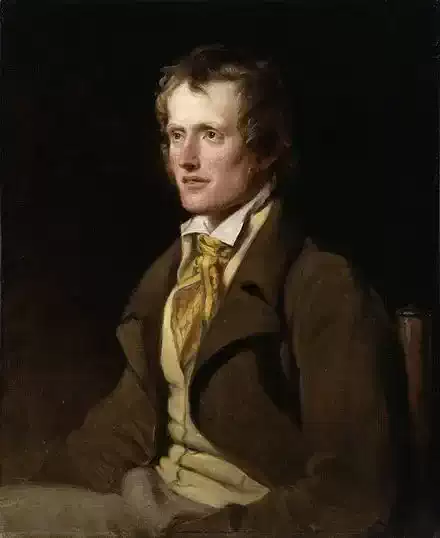
John Clare
Sport In The Meadows
Sport In The Meadows
Maytime is to the meadows coming in,
And cowslip peeps have gotten eer so big,
And water blobs and all their golden kin
Crowd round the shallows by the striding brig.
Daisies and buttercups and ladysmocks
Are all abouten shining here and there,
Nodding about their gold and yellow locks
Like morts of folken flocking at a fair.
The sheep and cows are crowding for a share
And snatch the blossoms in such eager haste
That basket-bearing children running there
Do think within their hearts they'll get them all
And hoot and drive them from their graceless waste
As though there wa'n't a cowslip peep to spare.
--For they want some for tea and some for wine
And some to maken up a cuckaball
To throw across the garland's silken line
That reaches oer the street from wall to wall.
--Good gracious me, how merrily they fare:
One sees a fairer cowslip than the rest,
And off they shout--the foremost bidding fair
To get the prize--and earnest half and jest
The next one pops her down--and from her hand
Her basket falls and out her cowslips all
Tumble and litter there--the merry band
In laughing friendship round about her fall
To helpen gather up the littered flowers
That she no loss may mourn. And now the wind
In frolic mood among the merry hours
Wakens with sudden start and tosses off
Some untied bonnet on its dancing wings;
Away they follow with a scream and laugh,
And aye the youngest ever lags behind,
Till on the deep lake's very bank it hings.
They shout and catch it and then off they start
And chase for cowslips merry as before,
And each one seems so anxious at the heart
As they would even get them all and more.
One climbs a molehill for a bunch of may,
One stands on tiptoe for a linnet's nest
And pricks her hand and throws her flowers away
And runs for plantin leaves to have it drest.
So do they run abouten all the day
And teaze the grass-hid larks from getting rest.
--Scarce give they time in their unruly haste
To tie a shoestring that the grass unties--
And thus they run the meadows' bloom to waste,
Till even comes and dulls their phantasies,
When one finds losses out to stifle smiles
Of silken bonnet-strings--and utters sigh
Oer garments renten clambering over stiles.
Yet in the morning fresh afield they hie,
Bidding the last day's troubles all goodbye;
When red pied cow again their coming hears,
And ere they clap the gate she tosses up
Her head and hastens from the sport she fears:
The old yoe calls her lamb nor cares to stoop
To crop a cowslip in their company.
Thus merrily the little noisy troop
Along the grass as rude marauders hie,
For ever noisy and for ever gay
While keeping in the meadows holiday.
Maytime is to the meadows coming in,
And cowslip peeps have gotten eer so big,
And water blobs and all their golden kin
Crowd round the shallows by the striding brig.
Daisies and buttercups and ladysmocks
Are all abouten shining here and there,
Nodding about their gold and yellow locks
Like morts of folken flocking at a fair.
The sheep and cows are crowding for a share
And snatch the blossoms in such eager haste
That basket-bearing children running there
Do think within their hearts they'll get them all
And hoot and drive them from their graceless waste
As though there wa'n't a cowslip peep to spare.
--For they want some for tea and some for wine
And some to maken up a cuckaball
To throw across the garland's silken line
That reaches oer the street from wall to wall.
--Good gracious me, how merrily they fare:
One sees a fairer cowslip than the rest,
And off they shout--the foremost bidding fair
To get the prize--and earnest half and jest
The next one pops her down--and from her hand
Her basket falls and out her cowslips all
Tumble and litter there--the merry band
In laughing friendship round about her fall
To helpen gather up the littered flowers
That she no loss may mourn. And now the wind
In frolic mood among the merry hours
Wakens with sudden start and tosses off
Some untied bonnet on its dancing wings;
Away they follow with a scream and laugh,
And aye the youngest ever lags behind,
Till on the deep lake's very bank it hings.
They shout and catch it and then off they start
And chase for cowslips merry as before,
And each one seems so anxious at the heart
As they would even get them all and more.
One climbs a molehill for a bunch of may,
One stands on tiptoe for a linnet's nest
And pricks her hand and throws her flowers away
And runs for plantin leaves to have it drest.
So do they run abouten all the day
And teaze the grass-hid larks from getting rest.
--Scarce give they time in their unruly haste
To tie a shoestring that the grass unties--
And thus they run the meadows' bloom to waste,
Till even comes and dulls their phantasies,
When one finds losses out to stifle smiles
Of silken bonnet-strings--and utters sigh
Oer garments renten clambering over stiles.
Yet in the morning fresh afield they hie,
Bidding the last day's troubles all goodbye;
When red pied cow again their coming hears,
And ere they clap the gate she tosses up
Her head and hastens from the sport she fears:
The old yoe calls her lamb nor cares to stoop
To crop a cowslip in their company.
Thus merrily the little noisy troop
Along the grass as rude marauders hie,
For ever noisy and for ever gay
While keeping in the meadows holiday.
497
John Clare
Stonepit
Stonepit
The passing traveller with wonder sees
A deep and ancient stonepit full of trees;
So deep and very deep the place has been,
The church might stand within and not be seen.
The passing stranger oft with wonder stops
And thinks he een could walk upon their tops,
And often stoops to see the busy crow,
And stands above and sees the eggs below;
And while the wild horse gives its head a toss,
The squirrel dances up and runs across.
The boy that stands and kills the black nosed bee
Dares down as soon as magpies' nests are found,
And wonders when he climbs the highest tree
To find it reaches scarce above the ground.
The passing traveller with wonder sees
A deep and ancient stonepit full of trees;
So deep and very deep the place has been,
The church might stand within and not be seen.
The passing stranger oft with wonder stops
And thinks he een could walk upon their tops,
And often stoops to see the busy crow,
And stands above and sees the eggs below;
And while the wild horse gives its head a toss,
The squirrel dances up and runs across.
The boy that stands and kills the black nosed bee
Dares down as soon as magpies' nests are found,
And wonders when he climbs the highest tree
To find it reaches scarce above the ground.
445
John Clare
Stonepit
Stonepit
The passing traveller with wonder sees
A deep and ancient stonepit full of trees;
So deep and very deep the place has been,
The church might stand within and not be seen.
The passing stranger oft with wonder stops
And thinks he een could walk upon their tops,
And often stoops to see the busy crow,
And stands above and sees the eggs below;
And while the wild horse gives its head a toss,
The squirrel dances up and runs across.
The boy that stands and kills the black nosed bee
Dares down as soon as magpies' nests are found,
And wonders when he climbs the highest tree
To find it reaches scarce above the ground.
The passing traveller with wonder sees
A deep and ancient stonepit full of trees;
So deep and very deep the place has been,
The church might stand within and not be seen.
The passing stranger oft with wonder stops
And thinks he een could walk upon their tops,
And often stoops to see the busy crow,
And stands above and sees the eggs below;
And while the wild horse gives its head a toss,
The squirrel dances up and runs across.
The boy that stands and kills the black nosed bee
Dares down as soon as magpies' nests are found,
And wonders when he climbs the highest tree
To find it reaches scarce above the ground.
445
John Clare
Snow Storm
Snow Storm
What a night! The wind howls, hisses, and but stops
To howl more loud, while the snow volley keeps
Incessant batter at the window pane,
Making our comfort feel as sweet again;
And in the morning, when the tempest drops,
At every cottage door mountainous heaps
Of snow lie drifted, that all entrance stops
Untill the beesom and the shovel gain
The path, and leave a wall on either side.
The shepherd rambling valleys white and wide
With new sensations his old memory fills,
When hedges left at night, no more descried,
Are turned to one white sweep of curving hills,
And trees turned bushes half their bodies hide.
The boy that goes to fodder with surprise
Walks oer the gate he opened yesternight.
The hedges all have vanished from his eyes;
Een some tree tops the sheep could reach to bite.
The novel scene emboldens new delight,
And, though with cautious steps his sports begin,
He bolder shuffles the huge hills of snow,
Till down he drops and plunges to the chin,
And struggles much and oft escape to win--
Then turns and laughs but dare not further go;
For deep the grass and bushes lie below,
Where little birds that soon at eve went in
With heads tucked in their wings now pine for day
And little feel boys oer their heads can stray.
What a night! The wind howls, hisses, and but stops
To howl more loud, while the snow volley keeps
Incessant batter at the window pane,
Making our comfort feel as sweet again;
And in the morning, when the tempest drops,
At every cottage door mountainous heaps
Of snow lie drifted, that all entrance stops
Untill the beesom and the shovel gain
The path, and leave a wall on either side.
The shepherd rambling valleys white and wide
With new sensations his old memory fills,
When hedges left at night, no more descried,
Are turned to one white sweep of curving hills,
And trees turned bushes half their bodies hide.
The boy that goes to fodder with surprise
Walks oer the gate he opened yesternight.
The hedges all have vanished from his eyes;
Een some tree tops the sheep could reach to bite.
The novel scene emboldens new delight,
And, though with cautious steps his sports begin,
He bolder shuffles the huge hills of snow,
Till down he drops and plunges to the chin,
And struggles much and oft escape to win--
Then turns and laughs but dare not further go;
For deep the grass and bushes lie below,
Where little birds that soon at eve went in
With heads tucked in their wings now pine for day
And little feel boys oer their heads can stray.
426
John Clare
Snow Storm
Snow Storm
What a night! The wind howls, hisses, and but stops
To howl more loud, while the snow volley keeps
Incessant batter at the window pane,
Making our comfort feel as sweet again;
And in the morning, when the tempest drops,
At every cottage door mountainous heaps
Of snow lie drifted, that all entrance stops
Untill the beesom and the shovel gain
The path, and leave a wall on either side.
The shepherd rambling valleys white and wide
With new sensations his old memory fills,
When hedges left at night, no more descried,
Are turned to one white sweep of curving hills,
And trees turned bushes half their bodies hide.
The boy that goes to fodder with surprise
Walks oer the gate he opened yesternight.
The hedges all have vanished from his eyes;
Een some tree tops the sheep could reach to bite.
The novel scene emboldens new delight,
And, though with cautious steps his sports begin,
He bolder shuffles the huge hills of snow,
Till down he drops and plunges to the chin,
And struggles much and oft escape to win--
Then turns and laughs but dare not further go;
For deep the grass and bushes lie below,
Where little birds that soon at eve went in
With heads tucked in their wings now pine for day
And little feel boys oer their heads can stray.
What a night! The wind howls, hisses, and but stops
To howl more loud, while the snow volley keeps
Incessant batter at the window pane,
Making our comfort feel as sweet again;
And in the morning, when the tempest drops,
At every cottage door mountainous heaps
Of snow lie drifted, that all entrance stops
Untill the beesom and the shovel gain
The path, and leave a wall on either side.
The shepherd rambling valleys white and wide
With new sensations his old memory fills,
When hedges left at night, no more descried,
Are turned to one white sweep of curving hills,
And trees turned bushes half their bodies hide.
The boy that goes to fodder with surprise
Walks oer the gate he opened yesternight.
The hedges all have vanished from his eyes;
Een some tree tops the sheep could reach to bite.
The novel scene emboldens new delight,
And, though with cautious steps his sports begin,
He bolder shuffles the huge hills of snow,
Till down he drops and plunges to the chin,
And struggles much and oft escape to win--
Then turns and laughs but dare not further go;
For deep the grass and bushes lie below,
Where little birds that soon at eve went in
With heads tucked in their wings now pine for day
And little feel boys oer their heads can stray.
426
John Clare
Secret Love
Secret Love
I hid my love when young till I
Couldn't bear the buzzing of a fly;
I hid my love to my despite
Till I could not bear to look at light:
I dare not gaze upon her face
But left her memory in each place;
Where eer I saw a wild flower lie
I kissed and bade my love good bye.
I met her in the greenest dells
Where dewdrops pearl the wood blue bells
The lost breeze kissed her bright blue eye,
The bee kissed and went singing by,
A sunbeam found a passage there,
A gold chain round her neck so fair;
As secret as the wild bee's song
She lay there all the summer long.
I hid my love in field and town
Till een the breeze would knock me down,
The bees seemed singing ballads oer,
The fly's bass turned a lion's roar;
And even silence found a tongue,
To haunt me all the summer long;
The riddle nature could not prove
Was nothing else but secret love.
I hid my love when young till I
Couldn't bear the buzzing of a fly;
I hid my love to my despite
Till I could not bear to look at light:
I dare not gaze upon her face
But left her memory in each place;
Where eer I saw a wild flower lie
I kissed and bade my love good bye.
I met her in the greenest dells
Where dewdrops pearl the wood blue bells
The lost breeze kissed her bright blue eye,
The bee kissed and went singing by,
A sunbeam found a passage there,
A gold chain round her neck so fair;
As secret as the wild bee's song
She lay there all the summer long.
I hid my love in field and town
Till een the breeze would knock me down,
The bees seemed singing ballads oer,
The fly's bass turned a lion's roar;
And even silence found a tongue,
To haunt me all the summer long;
The riddle nature could not prove
Was nothing else but secret love.
415
John Clare
Ploughman Singing
Ploughman Singing
Here morning in the ploughman's songs is met
Ere yet one footstep shows in all the sky,
And twilight in the east, a doubt as yet,
Shows not her sleeve of grey to know her bye.
Woke early, I arose and thought that first
In winter time of all the world was I.
The old owls might have hallooed if they durst,
But joy just then was up and whistled bye
A merry tune which I had known full long,
But could not to my memory wake it back,
Until the ploughman changed it to the song.
O happiness, how simple is thy track.
--Tinged like the willow shoots, the east's young brow
Glows red and finds thee singing at the plough.
Here morning in the ploughman's songs is met
Ere yet one footstep shows in all the sky,
And twilight in the east, a doubt as yet,
Shows not her sleeve of grey to know her bye.
Woke early, I arose and thought that first
In winter time of all the world was I.
The old owls might have hallooed if they durst,
But joy just then was up and whistled bye
A merry tune which I had known full long,
But could not to my memory wake it back,
Until the ploughman changed it to the song.
O happiness, how simple is thy track.
--Tinged like the willow shoots, the east's young brow
Glows red and finds thee singing at the plough.
344
John Clare
Night Wind
Night Wind
Darkness like midnight from the sobbing woods
Clamours with dismal tidings of the rain
Roaring as rivers breaking loose in floods
To spread and foam and deluge all the plain
The cotter listens at his door again
Half doubting whether it be floods or wind
And through the thickening darkness looks affraid
Thinking of roads that travel has to find
Through night's black depths in danger's garb arrayed
And the loud glabber round the flaze soon stops
When hushed to silence by a lifted hand
Of fearing dame who hears the noise in dread
And thinks a deluge comes to drown the land
Nor dares she go to bed untill the tempest drops
Darkness like midnight from the sobbing woods
Clamours with dismal tidings of the rain
Roaring as rivers breaking loose in floods
To spread and foam and deluge all the plain
The cotter listens at his door again
Half doubting whether it be floods or wind
And through the thickening darkness looks affraid
Thinking of roads that travel has to find
Through night's black depths in danger's garb arrayed
And the loud glabber round the flaze soon stops
When hushed to silence by a lifted hand
Of fearing dame who hears the noise in dread
And thinks a deluge comes to drown the land
Nor dares she go to bed untill the tempest drops
438
John Clare
November
November
The landscape sleeps in mist from morn till noon;
And, if the sun looks through, 'tis with a face
Beamless and pale and round, as if the moon,
When done the journey of her nightly race,
Had found him sleeping, and supplied his place.
For days the shepherds in the fields may be,
Nor mark a patch of sky - blindfold they trace,
The plains, that seem without a bush or tree,
Whistling aloud by guess, to flocks they cannot see.
The timid hare seems half its fears to lose,
Crouching and sleeping 'neath its grassy lair,
And scarcely startles, tho' the shepherd goes
Close by its home, and dogs are barking there;
The wild colt only turns around to stare
At passer by, then knaps his hide again;
And moody crows beside the road forbear
To fly, tho' pelted by the passing swain;
Thus day seems turn'd to night, and tries to wake in vain.
The owlet leaves her hiding-place at noon,
And flaps her grey wings in the doubling light;
The hoarse jay screams to see her out so soon,
And small birds chirp and startle with affright;
Much doth it scare the superstitious wight,
Who dreams of sorry luck, and sore dismay;
While cow-boys think the day a dream of night,
And oft grow fearful on their lonely way,
Fancying that ghosts may wake, and leave their graves by day.
Yet but awhile the slumbering weather flings
Its murky prison round - then winds wake loud;
With sudden stir the startled forest sings
Winter's returning song - cloud races cloud,
And the horizon throws away its shroud,
Sweeping a stretching circle from the eye;
Storms upon storms in quick succession crowd,
And o'er the sameness of the purple sky
Heaven paints, with hurried hand, wild hues of every dye.
At length it comes along the forest oaks,
With sobbing ebbs, and uproar gathering high;
The scared, hoarse raven on its cradle croaks,
And stockdove-flocks in hurried terrors fly,
While the blue hawk hangs o'er them in the sky.-
The hedger hastens from the storm begun,
To seek a shelter that may keep him dry;
And foresters low bent, the wind to shun,
Scarce hear amid the strife the poacher's muttering gun.
The ploughman hears its humming rage begin,
And hies for shelter from his naked toil;
Buttoning his doublet closer to his chin,
He bends and scampers o'er the elting soil,
While clouds above him in wild fury boil,
And winds drive heavily the beating rain;
He turns his back to catch his breath awhile,
Then ekes his speed and faces it again,
To seek the shepherd's hut beside the rushy plain.
The boy, that scareth from the spiry wheat
The melancholy crow - in hurry weaves,
Beneath an ivied tree, his sheltering seat,
Of rushy flags and sedges tied in sheaves,
Or from the field a shock of stubble thieves.
There he doth dithering sit, and entertain
His eyes with marking the storm-driven leaves;
Oft spying nests where he spring eggs had ta'en,
And wishing in his heart 'twas summer-time again.
Thus wears the month along, in checker'd moods,
Sunshine and shadows, tempests loud, and calms;
One hour dies silent o'er the sleepy woods,
The next wakes loud with unexpected storms;
A dreary nakedness the field deforms -
Yet many a rural sound, and rural sight,
Lives in the village still about the farms,
Where toil's rude uproar hums from morn till night
Noises, in which the ears of Industry delight.
At length the stir of rural labour's still,
And Industry her care awhile forgoes;
When Winter comes in earnest to fulfil
His yearly task, at bleak November's close,
And stops the plough, and hides the field in snows;
When frost locks up the stream in chill delay,
And mellows on the hedge the jetty sloes,
For little birds - then Toil hath time for play,
And nought but threshers' flails awake the dreary day.
The landscape sleeps in mist from morn till noon;
And, if the sun looks through, 'tis with a face
Beamless and pale and round, as if the moon,
When done the journey of her nightly race,
Had found him sleeping, and supplied his place.
For days the shepherds in the fields may be,
Nor mark a patch of sky - blindfold they trace,
The plains, that seem without a bush or tree,
Whistling aloud by guess, to flocks they cannot see.
The timid hare seems half its fears to lose,
Crouching and sleeping 'neath its grassy lair,
And scarcely startles, tho' the shepherd goes
Close by its home, and dogs are barking there;
The wild colt only turns around to stare
At passer by, then knaps his hide again;
And moody crows beside the road forbear
To fly, tho' pelted by the passing swain;
Thus day seems turn'd to night, and tries to wake in vain.
The owlet leaves her hiding-place at noon,
And flaps her grey wings in the doubling light;
The hoarse jay screams to see her out so soon,
And small birds chirp and startle with affright;
Much doth it scare the superstitious wight,
Who dreams of sorry luck, and sore dismay;
While cow-boys think the day a dream of night,
And oft grow fearful on their lonely way,
Fancying that ghosts may wake, and leave their graves by day.
Yet but awhile the slumbering weather flings
Its murky prison round - then winds wake loud;
With sudden stir the startled forest sings
Winter's returning song - cloud races cloud,
And the horizon throws away its shroud,
Sweeping a stretching circle from the eye;
Storms upon storms in quick succession crowd,
And o'er the sameness of the purple sky
Heaven paints, with hurried hand, wild hues of every dye.
At length it comes along the forest oaks,
With sobbing ebbs, and uproar gathering high;
The scared, hoarse raven on its cradle croaks,
And stockdove-flocks in hurried terrors fly,
While the blue hawk hangs o'er them in the sky.-
The hedger hastens from the storm begun,
To seek a shelter that may keep him dry;
And foresters low bent, the wind to shun,
Scarce hear amid the strife the poacher's muttering gun.
The ploughman hears its humming rage begin,
And hies for shelter from his naked toil;
Buttoning his doublet closer to his chin,
He bends and scampers o'er the elting soil,
While clouds above him in wild fury boil,
And winds drive heavily the beating rain;
He turns his back to catch his breath awhile,
Then ekes his speed and faces it again,
To seek the shepherd's hut beside the rushy plain.
The boy, that scareth from the spiry wheat
The melancholy crow - in hurry weaves,
Beneath an ivied tree, his sheltering seat,
Of rushy flags and sedges tied in sheaves,
Or from the field a shock of stubble thieves.
There he doth dithering sit, and entertain
His eyes with marking the storm-driven leaves;
Oft spying nests where he spring eggs had ta'en,
And wishing in his heart 'twas summer-time again.
Thus wears the month along, in checker'd moods,
Sunshine and shadows, tempests loud, and calms;
One hour dies silent o'er the sleepy woods,
The next wakes loud with unexpected storms;
A dreary nakedness the field deforms -
Yet many a rural sound, and rural sight,
Lives in the village still about the farms,
Where toil's rude uproar hums from morn till night
Noises, in which the ears of Industry delight.
At length the stir of rural labour's still,
And Industry her care awhile forgoes;
When Winter comes in earnest to fulfil
His yearly task, at bleak November's close,
And stops the plough, and hides the field in snows;
When frost locks up the stream in chill delay,
And mellows on the hedge the jetty sloes,
For little birds - then Toil hath time for play,
And nought but threshers' flails awake the dreary day.
414
John Clare
November
November
The landscape sleeps in mist from morn till noon;
And, if the sun looks through, 'tis with a face
Beamless and pale and round, as if the moon,
When done the journey of her nightly race,
Had found him sleeping, and supplied his place.
For days the shepherds in the fields may be,
Nor mark a patch of sky - blindfold they trace,
The plains, that seem without a bush or tree,
Whistling aloud by guess, to flocks they cannot see.
The timid hare seems half its fears to lose,
Crouching and sleeping 'neath its grassy lair,
And scarcely startles, tho' the shepherd goes
Close by its home, and dogs are barking there;
The wild colt only turns around to stare
At passer by, then knaps his hide again;
And moody crows beside the road forbear
To fly, tho' pelted by the passing swain;
Thus day seems turn'd to night, and tries to wake in vain.
The owlet leaves her hiding-place at noon,
And flaps her grey wings in the doubling light;
The hoarse jay screams to see her out so soon,
And small birds chirp and startle with affright;
Much doth it scare the superstitious wight,
Who dreams of sorry luck, and sore dismay;
While cow-boys think the day a dream of night,
And oft grow fearful on their lonely way,
Fancying that ghosts may wake, and leave their graves by day.
Yet but awhile the slumbering weather flings
Its murky prison round - then winds wake loud;
With sudden stir the startled forest sings
Winter's returning song - cloud races cloud,
And the horizon throws away its shroud,
Sweeping a stretching circle from the eye;
Storms upon storms in quick succession crowd,
And o'er the sameness of the purple sky
Heaven paints, with hurried hand, wild hues of every dye.
At length it comes along the forest oaks,
With sobbing ebbs, and uproar gathering high;
The scared, hoarse raven on its cradle croaks,
And stockdove-flocks in hurried terrors fly,
While the blue hawk hangs o'er them in the sky.-
The hedger hastens from the storm begun,
To seek a shelter that may keep him dry;
And foresters low bent, the wind to shun,
Scarce hear amid the strife the poacher's muttering gun.
The ploughman hears its humming rage begin,
And hies for shelter from his naked toil;
Buttoning his doublet closer to his chin,
He bends and scampers o'er the elting soil,
While clouds above him in wild fury boil,
And winds drive heavily the beating rain;
He turns his back to catch his breath awhile,
Then ekes his speed and faces it again,
To seek the shepherd's hut beside the rushy plain.
The boy, that scareth from the spiry wheat
The melancholy crow - in hurry weaves,
Beneath an ivied tree, his sheltering seat,
Of rushy flags and sedges tied in sheaves,
Or from the field a shock of stubble thieves.
There he doth dithering sit, and entertain
His eyes with marking the storm-driven leaves;
Oft spying nests where he spring eggs had ta'en,
And wishing in his heart 'twas summer-time again.
Thus wears the month along, in checker'd moods,
Sunshine and shadows, tempests loud, and calms;
One hour dies silent o'er the sleepy woods,
The next wakes loud with unexpected storms;
A dreary nakedness the field deforms -
Yet many a rural sound, and rural sight,
Lives in the village still about the farms,
Where toil's rude uproar hums from morn till night
Noises, in which the ears of Industry delight.
At length the stir of rural labour's still,
And Industry her care awhile forgoes;
When Winter comes in earnest to fulfil
His yearly task, at bleak November's close,
And stops the plough, and hides the field in snows;
When frost locks up the stream in chill delay,
And mellows on the hedge the jetty sloes,
For little birds - then Toil hath time for play,
And nought but threshers' flails awake the dreary day.
The landscape sleeps in mist from morn till noon;
And, if the sun looks through, 'tis with a face
Beamless and pale and round, as if the moon,
When done the journey of her nightly race,
Had found him sleeping, and supplied his place.
For days the shepherds in the fields may be,
Nor mark a patch of sky - blindfold they trace,
The plains, that seem without a bush or tree,
Whistling aloud by guess, to flocks they cannot see.
The timid hare seems half its fears to lose,
Crouching and sleeping 'neath its grassy lair,
And scarcely startles, tho' the shepherd goes
Close by its home, and dogs are barking there;
The wild colt only turns around to stare
At passer by, then knaps his hide again;
And moody crows beside the road forbear
To fly, tho' pelted by the passing swain;
Thus day seems turn'd to night, and tries to wake in vain.
The owlet leaves her hiding-place at noon,
And flaps her grey wings in the doubling light;
The hoarse jay screams to see her out so soon,
And small birds chirp and startle with affright;
Much doth it scare the superstitious wight,
Who dreams of sorry luck, and sore dismay;
While cow-boys think the day a dream of night,
And oft grow fearful on their lonely way,
Fancying that ghosts may wake, and leave their graves by day.
Yet but awhile the slumbering weather flings
Its murky prison round - then winds wake loud;
With sudden stir the startled forest sings
Winter's returning song - cloud races cloud,
And the horizon throws away its shroud,
Sweeping a stretching circle from the eye;
Storms upon storms in quick succession crowd,
And o'er the sameness of the purple sky
Heaven paints, with hurried hand, wild hues of every dye.
At length it comes along the forest oaks,
With sobbing ebbs, and uproar gathering high;
The scared, hoarse raven on its cradle croaks,
And stockdove-flocks in hurried terrors fly,
While the blue hawk hangs o'er them in the sky.-
The hedger hastens from the storm begun,
To seek a shelter that may keep him dry;
And foresters low bent, the wind to shun,
Scarce hear amid the strife the poacher's muttering gun.
The ploughman hears its humming rage begin,
And hies for shelter from his naked toil;
Buttoning his doublet closer to his chin,
He bends and scampers o'er the elting soil,
While clouds above him in wild fury boil,
And winds drive heavily the beating rain;
He turns his back to catch his breath awhile,
Then ekes his speed and faces it again,
To seek the shepherd's hut beside the rushy plain.
The boy, that scareth from the spiry wheat
The melancholy crow - in hurry weaves,
Beneath an ivied tree, his sheltering seat,
Of rushy flags and sedges tied in sheaves,
Or from the field a shock of stubble thieves.
There he doth dithering sit, and entertain
His eyes with marking the storm-driven leaves;
Oft spying nests where he spring eggs had ta'en,
And wishing in his heart 'twas summer-time again.
Thus wears the month along, in checker'd moods,
Sunshine and shadows, tempests loud, and calms;
One hour dies silent o'er the sleepy woods,
The next wakes loud with unexpected storms;
A dreary nakedness the field deforms -
Yet many a rural sound, and rural sight,
Lives in the village still about the farms,
Where toil's rude uproar hums from morn till night
Noises, in which the ears of Industry delight.
At length the stir of rural labour's still,
And Industry her care awhile forgoes;
When Winter comes in earnest to fulfil
His yearly task, at bleak November's close,
And stops the plough, and hides the field in snows;
When frost locks up the stream in chill delay,
And mellows on the hedge the jetty sloes,
For little birds - then Toil hath time for play,
And nought but threshers' flails awake the dreary day.
414
John Clare
November
November
The landscape sleeps in mist from morn till noon;
And, if the sun looks through, 'tis with a face
Beamless and pale and round, as if the moon,
When done the journey of her nightly race,
Had found him sleeping, and supplied his place.
For days the shepherds in the fields may be,
Nor mark a patch of sky - blindfold they trace,
The plains, that seem without a bush or tree,
Whistling aloud by guess, to flocks they cannot see.
The timid hare seems half its fears to lose,
Crouching and sleeping 'neath its grassy lair,
And scarcely startles, tho' the shepherd goes
Close by its home, and dogs are barking there;
The wild colt only turns around to stare
At passer by, then knaps his hide again;
And moody crows beside the road forbear
To fly, tho' pelted by the passing swain;
Thus day seems turn'd to night, and tries to wake in vain.
The owlet leaves her hiding-place at noon,
And flaps her grey wings in the doubling light;
The hoarse jay screams to see her out so soon,
And small birds chirp and startle with affright;
Much doth it scare the superstitious wight,
Who dreams of sorry luck, and sore dismay;
While cow-boys think the day a dream of night,
And oft grow fearful on their lonely way,
Fancying that ghosts may wake, and leave their graves by day.
Yet but awhile the slumbering weather flings
Its murky prison round - then winds wake loud;
With sudden stir the startled forest sings
Winter's returning song - cloud races cloud,
And the horizon throws away its shroud,
Sweeping a stretching circle from the eye;
Storms upon storms in quick succession crowd,
And o'er the sameness of the purple sky
Heaven paints, with hurried hand, wild hues of every dye.
At length it comes along the forest oaks,
With sobbing ebbs, and uproar gathering high;
The scared, hoarse raven on its cradle croaks,
And stockdove-flocks in hurried terrors fly,
While the blue hawk hangs o'er them in the sky.-
The hedger hastens from the storm begun,
To seek a shelter that may keep him dry;
And foresters low bent, the wind to shun,
Scarce hear amid the strife the poacher's muttering gun.
The ploughman hears its humming rage begin,
And hies for shelter from his naked toil;
Buttoning his doublet closer to his chin,
He bends and scampers o'er the elting soil,
While clouds above him in wild fury boil,
And winds drive heavily the beating rain;
He turns his back to catch his breath awhile,
Then ekes his speed and faces it again,
To seek the shepherd's hut beside the rushy plain.
The boy, that scareth from the spiry wheat
The melancholy crow - in hurry weaves,
Beneath an ivied tree, his sheltering seat,
Of rushy flags and sedges tied in sheaves,
Or from the field a shock of stubble thieves.
There he doth dithering sit, and entertain
His eyes with marking the storm-driven leaves;
Oft spying nests where he spring eggs had ta'en,
And wishing in his heart 'twas summer-time again.
Thus wears the month along, in checker'd moods,
Sunshine and shadows, tempests loud, and calms;
One hour dies silent o'er the sleepy woods,
The next wakes loud with unexpected storms;
A dreary nakedness the field deforms -
Yet many a rural sound, and rural sight,
Lives in the village still about the farms,
Where toil's rude uproar hums from morn till night
Noises, in which the ears of Industry delight.
At length the stir of rural labour's still,
And Industry her care awhile forgoes;
When Winter comes in earnest to fulfil
His yearly task, at bleak November's close,
And stops the plough, and hides the field in snows;
When frost locks up the stream in chill delay,
And mellows on the hedge the jetty sloes,
For little birds - then Toil hath time for play,
And nought but threshers' flails awake the dreary day.
The landscape sleeps in mist from morn till noon;
And, if the sun looks through, 'tis with a face
Beamless and pale and round, as if the moon,
When done the journey of her nightly race,
Had found him sleeping, and supplied his place.
For days the shepherds in the fields may be,
Nor mark a patch of sky - blindfold they trace,
The plains, that seem without a bush or tree,
Whistling aloud by guess, to flocks they cannot see.
The timid hare seems half its fears to lose,
Crouching and sleeping 'neath its grassy lair,
And scarcely startles, tho' the shepherd goes
Close by its home, and dogs are barking there;
The wild colt only turns around to stare
At passer by, then knaps his hide again;
And moody crows beside the road forbear
To fly, tho' pelted by the passing swain;
Thus day seems turn'd to night, and tries to wake in vain.
The owlet leaves her hiding-place at noon,
And flaps her grey wings in the doubling light;
The hoarse jay screams to see her out so soon,
And small birds chirp and startle with affright;
Much doth it scare the superstitious wight,
Who dreams of sorry luck, and sore dismay;
While cow-boys think the day a dream of night,
And oft grow fearful on their lonely way,
Fancying that ghosts may wake, and leave their graves by day.
Yet but awhile the slumbering weather flings
Its murky prison round - then winds wake loud;
With sudden stir the startled forest sings
Winter's returning song - cloud races cloud,
And the horizon throws away its shroud,
Sweeping a stretching circle from the eye;
Storms upon storms in quick succession crowd,
And o'er the sameness of the purple sky
Heaven paints, with hurried hand, wild hues of every dye.
At length it comes along the forest oaks,
With sobbing ebbs, and uproar gathering high;
The scared, hoarse raven on its cradle croaks,
And stockdove-flocks in hurried terrors fly,
While the blue hawk hangs o'er them in the sky.-
The hedger hastens from the storm begun,
To seek a shelter that may keep him dry;
And foresters low bent, the wind to shun,
Scarce hear amid the strife the poacher's muttering gun.
The ploughman hears its humming rage begin,
And hies for shelter from his naked toil;
Buttoning his doublet closer to his chin,
He bends and scampers o'er the elting soil,
While clouds above him in wild fury boil,
And winds drive heavily the beating rain;
He turns his back to catch his breath awhile,
Then ekes his speed and faces it again,
To seek the shepherd's hut beside the rushy plain.
The boy, that scareth from the spiry wheat
The melancholy crow - in hurry weaves,
Beneath an ivied tree, his sheltering seat,
Of rushy flags and sedges tied in sheaves,
Or from the field a shock of stubble thieves.
There he doth dithering sit, and entertain
His eyes with marking the storm-driven leaves;
Oft spying nests where he spring eggs had ta'en,
And wishing in his heart 'twas summer-time again.
Thus wears the month along, in checker'd moods,
Sunshine and shadows, tempests loud, and calms;
One hour dies silent o'er the sleepy woods,
The next wakes loud with unexpected storms;
A dreary nakedness the field deforms -
Yet many a rural sound, and rural sight,
Lives in the village still about the farms,
Where toil's rude uproar hums from morn till night
Noises, in which the ears of Industry delight.
At length the stir of rural labour's still,
And Industry her care awhile forgoes;
When Winter comes in earnest to fulfil
His yearly task, at bleak November's close,
And stops the plough, and hides the field in snows;
When frost locks up the stream in chill delay,
And mellows on the hedge the jetty sloes,
For little birds - then Toil hath time for play,
And nought but threshers' flails awake the dreary day.
414
John Clare
May
May
Come queen of months in company
Wi all thy merry minstrelsy
The restless cuckoo absent long
And twittering swallows chimney song
And hedge row crickets notes that run
From every bank that fronts the sun
And swathy bees about the grass
That stops wi every bloom they pass
And every minute every hour
Keep teazing weeds that wear a flower
And toil and childhoods humming joys
For there is music in the noise
The village childern mad for sport
In school times leisure ever short
That crick and catch the bouncing ball
And run along the church yard wall
Capt wi rude figured slabs whose claims
In times bad memory hath no names
Oft racing round the nookey church
Or calling ecchos in the porch
And jilting oer the weather cock
Viewing wi jealous eyes the clock
Oft leaping grave stones leaning hights
Uncheckt wi mellancholy sights
The green grass swelld in many a heap
Where kin and friends and parents sleep
Unthinking in their jovial cry
That time shall come when they shall lye
As lowly and as still as they
While other boys above them play
Heedless as they do now to know
The unconcious dust that lies below
The shepherd goes wi happy stride
Wi moms long shadow by his side
Down the dryd lanes neath blooming may
That once was over shoes in clay
While martins twitter neath his eves
Which he at early morning leaves
The driving boy beside his team
Will oer the may month beauty dream
And cock his hat and turn his eye
On flower and tree and deepning skye
And oft bursts loud in fits of song
And whistles as he reels along
Crack[ing] his whip in starts of joy
A happy dirty driving boy
The youth who leaves his corner stool
Betimes for neighbouring village school
While as a mark to urge him right
The church spires all the way in sight
Wi cheerings from his parents given
Starts neath the joyous smiles of heaven
And sawns wi many an idle stand
Wi bookbag swinging in his hand
And gazes as he passes bye
On every thing that meets his eye
Young lambs seem tempting him to play
Dancing and bleating in his way
Wi trembling tails and pointed ears
They follow him and loose their fears
He smiles upon their sunny faces
And feign woud join their happy races
The birds that sing on bush and tree
Seem chirping for his company
And all in fancys idle whim
Seem keeping holiday but him
He lolls upon each resting stile
To see the fields so sweetly smile
To see the wheat grow green and long
And list the weeders toiling song
Or short not[e] of the changing thrush
Above him in the white thorn bush
That oer the leaning stile bends low
Loaded wi mockery of snow
Mozzld wi many a lushing thread
Of crab tree blossoms delicate red
He often bends wi many a wish
Oer the brig rail to view the fish
Go sturting by in sunny gleams
And chucks in the eye dazzld streams
Crumbs from his pocket oft to watch
The swarming struttle come to catch
Them where they to the bottom sile
Sighing in fancys joy the while
Hes cautiond not to stand so nigh
By rosey milkmaid tripping bye
Where he admires wi fond delight
And longs to be there mute till night
He often ventures thro the day
At truant now and then to play
Rambling about the field and plain
Seeking larks nests in the grain
And picking flowers and boughs of may
To hurd awhile and throw away
Lurking neath bushes from the sight
Of tell tale eyes till schools noon night
Listing each hour for church clocks hum
To know the hour to wander home
That parents may not think him long
Nor dream of his rude doing wrong
Dreading thro the night wi dreaming pain
To meet his masters wand again
Each hedge is loaded thick wi green
And where the hedger late hath been
Tender shoots begin to grow
From the mossy stumps below
While sheep and cow that teaze the grain
will nip them to the root again
They lay their bill and mittens bye
And on to other labours hie
While wood men still on spring intrudes
And thins the shadow solitudes
Wi sharpend axes felling down
The oak trees budding into brown
Where as they crash upon the ground
A crowd of labourers gather round
And mix among the shadows dark
To rip the crackling staining bark
From off the tree and lay when done
The rolls in lares to meet the sun
Depriving yearly where they come
The green wood pecker of its home
That early in the spring began
Far from the sight of troubling man
And bord their round holes in each tree
In fancys sweet security
Till startld wi the woodmans noise
It wakes from all its dreaming joys
The blue bells too that thickly bloom
Where man was never feared to come
And smell smocks that from view retires
Mong rustling leaves and bowing briars
And stooping lilys of the valley
That comes wi shades and dews to dally
White beady drops on slender threads
Wi broad hood leaves above their heads
Like white robd maids in summer hours
Neath umberellas shunning showers
These neath the barkmens crushing treads
Oft perish in their blooming beds
Thus stript of boughs and bark in white
Their trunks shine in the mellow light
Beneath the green surviving trees
That wave above them in the breeze
And waking whispers slowly bends
As if they mournd their fallen friends
Each morning now the weeders meet
To cut the thistle from the wheat
And ruin in the sunny hours
Full many wild weeds of their flowers
Corn poppys that in crimson dwell
Calld 'head achs' from their sickly smell
And carlock yellow as the sun
That oer the may fields thickly run
And 'iron weed' content to share
The meanest spot that spring can spare
Een roads where danger hourly comes
Is not wi out its purple blooms
And leaves wi points like thistles round
Thickset that have no strength to wound
That shrink to childhoods eager hold
Like hair-and with its eye of gold
And scarlet starry points of flowers
Pimpernel dreading nights and showers
Oft calld 'the shepherds weather glass'
That sleep till suns have dyd the grass
Then wakes and spreads its creeping bloom
Till clouds or threatning shadows come
Then close it shuts to sleep again
Which weeders see and talk of rain
And boys that mark them shut so soon
will call them 'John go bed at noon
And fumitory too a name
That superstition holds to fame
Whose red and purple mottled flowers
Are cropt by maids in weeding hours
To boil in water milk and way1
For washes on an holiday
To make their beauty fair and sleak
And scour the tan from summers cheek
And simple small forget me not
Eyd wi a pinshead yellow spot
I'th'2 middle of its tender blue
That gains from poets notice due
These flowers the toil by crowds destroys
And robs them of their lowly joys
That met the may wi hopes as sweet
As those her suns in gardens meet
And oft the dame will feel inclind
As childhoods memory comes to mind
To turn her hook away and spare
The blooms it lovd to gather there
My wild field catalogue of flowers
Grows in my ryhmes as thick as showers
Tedious and long as they may be
To some, they never weary me
The wood and mead and field of grain
I coud hunt oer and oer again
And talk to every blossom wild
Fond as a parent to a child
And cull them in my childish joy
By swarms and swarms and never cloy
When their lank shades oer morning pearls
Shrink from their lengths to little girls
And like the clock hand pointing one
Is turnd and tells the morning gone
They leave their toils for dinners hour
Beneath some hedges bramble bower
And season sweet their savory meals
Wi joke and tale and merry peals
Of ancient tunes from happy tongues
While linnets join their fitful songs
Perchd oer their heads in frolic play
Among the tufts of motling may
The young girls whisper things of love
And from the old dames hearing move
Oft making 'love knotts' in the shade
Of blue green oat or wheaten blade
And trying simple charms and spells
That rural superstition tells
They pull the little blossom threads
From out the knapweeds button heads
And put the husk wi many a smile
In their white bosoms for awhile
Who if they guess aright the swain
That loves sweet fancys trys to gain
Tis said that ere its lain an hour
Twill blossom wi a second flower
And from her white breasts hankerchief
Bloom as they ne'er had lost a leaf
When signs appear that token wet
As they are neath the bushes met
The girls are glad wi hopes of play
And harping of the holiday
A hugh blue bird will often swim
Along the wheat when skys grow dim
Wi clouds-slow as the gales of spring
In motion wi dark shadowd wing
Beneath the coming storm it sails
And lonly chirps the wheat hid quails
That came to live wi spring again
And start when summer browns the grain
They start the young girls joys afloat
Wi 'wet my foot' its yearly note
So fancy doth the sound explain
And proves it oft a sign of rain
About the moor 'mong sheep and cow
The boy or old man wanders now
Hunting all day wi hopful pace
Each thick sown rushy thistly place
For plover eggs while oer them flye
The fearful birds wi teazing cry
Trying to lead their steps astray
And coying him another way
And be the weather chill or warm
Wi brown hats truckd beneath his arm
Holding each prize their search has won
They plod bare headed to the sun
Now dames oft bustle from their wheels
Wi childern scampering at their heels
To watch the bees that hang and swive
In clumps about each thronging hive
And flit and thicken in the light
While the old dame enjoys the sight
And raps the while their warming pans
A spell that superstition plans
To coax them in the garden bounds
As if they lovd the tinkling sounds
And oft one hears the dinning noise
Which dames believe each swarm decoys
Around each village day by day
Mingling in the warmth of may
Sweet scented herbs her skill contrives
To rub the bramble platted hives
Fennels thread leaves and crimpld balm
To scent the new house of the swarm
The thresher dull as winter days
And lost to all that spring displays
Still mid his barn dust forcd to stand
Swings his frail round wi weary hand
While oer his head shades thickly creep
And hides the blinking owl asleep
And bats in cobweb corners bred
Sharing till night their murky bed
The sunshine trickles on the floor
Thro every crevice of the door
And makes his barn where shadows dwell
As irksome as a prisoners cell
And as he seeks his daily meal
As schoolboys from their tasks will steal
ile often stands in fond delay
To see the daisy in his way
And wild weeds flowering on the wall
That will his childish sports recall
Of all the joys that came wi spring
The twirling top the marble ring
The gingling halfpence hussld up
At pitch and toss the eager stoop
To pick up heads, the smuggeld plays
Neath hovels upon sabbath days
When parson he is safe from view
And clerk sings amen in his pew
The sitting down when school was oer
Upon the threshold by his door
Picking from mallows sport to please
Each crumpld seed he calld a cheese
And hunting from the stackyard sod
The stinking hen banes belted pod
By youths vain fancys sweetly fed
Christning them his loaves of bread
He sees while rocking down the street
Wi weary hands and crimpling feet
Young childern at the self same games
And hears the self same simple names
Still floating on each happy tongue
Touchd wi the simple scene so strong
Tears almost start and many a sigh
Regrets the happiness gone bye
And in sweet natures holiday
His heart is sad while all is gay
How lovly now are lanes and balks
For toils and lovers sunday walks
The daisey and the buttercup
For which the laughing childern stoop
A hundred times throughout the day
In their rude ramping summer play
So thickly now the pasture crowds
In gold and silver sheeted clouds
As if the drops in april showers
Had woo'd the sun and swoond to flowers
The brook resumes its summer dresses
Purling neath grass and water cresses
And mint and flag leaf swording high
Their blooms to the unheeding eye
And taper bowbent hanging rushes
And horse tail childerns bottle brushes
And summer tracks about its brink
Is fresh again where cattle drink
And on its sunny bank the swain
Stretches his idle length again
Soon as the sun forgets the day
The moon looks down on the lovly may
And the little star his friend and guide
Travelling together side by side
And the seven stars and charleses wain1
Hangs smiling oer green woods agen
The heaven rekindles all alive
Wi light the may bees round the hive
Swarm not so thick in mornings eye
As stars do in the evening skye
All all are nestling in their joys
The flowers and birds and pasture boys
The firetail, long a stranger, comes
To his last summer haunts and homes
To hollow tree and crevisd wall
And in the grass the rails odd call
That featherd spirit stops the swain
To listen to his note again
And school boy still in vain retraces
The secrets of his hiding places
In the black thorns crowded cops~e1
Thro its varied turns and stops
The nightingale its ditty weaves
Hid in a multitude of leaves
The boy stops short to hear the strain
And 'sweet jug jug' he mocks again
The yellow hammer builds its nest
By banks where sun beams earliest rest
That drys the dews from off the grass
Shading it from all that pass
Save the rude boy wi ferret gaze
That hunts thro evry secret maze
He finds its pencild eggs agen
All streakd wi lines as if a pen
By natures freakish hand was took
To scrawl them over like a book
And from these many mozzling marks
The school boy names them 'writing larks'
Bum barrels twit on bush and tree
Scarse bigger then a bumble bee
And in a white thorns leafy rest
It builds its curious pudding-nest
Wi hole beside as if a mouse
Had built the little barrel house
Toiling full many a lining feather
And bits of grey tree moss together
Amid the noisey rooky park
Beneath the firdales branches dark
The little golden crested wren
Hangs up his glowing nest agen
And sticks it to the furry leaves
As martins theirs beneath the eaves
The old hens leave the roost betimes
And oer the garden pailing climbs
To scrat the gardens fresh turnd soil
And if unwatchd his crops to spoil
Oft cackling from the prison yard
To peck about the houseclose sward
Catching at butterflys and things
Ere they have time to try their wings
The cattle feels the breath of may
And kick and toss their heads in play
The ass beneath his bags of sand
Oft jerks the string from leaders hand
And on the road will eager stoop
To pick the sprouting thistle up
Oft answering on his weary way
Some distant neighbours sobbing bray
Dining the ears of driving boy
As if he felt a fit of joy
Wi in its pinfold circle left
Of all its company bereft
Starvd stock no longer noising round
Lone in the nooks of foddering ground
Each skeleton of lingering stack
By winters tempests beaten black
Nodds upon props or bolt upright
Stands swarthy in the summer light
And oer the green grass seems to lower
Like stump of old time wasted tower
All that in winter lookd for hay
Spread from their batterd haunts away
To pick the grass or lye at lare
Beneath the mild hedge shadows there
Sweet month that gives a welcome call
To toil and nature and to all
Yet one day mid thy many joys
Is dead to all its sport and noise
Old may day where's thy glorys gone
All fled and left thee every one
Thou comst to thy old haunts and homes
Unnoticd as a stranger comes
No flowers are pluckt to hail the now
Nor cotter seeks a single bough
The maids no more on thy sweet morn
Awake their thresholds to adorn
Wi dewey flowers-May locks new come
And princifeathers cluttering bloom
And blue bells from the woodland moss
And cowslip cucking balls to toss
Above the garlands swinging hight
Hang in the soft eves sober light
These maid and child did yearly pull
By many a folded apron full
But all is past the merry song
Of maidens hurrying along
To crown at eve the earliest cow
Is gone and dead and silent now
The laugh raisd at the mocking thorn
Tyd to the cows tail last that morn
The kerchief at arms length displayd
Held up by pairs of swain and maid
While others bolted underneath
Bawling loud wi panting breath
'Duck under water' as they ran
Alls ended as they ne'er began
While the new thing that took thy place
Wears faded smiles upon its face
And where enclosure has its birth
It spreads a mildew oer her mirth
The herd no longer one by one
Goes plodding on her morning way
And garlands lost and sports nigh gone
Leaves her like thee a common day
Yet summer smiles upon thee still
Wi natures sweet unalterd will
And at thy births unworshipd hours
Fills her green lap wi swarms of flowers
To crown thee still as thou hast been
Of spring and summer months the queen.
Come queen of months in company
Wi all thy merry minstrelsy
The restless cuckoo absent long
And twittering swallows chimney song
And hedge row crickets notes that run
From every bank that fronts the sun
And swathy bees about the grass
That stops wi every bloom they pass
And every minute every hour
Keep teazing weeds that wear a flower
And toil and childhoods humming joys
For there is music in the noise
The village childern mad for sport
In school times leisure ever short
That crick and catch the bouncing ball
And run along the church yard wall
Capt wi rude figured slabs whose claims
In times bad memory hath no names
Oft racing round the nookey church
Or calling ecchos in the porch
And jilting oer the weather cock
Viewing wi jealous eyes the clock
Oft leaping grave stones leaning hights
Uncheckt wi mellancholy sights
The green grass swelld in many a heap
Where kin and friends and parents sleep
Unthinking in their jovial cry
That time shall come when they shall lye
As lowly and as still as they
While other boys above them play
Heedless as they do now to know
The unconcious dust that lies below
The shepherd goes wi happy stride
Wi moms long shadow by his side
Down the dryd lanes neath blooming may
That once was over shoes in clay
While martins twitter neath his eves
Which he at early morning leaves
The driving boy beside his team
Will oer the may month beauty dream
And cock his hat and turn his eye
On flower and tree and deepning skye
And oft bursts loud in fits of song
And whistles as he reels along
Crack[ing] his whip in starts of joy
A happy dirty driving boy
The youth who leaves his corner stool
Betimes for neighbouring village school
While as a mark to urge him right
The church spires all the way in sight
Wi cheerings from his parents given
Starts neath the joyous smiles of heaven
And sawns wi many an idle stand
Wi bookbag swinging in his hand
And gazes as he passes bye
On every thing that meets his eye
Young lambs seem tempting him to play
Dancing and bleating in his way
Wi trembling tails and pointed ears
They follow him and loose their fears
He smiles upon their sunny faces
And feign woud join their happy races
The birds that sing on bush and tree
Seem chirping for his company
And all in fancys idle whim
Seem keeping holiday but him
He lolls upon each resting stile
To see the fields so sweetly smile
To see the wheat grow green and long
And list the weeders toiling song
Or short not[e] of the changing thrush
Above him in the white thorn bush
That oer the leaning stile bends low
Loaded wi mockery of snow
Mozzld wi many a lushing thread
Of crab tree blossoms delicate red
He often bends wi many a wish
Oer the brig rail to view the fish
Go sturting by in sunny gleams
And chucks in the eye dazzld streams
Crumbs from his pocket oft to watch
The swarming struttle come to catch
Them where they to the bottom sile
Sighing in fancys joy the while
Hes cautiond not to stand so nigh
By rosey milkmaid tripping bye
Where he admires wi fond delight
And longs to be there mute till night
He often ventures thro the day
At truant now and then to play
Rambling about the field and plain
Seeking larks nests in the grain
And picking flowers and boughs of may
To hurd awhile and throw away
Lurking neath bushes from the sight
Of tell tale eyes till schools noon night
Listing each hour for church clocks hum
To know the hour to wander home
That parents may not think him long
Nor dream of his rude doing wrong
Dreading thro the night wi dreaming pain
To meet his masters wand again
Each hedge is loaded thick wi green
And where the hedger late hath been
Tender shoots begin to grow
From the mossy stumps below
While sheep and cow that teaze the grain
will nip them to the root again
They lay their bill and mittens bye
And on to other labours hie
While wood men still on spring intrudes
And thins the shadow solitudes
Wi sharpend axes felling down
The oak trees budding into brown
Where as they crash upon the ground
A crowd of labourers gather round
And mix among the shadows dark
To rip the crackling staining bark
From off the tree and lay when done
The rolls in lares to meet the sun
Depriving yearly where they come
The green wood pecker of its home
That early in the spring began
Far from the sight of troubling man
And bord their round holes in each tree
In fancys sweet security
Till startld wi the woodmans noise
It wakes from all its dreaming joys
The blue bells too that thickly bloom
Where man was never feared to come
And smell smocks that from view retires
Mong rustling leaves and bowing briars
And stooping lilys of the valley
That comes wi shades and dews to dally
White beady drops on slender threads
Wi broad hood leaves above their heads
Like white robd maids in summer hours
Neath umberellas shunning showers
These neath the barkmens crushing treads
Oft perish in their blooming beds
Thus stript of boughs and bark in white
Their trunks shine in the mellow light
Beneath the green surviving trees
That wave above them in the breeze
And waking whispers slowly bends
As if they mournd their fallen friends
Each morning now the weeders meet
To cut the thistle from the wheat
And ruin in the sunny hours
Full many wild weeds of their flowers
Corn poppys that in crimson dwell
Calld 'head achs' from their sickly smell
And carlock yellow as the sun
That oer the may fields thickly run
And 'iron weed' content to share
The meanest spot that spring can spare
Een roads where danger hourly comes
Is not wi out its purple blooms
And leaves wi points like thistles round
Thickset that have no strength to wound
That shrink to childhoods eager hold
Like hair-and with its eye of gold
And scarlet starry points of flowers
Pimpernel dreading nights and showers
Oft calld 'the shepherds weather glass'
That sleep till suns have dyd the grass
Then wakes and spreads its creeping bloom
Till clouds or threatning shadows come
Then close it shuts to sleep again
Which weeders see and talk of rain
And boys that mark them shut so soon
will call them 'John go bed at noon
And fumitory too a name
That superstition holds to fame
Whose red and purple mottled flowers
Are cropt by maids in weeding hours
To boil in water milk and way1
For washes on an holiday
To make their beauty fair and sleak
And scour the tan from summers cheek
And simple small forget me not
Eyd wi a pinshead yellow spot
I'th'2 middle of its tender blue
That gains from poets notice due
These flowers the toil by crowds destroys
And robs them of their lowly joys
That met the may wi hopes as sweet
As those her suns in gardens meet
And oft the dame will feel inclind
As childhoods memory comes to mind
To turn her hook away and spare
The blooms it lovd to gather there
My wild field catalogue of flowers
Grows in my ryhmes as thick as showers
Tedious and long as they may be
To some, they never weary me
The wood and mead and field of grain
I coud hunt oer and oer again
And talk to every blossom wild
Fond as a parent to a child
And cull them in my childish joy
By swarms and swarms and never cloy
When their lank shades oer morning pearls
Shrink from their lengths to little girls
And like the clock hand pointing one
Is turnd and tells the morning gone
They leave their toils for dinners hour
Beneath some hedges bramble bower
And season sweet their savory meals
Wi joke and tale and merry peals
Of ancient tunes from happy tongues
While linnets join their fitful songs
Perchd oer their heads in frolic play
Among the tufts of motling may
The young girls whisper things of love
And from the old dames hearing move
Oft making 'love knotts' in the shade
Of blue green oat or wheaten blade
And trying simple charms and spells
That rural superstition tells
They pull the little blossom threads
From out the knapweeds button heads
And put the husk wi many a smile
In their white bosoms for awhile
Who if they guess aright the swain
That loves sweet fancys trys to gain
Tis said that ere its lain an hour
Twill blossom wi a second flower
And from her white breasts hankerchief
Bloom as they ne'er had lost a leaf
When signs appear that token wet
As they are neath the bushes met
The girls are glad wi hopes of play
And harping of the holiday
A hugh blue bird will often swim
Along the wheat when skys grow dim
Wi clouds-slow as the gales of spring
In motion wi dark shadowd wing
Beneath the coming storm it sails
And lonly chirps the wheat hid quails
That came to live wi spring again
And start when summer browns the grain
They start the young girls joys afloat
Wi 'wet my foot' its yearly note
So fancy doth the sound explain
And proves it oft a sign of rain
About the moor 'mong sheep and cow
The boy or old man wanders now
Hunting all day wi hopful pace
Each thick sown rushy thistly place
For plover eggs while oer them flye
The fearful birds wi teazing cry
Trying to lead their steps astray
And coying him another way
And be the weather chill or warm
Wi brown hats truckd beneath his arm
Holding each prize their search has won
They plod bare headed to the sun
Now dames oft bustle from their wheels
Wi childern scampering at their heels
To watch the bees that hang and swive
In clumps about each thronging hive
And flit and thicken in the light
While the old dame enjoys the sight
And raps the while their warming pans
A spell that superstition plans
To coax them in the garden bounds
As if they lovd the tinkling sounds
And oft one hears the dinning noise
Which dames believe each swarm decoys
Around each village day by day
Mingling in the warmth of may
Sweet scented herbs her skill contrives
To rub the bramble platted hives
Fennels thread leaves and crimpld balm
To scent the new house of the swarm
The thresher dull as winter days
And lost to all that spring displays
Still mid his barn dust forcd to stand
Swings his frail round wi weary hand
While oer his head shades thickly creep
And hides the blinking owl asleep
And bats in cobweb corners bred
Sharing till night their murky bed
The sunshine trickles on the floor
Thro every crevice of the door
And makes his barn where shadows dwell
As irksome as a prisoners cell
And as he seeks his daily meal
As schoolboys from their tasks will steal
ile often stands in fond delay
To see the daisy in his way
And wild weeds flowering on the wall
That will his childish sports recall
Of all the joys that came wi spring
The twirling top the marble ring
The gingling halfpence hussld up
At pitch and toss the eager stoop
To pick up heads, the smuggeld plays
Neath hovels upon sabbath days
When parson he is safe from view
And clerk sings amen in his pew
The sitting down when school was oer
Upon the threshold by his door
Picking from mallows sport to please
Each crumpld seed he calld a cheese
And hunting from the stackyard sod
The stinking hen banes belted pod
By youths vain fancys sweetly fed
Christning them his loaves of bread
He sees while rocking down the street
Wi weary hands and crimpling feet
Young childern at the self same games
And hears the self same simple names
Still floating on each happy tongue
Touchd wi the simple scene so strong
Tears almost start and many a sigh
Regrets the happiness gone bye
And in sweet natures holiday
His heart is sad while all is gay
How lovly now are lanes and balks
For toils and lovers sunday walks
The daisey and the buttercup
For which the laughing childern stoop
A hundred times throughout the day
In their rude ramping summer play
So thickly now the pasture crowds
In gold and silver sheeted clouds
As if the drops in april showers
Had woo'd the sun and swoond to flowers
The brook resumes its summer dresses
Purling neath grass and water cresses
And mint and flag leaf swording high
Their blooms to the unheeding eye
And taper bowbent hanging rushes
And horse tail childerns bottle brushes
And summer tracks about its brink
Is fresh again where cattle drink
And on its sunny bank the swain
Stretches his idle length again
Soon as the sun forgets the day
The moon looks down on the lovly may
And the little star his friend and guide
Travelling together side by side
And the seven stars and charleses wain1
Hangs smiling oer green woods agen
The heaven rekindles all alive
Wi light the may bees round the hive
Swarm not so thick in mornings eye
As stars do in the evening skye
All all are nestling in their joys
The flowers and birds and pasture boys
The firetail, long a stranger, comes
To his last summer haunts and homes
To hollow tree and crevisd wall
And in the grass the rails odd call
That featherd spirit stops the swain
To listen to his note again
And school boy still in vain retraces
The secrets of his hiding places
In the black thorns crowded cops~e1
Thro its varied turns and stops
The nightingale its ditty weaves
Hid in a multitude of leaves
The boy stops short to hear the strain
And 'sweet jug jug' he mocks again
The yellow hammer builds its nest
By banks where sun beams earliest rest
That drys the dews from off the grass
Shading it from all that pass
Save the rude boy wi ferret gaze
That hunts thro evry secret maze
He finds its pencild eggs agen
All streakd wi lines as if a pen
By natures freakish hand was took
To scrawl them over like a book
And from these many mozzling marks
The school boy names them 'writing larks'
Bum barrels twit on bush and tree
Scarse bigger then a bumble bee
And in a white thorns leafy rest
It builds its curious pudding-nest
Wi hole beside as if a mouse
Had built the little barrel house
Toiling full many a lining feather
And bits of grey tree moss together
Amid the noisey rooky park
Beneath the firdales branches dark
The little golden crested wren
Hangs up his glowing nest agen
And sticks it to the furry leaves
As martins theirs beneath the eaves
The old hens leave the roost betimes
And oer the garden pailing climbs
To scrat the gardens fresh turnd soil
And if unwatchd his crops to spoil
Oft cackling from the prison yard
To peck about the houseclose sward
Catching at butterflys and things
Ere they have time to try their wings
The cattle feels the breath of may
And kick and toss their heads in play
The ass beneath his bags of sand
Oft jerks the string from leaders hand
And on the road will eager stoop
To pick the sprouting thistle up
Oft answering on his weary way
Some distant neighbours sobbing bray
Dining the ears of driving boy
As if he felt a fit of joy
Wi in its pinfold circle left
Of all its company bereft
Starvd stock no longer noising round
Lone in the nooks of foddering ground
Each skeleton of lingering stack
By winters tempests beaten black
Nodds upon props or bolt upright
Stands swarthy in the summer light
And oer the green grass seems to lower
Like stump of old time wasted tower
All that in winter lookd for hay
Spread from their batterd haunts away
To pick the grass or lye at lare
Beneath the mild hedge shadows there
Sweet month that gives a welcome call
To toil and nature and to all
Yet one day mid thy many joys
Is dead to all its sport and noise
Old may day where's thy glorys gone
All fled and left thee every one
Thou comst to thy old haunts and homes
Unnoticd as a stranger comes
No flowers are pluckt to hail the now
Nor cotter seeks a single bough
The maids no more on thy sweet morn
Awake their thresholds to adorn
Wi dewey flowers-May locks new come
And princifeathers cluttering bloom
And blue bells from the woodland moss
And cowslip cucking balls to toss
Above the garlands swinging hight
Hang in the soft eves sober light
These maid and child did yearly pull
By many a folded apron full
But all is past the merry song
Of maidens hurrying along
To crown at eve the earliest cow
Is gone and dead and silent now
The laugh raisd at the mocking thorn
Tyd to the cows tail last that morn
The kerchief at arms length displayd
Held up by pairs of swain and maid
While others bolted underneath
Bawling loud wi panting breath
'Duck under water' as they ran
Alls ended as they ne'er began
While the new thing that took thy place
Wears faded smiles upon its face
And where enclosure has its birth
It spreads a mildew oer her mirth
The herd no longer one by one
Goes plodding on her morning way
And garlands lost and sports nigh gone
Leaves her like thee a common day
Yet summer smiles upon thee still
Wi natures sweet unalterd will
And at thy births unworshipd hours
Fills her green lap wi swarms of flowers
To crown thee still as thou hast been
Of spring and summer months the queen.
411
John Clare
Market Day
Market Day
With arms and legs at work and gentle stroke
That urges switching tail nor mends his pace,
On an old ribbed and weather beaten horse,
The farmer goes jogtrotting to the fair.
Both keep their pace that nothing can provoke
Followed by brindled dog that snuffs the ground
With urging bark and hurries at his heels.
His hat slouched down, and great coat buttoned close
Bellied like hooped keg, and chuffy face
Red as the morning sun, he takes his round
And talks of stock: and when his jobs are done
And Dobbin's hay is eaten from the rack,
He drinks success to corn in language hoarse,
And claps old Dobbin's hide, and potters back.
With arms and legs at work and gentle stroke
That urges switching tail nor mends his pace,
On an old ribbed and weather beaten horse,
The farmer goes jogtrotting to the fair.
Both keep their pace that nothing can provoke
Followed by brindled dog that snuffs the ground
With urging bark and hurries at his heels.
His hat slouched down, and great coat buttoned close
Bellied like hooped keg, and chuffy face
Red as the morning sun, he takes his round
And talks of stock: and when his jobs are done
And Dobbin's hay is eaten from the rack,
He drinks success to corn in language hoarse,
And claps old Dobbin's hide, and potters back.
417
John Clare
Little Trotty Wagtail
Little Trotty Wagtail
Little trotty wagtail he went in the rain,
And tittering, tottering sideways he neer got straight again,
He stooped to get a worm, and looked up to get a fly,
And then he flew away ere his feathers they were dry.
Little trotty wagtail, he waddled in the mud,
And left his little footmarks, trample where he would.
He waddled in the water-pudge, and waggle went his tail,
And chirrupt up his wings to dry upon the garden rail.
Little trotty wagtail, you nimble all about,
And in the dimpling water-pudge you waddle in and out;
Your home is nigh at hand, and in the warm pig-stye,
So, little Master Wagtail, I'll bid you a good-bye.
Little trotty wagtail he went in the rain,
And tittering, tottering sideways he neer got straight again,
He stooped to get a worm, and looked up to get a fly,
And then he flew away ere his feathers they were dry.
Little trotty wagtail, he waddled in the mud,
And left his little footmarks, trample where he would.
He waddled in the water-pudge, and waggle went his tail,
And chirrupt up his wings to dry upon the garden rail.
Little trotty wagtail, you nimble all about,
And in the dimpling water-pudge you waddle in and out;
Your home is nigh at hand, and in the warm pig-stye,
So, little Master Wagtail, I'll bid you a good-bye.
376
John Clare
In Hilly-Wood
In Hilly-Wood
How sweet to be thus nestling deep in boughs,
Upon an ashen stoven pillowing me;
Faintly are heard the ploughmen at their ploughs,
But not an eye can find its way to see.
The sunbeams scarce molest me with a smile,
So thick the leafy armies gather round;
And where they do, the breeze blows cool the while,
Their leafy shadows dancing on the ground.
Full many a flower, too, wishing to be seen,
Perks up its head the hiding grass between.-
In mid-wood silence, thus, how sweet to be;
Where all the noises, that on peace intrude,
Come from the chittering cricket, bird, and bee,
Whose songs have charms to sweeten solitude.
How sweet to be thus nestling deep in boughs,
Upon an ashen stoven pillowing me;
Faintly are heard the ploughmen at their ploughs,
But not an eye can find its way to see.
The sunbeams scarce molest me with a smile,
So thick the leafy armies gather round;
And where they do, the breeze blows cool the while,
Their leafy shadows dancing on the ground.
Full many a flower, too, wishing to be seen,
Perks up its head the hiding grass between.-
In mid-wood silence, thus, how sweet to be;
Where all the noises, that on peace intrude,
Come from the chittering cricket, bird, and bee,
Whose songs have charms to sweeten solitude.
389
John Clare
In Hilly-Wood
In Hilly-Wood
How sweet to be thus nestling deep in boughs,
Upon an ashen stoven pillowing me;
Faintly are heard the ploughmen at their ploughs,
But not an eye can find its way to see.
The sunbeams scarce molest me with a smile,
So thick the leafy armies gather round;
And where they do, the breeze blows cool the while,
Their leafy shadows dancing on the ground.
Full many a flower, too, wishing to be seen,
Perks up its head the hiding grass between.-
In mid-wood silence, thus, how sweet to be;
Where all the noises, that on peace intrude,
Come from the chittering cricket, bird, and bee,
Whose songs have charms to sweeten solitude.
How sweet to be thus nestling deep in boughs,
Upon an ashen stoven pillowing me;
Faintly are heard the ploughmen at their ploughs,
But not an eye can find its way to see.
The sunbeams scarce molest me with a smile,
So thick the leafy armies gather round;
And where they do, the breeze blows cool the while,
Their leafy shadows dancing on the ground.
Full many a flower, too, wishing to be seen,
Perks up its head the hiding grass between.-
In mid-wood silence, thus, how sweet to be;
Where all the noises, that on peace intrude,
Come from the chittering cricket, bird, and bee,
Whose songs have charms to sweeten solitude.
389
John Clare
House Or Window Flies
House Or Window Flies
These little window dwellers, in cottages and halls, were always
entertaining to me; after dancing in the window all day from sunrise
to sunset they would sip of the tea, drink of the beer, and eat of the
sugar, and be welcome all summer long. They look like things of mind
or fairies, and seem pleased or dull as the weather permits. In many
clean cottages and genteel houses, they are allowed every liberty to
creep, fly, or do as they like; and seldom or ever do wrong. In fact
they are the small or dwarfish portion of our own family, and so many
fairy familiars that we know and treat as one of ourselves.
These little window dwellers, in cottages and halls, were always
entertaining to me; after dancing in the window all day from sunrise
to sunset they would sip of the tea, drink of the beer, and eat of the
sugar, and be welcome all summer long. They look like things of mind
or fairies, and seem pleased or dull as the weather permits. In many
clean cottages and genteel houses, they are allowed every liberty to
creep, fly, or do as they like; and seldom or ever do wrong. In fact
they are the small or dwarfish portion of our own family, and so many
fairy familiars that we know and treat as one of ourselves.
360
John Clare
Grasshoppers
Grasshoppers
Grasshoppers go in many a thumming spring
And now to stalks of tasseled sow-grass cling,
That shakes and swees awhile, but still keeps straight;
While arching oxeye doubles with his weight.
Next on the cat-tail-grass with farther bound
He springs, that bends until they touch the ground.
Grasshoppers go in many a thumming spring
And now to stalks of tasseled sow-grass cling,
That shakes and swees awhile, but still keeps straight;
While arching oxeye doubles with his weight.
Next on the cat-tail-grass with farther bound
He springs, that bends until they touch the ground.
363
John Clare
Hen's Nest
Hen's Nest
Among the orchard weeds, from every search,
Snugly and sure, the old hen’s nest is made,
Who cackles every morning from her perch
To tell the servant girl new eggs are laid;
Who lays her washing by, and far and near
Goes seeking all about from day to day,
And stung with nettles tramples everywhere;
But still the cackling pullet lays away.
The boy on Sundays goes the stack to pull
In hopes to find her there, but naught is seen,
And takes his hat and thinks to find it full,
She’s laid so long so many might have been.
But naught is found and all is given o’er
Till the young brood come chirping to the door.
Among the orchard weeds, from every search,
Snugly and sure, the old hen’s nest is made,
Who cackles every morning from her perch
To tell the servant girl new eggs are laid;
Who lays her washing by, and far and near
Goes seeking all about from day to day,
And stung with nettles tramples everywhere;
But still the cackling pullet lays away.
The boy on Sundays goes the stack to pull
In hopes to find her there, but naught is seen,
And takes his hat and thinks to find it full,
She’s laid so long so many might have been.
But naught is found and all is given o’er
Till the young brood come chirping to the door.
462
John Clare
Farmer's Boy
Farmer's Boy
He waits all day beside his little flock
And asks the passing stranger what's o'clock,
But those who often pass his daily tasks
Look at their watch and tell before he asks.
He mutters stories to himself and lies
Where the thick hedge the warmest house supplies,
And when he hears the hunters far and wide
He climbs the highest tree to see them ride--
He climbs till all the fields are blea and bare
And makes the old crow's nest an easy chair.
And soon his sheep are got in other grounds--
He hastens down and fears his master come,
He stops the gap and keeps them all in bounds
And tends them closely till it's time for home.
He waits all day beside his little flock
And asks the passing stranger what's o'clock,
But those who often pass his daily tasks
Look at their watch and tell before he asks.
He mutters stories to himself and lies
Where the thick hedge the warmest house supplies,
And when he hears the hunters far and wide
He climbs the highest tree to see them ride--
He climbs till all the fields are blea and bare
And makes the old crow's nest an easy chair.
And soon his sheep are got in other grounds--
He hastens down and fears his master come,
He stops the gap and keeps them all in bounds
And tends them closely till it's time for home.
419
John Clare
Evening Primrose
Evening Primrose
When once the sun sinks in the west,
And dewdrops pearl the evening's breast;
Almost as pale as moonbeams are,
Or its companionable star,
The evening primrose opes anew
Its delicate blossoms to the dew;
And, hermit-like, shunning the light,
Wastes its fair bloom upon the night,
Who, blindfold to its fond caresses,
Knows not the beauty it possesses;
Thus it blooms on while night is by;
When day looks out with open eye,
Bashed at the gaze it cannot shun,
It faints and withers and is gone.
When once the sun sinks in the west,
And dewdrops pearl the evening's breast;
Almost as pale as moonbeams are,
Or its companionable star,
The evening primrose opes anew
Its delicate blossoms to the dew;
And, hermit-like, shunning the light,
Wastes its fair bloom upon the night,
Who, blindfold to its fond caresses,
Knows not the beauty it possesses;
Thus it blooms on while night is by;
When day looks out with open eye,
Bashed at the gaze it cannot shun,
It faints and withers and is gone.
522
John Clare
Evening Primrose
Evening Primrose
When once the sun sinks in the west,
And dewdrops pearl the evening's breast;
Almost as pale as moonbeams are,
Or its companionable star,
The evening primrose opes anew
Its delicate blossoms to the dew;
And, hermit-like, shunning the light,
Wastes its fair bloom upon the night,
Who, blindfold to its fond caresses,
Knows not the beauty it possesses;
Thus it blooms on while night is by;
When day looks out with open eye,
Bashed at the gaze it cannot shun,
It faints and withers and is gone.
When once the sun sinks in the west,
And dewdrops pearl the evening's breast;
Almost as pale as moonbeams are,
Or its companionable star,
The evening primrose opes anew
Its delicate blossoms to the dew;
And, hermit-like, shunning the light,
Wastes its fair bloom upon the night,
Who, blindfold to its fond caresses,
Knows not the beauty it possesses;
Thus it blooms on while night is by;
When day looks out with open eye,
Bashed at the gaze it cannot shun,
It faints and withers and is gone.
522
John Clare
Evening Primrose
Evening Primrose
When once the sun sinks in the west,
And dewdrops pearl the evening's breast;
Almost as pale as moonbeams are,
Or its companionable star,
The evening primrose opes anew
Its delicate blossoms to the dew;
And, hermit-like, shunning the light,
Wastes its fair bloom upon the night,
Who, blindfold to its fond caresses,
Knows not the beauty it possesses;
Thus it blooms on while night is by;
When day looks out with open eye,
Bashed at the gaze it cannot shun,
It faints and withers and is gone.
When once the sun sinks in the west,
And dewdrops pearl the evening's breast;
Almost as pale as moonbeams are,
Or its companionable star,
The evening primrose opes anew
Its delicate blossoms to the dew;
And, hermit-like, shunning the light,
Wastes its fair bloom upon the night,
Who, blindfold to its fond caresses,
Knows not the beauty it possesses;
Thus it blooms on while night is by;
When day looks out with open eye,
Bashed at the gaze it cannot shun,
It faints and withers and is gone.
522
John Clare
Early Spring
Early Spring
The Spring is come, and Spring flowers coming too,
The crocus, patty kay, the rich hearts' ease;
The polyanthus peeps with blebs of dew,
And daisy flowers; the buds swell on the trees;
While oer the odd flowers swim grandfather bees
In the old homestead rests the cottage cow;
The dogs sit on their haunches near the pail,
The least one to the stranger growls 'bow wow,'
Then hurries to the door and cocks his tail,
To knaw the unfinished bone; the placid cow
Looks oer the gate; the thresher's lumping flail
Is all the noise the spring encounters now.
The Spring is come, and Spring flowers coming too,
The crocus, patty kay, the rich hearts' ease;
The polyanthus peeps with blebs of dew,
And daisy flowers; the buds swell on the trees;
While oer the odd flowers swim grandfather bees
In the old homestead rests the cottage cow;
The dogs sit on their haunches near the pail,
The least one to the stranger growls 'bow wow,'
Then hurries to the door and cocks his tail,
To knaw the unfinished bone; the placid cow
Looks oer the gate; the thresher's lumping flail
Is all the noise the spring encounters now.
414