

Poems in this topic
Nature and Elements
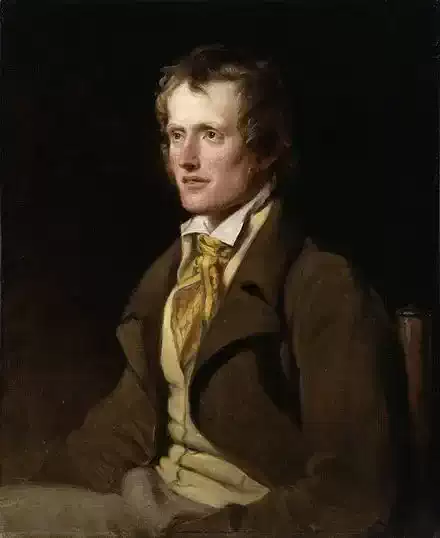
John Clare
Early Spring
Early Spring
The Spring is come, and Spring flowers coming too,
The crocus, patty kay, the rich hearts' ease;
The polyanthus peeps with blebs of dew,
And daisy flowers; the buds swell on the trees;
While oer the odd flowers swim grandfather bees
In the old homestead rests the cottage cow;
The dogs sit on their haunches near the pail,
The least one to the stranger growls 'bow wow,'
Then hurries to the door and cocks his tail,
To knaw the unfinished bone; the placid cow
Looks oer the gate; the thresher's lumping flail
Is all the noise the spring encounters now.
The Spring is come, and Spring flowers coming too,
The crocus, patty kay, the rich hearts' ease;
The polyanthus peeps with blebs of dew,
And daisy flowers; the buds swell on the trees;
While oer the odd flowers swim grandfather bees
In the old homestead rests the cottage cow;
The dogs sit on their haunches near the pail,
The least one to the stranger growls 'bow wow,'
Then hurries to the door and cocks his tail,
To knaw the unfinished bone; the placid cow
Looks oer the gate; the thresher's lumping flail
Is all the noise the spring encounters now.
414
John Clare
Emmonsail's Heath in Winter
Emmonsail's Heath in Winter
I love to see the old heath's withered brake
Mingle its crimpled leaves with furze and ling,
While the old heron from the lonely lake
Starts slow and flaps its melancholy wing,
An oddling crow in idle motion swing
On the half-rotten ash-tree's topmost twig,
Beside whose trunk the gypsy makes his bed.
Up flies the bouncing woodcock from the brig
Where a black quagmire quakes beneath the tread;
The fieldfares chatter in the whistling thorn
And for the haw round fields and closen rove,
And coy bumbarrels, twenty in a drove,
Flit down the hedgerows in the frozen plain
And hang on little twigs and start again.
I love to see the old heath's withered brake
Mingle its crimpled leaves with furze and ling,
While the old heron from the lonely lake
Starts slow and flaps its melancholy wing,
An oddling crow in idle motion swing
On the half-rotten ash-tree's topmost twig,
Beside whose trunk the gypsy makes his bed.
Up flies the bouncing woodcock from the brig
Where a black quagmire quakes beneath the tread;
The fieldfares chatter in the whistling thorn
And for the haw round fields and closen rove,
And coy bumbarrels, twenty in a drove,
Flit down the hedgerows in the frozen plain
And hang on little twigs and start again.
435
John Clare
Emmonsail's Heath in Winter
Emmonsail's Heath in Winter
I love to see the old heath's withered brake
Mingle its crimpled leaves with furze and ling,
While the old heron from the lonely lake
Starts slow and flaps its melancholy wing,
An oddling crow in idle motion swing
On the half-rotten ash-tree's topmost twig,
Beside whose trunk the gypsy makes his bed.
Up flies the bouncing woodcock from the brig
Where a black quagmire quakes beneath the tread;
The fieldfares chatter in the whistling thorn
And for the haw round fields and closen rove,
And coy bumbarrels, twenty in a drove,
Flit down the hedgerows in the frozen plain
And hang on little twigs and start again.
I love to see the old heath's withered brake
Mingle its crimpled leaves with furze and ling,
While the old heron from the lonely lake
Starts slow and flaps its melancholy wing,
An oddling crow in idle motion swing
On the half-rotten ash-tree's topmost twig,
Beside whose trunk the gypsy makes his bed.
Up flies the bouncing woodcock from the brig
Where a black quagmire quakes beneath the tread;
The fieldfares chatter in the whistling thorn
And for the haw round fields and closen rove,
And coy bumbarrels, twenty in a drove,
Flit down the hedgerows in the frozen plain
And hang on little twigs and start again.
435
John Clare
Dewdrops
Dewdrops
The dewdrops on every blade of grass are so much like silver drops
that I am obliged to stoop down as I walk to see if they are pearls,
and those sprinkled on the ivy-woven beds of primroses underneath the
hazels, whitethorns and maples are so like gold beads that I stooped
down to feel if they were hard, but they melted from my finger. And
where the dew lies on the primrose, the violet and whitethorn leaves
they are emerald and beryl, yet nothing more than the dews of the
morning on the budding leaves; nay, the road grasses are covered with
gold and silver beads, and the further we go the brighter they seem to
shine, like solid gold and silver. It is nothing more than the sun's
light and shade upon them in the dewy morning; every thorn-point and
every bramble-spear has its trembling ornament: till the wind gets
a little brisker, and then all is shaken off, and all the shining
jewelry passes away into a common spring morning full of budding
leaves, primroses, violets, vernal speedwell, bluebell and orchis, and
commonplace objects.
The dewdrops on every blade of grass are so much like silver drops
that I am obliged to stoop down as I walk to see if they are pearls,
and those sprinkled on the ivy-woven beds of primroses underneath the
hazels, whitethorns and maples are so like gold beads that I stooped
down to feel if they were hard, but they melted from my finger. And
where the dew lies on the primrose, the violet and whitethorn leaves
they are emerald and beryl, yet nothing more than the dews of the
morning on the budding leaves; nay, the road grasses are covered with
gold and silver beads, and the further we go the brighter they seem to
shine, like solid gold and silver. It is nothing more than the sun's
light and shade upon them in the dewy morning; every thorn-point and
every bramble-spear has its trembling ornament: till the wind gets
a little brisker, and then all is shaken off, and all the shining
jewelry passes away into a common spring morning full of budding
leaves, primroses, violets, vernal speedwell, bluebell and orchis, and
commonplace objects.
392
John Clare
Dyke Side
Dyke Side
The frog croaks loud, and maidens dare not pass
But fear the noisome toad and shun the grass;
And on the sunny banks they dare not go
Where hissing snakes run to the flood below.
The nuthatch noises loud in wood and wild,
Like women turning skreeking to a child.
The schoolboy hears and brushes through the trees
And runs about till drabbled to the knees.
The old hawk winnows round the old crow's nest;
The schoolboy hears and wonder fills his breast.
He throws his basket down to climb the tree
And wonders what the red blotched eggs can be:
The green woodpecker bounces from the view
And hollos as he buzzes bye 'kew kew.'
The frog croaks loud, and maidens dare not pass
But fear the noisome toad and shun the grass;
And on the sunny banks they dare not go
Where hissing snakes run to the flood below.
The nuthatch noises loud in wood and wild,
Like women turning skreeking to a child.
The schoolboy hears and brushes through the trees
And runs about till drabbled to the knees.
The old hawk winnows round the old crow's nest;
The schoolboy hears and wonder fills his breast.
He throws his basket down to climb the tree
And wonders what the red blotched eggs can be:
The green woodpecker bounces from the view
And hollos as he buzzes bye 'kew kew.'
413
John Clare
Bantry Bay
Bantry Bay
On the eighteenth of October we lay in Bantry Bay,
All ready to set sail, with a fresh and steady gale:
A fortnight and nine days we in the harbour lay,
And no breeze ever reached us or strained a single sail.
Three ships of war had we, and the great guns loaded all;
But our ships were dead and beaten that had never feared a foe.
The winds becalmed around us cared for no cannon ball;
They locked us in the harbour and would not let us go.
On the nineteenth of October, by eleven of the clock,
The sky turned black as midnight and a sudden storm came on--
Awful and sudden--and the cables felt the shock;
Our anchors they all broke away and every sheet was gone.
The guns fired off amid the strife, but little hope had we;
The billows broke above the ship and left us all below.
The crew with one consent cried 'Bear further out to sea,'
But the waves obeyed no sailor's call, and we knew not where to go.
She foundered on a rock, while we clambered up the shrouds,
And staggered like a mountain drunk, wedged in the waves almost.
The red hot boiling billows foamed in the stooping clouds,
And in that fatal tempest the whole ship's crew were lost.
Have pity for poor mariners, ye landsmen, in a storm.
O think what they endure at sea while safe at home you stay.
All ye that sleep on beds at night in houses dry and warm,
O think upon the whole ship's crew, all lost at Bantry Bay.
On the eighteenth of October we lay in Bantry Bay,
All ready to set sail, with a fresh and steady gale:
A fortnight and nine days we in the harbour lay,
And no breeze ever reached us or strained a single sail.
Three ships of war had we, and the great guns loaded all;
But our ships were dead and beaten that had never feared a foe.
The winds becalmed around us cared for no cannon ball;
They locked us in the harbour and would not let us go.
On the nineteenth of October, by eleven of the clock,
The sky turned black as midnight and a sudden storm came on--
Awful and sudden--and the cables felt the shock;
Our anchors they all broke away and every sheet was gone.
The guns fired off amid the strife, but little hope had we;
The billows broke above the ship and left us all below.
The crew with one consent cried 'Bear further out to sea,'
But the waves obeyed no sailor's call, and we knew not where to go.
She foundered on a rock, while we clambered up the shrouds,
And staggered like a mountain drunk, wedged in the waves almost.
The red hot boiling billows foamed in the stooping clouds,
And in that fatal tempest the whole ship's crew were lost.
Have pity for poor mariners, ye landsmen, in a storm.
O think what they endure at sea while safe at home you stay.
All ye that sleep on beds at night in houses dry and warm,
O think upon the whole ship's crew, all lost at Bantry Bay.
403
John Clare
Bantry Bay
Bantry Bay
On the eighteenth of October we lay in Bantry Bay,
All ready to set sail, with a fresh and steady gale:
A fortnight and nine days we in the harbour lay,
And no breeze ever reached us or strained a single sail.
Three ships of war had we, and the great guns loaded all;
But our ships were dead and beaten that had never feared a foe.
The winds becalmed around us cared for no cannon ball;
They locked us in the harbour and would not let us go.
On the nineteenth of October, by eleven of the clock,
The sky turned black as midnight and a sudden storm came on--
Awful and sudden--and the cables felt the shock;
Our anchors they all broke away and every sheet was gone.
The guns fired off amid the strife, but little hope had we;
The billows broke above the ship and left us all below.
The crew with one consent cried 'Bear further out to sea,'
But the waves obeyed no sailor's call, and we knew not where to go.
She foundered on a rock, while we clambered up the shrouds,
And staggered like a mountain drunk, wedged in the waves almost.
The red hot boiling billows foamed in the stooping clouds,
And in that fatal tempest the whole ship's crew were lost.
Have pity for poor mariners, ye landsmen, in a storm.
O think what they endure at sea while safe at home you stay.
All ye that sleep on beds at night in houses dry and warm,
O think upon the whole ship's crew, all lost at Bantry Bay.
On the eighteenth of October we lay in Bantry Bay,
All ready to set sail, with a fresh and steady gale:
A fortnight and nine days we in the harbour lay,
And no breeze ever reached us or strained a single sail.
Three ships of war had we, and the great guns loaded all;
But our ships were dead and beaten that had never feared a foe.
The winds becalmed around us cared for no cannon ball;
They locked us in the harbour and would not let us go.
On the nineteenth of October, by eleven of the clock,
The sky turned black as midnight and a sudden storm came on--
Awful and sudden--and the cables felt the shock;
Our anchors they all broke away and every sheet was gone.
The guns fired off amid the strife, but little hope had we;
The billows broke above the ship and left us all below.
The crew with one consent cried 'Bear further out to sea,'
But the waves obeyed no sailor's call, and we knew not where to go.
She foundered on a rock, while we clambered up the shrouds,
And staggered like a mountain drunk, wedged in the waves almost.
The red hot boiling billows foamed in the stooping clouds,
And in that fatal tempest the whole ship's crew were lost.
Have pity for poor mariners, ye landsmen, in a storm.
O think what they endure at sea while safe at home you stay.
All ye that sleep on beds at night in houses dry and warm,
O think upon the whole ship's crew, all lost at Bantry Bay.
403
John Clare
Bonny Lassie O!
Bonny Lassie O!
O the evening's for the fair, bonny lassie O!
To meet the cooler air and walk an angel there,
With the dark dishevelled hair,
Bonny lassie O!
The bloom's on the brere, bonny lassie O!
Oak apples on the tree; and wilt thou gang to see
The shed I've made for thee,
Bonny lassie O!
Tis agen the running brook, bonny lassie O!
In a grassy nook hard by, with a little patch of sky,
And a bush to keep us dry,
Bonny lassie O!
There's the daisy all the year, bonny lassie O!
There's the king-cup bright as gold, and the speedwell never cold,
And the arum leaves unrolled,
Bonny lassie O!
O meet me at the shed, bonny lassie O!
With a woodbine peeping in, and the roses like thy skin
Blushing, thy praise to win,
Bonny lassie O!
I will meet thee there at e'en, bonny lassie O!
When the bee sips in the bean, and grey willow branches lean,
And the moonbeam looks between,
Bonny lassie O!
O the evening's for the fair, bonny lassie O!
To meet the cooler air and walk an angel there,
With the dark dishevelled hair,
Bonny lassie O!
The bloom's on the brere, bonny lassie O!
Oak apples on the tree; and wilt thou gang to see
The shed I've made for thee,
Bonny lassie O!
Tis agen the running brook, bonny lassie O!
In a grassy nook hard by, with a little patch of sky,
And a bush to keep us dry,
Bonny lassie O!
There's the daisy all the year, bonny lassie O!
There's the king-cup bright as gold, and the speedwell never cold,
And the arum leaves unrolled,
Bonny lassie O!
O meet me at the shed, bonny lassie O!
With a woodbine peeping in, and the roses like thy skin
Blushing, thy praise to win,
Bonny lassie O!
I will meet thee there at e'en, bonny lassie O!
When the bee sips in the bean, and grey willow branches lean,
And the moonbeam looks between,
Bonny lassie O!
386
John Clare
Badger
Badger
The badger grunting on his woodland track
With shaggy hide and sharp nose scrowed with black
Roots in the bushes and the woods, and makes
A great high burrow in the ferns and brakes.
With nose on ground he runs an awkward pace,
And anything will beat him in the race.
The shepherd's dog will run him to his den
Followed and hooted by the dogs and men.
The woodman when the hunting comes about
Goes round at night to stop the foxes out
And hurrying through the bushes to the chin
Breaks the old holes, and tumbles headlong in.
When midnight comes a host of dogs and men
Go out and track the badger to his den,
And put a sack within the hole, and lie
Till the old grunting badger passes bye.
He comes and hears—they let the strongest loose.
The old fox hears the noise and drops the goose.
The poacher shoots and hurries from the cry,
And the old hare half wounded buzzes bye.
They get a forked stick to bear him down
And clap the dogs and take him to the town,
And bait him all the day with many dogs,
And laugh and shout and fright the scampering hogs.
He runs along and bites at all he meets:
They shout and hollo down the noisy streets.
He turns about to face the loud uproar
And drives the rebels to their very door.
The frequent stone is hurled where e'er they go;
When badgers fight, then every one's a foe.
The dogs are clapt and urged to join the fray;
The badger turns and drives them all away.
Though scarcely half as big, demure and small,
He fights with dogs for bones and beats them all.
The heavy mastiff, savage in the fray,
Lies down and licks his feet and turns away.
The bulldog knows his match and waxes cold,
The badger grins and never leaves his hold.
He drives the crowd and follows at their heels
And bites them through—the drunkard swears and reels.
The frighted women take the boys away,
The blackguard laughs and hurries on the fray.
He tries to reach the woods, an awkward race,
But sticks and cudgels quickly stop the chase.
He turns again and drives the noisy crowd
And beats the many dogs in noises loud.
He drives away and beats them every one,
And then they loose them all and set them on.
He falls as dead and kicked by boys and men,
Then starts and grins and drives the crowd again;
Till kicked and torn and beaten out he lies
And leaves his hold and cackles, groans, and dies.
Some keep a baited badger tame as hog
And tame him till he follows like the dog.
They urge him on like dogs and show fair play.
He beats and scarcely wounded goes away.
Lapt up as if asleep, he scorns to fly
And seizes any dog that ventures nigh.
Clapt like a dog, he never bites the men
But worries dogs and hurries to his den.
They let him out and turn a harrow down
And there he fights the host of all the town.
He licks the patting hand, and tries to play
And never tries to bite or run away,
And runs away from the noise in hollow trees
Burnt by the boys to get a swarm of bees.
The badger grunting on his woodland track
With shaggy hide and sharp nose scrowed with black
Roots in the bushes and the woods, and makes
A great high burrow in the ferns and brakes.
With nose on ground he runs an awkward pace,
And anything will beat him in the race.
The shepherd's dog will run him to his den
Followed and hooted by the dogs and men.
The woodman when the hunting comes about
Goes round at night to stop the foxes out
And hurrying through the bushes to the chin
Breaks the old holes, and tumbles headlong in.
When midnight comes a host of dogs and men
Go out and track the badger to his den,
And put a sack within the hole, and lie
Till the old grunting badger passes bye.
He comes and hears—they let the strongest loose.
The old fox hears the noise and drops the goose.
The poacher shoots and hurries from the cry,
And the old hare half wounded buzzes bye.
They get a forked stick to bear him down
And clap the dogs and take him to the town,
And bait him all the day with many dogs,
And laugh and shout and fright the scampering hogs.
He runs along and bites at all he meets:
They shout and hollo down the noisy streets.
He turns about to face the loud uproar
And drives the rebels to their very door.
The frequent stone is hurled where e'er they go;
When badgers fight, then every one's a foe.
The dogs are clapt and urged to join the fray;
The badger turns and drives them all away.
Though scarcely half as big, demure and small,
He fights with dogs for bones and beats them all.
The heavy mastiff, savage in the fray,
Lies down and licks his feet and turns away.
The bulldog knows his match and waxes cold,
The badger grins and never leaves his hold.
He drives the crowd and follows at their heels
And bites them through—the drunkard swears and reels.
The frighted women take the boys away,
The blackguard laughs and hurries on the fray.
He tries to reach the woods, an awkward race,
But sticks and cudgels quickly stop the chase.
He turns again and drives the noisy crowd
And beats the many dogs in noises loud.
He drives away and beats them every one,
And then they loose them all and set them on.
He falls as dead and kicked by boys and men,
Then starts and grins and drives the crowd again;
Till kicked and torn and beaten out he lies
And leaves his hold and cackles, groans, and dies.
Some keep a baited badger tame as hog
And tame him till he follows like the dog.
They urge him on like dogs and show fair play.
He beats and scarcely wounded goes away.
Lapt up as if asleep, he scorns to fly
And seizes any dog that ventures nigh.
Clapt like a dog, he never bites the men
But worries dogs and hurries to his den.
They let him out and turn a harrow down
And there he fights the host of all the town.
He licks the patting hand, and tries to play
And never tries to bite or run away,
And runs away from the noise in hollow trees
Burnt by the boys to get a swarm of bees.
445
John Clare
Autumn
Autumn
The thistledown's flying, though the winds are all still,
On the green grass now lying, now mounting the hill,
The spring from the fountain now boils like a pot;
Through stones past the counting it bubbles red-hot.
The ground parched and cracked is like overbaked bread,
The greensward all wracked is, bents dried up and dead.
The fallow fields glitter like water indeed,
And gossamers twitter, flung from weed unto weed.
Hill-tops like hot iron glitter bright in the sun,
And the rivers we're eying burn to gold as they run;
Burning hot is the ground, liquid gold is the air;
Whoever looks round sees Eternity there.
The thistledown's flying, though the winds are all still,
On the green grass now lying, now mounting the hill,
The spring from the fountain now boils like a pot;
Through stones past the counting it bubbles red-hot.
The ground parched and cracked is like overbaked bread,
The greensward all wracked is, bents dried up and dead.
The fallow fields glitter like water indeed,
And gossamers twitter, flung from weed unto weed.
Hill-tops like hot iron glitter bright in the sun,
And the rivers we're eying burn to gold as they run;
Burning hot is the ground, liquid gold is the air;
Whoever looks round sees Eternity there.
439
John Clare
Autumn
Autumn
The thistledown's flying, though the winds are all still,
On the green grass now lying, now mounting the hill,
The spring from the fountain now boils like a pot;
Through stones past the counting it bubbles red-hot.
The ground parched and cracked is like overbaked bread,
The greensward all wracked is, bents dried up and dead.
The fallow fields glitter like water indeed,
And gossamers twitter, flung from weed unto weed.
Hill-tops like hot iron glitter bright in the sun,
And the rivers we're eying burn to gold as they run;
Burning hot is the ground, liquid gold is the air;
Whoever looks round sees Eternity there.
The thistledown's flying, though the winds are all still,
On the green grass now lying, now mounting the hill,
The spring from the fountain now boils like a pot;
Through stones past the counting it bubbles red-hot.
The ground parched and cracked is like overbaked bread,
The greensward all wracked is, bents dried up and dead.
The fallow fields glitter like water indeed,
And gossamers twitter, flung from weed unto weed.
Hill-tops like hot iron glitter bright in the sun,
And the rivers we're eying burn to gold as they run;
Burning hot is the ground, liquid gold is the air;
Whoever looks round sees Eternity there.
439
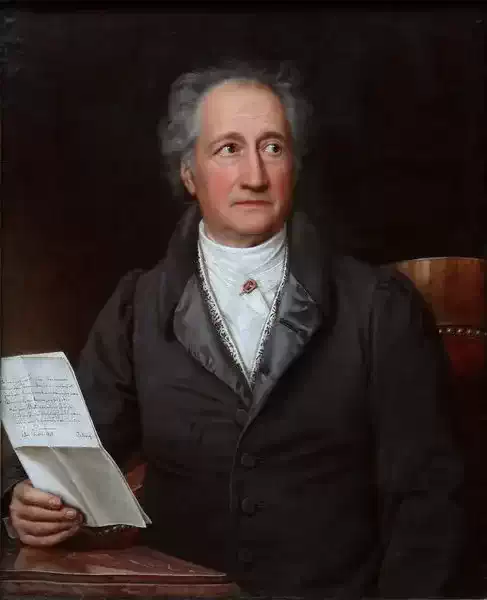
Johann Wolfgang von Goethe
To The Moon
To The Moon
BUSH and vale thou fill'st again
With thy misty ray,
And my spirit's heavy chain
Castest far away.
Thou dost o'er my fields extend
Thy sweet soothing eye,
Watching like a gentle friend,
O'er my destiny.
Vanish'd days of bliss and woe
Haunt me with their tone,
Joy and grief in turns I know,
As I stray alone.
Stream beloved, flow on! flow on!
Ne'er can I be gay!
Thus have sport and kisses gone,
Truth thus pass'd away.
Once I seem'd the lord to be
Of that prize so fair!
Now, to our deep sorrow, we
Can forget it ne'er.
Murmur, stream, the vale along,
Never cease thy sighs;
Murmur, whisper to my song
Answering melodies!
When thou in the winter's night
Overflow'st in wrath,
Or in spring-time sparklest bright,
As the buds shoot forth.
He who from the world retires,
Void of hate, is blest;
Who a friend's true love inspires,
Leaning on his breast!
That which heedless man ne'er knew,
Or ne'er thought aright,
Roams the bosom's labyrinth through,
Boldly into night.
BUSH and vale thou fill'st again
With thy misty ray,
And my spirit's heavy chain
Castest far away.
Thou dost o'er my fields extend
Thy sweet soothing eye,
Watching like a gentle friend,
O'er my destiny.
Vanish'd days of bliss and woe
Haunt me with their tone,
Joy and grief in turns I know,
As I stray alone.
Stream beloved, flow on! flow on!
Ne'er can I be gay!
Thus have sport and kisses gone,
Truth thus pass'd away.
Once I seem'd the lord to be
Of that prize so fair!
Now, to our deep sorrow, we
Can forget it ne'er.
Murmur, stream, the vale along,
Never cease thy sighs;
Murmur, whisper to my song
Answering melodies!
When thou in the winter's night
Overflow'st in wrath,
Or in spring-time sparklest bright,
As the buds shoot forth.
He who from the world retires,
Void of hate, is blest;
Who a friend's true love inspires,
Leaning on his breast!
That which heedless man ne'er knew,
Or ne'er thought aright,
Roams the bosom's labyrinth through,
Boldly into night.
461
Johann Wolfgang von Goethe
Three Palinodias - 03 Rain And Rainbow
Three Palinodias - 03 Rain And Rainbow
DURING a heavy storm it chanced
That from his room a cockney glanced
At the fierce tempest as it broke,
While to his neighbour thus he spoke:
"The thunder has our awe inspired,
Our barns by lightning have been fired,--
Our sins to punish, I suppose;
But in return, to soothe our woes,
See how the rain in torrents fell,
Making the harvest promise well!
But it's a rainbow that I spy
Extending o'er the dark-grey sky?
With it I'm sure we may dispense,
The colour'd cheat! The vain pretence!"
Dame Iris straightway thus replied:
"Dost dare my beauty to deride?
In realms of space God station'd me
A type of better worlds to be
To eyes that from life's sorrows rove
In cheerful hope to Heav'n above,
And, through the mists that hover here
God and his precepts blest revere.
Do thou, then, grovel like the swine,
And to the ground thy snout confine,
But suffer the enlighten'd eye
To feast upon my majesty."
DURING a heavy storm it chanced
That from his room a cockney glanced
At the fierce tempest as it broke,
While to his neighbour thus he spoke:
"The thunder has our awe inspired,
Our barns by lightning have been fired,--
Our sins to punish, I suppose;
But in return, to soothe our woes,
See how the rain in torrents fell,
Making the harvest promise well!
But it's a rainbow that I spy
Extending o'er the dark-grey sky?
With it I'm sure we may dispense,
The colour'd cheat! The vain pretence!"
Dame Iris straightway thus replied:
"Dost dare my beauty to deride?
In realms of space God station'd me
A type of better worlds to be
To eyes that from life's sorrows rove
In cheerful hope to Heav'n above,
And, through the mists that hover here
God and his precepts blest revere.
Do thou, then, grovel like the swine,
And to the ground thy snout confine,
But suffer the enlighten'd eye
To feast upon my majesty."
415
Johann Wolfgang von Goethe
The Yelpers
The Yelpers
OUR rides in all directions bend,
For business or for pleasure,
Yet yelpings on our steps attend,
And barkings without measure.
The dog that in our stable dwells,
After our heels is striding,
And all the while his noisy yells
But show that we are riding.
OUR rides in all directions bend,
For business or for pleasure,
Yet yelpings on our steps attend,
And barkings without measure.
The dog that in our stable dwells,
After our heels is striding,
And all the while his noisy yells
But show that we are riding.
342
Johann Wolfgang von Goethe
The Shepherd's Lament
The Shepherd's Lament
ON yonder lofty mountain
A thousand times I stand,
And on my staff reclining,
Look down on the smiling land.
My grazing flocks then I follow,
My dog protecting them well;
I find myself in the valley,
But how, I scarcely can tell.
The whole of the meadow is cover'd
With flowers of beauty rare;
I pluck them, but pluck them unknowing
To whom the offering to bear.
In rain and storm and tempest,
I tarry beneath the tree,
But closed remaineth yon portal;
'Tis all but a vision to me.
High over yonder dwelling,
There rises a rainbow gay;
But she from home hath departed
And wander'd far, far away.
Yes, far away bath she wander'd,
Perchance e'en over the sea;
Move onward, ye sheep, then, move onward!
Full sad the shepherd must be.
ON yonder lofty mountain
A thousand times I stand,
And on my staff reclining,
Look down on the smiling land.
My grazing flocks then I follow,
My dog protecting them well;
I find myself in the valley,
But how, I scarcely can tell.
The whole of the meadow is cover'd
With flowers of beauty rare;
I pluck them, but pluck them unknowing
To whom the offering to bear.
In rain and storm and tempest,
I tarry beneath the tree,
But closed remaineth yon portal;
'Tis all but a vision to me.
High over yonder dwelling,
There rises a rainbow gay;
But she from home hath departed
And wander'd far, far away.
Yes, far away bath she wander'd,
Perchance e'en over the sea;
Move onward, ye sheep, then, move onward!
Full sad the shepherd must be.
417
Johann Wolfgang von Goethe
The Same
The Same
HUSH'D on the hill
Is the breeze;
Scarce by the zephyr
The trees
Softly are press'd;
The woodbird's asleep on the bough.
Wait, then, and thou
Soon wilt find rest.
HUSH'D on the hill
Is the breeze;
Scarce by the zephyr
The trees
Softly are press'd;
The woodbird's asleep on the bough.
Wait, then, and thou
Soon wilt find rest.
379
Johann Wolfgang von Goethe
The Same
The Same
HUSH'D on the hill
Is the breeze;
Scarce by the zephyr
The trees
Softly are press'd;
The woodbird's asleep on the bough.
Wait, then, and thou
Soon wilt find rest.
HUSH'D on the hill
Is the breeze;
Scarce by the zephyr
The trees
Softly are press'd;
The woodbird's asleep on the bough.
Wait, then, and thou
Soon wilt find rest.
379
Johann Wolfgang von Goethe
The Metamorphosis Of Plants
The Metamorphosis Of Plants
THOU art confused, my beloved, at, seeing the thousandfold union
Shown in this flowery troop, over the garden dispers'd;
any a name dost thou hear assign'd; one after another
Falls on thy list'ning ear, with a barbarian sound.
None resembleth another, yet all their forms have a likeness;
Therefore, a mystical law is by the chorus proclaim'd;
Yes, a sacred enigma! Oh, dearest friend, could I only
Happily teach thee the word, which may the mystery solve!
Closely observe how the plant, by little and little progressing,
Step by step guided on, changeth to blossom and fruit!
First from the seed it unravels itself, as soon as the silent
Fruit-bearing womb of the earth kindly allows Its escape,
And to the charms of the light, the holy, the ever-in-motion,
Trusteth the delicate leaves, feebly beginning to shoot.
Simply slumber'd the force in the seed; a germ of the future,
Peacefully lock'd in itself, 'neath the integument lay,
Leaf and root, and bud, still void of colour, and shapeless;
Thus doth the kernel, while dry, cover that motionless life.
Upward then strives it to swell, in gentle moisture confiding,
And, from the night where it dwelt, straightway ascendeth to light.
Yet still simple remaineth its figure, when first it appeareth;
And 'tis a token like this, points out the child 'mid the plants.
Soon a shoot, succeeding it, riseth on high, and reneweth,
Piling-up node upon node, ever the primitive form;
Yet not ever alike: for the following leaf, as thou seest,
Ever produceth itself, fashioned in manifold ways.
Longer, more indented, in points and in parts more divided,
Which. all-deform'd until now, slept in the organ below,
So at length it attaineth the noble and destined perfection,
Which, in full many a tribe, fills thee with wondering awe.
Many ribb'd and tooth'd, on a surface juicy and swelling,
Free and unending the shoot seemeth in fullness to be;
Yet here Nature restraineth, with powerful hands, the formation,
And to a perfecter end, guideth with softness its growth,
Less abundantly yielding the sap, contracting the vessels,
So that the figure ere long gentler effects doth disclose.
Soon and in silence is check'd the growth of the vigorous branches,
And the rib of the stalk fuller becometh in form.
Leafless, however, and quick the tenderer stem then up-springeth,
And a miraculous sight doth the observer enchant.
Ranged in a circle, in numbers that now are small, and now countless,
Gather the smaller-sized leaves, close by the side of their like.
Round the axis compress'd the sheltering calyx unfoldeth,
And, as the perfectest type, brilliant-hued coronals forms.
Thus doth Nature bloom, in glory still nobler and fuller,
Showing, in order arranged, member on member uprear'd.
Wonderment fresh dost thou feel, as soon as the stem rears the flower
Over the scaffolding frail of the alternating leaves.
But this glory is only the new creation's foreteller,
Yes, the leaf with its hues feeleth the hand all divine,
And on a sudden contracteth itself; the tenderest figures
Twofold as yet, hasten on, destined to blend into one.
Lovingly now the beauteous pairs are standing together,
Gather'd in countless array, there where the altar is raised.
Hymen hovereth o'er them, and scents delicious and mighty
Stream forth their fragrance so sweet, all things enliv'ning around.
Presently, parcell'd out, unnumber'd germs are seen swelling,
Sweetly conceald in the womb, where is made perfect the fruit.
Here doth Nature close the ring of her forces eternal;
Yet doth a new one, at once, cling to the one gone before,
So that the chain be prolonged for ever through all generations,
And that the whole may have life, e'en as enjoy'd by each part.
Now, my beloved one, turn thy gaze on the many-hued thousands
Which, confusing no more, gladden the mind as they wave.
Every plant unto thee proclaimeth the laws everlasting,
Every flowered speaks louder and louder to thee;
But if thou here canst decipher the mystic words of the goddess,
Everywhere will they be seen, e'en though the features are changed.
Creeping insects may linger, the eager butterfly hasten,-
Plastic and forming, may man change e'en the figure decreed!
Oh, then, bethink thee, as well, how out of the germ of acquaintance,
Kindly intercourse sprang, slowly unfolding its leaves;
Soon how friendship with might unveil'd itself in our bosoms,
And how Amor, at length, brought forth blossom and fruit
Think of the manifold ways wherein Nature hath lent to our feelings,
Silently giving them birth, either the first or the last!
Yes, and rejoice in the present day! For love that is holy
Seeketh the noblest of fruits,--that where the thoughts are the same,
Where the opinions agree,--that the pair may, in rapt contemplation,
Lovingly blend into one,--find the more excellent world.
THOU art confused, my beloved, at, seeing the thousandfold union
Shown in this flowery troop, over the garden dispers'd;
any a name dost thou hear assign'd; one after another
Falls on thy list'ning ear, with a barbarian sound.
None resembleth another, yet all their forms have a likeness;
Therefore, a mystical law is by the chorus proclaim'd;
Yes, a sacred enigma! Oh, dearest friend, could I only
Happily teach thee the word, which may the mystery solve!
Closely observe how the plant, by little and little progressing,
Step by step guided on, changeth to blossom and fruit!
First from the seed it unravels itself, as soon as the silent
Fruit-bearing womb of the earth kindly allows Its escape,
And to the charms of the light, the holy, the ever-in-motion,
Trusteth the delicate leaves, feebly beginning to shoot.
Simply slumber'd the force in the seed; a germ of the future,
Peacefully lock'd in itself, 'neath the integument lay,
Leaf and root, and bud, still void of colour, and shapeless;
Thus doth the kernel, while dry, cover that motionless life.
Upward then strives it to swell, in gentle moisture confiding,
And, from the night where it dwelt, straightway ascendeth to light.
Yet still simple remaineth its figure, when first it appeareth;
And 'tis a token like this, points out the child 'mid the plants.
Soon a shoot, succeeding it, riseth on high, and reneweth,
Piling-up node upon node, ever the primitive form;
Yet not ever alike: for the following leaf, as thou seest,
Ever produceth itself, fashioned in manifold ways.
Longer, more indented, in points and in parts more divided,
Which. all-deform'd until now, slept in the organ below,
So at length it attaineth the noble and destined perfection,
Which, in full many a tribe, fills thee with wondering awe.
Many ribb'd and tooth'd, on a surface juicy and swelling,
Free and unending the shoot seemeth in fullness to be;
Yet here Nature restraineth, with powerful hands, the formation,
And to a perfecter end, guideth with softness its growth,
Less abundantly yielding the sap, contracting the vessels,
So that the figure ere long gentler effects doth disclose.
Soon and in silence is check'd the growth of the vigorous branches,
And the rib of the stalk fuller becometh in form.
Leafless, however, and quick the tenderer stem then up-springeth,
And a miraculous sight doth the observer enchant.
Ranged in a circle, in numbers that now are small, and now countless,
Gather the smaller-sized leaves, close by the side of their like.
Round the axis compress'd the sheltering calyx unfoldeth,
And, as the perfectest type, brilliant-hued coronals forms.
Thus doth Nature bloom, in glory still nobler and fuller,
Showing, in order arranged, member on member uprear'd.
Wonderment fresh dost thou feel, as soon as the stem rears the flower
Over the scaffolding frail of the alternating leaves.
But this glory is only the new creation's foreteller,
Yes, the leaf with its hues feeleth the hand all divine,
And on a sudden contracteth itself; the tenderest figures
Twofold as yet, hasten on, destined to blend into one.
Lovingly now the beauteous pairs are standing together,
Gather'd in countless array, there where the altar is raised.
Hymen hovereth o'er them, and scents delicious and mighty
Stream forth their fragrance so sweet, all things enliv'ning around.
Presently, parcell'd out, unnumber'd germs are seen swelling,
Sweetly conceald in the womb, where is made perfect the fruit.
Here doth Nature close the ring of her forces eternal;
Yet doth a new one, at once, cling to the one gone before,
So that the chain be prolonged for ever through all generations,
And that the whole may have life, e'en as enjoy'd by each part.
Now, my beloved one, turn thy gaze on the many-hued thousands
Which, confusing no more, gladden the mind as they wave.
Every plant unto thee proclaimeth the laws everlasting,
Every flowered speaks louder and louder to thee;
But if thou here canst decipher the mystic words of the goddess,
Everywhere will they be seen, e'en though the features are changed.
Creeping insects may linger, the eager butterfly hasten,-
Plastic and forming, may man change e'en the figure decreed!
Oh, then, bethink thee, as well, how out of the germ of acquaintance,
Kindly intercourse sprang, slowly unfolding its leaves;
Soon how friendship with might unveil'd itself in our bosoms,
And how Amor, at length, brought forth blossom and fruit
Think of the manifold ways wherein Nature hath lent to our feelings,
Silently giving them birth, either the first or the last!
Yes, and rejoice in the present day! For love that is holy
Seeketh the noblest of fruits,--that where the thoughts are the same,
Where the opinions agree,--that the pair may, in rapt contemplation,
Lovingly blend into one,--find the more excellent world.
434
Johann Wolfgang von Goethe
The Metamorphosis Of Plants
The Metamorphosis Of Plants
THOU art confused, my beloved, at, seeing the thousandfold union
Shown in this flowery troop, over the garden dispers'd;
any a name dost thou hear assign'd; one after another
Falls on thy list'ning ear, with a barbarian sound.
None resembleth another, yet all their forms have a likeness;
Therefore, a mystical law is by the chorus proclaim'd;
Yes, a sacred enigma! Oh, dearest friend, could I only
Happily teach thee the word, which may the mystery solve!
Closely observe how the plant, by little and little progressing,
Step by step guided on, changeth to blossom and fruit!
First from the seed it unravels itself, as soon as the silent
Fruit-bearing womb of the earth kindly allows Its escape,
And to the charms of the light, the holy, the ever-in-motion,
Trusteth the delicate leaves, feebly beginning to shoot.
Simply slumber'd the force in the seed; a germ of the future,
Peacefully lock'd in itself, 'neath the integument lay,
Leaf and root, and bud, still void of colour, and shapeless;
Thus doth the kernel, while dry, cover that motionless life.
Upward then strives it to swell, in gentle moisture confiding,
And, from the night where it dwelt, straightway ascendeth to light.
Yet still simple remaineth its figure, when first it appeareth;
And 'tis a token like this, points out the child 'mid the plants.
Soon a shoot, succeeding it, riseth on high, and reneweth,
Piling-up node upon node, ever the primitive form;
Yet not ever alike: for the following leaf, as thou seest,
Ever produceth itself, fashioned in manifold ways.
Longer, more indented, in points and in parts more divided,
Which. all-deform'd until now, slept in the organ below,
So at length it attaineth the noble and destined perfection,
Which, in full many a tribe, fills thee with wondering awe.
Many ribb'd and tooth'd, on a surface juicy and swelling,
Free and unending the shoot seemeth in fullness to be;
Yet here Nature restraineth, with powerful hands, the formation,
And to a perfecter end, guideth with softness its growth,
Less abundantly yielding the sap, contracting the vessels,
So that the figure ere long gentler effects doth disclose.
Soon and in silence is check'd the growth of the vigorous branches,
And the rib of the stalk fuller becometh in form.
Leafless, however, and quick the tenderer stem then up-springeth,
And a miraculous sight doth the observer enchant.
Ranged in a circle, in numbers that now are small, and now countless,
Gather the smaller-sized leaves, close by the side of their like.
Round the axis compress'd the sheltering calyx unfoldeth,
And, as the perfectest type, brilliant-hued coronals forms.
Thus doth Nature bloom, in glory still nobler and fuller,
Showing, in order arranged, member on member uprear'd.
Wonderment fresh dost thou feel, as soon as the stem rears the flower
Over the scaffolding frail of the alternating leaves.
But this glory is only the new creation's foreteller,
Yes, the leaf with its hues feeleth the hand all divine,
And on a sudden contracteth itself; the tenderest figures
Twofold as yet, hasten on, destined to blend into one.
Lovingly now the beauteous pairs are standing together,
Gather'd in countless array, there where the altar is raised.
Hymen hovereth o'er them, and scents delicious and mighty
Stream forth their fragrance so sweet, all things enliv'ning around.
Presently, parcell'd out, unnumber'd germs are seen swelling,
Sweetly conceald in the womb, where is made perfect the fruit.
Here doth Nature close the ring of her forces eternal;
Yet doth a new one, at once, cling to the one gone before,
So that the chain be prolonged for ever through all generations,
And that the whole may have life, e'en as enjoy'd by each part.
Now, my beloved one, turn thy gaze on the many-hued thousands
Which, confusing no more, gladden the mind as they wave.
Every plant unto thee proclaimeth the laws everlasting,
Every flowered speaks louder and louder to thee;
But if thou here canst decipher the mystic words of the goddess,
Everywhere will they be seen, e'en though the features are changed.
Creeping insects may linger, the eager butterfly hasten,-
Plastic and forming, may man change e'en the figure decreed!
Oh, then, bethink thee, as well, how out of the germ of acquaintance,
Kindly intercourse sprang, slowly unfolding its leaves;
Soon how friendship with might unveil'd itself in our bosoms,
And how Amor, at length, brought forth blossom and fruit
Think of the manifold ways wherein Nature hath lent to our feelings,
Silently giving them birth, either the first or the last!
Yes, and rejoice in the present day! For love that is holy
Seeketh the noblest of fruits,--that where the thoughts are the same,
Where the opinions agree,--that the pair may, in rapt contemplation,
Lovingly blend into one,--find the more excellent world.
THOU art confused, my beloved, at, seeing the thousandfold union
Shown in this flowery troop, over the garden dispers'd;
any a name dost thou hear assign'd; one after another
Falls on thy list'ning ear, with a barbarian sound.
None resembleth another, yet all their forms have a likeness;
Therefore, a mystical law is by the chorus proclaim'd;
Yes, a sacred enigma! Oh, dearest friend, could I only
Happily teach thee the word, which may the mystery solve!
Closely observe how the plant, by little and little progressing,
Step by step guided on, changeth to blossom and fruit!
First from the seed it unravels itself, as soon as the silent
Fruit-bearing womb of the earth kindly allows Its escape,
And to the charms of the light, the holy, the ever-in-motion,
Trusteth the delicate leaves, feebly beginning to shoot.
Simply slumber'd the force in the seed; a germ of the future,
Peacefully lock'd in itself, 'neath the integument lay,
Leaf and root, and bud, still void of colour, and shapeless;
Thus doth the kernel, while dry, cover that motionless life.
Upward then strives it to swell, in gentle moisture confiding,
And, from the night where it dwelt, straightway ascendeth to light.
Yet still simple remaineth its figure, when first it appeareth;
And 'tis a token like this, points out the child 'mid the plants.
Soon a shoot, succeeding it, riseth on high, and reneweth,
Piling-up node upon node, ever the primitive form;
Yet not ever alike: for the following leaf, as thou seest,
Ever produceth itself, fashioned in manifold ways.
Longer, more indented, in points and in parts more divided,
Which. all-deform'd until now, slept in the organ below,
So at length it attaineth the noble and destined perfection,
Which, in full many a tribe, fills thee with wondering awe.
Many ribb'd and tooth'd, on a surface juicy and swelling,
Free and unending the shoot seemeth in fullness to be;
Yet here Nature restraineth, with powerful hands, the formation,
And to a perfecter end, guideth with softness its growth,
Less abundantly yielding the sap, contracting the vessels,
So that the figure ere long gentler effects doth disclose.
Soon and in silence is check'd the growth of the vigorous branches,
And the rib of the stalk fuller becometh in form.
Leafless, however, and quick the tenderer stem then up-springeth,
And a miraculous sight doth the observer enchant.
Ranged in a circle, in numbers that now are small, and now countless,
Gather the smaller-sized leaves, close by the side of their like.
Round the axis compress'd the sheltering calyx unfoldeth,
And, as the perfectest type, brilliant-hued coronals forms.
Thus doth Nature bloom, in glory still nobler and fuller,
Showing, in order arranged, member on member uprear'd.
Wonderment fresh dost thou feel, as soon as the stem rears the flower
Over the scaffolding frail of the alternating leaves.
But this glory is only the new creation's foreteller,
Yes, the leaf with its hues feeleth the hand all divine,
And on a sudden contracteth itself; the tenderest figures
Twofold as yet, hasten on, destined to blend into one.
Lovingly now the beauteous pairs are standing together,
Gather'd in countless array, there where the altar is raised.
Hymen hovereth o'er them, and scents delicious and mighty
Stream forth their fragrance so sweet, all things enliv'ning around.
Presently, parcell'd out, unnumber'd germs are seen swelling,
Sweetly conceald in the womb, where is made perfect the fruit.
Here doth Nature close the ring of her forces eternal;
Yet doth a new one, at once, cling to the one gone before,
So that the chain be prolonged for ever through all generations,
And that the whole may have life, e'en as enjoy'd by each part.
Now, my beloved one, turn thy gaze on the many-hued thousands
Which, confusing no more, gladden the mind as they wave.
Every plant unto thee proclaimeth the laws everlasting,
Every flowered speaks louder and louder to thee;
But if thou here canst decipher the mystic words of the goddess,
Everywhere will they be seen, e'en though the features are changed.
Creeping insects may linger, the eager butterfly hasten,-
Plastic and forming, may man change e'en the figure decreed!
Oh, then, bethink thee, as well, how out of the germ of acquaintance,
Kindly intercourse sprang, slowly unfolding its leaves;
Soon how friendship with might unveil'd itself in our bosoms,
And how Amor, at length, brought forth blossom and fruit
Think of the manifold ways wherein Nature hath lent to our feelings,
Silently giving them birth, either the first or the last!
Yes, and rejoice in the present day! For love that is holy
Seeketh the noblest of fruits,--that where the thoughts are the same,
Where the opinions agree,--that the pair may, in rapt contemplation,
Lovingly blend into one,--find the more excellent world.
434
Johann Wolfgang von Goethe
The Fox And The Crane
The Fox And The Crane
ONCE two persons uninvited
Came to join my dinner table;
For the nonce they lived united,
Fox and crane yclept in fable.
Civil greetings pass'd between us
Then I pluck'd some pigeons tender
For the fox of jackal-genius,
Adding grapes in full-grown splendour.
Long-neck'd flasks I put as dishes
For the crane, without delaying,
Fill'd with gold and silver fishes,
In the limpid water playing.
Had ye witness'd Reynard planted
At his flat plate, all demurely,
Ye with envy must have granted:
"Ne'er was such a gourmand, surely!"
While the bird with circumspection
On one foot, as usual, cradled,
From the flasks his fish-refection
With his bill and long neck ladled.
One the pigeons praised,--the other,
As they went, extoll'd the fishes,
Each one scoffing at his brother
For preferring vulgar dishes.
*
If thou wouldst preserve thy credit,
When thou askest folks to guzzle
At thy hoard, take care to spread it
Suited both for bill and muzzle.
ONCE two persons uninvited
Came to join my dinner table;
For the nonce they lived united,
Fox and crane yclept in fable.
Civil greetings pass'd between us
Then I pluck'd some pigeons tender
For the fox of jackal-genius,
Adding grapes in full-grown splendour.
Long-neck'd flasks I put as dishes
For the crane, without delaying,
Fill'd with gold and silver fishes,
In the limpid water playing.
Had ye witness'd Reynard planted
At his flat plate, all demurely,
Ye with envy must have granted:
"Ne'er was such a gourmand, surely!"
While the bird with circumspection
On one foot, as usual, cradled,
From the flasks his fish-refection
With his bill and long neck ladled.
One the pigeons praised,--the other,
As they went, extoll'd the fishes,
Each one scoffing at his brother
For preferring vulgar dishes.
*
If thou wouldst preserve thy credit,
When thou askest folks to guzzle
At thy hoard, take care to spread it
Suited both for bill and muzzle.
391
Johann Wolfgang von Goethe
The Dilettante And The Critic
The Dilettante And The Critic
A BOY a pigeon once possess'd,
In gay and brilliant plumage dress'd;
He loved it well, and in boyish sport
Its food to take from his mouth he taught,
And in his pigeon he took such pride,
That his joy to others he needs must confide.
An aged fox near the place chanc'd to dwell,
Talkative, clever, and learned as well;
The boy his society used to prize,
Hearing with pleasure his wonders and lies.
"My friend the fox my pigeon must see
He ran, and stretch'd 'mongst the bushes lay he
"Look, fox, at my pigeon, my pigeon so fair!
His equal I'm sure thou hast look'd upon ne'er!"
"Let's see!"--The boy gave it.--"'Tis really not bad;
And yet, it is far from complete, I must add.
The feathers, for, instance, how short! 'Tis absurd!"
So he set to work straightway to pluck the poor bird.
The boy screamed.--"Thou must now stronger pinions supply,
Or else 'twill be ugly, unable to fly."--
Soon 'twas stripp'd--oh, the villain!--and torn all to pieces.
The boy was heart-broken,--and so my tale ceases.
He who sees in the boy shadow'd forth his own case,
Should be on his guard 'gainst the fox's whole race.
A BOY a pigeon once possess'd,
In gay and brilliant plumage dress'd;
He loved it well, and in boyish sport
Its food to take from his mouth he taught,
And in his pigeon he took such pride,
That his joy to others he needs must confide.
An aged fox near the place chanc'd to dwell,
Talkative, clever, and learned as well;
The boy his society used to prize,
Hearing with pleasure his wonders and lies.
"My friend the fox my pigeon must see
He ran, and stretch'd 'mongst the bushes lay he
"Look, fox, at my pigeon, my pigeon so fair!
His equal I'm sure thou hast look'd upon ne'er!"
"Let's see!"--The boy gave it.--"'Tis really not bad;
And yet, it is far from complete, I must add.
The feathers, for, instance, how short! 'Tis absurd!"
So he set to work straightway to pluck the poor bird.
The boy screamed.--"Thou must now stronger pinions supply,
Or else 'twill be ugly, unable to fly."--
Soon 'twas stripp'd--oh, the villain!--and torn all to pieces.
The boy was heart-broken,--and so my tale ceases.
He who sees in the boy shadow'd forth his own case,
Should be on his guard 'gainst the fox's whole race.
389
Johann Wolfgang von Goethe
Swiss Song
Swiss Song
Up in th' mountain
I was a-sitting,
With the bird there
As my guest,
Blithely singing,
Blithely springing,
And building
His nest.
In the garden
I was a-standing,
And the bee there
Saw as well,
Buzzing, humming,
Going, coming,
And building
His cell.
O'er the meadow
I was a-going,
And there saw the
Butterflies,
Sipping, dancing,
Flying, glancing,
And charming
The eyes.
And then came my
Dear Hansel,
And I show'd them
With glee,
Sipping, quaffing,
And he, laughing,
Sweet kisses
Gave me.
Up in th' mountain
I was a-sitting,
With the bird there
As my guest,
Blithely singing,
Blithely springing,
And building
His nest.
In the garden
I was a-standing,
And the bee there
Saw as well,
Buzzing, humming,
Going, coming,
And building
His cell.
O'er the meadow
I was a-going,
And there saw the
Butterflies,
Sipping, dancing,
Flying, glancing,
And charming
The eyes.
And then came my
Dear Hansel,
And I show'd them
With glee,
Sipping, quaffing,
And he, laughing,
Sweet kisses
Gave me.
375
Johann Wolfgang von Goethe
River Lilies
River Lilies
Saw a boy three lilies white,
Lilies in the river,
Half heart-open to the light,
Full of golden arrows bright,
Each a silver quiver.
Lilies, lilies, lilies white,
Lilies in the river.
Said the boy, “I’ll pluck you there,
Lilies in the river!”
Said the lilies, “If you dare
You shall drown, or homeward fare
Dripping and a-shiver!”
Lilies, lilies, lilies white,
Lilies in the river.
Wilful still the boy would clasp
Lilies in the river;
Tumbled in ere he could grasp,
Scrambled out with puff and gasp,
Plucked no lilies ever.
Lilies, lilies, lilies white,
Lilies in the river.
Saw a boy three lilies white,
Lilies in the river,
Half heart-open to the light,
Full of golden arrows bright,
Each a silver quiver.
Lilies, lilies, lilies white,
Lilies in the river.
Said the boy, “I’ll pluck you there,
Lilies in the river!”
Said the lilies, “If you dare
You shall drown, or homeward fare
Dripping and a-shiver!”
Lilies, lilies, lilies white,
Lilies in the river.
Wilful still the boy would clasp
Lilies in the river;
Tumbled in ere he could grasp,
Scrambled out with puff and gasp,
Plucked no lilies ever.
Lilies, lilies, lilies white,
Lilies in the river.
335
Johann Wolfgang von Goethe
Proximity Of The Beloved One
Proximity Of The Beloved One
I THINK of thee, whene'er the sun his beams
O'er ocean flings;
I think of thee, whene'er the moonlight gleams
In silv'ry springs.
I see thee, when upon the distant ridge
The dust awakes;
At midnight's hour, when on the fragile bridge
The wanderer quakes.
I hear thee, when yon billows rise on high,
With murmur deep.
To tread the silent grove oft wander I,
When all's asleep.
I'm near thee, though thou far away mayst be-Thou,
too, art near!
The sun then sets, the stars soon lighten me.
Would thou wert here!
I THINK of thee, whene'er the sun his beams
O'er ocean flings;
I think of thee, whene'er the moonlight gleams
In silv'ry springs.
I see thee, when upon the distant ridge
The dust awakes;
At midnight's hour, when on the fragile bridge
The wanderer quakes.
I hear thee, when yon billows rise on high,
With murmur deep.
To tread the silent grove oft wander I,
When all's asleep.
I'm near thee, though thou far away mayst be-Thou,
too, art near!
The sun then sets, the stars soon lighten me.
Would thou wert here!
374