

Poems in this topic
Nature and Elements
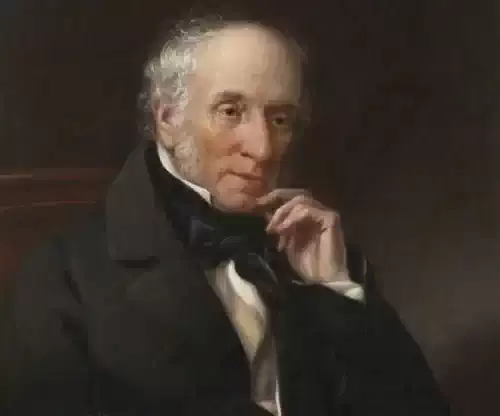
William Wordsworth
Animal Tranquility and Decay
Animal Tranquility and Decay
The little hedgerow birds,
That peck along the roads, regard him not.
He travels on, and in his face, his step,
His gait, is one expression: every limb,
His look and bending figure, all bespeak
A man who does not move with pain, but moves
With thought.--He is insensibly subdued
To settled quiet: he is one by whom
All effort seems forgotten; one to whom
Long patience hath such mild composure given,
That patience now doth seem a thing of which
He hath no need. He is by nature led
To peace so perfect that the young behold
With envy, what the Old Man hardly feels.
The little hedgerow birds,
That peck along the roads, regard him not.
He travels on, and in his face, his step,
His gait, is one expression: every limb,
His look and bending figure, all bespeak
A man who does not move with pain, but moves
With thought.--He is insensibly subdued
To settled quiet: he is one by whom
All effort seems forgotten; one to whom
Long patience hath such mild composure given,
That patience now doth seem a thing of which
He hath no need. He is by nature led
To peace so perfect that the young behold
With envy, what the Old Man hardly feels.
191
William Wordsworth
A Wren's Nest
A Wren's Nest
AMONG the dwellings framed by birds
In field or forest with nice care,
Is none that with the little Wren's
In snugness may compare.
No door the tenement requires,
And seldom needs a laboured roof;
Yet is it to the fiercest sun
Impervious, and storm-proof.
So warm, so beautiful withal,
In perfect fitness for its aim,
That to the Kind by special grace
Their instinct surely came.
And when for their abodes they seek
An opportune recess,
The hermit has no finer eye
For shadowy quietness.
These find, 'mid ivied abbey-walls,
A canopy in some still nook;
Others are pent-housed by a brae
That overhangs a brook.
There to the brooding bird her mate
Warbles by fits his low clear song;
And by the busy streamlet both
Are sung to all day long.
Or in sequestered lanes they build,
Where, till the flitting bird's return,
Her eggs within the nest repose,
Like relics in an urn.
But still, where general choice is good,
There is a better and a best;
And, among fairest objects, some
Are fairer than the rest;
This, one of those small builders proved
In a green covert, where, from out
The forehead of a pollard oak,
The leafy antlers sprout;
For She who planned the mossy lodge,
Mistrusting her evasive skill,
Had to a Primrose looked for aid
Her wishes to fulfill.
High on the trunk's projecting brow,
And fixed an infant's span above
The budding flowers, peeped forth the nest
The prettiest of the grove!
The treasure proudly did I show
To some whose minds without disdain
Can turn to little things; but once
Looked up for it in vain:
'Tis gone---a ruthless spoiler's prey,
Who heeds not beauty, love, or song,
'Tis gone! (so seemed it) and we grieved
Indignant at the wrong.
Just three days after, passing by
In clearer light the moss-built cell
I saw, espied its shaded mouth;
And felt that all was well.
The Primrose for a veil had spread
The largest of her upright leaves;
And thus, for purposes benign,
A simple flower deceives.
Concealed from friends who might disturb
Thy quiet with no ill intent,
Secure from evil eyes and hands
On barbarous plunder bent,
Rest, Mother-bird! and when thy young
Take flight, and thou art free to roam,
When withered is the guardian Flower,
And empty thy late home,
Think how ye prospered, thou and thine,
Amid the unviolated grove
Housed near the growing Primrose-tuft
In foresight, or in love.
AMONG the dwellings framed by birds
In field or forest with nice care,
Is none that with the little Wren's
In snugness may compare.
No door the tenement requires,
And seldom needs a laboured roof;
Yet is it to the fiercest sun
Impervious, and storm-proof.
So warm, so beautiful withal,
In perfect fitness for its aim,
That to the Kind by special grace
Their instinct surely came.
And when for their abodes they seek
An opportune recess,
The hermit has no finer eye
For shadowy quietness.
These find, 'mid ivied abbey-walls,
A canopy in some still nook;
Others are pent-housed by a brae
That overhangs a brook.
There to the brooding bird her mate
Warbles by fits his low clear song;
And by the busy streamlet both
Are sung to all day long.
Or in sequestered lanes they build,
Where, till the flitting bird's return,
Her eggs within the nest repose,
Like relics in an urn.
But still, where general choice is good,
There is a better and a best;
And, among fairest objects, some
Are fairer than the rest;
This, one of those small builders proved
In a green covert, where, from out
The forehead of a pollard oak,
The leafy antlers sprout;
For She who planned the mossy lodge,
Mistrusting her evasive skill,
Had to a Primrose looked for aid
Her wishes to fulfill.
High on the trunk's projecting brow,
And fixed an infant's span above
The budding flowers, peeped forth the nest
The prettiest of the grove!
The treasure proudly did I show
To some whose minds without disdain
Can turn to little things; but once
Looked up for it in vain:
'Tis gone---a ruthless spoiler's prey,
Who heeds not beauty, love, or song,
'Tis gone! (so seemed it) and we grieved
Indignant at the wrong.
Just three days after, passing by
In clearer light the moss-built cell
I saw, espied its shaded mouth;
And felt that all was well.
The Primrose for a veil had spread
The largest of her upright leaves;
And thus, for purposes benign,
A simple flower deceives.
Concealed from friends who might disturb
Thy quiet with no ill intent,
Secure from evil eyes and hands
On barbarous plunder bent,
Rest, Mother-bird! and when thy young
Take flight, and thou art free to roam,
When withered is the guardian Flower,
And empty thy late home,
Think how ye prospered, thou and thine,
Amid the unviolated grove
Housed near the growing Primrose-tuft
In foresight, or in love.
310
William Wordsworth
A Night Thought
A Night Thought
Lo! where the Moon along the sky
Sails with her happy destiny;
Oft is she hid from mortal eye
Or dimly seen,
But when the clouds asunder fly
How bright her mien!
Far different we--a froward race,
Thousands though rich in Fortune's grace
With cherished sullenness of pace
Their way pursue,
Ingrates who wear a smileless face
The whole year through.
If kindred humours e'er would make
My spirit droop for drooping's sake,
From Fancy following in thy wake,
Bright ship of heaven!
A counter impulse let me take
And be forgiven.
Lo! where the Moon along the sky
Sails with her happy destiny;
Oft is she hid from mortal eye
Or dimly seen,
But when the clouds asunder fly
How bright her mien!
Far different we--a froward race,
Thousands though rich in Fortune's grace
With cherished sullenness of pace
Their way pursue,
Ingrates who wear a smileless face
The whole year through.
If kindred humours e'er would make
My spirit droop for drooping's sake,
From Fancy following in thy wake,
Bright ship of heaven!
A counter impulse let me take
And be forgiven.
179
William Wordsworth
The World Is To Much With Us; Late and Soon
"The World Is To Much With Us; Late and Soon"
The world is too much with us; late and soon,
Getting and spending, we lay waste our powers:
Little we see in Nature that is ours;
We have given our hearts away, a sordid boon!
This Sea that bares her bosom to the moon;
The winds that will be howling at all hours,
And are up-gathered now like sleeping flowers;
For this, for everything, we are out of tune,
It moves us not.--Great God! I'd rather be
A Pagan suckled in a creed outworn;
So might I, standing on this pleasant lea,
Have glimpses that would make me less forlorn;
Have sight of Proteus rising from the sea;
Or hear old Triton blow his wreathed horn.
The world is too much with us; late and soon,
Getting and spending, we lay waste our powers:
Little we see in Nature that is ours;
We have given our hearts away, a sordid boon!
This Sea that bares her bosom to the moon;
The winds that will be howling at all hours,
And are up-gathered now like sleeping flowers;
For this, for everything, we are out of tune,
It moves us not.--Great God! I'd rather be
A Pagan suckled in a creed outworn;
So might I, standing on this pleasant lea,
Have glimpses that would make me less forlorn;
Have sight of Proteus rising from the sea;
Or hear old Triton blow his wreathed horn.
184
William Wordsworth
A Whirl-Blast from Behind the Hill
"A Whirl-Blast from Behind the Hill"
A Whirl-Blast from behind the hill
Rushed o'er the wood with startling sound;
Then--all at once the air was still,
And showers of hailstones pattered round.
Where leafless oaks towered high above,
I sat within an undergrove
Of tallest hollies, tall and green;
A fairer bower was never seen.
From year to year the spacious floor
With withered leaves is covered o'er,
And all the year the bower is green.
But see! where'er the hailstones drop
The withered leaves all skip and hop;
There's not a breeze--no breath of air--
Yet here, and there, and everywhere
Along the floor, beneath the shade
By those embowering hollies made,
The leaves in myriads jump and spring,
As if with pipes and music rare
Some Robin Good-fellow were there,
And all those leaves, in festive glee,
Were dancing to the minstrelsy.
A Whirl-Blast from behind the hill
Rushed o'er the wood with startling sound;
Then--all at once the air was still,
And showers of hailstones pattered round.
Where leafless oaks towered high above,
I sat within an undergrove
Of tallest hollies, tall and green;
A fairer bower was never seen.
From year to year the spacious floor
With withered leaves is covered o'er,
And all the year the bower is green.
But see! where'er the hailstones drop
The withered leaves all skip and hop;
There's not a breeze--no breath of air--
Yet here, and there, and everywhere
Along the floor, beneath the shade
By those embowering hollies made,
The leaves in myriads jump and spring,
As if with pipes and music rare
Some Robin Good-fellow were there,
And all those leaves, in festive glee,
Were dancing to the minstrelsy.
196
William Wordsworth
A Whirl-Blast from Behind the Hill
"A Whirl-Blast from Behind the Hill"
A Whirl-Blast from behind the hill
Rushed o'er the wood with startling sound;
Then--all at once the air was still,
And showers of hailstones pattered round.
Where leafless oaks towered high above,
I sat within an undergrove
Of tallest hollies, tall and green;
A fairer bower was never seen.
From year to year the spacious floor
With withered leaves is covered o'er,
And all the year the bower is green.
But see! where'er the hailstones drop
The withered leaves all skip and hop;
There's not a breeze--no breath of air--
Yet here, and there, and everywhere
Along the floor, beneath the shade
By those embowering hollies made,
The leaves in myriads jump and spring,
As if with pipes and music rare
Some Robin Good-fellow were there,
And all those leaves, in festive glee,
Were dancing to the minstrelsy.
A Whirl-Blast from behind the hill
Rushed o'er the wood with startling sound;
Then--all at once the air was still,
And showers of hailstones pattered round.
Where leafless oaks towered high above,
I sat within an undergrove
Of tallest hollies, tall and green;
A fairer bower was never seen.
From year to year the spacious floor
With withered leaves is covered o'er,
And all the year the bower is green.
But see! where'er the hailstones drop
The withered leaves all skip and hop;
There's not a breeze--no breath of air--
Yet here, and there, and everywhere
Along the floor, beneath the shade
By those embowering hollies made,
The leaves in myriads jump and spring,
As if with pipes and music rare
Some Robin Good-fellow were there,
And all those leaves, in festive glee,
Were dancing to the minstrelsy.
196
William Wordsworth
I Wandered Lonely as a Cloud
"I Wandered Lonely as a Cloud"
I wandered lonely as a cloud
That floats on high o'er vales and hills,
When all at once I saw a crowd,
A host, of golden daffodils;
Beside the lake, beneath the trees,
Fluttering and dancing in the breeze.
Continuous as the stars that shine
And twinkle on the milky way,
They stretched in never-ending line
Along the margin of a bay:
Ten thousand saw I at a glance,
Tossing their heads in sprightly dance.
The waves beside them danced; but they
Out-did the sparkling waves in glee:
A poet could not but be gay,
In such a jocund company:
I gazed---and gazed---but little thought
What wealth the show to me had brought:
For oft, when on my couch I lie
In vacant or in pensive mood,
They flash upon that inward eye
Which is the bliss of solitude;
And then my heart with pleasure fills,
And dances with the daffodils.
I wandered lonely as a cloud
That floats on high o'er vales and hills,
When all at once I saw a crowd,
A host, of golden daffodils;
Beside the lake, beneath the trees,
Fluttering and dancing in the breeze.
Continuous as the stars that shine
And twinkle on the milky way,
They stretched in never-ending line
Along the margin of a bay:
Ten thousand saw I at a glance,
Tossing their heads in sprightly dance.
The waves beside them danced; but they
Out-did the sparkling waves in glee:
A poet could not but be gay,
In such a jocund company:
I gazed---and gazed---but little thought
What wealth the show to me had brought:
For oft, when on my couch I lie
In vacant or in pensive mood,
They flash upon that inward eye
Which is the bliss of solitude;
And then my heart with pleasure fills,
And dances with the daffodils.
220

William Shakespeare
Twelve O'Clock - Fairy time
Twelve O'Clock - Fairy time
Through the house give glimmering light
By the dead and drowsy fire;
Every elf and fairy sprite
hop as light as bird from brier.
Now, until the break of day
Through this house each fairy stray.
Through the house give glimmering light
By the dead and drowsy fire;
Every elf and fairy sprite
hop as light as bird from brier.
Now, until the break of day
Through this house each fairy stray.
322
William Shakespeare
Spring
Spring
When daisies pied, and violets blue,
And lady-smocks all silver-white,
And cuckoo-buds of yellow hue
Do paint the meadows with delight,
The cuckoo then, on every tree,
Mocks married men, for thus sings he:
'Cuckoo!
Cuckoo, cuckoo!' O word of fear,
Unpleasing to a married ear.
When shepherds pipe on oaten straws,
And merry larks are ploughmen's clocks,
When turtles tread, and rooks, and daws,
And maidens bleach their summer smocks,
The cuckoo then, on every tree,
Mocks married men, for thus sings he:
'Cuckoo!
Cuckoo, cuckoo!' O word of fear,
Unpleasing to a married ear.
When daisies pied, and violets blue,
And lady-smocks all silver-white,
And cuckoo-buds of yellow hue
Do paint the meadows with delight,
The cuckoo then, on every tree,
Mocks married men, for thus sings he:
'Cuckoo!
Cuckoo, cuckoo!' O word of fear,
Unpleasing to a married ear.
When shepherds pipe on oaten straws,
And merry larks are ploughmen's clocks,
When turtles tread, and rooks, and daws,
And maidens bleach their summer smocks,
The cuckoo then, on every tree,
Mocks married men, for thus sings he:
'Cuckoo!
Cuckoo, cuckoo!' O word of fear,
Unpleasing to a married ear.
349
William Shakespeare
Spring
Spring
When daisies pied, and violets blue,
And lady-smocks all silver-white,
And cuckoo-buds of yellow hue
Do paint the meadows with delight,
The cuckoo then, on every tree,
Mocks married men, for thus sings he:
'Cuckoo!
Cuckoo, cuckoo!' O word of fear,
Unpleasing to a married ear.
When shepherds pipe on oaten straws,
And merry larks are ploughmen's clocks,
When turtles tread, and rooks, and daws,
And maidens bleach their summer smocks,
The cuckoo then, on every tree,
Mocks married men, for thus sings he:
'Cuckoo!
Cuckoo, cuckoo!' O word of fear,
Unpleasing to a married ear.
When daisies pied, and violets blue,
And lady-smocks all silver-white,
And cuckoo-buds of yellow hue
Do paint the meadows with delight,
The cuckoo then, on every tree,
Mocks married men, for thus sings he:
'Cuckoo!
Cuckoo, cuckoo!' O word of fear,
Unpleasing to a married ear.
When shepherds pipe on oaten straws,
And merry larks are ploughmen's clocks,
When turtles tread, and rooks, and daws,
And maidens bleach their summer smocks,
The cuckoo then, on every tree,
Mocks married men, for thus sings he:
'Cuckoo!
Cuckoo, cuckoo!' O word of fear,
Unpleasing to a married ear.
349
William Shakespeare
Sonnet XXXIII
Sonnet XXXIII
Full many a glorious morning have I seen
Flatter the mountain-tops with sovereign eye,
Kissing with golden face the meadows green,
Gilding pale streams with heavenly alchemy;
Anon permit the basest clouds to ride
With ugly rack on his celestial face,
And from the forlorn world his visage hide,
Stealing unseen to west with this disgrace:
Even so my sun one early morn did shine
With all triumphant splendor on my brow;
But out, alack! he was but one hour mine;
The region cloud hath mask'd him from me now.
Yet him for this my love no whit disdaineth;
Suns of the world may stain when heaven's sun staineth.
Full many a glorious morning have I seen
Flatter the mountain-tops with sovereign eye,
Kissing with golden face the meadows green,
Gilding pale streams with heavenly alchemy;
Anon permit the basest clouds to ride
With ugly rack on his celestial face,
And from the forlorn world his visage hide,
Stealing unseen to west with this disgrace:
Even so my sun one early morn did shine
With all triumphant splendor on my brow;
But out, alack! he was but one hour mine;
The region cloud hath mask'd him from me now.
Yet him for this my love no whit disdaineth;
Suns of the world may stain when heaven's sun staineth.
363
William Shakespeare
Sonnet XXIII
Sonnet XXIII
Full many a glorious morning have I seen
Flatter the mountain-tops with sovereign eye,
Kissing with golden face the meadows green,
Gilding pale streams with heavenly alchemy;
Anon permit the basest clouds to ride
With ugly rack on his celestial face,
And from the forlorn world his visage hide,
Stealing unseen to west with this disgrace:
Even so my sun one early morn did shine
With all triumphant splendor on my brow;
But out, alack! he was but one hour mine;
The region cloud hath mask'd him from me now.
Yet him for this my love no whit disdaineth;
Suns of the world may stain when heaven's sun staineth.
Full many a glorious morning have I seen
Flatter the mountain-tops with sovereign eye,
Kissing with golden face the meadows green,
Gilding pale streams with heavenly alchemy;
Anon permit the basest clouds to ride
With ugly rack on his celestial face,
And from the forlorn world his visage hide,
Stealing unseen to west with this disgrace:
Even so my sun one early morn did shine
With all triumphant splendor on my brow;
But out, alack! he was but one hour mine;
The region cloud hath mask'd him from me now.
Yet him for this my love no whit disdaineth;
Suns of the world may stain when heaven's sun staineth.
328
William Shakespeare
Sonnet XCVII
Sonnet XCVII
How like a winter hath my absence been
From thee, the pleasure of the fleeting year!
What freezings have I felt, what dark days seen!
What old December's bareness every where!
And yet this time removed was summer's time,
The teeming autumn, big with rich increase,
Bearing the wanton burden of the prime,
Like widow'd wombs after their lords' decease:
Yet this abundant issue seem'd to me
But hope of orphans and unfather'd fruit;
For summer and his pleasures wait on thee,
And, thou away, the very birds are mute;
Or, if they sing, 'tis with so dull a cheer
That leaves look pale, dreading the winter's near.
How like a winter hath my absence been
From thee, the pleasure of the fleeting year!
What freezings have I felt, what dark days seen!
What old December's bareness every where!
And yet this time removed was summer's time,
The teeming autumn, big with rich increase,
Bearing the wanton burden of the prime,
Like widow'd wombs after their lords' decease:
Yet this abundant issue seem'd to me
But hope of orphans and unfather'd fruit;
For summer and his pleasures wait on thee,
And, thou away, the very birds are mute;
Or, if they sing, 'tis with so dull a cheer
That leaves look pale, dreading the winter's near.
319
William Shakespeare
Orpheus
Orpheus
? or John Fletcher.
ORPHEUS with his lute made trees
And the mountain tops that freeze
Bow themselves when he did sing:
To his music plants and flowers
Ever sprung; as sun and showers
There had made a lasting spring.
Every thing that heard him play,
Even the billows of the sea,
Hung their heads and then lay by.
In sweet music is such art,
Killing care and grief of heart
Fall asleep, or hearing, die.
? or John Fletcher.
ORPHEUS with his lute made trees
And the mountain tops that freeze
Bow themselves when he did sing:
To his music plants and flowers
Ever sprung; as sun and showers
There had made a lasting spring.
Every thing that heard him play,
Even the billows of the sea,
Hung their heads and then lay by.
In sweet music is such art,
Killing care and grief of heart
Fall asleep, or hearing, die.
479
William Shakespeare
Now, my co-mates and brothers in exile
Now, my co-mates and brothers in exile
Now, my co-mates and brothers in exile,
Hath not old customs make this life more sweet
Than that of painted pomp? Are not these woods
More free from peril than the envious court!
Here feel we not the penalty of Adam,
The seasons difference; as the icy fang
And churlish chiding of the winters wind,
Which when it bites and blows upon my body,
Even till I shrink with cold, I smile and say
This is no flattery; these are counsellors
That feelingly persuade me what I am.
Sweet are the uses of adversity;
Which, like the toad, ugly and venomous,
Wears yet a precious jewel in his head;
And this our life, exempt from public haunt,
Finds tongues in trees, books in the running brooks,
Sermons in stones, and good in everything.
I would not change it.
Now, my co-mates and brothers in exile,
Hath not old customs make this life more sweet
Than that of painted pomp? Are not these woods
More free from peril than the envious court!
Here feel we not the penalty of Adam,
The seasons difference; as the icy fang
And churlish chiding of the winters wind,
Which when it bites and blows upon my body,
Even till I shrink with cold, I smile and say
This is no flattery; these are counsellors
That feelingly persuade me what I am.
Sweet are the uses of adversity;
Which, like the toad, ugly and venomous,
Wears yet a precious jewel in his head;
And this our life, exempt from public haunt,
Finds tongues in trees, books in the running brooks,
Sermons in stones, and good in everything.
I would not change it.
324
William Shakespeare
It was a Lover and his Lass
It was a Lover and his Lass
IT was a lover and his lass,
With a hey, and a ho, and a hey nonino,
That o'er the green corn-field did pass,
In the spring time, the only pretty ring time,
When birds do sing, hey ding a ding, ding;
Sweet lovers love the spring.
Between the acres of the rye,
With a hey, and a ho, and a hey nonino,
These pretty country folks would lie,
In the spring time, the only pretty ring time,
When birds do sing, hey ding a ding, ding;
Sweet lovers love the spring.
This carol they began that hour,
With a hey, and a ho, and a hey nonino,
How that life was but a flower
In the spring time, the only pretty ring time,
When birds do sing, hey ding a ding, ding;
Sweet lovers love the spring.
And, therefore, take the present time
With a hey, and a ho, and a hey nonino,
For love is crown`d with the prime
In the spring time, the only pretty ring time,
When birds do sing, hey ding a ding, ding;
Sweet lovers love the spring.
IT was a lover and his lass,
With a hey, and a ho, and a hey nonino,
That o'er the green corn-field did pass,
In the spring time, the only pretty ring time,
When birds do sing, hey ding a ding, ding;
Sweet lovers love the spring.
Between the acres of the rye,
With a hey, and a ho, and a hey nonino,
These pretty country folks would lie,
In the spring time, the only pretty ring time,
When birds do sing, hey ding a ding, ding;
Sweet lovers love the spring.
This carol they began that hour,
With a hey, and a ho, and a hey nonino,
How that life was but a flower
In the spring time, the only pretty ring time,
When birds do sing, hey ding a ding, ding;
Sweet lovers love the spring.
And, therefore, take the present time
With a hey, and a ho, and a hey nonino,
For love is crown`d with the prime
In the spring time, the only pretty ring time,
When birds do sing, hey ding a ding, ding;
Sweet lovers love the spring.
610
William Shakespeare
Hark! Hark! The Lark
Hark! Hark! The Lark
Hark! hark! the lark at heaven's gate sings,
And Phoebus 'gins arise,
His steeds to water at those springs
On chalic'd flowers that lies;
And winking Mary-buds begin
To ope their golden eyes;
With everything that pretty is,
My lady sweet, arise:
Arise, arise!
Hark! hark! the lark at heaven's gate sings,
And Phoebus 'gins arise,
His steeds to water at those springs
On chalic'd flowers that lies;
And winking Mary-buds begin
To ope their golden eyes;
With everything that pretty is,
My lady sweet, arise:
Arise, arise!
403
William Shakespeare
Hark! Hark! The Lark
Hark! Hark! The Lark
Hark! hark! the lark at heaven's gate sings,
And Phoebus 'gins arise,
His steeds to water at those springs
On chalic'd flowers that lies;
And winking Mary-buds begin
To ope their golden eyes;
With everything that pretty is,
My lady sweet, arise:
Arise, arise!
Hark! hark! the lark at heaven's gate sings,
And Phoebus 'gins arise,
His steeds to water at those springs
On chalic'd flowers that lies;
And winking Mary-buds begin
To ope their golden eyes;
With everything that pretty is,
My lady sweet, arise:
Arise, arise!
403
William Shakespeare
From you have I been absent in the spring... (Sonnet 98)
From you have I been absent in the spring... (Sonnet 98)
From you have I been absent in the spring,
When proud-pied April, dressed in all his trim,
Hath put a spirit of youth in everything,
That heavy Saturn laughed and leaped with him,
Yet nor the lays of birds, nor the sweet smell
Of different flowers in odor and in hue,
Could make me any summer's story tell,
Or from their proud lap pluck them where they grew.
Nor did I wonder at the lily's white,
Nor praise the deep vermilion in the rose;
They were but sweet, but figures of delight,
Drawn after you, you pattern of all those.
Yet seemed it winter still, and, you away,
As with your shadow I with these did play.
From you have I been absent in the spring,
When proud-pied April, dressed in all his trim,
Hath put a spirit of youth in everything,
That heavy Saturn laughed and leaped with him,
Yet nor the lays of birds, nor the sweet smell
Of different flowers in odor and in hue,
Could make me any summer's story tell,
Or from their proud lap pluck them where they grew.
Nor did I wonder at the lily's white,
Nor praise the deep vermilion in the rose;
They were but sweet, but figures of delight,
Drawn after you, you pattern of all those.
Yet seemed it winter still, and, you away,
As with your shadow I with these did play.
317
William Shakespeare
Fairy Land v
Fairy Land v
FULL fathom five thy father lies;
Of his bones are coral made;
Those are pearls that were his eyes:
Nothing of him that doth fade,
But doth suffer a sea-change
Into something rich and strange.
Sea-nymphs hourly ring his knell:
Ding-dong.
Hark! now I hear them-Ding-
dong, bell!
FULL fathom five thy father lies;
Of his bones are coral made;
Those are pearls that were his eyes:
Nothing of him that doth fade,
But doth suffer a sea-change
Into something rich and strange.
Sea-nymphs hourly ring his knell:
Ding-dong.
Hark! now I hear them-Ding-
dong, bell!
303
William Shakespeare
Fairy Land ii
Fairy Land ii
YOU spotted snakes with double tongue,
Thorny hedgehogs, be not seen;
Newts and blind-worms, do no wrong;
Come not near our fairy queen.
Philomel, with melody,
Sing in our sweet lullaby;
Lulla, lulla, lullaby; lulla, lulla, lullaby!
Never harm,
Nor spell nor charm,
Come our lovely lady nigh;
So, good night, with lullaby.
Weaving spiders, come not here;
Hence, you long-legg'd spinners, hence!
Beetles black, approach not near;
Worm nor snail, do no offence.
Philomel, with melody,
Sing in our sweet lullaby;
Lulla, lulla, lullaby; lulla, lulla, lullaby!
Never harm,
Nor spell nor charm,
Come our lovely lady nigh;
So, good night, with lullaby.
YOU spotted snakes with double tongue,
Thorny hedgehogs, be not seen;
Newts and blind-worms, do no wrong;
Come not near our fairy queen.
Philomel, with melody,
Sing in our sweet lullaby;
Lulla, lulla, lullaby; lulla, lulla, lullaby!
Never harm,
Nor spell nor charm,
Come our lovely lady nigh;
So, good night, with lullaby.
Weaving spiders, come not here;
Hence, you long-legg'd spinners, hence!
Beetles black, approach not near;
Worm nor snail, do no offence.
Philomel, with melody,
Sing in our sweet lullaby;
Lulla, lulla, lullaby; lulla, lulla, lullaby!
Never harm,
Nor spell nor charm,
Come our lovely lady nigh;
So, good night, with lullaby.
437
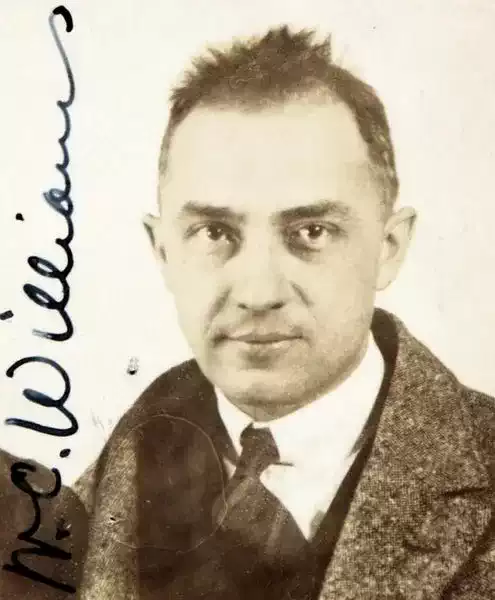
William Carlos Williams
Willow Poem
Willow Poem
It is a willow when summer is over,
a willow by the river
from which no leaf has fallen nor
bitten by the sun
turned orange or crimson.
The leaves cling and grow paler,
swing and grow paler
over the swirling waters of the river
as if loth to let go,
they are so cool, so drunk with
the swirl of the wind and of the river --
oblivious to winter,
the last to let go and fall
into the water and on the ground.
It is a willow when summer is over,
a willow by the river
from which no leaf has fallen nor
bitten by the sun
turned orange or crimson.
The leaves cling and grow paler,
swing and grow paler
over the swirling waters of the river
as if loth to let go,
they are so cool, so drunk with
the swirl of the wind and of the river --
oblivious to winter,
the last to let go and fall
into the water and on the ground.
437
William Carlos Williams
Willow Poem
Willow Poem
It is a willow when summer is over,
a willow by the river
from which no leaf has fallen nor
bitten by the sun
turned orange or crimson.
The leaves cling and grow paler,
swing and grow paler
over the swirling waters of the river
as if loth to let go,
they are so cool, so drunk with
the swirl of the wind and of the river --
oblivious to winter,
the last to let go and fall
into the water and on the ground.
It is a willow when summer is over,
a willow by the river
from which no leaf has fallen nor
bitten by the sun
turned orange or crimson.
The leaves cling and grow paler,
swing and grow paler
over the swirling waters of the river
as if loth to let go,
they are so cool, so drunk with
the swirl of the wind and of the river --
oblivious to winter,
the last to let go and fall
into the water and on the ground.
437
William Carlos Williams
The Spouts
The Spouts
In this world of
as fine a pair of breasts
as ever I saw
the fountain in
Madison Square
spouts up of water
a white tree
that dies and lives
as the rocking water
in the basin
turns from the stonerim
back upon the jet
and rising there
reflectively drops down again.
In this world of
as fine a pair of breasts
as ever I saw
the fountain in
Madison Square
spouts up of water
a white tree
that dies and lives
as the rocking water
in the basin
turns from the stonerim
back upon the jet
and rising there
reflectively drops down again.
295