

Poems in this topic
Nature and Elements
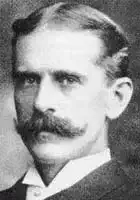
Henry Van Dyke
Autumn in the Garden
Autumn in the Garden
When the frosty kiss of Autumn in the dark
Makes its mark
On the flowers, and the misty morning grieves
Over fallen leaves;
Then my olden garden, where the golden soil
Through the toil
Of a hundred years is mellow, rich, and deep,
Whispers in its sleep.
'Mid the crumpled beds of marigold and phlox,
Where the box
Borders with its glossy green the ancient walks,
There's a voice that talks
Of the human hopes that bloomed and withered here
Year by year,--
Dreams of joy, that brightened all the labouring hours,
Fading as the flowers.
Yet the whispered story does not deepen grief;
But relief
For the loneliness of sorrow seems to flow
From the Long-Ago,
When I think of other lives that learned, like mine,
To resign,
And remember that the sadness of the fall
Comes alike to all.
What regrets, what longings for the lost were theirs!
And what prayers
For the silent strength that nerves us to endure
Things we cannot cure!
Pacing up and down the garden where they paced,
I have traced
All their well-worn paths of patience, till I find
Comfort in my mind.
Faint and far away their ancient griefs appear:
Yet how near
Is the tender voice, the careworn, kindly face,
Of the human race!
Let us walk together in the garden, dearest heart,
Not apart!
They who know the sorrows other lives have known
Never walk alone.
When the frosty kiss of Autumn in the dark
Makes its mark
On the flowers, and the misty morning grieves
Over fallen leaves;
Then my olden garden, where the golden soil
Through the toil
Of a hundred years is mellow, rich, and deep,
Whispers in its sleep.
'Mid the crumpled beds of marigold and phlox,
Where the box
Borders with its glossy green the ancient walks,
There's a voice that talks
Of the human hopes that bloomed and withered here
Year by year,--
Dreams of joy, that brightened all the labouring hours,
Fading as the flowers.
Yet the whispered story does not deepen grief;
But relief
For the loneliness of sorrow seems to flow
From the Long-Ago,
When I think of other lives that learned, like mine,
To resign,
And remember that the sadness of the fall
Comes alike to all.
What regrets, what longings for the lost were theirs!
And what prayers
For the silent strength that nerves us to endure
Things we cannot cure!
Pacing up and down the garden where they paced,
I have traced
All their well-worn paths of patience, till I find
Comfort in my mind.
Faint and far away their ancient griefs appear:
Yet how near
Is the tender voice, the careworn, kindly face,
Of the human race!
Let us walk together in the garden, dearest heart,
Not apart!
They who know the sorrows other lives have known
Never walk alone.
309

Henry Lawson
When the Ladies Come to the Shearing Shed
When the Ladies Come to the Shearing Shed
‘The ladies are coming,’ the super says
To the shearers sweltering there,
And ‘the ladies’ means in the shearing shed:
‘Don’t cut ’em too bad. Don’t swear.’
The ghost of a pause in the shed’s rough heart,
And lower is bowed each head;
And nothing is heard, save a whispered word,
And the roar of the shearing-shed.
The tall, shy rouser has lost his wits,
And his limbs are all astray;
He leaves a fleece on the shearing-board,
And his broom in the shearer’s way.
There’s a curse in store for that jackaroo
As down by the wall he slants—
And the ringer bends with his legs askew
And wishes he’d ‘patched them pants.’
They are girls from the city. (Our hearts rebel
As we squint at their dainty feet.)
And they gush and say in a girly way
That ‘the dear little lambs’ are ‘sweet.’
And Bill, the ringer, who’d scorn the use
Of a childish word like ‘damn,’
Would give a pound that his tongue were loose
As he tackles a lively lamb.
Swift thoughts of homes in the coastal towns—
Or rivers and waving grass—
And a weight on our hearts that we cannot define
That comes as the ladies pass.
But the rouser ventures a nervous dig
In the ribs of the next to him;
And Barcoo says to his pen-mate: ‘Twig
‘The style of the last un, Jim.’
Jim Moonlight gives her a careless glance—
Then he catches his breath with pain—
His strong hand shakes and the sunlights dance
As he bends to his work again.
But he’s well disguised in a bristling beard,
Bronzed skin, and his shearer’s dress;
And whatever Jim Moonlight hoped or feared
Were hard for his mates to guess.
Jim Moonlight, wiping his broad, white brow,
Explains, with a doleful smile:
‘A stitch in the side,’ and ‘he’s all right now’—
But he leans on the beam awhile,
And gazes out in the blazing noon
On the clearing, brown and bare—
She has come and gone, like a breath of June,
In December’s heat and glare.
The bushmen are big rough boys at the best,
With hearts of a larger growth;
But they hide those hearts with a brutal jest,
And the pain with a reckless oath.
Though the Bills and Jims of the bush-bard sing
Of their life loves, lost or dead,
The love of a girl is a sacred thing
Not voiced in a shearing-shed.
‘The ladies are coming,’ the super says
To the shearers sweltering there,
And ‘the ladies’ means in the shearing shed:
‘Don’t cut ’em too bad. Don’t swear.’
The ghost of a pause in the shed’s rough heart,
And lower is bowed each head;
And nothing is heard, save a whispered word,
And the roar of the shearing-shed.
The tall, shy rouser has lost his wits,
And his limbs are all astray;
He leaves a fleece on the shearing-board,
And his broom in the shearer’s way.
There’s a curse in store for that jackaroo
As down by the wall he slants—
And the ringer bends with his legs askew
And wishes he’d ‘patched them pants.’
They are girls from the city. (Our hearts rebel
As we squint at their dainty feet.)
And they gush and say in a girly way
That ‘the dear little lambs’ are ‘sweet.’
And Bill, the ringer, who’d scorn the use
Of a childish word like ‘damn,’
Would give a pound that his tongue were loose
As he tackles a lively lamb.
Swift thoughts of homes in the coastal towns—
Or rivers and waving grass—
And a weight on our hearts that we cannot define
That comes as the ladies pass.
But the rouser ventures a nervous dig
In the ribs of the next to him;
And Barcoo says to his pen-mate: ‘Twig
‘The style of the last un, Jim.’
Jim Moonlight gives her a careless glance—
Then he catches his breath with pain—
His strong hand shakes and the sunlights dance
As he bends to his work again.
But he’s well disguised in a bristling beard,
Bronzed skin, and his shearer’s dress;
And whatever Jim Moonlight hoped or feared
Were hard for his mates to guess.
Jim Moonlight, wiping his broad, white brow,
Explains, with a doleful smile:
‘A stitch in the side,’ and ‘he’s all right now’—
But he leans on the beam awhile,
And gazes out in the blazing noon
On the clearing, brown and bare—
She has come and gone, like a breath of June,
In December’s heat and glare.
The bushmen are big rough boys at the best,
With hearts of a larger growth;
But they hide those hearts with a brutal jest,
And the pain with a reckless oath.
Though the Bills and Jims of the bush-bard sing
Of their life loves, lost or dead,
The love of a girl is a sacred thing
Not voiced in a shearing-shed.
190
Henry Lawson
Watching The Crows
Watching The Crows
A bushman got lost in a scrub in the North,
And all the long morning the searchers went forth.
They swore at the rain that had washed out the tracks
And left not a trace for the eyes of the blacks;
But, trusting the signs that the blackfellow knows,
A quiet old darkey stood watching the crows.
The solemn old blackman stood silently by;
He stood like a statue, his face to the sky.
Black Billy was out of the bearings—we thought—
If he looked above for the bushman we sought;
For we rather suspected the spirit would go
In—well, quite another direction, you know.
Most bushmen on solemn occasions will joke,
And unto Black Bill ’twas the super who spoke.
He asked, as he cocked his red nose in the air—
“You think it old Harrison sit down up there?”
“I’m watching the crows. Where the white man lies dead
The crows will fly over,” the blackfellow said.
The blackfellow died, and long years have gone round
Since the day when old Harrison’s body was found;
But still do I see, in my vision at night,
A faint figure come like a shadow in sight,
And nearer and nearer it comes till it grows
Like the form of that blackfellow—“watching the crows”.
A bushman got lost in a scrub in the North,
And all the long morning the searchers went forth.
They swore at the rain that had washed out the tracks
And left not a trace for the eyes of the blacks;
But, trusting the signs that the blackfellow knows,
A quiet old darkey stood watching the crows.
The solemn old blackman stood silently by;
He stood like a statue, his face to the sky.
Black Billy was out of the bearings—we thought—
If he looked above for the bushman we sought;
For we rather suspected the spirit would go
In—well, quite another direction, you know.
Most bushmen on solemn occasions will joke,
And unto Black Bill ’twas the super who spoke.
He asked, as he cocked his red nose in the air—
“You think it old Harrison sit down up there?”
“I’m watching the crows. Where the white man lies dead
The crows will fly over,” the blackfellow said.
The blackfellow died, and long years have gone round
Since the day when old Harrison’s body was found;
But still do I see, in my vision at night,
A faint figure come like a shadow in sight,
And nearer and nearer it comes till it grows
Like the form of that blackfellow—“watching the crows”.
285
Henry Lawson
Up The Country
Up The Country
I am back from up the country -- very sorry that I went --
Seeking for the Southern poets' land whereon to pitch my tent;
I have lost a lot of idols, which were broken on the track,
Burnt a lot of fancy verses, and I'm glad that I am back.
Further out may be the pleasant scenes of which our poets boast,
But I think the country's rather more inviting round the coast.
Anyway, I'll stay at present at a boarding-house in town,
Drinking beer and lemon-squashes, taking baths and cooling down.
`Sunny plains'! Great Scott! -- those burning
wastes of barren soil and sand
With their everlasting fences stretching out across the land!
Desolation where the crow is! Desert where the eagle flies,
Paddocks where the luny bullock starts and stares with reddened eyes;
Where, in clouds of dust enveloped, roasted bullock-drivers creep
Slowly past the sun-dried shepherd dragged behind his crawling sheep.
Stunted peak of granite gleaming, glaring like a molten mass
Turned from some infernal furnace on a plain devoid of grass.
Miles and miles of thirsty gutters -- strings of muddy water-holes
In the place of `shining rivers' -- `walled by cliffs and forest boles.'
Barren ridges, gullies, ridges! where the ever-madd'ning flies --
Fiercer than the plagues of Egypt -- swarm about your blighted eyes!
Bush! where there is no horizon! where the buried bushman sees
Nothing -- Nothing! but the sameness of the ragged, stunted trees!
Lonely hut where drought's eternal, suffocating atmosphere
Where the God-forgotten hatter dreams of city life and beer.
Treacherous tracks that trap the stranger,
endless roads that gleam and glare,
Dark and evil-looking gullies, hiding secrets here and there!
Dull dumb flats and stony rises, where the toiling bullocks bake,
And the sinister `gohanna', and the lizard, and the snake.
Land of day and night -- no morning freshness, and no afternoon,
When the great white sun in rising bringeth summer heat in June.
Dismal country for the exile, when the shades begin to fall
From the sad heart-breaking sunset, to the new-chum worst of all.
Dreary land in rainy weather, with the endless clouds that drift
O'er the bushman like a blanket that the Lord will never lift --
Dismal land when it is raining -- growl of floods, and, oh! the woosh
Of the rain and wind together on the dark bed of the bush --
Ghastly fires in lonely humpies where the granite rocks are piled
In the rain-swept wildernesses that are wildest of the wild.
Land where gaunt and haggard women live alone and work like men,
Till their husbands, gone a-droving, will return to them again:
Homes of men! if home had ever such a God-forgotten place,
Where the wild selector's children fly before a stranger's face.
Home of tragedy applauded by the dingoes' dismal yell,
Heaven of the shanty-keeper -- fitting fiend for such a hell -
And the wallaroos and wombats, and, of course, the curlew's call --
And the lone sundowner tramping ever onward through it all!
I am back from up the country, up the country where I went
Seeking for the Southern poets' land whereon to pitch my tent;
I have shattered many idols out along the dusty track,
Burnt a lot of fancy verses -- and I'm glad that I am back.
I believe the Southern poets' dream will not be realised
Till the plains are irrigated and the land is humanised.
I intend to stay at present, as I said before, in town
Drinking beer and lemon-squashes, taking baths and cooling down.
I am back from up the country -- very sorry that I went --
Seeking for the Southern poets' land whereon to pitch my tent;
I have lost a lot of idols, which were broken on the track,
Burnt a lot of fancy verses, and I'm glad that I am back.
Further out may be the pleasant scenes of which our poets boast,
But I think the country's rather more inviting round the coast.
Anyway, I'll stay at present at a boarding-house in town,
Drinking beer and lemon-squashes, taking baths and cooling down.
`Sunny plains'! Great Scott! -- those burning
wastes of barren soil and sand
With their everlasting fences stretching out across the land!
Desolation where the crow is! Desert where the eagle flies,
Paddocks where the luny bullock starts and stares with reddened eyes;
Where, in clouds of dust enveloped, roasted bullock-drivers creep
Slowly past the sun-dried shepherd dragged behind his crawling sheep.
Stunted peak of granite gleaming, glaring like a molten mass
Turned from some infernal furnace on a plain devoid of grass.
Miles and miles of thirsty gutters -- strings of muddy water-holes
In the place of `shining rivers' -- `walled by cliffs and forest boles.'
Barren ridges, gullies, ridges! where the ever-madd'ning flies --
Fiercer than the plagues of Egypt -- swarm about your blighted eyes!
Bush! where there is no horizon! where the buried bushman sees
Nothing -- Nothing! but the sameness of the ragged, stunted trees!
Lonely hut where drought's eternal, suffocating atmosphere
Where the God-forgotten hatter dreams of city life and beer.
Treacherous tracks that trap the stranger,
endless roads that gleam and glare,
Dark and evil-looking gullies, hiding secrets here and there!
Dull dumb flats and stony rises, where the toiling bullocks bake,
And the sinister `gohanna', and the lizard, and the snake.
Land of day and night -- no morning freshness, and no afternoon,
When the great white sun in rising bringeth summer heat in June.
Dismal country for the exile, when the shades begin to fall
From the sad heart-breaking sunset, to the new-chum worst of all.
Dreary land in rainy weather, with the endless clouds that drift
O'er the bushman like a blanket that the Lord will never lift --
Dismal land when it is raining -- growl of floods, and, oh! the woosh
Of the rain and wind together on the dark bed of the bush --
Ghastly fires in lonely humpies where the granite rocks are piled
In the rain-swept wildernesses that are wildest of the wild.
Land where gaunt and haggard women live alone and work like men,
Till their husbands, gone a-droving, will return to them again:
Homes of men! if home had ever such a God-forgotten place,
Where the wild selector's children fly before a stranger's face.
Home of tragedy applauded by the dingoes' dismal yell,
Heaven of the shanty-keeper -- fitting fiend for such a hell -
And the wallaroos and wombats, and, of course, the curlew's call --
And the lone sundowner tramping ever onward through it all!
I am back from up the country, up the country where I went
Seeking for the Southern poets' land whereon to pitch my tent;
I have shattered many idols out along the dusty track,
Burnt a lot of fancy verses -- and I'm glad that I am back.
I believe the Southern poets' dream will not be realised
Till the plains are irrigated and the land is humanised.
I intend to stay at present, as I said before, in town
Drinking beer and lemon-squashes, taking baths and cooling down.
217
Henry Lawson
Trouble on the Selection
Trouble on the Selection
You lazy boy, you’re here at last,
You must be wooden-legged;
Now, are you sure the gate is fast
And all the sliprails pegged
And all the milkers at the yard,
The calves all in the pen?
We don’t want Poley’s calf to suck
His mother dry again.
And did you mend the broken rail
And make it firm and neat?
I s’pose you want that brindle steer
All night among the wheat.
And if he finds the lucerne patch,
He’ll stuff his belly full;
He’ll eat till he gets ‘blown’ on that
And busts like Ryan’s bull.
Old Spot is lost? You’ll drive me mad,
You will, upon my soul!
She might be in the boggy swamps
Or down a digger’s hole.
You needn’t talk, you never looked
You’d find her if you’d choose,
Instead of poking ’possum logs
And hunting kangaroos.
How came your boots as wet as muck?
You tried to drown the ants!
Why don’t you take your bluchers off,
Good Lord, he’s tore his pants!
Your father’s coming home to-night;
You’ll catch it hot, you’ll see.
Now go and wash your filthy face
And come and get your tea.
You lazy boy, you’re here at last,
You must be wooden-legged;
Now, are you sure the gate is fast
And all the sliprails pegged
And all the milkers at the yard,
The calves all in the pen?
We don’t want Poley’s calf to suck
His mother dry again.
And did you mend the broken rail
And make it firm and neat?
I s’pose you want that brindle steer
All night among the wheat.
And if he finds the lucerne patch,
He’ll stuff his belly full;
He’ll eat till he gets ‘blown’ on that
And busts like Ryan’s bull.
Old Spot is lost? You’ll drive me mad,
You will, upon my soul!
She might be in the boggy swamps
Or down a digger’s hole.
You needn’t talk, you never looked
You’d find her if you’d choose,
Instead of poking ’possum logs
And hunting kangaroos.
How came your boots as wet as muck?
You tried to drown the ants!
Why don’t you take your bluchers off,
Good Lord, he’s tore his pants!
Your father’s coming home to-night;
You’ll catch it hot, you’ll see.
Now go and wash your filthy face
And come and get your tea.
219
Henry Lawson
The Wreck Of The `Derry Castle'
The Wreck Of The `Derry Castle'
Day of ending for beginnings!
Ocean hath another innings,
Ocean hath another score;
And the surges sing his winnings,
And the surges shout his winnings,
And the surges shriek his winnings,
All along the sullen shore.
Sing another dirge in wailing,
For another vessel sailing
With the shadow-ships at sea;
Shadow-ships for ever sinking -Shadow-
ships whose pumps are clinking,
And whose thirsty holds are drinking
Pledges to Eternity.
Pray for souls of ghastly, sodden
Corpses, floating round untrodden
Cliffs, where nought but sea-drift strays;
Souls of dead men, in whose faces
Of humanity no trace is --
Not a mark to show their races -
Floating round for days and days.
. . . . .
Ocean's salty tongues are licking
Round the faces of the drowned,
And a cruel blade seems sticking
Through my heart and turning round.
Heaven! shall HIS ghastly, sodden
Corpse float round for days and days?
Shall it dash 'neath cliffs untrodden,
Rocks where nought but sea-drift strays?
God in heaven! hide the floating,
Falling, rising, face from me;
God in heaven! stay the gloating,
Mocking singing of the sea!
Day of ending for beginnings!
Ocean hath another innings,
Ocean hath another score;
And the surges sing his winnings,
And the surges shout his winnings,
And the surges shriek his winnings,
All along the sullen shore.
Sing another dirge in wailing,
For another vessel sailing
With the shadow-ships at sea;
Shadow-ships for ever sinking -Shadow-
ships whose pumps are clinking,
And whose thirsty holds are drinking
Pledges to Eternity.
Pray for souls of ghastly, sodden
Corpses, floating round untrodden
Cliffs, where nought but sea-drift strays;
Souls of dead men, in whose faces
Of humanity no trace is --
Not a mark to show their races -
Floating round for days and days.
. . . . .
Ocean's salty tongues are licking
Round the faces of the drowned,
And a cruel blade seems sticking
Through my heart and turning round.
Heaven! shall HIS ghastly, sodden
Corpse float round for days and days?
Shall it dash 'neath cliffs untrodden,
Rocks where nought but sea-drift strays?
God in heaven! hide the floating,
Falling, rising, face from me;
God in heaven! stay the gloating,
Mocking singing of the sea!
202
Henry Lawson
The Stringy-Bark Tree
The Stringy-Bark Tree
There's the whitebox and pine on the ridges afar,
Where the iron-bark, blue-gum, and peppermint are;
There is many another, but dearest to me,
And the king of them all was the stringy-bark tree.
Then of stringy-bark slabs were the walls of the hut,
And from stringy-bark saplings the rafters were cut;
And the roof that long sheltered my brothers and me
Was of broad sheets of bark from the stringy-bark tree.
And when sawn-timber homes were built out in the West,
Then for walls and for ceilings its wood was the best;
And for shingles and palings to last while men be,
There was nothing on earth like the stringy-bark tree.
Far up the long gullies the timber-trucks went,
Over tracks that seemed hopeless, by bark hut and tent;
And the gaunt timber-finder, who rode at his ease,
Led them on to a gully of stringy-bark trees.
Now still from the ridges, by ways that are dark,
Come the shingles and palings they call stringy-bark;
Though you ride through long gullies a twelve months you’ll see
But the old whitened stumps of the stringy-bark tree.
There's the whitebox and pine on the ridges afar,
Where the iron-bark, blue-gum, and peppermint are;
There is many another, but dearest to me,
And the king of them all was the stringy-bark tree.
Then of stringy-bark slabs were the walls of the hut,
And from stringy-bark saplings the rafters were cut;
And the roof that long sheltered my brothers and me
Was of broad sheets of bark from the stringy-bark tree.
And when sawn-timber homes were built out in the West,
Then for walls and for ceilings its wood was the best;
And for shingles and palings to last while men be,
There was nothing on earth like the stringy-bark tree.
Far up the long gullies the timber-trucks went,
Over tracks that seemed hopeless, by bark hut and tent;
And the gaunt timber-finder, who rode at his ease,
Led them on to a gully of stringy-bark trees.
Now still from the ridges, by ways that are dark,
Come the shingles and palings they call stringy-bark;
Though you ride through long gullies a twelve months you’ll see
But the old whitened stumps of the stringy-bark tree.
275
Henry Lawson
The Stranded Ship: (The “Vincennes”)
The Stranded Ship: (The “Vincennes”)
’Twas the glowing log of a picnic fire where a red light should not be,
Or the curtained glow of a sick room light in a window that faced the sea.
But the Manly lights seemed the Sydney lights, and the bluffs as the “Heads” were
seen;
And the Manly beach was the channel then—and the captain steered between.
The croakers said with a shoulder shrug, and a careless, know-all glance:
“You might pull out her stem, or pull out her stern—but she’ll sail no more for France!”
Her stem was dry when the tide was out, and behind her banked the sand,
Where strong gales come from the Hurricane east and the sun sets on the land.
When the tide was high and the rollers struck she shuddered as if in pain,
She had no hope for the open sea and the fair full breeze again.
She turned her side to the pounding seas and the foam glared over the rails,
It seemed her fate to be sold and stripped, and broken by winter gales.
But they sent strong gear, and they sent the gangs, and they sent her a man who
knew,
And the tugs came nosing round from the Heads to see what a tug could do;
The four-ton anchors they laid to sea in the waves and the wind and rain,
And the great steel hawser they hove aboard made fast to her cable chain.
And then, while the gaping townsfolk stared from the shining beach in doubt,
The crew and the shore-gangs lowered her yards and they hove the ballast out.
(To lie like a strange sea-grave upheaved on the smooth sand by her side)
And they made all ready and clear for the tugs to come on the rising tide.
And so, in the night when the tide was in and a black sky hid the stars,
The shoremen worked at the jumping winch and the crew at the capstan bars.
To seaward the two tugs rose and fell in their own wild stormy glare
And her head came round for a fathom’s length! for a mighty heave was there.
So, tide by tide, and yard by yard, they hove her off the shore
To fit, and load for her ports of call, and to sail for France once more.
Till at last she came with the wild blind rush of a frightened thing set free,
And they towed her round to the Sydney Heads and in from the stormy sea.
And the croakers say, when a man is down, with a shrug and a know-all glance,
Oh, he’ll never get out of the gutter again, he has done with every chance;
But we’ll “haul and heave on the block and sheeve”, wave-beaten and black-rock
hemmed,
And we’ll sail with cargoes that they shall buy, when their ships are all condemned.
’Twas the glowing log of a picnic fire where a red light should not be,
Or the curtained glow of a sick room light in a window that faced the sea.
But the Manly lights seemed the Sydney lights, and the bluffs as the “Heads” were
seen;
And the Manly beach was the channel then—and the captain steered between.
The croakers said with a shoulder shrug, and a careless, know-all glance:
“You might pull out her stem, or pull out her stern—but she’ll sail no more for France!”
Her stem was dry when the tide was out, and behind her banked the sand,
Where strong gales come from the Hurricane east and the sun sets on the land.
When the tide was high and the rollers struck she shuddered as if in pain,
She had no hope for the open sea and the fair full breeze again.
She turned her side to the pounding seas and the foam glared over the rails,
It seemed her fate to be sold and stripped, and broken by winter gales.
But they sent strong gear, and they sent the gangs, and they sent her a man who
knew,
And the tugs came nosing round from the Heads to see what a tug could do;
The four-ton anchors they laid to sea in the waves and the wind and rain,
And the great steel hawser they hove aboard made fast to her cable chain.
And then, while the gaping townsfolk stared from the shining beach in doubt,
The crew and the shore-gangs lowered her yards and they hove the ballast out.
(To lie like a strange sea-grave upheaved on the smooth sand by her side)
And they made all ready and clear for the tugs to come on the rising tide.
And so, in the night when the tide was in and a black sky hid the stars,
The shoremen worked at the jumping winch and the crew at the capstan bars.
To seaward the two tugs rose and fell in their own wild stormy glare
And her head came round for a fathom’s length! for a mighty heave was there.
So, tide by tide, and yard by yard, they hove her off the shore
To fit, and load for her ports of call, and to sail for France once more.
Till at last she came with the wild blind rush of a frightened thing set free,
And they towed her round to the Sydney Heads and in from the stormy sea.
And the croakers say, when a man is down, with a shrug and a know-all glance,
Oh, he’ll never get out of the gutter again, he has done with every chance;
But we’ll “haul and heave on the block and sheeve”, wave-beaten and black-rock
hemmed,
And we’ll sail with cargoes that they shall buy, when their ships are all condemned.
167
Henry Lawson
The Soldier Birds
The Soldier Birds
I mind the river from Mount Frome
To Ballanshantie’s Bridge,
The Mudgee Hills, and Buckaroo,
Lowe’s Peak, and Granite Ridge.
The “tailers” in the creek beneath,
The rugged she-oak boles,
The river cod where shallows linked,
The willowed water-holes.
I mind the blacksoil river flats,
The red soil levels, too,
The sidings where below the scrub
The golden wattles grew;
The track that ran by Tierney’s Gap,
The dusk and ghost alarms,
The glorious morning on the hills,
And all the German farms.
I mind the blue-grey gully bush,
The slab-and-shingle school,
The “soldier birds” that picked the crumbs
Beneath the infants’ stool.
(Ah! did those little soldier birds,
That whispered, ever know
That one of us should rise so high
And sadly sink so low?)
I mind the lessons that we droned
In books from Irish schools,
The canings and the keepings-in
For breaking bounds and rules.
Ah! little did the teacher dream
That one of us, perchance,
Might write in London to be read
In Germany and France.
I mind the days we played at camp
With billy-can and swag,
I mind the notes sent home by girls
When someone “played the wag.”
Ah! little did the master think
(Who’d lost the roving star)
What truants in their after years
Would play the wag so far.
I mind when first he gave to me
A pen and ink to write,
And, last, the “Fourth Class Forms” he made
I shared with Lucy White.
The other boys were other boys,
With cricket ball and bat,
They had a fine contempt for girls,
But they got over that.
The “rounders” where the girls came in—
The Tomboy and the rest—
The earnest game of Pris’ners’ Base—
The game that I liked best.
The kangarooing on the ridge,
And in the brown moonlight,
The “possuming” across the flats,
With dogs and gun at night.
The “specking” in old diggers’ heaps
For “colours” after rain,
The horse-shoes saved against the time
The circus came again,
And sold to Jimmy Siver-right—
The blacksmith on the flat;
The five-corners, the swimming hole—
Oh! I remember that!
I mind the holland “dinner bags”—
A book bag of green baize—
The bread and dripping, bread and meat,
And bread and treacle days.
The bread and butter swopped for meat,
The crumb we swopped for crust—
We’ve married—and divorced—since then,
And most old homes are dust.
It was the time, it was the place—
Australia’s hardest page—
When boys were cast for farming work
At fourteen years of age.
It was the time, it was the place,
The latter “Early Day,”
When boys ride home from old bark schools
And to the world away.
I’ve drifted through Port Said since then,
Naples and Leicester Square,
And Collins and Macquarie Streets—
I know the secrets there.
Ah me! The country boy and girl,
The country lass and lad,
As innocent as soldier birds,
Though we thought we were bad!
But, spite of all their daring truth,
And some work that shall last,
The bitter years of my brave youth
Are better in the past.
This does not call for bitterness,
Nor does it call for tears,
The purest little thing perhaps
I’ve printed here for years.
The railway runs by Mudgee Hills,
Old farms are lost or lone,
And children’s children sadly go
To schools of brick and stone.
Yet are the same. The Mudgee Hills
And Mudgee skies as fair—
And the little grey-clad soldier birds
Are just as busy there.
I mind the river from Mount Frome
To Ballanshantie’s Bridge,
The Mudgee Hills, and Buckaroo,
Lowe’s Peak, and Granite Ridge.
The “tailers” in the creek beneath,
The rugged she-oak boles,
The river cod where shallows linked,
The willowed water-holes.
I mind the blacksoil river flats,
The red soil levels, too,
The sidings where below the scrub
The golden wattles grew;
The track that ran by Tierney’s Gap,
The dusk and ghost alarms,
The glorious morning on the hills,
And all the German farms.
I mind the blue-grey gully bush,
The slab-and-shingle school,
The “soldier birds” that picked the crumbs
Beneath the infants’ stool.
(Ah! did those little soldier birds,
That whispered, ever know
That one of us should rise so high
And sadly sink so low?)
I mind the lessons that we droned
In books from Irish schools,
The canings and the keepings-in
For breaking bounds and rules.
Ah! little did the teacher dream
That one of us, perchance,
Might write in London to be read
In Germany and France.
I mind the days we played at camp
With billy-can and swag,
I mind the notes sent home by girls
When someone “played the wag.”
Ah! little did the master think
(Who’d lost the roving star)
What truants in their after years
Would play the wag so far.
I mind when first he gave to me
A pen and ink to write,
And, last, the “Fourth Class Forms” he made
I shared with Lucy White.
The other boys were other boys,
With cricket ball and bat,
They had a fine contempt for girls,
But they got over that.
The “rounders” where the girls came in—
The Tomboy and the rest—
The earnest game of Pris’ners’ Base—
The game that I liked best.
The kangarooing on the ridge,
And in the brown moonlight,
The “possuming” across the flats,
With dogs and gun at night.
The “specking” in old diggers’ heaps
For “colours” after rain,
The horse-shoes saved against the time
The circus came again,
And sold to Jimmy Siver-right—
The blacksmith on the flat;
The five-corners, the swimming hole—
Oh! I remember that!
I mind the holland “dinner bags”—
A book bag of green baize—
The bread and dripping, bread and meat,
And bread and treacle days.
The bread and butter swopped for meat,
The crumb we swopped for crust—
We’ve married—and divorced—since then,
And most old homes are dust.
It was the time, it was the place—
Australia’s hardest page—
When boys were cast for farming work
At fourteen years of age.
It was the time, it was the place,
The latter “Early Day,”
When boys ride home from old bark schools
And to the world away.
I’ve drifted through Port Said since then,
Naples and Leicester Square,
And Collins and Macquarie Streets—
I know the secrets there.
Ah me! The country boy and girl,
The country lass and lad,
As innocent as soldier birds,
Though we thought we were bad!
But, spite of all their daring truth,
And some work that shall last,
The bitter years of my brave youth
Are better in the past.
This does not call for bitterness,
Nor does it call for tears,
The purest little thing perhaps
I’ve printed here for years.
The railway runs by Mudgee Hills,
Old farms are lost or lone,
And children’s children sadly go
To schools of brick and stone.
Yet are the same. The Mudgee Hills
And Mudgee skies as fair—
And the little grey-clad soldier birds
Are just as busy there.
258
Henry Lawson
The Rose
The Rose
We love the land when the world goes round,
And deep, deep down in her thorny ground,
Where nobody comes, and nobody knows,
We love the Rose. Oh! we love the Rose.
And none to tell us, and none to teach
By the western hedge or the shelving beach,
But all of us know what everyone knows,
We love the Rose. Oh! we love the Rose.
We love the rose when our day is dead,
And they lay their roses upon our bed;
Too late! Too late! in our last repose!
But we love the Rose. Ah! we love the Rose.
We love the land when the world goes round,
And deep, deep down in her thorny ground,
Where nobody comes, and nobody knows,
We love the Rose. Oh! we love the Rose.
And none to tell us, and none to teach
By the western hedge or the shelving beach,
But all of us know what everyone knows,
We love the Rose. Oh! we love the Rose.
We love the rose when our day is dead,
And they lay their roses upon our bed;
Too late! Too late! in our last repose!
But we love the Rose. Ah! we love the Rose.
336
Henry Lawson
The Paroo
The Paroo
It was a week from Christmas-time,
As near as I remember,
And half a year since, in the rear,
We'd left the Darling timber.
The track was hot and more than drear;
The day dragged out for ever;
But now we knew that we were near
Our camp - the Paroo River.
With blighted eyes and blistered feet,
With stomachs out of order,
Half-mad with flies and dust and heat
We'd crossed the Queensland border.
I longed to hear a stream go by
And see the circles quiver;
I longed to lay me down and die
That night on Paroo River.
The "nose-bags" heavy on each chest
(God bless one kindly squatter!),
With grateful weight our hearts they pressed -
We only wanted water.
The sun was setting in a spray
Of colour like a liver We'd
fondly hoped to camp and stay
That night by Paroo River.
A cloud was on my mate's broad brow,
And once I heard him mutter:
'What price the good old Darling now? -
God bless that grand old gutter!"
And then he stopped and slowly said
In tones that made me shiver:
"It cannot well be on ahead -
I think we've crossed the river."
But soon we saw a strip of ground
Beside the track we followed,
No damper than the surface round,
But just a little hollowed.
His brow assumed a thoughtful frown -
This speech did he deliver:
"I wonder if we'd best go down
Or up the blessed river?"
"But where," said I, " 's the blooming stream?'
And he replied, 'we're at it!"
I stood awhile, as in a dream,
"Great Scott!" I cried, "is that it?
Why, that is some old bridle-track!"
He chuckled, "Well, I never!
It's plain you've never been Out Back -
This is the Paroo River!"
It was a week from Christmas-time,
As near as I remember,
And half a year since, in the rear,
We'd left the Darling timber.
The track was hot and more than drear;
The day dragged out for ever;
But now we knew that we were near
Our camp - the Paroo River.
With blighted eyes and blistered feet,
With stomachs out of order,
Half-mad with flies and dust and heat
We'd crossed the Queensland border.
I longed to hear a stream go by
And see the circles quiver;
I longed to lay me down and die
That night on Paroo River.
The "nose-bags" heavy on each chest
(God bless one kindly squatter!),
With grateful weight our hearts they pressed -
We only wanted water.
The sun was setting in a spray
Of colour like a liver We'd
fondly hoped to camp and stay
That night by Paroo River.
A cloud was on my mate's broad brow,
And once I heard him mutter:
'What price the good old Darling now? -
God bless that grand old gutter!"
And then he stopped and slowly said
In tones that made me shiver:
"It cannot well be on ahead -
I think we've crossed the river."
But soon we saw a strip of ground
Beside the track we followed,
No damper than the surface round,
But just a little hollowed.
His brow assumed a thoughtful frown -
This speech did he deliver:
"I wonder if we'd best go down
Or up the blessed river?"
"But where," said I, " 's the blooming stream?'
And he replied, 'we're at it!"
I stood awhile, as in a dream,
"Great Scott!" I cried, "is that it?
Why, that is some old bridle-track!"
He chuckled, "Well, I never!
It's plain you've never been Out Back -
This is the Paroo River!"
321
Henry Lawson
The Muscovy Duck
The Muscovy Duck
The rooster is a brainless dude, although he sports a crest,
The hen’s an awful fool we know, though hen-eggs are the best;
She’ll flutter, cackling, anywhere save through a gate or door,
And try to hatch a door-knob, too, for forty days or more.
The turkey is of small account, we’ll let it go in peace,
And other fowls are ornaments, and geese are simply geese;
But over all that cackle, hiss, or gobble, quack, or cluck,
My favourite shall always be the quaint Muscovy duck.
I’m fond of Mrs Muscovy, I think she knows the most
Of all the different kinds of fowls that poultry-breeders boast.
She knows best how to build her nest when laying time is past,
And you should see the knowing pride with which she sets at last.
She waddles out for food and drink—she’s not afraid of us,
And if we fix her now and then she doesn’t make a fuss;
No frantic flaps of useless wings, no cackle, hiss, nor cluck,
She’s queen of all philosophers—the quaint Muscovy duck.
It is a wondrous thing to see, and a wondrous thing to tell,
Her ducklings know as much as ducks the day they leave the shell.
That she is proud as proud can be, is plain to any dunce—
The little ducklings set to work to grow up ducks at once;
And, on a sunny winter’s day, ’tis a good thing for the eyes
To see her waddle round and watch her ducklings catching flies,
I love her for her waddle, and her patience, and her pluck,
Her wag of tail and nod of head—the quaint Muscovy duck.
The rooster is a brainless dude, although he sports a crest,
The hen’s an awful fool we know, though hen-eggs are the best;
She’ll flutter, cackling, anywhere save through a gate or door,
And try to hatch a door-knob, too, for forty days or more.
The turkey is of small account, we’ll let it go in peace,
And other fowls are ornaments, and geese are simply geese;
But over all that cackle, hiss, or gobble, quack, or cluck,
My favourite shall always be the quaint Muscovy duck.
I’m fond of Mrs Muscovy, I think she knows the most
Of all the different kinds of fowls that poultry-breeders boast.
She knows best how to build her nest when laying time is past,
And you should see the knowing pride with which she sets at last.
She waddles out for food and drink—she’s not afraid of us,
And if we fix her now and then she doesn’t make a fuss;
No frantic flaps of useless wings, no cackle, hiss, nor cluck,
She’s queen of all philosophers—the quaint Muscovy duck.
It is a wondrous thing to see, and a wondrous thing to tell,
Her ducklings know as much as ducks the day they leave the shell.
That she is proud as proud can be, is plain to any dunce—
The little ducklings set to work to grow up ducks at once;
And, on a sunny winter’s day, ’tis a good thing for the eyes
To see her waddle round and watch her ducklings catching flies,
I love her for her waddle, and her patience, and her pluck,
Her wag of tail and nod of head—the quaint Muscovy duck.
244
Henry Lawson
The Men Who Sleep With Danger
The Men Who Sleep With Danger
The men who camp with Danger
Are mostly quiet men:
And one may use a rifle,
And one may use a pen,
And one may strap a camera
In deserts to his bike;
But men who sleep with Danger
Are pretty much alike.
To men in places pleasant
Or in the barren West
There’s Danger ever present –
A half unheeded guest.
But , thoughtful for the stranger,
The timid or the weak –
The men who camp with Danger
Keep watch but do not speak.
The men who go with Danger
Are mostly dreamy-eyed
Upon the swooping fo’c’sle.
Or by the camp-fire side,
And when they sit in darkness,
To show us where they are:
The glowing of a pipe-bowl
And often a cigar
The men who camp with Danger
Have quiet humour too,
And songs that you’ve forgotten,
And real good yarns for you.
There’s little you can tell them
Of yourself or your own
That men who’ve lived with Danger
Have never felt or known.
The men who sleep with Danger
Sleep soundly while they may,
But always wake at midnight
Or just before the day.
A something in the darkness
That shudders at the dawn –
A side-mate softly wakened,
A rifle swiftly drawn.
The men who sail with Danger
As actors are ideal:
They lightly laugh to fool you
When Danger’s very real.
The men who sail with Danger
A wondrous insight have:
They know if you are timid,
They know if you are brave.
The stewards set the tables
With careless, practised care,
And take accustomed comforts
To sea-sick cabins there.
They knock at doors of state-rooms
With broth and tea and toast,
While well they know, it’s touch and go,
And death sits on the coast.
The man who lives with Danger
Has knowledge all his own;
The instinct of a woman,
Of men who fight alone.
He learns from peace and comfort,
He learns from care and strife;
Unwittingly from all things
And from his native wife.
The men who live with Danger
See sermons in a log;
They have the nerves of horses,
The instincts of a dog,
When illness comes to loved ones
They know where’er they roam –
Have you seen, without for reason,
A farther start for home?
They know and feel our 'warnings'
As only Gipsies do;
They know the Norse Vardoger –
They hear and see it, too.
They know when death has passed them,
And the death watch is at end.
They know when he is coming –
The Unexpected Friend.
The men who live with Danger,
They take things as they go –
In seeming unpreparedness,
To those who do not know.
They sleep when they have toiled and laughed
And fought for someone’s sake;
But Danger whispers in their ear,
And they are wide awake !
The men who camp with Danger
Are mostly quiet men:
And one may use a rifle,
And one may use a pen,
And one may strap a camera
In deserts to his bike;
But men who sleep with Danger
Are pretty much alike.
To men in places pleasant
Or in the barren West
There’s Danger ever present –
A half unheeded guest.
But , thoughtful for the stranger,
The timid or the weak –
The men who camp with Danger
Keep watch but do not speak.
The men who go with Danger
Are mostly dreamy-eyed
Upon the swooping fo’c’sle.
Or by the camp-fire side,
And when they sit in darkness,
To show us where they are:
The glowing of a pipe-bowl
And often a cigar
The men who camp with Danger
Have quiet humour too,
And songs that you’ve forgotten,
And real good yarns for you.
There’s little you can tell them
Of yourself or your own
That men who’ve lived with Danger
Have never felt or known.
The men who sleep with Danger
Sleep soundly while they may,
But always wake at midnight
Or just before the day.
A something in the darkness
That shudders at the dawn –
A side-mate softly wakened,
A rifle swiftly drawn.
The men who sail with Danger
As actors are ideal:
They lightly laugh to fool you
When Danger’s very real.
The men who sail with Danger
A wondrous insight have:
They know if you are timid,
They know if you are brave.
The stewards set the tables
With careless, practised care,
And take accustomed comforts
To sea-sick cabins there.
They knock at doors of state-rooms
With broth and tea and toast,
While well they know, it’s touch and go,
And death sits on the coast.
The man who lives with Danger
Has knowledge all his own;
The instinct of a woman,
Of men who fight alone.
He learns from peace and comfort,
He learns from care and strife;
Unwittingly from all things
And from his native wife.
The men who live with Danger
See sermons in a log;
They have the nerves of horses,
The instincts of a dog,
When illness comes to loved ones
They know where’er they roam –
Have you seen, without for reason,
A farther start for home?
They know and feel our 'warnings'
As only Gipsies do;
They know the Norse Vardoger –
They hear and see it, too.
They know when death has passed them,
And the death watch is at end.
They know when he is coming –
The Unexpected Friend.
The men who live with Danger,
They take things as they go –
In seeming unpreparedness,
To those who do not know.
They sleep when they have toiled and laughed
And fought for someone’s sake;
But Danger whispers in their ear,
And they are wide awake !
258
Henry Lawson
The Little Native Rose
The Little Native Rose
There is a lasting little flower,
That everybody knows,
Yet none has thought to think about
The little Native Rose.
The wattle and the waratah—
The world has heard of those;
But who, outside Australia, kens
The little Native Rose.
Yet first for faint, far off perfume,
That lives where memory goes;
And first of all for fadelessness—
The little Native Rose.
There is a lasting little flower,
That everybody knows,
Yet none has thought to think about
The little Native Rose.
The wattle and the waratah—
The world has heard of those;
But who, outside Australia, kens
The little Native Rose.
Yet first for faint, far off perfume,
That lives where memory goes;
And first of all for fadelessness—
The little Native Rose.
214
Henry Lawson
The Grog-an'Grumble Steeplechase
The Grog-an'Grumble Steeplechase
'Twixt the coastline and the border lay the town of Grog-an'-Grumble
In the days before the bushman was a dull 'n' heartless drudge,
An' they say the local meeting was a drunken rough-and-tumble,
Which was ended pretty often by an inquest on the judge.
An' 'tis said the city talent very often caught a tartar
In the Grog-an'-Grumble sportsman, 'n' returned with broken heads,
For the fortune, life, and safety of the Grog-an'-Grumble starter
Mostly hung upon the finish of the local thoroughbreds.
Pat M'Durmer was the owner of a horse they called the Screamer,
Which he called "the quickest stepper 'twixt the Darling and the sea",
And I think it's very doubtful if the stomach-troubled dreamer
Ever saw a more outrageous piece of equine scenery;
For his points were most decided, from his end to his beginning,
He had eyes of different colour, and his legs they wasn't mates.
Pat M'Durmer said he always came "widin a flip of winnin'",
An' his sire had come from England, 'n' his dam was from the States.
Friends would argue with M'Durmer, and they said he was in error
To put up his horse the Screamer, for he'd lose in any case,
And they said a city racer by the name of Holy Terror
Was regarded as the winner of the coming steeplechase;
But he said he had the knowledge to come in when it was raining,
And irrevelantly mentioned that he knew the time of day,
So he rose in their opinion. It was noticed that the training
Of the Screamer was conducted in a dark, mysterious way.
Well, the day arrived in glory; 'twas a day of jubilation
With careless-hearted bushmen for a hundred miles around,
An' the rum 'n' beer 'n' whisky came in waggons from the station,
An' the Holy Terror talent were the first upon the ground.
Judge M'Ard – with whose opinion it was scarcely safe to wrestle –
Took his dangerous position on the bark-and-sapling stand:
He was what the local Stiggins used to speak of as a "wessel
Of wrath", and he'd a bludgeon that he carried in his hand.
"Off ye go!" the starter shouted, as down fell a stupid jockey –
Off they started in disorder – left the jockey where he lay –
And they fell and rolled and galloped down the crooked course and rocky,
Till the pumping of the Screamer could be heard a mile away.
But he kept his legs and galloped; he was used to rugged courses,
And he lumbered down the gully till the ridge began to quake:
And he ploughed along the siding, raising earth till other horses
An' their riders, too, were blinded by the dust-cloud in his wake.
From the ruck he'd struggled slowly – they were much surprised to find him
Close abeam of the Holy Terror as along the flat they tore –
Even higher still and denser rose the cloud of dust behind him,
While in more divided splinters flew the shattered rails before.
"Terror!" "Dead heat!" they were shouting – "Terror!" but the Screamer hung out
Nose to nose with Holy Terror as across the creek they swung,
An' M'Durmer shouted loudly, "Put yer toungue out! put yer tongue out!"
An ' the Screamer put his tongue out, and he won by half-a-tongue.
'Twixt the coastline and the border lay the town of Grog-an'-Grumble
In the days before the bushman was a dull 'n' heartless drudge,
An' they say the local meeting was a drunken rough-and-tumble,
Which was ended pretty often by an inquest on the judge.
An' 'tis said the city talent very often caught a tartar
In the Grog-an'-Grumble sportsman, 'n' returned with broken heads,
For the fortune, life, and safety of the Grog-an'-Grumble starter
Mostly hung upon the finish of the local thoroughbreds.
Pat M'Durmer was the owner of a horse they called the Screamer,
Which he called "the quickest stepper 'twixt the Darling and the sea",
And I think it's very doubtful if the stomach-troubled dreamer
Ever saw a more outrageous piece of equine scenery;
For his points were most decided, from his end to his beginning,
He had eyes of different colour, and his legs they wasn't mates.
Pat M'Durmer said he always came "widin a flip of winnin'",
An' his sire had come from England, 'n' his dam was from the States.
Friends would argue with M'Durmer, and they said he was in error
To put up his horse the Screamer, for he'd lose in any case,
And they said a city racer by the name of Holy Terror
Was regarded as the winner of the coming steeplechase;
But he said he had the knowledge to come in when it was raining,
And irrevelantly mentioned that he knew the time of day,
So he rose in their opinion. It was noticed that the training
Of the Screamer was conducted in a dark, mysterious way.
Well, the day arrived in glory; 'twas a day of jubilation
With careless-hearted bushmen for a hundred miles around,
An' the rum 'n' beer 'n' whisky came in waggons from the station,
An' the Holy Terror talent were the first upon the ground.
Judge M'Ard – with whose opinion it was scarcely safe to wrestle –
Took his dangerous position on the bark-and-sapling stand:
He was what the local Stiggins used to speak of as a "wessel
Of wrath", and he'd a bludgeon that he carried in his hand.
"Off ye go!" the starter shouted, as down fell a stupid jockey –
Off they started in disorder – left the jockey where he lay –
And they fell and rolled and galloped down the crooked course and rocky,
Till the pumping of the Screamer could be heard a mile away.
But he kept his legs and galloped; he was used to rugged courses,
And he lumbered down the gully till the ridge began to quake:
And he ploughed along the siding, raising earth till other horses
An' their riders, too, were blinded by the dust-cloud in his wake.
From the ruck he'd struggled slowly – they were much surprised to find him
Close abeam of the Holy Terror as along the flat they tore –
Even higher still and denser rose the cloud of dust behind him,
While in more divided splinters flew the shattered rails before.
"Terror!" "Dead heat!" they were shouting – "Terror!" but the Screamer hung out
Nose to nose with Holy Terror as across the creek they swung,
An' M'Durmer shouted loudly, "Put yer toungue out! put yer tongue out!"
An ' the Screamer put his tongue out, and he won by half-a-tongue.
220
Henry Lawson
The First Dingo
The First Dingo
The kangaroo was formed to run,
but not from man alone it
ran before the horse or gun
or native dog was known.
It ran when drought left waterholes
three hundred miles between from
great floods and greater fires
than we have ever seen.
The blacks beside the coastal springs,
where mountain sides are steep,
they bred and kept their kangaroo
much tamer than are sheep.
And when the men fought inland tribes
or when they roamed at large,
they drove their flocks down to the sea
and left the gins in charge.
And so, alert, with startled eyes
the shepherdess in fear
perceives with wonder and surprise
some foreign beats appear.
She watches, creeping through the trees,
and round the blackened logs
the strangest sight by southern seas the
stranded Dutchmans's dogs.
The kangaroo was formed to run,
but not from man alone it
ran before the horse or gun
or native dog was known.
It ran when drought left waterholes
three hundred miles between from
great floods and greater fires
than we have ever seen.
The blacks beside the coastal springs,
where mountain sides are steep,
they bred and kept their kangaroo
much tamer than are sheep.
And when the men fought inland tribes
or when they roamed at large,
they drove their flocks down to the sea
and left the gins in charge.
And so, alert, with startled eyes
the shepherdess in fear
perceives with wonder and surprise
some foreign beats appear.
She watches, creeping through the trees,
and round the blackened logs
the strangest sight by southern seas the
stranded Dutchmans's dogs.
266
Henry Lawson
The Cattle-Dog's Death
The Cattle-Dog's Death
The Plains lay bare on the homeward route,
And the march was heavy on man and brute;
For the Spirit of Drought was on all the land,
And the white heat danced on the glowing sand.
The best of our cattle-dogs lagged at last,
His strength gave out ere the plains were passed,
And our hearts grew sad when he crept and laid
His languid limbs in the nearest shade.
He saved our lives in the years gone by,
When no one dreamed of the danger nigh,
And the treacherous blacks in the darkness crept
On the silent camp where the drovers slept.
‘The dog is dying,’ a stockman said,
As he knelt and lifted the shaggy head;
‘’Tis a long day’s march ere the run be near,
‘And he’s dying fast; shall we leave him here?’
But the super cried, ‘There’s an answer there!’
As he raised a tuft of the dog’s grey hair;
And, strangely vivid, each man descried
The old spear-mark on the shaggy hide.
We laid a ‘bluey’ and coat across
The camping pack of the lightest horse,
And raised the dog to his deathbed high,
And brought him far ’neath the burning sky.
At the kindly touch of the stockmen rude
His eyes grew human with gratitude;
And though we parched in the heat that fags,
We gave him the last of the water-bags.
The super’s daughter we knew would chide
If we left the dog in the desert wide;
So we brought him far o’er the burning sand
For a parting stroke of her small white hand.
But long ere the station was seen ahead,
His pain was o’er, for the dog was dead
And the folks all knew by our looks of gloom
’Twas a comrade’s corpse that we carried home.
The Plains lay bare on the homeward route,
And the march was heavy on man and brute;
For the Spirit of Drought was on all the land,
And the white heat danced on the glowing sand.
The best of our cattle-dogs lagged at last,
His strength gave out ere the plains were passed,
And our hearts grew sad when he crept and laid
His languid limbs in the nearest shade.
He saved our lives in the years gone by,
When no one dreamed of the danger nigh,
And the treacherous blacks in the darkness crept
On the silent camp where the drovers slept.
‘The dog is dying,’ a stockman said,
As he knelt and lifted the shaggy head;
‘’Tis a long day’s march ere the run be near,
‘And he’s dying fast; shall we leave him here?’
But the super cried, ‘There’s an answer there!’
As he raised a tuft of the dog’s grey hair;
And, strangely vivid, each man descried
The old spear-mark on the shaggy hide.
We laid a ‘bluey’ and coat across
The camping pack of the lightest horse,
And raised the dog to his deathbed high,
And brought him far ’neath the burning sky.
At the kindly touch of the stockmen rude
His eyes grew human with gratitude;
And though we parched in the heat that fags,
We gave him the last of the water-bags.
The super’s daughter we knew would chide
If we left the dog in the desert wide;
So we brought him far o’er the burning sand
For a parting stroke of her small white hand.
But long ere the station was seen ahead,
His pain was o’er, for the dog was dead
And the folks all knew by our looks of gloom
’Twas a comrade’s corpse that we carried home.
263
Henry Lawson
The Briny Grave
The Briny Grave
You wonder why so many would be buried in the sea,
In this world of froth and bubble,
But I don’t wonder, for it seems to me
That it saves such a lot of trouble.
And there ain’t no undertaker—
Oh! there ain’t no order that your friends can give
On the quiet to the coffin-maker—
To a gimcrack coffin-maker,
They make no differ twixt the absentee swell
And the clerk that cut from a “shortage”—
Oh! there ain’t no pauper funer-el,
And there ain’t no “impressive cortege.”
It may be a chap from the for’ard crowd,
Or a member of the British Peerage,
But they sew his nibs in a canvas shroud
Just the same as the bloke from the steerage—
As that poor bloke from the steerage.
There ain’t no need for a gravedigger there,
For you dig your own grave! Lord love yer!
And there ain’t no use for a headstone fair
When the waters close above yer!
The little headstone where they come to weep,
May be right for the land’s dry-rotters,
But you rest just as sound when you’re anchored deep
With the pigiron at your trotters—
(Our fathers had iron at their trotters).
The sea is democratic the wide world round,
And it don’t give a hang for no man,
There ain’t no Church of England burial ground,
Nor yet there ain’t no Roman.
Orthodox and het’rodox by wreck-strewn cliffs,
At peace in the stormiest weather,
Might bob up and down like two brother “stiffs,”
And rest in one shark together—
And mix up their bones together.
The bare-headed skipper is as good any day
As an authorised shifter of sin is,
And the tear of shipmate is better anyway
Than the tear of the next-of-kin is.
It saves your friends, and it fills your needs,
It is best when all is reckoned,
And she can’t come there in her widder weeds,
With her eyes on a likely second—
And a spot for the likely second.
You wonder why so many would be buried in the sea,
In this world of froth and bubble,
But I don’t wonder, for it seems to me
That it saves such a lot of trouble.
And there ain’t no undertaker—
Oh! there ain’t no order that your friends can give
On the quiet to the coffin-maker—
To a gimcrack coffin-maker,
They make no differ twixt the absentee swell
And the clerk that cut from a “shortage”—
Oh! there ain’t no pauper funer-el,
And there ain’t no “impressive cortege.”
It may be a chap from the for’ard crowd,
Or a member of the British Peerage,
But they sew his nibs in a canvas shroud
Just the same as the bloke from the steerage—
As that poor bloke from the steerage.
There ain’t no need for a gravedigger there,
For you dig your own grave! Lord love yer!
And there ain’t no use for a headstone fair
When the waters close above yer!
The little headstone where they come to weep,
May be right for the land’s dry-rotters,
But you rest just as sound when you’re anchored deep
With the pigiron at your trotters—
(Our fathers had iron at their trotters).
The sea is democratic the wide world round,
And it don’t give a hang for no man,
There ain’t no Church of England burial ground,
Nor yet there ain’t no Roman.
Orthodox and het’rodox by wreck-strewn cliffs,
At peace in the stormiest weather,
Might bob up and down like two brother “stiffs,”
And rest in one shark together—
And mix up their bones together.
The bare-headed skipper is as good any day
As an authorised shifter of sin is,
And the tear of shipmate is better anyway
Than the tear of the next-of-kin is.
It saves your friends, and it fills your needs,
It is best when all is reckoned,
And she can’t come there in her widder weeds,
With her eyes on a likely second—
And a spot for the likely second.
260
Henry Lawson
That There Dog O' Mine
That There Dog O' Mine
Macquarie the shearer had met with an accident. To tell the truth, he had been in a
drunken row at a wayside shanty, from which he had escaped with three fractured ribs,
a cracked head, and various minor abrasions. His dog, Tally, had been a sober but
savage participator in the drunken row, and had escaped with a broken leg.
Macquarie afterwards shouldered his swag and staggered and struggled along the track
ten miles to the Union-Town Hospital. Lord knows how he did it. He didn't exactly know
himself. Tally limped behind all the way on three legs. The doctors examined the man's
injuries and were surprised at his endurance.
Even doctors are surprised sometimes - though they don't always show it. Of course
they would take him in, but they objected to Tally. Dogs were not allowed on the
premises. 'You will have to turn that dog out,' they said to the shearer, as he sat on
the edge of a bed.
Macquarie said nothing. 'We cannot allow dogs about the place, my man,' said the
doctor in a louder tone, thinking the man was deaf. 'Tie him up in the yard then.' 'No.
He must go out. Dogs are not permitted on the grounds.'
Macquarie rose slowly to his feet, shut his agony behind his set teeth painfully
buttoned his shirt over his hairy chest, took up his waistcoat, and staggered to the
comer where the swag lay. 'What are you going to do?' they asked.
'You ain't going to let my dog stop?' 'No. It's against the rules. There are no dogs
allowed on the premises.' He stooped and lifted his swag, but the pain was too great,
and he leaned back against the wall.
'Come, come now! man alive!' exclaimed the doctor, impatiently. 'You must be mad.
You know you are not in a fit state to go out. Let the wardsman help you to undress.'
'No!' said Macquarie. 'No. If you won't take my dog in you don't take me. He's got a
broken leg and wants fixing up just - just as much as - as I do.
If I'm good enough to come in, he's good enough - and - and better.' He paused
awhile, breathing painfully, and then went on. 'That - that there old dog of mine has
follered me faithful and true, these twelve long hard and hungry years. He's about about
the only thing that ever cared whether I lived or fell and rotted on the cursed
track.'
He rested again; then he continued: 'That - that there dog was pupped on the track,'
he said with a sad sort of smile. 'I carried him for months in a billy can and afterwards
on my swag when he was knocked up… And the old slut - his mother - she'd foller
along quite contented - sniff the billy now and again - just to see if he was all right…
She follered me for God knows how many years. She follered me till she was blind and
for a year after. She folleredme till she could crawl along through the dust no
longer, and - and then I killed her, because I couldn't leave her behind alive! '
He rested again. 'And this here old dog,' he continued, touching Tally's upturned nose
with his knotted fingers, 'this here old dog has follered me for - for ten years; through
floods and droughts, through fair times and - and hard - mostly hard; and kept me
from going mad when I had no mate nor money on the lonely track and watched over
me for weeks when I was drunk - drugged and poisoned at the cursed shanties; and
saved my life more'n once, and got kicks and curses very often for thanks; and forgave
me for it all; and - and fought for me.
He was the only living thing that stood up for me against that crawling push of curs
when they set onter me at the shanty back yonder - and he left his mark on some of
'em too; and - and so did I.' He took another spell.
Then he drew in his breath, shut his teeth hard, shouldered his swag, stepped into the
doorway, and faced round again. The dog limped out of the comer and looked up
anxiously. 'That there dog,' said Macquarie to the Hospital staff in general, 'is a better
dog than I'm a man - or you too, it seems - and a better Christian.
He's been a better mate to me than I ever was to any man - or any man to me. He's
watched over me; kep' me from getting robbed many a time; fought for me; saved my
life and took drunken kicks and curses for thanks - and forgave me. He's been a true,
straight, honest, and faithful mate to me - and I ain't going to desert him now. I ain't
going to kick him out in the road with a broken leg. I - Oh, my God! my back!'
He groaned and lurched forward, but they caught him, slipped off the swag, and laid
him on a bed. Half an hour later the shearer was comfortably fixed up. 'Where's my
dog?' he asked, when he came to himself.
'Oh, the dog's all right,' said the nurse, rather impatiently. 'Don't bother. The doctor's
setting his leg out in the yard.'
Macquarie the shearer had met with an accident. To tell the truth, he had been in a
drunken row at a wayside shanty, from which he had escaped with three fractured ribs,
a cracked head, and various minor abrasions. His dog, Tally, had been a sober but
savage participator in the drunken row, and had escaped with a broken leg.
Macquarie afterwards shouldered his swag and staggered and struggled along the track
ten miles to the Union-Town Hospital. Lord knows how he did it. He didn't exactly know
himself. Tally limped behind all the way on three legs. The doctors examined the man's
injuries and were surprised at his endurance.
Even doctors are surprised sometimes - though they don't always show it. Of course
they would take him in, but they objected to Tally. Dogs were not allowed on the
premises. 'You will have to turn that dog out,' they said to the shearer, as he sat on
the edge of a bed.
Macquarie said nothing. 'We cannot allow dogs about the place, my man,' said the
doctor in a louder tone, thinking the man was deaf. 'Tie him up in the yard then.' 'No.
He must go out. Dogs are not permitted on the grounds.'
Macquarie rose slowly to his feet, shut his agony behind his set teeth painfully
buttoned his shirt over his hairy chest, took up his waistcoat, and staggered to the
comer where the swag lay. 'What are you going to do?' they asked.
'You ain't going to let my dog stop?' 'No. It's against the rules. There are no dogs
allowed on the premises.' He stooped and lifted his swag, but the pain was too great,
and he leaned back against the wall.
'Come, come now! man alive!' exclaimed the doctor, impatiently. 'You must be mad.
You know you are not in a fit state to go out. Let the wardsman help you to undress.'
'No!' said Macquarie. 'No. If you won't take my dog in you don't take me. He's got a
broken leg and wants fixing up just - just as much as - as I do.
If I'm good enough to come in, he's good enough - and - and better.' He paused
awhile, breathing painfully, and then went on. 'That - that there old dog of mine has
follered me faithful and true, these twelve long hard and hungry years. He's about about
the only thing that ever cared whether I lived or fell and rotted on the cursed
track.'
He rested again; then he continued: 'That - that there dog was pupped on the track,'
he said with a sad sort of smile. 'I carried him for months in a billy can and afterwards
on my swag when he was knocked up… And the old slut - his mother - she'd foller
along quite contented - sniff the billy now and again - just to see if he was all right…
She follered me for God knows how many years. She follered me till she was blind and
for a year after. She folleredme till she could crawl along through the dust no
longer, and - and then I killed her, because I couldn't leave her behind alive! '
He rested again. 'And this here old dog,' he continued, touching Tally's upturned nose
with his knotted fingers, 'this here old dog has follered me for - for ten years; through
floods and droughts, through fair times and - and hard - mostly hard; and kept me
from going mad when I had no mate nor money on the lonely track and watched over
me for weeks when I was drunk - drugged and poisoned at the cursed shanties; and
saved my life more'n once, and got kicks and curses very often for thanks; and forgave
me for it all; and - and fought for me.
He was the only living thing that stood up for me against that crawling push of curs
when they set onter me at the shanty back yonder - and he left his mark on some of
'em too; and - and so did I.' He took another spell.
Then he drew in his breath, shut his teeth hard, shouldered his swag, stepped into the
doorway, and faced round again. The dog limped out of the comer and looked up
anxiously. 'That there dog,' said Macquarie to the Hospital staff in general, 'is a better
dog than I'm a man - or you too, it seems - and a better Christian.
He's been a better mate to me than I ever was to any man - or any man to me. He's
watched over me; kep' me from getting robbed many a time; fought for me; saved my
life and took drunken kicks and curses for thanks - and forgave me. He's been a true,
straight, honest, and faithful mate to me - and I ain't going to desert him now. I ain't
going to kick him out in the road with a broken leg. I - Oh, my God! my back!'
He groaned and lurched forward, but they caught him, slipped off the swag, and laid
him on a bed. Half an hour later the shearer was comfortably fixed up. 'Where's my
dog?' he asked, when he came to himself.
'Oh, the dog's all right,' said the nurse, rather impatiently. 'Don't bother. The doctor's
setting his leg out in the yard.'
223
Henry Lawson
Seaweed, Tussock and Fern
Seaweed, Tussock and Fern
Emblems of storm and danger,
Spindrift and mountain stern,
Plants that welcome the stranger—
Seaweed, tussock, and fern.
Known to the world-wide ranger,
Who sailed on the “Never Return,”
Emblems of storm and danger—
Flax and tussock and fern.
Plants that welcome the stranger,
Sea-swept and driven astern,
Beloved by the wide-world ranger—
Seaweed, tussock, and fern.
Emblems of storm and danger,
Spindrift and mountain stern,
Plants that welcome the stranger—
Seaweed, tussock, and fern.
Known to the world-wide ranger,
Who sailed on the “Never Return,”
Emblems of storm and danger—
Flax and tussock and fern.
Plants that welcome the stranger,
Sea-swept and driven astern,
Beloved by the wide-world ranger—
Seaweed, tussock, and fern.
211
Henry Lawson
Sacred to the Memory of “Unknown”
Sacred to the Memory of “Unknown”
Oh, the wild black swans fly westward still,
While the sun goes down in glory—
And away o’er lonely plain and hill
Still runs the same old story:
The sheoaks sigh it all day long—
It is safe in the Big Scrub’s keeping—
’Tis the butcher-birds’ and the bell-birds’ song
In the gum where ‘Unknown’ lies sleeping—
(It is heard in the chat of the soldier-birds
O’er the grave where ‘Unknown’ lies sleeping).
Ah! the Bushmen knew not his name or land,
Or the shame that had sent him here—
But the Bushmen knew by the dead man’s hand
That his past life lay not near.
The law of the land might have watched for him,
Or a sweetheart, wife, or mother;
But they bared their heads, and their eyes were dim,
For he might have been a brother!
(Ah! the death he died brought him near to them,
For he might have been a brother.)
Oh, the wild black swans to the westward fade,
And the sunset burns to ashes,
And three times bright on an eastern range
The light of a big star flashes,
Like a signal sent to a distant strand
Where a dead man’s love sits weeping.
And the night comes grand to the Great Lone Land
O’er the grave where ‘Unknown’ lies sleeping,
And the big white stars in their clusters blaze
O’er the Bush where ‘Unknown’ lies sleeping.
Oh, the wild black swans fly westward still,
While the sun goes down in glory—
And away o’er lonely plain and hill
Still runs the same old story:
The sheoaks sigh it all day long—
It is safe in the Big Scrub’s keeping—
’Tis the butcher-birds’ and the bell-birds’ song
In the gum where ‘Unknown’ lies sleeping—
(It is heard in the chat of the soldier-birds
O’er the grave where ‘Unknown’ lies sleeping).
Ah! the Bushmen knew not his name or land,
Or the shame that had sent him here—
But the Bushmen knew by the dead man’s hand
That his past life lay not near.
The law of the land might have watched for him,
Or a sweetheart, wife, or mother;
But they bared their heads, and their eyes were dim,
For he might have been a brother!
(Ah! the death he died brought him near to them,
For he might have been a brother.)
Oh, the wild black swans to the westward fade,
And the sunset burns to ashes,
And three times bright on an eastern range
The light of a big star flashes,
Like a signal sent to a distant strand
Where a dead man’s love sits weeping.
And the night comes grand to the Great Lone Land
O’er the grave where ‘Unknown’ lies sleeping,
And the big white stars in their clusters blaze
O’er the Bush where ‘Unknown’ lies sleeping.
136
Henry Lawson
Reedy River
Reedy River
Ten miles down Reedy River
A pool of water lies,
And all the year it mirrors
The changes in the skies,
And in that pool's broad bosom
Is room for all the stars;
Its bed of sand has drifted
O'er countless rocky bars.
Around the lower edges
There waves a bed of reeds,
Where water rats are hidden
And where the wild duck breeds;
And grassy slopes rise gently
To ridges long and low,
Where groves of wattle flourish
And native bluebells grow.
Beneath the granite ridges
The eye may just discern
Where Rocky Creek emerges
From deep green banks of fern;
And standing tall between them,
The grassy she-oaks cool
The hard, blue-tinted waters
Before they reach the pool.
Ten miles down Reedy River
One Sunday afternoon,
I rode with Mary Campbell
To that broad, bright lagoon;
We left our horses grazing
Till shadows climbed the peak,
And strolled beneath the she-oaks
On the banks of Rocky Creek.
Then home along the river
That night we rode a race,
And the moonlight lent a glory
To Mary Campbell's face;
And I pleaded for our future
All through that moonlight ride,
Until our weary horses
Drew closer side by side.
Ten miles from Ryan's Crossing
And five miles below the peak,
I built a little homestead
On the banks of Rocky Creek;
I cleared the land and fenced it
And ploughed the rich, red loam,
And my first crop was golden
When I brought my Mary home.
Now still down Reedy River
The grassy she-oaks sigh,
And the water-holes still mirror
The pictures in the sky;
And over all for ever
Go sun and moon and stars,
While the golden sand is drifting
Across the rocky bars
But of the hut I builded
There are no traces now.
And many rains have levelled
The furrows of the plough;
And my bright days are olden,
For the twisted branches wave
And the wattle blossoms golden
On the hill by Mary's grave.
Ten miles down Reedy River
A pool of water lies,
And all the year it mirrors
The changes in the skies,
And in that pool's broad bosom
Is room for all the stars;
Its bed of sand has drifted
O'er countless rocky bars.
Around the lower edges
There waves a bed of reeds,
Where water rats are hidden
And where the wild duck breeds;
And grassy slopes rise gently
To ridges long and low,
Where groves of wattle flourish
And native bluebells grow.
Beneath the granite ridges
The eye may just discern
Where Rocky Creek emerges
From deep green banks of fern;
And standing tall between them,
The grassy she-oaks cool
The hard, blue-tinted waters
Before they reach the pool.
Ten miles down Reedy River
One Sunday afternoon,
I rode with Mary Campbell
To that broad, bright lagoon;
We left our horses grazing
Till shadows climbed the peak,
And strolled beneath the she-oaks
On the banks of Rocky Creek.
Then home along the river
That night we rode a race,
And the moonlight lent a glory
To Mary Campbell's face;
And I pleaded for our future
All through that moonlight ride,
Until our weary horses
Drew closer side by side.
Ten miles from Ryan's Crossing
And five miles below the peak,
I built a little homestead
On the banks of Rocky Creek;
I cleared the land and fenced it
And ploughed the rich, red loam,
And my first crop was golden
When I brought my Mary home.
Now still down Reedy River
The grassy she-oaks sigh,
And the water-holes still mirror
The pictures in the sky;
And over all for ever
Go sun and moon and stars,
While the golden sand is drifting
Across the rocky bars
But of the hut I builded
There are no traces now.
And many rains have levelled
The furrows of the plough;
And my bright days are olden,
For the twisted branches wave
And the wattle blossoms golden
On the hill by Mary's grave.
223
Henry Lawson
O Cupid, Cupid; Get Your Bow!
O Cupid, Cupid; Get Your Bow!
Arming down along the stream,
Along the sparkling water,
And past the pool where lilies gleam,
There comes the squatter’s daughter.
Her eyes are kind; her lips are warm;
And like a flower her face is;
The habit shows her bonny form
As graceful as a Grace’s.
O I’ll be mad of love, I know;
My head she’ll surely addle;
O Cupid, Cupid; get your bow;
And shoot her from the saddle!
For, like a bird on breezes waft,
She quickly, quickly passes;
O Cupid, Cupid, draw your shaft;
And bring her to the grasses!
O she is worthy game for you;
And there is none to match her.
So, Cupid, send your arrow true;
And I’ll be there to catch her!
Arming down along the stream,
Along the sparkling water,
And past the pool where lilies gleam,
There comes the squatter’s daughter.
Her eyes are kind; her lips are warm;
And like a flower her face is;
The habit shows her bonny form
As graceful as a Grace’s.
O I’ll be mad of love, I know;
My head she’ll surely addle;
O Cupid, Cupid; get your bow;
And shoot her from the saddle!
For, like a bird on breezes waft,
She quickly, quickly passes;
O Cupid, Cupid, draw your shaft;
And bring her to the grasses!
O she is worthy game for you;
And there is none to match her.
So, Cupid, send your arrow true;
And I’ll be there to catch her!
315