

Poems in this topic
Nature and Elements
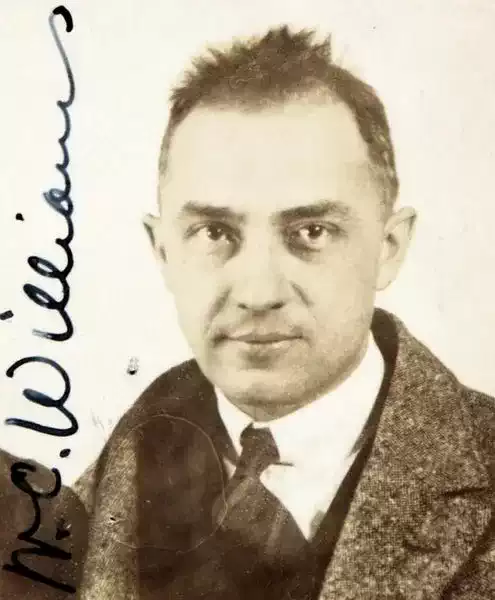
William Carlos Williams
The Disputants
The Disputants
Upon the table in their bowl
in violent disarray
of yellow sprays, green spikes
of leaves, red pointed petals
and curled heads of blue
and white among the litter
of the forks and crumbs and plates
the flowers remain composed.
Coolly their colloquy continues
above the coffee and loud talk
grown frail as vaudeville.
Upon the table in their bowl
in violent disarray
of yellow sprays, green spikes
of leaves, red pointed petals
and curled heads of blue
and white among the litter
of the forks and crumbs and plates
the flowers remain composed.
Coolly their colloquy continues
above the coffee and loud talk
grown frail as vaudeville.
380
William Carlos Williams
The Dark Day
The Dark Day
A three-day-long rain from the east--
an terminable talking, talking
of no consequence--patter, patter, patter.
Hand in hand little winds
blow the thin streams aslant.
Warm. Distance cut off. Seclusion.
A few passers-by, drawn in upon themselves,
hurry from one place to another.
Winds of the white poppy! there is no escape!--
An interminable talking, talking,
talking . . .it has happened before.
Backward, backward, backward.
A three-day-long rain from the east--
an terminable talking, talking
of no consequence--patter, patter, patter.
Hand in hand little winds
blow the thin streams aslant.
Warm. Distance cut off. Seclusion.
A few passers-by, drawn in upon themselves,
hurry from one place to another.
Winds of the white poppy! there is no escape!--
An interminable talking, talking,
talking . . .it has happened before.
Backward, backward, backward.
473
William Carlos Williams
The Cold Night
The Cold Night
It is cold. The white moon
is up among her scattered stars--
like the bare thighs of
the Police Sergeant's wife--among
her five children . . .
No answer. Pale shadows lie upon
the frosted grass. One answer:
It is midnight, it is still
and it is cold . . . !
White thights of the sky! a
new answer out of the depths of
my male belly: In April . . .
In April I shall see again--In April!
the round and perfects thighs
of the Police Sergeant's wife
perfect still after many babies.
Oya!
It is cold. The white moon
is up among her scattered stars--
like the bare thighs of
the Police Sergeant's wife--among
her five children . . .
No answer. Pale shadows lie upon
the frosted grass. One answer:
It is midnight, it is still
and it is cold . . . !
White thights of the sky! a
new answer out of the depths of
my male belly: In April . . .
In April I shall see again--In April!
the round and perfects thighs
of the Police Sergeant's wife
perfect still after many babies.
Oya!
300
William Carlos Williams
Smell
Smell
Oh strong-ridged and deeply hollowed
nose of mine! what will you not be smelling?
What tactless asses we are, you and I, boney nose,
always indiscriminate, always unashamed,
and now it is the souring flowers of the bedreggled
poplars: a festering pulp on the wet earth
beneath them. With what deep thirst
we quicken our desires
to that rank odor of a passing springtime!
Can you not be decent? Can you not reserve your ardors
for something less unlovely? What girl will care
for us, do you think, if we continue in these ways?
Must you taste everything? Must you know everything?
Must you have a part in everything?
Oh strong-ridged and deeply hollowed
nose of mine! what will you not be smelling?
What tactless asses we are, you and I, boney nose,
always indiscriminate, always unashamed,
and now it is the souring flowers of the bedreggled
poplars: a festering pulp on the wet earth
beneath them. With what deep thirst
we quicken our desires
to that rank odor of a passing springtime!
Can you not be decent? Can you not reserve your ardors
for something less unlovely? What girl will care
for us, do you think, if we continue in these ways?
Must you taste everything? Must you know everything?
Must you have a part in everything?
422
William Carlos Williams
Poem
Poem
As the cat
climbed over
the top of
the jamcloset
first the right
forefoot
carefully
then the hind
stepped down
into the pit of
the empty
flowerpot.
As the cat
climbed over
the top of
the jamcloset
first the right
forefoot
carefully
then the hind
stepped down
into the pit of
the empty
flowerpot.
286
William Carlos Williams
Peace on Earth
Peace on Earth
The Archer is wake!
The Swan is flying!
Gold against blue
An Arrow is lying.
There is hunting in heaven--
Sleep safe till tomorrow.
The Bears are abroad!
The Eagle is screaming!
Gold against blue
Their eyes are gleaming!
Sleep!
Sleep safe till tomorrow.
The Sisters lie
With their arms intertwining;
Gold against blue
Their hair is shining!
The Serpent writhes!
Orion is listening!
Gold against blue
His sword is glistening!
Sleep!
There is hunting in heaven--
Sleep safe till tomorrow.
The Archer is wake!
The Swan is flying!
Gold against blue
An Arrow is lying.
There is hunting in heaven--
Sleep safe till tomorrow.
The Bears are abroad!
The Eagle is screaming!
Gold against blue
Their eyes are gleaming!
Sleep!
Sleep safe till tomorrow.
The Sisters lie
With their arms intertwining;
Gold against blue
Their hair is shining!
The Serpent writhes!
Orion is listening!
Gold against blue
His sword is glistening!
Sleep!
There is hunting in heaven--
Sleep safe till tomorrow.
413
William Carlos Williams
Peace on Earth
Peace on Earth
The Archer is wake!
The Swan is flying!
Gold against blue
An Arrow is lying.
There is hunting in heaven--
Sleep safe till tomorrow.
The Bears are abroad!
The Eagle is screaming!
Gold against blue
Their eyes are gleaming!
Sleep!
Sleep safe till tomorrow.
The Sisters lie
With their arms intertwining;
Gold against blue
Their hair is shining!
The Serpent writhes!
Orion is listening!
Gold against blue
His sword is glistening!
Sleep!
There is hunting in heaven--
Sleep safe till tomorrow.
The Archer is wake!
The Swan is flying!
Gold against blue
An Arrow is lying.
There is hunting in heaven--
Sleep safe till tomorrow.
The Bears are abroad!
The Eagle is screaming!
Gold against blue
Their eyes are gleaming!
Sleep!
Sleep safe till tomorrow.
The Sisters lie
With their arms intertwining;
Gold against blue
Their hair is shining!
The Serpent writhes!
Orion is listening!
Gold against blue
His sword is glistening!
Sleep!
There is hunting in heaven--
Sleep safe till tomorrow.
413
William Carlos Williams
Peace on Earth
Peace on Earth
The Archer is wake!
The Swan is flying!
Gold against blue
An Arrow is lying.
There is hunting in heaven--
Sleep safe till tomorrow.
The Bears are abroad!
The Eagle is screaming!
Gold against blue
Their eyes are gleaming!
Sleep!
Sleep safe till tomorrow.
The Sisters lie
With their arms intertwining;
Gold against blue
Their hair is shining!
The Serpent writhes!
Orion is listening!
Gold against blue
His sword is glistening!
Sleep!
There is hunting in heaven--
Sleep safe till tomorrow.
The Archer is wake!
The Swan is flying!
Gold against blue
An Arrow is lying.
There is hunting in heaven--
Sleep safe till tomorrow.
The Bears are abroad!
The Eagle is screaming!
Gold against blue
Their eyes are gleaming!
Sleep!
Sleep safe till tomorrow.
The Sisters lie
With their arms intertwining;
Gold against blue
Their hair is shining!
The Serpent writhes!
Orion is listening!
Gold against blue
His sword is glistening!
Sleep!
There is hunting in heaven--
Sleep safe till tomorrow.
413
William Carlos Williams
Hunters in the Snow
Hunters in the Snow
The over-all picture is winter
icy mountains
in the background the return
from the hunt it is toward evening
from the left
sturdy hunters lead in
their pack the inn-sign
hanging from a
broken hinge is a stag a crucifix
between his antlers the cold
inn yard is
deserted but for a huge bonfire
that flares wind-driven tended by
women who cluster
about it to the right beyond
the hill is a pattern of skaters
Brueghel the painter
concerned with it all has chosen
a winter-struck bush for his
foreground to
complete the picture
The over-all picture is winter
icy mountains
in the background the return
from the hunt it is toward evening
from the left
sturdy hunters lead in
their pack the inn-sign
hanging from a
broken hinge is a stag a crucifix
between his antlers the cold
inn yard is
deserted but for a huge bonfire
that flares wind-driven tended by
women who cluster
about it to the right beyond
the hill is a pattern of skaters
Brueghel the painter
concerned with it all has chosen
a winter-struck bush for his
foreground to
complete the picture
471
William Carlos Williams
Hunters in the Snow
Hunters in the Snow
The over-all picture is winter
icy mountains
in the background the return
from the hunt it is toward evening
from the left
sturdy hunters lead in
their pack the inn-sign
hanging from a
broken hinge is a stag a crucifix
between his antlers the cold
inn yard is
deserted but for a huge bonfire
that flares wind-driven tended by
women who cluster
about it to the right beyond
the hill is a pattern of skaters
Brueghel the painter
concerned with it all has chosen
a winter-struck bush for his
foreground to
complete the picture
The over-all picture is winter
icy mountains
in the background the return
from the hunt it is toward evening
from the left
sturdy hunters lead in
their pack the inn-sign
hanging from a
broken hinge is a stag a crucifix
between his antlers the cold
inn yard is
deserted but for a huge bonfire
that flares wind-driven tended by
women who cluster
about it to the right beyond
the hill is a pattern of skaters
Brueghel the painter
concerned with it all has chosen
a winter-struck bush for his
foreground to
complete the picture
471
William Carlos Williams
Epitaph
Epitaph
An old willow with hollow branches
slowly swayed his few high gright tendrils
and sang:
Love is a young green willow
shimmering at the bare wood's edge.
An old willow with hollow branches
slowly swayed his few high gright tendrils
and sang:
Love is a young green willow
shimmering at the bare wood's edge.
505
William Carlos Williams
Dawn
Dawn
Ecstatic bird songs pound
the hollow vastness of the sky
with metallic clinkings--
beating color up into it
at a far edge,--beating it, beating it
with rising, triumphant ardor,--
stirring it into warmth,
quickening in it a spreading change,--
bursting wildly against it as
dividing the horizon, a heavy sun
lifts himself--is lifted--
bit by bit above the edge
of things,--runs free at last
out into the open--!lumbering
glorified in full release upward--
songs cease.
Ecstatic bird songs pound
the hollow vastness of the sky
with metallic clinkings--
beating color up into it
at a far edge,--beating it, beating it
with rising, triumphant ardor,--
stirring it into warmth,
quickening in it a spreading change,--
bursting wildly against it as
dividing the horizon, a heavy sun
lifts himself--is lifted--
bit by bit above the edge
of things,--runs free at last
out into the open--!lumbering
glorified in full release upward--
songs cease.
309
William Carlos Williams
Dawn
Dawn
Ecstatic bird songs pound
the hollow vastness of the sky
with metallic clinkings--
beating color up into it
at a far edge,--beating it, beating it
with rising, triumphant ardor,--
stirring it into warmth,
quickening in it a spreading change,--
bursting wildly against it as
dividing the horizon, a heavy sun
lifts himself--is lifted--
bit by bit above the edge
of things,--runs free at last
out into the open--!lumbering
glorified in full release upward--
songs cease.
Ecstatic bird songs pound
the hollow vastness of the sky
with metallic clinkings--
beating color up into it
at a far edge,--beating it, beating it
with rising, triumphant ardor,--
stirring it into warmth,
quickening in it a spreading change,--
bursting wildly against it as
dividing the horizon, a heavy sun
lifts himself--is lifted--
bit by bit above the edge
of things,--runs free at last
out into the open--!lumbering
glorified in full release upward--
songs cease.
309
William Carlos Williams
Daisy
Daisy
The dayseye hugging the earth
in August, ha! Spring is
gone down in purple,
weeds stand high in the corn,
the rainbeaten furrow
is clotted with sorrel
and crabgrass, the
branch is black under
the heavy mass of the leaves--
The sun is upon a
slender green stem
ribbed lengthwise.
He lies on his back--
it is a woman also--
he regards his former
majesty and
round the yellow center,
split and creviced and done into
minute flowerheads, he sends out
his twenty rays-- a little
and the wind is among them
to grow cool there!
One turns the thing over
in his hand and looks
at it from the rear: brownedged,
green and pointed scales
armor his yellow.
But turn and turn,
the crisp petals remain
brief, translucent, greenfastened,
barely touching at the edges:
blades of limpid seashell.
The dayseye hugging the earth
in August, ha! Spring is
gone down in purple,
weeds stand high in the corn,
the rainbeaten furrow
is clotted with sorrel
and crabgrass, the
branch is black under
the heavy mass of the leaves--
The sun is upon a
slender green stem
ribbed lengthwise.
He lies on his back--
it is a woman also--
he regards his former
majesty and
round the yellow center,
split and creviced and done into
minute flowerheads, he sends out
his twenty rays-- a little
and the wind is among them
to grow cool there!
One turns the thing over
in his hand and looks
at it from the rear: brownedged,
green and pointed scales
armor his yellow.
But turn and turn,
the crisp petals remain
brief, translucent, greenfastened,
barely touching at the edges:
blades of limpid seashell.
456
William Carlos Williams
Blizzard
Blizzard
Snow falls:
years of anger following
hours that float idly down --
the blizzard
drifts its weight
deeper and deeper for three days
or sixty years, eh? Then
the sun! a clutter of
yellow and blue flakes --
Hairy looking trees stand out
in long alleys
over a wild solitude.
The man turns and there --
his solitary track stretched out
upon the world.
Snow falls:
years of anger following
hours that float idly down --
the blizzard
drifts its weight
deeper and deeper for three days
or sixty years, eh? Then
the sun! a clutter of
yellow and blue flakes --
Hairy looking trees stand out
in long alleys
over a wild solitude.
The man turns and there --
his solitary track stretched out
upon the world.
295
William Carlos Williams
A Celebration
A Celebration
A middle-northern March, now as always--
gusts from the South broken against cold winds--
but from under, as if a slow hand lifted a tide,
it moves--not into April--into a second March,
the old skin of wind-clear scales dropping
upon the mold: this is the shadow projects the tree
upward causing the sun to shine in his sphere.
So we will put on our pink felt hat--new last year!
--newer this by virtue of brown eyes turning back
the seasons--and let us walk to the orchid-house,
see the flowers will take the prize tomorrow
at the Palace.
Stop here, these are our oleanders.
When they are in bloom--
You would waste words
It is clearer to me than if the pink
were on the branch. It would be a searching in
a colored cloud to reveal that which now, huskless,
shows the very reason for their being.
And these the orange-trees, in blossom--no need
to tell with this weight of perfume in the air.
If it were not so dark in this shed one could better
see the white.
It is that very perfume
has drawn the darkness down among the leaves.
Do I speak clearly enough?
It is this darkness reveals that which darkness alone
loosens and sets spinning on waxen wings--
not the touch of a finger-tip, not the motion
of a sigh. A too heavy sweetness proves
its own caretaker.
And here are the orchids!
Never having seen
such gaiety I will read these flowers for you:
This is an odd January, died--in Villon's time.
Snow, this is and this the stain of a violet
grew in that place the spring that foresaw its own doom.
And this, a certain July from Iceland:
a young woman of that place
breathed it toward the South. It took root there.
The color ran true but the plant is small.
This falling spray of snow-flakes is
a handful of dead Februaries
prayed into flower by Rafael Arevalo Martinez
of Guatemala.
Here's that old friend who
went by my side so many years: this full, fragile
head of veined lavender. Oh that April
that we first went with our stiff lusts
leaving the city behind, out to the green hill--
May, they said she was. A hand for all of us:
this branch of blue butterflies tied to this stem.
June is a yellow cup I'll not name; August
the over-heavy one. And here are--
russet and shiny, all but March. And March?
Ah, March--
Flowers are a tiresome pastime.
One has a wish to shake them from their pots
root and stem, for the sun to gnaw.
Walk out again into the cold and saunter home
to the fire. This day has blossomed long enough.
I have wiped out the red night and lit a blaze
instead which will at least warm our hands
and stir up the talk.
I think we have kept fair time.
Time is a green orchard.
A middle-northern March, now as always--
gusts from the South broken against cold winds--
but from under, as if a slow hand lifted a tide,
it moves--not into April--into a second March,
the old skin of wind-clear scales dropping
upon the mold: this is the shadow projects the tree
upward causing the sun to shine in his sphere.
So we will put on our pink felt hat--new last year!
--newer this by virtue of brown eyes turning back
the seasons--and let us walk to the orchid-house,
see the flowers will take the prize tomorrow
at the Palace.
Stop here, these are our oleanders.
When they are in bloom--
You would waste words
It is clearer to me than if the pink
were on the branch. It would be a searching in
a colored cloud to reveal that which now, huskless,
shows the very reason for their being.
And these the orange-trees, in blossom--no need
to tell with this weight of perfume in the air.
If it were not so dark in this shed one could better
see the white.
It is that very perfume
has drawn the darkness down among the leaves.
Do I speak clearly enough?
It is this darkness reveals that which darkness alone
loosens and sets spinning on waxen wings--
not the touch of a finger-tip, not the motion
of a sigh. A too heavy sweetness proves
its own caretaker.
And here are the orchids!
Never having seen
such gaiety I will read these flowers for you:
This is an odd January, died--in Villon's time.
Snow, this is and this the stain of a violet
grew in that place the spring that foresaw its own doom.
And this, a certain July from Iceland:
a young woman of that place
breathed it toward the South. It took root there.
The color ran true but the plant is small.
This falling spray of snow-flakes is
a handful of dead Februaries
prayed into flower by Rafael Arevalo Martinez
of Guatemala.
Here's that old friend who
went by my side so many years: this full, fragile
head of veined lavender. Oh that April
that we first went with our stiff lusts
leaving the city behind, out to the green hill--
May, they said she was. A hand for all of us:
this branch of blue butterflies tied to this stem.
June is a yellow cup I'll not name; August
the over-heavy one. And here are--
russet and shiny, all but March. And March?
Ah, March--
Flowers are a tiresome pastime.
One has a wish to shake them from their pots
root and stem, for the sun to gnaw.
Walk out again into the cold and saunter home
to the fire. This day has blossomed long enough.
I have wiped out the red night and lit a blaze
instead which will at least warm our hands
and stir up the talk.
I think we have kept fair time.
Time is a green orchard.
539
William Carlos Williams
A Celebration
A Celebration
A middle-northern March, now as always--
gusts from the South broken against cold winds--
but from under, as if a slow hand lifted a tide,
it moves--not into April--into a second March,
the old skin of wind-clear scales dropping
upon the mold: this is the shadow projects the tree
upward causing the sun to shine in his sphere.
So we will put on our pink felt hat--new last year!
--newer this by virtue of brown eyes turning back
the seasons--and let us walk to the orchid-house,
see the flowers will take the prize tomorrow
at the Palace.
Stop here, these are our oleanders.
When they are in bloom--
You would waste words
It is clearer to me than if the pink
were on the branch. It would be a searching in
a colored cloud to reveal that which now, huskless,
shows the very reason for their being.
And these the orange-trees, in blossom--no need
to tell with this weight of perfume in the air.
If it were not so dark in this shed one could better
see the white.
It is that very perfume
has drawn the darkness down among the leaves.
Do I speak clearly enough?
It is this darkness reveals that which darkness alone
loosens and sets spinning on waxen wings--
not the touch of a finger-tip, not the motion
of a sigh. A too heavy sweetness proves
its own caretaker.
And here are the orchids!
Never having seen
such gaiety I will read these flowers for you:
This is an odd January, died--in Villon's time.
Snow, this is and this the stain of a violet
grew in that place the spring that foresaw its own doom.
And this, a certain July from Iceland:
a young woman of that place
breathed it toward the South. It took root there.
The color ran true but the plant is small.
This falling spray of snow-flakes is
a handful of dead Februaries
prayed into flower by Rafael Arevalo Martinez
of Guatemala.
Here's that old friend who
went by my side so many years: this full, fragile
head of veined lavender. Oh that April
that we first went with our stiff lusts
leaving the city behind, out to the green hill--
May, they said she was. A hand for all of us:
this branch of blue butterflies tied to this stem.
June is a yellow cup I'll not name; August
the over-heavy one. And here are--
russet and shiny, all but March. And March?
Ah, March--
Flowers are a tiresome pastime.
One has a wish to shake them from their pots
root and stem, for the sun to gnaw.
Walk out again into the cold and saunter home
to the fire. This day has blossomed long enough.
I have wiped out the red night and lit a blaze
instead which will at least warm our hands
and stir up the talk.
I think we have kept fair time.
Time is a green orchard.
A middle-northern March, now as always--
gusts from the South broken against cold winds--
but from under, as if a slow hand lifted a tide,
it moves--not into April--into a second March,
the old skin of wind-clear scales dropping
upon the mold: this is the shadow projects the tree
upward causing the sun to shine in his sphere.
So we will put on our pink felt hat--new last year!
--newer this by virtue of brown eyes turning back
the seasons--and let us walk to the orchid-house,
see the flowers will take the prize tomorrow
at the Palace.
Stop here, these are our oleanders.
When they are in bloom--
You would waste words
It is clearer to me than if the pink
were on the branch. It would be a searching in
a colored cloud to reveal that which now, huskless,
shows the very reason for their being.
And these the orange-trees, in blossom--no need
to tell with this weight of perfume in the air.
If it were not so dark in this shed one could better
see the white.
It is that very perfume
has drawn the darkness down among the leaves.
Do I speak clearly enough?
It is this darkness reveals that which darkness alone
loosens and sets spinning on waxen wings--
not the touch of a finger-tip, not the motion
of a sigh. A too heavy sweetness proves
its own caretaker.
And here are the orchids!
Never having seen
such gaiety I will read these flowers for you:
This is an odd January, died--in Villon's time.
Snow, this is and this the stain of a violet
grew in that place the spring that foresaw its own doom.
And this, a certain July from Iceland:
a young woman of that place
breathed it toward the South. It took root there.
The color ran true but the plant is small.
This falling spray of snow-flakes is
a handful of dead Februaries
prayed into flower by Rafael Arevalo Martinez
of Guatemala.
Here's that old friend who
went by my side so many years: this full, fragile
head of veined lavender. Oh that April
that we first went with our stiff lusts
leaving the city behind, out to the green hill--
May, they said she was. A hand for all of us:
this branch of blue butterflies tied to this stem.
June is a yellow cup I'll not name; August
the over-heavy one. And here are--
russet and shiny, all but March. And March?
Ah, March--
Flowers are a tiresome pastime.
One has a wish to shake them from their pots
root and stem, for the sun to gnaw.
Walk out again into the cold and saunter home
to the fire. This day has blossomed long enough.
I have wiped out the red night and lit a blaze
instead which will at least warm our hands
and stir up the talk.
I think we have kept fair time.
Time is a green orchard.
539
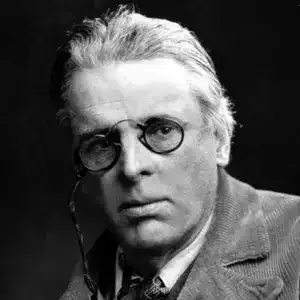
William Butler Yeats
Two Songs of a Fool
Two Songs of a Fool
I
A speckled cat and a tame hare
Eat at my hearthstone
And seep there;
And both look up to me alone
For learning and defence
As I look up to Providence.
I start out of my sleep to think
Some day I may forget
Their food and drink;
Or, the house door left unshut,
The hare may run till it's found
The horn's sweet note and the tooth of the hound.
I bear a burden that might well try
Men that do all by rule,
And what can I
That am a wandering-witted fool
But pray to God that He ease
My great responsibilities?
II
I slept on my three-leged stool by the fire,
The speckled cat slept on my knee;
We never thought to enquire
Where the brown hare might be,
And whether the door were shut.
Who knows how she drank the wind
Stretched up on two legs from the mat,
Before she had settled her mind
To drum with her heel and to leap?
Had I but awakened from sleep
And called her name, she had heard,
It may be, and not have stirred,
That now, it may be, has found
The horn's sweet note and the tooth of the hound.
I
A speckled cat and a tame hare
Eat at my hearthstone
And seep there;
And both look up to me alone
For learning and defence
As I look up to Providence.
I start out of my sleep to think
Some day I may forget
Their food and drink;
Or, the house door left unshut,
The hare may run till it's found
The horn's sweet note and the tooth of the hound.
I bear a burden that might well try
Men that do all by rule,
And what can I
That am a wandering-witted fool
But pray to God that He ease
My great responsibilities?
II
I slept on my three-leged stool by the fire,
The speckled cat slept on my knee;
We never thought to enquire
Where the brown hare might be,
And whether the door were shut.
Who knows how she drank the wind
Stretched up on two legs from the mat,
Before she had settled her mind
To drum with her heel and to leap?
Had I but awakened from sleep
And called her name, she had heard,
It may be, and not have stirred,
That now, it may be, has found
The horn's sweet note and the tooth of the hound.
376
William Butler Yeats
Towards Break Of Day
Towards Break Of Day
WAS it the double of my dream
The woman that by me lay
Dreamed, or did we halve a dream
Under the first cold gleam of day?
I thought: 'There is a waterfall
Upon Ben Bulben side
That all my childhood counted dear;
Were I to travel far and wide
I could not find a thing so dear.'
My memories had magnified
So many times childish delight.
I would have touched it like a child
But knew my finger could but have touched
Cold stone and water. I grew wild.
Even accusing Heaven because
It had set down among its laws:
Nothing that we love over-much
Is ponderable to our touch.
I dreamed towards break of day,
The cold blown spray in my nostril.
But she that beside me lay
Had watched in bitterer sleep
The marvellous stag of Arthur,
That lofty white stag, leap
From mountain steep to steep.
WAS it the double of my dream
The woman that by me lay
Dreamed, or did we halve a dream
Under the first cold gleam of day?
I thought: 'There is a waterfall
Upon Ben Bulben side
That all my childhood counted dear;
Were I to travel far and wide
I could not find a thing so dear.'
My memories had magnified
So many times childish delight.
I would have touched it like a child
But knew my finger could but have touched
Cold stone and water. I grew wild.
Even accusing Heaven because
It had set down among its laws:
Nothing that we love over-much
Is ponderable to our touch.
I dreamed towards break of day,
The cold blown spray in my nostril.
But she that beside me lay
Had watched in bitterer sleep
The marvellous stag of Arthur,
That lofty white stag, leap
From mountain steep to steep.
482
William Butler Yeats
The White Birds
The White Birds
I WOULD that we were, my beloved, white birds on the foam of the sea!
We tire of the flame of the meteor, before it can fade and flee;
And the flame of the blue star of twilight, hung low on the rim of the sky,
Has awaked in our hearts, my beloved, a sadness that may not die.
A weariness comes from those dreamers, dew-dabbled, the lily and rose;
Ah, dream not of them, my beloved, the flame of the meteor that goes,
Or the flame of the blue star that lingers hung low in the fall of the dew:
For I would we were changed to white birds on the wandering foam: I and you!
I am haunted by numberless islands, and many a Danaan shore,
Where Time would surely forget us, and Sorrow come near us no more;
Soon far from the rose and the lily and fret of the flames would we be,
Were we only white birds, my beloved, buoyed out on the foam of the sea!
I WOULD that we were, my beloved, white birds on the foam of the sea!
We tire of the flame of the meteor, before it can fade and flee;
And the flame of the blue star of twilight, hung low on the rim of the sky,
Has awaked in our hearts, my beloved, a sadness that may not die.
A weariness comes from those dreamers, dew-dabbled, the lily and rose;
Ah, dream not of them, my beloved, the flame of the meteor that goes,
Or the flame of the blue star that lingers hung low in the fall of the dew:
For I would we were changed to white birds on the wandering foam: I and you!
I am haunted by numberless islands, and many a Danaan shore,
Where Time would surely forget us, and Sorrow come near us no more;
Soon far from the rose and the lily and fret of the flames would we be,
Were we only white birds, my beloved, buoyed out on the foam of the sea!
440
William Butler Yeats
The Wild Swans At Coole
The Wild Swans At Coole
THE trees are in their autumn beauty,
The woodland paths are dry,
Under the October twilight the water
Mirrors a still sky;
Upon the brimming water among the stones
Are nine-and-fifty Swans.
The nineteenth autumn has come upon me
Since I first made my count;
I saw, before I had well finished,
All suddenly mount
And scatter wheeling in great broken rings
Upon their clamorous wings.
I have looked upon those brilliant creatures,
And now my heart is sore.
All's changed since I, hearing at twilight,
The first time on this shore,
The bell-beat of their wings above my head,
Trod with a lighter tread.
Unwearied still, lover by lover,
They paddle in the cold
Companionable streams or climb the air;
Their hearts have not grown old;
Passion or conquest, wander where they will,
Attend upon them still.
But now they drift on the still water,
Mysterious, beautiful;
Among what rushes will they build,
By what lake's edge or pool
Delight men's eyes when I awake some day
To find they have flown away?
THE trees are in their autumn beauty,
The woodland paths are dry,
Under the October twilight the water
Mirrors a still sky;
Upon the brimming water among the stones
Are nine-and-fifty Swans.
The nineteenth autumn has come upon me
Since I first made my count;
I saw, before I had well finished,
All suddenly mount
And scatter wheeling in great broken rings
Upon their clamorous wings.
I have looked upon those brilliant creatures,
And now my heart is sore.
All's changed since I, hearing at twilight,
The first time on this shore,
The bell-beat of their wings above my head,
Trod with a lighter tread.
Unwearied still, lover by lover,
They paddle in the cold
Companionable streams or climb the air;
Their hearts have not grown old;
Passion or conquest, wander where they will,
Attend upon them still.
But now they drift on the still water,
Mysterious, beautiful;
Among what rushes will they build,
By what lake's edge or pool
Delight men's eyes when I awake some day
To find they have flown away?
367
William Butler Yeats
The Wild Swans At Coole
The Wild Swans At Coole
THE trees are in their autumn beauty,
The woodland paths are dry,
Under the October twilight the water
Mirrors a still sky;
Upon the brimming water among the stones
Are nine-and-fifty Swans.
The nineteenth autumn has come upon me
Since I first made my count;
I saw, before I had well finished,
All suddenly mount
And scatter wheeling in great broken rings
Upon their clamorous wings.
I have looked upon those brilliant creatures,
And now my heart is sore.
All's changed since I, hearing at twilight,
The first time on this shore,
The bell-beat of their wings above my head,
Trod with a lighter tread.
Unwearied still, lover by lover,
They paddle in the cold
Companionable streams or climb the air;
Their hearts have not grown old;
Passion or conquest, wander where they will,
Attend upon them still.
But now they drift on the still water,
Mysterious, beautiful;
Among what rushes will they build,
By what lake's edge or pool
Delight men's eyes when I awake some day
To find they have flown away?
THE trees are in their autumn beauty,
The woodland paths are dry,
Under the October twilight the water
Mirrors a still sky;
Upon the brimming water among the stones
Are nine-and-fifty Swans.
The nineteenth autumn has come upon me
Since I first made my count;
I saw, before I had well finished,
All suddenly mount
And scatter wheeling in great broken rings
Upon their clamorous wings.
I have looked upon those brilliant creatures,
And now my heart is sore.
All's changed since I, hearing at twilight,
The first time on this shore,
The bell-beat of their wings above my head,
Trod with a lighter tread.
Unwearied still, lover by lover,
They paddle in the cold
Companionable streams or climb the air;
Their hearts have not grown old;
Passion or conquest, wander where they will,
Attend upon them still.
But now they drift on the still water,
Mysterious, beautiful;
Among what rushes will they build,
By what lake's edge or pool
Delight men's eyes when I awake some day
To find they have flown away?
367
William Butler Yeats
The Stolen Child
The Stolen Child
Where dips the rocky highland
Of Sleuth Wood in the lake,
There lies a leafy island
Where flapping herons wake
The drowsy water rats;
There we've hid our faery vats,
Full of berrys
And of reddest stolen cherries.
Come away, O human child!
To the waters and the wild
With a faery, hand in hand,
For the world's more full of weeping than you can understand.
Where the wave of moonlight glosses
The dim gray sands with light,
Far off by furthest Rosses
We foot it all the night,
Weaving olden dances
Mingling hands and mingling glances
Till the moon has taken flight;
To and fro we leap
And chase the frothy bubbles,
While the world is full of troubles
And anxious in its sleep.
Come away, O human child!
To the waters and the wild
With a faery, hand in hand,
For the world's more full of weeping than you can understand.
Where the wandering water gushes
From the hills above Glen-Car,
In pools among the rushes
That scarce could bathe a star,
We seek for slumbering trout
And whispering in their ears
Give them unquiet dreams;
Leaning softly out
From ferns that dropp their tears
Over the young streams.
Come away, O human child!
To the waters and the wild
With a faery, hand in hand,
For the world's more full of weeping than you can understand.
Away with us he's going,
The solemn-eyed:
He'll hear no more the lowing
Of the calves on the warm hillside
Or the kettle on the hob
Sing peace into his breast,
Or see the brown mice bob
Round and round the oatmeal chest.
For he comes, the human child,
To the waters and the wild
With a faery, hand in hand,
For the world's more full of weeping than he can understand.
Where dips the rocky highland
Of Sleuth Wood in the lake,
There lies a leafy island
Where flapping herons wake
The drowsy water rats;
There we've hid our faery vats,
Full of berrys
And of reddest stolen cherries.
Come away, O human child!
To the waters and the wild
With a faery, hand in hand,
For the world's more full of weeping than you can understand.
Where the wave of moonlight glosses
The dim gray sands with light,
Far off by furthest Rosses
We foot it all the night,
Weaving olden dances
Mingling hands and mingling glances
Till the moon has taken flight;
To and fro we leap
And chase the frothy bubbles,
While the world is full of troubles
And anxious in its sleep.
Come away, O human child!
To the waters and the wild
With a faery, hand in hand,
For the world's more full of weeping than you can understand.
Where the wandering water gushes
From the hills above Glen-Car,
In pools among the rushes
That scarce could bathe a star,
We seek for slumbering trout
And whispering in their ears
Give them unquiet dreams;
Leaning softly out
From ferns that dropp their tears
Over the young streams.
Come away, O human child!
To the waters and the wild
With a faery, hand in hand,
For the world's more full of weeping than you can understand.
Away with us he's going,
The solemn-eyed:
He'll hear no more the lowing
Of the calves on the warm hillside
Or the kettle on the hob
Sing peace into his breast,
Or see the brown mice bob
Round and round the oatmeal chest.
For he comes, the human child,
To the waters and the wild
With a faery, hand in hand,
For the world's more full of weeping than he can understand.
725
William Butler Yeats
The Shadowy Waters
The Shadowy Waters
I walked among the seven woods of Coole:
Shan-walla, where a willow-hordered pond
Gathers the wild duck from the winter dawn;
Shady Kyle-dortha; sunnier Kyle-na-no,
Where many hundred squirrels are as happy
As though they had been hidden hy green houghs
Where old age cannot find them; Paire-na-lee,
Where hazel and ash and privet hlind the paths:
Dim Pairc-na-carraig, where the wild bees fling
Their sudden fragrances on the green air;
Dim Pairc-na-tarav, where enchanted eyes
Have seen immortal, mild, proud shadows walk;
Dim Inchy wood, that hides badger and fox
And marten-cat, and borders that old wood
Wise Buddy Early called the wicked wood:
Seven odours, seven murmurs, seven woods.
I had not eyes like those enchanted eyes,
Yet dreamed that beings happier than men
Moved round me in the shadows, and at night
My dreams were clown hy voices and by fires;
And the images I have woven in this story
Of Forgael and Dectora and the empty waters
Moved round me in the voices and the fires,
And more I may not write of, for they that cleave
The waters of sleep can make a chattering tongue
Heavy like stone, their wisdom being half silence.
How shall I name you, immortal, mild, proud shadows?
I only know that all we know comes from you,
And that you come from Eden on flying feet.
Is Eden far away, or do you hide
From human thought, as hares and mice and coneys
That run before the reaping-hook and lie
In the last ridge of the barley? Do our woods
And winds and ponds cover more quiet woods,
More shining winds, more star-glimmering ponds?
Is Eden out of time and out of space?
And do you gather about us when pale light
Shining on water and fallen among leaves,
And winds blowing from flowers, and whirr of feathers
And the green quiet, have uplifted the heart?
I have made this poem for you, that men may read it
Before they read of Forgael and Dectora,
As men in the old times, before the harps began,
Poured out wine for the high invisible ones.
I walked among the seven woods of Coole:
Shan-walla, where a willow-hordered pond
Gathers the wild duck from the winter dawn;
Shady Kyle-dortha; sunnier Kyle-na-no,
Where many hundred squirrels are as happy
As though they had been hidden hy green houghs
Where old age cannot find them; Paire-na-lee,
Where hazel and ash and privet hlind the paths:
Dim Pairc-na-carraig, where the wild bees fling
Their sudden fragrances on the green air;
Dim Pairc-na-tarav, where enchanted eyes
Have seen immortal, mild, proud shadows walk;
Dim Inchy wood, that hides badger and fox
And marten-cat, and borders that old wood
Wise Buddy Early called the wicked wood:
Seven odours, seven murmurs, seven woods.
I had not eyes like those enchanted eyes,
Yet dreamed that beings happier than men
Moved round me in the shadows, and at night
My dreams were clown hy voices and by fires;
And the images I have woven in this story
Of Forgael and Dectora and the empty waters
Moved round me in the voices and the fires,
And more I may not write of, for they that cleave
The waters of sleep can make a chattering tongue
Heavy like stone, their wisdom being half silence.
How shall I name you, immortal, mild, proud shadows?
I only know that all we know comes from you,
And that you come from Eden on flying feet.
Is Eden far away, or do you hide
From human thought, as hares and mice and coneys
That run before the reaping-hook and lie
In the last ridge of the barley? Do our woods
And winds and ponds cover more quiet woods,
More shining winds, more star-glimmering ponds?
Is Eden out of time and out of space?
And do you gather about us when pale light
Shining on water and fallen among leaves,
And winds blowing from flowers, and whirr of feathers
And the green quiet, have uplifted the heart?
I have made this poem for you, that men may read it
Before they read of Forgael and Dectora,
As men in the old times, before the harps began,
Poured out wine for the high invisible ones.
462