

Poems in this topic
Nature and Elements
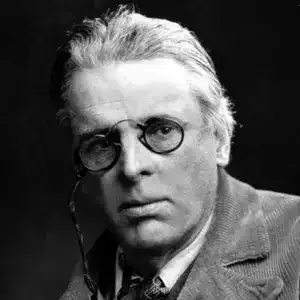
William Butler Yeats
The Nineteenth Century And After
The Nineteenth Century And After
THOUGH the great song return no more
There's keen delight in what we have:
The rattle of pebbles on the shore
Under the receding wave.
THOUGH the great song return no more
There's keen delight in what we have:
The rattle of pebbles on the shore
Under the receding wave.
321
William Butler Yeats
The Meditation Of The Old Fisherman
The Meditation Of The Old Fisherman
YOU waves, though you dance by my feet like children at play,
Though you glow and you glance, though you purr and you dart;
In the Junes that were warmer than these are, the waves were more gay,
When I was a boy with never a crack in my heart.
The herring are not in the tides as they were of old;
My sorrow! for many a creak gave the creel in the-cart
That carried the take to Sligo town to be sold,
When I was a boy with never a crack in my heart.
And ah, you proud maiden, you are not so fair when his oar
Is heard on the water, as they were, the proud and apart,
Who paced in the eve by the nets on the pebbly shore,
When I was a boy with never a crack in my heart.
YOU waves, though you dance by my feet like children at play,
Though you glow and you glance, though you purr and you dart;
In the Junes that were warmer than these are, the waves were more gay,
When I was a boy with never a crack in my heart.
The herring are not in the tides as they were of old;
My sorrow! for many a creak gave the creel in the-cart
That carried the take to Sligo town to be sold,
When I was a boy with never a crack in my heart.
And ah, you proud maiden, you are not so fair when his oar
Is heard on the water, as they were, the proud and apart,
Who paced in the eve by the nets on the pebbly shore,
When I was a boy with never a crack in my heart.
311
William Butler Yeats
The Fish
The Fish
ALTHOUGH you hide in the ebb and flow
Of the pale tide when the moon has set,
The people of coming days will know
About the casting out of my net,
And how you have leaped times out of mind
Over the little silver cords,
And think that you were hard and unkind,
And blame you with many bitter words.
ALTHOUGH you hide in the ebb and flow
Of the pale tide when the moon has set,
The people of coming days will know
About the casting out of my net,
And how you have leaped times out of mind
Over the little silver cords,
And think that you were hard and unkind,
And blame you with many bitter words.
291
William Butler Yeats
The Fairy Pendant
The Fairy Pendant
Scene: A circle of Druidic stones
First Fairy: Afar from our lawn and our levee,
O sister of sorrowful gaze!
Where the roses in scarlet are heavy
And dream of the end of their days,
You move in another dominion
And hang o'er the historied stone:
Unpruned in your beautiful pinion
Who wander and whisper alone.
All: Come away while the moon's in the woodland,
We'll dance and then feast in a dairy.
Though youngest of all in our good band,
You are wasting away, little fairy.
Second Fairy: Ah! cruel ones, leave me alone now
While I murmur a little and ponder
The history here in the stone now;
Then away and away I will wander,
And measure the minds of the flowers,
And gaze on the meadow-mice wary,
And number their days and their hours--
All: You're wasting away, little fairy.
Second Fairy: O shining ones, lightly with song pass,
Ah! leave me, I pray you and beg.
My mother drew forth from the long grass
A piece of a nightingle's egg,
And cradled me here where are sung,
Of birds even, longings for aery
Wild wisdoms of spirit and tongue.
All: You're wasting away, little fairy.
First Fairy [turning away]: Though the tenderest roses were round you,
The soul of this pitiless place
With pitiless magic has bound you--
Ah! woe for the loss of your face,
And the loss of your laugh with its lightness--
Ah! woe for your wings and your head--
Ah! woe for your eyes and their brightness--
Ah! woe for your slippers of red.
We'll dance and then feast in a dairy.
Though youngest of all in our good band,
She's wasting away, little fairy.
Scene: A circle of Druidic stones
First Fairy: Afar from our lawn and our levee,
O sister of sorrowful gaze!
Where the roses in scarlet are heavy
And dream of the end of their days,
You move in another dominion
And hang o'er the historied stone:
Unpruned in your beautiful pinion
Who wander and whisper alone.
All: Come away while the moon's in the woodland,
We'll dance and then feast in a dairy.
Though youngest of all in our good band,
You are wasting away, little fairy.
Second Fairy: Ah! cruel ones, leave me alone now
While I murmur a little and ponder
The history here in the stone now;
Then away and away I will wander,
And measure the minds of the flowers,
And gaze on the meadow-mice wary,
And number their days and their hours--
All: You're wasting away, little fairy.
Second Fairy: O shining ones, lightly with song pass,
Ah! leave me, I pray you and beg.
My mother drew forth from the long grass
A piece of a nightingle's egg,
And cradled me here where are sung,
Of birds even, longings for aery
Wild wisdoms of spirit and tongue.
All: You're wasting away, little fairy.
First Fairy [turning away]: Though the tenderest roses were round you,
The soul of this pitiless place
With pitiless magic has bound you--
Ah! woe for the loss of your face,
And the loss of your laugh with its lightness--
Ah! woe for your wings and your head--
Ah! woe for your eyes and their brightness--
Ah! woe for your slippers of red.
We'll dance and then feast in a dairy.
Though youngest of all in our good band,
She's wasting away, little fairy.
400
William Butler Yeats
The Ballad Of The Foxhunter
The Ballad Of The Foxhunter
'Lay me in a cushioned chair;
Carry me, ye four,
With cushions here and cushions there,
To see the world once more.
'To stable and to kennel go;
Bring what is there to bring;
Lead my Lollard to and fro,
Or gently in a ring.
'Put the chair upon the grass:
Bring Rody and his hounds,
That I may contented pass
From these earthly bounds.'
His eyelids droop, his head falls low,
His old eyes cloud with dreams;
The sun upon all things that grow
Falls in sleepy streams.
Brown Lollard treads upon the lawn,
And to the armchair goes,
And now the old man's dreams are gone,
He smooths the long brown nose.
And now moves many a pleasant tongue
Upon his wasted hands,
For leading aged hounds and young
The huntsman near him stands.
'Huntsmam Rody, blow the horn,
Make the hills reply.'
The huntsman loosens on the morn
A gay wandering cry.
Fire is in the old man's eyes,
His fingers move and sway,
And when the wandering music dies
They hear him feebly say,
'Huntsman Rody, blow the horn,
Make the hills reply.'
'I cannot blow upon my horn,
I can but weep and sigh.'
Servants round his cushioned place
Are with new sorrow wrung;
Hounds are gazing on his face,
Aged hounds and young.
One blind hound only lies apart
On the sun-smitten grass;
He holds deep commune with his heart:
The moments pass and pass:
The blind hound with a mournful din
Lifts slow his wintry head;
The servants bear the body in;
The hounds wail for the dead.
'Lay me in a cushioned chair;
Carry me, ye four,
With cushions here and cushions there,
To see the world once more.
'To stable and to kennel go;
Bring what is there to bring;
Lead my Lollard to and fro,
Or gently in a ring.
'Put the chair upon the grass:
Bring Rody and his hounds,
That I may contented pass
From these earthly bounds.'
His eyelids droop, his head falls low,
His old eyes cloud with dreams;
The sun upon all things that grow
Falls in sleepy streams.
Brown Lollard treads upon the lawn,
And to the armchair goes,
And now the old man's dreams are gone,
He smooths the long brown nose.
And now moves many a pleasant tongue
Upon his wasted hands,
For leading aged hounds and young
The huntsman near him stands.
'Huntsmam Rody, blow the horn,
Make the hills reply.'
The huntsman loosens on the morn
A gay wandering cry.
Fire is in the old man's eyes,
His fingers move and sway,
And when the wandering music dies
They hear him feebly say,
'Huntsman Rody, blow the horn,
Make the hills reply.'
'I cannot blow upon my horn,
I can but weep and sigh.'
Servants round his cushioned place
Are with new sorrow wrung;
Hounds are gazing on his face,
Aged hounds and young.
One blind hound only lies apart
On the sun-smitten grass;
He holds deep commune with his heart:
The moments pass and pass:
The blind hound with a mournful din
Lifts slow his wintry head;
The servants bear the body in;
The hounds wail for the dead.
445
William Butler Yeats
Parting
Parting
He. Dear, I must be gone
While night Shuts the eyes
Of the household spies;
That song announces dawn.
She. No, night's bird and love's
Bids all true lovers rest,
While his loud song reproves
The murderous stealth of day.
He. Daylight already flies
From mountain crest to crest
She. That light is from the moon.
He. That bird...
She. Let him sing on,
I offer to love's play
My dark declivities.
He. Dear, I must be gone
While night Shuts the eyes
Of the household spies;
That song announces dawn.
She. No, night's bird and love's
Bids all true lovers rest,
While his loud song reproves
The murderous stealth of day.
He. Daylight already flies
From mountain crest to crest
She. That light is from the moon.
He. That bird...
She. Let him sing on,
I offer to love's play
My dark declivities.
327
William Butler Yeats
Long-Legged Fly
Long-Legged Fly
THAT civilisation may not sink,
Its great battle lost,
Quiet the dog, tether the pony
To a distant post;
Our master Caesar is in the tent
Where the maps ate spread,
His eyes fixed upon nothing,
A hand under his head.
Like a long-legged fly upon the stream
His mind moves upon silence.
That the topless towers be burnt
And men recall that face,
Move most gently if move you must
In this lonely place.
She thinks, part woman, three parts a child,
That nobody looks; her feet
Practise a tinker shuffle
Picked up on a street.
Like a long-legged fly upon the stream
Her mind moves upon silence.
That girls at puberty may find
The first Adam in their thought,
Shut the door of the Pope's chapel,
Keep those children out.
There on that scaffolding reclines
Michael Angelo.
With no more sound than the mice make
His hand moves to and fro.
Like a long-leggedfly upon the stream
His mind moves upon silence.
THAT civilisation may not sink,
Its great battle lost,
Quiet the dog, tether the pony
To a distant post;
Our master Caesar is in the tent
Where the maps ate spread,
His eyes fixed upon nothing,
A hand under his head.
Like a long-legged fly upon the stream
His mind moves upon silence.
That the topless towers be burnt
And men recall that face,
Move most gently if move you must
In this lonely place.
She thinks, part woman, three parts a child,
That nobody looks; her feet
Practise a tinker shuffle
Picked up on a street.
Like a long-legged fly upon the stream
Her mind moves upon silence.
That girls at puberty may find
The first Adam in their thought,
Shut the door of the Pope's chapel,
Keep those children out.
There on that scaffolding reclines
Michael Angelo.
With no more sound than the mice make
His hand moves to and fro.
Like a long-leggedfly upon the stream
His mind moves upon silence.
358
William Butler Yeats
Introductory Lines (The Shadowy Waters)
Introductory Lines (The Shadowy Waters)
I walked among the seven woods of Coole:
Shan-walla, where a willow-hordered pond
Gathers the wild duck from the winter dawn;
Shady Kyle-dortha; sunnier Kyle-na-no,
Where many hundred squirrels are as happy
As though they had been hidden by green bough's
Where old age cannot find them; Paire-na-lee,
Where hazel and ash and privet blind the paths:
Dim Paire-na-carraig, where the wild bees fling
Their sudden fragrances on the green air;
Dim Paire-na-tarav, where enchanted eyes
Have seen immortal, mild, proud shadows walk;
Dim Inchy wood, that hides badger and fox
And marten-cat, and borders that old wood
Wise Buddy Early called the wicked wood:
Seven odours, seven murmurs, seven woods.
I had not eyes like those enchanted eyes,
Yet dreamed that beings happier than men
Moved round me in the shadows, and at night
My dreams were clown by voices and by fires;
And the images I have woven in this story
Of Forgael and Dectora and the empty waters
Moved round me in the voices and the fires,
And more I may not write of, for they that cleave
The waters of sleep can make a chattering tongue
Heavy like stone, their wisdom being half silence.
How shall I name you, immortal, mild, proud shadows?
I only know that all we know comes from you,
And that you come from Eden on flying feet.
Is Eden far away, or do you hide
From human thought, as hares and mice and coneys
That run before the reaping-hook and lie
In the last ridge of the barley? Do our woods
And winds and ponds cover more quiet woods,
More shining winds, more star-glimmering ponds?
Is Eden out of time and out of space?
And do you gather about us when pale light
Shining on water and fallen among leaves,
And winds blowing from flowers, and whirr of feathers
And the green quiet, have uplifted the heart?
I have made this poem for you, that men may read it
Before they read of Forgael and Dectora,
As men in the old times, before the harps began,
Poured out wine for the high invisible ones.
I walked among the seven woods of Coole:
Shan-walla, where a willow-hordered pond
Gathers the wild duck from the winter dawn;
Shady Kyle-dortha; sunnier Kyle-na-no,
Where many hundred squirrels are as happy
As though they had been hidden by green bough's
Where old age cannot find them; Paire-na-lee,
Where hazel and ash and privet blind the paths:
Dim Paire-na-carraig, where the wild bees fling
Their sudden fragrances on the green air;
Dim Paire-na-tarav, where enchanted eyes
Have seen immortal, mild, proud shadows walk;
Dim Inchy wood, that hides badger and fox
And marten-cat, and borders that old wood
Wise Buddy Early called the wicked wood:
Seven odours, seven murmurs, seven woods.
I had not eyes like those enchanted eyes,
Yet dreamed that beings happier than men
Moved round me in the shadows, and at night
My dreams were clown by voices and by fires;
And the images I have woven in this story
Of Forgael and Dectora and the empty waters
Moved round me in the voices and the fires,
And more I may not write of, for they that cleave
The waters of sleep can make a chattering tongue
Heavy like stone, their wisdom being half silence.
How shall I name you, immortal, mild, proud shadows?
I only know that all we know comes from you,
And that you come from Eden on flying feet.
Is Eden far away, or do you hide
From human thought, as hares and mice and coneys
That run before the reaping-hook and lie
In the last ridge of the barley? Do our woods
And winds and ponds cover more quiet woods,
More shining winds, more star-glimmering ponds?
Is Eden out of time and out of space?
And do you gather about us when pale light
Shining on water and fallen among leaves,
And winds blowing from flowers, and whirr of feathers
And the green quiet, have uplifted the heart?
I have made this poem for you, that men may read it
Before they read of Forgael and Dectora,
As men in the old times, before the harps began,
Poured out wine for the high invisible ones.
386
William Butler Yeats
In The Seven Woods
In The Seven Woods
I HAVE heard the pigeons of the Seven Woods
Make their faint thunder, and the garden bees
Hum in the lime-tree flowers; and put away
The unavailing outcries and the old bitterness
That empty the heart. I have forgot awhile
Tara uprooted, and new commonness
Upon the throne and crying about the streets
And hanging its paper flowers from post to post,
Because it is alone of all things happy.
I am contented, for I know that Quiet
Wanders laughing and eating her wild heart
Among pigeons and bees, while that Great Archer,
Who but awaits His hour to shoot, still hangs
A cloudy quiver over Pairc-na-lee.
I HAVE heard the pigeons of the Seven Woods
Make their faint thunder, and the garden bees
Hum in the lime-tree flowers; and put away
The unavailing outcries and the old bitterness
That empty the heart. I have forgot awhile
Tara uprooted, and new commonness
Upon the throne and crying about the streets
And hanging its paper flowers from post to post,
Because it is alone of all things happy.
I am contented, for I know that Quiet
Wanders laughing and eating her wild heart
Among pigeons and bees, while that Great Archer,
Who but awaits His hour to shoot, still hangs
A cloudy quiver over Pairc-na-lee.
366
William Butler Yeats
He Tells Of The Perfect Beauty
He Tells Of The Perfect Beauty
O CLOUD-PALE eyelids, dream-dimmed eyes,
The poets labouring all their days
To build a perfect beauty in rhyme
Are overthrown by a woman's gaze
And by the unlabouring brood of the skies:
And therefore my heart will bow, when dew
Is dropping sleep, until God burn time,
Before the unlabouring stars and you.
O CLOUD-PALE eyelids, dream-dimmed eyes,
The poets labouring all their days
To build a perfect beauty in rhyme
Are overthrown by a woman's gaze
And by the unlabouring brood of the skies:
And therefore my heart will bow, when dew
Is dropping sleep, until God burn time,
Before the unlabouring stars and you.
325
William Butler Yeats
Gratitude To The Unknown Instructors
Gratitude To The Unknown Instructors
WHAT they undertook to do
They brought to pass;
All things hang like a drop of dew
Upon a blade of grass.
WHAT they undertook to do
They brought to pass;
All things hang like a drop of dew
Upon a blade of grass.
293
William Butler Yeats
Anashuya And Vijaya
Anashuya And Vijaya
A little Indian temple in the Golden Age. Around it a garden;
around that the forest. Anashuya, the young priestess, kneelinq
within the temple.
Anashuya. Send peace on all the lands and flickering
corn. --
O, may tranquillity walk by his elbow
When wandering in the forest, if he love
No other. -- Hear, and may the indolent flocks
Be plentiful. -- And if he love another,
May panthers end him. -- Hear, and load our king
With wisdom hour by hour. -- May we two stand,
When we are dead, beyond the setting suns,
A little from the other shades apart,
With mingling hair, and play upon one lute.
Vijaya [entering and throwing a lily at her]. Hail! hail, my
Anashuya.
Anashuya. No: be still.
I, priestess of this temple, offer up
prayers for the land.
Vijaya. I will wait here, Amrita.
Anashuya. By mighty Brahma's ever-rustling robe,
Who is Amrita? Sorrow of all sorrows!
Another fills your mind.
Vijaya. My mother's name.
Anashuya [sings, coming out of the temple].
A sad, sad thought went by me slowly:
Sigh, O you little stars.! O sigh and shake your blue
apparel.!
The sad, sad thought has gone from me now wholly:
Sing, O you little stars.! O sing and raise your rapturous
carol
To mighty Brahma, be who made you many as the sands,
And laid you on the gates of evening with his quiet hands.
(Sits down on the steps of the temple.j
Vijaya, I have brought my evening rice;
The sun has laid his chin on the grey wood,
Weary, with all his poppies gathered round him.
Vijaya. The hour when Kama, full of sleepy laughter,
Rises, and showers abroad his fragrant arrows,
Piercing the twilight with their murmuring barbs.
Anashuya. See-how the sacred old flamingoes come.
Painting with shadow all the marble steps:
Aged and wise, they seek their wonted perches
Within the temple, devious walking, made
To wander by their melancholy minds.
Yon tall one eyes my supper; chase him away,
Far, far away. I named him after you.
He is a famous fisher; hour by hour
He ruffles with his bill the minnowed streams.
Ah! there he snaps my rice. I told you so.
Now cuff him off. He's off! A kiss for you,
Because you saved my rice. Have you no thanks?
Vijaya [sings]. Sing you of her, O first few stars,
Whom Brahma, touching with his finger, praises, for you
hold
The van of wandering quiet; ere you be too calm and old,
Sing, turning in your cars,
Sing, till you raise your hands and sigh, and from your carheads
peer,
With all your whirling hair, and drop many an azure tear.
Anashuya. What know the pilots of the stars of tears?
Vijaya. Their faces are all worn, and in their eyes
Flashes the fire of sadness, for they see
The icicles that famish all the North,
Where men lie frozen in the glimmering snow;
And in the flaming forests cower the lion
And lioness, with all their whimpering cubs;
And, ever pacing on the verge of things,
The phantom, Beauty, in a mist of tears;
While we alone have round us woven woods,
And feel the softness of each other's hand,
Amrita, while -- -
Anashuya [going away from him].
Ah me! you love another,
[Bursting into tears.]
And may some sudden dreadful ill befall her!
Vijaya. I loved another; now I love no other.
Among the mouldering of ancient woods
You live, and on the village border she,
With her old father the blind wood-cutter;
I saw her standing in her door but now.
Anashuya. Vijaya, swear to love her never more.
Vijaya. Ay, ay.
Anashuya. Swear by the parents of the gods,
Dread oath, who dwell on sacred Himalay,
On the far Golden peak; enormous shapes,
Who still were old when the great sea was young;
On their vast faces mystery and dreams;
Their hair along the mountains rolled and filled
From year to year by the unnumbered nests
Of aweless birds, and round their stirless feet
The joyous flocks of deer and antelope,
Who never hear the unforgiving hound.
Swear!
Vijaya. By the parents of the gods, I swear.
Anashuya [sings]. I have forgiven, O new star!
Maybe you have not heard of us, you have come forth so
newly,
You hunter of the fields afar!
Ah, you will know my loved one by his hunter's arrows
truly,
Shoot on him shafts of quietness, that he may ever keep
A lonely laughter, and may kiss his hands to me in sleep.
Farewell, Vijaya. Nay, no word, no word;
I, priestess of this temple, offer up
Prayers for the land.
[Vijaya goes.]
O Brahma, guard in sleep
The merry lambs and the complacent kine,
The flies below the leaves, and the young mice
In the tree roots, and all the sacred flocks
Of red flamingoes; and my love, Vijaya;
And may no restless fay with fidget finger
Trouble his sleeping: give him dreams of me.
A little Indian temple in the Golden Age. Around it a garden;
around that the forest. Anashuya, the young priestess, kneelinq
within the temple.
Anashuya. Send peace on all the lands and flickering
corn. --
O, may tranquillity walk by his elbow
When wandering in the forest, if he love
No other. -- Hear, and may the indolent flocks
Be plentiful. -- And if he love another,
May panthers end him. -- Hear, and load our king
With wisdom hour by hour. -- May we two stand,
When we are dead, beyond the setting suns,
A little from the other shades apart,
With mingling hair, and play upon one lute.
Vijaya [entering and throwing a lily at her]. Hail! hail, my
Anashuya.
Anashuya. No: be still.
I, priestess of this temple, offer up
prayers for the land.
Vijaya. I will wait here, Amrita.
Anashuya. By mighty Brahma's ever-rustling robe,
Who is Amrita? Sorrow of all sorrows!
Another fills your mind.
Vijaya. My mother's name.
Anashuya [sings, coming out of the temple].
A sad, sad thought went by me slowly:
Sigh, O you little stars.! O sigh and shake your blue
apparel.!
The sad, sad thought has gone from me now wholly:
Sing, O you little stars.! O sing and raise your rapturous
carol
To mighty Brahma, be who made you many as the sands,
And laid you on the gates of evening with his quiet hands.
(Sits down on the steps of the temple.j
Vijaya, I have brought my evening rice;
The sun has laid his chin on the grey wood,
Weary, with all his poppies gathered round him.
Vijaya. The hour when Kama, full of sleepy laughter,
Rises, and showers abroad his fragrant arrows,
Piercing the twilight with their murmuring barbs.
Anashuya. See-how the sacred old flamingoes come.
Painting with shadow all the marble steps:
Aged and wise, they seek their wonted perches
Within the temple, devious walking, made
To wander by their melancholy minds.
Yon tall one eyes my supper; chase him away,
Far, far away. I named him after you.
He is a famous fisher; hour by hour
He ruffles with his bill the minnowed streams.
Ah! there he snaps my rice. I told you so.
Now cuff him off. He's off! A kiss for you,
Because you saved my rice. Have you no thanks?
Vijaya [sings]. Sing you of her, O first few stars,
Whom Brahma, touching with his finger, praises, for you
hold
The van of wandering quiet; ere you be too calm and old,
Sing, turning in your cars,
Sing, till you raise your hands and sigh, and from your carheads
peer,
With all your whirling hair, and drop many an azure tear.
Anashuya. What know the pilots of the stars of tears?
Vijaya. Their faces are all worn, and in their eyes
Flashes the fire of sadness, for they see
The icicles that famish all the North,
Where men lie frozen in the glimmering snow;
And in the flaming forests cower the lion
And lioness, with all their whimpering cubs;
And, ever pacing on the verge of things,
The phantom, Beauty, in a mist of tears;
While we alone have round us woven woods,
And feel the softness of each other's hand,
Amrita, while -- -
Anashuya [going away from him].
Ah me! you love another,
[Bursting into tears.]
And may some sudden dreadful ill befall her!
Vijaya. I loved another; now I love no other.
Among the mouldering of ancient woods
You live, and on the village border she,
With her old father the blind wood-cutter;
I saw her standing in her door but now.
Anashuya. Vijaya, swear to love her never more.
Vijaya. Ay, ay.
Anashuya. Swear by the parents of the gods,
Dread oath, who dwell on sacred Himalay,
On the far Golden peak; enormous shapes,
Who still were old when the great sea was young;
On their vast faces mystery and dreams;
Their hair along the mountains rolled and filled
From year to year by the unnumbered nests
Of aweless birds, and round their stirless feet
The joyous flocks of deer and antelope,
Who never hear the unforgiving hound.
Swear!
Vijaya. By the parents of the gods, I swear.
Anashuya [sings]. I have forgiven, O new star!
Maybe you have not heard of us, you have come forth so
newly,
You hunter of the fields afar!
Ah, you will know my loved one by his hunter's arrows
truly,
Shoot on him shafts of quietness, that he may ever keep
A lonely laughter, and may kiss his hands to me in sleep.
Farewell, Vijaya. Nay, no word, no word;
I, priestess of this temple, offer up
Prayers for the land.
[Vijaya goes.]
O Brahma, guard in sleep
The merry lambs and the complacent kine,
The flies below the leaves, and the young mice
In the tree roots, and all the sacred flocks
Of red flamingoes; and my love, Vijaya;
And may no restless fay with fidget finger
Trouble his sleeping: give him dreams of me.
391
William Butler Yeats
A Man Young And Old: IV. The Death Of The Hare
A Man Young And Old: IV. The Death Of The Hare
I have pointed out the yelling pack,
The hare leap to the wood,
And when I pass a compliment
Rejoice as lover should
At the drooping of an eye,
At the mantling of the blood.
Then suddenly my heart is wrung
By her distracted air
And I remember wildness lost
And after, swept from there,
Am set down standing in the wood
At the death of the hare.
I have pointed out the yelling pack,
The hare leap to the wood,
And when I pass a compliment
Rejoice as lover should
At the drooping of an eye,
At the mantling of the blood.
Then suddenly my heart is wrung
By her distracted air
And I remember wildness lost
And after, swept from there,
Am set down standing in the wood
At the death of the hare.
342
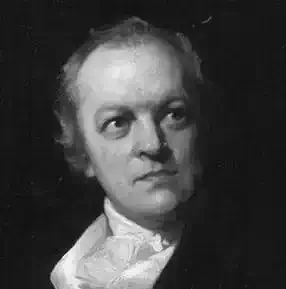
William Blake
To Spring
To Spring
O thou with dewy locks, who lookest down
Thro' the clear windows of the morning, turn
Thine angel eyes upon our western isle,
Which in full choir hails thy approach, O Spring!
The hills tell each other, and the listening
Valleys hear; all our longing eyes are turned
Up to thy bright pavilions: issue forth,
And let thy holy feet visit our clime.
Come o'er the eastern hills, and let our winds
Kiss thy perfumed garments; let us taste
Thy morn and evening breath; scatter thy pearls
Upon our love-sick land that mourns for thee.
O deck her forth with thy fair fingers; pour
Thy soft kisses on her bosom; and put
Thy golden crown upon her languished head,
Whose modest tresses were bound up for thee.
O thou with dewy locks, who lookest down
Thro' the clear windows of the morning, turn
Thine angel eyes upon our western isle,
Which in full choir hails thy approach, O Spring!
The hills tell each other, and the listening
Valleys hear; all our longing eyes are turned
Up to thy bright pavilions: issue forth,
And let thy holy feet visit our clime.
Come o'er the eastern hills, and let our winds
Kiss thy perfumed garments; let us taste
Thy morn and evening breath; scatter thy pearls
Upon our love-sick land that mourns for thee.
O deck her forth with thy fair fingers; pour
Thy soft kisses on her bosom; and put
Thy golden crown upon her languished head,
Whose modest tresses were bound up for thee.
471
William Blake
To Spring
To Spring
O thou with dewy locks, who lookest down
Thro' the clear windows of the morning, turn
Thine angel eyes upon our western isle,
Which in full choir hails thy approach, O Spring!
The hills tell each other, and the listening
Valleys hear; all our longing eyes are turned
Up to thy bright pavilions: issue forth,
And let thy holy feet visit our clime.
Come o'er the eastern hills, and let our winds
Kiss thy perfumed garments; let us taste
Thy morn and evening breath; scatter thy pearls
Upon our love-sick land that mourns for thee.
O deck her forth with thy fair fingers; pour
Thy soft kisses on her bosom; and put
Thy golden crown upon her languished head,
Whose modest tresses were bound up for thee.
O thou with dewy locks, who lookest down
Thro' the clear windows of the morning, turn
Thine angel eyes upon our western isle,
Which in full choir hails thy approach, O Spring!
The hills tell each other, and the listening
Valleys hear; all our longing eyes are turned
Up to thy bright pavilions: issue forth,
And let thy holy feet visit our clime.
Come o'er the eastern hills, and let our winds
Kiss thy perfumed garments; let us taste
Thy morn and evening breath; scatter thy pearls
Upon our love-sick land that mourns for thee.
O deck her forth with thy fair fingers; pour
Thy soft kisses on her bosom; and put
Thy golden crown upon her languished head,
Whose modest tresses were bound up for thee.
471
William Blake
To Autum
To Autum
O Autumn, laden with fruit, and stain'd
With the blood of the grape, pass not, but sit
Beneath my shady roof; there thou may'st rest,
And tune thy jolly voice to my fresh pipe,
And all the daughters of the year shall dance!
Sing now the lusty song of fruits and flowers.
'The narrow bud opens her beauties to
The sun, and love runs in her thrilling veins;
Blossoms hang round the brows of Morning, and
Flourish down the bright cheek of modest Eve,
Till clust'ring Summer breaks forth into singing,
And feather'd clouds strew flowers round her head.
'The spirits of the air live in the smells
Of fruit; and Joy, with pinions light, roves round
The gardens, or sits singing in the trees.'
Thus sang the jolly Autumn as he sat,
Then rose, girded himself, and o'er the bleak
Hills fled from our sight; but left his golden load.
O Autumn, laden with fruit, and stain'd
With the blood of the grape, pass not, but sit
Beneath my shady roof; there thou may'st rest,
And tune thy jolly voice to my fresh pipe,
And all the daughters of the year shall dance!
Sing now the lusty song of fruits and flowers.
'The narrow bud opens her beauties to
The sun, and love runs in her thrilling veins;
Blossoms hang round the brows of Morning, and
Flourish down the bright cheek of modest Eve,
Till clust'ring Summer breaks forth into singing,
And feather'd clouds strew flowers round her head.
'The spirits of the air live in the smells
Of fruit; and Joy, with pinions light, roves round
The gardens, or sits singing in the trees.'
Thus sang the jolly Autumn as he sat,
Then rose, girded himself, and o'er the bleak
Hills fled from our sight; but left his golden load.
497
William Blake
To Autum
To Autum
O Autumn, laden with fruit, and stain'd
With the blood of the grape, pass not, but sit
Beneath my shady roof; there thou may'st rest,
And tune thy jolly voice to my fresh pipe,
And all the daughters of the year shall dance!
Sing now the lusty song of fruits and flowers.
'The narrow bud opens her beauties to
The sun, and love runs in her thrilling veins;
Blossoms hang round the brows of Morning, and
Flourish down the bright cheek of modest Eve,
Till clust'ring Summer breaks forth into singing,
And feather'd clouds strew flowers round her head.
'The spirits of the air live in the smells
Of fruit; and Joy, with pinions light, roves round
The gardens, or sits singing in the trees.'
Thus sang the jolly Autumn as he sat,
Then rose, girded himself, and o'er the bleak
Hills fled from our sight; but left his golden load.
O Autumn, laden with fruit, and stain'd
With the blood of the grape, pass not, but sit
Beneath my shady roof; there thou may'st rest,
And tune thy jolly voice to my fresh pipe,
And all the daughters of the year shall dance!
Sing now the lusty song of fruits and flowers.
'The narrow bud opens her beauties to
The sun, and love runs in her thrilling veins;
Blossoms hang round the brows of Morning, and
Flourish down the bright cheek of modest Eve,
Till clust'ring Summer breaks forth into singing,
And feather'd clouds strew flowers round her head.
'The spirits of the air live in the smells
Of fruit; and Joy, with pinions light, roves round
The gardens, or sits singing in the trees.'
Thus sang the jolly Autumn as he sat,
Then rose, girded himself, and o'er the bleak
Hills fled from our sight; but left his golden load.
497
William Blake
To Morning
To Morning
O holy virgin! clad in purest white,
Unlock heav'n's golden gates, and issue forth;
Awake the dawn that sleeps in heaven; let light
Rise from the chambers of the east, and bring
The honey'd dew that cometh on waking day.
O radiant morning, salute the sun
Rous'd like a huntsman to the chase, and with
Thy buskin'd feet appear upon our hills.
O holy virgin! clad in purest white,
Unlock heav'n's golden gates, and issue forth;
Awake the dawn that sleeps in heaven; let light
Rise from the chambers of the east, and bring
The honey'd dew that cometh on waking day.
O radiant morning, salute the sun
Rous'd like a huntsman to the chase, and with
Thy buskin'd feet appear upon our hills.
446
William Blake
To Morning
To Morning
O holy virgin! clad in purest white,
Unlock heav'n's golden gates, and issue forth;
Awake the dawn that sleeps in heaven; let light
Rise from the chambers of the east, and bring
The honey'd dew that cometh on waking day.
O radiant morning, salute the sun
Rous'd like a huntsman to the chase, and with
Thy buskin'd feet appear upon our hills.
O holy virgin! clad in purest white,
Unlock heav'n's golden gates, and issue forth;
Awake the dawn that sleeps in heaven; let light
Rise from the chambers of the east, and bring
The honey'd dew that cometh on waking day.
O radiant morning, salute the sun
Rous'd like a huntsman to the chase, and with
Thy buskin'd feet appear upon our hills.
446
William Blake
Three Things to Remember
Three Things to Remember
A Robin Redbreast in a cage,
Puts all Heaven in a rage.
A skylark wounded on the wing
Doth make a cherub cease to sing.
He who shall hurt the little wren
Shall never be beloved by men.
A Robin Redbreast in a cage,
Puts all Heaven in a rage.
A skylark wounded on the wing
Doth make a cherub cease to sing.
He who shall hurt the little wren
Shall never be beloved by men.
449
William Blake
The Sick Rose
The Sick Rose
O Rose, thou art sick!
The invisible worm
That flies in the night,
In the howling storm,
Has found out thy bed
Of crimson joy:
And his dark secret love
Does thy life destroy.
O Rose, thou art sick!
The invisible worm
That flies in the night,
In the howling storm,
Has found out thy bed
Of crimson joy:
And his dark secret love
Does thy life destroy.
435
William Blake
The Little Girl Found
The Little Girl Found
All the night in woe,
Lyca's parents go:
Over vallies deep.
While the desarts weep.
Tired and woe-begone.
Hoarse with making moan:
Arm in arm seven days.
They trac'd the desert ways.
Seven nights they sleep.
Among shadows deep:
And dream they see their child
Starvdd in desart wild.
Pale thro' pathless ways
The fancied image strays.
Famish'd, weeping, weak
With hollow piteous shriek
Rising from unrest,
The trembling woman prest,
With feet of weary woe;
She could no further go.
In his arms he bore.
Her arm'd with sorrow sore:
Till before their way
A couching lion lay.
Turning back was vain,
Soon his heavy mane.
Bore them to the ground;
Then he stalk'd around.
Smelling to his prey,
But their fears allay,
When he licks their hands:
And silent by them stands.
They look upon his eyes
Fill'd with deep surprise:
And wondering behold.
A spirit arm'd in gold.
On his head a crown
On his shoulders down,
Flow'd his golden hair.
Gone was all their care.
Follow me he said,
Weep not for the maid;
In my palace deep.
Lyca lies asleep.
Then they followed,
Where the vision led;
And saw their sleeping child,
Among tygers wild.
To this day they dwell
In a lonely dell
Nor fear the wolvish howl,
Nor the lion's growl.
All the night in woe,
Lyca's parents go:
Over vallies deep.
While the desarts weep.
Tired and woe-begone.
Hoarse with making moan:
Arm in arm seven days.
They trac'd the desert ways.
Seven nights they sleep.
Among shadows deep:
And dream they see their child
Starvdd in desart wild.
Pale thro' pathless ways
The fancied image strays.
Famish'd, weeping, weak
With hollow piteous shriek
Rising from unrest,
The trembling woman prest,
With feet of weary woe;
She could no further go.
In his arms he bore.
Her arm'd with sorrow sore:
Till before their way
A couching lion lay.
Turning back was vain,
Soon his heavy mane.
Bore them to the ground;
Then he stalk'd around.
Smelling to his prey,
But their fears allay,
When he licks their hands:
And silent by them stands.
They look upon his eyes
Fill'd with deep surprise:
And wondering behold.
A spirit arm'd in gold.
On his head a crown
On his shoulders down,
Flow'd his golden hair.
Gone was all their care.
Follow me he said,
Weep not for the maid;
In my palace deep.
Lyca lies asleep.
Then they followed,
Where the vision led;
And saw their sleeping child,
Among tygers wild.
To this day they dwell
In a lonely dell
Nor fear the wolvish howl,
Nor the lion's growl.
547