

Poems in this topic
Nature and Elements

D.H. Lawrence
The Enkindled Spring
The Enkindled Spring
This spring as it comes bursts up in bonfires green,
Wild puffing of emerald trees, and flame-filled bushes,
Thorn-blossom lifting in wreaths of smoke between
Where the wood fumes up and the watery, flickering rushes.
I am amazed at this spring, this conflagration
Of green fires lit on the soil of the earth, this blaze
Of growing, and sparks that puff in wild gyration,
Faces of people streaming across my gaze.
And I, what fountain of fire am I among
This leaping combustion of spring? My spirit is tossed
About like a shadow buffeted in the throng
Of flames, a shadow that’s gone astray, and is lost.
This spring as it comes bursts up in bonfires green,
Wild puffing of emerald trees, and flame-filled bushes,
Thorn-blossom lifting in wreaths of smoke between
Where the wood fumes up and the watery, flickering rushes.
I am amazed at this spring, this conflagration
Of green fires lit on the soil of the earth, this blaze
Of growing, and sparks that puff in wild gyration,
Faces of people streaming across my gaze.
And I, what fountain of fire am I among
This leaping combustion of spring? My spirit is tossed
About like a shadow buffeted in the throng
Of flames, a shadow that’s gone astray, and is lost.
232
D.H. Lawrence
The Elephant Is Slow to Mate
The Elephant Is Slow to Mate
The elephant, the huge old beast,
is slow to mate;
he finds a female, they show no haste
they wait
for the sympathy in their vast shy hearts
slowly, slowly to rouse
as they loiter along the river-beds
and drink and browse
and dash in panic through the brake
of forest with the herd,
and sleep in massive silence, and wake
together, without a word.
So slowly the great hot elephant hearts
grow full of desire,
and the great beasts mate in secret at last,
hiding their fire.
Oldest they are and the wisest of beasts
so they know at last
how to wait for the loneliest of feasts
for the full repast.
They do not snatch, they do not tear;
their massive blood
moves as the moon-tides, near, more near
till they touch in flood.
The elephant, the huge old beast,
is slow to mate;
he finds a female, they show no haste
they wait
for the sympathy in their vast shy hearts
slowly, slowly to rouse
as they loiter along the river-beds
and drink and browse
and dash in panic through the brake
of forest with the herd,
and sleep in massive silence, and wake
together, without a word.
So slowly the great hot elephant hearts
grow full of desire,
and the great beasts mate in secret at last,
hiding their fire.
Oldest they are and the wisest of beasts
so they know at last
how to wait for the loneliest of feasts
for the full repast.
They do not snatch, they do not tear;
their massive blood
moves as the moon-tides, near, more near
till they touch in flood.
213
D.H. Lawrence
Snake
Snake
A snake came to my water-trough
On a hot, hot day, and I in pyjamas for the heat,
To drink there.
In the deep, strange-scented shade of the great dark carob-tree
I came down the steps with my pitcher
And must wait, must stand and wait, for there he was at the trough before
me.
He reached down from a fissure in the earth-wall in the gloom
And trailed his yellow-brown slackness soft-bellied down, over the edge of
the stone trough
And rested his throat upon the stone bottom,
And where the water had dripped from the tap, in a small clearness,
He sipped with his straight mouth,
Softly drank through his straight gums, into his slack long body,
Silently.
Someone was before me at my water-trough,
And I, like a second comer, waiting.
He lifted his head from his drinking, as cattle do,
And looked at me vaguely, as drinking cattle do,
And flickered his two-forked tongue from his lips, and mused a moment,
And stooped and drank a little more,
Being earth-brown, earth-golden from the burning bowels of the earth
On the day of Sicilian July, with Etna smoking.
The voice of my education said to me
He must be killed,
For in Sicily the black, black snakes are innocent, the gold are venomous.
And voices in me said, If you were a man
You would take a stick and break him now, and finish him off.
But must I confess how I liked him,
How glad I was he had come like a guest in quiet, to drink at my water-trough
And depart peaceful, pacified, and thankless,
Into the burning bowels of this earth?
Was it cowardice, that I dared not kill him? Was it perversity, that I longed to talk to
him? Was it humility, to feel so honoured?
I felt so honoured.
And yet those voices:
If you were not afraid, you would kill him!
And truly I was afraid, I was most afraid, But even so, honoured still more
That he should seek my hospitality
From out the dark door of the secret earth.
He drank enough
And lifted his head, dreamily, as one who has drunken,
And flickered his tongue like a forked night on the air, so black,
Seeming to lick his lips,
And looked around like a god, unseeing, into the air,
And slowly turned his head,
And slowly, very slowly, as if thrice adream,
Proceeded to draw his slow length curving round
And climb again the broken bank of my wall-face.
And as he put his head into that dreadful hole,
And as he slowly drew up, snake-easing his shoulders, and entered farther,
A sort of horror, a sort of protest against his withdrawing into that horrid black hole,
Deliberately going into the blackness, and slowly drawing himself after,
Overcame me now his back was turned.
I looked round, I put down my pitcher,
I picked up a clumsy log
And threw it at the water-trough with a clatter.
I think it did not hit him,
But suddenly that part of him that was left behind convulsed in undignified haste.
Writhed like lightning, and was gone
Into the black hole, the earth-lipped fissure in the wall-front,
At which, in the intense still noon, I stared with fascination.
And immediately I regretted it.
I thought how paltry, how vulgar, what a mean act!
I despised myself and the voices of my accursed human education.
And I thought of the albatross
And I wished he would come back, my snake.
For he seemed to me again like a king,
Like a king in exile, uncrowned in the underworld,
Now due to be crowned again.
And so, I missed my chance with one of the lords
Of life.
And I have something to expiate:
A pettiness.
A snake came to my water-trough
On a hot, hot day, and I in pyjamas for the heat,
To drink there.
In the deep, strange-scented shade of the great dark carob-tree
I came down the steps with my pitcher
And must wait, must stand and wait, for there he was at the trough before
me.
He reached down from a fissure in the earth-wall in the gloom
And trailed his yellow-brown slackness soft-bellied down, over the edge of
the stone trough
And rested his throat upon the stone bottom,
And where the water had dripped from the tap, in a small clearness,
He sipped with his straight mouth,
Softly drank through his straight gums, into his slack long body,
Silently.
Someone was before me at my water-trough,
And I, like a second comer, waiting.
He lifted his head from his drinking, as cattle do,
And looked at me vaguely, as drinking cattle do,
And flickered his two-forked tongue from his lips, and mused a moment,
And stooped and drank a little more,
Being earth-brown, earth-golden from the burning bowels of the earth
On the day of Sicilian July, with Etna smoking.
The voice of my education said to me
He must be killed,
For in Sicily the black, black snakes are innocent, the gold are venomous.
And voices in me said, If you were a man
You would take a stick and break him now, and finish him off.
But must I confess how I liked him,
How glad I was he had come like a guest in quiet, to drink at my water-trough
And depart peaceful, pacified, and thankless,
Into the burning bowels of this earth?
Was it cowardice, that I dared not kill him? Was it perversity, that I longed to talk to
him? Was it humility, to feel so honoured?
I felt so honoured.
And yet those voices:
If you were not afraid, you would kill him!
And truly I was afraid, I was most afraid, But even so, honoured still more
That he should seek my hospitality
From out the dark door of the secret earth.
He drank enough
And lifted his head, dreamily, as one who has drunken,
And flickered his tongue like a forked night on the air, so black,
Seeming to lick his lips,
And looked around like a god, unseeing, into the air,
And slowly turned his head,
And slowly, very slowly, as if thrice adream,
Proceeded to draw his slow length curving round
And climb again the broken bank of my wall-face.
And as he put his head into that dreadful hole,
And as he slowly drew up, snake-easing his shoulders, and entered farther,
A sort of horror, a sort of protest against his withdrawing into that horrid black hole,
Deliberately going into the blackness, and slowly drawing himself after,
Overcame me now his back was turned.
I looked round, I put down my pitcher,
I picked up a clumsy log
And threw it at the water-trough with a clatter.
I think it did not hit him,
But suddenly that part of him that was left behind convulsed in undignified haste.
Writhed like lightning, and was gone
Into the black hole, the earth-lipped fissure in the wall-front,
At which, in the intense still noon, I stared with fascination.
And immediately I regretted it.
I thought how paltry, how vulgar, what a mean act!
I despised myself and the voices of my accursed human education.
And I thought of the albatross
And I wished he would come back, my snake.
For he seemed to me again like a king,
Like a king in exile, uncrowned in the underworld,
Now due to be crowned again.
And so, I missed my chance with one of the lords
Of life.
And I have something to expiate:
A pettiness.
208
D.H. Lawrence
New Year's Eve
New Year's Eve
There are only two things now,
The great black night scooped out
And this fireglow.
This fireglow, the core,
And we the two ripe pips
That are held in store.
Listen, the darkness rings
As it circulates round our fire.
Take off your things.
Your shoulders, your bruised throat!
You breasts, your nakedness!
This fiery coat!
As the darkness flickers and dips,
As the firelight falls and leaps
From your feet to your lips!
There are only two things now,
The great black night scooped out
And this fireglow.
This fireglow, the core,
And we the two ripe pips
That are held in store.
Listen, the darkness rings
As it circulates round our fire.
Take off your things.
Your shoulders, your bruised throat!
You breasts, your nakedness!
This fiery coat!
As the darkness flickers and dips,
As the firelight falls and leaps
From your feet to your lips!
201
D.H. Lawrence
Lui et Elle
Lui et Elle
She is large and matronly
And rather dirty,
A little sardonic-looking, as if domesticity had driven her to it.
Though what she does, except lay four eggs at random in the garden once a year
And put up with her husband,
I don't know.
She likes to eat.
She hurries up, striding reared on long uncanny legs
When food is going.
Oh yes, she can make haste when she likes.
She snaps the soft bread from my hand in great mouthfuls,
Opening her rather pretty wedge of an iron, pristine face
Into an enormously wide-beaked mouth
Like sudden curved scissors,
And gulping at more than she can swallow, and working her thick, soft tongue,
And having the bread hanging over her chin.
O Mistress, Mistress,
Reptile mistress,
Your eye is very dark, very bright,
And it never softens
Although you watch.
She knows,
She knows well enough to come for food,
Yet she sees me not;
Her bright eye sees, but not me, not anything,
Sightful, sightless, seeing and visionless,
Reptile mistress.
Taking bread in her curved, gaping, toothless mouth,
She has no qualm when she catches my finger in her steel overlapping gums,
But she hangs on, and my shout and my shrinking are nothing to her.
She does not even know she is nipping me with her curved beak.
Snake-like she draws at my finger, while I drag it in horror away.
Mistress, reptile mistress,
You are almost too large, I am almost frightened.
He is much smaller,
Dapper beside her,
And ridiculously small.
Her laconic eye has an earthy, materialistic look,
His, poor darling, is almost fiery.
His wimple, his blunt-prowed face,
His low forehead, his skinny neck, his long, scaled, striving legs,
So striving, striving,
Are all more delicate than she,
And he has a cruel scar on his shell.
Poor darling, biting at her feet,
Running beside her like a dog, biting her earthy, splay feet,
Nipping her ankles,
Which she drags apathetic away, though without retreating into her shell.
Agelessly silent,
And with a grim, reptile determination,
Cold, voiceless age-after-age behind him, serpents' long obstinacy
Of horizontal persistence.
Little old man
Scuffling beside her, bending down, catching his opportunity,
Parting his steel-trap face, so suddenly, and seizing her scaly ankle,
And hanging grimly on,
Letting go at last as she drags away,
And closing his steel-trap face.
His steel-trap, stoic, ageless, handsome face.
Alas, what a fool he looks in this scuffle.
And how he feels it!
The lonely rambler, the stoic, dignified stalker through chaos,
The immune, the animate,
Enveloped in isolation,
Fore-runner.
Now look at him!
Alas, the spear is through the side of his isolation.
His adolescence saw him crucified into sex,
Doomed, in the long crucifixion of desire, to seek his consummation beyond himself.
Divided into passionate duality,
He, so finished and immune, now broken into desirous fragmentariness,
Doomed to make an intolerable fool of himself
In his effort toward completion again.
Poor little earthy house-inhabiting Osiris,
The mysterious bull tore him at adolescence into pieces,
And he must struggle after reconstruction, ignominiously.
And so behold him following the tail
Of that mud-hovel of his slowly rambling spouse,
Like some unhappy bull at the tail of a cow,
But with more than bovine, grim, earth-dank persistence.
Suddenly seizing the ugly ankle as she stretches out to walk,
Roaming over the sods,
Or, if it happen to show, at her pointed, heavy tail
Beneath the low-dropping back-board of her shell.
Their two shells like domed boats bumping,
Hers huge, his small;
Their splay feet rambling and rowing like paddles,
And stumbling mixed up in one another,
In the race of love --
Two tortoises,
She huge, he small.
She seems earthily apathetic,
And he has a reptile's awful persistence.
I heard a woman pitying her, pitying the Mère Tortue.
While I, I pity Monsieur.
'He pesters her and torments her,' said the woman.
How much more is he pestered and tormented, say I.
What can he do?
He is dumb, he is visionless,
Conceptionless.
His black, sad-lidded eye sees but beholds not
As her earthen mound moves on,
But he catches the folds of vulnerable, leathery skin,
Nail-studded, that shake beneath her shell,
And drags at these with his beak,
Drags and drags and bites,
While she pulls herself free, and rows her dull mound along.
She is large and matronly
And rather dirty,
A little sardonic-looking, as if domesticity had driven her to it.
Though what she does, except lay four eggs at random in the garden once a year
And put up with her husband,
I don't know.
She likes to eat.
She hurries up, striding reared on long uncanny legs
When food is going.
Oh yes, she can make haste when she likes.
She snaps the soft bread from my hand in great mouthfuls,
Opening her rather pretty wedge of an iron, pristine face
Into an enormously wide-beaked mouth
Like sudden curved scissors,
And gulping at more than she can swallow, and working her thick, soft tongue,
And having the bread hanging over her chin.
O Mistress, Mistress,
Reptile mistress,
Your eye is very dark, very bright,
And it never softens
Although you watch.
She knows,
She knows well enough to come for food,
Yet she sees me not;
Her bright eye sees, but not me, not anything,
Sightful, sightless, seeing and visionless,
Reptile mistress.
Taking bread in her curved, gaping, toothless mouth,
She has no qualm when she catches my finger in her steel overlapping gums,
But she hangs on, and my shout and my shrinking are nothing to her.
She does not even know she is nipping me with her curved beak.
Snake-like she draws at my finger, while I drag it in horror away.
Mistress, reptile mistress,
You are almost too large, I am almost frightened.
He is much smaller,
Dapper beside her,
And ridiculously small.
Her laconic eye has an earthy, materialistic look,
His, poor darling, is almost fiery.
His wimple, his blunt-prowed face,
His low forehead, his skinny neck, his long, scaled, striving legs,
So striving, striving,
Are all more delicate than she,
And he has a cruel scar on his shell.
Poor darling, biting at her feet,
Running beside her like a dog, biting her earthy, splay feet,
Nipping her ankles,
Which she drags apathetic away, though without retreating into her shell.
Agelessly silent,
And with a grim, reptile determination,
Cold, voiceless age-after-age behind him, serpents' long obstinacy
Of horizontal persistence.
Little old man
Scuffling beside her, bending down, catching his opportunity,
Parting his steel-trap face, so suddenly, and seizing her scaly ankle,
And hanging grimly on,
Letting go at last as she drags away,
And closing his steel-trap face.
His steel-trap, stoic, ageless, handsome face.
Alas, what a fool he looks in this scuffle.
And how he feels it!
The lonely rambler, the stoic, dignified stalker through chaos,
The immune, the animate,
Enveloped in isolation,
Fore-runner.
Now look at him!
Alas, the spear is through the side of his isolation.
His adolescence saw him crucified into sex,
Doomed, in the long crucifixion of desire, to seek his consummation beyond himself.
Divided into passionate duality,
He, so finished and immune, now broken into desirous fragmentariness,
Doomed to make an intolerable fool of himself
In his effort toward completion again.
Poor little earthy house-inhabiting Osiris,
The mysterious bull tore him at adolescence into pieces,
And he must struggle after reconstruction, ignominiously.
And so behold him following the tail
Of that mud-hovel of his slowly rambling spouse,
Like some unhappy bull at the tail of a cow,
But with more than bovine, grim, earth-dank persistence.
Suddenly seizing the ugly ankle as she stretches out to walk,
Roaming over the sods,
Or, if it happen to show, at her pointed, heavy tail
Beneath the low-dropping back-board of her shell.
Their two shells like domed boats bumping,
Hers huge, his small;
Their splay feet rambling and rowing like paddles,
And stumbling mixed up in one another,
In the race of love --
Two tortoises,
She huge, he small.
She seems earthily apathetic,
And he has a reptile's awful persistence.
I heard a woman pitying her, pitying the Mère Tortue.
While I, I pity Monsieur.
'He pesters her and torments her,' said the woman.
How much more is he pestered and tormented, say I.
What can he do?
He is dumb, he is visionless,
Conceptionless.
His black, sad-lidded eye sees but beholds not
As her earthen mound moves on,
But he catches the folds of vulnerable, leathery skin,
Nail-studded, that shake beneath her shell,
And drags at these with his beak,
Drags and drags and bites,
While she pulls herself free, and rows her dull mound along.
215
D.H. Lawrence
Mating
Mating
Round clouds roll in the arms of the wind,
The round earth rolls in a clasp of blue sky,
And see, where the budding hazels are thinned,
The wild anemones lie
In undulating shivers beneath the wind.
Over the blue of the waters ply
White ducks, a living flotilla of cloud;
And, look you, floating just thereby,
The blue-gleamed drake stems proud
Like Abraham, whose seed should multiply.
In the lustrous gleam of the water, there
Scramble seven toads across the silk, obscure leaves,
Seven toads that meet in the dusk to share
The darkness that interweaves
The sky and earth and water and live things everywhere.
Look now, through the woods where the beech-green spurts
Like a storm of emerald snow, look, see
A great bay stallion dances, skirts
The bushes sumptuously,
Going outward now in the spring to his brief deserts.
Ah love, with your rich, warm face aglow,
What sudden expectation opens you
So wide as you watch the catkins blow
Their dust from the birch on the blue
Lift of the pulsing wind—ah, tell me you know!
Ah, surely! Ah, sure from the golden sun
A quickening, masculine gleam floats in to all
Us creatures, people and flowers undone,
Lying open under his thrall,
As he begets the year in us. What, then, would you shun?
Why, I should think that from the earth there fly
Fine thrills to the neighbour stars, fine yellow beams
Thrown lustily off from our full-blown, high
Bursting globe of dreams,
To quicken the spheres that are virgin still in the sky.
Do you not hear each morsel thrill
With joy at travelling to plant itself within
The expectant one, therein to instil
New rapture, new shape to win,
From the thick of life wake up another will?
Surely, and if that I would spill
The vivid, ah, the fiery surplus of life,
From off my brimming measure, to fill
You, and flush you rife
With increase, do you call it evil, and always evil?
Round clouds roll in the arms of the wind,
The round earth rolls in a clasp of blue sky,
And see, where the budding hazels are thinned,
The wild anemones lie
In undulating shivers beneath the wind.
Over the blue of the waters ply
White ducks, a living flotilla of cloud;
And, look you, floating just thereby,
The blue-gleamed drake stems proud
Like Abraham, whose seed should multiply.
In the lustrous gleam of the water, there
Scramble seven toads across the silk, obscure leaves,
Seven toads that meet in the dusk to share
The darkness that interweaves
The sky and earth and water and live things everywhere.
Look now, through the woods where the beech-green spurts
Like a storm of emerald snow, look, see
A great bay stallion dances, skirts
The bushes sumptuously,
Going outward now in the spring to his brief deserts.
Ah love, with your rich, warm face aglow,
What sudden expectation opens you
So wide as you watch the catkins blow
Their dust from the birch on the blue
Lift of the pulsing wind—ah, tell me you know!
Ah, surely! Ah, sure from the golden sun
A quickening, masculine gleam floats in to all
Us creatures, people and flowers undone,
Lying open under his thrall,
As he begets the year in us. What, then, would you shun?
Why, I should think that from the earth there fly
Fine thrills to the neighbour stars, fine yellow beams
Thrown lustily off from our full-blown, high
Bursting globe of dreams,
To quicken the spheres that are virgin still in the sky.
Do you not hear each morsel thrill
With joy at travelling to plant itself within
The expectant one, therein to instil
New rapture, new shape to win,
From the thick of life wake up another will?
Surely, and if that I would spill
The vivid, ah, the fiery surplus of life,
From off my brimming measure, to fill
You, and flush you rife
With increase, do you call it evil, and always evil?
215
D.H. Lawrence
Kangaroo
Kangaroo
Delicate mother Kangaroo
Sitting up there rabbit-wise, but huge, plump-weighted,
And lifting her beautiful slender face, oh! so much more
gently and finely lined than a rabbit's, or than a hare's,
Lifting her face to nibble at a round white peppermint drop
which she loves, sensitive mother Kangaroo.
Her sensitive, long, pure-bred face.
Her full antipodal eyes, so dark,
So big and quiet and remote, having watched so many
empty dawns in silent Australia.
Her little loose hands, and drooping Victorian shoulders.
And then her great weight below the waist, her vast pale belly,
With a thin young yellow little paw hanging out, and
straggle of a long thin ear, like ribbon,
Like a funny trimming to the middle of her belly, thin
little dangle of an immature paw, and one thin ear.
Her belly, her big haunches
And, in addition, the great muscular python-stretch of her tail.
There, she shan't have any more peppermint drops.
So she wistfully, sensitively sniffs the air, and then turns,
goes off in slow sad leaps
On the long flat skis of her legs,
Steered and propelled by that steel-strong snake of a tail.
Stops again, half turns, inquisitive to look back.
While something stirs quickly in her belly, and a lean little
face comes out, as from a window,
Peaked and a bit dismayed,
Only to disappear again quickly away from the sight of the
world, to snuggle down in the warmth,
Leaving the trail of a different paw hanging out.
Still she watches with eternal, cocked wistfulness!
How full her eyes are, like the full, fathomless, shining
eyes of an Australian black-boy
Who has been lost so many centuries on the margins of
existence!
She watches with insatiable wistfulness.
Untold centuries of watching for something to come,
For a new signal from life, in that silent lost land of the
South.
Where nothing bites but insects and snakes and the sun,
small life.
Where no bull roared, no cow ever lowed, no stag cried,
no leopard screeched, no lion coughed, no dog barked,
But all was silent save for parrots occasionally, in the
haunted blue bush.
Wistfully watching, with wonderful liquid eyes.
And all her weight, all her blood, dropping sackwise down
towards the earth's centre,
And the live little-one taking in its paw at the door of her
belly.
Delicate mother Kangaroo
Sitting up there rabbit-wise, but huge, plump-weighted,
And lifting her beautiful slender face, oh! so much more
gently and finely lined than a rabbit's, or than a hare's,
Lifting her face to nibble at a round white peppermint drop
which she loves, sensitive mother Kangaroo.
Her sensitive, long, pure-bred face.
Her full antipodal eyes, so dark,
So big and quiet and remote, having watched so many
empty dawns in silent Australia.
Her little loose hands, and drooping Victorian shoulders.
And then her great weight below the waist, her vast pale belly,
With a thin young yellow little paw hanging out, and
straggle of a long thin ear, like ribbon,
Like a funny trimming to the middle of her belly, thin
little dangle of an immature paw, and one thin ear.
Her belly, her big haunches
And, in addition, the great muscular python-stretch of her tail.
There, she shan't have any more peppermint drops.
So she wistfully, sensitively sniffs the air, and then turns,
goes off in slow sad leaps
On the long flat skis of her legs,
Steered and propelled by that steel-strong snake of a tail.
Stops again, half turns, inquisitive to look back.
While something stirs quickly in her belly, and a lean little
face comes out, as from a window,
Peaked and a bit dismayed,
Only to disappear again quickly away from the sight of the
world, to snuggle down in the warmth,
Leaving the trail of a different paw hanging out.
Still she watches with eternal, cocked wistfulness!
How full her eyes are, like the full, fathomless, shining
eyes of an Australian black-boy
Who has been lost so many centuries on the margins of
existence!
She watches with insatiable wistfulness.
Untold centuries of watching for something to come,
For a new signal from life, in that silent lost land of the
South.
Where nothing bites but insects and snakes and the sun,
small life.
Where no bull roared, no cow ever lowed, no stag cried,
no leopard screeched, no lion coughed, no dog barked,
But all was silent save for parrots occasionally, in the
haunted blue bush.
Wistfully watching, with wonderful liquid eyes.
And all her weight, all her blood, dropping sackwise down
towards the earth's centre,
And the live little-one taking in its paw at the door of her
belly.
254
D.H. Lawrence
Green
Green
The dawn was apple-green,
The sky was green wine held up in the sun,
The moon was a golden petal between.
She opened her eyes, and green
They shone, clear like flowers undone,
For the first time, now for the first time seen.
The dawn was apple-green,
The sky was green wine held up in the sun,
The moon was a golden petal between.
She opened her eyes, and green
They shone, clear like flowers undone,
For the first time, now for the first time seen.
190
D.H. Lawrence
Elegy
Elegy
Since I lost you, my darling, the sky has come near,
And I am of it, the small sharp stars are quite near,
The white moon going among them like a white bird among snow-berries,
And the sound of her gently rustling in heaven like a bird I hear.
And I am willing to come to you now, my dear,
As a pigeon lets itself off from a cathedral dome
To be lost in the haze of the sky, I would like to come,
And be lost out of sight with you, and be gone like foam.
For I am tired, my dear, and if I could lift my feet,
My tenacious feet from off the dome of the earth
To fall like a breath within the breathing wind
Where you are lost, what rest, my love, what rest!
Since I lost you, my darling, the sky has come near,
And I am of it, the small sharp stars are quite near,
The white moon going among them like a white bird among snow-berries,
And the sound of her gently rustling in heaven like a bird I hear.
And I am willing to come to you now, my dear,
As a pigeon lets itself off from a cathedral dome
To be lost in the haze of the sky, I would like to come,
And be lost out of sight with you, and be gone like foam.
For I am tired, my dear, and if I could lift my feet,
My tenacious feet from off the dome of the earth
To fall like a breath within the breathing wind
Where you are lost, what rest, my love, what rest!
248
D.H. Lawrence
Craving for Spring
Craving for Spring
I wish it were spring in the world.
Let it be spring!
Come, bubbling, surging tide of sap!
Come, rush of creation!
Come, life! surge through this mass of mortification!
Come, sweep away these exquisite, ghastly first-flowers,
which are rather last-flowers!
Come, thaw down their cool portentousness, dissolve them:
snowdrops, straight, death-veined exhalations of white and purple crocuses,
flowers of the penumbra, issue of corruption, nourished in mortification,
jets of exquisite finality;
Come, spring, make havoc of them!
I trample on the snowdrops, it gives me pleasure to tread down the jonquils,
to destroy the chill Lent lilies;
for I am sick of them, their faint-bloodedness,
slow-blooded, icy-fleshed, portentous.
I want the fine, kindling wine-sap of spring,
gold, and of inconceivably fine, quintessential brightness,
rare almost as beams, yet overwhelmingly potent,
strong like the greatest force of world-balancing.
This is the same that picks up the harvest of wheat
and rocks it, tons of grain, on the ripening wind;
the same that dangles the globe-shaped pleiads of fruit
temptingly in mid-air, between a playful thumb and finger;
oh, and suddenly, from out of nowhere, whirls the pear-bloom,
upon us, and apple- and almond- and apricot- and quince-blossom,
storms and cumulus clouds of all imaginable blossom
about our bewildered faces,
though we do not worship.
I wish it were spring
cunningly blowing on the fallen sparks, odds and ends of the old, scattered fire,
and kindling shapely little conflagrations
curious long-legged foals, and wide-eared calves, and naked sparrow-bubs.
I wish that spring
would start the thundering traffic of feet
new feet on the earth, beating with impatience.
I wish it were spring, thundering
delicate, tender spring.
I wish these brittle, frost-lovely flowers of passionate, mysterious corruption
were not yet to come still more from the still-flickering discontent.
Oh, in the spring, the bluebell bows him down for very exuberance,
exulting with secret warm excess,
bowed down with his inner magnificence!
Oh, yes, the gush of spring is strong enough
to toss the globe of earth like a ball on a water-jet
dancing sportfully;
as you see a tiny celluloid ball tossing on a squirt of water
for men to shoot at, penny-a-time, in a booth at a fair.
The gush of spring is strong enough
to play with the globe of earth like a ball on a fountain;
At the same time it opens the tiny hands of the hazel
with such infinite patience.
The power of the rising, golden, all-creative sap could take the earth
and heave it off among the stars, into the invisible;
the same sets the throstle at sunset on a bough
singing against the blackbird;
comes out in the hesitating tremor of the primrose,
and betrays its candour in the round white strawberry flower,
is dignified in the foxglove, like a Red-Indian brave.
Ah come, come quickly, spring!
come and lift us towards our culmination, we myriads;
we who have never flowered, like patient cactuses.
Come and lift us to our end, to blossom, bring us to our summer
we who are winter-weary in the winter of the of the world.
Come making the chaffinch nests hollow and cosy,
come and soften the willow buds till they are puffed and furred,
then blow them over with gold.
Coma and cajole the gawky colt’s-foot flowers.
Come quickly, and vindicate us.
against too much death.
Come quickly, and stir the rotten globe of the world from within,
burst it with germination, with world anew.
Come now, to us, your adherents, who cannot flower from the ice.
All the world gleams with the lilies of death the Unconquerable,
but come, give us our turn.
Enough of the virgins and lilies, of passionate, suffocating perfume of corruption,
no more narcissus perfume, lily harlots, the blades of sensation
piercing the flesh to blossom of death.
Have done, have done with this shuddering, delicious business
of thrilling ruin in the flesh, of pungent passion, of rare, death-edged ecstasy.
Give us our turn, give us a chance, let our hour strike,
O soon, soon!
Let the darkness turn violet with rich dawn.
Let the darkness be warmed, warmed through to a ruddy violet,
incipient purpling towards summer in the world of the heart of man.
Are the violets already here!
Show me! I tremble so much to hear it, that even now
on the threshold of spring, I fear I shall die.
Show me the violets that are out.
Oh, if it be true, and the living darkness of the blood of man is purpling with violets,
if the violets are coming out from under the rack of men, winter-rotten and fallen,
we shall have spring.
Pray not to die on this Pisgah blossoming with violets.
Pray to live through.
If you catch a whiff of violets from the darkness of the shadow of man
it will be spring in the world,
it will be spring in the world of the living;
wonderment organising itself, heralding itself with the violets,
stirring of new seasons.
Ah, do not let me die on the brink of such anticipation!
Worse, let me not deceive myself.
I wish it were spring in the world.
Let it be spring!
Come, bubbling, surging tide of sap!
Come, rush of creation!
Come, life! surge through this mass of mortification!
Come, sweep away these exquisite, ghastly first-flowers,
which are rather last-flowers!
Come, thaw down their cool portentousness, dissolve them:
snowdrops, straight, death-veined exhalations of white and purple crocuses,
flowers of the penumbra, issue of corruption, nourished in mortification,
jets of exquisite finality;
Come, spring, make havoc of them!
I trample on the snowdrops, it gives me pleasure to tread down the jonquils,
to destroy the chill Lent lilies;
for I am sick of them, their faint-bloodedness,
slow-blooded, icy-fleshed, portentous.
I want the fine, kindling wine-sap of spring,
gold, and of inconceivably fine, quintessential brightness,
rare almost as beams, yet overwhelmingly potent,
strong like the greatest force of world-balancing.
This is the same that picks up the harvest of wheat
and rocks it, tons of grain, on the ripening wind;
the same that dangles the globe-shaped pleiads of fruit
temptingly in mid-air, between a playful thumb and finger;
oh, and suddenly, from out of nowhere, whirls the pear-bloom,
upon us, and apple- and almond- and apricot- and quince-blossom,
storms and cumulus clouds of all imaginable blossom
about our bewildered faces,
though we do not worship.
I wish it were spring
cunningly blowing on the fallen sparks, odds and ends of the old, scattered fire,
and kindling shapely little conflagrations
curious long-legged foals, and wide-eared calves, and naked sparrow-bubs.
I wish that spring
would start the thundering traffic of feet
new feet on the earth, beating with impatience.
I wish it were spring, thundering
delicate, tender spring.
I wish these brittle, frost-lovely flowers of passionate, mysterious corruption
were not yet to come still more from the still-flickering discontent.
Oh, in the spring, the bluebell bows him down for very exuberance,
exulting with secret warm excess,
bowed down with his inner magnificence!
Oh, yes, the gush of spring is strong enough
to toss the globe of earth like a ball on a water-jet
dancing sportfully;
as you see a tiny celluloid ball tossing on a squirt of water
for men to shoot at, penny-a-time, in a booth at a fair.
The gush of spring is strong enough
to play with the globe of earth like a ball on a fountain;
At the same time it opens the tiny hands of the hazel
with such infinite patience.
The power of the rising, golden, all-creative sap could take the earth
and heave it off among the stars, into the invisible;
the same sets the throstle at sunset on a bough
singing against the blackbird;
comes out in the hesitating tremor of the primrose,
and betrays its candour in the round white strawberry flower,
is dignified in the foxglove, like a Red-Indian brave.
Ah come, come quickly, spring!
come and lift us towards our culmination, we myriads;
we who have never flowered, like patient cactuses.
Come and lift us to our end, to blossom, bring us to our summer
we who are winter-weary in the winter of the of the world.
Come making the chaffinch nests hollow and cosy,
come and soften the willow buds till they are puffed and furred,
then blow them over with gold.
Coma and cajole the gawky colt’s-foot flowers.
Come quickly, and vindicate us.
against too much death.
Come quickly, and stir the rotten globe of the world from within,
burst it with germination, with world anew.
Come now, to us, your adherents, who cannot flower from the ice.
All the world gleams with the lilies of death the Unconquerable,
but come, give us our turn.
Enough of the virgins and lilies, of passionate, suffocating perfume of corruption,
no more narcissus perfume, lily harlots, the blades of sensation
piercing the flesh to blossom of death.
Have done, have done with this shuddering, delicious business
of thrilling ruin in the flesh, of pungent passion, of rare, death-edged ecstasy.
Give us our turn, give us a chance, let our hour strike,
O soon, soon!
Let the darkness turn violet with rich dawn.
Let the darkness be warmed, warmed through to a ruddy violet,
incipient purpling towards summer in the world of the heart of man.
Are the violets already here!
Show me! I tremble so much to hear it, that even now
on the threshold of spring, I fear I shall die.
Show me the violets that are out.
Oh, if it be true, and the living darkness of the blood of man is purpling with violets,
if the violets are coming out from under the rack of men, winter-rotten and fallen,
we shall have spring.
Pray not to die on this Pisgah blossoming with violets.
Pray to live through.
If you catch a whiff of violets from the darkness of the shadow of man
it will be spring in the world,
it will be spring in the world of the living;
wonderment organising itself, heralding itself with the violets,
stirring of new seasons.
Ah, do not let me die on the brink of such anticipation!
Worse, let me not deceive myself.
209
D.H. Lawrence
Baby Tortoise
Baby Tortoise
You know what it is to be born alone,
Baby tortoise!
The first day to heave your feet little by little from the shell,
Not yet awake,
And remain lapsed on earth,
Not quite alive.
A tiny, fragile, half-animate bean.
To open your tiny beak-mouth, that looks as if it would never open,
Like some iron door;
To lift the upper hawk-beak from the lower base
And reach your skinny little neck
And take your first bite at some dim bit of herbage,
Alone, small insect,
Tiny bright-eye,
Slow one.
To take your first solitary bite
And move on your slow, solitary hunt.
Your bright, dark little eye,
Your eye of a dark disturbed night,
Under its slow lid, tiny baby tortoise,
So indomitable.
No one ever heard you complain.
You draw your head forward, slowly, from your little wimple
And set forward, slow-dragging, on your four-pinned toes, Rowing slowly forward.
Whither away, small bird?
Rather like a baby working its limbs,
Except that you make slow, ageless progress
And a baby makes none.
The touch of sun excites you,
And the long ages, and the lingering chill
Make you pause to yawn,
Opening your impervious mouth,
Suddenly beak-shaped, and very wide, like some suddenly gaping pincers;
Soft red tongue, and hard thin gums,
Then close the wedge of your little mountain front,
Your face, baby tortoise.
Do you wonder at the world, as slowly you turn your head in its wimple
And look with laconic, black eyes?
Or is sleep coming over you again,
The non-life?
You are so hard to wake.
Are you able to wonder?
Or is it just your indomitable will and pride of the first life
Looking round
And slowly pitching itself against the inertia
Which had seemed invincible?
The vast inanimate,
And the fine brilliance of your so tiny eye,
Challenger.
Nay, tiny shell-bird,
What a huge vast inanimate it is, that you must row against,
What an incalculable inertia.
Challenger,
Little Ulysses, fore-runner,
No bigger than my thumb-nail,
Buon viaggio.
All animate creation on your shoulder,
Set forth, little Titan, under your battle-shield.
The ponderous, preponderate,
Inanimate universe;
And you are slowly moving, pioneer, you alone.
How vivid your travelling seems now, in the troubled sunshine,
Stoic, Ulyssean atom;
Suddenly hasty, reckless, on high toes.
Voiceless little bird,
Resting your head half out of your wimple
In the slow dignity of your eternal pause.
Alone, with no sense of being alone,
And hence six times more solitary;
Fulfilled of the slow passion of pitching through immemorial ages
Your little round house in the midst of chaos.
Over the garden earth,
Small bird,
Over the edge of all things.
Traveller,
With your tail tucked a little on one side
Like a gentleman in a long-skirted coat.
All life carried on your shoulder,
Invincible fore-runner.
You know what it is to be born alone,
Baby tortoise!
The first day to heave your feet little by little from the shell,
Not yet awake,
And remain lapsed on earth,
Not quite alive.
A tiny, fragile, half-animate bean.
To open your tiny beak-mouth, that looks as if it would never open,
Like some iron door;
To lift the upper hawk-beak from the lower base
And reach your skinny little neck
And take your first bite at some dim bit of herbage,
Alone, small insect,
Tiny bright-eye,
Slow one.
To take your first solitary bite
And move on your slow, solitary hunt.
Your bright, dark little eye,
Your eye of a dark disturbed night,
Under its slow lid, tiny baby tortoise,
So indomitable.
No one ever heard you complain.
You draw your head forward, slowly, from your little wimple
And set forward, slow-dragging, on your four-pinned toes, Rowing slowly forward.
Whither away, small bird?
Rather like a baby working its limbs,
Except that you make slow, ageless progress
And a baby makes none.
The touch of sun excites you,
And the long ages, and the lingering chill
Make you pause to yawn,
Opening your impervious mouth,
Suddenly beak-shaped, and very wide, like some suddenly gaping pincers;
Soft red tongue, and hard thin gums,
Then close the wedge of your little mountain front,
Your face, baby tortoise.
Do you wonder at the world, as slowly you turn your head in its wimple
And look with laconic, black eyes?
Or is sleep coming over you again,
The non-life?
You are so hard to wake.
Are you able to wonder?
Or is it just your indomitable will and pride of the first life
Looking round
And slowly pitching itself against the inertia
Which had seemed invincible?
The vast inanimate,
And the fine brilliance of your so tiny eye,
Challenger.
Nay, tiny shell-bird,
What a huge vast inanimate it is, that you must row against,
What an incalculable inertia.
Challenger,
Little Ulysses, fore-runner,
No bigger than my thumb-nail,
Buon viaggio.
All animate creation on your shoulder,
Set forth, little Titan, under your battle-shield.
The ponderous, preponderate,
Inanimate universe;
And you are slowly moving, pioneer, you alone.
How vivid your travelling seems now, in the troubled sunshine,
Stoic, Ulyssean atom;
Suddenly hasty, reckless, on high toes.
Voiceless little bird,
Resting your head half out of your wimple
In the slow dignity of your eternal pause.
Alone, with no sense of being alone,
And hence six times more solitary;
Fulfilled of the slow passion of pitching through immemorial ages
Your little round house in the midst of chaos.
Over the garden earth,
Small bird,
Over the edge of all things.
Traveller,
With your tail tucked a little on one side
Like a gentleman in a long-skirted coat.
All life carried on your shoulder,
Invincible fore-runner.
231
D.H. Lawrence
Bat
Bat
At evening, sitting on this terrace,
When the sun from the west, beyond Pisa, beyond the mountains of Carrara
Departs, and the world is taken by surprise ...
When the tired flower of Florence is in gloom beneath the glowing
Brown hills surrounding ...
When under the arches of the Ponte Vecchio
A green light enters against stream, flush from the west,
Against the current of obscure Arno ...
Look up, and you see things flying
Between the day and the night;
Swallows with spools of dark thread sewing the shadows together.
A circle swoop, and a quick parabola under the bridge arches
Where light pushes through;
A sudden turning upon itself of a thing in the air.
A dip to the water.
And you think:
'The swallows are flying so late!'
Swallows?
Dark air-life looping
Yet missing the pure loop ...
A twitch, a twitter, an elastic shudder in flight
And serrated wings against the sky,
Like a glove, a black glove thrown up at the light,
And falling back.
Never swallows!
Bats!
The swallows are gone.
At a wavering instant the swallows gave way to bats
By the Ponte Vecchio ...
Changing guard.
Bats, and an uneasy creeping in one's scalp
As the bats swoop overhead!
Flying madly.
Pipistrello!
Black piper on an infinitesimal pipe.
Little lumps that fly in air and have voices indefinite, wildly vindictive;
Wings like bits of umbrella.
Bats!
Creatures that hang themselves up like an old rag, to sleep;
And disgustingly upside down.
Hanging upside down like rows of disgusting old rags
And grinning in their sleep.
Bats!
Not for me!
At evening, sitting on this terrace,
When the sun from the west, beyond Pisa, beyond the mountains of Carrara
Departs, and the world is taken by surprise ...
When the tired flower of Florence is in gloom beneath the glowing
Brown hills surrounding ...
When under the arches of the Ponte Vecchio
A green light enters against stream, flush from the west,
Against the current of obscure Arno ...
Look up, and you see things flying
Between the day and the night;
Swallows with spools of dark thread sewing the shadows together.
A circle swoop, and a quick parabola under the bridge arches
Where light pushes through;
A sudden turning upon itself of a thing in the air.
A dip to the water.
And you think:
'The swallows are flying so late!'
Swallows?
Dark air-life looping
Yet missing the pure loop ...
A twitch, a twitter, an elastic shudder in flight
And serrated wings against the sky,
Like a glove, a black glove thrown up at the light,
And falling back.
Never swallows!
Bats!
The swallows are gone.
At a wavering instant the swallows gave way to bats
By the Ponte Vecchio ...
Changing guard.
Bats, and an uneasy creeping in one's scalp
As the bats swoop overhead!
Flying madly.
Pipistrello!
Black piper on an infinitesimal pipe.
Little lumps that fly in air and have voices indefinite, wildly vindictive;
Wings like bits of umbrella.
Bats!
Creatures that hang themselves up like an old rag, to sleep;
And disgustingly upside down.
Hanging upside down like rows of disgusting old rags
And grinning in their sleep.
Bats!
Not for me!
274
D.H. Lawrence
A Passing Bell
A Passing Bell
Mournfully to and fro, to and fro the trees are waving;
What did you say, my dear?
The rain-bruised leaves are suddenly shaken, as a child
Asleep still shakes in the clutch of a sob—
Yes, my love, I hear.
One lonely bell, one only, the storm-tossed afternoon is braving,
Why not let it ring?
The roses lean down when they hear it, the tender, mild
Flowers of the bleeding-heart fall to the throb—
It is such a little thing!
A wet bird walks on the lawn, call to the boy to come and look,
Yes, it is over now.
Call to him out of the silence, call him to see
The starling shaking its head as it walks in the grass—
Ah, who knows how?
He cannot see it, I can never show it him, how it shook—
Don’t disturb him, darling.
—Its head as it walked: I can never call him to me,
Never, he is not, whatever shall come to pass.
No, look at the wet starling.
Mournfully to and fro, to and fro the trees are waving;
What did you say, my dear?
The rain-bruised leaves are suddenly shaken, as a child
Asleep still shakes in the clutch of a sob—
Yes, my love, I hear.
One lonely bell, one only, the storm-tossed afternoon is braving,
Why not let it ring?
The roses lean down when they hear it, the tender, mild
Flowers of the bleeding-heart fall to the throb—
It is such a little thing!
A wet bird walks on the lawn, call to the boy to come and look,
Yes, it is over now.
Call to him out of the silence, call him to see
The starling shaking its head as it walks in the grass—
Ah, who knows how?
He cannot see it, I can never show it him, how it shook—
Don’t disturb him, darling.
—Its head as it walked: I can never call him to me,
Never, he is not, whatever shall come to pass.
No, look at the wet starling.
231
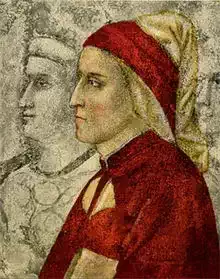
Dante Alighieri
Paradiso: Canto II
Paradiso: Canto II
Paradiso Canto 2
O Ye, who in some pretty little boat,
Eager to listen, have been following
Behind my ship, that singing sails along,
Turn back to look again upon your shores;
Do not put out to sea, lest peradventure,
In losing me, you might yourselves be lost.
The sea I sail has never yet been passed;
Minerva breathes, and pilots me Apollo,
And Muses nine point out to me the Bears.
Ye other few who have the neck uplifted
Betimes to th' bread of Angels upon which
One liveth here and grows not sated by it,
Well may you launch upon the deep salt-sea
Your vessel, keeping still my wake before you
Upon the water that grows smooth again.
Those glorious ones who unto Colchos passed
Were not so wonder-struck as you shall be,
When Jason they beheld a ploughman made!
The con-created and perpetual thirst
For the realm deiform did bear us on,
As swift almost as ye the heavens behold.
Upward gazed Beatrice, and I at her;
And in such space perchance as strikes a bolt
And flies, and from the notch unlocks itself,
Arrived I saw me where a wondrous thing
Drew to itself my sight; and therefore she
From whom no care of mine could be concealed,
Towards me turning, blithe as beautiful,
Said unto me: 'Fix gratefully thy mind
On God, who unto the first star has brought us.'
It seemed to me a cloud encompassed us,
Luminous, dense, consolidate and bright
As adamant on which the sun is striking.
Into itself did the eternal pearl
Receive us, even as water doth receive
A ray of light, remaining still unbroken.
If I was body, (and we here conceive not
How one dimension tolerates another,
Which needs must be if body enter body,)
More the desire should be enkindled in us
That essence to behold, wherein is seen
How God and our own nature were united.
There will be seen what we receive by faith,
Not demonstrated, but self-evident
In guise of the first truth that man believes.
I made reply: 'Madonna, as devoutly
As most I can do I give thanks to Him
Who has removed me from the mortal world.
But tell me what the dusky spots may be
Upon this body, which below on earth
Make people tell that fabulous tale of Cain?'
Somewhat she smiled; and then, 'If the opinion
Of mortals be erroneous,' she said,
'Where'er the key of sense doth not unlock,
Certes, the shafts of wonder should not pierce thee
Now, forasmuch as, following the senses,
Thou seest that the reason has short wings.
But tell me what thou think'st of it thyself.'
And I: 'What seems to us up here diverse,
Is caused, I think, by bodies rare and dense.'
And she: 'Right truly shalt thou see immersed
In error thy belief, if well thou hearest
The argument that I shall make against it.
Lights many the eighth sphere displays to you
Which in their quality and quantity
May noted be of aspects different.
If this were caused by rare and dense alone,
One only virtue would there be in all
Or more or less diffused, or equally.
Virtues diverse must be perforce the fruits
Of formal principles; and these, save one,
Of course would by thy reasoning be destroyed.
Besides, if rarity were of this dimness
The cause thou askest, either through and through
This planet thus attenuate were of matter,
Or else, as in a body is apportioned
The fat and lean, so in like manner this
Would in its volume interchange the leaves.
Were it the former, in the sun's eclipse
It would be manifest by the shining through
Of light, as through aught tenuous interfused.
This is not so; hence we must scan the other,
And if it chance the other I demolish,
Then falsified will thy opinion be.
But if this rarity go not through and through,
There needs must be a limit, beyond which
Its contrary prevents the further passing,
And thence the foreign radiance is reflected,
Even as a colour cometh back from glass,
The which behind itself concealeth lead.
Now thou wilt say the sunbeam shows itself
More dimly there than in the other parts,
By being there reflected farther back.
From this reply experiment will free thee
If e'er thou try it, which is wont to be
The fountain to the rivers of your arts.
Three mirrors shalt thou take, and two remove
Alike from thee, the other more remote
Between the former two shall meet thine eyes.
Turned towards these, cause that behind thy back
Be placed a light, illuming the three mirrors
And coming back to thee by all reflected.
Though in its quantity be not so ample
The image most remote, there shalt thou see
How it perforce is equally resplendent.
Now, as beneath the touches of warm rays
Naked the subject of the snow remains
Both of its former colour and its cold,
Thee thus remaining in thy intellect,
Will I inform with such a living light,
That it shall tremble in its aspect to thee.
Within the heaven of the divine repose
Revolves a body, in whose virtue lies
The being of whatever it contains.
The following heaven, that has so many eyes,
Divides this being by essences diverse,
Distinguished from it, and by it contained.
The other spheres, by various differences,
All the distinctions which they have within them
Dispose unto their ends and their effects.
Thus do these organs of the world proceed,
As thou perceivest now, from grade to grade;
Since from above they take, and act beneath.
Observe me well, how through this place I come
Unto the truth thou wishest, that hereafter
Thou mayst alone know how to keep the ford
The power and motion of the holy spheres,
As from the artisan the hammer's craft,
Forth from the blessed motors must proceed.
The heaven, which lights so manifold make fair,
From the Intelligence profound, which turns it,
The image takes, and makes of it a seal.
And even as the soul within your dust
Through members different and accommodated
To faculties diverse expands itself,
So likewise this Intelligence diffuses
Its virtue multiplied among the stars.
Itself revolving on its unity.
Virtue diverse doth a diverse alloyage
Make with the precious body that it quickens,
In which, as life in you, it is combined.
From the glad nature whence it is derived,
The mingled virtue through the body shines,
Even as gladness through the living pupil.
From this proceeds whate'er from light to light
Appeareth different, not from dense and rare:
This is the formal principle that produces,
According to its goodness, dark and bright.'
Paradiso Canto 2
O Ye, who in some pretty little boat,
Eager to listen, have been following
Behind my ship, that singing sails along,
Turn back to look again upon your shores;
Do not put out to sea, lest peradventure,
In losing me, you might yourselves be lost.
The sea I sail has never yet been passed;
Minerva breathes, and pilots me Apollo,
And Muses nine point out to me the Bears.
Ye other few who have the neck uplifted
Betimes to th' bread of Angels upon which
One liveth here and grows not sated by it,
Well may you launch upon the deep salt-sea
Your vessel, keeping still my wake before you
Upon the water that grows smooth again.
Those glorious ones who unto Colchos passed
Were not so wonder-struck as you shall be,
When Jason they beheld a ploughman made!
The con-created and perpetual thirst
For the realm deiform did bear us on,
As swift almost as ye the heavens behold.
Upward gazed Beatrice, and I at her;
And in such space perchance as strikes a bolt
And flies, and from the notch unlocks itself,
Arrived I saw me where a wondrous thing
Drew to itself my sight; and therefore she
From whom no care of mine could be concealed,
Towards me turning, blithe as beautiful,
Said unto me: 'Fix gratefully thy mind
On God, who unto the first star has brought us.'
It seemed to me a cloud encompassed us,
Luminous, dense, consolidate and bright
As adamant on which the sun is striking.
Into itself did the eternal pearl
Receive us, even as water doth receive
A ray of light, remaining still unbroken.
If I was body, (and we here conceive not
How one dimension tolerates another,
Which needs must be if body enter body,)
More the desire should be enkindled in us
That essence to behold, wherein is seen
How God and our own nature were united.
There will be seen what we receive by faith,
Not demonstrated, but self-evident
In guise of the first truth that man believes.
I made reply: 'Madonna, as devoutly
As most I can do I give thanks to Him
Who has removed me from the mortal world.
But tell me what the dusky spots may be
Upon this body, which below on earth
Make people tell that fabulous tale of Cain?'
Somewhat she smiled; and then, 'If the opinion
Of mortals be erroneous,' she said,
'Where'er the key of sense doth not unlock,
Certes, the shafts of wonder should not pierce thee
Now, forasmuch as, following the senses,
Thou seest that the reason has short wings.
But tell me what thou think'st of it thyself.'
And I: 'What seems to us up here diverse,
Is caused, I think, by bodies rare and dense.'
And she: 'Right truly shalt thou see immersed
In error thy belief, if well thou hearest
The argument that I shall make against it.
Lights many the eighth sphere displays to you
Which in their quality and quantity
May noted be of aspects different.
If this were caused by rare and dense alone,
One only virtue would there be in all
Or more or less diffused, or equally.
Virtues diverse must be perforce the fruits
Of formal principles; and these, save one,
Of course would by thy reasoning be destroyed.
Besides, if rarity were of this dimness
The cause thou askest, either through and through
This planet thus attenuate were of matter,
Or else, as in a body is apportioned
The fat and lean, so in like manner this
Would in its volume interchange the leaves.
Were it the former, in the sun's eclipse
It would be manifest by the shining through
Of light, as through aught tenuous interfused.
This is not so; hence we must scan the other,
And if it chance the other I demolish,
Then falsified will thy opinion be.
But if this rarity go not through and through,
There needs must be a limit, beyond which
Its contrary prevents the further passing,
And thence the foreign radiance is reflected,
Even as a colour cometh back from glass,
The which behind itself concealeth lead.
Now thou wilt say the sunbeam shows itself
More dimly there than in the other parts,
By being there reflected farther back.
From this reply experiment will free thee
If e'er thou try it, which is wont to be
The fountain to the rivers of your arts.
Three mirrors shalt thou take, and two remove
Alike from thee, the other more remote
Between the former two shall meet thine eyes.
Turned towards these, cause that behind thy back
Be placed a light, illuming the three mirrors
And coming back to thee by all reflected.
Though in its quantity be not so ample
The image most remote, there shalt thou see
How it perforce is equally resplendent.
Now, as beneath the touches of warm rays
Naked the subject of the snow remains
Both of its former colour and its cold,
Thee thus remaining in thy intellect,
Will I inform with such a living light,
That it shall tremble in its aspect to thee.
Within the heaven of the divine repose
Revolves a body, in whose virtue lies
The being of whatever it contains.
The following heaven, that has so many eyes,
Divides this being by essences diverse,
Distinguished from it, and by it contained.
The other spheres, by various differences,
All the distinctions which they have within them
Dispose unto their ends and their effects.
Thus do these organs of the world proceed,
As thou perceivest now, from grade to grade;
Since from above they take, and act beneath.
Observe me well, how through this place I come
Unto the truth thou wishest, that hereafter
Thou mayst alone know how to keep the ford
The power and motion of the holy spheres,
As from the artisan the hammer's craft,
Forth from the blessed motors must proceed.
The heaven, which lights so manifold make fair,
From the Intelligence profound, which turns it,
The image takes, and makes of it a seal.
And even as the soul within your dust
Through members different and accommodated
To faculties diverse expands itself,
So likewise this Intelligence diffuses
Its virtue multiplied among the stars.
Itself revolving on its unity.
Virtue diverse doth a diverse alloyage
Make with the precious body that it quickens,
In which, as life in you, it is combined.
From the glad nature whence it is derived,
The mingled virtue through the body shines,
Even as gladness through the living pupil.
From this proceeds whate'er from light to light
Appeareth different, not from dense and rare:
This is the formal principle that produces,
According to its goodness, dark and bright.'
298
Dante Alighieri
Autumn Song
Autumn Song
Know'st thou not at the fall of the leaf
How the heart feels a languid grief
Laid on it for a covering,
And how sleep seems a goodly thing
In Autumn at the fall of the leaf?
And how the swift beat of the brain
Falters because it is in vain,
In Autumn at the fall of the leaf
Knowest thou not? and how the chief
Of joys seems--not to suffer pain?
Know'st thou not at the fall of the leaf
How the soul feels like a dried sheaf
Bound up at length for harvesting,
And how death seems a comely thing
In Autumn at the fall of the leaf?
Know'st thou not at the fall of the leaf
How the heart feels a languid grief
Laid on it for a covering,
And how sleep seems a goodly thing
In Autumn at the fall of the leaf?
And how the swift beat of the brain
Falters because it is in vain,
In Autumn at the fall of the leaf
Knowest thou not? and how the chief
Of joys seems--not to suffer pain?
Know'st thou not at the fall of the leaf
How the soul feels like a dried sheaf
Bound up at length for harvesting,
And how death seems a comely thing
In Autumn at the fall of the leaf?
282

Claude Mckay
Winter in the Country
Winter in the Country
Sweet life! how lovely to be here
And feel the soft sea-laden breeze
Strike my flushed face, the spruce's fair
Free limbs to see, the lesser trees'
Bare hands to touch, the sparrow's cheep
To heed, and watch his nimble flight
Above the short brown grass asleep.
Love glorious in his friendly might,
Music that every heart could bless,
And thoughts of life serene, divine,
Beyond my power to express,
Crowd round this lifted heart of mine!
But oh! to leave this paradise
For the city's dirty basement room,
Where, beauty hidden from the eyes,
A table, bed, bureau, and broom
In corner set, two crippled chairs
All covered up with dust and grim
With hideousness and scars of years,
And gaslight burning weird and dim,
Will welcome me . . . And yet, and yet
This very wind, the winter birds
The glory of the soft sunset,
Come there to me in words.
Sweet life! how lovely to be here
And feel the soft sea-laden breeze
Strike my flushed face, the spruce's fair
Free limbs to see, the lesser trees'
Bare hands to touch, the sparrow's cheep
To heed, and watch his nimble flight
Above the short brown grass asleep.
Love glorious in his friendly might,
Music that every heart could bless,
And thoughts of life serene, divine,
Beyond my power to express,
Crowd round this lifted heart of mine!
But oh! to leave this paradise
For the city's dirty basement room,
Where, beauty hidden from the eyes,
A table, bed, bureau, and broom
In corner set, two crippled chairs
All covered up with dust and grim
With hideousness and scars of years,
And gaslight burning weird and dim,
Will welcome me . . . And yet, and yet
This very wind, the winter birds
The glory of the soft sunset,
Come there to me in words.
360
Claude Mckay
When Dawn Comes to the City
When Dawn Comes to the City
The tired cars go grumbling by,
The moaning, groaning cars,
And the old milk carts go rumbling by
Under the same dull stars.
Out of the tenements, cold as stone,
Dark figures start for work;
I watch them sadly shuffle on,
'Tis dawn, dawn in New York.
But I would be on the island of the sea,
In the heart of the island of the sea,
Where the cocks are crowing, crowing, crowing,
And the hens are cackling in the rose-apple tree,
Where the old draft-horse is neighing, neighing, neighing,
Out on the brown dew-silvered lawn,
And the tethered cow is lowing, lowing, lowing,
And dear old Ned is braying, braying, braying,
And the shaggy Nannie goat is calling, calling, calling
From her little trampled corner of the long wide lea
That stretches to the waters of the hill-stream falling
Sheer upon the flat rocks joyously!
There, oh, there! on the island of the sea,
There would I be at dawn.
The tired cars go grumbling by,
The crazy, lazy cars,
And the same milk carts go rumbling by
Under the dying stars.
A lonely newsboy hurries by,
Humming a recent ditty;
Red streaks strike through the gray of the sky,
The dawn comes to the city.
But I would be on the island of the sea,
In the heart of the island of the sea,
Where the cocks are crowing, crowing, crowing,
And the hens are cackling in the rose-apple tree,
Where the old draft-horse is neighing, neighing, neighing
Out on the brown dew-silvered lawn,
And the tethered cow is lowing, lowing, lowing,
And dear old Ned is braying, braying, braying,
And the shaggy Nannie goat is calling, calling, calling,
From her little trampled corner of the long wide lea
That stretches to the waters of the hill-stream falling
Sheer upon the flat rocks joyously!
There, oh, there! on the island of the sea,
There I would be at dawn.
The tired cars go grumbling by,
The moaning, groaning cars,
And the old milk carts go rumbling by
Under the same dull stars.
Out of the tenements, cold as stone,
Dark figures start for work;
I watch them sadly shuffle on,
'Tis dawn, dawn in New York.
But I would be on the island of the sea,
In the heart of the island of the sea,
Where the cocks are crowing, crowing, crowing,
And the hens are cackling in the rose-apple tree,
Where the old draft-horse is neighing, neighing, neighing,
Out on the brown dew-silvered lawn,
And the tethered cow is lowing, lowing, lowing,
And dear old Ned is braying, braying, braying,
And the shaggy Nannie goat is calling, calling, calling
From her little trampled corner of the long wide lea
That stretches to the waters of the hill-stream falling
Sheer upon the flat rocks joyously!
There, oh, there! on the island of the sea,
There would I be at dawn.
The tired cars go grumbling by,
The crazy, lazy cars,
And the same milk carts go rumbling by
Under the dying stars.
A lonely newsboy hurries by,
Humming a recent ditty;
Red streaks strike through the gray of the sky,
The dawn comes to the city.
But I would be on the island of the sea,
In the heart of the island of the sea,
Where the cocks are crowing, crowing, crowing,
And the hens are cackling in the rose-apple tree,
Where the old draft-horse is neighing, neighing, neighing
Out on the brown dew-silvered lawn,
And the tethered cow is lowing, lowing, lowing,
And dear old Ned is braying, braying, braying,
And the shaggy Nannie goat is calling, calling, calling,
From her little trampled corner of the long wide lea
That stretches to the waters of the hill-stream falling
Sheer upon the flat rocks joyously!
There, oh, there! on the island of the sea,
There I would be at dawn.
622
Claude Mckay
To One Coming North
To One Coming North
At first you'll joy to see the playful snow,
Like white moths trembling on the tropic air,
Or waters of the hills that softly flow
Gracefully falling down a shining stair.
And when the fields and streets are covered white
And the wind-worried void is chilly, raw,
Or underneath a spell of heat and light
The cheerless frozen spots begin to thaw,
Like me you'll long for home, where birds' glad song
Means flowering lanes and leas and spaces dry,
And tender thoughts and feelings fine and strong,
Beneath a vivid silver-flecked blue sky.
But oh! more than the changeless southern isles,
When Spring has shed upon the earth her charm,
You'll love the Northland wreathed in golden smiles
By the miraculous sun turned glad and warm.
At first you'll joy to see the playful snow,
Like white moths trembling on the tropic air,
Or waters of the hills that softly flow
Gracefully falling down a shining stair.
And when the fields and streets are covered white
And the wind-worried void is chilly, raw,
Or underneath a spell of heat and light
The cheerless frozen spots begin to thaw,
Like me you'll long for home, where birds' glad song
Means flowering lanes and leas and spaces dry,
And tender thoughts and feelings fine and strong,
Beneath a vivid silver-flecked blue sky.
But oh! more than the changeless southern isles,
When Spring has shed upon the earth her charm,
You'll love the Northland wreathed in golden smiles
By the miraculous sun turned glad and warm.
494
Claude Mckay
Spring in New Hampshire
Spring in New Hampshire
Too green the springing April grass,
Too blue the silver-speckled sky,
For me to linger here, alas,
While happy winds go laughing by,
Wasting the golden hours indoors,
Washing windows and scrubbing floors.
Too wonderful the April night,
Too faintly sweet the first May flowers,
The stars too gloriously bright,
For me to spend the evening hours,
When fields are fresh and streams are leaping,
Wearied, exhausted, dully sleeping.
Too green the springing April grass,
Too blue the silver-speckled sky,
For me to linger here, alas,
While happy winds go laughing by,
Wasting the golden hours indoors,
Washing windows and scrubbing floors.
Too wonderful the April night,
Too faintly sweet the first May flowers,
The stars too gloriously bright,
For me to spend the evening hours,
When fields are fresh and streams are leaping,
Wearied, exhausted, dully sleeping.
424
Claude Mckay
Summer Morn in New Hampshire
Summer Morn in New Hampshire
All yesterday it poured, and all night long
I could not sleep; the rain unceasing beat
Upon the shingled roof like a weird song,
Upon the grass like running children's feet.
And down the mountains by the dark cloud kissed,
Like a strange shape in filmy veiling dressed,
Slid slowly, silently, the wraith-like mist,
And nestled soft against the earth's wet breast.
But lo, there was a miracle at dawn!
The still air stirred at touch of the faint breeze,
The sun a sheet of gold bequeathed the lawn,
The songsters twittered in the rustling trees.
And all things were transfigured in the day,
But me whom radiant beauty could not move;
For you, more wonderful, were far away,
And I was blind with hunger for your love.
All yesterday it poured, and all night long
I could not sleep; the rain unceasing beat
Upon the shingled roof like a weird song,
Upon the grass like running children's feet.
And down the mountains by the dark cloud kissed,
Like a strange shape in filmy veiling dressed,
Slid slowly, silently, the wraith-like mist,
And nestled soft against the earth's wet breast.
But lo, there was a miracle at dawn!
The still air stirred at touch of the faint breeze,
The sun a sheet of gold bequeathed the lawn,
The songsters twittered in the rustling trees.
And all things were transfigured in the day,
But me whom radiant beauty could not move;
For you, more wonderful, were far away,
And I was blind with hunger for your love.
522
Claude Mckay
Joy in the Woods
Joy in the Woods
There is joy in the woods just now,
The leaves are whispers of song,
And the birds make mirth on the bough
And music the whole day long,
And God! to dwell in the town
In these springlike summer days,
On my brow an unfading frown
And hate in my heart always—
A machine out of gear, aye, tired,
Yet forced to go on—for I’m hired.
Just forced to go on through fear,
For every day I must eat
And find ugly clothes to wear,
And bad shoes to hurt my feet
And a shelter for work-drugged sleep!
A mere drudge! but what can one do?
A man that’s a man cannot weep!
Suicide? A quitter? Oh, no!
But a slave should never grow tired,
Whom the masters have kindly hired.
But oh! for the woods, the flowers
Of natural, sweet perfume,
The heartening, summer showers
And the smiling shrubs in bloom,
Dust-free, dew-tinted at morn,
The fresh and life-giving air,
The billowing waves of corn
And the birds’ notes rich and clear:—
For a man-machine toil-tired
May crave beauty too—though he’s hired
There is joy in the woods just now,
The leaves are whispers of song,
And the birds make mirth on the bough
And music the whole day long,
And God! to dwell in the town
In these springlike summer days,
On my brow an unfading frown
And hate in my heart always—
A machine out of gear, aye, tired,
Yet forced to go on—for I’m hired.
Just forced to go on through fear,
For every day I must eat
And find ugly clothes to wear,
And bad shoes to hurt my feet
And a shelter for work-drugged sleep!
A mere drudge! but what can one do?
A man that’s a man cannot weep!
Suicide? A quitter? Oh, no!
But a slave should never grow tired,
Whom the masters have kindly hired.
But oh! for the woods, the flowers
Of natural, sweet perfume,
The heartening, summer showers
And the smiling shrubs in bloom,
Dust-free, dew-tinted at morn,
The fresh and life-giving air,
The billowing waves of corn
And the birds’ notes rich and clear:—
For a man-machine toil-tired
May crave beauty too—though he’s hired
633
Claude Mckay
Homing Swallows
Homing Swallows
Swift swallows sailing from the Spanish main,
O rain-birds racing merrily away
From hill-tops parched with heat and sultry plain
Of wilting plants and fainting flowers, say--
When at the noon-hour from the chapel school
The children dash and scamper down the dale,
Scornful of teacher's rod and binding rule
Forever broken and without avail,
Do they still stop beneath the giant tree
To gather locusts in their childish greed,
And chuckle when they break the pods to see
The golden powder clustered round the seed?
Swift swallows sailing from the Spanish main,
O rain-birds racing merrily away
From hill-tops parched with heat and sultry plain
Of wilting plants and fainting flowers, say--
When at the noon-hour from the chapel school
The children dash and scamper down the dale,
Scornful of teacher's rod and binding rule
Forever broken and without avail,
Do they still stop beneath the giant tree
To gather locusts in their childish greed,
And chuckle when they break the pods to see
The golden powder clustered round the seed?
307
Claude Mckay
I Shall Return
I Shall Return
I shall return again; I shall return
To laugh and love and watch with wonder-eyes
At golden noon the forest fires burn,
Wafting their blue-black smoke to sapphire skies.
I shall return to loiter by the streams
That bathe the brown blades of the bending grasses,
And realize once more my thousand dreams
Of waters rushing down the mountain passes.
I shall return to hear the fiddle and fife
Of village dances, dear delicious tunes
That stir the hidden depths of native life,
Stray melodies of dim remembered runes.
I shall return, I shall return again,
To ease my mind of long, long years of pain.
I shall return again; I shall return
To laugh and love and watch with wonder-eyes
At golden noon the forest fires burn,
Wafting their blue-black smoke to sapphire skies.
I shall return to loiter by the streams
That bathe the brown blades of the bending grasses,
And realize once more my thousand dreams
Of waters rushing down the mountain passes.
I shall return to hear the fiddle and fife
Of village dances, dear delicious tunes
That stir the hidden depths of native life,
Stray melodies of dim remembered runes.
I shall return, I shall return again,
To ease my mind of long, long years of pain.
399
Claude Mckay
Flame-Heart
Flame-Heart
So much have I forgotten in ten years,
So much in ten brief years! I have forgot
What time the purple apples come to juice,
And what month brings the shy forget-me-not.
I have forgot the special, startling season
Of the pimento's flowering and fruiting;
What time of year the ground doves brown the fields
And fill the noonday with their curious fluting.
I have forgotten much, but still remember
The poinsettia's red, blood-red in warm December.
I still recall the honey-fever grass,
But cannot recollect the high days when
We rooted them out of the ping-wing path
To stop the mad bees in the rabbit pen.
I often try to think in what sweet month
The languid painted ladies used to dapple
The yellow by-road mazing from the main,
Sweet with the golden threads of the rose-apple.
I have forgotten--strange--but quite remember
The poinsettia's red, blood-red in warm December.
What weeks, what months, what time of the mild year
We cheated school to have our fling at tops?
What days our wine-thrilled bodies pulsed with joy
Feasting upon blackberries in the copse?
Oh some I know! I have embalmed the days,
Even the sacred moments when we played,
All innocent of passion, uncorrupt,
At noon and evening in the flame-heart's shade.
We were so happy, happy, I remember,
Beneath the poinsettia's red in warm December.
So much have I forgotten in ten years,
So much in ten brief years! I have forgot
What time the purple apples come to juice,
And what month brings the shy forget-me-not.
I have forgot the special, startling season
Of the pimento's flowering and fruiting;
What time of year the ground doves brown the fields
And fill the noonday with their curious fluting.
I have forgotten much, but still remember
The poinsettia's red, blood-red in warm December.
I still recall the honey-fever grass,
But cannot recollect the high days when
We rooted them out of the ping-wing path
To stop the mad bees in the rabbit pen.
I often try to think in what sweet month
The languid painted ladies used to dapple
The yellow by-road mazing from the main,
Sweet with the golden threads of the rose-apple.
I have forgotten--strange--but quite remember
The poinsettia's red, blood-red in warm December.
What weeks, what months, what time of the mild year
We cheated school to have our fling at tops?
What days our wine-thrilled bodies pulsed with joy
Feasting upon blackberries in the copse?
Oh some I know! I have embalmed the days,
Even the sacred moments when we played,
All innocent of passion, uncorrupt,
At noon and evening in the flame-heart's shade.
We were so happy, happy, I remember,
Beneath the poinsettia's red in warm December.
416